Drinks
Drinks

Drinks Recipes

132 recipes. Page 3 of 6

This category brings together Korean traditional beverages and drinking snacks (anju). Sweet classics like sikhye (rice punch) and sujeonggwa (cinnamon punch) sit alongside modern fruit smoothies and homemade drinks. For anju, find recipes for dubu-kimchi (tofu with kimchi), golbaengi-muchim (spicy whelk salad), and other bar-food favorites.

A well-made drink rounds off a meal or makes a refreshing snack, while great anju elevates any gathering. Browse these recipes for ideas you can prepare at home with ease.

Korean Dried Persimmon Cinnamon Tea
Drinks Easy

Korean Dried Persimmon Cinnamon Tea

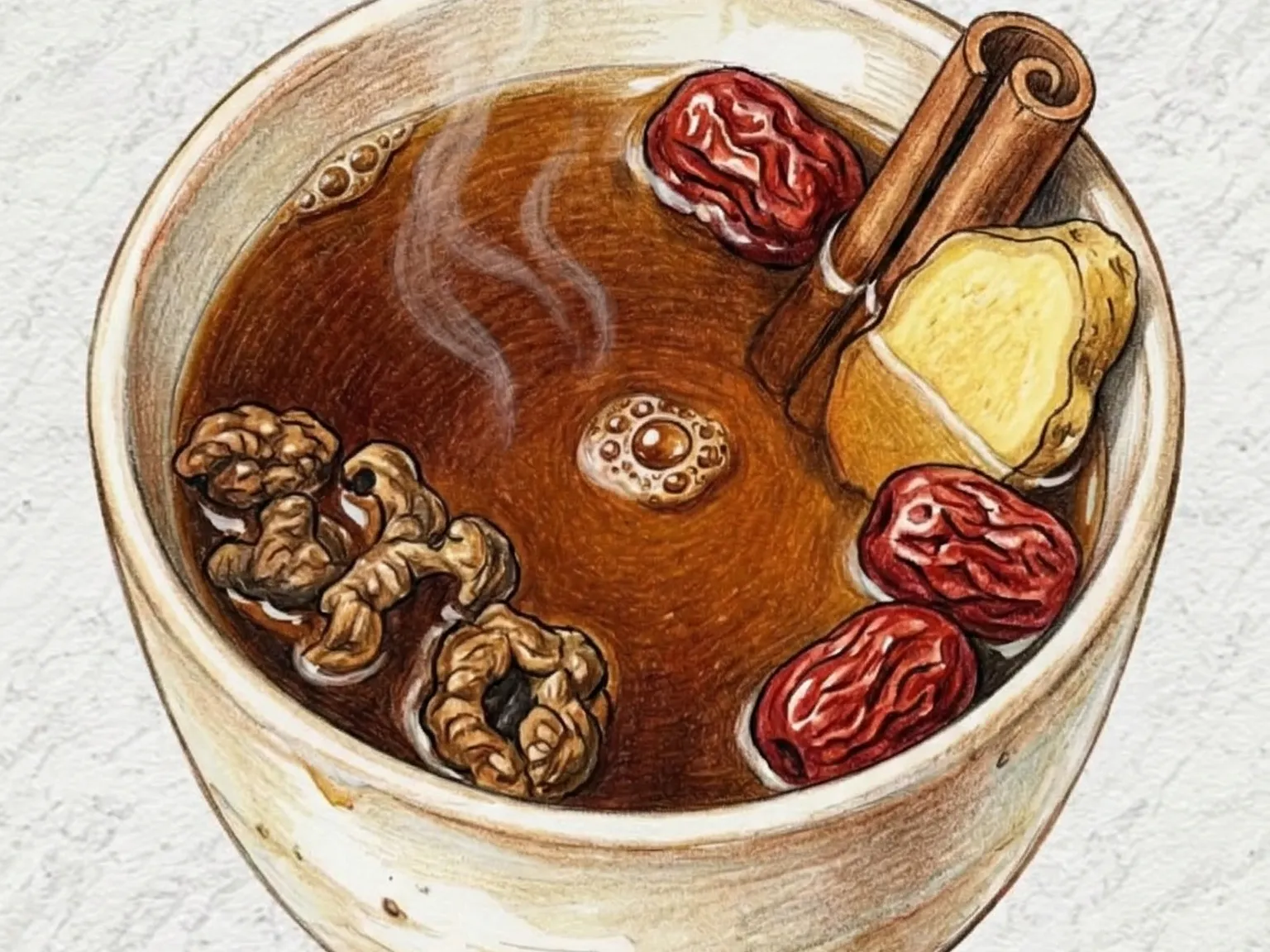
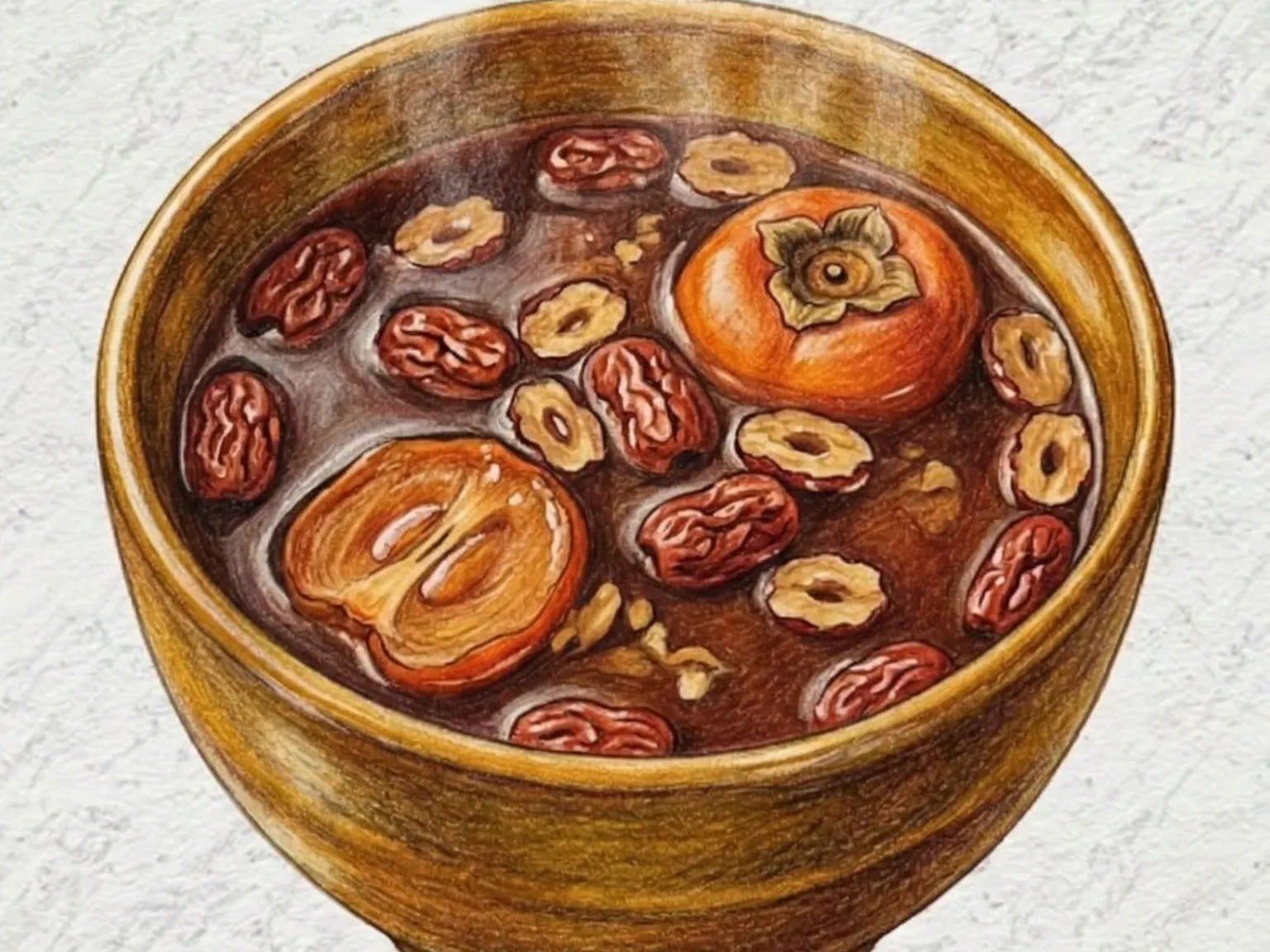
Gotgam-gyepi-cha is a traditional Korean winter tea made by slowly simmering dried persimmon, a cinnamon stick, fresh ginger, and jujubes in water for close to thirty minutes. Cinnamon, ginger, and jujube are added first and simmered for twenty minutes to establish the spiced backbone of the drink, building a deeply aromatic and gently sweet base before the persimmon is introduced. Quartered dried persimmons and dark brown sugar are then added for another eight to ten minutes, during which the fruit softens and its dense, concentrated fructose dissolves into the broth, giving the liquid a slight viscosity along with a rich, jammy sweetness. Because dried persimmons vary considerably in sugar content, the amount of dark brown sugar should be adjusted or omitted entirely when the fruit is particularly sweet, to prevent the drink from becoming cloying. Once strained through a fine mesh and poured into cups, the tea is a clear, reddish-amber color. A whole walnut is placed on top -- its firm crunch and toasted nuttiness contrast sharply with the warm, fragrant liquid and serve as a visual as well as textural counterpoint. The warming combination of ginger and cinnamon makes this tea well suited to cold weather, and it often appears alongside sikhye and sujeonggwa on holiday tables.

🍺 Bar Snacks 🥗 Light & Healthy
Prep 10min Cook 30min 2 servings
Korean Goji Berry Tea (Herbal Jujube Ginger Brew)
Drinks Easy

Korean Goji Berry Tea (Herbal Jujube Ginger Brew)

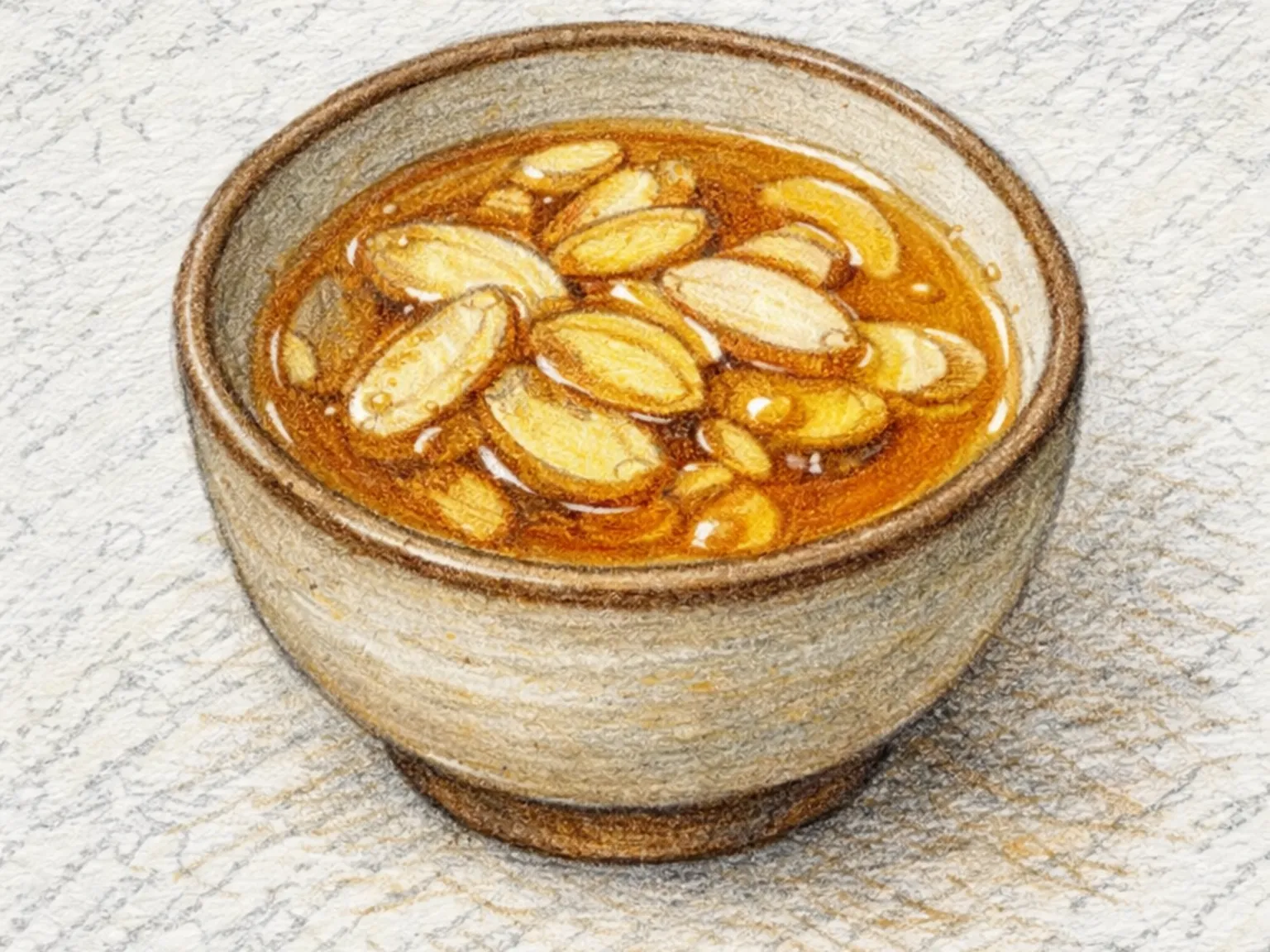
Gugija-cha is a Korean herbal tea made by gently simmering dried goji berries, jujubes, and fresh ginger in water. The jujubes and ginger go in first and cook for fifteen minutes, slowly giving the liquid the jujube's quiet sweetness and the ginger's warming sharpness. The goji berries are then added for just five minutes over low heat so their red pigment and mild berry aroma steep into the tea without releasing the bitterness that comes from overcooking. Getting the timing right matters, because boiling the berries too long draws out an astringency that overpowers the rest of the flavors. Honey is stirred in after the heat is off to preserve its delicate fragrance, and a scattering of pine nuts floats on top to layer a soft, oily richness over the clean finish of the tea. The deep red color and gentle sweetness make this a tea that fits any season.

🍺 Bar Snacks ⚡ Quick
Prep 5min Cook 20min 2 servings
Korean Daisy Tea (Delicate Floral Pear Honey Brew)
Drinks Easy

Korean Daisy Tea (Delicate Floral Pear Honey Brew)

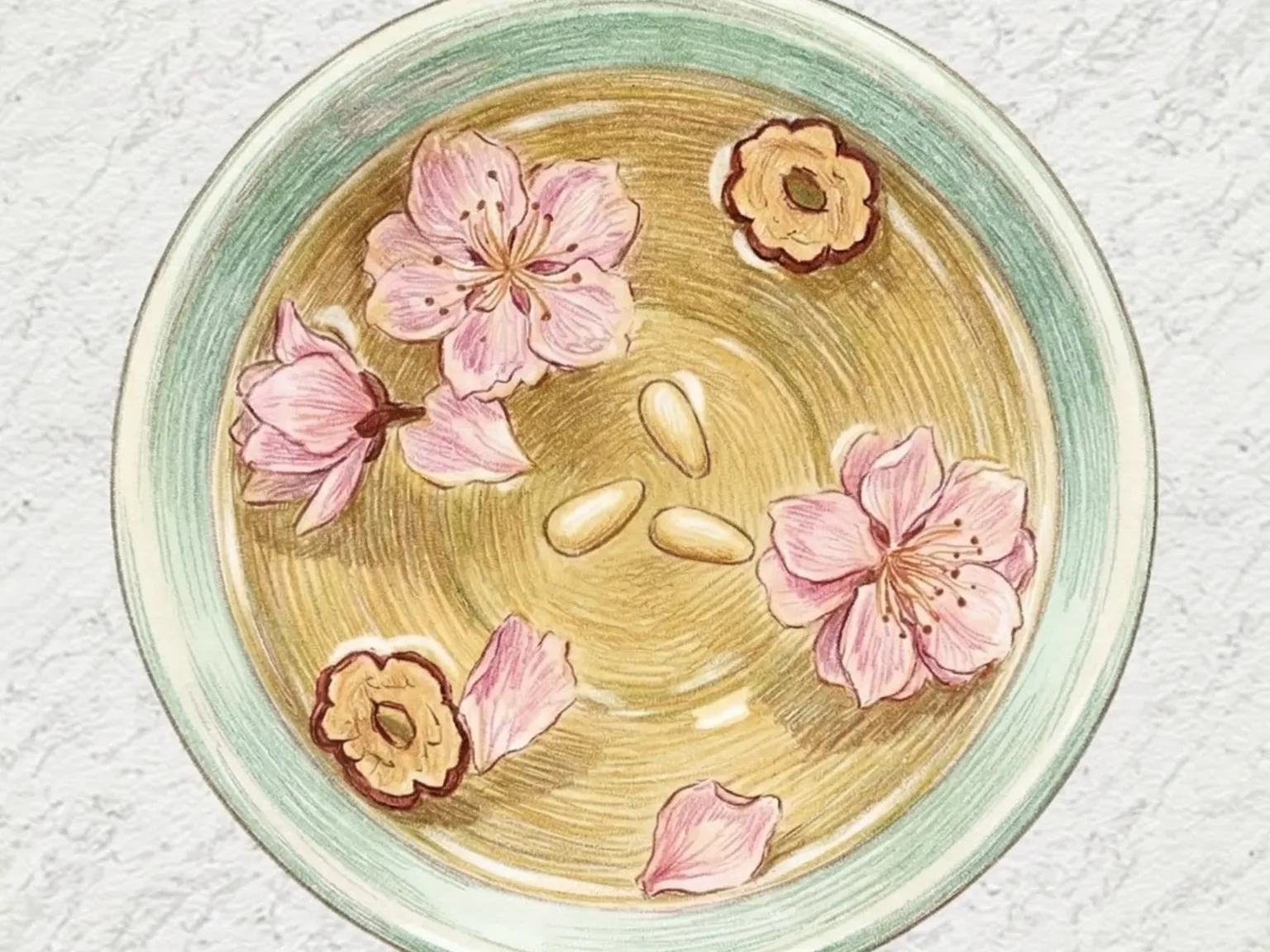
Gujeolcho-cha is a traditional Korean flower tea made by steeping dried gujeolcho blossoms -- a wild chrysanthemum native to Korea -- in water heated to around ninety degrees Celsius for five minutes over low heat. Boiling above one hundred degrees causes the volatile aromatic compounds in the petals to evaporate, weakening the delicate floral fragrance that makes the tea worth drinking, so a gentle infusion rather than a rolling boil is the non-negotiable foundation of the preparation. Thin julienned pear added to the cup brings a light, juicy sweetness that pairs naturally with the floral notes without competing against them. A single drop of lemon juice sharpens the overall flavor profile, giving the tea cleaner edges than it would have without the acidity. Honey balances and deepens the sweetness, and pine nuts floated on the surface contribute a subtle, rounded oiliness that grounds the otherwise light liquid. Gujeolcho blooms in the ninth lunar month and belongs to the chrysanthemum family; it has been consumed as a folk remedy for women's health for centuries in Korea, adding cultural weight to a tea that is otherwise valued simply for its fragrance and calm.

🍺 Bar Snacks ⚡ Quick
Prep 6min Cook 7min 2 servings
Korean Chrysanthemum Tea (Floral Jujube Goji Berry Brew)
Drinks Easy

Korean Chrysanthemum Tea (Floral Jujube Goji Berry Brew)

Gukhwa-cha is a traditional Korean flower tea brewed from dried chrysanthemum buds steeped in water at 80 to 85 degrees Celsius for three to four minutes. That temperature range draws out the gentle floral fragrance without releasing the bitter compounds that come out at a full boil. Jujubes and goji berries added to the pot contribute a mild natural sweetness from the jujubes and a faintly tart, herbal note from the goji berries, both of which round out the chrysanthemum's aroma and add visual warmth to the pale liquid. A spoonful of honey and a squeeze of lemon juice are stirred in at the end to brighten the finish without masking the floral base. The resulting tea is pale golden, lightly sweet, and carries a lingering scent that makes it a common after-meal drink in Korean households. Caffeine-free and mild, it is drunk in the evening without disruption to sleep, and in traditional Korean medicine the dried flower has long been associated with relieving headaches and eye fatigue.

🍺 Bar Snacks ⚡ Quick
Prep 5min Cook 10min 2 servings
Korean Roasted Cassia Seed Tea
Drinks Easy

Korean Roasted Cassia Seed Tea

Gyeolmyeongja-cha is a Korean herbal tea brewed from cassia seeds that are first dry-roasted in a pan over medium-low heat until their surfaces turn a deep amber and release a toasty, distinctly nutty fragrance. The degree of roasting matters considerably: lighter roasting keeps the flavor mild and grassy, while a deeper roast brings forward a bold, grain-like quality similar to barley tea. Once roasted, the seeds are simmered in water for about twenty minutes, extracting a rich brown liquor with layers of earthy warmth. Sliced fresh ginger is often added during simmering, lending a peppery heat that adds body to the brew. Dried jujubes contribute their gentle fruit sweetness, rounding and mellowing the overall profile. Honey adjusts the final sweetness level, and thin lemon slices floated on top before serving add a clean citrus brightness that lifts the deep, roasted base.

🍺 Bar Snacks ⚡ Quick
Prep 8min Cook 20min 2 servings
Korean Cinnamon Tea (Spiced Jujube Ginger Honey Brew)
Drinks Easy

Korean Cinnamon Tea (Spiced Jujube Ginger Honey Brew)

Gyepi-cha is a traditional Korean cinnamon tea made by simmering whole cinnamon sticks and fresh ginger in water over low heat for at least twenty-five minutes. The long, gentle simmer is what separates gyepi-cha from an infusion: the bold, sweet-spicy aroma of the cinnamon builds gradually, saturating the liquid rather than merely scenting it. Ginger contributes a sharp, deeply warming bite that stays present long after each sip, creating a slow, spreading heat in the chest. Six jujubes are cooked alongside the spices; their flesh softens and eventually breaks down, lending the broth a faint fruitiness and a slight natural body. Dark brown sugar and honey are both used to construct a sweetness that is layered rather than flat, with the molasses depth of the sugar underpinning the floral brightness of the honey. Before serving, a few pine nuts are floated on the surface, where their oily richness drifts down to complement the spice. This is a drink associated with cold weather and recovering health, often prepared during winter or whenever warmth is needed from the inside out.

🍺 Bar Snacks ⚡ Quick
Prep 5min Cook 25min 4 servings

Korean Egg Drop Soup for Anju
Drinks Easy

Korean Egg Drop Soup for Anju

Gyeran-tang is a light Korean egg drop soup seasoned with soup soy sauce and minced garlic in a clear broth. Beaten eggs are poured in a thin stream along chopsticks held just above the surface of the boiling liquid, breaking the flow into fine threads that set almost instantly into soft, silky ribbons. The garlic contributes a quiet background savoriness without dominating, and a pinch of black pepper adds a dry, peppery warmth that offsets the mildness of the egg. Sliced green onion scattered on top just before serving releases a fresh, grassy fragrance as it meets the steam. The soup comes together in under fifteen minutes and requires no special ingredients, making it a practical choice for breakfast or as a gentle restorative when a plain, comforting bowl is needed.

🍺 Bar Snacks ⚡ Quick
Prep 5min Cook 10min 2 servings
Korean Tangerine Peel Ginger Tea
Drinks Easy

Korean Tangerine Peel Ginger Tea

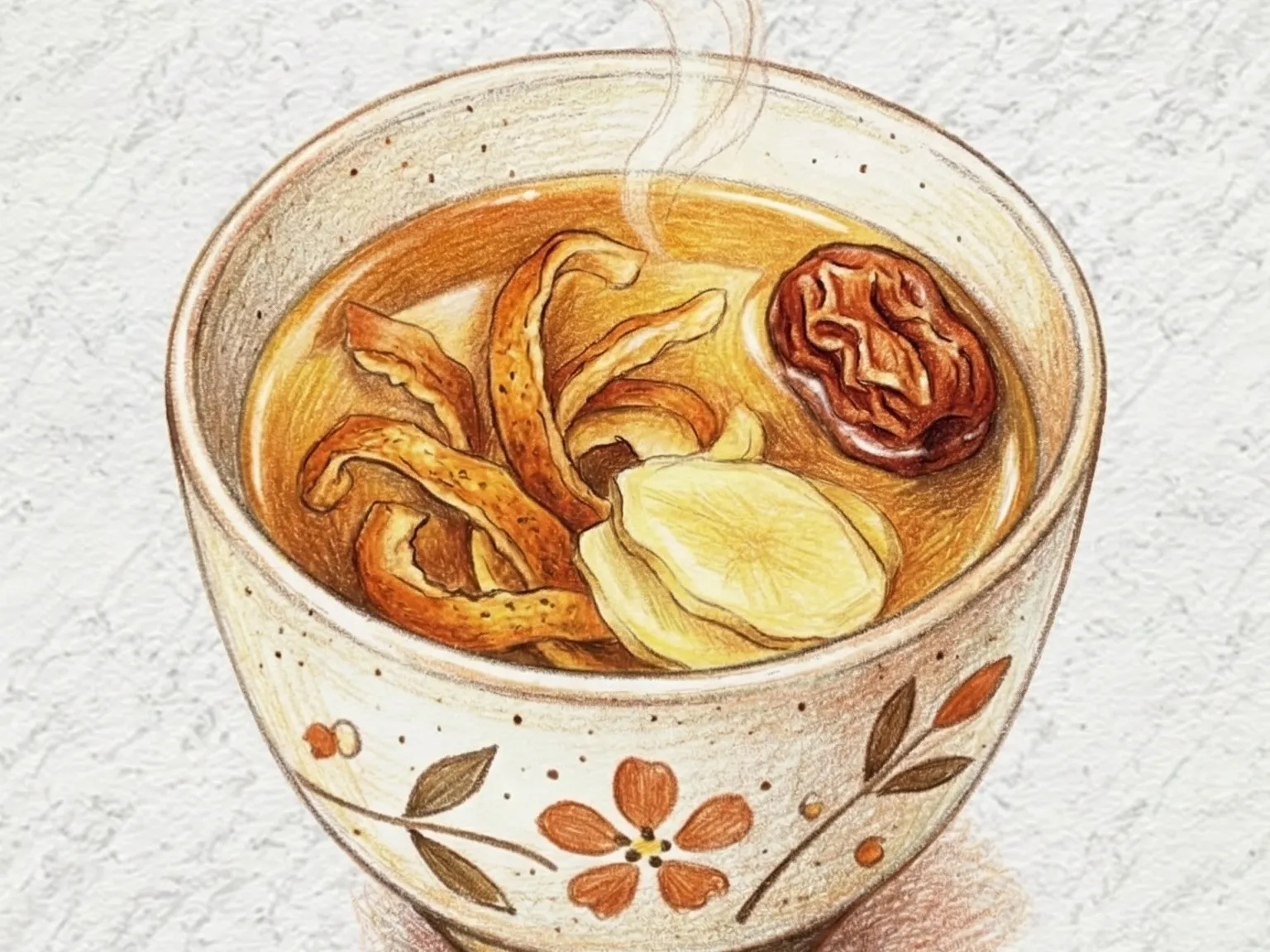
Gyulpi-saenggang-cha is a traditional Korean tea made by simmering dried tangerine peel and thin-sliced fresh ginger together for about eighteen minutes. Properly dried peel concentrates its aromatic essential oils while shedding much of the bitterness that fresh peel carries, and the extended simmering draws those oils fully into the water. The result is a cup where the citrus's bright, faintly bitter edge meets the warming heat of ginger in each sip. Jujubes round off the sharper notes with their gentle background sweetness, and using both honey and rice syrup adds two distinct registers of sweetness -- one clean and floral, the other thick and malty. A very small pinch of salt at the end sharpens the overall flavor and leaves a clean finish. It is a natural choice on cold days when the body needs warming from the inside.

🍺 Bar Snacks ⚡ Quick
Prep 10min Cook 18min 2 servings
Korean Jellyfish Salad (Chilled Mustard Vinegar Dressed Cold Dish)
Drinks Medium

Korean Jellyfish Salad (Chilled Mustard Vinegar Dressed Cold Dish)

Haepari-naengchae begins with salted jellyfish rinsed multiple times in cold water to remove as much of the brine as possible, then blanched in boiling water for roughly ten seconds to firm up and set its characteristic texture before being plunged immediately into ice water to stop the cooking. The jellyfish is sliced into thin strips along its natural grain and combined with julienned cucumber and bell pepper, then tossed in a dressing of rice vinegar, sugar, and Korean mustard, a sauce that hits in two distinct waves, first the sharp nasal heat of the mustard and then the clean sourness of the vinegar, creating a bracing, stimulating layered flavor. A small drizzle of sesame oil added at the end rounds the dish out with a warm, nutty gloss. Serving the naengchae cold is essential rather than optional: the jellyfish loses its springy, snappy bite as it warms, softening in a way that undermines the dish entirely, so it should be eaten immediately after dressing. It is most often presented as an appetizer at Korean-Chinese restaurants, but it is straightforward to prepare at home with salted jellyfish purchased from Korean grocery stores.

🍺 Bar Snacks 🥗 Light & Healthy
Prep 20min Cook 2min 4 servings
Korean Hallabong Ade (Jeju Mandarin Sparkling Citrus Drink)
Drinks Easy

Korean Hallabong Ade (Jeju Mandarin Sparkling Citrus Drink)

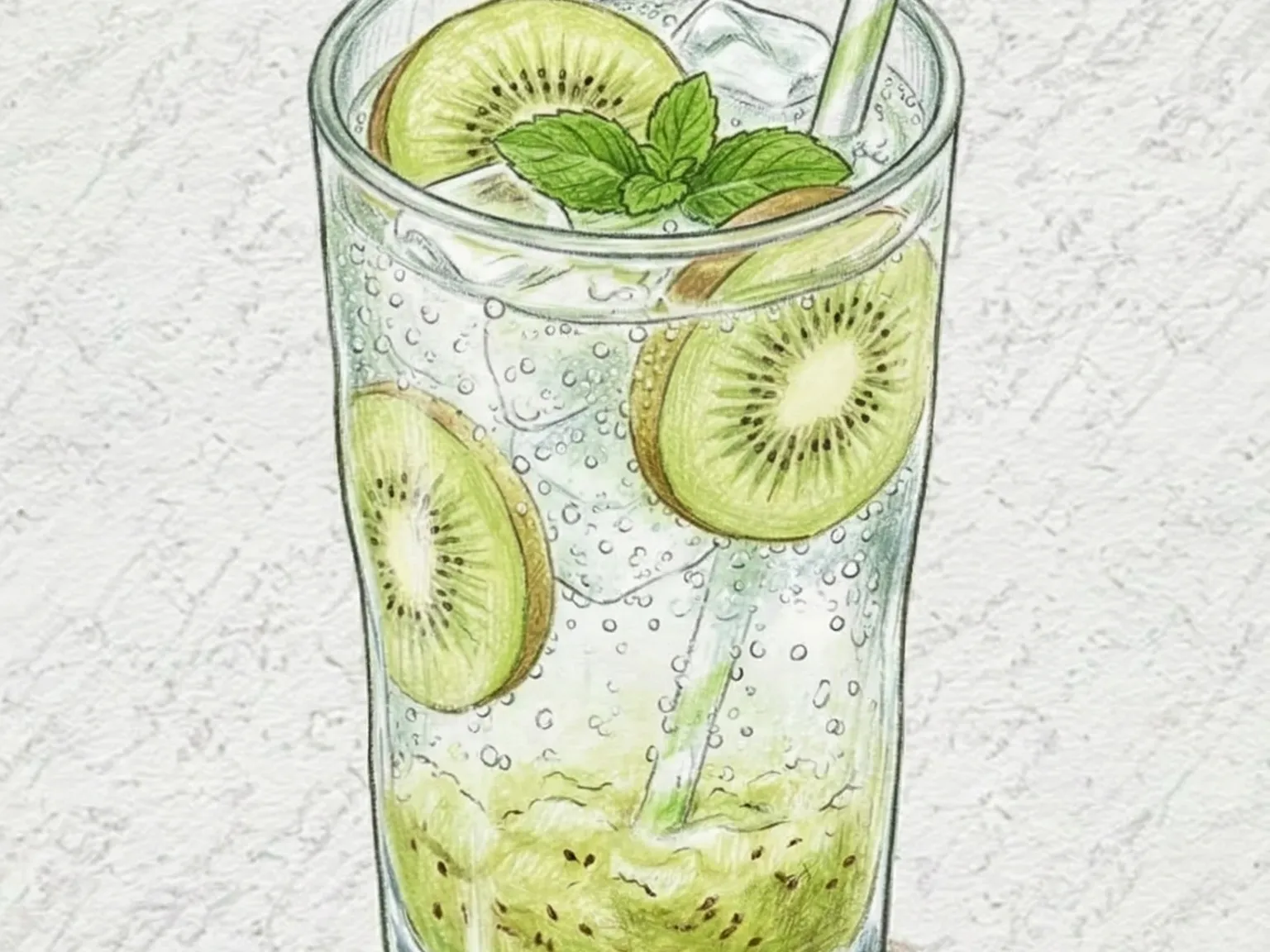
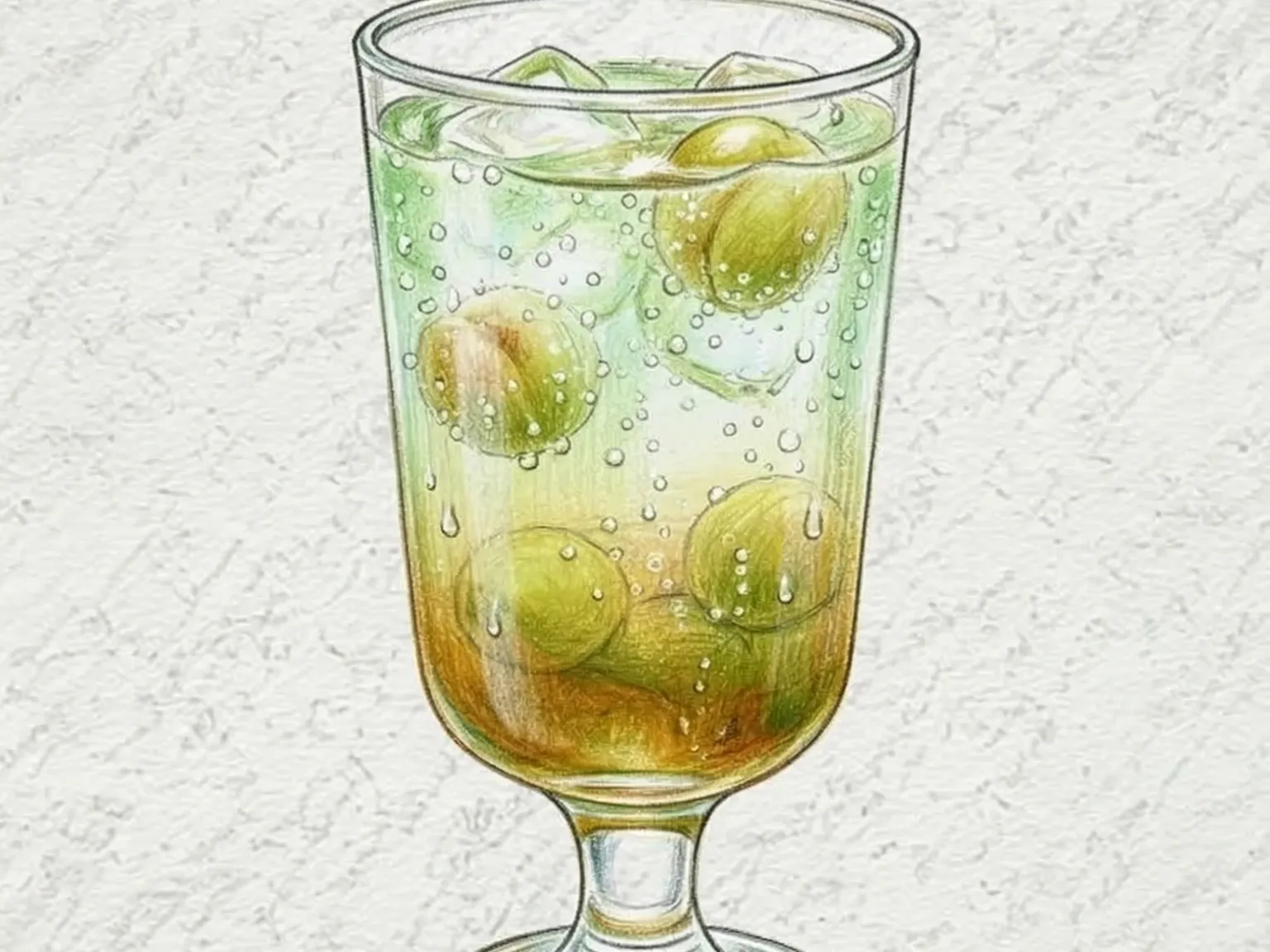
Hallabong ade is a Korean sparkling citrus drink built around hallabong, a Jeju Island tangerine hybrid distinguished by its thick, deeply fragrant peel, exceptionally sweet-tart juice, and characteristic knobby protrusion at the stem end. The fruit is macerated with sugar to draw out a concentrated syrup, which is then diluted with chilled sparkling water so that the citrus flavor stays bright and full without becoming syrupy. Mashing a few pieces of the flesh directly into the glass releases bursts of juice as each bubble rises, adding texture alongside the flavor. A squeeze of lemon juice reinforces the natural acidity and prevents the drink from tipping into one-dimensional sweetness. Packed with ice and finished with fresh mint leaves, the herbal coolness lifts the citrus aroma and turns the drink into a refreshing summer staple.

🍺 Bar Snacks ⚡ Quick
Prep 10min 2 servings
Korean Heotgae Tea (Oriental Raisin Tree Hangover Herbal Brew)
Drinks Easy

Korean Heotgae Tea (Oriental Raisin Tree Hangover Herbal Brew)

Heotgae-cha is a traditional Korean herbal tea made by simmering dried oriental raisin tree fruit with jujubes, ginger, and cinnamon over low heat for thirty-five minutes. The dried heotgae fruit, small and knobby in appearance, is astringent and muted in raw form, but prolonged simmering draws out a deep, earthy sweetness that gradually fills the water. Jujubes add natural sweetness and a faint fruity note, ginger contributes a sharp warmth that lingers at the tip of the tongue, and cinnamon layers in a gentle, aromatic sweetness, building a multi-layered flavor that develops slowly over the long cooking time. Honey is stirred in at the end to adjust sweetness to taste. In Korean traditional medicine, the oriental raisin tree has long been associated with supporting liver function and alleviating hangover symptoms, which is why the tea has been consumed as a morning-after drink for generations. Among Korean office workers accustomed to frequent after-work drinking gatherings, heotgae-cha remains one of the most commonly reached-for hangover remedies.

🍺 Bar Snacks 🥗 Light & Healthy
Prep 5min Cook 35min 4 servings
Korean Black Sesame Latte
Drinks Easy

Korean Black Sesame Latte

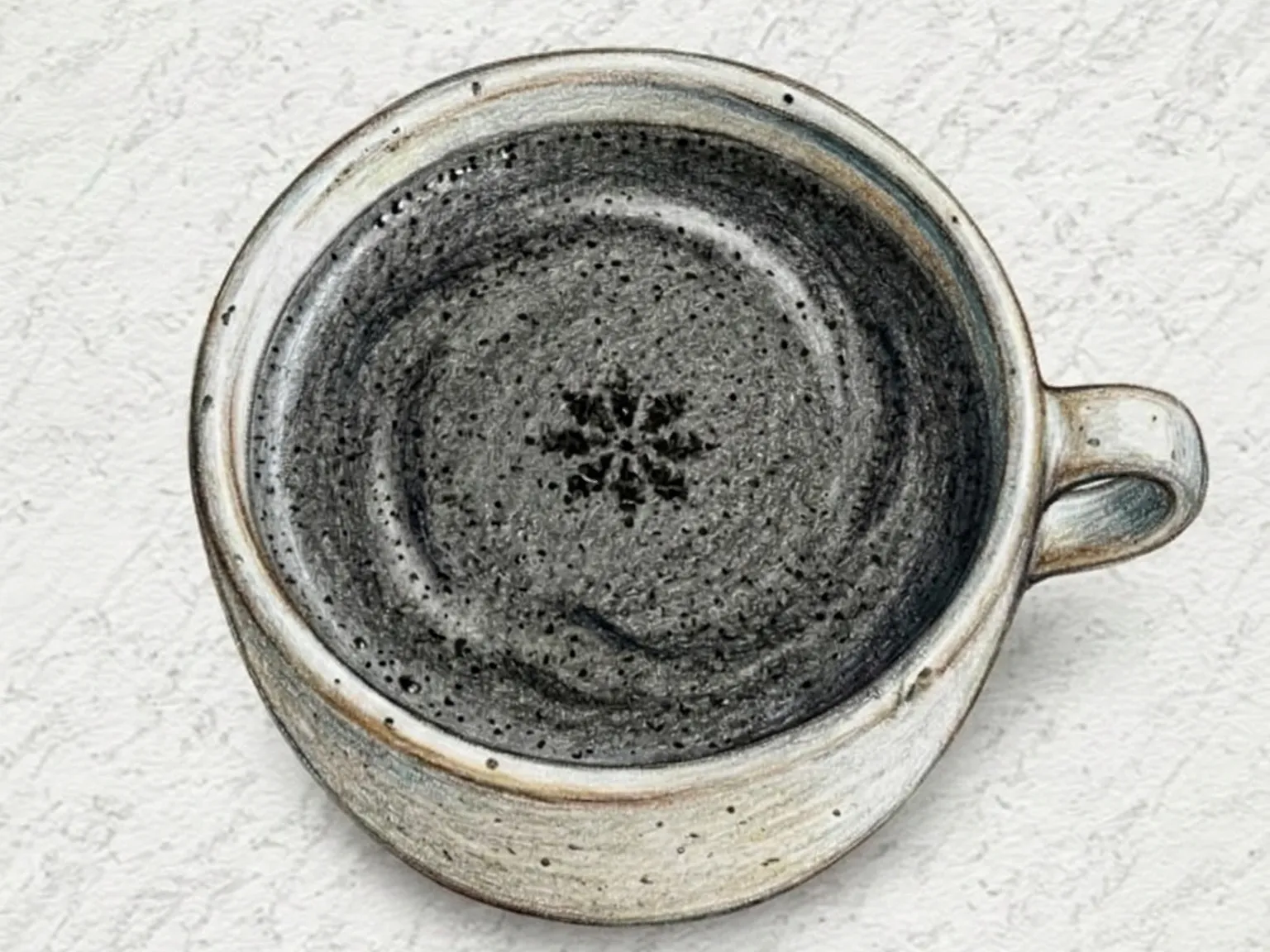
Heugimja latte is a Korean roasted black sesame drink made by finely grinding toasted sesame seeds and warming them slowly with milk over low heat. Toasting the sesame beforehand draws the oils to the surface, intensifying the deep, nutty character that defines the drink. The finer the grind, the more evenly the sesame disperses through the liquid, creating a smooth, uniform texture rather than a gritty one. Adding sweet rice flour dissolved in a small amount of water gives the latte a natural thickness that sets it apart from commercial nut milks or grain beverages. A tiny amount of salt sharpens the sesame flavor without adding any perceptible saltiness, and sugar should be added with restraint since too much sweetness masks the roasted depth that makes this drink distinctive. Served warm, the toasted aroma rises steadily from the cup. Chilled versions retain the same nuttiness, making the drink work in both seasons. The drink draws on a long Korean tradition of using ground sesame as a nutrient-dense base for beverages and porridges.

🍺 Bar Snacks ⚡ Quick
Prep 8min Cook 7min 2 servings
Korean Black Rice Coconut Smoothie
Drinks Medium

Korean Black Rice Coconut Smoothie

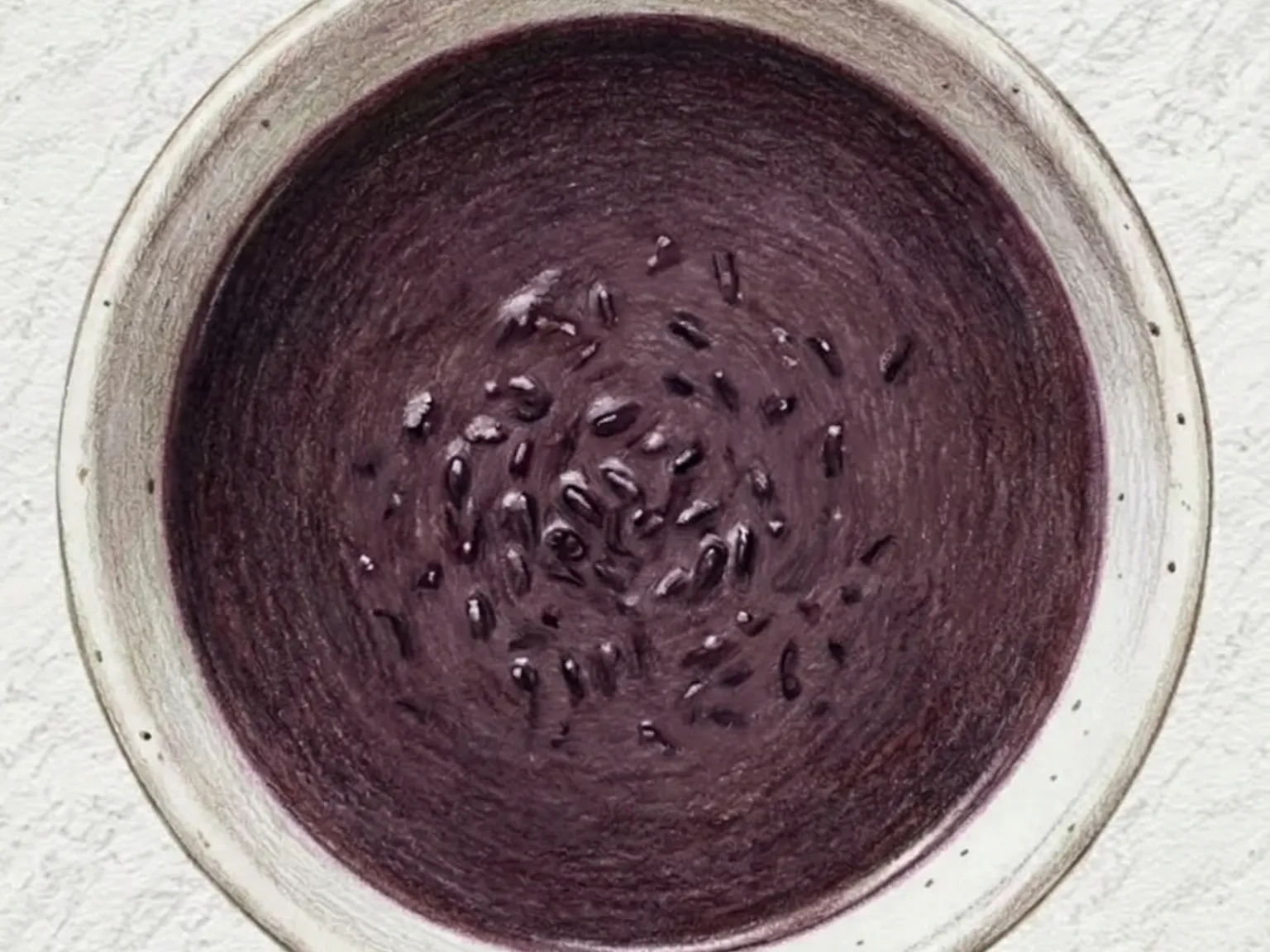
This smoothie is built on cooked black rice, blended with coconut milk, banana, and ice into a thick, grain-forward drink. The black rice is cooked and cooled before blending, which gives it a chewy, starchy quality that thickens the smoothie from within and contributes a toasty grain flavor that fruit-based smoothies do not have. Anthocyanin pigments in the black rice bran stain the drink a deep purple. Coconut milk brings its fat content to bear on the coarser grain particles, smoothing the texture into something creamy and uniform. Banana adds natural sweetness and a binding thickness that allows the smoothie to come together without added sugar from the start. Date syrup deepens the sweetness further, and blending with ice brings the drink to a cold temperature while loosening the consistency. Toasted coconut chips scattered over the finished smoothie provide a layer of crunch that contrasts with the thick, smooth body below and reinforces the coconut flavor throughout.

🍺 Bar Snacks
Prep 12min Cook 20min 2 servings
Korean Black Rice Latte (Purple Grain Milk Drink)
Drinks Medium

Korean Black Rice Latte (Purple Grain Milk Drink)

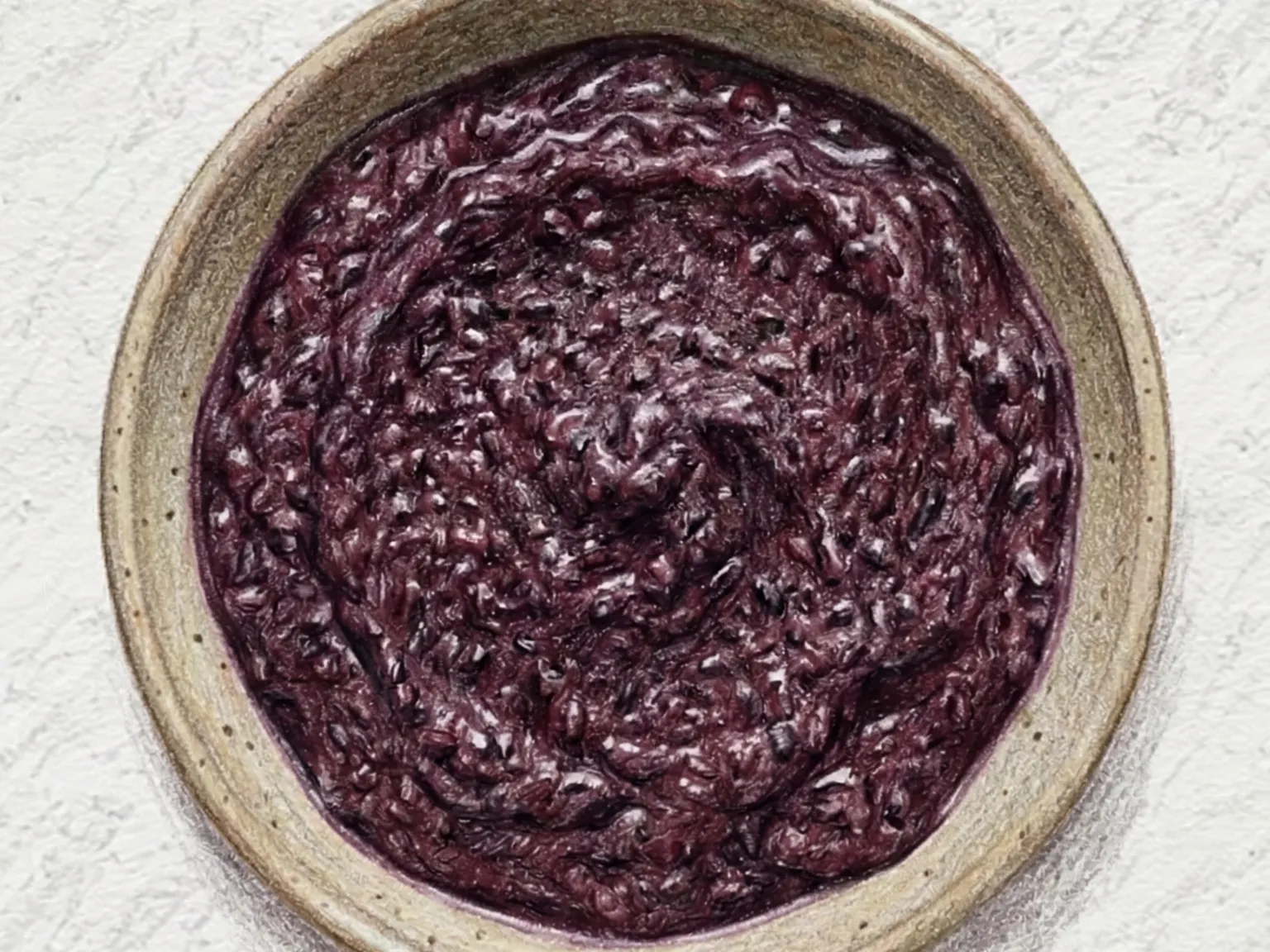
Heukmi latte is a grain-based drink made by soaking black rice for at least two hours, boiling it until completely soft, and then blending it smooth with milk. Without adequate soaking, the rice does not cook through evenly, and the blended result will be grainy rather than silky. Glutinous rice flour stirred into the blender adds viscosity, giving the drink a fuller, creamier body that coats the palate as it goes down. Maple syrup contributes a caramel-like sweetness that sits comfortably over the toasted, earthy character of the grain, while vanilla extract rounds out the aromatic range and keeps the flavor from smelling too starchy. A pinch of salt added at the very end prevents the sweetness from dominating and pulls the flavors into balance. The deep purple color comes naturally from the anthocyanin pigments in the black rice bran, making the drink visually striking before the first sip. It can be served warm straight from the blender or refrigerated and enjoyed cold.

🍺 Bar Snacks 🌙 Late Night
Prep 12min Cook 18min 2 servings
Korean Ripe Persimmon Smoothie
Drinks Easy

Korean Ripe Persimmon Smoothie

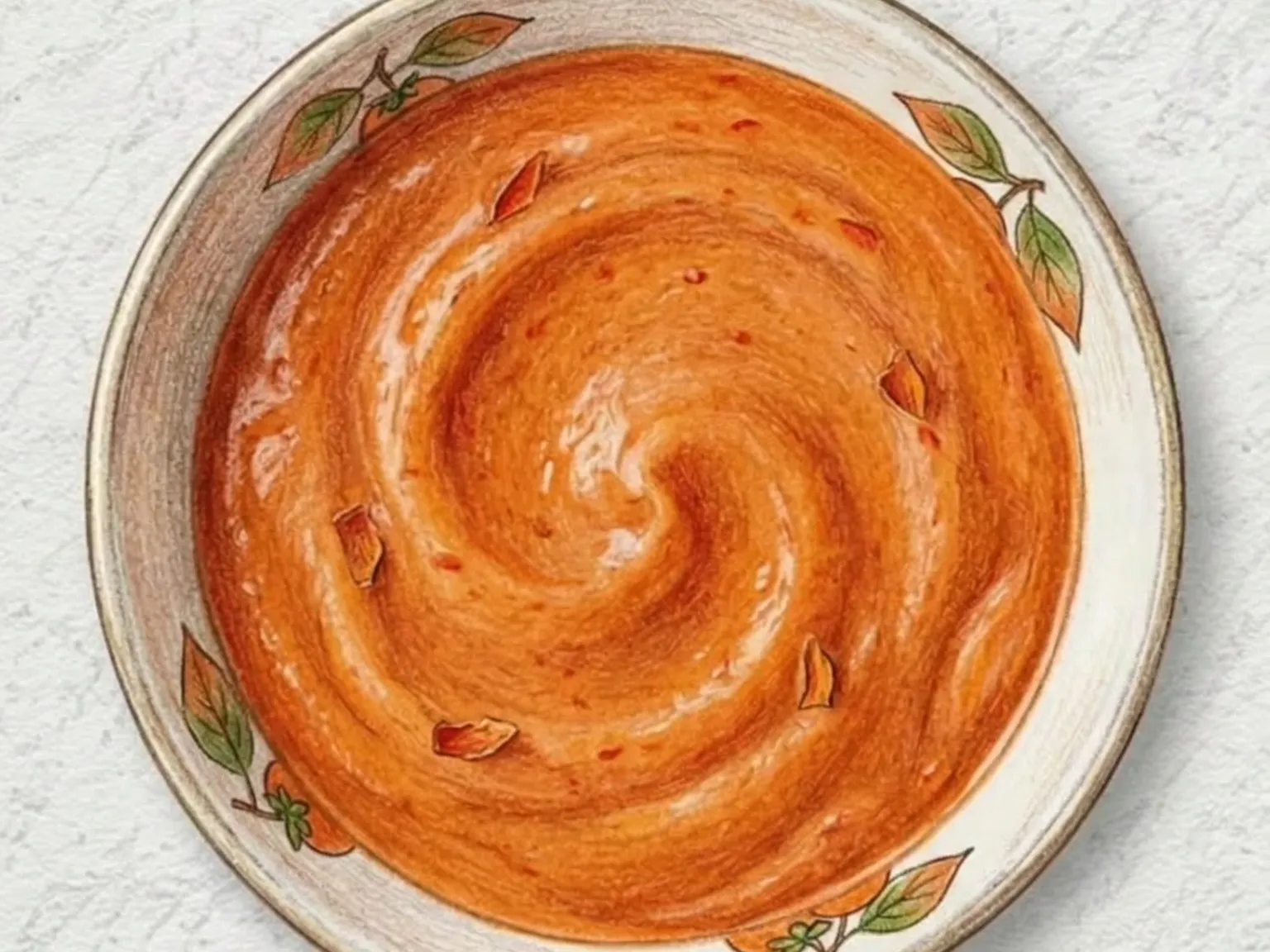
Hongsi smoothie consists of the blended pulp of persimmons that have reached a state of full ripeness, characterized by a jelly-soft texture and a high concentration of natural sugars. At this specific stage of fruit development, the pulp is combined with milk and plain yogurt to produce a thick beverage that remains fluid enough to be consumed through a straw. The resulting consistency resembles a dense fruit puree or a jammy liquid rather than a thin juice. It is important to ensure that the persimmons are entirely soft before the blending process begins. Using fruit that is even slightly underripe results in a drink that carries residual tannins, which produce a notable astringent and drying sensation on the palate. Furthermore, the flesh of unripe persimmons does not have the necessary density to create a thick body, often leading to a texture that is excessively watery. When the fruit reaches its peak maturity, the natural sugars provide the smoothie with its characteristic sweetness and depth. Plain yogurt is included to provide a measured acidity that balances the sugar content of the persimmon pulp, which prevents the beverage from becoming overly cloying. Milk serves to adjust the thickness of the dense pulp so that the liquid can flow through a straw without difficulty. A spoonful of honey can be added to adjust the sweetness level depending on the specific ripeness and sugar levels of the fruit used. A light dusting of ground cinnamon on the surface introduces a warm and spiced quality that complements the natural flavor profile of the persimmon. Adding a handful of ice cubes during the blending process makes the drink more refreshing. For individuals who avoid animal products, substituting soy milk for dairy provides a comparable consistency and mouthfeel.

🍺 Bar Snacks ⚡ Quick
Prep 8min 2 servings
Korean Mixed Fruit Punch
Drinks Easy

Korean Mixed Fruit Punch

Modum hwa-chae is a Korean fruit punch assembled by dicing several types of fruit into similar-sized cubes and submerging them in honey water and sparkling water. Apple and pear contribute a firm, satisfying crunch, while green grapes add a burst of sweet juice when the skin breaks between the teeth. Cutting everything to a consistent size matters because it ensures each spoonful carries a balanced mix of textures rather than any single fruit overwhelming the others. Honey dissolved in cold water merges with the natural juices released by the fruit, building a sweetness that feels integrated rather than applied. Sparkling water is added last, its bubbles threading up through the fruit pieces to give the punch its characteristic effervescence, so the drink is best served before the carbonation fades. Generous ice keeps the bowl thoroughly cold and prevents the fruit from softening, which preserves the sharpness of each variety's flavor. The combination of fruits shifts freely with the seasons, making this one of the most adaptable summer refreshments in Korean home cooking.

🍺 Bar Snacks ⚡ Quick
Prep 15min 4 servings
Korean Grilled Dried Pollack
Drinks Easy

Korean Grilled Dried Pollack

Hwangtae-po-gui is a grilled dried pollack snack prepared by brushing seasoning paste onto semi-dried hwangtae fillets and cooking them over medium-low heat. Hwangtae is pollack that has been freeze-dried repeatedly through winter cycles, a process that puffs up the flesh and gives it a softer grain and chewier texture than ordinary dried fish. A paste of gochujang, soy sauce, and oligosaccharide syrup is spread on both sides and grilled slowly so the sugars caramelize into a glossy, sticky coating. Minced garlic, sesame oil, and sesame seeds add roasted richness, and each torn piece delivers alternating salty and sweet notes. Cooking over high heat is a common mistake that chars the surface while leaving the interior hard and dry, so maintaining a low, patient heat is what allows the seasoning to penetrate fully and the fillet to stay moist. The finished snack pairs well with makgeolli or soju, and dipping torn pieces into mayonnaise is a widely practiced variation that softens the saltiness with a creamy counterpoint.

🍺 Bar Snacks ⚡ Quick
Prep 10min Cook 8min 2 servings
Korean Roasted Brown Rice Tea
Drinks Easy

Korean Roasted Brown Rice Tea

Hyeonmi-cha is made by dry-roasting brown rice over medium heat until the grains turn golden and undergo the Maillard reaction, which intensifies their toasty, nutty aroma. The roasted rice is then steeped in water for about twenty minutes, yielding a clear amber liquid with a clean grain flavor. A slice of ginger and a few jujubes added during steeping contribute warm spice and gentle sweetness that layer over the base roasted note. Honey and a pinch of salt sharpen the overall flavor, and the tea is naturally caffeine-free, making it suitable for drinking at any hour. The degree of roasting can be adjusted to taste: a shorter roast produces a lighter, mellower infusion, while a longer roast amplifies the nuttiness but risks introducing bitterness, so stopping at a pale golden color is the safer approach. The brewed tea keeps well refrigerated for a couple of days and tastes equally good served cold over ice.

🍺 Bar Snacks ⚡ Quick
Prep 5min Cook 20min 4 servings
Korean Injeolmi Latte (Roasted Soybean Powder Milk Drink)
Drinks Easy

Korean Injeolmi Latte (Roasted Soybean Powder Milk Drink)

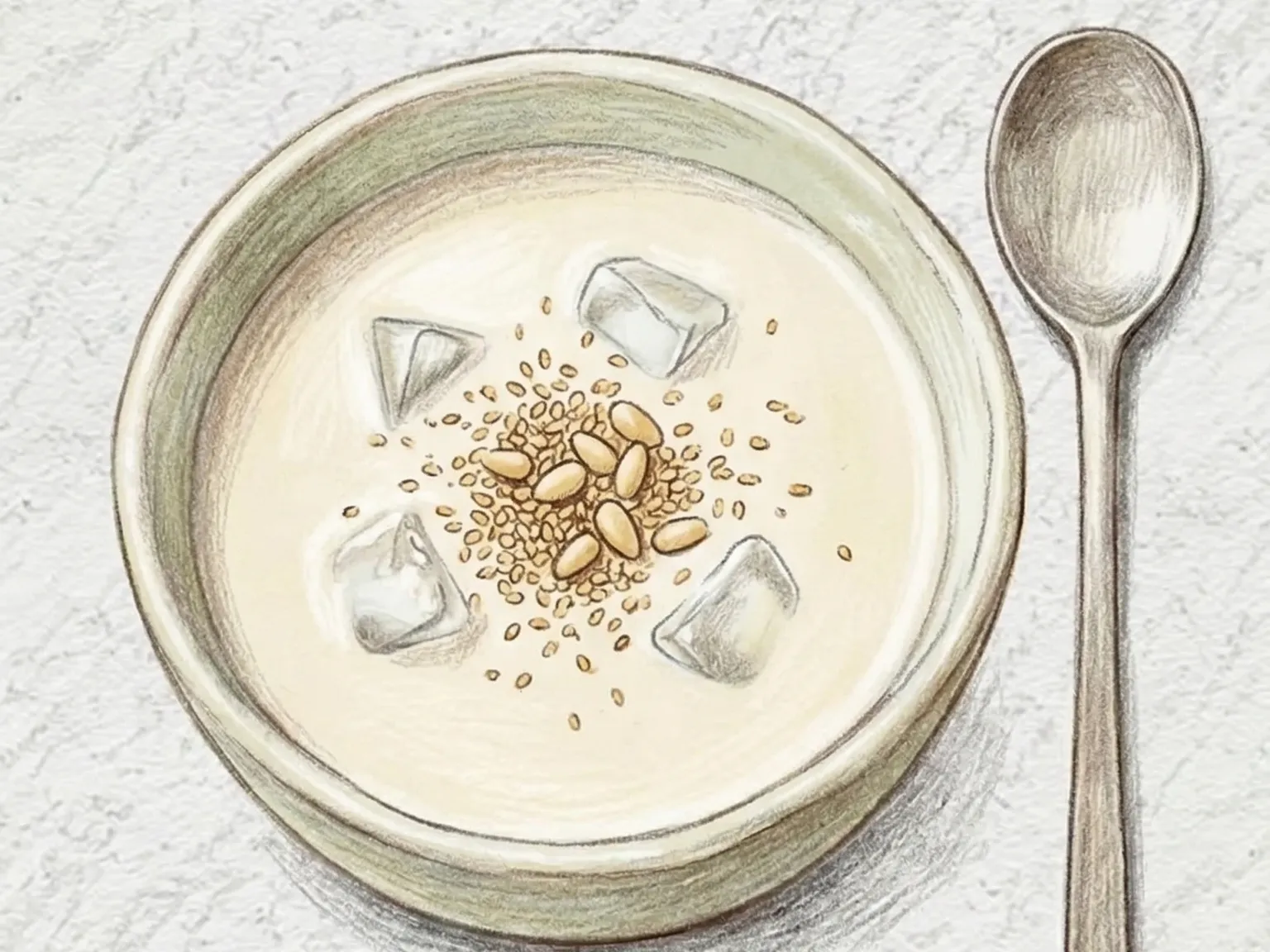
This beverage uses the roasted soybean powder commonly found on Korean rice cakes to create a milk based dessert drink. Pre-roasting the powder is a mandatory step to eliminate the sharp, grassy scent inherent in raw soybeans. Toasting transforms these raw qualities into a nutty fragrance similar to roasted grains. To ensure a consistent texture without clumps, the powder must be passed through a fine sieve before it meets the milk. Brown sugar syrup provides a dark, caramel sweetness that grounds the toasted base, while a small amount of honey adds a subtle floral lingering. A pinch of salt sharpens the overall profile and prevents the sweetness from feeling flat. Because the oils in roasted soybean powder remain stable across different temperatures, this drink performs well whether served over ice or heated. A final dusting of powder on the surface mimics the appearance of a traditional injeolmi cake and increases the aromatic impact of the first sip. For a variation, adding a shot of espresso introduces a bitter edge to the nuttiness, while incorporating black sesame powder creates a darker color and a more concentrated grain scent.

🍺 Bar Snacks ⚡ Quick
Prep 7min Cook 5min 2 servings
Korean Ginseng Tea (Fresh Ginseng Jujube Herbal Brew)
Drinks Medium

Korean Ginseng Tea (Fresh Ginseng Jujube Herbal Brew)

Insam-cha is a traditional Korean ginseng tea made by thinly slicing fresh ginseng root and simmering it with dried jujubes and ginger over low heat for twenty minutes. Fresh ginseng is milder and less bitter than dried root, but slicing it thin is essential for the active compounds to infuse efficiently, releasing the root's characteristic earthy, herbal aroma as it cooks. Jujubes naturally soften the ginseng's bitterness, and ginger introduces a sharp warmth that gives the tea its backbone and prevents it from tasting flat. Honey is added to balance the flavor, and a few pine nuts floated on the surface at serving add an oily richness that complements the herbal notes without cooking away. Adding pine nuts at the end rather than simmering them preserves their fragrance in the finished cup. The amount of ginger can be adjusted to control the intensity of the heat, and the ratio of jujubes to ginger shifts the tea toward sweeter or more pungent depending on preference.

🍺 Bar Snacks 🥗 Light & Healthy
Prep 8min Cook 20min 2 servings
Korean Roasted Sword Bean Tea
Drinks Easy

Korean Roasted Sword Bean Tea

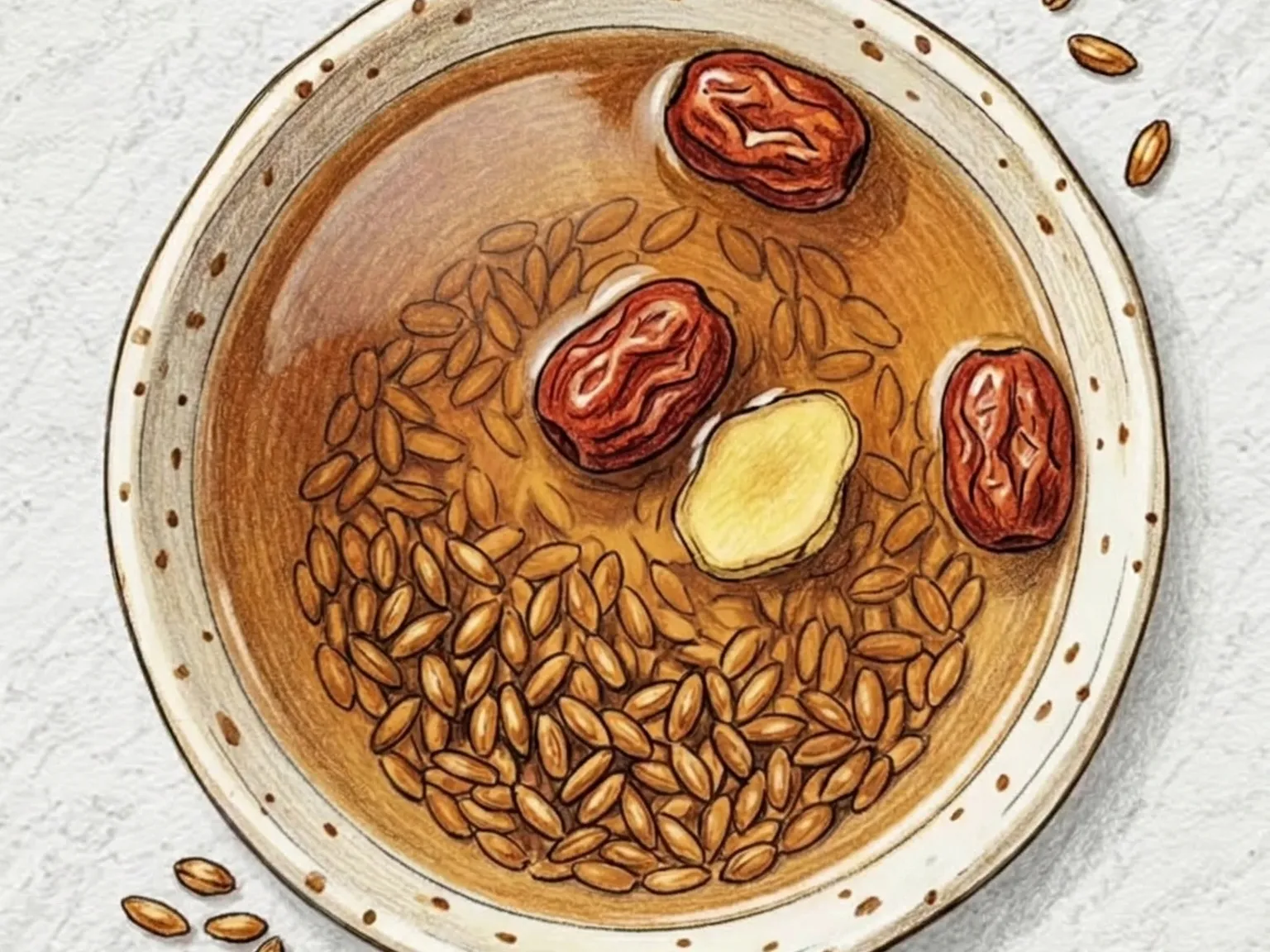
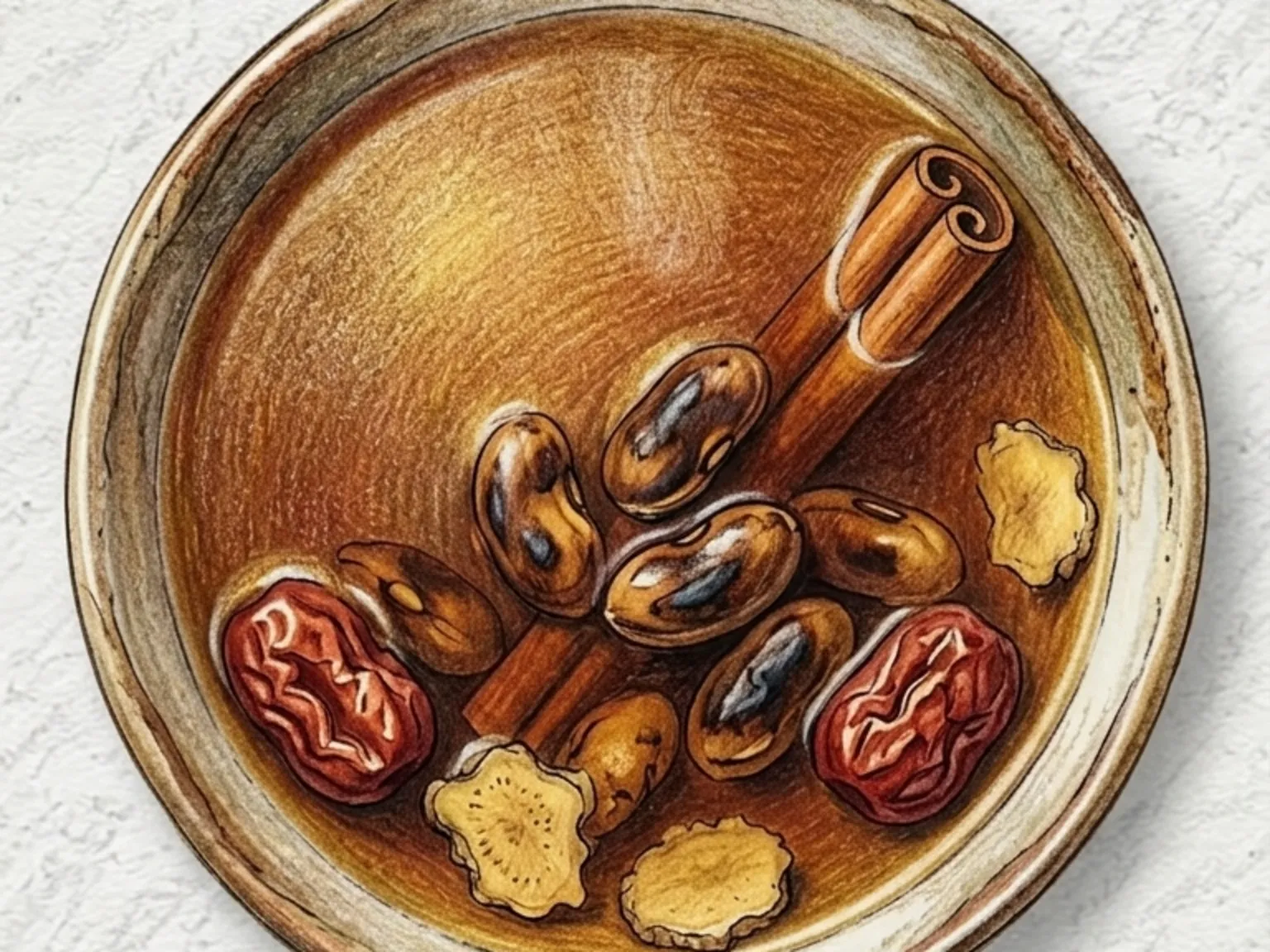
Jakdukong-cha is brewed from roasted sword beans, legumes three to four times larger than common beans, simmered with dried jujubes, fresh ginger, and a cinnamon stick for about twenty-five minutes. Roasting the sword beans until their surfaces brown develops a heavy, toasty grain aroma that forms the structural base of the tea. Ginger and cinnamon build warm spice notes on top of that roasted foundation, and the dried jujubes contribute a fruity sweetness that rounds off any astringency left by the legume. Honey is added at the very end to adjust sweetness rather than cooking it into the brew. Before roasting, the beans should be sorted for debris, rinsed, and dried completely so they toast evenly rather than steaming in residual moisture. Brewed beans can be steeped a second time for a lighter cup, making the ingredient economical. The tea contains no caffeine, which makes it suitable for drinking in the evening or on days when the stomach is unsettled.

🍺 Bar Snacks 🥗 Light & Healthy
Prep 8min Cook 25min 4 servings
Korean Honey Grapefruit Tea
Drinks Easy

Korean Honey Grapefruit Tea

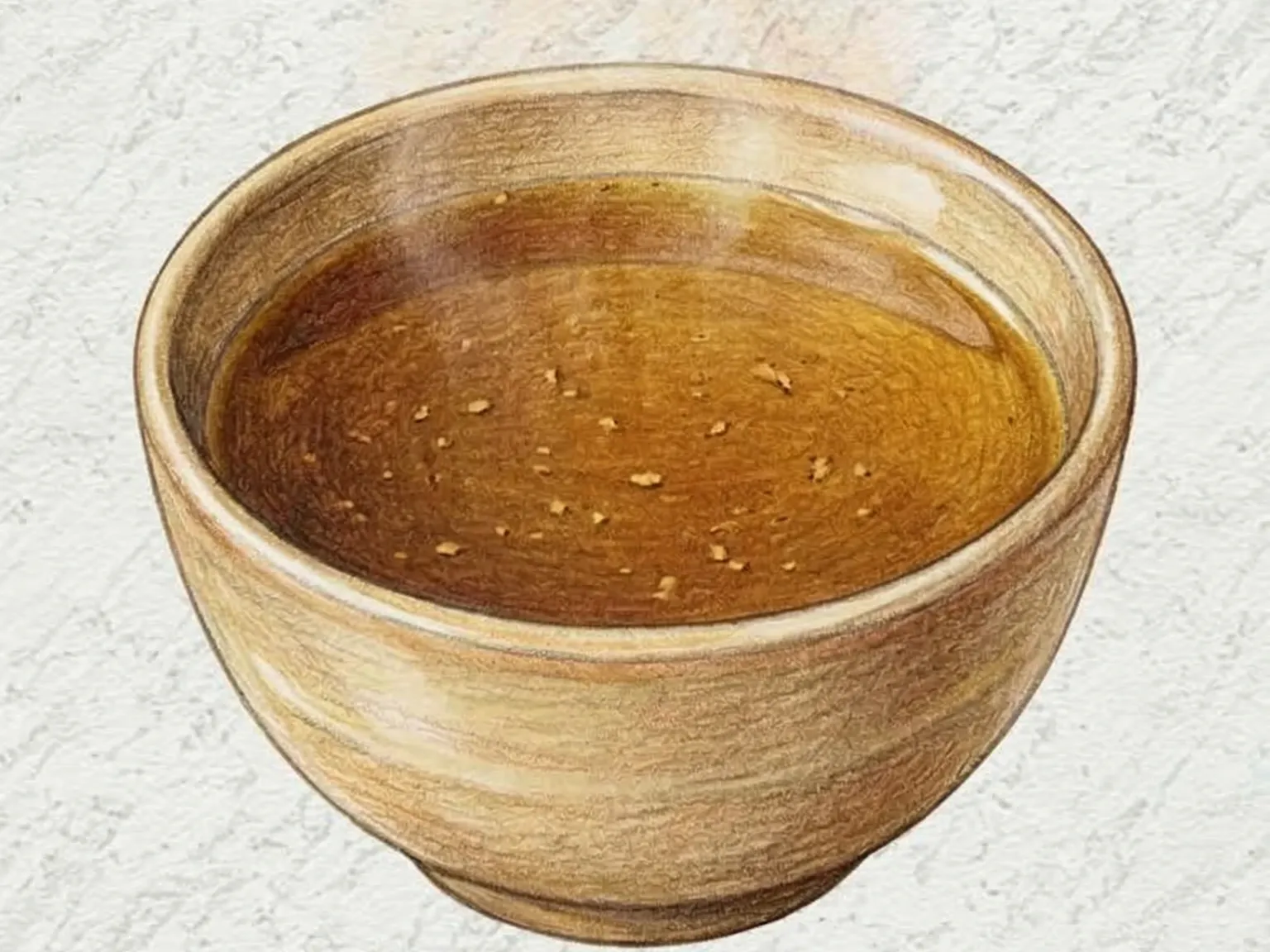
Jamong-cha is a Korean fruit tea brewed from grapefruit preserves dissolved in hot water, and the quality of the finished drink depends almost entirely on how those preserves are made. The first step is cleanly separating the flesh from the white pith, which carries most of the fruit's bitterness; leaving even a thin strip of pith in the jar will tip the balance from pleasantly tart to sharp and astringent. Once the flesh is packed in sugar and left to macerate for at least twenty-four hours, the juice slowly pulls away and thickens into a fragrant, amber syrup. Honey replaces some of the sugar to round its hard edge, and a spoonful of fresh lemon juice added at the end sharpens the overall acidity without competing with the grapefruit's floral notes. A pinch of salt simultaneously amplifies the bitter-citrus perfume and the sweetness, a trick that keeps the flavor from reading as flat when diluted in water. The same preserves work equally well over ice with sparkling water as a chilled ade, and refrigerated in a sealed jar they last two to three weeks.

🍺 Bar Snacks ⚡ Quick
Prep 12min Cook 5min 2 servings
Korean Pine Nut Job's Tears Shake
Drinks Easy

Korean Pine Nut Job's Tears Shake

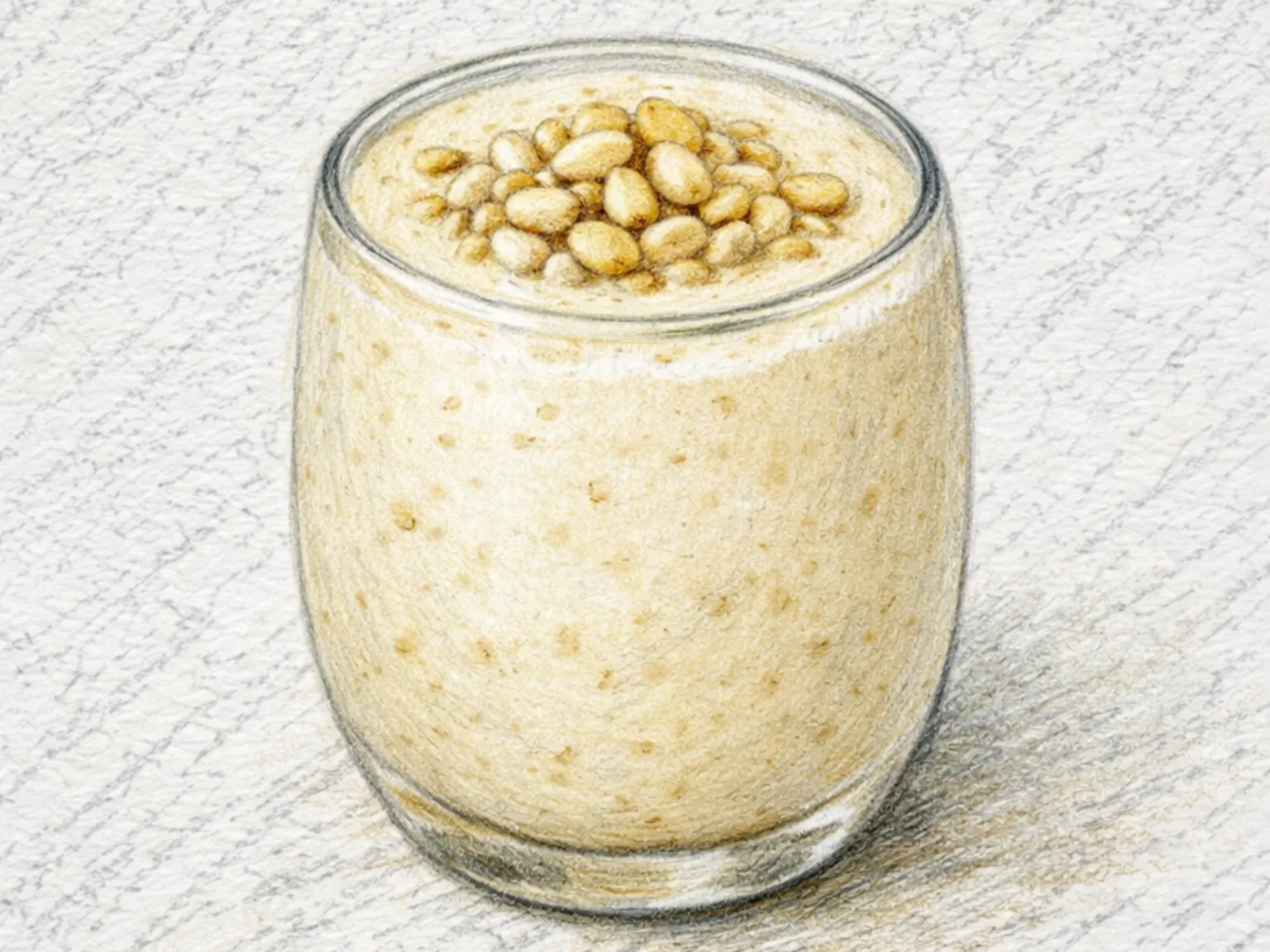
Jat-yulmu shake blends cooked job's tears (yulmu) and pine nuts with cold milk, honey, and ice into a thick, grain-based drink. Job's tears must be boiled until they are genuinely soft all the way through before going into the blender: partially cooked grains leave behind a gritty, coarse texture that no amount of blending time will fully eliminate. Pine nuts are high in natural oils, and those oils emulsify during blending to give the shake a richly creamy body that separates this drink from lighter fruit-based smoothies. Honey provides a clear sweetness that sits lightly over the mild, slightly earthy character of the cooked grains, while a small amount of vanilla extract deepens the overall aroma without competing with the grain flavors. A single pinch of salt is not about seasoning in the conventional sense but about amplifying - it sharpens the nutty quality of the pine nuts and brings the toasty, wheaten aroma of the job's tears into clearer focus. Blending with ice cubes rather than adding milk alone results in a colder, thicker shake with more resistance when sipped through a straw.

🍺 Bar Snacks ⚡ Quick
Prep 8min Cook 12min 2 servings
Korean Traditional Spiced Honey Drink
Drinks Medium

Korean Traditional Spiced Honey Drink

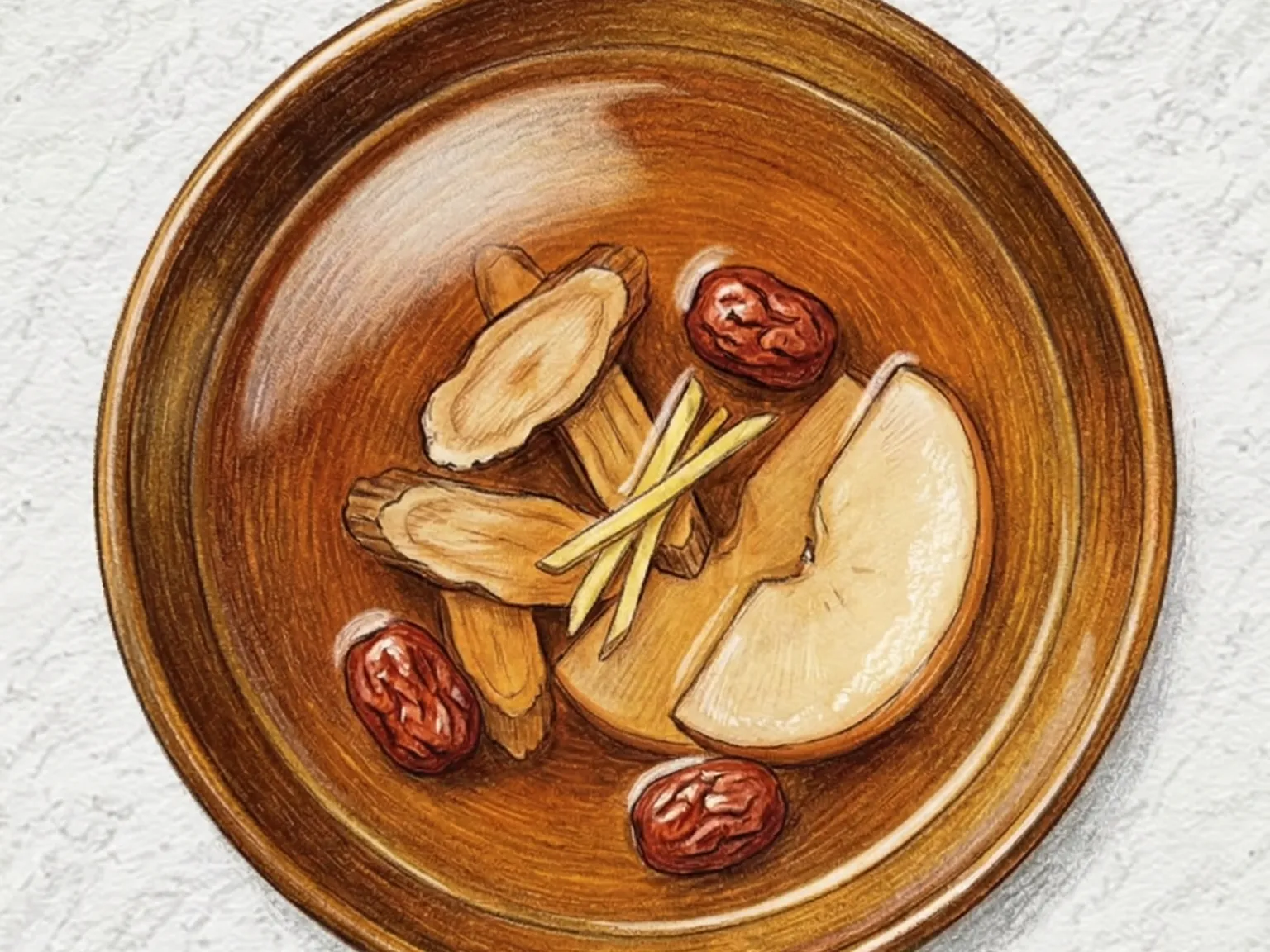
Jehotang is a traditional Korean royal summer drink prepared by the court medical office and presented to the king as a cooling remedy against the summer heat. Cinnamon sticks, fresh ginger, and licorice root are simmered together over a low flame for an extended period to draw out the full depth of each spice, then the liquid is strained and blended with plum syrup and honey once it has cooled. The result is a chilled, aromatic drink that balances sweet and tart notes while layering the warmth of multiple spices underneath. Cinnamon and ginger were considered warming in nature even when drunk cold, believed to revive a body worn down by summer heat from the inside. A few floating pine nuts on top add a subtle nuttiness that rounds out each sip. Adjusting the amount of honey or water to account for the sweetness of the plum syrup allows the drink to be tuned to personal preference.

🍺 Bar Snacks 🥗 Light & Healthy
Prep 10min Cook 20min 4 servings