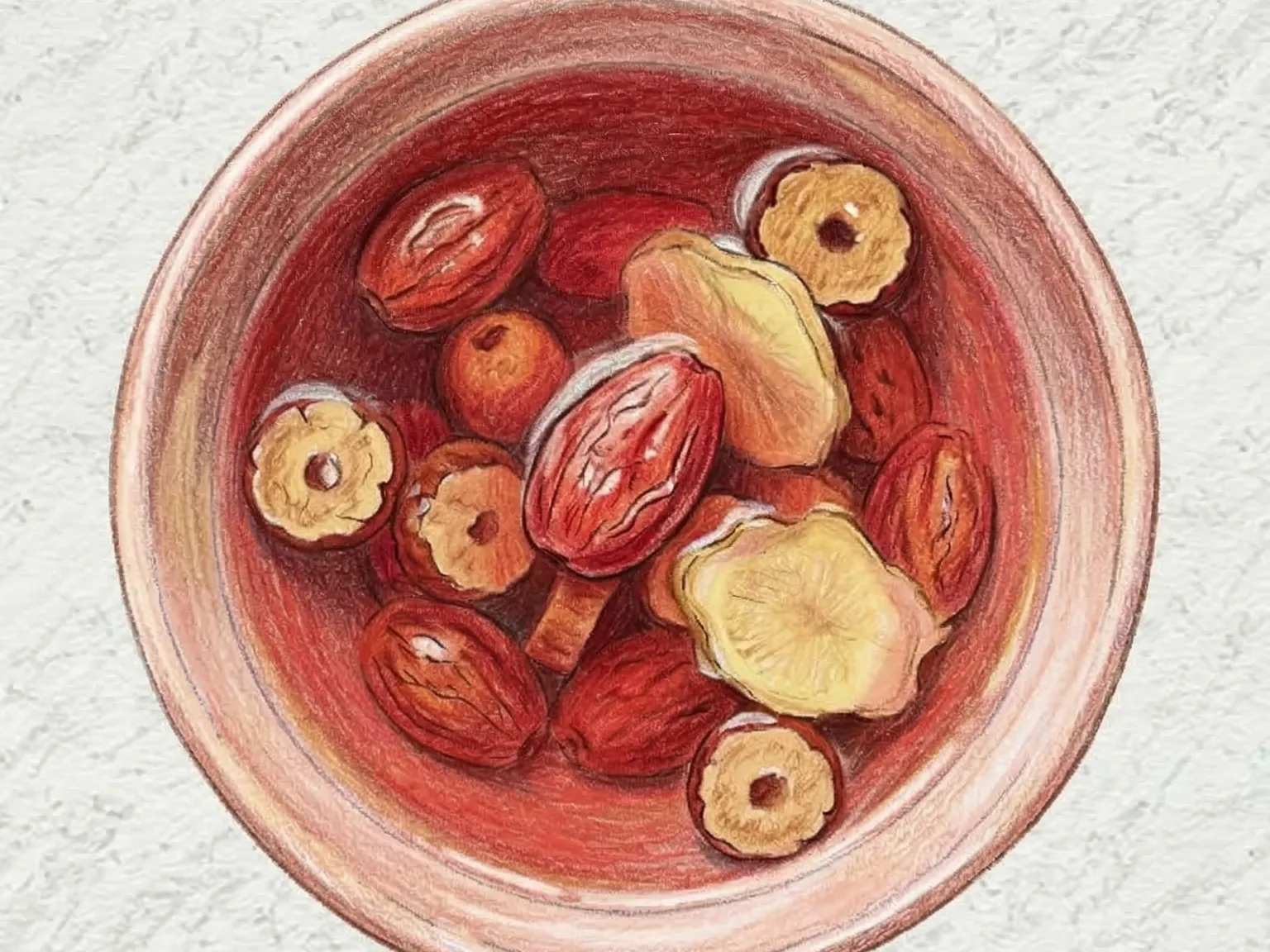
Drinks
Drinks

Drinks Recipes

132 recipes. Page 5 of 6

This category brings together Korean traditional beverages and drinking snacks (anju). Sweet classics like sikhye (rice punch) and sujeonggwa (cinnamon punch) sit alongside modern fruit smoothies and homemade drinks. For anju, find recipes for dubu-kimchi (tofu with kimchi), golbaengi-muchim (spicy whelk salad), and other bar-food favorites.

A well-made drink rounds off a meal or makes a refreshing snack, while great anju elevates any gathering. Browse these recipes for ideas you can prepare at home with ease.

Korean Spicy Stir-fried Cartilage
Drinks Medium

Korean Spicy Stir-fried Cartilage

Odolppyeo-bokkeum is a fiery Korean stir-fry of chicken cartilage marinated in a sauce of gochujang, gochugaru, soy sauce, garlic, and sugar, then cooked at maximum heat for a short burst. The cartilage delivers a distinctive crunch-then-chew that no other cut can replicate, and thorough drying with paper towels before marinating ensures the sauce clings directly to the surface. After ten minutes of marinating, the cartilage hits a ripping-hot oiled pan to pick up smoky wok char, followed by onion, green onion, and hot green chilies that are tossed until all moisture evaporates and the glaze turns glossy. Keeping the total stir-fry time brief is critical, since prolonged cooking turns the cartilage from pleasantly crunchy to unpleasantly tough.

🍺 Bar Snacks 🌙 Late Night
Prep 15min Cook 12min 2 servings
Korean Acanthopanax Herbal Tea
Drinks Medium

Korean Acanthopanax Herbal Tea

Ogapi-cha is a Korean herbal tea made by slow-decocting dried acanthopanax bark, astragalus root, jujubes, and fresh ginger in water for over 30 minutes on low heat. The bark and astragalus are briefly soaked in cold water to loosen surface dust, the jujubes are scored with a knife to release their sweetness more readily, and the ginger is thinly sliced to maximize surface area. After an initial boil, the heat drops to a gentle simmer that coaxes a woody, slightly earthy aroma from the bark while the astragalus contributes a mellow root-like depth and the jujubes round out the flavor with quiet sweetness. The strained tea receives a tiny pinch of salt to anchor the flavor, and honey stirred in just before drinking softens the herbal bitterness into a smooth, warming finish.

🍺 Bar Snacks 🥗 Light & Healthy
Prep 8min Cook 35min 4 servings
Korean Five-Grain Sweet Rice Punch
Drinks Medium

Korean Five-Grain Sweet Rice Punch

Ogok-sikhye is a traditional Korean grain punch made by saccharifying a mix of cooked sweet rice, barley, millet, and foxtail millet in barley malt extract at 60 to 65 degrees Celsius for one hour. The malt powder is soaked in lukewarm water for 20 minutes, kneaded by hand, and strained through a cloth to yield a clear, enzyme-rich liquid -- this is the working ingredient that converts the grain starches into natural sugars during the slow saccharification. Temperature control is central to the process: below 60 degrees the enzymes slow down, and above 70 degrees they denature and die, so maintaining the right range throughout the hour-long rest determines whether the conversion succeeds. As saccharification progresses, the rice grains hollow out and float to the surface; these are skimmed off, rinsed separately, and later floated back into the finished punch to add a soft, chewable element to each cup. After sweetening with sugar and chilling completely in the refrigerator, the drink is served cold with pine nuts floating on top. The combination of multiple grains produces a more layered, complex sweetness than single-grain sikhye, and the overnight rest in the refrigerator smooths the flavor into something more cohesive.

🍺 Bar Snacks 🎉 Special Occasion
Prep 20min Cook 70min 2 servings
Korean Butter-Grilled Squid Beaks
Drinks Medium

Korean Butter-Grilled Squid Beaks

Ojingeo-ip-butter-gui is a Korean bar snack made by searing squid beaks in melted butter with minced garlic over high heat. Thoroughly patting the squid beaks dry with paper towels before they hit the pan is a non-negotiable step: any residual moisture causes violent splattering and prevents the butter from forming a direct, fragrant crust on the surface. Three minutes of rapid stir-frying over high heat keeps the texture springy and chewy rather than tough and rubbery, which is the line squid crosses the moment heat is applied too long. Adding soy sauce and cooking wine creates a savory glaze as the liquid rapidly evaporates and concentrates against the hot surface. A finish of red chili flakes and cracked black pepper introduces a clean, warm heat that lingers behind the buttery garlic aroma, rounding out every bite. The dish comes together in under five minutes, which makes it one of the most practical snacks to serve alongside drinks.

🍺 Bar Snacks
Prep 12min Cook 10min 2 servings
Korean Poached Squid Slices
Drinks Easy

Korean Poached Squid Slices

Ojingeo-sukhoe is a Korean poached squid dish where cleaned whole squid is blanched for two to three minutes in boiling water seasoned with salt, cooking wine, and green onion, then sliced into pieces and served alongside vinegared gochujang. The most important step is thorough preparation: the innards are removed completely, the skin is peeled away, and the body is rinsed under cold running water until there is no trace of sliminess or off-odor remaining. Cooking wine in the blanching water neutralizes any residual fishiness, and the green onion infuses a mild aromatic note into the flesh. The squid goes into water that is already at a full boil so the surface seizes immediately and the interior moisture stays locked in rather than leaching out into the pot. Pulling the squid out the moment the flesh turns opaque and letting it rest briefly prevents carryover heat from tightening the protein any further, preserving the elastic, springy bite that defines good sukhoe. Slicing after cooling also produces a cleaner cut than slicing while still hot. The dipping sauce of gochujang, vinegar, garlic, and sugar provides a sharp, tangy contrast that cuts through the mild squid and makes the dish far more dynamic than its simple method would suggest.

🍺 Bar Snacks ⚡ Quick
Prep 10min Cook 6min 2 servings
Korean Corn Silk Tea (Roasted Corn Jujube Grain Brew)
Drinks Easy

Korean Corn Silk Tea (Roasted Corn Jujube Grain Brew)

Oksusu-suyeom-cha is a Korean tea brewed by simmering dried corn silk and corn kernels in water on low heat for 25 minutes. The corn silk is rinsed briefly in cold water to remove dust, then combined with kernels and jujubes in a pot where the silk releases a subtle, naturally sweet flavor and the kernels contribute a toasted grain-like nuttiness. Keeping the simmer time under control is important because over-boiling draws out an unpleasant astringency, so the tea is strained promptly at the 25-minute mark. A spoonful of honey adjusts the sweetness and a tiny pinch of salt sharpens the flavor profile; the tea works well served warm, but chilling it overnight makes the natural sweetness more pronounced and refreshing.

🍺 Bar Snacks 🥗 Light & Healthy
Prep 5min Cook 30min 4 servings
Korean Schisandra Berry Tea
Drinks Easy

Korean Schisandra Berry Tea

Omijacha is a traditional Korean cold-steeped tea made by soaking dried schisandra berries in cold water for at least eight hours to draw out their vivid crimson color and layered flavor. Hot water amplifies the astringent notes, making cold steeping in the refrigerator overnight the only correct method. By morning the liquid holds the interplay of sourness, sweetness, and subtle bitterness that gives schisandra its Korean name meaning five flavors, a reference to the full five tastes said to exist within a single berry. Traditional Korean medicine has long used the berry to replenish energy and support lung function, and the tea carries that heritage alongside its visual appeal. Once strained, honey and sugar are dissolved into the clear ruby liquid to soften the acidity without masking it. Thin pear slices and pine nuts floated in each cup add crisp fruit fragrance and a nutty counterpoint that complements the tartness. The tea is best consumed the same day it finishes steeping, when both the deep red color and the fragrance are at their peak. Oxidation clouds the color and dulls the aroma within a day.

🍺 Bar Snacks ⚡ Quick
Prep 10min 4 servings
Korean Sweet Red Bean Latte
Drinks Medium

Korean Sweet Red Bean Latte

Pat-latte is a Korean red bean milk drink built around two simultaneous uses of the same cooked beans. Most of the beans are blended smooth with water into a thick puree, while the remainder are left whole and stirred in afterward to provide soft, chewy pockets of texture throughout. That combined bean base goes into a saucepan with milk and warms over medium-low heat as sugar, sweetened condensed milk, a pinch of salt, and vanilla extract are added one by one. The condensed milk transforms the beans' mild natural sweetness into something denser and more complex, landing somewhere between caramel and roasted grain. Salt does not make the drink taste salty but instead sharpens the contrast that makes the sweetness register more clearly on the palate. Vanilla rounds off the earthy, slightly rustic edge of red bean aroma and brings the whole flavor profile together. Served hot, the drink takes on the gentle warmth of traditional red bean porridge. Poured over ice, the same flavors tighten and become more concentrated. Either way, stirring once before drinking keeps the whole beans evenly distributed rather than settled at the bottom.

🍺 Bar Snacks 🌙 Late Night
Prep 12min Cook 20min 2 servings
Korean Ginger Tea (Spiced Jujube Honey Ginger Brew)
Drinks Easy

Korean Ginger Tea (Spiced Jujube Honey Ginger Brew)

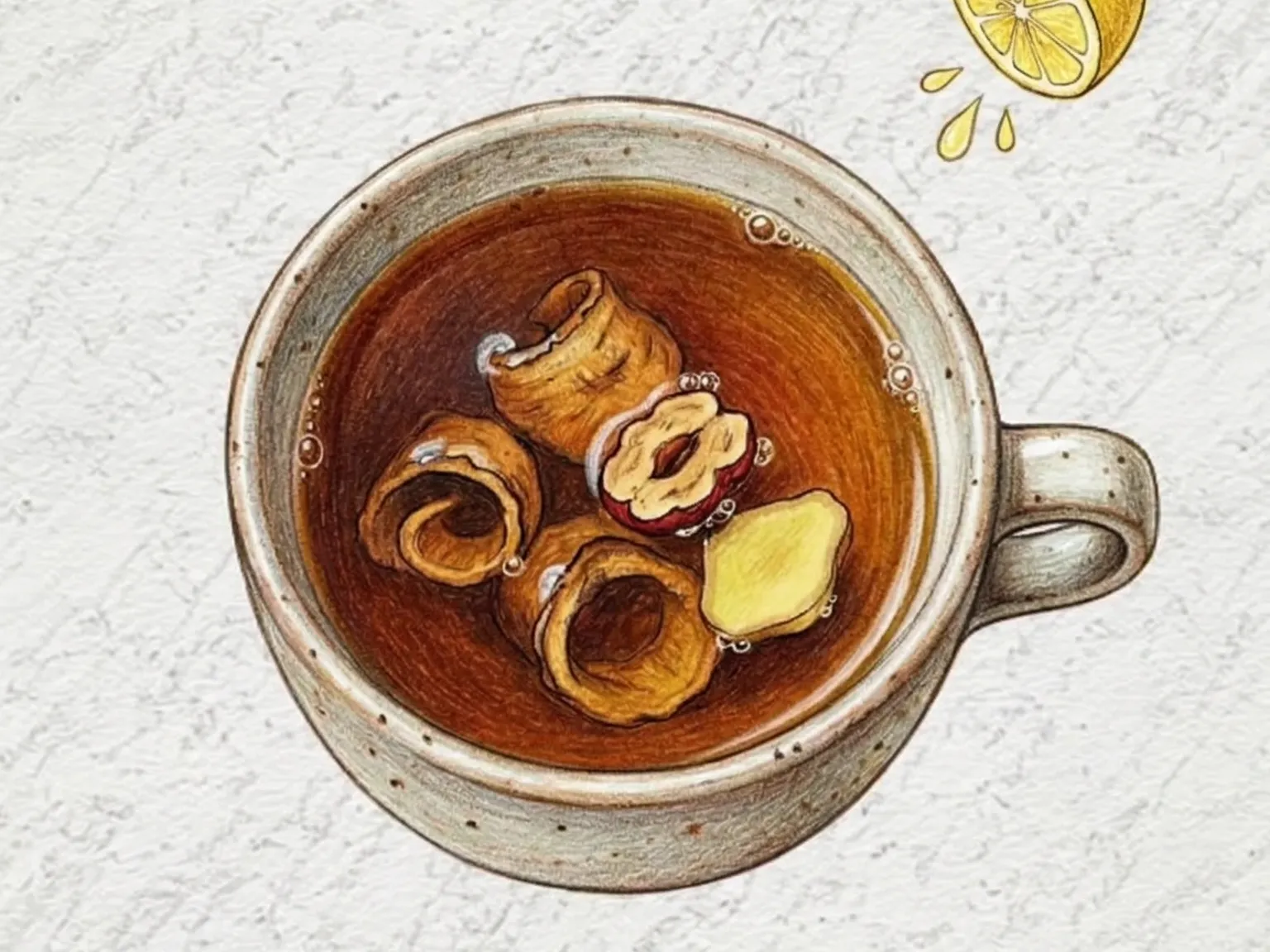
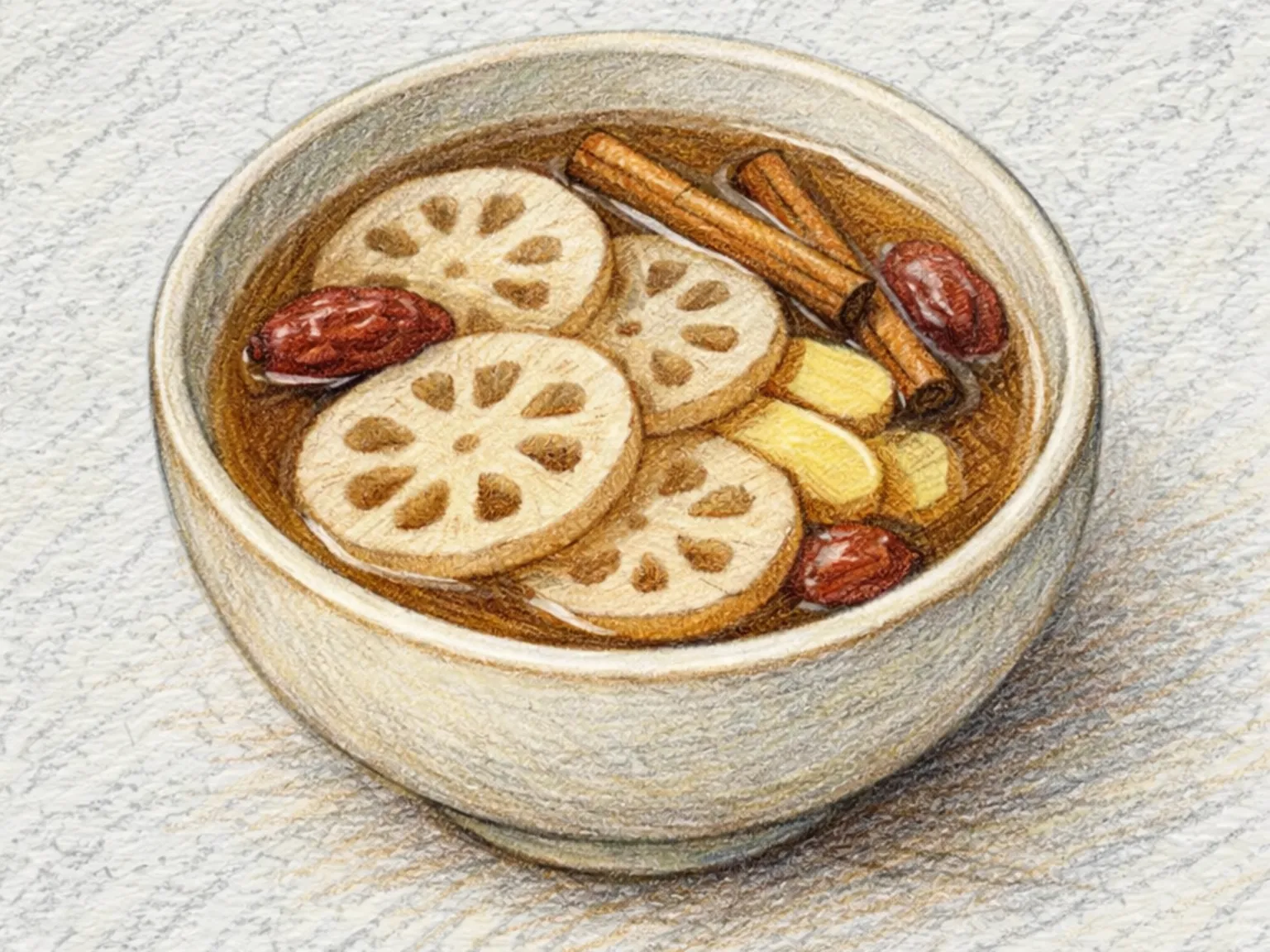
Saenggangcha is a Korean ginger tea made by simmering thinly sliced fresh ginger and halved, pitted jujubes in water for 15 minutes on medium heat followed by 5 more minutes on low. The two-stage simmering extracts both the sharp warmth of ginger and the quiet, honeyed fruitiness of jujubes without letting either dominate. Peeling the ginger before slicing removes any earthy or bitter notes from the skin and produces a cleaner cup. Slicing it thin rather than thick maximizes the surface area, allowing gingerol, the compound responsible for the tea's peppery bite, to dissolve into the water more rapidly within the same simmering time. Splitting and pitting the jujubes exposes the flesh, which gives up its fruit aroma far more readily than whole dried fruit. After straining, the pot should be removed from the heat and allowed to cool slightly before the honey goes in, because dissolving honey into near-boiling liquid destroys the delicate floral compounds that distinguish quality honey from plain sugar. A small pinch of ground cinnamon deepens the spice profile by adding warmth that complements rather than competes with the ginger. Floating lemon slices on the surface adds a citrus brightness that lifts the body of the tea. The drink is especially associated with the transitional seasons in Korea, when the weather shifts and sore throats become more common.

🍺 Bar Snacks ⚡ Quick
Prep 10min Cook 20min 2 servings
Korean Salt-Grilled Shrimp
Drinks Easy

Korean Salt-Grilled Shrimp

Saeu-sogeum-gui is a Korean salt-bed grilled shrimp prepared by spreading coarse salt in a heavy pan, laying whole shell-on shrimp over it, and covering with a lid to cook. The thick layer of heated salt acts as an indirect heat source that traps moisture inside the shells, so the shrimp flesh steams from within and retains its natural sweetness. After four minutes covered, the shrimp are flipped for three more minutes, then finished with a light coat of melted butter that adds richness on top of the salt's seasoning. Black pepper, chopped parsley, and a wedge of lemon complete the dish, proving that minimal ingredients and a simple technique can concentrate shrimp flavor more effectively than elaborate sauces.

🍺 Bar Snacks ⚡ Quick
Prep 10min Cook 12min 2 servings
Korean Houttuynia Herbal Tea
Drinks Easy

Korean Houttuynia Herbal Tea

Preparing a pot of caffeine-free Korean herbal tea starts with gathering dried Saururus chinensis, apple slices, and jujubes. Before simmering, the dried herbs require a quick rinse under running water to clear away any dust. Making small cuts into the jujubes helps their internal sugars move into the liquid during the 15-minute simmering period over low heat. The Saururus chinensis provides a grassy and clean foundation, which the apple slices brighten with a soft fruity character. The scored jujubes contribute a rounded, earthy quality to the liquid. Once the heat is turned off, adding fresh lemon slices for exactly two minutes infuses the water with a clear citrus aroma. Steeping the lemon any longer might release bitterness from the peel. Straining the solids leaves a clear tea that takes agave syrup well for sweetness. A hot cup suits a quiet evening, while a chilled version mixed with sparkling water in a equal ratio creates a light herbal soda. This herb has long been associated with circulation and detoxifying properties in Korean tradition. Since the flavor remains mild, it remains accessible to individuals new to herbal infusions. The recipe stays practical as the main components are dried and shelf-stable, taking less than twenty minutes to complete. Some variations include mixing in dried chrysanthemum or lotus leaves to shift the aromatic profile.

🍺 Bar Snacks ⚡ Quick
Prep 7min Cook 20min 4 servings
Sansuyu-cha (Korean Cornelian Cherry Tea)
Drinks Easy

Sansuyu-cha (Korean Cornelian Cherry Tea)

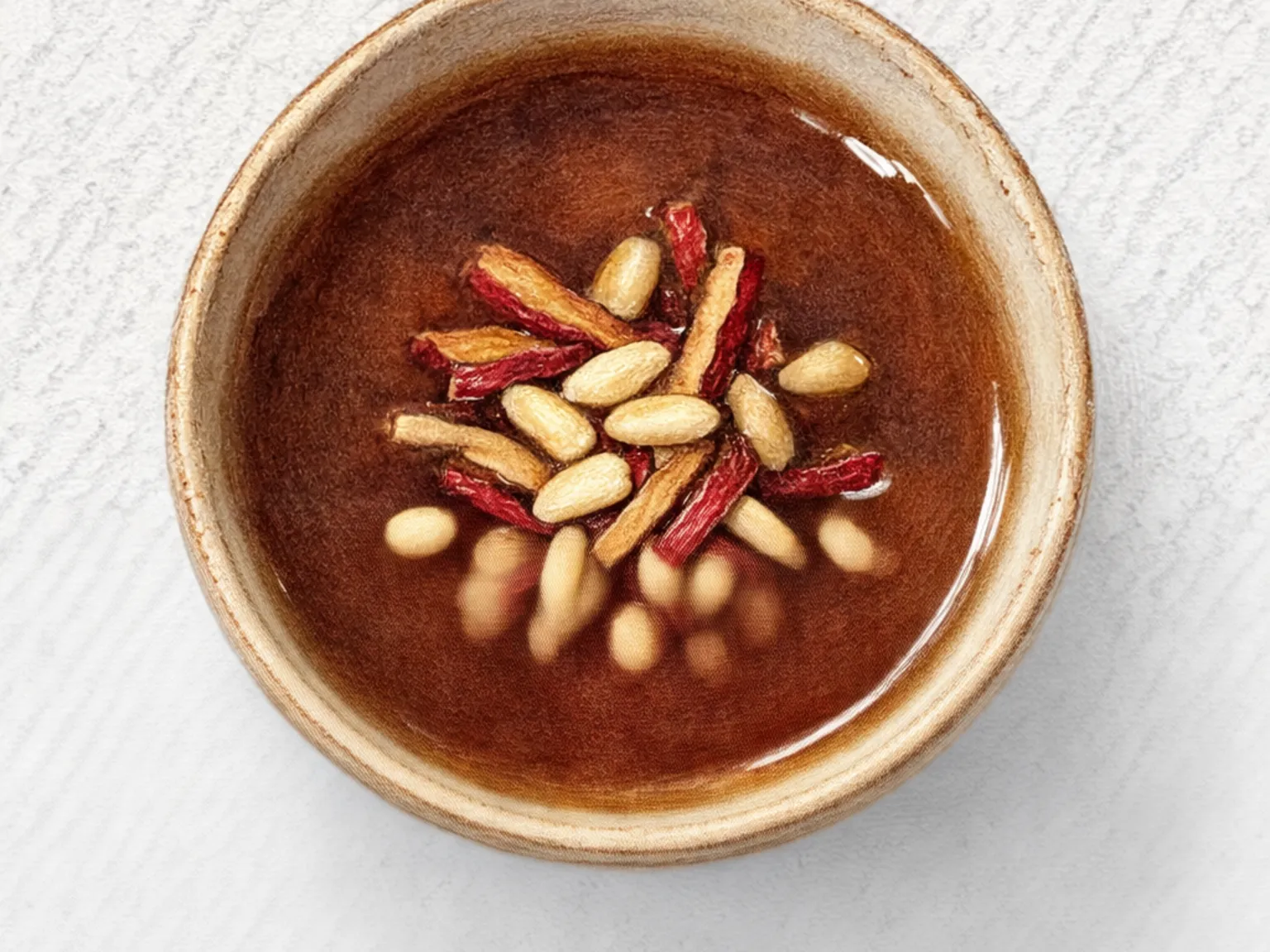
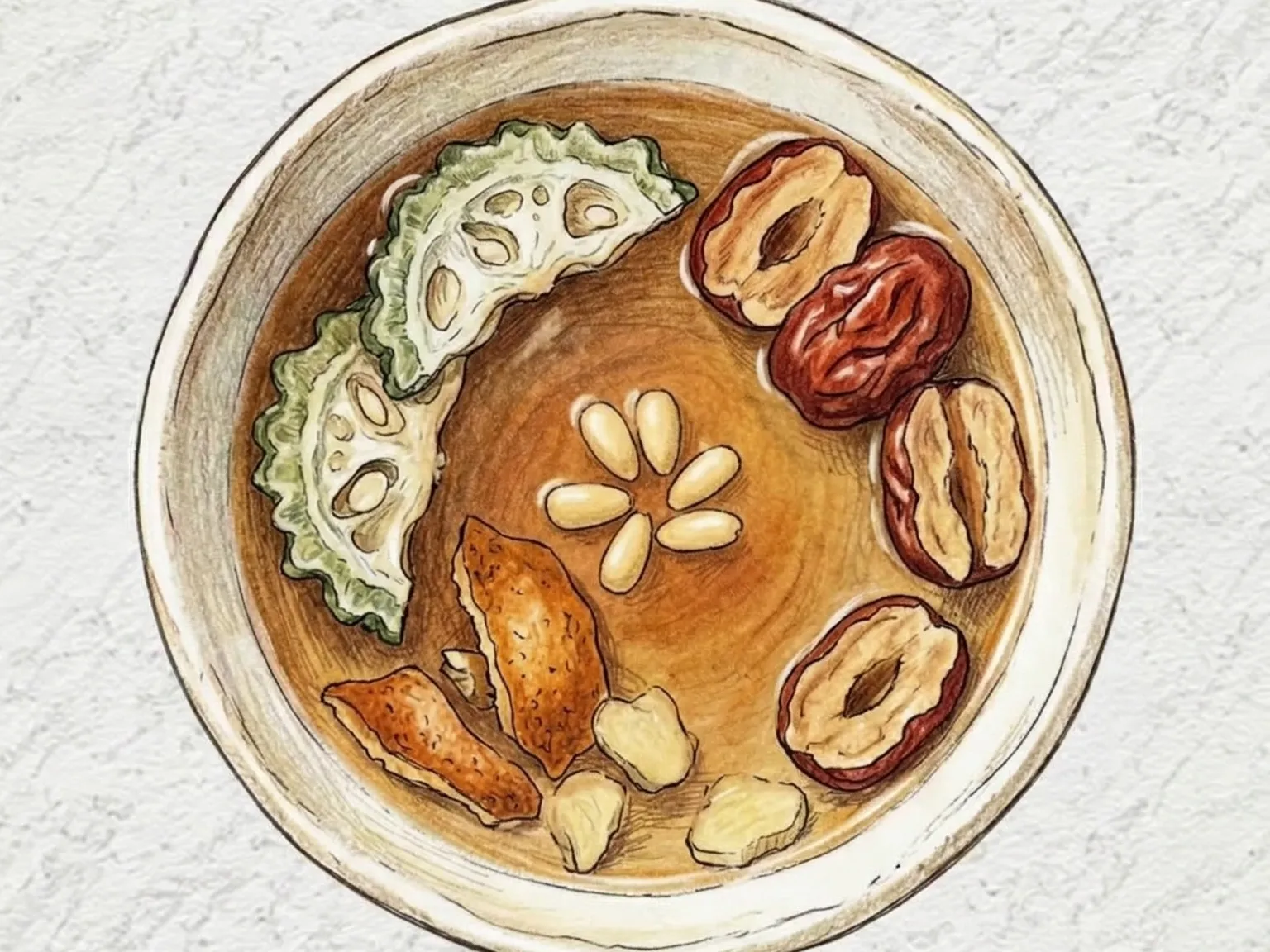
Sansuyu-cha is a traditional Korean tea made by simmering dried cornelian cherry fruits with halved jujubes and sliced ginger in water, first bringing it to a boil over medium heat then reducing to low for fifteen minutes. Cornelian cherry, known in Korean as sansuyu, is a small red fruit with a pronounced tartness that forms the backbone of this tea. The jujubes are split to expose their flesh and soften the brew with mellow sweetness, while ginger threads a warm spiciness through the entire pot. Keeping the total simmer time under twenty minutes matters because the berries contain tannins that leach into the liquid when overcooked, adding an unpleasant bitterness that overshadows the bright fruity notes. Once done, the tea is strained through a fine sieve and honey is stirred in off the heat, rounding out the acidity without flattening it. Pine nuts floated on top slowly release a subtle nuttiness that ties the tart, sweet, and spicy notes into a cohesive cup. In Korean traditional medicine, cornelian cherry has long been used to support kidney health and combat fatigue, and this tea has been consumed as a tonic during seasonal changes and periods of physical exhaustion for generations.

🍺 Bar Snacks ⚡ Quick
Prep 8min Cook 20min 2 servings
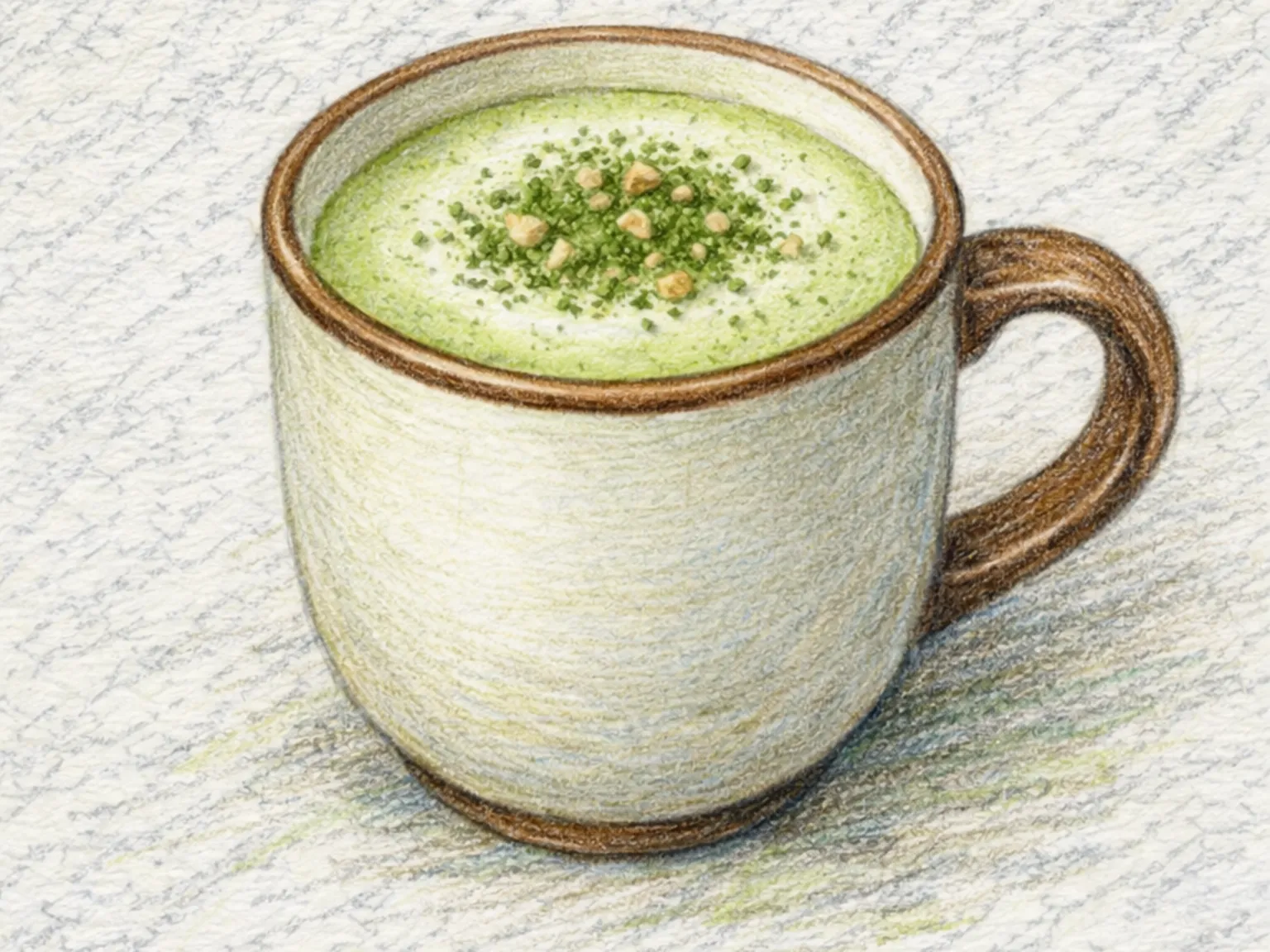
Korean Soju Tonic (Soju Lime Cucumber Highball)
Drinks Easy

Korean Soju Tonic (Soju Lime Cucumber Highball)

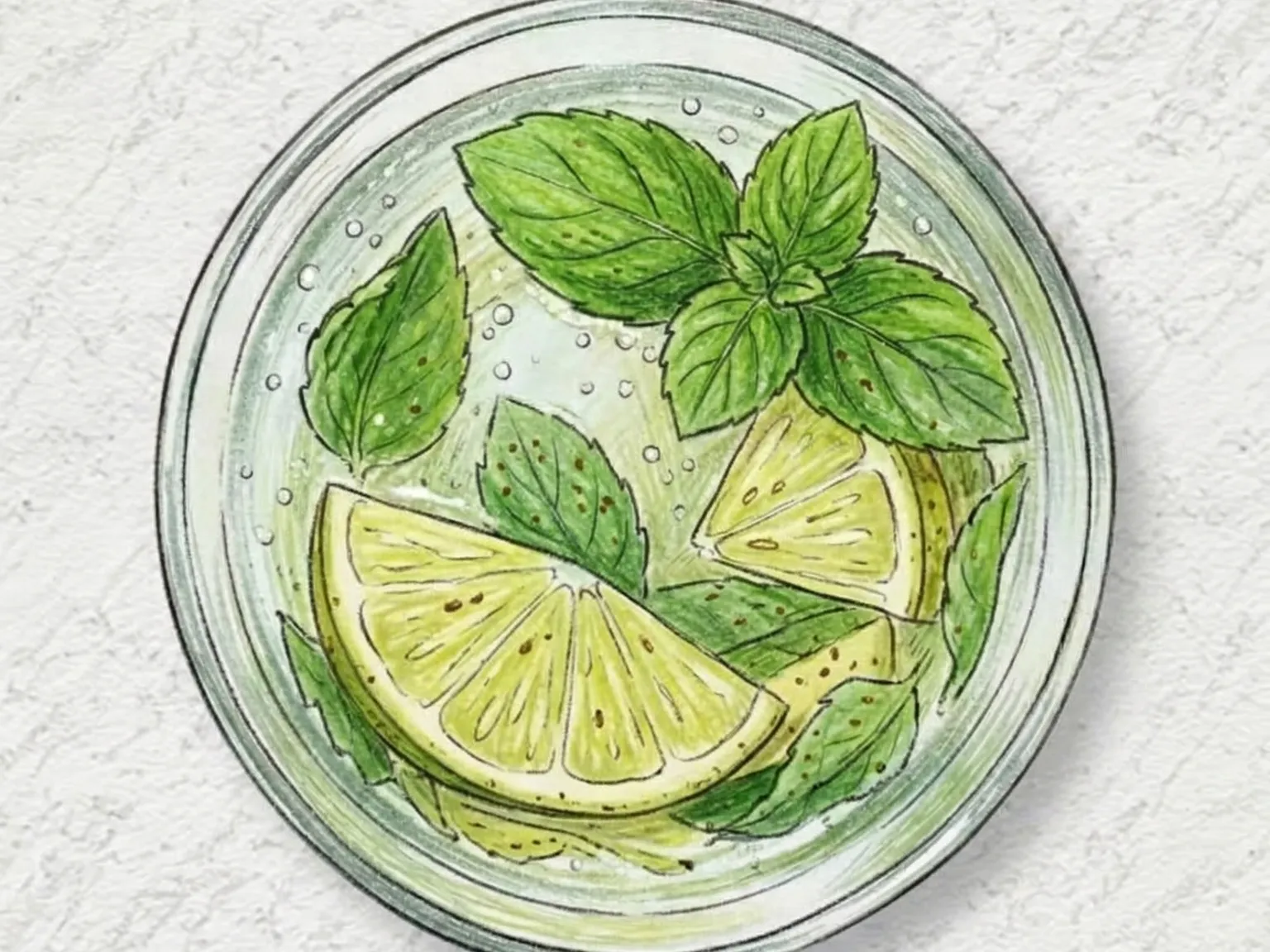
Soju tonic is a Korean highball-style drink that pairs soju with tonic water and lime, layering the spirit's clean, neutral body with the bitter quinine edge of tonic and the bright acidity of fresh citrus. Lime juice goes in first along with soju and a touch of simple syrup, and the tonic water is poured last and slowly to keep the carbonation intact as long as possible. Cucumber slices over ice add a vegetal freshness that makes the drink especially cooling in hot weather, and omitting the syrup produces a drier version with more pronounced bitterness. The lightweight character of soju makes this highball less heavy than gin or vodka equivalents, pairing well with rich, oily bar food.

🍺 Bar Snacks ⚡ Quick
Prep 5min 2 servings
Solnip-cha (Korean Pine Needle Tea)
Drinks Easy

Solnip-cha (Korean Pine Needle Tea)

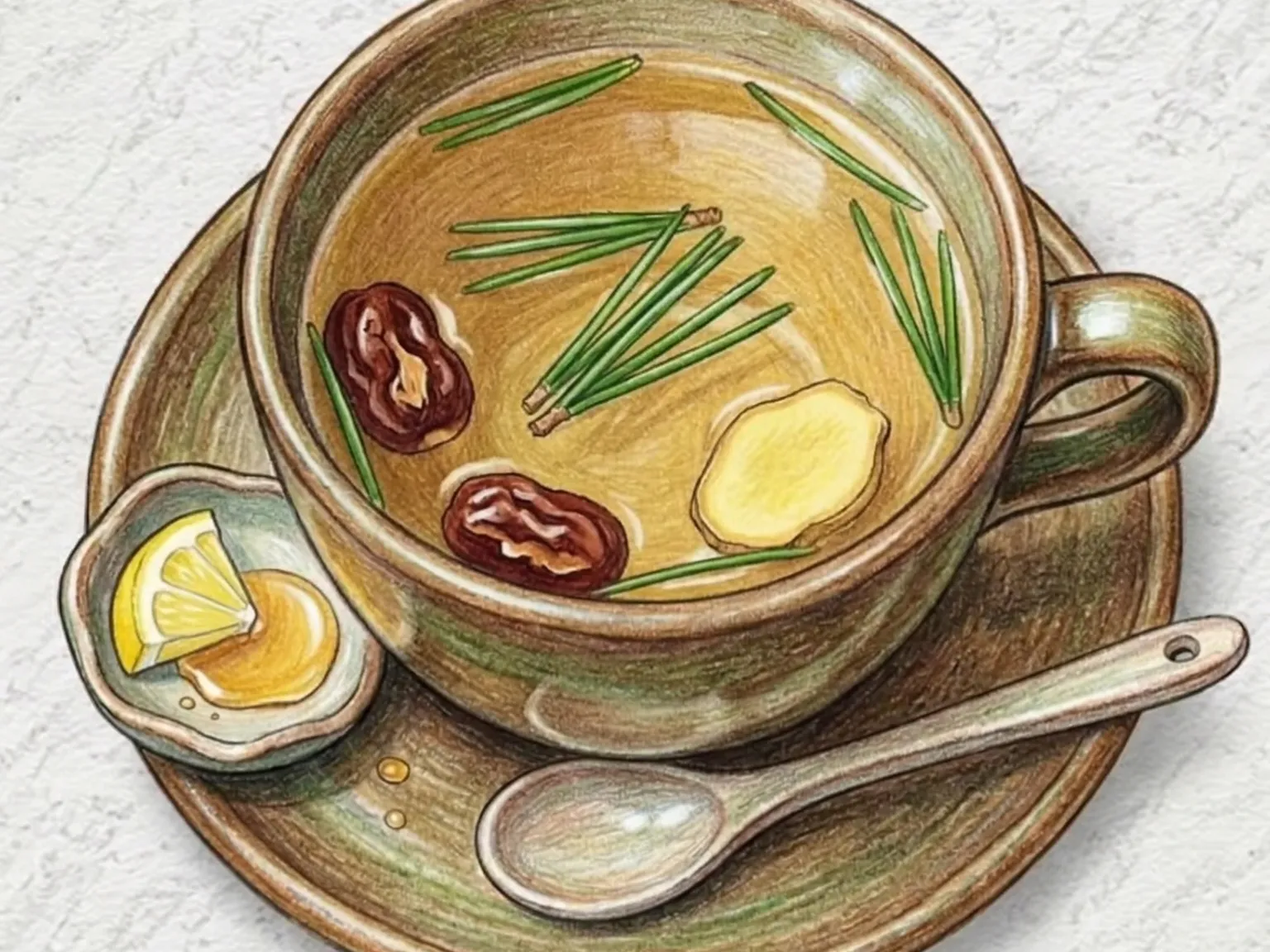
Solnip-cha is a Korean pine needle tea recipe made by simmering young, cleaned pine needles with jujubes and sliced ginger in water, first at medium heat and then on low for 15 minutes to release the needles' fresh, resinous fragrance. Unlike floral gujeolcho-cha or fruit-based sansuyu-cha, this tea is defined by the evergreen aroma of pine needles, so washing and cutting the needles correctly matters more than adding extra sweetener. The needles are washed two to three times under running water to remove dust and resin residue, then cut into 5-centimeter lengths to increase the surface area for infusion. The jujubes are halved and seeded so their sweetness dissolves readily, and the ginger adds a warm undertone that tempers the pine's sharpness. After straining, honey and a small amount of lemon juice are stirred in off the heat, creating a tea where the clean evergreen aroma, floral sweetness, and gentle acidity come together in balance.

🍺 Bar Snacks ⚡ Quick
Prep 10min Cook 20min 4 servings
Korean Soju Beer Mix (Soju Lager Lemon Highball)
Drinks Easy

Korean Soju Beer Mix (Soju Lager Lemon Highball)

Somaek is Korea's most popular mixed drink, made by combining soju and lager beer in a single glass so that the spirit's alcohol strength meets the beer's crisp carbonation. The standard ratio is one part soju to three parts beer, and both liquids should be thoroughly chilled beforehand for the cleanest, most refreshing result. Ice goes in the tall glass first, followed by a splash of fresh lemon juice, then the soju, and finally the beer poured slowly down the inside wall of the glass to minimize foam and preserve the carbonation. A small addition of sparkling water lightens the drink further and brings the alcohol level down slightly for those who want a longer session. A lemon slice resting on the rim releases citrus oils with each sip, adding a bright aromatic layer that keeps the drink from feeling heavy. Somaek traces its roots to the bombtail drinking culture unique to Korean social gatherings, but today it exists in countless variations with different soju brands, beer styles, and ratio preferences that regulars debate with genuine seriousness.

🍺 Bar Snacks ⚡ Quick
Prep 5min 2 servings
Korean Ssanghwa Herbal Tea
Drinks Hard

Korean Ssanghwa Herbal Tea

Ssanghwa-cha is a traditional Korean tonic tea made by slow-simmering astragalus root, angelica root, cinnamon bark, licorice, and jujube in approximately 1800 ml of water over low heat for more than fifty minutes. The prolonged extraction coaxes layered complexity from each herb, producing a brew that is simultaneously bitter, sweet, and warmly aromatic with cinnamon woven through every sip. Jujubes added during the simmer soften the sharpest herbal edges while contributing a mild natural sweetness that rounds the overall profile. Honey is stirred in after straining to let each person adjust the sweetness to taste. The tea is poured hot into a ceramic cup and finished with a small cluster of pine nuts whose oil blooms on contact with the steaming surface, releasing a gentle, nutty fragrance. The deep medicinal warmth lingers in the throat long after each sip, making the drink a reliable remedy for fatigue and cold weather.

🍺 Bar Snacks 🎉 Special Occasion
Prep 10min Cook 60min 4 servings
Korean Mugwort Banana Smoothie
Drinks Easy

Korean Mugwort Banana Smoothie

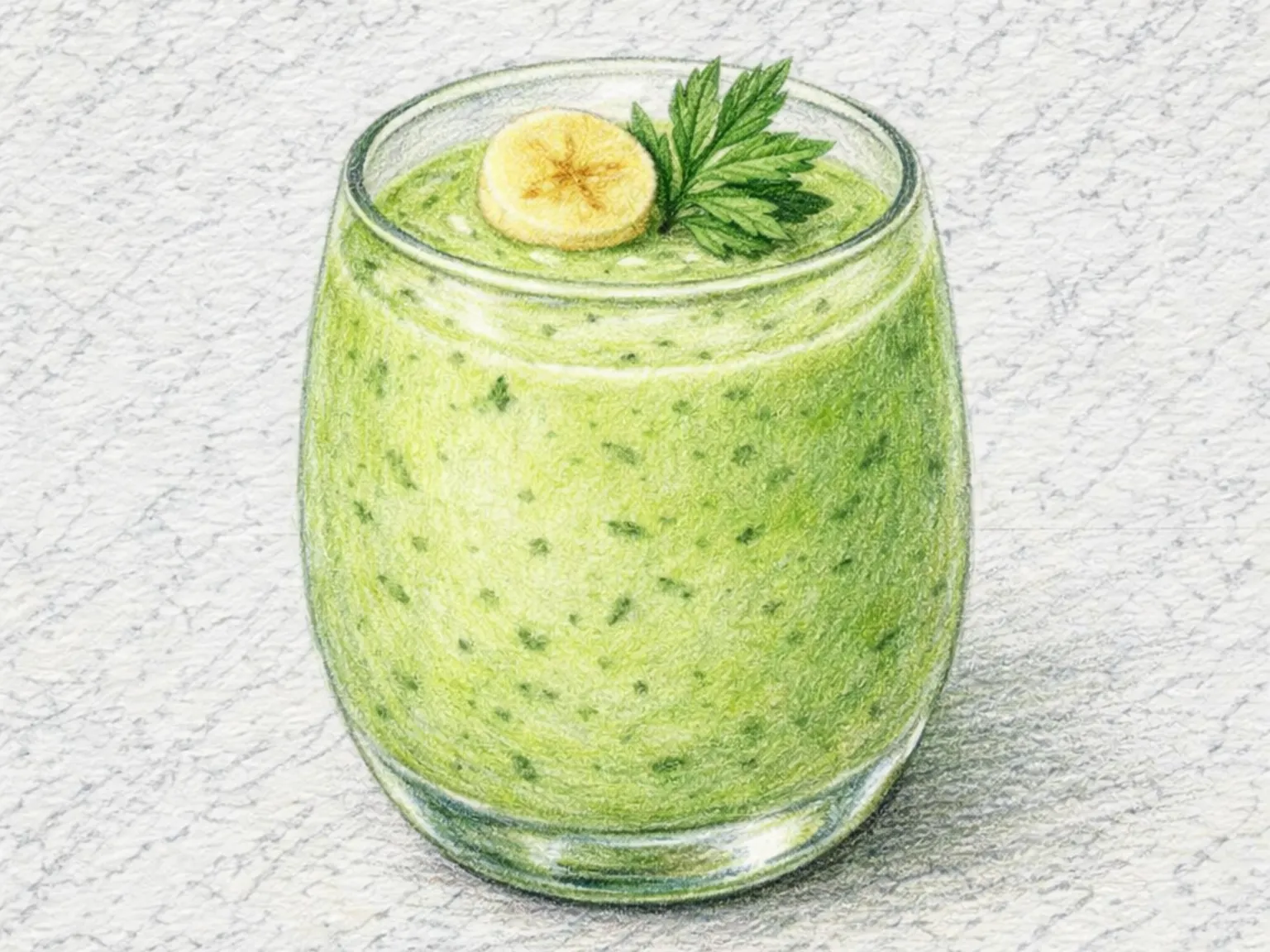
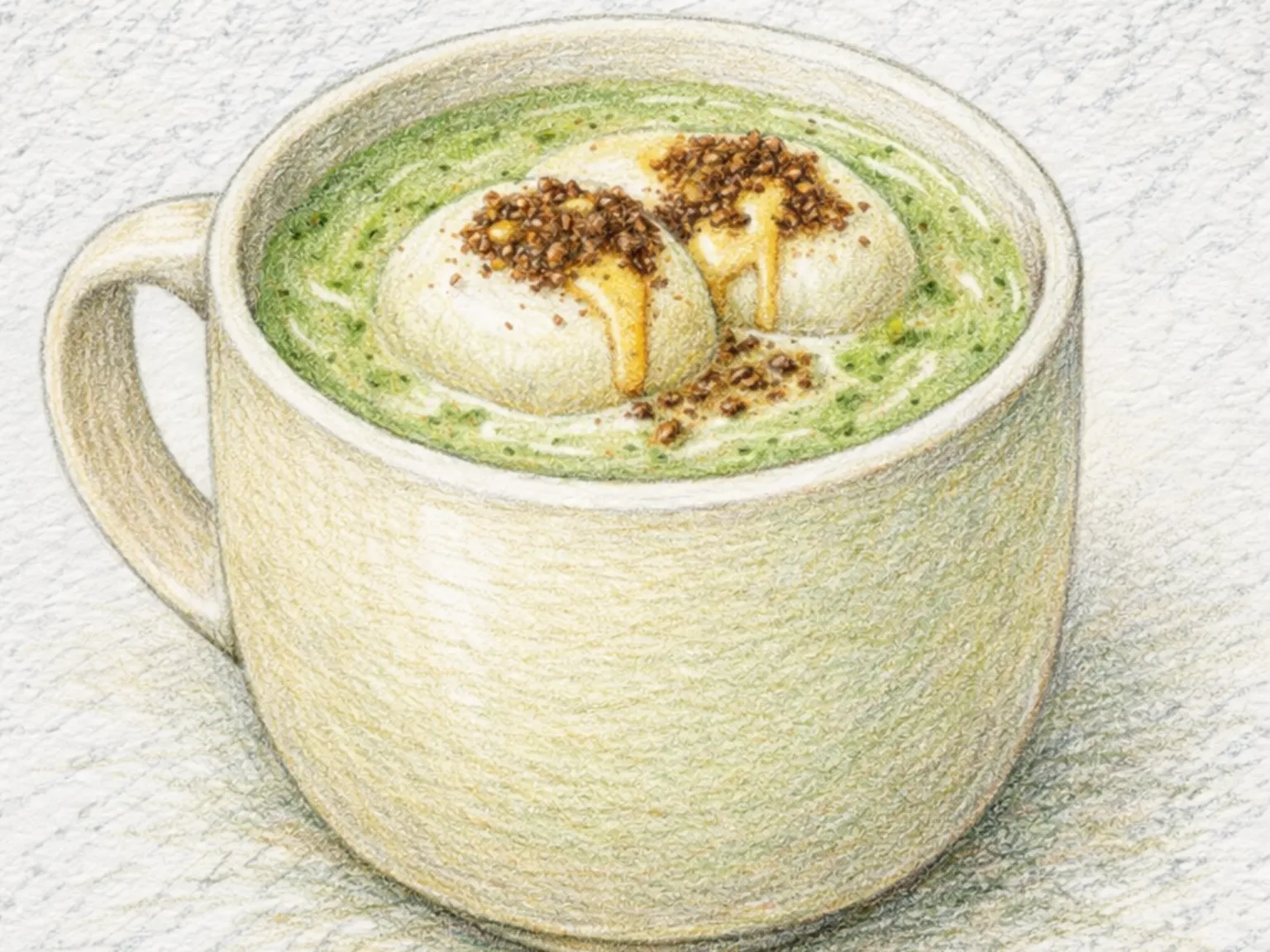
This smoothie combines blanched mugwort with frozen banana, plain yogurt, and milk, blended into a thick, creamy drink. The mugwort is briefly blanched for 20 seconds to tame its raw bitterness, while pre-freezing the banana adds body without relying on excess ice. A touch of vanilla extract bridges the grassy herbaceous notes of the mugwort with the banana's tropical sweetness, and honey rounds out the overall flavor. The result is a vivid green drink with a simultaneously earthy, fruity, and tangy profile, finished in under 10 minutes from start to pour.

🍺 Bar Snacks ⚡ Quick
Prep 8min Cook 2min 2 servings
Korean Mugwort Latte (Herbal Mugwort Condensed Milk Drink)
Drinks Easy

Korean Mugwort Latte (Herbal Mugwort Condensed Milk Drink)

Ssuk latte is a Korean mugwort milk drink built on a simple technique: mugwort powder is first dissolved in a small amount of water to form a smooth paste before being whisked into warm milk. Adding the powder directly to cold milk tends to produce lumps, so dissolving it into a paste first is the step that determines whether the finished drink is silky or gritty. Condensed milk and honey soften the herb's inherent bitterness, the quality that characterizes mugwort most distinctly, while a small pinch of salt sharpens the contrast between sweet and earthy and adds a layer of depth that sugar alone cannot provide. The milk is heated on medium-low heat until the surface begins to tremble and small bubbles appear at the edges, just before boiling, which is enough warmth for the powder to integrate fully and produce a uniform, jade-green color without scorching. Served hot, the drink carries a lingering herbal warmth and a faint bitter note in the back of the throat that traditional Korean drinks often feature. Served over ice and shaken, the same base transforms into a lighter, more refreshing version with a cleaner mouthfeel. Mugwort has been a seasonal spring ingredient in Korean food culture for centuries, valued for its distinctive fragrance and tonic properties. Those unfamiliar with the flavor can start with a smaller amount of powder and increase gradually until the intensity suits their taste.

🍺 Bar Snacks ⚡ Quick
Prep 5min Cook 6min 2 servings
Korean Mugwort Rice Cake Latte
Drinks Medium

Korean Mugwort Rice Cake Latte

Ssuk-tteok latte is a Korean dessert drink that tops a warm mugwort milk base with chewy bite-size rice cakes. Dark brown sugar dissolves into the milk to provide a deep, almost caramel-like sweetness, layered further with a spoonful of condensed milk. The sweet rice cake pieces are briefly microwaved to soften before being placed on top, so they remain pleasantly chewy even as they sit in the hot latte. Each sip and bite brings together the grassy fragrance of mugwort, the molasses-like richness of brown sugar, and the sticky, satisfying pull of glutinous rice cake.

🍺 Bar Snacks ⚡ Quick
Prep 10min Cook 8min 2 servings
Korean Strawberry Latte
Drinks Easy

Korean Strawberry Latte

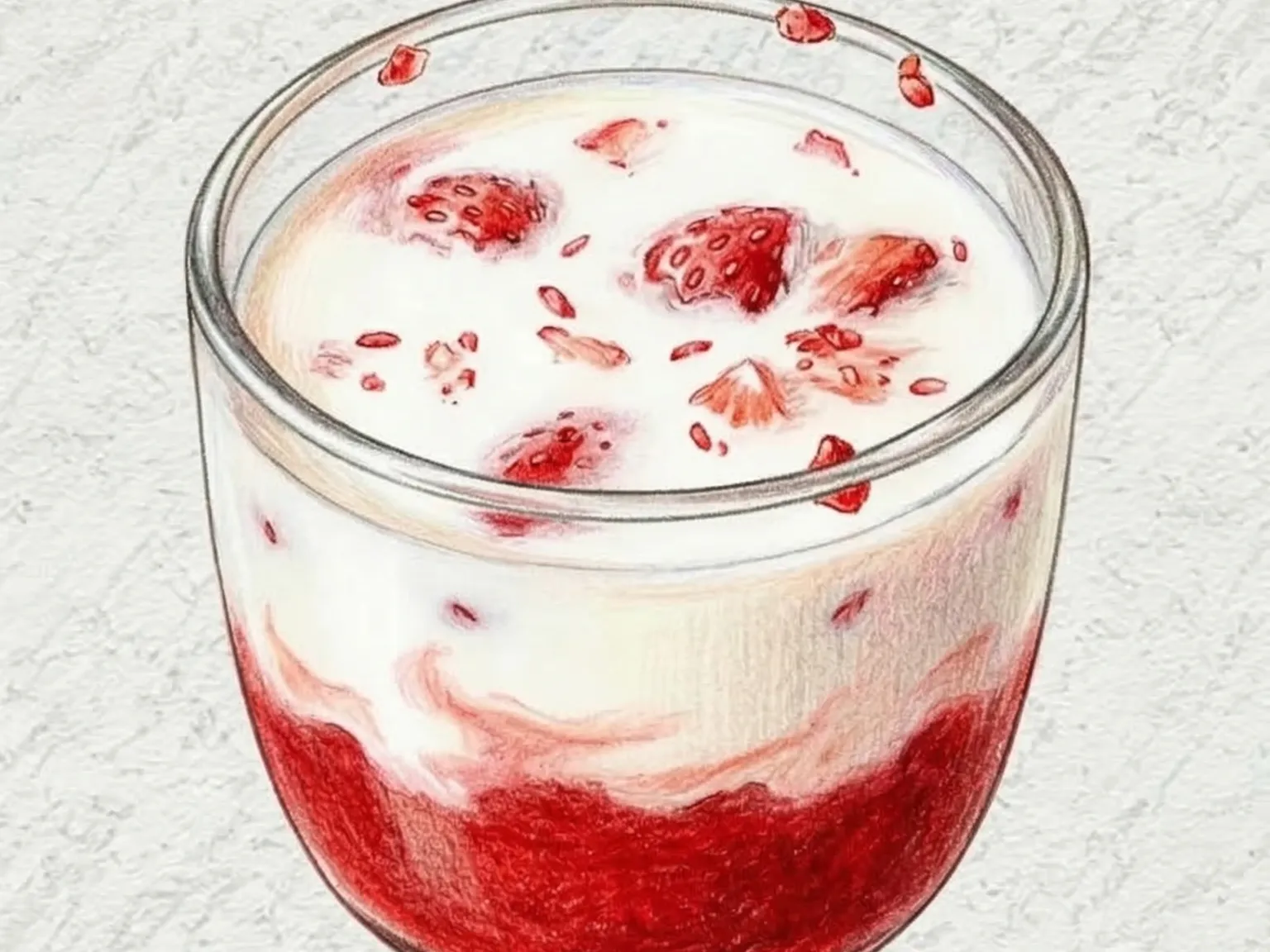
This strawberry latte layers a hand-crushed fresh strawberry base at the bottom of the glass, then builds a two-tone presentation by slowly pouring cold milk down the inside wall. The berries are crushed with a fork rather than blended smooth, leaving irregular pieces of fruit that provide texture in every sip. Mashing them with sugar and allowing five minutes for osmosis draws out enough juice to dissolve the sugar into a concentrated, syrupy base that sits dense at the bottom. One or two drops of vanilla extract smooth the sharp edge of the strawberry's acidity without masking the fruit. Honey, used in place of or alongside sugar, leaves a floral sweetness in the finish that plain sugar cannot replicate. Pouring the milk against the inside wall of the glass rather than directly over the fruit keeps the red base layer intact and the two-tone separation distinct. Stirring the drink collapses the layers into a uniform pale pink with flecks of fruit dispersed throughout. Made with fresh spring strawberries at peak ripeness, the latte delivers a real-fruit fragrance that processed strawberry syrups cannot match.

🍺 Bar Snacks ⚡ Quick
Prep 10min 2 servings
Korean Cinnamon Persimmon Punch
Drinks Easy

Korean Cinnamon Persimmon Punch

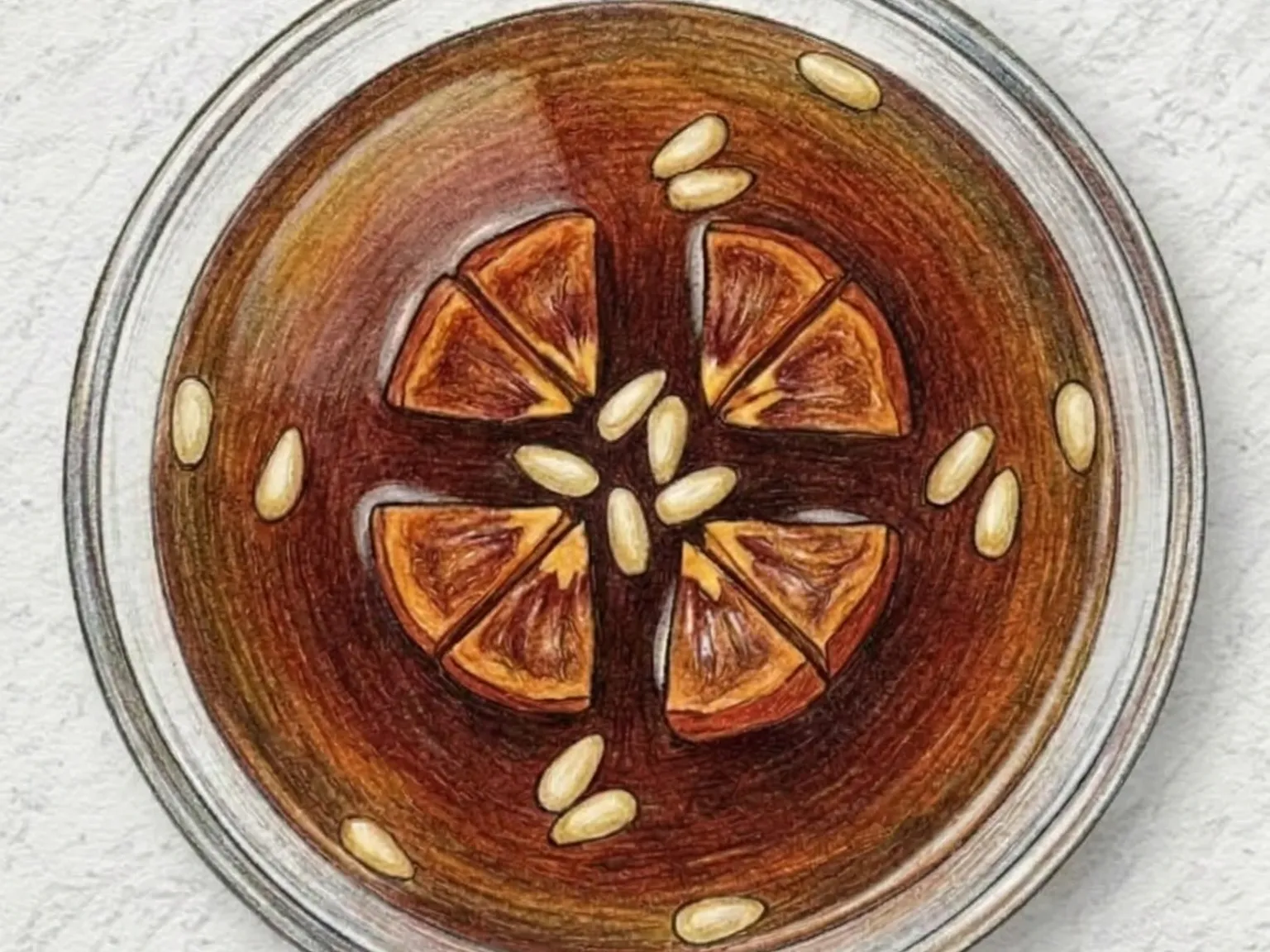
Sujeonggwa is a Korean cinnamon-ginger punch made by simmering cinnamon sticks and sliced ginger in water for 25 minutes, then straining and sweetening the clear liquid with dark brown sugar. The warm, slightly sweet spice of cinnamon and the sharp rising heat of ginger meet the molasses-toned depth of the sugar, building a flavor that is spicy, sweet, and aromatic in equal measure. Quartered dried persimmon slices are added to the chilled punch, where they slowly absorb the liquid and soften into a jam-like texture over time, while floating pine nuts contribute a gentle nuttiness to each sip. Overnight refrigeration in a sealed container melds the individual flavors into something more unified, making the punch cleaner and more rounded when served cold. Sujeonggwa has long been served at Korean holiday tables during Lunar New Year and ancestral rite ceremonies, and its spiced warmth is also considered a natural digestive aid after heavy meals.

🍺 Bar Snacks 🎉 Special Occasion
Prep 10min Cook 35min 4 servings
Korean Scorched Rice Tea (Toasted Rice Grain Brew)
Drinks Easy

Korean Scorched Rice Tea (Toasted Rice Grain Brew)

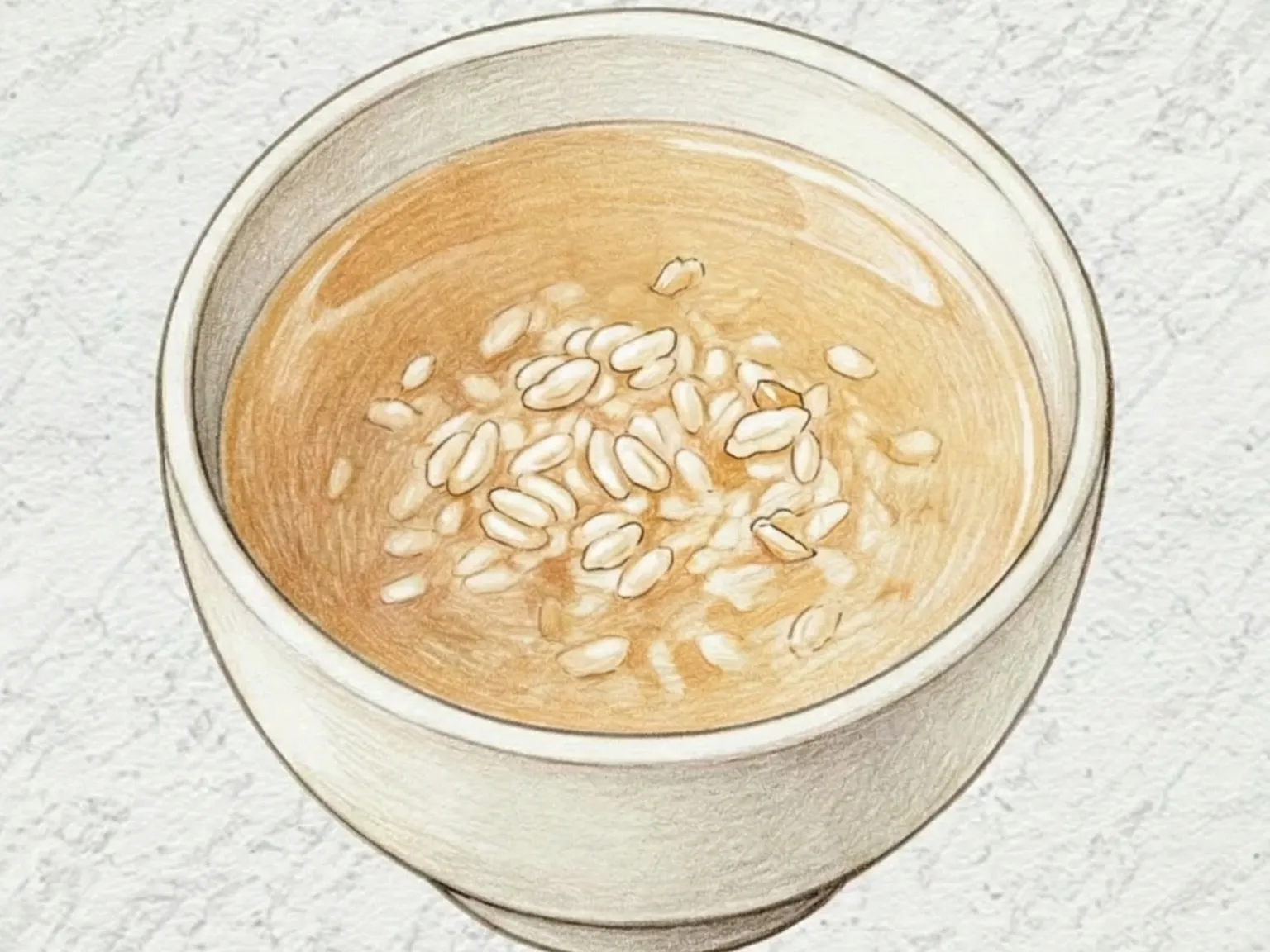
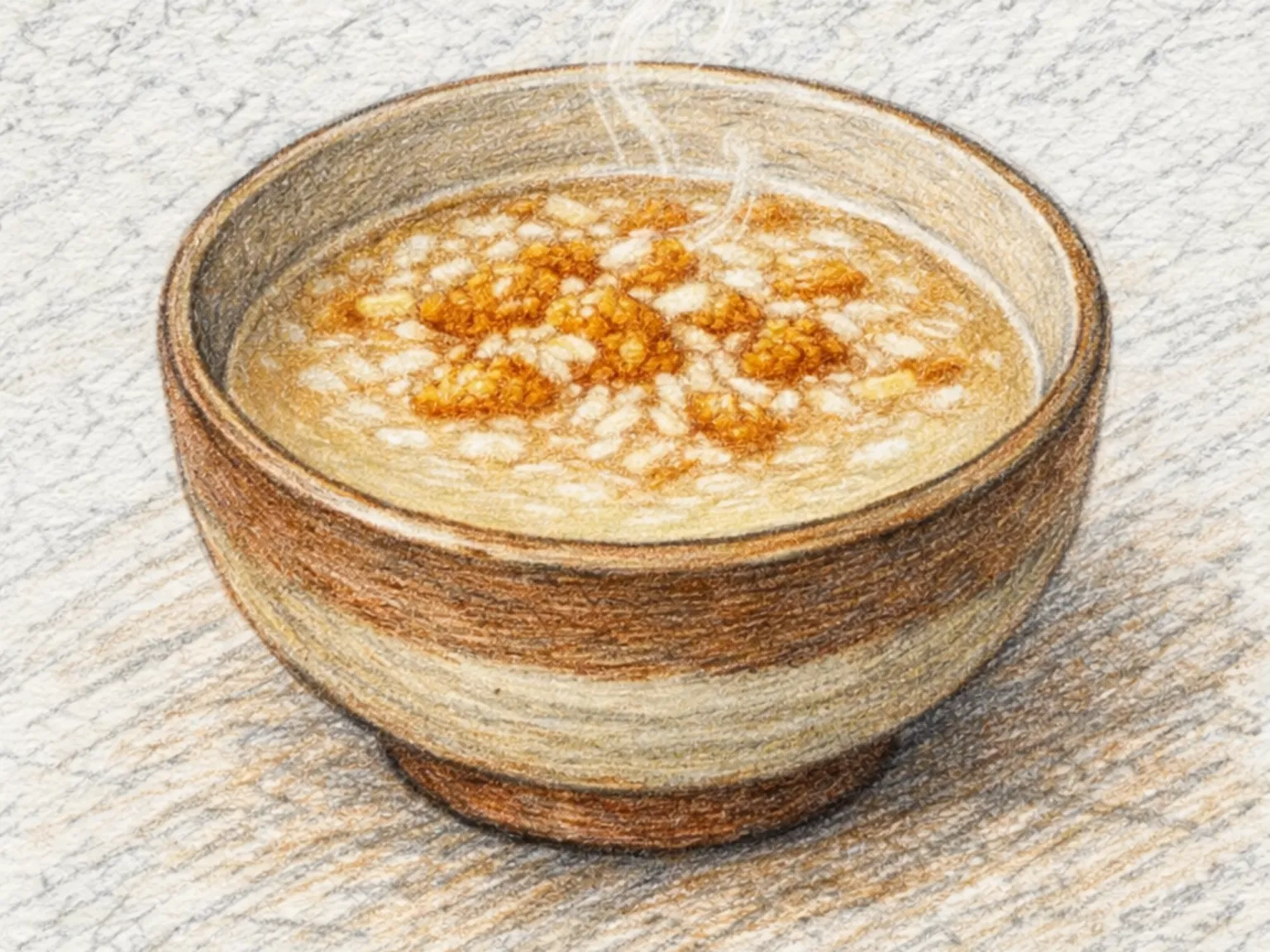
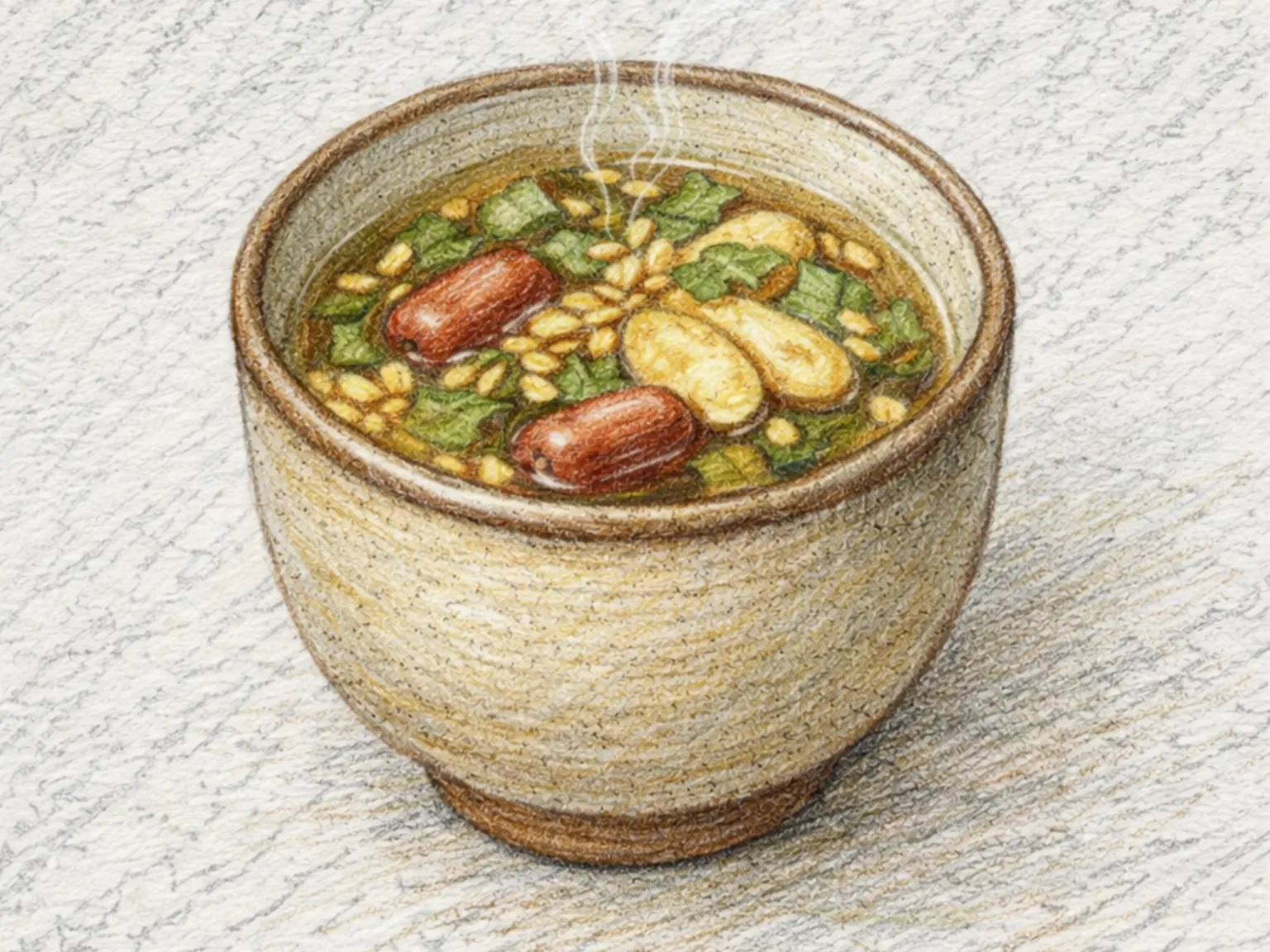
Sungnyung is a traditional Korean grain beverage made by toasting the cooked rice left on the bottom of a pot until it forms a golden crust called nurungji, then pouring in water and simmering the crust with small additions of brown rice and glutinous rice for about fifteen minutes. The toasting step is where the character of the drink is established: enough scorching produces a deep, roasted, almost tea-like aroma, but any actual burning spreads bitterness through the entire liquid, so keeping the heat low and watching carefully is essential. A small pinch of salt sharpens the perception of the grain flavor without making the drink taste seasoned in any obvious way, and two or three pine nuts floated on the surface add a mild, oily richness that gives the otherwise lean liquid some body. Sungnyung has long been served at the end of meals in Korean households, rooted in the practical experience that a cup of the hot, gentle drink settles the stomach and eases the discomfort of having eaten heavily. There was also a household efficiency dimension: the same pot used to cook the rice would be used to make sungnyung, and the process cleaned the stuck rice off the bottom without scrubbing. With electric rice cookers now standard in most Korean homes, nurungji does not form naturally, but commercially produced nurungji can be purchased and simmered in the same way to achieve a close approximation.

🍺 Bar Snacks ⚡ Quick
Prep 5min Cook 25min 2 servings
Korean Sweet Corn Latte (Butter Sauteed Corn Milk Drink)
Drinks Easy

Korean Sweet Corn Latte (Butter Sauteed Corn Milk Drink)

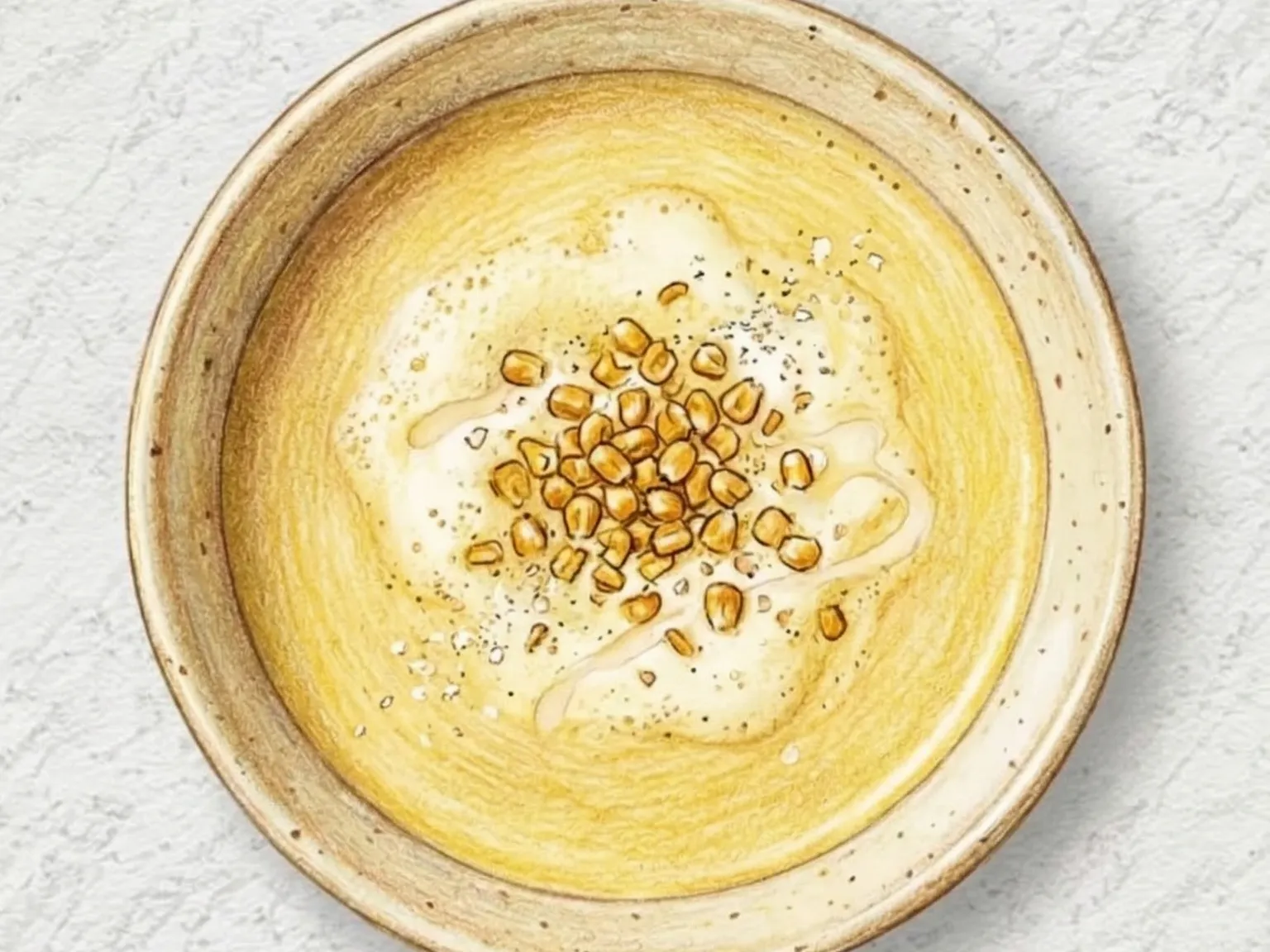
Sweet corn latte begins by sauteing cooked corn kernels in butter until fragrant, then simmering them in milk to draw out the corn's natural sugars before blending everything smooth. The butter amplifies the starchy, roasted aroma during the initial saute, coating each kernel so that the fat-soluble flavor compounds dissolve fully into the milk during the five-minute simmer. Blending the mixture until completely smooth and then straining it through a fine sieve removes any remaining hull pieces, producing a texture as silky as a custard sauce. This straining step makes a noticeable difference in the final quality. Condensed milk adds a rounded sweetness, and a small amount of white pepper introduces a faint spiced warmth that gives the drink depth beneath the sweetness. It works equally well served hot in a ceramic mug or chilled and poured over ice; the corn aroma remains vivid in both versions.

🍺 Bar Snacks 🧒 Kid-Friendly
Prep 8min Cook 10min 2 servings
Thai Iced Tea
Drinks Easy

Thai Iced Tea

Thai iced tea is a boldly flavored, sweet milk tea made by steeping black tea leaves with cardamom over low heat for five minutes to produce a deeply concentrated brew. The intentionally strong extraction is necessary because the ice slowly dilutes the drink as it sits, and a weak brew would taste watery long before the last sip. Sugar is dissolved while the tea is still hot, then the liquid is cooled fully before being poured over a glass packed with ice. Milk and condensed milk are poured gently on top without stirring to create a visual gradient of white layered over amber, and the drink is mixed at the table before drinking. Once combined, the cardamom's floral spice and gentle bitterness weave through the sweetened black tea base to produce a complex flavor that goes beyond simple sweetness. Adjusting the amount of condensed milk is the easiest way to control how sweet the finished drink turns out.

🍺 Bar Snacks 🧒 Kid-Friendly
Prep 8min Cook 12min 3 servings