Mushroom Truffle Gnocchi
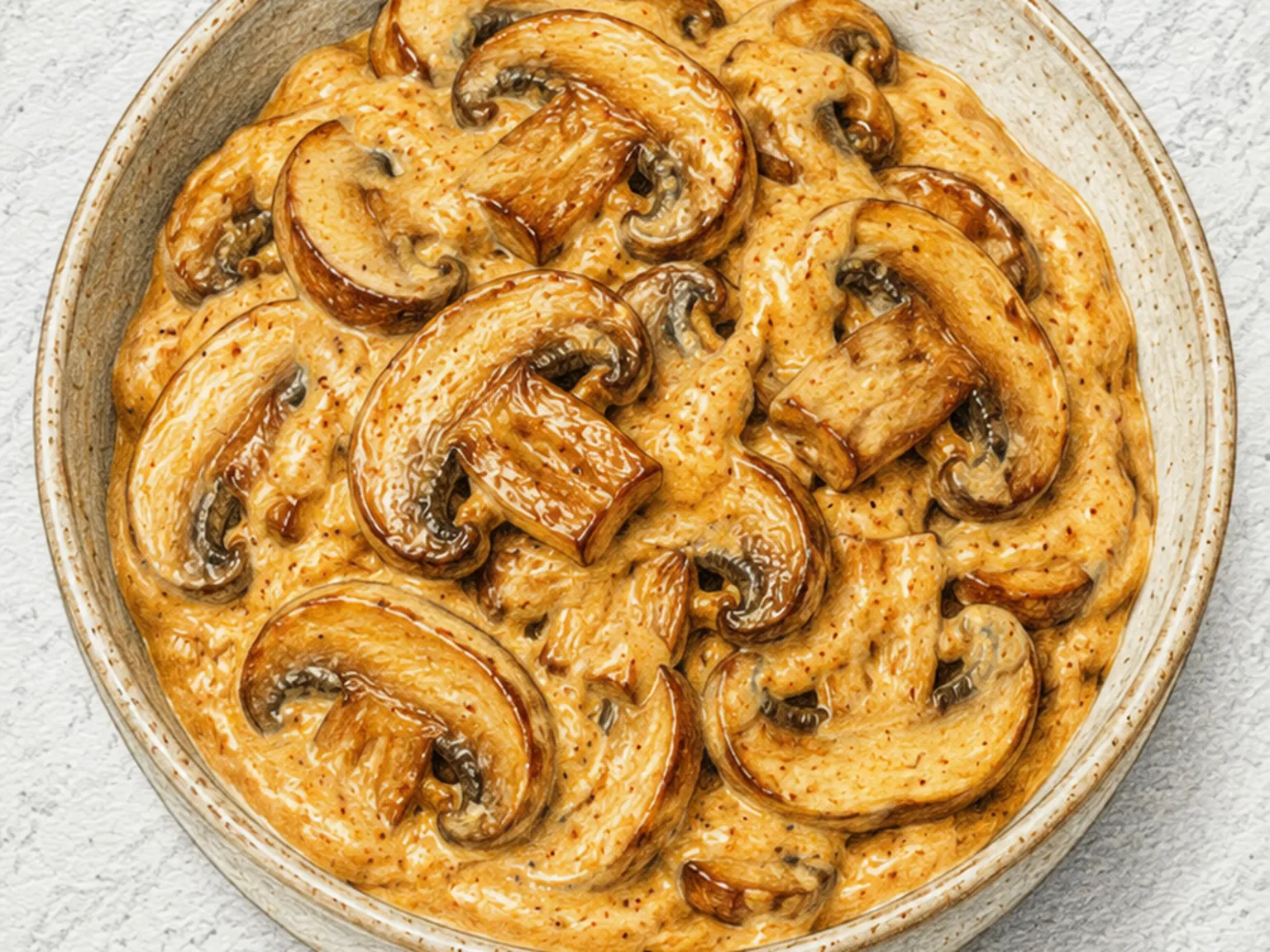
Mushroom truffle gnocchi boils potato gnocchi until they float, then tosses them in a sauce of butter-browned mushrooms finished with heavy cream and grated Parmesan. The mushrooms must be cooked in a single layer over high heat so their moisture evaporates and they develop a deep sear rather than steaming in their own liquid. The cream simmers on low heat for just two to three minutes - enough to thicken into a coating consistency without reducing too far. Truffle oil is drizzled on only after the heat is turned off, because cooking destroys the volatile aromatic compounds that give truffle its distinctive earthy, nutty fragrance. The combination of chewy gnocchi, savory mushrooms, rich cream sauce, and the lingering truffle aroma creates a dish that tastes far more luxurious than its short ingredient list suggests.
Kimchi Cheddar Savory Scone
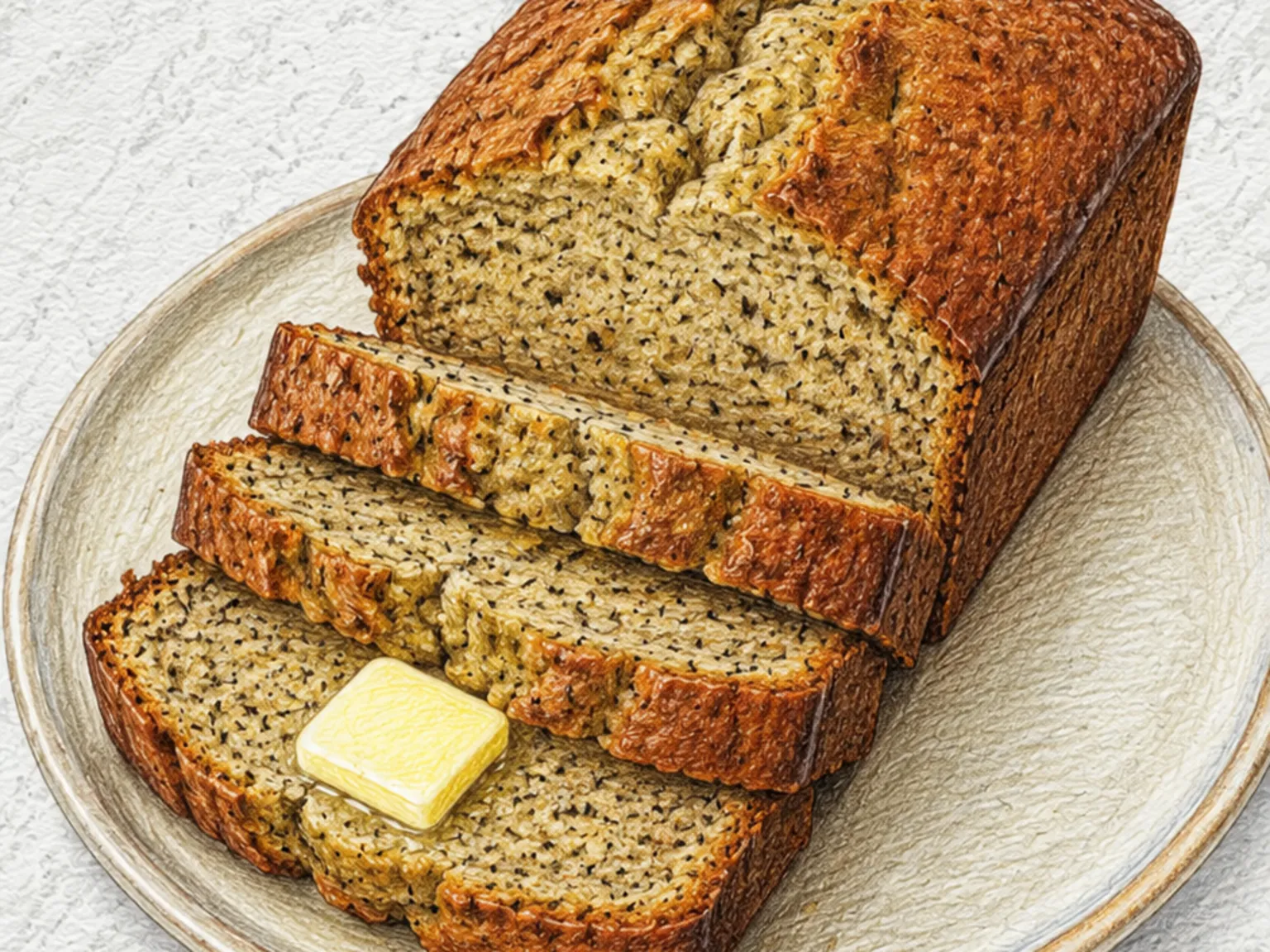
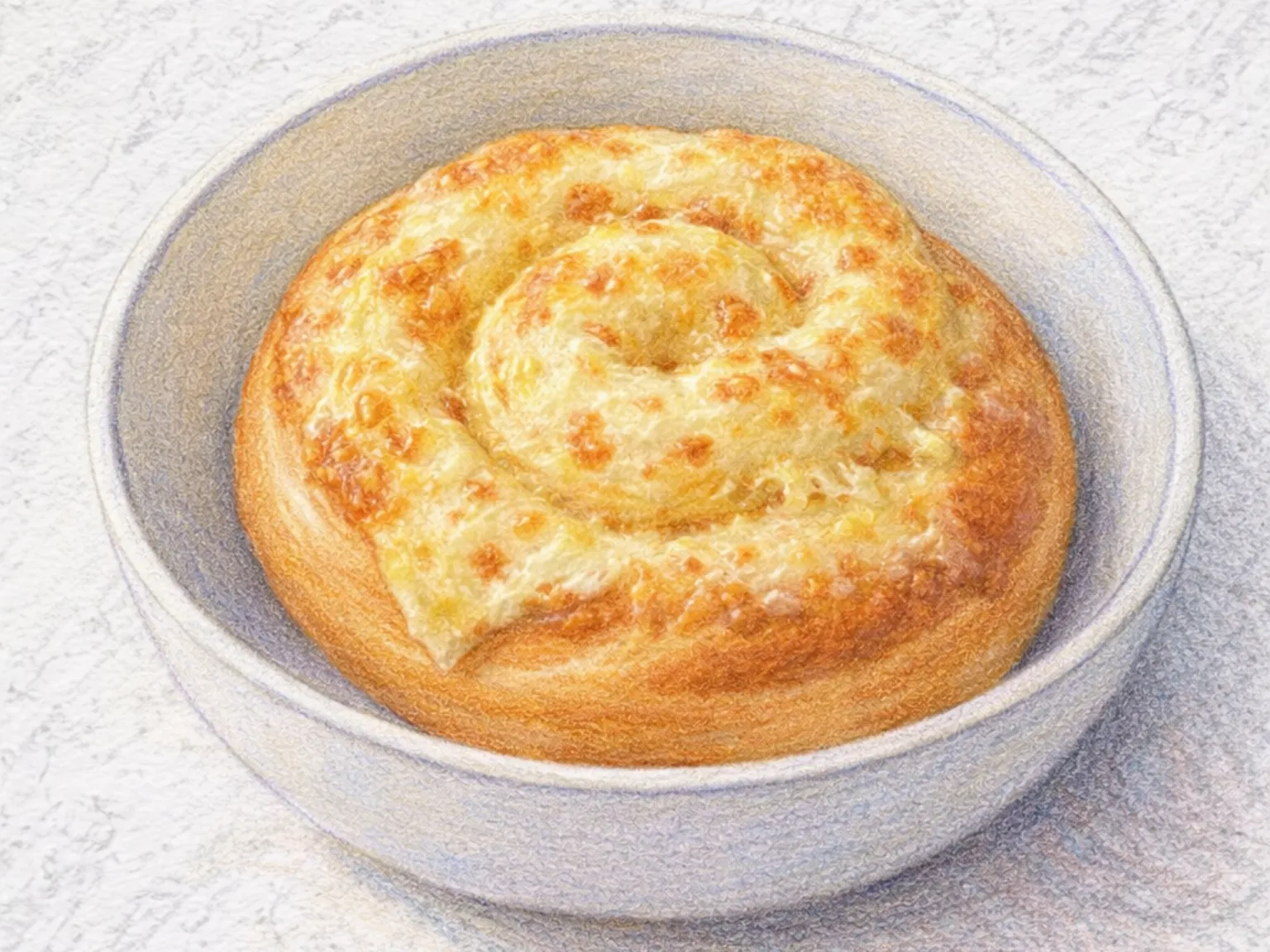
Cold butter rubbed into flour creates the flaky, crumbly layers of a classic scone, but here the dough takes a savory turn with the addition of squeezed kimchi and sharp cheddar cheese. As the butter melts in the oven, it releases steam that puffs the layers apart, and between those layers the kimchi's spicy acidity and the cheddar's salty richness emerge in alternating waves. Removing moisture from the kimchi before mixing is critical; wet kimchi produces a dense, heavy dough instead of the light texture that defines a good scone. Overworking the dough develops gluten and sacrifices that crumbly snap, so the ingredients are combined just until they hold together. A brief bake at 200 degrees Celsius sets the crust golden while the interior stays tender. Eaten warm with a pat of butter, the scone delivers a pronounced sweet-salty-tangy interplay that works as well at breakfast as it does alongside a bowl of soup.
Pastitsio (Greek Cinnamon Beef Macaroni Bechamel Bake)
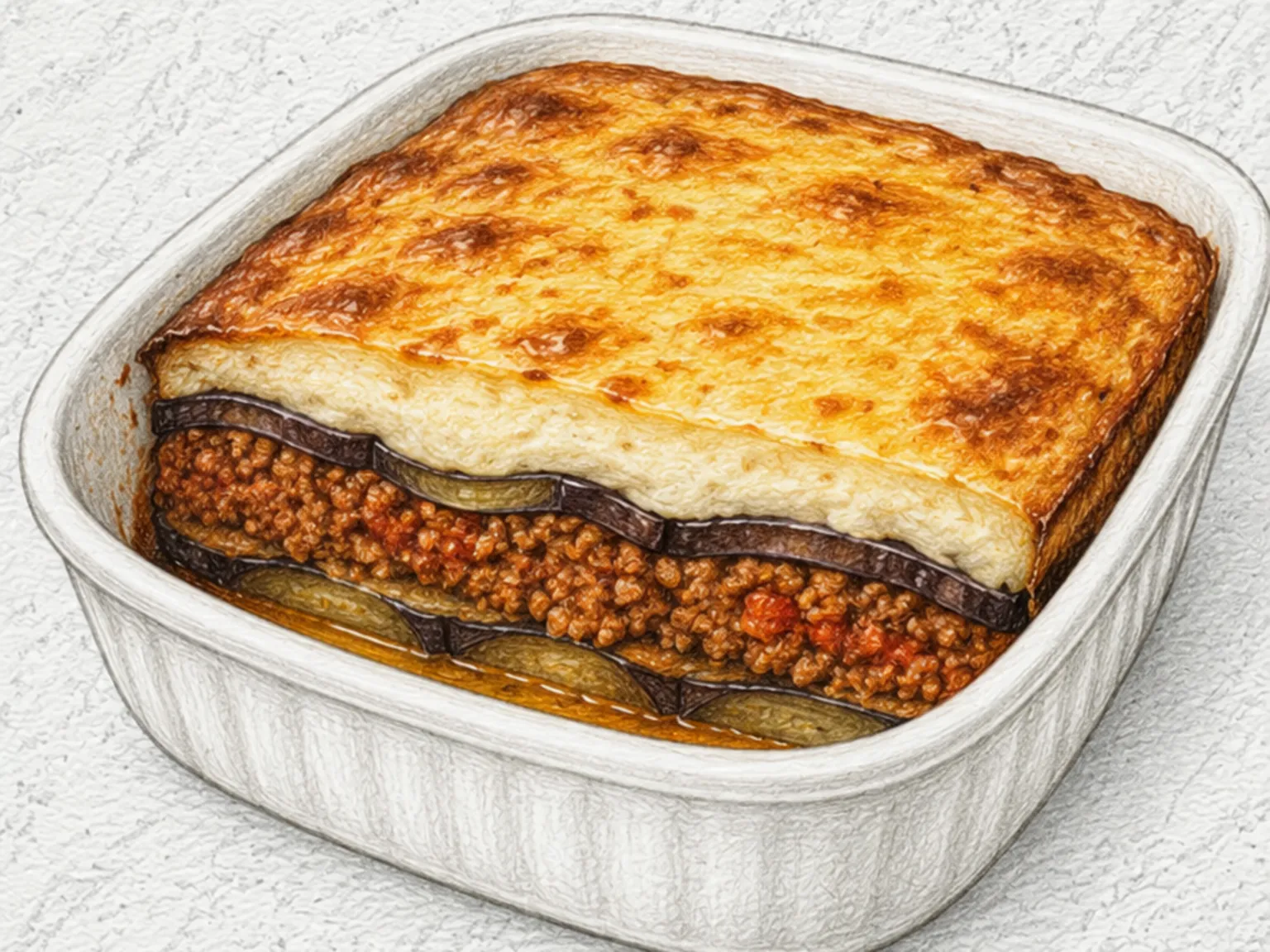
Pastitsio is a signature Greek oven-baked pasta composed of three distinct layers - macaroni on the bottom, spiced ground beef in the middle, and a thick bechamel on top. The beef is browned with onion and simmered in tomato sauce seasoned with ground cinnamon, which gives pastitsio its distinctive aroma that sets it apart from lasagna. Adding eggs to the bechamel allows it to set firmly in the oven, forming a custard-like cap that can be sliced cleanly with a knife. The macaroni should be slightly undercooked before assembly, as it continues to absorb liquid and soften during baking. Parmesan scattered between the pasta layers bridges the salty richness of the cheese with the meat sauce and creamy bechamel. After baking, a rest of at least fifteen minutes is essential for the layers to hold their structure when cut.
Knafeh (Crispy Shredded Pastry with Cheese)
Shredded kataifi pastry is tossed in melted butter, pressed into a pan, layered with mozzarella cheese, and baked until the strands turn golden and shatteringly crisp. The butter saturates every strand during baking, creating an intensely rich, crunchy base. Between the two layers of pastry, the cheese melts into a stretchy, creamy sheet that pulls apart in long strings when the dessert is cut. A syrup of sugar, water, and lemon juice, poured hot over the hot pastry, sinks into the crunchy layers almost instantly, glazing them with a sweet, barely tart coating that balances the cheese's mild salinity. Crushed pistachios scattered on top add a vivid green contrast and a firm, nutty bite that breaks up the otherwise uniform texture. The interplay of crunchy, stretchy, and syrupy in a single forkful is what makes knafeh distinctive. It must be served immediately; the pastry softens as it sits, and the contrast between crisp and molten fades.
Patty Melt
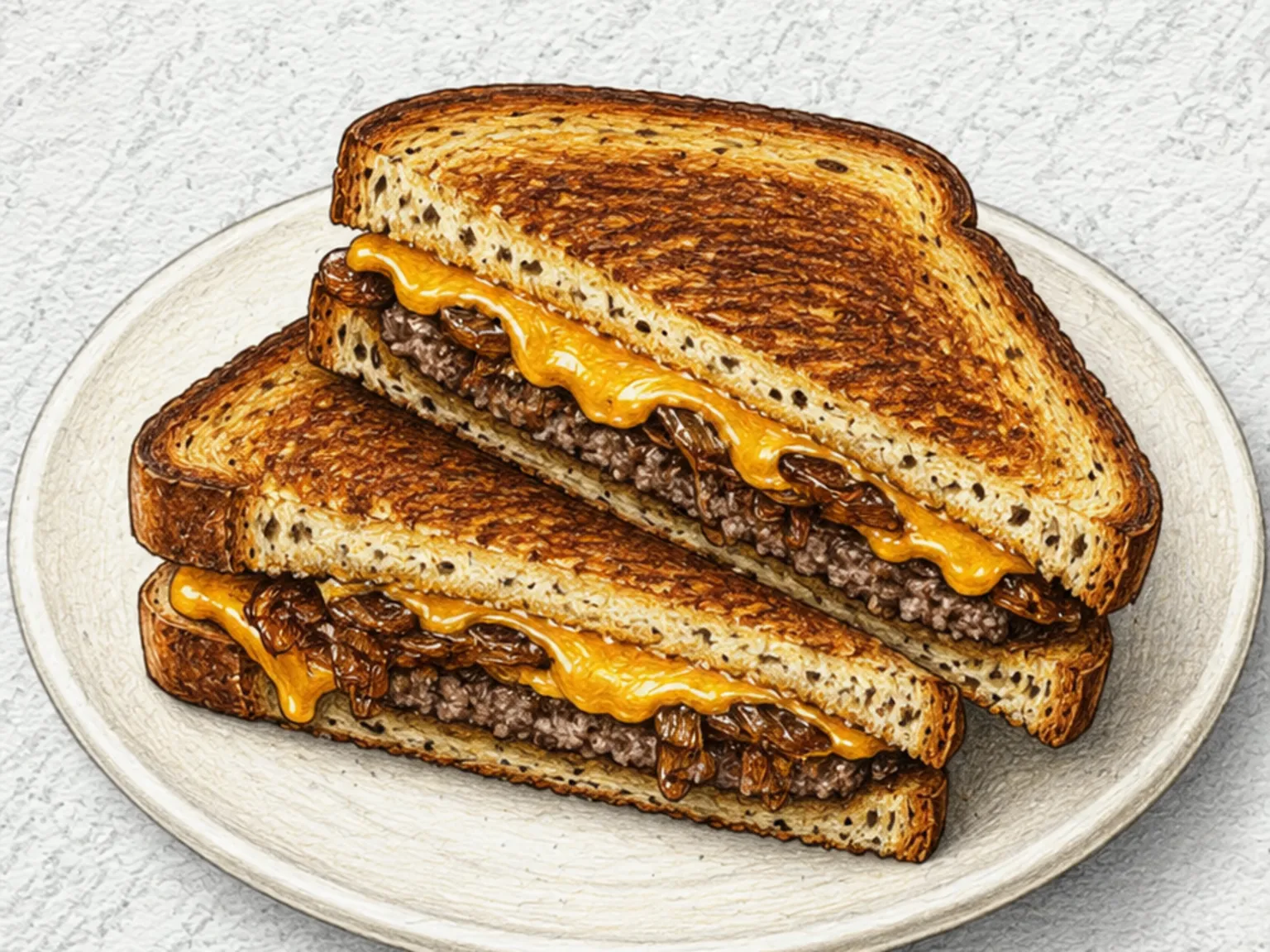
Patty Melt is an American diner classic that sits between a burger and a grilled cheese sandwich, combining a thin beef patty with deeply caramelized onions and melted cheese between slices of toasted bread. The onions require at least twenty minutes over low heat to lose their moisture and concentrate their sugars into a dark, sweet jam-like consistency. The patty is shaped thin and wide to match the bread's footprint, and spreading a thin layer of mayonnaise on the outer surface of the bread before griddling produces a more even and deeper golden crust than butter. When the cheddar melts over the patty and mingles with the caramelized onions, each bite delivers saltiness from the beef, sweetness from the onions, and richness from the cheese in a single layer.
Korean Choco Pie (Marshmallow Cream Chocolate Cake)
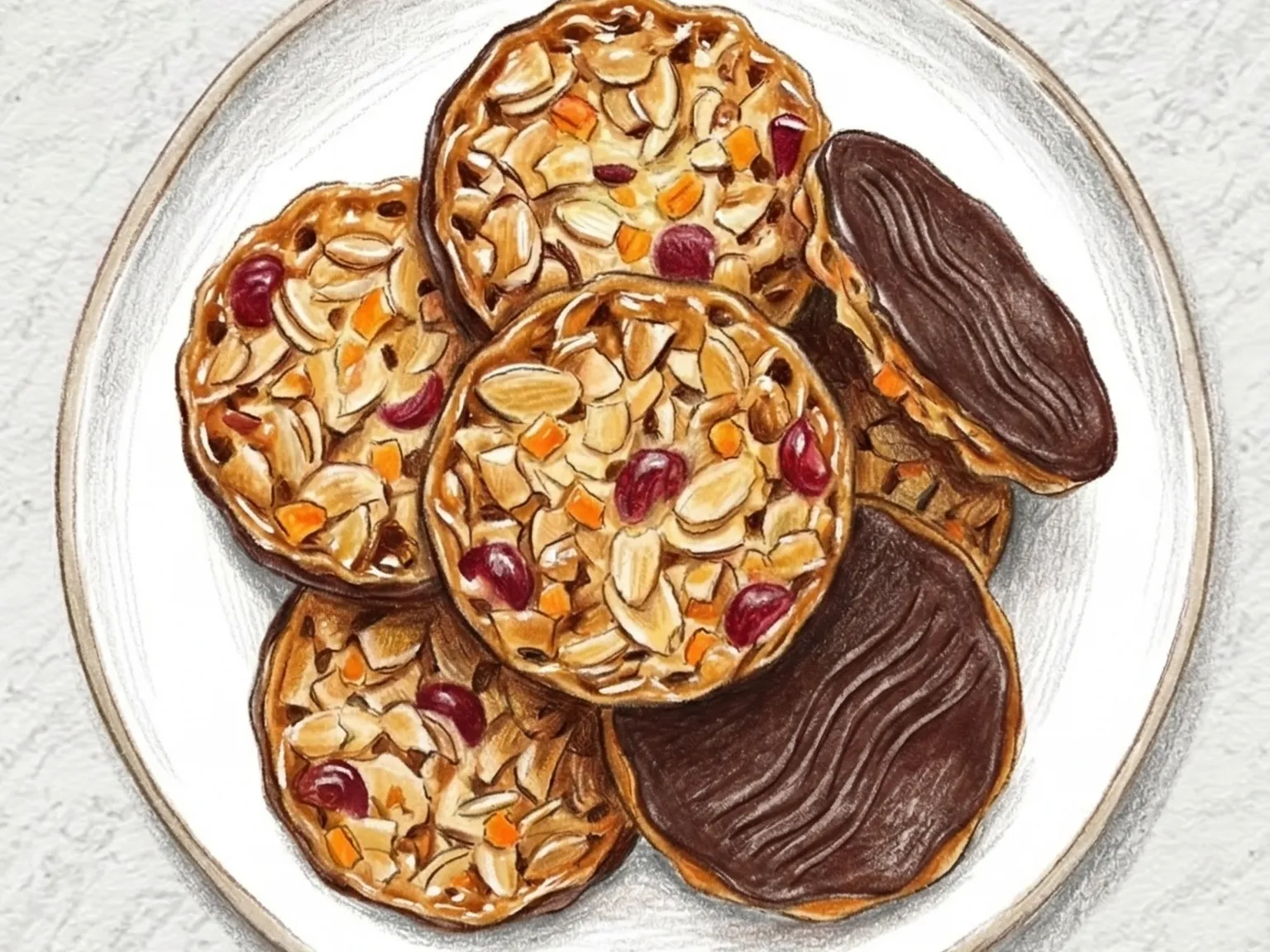
Two soft chocolate cake rounds sandwich a layer of melted marshmallow cream, and the whole assembly is dipped in dark chocolate to form a glossy shell. The cake batter combines cake flour with cocoa powder and is baked just until set; overbaking dries out the sponge and ruins the pillow-soft texture that defines this treat. Marshmallows melted over a water bath turn into a light, stretchy cream that acts as a cushion between the rounds, pulling slightly with each bite. Adding a small amount of butter to the melted coating chocolate produces a thinner, smoother shell that sets with a clean snap and resists fingerprints. Chilled, the chocolate hardens and adds a crisp layer of contrast; at room temperature, the entire piece softens into a unified, yielding bite. This is the homemade version of Korea's iconic convenience-store snack, and making it from scratch allows control over the chocolate quality and the generosity of the filling.
Polenta con Funghi (Italian Creamy Cornmeal with Sauteed Mushrooms)
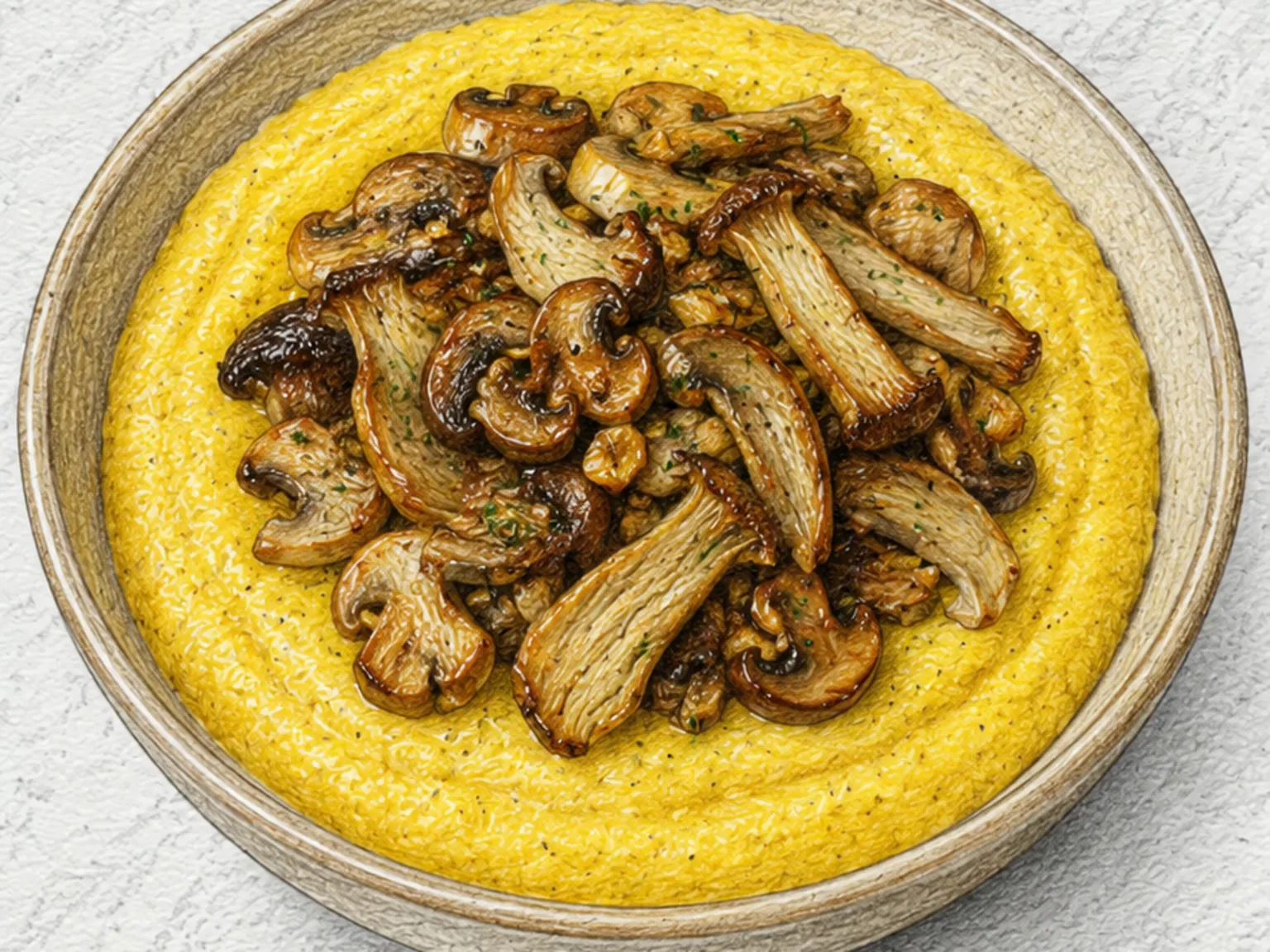
Polenta con Funghi is a staple winter dish in northern Italian households, made by stirring cornmeal into water or stock for over thirty minutes to achieve a smooth, porridge-like consistency, then topped with sauteed mushrooms. Constant stirring is essential - pausing even briefly causes the polenta to stick to the bottom and form lumps. Folding in butter and grated Parmigiano-Reggiano at the end transforms the coarse grain into a velvety texture enriched with dairy fat and cheese umami. The mushrooms - a mix of porcini, oyster, and cremini - are cooked quickly in olive oil with garlic over high heat to drive off moisture and allow the edges to caramelize and develop depth. The gentle sweetness of the cornmeal against the earthy, woodsy mushrooms creates a pairing that is humble yet deeply satisfying.
Korean Mashed Potato Bread
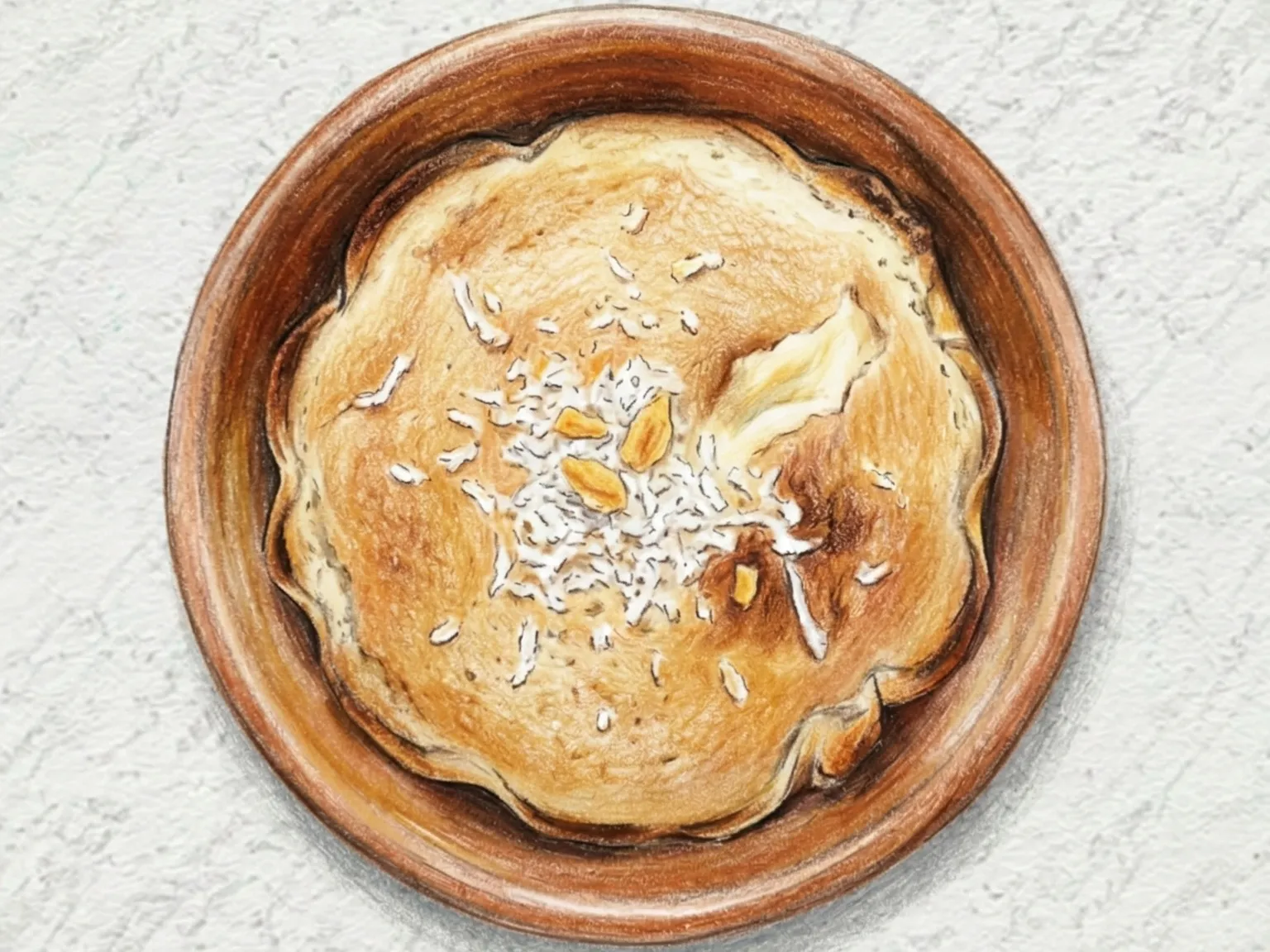
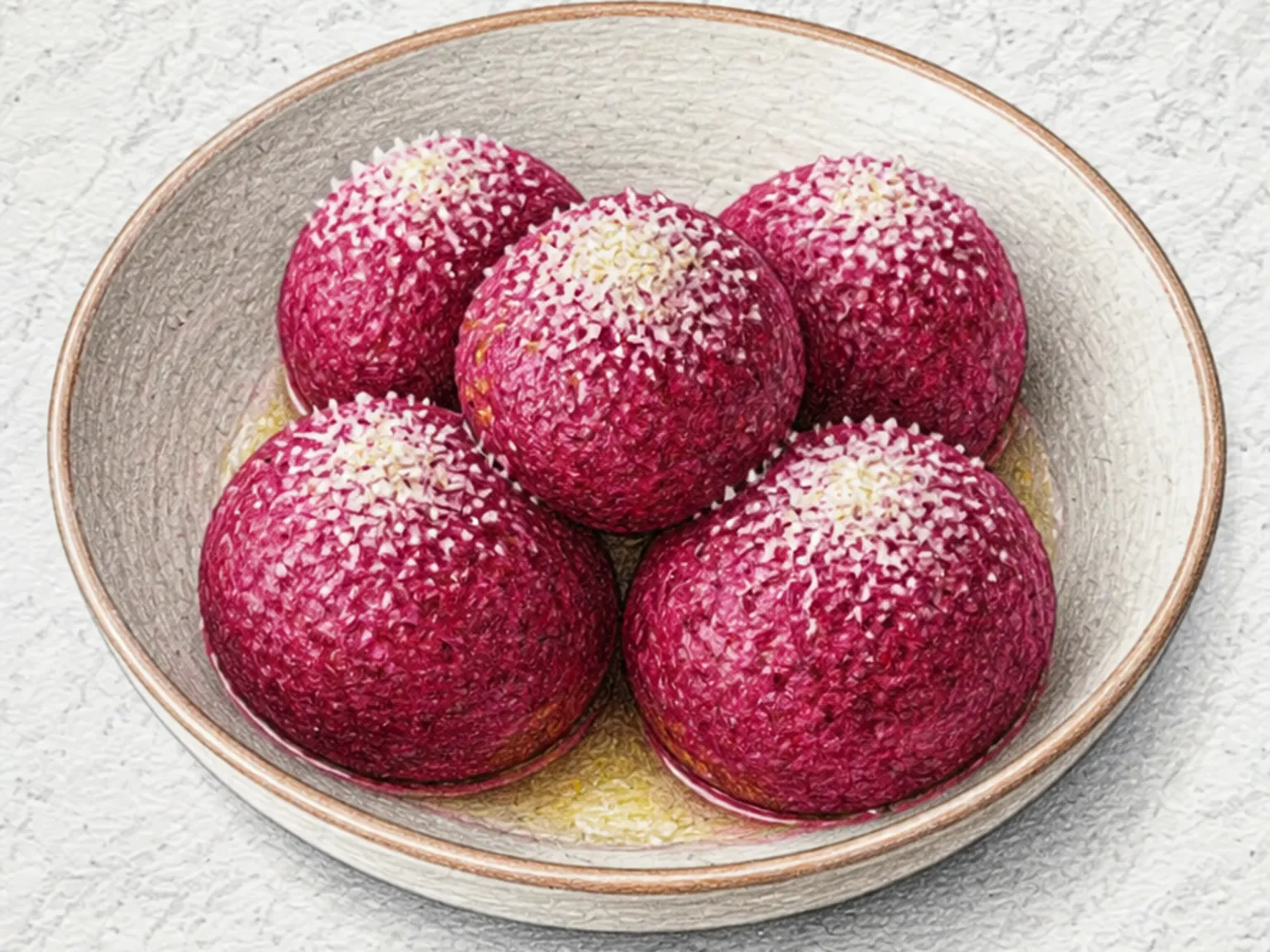
Korean Mashed Potato Bread is a snack featuring a potato filling wrapped in a chewy dough. The dough combines bread flour and tapioca starch, which prevents the crust from hardening after cooling, maintaining a soft, elastic texture. Boiled potatoes are mashed while hot with sugar and salt before being wrapped in the dough. Varying sugar levels in the filling and the dough create a layered sweetness. The outer surface is coated with roasted soybean powder and black sesame powder to replicate the earthy look of Gangwon potatoes. Small holes are poked on the surface with chopsticks for a realistic appearance. The bread is baked at 170 C for twenty to twenty-five minutes. Adding mayonnaise to the filling yields a creamier and richer taste.
Pork Chops with Apple Cider Pan Sauce
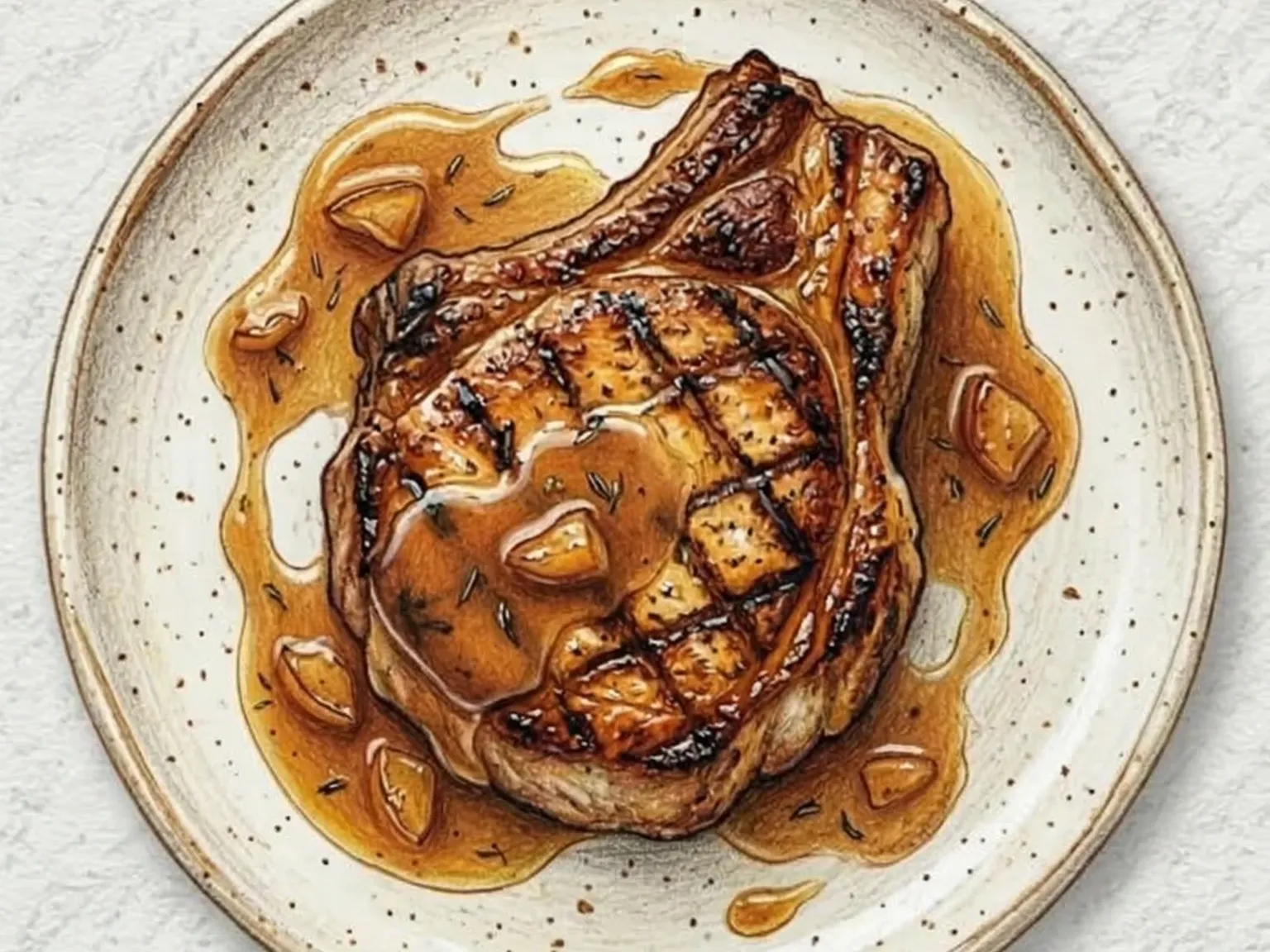
Apple Cider Pork Chops represent a traditional American one-pan cooking method where thick-cut pork loin chops are cooked in a single skillet to create a deep golden exterior crust. The preparation involves a pan sauce that utilizes the flavorful fond left behind in the skillet after searing the meat. For the best results, the pork chops should sit at room temperature for approximately thirty minutes before they are placed in the pan. This step is important because it allows the heat to penetrate the meat evenly from the outer edges to the center. It is also essential to use a paper towel to pat the surface of the pork until it is completely dry, which facilitates the chemical reaction needed for thorough browning. Once the pork has been seared and removed from the heat, finely chopped shallots and garlic are added to the rendered pork fat and sautéed until they become fragrant. Apple cider is then poured into the hot skillet to deglaze the surface, loosening the caramelized bits that remain attached to the bottom. The liquid is simmered and reduced until the natural sugars and acidic components of the cider become more concentrated and intense. To build additional layers of flavor, Dijon mustard is whisked into the reduction to provide a sharp and slightly peppery character. The final texture of the sauce is achieved by swirling in a piece of cold unsalted butter at the very end of the cooking process, which creates a glossy appearance and a smooth consistency. A whole sprig of fresh thyme is included during the simmering stage to provide an herbal element that connects the flavor profiles of the apple cider and the pork meat.
Kougelhopf (Alsatian Raisin Almond Bundt Cake)
This yeasted cake from the Alsace region of France is baked in a distinctive fluted ring mold that gives it a crown-like silhouette. The dough is enriched with butter and eggs and kneaded until it develops a soft, brioche-like crumb that stays moist for days. Raisins are folded into the batter, releasing pockets of gentle sweetness with each bite, while whole almonds placed at the bottom of the mold become a decorative and crunchy topping once the cake is inverted. Two separate rises, the first to develop flavor and the second inside the mold to set the shape, require patience but reward the baker with an airy, delicate interior. Generously buttering every groove of the mold is essential for a clean release; any missed spot means the cake tears when turned out. A dusting of powdered sugar after cooling completes the presentation with an elegant, snow-capped look that makes the kougelhopf as appealing on the table as it is on the palate.
Potato Au Gratin
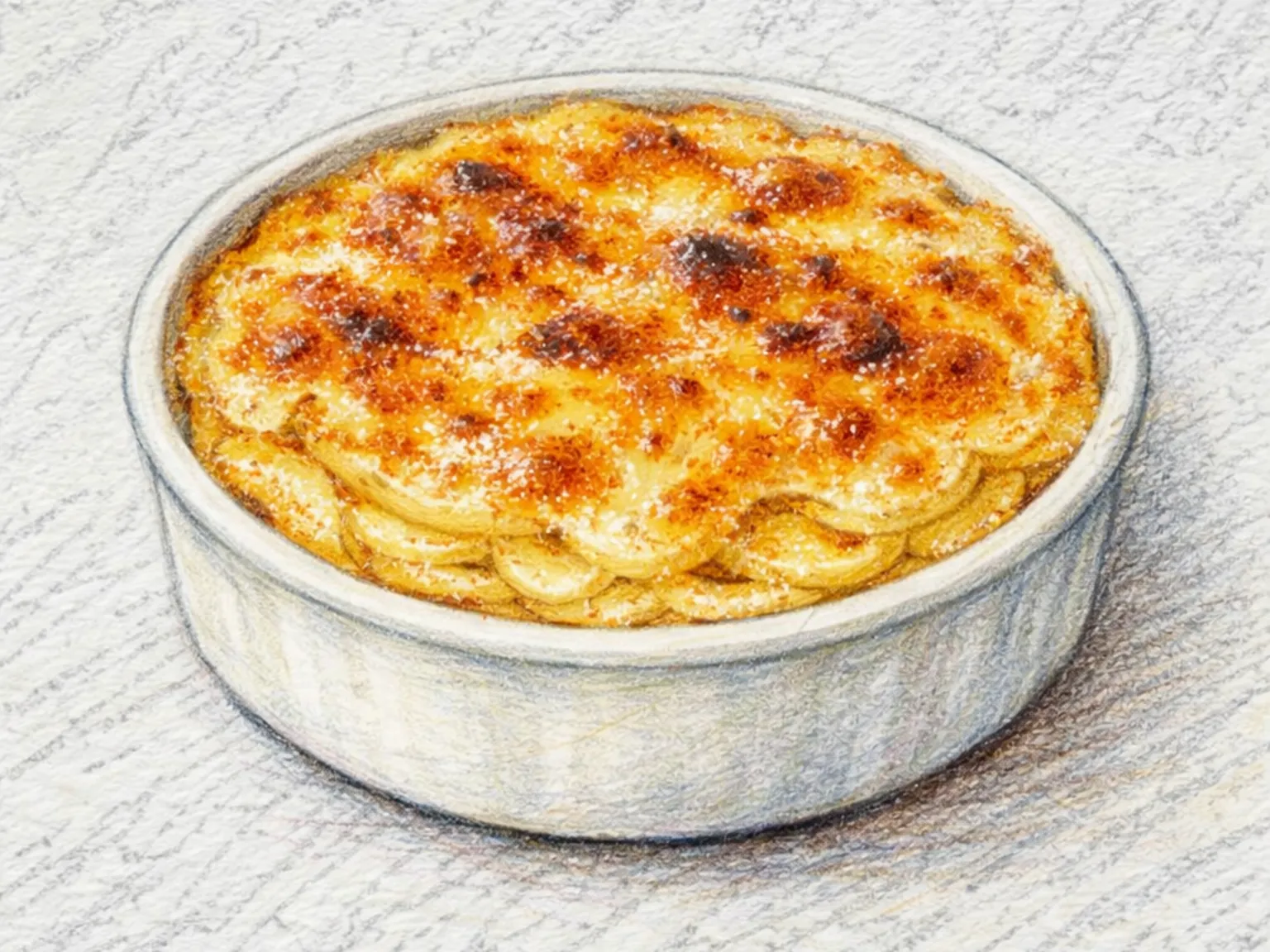
Potato Au Gratin is a French baked potato dish where thinly sliced potatoes are layered with cream and Gruyere cheese, then baked until the top forms a deep golden crust. The potatoes must be sliced to a uniform two to three millimeters - a mandoline slicer ensures consistent thickness so every layer cooks at the same rate. A mixture of heavy cream and milk warmed gently with garlic is poured between each layer of potatoes, where it meets the potato starch and thickens into a binding sauce that holds the layers together. Gruyere is the classic cheese choice - it melts into long, stretchy strands and carries a nutty, slightly sweet flavor. It is distributed between the layers for internal richness and piled on top for the signature golden crust. After about fifty minutes at 180 degrees Celsius, the cream bubbles around the edges, the potatoes turn completely tender, and the surface cheese crisps into a crackling, browned cap.
Kouign-Amann (Caramelized Butter Sugar Pastry)
This Breton pastry is constructed by folding generous amounts of butter and sugar into a simple yeasted bread dough, then baking until the sugar caramelizes into a glassy, deeply bronzed crust. The exterior shatters audibly at the first bite, giving way to an interior where dozens of buttery layers remain soft and slightly chewy. Three rounds of rolling and folding build the laminated structure, and keeping the butter cold throughout the process is what prevents the layers from merging into a dense mass. At 200 degrees Celsius, the sugar melts and pools at the bottom of each portion, so lining the pan with foil is a practical necessity to catch the drips. The aroma of caramelizing butter and sugar fills the kitchen long before the timer sounds. Despite containing only five ingredients, flour, butter, sugar, yeast, and salt, the technique demands precision: under-laminated dough bakes flat, and over-proofed dough loses its layered definition. The result, when executed well, is one of the richest pastries in the French repertoire.
Potato Leek Soup
Potato leek soup is a French home-style cream soup made by sweating leeks and onion in butter over low heat, simmering with diced potatoes in chicken stock, and blending until velvety smooth. Cooking the leeks slowly is essential - it dissolves their raw sharpness into a sweet, mellow base that carries the entire soup. The potato starch provides natural body without any added thickener, and an immersion blender produces a seamless, silky texture. Heavy cream stirred in at the end adds a layer of richness and rounds out the flavor. The soup can be served hot for a comforting meal or chilled as vichyssoise for a refined summer starter.
Lamington Cake (Chocolate-Dipped Coconut Sponge Cubes)
Cubes of sponge cake are dipped in a chocolate coating and rolled in desiccated coconut to produce this iconic Australian treat. The sponge is baked in advance and left to dry slightly so it holds its shape during the dipping process; if it feels too fragile, a brief spell in the freezer firms it up. The coating is made from melted dark chocolate, butter, milk, and powdered sugar, mixed until smooth and fluid enough to coat each cube in a single quick dip. Rolling the chocolate-covered cube in coconut immediately, before the coating sets, ensures the flakes adhere evenly and create the characteristic white-speckled exterior. Each piece delivers three textures in one bite: the crisp snap of the thin chocolate shell, the dry chew of coconut shreds, and the soft, airy crumb of the sponge underneath. The flavor moves from the bittersweet intensity of dark chocolate to the mild tropical sweetness of coconut, finishing with the neutral lightness of the cake. They pair naturally with black tea or a flat white.
Reuben Sandwich
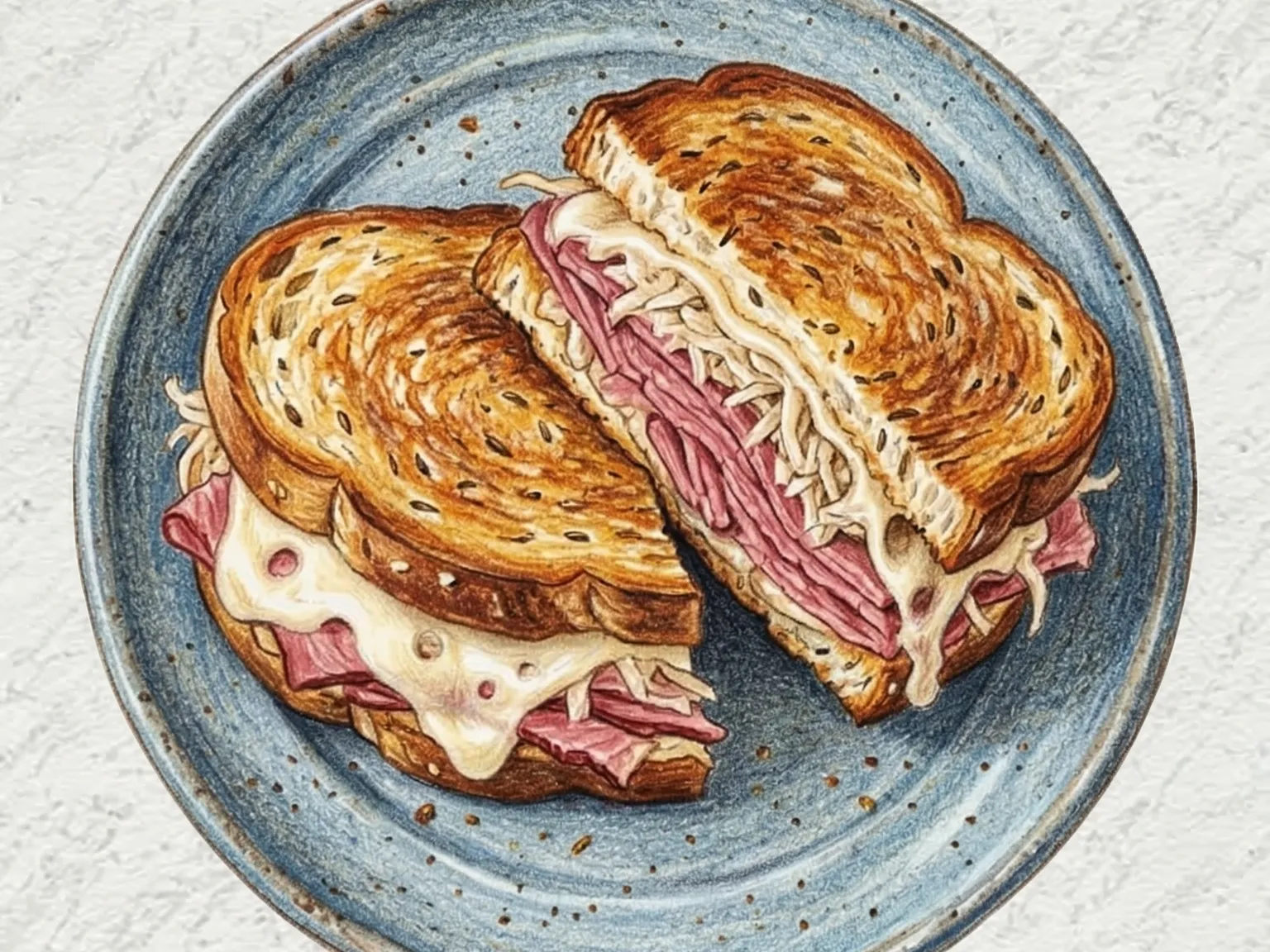
Reuben sandwich layers sliced corned beef, well-squeezed sauerkraut, and Swiss cheese between rye bread spread with mayonnaise, then griddled with butter on the outside until golden and crisp. Removing excess moisture from the sauerkraut is the most important step - residual water makes the bread soggy and prevents the cheese from melting properly. Cooking over medium-low heat for three to four minutes per side gives the bread time to turn deeply golden while the interior cheese melts fully, binding all the fillings together. Each bite combines the salty depth of corned beef, the fermented tang of sauerkraut, and the rich milkfat of Swiss cheese in a layered contrast of flavors.
Lemon Curd Tart
Lemon Curd Tart is a classic dessert composed of a crumbly shortcrust pastry shell filled with a smooth, tangy lemon curd. The shell is prepared by rubbing cold unsalted butter into flour and powdered sugar, binding it with egg yolk, and baking it until lightly golden. The filling is made by whisking fresh lemon juice, grated lemon zest, sugar, and egg yolks over low heat. The mixture is cooked slowly to thicken without boiling, then combined with heavy cream and strained to achieve a silky consistency. The lemon zest oils provide a lasting citrus aroma, while the butter offers a rich mouthfeel that balances the sharp acidity. Once filled, the tart is chilled for an hour to set, allowing it to be sliced cleanly. It can be served plain or decorated with whipped cream or torched meringue.
Ricotta Spinach Gnudi (Naked Ricotta Dumplings)
Ricotta spinach gnudi are Italian dumplings made by mixing ricotta cheese with thoroughly squeezed spinach, Parmigiano Reggiano, egg yolks, and a minimal amount of flour, then poaching in salted boiling water. The name 'gnudi' means 'naked' - these are essentially ravioli filling without the pasta shell, so the cheese and spinach flavors come through directly. Removing every bit of moisture from the spinach is the critical step; any residual water weakens the dough and causes the dumplings to fall apart during cooking. Once they float to the surface, one additional minute of poaching yields a pillowy, crumbly texture. A brown butter sauce with sage leaves adds a deep, nutty richness that complements the mild ricotta.
Lemon Drizzle Cake (Syrup-Soaked British Lemon Loaf)
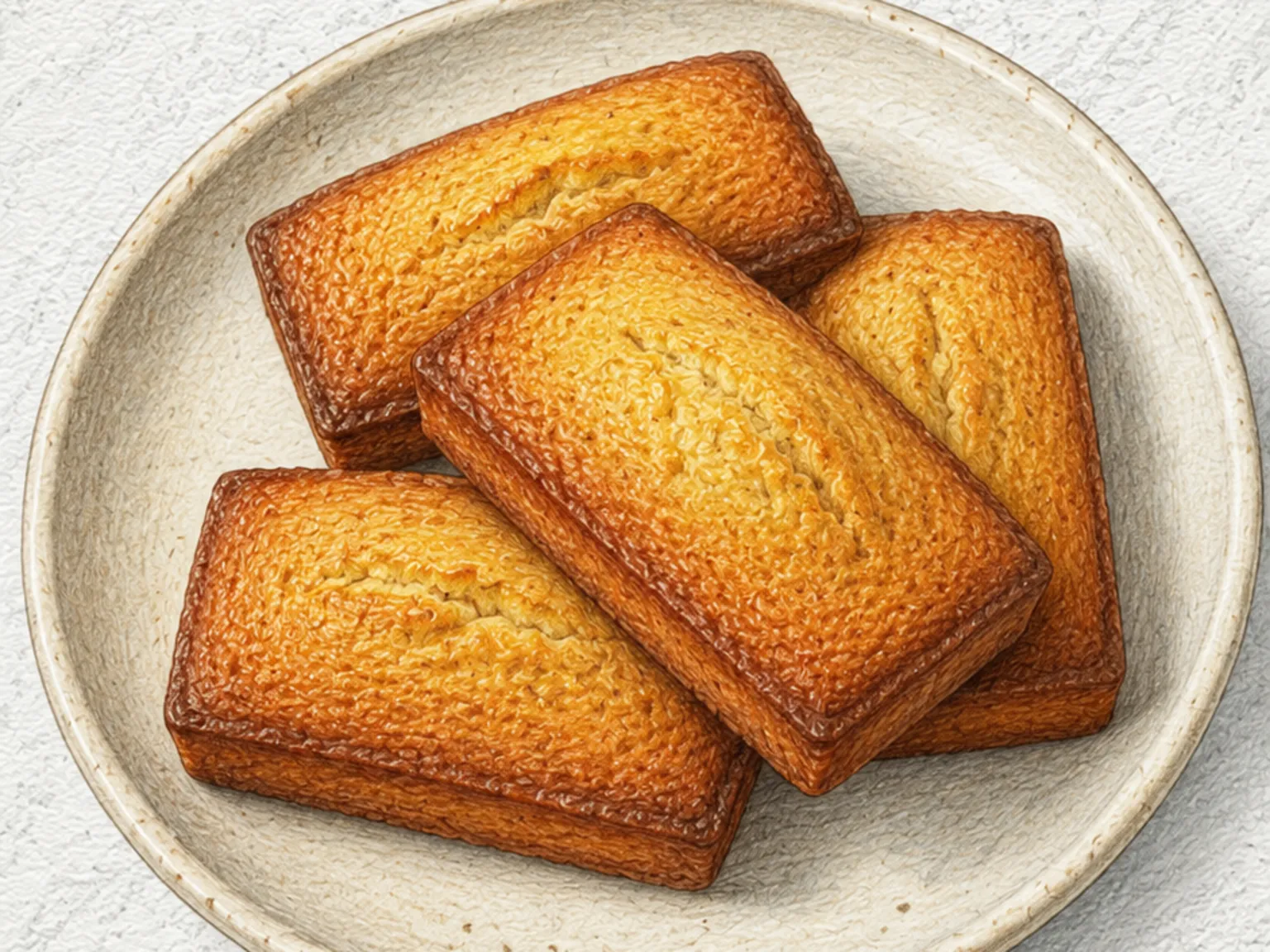
A British loaf cake that owes its lasting moisture to a lemon syrup poured over the surface straight from the oven. Creaming butter and sugar thoroughly at the start incorporates air for a lighter crumb, while lemon zest folded into the batter releases its essential oils during baking, filling the kitchen with citrus fragrance. The critical step comes after baking: a hot syrup of freshly squeezed lemon juice and sugar is drizzled over the cake while it is still warm, and the open crumb absorbs the liquid rapidly. As the cake cools, a thin crust of crystallized sugar forms on top, adding a faintly crunchy texture that gives way to the soft, syrup-soaked interior beneath. A skewer test determines doneness; underbaked cake collapses, while overbaked cake lacks the porosity to absorb the syrup fully. Wrapping the cooled cake and leaving it overnight allows the syrup to distribute evenly, deepening both the lemon flavor and the moist texture. It is a staple of the English afternoon tea table, needing no elaborate decoration to impress.
Risotto alla Milanese
Risotto alla Milanese is Milan's signature rice dish, made by toasting Arborio rice in olive oil and butter with onion, deglazing with white wine, and gradually stirring in saffron-infused chicken stock one ladle at a time. Toasting the rice first coats each grain in fat, which slows starch release and builds the characteristic creamy consistency. The white wine adds an acidity that balances the richness of butter and cheese underneath. Saffron must be steeped in warm stock beforehand so its golden color and floral aroma distribute evenly, and the stock should always be kept hot to avoid dropping the rice temperature mid-cook. Stirring in cold butter and grated Parmesan off the heat at the very end emulsifies them into the starch, producing the loose, flowing texture that defines a properly finished risotto.
Lemon Meringue Pie
A blind-baked pie crust holds a tart lemon curd filling crowned by a billowy meringue that is briefly baked until its peaks turn golden. The curd is built by cooking lemon juice, water, sugar, and cornstarch until thick, then rapidly whisking in egg yolks and finishing with butter for a glossy, velvety consistency. The filling's sharp citrus bite meets the meringue's airy sweetness in the same forkful, creating a dramatic contrast that is the hallmark of this pie. Spreading the meringue directly over the hot curd helps the two layers bond and reduces the weeping that can form between them. A short burst at 200 degrees Celsius tips each meringue peak with a gradient of caramel brown while the interior remains soft and marshmallow-like. The pie crust contributes a third texture, short and crisp, that grounds the two softer layers above it. Chilling the assembled pie before cutting produces the cleanest slices, with each layer visible in cross-section. Adding lemon zest to the curd intensifies the citrus aroma beyond what juice alone provides.
Herb Roasted Whole Chicken
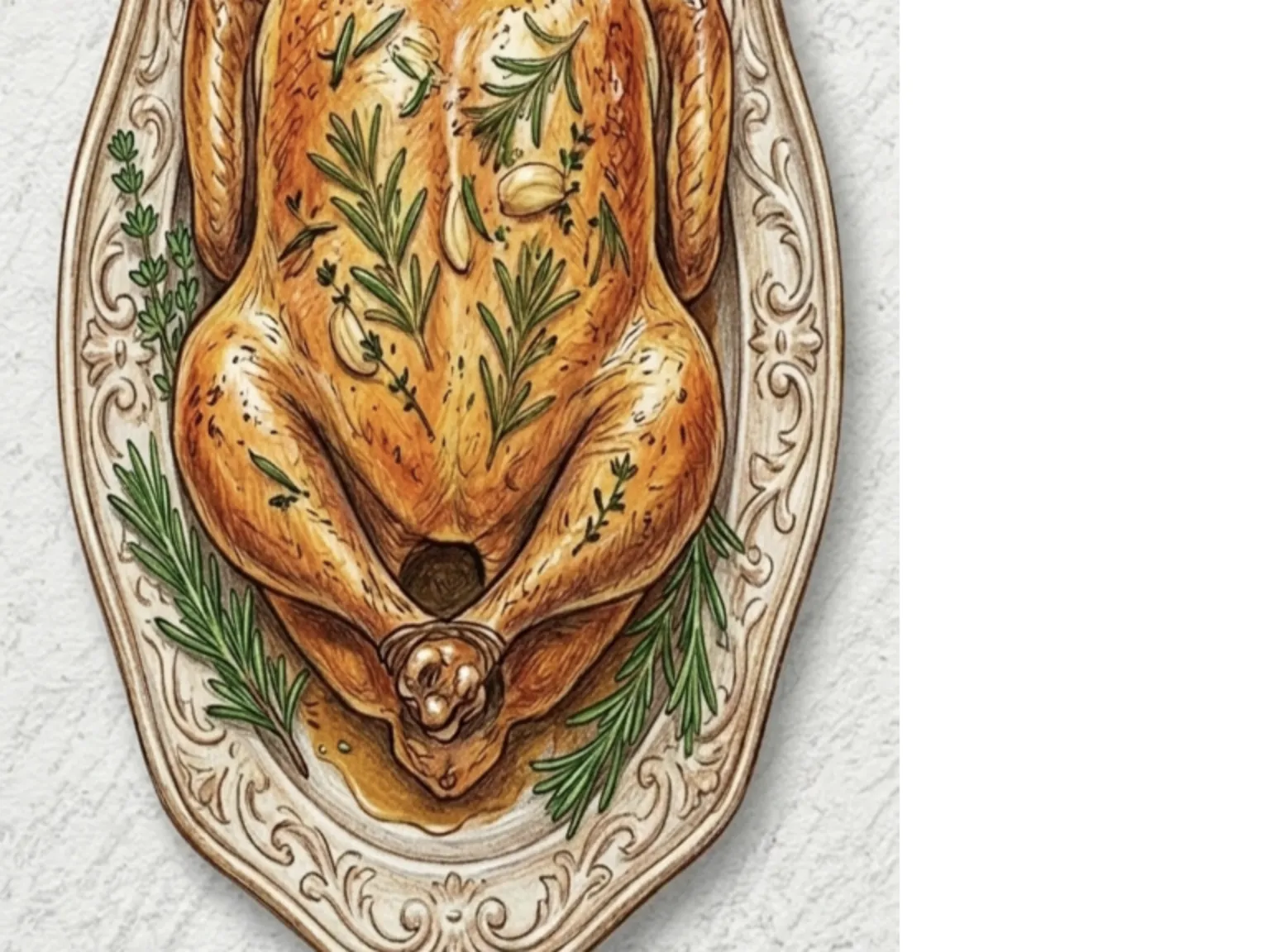
Herb roasted whole chicken is prepared by tucking herb butter - made with rosemary, thyme, and garlic - under the skin and stuffing the cavity with lemon and remaining herbs before roasting. Starting at 220 degrees Celsius for twenty minutes gives the skin an initial sear, then dropping to 180 degrees for sixty more minutes cooks the interior through while the skin crisps to a deep golden brown. The herb butter placed directly under the skin melts during roasting, basting the breast meat with fat and herb flavor from the inside, which prevents even the lean breast from drying out. Resting for fifteen minutes after roasting lets the juices redistribute into the muscle fibers so they stay inside when carved. The pan drippings left behind can be deglazed into a quick gravy that doubles the depth of flavor at the table.
Lemon Pound Cake
A dense, buttery pound cake elevated by the brightness of fresh lemon zest and juice. Creaming the butter and sugar until light introduces air pockets that keep the heavy crumb from becoming leaden, and adding eggs one at a time ensures the emulsion stays stable. Rubbing the lemon zest into the flour before combining releases its essential oils evenly throughout the batter, so every slice carries the same citrus intensity. Lemon juice raises the batter's acidity just enough to maintain a tender, fine crumb rather than a tough one. During roughly an hour at 175 degrees Celsius, the top splits into the characteristic crack that signals a properly risen pound cake. After cooling completely, a glaze of powdered sugar and lemon juice is drizzled over the surface, hardening into a thin, translucent shell that adds sweetness and a subtle sheen. Wrapped and rested overnight, the lemon flavor deepens as the oils permeate every layer of crumb.
Salisbury Steak
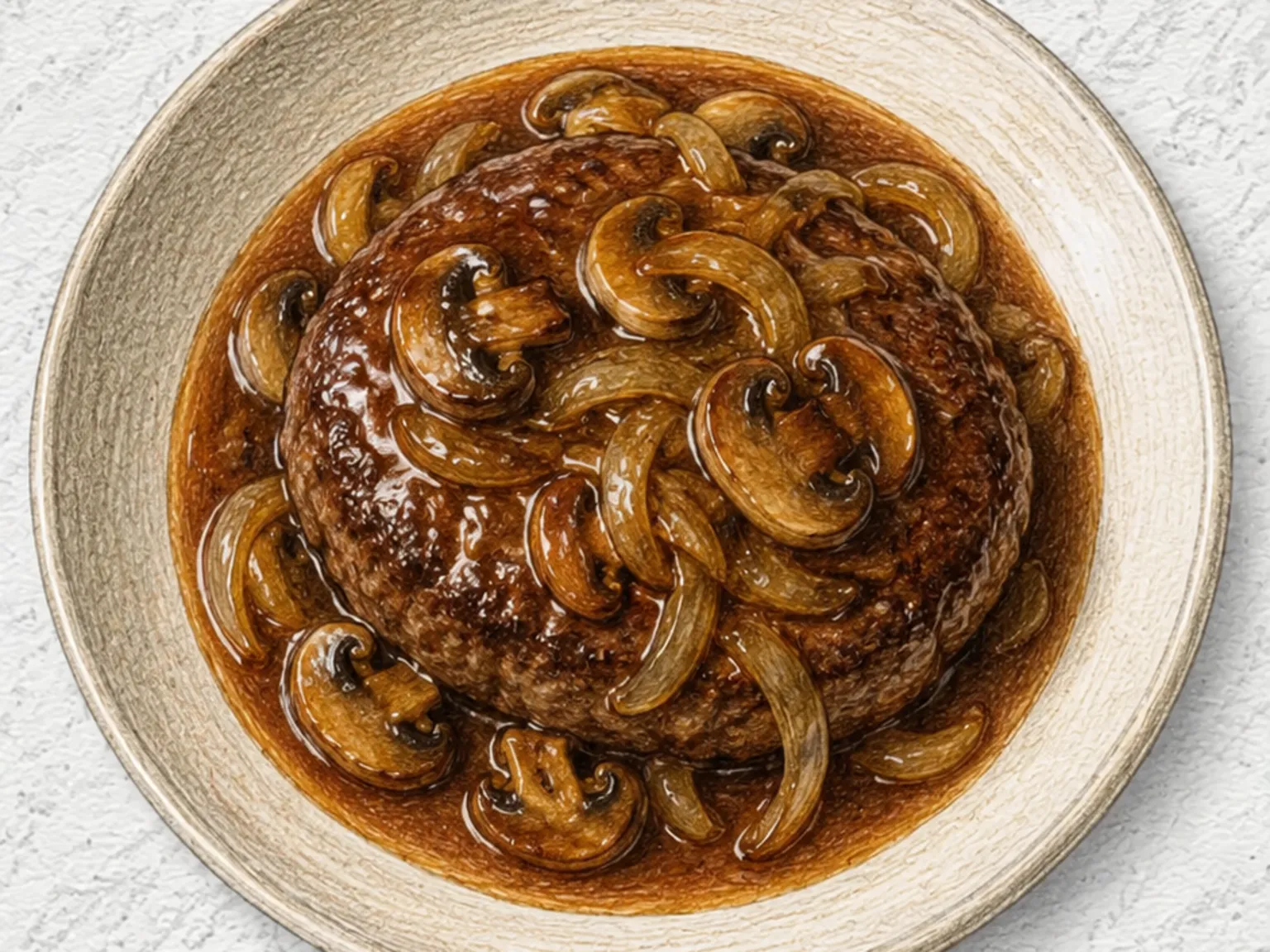
Salisbury steak is an American comfort dish made by shaping ground beef mixed with milk-soaked breadcrumbs and egg into oval patties, pan-searing them, and then simmering in a mushroom-onion gravy. The breadcrumbs absorb milk and form moisture pockets within the meat, keeping the patties juicy even after cooking through. Pressing a shallow indent into the center of each patty prevents it from puffing up during searing, ensuring even thickness. Building the gravy in the same pan - sauteing onion and mushrooms, stirring in flour, then deglazing with beef stock and Worcestershire sauce - dissolves the browned fond into the sauce for deeper flavor. Returning the patties to simmer in the gravy for eight minutes finishes the interior and coats them in a rich, savory glaze.
Linzer Torte (Almond Lattice Tart with Raspberry Jam)
An Austrian tart made with a nut-enriched dough, a generous layer of raspberry jam, and a lattice top that reveals the jewel-red filling beneath. Combining almond flour with wheat flour gives the pastry a short, sandy texture that crumbles gently and melts into the smooth jam on the palate. The butter-heavy dough must be thoroughly chilled before being rolled and cut into strips; warm dough tears and loses definition. Raspberry jam provides a sharp, fruity acidity that stands out against the mellow, nutty backdrop of the crust, while a touch of lemon zest lifts the overall aroma with a bright finish. Baking at 180 degrees Celsius for 30 to 35 minutes brings the jam to a gentle boil, intensifying its color and flavor, while the lattice strips turn golden and slightly crisped at the edges. Resting the tart overnight allows the jam's moisture to soften the boundary between filling and crust, creating a more cohesive slice where pastry and fruit feel unified rather than separate.