Charim

2686 Korean & World Recipes

2686+ Korean recipes, clean and organized. Ingredients to instructions, all at a glance.

Recipes with carrot

24 recipes

Buy carrot
Japanese Curry Rice
AsianEasy

Japanese Curry Rice

Kare raisu is one of the most frequently cooked meals in Japanese households, using commercially prepared curry roux blocks that produce a milder, thicker, and sweeter result than Indian curry. Beef or chicken is cut into bite-sized pieces and stir-fried with onion, potato, and carrot before water is added and the pot simmers until the potatoes turn tender. The heat is lowered and the curry roux blocks are broken in and stirred until fully dissolved; the roux contains flour and fat that thicken the liquid into a glossy, coating sauce. Keeping the heat low after adding the roux is critical because high heat causes the thick sauce to scorch on the bottom. The finished curry deepens in flavor if rested overnight, as the vegetables continue to release their sweetness into the sauce. Unlike Indian curry with its layered spice blends, Japanese curry draws its appeal from the consistent, approachable flavor that a single roux block delivers every time.

🏠 Everyday🧒 Kid-Friendly
Prep 20minCook 35min4 servings
Korean Stir-fried Seaweed Stems
Side dishesEasy

Korean Stir-fried Seaweed Stems

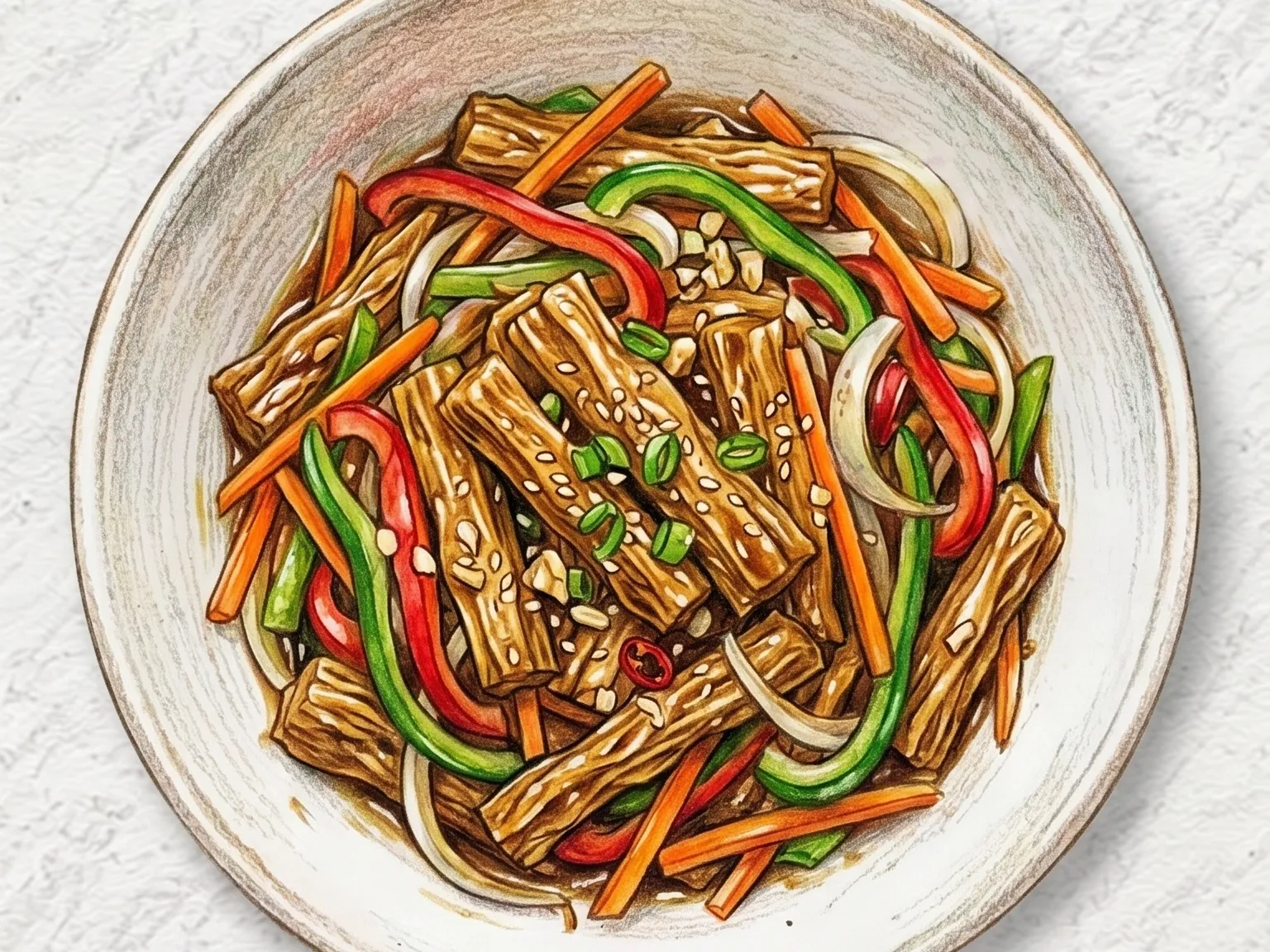
Miyeok-julgi-bokkeum is stir-fried seaweed stems - specifically the thick midrib portions of salted miyeok (wakame) - offering a textural experience entirely different from miyeok-muchim (seaweed salad) or miyeok-guk (seaweed soup). While seaweed leaves are soft and slippery, the stems are thick and resilient, producing a distinctive crunchy pop with each bite. Salt levels vary by brand, so soaking in cold water for ten minutes is the baseline desalting step, but tasting before cooking and rinsing again if needed is essential. Julienned onion and carrot stir-fried alongside break the monotony of seaweed alone, adding sweetness and color. Garlic sauteed in oil first establishes an aromatic foundation. A finishing drizzle of sesame oil and sesame seeds bridges the oceanic seaweed flavor with a toasty nuttiness. The extremely low calorie count makes this banchan a staple in diet-conscious Korean meal plans.

🥗 Light & Healthy🏠 Everyday
Prep 15minCook 8min4 servings
Korean Shiitake Mushroom Rice
RiceEasy

Korean Shiitake Mushroom Rice

Pyogo-beoseot-bap is a Korean pot rice that cooks thickly sliced fresh shiitake mushrooms directly on top of soaked rice, allowing the mushrooms' concentrated umami and earthy aroma to infuse every grain as steam circulates inside the sealed pot. Once the rice is done, it is mixed with a soy-sesame dipping sauce made from soy sauce, sesame oil, chopped scallion, and toasted sesame seeds, which amplifies the earthy depth already present in the rice and ties all the flavors into a cohesive bowl. The shiitake mushrooms retain a satisfying meaty chew even after the cooking process, giving the dish a substantive bite that rivals meat-based rice bowls and makes the absence of protein go unnoticed. Adding julienned carrot to the pot introduces a subtle natural sweetness and a vivid splash of color to the cross-section when the rice is served. This is a classic vegetarian option in Korean home cooking, valued for the remarkable way a single key ingredient can carry an entire meal without requiring broth, seasoning, or complexity beyond the mushroom itself.

🏠 Everyday
Prep 15minCook 25min2 servings
Korean Spicy Octopus Stir-fry
Stir-fryMedium

Korean Spicy Octopus Stir-fry

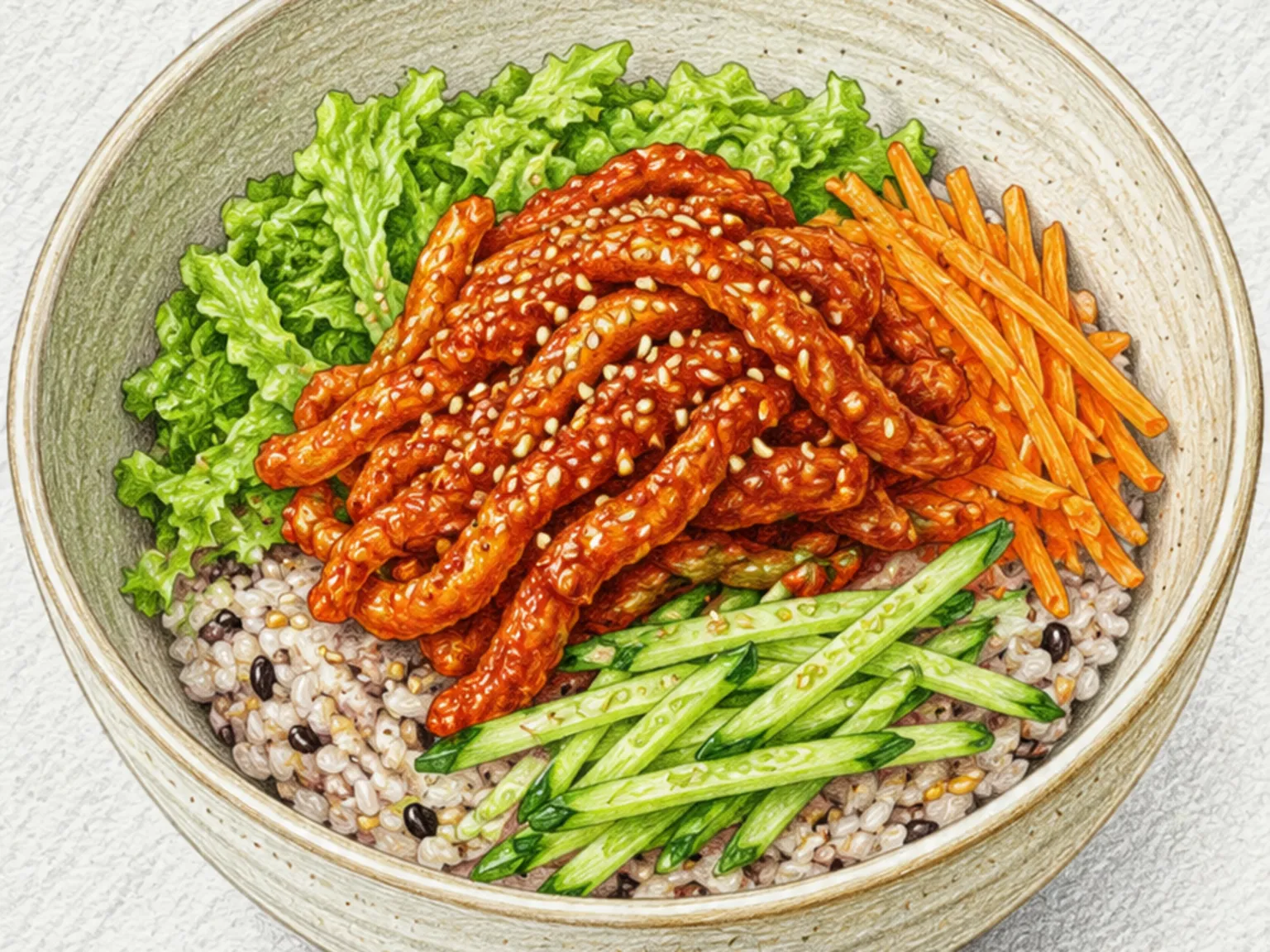
Muneo-bokkeum is a Korean stir-fry of pre-boiled octopus pieces cooked on high heat with onion, carrot, and scallion in a sauce built from gochujang and soy sauce. Because the octopus arrives already cooked, two to three minutes of high-heat stir-frying is the target window - enough time to heat the pieces through and coat them in the seasoning without pushing the texture past springy into tough. The sauce brings spice from the gochujang and saltiness from the soy sauce, and that combination lifts the naturally clean, mild flavor of the octopus without masking it. Vegetables are pulled from the pan while they still carry some bite, which sets up a textural contrast against the dense, elastic chew of the octopus. Sesame oil goes in at the very end as a finishing drizzle, adding a nutty, aromatic layer that ties the dish together. It works as a rice side dish or as an anju pairing alongside drinks.

🏠 Everyday🍱 Lunchbox
Prep 20minCook 10min2 servings
Korean Mini Gimbap
Street foodEasy

Korean Mini Gimbap

Half-sheet seaweed is lined with a thin layer of rice seasoned with sesame oil, salt, and sesame seeds, then filled with just three ingredients: pickled radish for crunch, blanched spinach for softness, and sauteed carrot for a touch of natural sweetness. The roll is made about half the diameter of standard gimbap and cut at 2 cm intervals, producing pieces small enough to eat in a single bite. The simplicity of the seasoning means no dipping sauce is needed, and the combination of textures from the firm pickled radish, tender spinach, and lightly sweet carrot keeps each piece balanced. The small size and straightforward construction make this a popular choice for children's packed lunches or picnic spreads, and with only a few ingredients to prepare, the whole batch can be ready in under 10 minutes.

🧒 Kid-Friendly🌙 Late Night
Prep 15minCook 5min2 servings
Korean Steamed Stuffed Squid
SteamedHard

Korean Steamed Stuffed Squid

Ojingeo sundae jjim is a Korean stuffed squid dish from the Gangwon-do region, where whole squid bodies are filled with a mixture of glass noodles, ground pork, onion, carrot, and garlic chives, then steamed. The chewy squid exterior encases a moist, savory stuffing that melds together during cooking. Soy sauce and sesame oil in the filling season it from within, and the squid's own moisture keeps everything from drying out. Slicing the squid after a brief rest reveals clean, attractive cross-sections with the noodles and vegetables visible inside. This dish is a common choice for home gatherings where a visually striking centerpiece is wanted.

🎉 Special Occasion
Prep 25minCook 20min3 servings
Pasta alla Genovese (Neapolitan Slow-Braised Onion and Beef Ragu)
NoodlesHard

Pasta alla Genovese (Neapolitan Slow-Braised Onion and Beef Ragu)

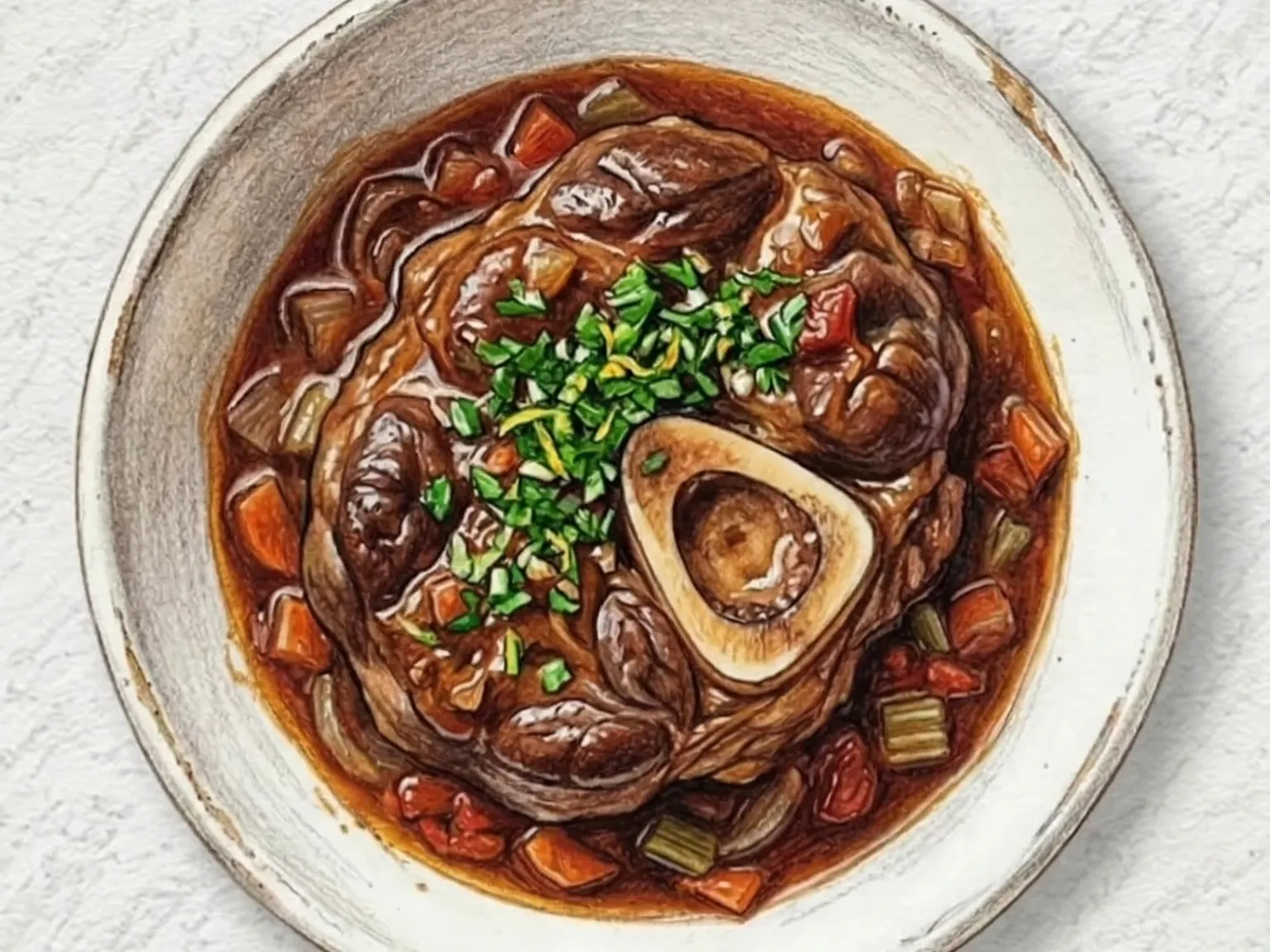
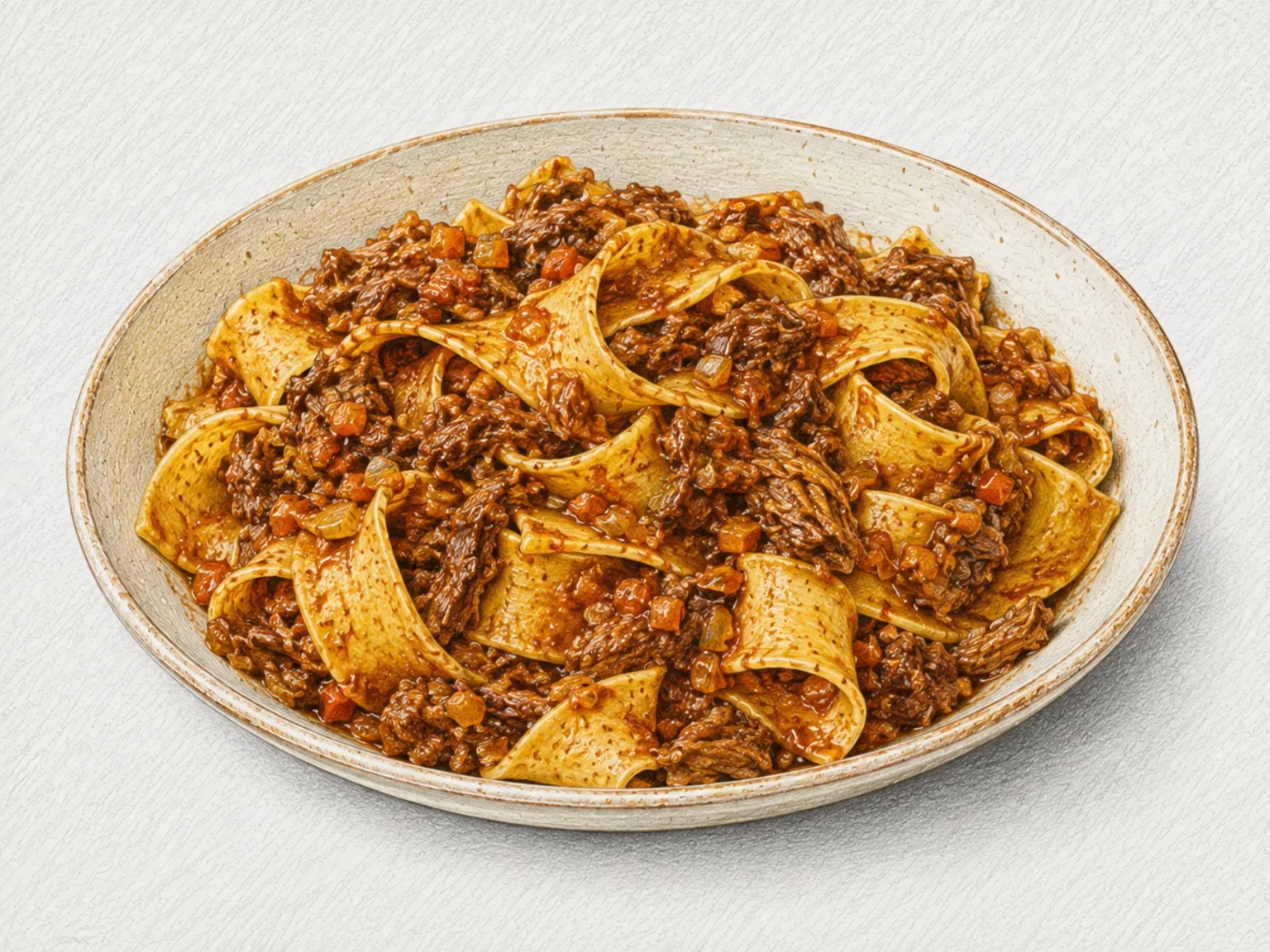
Pasta alla Genovese is a Neapolitan slow-cooked ragu that uses a large volume of onions braised together with beef chuck for at least two hours over low heat. No tomato is involved at any stage; the sauce draws all its sweetness from the onions, which gradually dissolve and caramelize into a thick, deeply savory base, while white wine and the rendered beef fat add richness and acidity. Once the onions have nearly melted into the sauce, the beef is shredded and folded back in, giving the finished ragu a dense, almost jam-like consistency with strands of meat throughout. Despite its name, the dish has no connection to Genoa or Ligurian basil pesto; it is a distinctly Neapolitan preparation, and the name is thought to trace back to Genoese cooks or merchants who settled in Naples. Ziti is the traditional pasta shape, served with a generous dusting of Parmigiano-Reggiano.

🎉 Special Occasion
Prep 25minCook 120min4 servings
Napa Cabbage Pear Black Sesame Salad
SaladsEasy

Napa Cabbage Pear Black Sesame Salad

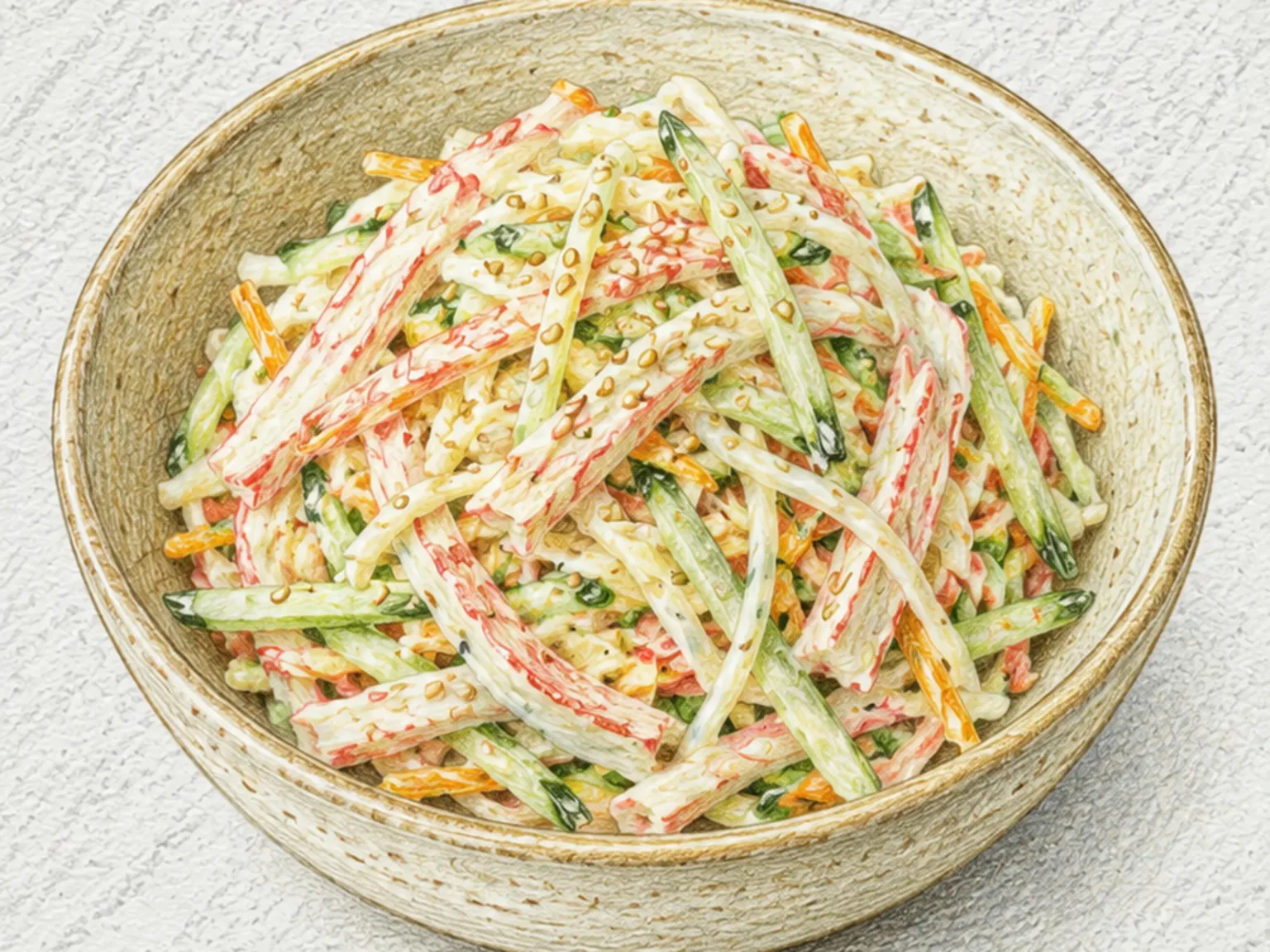
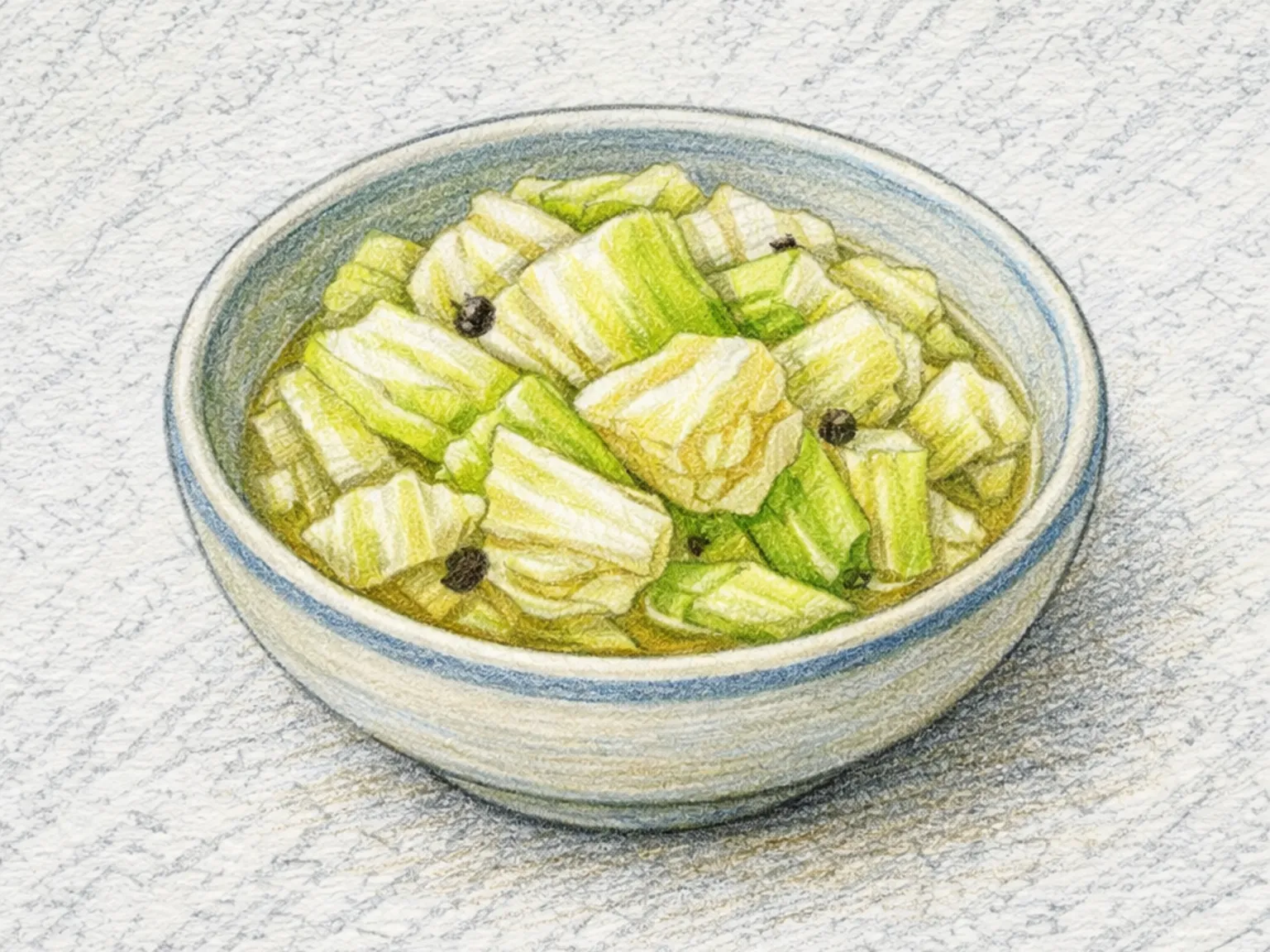
Napa cabbage is shredded fine for maximum crunch, and Korean pear is cut to matching width so its clear sweetness merges seamlessly with the cabbage's mild crispness. Julienned carrot adds color throughout, while toasted black sesame seeds release a deep nuttiness with each bite. The dressing blends plain yogurt with rice vinegar and honey, staying creamy yet light enough to let the raw ingredients come through without being masked. Salt is kept minimal so the natural sweetness of pear and cabbage leads, making this salad a strong choice as a palate cleanser after a rich or oily main course. Scattering the black sesame seeds just before serving prevents them from absorbing moisture and ensures they retain their satisfying crunch against the soft, juicy pear and crisp cabbage.

🥗 Light & Healthy Quick
Prep 15min2 servings
Pot Roast
WesternMedium

Pot Roast

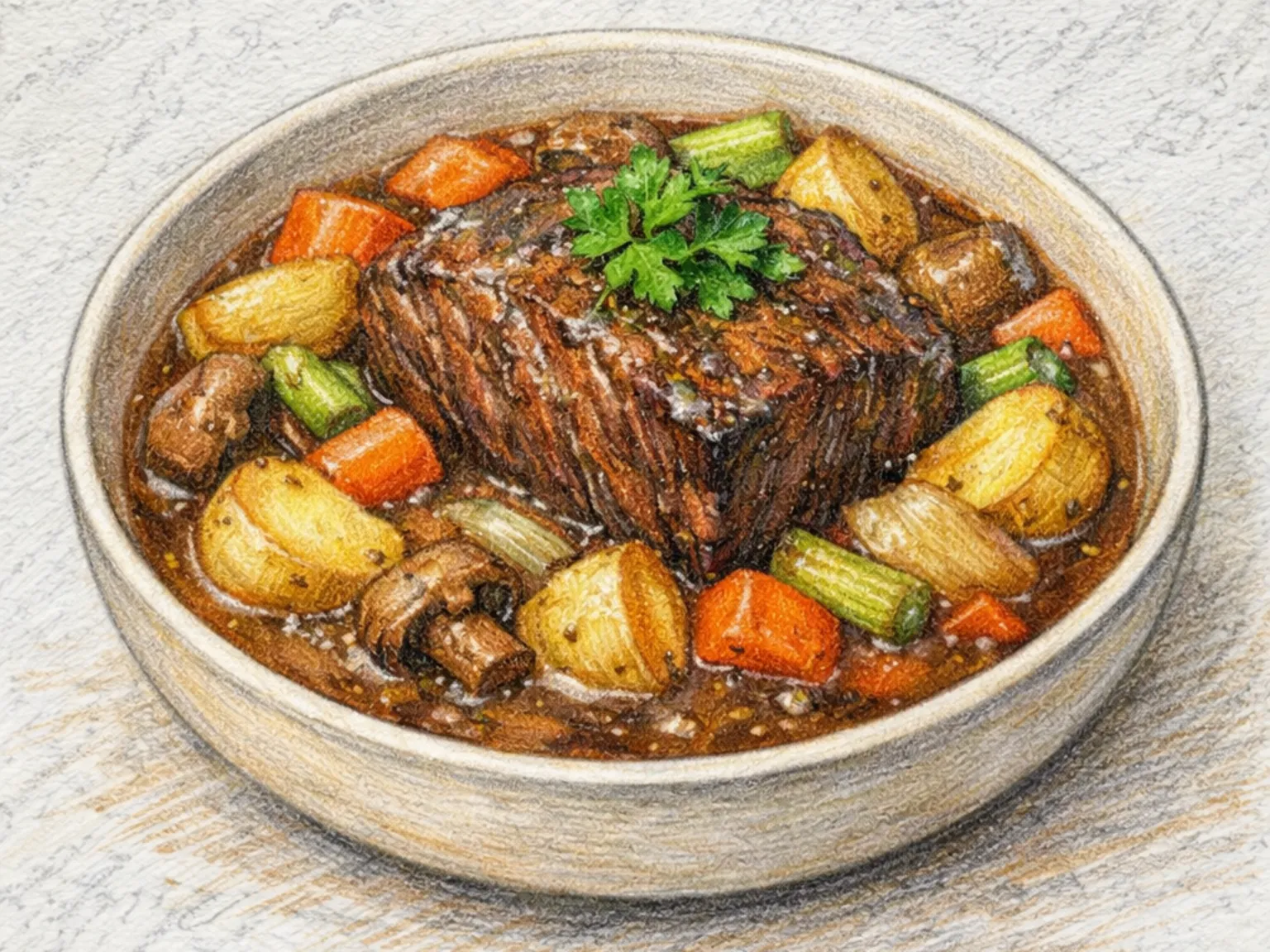
Pot Roast is a cornerstone of American home cooking, where a tough cut of beef is braised low and slow with vegetables and stock until it can be pulled apart with a fork. Chuck roast is the ideal choice - its abundant connective tissue and intramuscular fat break down over hours of gentle heat, converting collagen into gelatin that makes the meat moist and rich. Searing the beef on all sides builds a brown crust that contributes deep flavor, and adding tomato paste to the pan before deglazing creates an umami-rich foundation. Beef stock is poured to about two-thirds up the side of the meat, and the covered pot goes into a 160-degree oven for at least three hours, during which the liquid reduces and concentrates into a natural gravy. Carrots and potatoes are added in the final hour so they hold their shape while absorbing the braising liquid's flavor.

🎉 Special Occasion
Prep 20minCook 120min4 servings
Katsu Curry
AsianMedium

Katsu Curry

Katsu curry is a Japanese single-plate meal of crisp deep-fried pork cutlet served beside a thick, glossy curry sauce over steamed rice. The pork loin is pounded to an even thickness, seasoned with salt and pepper, then coated in three layers: flour, beaten egg, and panko. Panko breadcrumbs have a coarser, more jagged texture than standard breadcrumbs, which creates more air pockets in the crust and produces a crunch that stays crisp longer after frying. The breaded cutlet is lowered into oil heated to 170 degrees Celsius and fried for four to five minutes until deep golden brown, then lifted onto a wire rack to rest for two minutes. The resting period allows the residual heat to finish cooking the center while the juices redistribute and the crust firms up. The curry sauce is built separately: onion and carrot are sauteed until their natural sweetness develops fully, then water is added and everything simmers until the vegetables are tender. The curry roux blocks are added and dissolved over low heat until the sauce reaches a thick, velvety consistency. Resting the curry overnight deepens its flavor as the vegetables continue to release sugars and the spices meld together. At the table, the curry fills one side of the plate and the sliced katsu occupies the other so the crust stays dry until deliberately pushed into the sauce, preserving the contrast between the two textures.

🎉 Special Occasion🧒 Kid-Friendly
Prep 25minCook 25min2 servings
Korean Stir-Fried Seaweed Stems with Perilla
Side dishesEasy

Korean Stir-Fried Seaweed Stems with Perilla

Deulkkae miyeokjulgi-bokkeum stir-fries salted seaweed stems with perilla oil and ground perilla seeds, diverging from the standard sesame-and-soy version by foregrounding the earthy nuttiness of perilla. Desalting the stems in cold water for at least fifteen minutes is the essential first step - too brief and the dish is unpalatably salty, too long and the oceanic character washes away entirely. Garlic is sauteed in perilla oil to build an aromatic foundation, then the drained stems join with soup soy sauce and a splash of water for three minutes of stir-frying. Ground perilla seeds go in at the end, where they bind with the residual moisture and coat each strand in a pale, creamy film. Julienned onion added alongside contributes sweetness that balances the seaweed's brininess. The perilla powder's starch partially gelatinizes on contact with heat, thickening the sauce - but overcooking past this point turns the coating chalky, so timing the final addition is critical. Sesame seeds scattered off heat complete the dish.

🥗 Light & Healthy🏠 Everyday
Prep 15minCook 8min2 servings
Korean Shrimp Porridge (Creamy Rice Porridge with Shrimp Broth)
RiceEasy

Korean Shrimp Porridge (Creamy Rice Porridge with Shrimp Broth)

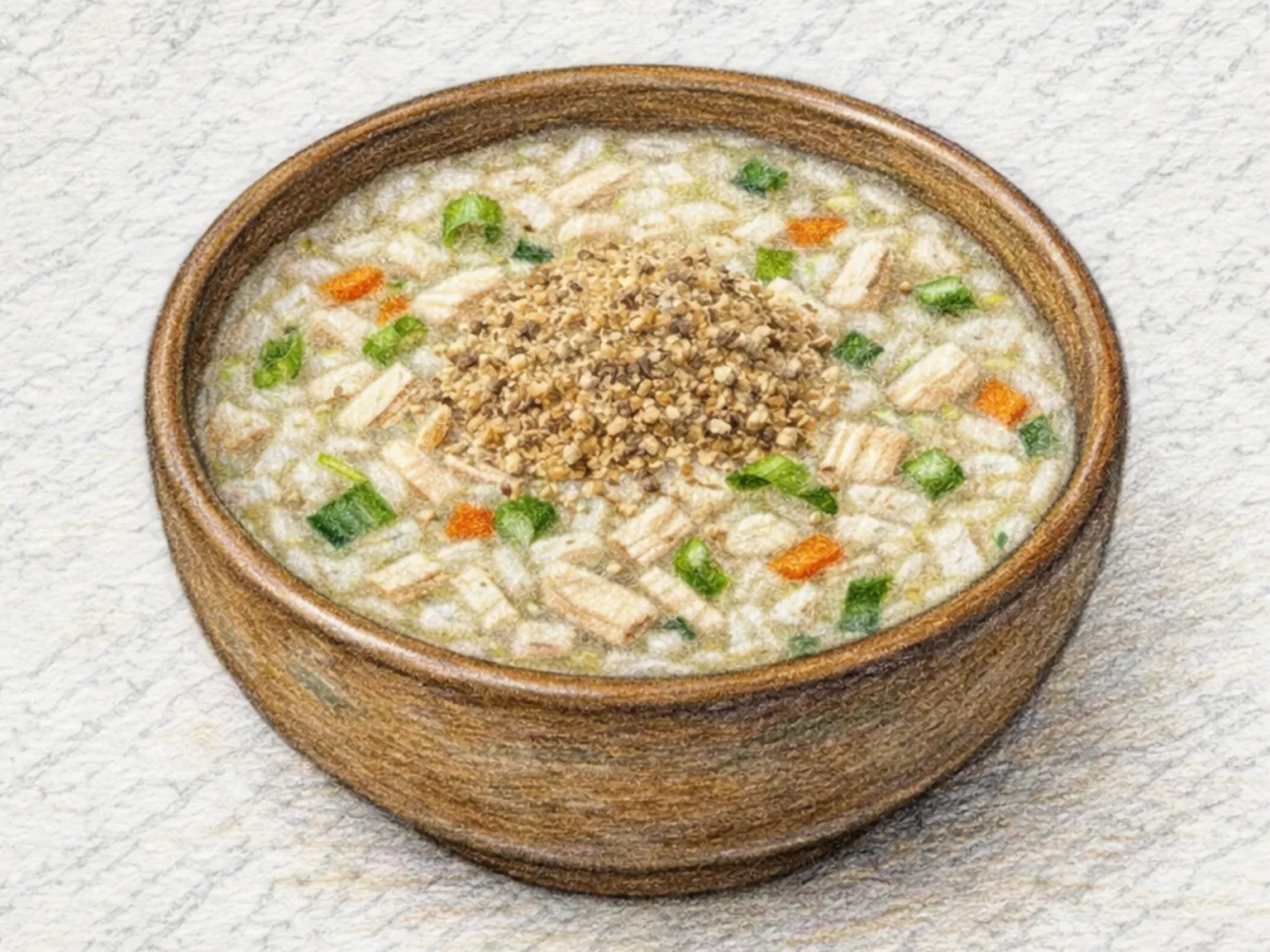
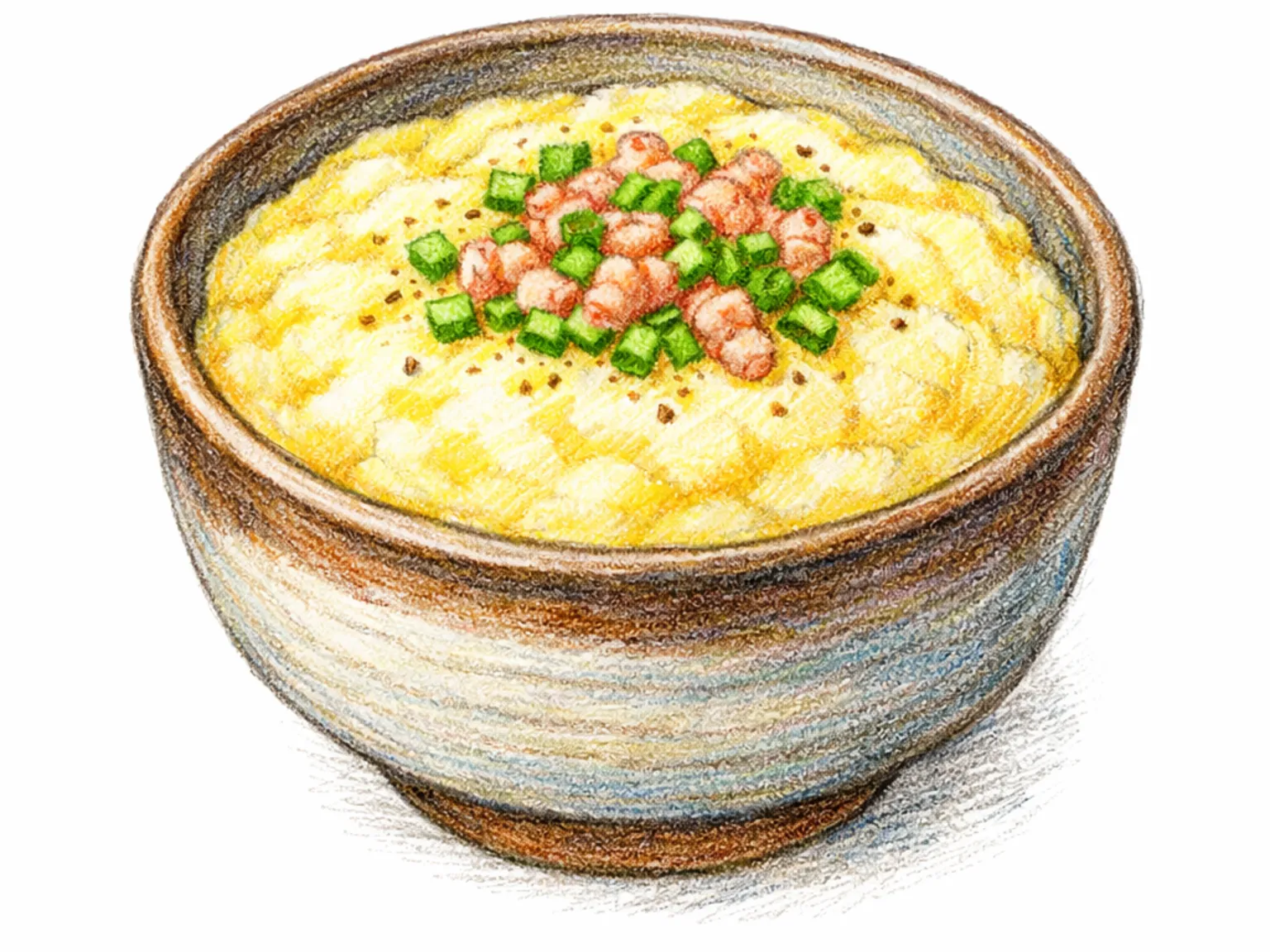
Saeu-juk is a Korean shrimp porridge that simmers rice with shell-on shrimp to draw out a gentle oceanic broth. The heads and shells are cooked down to build a flavorful stock, while the shrimp meat is minced and stirred in separately so each spoonful carries bursts of umami. Diced zucchini and carrot add mild sweetness that balances the seafood character. Soaked rice is first toasted in sesame oil before the liquid goes in, which gives the finished porridge a nuttier base and slightly thicker consistency. The result is a light, nourishing bowl with a clean finish - commonly served as a gentle breakfast or a recovery meal, where the warmth and mild flavor are as important as the nutrition.

🏠 Everyday
Prep 15minCook 30min2 servings
Korean Mushroom and Vegetable Stir-Fry
Stir-fryEasy

Korean Mushroom and Vegetable Stir-Fry

Mushroom-yachae-bokkeum stir-fries king oyster and oyster mushrooms with broccoli and carrot in a light soy-oyster sauce seasoning. Harder vegetables go into the hot pan first to get a head start, then the mushrooms join and pick up the sauce. High heat is essential because mushrooms release water quickly - fast cooking evaporates that moisture and concentrates the umami rather than steaming the ingredients. A finish of sesame oil ties the flavors together in a low-calorie dish that draws its depth entirely from the mushrooms' natural savoriness.

🏠 Everyday🌙 Late Night
Prep 10minCook 10min2 servings
Korean Addictive Mini Gimbap
Street foodMedium

Korean Addictive Mini Gimbap

Mayak gimbap is a bite-sized Korean rolled rice snack made from quarter-cut nori sheets packed with a small amount of seasoned rice, sauteed carrot, blanched spinach, and thin egg strips, then rolled into compact cylinders no wider than a thumb. The name mayak, meaning narcotic, captures the addictive quality that comes from dipping each piece into the mustard-soy sauce: the sharp heat of Korean mustard, the salt of soy sauce, and a touch of vinegar and sugar interact with the mild roll to produce a balance that keeps you reaching for the next piece. Filling discipline is essential since the small nori squares tear easily under pressure, and a clean seal requires rice pressed right to the edge. Sliced pickled radish is the standard accompaniment, its cool crunch and acidity resetting the palate between bites. The sauce ratio matters as much as the rolling technique - too much mustard overwhelms, too little and the rolls taste flat.

🌙 Late Night Quick
Prep 20min2 servings
Japanese Stir-Fried Udon
NoodlesMedium

Japanese Stir-Fried Udon

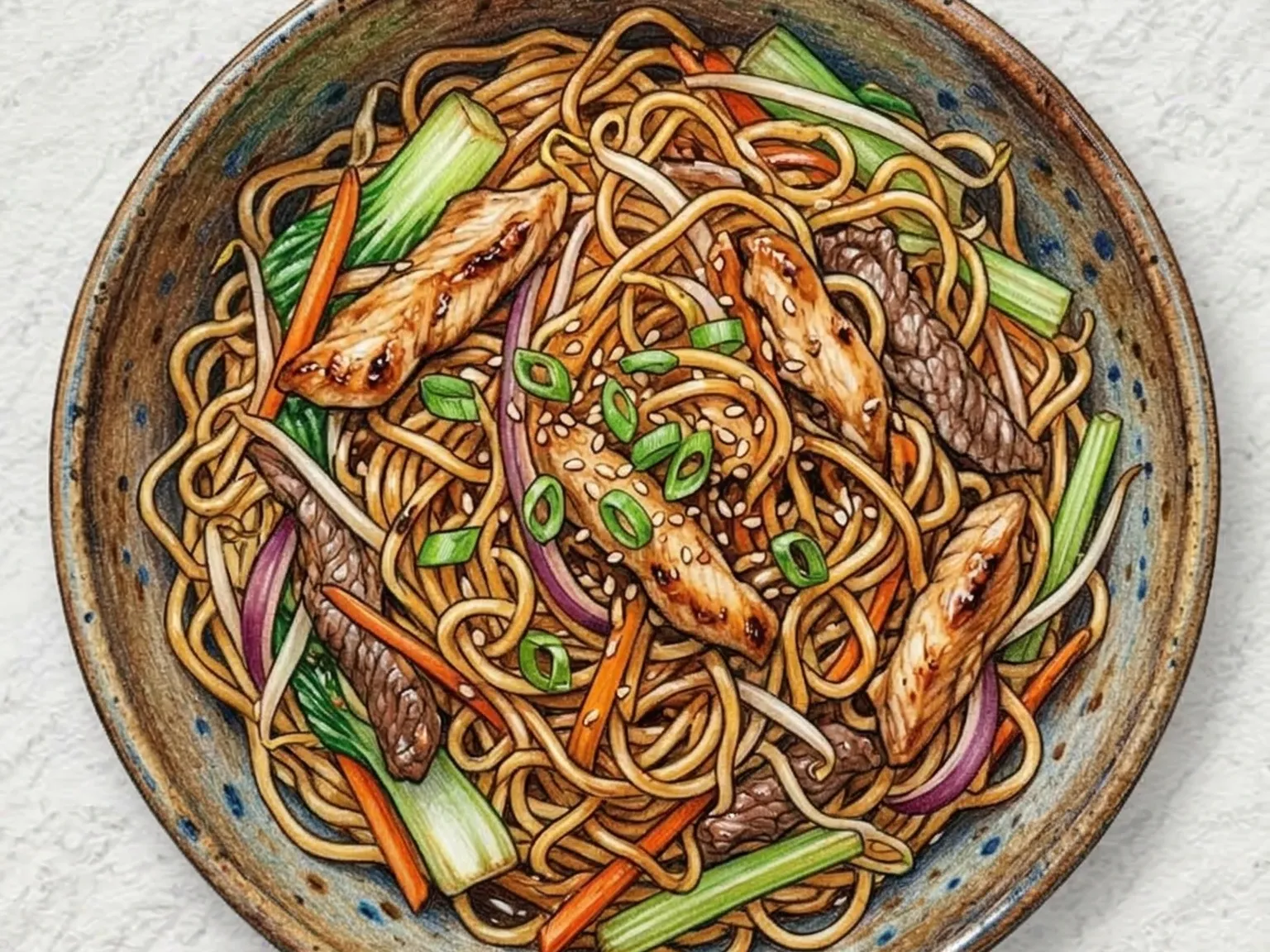
Yaki udon is a Japanese stir-fried noodle dish where thick udon noodles are tossed in a soy-based sauce over high heat with sliced pork or seafood and vegetables such as cabbage, carrot, and scallion. The high heat gives the noodles lightly charred edges while keeping their chewy center intact. Bonito flakes (katsuobushi) are often scattered on top just before serving, where they wave from the residual heat. The recipe takes about 25 minutes and depends on maintaining strong heat throughout the stir-fry to avoid steaming the noodles.

🏠 Everyday🌙 Late Night
Prep 10minCook 15min2 servings
Salmon Brown Rice Power Bowl
SaladsMedium

Salmon Brown Rice Power Bowl

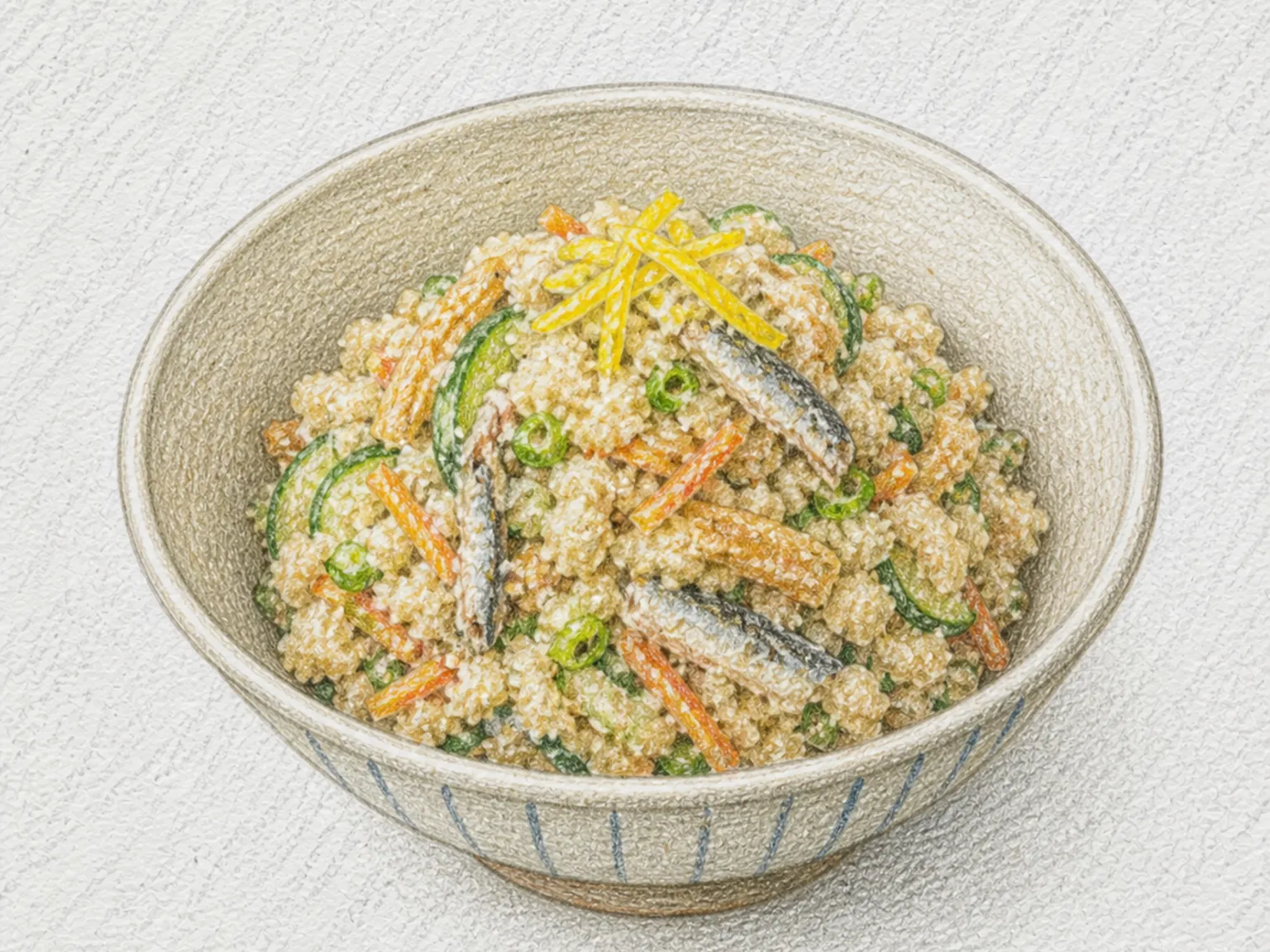
Salmon brown rice power bowl sears a salmon fillet four to five minutes per side until the skin crisps and the interior stays moist, then plates it over cooked brown rice with blanched spinach, julienned carrot, and sliced avocado. A sauce of soy sauce, lemon juice, and sesame oil layers umami depth, citrus brightness, and nutty aroma into a single drizzle that ties the mild grain to the rich fish. Brown rice's firm, chewy texture contrasts with the tender salmon flesh, and avocado fills the gap with a smooth, fatty creaminess. Pulling the salmon from heat while the center is still slightly translucent preserves moisture - overcooking causes the proteins to contract and squeeze out the juices.

🥗 Light & Healthy
Prep 20minCook 15min2 servings
Ribollita (Tuscan Bread and Bean Soup)
WesternMedium

Ribollita (Tuscan Bread and Bean Soup)

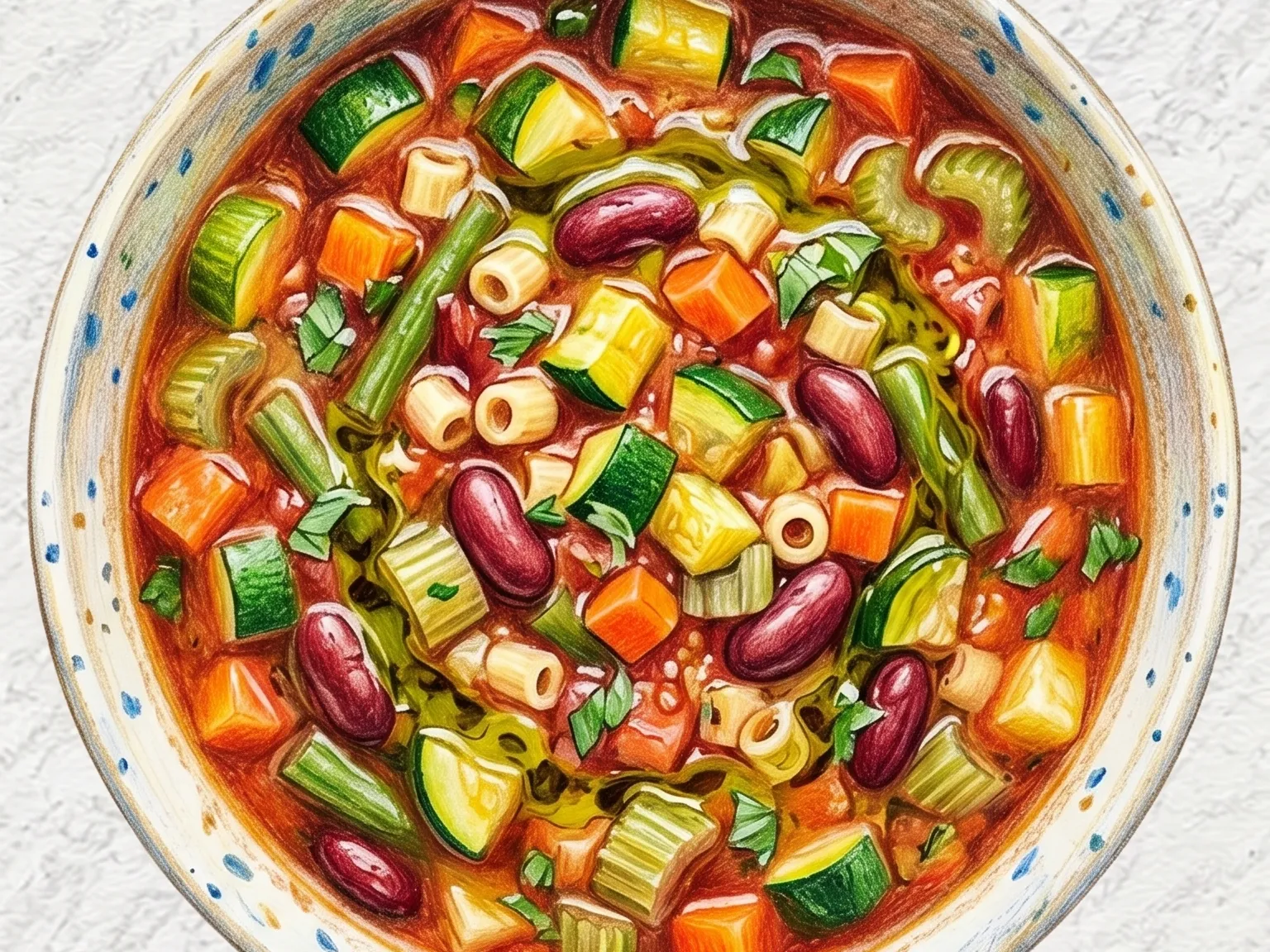
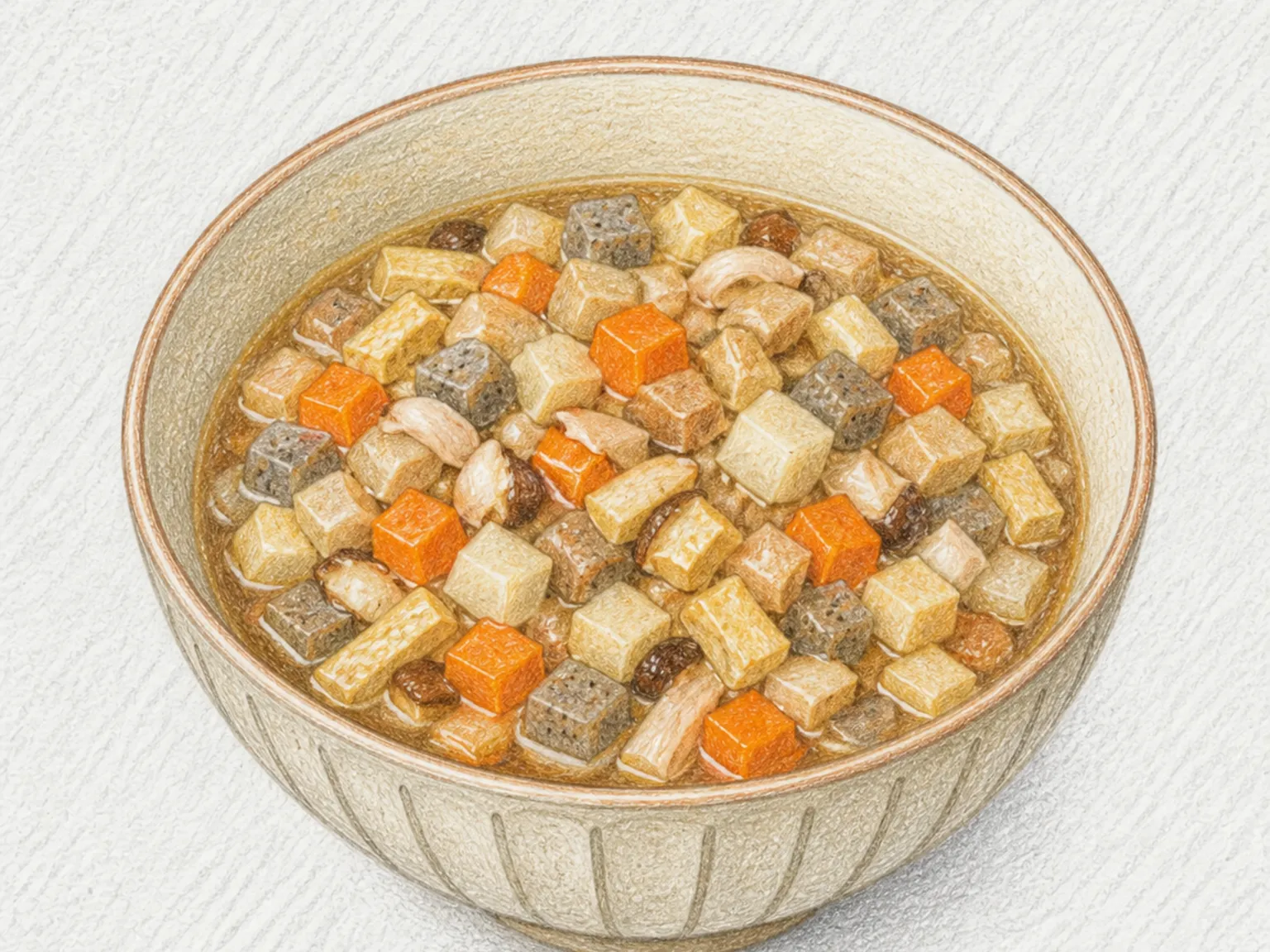
Ribollita is a traditional Tuscan soup that sautees cannellini beans, cabbage, carrot, tomato, celery, and onion in olive oil, simmers them in vegetable stock, and thickens the pot by tearing in stale baguette near the end of cooking. The name itself means 're-boiled,' reflecting its origin as leftover soup reheated with bread. Starch from the beans and the bread's absorption of broth create a hearty body without any roux or cream. The cabbage grows sweeter the longer it simmers, and a finishing drizzle of olive oil adds richness to the otherwise lean vegetable base. Reheating the next day allows the flavors to meld further, which is why this soup traditionally tastes better on the second day.

🎉 Special Occasion
Prep 20minCook 45min4 servings
Kottu Roti (Sri Lankan Shredded Flatbread Stir-Fry with Egg)
AsianMedium

Kottu Roti (Sri Lankan Shredded Flatbread Stir-Fry with Egg)

Kottu roti is a Sri Lankan griddle dish in which flatbread is shredded and stir-fried with vegetables, egg, and spices on a heavy iron surface. The defining feature of its preparation is the sound produced when the cook uses two flat metal blades to simultaneously chop and scrape the ingredients across the griddle in a steady, rhythmic pattern. The metallic clanging carries far enough to be heard from the street and serves as the primary advertisement for kottu roti stalls, most of which operate well into the early hours of the morning. Godamba roti, a thin unleavened flatbread, is sliced into small pieces roughly one centimeter on each side before cooking begins. The griddle is oiled and onion, cabbage, and carrot are fried until wilted, after which eggs are cracked directly onto the surface and scrambled in place. The roti pieces go in next, followed by curry powder, chili flakes, and soy sauce, with the blades kept moving continuously so the heat distributes evenly and the bread absorbs the seasonings rather than sitting on top of them. Soy sauce deepens the color and adds umami, while a ladleful of curry gravy poured over near the end binds the ingredients and prevents dryness. Versions with chicken, lamb, or seafood are widely available, and the spice level can be adjusted to order. The dish is understood to be street food in the fullest sense: fast, loud, served hot off the griddle, and closely associated with late-night eating.

🏠 Everyday🌙 Late Night
Prep 20minCook 15min2 servings
Korean Konjac Noodle Salad
Side dishesEasy

Korean Konjac Noodle Salad

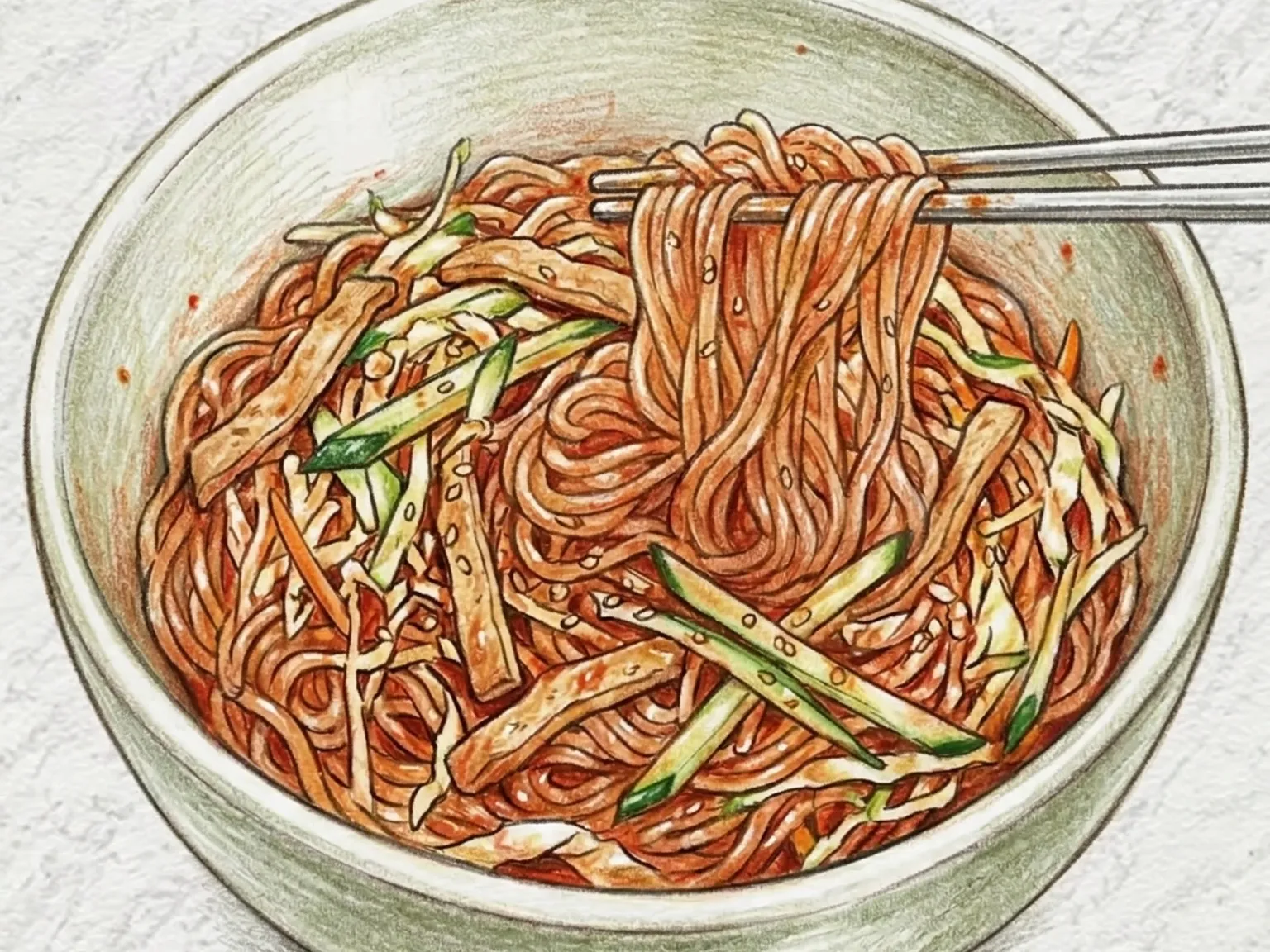
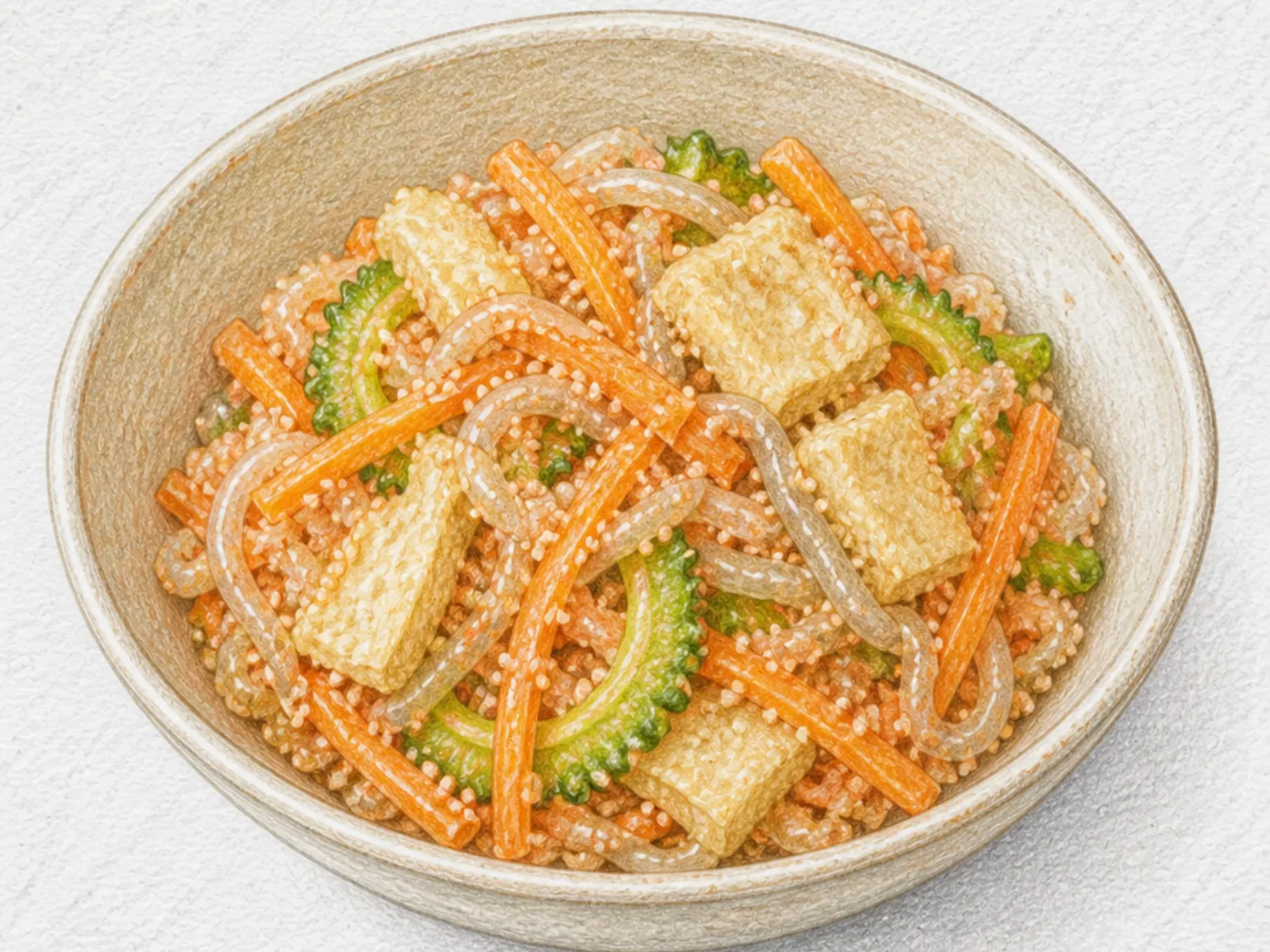
Silgonyak-chae-muchim tosses 250 grams of blanched konjac noodles with julienned cucumber, carrot, and onion in a gochujang-based dressing spiked with vinegar, sugar, soy sauce, and garlic. Blanching the noodles for two minutes removes their faint alkaline smell and softens their rubbery chew to a pleasant springiness. The vegetables provide crisp contrast - cucumber adds a cool snap, carrot a mild sweetness, and onion a sharp bite. The dressing clings to the translucent noodles, turning them a vivid reddish hue. At only 95 calories per serving, this banchan relies on texture and bold seasoning rather than fat for its appeal. Chilling for 10 minutes before serving firms up the noodles and intensifies the tangy-spicy flavor profile.

🥗 Light & Healthy🏠 Everyday
Prep 12minCook 3min2 servings
Korean Mountain Herb Bibimbap
RiceEasy

Korean Mountain Herb Bibimbap

Sanchae bibimbap arranges individually seasoned mountain vegetables including fernbrake, bellflower root, and chwi-namul over a bowl of rice, then brings everything together at the table with a spoonful of gochujang. Each wild green is treated separately to preserve its distinct character. Fernbrake is stir-fried in sesame oil and soy sauce until tender and lightly caramelized. Bellflower root is salted, kneaded vigorously, and rinsed to remove its characteristic bitterness before being left with a clean crunch. Chwi-namul, the young leaves of Korean mountain aster, is blanched for just a few seconds to soften it while locking in its herbal, slightly resinous fragrance. Julienned carrot or radish kimchi adds bright color contrast across the bowl. A second drizzle of sesame oil when mixing helps the greens coat evenly and carries the nutty aroma through every bite. The spicy, subtly sweet gochujang ties the earthy, grassy, and faintly bitter notes of the individual namul into one cohesive, energizing bowl. The dish traces its roots to Korean mountain temple cuisine, where foraged seasonal greens combined with plain rice formed the foundation of a simple but nourishing plant-based meal.

🏠 Everyday
Prep 20minCook 15min2 servings
Korean Spicy Stir-fried Octopus
Stir-fryMedium

Korean Spicy Stir-fried Octopus

Nakji-bokkeum is a fiery Korean stir-fry of small octopus (nakji) coated in a sauce of gochujang, gochugaru, soy sauce, sugar, and garlic, tossed with bean sprouts, onion, carrot, and scallion. Bean sprouts line the bottom of the pan, releasing moisture to prevent sticking while adding crunch. The vegetables and half the sauce go on next, then the octopus on top, covered and steamed on medium heat for three minutes before a final high-heat stir-fry sears everything for two minutes. Speed is critical - octopus toughens with prolonged cooking - and the dish is often mixed with boiled thin wheat noodles for a heartier meal.

🍺 Bar Snacks🏠 Everyday
Prep 15minCook 10min2 servings
Korean Snack Bar Omelet Rice
Street foodEasy

Korean Snack Bar Omelet Rice

Finely diced onion, carrot, and ham are stir-fried first to drive off moisture and draw out their natural sweetness, then cold leftover rice is added and tossed over high heat until every grain separates cleanly. Ketchup and Worcestershire sauce season the fried rice with a sweet-tangy balance that defines the bunsik-style flavor. The egg, mixed with a pinch of salt, is poured into a lightly oiled pan over low heat and spread into a thin sheet, then the fried rice is placed at the center and the egg is folded around it while still soft and barely set. Low heat is the key to keeping the omelet smooth and unbroken. The roll is shaped into an oval on the plate and finished with a neat zigzag of ketchup across the top. The warm egg shell traps the heat of the rice inside, keeping the filling moist until the first cut.

🧒 Kid-Friendly🌙 Late Night
Prep 15minCook 18min2 servings
Tofu Satay Salad Bowl
SaladsMedium

Tofu Satay Salad Bowl

Tofu satay salad bowl combines pan-seared tofu with crisp lettuce, julienned carrot, and cucumber, all coated in a Thai-style peanut satay dressing. The dressing is built from peanut butter, soy sauce, lime juice, and chili sauce - the peanut fat provides body, while the lime and chili cut through it with bright acidity and heat. Pressing the tofu dry before searing ensures the surface browns rather than steams, producing a firm, golden exterior that holds up in the bowl. If the dressing is too thick to coat evenly, a tablespoon of water loosens it to the right consistency. The raw crunch and moisture from carrot and cucumber balance the dense richness of the peanut sauce.

🥗 Light & Healthy
Prep 20minCook 10min2 servings
Lumpiang Shanghai (Filipino Deep-Fried Pork Spring Rolls)
AsianMedium

Lumpiang Shanghai (Filipino Deep-Fried Pork Spring Rolls)

Lumpiang Shanghai is the spring roll that appears without fail at every Filipino celebration, from birthday parties to holiday feasts and town fiestas. Ground pork is mixed with finely diced carrots, onions, and scallions, seasoned with soy sauce and black pepper, then rolled into finger-length cylinders using thin spring roll wrappers before being deep-fried to a golden, audibly crisp shell. The moment teeth break through the shattering exterior, well-seasoned and juicy meat pours out from within, and that contrast is the core of its appeal. Served alongside a sweet chili dipping sauce or a sharp vinegar sauce, the richness of the pork and the acidity of the condiment lock together in a way that makes stopping at one piece genuinely difficult. The rolls hold their crispness at room temperature far longer than most fried foods, which is why trays of them tend to disappear within minutes at any gathering. Adding shrimp to the pork filling introduces a springy bite and a layer of brininess that takes the flavor a step further.

🎉 Special Occasion
Prep 30minCook 15min4 servings