Charim

2686 Korean & World Recipes

2686+ Korean recipes, clean and organized. Ingredients to instructions, all at a glance.

Recipes with carrot

24 recipes

Buy carrot
Korean Yangbaechu Kkae Bokkeum (Sesame Cabbage Stir-fry)
Side dishesEasy

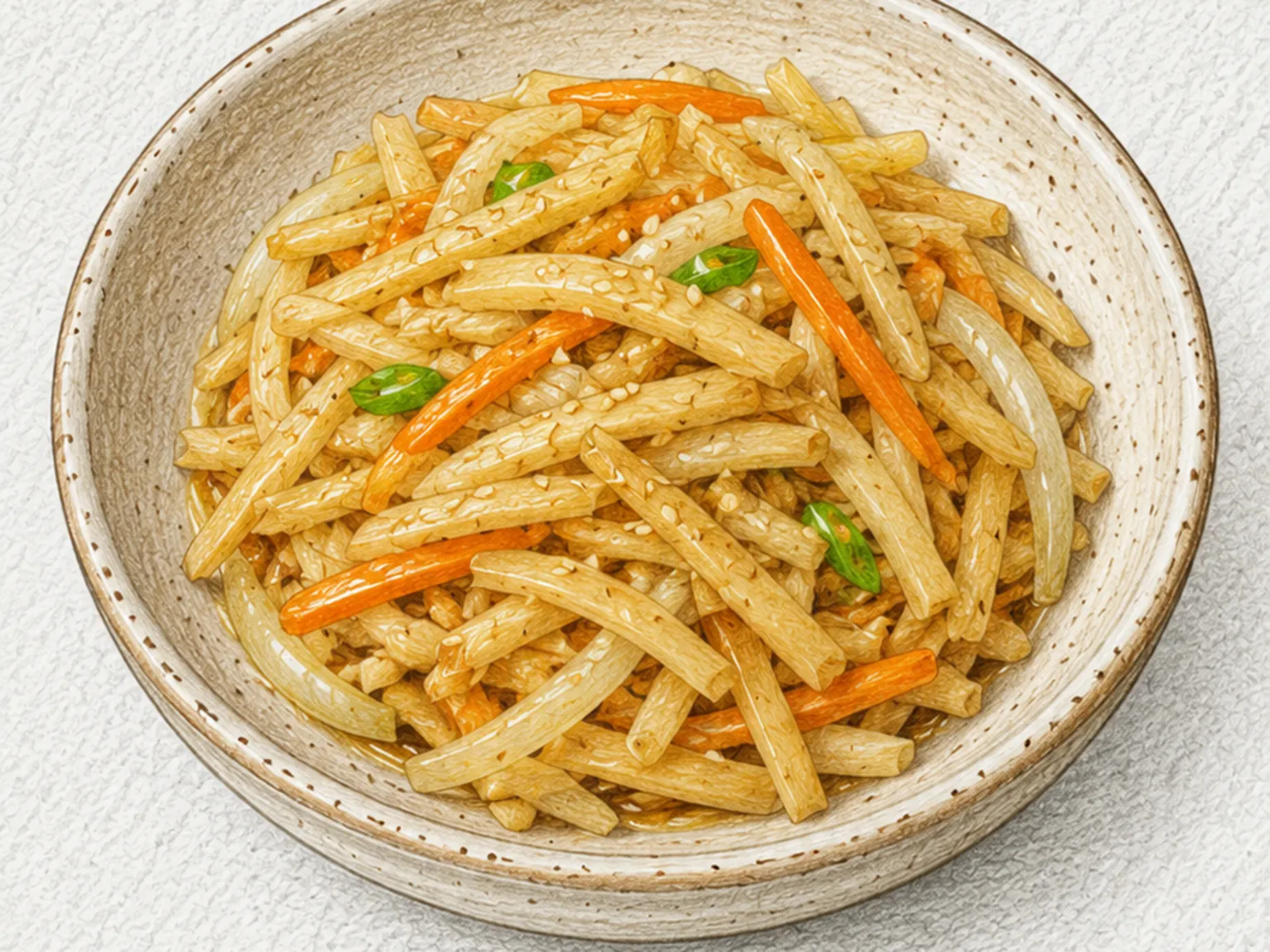
Korean Yangbaechu Kkae Bokkeum (Sesame Cabbage Stir-fry)

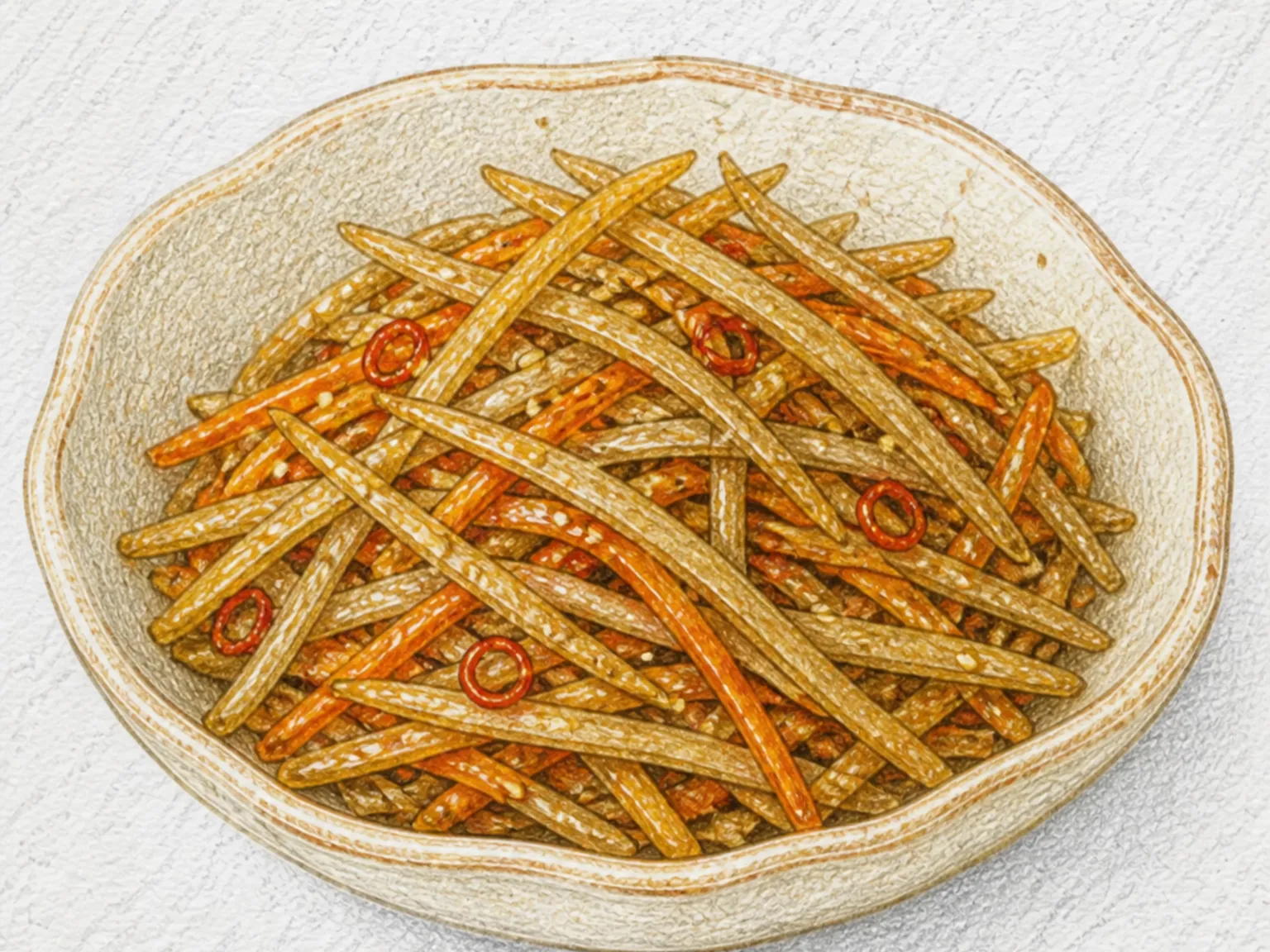
Shredded cabbage, onion, and carrot are stir-fried over high heat with soup soy sauce and finished with sesame oil and a generous handful of toasted sesame seeds. Cabbage benefits from fast, hot cooking: the edges char lightly and caramelize while the interior retains its crisp bite, and the heat unlocks a gentle natural sweetness hidden in the raw leaves. Soup soy sauce seasons the vegetables with depth while keeping the finished dish pale and clean-looking, and minced garlic stirred in early fills the pan with fragrance. Carrot goes into the pan first to draw out its sugar, and as the onion softens, its moisture deglazes the surface and adds another layer of mellow sweetness. Sesame oil drizzled off-heat coats the vegetables in a nutty sheen, and the sesame seeds scattered on top provide a crunchy, aromatic punctuation with every bite. The dish is lean and uncomplicated, relying on the quality of fresh vegetables and precise timing rather than heavy seasoning, making it a banchan suited to daily meals.

🏠 Everyday🍱 Lunchbox
Prep 12minCook 8min4 servings
Korean Beef Porridge (Sesame Oil-Toasted Rice with Minced Beef)
RiceMedium

Korean Beef Porridge (Sesame Oil-Toasted Rice with Minced Beef)

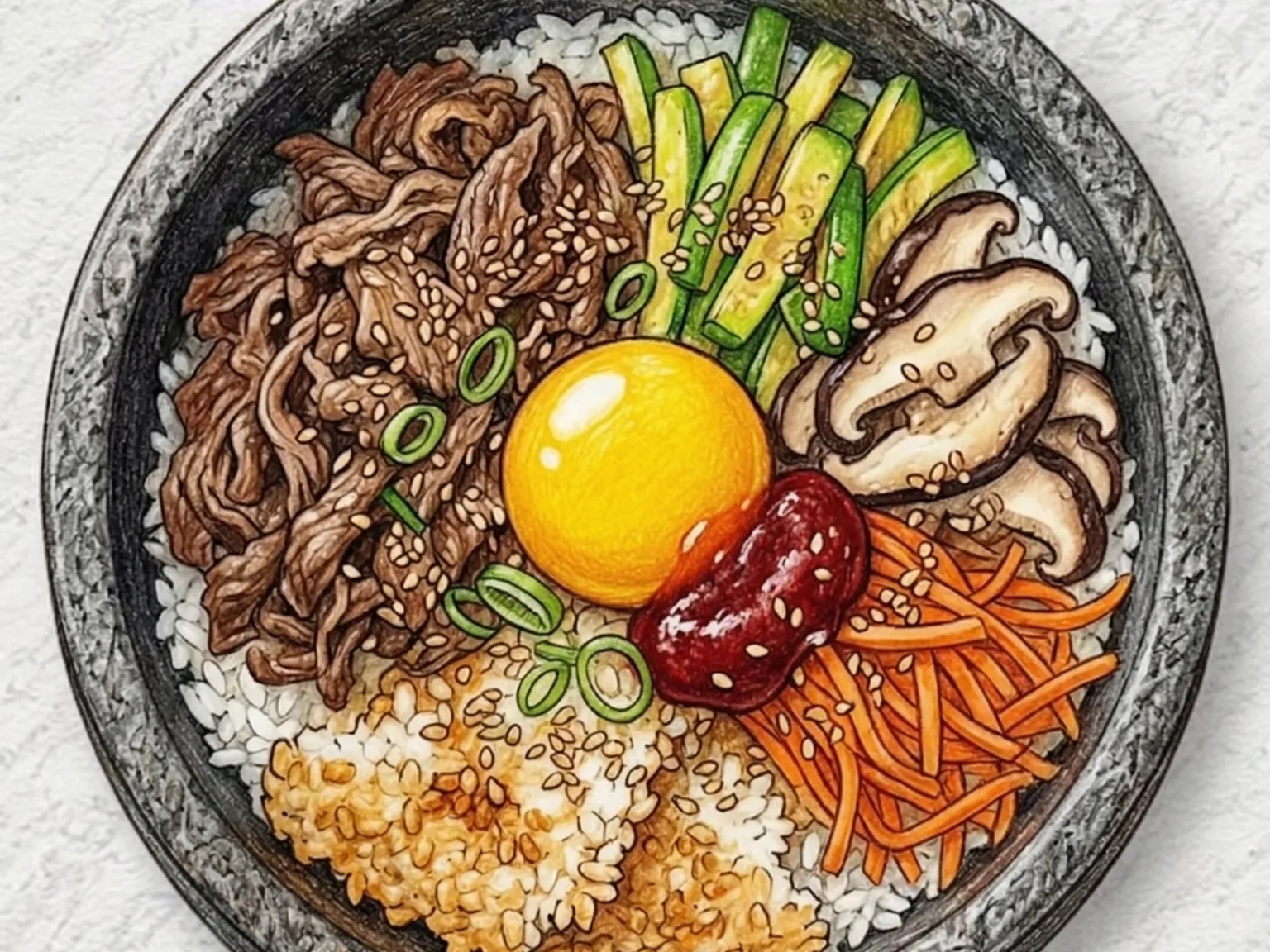
Sogogi-juk is a Korean beef porridge that begins by stir-frying minced beef and soaked rice together in sesame oil, building a savory, nutty foundation before water is added. As the beef renders in the oil, its umami dissolves into the fat, and the rice grains pick up that flavor as they toast alongside the meat. Slow simmering over low heat allows the rice to break down gradually into a thick, silky porridge while the beef broth permeates every spoonful. Finely diced carrot and onion can be added for a touch of natural sweetness that softens the overall flavor profile. Widely relied on as a recovery food after illness and as a warming breakfast, this porridge is gentle on the stomach yet deeply satisfying in its quiet, meaty richness.

🏠 Everyday
Prep 15minCook 35min2 servings
Korean Vegetable Japchae (Glass Noodle Mixed Vegetable Stir-Fry)
Stir-fryMedium

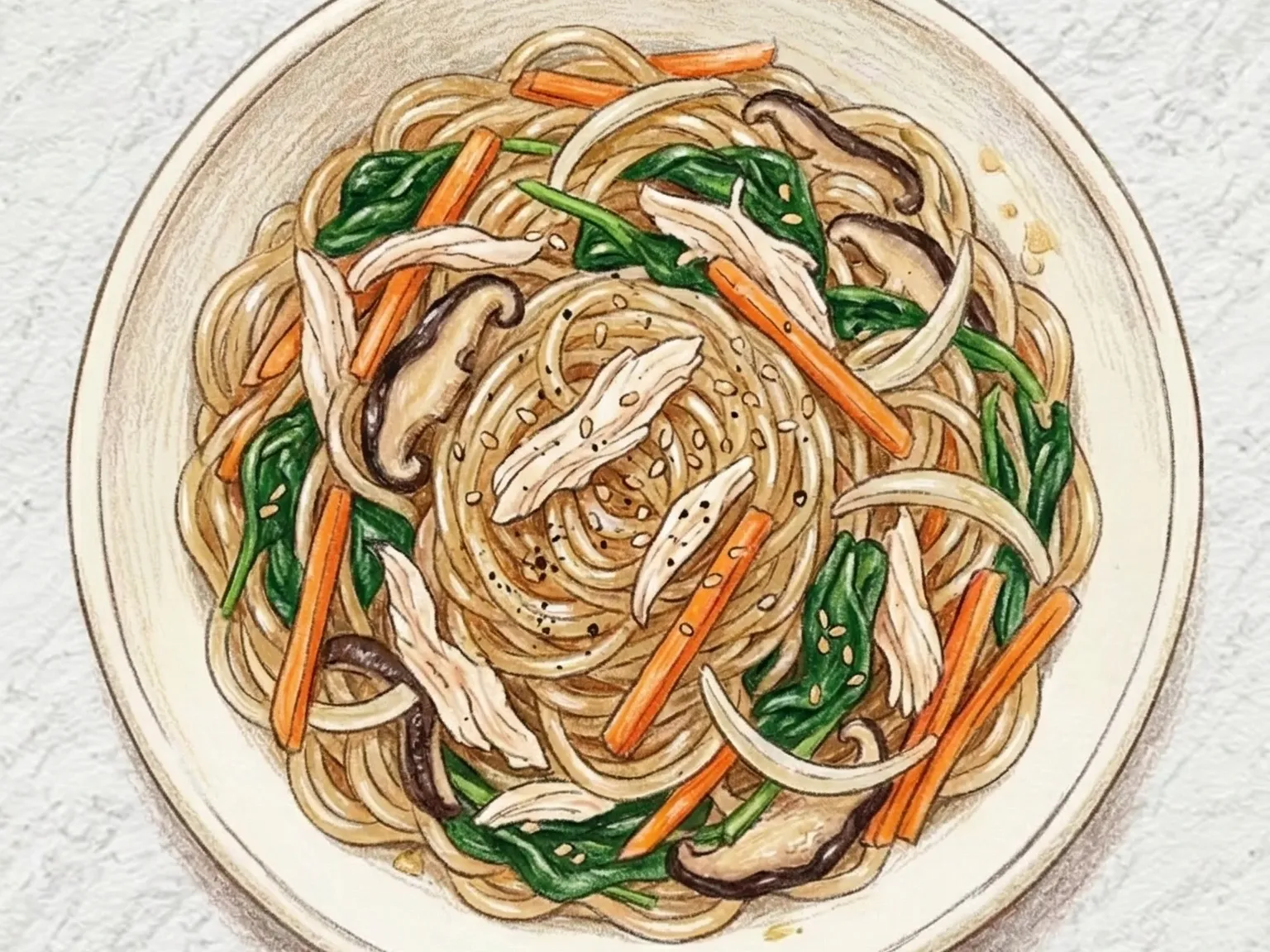
Korean Vegetable Japchae (Glass Noodle Mixed Vegetable Stir-Fry)

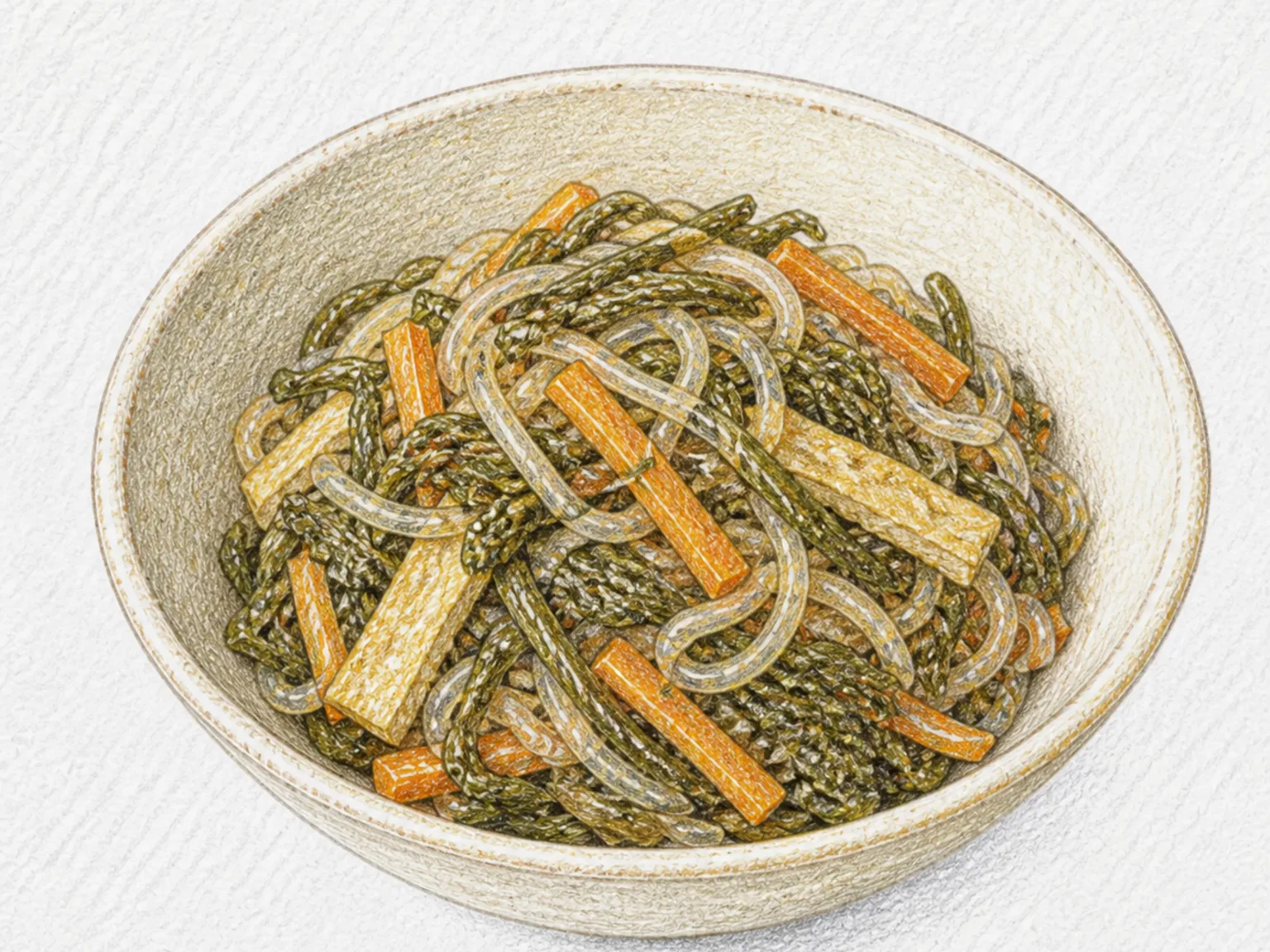
Yachae japchae is a vegetarian version of the classic Korean glass noodle dish, made entirely with sweet potato noodles and mixed vegetables - spinach, carrot, shiitake mushrooms, bell pepper, and onion. Each vegetable is stir-fried separately to maintain its color and distinct texture, then combined with pre-seasoned noodles dressed in soy sauce and sesame oil. The varied sweetness and crunch of each vegetable layer together under the soy-sugar seasoning, while the noodles absorb the sauce and turn glossy and chewy. Without meat, the vegetables take center stage, making this equally suitable for everyday meals and celebration spreads.

🏠 Everyday
Prep 20minCook 20min4 servings
Korean Shrimp Gimbap (Plump Shrimp and Vegetable Seaweed Roll)
Street foodEasy

Korean Shrimp Gimbap (Plump Shrimp and Vegetable Seaweed Roll)

Shrimp are peeled and deveined with a toothpick before being blanched for two minutes, then rolled inside seasoned rice, egg strips, sauteed julienned carrot, and cucumber. Deveining before blanching is essential because the intestinal tract can leave a faint off-flavor in the finished roll. Large shrimp are halved lengthwise before rolling so the cross-section of each slice shows a generous amount of pink shrimp flesh rather than a thin crescent. The shrimp's clean, mild flavor does not compete with the sauteed carrot, egg, or cucumber, and the firm, springy bite of well-cooked shrimp gives each piece a distinct texture against the soft rice and yielding egg. The rice is seasoned with sesame oil and salt, but the sesame oil should be kept to no more than one tablespoon per two cups of cooked rice, as too much will soften the seaweed prematurely. Chilling the completed rolls for 30 minutes before cutting helps the cross-sections hold their shape cleanly on the cutting board. Saeu-gimbap is a common choice for children's lunchboxes because its flavors are mild and accessible, and it makes a lighter, less assertive option compared to rolls with stronger-seasoned fillings like braised burdock or spiced fishcake.

🍱 Lunchbox
Prep 20minCook 10min2 servings
Tofu Sesame Salad (Chilled Tofu with Roasted Sesame Dressing)
SaladsEasy

Tofu Sesame Salad (Chilled Tofu with Roasted Sesame Dressing)

Tofu sesame salad starts with firm tofu cubes seared until golden on all sides, then placed over baby greens, shredded red cabbage, and julienned carrot, finished with a sesame-soy dressing. Pressing the tofu in paper towels for ten minutes removes enough moisture for the pan to produce a sizzling, nutty crust rather than steaming the surface. This crust absorbs the soy from the dressing while the soft interior provides a contrasting texture. The dressing - soy sauce, sesame oil, and vinegar - balances salt, richness, and acidity, tying the mild tofu and raw vegetables into a cohesive bowl. Tossing only half the dressing with the greens first prevents them from wilting before serving, and a final sprinkle of toasted sesame seeds releases a nutty fragrance with each bite.

🥗 Light & Healthy Quick
Prep 12minCook 6min2 servings
Nikujaga (Japanese Beef Potato Onion Soy-Sweet Stew)
AsianEasy

Nikujaga (Japanese Beef Potato Onion Soy-Sweet Stew)

Nikujaga is a Japanese home-cooked stew often described as the dish that defines a mother's cooking in Japan. Thinly sliced beef, potatoes, onion, carrot, and shirataki noodles are simmered in a broth of dashi, soy sauce, mirin, and sugar. The dish traces its origins to the Meiji era, when a Japanese naval officer attempted to recreate British beef stew using local ingredients -- resulting in a clear, soy-based braise rather than a thick, flour-bound stew. The potatoes absorb the seasoned liquid until soft at the edges but still holding shape, while shirataki noodles soak up flavor and add a springy contrast.

🏠 Everyday
Prep 15minCook 30min4 servings
Korean Seaweed and Shrimp Pot Rice
RiceMedium

Korean Seaweed and Shrimp Pot Rice

Rehydrated hijiki seaweed and whole shrimp are layered over rice in a heavy pot and cooked together so the briny ocean flavor permeates every grain. Sliced shiitake mushrooms and carrot sit beneath the seafood, lending umami depth and a mild sweetness to the base. When the lid comes off, the concentrated aroma of seaweed and shrimp fills the room. Stirring in a soy-based sauce ties the flavors together, and scraping the crispy rice crust from the bottom adds a toasty finish.

🏠 Everyday
Prep 15minCook 25min2 servings
Korean Vegetable Gimbap (Colorful Veggie Seaweed Rice Roll)
Street foodEasy

Korean Vegetable Gimbap (Colorful Veggie Seaweed Rice Roll)

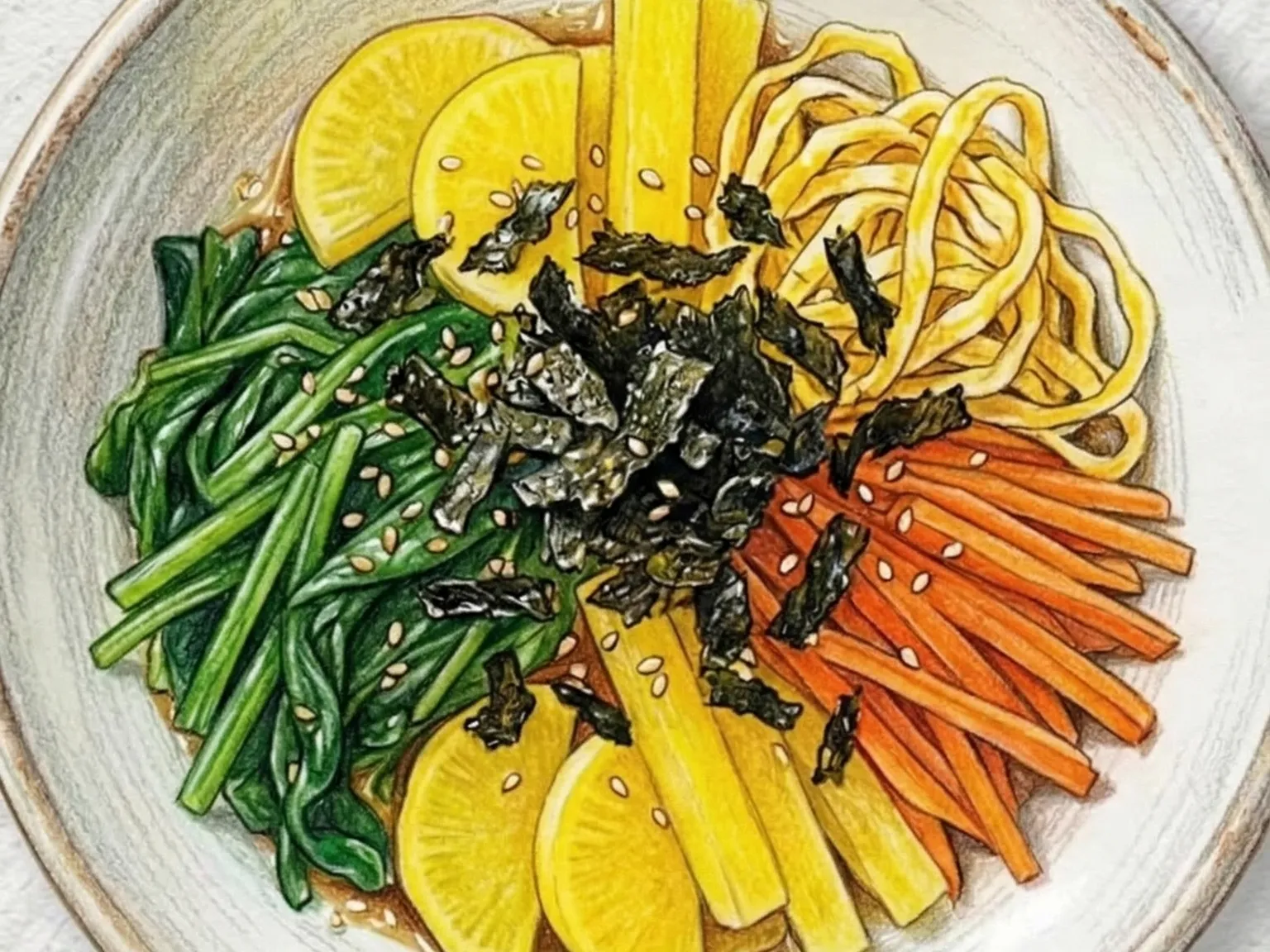
Yachae gimbap is a vegetable-focused Korean seaweed rice roll filled with blanched spinach, sauteed carrot, braised burdock root, pickled radish, and egg omelet strips, all wrapped in sesame-oil-seasoned rice. Each vegetable is prepared separately to preserve and highlight its own distinct character: spinach is dressed with sesame oil and salt after blanching, carrot is stir-fried to draw out its natural sweetness, and burdock root is slow-braised in soy sauce and sugar to develop a deep savory-sweet depth that nothing else in the roll can replicate. Pickled radish adds a tart, satisfying crunch that contrasts with the soft egg strips, and the combination of six or more individually seasoned ingredients creates both visual variety in the cross-section and complexity in every bite. Draining every filling thoroughly and cutting them all to a uniform diameter is the practical key to a roll that stays tight, slices cleanly, and keeps the seaweed from turning soggy.

🧒 Kid-Friendly🍱 Lunchbox
Prep 25minCook 10min2 servings
Tuna Potato Salad (Japanese Creamy Tuna and Potato Mix)
SaladsEasy

Tuna Potato Salad (Japanese Creamy Tuna and Potato Mix)

Tuna potato salad mashes boiled potatoes while still hot, then folds in drained canned tuna, salt-pressed cucumber, carrot, and onion with mayonnaise and whole grain mustard. Mashing the potatoes warm keeps the starch active, which bonds more effectively with the mayonnaise for a creamier result - but over-mashing turns the texture gluey, so leaving some chunks is ideal. Salting the chopped vegetables for five minutes and squeezing out the released moisture is essential to prevent a watery salad. The tuna must also be drained thoroughly in a strainer to keep the flavor clean. Whole grain mustard adds a peppery sharpness that cuts through the richness of the mayonnaise, and a twenty-minute chill in the refrigerator lets all the flavors meld evenly.

🥗 Light & Healthy🍱 Lunchbox
Prep 18minCook 20min4 servings
Pad Woon Sen (Thai Stir-Fried Glass Noodles with Shrimp and Egg)
AsianEasy

Pad Woon Sen (Thai Stir-Fried Glass Noodles with Shrimp and Egg)

Pad woon sen is a Thai stir-fried glass noodle dish that comes together in minutes. The noodles, made from mung bean starch, turn translucent when soaked and have a springy, slippery texture that absorbs sauce without becoming mushy. Shrimp is cooked first until just pink, then vegetables - typically cabbage and carrot - are tossed in over high heat to keep their crunch. Eggs are scrambled to one side of the wok and folded into the noodles along with soy sauce and oyster sauce. The seasoning is deliberately simple, allowing the natural sweetness of the shrimp and the clean bite of the vegetables to come through.

🏠 Everyday🌙 Late Night
Prep 15minCook 12min2 servings
Korean Ueong Dak Juk (Burdock Chicken Porridge)
RiceMedium

Korean Ueong Dak Juk (Burdock Chicken Porridge)

Shredded chicken tenderloin and julienned burdock root are simmered together in a long, slow cook until the porridge turns thick and smooth. The chicken releases a clean, mild broth that forms the base flavor, while the burdock contributes a subtle earthy aroma and slight crunch that adds dimension. Toasting the rice in perilla oil before adding liquid deepens the nuttiness and gives the porridge a silkier body. The result is a gentle, nourishing bowl that sits easy on the stomach.

🏠 Everyday
Prep 25minCook 40min4 servings
Yakisoba Pan (Noodle Bread)
Street foodEasy

Yakisoba Pan (Noodle Bread)

A staple of Japanese street food culture, Yakisoba-pan combines a toasted, buttered hot dog bun with a filling of stir-fried egg noodles seasoned with yakisoba and soy sauce. Shredded cabbage, onions, and carrots start in the pan over high heat for exactly two minutes before the noodles are added. This timing ensures the vegetables remain crisp and provide a textural contrast to the soft noodles rather than becoming limp during the cooking process. As the yakisoba sauce hits the hot metal, it caramelizes quickly to wrap every noodle strand in a glossy, sweet-savory glaze. The act of spreading butter on the interior of the bun and giving it a quick toast serves a functional purpose beyond flavor. This butter layer acts as a moisture barrier, preventing the sauce from soaking into the bread and keeping the bun from turning soggy as it sits. The subtle richness of the butter bridges the gap between the savory noodle filling and the soft crumb of the bun. Sprinkling dried parsley over the top introduces a mild herbal scent that balances the heavy, concentrated sauce. For a burst of acidity, a small amount of beni shoga pickled ginger is tucked into the noodles to cleanse the palate. Spreading a layer of Japanese mayonnaise inside the bun alongside the butter creates an additional creamy texture. Softening the noodles in hot water before they hit the pan prevents clumping and allows for easier separation during the stir-frying stage.

🧒 Kid-Friendly
Prep 12minCook 10min2 servings
Wild Rice Crispy Seaweed Salad
SaladsMedium

Wild Rice Crispy Seaweed Salad

Wild rice crispy seaweed salad combines cooked and cooled wild rice with julienned red cabbage, carrot, and thawed edamame, dressed in soy sauce, brown rice vinegar, sesame oil, and minced garlic, then topped with crispy seaweed chips. Wild rice takes longer to cook than regular rice due to its tough hull, but cooling it completely is essential - warm grains clump together and lose their distinct chewy bite. The dressing layers soy saltiness and garlic depth over a gentle vinegar acidity and sesame richness, elevating the mild grain base. Edamame contributes soft protein while the raw vegetables provide a crisp, fresh contrast to the chewy rice. The seaweed chips must be added just before serving to preserve their crunch and concentrated umami.

🥗 Light & Healthy🍱 Lunchbox
Prep 20minCook 30min4 servings
Pancit Bihon (Filipino Stir-Fried Rice Vermicelli with Chicken)
AsianEasy

Pancit Bihon (Filipino Stir-Fried Rice Vermicelli with Chicken)

Pancit bihon is the most widely eaten noodle dish in the Philippines, made with thin rice vermicelli stir-fried with meat, vegetables, and a savory soy-fish sauce seasoning. It holds a special place in Filipino culture as a celebration dish - no birthday party is complete without a large platter, symbolizing long life and good fortune. The technique involves boiling chicken to create a broth, then using that broth to cook the noodles in the wok so every strand absorbs savory depth. Shredded cabbage and julienned carrots provide crunch, while a squeeze of calamansi brightens the dish with a tart, floral acidity.

🏠 Everyday🎉 Special Occasion
Prep 20minCook 20min4 servings
Korean Burdock Beef Pot Rice
RiceMedium

Korean Burdock Beef Pot Rice

Beef is marinated in soy sauce to build savory depth, then placed on top of rice with crisp-cut burdock root and cooked together in a heavy pot. The marinated beef releases its juices during cooking, and they soak into the rice so each grain carries flavor without any extra sauce. Burdock retains its firm texture even after pot-cooking, releasing an earthy sweetness with every chew. Adding carrot brings a gentle sweetness and color that rounds out the bowl.

🎉 Special Occasion
Prep 20minCook 35min4 servings
Yu Sheng Prosperity Salad
SaladsHard

Yu Sheng Prosperity Salad

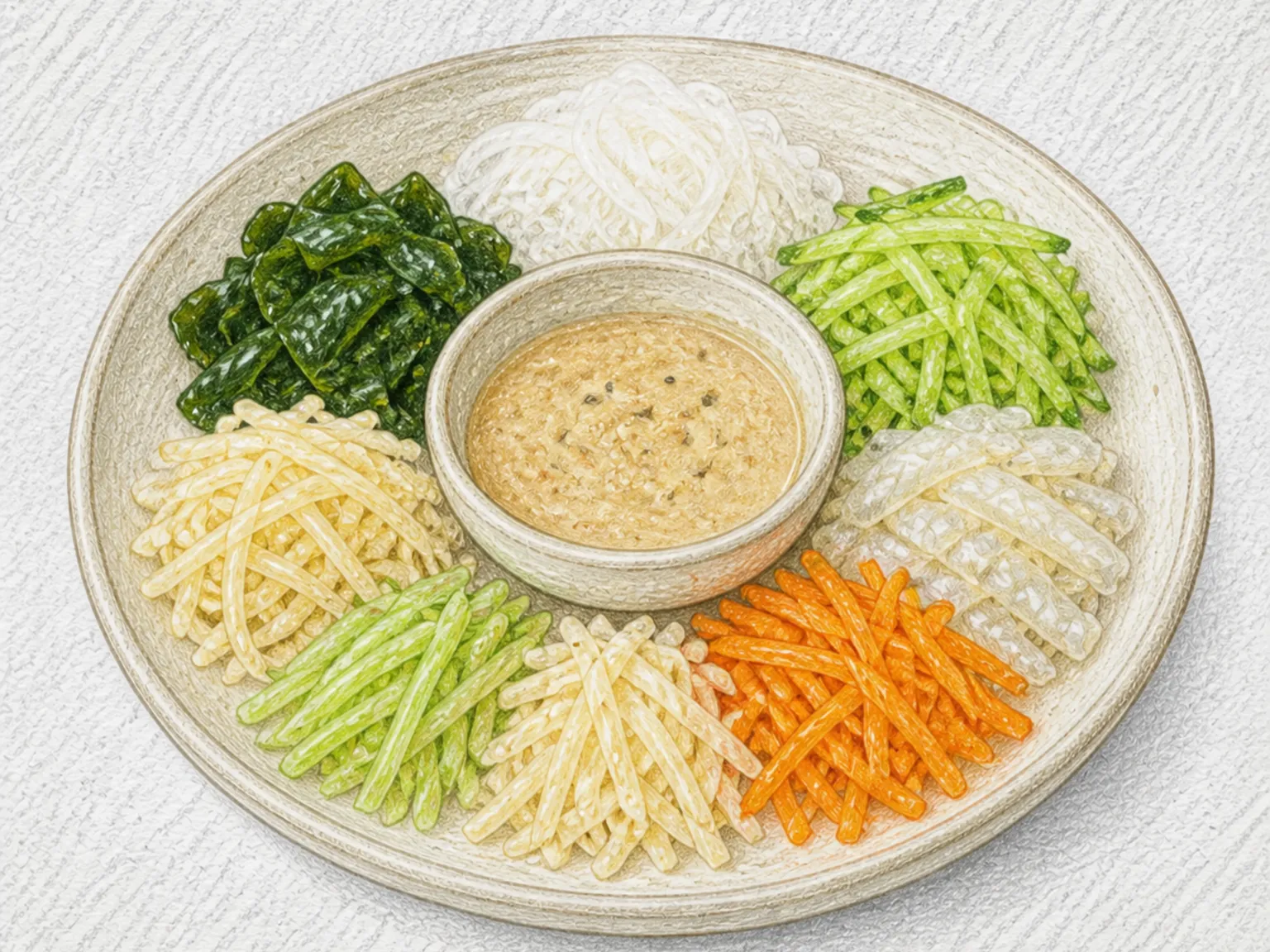
Yu sheng prosperity salad arranges thinly sliced sashimi-grade salmon and finely julienned daikon, carrot, and cucumber in a ring on a large platter, dressed with plum sauce, lemon juice, and sesame oil, then tossed vigorously just before eating. The salmon must be sashimi-grade for food safety, and patting it dry before slicing thin allows the sweet-tart plum sauce to cling more effectively to the fish surface. Cutting all vegetables as finely as possible maximizes the surface area in contact with the dressing, ensuring every chopstick-full carries the full spectrum of flavors. Keeping the prepared vegetables chilled maintains the freshness of the raw fish once assembled. Sesame seeds sprinkled on top add a nutty aroma that layers over the fruity plum sauce, completing the festive character of the dish.

🥗 Light & Healthy🎉 Special Occasion
Prep 30min4 servings
Takikomi Gohan (Japanese Mixed Rice Cooked with Vegetables and Dashi)
AsianMedium

Takikomi Gohan (Japanese Mixed Rice Cooked with Vegetables and Dashi)

Takikomi gohan is a Japanese mixed rice dish in which short-grain rice is cooked together with seasonal vegetables, mushrooms, and a seasoned dashi-soy-mirin liquid instead of plain water. Shiitake mushrooms, carrot, and burdock root are julienned and placed on top of the soaked, drained rice-never stirred in-so the grains cook evenly and stay distinct rather than clumping. As the rice cooker runs its normal cycle, the dashi infuses every grain with a savory depth while the soy sauce adds a gentle salinity and the mirin a whisper of sweetness. After a ten-minute rest with the lid closed, the rice is fluffed and the toppings folded through, releasing an earthy, woodsy aroma from the mushrooms and burdock. The dish is a staple of Japanese home cooking, simple enough for a weeknight yet considered enough for a guest meal when made with premium seasonal ingredients.

🏠 Everyday🎉 Special Occasion
Prep 15minCook 35min4 servings
Korean Vegetable Fried Rice
RiceEasy

Korean Vegetable Fried Rice

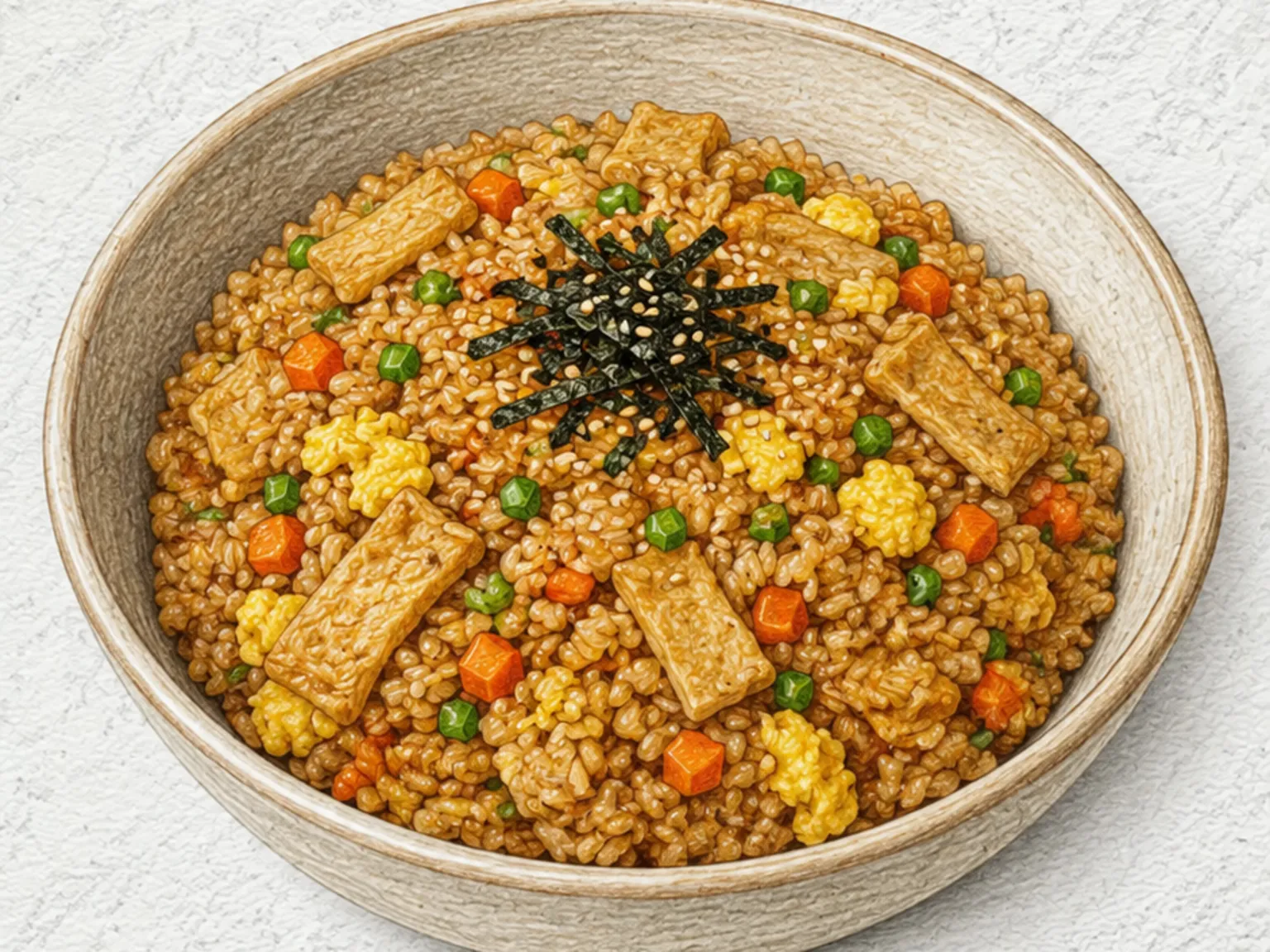
Carrots, onions, zucchini, and bell peppers are finely diced and tossed with rice in a hot wok, moving fast enough that each grain separates and picks up a light char. The vegetables release just enough moisture to keep the rice from drying out while the high heat ensures the grains stay individually distinct. Soy sauce and sesame oil provide a clean, nutty seasoning that lets the vegetable flavors come through. Topping with a fried egg or a shower of crushed nori turns this simple fried rice into a satisfying meal.

🥗 Light & Healthy Quick
Prep 10minCook 8min2 servings
Japanese Stir-Fried Noodles (Yakisoba)
AsianEasy

Japanese Stir-Fried Noodles (Yakisoba)

Yakisoba is a Japanese stir-fried noodle dish found everywhere from festival stalls to home kitchens. Wheat noodles are tossed on a hot griddle with thinly sliced pork, shredded cabbage, onion, and carrot, then coated in a thick, Worcestershire-based yakisoba sauce that gives the noodles their signature dark glaze and sweet-savory depth. The high heat chars the edges of the vegetables while keeping them crisp, and the noodles pick up slightly caramelized spots where they press against the cooking surface. Bonito flakes scattered on top dance in the rising steam, releasing a smoky, oceanic aroma. Additional garnishes like aonori seaweed powder and pickled red ginger add color and sharpness.

🏠 Everyday🌙 Late Night
Prep 15minCook 12min2 servings
Korean Lotus Root Shiitake Pot Rice
RiceMedium

Korean Lotus Root Shiitake Pot Rice

This pot rice combines lotus root and shiitake mushroom, each contributing a different texture to the same pot. Lotus root stays crisp while shiitake offers a chewy bite, keeping the rice from being monotone. The grains are lightly coated in perilla oil before water is added, which gives them a glossy finish and nutty undertone. A soy sauce mix with chopped scallions and sesame seeds is stirred in at the table for a salty, aromatic contrast. Diced carrot adds subtle sweetness and color.

🎉 Special Occasion
Prep 20minCook 30min4 servings
Korean Seasoned Tofu Pouch Sushi (Yubu Chobap)
RiceEasy

Korean Seasoned Tofu Pouch Sushi (Yubu Chobap)

Yubu chobap fills sweet-savory braised tofu pockets with vinegared sushi rice. The tofu skin absorbs the braising liquid, so each bite releases a light burst of seasoned juice. Finely diced carrot and cucumber mixed into the rice add crunch and color. Sesame oil and whole sesame seeds boost the nuttiness of the rice filling. Each piece is bite-sized and easy to eat by hand, which has made it a long-standing favorite for packed lunches, snacks, and picnic spreads in Korea.

🍱 Lunchbox
Prep 20minCook 15min4 servings
Korean Ssamjang Hwe Deopbap
RiceMedium

Korean Ssamjang Hwe Deopbap

This variation on hoe-deopbap replaces the standard cho-gochujang with a dressing of ssamjang mixed with vinegar and sesame oil, shifting the dominant flavor away from sweet heat and toward fermented bean depth. The doenjang component in ssamjang works against the rawness of the fish rather than masking it with chili, producing a rounded, earthy complexity that deepens with each bite. Vinegar cuts through ssamjang's thick, pungent weight and introduces a clean acidity that keeps the overall flavor from feeling heavy. Flounder sashimi is cut into bite-sized pieces and kept refrigerated, while the rice is served at room temperature so the two elements neither clash nor blend into an indistinct warmth. Julienned carrot and perilla leaves provide a crisp, juicy resistance that contrasts directly with the chewy elasticity of the fish. Dressing the vegetables in advance draws out moisture that would soften the rice, so all the components are placed in the bowl separately and tossed together only at the moment of eating to preserve every texture.

🎉 Special Occasion
Prep 20minCook 5min2 servings
Cassoulet (French White Bean and Pork Stew)
WesternHard

Cassoulet (French White Bean and Pork Stew)

Cassoulet is a slow-cooked stew from the Languedoc region of southwestern France, combining white beans, pork shoulder, and sausage in chicken stock over a minimum of two hours. As the beans absorb broth during the long simmer, they gradually release their starch into the liquid. This natural thickening is what produces the stew's characteristic dense, coating texture without any added roux or flour. Collagen from the pork shoulder breaks down completely over the extended cooking time and dissolves into the broth, adding body, while the fat from the sausages emulsifies into the stew rather than pooling on the surface. Thyme manages the richness of the meats, and tomato paste provides acidity and structural depth. Preparing cassoulet a day in advance and allowing it to rest overnight lets the beans and meat exchange flavors fully, producing a noticeably deeper result than the freshly made version. This is a dish that requires time as an ingredient. Served in cold weather with a thick slice of crusty bread, a single bowl constitutes a complete meal.

🎉 Special Occasion
Prep 25minCook 150min4 servings
Korean Soy Sauce Stir-Fried Lotus Root and Bean Sprouts
Stir-fryEasy

Korean Soy Sauce Stir-Fried Lotus Root and Bean Sprouts

Yeongeun-kongnamul-ganjang-bokkeum stir-fries sliced lotus root and bean sprouts in a soy sauce and oligosaccharide glaze. The lotus root goes in first over medium heat for three minutes until slightly translucent, then carrot and garlic are added before the soy seasoning. Bean sprouts join last and cook on high heat for just two minutes to drive off moisture while staying crunchy. The starchy snap of the lotus root contrasts with the watery crispness of the bean sprouts, tied together by a light sweet-salty soy coating.

🏠 Everyday🍱 Lunchbox
Prep 14minCook 9min2 servings