Charim

2686 Korean & World Recipes

2686+ Korean recipes, clean and organized. Ingredients to instructions, all at a glance.

Recipes with carrot

24 recipes

Buy carrot
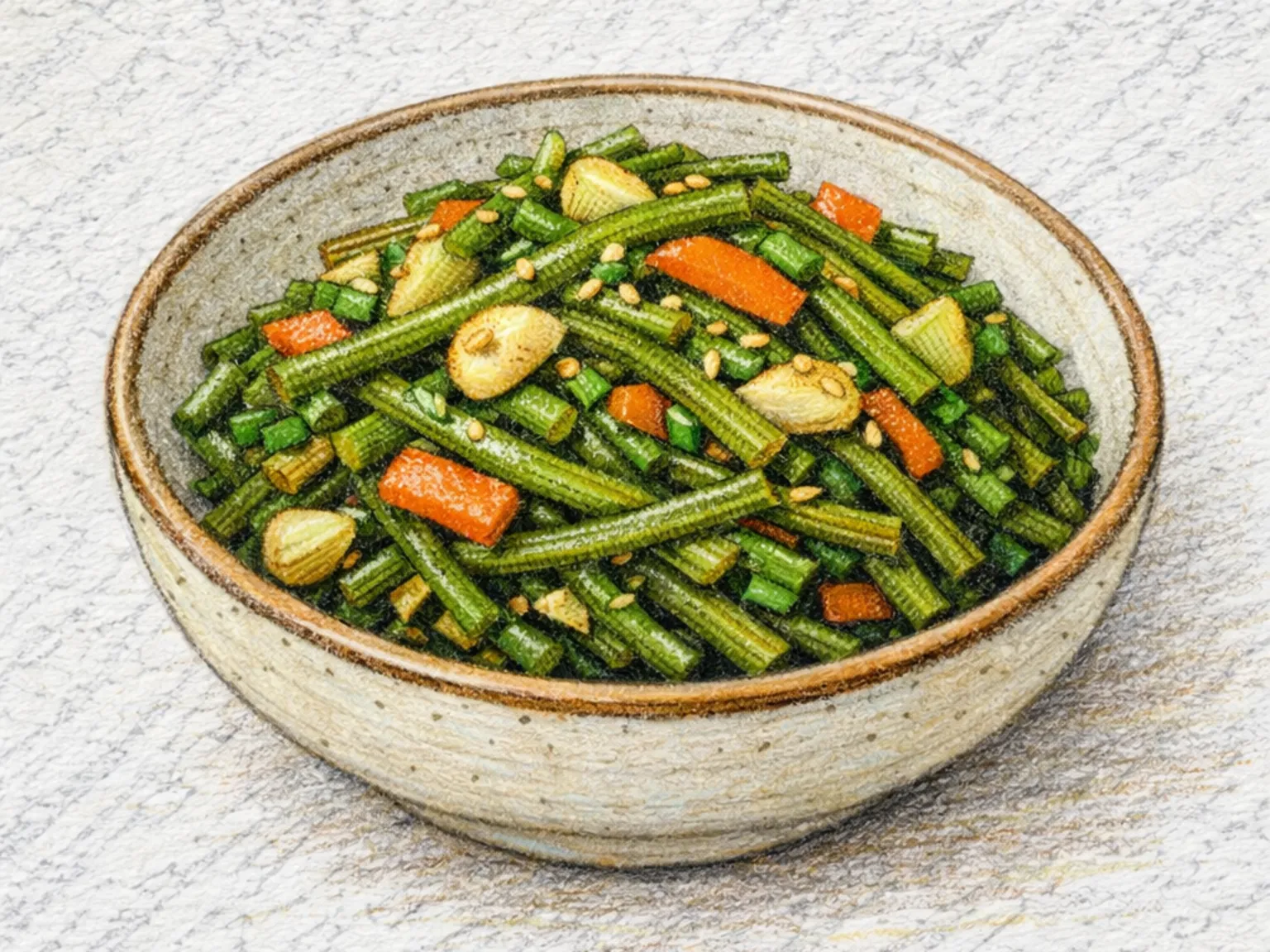
Korean Stir-Fried Bamboo Shoots
Side dishesEasy

Korean Stir-Fried Bamboo Shoots

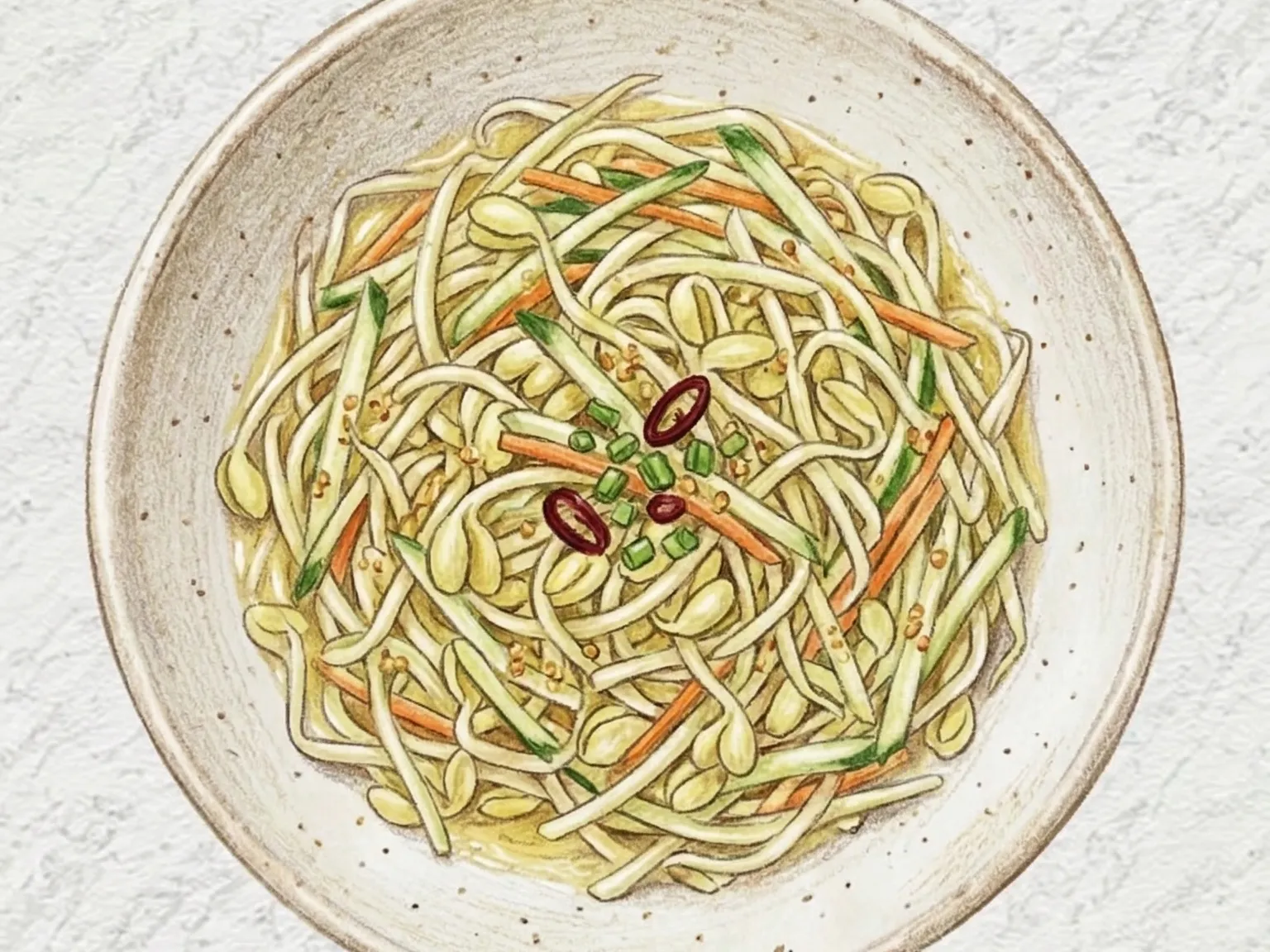
Juksun-bokkeum is a soy-seasoned stir-fry of bamboo shoots, a banchan closely tied to spring, when fresh juksun appears briefly in Korean markets from April through May, primarily from Damyang in Jeollanam-do. Fresh shoots carry oxalic acid, which must be neutralized by boiling them in rice-rinsing water for at least thirty minutes; skipping this step leaves a harsh, bitter aftertaste. Canned or vacuum-packed shoots, available year-round, need a thorough rinse under running water to remove the metallic tinned flavor before cooking. Julienned bamboo shoots are stir-fried with carrot and onion over high heat for a short, controlled burst. Prolonged cooking draws out moisture and turns the shoots rubbery, so timing is crucial. The seasoning is deliberately understated: soy sauce, a pinch of sugar, minced garlic, and a finishing drizzle of sesame oil produce a subtly sweet, nutty dish that lets the natural crunch of the shoots come through. Bamboo shoots are rich in dietary fiber and notably low in calories, making this banchan a filling choice for those watching their intake.

🏠 Everyday🍱 Lunchbox
Prep 12minCook 8min4 servings
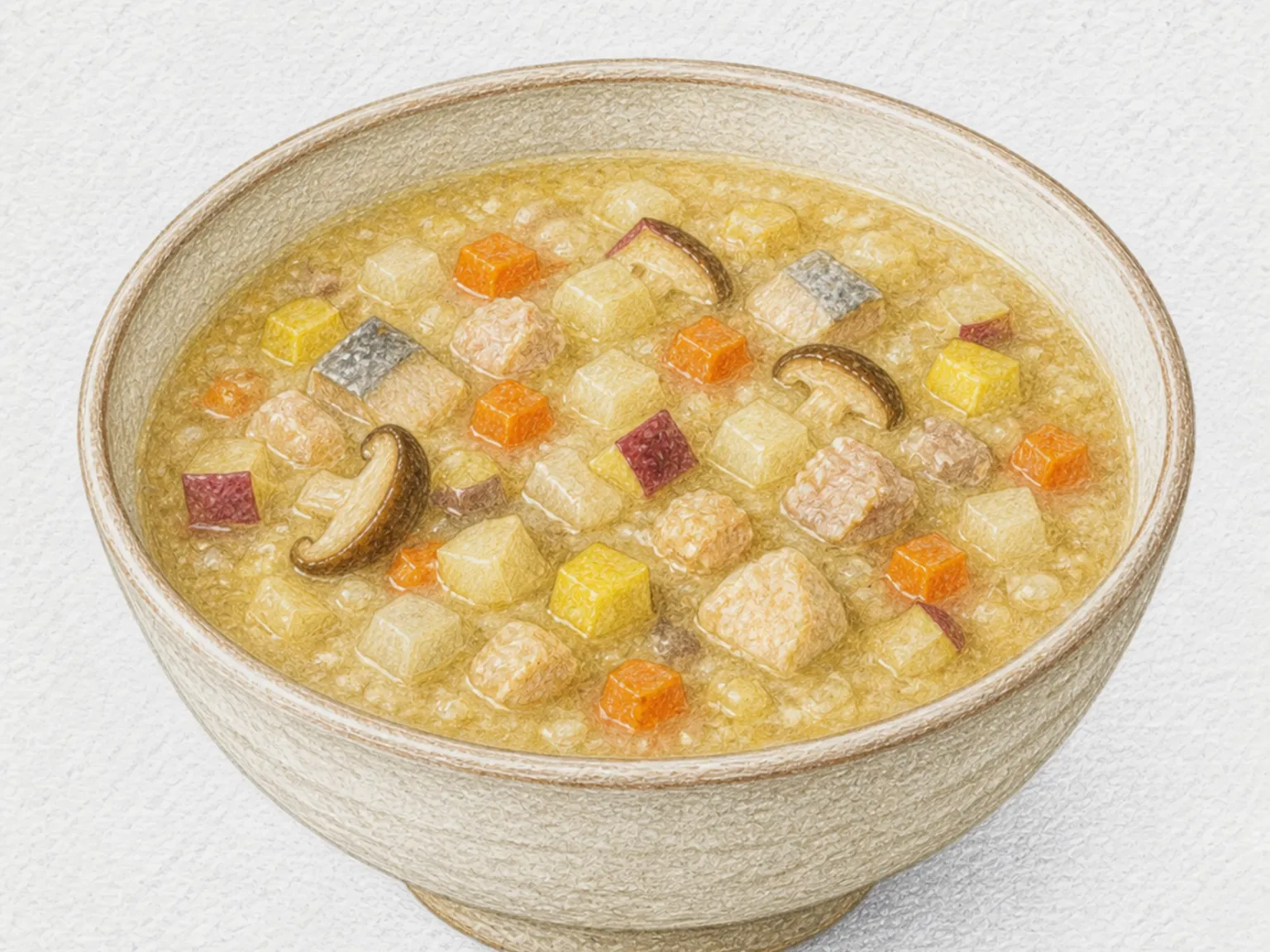
Korean Abalone Porridge (Jeonbok Juk)
RiceMedium

Korean Abalone Porridge (Jeonbok Juk)

Abalone innards are sauteed in sesame oil until they release a green tint and briny aroma, then simmered with soaked rice on low heat for over 30 minutes into a nourishing porridge. The freshness of the innards dictates both the porridge's color and depth of flavor, with vivid green being the sign of quality. Thinly sliced abalone meat goes in near the end so it stays chewy rather than turning rubbery, and frequent stirring throughout prevents the bottom from scorching. An egg yolk placed on top creates a visual contrast against the greenish porridge and, once broken and mixed in, adds a layer of richness.

🎉 Special Occasion
Prep 20minCook 40min2 servings
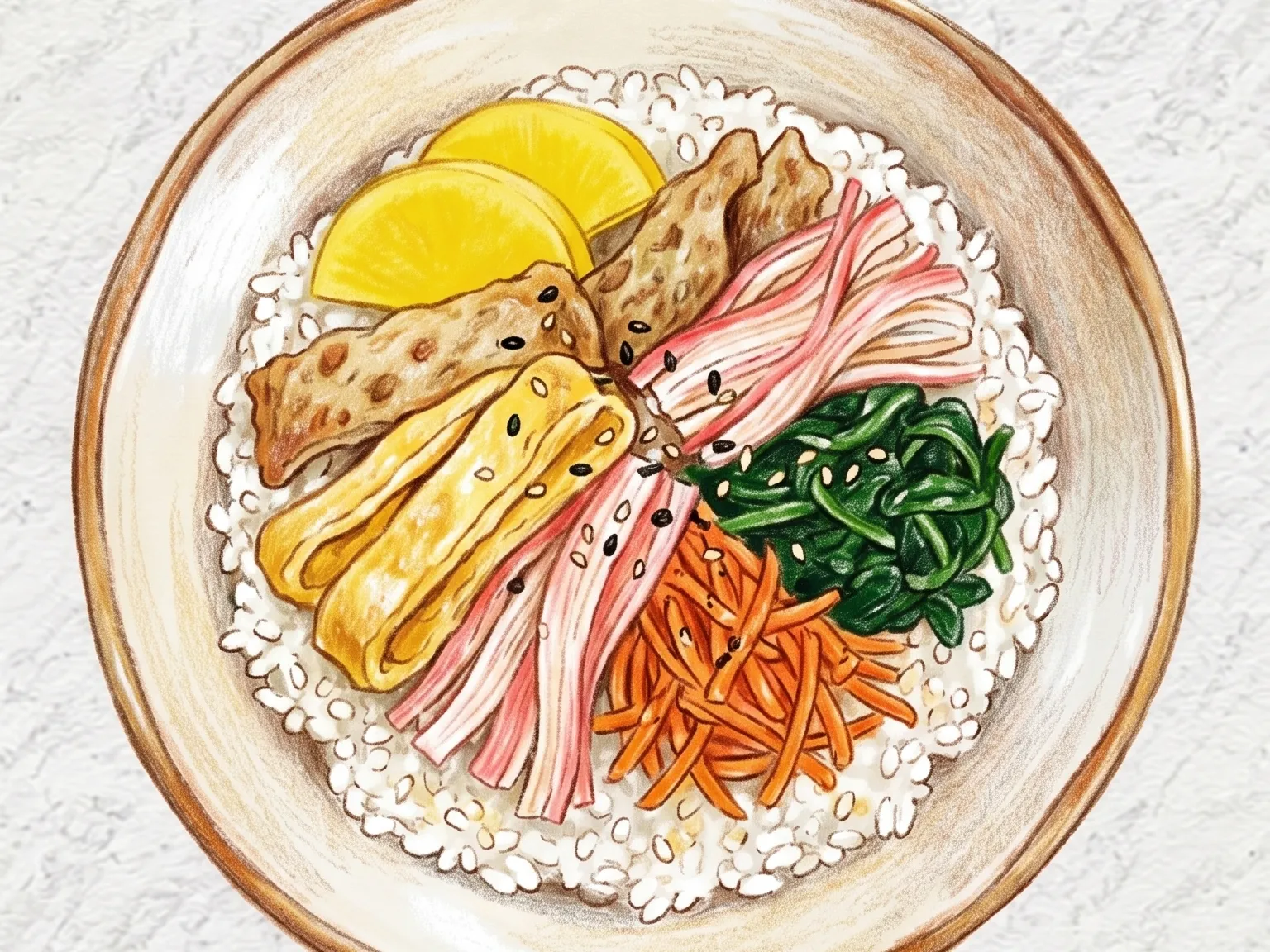
Korean Gimbap-Style Rice Bowl
RiceEasy

Korean Gimbap-Style Rice Bowl

Gimbap-bap is a rice bowl that takes all the standard gimbap fillings - egg strips, imitation crab, blanched spinach, and stir-fried carrot - and serves them over sesame-oil-seasoned rice without rolling them in seaweed. The familiar flavor combination of gimbap is preserved while the rolling step is eliminated, which cuts preparation time considerably and allows each topping to be adjusted to taste. Adding pickled radish and fish cake on the side brings the result closer to the complete profile of traditional gimbap. The rice seasoned with sesame oil and salt serves as the unifying base that holds the individual flavors of each component together. It is particularly well-suited to quick solo meals.

🏠 Everyday🍱 Lunchbox
Prep 20minCook 10min1 servings
Shepherd's Pie
WesternMedium

Shepherd's Pie

Shepherd's pie is a traditional British home dish where seasoned lamb mince is cooked with onion, carrot, and peas, deglazed with red wine and beef stock, then topped with creamy mashed potato and baked until golden. The wine evaporates its alcohol during cooking, leaving behind fruit depth and tannin that enrich the lamb, while Worcestershire sauce adds a layer of fermented umami. The potatoes are boiled, mashed with butter and milk until smooth, then spread evenly over the meat filling. Dragging a fork across the mashed potato surface creates ridges that brown and crisp in the oven, adding textural contrast to the creamy layer beneath. After twenty-five minutes at 200 degrees Celsius, the meat juices bubble up around the edges, signaling that the filling is hot throughout.

🎉 Special Occasion
Prep 30minCook 50min4 servings
Korean Fish Cake Fried Rice
RiceEasy

Korean Fish Cake Fried Rice

Eomuk bokkeumbap is a Korean fried rice built around diced fish cake, carrot, egg, and soy sauce -- a dish that earns its place precisely because it comes together in under ten minutes from pantry basics. The fish cake develops a lightly crisped exterior when stir-fried in hot oil, and as it cooks, its mild, briny savoriness infuses every grain of rice it comes into contact with. Egg is scrambled on one side of the pan before being folded through, adding a layer of richness without complicating the overall flavor. Soy sauce seasons the rice throughout while a drizzle of sesame oil at the very end coats the finished dish with a glossy, nutty finish. Chopped green onion tossed in just before plating provides a fresh, aromatic contrast to the savory base. The saltiness can be dialed up or down easily by adjusting the soy sauce, and a scatter of toasted sesame seeds or crumbled dried seaweed over the top adds both flavor and visual appeal. The dish requires nothing more than leftover rice and a few pieces of fish cake, making it one of the most reliable quick-meal options in the Korean home kitchen, practical for a rushed lunch or a light after-school snack for children.

🏠 Everyday🍱 Lunchbox
Prep 10minCook 10min2 servings
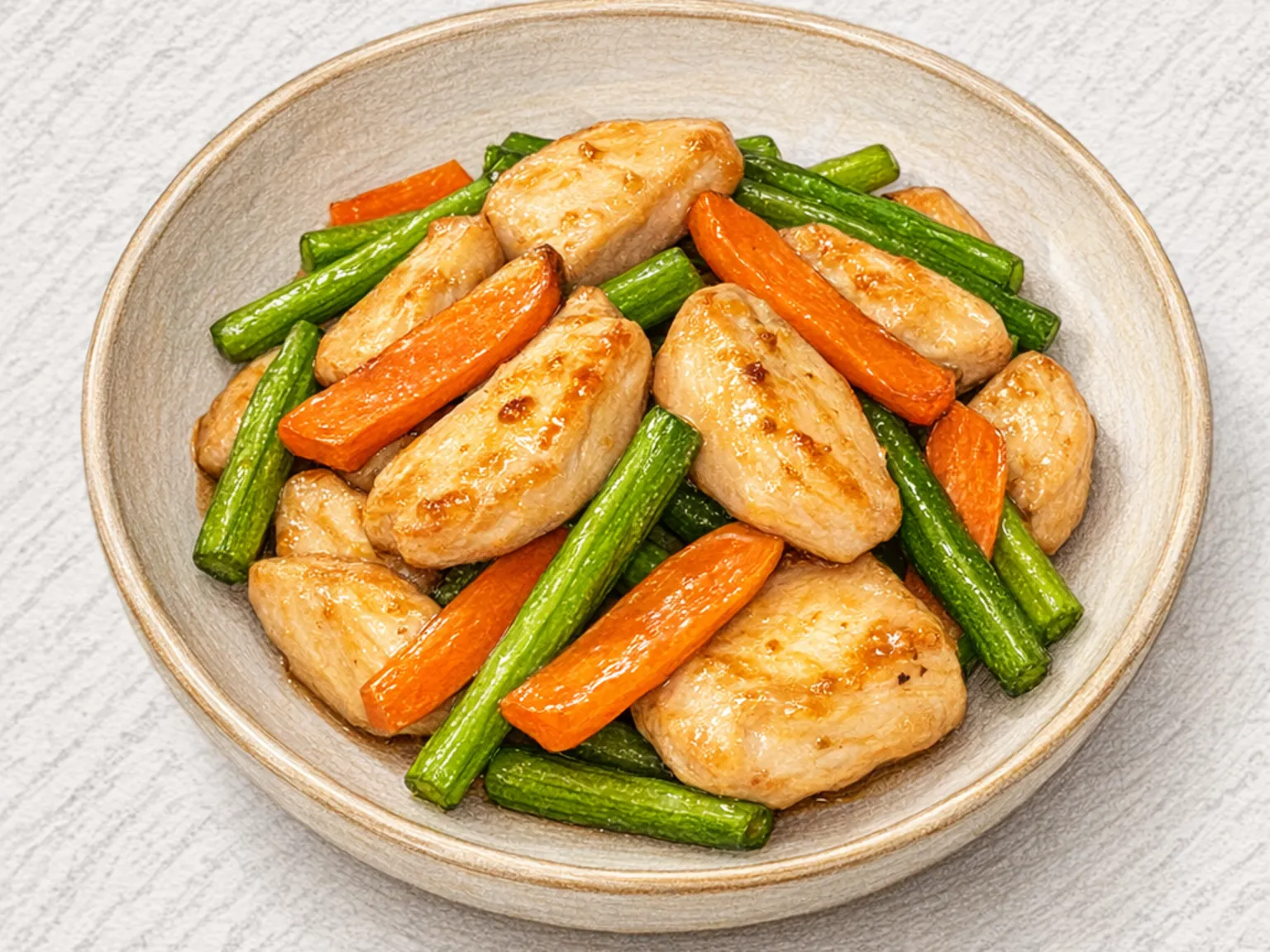
Korean Stir-Fried Chicken
Stir-fryEasy

Korean Stir-Fried Chicken

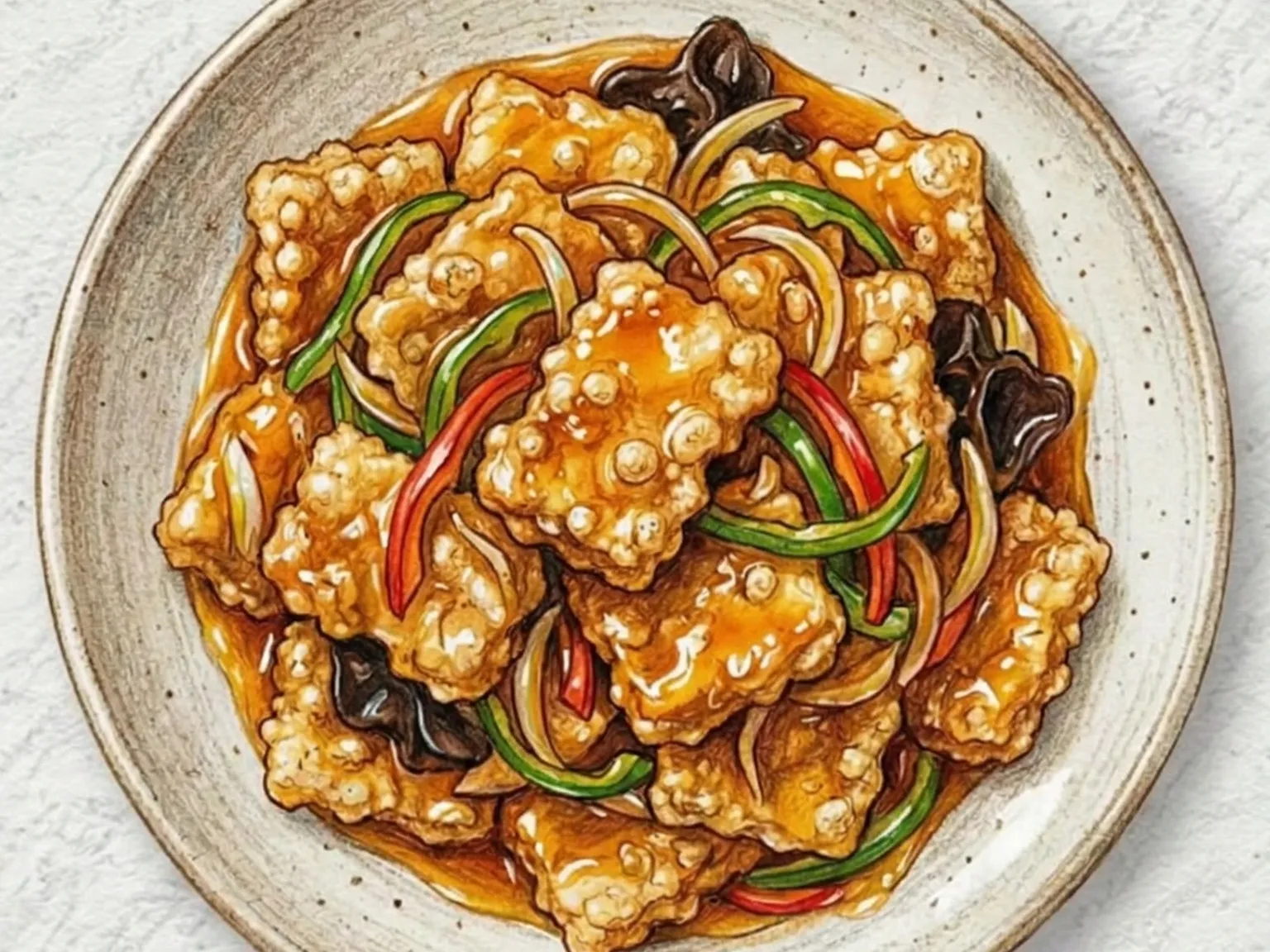
Dak-bokkeum is a Korean stir-fried chicken dish seasoned with a soy sauce-based marinade. Soy sauce, sugar, and minced garlic coat the chicken evenly before it hits the pan, producing a salty, umami-forward crust as it sears. Onion and carrot are added partway through, and the moisture they release as they soften blends into the seasoning to form a natural pan sauce without any added liquid. Sesame oil goes in at the end, its nutty aroma lifting through the dish as it finishes. Breast meat produces a leaner, cleaner-tasting result, while thigh meat stays more moist and springy throughout cooking. The dish pairs well with steamed rice and comes together quickly enough for weeknight cooking.

🏠 Everyday🌙 Late Night
Prep 15minCook 15min2 servings
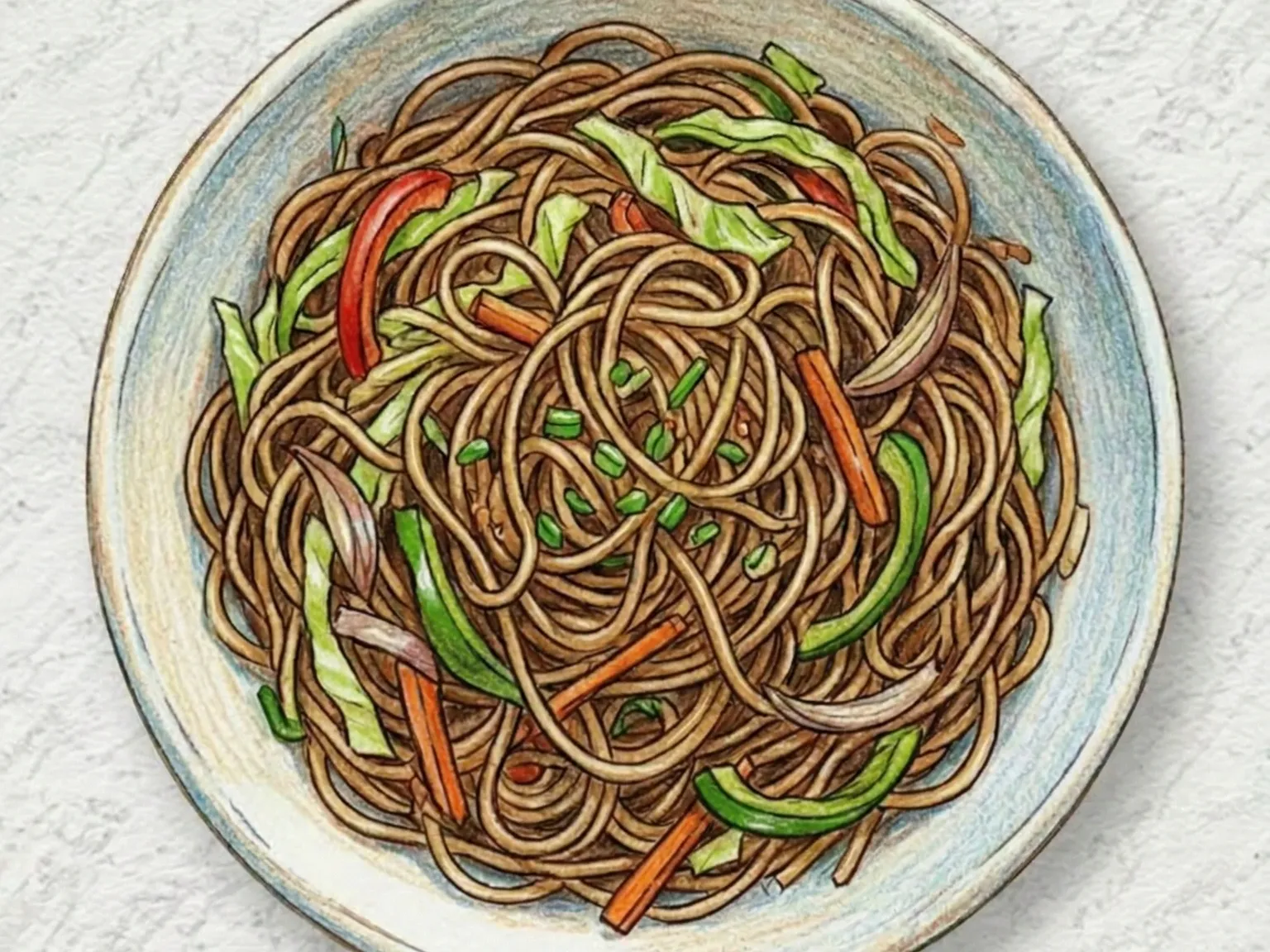
Korean Buckwheat Noodle Salad
SaladsEasy

Korean Buckwheat Noodle Salad

Buckwheat noodles boiled and rinsed in cold water retain both their earthy, slightly nutty flavor and a satisfying springy bite, then get tossed with julienned cucumber, red cabbage, and carrot for color and crunch. A dressing of gochujang and vinegar provides a spicy-sour backbone, while soy sauce and sesame oil layer in savory depth and aromatic nuttiness underneath. Thorough rinsing to remove surface starch is critical - it keeps the noodles from clumping and ensures the dressing coats each strand evenly rather than pooling at the bottom of the bowl. Served chilled in warm weather, the salad functions well as a standalone light meal, refreshing enough to restore appetite without leaving you heavy. Toss the dressing in just before eating to prevent the noodles from softening.

🥗 Light & Healthy
Prep 15minCook 7min2 servings
Korean Beef Gimbap (Soy-Marinated Beef Seaweed Rice Roll)
Street foodMedium

Korean Beef Gimbap (Soy-Marinated Beef Seaweed Rice Roll)

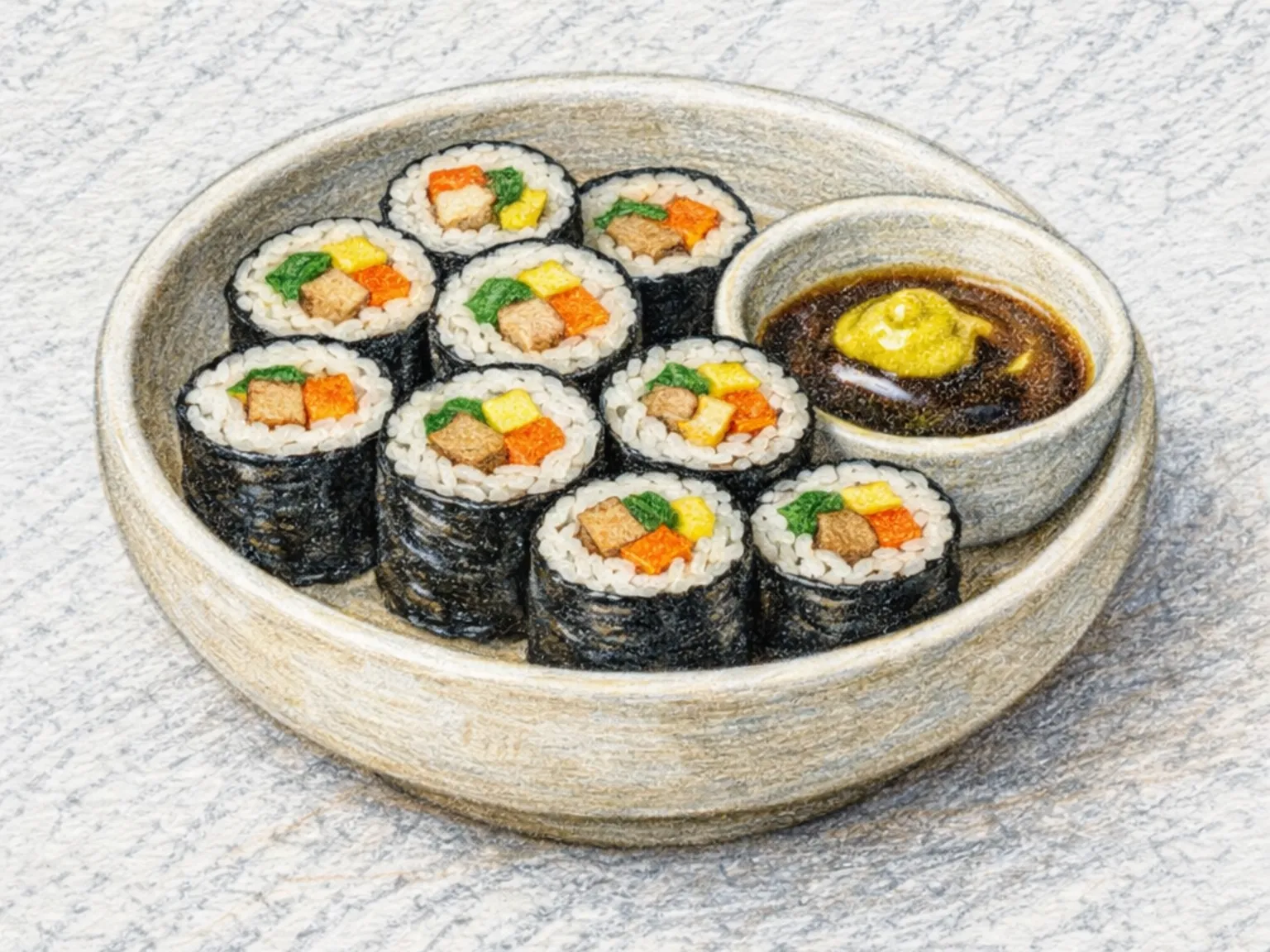
Sogogi-gimbap is a Korean seaweed rice roll featuring beef marinated in soy sauce and sugar, then stir-fried. The sweet-savory beef is rolled alongside sesame-seasoned rice, blanched spinach, sauteed carrots, and thin egg omelet strips inside a sheet of gim. The soy marinade from the beef seeps slightly into the rice, distributing flavor evenly through each cross-section slice. Thinly cut against the grain, the beef stays tender when bitten, while the spinach and carrot provide crisp texture and vegetable sweetness to balance the richness.

🍱 Lunchbox
Prep 20minCook 15min2 servings
Korean Mixed Vegetable Stir-Fry
Stir-fryEasy

Korean Mixed Vegetable Stir-Fry

Yachae-twigim-bokkeum is a straightforward Korean stir-fry of mixed vegetables - carrot, onion, bell pepper, and shiitake mushroom - seasoned with oyster sauce and sesame oil. Firmer vegetables go into the hot pan first, with softer ones added later so each retains its crunch. The oyster sauce provides a thin layer of umami and the sesame oil a nutty finish, but the light seasoning lets the natural sweetness and flavor of the vegetables come through. It is a low-fat, fast-cooking dish that works as an everyday side when time is short.

🏠 Everyday🌙 Late Night
Prep 10minCook 8min2 servings
Korean Braised Beef Short Ribs with Kabocha
SteamedHard

Korean Braised Beef Short Ribs with Kabocha

Danhobak-sogalbi-jjim is beef short ribs marinated in Korean pear juice, then braised with kabocha squash, radish, carrot, and onion in a soy-based sauce until deeply flavored. Pear juice works into the meat during marination, softening the muscle fibers and leaving a background fruit sweetness that comes through in the finished braise. Kabocha edges break down during cooking, releasing starchy flesh into the sauce and thickening it without any added starch. Radish and carrot spend the full braise in the soy sauce and absorb it thoroughly, becoming nearly as satisfying as the ribs themselves. A drizzle of sesame oil just before serving lifts the fragrance of the whole dish. This is a centerpiece preparation in Korean holiday and birthday cooking.

🎉 Special Occasion
Prep 35minCook 70min4 servings
Korean Deodeok Gochujang Bibimbap
RiceEasy

Korean Deodeok Gochujang Bibimbap

Deodeok gochujang bibimbap is a Korean mixed rice bowl that centers on wild mountain root dressed in a spicy-sweet gochujang sauce. The deodeok is peeled, lightly pounded, and torn into strips along the grain, then briefly stir-fried to mellow its bitter, herbal edge while preserving the fibrous crunch that defines its texture. Julienned cucumber, carrot, and torn lettuce are arranged over rice alongside the glazed root, providing crisp, fresh counterpoints to the savory filling. Plum syrup and vinegar built into the sauce add a tangy brightness that prevents the gochujang from sitting heavily, and the sharp vegetables cut through any richness with each bite. A generous pour of sesame oil before mixing coats every grain of rice and every strand of vegetable evenly. The dish showcases deodeok's distinctive herbal character against the backdrop of Korea's most iconic condiment, and it reaches its peak in spring when the roots carry the most fragrance and remain at their most tender.

🏠 Everyday
Prep 20minCook 15min2 servings
Pot-au-Feu (French Slow-Simmered Beef and Root Vegetable Broth)
WesternHard

Pot-au-Feu (French Slow-Simmered Beef and Root Vegetable Broth)

Pot-au-Feu is the archetypal French home-cooked meal - beef and root vegetables simmered slowly in a clear broth that prizes simplicity and patience. Beef brisket is placed in cold water and brought up to temperature gradually; dropping meat into boiling water causes surface proteins to seize and cloud the broth. Skimming the impurities that rise to the surface throughout the cooking process keeps the liquid clear and clean, while bay leaf and whole peppercorns add depth without muddying the flavor. Vegetables - potatoes, carrots, leeks, and celery - are added only after the meat is nearly tender to preserve their individual textures. The traditional service presents sliced beef and whole vegetables on a platter with the broth served separately in bowls, accompanied by coarse salt, Dijon mustard, and cornichons.

🎉 Special Occasion
Prep 20minCook 180min4 servings
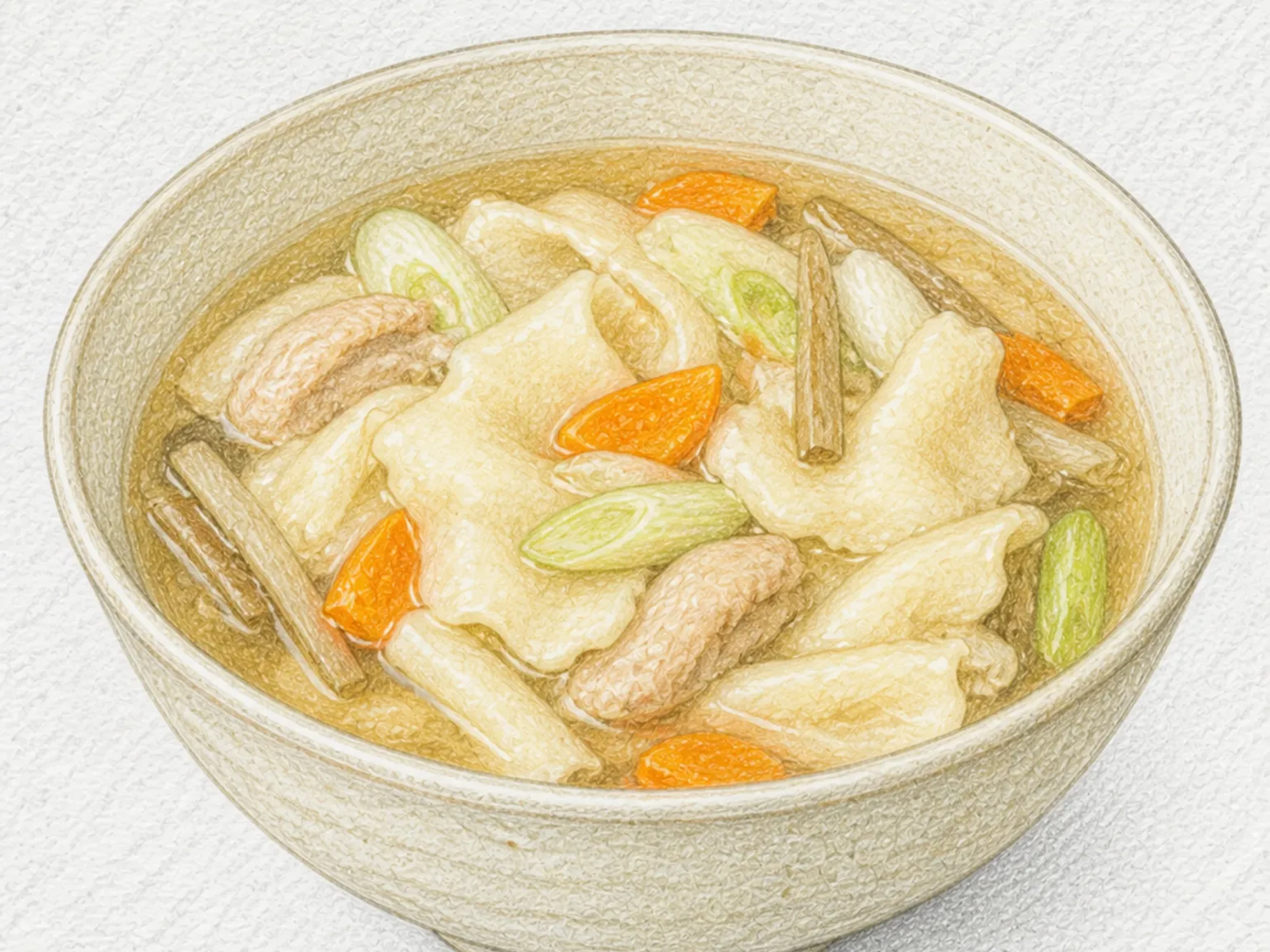
Chicken and Dumplings
WesternMedium

Chicken and Dumplings

Chicken and dumplings is a Southern American comfort dish built on simplicity and patience. Bone-in or boneless chicken thighs simmer with carrot, onion, and celery in chicken stock for about fifteen minutes, after which the meat is lifted out, shredded along the grain, and returned to the pot. Shredding rather than cubing matters because the torn fibers absorb broth more deeply, carrying more flavor into every bite. The vegetables release natural sugars as they cook, and those sugars combine with the chicken stock to create a layered, savory-sweet base. Once a simple batter of flour, baking powder, butter, and milk is spooned in spoonfuls onto the simmering surface, the lid goes on and must stay closed for a full twelve minutes. Steam trapped inside puffs the dumplings into light, pillow-like rounds, and lifting the lid even briefly lets the steam escape, resulting in flat, doughy discs instead. The finished dumplings are soft on the outside and tender and bread-like inside, and eating them together with the rich broth in a single spoonful is the point of the whole dish.

🎉 Special Occasion
Prep 20minCook 35min4 servings
Chicken and Rice Casserole
WesternEasy

Chicken and Rice Casserole

Chicken and rice casserole is an American one-dish bake in which seasoned chicken thighs, rinsed rice, sauteed onion and carrot, chicken stock, and heavy cream are layered into a single baking dish and cooked together. Soaking the rice for ten minutes before assembly is a small step that makes a measurable difference: the pre-hydrated grains absorb the cooking liquid more evenly and finish at the same time as the chicken rather than lagging behind. Heavy cream blended into the stock creates a lightly thickened liquid that coats each grain as it swells, producing a rice that stays moist rather than clumping or drying at the edges. Sealing the dish with foil for the first thirty-five minutes traps steam inside, allowing the chicken and rice to cook through together without drying out. The foil comes off for the final ten minutes to let the chicken skin render and crisp. Throughout the bake, fat from the thighs slowly renders and drips down into the rice below, building a savory, roasted depth across the entire dish without any additional sauce. The structure of the recipe accommodates whatever vegetables or herbs are on hand, making it a practical weeknight formula that changes character with each variation.

🏠 Everyday🎉 Special Occasion
Prep 15minCook 45min4 servings
Korean Seasoned Mung Bean Jelly Salad
Side dishesEasy

Korean Seasoned Mung Bean Jelly Salad

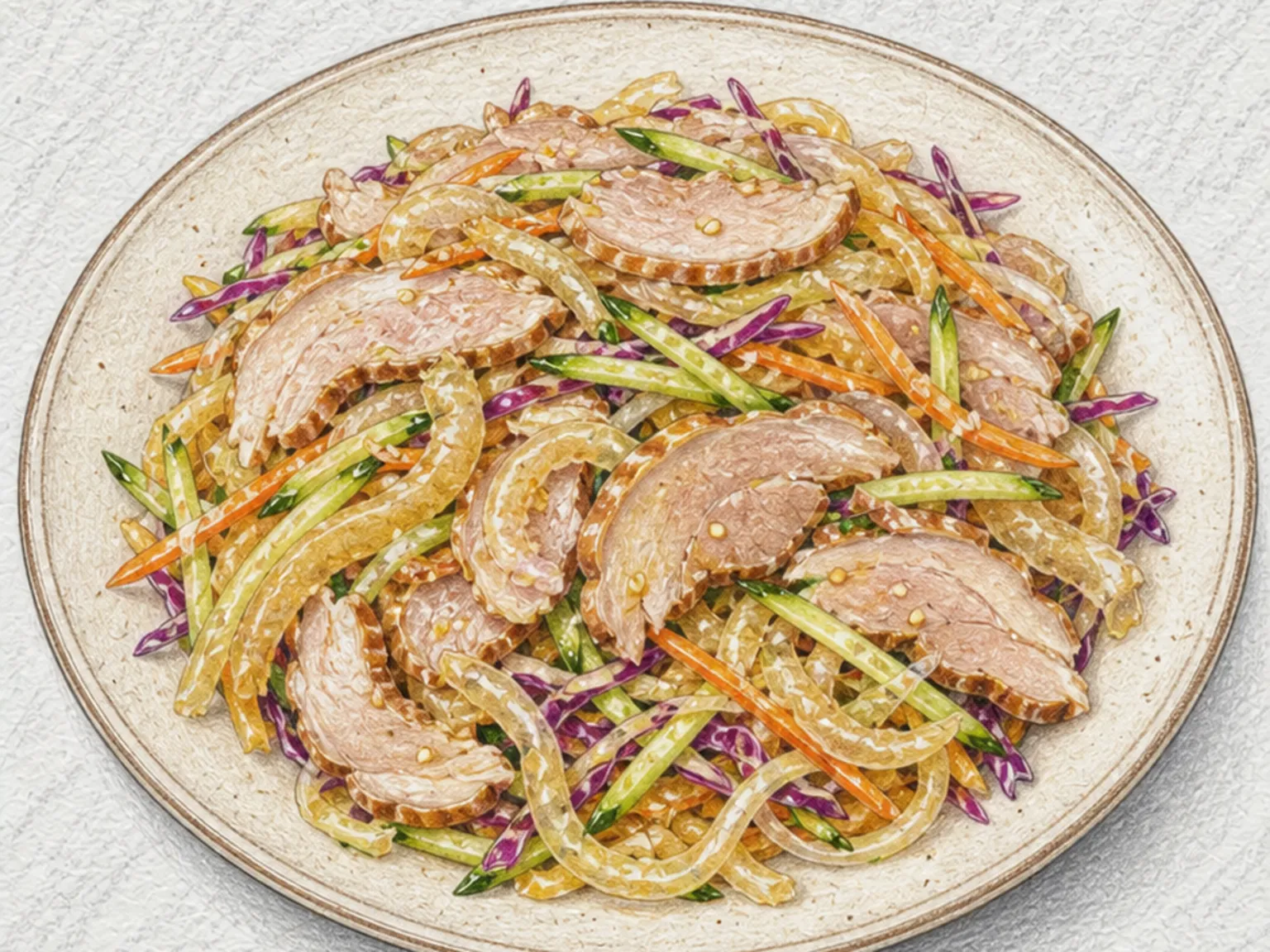
Cheongpo muk - mung bean jelly - is made by dissolving starch in water, boiling it until thick, then leaving it to set into a translucent, firm block. It has appeared in Joseon-era palace banquet records as a traditional food. The jelly is blanched briefly, cut into matchstick strips, and tossed with julienned cucumber and carrot. A dressing of soy sauce, vinegar, and sugar gives a clean, sharp edge. The jelly itself is nearly flavorless, functioning as a cool, slippery carrier for the seasoning. The crunch of the vegetables contrasts with the smooth jelly, and the vinegar keeps the whole dish light. Gentle tossing is essential to avoid breaking the blocks apart. Served well-chilled, this is a classic Korean summer banchan.

🥗 Light & Healthy🏠 Everyday
Prep 15minCook 2min4 servings
Korean Egg Roll Skewers (Layered Vegetable Egg Roll on Skewers)
Street foodEasy

Korean Egg Roll Skewers (Layered Vegetable Egg Roll on Skewers)

Gyeran-mari kkochi is a Korean egg roll skewer made by folding finely diced carrot, garlic chives, and onion into beaten egg, then rolling the mixture in stages in a rectangular pan to create a tightly layered spiral. The beaten egg is poured into the pan in three separate additions, each addition rolled over and wrapped around the previous layer before the next is poured in - a technique that builds the internal spiral visible when the roll is sliced. Low heat from start to finish is not a preference but a requirement: if the heat climbs too high, the egg sets too quickly and tears during rolling rather than yielding to the spatula. Adding milk at roughly ten percent of the total egg volume relaxes the protein structure so the finished roll stays soft and moist even after cooling, rather than tightening into a rubbery cylinder. The natural sweetness of the chives and carrot folded inside complements the savory egg without requiring heavy seasoning - salt and a small amount of soy sauce are sufficient. Once the roll is formed, cooled briefly, and sliced into three-centimeter pieces, each piece is threaded onto a bamboo skewer and rolled once more in the pan to develop a light golden surface and lock the skewer in place.

🧒 Kid-Friendly
Prep 12minCook 10min2 servings
Stir-fried Dried Tofu Strips
Stir-fryEasy

Stir-fried Dried Tofu Strips

Geondubu bokkeum is a straightforward stir-fry of dried tofu strips with julienned carrot, bell pepper, and onion in a soy and garlic sauce. Dried tofu contains far less moisture than fresh tofu and holds its shape without crumbling during cooking. Blanching the strips briefly in boiling water before stir-frying removes the raw bean aroma and opens up the surface so the seasoning penetrates more deeply. The julienned vegetables add color and a crisp bite, while soy sauce and garlic provide a steady, savory backbone that suits the tofu's mild nuttiness without overwhelming it. Adding gochugaru shifts the dish toward a spicier, more distinctly Korean banchan flavor. The protein content is high enough that this dish carries a meal without any meat alongside it, and the tofu holds together well in lunchboxes without turning soft or releasing excess liquid. A small drizzle of sesame oil at the end of cooking rounds out the aroma and lifts the overall finish.

🏠 Everyday🍱 Lunchbox
Prep 15minCook 10min2 servings
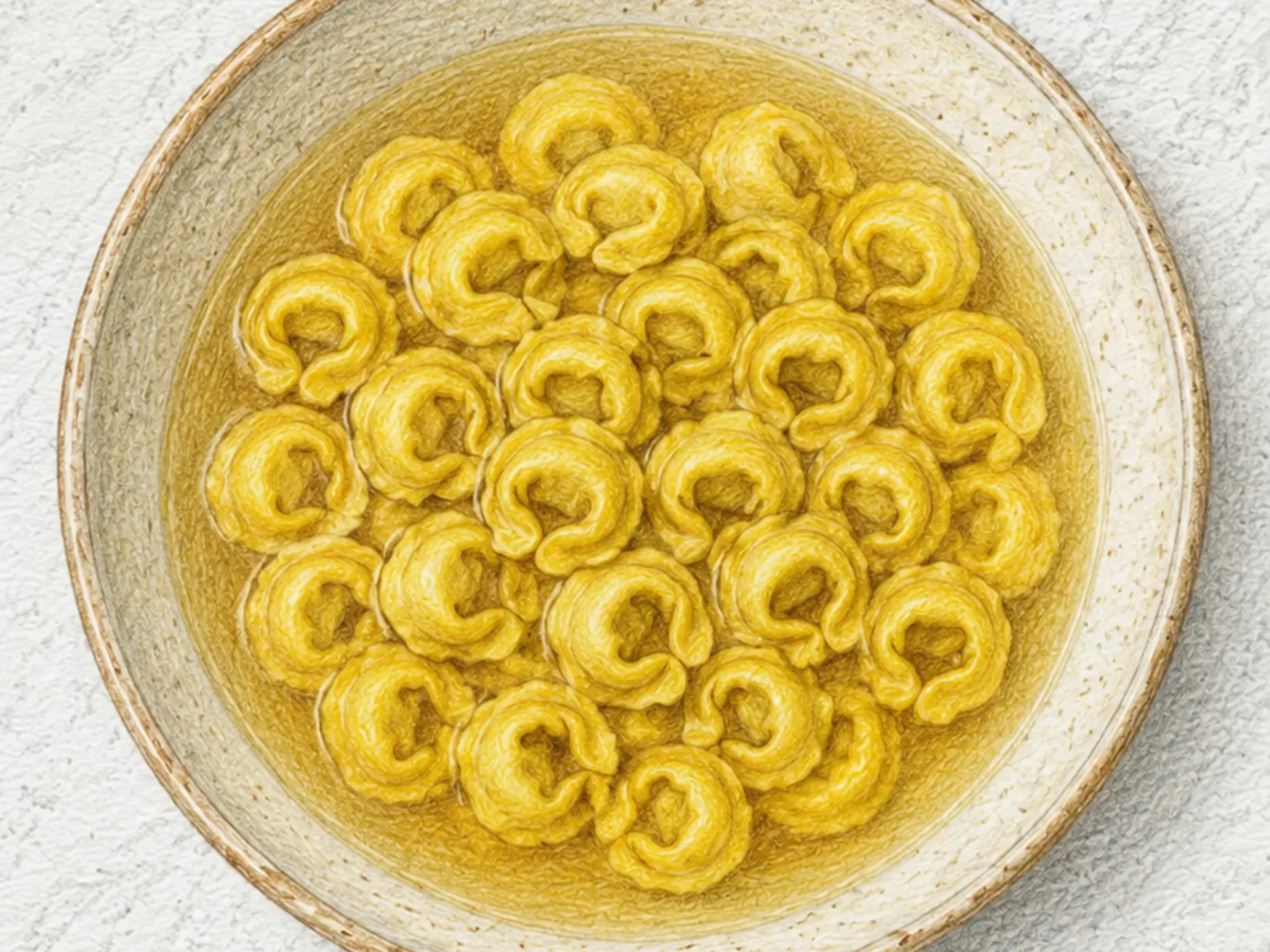
Tortellini in Brodo (Italian Stuffed Pasta in Clear Meat Broth)
NoodlesMedium

Tortellini in Brodo (Italian Stuffed Pasta in Clear Meat Broth)

Tortellini in brodo is a traditional soup from Emilia-Romagna in which small stuffed pasta parcels are served in a clear, full-flavored meat broth. The filling typically combines pork, prosciutto, and Parmigiano-Reggiano. The broth - usually made from chicken or beef bones - is simmered long enough to develop deep body while remaining transparent. In Italy, this dish is closely associated with Christmas and holiday meals. Using store-bought tortellini, the recipe can be completed in about 40 minutes.

🎉 Special Occasion
Prep 20minCook 20min2 servings
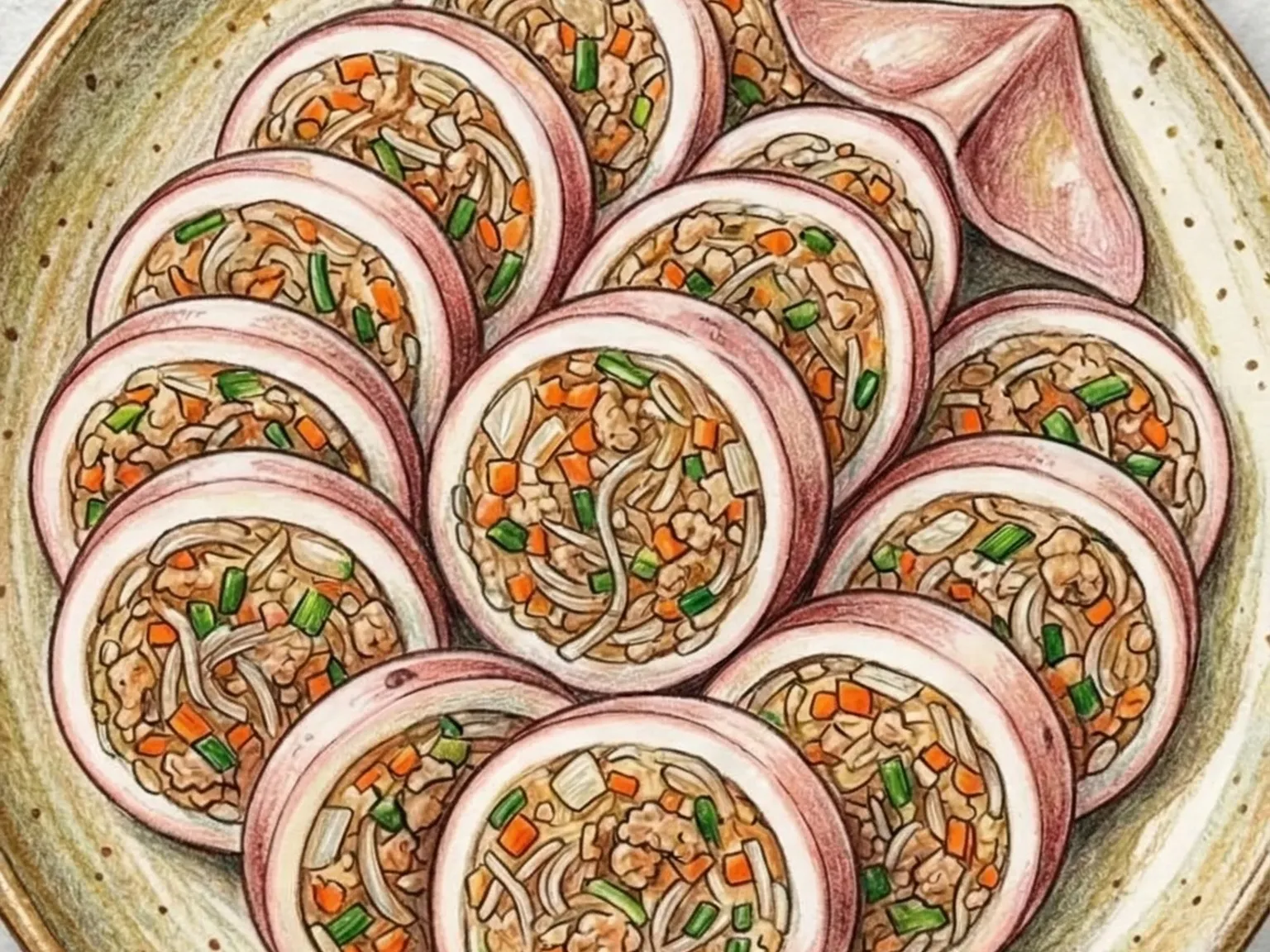
Korean Tuna Gimbap (Chamchi Gimbap)
RiceMedium

Korean Tuna Gimbap (Chamchi Gimbap)

Chamchi gimbap is a Korean seaweed rice roll filled with canned tuna mixed with mayonnaise, along with carrot, spinach, and pickled radish, all wrapped in seasoned rice and a sheet of roasted gim. The creamy tuna filling contrasts with the crisp vegetables, while the tangy pickled radish cuts through the richness and keeps each bite lively. A longtime staple in Korean lunchboxes and picnic spreads, the roll slices neatly into rounds that are easy to eat without utensils. Sesame oil brushed on the outside adds a subtle sheen and a nutty aroma. Spacing the fillings evenly before rolling ensures a clean, colorful cross-section with every cut - part of what makes well-made gimbap visually satisfying alongside the taste.

🍱 Lunchbox
Prep 20minCook 10min2 servings
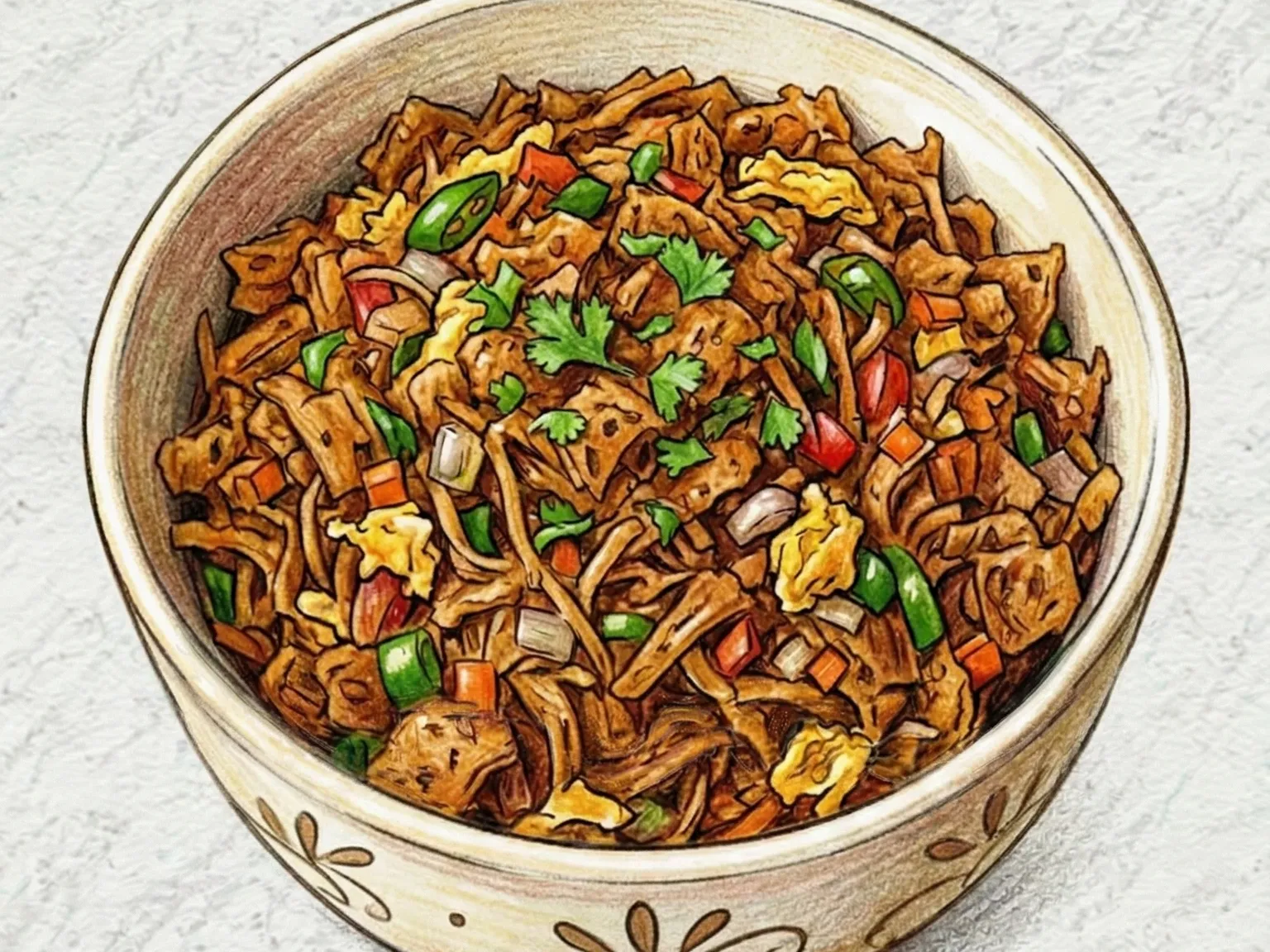
Korean Beef Fried Rice (Soy-Marinated Ground Beef Stir-fried Rice)
RiceEasy

Korean Beef Fried Rice (Soy-Marinated Ground Beef Stir-fried Rice)

Sogogi bokkeumbap stir-fries soy-marinated ground beef with diced vegetables and day-old rice over high heat for a deeply savory fried rice. The beef goes in first, rendering its fat and leaving behind a flavorful fond that coats the pan. Onion, carrot, and zucchini follow, cooking just until their edges soften and their natural sugars begin to caramelize. Cold rice is added and tossed vigorously to break up clumps, picking up the soy seasoning and meat juices as it fries. A final drizzle of sesame oil right before plating adds a fragrant, nutty finish. The beef infuses the rice with a meaty depth while the vegetables keep the dish from feeling heavy, making it a quick, satisfying meal from everyday pantry ingredients.

🏠 Everyday🍱 Lunchbox
Prep 10minCook 10min2 servings
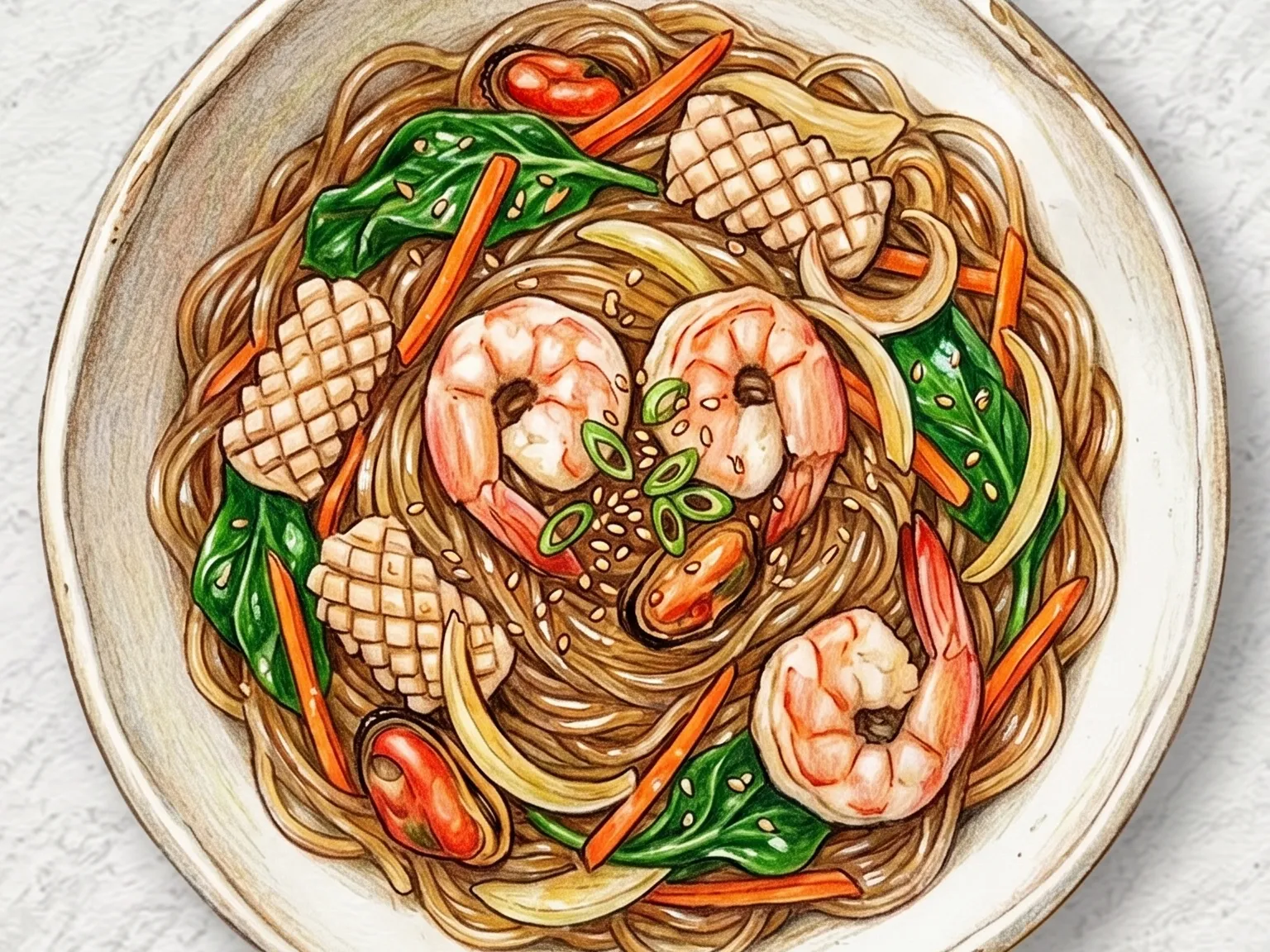
Korean Beef Japchae (Soy-Marinated Beef Glass Noodle Stir-Fry)
NoodlesMedium

Korean Beef Japchae (Soy-Marinated Beef Glass Noodle Stir-Fry)

Sogogi japchae is a Korean stir-fried noodle dish made with sweet potato glass noodles, soy-marinated beef strips, and an assortment of individually prepared vegetables. Spinach is blanched, carrots and onions are julienned and stir-fried separately, and each component is combined at the end to preserve its distinct color and texture. The noodles are soaked rather than fully boiled, then finished in the pan so they stay chewy instead of mushy. Soy sauce, sugar, and sesame oil form the seasoning base, giving the dish its characteristic sweet-savory balance.

🎉 Special Occasion
Prep 25minCook 20min4 servings
Korean Macaroni Salad (Sweet Mayo Pasta from Retro Diners)
Side dishesEasy

Korean Macaroni Salad (Sweet Mayo Pasta from Retro Diners)

Korean macaroni salad is a retro banchan that became a fixture of bunsikjip snack bars and gyeongyangsik Western-style restaurants during the 1970s and 80s, and it has remained a nostalgic staple ever since. The Korean version differs from its Western counterpart in two notable ways: sugar is added to the dressing, making the whole salad distinctly sweeter, and sweet corn kernels replace the mustard or herbs common in American recipes, contributing a pop of juicy sweetness with each bite. The pasta is boiled for eight minutes or longer, well past al dente, because softer noodles tangle more effectively with the mayonnaise and hold the dressing inside rather than letting it slide off. Cucumber must be salted and then squeezed firmly to extract moisture before it goes into the salad; skipping this step causes the dressing to thin and puddle at the bottom over time. Carrot is blanched for exactly one minute to preserve its crunch, and crushed hard-boiled egg stirred into the dressing gives the salad a richer, denser body. The finished salad needs at least twenty minutes in the refrigerator for the mayonnaise to firm up and adhere to the pasta so it holds its shape on the plate. This salad is a standard side at gyeongyangsik restaurants alongside donkatsu and hamburger steak, and it appears regularly as a complimentary banchan at gimbap shops. A dusting of paprika powder or chopped parsley adds color to the otherwise pale presentation.

🏠 Everyday🧒 Kid-Friendly
Prep 15minCook 10min4 servings
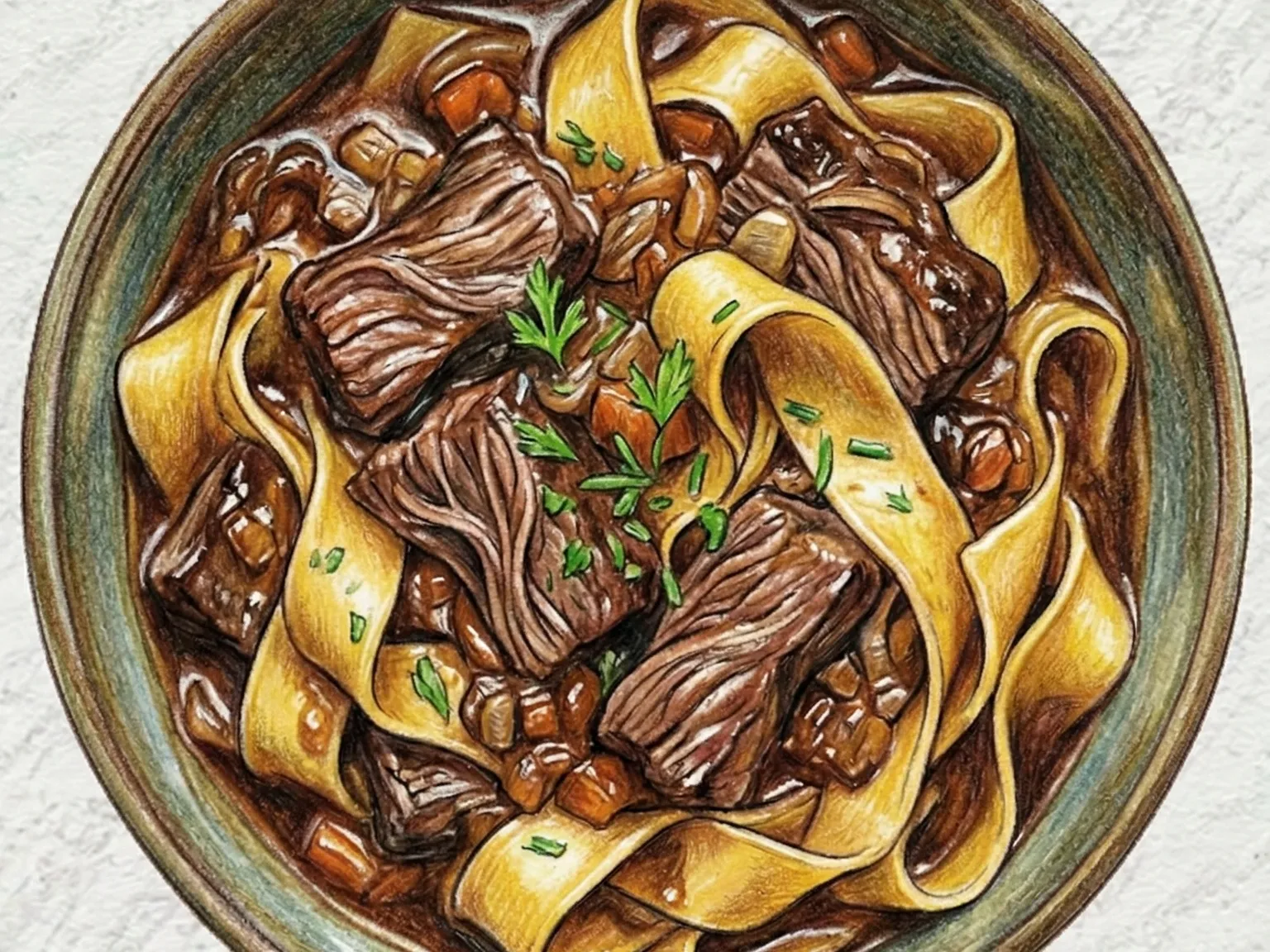
Duck Ragu Pappardelle (Braised Duck Pasta)
WesternHard

Duck Ragu Pappardelle (Braised Duck Pasta)

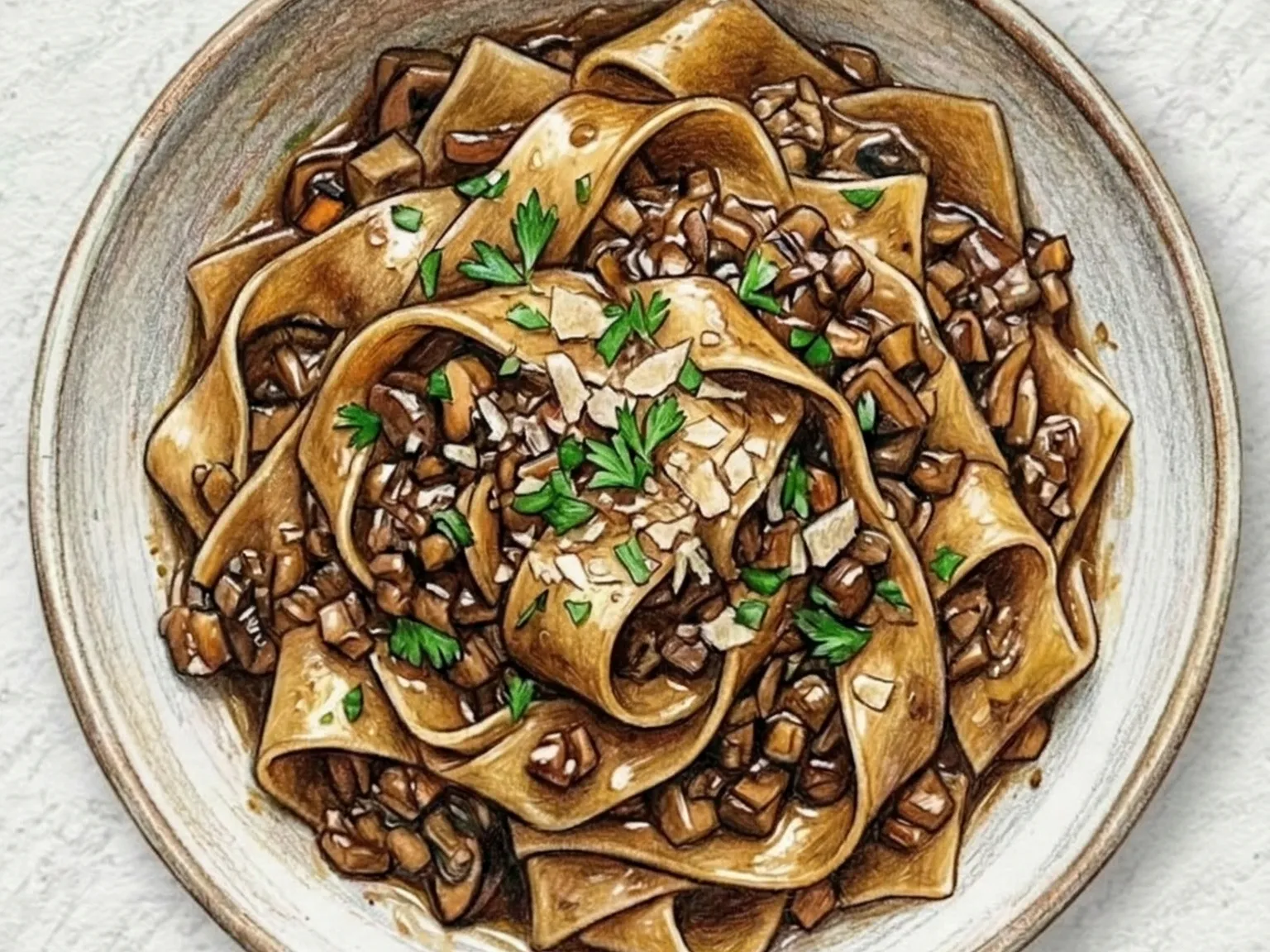
Duck ragu pappardelle is an Italian braised pasta that begins with a hard sear of seasoned duck legs in olive oil until the skin turns a deep, mahogany brown. The fond left on the pan base is the backbone of the sauce, so the sear must be thorough. Onion, carrot, and celery go into the same pan and cook for eight minutes until soft and faintly sweet. Garlic and tomato paste follow, stirred over heat until the paste darkens slightly, then red wine goes in to deglaze every browned bit before reducing by half. The duck returns to the pot with chicken stock and bay leaf for a slow ninety-minute braise at the lowest simmer, until the meat pulls from the bone with no resistance. Shredded duck meat goes back into the sauce, which cooks down another ten minutes to reach a coating consistency. Broad pappardelle is boiled two minutes short of al dente and tossed in the ragu for a final minute so the wide noodles fully absorb the rich, meaty sauce. The ragu deepens noticeably after resting overnight.

🎉 Special Occasion
Prep 25minCook 120min4 servings
Korean Blue Crab Porridge
RiceMedium

Korean Blue Crab Porridge

Kkotge-juk is a rice porridge built on a deeply flavored blue crab stock that forms the base of everything. The crab is placed in cold water and boiled for twelve minutes, during which the proteins and natural sugars from the shell and body dissolve into the liquid and create a broth that is naturally rich and faintly sweet without any additional seasoning. The cooked crab is lifted out and the meat is carefully picked from the legs and body and set aside. In the same pot, sesame oil is added and the soaked rice is toasted in it for two to three minutes, which coats the grains in a thin layer of oil that prevents them from sticking to the bottom during the long simmer and adds a gentle nutty aroma to the finished porridge. The crab stock is poured back in and the porridge cooks over medium-low heat for fifteen to twenty minutes, stirred regularly, until the grains soften and break down into the smooth, thick consistency that characterizes well-made juk. Once the porridge thickens, diced onion, zucchini, carrot, and minced garlic go in for ten more minutes, and the reserved crab meat is added only at the end so it cooks through the residual heat and stays tender rather than turning rubbery. Seasoned simply with soup soy sauce and salt, the finished bowl delivers clean, gentle ocean flavor with nothing overpowering the natural sweetness of the crab.

🎉 Special Occasion
Prep 20minCook 35min4 servings