Charim

2686 Korean & World Recipes

2686+ Korean recipes, clean and organized. Ingredients to instructions, all at a glance.

Recipes with egg

24 recipes

Buy egg
Korean Seafood Fried Rice
RiceMedium

Korean Seafood Fried Rice

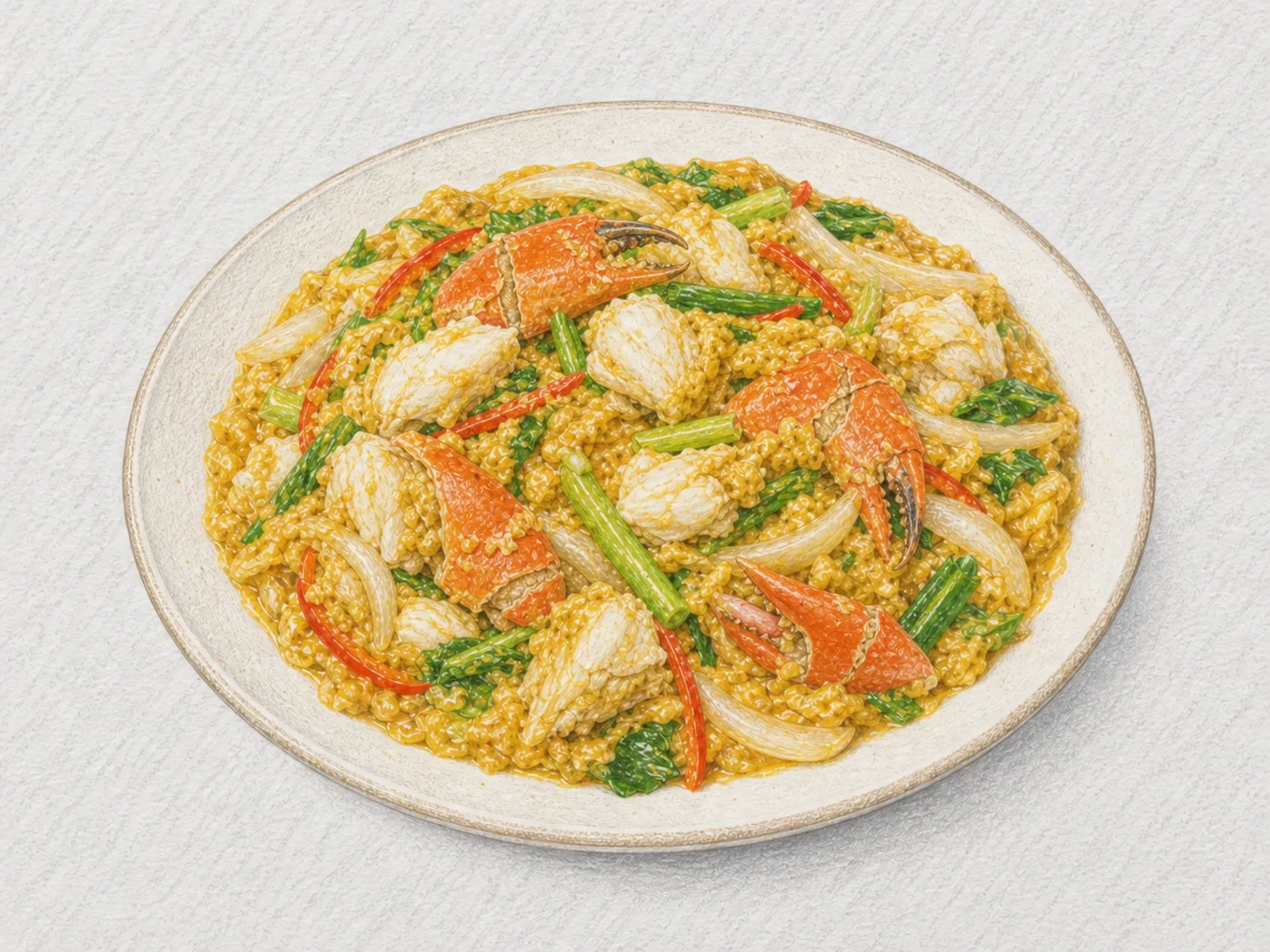
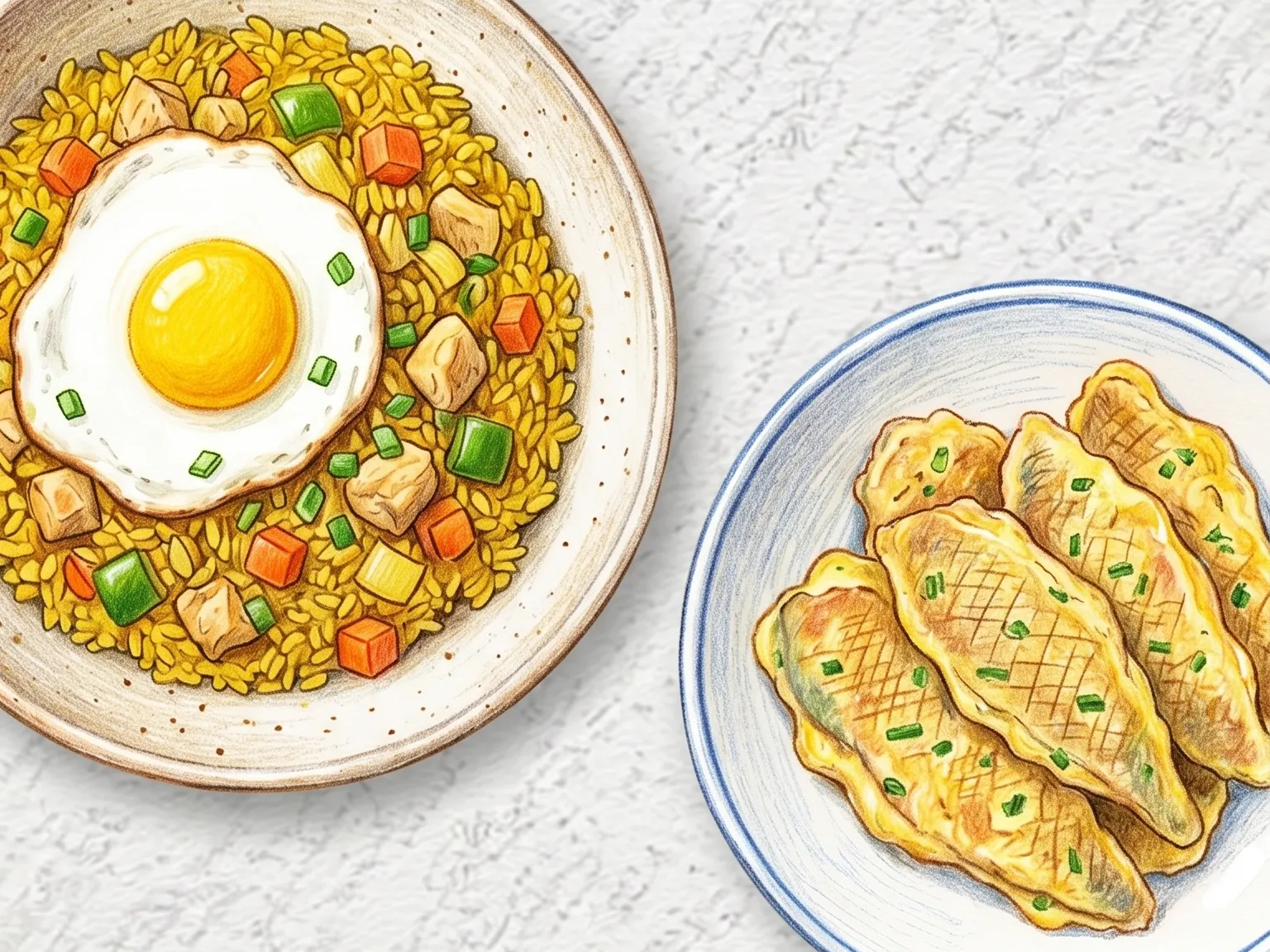
Mixed seafood including shrimp, squid, and mussel meat is stir-fried together on high heat until a smoky wok char develops. Day-old cold rice works best because its lower moisture content lets the grains separate cleanly in the pan, and seasoning with soy sauce and oyster sauce layers additional depth on top of the seafood's own brininess. Cracking the eggs into the pan first and immediately tossing the rice on top coats each grain in a thin shell of egg, yielding a lightly crisp exterior. Sesame oil is drizzled only after the heat is off so its fragrance stays intact.

🏠 Everyday🍱 Lunchbox
Prep 15minCook 10min2 servings
Korean Egg Mayo Toast
Street foodEasy

Korean Egg Mayo Toast

Egg mayo toast mashes three hard-boiled eggs with a fork, mixes them with mayonnaise, salt, and pepper, and piles the mixture onto freshly toasted bread. Crushing the eggs to uneven sizes -- some finely mashed, some left in larger pieces -- creates a textural variation between smooth sections and chunks in each bite, which is more interesting than a uniformly smooth paste. The mayonnaise binds the crumbly eggs into a cohesive, creamy spread, and placing the cool egg salad onto hot toast produces a temperature contrast that carries through the entire piece. Adding a small amount of mustard or finely chopped pickles introduces acidity that cuts through the richness of the mayonnaise and prevents the filling from tasting heavy. The eggs should be fully cooled before mashing -- adding mayonnaise to warm eggs causes it to thin out and can make the texture loose and uneven. With these adjustments, a simple combination of three ingredients becomes considerably more satisfying.

🌙 Late Night Quick
Prep 10minCook 5min1 servings
Yuja Cheesecake Bars (Citron Cheesecake)
DessertsMedium

Yuja Cheesecake Bars (Citron Cheesecake)

Yuja cheesecake bars are a baked dessert that begins with a pressed crust of cracker crumbs and melted butter, pre-baked for eight minutes to set a firm base before the filling goes in. The filling combines softened cream cheese, eggs, sugar, and yuja citron marmalade, poured over the crust and baked at 170 degrees Celsius until just set. Pre-baking the crust is essential for keeping the layers distinct, and room-temperature cream cheese is non-negotiable for a batter free of lumps. Seventy grams of yuja marmalade introduces the fruit's sharp, floral citrus fragrance alongside clean acidity that cuts through the dense richness of the cheese layer, preventing the aftertaste from feeling heavy or cloying. Chilling for two full hours in the refrigerator before slicing produces straight, clean edges on each bar, and the texture sits between dense and silky, dissolving slowly once it hits the palate.

🧒 Kid-Friendly
Prep 20minCook 32min4 servings
Korean Pan-fried Oyster Jeon
GrilledEasy

Korean Pan-fried Oyster Jeon

Gul-jeon is a Korean dish featuring oysters that are pan-fried in a delicate coating of flour and egg. The preparation starts with fresh seasonal oysters that are rinsed carefully in a mild salt water solution to ensure they are clean. Once the rinsing is complete, it is necessary to pat each oyster until it is thoroughly dry. This particular step is crucial because residual water leads to oil splattering during the frying process and prevents the flour from adhering to the surface in a uniform manner. The intended result is a very thin layer of flour, as a thick coating will muffle the natural oceanic brine of the oyster. After the light dusting of flour, the oysters are submerged in beaten egg. This egg batter serves as an insulating layer that conducts heat slowly into the center of the seafood. This specific cooking method keeps the interior of the oyster plump and moist while the exterior reaches a soft golden color. As the oysters cook, they release a distinct mineral aroma associated with fresh seafood. Adding finely chopped garlic chives shortly before the cooking is finished provides a sharp, garlicky contrast that emphasizes the natural mineral profile of the dish. It is important to cook the oysters over a steady medium flame for approximately two minutes on each side. If the heat is set too high, the egg exterior will scorch before the inside is sufficiently warmed through. When flipping the oysters, you should do so carefully and avoid pressing down on them with a spatula. In instances where the oysters are exceptionally large, pressing them into a flatter shape prior to the start of the cooking process will facilitate more even heat distribution throughout the piece.

🍺 Bar Snacks
Prep 18minCook 12min2 servings
Korean Gangwon-Style Dried Pollock Hangover Soup
SoupsEasy

Korean Gangwon-Style Dried Pollock Hangover Soup

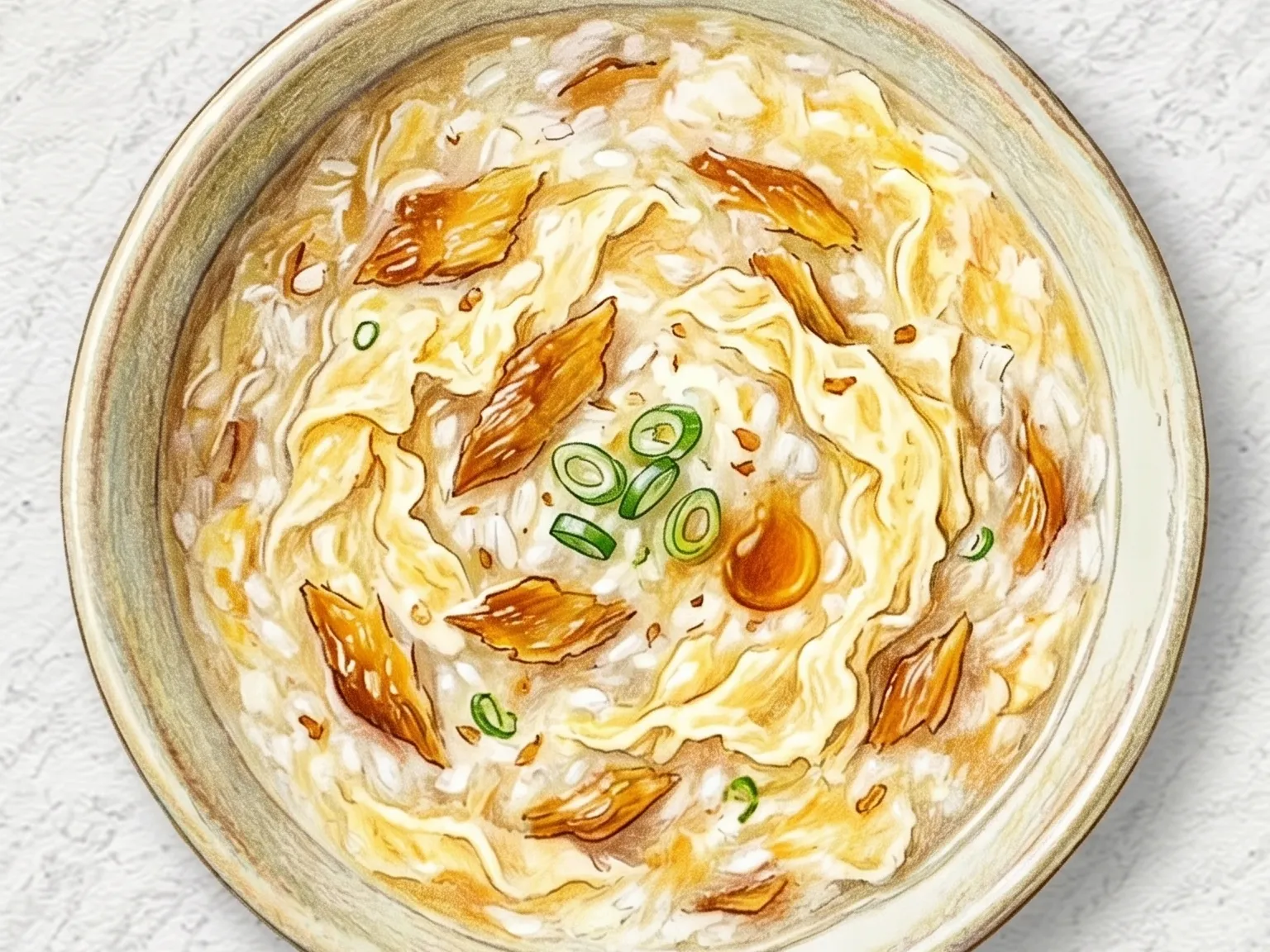
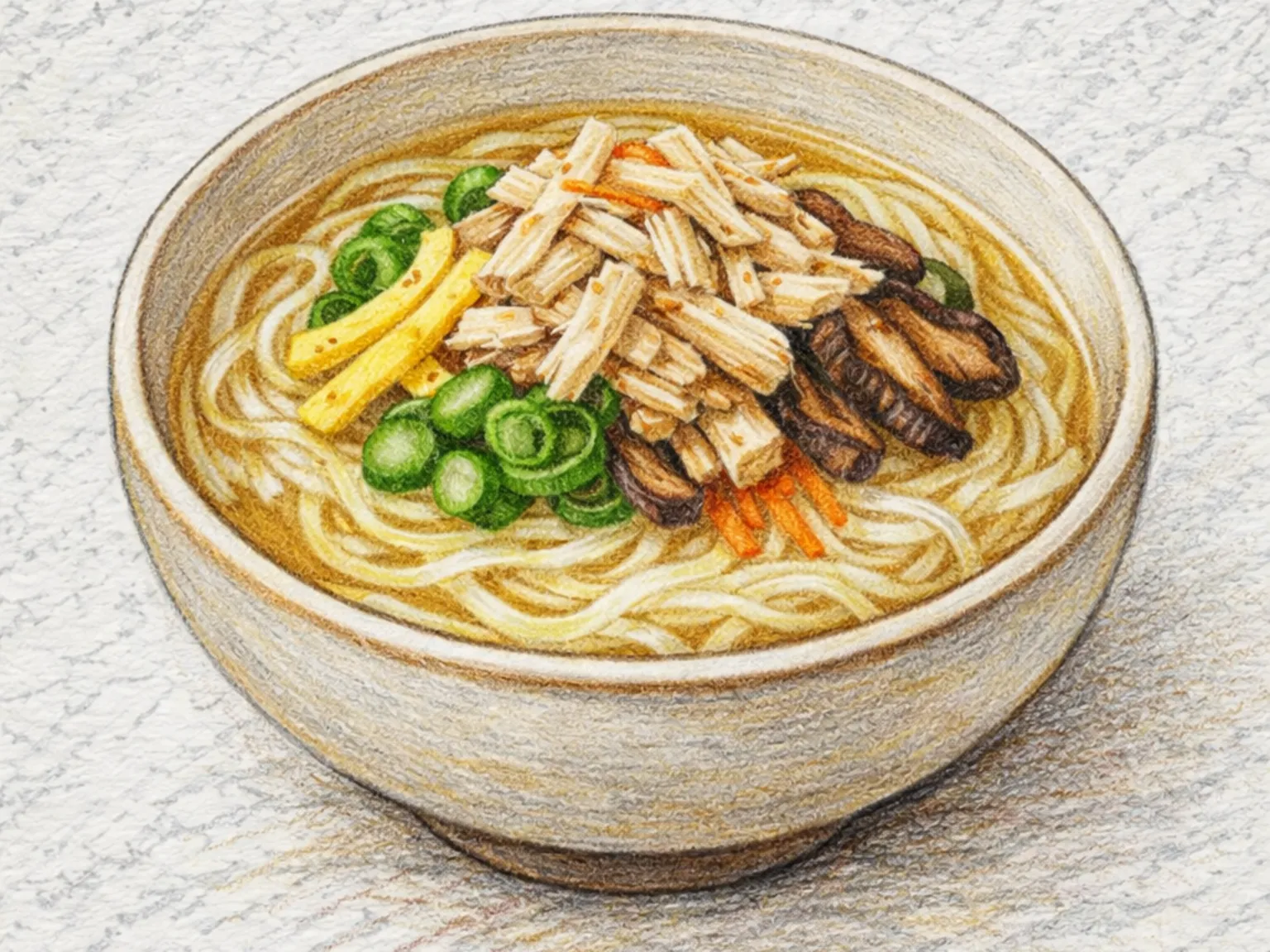
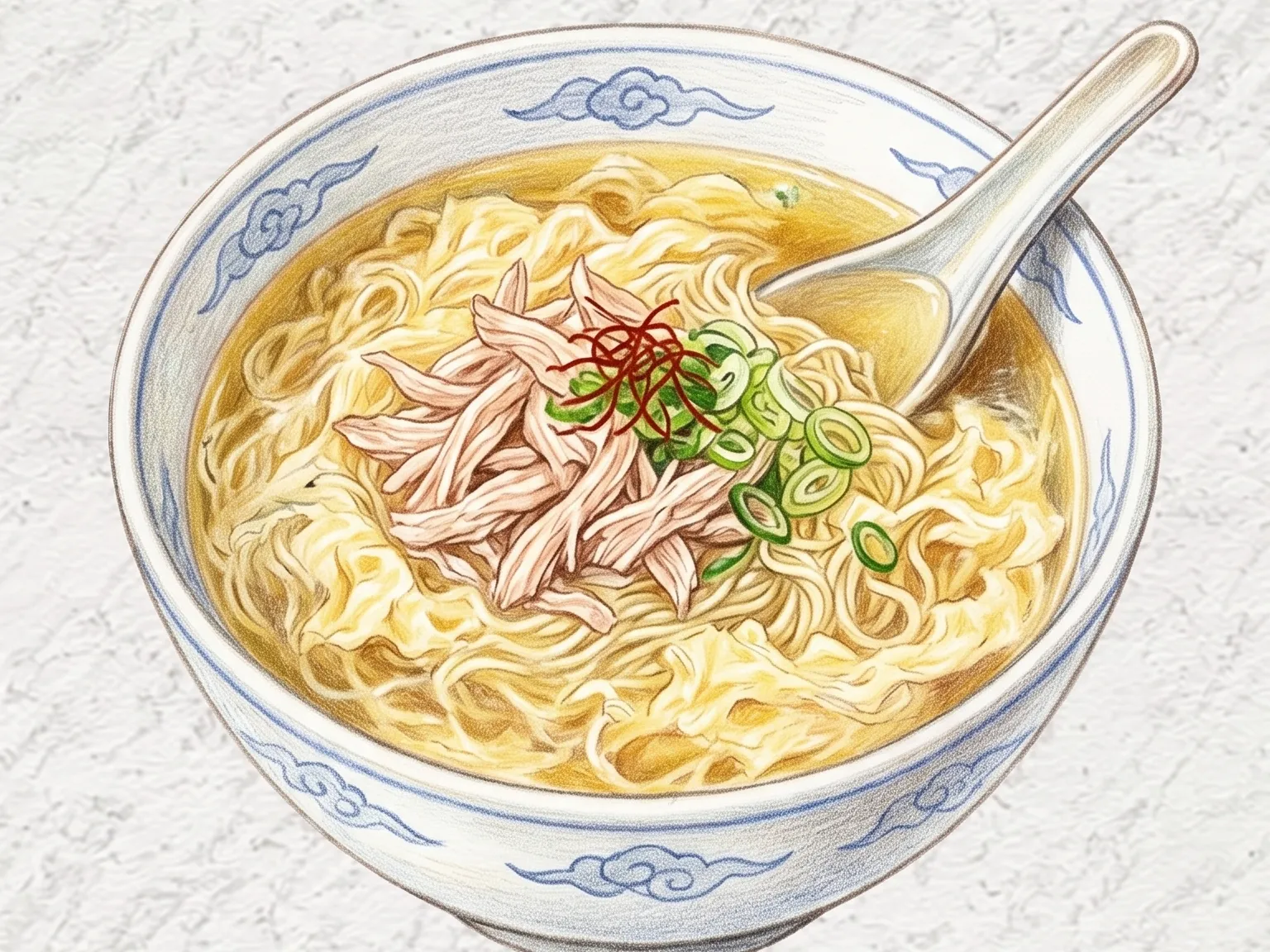
This Gangwon-province version of dried pollock hangover soup starts by stir-frying shredded dried pollock in sesame oil until it turns deeply fragrant and golden. That step is what sets it apart from other regions' pollock soups. The toasted sesame aroma permeates the entire broth and adds a richness that plain boiling cannot achieve. Radish simmers alongside, contributing a clean sweetness that tempers any fishiness. Garlic and soup soy sauce provide the savory foundation. Near the end, a beaten egg is swirled into the pot, forming soft, silky ribbons that give the clear broth a comforting body. The soup is intentionally mild and free of chili heat, designed to be gentle on an empty or troubled stomach. Koreans have relied on this kind of bugeo-guk for morning-after recovery for generations, and the Gangwon-style sesame preparation is considered one of the most satisfying versions. If the stir-frying step is rushed, the sesame oil does not coat the fish thoroughly, so cooking the pollock strands over medium heat until they are evenly golden is what draws out the full depth of flavor into the broth.

🏠 Everyday
Prep 20minCook 30min4 servings
Korean Water Parsley Shrimp Pancake
PancakesEasy

Korean Water Parsley Shrimp Pancake

Minari shrimp jeon is a spring pancake made by folding water parsley and cocktail shrimp into a seasoned pancake-mix batter with egg and pan-frying until golden. The parsley contributes a bright, distinctive herbal fragrance that pairs naturally with the mild, clean sweetness of the shrimp. Finely chopped onion works into the batter for understated sweetness, and a splash of soy sauce adds a layer of savory depth. The parsley stems hold their crunch inside the cooked pancake, providing a satisfying bite throughout.

🍺 Bar Snacks🍱 Lunchbox
Prep 15minCook 12min2 servings
Korean Warm Noodles with Kimchi Dumplings
NoodlesEasy

Korean Warm Noodles with Kimchi Dumplings

Kimchi mandu onmyeon is a Korean warm noodle dish that combines kimchi dumplings simmered in anchovy-kelp stock with thin wheat noodles served in the hot broth. The filling of kimchi and pork inside each dumpling gradually releases savory depth into the clean dashi as the dumplings cook, building a broth that feels substantive without requiring heavy seasoning. Soup soy sauce and minced garlic are the only seasoning additions, keeping the overall flavor clear and well-defined. Thin wheat noodles are boiled separately and rinsed under cold water before serving, which prevents the cooking starch from clouding the broth and keeps the noodles smooth and springy in texture rather than swollen and soft. Julienned zucchini added to the broth and a thin stream of beaten egg swirled in just before serving add color and textural variety to the finished bowl. Since the sodium content of kimchi dumplings varies considerably by brand, soup soy sauce should be added in small increments at the end rather than all at once. Overcooking the dumplings causes the wrapper to loosen and the broth to cloud, so once the dumplings float to the surface the noodles should go in and the dish brought together quickly. Gochugaru or sliced cheongyang chili transforms the bowl into a spicier version, and a drop of sesame oil stirred in just before eating rounds out the nuttiness of the broth. Equally suited as a late-night solo meal or a warming bowl on a cold day.

🏠 Everyday
Prep 10minCook 18min2 servings
French Onion Tart
WesternMedium

French Onion Tart

The preparation of a French onion tart begins with slicing onions and cooking them in butter using a low heat setting for more than twenty minutes. During this extended cooking duration, the onions collapse into a dark amber mixture, ensuring that their natural sweetness is fully concentrated while the sharp bite associated with raw onions is completely eliminated. Once the onions have reached this state, they are spread in an even layer over a tart shell that has already undergone blind baking to maintain its texture. A custard liquid made from a combination of eggs, heavy cream, and thyme is poured over the onions. Grated Gruyere cheese is then scattered across the top surface before the tart is transferred to an oven preheated to 190 degrees Celsius. The baking process continues until the internal filling has set into a firm consistency and the cheese layer has transformed into a browned, salty crust. The flavor of the caramelized onions is the most prominent characteristic of the dish, providing a sweetness that builds on the palate with each bite. Thyme is used to contribute a distinct herbal note, which functions to offset the richness of the dairy components and prevent the tart from becoming cloying. The addition of Gruyere cheese brings a nutty and salty element that balances the sweet and savory aspects of the tart. This specific dish is known for holding its quality well when served at room temperature, which makes it a versatile choice for inclusion in brunch menus, sequences of wine pairings, or meals eaten outdoors.

🍺 Bar Snacks🎉 Special Occasion
Prep 20minCook 35min4 servings
Ebi Fry (Japanese Panko-Crusted Shrimp)
AsianEasy

Ebi Fry (Japanese Panko-Crusted Shrimp)

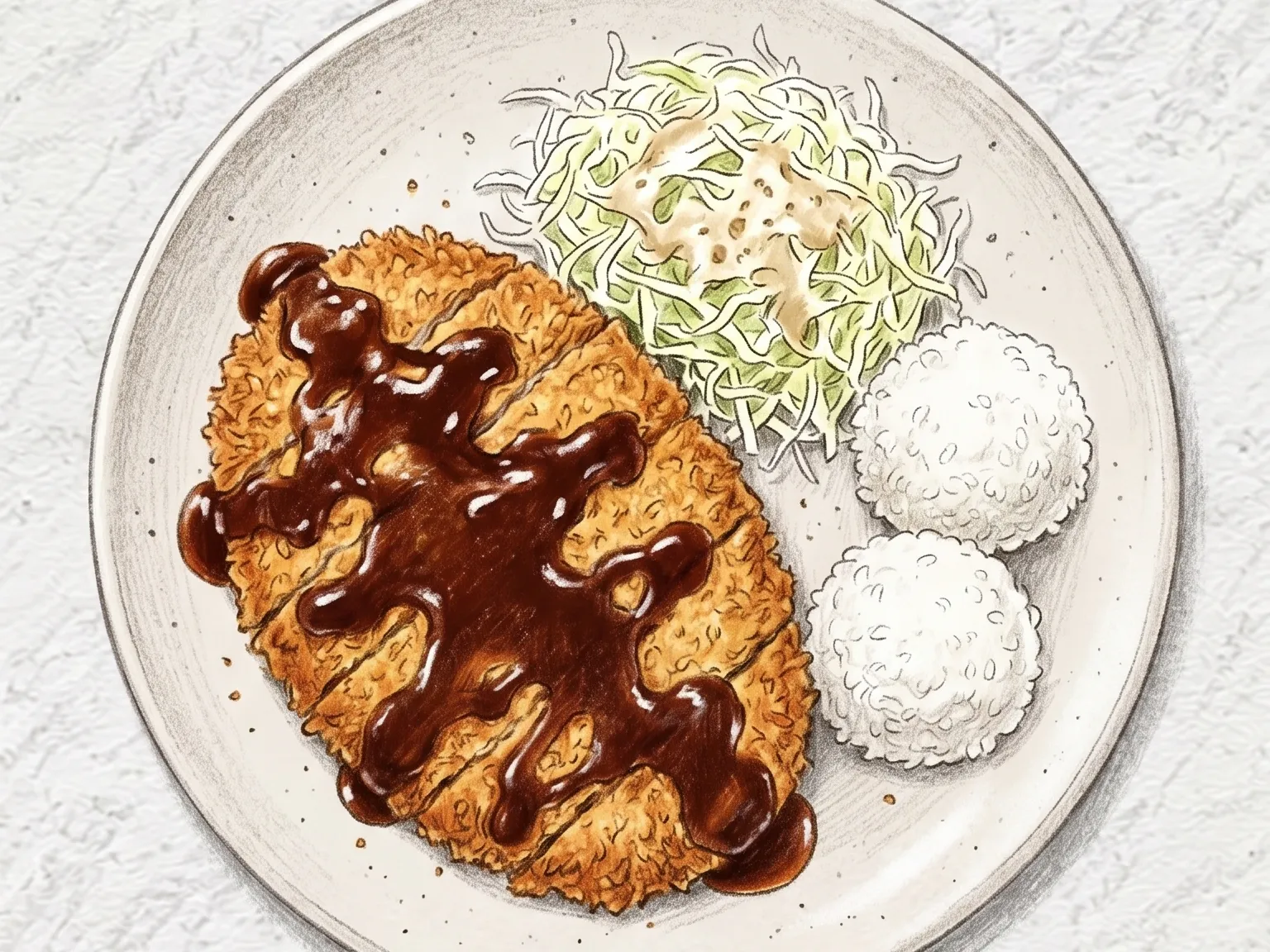
Ebi fry developed during Japan's Meiji era as Western cooking techniques arrived and were reinterpreted through a Japanese lens, becoming one of the defining dishes of yoshoku - the country's own adaptation of European cuisine. Preparation starts by cutting the tendons along the shrimp's belly at several points and pressing each piece flat against a cutting board so it holds a straight, elongated shape when lowered into hot oil rather than curling back on itself. The three-stage coating of flour, egg wash, and coarse panko breadcrumbs is central to the dish's character: panko's jagged, irregular flakes puff and expand in hot oil, producing a crust that is unmistakably lighter and more open-textured than anything made with fine Western breadcrumbs. Because the shrimp fries quickly at high temperature, the flesh stays fully moist and snaps with a satisfying springiness when bitten. Tartar sauce, with its creamy acidity and flecks of pickled vegetables, offsets the richness of the crust, while tonkatsu sauce takes the flavor in a sweeter, fruitier direction. The dish migrates easily across formats: tucked into bento boxes as a daily side, placed on top of curry rice for an ebi fry curry, or layered into soft milk bread as an ebi katsu sando. Its staying power in Japanese home cooking and restaurant menus alike reflects how thoroughly yoshoku dishes have become part of everyday Japanese food culture.

🍱 Lunchbox
Prep 20minCook 12min2 servings
Black Sesame Fudge Brownies
BakingEasy

Black Sesame Fudge Brownies

Black sesame fudge brownies layer the roasted nuttiness of black sesame over the bittersweet depth of dark chocolate in a dense, compact bar. Melted chocolate and butter form the rich, fatty base of the batter, and black sesame paste is worked in to add an earthy, faintly smoky dimension that dark chocolate alone cannot provide. Cocoa powder reinforces both the color and the intensity of the chocolate, while keeping the flour ratio low ensures the baked brownie stays fudgy and tight rather than turning cakey or dry. The first bite delivers chocolate sweetness, and the roasted sesame follows with a lingering, slightly bitter aftertaste. Cooling the brownies increases their density noticeably, making each piece substantial in the hand and on the palate. Served alongside coffee, the sesame aftertaste becomes more distinct and cuts cleanly through the bitterness of the drink.

🧒 Kid-Friendly
Prep 15minCook 28min4 servings
Korean Crown Daisy Pancake
Side dishesEasy

Korean Crown Daisy Pancake

Fragrant crown daisy leaves are coated in a light pancake batter and pan-fried until the edges crisp and the herb's aroma intensifies. Heat amplifies the crown daisy's grassy, slightly bitter character, and the scent rises through the thin layer of batter as the jeon cooks. Egg in the batter provides structure, helping the exterior hold its crunch, while a small addition of potato starch keeps the texture light and prevents sogginess as the pancake cools. Sliced onion mixed into the batter introduces a gentle sweetness that offsets the herb's bitterness. Cooking over medium-low heat with ample oil ensures the interior sets evenly before the surface browns too deeply, and waiting until one side has fully firmed before flipping prevents the pancake from falling apart. The finished jeon is served with a dipping sauce of soy sauce and vinegar, whose acidity lifts the richness of the fried exterior and highlights the crown daisy's herbal notes.

🏠 Everyday🍱 Lunchbox
Prep 10minCook 10min2 servings
Korean Kimchi Rice Bowl (Stir-Fried Aged Kimchi over Steamed Rice)
RiceEasy

Korean Kimchi Rice Bowl (Stir-Fried Aged Kimchi over Steamed Rice)

Stir-frying aged kimchi in a hot pan drives off moisture and triggers caramelization, mellowing the sharpness into a deeper, sweeter intensity that raw kimchi cannot replicate. Cooking the kimchi over medium-high heat for five to seven minutes transforms its texture from wet and tangy to slightly charred and richly savory. A splash of soy sauce and a drizzle of sesame oil finish the seasoning with a salty, nutty note. Spooned over a bowl of steamed rice and topped with a single sunny-side-up egg, the dish is deceptively simple in construction. Using well-fermented kimchi like mukeunji introduces complex layers of lactic sourness and umami depth that more than compensate for the minimal ingredient list. Adding thin slices of pork shoulder or a can of tuna to the pan alongside the kimchi turns it into a more substantial meal with added protein. The whole dish comes together in under fifteen minutes, making it the first choice Korean rice bowl when the pantry is almost bare.

Quick
Prep 5minCook 10min1 servings
Korean Street Ham & Cheese Toast
Street foodEasy

Korean Street Ham & Cheese Toast

Gilgeori ham cheese toast is a variation on the classic Korean street toast that adds a slice of processed cheese to the standard layered sandwich. The base formula is the same: butter-toasted bread, a pan-fried egg-cabbage-carrot omelet, and sliced ham, finished with ketchup and a pinch of sugar. The cheese sits between the ham and the top slice of bread, where the trapped heat from the just-toasted bread and the warm fillings slowly melts it from the edges inward. As it melts, the cheese does two things. It binds the fillings together, preventing the layers from sliding apart when the sandwich is picked up and bitten. And it introduces a creamy, milky fat layer between the saltiness of the ham below and the sweet-tangy ketchup above, softening the contrast between those two flavors rather than letting them clash. The cabbage and carrot in the omelet stay slightly crunchy even after cooking, contributing a fresh texture that contrasts with the softness of the melted cheese and the tenderness of the egg. The combination of bread, egg, cheese, and ham provides a meaningful amount of protein and carbohydrate in a single compact package, which is why this style of street toast remains a popular breakfast and quick meal option in Korea.

🧒 Kid-Friendly🌙 Late Night
Prep 10minCook 10min2 servings
Assorted Korean Pancakes (Holiday Mixed Jeon Platter)
GrilledMedium

Assorted Korean Pancakes (Holiday Mixed Jeon Platter)

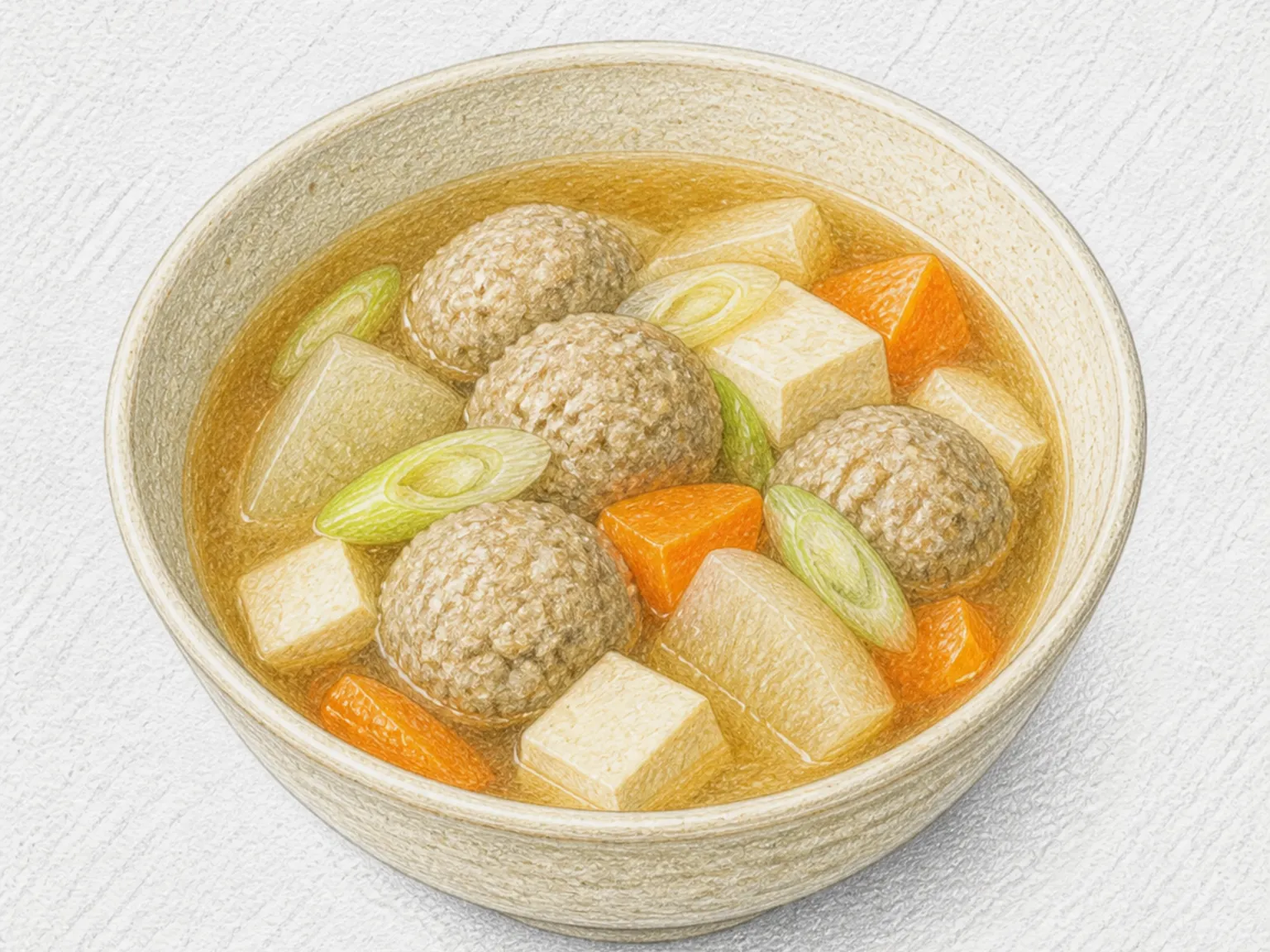
Hanjeongsik jeon-modeum is a mixed Korean pancake platter that brings together meat patties, zucchini jeon, shiitake mushroom jeon, and stuffed green chili jeon on a single serving board, forming the visual and gastronomic centerpiece of Seollal and Chuseok holiday tables. Each ingredient is cut to portion size, dusted lightly in flour, coated in beaten egg, and pan-fried over medium heat until both sides turn a deep golden. The single most important rule is to fry in small batches of three to four pieces at a time -- overcrowding drops the pan temperature sharply and causes the egg batter to absorb oil rather than set, leaving the jeon heavy and greasy instead of crisp and light. Meat patties made from a balanced mix of tofu, beef, and pork hold their shape while staying tender, and zucchini rounds need to be salted and pressed dry beforehand to prevent oil spatter during frying. For shiitake, removing the stem and dusting flour onto the inner gill side ensures the egg coating adheres evenly. A small dipping bowl of cho-ganjang -- soy sauce sharpened with a splash of rice vinegar -- cuts through the richness of the oil and draws out the contrast between the patties' deep savory flavor, the mild sweetness of zucchini, and the subtle heat of the peppers.

🍺 Bar Snacks🎉 Special Occasion
Prep 30minCook 30min4 servings
Korean Dried Pollack Egg Soup
SoupsEasy

Korean Dried Pollack Egg Soup

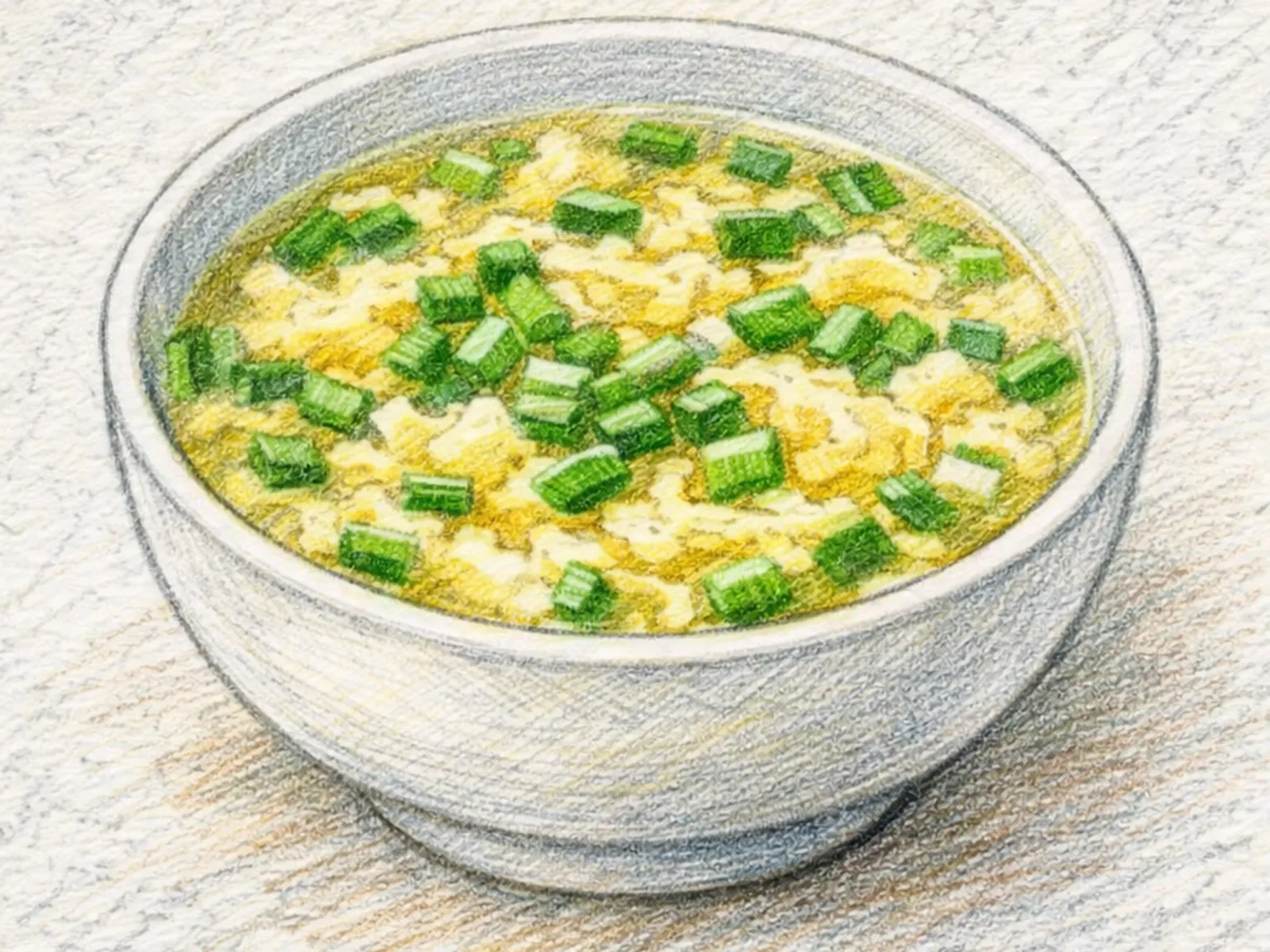
Hwangtae-gyeran-guk is a Korean clear soup that pairs dried pollock with silken egg threads in the same bowl. Toasting the pollock strips in sesame oil at the start is what gives the broth its foundation: the oil absorbs the nutty, roasted fragrance and carries it throughout the liquid as it simmers. Radish and green onion add a clean sweetness and mild sharpness, and once the broth is seasoned with soup soy sauce and garlic, beaten egg is streamed in slowly to form wispy, floating ribbons. The chewy pollock and the soft egg offer a changing texture from one spoonful to the next. Hwangtae is produced on outdoor racks in the Gangwon-do mountains through a winter-long cycle of freezing and thawing that breaks down the protein into a more digestible form and increases the amino acid content. In Korean households this soup appears at both the breakfast table and the post-drinking recovery meal, favored because the protein-rich pollock is gentle on a tired stomach and the whole pot comes together in under twenty minutes.

🏠 Everyday
Prep 10minCook 18min4 servings
Korean Seaweed Oyster Pancake
PancakesMedium

Korean Seaweed Oyster Pancake

Fresh oysters and rehydrated seaweed folded into a pancake batter and pan-fried into a jeon packed with ocean flavor. As the oysters cook, they release their briny juices into the batter, spreading their concentrated umami through every bite. The seaweed provides a soft, slightly slippery contrast in texture against the crisp outer surface. Soup soy sauce seasons the batter cleanly without competing with the seafood, while minced red chili adds color and a measured heat. Garlic deepens the marine aroma. This jeon is at its best during winter when oysters are plump and full in flavor.

🍺 Bar Snacks🍱 Lunchbox
Prep 20minCook 16min4 servings
Hot Pot Udon (Japanese Earthenware Pot Noodle Soup)
NoodlesMedium

Hot Pot Udon (Japanese Earthenware Pot Noodle Soup)

Nabeyaki udon is a Japanese hot-pot noodle dish cooked and served directly in a small earthenware pot, designed to stay piping hot at the table from first bite to last. The base is a dashi stock seasoned with soy sauce and mirin, which produces a broth that is clear but carries substantial depth of flavor. Chicken thigh cooked directly in the pot releases fat and juices into the surrounding liquid, enriching the stock in a way that chicken breast cannot replicate. Narutomaki fish cake, with its pink spiral cross-section, adds a visual accent that is as much a part of the dish's identity as any flavor it contributes, while enoki mushrooms soak up the broth and give back a delicate umami in return. The egg is cracked into the center of the pot and covered to cook gently until the white sets and the yolk remains soft and runny. When the yolk breaks and bleeds into the hot broth, it creates a brief silky richness that changes the texture of each spoonful. Shrimp tempura is placed on top of the finished dish at the very last moment, not submerged, because the batter collapses from steam and heat within seconds of hitting liquid. Spinach added in the final minute retains its bright color and stays tender without turning soft. The earthenware pot retains heat far longer than a regular bowl, which is why this dish reads as a cold-weather staple in Japan.

🎉 Special Occasion
Prep 15minCook 20min1 servings
Chicken Francese (Egg-Battered Chicken in Lemon Butter Sauce)
WesternMedium

Chicken Francese (Egg-Battered Chicken in Lemon Butter Sauce)

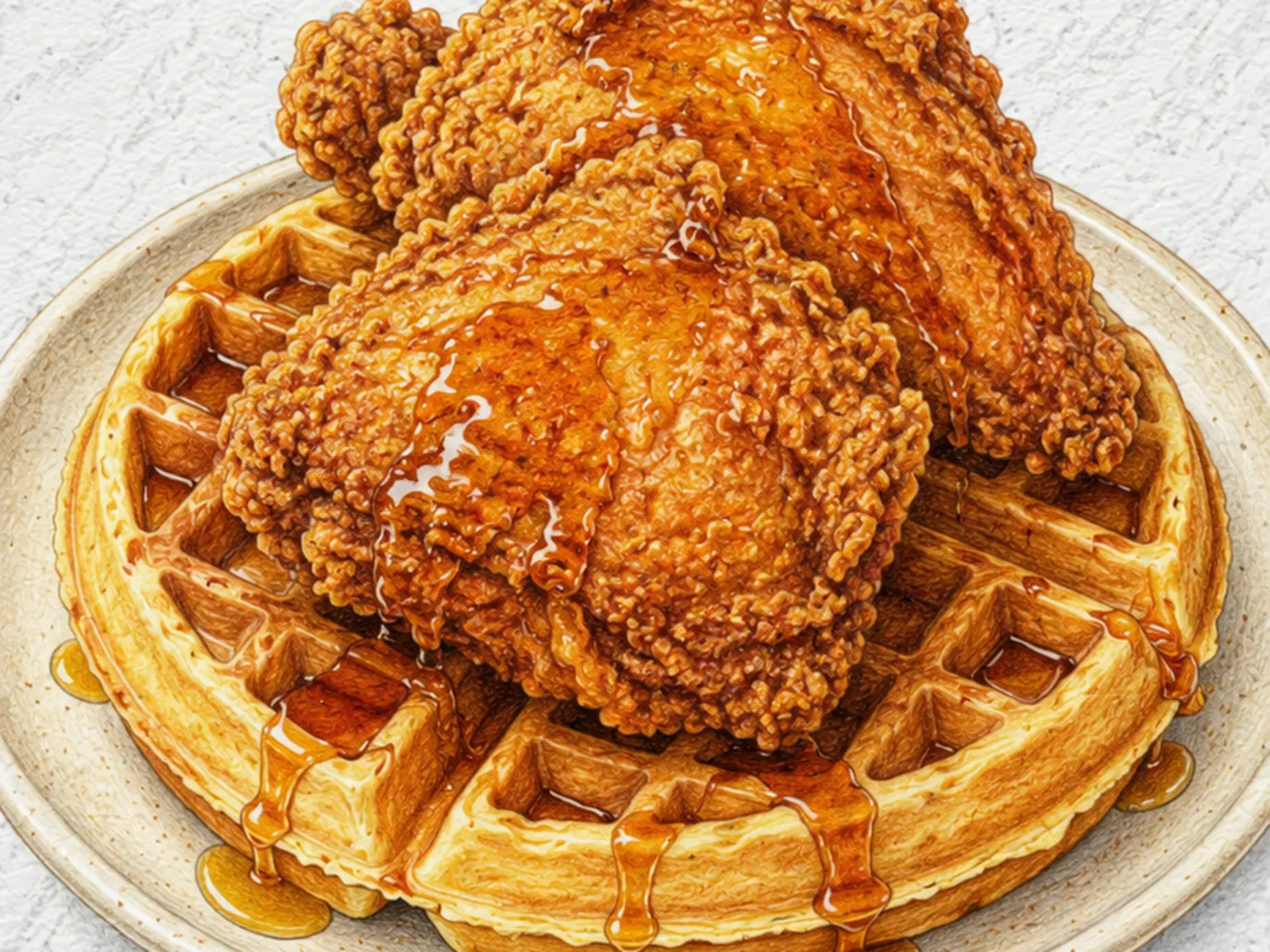
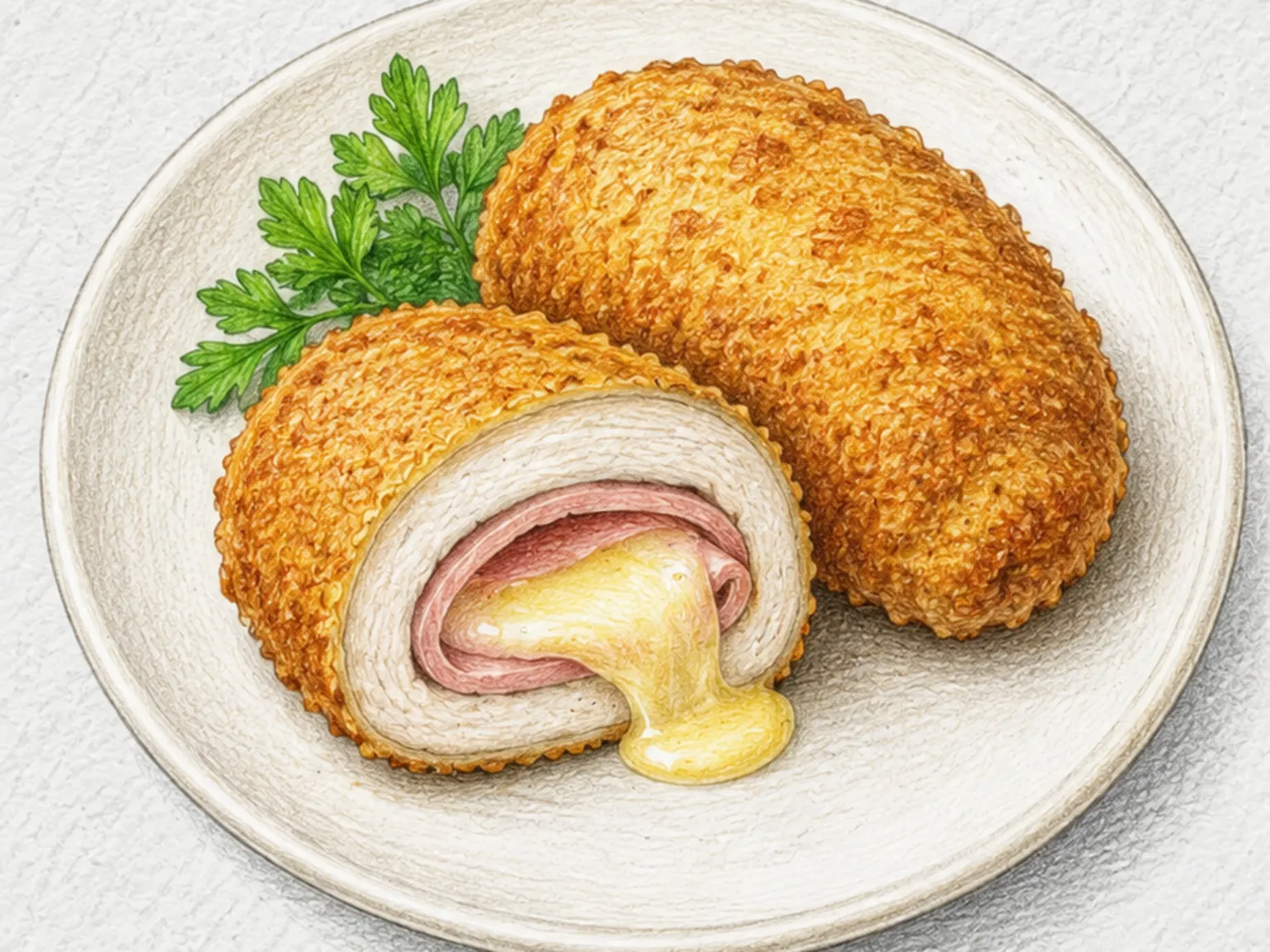
Chicken Francese originated within the Italian-American culinary tradition and focuses on preparing butterflied chicken breast cutlets through a specific sequence of coating and frying. Each piece of meat is first lightly dredged in a layer of flour and then thoroughly dipped into beaten eggs before being placed into a hot pan. This cooking method results in a surface that is golden in color. The presence of the egg coating acts as a barrier that keeps the natural moisture of the poultry trapped inside during the frying process. Meanwhile, the thin interaction between the flour and the heat of the pan creates a texture that is light and somewhat crisp, intentionally avoiding the formation of a heavy or thick crust. Once the chicken has been cooked and removed from the heat, the same pan is used to build the sauce. A portion of butter is melted down, after which chicken stock and fresh lemon juice are poured in to simmer for approximately three minutes. As the liquid boils, it loosens the small browned particles that adhered to the metal surface during the initial frying. These bits incorporate into the liquid to provide a specific roasted complexity that simple fresh ingredients cannot produce on their own. The prepared chicken is then placed back into the simmering sauce for an additional two minutes. During this time, the cook spoons the lemon-butter liquid over the cutlets, allowing the egg coating to fully soak up the flavors. This step ensures that the final dish offers a combination of sharp citrus acidity and the concentrated richness of the butter in every mouthful. A final dusting of finely chopped parsley is added across the surface to introduce a clean herbal quality that helps mitigate the density of the butter sauce. Because the recipe results in a significant amount of liquid, it is common to serve the chicken with pasta or slices of crusty bread so that no part of the lemon-butter sauce is left behind.

🎉 Special Occasion
Prep 15minCook 18min2 servings
Japanese Shrimp with Mayo
AsianEasy

Japanese Shrimp with Mayo

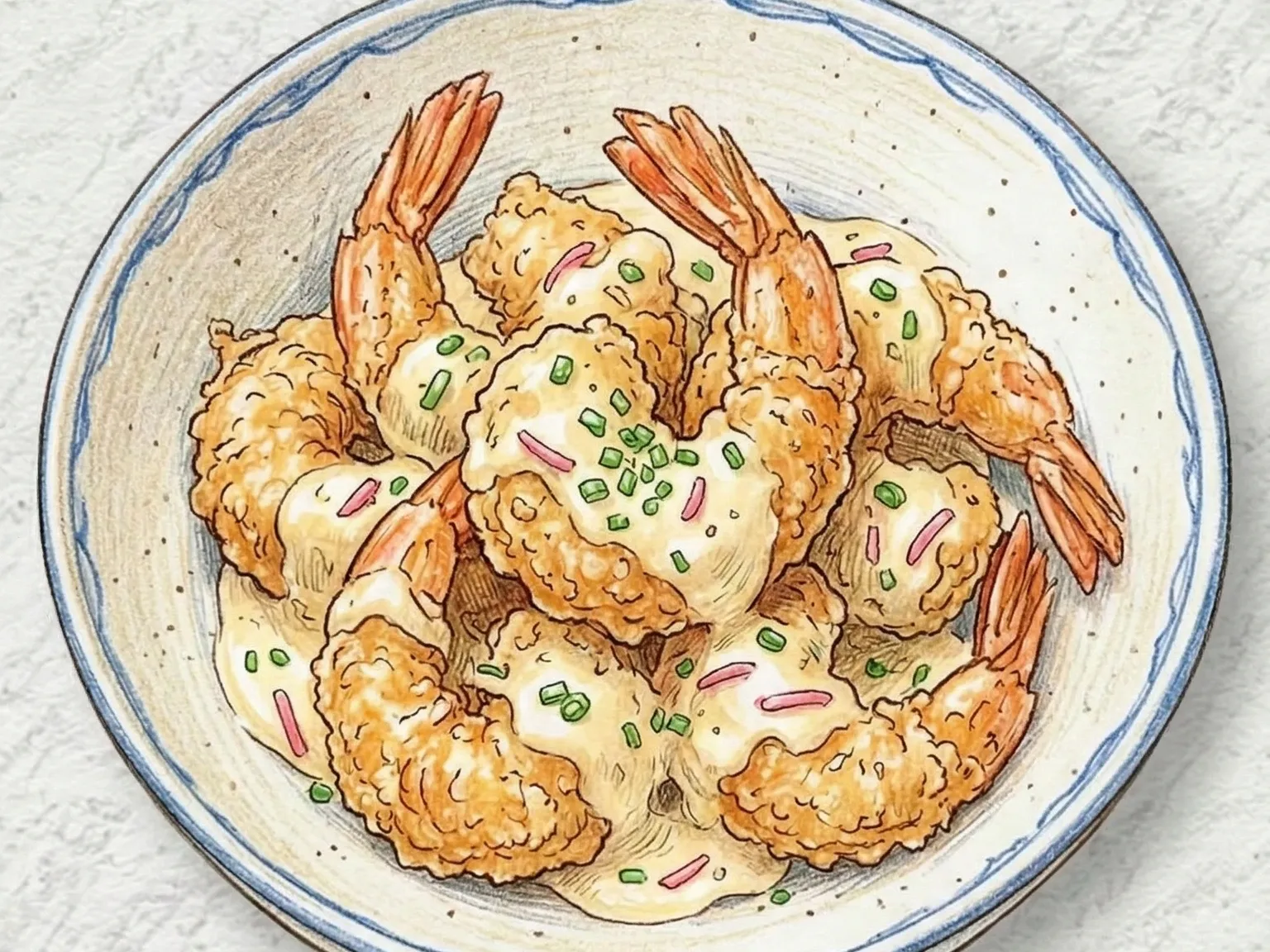
Ebi mayo was invented by Hong Kong-born chef Chou Yuanji while working in Japan, fusing Cantonese prawn cookery with the rich creaminess of Japanese mayonnaise. Shrimp are coated in cornstarch and deep-fried until the shell crackles, then tossed in a sauce of mayonnaise, condensed milk, and lemon juice. The condensed milk tempers the mayo's tang and adds a gentle sweetness. Japanese Kewpie mayonnaise, made with egg yolks only rather than whole eggs, is denser and more umami-rich than Western varieties, and this difference is what gives ebi mayo sauce its distinctive body. The crispy starch coating absorbs the thick sauce on the surface while the shrimp beneath stays springy, creating a two-layered texture -- creamy on first contact, then bouncy when the teeth reach the center. Ebi mayo is a staple of izakaya menus and Chinese restaurants in Japan, and has crossed into convenience-store bento boxes and onigiri fillings as one of the country's most ubiquitous fusion flavors.

🧒 Kid-Friendly
Prep 15minCook 10min2 servings
Black Sesame Cruffin (Croissant Dough Muffin with Sesame Swirl)
BakingHard

Black Sesame Cruffin (Croissant Dough Muffin with Sesame Swirl)

A black sesame cruffin is a hybrid pastry made by baking laminated croissant dough in a muffin mold, layered generously with roasted black sesame paste. The dough is rolled thin, spread with concentrated black sesame filling, rolled up tight, and cut to fit the tin, where the exposed layers fan out into crisp, caramelized petals at the top during baking while the center stays tender and moist. The black sesame paste melts between the laminated layers as heat builds, creating charcoal-gray swirls throughout the interior and releasing an intense, roasted aroma. The contrast between the golden, shatteringly crisp exterior and the dark sesame spiral inside makes for a striking cross-section. The richness of the butter layers and the nuttiness of the sesame land together in every bite. These reheat well in an air fryer for two to three minutes after refrigeration, recovering most of their original crispness.

🎉 Special Occasion
Prep 35minCook 25min4 servings
Korean Lotus Root Pancakes
Side dishesMedium

Korean Lotus Root Pancakes

Lotus root is sliced into rounds and coated in a light batter of buchim flour and egg before being pan-fried until golden on both sides. The root's characteristic perforations show through the thin batter, creating a lace-like appearance on each piece that makes this jeon visually distinctive. Biting through the crisp exterior reveals the lotus root's dual texture: an initial crunch from the starchy flesh followed by a slightly sticky chew that clings pleasantly to the teeth. Slicing to a thickness of five to six millimeters strikes the right balance between maintaining the crunch and ensuring the center cooks through. The egg-enriched batter adheres evenly to the root's smooth surface and sets immediately upon contact with hot oil, sealing in moisture. Minimal salt in the batter allows the lotus root's faint natural sweetness to emerge, and a dipping sauce of soy sauce and vinegar provides the acidity needed to cut through the fried exterior's richness. Commonly served during Korean holidays, this jeon is simple enough for everyday cooking as well.

🏠 Everyday🍱 Lunchbox
Prep 15minCook 12min4 servings
Chicken Soboro Rice Bowl (Ground Chicken and Scrambled Egg over Rice)
RiceEasy

Chicken Soboro Rice Bowl (Ground Chicken and Scrambled Egg over Rice)

Soboro-don is a Japanese-style rice bowl that tops steamed rice with two side-by-side mounds: savory minced chicken and sweet scrambled egg. The chicken is seasoned with soy sauce, sugar, mirin, and ginger juice, then stirred constantly with chopsticks over medium heat until it breaks into fine, crumbly grains that are individually coated in glaze. The egg is treated the same way - beaten, poured into a pan, and stirred into soft, fluffy curds. Arranged half-and-half on the rice, the brown chicken and bright yellow egg create a visual contrast that makes the bowl inviting. Both toppings share a gentle sweetness balanced by soy umami, and their fine, loose texture means every bite blends effortlessly with the rice beneath.

🍱 Lunchbox
Prep 15minCook 15min2 servings
Korean Street Ham & Egg Toast
Street foodEasy

Korean Street Ham & Egg Toast

Gilgeori ham egg toast is the foundational version of Korean street toast, the style found at early-morning carts across Seoul and other cities where vendors cook to order on flat griddles. The core is a pan-fried patty of beaten egg mixed with finely shredded cabbage and carrot, cooked flat and golden on both sides. Ham slices are seared on each side for about thirty seconds so the edges caramelize slightly and the surface color deepens without drying out. The bread is pressed onto a buttered pan until the exterior crisps while the crumb stays soft. Ketchup and sugar together form the sauce, and this combination is what separates the Korean street toast from any generic egg sandwich. Sugar in the sauce creates a sweet-salty pull that plays against the savory ham and egg, and omitting it produces something noticeably different in character. Without cheese, this version is lighter and less rich than variations that add a slice, making it more approachable as an early meal. The contrast between the crunchy toasted bread and the soft, yielding egg layer is the defining textural quality.

🧒 Kid-Friendly
Prep 10minCook 12min2 servings
Korean Perilla Beef Jeon (Perilla-Wrapped Beef Tofu Pancake)
GrilledMedium

Korean Perilla Beef Jeon (Perilla-Wrapped Beef Tofu Pancake)

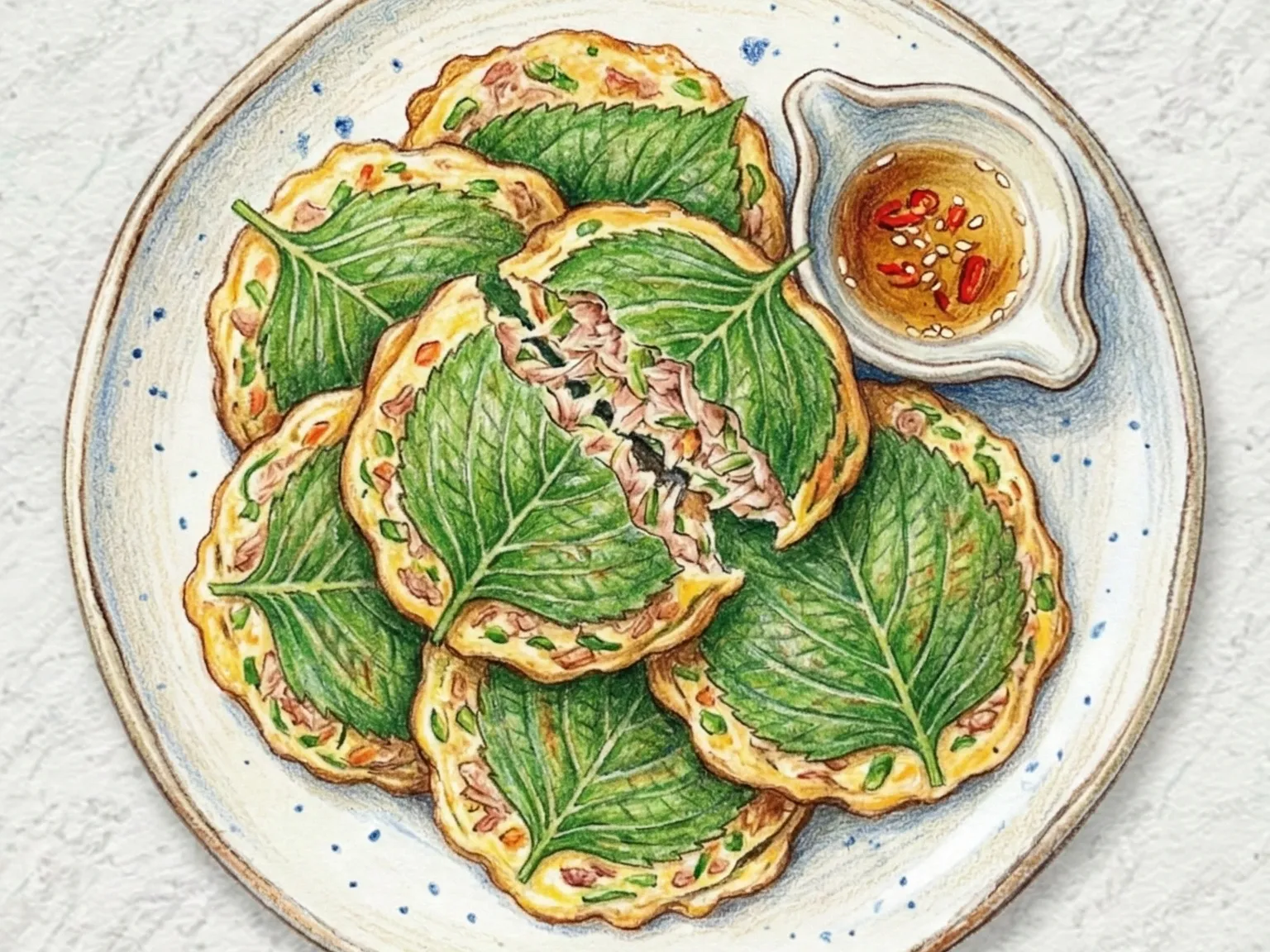
A thin layer of seasoned ground beef mixed with pressed tofu is spread on the underside of each perilla leaf, which is then folded in half, coated in flour, dipped in beaten egg, and pan-fried over medium heat. Keeping the filling thin is essential so the herbal fragrance of the perilla comes through clearly. Squeezing moisture from the tofu beforehand ensures the jeon holds its shape during frying. The result layers the grassy aroma of perilla with soy-seasoned beef in every bite.

🍺 Bar Snacks🎉 Special Occasion
Prep 18minCook 12min2 servings