Korean Ginseng Tea (Fresh Ginseng Jujube Herbal Brew)
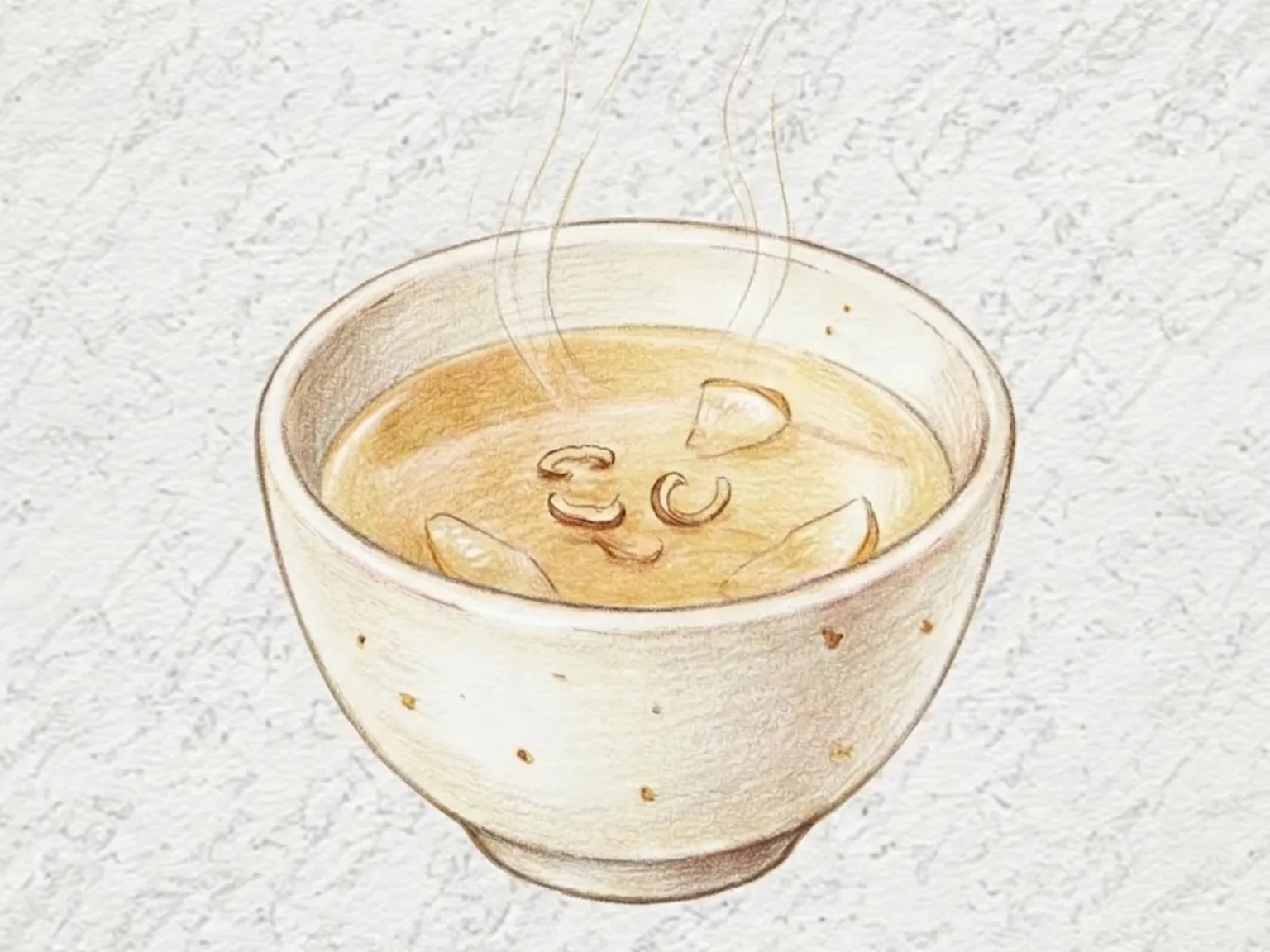
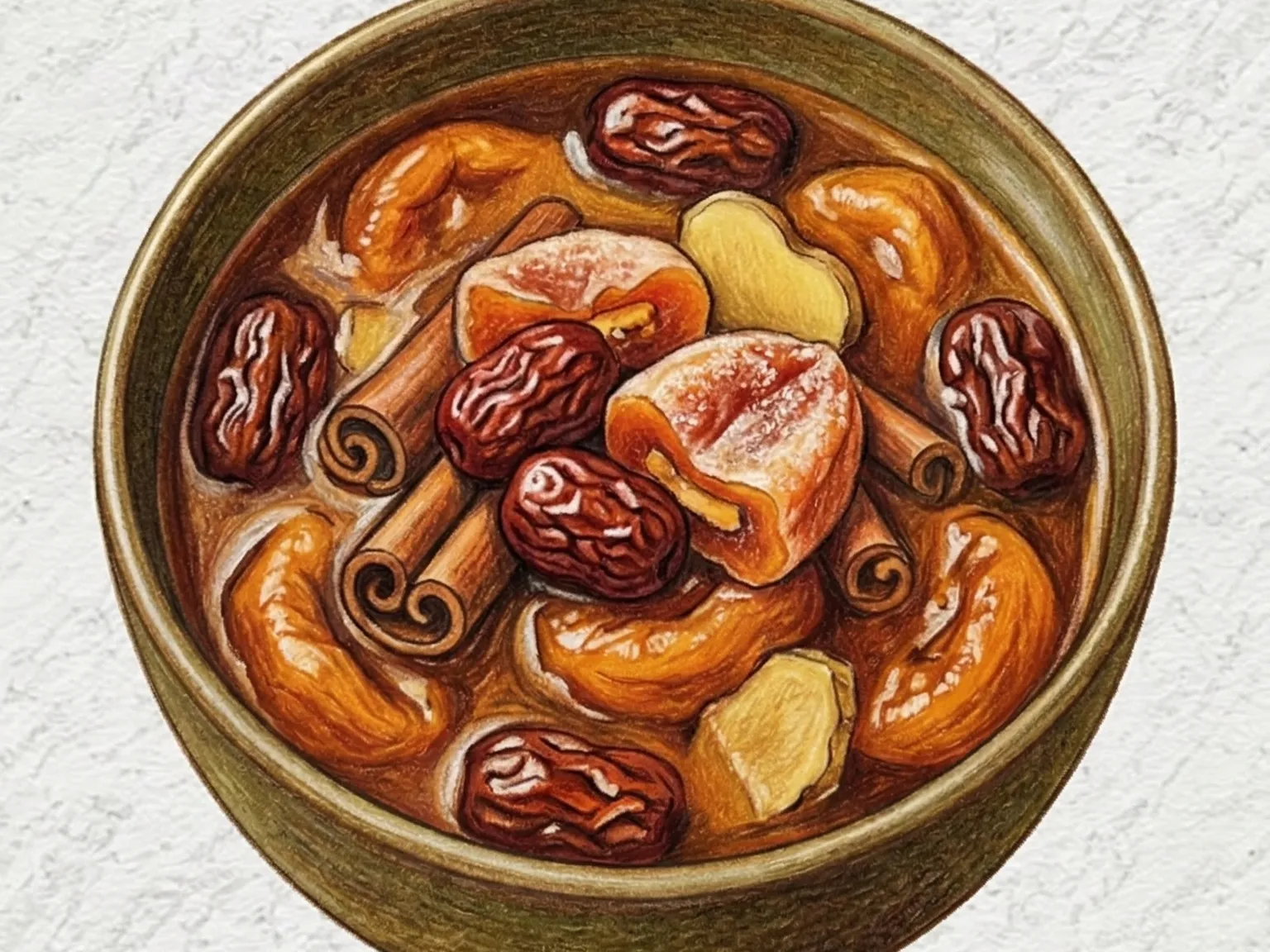
Insam-cha is a traditional Korean ginseng tea made by thinly slicing fresh ginseng root and simmering it with dried jujubes and ginger over low heat for twenty minutes. Fresh ginseng is milder and less bitter than dried root, but slicing it thin is essential for the active compounds to infuse efficiently, releasing the root's characteristic earthy, herbal aroma as it cooks. Jujubes naturally soften the ginseng's bitterness, and ginger introduces a sharp warmth that gives the tea its backbone and prevents it from tasting flat. Honey is added to balance the flavor, and a few pine nuts floated on the surface at serving add an oily richness that complements the herbal notes without cooking away. Adding pine nuts at the end rather than simmering them preserves their fragrance in the finished cup. The amount of ginger can be adjusted to control the intensity of the heat, and the ratio of jujubes to ginger shifts the tea toward sweeter or more pungent depending on preference.

Cantonese Steamed Seabass
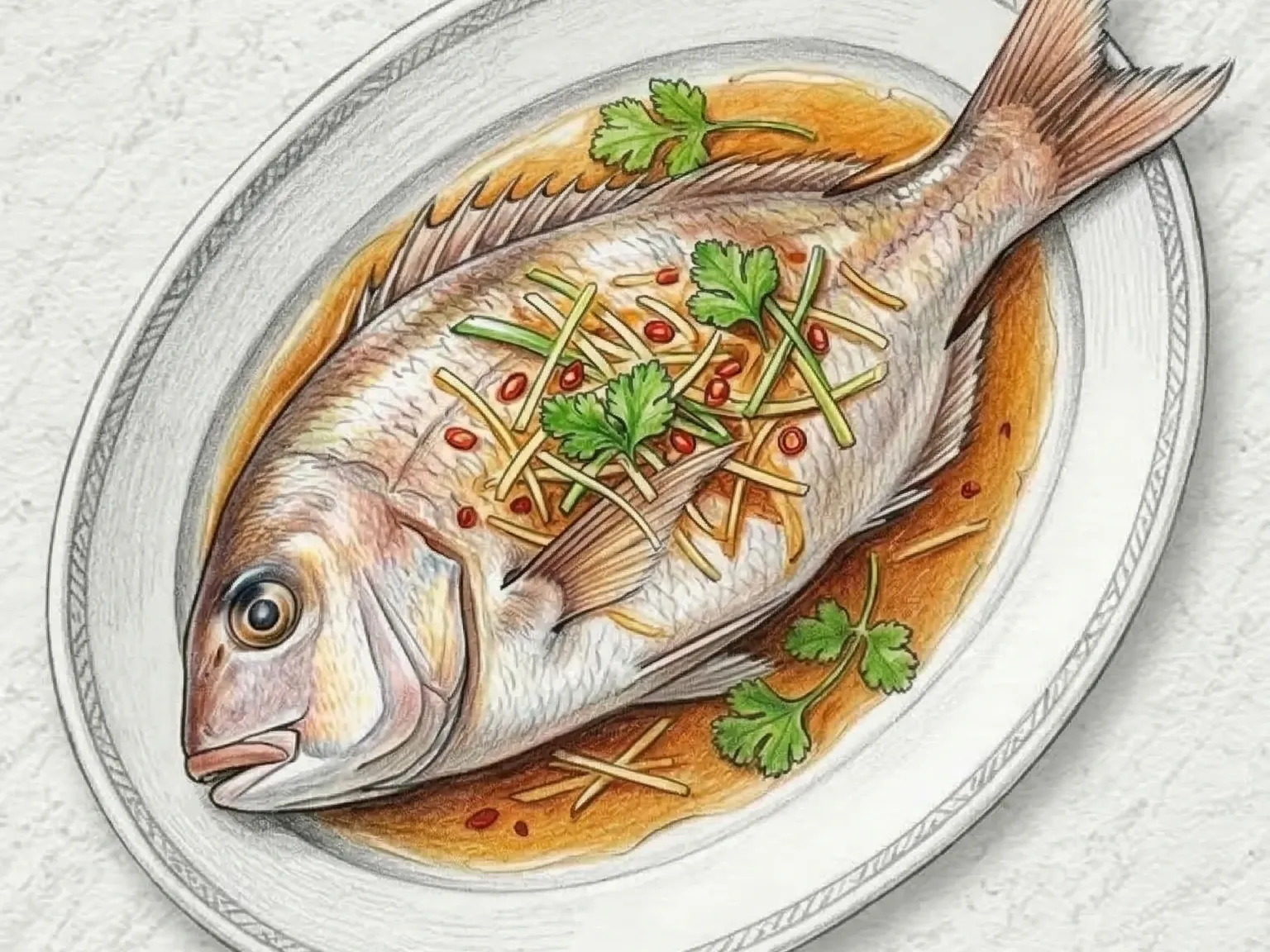
Qingzheng seabass is a Cantonese steamed fish preparation in which a whole seabass is scored, rubbed with julienned ginger and rice wine, then cooked over high heat in a steamer for ten to twelve minutes. Once the fish comes off the steam, a restrained dressing of soy sauce and sugar is poured evenly over the flesh, a generous pile of shredded scallions is laid on top, and smoking-hot oil is drizzled over everything. The oil hits the cold scallions with an audible sizzle and instantly volatilizes their aromatic compounds, filling the kitchen with a concentrated burst of allium fragrance that coats the entire dish. The steamed flesh stays moist with its natural flake intact, and the light soy dressing is calibrated so that the seabass's own clean, delicate flavor remains the centerpiece rather than being buried under seasoning. The finishing pour of hot oil simultaneously cooks the scallions and disperses their fragrance, a technique central to Cantonese cooking. The dish embodies the Cantonese philosophy that the quality of the ingredient, not the intensity of the seasoning, defines the outcome.

Korean Fermented Flounder Sikhae
Gajami sikhae is a traditional fermented flounder preparation from Korea's East Coast, made by combining salt-cured flounder fillets with julienned radish, cooked glutinous rice, gochugaru, and fish sauce, then sealing the mixture for fermentation at low temperature for a week or more. The glutinous rice starch feeds lactic acid bacteria, producing a mild, rounded acidity that reads quite differently from the sharp, concentrated saltiness of jeotgal. Radish adds moisture and textural contrast. As fermentation progresses, fish proteins break down into deep umami compounds. The resulting sikhae is far less salty than conventional fermented seafood and can be eaten directly over rice. A regional winter banchan associated with Gangwon and Hamgyeong provinces, it grows more sour the longer it ferments.

Sichuan Dry-Fried Green Beans
Sichuan dry-fried green beans, gan bian si ji dou, showcase the dry-frying technique at the center of Sichuan home cooking. Beans are blistered in a scorching wok with little or no oil until their skins wrinkle and develop brown spots, a process that drives off moisture and concentrates the natural sweetness locked inside each pod. The exterior collapses from snappy and raw into something chewy and almost leathery, while the interior retains a slight give. Minced pork, ya cai (Sichuan preserved mustard greens), dried red chilies, and Sichuan peppercorns go in during the final minute. The pork adds meaty depth, the ya cai contributes a funky, saline punch, the chilies supply sustained heat, and the peppercorns deliver the characteristic numbing tingle known as ma la that coats every bean surface. If ya cai is unavailable, a spoonful of doubanjiang or finely chopped fermented cabbage provides a comparable layer of fermented salt. The finished dish holds a textural duality that belongs entirely to the gan bian method: tough skin outside, yielding core within. It appears on Chinese restaurant menus as a palate-cleansing vegetable course between heavier meat dishes, and it works just as well as a rice accompaniment or a cold-beer snack.

Korean Roasted Sword Bean Tea
Jakdukong-cha is brewed from roasted sword beans, legumes three to four times larger than common beans, simmered with dried jujubes, fresh ginger, and a cinnamon stick for about twenty-five minutes. Roasting the sword beans until their surfaces brown develops a heavy, toasty grain aroma that forms the structural base of the tea. Ginger and cinnamon build warm spice notes on top of that roasted foundation, and the dried jujubes contribute a fruity sweetness that rounds off any astringency left by the legume. Honey is added at the very end to adjust sweetness rather than cooking it into the brew. Before roasting, the beans should be sorted for debris, rinsed, and dried completely so they toast evenly rather than steaming in residual moisture. Brewed beans can be steeped a second time for a lighter cup, making the ingredient economical. The tea contains no caffeine, which makes it suitable for drinking in the evening or on days when the stomach is unsettled.

Korean Samgyeopsal Ganjang Jorim (Soy-Braised Pork Belly)
Samgyeopsal ganjang jorim is a Korean soy-braised pork belly dish where blanched pork belly is simmered with radish and onion in a soy sauce base for over forty-five minutes. Blanching first removes impurities and excess fat, leaving a clean-tasting braise. The long simmer allows soy sauce to penetrate the layered pork, building a deep flavor that is savory without being greasy. Radish chunks absorb the pork-enriched liquid and develop a richness of their own, while oligosaccharide syrup lends a natural sheen. Cooling and reheating concentrates the seasoning further, making this a strong choice for gatherings or holiday meals.

Korean Green Chili Kimchi
Gochu kimchi is a spicy Korean kimchi made with whole or halved green chili peppers that are salted, then dressed in gochugaru, salted shrimp, anchovy fish sauce, and garlic before a short fermentation period. The thick pepper walls retain a firm crunch through salting and fermentation, and the seeds clustered inside deliver a concentrated burst of heat when bitten into. Salted shrimp brings immediate umami even without extended aging, and the pepper's own grassy sweetness supports the seasoning in place of added sugar. Salting the peppers for thirty to forty minutes with coarse salt draws out moisture without making them overly salty, which keeps the finished kimchi well-balanced. Served alongside grilled pork belly or bossam, this kimchi acts as a sharp, refreshing counterpoint that cuts through the richness of fatty meats.

Japanese-Style Chili Shrimp (Ebi Chili)
Ebi chili was created in the 1970s when Chen Kenmin, a Sichuan-born chef working in Tokyo, adapted the fiery Sichuan prawn stir-fry with doubanjiang to suit Japanese palates. The original Sichuan preparation leads with doubanjiang's raw, aggressive heat, but Chen softened that edge by adding ketchup, beaten egg, and chicken stock, transforming a sharp regional dish into the glossy, gently spiced sauce that became a Japanese staple. Shrimp are lightly coated in cornstarch and flash-passed through hot oil to form a thin shell on the outside. That shell absorbs the sauce during the final toss while protecting the shrimp's firm, springy interior. Minced garlic, ginger, and scallion are fried in oil first to build a deep aromatic base, then doubanjiang is toasted in the same oil until its raw pungency mellows and the oil takes on a deep red color. Ketchup and sugar go in next, followed by chicken stock, and the sauce is reduced until it coats a spoon. The beaten egg stirred in last gives the finished sauce a slightly creamy, silky body. Ebi chili is one of the most recognized items on Japanese teishoku restaurant menus, typically served as a set meal with steamed rice, miso soup, and a small side salad. It is equally common in home kitchens and bento boxes, occupying the kind of everyday familiarity that few other Chinese-inspired dishes have achieved in Japan.

Korean Traditional Spiced Honey Drink
Jehotang is a traditional Korean royal summer drink prepared by the court medical office and presented to the king as a cooling remedy against the summer heat. Cinnamon sticks, fresh ginger, and licorice root are simmered together over a low flame for an extended period to draw out the full depth of each spice, then the liquid is strained and blended with plum syrup and honey once it has cooled. The result is a chilled, aromatic drink that balances sweet and tart notes while layering the warmth of multiple spices underneath. Cinnamon and ginger were considered warming in nature even when drunk cold, believed to revive a body worn down by summer heat from the inside. A few floating pine nuts on top add a subtle nuttiness that rounds out each sip. Adjusting the amount of honey or water to account for the sweetness of the plum syrup allows the drink to be tuned to personal preference.

Korean Braised Beef and Radish
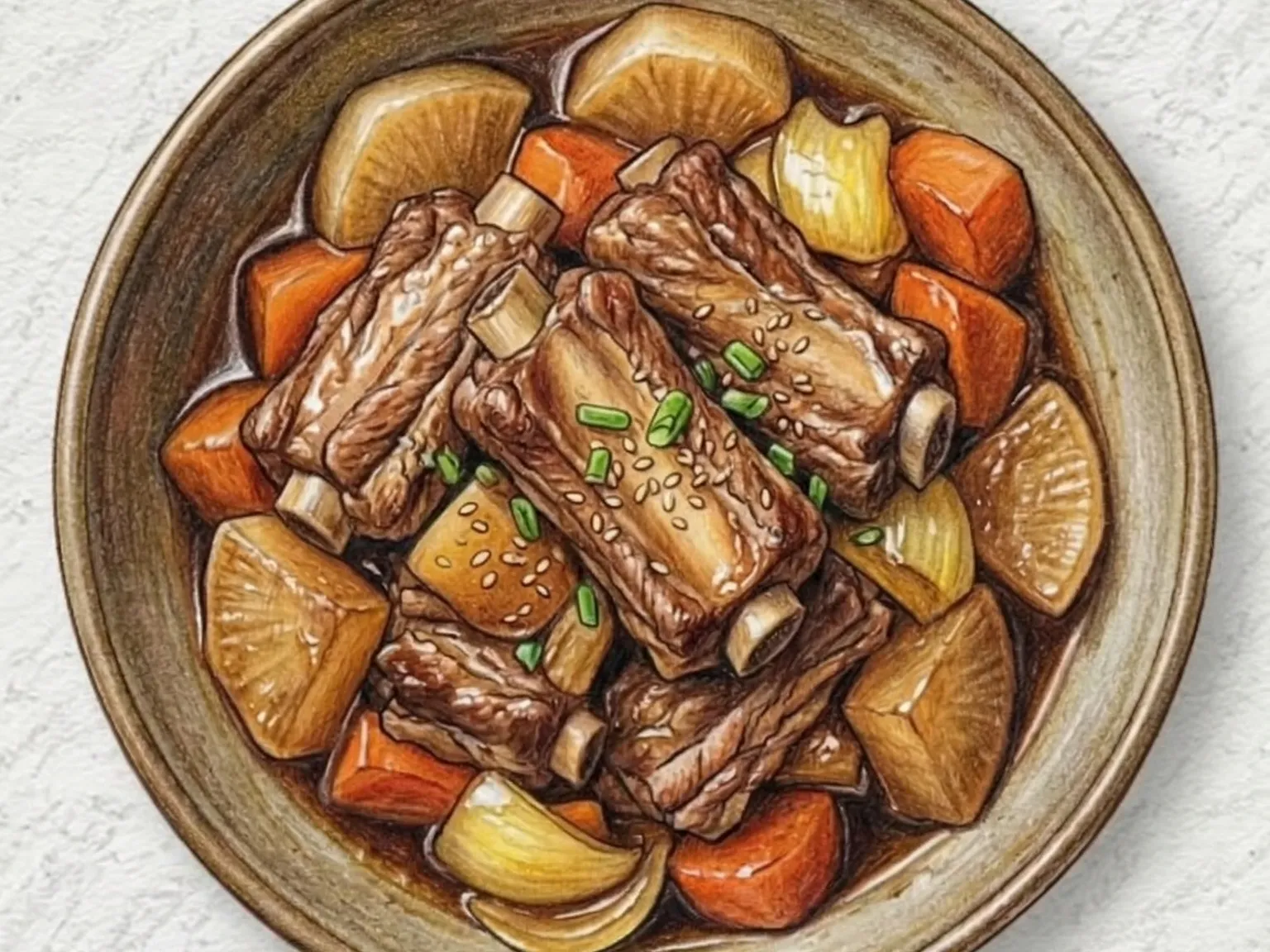
Sogogi mu jorim is a Korean braised beef and radish dish where brisket and thick-cut Korean radish are slowly simmered in soy sauce with garlic, ginger, and a touch of sugar. Boiling the beef first and skimming the foam produces a clean broth base for braising. The radish goes in later so it cooks until semi-translucent, absorbing the beef-enriched liquid and developing a natural sweetness that balances the soy. Green onion added at the end contributes a fresh note. Cutting the radish thick is important so it holds its shape through the braise, and resting the dish overnight before reheating deepens the flavor noticeably.

Korean Sweet Potato Stem Kimchi
Goguma julgi kimchi is made from sweet potato stems, prepared by carefully peeling their tough, stringy outer skin to expose the elastic inner fiber, blanching briefly, then seasoning with gochugaru, anchovy fish sauce, minced garlic, and glutinous rice paste before being left to ferment. Once stripped of the outer skin, the stems retain only their springy, chewy core, which gives every bite a bouncy, almost springy resistance that sets this kimchi apart from leafy varieties. As the fermentation progresses, the seasoning works its way deep into the fibrous channels of each stem, building a well-balanced spicy-salty flavor throughout. Scallions bring a fresh herbal note, and onion rounds the sharp edges of the chili seasoning with natural sweetness. The peeling is time-consuming, but the distinctive texture rewards the effort. Made in peak summer when sweet potato stems are freshest, this kimchi is considered a seasonal treat.

Gyoza
Gyoza are Japanese pan-fried dumplings that evolved from Chinese jiaozi, brought back to Japan by soldiers and civilians returning from Manchuria after World War II, who recreated the dumplings they had eaten abroad. A thin wheat-flour wrapper encloses a filling of ground pork, napa cabbage (or regular cabbage), garlic chives, garlic, and ginger, pleated into a crescent shape. The dumplings are placed flat-side down in an oiled skillet, seared until golden, then water - sometimes mixed with a touch of flour - is added and the lid goes on to steam them through; as the water evaporates, the bottoms re-crisp and form the thin, lacy skirt called hanetsuki that connects all the dumplings in the pan. Each piece delivers three textures in one bite: the chewy steamed top, the crackling golden base, and the juicy meat filling inside. A dipping sauce of soy sauce, rice vinegar, and la-yu (chili oil) adds sharpness, salt, and heat atop the dumpling's savory richness. Gyoza are served as a ramen-shop side dish, an izakaya beer snack, and a weekend home-cooking staple - one of the most versatile foods in the Japanese repertoire.

Korean Liriope Root Tea (Herbal Pear Ginger Brew)
Maekmundong-cha is a Korean herbal tea made by slowly simmering dried liriope root with sliced Korean pear, fresh ginger, and dried jujubes over medium-low heat for twenty minutes. Liriope root produces a mildly bitter herbal fragrance as it steeps, and the pear's natural sweetness and juice balance that bitterness without adding any processed sugar. Ginger stays in the background rather than dominating the flavor, leaving only a quiet, spreading warmth in the throat and chest after each sip. Jujubes contribute a deep reddish amber color and a concentrated natural sweetness that rounds the overall taste of the broth. Stirring in a spoonful of rice syrup at the end draws all the individual flavors together and gives the finish a smooth, malt-like quality. The tea reheats without losing its layered aroma after refrigeration, making it practical to simmer a larger batch and drink it over several days. It is traditionally regarded as soothing for a dry throat and useful during periods of fatigue.

Korean Braised Beef Trotter
Ujok-jjim is Korean braised beef trotter simmered for over two hours with soy sauce, garlic, ginger, and green onion until the collagen-rich joints turn soft and gelatinous. The long, low braise dissolves the connective tissue into the cooking liquid, making it so concentrated that it sets into a firm jelly when cooled. Sugar and soy sauce create a sweet-savory seasoning that penetrates deep into the layered skin and tendons. Traditionally regarded as a nourishing food for joint health, this is a slow-cooked comfort dish especially popular among older generations in Korea.

Korean Salted Oyster Jeotgal
Gul jeotgal is a traditional Korean fermented condiment made by curing fresh winter oysters in coarse solar salt with gochugaru, minced garlic, ginger, and plum extract, then aging the mixture at low temperature. As the salt draws moisture from the oyster tissue, the flesh contracts and its marine umami intensifies into something denser and more complex than a fresh oyster delivers. Gochugaru gives the condiment its characteristic red color and adds heat that balances the brininess. Plum extract plays a specific role during fermentation: it suppresses the fishy odor that naturally develops while contributing a mild acidity that keeps the overall flavor from turning flat or heavy. The longer gul jeotgal ages, the more layered and deep its character becomes. Eaten on its own over warm rice, it functions as a complete banchan, briny and bold against plain starch. Its more significant culinary role, however, is as a filling ingredient in baechu kimchi: folded into the seasoning paste, it introduces a richer source of umami than fish sauce alone provides, and the amino acids it releases during fermentation elevate the entire kimchi as it continues to ripen.

Japanese Beef Bowl (Gyudon)
Gyudon starts with paper-thin slices of beef and thinly cut onion simmered together in a broth of soy sauce, mirin, sugar, and grated ginger. The key is keeping the heat at medium rather than high, which prevents the beef from toughening and allows the onion to break down gently, releasing sweetness into the sauce. As the liquid reduces to a glossy, concentrated state, the flavors intensify into a layered combination of salty, sweet, and faintly sharp ginger notes. A one-minute rest off the heat lets the beef absorb more of the seasoned broth before it goes over the rice. The dish differs from stir-fried beef bowls in that the meat is never seared; instead it poaches in the simmering liquid, staying notably soft. A runny egg on top is traditional and adds richness when the yolk breaks into the sauce.

Masala Chai
Masala chai is an Indian spiced milk tea made by simmering crushed ginger, cinnamon, and cardamom in water until the spices release their oils fully, then adding black tea leaves and whole milk and continuing to heat gently over low flame. The spices build aromatic depth that wraps around the tea's tannins, transforming them into warm, rounded complexity rather than raw astringency. Stirring in sugar during the final minutes of simmering softens the spice's sharpness and allows the milk's creaminess to come forward. Using whole spices rather than ground powders keeps the brew free of gritty residue and produces a cleaner, more transparent aroma in each cup.

Korean Salted Yellow Croaker Jeotgal
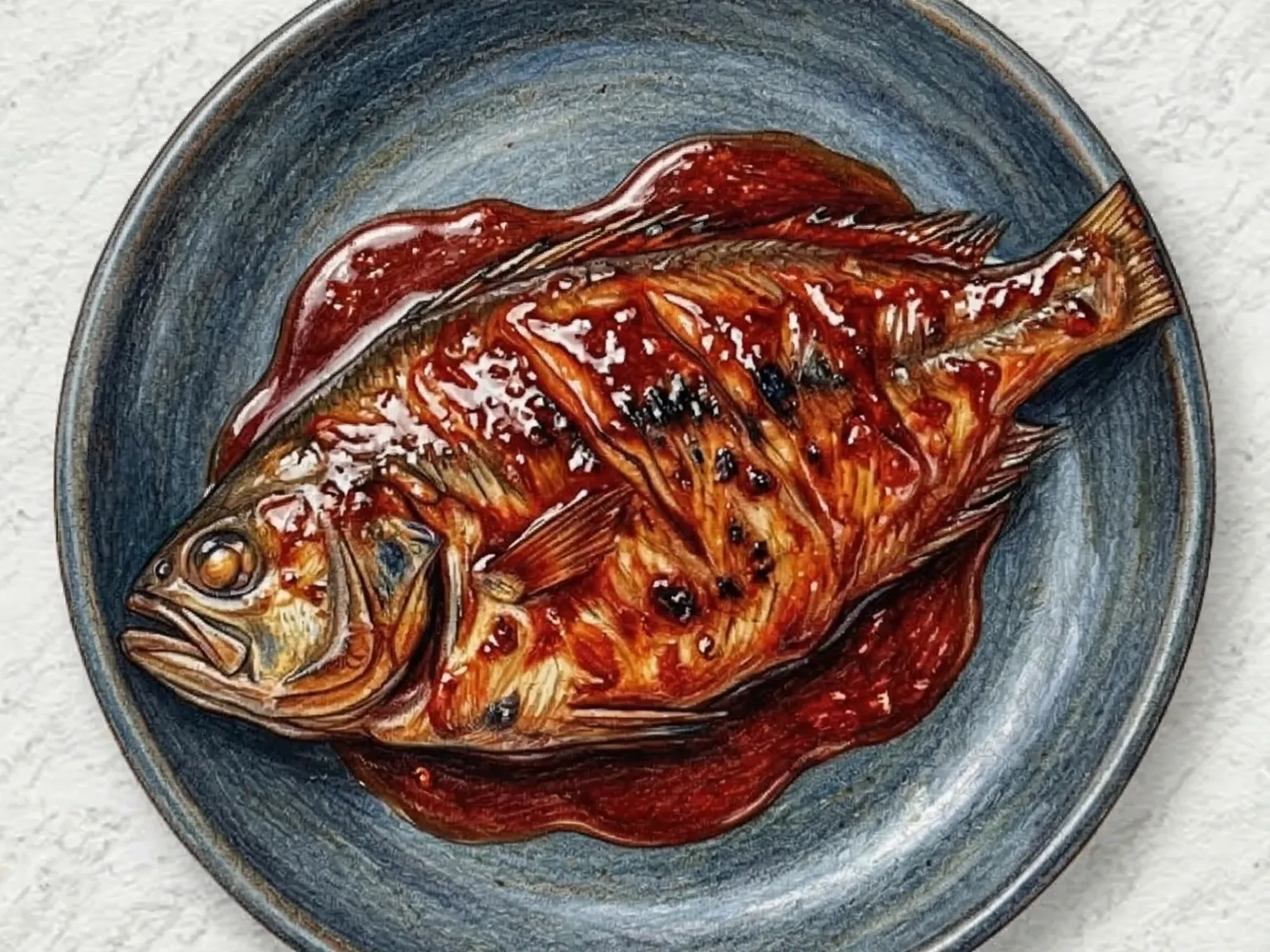
Jogi jeotgal is a Korean salted and fermented yellow croaker made by gutting the fish, layering it in coarse sea salt for an initial multi-day cure in the refrigerator, then folding in gochugaru, garlic, ginger, and rice wine for a second stage of aging. Over the extended fermentation, fish protein breaks down into a concentrated savory depth that bears no resemblance to the raw ingredient, while the sea salt continuously draws out moisture and causes the flesh to contract and firm. Gochugaru and ginger suppress the fermentation smell and add a mild heat and aromatic warmth, while rice wine smooths out the sharp, rough edges that develop early in the process. The finished jeotgal is used in small amounts, placed over rice or added to kimchi jjigae as a flavor amplifier, a condiment that delivers significant depth from a very small quantity.

Hainanese Chicken Rice (Poached Chicken on Fragrant Rice)
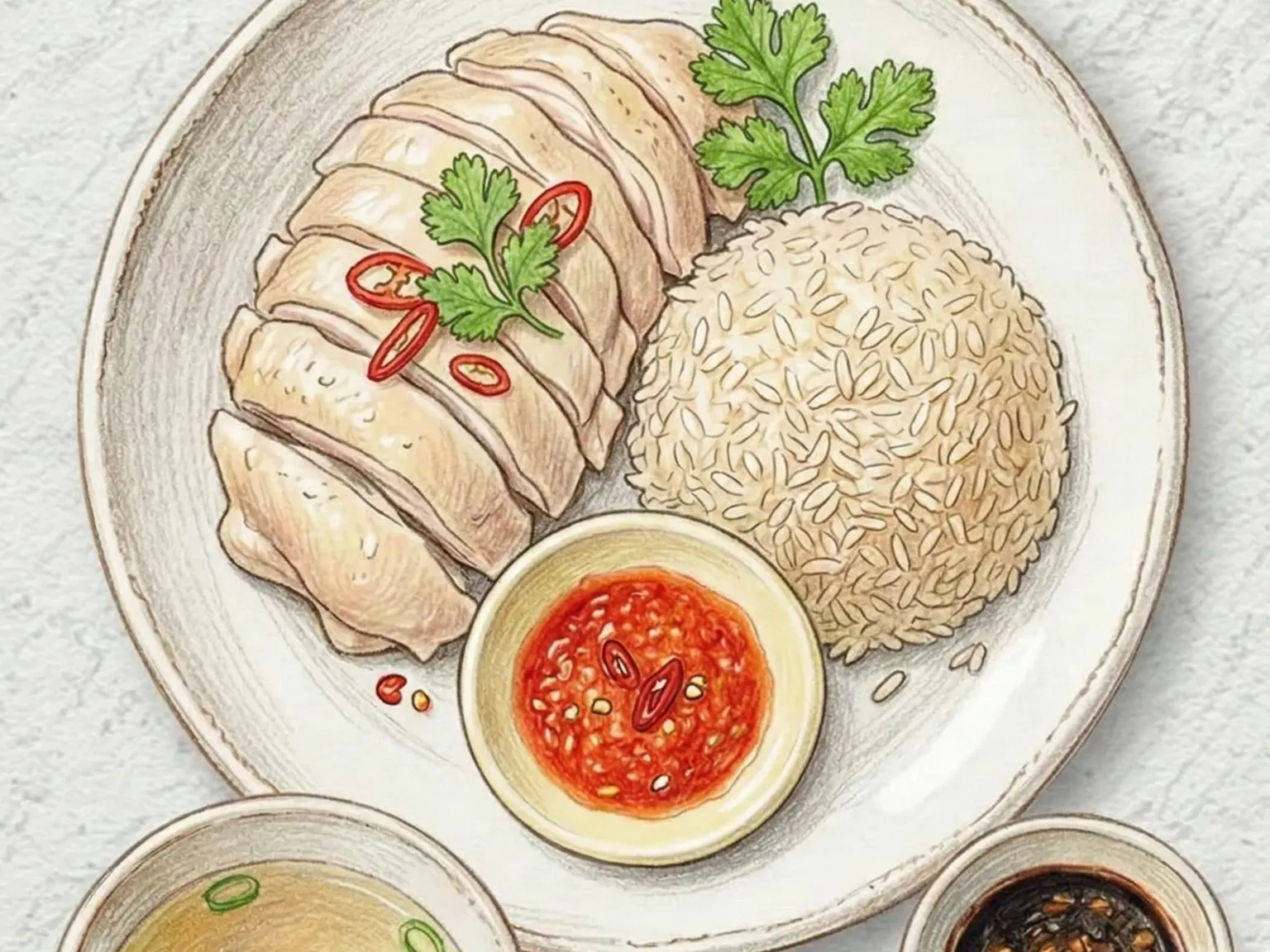
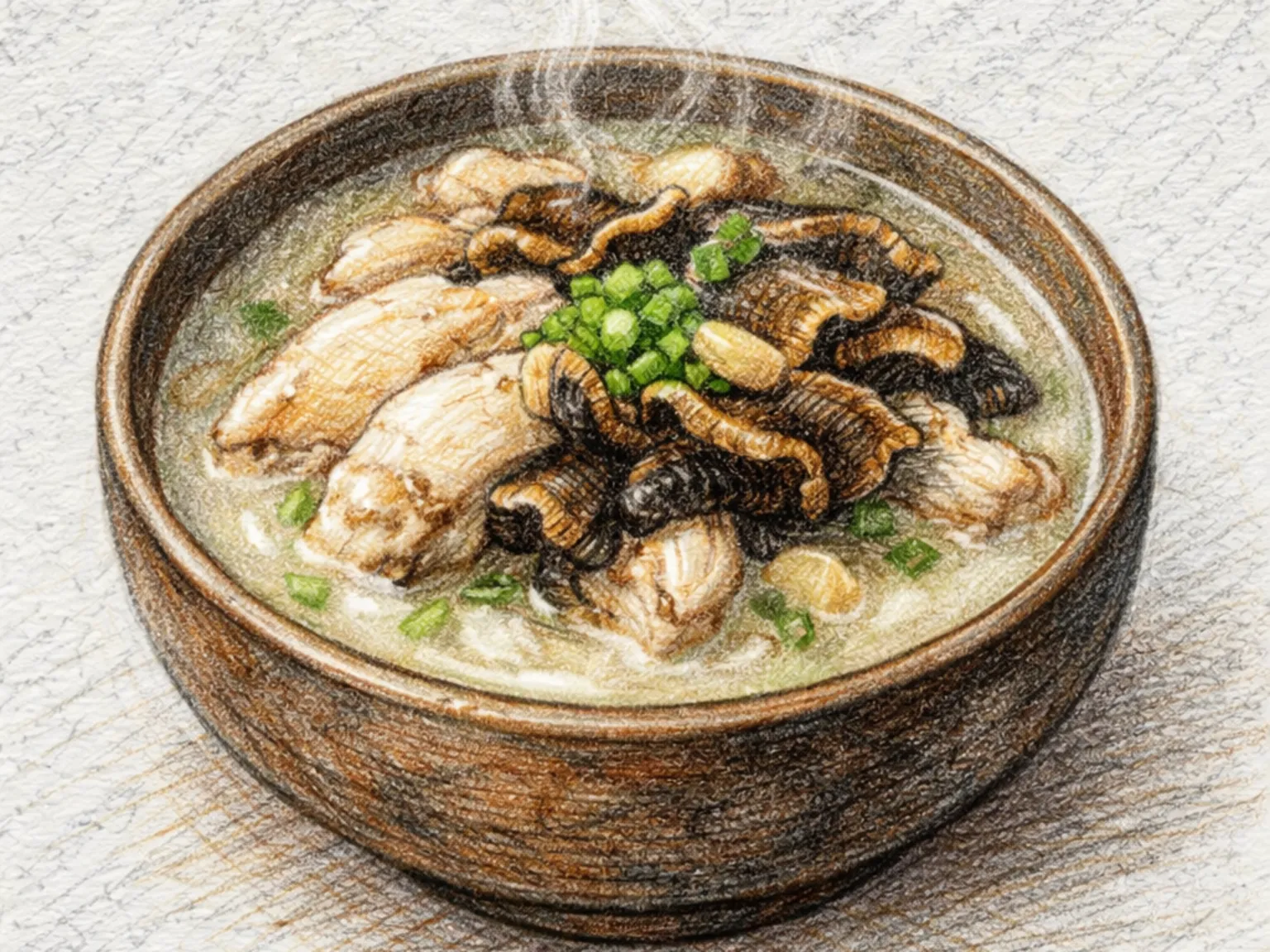
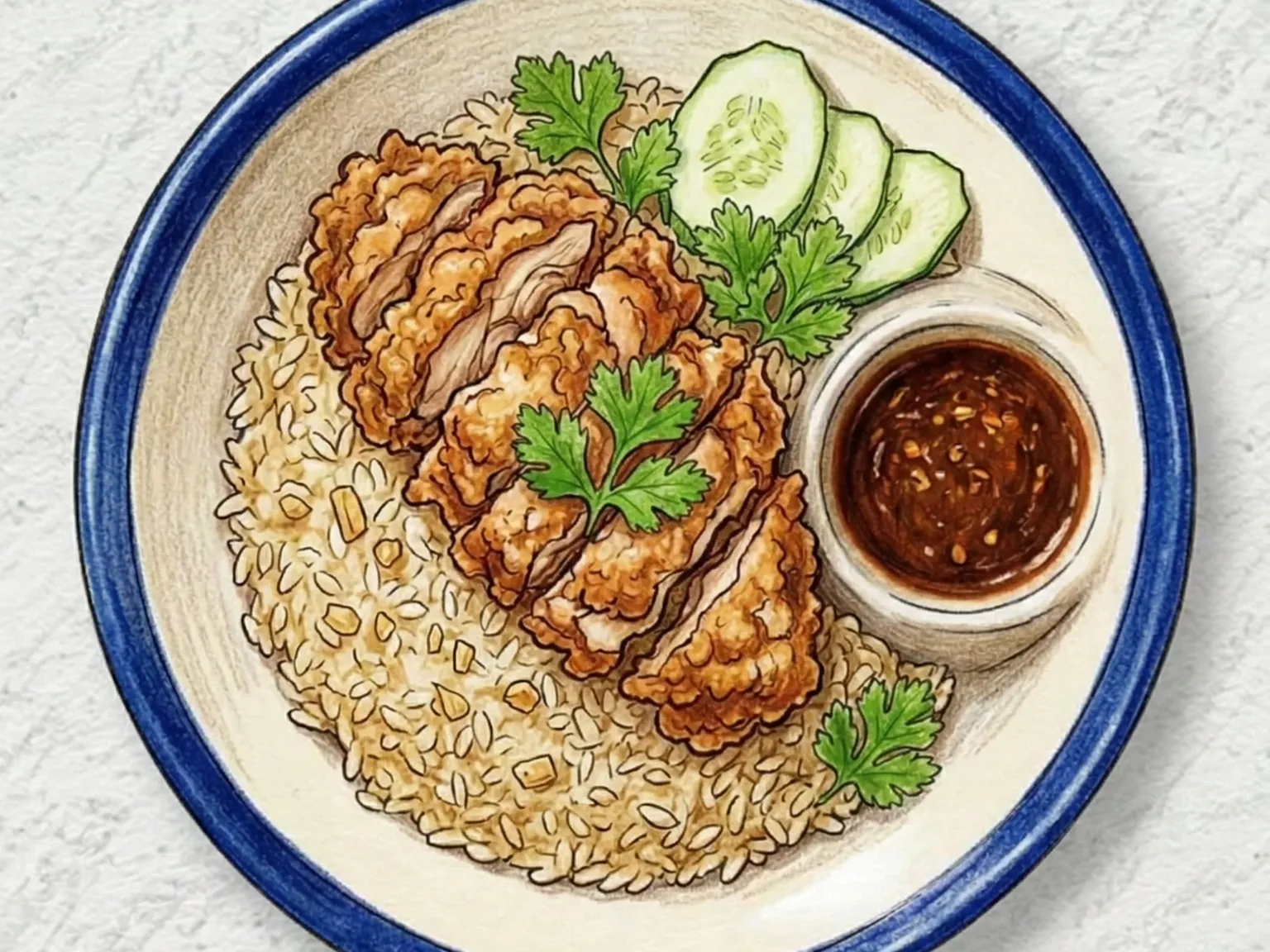
Hainanese chicken rice is the signature dish of Singapore and Malaysia, built on the deceptively simple technique of poaching bone-in chicken thighs in water seasoned with ginger and scallion at a consistently gentle temperature, then using the resulting broth to cook the rice. The temperature during poaching is the defining variable: the water must stay at a bare tremble rather than a rolling boil to keep the muscle fibers relaxed and the meat silky rather than fibrous or dry. For the rice, garlic and ginger are sauteed in oil or rendered chicken fat until fragrant, then raw jasmine rice joins the pot and the strained poaching broth replaces plain water for cooking. A spoonful of additional chicken fat stirred in before the lid goes on gives the finished rice a glossy sheen and noticeably richer aroma. The poached chicken is cooled, sliced across the grain to show a smooth, tender cross-section, and arranged alongside fresh cucumber slices that add a crisp, refreshing contrast to the soft meat. Two condiments accompany the dish and define its character: a chili-ginger sauce that provides heat and brightness, and a thick, dark soy sauce that contributes deep, caramel-like sweetness. Despite relying on few ingredients, the dish rewards careful attention to poaching temperature and broth management at every stage.

Korean Minari Apple Juice
Minari apple juice is a Korean green juice made by blending fresh water dropwort, apple, and cucumber with cold water until smooth. Water dropwort carries a sharp, herbaceous bite that anchors the drink in clean, green territory, while the apple's natural juice sweetens the blend without any added sugar. Cucumber brings lightness and hydration, softening the overall texture so each sip goes down easily. A small piece of fresh ginger adds quiet warmth underneath the green notes, and lemon juice keeps water dropwort's grassy edge in check while honey rounds out the tart finish. Drinking the blended mixture straight gives a fuller, fiber-rich texture, but straining through cheesecloth or a fine-mesh sieve transforms it into a clear, polished juice with a noticeably smoother feel. Spring water dropwort harvested at peak season delivers the most concentrated herbal fragrance, and choosing a tart apple variety prevents the sweetness from overpowering the other ingredients.

Korean Fermented Kale Kimchi
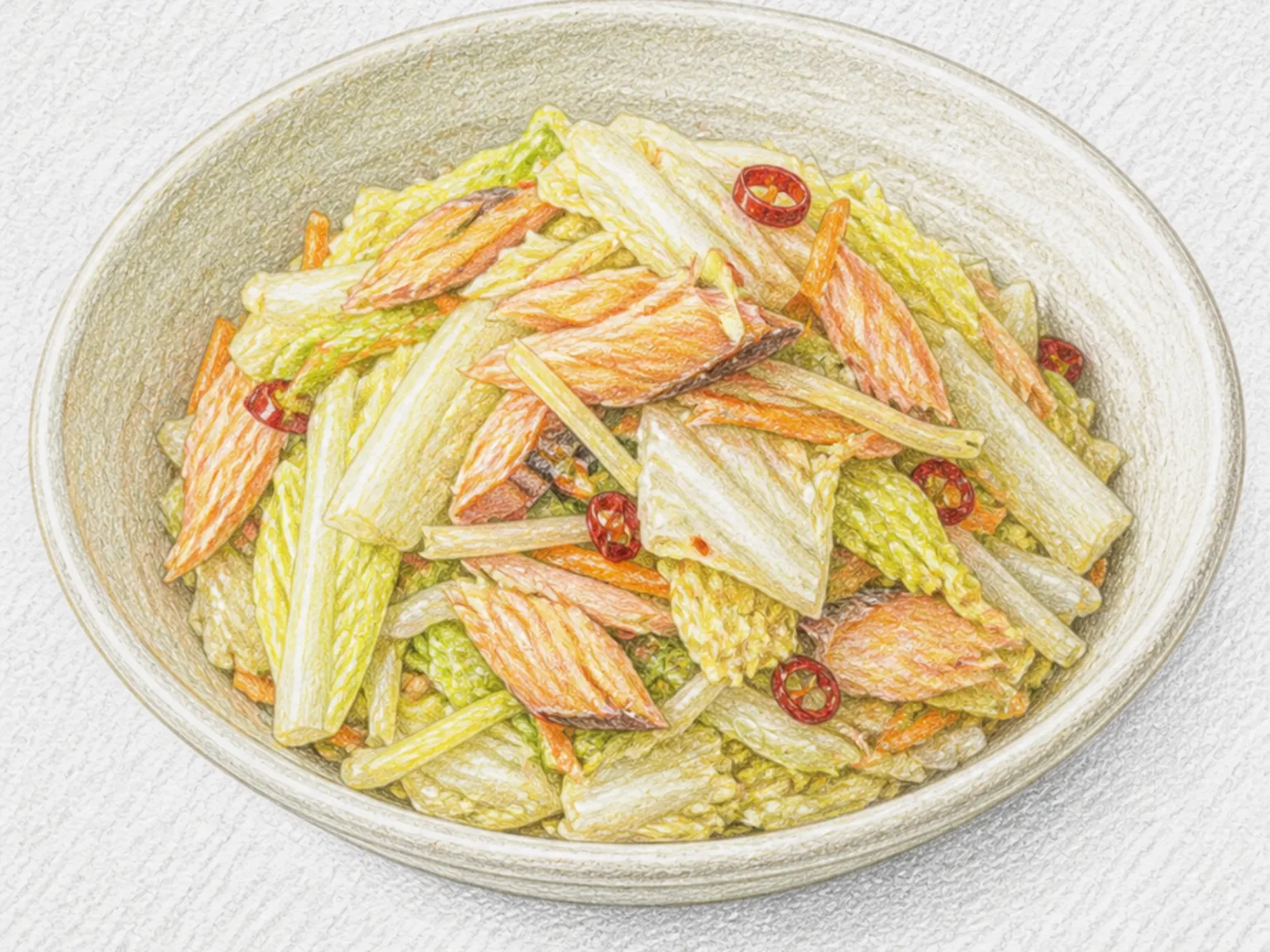
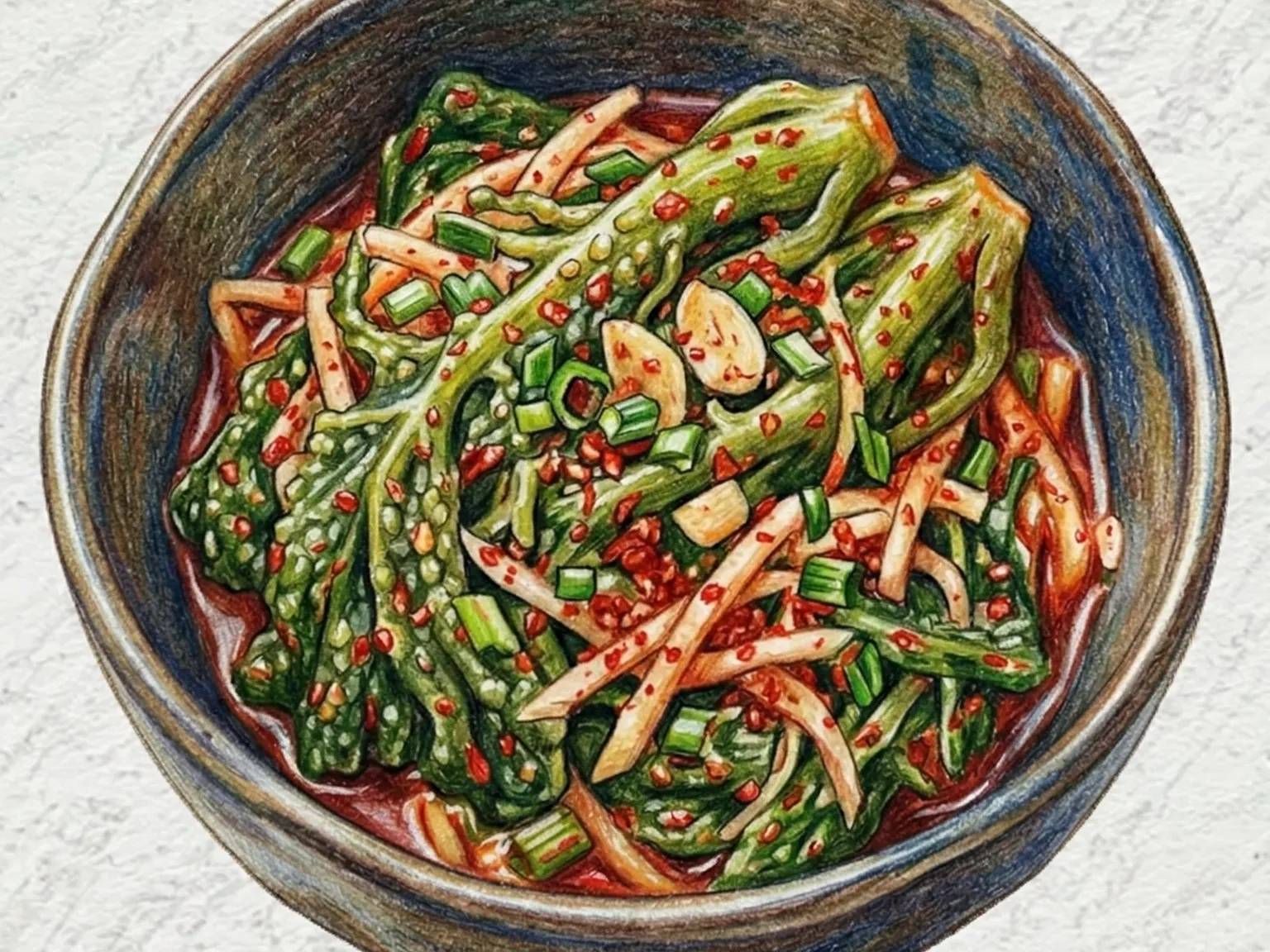
Kale kimchi is made by wilting kale leaves in coarse salt, then tossing them with julienned radish, scallions, gochugaru, soup soy sauce, and pear puree before fermenting. The kale's strong green flavor mellows during fermentation while its sturdy leaf structure maintains a satisfying chew, and the radish strips add a crisp counterpoint to the soft seasoning. Pear puree wraps around the chili heat with fruit sweetness, and soup soy sauce anchors the seasoning with a quiet umami depth. Made using the same technique as napa cabbage kimchi but carrying kale's distinctive slight bitterness, this version adds a layer of complexity and nutritional density to the traditional format. Kale requires less salting time than napa cabbage, and weighting it down evenly during the process ensures consistent wilting throughout the batch.

Keema Matar (Indian Spiced Minced Meat and Pea Curry)
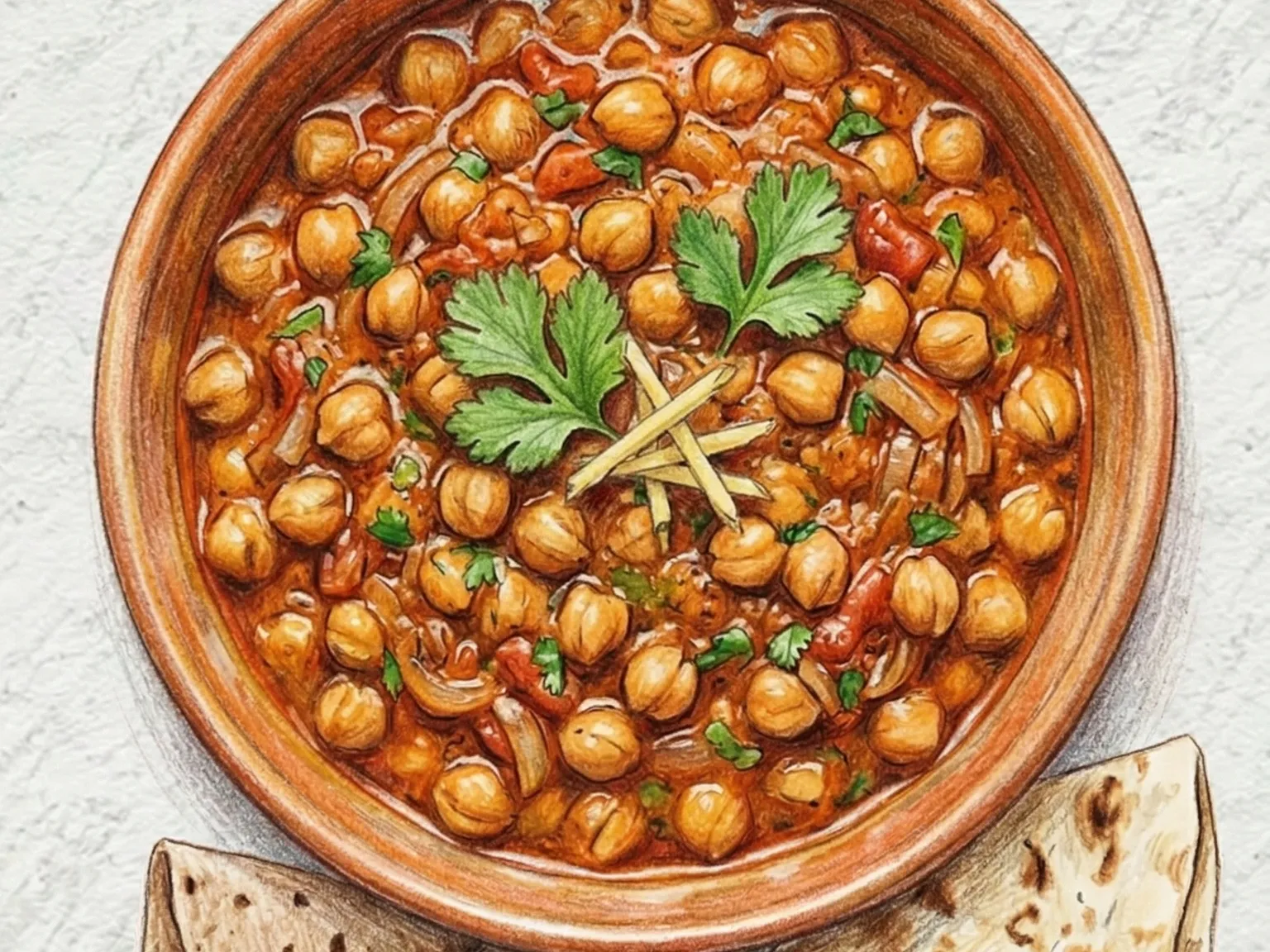
Keema matar is a North Indian curry of seasoned minced meat and green peas cooked down into a thick, almost dry gravy. Onions are fried until deep golden to form a sweet, caramelized base, followed by garlic and ginger that release their sharpness into the fat. Ground lamb or beef is added and stirred continuously to break up clumps before the spices go in. Turmeric, cumin, garam masala, and chili powder build the spice profile, while diced tomatoes provide acidity and moisture that allow the spices to cook through without scorching. Green peas are added near the end of cooking so they retain a pop of texture and natural sweetness. Because the finished dish is relatively dry with little sauce, it clings well to flatbreads such as naan or chapati and also works as a topping over plain steamed rice. The whole preparation takes under forty-five minutes with minimal knife work, making it one of the more practical Indian curries for weeknight cooking. Blooming the cumin in hot oil at the start, using the tadka technique, deepens the aroma significantly and lifts the overall flavor of the dish.

Korean Dandelion Root Tea
Mindeulle-cha is a Korean herbal root tea made by dry-roasting dried dandelion root and barley in a pot, then simmering them with water, sliced ginger, and licorice root for eighteen minutes. The roasting step drives off the earthy rawness of the root and replaces it with a toasty, grain-like aroma, while licorice and ginger soften any remaining bitterness into a warm, rounded finish. Rice syrup stirred in at the end adds a malty sweetness that gives the tea more body and depth. Dandelion root contains inulin and choline, and it has been used in traditional Korean medicine as recorded in the Dongui Bogam to support liver function and digestion. Adding barley to the dry-roast blends in a cereal nuttiness that makes the tea more approachable than dandelion root brewed alone. Naturally caffeine-free, it can be sipped comfortably in the evening, and it chills well over ice for summer.

Korean Cubed Radish Kimchi
Kkakdugi is a staple Korean kimchi made from radish cut into 2 cm cubes, brined in coarse salt, then seasoned with gochugaru, salted shrimp, garlic, and ginger before fermentation. Salting draws out moisture from the cubes, creating a contrast between the damp interior and the snappy outer surface. Salted shrimp layers its briny seafood depth beneath the chili heat, and as fermentation progresses, the radish's natural sugars emerge to balance the spice with a clean sweetness. Brining time should be kept to thirty minutes to one hour since over-salting softens the radish and robs it of its characteristic crunch. Adding a small drizzle of perilla oil during the seasoning step deepens the nutty undertone of the finished kimchi, and substituting grated pear or apple for sugar provides a gentler, fruit-derived sweetness that integrates more seamlessly into the overall flavor. The accumulated brine at the bottom of the jar develops a refreshing tang that makes kkakdugi the essential companion to rich, milky soups like seolleongtang and gomtang.