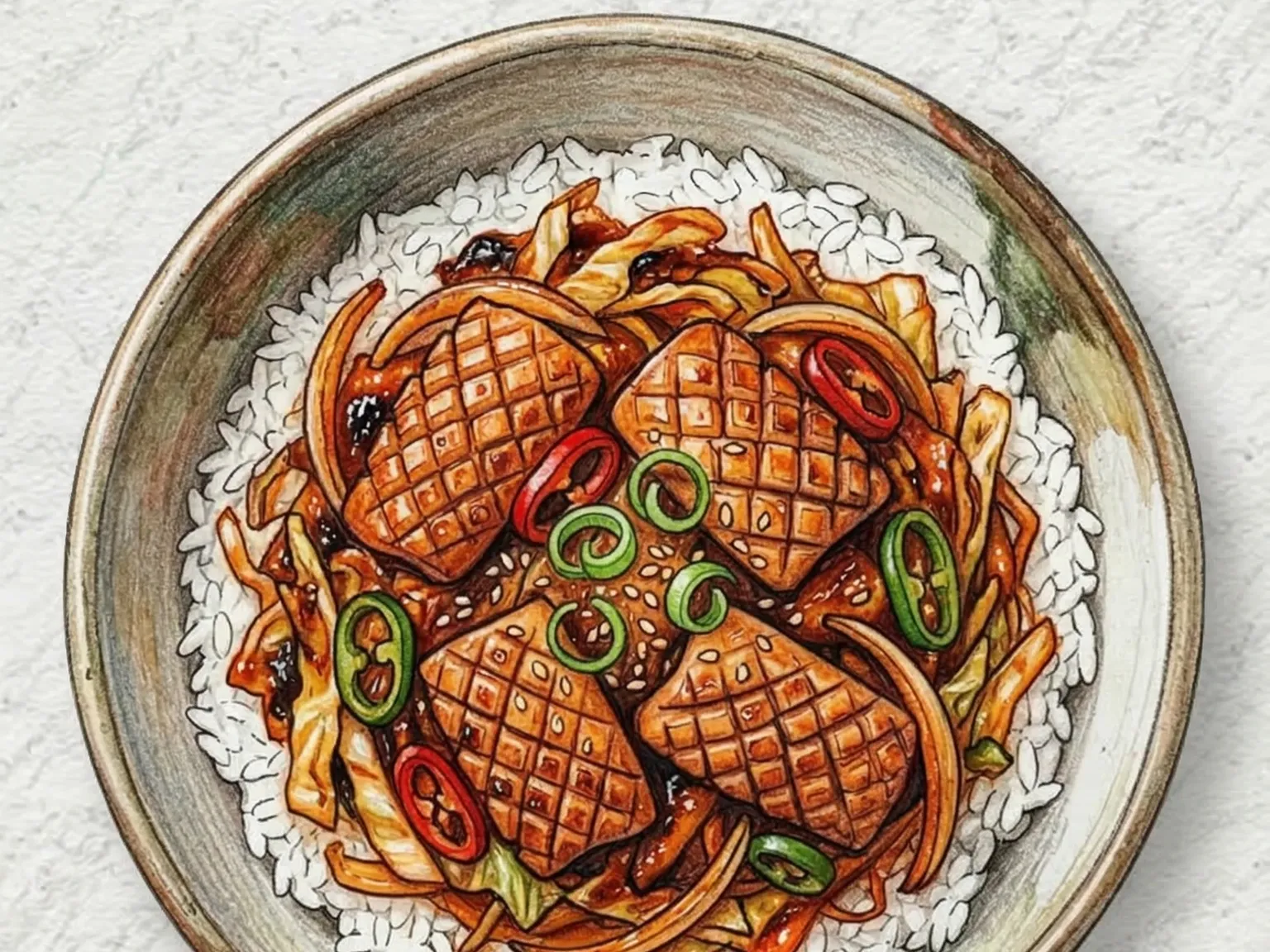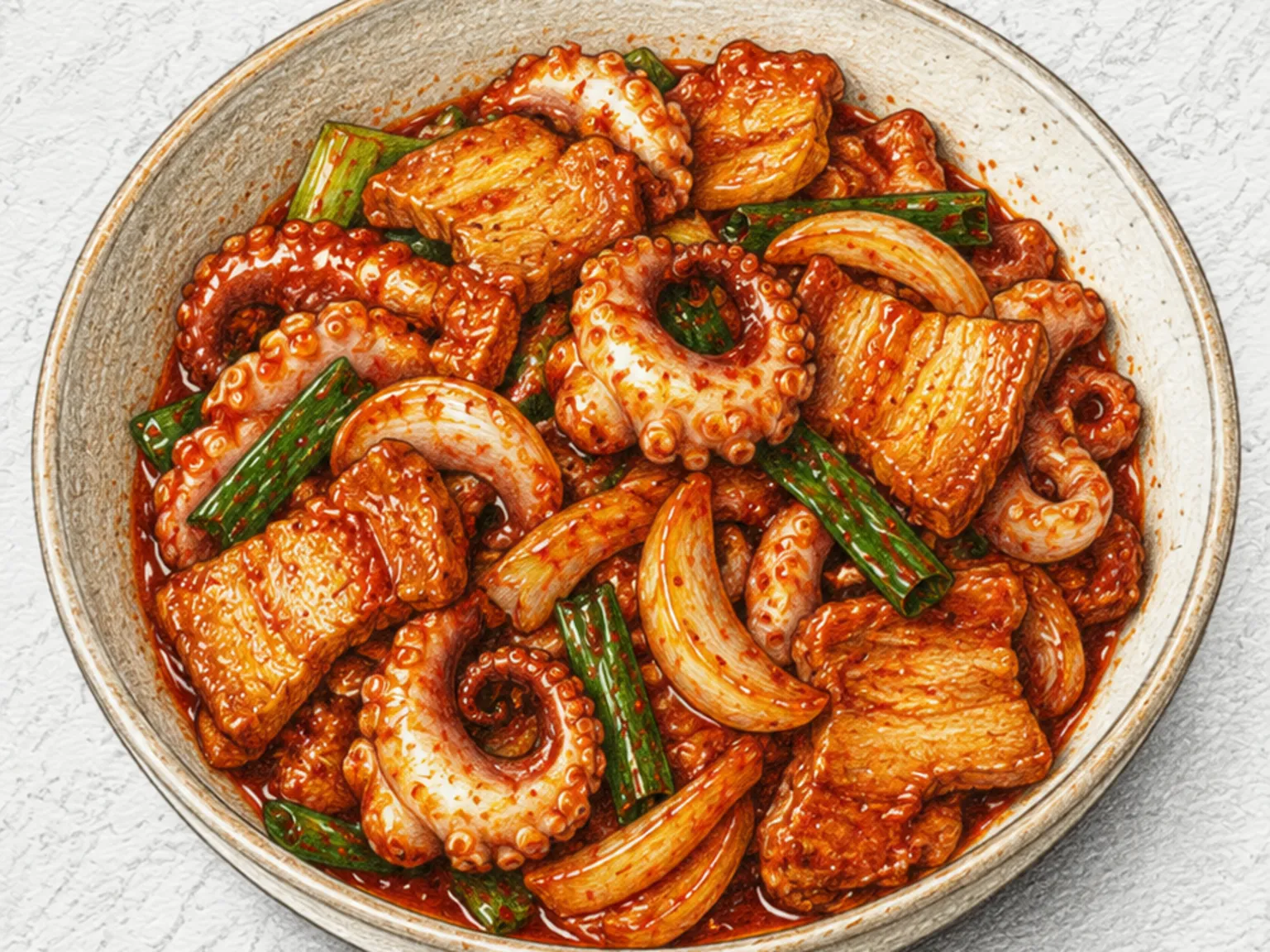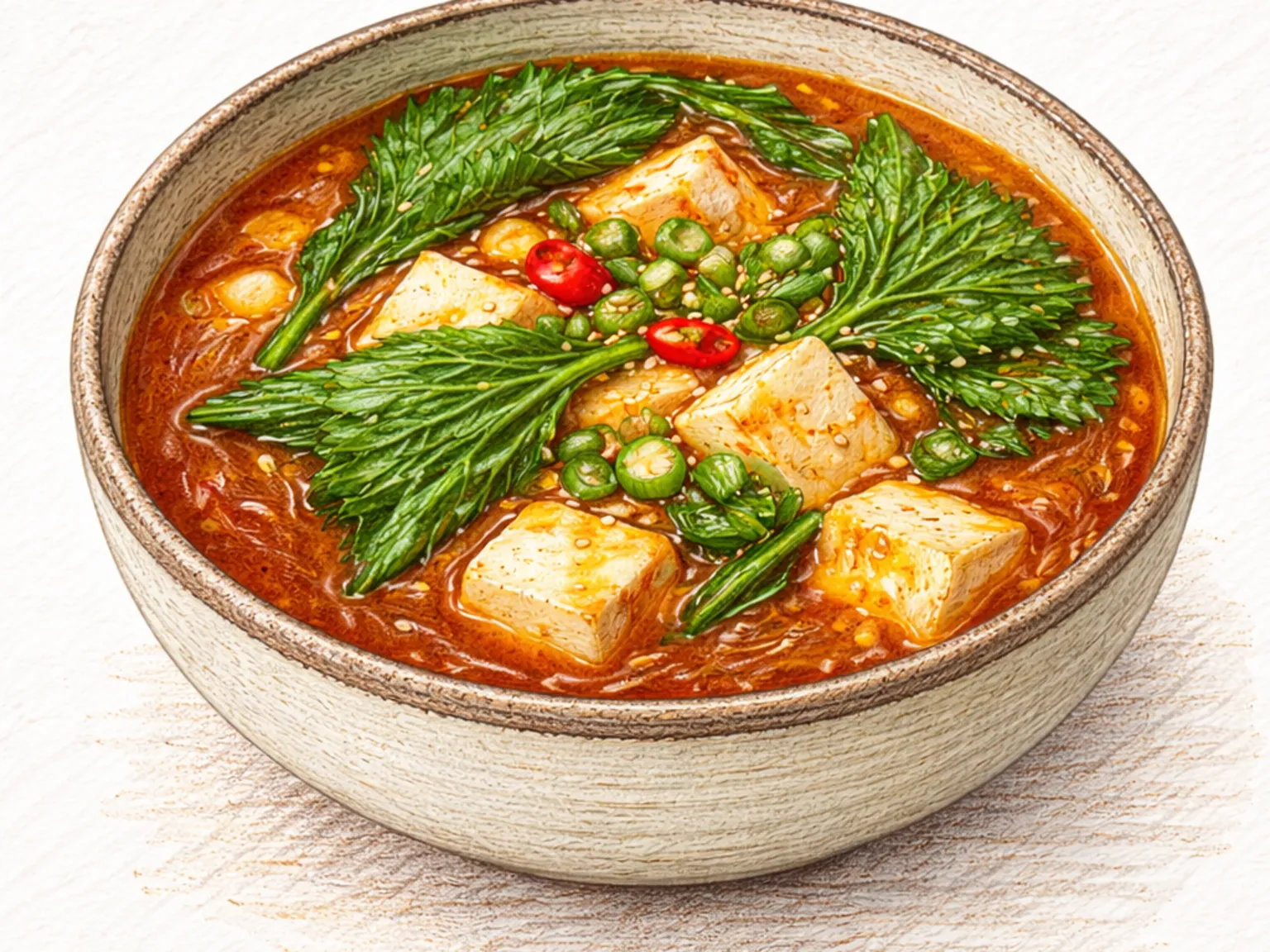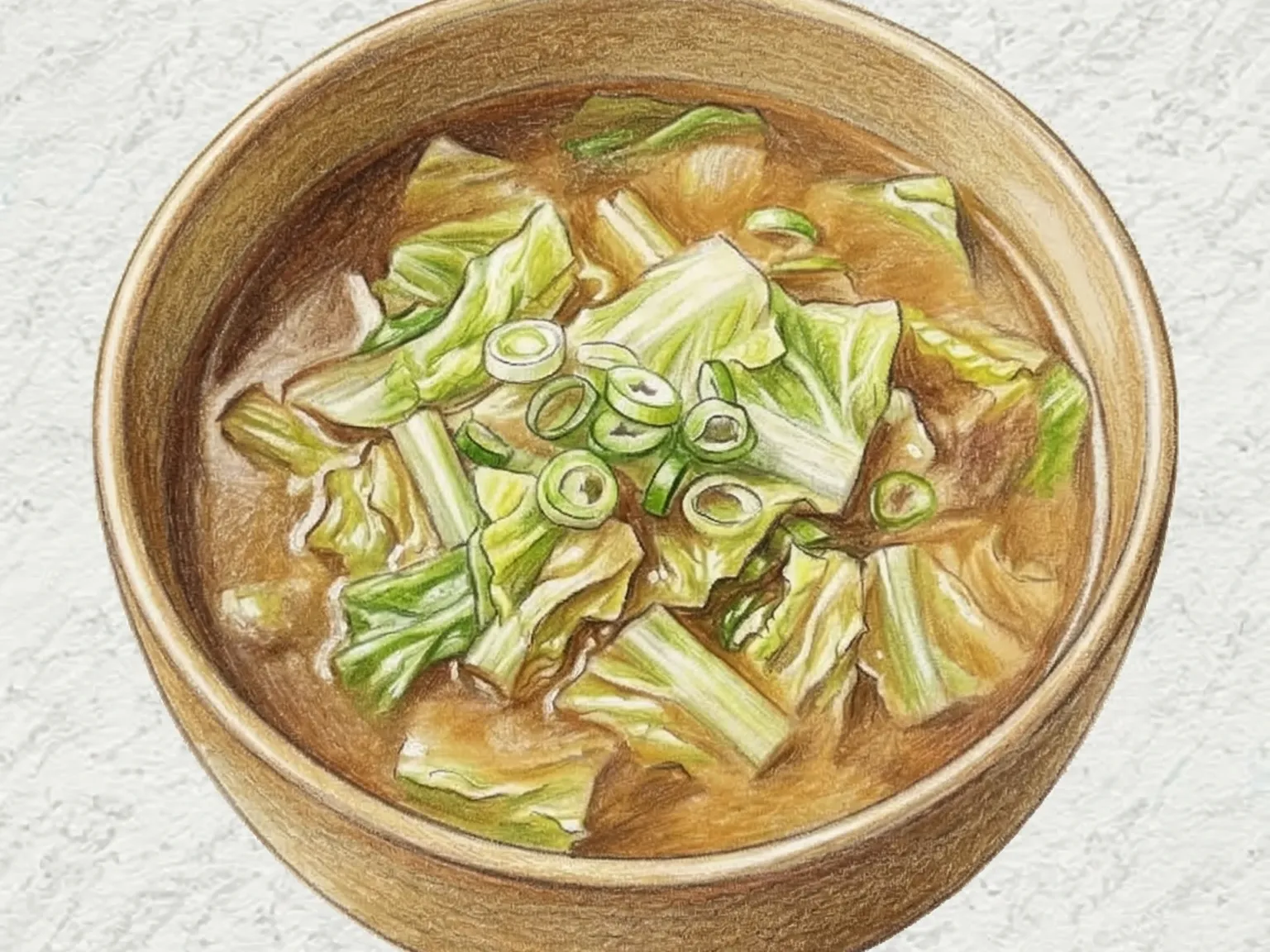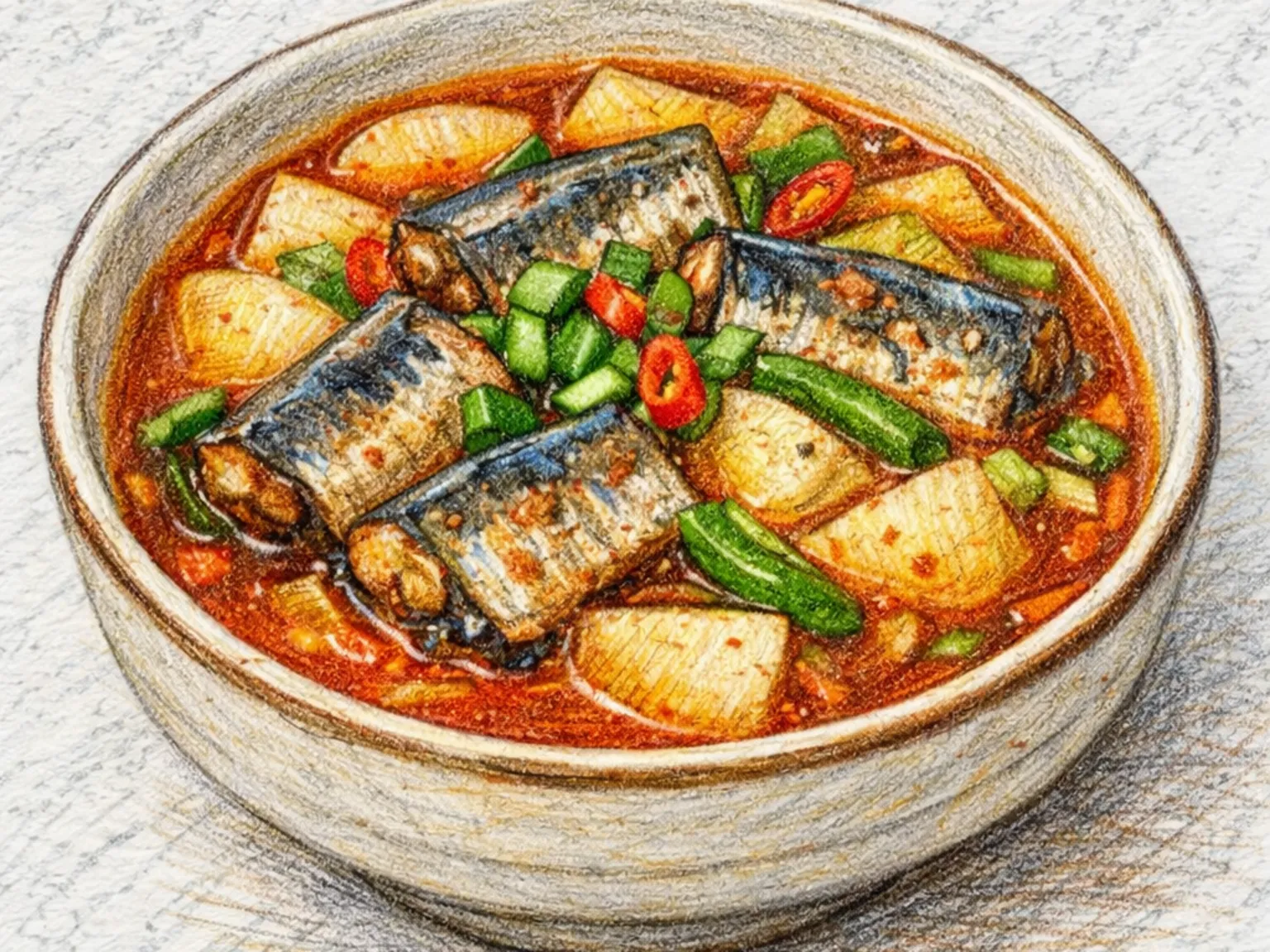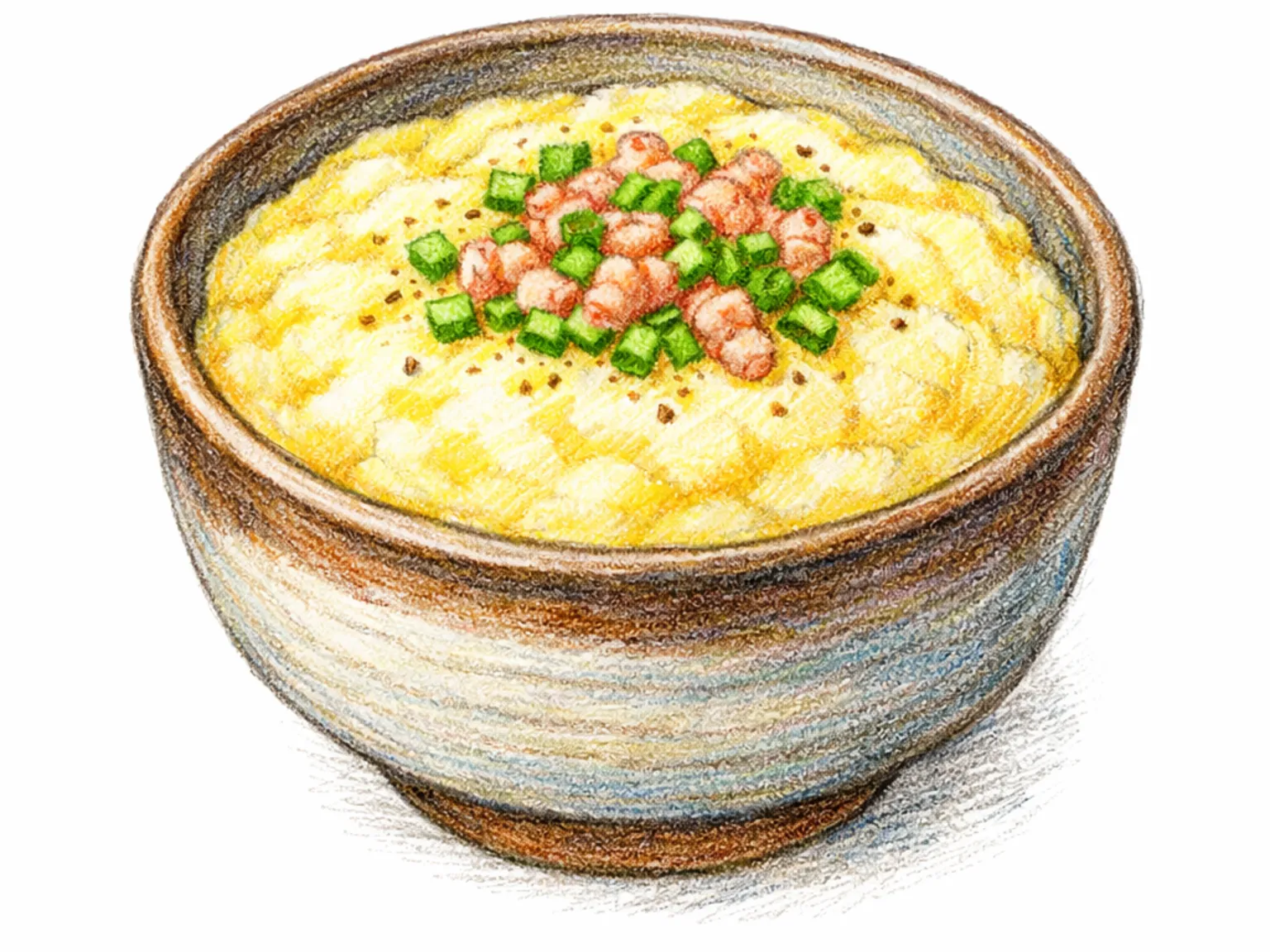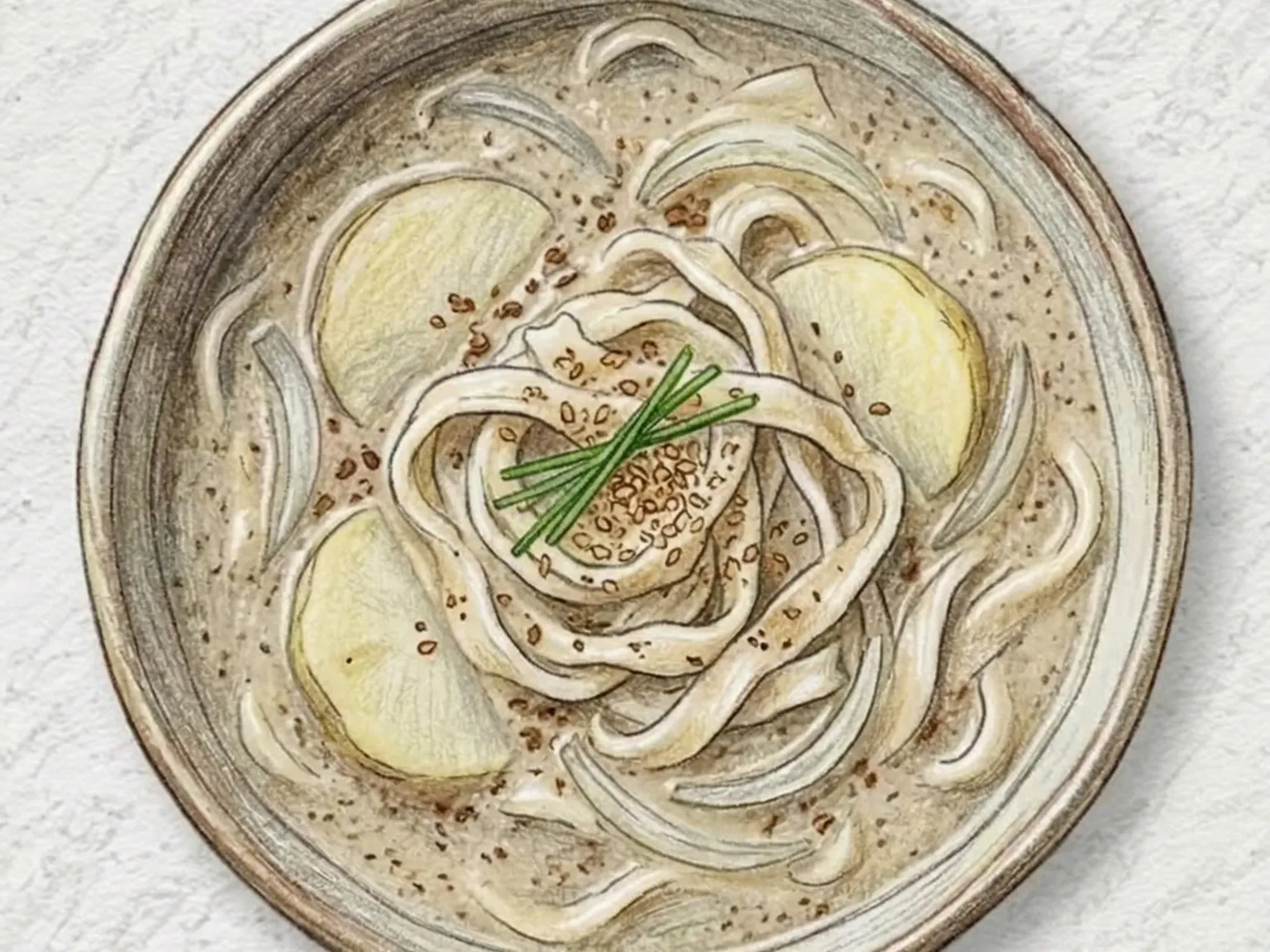
Korean Shepherd's Purse Beef Soup
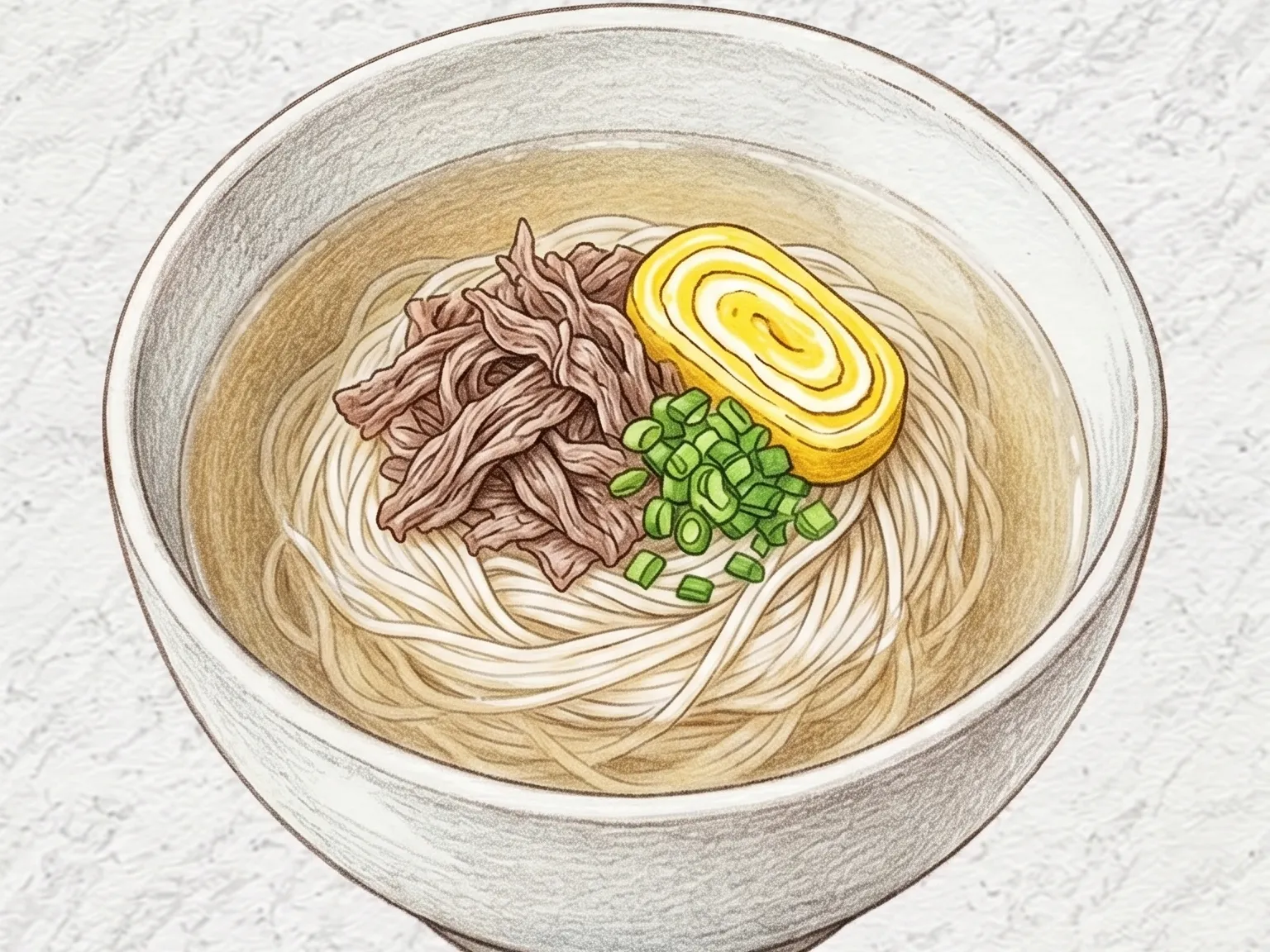
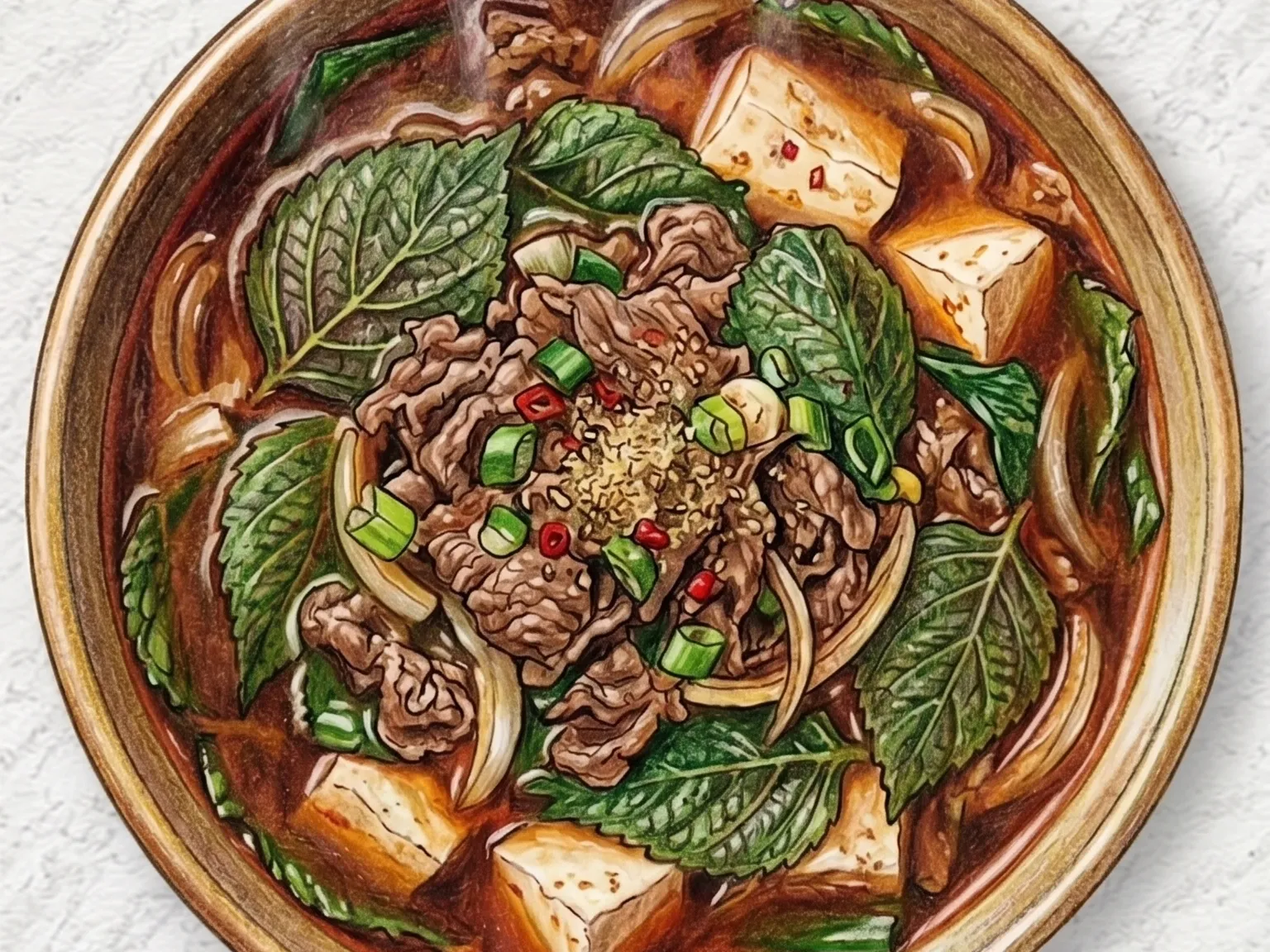
Naengi-soegogi-guk brings together sesame-oil-seared beef and shepherd's purse in a clear, deeply flavored broth. Thinly sliced brisket is stir-fried in sesame oil first, building a savory, aromatic base before water and a small amount of doenjang are added. The soup simmers until the beef releases its full flavor into the broth, then soup soy sauce and garlic round out the seasoning. Shepherd's purse goes in near the end and cooks for just five minutes so its characteristic earthy bitterness and wild green scent stay vivid rather than cooking out. The result is a bowl that feels both substantial and distinctly seasonal, with rich beef broth anchoring the delicate, slightly bitter quality of the spring herb. Adding the herb too early dulls its aroma, so timing is the most critical step in the preparation.

Korean Radish and Salted Shrimp Stew
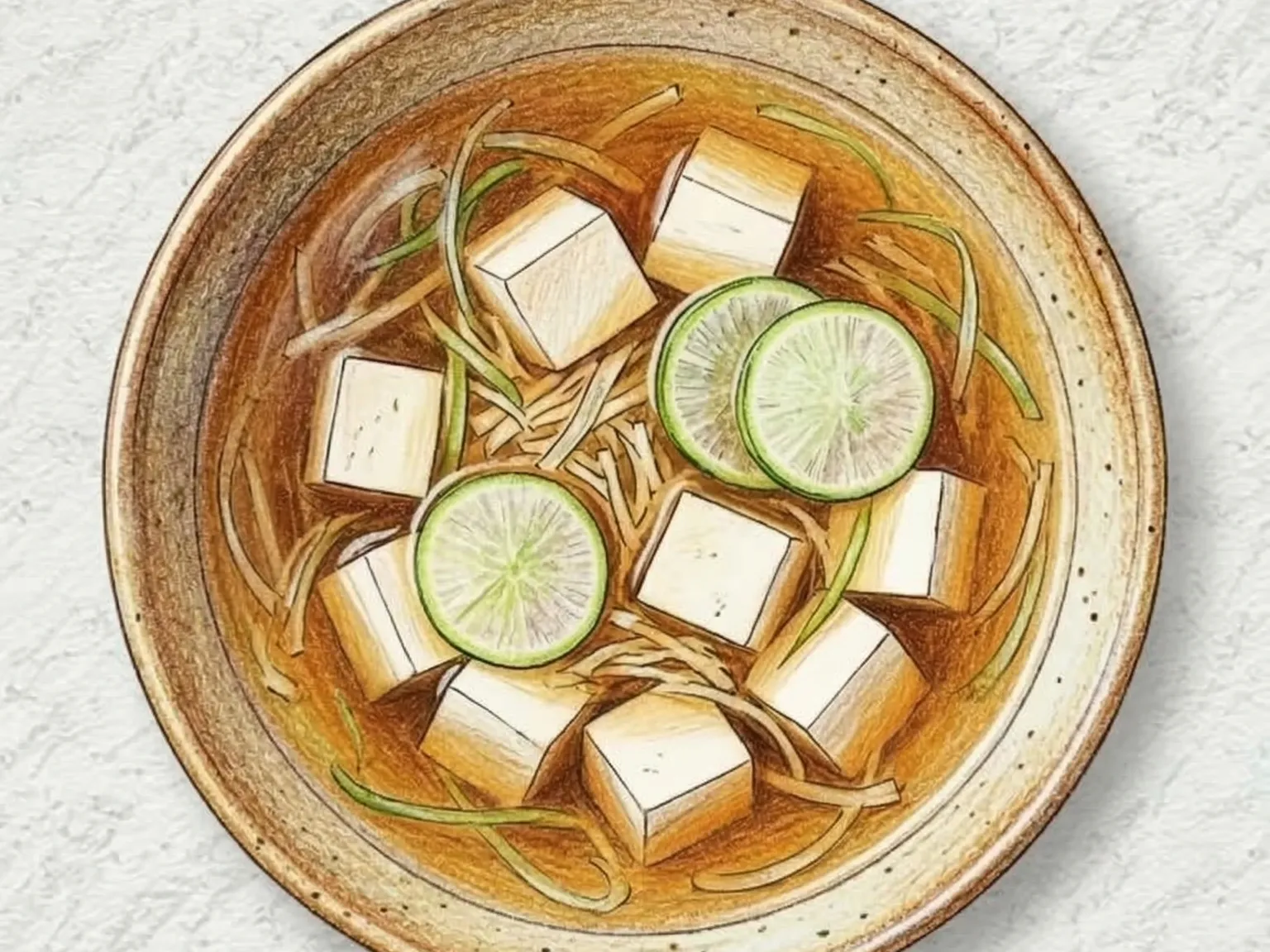
Musaengchae-jjigae simmers julienned radish in a broth built on salted shrimp (saeujeot) and gochugaru, drawing a surprising depth of flavor from minimal ingredients. Saeujeot is fermented shrimp paste that concentrates months of salt-curing and enzymatic breakdown into a potent seasoning -- it supplies umami on the level of fish sauce but with a more rounded, fermented character that forms the backbone of this broth without requiring any stock. Cutting the radish into thin julienne strips, rather than chunks, is deliberate: thin pieces cook through quickly and release just enough starch into the broth to give it a faint natural body. Gochugaru provides color and heat, and its fruity spice complements the sweet, mild flavor that radish develops as it softens. Tofu adds body and protein, and the green onion and garlic round out the aromatics. What makes this jjigae worth repeating despite its simplicity is the fermented complexity from the saeujeot -- a single tablespoon transforms plain water into something that tastes long-cooked. Lighter in texture than doenjang or kimchi jjigae, it works well as an everyday soup that pairs with rice without overwhelming the meal.

Korean Soy-Braised Rockfish
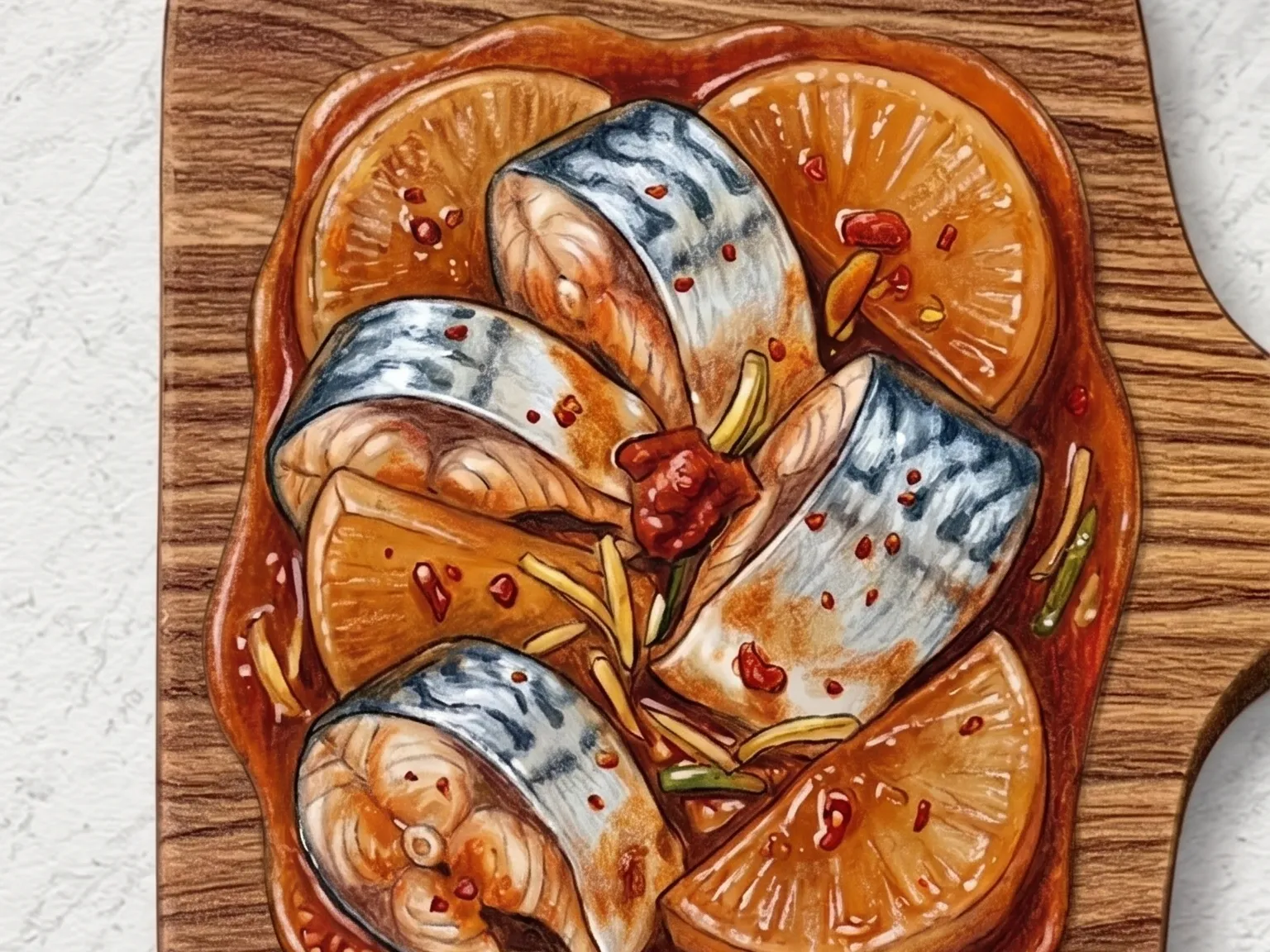
Ureok-jorim is a Korean soy-braised rockfish simmered with Korean radish, gochugaru, garlic, and rice wine. The radish goes in first and softens in the braising liquid before the cleaned whole fish is placed on top and basted with sauce over medium heat for ten minutes. Rice wine neutralizes any fishiness, while the radish absorbs the salty braising liquid and releases its own sweetness to balance the seasoning naturally. The rockfish flesh stays mild and flakes in soft layers, with gochugaru lending a gentle warmth to the overall dish.

Naju Gomtang (Naju Clear Brisket Beef Soup)
Naju-gomtang is a traditional beef soup from Naju in Korea's South Jeolla Province, distinguished by its clear broth and its reliance entirely on lean cuts rather than bones or offal. While Seoul-style gomtang often includes bone marrow and internal organs for a richer, cloudier result, Naju gomtang uses only brisket and shank, producing a broth that looks light but carries a deep, clean beef flavor. The entire technique depends on low, patient heat. A hard boil clouds the liquid, so the pot must stay at a gentle simmer for at least two hours, with foam skimmed off as it rises. This extended cooking draws collagen from the connective tissue into the broth, giving it a coating quality that lingers on the palate despite the clear appearance. The meat is lifted out, shredded along the grain or sliced thin, then returned to the strained broth. Seasoning is intentionally minimal, just soup soy sauce and salt, because the point is to let the flavor of long-simmered beef stand on its own. Sliced green onion and white pepper are added at the table just before eating, the traditional finishing touch.

Korean Pollack Roe Tofu Stew
Myeongnan-dubu-jjigae is a Korean stew built around whole pollack roe simmered in anchovy and kelp stock. As the broth comes to a boil, the roe gradually loosens and disperses into the liquid, releasing a briny, concentrated umami that permeates every ingredient in the pot. Using anchovy-kelp stock rather than plain water lets the oceanic character of the roe come through without competition. Firm tofu cut into one-centimeter slices absorbs the savory broth while holding its shape throughout cooking, unlike soft tofu which breaks apart. Red pepper flakes, minced garlic, and sliced green onion finish the stew with a clean, spicy edge. The grainy, textured bite of the intact roe kernels is what sets this stew apart from other Korean jjigae. Cooking time should be kept short: once the broth reaches a full boil, the heat is reduced immediately, because prolonged boiling dissolves the roe completely and erases the textural contrast. Spooning the broth and roe together over steamed rice and mixing it in is the most satisfying way to eat it.

Korean Chicken and Neungi Mushroom Soup
Neungi-dak-gomtang is a Korean chicken soup elevated by neungi mushrooms, a wild variety prized for their intense, almost truffle-like fragrance. The chicken is blanched first to remove impurities, then simmered for fifty minutes with onion, garlic, and ginger to build a clear, rich stock. After straining, the torn chicken meat is returned to the pot along with the neungi mushrooms, which steep in the hot broth for fifteen minutes - long enough to release their deep, earthy perfume without losing its complexity. The mushroom's aroma permeates the entire liquid, transforming an already satisfying chicken soup into something far more layered and aromatic. Seasoning is kept to soup soy sauce and salt, ensuring nothing competes with the interplay between poultry richness and mushroom fragrance. In Korea, this soup is considered both nourishing and luxurious, often served during autumn when neungi mushrooms are freshly foraged.

Korean Beef Tripe Hot Pot
Naejang jeongol is a Korean offal hot pot that combines mixed beef innards with rich bone broth, onion, bean sprouts, and green onion in a single pot. The typical cut selection includes small intestine, tripe, and abomasum, each bringing a distinct texture and flavor to the bowl. Thorough preparation is what separates a clean-tasting naejang jeongol from one with an unpleasant odor: the innards are kneaded repeatedly with flour and salt to remove impurities, soaked in cold water to draw out residual blood, then rinsed fully before any heat is applied. A half spoonful of doenjang added to the broth neutralizes remaining gaminess through the fermented paste's enzymes, while gochugaru and generous garlic build a spicy, warming character that defines the dish. The chewy, elastic texture of the offal plays against the milky, collagen-saturated bone broth, and that contrast of texture against rich liquid is the core pleasure of the bowl. Bean sprouts are added at the end to preserve their crunch, and green onion goes in last for its fresh aroma. Naejang jeongol has served for generations as a classic soju pairing and a trusted hangover soup.

Korean Duck Perilla Seed Soup
Ori-deulkkae-tang is a Korean duck soup thickened with ground perilla seeds, producing a broth that is rich, nutty, and deeply warming. Duck fat provides a substantial body that distinguishes this soup from lighter poultry broths, and the perilla powder transforms the cooking liquid into something creamy and opaque, with an aroma reminiscent of toasted sesame but distinctly earthier. Radish starts in cold water and simmers for ten minutes, laying a foundation of clean, faintly sweet flavor before the duck is added. The pot then cooks for at least twenty minutes, during which foam and excess rendered fat must be skimmed from the surface to keep the broth clear and free of off-flavors. Perilla powder is added in the final ten minutes only: introduced too early, it turns bitter and chalky; added at the right moment, it blooms into a smooth, nutty finish. Soup soy sauce and salt bring the seasoning into balance, and a scattering of sliced green onion with black pepper completes the bowl. The result is a soup that coats the palate with a layer of fat and grain richness, eaten as a stamina-building meal during the colder months or whenever the body needs warming.

Korean Shepherd's Purse and Oyster Stew
Naengi-gul-jjigae is a doenjang-based stew that pairs two winter-season ingredients, shepherd's purse and fresh oysters, in a broth built on kelp stock. Shepherd's purse grown through cold months concentrates its aromatic compounds in the root, delivering a grassy, faintly bitter fragrance that sets it apart from other greens. Oysters harvested in cold water are at their firmest and most intensely flavored, making them a natural match for the fermented depth of doenjang. Radish and soft tofu provide body to the broth, while the oysters and shepherd's purse go in last so their freshness survives the heat. The oceanic sweetness of the oysters, the herbal bite of naengi, and the fermented richness of doenjang fit together without any single flavor dominating. A small amount of gochugaru adds a low, steady heat underneath the stew, and adding a few slices of cheongyang chili brings a sharper edge if desired. Washing the roots of the shepherd's purse thoroughly to remove grit is important, and leaving the stems long enough to retain their aroma makes a noticeable difference in the finished bowl.

Korean Green Laver Soup (Seaweed Tofu Anchovy Broth)
Parae-guk is a Korean seaweed soup made with green laver and tofu simmered in a clear anchovy broth. The broth is brought to a gentle boil and seasoned with garlic and soup soy sauce before diced tofu is added and warmed through for three minutes. The green laver goes in at the very end, cooking for no more than 30 to 60 seconds, because extended heat strips away its vivid color and fresh ocean fragrance entirely. Since the recipe relies on so few ingredients, the quality of the anchovy stock determines the overall depth of flavor, so using dried anchovies with heads and innards removed, simmered for at least ten minutes, produces a noticeably cleaner and more savory base. The mineral-rich, briny character of the green laver contrasts well with the mild tofu, and the whole soup comes together in about fifteen minutes. Because green laver carries its own saltiness, it is best to add the soup soy sauce gradually and taste as the seasoning develops.

Korean Pork Kimchi Stew (Fermented Kimchi & Pork Shoulder)
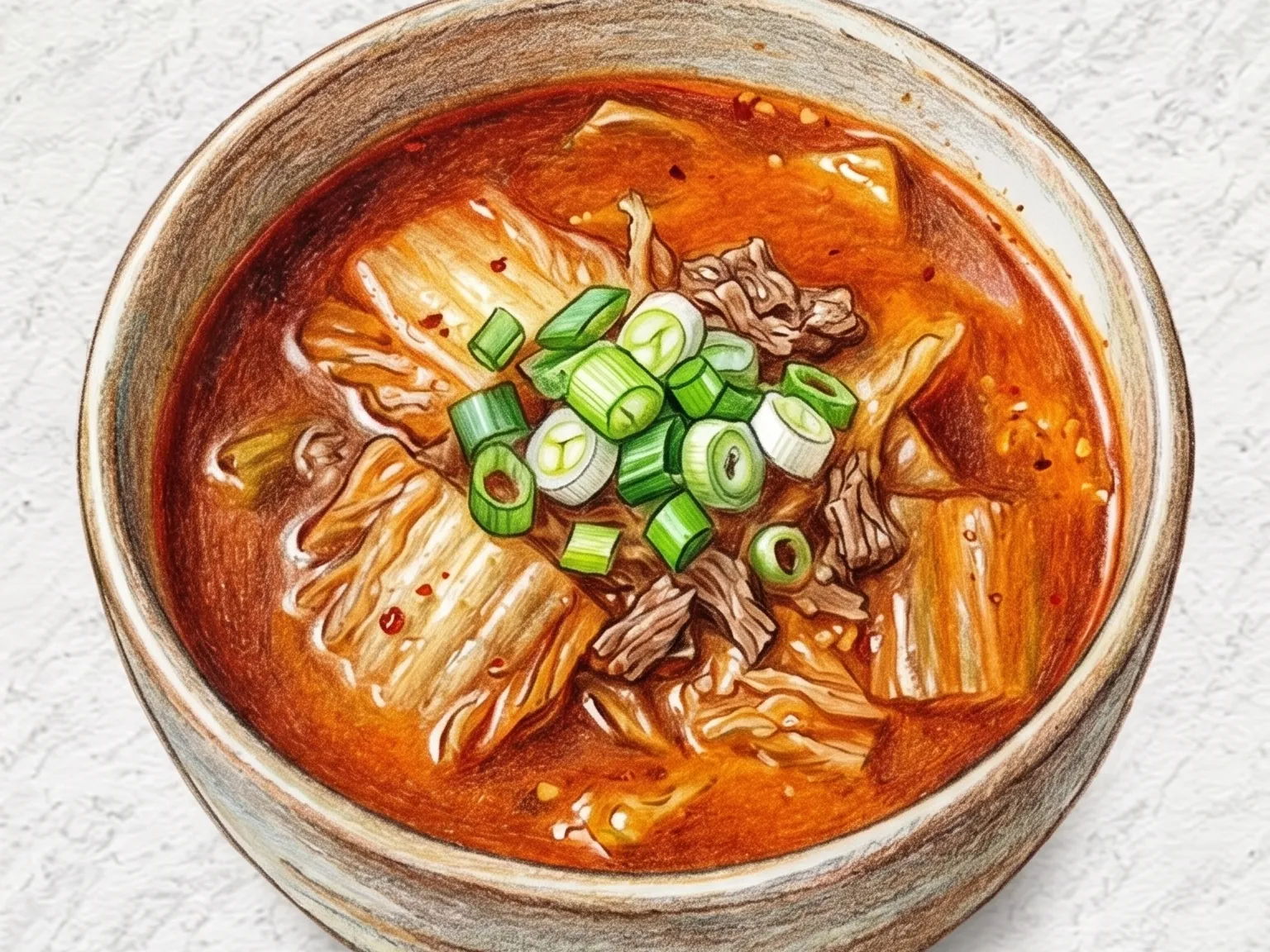
Pork kimchi jjigae is one of the most beloved home-cooked Korean stews, built on aged kimchi and pork shoulder. The marbled fat from the pork shoulder melts into the broth, balancing the kimchi's sharp acidity with richness. Tofu and onion bulk up the pot, while soup soy sauce and chili flakes season the liquid. The riper and more sour the kimchi, the better this stew tastes - it is the ideal use for old kimchi.

Korean Pork Bone Hangover Soup
Ppyeo-haejang-guk is a Korean hangover soup built on a foundation of pork neck bones simmered for well over an hour until their collagen dissolves into a heavy, full-bodied stock. The bones are soaked and blanched beforehand to eliminate any off-flavors, and the resulting broth is clean despite its richness. Blanched napa cabbage outer leaves are pre-seasoned with doenjang, gochugaru, garlic, and soup soy sauce before being added to the pot, where they absorb the meaty broth and release their own earthy flavors in return. Perilla seed powder is stirred in at the end, thickening the liquid to a creamy consistency and adding a nutty finish. The completed soup is spicy, deeply savory, and thick enough to feel restorative after a long night. In Korea, this style of haejang-guk is a morning-after institution, served steaming in dedicated restaurants that open before dawn.

Korean Spicy Fish Stew (Mackerel in Chili-Radish Broth)
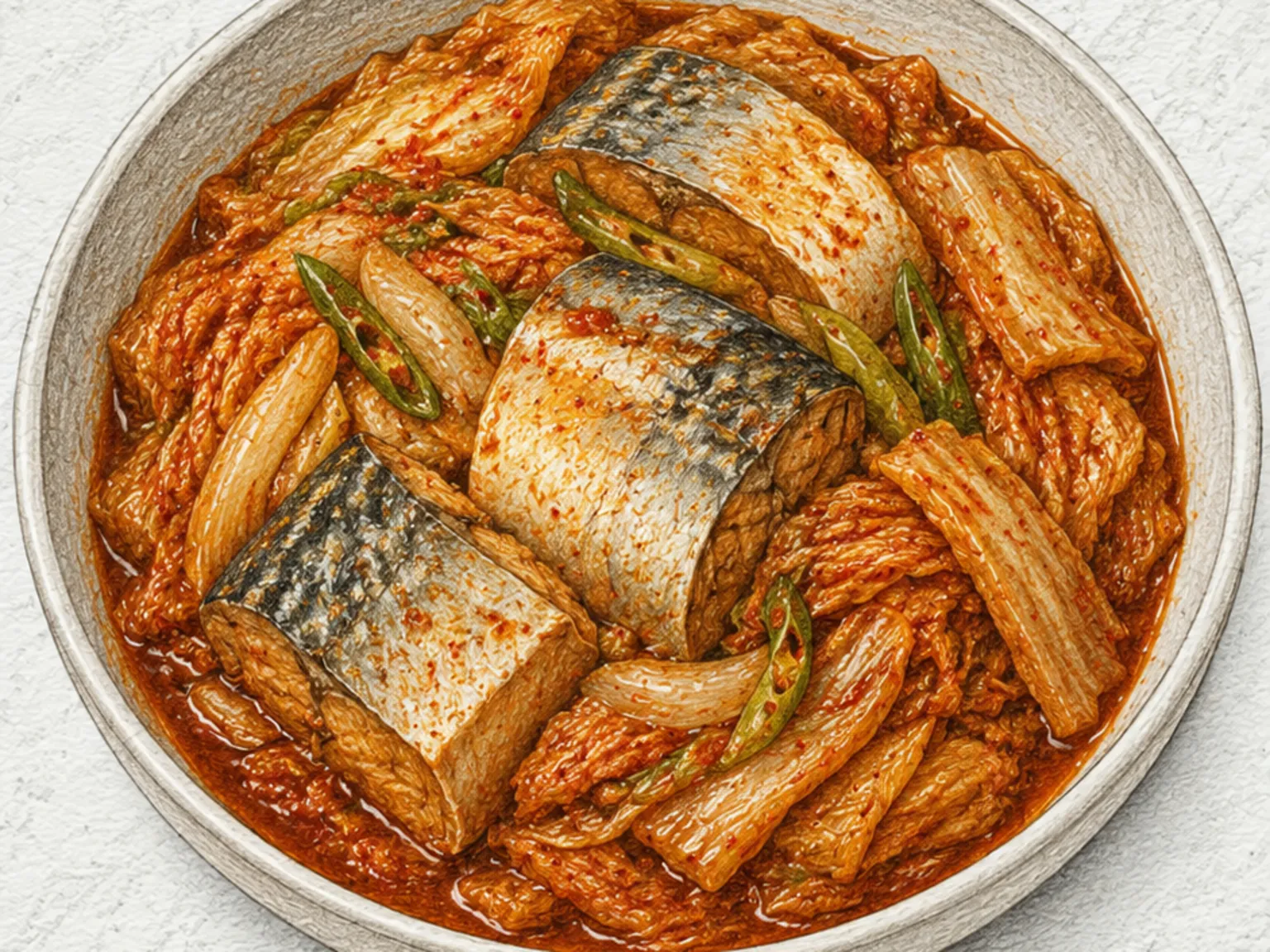
Saengseon jjigae is a spicy Korean fish stew made with mackerel or beltfish cut into chunks, simmered alongside daikon radish and zucchini. Gochujang, gochugaru, soy sauce, and garlic build a bold, peppery broth in an anchovy stock base. The radish neutralizes any fishiness while adding natural sweetness to the soup. Picking the flaky fish off the bone and eating it with spoonfuls of the fiery broth over rice is the traditional way to enjoy it.

Korean Pyongyang Onban (Rice in Clear Chicken Broth)
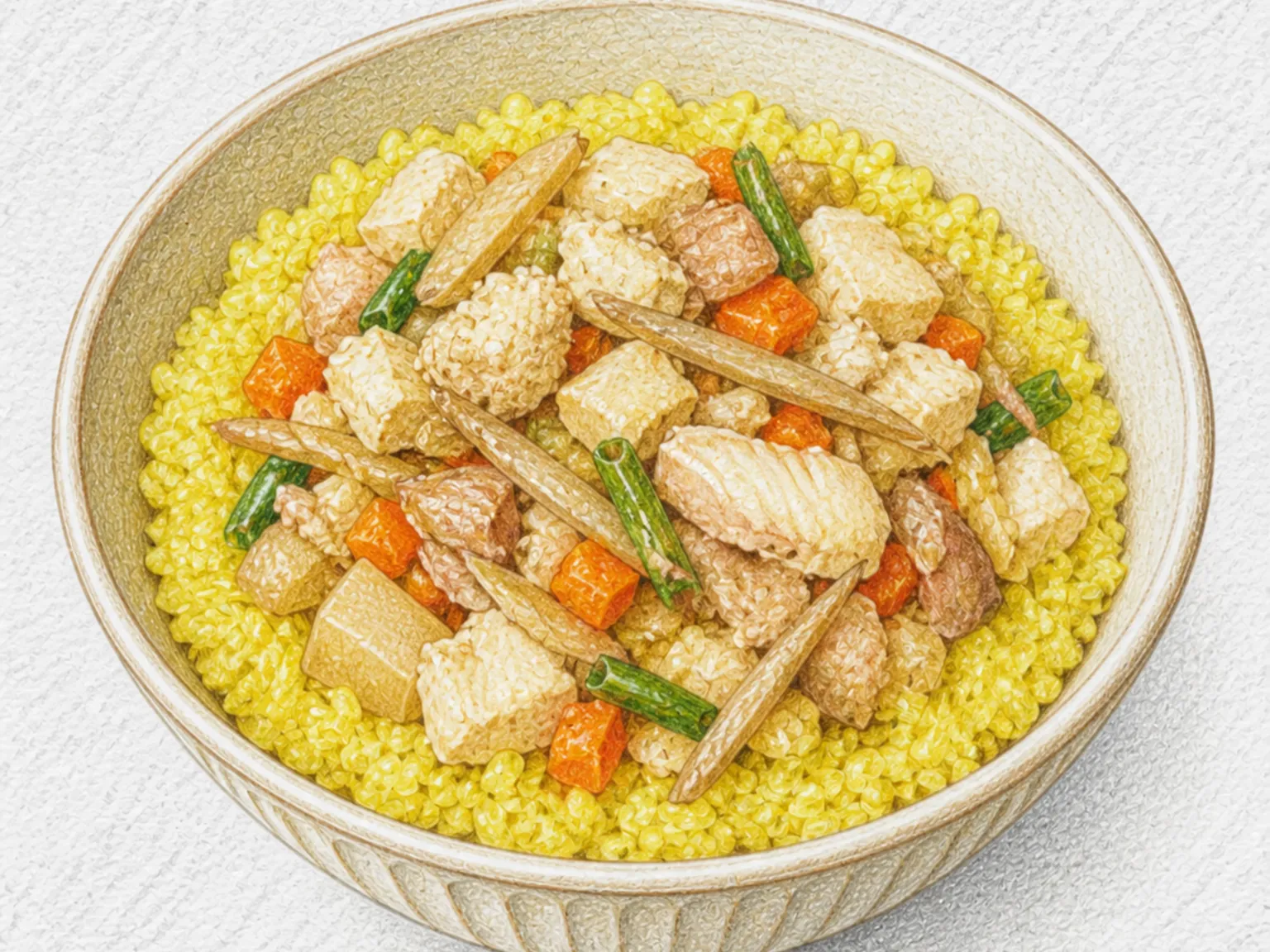
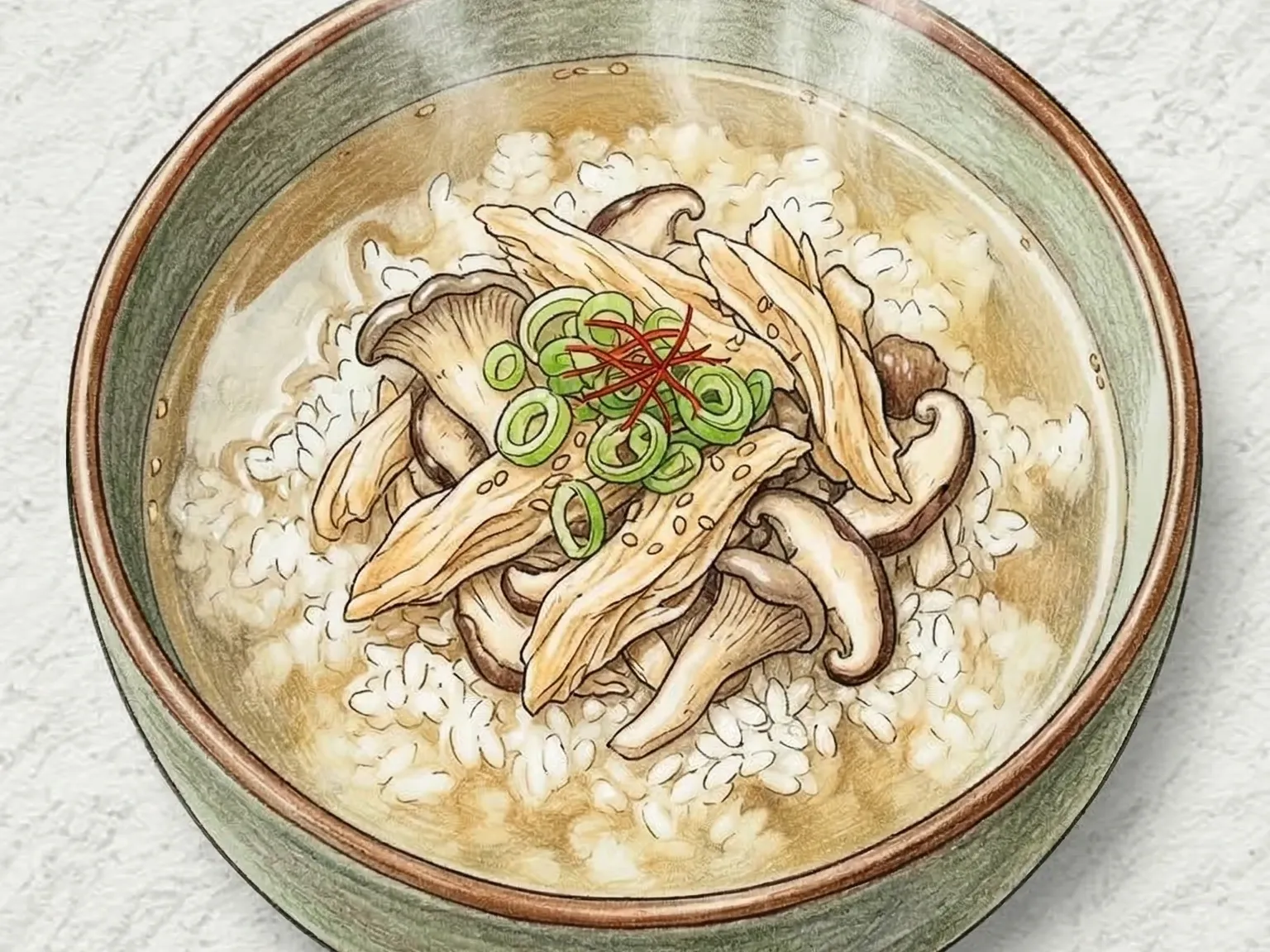
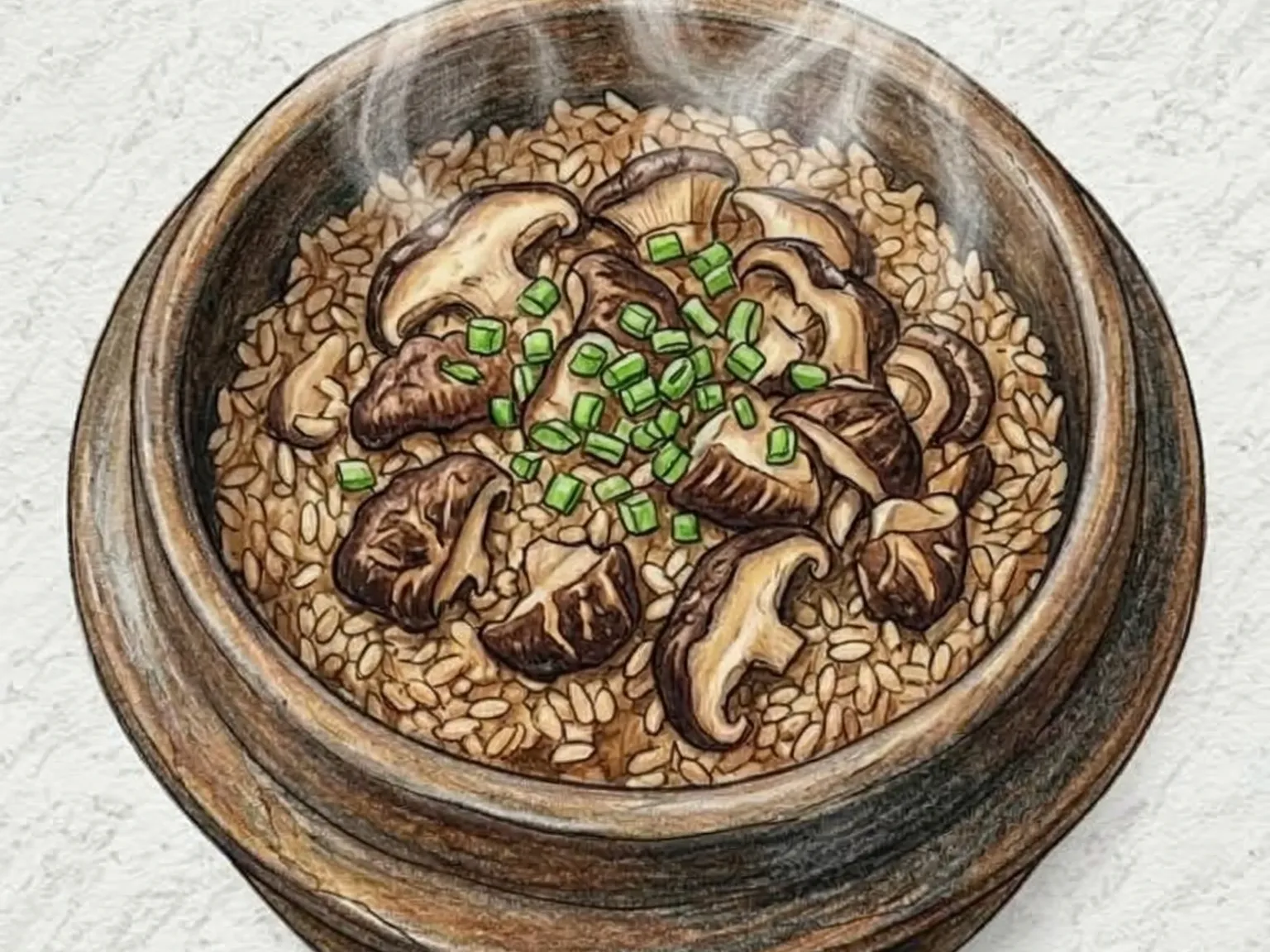
Pyeongyang-onban is a North Korean-style warm rice soup in which steamed rice is submerged in clear chicken broth and topped with shredded chicken and sliced shiitake mushrooms. The chicken simmers with garlic and green onion for forty-five minutes, producing a clean, golden stock that is strained for clarity before use. The cooked meat is pulled into strips and set aside, while shiitake slices steep in the broth for five minutes to add an earthy dimension without muddying the liquid. Rice goes into the bowl first, followed by the hot broth and the chicken garnish, with salt as the sole seasoning. No fermented pastes, chili, or bold spices are used, which means the dish stands entirely on the quality of the stock itself. Onban was traditionally served as a breakfast dish in Pyongyang, and the deliberate restraint in seasoning makes it one of the gentler, more stomach-friendly preparations in the Korean rice soup tradition. A long, unhurried simmer is what separates a flat broth from one with real depth.

Korean Ox Bone Broth (Milky Collagen-Rich Marrow Soup)
Sagol-guk is a Korean bone broth soup made by simmering beef marrow bones for six hours or longer until the dissolved collagen and marrow turn the liquid a dense, opaque white that looks closer to milk than water. The seasoning is intentionally minimal, limited to green onion, garlic, and salt, because the entire point of the dish is the bone itself and what slow heat extracts from it over time. Before the long simmer begins, the bones are soaked in cold water to draw out the blood and then briefly blanched to remove any remaining impurities that would cloud or bitter the broth. The same bones can be reboiled three or four times, with each successive batch yielding a progressively lighter and cleaner-tasting liquid. The soup is served piping hot alongside rice, with salt and white pepper passed at the table so each person can season according to preference. Alongside seolleongtang and gomtang, sagol-guk forms one of the three pillars of Korea's long bone broth tradition, and its restorative reputation makes it a natural choice on cold days or when the body needs warmth and something uncomplicated.

Korean Fish Soup (White Fish and Radish Clear Broth)
Saengseon-guk is a traditional Korean fish soup made with white-fleshed fish and radish in a clear broth. The radish simmers first, building a base of natural sweetness, before garlic and soup soy sauce are added for depth. The fish goes in once the radish is halfway cooked, and timing matters - it should cook only until the flesh turns opaque and begins to flake, as prolonged boiling would break it apart and cloud the broth. Tofu and sliced Korean chili peppers join near the end, adding soft texture and a mild kick. Green onion finishes the bowl with a fresh note. The result is a light, transparent soup where the fish's own clean, marine flavor does most of the work. It is the kind of straightforward home cooking that appears on Korean dinner tables throughout the year, requiring little more than fresh fish and basic pantry staples.

Korean Dried Radish Greens & Clam Soybean Stew
This stew pairs rehydrated dried radish greens with fresh clams in a broth of rice-rinse water seasoned with doenjang and a measured amount of gochujang. The radish greens go into perilla oil first, sauteing until their nutty aroma blooms fully before the clams are added. As the clams open, they release a clean, briny liquid that merges with the fermented soybean paste to form a layered, deeply savory base. Korean radish and onion contribute background sweetness, while green onion and garlic anchor the aromatic profile with a sharp edge. The rice-rinse water introduces a gentle body to the broth, giving it a slightly thickened, silky texture that coats each spoonful. The doenjang works its way into the fibrous radish greens during cooking, so each bite carries the full weight of the seasoning. This is the kind of stew that makes plain rice disappear from the bowl without effort.

Korean Ginseng Chicken Soup
Samgyetang is Korea's iconic ginseng chicken soup, made by stuffing a small whole chicken with soaked glutinous rice, fresh ginseng, jujubes, and garlic, then simmering it for over an hour. The glutinous rice inside the cavity absorbs the chicken's juices as it cooks, turning into a thick, porridge-like filling that spills into the broth when the bird is broken open at the table. The ginseng lends a subtle bitterness and herbal depth that distinguishes this soup from plain chicken broth, while jujubes contribute a quiet fruity sweetness. The prolonged cooking dissolves collagen from the skin and joints, giving the broth a silky body despite its clear appearance. Seasoning is left to each diner, who dips the meat into salt and pepper on a side plate. Samgyetang is traditionally consumed during the three hottest days of the Korean summer - a practice rooted in the belief that fighting heat with heat restores depleted energy.

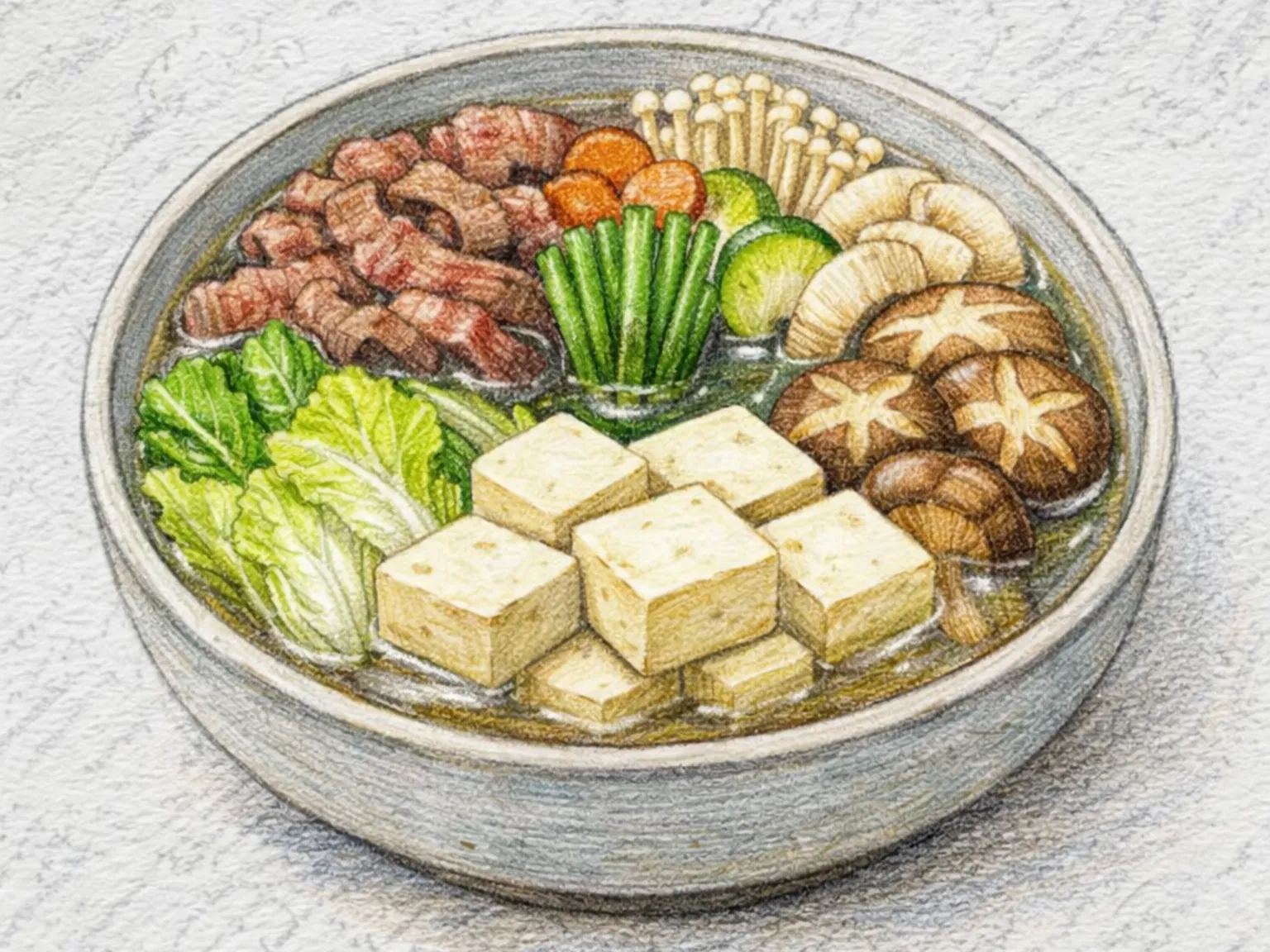
Korean Beef Mushroom Stew
Soegogi-beoseot-jjigae is a Korean stew featuring thinly sliced beef with oyster mushrooms and shiitake mushrooms in a beef stock base. The beef stays tender throughout the cooking time because it is cut thin, and the two varieties of mushrooms contribute layered umami that deepens the broth considerably. Firm tofu absorbs the surrounding liquid and takes on the flavors of the stew while adding protein and body to the pot. Onion and green onion provide sweetness and fragrance that round out the savory base. The stew is seasoned simply with soup soy sauce and garlic, which keeps the natural flavors of beef and mushroom prominent. Tearing oyster mushrooms by hand along their grain allows the broth to penetrate the fibers better than cutting, and removing the tough stems from shiitake mushrooms before adding them keeps the broth clean and free of bitterness.

Korean Ox Bone Soup (Milky Slow-Simmered Beef Bone Broth)
Seolleongtang is one of Korea's oldest and most enduring soups, produced by simmering ox leg bones and beef brisket together for six to eight hours until the broth turns a deep, opaque milky white. The bones are soaked in cold water for a minimum of two hours to purge as much blood as possible, then blanched in a separate pot and rinsed before the true simmering begins in fresh water. Over the course of a half-day at a steady, rolling boil, marrow and collagen break down and emulsify into the water, creating a broth with a heavy, almost creamy viscosity and a deep bovine savoriness that accumulates slowly and cannot be replicated with shortcuts. The brisket is removed after two hours, when it has turned tender and fully cooked, then sliced thin across the grain and returned to the bowl as a topping. The defining tradition of seolleongtang is that the broth arrives at the table completely unseasoned, and each person adds their own salt, white pepper, and sliced green onion to taste. This custom underscores the expectation that the broth itself should carry the bowl with its own richness. Steamed rice or thin wheat noodles are added directly to the soup and left to soak, absorbing the milky liquid until each grain or strand carries the flavor of the bone broth. In Korea, seolleongtang is eaten as a restorative meal after illness, as a morning hangover cure, and as a deeply satisfying cold-weather comfort food.

Korean Beef Doenjang Jjigae
Soegogi doenjang jjigae is a foundational Korean home-cooked stew, made with beef brisket and fermented soybean paste as the foundation, filled out with potato, zucchini, tofu, and onion, and simmered in the starchy water left from rinsing rice. The brisket rewards long cooking by releasing its fibers and pushing a rich, distinctly beefy flavor into the broth, and the mild starch from the rice water softens that richness so it blends smoothly with the fermented depth of the doenjang. As the stew simmers, potato breaks down partially at the edges, thickening the liquid and giving it body without the need for any additional starch. Green onion and minced garlic anchor the aroma and keep the flavor from going flat. Adding the doenjang in stages and tasting between additions rather than putting it all in at once is the reliable method for hitting the right depth without oversalting. Paired with freshly cooked rice, this is a stew that fits into the daily rotation without ever feeling repetitive.

Korean Blood Curd Soup (Spicy Ox Blood and Beansprout Stew)
Seonji-guk is a Korean blood curd soup built from coagulated ox blood, seasoned napa cabbage outer leaves, and bean sprouts in a spicy, doenjang-accented broth. The napa greens are pre-dressed with soybean paste, garlic, and chili flakes before going into the pot, where they simmer and release an earthy, fermented depth into the liquid. Bean sprouts are added for their crisp texture and clean, refreshing bite. The blood curd - cut into large cubes - goes in partway through cooking and simmers just eight minutes to heat through without breaking apart. Its texture is soft and faintly springy, unlike anything else in the Korean soup canon, and it absorbs the surrounding spicy broth. Gochugaru gives the soup a ruddy color and a slow-building warmth. In Korea, seonji-guk is closely associated with the morning-after meal, served in dedicated haejang-guk restaurants as a restorative after heavy drinking.

Korean Beef and Daikon Stew
Soegogi muguk jjigae is a clear, soothing stew made by first sauteing beef brisket and daikon radish together in sesame oil to build a savory base, then adding water and simmering until the broth deepens in flavor. Soup soy sauce seasons the liquid while green onion and garlic round out the aroma. Despite a short ingredient list, the stew develops surprising depth as the brisket renders slowly into the broth and the radish turns translucent and sweet. Cutting the radish thick allows its natural sweetness to infuse gradually, enriching the broth over the full cooking time. It is a simple, grounding bowl most often eaten with rice stirred directly into the broth.

Korean Spinach Clam Soup (Light Shellfish and Greens Broth)
Sigeumchi-bajirak-guk pairs manila clams and spinach in a clean, transparent broth that lets both ingredients speak without interference from heavy seasoning or separately prepared stock. The clams are purged of sand and started in cold water, then brought slowly to a boil so each shell opens at its own pace, releasing a naturally briny, mineral-rich liquor that forms the entire foundation of the soup. No additional stock is needed, because the clam liquid is the stock. Spinach enters only in the final thirty to sixty seconds of cooking, which is the narrow window where the leaves soften just enough to be palatable while their vivid green color and delicate grassy flavor remain intact. Soup soy sauce and a small amount of garlic provide the only seasoning, and this restraint is deliberate: any stronger flavoring would bury the subtle sweetness of fresh clam broth. The grassy undertone in the spinach quietly neutralizes any sharp seafood edge, leaving the soup tasting clean and deeply refreshing. The nutritional logic behind this combination is frequently cited in Korean households: spinach is among the most iron-dense vegetables, and clams supply taurine and zinc in meaningful amounts, making the soup a regular recommendation for children in growth phases and for pregnant women. From first clam into the pot to finished bowl takes no more than fifteen minutes, which helps explain its steady presence on weeknight dinner tables throughout Korea.