Charim

2686 Korean & World Recipes

2686+ Korean recipes, clean and organized. Ingredients to instructions, all at a glance.

Recipes with green onion

24 recipes

Buy green onion
Korean Steamed Beef Mille-Feuille Cabbage
SteamedMedium

Korean Steamed Beef Mille-Feuille Cabbage

Usamgyeop millefeuille jjim is a Korean steamed dish where thin-sliced beef belly and napa cabbage leaves are stacked in alternating layers, then braised in a soy sauce, cooking wine, and garlic seasoning. Moisture from the cabbage mingles with the rendered beef fat to create a clean yet rich broth, and each layer delivers an alternating hit of meat and vegetable flavor. Soy sauce adds subtle salinity, and black pepper sharpens the finish. The layered cross-section revealed when the lid comes off makes this an visually striking main course suited for entertaining.

🎉 Special Occasion
Prep 25minCook 25min4 servings
Korean Stir-Fried Dried Napa Cabbage Leaves
Side dishesMedium

Korean Stir-Fried Dried Napa Cabbage Leaves

Dried outer leaves of napa cabbage, known as ugeoji, are rehydrated, boiled, and stir-fried with doenjang and ground perilla seeds to create a deeply savory banchan. These tough outer leaves, too coarse to eat fresh, develop a satisfying chewy texture once dried and reconstituted, offering a bite that ordinary cabbage cannot match. Doenjang introduces its fermented umami during the stir-fry, layering complexity onto the cabbage's otherwise neutral flavor. Ground perilla seeds dissolve into the residual moisture, forming a creamy, pale coating that enriches every strand with a nutty warmth. A small amount of anchovy and kelp stock added mid-cook creates just enough liquid for the seasonings to soak into the fibrous leaves before evaporating. Perilla oil used as the cooking fat establishes a fragrant base from the first moment the pan heats, and minced garlic stirred in partway through adds a sharp accent that cuts through the richness. The finished dish pairs naturally with a bowl of steamed rice and a hot soup.

🏠 Everyday🍱 Lunchbox
Prep 60minCook 15min4 servings
Korean Pressed Boiled Pork Slices
SteamedMedium

Korean Pressed Boiled Pork Slices

Pyeonyuk is a Korean chilled pork dish made by boiling pork shank with garlic, ginger, green onion, whole peppercorns, and salt for nearly an hour, then wrapping the meat tightly and refrigerating it until firm. The aromatics in the cooking water neutralize off-flavors from the pork, and the salt seasons the meat evenly throughout during the long simmer. Slicing after thorough chilling produces neat, thin pieces with a uniform grain, and the cold temperature sharpens the meat's clean, lean flavor in a way that serving it warm cannot replicate. Traditionally served with salted shrimp or anchovy paste for dipping, pyeonyuk is a staple on Korean holiday tables and a common appetizer when hosting guests. Wrapping the pork tightly while it is still hot is essential so that the shape sets as it cools, and refrigerating for at least two hours before slicing prevents the meat from crumbling under the knife.

🎉 Special Occasion
Prep 20minCook 70min4 servings
Korean Dried Radish Greens Soup
SoupsMedium

Korean Dried Radish Greens Soup

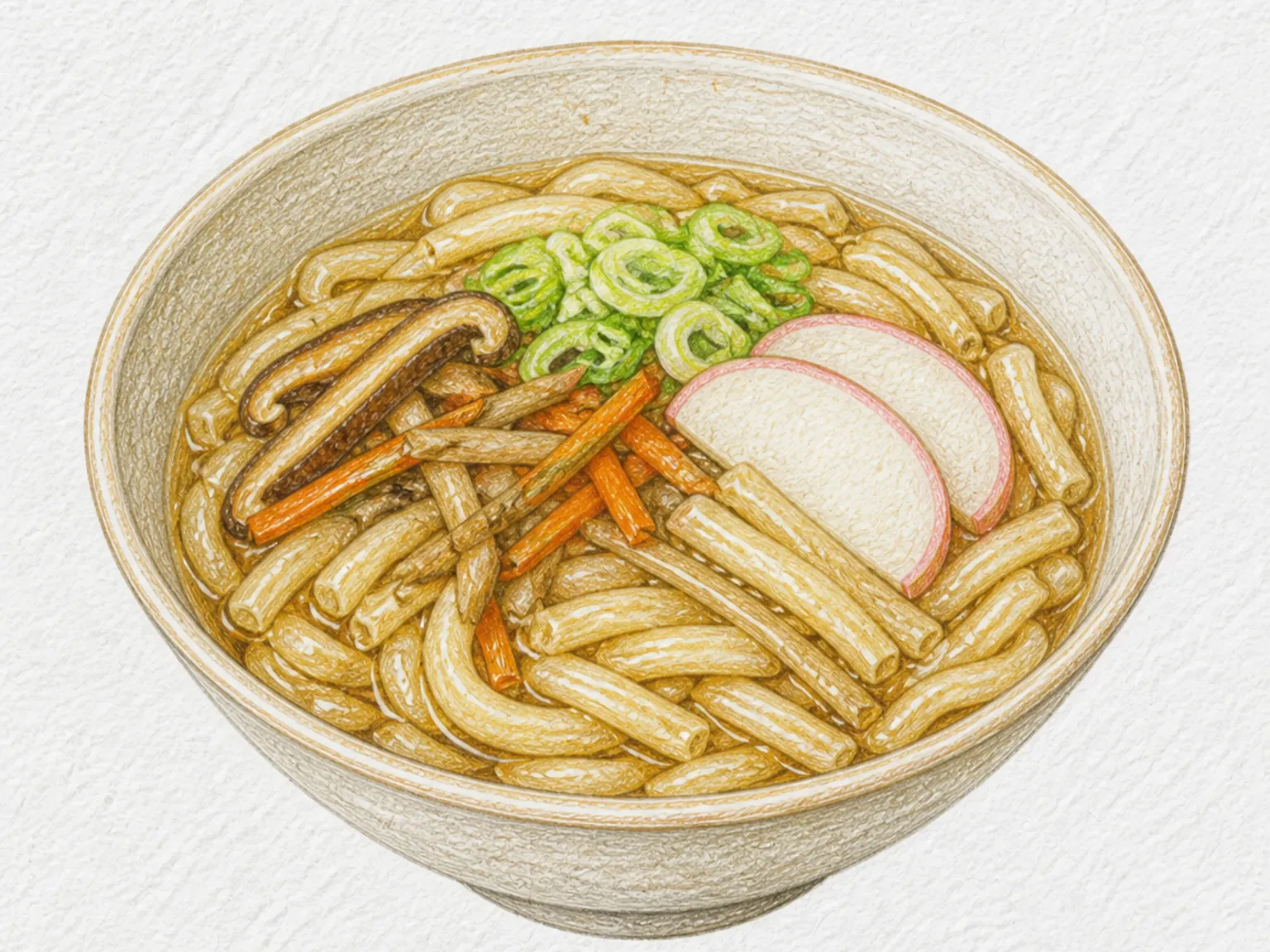
Siraegi-guk is a Korean dried radish greens soup that transforms a humble preserved vegetable into something deeply flavorful through the medium of doenjang. The greens are dried in autumn, then reconstituted by boiling until soft - a process that concentrates their earthy, slightly bitter character. When simmered in stock with dissolved soybean paste, that concentrated flavor meets fermented umami and the result is a broth richer than the ingredient list would suggest. Adding ground perilla seeds pushes the soup further, turning the liquid creamy and nutty. Garlic and green onion form the aromatic backbone. The soup works well without meat, but many cooks stir-fry a small amount of beef in perilla oil before adding the liquid, which introduces a beefy depth that rounds out the overall profile. The critical step is managing the initial boiling of the dried greens: not enough, and the bitterness overwhelms; too much, and the greens become bland. Experienced Korean cooks leave just enough edge to give the soup its distinctive character - a pleasant astringency that makes doenjang taste more interesting rather than less. Siraegi-guk is pantry cooking at its finest, relying on dried goods and fermented paste to produce a bowl that tastes like slow, patient effort.

🏠 Everyday
Prep 20minCook 35min4 servings
Siraegi Guk (Korean Perilla Radish Greens Soup)
SoupsEasy

Siraegi Guk (Korean Perilla Radish Greens Soup)

Deulkkae siraegi guk is a rich, nutty Korean soup made by simmering dried radish greens that have been pre-seasoned with doenjang and soup soy sauce in an anchovy broth for at least twenty minutes. Siraegi, which refers to radish leaves that have been dried and then rehydrated before cooking, carries a concentrated earthiness and a fibrous, chewy texture that fresh greens cannot replicate. Massaging the greens with doenjang and garlic before they go into the pot allows the fermented seasoning to penetrate into the fibers over the extended cooking time rather than merely coating the surface. The anchovy broth beneath provides a clean, saline umami that supports the deeper, fermented notes of the doenjang without competing. Perilla powder added in two separate additions dissolves evenly through the broth without clumping, turning the liquid an opaque, milky white and thickening it to a consistency that clings to each spoonful and gives the soup its characteristic weight. Green onion added during the final three minutes of cooking contributes a fresh, sharp aroma that sits lightly on top of the perilla fragrance, completing the layered, hearty character of the soup.

🏠 Everyday
Prep 18minCook 35min4 servings
Korean Pork Rib Perilla Leaf Stew
StewsMedium

Korean Pork Rib Perilla Leaf Stew

Pork back ribs and perilla leaves come together in this full-flavored, chili-seasoned jjigae. The ribs are simmered first to render a rich, collagen-heavy broth, and then potatoes and onion are added to give the liquid body and natural sweetness. Gochugaru and soup soy sauce establish the spicy base. Fresh perilla leaves are added just before the heat is turned off so their herbal fragrance stays intact, since prolonged boiling drives the aroma away. A touch of ginger keeps the pork flavor clean while the collagen-rich broth from the ribs provides substantial body. Picking the meat off the bone at the table is part of the experience, making this a natural fit for late autumn meals or as a communal drinking accompaniment.

🍺 Bar Snacks
Prep 25minCook 50min4 servings
Korean Fire Chicken Fried Rice
RiceEasy

Korean Fire Chicken Fried Rice

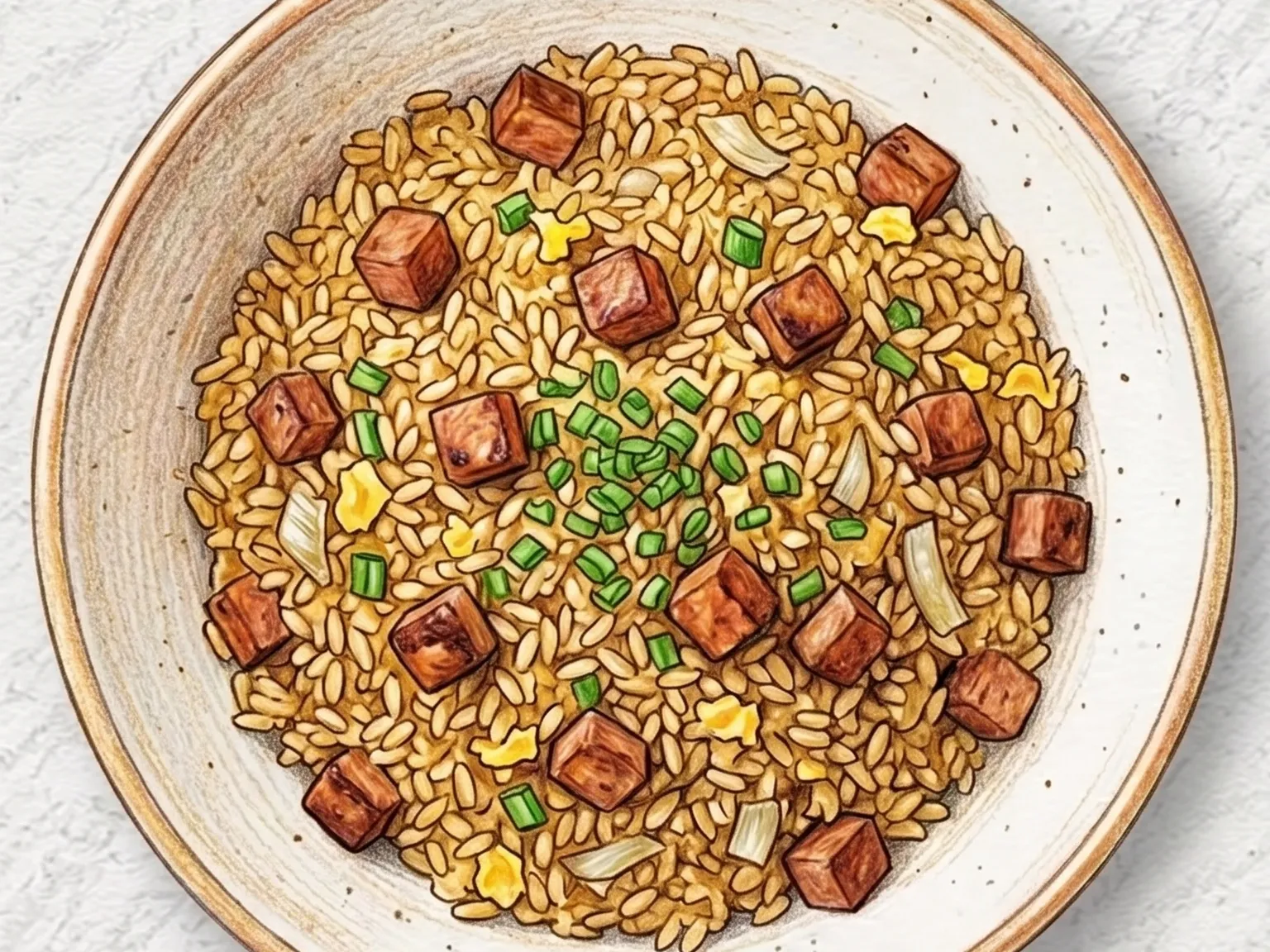
Buldak bokkeumbap is a Korean fried rice built around the fiery buldak sauce - a thick chili-based condiment with concentrated heat that became widely known through the instant noodle brand of the same name. Chicken breast cut into bite-sized pieces is marinated in the sauce, then stir-fried with cooked rice over high heat until the sauce caramelizes slightly and coats every grain. The spice hits immediately on the first bite and accumulates with each spoonful, producing the kind of sustained burn that spicy food enthusiasts seek. Laying mozzarella cheese across the top and covering the pan to melt it creates a layer of stretchy, creamy dairy that wraps around the rice and provides brief relief between bites without neutralizing the heat completely. The contrast between the fire of the sauce and the cooling effect of the cheese makes the dish more compelling than either element alone. Easy to assemble with a short ingredient list, it has become a go-to option for late-night cooking and solo meals.

🍱 Lunchbox🌙 Late Night
Prep 10minCook 12min2 servings
Korean Bean Sprout Soup with Rice
RiceEasy

Korean Bean Sprout Soup with Rice

Kongnamul gukbap is a Jeonju-style soup-and-rice dish built around bean sprouts simmered in anchovy broth with the lid kept off throughout cooking. Leaving the pot uncovered for the five to six minute cooking time allows steam to carry off the beany odor while keeping the sprouts snappy and firm rather than limp. Soup soy sauce seasons the broth, sliced green onion is added for freshness, and a whole egg is poached directly in the simmering liquid until the yolk is just set. Hot broth is then poured over a bowl of cooked rice, and shredded dried seaweed and a pinch of red pepper flakes are scattered on top to finish. The refreshing, clean flavor that bean sprouts bring to the soup pairs naturally with the deep savoriness of anchovy stock, and simmering a piece of radish alongside clarifies the broth and gives it additional sweetness. Cooking uncovered is a traditional rule of thumb that Korean cooks have followed for generations. This dish has long been associated with Jeonju and is widely sought out as a restorative meal after a late night.

🏠 Everyday
Prep 10minCook 20min2 servings
Korean Dried Radish Greens Perilla Stew
StewsMedium

Korean Dried Radish Greens Perilla Stew

This stew simmers rehydrated dried radish greens in rice-rinse water thickened with a generous four tablespoons of perilla seed powder. A small amount of doenjang and gochujang provides savory depth, and using rice-rinse water instead of plain water adds a natural starchiness that helps the perilla powder integrate into the broth more smoothly. The perilla powder creates a creamy, nutty soup with a pale beige hue, and the chewy, fibrous texture of the radish greens contrasts with the richness of the liquid. The radish greens need to be fully rehydrated and pre-boiled so they absorb the broth evenly during cooking rather than remaining tough. Onion and green onion add layers of sweetness and fragrance, and seasoning gradually while the stew cooks produces a more balanced result than adding everything upfront. Served bubbling in an earthenware pot on cold days, this is one of the most comforting staples in Korean winter home cooking.

🏠 Everyday
Prep 25minCook 30min4 servings
Korean Kimchi Mandu Jjigae (Kimchi Dumpling Stew)
StewsEasy

Korean Kimchi Mandu Jjigae (Kimchi Dumpling Stew)

Kimchi mandu jjigae drops whole frozen kimchi dumplings straight into a simmering pot of aged kimchi, tofu, and anchovy stock. The dumpling wrappers absorb the broth as they cook, swelling plump and moist, while the kimchi filling inside echoes the stew's tangy base and doubles the fermented depth. Gochugaru and soup soy sauce add a clean chili heat, and firm tofu cubes absorb the spiced broth for a softer textural contrast. Because the dumplings themselves carry seasoning, it is better to start with less sauce and adjust after tasting the broth. This is a filling, no-fuss meal that needs nothing more than a bowl of steamed rice alongside it.

🏠 Everyday
Prep 8minCook 15min2 servings
Korean Cauliflower Soybean Paste Pork Stir-fry
Stir-fryMedium

Korean Cauliflower Soybean Paste Pork Stir-fry

Kollipeullawo doenjang dwaeji bokkeum begins with pork shoulder seared hard over high heat until the exterior turns deep brown, building a crust that holds flavor through the rest of the cook. Doenjang and gochugaru go in next and fry briefly in the rendered pork fat, releasing their fermented, spiced aroma into the oil. Cauliflower blanched for forty seconds and thoroughly drained is folded in last. Draining the cauliflower matters: excess moisture would dilute the sauce and prevent it from concentrating on the meat and vegetables. The fermented saltiness of doenjang merging with the pork fat creates an earthy depth that straight doenjang jjigae does not have, and the cauliflower's mild, slightly sweet character offsets the heavier notes of the paste, making the dish feel lighter than the ingredient list suggests. With low carbohydrate content, it slots naturally into reduced-carb meal plans without compromise.

🥗 Light & Healthy🏠 Everyday
Prep 18minCook 12min2 servings
Korean Beef & Water Parsley Soup
SoupsEasy

Korean Beef & Water Parsley Soup

Minari-soegogi-guk is a clear beef soup that relies on a slow-simmered brisket broth for depth and finishes with a handful of water dropwort for aromatic brightness. The brisket cooks low and long until the stock turns golden and rich with dissolved collagen and beef fat, creating a full-bodied foundation. Radish simmers alongside the meat, contributing a quiet sweetness that rounds out the beefy intensity. When the broth is ready, water dropwort - stems and leaves - is added just before serving so it wilts only slightly, keeping its signature fragrance alive. Green onion and garlic provide the aromatic backbone, while seasoning stays lean: salt or soup soy sauce, nothing more. The boiled brisket is typically sliced thin and returned to the bowl, or pulled aside and served with a soy-vinegar dipping sauce. During spring, when water dropwort is young and fragrant, this soup reaches its peak expression. It is a dish that demonstrates how Korean cooking often pairs a slow, patient stock with a single bright ingredient added at the last moment to transform the entire bowl.

🏠 Everyday
Prep 15minCook 25min2 servings
Korean Braised Pork Kimchi
SteamedMedium

Korean Braised Pork Kimchi

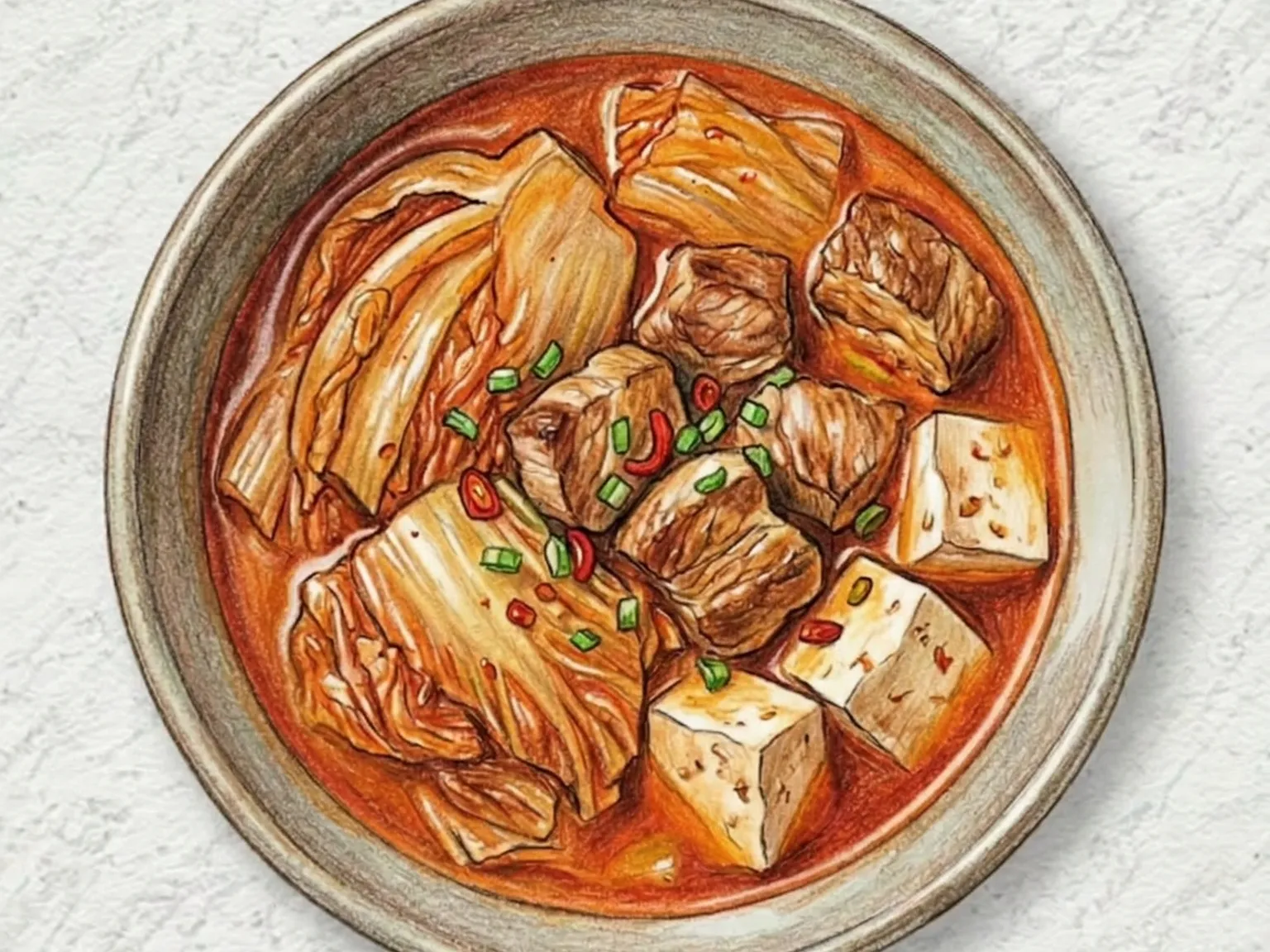
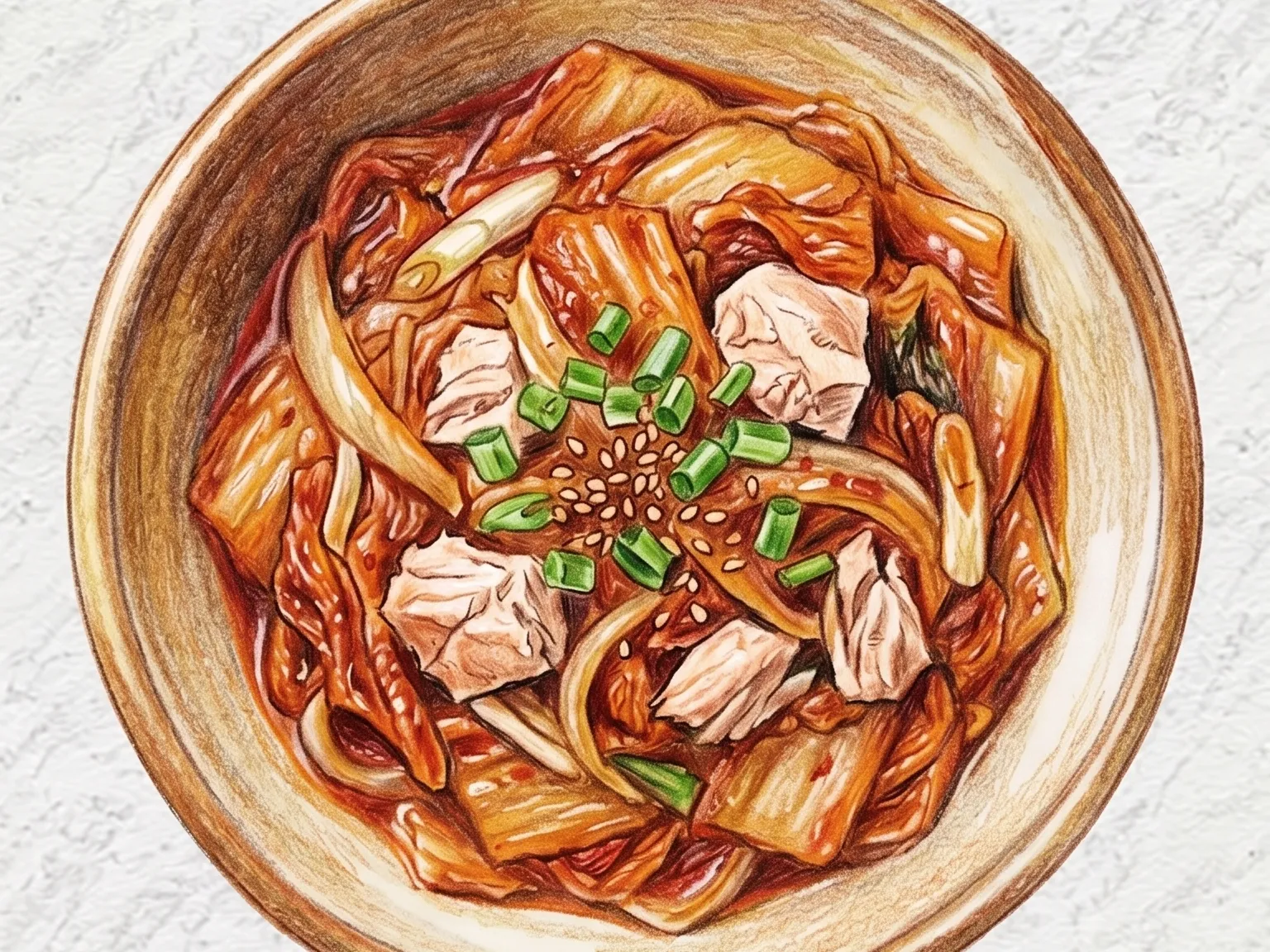
Pork kimchi jjim is a slow Korean braise where pork shoulder and well-aged kimchi are layered alternately in a pot with gochugaru, soup soy sauce, and minced garlic, then cooked at a low simmer for over fifty minutes. The kimchi's sharp, pungent fermented acidity gradually softens over the long cook but does not disappear; instead, it transforms into a complex, deep flavor that saturates the pork rather than overwhelming it. Pork shoulder is the preferred cut because its layered fat and muscle does not dry out over extended cooking and the rendered fat continuously bastes the braising liquid, enriching it throughout the process. Onion and green onion supply a natural sweetness that moderates the acidity and spice and prevents the dish from tipping into one-dimensional sharpness. Reducing the braise until only a small amount of sauce remains is important for flavor concentration, and lifting the lid periodically to turn the ingredients ensures that the top layers absorb the liquid as thoroughly as the bottom. The pork is done when it pulls apart with chopsticks with almost no resistance. Served over steamed rice with the remaining sauce spooned generously over the top, the soy and kimchi juices soak into the grain and make for a deeply satisfying and complete meal. Refrigerated leftovers eaten the following day taste noticeably better: the acidity stabilizes further overnight and the flavors integrate more fully.

🎉 Special Occasion🍱 Lunchbox
Prep 20minCook 70min4 servings
Korean Soy Sauce Bulgogi (Soy-Pear Marinated Thinly Sliced Beef)
Stir-fryEasy

Korean Soy Sauce Bulgogi (Soy-Pear Marinated Thinly Sliced Beef)

Ganjang bulgogi is one of Korea's most enduring home-cooked main dishes, built around thinly sliced beef marinated in soy sauce, pear juice, sugar, garlic, and sesame oil. Pear juice acts as a natural tenderizer while adding a subtle sweetness that offsets the salt-forward depth of the soy. Onion, carrot, and green onion are stir-fried together with the beef over high heat, developing caramelized edges while keeping the center moist. Slicing the beef thin is essential: the short cooking time only penetrates marinade fully into thin cuts, and the pan must be properly preheated before the meat goes in to seal the juices. The soy-based seasoning is milder and less assertive than gochujang-marinated bulgogi, making it broadly appealing across ages and a consistent presence on both everyday dinner tables and guest menus.

🏠 Everyday🎉 Special Occasion
Prep 18minCook 10min4 servings
Korean Braised Squid with Radish
SteamedMedium

Korean Braised Squid with Radish

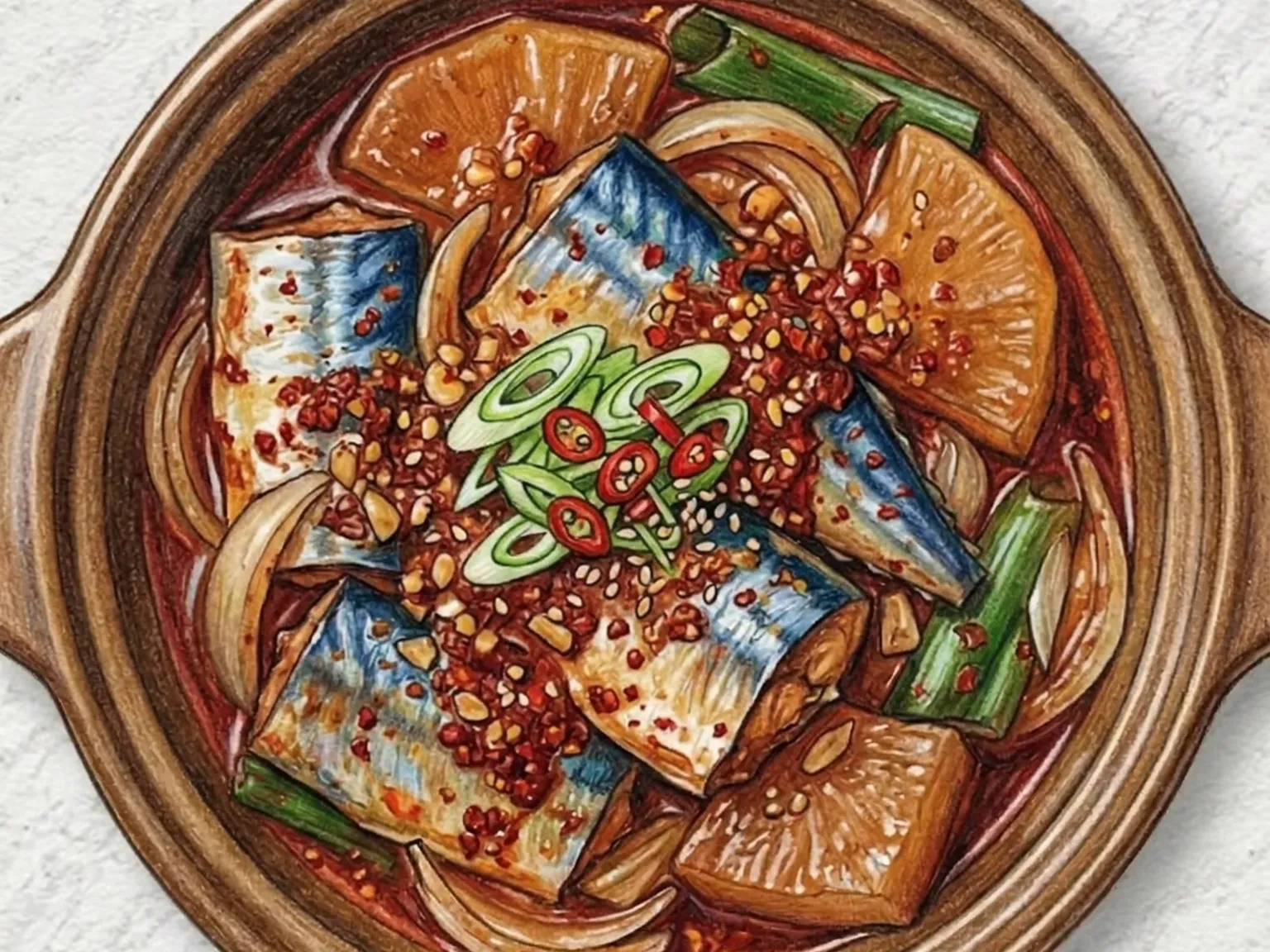
Ojingeo mu jorim is a Korean braised dish where radish is cooked first in a soy-based liquid until fully softened, then squid is added and the whole pot is reduced in a spiced sauce of gochugaru and gochujang. Giving the radish time to cook alone is the structural key to this dish: as it slowly absorbs the liquid and breaks down, it releases its natural sweetness into the broth, which merges with the salt and gentle umami of soy sauce to build the braising liquid into something more complex than its ingredients suggest. When the spice paste goes in, the resulting flavor sits at the intersection of heat and coolness - the particular sensation of Korean chili that stings without overwhelming. The single most important technique in this recipe is the timing of the squid. Squid turns rubbery when overcooked, and the window between tender and tough is narrow, so it is added only in the last five minutes of cooking. That brief time is enough for the squid to absorb the surrounding flavors while holding the springy, snapping bite that makes the dish texturally rewarding. Green onion stirred in at the finish adds a sharp herbal lift. The reduced sauce left in the pan is deliberately left shallow rather than thick, concentrated with the flavors of both the squid and the radish, and it is best used by spooning it over rice and eating everything together.

🏠 Everyday🎉 Special Occasion
Prep 20minCook 30min4 servings
Korean Pollock Roe Egg Porridge
RiceEasy

Korean Pollock Roe Egg Porridge

Rice is simmered in anchovy stock until the grains soften and the porridge thickens, then finished with pollock roe and beaten egg. The roe dissolves into the broth and spreads its briny, savory depth throughout the bowl, while the egg forms soft curds that add body to the texture. Because pollock roe already carries significant salt, soup soy sauce is added only in small amounts at the very end to fine-tune the seasoning rather than build the base flavor. Stirring the egg in gently over low heat produces delicate, smooth curds. Rushing the egg over high heat causes it to seize into rough clumps that interrupt the silky consistency of the porridge. A drizzle of sesame oil, a scattering of dried seaweed flakes, and sliced green onion finish the bowl with a nutty fragrance and a clean finish. This is a natural choice for days when appetite is low or the stomach feels unsettled, and the roe's depth of flavor means a small number of ingredients produces a genuinely satisfying result.

🏠 Everyday
Prep 10minCook 18min2 servings
Korean White Kimchi Clam Soup
SoupsMedium

Korean White Kimchi Clam Soup

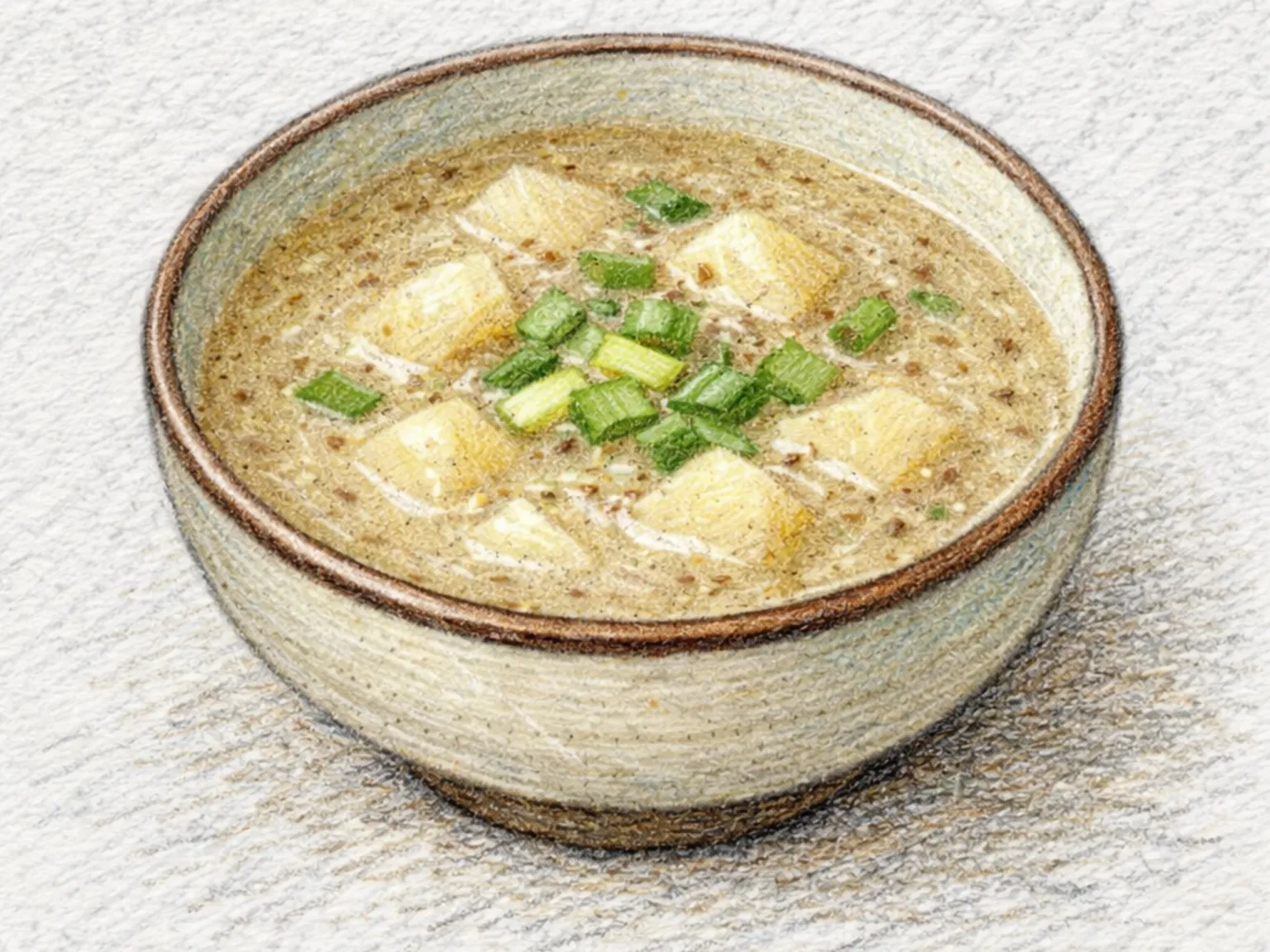
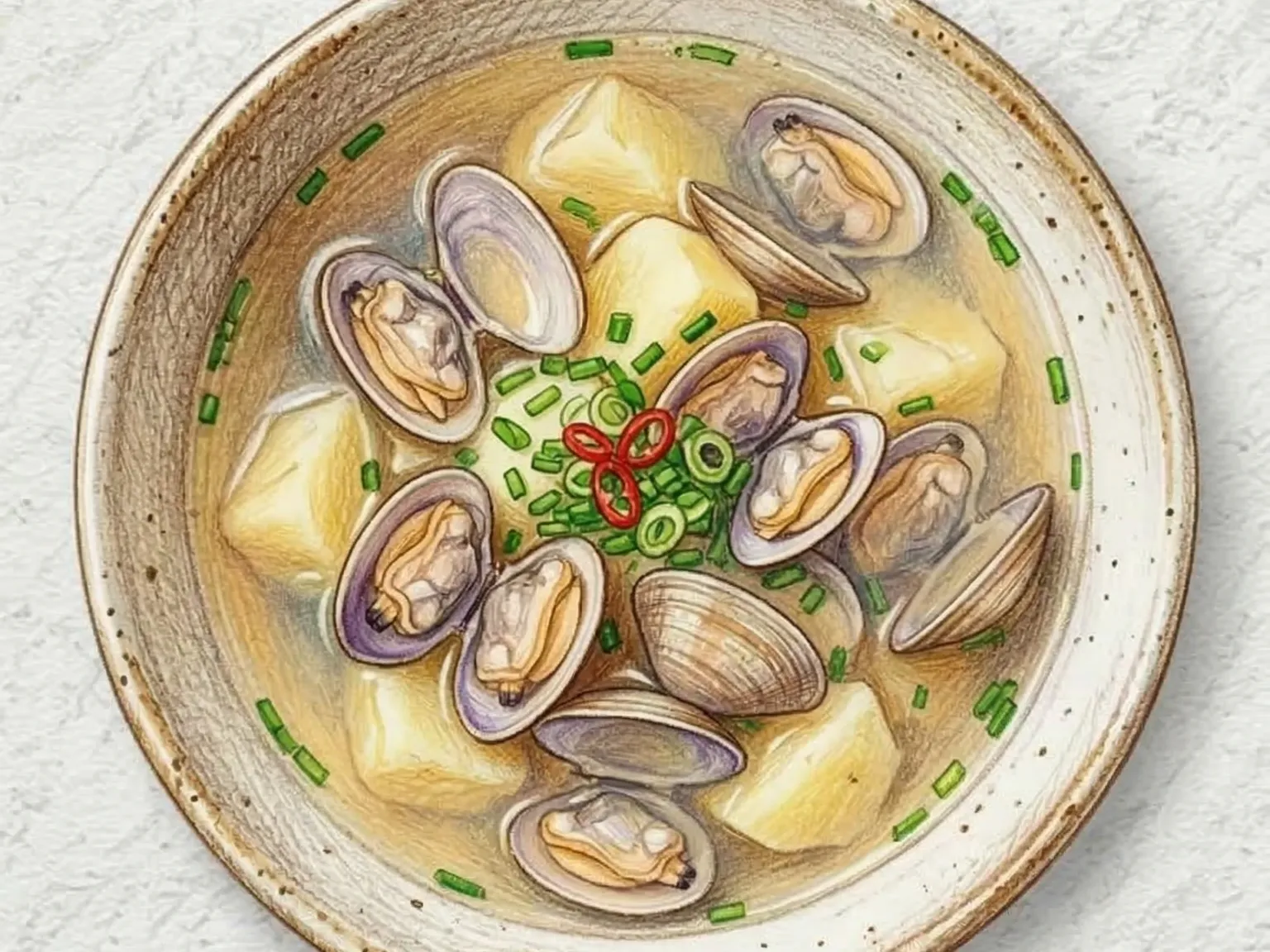
Baekkimchi bajirak guk is a clear Korean soup that brings together the gentle fermented acidity of white kimchi and the briny oceanic depth of manila clams in a single, unmuddied broth. Purged clams begin in cold water and are brought slowly to a boil so the rising temperature coaxes flavor from the shells gradually, building stock as they cook. Once the clams open they are lifted out, and the broth is strained through a fine sieve to eliminate any sand that clung to the shells. Chopped white kimchi is stirred into this clean clam stock, where its lactic sourness dissolves into the liquid and creates a flavor profile that reads simultaneously refreshing and layered. Adding the white kimchi brine as well deepens the acidity further, but its existing salt content demands a taste check before any additional seasoning goes in. Thick-cut tofu squares absorb the surrounding broth as they warm through, contributing a soft, substantial bite alongside their protein. A single cheongyang chili, sliced on the diagonal, introduces a measured sharpness that lifts the otherwise mild base without tilting the soup into heat-forward territory. Scallion should go in during the final thirty seconds of cooking rather than earlier; overcooked scallion loses the fresh, grassy aroma that punctuates the finish. Because this soup contains no gochugaru, the broth stays perfectly clear and pale, and the white kimchi sourness sharpens the clam umami from underneath rather than competing with it, producing a bowl that tastes more complex than its short ingredient list suggests.

🏠 Everyday
Prep 20minCook 18min2 servings
Korean Spicy Radish Salad
Side dishesEasy

Korean Spicy Radish Salad

Mu-saengchae is a raw Korean radish salad dressed in gochugaru, vinegar, fish sauce, and sugar that sets itself apart from kimchi by skipping fermentation entirely and going straight to the table. The radish is julienned into fine, five-centimeter-long strips because a thinner cut allows the dressing to coat every surface evenly; cutting too thick leaves the raw radish's sharp pungency exposed and untempered. A ten-minute salting with coarse salt is the pivotal step that collapses the cell walls partially, drawing out excess moisture and priming the strips to absorb the dressing rather than dilute it. The finished sauce combines gochugaru, anchovy fish sauce, vinegar, sugar, minced garlic, and sesame oil into a dressing where the fish sauce lays down a concentrated umami backbone over the radish's clean, neutral flavor while the vinegar slows further moisture release to preserve crunchiness across the full serving period. Eaten fresh, the texture is at its maximum snap; left in the refrigerator overnight, the strips soften into a lightly pickled state that is equally good in its own way. Served beside fatty dishes such as samgyeopsal or braised short ribs, mu-saengchae clears and resets the palate between bites of rich meat, and it pairs without friction alongside virtually any protein-centered side.

🏠 Everyday🍱 Lunchbox
Prep 15min4 servings
Korean Stir-fried Bracken Fern
Stir-fryMedium

Korean Stir-fried Bracken Fern

Gosari-bokkeum is a classic Korean side dish of rehydrated bracken fern stir-fried with soy sauce, minced garlic, and perilla oil. The fern absorbs the nutty perilla aroma during cooking, while soy sauce layers in a deep, earthy savoriness. Its texture stays tender with a slight bite, making it easy to eat alongside other dishes. Gosari-bokkeum is a staple component of bibimbap and appears on nearly every Korean holiday table as one of the essential namul dishes. It is often paired with other seasonal greens like wild garlic or chamnamul to round out a traditional spread.

🏠 Everyday🎉 Special Occasion
Prep 12minCook 10min2 servings
Mixed Korean Army-Style Stew
StewsEasy

Mixed Korean Army-Style Stew

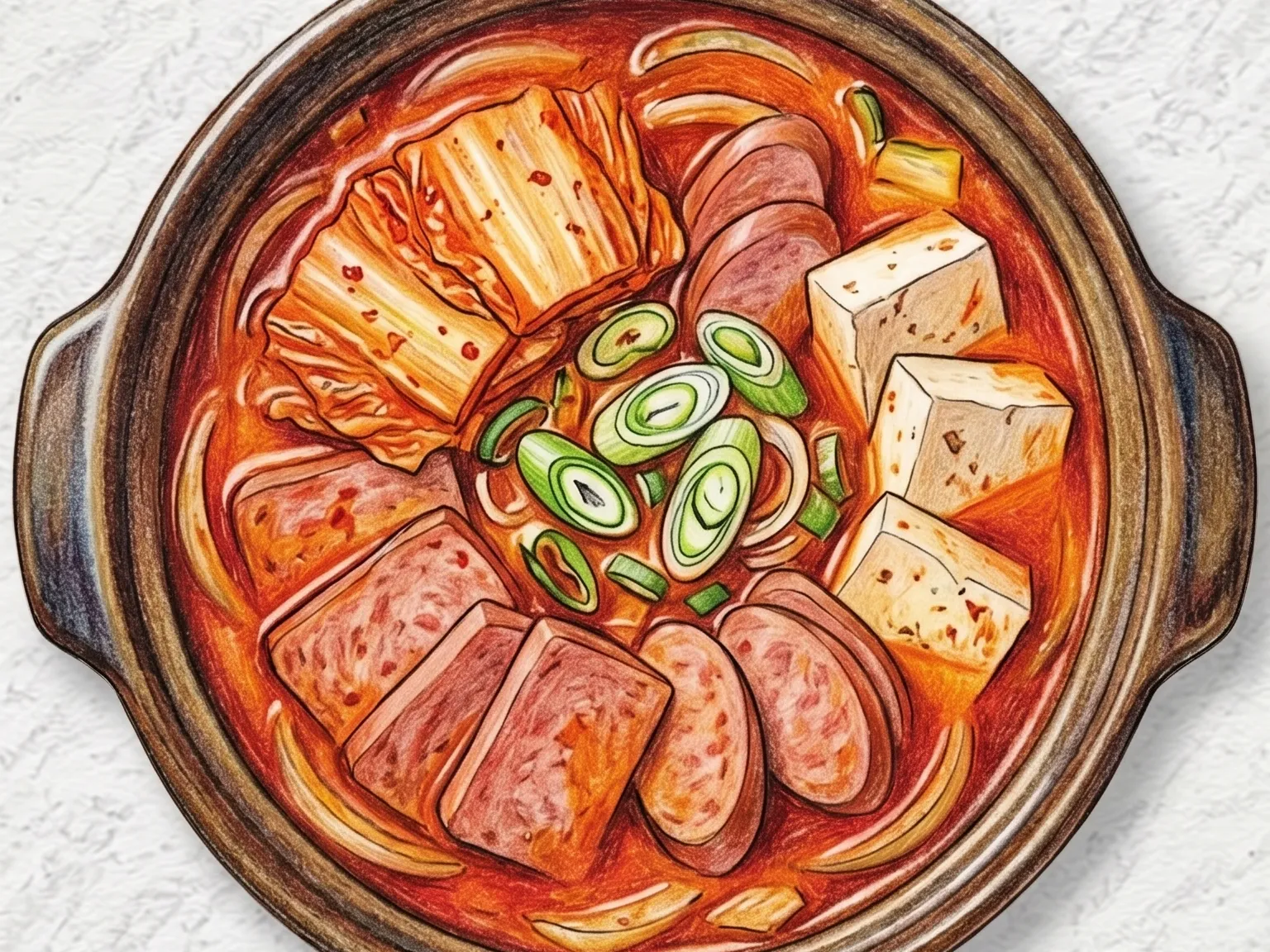
Seokkeo jjigae, or mixed stew, is a streamlined everyday version of budae jjigae that brings together kimchi, sliced ham, and tofu in a broth seasoned with gochujang and gochugaru. The fermented tang of well-ripened kimchi, the saltiness of the ham, and the soft neutral presence of tofu create a balanced combination where each component gives the others something to push against. Onion and green onion mellow the broth as they cook, their sweetness rounding off the sharpest spicy edges, while the gochujang contributes fermented depth that pure heat alone cannot provide. The stew comes together in under twenty minutes using common refrigerator staples, making it a reliable weeknight meal that requires almost no preparation. Served alongside a bowl of steamed rice, the spicy broth absorbs into each grain and keeps the dish satisfying to the very last spoonful. A portion of instant noodles or rice cakes added to the pot turns it into a more substantial one-pot meal.

🏠 Everyday
Prep 20minCook 25min4 servings
Gamjaguk (Potato Doenjang Anchovy Soup)
SoupsEasy

Gamjaguk (Potato Doenjang Anchovy Soup)

Gamjaguk is a clear, mild Korean soup built on a foundation of anchovy stock with potatoes as the main ingredient, seasoned with either doenjang or plain salt. As the potatoes cook through, they release starch gradually into the broth, giving it a subtle body that makes each spoonful feel substantial without turning the liquid cloudy. When doenjang is used, the fermented paste contributes a layered, earthy savoriness that wraps around the gentle sweetness of the potato. Seasoning with salt alone lets the potato's natural, unadorned flavor stand at the center without competition. Garlic and green onion are added as the aromatic base, providing a mild, savory fragrance that keeps the broth from tasting flat. A handful of zucchini slices added midway through cooking introduces a soft, yielding texture and a touch of pale green color. The potatoes need to be pulled from heat at the point when a chopstick slides through without resistance, because overcooking breaks them apart and muddies the broth. With only a few ingredients required, this soup comes together quickly even when the refrigerator is nearly empty, which is part of why it appears on Korean tables more consistently than almost any other soup.

🏠 Everyday
Prep 10minCook 25min3 servings
Korean Braised Chicken with Burdock
SteamedMedium

Korean Braised Chicken with Burdock

Ueong dak jorim is a Korean braised dish that simmers boneless chicken thigh and burdock root together in soy sauce, sugar, and ginger juice until the liquid reduces and the glaze thickens around each piece. Soaking the burdock in vinegar water draws out the astringent bitterness that raw burdock carries, and marinating the chicken in cooking wine and ginger beforehand removes any lingering gamey odor. Once both are added to the pot, low heat does the work over at least eighteen minutes, bringing the braising liquid down by half and building a glossy, clinging sauce. A final drizzle of sesame oil at the end ties the aroma together and rounds out the flavor. The finished dish sets the crisp yet slightly chewy texture of burdock against the moist tenderness of chicken thigh, with a sweet-savory profile that makes it a reliable companion to steamed rice.

🎉 Special Occasion
Prep 20minCook 35min4 servings
Korean Beef & Quail Egg Soy Braise
Side dishesMedium

Korean Beef & Quail Egg Soy Braise

Jangjorim is how Korean cooks make beef last all week. Eye-round is simmered, shredded along the grain, and braised in concentrated soy sauce with sugar, garlic, and whole black peppercorns. Quail eggs are added to the pot and absorb the dark liquid until chestnut brown throughout. Low heat reduces the sauce to a thick, glossy coating on every strand of meat and the surface of each egg. Served cold, jangjorim is intensely salty - meant for small bites with plain rice, where one piece of soy-stained beef carries an entire mouthful of grain.

🏠 Everyday🍱 Lunchbox
Prep 20minCook 45min4 servings
Korean Braised Tofu and King Oyster Mushrooms
SteamedEasy

Korean Braised Tofu and King Oyster Mushrooms

Saesongi dubu yangnyeom jorim is a braised side dish of firm tofu and king oyster mushrooms cooked down in a sauce of soy sauce, gochujang, and Korean chili flakes until the liquid is nearly gone and every surface is glazed. Pan-searing the tofu first over low heat until golden builds a crust that keeps it intact through braising and gives the seasoning somewhere to grip. Thick-cut king oyster mushrooms stay springy even after the long braise, while onion woven through the pot contributes a sweetness that softens the heat of the gochujang. Sesame oil stirred in at the end draws all the aromatics together into a cohesive finish. The result is a banchan with layers, gochujang spice, deep soy saltiness, and a savory earthiness from the mushrooms, that holds its flavor cold, making it a natural fit for packed lunches.

🍱 Lunchbox
Prep 12minCook 18min2 servings