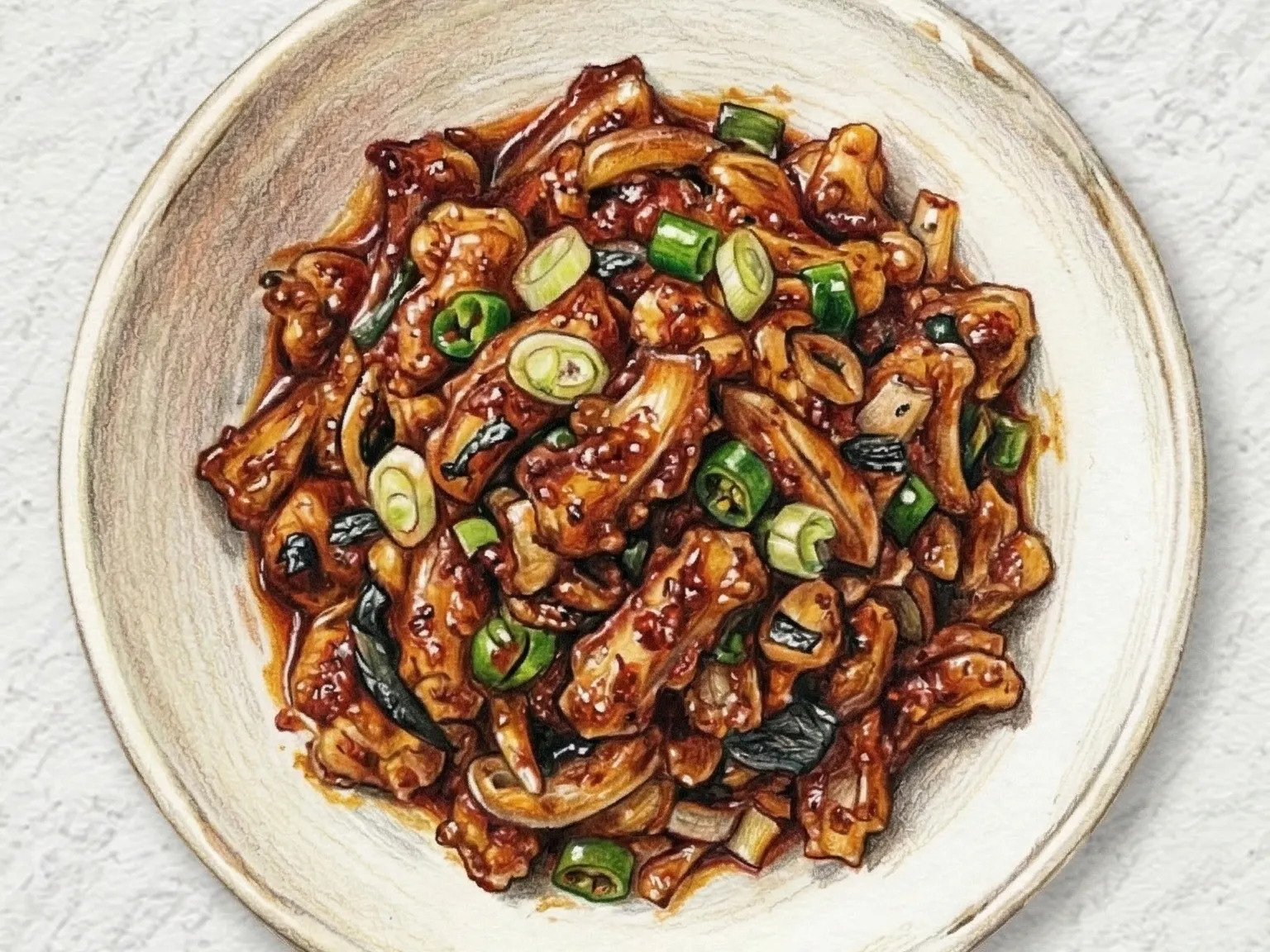
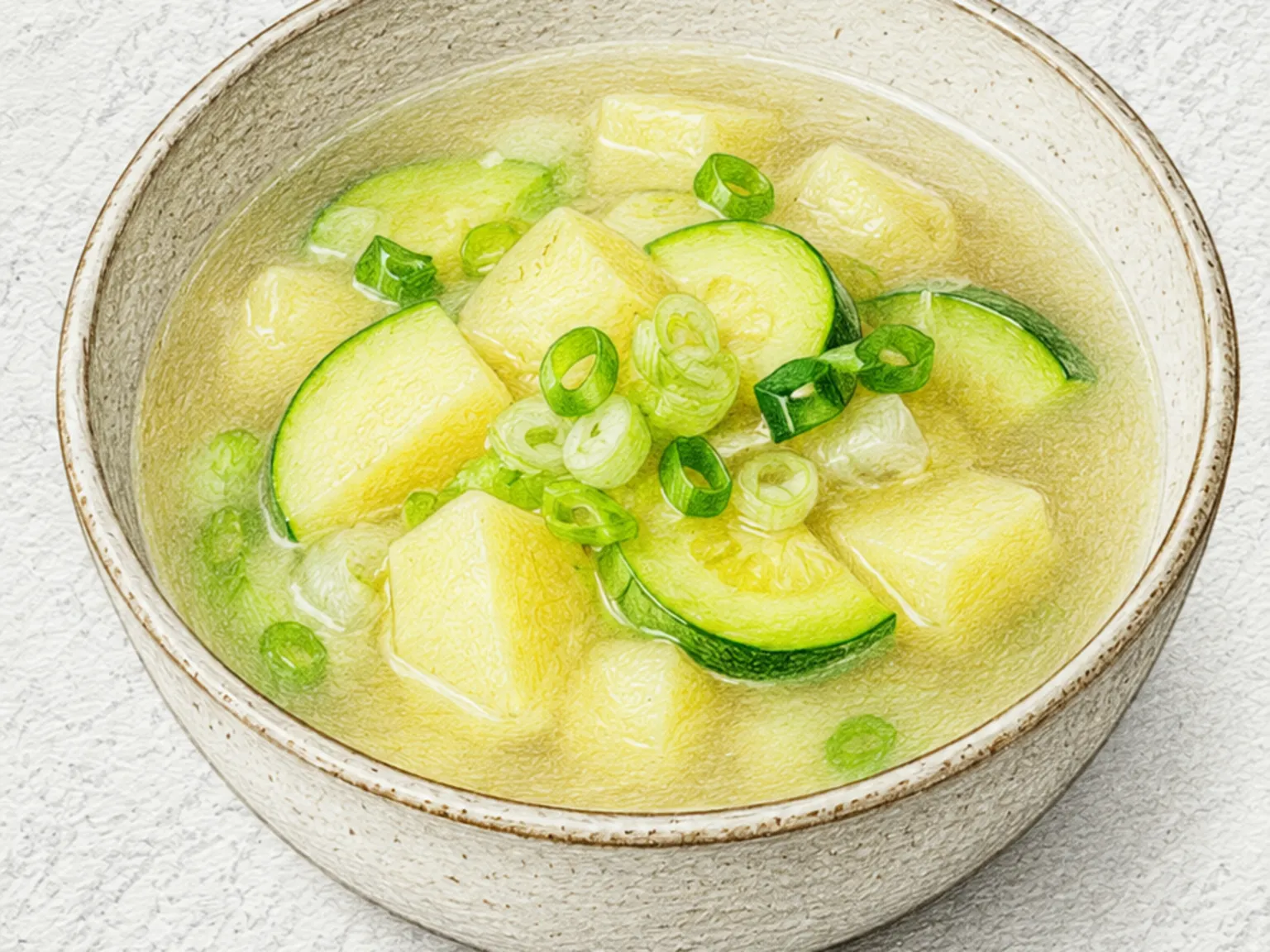
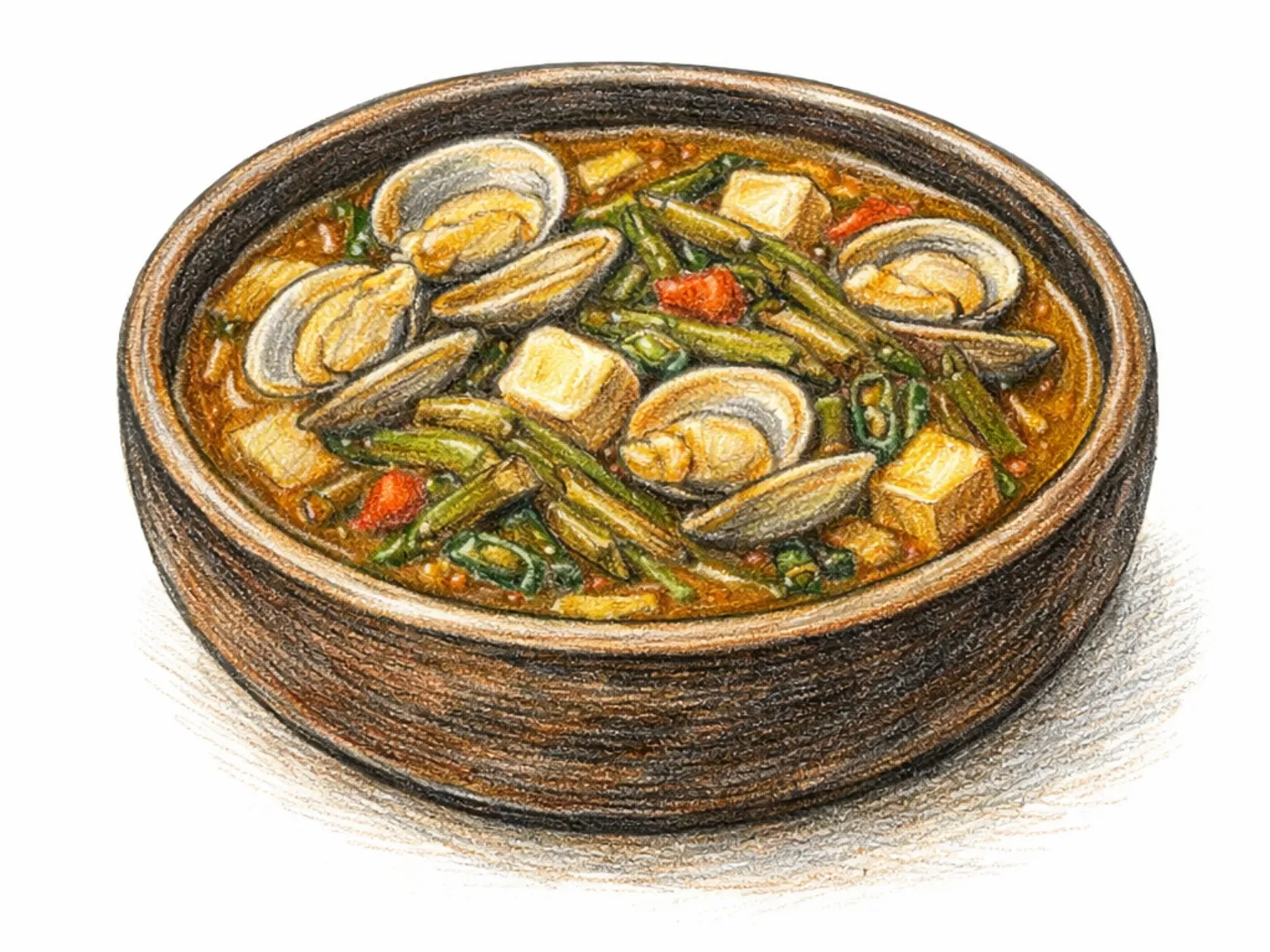
Korean Steamed Eggplant with Seasoning
Steaming whole eggplants preserves the moisture trapped inside the purple skin, creating a silky and soft texture that sliced pieces cannot replicate. This traditional Korean side dish relies on the technique of tearing the cooked eggplant by hand along its natural grain rather than using a knife. The resulting irregular surface area allows the dressing of soy sauce, garlic, and red pepper flakes to cling effectively to every fiber. Sesame oil and toasted seeds contribute a nutty fragrance while sliced green onions provide a fresh finish to the light seasoning. Adding perilla powder increases the nuttiness, and incorporating canned tuna provides enough protein to serve the dish as a primary component of a meal. Adding minced cheongyang chilies into the sauce increases the heat for a spicier version. Since the preparation takes less than thirty minutes, it remains a common choice during hot summer months. The dish keeps its consistency well in the refrigerator for about twenty-four hours after cooling.

Korean Braised Mackerel with Aged Kimchi
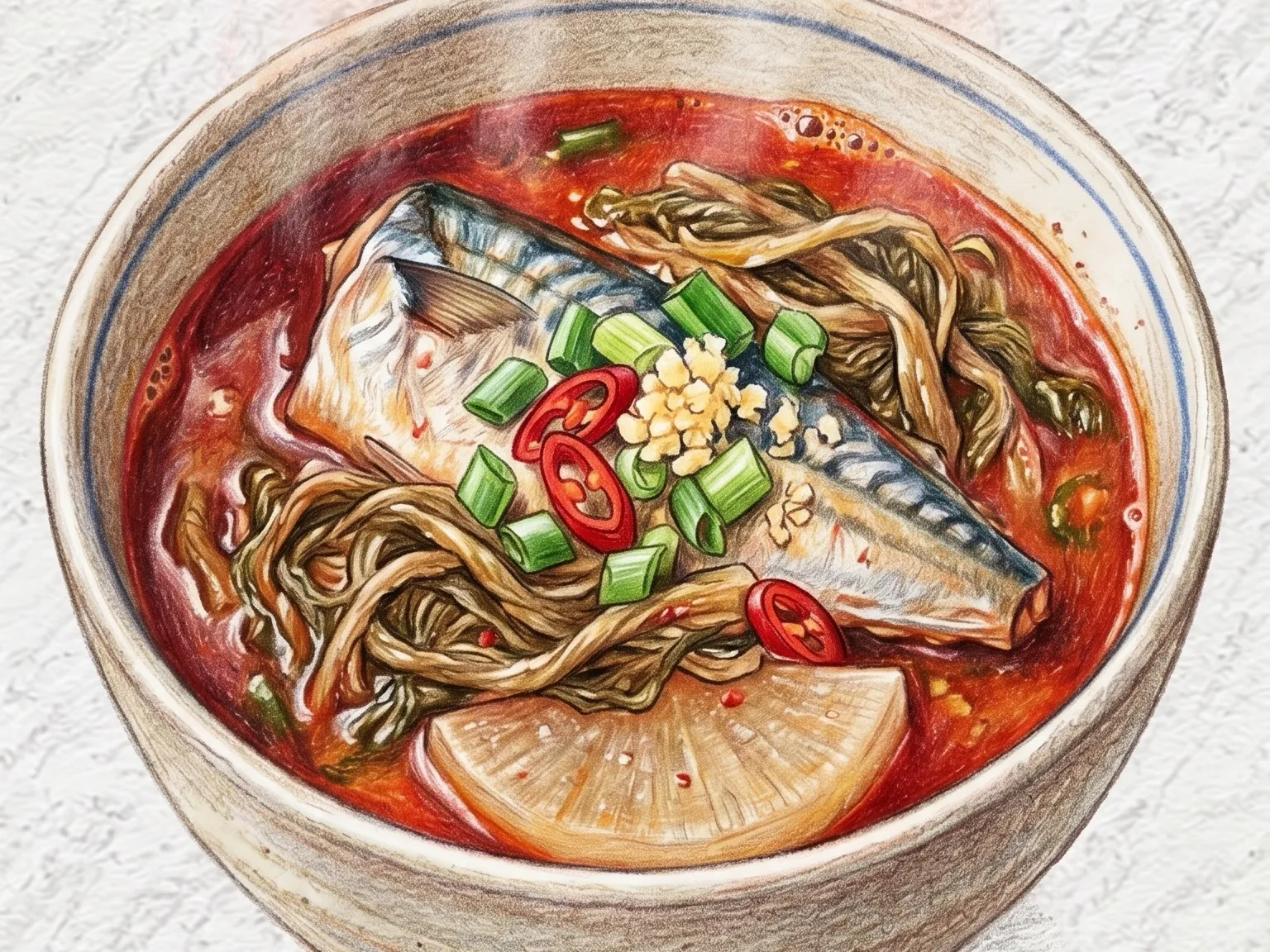
Godeungeo kimchi jjim is mackerel braised together with well-fermented aged kimchi in a soy sauce and gochugaru broth. The deep, sharp acidity of the aged kimchi cuts through the fatty mackerel flesh without leaving any heaviness, drawing out a concentrated savory taste instead. The key step is removing the lid partway through cooking and letting the braising liquid reduce and absorb into the fish, which also drives off any residual fishiness. Onion softens into a gentle sweetness that rounds out the broth, while a pinch of sugar tempers the sourness of the kimchi so the seasoning stays in clear balance. The sauce reduces to a small pool of intensely flavored liquid that is meant to be mixed directly into a bowl of steamed rice.

Maeuntang (Spicy White Fish Radish Stew)
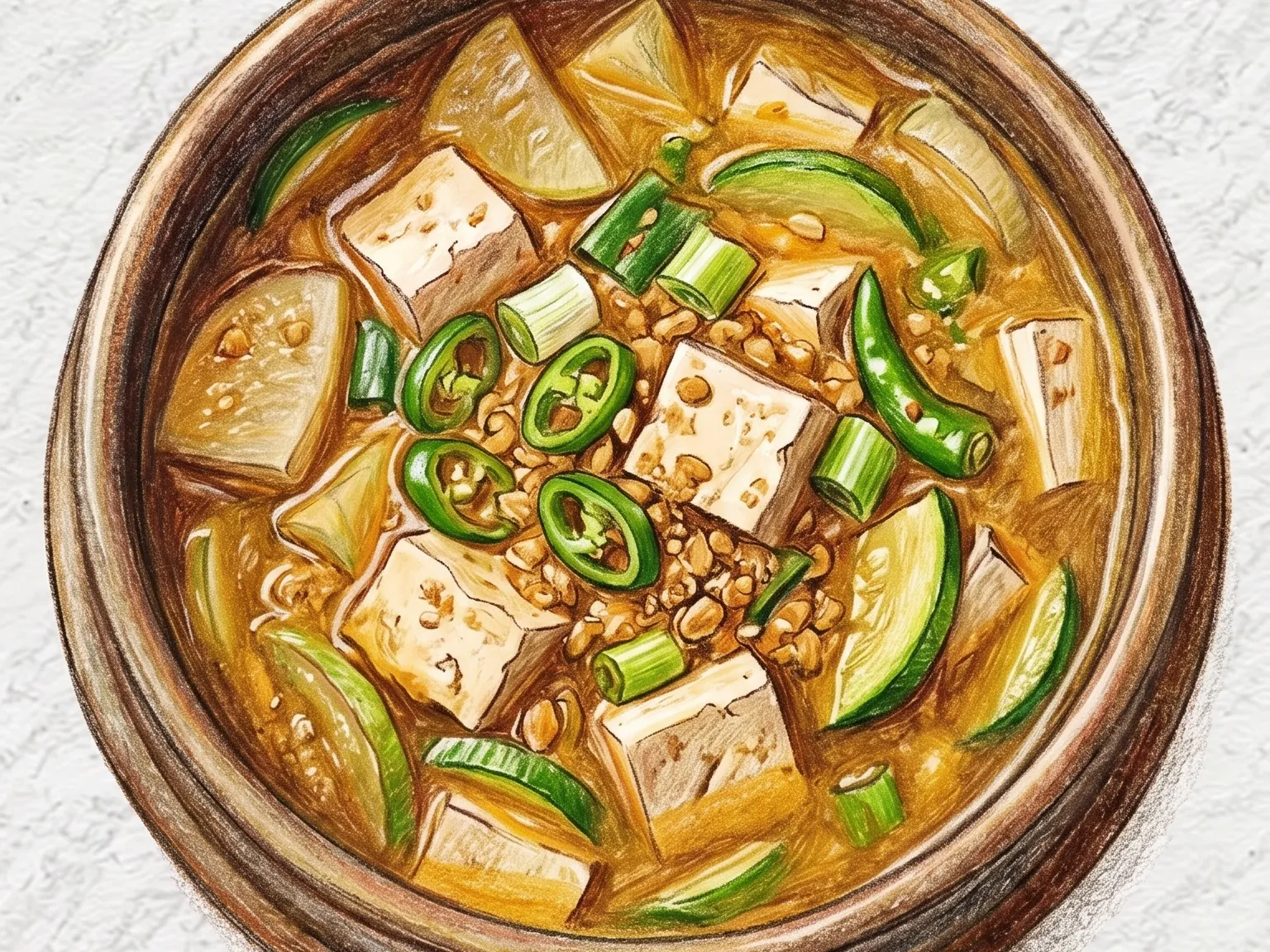
Maeuntang is a traditional Korean spicy fish stew centered on white-fleshed fish such as cod or frozen pollock. The fish is salted for ten minutes before cooking, which draws out excess moisture and the compounds responsible for fishiness, resulting in a cleaner-tasting broth. Radish goes into the pot first and simmers until its clean, mild sweetness dissolves into the water, forming the base. Gochujang, gochugaru, soup soy sauce, and minced garlic are then stirred in to build the spiced, savory broth. The fish and tofu are added together and cooked for ten minutes without being turned over. Instead, hot broth is repeatedly ladled over the top surface so the fish cooks evenly without the flesh breaking apart. Zucchini, green onion, and cheongyang chili are added in the final three minutes to preserve their color and slight crunch. A half tablespoon of doenjang stirred in at the end adds a secondary layer of umami that deepens and rounds out the broth considerably.

Charred Daepa Gamja Doenjang Salad (Charred Leek Potato Salad)
Charred daepa gamja doenjang salad combines boiled potatoes with large green onion segments that have been seared until deeply caramelized and smoky. The high heat strips away the raw onion bite and replaces it with a concentrated sweetness and char aroma. A dressing made from doenjang, lemon juice, honey, and olive oil layers fermented depth with bright acidity and a touch of sweetness, drawing out the mild flavor of the potato. Tossing the potatoes while still warm allows the dressing to absorb into the starchy flesh rather than sitting on the surface. Red chard adds color and a faint bitterness that gives the bowl a sense of direction, while black sesame seeds contribute a final nutty accent.

Korean Fish Cake Fried Rice
Eomuk bokkeumbap is a Korean fried rice built around diced fish cake, carrot, egg, and soy sauce -- a dish that earns its place precisely because it comes together in under ten minutes from pantry basics. The fish cake develops a lightly crisped exterior when stir-fried in hot oil, and as it cooks, its mild, briny savoriness infuses every grain of rice it comes into contact with. Egg is scrambled on one side of the pan before being folded through, adding a layer of richness without complicating the overall flavor. Soy sauce seasons the rice throughout while a drizzle of sesame oil at the very end coats the finished dish with a glossy, nutty finish. Chopped green onion tossed in just before plating provides a fresh, aromatic contrast to the savory base. The saltiness can be dialed up or down easily by adjusting the soy sauce, and a scatter of toasted sesame seeds or crumbled dried seaweed over the top adds both flavor and visual appeal. The dish requires nothing more than leftover rice and a few pieces of fish cake, making it one of the most reliable quick-meal options in the Korean home kitchen, practical for a rushed lunch or a light after-school snack for children.

Korean King Oyster & Quail Egg Braise
Saesongi quail egg jorim is a soy-braised Korean banchan featuring king oyster mushrooms and quail eggs with a balance of savory and gently sweet flavors. The mushrooms are braised first to let them absorb moisture and seasoning thoroughly before the eggs are added, giving the eggs time to soak up the liquid without becoming tough. A spoonful of oligosaccharide syrup added near the end gives the surface a glossy sheen and softens the saltiness of the soy base. The dish calls for only a handful of pantry staples and comes together in under thirty minutes, making it easy to prepare on a busy day. It also keeps well in the refrigerator, improving in flavor over two days as the braising liquid penetrates deeper, which makes it a reliable choice for packed lunches.

Korean Soy Sauce Stir-Fried Mushrooms
King oyster mushrooms are torn by hand rather than cut, opening up a fibrous surface that absorbs seasoning more readily than a knife-cut edge. Shiitake caps are sliced thin after removing their stems. Both go into a dry, screaming-hot pan first - no oil - to drive off surface moisture until the edges of the king oyster pieces take on light char and a firm, meat-like chew develops. Perilla oil goes in at that point, followed by soy sauce poured along the rim of the pan where the heat is most intense, which caramelizes it instantly and coats every piece in a dark, lacquered glaze. No sugar is added - the soy sauce reduction provides the sweetness. A drizzle of sesame oil off heat and a scatter of scallion finish the dish. Concentrated, deeply savory, and ready in under ten minutes.

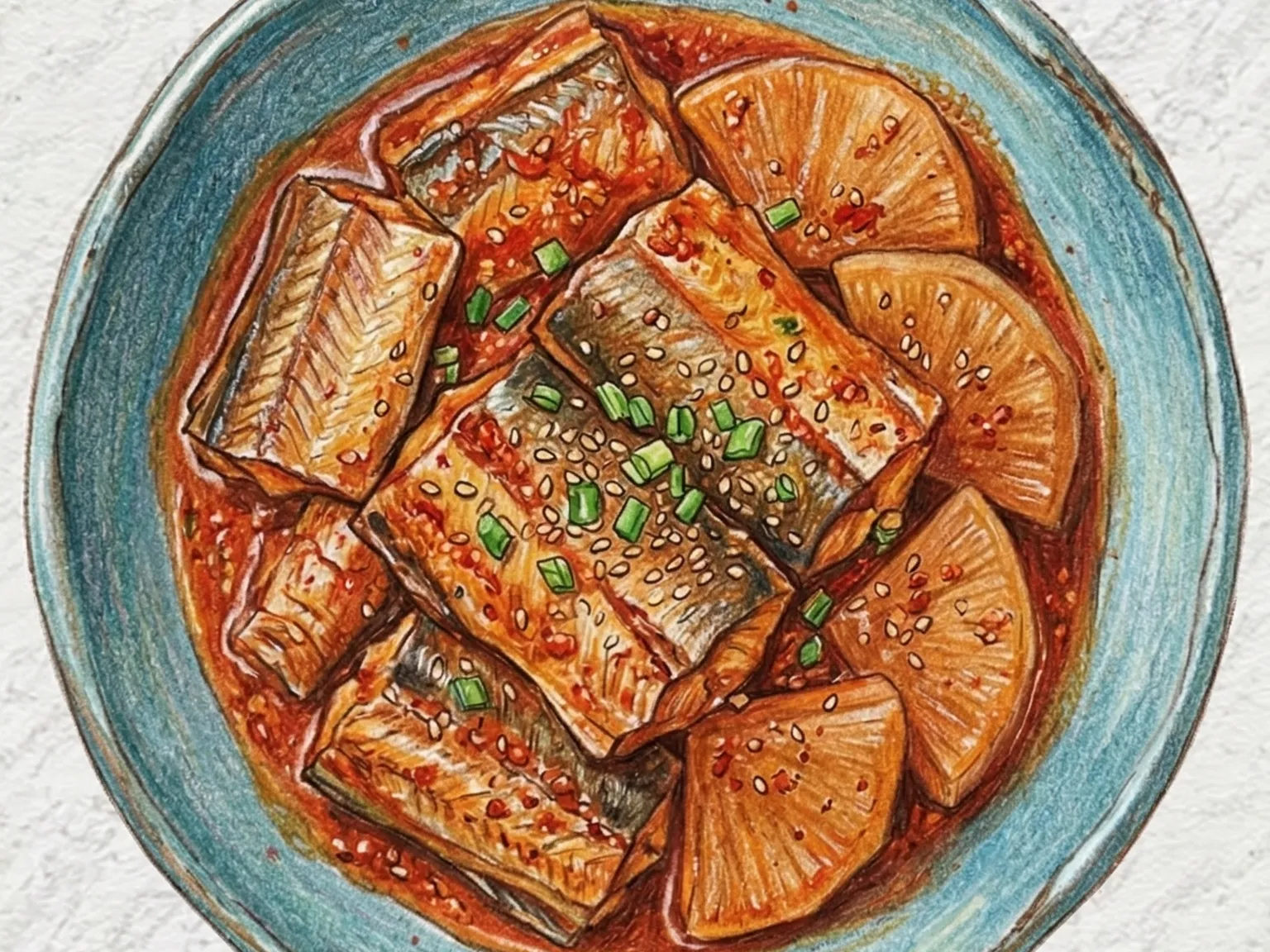
Korean Braised Mackerel with Radish
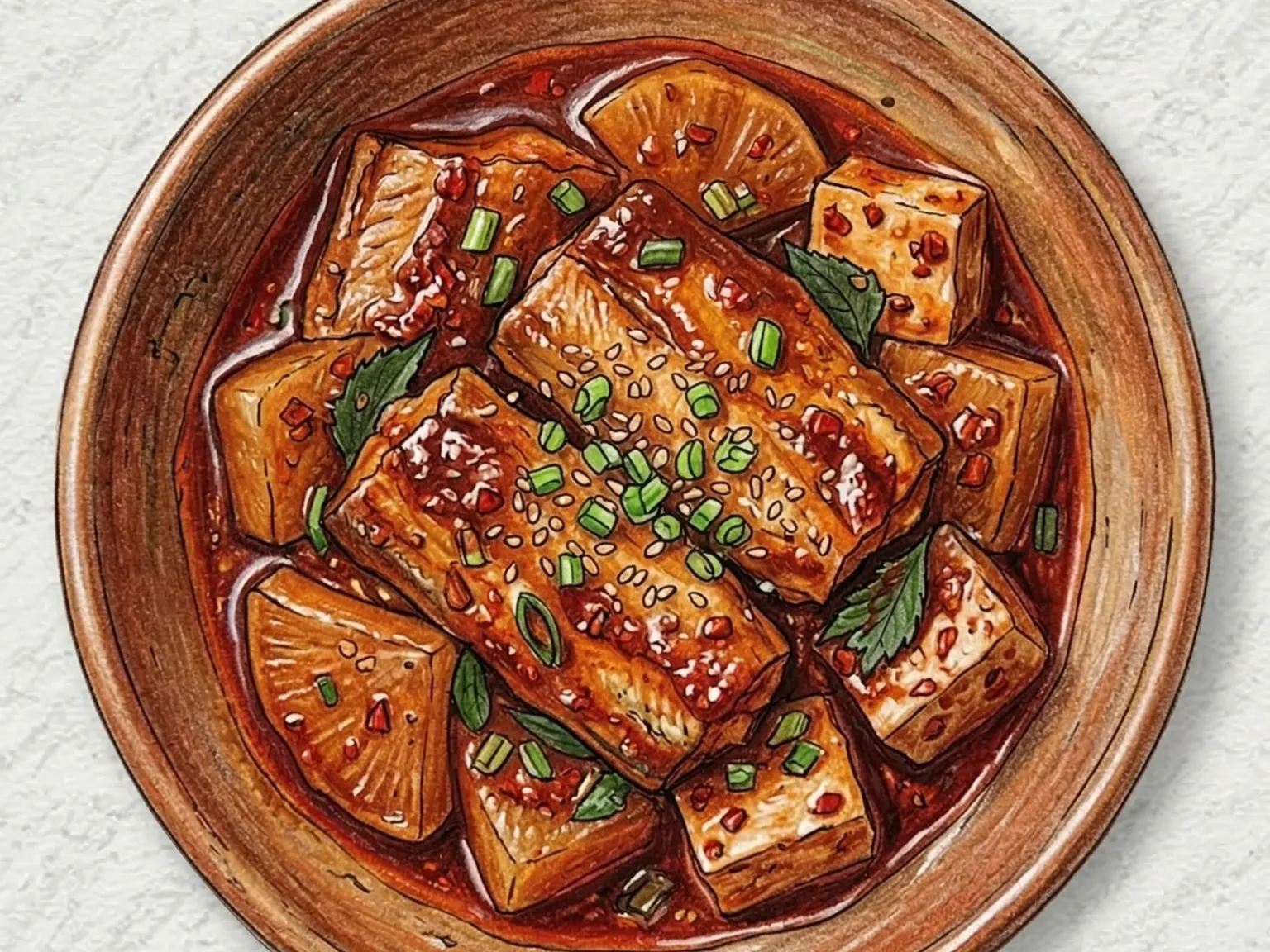
Layering thick slices of radish beneath fresh mackerel prevents the delicate fish from sticking to the pot while allowing the vegetables to soak up the seasoning like a sponge. This traditional Korean preparation uses a base of soy sauce, red chili powder, and red chili paste to create a thick braising liquid. As the pot simmers, the cook repeatedly spoons the sauce over the fish pieces to ensure the heat and spices reach every part of the mackerel. Ginger serves as a crucial ingredient to eliminate any strong fishy scents, so adding it early in the cooking process allows its aromatic properties to fully integrate into the broth. Over time, the radish softens into a translucent texture, absorbing the spicy and salty elements of the sauce until it becomes a substantial part of the meal. Adding onions and green onions during the final stages of cooking preserves their crispness and prevents their fresh aroma from fading. The process concludes when the liquid reduces into a glossy glaze that coats the mackerel. Serving this dish immediately over warm white rice allows the grains to catch the concentrated sauce. Beyond its taste, the mackerel provides omega-3 fatty acids while the radish contributes digestive enzymes and vitamin C to balance the natural oils of the fish.

Korean Gangwon-Style Soy Bulgogi
Gangwon-style soy bulgogi represents a regional variation of the traditional Korean grilled beef dish specifically associated with the Gangwon Province. Unlike the bulgogi styles commonly found in the Seoul metropolitan area, which often lean heavily into sweet and fruit-driven marinades, this version prioritizes the clean and savory profile of soy sauce. The preparation begins by marinating thinly sliced beef in a mixture composed of soy sauce, sugar, minced garlic, and toasted sesame oil, along with the addition of fresh pear juice. The inclusion of pear juice serves a dual purpose in the recipe. The natural enzymes within the juice work to tenderize the muscle fibers of the beef, while its sugars provide a subtle and restrained sweetness that complements the salty foundation of the soy sauce without becoming the dominant flavor. When the meat is ready, it is cooked in a preheated pan over high heat. Sliced shiitake mushrooms and onions are added to the pan during this stage, allowing them to absorb the liquid marinade as they soften. This process integrates the flavors of the vegetables with the primary taste of the beef. Maintaining a high temperature is a critical step in the cooking process to ensure that moisture evaporates rapidly. This prevents the dish from taking on the texture of a braised stew and instead produces a slight char and a smoky quality on the edges of the meat. Just before the heat is turned off, diagonally sliced green onions are tossed into the pan. They are cooked only until they begin to wilt, preserving a bright and sharp contrast that balances the finished dish. The result is a soy-focused flavor profile that is clear and direct. Because it avoids being overly aggressive or excessively sweet, this bulgogi serves as a consistent accompaniment for steamed rice that remains palatable through frequent consumption.

Korean Beef Brisket Kimchi Stir-Fry
Paper-thin slices of brisket are laid in a cold, dry pan and the heat is brought up gradually so the marbled fat renders out completely before the meat browns. That rendered beef tallow becomes the only cooking fat in the dish -- no oil is added at any point -- and the beefy fragrance it deposits on the kimchi is something vegetable oil simply cannot replicate. Aged kimchi contributes a pronounced sourness from weeks or months of deep fermentation, and half a teaspoon of sugar does the precise job of rounding off that acidity without tipping the flavor toward sweet. The balance lands in the narrow space between tart, salty, and subtly sweet, which is where the dish wants to live. Cooking on high heat for a short time keeps the kimchi from going soft; drop the temperature or extend the cook and the whole pan collapses into a mushy mass where textures disappear. A pinch of gochugaru added partway through brings a dry heat that sharpens the overall profile. Sesame oil, half a tablespoon swirled in after the flame is off, lifts the aroma from savory toward something more complex. Finely sliced green onion scattered over the top at the end adds a clean, fresh note against the heavy richness underneath. Five ingredients, fifteen minutes of cooking, and the result reliably clears an entire bowl of rice.

Korean Dried Pollock Potato Soup
Hwangtae-gamja-guk is a clear Korean soup built around dried pollock strips that have been wind-dried and then sauteed in sesame oil before any liquid is added. That initial stir-fry step is what separates this soup from simpler broth dishes: the heat releases a toasty, nutty fragrance from the pollock that permeates the entire pot and melds with the anchovy-kelp stock poured in afterward. Potato slices simmer alongside radish, and as they soften their edges gradually break down, giving the broth a mild, natural body without the use of starch or thickener. Radish contributes a clean, cooling sweetness that tempers the concentrated umami of the dried pollock. Soup soy sauce and minced garlic handle the seasoning, keeping the flavor profile clear and uncluttered. The pollock itself stays pleasantly chewy even after prolonged simmering, providing a protein-rich bite that makes the bowl genuinely filling. This soup is a fixture on Korean breakfast tables, valued for its ability to settle the stomach and restore energy.

Kimchi Stir-Fried Udon (Pork Belly Kimchi Wok-Fried Noodles)
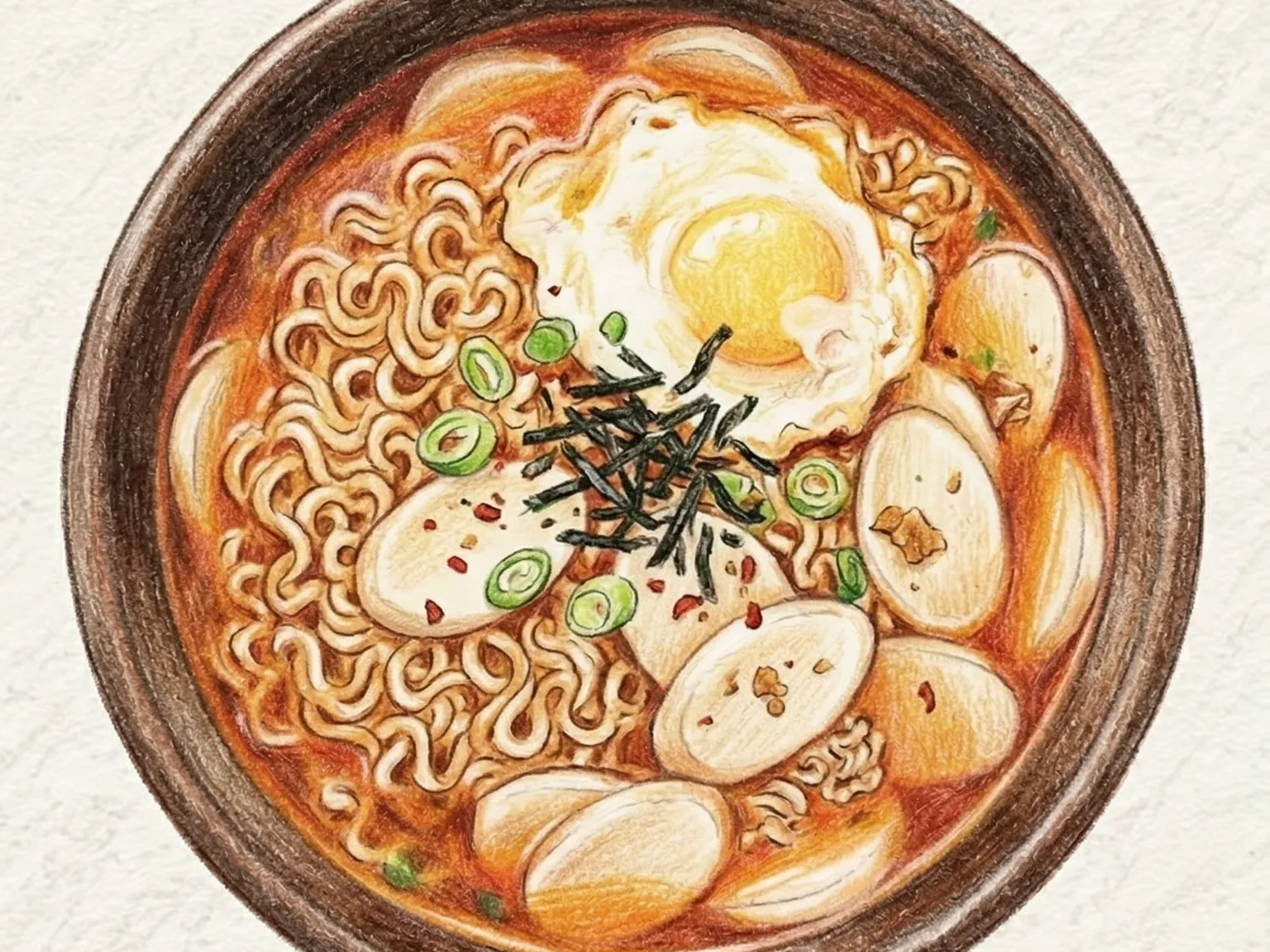
Kimchi udon stir-fry is a Korean-Japanese fusion noodle dish that brings together paper-thin pork belly, aged kimchi, and thick udon noodles over intense, unbroken high heat. The pork belly goes into the pan first, searing until the edges crisp and enough fat renders out to carry the aromatics that follow. Onion and green onion go in next to build fragrance, and kimchi is added last among the aromatics and stir-fried hard until every drop of its moisture has evaporated and the flavor has concentrated into the solids. A sauce of gochujang, soy sauce, and sugar is poured over, and blanched udon noodles are tossed in and moved constantly so the coating reaches every noodle strand. Dropping the heat at any point causes the udon to soften and lose its bounce, so full high heat from start to finish is essential. A spoonful of kimchi juice added mid-cook deepens the umami without making the sauce watery, and a small knob of butter stirred in just before plating rounds the sharp edges of the seasoning. The more fermented and sour the kimchi, the more complex the finished noodle becomes.

Korean Soft Tofu Stew Rice Bowl
Fiery soft-tofu stew is cooked until bubbling and poured directly over a bowl of rice so the spicy broth seeps into every grain. The silky tofu breaks apart gently, creating pockets of creamy texture within the chili-laced soup. Cracking a raw egg into the simmering pot softens the heat and adds body to the broth. Variations with shrimp, clams, or pork each shift the base flavor in a different direction, making this a versatile single-bowl meal.

Korean Beef Vegetable Hot Pot
Soegogi jeongol is a Korean hot pot built on a soy sauce-seasoned beef broth and brought to the table with baby napa cabbage, oyster mushrooms, and bok choy arranged over the beef before cooking begins. The seasoning stays deliberately simple, just soy sauce and minced garlic, so the natural flavors of each ingredient rise through the broth cleanly. Savory depth from the beef mingles with the gentle sweetness that the cabbage and bok choy release as they soften, and the oyster mushrooms hold their springy texture through the simmer. Because the pot cooks at the table and everyone serves themselves directly from it, the dish is as much about the shared experience as it is about the food itself.

Korean Spicy Pollock Stew
Dongtae-tang is a Korean spicy fish stew made with frozen pollock (dongtae), radish, tofu, and green onion in a broth seasoned heavily with gochugaru. The first step is simmering radish on its own long enough to release its clean, slightly sweet character into the base -- this foundation determines the clarity and depth of the finished broth. Once the radish has cooked through, gochugaru, soup soy sauce, and minced garlic are added to transform the pale stock into a vivid red, peppery liquid. The pollock is cleaned of scales and fins after thawing, then cut into large pieces so the flesh stays intact through the cooking process. After the fish is added, the stew should not be cooked for more than ten minutes: beyond that point, compounds from the bones leach into the broth, producing a bitter, fishy aftertaste that is difficult to correct. Cheongyang chili peppers add a sharper, more piercing heat than gochugaru alone -- a thin-sliced variety provides brief, concentrated bursts of spice. Tofu goes in during the last five minutes, giving it enough time to absorb the spiced broth without breaking apart. The seasoning the tofu draws in softens and rounds out the intensity of the soup, providing a mild counterpoint to the fish and the heat. The stew carries a bracing, satisfying quality and is especially popular during winter months.

Korean Braised Dried Radish Greens with Doenjang
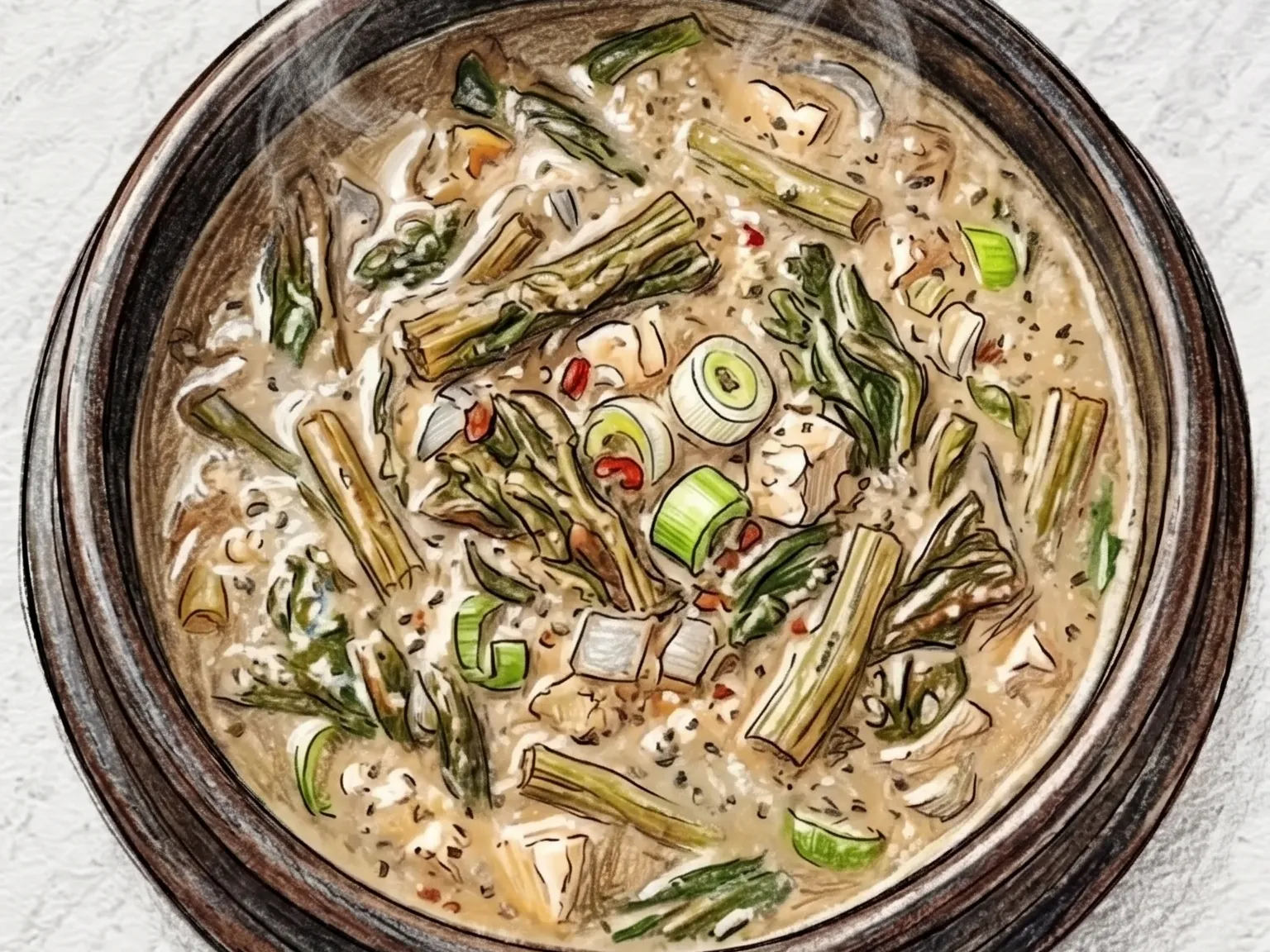
Dried radish greens, once rehydrated and boiled tender, are braised in a doenjang-based seasoning until the liquid reduces to a concentrated glaze. The fermented soybean paste melts into the coarse fibers of the greens, infusing each strand with deep, earthy umami. A splash of anchovy stock is added after the initial stir-fry in perilla oil, and the pan is covered so the greens can absorb the broth slowly over low heat. As the liquid evaporates, the seasoning thickens and clings to every piece, producing a chewy, salty-savory bite that releases its flavors gradually when chewed. Gochugaru contributes a mild, lingering warmth rather than sharp heat, while garlic softens into a mellow sweetness that rounds out the intensity of the doenjang. Patience during the final reduction is essential: only when the braising liquid has nearly disappeared does the dish reach the dense, flavorful consistency that makes it an ideal topping for steamed rice.

Korean Saury Kimchi Rice Bowl
Canned mackerel pike (kkongchi) is stir-fried with aged kimchi and sliced onion, using a couple spoonfuls of the can liquid to deepen the sauce's umami. The kimchi cooks down for three minutes first to drive off excess moisture and tame its sourness, then the fish is broken into generous chunks - keeping them large preserves a pleasant flaky texture. Chili flakes, soy sauce, and sugar simmer together for four minutes into a thick, clinging glaze that soaks into the rice below. Topped with fresh scallion, this is a pantry-friendly rice bowl that transforms humble canned fish into something deeply flavorful.

Korean Seasoned Cockle Salad
Kkomak-muchim is a seasoned cockle banchan that has become inseparable from the town of Beolgyo in South Jeolla Province. Beolgyo sits at the meeting point of wide tidal flats with strong current flow, producing an environment rich in organic matter where true cockles (cham-kkomak) grow plump, sweet, and full. The season runs from November through March, the months when the meat is at its densest and most flavorful. Cooking precision determines the outcome: stirring only in one direction once the water reaches a boil ensures all the shells open evenly rather than at staggered intervals, and the cockles must be removed at the four-minute mark before the flesh contracts and turns rubbery. The shells are pried apart immediately after lifting, the meat collected and drained well so the dressing does not turn watery. The seasoning is built from gochugaru, soy sauce, vinegar, sugar, and minced garlic, all mixed into a tangy, spicy paste that coats each cockle in a bright, assertive layer. Sliced green onion adds freshness, sesame oil adds a roasted fragrance, and a ten-minute rest after mixing allows the dense cockle meat to absorb the dressing from the surface inward. This is among the most sought-after seasonal banchan in Korean cuisine and a central part of what makes Beolgyo food culture distinctive.

Korean Grilled Short Rib Patty Rice Bowl
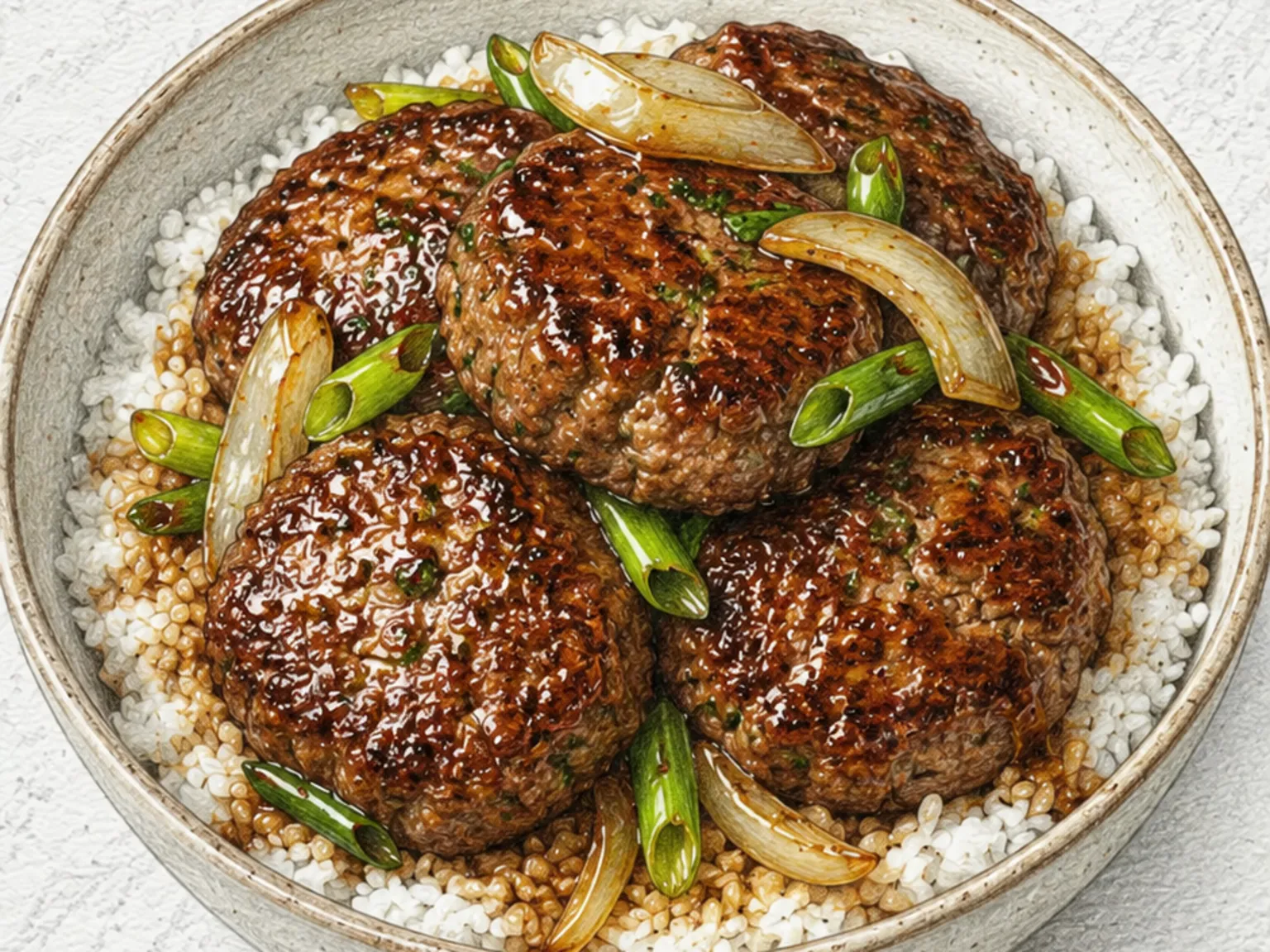
Minced short-rib meat is seasoned with soy sauce, pear juice, and sesame oil, shaped into flat patties, and pan-seared until a caramelized crust forms on both sides. The exterior turns sweet and slightly charred while the interior stays moist and full of juice. Sauteed onion and green onion are added to sharpen the meat's savory depth and bring a fragrant note. Placed over hot rice with a spoonful of the pan sauce, the patty's sweetness melds with the warm grains for a quickly disappearing bowl.

Korean Ox Bone Broth with Napa Outer Leaves
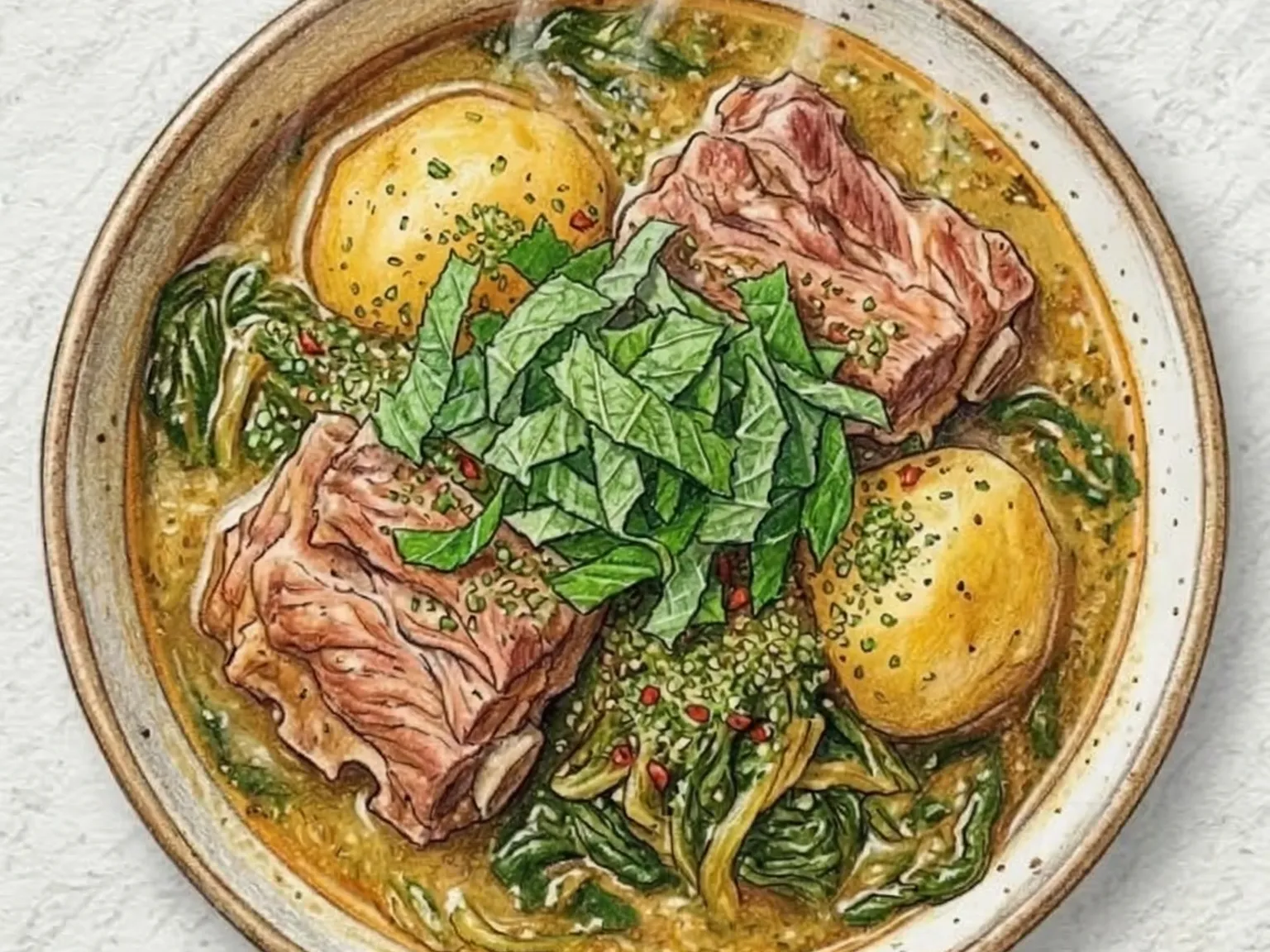
Sagol-ugeoji-guk is a hearty Korean soup that combines milky ox bone broth with seasoned outer napa cabbage leaves. The ugeoji is pre-mixed with doenjang, gochugaru, garlic, and perilla oil, then stir-fried in the pot for three minutes to develop its aroma before the bone broth is poured in. Simmering over medium heat for thirty-five minutes softens the fibrous greens completely while the doenjang seasoning dissolves into the broth, building layers of fermented depth. The collagen-rich, white bone stock provides a heavy, lingering richness, and the fermented doenjang character of the greens layers on top of that foundation, so each spoonful coats the palate with something dense and warming. Soup soy sauce adjusts the final salt level, and sliced green onion goes in just before serving. Blanching the ugeoji before seasoning it removes any bitterness and off-odors, which keeps the finished broth cleaner and more balanced. This soup belongs to the restorative end of the Korean soup tradition, substantial enough to anchor a cold-weather meal on its own.

Korean Stir-fried Squid and Bean Sprouts
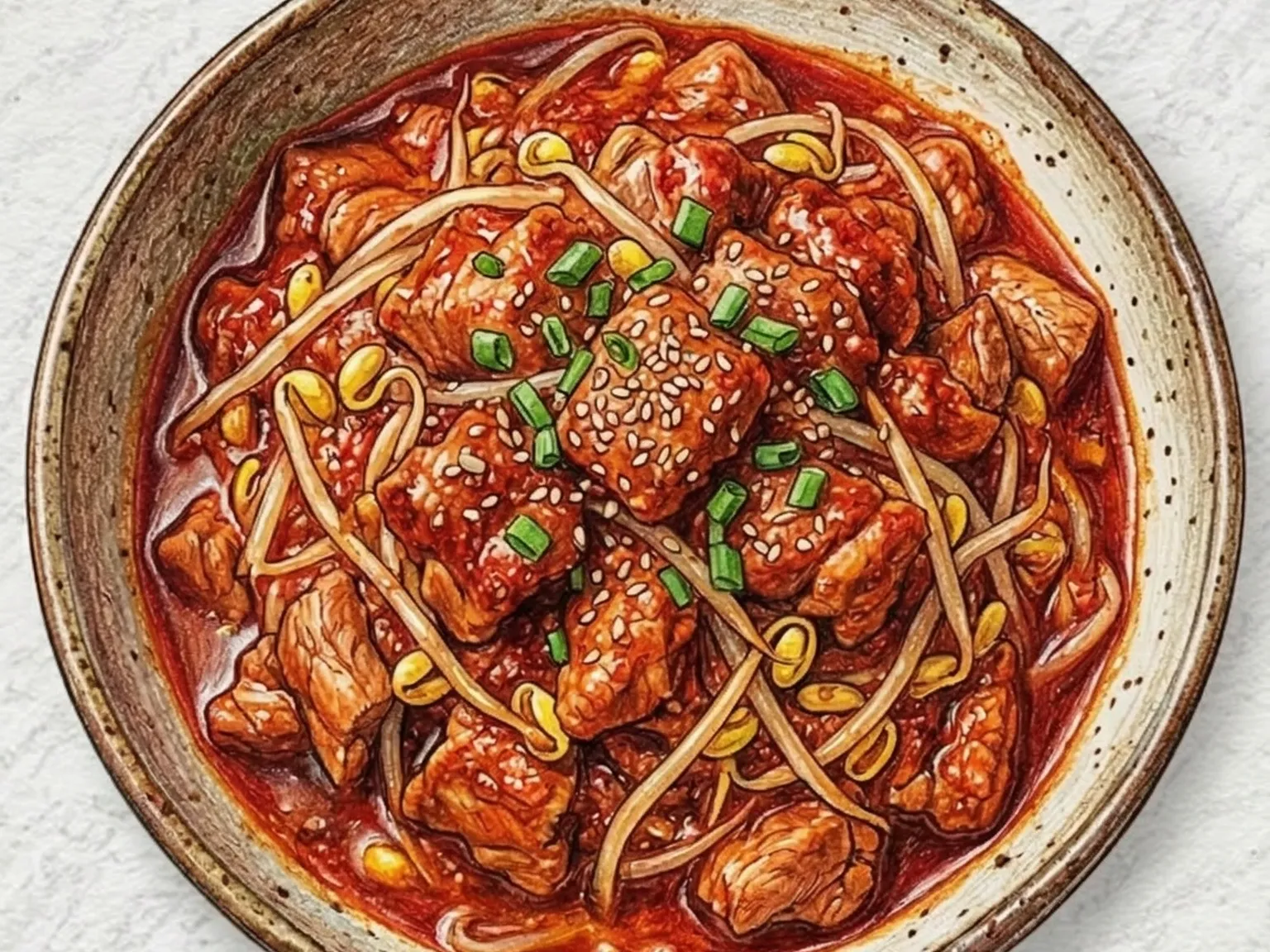
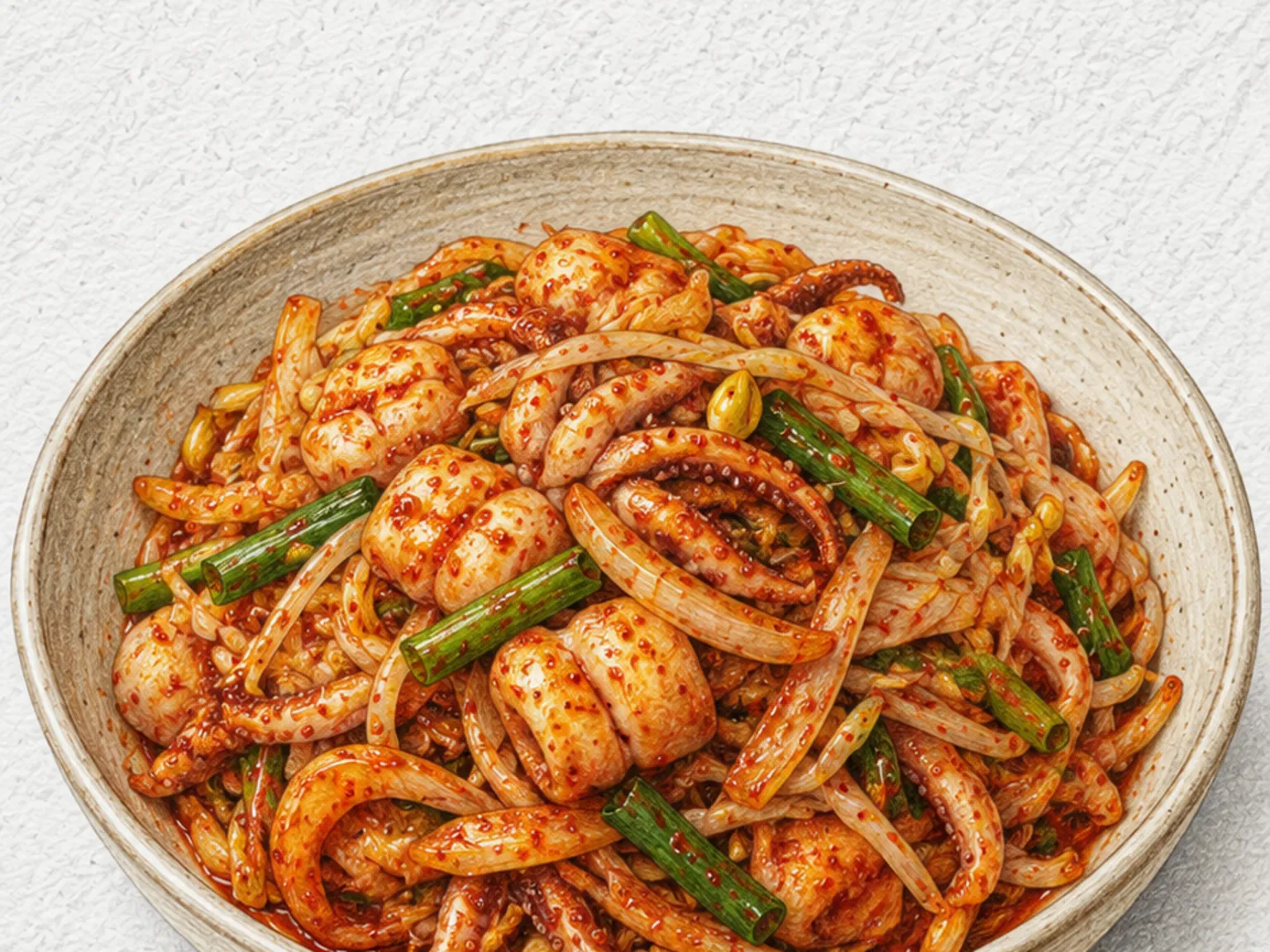
Ojingeo-sukju-bokkeum stir-fries bite-size squid pieces and bean sprouts in a gochujang-gochugaru sauce over very high heat, capturing smoky wok flavor. Garlic and the chili paste cook first to bloom their heat, then squid and onion go in for a fast sear. Bean sprouts are added only in the final minute or two, keeping them crisp and preventing the dish from becoming watery. Scallion joins at the same time for a sharp finish. The contrast between the squid's firm, chewy body and the sprouts' light crunch defines the texture, while the bold seasoning makes this a natural match for steamed rice.

Korean Kimchi Jeon Cup (Kimchi Pancake Cups)
Kimchi jeon cups are small Korean pancakes made from a batter of pancake mix, water, kimchi brine, finely chopped aged kimchi, green onion, and Cheongyang chili, pan-fried into rounds and served standing upright in paper cups. Adding kimchi brine directly to the batter is the key step that separates these from a standard kimchi pancake: the fermented liquid spreads its salt and umami through every part of the batter, so the flavor is more intense and consistent than when kimchi is simply folded into a neutral base. A generous amount of oil in the pan and medium heat together crisp the edges into a fried shell while the center stays slightly soft and chewy. The Cheongyang chili adds a sharp, clean heat on top of the kimchi acidity, keeping the flavor lively. A thicker batter consistency than normal pancakes is necessary for this format: thin batter flops and collapses once stood upright in a cup, while a stiffer mix holds the round shape without bending. The hand-held cup format references pojangmacha culture, the covered street-stall tradition, and the pancakes are typically dipped in soy sauce or a vinegar-gochujang sauce.

Korean Spicy Webfoot Octopus & Pork Belly Stir-fry
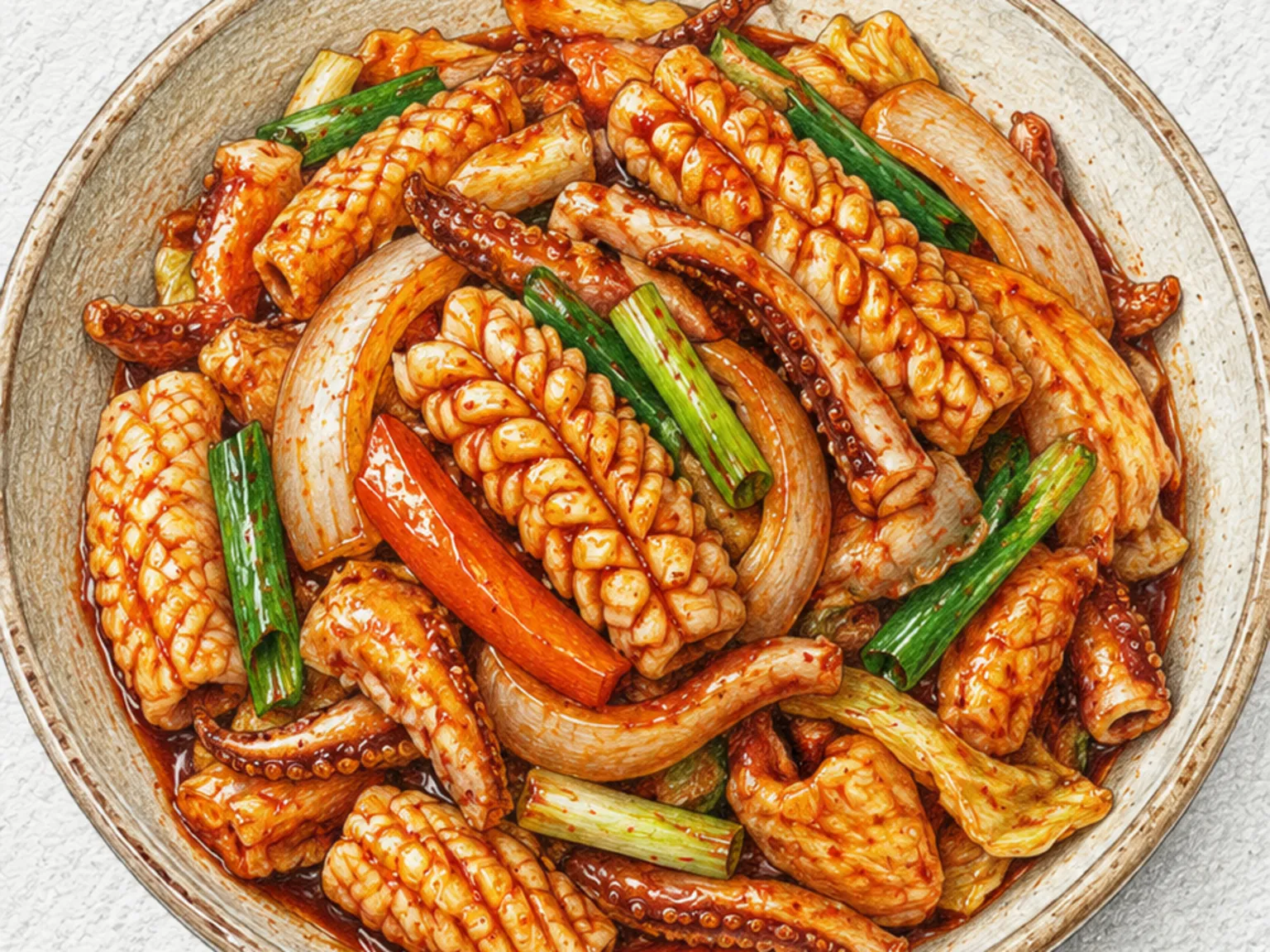
Jjukkumi-samgyeop-bokkeum combines chewy baby octopus and thick pork belly slices in a spicy stir-fry. The pork belly is first grilled until golden to render its fat, then the octopus and gochujang-based sauce are added for a fast, high-heat toss. Pork richness and the octopus's clean ocean flavor merge inside the chili seasoning, with onions and scallions adding sweetness. It is typically served sizzling on a hot plate, and diners often finish with fried rice made in the remaining sauce. Because baby octopus toughens rapidly with heat, adding it only after the pork is nearly cooked and pulling the pan off the heat within one to two minutes is the single most important step for keeping its signature chewy texture intact.

Korean-Chinese Chicken Broth Noodles
Gis-myeon is a Korean-Chinese noodle soup in which thin wheat noodles are served in a clear, pale chicken broth topped with delicate ribbons of egg that have been poured in a fine stream and cooked into floating wisps. The broth begins with chicken breast simmered in water with aromatics; once the stock is strained and clarified, the cooked chicken is shredded into fine threads and reserved as the main garnish. Beaten egg is drizzled very slowly into the gently boiling stock while stirring in one direction, which produces the characteristic silk-like strands rather than broken scrambled curds. The seasoning is deliberately minimal: only soup soy sauce and salt are used, keeping the broth light, clean, and transparent enough to see the noodles beneath. A small measure of starch slurry stirred in just before serving gives the liquid a subtle viscosity that allows it to cling to each strand of noodle, ensuring flavor in every bite rather than leaving a watery pool at the bottom of the bowl.