Charim

2686 Korean & World Recipes

2686+ Korean recipes, clean and organized. Ingredients to instructions, all at a glance.

Recipes with green onion

24 recipes

Buy green onion
Korean Mung Bean Street Pancake
Street foodMedium

Korean Mung Bean Street Pancake

Bindaetteok-street is a Korean market-style mung bean pancake made by grinding soaked mung beans into a thick batter, then pan-frying it loaded with bean sprouts, kimchi, ground pork, and scallion in generous oil. The batter crisps into a deep golden shell while the interior stays moist and creamy. Kimchi weaves in a gentle spiciness alongside its fermented depth, and pork releases savory fat throughout the pancake. Bean sprouts provide a light crunch that offsets the density of the batter. Skimping on oil leaves the crust chewy rather than crisp, so a generous pour is part of the technique. A soy-vinegar dipping sauce served alongside cuts through the richness and ties the dish together.

🍺 Bar Snacks🧒 Kid-Friendly
Prep 20minCook 18min4 servings
Korean Spring Aralia Soybean Noodle Soup
NoodlesEasy

Korean Spring Aralia Soybean Noodle Soup

Durup doenjang kalguksu is a seasonal Korean noodle soup that layers blanched aralia shoots over a rich doenjang broth built with potato and zucchini. The potato breaks down partially during simmering, thickening the broth naturally and adding a mild, floury sweetness that works alongside the deep fermented character of the soybean paste. Zucchini softens into the liquid as it cooks, contributing its own gentle sweetness, and garlic reinforces the savory base. Knife-cut noodles hold up well in the dense broth, their chewy bite providing texture against the soft vegetables. The aralia shoots must be blanched separately and placed on top just before serving, because cooking them directly in the boiling broth drives off the bitter-herbal spring fragrance that makes them worth using in the first place. This dish comes together only during the brief aralia season in early spring, when the combination of fermented depth and fresh mountain herb aroma in a single bowl is at its most vivid.

🏠 Everyday
Prep 15minCook 20min2 servings
Korean Cheese Ramen (Cheesy Spicy Noodles)
NoodlesEasy

Korean Cheese Ramen (Cheesy Spicy Noodles)

Sliced cheese melted into spicy Korean ramen produces a creamy, stretchy result in under ten minutes. Added at the final simmer, the cheese melts slowly across the boiling broth and forms a pale, savory film. The dairy fat wraps around the gochugaru heat, softening the spice without eliminating it, while the salt in the cheese draws out more depth from the seasoning packet. Lifting noodles through the molten layer coats each strand in a sticky, rich film. Drinking the broth straight reveals alternating waves of chili heat and mild creaminess. A raw egg cracked into the pot or a handful of sliced rice cakes makes the bowl more substantial and filling. Among home-style ramen variations in Korea, this is one of the most consistently popular.

🌙 Late Night Quick
Prep 3minCook 5min1 servings
Korean Spicy Pork Bean Sprout Stir-fry (Kongbul)
Stir-fryEasy

Korean Spicy Pork Bean Sprout Stir-fry (Kongbul)

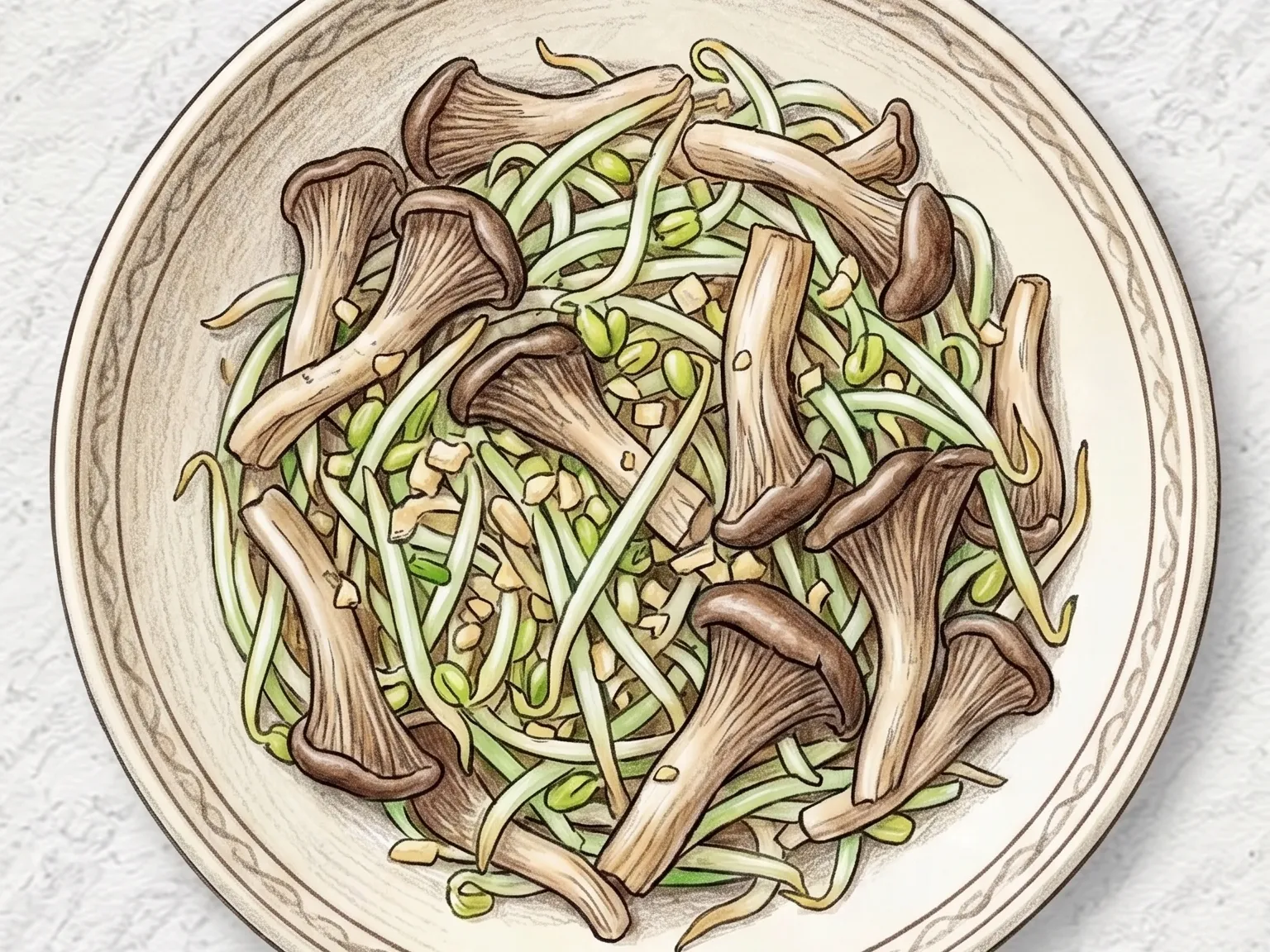
Kongbul is a fiery Korean stir-fry of pork shoulder tossed in a gochujang-gochugaru-soy sauce blend and cooked over high heat, with bean sprouts added at the very end to preserve their crunch. The gochujang's thick spiciness combines with rendered pork fat for an intense, mouth-coating savoriness, while the bean sprouts release just enough moisture to keep the sauce from scorching. The sprouts must be stir-fried only until barely wilted to maintain their snap. Chopped scallion goes in last, and mixing the whole thing into a bowl of rice stretches this into a full, hearty meal.

🏠 Everyday🍱 Lunchbox
Prep 15minCook 12min2 servings
Korean Stir-Fried Taro Stems
Side dishesMedium

Korean Stir-Fried Taro Stems

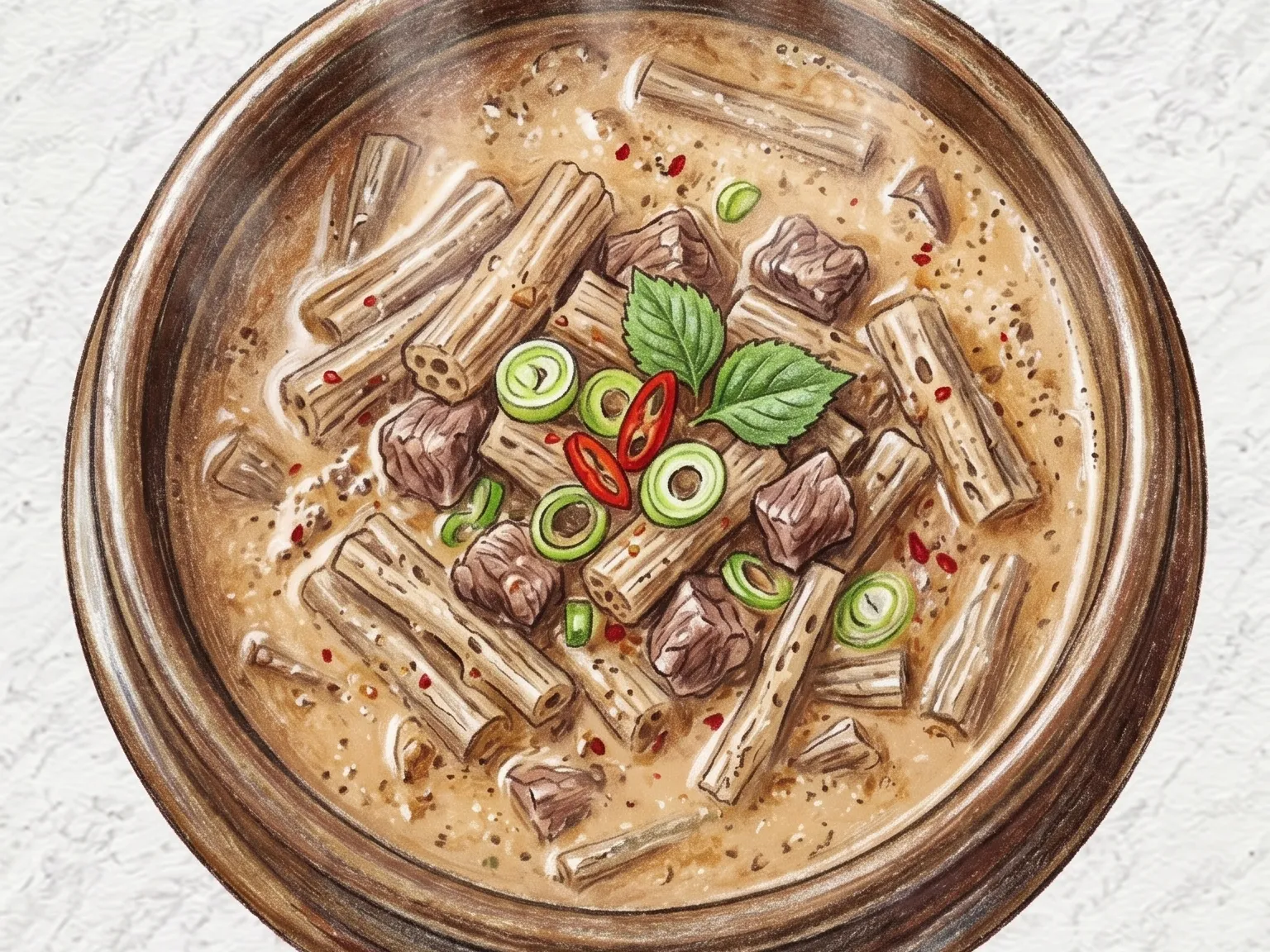
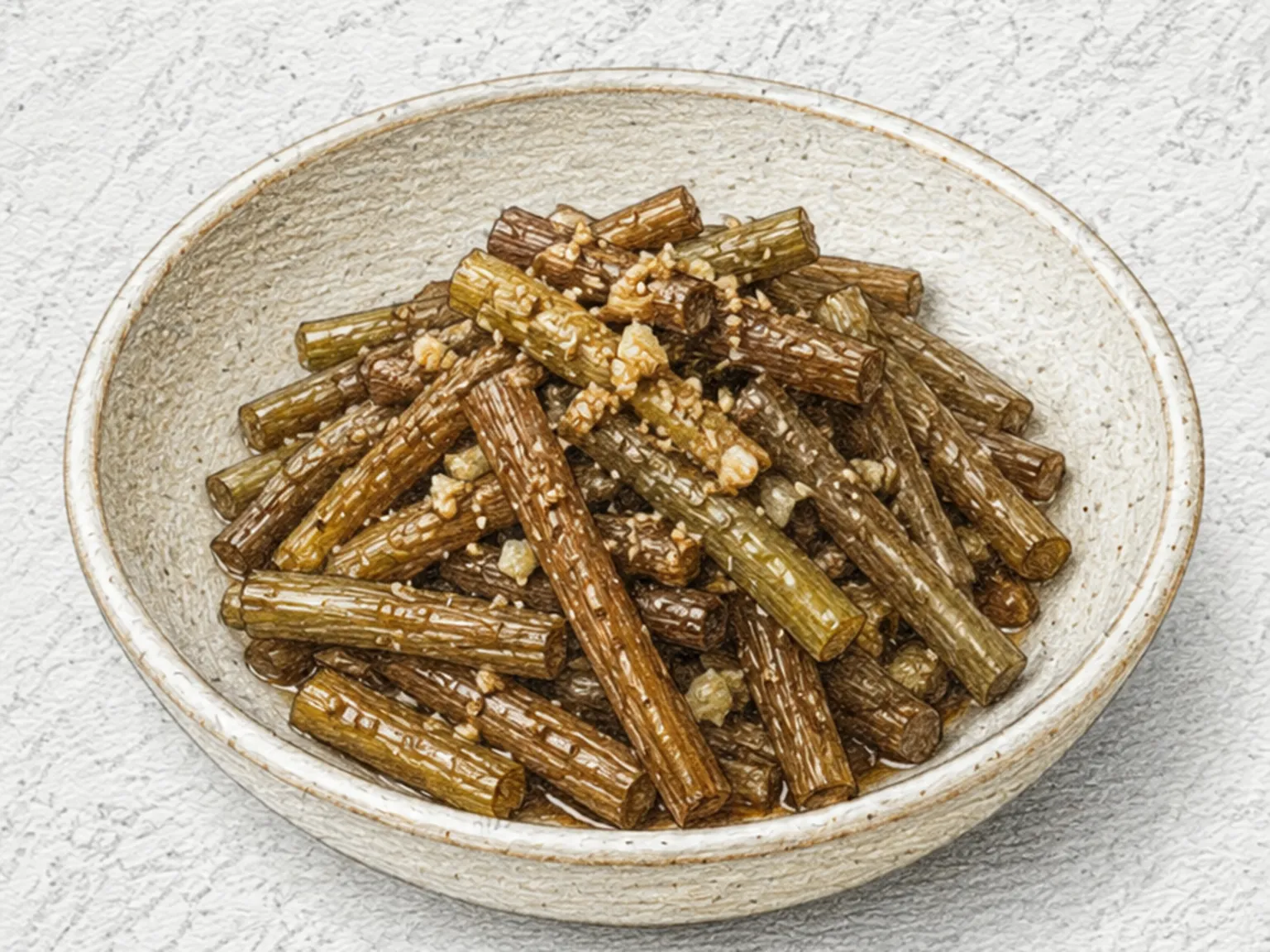
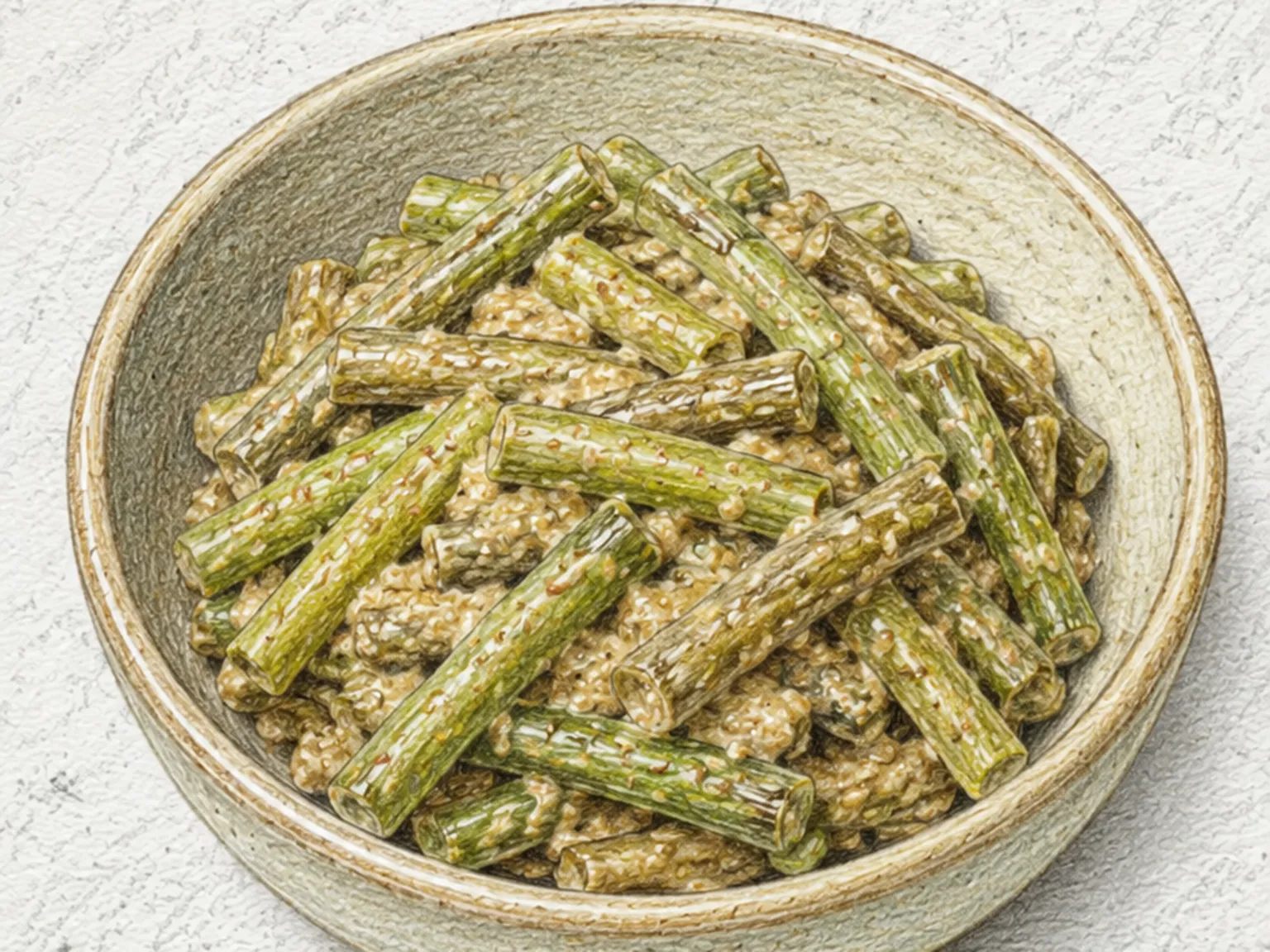
Boiled taro stems are stir-fried in perilla oil with soy sauce and garlic to create a banchan prized for its uniquely chewy texture. Dried taro stems, once soaked and simmered, lose their rawness but retain a springy, almost rubbery bite along the center of each stalk, setting them apart from softer namul greens. Stir-frying in perilla oil first builds a nutty base note, and soy sauce with minced garlic layers savory depth onto the stems' neutral flavor. A splash of stock added mid-cook allows the seasoning to penetrate the fibrous interior during a brief simmer. Sliced green onion introduces a fresh aromatic accent, and a finishing spoonful of ground perilla seeds dissolves into the residual moisture, creating a creamy coating that clings to each piece. Mixed into a bowl of steamed rice, the chewy stems provide satisfying resistance with every bite, and their mild character lets them complement bolder dishes like doenjang jjigae without competing for attention.

🏠 Everyday🍱 Lunchbox
Prep 15minCook 12min4 servings
Korean Stir-Fried Octopus Fried Rice
RiceMedium

Korean Stir-Fried Octopus Fried Rice

Baby octopus is tossed with rice over high heat in a gochujang-and-red-pepper-flake sauce for a bold, spicy fried rice. The sauce coats each grain with a deep red glaze, and the octopus adds a springy, chewy bite throughout. Cleaning the octopus with flour before rinsing removes any sliminess, and a fast cook on high heat keeps the tentacles from toughening. Green onion and sesame oil go in at the very end for a fragrant finish.

🏠 Everyday🍱 Lunchbox
Prep 15minCook 10min2 servings
Korean Steamed Tofu with Pollock Roe
SteamedEasy

Korean Steamed Tofu with Pollock Roe

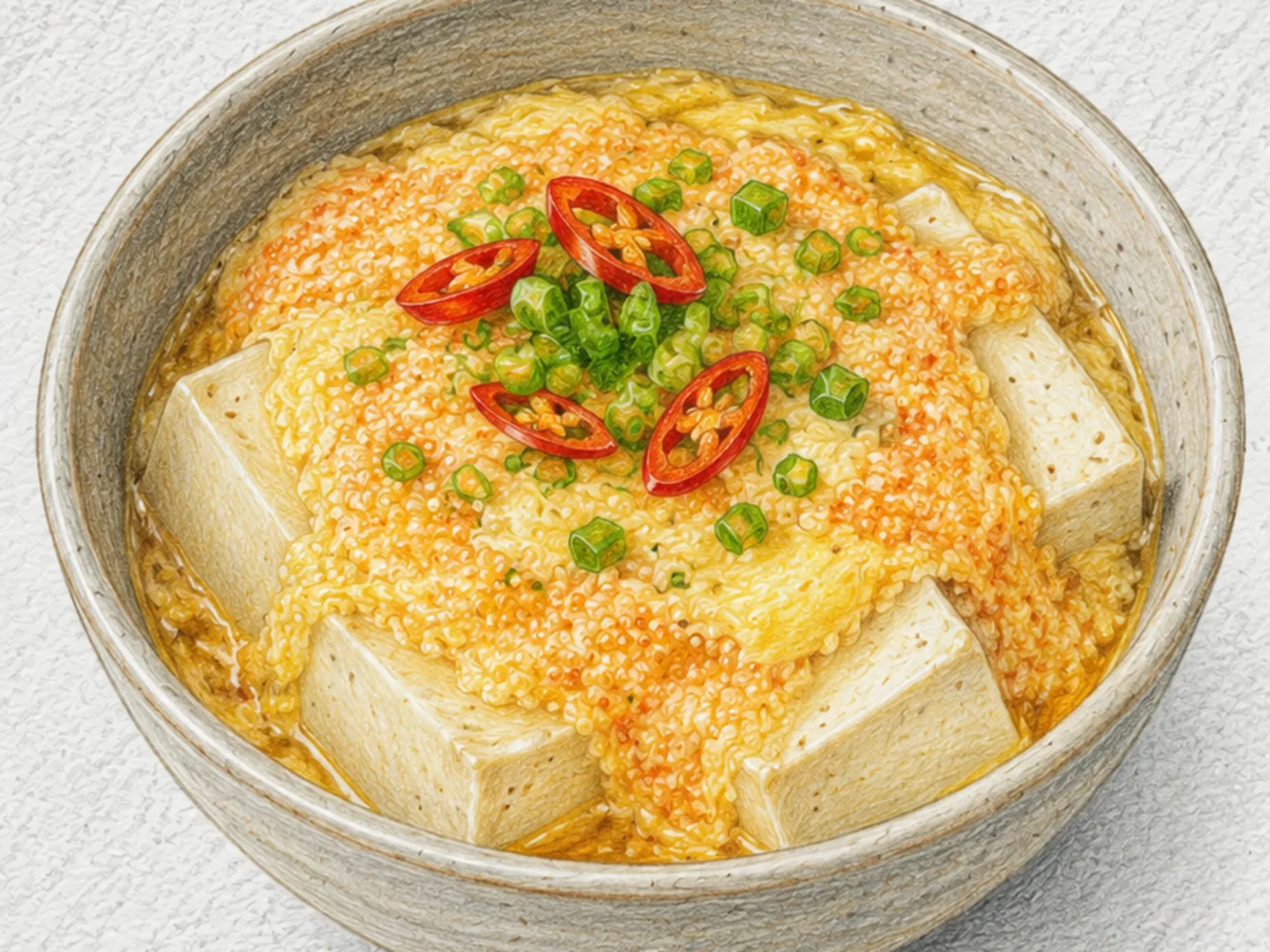
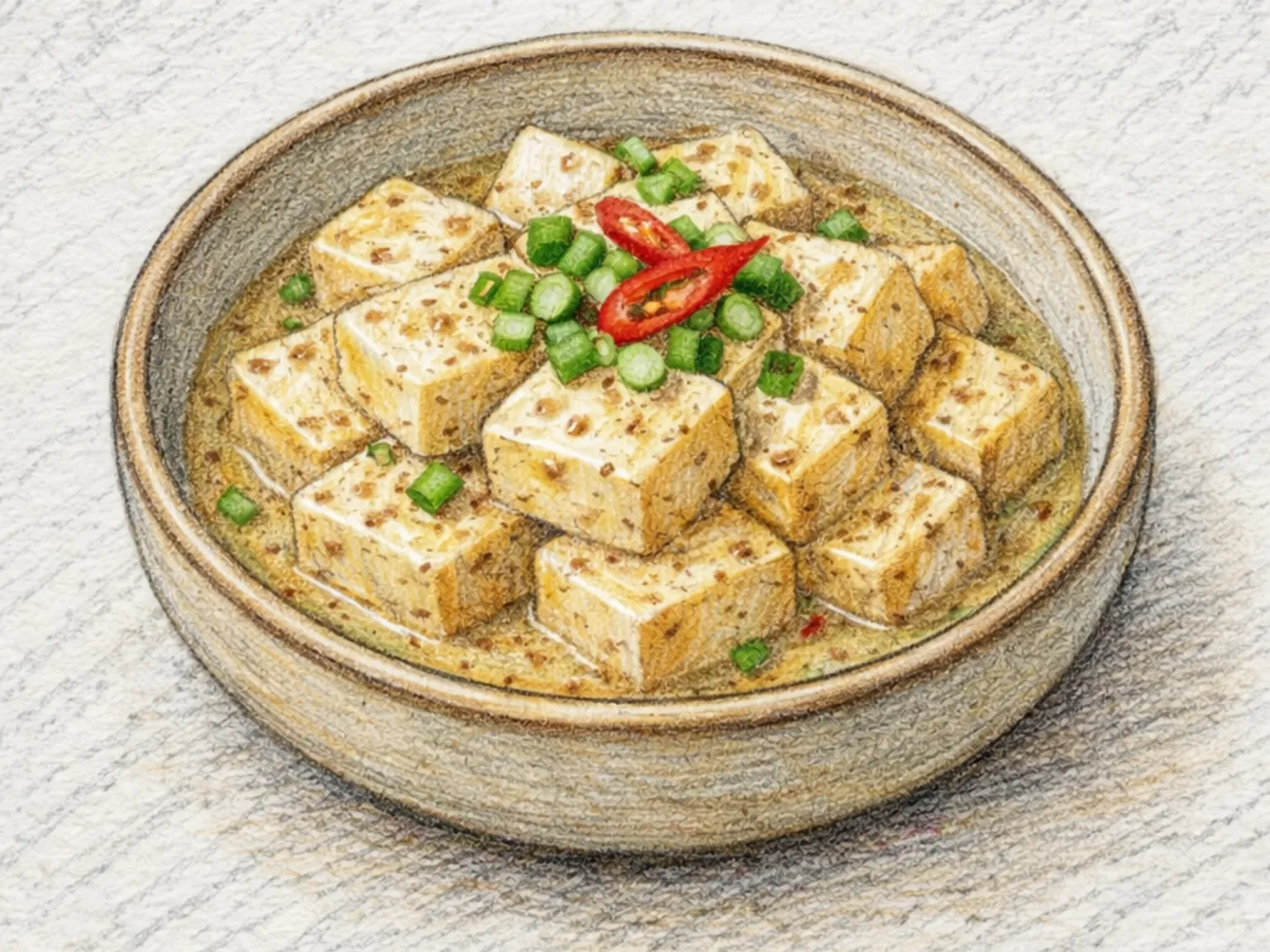
Myeongran dubu jjim is a Korean steamed tofu dish topped with a sauce of pollock roe mixed with egg and garlic. As the roe heats through, its tiny granules pop with a briny, savory burst against the silky tofu underneath. The egg binds the sauce into a soft set that melds with the warm tofu, and a light seasoning of soup soy sauce keeps the overall saltiness in check given the roe's own salinity. Red chili and green onion add color and a touch of freshness on top. Cooked without oil in about ten minutes, this is a clean, high-protein banchan that comes together with minimal effort.

🥗 Light & Healthy
Prep 12minCook 15min2 servings
Korean Seasoned Radish Greens Namul
Side dishesMedium

Korean Seasoned Radish Greens Namul

Dried radish greens are soaked, boiled until pliable, and dressed in a seasoning anchored by doenjang and ground perilla seeds. The drying process concentrates the fiber in the greens, giving them a satisfying chew that persists even after boiling: the outer layer turns silky while the inner stem retains a springy resistance. Doenjang supplies the salty, fermented backbone, and ground perilla seeds melt into a creamy coating that softens the roughness of the greens on the palate. A generous pour of perilla oil ties the dressing together, adding a glossy sheen and a rich, nutty fragrance. Minced garlic and chopped green onion introduce a sharp aromatic layer that cuts through the heaviness. Each bite releases more of the siraegi's own deep, vegetal flavor, a taste that builds rather than fades. Paired with steamed rice, the doenjang's salinity and the perilla's richness draw out the natural sweetness of the grain.

🏠 Everyday🍱 Lunchbox
Prep 20minCook 20min4 servings
Ojingeo-muguk (Korean Squid Radish Soup)
SoupsEasy

Ojingeo-muguk (Korean Squid Radish Soup)

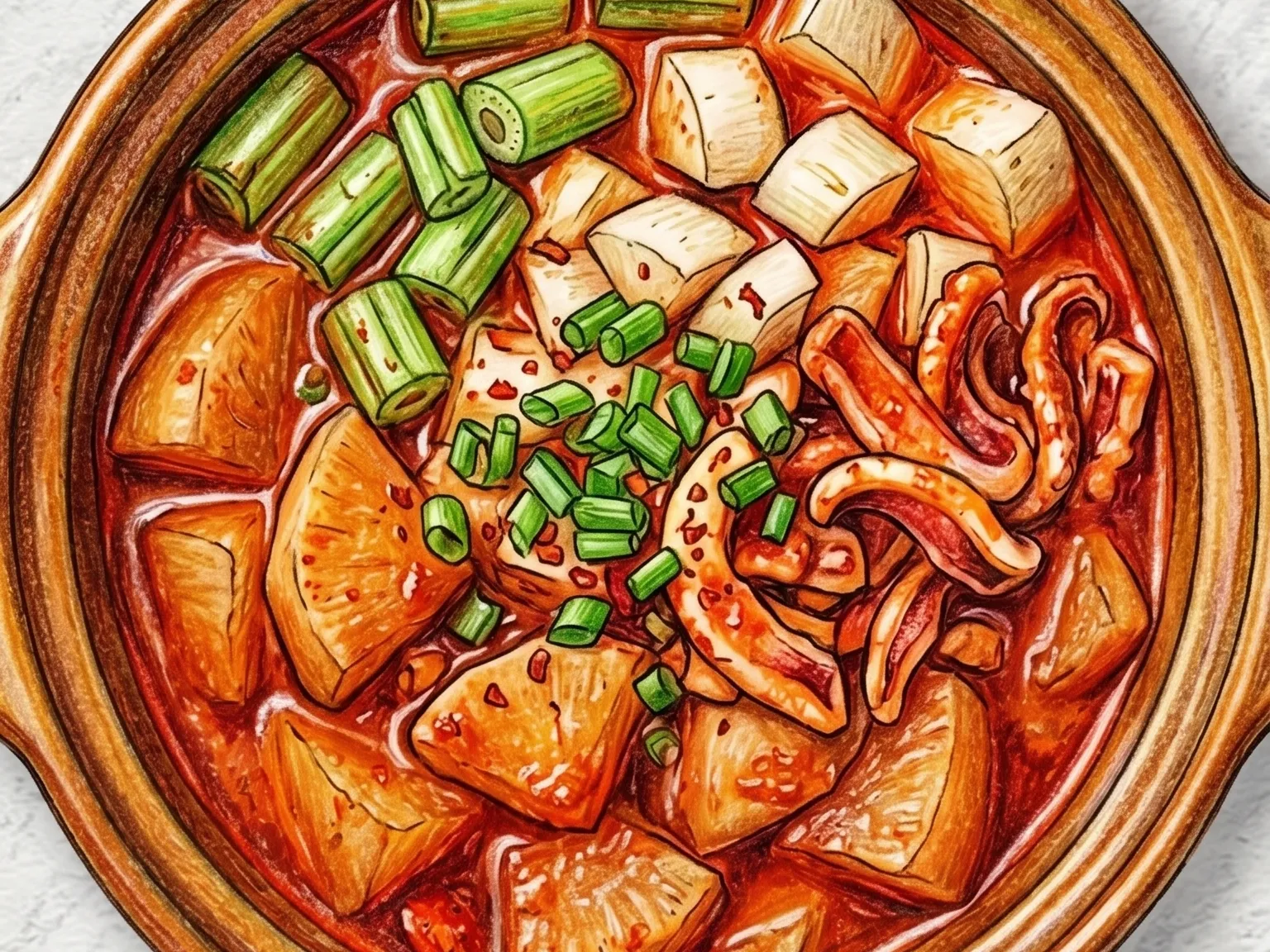
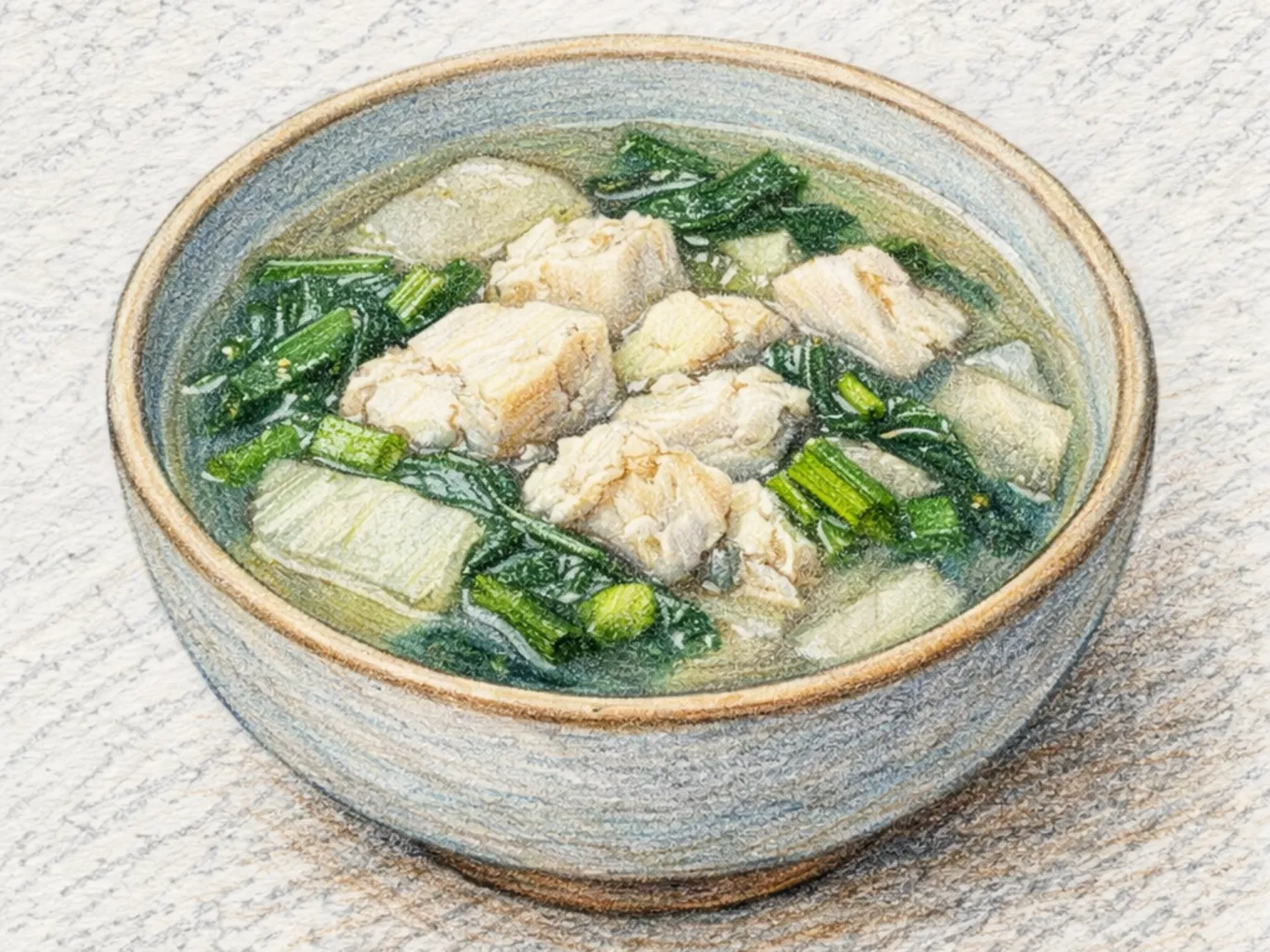
Ojingeo-muguk is a clear Korean soup that pairs squid and radish in a gently sweet, clean-tasting broth built without any chili or strong seasoning. Radish is added to cold water from the start and simmered for at least eight minutes, during which the vegetable slowly releases a natural sweetness that forms the flavor foundation of the soup. Squid is cleaned, sliced into rings, and added only after the radish has softened, and the timing here is critical: five minutes in the hot broth is enough for the flesh to turn fully opaque and pleasantly firm, but even a minute or two beyond that causes the proteins to tighten and the rings to turn rubbery and tough. Soup soy sauce seasons the broth without darkening it, and minced garlic provides depth without heat. Sliced green onion stirred in at the end neutralizes any residual seafood aroma and leaves the broth tasting bright and clean. The simplicity of the combination is the point: the radish's sweetness and the squid's umami reinforce each other in a broth that is light in body but surprisingly satisfying.

🏠 Everyday
Prep 15minCook 20min4 servings
Jesa Tangguk (Ancestral Clear Beef Soup)
SoupsMedium

Jesa Tangguk (Ancestral Clear Beef Soup)

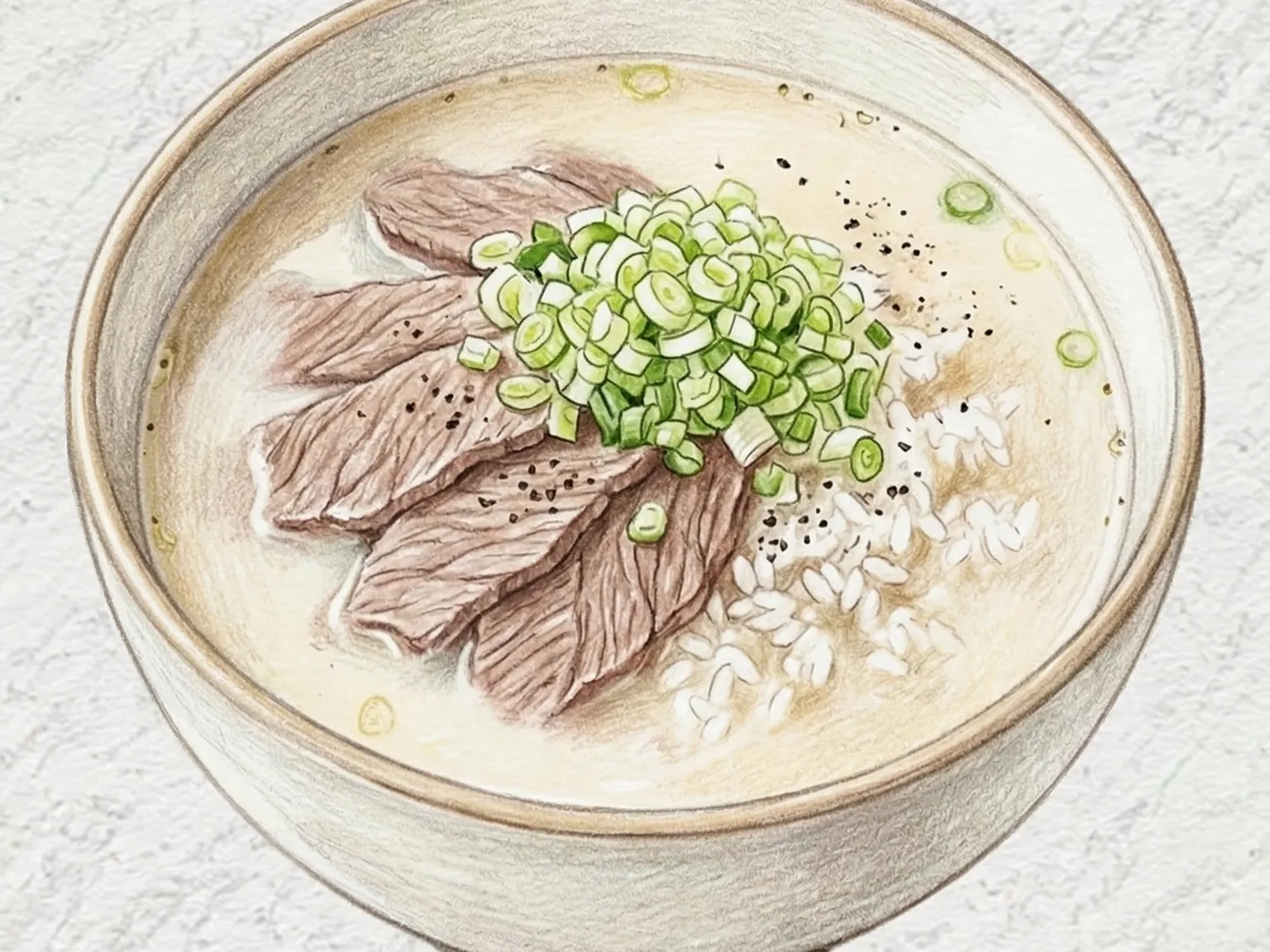
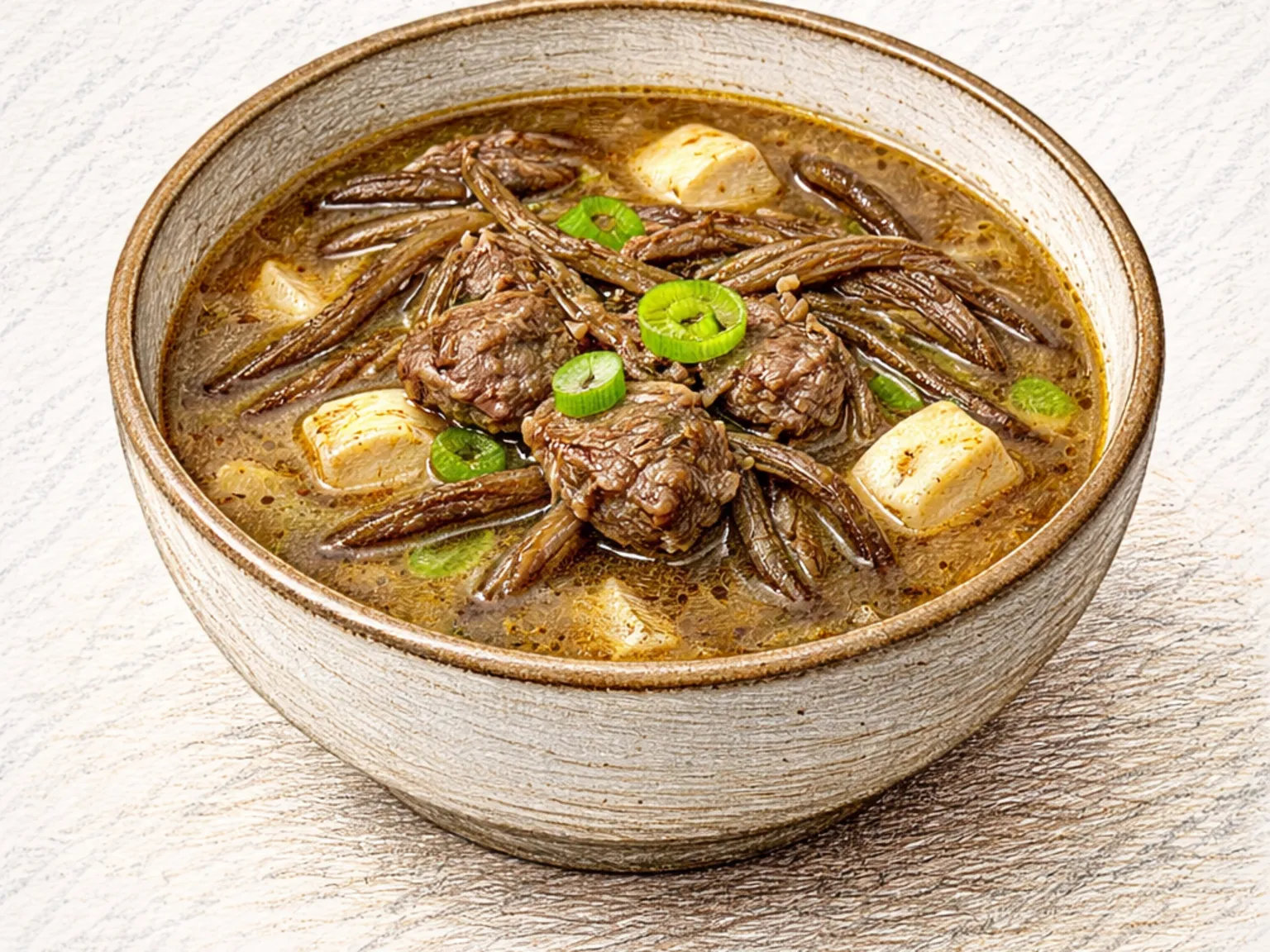
Jesa-tangguk is a traditional Korean clear soup prepared for ancestral rites and formal family gatherings. Beef brisket is first soaked in cold water for at least an hour to draw out the blood, then simmered over medium heat for an extended time to produce a clear, deeply flavored stock that forms the foundation of the entire bowl. Skimming the surface regularly during cooking keeps the broth transparent and clean-tasting. Radish cooks until nearly translucent, releasing a gentle natural sweetness into the stock, while blocks of tofu and sliced shiitake mushrooms add contrasting textures. Seasoning is limited to soup soy sauce and garlic, preserving the purity of the broth and allowing each ingredient's flavor to come through undisguised. Fat is skimmed away before serving, producing the spotless, refined finish expected of ritual food. The aesthetic matters as much as the flavor: ingredients are cut into tidy, uniform shapes and arranged with deliberate care, reflecting the reverence that is central to the jesa ritual. Beyond ceremonial occasions, jesa-tangguk is a comforting home-style soup enjoyed at holidays and family meals for its clean, balanced warmth.

🏠 Everyday🎉 Special Occasion
Prep 20minCook 30min4 servings
Korean Steamed Perilla Leaves
SteamedEasy

Korean Steamed Perilla Leaves

Kkaennip-jjim is a Korean banchan made by stacking perilla leaves one by one with a soy sauce, gochugaru, and garlic seasoning between each layer, then gently braising them covered over low heat. As the leaves wilt, they absorb the sauce and release their distinctive herbal aroma, which mingles with the soy's umami into a layered flavor. Sesame oil brushed between the leaves adds a nutty fragrance, while the chili flakes provide a slow-building warmth. Wrapping a spoonful of steamed rice in a single seasoned leaf makes for a complete bite, which is why this dish is considered one of Korea's most reliable everyday side dishes.

🍱 Lunchbox
Prep 15minCook 12min2 servings
Korean Spicy Braised Monkfish
SteamedHard

Korean Spicy Braised Monkfish

Agu-jjim originated as a specialized seafood preparation from Masan, which is a prominent port city located in the South Gyeongsang province of Korea. During the 1970s, fishmongers working in the harbor district of Odong-dong began a practice of braising unsold monkfish over high heat. They combined the fish with a substantial amount of bean sprouts and a thick chili paste, a combination that eventually led to the dish gaining recognition across the entire nation. The preparation involves coating pieces of monkfish in a heavy seasoning mixture made from gochugaru, gochujang, soy sauce, and garlic. These seasoned pieces are placed on top of a thick layer of bean sprouts and braised in a covered pot using high heat. Monkfish differs from many other types of white-fleshed fish because it possesses a firm and gelatinous texture that is particularly rich in collagen. This structural quality allows the fish to absorb the intense flavors of the seasoning without breaking into small pieces, ensuring the meat remains resilient and chewy throughout the entire cooking process. As the dish braises, the bean sprouts release their own moisture, which creates a natural braising liquid at the bottom of the pot. Water dropwort, known as minari in Korean, is introduced to the pot at the final stage of cooking. This ingredient provides an herbal flavor similar to celery that balances the heavy coating of chili and garlic while adding a certain brightness to the spice. Agu-jjim is typically served in a communal fashion on a large platter. It is considered a fundamental part of Korean social gatherings involving alcohol, where the intense heat of the spices is often paired with chilled beer or soju.

🍺 Bar Snacks🎉 Special Occasion
Prep 20minCook 25min4 servings
Tuna Mayo Rice Bowl (Chamchi Mayo Cupbap)  -  Easy Korean Bunsik Recipe
Street foodEasy

Tuna Mayo Rice Bowl (Chamchi Mayo Cupbap) - Easy Korean Bunsik Recipe

Chamchi mayo cupbap is Korea's well-loved quick meal of seasoned tuna and mayo spooned over steaming hot rice, assembled in about eighteen minutes. The canned tuna must be drained and pressed dry through a strainer before anything else: residual liquid from the can dilutes the soy and sugar seasoning and turns the rice soggy within minutes. Onion and scallion are stir-fried first to draw out their natural sweetness, and the tuna is folded in afterward so the fish picks up the developed flavor of the aromatics rather than sitting raw-tasting on top. Mayonnaise goes in only after the heat is turned off; adding it while the pan is still hot breaks the emulsion and produces a greasy finish. A generous scatter of crushed dried seaweed over the finished bowl adds a roasted oceanic note and textural contrast. Mixing everything together before eating is the correct approach: the tuna-mayo sauce coats every grain of rice evenly, so each spoonful carries the full range of flavors rather than alternating between plain rice and heavily sauced bites.

🍱 Lunchbox🌙 Late Night
Prep 10minCook 8min2 servings
Korean Green Onion Kimchi
Side dishesEasy

Korean Green Onion Kimchi

Pa-kimchi uses whole large green onions, salted for 30 minutes to soften their sharp bite and loosen the fibers so the seasoning can penetrate deeply. The paste - red pepper flakes, fish sauce, and minced garlic - coats each stalk in a layer of spicy, briny flavor. One day of room-temperature fermentation allows the lactic acid bacteria to develop, blending the onion pungency with the umami of the fish sauce into a more rounded profile. After transferring to the refrigerator, the kimchi continues to mature over two to three days, gaining a mild tanginess that intensifies with each passing day.

🏠 Everyday🍱 Lunchbox
Prep 30min4 servings
Korean Shepherd's Purse Soup
SoupsEasy

Korean Shepherd's Purse Soup

Naengi-guk is a Korean spring soup made with anchovy-kelp stock, doenjang, and fresh shepherd's purse (naengi). Naengi is a cruciferous plant gathered from paddies, field edges, and roadsides in early spring, and both the root and the leaves are used. The root contributes an earthy, mineral fragrance and the leaves carry a slightly bitter green quality that together define the soup's character. The stock is made from dried anchovies and kelp simmered and strained, providing a clean umami base. Doenjang is dissolved through a mesh strainer rather than stirred directly into the pot, which keeps the broth clear rather than murky while still delivering the fermented soybean depth. Diced tofu simmers in the seasoned broth until warmed through. Naengi goes in during the final two to three minutes of cooking: longer exposure to heat breaks down the aromatic compounds in the herb and erases the spring fragrance that makes the soup worth making in the first place. The pairing of naengi's earthy bitterness with the fermented depth of the doenjang and the clean mineral tone of the anchovy stock produces a flavor that is distinctly seasonal and difficult to replicate outside of spring. Soup soy sauce, salt, and a small amount of garlic complete the seasoning. In Korean food culture, naengi-guk on the table is understood as one of the clearest signs that winter is finished.

🏠 Everyday
Prep 15minCook 20min4 servings
Korean Steamed Mussels (Mussels Steamed in Rice Wine Broth)
SteamedEasy

Korean Steamed Mussels (Mussels Steamed in Rice Wine Broth)

Honghap-jjim is Korean steamed mussels cooked in a combination of rice wine and garlic, with green onion and cheongyang chili peppers added near the end to layer in fragrance and heat. The mussels steam open in under five minutes over high heat, releasing their briny, oceanic juices into the wine-garlic liquid pooling at the bottom of the pot. This self-generated broth is one of the dish's great pleasures, deeply flavored without the addition of stock or seasoning paste. The cheongyang chili delivers a clean, direct heat that does not muddy the mussels' freshness; instead, its capsaicin sharpens the perception of the seafood's brine, making the flavor more vivid on the palate. Total cooking time runs under ten minutes, and the only real preparation is debearding and scrubbing the shells, which means the dish can move from cold pantry to hot table with minimal effort. Watching the lid come off to reveal the fully opened shells rising from a cloud of fragrant steam is part of the experience, making this as visually satisfying as it is easy. Leftover broth, if any remains, is exceptional as a base for kalguksu or instant ramen.

🍺 Bar Snacks
Prep 20minCook 10min2 servings
Korean Braised Gizzard Shad
SteamedMedium

Korean Braised Gizzard Shad

Jeoneo-jjim is a braised gizzard shad dish in which the fish and Korean radish are slowly cooked together in a soy sauce and gochugaru seasoning, making it a dish best suited to autumn when the fish carries its peak fat. Radish slices line the bottom of the pot and serve a dual purpose: they act as a natural buffer that absorbs fishiness rising from the heat, and they soak up the braising liquid as they soften, turning sweet and deeply flavored by the end of cooking. The gizzard shad's characteristic fatty richness pairs well with the bold chili and garlic seasoning, and ginger threads through the entire preparation to neutralize any remaining off-notes and leave the flavor clean. Autumn-caught fish are fattier and remain moist even after extended braising, which makes them far preferable to fish taken at other times of year. Green onion is scattered on top at the finish for fragrance, and the intensified, reduced braising sauce left in the pot is traditionally ladled over steamed rice as a condiment in its own right.

🎉 Special Occasion🍱 Lunchbox
Prep 20minCook 25min4 servings
Korean Seoul-style Soy Bulgogi
Stir-fryEasy

Korean Seoul-style Soy Bulgogi

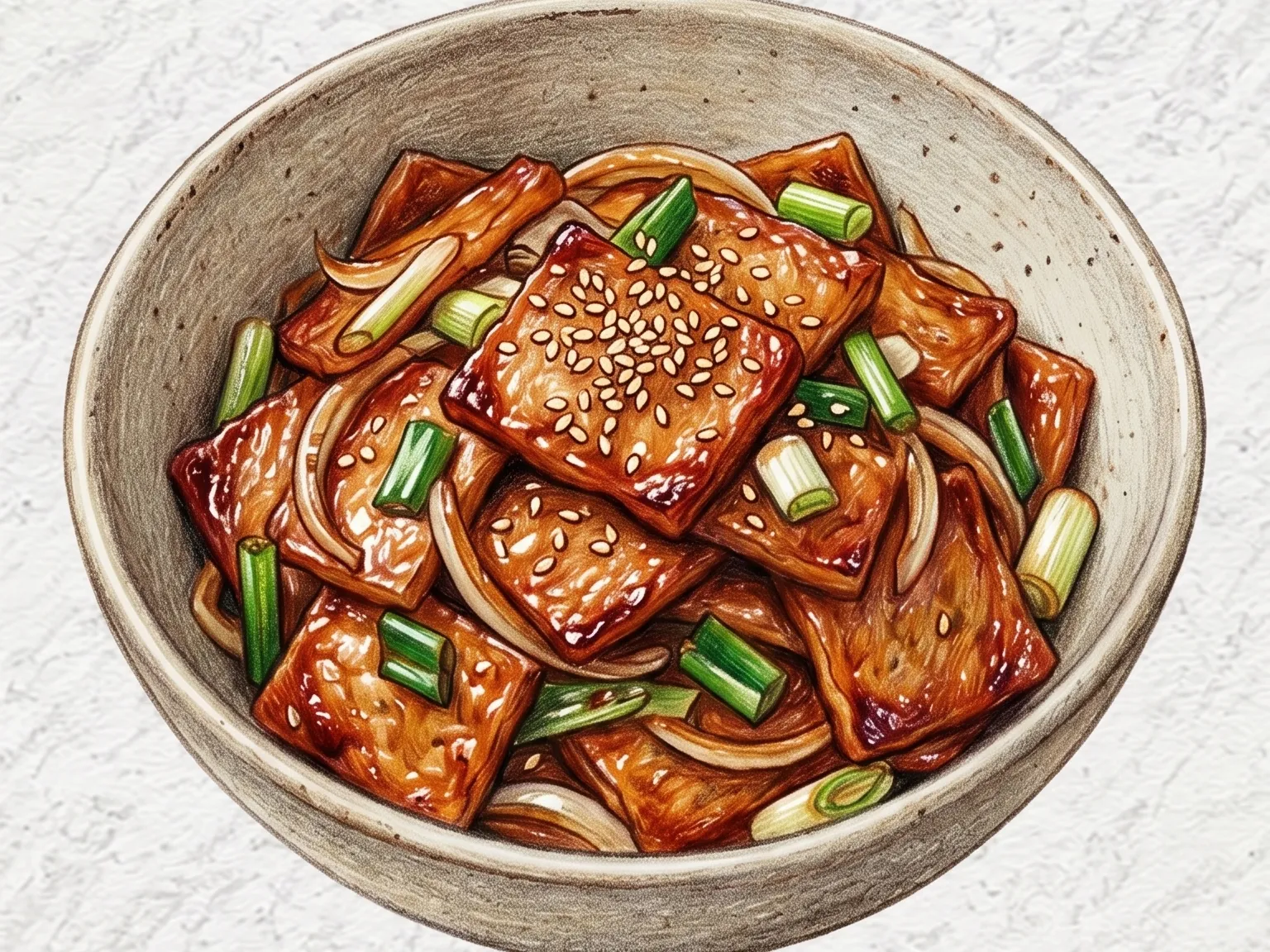
Seoul-style soy bulgogi marinates thin-sliced beef in a straightforward combination of soy sauce, pear juice, garlic, sesame oil, and a measured amount of sugar, producing a clean sweet-savory flavor without the heavy spicing of regional variations. Pear juice serves two functions simultaneously: the natural enzymes in fresh pear tenderize the muscle fibers while the fruit's mild sweetness rounds out the saltiness of the soy sauce. Onion and green onion are stir-fried together with the meat so their sugars caramelize slightly into the sauce. Cooking on a fully preheated pan over high heat is essential because the meat needs to sear quickly rather than steam in its own released liquid. If the pan is not hot enough when the beef goes in, the moisture from both the meat and the marinade creates a braising effect that dulls both the smoky wok flavor and the final texture. Apple juice is an acceptable substitute for pear juice when pear is unavailable and produces a similar tenderizing result. Because the seasoning holds up well even after cooling, Seoul-style soy bulgogi is a reliable lunchbox side dish.

🏠 Everyday🍱 Lunchbox
Prep 18minCook 10min2 servings
Korean White Clam Clear Soup
SoupsEasy

Korean White Clam Clear Soup

Baekhap jogae tang is a clear Korean clam soup built entirely on the flavor of hard clams, with no additional stock of any kind. The clams are soaked in salted water until fully purged of sand, then transferred to cold water in the pot and heated gradually. This slow climb from cold allows the clams to release their maximum flavor into the surrounding liquid before they even open, producing a more richly flavored broth than rapid boiling ever could. Daikon radish simmers in the same water, lending a cool, clean sweetness that tempers the clams inherent saltiness while absorbing broth flavor itself, softening into bite-sized pieces that are worth eating alongside the shellfish. A tablespoon of cheongju, Korean clear rice wine, is added early to neutralize any briny off-notes that might otherwise linger, leaving a cleaner, lighter finish. Garlic appears in small amounts only, deliberately restrained so it does not compete with the delicate shellfish flavor that is the whole point of the dish. Scallion and red chili are placed on top at the very end, contributing color and fragrance rather than direct seasoning. Salt is kept to an absolute minimum since the clam liquor itself provides all the salinity required. The soup is a lesson in simplicity: no anchovy, no kelp, no premade stock. The clams do all the work, and the result is a broth that is simultaneously light and deeply satisfying.

🥗 Light & Healthy🏠 Everyday
Prep 20minCook 15min2 servings
Korean Pork Belly Kimchi Fried Rice
RiceEasy

Korean Pork Belly Kimchi Fried Rice

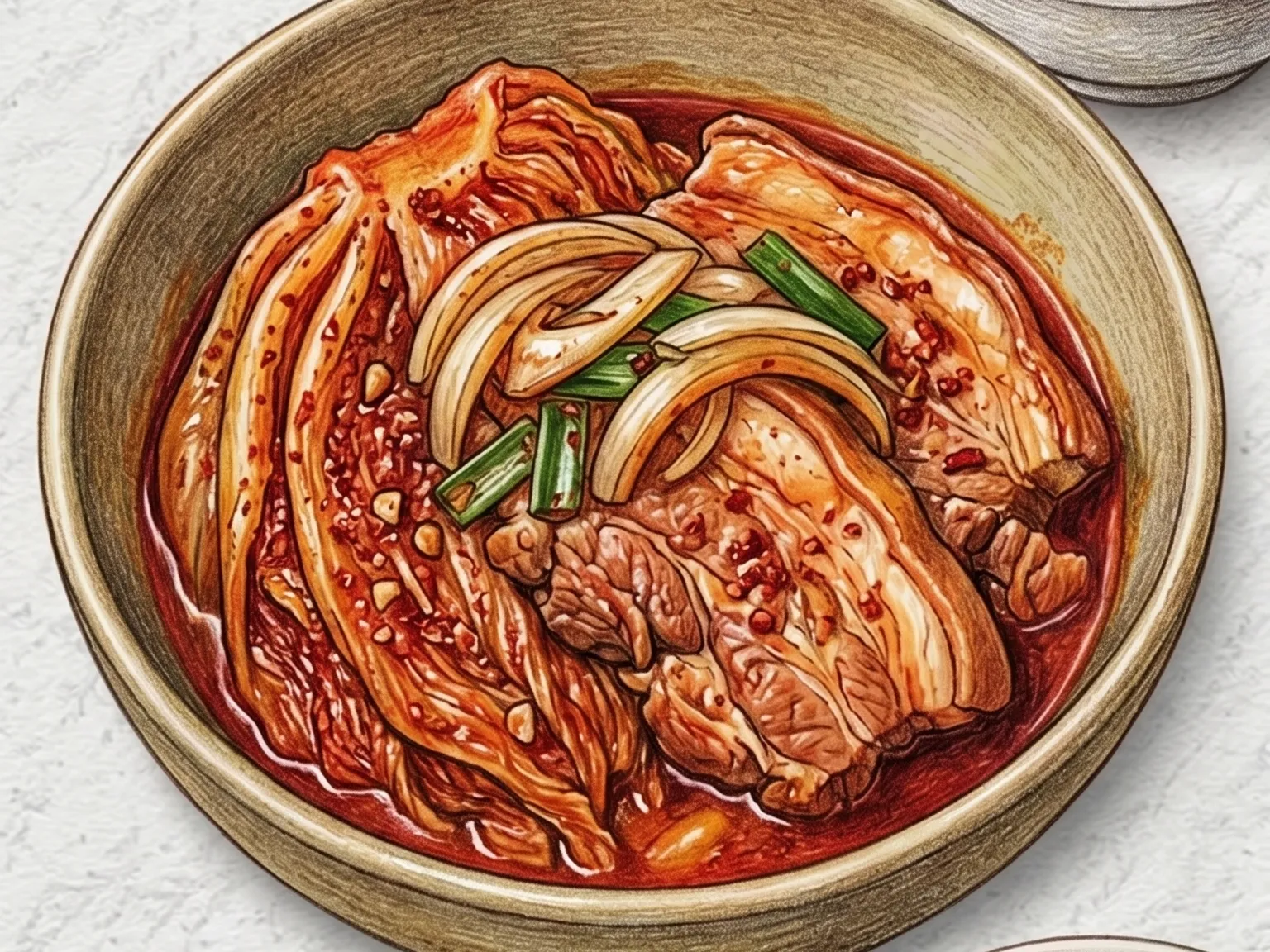
Pork belly is diced small and rendered in a hot pan until golden, producing enough fat to cook the entire dish without additional oil. Aged kimchi and onion go into that rendered fat, where the kimchi's sharp tang softens into the pork's richness. Gochujang and soy sauce season the rice as it joins the pan, and aggressive high-heat stir-frying keeps each grain distinct rather than clumpy. Day-old cold rice works best because its lower moisture content yields a drier, crispier result, and a fried egg on top provides a creamy counterpoint when the yolk breaks.

🏠 Everyday🍱 Lunchbox
Prep 15minCook 12min2 servings
Korean Braised Mackerel with Potatoes
SteamedEasy

Korean Braised Mackerel with Potatoes

Godeungeo gamja jorim is a Korean home-cooked side dish where mackerel and potato chunks are braised together in a soy sauce and gochugaru seasoning. The oily mackerel releases its fat into the braising liquid, building a rich, savory depth that plain soy sauce alone cannot achieve. Potato absorbs the spiced liquid as it simmers, cooking down to a fluffy, yielding texture that contrasts with the firmer fish. Onion and green onion contribute natural sweetness and aroma throughout the cooking process, and sugar rounds off the saltiness of the soy base to keep the seasoning balanced rather than sharp. Spooning the dark, glossy braising sauce generously over rice turns this side dish into a satisfying meal on its own. Using fresh mackerel rather than salted gives a softer, more delicate flesh that further enriches the cooking liquid.

🍱 Lunchbox
Prep 15minCook 30min2 servings
Korean Ugeoji Doenjang Stew
StewsMedium

Korean Ugeoji Doenjang Stew

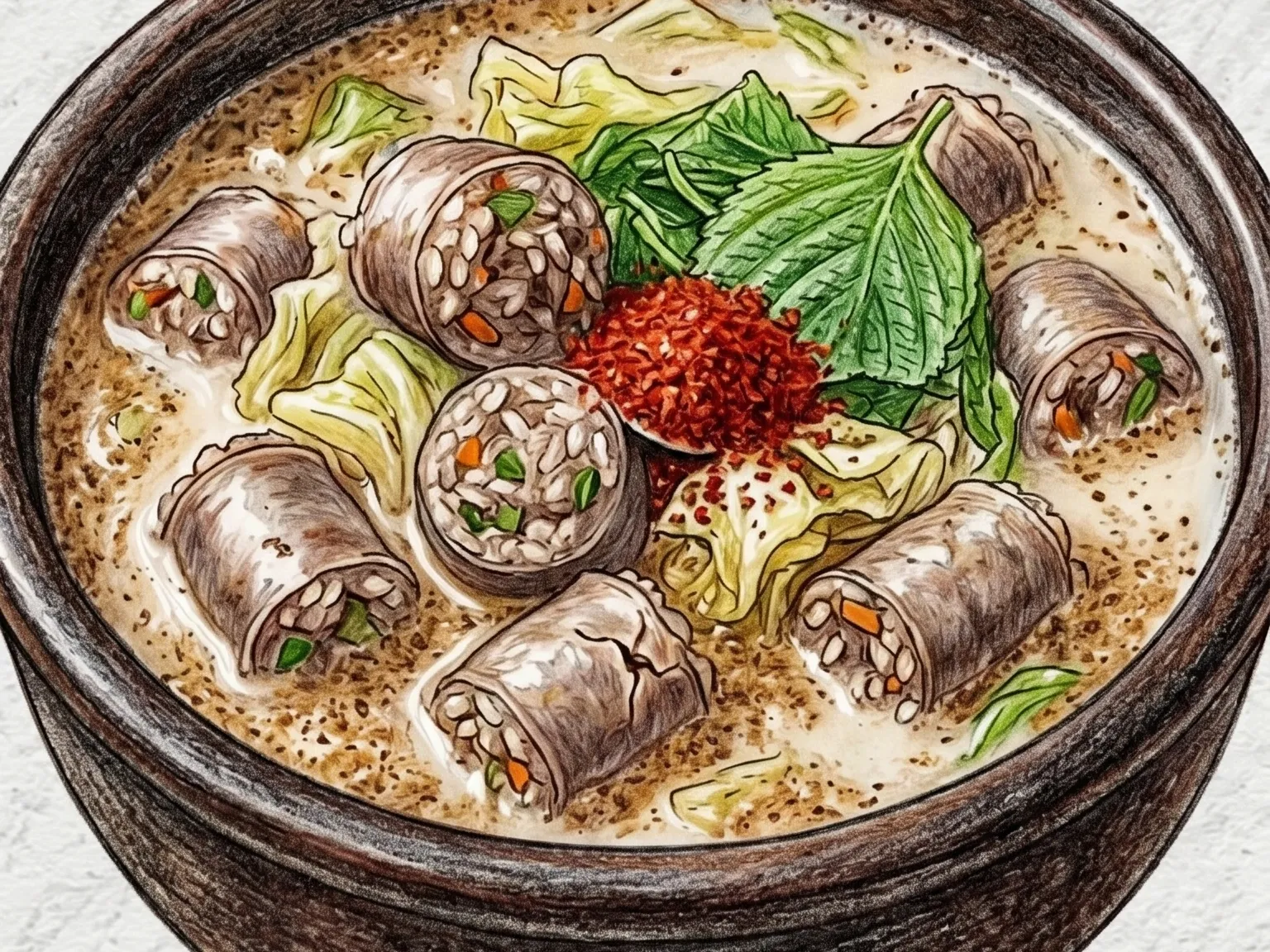
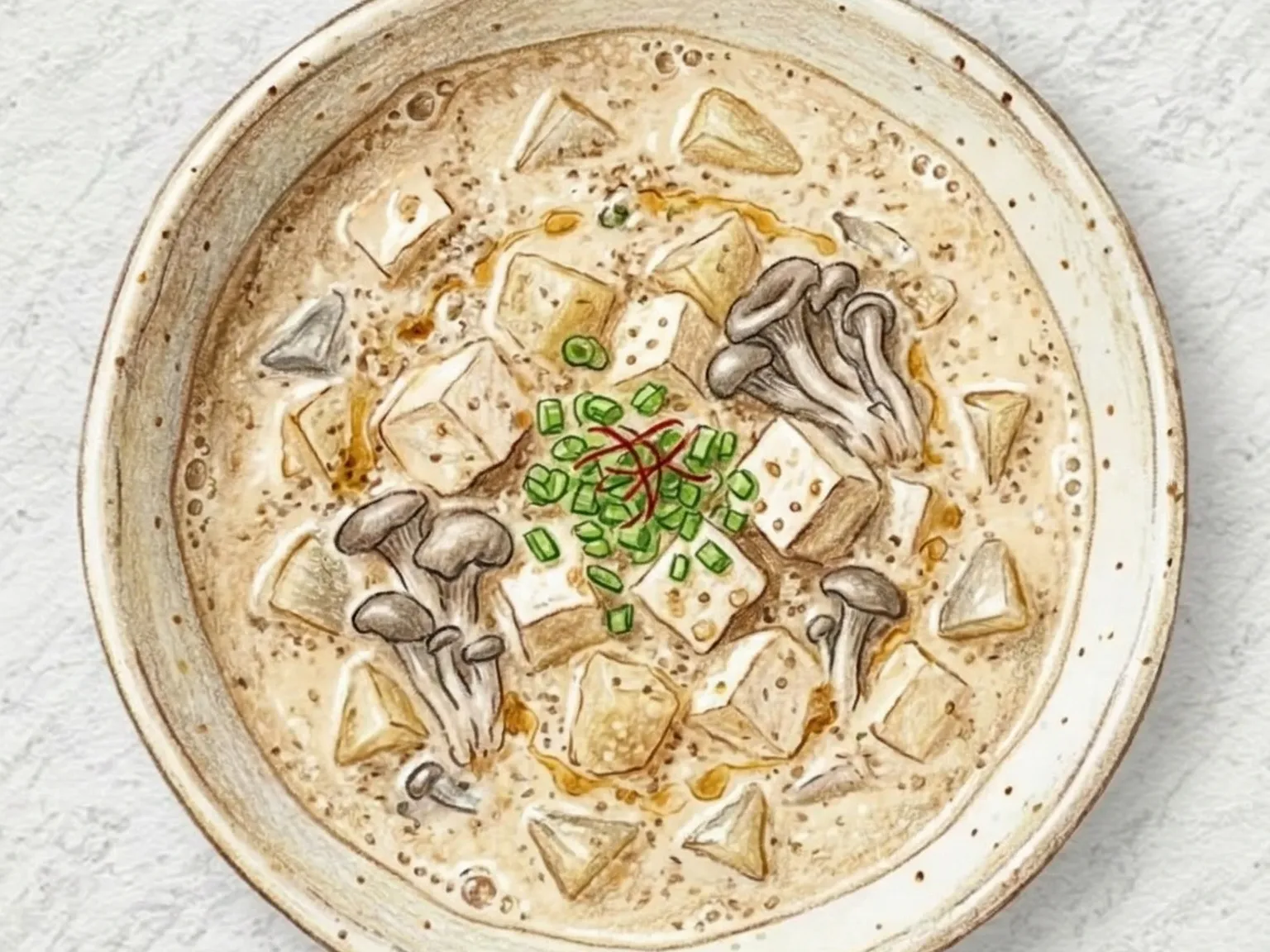
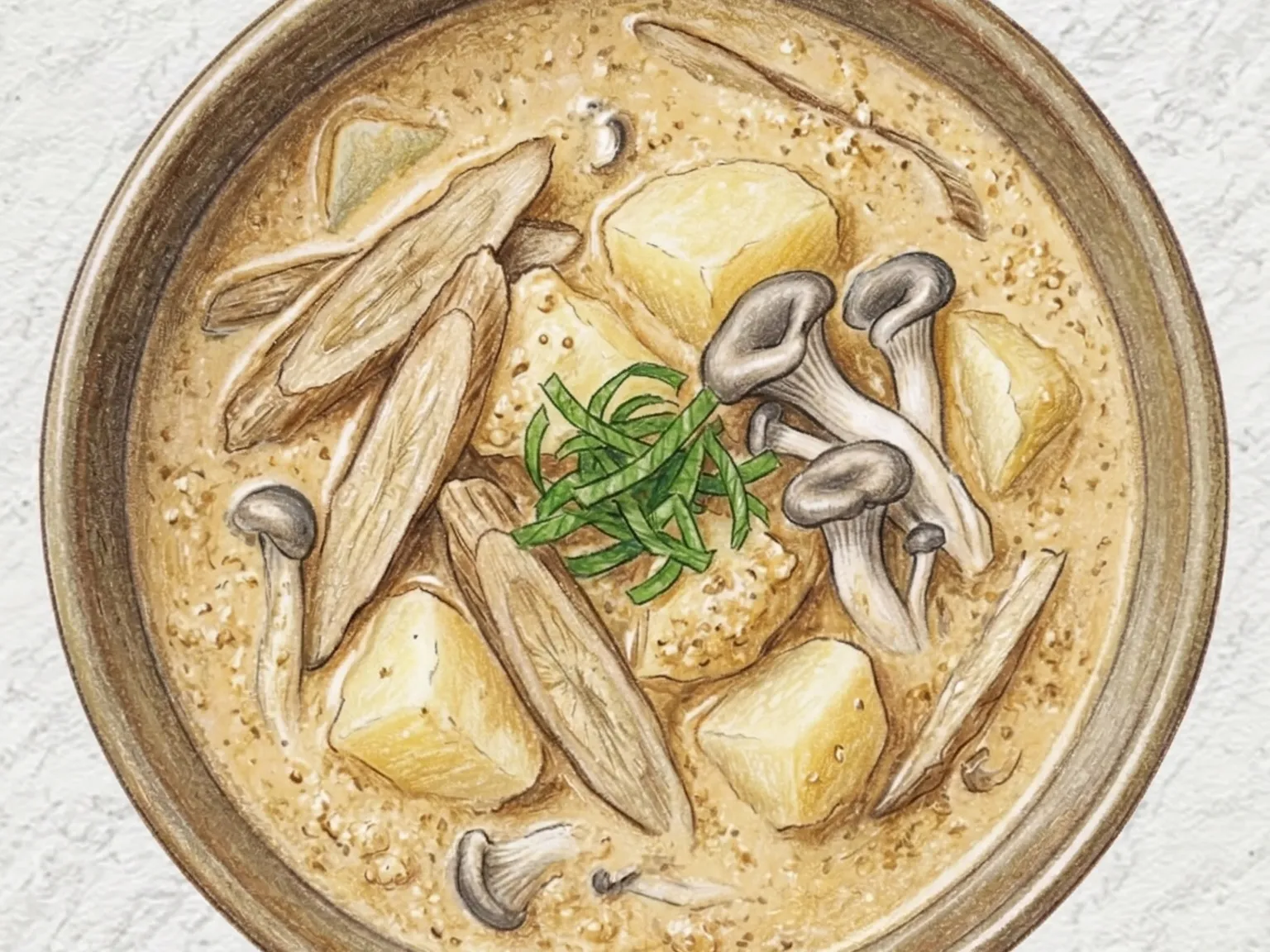
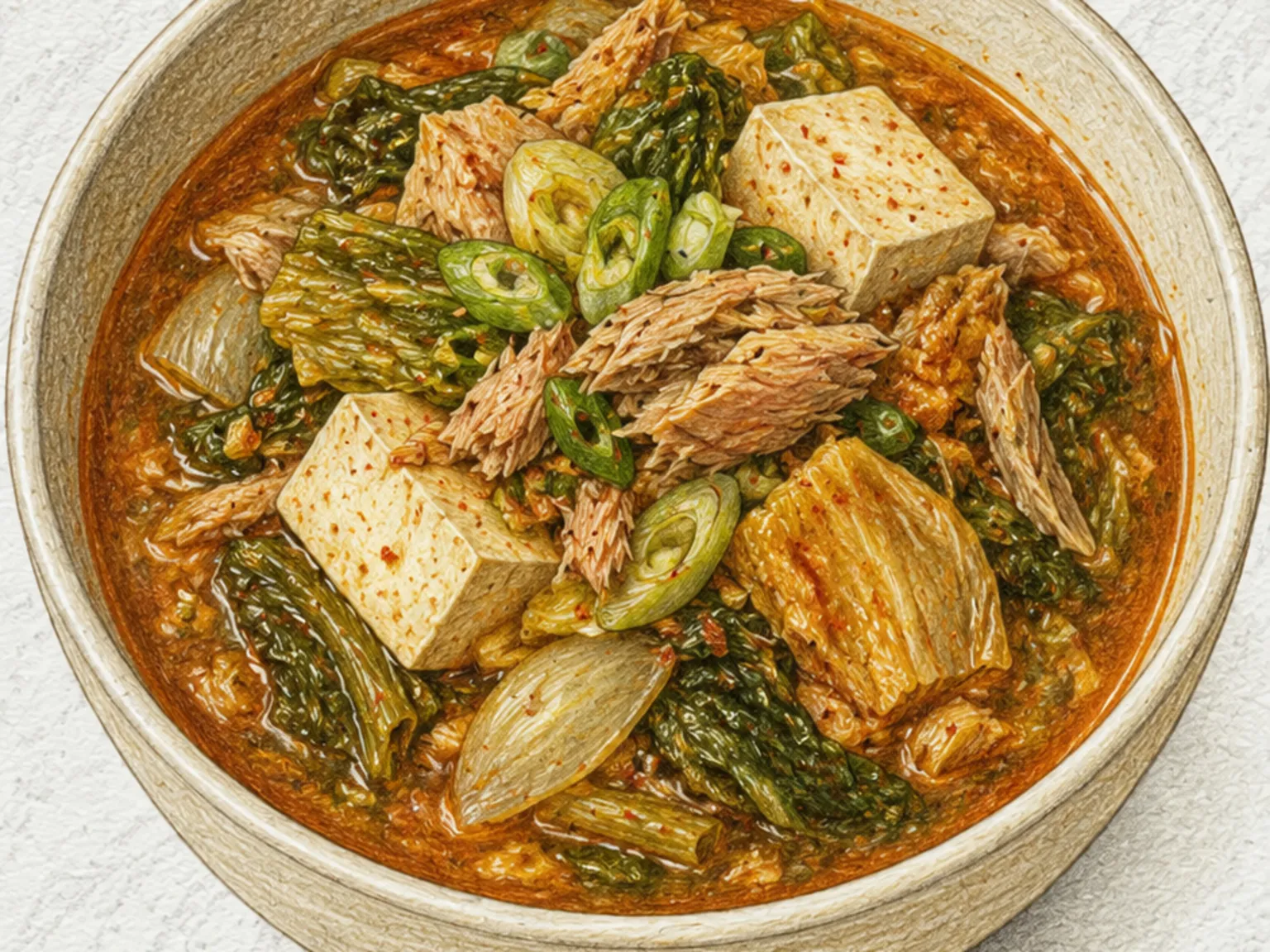
Ugeoji-doenjang-jjigae simmers the tough outer leaves of napa cabbage in rice-rinse water with doenjang and a spoonful of gochujang into a deeply savory, comforting stew. The outer leaves are blanched in salted water, rinsed in cold water, and squeezed out firmly before use, a step that removes bitterness and opens the fibrous leaves to absorb the seasoning. The starchy rice-rinse water gives the broth a naturally smooth and slightly thickened body without any added starch, and adjusting the amount of rice water controls the final consistency. Korean radish, zucchini, and tofu contribute natural sweetness that balances the saltiness of the fermented paste, while garlic and cheongyang green chili add heat and depth. A tablespoon of perilla oil added just before the pot comes off the heat releases a distinctive nutty fragrance that permeates the entire stew and deepens its character. Served in a dolsot earthenware pot that keeps the stew bubbling at the table, every spoonful stays hot to the last. The longer the ugeoji simmers, the more it softens and melds with the doenjang broth, producing the layered, slow-cooked depth that defines this classic Korean home-cooked stew.

🏠 Everyday
Prep 20minCook 30min4 servings
Korean Ginger Chicken Breast Stir-fry
Stir-fryEasy

Korean Ginger Chicken Breast Stir-fry

Saenggang dakgaseumsal-bokkeum stir-fries marinated chicken breast with julienned fresh ginger, cabbage, bell pepper, and green onion over high heat. The chicken is briefly seasoned with soy sauce, garlic, and black pepper, then seared in a pan where ginger and scallion have already bloomed their aroma. Vegetables go in last to keep their crunch, and a touch of honey rounds out the seasoning. The result is a lean, aromatic stir-fry where ginger's sharp warmth permeates every piece of chicken without heaviness.

🥗 Light & Healthy🏠 Everyday
Prep 12minCook 10min2 servings
Korean Monkfish Soup (Spicy Southern Coastal Fish Broth)
SoupsMedium

Korean Monkfish Soup (Spicy Southern Coastal Fish Broth)

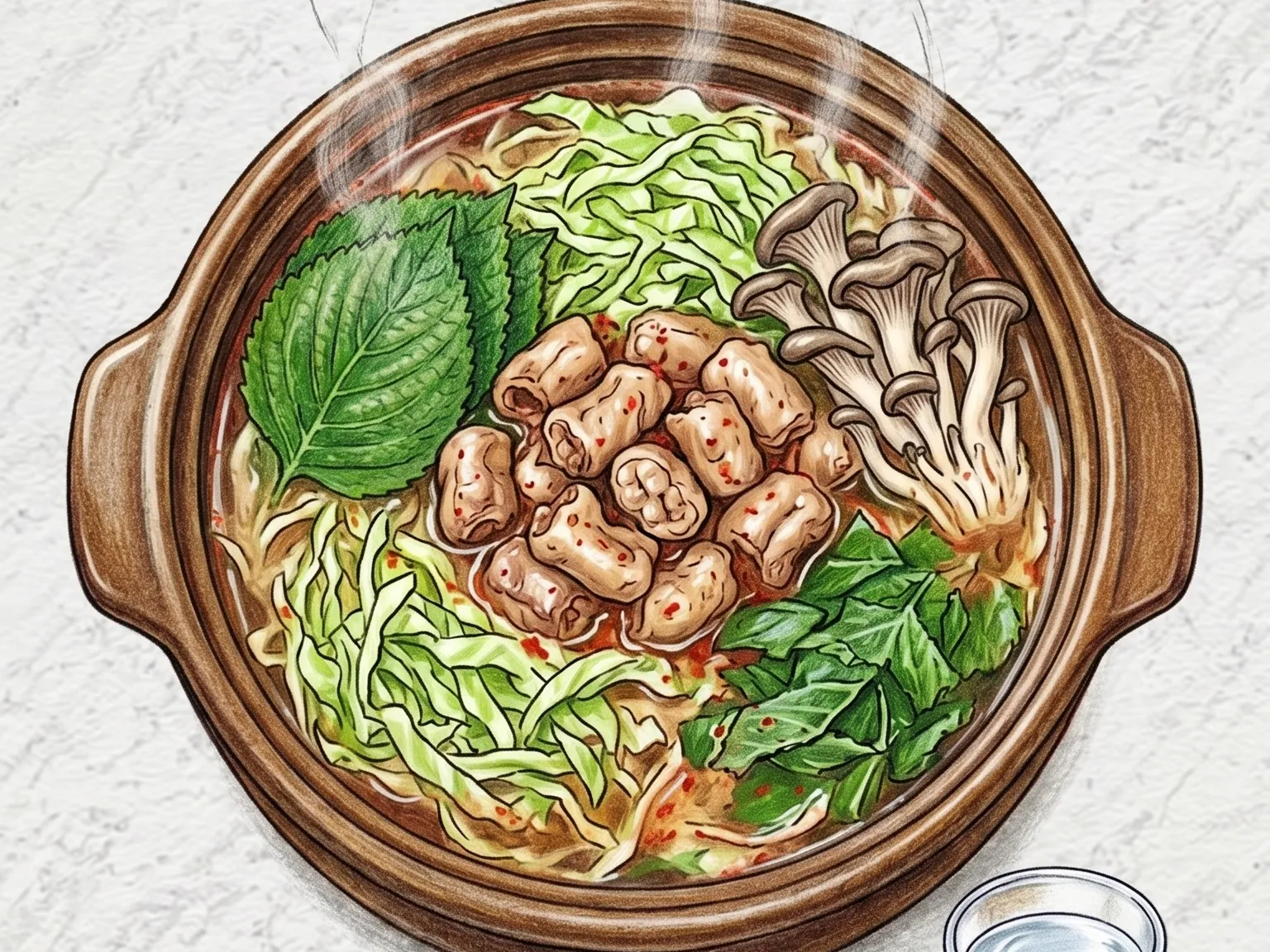
Agwi-tang is the soup form of Korea's monkfish repertoire, originating along the fishing villages of the southern coast where the fish - known as agwi or agu depending on dialect - is caught and sold fresh daily. Where braised preparations like agwi-jjim build intensity through reduction and heavy sauce, the tang prioritizes the broth. Anchovy stock is the base; radish simmers in it for eight minutes to release its sweetness before the monkfish enters. As the fish cooks gently over medium heat, its collagen dissolves into the liquid and gives it body. The monkfish flesh itself is mild and gelatinous, a texture unlike most white fish. Bean sprouts go in at the end to contribute crunch against the soft fish. Sliced green onion and a hit of gochugaru cloud the broth red and add spice. In coastal towns this was morning food - hangover soup served steaming at predawn markets to fishermen and dock workers before the day started.

🏠 Everyday
Prep 25minCook 35min2 servings