Charim

2686 Korean & World Recipes

2686+ Korean recipes, clean and organized. Ingredients to instructions, all at a glance.

Recipes with green onion

24 recipes

Buy green onion
Korean Corbicula Clam Noodle Soup
NoodlesMedium

Korean Corbicula Clam Noodle Soup

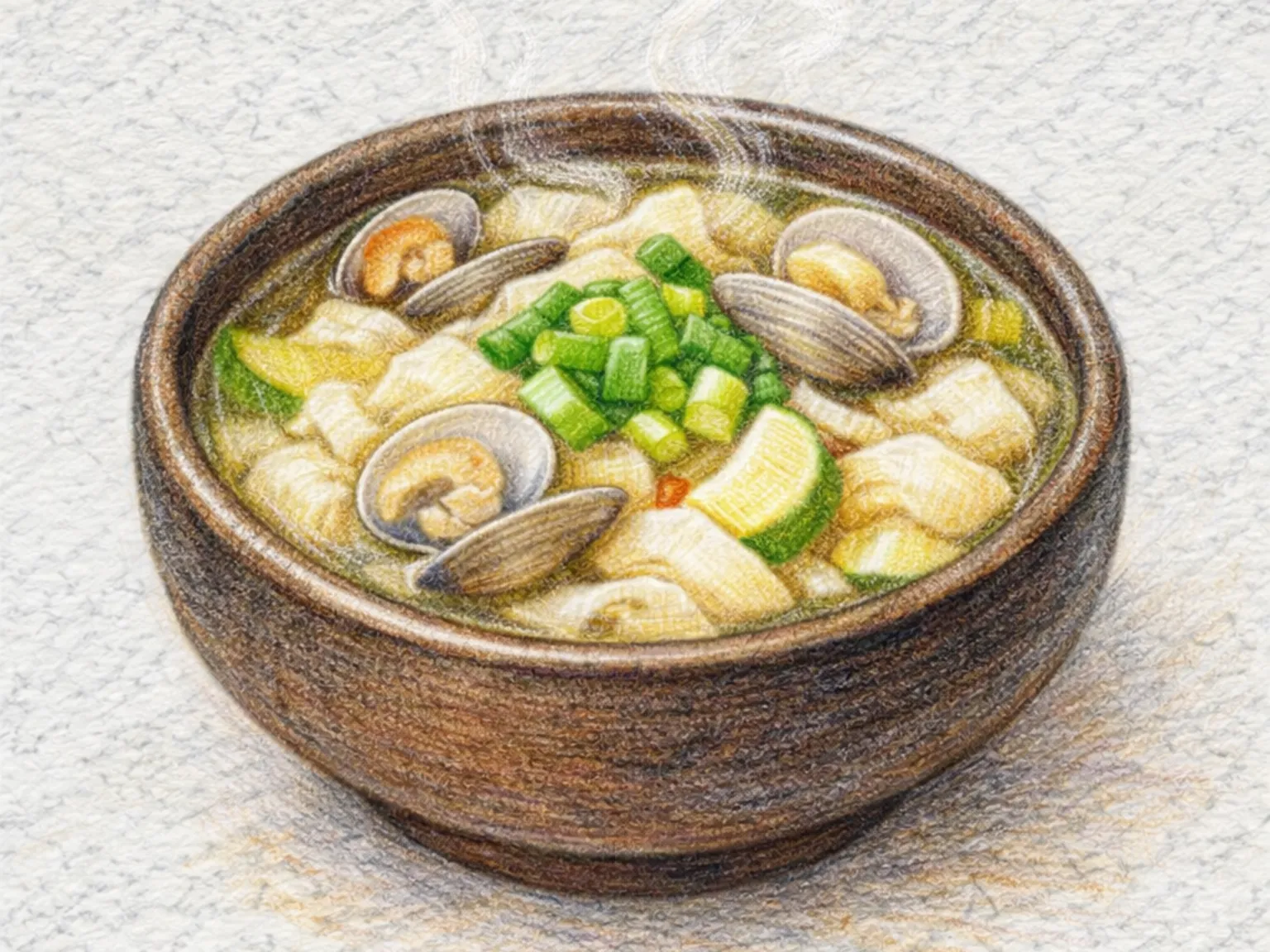
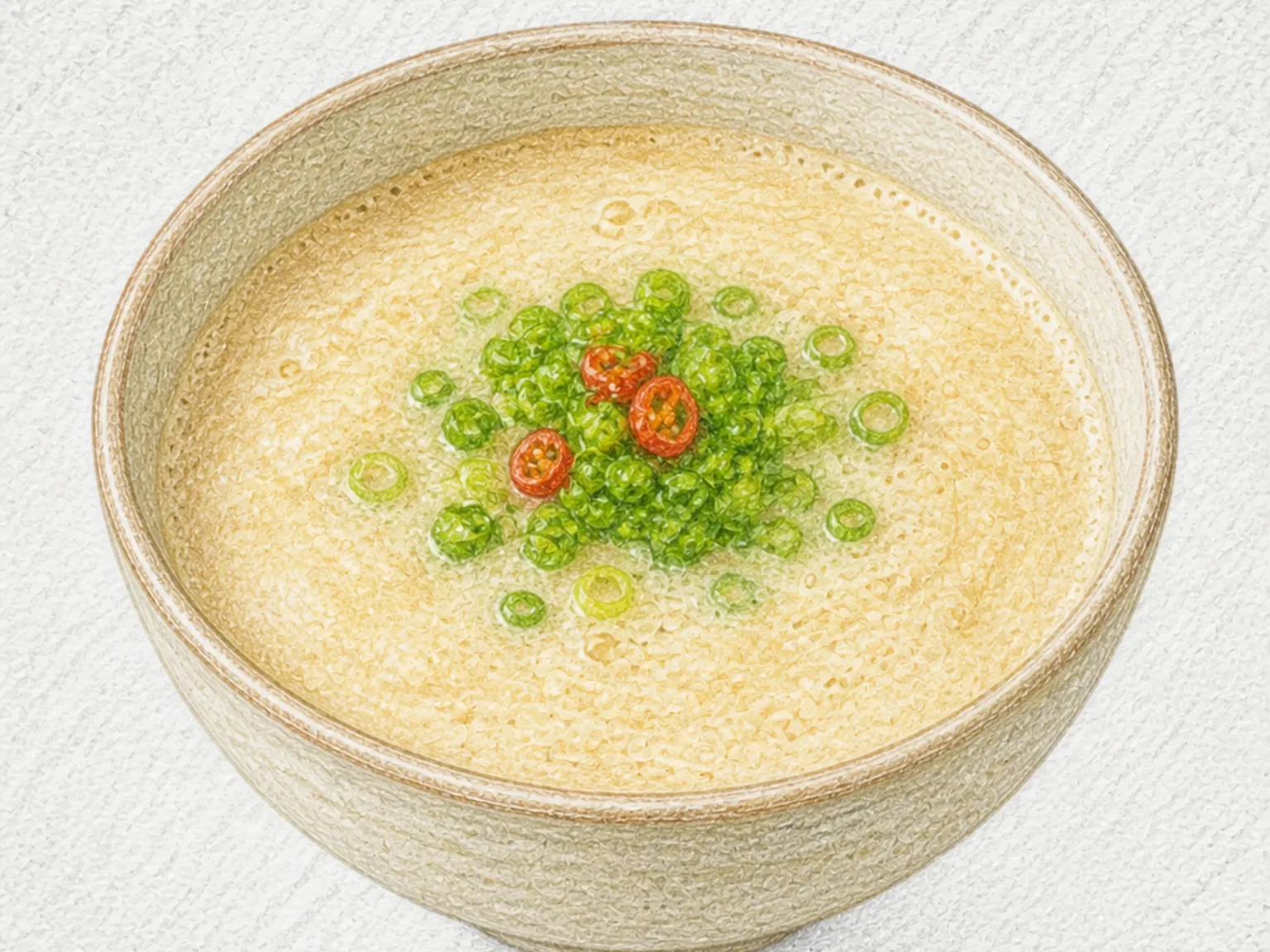
Jaecheop-guksu is a regional specialty from Hadong in South Gyeongsang Province, built on a clear broth extracted from purged freshwater corbicula clams. The broth carries the clams' concentrated brininess alongside a remarkably clean, light body, seasoned sparingly with soup soy sauce and salt to let the shellfish flavor dominate. A single cheongyang chili simmered in the pot lends a gentle background heat, and scallion with black pepper finishes the aroma. Widely regarded as a hangover remedy, this noodle soup is prized for its ability to settle the stomach with its pure, uncluttered flavor. Along the Seomjin River restaurants of Hadong, jaecheop dishes in various forms are considered the defining taste of the region.

🎉 Special Occasion
Prep 20minCook 20min2 servings
Korean Doenjang-Grilled Pork Jowl
GrilledEasy

Korean Doenjang-Grilled Pork Jowl

Hangjeongsal doenjang-gui is a Korean doenjang-marinated pork jowl dish where the meat is sliced five millimeters thick, coated in a mixture of doenjang, minced garlic, sesame oil, cooking wine, honey, and black pepper for fifteen minutes, then grilled three minutes per side over medium-high heat. Pork jowl carries more evenly distributed intramuscular fat than loin or shoulder, so it renders its own cooking oil from the moment it hits a dry pan without any added fat. As that fat melts across the hot surface, it merges with the fermented savoriness of the doenjang, building a concentrated, layered umami coating on every grilled face. Starting with a conservative tablespoon of doenjang and adjusting to taste prevents oversalting, since the paste's sodium concentrates further as moisture evaporates during grilling. The honey contributes a faint sweetness while encouraging a glossy caramelized crust that catches the eye and holds the seasoning. After the edges brown, reducing to medium-low for a final two minutes cooks the center through without scorching the glaze, and a finish of sliced green onion adds a sharp, fresh contrast that lifts the richness. The doenjang marinade suppresses any gamey undertone in the pork while simultaneously deepening the umami, delivering the paste's complexity through a grilling method that differs entirely from the way doenjang performs in a stew.

🍺 Bar Snacks
Prep 20minCook 15min2 servings
Korean Soy-Braised Pork and Potatoes
Stir-fryMedium

Korean Soy-Braised Pork and Potatoes

Dwaejigogi-gamja-jorim is a Korean braised side dish of pork shoulder and potatoes simmered together in a soy-based seasoning until the liquid reduces to a thick glaze. The pork is browned first in a hot pot to develop a seared surface, then water, soy sauce, sugar, garlic, and gochugaru are added and the whole pot is brought to a simmer. As the liquid reduces, the pork releases its fat and juices into the broth, enriching the sauce. The potatoes cook through in this liquid, drawing in the seasoning and emerging with a glossy, salty-sweet coating on the outside and a fluffy, starchy interior. Onion softens and releases its natural sweetness during cooking, moderating the saltiness of the soy base. The dish is finished when the liquid has reduced to just enough to coat the ingredients. Served with rice, the potatoes and braising liquid together function almost as a sauce. Protein and starch cooked together in a single pot make this a practical, satisfying meal.

🏠 Everyday🍱 Lunchbox
Prep 15minCook 35min4 servings
Korean Young Napa Soft Tofu Stew
StewsEasy

Korean Young Napa Soft Tofu Stew

Eolgari-sundubu-doenjang-jjigae is a gentle Korean stew that pairs soft tofu with young napa cabbage (eolgari baechu) in a kelp stock base seasoned with doenjang and a small measure of gochujang. The doenjang brings fermented soybean depth to the broth, while the gochujang adds a measured spiciness that stays mild rather than sharp -- the two pastes work together to produce a broth that is simultaneously savory, slightly sweet, and lightly spiced. Potato and onion are added early to contribute their natural sugars, and the potato softens gradually into the liquid, lending slight body to the stock. Soft tofu should be spooned in gently rather than stirred, as it breaks apart easily -- rocking the pot from side to side distributes it without tearing the curds into pieces. Once in the stew, the soft tofu slowly releases some of its moisture and takes on the broth around it, spreading a silky, almost cream-like texture throughout the liquid. Young napa cabbage provides a light crunch that contrasts with the velvet texture of the tofu and the smoothness of the broth. A finishing addition of minced garlic and a drop of perilla oil deepens the savory fragrance just before serving. The stew is mild enough to work as a morning meal and substantial enough to stand as a light dinner.

🏠 Everyday
Prep 12minCook 16min2 servings
Korean Taro Stem Stir-fry with Perilla Powder
Stir-fryMedium

Korean Taro Stem Stir-fry with Perilla Powder

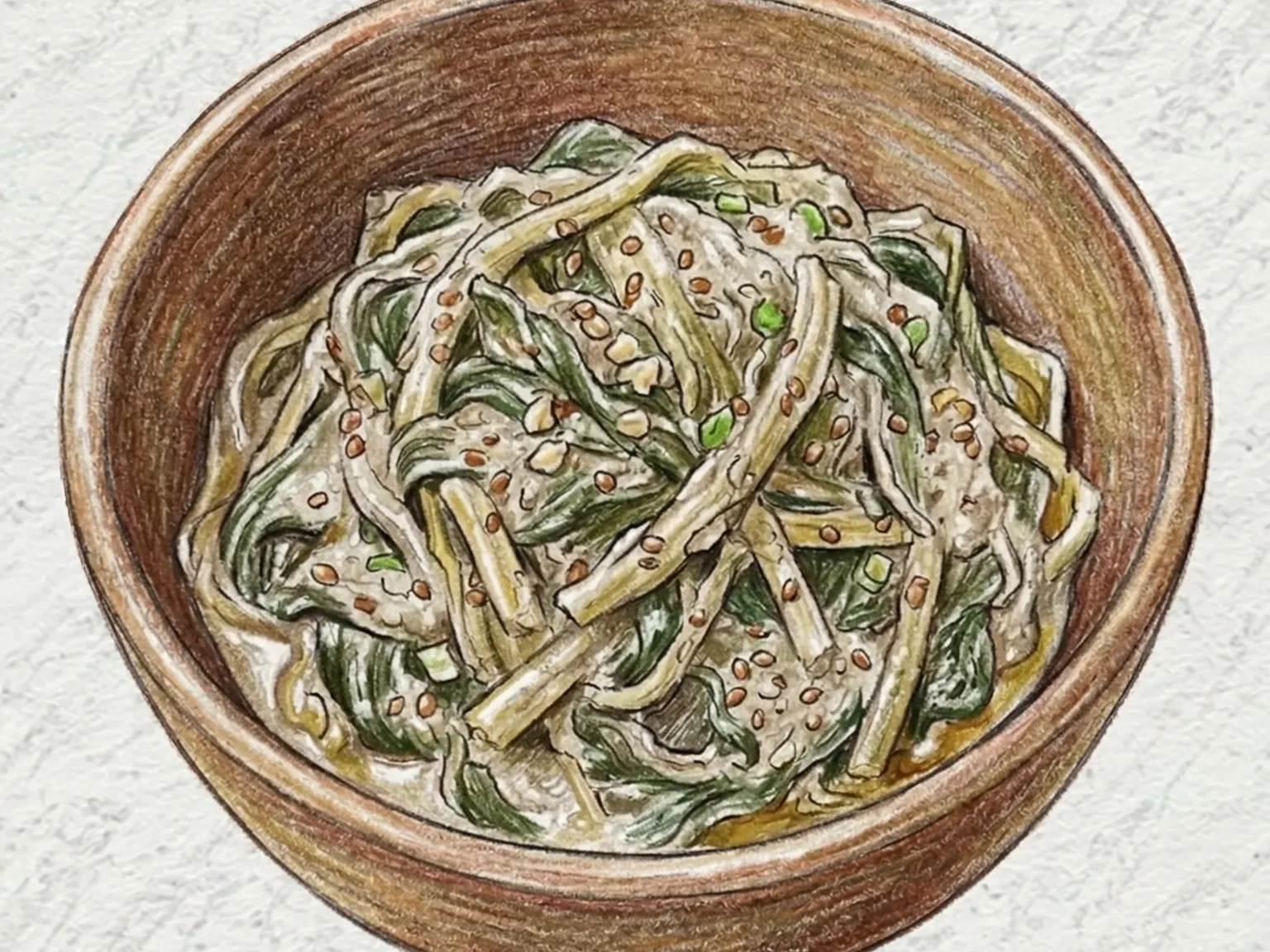
Torandae-deulkkae-bokkeum is a traditional Korean side dish of boiled taro stems stir-fried in perilla oil and thickened with ground perilla seeds. The taro stems have a tender texture with a subtle fibrous chew, and the perilla powder absorbs the simmering liquid of soup soy sauce and water to form a creamy coating. Double use of perilla - both the oil and ground seeds - builds a pronounced nutty aroma throughout the dish. It is a seasonal home-style banchan that highlights the taro stem's distinctive slippery mouthfeel paired with rich perilla depth.

🏠 Everyday🍱 Lunchbox
Prep 20minCook 12min4 servings
Korean Grilled Neobiani Beef Patties
GrilledMedium

Korean Grilled Neobiani Beef Patties

Neobiani-gui is a Korean royal-court grilled beef patty made by kneading finely minced beef with minced onion, green onion, soy sauce, sugar, garlic, sesame oil, and black pepper, then shaping the mixture into thin oval patties and pan-frying until caramelized. The dish traces its origins to the royal court cuisine of the Joseon dynasty, where the seasoning was kept deliberately restrained to let the beef's natural flavor take center stage. Squeezing excess moisture from the minced onion before mixing strengthens the patty's structure, and the onion's natural sugars caramelize during cooking, adding a gentle, almost floral sweetness to the crust. Resting the shaped patties in the refrigerator for fifteen minutes firms the protein bonds so the patties hold their shape in the pan. Cooking over medium-low heat is essential: the surface develops a glossy, lacquered sear while the interior cooks through evenly, and excessive heat risks charring the outside before the center is done. The finished patties carry a thin, aromatic glaze from the soy sauce and sesame oil, making them a refined centerpiece on the Korean table.

🍺 Bar Snacks🎉 Special Occasion
Prep 25minCook 15min4 servings
Korean Namdo-Style Loach Soup
SoupsHard

Korean Namdo-Style Loach Soup

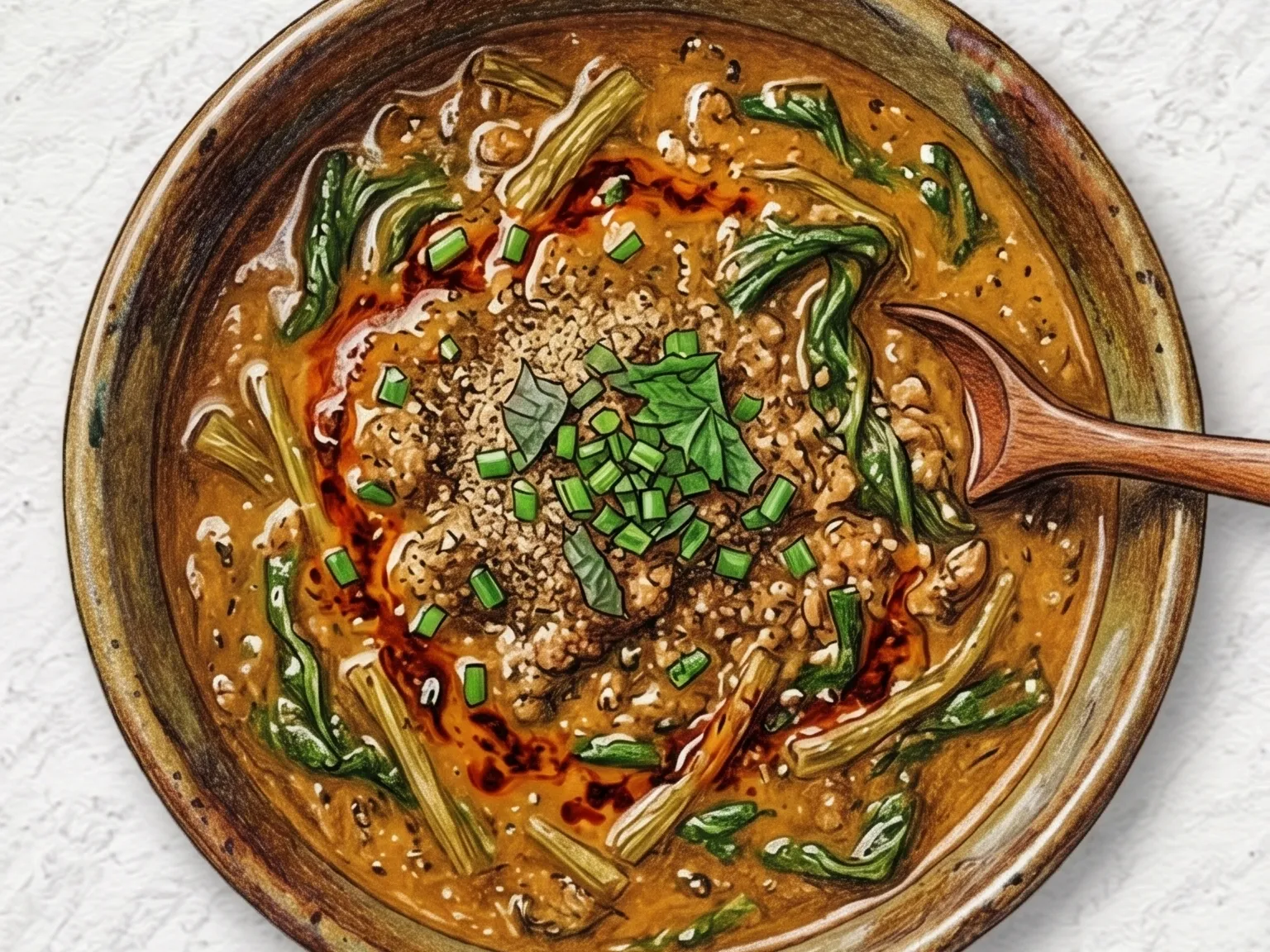
Namdo-chueotang is the southern Korean take on loach soup, distinguished from other regional versions by grinding the entire loach - bones and all - into a thick, porridge-like broth. The loaches are first boiled until completely soft, then blended and strained to produce a dense, opaque base packed with protein and calcium. Dried radish greens simmer in this liquid, contributing a rustic, earthy backbone. Doenjang and gochujang season the soup with fermented depth and moderate heat, while a generous addition of perilla seed powder lends a nutty richness that rounds out the heavy flavors. A final dusting of sancho pepper tames any lingering fishiness and adds a tingling, aromatic kick. This is restorative cooking at its most direct - a thick, warming bowl meant to rebuild energy during the colder months.

🏠 Everyday🎉 Special Occasion
Prep 30minCook 45min4 servings
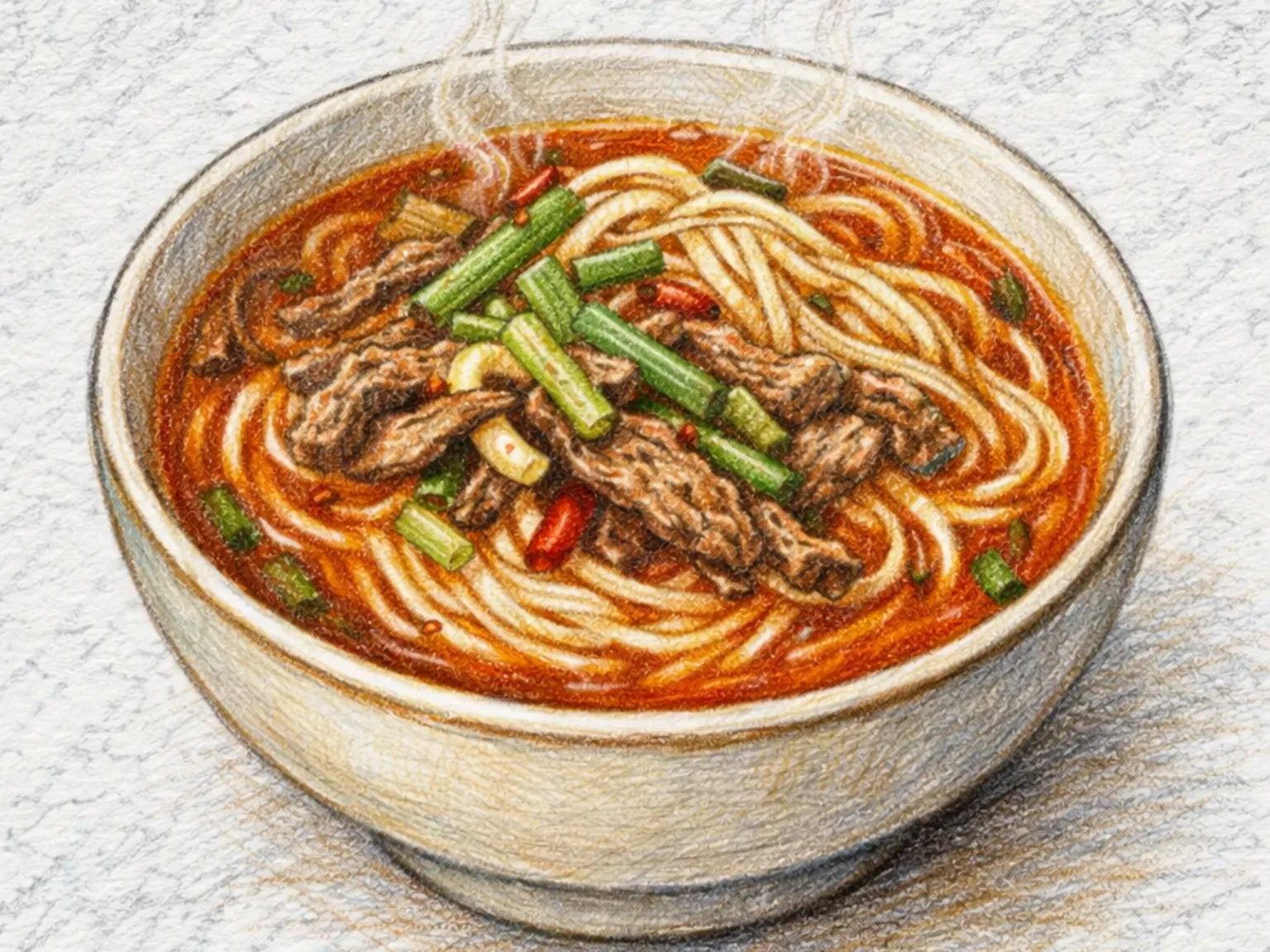
Taiwanese Beef Noodle Soup
NoodlesHard

Taiwanese Beef Noodle Soup

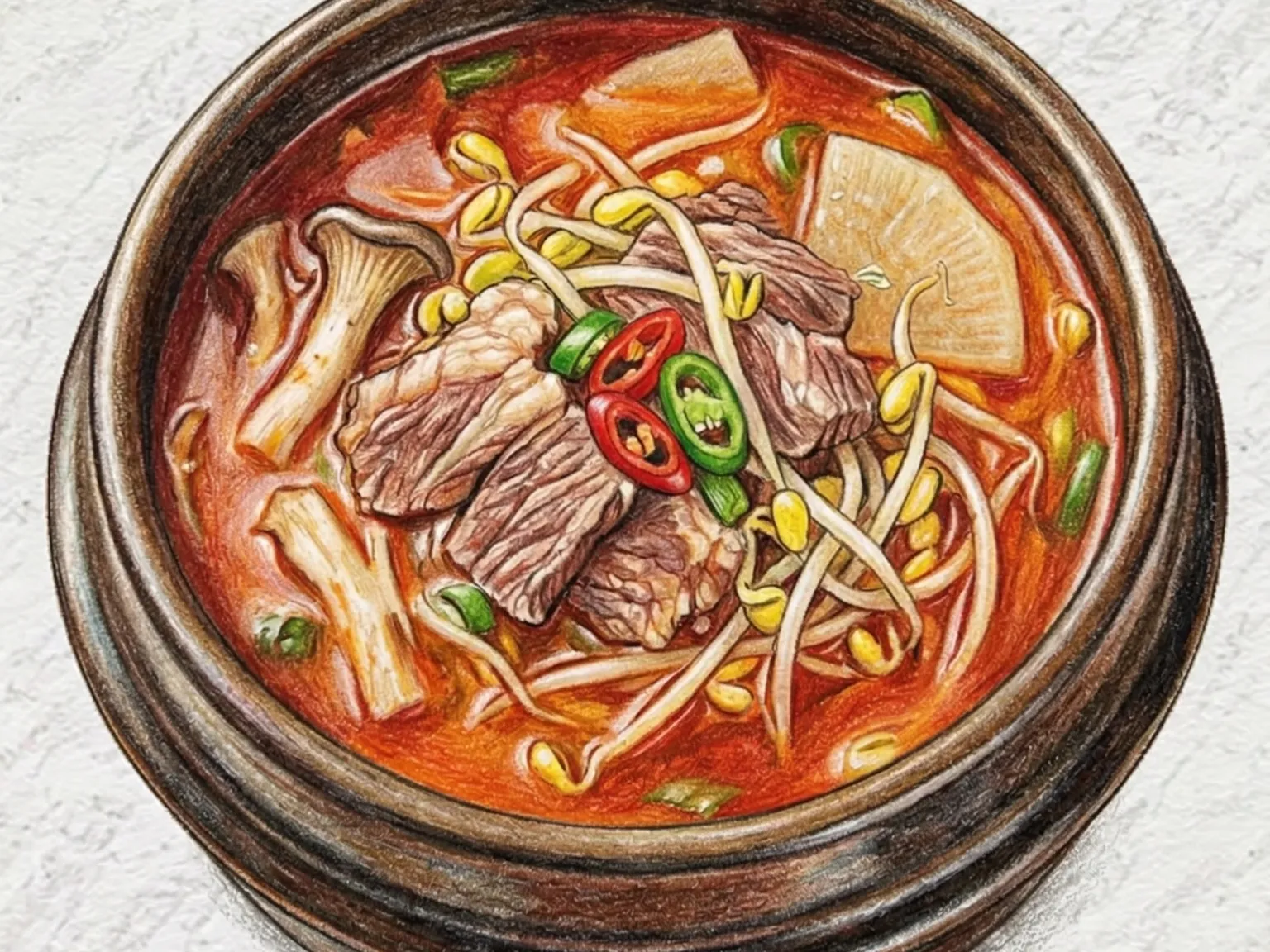
Taiwanese beef noodle soup slow-braises beef brisket in a soy-based broth seasoned with doubanjiang, star anise, cinnamon, and Sichuan peppercorns. The minimum 90-minute simmer renders the meat fork-tender while building a deeply layered broth. Thick wheat noodles are served in the finished broth, soaking up its concentrated flavor. Spice level is adjustable by varying the amount of doubanjiang. Common garnishes include pickled mustard greens and blanched bok choy, adding brightness to the rich bowl.

🎉 Special Occasion
Prep 25minCook 90min4 servings
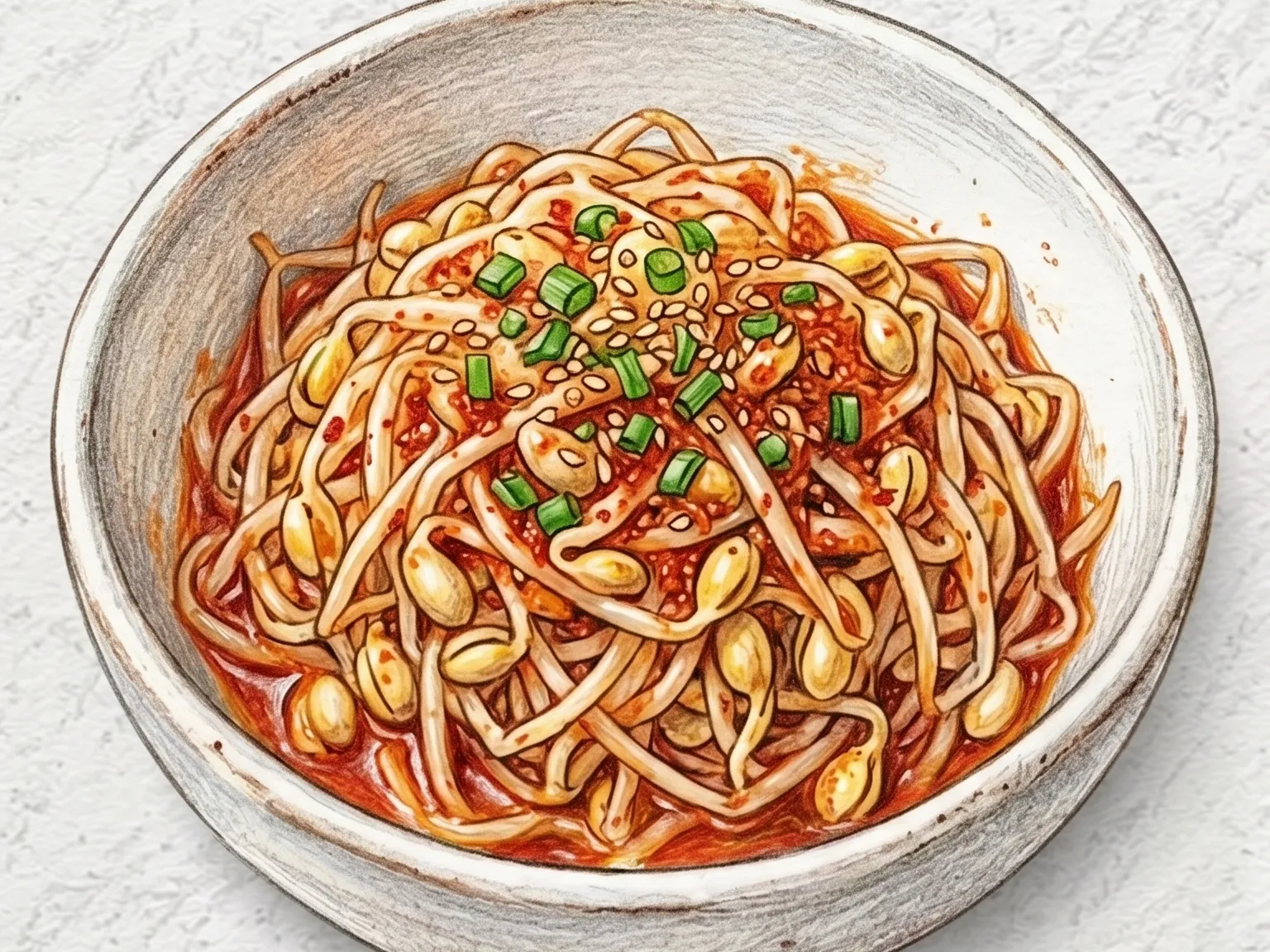
Korean Soy Sauce Stir-Fried Lotus Root and Bean Sprouts
Stir-fryEasy

Korean Soy Sauce Stir-Fried Lotus Root and Bean Sprouts

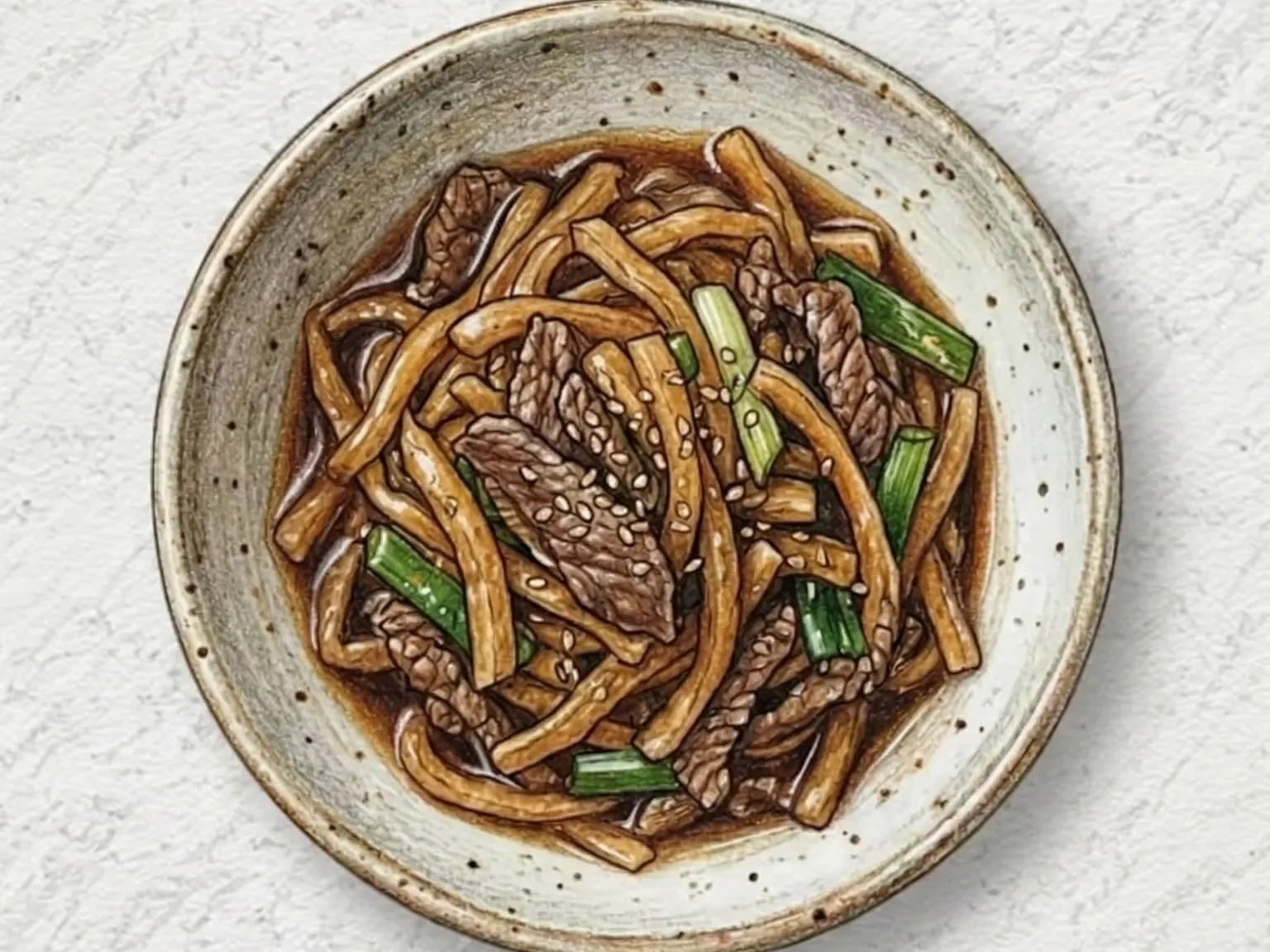
Yeongeun-kongnamul-ganjang-bokkeum stir-fries sliced lotus root and bean sprouts in a soy sauce and oligosaccharide glaze. The lotus root goes in first over medium heat for three minutes until slightly translucent, then carrot and garlic are added before the soy seasoning. Bean sprouts join last and cook on high heat for just two minutes to drive off moisture while staying crunchy. The starchy snap of the lotus root contrasts with the watery crispness of the bean sprouts, tied together by a light sweet-salty soy coating.

🏠 Everyday🍱 Lunchbox
Prep 14minCook 9min2 servings
Korean Mallow & Clam Stew
StewsEasy

Korean Mallow & Clam Stew

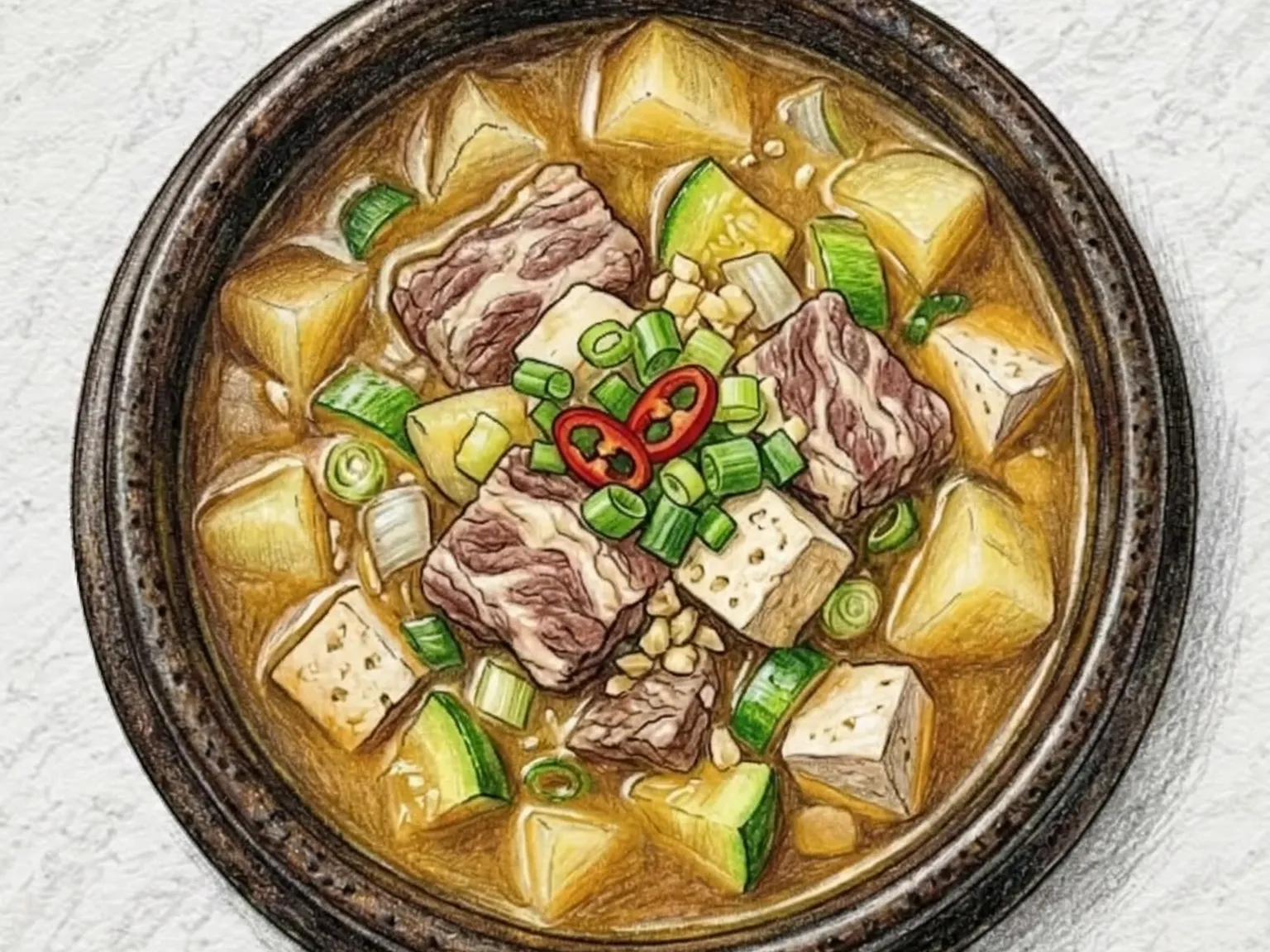
Auk-bajirak-jjigae is a thick, meal-weight stew that takes the logic of the milder auk-bajirak-guk and pushes it further: more doenjang, a denser ingredient list, and cheongyang chili for heat. The clams go in first while the water is still cold, then the pot comes to a boil so the shells open slowly and release their concentrated sea juice into the base. Doenjang and gochugaru dissolve into the liquid together, creating a foundation that is simultaneously earthy, saline, and warm with chili. Cubed tofu and sliced zucchini fill out the pot and convert what might have been a soup into something substantial enough to anchor a meal with rice. Mallow leaves added at the end bring their natural mucilage, which thickens the broth and gives it a cling that plain stews lack. Sliced cheongyang chili on top cuts through the richness with a sharp, direct heat. On a cold evening eaten alongside steamed rice, this jjigae sits at the dense, deeply layered end of the Korean stew spectrum.

🥗 Light & Healthy🏠 Everyday
Prep 15minCook 18min2 servings
Pot-au-Feu (French Slow-Simmered Beef and Root Vegetable Broth)
WesternHard

Pot-au-Feu (French Slow-Simmered Beef and Root Vegetable Broth)

Pot-au-Feu is the archetypal French home-cooked meal - beef and root vegetables simmered slowly in a clear broth that prizes simplicity and patience. Beef brisket is placed in cold water and brought up to temperature gradually; dropping meat into boiling water causes surface proteins to seize and cloud the broth. Skimming the impurities that rise to the surface throughout the cooking process keeps the liquid clear and clean, while bay leaf and whole peppercorns add depth without muddying the flavor. Vegetables - potatoes, carrots, leeks, and celery - are added only after the meat is nearly tender to preserve their individual textures. The traditional service presents sliced beef and whole vegetables on a platter with the broth served separately in bowls, accompanied by coarse salt, Dijon mustard, and cornichons.

🎉 Special Occasion
Prep 20minCook 180min4 servings
Korean Abalone Radish Soup
SoupsMedium

Korean Abalone Radish Soup

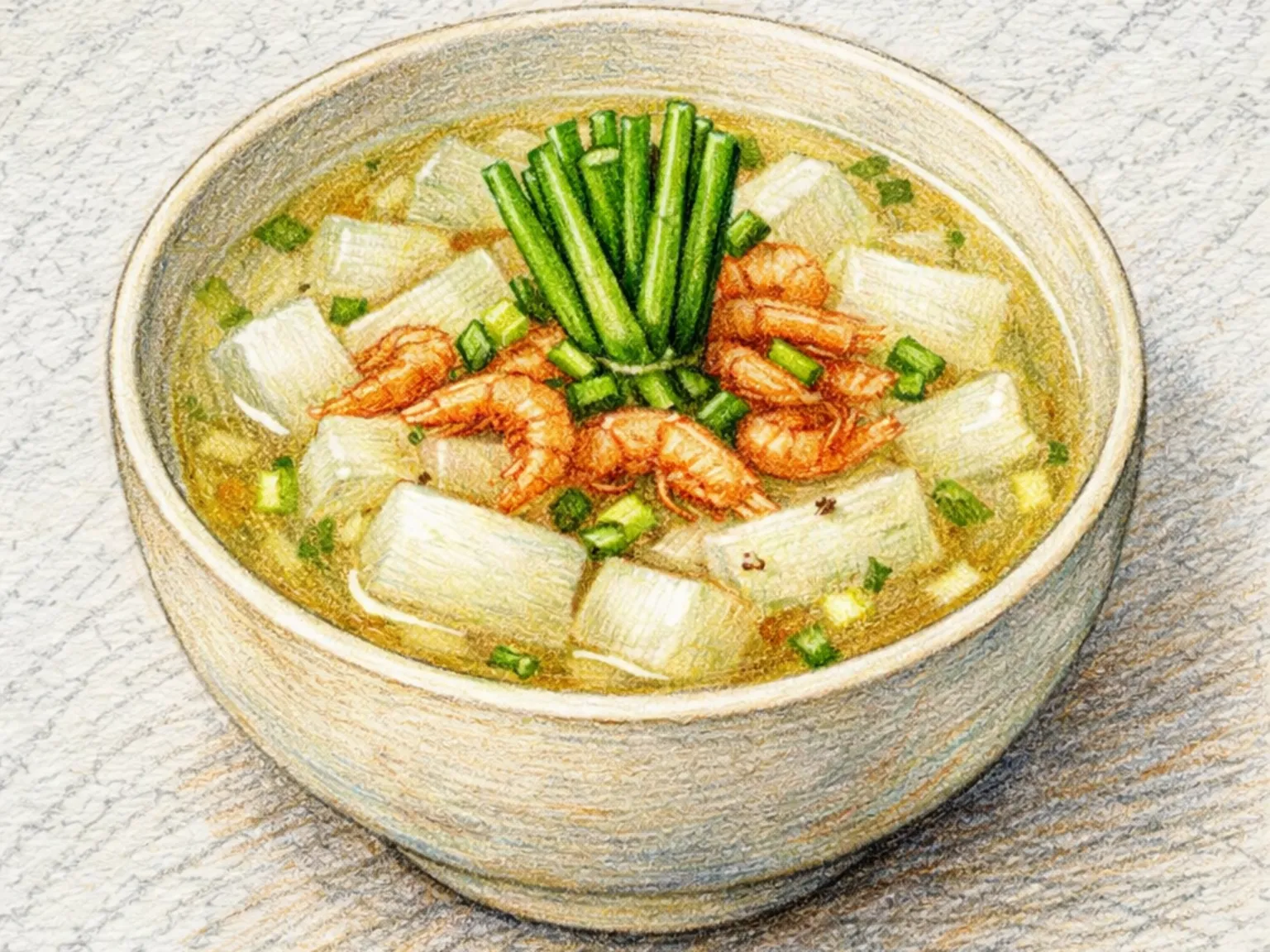
Jeonbok-muguk is a refined Korean clear soup that simmers sliced abalone and radish in kelp broth, delivering a depth of flavor far beyond the simplicity of its preparation. The cooking begins by sauteing the abalone together with its viscera in sesame oil before any liquid is added. The innards, dark green and intensely flavored, dissolve into the oil and tint the eventual broth with a faint jade color while releasing a concentrated marine umami that kelp broth alone cannot provide. Radish sliced into thin rounds cooks alongside, softening steadily until translucent and releasing a natural sweetness that counterbalances the abalone's inherent salinity. Soup soy sauce and garlic are the only additional seasonings, deliberately minimal so the abalone's character defines the soup rather than the condiments. Adding the abalone too early toughens the meat; the right moment is when the radish has turned translucent, leaving the abalone just enough time to cook through while retaining its firm, chewy bite. In Korea, abalone carries cultural weight as a gift for new mothers, the ill, and guests at formal celebrations, making this soup a gesture of care as much as a recipe. The broth that results from this combination tastes far more expensive than the effort involved.

🏠 Everyday
Prep 20minCook 25min2 servings
Gul-guk (Clear Oyster Radish Soup)
SoupsEasy

Gul-guk (Clear Oyster Radish Soup)

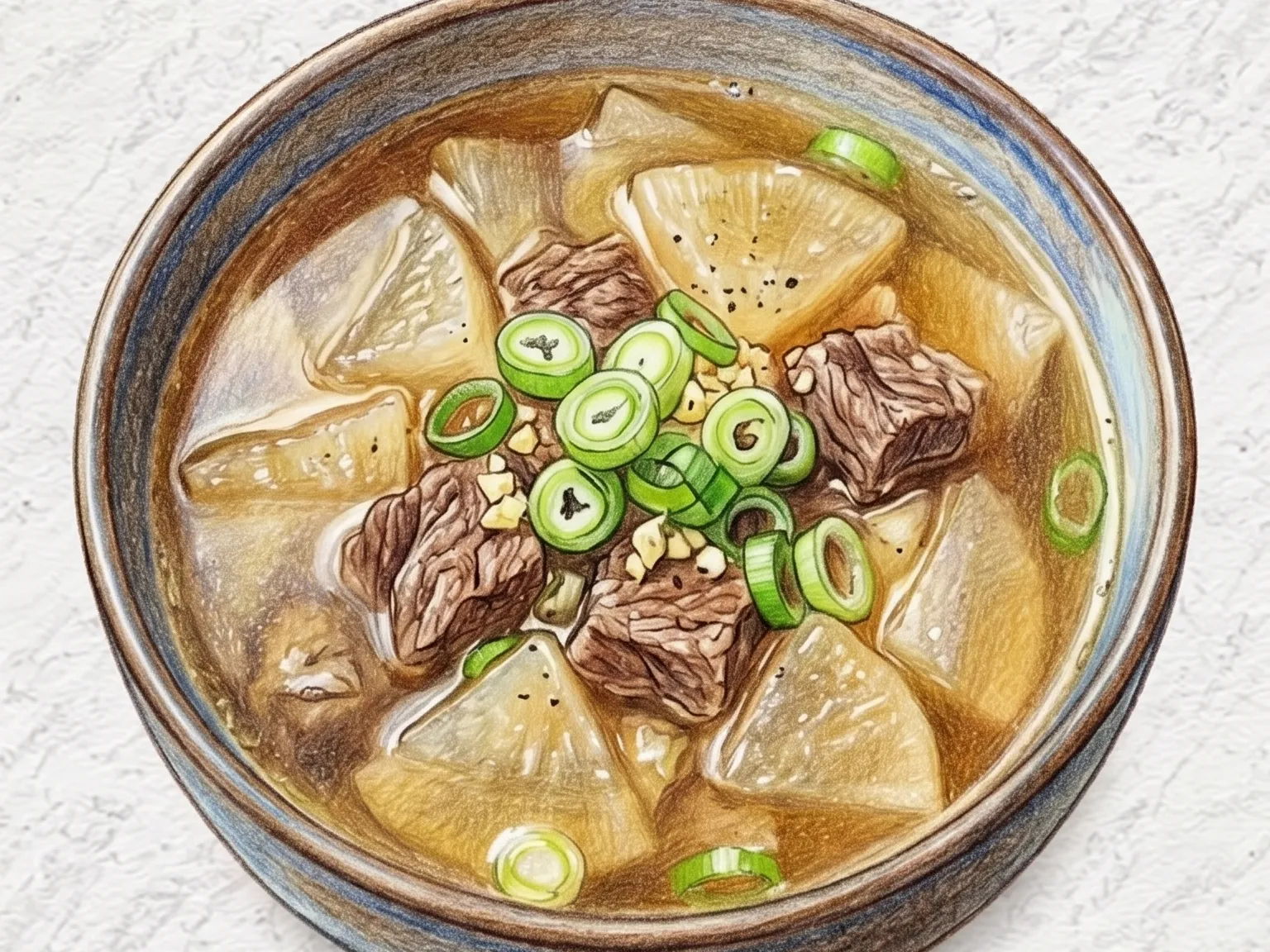
Gul-guk is a clear Korean oyster soup built on the simplest possible base: water, radish, and fresh winter oysters. Radish goes in first and simmers long enough to give the broth a clean, cool sweetness before the oysters are added near the end to keep them plump and springy. Seasoning is deliberately restrained; soup soy sauce and minced garlic are sufficient because the oysters themselves deliver an intense, briny depth that needs no reinforcement. The marine aroma of the oysters and the refreshing quality of the radish combine to produce a broth that is light in appearance but full in flavor. A bowl spooned over hot rice makes a restorative breakfast or hangover remedy, and along Korea's southern coast this soup is one of the most common preparations during the winter oyster harvest.

🏠 Everyday
Prep 15minCook 20min2 servings
Korean Seafood & Chicken Herbal Soup
SoupsHard

Korean Seafood & Chicken Herbal Soup

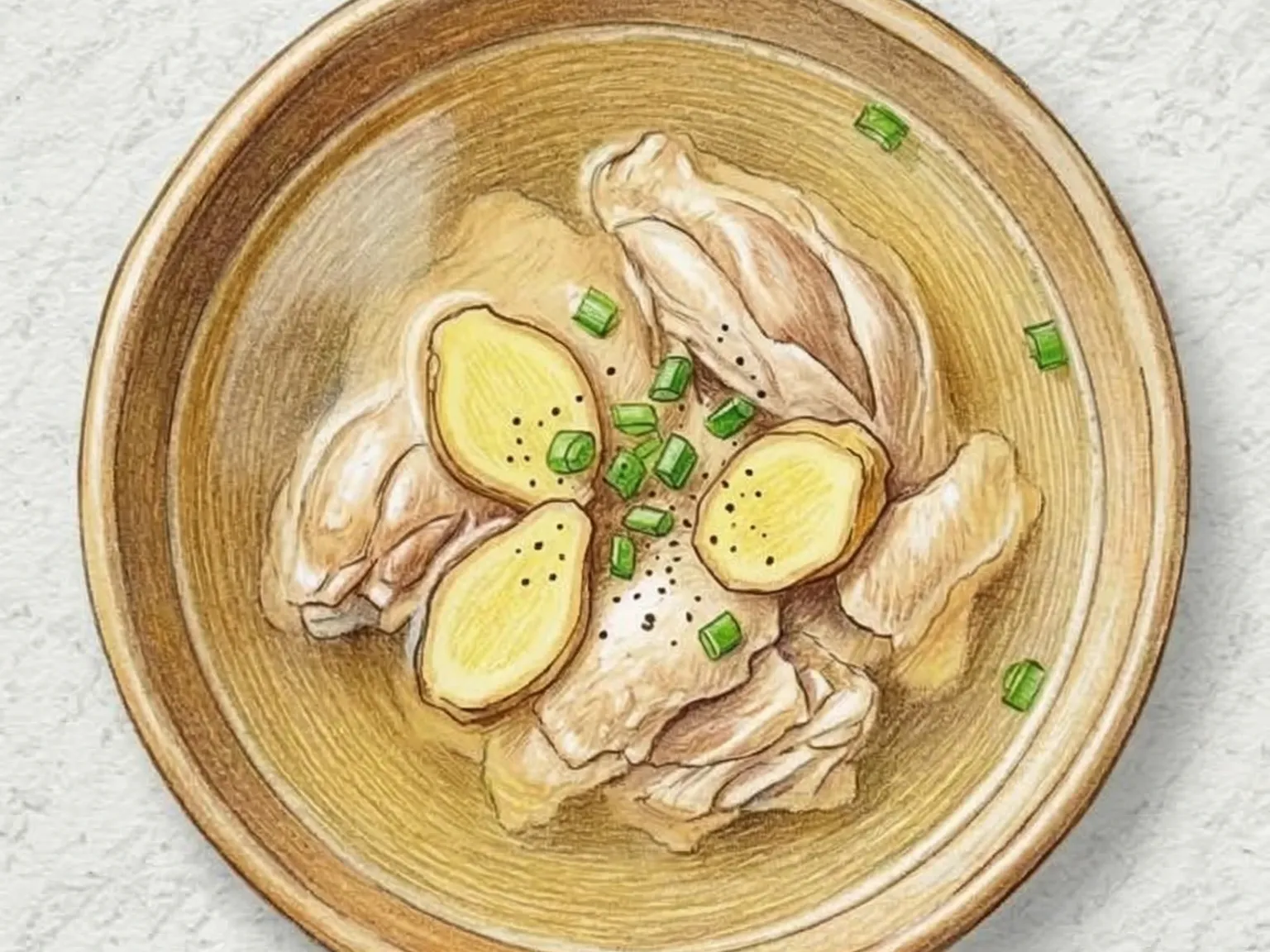
Haesintang is a premium Korean restorative soup that combines a whole chicken with abalone, octopus, and shrimp, simmered together in a single large pot for an extended period. The chicken goes in first and cooks for well over an hour, building a cloudy, collagen-rich stock with a naturally silky body. The seafood is added later in the process to avoid overcooking: abalone stays chewy, octopus retains its characteristic bounce, and shrimp turn just pink and stop there. The interaction between the poultry fat and the marine umami produces a broth with a depth that neither chicken alone nor seafood alone could achieve. Seasoning is deliberately restrained, typically garlic, green onion, and salt, so the flavors of the ingredients themselves define the soup rather than any added sauce or spice. In Korea, haesintang is categorized as a stamina food, most commonly eaten on the hottest days of summer in the traditional belief that rich nourishment combats heat fatigue. Its combination of two high-end protein sources places it firmly in the celebratory register of Korean home and restaurant cooking.

🏠 Everyday🎉 Special Occasion
Prep 35minCook 70min4 servings
Korean Soy Braised Eggplant
Stir-fryEasy

Korean Soy Braised Eggplant

Gaji-jorim is a Korean braised eggplant dish where the eggplant is simmered in a soy sauce-based seasoning until the flesh becomes thoroughly tender and saturated with flavor throughout. Eggplant has a sponge-like cellular structure that draws in liquid as it cooks, and the longer it simmers in the seasoning, the deeper the sweet-salty flavor penetrates into each piece. The sauce reduces as the eggplant cooks, concentrating around the flesh rather than pooling at the bottom of the pan, which means every bite carries the full seasoning. A finishing drizzle of sesame oil and a scattering of sesame seeds add a nutty aroma that rounds out the savory base. Despite using only eggplant as the main ingredient, the slow braising process concentrates the flavors into a compelling side dish that makes plain rice easy to eat in quantity. The seasoning adheres to the eggplant even after cooling, making it a practical addition to a packed lunch as well as a fresh rice accompaniment.

🏠 Everyday🍱 Lunchbox
Prep 10minCook 12min2 servings
Korean Ox Knee Cartilage Soup
SoupsHard

Korean Ox Knee Cartilage Soup

Dogani-tang is a Korean ox knee cartilage soup simmered for over two and a half hours on low heat, extracting collagen into a broth that appears clear but coats the lips with a rich gelatin film. Soaking the cartilage in cold water for an hour and blanching for ten minutes before the main cook are non-negotiable steps that draw out blood and impurities which would otherwise cloud the broth and leave an off-taste. The cartilage pieces, once cooked, have a uniquely bouncy, chewy texture that differs from both muscle meat and organ, with each bite springing back before yielding. Seasoned with just soup soy sauce, salt, and pepper, the soup relies entirely on the depth built through its extended simmer. Simmering with ox foot alongside the cartilage further enriches the collagen content, and the long preparation reflects the Korean tradition of slow-cooked restorative broths valued for replenishing strength.

🏠 Everyday🎉 Special Occasion
Prep 20minCook 180min2 servings
Korean Steamed Flounder (Whole Flatfish with Soy Garlic Sauce)
SteamedEasy

Korean Steamed Flounder (Whole Flatfish with Soy Garlic Sauce)

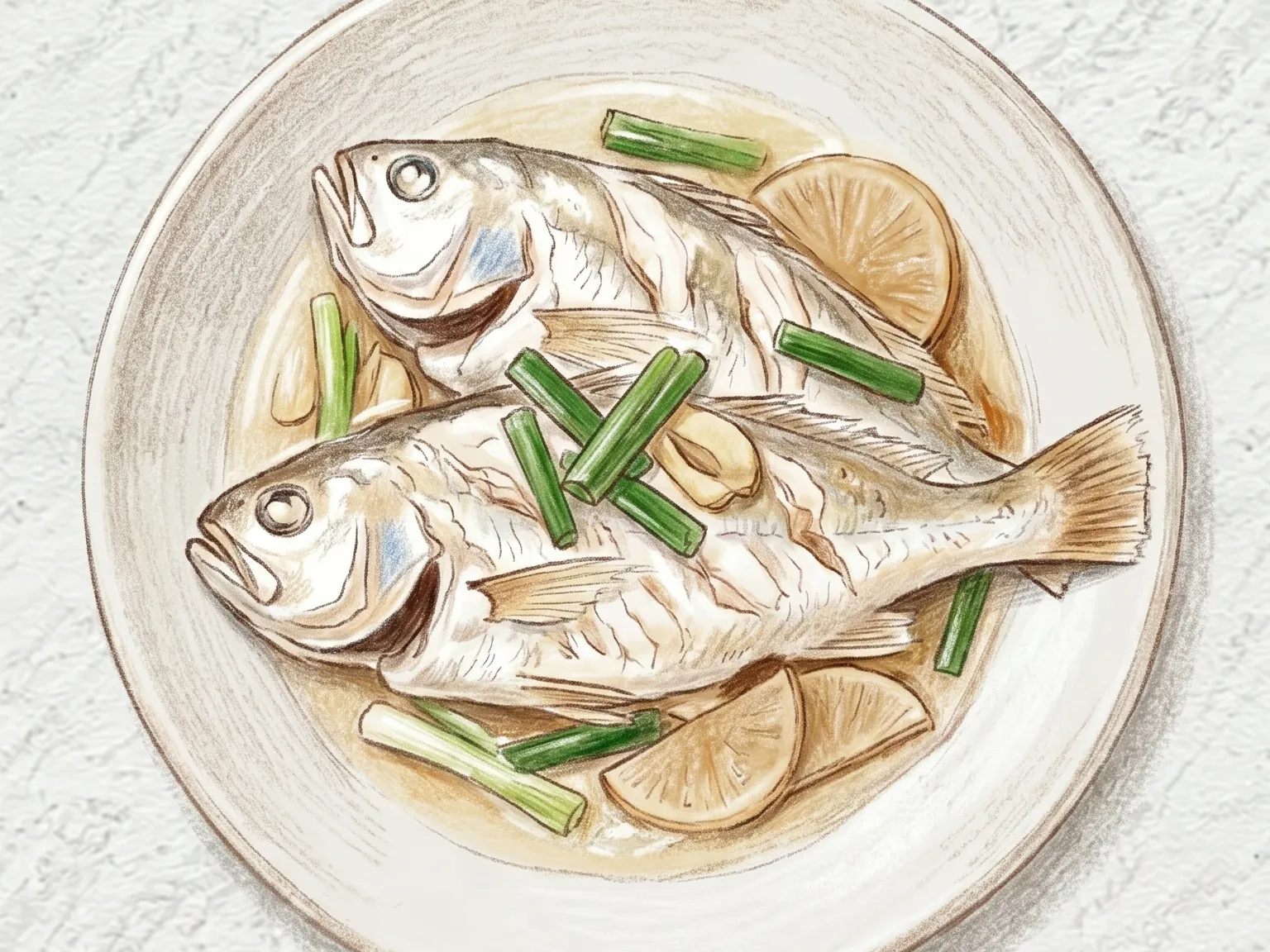
Gajami-jjim is a Korean steamed flounder dish prepared with a light soy sauce seasoning, onion, and green onion. Rice wine is added during cooking to neutralize any fishiness while keeping the flesh moist. The seasoning is restrained-soy sauce and garlic provide just enough flavor without masking the flounder's naturally mild, clean taste. With its soft texture and few bones, this dish works well as an everyday banchan alongside rice and soup.

🏠 Everyday🍱 Lunchbox
Prep 15minCook 20min2 servings
Korean Dried Pollock Hangover Soup
SoupsEasy

Korean Dried Pollock Hangover Soup

Buk-eo Haejang-guk is a traditional Korean soup frequently consumed in the morning to soothe the digestive system. It relies on dried pollock strips as the primary ingredient. Before beginning the cooking process, the dried pollock requires a brief soaking period in cold water lasting approximately five minutes. This step is necessary to soften the texture while ensuring that the inherent flavors of the fish are not washed away. Keeping the soaking time to a strict minimum prevents the fish from becoming overly soft or weakening the resulting broth. The prepared fish is first stir-fried in sesame oil. This initial sautéing step functions to neutralize any lingering fishy aromas and establishes a toasted, nutty foundation for the liquid. Once the fish is fragrant, soybean sprouts and minced garlic are added to the pot to simmer for fifteen minutes. The addition of soybean sprouts introduces a clean and refreshing quality to the soup. For seasoning, soup soy sauce is used to achieve a clear and balanced flavor profile. Just before the pot is removed from the heat, a thin stream of whisked egg is poured into the simmering liquid along with sliced green onions. People preferring a more intense savory profile can mix a small spoonful of fermented soybean paste, known as doenjang, into the base to deepen the flavor. The final result is a mild soup that has long been used as a restorative morning-after remedy in Korea.

🏠 Everyday
Prep 10minCook 25min2 servings
Korean Beef and Taro Stem Soup
SoupsMedium

Korean Beef and Taro Stem Soup

Torandae soegogi-guk pairs rehydrated taro stems with beef brisket in a clear, soy-seasoned broth. The brisket is simmered until it yields a clean yet deeply flavored stock, with surface fat skimmed periodically to keep the liquid transparent. Taro stems, soaked until pliable, are added to the broth and cooked until they drink in the beefy liquid - each bite releases a rush of savory juice, while the stems' stubborn fibers maintain a chewy resistance that contrasts with the fork-tender meat. Soup soy sauce tints the broth a light amber and adds umami without heaviness, and minced garlic provides a quiet warmth in the background. Sliced scallion goes in at the end for freshness. The shredded brisket is typically arranged on top as a garnish, so each bowl delivers a balanced combination of tender meat, textured stems, and aromatic broth. It is a homestyle soup that benefits from simplicity, letting the interplay between the two main ingredients speak for itself.

🏠 Everyday
Prep 20minCook 35min4 servings
Korean Namhae-Style Clam Broth
SoupsMedium

Korean Namhae-Style Clam Broth

Namhae-jogae-tang is a southern coastal Korean clam soup that relies on an abundance of clams and minimal interference to produce a broth of startling clarity and depth. The clams are purged in salted water, then cooked in water spiked with rice wine, which tempers any raw ocean smell. As the shells pop open, they release their natural liquor - briny, faintly sweet, and concentrated - which becomes the soup's defining flavor. Sliced green and red chilies add gentle heat and color without overwhelming the shellfish, while garlic and green onion contribute a quiet aromatic layer. Salt is added cautiously, since the clams themselves bring significant salinity. The result is a transparent, intensely flavored bowl that tastes like the sea distilled into its purest form, and it is traditionally enjoyed as both a drinking companion and a light meal.

🍺 Bar Snacks🏠 Everyday
Prep 35minCook 18min2 servings
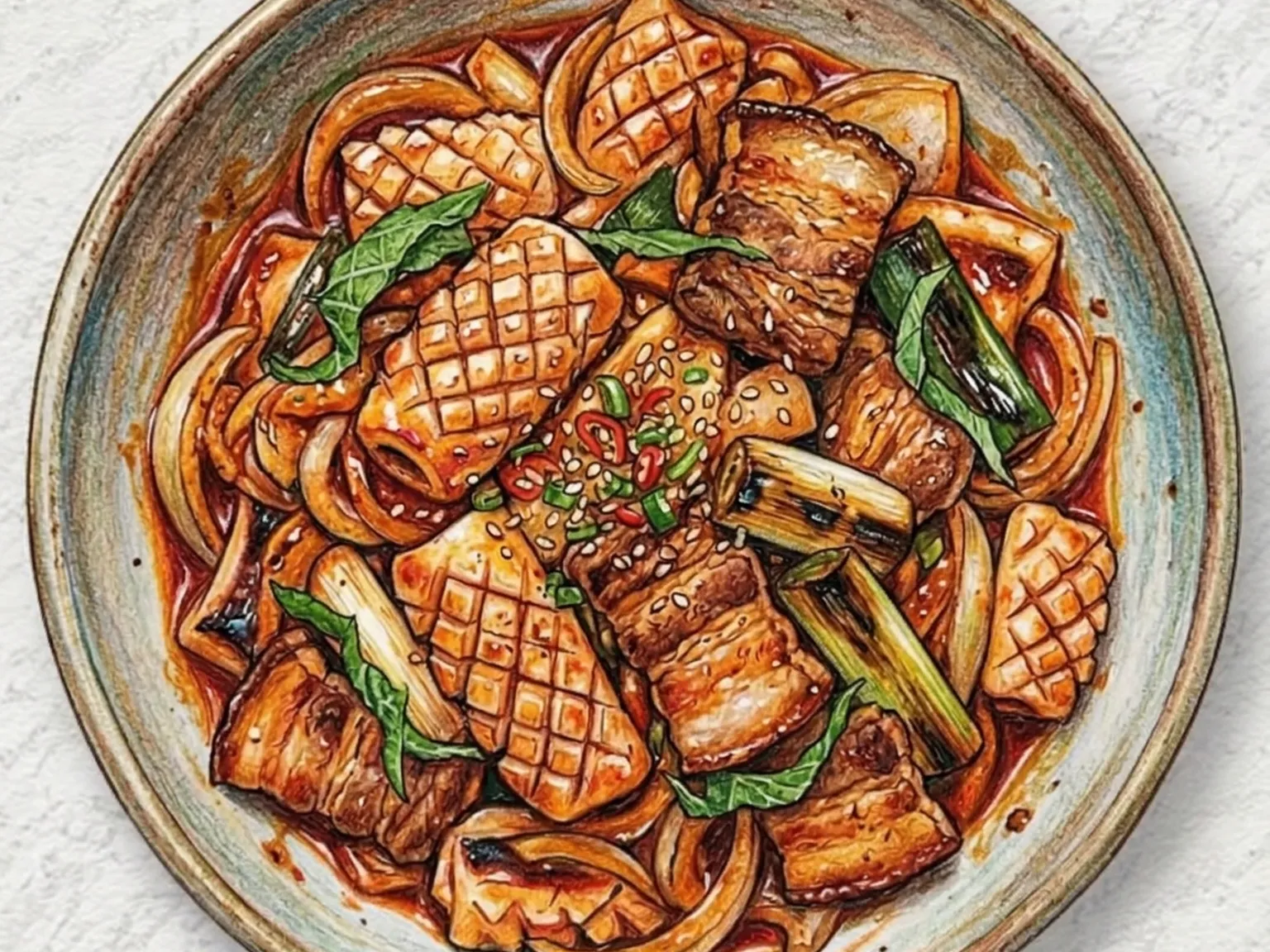
Korean Spicy Stir-fried Squid
Stir-fryMedium

Korean Spicy Stir-fried Squid

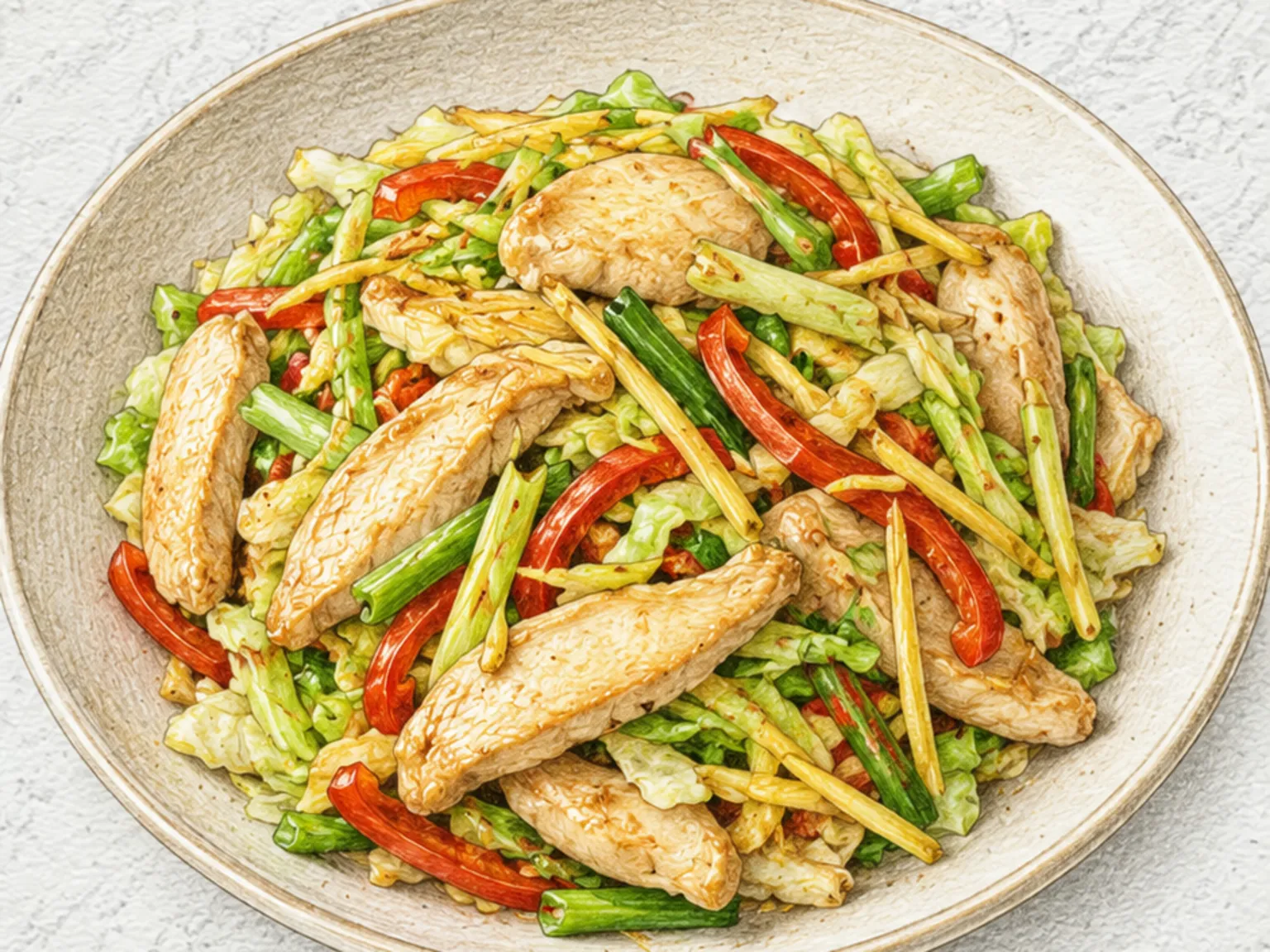
Ojingeo-bokkeum is one of Korea's most popular spicy stir-fries, featuring scored squid bodies and tentacles tossed over high heat with onion, carrot, cabbage, and scallion in a gochujang-gochugaru-soy-sugar sauce. Crosshatch scoring on the squid allows the thick, spicy sauce to penetrate deeply, ensuring consistent flavor in every bite. The entire stir-fry takes only a few minutes on maximum heat - essential for keeping the squid springy rather than rubbery. Cabbage and carrot go in near the end to retain their crunch, and a final sesame oil drizzle ties the smoky wok char to the bold red seasoning.

🏠 Everyday🍱 Lunchbox
Prep 15minCook 10min2 servings
Korean Braised Tofu and Mushrooms
Stir-fryEasy

Korean Braised Tofu and Mushrooms

Dubu-beoseot-jorim is a Korean braised side dish of firm tofu and oyster mushrooms simmered in a soy-based sauce until the liquid reduces to a glossy, clinging coat. The tofu is pan-fried first in a lightly oiled skillet to form a firm outer crust before braising begins, which allows it to absorb the seasoned liquid without crumbling or losing its structure during cooking. The result is a cube with a slightly firmer exterior and a soft, custardy interior that holds together through each bite. Oyster mushrooms, torn along their natural grain rather than cut, contribute a pleasantly chewy texture and release their inherent umami into the braising liquid as they cook, adding depth without the need for separate stock. The sauce requires only soy sauce, water, garlic, gochugaru, and sesame oil, making this a straightforward braise that rewards careful heat management over elaborate preparation. When the sauce has reduced to just a small pool at the bottom of the pan, the dish is ready, well-seasoned enough to serve alongside plain rice or pack into a lunchbox.

🏠 Everyday🍱 Lunchbox
Prep 15minCook 18min3 servings
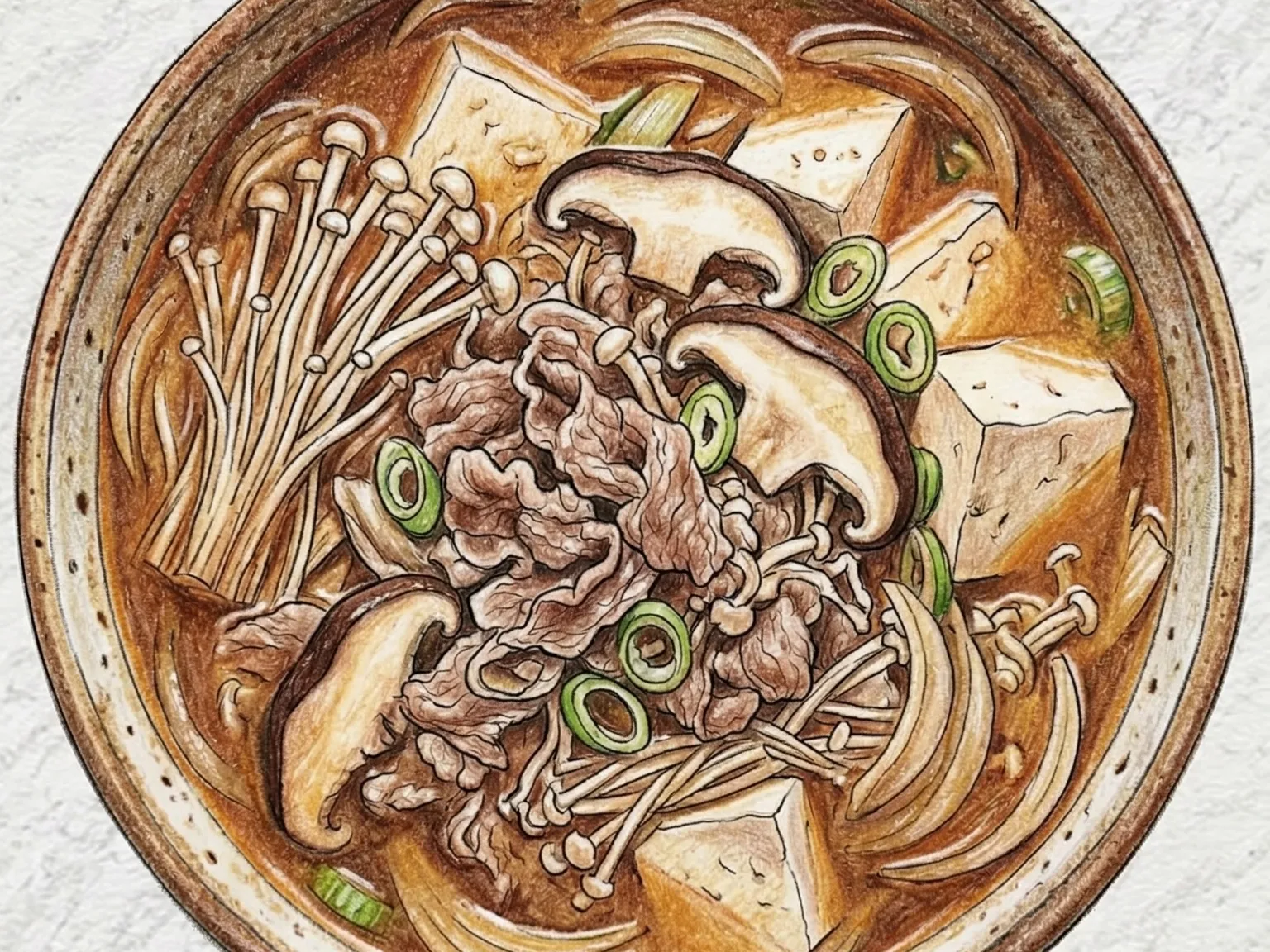
Korean Blood Sausage Perilla Stew
StewsMedium

Korean Blood Sausage Perilla Stew

Perilla seed powder transforms beef bone broth into a thick, nutty liquid that serves as the foundation for this particular type of Korean stew. The main component, sundae, uses pork intestine as a casing to hold a mixture of glass noodles, glutinous rice, and vegetables, resulting in a chewy exterior and a multi-layered interior structure. This texture provides a different eating experience compared to stews that rely on standard cuts of meat. The oily characteristics of the ground seeds interact with the sausage filling to create a savory profile that stands apart from more common jjigae varieties. Pieces of cabbage maintain their firm texture throughout the simmering process, adding volume and a clean element that balances the heavy base. Just before the pot leaves the stove, fresh perilla leaves are added to introduce a grassy scent into the fatty broth, which helps manage the overall richness. A single spoonful of gochugaru provides enough heat to sharpen the nutty qualities of the perilla without overpowering the savory elements. Because the sausage casing can burst if boiled for too long, the pieces are only heated briefly at the very end of the cooking process. Serving the stew in a heavy stone pot ensures that the liquid remains at a boiling temperature for the duration of the meal.

🏠 Everyday
Prep 18minCook 22min4 servings
Japanese Braised Pork Belly
SteamedHard

Japanese Braised Pork Belly

Kakuni is a Japanese braised pork belly in which thick slabs are simmered for two hours or more in soy sauce, mirin, sake, and ginger over the lowest possible heat. The fat layers slowly render into the surrounding meat, breaking down collagen until the pork yields completely to the faintest pressure of chopsticks. Mirin adds a mild sweetness that glazes the surface, while ginger neutralizes any gamey notes, keeping the flavor clean despite the extended cooking time. The reduced braising liquid coats each piece in a deep caramel-colored lacquer, which is one of the dish's defining visual qualities. Served over steamed rice with a spoonful of cooking liquid poured over, or paired with a small dab of hot Japanese mustard to contrast the sweet and salty glaze, kakuni is one of the most satisfying expressions of low-and-slow pork cookery.

🎉 Special Occasion
Prep 20minCook 120min4 servings