Charim

2686 Korean & World Recipes

2686+ Korean recipes, clean and organized. Ingredients to instructions, all at a glance.

Recipes with green onion

24 recipes

Buy green onion
Korean Braised Pork Backbone
SteamedHard

Korean Braised Pork Backbone

Deungppyeo-jjim is pork backbone braised with potato and green onion in a sauce built from doenjang, gochugaru, and soy sauce. After a long, slow simmer the meat tucked between the vertebrae and the cartilage separates from the bone without effort. Doenjang lays a deep, fermented underpinning to the broth while gochugaru brings a sharp, clean heat on top. The potatoes cook until they soften enough to fall apart at the press of a spoon, absorbing the thick, dark cooking liquid around them. Digging out the meat lodged between the bones is part of the pleasure, which is why the dish has long been a favourite pairing with soju. The rich, dense broth also makes it an easy choice for eating over a bowl of steamed rice.

🏠 Everyday🎉 Special Occasion
Prep 30minCook 80min4 servings
Korean Stir-Fried Udon with Spicy Chicken
NoodlesMedium

Korean Stir-Fried Udon with Spicy Chicken

Dakgalbi udon bokkeum is a Korean stir-fried noodle dish where gochujang-marinated chicken, cabbage, sweet potato, and rice cakes cook together in a wide pan before thick udon noodles are added and tossed through the spicy-sweet sauce. The dakgalbi seasoning is assertive and clingy, coating every broad surface of the udon so that each bite carries the full weight of the marinade. Cabbage and scallion wilt fast under high heat, releasing sugars that moderate the chili paste and prevent the sauce from tasting sharp or one-dimensional. Sweet potato contributes starch that slightly thickens the sauce while cushioning its spice. Udon, being considerably thicker than ramen or somyeon, holds up under the heavy coating without turning mushy, and delivers a satisfying, bouncy chew throughout the meal. Managing the heat is important: keeping the pan at high temperature drives off excess moisture and produces the lightly charred, smoky edge that separates a good stir-fry from a steamed mess. Melting cheese over the top just before serving adds a creamy, fatty layer that offsets the heat. Sesame seeds and shredded seaweed finish the dish. It is well suited to group cooking on a large griddle or electric pan.

🌙 Late Night
Prep 20minCook 18min4 servings
Cong You Bing (Flaky Scallion Pancake)
AsianMedium

Cong You Bing (Flaky Scallion Pancake)

Cong you bing - the scallion pancake of northern China - is built around a lamination technique that folds oil and scallion into wheat dough, creating the flaky, pull-apart layers that define its texture. The dough is rolled flat, brushed generously with oil, scattered with chopped scallions and salt, then rolled up into a tight cylinder and pressed flat again - a sequence repeated two or three times to multiply the internal layers. Each folding cycle traps air and fat between the dough sheets, so when the pancake hits an oiled pan over medium heat, steam expands those layers from inside while the exterior crisps to a golden, shattering crust. The scallions sandwiched between layers soften completely as they cook, losing their raw bite and releasing a gentle, almost sweet fragrance into the surrounding dough. In Taiwan's night markets, a popular variation cracks a whole egg directly onto the pancake during the final fry, pressing it flat and letting it cook together with the dough into a unified, extra-rich layer. The finished pancake is torn rather than cut, eaten any time from breakfast through midnight, and almost always served alongside a dipping sauce of soy sauce, vinegar, and sesame oil. Scallion pancakes rank among the most widely eaten flour-based street foods across the Chinese-speaking world, valued for the contrast between a shatteringly crisp exterior and a chewy, layered interior that no other preparation achieves.

🧒 Kid-Friendly
Prep 30minCook 18min4 servings
Korean Stir-fried Balloon Flower Root
Side dishesMedium

Korean Stir-fried Balloon Flower Root

Doraji -- balloon flower root -- has been cultivated in Korea for centuries, valued in cooking and herbal medicine alike. The raw root carries a pronounced bitterness from saponins, so it must be shredded into thin strips, rubbed vigorously with salt, left for ten minutes, then rinsed twice in cold water. The salt scrub draws out the saponins while preserving the root's firm, snappy bite. A base of green onion goes into the pan first to build a fragrant oil, then the prepared doraji stir-fries for two minutes before gochujang, soy sauce, and oligosaccharide syrup go in for another three minutes. The heat is raised at the end to drive off moisture, so the sauce tightens and clings to each strip rather than pooling in the pan. The result is a glossy, sweet-spicy banchan with a distinctly chewy pull.

🏠 Everyday🍱 Lunchbox
Prep 20minCook 10min2 servings
Korean Pork Soup with Rice
RiceHard

Korean Pork Soup with Rice

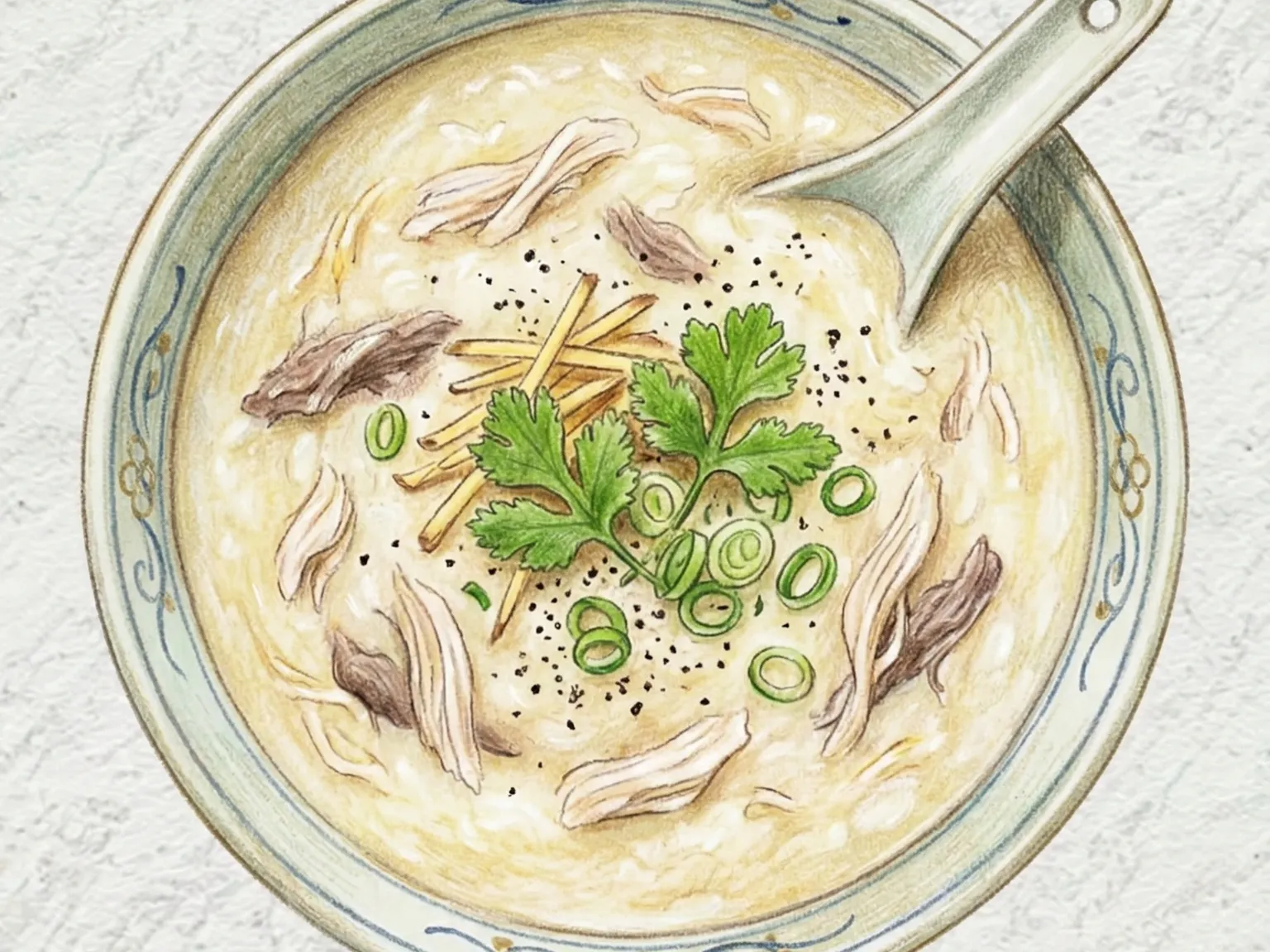
Dwaeji gukbap is Busan's definitive pork and rice soup, constructed around a broth that simmers pork shoulder or neck in a bone stock base for well over an hour, until the liquid becomes pale, rich, and deeply flavored. The pork is always blanched in plain water first and the water discarded, removing blood and impurities that would cloud the broth or introduce an off-flavor. After blanching, the meat transfers to the main pot where it cooks long and low until the muscle fibers loosen and the collagen begins to dissolve into the liquid, adding a gentle body that coats the inside of the bowl. That collagen-thickened base absorbs the mineral depth of the simmered bones beneath it, building a broth that cannot be rushed or replicated quickly. The cooked pork is sliced thin across the grain, arranged over a bowl of steamed rice, and doused with a generous pour of the boiling broth, which soaks into the rice and makes each spoonful carry the flavor of both. Sliced green onion and garlic chives piled on top add a fresh, grassy brightness that cuts through the richness. Fermented shrimp paste and minced fresh chili sit on the side for each diner to season individually - a ritual that is specific to this dish. In Busan, gukbap shops that have kept the same stockpot simmering for decades are treated with the same reverence as landmarks.

🎉 Special Occasion
Prep 20minCook 80min2 servings
Korean Stir-fried Mushrooms
Stir-fryEasy

Korean Stir-fried Mushrooms

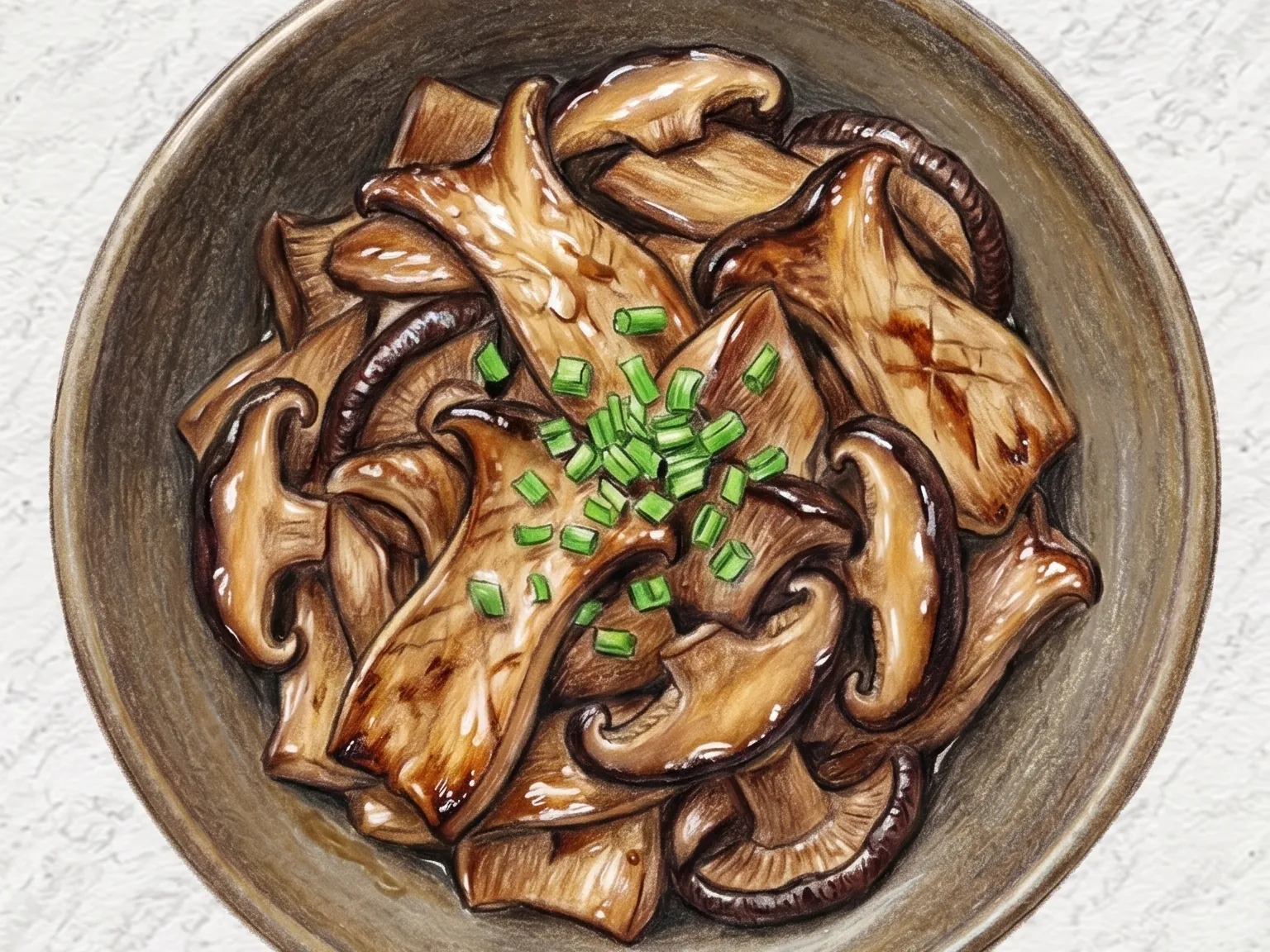
Oyster mushrooms and shiitake are stir-fried over high heat until their moisture evaporates and their natural umami concentrates into each bite. Wiping the mushrooms with a damp cloth instead of rinsing under water is not a minor detail: washing introduces excess moisture that lowers pan temperature the moment the mushrooms hit the surface, which causes them to steam rather than sear. The pan must stay hot enough that the mushrooms develop light golden edges through the Maillard reaction, and that narrow window is when the deepest nutty flavor emerges. Water-logged mushrooms never reach it. Soy sauce supplies the salinity, and black pepper adds a sharp accent without obscuring the mushrooms' own flavor. Sesame oil is added after the heat is turned off to preserve its volatile fragrance; adding it while the pan is still hot burns off the aromatic compounds before they have a chance to coat the mushrooms. A handful of sliced green onion tossed in at the end brings color and a sharp, fresh bite against the earthy backdrop. At roughly 120 calories per serving, this side dish fits comfortably into any calorie-conscious meal plan while delivering plant-based protein and dietary fiber in a form that actually tastes worth eating.

🥗 Light & Healthy🏠 Everyday
Prep 12minCook 8min2 servings
Korean Egg Dumpling Pancakes
Street foodEasy

Korean Egg Dumpling Pancakes

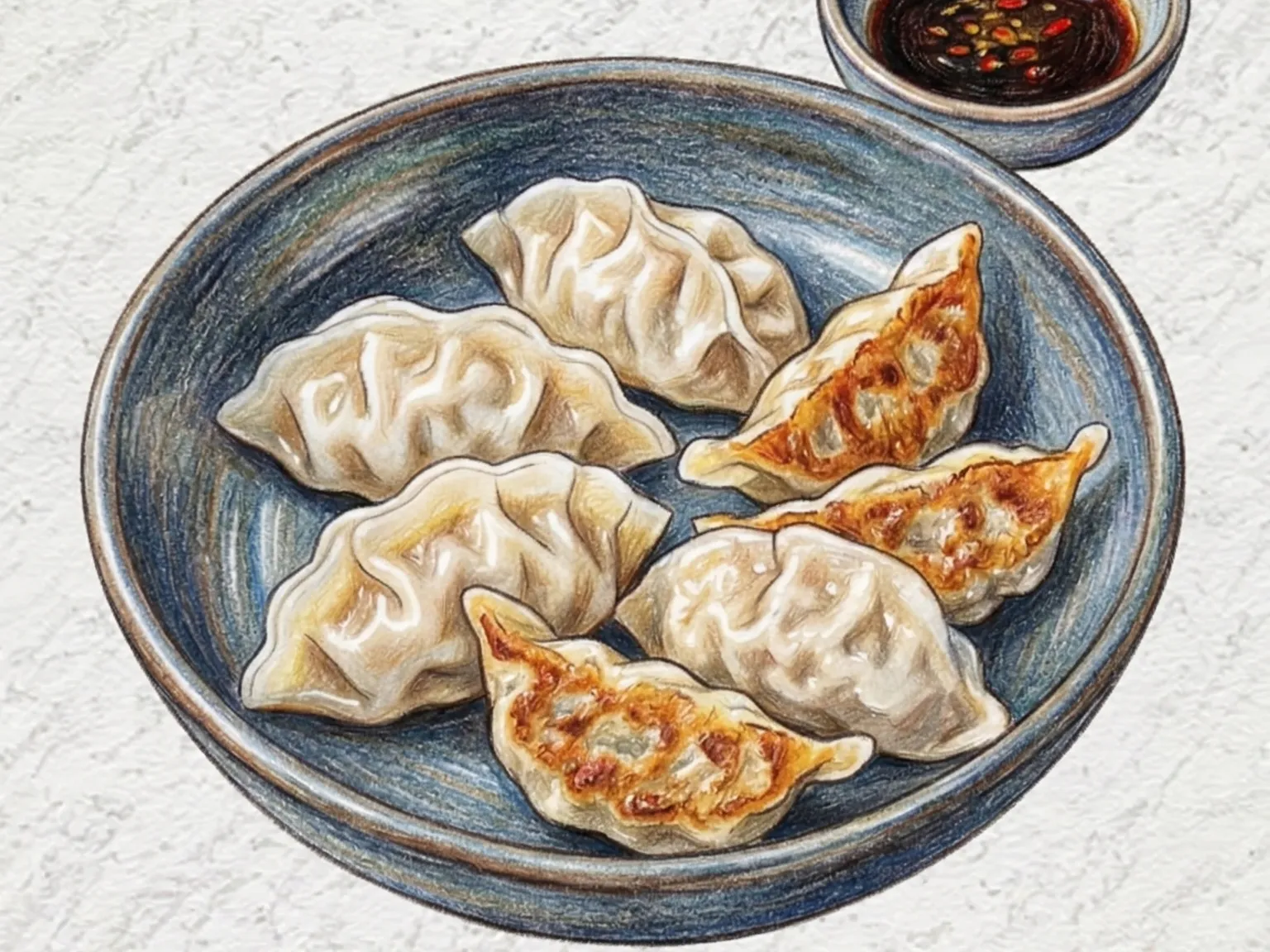
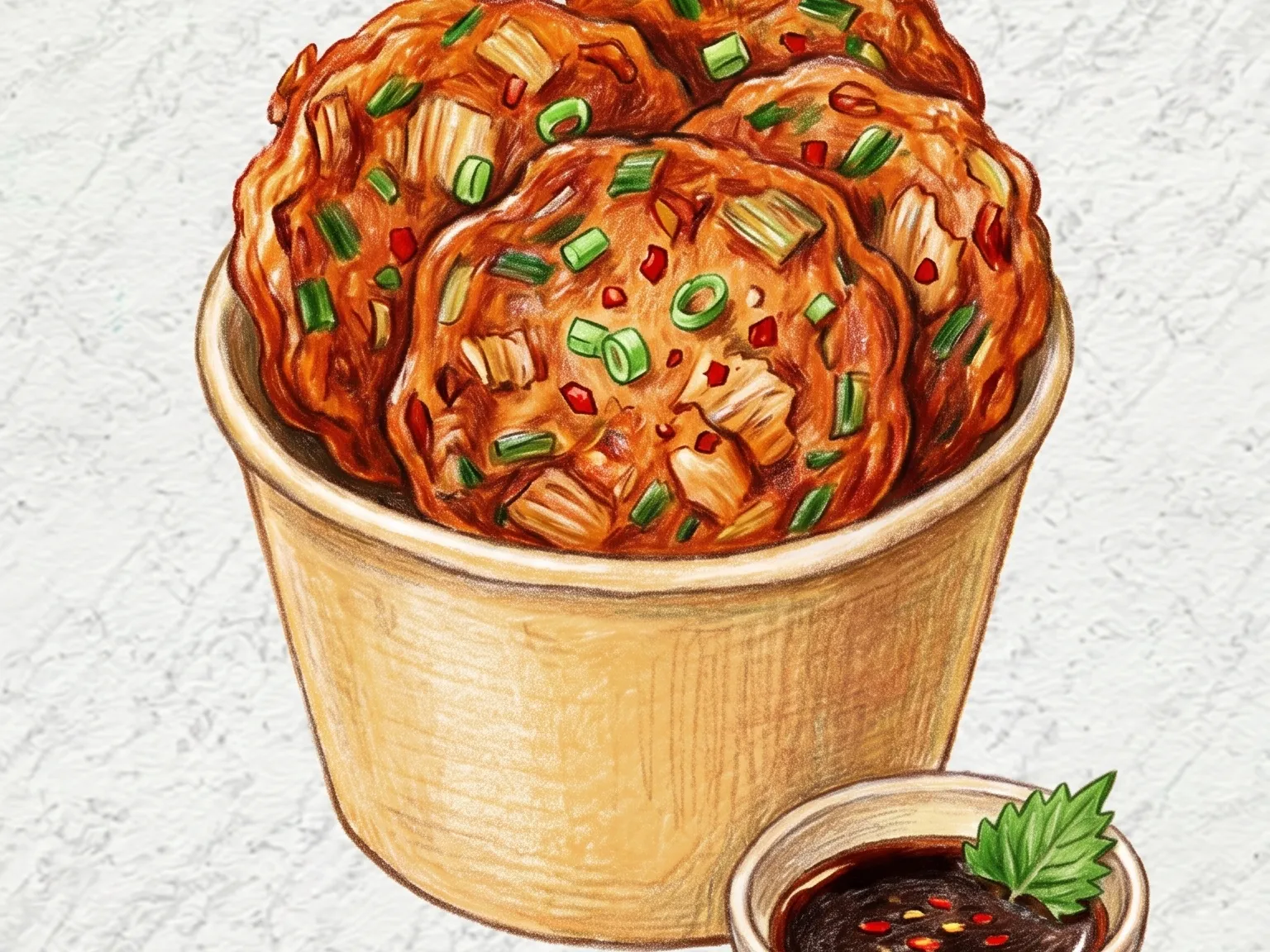
Gyeran-mandu is a Korean market-style egg dumpling pancake made by mixing finely chopped cabbage, scallion, and soaked glass noodles into beaten egg, then pan-frying the mixture into flat, palm-sized rounds. Rather than using a traditional flour wrapper, the egg itself forms the outer shell that binds and seals the filling. The patties cook slowly over medium-low heat, giving the surface time to turn lightly golden while the interior stays moist and tender. Squeezing the excess moisture from the vegetables before mixing is the most critical step - too much water and the patties spread and lose their shape before the egg can set. Glass noodles must be cut into short lengths so the rounds hold together and flip without falling apart. A thin layer of oil in the pan and a lid placed on top help the egg cook evenly without burning. Dipping the finished patties into a sauce of soy sauce, vinegar, and a pinch of gochugaru brings a salty-tangy contrast that complements the mild richness of the egg.

🧒 Kid-Friendly
Prep 12minCook 10min2 servings
Korean Spicy Sea Snail Salad
DrinksEasy

Korean Spicy Sea Snail Salad

Golbaengi-muchim is a Korean spicy sea snail salad made with canned sea snails drained thoroughly and tossed with sliced cucumber, onion, and green onion in a sauce of gochujang, gochugaru, rice vinegar, and sugar. The snails are firm and bouncy with a dense chew that stands apart from almost every other seafood in Korean cooking, and the sharpness of the gochujang-vinegar dressing cuts through their richness without overpowering the texture. Soaking the sliced onion in cold water for five minutes removes its harsh pungency, leaving it with a milder sweetness that integrates more smoothly into the dressing. Cucumber and green onion bring contrasting crunch and freshness. Sesame oil and sesame seeds are added at the end, coating everything in a nutty fragrance that softens the heat slightly. The dish must be served immediately after mixing, before the salt in the dressing draws moisture from the vegetables and turns the whole thing wet and limp. Laying a bed of thin somyeon noodles in the bowl before spooning the dressed snails on top produces golbaengi-somyeon, a preparation that shifts the dish from a snack into a more substantial accompaniment that works as both drinking food and a light meal. The noodles absorb the dressing and become coated in the gochujang-sesame sauce.

🍺 Bar Snacks Quick
Prep 15minCook 3min2 servings
Korean Pork Ribs (Sweet Pear-Marinated BBQ Ribs)
GrilledMedium

Korean Pork Ribs (Sweet Pear-Marinated BBQ Ribs)

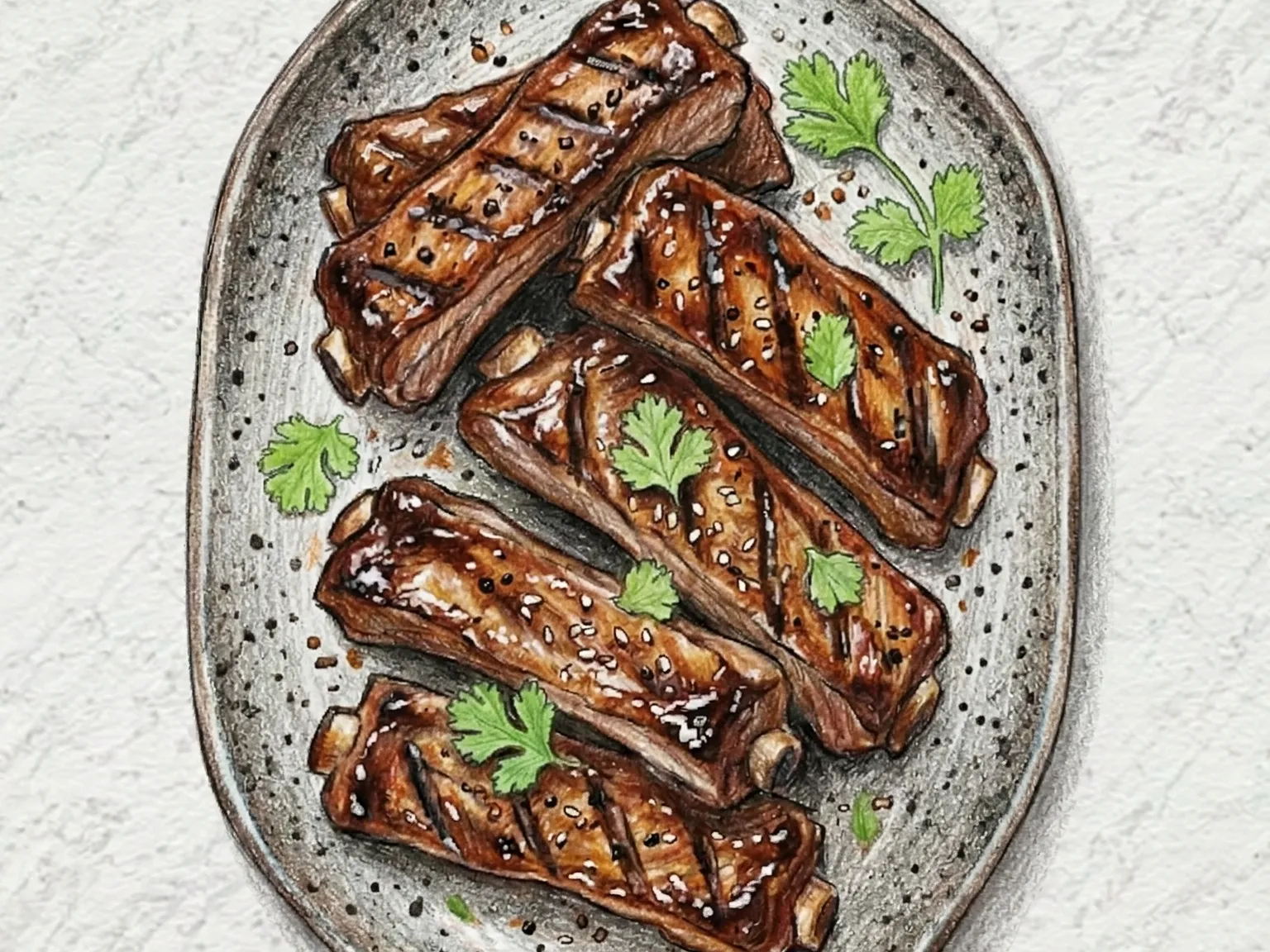
Dwaeji-galbi is one of the most recognized Korean barbecue dishes, made with LA-cut pork ribs marinated in a thick sauce of pureed pear, soy sauce, sugar, corn syrup, garlic, and onion. The pear puree serves a dual purpose: it sweetens the marinade naturally while its proteolytic enzymes break down the muscle fibers, allowing the meat to pull away from the bone with minimal resistance. Marinating for four to six hours lets the seasoning penetrate deep into these thick cuts, but extending beyond a full day causes the enzymes to degrade the surface too aggressively, resulting in a mushy texture. Searing over high heat on a charcoal grill until the sugary glaze chars and caramelizes is essential to the dish. The blackened edges where the sugars meet open flame produce the defining sweet-smoky crust that separates galbi from ordinary grilled pork. Eaten wrapped in leafy greens with rice or as a standalone plate, it is a fixture at Korean outdoor grills and social gatherings.

🍺 Bar Snacks
Prep 30minCook 25min4 servings
Korean Clear Puffer Fish Soup
SoupsMedium

Korean Clear Puffer Fish Soup

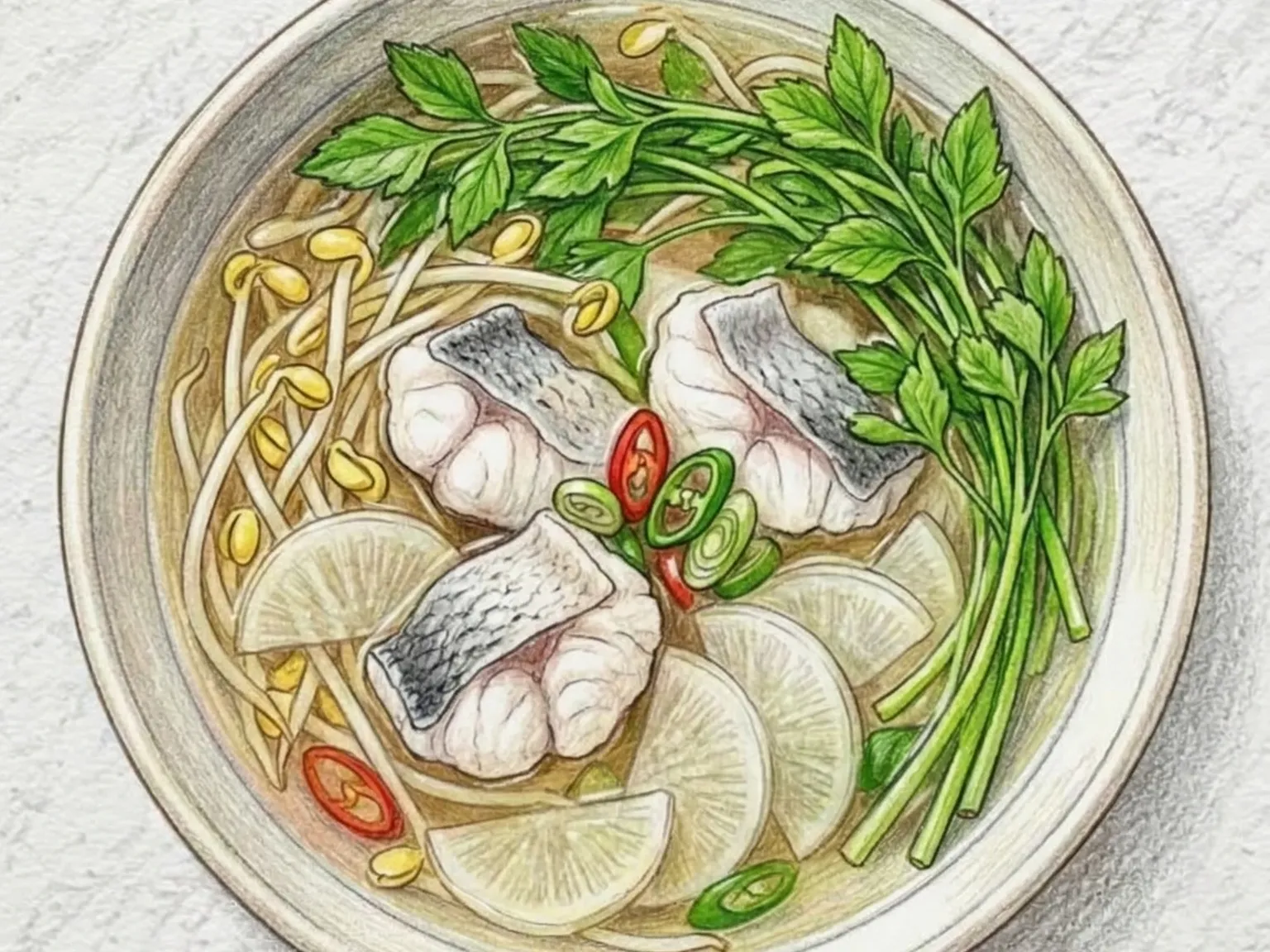
Cleaned puffer fish simmers with Korean radish and water dropwort in a clear, lightly seasoned broth. The radish goes in first to build a sweet base, and the puffer fish cooks for ten minutes, releasing a clean, delicate umami into the stock. Water dropwort added at the very end provides a fresh herbal lift that keeps the broth bright. Only professionally prepared, food-safe puffer fish must be used. The dish is high in protein and low in fat, and it has a long-standing reputation as a restorative after drinking.

🏠 Everyday
Prep 20minCook 30min2 servings
Korean Army Stew (Spam & Ramen Spicy Fusion Pot)
StewsEasy

Korean Army Stew (Spam & Ramen Spicy Fusion Pot)

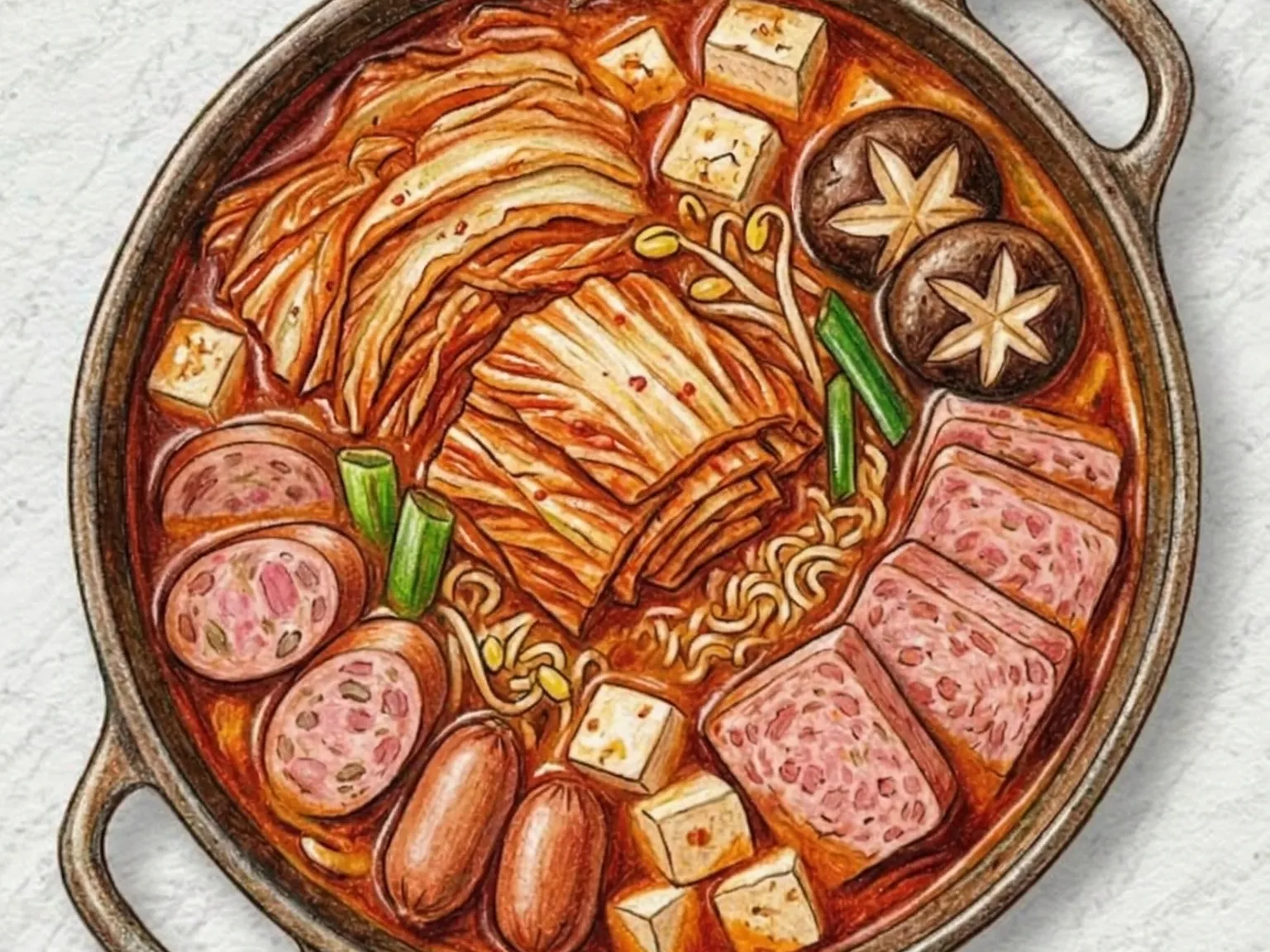
Budae jjigae loads Spam, sausages, instant ramen noodles, rice cakes, tofu, and kimchi into a single pot of gochugaru-and-gochujang broth. It originated near U.S. military bases in Uijeongbu after the Korean War, where American surplus rations met Korean pantry staples in the same pot. Each ingredient behaves differently in the heat - rice cakes stay chewy, ramen noodles turn springy, tofu softens into the broth - while the spicy, deeply seasoned stock ties them together. The noodles soak up the broth as the pot cooks down, keeping each bowl satisfying to the last spoonful.

🍺 Bar Snacks🏠 Everyday
Prep 15minCook 25min4 servings
Korean Braised Beef Knee Cartilage
SteamedHard

Korean Braised Beef Knee Cartilage

Dogani-jjim is beef knee cartilage slow-braised with soy sauce, cooking wine, garlic, and ginger until the connective tissue turns completely tender and gelatinous. Hours of gentle simmering dissolve the collagen in the cartilage and tendons so each piece becomes jiggly and yielding, while the braising liquid reduces into a broth so rich it firms up like aspic when cooled. Onion and green onion mellow any off-flavors and add a quiet sweetness, and ginger keeps the finish clean. Before cooking, soaking the dogani in cold water for at least one hour to draw out the blood removes much of the gamey smell, and skimming the foam during the first stage of simmering is equally important. Long regarded in Korean traditional medicine and food culture as beneficial for joint health, this braised dish has been prepared since the Joseon period and remains especially popular in winter and among older generations.

🎉 Special Occasion
Prep 30minCook 100min4 servings
Korean Fermented Soybean Paste Noodle Soup
NoodlesEasy

Korean Fermented Soybean Paste Noodle Soup

Doenjang kalguksu is a Korean noodle soup of knife-cut wheat noodles in an anchovy broth enriched with fermented soybean paste. Straining the doenjang through a fine-mesh sieve before adding it to the broth serves a specific purpose: it prevents uneven lumps and ensures the paste dissolves uniformly, which keeps any bitter notes from concentrating in spots. The fermentation depth of the doenjang and the glutamate-rich anchovy stock reinforce each other without needing added seasoning. Zucchini cut into half-moons and sliced shiitake mushrooms contribute sweetness and aroma as the broth simmers; cubed tofu adds a soft, yielding contrast to the chewy noodles. Timing dictates quality here: the final salt adjustment goes in right before the noodles, because doenjang pushed through extended boiling develops a pronounced bitterness that is difficult to correct. Once the noodles go in, the soup should be finished within two minutes to preserve their elasticity.

🏠 Everyday
Prep 10minCook 20min2 servings
Dan Bing (Taiwanese Egg Crepe Roll)
AsianEasy

Dan Bing (Taiwanese Egg Crepe Roll)

Dan bing is the cornerstone of Taiwan's breakfast culture, sold at nearly every zaocan dian (morning eatery) across the island. For many Taiwanese, no morning is complete without one. A thin wheat-flour batter is spread on a flat griddle, then an egg is cracked directly on top and spread across the crepe. As the egg sets, it bonds with the dough to create a dual texture: slightly chewy pastry on the outside and a soft, custardy egg layer within. Beyond the classic plain version, fillings range from corn and tuna to cheese and bacon, with each stall guarding its own batter recipe that keeps regulars loyal. A brush of soy paste adds salty depth, while a drizzle of chili oil sharpens the overall flavor. At 30-50 TWD (roughly one U.S. dollar), dan bing is assembled in under a minute, making it the grab-and-go fuel of Taiwan's scooter-riding commuters. The minor differences between stalls, the precise thickness of the batter, the exact moment the egg is spread, the ratio of soy paste to chili oil, are what turn a simple street food into a deeply personal daily ritual that regulars return to morning after morning.

🏠 Everyday🧒 Kid-Friendly
Prep 15minCook 12min2 servings
Korean Braised Tofu in Spicy Sauce
Side dishesEasy

Korean Braised Tofu in Spicy Sauce

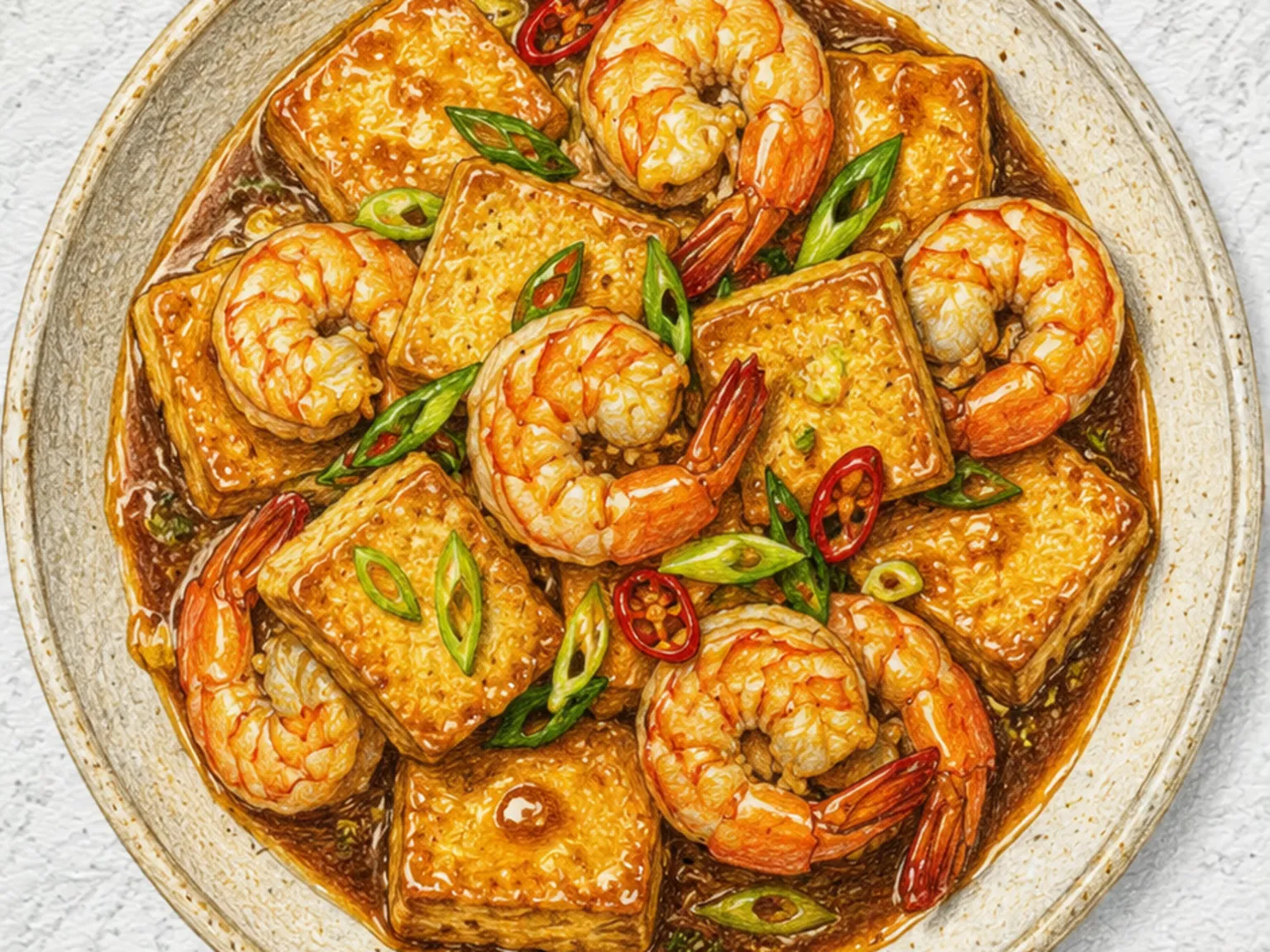
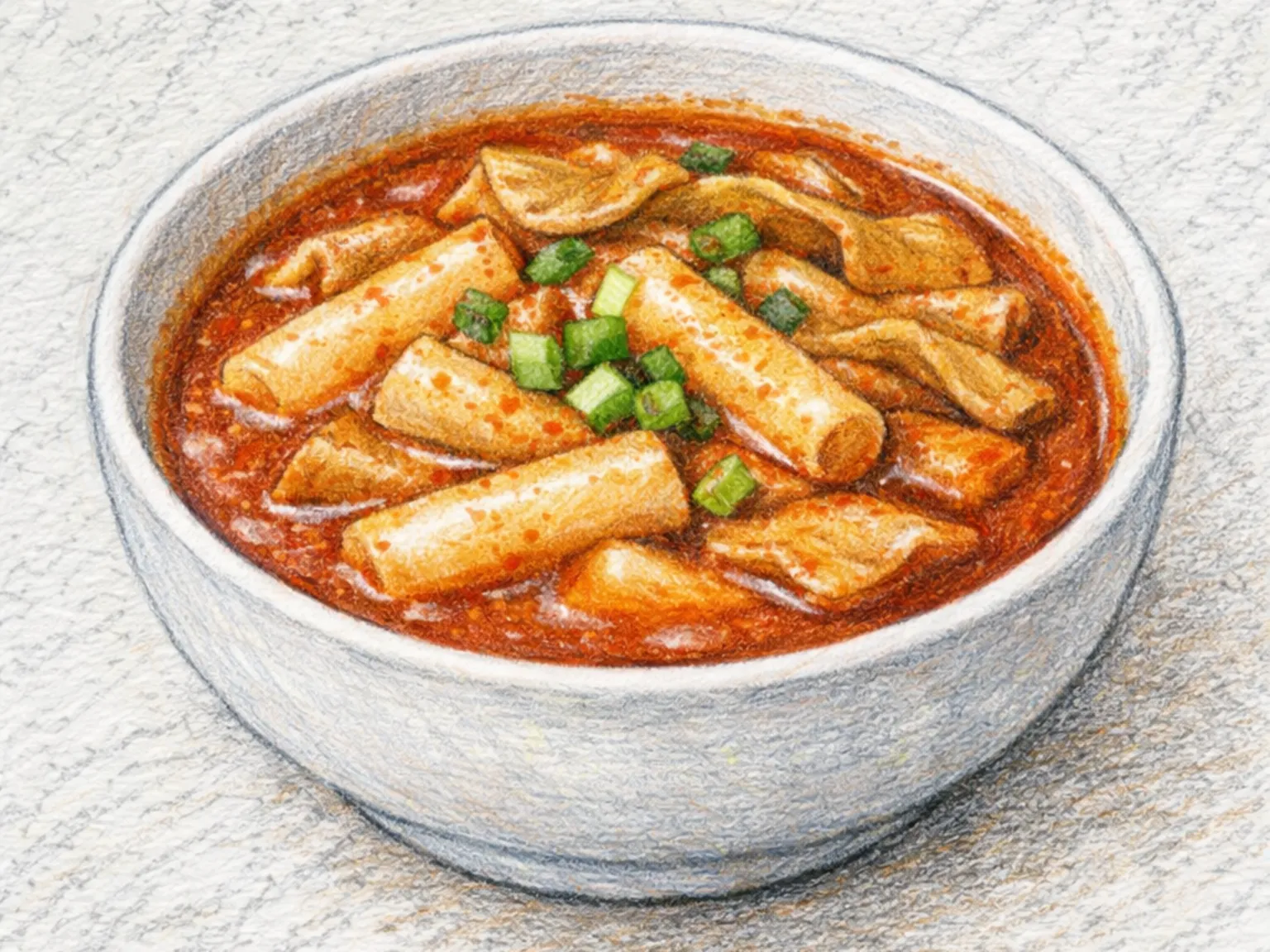
Dubu-jorim is one of the most reliably prepared tofu dishes in Korean home cooking, made from ingredients that are almost always on hand, yet the sequence of steps makes a significant difference to the result. Before the tofu ever touches the braising sauce, it must be fried in a dry pan until each face develops a thin, golden crust. That crust serves two purposes simultaneously: it keeps the tofu slabs intact as the sauce reduces around them, and it acts as a permeable layer through which the seasoning gradually penetrates toward the center during braising. The sauce - soy sauce, gochugaru, minced garlic, sugar, and water - simmers around the tofu for eight to ten minutes until it has reduced by roughly half and thickened into a glossy, spicy-sweet glaze that coats the exterior in a dark, caramelized layer. The finished tofu has three distinct zones in every slice: the outermost layer where the sauce has caramelized and taken on a slightly chewy quality, a middle band where the seasoning has fully soaked in, and a white, creamy center that provides a bland, soft contrast to the intensely flavored exterior. All three zones are present in a single bite, which is what makes this dish more texturally interesting than a standard braise. Korean home cooks typically double the recipe and refrigerate half for weekday meals, where the flavors deepen further after a night in the cold.

🏠 Everyday🍱 Lunchbox
Prep 10minCook 15min4 servings
Korean Fried Rice (Simple Leftover Rice Stir-Fry)
RiceEasy

Korean Fried Rice (Simple Leftover Rice Stir-Fry)

Korean fried rice is the ultimate utility dish, built to turn leftover rice and whatever vegetables remain in the refrigerator into a satisfying meal in under ten minutes. Green onion hits the hot oil first to create a fragrant scallion-infused base, followed by diced carrot and beaten egg that gets scrambled into rough curds before the rice goes in. Cold rice is essential here - its lower moisture content prevents clumping and allows a thin film of oil to coat each grain, carrying seasoning evenly through the whole pan. Soy sauce poured along the rim sizzles on contact with the hot metal, developing a toasted depth that distinguishes a well-made fried rice from a mediocre one. A crack of black pepper and a final swirl of sesame oil complete the seasoning. The recipe is intentionally open-ended: ham, kimchi, shrimp, canned tuna, or any leftover protein slots in without altering the basic method, which is why this dish appears on Korean dinner tables more often than almost any other. The total active cooking time rarely exceeds five minutes, making it the default choice on busy weekdays and late nights alike.

🏠 Everyday Quick
Prep 5minCook 10min2 servings
Korean Soy Bulgogi with Mushrooms
Stir-fryEasy

Korean Soy Bulgogi with Mushrooms

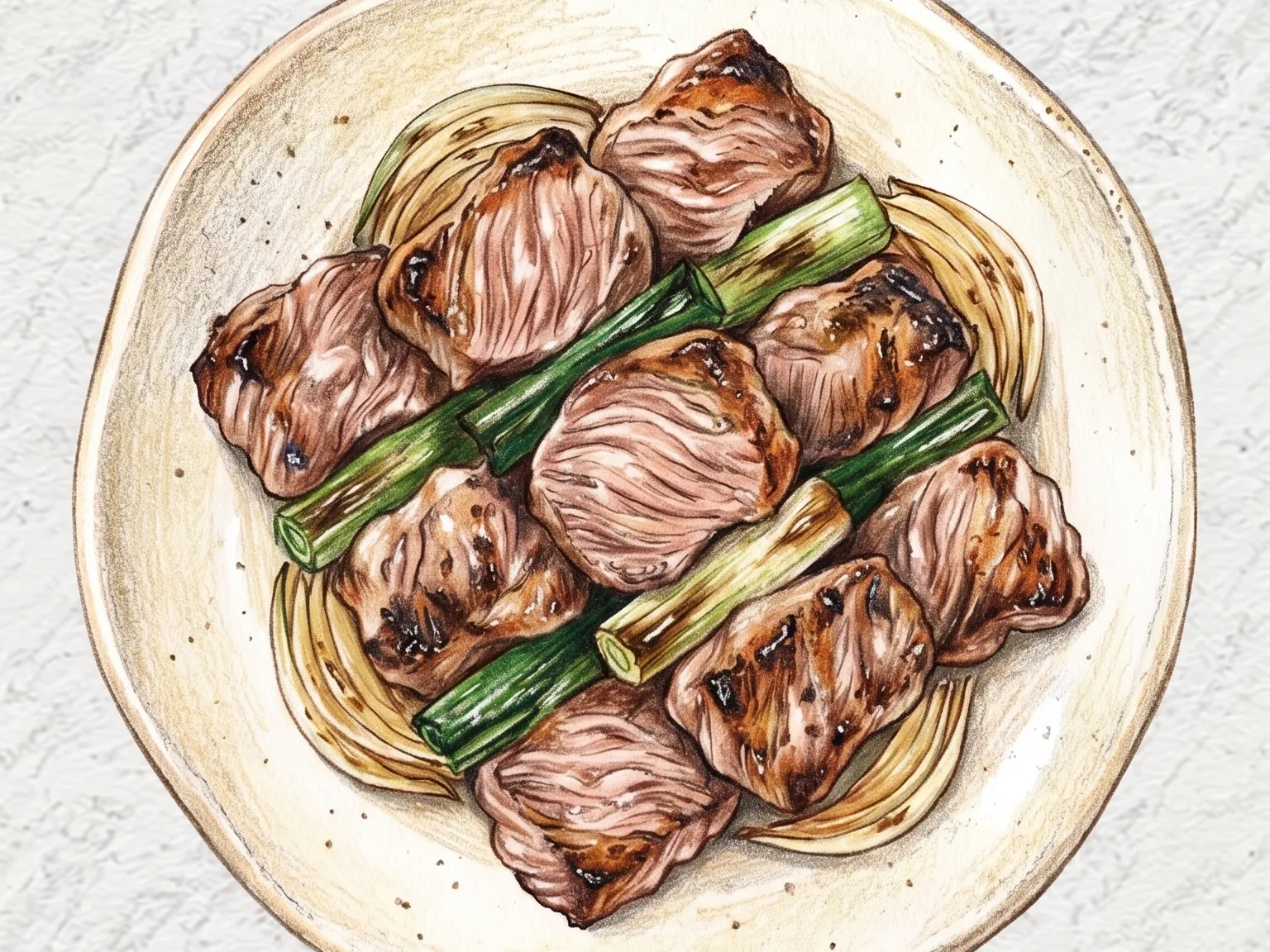
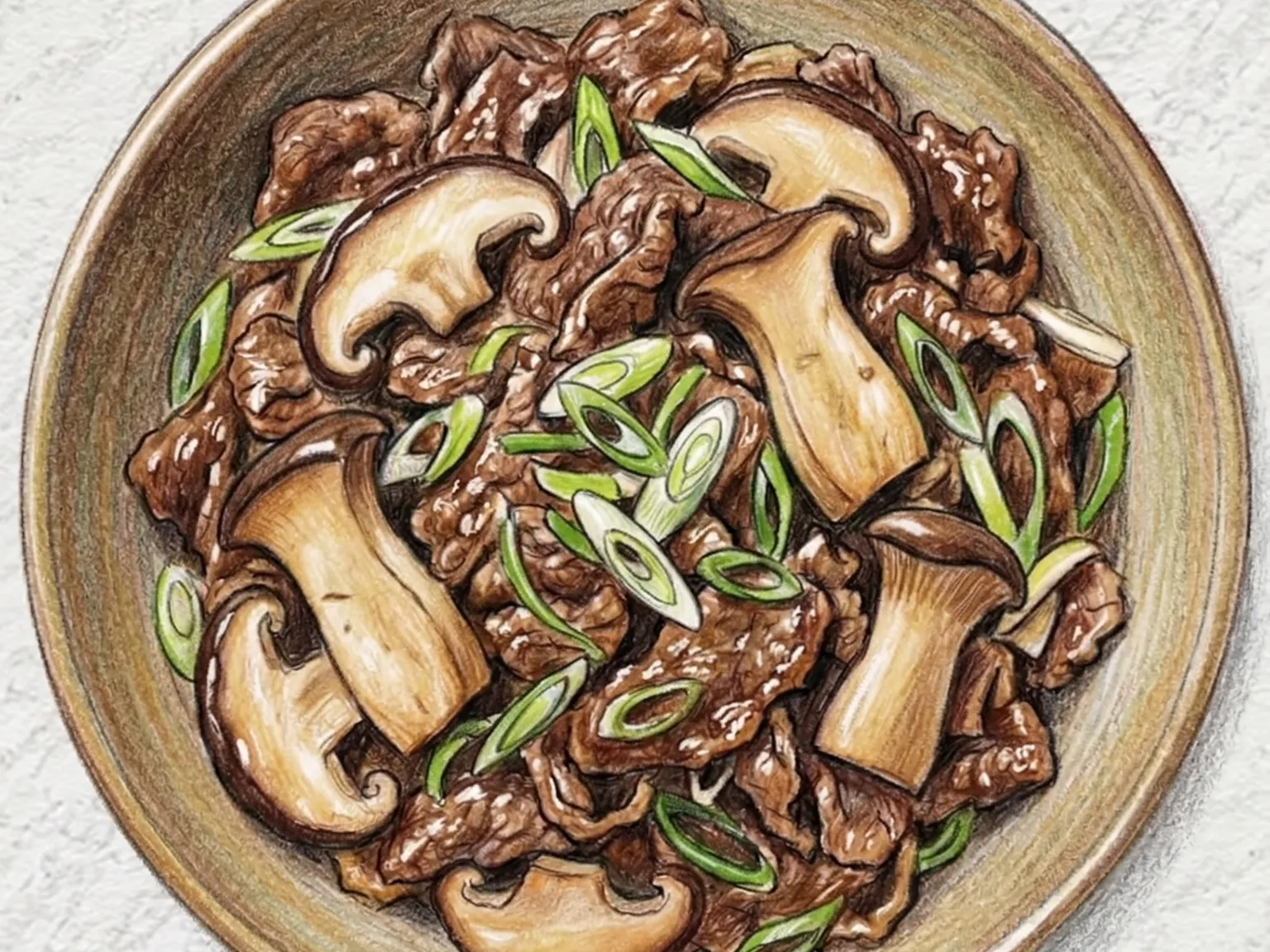
Thinly sliced beef is marinated in soy sauce, Korean pear juice, and sesame oil, then stir-fried over high heat together with shiitake and king oyster mushrooms. Pear juice acts as a natural tenderizer: its enzymes break down muscle proteins so each slice pulls apart along the grain instead of resisting the tooth, and its fructose tempers the salt of the soy sauce into a balanced sweet-salty base. The two mushroom varieties are not interchangeable in role - shiitake brings a firm, chewy bite while king oyster delivers a thick, clean meatiness that holds its shape through the heat. Crowding the pan is the single most common mistake: when too much goes in at once, the temperature drops and the ingredients steam rather than sear, resulting in gray, soft pieces instead of the glazed, caramelized coating the dish depends on. Work in small batches over sustained high heat so the marinade reduces against the hot pan surface. Green onion added in the final minute retains its sharp, fresh character and cuts through the sweet richness, providing the finishing contrast the dish needs.

🏠 Everyday🌙 Late Night
Prep 18minCook 12min4 servings
Korean Bunsik Kimchi Bokkeumbap (Kimchi Fried Rice)
Street foodEasy

Korean Bunsik Kimchi Bokkeumbap (Kimchi Fried Rice)

Bunsik-style kimchi fried rice starts by making scallion oil from green onions, then stir-frying well-fermented kimchi to drive off moisture before seasoning with gochujang and soy sauce and tossing in day-old rice. The scallion oil lays a nutty base across the rice, and the aged kimchi's sharp acidity layers with the gochujang's heat to build depth. Cold leftover rice fries without turning mushy, keeping individual grains distinct, and the dish is topped with seaweed flakes and a runny fried egg. A small amount of sugar can be added if the kimchi's sourness is overpowering.

🧒 Kid-Friendly🌙 Late Night
Prep 10minCook 15min2 servings
Korean Egg Drop Soup for Anju
DrinksEasy

Korean Egg Drop Soup for Anju

Gyeran-tang is a light Korean egg drop soup seasoned with soup soy sauce and minced garlic in a clear broth. Beaten eggs are poured in a thin stream along chopsticks held just above the surface of the boiling liquid, breaking the flow into fine threads that set almost instantly into soft, silky ribbons. The garlic contributes a quiet background savoriness without dominating, and a pinch of black pepper adds a dry, peppery warmth that offsets the mildness of the egg. Sliced green onion scattered on top just before serving releases a fresh, grassy fragrance as it meets the steam. The soup comes together in under fifteen minutes and requires no special ingredients, making it a practical choice for breakfast or as a gentle restorative when a plain, comforting bowl is needed.

🍺 Bar Snacks Quick
Prep 5minCook 10min2 servings
Korean Grilled Fish Cake Skewers
GrilledEasy

Korean Grilled Fish Cake Skewers

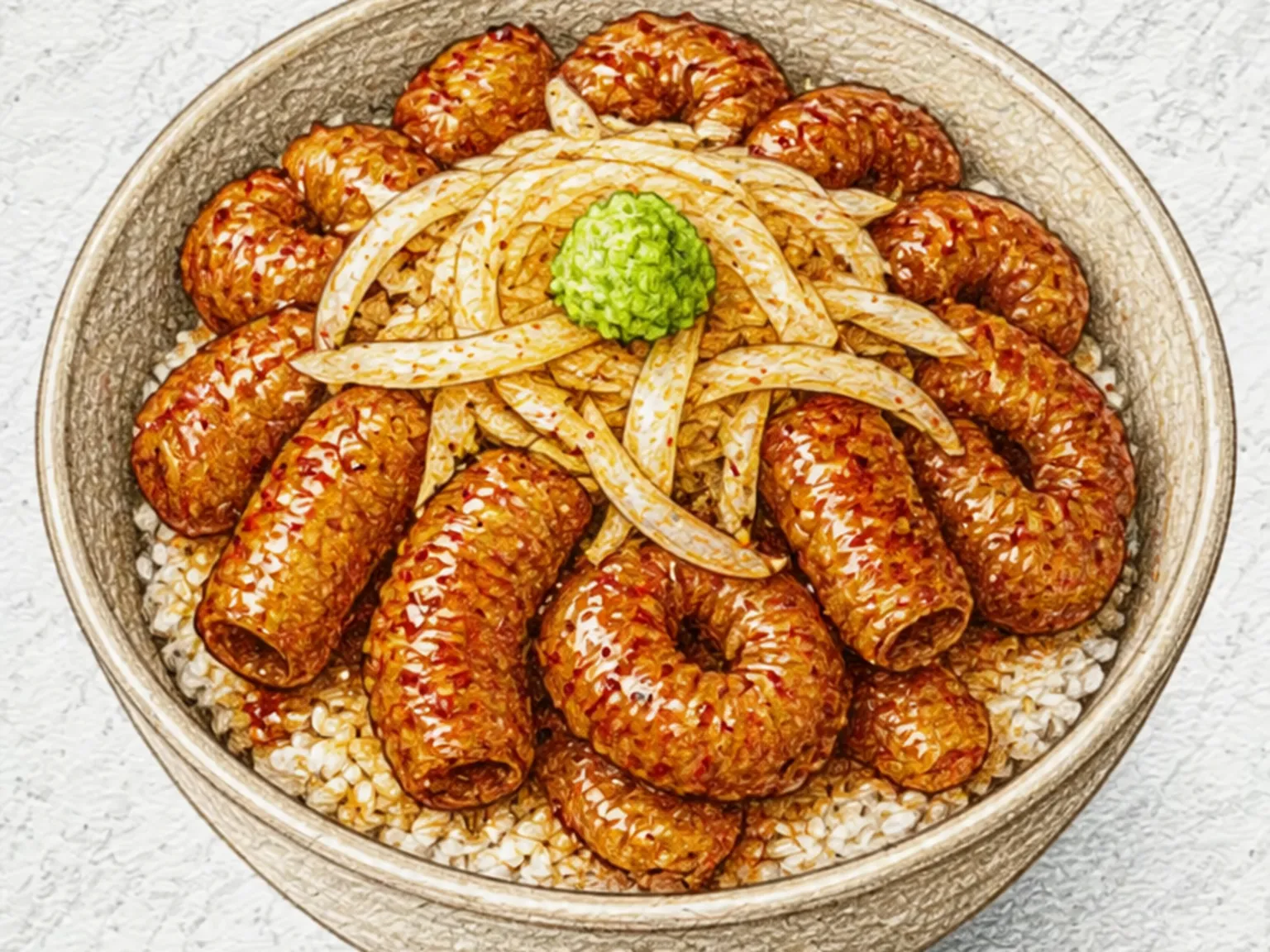
Eomuk kkochi gui are Korean grilled fish cake skewers, a staple of street food stalls that pair naturally with tteokbokki. Square fish cake sheets are folded in zigzag layers onto wooden skewers, grilled until the surface takes on color, then brushed with a glossy sauce of soy sauce, gochujang, sugar, and minced garlic. Folding the sheets before skewering multiplies the surface area that the sauce can grip and creates layered thickness that turns each bite into a dense, bouncy chew. Dry-grilling without oil first is important: it drives off moisture from the surface so that when the sauce is applied it clings and does not slide off. A second brief pass over heat after glazing caramelizes the sugars into a lacquered sheen and intensifies the savory aroma. Tucking pieces of green onion between the folds adds another layer of flavor -- the onion's moisture steams away as it grills, releasing a sweet, mellow fragrance that gradually infuses the fish cake.

🍺 Bar Snacks🧒 Kid-Friendly
Prep 15minCook 12min4 servings
Korean Spring Cabbage Soybean Paste Soup
SoupsEasy

Korean Spring Cabbage Soybean Paste Soup

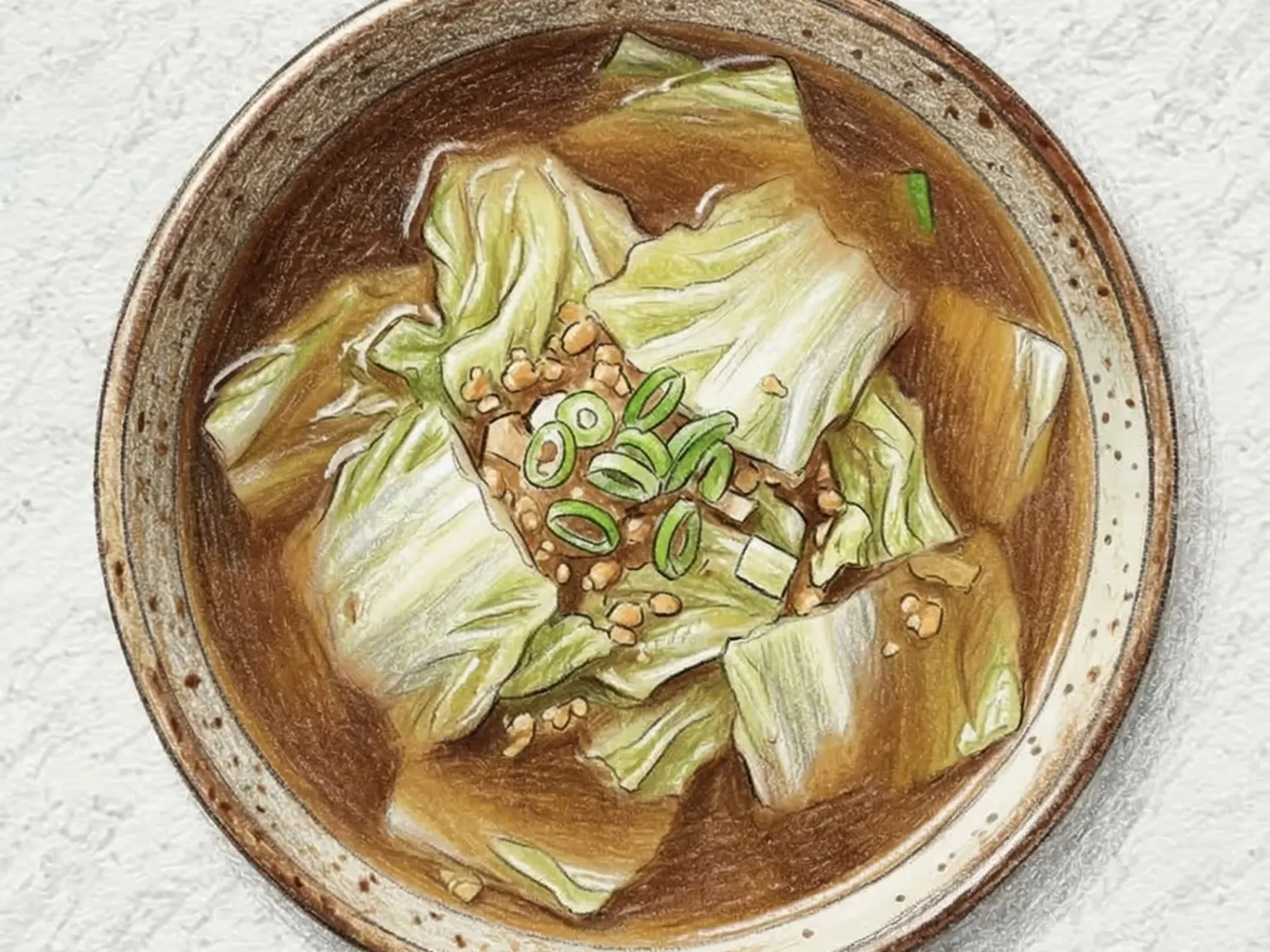
Bomdong doenjang-guk is a seasonal Korean home soup made by simmering spring cabbage and doenjang in rice-rinsing water, which adds a subtle starchy body to the broth and softens the saltiness of the paste. The thicker cabbage stems go in first to soften properly while retaining some bite, and the tender leaves are added at the end to hold their natural sweetness and color. Tofu, a pinch of red chili flakes, and green onion round out the bowl with depth and mild heat. A drop of sesame oil just before serving adds a nutty finishing aroma. Spring cabbage has a high water content and turns mushy quickly, so the leaves should be added less than two minutes before turning off the heat.

🏠 Everyday
Prep 15minCook 20min4 servings
Korean Seoul-Style Army Stew
StewsEasy

Korean Seoul-Style Army Stew

Seoul-style budae jjigae distinguishes itself from other versions by using a rich anchovy stock as the base instead of plain water. Spam, mini sausages, baked beans, and kimchi simmer together in that stock with gochujang and chili flakes. The baked beans contribute a slight sweetness and thicken the broth into a more substantial body. A block of instant ramen noodles added near the end absorbs the spicy, savory soup as it finishes cooking.

🍺 Bar Snacks🏠 Everyday
Prep 20minCook 25min2 servings
Korean Jeju Style Pork Suyuk
SteamedEasy

Korean Jeju Style Pork Suyuk

Dombae-suyuk is a Jeju-style boiled pork dish made by simmering skin-on pork belly low and slow with doenjang, green onion, garlic, and ginger. The doenjang in the cooking water draws out the gamey odor specific to pork, leaving the meat clean and mild. A long, gentle boil renders the skin translucent and gives it a gelatinous, bouncy bite, while the interior fat layers become soft enough to melt against the tongue. Sliced thick and laid out at room temperature, each piece offers a layered contrast between the springy rind, the fatty middle, and the lean inner meat. Salted anchovy sauce or fermented shrimp paste served alongside is the traditional accompaniment -- the briny, fermented condiments cut through the richness and define the eating rhythm. The name comes from dombae, the Jeju word for cutting board, referring to the old practice of serving the meat directly sliced on the board.

🎉 Special Occasion
Prep 10minCook 60min4 servings
Korean Clam Seaweed Onmyeon (Warm Noodle Soup)
NoodlesMedium

Korean Clam Seaweed Onmyeon (Warm Noodle Soup)

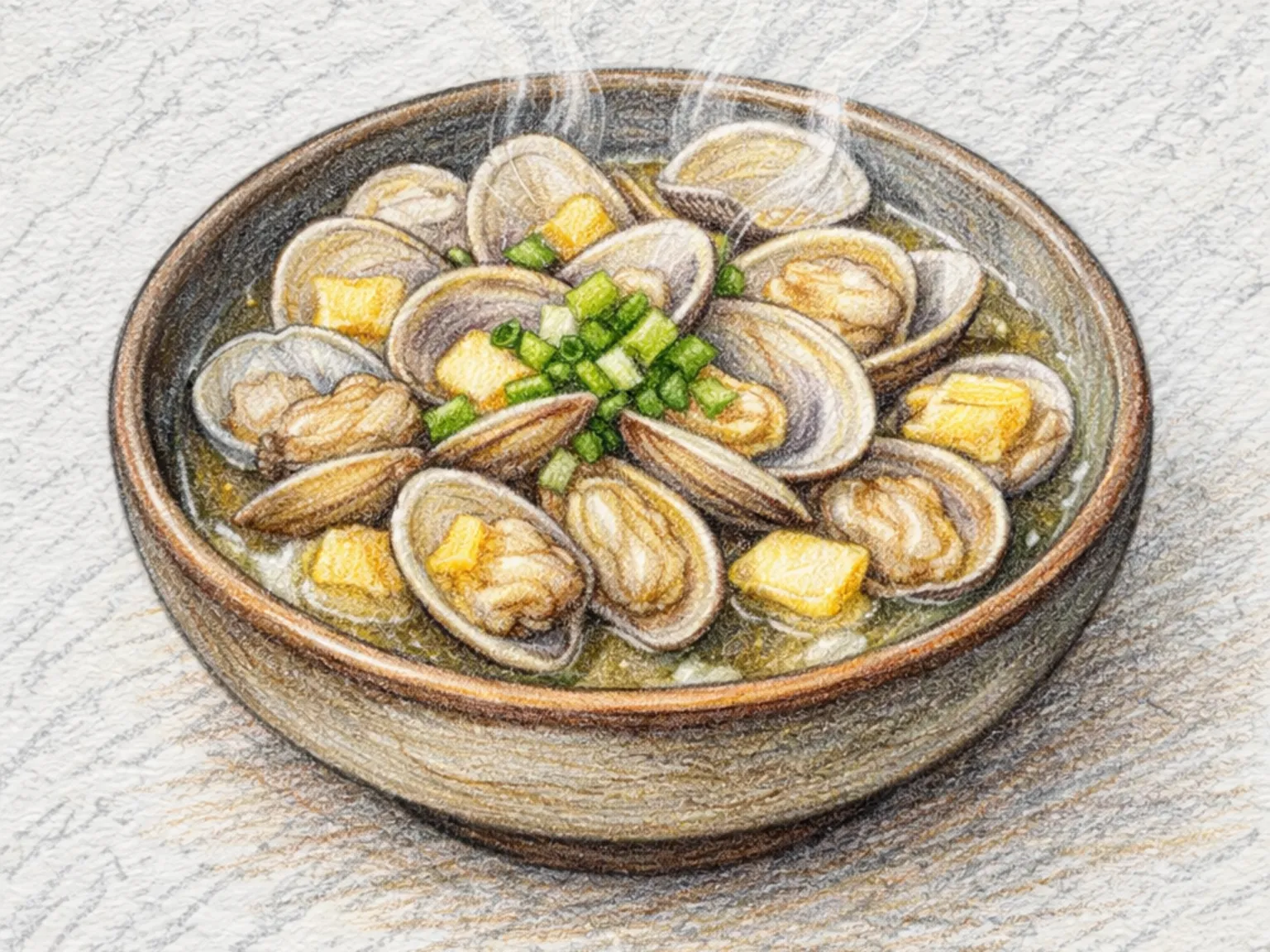
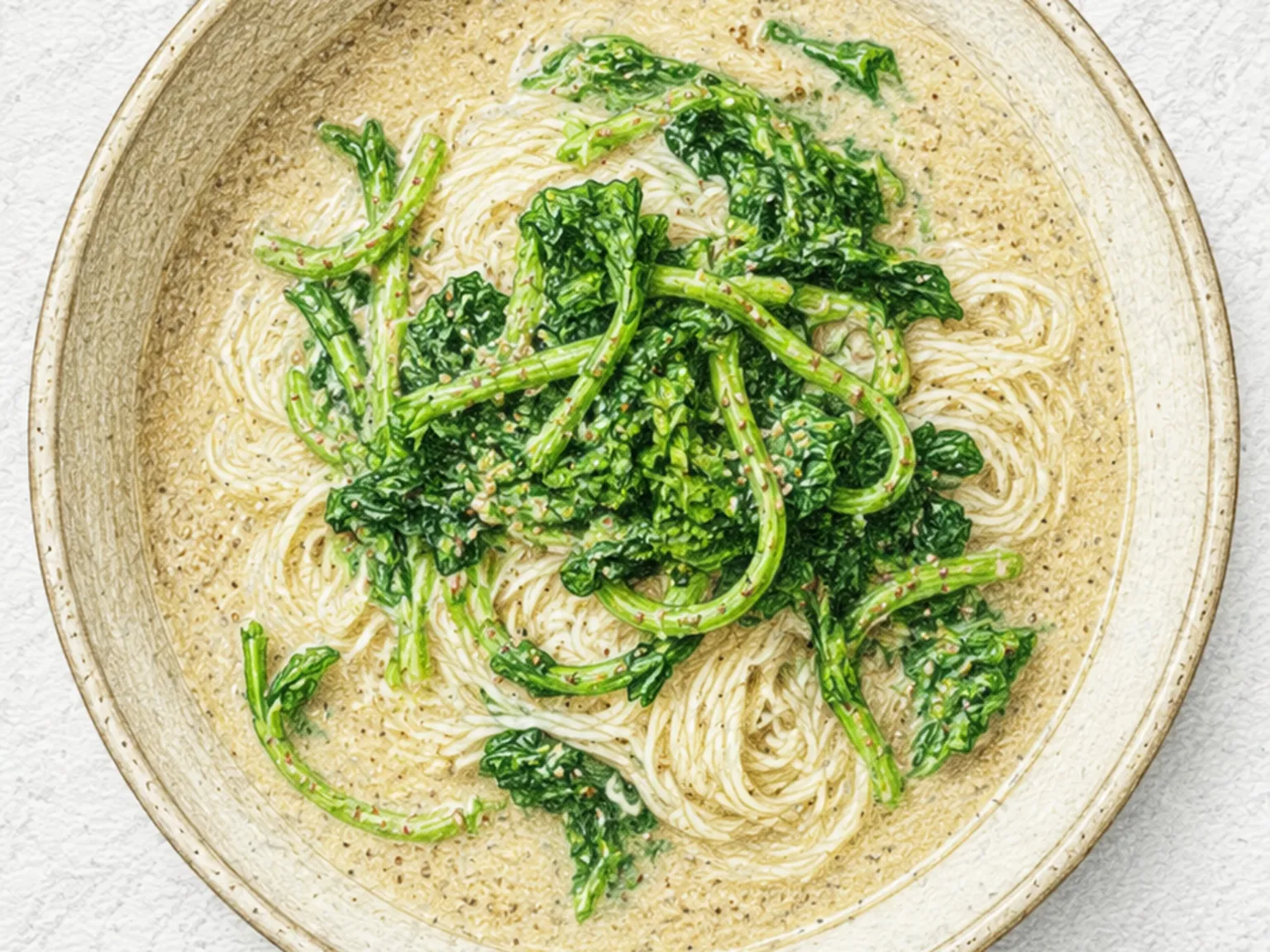
Dongjuk miyeok onmyeon is a warm noodle soup where small surf clams are simmered to build a clear, deeply briny stock, then combined with rehydrated seaweed and thin wheat noodles. The cool, oceanic flavor of the clams forms the backbone of the dish, and simmering radish alongside rounds out the saltiness into something bright and clean. The seaweed unfurls in the hot broth, contributing its own quiet marine umami, and seasoning stays minimal with only soup soy sauce and salt so the ingredients speak clearly. This is a restorative bowl often eaten for morning recovery or when a light, clear-tasting meal is preferred. Dongjuk clams resemble Manila clams in shape but yield a deeper, more concentrated broth, making them effective even without additional stock. The thin noodles should be cooked until just tender and transferred directly to the bowl to prevent over-softening once the hot broth is ladled over.

🏠 Everyday
Prep 15minCook 20min2 servings