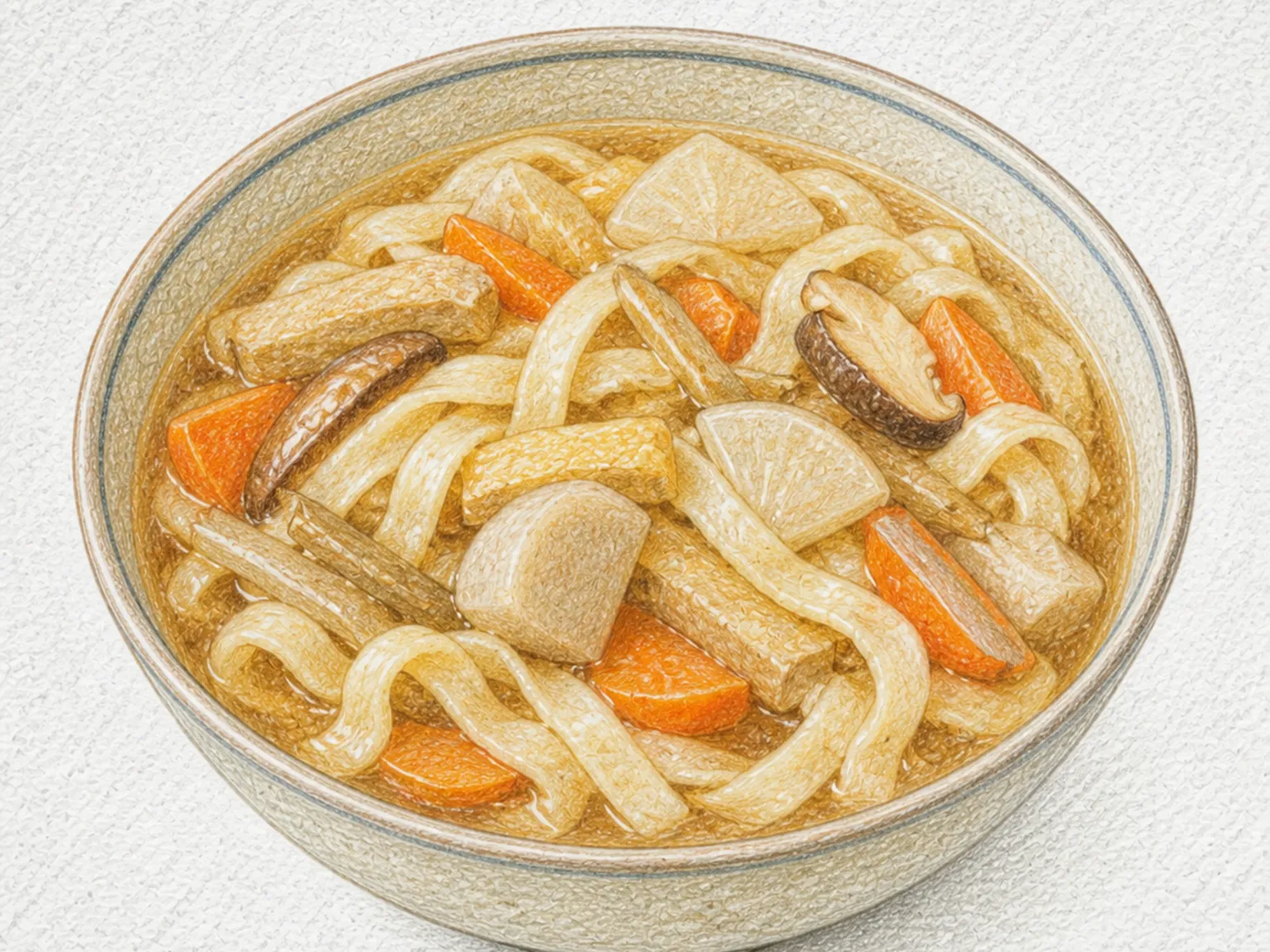
Korean Fermented Flounder Sikhae
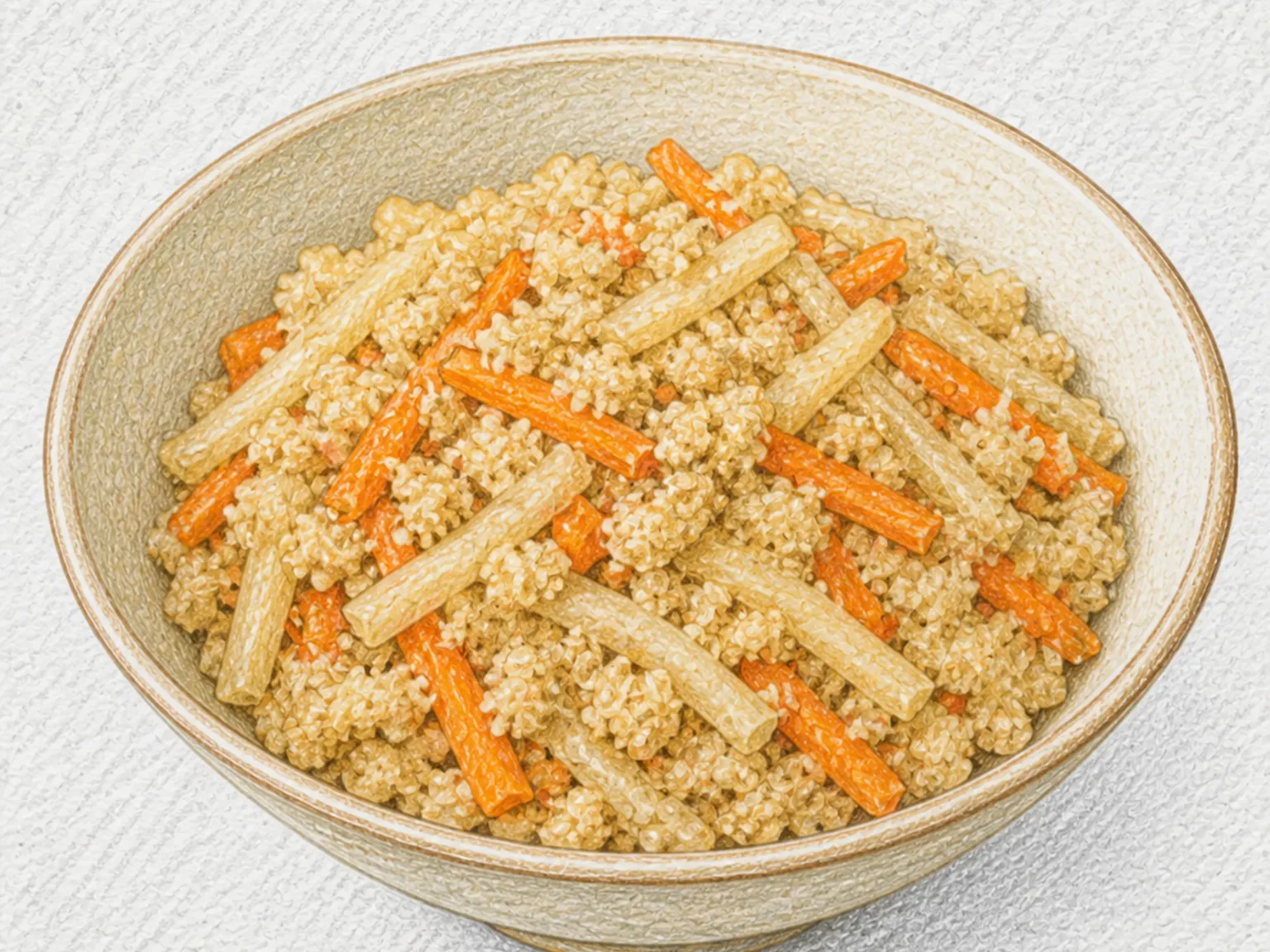
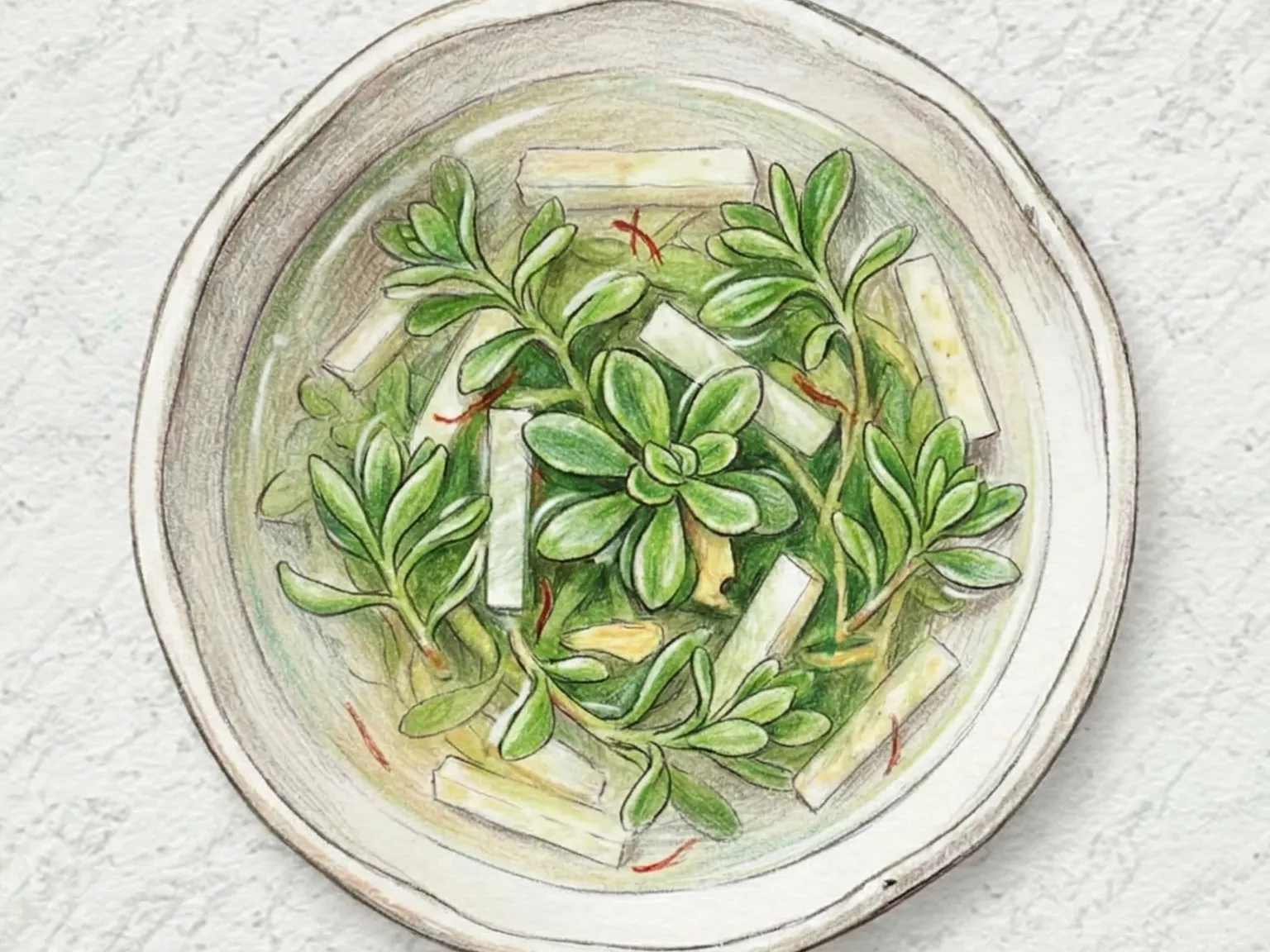
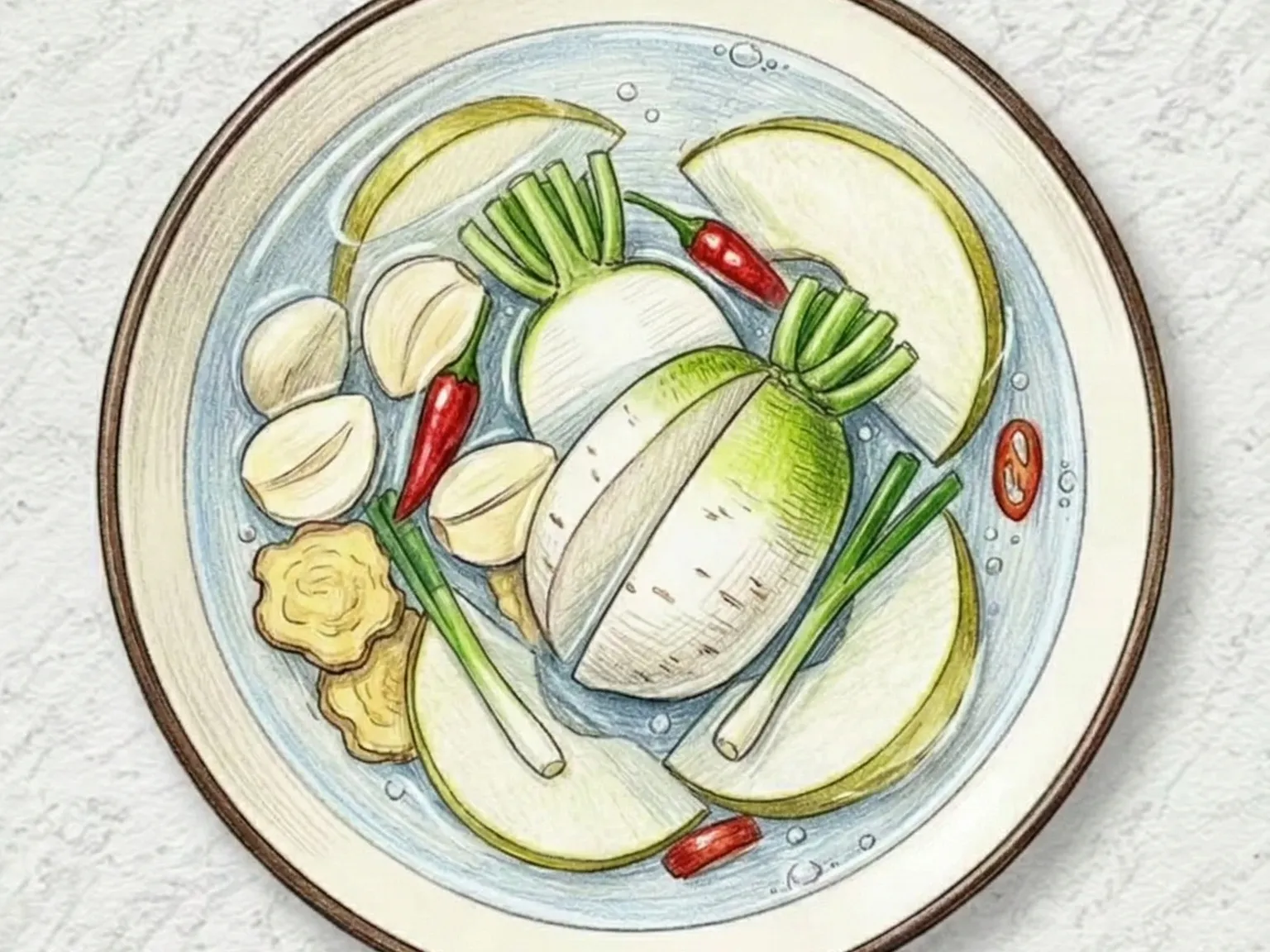
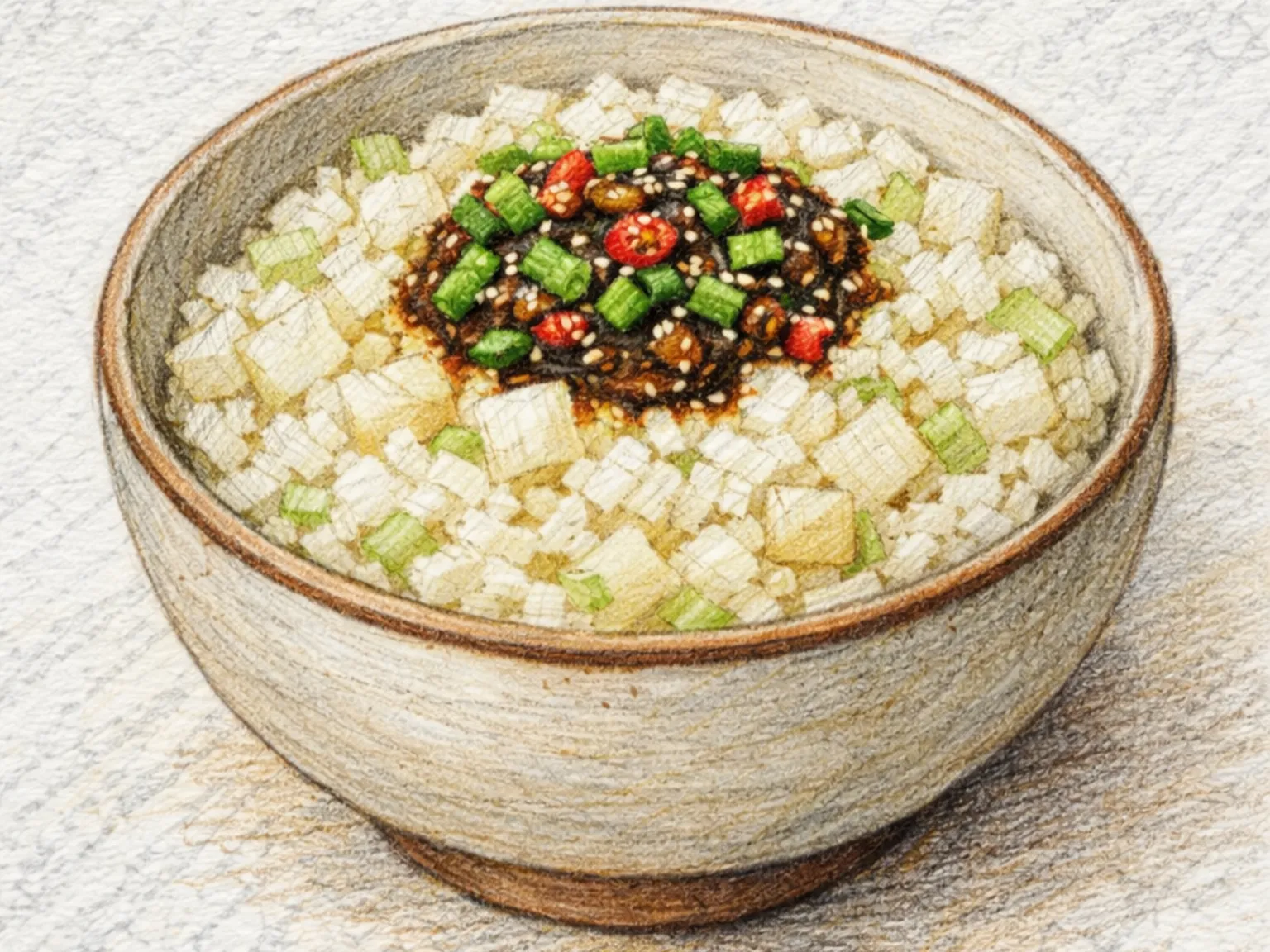
Gajami sikhae is a traditional fermented flounder preparation from Korea's East Coast, made by combining salt-cured flounder fillets with julienned radish, cooked glutinous rice, gochugaru, and fish sauce, then sealing the mixture for fermentation at low temperature for a week or more. The glutinous rice starch feeds lactic acid bacteria, producing a mild, rounded acidity that reads quite differently from the sharp, concentrated saltiness of jeotgal. Radish adds moisture and textural contrast. As fermentation progresses, fish proteins break down into deep umami compounds. The resulting sikhae is far less salty than conventional fermented seafood and can be eaten directly over rice. A regional winter banchan associated with Gangwon and Hamgyeong provinces, it grows more sour the longer it ferments.

Korean Spicy Freshwater Fish Soup
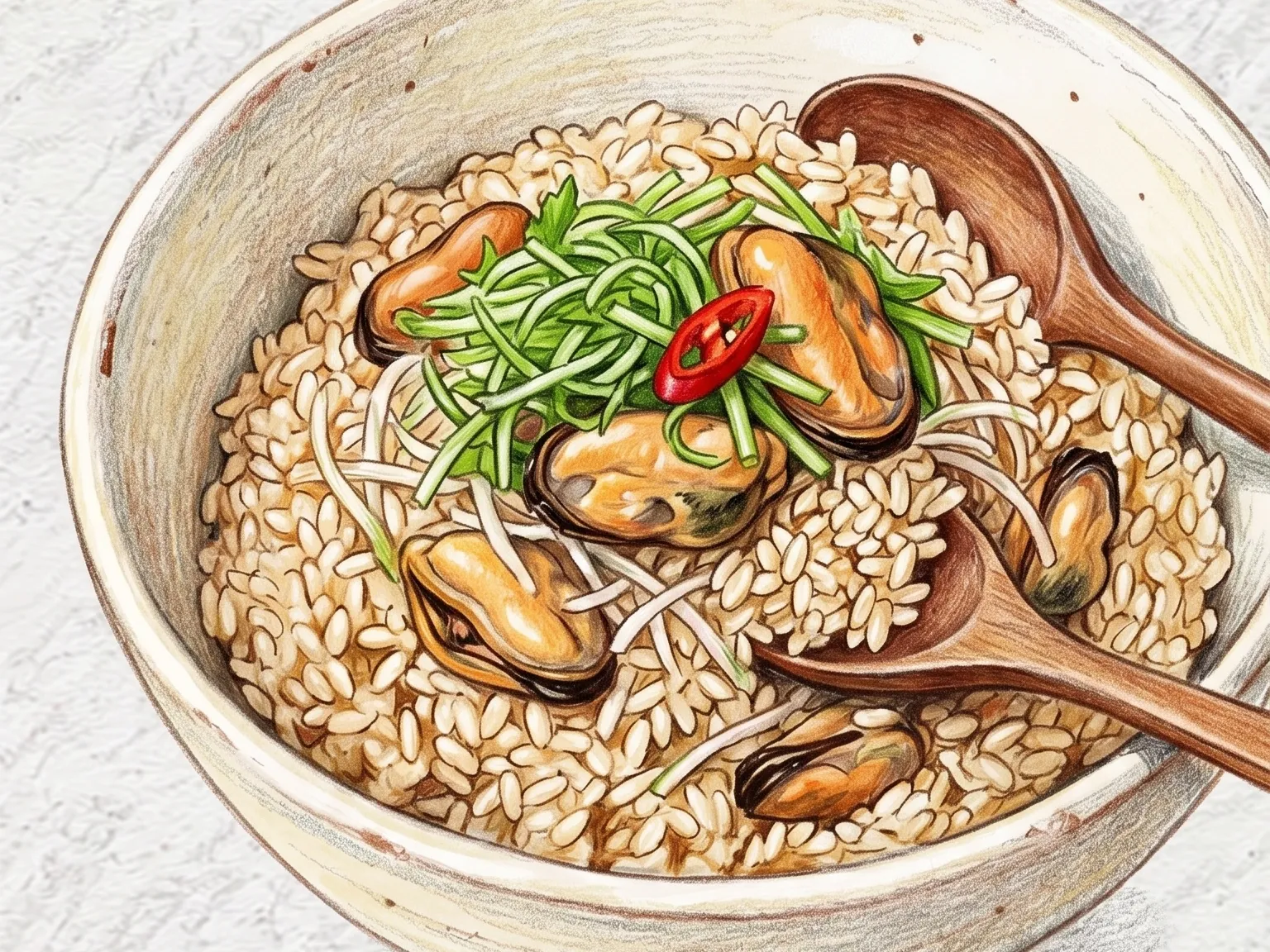
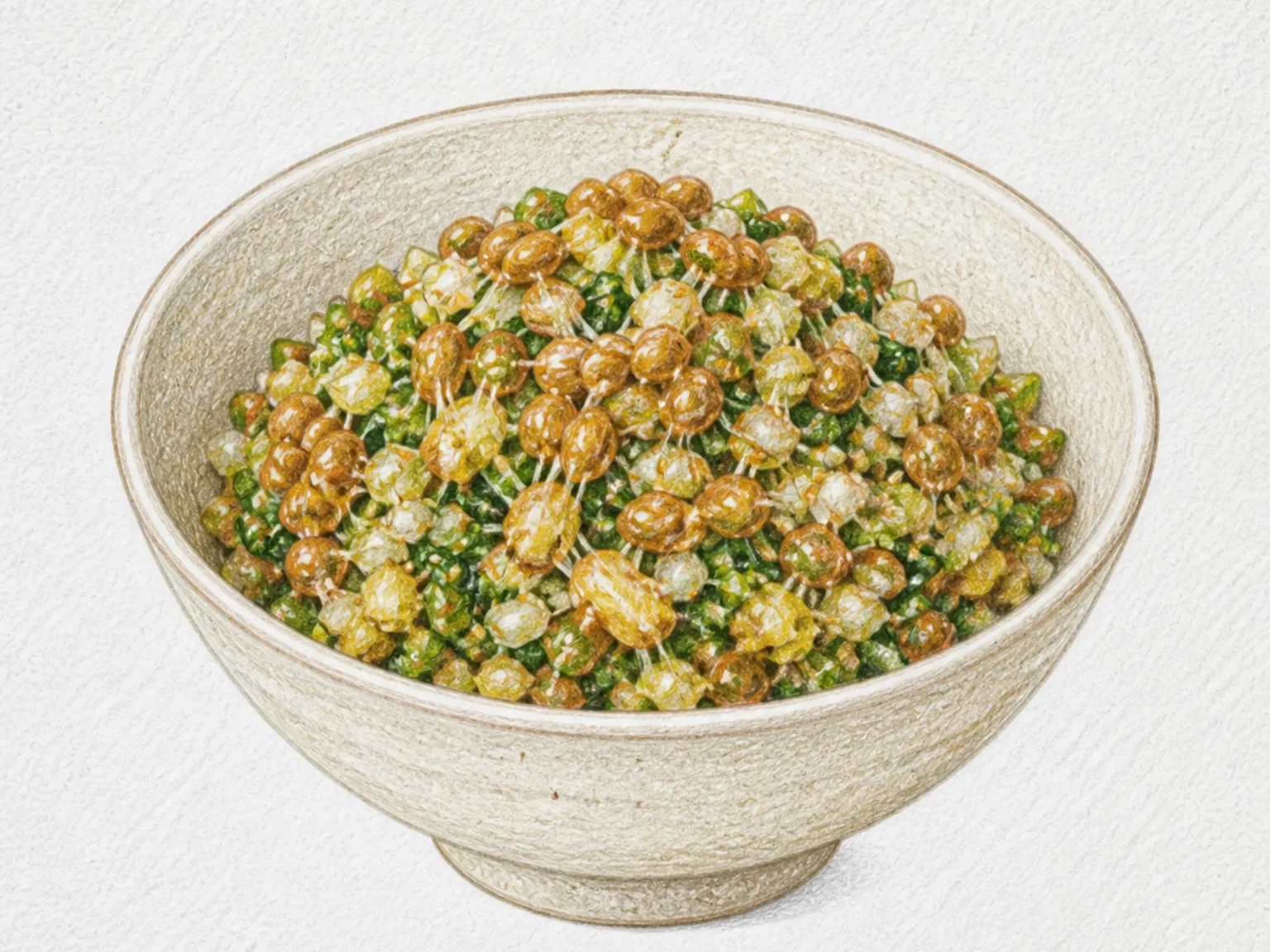
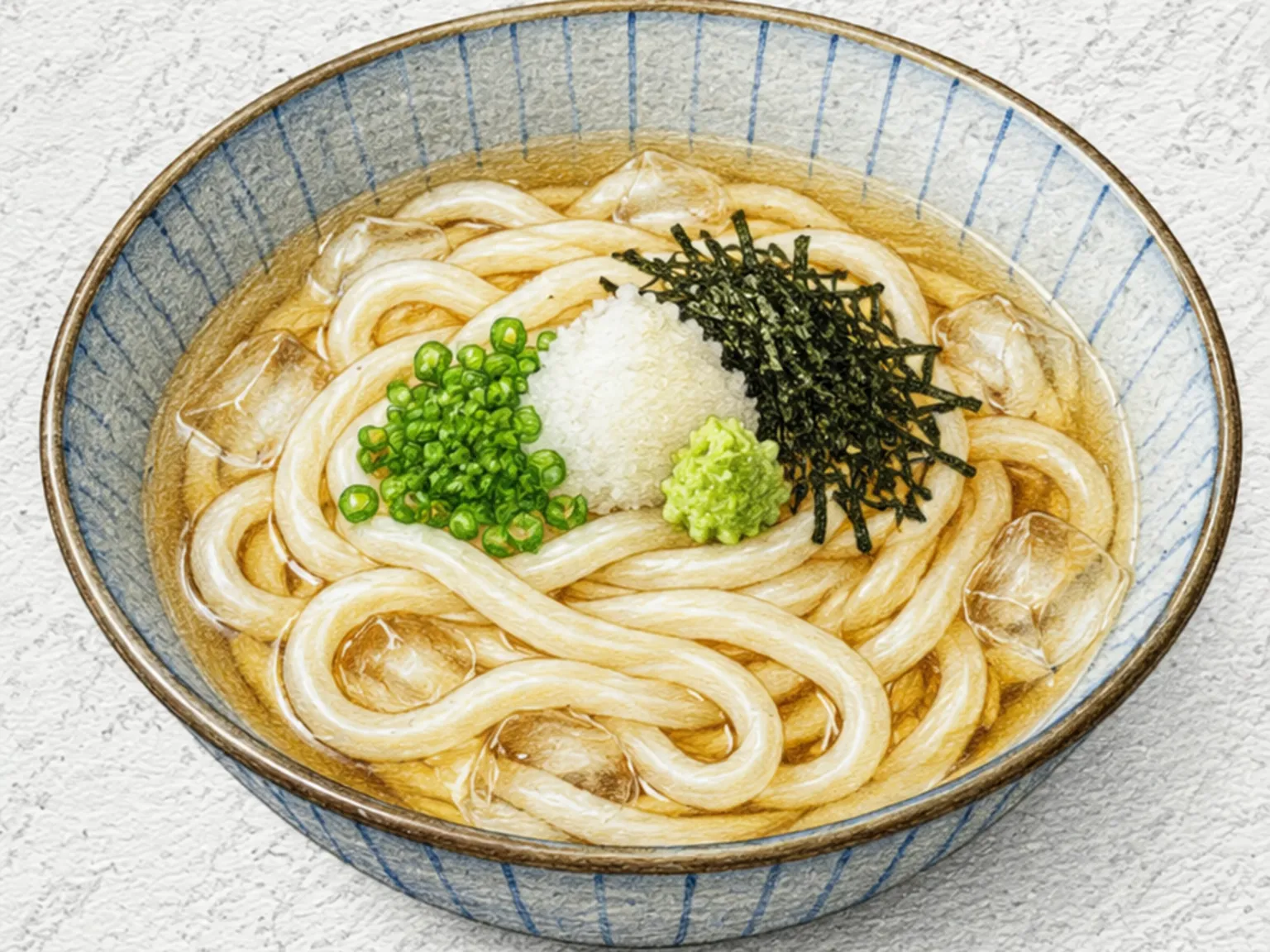
Eotang is a traditional Korean soup from the Chungcheong region, made by boiling whole freshwater fish for over forty minutes to coax a thick, deeply savory broth from both flesh and bone. The stock is strained twice through a fine sieve to remove every small bone, then returned to heat with radish, doenjang, and minced garlic for another twenty minutes of simmering. The earthy, nutty richness of freshwater fish blends with fermented soybean paste to build a broth of layered depth, and the radish softens fully over the long cook, helping the liquid take on a slightly silky body. Red chili flakes and thick-cut green onion stirred in at the end sharpen the heat and amplify the savory undercurrent of the broth. The preparation takes time and attention, but the dense, bone-drawn concentration of flavor the process produces is difficult to achieve any other way.

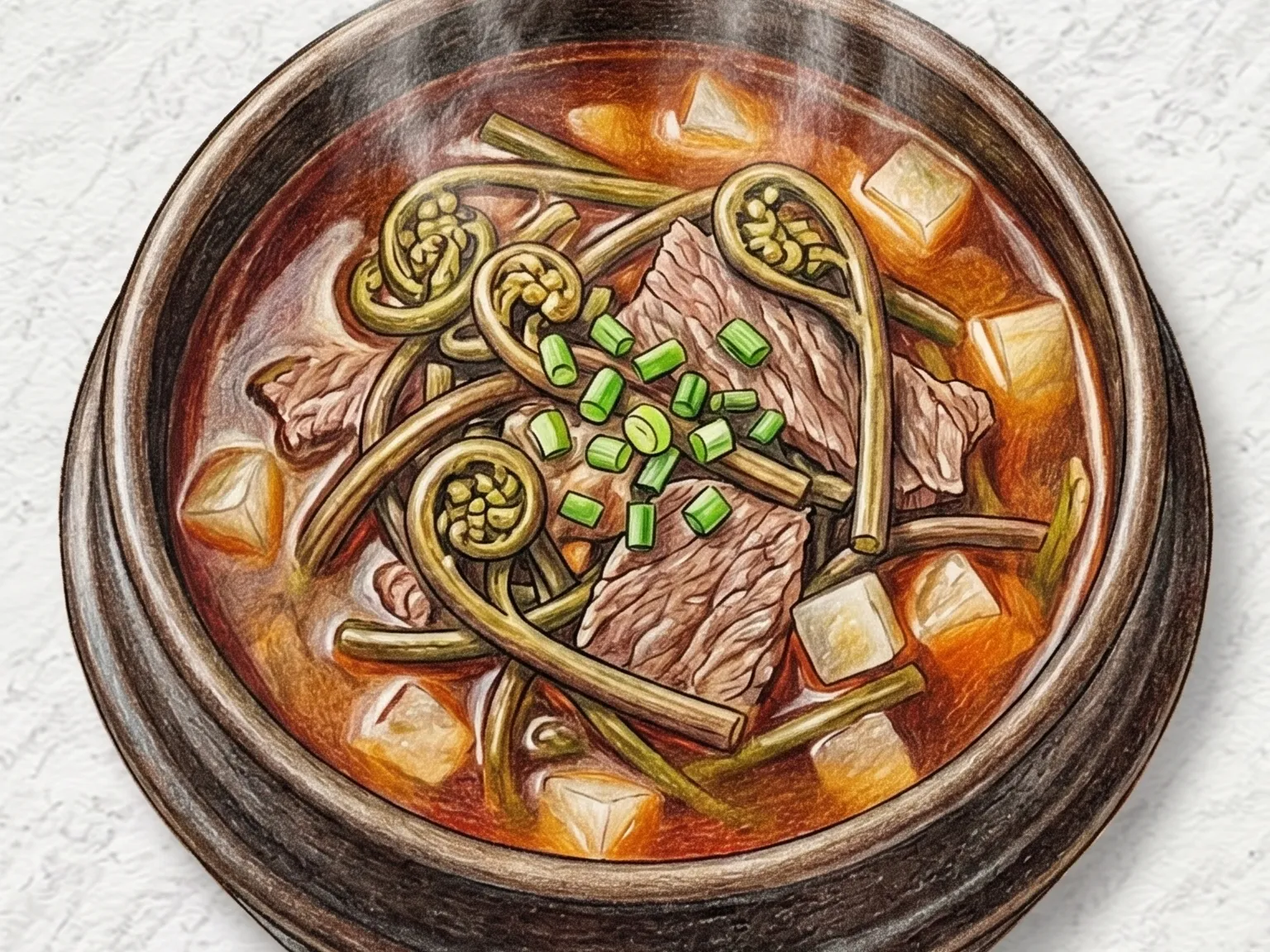
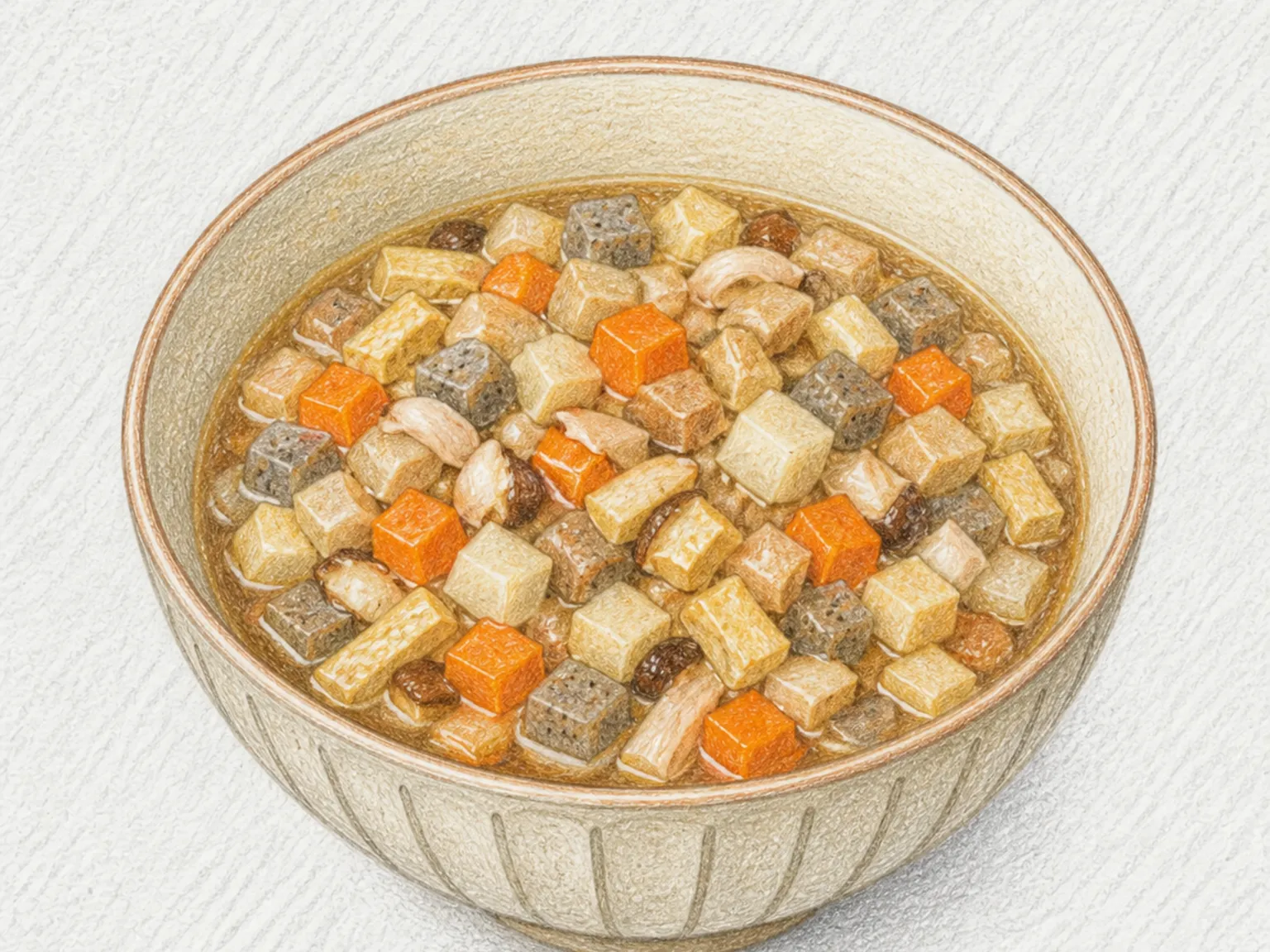
Korean Bracken Fern and Beef Stew
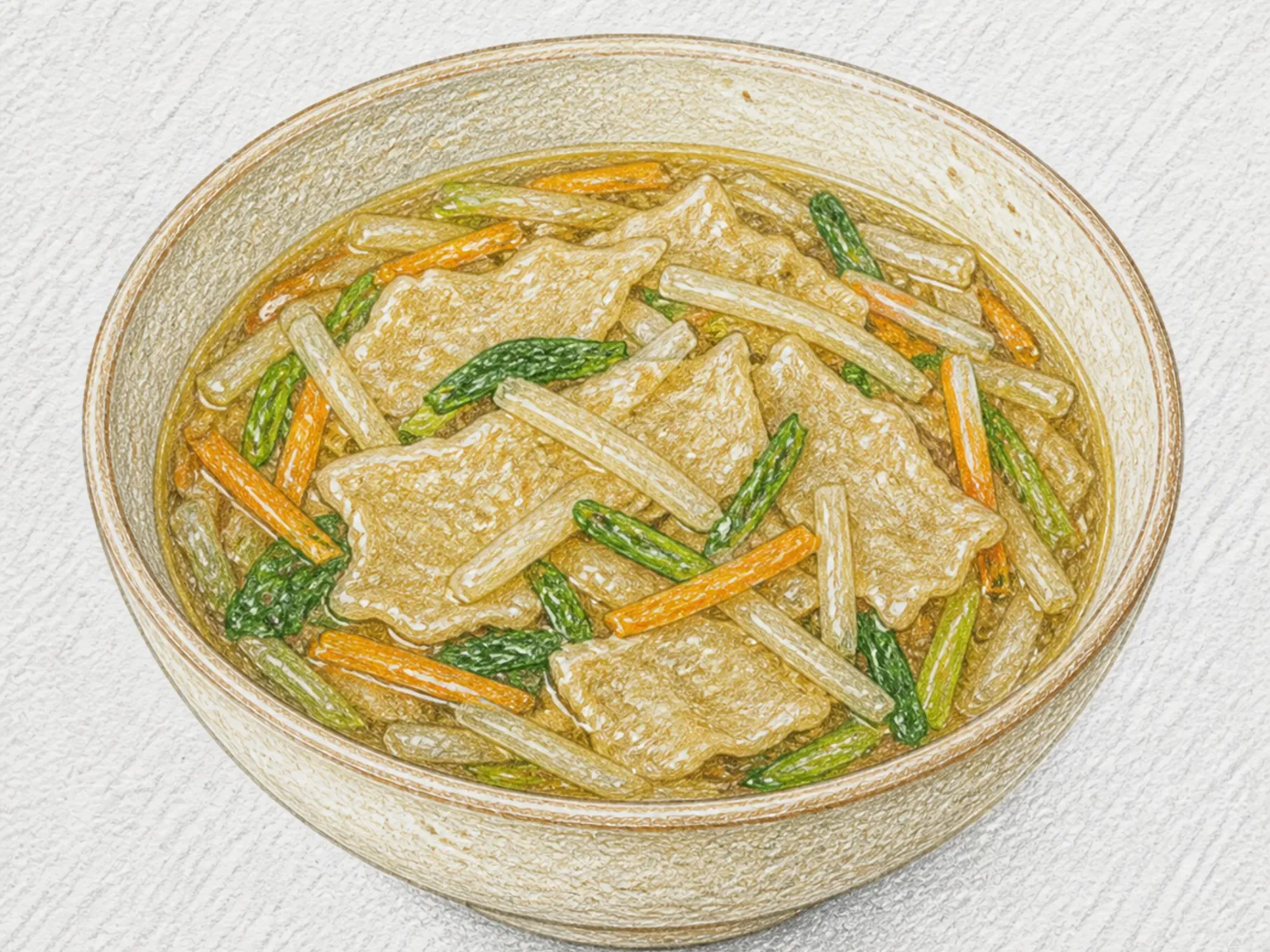
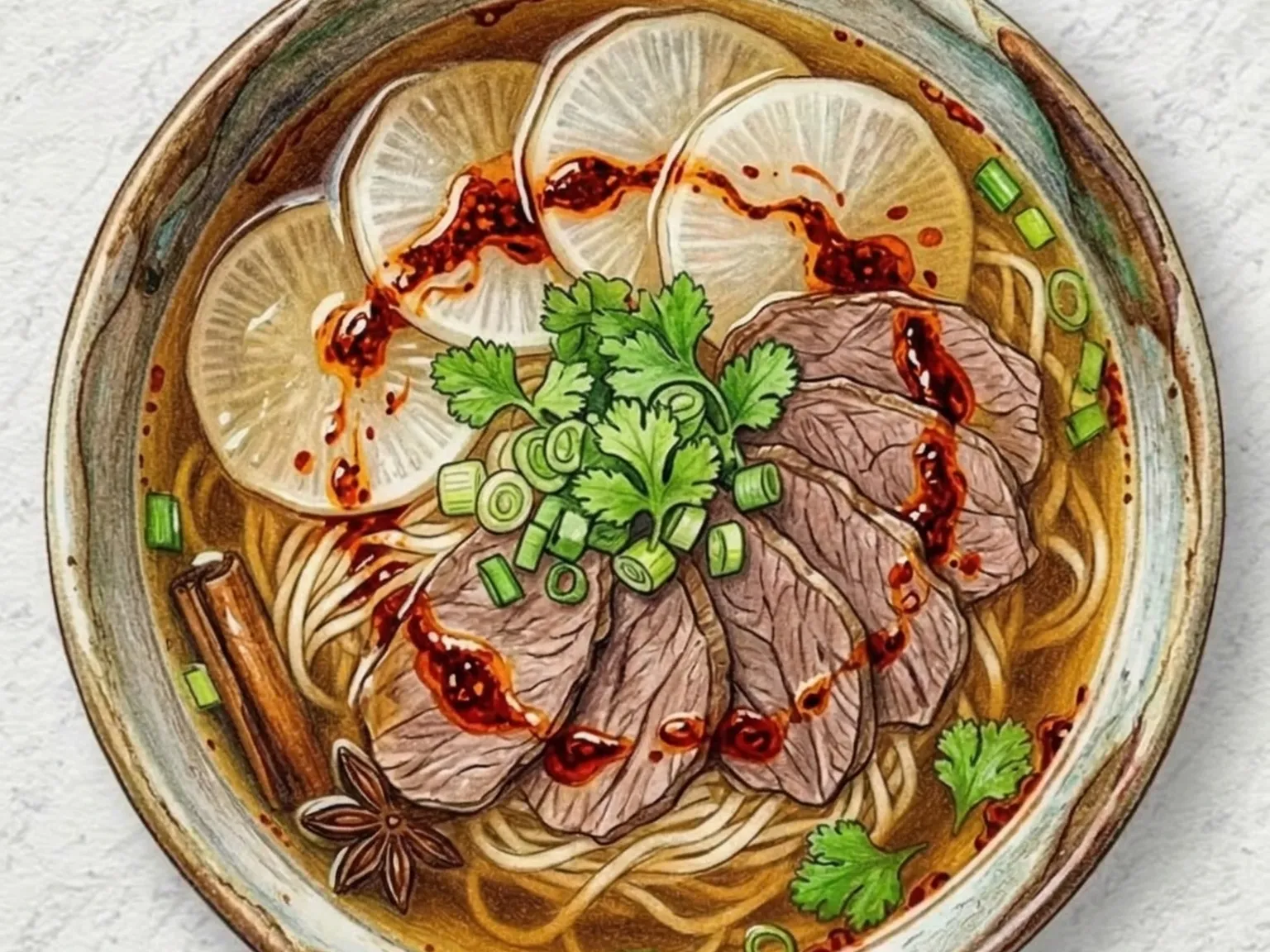
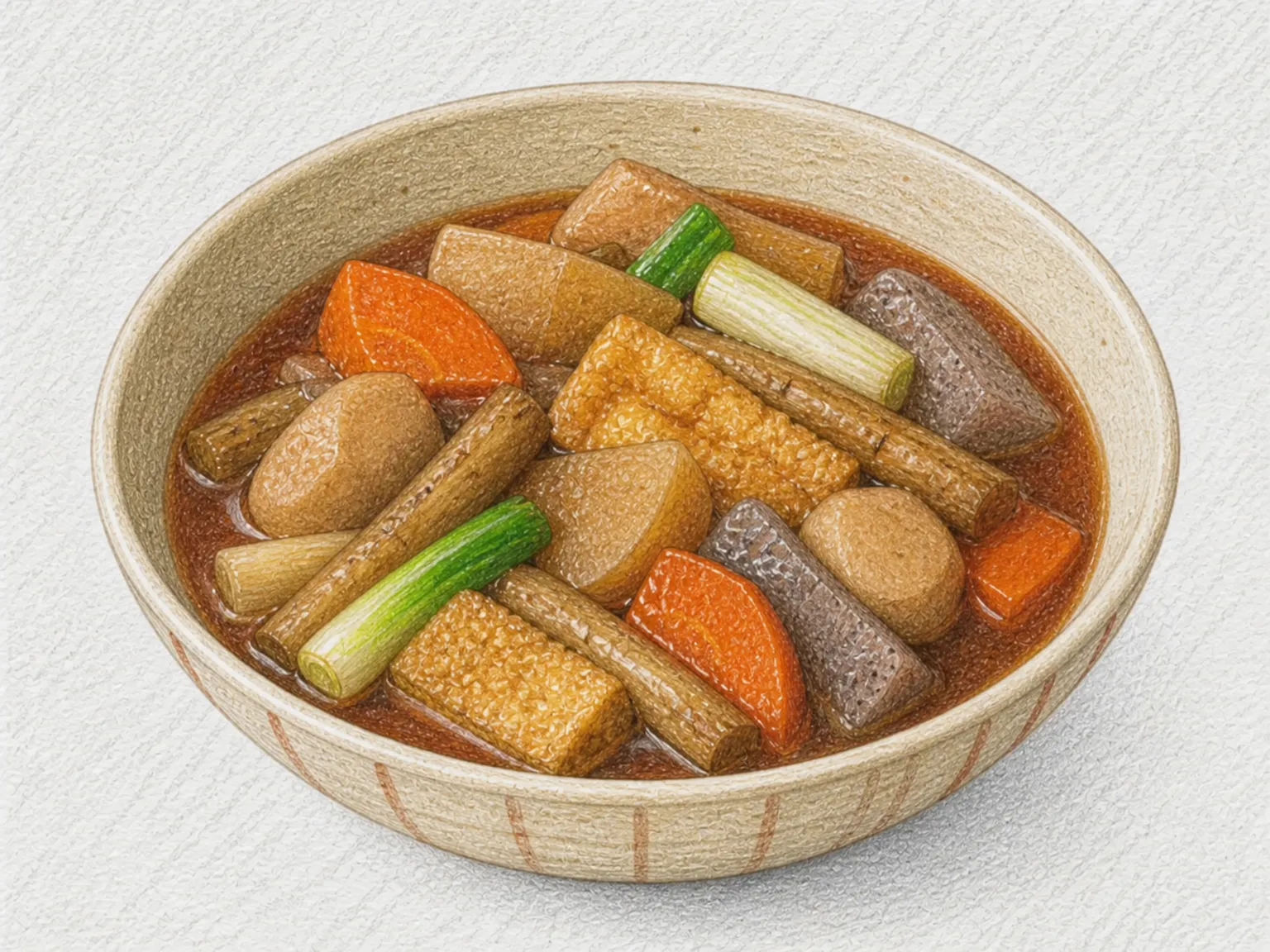
Gosari-soegogi-jjigae is a Korean stew of parboiled bracken fern and beef brisket simmered together in a clear, gochugaru-seasoned broth. Bracken has a distinctly springy yet tender texture once fully rehydrated, and it absorbs the beefy broth deeply, carrying the earthy, herbal notes of the fern through each piece. Korean radish adds a clean, slightly sweet dimension to the broth, while soup soy sauce and gochugaru together build depth and a moderate heat that defines the stew's character. This stew is closely associated with Korean ceremonial cooking, appearing regularly at holiday tables and ancestral rites where its grounding flavors are particularly valued. Bracken must be thoroughly boiled and soaked in cold water to remove natural toxins and soften the texture before it can be used; brisket should be soaked to draw out the blood before cutting so the broth stays clear and does not turn murky during cooking.

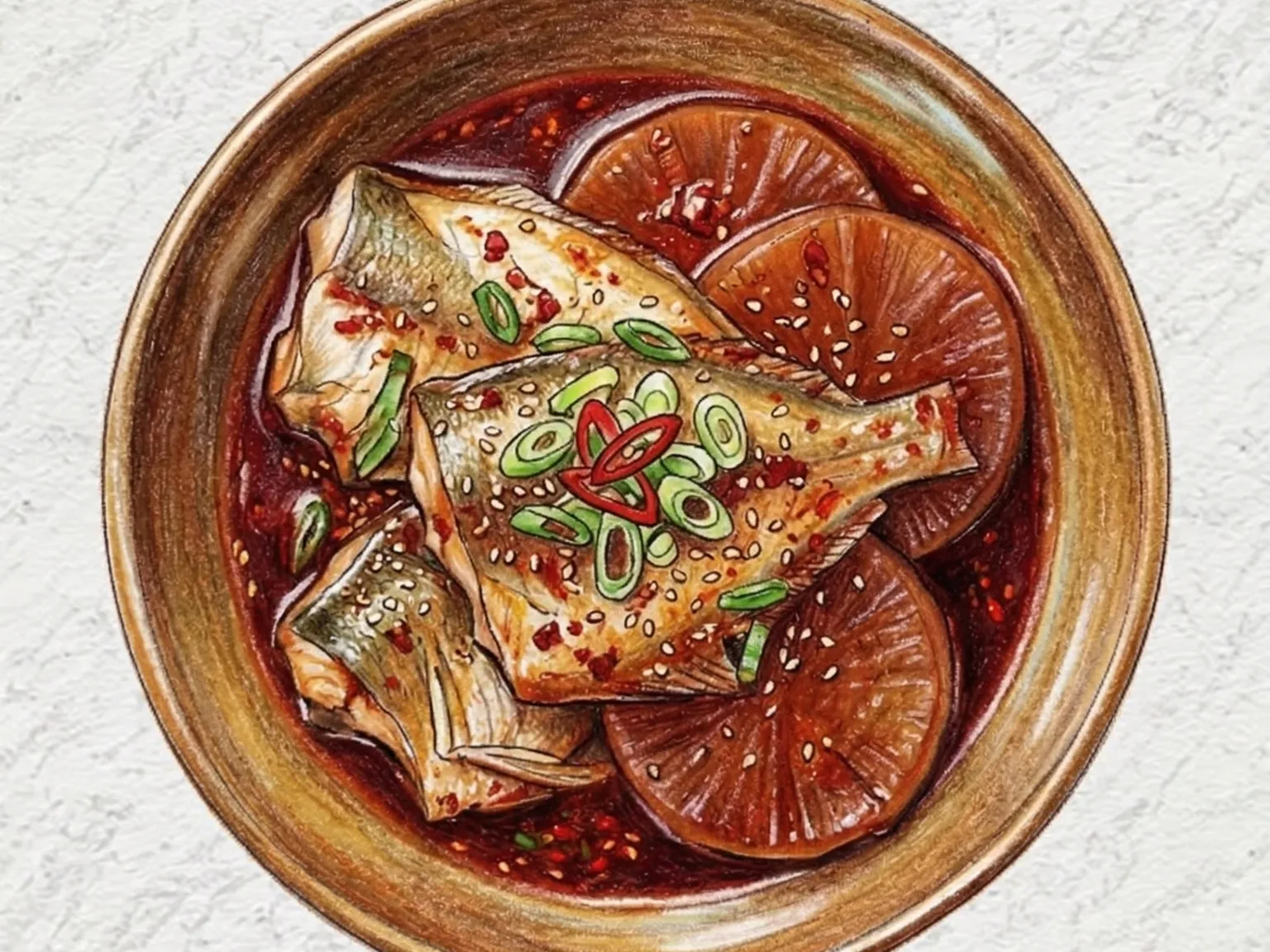
Korean Steamed Pacific Saury
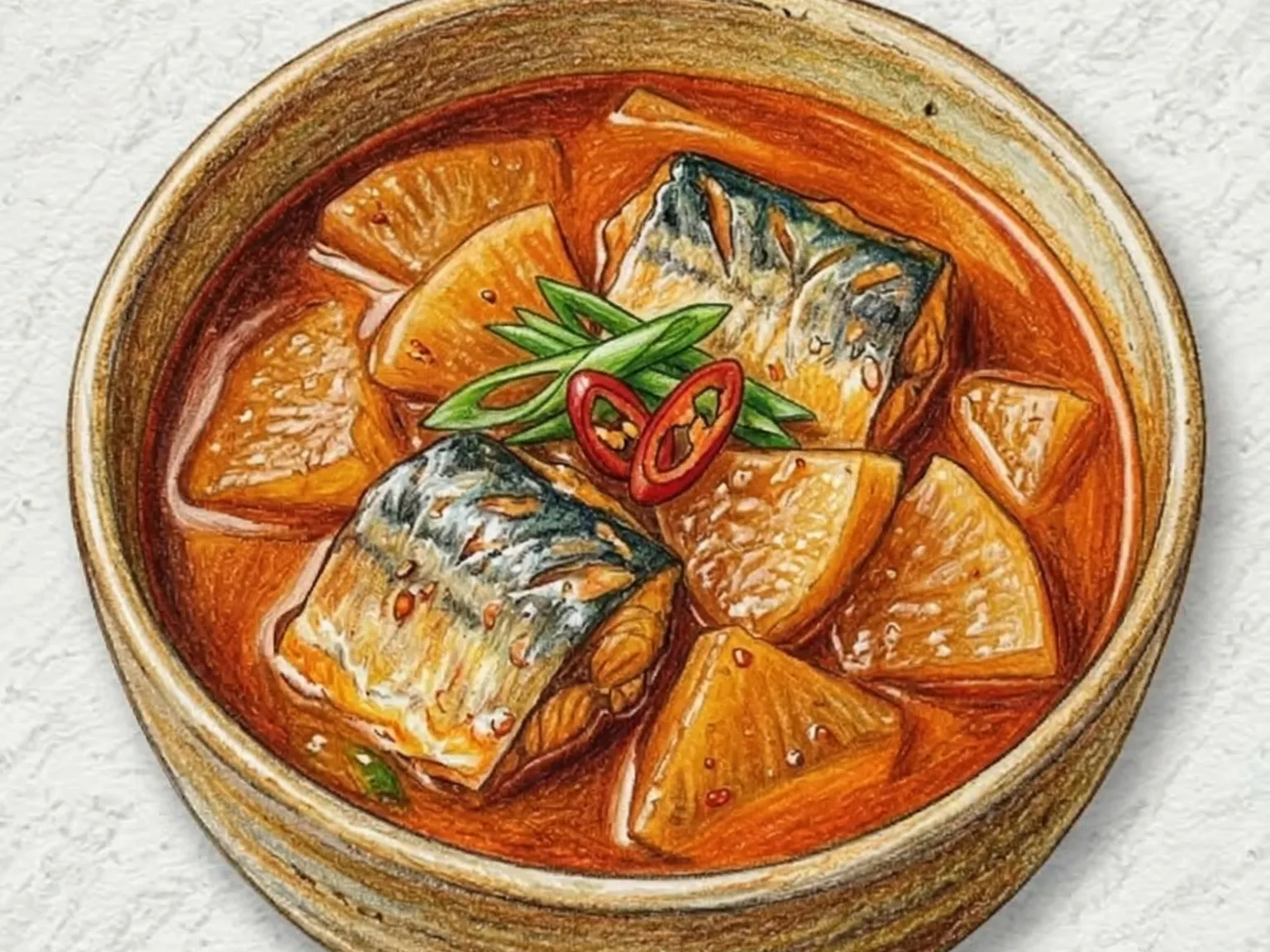
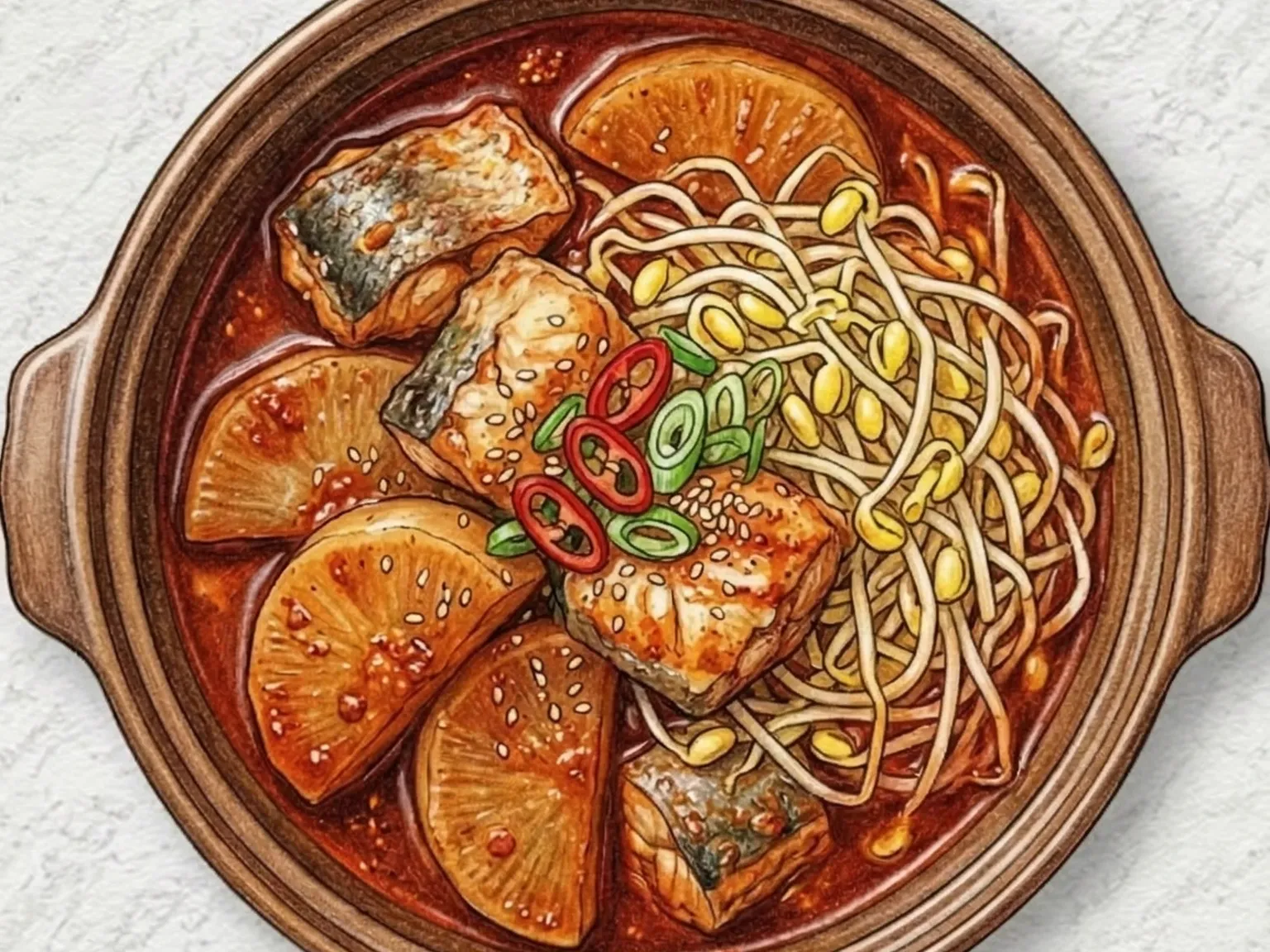
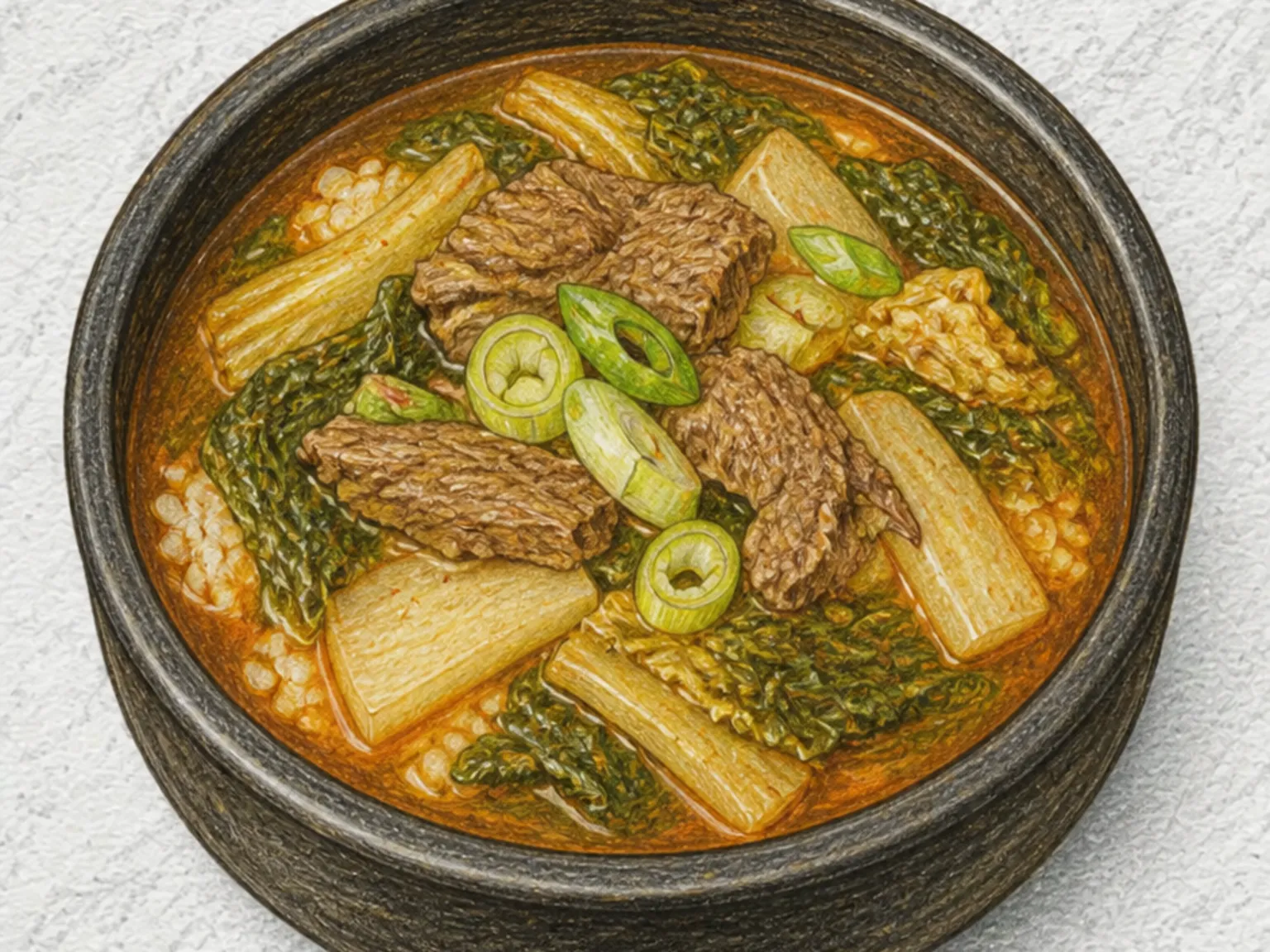
Kkongchi-jjim braises Pacific saury with Korean radish, onion, and green onion in a gochugaru and soy sauce broth until the liquid reduces to a concentrated, deeply spiced glaze. The saury's naturally oily flesh absorbs the bold seasoning without drying out, while the radish softens in the braising liquid and draws out any fishiness that would otherwise distract from the sauce. Garlic and ginger scrub the broth clean, and the chili's penetrating heat opens the appetite in a way that milder seasonings cannot. The remaining sauce, ladled over rice, is what most people eat last and remember longest - a humble fish dish that punches well above its price.

Korean Fermented Kale Kimchi
Kale kimchi is made by wilting kale leaves in coarse salt, then tossing them with julienned radish, scallions, gochugaru, soup soy sauce, and pear puree before fermenting. The kale's strong green flavor mellows during fermentation while its sturdy leaf structure maintains a satisfying chew, and the radish strips add a crisp counterpoint to the soft seasoning. Pear puree wraps around the chili heat with fruit sweetness, and soup soy sauce anchors the seasoning with a quiet umami depth. Made using the same technique as napa cabbage kimchi but carrying kale's distinctive slight bitterness, this version adds a layer of complexity and nutritional density to the traditional format. Kale requires less salting time than napa cabbage, and weighting it down evenly during the process ensures consistent wilting throughout the batch.

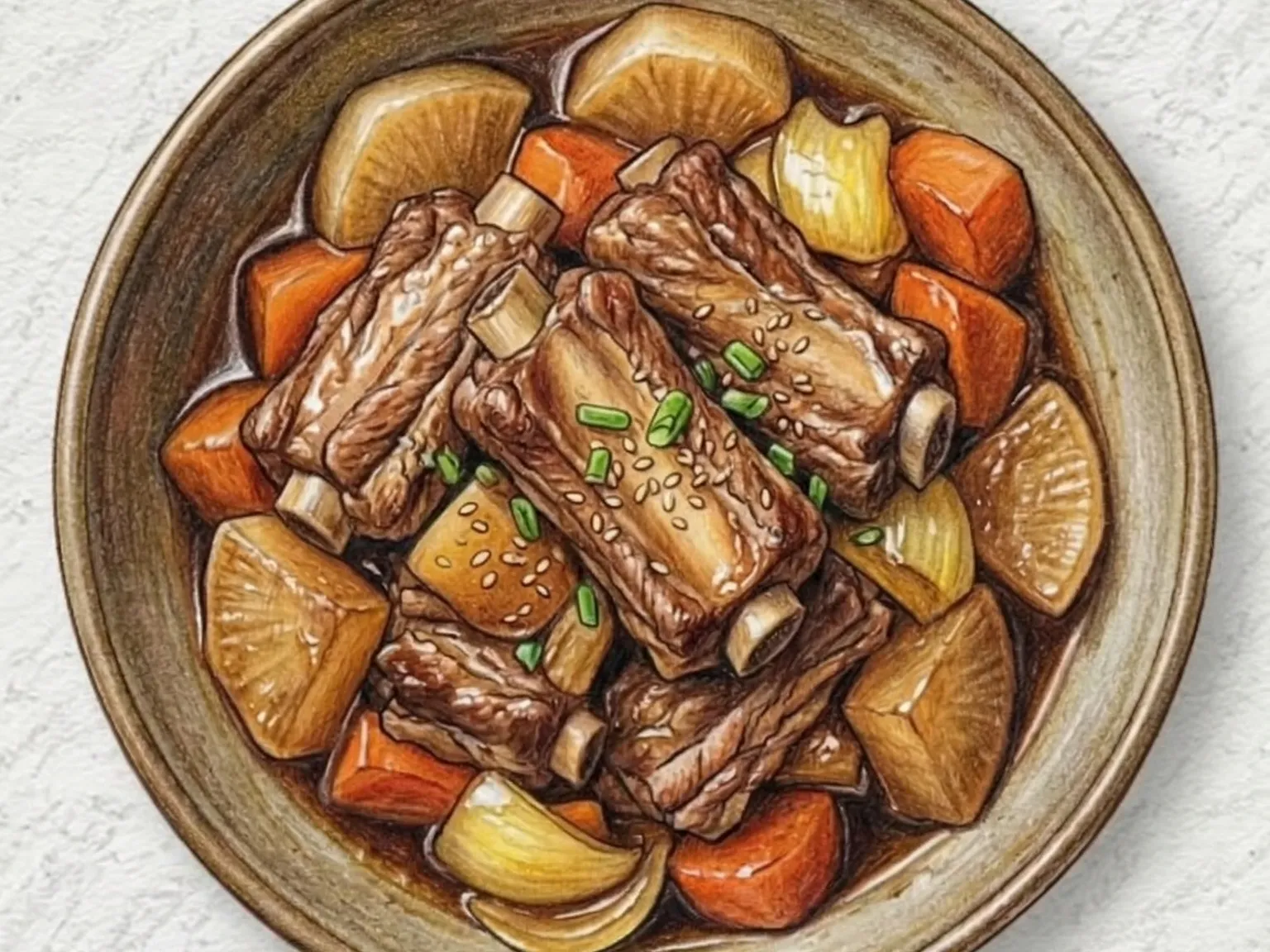
Korean Braised Short Ribs
Galbi-jjim is one of Korea's most celebrated braised dishes, built around thick-cut beef short ribs that simmer for well over an hour in a deeply seasoned liquid of soy sauce, Asian pear juice, sugar, garlic, and sesame oil. Before braising, the ribs are soaked in cold water to purge the blood, then briefly blanched in boiling water to remove impurities; skipping either step results in a cloudy, less refined sauce. The long, low cook breaks down the collagen in the connective tissue until the meat offers no resistance, sliding off the bone with the lightest pull. As the liquid reduces it clings to each rib in a thick, glossy dark-brown glaze that is simultaneously sweet, salty, and intensely savory. Daikon radish and carrot chunks absorb the braising liquid and soften into something almost buttery, becoming a substantial side dish in their own right. Chestnuts and jujubes, traditionally added for Chuseok and Lunar New Year celebrations, lend a gentle sweetness and lift the visual festivity of the platter. A single spoonful of the finished sauce over plain steamed rice is enough to make an entire bowl disappear.

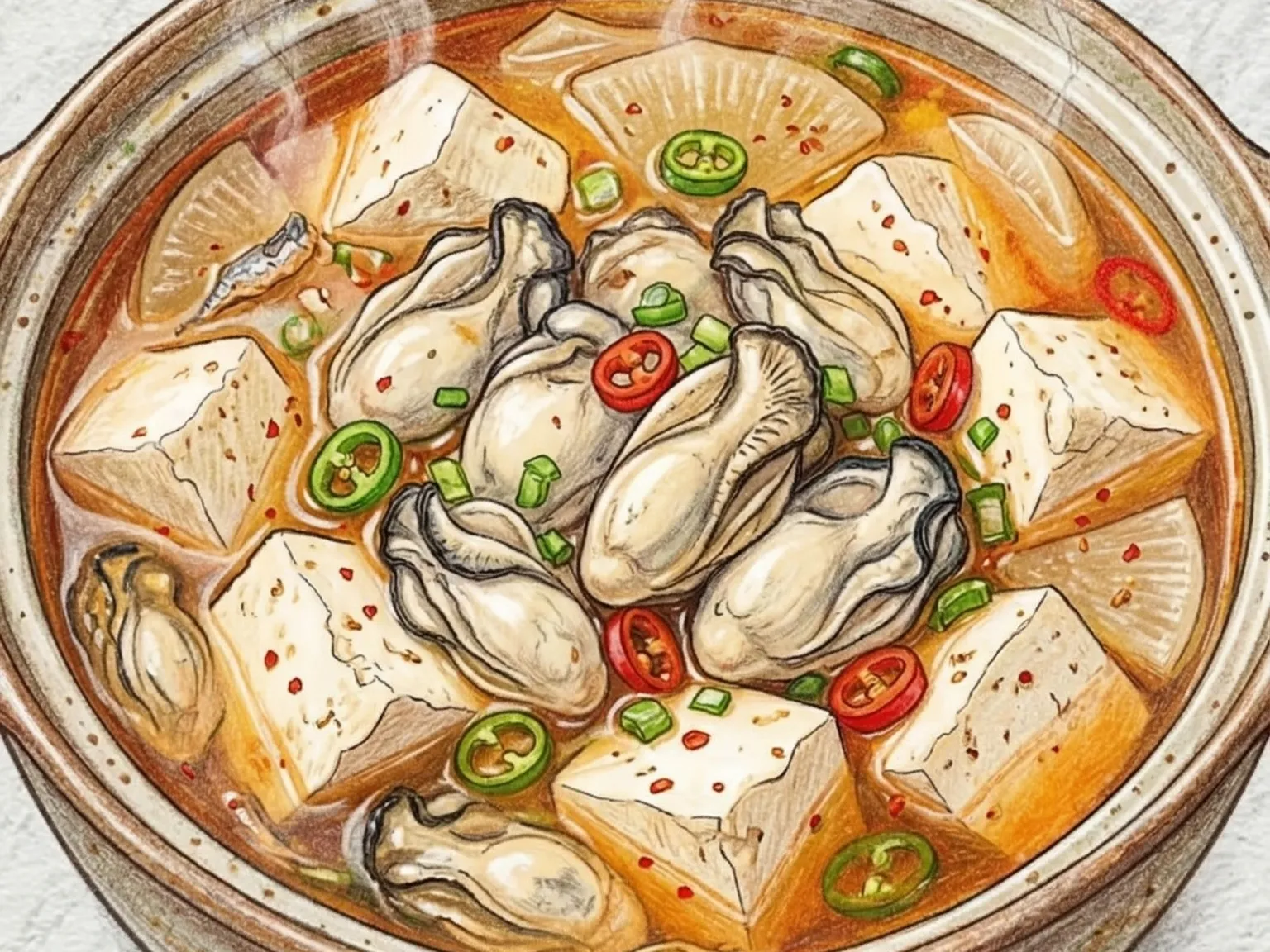
Korean Gul Dubu Jjigae (Oyster Tofu Stew)
Gul dubu jjigae pairs 180 grams of fresh oysters with generous cubes of firm tofu in a clean anchovy-kelp stock. The oysters release their briny, mineral-rich juices the moment they hit the simmering broth, giving the soup an immediate oceanic depth that no other seafood replicates in quite the same way. Korean radish adds mild sweetness and keeps the stock clear rather than murky, while gochugaru and a whole Cheongyang chili suppress any fishiness and build a persistent background heat. The 300 grams of tofu make this a genuinely filling stew rather than a light soup course. Timing the oysters correctly is the most important step: added just before the pot returns to a boil, they need only thirty seconds to one minute before they are cooked through. Leaving them longer shrinks them and toughens their texture. Rinsing the oysters gently in lightly salted water before cooking removes sand and impurities without stripping their natural fragrance. This is a distinctly seasonal stew, best made in winter when the cold-water oysters are plump, briny, and at full flavor.

Korean Braised Oxtail (Soy Collagen Radish Braise)
Kkori-jjim is a Korean braised oxtail dish that begins with an extended soak in cold water to purge blood, followed by a preliminary boil to clean the joints before the main braise. The oxtail pieces go into a pot with soy sauce, sugar, minced garlic, ginger, and rice wine and cook low and slow for two hours or longer. The collagen concentrated in the tail joints breaks down gradually over that time, turning the braising liquid thick, glossy, and deeply gelatinous while the meat loosens away from bone without resistance. Korean radish and carrot cook alongside the meat, contributing natural sweetness and becoming saturated with the savory-sweet sauce. Jujubes and ginkgo nuts lend an herbal nuance and a subtle sweetness that distinguishes this dish from simpler braises. When chilled, the sauce sets into a firm jelly that liquefies again on reheating. The dish appears regularly on Korean holiday tables and is considered restorative food, valued for its concentrated beef flavor and the characteristic springy pull of slow-cooked collagen.

Korean Cubed Radish Kimchi
Kkakdugi is a staple Korean kimchi made from radish cut into 2 cm cubes, brined in coarse salt, then seasoned with gochugaru, salted shrimp, garlic, and ginger before fermentation. Salting draws out moisture from the cubes, creating a contrast between the damp interior and the snappy outer surface. Salted shrimp layers its briny seafood depth beneath the chili heat, and as fermentation progresses, the radish's natural sugars emerge to balance the spice with a clean sweetness. Brining time should be kept to thirty minutes to one hour since over-salting softens the radish and robs it of its characteristic crunch. Adding a small drizzle of perilla oil during the seasoning step deepens the nutty undertone of the finished kimchi, and substituting grated pear or apple for sugar provides a gentler, fruit-derived sweetness that integrates more seamlessly into the overall flavor. The accumulated brine at the bottom of the jar develops a refreshing tang that makes kkakdugi the essential companion to rich, milky soups like seolleongtang and gomtang.

Galbitang (Clear Korean Beef Short Rib Soup)
Galbitang is a clear Korean soup built from long-simmered beef short ribs, extracting a deep, clean beef flavor without the milky opacity of seolleongtang or gomtang. Before cooking, the ribs are soaked in cold water for one to two hours to draw out blood, which is what allows the finished broth to stay clear and free of off-flavors. The radish goes in from the beginning, slowly releasing a gentle sweetness as it absorbs the surrounding broth and becomes fully saturated with beef flavor. The ribs need time - the measure of doneness is the meat sliding cleanly off the bone with minimal pressure from chopsticks. Unlike bone-based broths that turn white from emulsified collagen and fat, galbitang remains translucent because the fat from the rib meat dissolves more gently, leaving a subtle richness rather than heaviness. Seasoning is deliberately restrained, using only salt and white pepper at the table so nothing interferes with the honest taste of the beef. Garnishes of sliced egg crepe and green onion add color and a fresh note. The soup is served year-round in Korean restaurants, always arriving steaming hot alongside a bowl of plain rice.

Korean Oyster Kimchi Stew
This stew pairs fresh oysters with aged kimchi, two ingredients that reach their peak simultaneously during the Korean winter, making this a dish with a narrow but rewarding season. The oysters contribute a deep briny sweetness while the well-fermented kimchi provides a sour, umami-laden backbone that would be impossible to replicate with fresh or lightly fermented leaves. A tablespoon of perilla oil distinguishes this from a standard pork kimchi jjigae: its nutty, slightly green aroma adds an earthy roundness that ties the seafood and kimchi together without competing with either. Radish is added to keep the broth clean and refreshing despite the concentration of flavors, and a base of anchovy stock reinforces the savory depth that the oysters and kimchi alone begin to build. Gochugaru and minced garlic provide heat and sharpness. The oysters go in only once the pot reaches a full boil and are cooked for no more than two to three minutes, just long enough to firm up without shrinking into small, rubbery pieces.

Korean Spicy Braised Semi-Dried Pollock
Kodari-jjim is a Korean braised dish of semi-dried pollock slow-cooked with radish and onion in a gochugaru and soy sauce seasoning. The drying stage removes moisture from the pollock, firming the flesh so it absorbs the seasoning deeply while holding its shape throughout cooking. Radish tempers the chili heat and contributes a natural sweetness, and a small addition of doenjang adds a savory depth that rounds out the sauce. As the liquid reduces to a thick, clinging glaze, the pollock takes on an intensely spiced quality that makes it a natural companion to steamed rice. Mixing the reduced sauce into hot rice is a well-known Korean habit, since every drop carries concentrated spice and brine.

Korean Soy Pickled Radish Cubes
Mu jangajji is a fundamental Korean soy-pickled radish made by cutting radish into 1.5 cm cubes, packing them in a sterilized jar with dried chili, and pouring over a boiled brine of soy sauce, vinegar, and sugar. The radish's firm flesh absorbs the sweet-salty brine gradually while maintaining its crisp bite, and the dried chili adds a gentle warmth and aroma to the liquid. Pouring the brine while still hot is important because the heat briefly opens the cell walls of the radish, allowing the seasoning to penetrate more evenly throughout. Vinegar balances the soy's saltiness with a clean tang, and using dense winter radish yields the best texture. This is one of the most versatile Korean pickles, appearing alongside gimbap, bibimbap, and gukbap as a reliable everyday table companion.

Korean Short Rib and Octopus Soup
Galnak-tang is a Korean restorative soup that combines beef short ribs and fresh octopus in the same pot, producing a broth that carries two distinct umami registers simultaneously. The ribs are simmered first until tender and the initial cooking water is discarded along with the rendered fat, leaving a cleaner base for the second round of simmering. Radish goes in early alongside the ribs, gently sweetening the broth while absorbing some of the beefy richness so that the seafood flavor added later can come through more clearly. Octopus is added only at the end and needs no more than two to three minutes in the hot broth. Any longer and the texture turns rubbery, losing the springy bite that makes octopus worth eating. As the octopus cooks, its juices release into the soup and merge with the beef stock, blending the fatty depth of braised meat with the clean, mineral brightness of the sea. A small amount of gochugaru added near the end gives the broth a mild heat that cuts through the richness without overwhelming either protein. In Korean food culture, this soup belongs to the category of stamina dishes called boyangsik, traditionally sought out during the three hottest days of summer, after illness, or the morning following a night of drinking.

Korean Oyster & Crown Daisy Stew
Gul ssukgat jjigae is a Korean stew that combines oysters with crown daisy, a leafy herb that brings a distinctive bitter-herbal character rarely found in other stews. The oysters, approximately 220 grams, provide the foundational savory base of the broth, releasing their briny, oceanic juices as they heat through. Crown daisy contributes an aromatic quality that is simultaneously bitter and clean, and that fragrance is volatile enough to disappear entirely with extended cooking, so it must be added at the very end, just before the heat is turned off. Korean radish and firm tofu are added midway through cooking to add body and substance to the stew without muddying the clean flavor of the broth. Soup soy sauce seasons the liquid while keeping the broth a clear, pale color rather than the darker tones that regular soy sauce would introduce. The combination of briny shellfish and herbal greens is a traditional Korean pairing, one that appears most often in home cooking rather than in restaurant settings. The result is a stew with a distinct identity - lighter than kimchi jjigae, more aromatic than doenjang jjigae - that works well as a standalone bowl with a bowl of rice.

Braised Korean Radish (Soy Garlic Slow-Cooked Side)
Mu-jjim is a Korean braised radish dish where thick-cut Korean radish is simmered slowly in a covered pot with soy sauce, sugar, and garlic. The radish absorbs the seasoned liquid as it cooks, turning translucent from edge to center and developing a natural sweetness that balances the saltiness of the soy base. A drizzle of sesame oil at the end adds a nutty fragrance, and a single sliced green chili contributes a mild kick to the finish. Despite the short ingredient list, this banchan pairs naturally with rice at any meal and holds up well as a make-ahead side throughout all seasons. Keeping the heat at medium or below for at least twenty minutes allows the radish to soften fully and take in the seasoning without becoming mushy.

Korean Seokbakji Radish Kimchi
Seokbakji is a traditional Korean radish kimchi in which large-cut radish cubes are salted for one hour, drained, and tossed with a seasoning of gochugaru, salted shrimp, minced garlic, ginger, and scallion pieces before being set aside to ferment. The size of the radish pieces is the most important factor in this kimchi - smaller cuts turn mushy during fermentation as salt and acid break down the cell structure, while large cubes maintain their firm, satisfying crunch throughout the entire maturation period. Salted shrimp here does far more than add salt: its fermented depth provides an umami backbone that gochugaru alone cannot deliver. After one day of fermentation at room temperature, two more days in the refrigerator allow lactic acid bacteria to develop a clean, refreshing sourness. The liquid that the radish releases during this process becomes a flavorful brine - this brine is one of seokbakji's most prized characteristics. Placed alongside a bowl of seolleongtang or gukbap, the cold, crunchy kimchi and its tangy liquid cut directly through the richness of the bone broth, refreshing the palate between spoonfuls. Compared to kkakdugi, seokbakji pieces are larger and more liquid-forward.

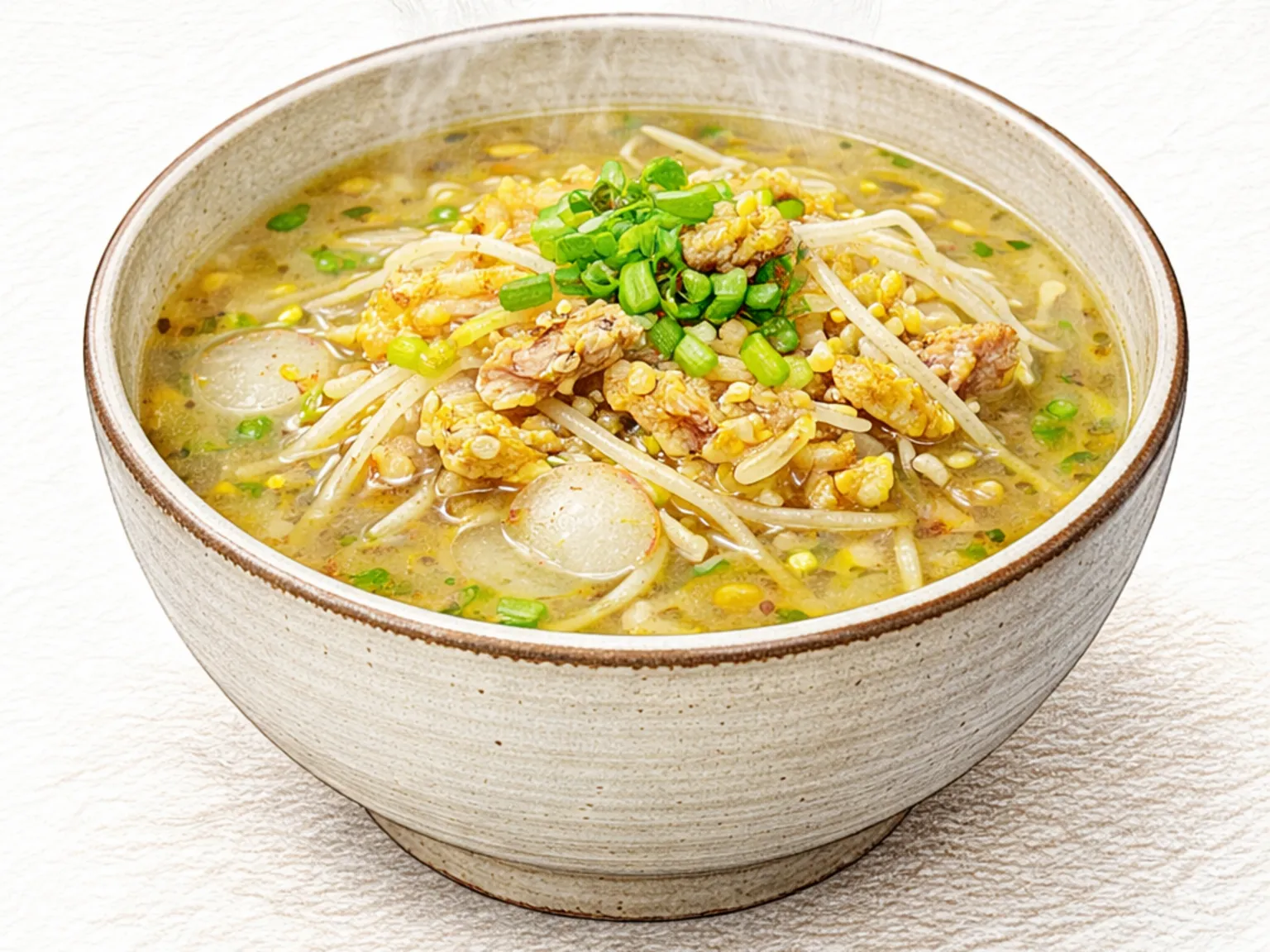
Korean Gangwon-Style Dried Pollock Hangover Soup
This Gangwon-province version of dried pollock hangover soup starts by stir-frying shredded dried pollock in sesame oil until it turns deeply fragrant and golden. That step is what sets it apart from other regions' pollock soups. The toasted sesame aroma permeates the entire broth and adds a richness that plain boiling cannot achieve. Radish simmers alongside, contributing a clean sweetness that tempers any fishiness. Garlic and soup soy sauce provide the savory foundation. Near the end, a beaten egg is swirled into the pot, forming soft, silky ribbons that give the clear broth a comforting body. The soup is intentionally mild and free of chili heat, designed to be gentle on an empty or troubled stomach. Koreans have relied on this kind of bugeo-guk for morning-after recovery for generations, and the Gangwon-style sesame preparation is considered one of the most satisfying versions. If the stir-frying step is rushed, the sesame oil does not coat the fish thoroughly, so cooking the pollock strands over medium heat until they are evenly golden is what draws out the full depth of flavor into the broth.

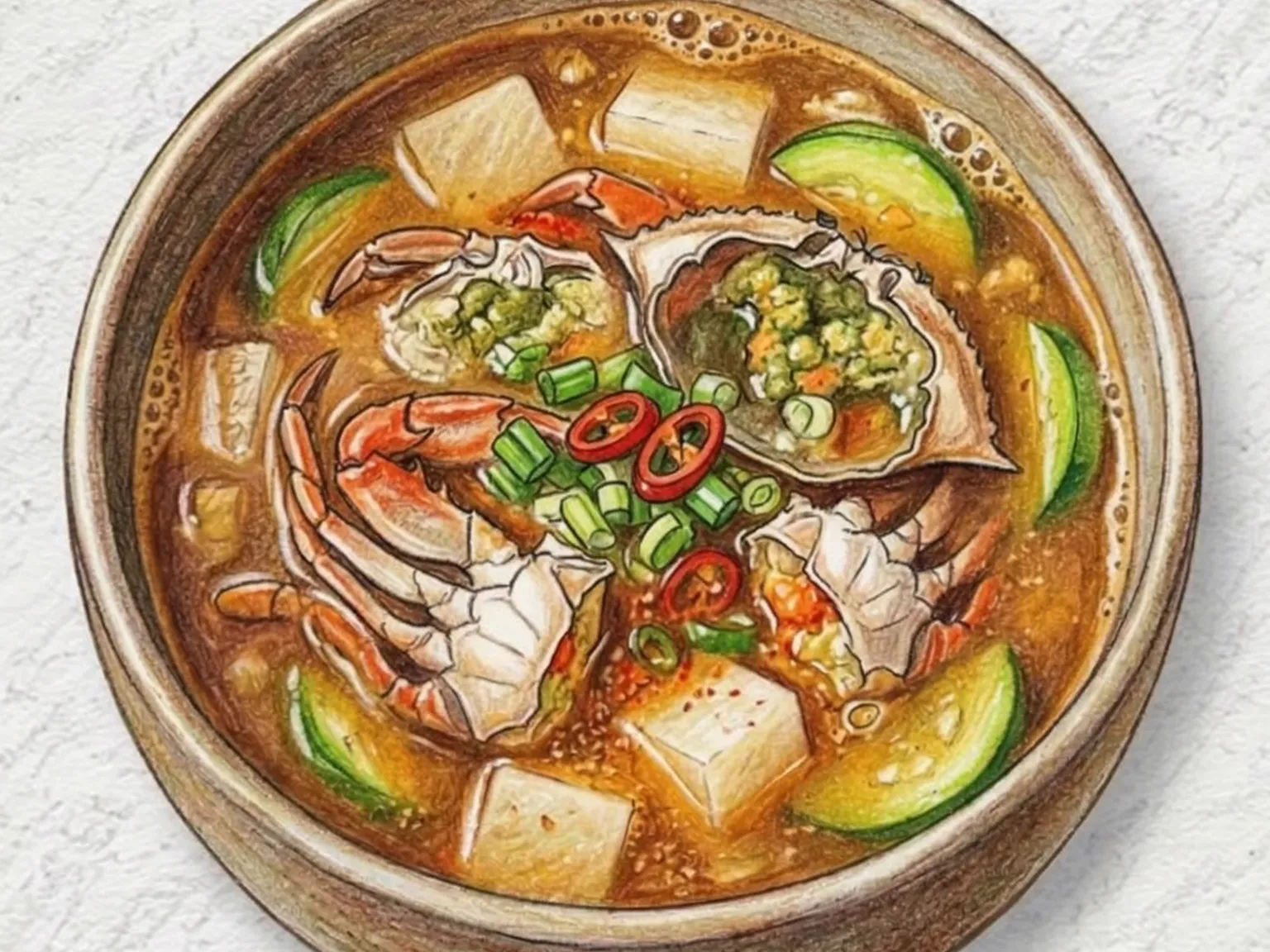
Korean Mussel Stew
Honghap jjigae uses a generous 900g of mussels to build an intensely briny, clean-tasting broth that defines this stew. Thick-cut Korean radish simmers alongside the shellfish, soaking up the ocean-flavored liquid and contributing a quiet natural sweetness. Cheongyang chili and gochugaru deliver a moderate, lingering heat, while soup soy sauce and cooking wine round out the seasoning without drowning the seafood flavor. Using the liquid the mussels release during cooking as the base of the broth provides depth without requiring a separate stock. Sliced green onion added at the end lifts the aroma without adding any fishy note. Selecting only mussels whose shells are tightly closed before cooking reduces the chance of grit or off-flavors in the finished stew.

Korean Steamed Octopus (Whole Salted Radish Broth)
Muneo-jjim is a Korean steamed whole octopus dish prepared by scrubbing the octopus vigorously with coarse salt to remove slime and any off-odor, then cooking it in a pot layered with radish and green onion. Submerging the head end first and lifting it in and out of the boiling water two or three times causes the tentacles to curl inward naturally, resulting in an attractive presentation before the full cook begins. Simmering for about fifteen minutes and then resting off the heat with the lid on produces a texture that is springy and chewy without turning tough. The radish adds mild sweetness to the water while green onion draws out any fishiness, so the resulting broth carries a clean, subtle depth of its own. Once cooked, the octopus is sliced on the diagonal into manageable pieces and served with a simple dipping sauce of sesame oil mixed with salt. That combination lets the octopus's natural ocean flavor and nuttiness come through without interference. The dish works equally well as a drinking accompaniment or an everyday banchan, and the technique scales from a small arm to a full-sized octopus without adjustment.

Korean Pickled Radish Wraps
Ssam-mu is a Korean sweet-and-sour pickled radish made by slicing Korean radish into very thin two-millimeter rounds and submerging them in a warm brine of water, vinegar, sugar, salt, and bay leaves. The slices must be thin enough to wrap around grilled meat without tearing, and the brine is cooled to lukewarm before pouring - boiling hot liquid would cook the radish and destroy its crunch. Ready after one day of refrigeration, the pickle reaches its peak on day three when the vinegar tang and sugar sweetness have fully penetrated each slice. Adding a lemon slice to the jar introduces a fresh citrus note. Wrapped around a piece of grilled pork belly or fried chicken, the sweet-sour radish provides an immediate contrast that lifts the fatty richness of each bite.

Korean Dried Shrimp Radish Soup
Geon-saeu-muguk is a clear Korean soup that pulls deep flavor from two inexpensive ingredients: dried shrimp and Korean radish. The dried shrimp are toasted in sesame oil before any water is added. This step is not cosmetic. As the shrimp heat up, their moisture evaporates and the concentrated briny sweetness intensifies and bonds with the oil, releasing a fragrant, almost caramelized seafood aroma that becomes the backbone of the entire broth. Without this toasting step, the soup tastes thin and flat. Radish slices go in after the shrimp, simmering in the water until translucent and releasing a gentle natural sweetness that rounds out the saltiness of the shrimp. Minced garlic and soup soy sauce are added for seasoning, and that is essentially all that is needed. No separate anchovy or kelp stock is required; the dried shrimp generate enough umami on their own to make the broth taste full and layered. Once the water comes to a boil, the soup is ready in under fifteen minutes, which makes it genuinely practical for weeknight cooking when time is short. Sliced green onion stirred in just before serving lifts the aroma and gives the bowl a fresh note to balance the deep, savory broth. Salt can substitute for the soup soy sauce if a cleaner-tasting liquid is preferred.

Korean Pacific Saury Stew
Kkongchi jjigae is a budget-friendly Korean stew built around a single can of Pacific saury, making it one of the most practical jjigae to pull together from pantry staples. Korean radish and onion go into the pot alongside the fish, absorbing the bold, oily flavor of the canned saury as everything simmers together. The canning liquid is included in the pot as well, eliminating the need for a separate stock while adding the concentrated brininess of the fish directly to the broth. A half-tablespoon of doenjang tames the fishiness that canned fish can carry while adding a layer of fermented, savory depth, and gochugaru builds the characteristic spicy bite that makes this stew work as a proper rice banchan. Because canned saury is already fully cooked and the bones have softened in the canning process, the fish can go directly into the pot without any preparation and the pieces can be eaten bones and all. The whole stew comes together in under 30 minutes, making it a reliable weeknight option when time and budget are both short.

Korean Samgyeopsal Ganjang Jorim (Soy-Braised Pork Belly)
Samgyeopsal ganjang jorim is a Korean soy-braised pork belly dish where blanched pork belly is simmered with radish and onion in a soy sauce base for over forty-five minutes. Blanching first removes impurities and excess fat, leaving a clean-tasting braise. The long simmer allows soy sauce to penetrate the layered pork, building a deep flavor that is savory without being greasy. Radish chunks absorb the pork-enriched liquid and develop a richness of their own, while oligosaccharide syrup lends a natural sheen. Cooling and reheating concentrates the seasoning further, making this a strong choice for gatherings or holiday meals.