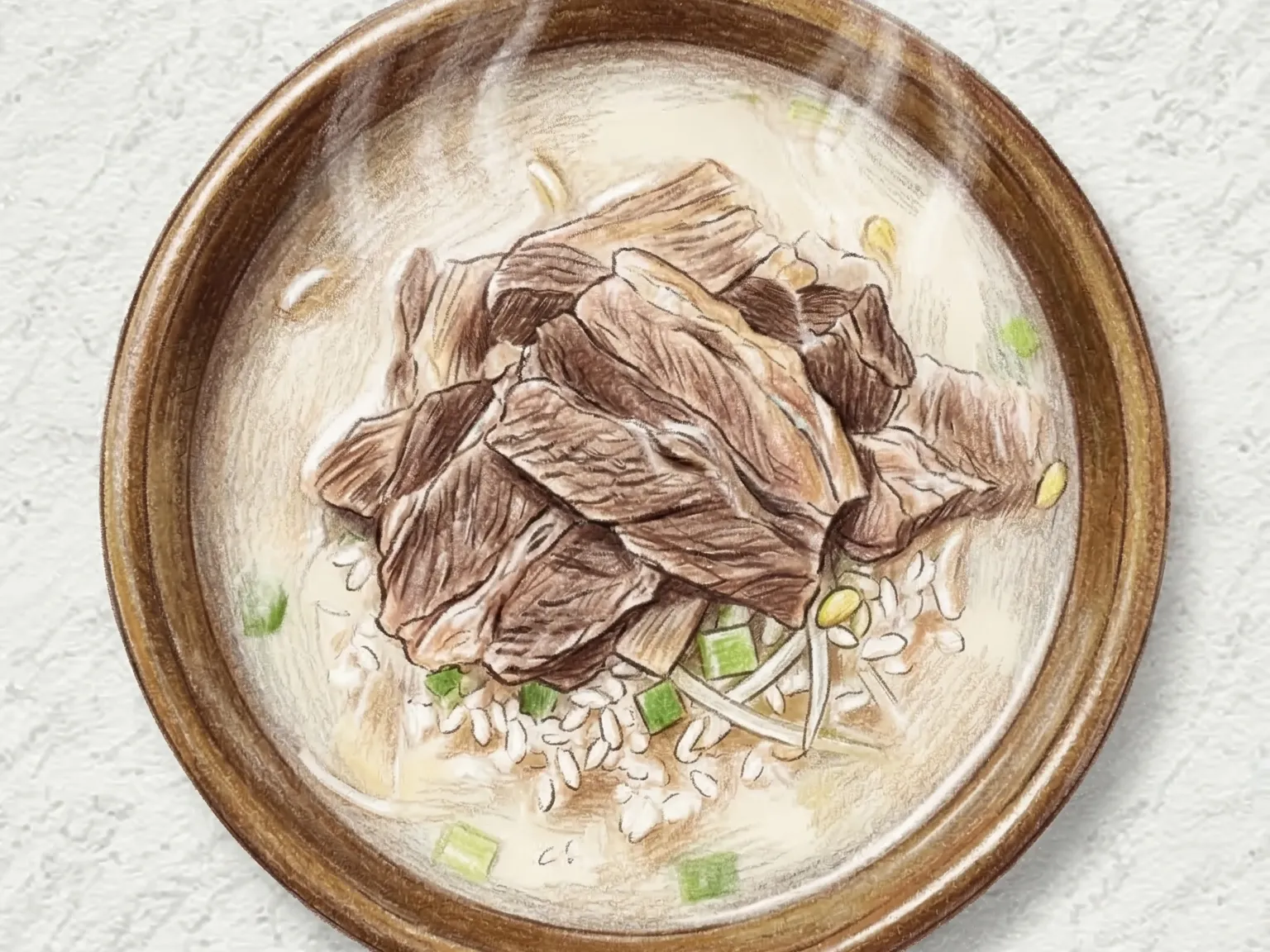
Korean Young Radish Water Kimchi
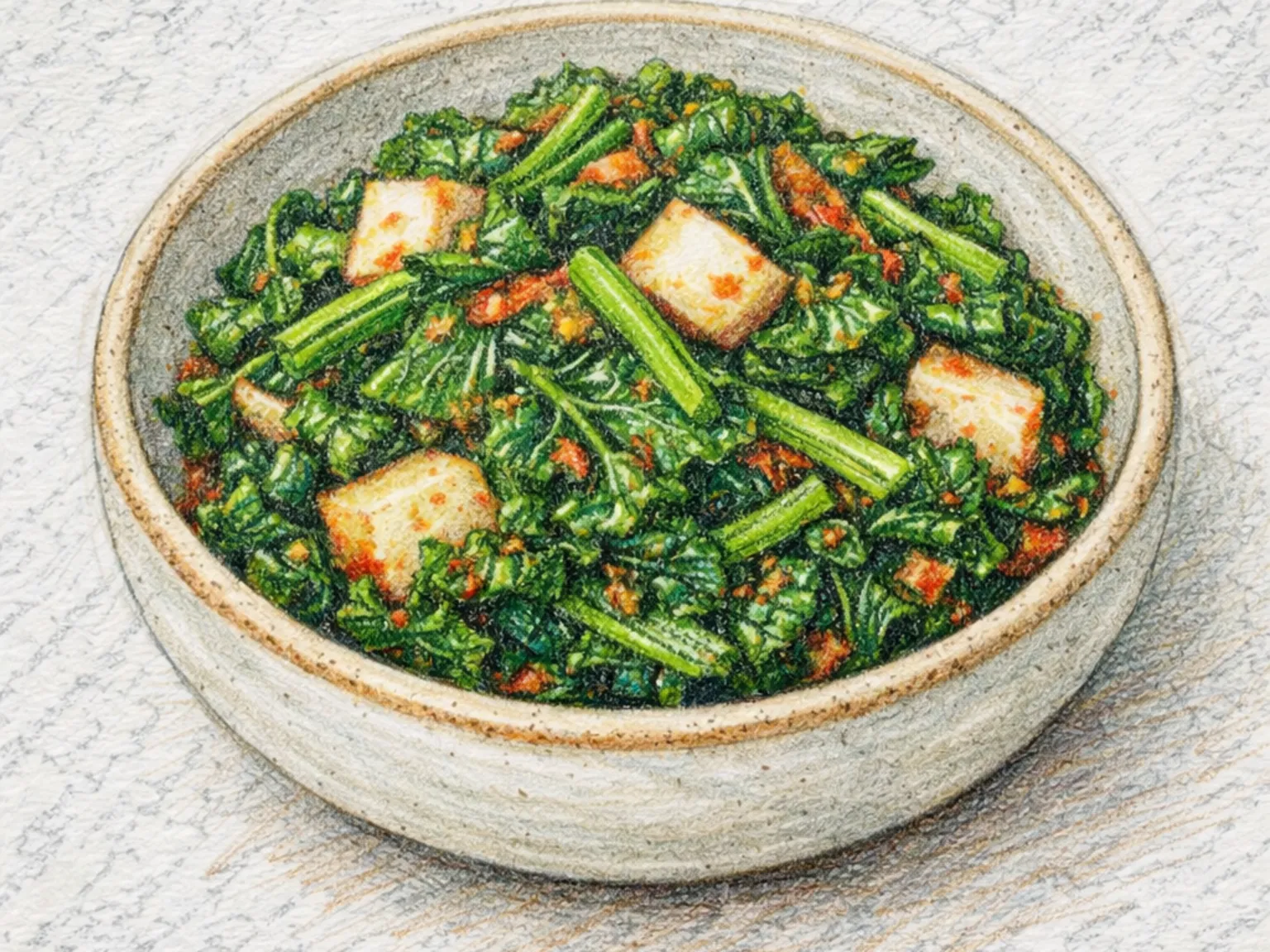
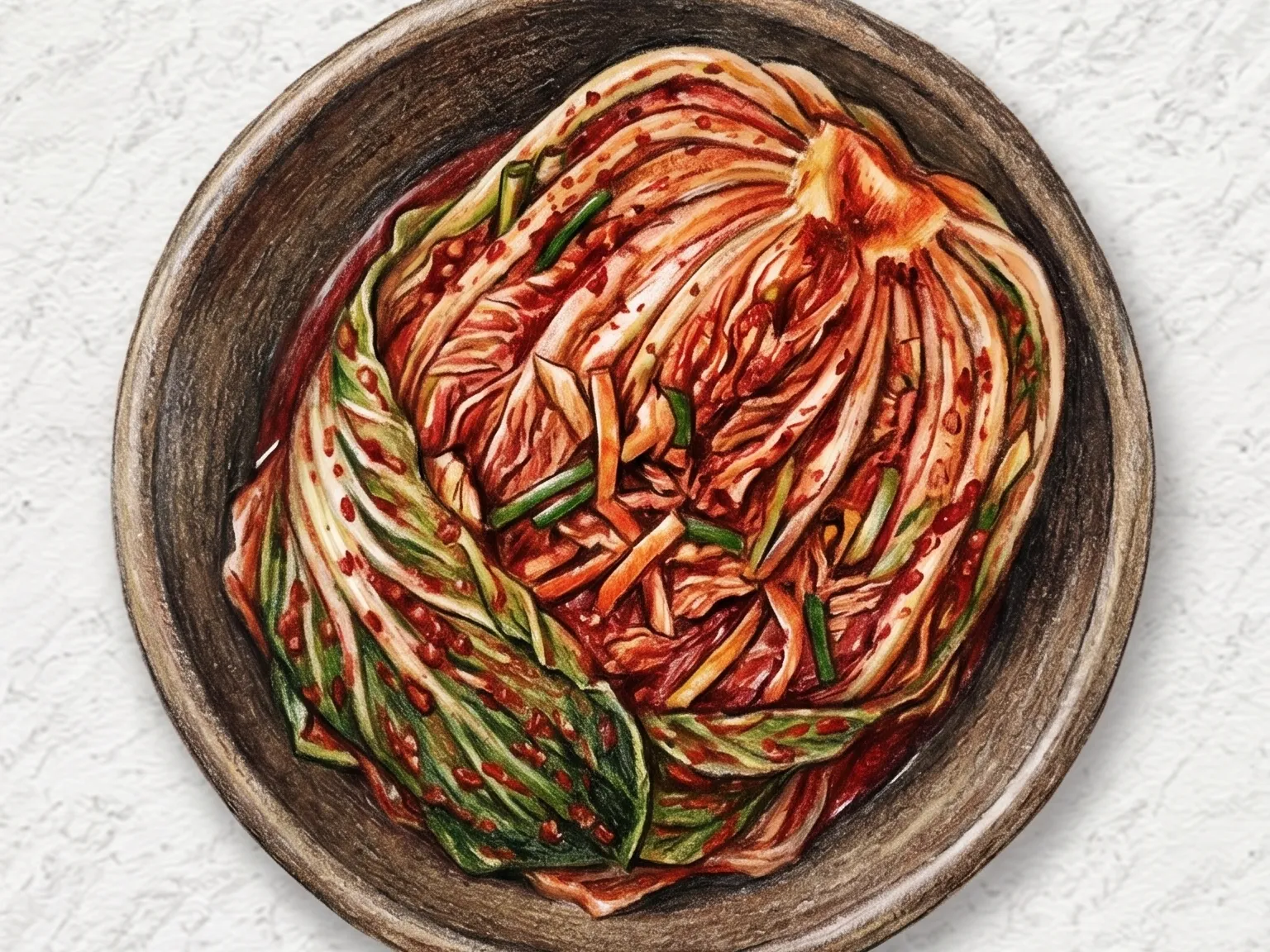
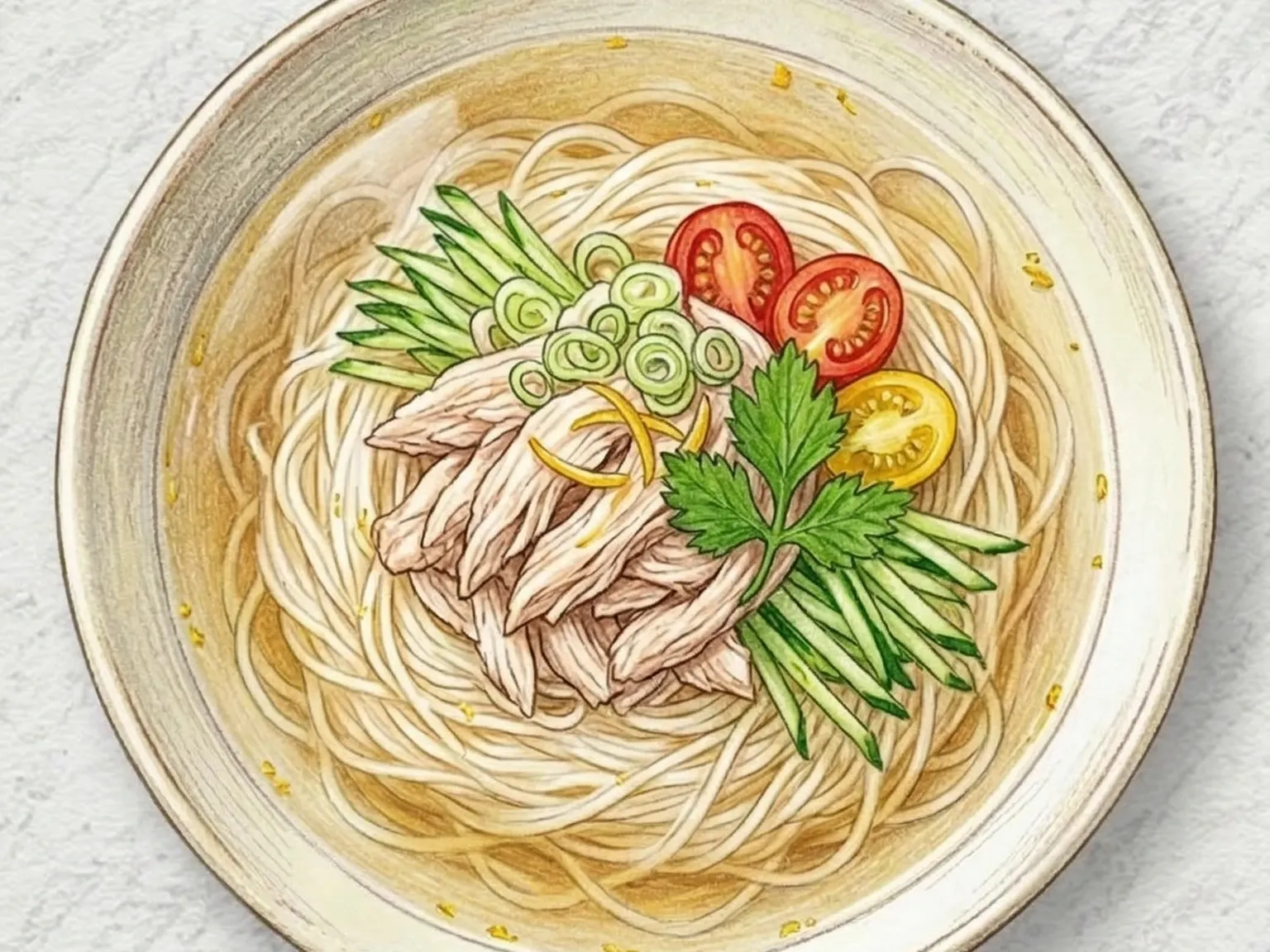
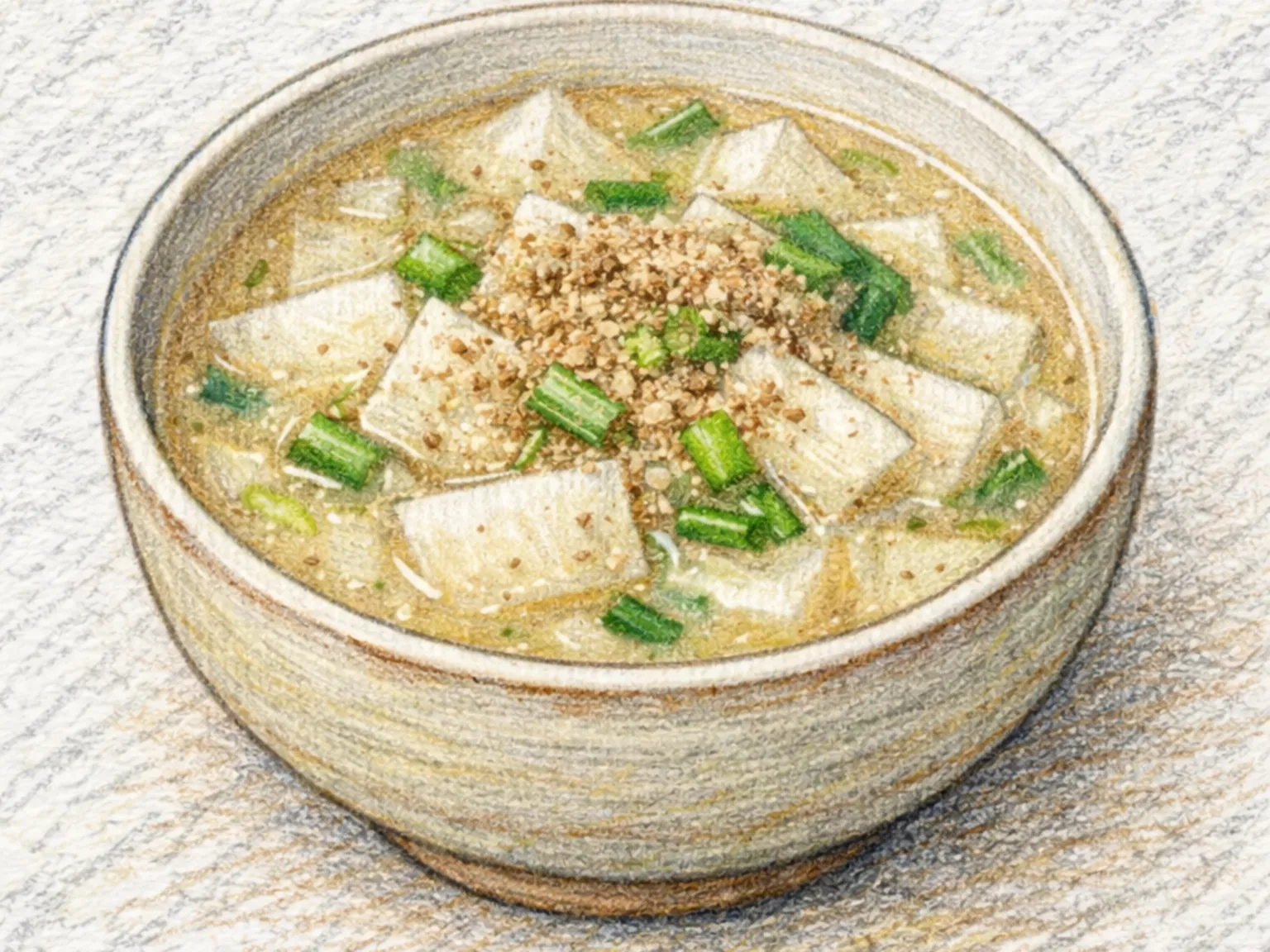
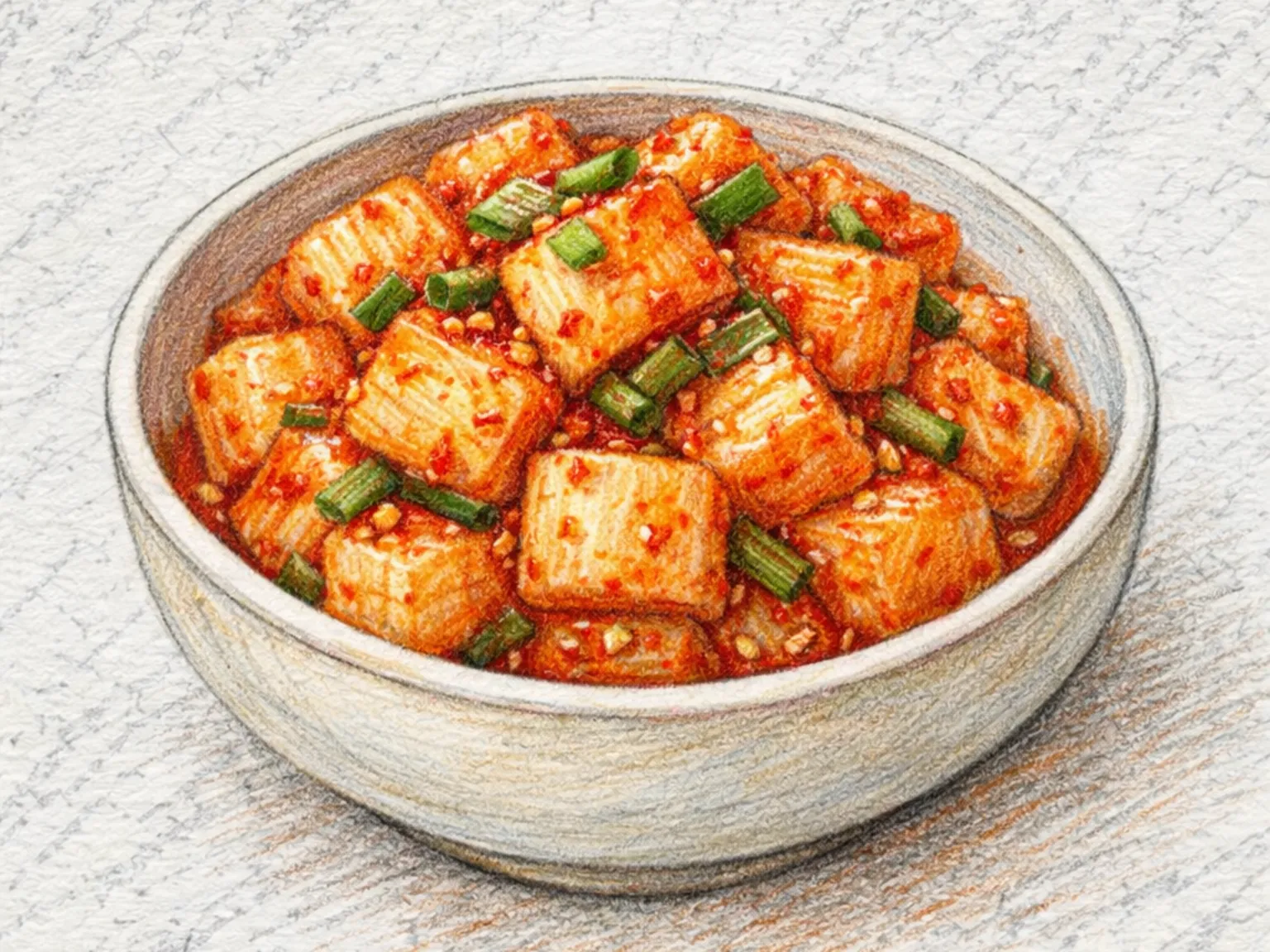
Yeolmu mul-kimchi is a water kimchi in which young radish greens are salted to reduce their raw grassy sharpness, then submerged in a clear, aromatic brine infused with sliced radish, scallions, garlic, and ginger. The garlic and ginger are wrapped in cloth and squeezed rather than added directly to the liquid, which keeps the brine transparent and clean-tasting rather than murky. Plum syrup blended into the brine provides a measured sweetness and contributes to a lively acidity as fermentation develops. Leaving the jar at room temperature for eight hours and then refrigerating for another twelve allows the brine to become gently effervescent and pleasantly tart without turning sour. The finished liquid doubles as a broth for cold noodles in summer or can be ladled over cooked rice for a refreshing light meal. Filtered cold water makes a noticeable difference in the cleanliness of the final flavor, and keeping close watch on the salting time prevents the greens from softening past their ideal crisp texture.

Gomchi-guk (Eelpout Fish Radish Soup)
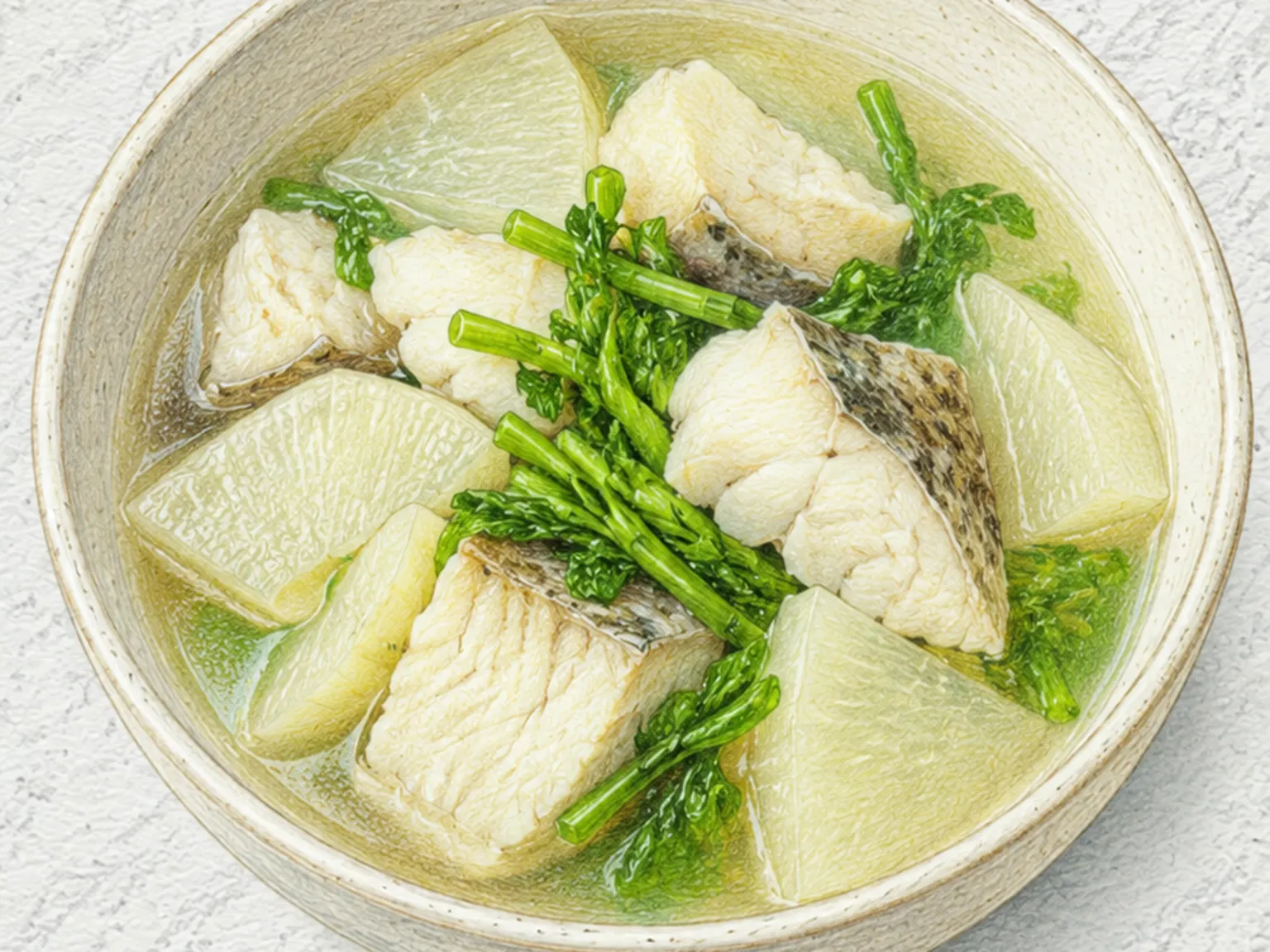
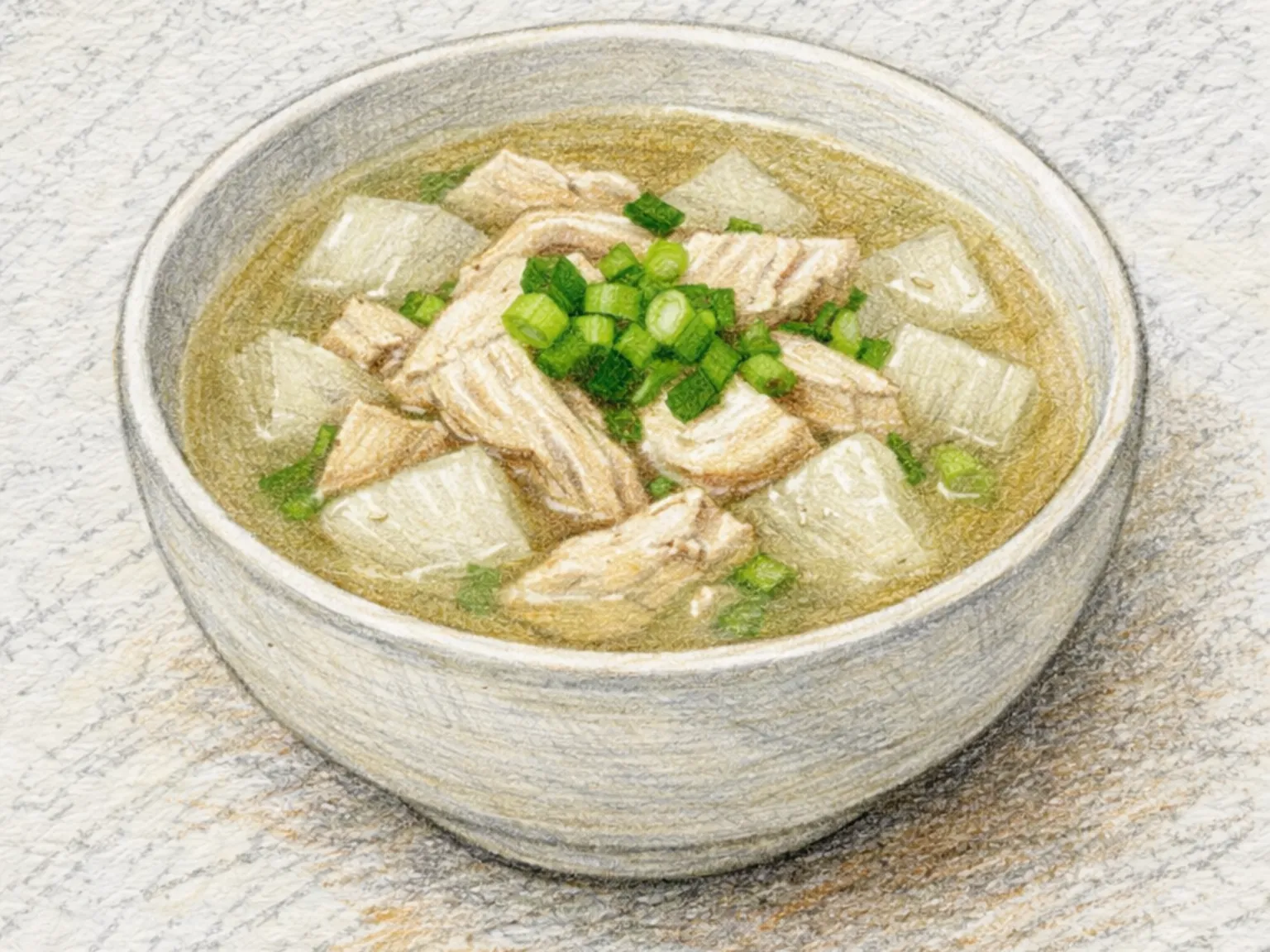
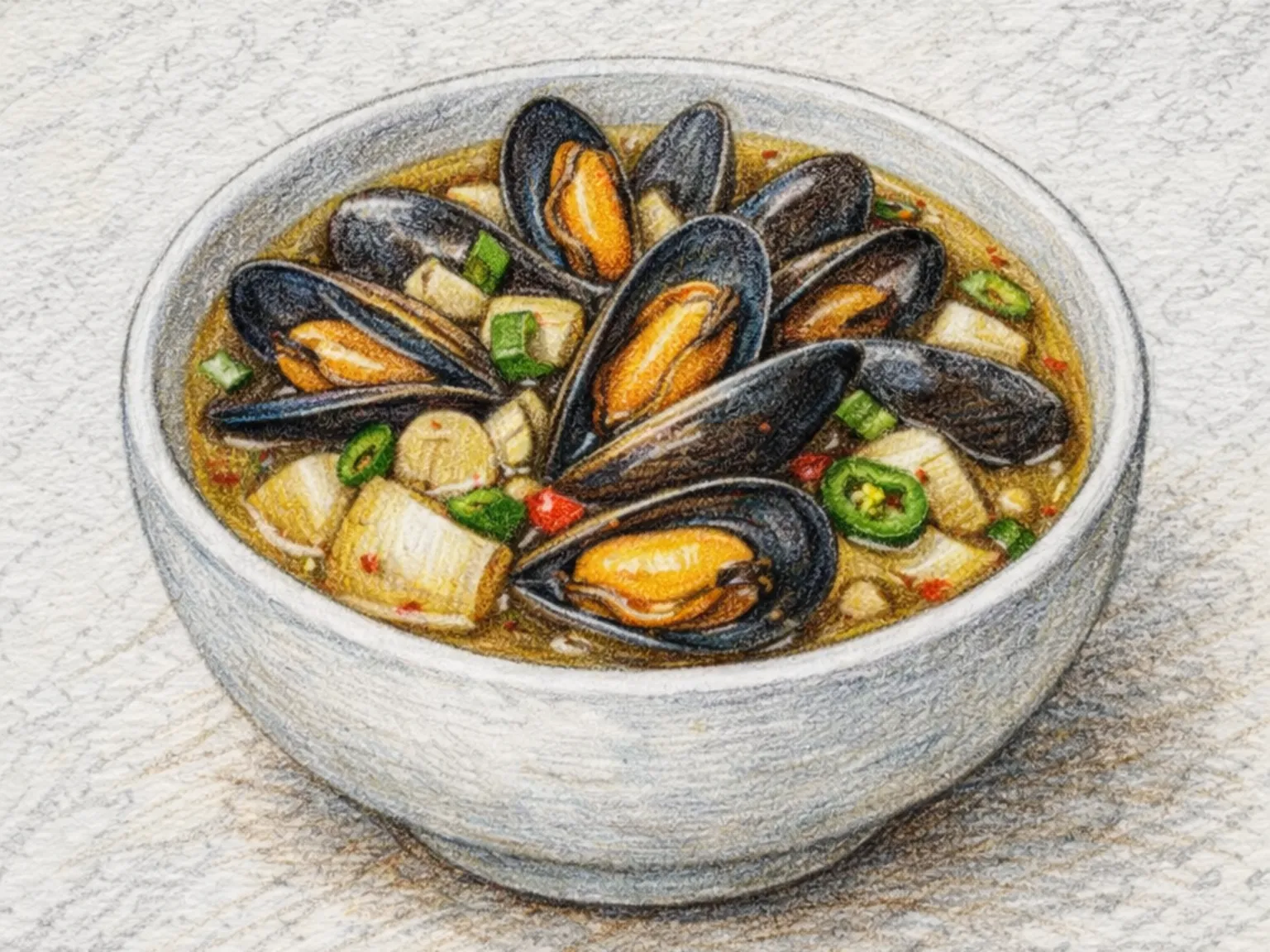
Gomchi-guk is an East Coast Korean fish soup centered on eelpout, a deep-sea fish prized for its exceptionally soft flesh and naturally high gelatin content. The fish is cut into sections and simmered with radish in plain water, producing a broth that appears simple but carries a clean marine richness and a subtly viscous body that comes entirely from the collagen dissolving out of the fish as it cooks. Radish absorbs and neutralizes the fishiness that might otherwise dominate the soup, while also contributing a gentle sweetness that keeps the broth tasting bright. A splash of cheongju rice wine is added early in cooking to eliminate any remaining off-notes, a standard technique for Korean fish soups. As the soup simmers, the eelpout flesh gradually separates and disperses into the liquid, blurring the boundary between solid and broth and making the soup feel satisfyingly unified rather than composed of distinct parts. Garlic and green onion provide the final layer of aromatics, and seasoning is kept simple with salt or a small measure of soup soy sauce. Gomchi-guk is a regional specialty most closely associated with the coastal towns of Gangwon Province and the North Gyeongsang coastline, where it is typically served bubbling hot in a stone pot through the winter months. Frozen eelpout is available outside its native region and produces a comparable result.

Korean Spicy Blue Crab Seafood Stew
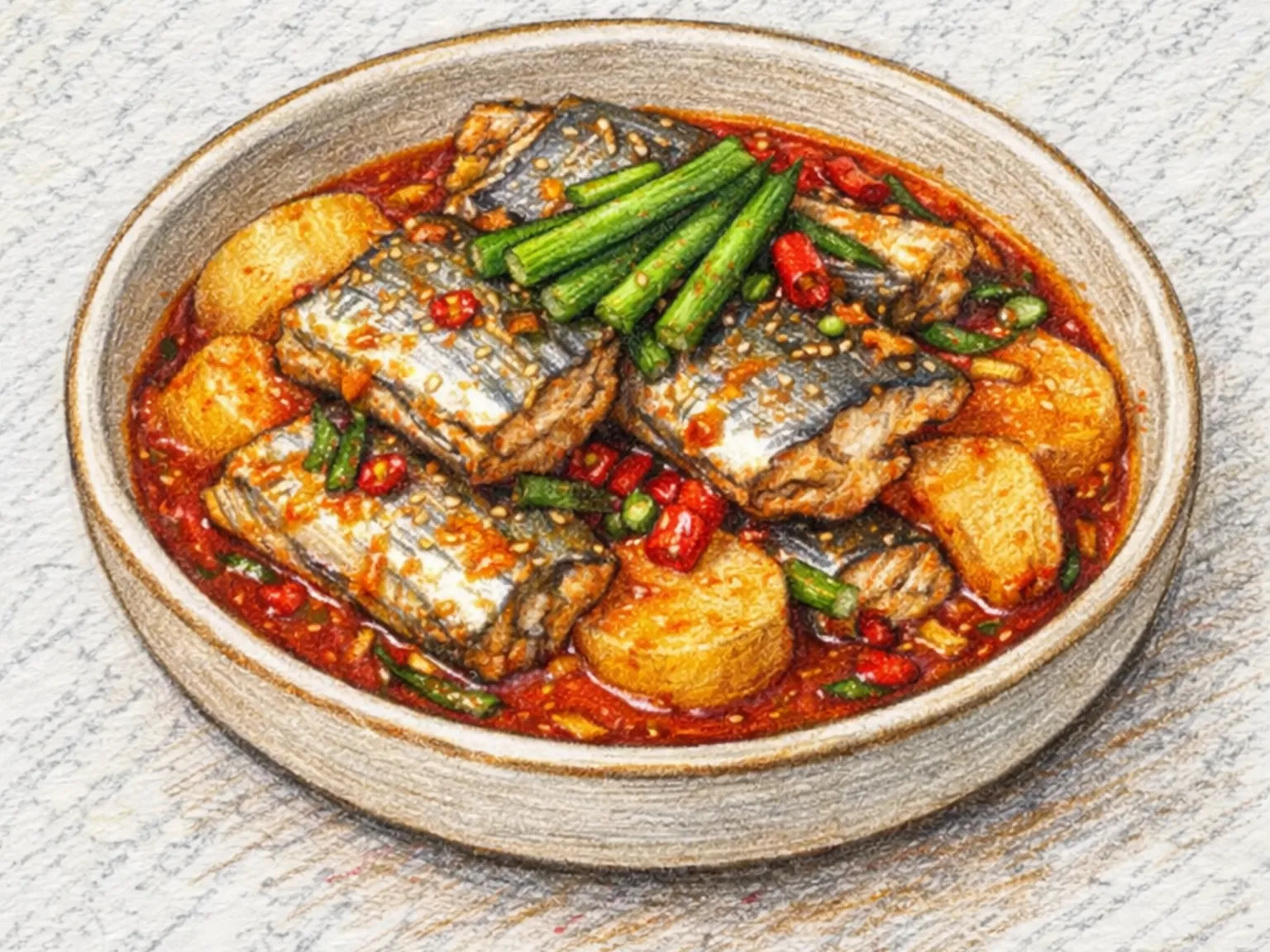
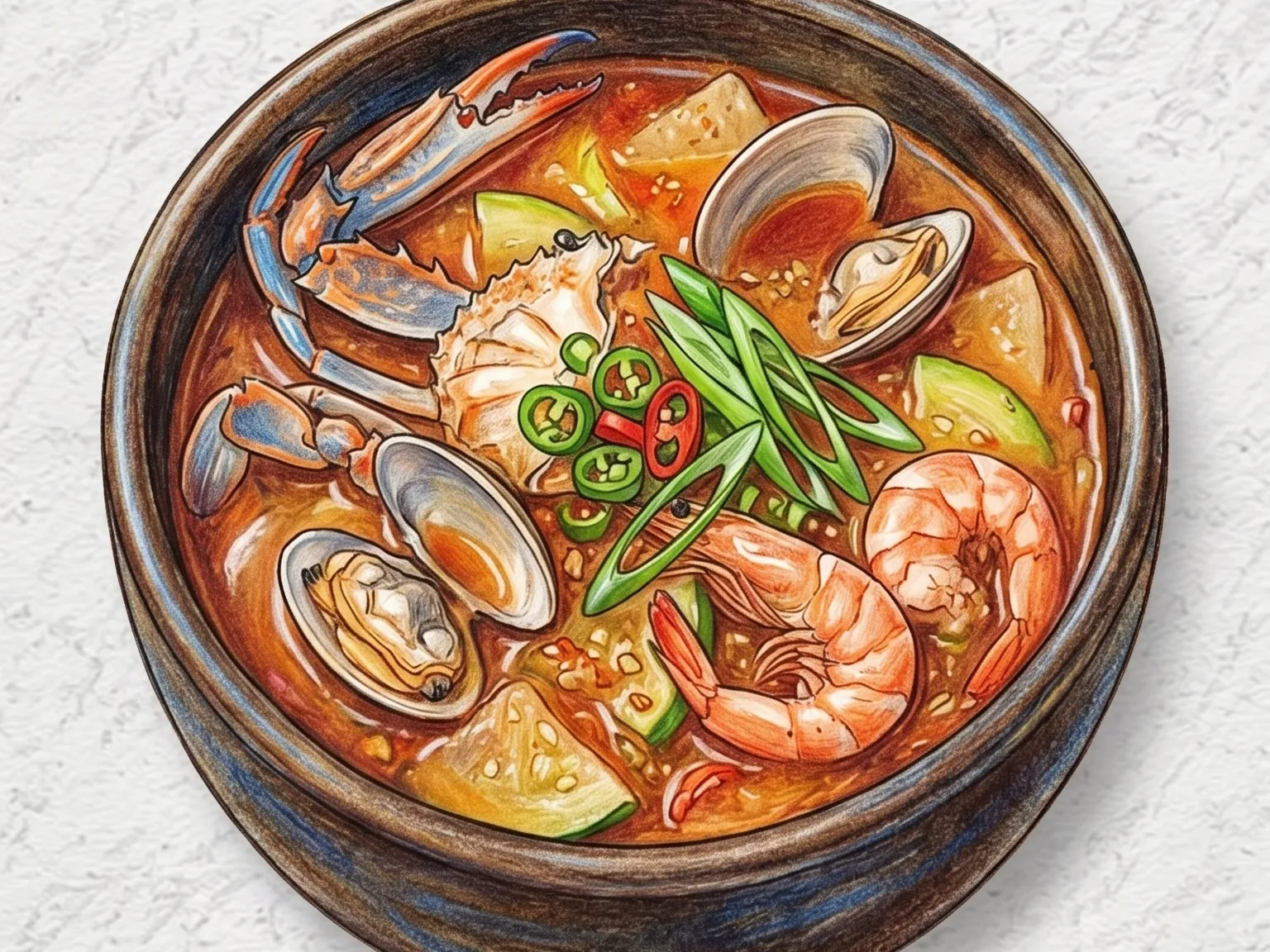
Kkotge haemul jjigae is a Korean seafood stew that combines blue crab, Manila clams, and shrimp in 1.2 liters of anchovy-kelp stock to build the most layered possible ocean flavor. Each shellfish contributes a distinct profile to the broth: blue crab adds a sweet, nutty richness from the body and roe, clams release a clean briny depth, and shrimp fold in their characteristic sweetness and concentrated umami. Together they create a broth with complexity that no single ingredient could produce on its own. Radish and zucchini absorb the seafood-infused liquid as they cook, becoming tender and carrying the flavor deep into their flesh. Doenjang and gochugaru form the seasoning backbone, layering fermented savoriness and spice into what would otherwise be a straightforward clear broth. Cheongyang chili and sliced green onion go on last, brightening the surface and extending the clean, cool finish that is the hallmark of well-made Korean seafood stew. Adding the crab first and letting it simmer before introducing the other shellfish is the key step -- it gives the stock time to take on the crab's full flavor before everything else goes in.

Korean Braised Mackerel with Dried Radish Greens
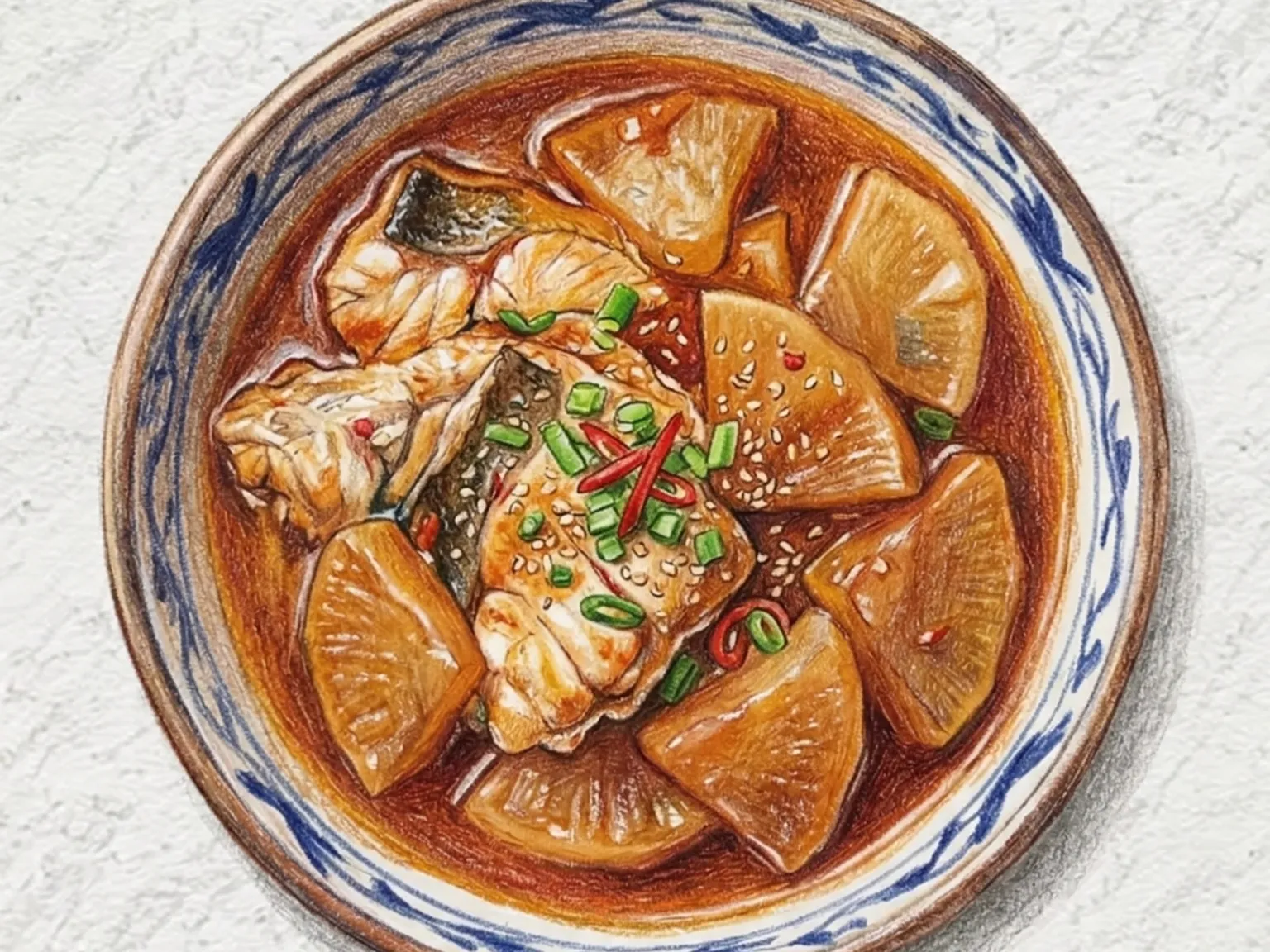
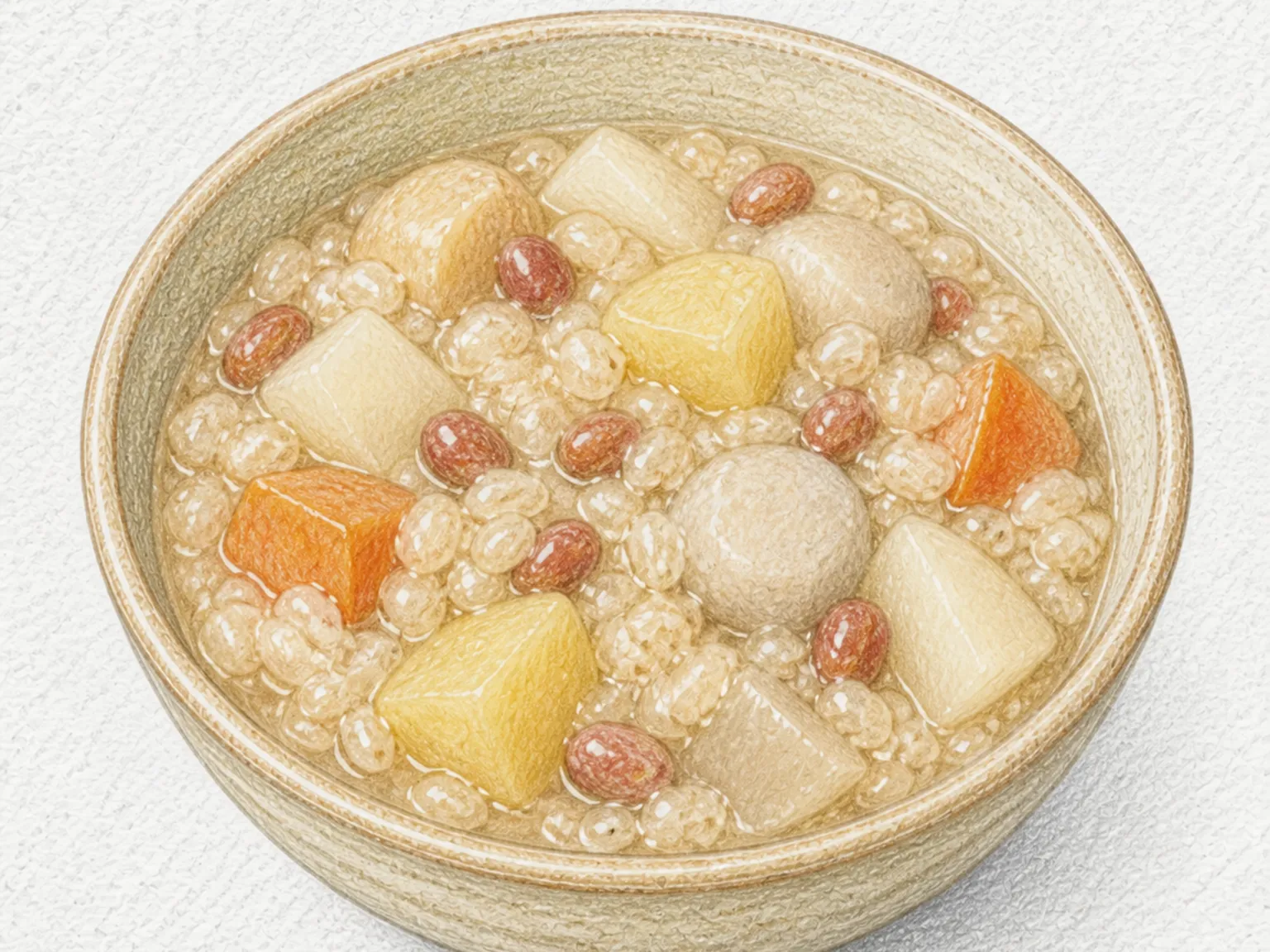
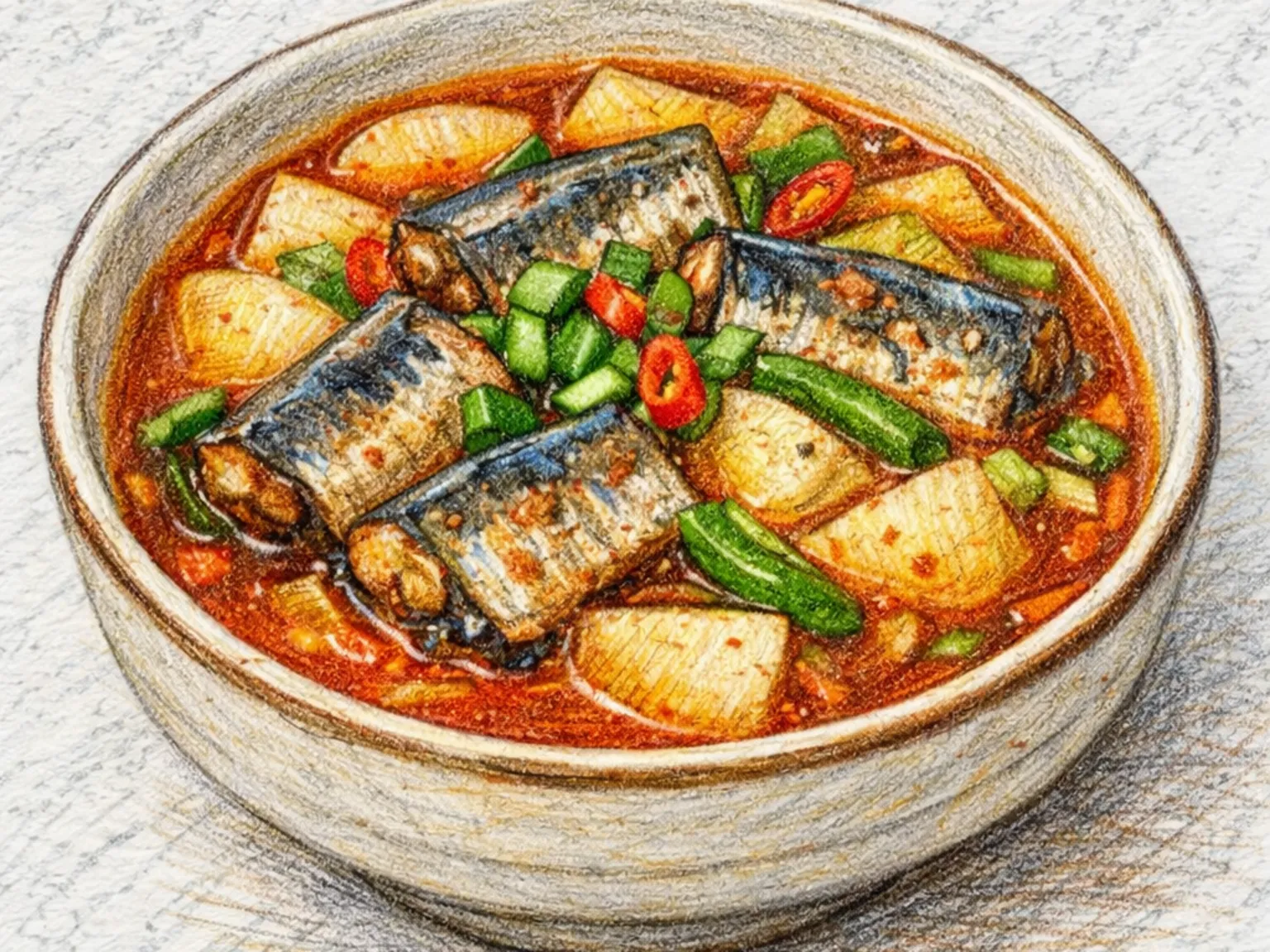
Siraegi godeungeo jorim is a Korean braised mackerel dish in which the fish and pre-boiled dried radish greens are cooked down with radish and onion in a chili-soy seasoning. The richness of mackerel fat and the earthy, fibrous character of dried radish greens share the same braising liquid, each amplifying what the other brings to the pot. The radish greens must be boiled thoroughly before braising to soften their tough fibers and leach out any residual bitterness, which is then washed away with a cold rinse. Mackerel seasoned lightly with cooking wine is placed over the greens and vegetables, and the pot braises over medium-low heat for more than twenty minutes so the seasoning penetrates the flesh all the way through. Spooning the braising liquid over the fish two or three times during cooking ensures an even coating on the upper surface. Radish becomes sweeter and more concentrated as it reduces, neutralizing any fishiness from the mackerel. The finished dish, spooned generously over steamed rice with its spicy braising sauce, delivers a layered depth of flavor that is unmistakably Korean.

Gul-dubu-guk (Oyster Soft Tofu Kelp Soup)
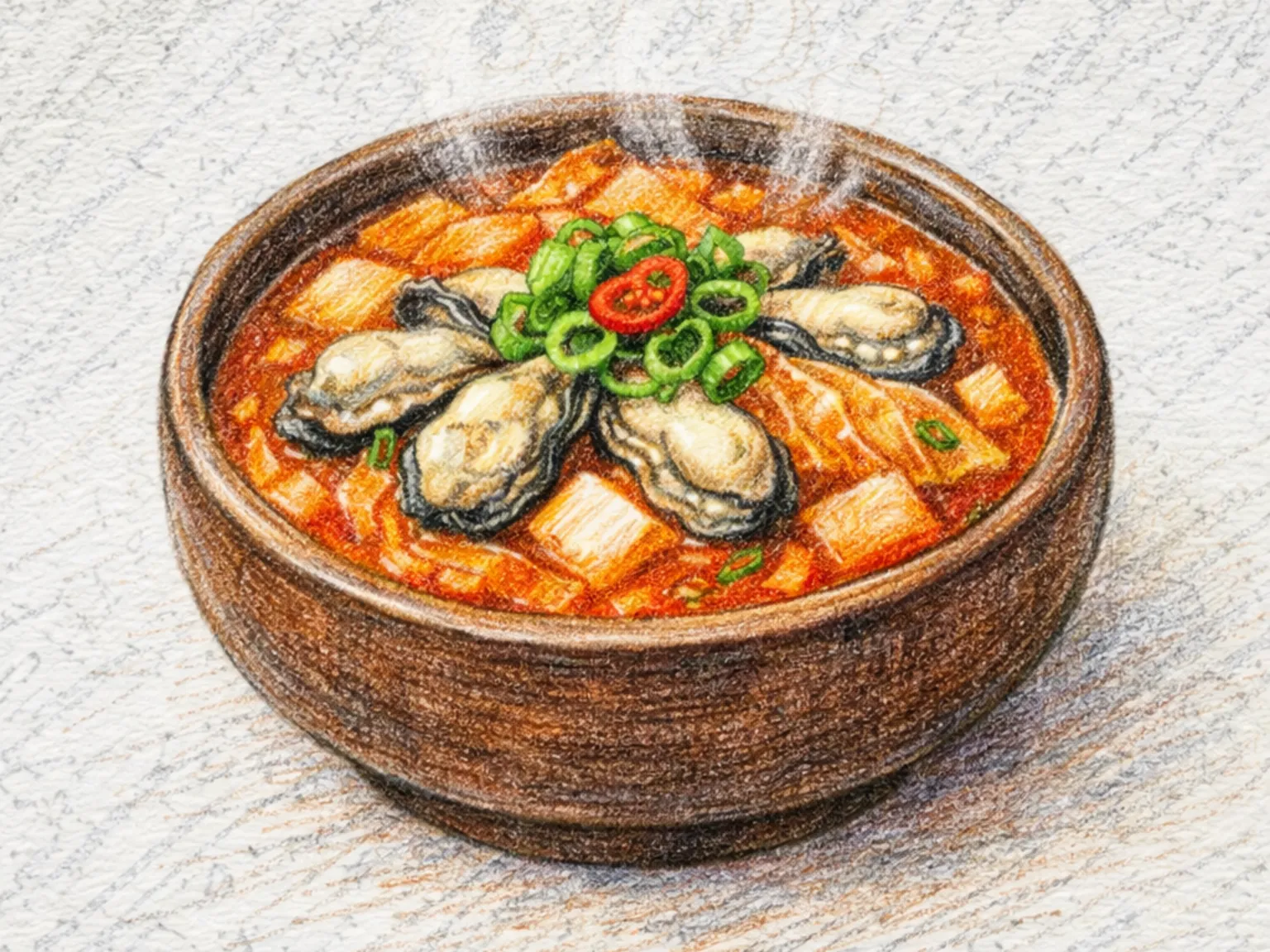
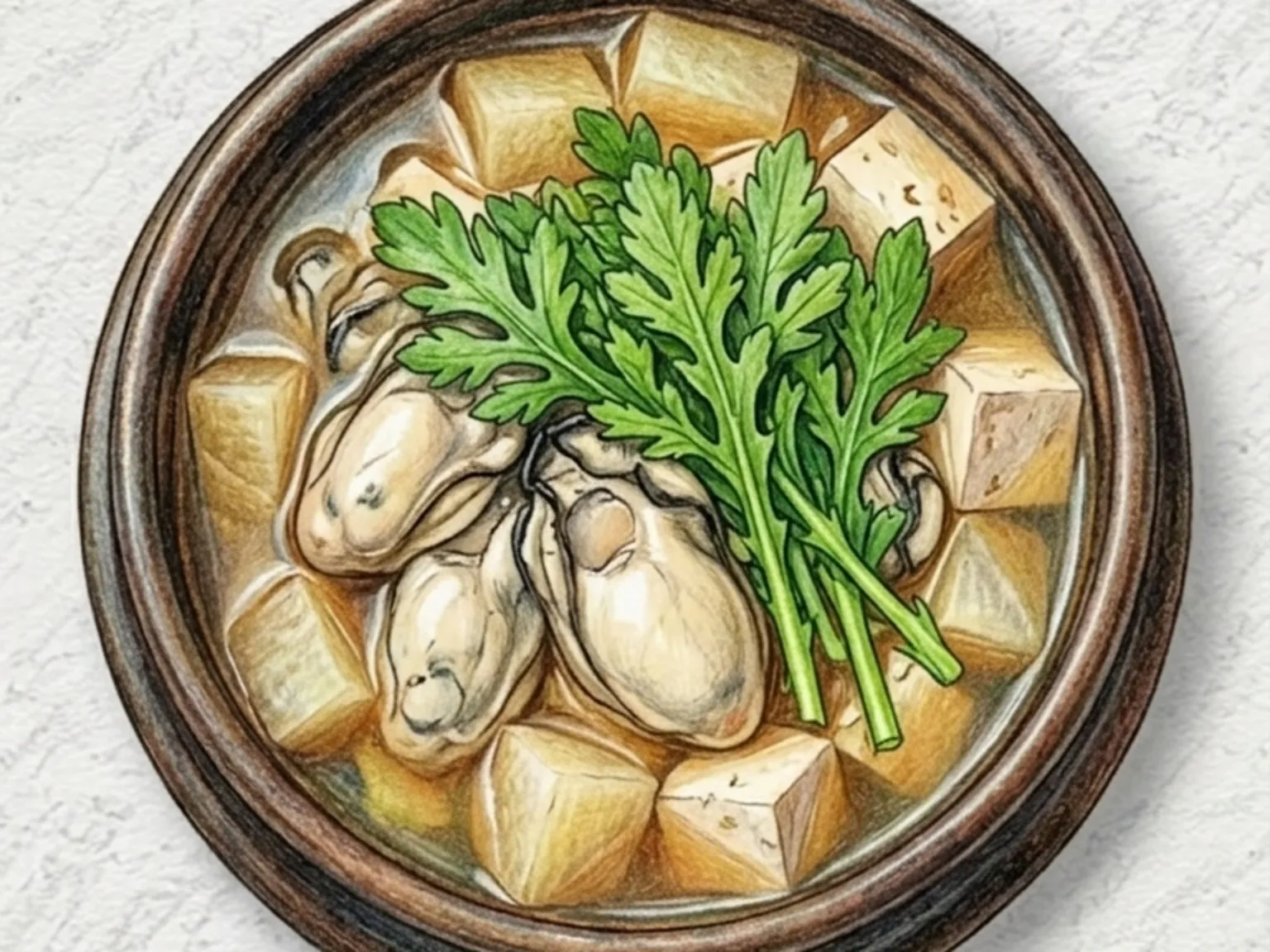
Gul-dubu-guk is a winter Korean soup that pairs plump seasonal oysters with soft tofu in a clear kelp-based broth. Timing the oysters precisely is the central technique of the dish: they go in just before the broth reaches a full boil, and even a minute too long on the heat turns them tough and grainy. Large-cut tofu blocks absorb the shellfish-infused liquid as they simmer, carrying the briny depth of the oysters into every bite of curd. Thin radish slices added from the start release a gentle, natural sweetness that rounds out the broth without masking the oceanic character of the main ingredients. Seasoning stays restrained, only soup soy sauce and garlic, because heavy additions would overwhelm the delicate salinity that the oysters themselves contribute. A scattering of sliced green onion at the end adds a bright aromatic finish, and along the southern coast where oysters are harvested fresh through the cold months, this soup is considered a staple of the winter table.

Korean Doenjang Kkotge Tang
Kkotge tang doenjang is a Korean blue crab stew that uses a full 800g of crab simmered in a doenjang-forward broth, where fermented soybean paste and the crab's natural essence are the two dominant flavors. As the shells cook, they release a deeply savory stock, and radish, zucchini, and onion simmer in that liquid and add layers of sweetness and body. Unlike the more common spicy gochujang-based crab stews, this version leads with doenjang's earthy depth and fermented complexity. Gochugaru and Cheongyang chili provide a secondary heat that balances the richness without taking over. Adding tofu keeps the texture varied and lightens the heaviness of the broth slightly. The crabs turn a vivid orange as they cook, a reliable visual cue that the meat is ready to pull cleanly from the shell. The fermented character of the doenjang suppresses any fishy edge from the crab, making the stew approachable even for those who do not normally gravitate toward shellfish. Served with rice to soak up the broth, it makes a satisfying complete meal.

Korean Braised Beef and Radish
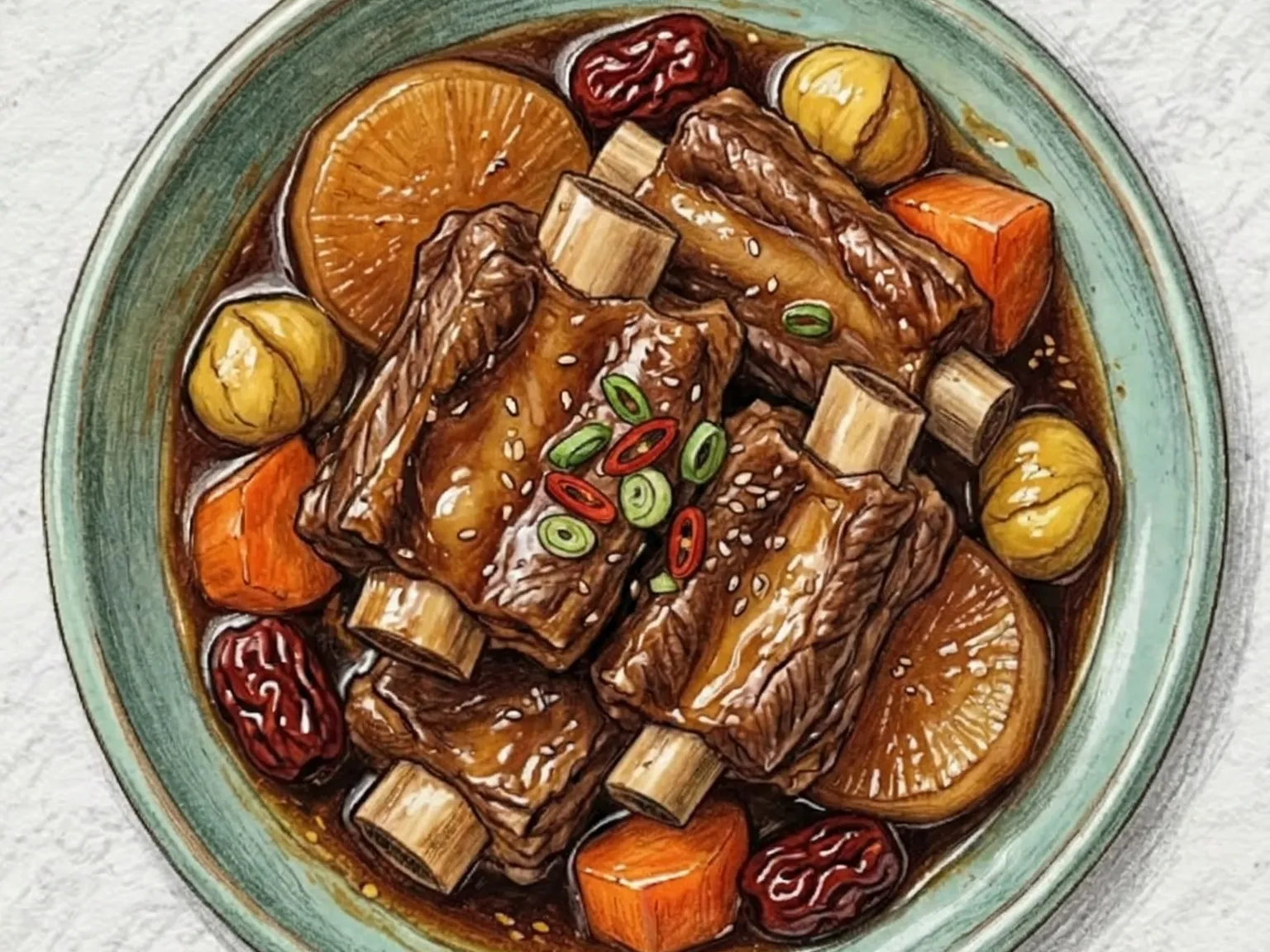
Sogogi mu jorim is a Korean braised beef and radish dish where brisket and thick-cut Korean radish are slowly simmered in soy sauce with garlic, ginger, and a touch of sugar. Boiling the beef first and skimming the foam produces a clean broth base for braising. The radish goes in later so it cooks until semi-translucent, absorbing the beef-enriched liquid and developing a natural sweetness that balances the soy. Green onion added at the end contributes a fresh note. Cutting the radish thick is important so it holds its shape through the braise, and resting the dish overnight before reheating deepens the flavor noticeably.

Korean Seafood Hot Pot Soup
Haemul-tang is a Korean seafood hot pot that throws together crab, shrimp, clams, and squid in a fiery, brick-red broth. The liquid starts with gochugaru and plenty of garlic, building a spicy base that the seafood then amplifies with its own briny juices. Radish chunks soften as the pot bubbles, thickening the broth slightly and adding a cool sweetness behind the heat. Green onions and cheongyang peppers go in toward the end for a sharp, vegetal bite. The magic of haemul-tang lies in the convergence of flavors: crab shells release a sweet, crustacean stock; clams open to spill their liquor; shrimp and squid contribute distinct textures from snappy to chewy. The pot is brought to the table still at a rolling boil, and diners pick through the shells and tentacles while the broth continues to concentrate.

Korean Spring Blue Crab Stew
Kkotgetang is a classic Korean spicy crab stew made with 600g of whole blue crab simmered until the shells release their full flavor into the broth. Gochugaru and a touch of doenjang season the liquid with heat and fermented depth, while radish and zucchini turn sweet as they absorb the crab-infused stock. Two Cheongyang chilies push the spice level higher, and green onion adds a fresh finish. Picking the crab meat from the shell while sipping the hot, briny broth is half the enjoyment. Spring blue crabs are prized for their fuller flesh, making that the ideal season to prepare this dish.

Korean Steamed Rockfish (Spicy Gochugaru Radish Braise)
Ureok-jjim is a Korean spicy steamed rockfish cooked with Korean radish, onion, and green onion in a gochugaru and soy sauce broth. Rockfish has firm, well-defined flesh that holds its shape through the cooking process, and scoring the skin lets the bold seasoning reach deep into the meat. Radish softens in the braising liquid and absorbs the chili heat while contributing natural sweetness, and ginger keeps the fish tasting clean. The remaining sauce is concentrated enough to spoon over rice, delivering a hit of spicy, salty flavor with every bite.

Korean Dried Pollack Egg Soup
Hwangtae-gyeran-guk is a Korean clear soup that pairs dried pollock with silken egg threads in the same bowl. Toasting the pollock strips in sesame oil at the start is what gives the broth its foundation: the oil absorbs the nutty, roasted fragrance and carries it throughout the liquid as it simmers. Radish and green onion add a clean sweetness and mild sharpness, and once the broth is seasoned with soup soy sauce and garlic, beaten egg is streamed in slowly to form wispy, floating ribbons. The chewy pollock and the soft egg offer a changing texture from one spoonful to the next. Hwangtae is produced on outdoor racks in the Gangwon-do mountains through a winter-long cycle of freezing and thawing that breaks down the protein into a more digestible form and increases the amino acid content. In Korean households this soup appears at both the breakfast table and the post-drinking recovery meal, favored because the protein-rich pollock is gentle on a tired stomach and the whole pot comes together in under twenty minutes.

Korean Semi-Dried Pollock Radish Stew
Kodari mu jjigae stews 700g of semi-dried pollock with Korean radish in rice-rinse water, a traditional technique that adds a subtle starchy richness to the broth. The pollock's firm, chewy flesh holds up well during simmering and absorbs the gochujang and gochugaru seasoning deeply. Radish balances the heat with its natural sweetness as it softens in the spicy liquid. Cheongyang chilies add a final kick, making this a warming stew that pairs exceptionally with a bowl of hot rice. The semi-drying process gives kodari a distinctly denser, chewier bite that separates it noticeably from fresh pollock.

Korean Dried Pollock Radish Soup
Hwangtae-muguk is an everyday Korean soup made with dried pollock strips and radish in a clean, clear broth. The pollock is first sautéed in sesame oil to coax out its characteristically nutty, savory fragrance, then water is added and the radish simmers until soft and sweet. Soup soy sauce and minced garlic provide the only additional seasoning, keeping the flavor profile transparent enough to let the pollock's concentrated umami and the radish's natural sweetness take center stage. The simplicity of the ingredient list belies the depth of the resulting broth, which tastes fuller than the sum of its parts. It is among the most frequently cooked soups in Korean homes, appearing on breakfast tables and as a reliable remedy on mornings after heavy meals. The pollock's tender, delicate flesh holds together well in the clear broth.

Korean Spicy Blue Crab Hot Pot
Maeun kkotge jeongol is a fiery blue crab hot pot made with two whole crabs broken down and simmered in a gochujang and gochugaru-laced broth. The crab shells and innards gradually release a deep, concentrated shellfish essence into the pot, which layers with the fermented chili paste to produce a broth that is bold and complex rather than simply hot. Daikon radish and tofu absorb the spicy liquid as they cook, becoming flavorful in their own right, while thick green onion stalks add fragrance near the end. This is a communal dish meant to be placed in the center of the table over a portable burner and shared as it simmers, with a little water added as the broth reduces to keep it going through the meal. Stirring the crab innards directly into the broth deepens the umami considerably.

Korean Bean Sprout Dried Pollock Soup
Kongnamul-hwangtae-guk pairs dried pollock strips with soybean sprouts in a clear broth that is widely eaten as a morning-after remedy. The pollock is toasted briefly in sesame oil to coax out a nutty, savory aroma before radish slices and water are added for ten minutes of simmering, which forms the foundational stock. Rinsing the pollock quickly in cold water rather than soaking it for a long time keeps the strands pleasantly chewy rather than soft and falling apart. Bean sprouts and minced garlic are added uncovered for five more minutes: leaving the lid off is essential, as the open steam carry away the raw beany smell while preserving the sprouts' characteristic crunch. Soup soy sauce and a pinch of salt finish the seasoning, and sliced green onion goes on just before serving. The broth turns a milky, pale white as the pollock proteins leach into the liquid, which is the visual marker of a properly cooked bowl.

Korean Sea Squirt Stew (Pop-and-Burst Seafood Broth)
Mideodeok-jjigae is a traditional Korean seafood stew characterized by its spicy broth and its central ingredient, the sea squirt. This coastal dish is widely recognized for the specific way the sea squirts pop when they are bitten, a sensation that is paired with an intense aroma reminiscent of the ocean. When an individual bites into a sea squirt, the outer skin breaks to release a concentrated internal liquid that carries a saline and savory marine flavor that is distinct from any other type of seafood. The cooking process starts with the creation of an anchovy stock which serves as the fundamental liquid base for the dish. Slices of Korean radish, zucchini, and white onion are placed into this stock and cooked until they become tender and translucent. It is important to wait until the very end of the cooking process to add the sea squirts to the pot. If the sea squirts are boiled for too long, their internal sacs will eventually collapse and lose their structure, which leads to a loss of the desired texture. The seasoning of the stew involves the use of gochugaru and soup soy sauce, which together create a heat that is both spicy and clean. Minced garlic and sliced green onions are also incorporated to add further complexity and a rounded depth to the final broth. After the sea squirts are added and the liquid returns to a boil, the cooking should be completed within a five-minute window to ensure the ingredients remain firm and elastic. Mideodeok that is harvested during the peak season of April and May will produce a broth that is notably more fragrant and flavorful than at other times of the year. People who enjoy the strong and bold flavors associated with the sea often find that this stew leaves a lasting impression.

Muguk (Korean Radish Anchovy Broth Soup)
Muguk is the most elemental expression of Korean soup: radish cut generously and simmered in anchovy-kelp stock until the broth runs clear, sweet, and gently savory. The simplicity of the ingredient list is deceptive. As the radish cooks, its starch and natural sugars dissolve into the water, building a broth that tastes mild on the surface but carries real depth underneath. Cutting the radish in thick cubes or wide slabs preserves its shape through the long simmer while allowing the interior to soften completely. Slicing too thin causes the radish to disintegrate and the broth to turn cloudy. Seasoned with nothing more than soup soy sauce, garlic, and sliced green onion, muguk is versatile enough to sit beside any banchan without competing. It serves equally well as a framework: add beef strips and it becomes sogogi-muguk, add dried pollock and it becomes hwangtae-muguk, swap the soup soy for salted shrimp and the character shifts toward briny and refreshing. All that is needed to start a pot are a single radish, a handful of dried anchovies, and a strip of dried kelp, which is why Korean households return to this soup more frequently than almost any other. Reheated the next day, the radish softens further and the broth deepens, making leftovers better than the original.

Korean Radish and Salted Shrimp Stew
Musaengchae-jjigae simmers julienned radish in a broth built on salted shrimp (saeujeot) and gochugaru, drawing a surprising depth of flavor from minimal ingredients. Saeujeot is fermented shrimp paste that concentrates months of salt-curing and enzymatic breakdown into a potent seasoning -- it supplies umami on the level of fish sauce but with a more rounded, fermented character that forms the backbone of this broth without requiring any stock. Cutting the radish into thin julienne strips, rather than chunks, is deliberate: thin pieces cook through quickly and release just enough starch into the broth to give it a faint natural body. Gochugaru provides color and heat, and its fruity spice complements the sweet, mild flavor that radish develops as it softens. Tofu adds body and protein, and the green onion and garlic round out the aromatics. What makes this jjigae worth repeating despite its simplicity is the fermented complexity from the saeujeot -- a single tablespoon transforms plain water into something that tastes long-cooked. Lighter in texture than doenjang or kimchi jjigae, it works well as an everyday soup that pairs with rice without overwhelming the meal.

Korean Pacific Codlet Soup
Mulmegi-tang is a winter-only Korean fish soup made with the Pacific sailfin sandfish, a gelatinous deep-water species caught along the East Sea coast from December through February. The fish has extraordinarily soft flesh that nearly dissolves into the broth during cooking, releasing natural gelatin that gives the liquid a silky, slightly sticky body unlike any other Korean soup. The broth cools into a jelly-like consistency at room temperature, which reflects just how much collagen the fish contributes to the pot. Bean sprouts add crunch and a clean vegetal note, while water dropwort neutralizes any fishiness and brings its signature herbal fragrance. The soup is made without fermented pastes of any kind - just salt, garlic, and green onion - so the pure, mild flavor of the fish remains at the center. Locals in Gangwon-do and the northern Gyeongsang coast regard this as the finest hangover remedy of the cold months, served boiling in earthenware pots at small harbourside restaurants. Mulmegi-tang is a dish Koreans travel specifically to eat during its short winter window, and the anticipation that comes with its limited availability is part of what makes it worth the trip.

Korean Shepherd's Purse and Oyster Stew
Naengi-gul-jjigae is a doenjang-based stew that pairs two winter-season ingredients, shepherd's purse and fresh oysters, in a broth built on kelp stock. Shepherd's purse grown through cold months concentrates its aromatic compounds in the root, delivering a grassy, faintly bitter fragrance that sets it apart from other greens. Oysters harvested in cold water are at their firmest and most intensely flavored, making them a natural match for the fermented depth of doenjang. Radish and soft tofu provide body to the broth, while the oysters and shepherd's purse go in last so their freshness survives the heat. The oceanic sweetness of the oysters, the herbal bite of naengi, and the fermented richness of doenjang fit together without any single flavor dominating. A small amount of gochugaru adds a low, steady heat underneath the stew, and adding a few slices of cheongyang chili brings a sharper edge if desired. Washing the roots of the shepherd's purse thoroughly to remove grit is important, and leaving the stems long enough to retain their aroma makes a noticeable difference in the finished bowl.

Naejang-tang (Spicy Mixed Beef Tripe Soup)
Naejang-tang is a Korean offal soup that simmers a combination of beef innards including large intestine, tripe, abomasum, and omasum together with gochugaru, gochujang or doenjang, generous amounts of garlic, and green onion into a thick, aggressively seasoned broth. Each organ contributes a distinct texture to the bowl: the small intestine is chewy and springy, the large intestine is fatty and yielding, and the stomach linings are firm with a near-crunchy resistance that gradually releases umami as it is chewed. Long cooking renders the intramuscular fat and collagen from the innards directly into the broth, producing a body and richness that cannot be replicated by shorter-cooked, leaner soups. Some versions incorporate seonji, coagulated ox blood, cooked alongside the other organs; it darkens the broth significantly and introduces a mineral, iron-forward depth that distinguishes the blood-enriched variant as a richer, more fortifying bowl. Abundant green onion and garlic form the aromatic backbone, and gochugaru raises the heat to a level that is meant to be felt as much as tasted. The soup is traditionally served in a stone pot or a heavy ceramic vessel that retains heat and keeps the broth at a bubbling simmer through the meal. In Korea, naejang-tang is closely tied to early-morning hangover recovery: restaurants specializing in the dish, often located near traditional markets or late-night drinking districts, begin service well before dawn to catch customers emerging from long nights. The combination of fat, protein, intense heat, and restorative minerals is widely understood to ease alcohol-related discomfort and replenish the body.

Korean Spicy Fish Stew (Mackerel in Chili-Radish Broth)
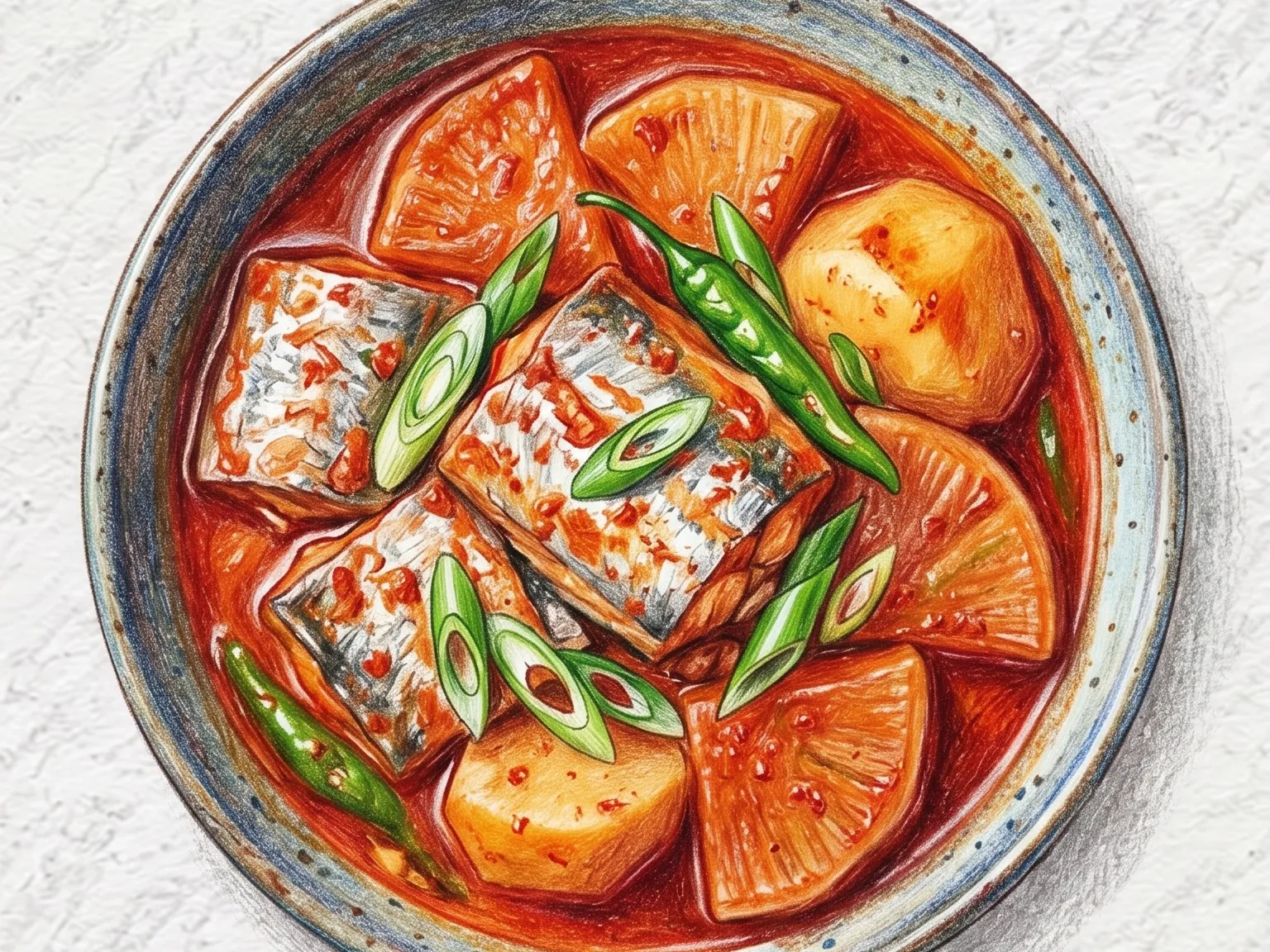
Saengseon jjigae is a spicy Korean fish stew made with mackerel or beltfish cut into chunks, simmered alongside daikon radish and zucchini. Gochujang, gochugaru, soy sauce, and garlic build a bold, peppery broth in an anchovy stock base. The radish neutralizes any fishiness while adding natural sweetness to the soup. Picking the flaky fish off the bone and eating it with spoonfuls of the fiery broth over rice is the traditional way to enjoy it.

Korean Duck Perilla Seed Soup
Ori-deulkkae-tang is a Korean duck soup thickened with ground perilla seeds, producing a broth that is rich, nutty, and deeply warming. Duck fat provides a substantial body that distinguishes this soup from lighter poultry broths, and the perilla powder transforms the cooking liquid into something creamy and opaque, with an aroma reminiscent of toasted sesame but distinctly earthier. Radish starts in cold water and simmers for ten minutes, laying a foundation of clean, faintly sweet flavor before the duck is added. The pot then cooks for at least twenty minutes, during which foam and excess rendered fat must be skimmed from the surface to keep the broth clear and free of off-flavors. Perilla powder is added in the final ten minutes only: introduced too early, it turns bitter and chalky; added at the right moment, it blooms into a smooth, nutty finish. Soup soy sauce and salt bring the seasoning into balance, and a scattering of sliced green onion with black pepper completes the bowl. The result is a soup that coats the palate with a layer of fat and grain richness, eaten as a stamina-building meal during the colder months or whenever the body needs warming.

Korean Dried Radish Greens & Clam Soybean Stew
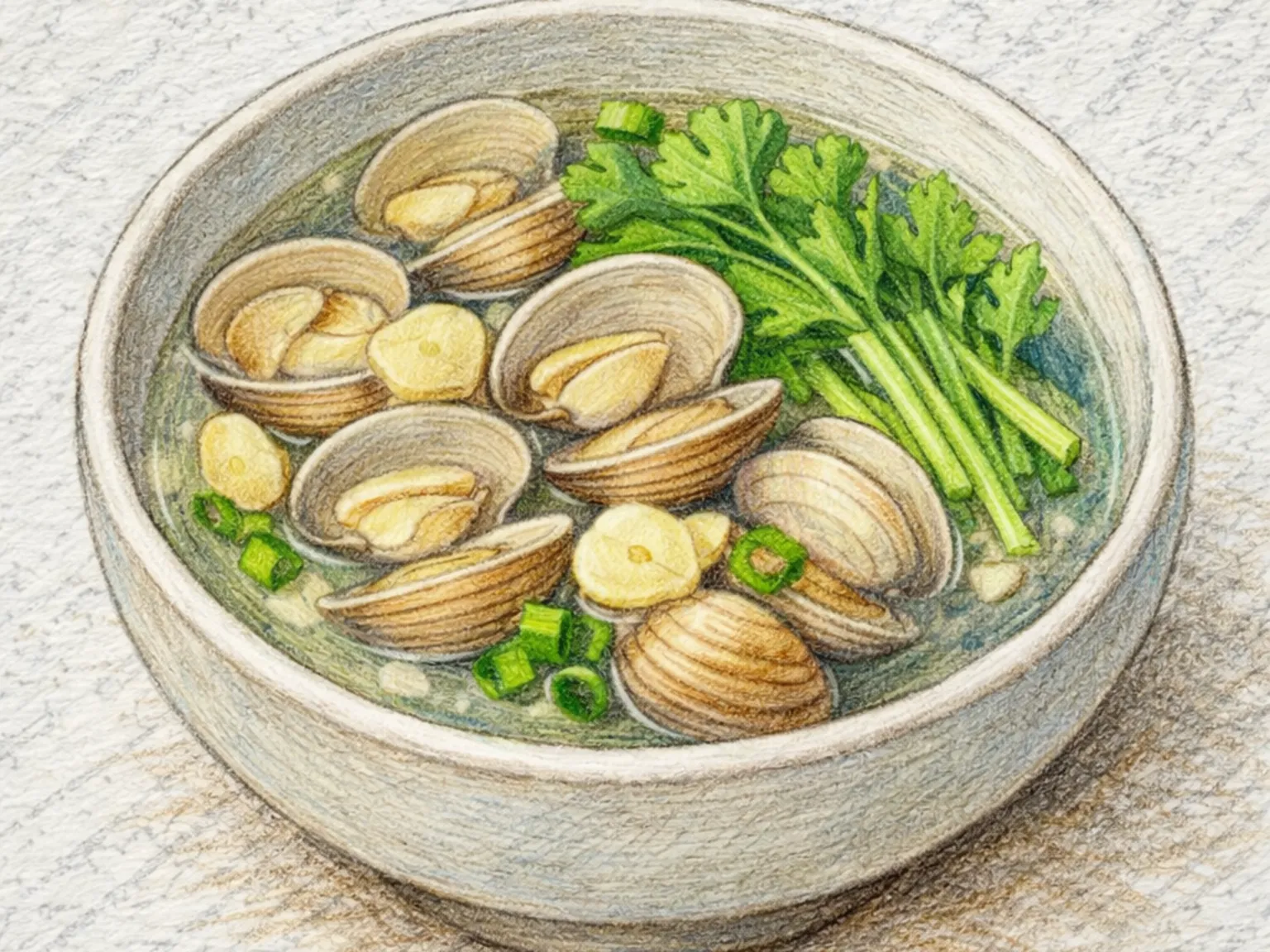
This stew pairs rehydrated dried radish greens with fresh clams in a broth of rice-rinse water seasoned with doenjang and a measured amount of gochujang. The radish greens go into perilla oil first, sauteing until their nutty aroma blooms fully before the clams are added. As the clams open, they release a clean, briny liquid that merges with the fermented soybean paste to form a layered, deeply savory base. Korean radish and onion contribute background sweetness, while green onion and garlic anchor the aromatic profile with a sharp edge. The rice-rinse water introduces a gentle body to the broth, giving it a slightly thickened, silky texture that coats each spoonful. The doenjang works its way into the fibrous radish greens during cooking, so each bite carries the full weight of the seasoning. This is the kind of stew that makes plain rice disappear from the bowl without effort.