Charim

2686 Korean & World Recipes

2686+ Korean recipes, clean and organized. Ingredients to instructions, all at a glance.

Recipes with korean radish

24 recipes

Buy korean radish
Korean Fish Soup (White Fish and Radish Clear Broth)
SoupsEasy

Korean Fish Soup (White Fish and Radish Clear Broth)

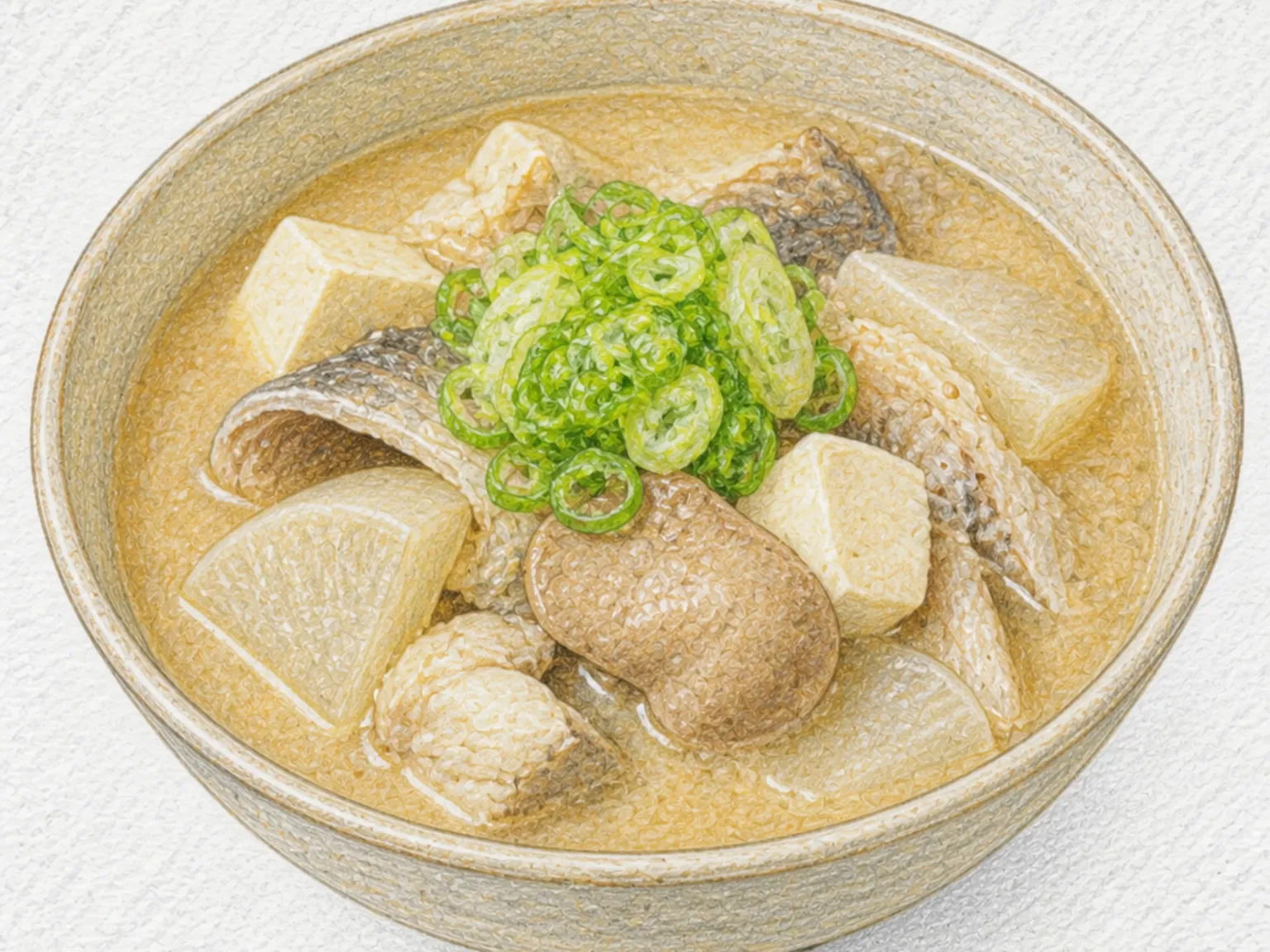
Saengseon-guk is a traditional Korean fish soup made with white-fleshed fish and radish in a clear broth. The radish simmers first, building a base of natural sweetness, before garlic and soup soy sauce are added for depth. The fish goes in once the radish is halfway cooked, and timing matters - it should cook only until the flesh turns opaque and begins to flake, as prolonged boiling would break it apart and cloud the broth. Tofu and sliced Korean chili peppers join near the end, adding soft texture and a mild kick. Green onion finishes the bowl with a fresh note. The result is a light, transparent soup where the fish's own clean, marine flavor does most of the work. It is the kind of straightforward home cooking that appears on Korean dinner tables throughout the year, requiring little more than fresh fish and basic pantry staples.

🏠 Everyday
Prep 15minCook 20min4 servings
Korean Beef and Daikon Stew
StewsEasy

Korean Beef and Daikon Stew

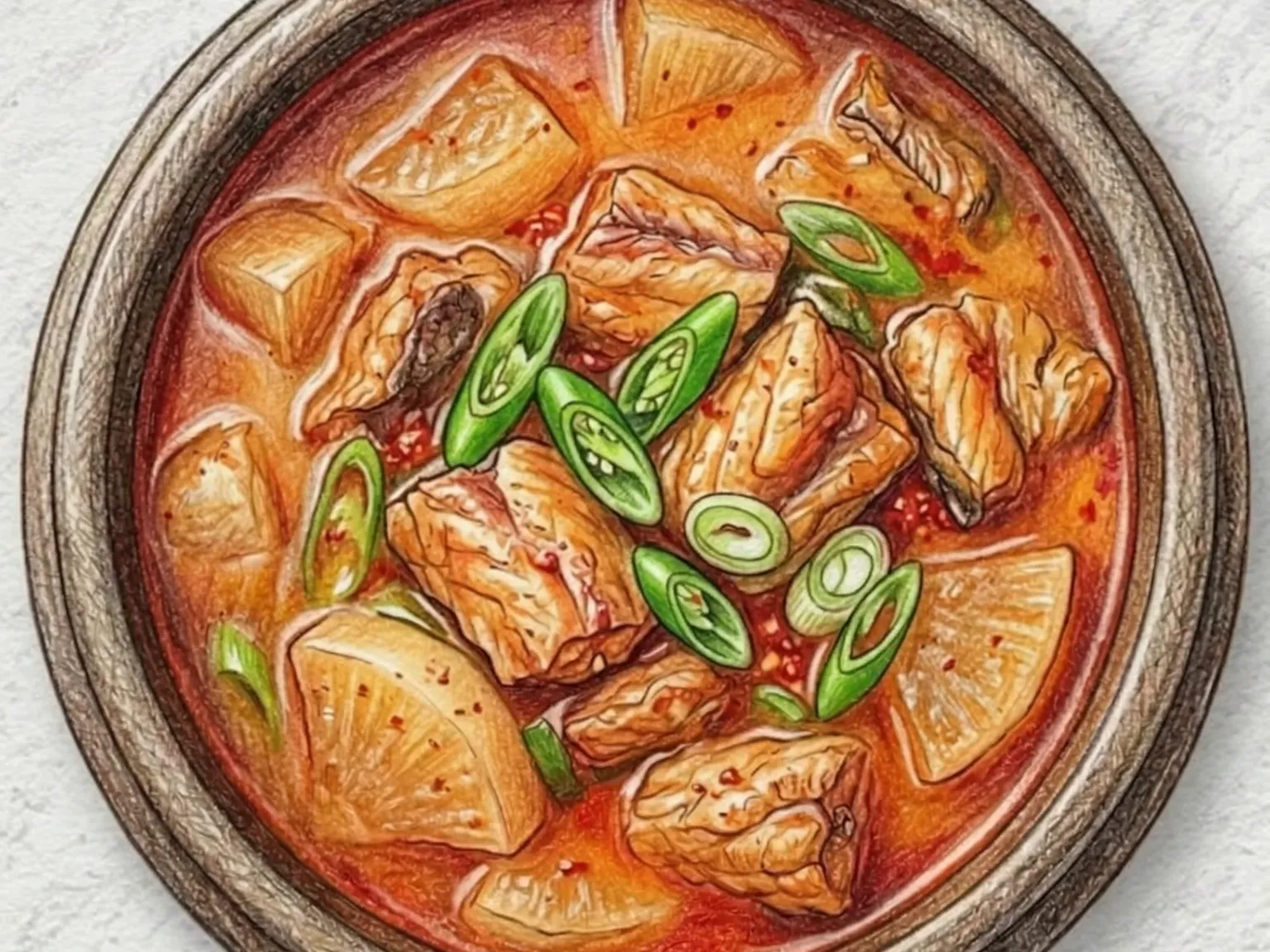
Soegogi muguk jjigae is a clear, soothing stew made by first sauteing beef brisket and daikon radish together in sesame oil to build a savory base, then adding water and simmering until the broth deepens in flavor. Soup soy sauce seasons the liquid while green onion and garlic round out the aroma. Despite a short ingredient list, the stew develops surprising depth as the brisket renders slowly into the broth and the radish turns translucent and sweet. Cutting the radish thick allows its natural sweetness to infuse gradually, enriching the broth over the full cooking time. It is a simple, grounding bowl most often eaten with rice stirred directly into the broth.

🏠 Everyday
Prep 10minCook 25min2 servings
Korean Spinach Clam Soup (Light Shellfish and Greens Broth)
SoupsEasy

Korean Spinach Clam Soup (Light Shellfish and Greens Broth)

Sigeumchi-bajirak-guk pairs manila clams and spinach in a clean, transparent broth that lets both ingredients speak without interference from heavy seasoning or separately prepared stock. The clams are purged of sand and started in cold water, then brought slowly to a boil so each shell opens at its own pace, releasing a naturally briny, mineral-rich liquor that forms the entire foundation of the soup. No additional stock is needed, because the clam liquid is the stock. Spinach enters only in the final thirty to sixty seconds of cooking, which is the narrow window where the leaves soften just enough to be palatable while their vivid green color and delicate grassy flavor remain intact. Soup soy sauce and a small amount of garlic provide the only seasoning, and this restraint is deliberate: any stronger flavoring would bury the subtle sweetness of fresh clam broth. The grassy undertone in the spinach quietly neutralizes any sharp seafood edge, leaving the soup tasting clean and deeply refreshing. The nutritional logic behind this combination is frequently cited in Korean households: spinach is among the most iron-dense vegetables, and clams supply taurine and zinc in meaningful amounts, making the soup a regular recommendation for children in growth phases and for pregnant women. From first clam into the pot to finished bowl takes no more than fifteen minutes, which helps explain its steady presence on weeknight dinner tables throughout Korea.

🥗 Light & Healthy🏠 Everyday
Prep 15minCook 15min2 servings
Korean Beef & Mung Bean Sprout Stew
StewsMedium

Korean Beef & Mung Bean Sprout Stew

Sukju soegogi jjigae is a spicy, clean-finishing Korean stew made by simmering beef brisket and mung bean sprouts together in a gochugaru-seasoned broth. The brisket is soaked in cold water to draw out blood before being briefly boiled and skimmed, which keeps the broth clear and free of off-flavors as it simmers. As the brisket slowly cooks through, it releases a deep, meaty base that forms the backbone of the stew's flavor, seasoned with chili flakes and soup soy sauce for a spicy, savory kick. Korean radish cooked alongside the meat counteracts any heaviness in the broth and contributes a clean, refreshing note to the finish, while oyster mushrooms add a layer of chewy umami. Mung bean sprouts go in last and should cook for no more than two minutes to preserve their snap; prolonged heat softens them completely and removes the textural contrast that defines the dish. Ladled over a bowl of steamed rice, the spicy broth seeps into every grain and turns the whole combination into a satisfying single-bowl meal.

🏠 Everyday
Prep 15minCook 25min4 servings
Korean Beef and Mushroom Soup
SoupsEasy

Korean Beef and Mushroom Soup

Soegogi beoseot-guk pairs seared beef with a medley of mushrooms in a clear, deeply savory broth. The beef is first stir-fried in sesame oil to develop a caramelized base, then button mushrooms, cut thick so they hold their shape, join the pot along with water or stock. As the soup simmers, the mushrooms leach glutamate into the liquid, layering umami on top of the beef's own juices without any added MSG or bouillon. Enoki mushrooms go in during the final minutes, contributing slippery strands that contrast with the meatier button slices. Soup soy sauce and minced garlic season the broth, keeping it translucent with a faintly woodsy aroma that lingers after each sip. A finish of sliced scallion and cracked black pepper sharpens the bowl just enough to keep the palate engaged from first spoonful to last. It is an understated soup that proves depth of flavor does not require complexity of technique.

🏠 Everyday
Prep 18minCook 35min4 servings
Korean Octopus and Tofu Hot Pot
StewsMedium

Korean Octopus and Tofu Hot Pot

This Korean hot pot features octopus and tofu in a clear anchovy broth seasoned simply with soup soy sauce and garlic. The octopus pieces are springy and firm, while the tofu softens in the simmering broth. Korean radish lends subtle sweetness, and water dropwort adds a fresh herbal note with its celery-like crunch. Served bubbling at the table, yeonpo jeongol is a communal dish meant for sharing throughout the meal.

🎉 Special Occasion
Prep 25minCook 18min4 servings
Korean Beef Radish Soup (Sesame Oil Braised Beef and Daikon)
SoupsEasy

Korean Beef Radish Soup (Sesame Oil Braised Beef and Daikon)

Sogogi muguk is one of the most frequently cooked soups in Korean households, built from just two main ingredients: beef and daikon radish. Thin-cut beef is stir-fried in sesame oil until lightly browned, then thick radish slices go into the pot before water is added. As the soup comes to a boil and then settles into a steady simmer, the radish transforms: its initial sharpness mellows into a clean sweetness that balances the beef's depth, and its starch clouds the broth just enough to give it body. Soup soy sauce provides the seasoning, tinting the liquid a pale amber while pushing umami forward over saltiness. Minced garlic added near the end lends a quiet heat that sits behind the main flavors rather than competing with them. The radish, when properly cooked, should yield easily to a spoon yet still hold a hint of structure at its center. This soup also serves as the foundational broth for tteokguk on Lunar New Year, and Koreans reach for it instinctively when the weather turns cold or the body needs warming.

🏠 Everyday
Prep 15minCook 40min4 servings
Korean Oxtail Soup
SoupsHard

Korean Oxtail Soup

Sokori-guk demands patience - oxtail pieces are soaked in cold water to draw out blood, then placed in a heavy pot with enough water to cover and simmered for at least three to four hours. During that long, slow cook, collagen buried in the joints and connective tissue dissolves into the liquid, producing a broth so rich in gelatin that it sets into a solid block when refrigerated. Skimming fat and foam at regular intervals keeps the final broth a clean, milky white with no greasy residue. The meat, once it slides easily off the bone, is torn along the grain into shreds that are impossibly soft, while the tendon segments offer a pleasantly bouncy chew. Seasoning is deliberately minimal - coarse salt, black pepper, and sliced scallion - because the bones themselves have already contributed all the depth the soup needs. Served with a bowl of steamed rice and a side of kkakdugi, the cubed radish kimchi's sharp tang provides the only counterpoint this quietly powerful broth requires.

🏠 Everyday🎉 Special Occasion
Prep 25minCook 210min4 servings
Korean Beef Head Soup with Rice
SoupsHard

Korean Beef Head Soup with Rice

Somori-gukbap is a bowl of rice submerged in a milky, collagen-heavy broth extracted from a beef head that has been simmered for the better part of a day. The process begins by boiling the head in several changes of water to purge impurities, then committing it to a long, uninterrupted simmer until the connective tissue breaks down and enriches the liquid with natural gelatin. The finished broth is opaque white, clean-tasting despite its richness, and coats the mouth with a silky weight that plain beef stock cannot match. Sliced meat, pulled from the head after cooking, is lean yet intensely beefy, having surrendered its fat to the broth during the hours of simmering. Served in a stone pot with a mound of rice and a generous ladle of broth, the dish is typically accompanied by a saucer of seasoned soy sauce with chili flakes and a handful of chopped chives. Specialty restaurants start their pots before dawn and keep them rolling until the lunch rush, because in this dish, time is the irreplaceable ingredient.

🏠 Everyday🎉 Special Occasion
Prep 20minCook 180min4 servings
Korean Burdock Root Soup (Earthy Burdock and Beef Clear Broth)
SoupsMedium

Korean Burdock Root Soup (Earthy Burdock and Beef Clear Broth)

Ueong-guk is a clear Korean soup that highlights the earthy, almost nutty character of burdock root. Julienned burdock is first stir-fried in sesame oil with thinly sliced beef until the root's raw edge mellows and a toasted aroma rises from the pan. Water is then added and the pot brought to a simmer, during which the burdock's tough fibers gradually soften while maintaining enough structure to provide a pleasant chew. The broth takes on a light brown tint from the initial stir-fry, carrying the sesame and caramelized burdock flavors through to the last spoonful. Soup soy sauce seasons the liquid with umami rather than straight salt, and minced garlic stirred in near the end adds a quiet warmth. Burdock is naturally high in dietary fiber, giving this soup a reputation as a digestive-friendly choice. The root is at its best from autumn through winter, when its sugars concentrate underground, and the soup's understated flavor makes it an easy complement to a multi-dish Korean meal.

🏠 Everyday
Prep 20minCook 35min4 servings
Korean Young Radish Clam Soup
SoupsEasy

Korean Young Radish Clam Soup

Yeolmu-bajirak-guk is a clear soup that draws its flavor from manila clams purged in salt water and simmered with thinly sliced radish. As the clam shells open, they release a briny, mineral-rich liquid that forms the broth's backbone. Young radish greens and a cheongyang chili are added in the final three minutes to keep the greens fresh and slightly crunchy. Soup soy sauce and salt adjust the seasoning, though the clams provide enough natural salinity that only a light hand is needed.

🏠 Everyday
Prep 18minCook 18min4 servings
Korean Soft Tofu Shrimp Soup
SoupsEasy

Korean Soft Tofu Shrimp Soup

Yeondubu-saeu-guk is a clear Korean soup where anchovy-kelp stock, radish, and shrimp provide the flavor, and soft tofu adds a creamy contrast. Radish simmers for eight minutes to release its natural sweetness, then peeled and deveined shrimp cook for three minutes, contributing a clean seafood taste without heaviness. Soft tofu is spooned in at the very end and heated for just two minutes so it stays intact and silky. Green onion and a touch of salt close out the seasoning, leaving a gentle, soothing bowl that works well as a light meal or alongside heavier dishes.

🏠 Everyday
Prep 15minCook 20min4 servings
Korean Octopus Clear Soup
SoupsMedium

Korean Octopus Clear Soup

Yeonpo-tang is a clear Korean octopus soup that keeps seasoning to a minimum and lets the seafood speak for itself. The octopus is cleaned by rubbing with coarse salt, then cut into manageable pieces. Radish simmers in anchovy stock for ten minutes to build a sweet, clean base before the octopus and garlic go in for only three minutes of cooking, which is enough to cook the tentacles through without making them rubbery. Water dropwort is added right before serving, contributing a bright, herbal fragrance that contrasts with the briny depth of the broth.

🏠 Everyday
Prep 20minCook 25min2 servings
Korean Water Parsley Clam Stew
StewsMedium

Korean Water Parsley Clam Stew

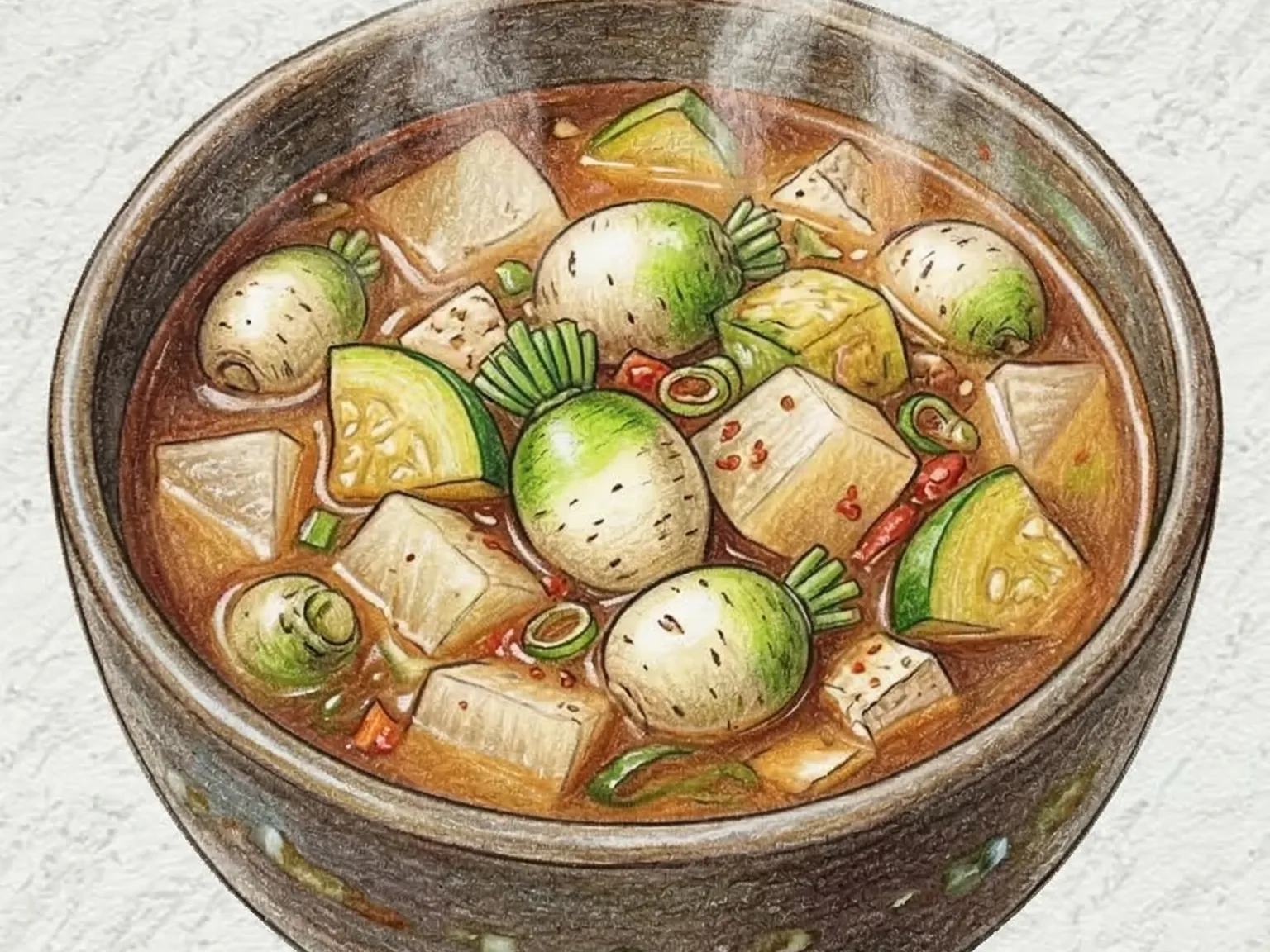
Minari-bajirak-jjigae pairs the clean, briny broth of littleneck clams with the sharp, herbal fragrance of Korean water parsley. Korean radish and zucchini simmer in the base and contribute a gentle natural sweetness, while a whole cheongyang chili and a small measure of gochugaru add a crisp heat that does not overpower the delicate shellfish. The restrained use of chili powder keeps the broth clear and allows the clams' distinct umami to come through without interference. Clams must be thoroughly purged of sand before cooking - any residual grit will ruin the broth. Once the shells open, the clams should be eaten promptly as continued heat toughens the meat. Minari goes in only at the very end, just before the heat is turned off, to preserve its bright green color and volatile fragrance. With prep time dominated by clam purging, the active cooking takes under ten minutes.

🏠 Everyday
Prep 20minCook 18min2 servings
Korean Pan-fried Radish Pancakes
Side dishesEasy

Korean Pan-fried Radish Pancakes

Mu-jeon is a Korean pan-fried radish pancake belonging to the same vegetable-jeon family as hobak-jeon and gaji-jeon, though daikon radish brings a textural character distinctly its own. Slicing to an even 3mm thickness is critical - the radish must cook through until soft and sweet inside while the egg coating crisps golden outside. Too thick and the raw center retains an acrid bite; too thin and the slices collapse. Five minutes of salting draws surface moisture so the flour adheres properly and the oil does not splatter during frying. Slow cooking over low heat is essential: the egg batter sets gradually into a golden shell while the heat converts the radish's starch into sugars, replacing the raw spiciness with a gentle sweetness completely unlike the uncooked root. Dipped in cho-ganjang (soy-vinegar sauce), the acidity cuts through the pan-fried richness. Mu-jeon appears on Korean holiday tables during Chuseok and Seollal alongside other vegetable jeon as part of the traditional jeon platter.

🏠 Everyday🍱 Lunchbox
Prep 15minCook 12min2 servings
Korean Hairtail & Fernbrake Stew
StewsMedium

Korean Hairtail & Fernbrake Stew

Galchi gosari jjigae pairs hairtail fish with boiled fernbrake in a deeply spiced Korean stew. The broth begins with anchovy-kelp stock seasoned with gochugaru and soup soy sauce, building a clean, peppery heat without heaviness. Korean radish and onion go in early to dissolve their natural sugars into the broth, adding a cool sweetness that tempers the chili. As the hairtail simmers, its flesh breaks into tender pieces and releases the fish's inherent oils into the liquid, enriching every spoonful with a maritime depth. The fernbrake brings a resilient, slightly meaty chew that stands up well to the long simmer. Rooted in the fish stew traditions of Jeju Island and the southern coastal regions of Korea, this dish is a regional staple that pairs seamlessly with plain rice.

🏠 Everyday
Prep 20minCook 30min4 servings
Jesa Tangguk (Ancestral Clear Beef Soup)
SoupsMedium

Jesa Tangguk (Ancestral Clear Beef Soup)

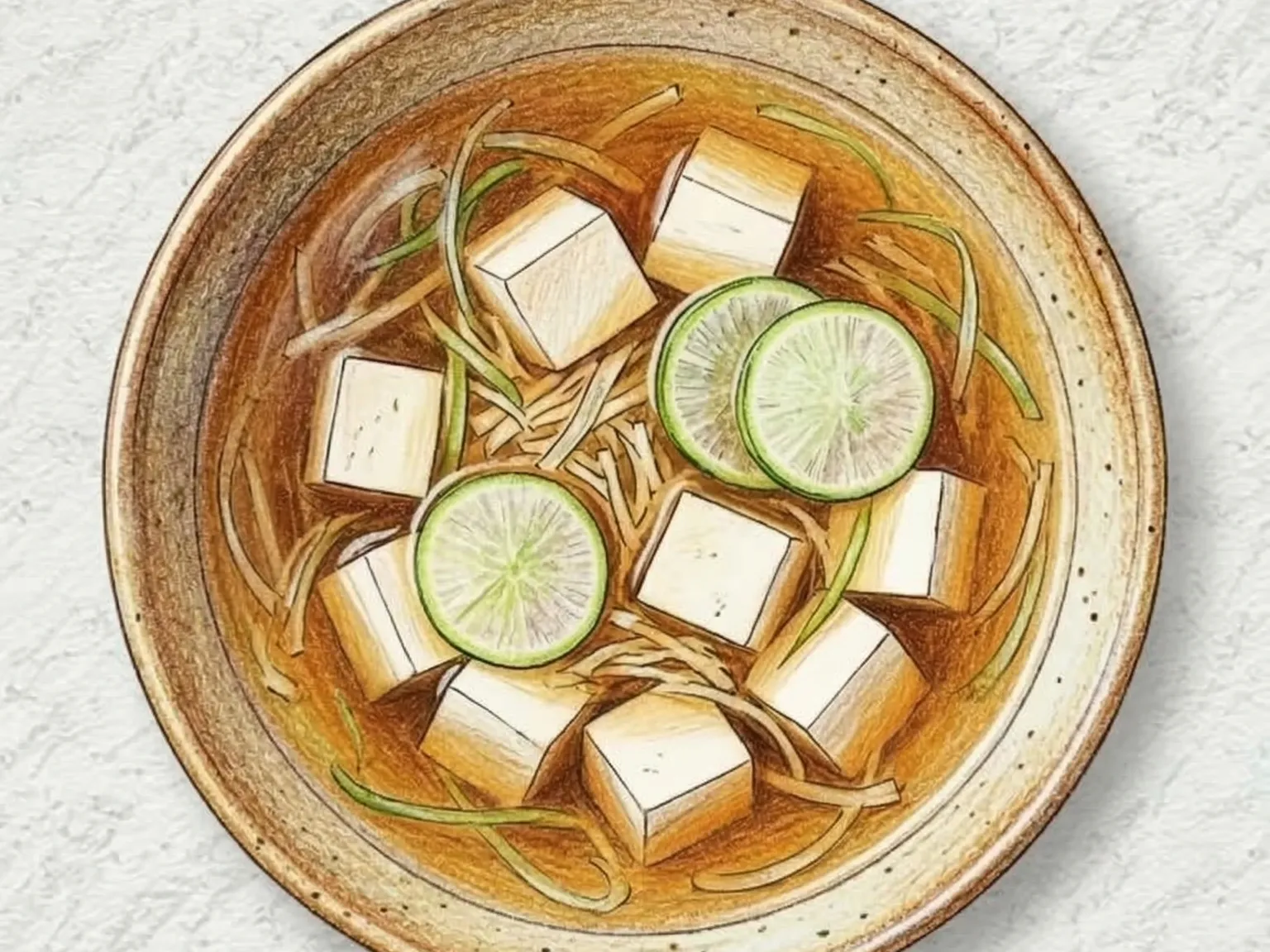
Jesa-tangguk is a traditional Korean clear soup prepared for ancestral rites and formal family gatherings. Beef brisket is first soaked in cold water for at least an hour to draw out the blood, then simmered over medium heat for an extended time to produce a clear, deeply flavored stock that forms the foundation of the entire bowl. Skimming the surface regularly during cooking keeps the broth transparent and clean-tasting. Radish cooks until nearly translucent, releasing a gentle natural sweetness into the stock, while blocks of tofu and sliced shiitake mushrooms add contrasting textures. Seasoning is limited to soup soy sauce and garlic, preserving the purity of the broth and allowing each ingredient's flavor to come through undisguised. Fat is skimmed away before serving, producing the spotless, refined finish expected of ritual food. The aesthetic matters as much as the flavor: ingredients are cut into tidy, uniform shapes and arranged with deliberate care, reflecting the reverence that is central to the jesa ritual. Beyond ceremonial occasions, jesa-tangguk is a comforting home-style soup enjoyed at holidays and family meals for its clean, balanced warmth.

🏠 Everyday🎉 Special Occasion
Prep 20minCook 30min4 servings
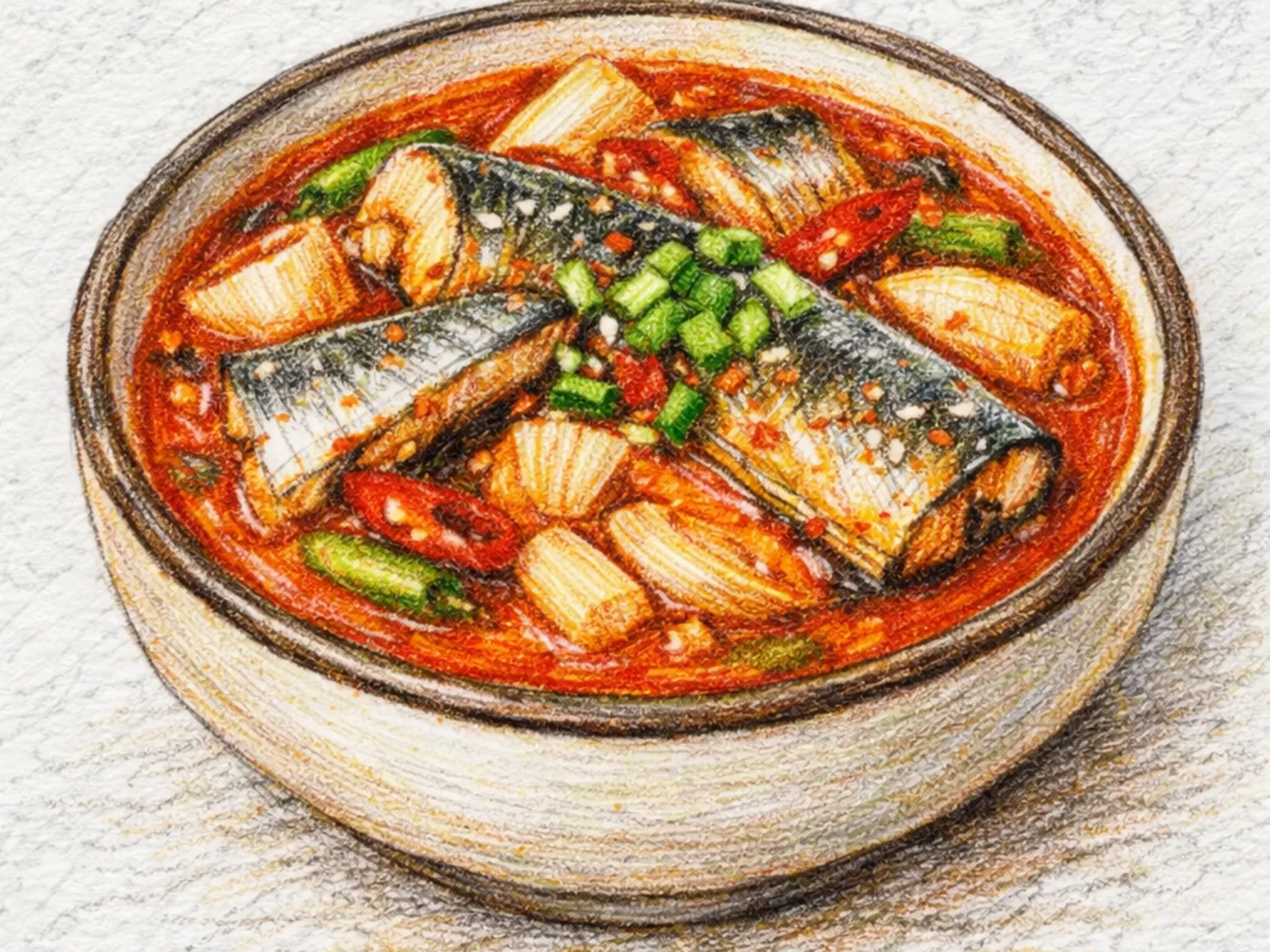
Korean Rockfish Soup (Whole Rockfish in Spicy Radish Broth)
SoupsMedium

Korean Rockfish Soup (Whole Rockfish in Spicy Radish Broth)

Starting with a base of boiled radish to sweeten the water, this rockfish soup relies on using the entire fish to build a complex broth. Red pepper flakes, garlic, and soup soy sauce provide the seasoning before the fish and tofu go into the pot for a fifteen-minute simmer. The collagen and juices released from the rockfish bones create a physical thickness in the liquid that cannot be replicated with fillets alone. Just before the heat is turned off, a handful of water parsley adds a fresh contrast to the spicy, ocean-heavy profile of the soup. While the small bones of the rockfish require slow and careful eating, they are exactly what gives this dish its characteristic intensity. A slice of ginger added early in the process works to neutralize fishy scents. For extra heat, some sliced cheongyang chilies can be added, or a spoonful of ground perilla seeds can be stirred in at the end to introduce a nutty, creamy layer to the texture. This soup pairs naturally with a bowl of steamed rice, where the process of picking meat from the bones becomes a central part of the eating experience.

🏠 Everyday
Prep 20minCook 25min4 servings
Korean Braised Beef Shank
SteamedHard

Korean Braised Beef Shank

Satae jjim is a Korean braised beef shank dish that begins with soaking the meat in cold water to draw out blood before any heat is applied. The shank is then simmered slowly with aromatics for well over two hours, a duration that is not optional but essential. Shank is dense with connective tissue that turns unpleasantly tough under short, high heat, but extended low heat dissolves that tissue entirely, leaving the beef soft enough to pull apart along its grain with minimal effort. Soy sauce and sugar build a deeply savory-sweet braising liquid that penetrates the meat as it cooks, glazing the exterior with a dark, lacquered sheen. Radish is added in the later stages so it can absorb the concentrated broth without completely losing its texture, contributing a clean, refreshing contrast to the richness of the meat. The finished braise tastes noticeably better after a night in the refrigerator, when the seasoning has fully permeated every fiber and the chilled gelatin, once reheated, naturally thickens the sauce.

🎉 Special Occasion
Prep 25minCook 120min4 servings
Korean Spicy Fish Roe Braise
SteamedMedium

Korean Spicy Fish Roe Braise

Al-jjim is a Korean braised dish built around pollock roe sacs and milt - the parts of the fish that most home cooks discard or that are sold separately at markets near fishing ports. The two components come from the same fish but behave completely differently when cooked. The roe sacs firm up into a dense, granular texture as they heat, each individual egg becoming distinct and slightly resistant to the bite. The milt, by contrast, softens to a custard-like consistency, breaking apart in soft curds that dissolve into the braising sauce. Radish slices line the pot bottom, providing a sweet buffer against the aggressive saltiness of the gochugaru-soy braising liquid and preventing the more delicate milt from burning. The dish cooks at low heat for about fifteen minutes, during which the roe and milt release their marine oils into the sauce, adding an oceanic richness to the spicy, salty base. Green onions or scallions added at the end contribute a fresh, sharp counterpoint that keeps the heavy sauce from becoming monotonous. Al-jjim is a winter specialty in Korea's east coast fishing ports - Pohang, Gangneung, Sokcho - where fresh pollock roe is available during the winter spawning season. Frozen roe can be substituted year-round, but it releases fewer marine oils into the sauce, producing a noticeably less rich broth than the fresh version.

🎉 Special Occasion
Prep 20minCook 25min4 servings
Korean Dried Pollock Potato Soup
SoupsEasy

Korean Dried Pollock Potato Soup

Hwangtae-gamja-guk is a clear Korean soup built around dried pollock strips that have been wind-dried and then sauteed in sesame oil before any liquid is added. That initial stir-fry step is what separates this soup from simpler broth dishes: the heat releases a toasty, nutty fragrance from the pollock that permeates the entire pot and melds with the anchovy-kelp stock poured in afterward. Potato slices simmer alongside radish, and as they soften their edges gradually break down, giving the broth a mild, natural body without the use of starch or thickener. Radish contributes a clean, cooling sweetness that tempers the concentrated umami of the dried pollock. Soup soy sauce and minced garlic handle the seasoning, keeping the flavor profile clear and uncluttered. The pollock itself stays pleasantly chewy even after prolonged simmering, providing a protein-rich bite that makes the bowl genuinely filling. This soup is a fixture on Korean breakfast tables, valued for its ability to settle the stomach and restore energy.

🏠 Everyday
Prep 15minCook 30min4 servings
Korean Spicy Braised Hairtail
Stir-fryMedium

Korean Spicy Braised Hairtail

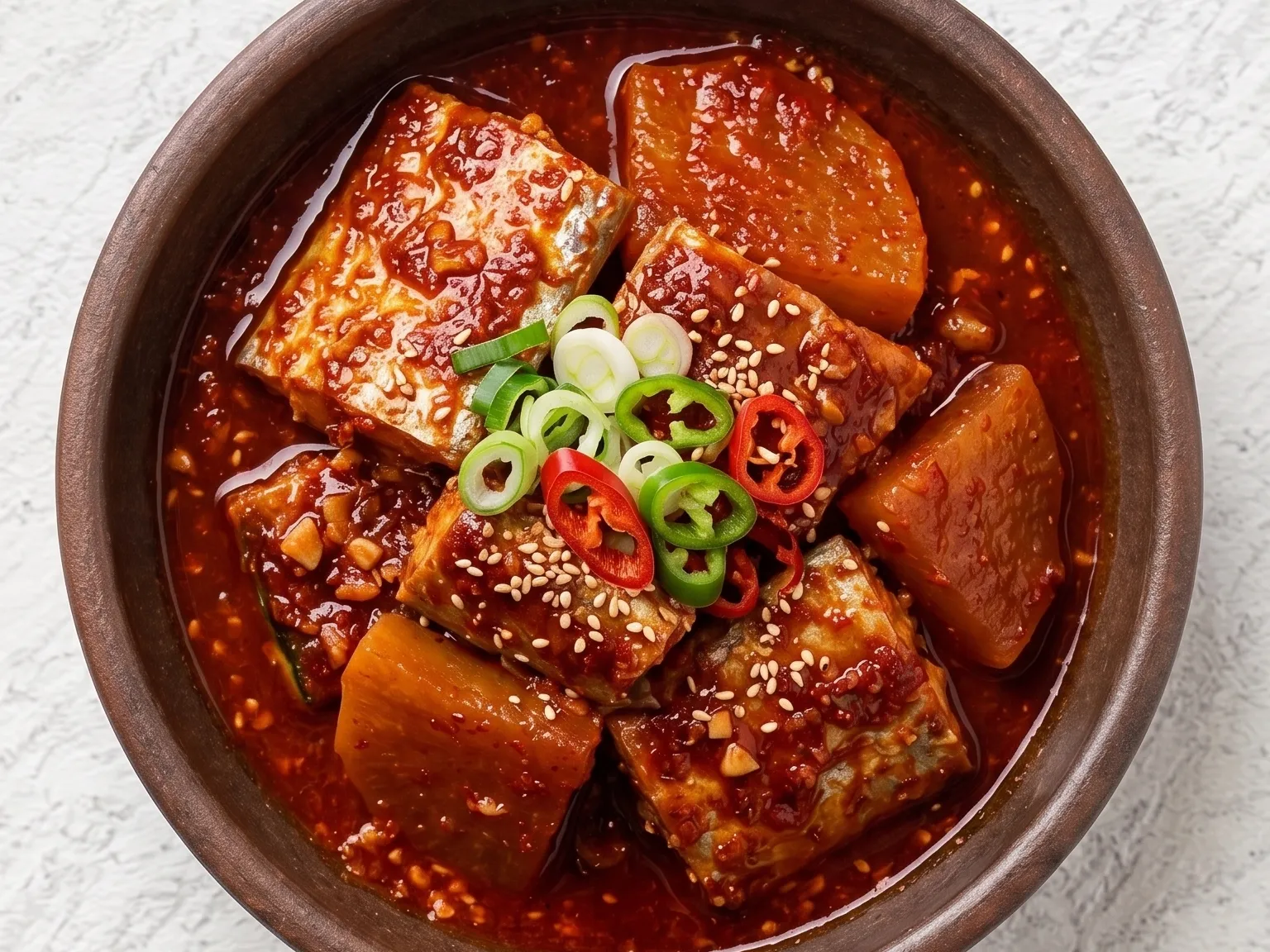
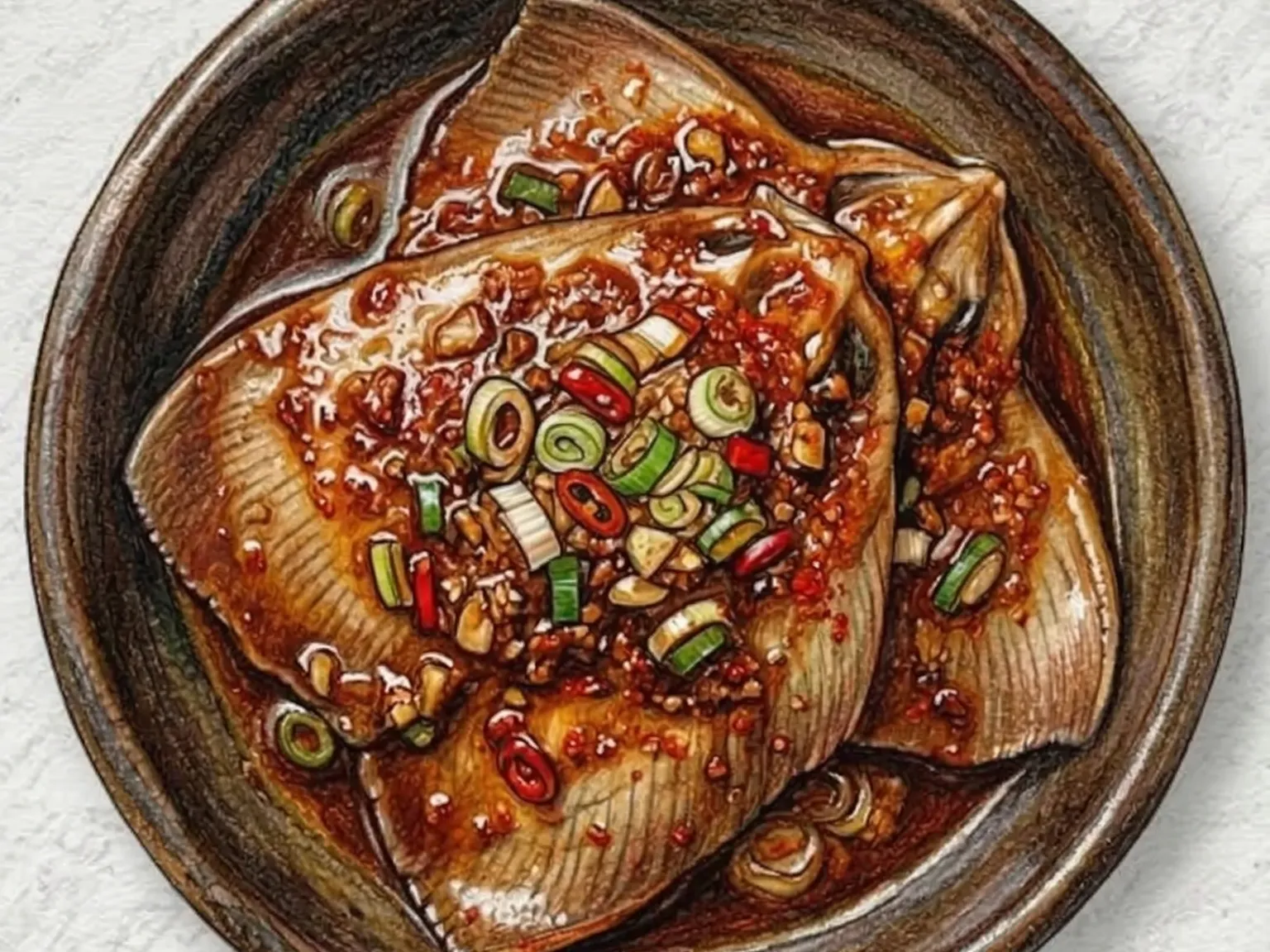
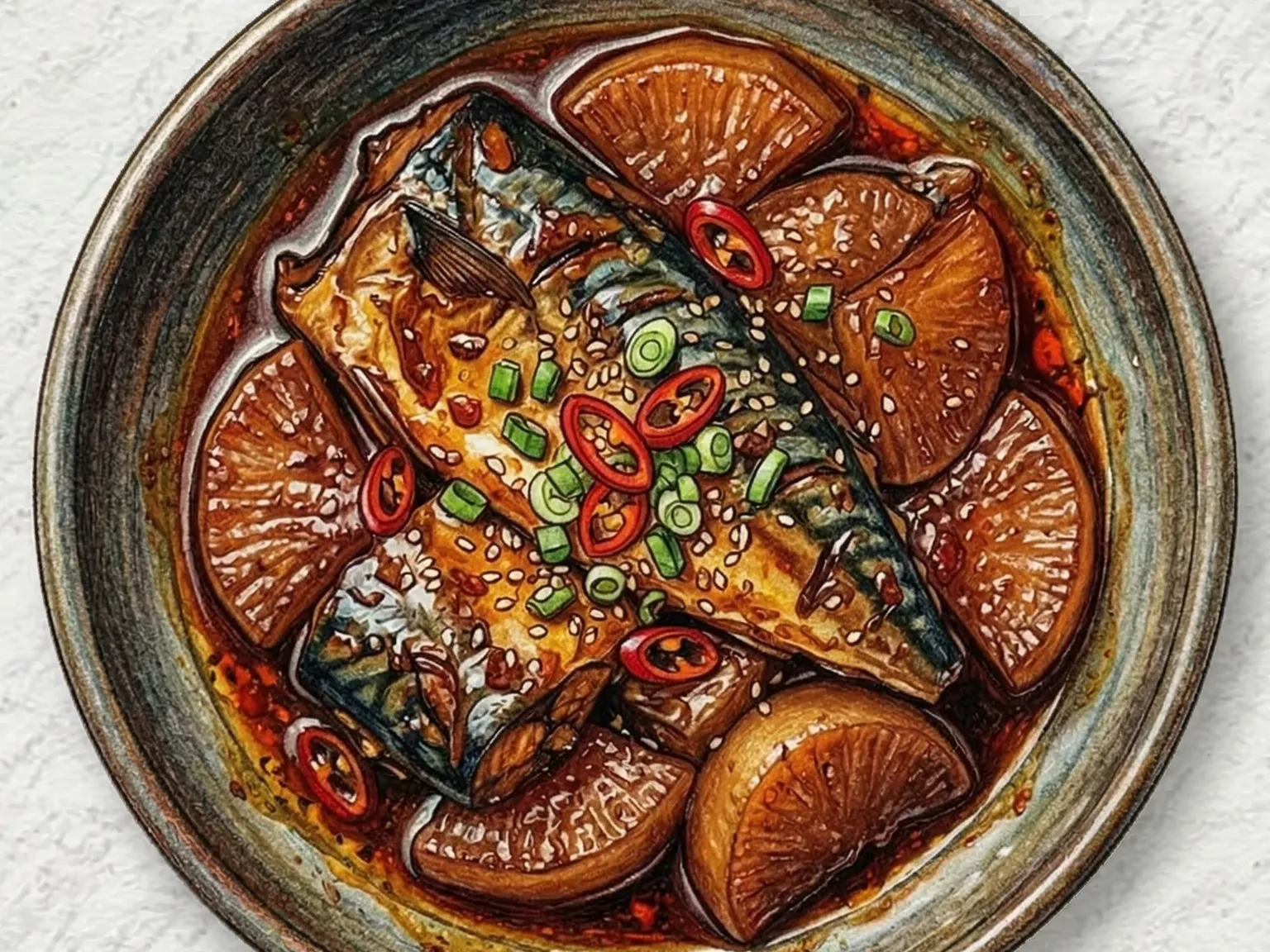
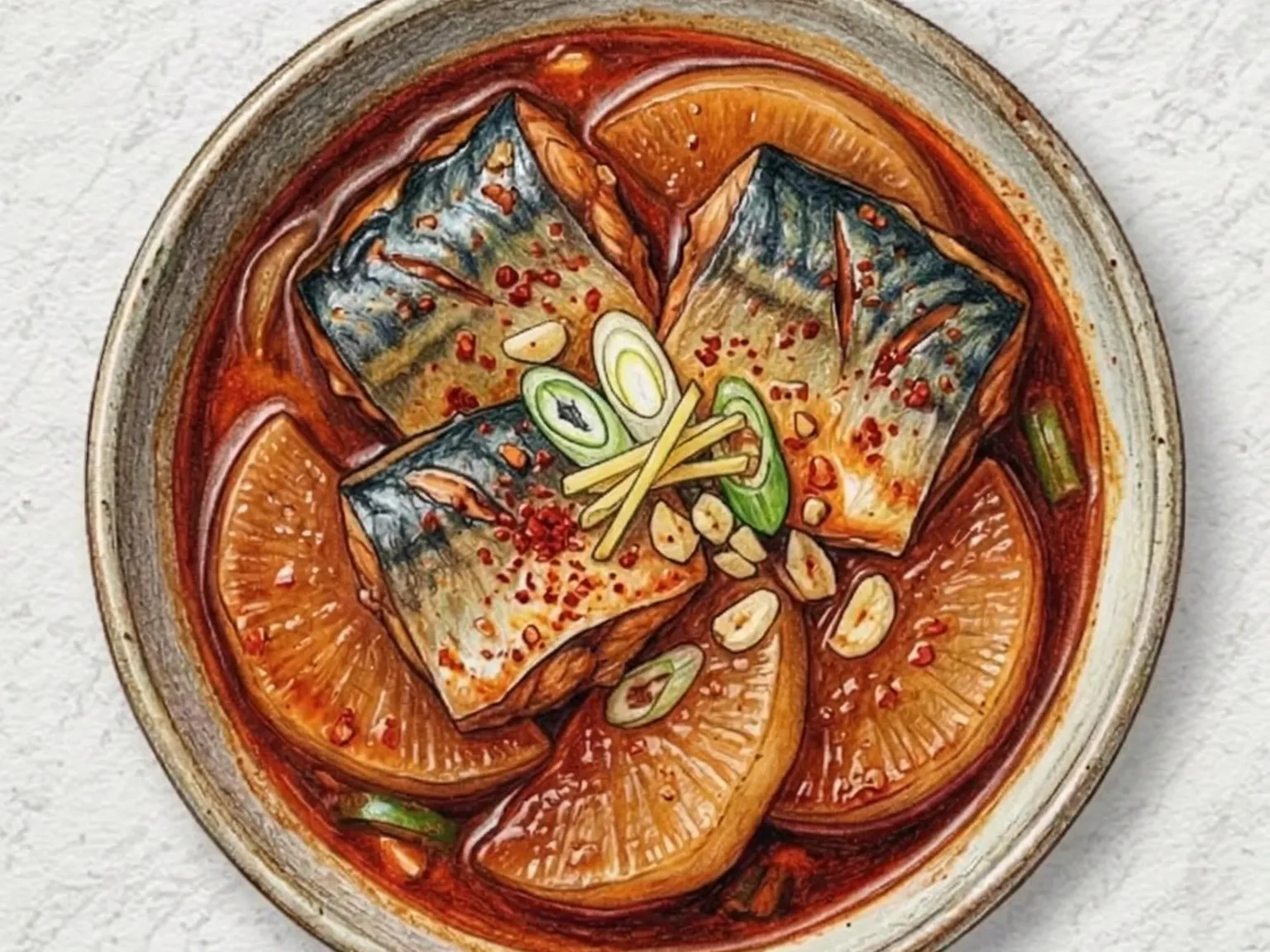
Galchi-yangnyeom-jorim is a Korean braised hairtail made by simmering sectioned cutlassfish and radish in a spicy-sweet sauce of gochugaru, soy sauce, and minced garlic. The seasoning penetrates the hairtail flesh as it cooks, suppressing any lingering fishiness while developing a layered, concentrated umami. Radish pieces are laid on the bottom of the pot first so they cook through completely and absorb the braising liquid, turning sweet and tender in a way that contrasts with the flaky fish above. Finishing with the lid off allows the sauce to reduce until it clings to the fish surface in a glossy, tight glaze. Fresh hairtail holds its shape better under heat, so the flesh can be lifted with chopsticks intact, while older fish tends to break apart during cooking. Adding Cheongyang chili increases the sharp heat, and a thin slice of fresh ginger worked into the sauce at the start removes any remaining fishiness before braising begins.

🏠 Everyday
Prep 15minCook 22min2 servings
Ojingeo-muguk (Korean Squid Radish Soup)
SoupsEasy

Ojingeo-muguk (Korean Squid Radish Soup)

Ojingeo-muguk is a clear Korean soup that pairs squid and radish in a gently sweet, clean-tasting broth built without any chili or strong seasoning. Radish is added to cold water from the start and simmered for at least eight minutes, during which the vegetable slowly releases a natural sweetness that forms the flavor foundation of the soup. Squid is cleaned, sliced into rings, and added only after the radish has softened, and the timing here is critical: five minutes in the hot broth is enough for the flesh to turn fully opaque and pleasantly firm, but even a minute or two beyond that causes the proteins to tighten and the rings to turn rubbery and tough. Soup soy sauce seasons the broth without darkening it, and minced garlic provides depth without heat. Sliced green onion stirred in at the end neutralizes any residual seafood aroma and leaves the broth tasting bright and clean. The simplicity of the combination is the point: the radish's sweetness and the squid's umami reinforce each other in a broth that is light in body but surprisingly satisfying.

🏠 Everyday
Prep 15minCook 20min4 servings
Korean Seaweed and Oyster Soup
SoupsEasy

Korean Seaweed and Oyster Soup

Maesaengi-gul-guk is a light winter soup pairing two peak-season ingredients, capsosiphon seaweed and fresh oysters, that together produce a broth with an intense marine character neither delivers alone. Julienned radish and garlic are sauteed in sesame oil first to coax out sweetness, then water is added and brought to a boil before the oysters go in for three minutes. The oysters release their brininess into the stock, building the flavor base without any additional seasoning beyond soup soy sauce and a pinch of salt. The seaweed is added last and simmered for only two minutes, just long enough for it to soften while retaining its silky texture and faint oceanic scent. Both ingredients are best from November through February, so the soup is at its peak during those winter months. Because the oysters contribute significant salt on their own, seasoning should be done gradually at the end to avoid oversalting. The soup is warming and easy to digest, making it a natural fit for recovery meals and winter breakfasts.

🏠 Everyday
Prep 15minCook 12min2 servings