Korean Black Sesame Latte
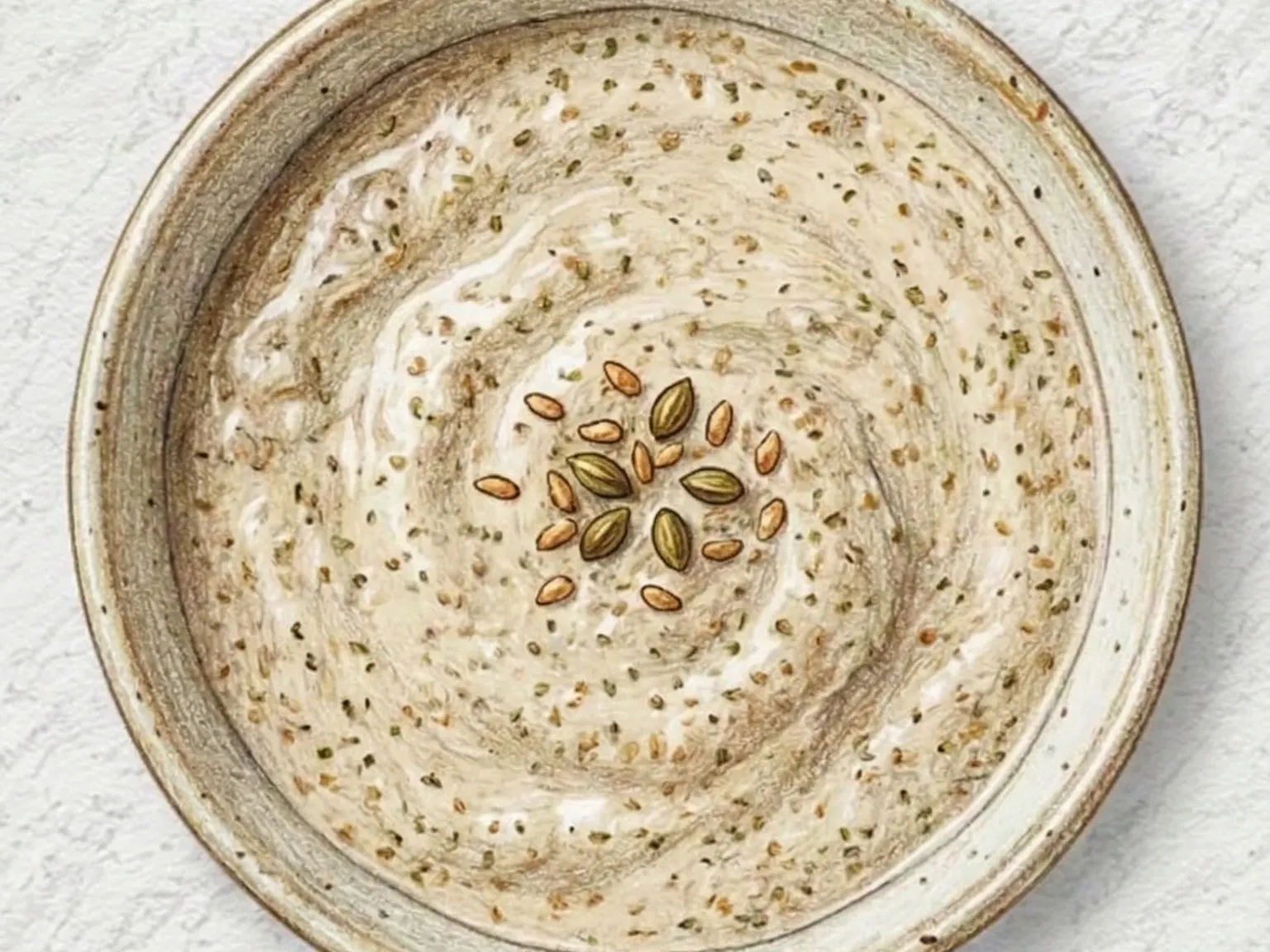
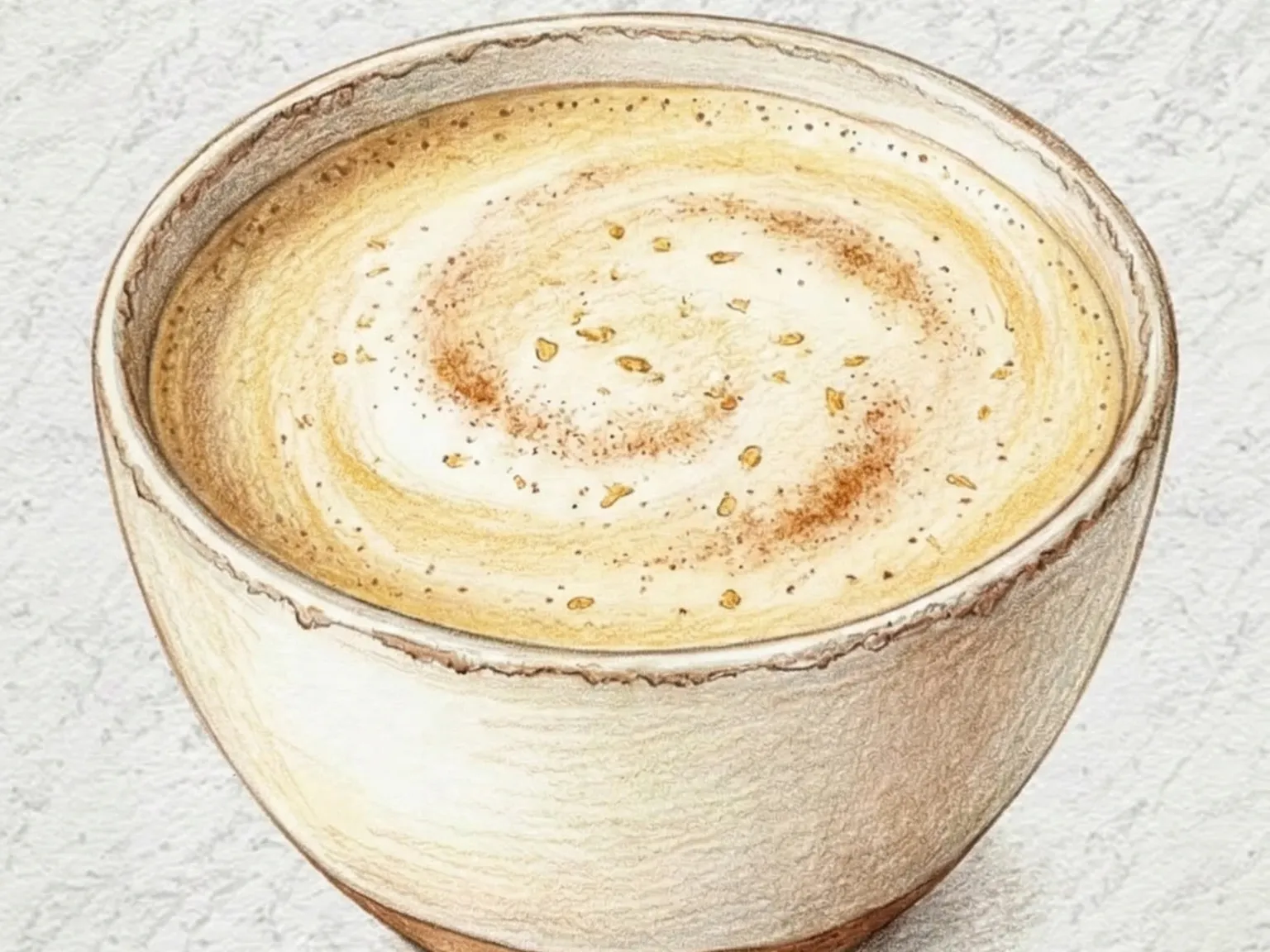
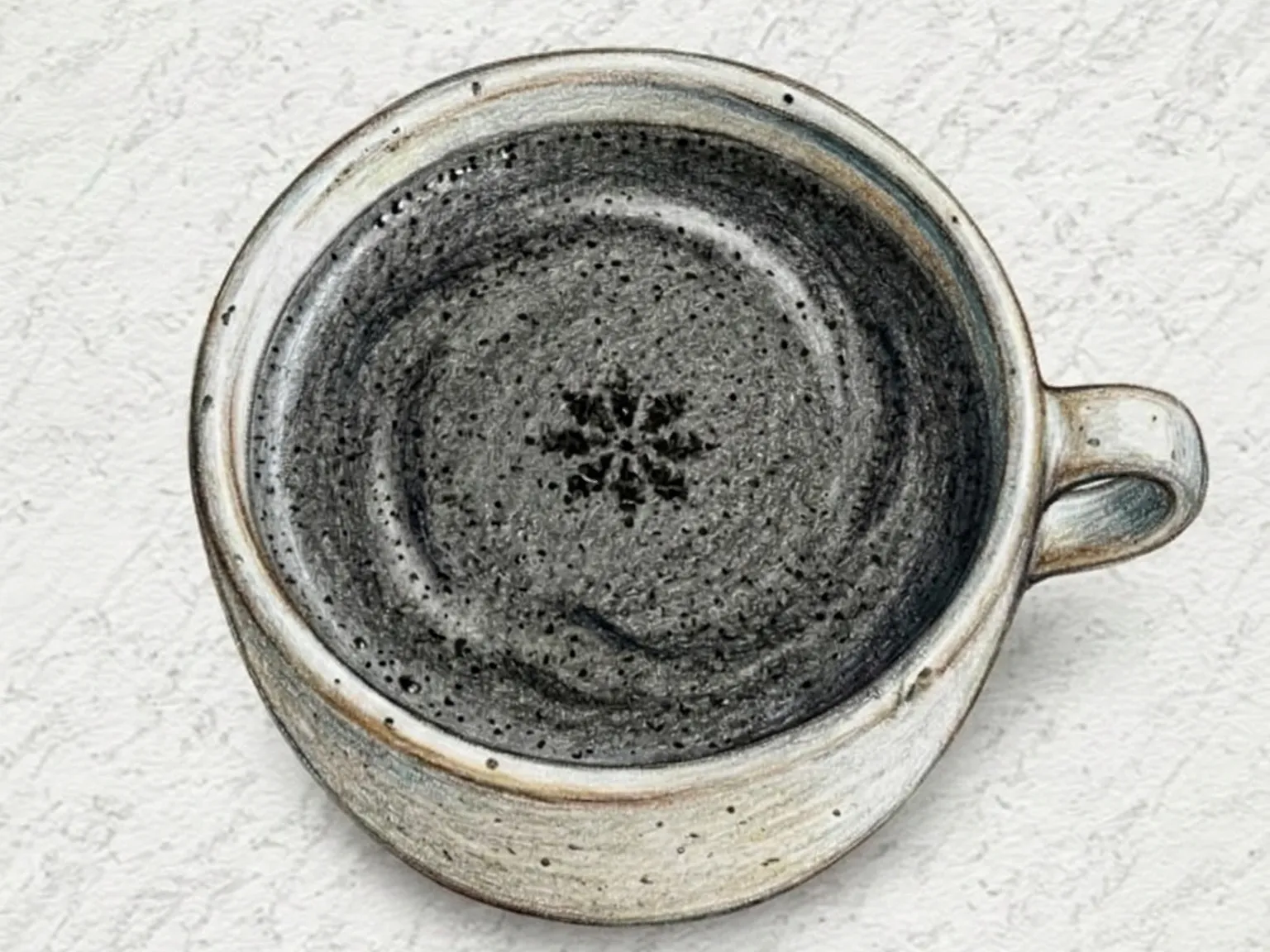
Heugimja latte is a Korean roasted black sesame drink made by finely grinding toasted sesame seeds and warming them slowly with milk over low heat. Toasting the sesame beforehand draws the oils to the surface, intensifying the deep, nutty character that defines the drink. The finer the grind, the more evenly the sesame disperses through the liquid, creating a smooth, uniform texture rather than a gritty one. Adding sweet rice flour dissolved in a small amount of water gives the latte a natural thickness that sets it apart from commercial nut milks or grain beverages. A tiny amount of salt sharpens the sesame flavor without adding any perceptible saltiness, and sugar should be added with restraint since too much sweetness masks the roasted depth that makes this drink distinctive. Served warm, the toasted aroma rises steadily from the cup. Chilled versions retain the same nuttiness, making the drink work in both seasons. The drink draws on a long Korean tradition of using ground sesame as a nutrient-dense base for beverages and porridges.
Cornbread
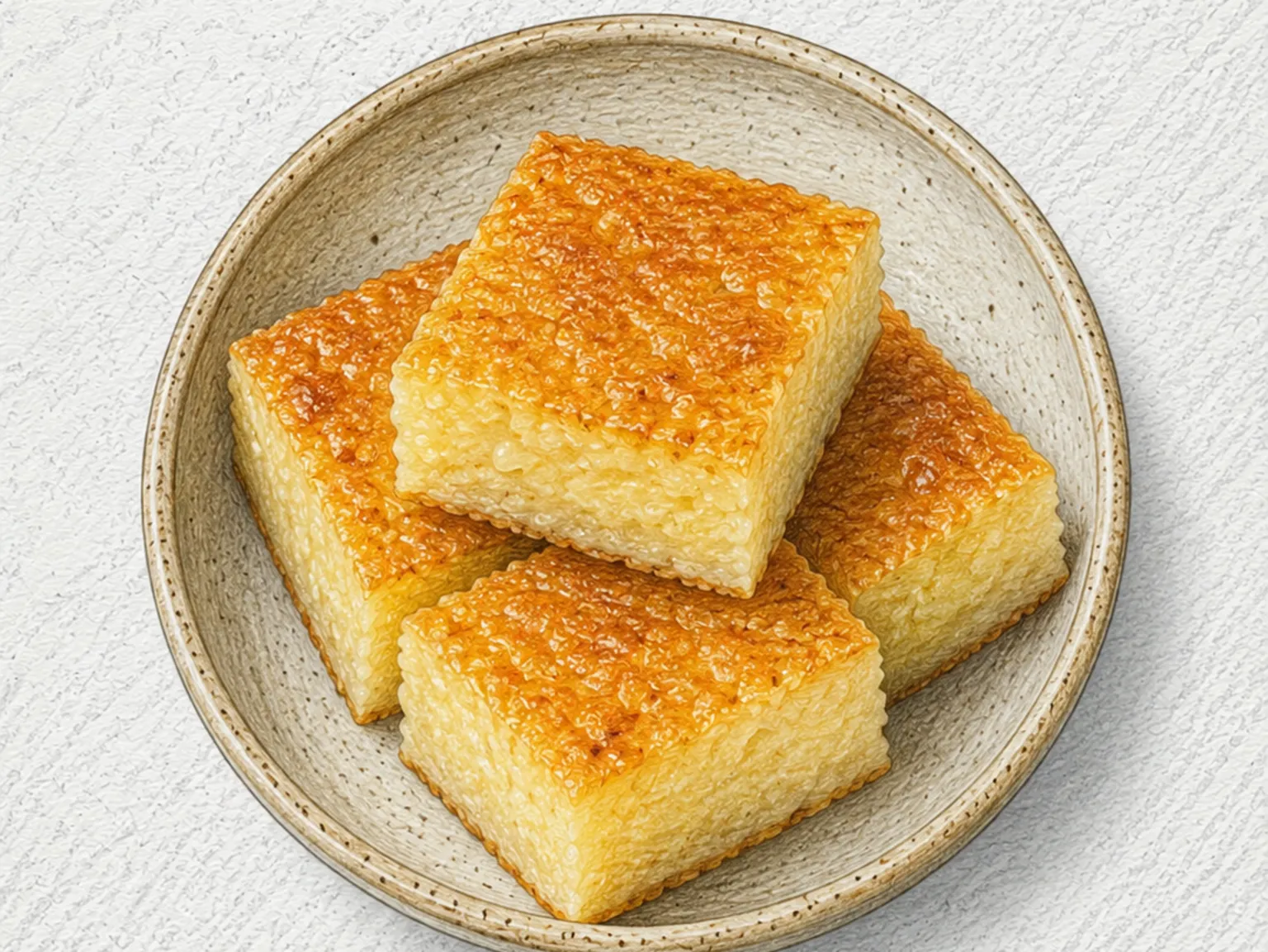
Cornbread is a Southern American quick bread made from cornmeal, flour, sugar, baking powder, milk, egg, and melted butter, baked until golden. Mixing the wet and dry ingredients separately and combining them with minimal stirring prevents overdeveloping gluten, which keeps the crumb tender and moist rather than tough. Baking at 200 degrees Celsius for twenty-two to twenty-five minutes produces a crisp exterior with a lightly sweet, nutty interior characteristic of cornmeal. The bread pairs well with stews, chili, and soups; its coarse grain absorbs broth and sauce effectively, making every bite more flavorful the longer it sits in the bowl.
Caramel Flan
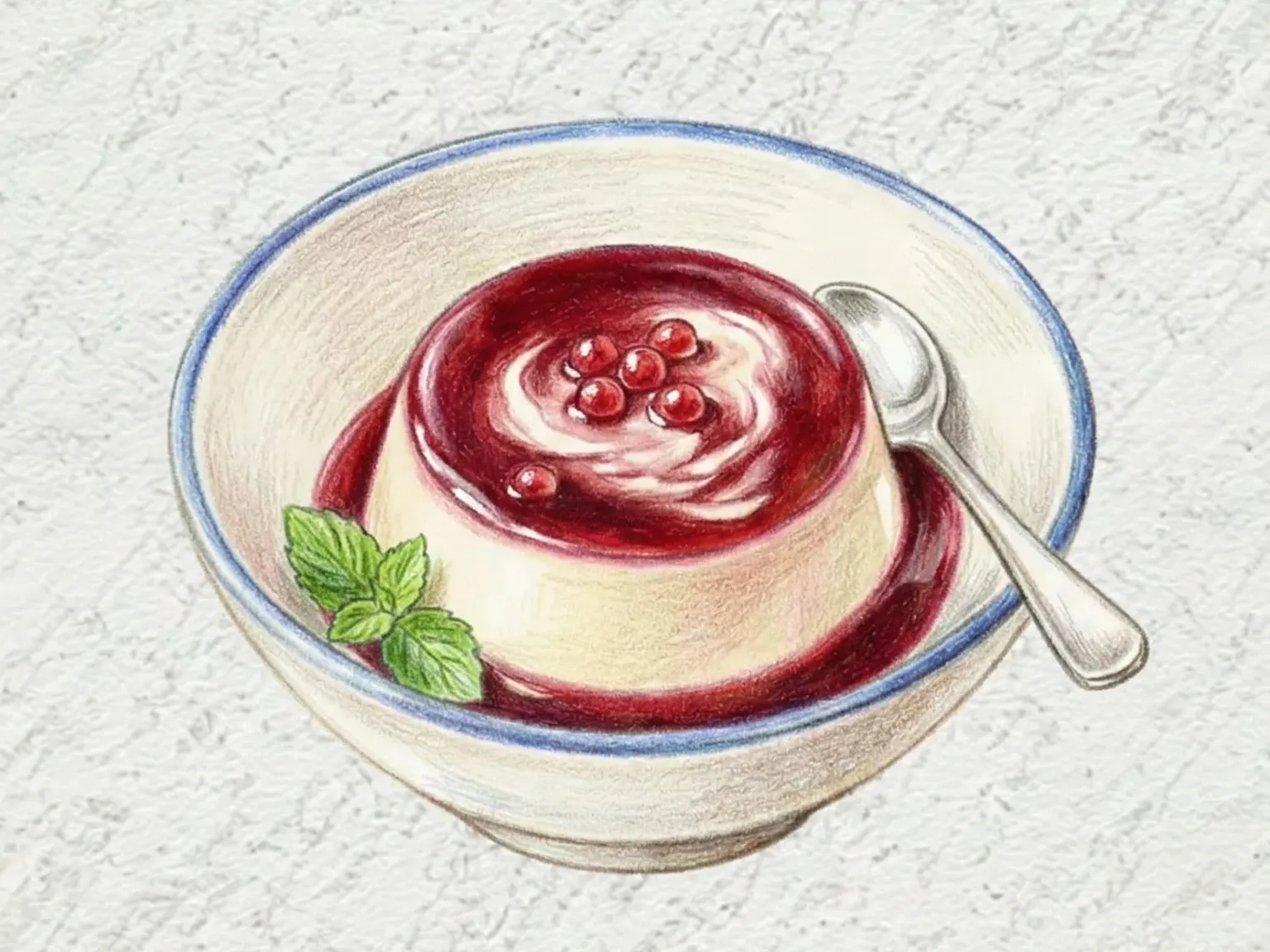
Caramel flan is a Spanish and Latin American custard dessert built entirely on the contrast between two preparations of sugar. The first is a dry caramel cooked in a pan until it reaches a deep amber color, at which point it is poured into the bottom of a mold and left to harden into a glossy layer. The second is a liquid custard of eggs, milk, sugar, and vanilla that is poured on top of the caramel and baked in a water bath. The water bath is critical: it moderates the oven temperature around the mold and prevents the proteins in the egg from contracting too quickly, which would produce a grainy or bubbly texture rather than the smooth, even set that characterizes a well-made flan. Once the custard is baked and fully chilled, the mold is inverted onto a serving plate -- the hardened caramel layer, having been in contact with the custard throughout the baking and cooling time, has liquefied back into a flowing sauce that spills over the pale custard in amber streaks. The flavor follows the visual contrast: the custard is mild, milky, and gently sweet, while the caramel adds a roasted, slightly bitter depth that prevents the dessert from being simply sweet. It is always served cold, and the smooth trembling surface of a properly set flan is considered a mark of careful technique.
Korean Sweet Chili Cheese Balls
Sweet chili cheese balls are a fried snack made from glutinous rice flour dough mixed with milk, wrapped around mozzarella cubes, shaped into spheres, and deep-fried at 160 degrees Celsius. Adding a small amount of baking powder to the dough causes it to puff evenly during frying, creating a thin, crisp crust on the outside while the mozzarella inside melts into a soft, stretchy core. Keeping the oil at a moderate 160 degrees is the critical step, because a higher temperature browns and sets the shell before the cheese inside has had enough time to melt fully. Dipping in sweet chili sauce brings a layer of fruity sweetness and gentle heat over the creamy mozzarella, and the sauce's slight tanginess cuts the fried richness to leave the palate feeling clean. Sealing the seam of each ball tightly when wrapping is important, as any gap will let the melting cheese escape into the oil during frying.
Korean Black Rice Latte (Purple Grain Milk Drink)
Heukmi latte is a grain-based drink made by soaking black rice for at least two hours, boiling it until completely soft, and then blending it smooth with milk. Without adequate soaking, the rice does not cook through evenly, and the blended result will be grainy rather than silky. Glutinous rice flour stirred into the blender adds viscosity, giving the drink a fuller, creamier body that coats the palate as it goes down. Maple syrup contributes a caramel-like sweetness that sits comfortably over the toasted, earthy character of the grain, while vanilla extract rounds out the aromatic range and keeps the flavor from smelling too starchy. A pinch of salt added at the very end prevents the sweetness from dominating and pulls the flavors into balance. The deep purple color comes naturally from the anthocyanin pigments in the black rice bran, making the drink visually striking before the first sip. It can be served warm straight from the blender or refrigerated and enjoyed cold.
Cottage Pie
Cottage pie is a British comfort dish that layers a rich ground-beef filling under buttery mashed potatoes and bakes the whole thing until the top is golden and the interior is bubbling. The filling starts with beef browned alongside diced onion and carrot, then simmers with tomato paste, Worcestershire sauce, beef stock, and green peas until the liquid reduces to a thick, concentrated sauce that holds its shape in the dish. Adding beef stock to the simmer deepens the flavor considerably compared to water alone. The potatoes must be mashed immediately after draining while still steaming hot: mashing cool potatoes produces a gluey texture instead of a smooth, creamy layer. Scoring the surface with a fork before the dish goes into the oven creates ridges that catch the heat and brown in the oven at 200 degrees Celsius over twenty minutes, adding a lightly crisp layer over the soft interior. During baking, the heat from the filling rises through the potato crust, allowing the two layers to exchange aromas. The defining characteristic of the dish is the contrast between the deeply savory, umami-packed meat layer below and the soft, golden, buttery potato crust above.
Castella Cake (Japanese Honey Egg Sponge Cake)
Castella is a Japanese sponge cake descended from the pao de Castela brought by Portuguese missionaries to Nagasaki in the sixteenth century, then reimagined over generations into something distinctly Japanese. The batter works without baking powder, relying entirely on extended, vigorous whisking of whole eggs to build a stable foam that lifts the cake during baking. Honey and millet jelly are added together, and this combination keeps the crumb moist for several days after baking. The flour ratio is kept unusually low, producing a fine, even grain that springs back slowly when pressed. Baked in a rectangular wooden frame lined with paper, the cake develops a thin caramelized layer along the bottom where sugar settles and browns under heat, creating a slightly chewy base that contrasts with the airy body above. The cake improves noticeably from the day after baking, once moisture has distributed evenly through the crumb and the honey flavor has deepened. Green tea is the traditional accompaniment, its bitterness countering the cake's mellow sweetness. Castella shops in Nagasaki still compete on their precise methods, some guarding recipes that have remained unchanged for centuries.
Korean Sweet Potato Mozza Corn Dog
Sweet potato mozza corn dog is a Korean street food made by skewering mozzarella and sausage end to end, coating the skewer in pancake batter, pressing diced sweet potato cubes and breadcrumbs into the surface, and deep-frying at 170 degrees Celsius. Freezing the mozzarella until hard before assembly is not optional: room-temperature cheese melts too quickly during frying and breaks through the batter before the exterior sets, causing the filling to leak. Biting through the sausage-cheese boundary delivers a sharp contrast between the salt of the sausage and the pull of the stretched cheese. The batter needs to hold a moderate thickness so the sweet potato pieces adhere evenly rather than sliding off before hitting the oil. In the fryer, the sweet potato cubes caramelize against the batter, forming a naturally sweet outer layer with slightly crisped edges. Breadcrumbs fill the gaps between the potato pieces and add crunch wherever the potato does not cover. Dusting the finished corn dog with granulated sugar immediately after it exits the fryer lays a thin sweet coating over the already-caramelized surface, amplifying the sweet-salty contrast with the savory interior. The visual of cheese pulling as the corn dog is bitten through became widely associated with Korean street food content on social media.
Korean Ripe Persimmon Smoothie
Hongsi smoothie consists of the blended pulp of persimmons that have reached a state of full ripeness, characterized by a jelly-soft texture and a high concentration of natural sugars. At this specific stage of fruit development, the pulp is combined with milk and plain yogurt to produce a thick beverage that remains fluid enough to be consumed through a straw. The resulting consistency resembles a dense fruit puree or a jammy liquid rather than a thin juice. It is important to ensure that the persimmons are entirely soft before the blending process begins. Using fruit that is even slightly underripe results in a drink that carries residual tannins, which produce a notable astringent and drying sensation on the palate. Furthermore, the flesh of unripe persimmons does not have the necessary density to create a thick body, often leading to a texture that is excessively watery. When the fruit reaches its peak maturity, the natural sugars provide the smoothie with its characteristic sweetness and depth. Plain yogurt is included to provide a measured acidity that balances the sugar content of the persimmon pulp, which prevents the beverage from becoming overly cloying. Milk serves to adjust the thickness of the dense pulp so that the liquid can flow through a straw without difficulty. A spoonful of honey can be added to adjust the sweetness level depending on the specific ripeness and sugar levels of the fruit used. A light dusting of ground cinnamon on the surface introduces a warm and spiced quality that complements the natural flavor profile of the persimmon. Adding a handful of ice cubes during the blending process makes the drink more refreshing. For individuals who avoid animal products, substituting soy milk for dairy provides a comparable consistency and mouthfeel.
Cream Pasta
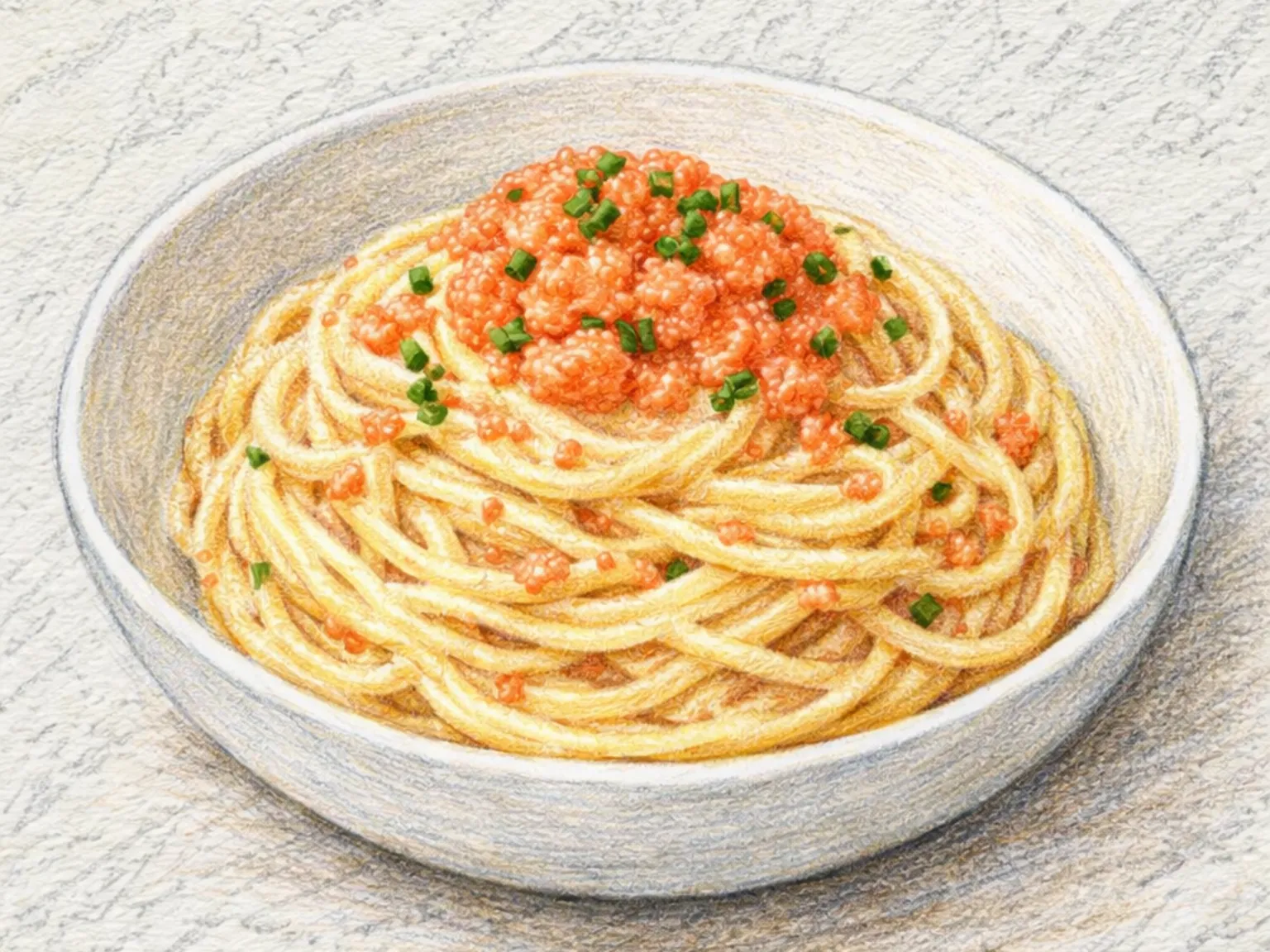
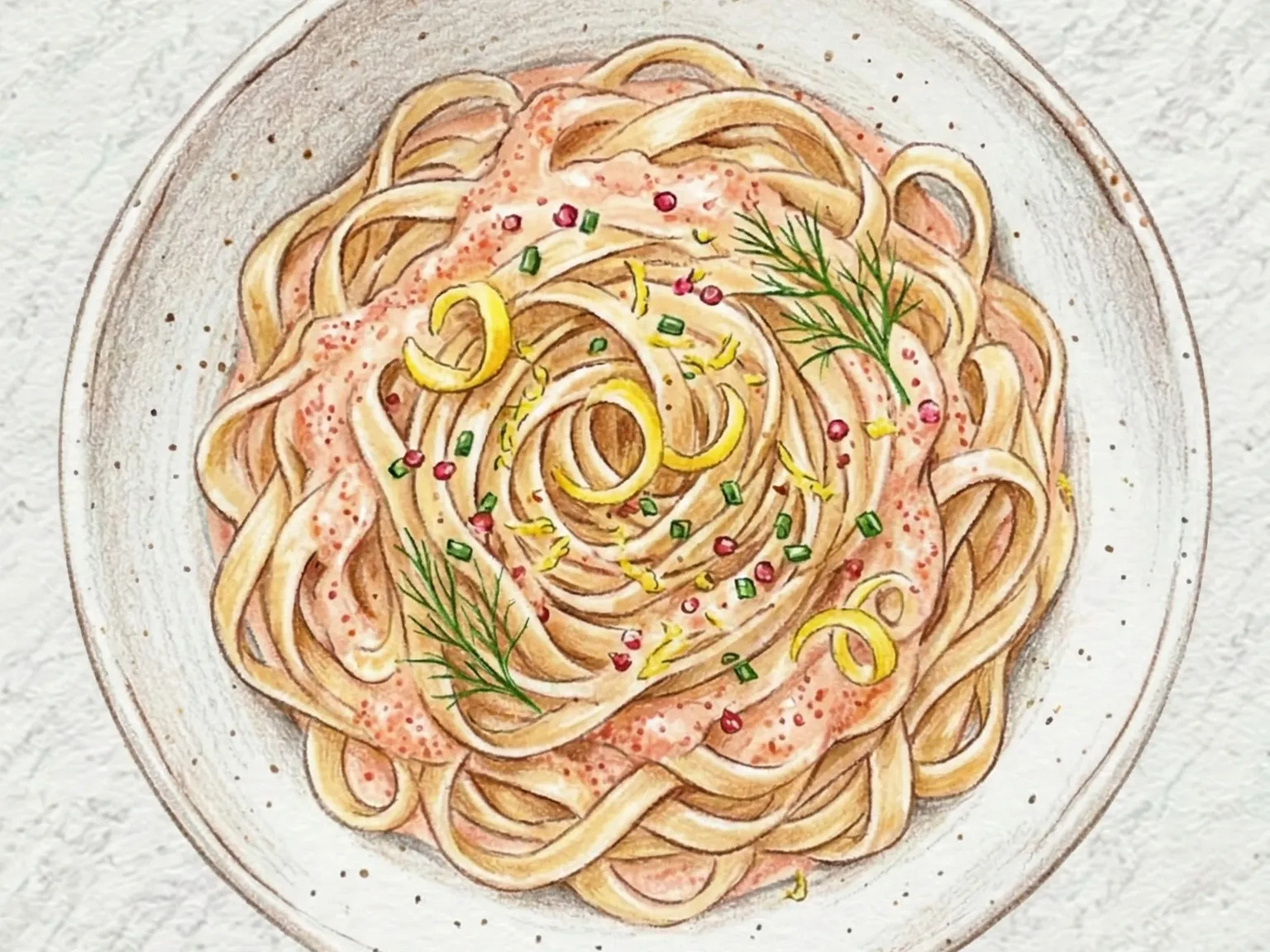
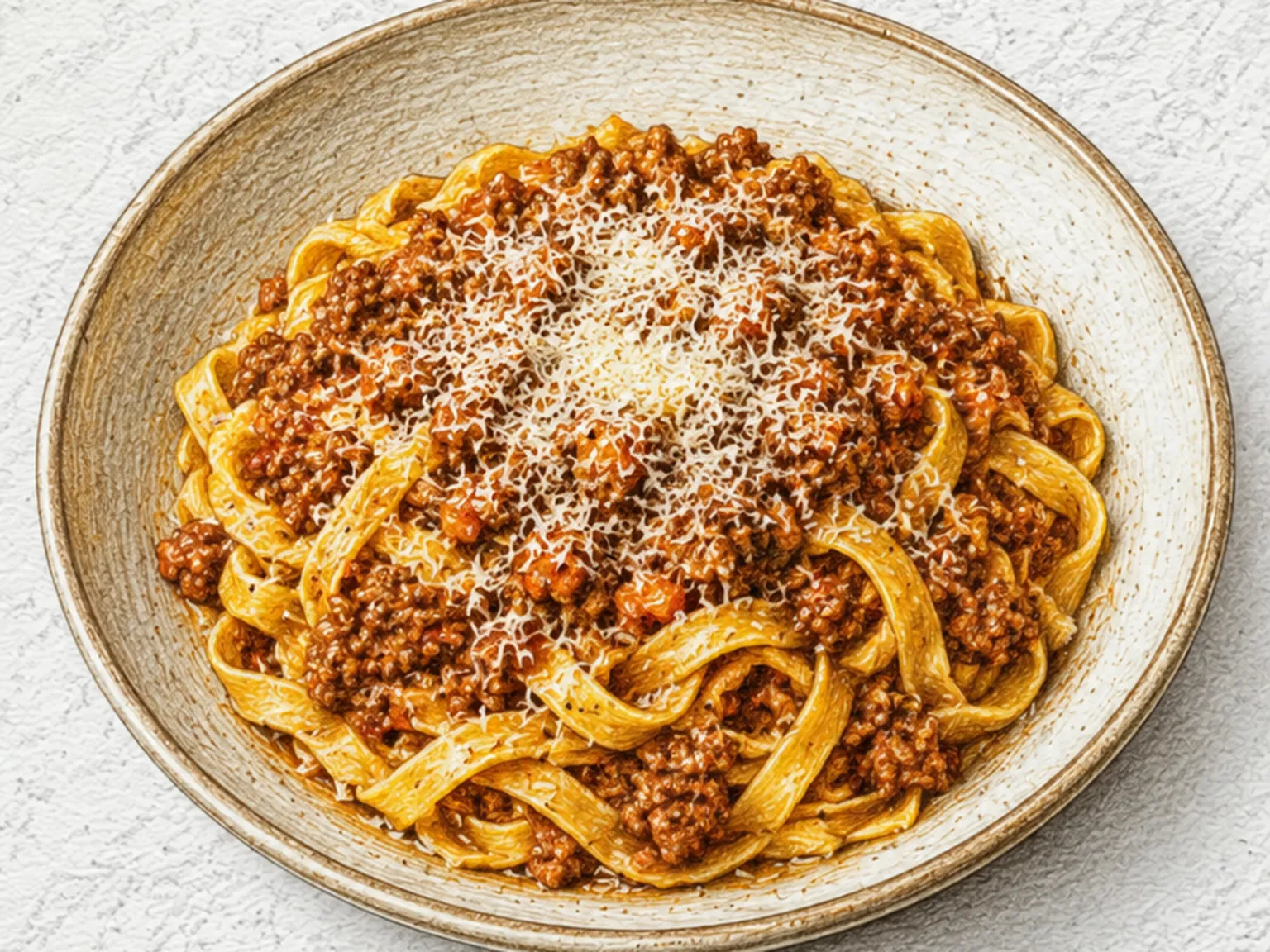
Cream pasta begins with bacon rendered crisp in butter, building a fat base that carries the flavor of everything that follows. Diced onion and minced garlic cook in the rendered fat until soft and fragrant before the heavy cream and milk go in, which is the combination that gives the sauce body without making it too dense. Heavy cream alone would weigh the pasta down, so the milk lightens the mixture to a consistency that clings to each strand without pooling at the bottom of the bowl. The cooked pasta is transferred directly into the sauce pan while still hot, and two to three tablespoons of starchy pasta water are stirred in to help the sauce emulsify and adhere evenly to the noodles. Freshly grated Parmesan is added off the heat so it melts smoothly rather than clumping, contributing a salty edge and a fermented depth that rounds out the simple cream base. The finished dish layers the smoky, cured saltiness of bacon against the mild richness of cream and the aged sharpness of Parmesan for a well-balanced, satisfying bowl.
Charlotte Russe (Ladyfinger Bavarian Cream Chilled Dessert)
Charlotte Russe is a chilled French dessert built around a mold lined with ladyfinger biscuits and filled with Bavarian cream. The cream base is a creme anglaise, a cooked custard of egg yolks, milk, and sugar, into which bloomed gelatin is stirred while warm. The mixture is cooled until it begins to thicken at the edges, then folded together with softly whipped cream before it can fully set. This timing matters: too early and the cream deflates the custard, too late and the gelatin seizes before the mousse can be poured. Ladyfingers are arranged vertically around the interior of the mold, their sugar-dusted side facing outward. As the mousse sets over several hours in the refrigerator, the biscuits absorb moisture from the inside and soften while their exterior stays dry. Unmolding reveals a neat cylinder of pale biscuit encasing smooth, ivory mousse. The dessert stands on its own, but a raspberry or strawberry coulis poured alongside adds bright acidity that cuts through the fat and brings the sweetness into balance.
Korean Peanut Bread (Mold-Baked Peanut-Studded Street Snack)
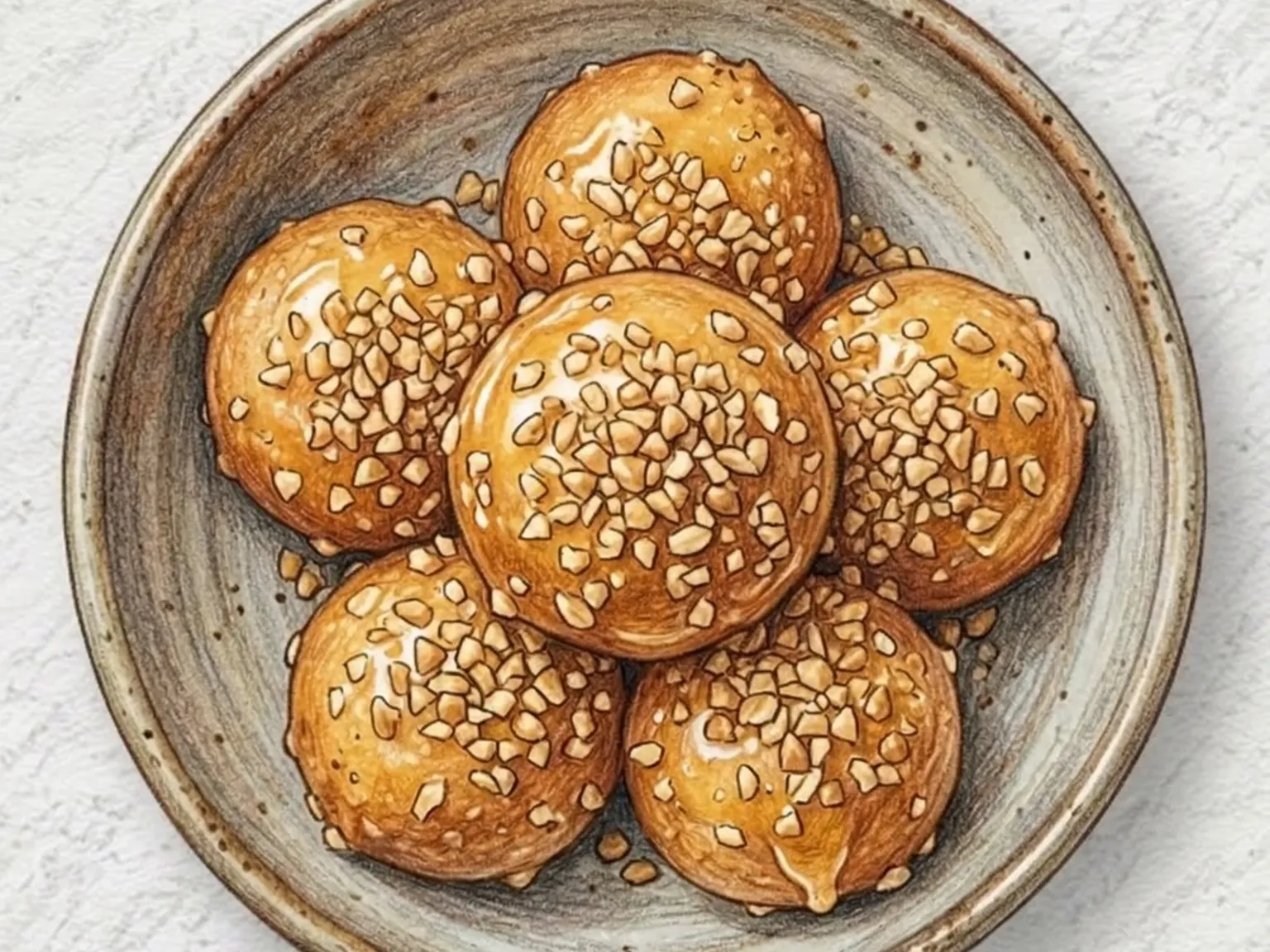
Ttangkong-ppang is Korean peanut bread baked in a shaped mold from a batter of flour, eggs, milk, and melted butter mixed with roughly chopped roasted peanuts. The natural oils in the peanuts infuse the batter with a toasted, nutty richness, and each peanut chunk provides a crunchy interruption in the soft crumb. Cooking on medium-low heat and flipping regularly develops a thin crust on both sides while butter keeps the interior moist. Sugar supplies sweetness and a pinch of salt balances against the nuttiness, resulting in a flavor profile that stays engaging bite after bite.
Korean Injeolmi Latte (Roasted Soybean Powder Milk Drink)
This beverage uses the roasted soybean powder commonly found on Korean rice cakes to create a milk based dessert drink. Pre-roasting the powder is a mandatory step to eliminate the sharp, grassy scent inherent in raw soybeans. Toasting transforms these raw qualities into a nutty fragrance similar to roasted grains. To ensure a consistent texture without clumps, the powder must be passed through a fine sieve before it meets the milk. Brown sugar syrup provides a dark, caramel sweetness that grounds the toasted base, while a small amount of honey adds a subtle floral lingering. A pinch of salt sharpens the overall profile and prevents the sweetness from feeling flat. Because the oils in roasted soybean powder remain stable across different temperatures, this drink performs well whether served over ice or heated. A final dusting of powder on the surface mimics the appearance of a traditional injeolmi cake and increases the aromatic impact of the first sip. For a variation, adding a shot of espresso introduces a bitter edge to the nuttiness, while incorporating black sesame powder creates a darker color and a more concentrated grain scent.
Croque Monsieur (Béchamel Ham and Cheese Melt)
Croque monsieur is a Parisian café classic built on a smooth béchamel sauce made from a butter-flour roux whisked with warm milk. One slice of white bread is spread with Dijon mustard before being layered with sliced ham and grated Gruyère cheese. The second slice tops the sandwich, which then gets a generous coat of béchamel and more cheese on the upper surface. Baking at 200 degrees Celsius for ten minutes melts the interior filling, and a brief three-minute broil creates a golden, bubbling crust on top. The mustard's pungent sharpness balances the salty richness of ham and cheese, keeping the overall flavor clean.
Chess Pie
Chess pie is a custard pie from the American South made from the shortest possible list of pantry ingredients: butter, sugar, eggs, a small amount of flour, and cornmeal. The simplicity of the ingredients does not predict the complexity of what happens in the oven. As the pie bakes, the top surface splits and forms a thin, crackled crust that shatters underfoot of a fork, while beneath it sits a dense, moisture-heavy custard carrying a deep caramel note. Cornmeal introduces a subtle grittiness and the faint sweetness specific to corn, while a splash of vinegar or buttermilk adds just enough acidity to prevent the sugar from going flat. The filling should be pulled from the oven when the edges have set but the center still trembles slightly; it continues to firm as it cools, eventually reaching a texture close to fudge. Served at room temperature, the custard softens into a smooth, yielding consistency. A spoonful of unsweetened whipped cream alongside cuts the richness without dulling the flavor.
Korean Pine Nut Job's Tears Shake
Jat-yulmu shake blends cooked job's tears (yulmu) and pine nuts with cold milk, honey, and ice into a thick, grain-based drink. Job's tears must be boiled until they are genuinely soft all the way through before going into the blender: partially cooked grains leave behind a gritty, coarse texture that no amount of blending time will fully eliminate. Pine nuts are high in natural oils, and those oils emulsify during blending to give the shake a richly creamy body that separates this drink from lighter fruit-based smoothies. Honey provides a clear sweetness that sits lightly over the mild, slightly earthy character of the cooked grains, while a small amount of vanilla extract deepens the overall aroma without competing with the grain flavors. A single pinch of salt is not about seasoning in the conventional sense but about amplifying - it sharpens the nutty quality of the pine nuts and brings the toasty, wheaten aroma of the job's tears into clearer focus. Blending with ice cubes rather than adding milk alone results in a colder, thicker shake with more resistance when sipped through a straw.
Croquetas de Jamon (Crispy Ham Béchamel Bites)
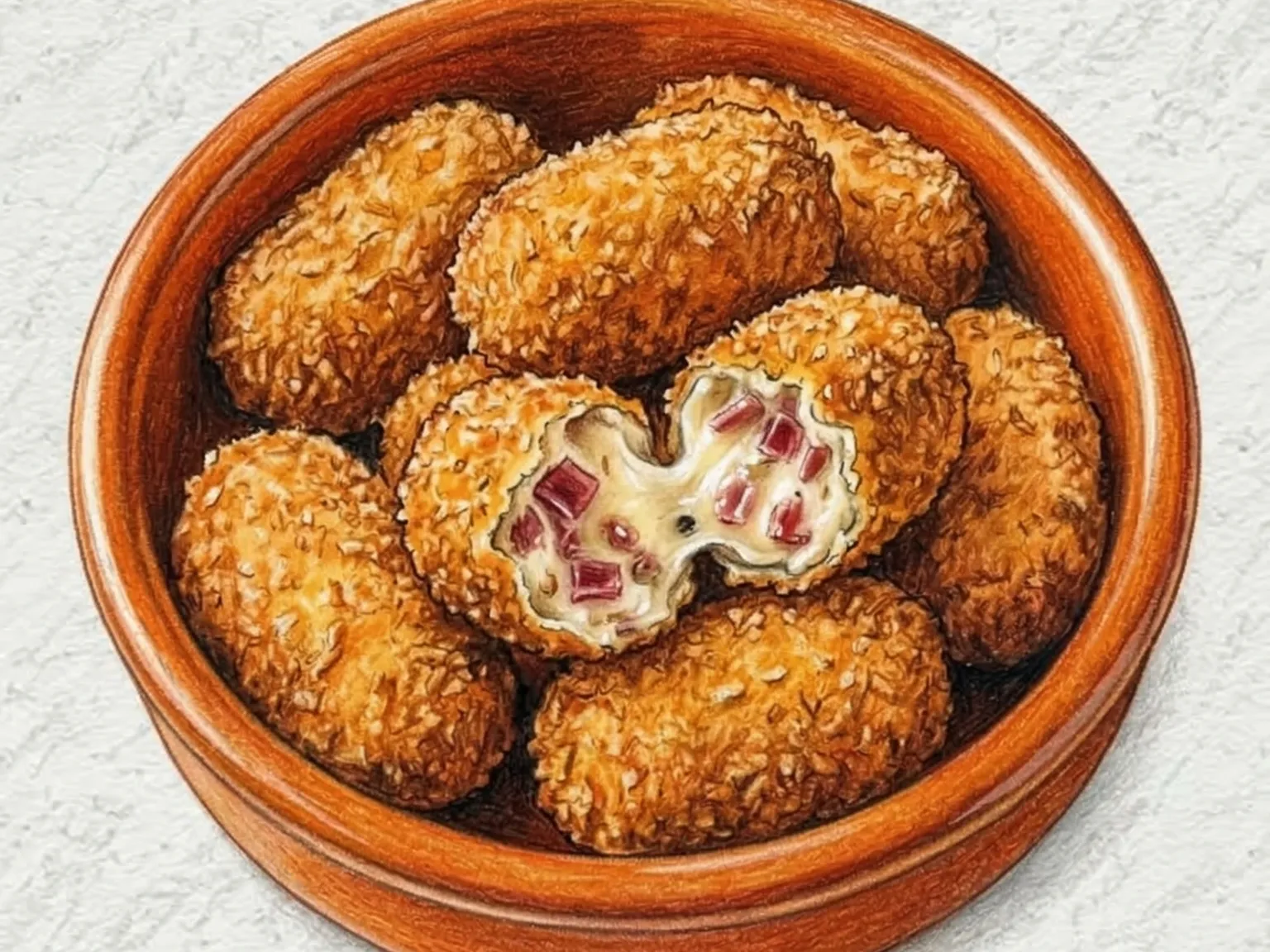
Croquetas de jamon begin with a roux of butter and flour cooked together for two minutes, followed by milk added in stages while whisking continuously to build a thick, smooth bechamel. Finely chopped jamon serrano is folded into the sauce along with seasoning, and the mixture is spread into a shallow dish and refrigerated until firm enough to shape without collapsing. Thorough chilling is the most critical step because soft filling cannot hold its oval form during breading and frying. Each croqueta is coated in beaten egg and rolled in fine breadcrumbs, then coated a second time to reduce the risk of splitting in hot oil. Fried at medium heat until deeply golden on all sides, the exterior shatters crisply while the interior releases a stream of hot, creamy, ham-laced bechamel. The salt and smoke of the jamon permeate the filling completely, making every bite rich and savory. These croquetas are one of the most beloved items in Spanish tapas culture, typically served two or three to a plate alongside a cold drink.
Chestnut Madeleine (French Shell Cake with Chestnut Butter Batter)
Chestnut madeleine is a small French cake baked in shell-shaped molds with chestnut paste folded directly into the batter. The chestnut brings a warm, starchy sweetness that layers with butter and honey, producing a flavor that is understated but noticeably complex. The signature dome, known as the hump, rises properly only when the batter is rested in the refrigerator for at least an hour before baking, then transferred directly into a hot oven. This temperature shock is what drives the rapid rise in the center. The crumb is light and moist, and the chestnut flavor comes through clearly rather than being absorbed by the butter. Warm milk or a latte amplifies the roasted chestnut notes, and the compact size makes these ideal for packaging as gifts.
Mango Lassi
Mango lassi is an Indian yogurt drink made by blending ripe mango flesh with plain yogurt and milk until completely smooth. The concentrated tropical sweetness of ripe mango and the tangy acidity of yogurt balance each other so that the drink feels refreshing rather than cloying. A small amount of ground cardamom, typically around a quarter teaspoon, introduces a faintly floral, aromatic spice layer that lifts the drink away from an ordinary fruit smoothie and into something distinctly South Asian. Honey allows the sweetness to be calibrated against the specific ripeness of the mango being used. Using ingredients that have been chilled in the refrigerator beforehand produces a thick, cold lassi without needing much ice, avoiding the dilution that comes from blending a large quantity of ice cubes into an otherwise dense drink.
Cullen Skink Recipe (Scottish Smoked Haddock Chowder)
Cullen skink is a creamy smoked fish soup from the northeastern Scottish fishing village of Cullen, traditionally made with smoked haddock, potato, and milk rather than cream or thickening flour. The fish is gently poached in milk with a bay leaf over low heat for eight minutes until the liquid is deeply infused with smoke, then removed and flaked. The starch-laden milk is strained and reserved. Butter-softened onions go into the pot first to draw out their sweetness, followed by diced potato and the infused milk. As the potato cooks through, its natural starch thickens the soup into a silky, spoonable chowder without any added cream. The reserved fish goes back in along with cracked black pepper and chopped parsley for a final three-minute simmer that brings smoke, potato, and herb into one cohesive flavor. Because salt levels in smoked fish vary considerably between producers, seasoning should always be adjusted at the very end after tasting. Served with dark rye bread or soda bread, one bowl makes a satisfying main course on its own.
Chestnut Mont Blanc Cupcakes
Chestnut Mont Blanc cupcakes stack three distinct layers into a single handheld dessert: a moist sponge base, a dome of whipped cream, and a tangle of piped chestnut cream on top. The sponge is whisked to a fine, airy crumb that stays soft without being fragile. Whipped cream is mounded over each cupcake, then chestnut paste made from boiled chestnuts blended with butter and sugar is piped through a Mont Blanc nozzle into thin vermicelli-like strands that pile up into a peak. The chestnut cream has a powdery, almost sandy texture on the tongue that dissolves into the cream underneath, creating a flavor shift from dense, nutty richness to light dairy. Each bite moves through all three layers in sequence. A single marron glace placed at the summit serves as both garnish and concentrated flavor accent. These cupcakes are a bakery staple in Japan, where the Mont Blanc has been embraced as a seasonal autumn specialty. The individual cupcake format makes them practical for home bakers and cafes alike, since each portion is self-contained and does not require slicing or plating beyond the initial decoration.
Masala Chai
Masala chai is an Indian spiced milk tea made by simmering crushed ginger, cinnamon, and cardamom in water until the spices release their oils fully, then adding black tea leaves and whole milk and continuing to heat gently over low flame. The spices build aromatic depth that wraps around the tea's tannins, transforming them into warm, rounded complexity rather than raw astringency. Stirring in sugar during the final minutes of simmering softens the spice's sharpness and allows the milk's creaminess to come forward. Using whole spices rather than ground powders keeps the brew free of gritty residue and produces a cleaner, more transparent aroma in each cup.
Dauphinoise Potatoes (Creamy Garlic Potato Gratin)
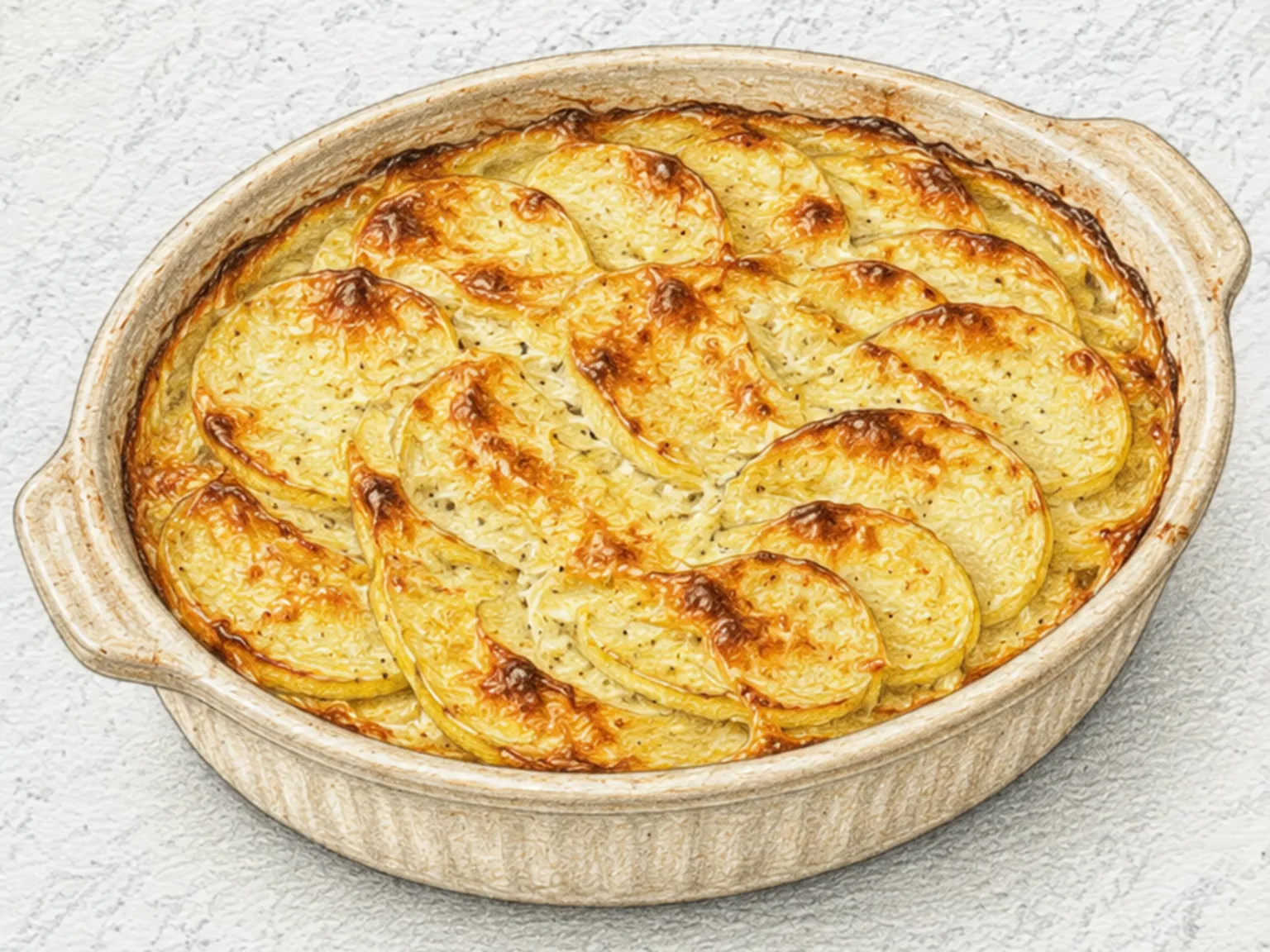
Dauphinoise potatoes are a French gratin made by layering uniformly thin potato slices - cut to two millimeters - in a buttered baking dish, with a warm mixture of heavy cream, milk, minced garlic, and salt poured between each layer. Rinsing and drying the sliced potatoes removes excess surface starch for a cleaner result. Grated Gruyère cheese goes on top before the dish bakes at 170 degrees Celsius for fifty-five to sixty minutes, during which the potatoes absorb the cream and turn meltingly tender beneath a golden crust. Resting the gratin for ten minutes after baking lets the layers firm up enough to hold their shape when sliced. Keeping the potato thickness consistent ensures every slice cooks at the same rate.
Chestnut Sweet Potato Muffins
Chestnut sweet potato muffins draw on two staple Korean autumn ingredients, combining them in a baked format that highlights the natural sweetness of both. Steamed and mashed sweet potato is worked directly into the batter, contributing moisture and a gentle, earthy sweetness that keeps the crumb soft for days after baking. The sweet potato also acts as a built-in humectant, preventing the common muffin problem of drying out once cooled. Diced roasted chestnuts are folded throughout the batter to provide a starchy, crumbly counterpoint to the tender surrounding crumb. Their slightly grainy texture creates contrast with every bite. A small amount of cinnamon sharpens the perception of the sweet potato's warmth without masking it. The streusel topping baked onto each muffin provides a layer of buttery crunch that gives way to the soft interior when pressed. When made with freshly harvested autumn ingredients, the natural sugars in both the sweet potato and chestnuts are concentrated enough that the amount of added sweetener in the batter can be reduced. The muffins work well as a snack or a breakfast substitute.