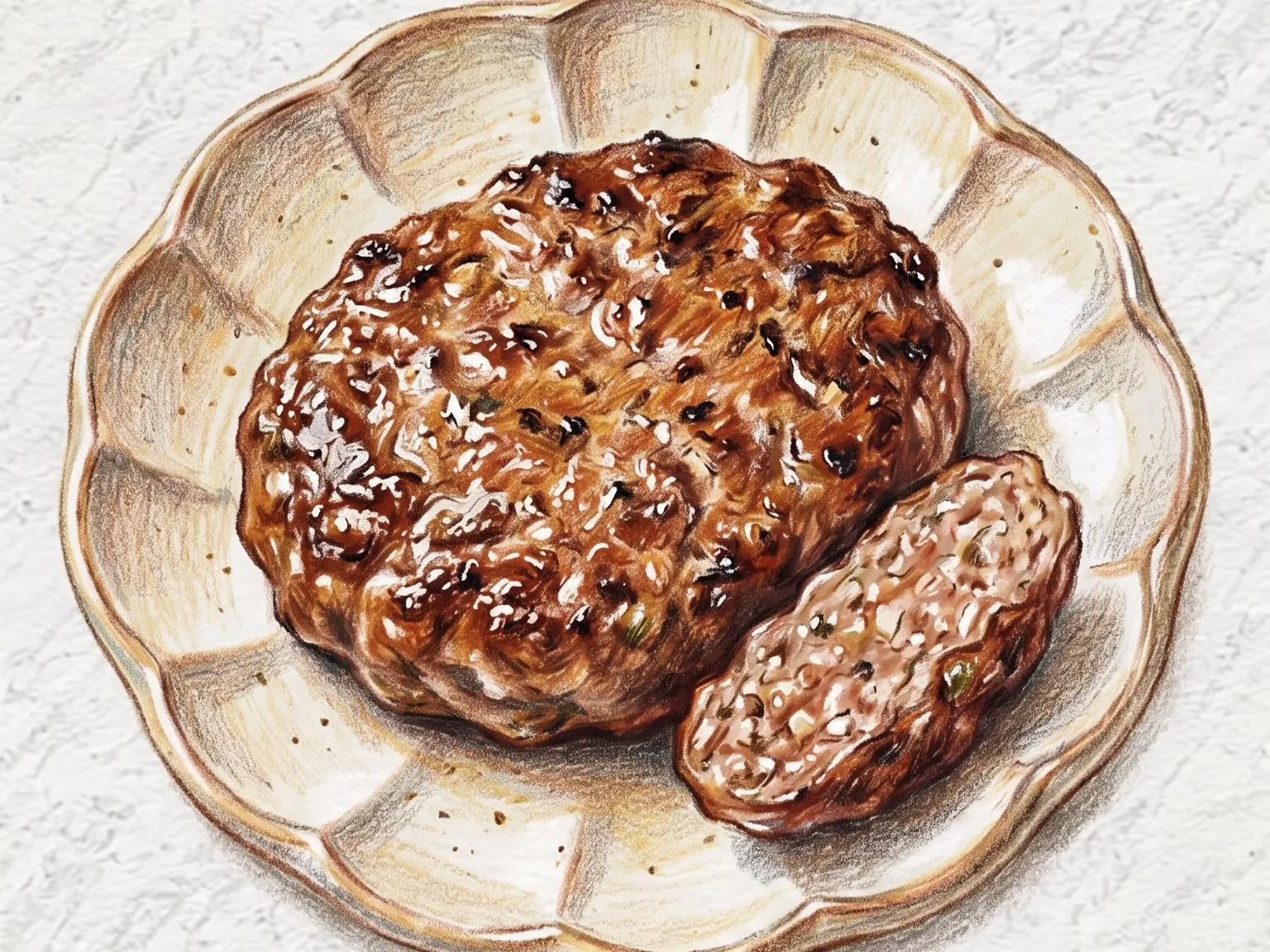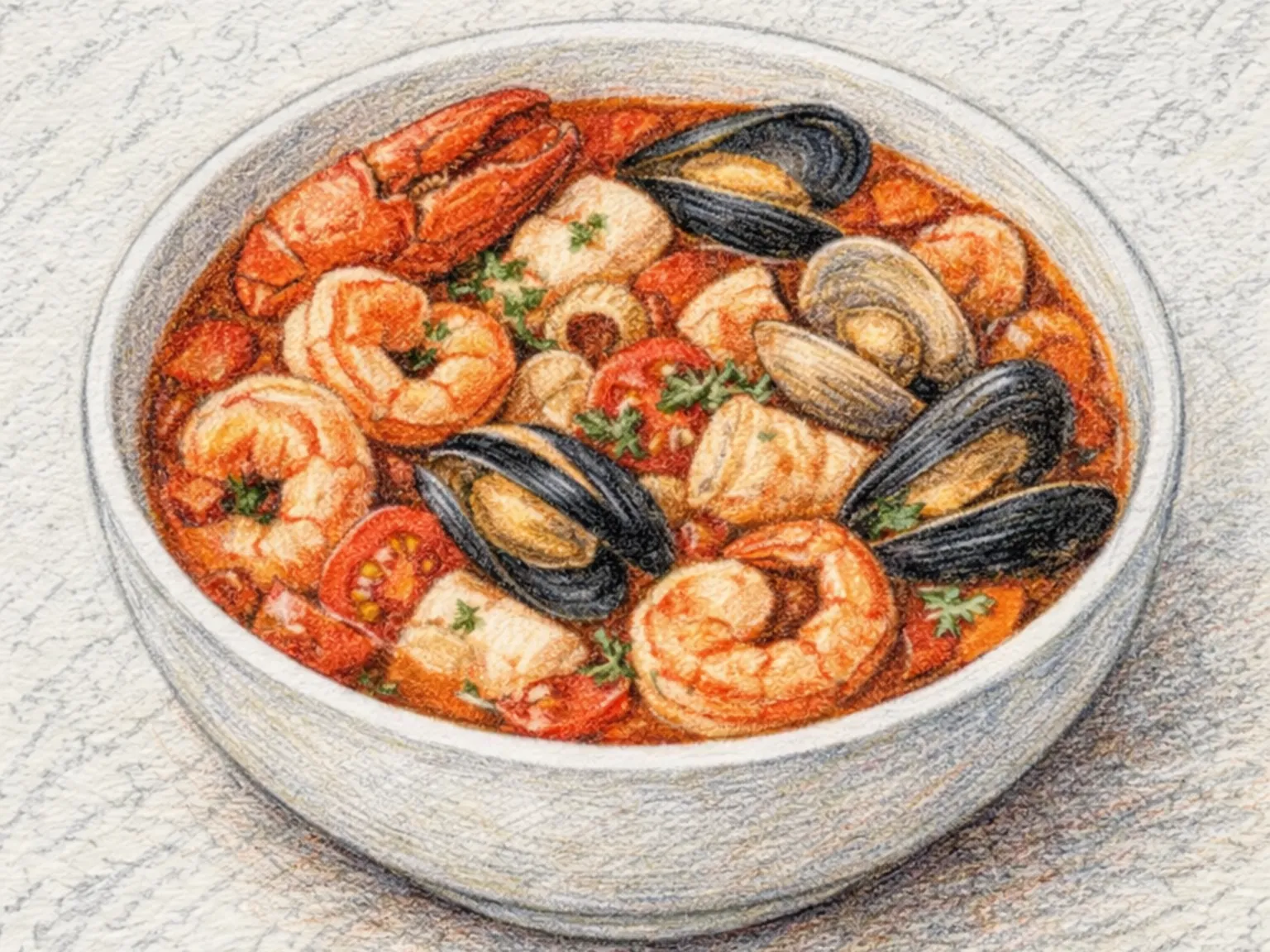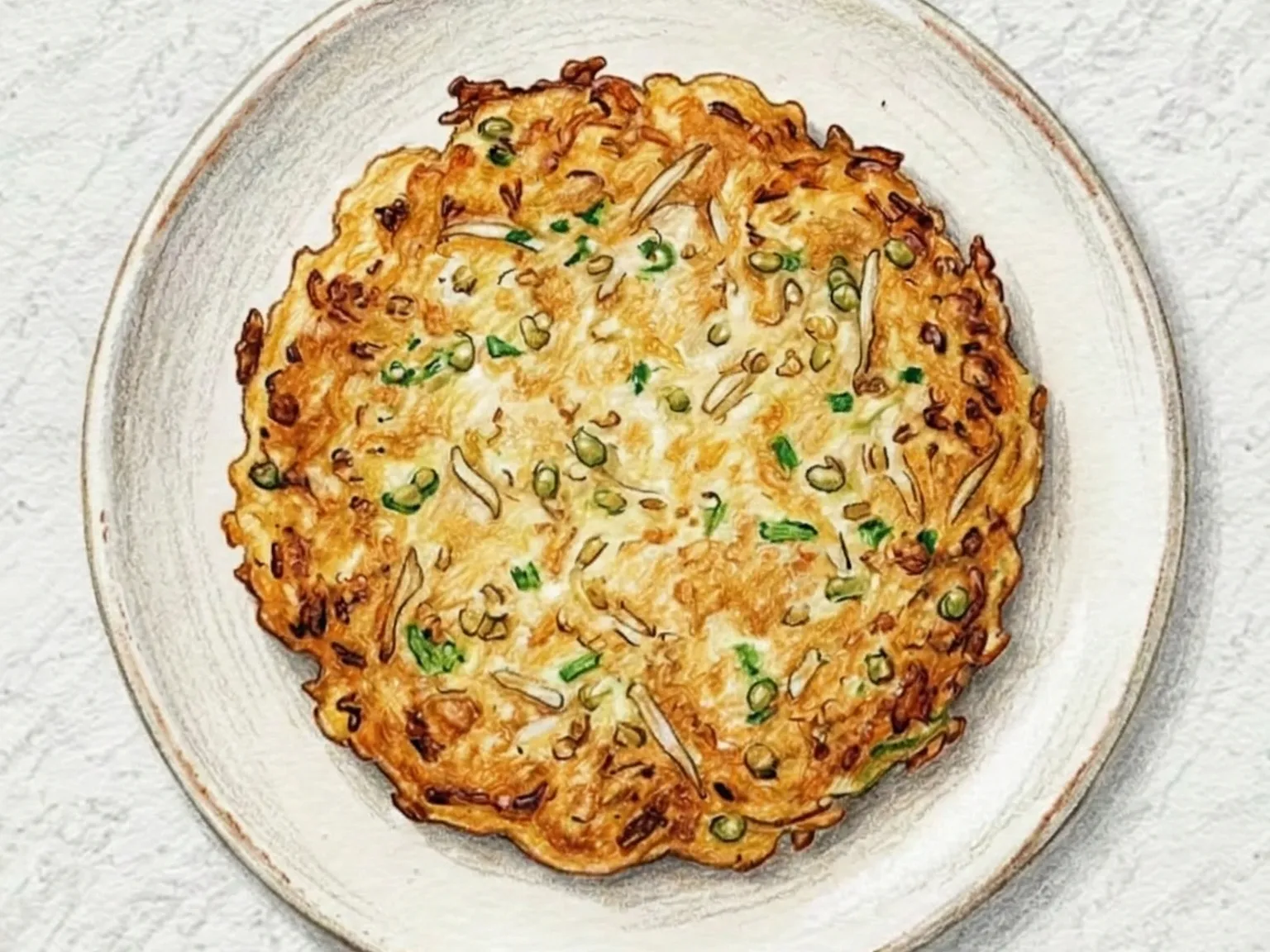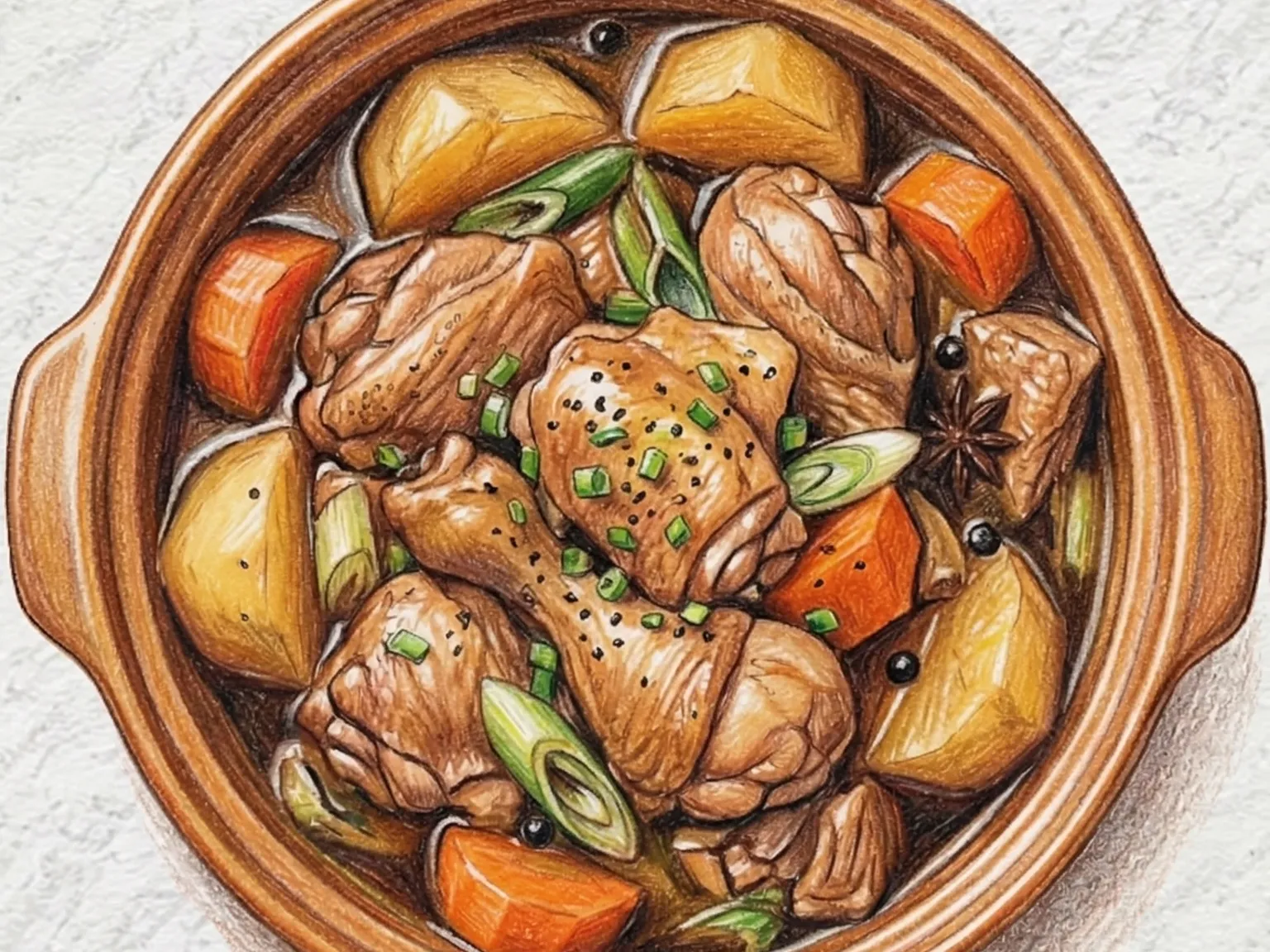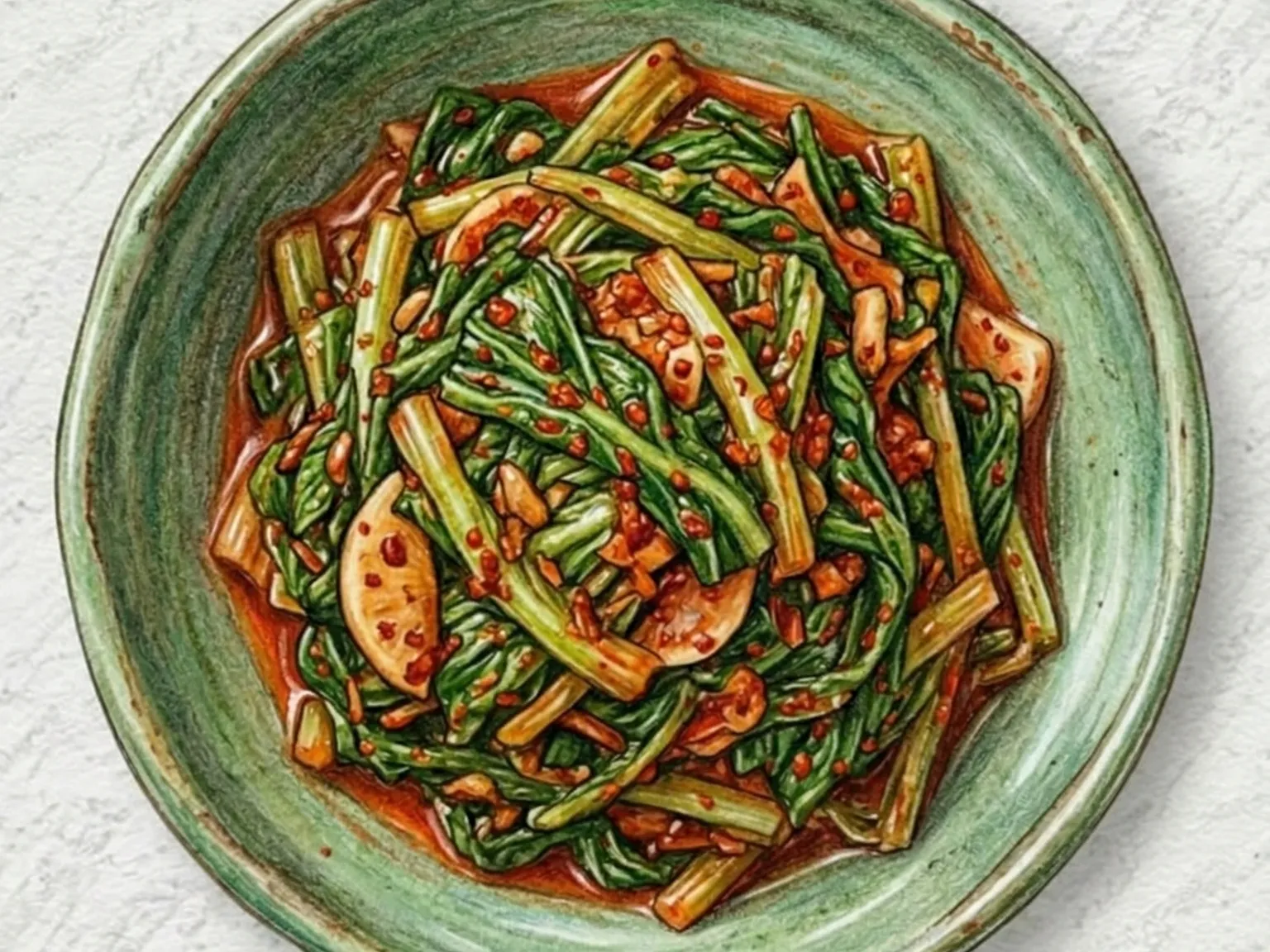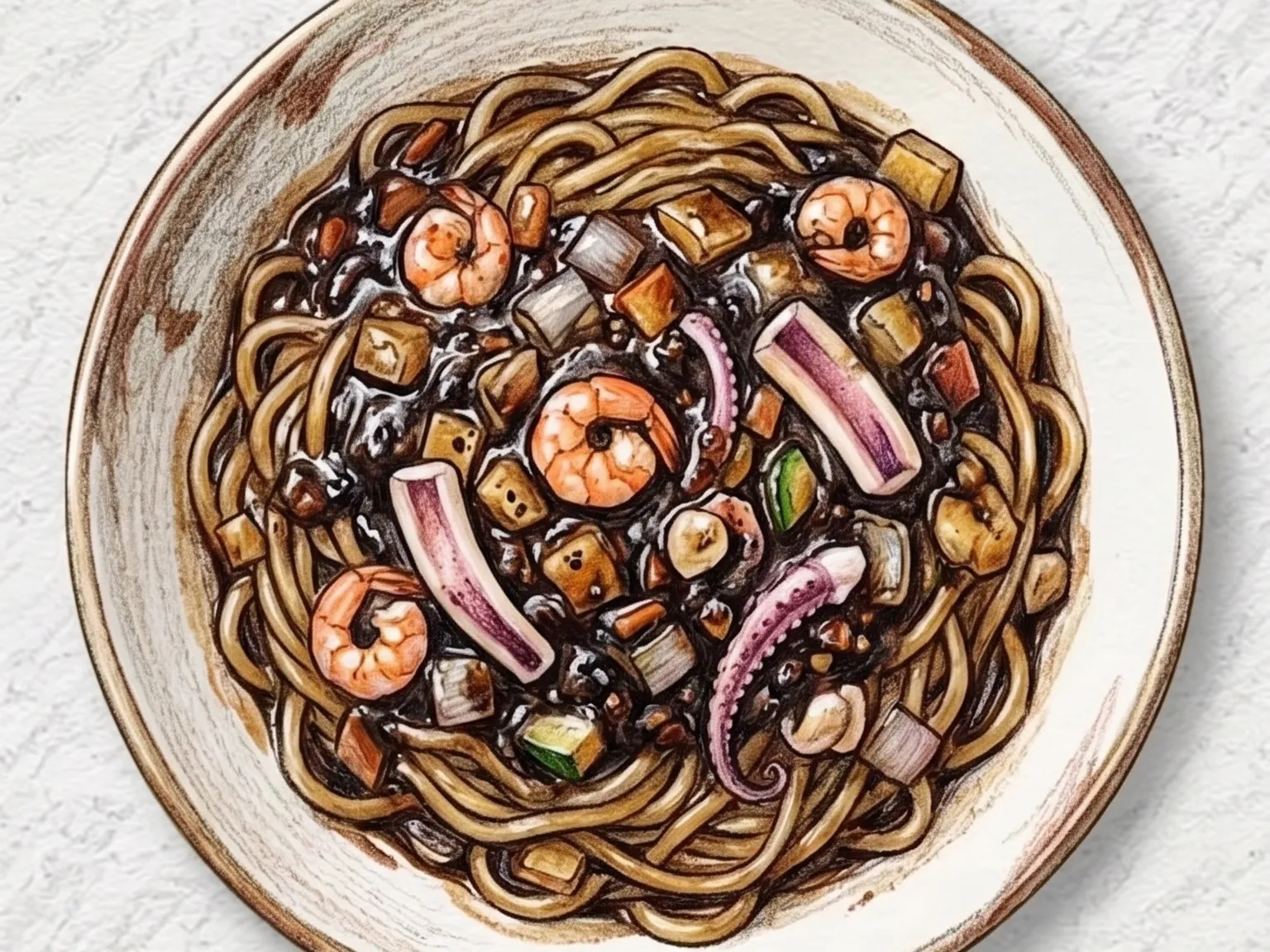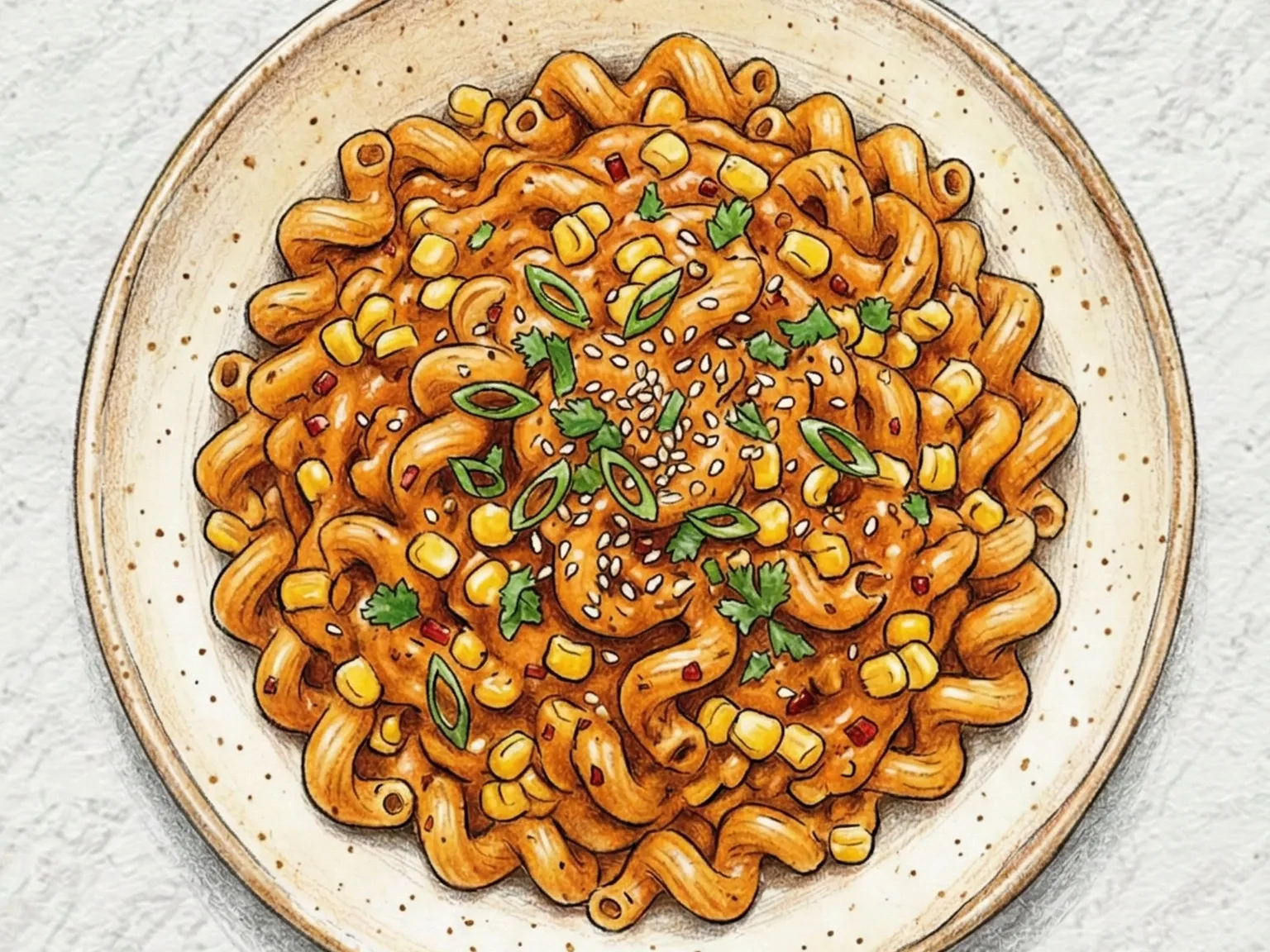
Korean Shepherd's Purse Soybean Paste Noodles
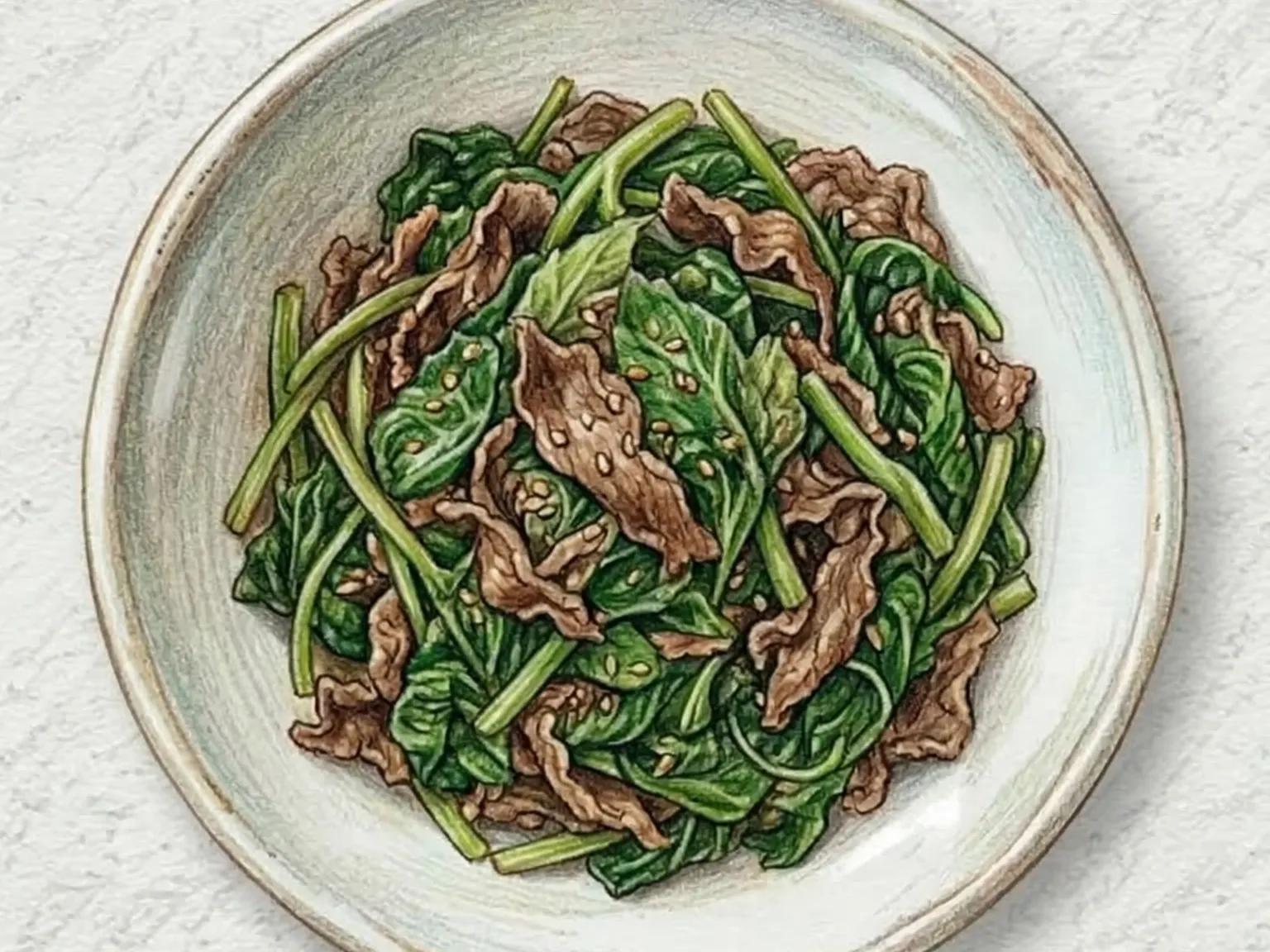
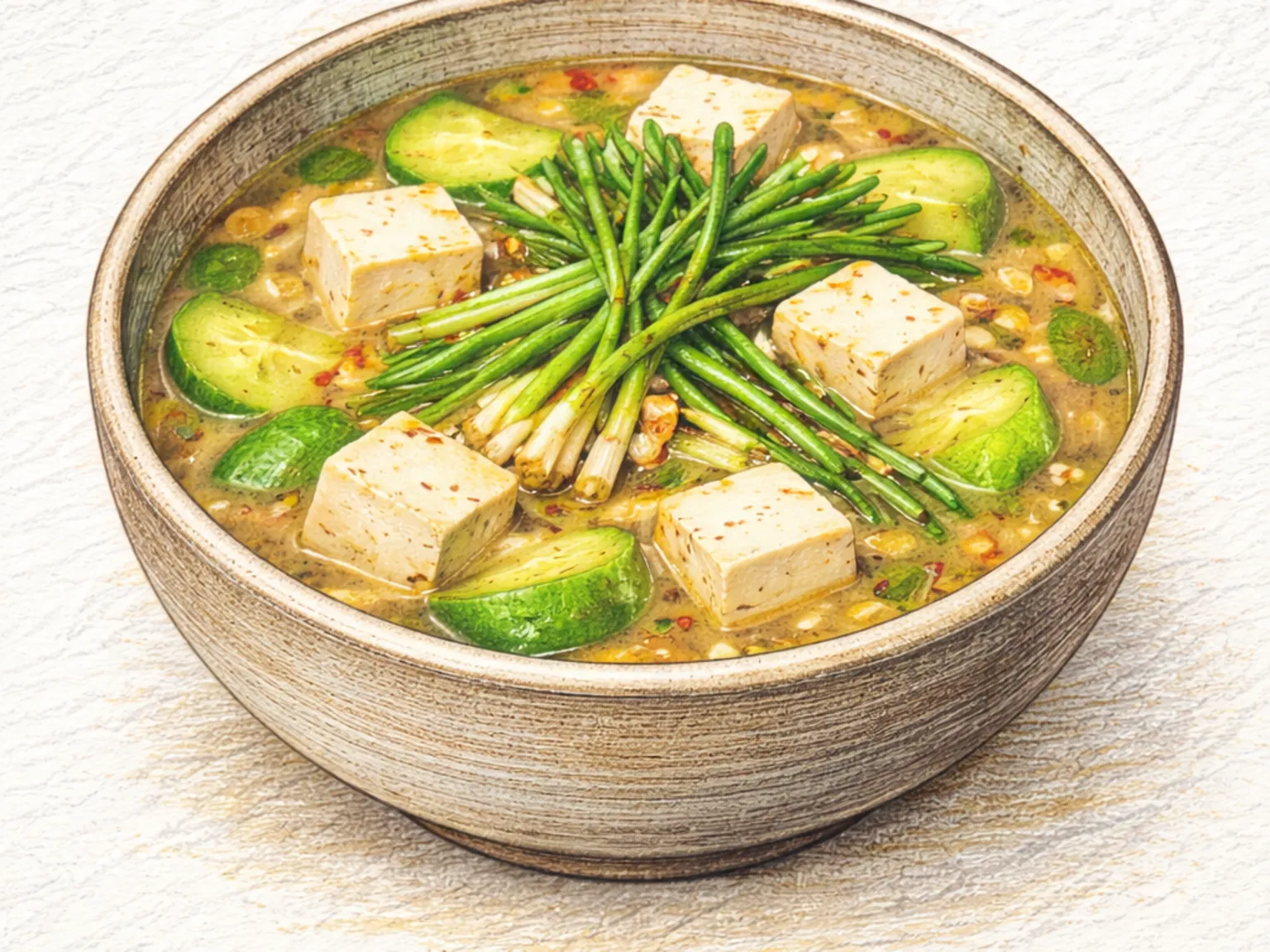
Naengi doenjang kalguksu is a Korean knife-cut noodle soup simmered in anchovy-kelp stock with doenjang and fresh shepherd's purse, a springtime herb prized for its earthy, peppery fragrance. Dissolving the doenjang through a fine strainer keeps the broth smooth and clear rather than cloudy. Soup soy sauce and minced garlic fine-tune the seasoning so the fermented soybean flavor stays rich without becoming overly salty. The noodles cook for four minutes before zucchini and onion are added for two more, allowing their gentle sweetness to dissolve into the broth. Shepherd's purse must go in only during the final minute with reduced heat, because its volatile aromatic compounds dissipate quickly at a rolling boil and the distinctive spring fragrance would be lost. Adjusting salt with soup soy sauce at the end compensates for the varying saltiness across different doenjang brands. The herb's aroma is most concentrated from mid-March to early April, making that narrow window the best time to prepare this soup for the fullest seasonal flavor.

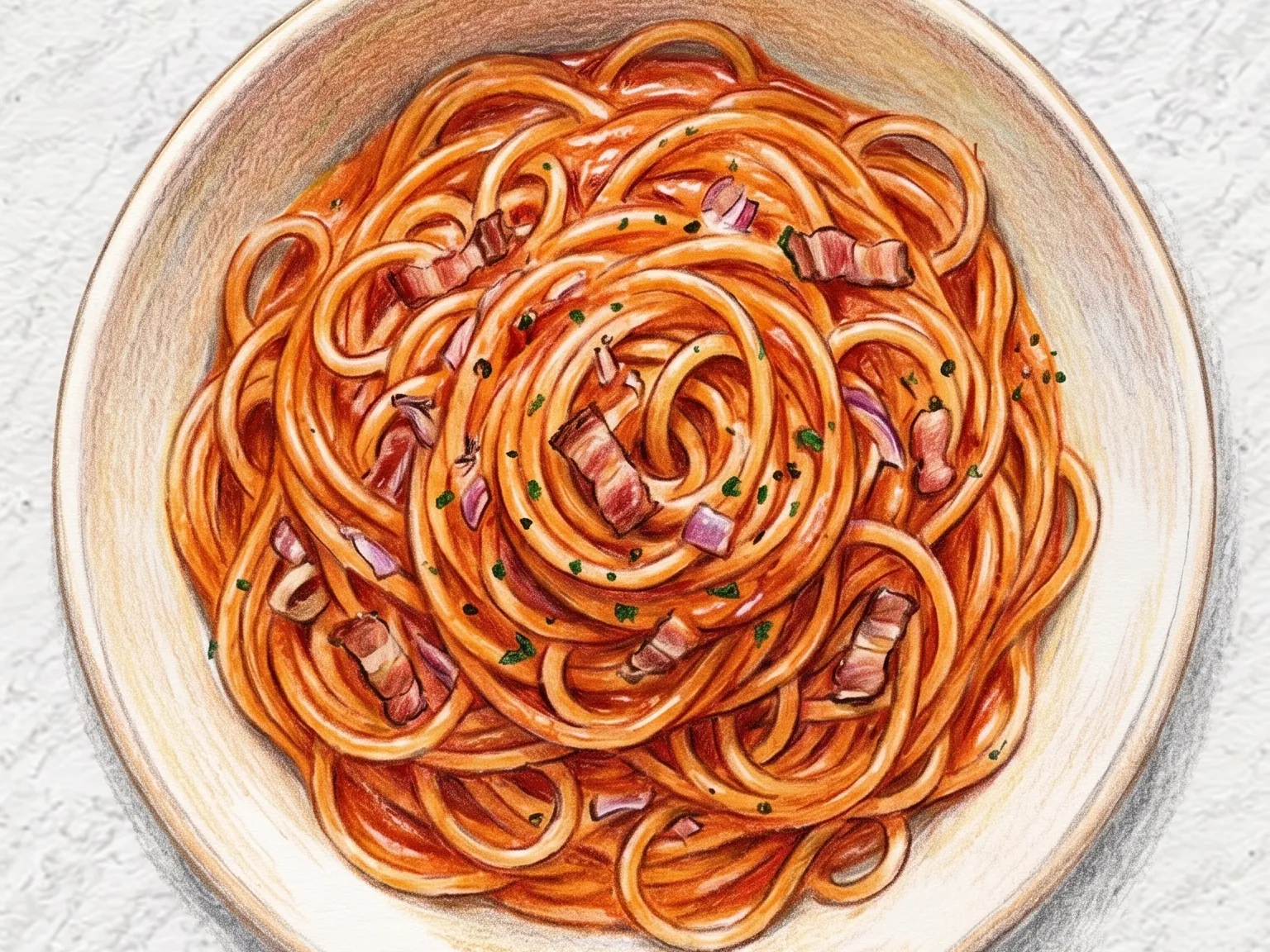
Soy Butter Steak Garlic Spaghetti
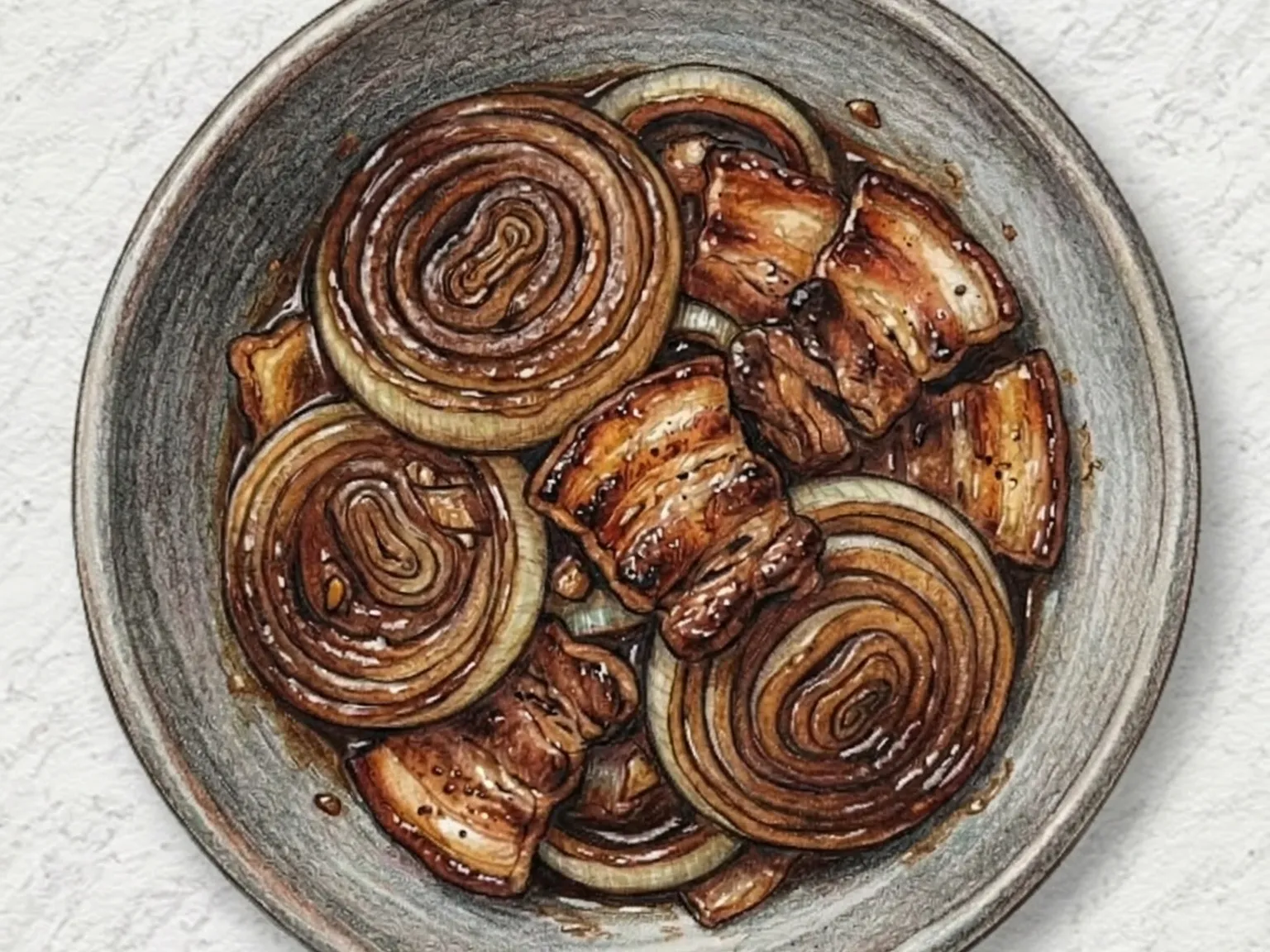
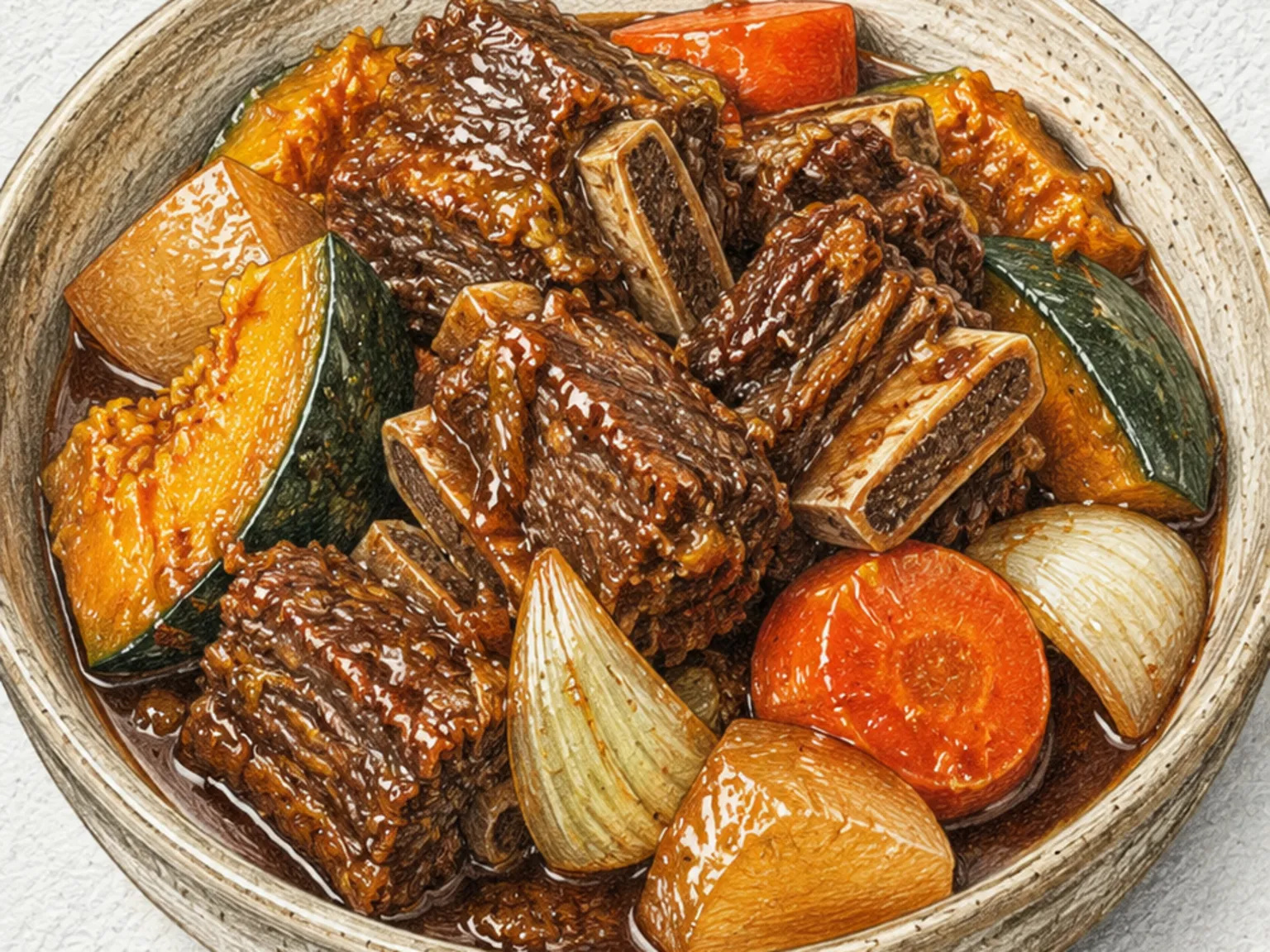
Thick-cut sirloin seared at high heat, then glazed in soy sauce and butter, forms the base of this steak pasta. The fond left in the pan gets deglazed with soy sauce and butter, then emulsified with pasta water into a thin, shiny coating that clings to each strand without turning greasy. Generous garlic browned in olive oil beforehand builds a deep, roasted-garlic base that runs through the entire sauce, and tsuyu -- a Japanese seasoning concentrate made from kombu and bonito -- adds the round umami depth of dashi without any extra steps. The steak is best cooked to medium-rare and sliced against the grain before laying over the pasta; resting the meat first keeps the juices from running out when cut. Black pepper and sliced scallions cut through the richness at the end. The full cook time is about 20 minutes, and pasta water volume controls the final sauce consistency.

Chicken Noodle Soup
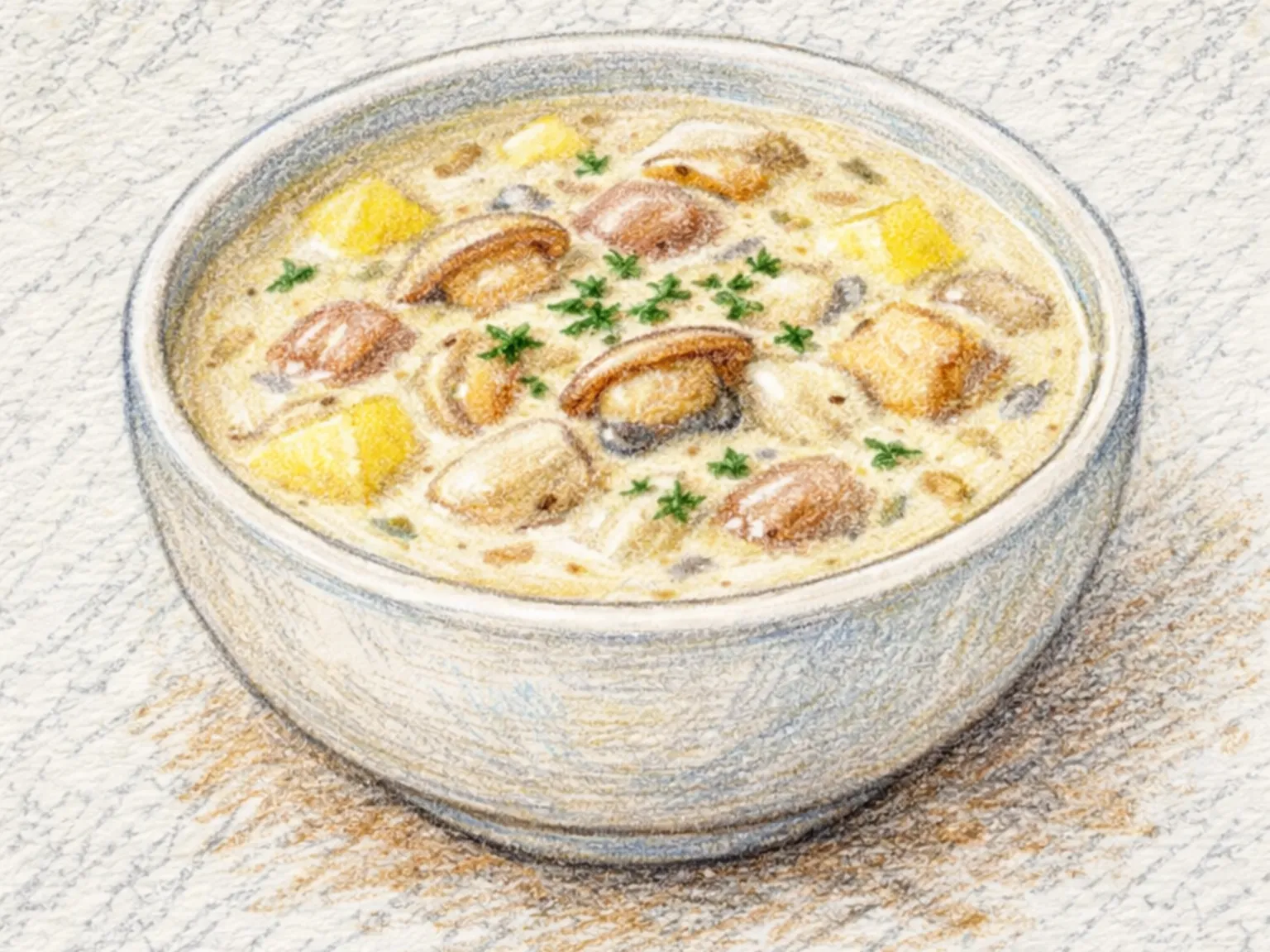
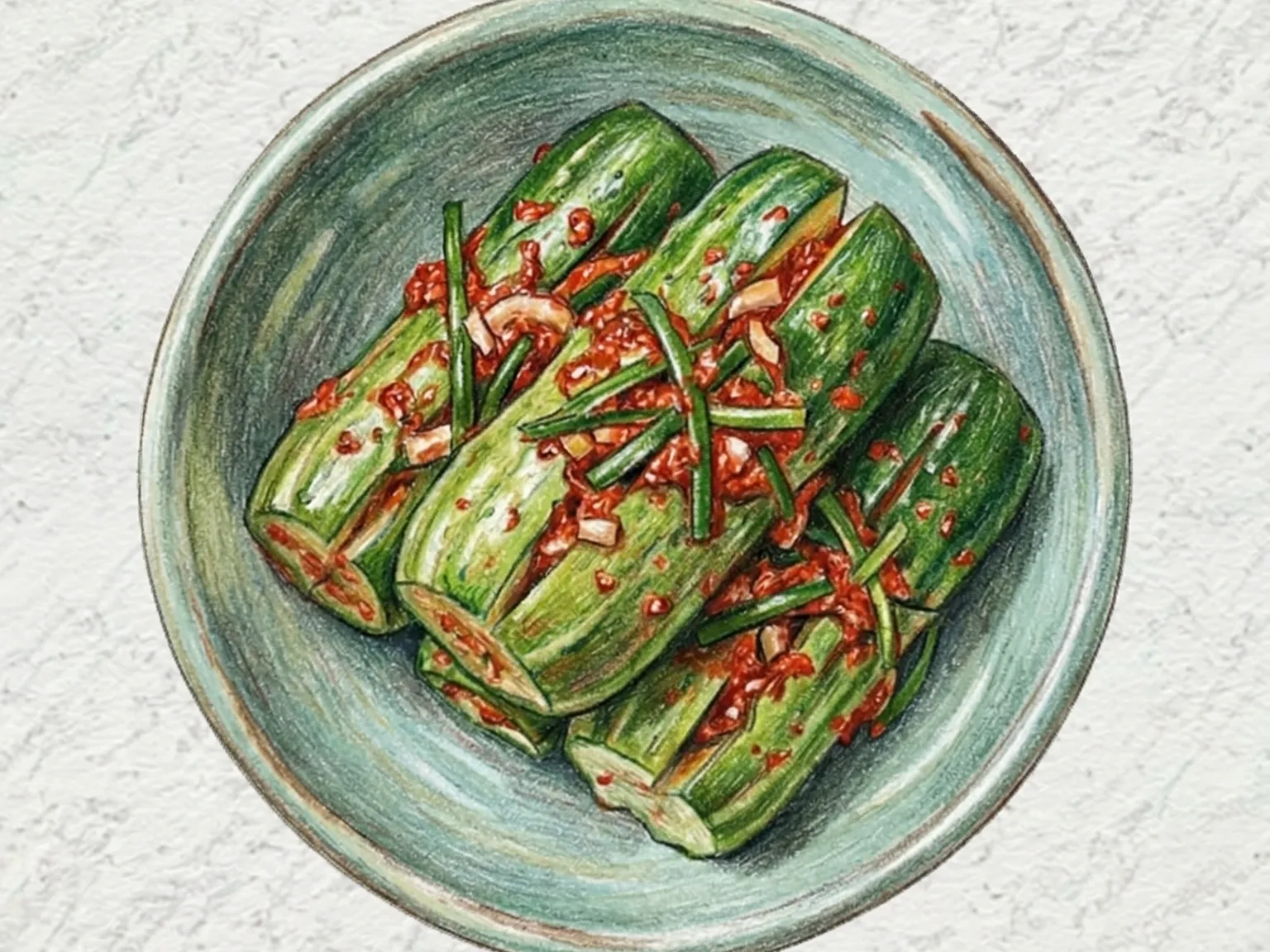
Chicken noodle soup simmers chicken breast with onion, carrot, and celery in chicken stock, then finishes with egg noodles for a classic American home-cooked meal. Sauteing the vegetables in olive oil before adding the stock draws out their natural sweetness and infuses the broth with their flavor from the start. Poaching the chicken breast whole and shredding it along the grain produces long strands that mix naturally with the noodles on the spoon. Adding the noodles at the very end and cooking them only for the time listed on the package keeps them from turning soft and mushy. For leftovers, storing noodles separately and combining them when reheating preserves their texture.

Soybean Paste Stew with Clams
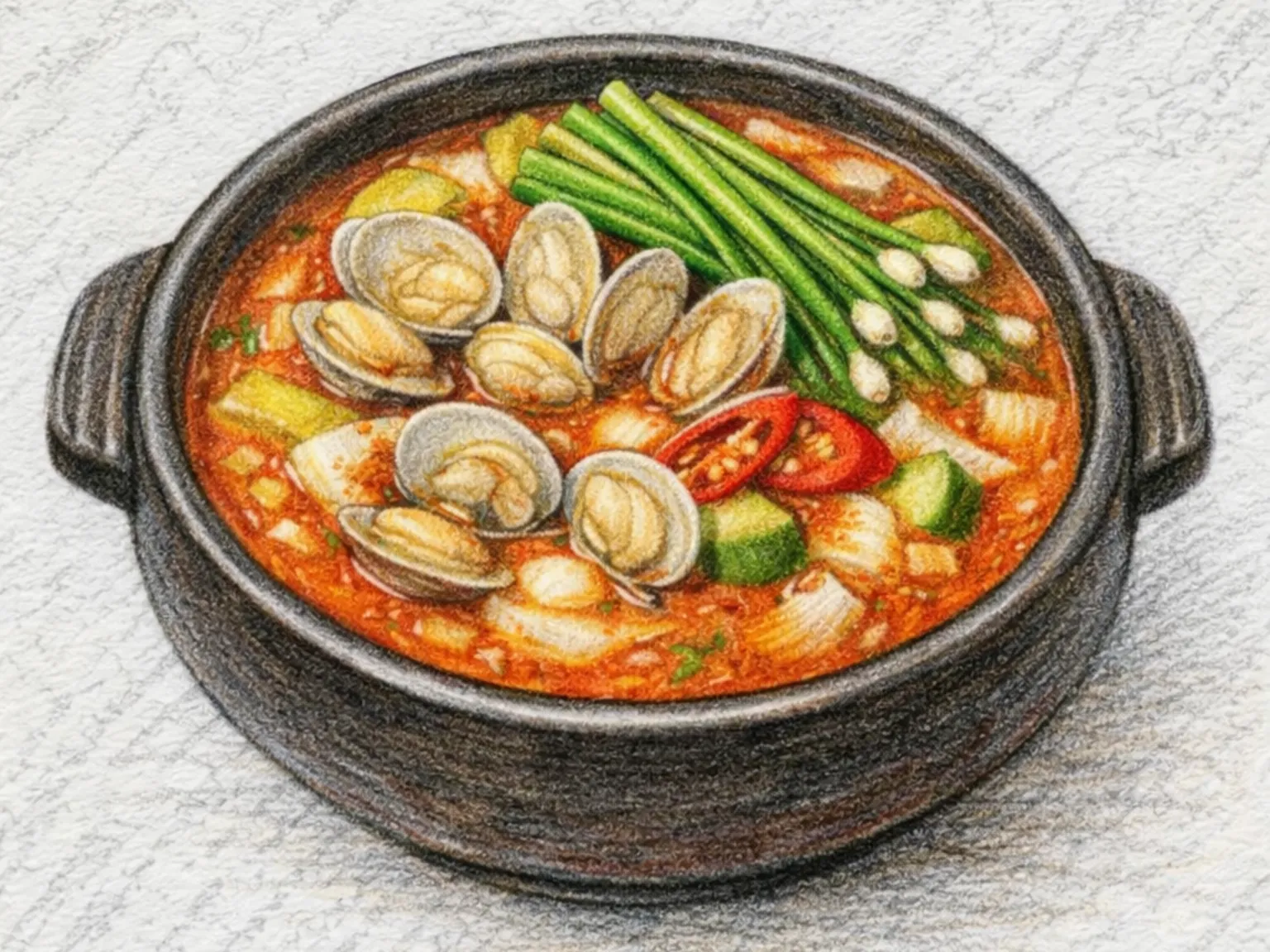
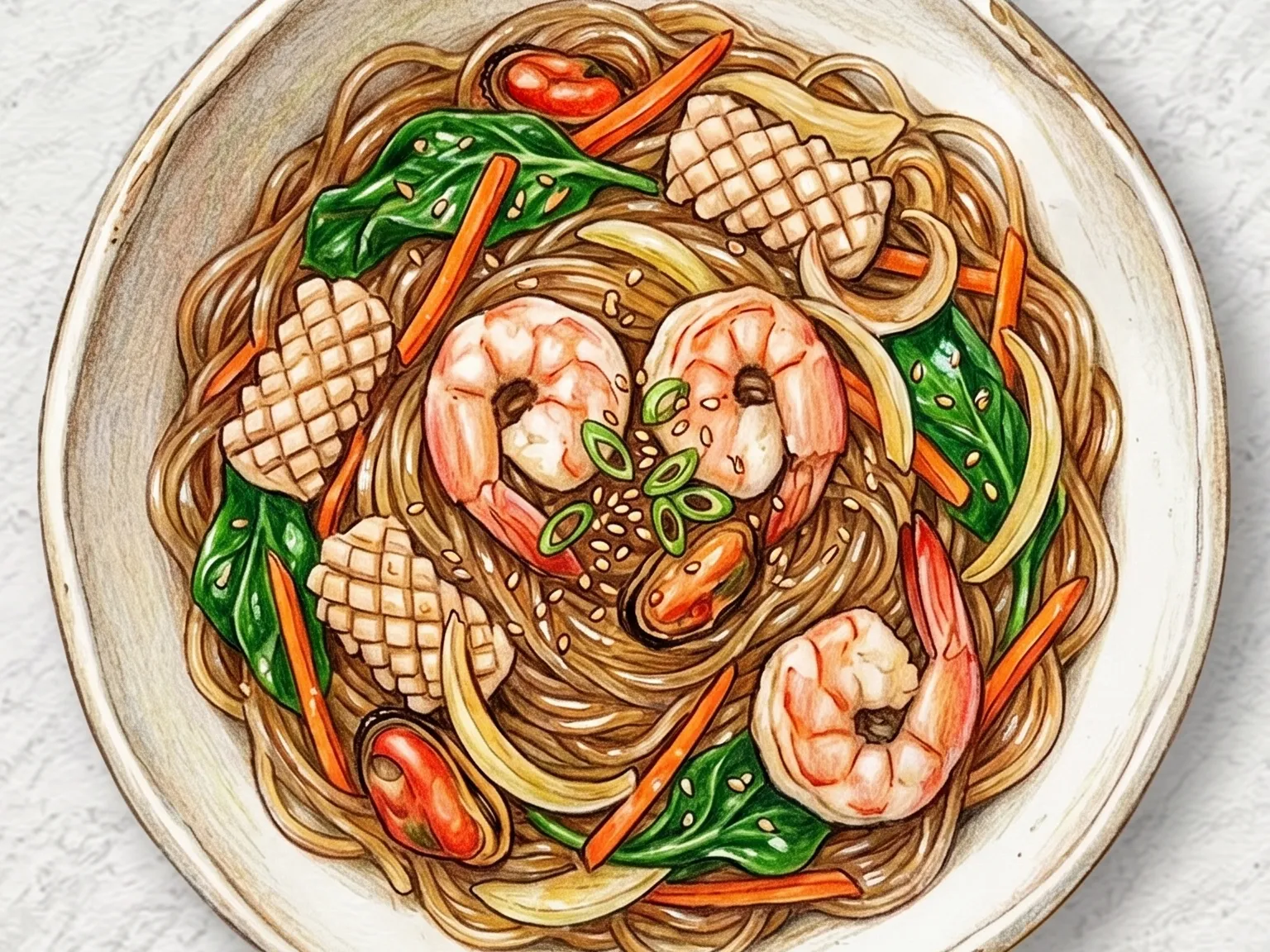
Doenjang jjigae with clams is one of the most frequently made stews in Korean households, built on the combination of fermented soybean paste's deep, earthy flavor and the clean briny umami of manila clams. The clams are purged of sand before being added to a pot of doenjang-laced broth, where they open and release their salty, seawater-flavored liquor directly into the soup. The result transforms the base from something merely savory into something distinctly oceanic and complex. Zucchini softens in the bubbling broth and contributes a natural sweetness as it breaks down, while blocks of soft tofu act as sponges, soaking up the seasoned liquid and releasing it in a burst of hot, flavorful broth when bitten into. Sliced cheongyang chili peppers are added to interrupt the heaviness of the fermented paste and sharpen the overall flavor. The stew is typically served in an earthenware pot while still bubbling, alongside rice. Many Koreans ladle the broth directly over their bowl of rice. The recipe adapts to any season: assembled with leftover summer vegetables from the refrigerator for a lighter version, or cooked piping hot in a stone pot through winter.

Korean Konjac Noodle Salad
Silgonyak-chae-muchim tosses 250 grams of blanched konjac noodles with julienned cucumber, carrot, and onion in a gochujang-based dressing spiked with vinegar, sugar, soy sauce, and garlic. Blanching the noodles for two minutes removes their faint alkaline smell and softens their rubbery chew to a pleasant springiness. The vegetables provide crisp contrast - cucumber adds a cool snap, carrot a mild sweetness, and onion a sharp bite. The dressing clings to the translucent noodles, turning them a vivid reddish hue. At only 95 calories per serving, this banchan relies on texture and bold seasoning rather than fat for its appeal. Chilling for 10 minutes before serving firms up the noodles and intensifies the tangy-spicy flavor profile.

Korean Grilled Mackerel Rice Bowl
Mackerel fillet is pan-seared skin-side down until the skin turns crisp and golden, then served over rice with a quick sauce of soy sauce, cooking wine, oligosaccharide syrup, minced ginger, and softened onion. The oily flesh of the mackerel absorbs the soy-ginger glaze, producing a clean, salty-sweet finish without fishiness. Keeping the pan still for the first minute of searing is the key technique for achieving skin that crisps evenly rather than steaming in its own moisture. Brushing the fillet with a little cooking wine before cooking further neutralizes any residual odor. Chopped chives scattered on top complete the bowl with color and a mild onion bite. Cooking the sauce in the same pan using the rendered mackerel fat deepens the umami and ties the two components together.

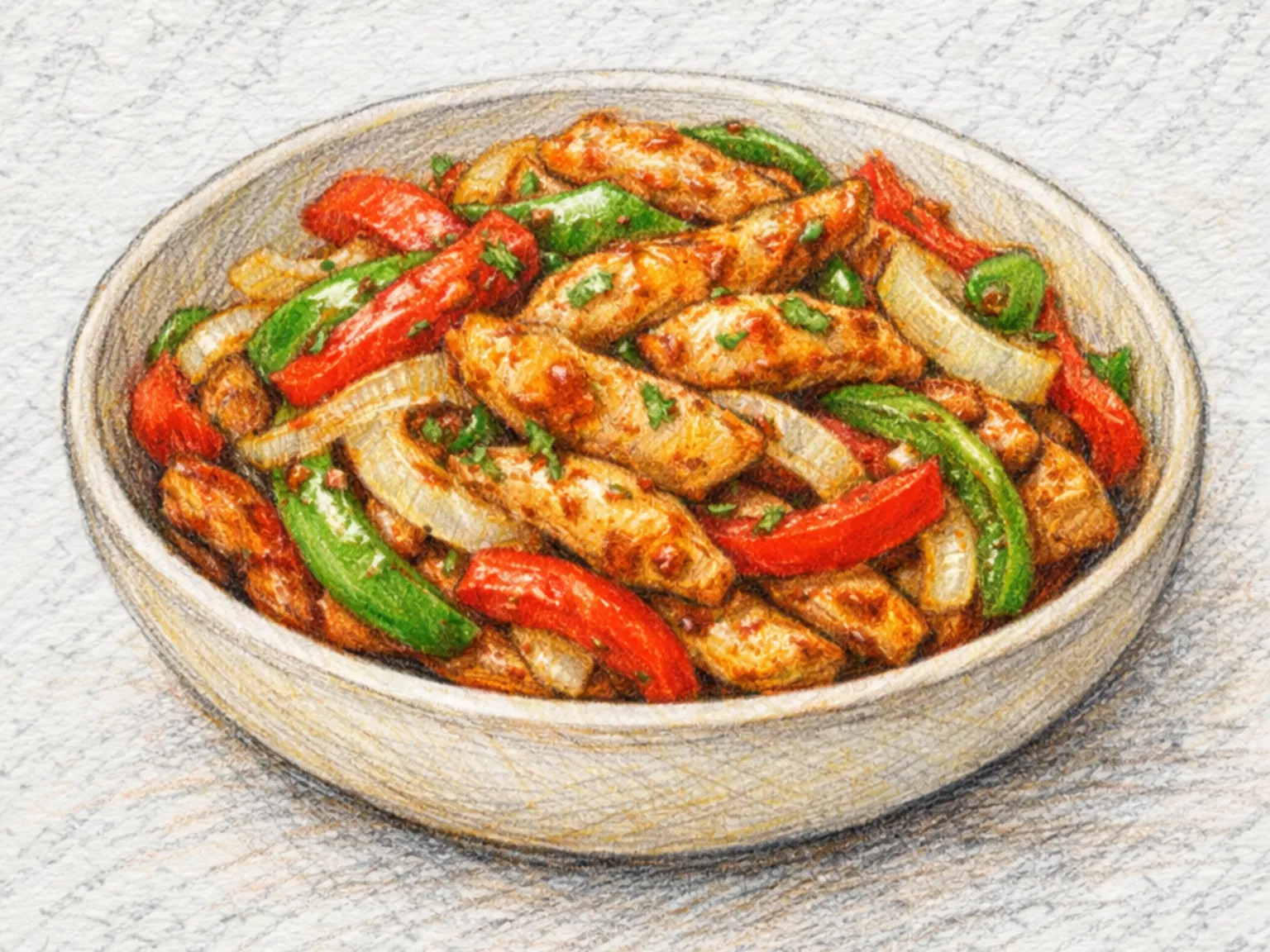
Korean Stir-fried Fish Cake with Vegetables
Eomuk-yachae-bokkeum is a Korean stir-fry that brings together fish cake sheets with onion, carrot, and green bell pepper in a soy-based glaze. Square eomuk is cut into bite-sized rectangles without any further preparation, and the vegetables are sliced to roughly matching dimensions so everything cooks through at the same rate. The textural contrast between the chewy fish cake and the crisp-tender vegetables is the defining quality of this dish - both elements are present in each chopstickful, preventing either from becoming monotonous. Soy sauce and oligosaccharide syrup form the base glaze, producing a glossy, lightly sweet and salty coating that clings evenly to each piece. Sesame oil and toasted sesame seeds stirred in at the end add a nutty finish. Adding a sliced cheongyang chili during the stir-fry introduces a sharp heat that prevents the overall flavor from reading as too sweet. The entire dish comes together in under ten minutes from prep to plate, making it a reliable candidate for packed lunches and weeknight tables that need a quick, universally liked side dish.

Korean Perilla Radish Greens Shrimp Stew
Deulkkae mucheong saeu jjigae is a hearty stew made with radish greens, medium shrimp, and four tablespoons of perilla seed powder stirred into an anchovy-kelp stock base. Radish greens rather than dried sigeumchi give the stew a tender but substantive chew, and they absorb the savory broth well during cooking. Doenjang and soup soy sauce season the stock without overpowering the perilla, which contributes a deep, earthy nuttiness that defines the broth's character. As the shrimp cook, they release a clean briny sweetness that adds another layer of savory depth. Blanching and rinsing the radish greens before adding them removes any bitter edge and keeps the broth clear. The result is a sturdy, old-fashioned home-style stew with a well-rounded, deeply satisfying flavor.

Korean Braised Mackerel (Fatty Mackerel with Radish in Spicy Soy Sauce)
Godeungeo-jjim is a Korean braised mackerel dish cooked low and slow with Korean radish, sliced onion, gochugaru, soy sauce, and fresh ginger. Mackerel belongs to the blue-backed fish category with a high natural fat content, and that fat absorbs the bold, spiced seasoning during braising in a way that leaner fish cannot. The flavor that results is deeply savory with a rounded heat that does not taste sharp or one-dimensional. Radish placed at the bottom of the pan serves a dual purpose: it draws out the fishy aroma during cooking and simultaneously soaks up the braising liquid, making it almost as desirable to eat as the fish itself. Ginger neutralizes the remaining raw fish notes and keeps the overall taste from feeling heavy, providing a subtle warmth that lifts the richness. As the braising liquid reduces, it thickens into a glossy, intensely flavored sauce that is commonly spooned over steamed rice to the last drop. Mackerel is widely available and inexpensive in Korea, which has made this preparation a household staple across generations.

Pasta alla Genovese (Neapolitan Slow-Braised Onion and Beef Ragu)
Pasta alla Genovese is a Neapolitan slow-cooked ragu that uses a large volume of onions braised together with beef chuck for at least two hours over low heat. No tomato is involved at any stage; the sauce draws all its sweetness from the onions, which gradually dissolve and caramelize into a thick, deeply savory base, while white wine and the rendered beef fat add richness and acidity. Once the onions have nearly melted into the sauce, the beef is shredded and folded back in, giving the finished ragu a dense, almost jam-like consistency with strands of meat throughout. Despite its name, the dish has no connection to Genoa or Ligurian basil pesto; it is a distinctly Neapolitan preparation, and the name is thought to trace back to Genoese cooks or merchants who settled in Naples. Ziti is the traditional pasta shape, served with a generous dusting of Parmigiano-Reggiano.

Soy Galbi Ragu Pappardelle
Soy galbi ragu pappardelle starts with short rib seared hard on both sides, then braised low and slow with aromatics, red wine, and soy sauce for ninety minutes until the meat pulls apart into thick shreds. The extended braise renders out the collagen in the short rib, building a sauce with a genuinely silky, gelatinous body that clings to wide pappardelle ribbons. A soffritto of onion, carrot, and celery forms the sweet foundation; canned whole tomatoes and tomato paste add body and acidity. Soy sauce replaces plain salt and contributes fermented depth that sets this apart from standard Bolognese - the difference is noticeable. Red wine adds tannin and fruit complexity. Grated Parmigiano-Reggiano finishes the bowl. Most of the ninety-minute cook time is hands-off braising.

Chicken Provençal (South French Tomato Olive Herb Chicken)
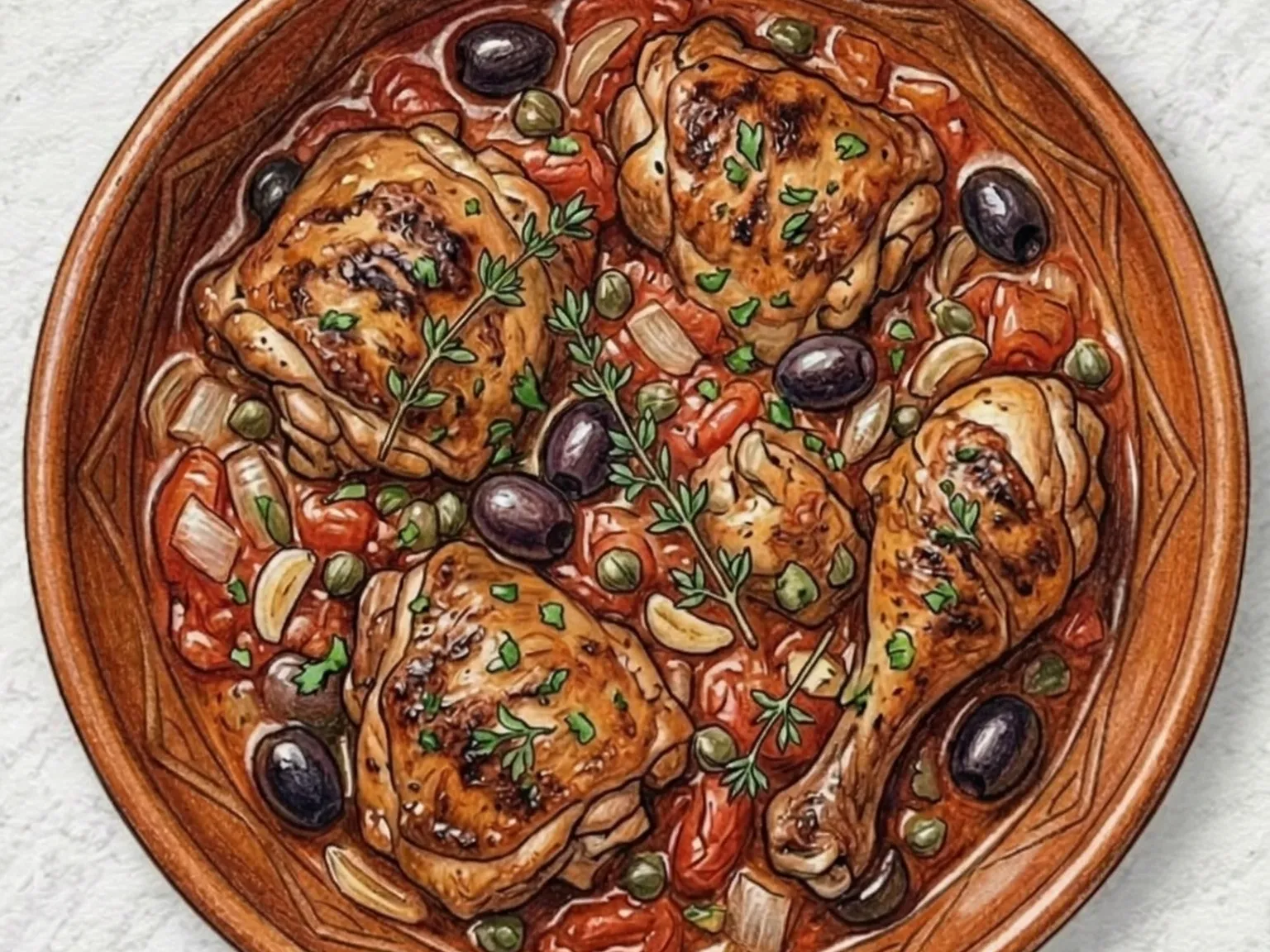
Chicken Provencal sears chicken thighs skin-side down on high heat until deeply golden, then braises them with cherry tomatoes, black olives, capers, garlic, and thyme in white wine for a southern French home-style dish. A prolonged sear of the chicken skin develops both crispness and a rich layer of fond on the pan bottom, which the wine dissolves into the sauce during deglazing. As the cherry tomatoes burst during cooking, their juice combines with the salty olives and sharp capers to form a bright, layered Mediterranean sauce. Twenty minutes of covered simmering followed by eight to ten minutes uncovered concentrates the sauce and allows it to penetrate the chicken deeply. A small amount of lemon zest stirred in at the end clarifies and lifts the aromatics of the finished dish. Using whole unpitted olives rather than pitted ones during cooking lets a slight bitterness leach from the pits into the sauce, adding an extra dimension that rounds out the sweetness of the tomatoes.

Gai Pad Med Mamuang (Thai Cashew Chicken)
Gai pad med mamuang is a Thai-Chinese stir-fry that traces its lineage to Chinese cashew chicken but has absorbed Thai seasoning logic - fish sauce replacing salt, oyster sauce adding body, and dried chilies providing a gentle background warmth. Bite-sized chicken and roasted cashews are tossed in a blazing wok with dried chilies, onion, and bell pepper; the cashews are pre-fried at low temperature to golden throughout, ensuring they stay crunchy even after joining the wet sauce. The sauce blends oyster sauce, soy sauce, fish sauce, and sugar, and the ratio among these four determines whether the dish leans sweet, salty, or somewhere in between. As the sauce coats the chicken, it takes on a lacquered sheen, and the cashews' oily richness melts into the glaze, adding a buttery undertone. In Thailand, it is typically served over steamed jasmine rice as a one-plate meal (khao rat kaeng), and its mild heat profile makes it one of the first Thai stir-fries that international visitors order with confidence.

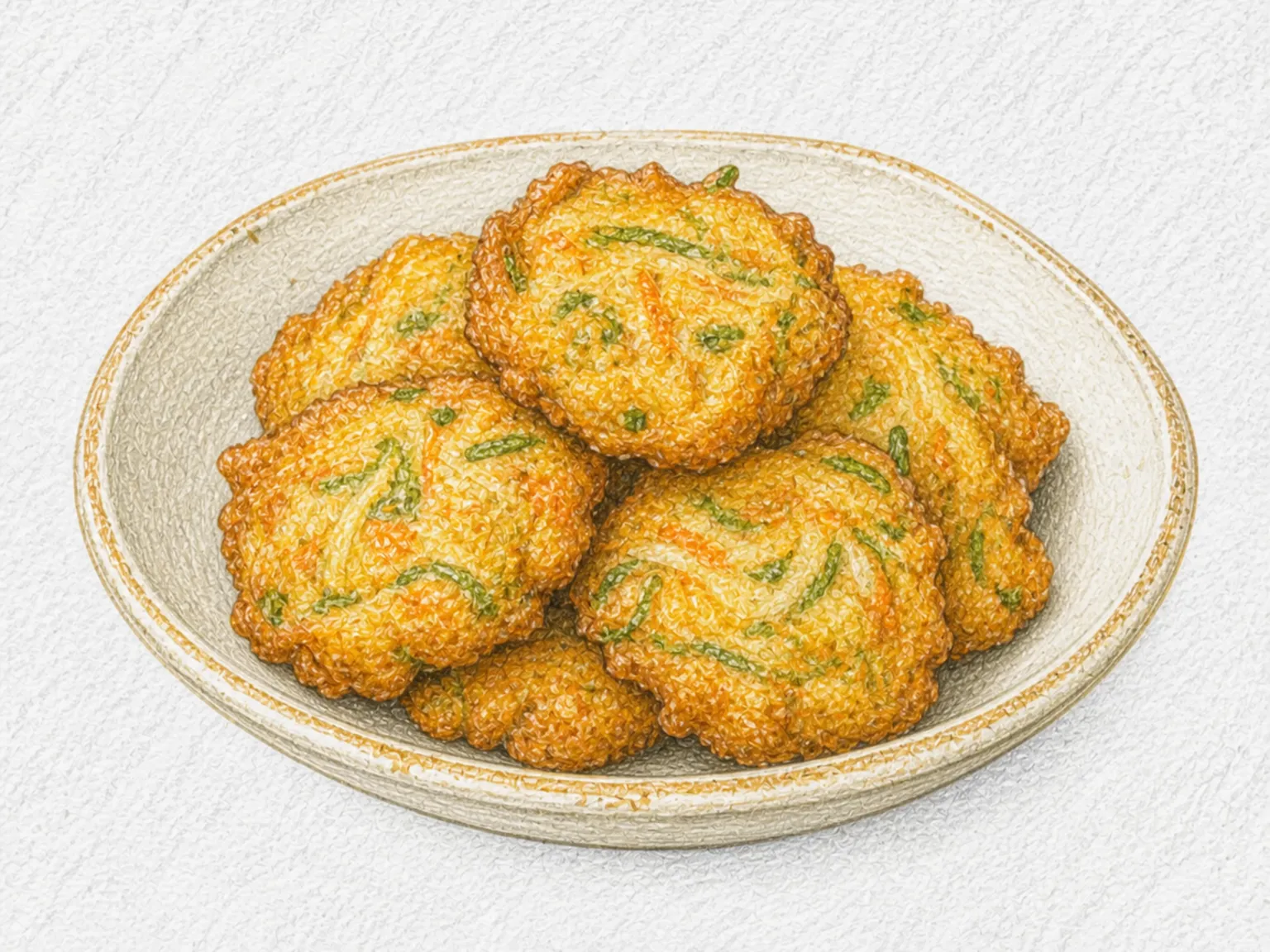
Korean Crown Daisy Pancake
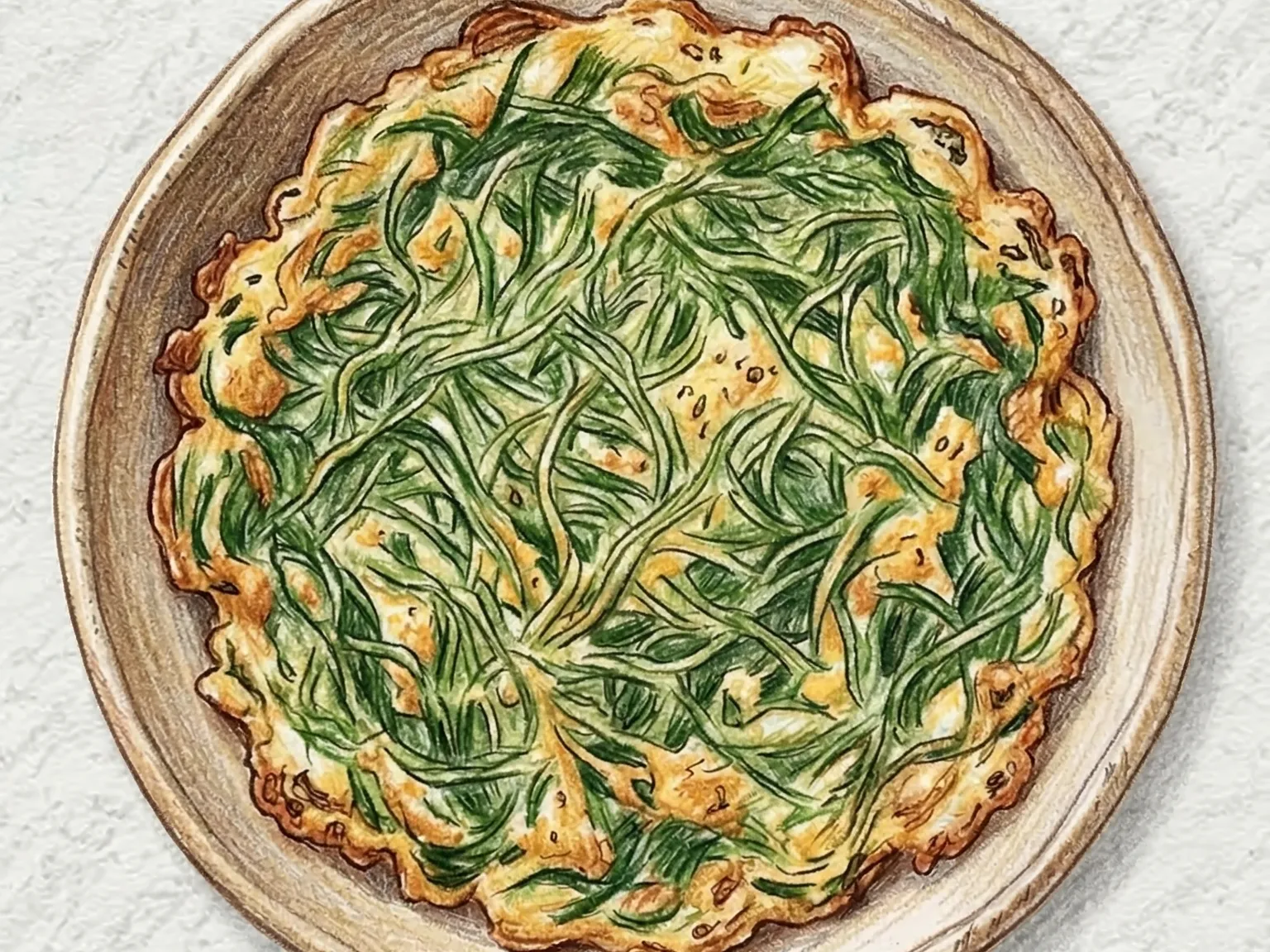
Fragrant crown daisy leaves are coated in a light pancake batter and pan-fried until the edges crisp and the herb's aroma intensifies. Heat amplifies the crown daisy's grassy, slightly bitter character, and the scent rises through the thin layer of batter as the jeon cooks. Egg in the batter provides structure, helping the exterior hold its crunch, while a small addition of potato starch keeps the texture light and prevents sogginess as the pancake cools. Sliced onion mixed into the batter introduces a gentle sweetness that offsets the herb's bitterness. Cooking over medium-low heat with ample oil ensures the interior sets evenly before the surface browns too deeply, and waiting until one side has fully firmed before flipping prevents the pancake from falling apart. The finished jeon is served with a dipping sauce of soy sauce and vinegar, whose acidity lifts the richness of the fried exterior and highlights the crown daisy's herbal notes.

Korean Spicy Pork Rice Bowl
Pork shoulder is sliced into strips, marinated in gochujang, chili flakes, soy sauce, garlic, and sugar for ten minutes, then stir-fried over high heat until the edges caramelize. Onion goes in first to build sweetness, and green onion added at the end brings a sharp, fresh bite that cuts through the spicy-sweet glaze. A final drizzle of sesame oil rounds out the aroma. Served over steamed rice, the bold sauce coats every grain, making this a satisfying single-bowl meal that comes together in under thirty minutes.

Korean Gaji Dwaejigogi Bokkeum (Eggplant Pork Stir-fry)
Gaji-dwaejigogi-bokkeum is a Korean stir-fry of eggplant and thinly sliced pork seasoned with garlic and fresh chili. The eggplant absorbs oil and sauce as it cooks, turning silky and melding seamlessly with the pork. Garlic infuses the dish with an intense aroma while the chili adds a clean, sharp heat throughout. Heat management is the key technique: cooking over medium or low heat draws too much moisture from the eggplant and turns the stir-fry into a braise, so keeping the flame high from the start is what gives the eggplant a lightly seared exterior. A combination of soy sauce and gochujang balances salt and spice, and a final drizzle of sesame oil rounds out the flavor with a nutty finish. It is especially flavorful in summer when eggplant is at its seasonal peak, and it is substantial enough to serve over rice as a complete meal.

Korean Soybean Paste Stew
Doenjang jjigae is one of the most iconic stews in Korean home cooking. Fermented soybean paste is dissolved into a simple broth and simmered with tofu, potato, zucchini, and onion until everything comes together. Garlic adds aromatic warmth, and a Cheongyang chili sharpens the earthy base with a clean kick. The vegetables and tofu absorb the salty, savory broth as they cook, deepening the overall flavor. This is the everyday stew that anchors a Korean meal, pairing effortlessly with rice and any combination of banchan.

Korean Spicy Braised Mixed Seafood
Haemul-jjim is a Korean mixed seafood braise that brings together squid, shrimp, and manila clams with bean sprouts and onion in a gochugaru and soy sauce seasoning. The vegetables are layered on the bottom of the pot to absorb heat first, with the seafood arranged on top and cooked quickly over high heat so the texture stays firm and springy. Each shellfish releases its natural brine into the broth as it opens, deepening the seasoning without any added stock. A starch slurry stirred in at the end creates a glossy coating that clings to every piece of seafood and vegetable. The dish comes together in under ten minutes of active cooking. Bean sprouts hold their crunch while the squid and shrimp stay tender, and the remaining sauce at the bottom of the pot makes it natural to spoon over rice. It is a standard centerpiece at Korean gatherings and a popular accompaniment to drinks.

Pasta e Ceci (Italian Chickpea Stew Pasta)
Pasta e ceci is an Italian pantry staple that cooks small pasta directly in a chickpea-enriched broth. Half the chickpeas are mashed before simmering, releasing starch that naturally thickens the liquid into a stew-like consistency. A base of olive oil, garlic, rosemary, and tomato paste provides aromatic depth without overwhelming the mild chickpea flavor. The dish cooks in a single pot and is substantial enough to serve as a complete vegetarian meal.

Spicy Octopus Rose Penne (Octopus Penne in Rose Sauce)
Spicy octopus rose penne starts with pre-cooked octopus that is seared in a very hot, dry pan to burn off surface moisture and trigger a Maillard crust on the skin. This step does more than remove water - it eliminates any residual fishiness and builds a firm outer layer that contrasts with the tender interior when you bite through. The rose sauce is built from tomato passata and heavy cream spiked with Korean gochugaru. The chili flakes are bloomed in oil for no more than 20 seconds, enough to coax out heat and color but not long enough to develop bitterness. Butter is added to the finished sauce to encourage emulsification, keeping the cream and tomato components cohesive and allowing the mixture to coat each piece of pasta evenly rather than pooling at the bottom of the pan. Penne holds this sauce particularly well because its tubular shape captures the thick liquid inside each piece, delivering cream and spice simultaneously with every bite. Fresh basil is stirred in off the heat at the very end, its volatile aromatics intact, providing an herbal lift that cuts the heaviness of the cream base. The natural salinity and sweetness of octopus from the sea add a briny depth that cream-only sauces cannot replicate on their own.

Chicken Quesadilla
Chicken quesadilla seasons diced chicken thigh with paprika, sautees it with onion and bell pepper, then presses the filling between flour tortillas with cheddar and mozzarella and toasts on low heat until crisp. Spreading a thin layer of cheese to the edges acts as glue, sealing the tortilla shut so the filling stays in place and the wedges cut cleanly. Low heat is essential - it gives the cheese time to melt evenly through the filling before the tortilla surface browns. The sharp flavor of cheddar and the stretch of mozzarella together wrap around the lean chicken, while paprika and onion add a sweet, smoky undertone. Sliced into eight wedges and served warm with sour cream or salsa on the side.

Goan Fish Curry (Tangy Coconut Fish Stew)
Goan fish curry - known locally as xitt-kodi - is the daily centerpiece of fishing households along India's Goa coast, shaped over five centuries by the meeting of Konkani culinary tradition and Portuguese colonial influence. Freshly pressed coconut milk forms the foundation, into which a masala paste of tamarind, Kashmiri red chilies, coriander seeds, and cumin is stirred and brought to a simmer. Local fish - kingfish, pomfret, or mackerel - are added bone-in and cooked over gentle heat for no more than five minutes. That restraint is the defining technique: the flesh absorbs the sauce fully while still breaking apart in clean, moist flakes at the press of a spoon rather than turning dense and dry. Tamarind's sharp acidity slices through the coconut cream's weight, producing a broth that reads as fresh and light despite its deep orange color and creamy texture. The Kashmiri chili contributes vivid color with only moderate heat, so the sauce is bold-looking but not aggressively spicy. Goan fishermen have long followed the practice of cooking their morning catch into curry by midday and serving it over boiled parboiled rice called ukde tandull, a pairing so bound to local identity that it crosses every line of religion, caste, and neighborhood across the state.

Korean Stir-Fried Mung Bean Sprouts and Mushrooms
Mung bean sprouts and oyster mushrooms are tossed together in a hot pan for a stir-fry that contrasts the sprouts' crisp snap with the mushrooms' tender chew. Speed is critical: the sprouts lose their crunch within seconds of overcooking, so the entire process finishes in under a minute once the ingredients hit the oil. Tearing the oyster mushrooms along their natural grain rather than chopping them exposes more surface area, allowing the seasoning to penetrate each strand. Soup soy sauce seasons the dish with depth while keeping the color clean and light, and minced garlic and sliced green onion provide an aromatic backbone that fills the kitchen as the pan sizzles. Sesame oil is added just before removing from heat so its fragrance survives intact, and a scattering of toasted sesame seeds supplies a nutty accent. Both ingredients release significant moisture, so either salting them briefly beforehand or ensuring the pan is blazing hot prevents the stir-fry from turning soggy.

Korean Black Bean Sauce Rice
The key to jjajangbap lies in pre-frying chunjang (Korean black bean paste) in oil to strip its raw bitterness and unlock a toasty, earthy aroma. Ground pork, diced onion, zucchini, and cabbage are stir-fried until just softened, then folded into the fried paste so the dark sauce coats every piece. A potato starch slurry thickens the mixture after a brief simmer, giving it enough body to cling to rice without pooling. The finished bowl delivers a mellow sweetness mostly from the caramelized onion, layered with fermented soybean depth - a homestyle take on Chinese-Korean comfort food.