Charim

2686 Korean & World Recipes

2686+ Korean recipes, clean and organized. Ingredients to instructions, all at a glance.

Recipes with onion

24 recipes

Buy onion
Korean Pork & Wild Chive Stir-fry
Stir-fryEasy

Korean Pork & Wild Chive Stir-fry

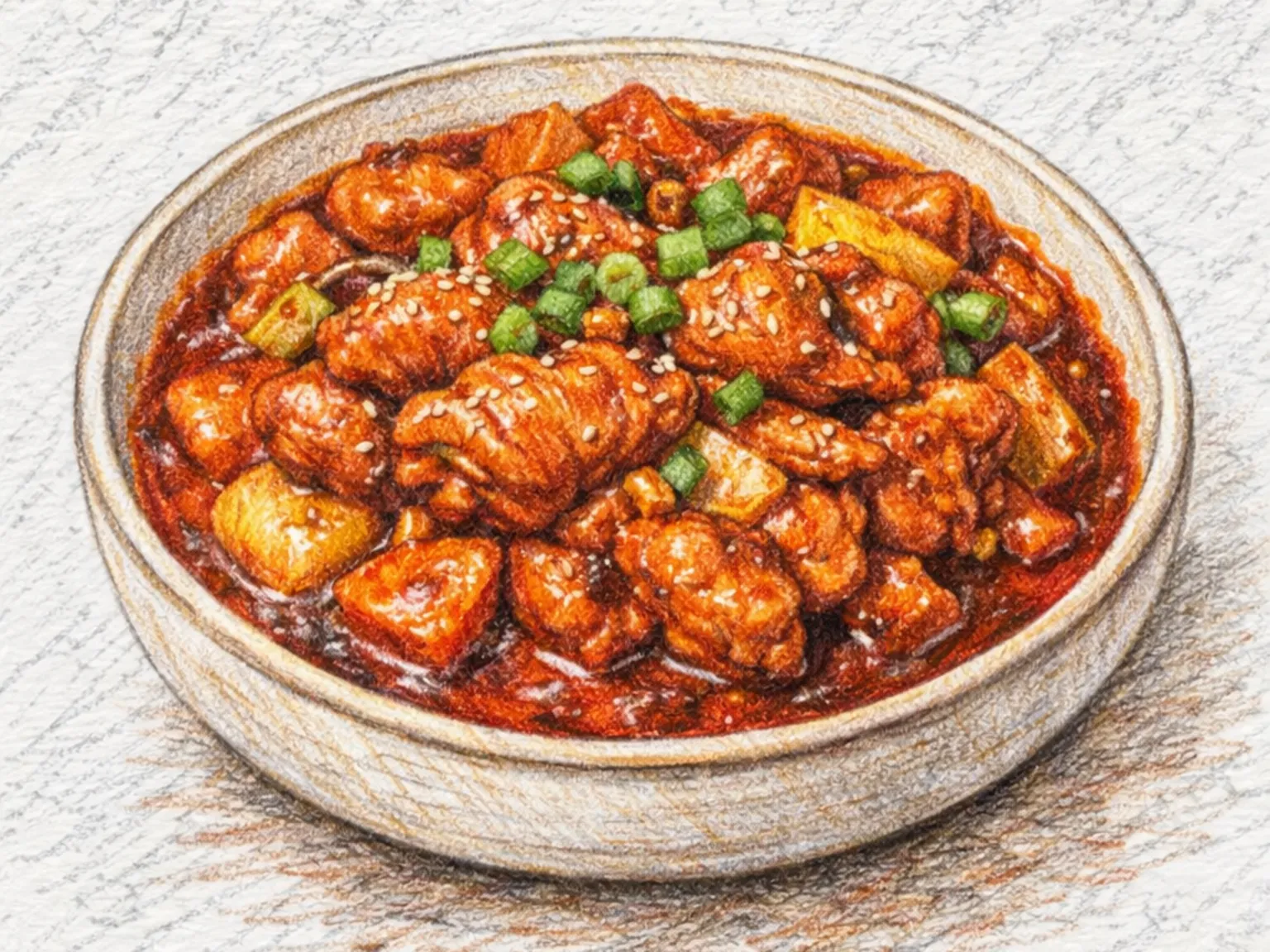
Dallae-dwaejigogi-bokkeum is a Korean springtime stir-fry of pork shoulder tossed in a gochujang and chili flake sauce, then topped generously with raw wild chives. The wild chives release a sharp, garlicky bite that cuts through the rich, spicy pork - stimulating while staying fresh rather than heavy. Onions caramelize lightly during cooking, adding natural sweetness that rounds out the heat and prevents the chili paste from turning one-dimensionally harsh. The dish must be cooked quickly over high heat to preserve the volatile aromatic compounds in the chives; extended cooking kills the fragrance that makes dallae worth using in the first place. Either pork shoulder or belly works well here, and the chives should be added at the very end rather than marinated or cooked through - they contribute perfume, not substance. The window for dallae in Korea is short, typically a few weeks in early spring, which makes this a seasonal dish eaten with some urgency while the ingredient is at its best.

🏠 Everyday🍱 Lunchbox
Prep 15minCook 12min2 servings
Korean Wild Chive Soybean Paste Stew
StewsEasy

Korean Wild Chive Soybean Paste Stew

This doenjang jjigae features dalrae (wild chives), a prized spring ingredient in Korean cooking. Anchovy-kelp stock is simmered with soybean paste, tofu, zucchini, and onion to build a full-bodied, savory base, then wild chives are added just before turning off the heat to preserve their sharp, garlicky aroma. A single Cheongyang chili adds measured heat that underscores the earthiness of the doenjang without overwhelming it. Adding the chives root-end included intensifies the fragrance noticeably compared to using leaves alone. At its best between February and April when freshly harvested dalrae is available, this is a seasonal jjigae that restores appetite when nothing else seems appetizing.

🏠 Everyday
Prep 12minCook 18min2 servings
Korean Braised Eggplant in Seasoned Soy Sauce
SteamedEasy

Korean Braised Eggplant in Seasoned Soy Sauce

Gaji yangnyeom jorim is a Korean braised eggplant side dish made with soy sauce, gochugaru, garlic, and sesame oil. Briefly sauteing the eggplant in oil before adding the braising liquid is important: pre-cooking the surface prevents the eggplant from releasing too much water into the sauce, which keeps the seasoning concentrated and helps it penetrate evenly. A small amount of sugar or plum extract is added to the sauce, giving the finished dish its characteristic glossy sheen. Scallions are stirred in only after the heat is off to preserve their color and texture. The result is a compact, salty-spicy banchan with a deep lacquered surface on each piece. Keeping a batch in the refrigerator means it is available as a side dish for three or more days, and the leftover braising liquid works well as seasoning in bibimbap.

🥗 Light & Healthy🏠 Everyday
Prep 10minCook 15min2 servings
Korean Stuffed Cucumber Kimchi
KimchiMedium

Korean Stuffed Cucumber Kimchi

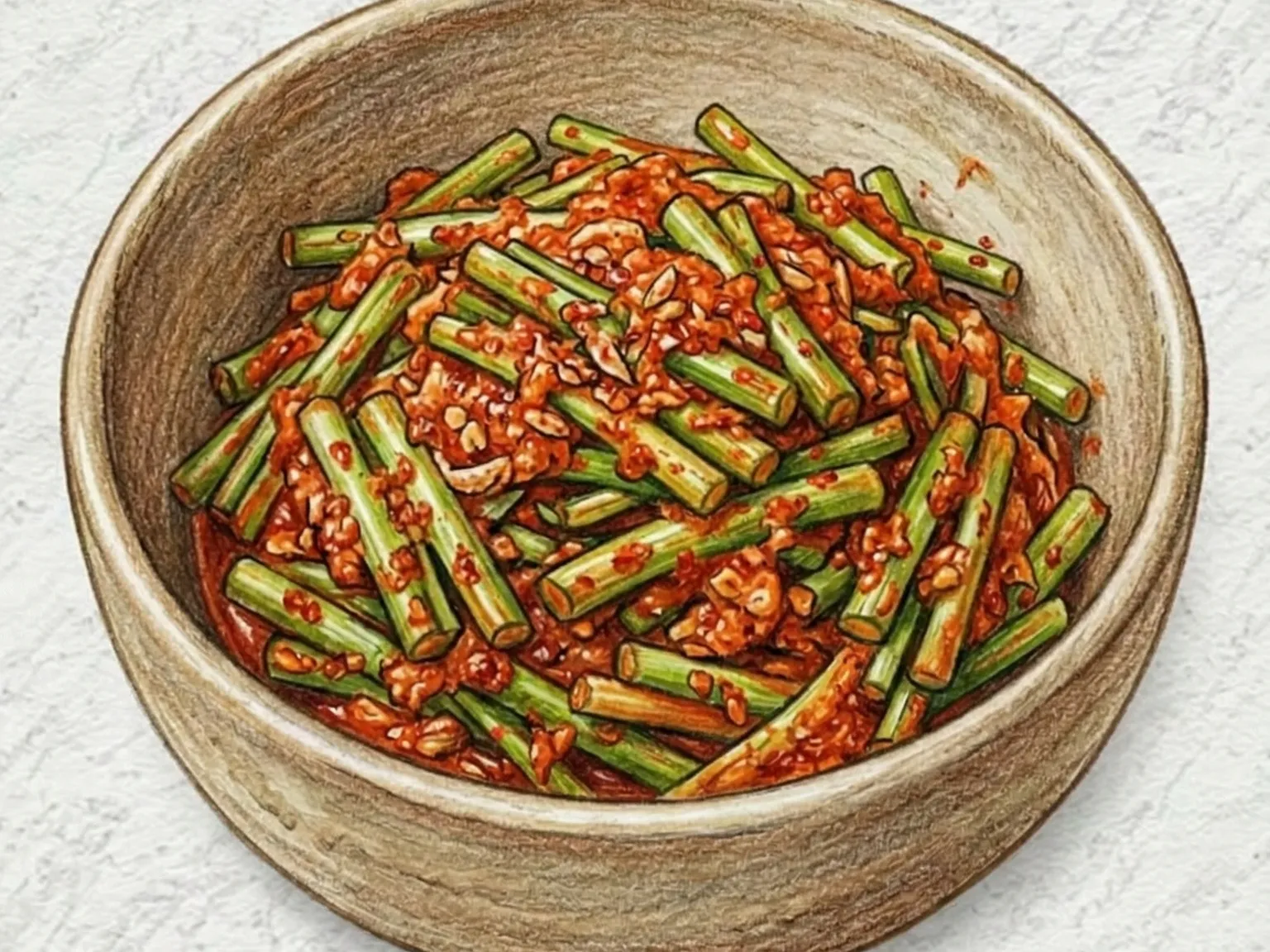
Oi sobagi is a Korean stuffed cucumber kimchi made by salting whole cucumbers, cutting them crosswise to within a centimeter of the base to create four attached wedges, and packing the cavity with a filling of garlic chives, onion, gochugaru, anchovy fish sauce, and plum syrup. When bitten, the cucumber's cool moisture meets the spicy, fragrant stuffing inside, releasing a burst of layered juice, and the firm crunch of the flesh contrasts cleanly with the softer chive filling. Salting for exactly thirty minutes is the critical window -- less time leaves the cucumber too firm to absorb the seasoning properly, while longer breaks down the cell structure and causes the flesh to go limp, which makes the stuffed pieces fall apart when cut. The filling ingredients should be mixed quickly without over-handling, because overworking the chives releases water and dilutes the seasoning. After stuffing, the cucumbers sit at room temperature for four hours to begin fermentation, then move to the refrigerator, where lactic acid development continues slowly overnight. By the second day the flavor is brighter and more complex with a distinct tangy edge. Cutting the portions just before serving, rather than in advance, keeps the flavorful interior juices from running out. Cucumbers of uniform thickness salt most evenly, and if substituting sugar for plum syrup, use a smaller quantity to keep the sweetness in check.

🍱 Lunchbox
Prep 35min4 servings
Kimchi Butter Udon (Tangy Kimchi Stir-Fried in Butter)
NoodlesEasy

Kimchi Butter Udon (Tangy Kimchi Stir-Fried in Butter)

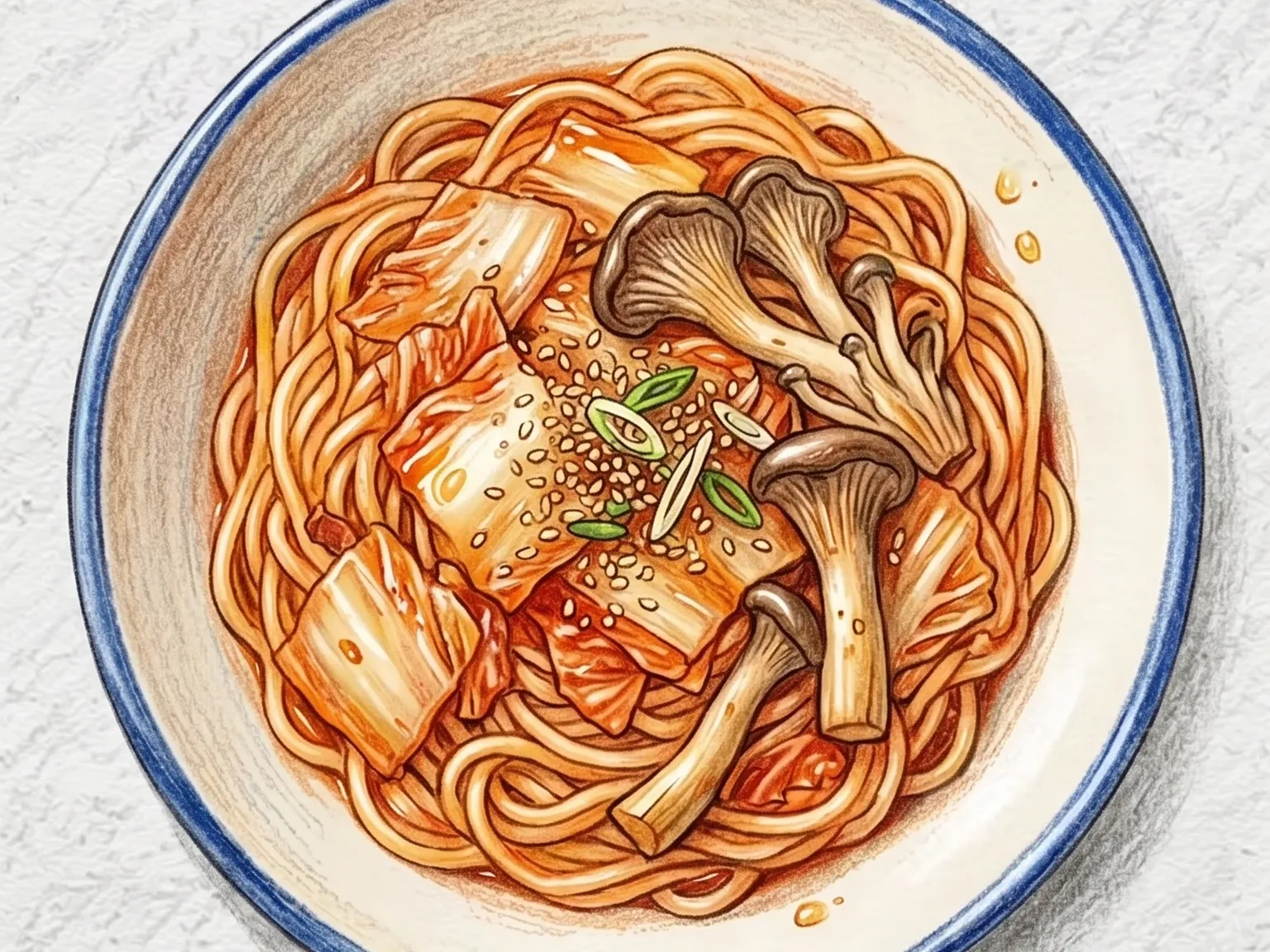
Kimchi butter udon is a fusion stir-fried noodle that pairs the tangy, spicy acidity of well-fermented kimchi with the deep richness of butter. The first half of the butter goes into the pan to saute onion and garlic until they release their sweetness, then chopped kimchi is added and stir-fried for two minutes to cook off the moisture, which concentrates the flavor and mellows the sharp sourness. Blanched udon noodles and soy sauce are tossed in over high heat so the seasoning coats every strand evenly, and the remaining butter is added off-heat immediately after, keeping its aroma intact while lending a glossy sheen and fuller depth to the noodles. A soft-cooked egg placed on top breaks into a creamy sauce when stirred in, while seaweed flakes and sliced scallion contribute crunch and a fresh herbal lift. If the kimchi leans salty, reducing the soy sauce to one tablespoon keeps the balance in check. The whole dish, including prep, comes together in about twelve minutes.

🏠 Everyday🌙 Late Night
Prep 10minCook 12min2 servings
Sesame Soy Eggplant Tomato Penne
PastaMedium

Sesame Soy Eggplant Tomato Penne

Sesame soy eggplant tomato penne is a Korean-Italian fusion pasta that combines salt-sweated eggplant with fresh diced tomato, soy sauce, and penne for a meat-free dish with genuine depth. Salting the eggplant and allowing it to rest for at least fifteen minutes draws out both water and any residual bitterness, so the flesh cooks down softer and more concentrated when sauteed in olive oil. Once the eggplant has absorbed the oil fully, it behaves like a sponge for the surrounding sauce, pulling flavor into each dense, yielding piece. Soy sauce brings a fermented, savory quality that layers directly on top of tomato's own natural glutamates, creating a double-umami effect that gives the sauce a richness typically associated with meat-based preparations. Sesame oil is added off the heat at the very end to preserve its raw, toasted fragrance - cooking it destroys the volatile compounds that make it distinctive. Toasted sesame seeds scattered over the finished pasta provide a nutty crunch that contrasts the soft eggplant. Fresh basil introduces a herbal brightness at the finish, and the base of onion and garlic cooked at the start gives the sauce its aromatic foundation.

🥗 Light & Healthy
Prep 18minCook 25min4 servings
Chicken Cacciatore
WesternMedium

Chicken Cacciatore

Chicken cacciatore is an Italian countryside dish where chicken pieces are seared hard in olive oil until deeply browned, then braised over low heat for forty minutes with onion, garlic, canned tomatoes, black olives, capers, red wine, and thyme. The initial sear in a very hot pan triggers a Maillard reaction on the skin and surface of the meat; those browned flavors dissolve into the braising liquid and dramatically deepen the sauce as it simmers. Red wine is added and simmered for two minutes to cook off the alcohol before the remaining ingredients go in, leaving only the acidity and fruit character of the wine to layer with the tomato. The briny, savory taste of the olives and the tart, floral sharpness of the capers keep the sweetness of the canned tomatoes in check, while thyme runs as a steady, quiet herbal thread throughout. This dish improves substantially when reheated the next day, as the flavors penetrate further into the meat overnight. Leftover braising sauce is excellent tossed with pasta or spooned over soft polenta.

🎉 Special Occasion
Prep 15minCook 55min4 servings
Chili Paneer (Spicy Fried Cheese Stir-Fry)
AsianEasy

Chili Paneer (Spicy Fried Cheese Stir-Fry)

Chili paneer belongs to Indo-Chinese cuisine, a fusion genre that emerged in the late nineteenth century when Hakka Chinese immigrants settled in Kolkata and began cooking with Indian ingredients and techniques. Cubes of paneer, India's firm fresh cheese that holds its shape under high heat without melting, are coated in cornstarch and deep-fried until a crisp shell forms, then tossed in a blazing-hot wok with diced garlic, green chilies, bell peppers, and onions, all brought together in a sauce built from soy sauce, chili sauce, tomato ketchup, and vinegar. The starchy crust absorbs the punchy sauce while shielding the soft, milky interior of the paneer, and the contrast between the crunchy shell and the yielding cheese inside is the defining pleasure of the dish. Two distinct styles exist: dry, where the sauce barely coats each cube and the dish is eaten as a starter or with drinks, and gravy, where a thicker, glossier sauce pools generously around the paneer for scooping with naan or ladling over fried rice. The flavor profile, salty soy meeting sour vinegar, sweet ketchup cutting through hot chili, is neither Chinese nor Indian but something entirely its own, a product of a specific immigrant community adapting to a new place while keeping familiar techniques alive.

🍺 Bar Snacks🎉 Special Occasion
Prep 15minCook 12min2 servings
Korean Fresh Lettuce Geotjeori
Side dishesEasy

Korean Fresh Lettuce Geotjeori

Sangchu-geotjeori is a last-minute lettuce salad where 120 grams of lettuce, torn into bite-size pieces, is tossed for no more than 20 seconds in a dressing of red pepper flakes, soy sauce, vinegar, plum syrup, minced garlic, and sesame oil. The lettuce must be thoroughly dried after washing so the dressing adheres to the leaves rather than pooling at the bottom. Thinly sliced onion adds crunch and a sharp edge that complements the mild bitterness of the lettuce. Plum syrup provides a fruity sweetness that is more subtle than granulated sugar, while the vinegar tempers the chili heat. Serving immediately is critical - within minutes the leaves begin to wilt, losing the crisp texture that defines this dish.

🏠 Everyday🍱 Lunchbox
Prep 10min2 servings
Korean Thick Doenjang Bibimbap
RiceEasy

Korean Thick Doenjang Bibimbap

Gangdoenjang-bibimbap is a rice bowl built around gangdoenjang, a reduced and concentrated version of the fermented soybean paste cooked down with vegetables and tofu until most of the moisture has evaporated. Where ordinary doenjang jjigae centers on broth, gangdoenjang is intentionally reduced to intensify the fermented depth, allowing the paste to cling to rice like a thick sauce when spooned over and mixed in. Minced garlic is bloomed in sesame oil first, then diced onion and zucchini are added and cooked through before the dissolved doenjang and minced shiitake go into the pan to reduce over gentle heat. Firm tofu is crumbled in during the final stage, breaking apart as it cooks and giving the sauce a heavier, more substantial body. Water is added in 20 to 40 milliliter increments to adjust consistency depending on the saltiness of the paste. A chopped cheongyang chili raises the heat and sharpens the savory quality of the doenjang. An extra drizzle of sesame oil when mixing amplifies the nuttiness, and a fried egg or crumbled dried seaweed on top turns the bowl into a complete and filling meal.

🏠 Everyday
Prep 15minCook 18min2 servings
Korean Doenjang Braised Tofu
Stir-fryEasy

Korean Doenjang Braised Tofu

Doenjang-dubu-jorim is a braised tofu banchan in which tofu slices are simmered in a broth of fermented soybean paste, water, and aromatics until the liquid reduces and the seasoning permeates the tofu throughout. Doenjang is a Korean fermented soybean paste with a deeply savory, earthy character distinct from Japanese miso, and its slow penetration into the porous interior of the tofu produces a richness that simple soy-seasoned tofu does not achieve. Zucchini and onion are added to the same pot, and their natural sweetness tempers the salt of the paste, giving the final braise a more balanced flavor. The tofu is braised until its surface firms slightly, which helps it hold its shape while the interior stays soft and fully seasoned. Any remaining braising liquid is well-seasoned and pairs naturally with a bowl of rice. It is an economical banchan that requires minimal preparation and stores in the refrigerator for several days.

🏠 Everyday🍱 Lunchbox
Prep 10minCook 15min2 servings
Korean Bellflower Root Tofu Stew
StewsEasy

Korean Bellflower Root Tofu Stew

Deodeok dubu jjigae is a Korean stew that simmers bellflower root and soft tofu in a broth made from rice-rinse water. Gochujang and doenjang are dissolved together to build a base that is simultaneously spicy and deeply savory. Bellflower root contributes a signature bitter-herbal fragrance and firm bite that sets the soup apart from standard tofu jjigae. Rice-rinse water acts as a natural thickener and rounds off any residual bitterness from the root. The contrast between the chewy deodeok and the yielding tofu gives each spoonful an interesting texture. Before cooking, the bellflower root is traditionally pounded to open its fibrous grain, which allows the seasoning to penetrate more evenly.

🏠 Everyday
Prep 15minCook 20min2 servings
Korean Braised Hairtail Fish
SteamedMedium

Korean Braised Hairtail Fish

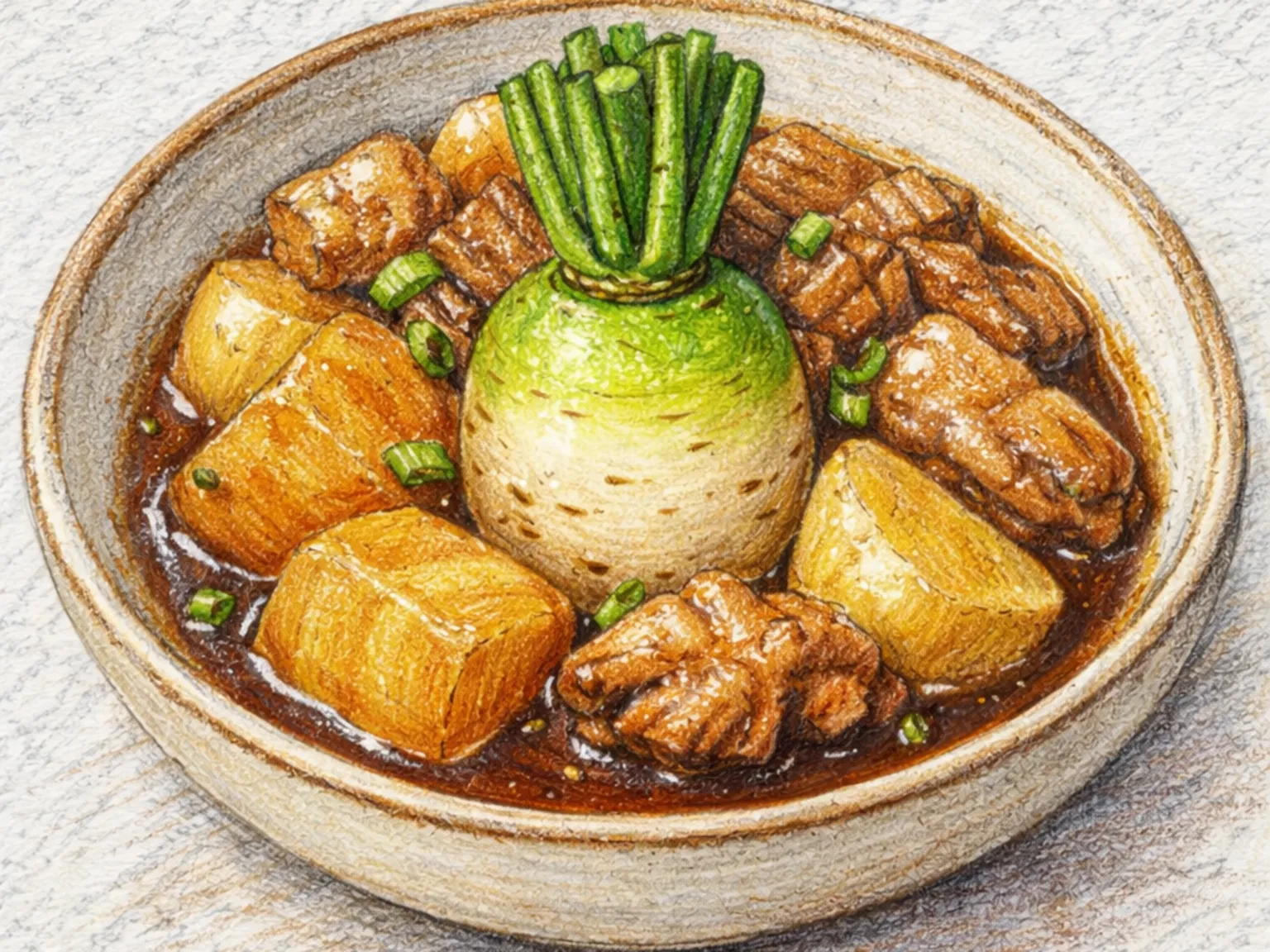
Galchi-jjim is a Korean braised hairtail fish dish where sliced hairtail and Korean radish are simmered together in a seasoned broth of gochugaru, soy sauce, garlic, and ginger until the liquid reduces to a concentrated glaze. The fish has a rich, oily white flesh that drinks in the bold seasoning while staying tender and intact. Ginger juice is added specifically to neutralize the oceanic smell that hairtail can carry, keeping the finished dish clean and approachable. The radish cooks down in the braising liquid, becoming deeply seasoned throughout as it absorbs the spiced sauce. The remaining sauce is intentionally left in small quantity so it can be spooned directly over steamed rice, which is considered the most satisfying way to eat this dish. It is a staple Korean fish preparation that appears on home dinner tables across the year.

🏠 Everyday🎉 Special Occasion
Prep 18minCook 30min2 servings
Korean Cherry Tomato Jangajji
KimchiEasy

Korean Cherry Tomato Jangajji

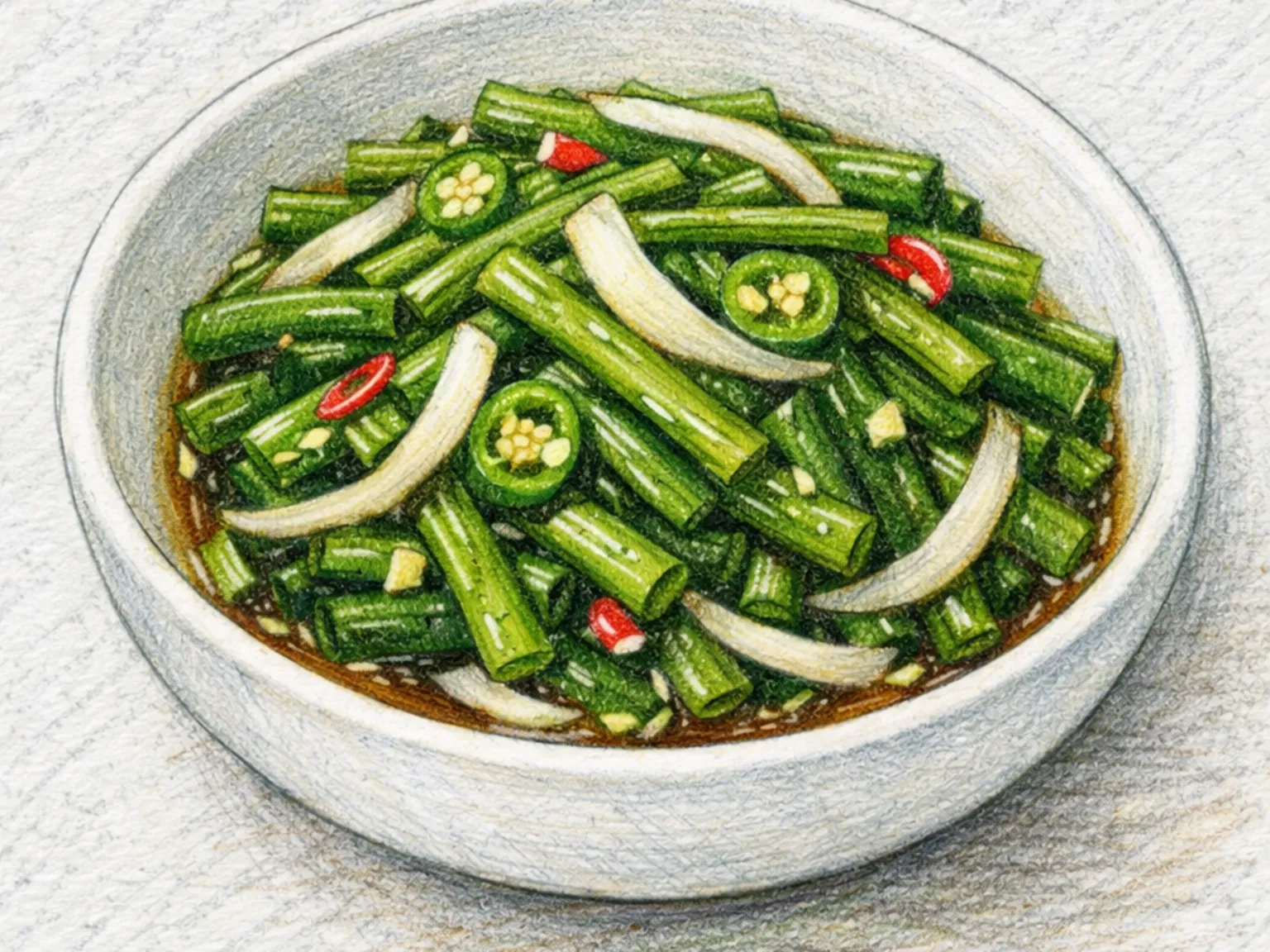
Peeling cherry tomatoes by hand serves as the foundation for creating tomato jangajji, a Korean soy-preserved dish. Removing the skins allows the brine of soy sauce, rice vinegar, and sugar to permeate the flesh quickly and consistently. A critical step involves boiling the liquid and then letting it cool to room temperature before combining it with the fruit. This cooling period prevents the tomatoes from softening or becoming soggy, ensuring they remain firm throughout the pickling process. Thinly sliced onions included in the jar absorb the liquid, contributing a savory and tangy character. Fresh basil leaves introduce an herbal scent that distinguishes this preparation from standard soy pickles. One full day of refrigeration helps the acidity of the vinegar settle and highlights the natural sweetness of the tomatoes. This side dish functions effectively alongside rice or grilled meats, where its tartness acts as a cleanser for the palate after eating oily foods. The texture remains intact for about a week when kept cold. For a different profile, small amounts of cinnamon or star anise can be added to the brine to provide a warm spice fragrance. It also pairs well with cheese and crackers as an unconventional snack or finger food.

🍱 Lunchbox
Prep 25minCook 8min4 servings
Korean Kimchi Glass Noodle Stir-Fry
NoodlesEasy

Korean Kimchi Glass Noodle Stir-Fry

Kimchi japchae is a variation on classic Korean glass noodle stir-fry that replaces the usual assortment of vegetables with well-fermented aged kimchi, giving the dish a bold tangy heat that the original does not have. Glass noodles are boiled, rinsed in cold water to stop the cooking, and pre-seasoned with soy sauce so they absorb flavor before hitting the pan. Pork shoulder goes in first to render its fat and build a savory base in the wok, then the kimchi -- thoroughly squeezed dry -- is added and stir-fried until the sourness concentrates and caramelizes slightly. Removing the kimchi's moisture is a non-negotiable step: excess liquid steams the noodles rather than frying them, causing the noodles to swell and the overall seasoning to turn watery and flat. Sliced onion goes in with the kimchi to contribute a natural sweetness that softens the acidity. Once the aromatics are cooked down, the noodles are tossed in with additional soy sauce and a small amount of sugar if the kimchi is especially sour. The pan comes off the heat before sesame oil is added to preserve its fragrance, and whole sesame seeds finish the dish. The combination of the noodles' chewy elasticity and the kimchi's pungent, fermented character produces a version of japchae that tastes fundamentally different from the traditional preparation.

🏠 Everyday🍱 Lunchbox
Prep 15minCook 15min2 servings
Soy-Braised Mushroom Ragu Pappardelle
PastaMedium

Soy-Braised Mushroom Ragu Pappardelle

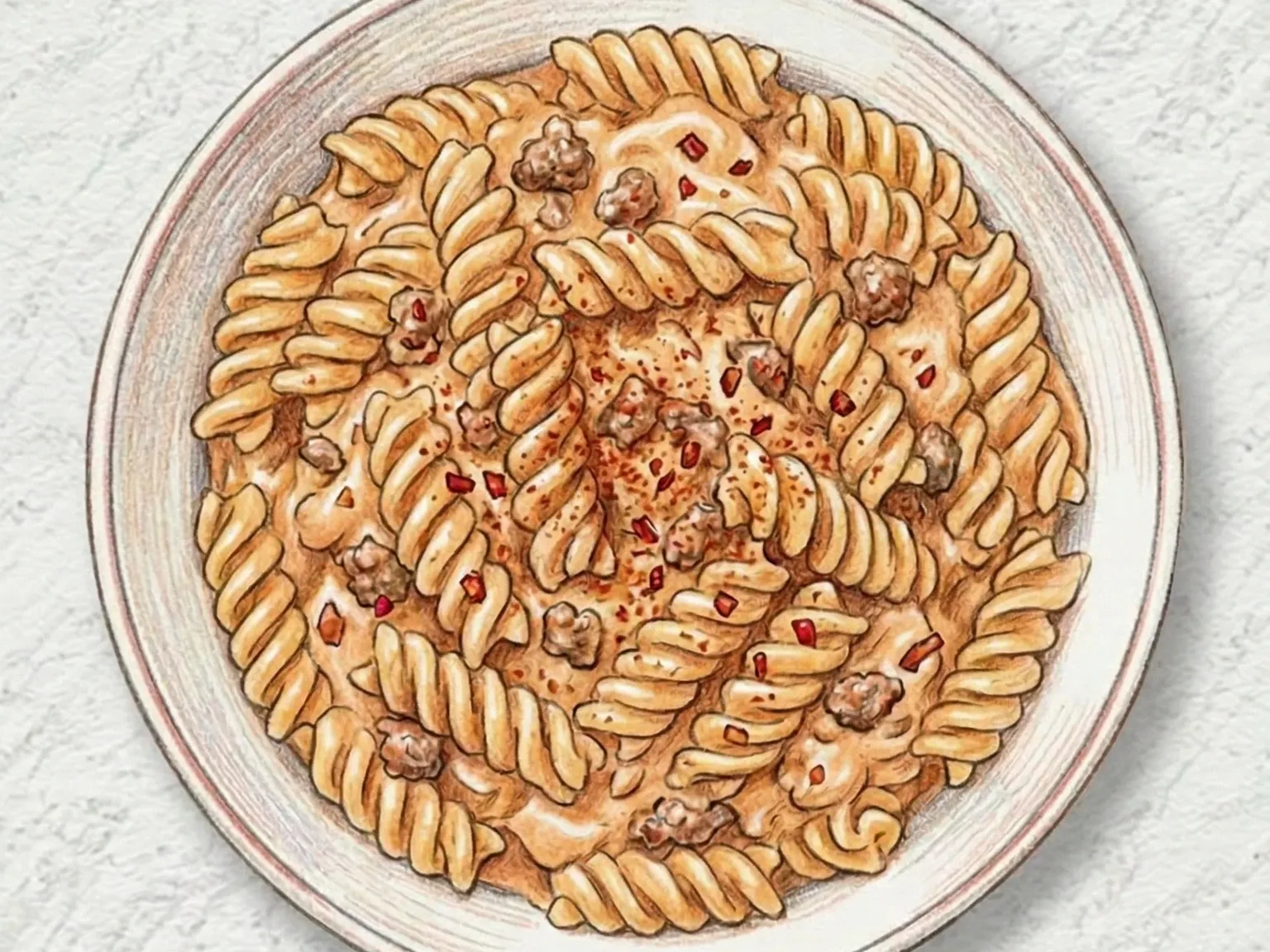
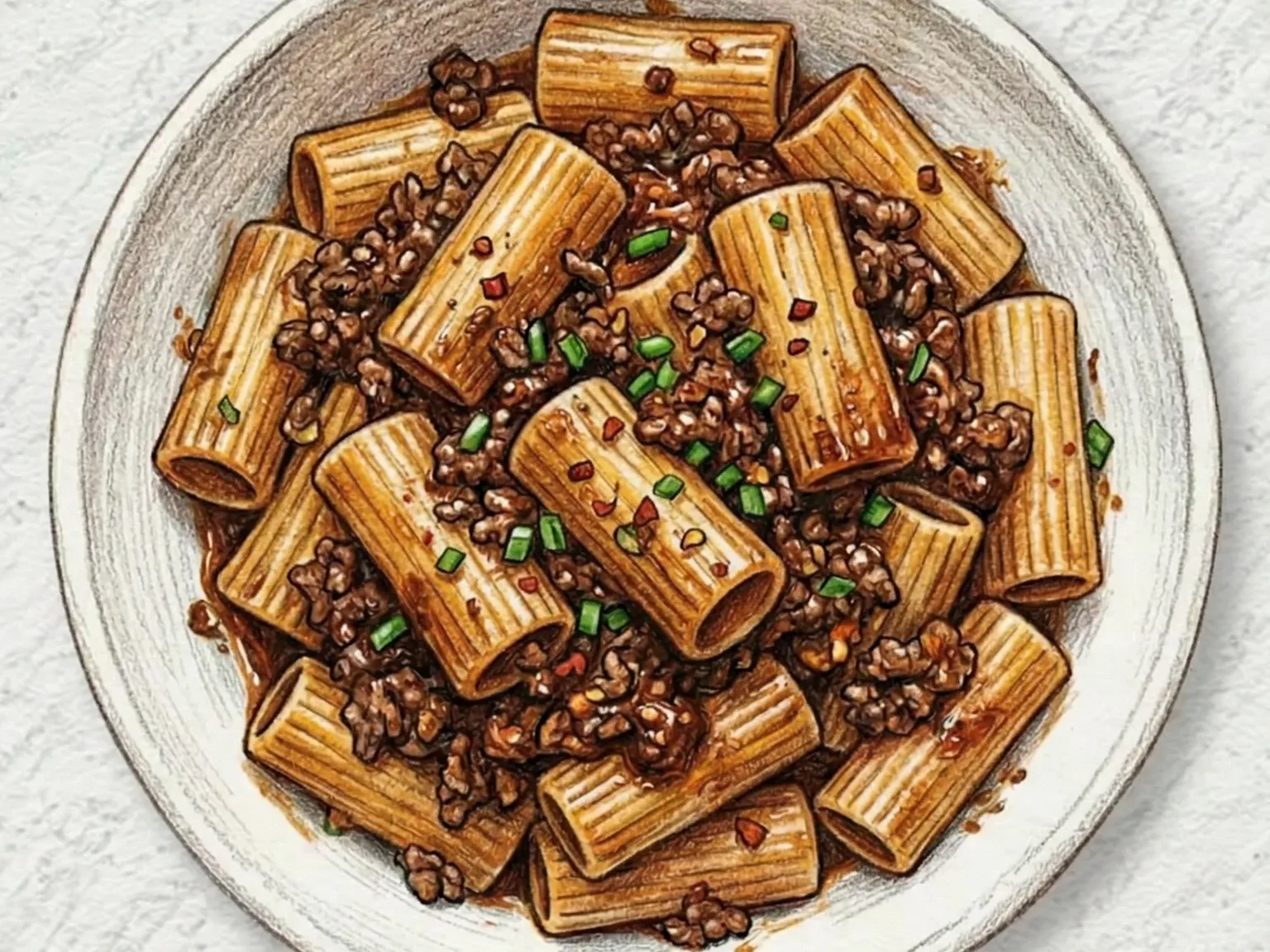
Soy-braised mushroom ragu pappardelle builds a meat-free ragu from finely chopped shiitake and button mushrooms cooked low and slow with aromatics and soy sauce. Onion and carrot are sweated first to develop sweetness, then the minced mushrooms go in and are cooked until their moisture fully evaporates, creating a dense, chewy texture that rivals meat-based ragu. Tomato paste adds acidity and color, dry white wine lifts the complexity, and soy sauce provides the fermented backbone that gives this vegetarian ragu its depth. Thyme brings a subtle herbal note, and wide pappardelle ribbons carry the thick, chunky sauce well. The 28-minute cook time is mostly hands-off simmering.

🎉 Special Occasion
Prep 18minCook 28min2 servings
Chicken Fajitas
WesternMedium

Chicken Fajitas

Chicken fajitas are a Mexican dish built around thinly sliced chicken thigh marinated for ten minutes in lime juice, paprika powder, and olive oil, then seared at high heat before being wrapped in warm flour tortillas with strips of bell pepper and onion. The lime marinade breaks down surface proteins in the meat, making it more tender and allowing the smoky, sweet paprika to penetrate rather than just coat the exterior. A hot pan is not optional. When the surface temperature is high enough, the chicken makes immediate contact with the metal, seals in its moisture, and develops a charred crust in the first two minutes. A pan that is only moderately warm causes the meat to release liquid instead, turning the cook into a braise rather than a sear and stripping out the flavor that high heat is meant to produce. The vegetables are added to the same pan after the chicken comes out and cooked only until the edges soften and a hint of caramelization appears, because extended cooking pulls out too much moisture and leaves the strips limp. Tortillas need thirty to forty seconds in a dry pan, flipped once, to become pliable enough to fold without cracking down the center. Sour cream or guacamole served on the side provides a cool, rich contrast to the spiced, charred filling, and the temperature difference between the two makes each bite more dynamic.

🎉 Special Occasion
Prep 20minCook 15min4 servings
Chole Bhature (Chickpea Curry with Puffed Bread)
AsianHard

Chole Bhature (Chickpea Curry with Puffed Bread)

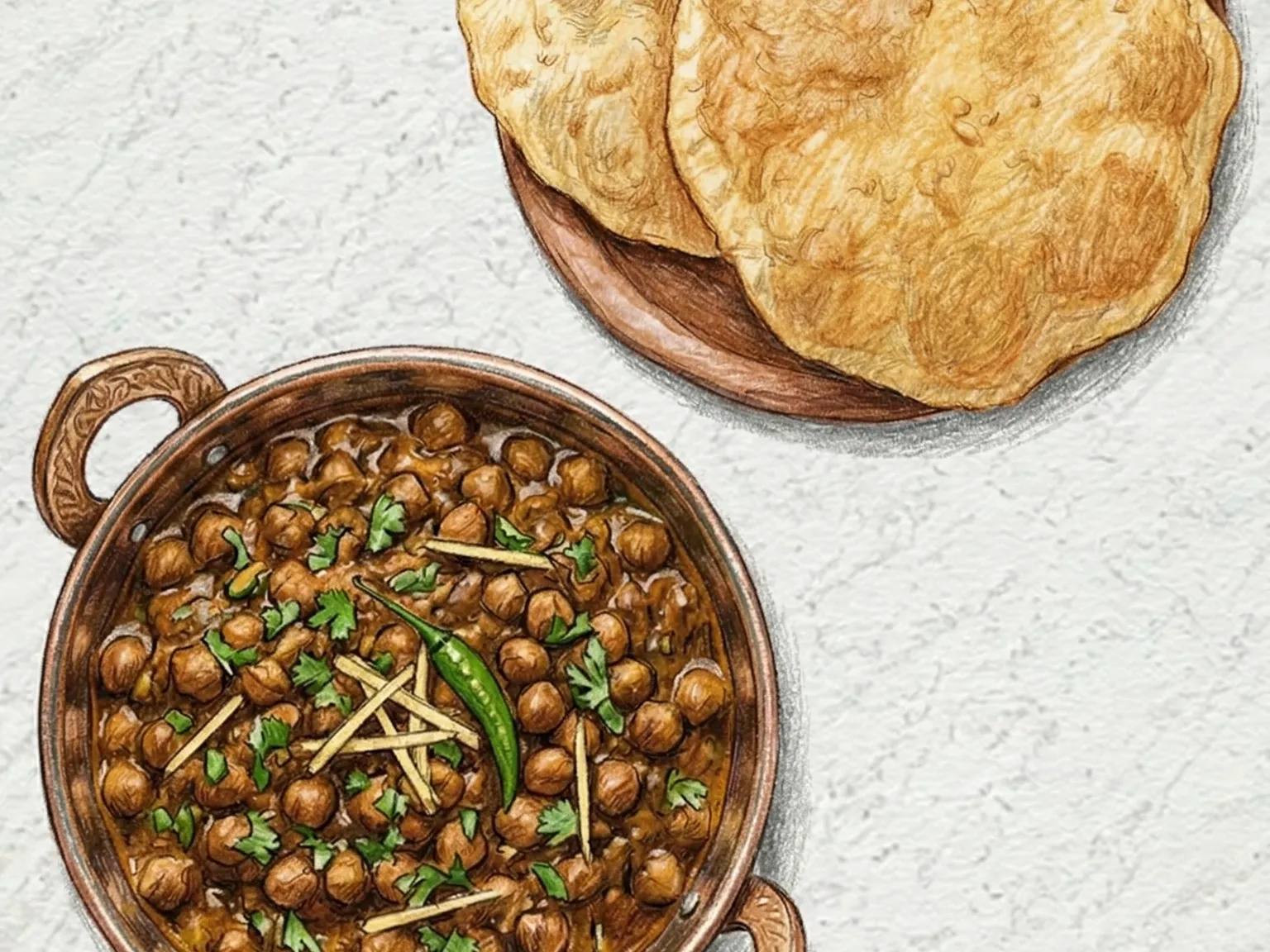
Chole bhature is the definitive breakfast combination of North India's Punjab and Delhi regions, bringing together a dark, intensely spiced chickpea curry and deep-fried puffed bread. The chole begins with dried chickpeas soaked overnight and pressure-cooked until tender, then folded into a base of slow-cooked onion and tomato seasoned with amchur, anardana, and garam masala, simmered until the gravy thickens to a deep, clinging brown. Whole spices - black cardamom, cinnamon, bay leaf - are often tied in muslin and simmered alongside the chickpeas, infusing the pot with fragrance without leaving stray solids in the finished dish. Bhature dough is made with refined flour enriched by yogurt and coarse semolina, rested at room temperature until slightly fermented, then rolled and lowered into hot oil where it balloons into a puffy, golden pillow within seconds. The ritual of tearing a piece of bhature and scooping up chole delivers salty, sour, and spiced-bread richness in a single motion. Raw onion rings and pickled green chilies cut through the heaviness with crunch and heat. In Old Delhi, the most storied shops have maintained their curry by never fully emptying the pot, topping it up over decades so the base carries years of accumulated flavor.

🎉 Special Occasion
Prep 30minCook 35min4 servings
Korean Acorn Jelly Salad with Sesame Soy Sauce
Side dishesEasy

Korean Acorn Jelly Salad with Sesame Soy Sauce

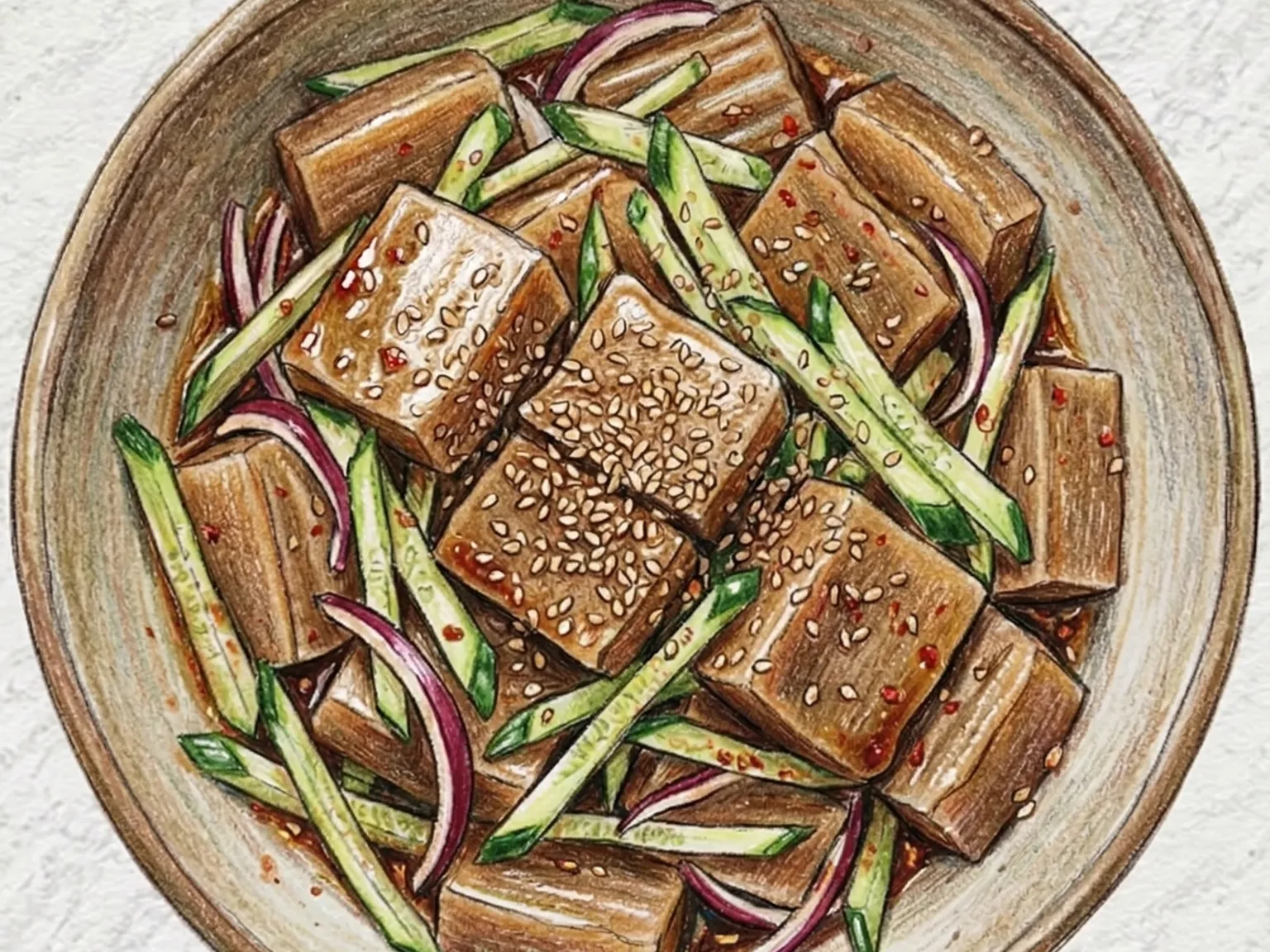
Sesame-dotorimuk-muchim is an acorn jelly salad that begins by slicing 400 grams of dotorimuk into 1-centimeter-thick pieces and blanching them for 20 seconds to firm up the surface and make the jelly more resilient to tossing. Julienned cucumber and thinly sliced onion - soaked briefly in cold water to remove sharpness - join the jelly in a bowl. The dressing of soy sauce, vinegar, red pepper flakes, and sesame oil brings a sharp, tangy bite that contrasts with the neutral mildness of the acorn jelly. Generous sesame seeds are scattered on top, and the dish rests for five minutes before serving so the dressing can seep into the jelly's porous surface. The result is a light, refreshing banchan with a range of textures from springy to crisp.

🥗 Light & Healthy🏠 Everyday
Prep 12minCook 3min4 servings
Korean Gochujang Chicken Mayo Rice Bowl
RiceEasy

Korean Gochujang Chicken Mayo Rice Bowl

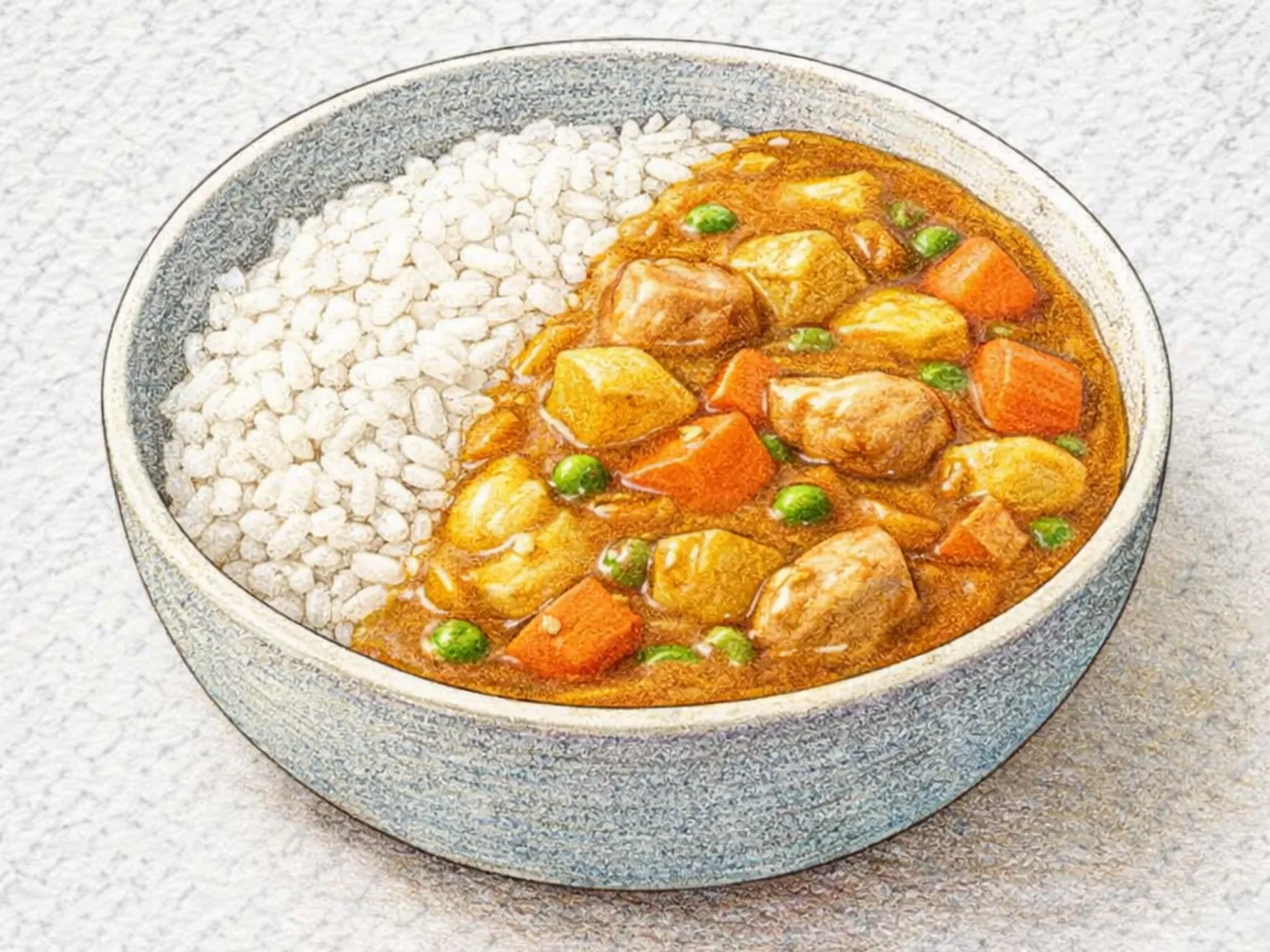
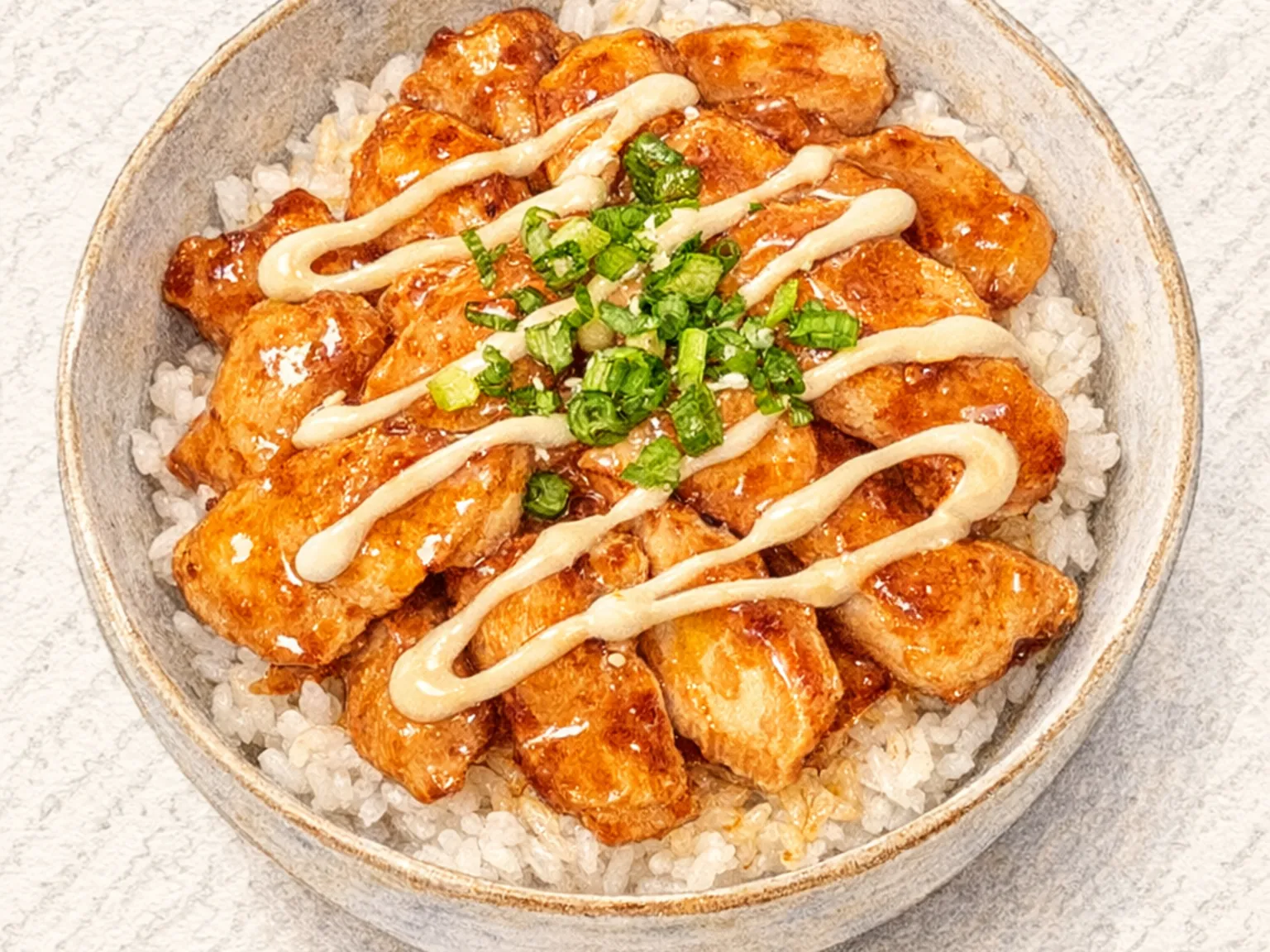
Gochujang chicken mayo deopbap pairs stir-fried chicken thigh glazed in a fermented chili sauce with a drizzle of creamy mayonnaise over warm steamed rice. Boneless chicken thigh cut into bite-sized pieces is stir-fried over high heat in a sauce built from gochujang, soy sauce, sugar, and minced garlic until a glossy, sticky glaze coats every surface and the edges of the chicken begin to caramelize. The sauced chicken goes directly onto the rice, and mayonnaise is zigzagged across the top in strips, creating alternating lines of red and white that fold together at the table. The combination works because gochujang contributes fermented, slow-building heat while the mayo provides a cool, fat-rich creaminess that extends each bite and carries the sauce deeper into the rice. Onion cooked alongside the chicken breaks down into the glaze, rounding the sauce's edges with a natural sweetness, while a scattering of sliced green onion on top adds a fresh, sharp contrast. Thigh meat is the correct choice over breast - its fat content means it retains moisture through the high-heat stir-fry rather than turning dry or stringy. A variation that has gained popularity layers a slice of processed cheese beneath the chicken, letting the residual heat melt it into a creamy middle layer between rice and glaze.

🏠 Everyday
Prep 15minCook 20min2 servings
Korean Spicy Pork Duruchigi
Stir-fryEasy

Korean Spicy Pork Duruchigi

Duruchigi is a Korean spicy pork stir-fry made by flash-cooking sliced pork shoulder with onions and scallions in a gochujang-based sauce over high heat. Pork shoulder has a balanced ratio of fat to lean meat, which prevents it from drying out even at the high temperatures required for a proper stir-fry. The intense heat chars the edges of the meat slightly and introduces a smoky wok flavor that deepens the dish beyond what the seasoning alone provides. Gochujang contributes fermented chili heat and a savory, slightly sweet undertone, while added sugar reinforces that sweetness, and scallions provide a sharp, clean finish in the back of the palate. Cooking the onion first to soften before adding the meat controls the amount of liquid released and keeps the sauce from becoming watery. Duruchigi works as a straightforward rice side dish, wrapped in lettuce leaves, or as the protein base for fried rice with the leftovers. It ranks among the most dependable everyday pork dishes in Korean restaurants and home kitchens, and also sees regular use as a late-night snack or drinking table side.

🏠 Everyday🍱 Lunchbox
Prep 15minCook 12min2 servings
Korean Bellflower Root Pork Stew
StewsMedium

Korean Bellflower Root Pork Stew

Deodeok-dwaeji-jjigae is a spicy Korean stew that primarily features pork shoulder and bellflower root as its core components. These main ingredients are simmered together in a liquid base prepared from water used to rinse rice, which provides a different consistency and flavor profile compared to standard tap water. The seasoning for this broth relies on a combination of gochujang, which is red chili paste, gochugaru or red chili flakes, and soup soy sauce to establish a foundational heat and saltiness. To provide further texture and structural depth to the stew, oyster mushrooms and sliced onions are included in the pot during the simmering process. As the bellflower root is heated and cooked through, its natural and slightly bitter flavor profile begins to integrate into the surrounding broth. This subtle bitterness serves a functional purpose by counteracting the richness of the pork shoulder fat, which results in a final taste that feels clean on the palate rather than greasy. Utilizing rice-rinse water instead of plain water helps to mellow the intense spice of the gochujang while adding a light savory quality to the soup that simple water does not provide. By cutting the pork shoulder into small, bite-sized pieces before cooking, the fat is able to render out more effectively into the broth while the meat remains soft and easy to chew. The finished stew has a high level of spice and contains a significant amount of meat and vegetables, making it a filling dish when served alongside a bowl of steamed white rice.

🏠 Everyday
Prep 18minCook 22min2 servings
Korean Braised Potato and Fish Cake
SteamedEasy

Korean Braised Potato and Fish Cake

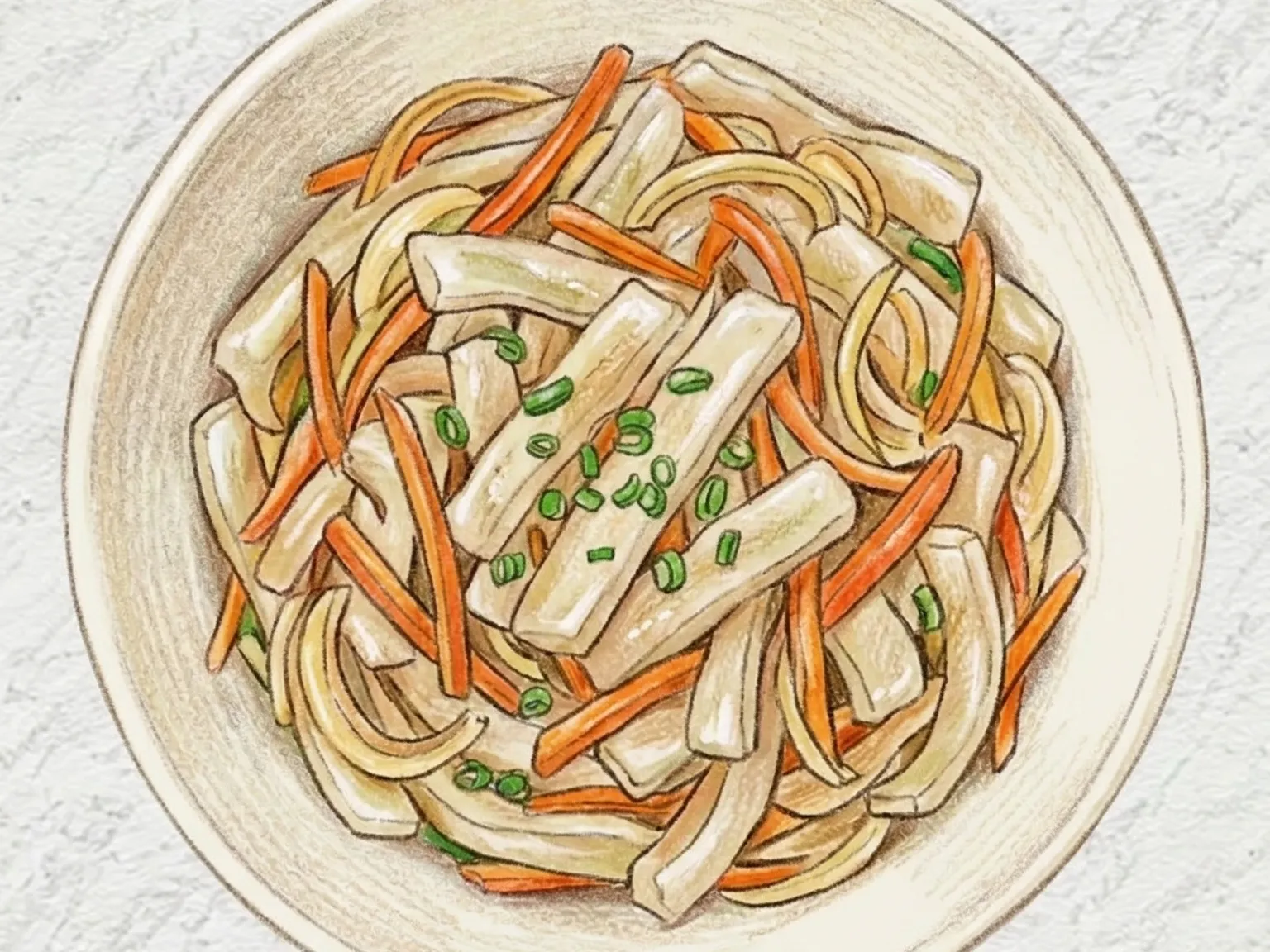
Gamja eomuk jorim is a Korean home-style braised side dish of potato chunks and fish cake sheets, simmered together in a sauce of soy sauce and oligosaccharide syrup. The starchy potato cubes slowly absorb the seasoning as they cook, turning soft and floury in texture while carrying the full depth of the soy glaze. Fish cake sheets provide a springy, chewy counterpoint that holds its shape throughout braising. Minced garlic is stirred in early to mellow into the sauce, and a finishing drizzle of sesame oil adds a roasted, nutty fragrance that ties the dish together. The recipe requires minimal preparation and cooks in under twenty minutes, making it a practical choice for weekday meals. It is one of the most frequently packed Korean lunchbox items and a staple side dish on everyday home tables.

🏠 Everyday🍱 Lunchbox
Prep 10minCook 25min2 servings
Korean Soy Pickled Onions
KimchiEasy

Korean Soy Pickled Onions

Yangpa jangajji is a soy-pickled onion made by immersing large-cut onion chunks in a boiled brine of soy sauce, vinegar, and sugar. The hot brine tempers the raw onion's sharp, pungent bite on contact, and as the pickle matures in the refrigerator the sweet-salty seasoning penetrates evenly through each piece. Cutting the onion along its fiber rather than against it keeps the texture firm and crisp after pickling, whereas thin cross-cut slices tend to soften quickly in the acidic brine. Sliced cheongyang chili peppers added to the jar gradually release their heat into the liquid, lending a gentle, lingering spiciness that offsets the sweetness and keeps the flavors from becoming one-dimensional. The pickle is ready after one day of refrigeration but improves noticeably at three days or more as the seasoning continues to deepen. It is a staple accompaniment to grilled meats like samgyeopsal, where its acidity and crunch cut through richness and refresh the palate between bites. It also works well over bibimbap or cold noodles. The brine can be brought back to a boil and reused for a second batch of onions, making this an economical pantry item.

🏠 Everyday🍱 Lunchbox
Prep 15minCook 12min4 servings