Charim

2686 Korean & World Recipes

2686+ Korean recipes, clean and organized. Ingredients to instructions, all at a glance.

Recipes with onion

24 recipes

Buy onion
Korean Beoseot Jjigae (Mushroom Stew)
StewsEasy

Korean Beoseot Jjigae (Mushroom Stew)

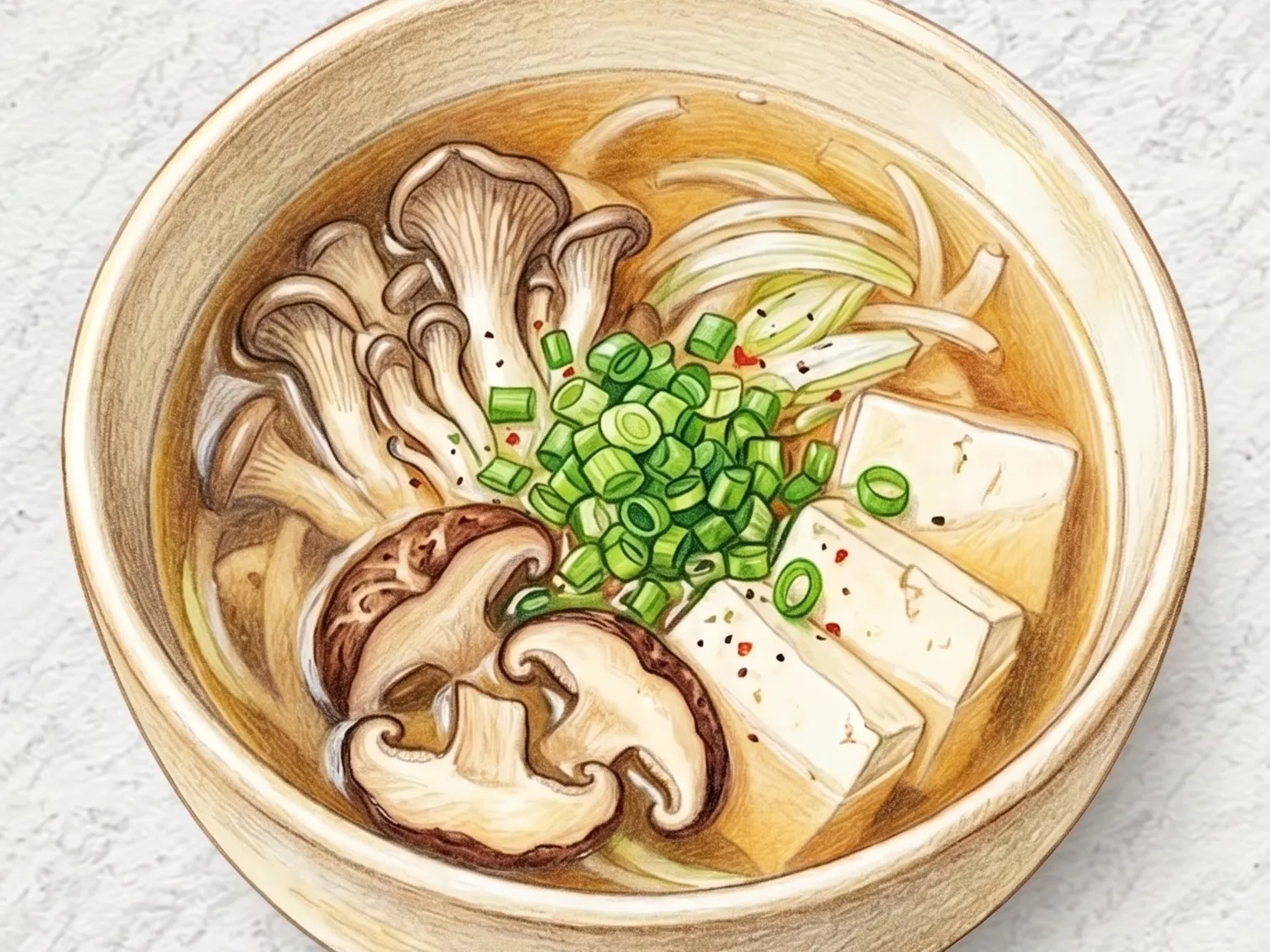
Oyster, shiitake, and enoki mushrooms are simmered in kelp-infused water for a light, clean stew. Soup soy sauce and minced garlic season the broth without overwhelming the mushrooms' own flavor. Tofu and sliced onion add body and gentle sweetness. Because the three mushroom varieties differ in texture and intensity, each spoonful offers a different combination. The broth is completely oil-free, making this a warming and easy-to-digest meal.

🥗 Light & Healthy🏠 Everyday
Prep 12minCook 16min2 servings
Korean Soy-Braised Dotted Gizzard Shad with Radish
SteamedMedium

Korean Soy-Braised Dotted Gizzard Shad with Radish

Baendaengi mu jorim is a Korean braised dish where small dotted gizzard shad and radish simmer together in a gochujang-based sauce. Radish lines the bottom of the pot, preventing the fish from sticking while absorbing the braising liquid as it reduces, infusing the pieces with a deep salty-sweet flavor. The sauce combines gochujang, gochugaru, soy sauce, and minced garlic, with cooking wine added to suppress any fishy odor while contributing a mild sweetness. The pot simmers covered on medium-low heat for twenty minutes, with the sauce spooned over the fish midway through to coat the surface evenly. Gizzard shad have fine, soft bones that are edible whole, and the braising process softens them further until they are barely noticeable when chewing. Onion added alongside the radish melts into the liquid, contributing natural sweetness that balances the spicy-salty punch of the gochujang sauce. The finished dish concentrates into a thick glaze that clings to both the fish and radish pieces, making it substantial enough to serve as a one-bowl meal over rice.

🎉 Special Occasion
Prep 20minCook 35min4 servings
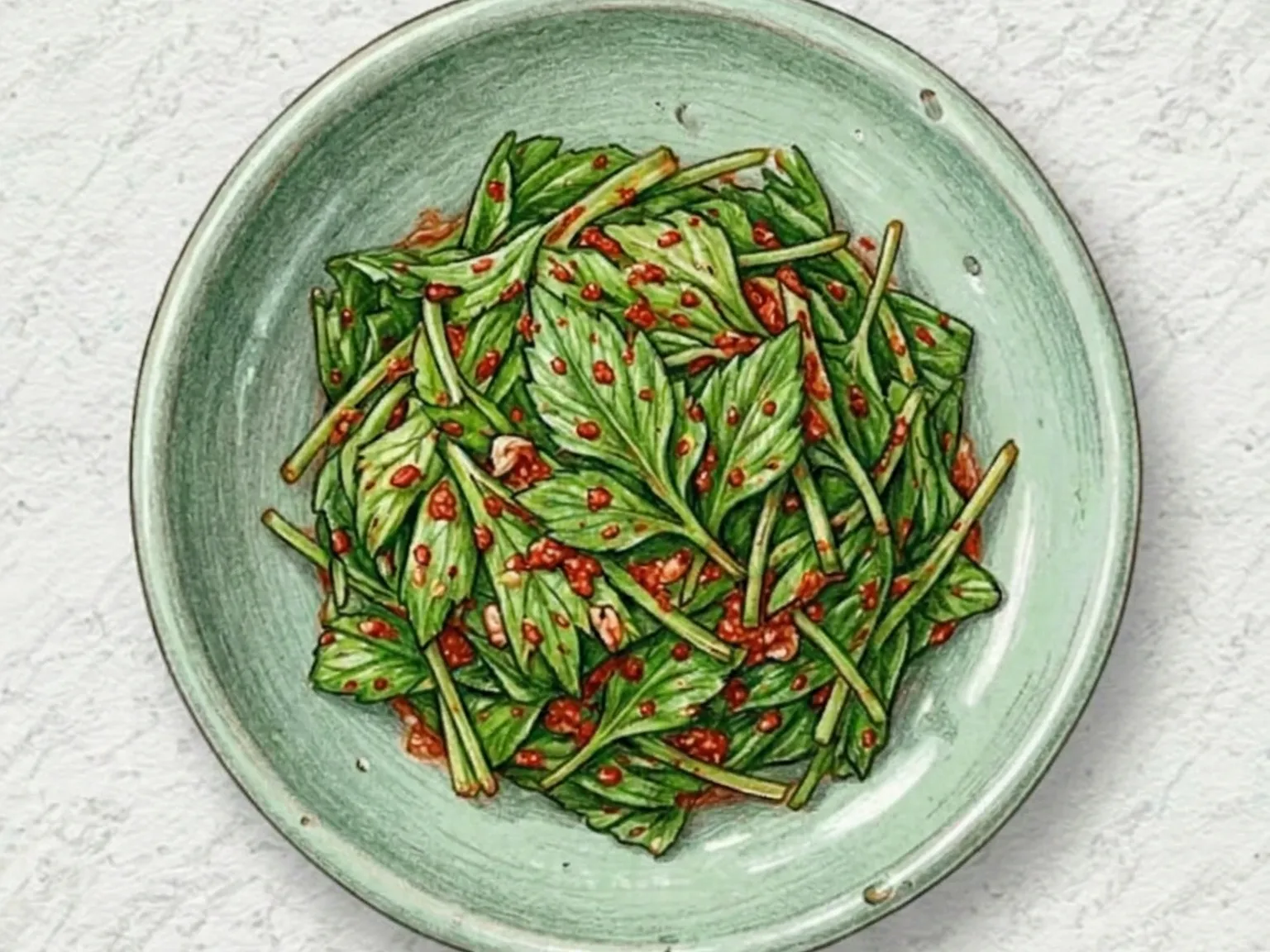
Korean Chamnamul Kimchi (Pimpinella Kimchi)
KimchiMedium

Korean Chamnamul Kimchi (Pimpinella Kimchi)

Chamnamul kimchi is a spring kimchi made by salting chamnamul greens for just ten minutes to wilt them slightly, then dressing with gochugaru, anchovy fish sauce, and salted shrimp without rinsing. Skipping the rinse allows the residual salt to convert into umami during fermentation rather than being washed away, deepening the overall flavor. Pureed Korean pear and onion blended with sweet rice paste form the seasoning base, contributing a natural sweetness that rounds off the sharp edges of the chili heat. After three hours of initial fermentation at room temperature followed by refrigeration, the kimchi reaches its best balance within one to two days, when the grassy herbal aroma of chamnamul aligns with the fermented depth of the fish sauce. Because chamnamul has a high moisture content, fermentation moves quickly, and the kimchi softens past its peak if left too long. Best consumed within three to four days for optimal texture and fragrance.

🍱 Lunchbox
Prep 30minCook 5min4 servings
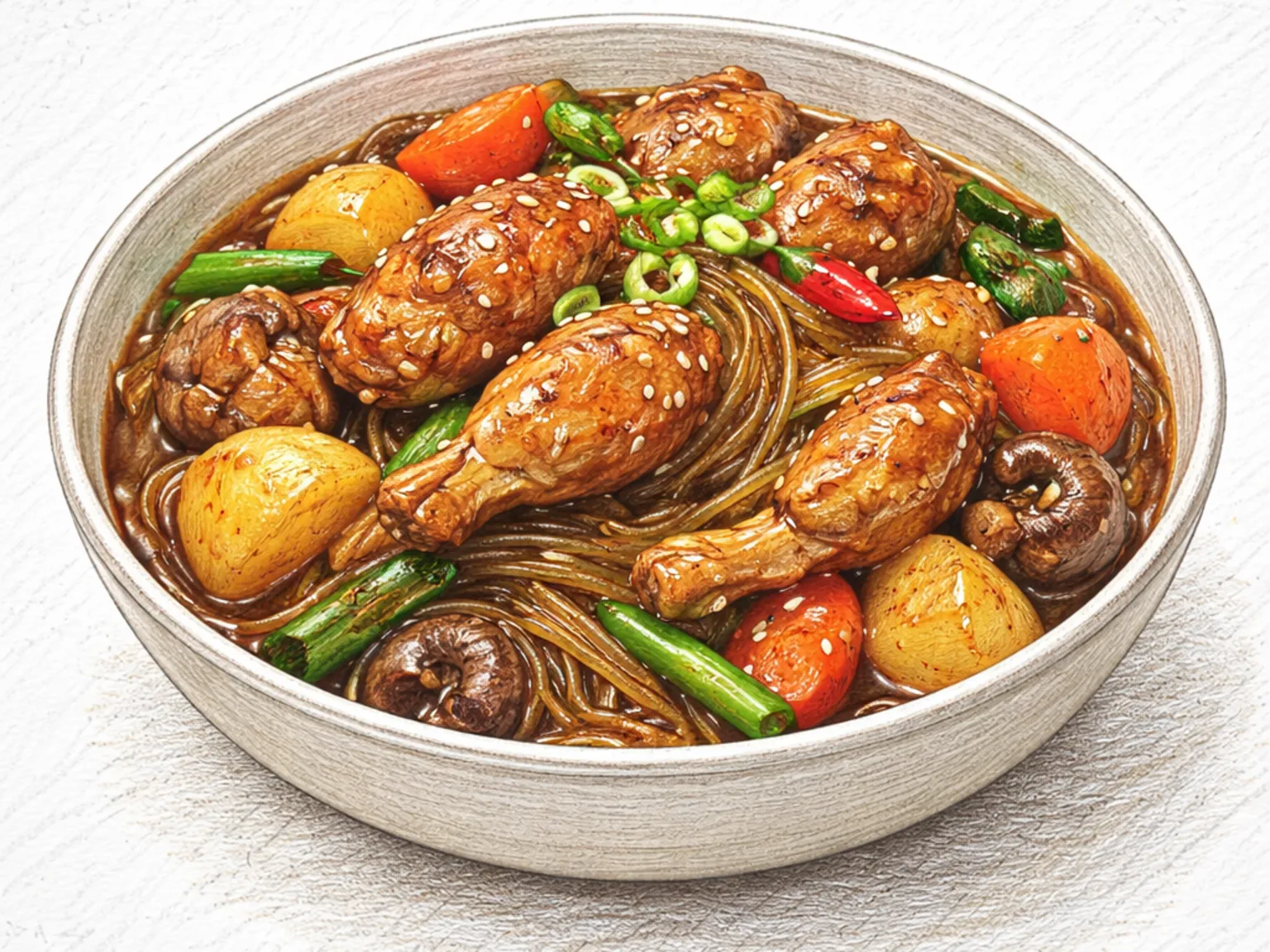
Korean Chicken Knife-Cut Noodle Soup
NoodlesMedium

Korean Chicken Knife-Cut Noodle Soup

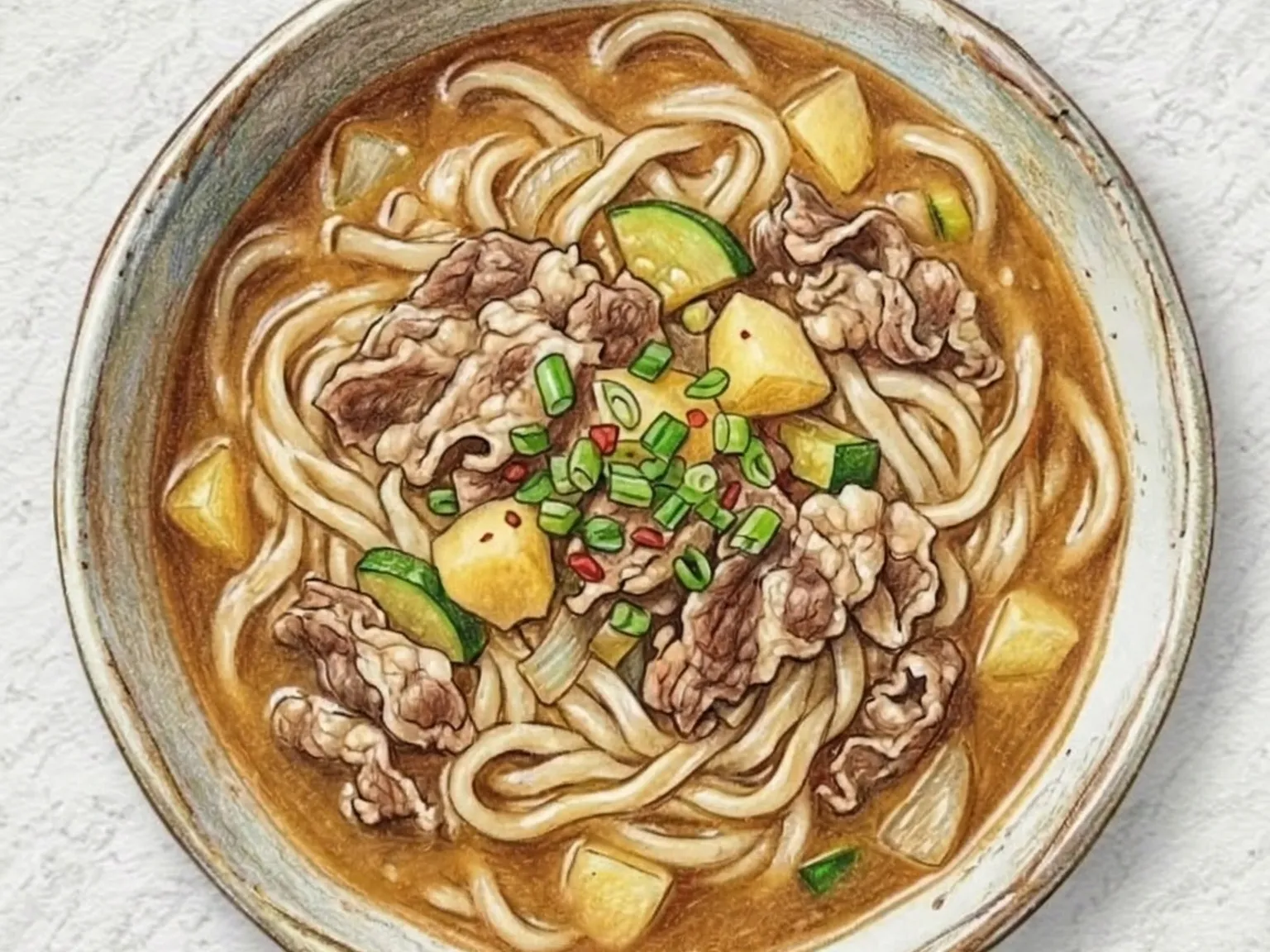
A whole chicken is simmered with green onion, garlic, and ginger until the broth turns opaque, deeply savory, and rich with collagen, then hand-cut wheat noodles are cooked directly in that liquid. Boiling the noodles in the broth rather than separately is the defining technique: the starch they release naturally thickens the soup into a silky, coating consistency, and the noodles themselves absorb the concentrated chicken flavor at every surface. Shredded chicken, pulled apart along the grain, goes on top just before serving. Potato and zucchini are added during the final minutes for their gentle sweetness and soft texture. A generous amount of ground black pepper stirred in or sprinkled on top sharpens the chicken aroma and adds a mild warmth that the broth on its own does not carry. Unlike ramyeon or rice noodle dishes, dak-kalguksu has no complex seasoning beyond salt, pepper, and the depth built from the chicken itself, making it one of the most comforting and straightforward noodle soups in Korean home cooking.

🏠 Everyday
Prep 25minCook 40min4 servings
Dakgalbi Cream Rigatoni (Korean Spicy Chicken Gochujang Cream Pasta)
PastaMedium

Dakgalbi Cream Rigatoni (Korean Spicy Chicken Gochujang Cream Pasta)

Dakgalbi cream rigatoni is a Korean-Italian fusion pasta that starts by marinating boneless chicken thighs in a sauce of gochujang, soy sauce, gochugaru, and sugar for at least twenty minutes, then stir-frying them at high heat with cabbage and sweet potato to build the bold, sweet-spicy flavor profile of traditional dakgalbi before finishing with heavy cream. The marinating step is not optional: the spiced paste needs time to penetrate the meat rather than staying on the surface, and the longer the chicken soaks, the more intensely savory it becomes when it hits the pan. Cooking over high heat drives the moisture out of the cabbage quickly, concentrating its natural sweetness and keeping the texture from turning watery. Sweet potato should either be pre-cooked or sliced thin enough to cook through during the stir-fry stage without holding the process up. Once the heavy cream is poured over and the heat is reduced to low, the red marinade and cream emulsify together without breaking, producing a thick, blush-pink sauce that coats everything in the pan. Rigatoni's short, wide hollow tubes are the ideal pasta shape for this preparation: the dense cream sauce fills the interior of each tube completely, so every bite delivers both the bold heat of the dakgalbi and the smooth richness of the cream together.

🎉 Special Occasion🧒 Kid-Friendly
Prep 20minCook 25min4 servings
Salmon Avocado Salad
SaladsEasy

Salmon Avocado Salad

Salmon avocado salad brings smoked salmon and ripe avocado together over chilled mixed greens with a lemon-Dijon vinaigrette that ties everything into focus. The dressing, olive oil whisked with fresh lemon juice and Dijon mustard, turns the smoky depth of the salmon clearer and brighter while the acidity cuts cleanly through the buttery weight of the avocado. Capers scattered throughout burst with briny tang on each bite, introducing a punchy contrast that keeps the richness from becoming monotonous. Paper-thin slices of raw onion contribute sharp fragrance and a clean crunch against the soft textures of salmon and avocado. Adding the dressing just before serving is the one step that matters most for texture, because the greens hold their crispness only if dressed at the last moment.

🥗 Light & Healthy
Prep 15minCook 8min2 servings
Beef Barley Soup
WesternMedium

Beef Barley Soup

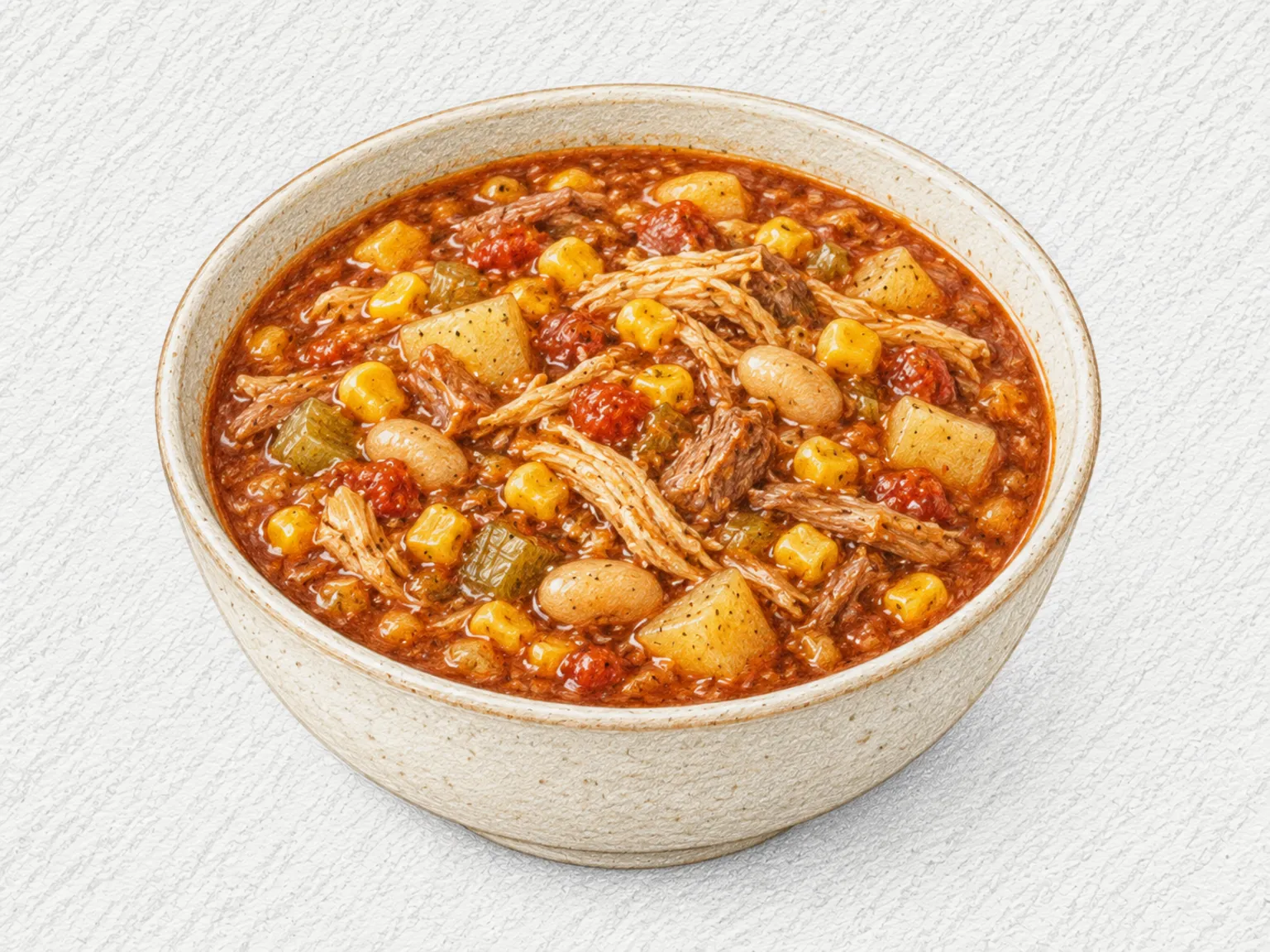
Beef barley soup begins with stew beef cut into one-inch cubes and seared in batches over high heat. Crowding the pan steams the meat instead of browning it, so working in batches is important to get the caramelized crust that forms the flavor base of the broth. Once the beef is browned, aromatics go in, followed by beef stock, pearl barley, diced carrots, celery, and onion. The soup simmers for over an hour on low heat, giving the barley time to absorb liquid and release its starch slowly, which naturally thickens the broth to a consistency between soup and stew. Long cooking also coaxes sweetness out of the carrots and celery and softens the beef until it breaks apart with light pressure. Bay leaves and dried thyme simmer with the soup from the beginning, building a quiet herbal layer through the base. Because the barley continues to absorb liquid as it sits, starting with more stock than seems necessary prevents the finished soup from becoming too dense. A bowl alongside crusty bread makes a complete, filling meal on a cold day.

🎉 Special Occasion
Prep 20minCook 70min4 servings
Banh Cuon (Hanoi Steamed Rice Rolls with Pork and Mushroom)
AsianHard

Banh Cuon (Hanoi Steamed Rice Rolls with Pork and Mushroom)

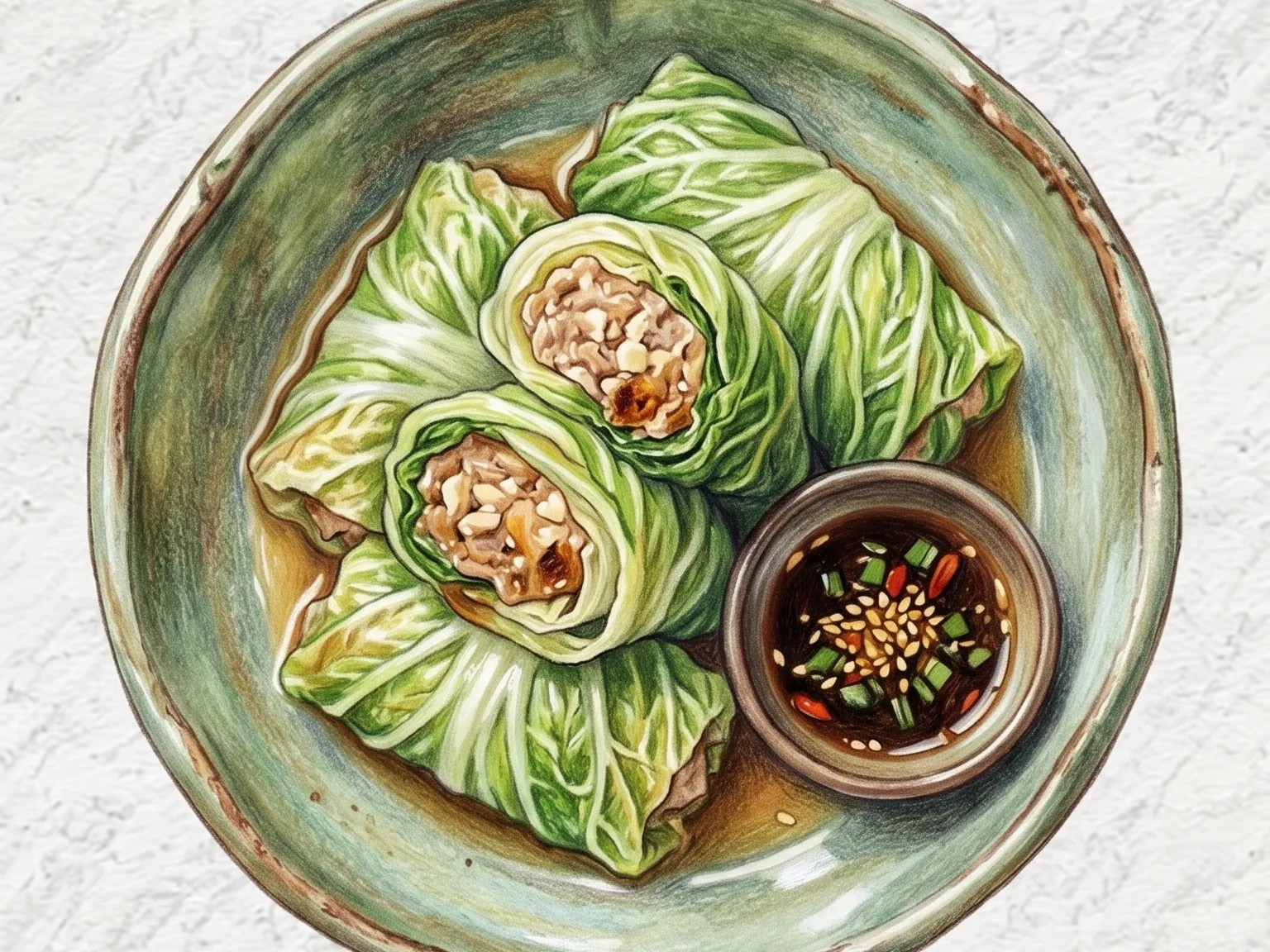
Banh cuon is a Hanoi breakfast specialty - translucent rice sheets steamed on fabric stretched over boiling water, then filled and rolled within seconds by practiced hands. The batter contains nothing but rice flour and water, spread tissue-thin to produce a wrapper so delicate it tears under rough handling. Inside sits a filling of minced pork and finely chopped wood ear mushrooms, delivering a savory, slightly crunchy core against the soft sheet. The rolls come to the table at room temperature alongside fried shallots and sliced Vietnamese sausage, with a bowl of nuoc cham for dipping. What separates banh cuon from other rice-based wraps is texture: silky and almost slippery on the tongue, with none of the resistance or chew found elsewhere.

🎉 Special Occasion
Prep 30minCook 25min3 servings
Korean Crumbled Tofu Stir-fry
Side dishesEasy

Korean Crumbled Tofu Stir-fry

Dubu seoboro - crumbled tofu stir-fry - is a Korean banchan that transforms a block of tofu into something resembling a dry, granular scramble. The tofu is crumbled by hand into rough, irregular pieces rather than diced, creating a range of textures from large curds to fine crumbs that hold seasoning differently. Squeezed thoroughly in a cloth to remove as much moisture as possible, it then goes into a hot pan with diced carrot, onion, and zucchini. The key technique is cooking on high heat without stirring too often, allowing the tofu crumbles to develop lightly golden edges before soy sauce and sesame oil go in at the end. The result is a fluffy, granulated side dish that soaks into rice like a savory topping - satisfying without being rich. Popular in Korean daycare and school lunches because it delivers plant protein in a form that children eat willingly, and it travels cleanly in lunchboxes without leaking. The ingredient cost is low and the cooking time short, which makes it one of the first recipes to reach for when the refrigerator is running low on banchan.

🥗 Light & Healthy🏠 Everyday
Prep 12minCook 10min2 servings
Korean Tuna Fried Rice (Quick Canned Tuna Stir-Fried Rice)
RiceEasy

Korean Tuna Fried Rice (Quick Canned Tuna Stir-Fried Rice)

Chamchi bokkeumbap is a staple Korean home-style fried rice made by stir-frying canned tuna together with its oil alongside diced onion, carrot, and green onion, then folding in cooked rice and seasoning with soy sauce and sesame oil. The tuna oil distributes through the rice during frying, coating each grain and building a savory, nutty richness that needs little else to feel complete. It is the kind of meal that comes together from pantry and fridge staples with no advance planning: one can of tuna plus whatever vegetables are on hand covers the whole recipe. Cold leftover rice works better than freshly cooked because lower moisture content keeps the grains separate and gives the fried rice its characteristic loose texture. Maintaining high heat throughout prevents clumping and develops a slight char on the rice that adds depth.

Quick
Prep 5minCook 10min2 servings
Korean Soy Bulgogi with Mushrooms
Stir-fryEasy

Korean Soy Bulgogi with Mushrooms

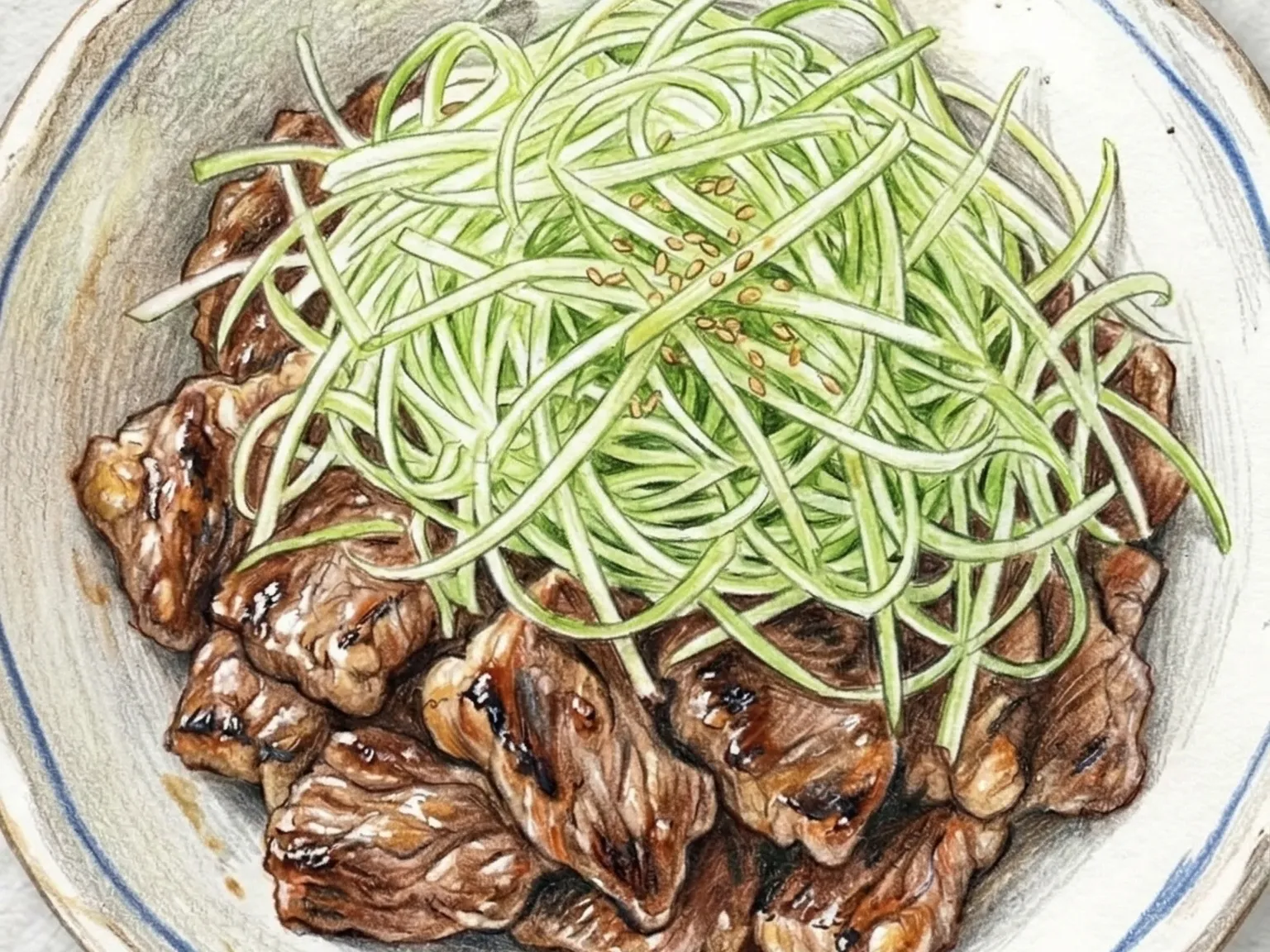
Thinly sliced beef is marinated in soy sauce, Korean pear juice, and sesame oil, then stir-fried over high heat together with shiitake and king oyster mushrooms. Pear juice acts as a natural tenderizer: its enzymes break down muscle proteins so each slice pulls apart along the grain instead of resisting the tooth, and its fructose tempers the salt of the soy sauce into a balanced sweet-salty base. The two mushroom varieties are not interchangeable in role - shiitake brings a firm, chewy bite while king oyster delivers a thick, clean meatiness that holds its shape through the heat. Crowding the pan is the single most common mistake: when too much goes in at once, the temperature drops and the ingredients steam rather than sear, resulting in gray, soft pieces instead of the glazed, caramelized coating the dish depends on. Work in small batches over sustained high heat so the marinade reduces against the hot pan surface. Green onion added in the final minute retains its sharp, fresh character and cuts through the sweet richness, providing the finishing contrast the dish needs.

🏠 Everyday🌙 Late Night
Prep 18minCook 12min4 servings
Korean Spicy Pork Rice Cup
Street foodEasy

Korean Spicy Pork Rice Cup

Jeyuk cupbap is a Korean street-style rice cup topped with pork shoulder stir-fried in gochujang, soy sauce, sugar, and garlic, layered over steamed rice with onion and cabbage. The gochujang-sugar combination forms a spicy-sweet glaze on the pork that caramelizes quickly under high heat, sealing in the meat's juices and creating a lacquered surface. Cabbage goes in last to keep its snap, and the slow-cooked onion contributes a gentle sweetness that tempers the chili heat. Slightly cooled rice keeps the cup from turning soggy, and the tight, portable format makes this a defining item of Korean street-food culture, equally at home in a pojangmacha stall and a school cafeteria. A soft-boiled egg or a slice of processed cheese on top adds a rich, creamy note.

🧒 Kid-Friendly🌙 Late Night
Prep 18minCook 14min2 servings
Korean Julienned Potato Pancake
GrilledEasy

Korean Julienned Potato Pancake

Gamja-chae-jeon is a Korean julienned potato pancake where the potatoes are cut into thin matchsticks rather than grated, producing a texture fundamentally different from the mashed-style gamja-jeon. The intact strands create an open lattice that crisps at every exposed edge while maintaining a firm, slightly resistant bite in the center. Potato starch mixed dry into the julienned potatoes acts as a binder that holds the strands together during frying and flipping without adding moisture that would soften the crust. Adding a small amount of julienned onion contributes sweetness to the flavor, but the onion releases water as it cooks - water that will steam the pancake from underneath instead of letting it fry. Squeezing the onion dry in a kitchen towel before adding it solves this problem. The batter should be no wetter than what the potato's own natural moisture provides after the starch is mixed in, and adding no further liquid keeps the surface from turning soggy. Generous oil in the pan and constant pressing with a spatula over medium heat ensure that the entire underside maintains full contact with the cooking surface, frying the strands to an even, crackling golden crust that holds together cleanly when sliced.

🍺 Bar Snacks🍱 Lunchbox
Prep 18minCook 12min2 servings
Gamja Jogae-guk (Potato Manila Clam Soup)
SoupsEasy

Gamja Jogae-guk (Potato Manila Clam Soup)

Gamja jogae guk is a clear Korean soup that brings together the briny, umami-rich depth of manila clams and the gentle softness of potato in a light, unpretentious broth. The clams are purged of sand first, then added to a pot with potato cut into thin, flat slabs and sliced onion. As the clams open, they release a natural shellfish liquor that seasons the water without any additional stock, giving the broth a quiet but genuine depth. The potato slices cook down gradually, releasing a slight starchiness into the liquid that softens the broth's texture compared to a pure seafood soup. The moment the clams open is the cue to lower the heat, since leaving them in a boiling pot turns the flesh rubbery. Soup soy sauce adjusts the salt level without darkening the clear broth, and sliced green onion scattered over the top at the end adds a clean, grassy note. Despite having only a handful of ingredients and taking fewer than twenty minutes from start to finish, the pairing of clam and potato builds a layered, refreshing flavor that makes this one of the more satisfying simple soups in everyday Korean cooking.

🏠 Everyday
Prep 15minCook 20min2 servings
Korean Kimchi Pork Jeon (Fermented Kimchi and Pork Crispy Pancake)
PancakesEasy

Korean Kimchi Pork Jeon (Fermented Kimchi and Pork Crispy Pancake)

Well-fermented kimchi and pork shoulder are the backbone of this hearty Korean pancake. Kimchi brine is mixed directly into the batter, intensifying both the crimson color and the tangy, fermented depth of flavor. A small amount of sugar balances the acidity, while green onion and onion distribute contrasting texture throughout each bite. Pressing the pancake flat in a generously oiled pan over high heat produces deeply caramelized, crispy edges. The kimchi should not be squeezed too dry before mixing in, since residual moisture keeps the interior soft and prevents the finished pancake from becoming dense. Pork shoulder should be cut into small pieces so it cooks through before the exterior over-browns. The kimchi's seasoning is assertive enough that no dipping sauce is required, making this a complete side dish on its own.

🍺 Bar Snacks
Prep 20minCook 18min4 servings
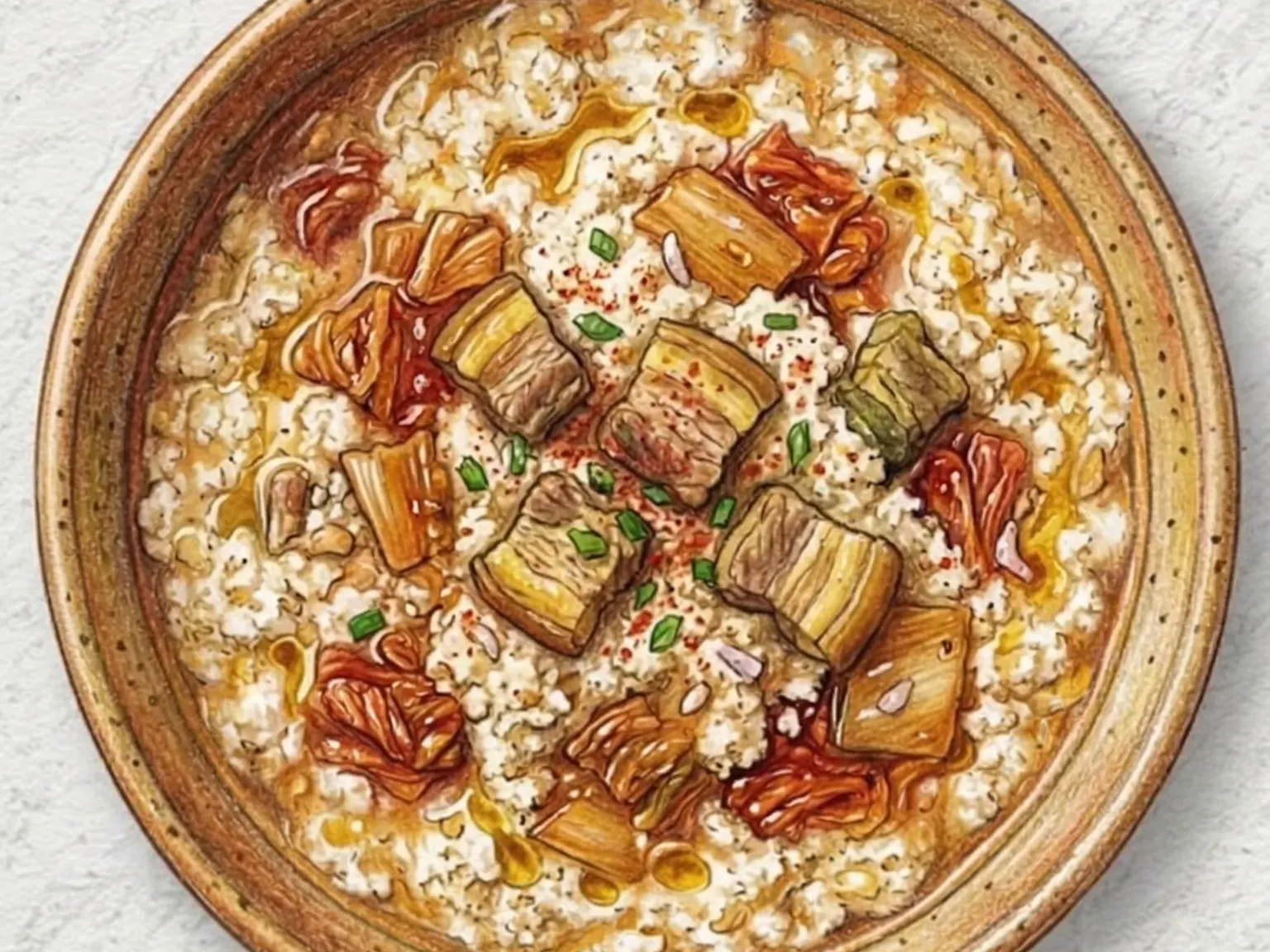
Korean Soy Pulp Stew (Okara with Aged Kimchi and Pork)
StewsEasy

Korean Soy Pulp Stew (Okara with Aged Kimchi and Pork)

Biji jjigae is a Korean stew built around soy pulp - the dense, grainy byproduct of tofu making - cooked together with well-fermented aged kimchi and pork. The soy pulp dissolves gradually into the cooking liquid, giving the broth a thick, porridge-like body and a mild nuttiness. Salted fermented shrimp adds a concentrated umami punch, and perilla oil contributes a roasted, savory fragrance. The deep tang of old kimchi and the rendered fat from the pork slowly permeate the soy pulp as the pot simmers, producing a heavy, richly flavored stew. Soy pulp is high in protein and dietary fiber, making the finished dish both filling and nutritious. Starting over high heat and reducing to a low simmer for at least twenty minutes allows the pork to cook through fully and the stew to thicken and deepen.

🏠 Everyday
Prep 12minCook 20min2 servings
Korean Steamed Beef Brisket and Bean Sprouts
SteamedEasy

Korean Steamed Beef Brisket and Bean Sprouts

Thin-sliced marbled beef brisket is layered over bean sprouts and steamed with a dressing of soy sauce, minced garlic, sugar, and sesame oil. As the brisket cooks, the fat renders and drips down onto the sprouts, coating them with beefy richness that no separate sauce could replicate. The bean sprouts hold their crunch under the steam, and sliced onion and chive soften into the mix, adding mild sweetness and fragrance. Lightly sweetened soy sauce keeps the seasoning clean rather than heavy. The dish has a short ingredient list and a fast cook time, but the quality of the brisket - specifically how well it renders - determines the outcome.

🥗 Light & Healthy
Prep 15minCook 12min2 servings
Korean Soy-Vinegar Carrot Pickles
KimchiEasy

Korean Soy-Vinegar Carrot Pickles

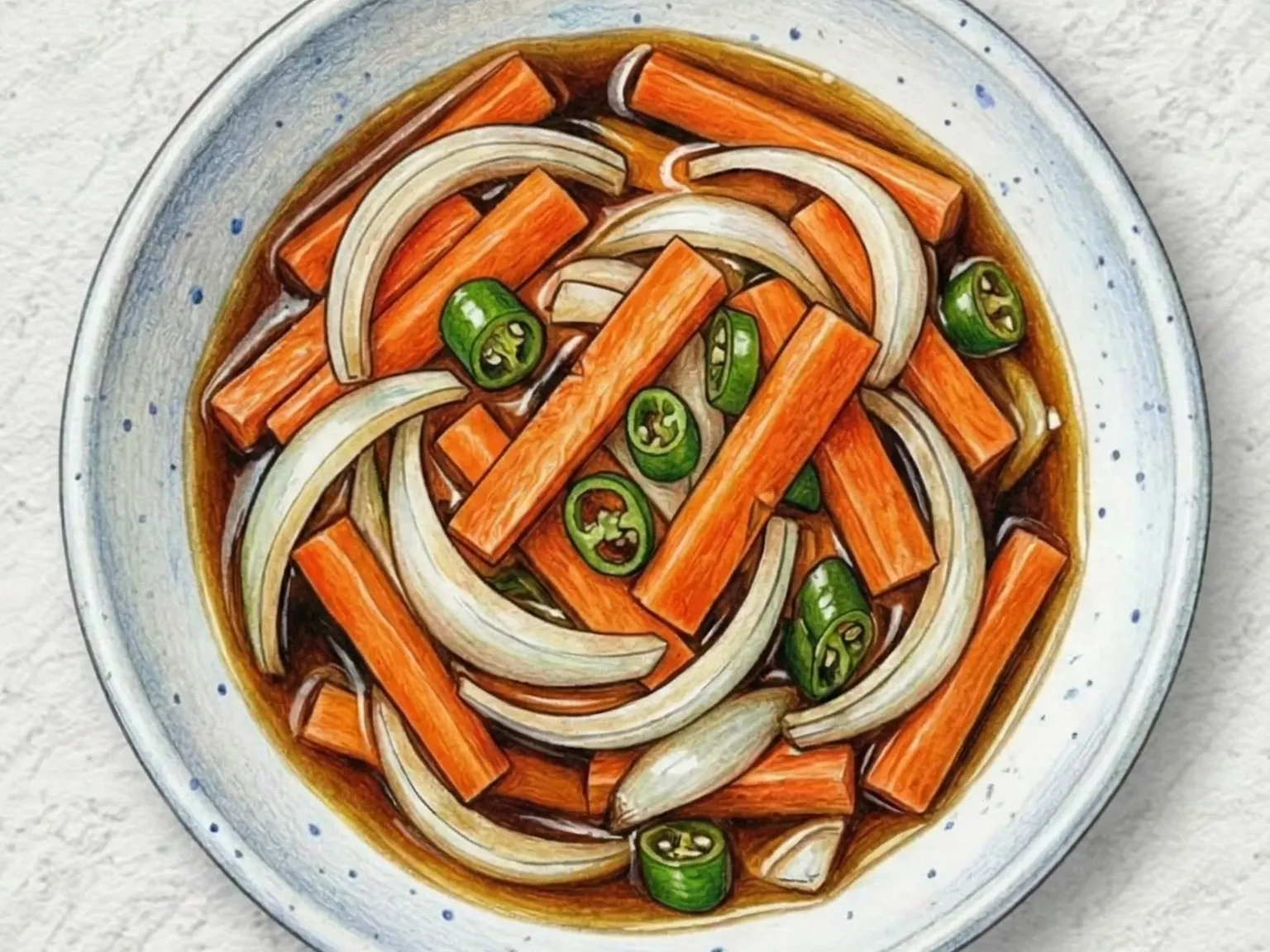
Danggeun jangajji is a Korean pickled carrot made by cutting carrots into uniform half-centimeter sticks and layering them with onion, halved Cheongyang chili, and whole garlic in a sterilized jar, then covering with a boiled brine of soy sauce, vinegar, water, and sugar. Keeping the carrot sticks the same thickness ensures they pickle at an even rate for consistent crunch in every bite. The brine must be boiled until the sugar and salt dissolve completely, then cooled before pouring; adding hot liquid can make the vegetables go soft, and undissolved solids cause uneven seasoning and shorten shelf life. The carrot's natural sweetness plays against the soy's salinity and the vinegar's tartness, producing three distinct flavors in each piece. After cooling completely at room temperature and refrigerating, the pickle is ready in twenty-four hours. If the brine turns cloudy after a few days, reboiling and cooling it before pouring it back extends the shelf life considerably. Served alongside fatty meat dishes, the acidity and snap of the pickle cut through the richness and leave the palate clean.

🏠 Everyday🍱 Lunchbox
Prep 15minCook 8min4 servings
Korean Stir-Fried Udon with Spicy Chicken
NoodlesMedium

Korean Stir-Fried Udon with Spicy Chicken

Dakgalbi udon bokkeum is a Korean stir-fried noodle dish where gochujang-marinated chicken, cabbage, sweet potato, and rice cakes cook together in a wide pan before thick udon noodles are added and tossed through the spicy-sweet sauce. The dakgalbi seasoning is assertive and clingy, coating every broad surface of the udon so that each bite carries the full weight of the marinade. Cabbage and scallion wilt fast under high heat, releasing sugars that moderate the chili paste and prevent the sauce from tasting sharp or one-dimensional. Sweet potato contributes starch that slightly thickens the sauce while cushioning its spice. Udon, being considerably thicker than ramen or somyeon, holds up under the heavy coating without turning mushy, and delivers a satisfying, bouncy chew throughout the meal. Managing the heat is important: keeping the pan at high temperature drives off excess moisture and produces the lightly charred, smoky edge that separates a good stir-fry from a steamed mess. Melting cheese over the top just before serving adds a creamy, fatty layer that offsets the heat. Sesame seeds and shredded seaweed finish the dish. It is well suited to group cooking on a large griddle or electric pan.

🌙 Late Night
Prep 20minCook 18min4 servings
Doenjang Clam Spinach Orzo
PastaMedium

Doenjang Clam Spinach Orzo

Doenjang clam spinach orzo is a one-bowl pasta built by cooking orzo in doenjang-seasoned vegetable stock alongside clams in a method borrowed directly from risotto technique. The clams are first purged in salt water to remove sand, then steamed open in white wine so they release their briny cooking liquid into the pan. That liquid merges with the already-present fermented depth of doenjang to form a layered savory base that carries the pasta from the very first minute of cooking. Toasting the orzo in butter or oil before adding any liquid coats the starch on each grain, a step that slows its release and produces a consistently creamy sauce by the end rather than a gluey mass or a watery broth. The stock goes in two or three additions rather than all at once, each addition added only once the previous one has been absorbed, and the pasta is stirred throughout so the released starch works into the liquid rather than sinking to the bottom. Spinach added in the final thirty to sixty seconds of cooking wilts just enough to turn tender without losing its bright green color or dissolving into the sauce. A knob of cold butter stirred in off heat as the finishing touch emulsifies into the sauce, adding a glossy sheen and a rounded, buttery richness that ties all the flavors together.

🥗 Light & Healthy🏠 Everyday
Prep 12minCook 18min2 servings
Shopska Salad (Bulgarian Shopska salad)
SaladsEasy

Shopska Salad (Bulgarian Shopska salad)

Shopska salad cuts ripe tomatoes, cucumber, green bell pepper, and onion into rough bite-size pieces, dresses them lightly with olive oil and red wine vinegar, and tops the whole thing with a thick mound of finely grated feta cheese. No separate dressing is needed because the juice flowing from ripe tomatoes mingles with the vinegar and oil to coat every piece naturally, forming a light, pool-free dressing at the bottom of the bowl. The salty, tangy fermentation character of feta stands in pointed contrast to the watery freshness of the raw vegetables, and the green bell pepper's mild herbaceous bitterness adds a layer of complexity that pushes the salad past simple freshness. Because feta already contributes considerable salt, seasoning the vegetables lightly at first prevents the finished dish from becoming overly salty. Removing the seed cavity of the cucumber reduces the amount of excess liquid released, keeping the dressing from diluting. The salad should be assembled just before serving so each vegetable retains its texture rather than softening in the accumulated juice.

🥗 Light & Healthy Quick
Prep 15min2 servings
Beef Bourguignon
WesternHard

Beef Bourguignon

Beef bourguignon is a Burgundian stew that slow-braises beef chuck in red wine for at least two hours, long enough for the tough connective tissue to dissolve into silky, fork-yielding meat and for the wine to condense into a glossy, concentrated sauce. Bacon is rendered first for its fat, which then sears the beef cubes into a deep, caramelized crust before the wine enters the pot, stacking smoky and browned notes into the base. As the wine reduces around the meat, it transitions from a thin liquid into a sauce that coats everything in the pot with an even, mahogany-colored gloss. Mushrooms and pearl onions absorb the sauce during the final stage of cooking, the mushrooms turning spongy and meaty, the onions sweet and yielding. Tomato paste and beef stock anchor the wine's natural acidity so the finished dish reads as deeply savory rather than sharp. The sauce should cling to the back of a spoon when done.

🎉 Special Occasion
Prep 25minCook 120min4 servings
Beef Rendang (Indonesian Dry Coconut Braised Beef Curry)
AsianHard

Beef Rendang (Indonesian Dry Coconut Braised Beef Curry)

Rendang originated among the Minangkabau people of West Sumatra as a preservation method: cooking meat in coconut milk and spices until all moisture is driven out, allowing it to keep for days without refrigeration in tropical heat. The process begins with a rempah paste of shallots, garlic, ginger, galangal, turmeric, and lemongrass pounded in a mortar, then fried in coconut oil until the raw sharpness cooks off. Beef chunks go into coconut milk and braise for two to three hours as the liquid reduces in stages - first a loose curry, then a thick sauce, and finally a dry phase where the coconut oil separates and essentially fries the meat inside its own spice crust. The finished pieces are dark brown, nearly black at the edges, carrying concentrated layers of chili heat, galangal warmth, and deep sweetness from the caramelized coconut solids. UNESCO recognized rendang as part of Minangkabau intangible cultural heritage, and the dish ranks consistently among the world's most celebrated preparations.

🎉 Special Occasion
Prep 30minCook 180min4 servings
Korean Stir-Fried Eggplant Banchan
Side dishesEasy

Korean Stir-Fried Eggplant Banchan

Gaji bokkeum turns eggplant, a vegetable Koreans have cultivated since the Goryeo period, into a quick, oil-glazed banchan where cooking speed matters as much as the seasoning. The eggplant is sliced into half-moons, and the pan must be smoking hot before they go in - any hesitation and the pieces steam rather than sear, collapsing into a soggy mass. High heat with restrained oil produces lightly charred edges while the interior becomes silky and almost custardy, two contrasting textures in the same bite. Soy sauce, garlic, and sesame oil go in during the final thirty seconds, sizzling against the hot surface and coating each piece in a thin, caramelized glaze. The result has a concentrated, clean umami quality that a braised preparation cannot match. Because the spongy cellular structure of eggplant absorbs oil rapidly, starting with too much fat leaves each piece greasy rather than glazed - the dish relies on pan temperature, not oil volume. Korean home cooks return to this recipe as a weeknight banchan precisely because the whole process, from cutting board to table, takes under ten minutes, and the payoff is consistently good.

🏠 Everyday🍱 Lunchbox
Prep 10minCook 7min4 servings