Charim

2686 Korean & World Recipes

2686+ Korean recipes, clean and organized. Ingredients to instructions, all at a glance.

Recipes with perilla oil

24 recipes

Buy perilla oil
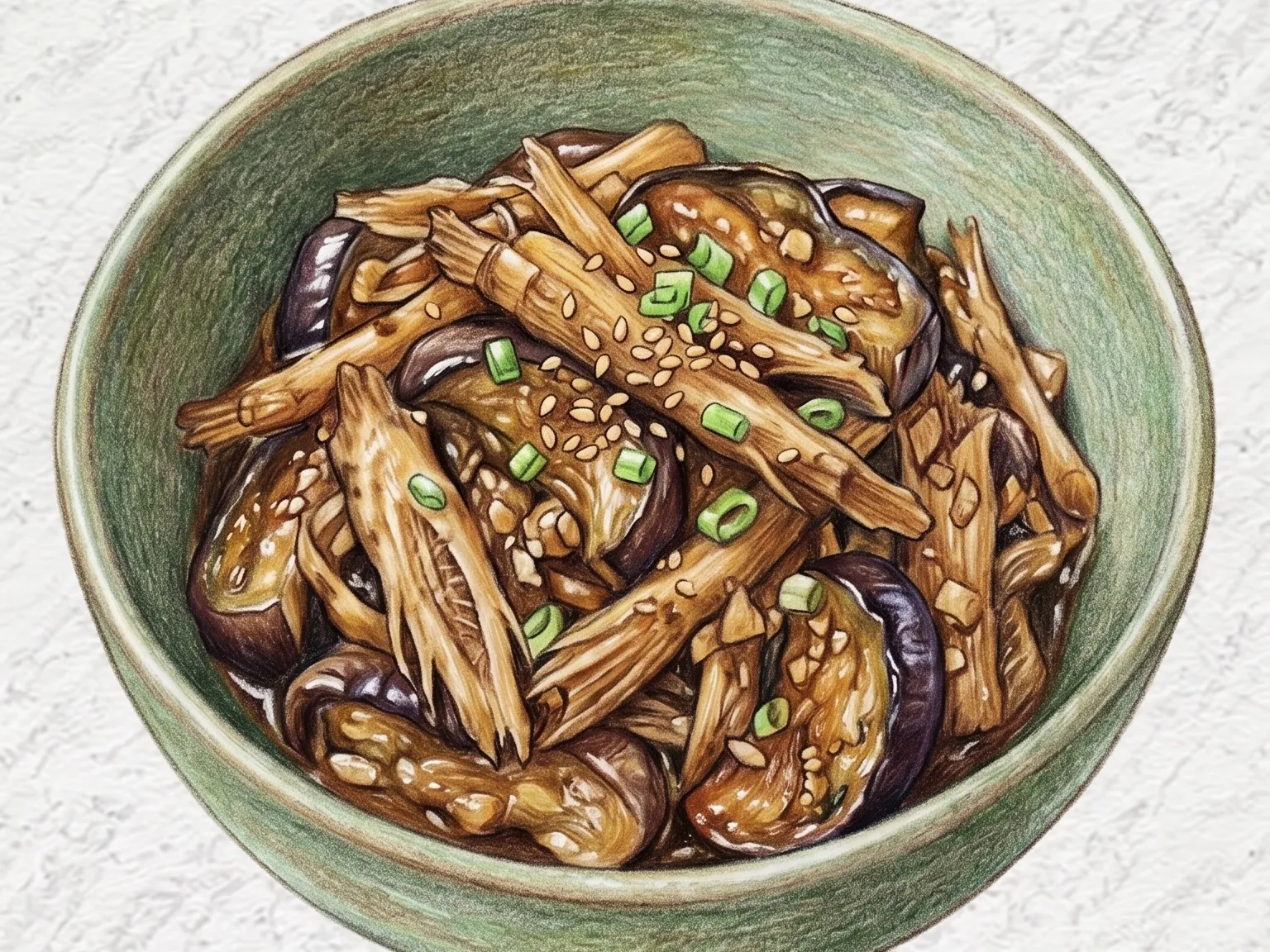
Korean Thistle Greens & Mackerel Stir-fry
Stir-fryHard

Korean Thistle Greens & Mackerel Stir-fry

Gondre godeungeo bokkeum pairs pan-seared mackerel with blanched gondre thistle greens in a gochujang-soy stir-fry. The mackerel is first marinated briefly in ginger juice to reduce any sharpness, then seared on both sides until a firm, golden crust forms. That outer layer keeps the fish intact during the final toss with the greens. Gondre is pre-seasoned in perilla oil and garlic to draw out its earthy, herbal fragrance before hitting the pan, and squeezing out the excess moisture is essential so the sauce stays concentrated rather than watery. The gochujang-soy combination brings heat, depth, and a subtle sweetness that bridges the rich umami of the fatty fish and the grassy character of the greens. Gondre from the Gangwon-do highlands has a mild, nutty quality once blanched that holds its own alongside oily blue-backed fish. The dish works equally well as a rice accompaniment or a drinking snack.

🏠 Everyday🎉 Special Occasion
Prep 20minCook 14min4 servings
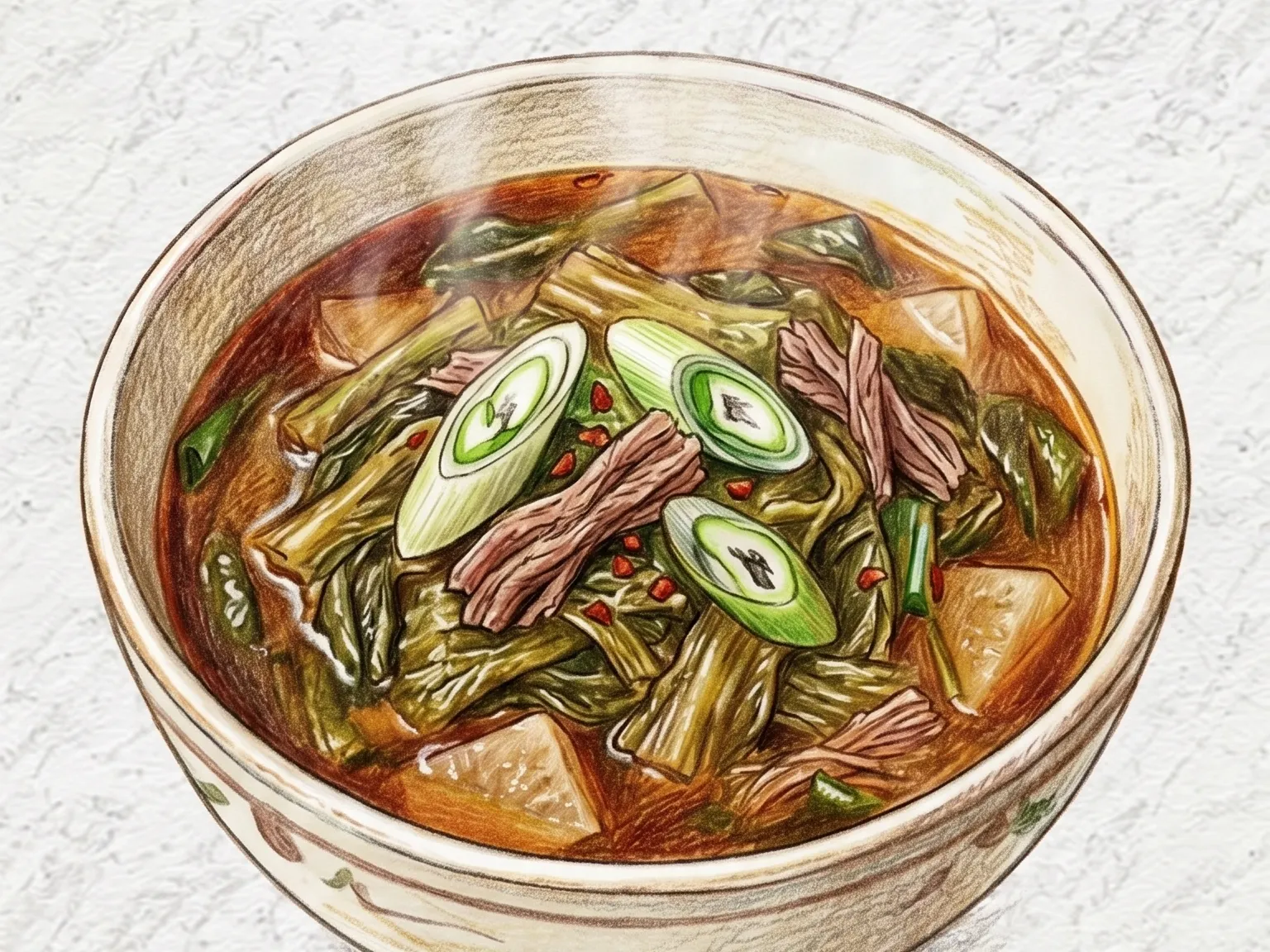
Korean Beef Cabbage Leaf Stew
StewsMedium

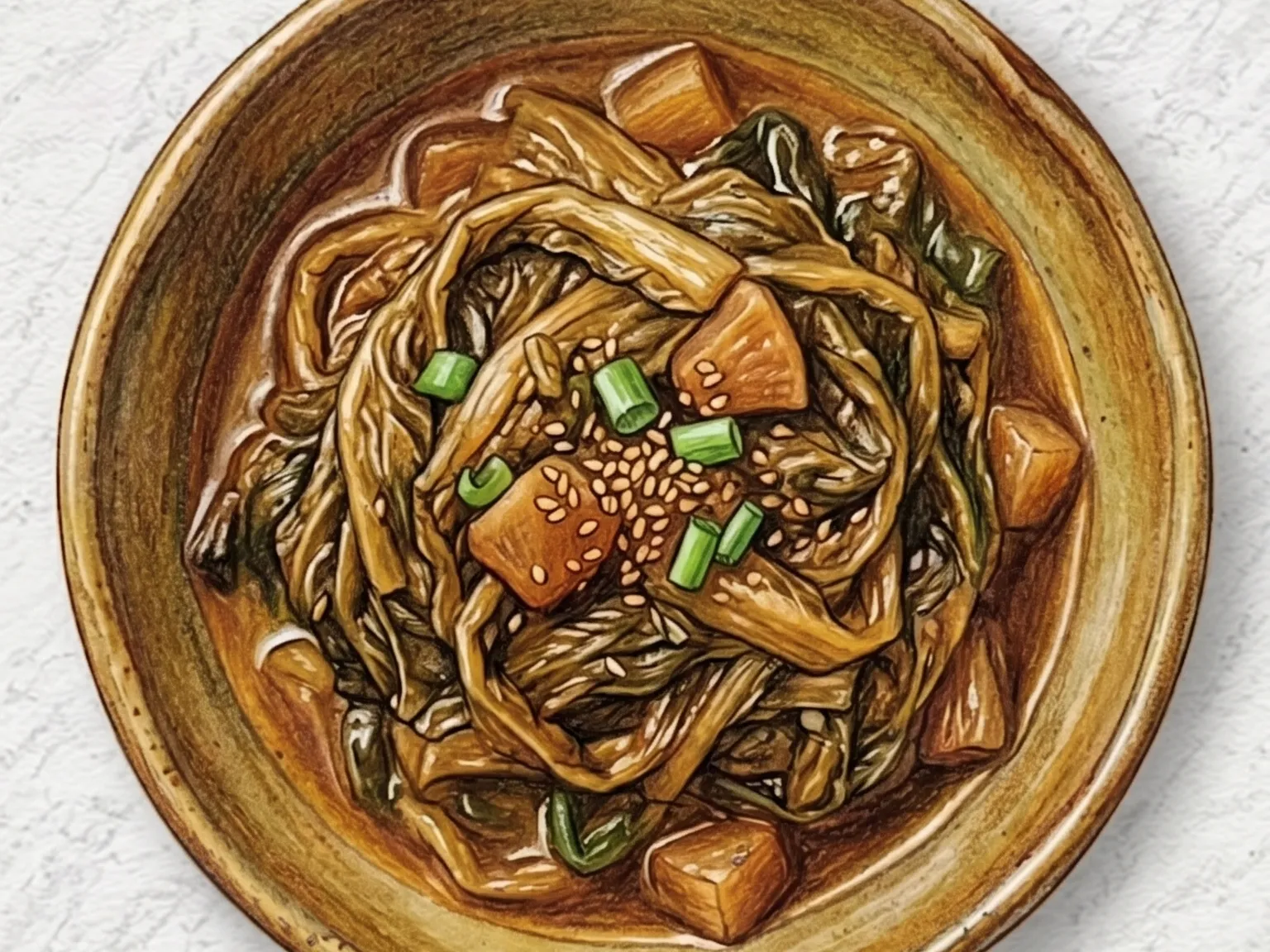
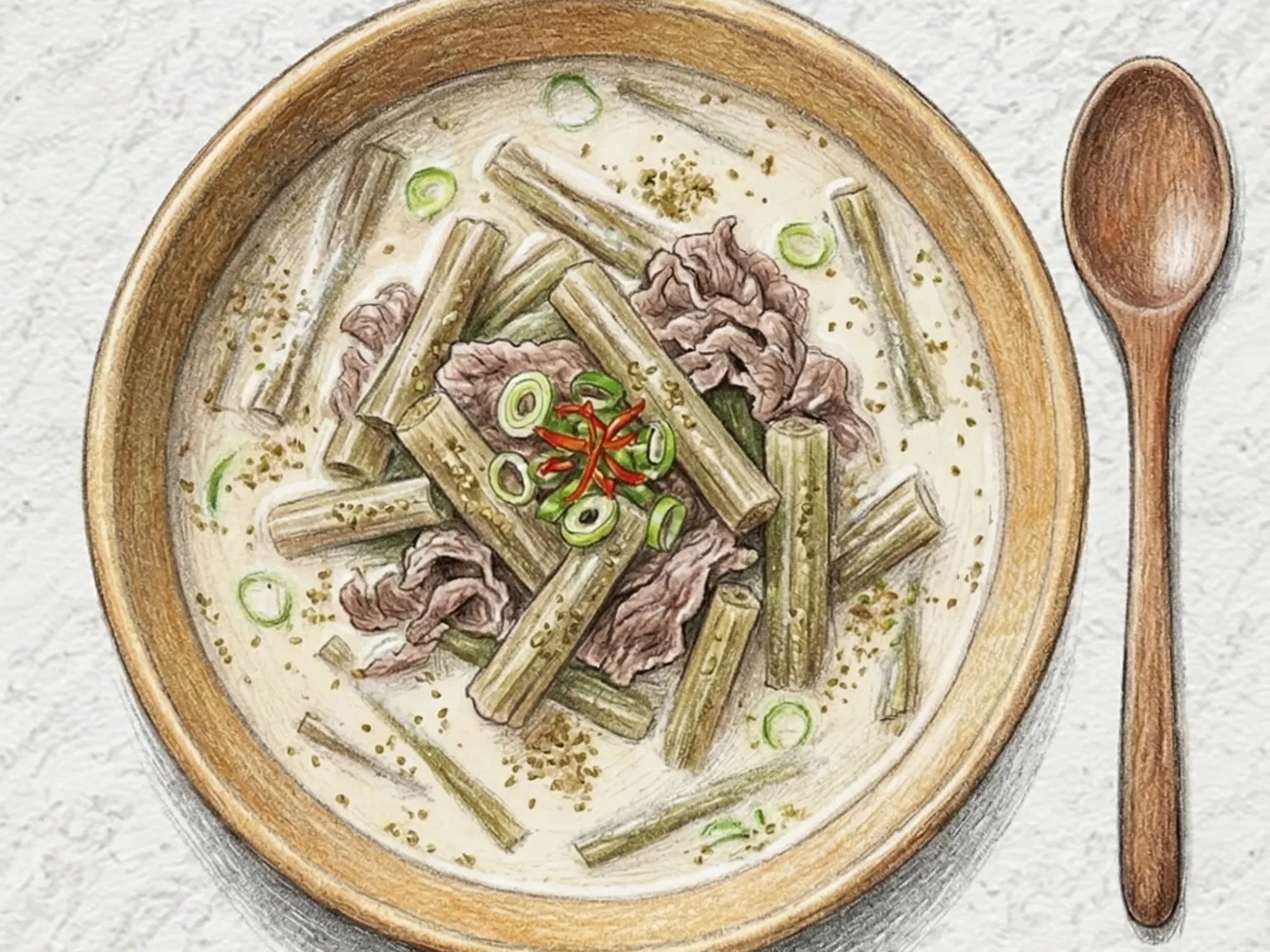
Korean Beef Cabbage Leaf Stew

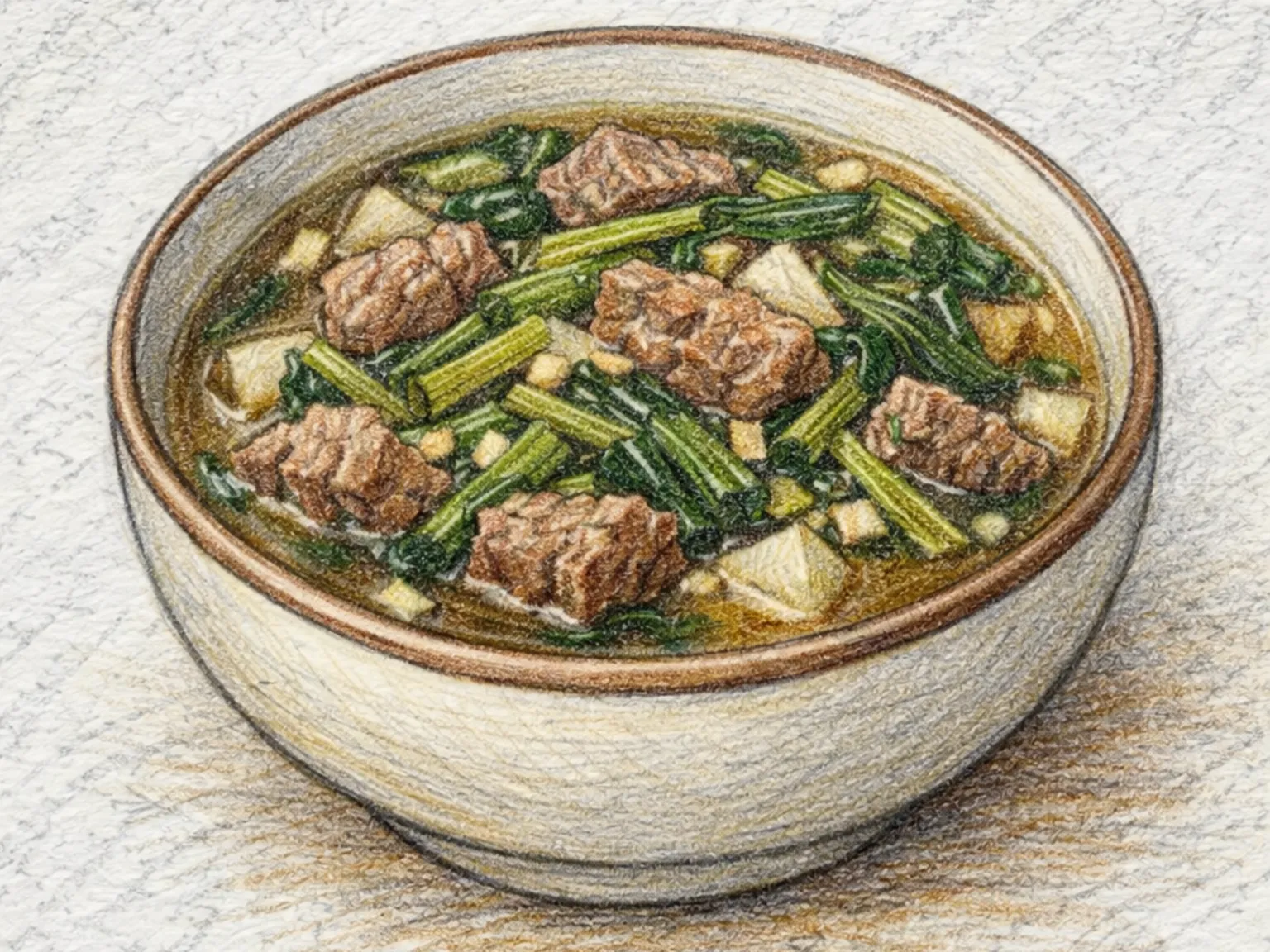
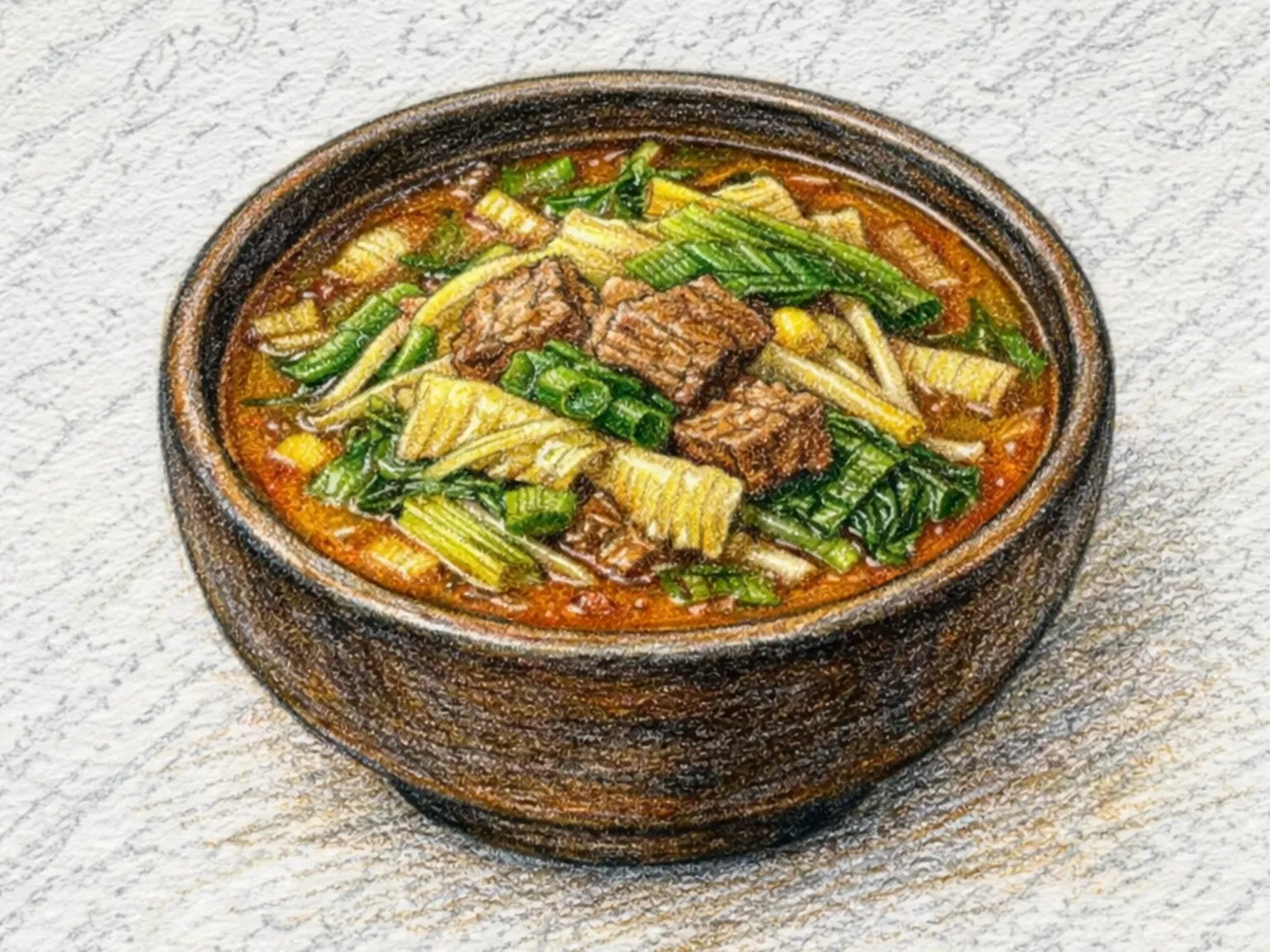
Beef brisket and blanched napa outer leaves are slow-simmered with doenjang in this hearty Korean stew. The brisket renders a rich, meaty broth that permeates every strand of the fibrous ugeoji leaves. Gochugaru and perilla oil contribute mild heat and nutty undertones, while soup soy sauce refines the seasoning. Green onion and garlic brighten the deep, long-cooked flavors, making this a nourishing stew built on a foundation of quality beef stock.

🏠 Everyday
Prep 20minCook 35min4 servings
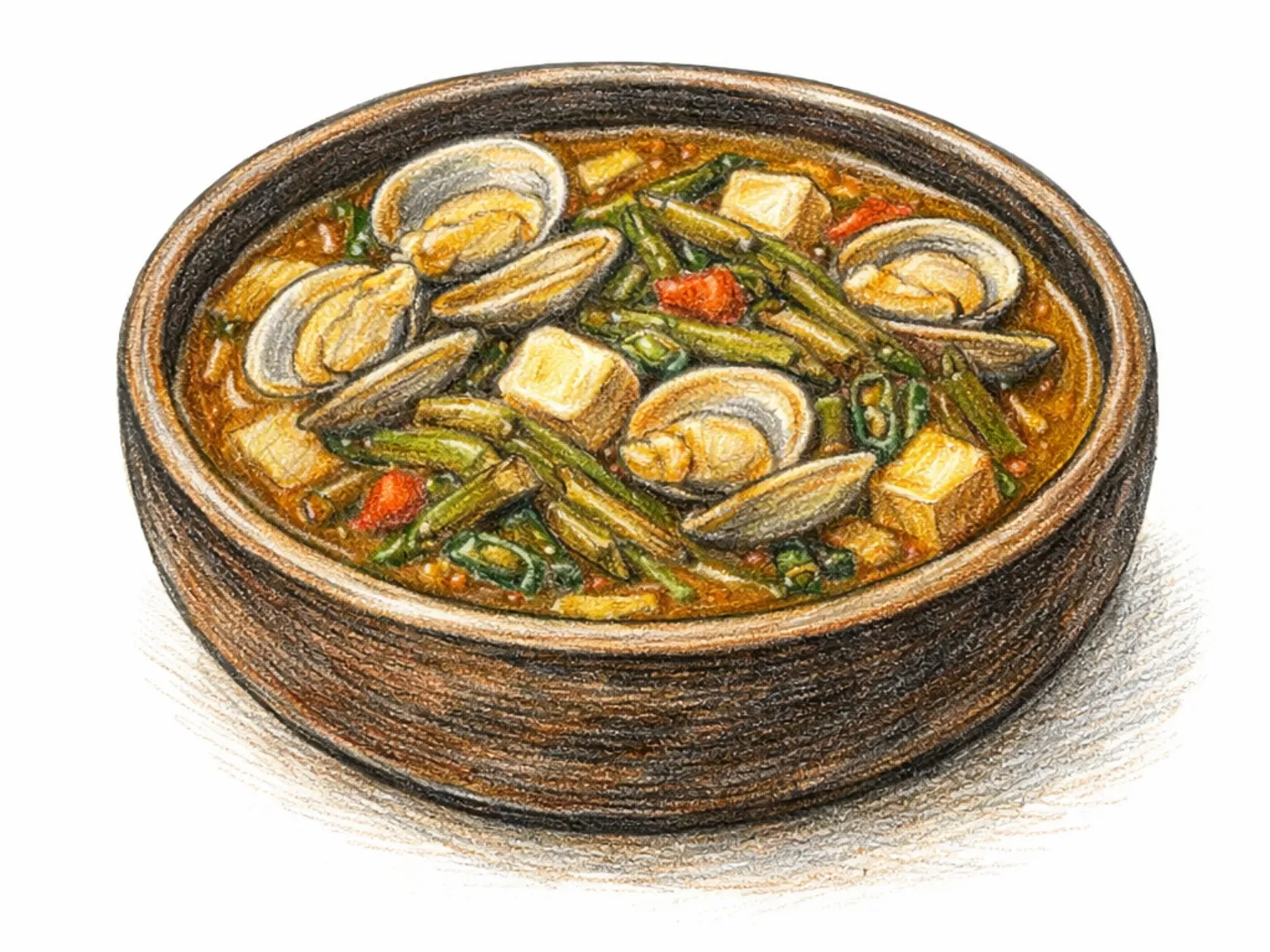
Korean Braised Pork Ribs with Young Radish Greens
SteamedMedium

Korean Braised Pork Ribs with Young Radish Greens

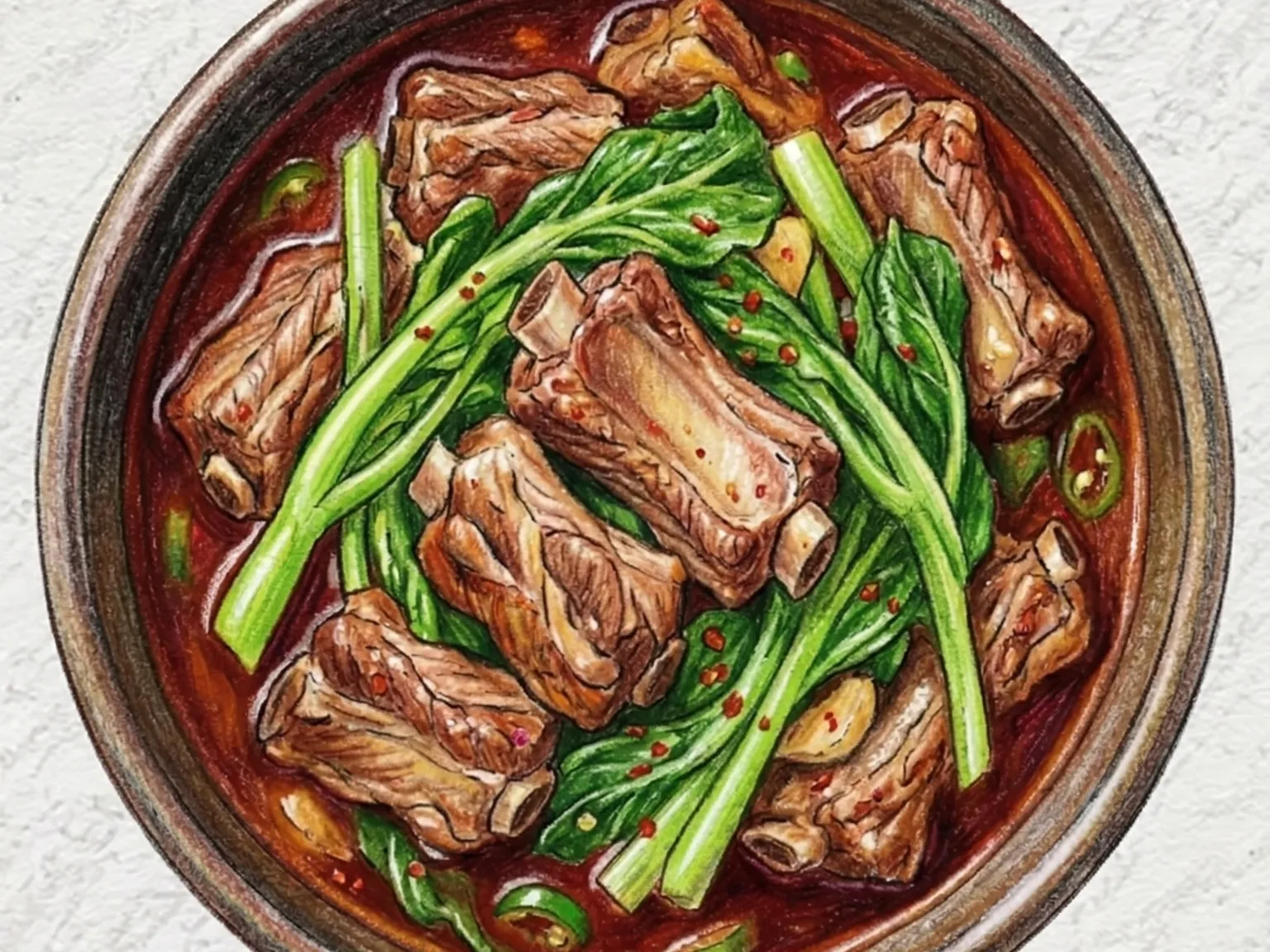
Yeolmu dwaeji galbi jjim is a Korean braised pork rib dish finished with young radish greens, cooked in a gochujang and soy sauce seasoning. The ribs simmer until the meat separates from the bone, building a concentrated, spicy braising liquid from the rendered pork stock and chili paste. Young radish greens are added only in the final minutes to preserve their crisp stems and fresh, slightly peppery aroma, which lightens the rich, heavy sauce. The combination of fall-off-the-bone pork and bright summer greens makes this a seasonal main course that bridges richness and freshness.

🎉 Special Occasion
Prep 25minCook 60min4 servings
Korean Fernbrake Namul with Doenjang
Side dishesEasy

Korean Fernbrake Namul with Doenjang

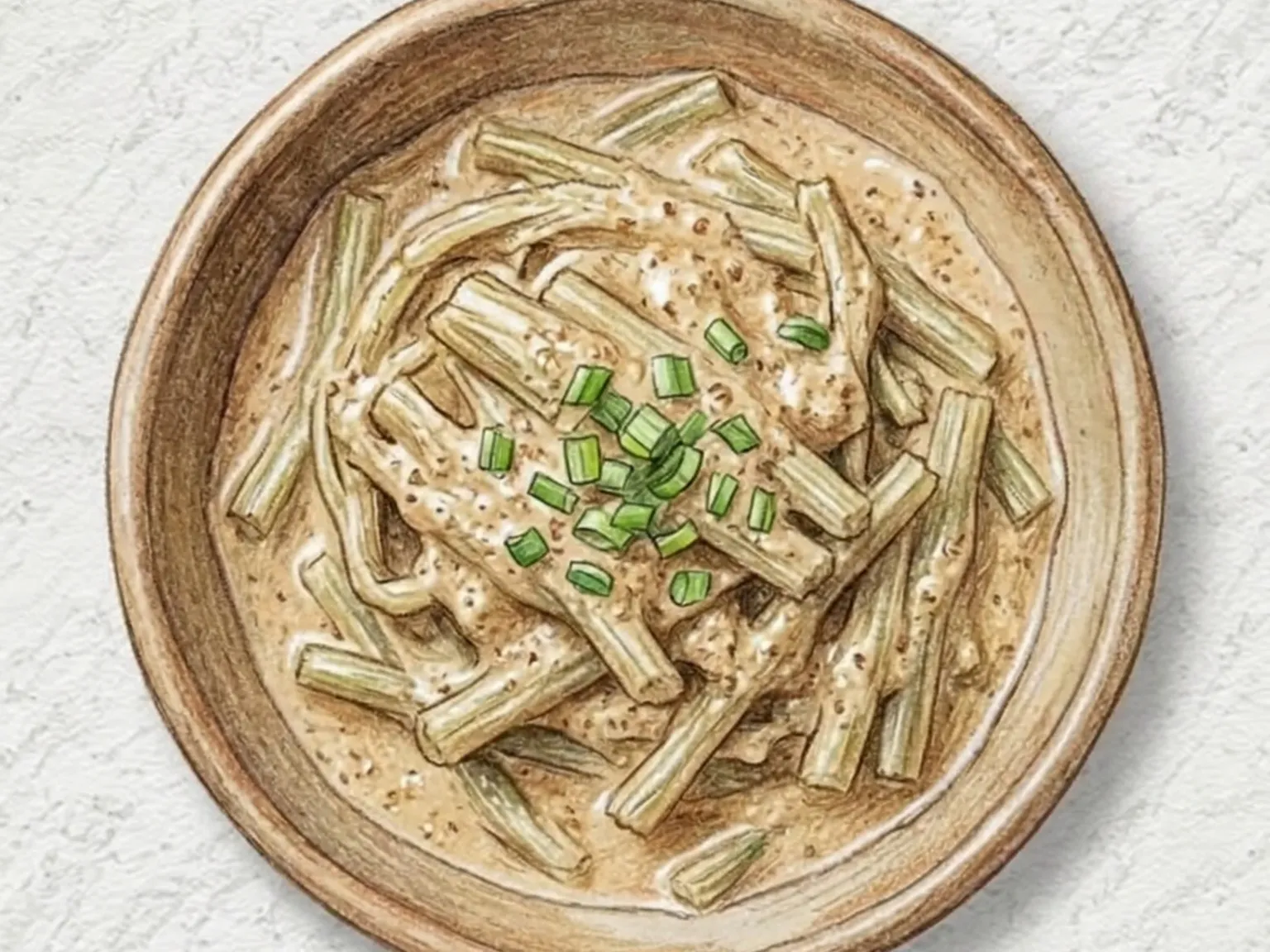
This doenjang variation of gosari namul diverges from the standard soy-sauce-forward version by using fermented soybean paste as the primary seasoning, producing a banchan with noticeably more depth and a pronounced fermented character. Rehydrated and boiled bracken fern is first stir-fried in perilla oil to develop a light, nutty base, then doenjang and soup soy sauce are added along with a small splash of water for a five-minute braise over medium-low heat. The water prevents the paste from scorching and allows it to distribute evenly through the fibrous strands, so every piece of fern absorbs the full flavor. The porous texture of bracken draws in the funky, savory paste more readily than firmer vegetables, which is why this combination works particularly well. Perilla powder stirred in at the end thickens the remaining liquid into a dense, creamy coating around each strand of fern. Richer and more layered than its soy-sauce counterpart, this namul delivers deep flavor when mixed into steamed rice, with the fermented paste and toasted perilla building on each other across every bite.

🏠 Everyday🍱 Lunchbox
Prep 15minCook 12min4 servings
Korean Duck and Perilla Leaf Stir-fry
Stir-fryMedium

Korean Duck and Perilla Leaf Stir-fry

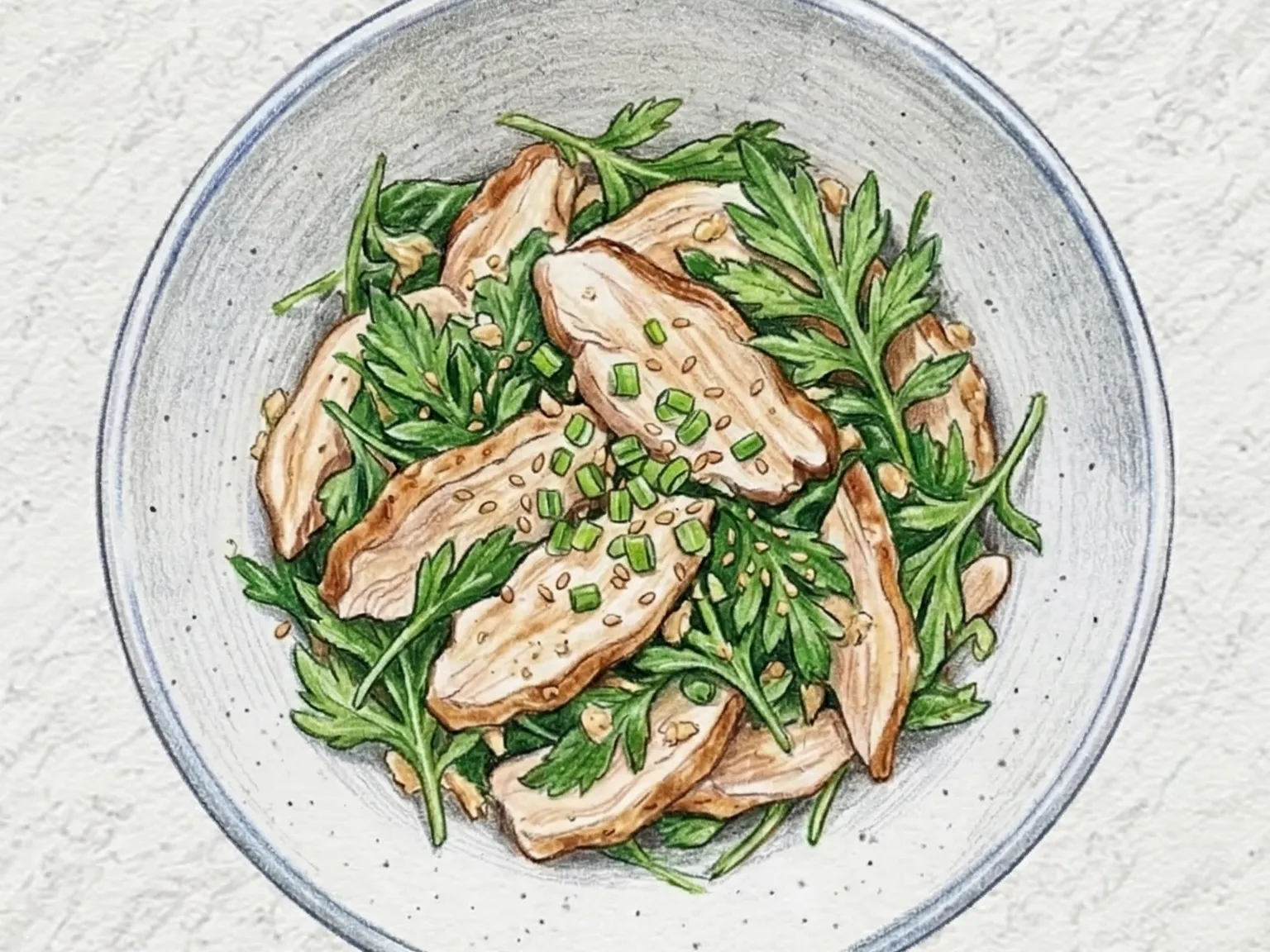
Kkaennip ori bokkeum is a stir-fry of smoked duck slices cooked with onion and Cheongyang chili in a sauce made from gochujang, soy sauce, and plum syrup, finished with shredded perilla leaves and perilla oil in the final seconds before serving. When the smoked duck hits the hot pan, its own fat renders out and forms the cooking base, infusing the sauce with a meaty, smoky depth that distinguishes this dish from stir-fries made with leaner proteins. Gochujang contributes heat and a fermented richness, soy sauce provides salty umami, and plum syrup adds a bright, fruity sweetness that keeps the sauce from feeling too heavy. The combination of all three wraps around the smokiness of the duck in a way that amplifies rather than obscures it. Perilla leaves must go in at the very last moment, just before the heat is cut, because prolonged cooking darkens their color and drives off the distinctive herbal fragrance that defines the dish. Perilla oil is added at the same stage, after the burner is off, so its nutty aroma remains intact in the finished plate. The sharp heat of Cheongyang chili interlocks with the smoked duck flavor to produce a more intense, stimulating character, and a pinch of black pepper at the end leaves a clean, lingering finish. The dish works equally well as a rice side and as drinking food alongside soju.

🏠 Everyday🍱 Lunchbox
Prep 18minCook 14min4 servings
Korean Seasoned Perilla Sprout Namul
Side dishesEasy

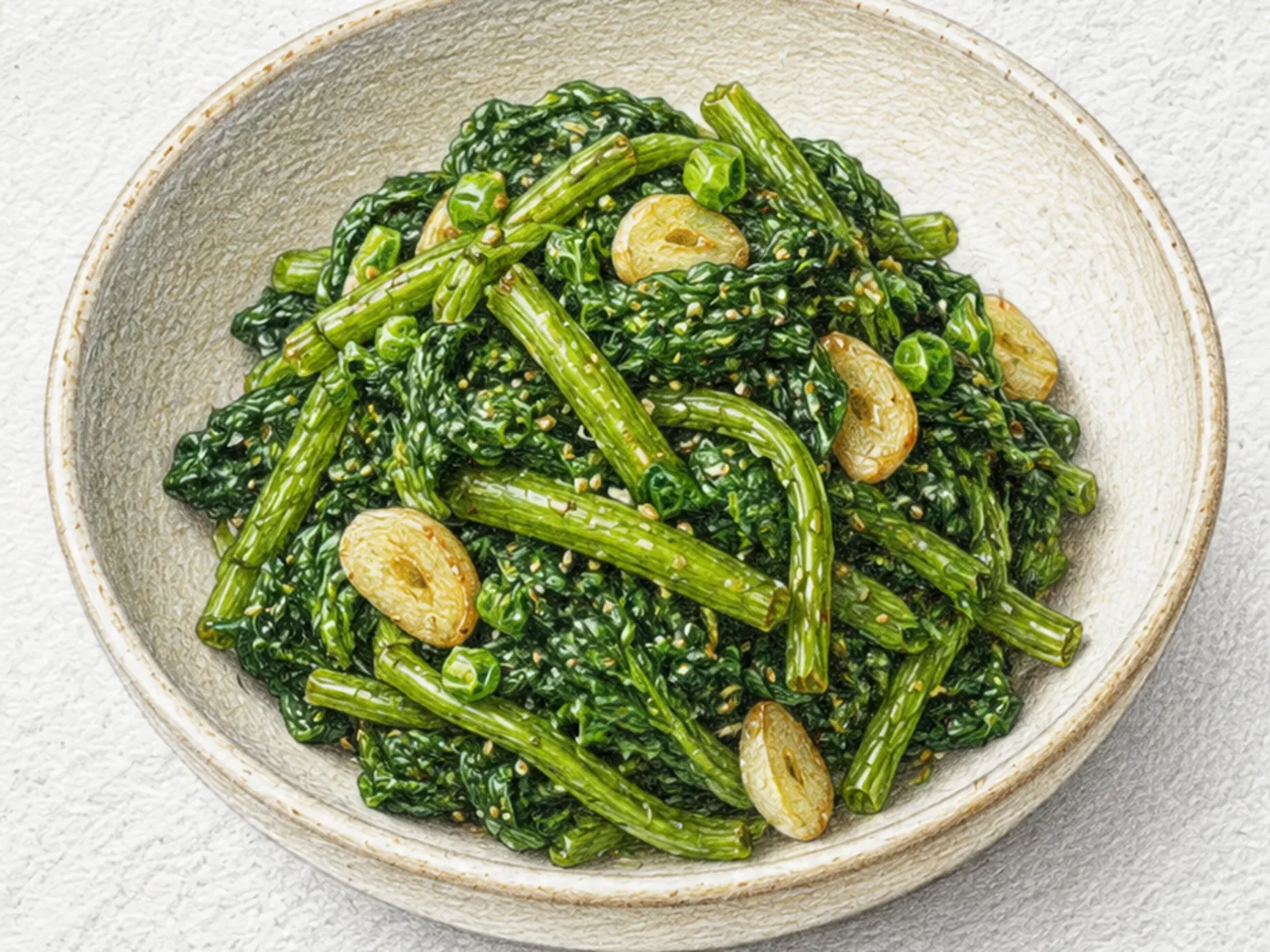
Korean Seasoned Perilla Sprout Namul

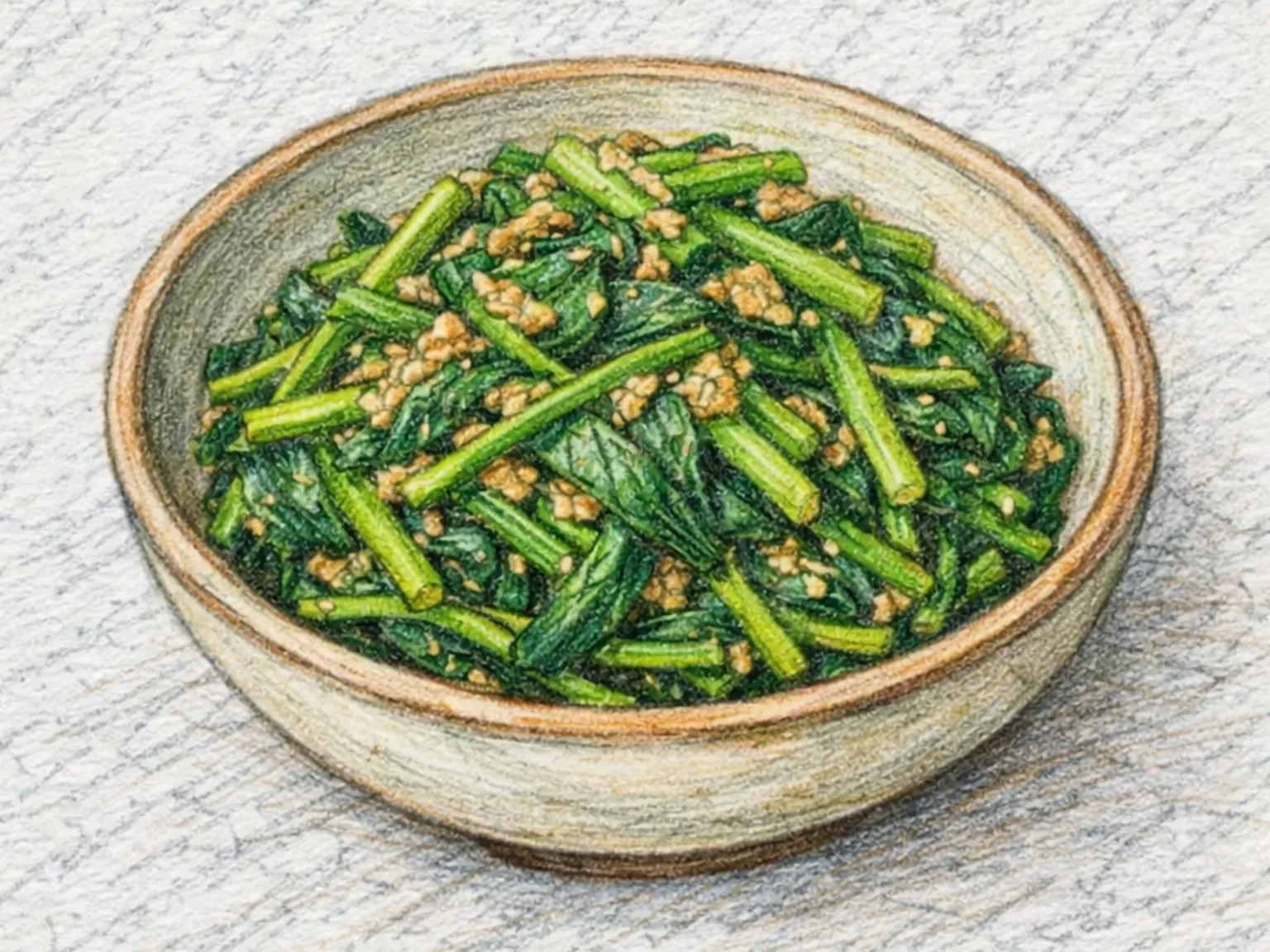
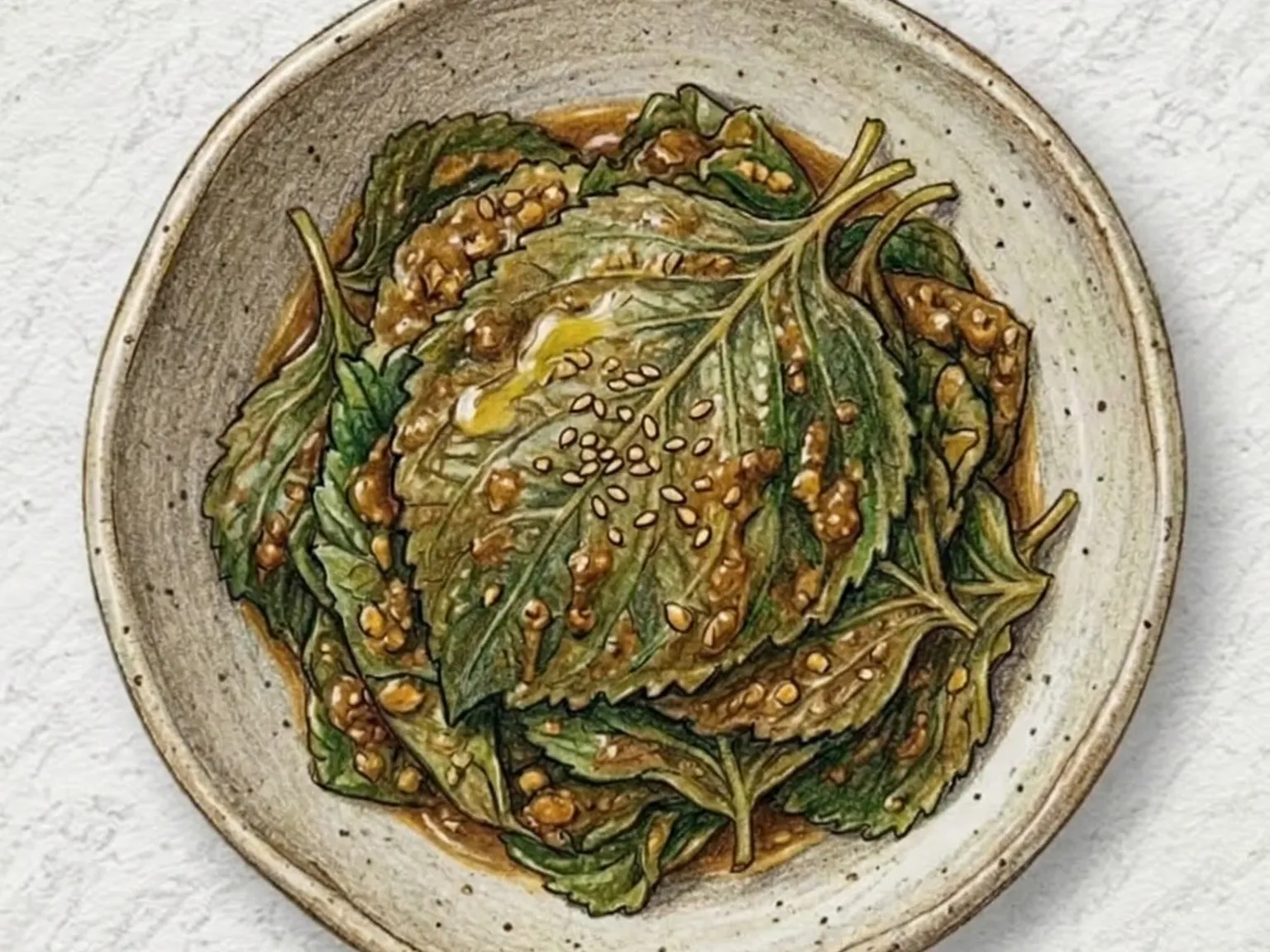
Kkaetsun-namul-muchim uses young perilla shoots rather than the mature leaves, blanched and dressed with doenjang and perilla oil. Kkaetsun has markedly more tender stems and a far more concentrated aroma than full-grown kkaennip, and it appears in traditional markets only during a short window from summer into early autumn, often sourced directly from growers. Trimming the thick lower stems before blanching is important -- they stay tough even after cooking -- and forty seconds in boiling salted water is the right interval to soften the stalks without cooking off the volatile fragrance. A cold-water rinse and a firm squeeze to remove excess moisture sets the texture before seasoning. Hand-dressing with doenjang, soup soy sauce, garlic, and perilla oil creates a layered herbal depth: the fermented paste's earthy umami meets the shoot's concentrated green perfume in a way neither ingredient achieves alone. Perilla oil is preferred over sesame oil because it comes from the same botanical family as the shoots, making the pairing feel coherent rather than incidental. This seasonal namul works well as an everyday banchan, a bibimbap component, or a substitute whenever a recipe calls for spinach namul.

🏠 Everyday🍱 Lunchbox
Prep 10minCook 3min2 servings
Korean Seaweed Stem & Shrimp Stir-fry
Stir-fryEasy

Korean Seaweed Stem & Shrimp Stir-fry

Miyeokjulgi-deulkkae-saeu-bokkeum combines desalted seaweed stems and medium shrimp, stir-fried in perilla oil and finished with a generous coating of perilla seed powder. The seaweed stems are soaked in cold water for ten minutes to draw out excess salt, then cut into five-centimeter pieces that retain a distinctive chewy-crunchy bite throughout cooking - a textural contrast that keeps each forkful interesting against the springy shrimp. Onion and garlic are sauteed first to establish a sweet aromatic base, the shrimp are added until they turn pink, and then the seaweed stems join the pan for a quick toss over high heat. Soup soy sauce provides the only seasoning, keeping the flavor profile clean and allowing the two main ingredients to come forward. Perilla powder goes in immediately after the heat is off so its nutty, slightly grassy aroma stays fully intact through serving. The combination of perilla's earthy nuttiness and the seaweed's oceanic minerality gives this simple banchan a layered depth that reads distinctly Korean.

🥗 Light & Healthy🏠 Everyday
Prep 18minCook 10min4 servings
Korean Soybean Leaf Doenjang Muchim
Side dishesMedium

Korean Soybean Leaf Doenjang Muchim

Kongip-doenjang-muchim dresses boiled soybean leaves in doenjang and perilla oil - a rustic Korean banchan more commonly found on countryside tables in Jeolla and Gyeongsang provinces than in urban kitchens. Soybean leaves are larger and thicker than perilla leaves, with a chewy, almost fabric-like texture after cooking. Fresh leaves are a seasonal ingredient available only in summer, typically sourced at rural markets or directly from farms rather than supermarkets. Boiling for five to six minutes softens the tough fibers while preserving the earthy, beany aroma unique to the leaf. Since doenjang is the primary seasoning and can easily over-salt the dish, diluting it with a tablespoon of water brings the intensity to the right level. Perilla oil is chosen over sesame oil because its grassy, nutty profile harmonizes with the leaf's herbaceous character. Gentle hand-mixing is essential - aggressive tossing tears the softened leaves.

🏠 Everyday🍱 Lunchbox
Prep 12minCook 8min4 servings
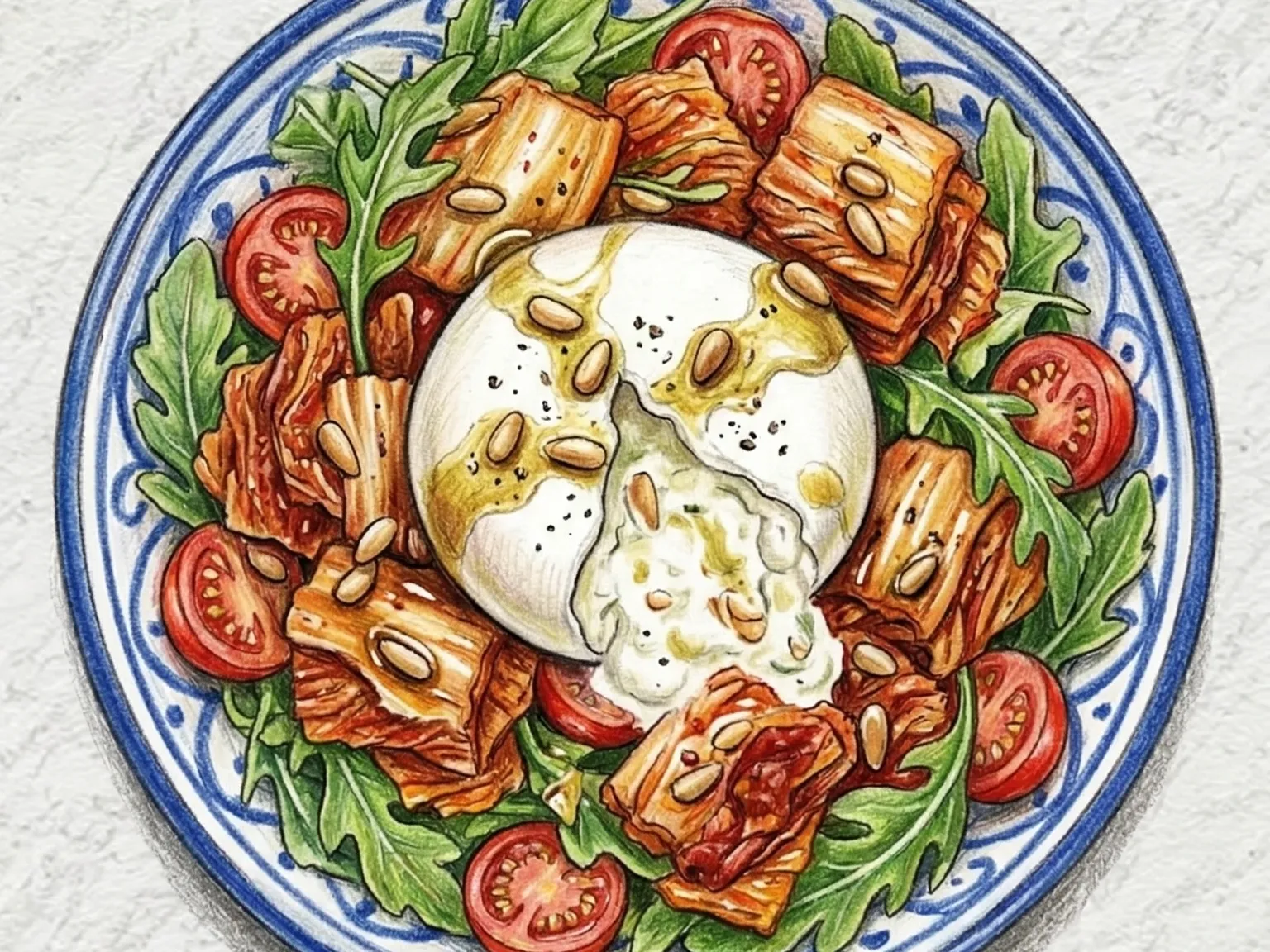
Korean Stir-fried Aged Kimchi and Tofu
Stir-fryEasy

Korean Stir-fried Aged Kimchi and Tofu

Mukeunji-dubu-bokkeum stir-fries aged kimchi and firm tofu together in a single pan, pulling the kimchi's deep sourness and the tofu's neutral mildness into a unified dish. The tofu is pan-fried in oil until golden on both sides first, which builds a firm crust that prevents the pieces from crumbling during the subsequent stir-fry and gives them a better surface area for absorbing the sauce. Onion and aged kimchi are then cooked with gochugaru until much of the kimchi's moisture cooks off and its sharpest acidic edge softens. Soy sauce and sugar calibrate the seasoning, and the crisped tofu returns to the pan to soak up the flavors evenly. A finishing pour of perilla oil wraps around the fermented intensity of the aged kimchi and smooths it out, while a handful of sliced green onion added at the end lifts the aroma.

🏠 Everyday🍱 Lunchbox
Prep 12minCook 14min2 servings
Korean Stir-fried Butterbur Stems
Side dishesMedium

Korean Stir-fried Butterbur Stems

Meowi-namul-bokkeum stir-fries boiled butterbur stems in perilla oil, adding a cooking step that distinguishes it from the cold-dressed muchim version. While the muchim blanches and seasons immediately without further heat, the bokkeum takes the boiled stems into a pan with soup soy sauce and water for five minutes or more, driving the seasoning deep into the plant fibers. This additional cooking time also volatilizes more of the butterbur's bitter compounds, producing a milder flavor compared to the cold preparation. Perilla oil, though more prone to oxidation than sesame oil, is the traditional choice because its earthy, grassy aroma harmonizes with the herb's character in a way sesame oil cannot. Adding perilla seed powder in the last minute causes its starch to partially gelatinize, giving the sauce a thicker consistency, but leaving it on the heat too long makes the dish chalky and heavy. Timing this final step precisely is what separates a well-made version from an overcooked one. This banchan appears on spring mountain-village tables alongside gondeure-namul and chwinamul as part of the seasonal wild greens spread that marks the transition out of winter.

🏠 Everyday🍱 Lunchbox
Prep 18minCook 12min4 servings
Korean Shepherd's Purse Tofu Stir-fry
Stir-fryEasy

Korean Shepherd's Purse Tofu Stir-fry

Naengi-dubu-bokkeum is a spring-seasonal Korean stir-fry that pairs shepherd's purse - a wild herb with a distinctive earthy bitterness - with cubed firm tofu in perilla oil and soy sauce. The tofu is pan-seared until golden to build a crust, then set aside while onion and garlic cook in the same pan before soy sauces go in. The tofu returns along with the cleaned, trimmed shepherd's purse, which needs only two minutes of gentle tossing to wilt without losing its herbal bite. A final drizzle of perilla oil and a pinch of toasted sesame seeds layer nuttiness over the herb's green, slightly bitter fragrance.

🏠 Everyday🍱 Lunchbox
Prep 18minCook 10min2 servings
Korean Stir-Fried Seaweed Stems with Perilla
Side dishesEasy

Korean Stir-Fried Seaweed Stems with Perilla

Deulkkae miyeokjulgi-bokkeum stir-fries salted seaweed stems with perilla oil and ground perilla seeds, diverging from the standard sesame-and-soy version by foregrounding the earthy nuttiness of perilla. Desalting the stems in cold water for at least fifteen minutes is the essential first step - too brief and the dish is unpalatably salty, too long and the oceanic character washes away entirely. Garlic is sauteed in perilla oil to build an aromatic foundation, then the drained stems join with soup soy sauce and a splash of water for three minutes of stir-frying. Ground perilla seeds go in at the end, where they bind with the residual moisture and coat each strand in a pale, creamy film. Julienned onion added alongside contributes sweetness that balances the seaweed's brininess. The perilla powder's starch partially gelatinizes on contact with heat, thickening the sauce - but overcooking past this point turns the coating chalky, so timing the final addition is critical. Sesame seeds scattered off heat complete the dish.

🥗 Light & Healthy🏠 Everyday
Prep 15minCook 8min2 servings
Korean Sebalnamul Beoseot Bokkeum (Saltwort Mushroom Stir-fry)
Stir-fryEasy

Korean Sebalnamul Beoseot Bokkeum (Saltwort Mushroom Stir-fry)

Sebalnamul beoseot-bokkeum is a Korean stir-fry of saltwort (glasswort) and oyster mushrooms finished with ground perilla seeds and perilla oil. The saltwort carries a natural brininess that reduces the need for added soy sauce, while the oyster mushrooms are cooked on high heat first to drive off moisture and firm their texture. The saltwort is stir-fried for just one minute to preserve its snappy crunch. Perilla powder and oil folded in at the end create a nutty, aromatic layer that bridges the briny greens and earthy mushrooms.

🏠 Everyday🍱 Lunchbox
Prep 12minCook 8min4 servings
Stir-fried Korean Radish Namul
Side dishesEasy

Stir-fried Korean Radish Namul

Mu-namul-bokkeum is a foundational Korean side dish made by stir-frying julienned daikon radish in perilla oil to draw out its natural sweetness. Cutting the radish into matchstick-thick strips and salting them for around five minutes beforehand is a critical step. Without it, the radish releases its moisture into the pan during cooking, turning what should be a stir-fry into an unintended steam, leaving the namul limp and dull. Garlic goes into the perilla oil first to build an aromatic base, then the radish strips are tossed over medium heat for three to four minutes. During this time, heat converts the radish's starch into sugars, and the raw, sharp bite disappears, replaced by a mellow and gentle sweetness. Soup soy sauce rather than regular soy sauce keeps the seasoning clean without muddying the pale color of the radish. Placing the lid on for two minutes at the end steams the interior through without over-softening the vegetable. This namul serves as one of the five-color toppings in bibimbap and is a required dish on ancestral rite tables. Sesame seeds scattered over the finished dish add a toasted nuttiness that carries the flavor through to the last bite.

🏠 Everyday🍱 Lunchbox
Prep 10minCook 12min4 servings
Korean Stir-fried Radish Greens with Perilla
Stir-fryEasy

Korean Stir-fried Radish Greens with Perilla

Siraegi deulkkae-bokkeum is a Korean stir-fry of pre-boiled dried radish greens seasoned with soup soy sauce and garlic, then cooked in perilla oil and finished with generous perilla powder. The greens are first tossed in the seasoning to let the flavors penetrate, stir-fried for three minutes, then simmered briefly with water and perilla powder until a thick, nutty sauce coats every strand. Green onion added at the end provides a fresh aromatic lift. Compared to the doenjang-based siraegi jorim, this version leans lighter and more distinctly nutty from the perilla.

🏠 Everyday🍱 Lunchbox
Prep 15minCook 20min4 servings
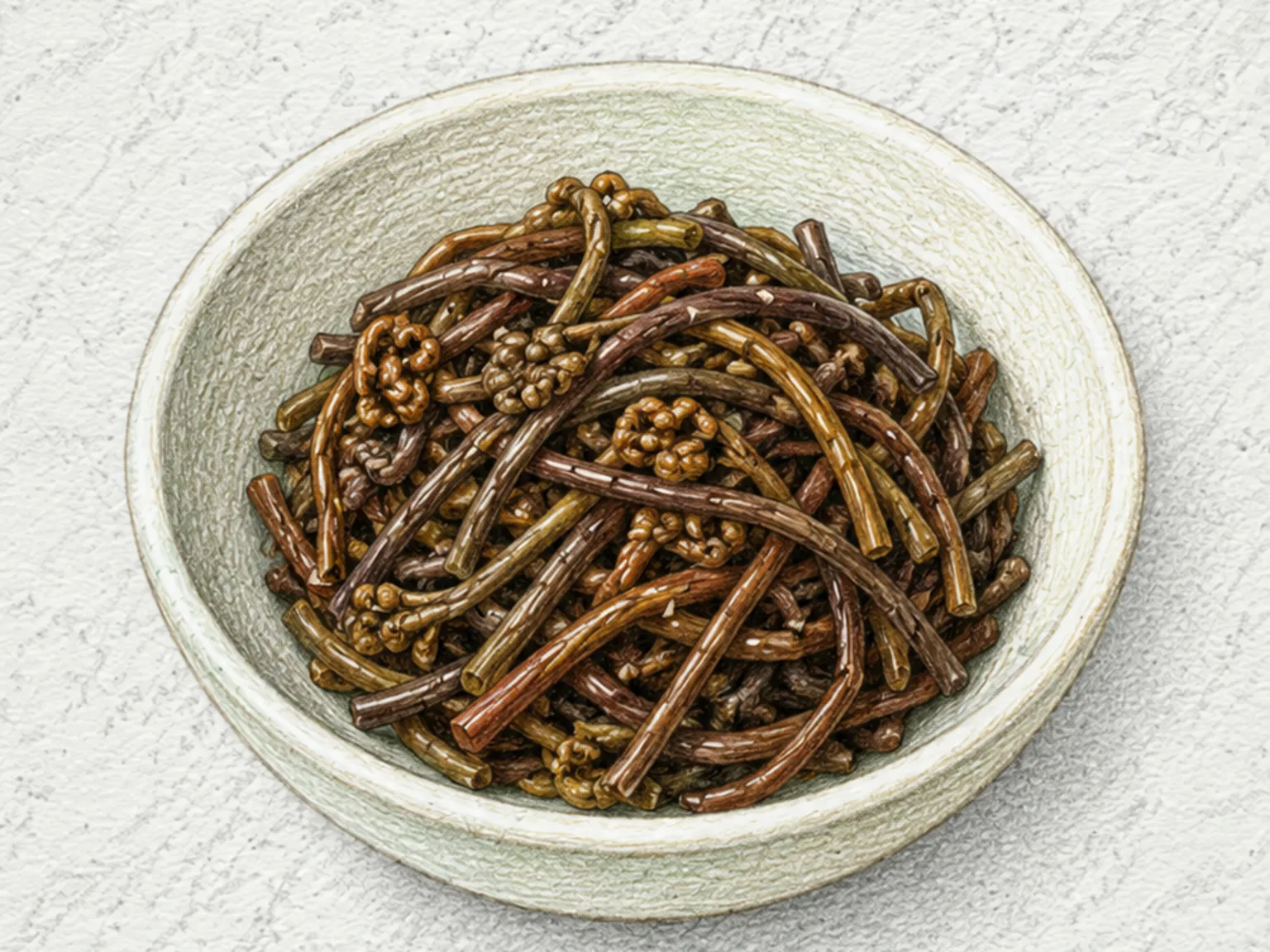
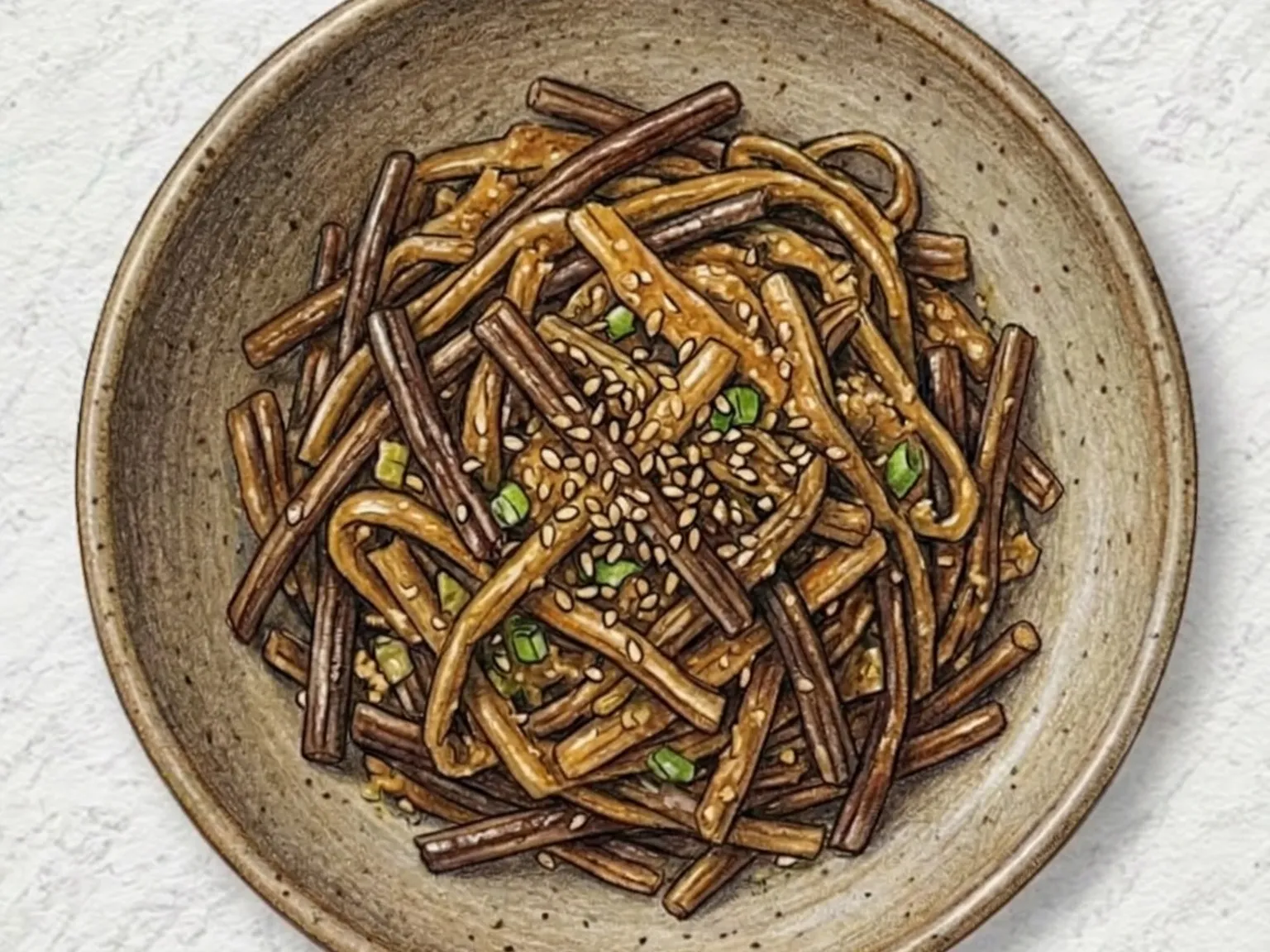
Korean Bracken Fern Namul with Perilla
Side dishesMedium

Korean Bracken Fern Namul with Perilla

This perilla-scented bracken fern namul begins by pre-seasoning 250 grams of boiled bracken with soup soy sauce, minced garlic, and half the perilla oil for five minutes so the flavor seeps into the chewy fibers. Green onion is sauteed briefly in the remaining perilla oil to build an aromatic base before the seasoned bracken joins the pan for a two-minute stir-fry that drives off excess moisture. Adding water and ground perilla seeds, then simmering gently for five minutes, transforms the dish into a lightly sauced namul where every strand carries a nutty, earthy depth. Sesame seeds scattered at the end add a visual accent and a faint crunch that complements the bracken's dense chew.

🏠 Everyday🎉 Special Occasion
Prep 15minCook 12min2 servings
Korean Braised Dried Radish Greens
Stir-fryMedium

Korean Braised Dried Radish Greens

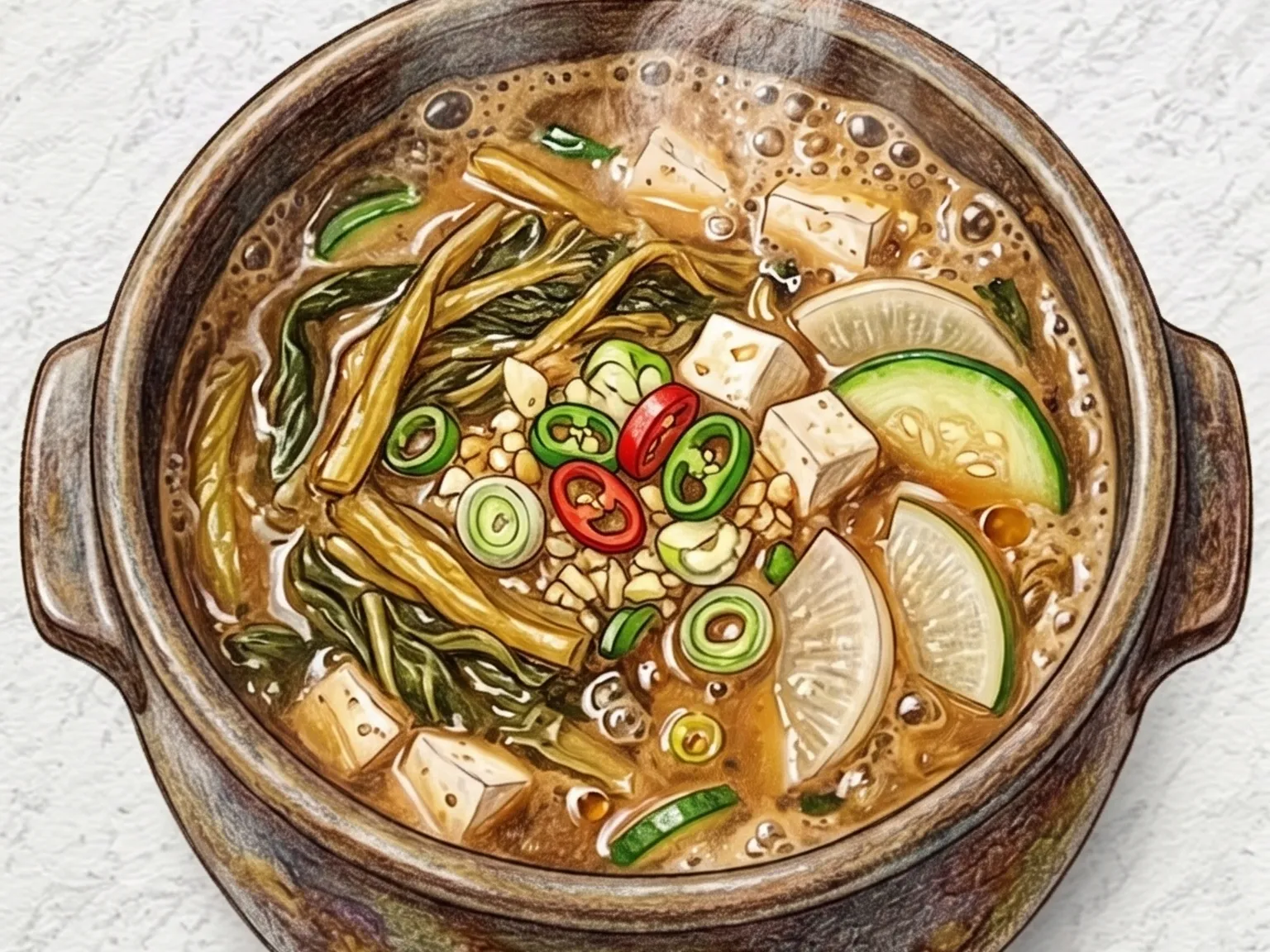
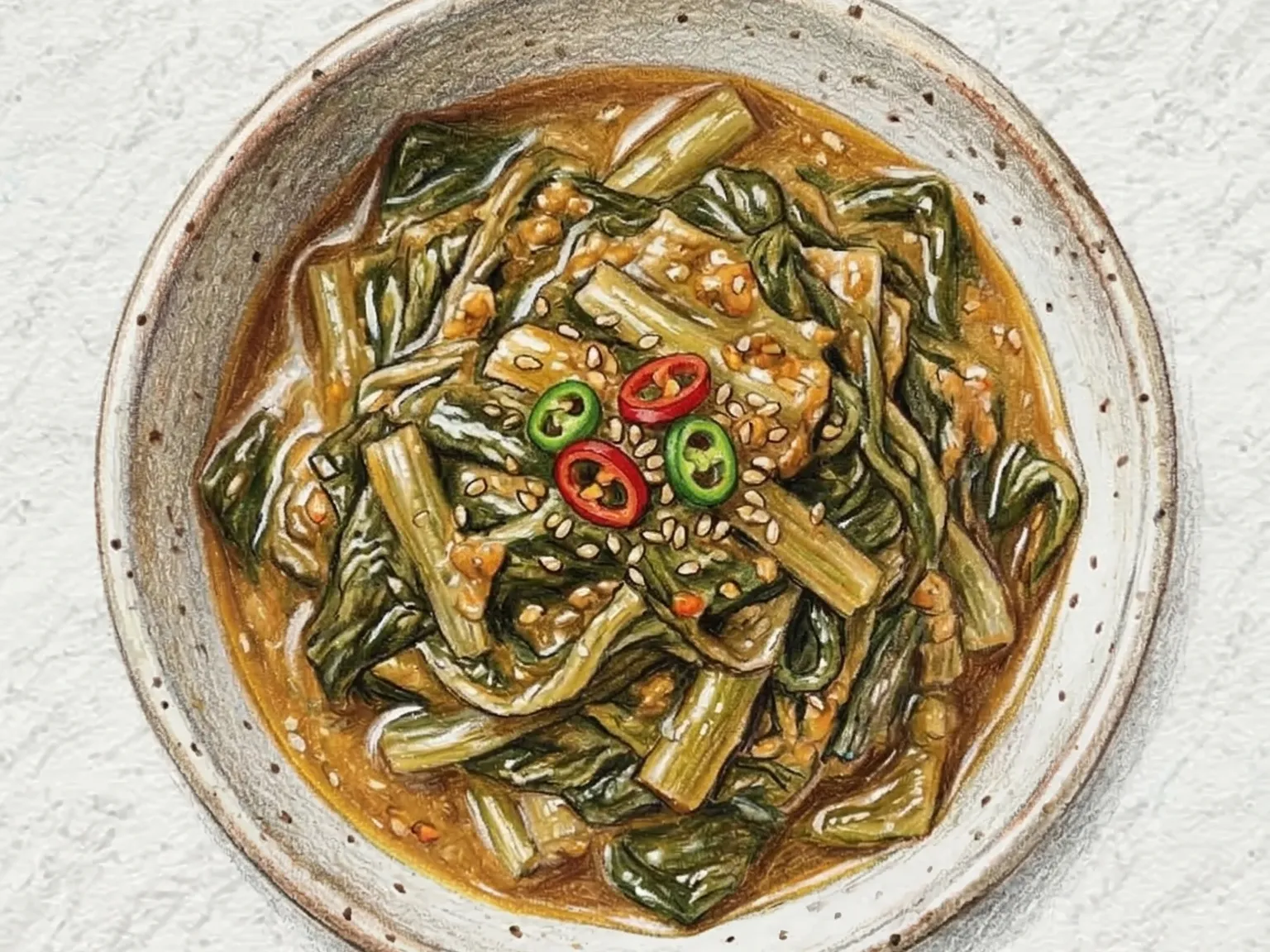
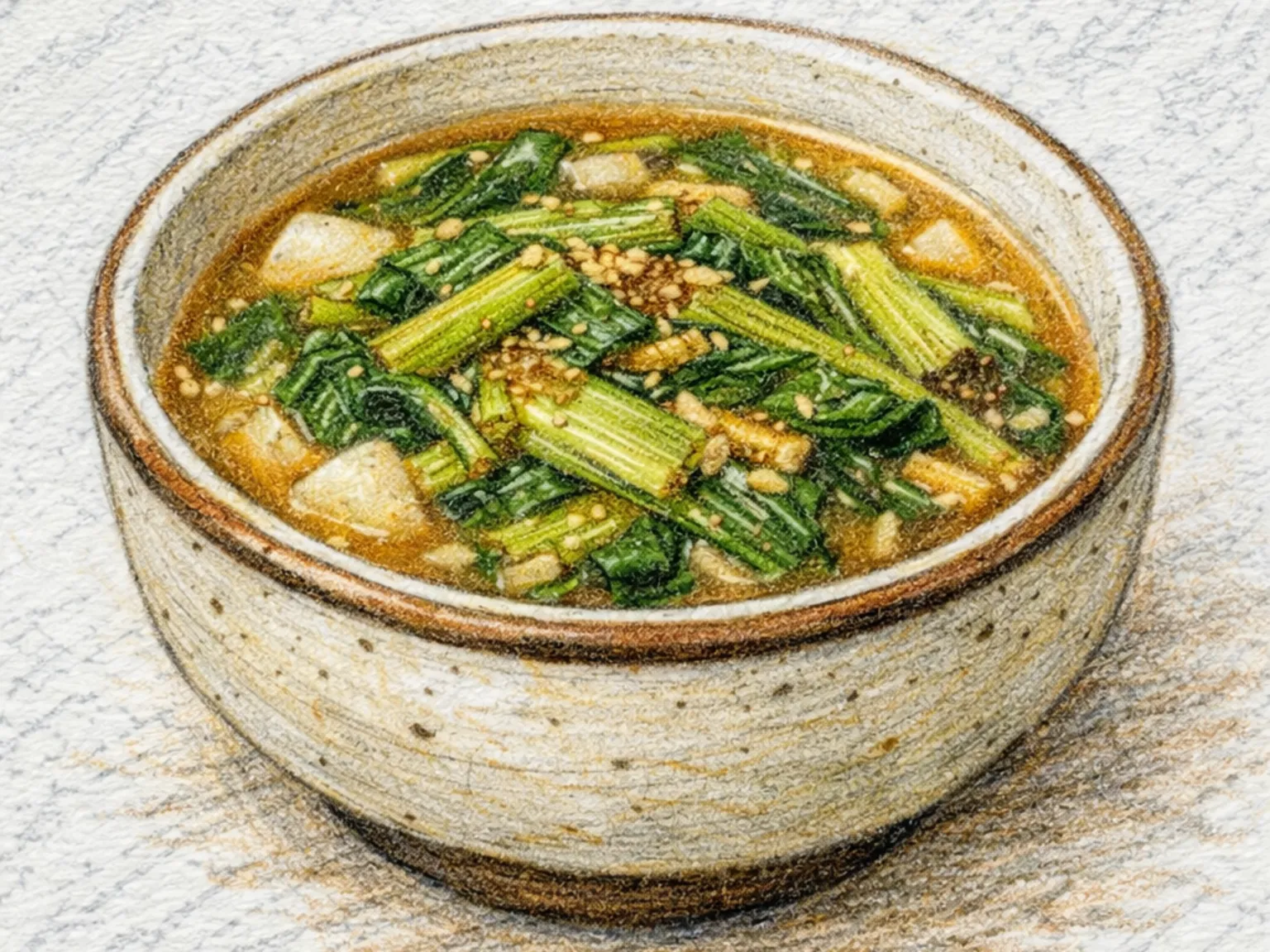
Siraegi jorim is a traditional Korean braise of boiled dried radish greens seasoned with doenjang, soup soy sauce, and garlic, then simmered in perilla oil and water over low heat for twenty minutes. The doenjang slowly permeates the tough, fibrous greens, infusing them with deep fermented soybean flavor while the perilla oil adds a smooth richness. The longer the dish simmers, the more pronounced the earthy, malty depth becomes. Scallion stirred in at the end brightens the otherwise dense, savory profile of this slow-cooked banchan.

🏠 Everyday🍱 Lunchbox
Prep 25minCook 30min4 servings
Korean King Oyster Mushroom Stir-fry with Perilla
Side dishesEasy

Korean King Oyster Mushroom Stir-fry with Perilla

This stir-fry combines 250 grams of julienned king oyster mushrooms with onion, cooked rapidly over high heat in perilla oil and cooking oil to prevent the mushrooms from releasing too much water. Garlic is sauteed for 20 seconds first to infuse the oil, followed by onion for one minute to draw out its natural sweetness. The mushrooms then go in for a quick two-minute toss before soup soy sauce and a splash of water are added to create a light braising liquid. One and a half tablespoons of ground perilla seeds are stirred in during the final minute, thickening the sauce into a creamy coating without becoming pasty. Scallion is added off heat for a finishing touch of color and freshness.

🏠 Everyday🍱 Lunchbox
Prep 10minCook 8min2 servings
Korean Seaweed, Perilla & Shrimp Stir-fry
Stir-fryEasy

Korean Seaweed, Perilla & Shrimp Stir-fry

Tot-deulkkae-saeu-bokkeum stir-fries briefly blanched tot seaweed and shrimp in perilla oil, finished with ground perilla seeds. The tot is blanched for only 30 seconds to preserve its distinctive pop-and-chew texture, and the shrimp are pre-seasoned with cooking wine to remove any fishiness before being cooked to a springy doneness. Perilla oil and ground perilla seeds merge with the oceanic salinity of the seaweed and shrimp, building a nutty-briny flavor. Seasoned lightly with soup soy sauce and green onion, it is a low-carbohydrate side dish anchored in seafood and sea vegetables.

🥗 Light & Healthy🏠 Everyday
Prep 15minCook 10min2 servings
Korean Seasoned Deer Fern Namul
Side dishesMedium

Korean Seasoned Deer Fern Namul

Samnamul-muchim is a Korean mountain vegetable side dish made from 220 grams of deer fern, a spring foraged green with a distinctively herbal, slightly bitter flavor. Blanching for one minute and immediately rinsing in cold water tempers the fern's wild aroma to a pleasant, manageable level while preserving its tender bite. The dressing of soup soy sauce, perilla oil, minced garlic, chopped green onion, and ground sesame keeps the dish clean in both color and flavor, letting the fern's natural character come through. Cut into 4-centimeter lengths for easy eating, each piece carries a gentle earthiness that pairs naturally with steamed rice. The ground sesame adds a subtle crunch and nuttiness that complements the perilla oil.

🏠 Everyday🍱 Lunchbox
Prep 10minCook 5min4 servings
Korean Yangbaechu Kkae Bokkeum (Sesame Cabbage Stir-fry)
Side dishesEasy

Korean Yangbaechu Kkae Bokkeum (Sesame Cabbage Stir-fry)

Shredded cabbage, onion, and carrot are stir-fried over high heat with soup soy sauce and finished with sesame oil and a generous handful of toasted sesame seeds. Cabbage benefits from fast, hot cooking: the edges char lightly and caramelize while the interior retains its crisp bite, and the heat unlocks a gentle natural sweetness hidden in the raw leaves. Soup soy sauce seasons the vegetables with depth while keeping the finished dish pale and clean-looking, and minced garlic stirred in early fills the pan with fragrance. Carrot goes into the pan first to draw out its sugar, and as the onion softens, its moisture deglazes the surface and adds another layer of mellow sweetness. Sesame oil drizzled off-heat coats the vegetables in a nutty sheen, and the sesame seeds scattered on top provide a crunchy, aromatic punctuation with every bite. The dish is lean and uncomplicated, relying on the quality of fresh vegetables and precise timing rather than heavy seasoning, making it a banchan suited to daily meals.

🏠 Everyday🍱 Lunchbox
Prep 12minCook 8min4 servings
Deodeok Apple Perilla Salad (Bellflower Root Salad)
SaladsMedium

Deodeok Apple Perilla Salad (Bellflower Root Salad)

Deodeok -- codonopsis root -- is pounded with a mallet to split along its fibers, releasing its distinctive herbal fragrance and producing a chewy, shredded texture. The root is best in season from autumn through early spring and suits raw preparations just as well as it does grilling or seasoned side dishes. Thin apple slices add crisp sweetness that tempers the root's mild bitterness. The dressing combines gochujang and vinegar for a tangy-spicy profile, while ground perilla seeds contribute a nutty, aromatic finish. When pounding, light taps work better than heavy blows -- the goal is to open the fibers without crushing the flesh. Tear the root by hand along the grain after pounding for the best texture. Toss with the dressing just before serving to keep the apple and deodeok crisp.

🥗 Light & Healthy🍱 Lunchbox
Prep 25minCook 5min2 servings
Korean Perilla Sprout & Tofu Soybean Paste Stir-fry
Stir-fryEasy

Korean Perilla Sprout & Tofu Soybean Paste Stir-fry

Kkaetsun dubu doenjang bokkeum pairs pan-seared firm tofu with perilla sprouts in a doenjang sauce. The tofu must be pressed dry with paper towels before it goes into the pan; residual moisture causes the oil to spit and prevents the surface from crisping. Dissolving the doenjang in water before adding it to the pan distributes the saltiness evenly and stops the paste from scorching against the hot surface. The doenjang coats the golden tofu pieces with a salty, earthy glaze, while perilla sprouts, far softer than mature perilla leaves, release a delicate perilla-sesame fragrance as they wilt into the sauce. The contrast between the crisp tofu edges and the just-wilted greens gives the dish its defining texture. Cheongyang chili cuts through the fermented weight of the doenjang with a clean, sharp heat that brightens the aftertaste. A final drizzle of perilla oil added off the heat brings the fragrance back to the surface before serving. When perilla sprouts are not available, mature perilla leaves cut into thick strips work as a direct substitute.

🏠 Everyday🍱 Lunchbox
Prep 14minCook 8min2 servings
Korean Shepherd's Purse Doenjang Pot Rice
RiceMedium

Korean Shepherd's Purse Doenjang Pot Rice

This spring pot rice infuses each grain with the deep, earthy flavor of doenjang dissolved in kelp stock. Naengi, or shepherd's purse, contributes a gentle herbal bitterness that offsets the fermented saltiness, while zucchini and onion bring natural sweetness for balance. Vegetables are first sauteed in perilla oil for fragrance, then doenjang and soaked rice join the pot for a slow cook. Naengi goes in after the pot starts boiling to protect its delicate aroma, and ground sesame seeds finish the dish with a final nutty layer.

🏠 Everyday
Prep 15minCook 24min2 servings