Charim

2686 Korean & World Recipes

2686+ Korean recipes, clean and organized. Ingredients to instructions, all at a glance.

Recipes with perilla oil

24 recipes

Buy perilla oil
Korean Napa Cabbage Perilla Stir-fry
Side dishesEasy

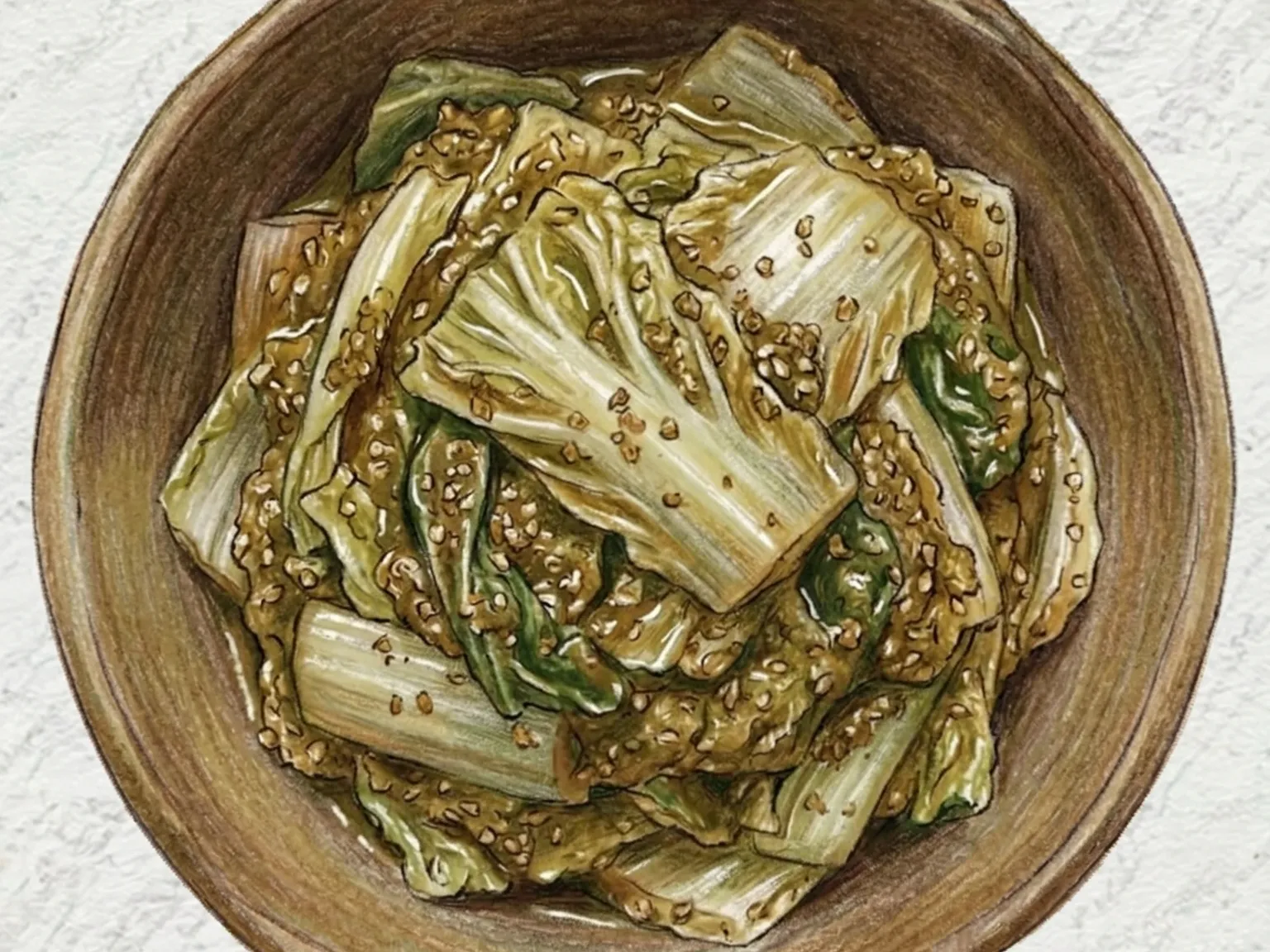
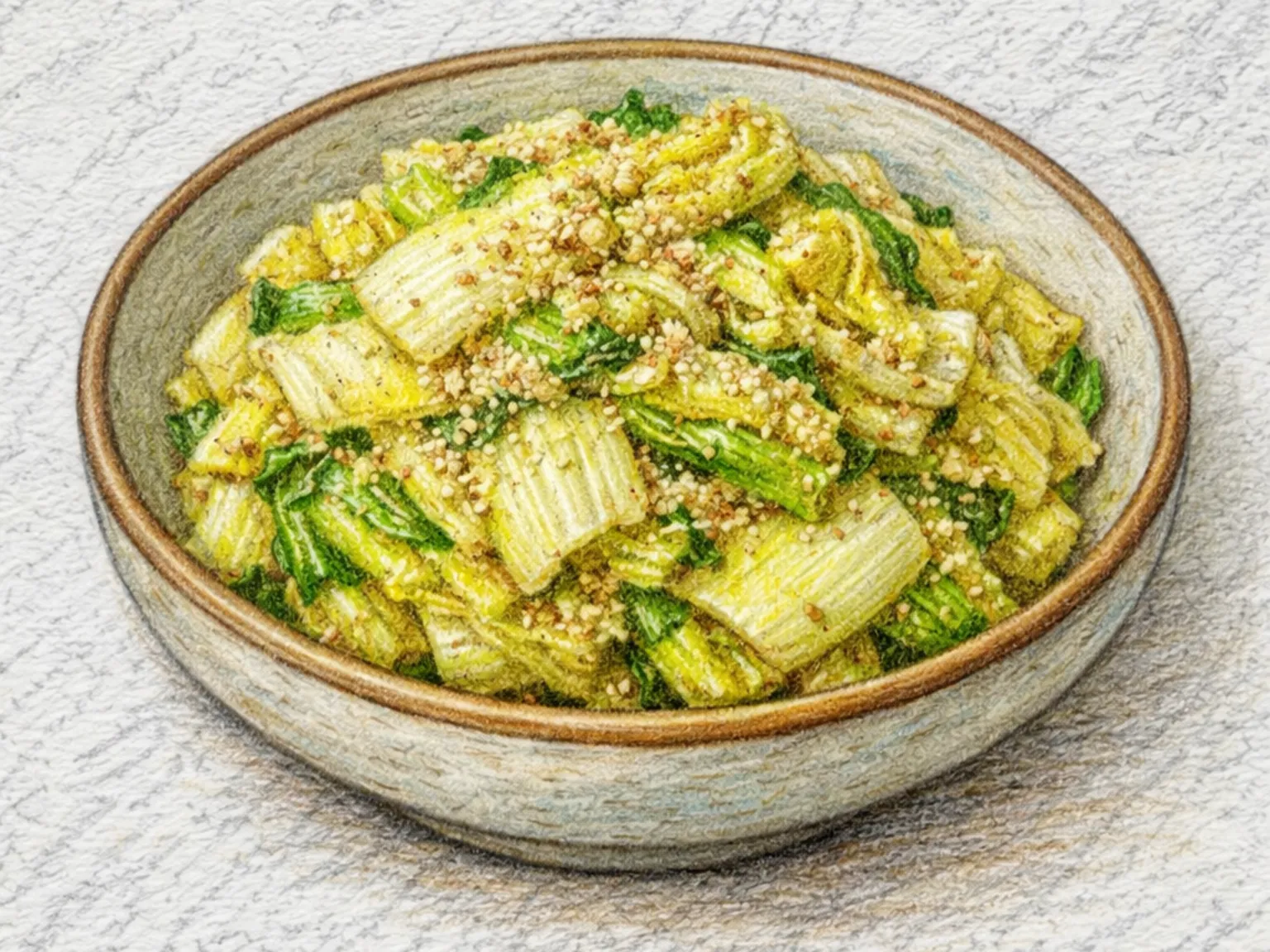
Korean Napa Cabbage Perilla Stir-fry

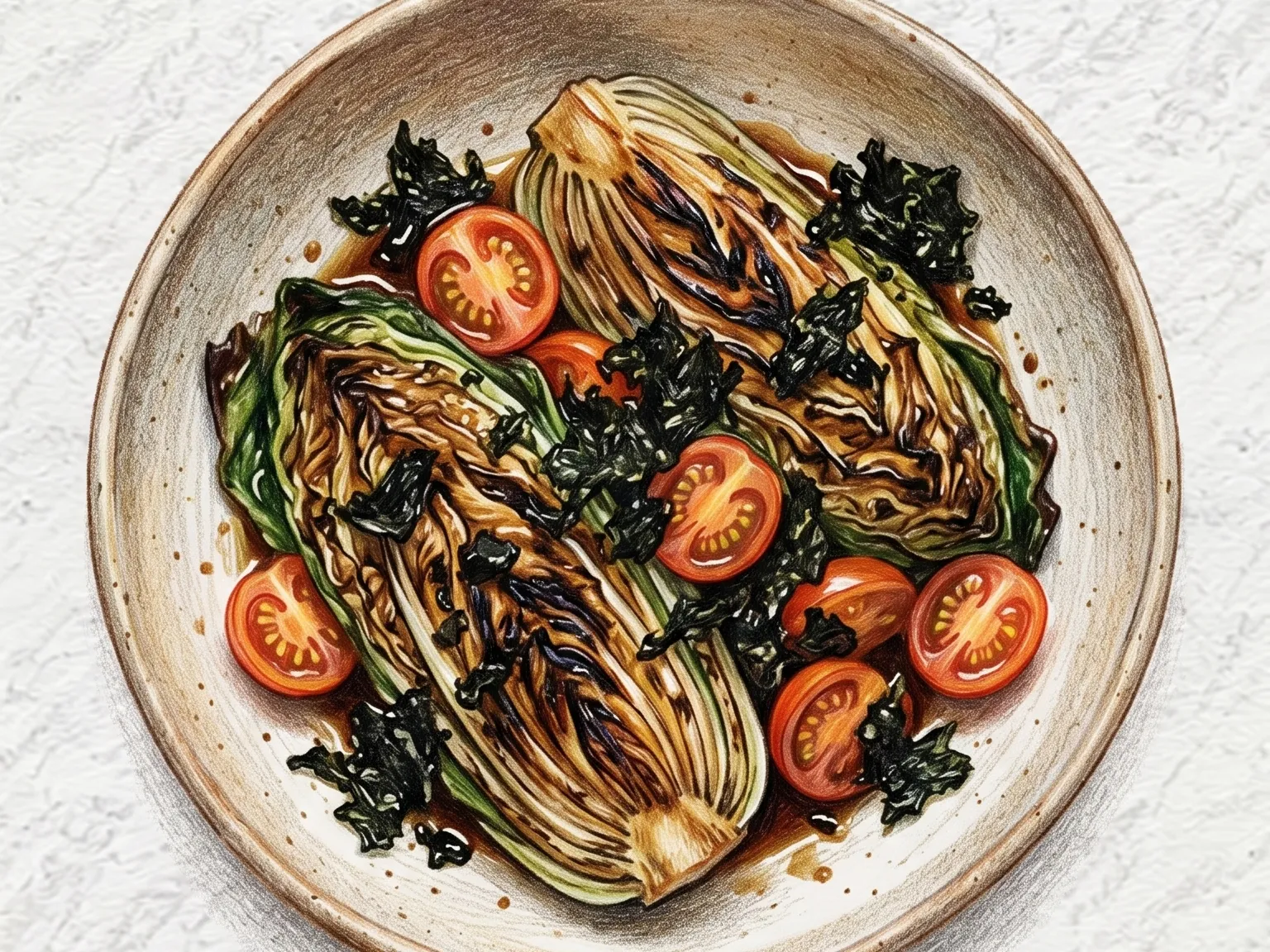
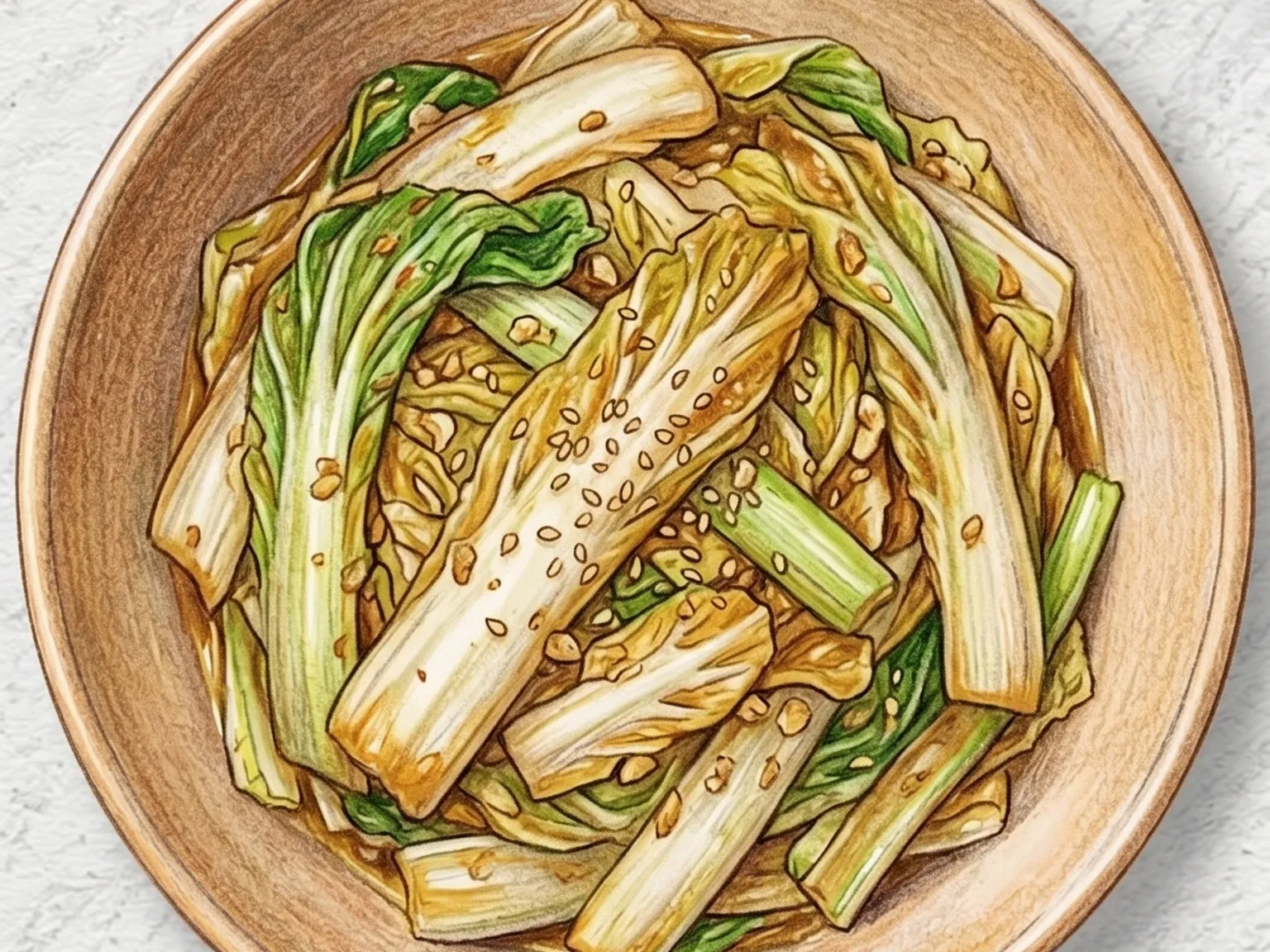
Two ingredients carry this dish: baby napa cabbage and ground perilla seeds. Perilla oil goes into the pan first, then cabbage over high heat until just wilted. A splash of water and a measure of soup soy sauce follow, with the lid on for two minutes more. The timing gap between leaf and stem matters here - stems retain a little bite while leaves turn soft, and that contrast is the point of the dish rather than an oversight. Ground perilla seeds go in just before turning off the heat: too early and the nutty fragrance dissipates in the steam; too late and they do not thicken the liquid properly. When done right, the seeds create a pale, creamy sauce that clings to the cabbage and soaks into rice underneath. Salt and pepper are the only other seasoning. It keeps well cold and travels without issue in a lunchbox.

🏠 Everyday🍱 Lunchbox
Prep 10minCook 10min4 servings
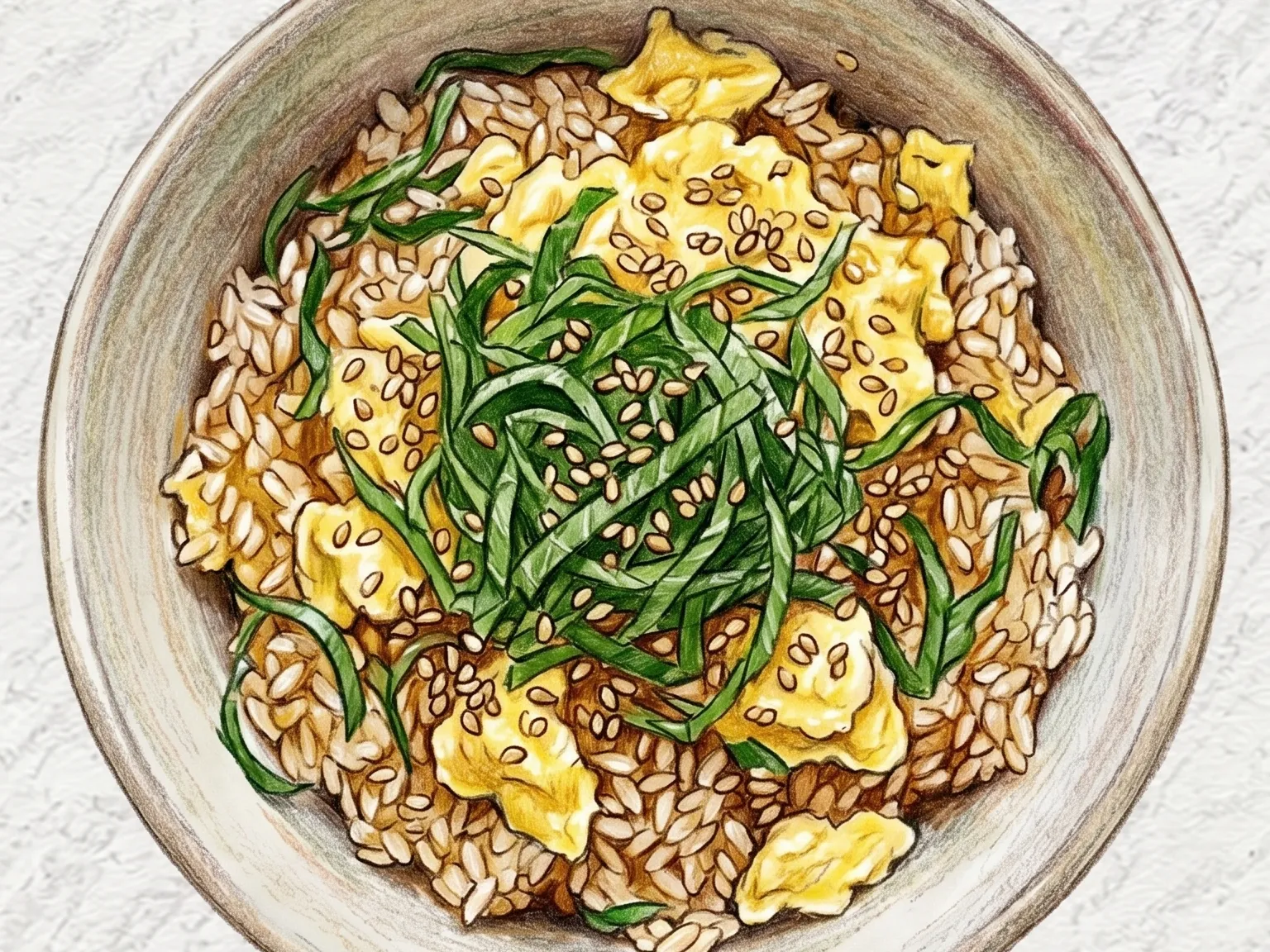
Korean Mushroom Soft Tofu Porridge
RiceEasy

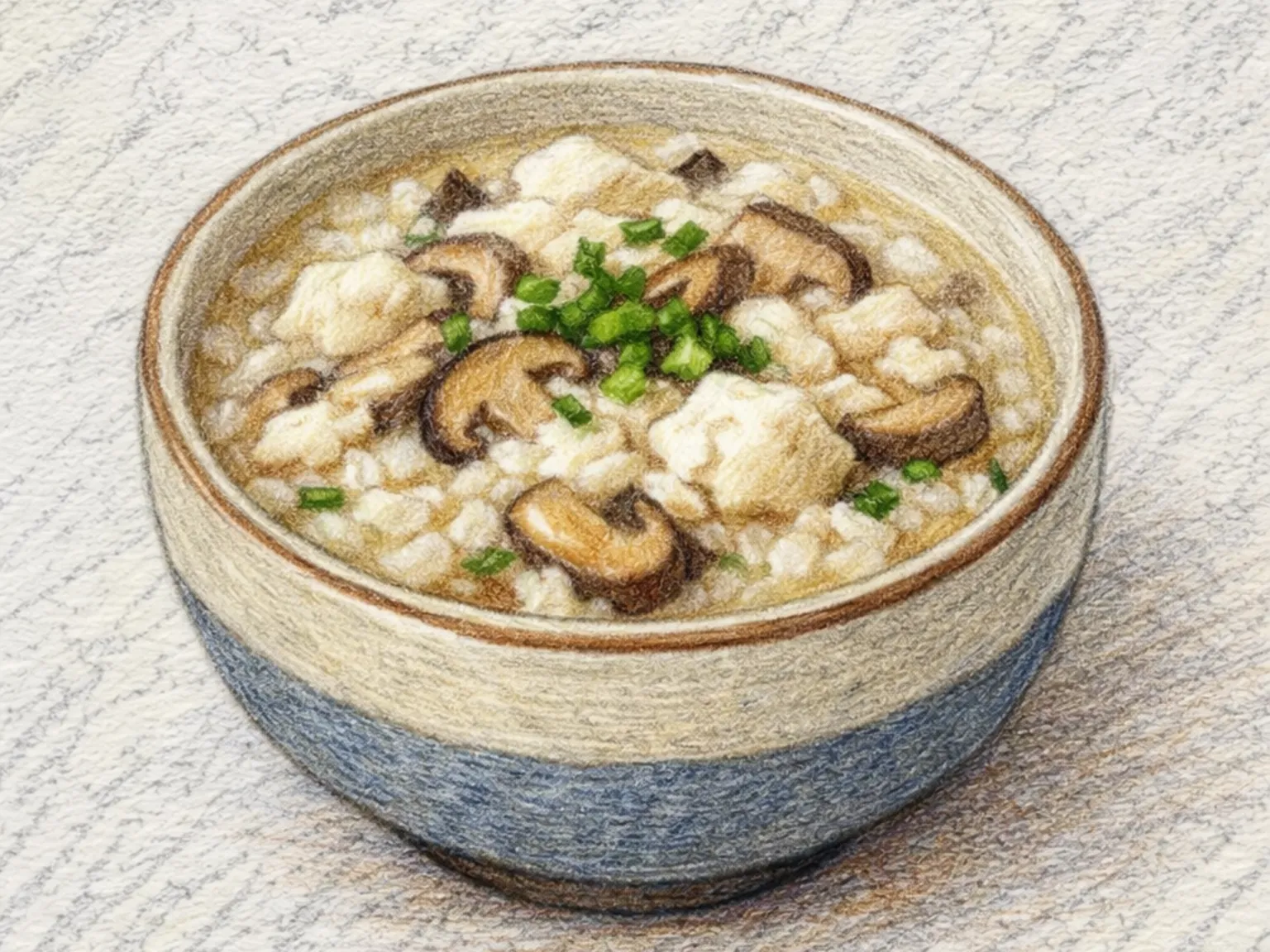
Korean Mushroom Soft Tofu Porridge

Shiitake mushrooms and sliced onion are sauteed in perilla oil until their edges soften and the oil takes on a faint herbal fragrance, then soaked rice and kelp stock go into the same pot. The mixture simmers until the grains break down into a smooth, cohesive porridge. At that point, the heat is lowered and spoonfuls of silken tofu are dropped in without stirring - preserving the soft, pillowy clusters that give the bowl its characteristic texture variation. Kelp stock brings a clean, moderate umami that anchors the dish without heaviness, and perilla oil contributes a slightly bitter, grass-like finish that differentiates this porridge from sesame-based versions. Soup soy sauce provides the seasoning, and chopped scallion goes on last. The result is gentle enough for a sensitive stomach yet complete enough to serve as a full meal.

🥗 Light & Healthy🏠 Everyday
Prep 12minCook 20min2 servings
Korean Stir-Fried Zucchini and Beef Brisket with Doenjang
Stir-fryMedium

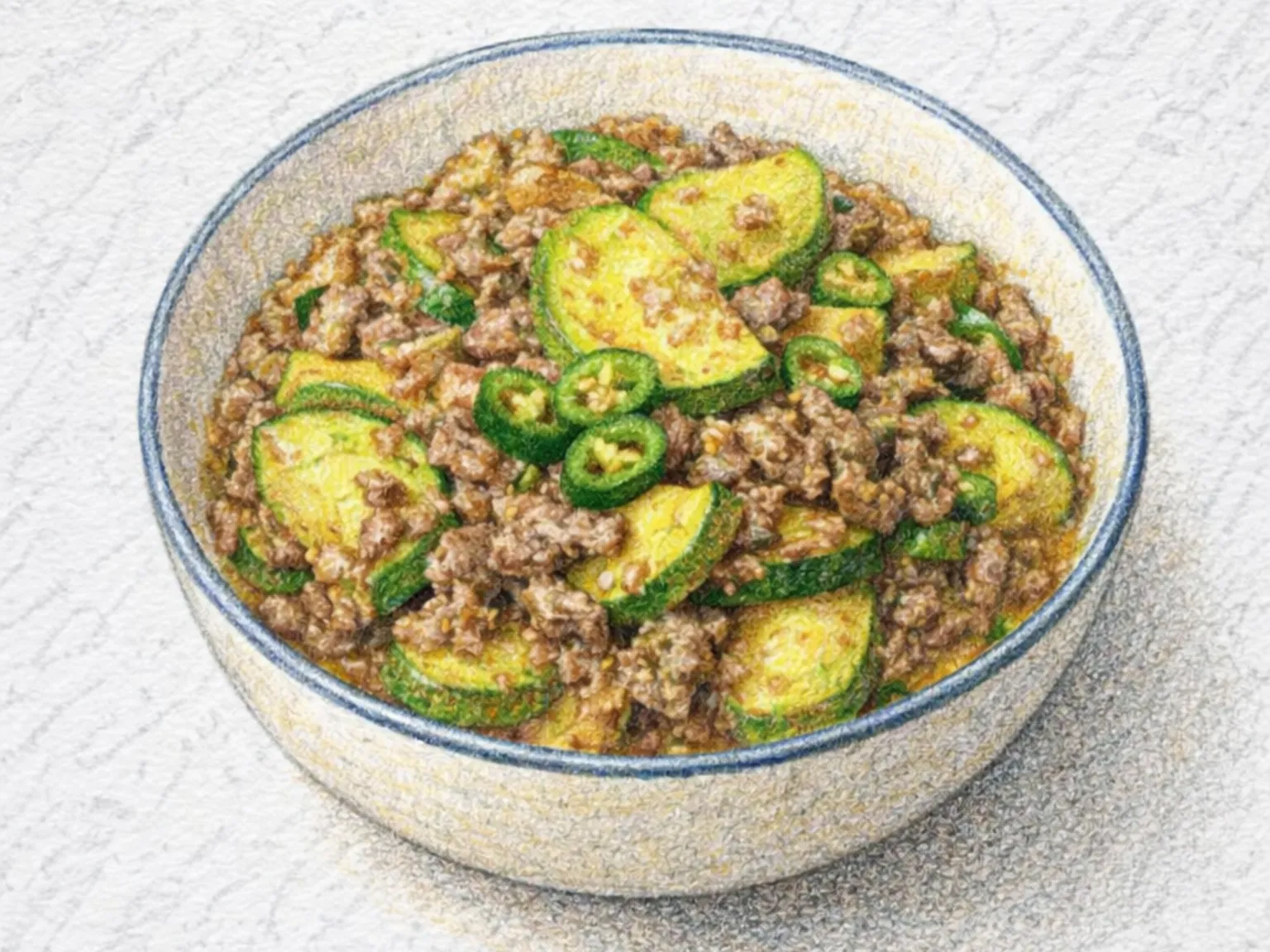
Korean Stir-Fried Zucchini and Beef Brisket with Doenjang

Three ingredients divide the labor in this stir-fry: beef brisket renders the fat, doenjang provides the fermented backbone, and zucchini supplies the body of the dish. The brisket goes into a dry pan first, no added oil, so its own fat melts out and becomes the cooking medium. Doenjang added directly to that rendered fat fries for thirty seconds until the raw paste smell cooks off and a deeper fragrance develops. Then the zucchini, sliced into half-moons, goes in with a dash of soup soy sauce over high heat. Total cooking time from pan to plate runs about five minutes - push past that and the zucchini releases too much water and turns limp. Sliced cheongyang chili at the end keeps a sharp heat in the background. A drizzle of perilla oil with the heat off gives a clean, herbal finish. Works as a banchan alongside rice, or spooned over a full bowl of steamed rice as a quick one-dish meal.

🏠 Everyday🍱 Lunchbox
Prep 10minCook 11min2 servings
Korean Pyogo Yuja Gui (Yuja-Glazed Shiitake Grill)
GrilledEasy

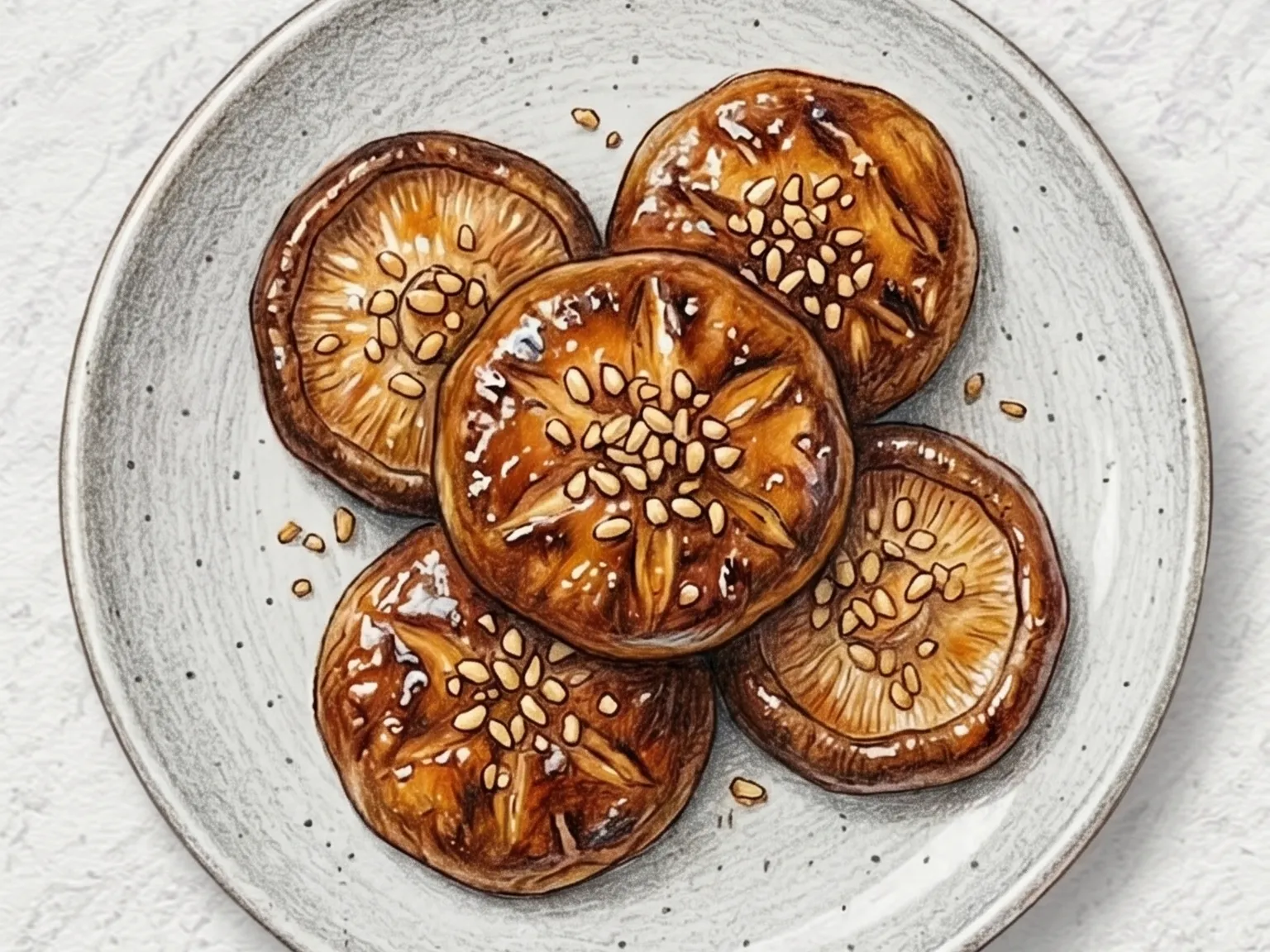
Korean Pyogo Yuja Gui (Yuja-Glazed Shiitake Grill)

Pyogo-yuja-gui is a Korean yuja-glazed grilled shiitake dish where stemmed fresh shiitake caps are brushed on their inner surface with a sauce of yuja marmalade, soy sauce, perilla oil, minced garlic, and black pepper, marinated for ten minutes, then grilled on both sides over medium heat. The combination of yuja's bright citrus character and soy sauce's saltiness produces a tangy, savory glaze, and perilla oil-unlike sesame oil-retains its nutty fragrance even after exposure to grill heat. Shiitake mushrooms must be wiped clean with a dry cloth rather than rinsed, because their porous flesh absorbs water rapidly and turns mushy when grilled. Chopped pine nuts scattered on at the end add an oily crunch that contrasts the chewy, concentrated texture of the grilled caps.

🍺 Bar Snacks🍱 Lunchbox
Prep 18minCook 10min4 servings
Korean Green Seaweed Tofu Soup
SoupsEasy

Korean Green Seaweed Tofu Soup

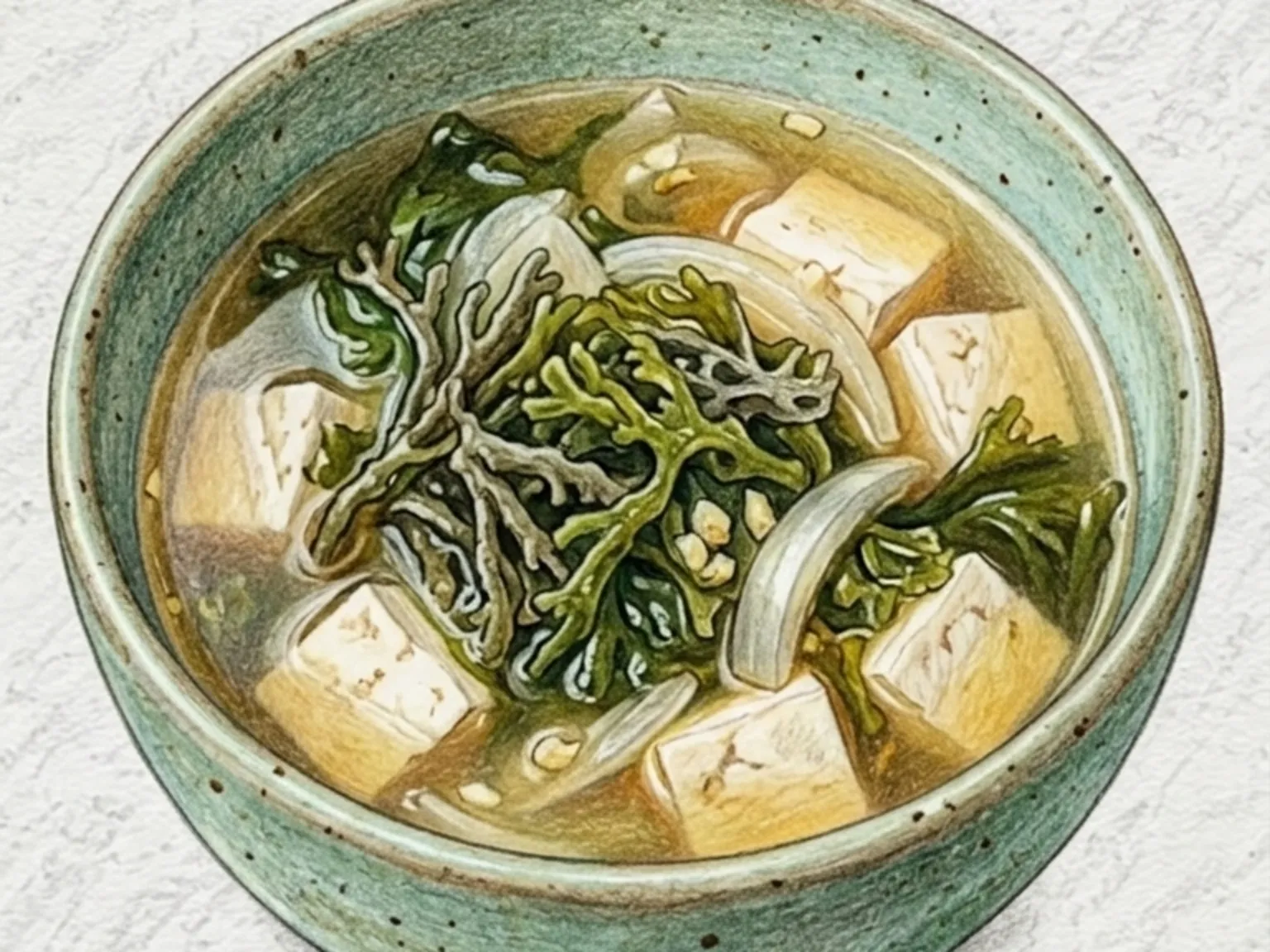
Cheonggak-dubu-guk is a light Korean seaweed soup made by soaking salted cheonggak sea staghorn in cold water to draw out excess salt, then simmering it with tofu and onion in a clean broth. Onion and garlic are sauteed in perilla oil first to build a nutty base, and the broth is seasoned with tuna extract and soup soy sauce, which together bring a deep oceanic savoriness to every spoonful. The cheonggak seaweed contributes a firm, satisfying crunch that contrasts directly with the soft, mild tofu cubes. At 140 calories per bowl, the soup sits at the lighter end of Korean everyday cooking while still delivering genuine depth. The combination of sea vegetable, perilla oil, and fermented soy seasoning makes a broth that tastes cleaner and more mineral than standard vegetable soups.

🥗 Light & Healthy🏠 Everyday
Prep 10minCook 12min2 servings
Korean Soy Pulp Stew (Okara with Aged Kimchi and Pork)
StewsEasy

Korean Soy Pulp Stew (Okara with Aged Kimchi and Pork)

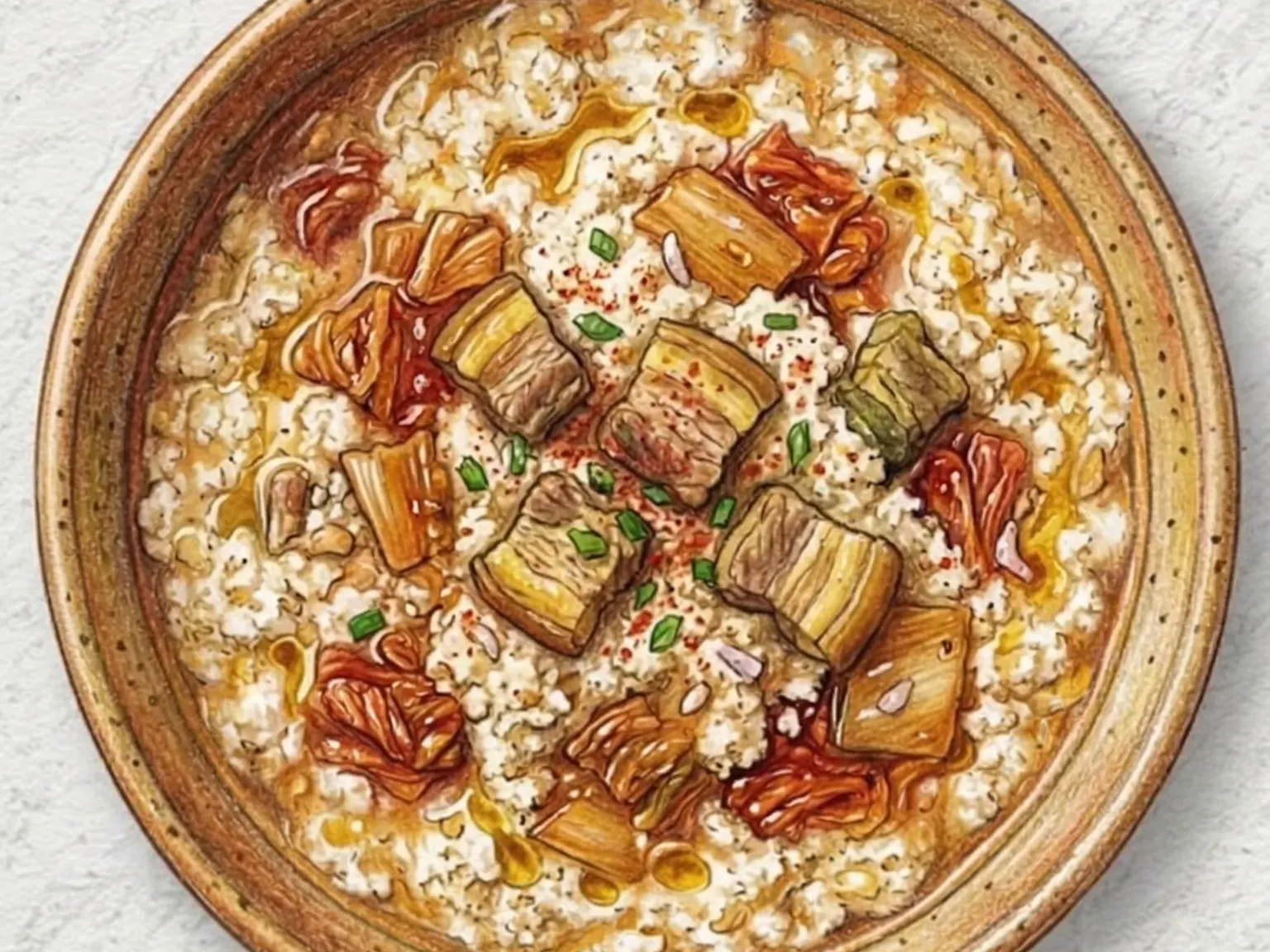
Biji jjigae is a Korean stew built around soy pulp - the dense, grainy byproduct of tofu making - cooked together with well-fermented aged kimchi and pork. The soy pulp dissolves gradually into the cooking liquid, giving the broth a thick, porridge-like body and a mild nuttiness. Salted fermented shrimp adds a concentrated umami punch, and perilla oil contributes a roasted, savory fragrance. The deep tang of old kimchi and the rendered fat from the pork slowly permeate the soy pulp as the pot simmers, producing a heavy, richly flavored stew. Soy pulp is high in protein and dietary fiber, making the finished dish both filling and nutritious. Starting over high heat and reducing to a low simmer for at least twenty minutes allows the pork to cook through fully and the stew to thicken and deepen.

🏠 Everyday
Prep 12minCook 20min2 servings
Korean Steamed Zucchini with Salted Shrimp
SteamedEasy

Korean Steamed Zucchini with Salted Shrimp

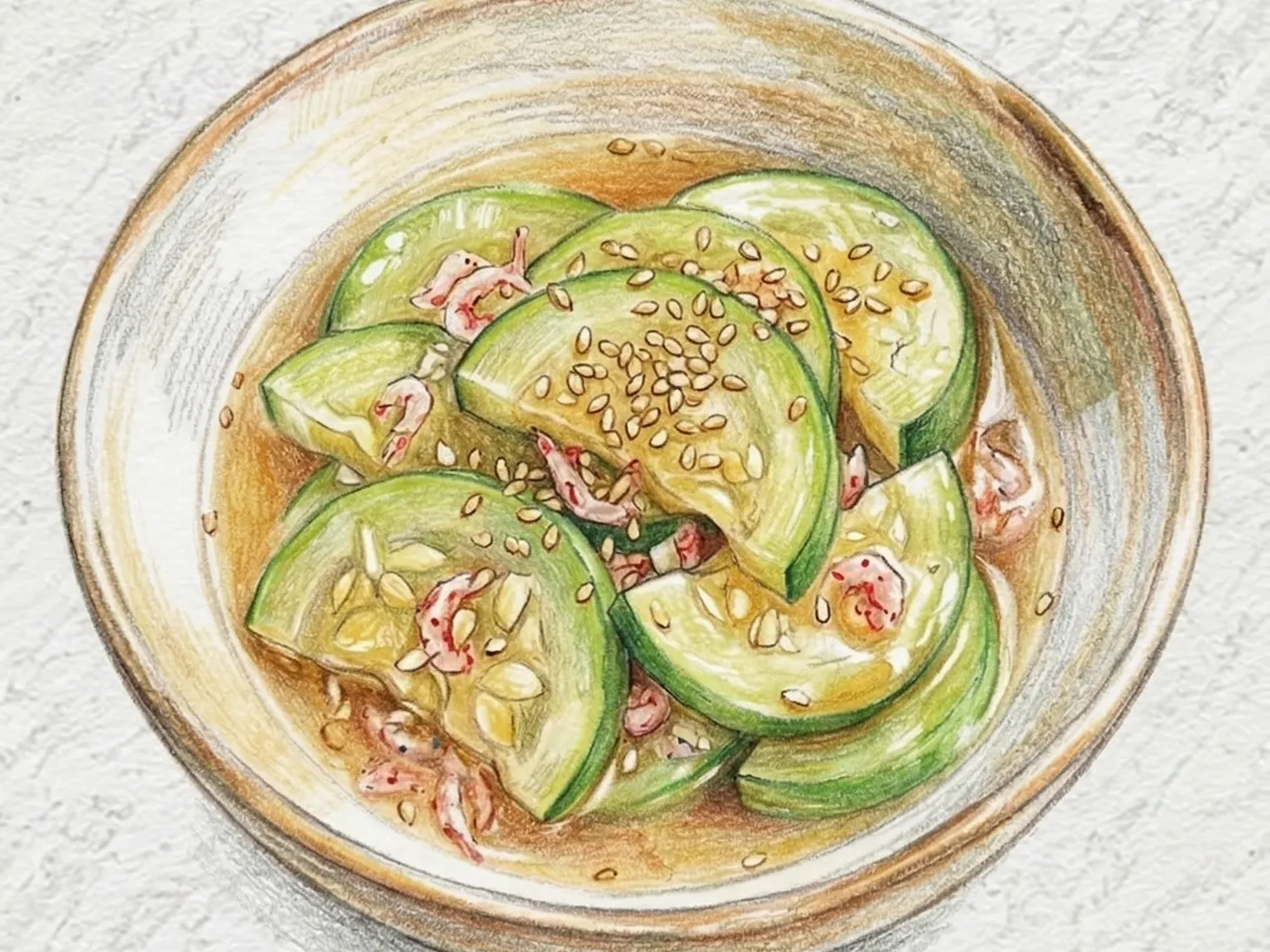
Aehobak saeujeot jjim belongs to a class of Korean dishes where the ingredient list is deliberately short and fermentation carries the flavor. The only seasoning is salted shrimp - saeujeot - minced fine and dissolved in water with garlic to form a light broth. That minimal liquid does more than it looks: as zucchini cooks in it, the brine's concentrated umami soaks into each piece, delivering more depth than the simple preparation suggests. Half-moon slices go into the pot, the broth is poured over, and the lid goes on over medium-low heat. This method sits between steaming and braising - moisture stays trapped in the pot, heat distributes evenly, and the zucchini cooks through without going soft or watery. Perilla oil and sesame seeds added off the heat balance the fermented note of the shrimp paste with a round, nutty fragrance. The dish comes from Korean countryside cooking, where salted seafood was the default seasoning long before soy sauce was widely available. It pairs well alongside richer, oil-forward mains where something clean and lightly briny makes sense.

🏠 Everyday🍱 Lunchbox
Prep 12minCook 15min2 servings
Korean Perilla Oil Noodles
NoodlesEasy

Korean Perilla Oil Noodles

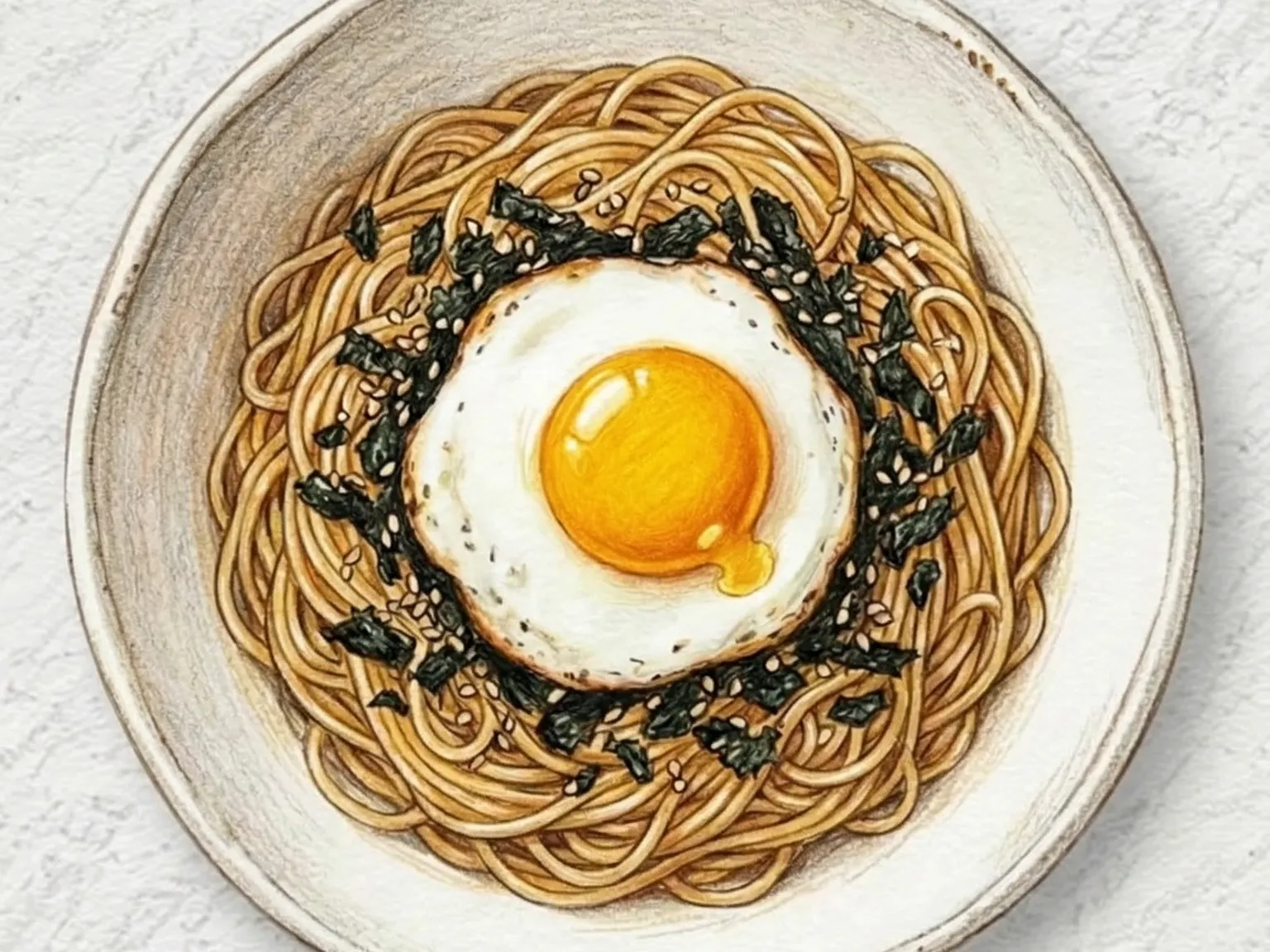
Deulgireum guksu is a Korean cold mixed noodle dish where boiled somyeon are rinsed thoroughly in cold water to strip surface starch, tossed in soy sauce seasoning to coat each strand with salt and umami, then finished with a generous pour of perilla oil. The order matters: soy sauce first to season the noodles through, perilla oil last so its volatile fragrance is not cooked off. The oil has a distinctive earthiness - more roasted and grassy than sesame - and it clings to every strand in a way that makes the whole bowl smell powerfully aromatic. Crumbled roasted seaweed contributes a briny crunch, and toasted sesame seeds provide a quiet textural counterpoint. The whole preparation takes under ten minutes from pot to bowl, which makes it a practical choice for late-night meals or solo eating. A fried egg placed on top is a frequent addition; the runny yolk breaks into the dressed noodles, adding richness and rounding out the sharp, saline seasoning.

🌙 Late Night Quick
Prep 10minCook 7min2 servings
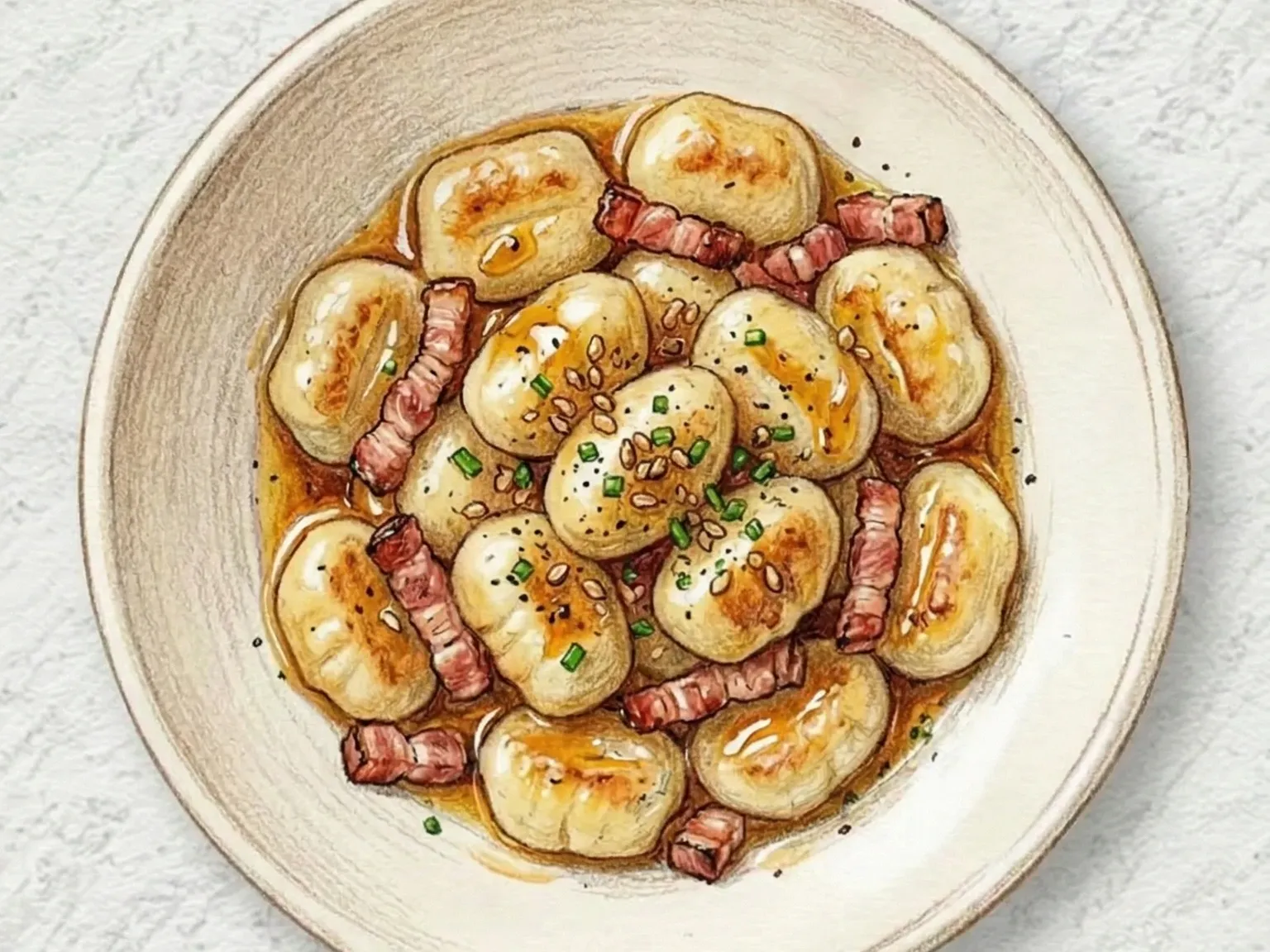
Perilla Oil Potato Gnocchi with Pancetta
PastaMedium

Perilla Oil Potato Gnocchi with Pancetta

Perilla oil potato gnocchi with pancetta dresses soft potato gnocchi in rendered pancetta fat, chicken stock, and butter, finishing with unheated perilla oil to preserve its raw, distinctly nutty fragrance. The pancetta crisps first, and its rendered fat becomes the cooking medium for onion and garlic to build an aromatic base. Boiled gnocchi are tossed in this base with Parmigiano to create a light, glossy emulsified sauce rather than a heavy cream one. Perilla oil goes on at the very end - heating it would destroy the sesame-like aroma that separates this preparation from standard Italian gnocchi. Shredded perilla leaves on top reinforce the Korean element with color and a grassy, herbal note. Total cook time runs about twenty minutes.

🎉 Special Occasion
Prep 25minCook 20min2 servings
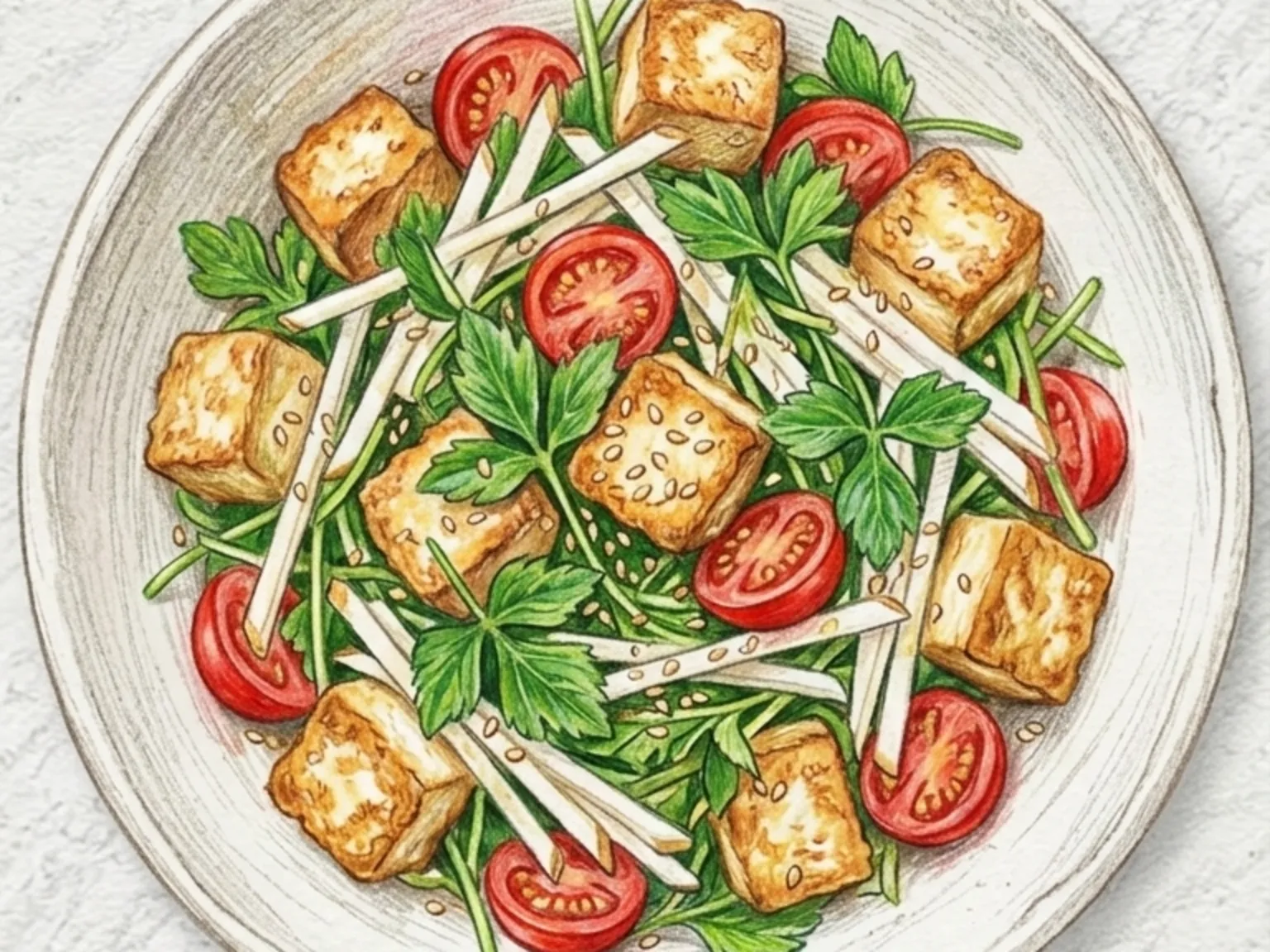
Chamnamul Pear Tofu Salad
SaladsEasy

Chamnamul Pear Tofu Salad

Chamnamul pear tofu salad pan-sears firm tofu cubes for 6-8 minutes until the exterior turns golden and crisp while the inside stays soft. Chamnamul is cut into 5 cm lengths to preserve its fragrant mountain-herb character, and Korean pear is julienned thin so its clean juice sweetens each bite. A dressing of perilla oil, lemon juice, and soup soy sauce delivers nuttiness and umami in a single drizzle, and halved cherry tomatoes contribute a pop of acidity. Slicing the pear just before assembly minimizes browning, and toasted sesame seeds scattered on top add a final layer of warm, nutty aroma.

🥗 Light & Healthy
Prep 15minCook 8min2 servings
Korean Seasoned Napa Cabbage Namul
Side dishesEasy

Korean Seasoned Napa Cabbage Namul

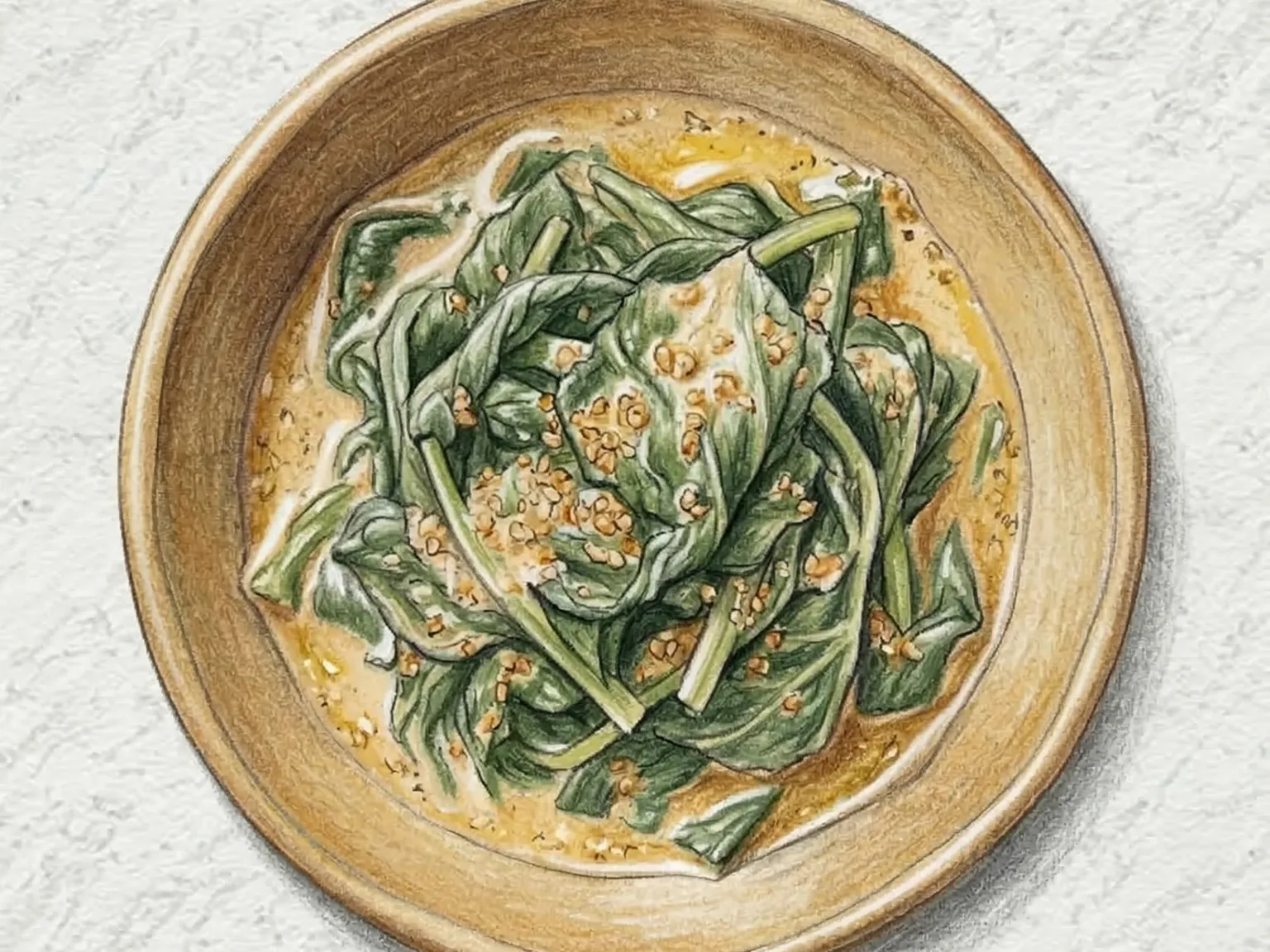
Boiled napa cabbage dressed with doenjang and perilla, a banchan passed through generations of Korean home cooks. The cabbage boils for two minutes so the leaves go fully soft while the white stems keep a slight bite, then it is rinsed, squeezed dry, and cut. Perilla oil takes the place of sesame oil and gives the dressing a distinctly herbal character. Perilla powder added at the end thickens the seasoning into a coating that clings to each strand. This quiet banchan pairs well with clear soups and plain steamed rice.

🏠 Everyday🍱 Lunchbox
Prep 10minCook 5min4 servings
Korean Blue Crab Doenjang Pot Rice
RiceHard

Korean Blue Crab Doenjang Pot Rice

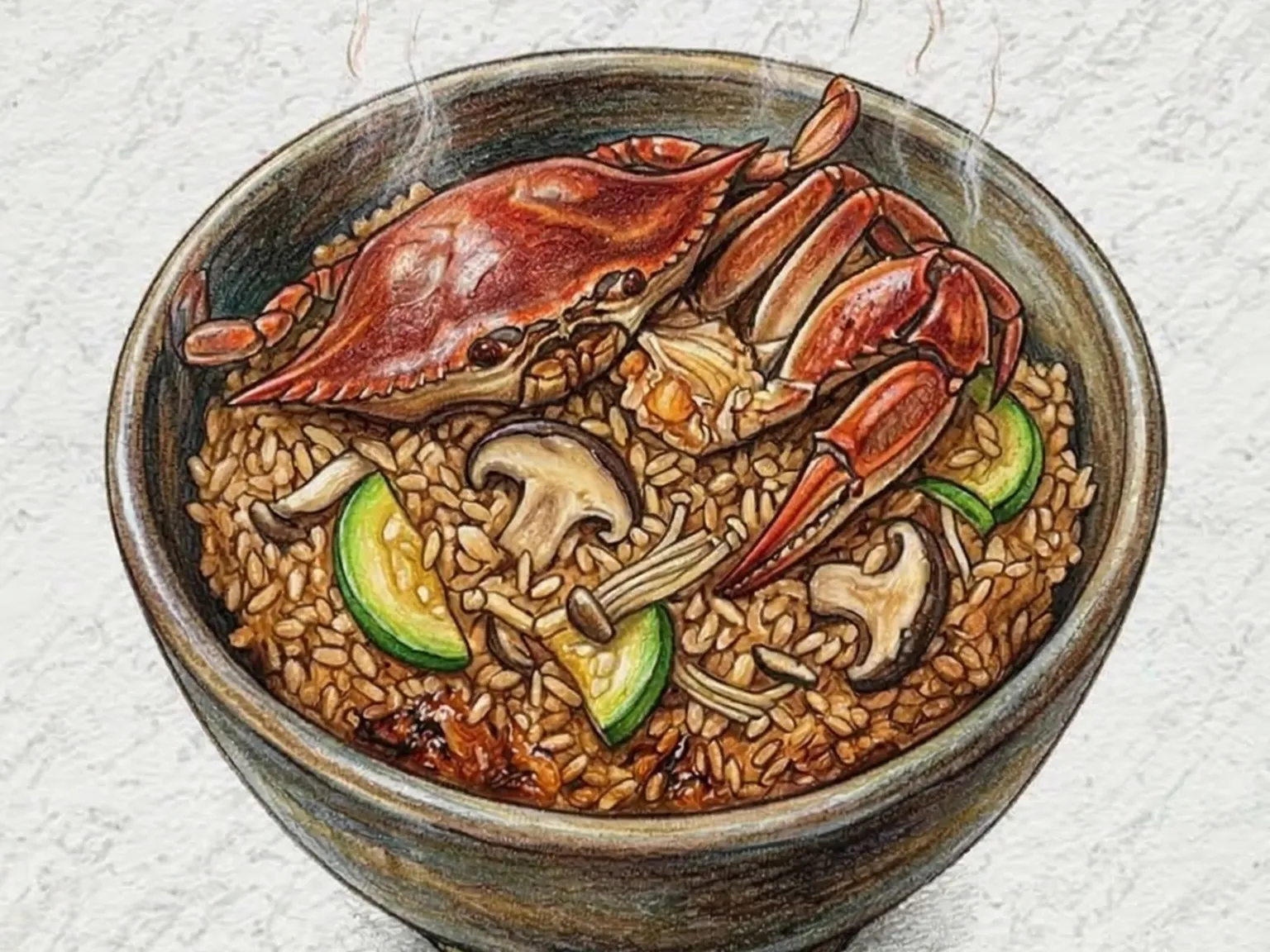
Cleaned blue crab sits atop soaked rice in a heavy pot, cooked in anchovy-kelp stock that has been infused with dissolved doenjang. Garlic and vegetables are sauteed first in perilla oil to build an aromatic base before the stock-doenjang mixture is poured in and brought to a boil. The crab goes on top and the pot is covered for five minutes on high heat, fifteen minutes on low, then ten minutes off the heat to rest and steam through. The crab's briny sweetness and the doenjang's fermented, earthy depth soak into every grain of rice during the long, slow cook. Zucchini and shiitake mushrooms add a mild sweetness that tempers the saltiness and rounds out the bowl. One additional minute on low heat after resting creates a golden, nutty nurungji crust at the bottom, a prized texture in Korean pot rice. Doenjang saltiness varies by brand, so tasting the diluted stock before adding rice lets you calibrate without oversalting. A few slices of cheongyang chili on top cut through the fermented richness and add a sharp finishing heat.

🏠 Everyday🎉 Special Occasion
Prep 20minCook 35min4 servings
Korean Cabbage Doenjang Stir-Fry
Stir-fryEasy

Korean Cabbage Doenjang Stir-Fry

Baechu doenjang bokkeum is a Korean home-style side dish where napa cabbage is stir-fried with doenjang (fermented soybean paste) in perilla oil. The cabbage goes into a hot pan first and is tossed until slightly wilted, then the doenjang is added and the heat lowered so the paste spreads evenly and coats every piece. Minced garlic goes in with the cabbage, its sharpness merging into the fermented depth of the doenjang as both cook together. The thicker stem sections go into the pan before the leaves to preserve their crunch, and the leafy parts follow later so they stay tender rather than limp. A final drizzle of perilla oil just before removing the pan from heat reinforces the nutty aroma, finished with a scatter of toasted sesame seeds. The seasoning is minimal, but the salty intensity of the doenjang and the natural sweetness of napa cabbage strike a balance that makes this side dish a reliable staple with steamed rice. No soup or stew is needed alongside it.

🏠 Everyday🍱 Lunchbox
Prep 5minCook 8min2 servings
Korean Perilla-Grilled Mushrooms
GrilledEasy

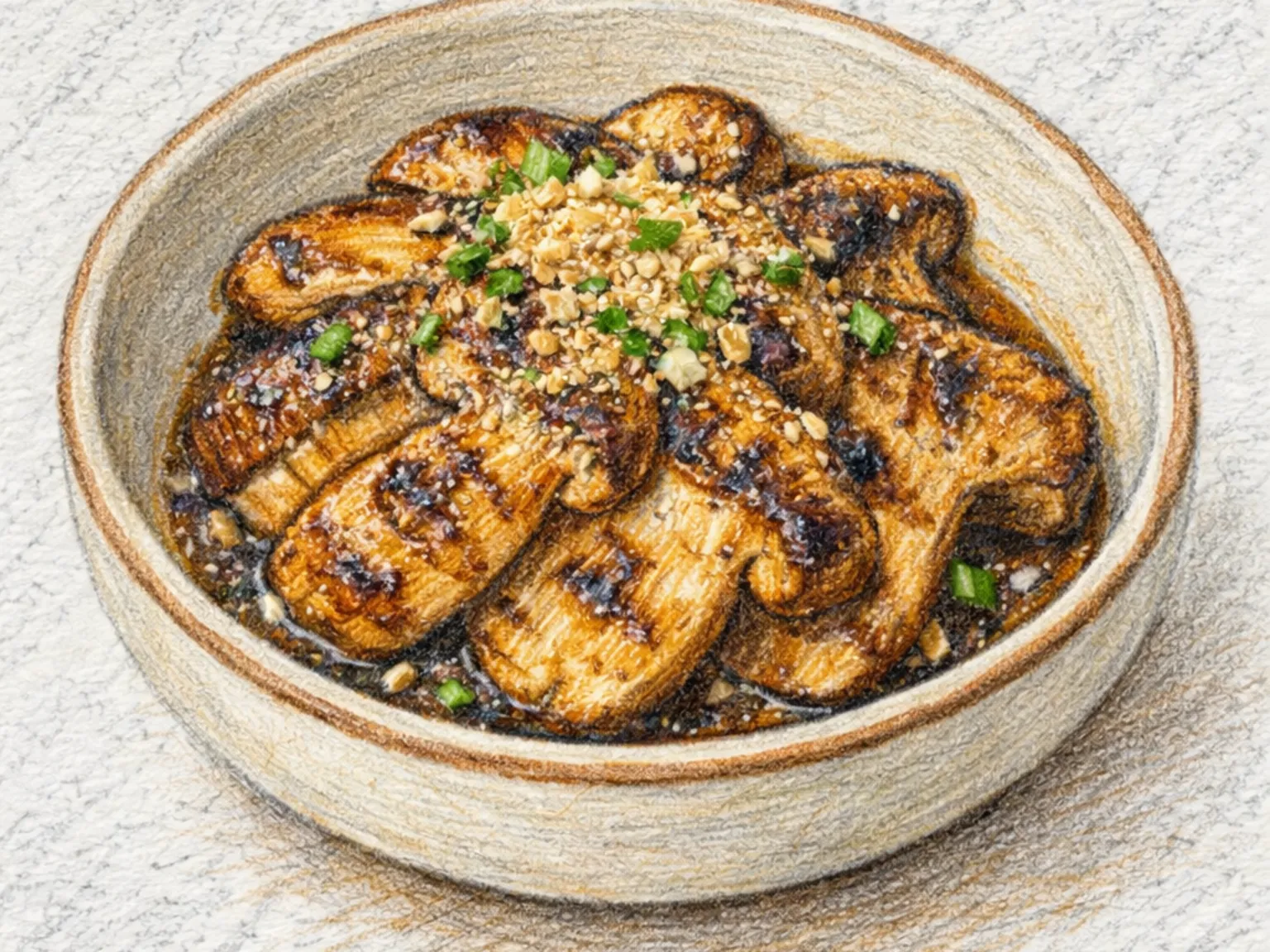
Korean Perilla-Grilled Mushrooms

Songhwa mushrooms have thick caps with high moisture content, so they stay succulent and chewy when grilled. Sliced into thick pieces and tossed with a simple mix of perilla oil, soy sauce, garlic, salt, and pepper, they cook for about three minutes per side on a hot pan. The perilla oil imparts a distinctly nutty, toasted aroma that differs from sesame. Ground perilla seed is sprinkled on just before the heat is turned off, releasing fragrance without scorching. Finished with chopped chives, this vegetarian dish works equally well as a rice side or a drinking snack.

🍺 Bar Snacks🏠 Everyday
Prep 10minCook 10min2 servings
Kimchi Dwaejigogi-guk (Kimchi Pork Tofu Soup)
SoupsEasy

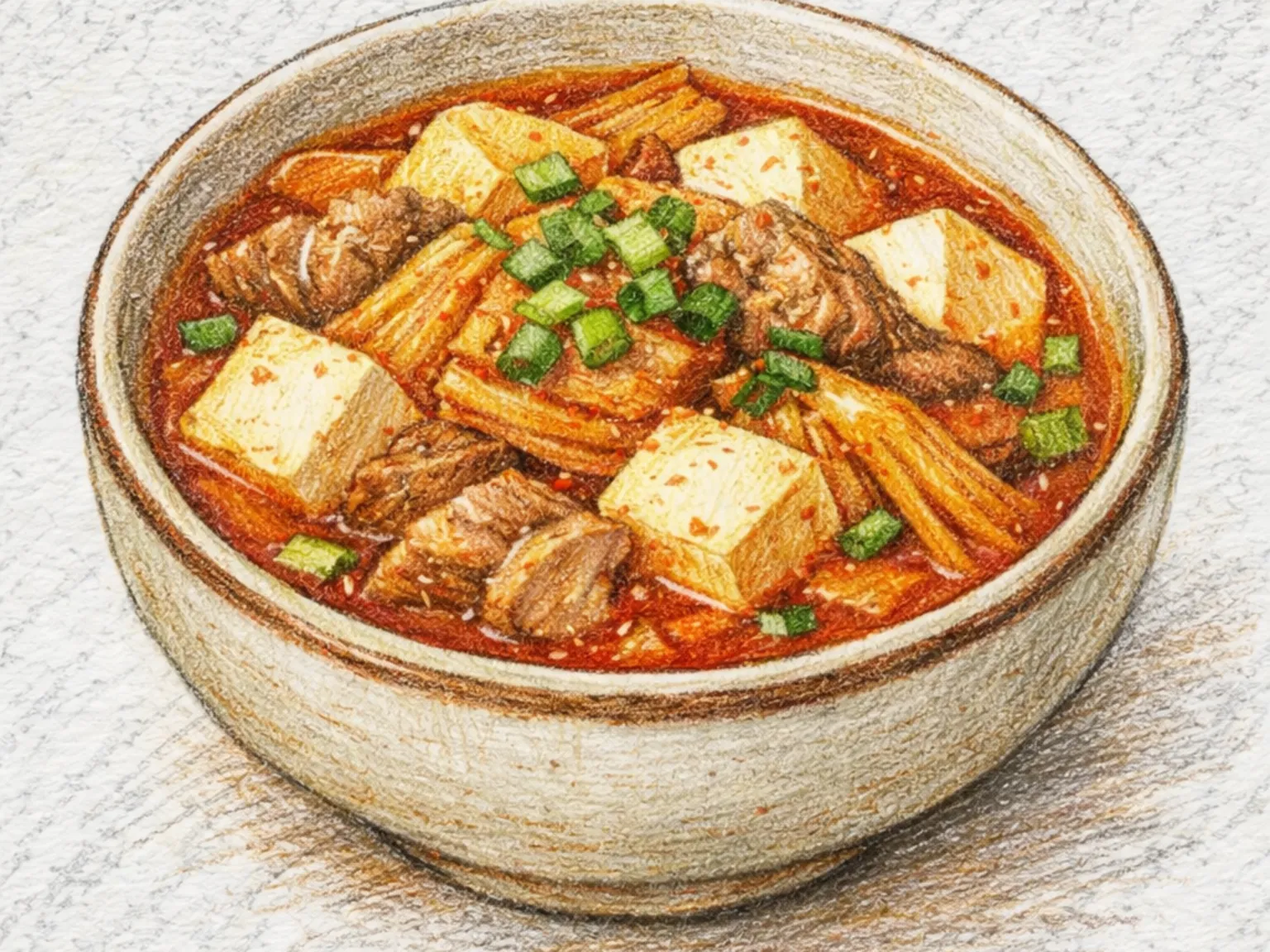
Kimchi Dwaejigogi-guk (Kimchi Pork Tofu Soup)

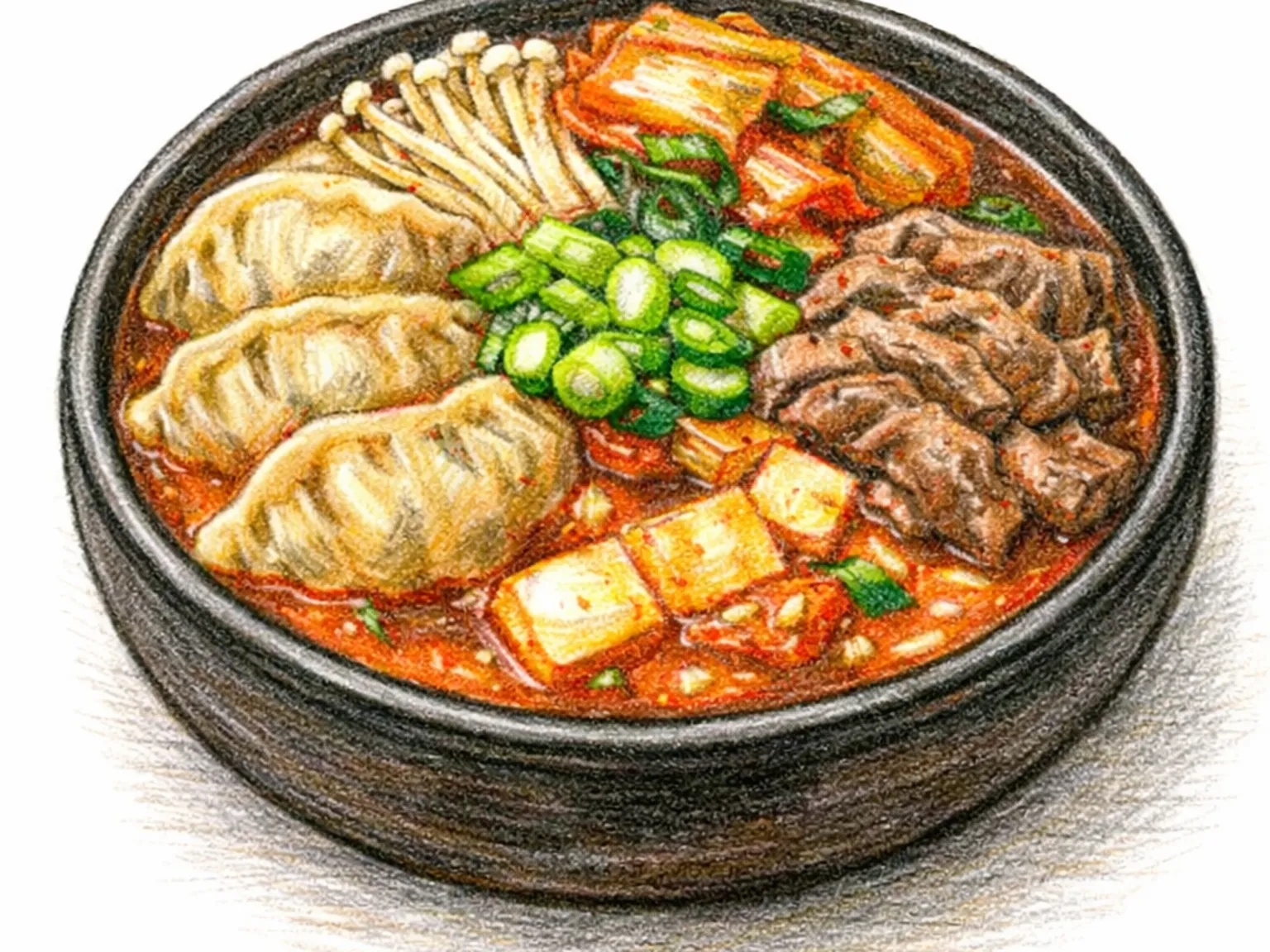
Kimchi-dwaejigogi-guk starts by stir-frying pork shoulder and well-fermented sour kimchi together in perilla oil. The pork is cooked first until its fat renders fully, then chili flakes join the pan for three more minutes of cooking alongside the kimchi. This initial stir-fry step is what gives the soup its depth - the caramelized kimchi acidity and rendered pork fat fuse into a base that a plain simmered broth cannot replicate. Water and sliced onion are added and simmered for fifteen minutes, then blocks of firm tofu go in near the end, soaking up the spicy, ruddy broth and providing a soft contrast to the chewy pork. The soup has considerably more liquid than a jjigae, making it well suited for pouring over rice in a bowl. Kimchi that has fermented longer delivers more lactic tang and a more complex broth. Pork belly can replace shoulder for a richer, fattier result.

🏠 Everyday
Prep 12minCook 25min2 servings
Korean Gaji Saewoo Jjigae (Eggplant Shrimp Stew)
StewsEasy

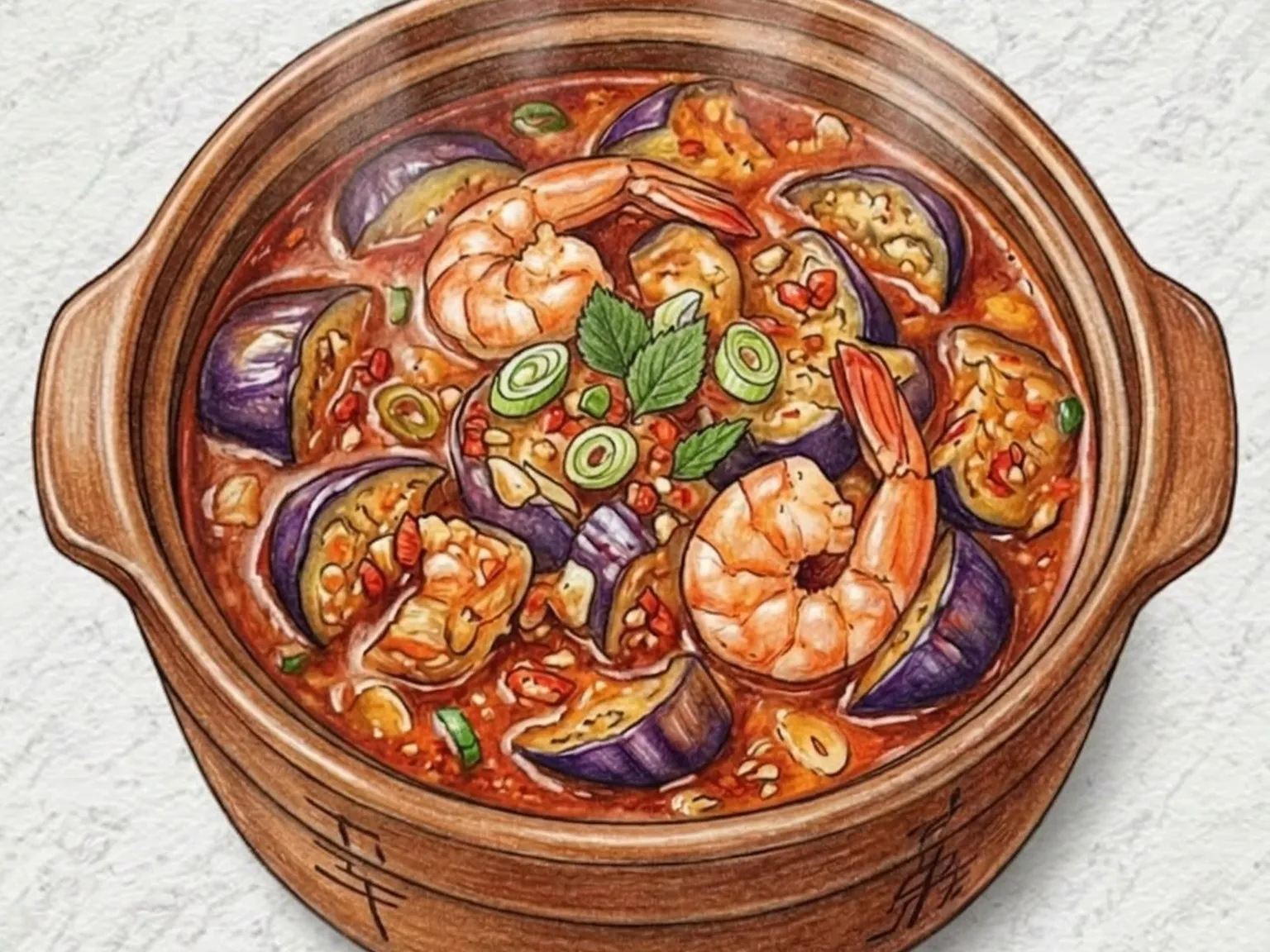
Korean Gaji Saewoo Jjigae (Eggplant Shrimp Stew)

Gaji-saewoo-jjigae is a spicy Korean stew of eggplant and shrimp simmered in a gochujang-based broth seasoned with perilla oil and tuna fish sauce. The vegetables and shrimp are stir-fried in perilla oil first to develop fragrance, then water is added and the whole pot brought to a boil. Eggplant cut in thick lengthwise slices or on the bias presents a large surface area that soaks up the spicy, savory broth, so each bite releases a burst of liquid from inside the softened flesh. The shrimp cook quickly and contribute a sweet, briny flavor that lifts the fermented chili paste. Tuna fish sauce adds depth and umami without any fishy edge, and the perilla oil's distinctive nutty fragrance runs through the entire broth. The soft, yielding eggplant and the firm, springy shrimp create a textural contrast in each bowl, and the characteristic sweetness built into gochujang-based broths makes this a summer dish that stimulates appetite even in the heat.

🏠 Everyday
Prep 14minCook 17min2 servings
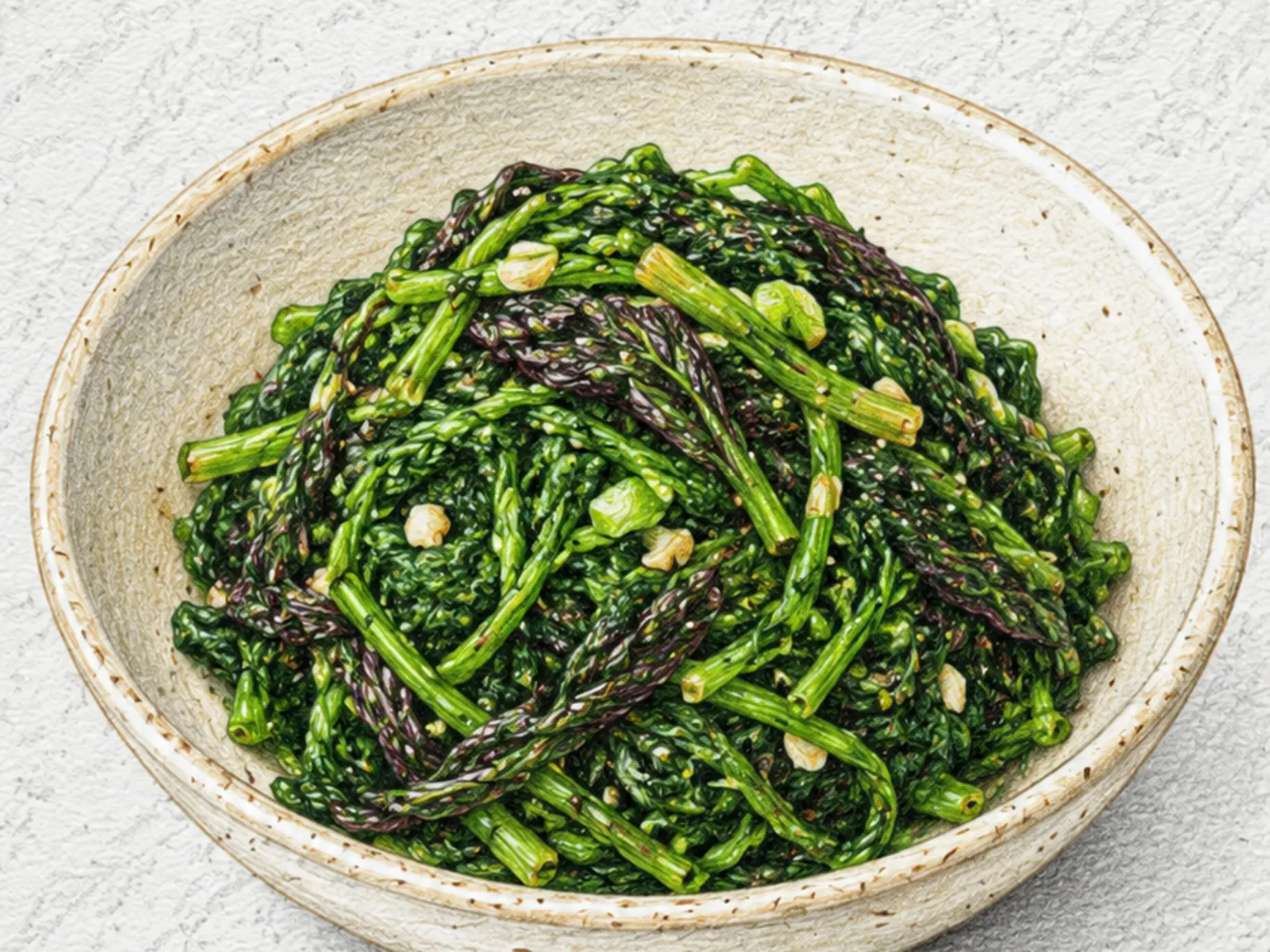
Korean Steamed Thistle Greens with Perilla
SteamedEasy

Korean Steamed Thistle Greens with Perilla

Gondre deulkkae jjim is a steamed side dish of blanched thistle greens cooked down with ground perilla seeds, perilla oil, and soup soy sauce. The greens are seasoned with garlic and oil first, then covered and left to steam over low heat so the liquid is slowly absorbed into the fibrous leaves rather than evaporating away. Adding the perilla powder toward the end of cooking, rather than at the beginning, prevents the nutty flavor from turning bitter or chalky from prolonged heat exposure. The soft, absorbent fibers of the thistle greens hold the seasoning exceptionally well, meaning each bite carries a concentrated burst of savory, nutty flavor throughout. Pulling the pan off the heat while a little texture remains in the greens keeps the dish from turning mushy. Green onion cut into rough pieces is added on top at the end, and a final drizzle of perilla oil revives the aroma. The ingredient list is short, but the result is a deeply satisfying dish often piled over hot rice or served as a companion to gondre bibimbap.

🥗 Light & Healthy🍱 Lunchbox
Prep 15minCook 20min2 servings
Korean Warm Perilla Mushroom Rice Noodles
NoodlesEasy

Korean Warm Perilla Mushroom Rice Noodles

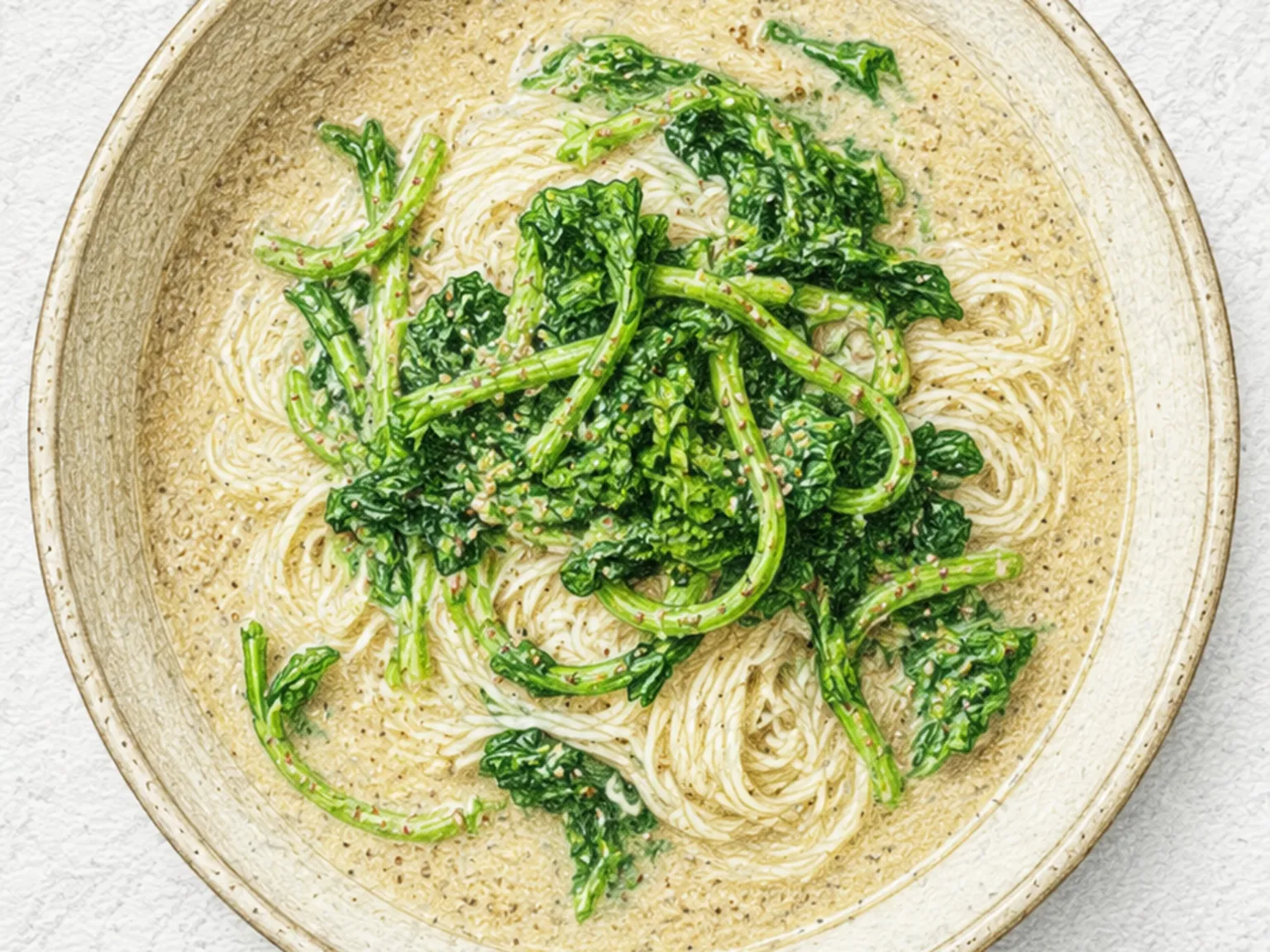
Deulkkae beoseot on ssalguksu is a warm Korean noodle soup built on kelp stock simmered with oyster and shiitake mushrooms, then enriched with ground perilla seeds into a creamy, opaque broth. Rice noodles are smoother and more slippery than wheat varieties, sliding through the rich liquid with ease, while the mushrooms provide a firm, chewy counterpoint. Adding the perilla powder at the very end preserves its roasted, nutty fragrance on the surface of each spoonful rather than cooking it off. Soup soy sauce seasons the broth cleanly without the heaviness of fermented soybean paste. Using dried shiitake mushrooms instead of fresh ones and soaking them in cold water first draws out a concentrated mushroom stock that deepens the base significantly. Substituting king oyster mushrooms cut into thick rounds for oyster mushrooms adds more substantial chew. The dish contains no wheat and suits gluten-free diets. It is particularly fitting on cold days as a light but warming meal.

🥗 Light & Healthy🏠 Everyday
Prep 20minCook 20min4 servings
Chwinamul Apple Doenjang Salad
SaladsEasy

Chwinamul Apple Doenjang Salad

Chwinamul (aster scaber) is blanched briefly to preserve its herbal, slightly bitter character, then combined with thin-sliced apple and cucumber for crisp sweetness. The dressing is built on doenjang -- Korean fermented soybean paste -- which contributes a depth of savory umami uncommon in typical salad dressings, and a few drops of perilla oil add a nutty, lingering aftertaste. Red onion provides a sharp, pungent edge that keeps the salad from feeling heavy. Blanching time is critical: more than thirty seconds in boiling water strips both the fragrance and the green color, so the chwinamul should be transferred immediately to ice water to stop cooking. When made with freshly harvested spring chwinamul, the herbal aroma comes through at full intensity, and the doenjang dressing makes it a natural fit alongside other dishes on a Korean table.

🥗 Light & Healthy Quick
Prep 18minCook 2min2 servings
Korean Aster Herb Namul (Blanched Mountain Greens Seasoned)
Side dishesEasy

Korean Aster Herb Namul (Blanched Mountain Greens Seasoned)

Chwinamul - aster scaber - is among Korea's most prized mountain herbs, foraged from hillsides every spring. Its broad leaves carry a distinctly bitter, herbaceous edge that sets it apart from milder greens. A one-to-two minute blanch in salted boiling water tames rawness while keeping the woodland scent intact. Using perilla oil rather than sesame oil is the key step: sauteing in perilla oil lifts and deepens the herb's wild character in a way sesame cannot replicate. The seasoning is simple - garlic and salt - whether the greens are dressed as a cold namul or briefly stir-fried. A staple of bibimbap and temple cuisine across Korea, dried chwinamul is rehydrated in cold water and cooked the same way through winter, making it a reliable pantry ingredient beyond the spring harvest.

🏠 Everyday🍱 Lunchbox
Prep 10minCook 5min2 servings
Korean Radish Greens Shrimp Porridge
RiceEasy

Korean Radish Greens Shrimp Porridge

Mucheong-saeu-juk is a Korean porridge built on blanched, chopped radish greens and minced shrimp sauteed together in perilla oil before soaked rice and water are added and the whole pot is simmered down to a smooth, savory consistency. Blanching the radish greens before anything else is essential for two reasons. The coarse, fibrous texture that would otherwise remain tough and unpleasant in a smooth porridge softens significantly after a brief immersion in boiling water, and a portion of the greens' natural bitterness is drawn out at the same time. Chopping them finely after blanching allows them to integrate seamlessly throughout the porridge so that no identifiable clumps disrupt the texture. Shrimp handled differently than simple mincing produces a better result: crushing each piece lightly with the flat of a knife releases umami into the cooking liquid more evenly than finely minced shrimp, while avoiding the concentrated fishiness that over-processed seafood can carry. Perilla oil differs meaningfully from sesame oil in its flavor profile. Alongside a shared nuttiness it carries a distinctly herbal quality that pairs particularly well with vegetable-forward preparations. Using soup soy sauce rather than plain salt keeps sodium in check while still contributing the subtle, fermented depth that flat salt lacks. Radish greens supply vitamin C and dietary fiber, and shrimp provides lean, complete protein with minimal fat, making this a nutritionally well-rounded bowl in a small volume. Because the porridge is easy to digest and gentle on the stomach, it works equally well as a light morning meal, a recovery dish during illness, a post-surgery restorative, or simply a warming option on days when anything heavier feels like too much. Frozen shrimp can substitute for fresh; it should be fully thawed and thoroughly dried before going into the pan so that excess water does not dilute the finished porridge. Leftovers thicken considerably as they cool; a small addition of water and gentle reheating over low heat restores the original consistency.

🏠 Everyday
Prep 18minCook 28min2 servings
Korean Beurokolli Dubu Doenjang Bokkeum (Broccoli Tofu Doenjang Stir-fry)
Stir-fryEasy

Korean Beurokolli Dubu Doenjang Bokkeum (Broccoli Tofu Doenjang Stir-fry)

Broccoli florets and firm tofu are stir-fried in a sauce made by dissolving doenjang in water, producing a Korean vegetarian side dish with layered fermented-soybean depth. Pan-searing the tofu in perilla oil until golden before combining with the other ingredients prevents crumbling during stir-frying and creates a crisp shell around a soft center. The broccoli is blanched for only 40 seconds to lock in its crunch, then added to the pan where the doenjang sauce coats each floret and suppresses any raw green bitterness, converting it into a mellow savoriness. Because doenjang carries significant salt on its own, soy sauce should be adjusted only at the very end after tasting. Toasted sesame seeds scattered over the top add a final layer of nuttiness. The dish provides plant-based protein from the tofu and dietary fiber from the broccoli in a single well-balanced plate. For a spicier variation, a small amount of gochujang stirred into the doenjang sauce deepens both the color and the heat without needing extra chili flakes. The ratio of doenjang to water also matters: too little water leaves the sauce overly salty and the broccoli unevenly coated, while too much thins the fermented depth. A starting ratio of one part doenjang to two parts water by volume gives consistent results.

🏠 Everyday🍱 Lunchbox
Prep 15minCook 11min4 servings
Korean Grilled Doenjang Onions
GrilledEasy

Korean Grilled Doenjang Onions

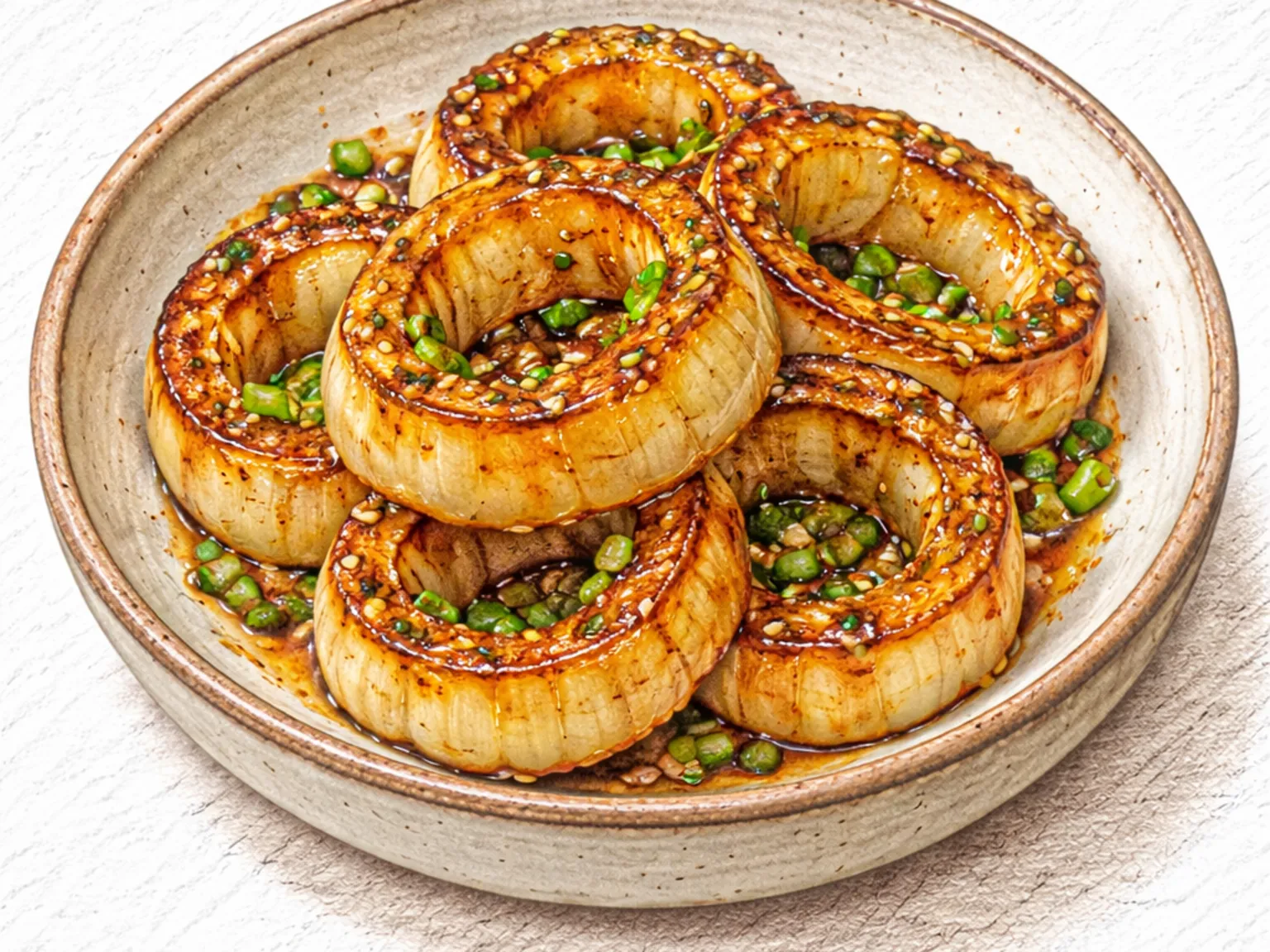
Onions are sliced into 2 cm rings, secured with skewers, and grilled over medium heat while being brushed with a sauce of doenjang, gochujang, minced garlic, perilla oil, and water. Over eight to ten minutes of flipping and re-brushing, the onion's moisture evaporates and its natural sugars concentrate into pronounced sweetness, while the doenjang chars lightly at the edges to add a toasted, earthy note. Perilla oil softens the salt intensity of the doenjang, and a finish of sliced green chili and ground sesame layers in mild heat and nuttiness. At 146 calories per serving, this is a low-calorie side dish that also works as a light accompaniment to drinks.

🍺 Bar Snacks🥗 Light & Healthy
Prep 10minCook 12min2 servings
Korean Dried Radish Greens Beef Soup
SoupsMedium

Korean Dried Radish Greens Beef Soup

Siraegi-soegogi-guk combines beef brisket or shank with dried radish greens in a doenjang-seasoned broth that is simultaneously meaty, earthy, and fermented. The beef simmers first, building a clear stock with substantial body, before the pre-boiled and softened radish greens are introduced. Doenjang dissolves into the stock and acts as a bridge between the animal richness of the beef and the vegetal, slightly bitter quality of the greens, making both taste more complete than they would alone. An optional spoonful of gochugaru adds warmth and color, shifting the soup from mild to gently spicy. Garlic and green onion handle the aromatic duties, and a scoop of ground perilla seeds - stirred in near the end - gives the broth a creamy, nutty finish that softens the edges. This soup is one of the more filling options in the Korean guk repertoire because both the beef and the fibrous greens provide substance and chew. A single bowl, ladled generously over rice, can replace an entire meal without any additional banchan. The flavors deepen overnight, making leftovers an anticipated breakfast rather than an afterthought.

🏠 Everyday
Prep 20minCook 45min4 servings