Korean Oyster Kimchi Stew
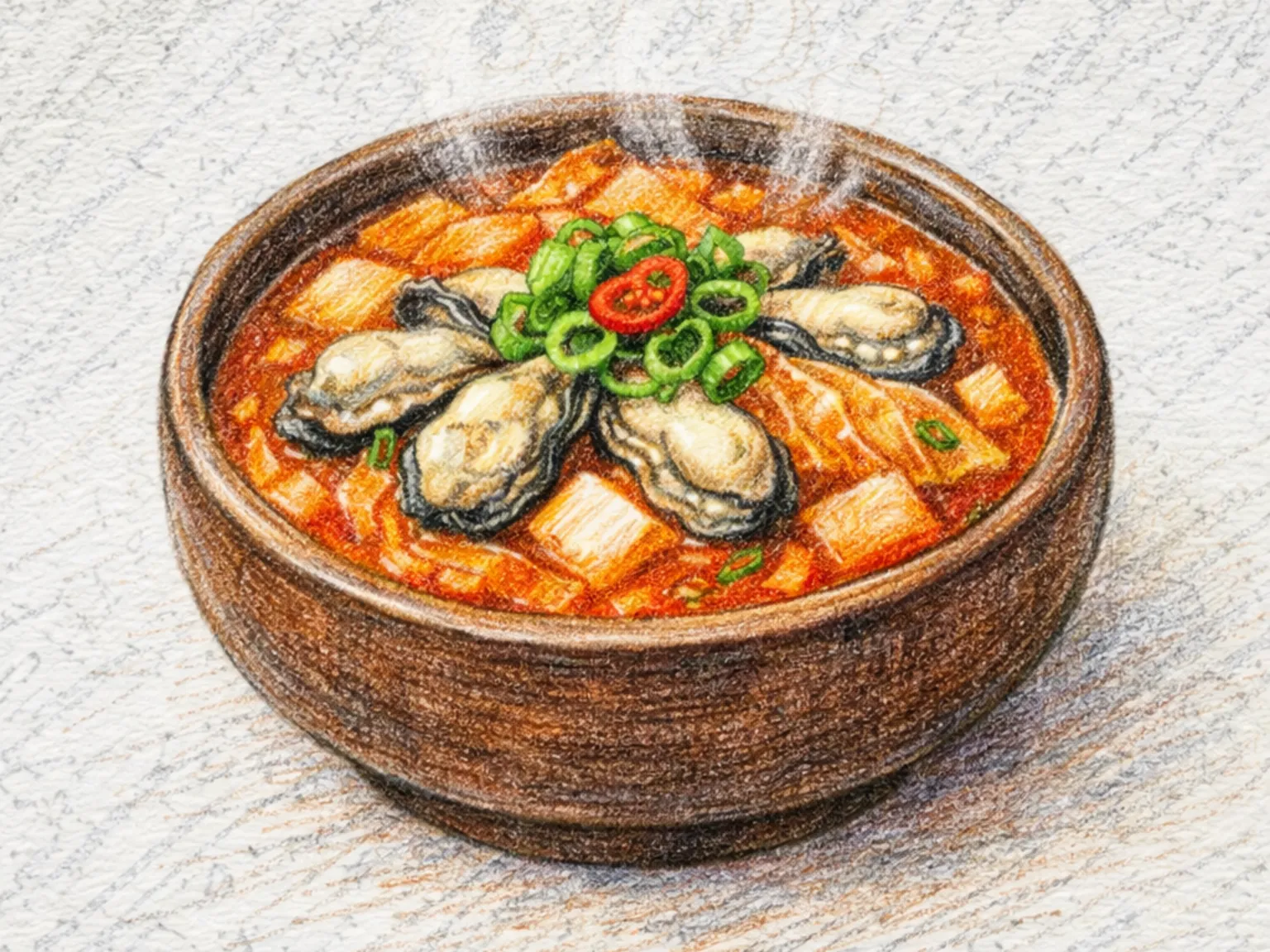
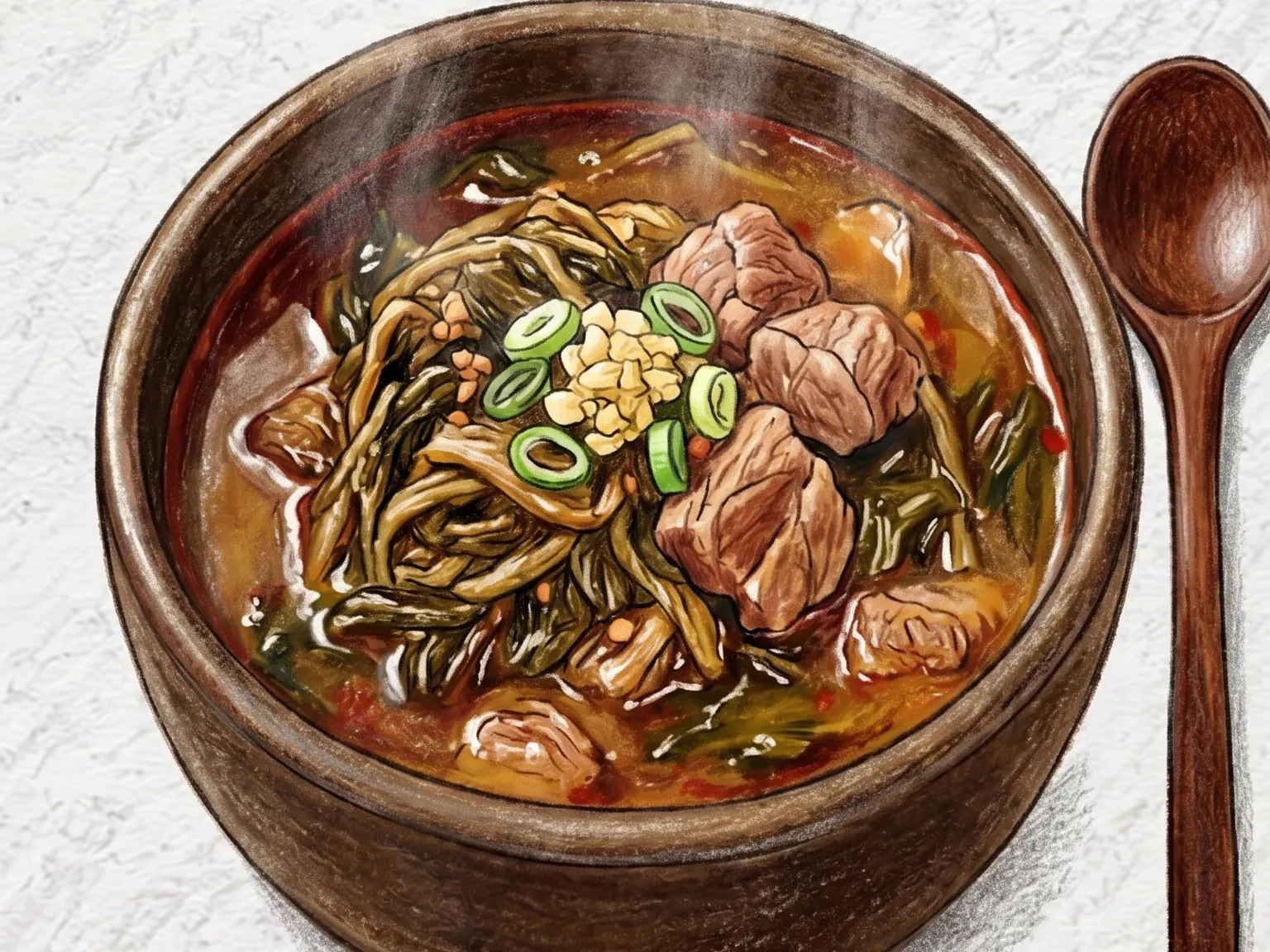
This stew pairs fresh oysters with aged kimchi, two ingredients that reach their peak simultaneously during the Korean winter, making this a dish with a narrow but rewarding season. The oysters contribute a deep briny sweetness while the well-fermented kimchi provides a sour, umami-laden backbone that would be impossible to replicate with fresh or lightly fermented leaves. A tablespoon of perilla oil distinguishes this from a standard pork kimchi jjigae: its nutty, slightly green aroma adds an earthy roundness that ties the seafood and kimchi together without competing with either. Radish is added to keep the broth clean and refreshing despite the concentration of flavors, and a base of anchovy stock reinforces the savory depth that the oysters and kimchi alone begin to build. Gochugaru and minced garlic provide heat and sharpness. The oysters go in only once the pot reaches a full boil and are cooked for no more than two to three minutes, just long enough to firm up without shrinking into small, rubbery pieces.

Korean Steamed Tofu with Spinach
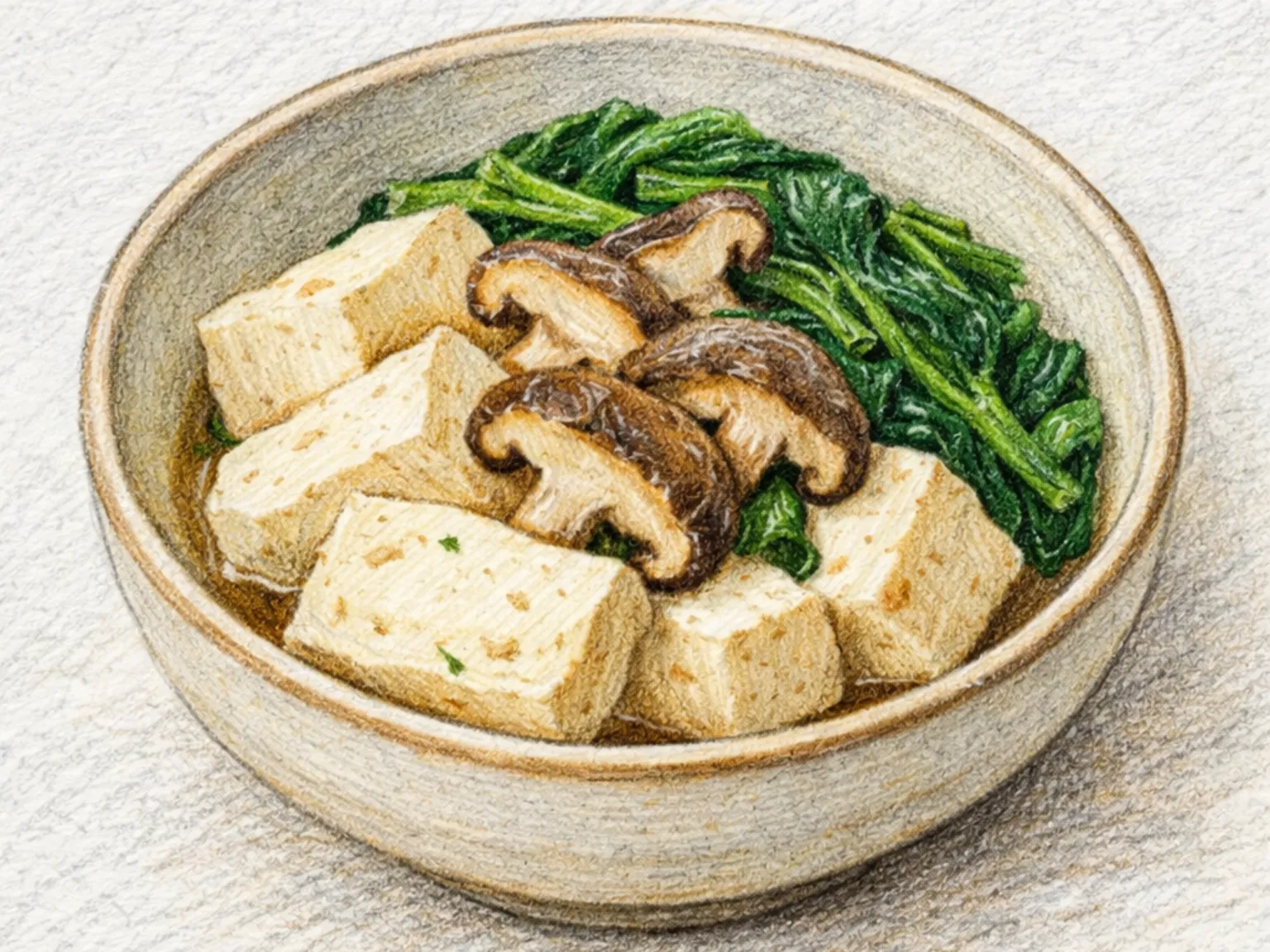
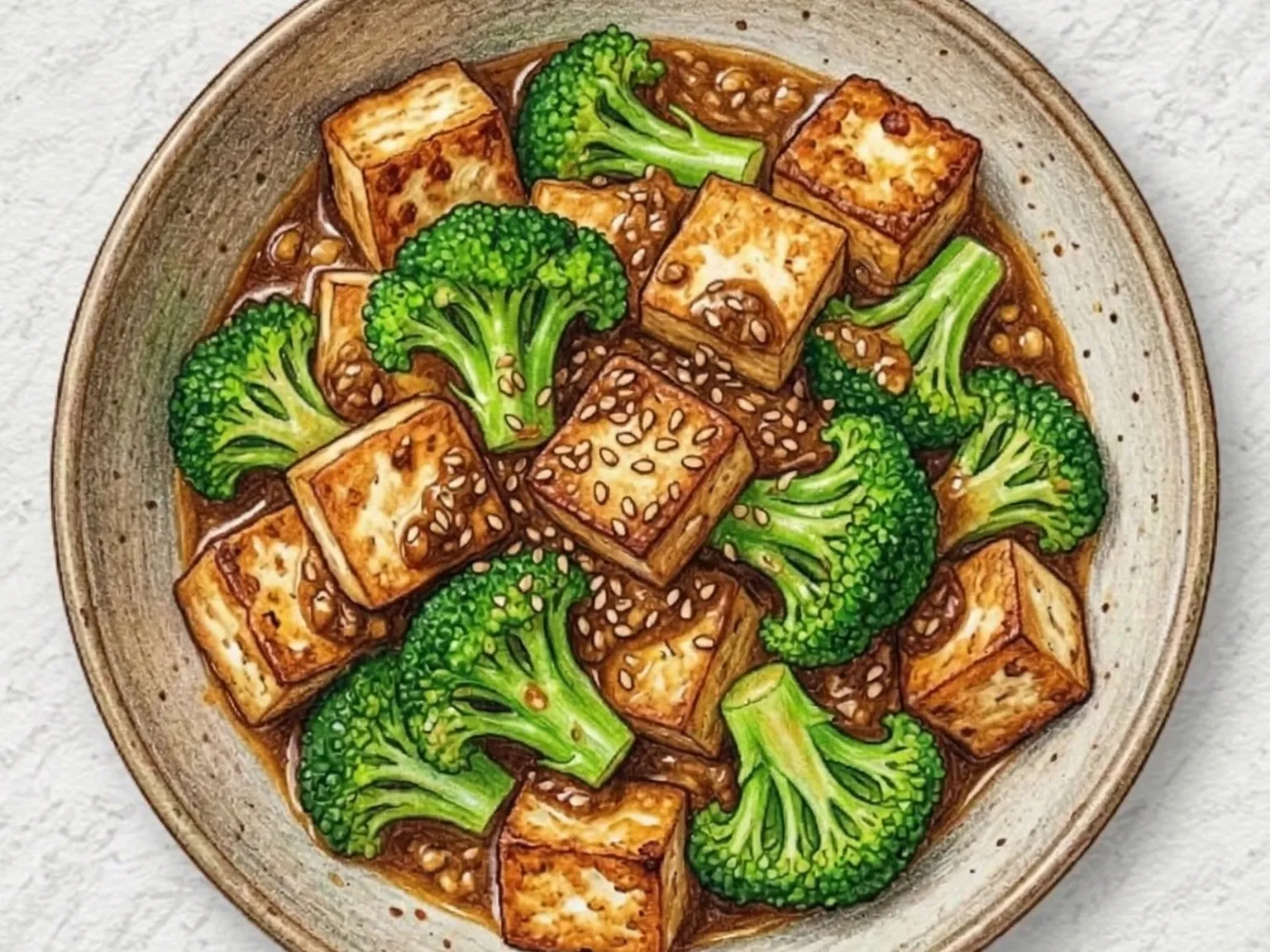
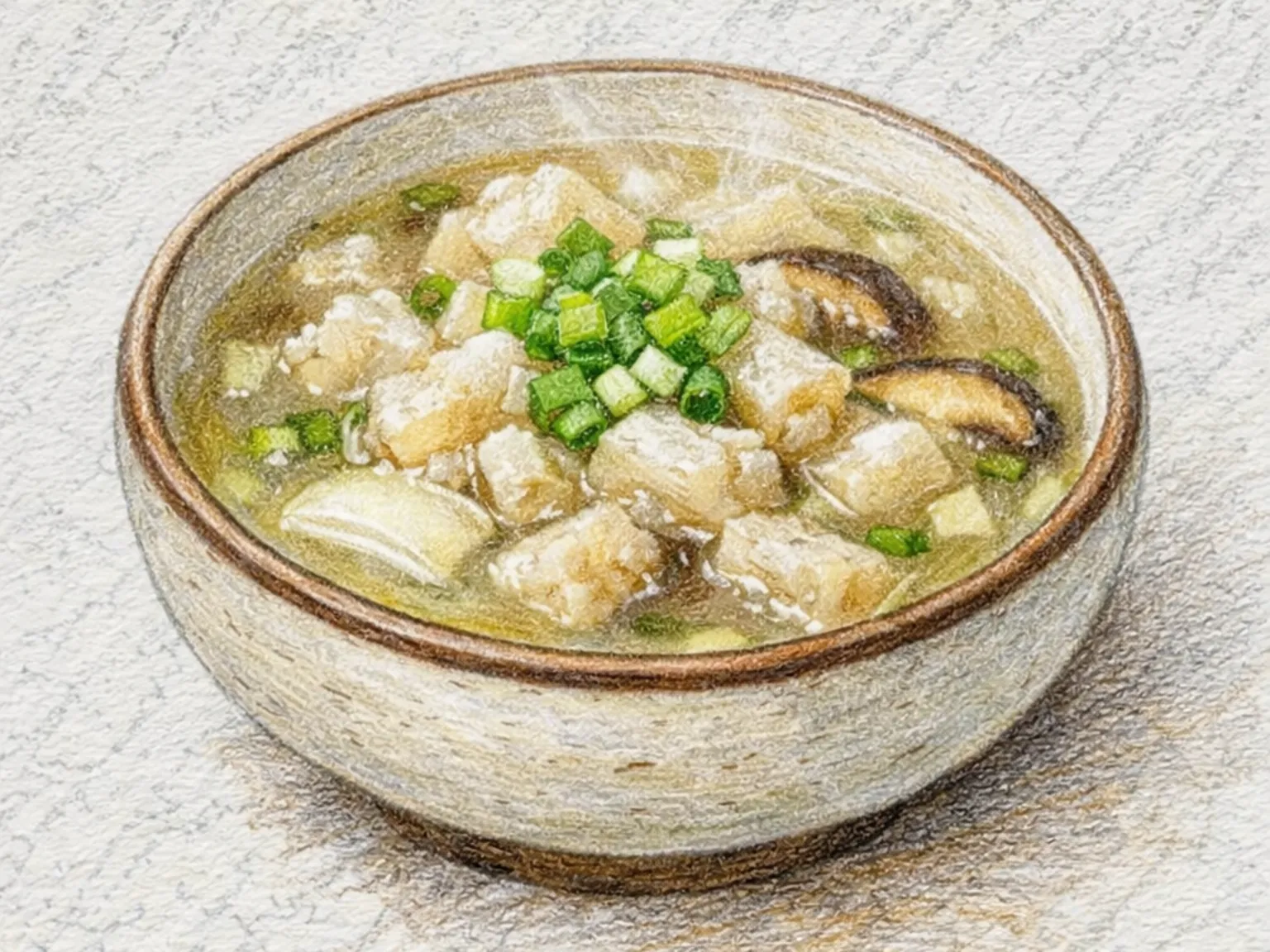
Sigeumchi dubu jjim is a Korean steamed side dish of firm tofu, spinach, and shiitake mushrooms seasoned with soy sauce and soup soy sauce, then covered and cooked over gentle heat until everything is just done. Pressing the tofu firmly between layers of kitchen paper to remove excess moisture is a necessary first step; water left in the tofu dilutes the seasoning and turns the cooking liquid murky. When the spinach and mushrooms are arranged alongside the tofu and the seasoning is spooned over everything before the lid goes on, the steam released by the vegetables cooks the dish evenly without any added water. Shiitake mushrooms bring a concentrated umami that gives unexpected depth to what is otherwise a very simple soy-based seasoning. A drizzle of perilla oil and a scattering of sesame seeds at the end add a distinctly nutty, aromatic finish that lifts the entire dish. Low in calories and rich in plant protein, it fits naturally into a light weeknight dinner as a side dish that is as nourishing as it is unfussy.

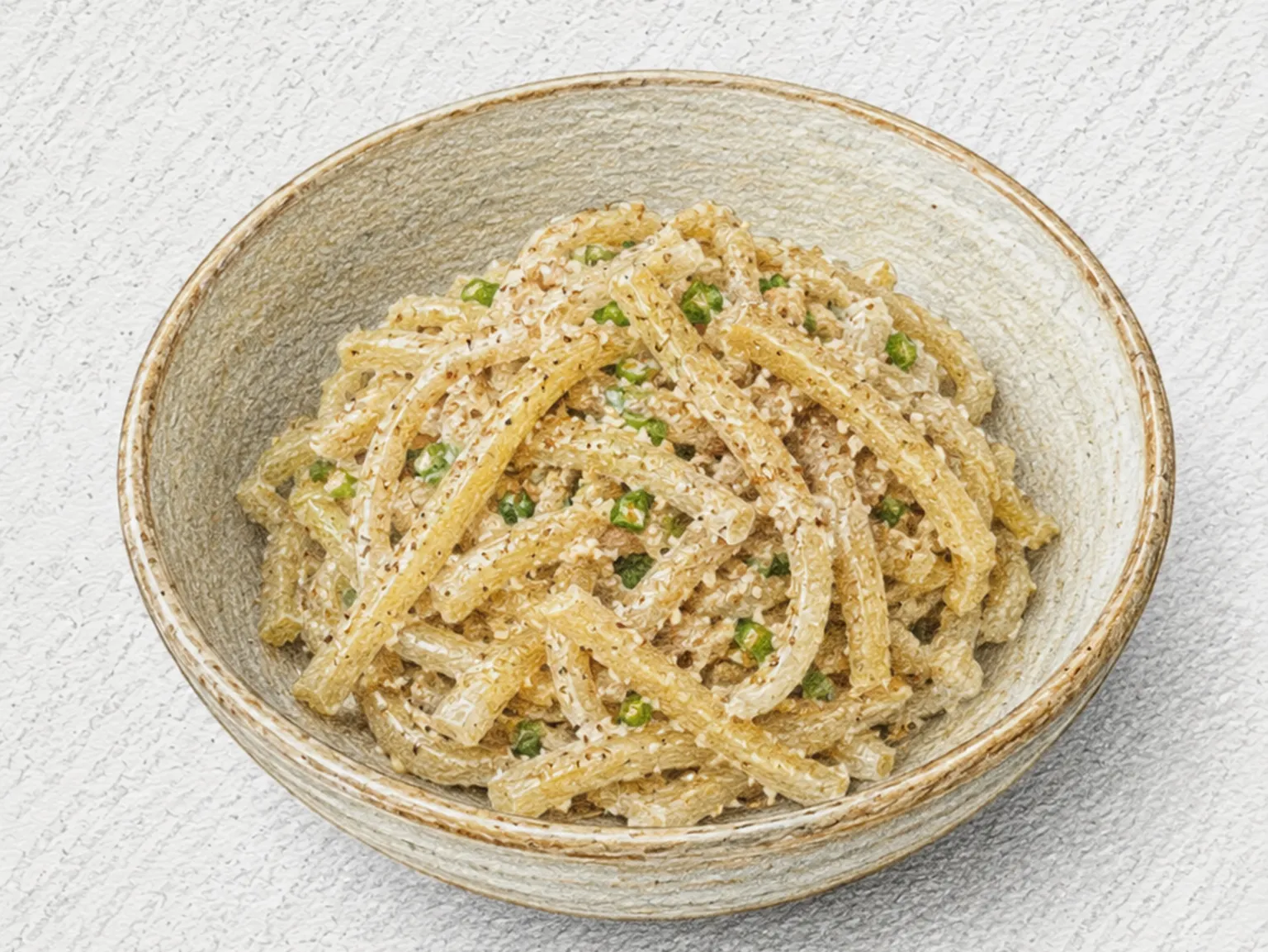
Korean Steamed Kimchi Mushroom Noodles
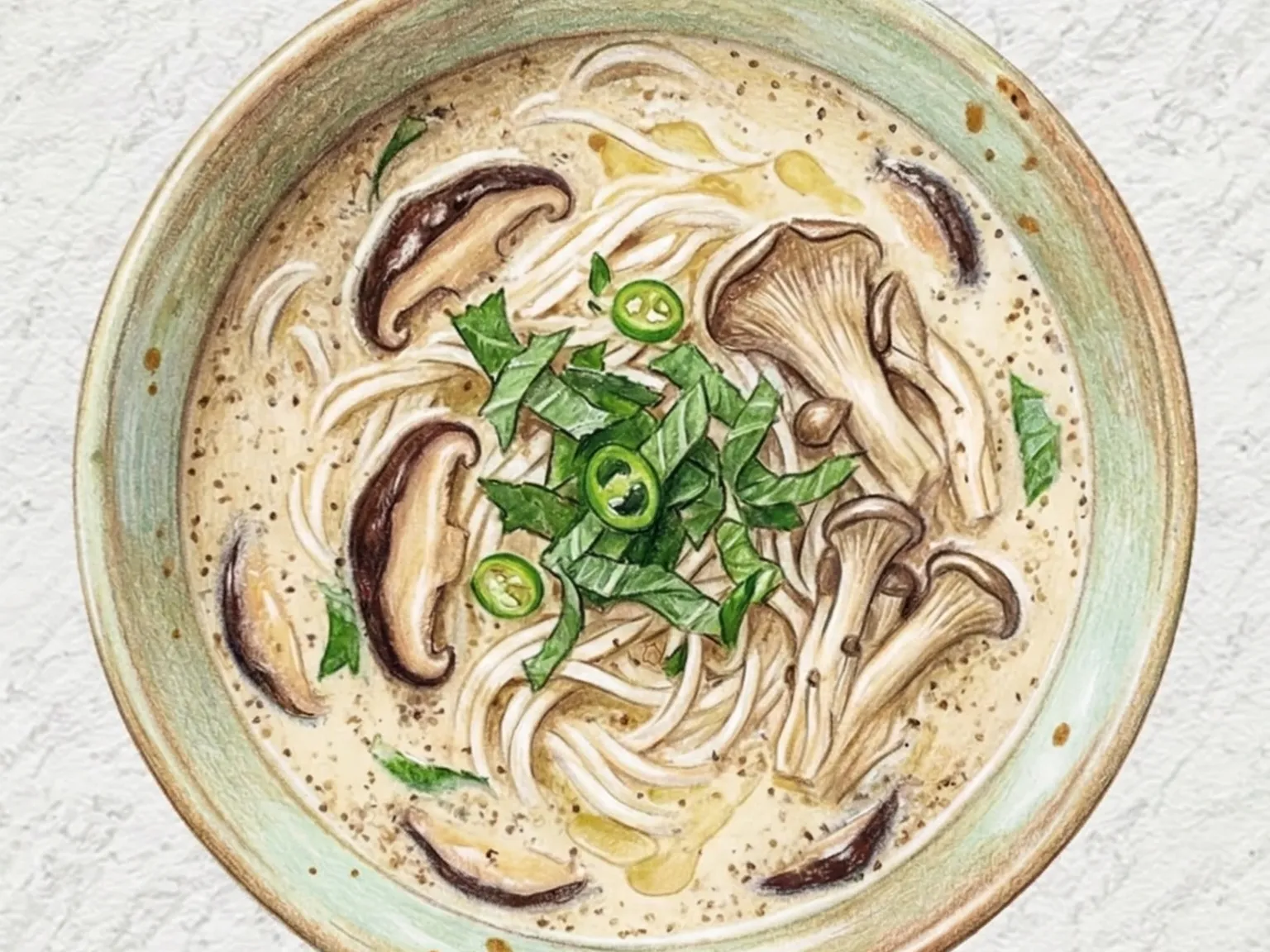
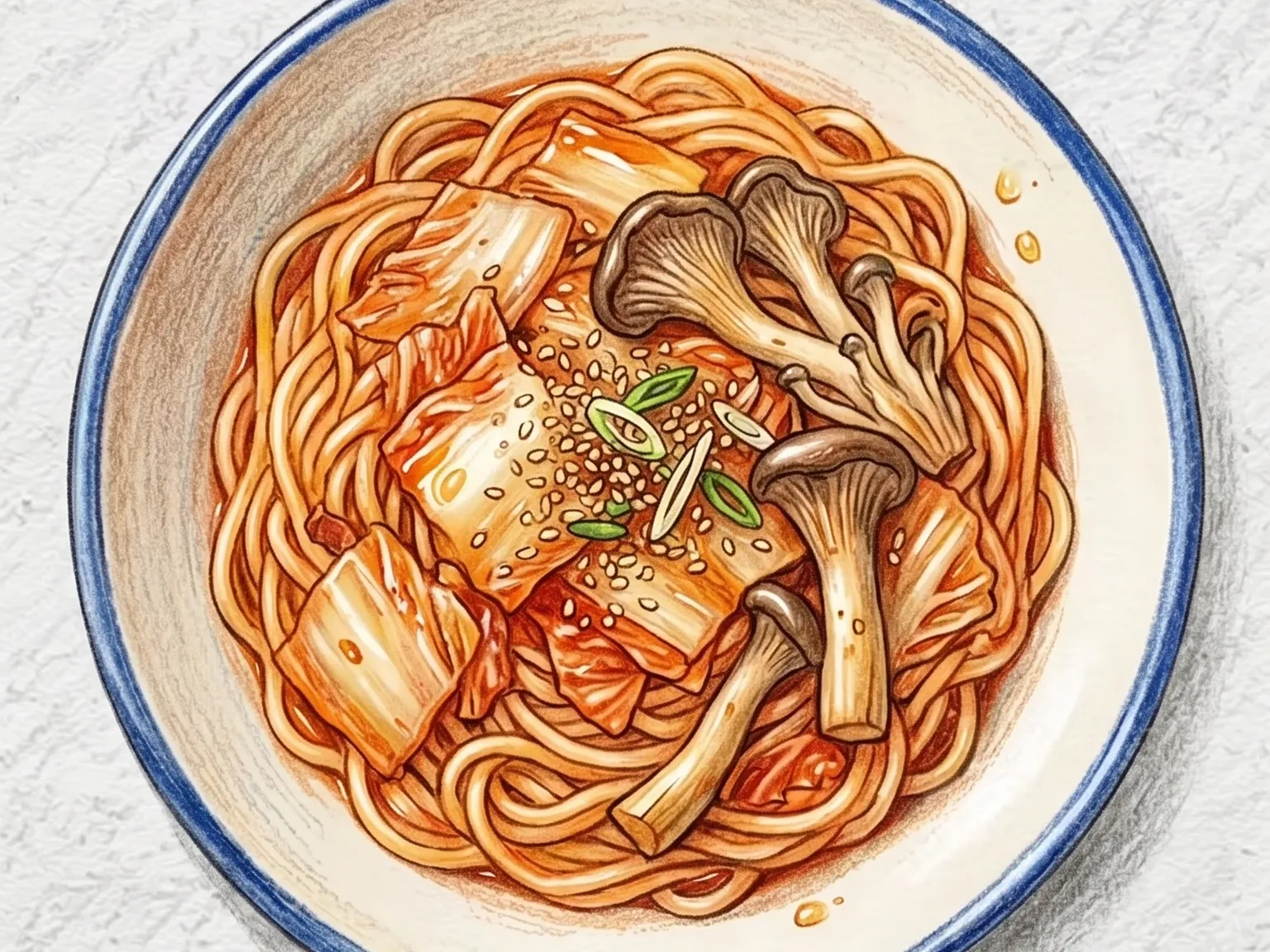
Gimchi beoseot tteumyeon is a steamed noodle dish built on a simple idea: ripe kimchi and oyster mushrooms are spread across the bottom of a pot, raw noodles are laid on top, and the whole thing is sealed with a lid and cooked entirely by steam. No additional water is poured in. The moisture locked inside the fermented kimchi converts to vapor as the pot heats, rising up through the noodles and infusing them from below. The fermented tang and chili seasoning of the kimchi penetrate the noodles in a way that boiling cannot replicate - the flavor is absorbed directly rather than diluted into cooking water. The noodles themselves take on a denser, more elastic chew than their boiled counterparts, because the gentler steam heat allows the starch to set gradually. Oyster mushrooms contribute their own moisture to the enclosed steam environment, extending the cooking vapor, while their fibers soften into a meaty texture with a clean umami note. A drizzle of sesame oil added just before serving releases a nutty aroma that rises above the spicy steam and rounds off the dish. Because everything cooks in one pot and the ingredient list stays short, this recipe shows up frequently as a weeknight dinner with a rewarding depth that belies its simplicity.

Grilled King Oyster and Perilla Salad
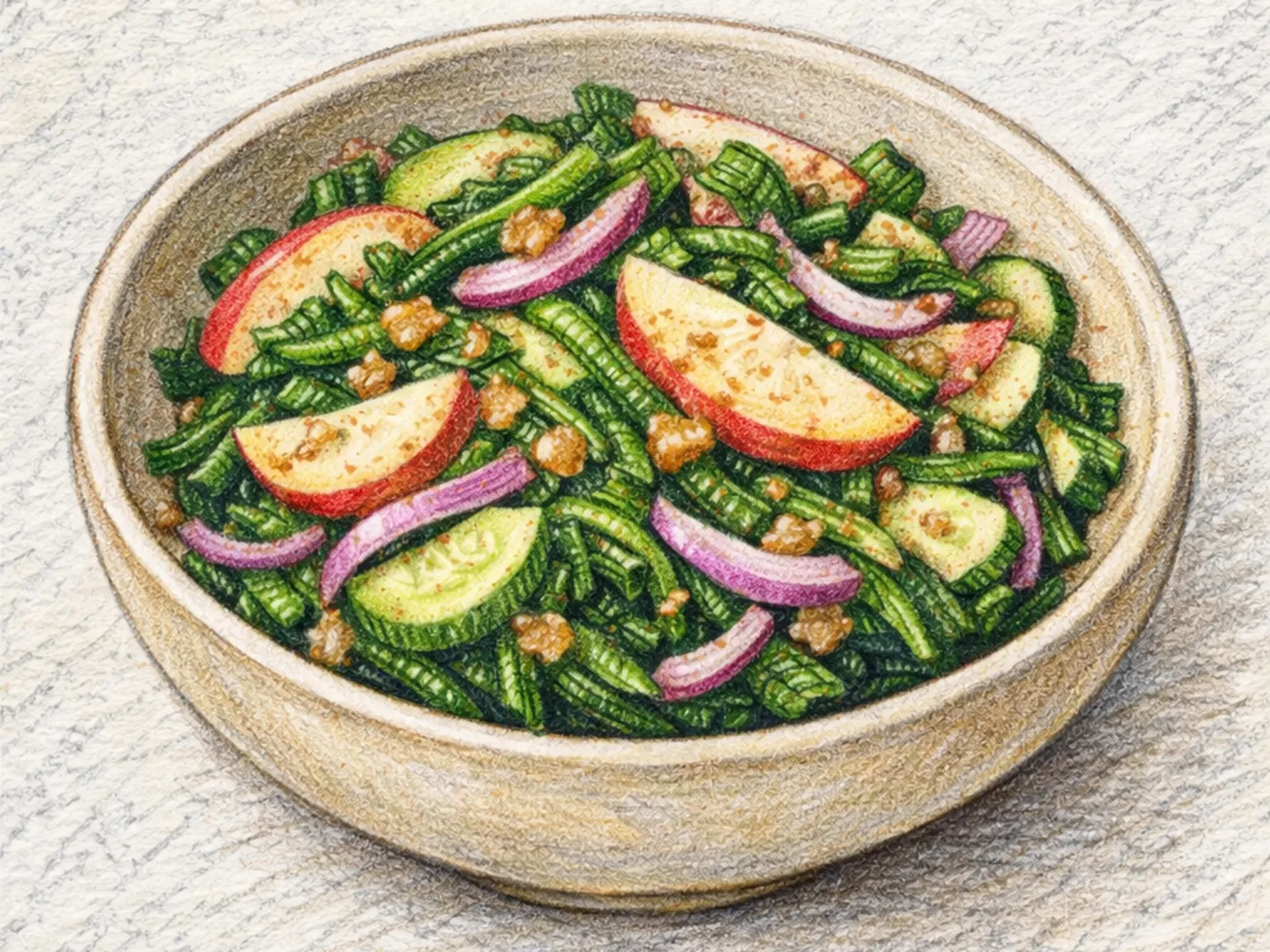
Grilled king oyster and perilla salad dry-sears thick-sliced king oyster mushrooms in an oil-free pan until golden, then tosses them with chiffonaded perilla leaves, bite-sized lettuce, and cucumber in a perilla oil and soy dressing. Cutting the mushrooms into 0.8 cm planks and spacing them apart in the pan is critical: overcrowding traps steam and turns a sear into a braise, losing the golden crust and chewy interior. Patting the mushroom surfaces dry with a paper towel before placing them in the pan helps the Maillard reaction start faster and produces a more even color without the sputtering caused by surface moisture. The dressing blends perilla oil, soy sauce, lemon juice, and oligosaccharide syrup, pairing the deep nuttiness of perilla oil with a light citrus acidity that supports the mushroom's umami. Grinding extra sesame seeds into the dressing amplifies the nutty character, and a small pinch of gochugaru adds a mild heat that lingers at the back of the palate. Perilla leaves lose their fragrance quickly once dressed, so the salad should be served immediately after tossing.

Korean Chwinamul with Perilla Powder
Where the doenjang version of chwinamul leans on fermented soybean depth, this preparation wraps the greens in a perilla seed coating that is mild, nutty, and warm rather than assertive. After blanching, the chwinamul is seasoned with a base of soup soy sauce, garlic, and green onion, then sauteed briefly in perilla oil to amplify the seed character before any liquid is added. Water is stirred in for a light braise that softens the stems fully. The critical step comes off the heat: reducing the flame before adding perilla powder is essential, because adding the powder while the pan is still hot causes the seed oils to separate, leaving a gritty, uneven coating rather than the smooth, pale paste that should coat every strand. When done correctly, the finished dish has a silky, enrobing texture that clings to the greens and releases the full fragrance of the perilla seed in each mouthful. The chwinamul aromatics remain distinct throughout, but the perilla shifts their overall character from sharp and herbal toward something rounder and more comforting.

Korean Dried Radish Greens Beef Pot Rice
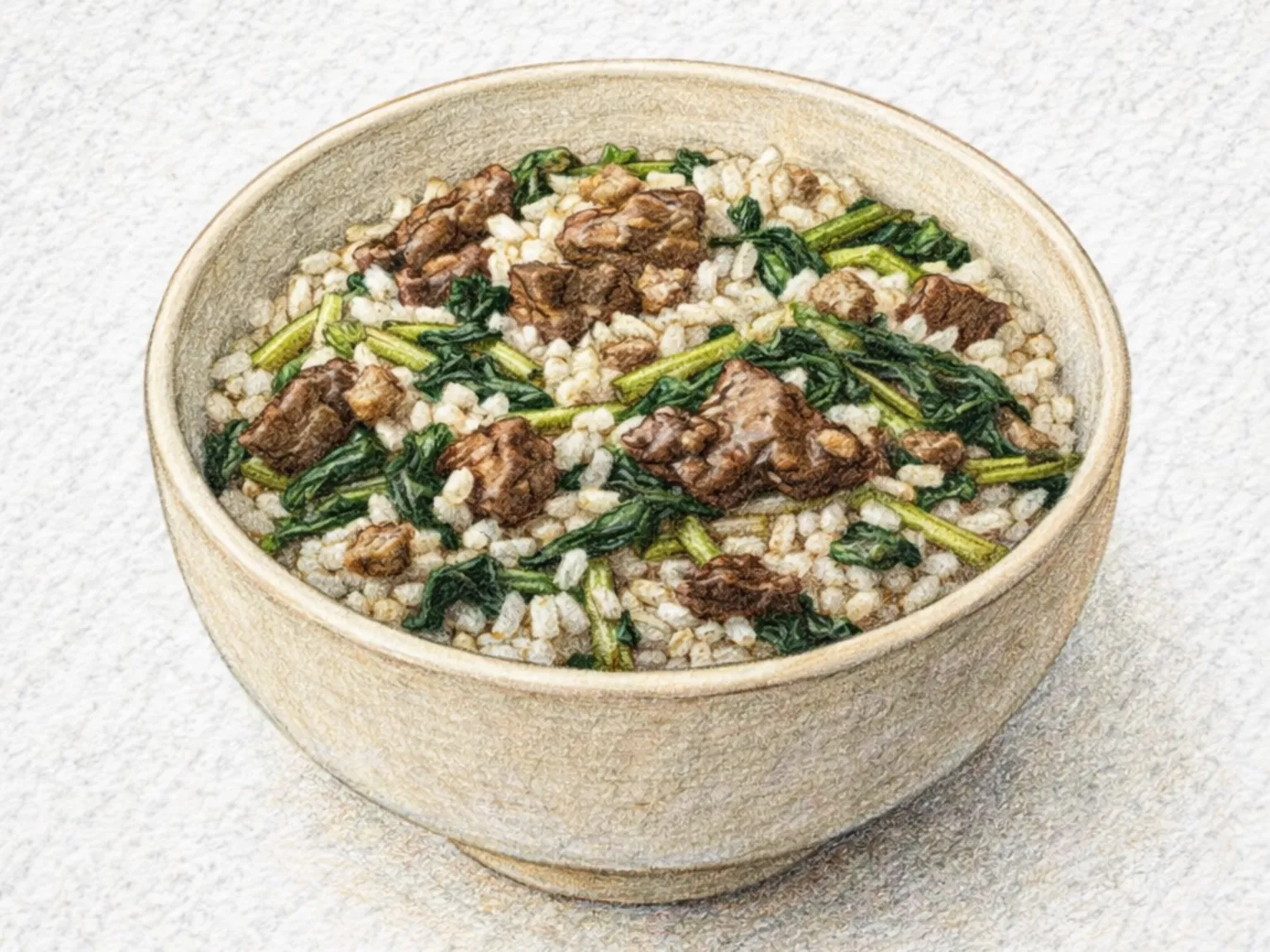
This pot rice layers soy-garlic marinated beef and softened siraegi over soaked rice, then cooks everything together in a heavy pot so the meat juices and earthy green flavors permeate every grain. Perilla oil is added to the pot, giving the finished rice a glossy sheen and a distinctly nutty aroma. As the rice cooks, the beef releases its savory juices downward while the siraegi steams on top, creating a gradient of flavor from meaty bottom to herbaceous top. A doenjang-based sauce mixed in at the table adds a salty, fermented punch that amplifies both the beef and the greens. The crispy scorched rice - nurungji - that forms at the bottom of the pot provides a crunchy finish to an otherwise soft, deeply flavored meal.

Korean Garlic Chive Duck Stir-fry
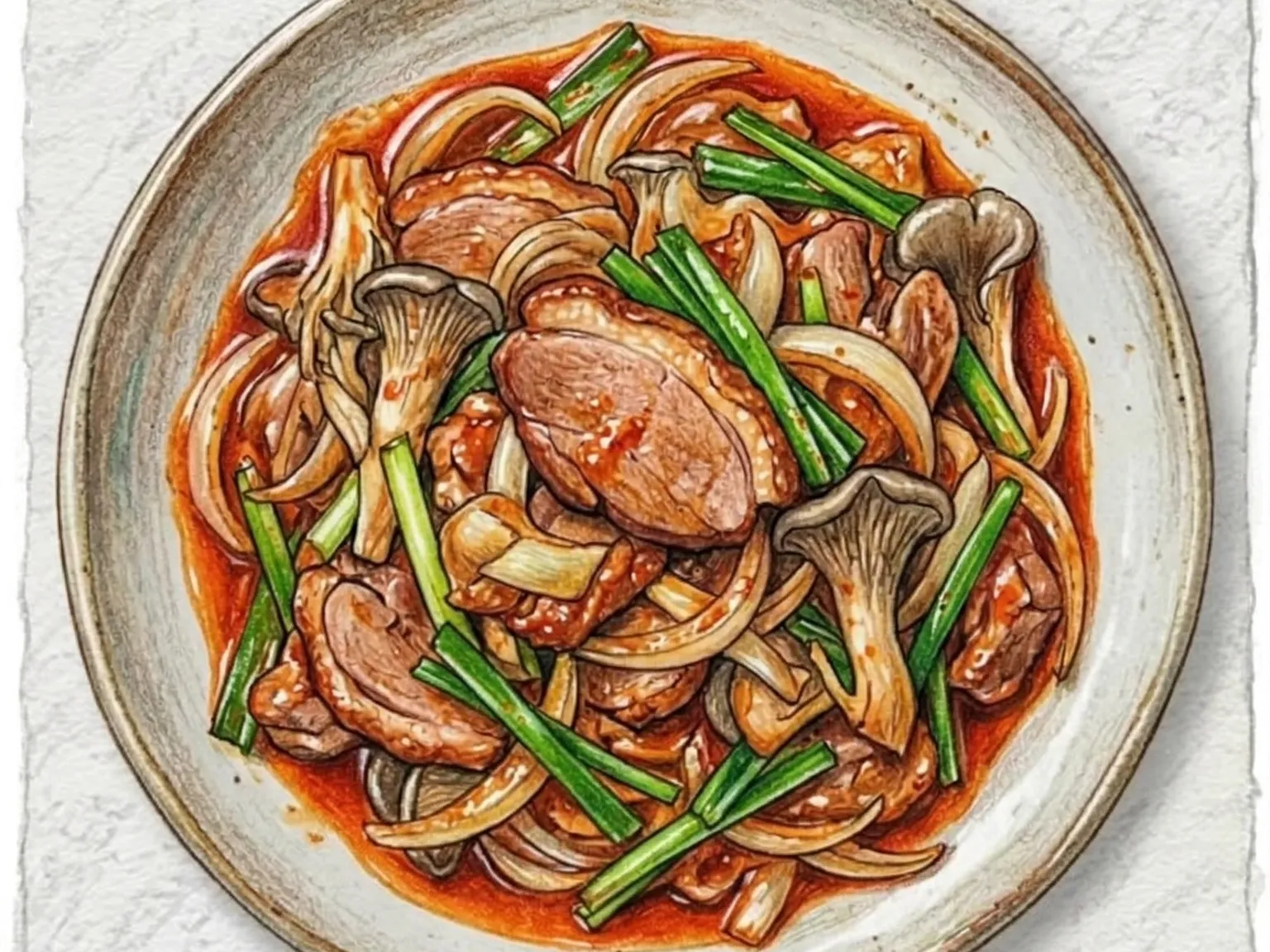
Sliced smoked duck is cooked first to render its fat, and that rendered fat becomes the cooking medium for onion, oyster mushrooms, and a gochujang-based sauce. Because the duck releases enough oil on its own, additional cooking fat is barely needed, and the smoky flavor carried in the rendered fat transfers directly into the vegetables. The gochujang and oligosaccharide syrup create a sweet-spicy glaze that counterbalances the richness of the duck, while garlic chives are tossed in only during the final minute over high heat so they keep their vivid green color and bright herbal finish. Perilla oil drizzled after the flame is off adds a final aromatic layer that elevates the entire plate. If the duck releases more fat than desired, pouring off all but one tablespoon keeps the dish cleaner without sacrificing flavor. This dish pairs naturally with soju or makgeolli, and any leftovers fold well into fried rice the next day.

Korean Taro Stem Perilla Soup
Torandae deulkkae-tang is built around dried taro stems - the stalks of the taro plant, sun-dried for preservation and rehydrated before cooking. Once soaked, the stems become spongy enough to absorb broth while retaining a fibrous chew that provides the soup's defining texture. They are first stir-fried in perilla oil to tame any grassy rawness and coat the fibers with a toasty fragrance. Ground perilla seeds are then stirred into the simmering stock, turning the liquid an opaque cream color and filling it with a deep, nutty richness that carries every spoonful. Adding beef brisket to the pot contributes body and a meaty undertone, while a small amount of doenjang blended into the broth introduces a fermented complexity that deepens the perilla's already layered flavor. The soup is a staple of the colder months, when its warming richness is most welcome. Spooned over rice, the thick perilla broth clings to each grain, making this one of the most comforting bowls in the Korean autumn and winter table.

Korean Dried Pollock Napa Stew
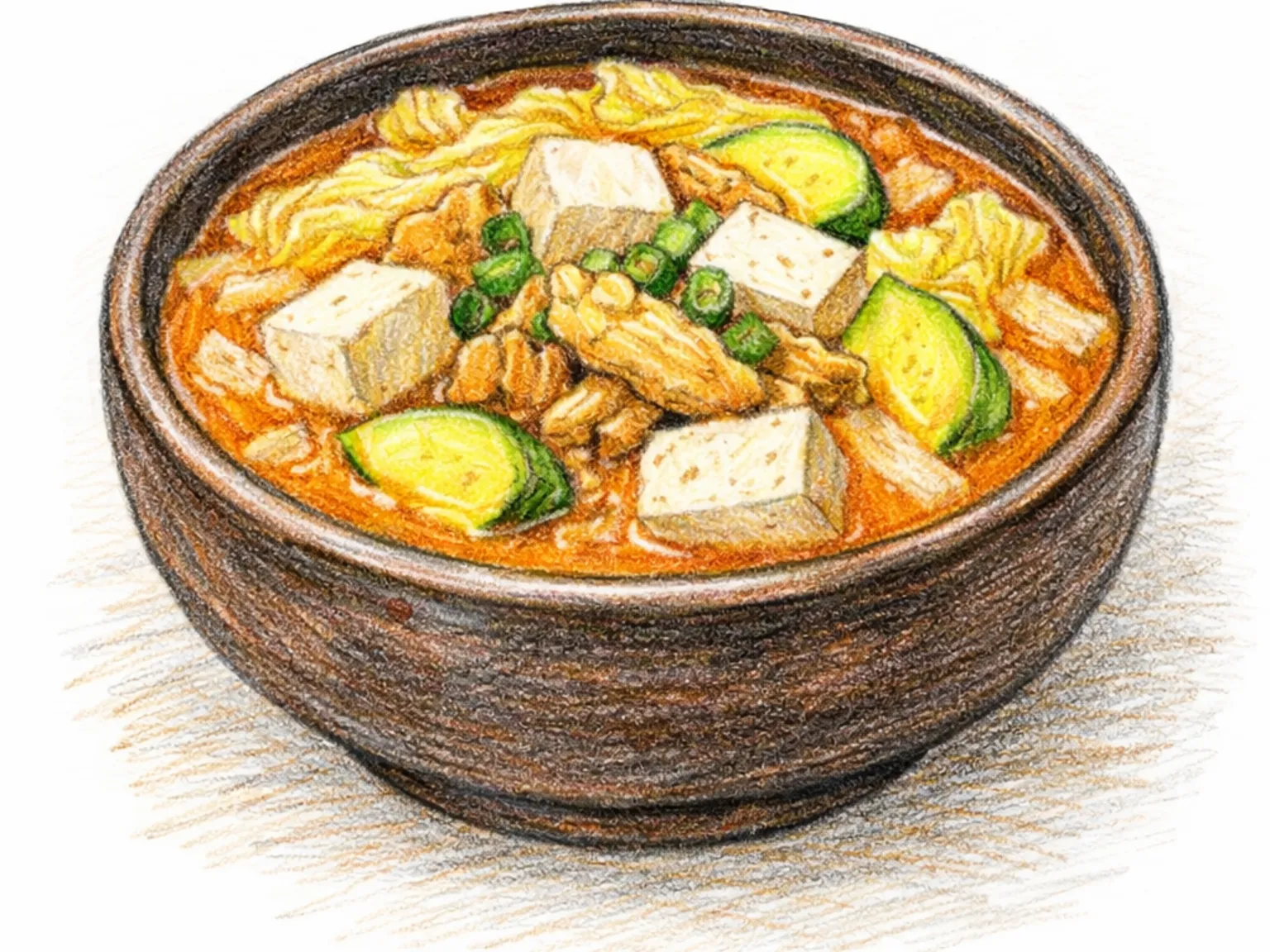
This stew pairs dried pollock strips with napa cabbage for a mild, comforting bowl built on clean, unhurried flavors. The pollock releases a savory, slightly sweet depth into the broth as it rehydrates during cooking. Soaking the pollock briefly in water before adding it loosens the stiff fibers and helps the broth extract faster. The cabbage softens slowly and adds its own natural sweetness, while firm tofu and zucchini round out the ingredients with body and texture. A touch of perilla oil lends a nutty fragrance to the finished bowl. Seasoned simply with soup soy sauce, it works well as a hangover remedy or a light weekday meal that settles the stomach.

Korean Braised Radish Greens
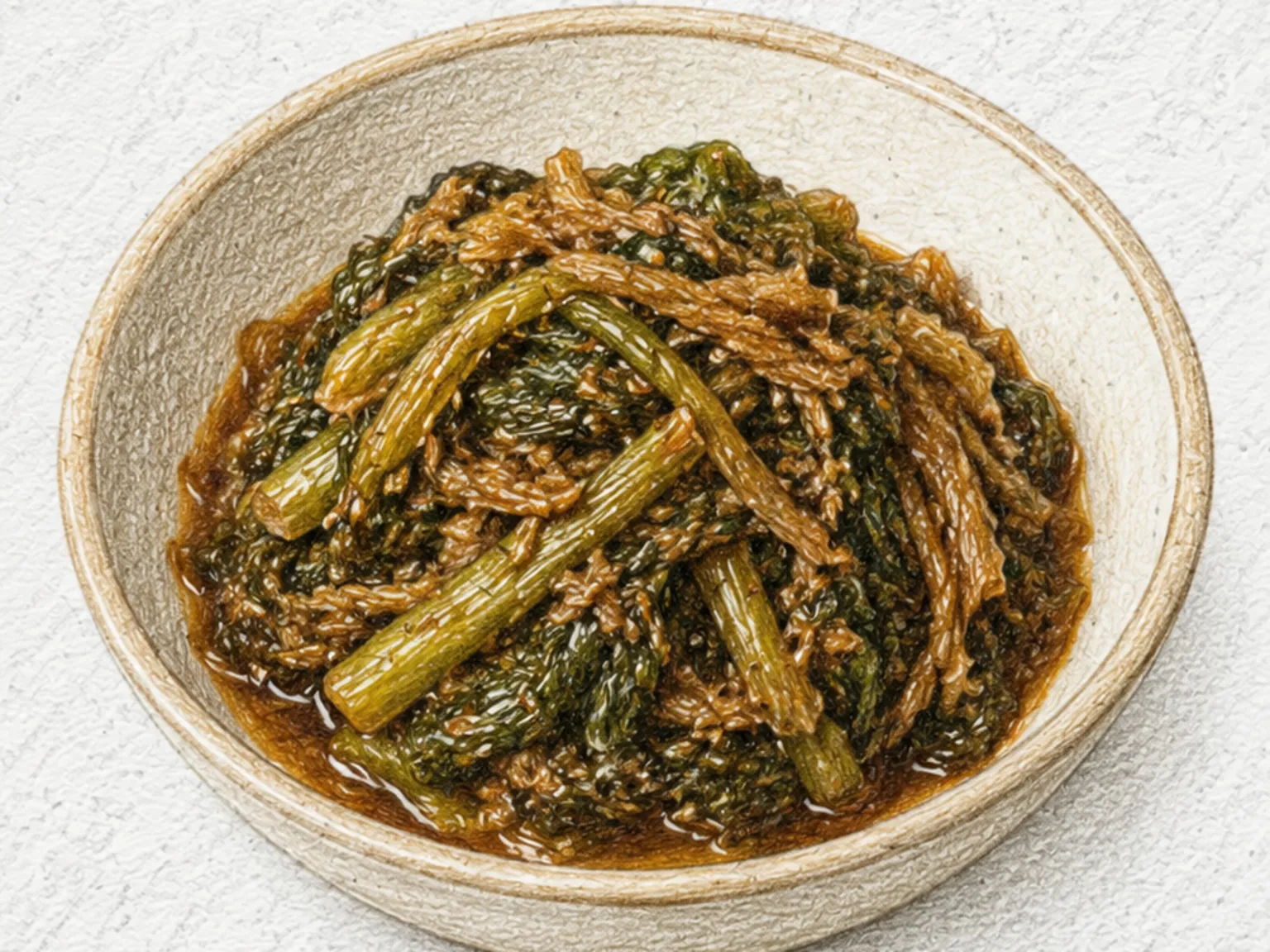
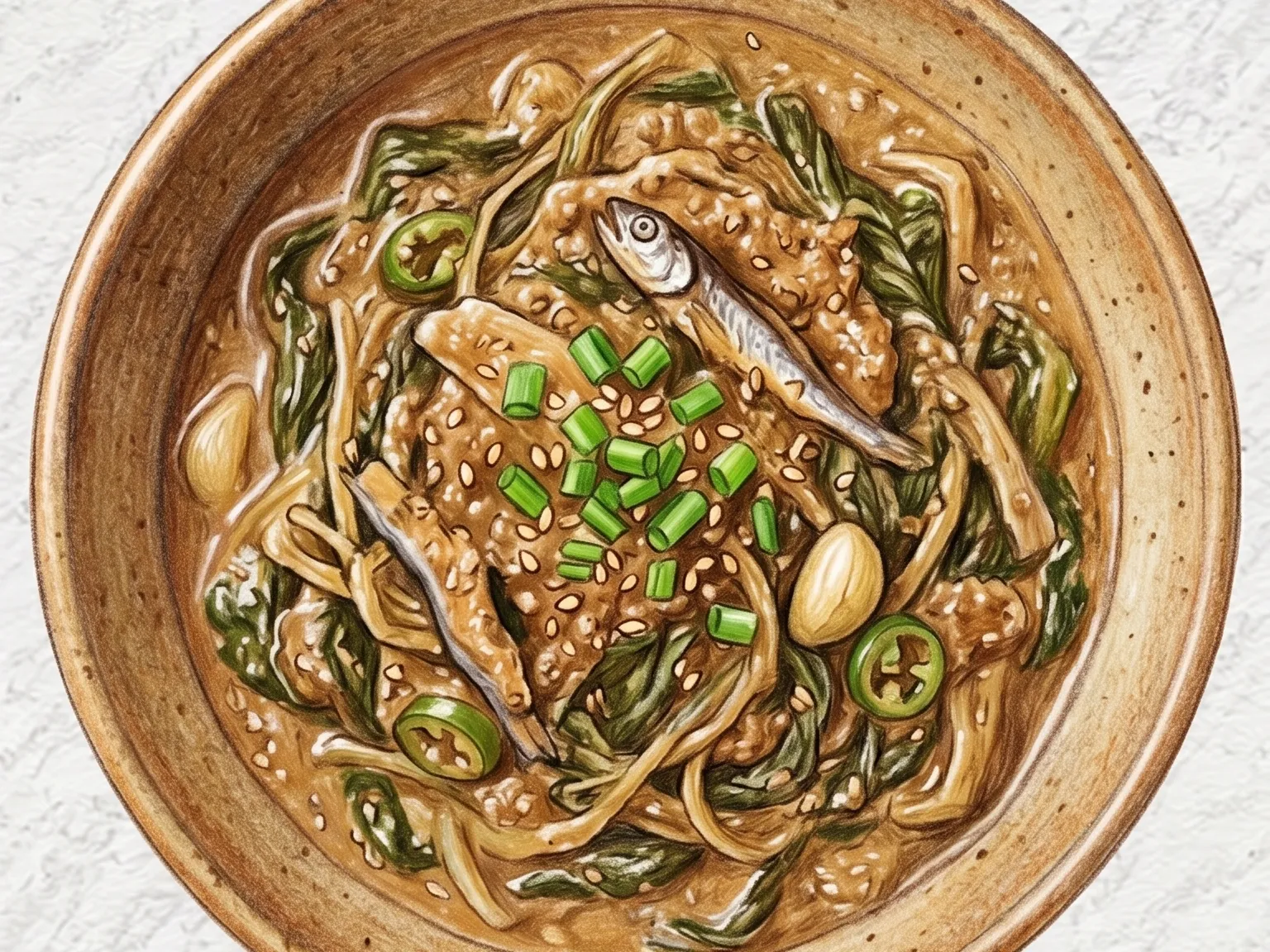
Siraegi jjim is a traditional Korean side dish of blanched dried radish greens braised with soybean paste, ground perilla seeds, and soup soy sauce in anchovy stock. The greens are first seasoned by hand, then stir-fried in perilla oil to develop aroma before the stock is poured in. Simmering melds the salty depth of doenjang with the creamy nuttiness of perilla into every fiber of the greens. Adding the perilla powder in the final stage rather than at the start prevents a chalky, starchy texture and keeps its fragrance intact. Blanching the greens thoroughly first is important because the tough fibers need time to soften, and squeezing out the water after blanching allows the seasoning to penetrate evenly. Though made from humble ingredients, the combination of fermented paste and roasted seeds produces an earthy richness that suits any season.

Korean Cold Perilla Oil Buckwheat Noodles
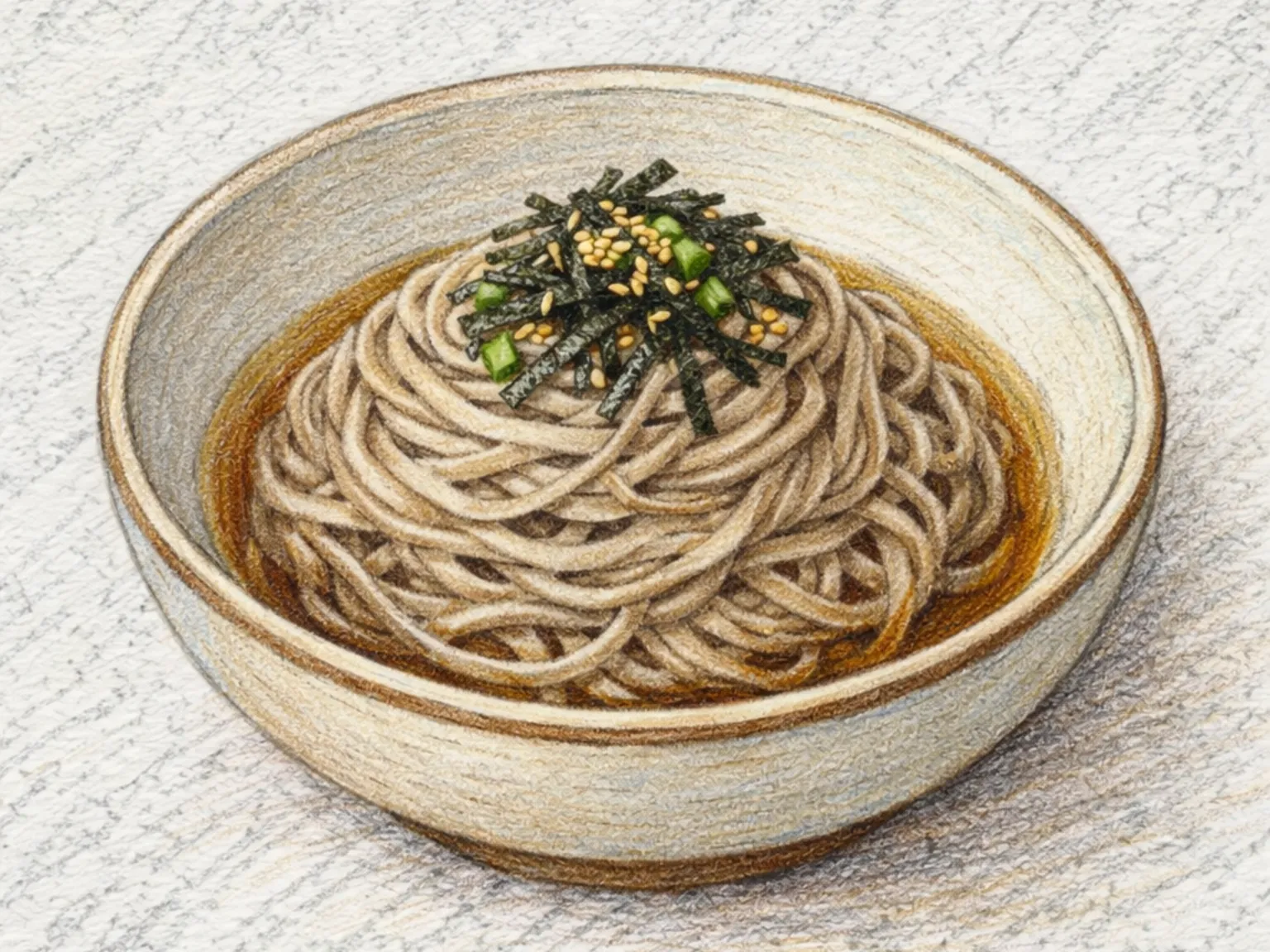
Naeng deulgireum memilmyeon is a Korean cold noodle dish where chilled buckwheat noodles are dressed with perilla oil, soy sauce, vinegar, and allulose syrup. The noodles are boiled for four to five minutes, rinsed multiple times in cold water, then briefly plunged into ice water to remove surface starch and firm up their texture. Thorough draining is essential so the dressing stays concentrated on the noodles rather than pooling at the bottom. Perilla oil provides a bold, nutty fragrance that pairs naturally with the earthy buckwheat, while soy sauce and vinegar add salt and acidity in balance. Thinly julienned cucumber contributes moisture and crunch, and roasted seaweed flakes with toasted sesame seeds bring oceanic and nutty finishing notes.

Kimchi Burrata Salad
Aged napa kimchi brings fermented tang and concentrated umami that meets the mild, milky richness of fresh burrata in a pairing that achieves harmony rather than conflict. Peppery arugula adds a bitter counterpoint that lifts the overall weight of the dish, and halved cherry tomatoes scatter bright fruit acidity across the plate. The dressing blends perilla oil with olive oil, combining the nutty depth of Korean cuisine with the fruity character of Mediterranean cooking in a single drizzle. Pine nuts add a buttery, creamy crunch between bites that reinforces the richness of the cheese. The defining moment of this salad comes at the table, when the burrata is torn open with both hands and the soft stracciatella center spills into the surrounding ingredients. The creamy interior of the cheese mixes into the kimchi brine and perilla oil dressing, and that combination is what makes this salad more than a simple fusion exercise.

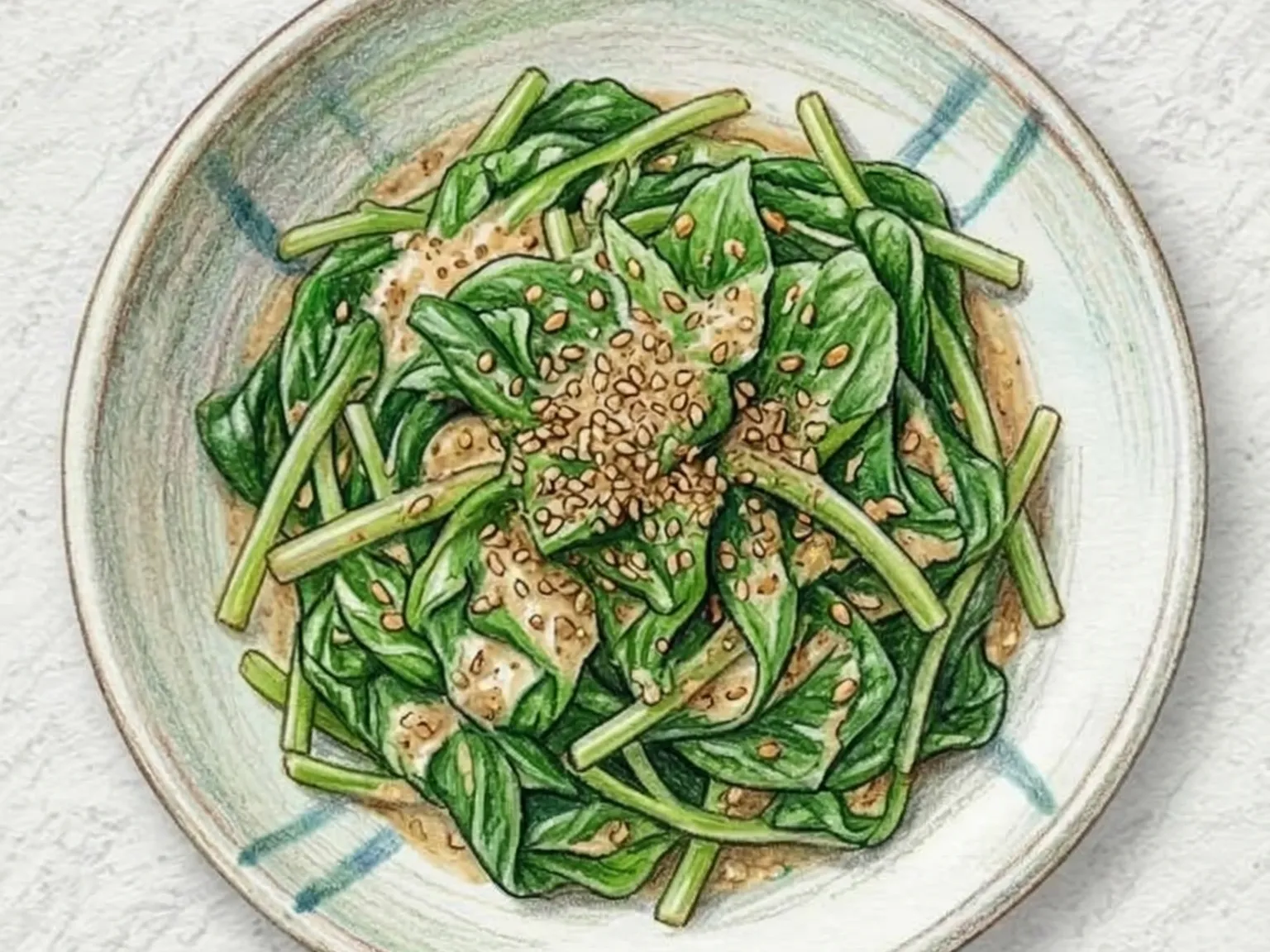
Korean Seasoned Swiss Chard Namul
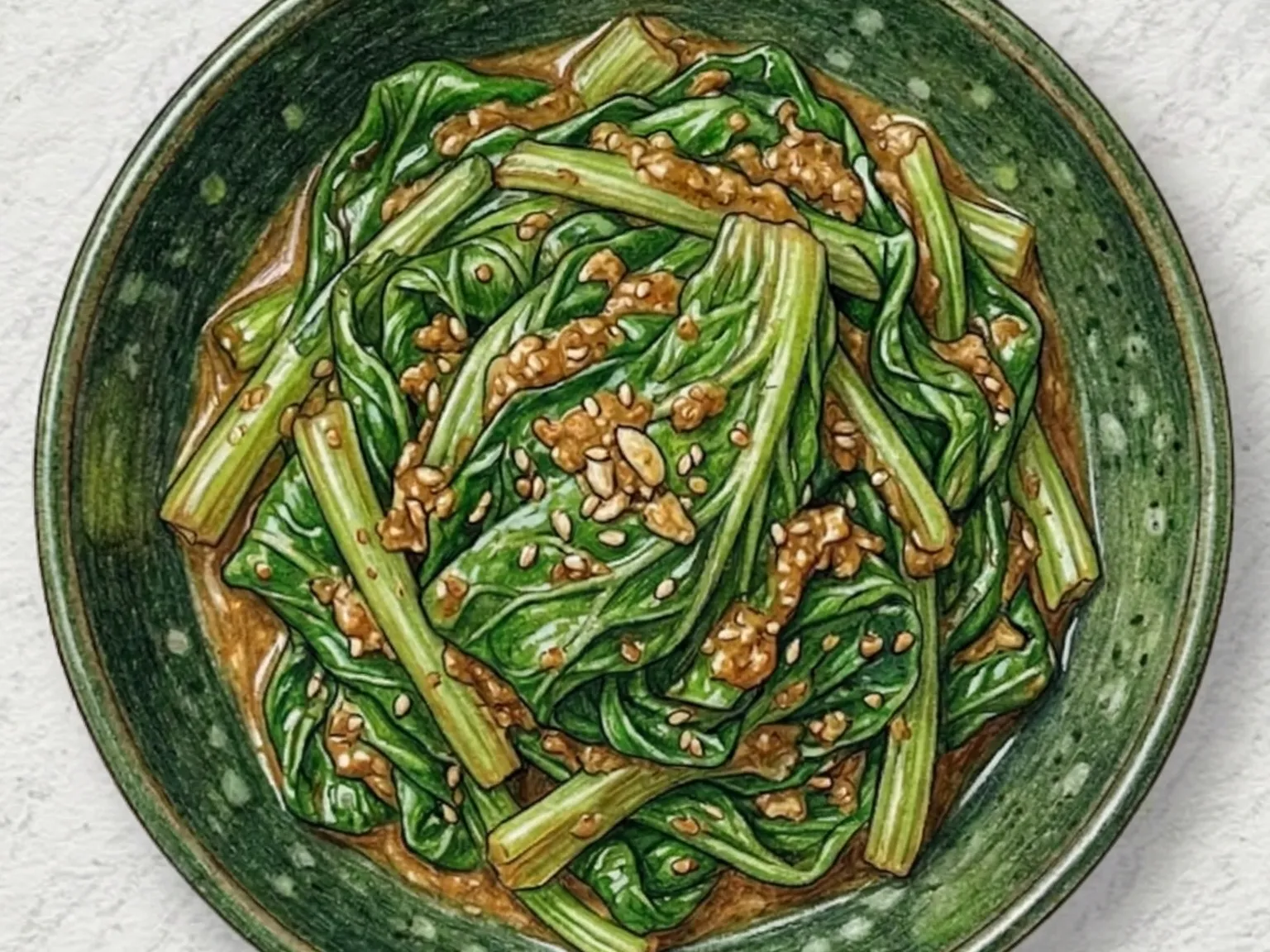
Geundae namul muchim is a seasoned vegetable banchan made from Swiss chard, a leafy green that has been used in Korean doenjang soup and namul for generations. Because the stems are substantially thicker than the leaves, blanching them together results in overcooked leaves by the time the stems are ready, so they are handled separately: stems go into boiling water for thirty seconds first, then the leaves follow for another thirty. After blanching, squeezing the greens thoroughly by hand is important because excess moisture dilutes the seasoning and prevents it from clinging to the greens. The blanched chard is hand-dressed with doenjang, soup soy sauce, minced garlic, and perilla oil, working the paste into the greens so that the fermented paste's earthy, savory depth merges with chard's faintly bitter, mineral character in the way that defines traditional Korean namul. Perilla powder added last thickens the dressing into a coating that clings without adding liquid and contributes a layer of nutty, roasted fragrance. Chard's thicker, denser leaf structure holds up far better than spinach after dressing, which makes this namul a reliable make-ahead banchan that does not collapse or release water when left to sit.

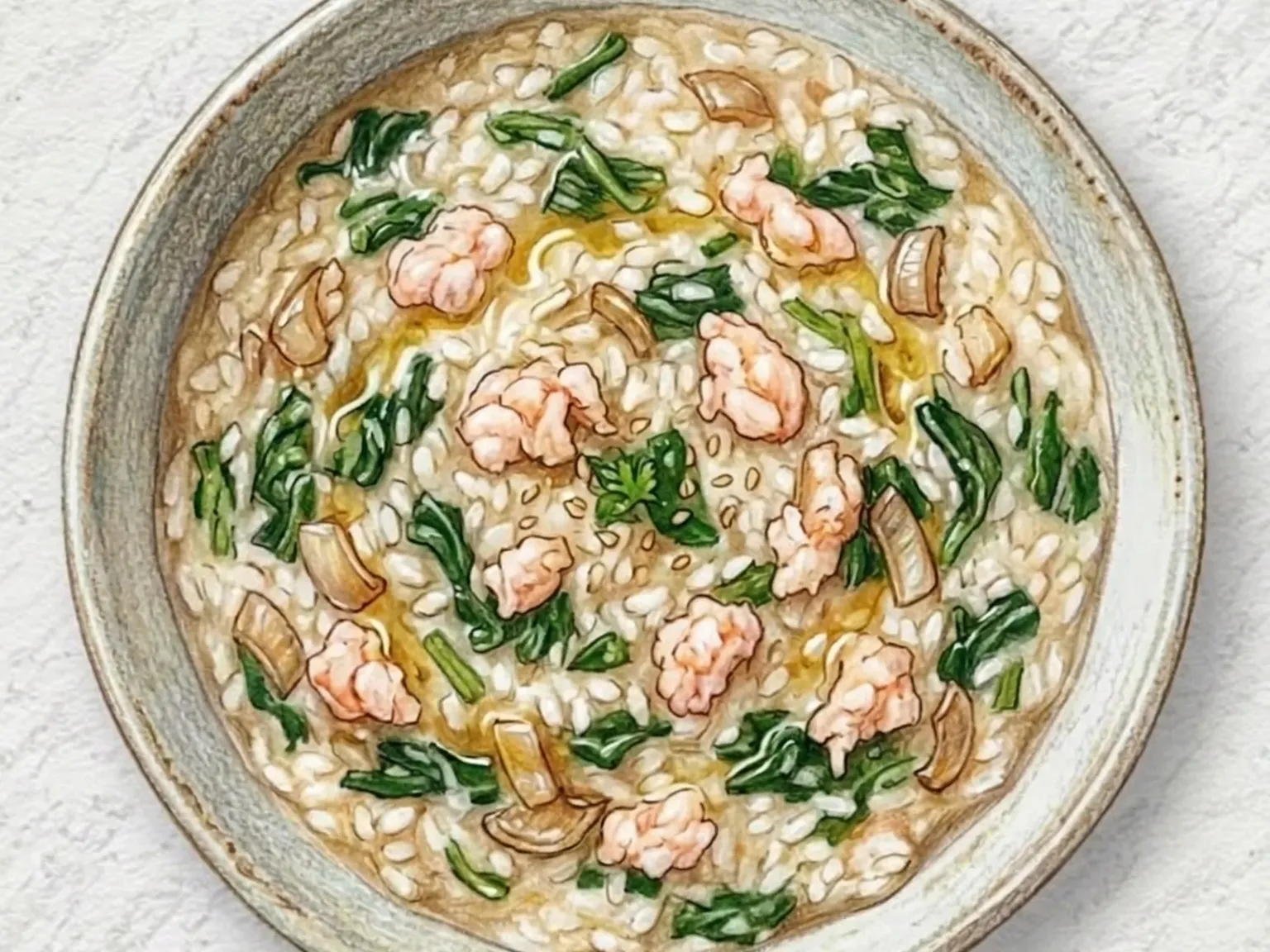
Korean Taro Porridge (Perilla Oil-Toasted Rice with Taro Root)
Soaked rice is toasted in perilla oil until fragrant, then simmered with peeled taro in a generous amount of water until the porridge reaches a thick, flowing consistency. Some taro pieces dissolve into the liquid and naturally thicken it, while others hold their shape and offer a starchy, crumbly bite. The gentle nuttiness of perilla oil and the mild earthiness of taro create a soothing combination with no sharp flavors. Seasoning with just salt preserves the delicate taste of the taro without masking it.

Korean Aster Greens Beef Stir-fry
This stir-fry brings together fragrant chwi-namul wild greens and thinly sliced bulgogi-cut beef on a single plate, where the greens' herbal bitterness meets the meat's savory depth. Pre-seasoning the beef with soy sauce and cooking wine means that as the meat cooks, the seasoning transfers into the greens without the need for additional salt at the end. Onion softens during cooking, releasing sweetness that takes the edge off the overall saltiness and rounds the flavor. A finishing drizzle of perilla oil adds a distinctly Korean nuttiness, and whole sesame seeds scattered on top provide small pops of texture throughout each mouthful. This banchan works as a hearty, protein-rich complement to an otherwise vegetable-heavy table, substantial enough to serve as a main side dish alongside steamed rice.

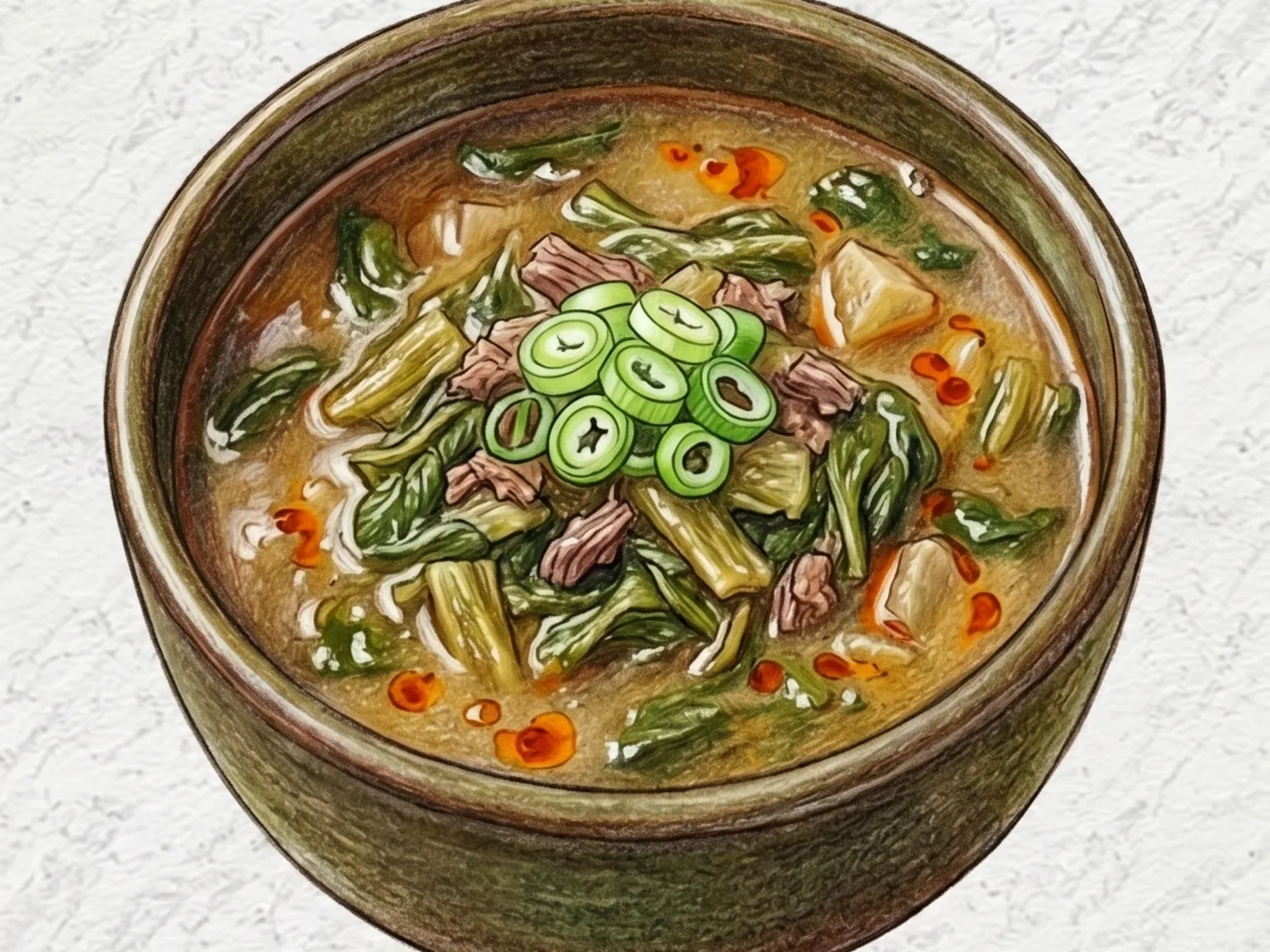
Korean Napa Outer Leaf Soybean Soup
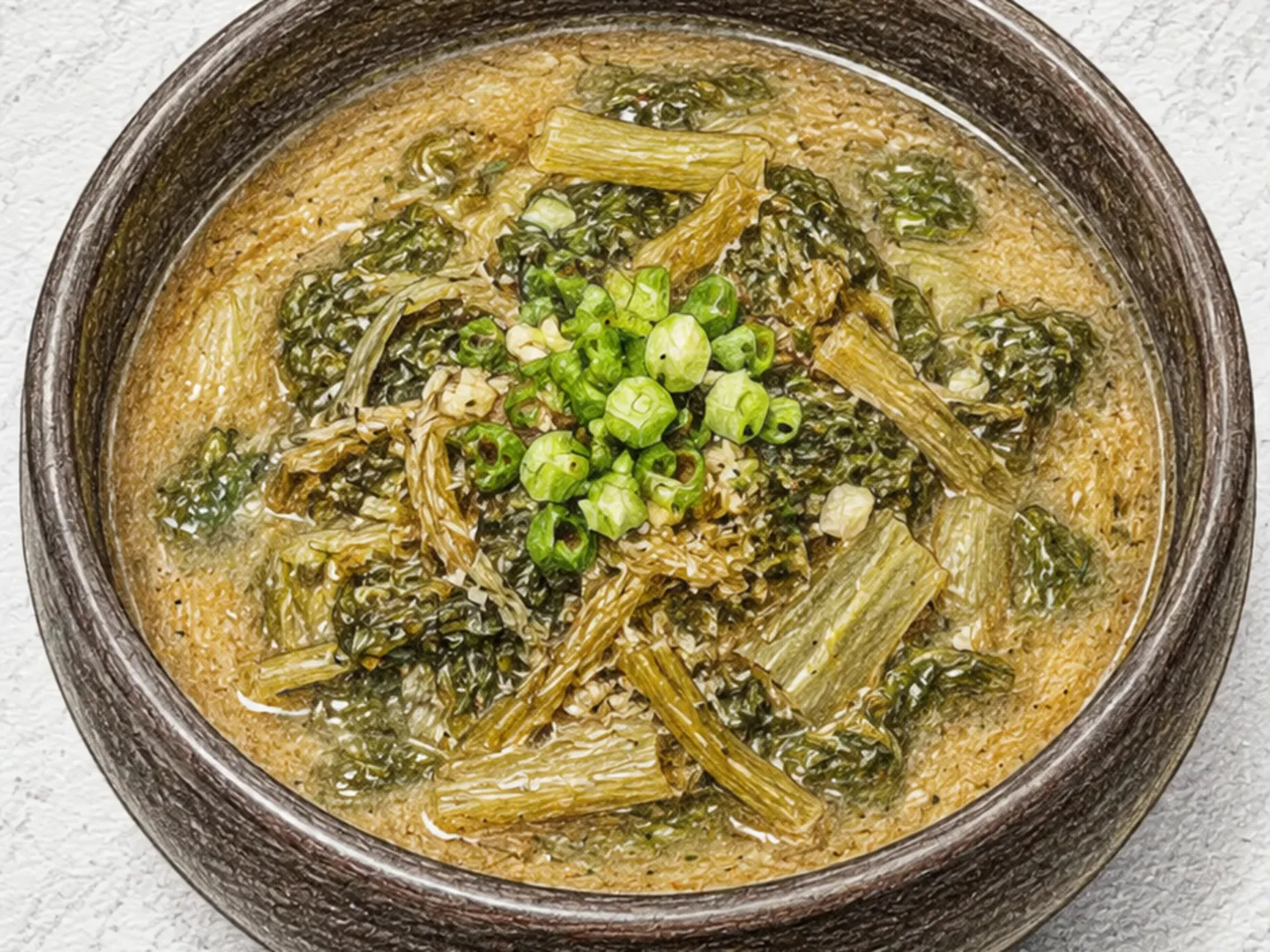
Ugeoji doenjang-guk is a deeply comforting soybean paste soup made with the tough outer leaves of napa cabbage that might otherwise be discarded. The leaves are first massaged with doenjang, perilla oil, and garlic, a step that drives the fermented paste deep into the cabbage's thick veins so that when the soup simmers, the flavor releases gradually into the broth. Rice-rinsing water replaces plain stock as the cooking liquid, adding a gentle starchiness that rounds the doenjang's salt into something softer and more enveloping. As the ugeoji cooks down, it turns from a leathery sheet into a silky, almost melting tangle that drapes over the spoon and floods the mouth with concentrated vegetable-and-miso flavor. The broth itself becomes a murky, golden-brown pool of umami, tasting of earth, fermentation, and the quiet bitterness that only well-cooked greens provide. Cubed tofu gives textural relief, and thin rings of cheongyang chili pepper, if added, introduce a sharp heat that cuts the richness. It is a soup that transforms humble ingredients into something far greater than their parts.

Korean Sigeumchi Dubu Jjigae (Spinach Tofu Stew)
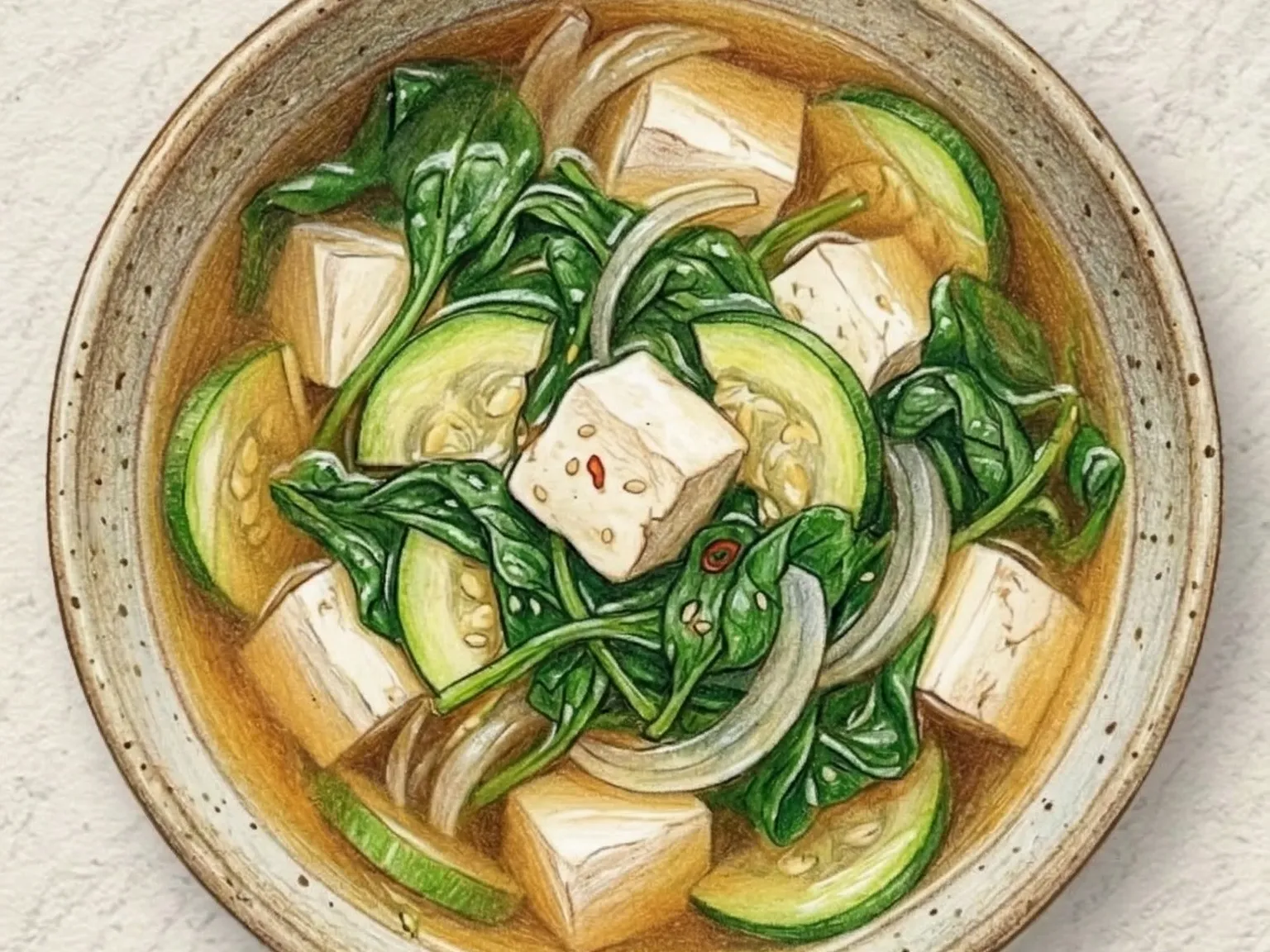
Sigeumchi-dubu-jjigae is a Korean stew built from fresh spinach and soft tofu simmered in anchovy-kelp stock, seasoned with soup soy sauce and perilla oil. The process starts by warming perilla oil in the pot and softening minced garlic until its sharpness mellows into a rounded fragrance that transfers into the oil, giving the broth a subtle depth that would be absent if the garlic were added raw. Zucchini and onion release their natural sweetness as they cook, rounding out the broth and preventing it from tasting flat or austere. Soft tofu, added mid-way, absorbs the seasoned liquid gradually as it heats through, holding its shape while taking on the flavor of the broth around it. Spinach goes in last, only long enough to wilt, because extended cooking destroys the color and reduces the leaves to a limp, dull mass that works against the dish. The iron-forward earthiness of spinach pairs naturally with the mild creaminess of tofu and the nutty undercurrent of perilla oil, producing a stew that reads as simple but carries enough layered flavor to satisfy. This is a standard of Korean home cooking that earns its place at the table for being genuinely easy on the stomach, particularly welcome when appetite is low or the body calls for something clean.

Korean Taro Stem Perilla Steam
Torandae deulkkae jjim is a rustic Korean dish of boiled taro stems braised with soup soy sauce and ground perilla seeds. The stems are first stir-fried in perilla oil to drive off any lingering sharpness, then simmered covered until their fibers soften and absorb the seasoning. Ground perilla added near the end thickens the liquid into a creamy consistency and fills the dish with a roasted, nutty aroma. Green onion provides a fresh finish. Though fully plant-based and made from simple pantry staples, the combination of perilla and soy produces an earthy depth that makes a satisfying accompaniment to a bowl of rice.

Korean Stir-Fried Sweet Potato Stems
Goguma julgi - sweet potato stems - are the above-ground vines of the sweet potato plant, a byproduct that Korean cooks transform into a summer namul rather than discarding. The most labor-intensive step is peeling each stem by hand, pinching the outer skin with a fingernail and pulling it away to reveal the tender core beneath. After blanching for two minutes and rinsing in cold water, the stems are stir-fried in perilla oil with garlic and seasoned with soup soy sauce. Perilla powder stirred in at the end thickens the remaining liquid into a nutty glaze. In season during summer, the stems are harvested from sweet potato fields before the tubers themselves are dug up.

Korean Lotus Root Shiitake Pot Rice
This pot rice combines lotus root and shiitake mushroom, each contributing a different texture to the same pot. Lotus root stays crisp while shiitake offers a chewy bite, keeping the rice from being monotone. The grains are lightly coated in perilla oil before water is added, which gives them a glossy finish and nutty undertone. A soy sauce mix with chopped scallions and sesame seeds is stirred in at the table for a salty, aromatic contrast. Diced carrot adds subtle sweetness and color.

Korean Chicken Breast & Mugwort Stir-fry
Spring mugwort offers its most tender texture and mildest bitterness immediately after harvest, making it a perfect companion for lean proteins. This stir-fry utilizes thinly sliced chicken breast to create a clean base where the herb's fragrance takes center stage. Minced garlic and soy sauce provide a light seasoning that emphasizes the natural characteristics of the ingredients without creating a heavy coating. Because chicken breast dries out quickly, the preparation requires a preheated pan and high heat to cook the meat just until it turns opaque. Adding the mugwort at the very end allows it to soften slightly through residual heat, preserving the fresh aroma that would otherwise turn harsh or overly bitter with prolonged cooking. A light application of sesame oil at the finish rounds out the profile with a subtle nuttiness. The combination of vitamin-rich mugwort and high-quality protein makes this a nutritionally balanced side dish. This preparation relies on minimal oil and the inherent quality of the seasonal ingredients, making it a suitable choice for a light meal served with rice or inside fresh lettuce wraps.

Korean Dried Radish Greens & Clam Soybean Stew
This stew pairs rehydrated dried radish greens with fresh clams in a broth of rice-rinse water seasoned with doenjang and a measured amount of gochujang. The radish greens go into perilla oil first, sauteing until their nutty aroma blooms fully before the clams are added. As the clams open, they release a clean, briny liquid that merges with the fermented soybean paste to form a layered, deeply savory base. Korean radish and onion contribute background sweetness, while green onion and garlic anchor the aromatic profile with a sharp edge. The rice-rinse water introduces a gentle body to the broth, giving it a slightly thickened, silky texture that coats each spoonful. The doenjang works its way into the fibrous radish greens during cooking, so each bite carries the full weight of the seasoning. This is the kind of stew that makes plain rice disappear from the bowl without effort.

Korean Braised Napa Outer Leaves
Ugeoji-jjim is a Korean braised dish of blanched napa cabbage outer leaves cooked gently with doenjang, perilla oil, and garlic under a covered lid. The fibrous leaves absorb the fermented soybean paste deeply as they soften, while perilla oil lays a nutty base throughout the dish. Soup soy sauce adjusts the seasoning so the doenjang's saltiness and the natural sweetness of the greens find a clean balance. Mixed into a bowl of steamed rice, this humble banchan delivers a surprisingly deep, earthy flavor that belies its simplicity.

Korean Seasoned Thistle Greens
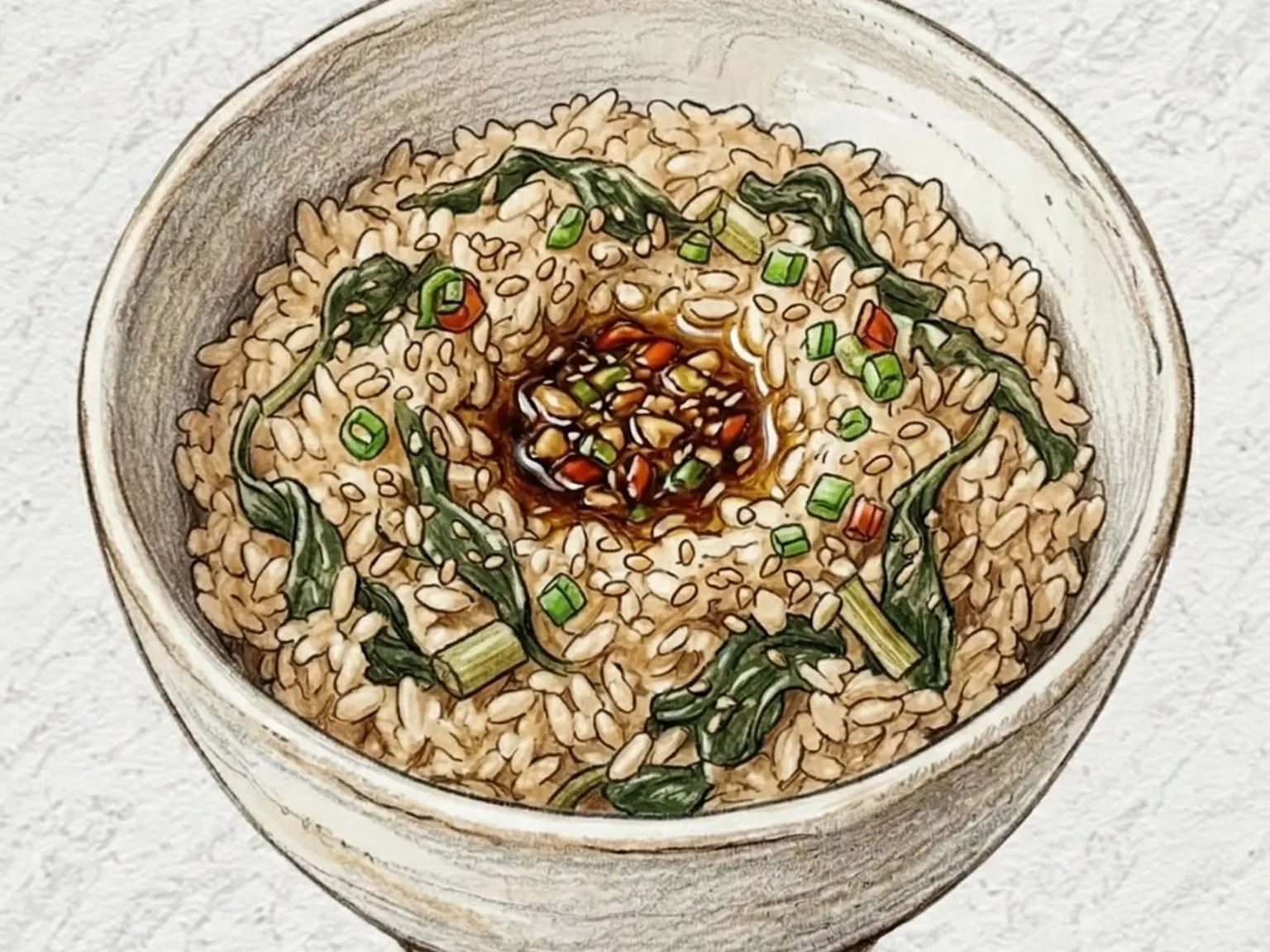
Gondeure is a wild thistle (Cirsium setidens) that grows in the alpine highlands around Jeongseon and Taebaek in Gangwon-do. In this mountainous region, where rice was historically scarce, gondeure was mixed into the cooking pot to stretch the grain and fill the table. Boiled gondeure dressed with soy sauce, garlic, and perilla oil carries a fragrance that blends mugwort-like herbal sharpness with a forest-floor earthiness rarely found in other vegetables. The stems are noticeably tougher than the leaves, so blanching them separately for longer, or chopping them finely, produces a more even texture throughout the dish. The namul is a capable side dish on its own, but gondeure is most famous when cooked directly into rice in a pot, a preparation called gondeure-bap. At the table, the cooked greens and rice are mixed with a dipping sauce of soy, perilla oil, and ground perilla seeds, drawing the herb's fragrance through every grain. The ratio of perilla oil to garlic varies from one Gangwon-do kitchen to the next, and dried gondeure is kept year-round so the dish is never limited to a single season.