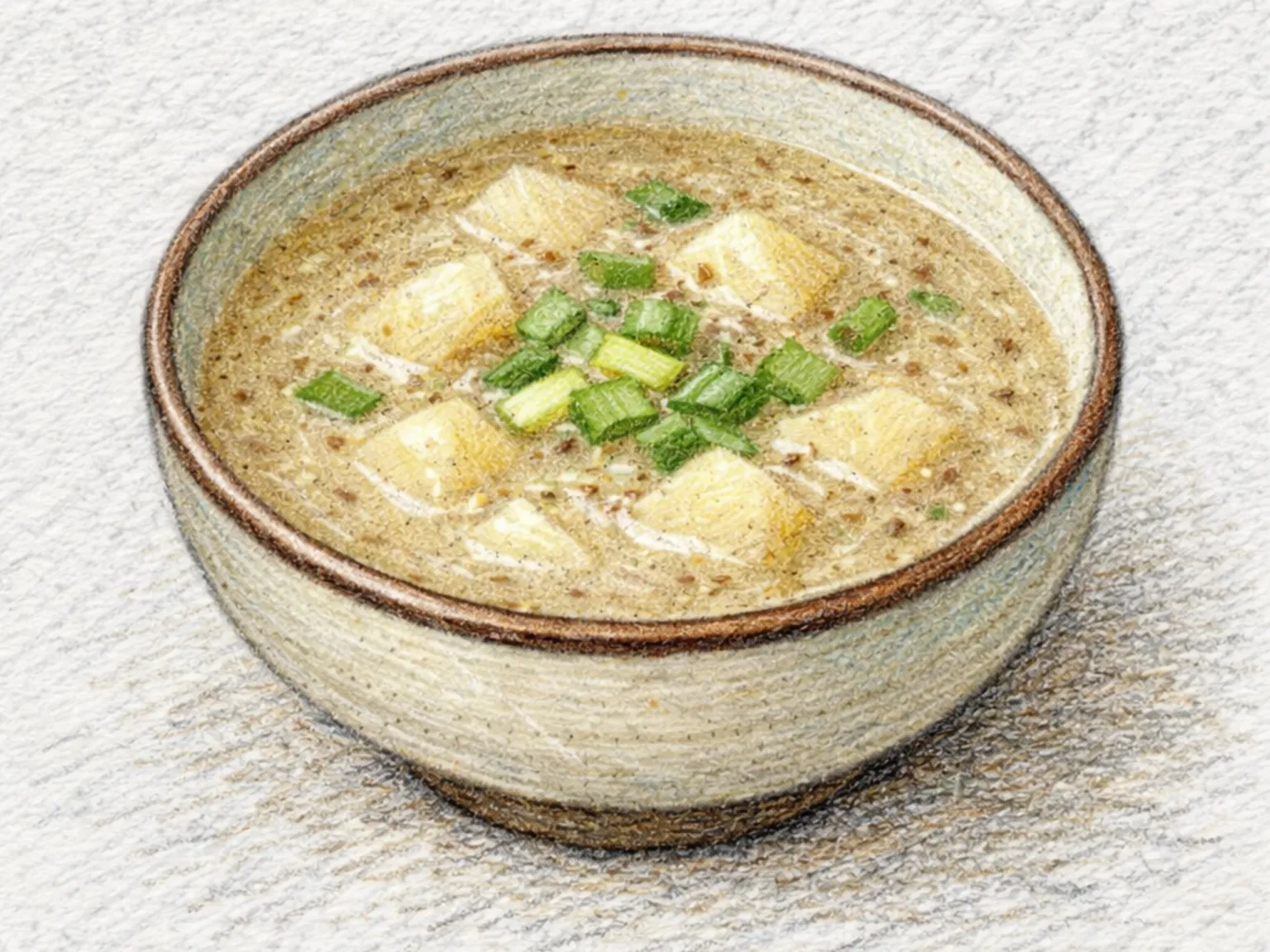
Korean Thistle Herb Soybean Paste Stew
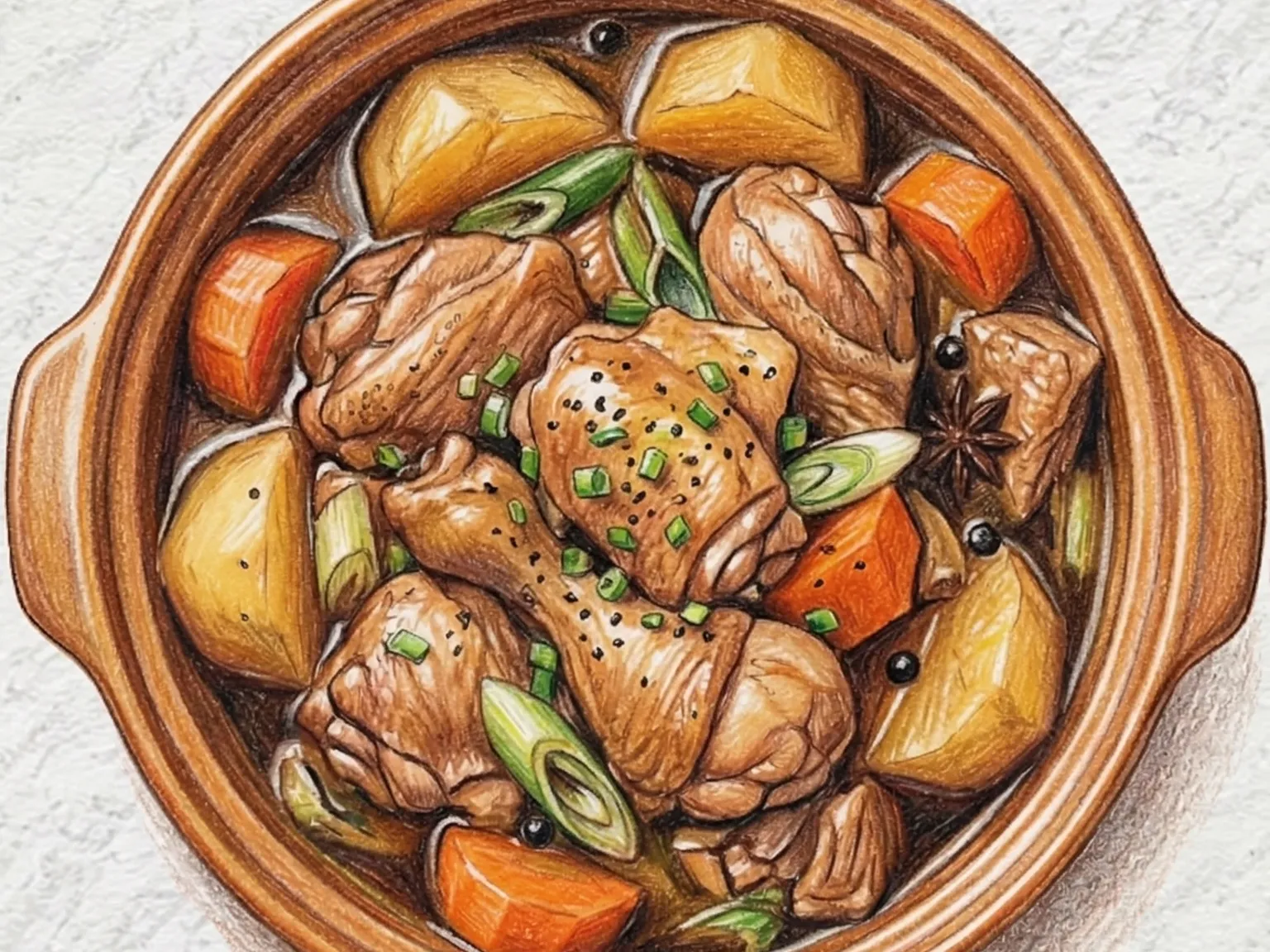
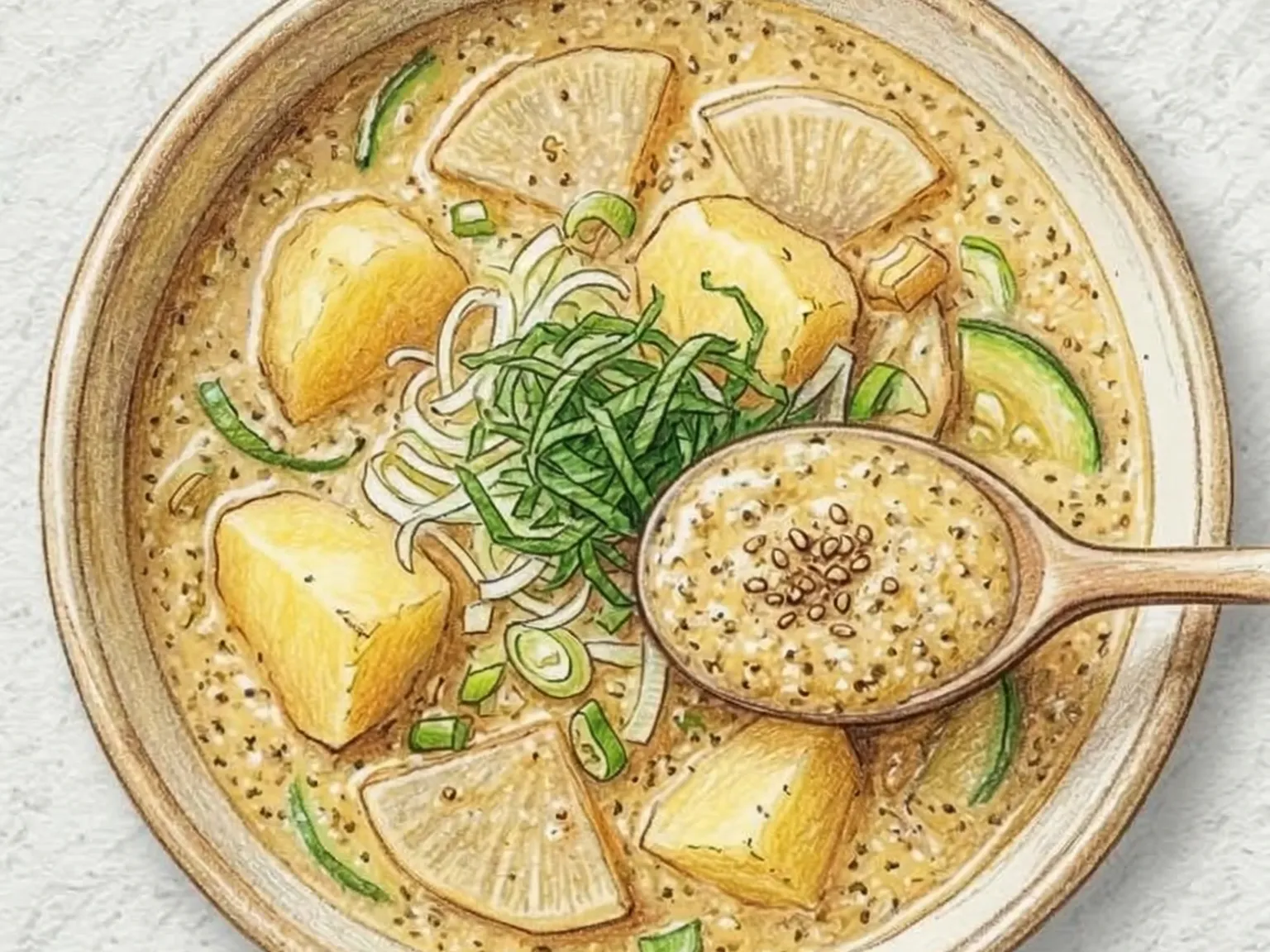
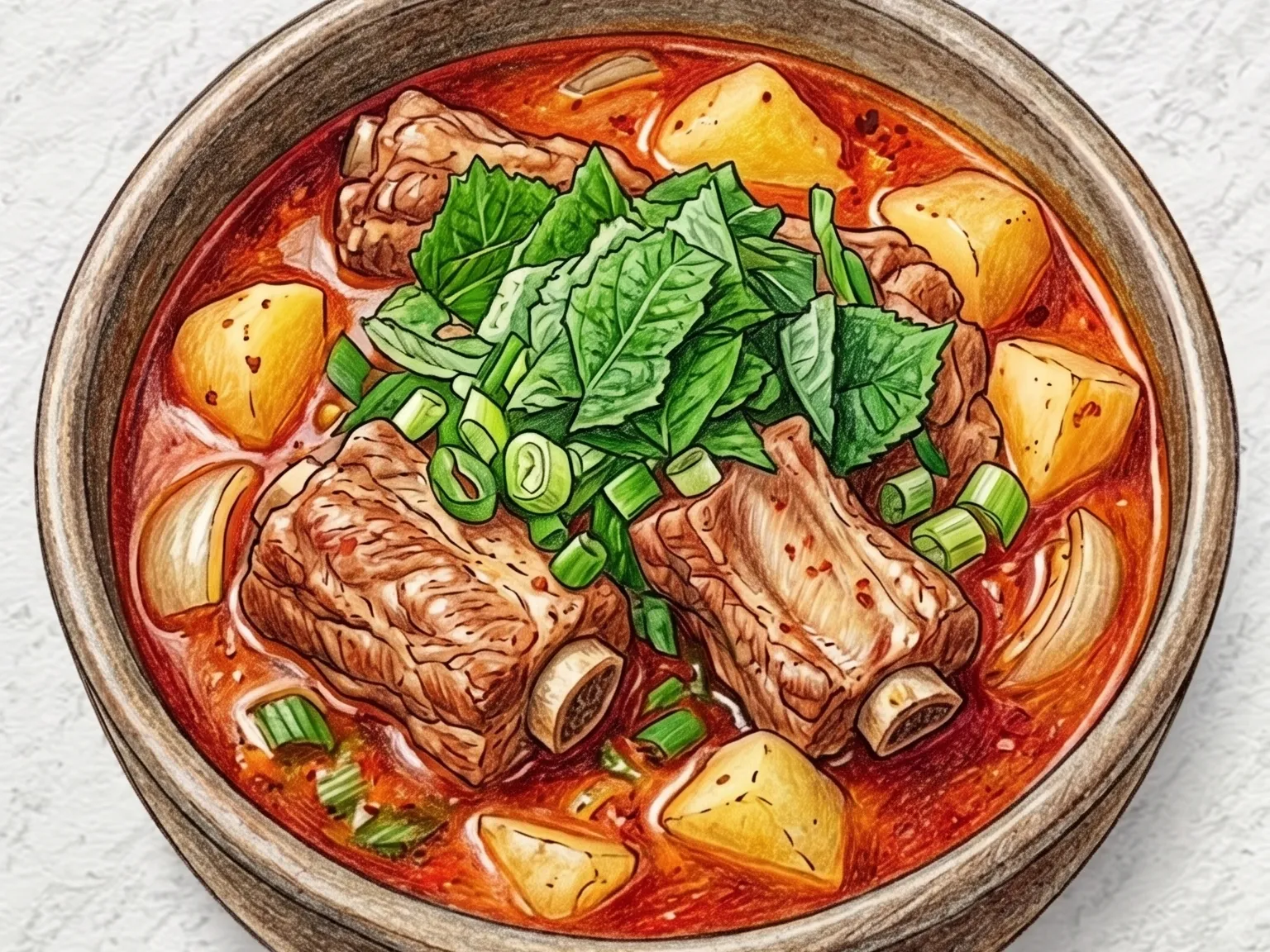
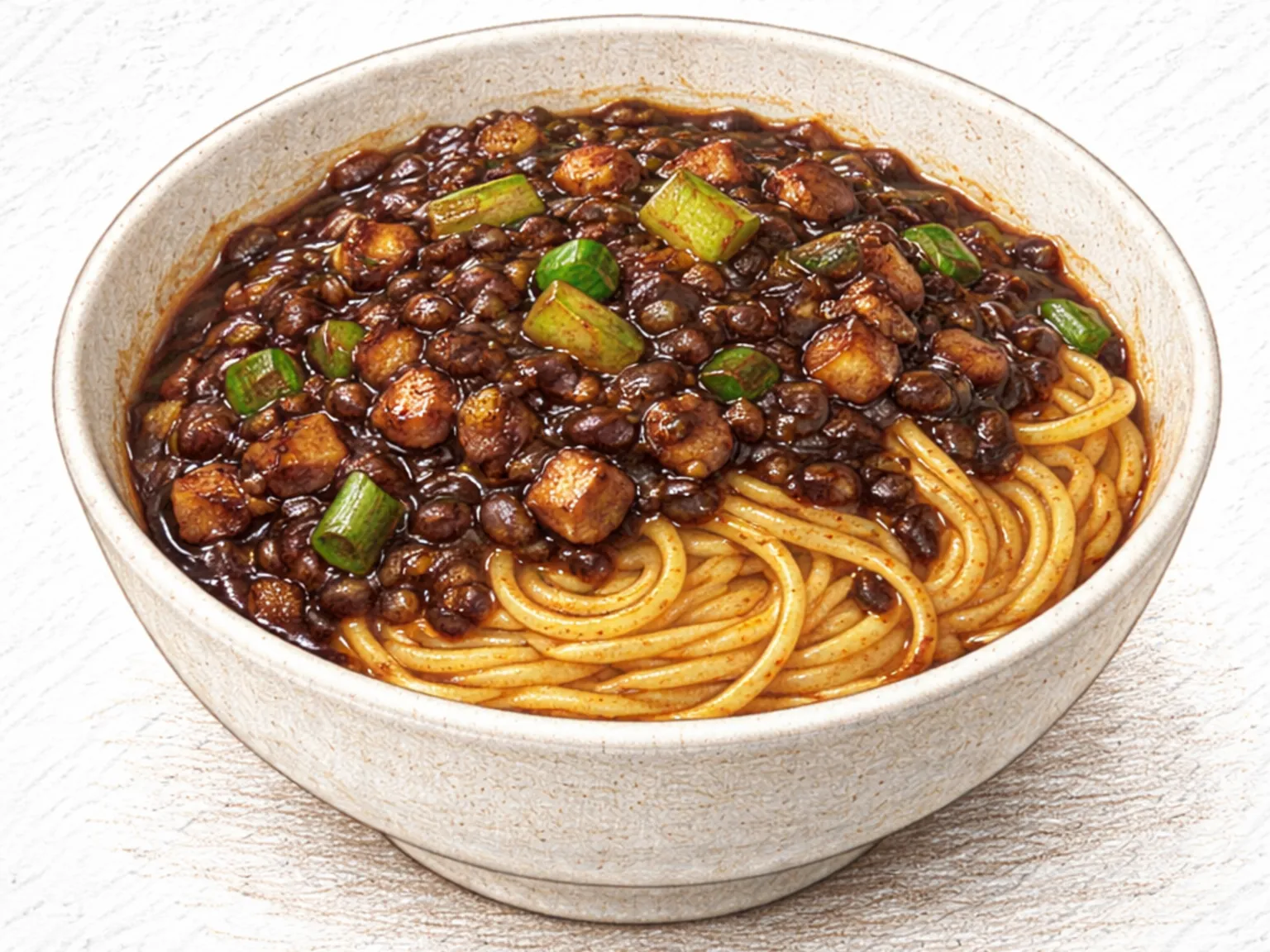
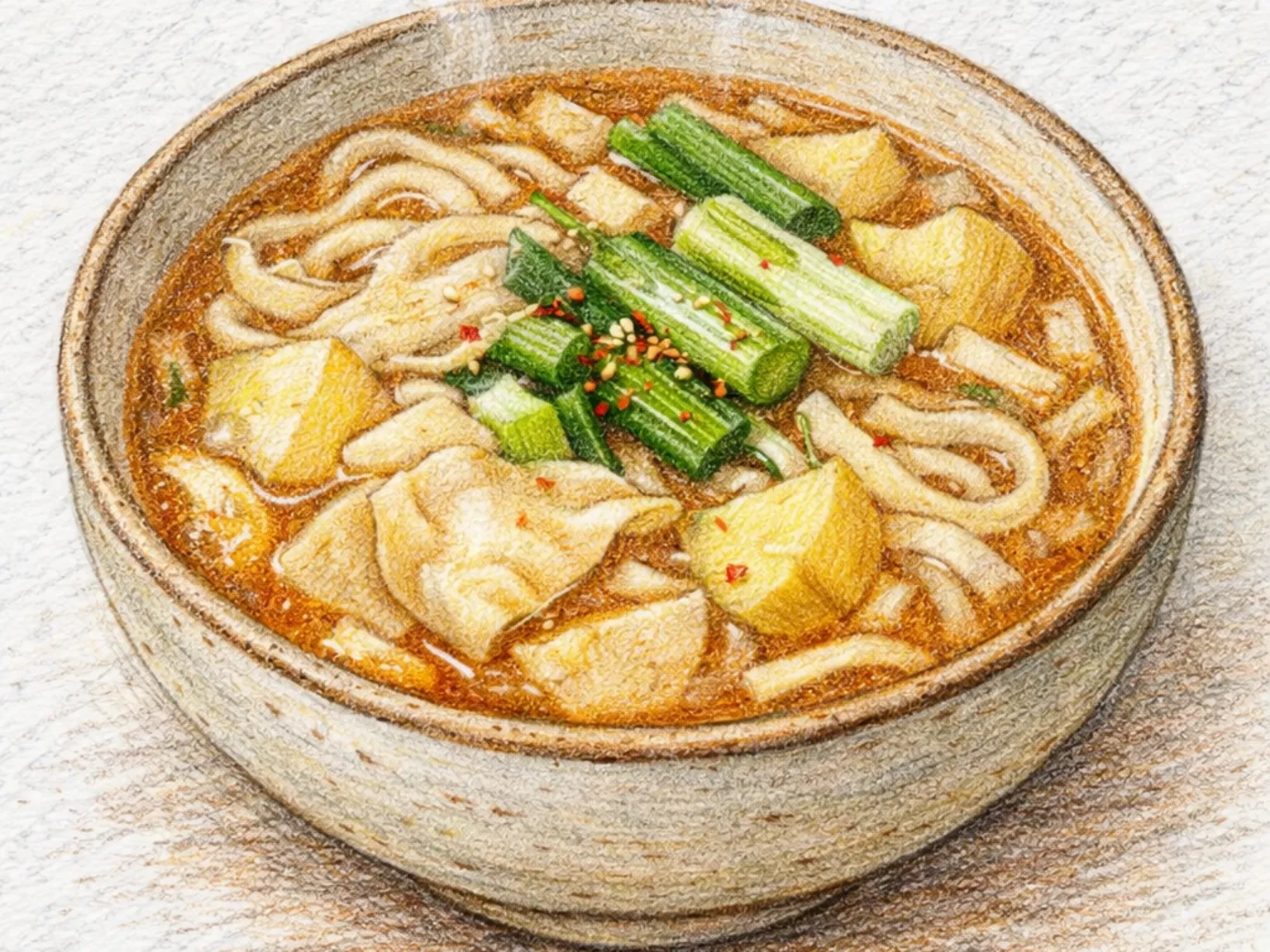
This doenjang jjigae features blanched gondeure, Korean thistle greens that are a prized mountain herb in Gangwon Province. The greens belong to the Korean thistle family and have a mild bitterness alongside a warm, earthy aroma that pairs naturally with the depth of fermented soybean paste. Potato and firm tofu add substance to the anchovy-kelp stock base. The result is a gentle, aromatic stew without aggressive spice, a direct expression of Korean mountain cuisine. When using dried gondeure, soaking it thoroughly in water before blanching is essential to prevent a tough, fibrous texture in the finished stew. Fresh gondeure should be blanched and rinsed in cold water to remove excess bitterness. The key to this jjigae is restraint with the doenjang: using just enough for seasoning, rather than making the fermented paste the dominant flavor, allows the mountain herb's natural scent to come through clearly in every spoonful.

Potato Au Gratin
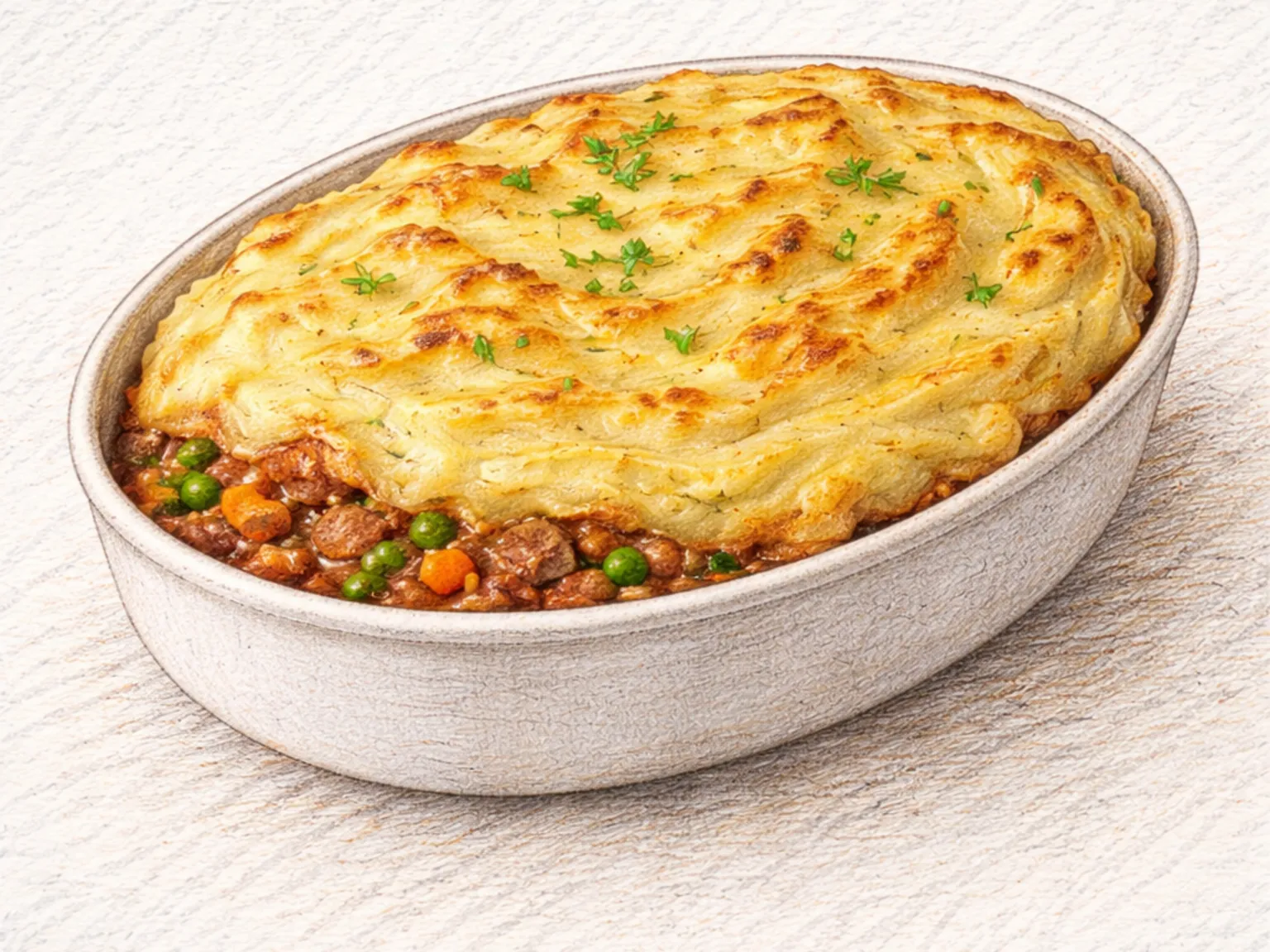
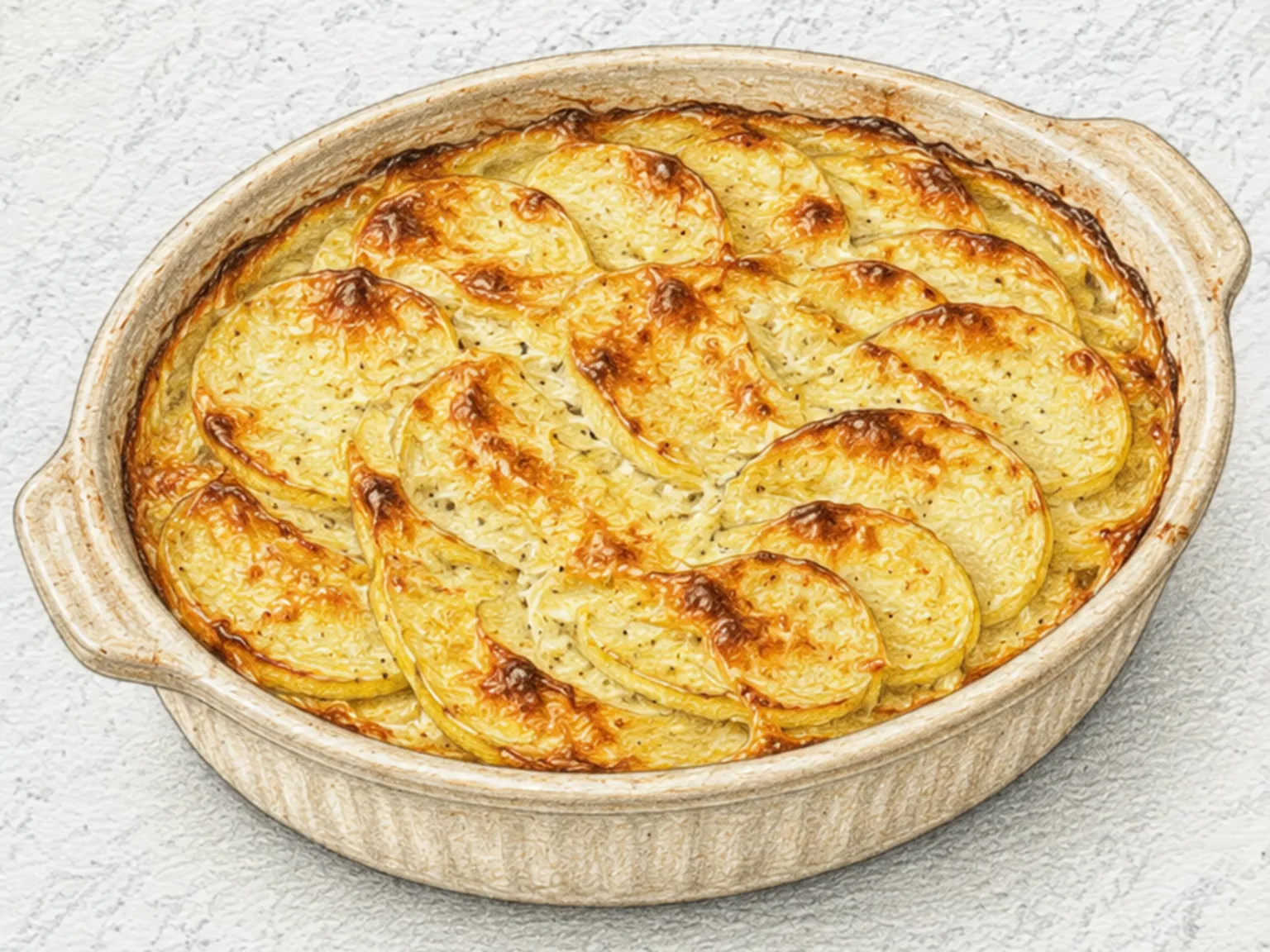
Potato Au Gratin is a French baked potato dish where thinly sliced potatoes are layered with cream and Gruyere cheese, then baked until the top forms a deep golden crust. The potatoes must be sliced to a uniform two to three millimeters - a mandoline slicer ensures consistent thickness so every layer cooks at the same rate. A mixture of heavy cream and milk warmed gently with garlic is poured between each layer of potatoes, where it meets the potato starch and thickens into a binding sauce that holds the layers together. Gruyere is the classic cheese choice - it melts into long, stretchy strands and carries a nutty, slightly sweet flavor. It is distributed between the layers for internal richness and piled on top for the signature golden crust. After about fifty minutes at 180 degrees Celsius, the cream bubbles around the edges, the potatoes turn completely tender, and the surface cheese crisps into a crackling, browned cap.

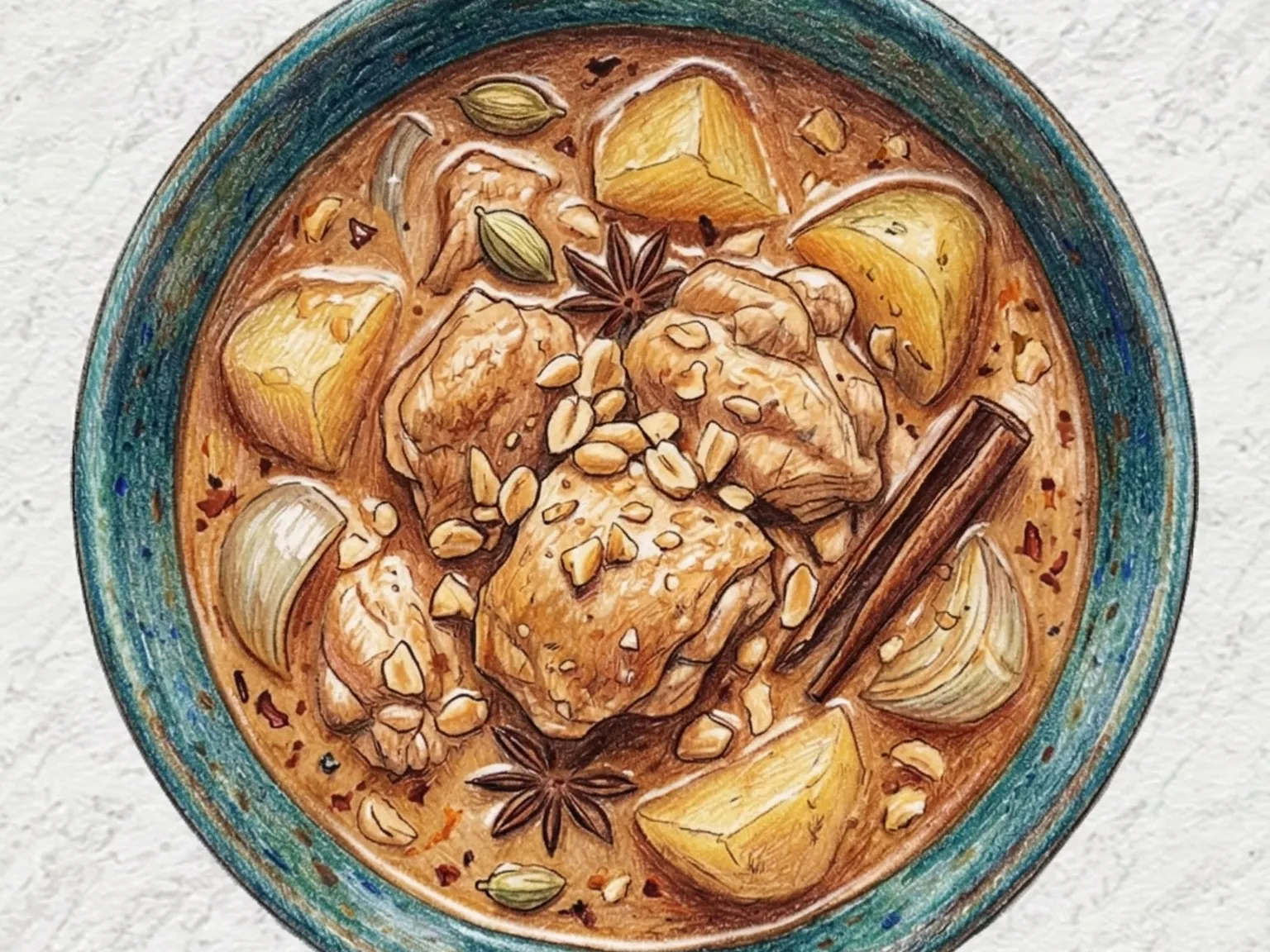
Massaman Curry (Thai-Muslim Mild Chicken Potato Peanut Coconut Curry)
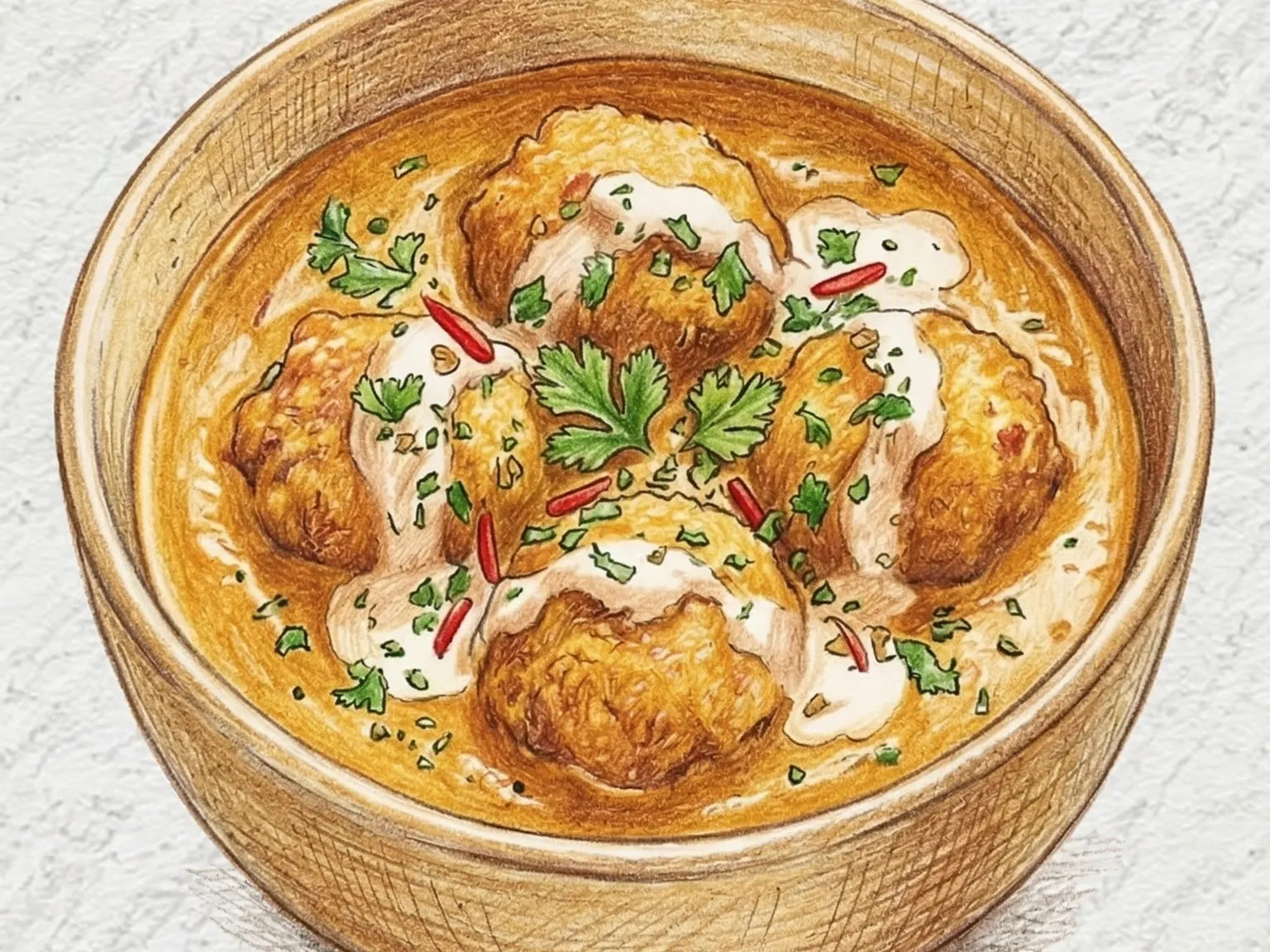
Massaman curry stands apart from other Thai curries with its mild, sweet-savory character and its roots in the Muslim communities of southern Thailand, where trade routes from Persia and India brought cinnamon, cardamom, cloves, and star anise into the local kitchen long before chili became dominant. These whole spices simmer in the coconut milk base, lending an aromatic warmth that is closer to a slow-braised stew than to the fiery curries Thailand is more widely known for. Chicken thighs, whole shallots, potatoes, and roasted peanuts braise together until the potatoes begin to break apart and naturally thicken the sauce, absorbing the spiced oil along the way. Tamarind paste and palm sugar steer the richness toward a gentle tang and sweetness rather than a heavy or one-dimensional creaminess. The result is a deeply layered curry that uses almost no chili heat, making it one of the most approachable dishes in the Thai repertoire for those unaccustomed to spice while still rewarding more experienced palates with its complexity.

Korean Minari Doenjang Stew
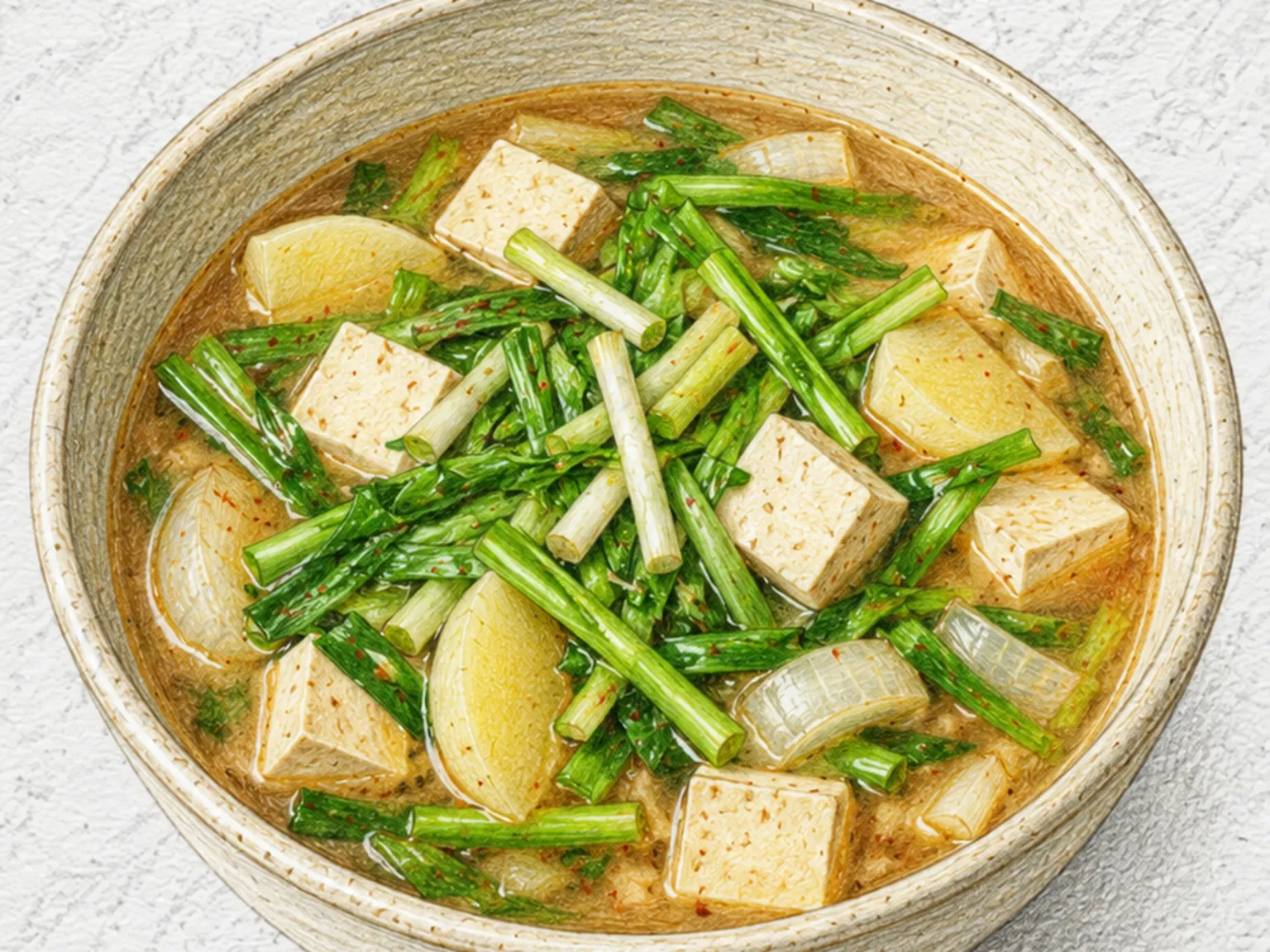
This variation of doenjang jjigae adds a generous amount of water parsley (minari) to the classic soybean paste stew. Firm tofu, potato, and onion simmer in anchovy-kelp stock with doenjang, building an earthy, deeply fermented base. The minari goes in near the end to preserve its crisp texture and peppery herbaceous aroma. A half tablespoon of chili flakes rounds out the flavor with mild warmth. Minari's grassy, herb-like character layers naturally against doenjang's fermented depth, turning a familiar stew into a seasonal variation worth returning to throughout the year.

Potato Leek Soup
Potato leek soup is a French home-style cream soup made by sweating leeks and onion in butter over low heat, simmering with diced potatoes in chicken stock, and blending until velvety smooth. Cooking the leeks slowly is essential - it dissolves their raw sharpness into a sweet, mellow base that carries the entire soup. The potato starch provides natural body without any added thickener, and an immersion blender produces a seamless, silky texture. Heavy cream stirred in at the end adds a layer of richness and rounds out the flavor. The soup can be served hot for a comforting meal or chilled as vichyssoise for a refined summer starter.

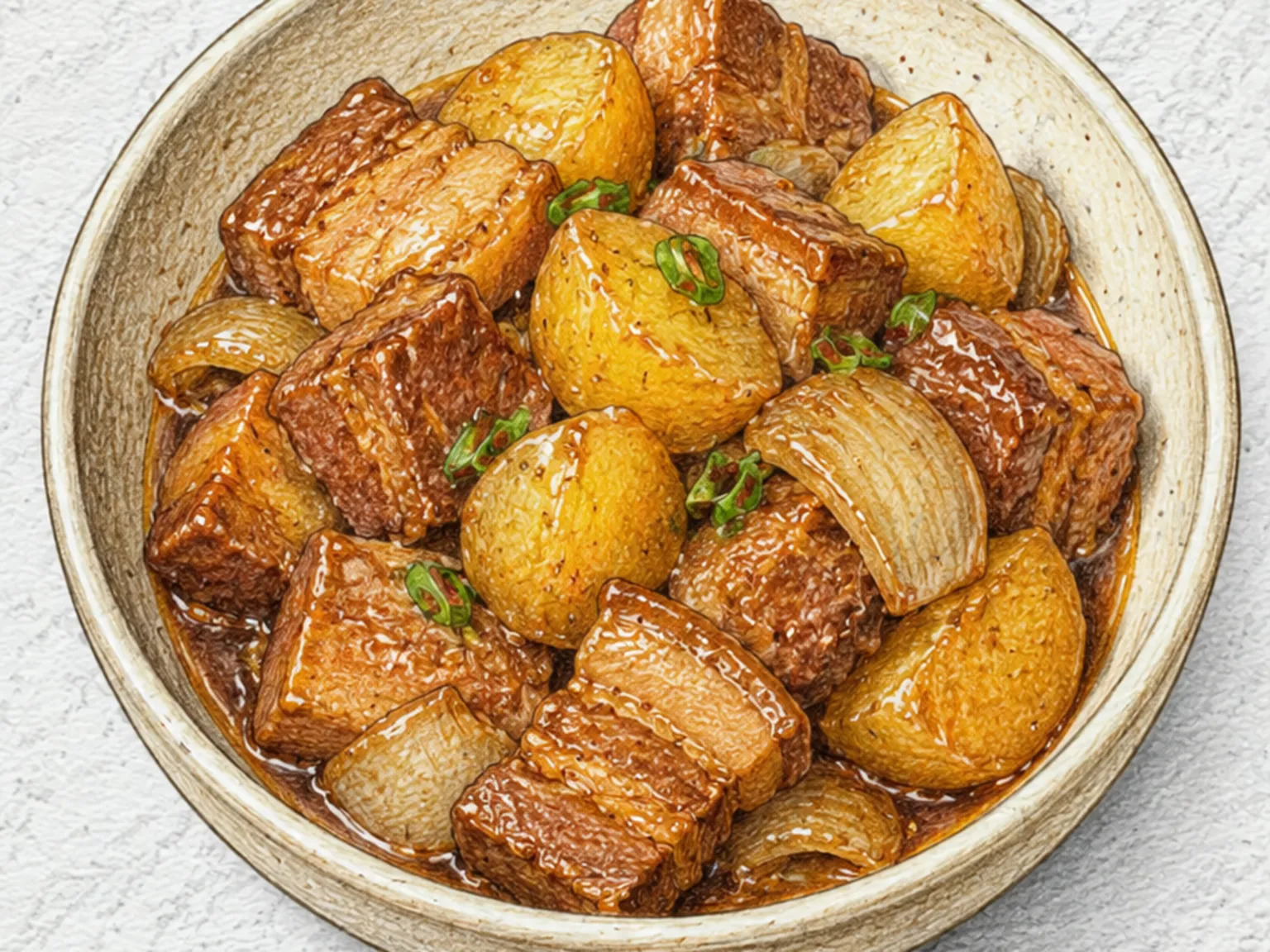
Nikujaga (Japanese Beef Potato Onion Soy-Sweet Stew)
Nikujaga is a Japanese home-cooked stew often described as the dish that defines a mother's cooking in Japan. Thinly sliced beef, potatoes, onion, carrot, and shirataki noodles are simmered in a broth of dashi, soy sauce, mirin, and sugar. The dish traces its origins to the Meiji era, when a Japanese naval officer attempted to recreate British beef stew using local ingredients -- resulting in a clear, soy-based braise rather than a thick, flour-bound stew. The potatoes absorb the seasoned liquid until soft at the edges but still holding shape, while shirataki noodles soak up flavor and add a springy contrast.

Korean Shepherd's Purse Doenjang Jjigae
This seasonal doenjang jjigae highlights shepherd's purse (naengi), a foraged spring herb prized in Korean cooking. Potato, zucchini, onion, and tofu simmer in anchovy stock with soybean paste, creating a hearty base. The naengi contributes a distinctive earthy, slightly bitter aroma that complements the fermented depth of doenjang. Using the whole plant including the roots intensifies its characteristic fragrance.

Shrimp Boil
Shrimp boil is a Southern American one-pot dish where ingredients are added to seasoned boiling water in stages according to their cooking time. Potatoes go in first and cook for about ten minutes, followed by corn on the cob and smoked sausage for another seven minutes, and shrimp last for just two to three minutes. This staggered approach ensures every component reaches the table properly cooked - potatoes tender, corn sweet and snappy, sausage heated through, and shrimp firm rather than rubbery. The drained pile is tossed with melted butter and fresh lemon juice, which adds richness and acidity on top of the paprika-seasoned broth. Traditionally served poured out onto newspaper for communal eating by hand.

Pani Puri (Indian Crispy Hollow Shells with Spiced Herb Water)
Pani puri is India's most iconic street snack - crisp, hollow shells filled with potato, chickpeas, and a spiced herb water, then consumed in a single bite before they soften. Each puri is cracked open at the top, stuffed with mashed potato and chickpeas seasoned with chaat masala, and flooded with chilled pani made from blended mint, cilantro, tamarind, and green chili. The moment it enters the mouth, the shell shatters and releases a cold, tangy-spicy rush of liquid followed by the starchy comfort of potato. The flavor is layered and immediate: mint's cooling bite, tamarind's sour sweetness, and chaat masala's sharp saltiness all arrive at once.

Korean Beef Doenjang Jjigae
Soegogi doenjang jjigae is a foundational Korean home-cooked stew, made with beef brisket and fermented soybean paste as the foundation, filled out with potato, zucchini, tofu, and onion, and simmered in the starchy water left from rinsing rice. The brisket rewards long cooking by releasing its fibers and pushing a rich, distinctly beefy flavor into the broth, and the mild starch from the rice water softens that richness so it blends smoothly with the fermented depth of the doenjang. As the stew simmers, potato breaks down partially at the edges, thickening the liquid and giving it body without the need for any additional starch. Green onion and minced garlic anchor the aroma and keep the flavor from going flat. Adding the doenjang in stages and tasting between additions rather than putting it all in at once is the reliable method for hitting the right depth without oversalting. Paired with freshly cooked rice, this is a stew that fits into the daily rotation without ever feeling repetitive.

Pan-Seared Steak
Pan-seared steak starts with bringing the beef to room temperature for 30 minutes and patting the surface completely dry with paper towels - residual moisture prevents the Maillard reaction that builds the deep brown crust responsible for both flavor and juice retention. Seasoning is kept to salt and pepper so the beef's own character leads. The pan must be heated until it smokes before the oiled steak goes in, and each side sears for two to three minutes without moving the meat. Reducing the heat and adding butter, garlic, and rosemary creates an aromatic basting liquid that infuses the surface as it cooks to the target doneness. Resting the steak off heat for a full five minutes lets the muscle fibers relax and reabsorb their juices - skipping this step means the liquid pools on the plate instead of staying inside the meat.

Pav Bhaji (Mumbai Street Food Spiced Mashed Vegetable Curry with Bread)
Pav bhaji is a street-food staple born on the pavements of Mumbai. A medley of boiled potatoes, cauliflower, peas, and carrots is mashed together on a hot griddle, then cooked down with generous amounts of butter and a proprietary spice blend called pav bhaji masala. Tomatoes and onions form the aromatic base, while the masala contributes warm, earthy heat that deepens with each pass of the spatula. The accompanying soft bread rolls are split and toasted on a buttered griddle until golden on the cut side. Raw onion rings, a wedge of lemon, and a knob of extra butter placed on top of the simmering bhaji are the traditional garnish. The dish is designed to be eaten fast and hot, scooped directly from the communal pan.

Korean Ssuk Deulkkae Jjigae (Mugwort Perilla Stew)
This seasonal stew highlights fresh mugwort simmered with perilla seed powder in a rice-rinse water base. The perilla powder gives the broth a creamy, nutty thickness, while the mugwort's slightly bitter herbaceous aroma floats through gently. Potato breaks down to add heartiness, and oyster mushrooms and firm tofu provide textural variety. Seasoned lightly with soup soy sauce, it is a springtime specialty that captures the taste of the season.

Steak Frites
Steak frites pairs a butter-basted sirloin steak with double-fried potatoes, a combination that defines the French bistro experience. The potatoes are cut into sticks, soaked in cold water for 15 minutes to wash off surface starch - this prevents them from sticking together during frying and gives a cleaner fry. The first fry at 160 degrees Celsius cooks the interior until tender, and after cooling, a second fry at 190 degrees turns the outside crisp and golden while the inside stays fluffy. The steak is seasoned only with salt and pepper, seared hard in a hot pan, then basted with butter, garlic, and thyme for a final minute before resting for five minutes off heat. Despite the short ingredient list, the dish demands precise heat control - the sear must be aggressive enough to crust the meat, and the oil temperatures for double-frying must be accurate.

Thai Yellow Curry (Mild Thai Turmeric Coconut Curry with Chicken)
Thai yellow curry is the mildest of the three major Thai curries, built on a paste that features turmeric as its dominant spice, which gives the dish its distinctive golden color and a warm, earthy undertone. The paste is dry-fried in a pan until fragrant before coconut milk is poured in to form a creamy, gently spiced base. Chicken pieces, cubed potato, and sliced onion simmer in the liquid until the potato is fully tender, its starch thickening the curry slightly and giving the sauce a comforting body. Fish sauce is added last to season the pot, its salty depth rounding out the turmeric's earthiness and the coconut's sweetness. The result is a mild, aromatic curry with a smooth texture and a warmth that comes more from the spice blend than from chili heat. Yellow curry is often recommended as an entry point for those new to Thai cuisine, yet its layered flavor-turmeric, cumin, coriander, and coconut working in concert-rewards experienced palates as well.

Korean Clam Sujebi Stew (Hand-Torn Dough in Clam Broth)
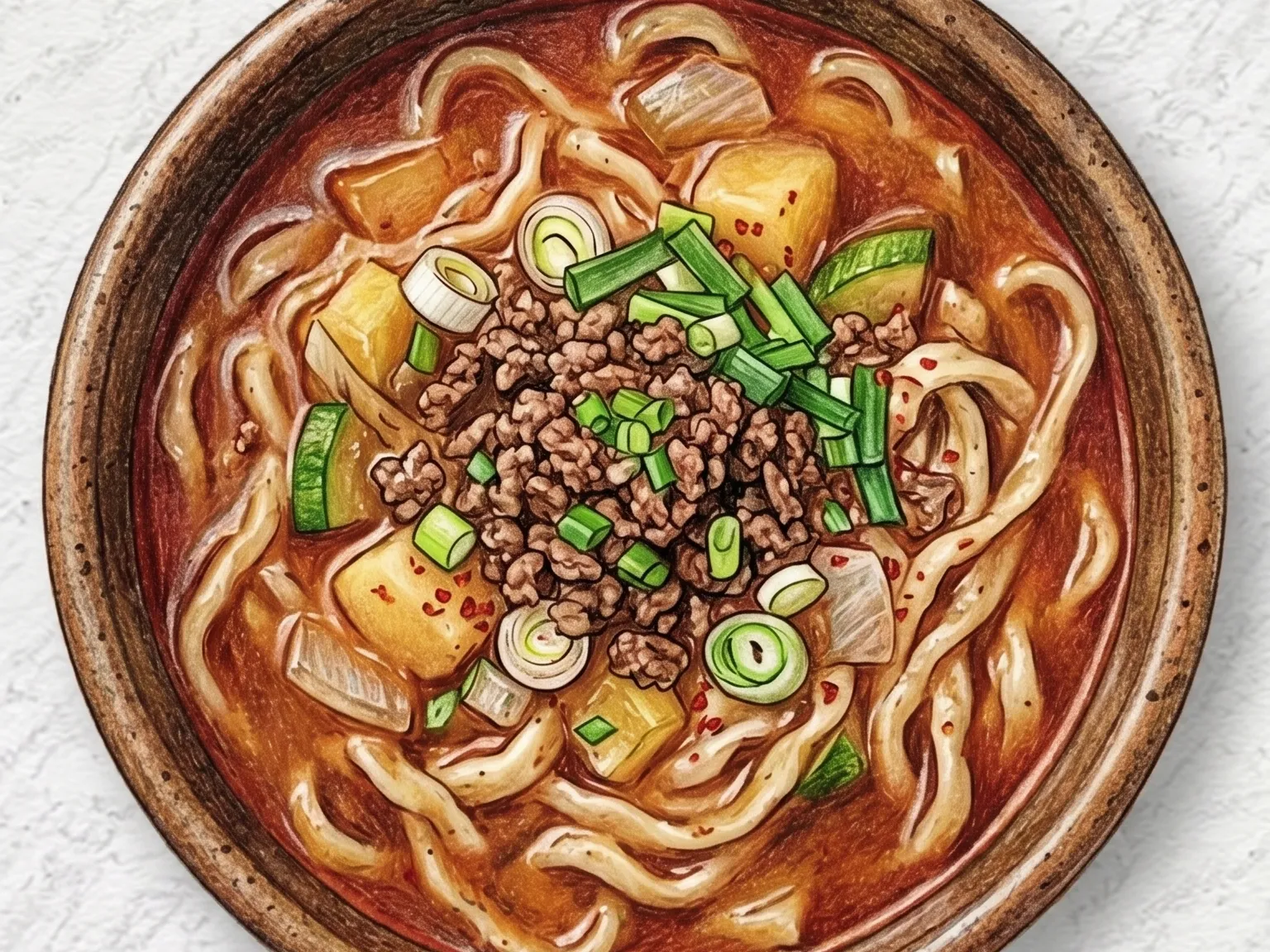
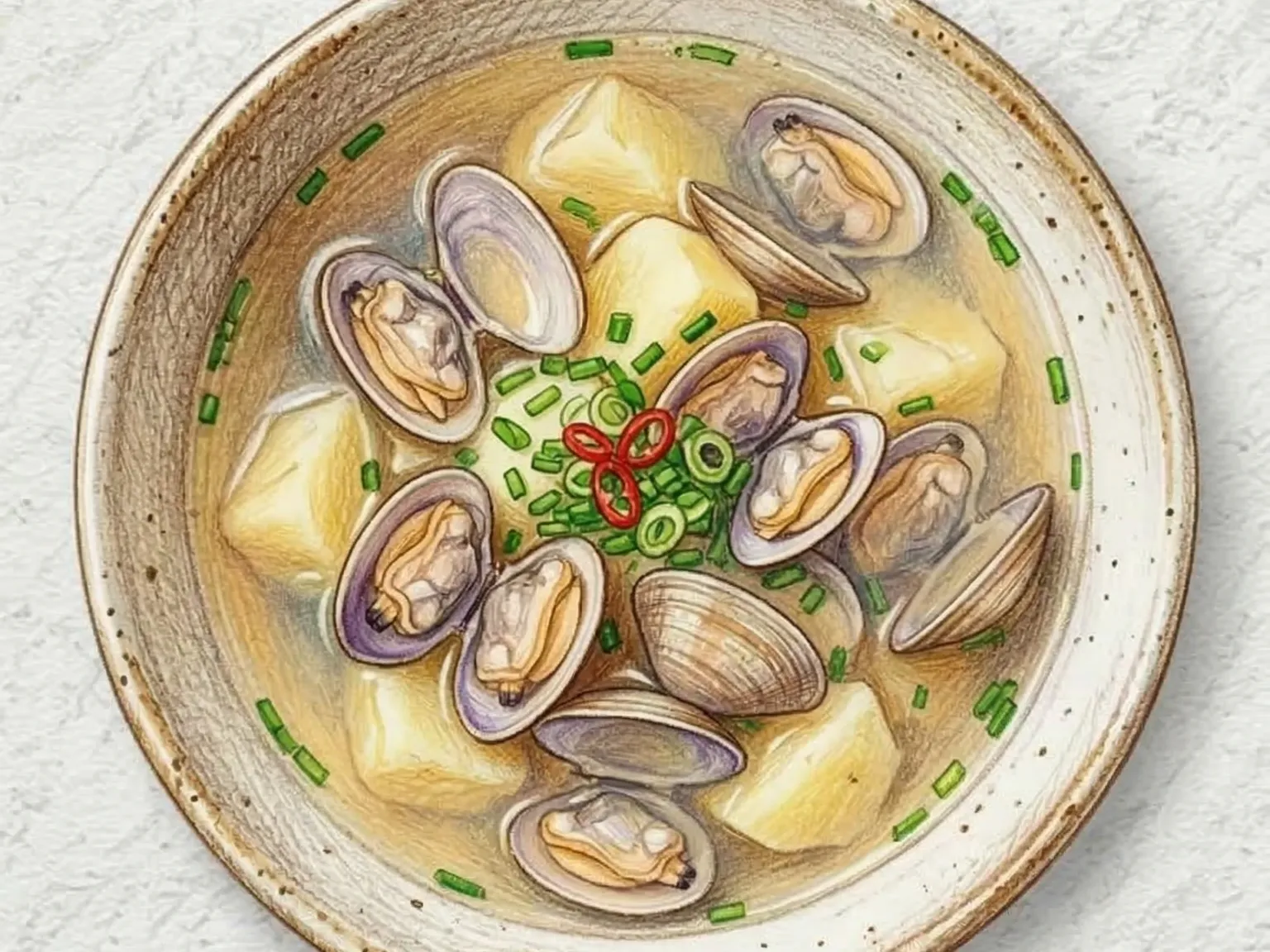
This stew combines hand-torn flour dumplings with clams, potato, and zucchini simmered in an anchovy-kelp stock. Adding clams to the base broth builds a clean, briny depth that anchovy stock alone cannot achieve. The dough is torn directly into the pot in uneven, thick pieces that cook into chewy, irregular shapes, each one slightly different in texture depending on thickness. As the potato softens it partially dissolves into the broth, thickening the liquid naturally without any starch addition. Zucchini and onion release gentle sweetness that rounds out the savory base. Soup soy sauce keeps the broth clear and properly seasoned, and sliced green onion finishes the bowl with fresh aroma. Because the sujebi itself serves as the starch, this one-bowl dish covers both soup and carbohydrate in a single serving, making it a satisfying, complete meal on its own.

Tartiflette (French Potato Bacon Reblochon Gratin)
Tartiflette layers parboiled potato slices with sautéed smoked bacon and onion, pours heavy cream over the top, and finishes with halved reblochon cheese placed cut-side down before baking at 190 degrees Celsius until golden and bubbling. Parboiling the potatoes only halfway is deliberate - fully cooked potatoes fall apart in the oven, while half-cooked ones absorb cream and finish with a firm yet tender bite. The smoky bacon and caramelized onion create a savory foundation, and the cream seeps between the potato layers to bind everything together. Placing the cheese cut-side down is the traditional technique - as it melts, the creamy interior flows over the potatoes while the rind holds its shape on top. If reblochon is hard to find, brie makes a reasonable substitute with a similar creamy melt and mild, mushroomy flavor.

Korean Tomato Beef Rib Stew
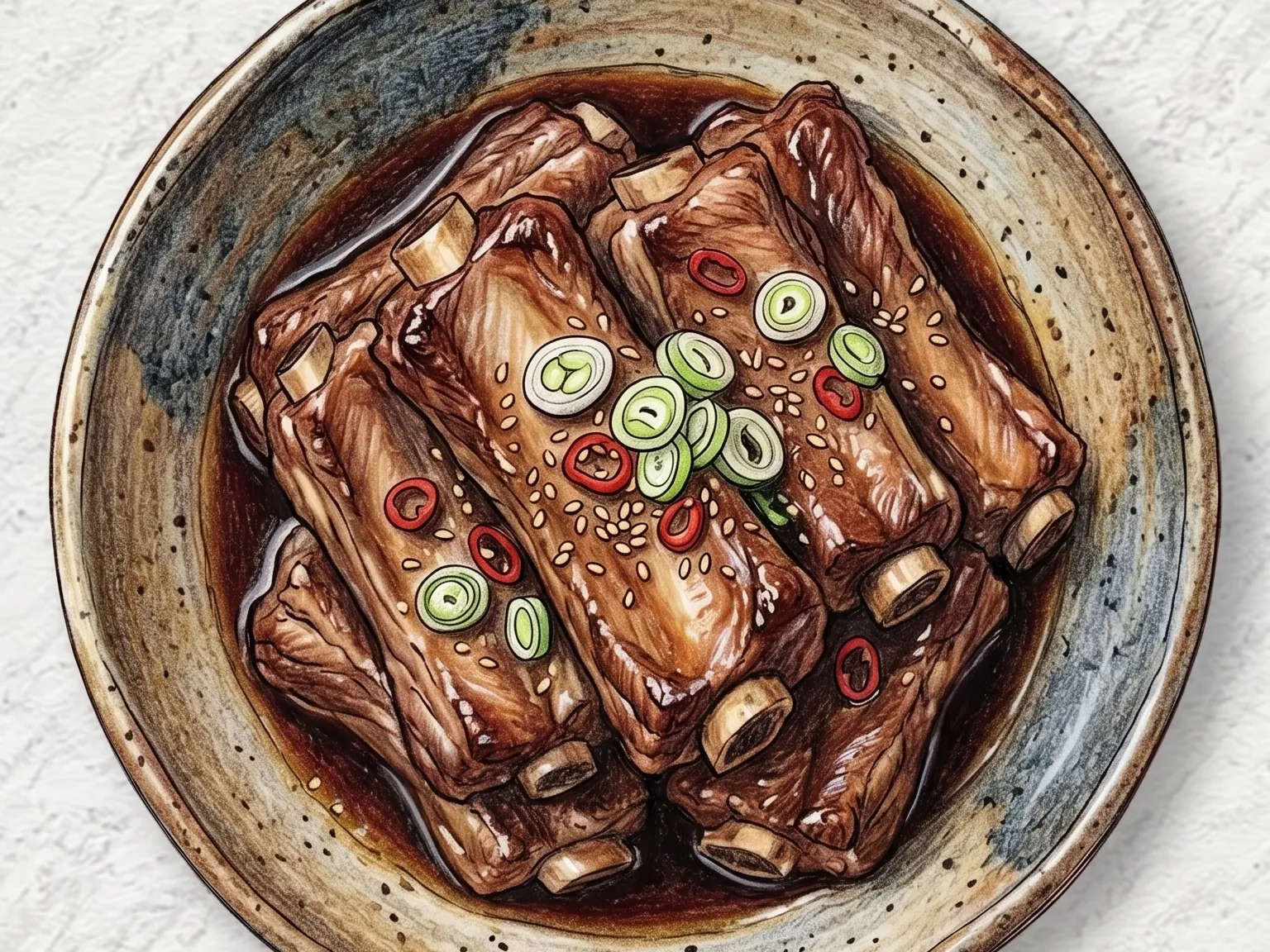
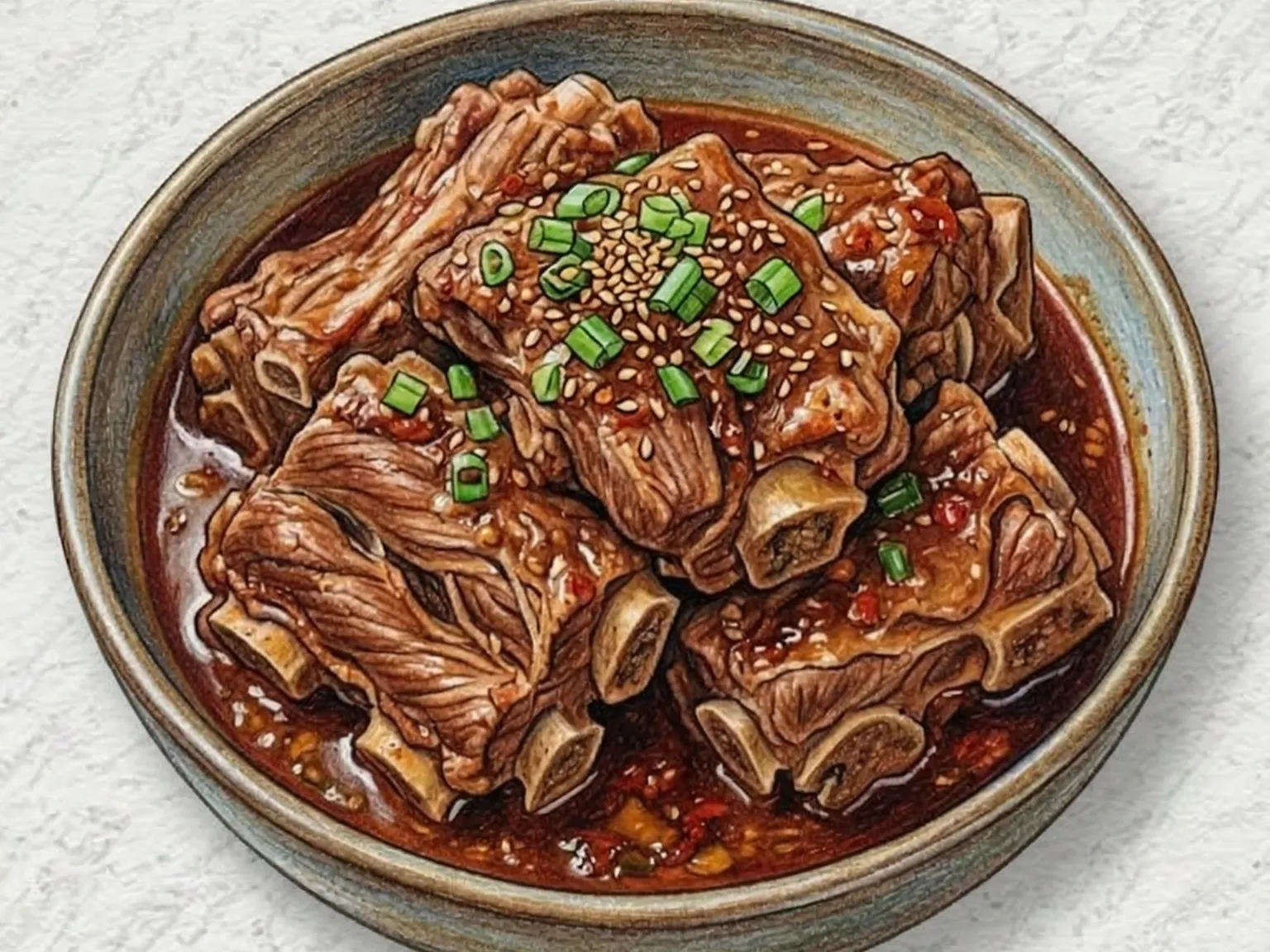
This fusion-style stew pairs beef short ribs with ripe tomatoes in a broth seasoned with gochujang and gochugaru. The ribs are simmered until the broth is deeply infused with beefy richness, and the tomatoes break down to add natural acidity and sweetness. Potato chunks cook until fluffy, lending substance, while onion rounds out the broth's sweetness. The combination of soy sauce and chili paste with tomato's brightness creates a flavor that feels both novel and familiar.

Vichyssoise (French and potato soup)
Vichyssoise is a chilled French leek and potato soup blended smooth with cream.

Korean Burdock Perilla Seed Stew
Ueong-deulkkae-jjigae is a Korean stew built on burdock root, potatoes, and oyster mushrooms simmered in an anchovy-kelp broth and thickened with perilla seed powder. The burdock root holds a firm, earthy crunch through the cooking while the potatoes soften and begin to break at the edges, and the oyster mushrooms add a pulling, fibrous chew that makes the stew feel substantial without any meat. Anchovy-kelp broth forms a clean, savory base, and a generous measure of perilla seed powder stirred in at the end creates a creamy, nutty consistency that coats every piece of vegetable and makes each spoonful feel round and warming. Soaking the burdock in cold water before cooking draws out bitterness and prevents the cut surfaces from darkening, which keeps the broth clear. Adding the potatoes after the burdock has partly cooked prevents them from collapsing entirely. Perilla seed powder should go in just before the heat is turned off so the toasted, nutty fragrance stays sharp rather than cooking away.

Korean Potato Cheese Porridge
Gamja-cheese-juk is a creamy Korean rice porridge in which finely diced potato and onion are first sauteed in butter to draw out their natural sweetness before soaked rice and milk are added and the whole pot is brought to a slow simmer. As the potato cooks, its starch releases into the liquid and thickens the porridge from within, producing a smooth, dense base without the need for any thickening agent. Cheddar cheese is stirred in near the end of cooking, contributing salt and richness that eliminates the need for much additional seasoning -- the combination of buttery saute, starchy potato, and melted cheese produces a flavor deep enough to stand without extra condiments. Partially mashing the potato pieces against the side of the pot while the porridge cooks creates an even creamier consistency, and because different cheeses carry varying levels of salt, adding the final seasoning only after the cheese has fully melted prevents over-salting. The porridge is mild, warm, and velvety, suited to children and comforting as a light breakfast or recovery meal on a cold morning.

Charred Daepa Gamja Doenjang Salad (Charred Leek Potato Salad)
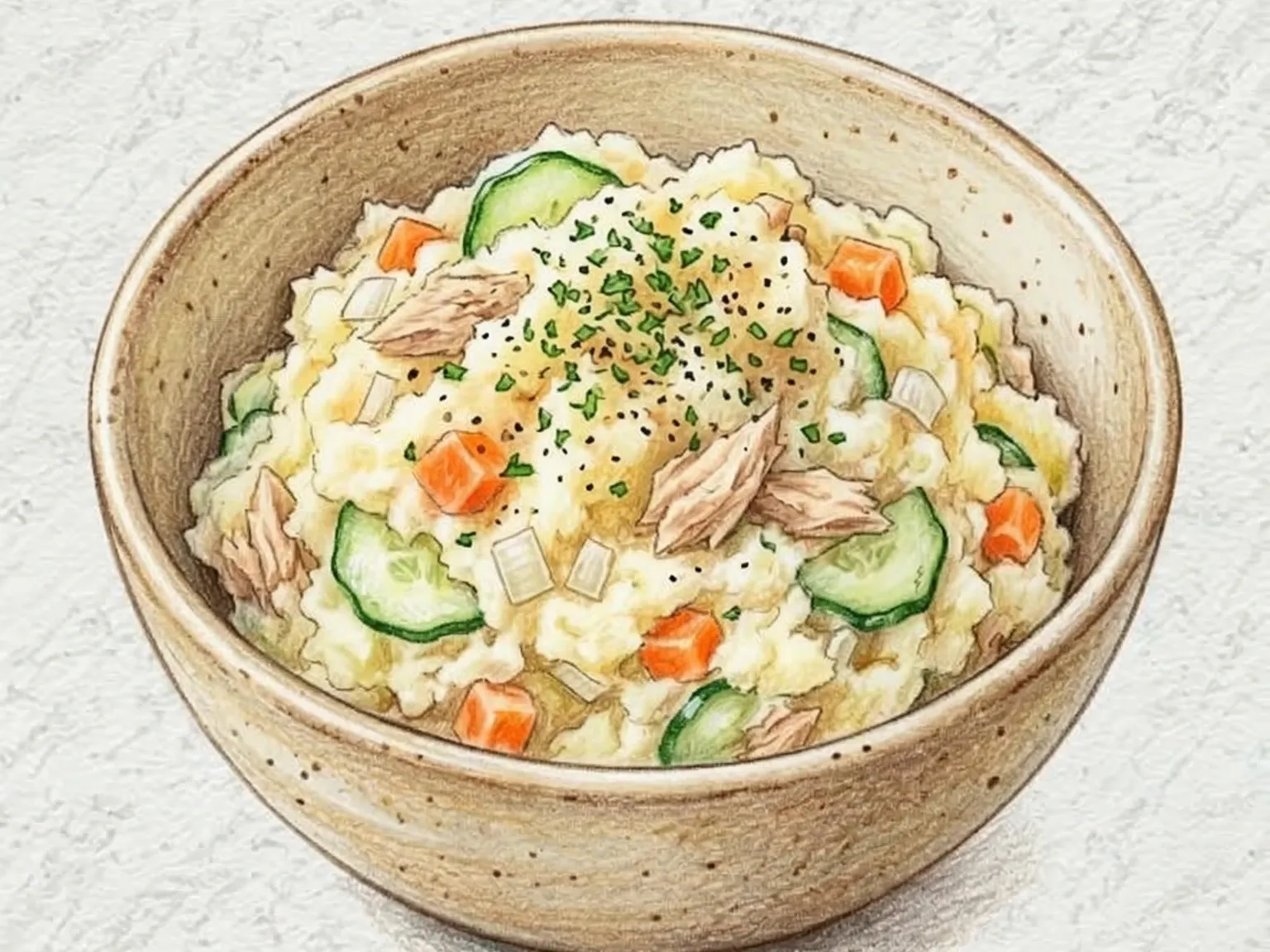
Charred daepa gamja doenjang salad combines boiled potatoes with large green onion segments that have been seared until deeply caramelized and smoky. The high heat strips away the raw onion bite and replaces it with a concentrated sweetness and char aroma. A dressing made from doenjang, lemon juice, honey, and olive oil layers fermented depth with bright acidity and a touch of sweetness, drawing out the mild flavor of the potato. Tossing the potatoes while still warm allows the dressing to absorb into the starchy flesh rather than sitting on the surface. Red chard adds color and a faint bitterness that gives the bowl a sense of direction, while black sesame seeds contribute a final nutty accent.

Hungarian Goulash
Goulash is a traditional Hungarian stew in which beef chuck is slow-cooked with substantial amounts of paprika until the meat breaks apart at the slightest pressure from a fork. Onions are fried until they reach a deep golden color, then paprika powder and garlic are added and toasted in the rendered fat for about a minute, a step that dissolves the fat-soluble pigments and aromatic compounds of the paprika into the oil and sets the color and flavor profile for the entire stew. Browning the beef before adding liquid builds an additional layer of savory depth through surface caramelization. Tomato paste, beef stock, and caraway seeds go in next, and the pot simmers on low heat for over an hour while the connective tissue and collagen inside the chuck slowly convert to gelatin, enriching the broth and softening the meat to the point where it pulls apart without any knife work. Potatoes are added for the final thirty minutes, absorbing the paprika-saturated broth as they cook while releasing their starch into the liquid, which naturally thickens the sauce to a rich, clingy consistency that coats the meat without any additional thickener needed.

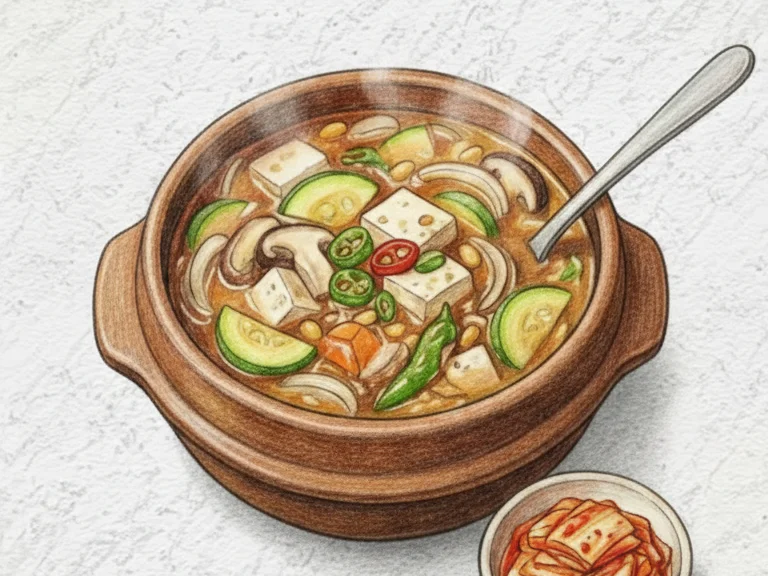
Korean Gangwon-Style Soybean Paste Stew
Gangwon-style doenjang jjigae is a regional variation of the fermented soybean paste stew defined by an unusually generous quantity of potatoes - 300 grams - which break down during cooking and release starch into the broth, giving it a thick, substantial body rarely found in other regional versions. Three tablespoons of doenjang dissolved in 1.1 liters of anchovy stock form a solid base. As the diced potatoes cook through, their starch gradually thickens the surrounding liquid and softens into pieces with a texture somewhere between firm and yielding. Oyster mushrooms contribute a distinctly chewy quality that holds up through extended simmering while also enriching the savory depth of the broth. Zucchini, onion, and firm tofu round out the pot, making it substantial enough to serve as a complete meal without anything else on the table. Gangwon Province, with its mountainous terrain, cooler summers, and long winters, developed a style of home cooking that favors generous quantities and long cooking times over refinement. The stew should be simmered until the potatoes are completely soft before serving so the broth reaches its intended consistency.