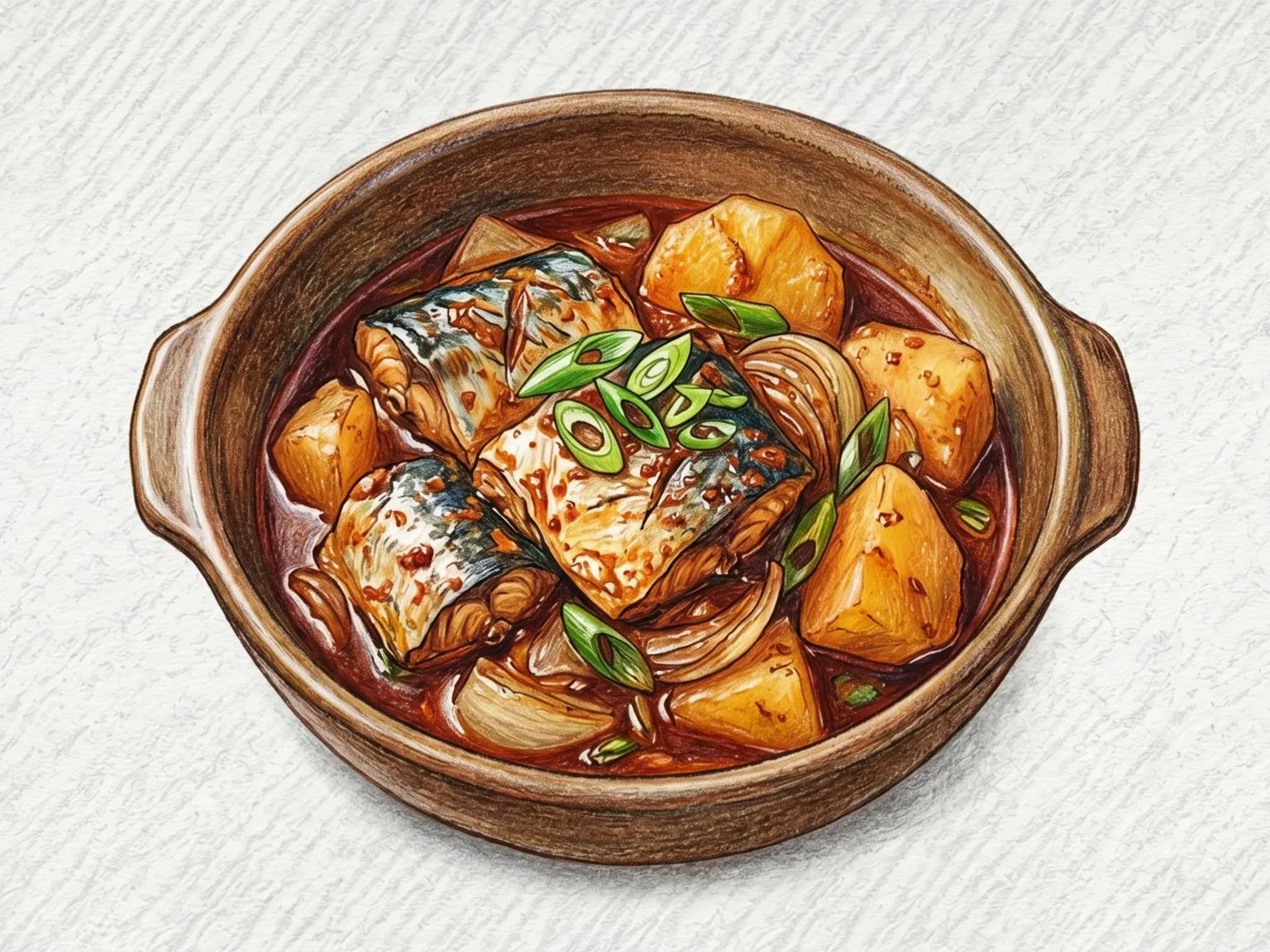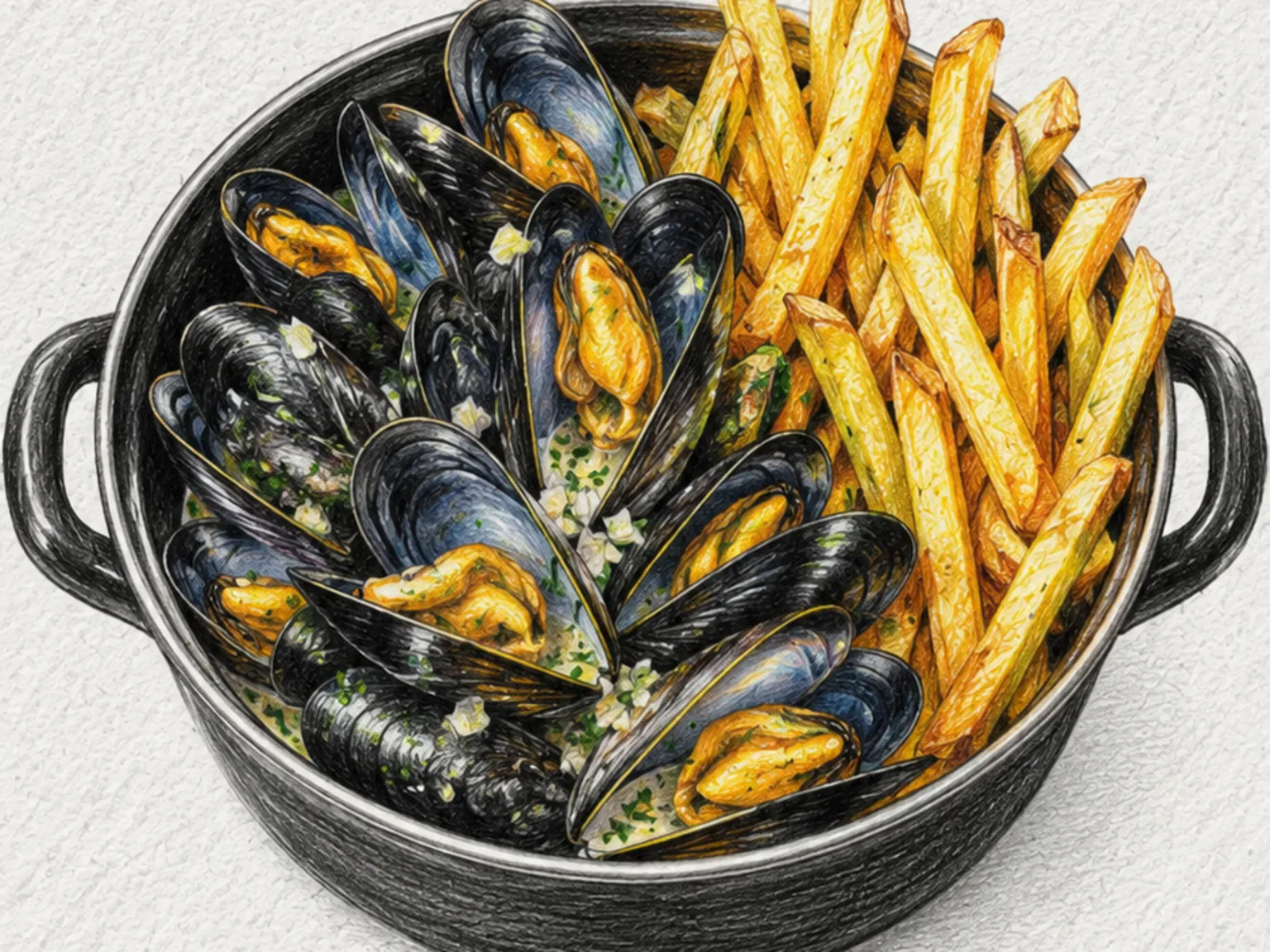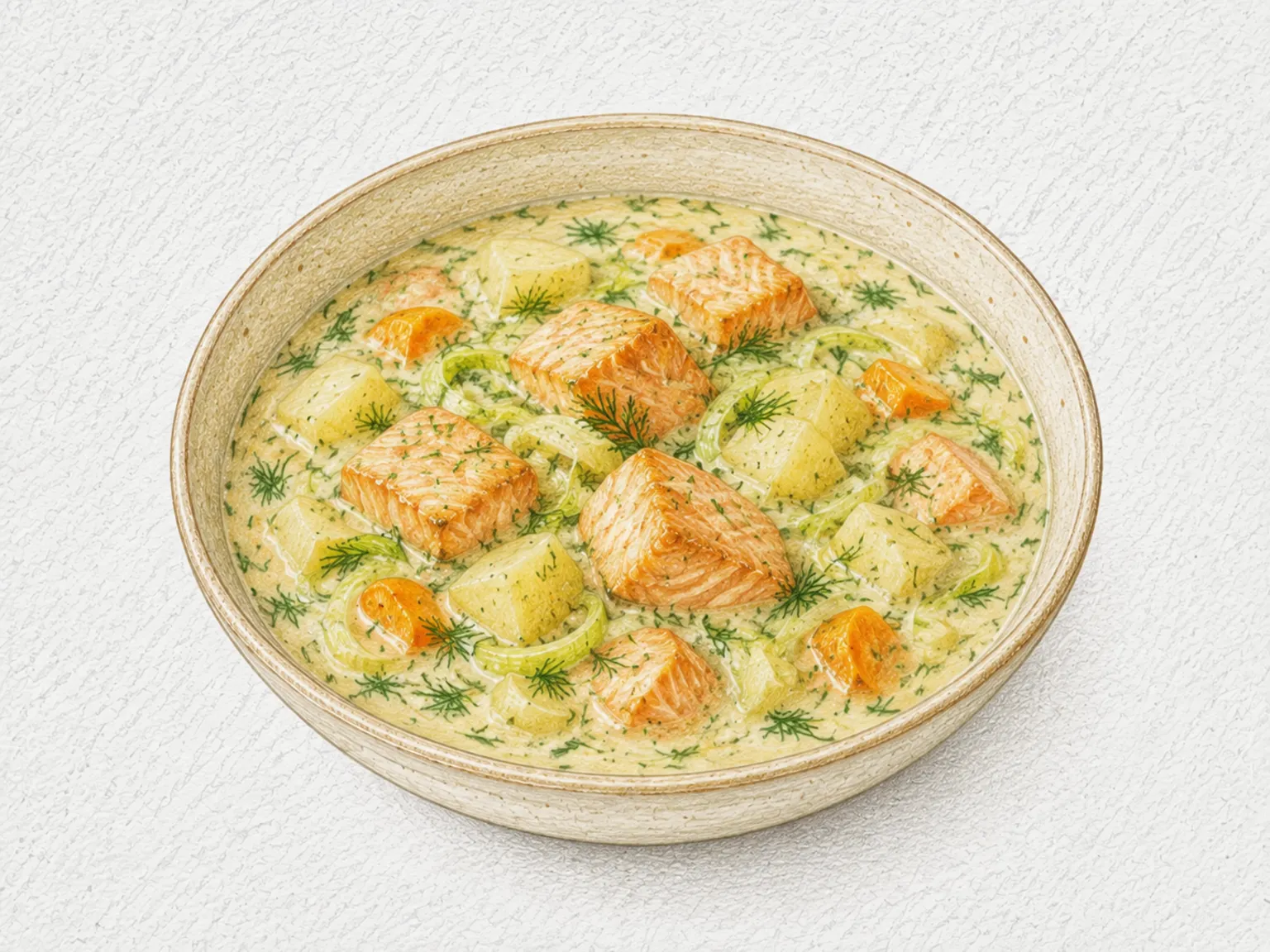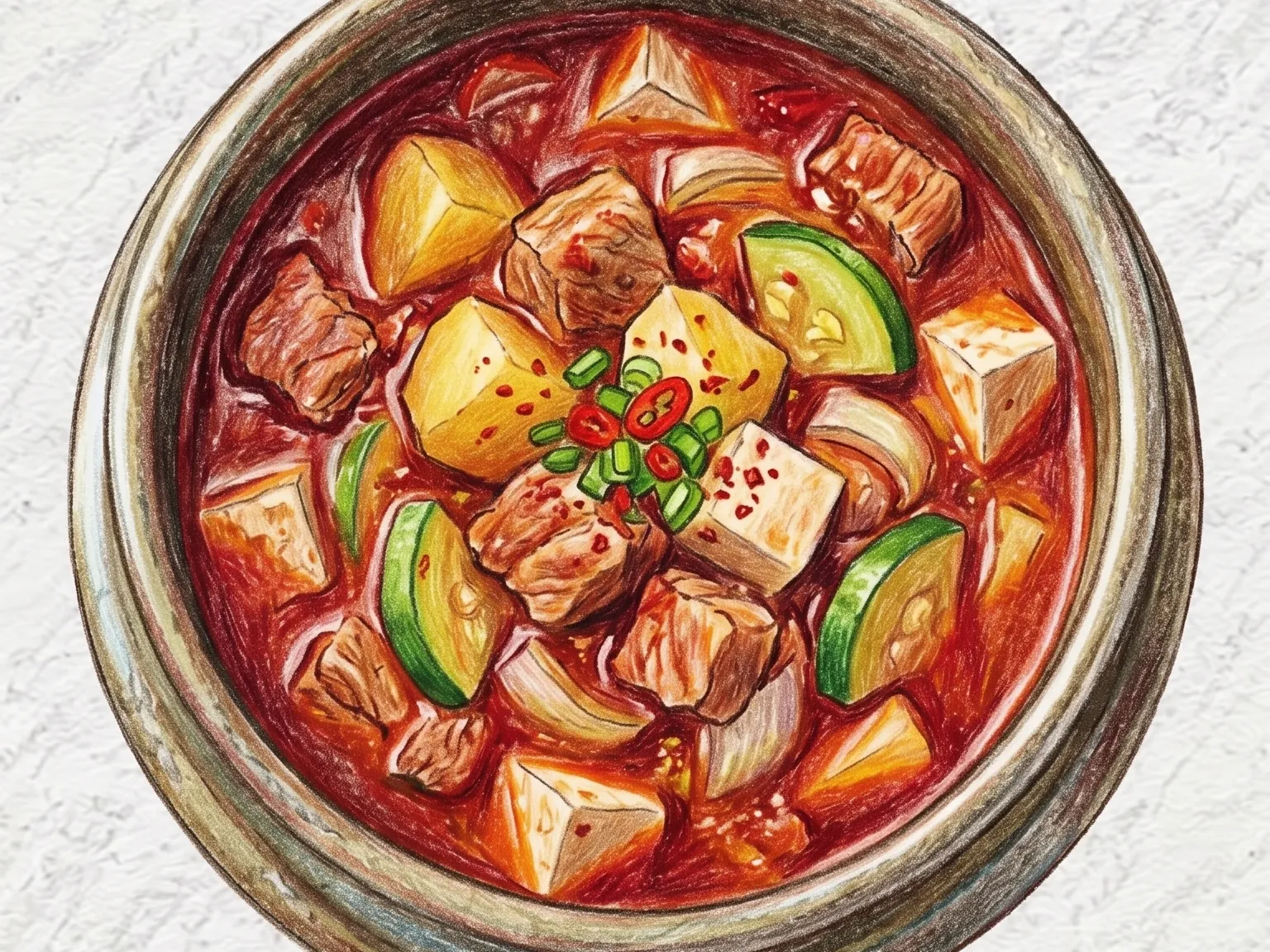
Seafood Jajangmyeon (Black Bean Noodles with Squid and Shrimp)
Haemul jajangmyeon replaces the usual pork with squid and shrimp, bringing a marine twist to the classic Korean black bean noodle dish. The chunjang paste is fried in oil until its raw bitterness fades and a caramel-like sweetness emerges, then the seafood releases its juices into the sauce, building a layered umami absent from the standard version. Diced onion, potato, and zucchini soften into the sauce, contributing natural sweetness and body, while a cornstarch slurry thickens everything to a glossy, clinging consistency. The timing of the seafood matters: adding squid and shrimp too early causes them to tighten and turn rubbery, so they should go in during the final minutes of cooking once the vegetables have softened, allowing just enough heat to cook them through while keeping them springy. The chunjang itself requires at least five minutes of frying over medium heat before any other ingredients join the pan; cutting this step short leaves a harsh, bitter note in the finished sauce that no amount of sugar can fully correct. Poured over springy fresh wheat noodles, the dark sauce delivers both the familiar roasted-bean depth and an unmistakable ocean undertone.

Korean Stir-fried Potato Strips
Gamja-bokkeum is a fundamental Korean side dish made by stir-frying julienned potatoes until they are just tender with a remaining crunch, and it belongs on almost any Korean table regardless of what else is being served. Soaking the julienned potatoes in cold water for five to ten minutes removes the surface starch that would otherwise cause the pieces to stick together in the pan and clump into a mass. The drained potatoes go into an oiled pan over medium heat with garlic, which provides a gentle aromatic backdrop without competing with the potato's mild natural flavor, and salt is the only seasoning needed to let that flavor come through. The key to the right texture is restraint: the potatoes are ready when they have turned translucent and the edges have picked up a faint golden color, and cooking past that point makes them soft rather than crisp. A finishing drizzle of sesame oil and a scattering of sesame seeds add a warm nuttiness that elevates the simple seasoning into a complete flavor. Thinly sliced cheongyang chili added during cooking produces a spicier variation, and a small amount of bell pepper or carrot adds color without changing the character of the dish. It is the kind of banchan that disappears from the table quickly despite its simplicity.

Raclette (Alpine Melted Cheese over Potatoes and Charcuterie)
Raclette is an alpine winter dish in which thick slices of raclette cheese are melted under a broiler or in a dedicated raclette machine and poured generously over boiled potatoes, cured ham, cornichons, and pickled onions. The potatoes should be cooked until fork-tender but not mushy, so they hold their shape under the weight of the melted cheese. The raclette cheese delivers a salty, rich coating of milkfat, and tangy cornichons and pickled onions cut through the heaviness with their acidity, resetting the palate between bites. The communal format - each person melting their own portion of cheese and pouring it over arranged ingredients - makes it especially well suited for dinner parties and gatherings.

Tortilla Espanola (Spanish Potato and Onion Omelette)
Tortilla Espanola cooks thinly sliced potatoes and onions slowly in generous olive oil over low heat until completely tender, then combines them with beaten eggs seasoned with salt and pepper, and pan-fries the mixture into a thick, golden omelette. The low-and-slow approach to cooking the potatoes is essential - high heat browns the outside while leaving the center hard, but gentle heat lets the potato slices absorb oil and turn creamy throughout. Once the potato-egg mixture goes back into the pan, low heat again ensures the bottom sets gradually without burning, while the interior stays moist. Flipping the tortilla using a plate placed over the pan is the most critical moment - confidence and a quick wrist motion prevent the half-set omelette from breaking apart. Letting it rest at room temperature for a few minutes before cutting firms the egg just enough to produce clean slices.

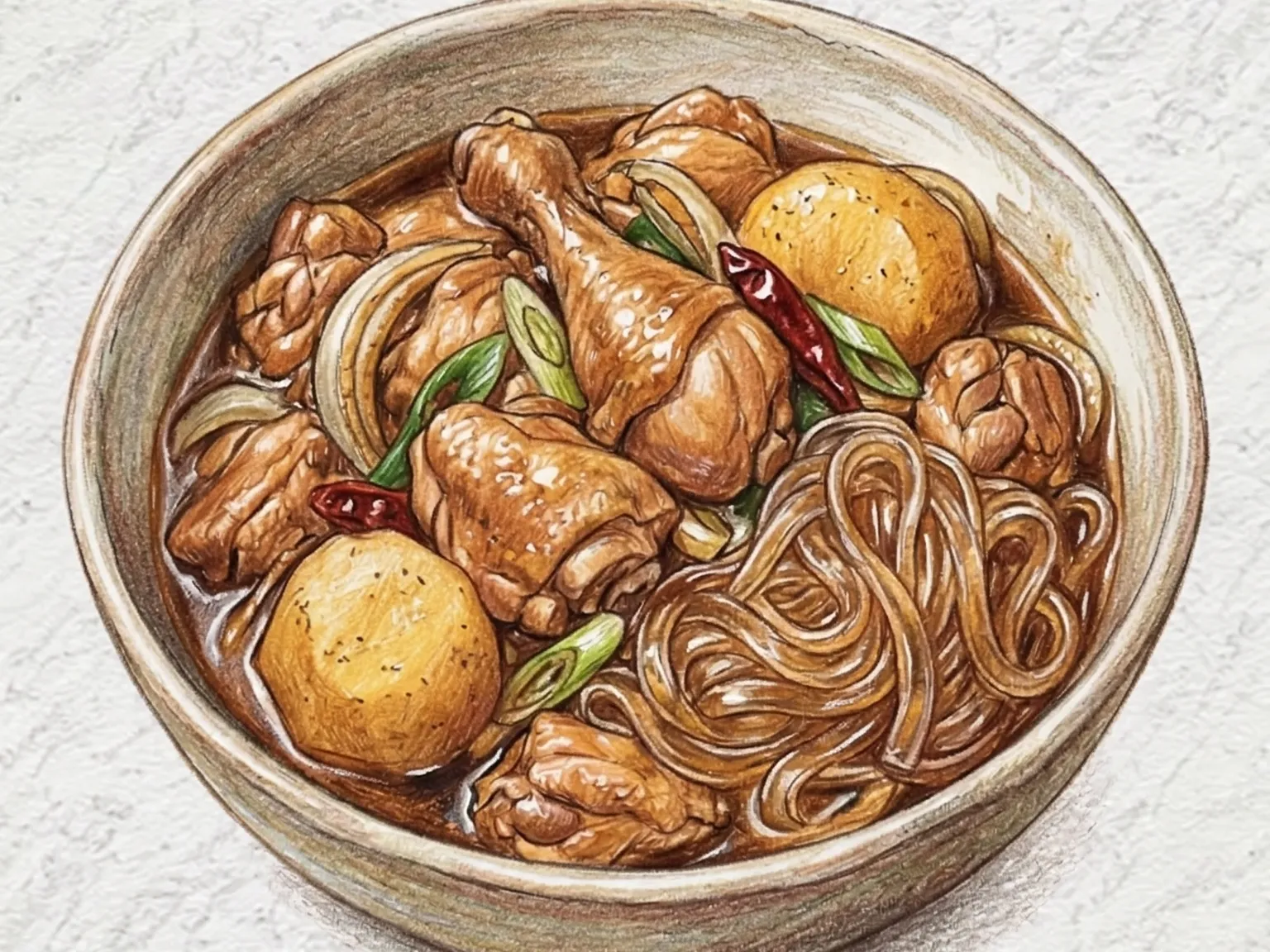
Korean Dak Hanmari (Whole Boiled Chicken with Potato Broth)
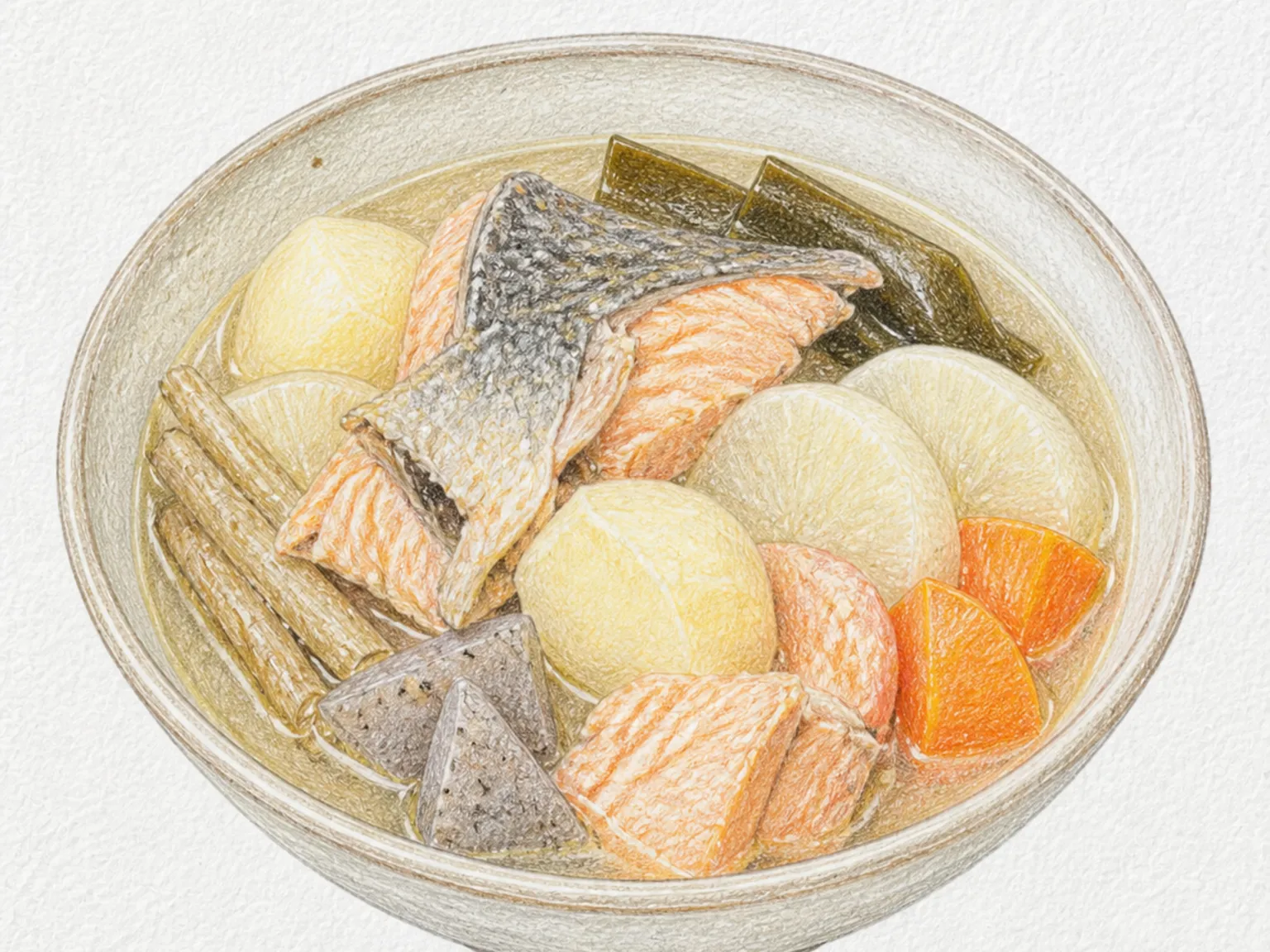
Dak-hanmari simmers a whole chicken with potato, green onion, garlic, and ginger in plain water for an extended time. Collagen released from the bones turns the broth milky and slightly thick, while the potatoes cook until their edges begin to break down, adding body to the liquid. Seasoning stays minimal - soup soy sauce and salt only - so the natural depth of the chicken stock remains unobscured. The dish traces back to the street stall alleys of Seoul's Dongdaemun district, and the traditional way to finish the meal is to add knife-cut noodles directly into the remaining broth at the table.

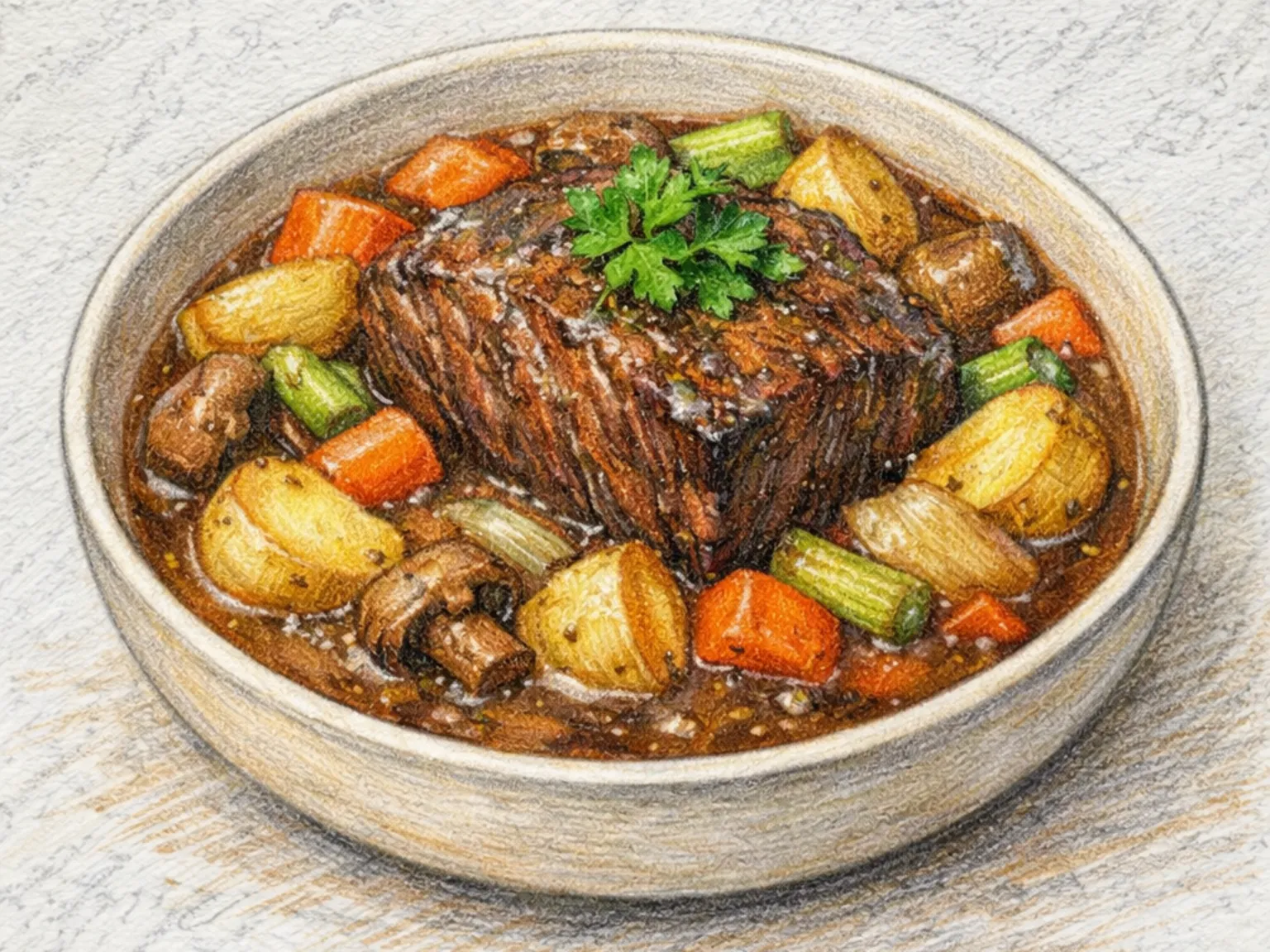
Irish Stew
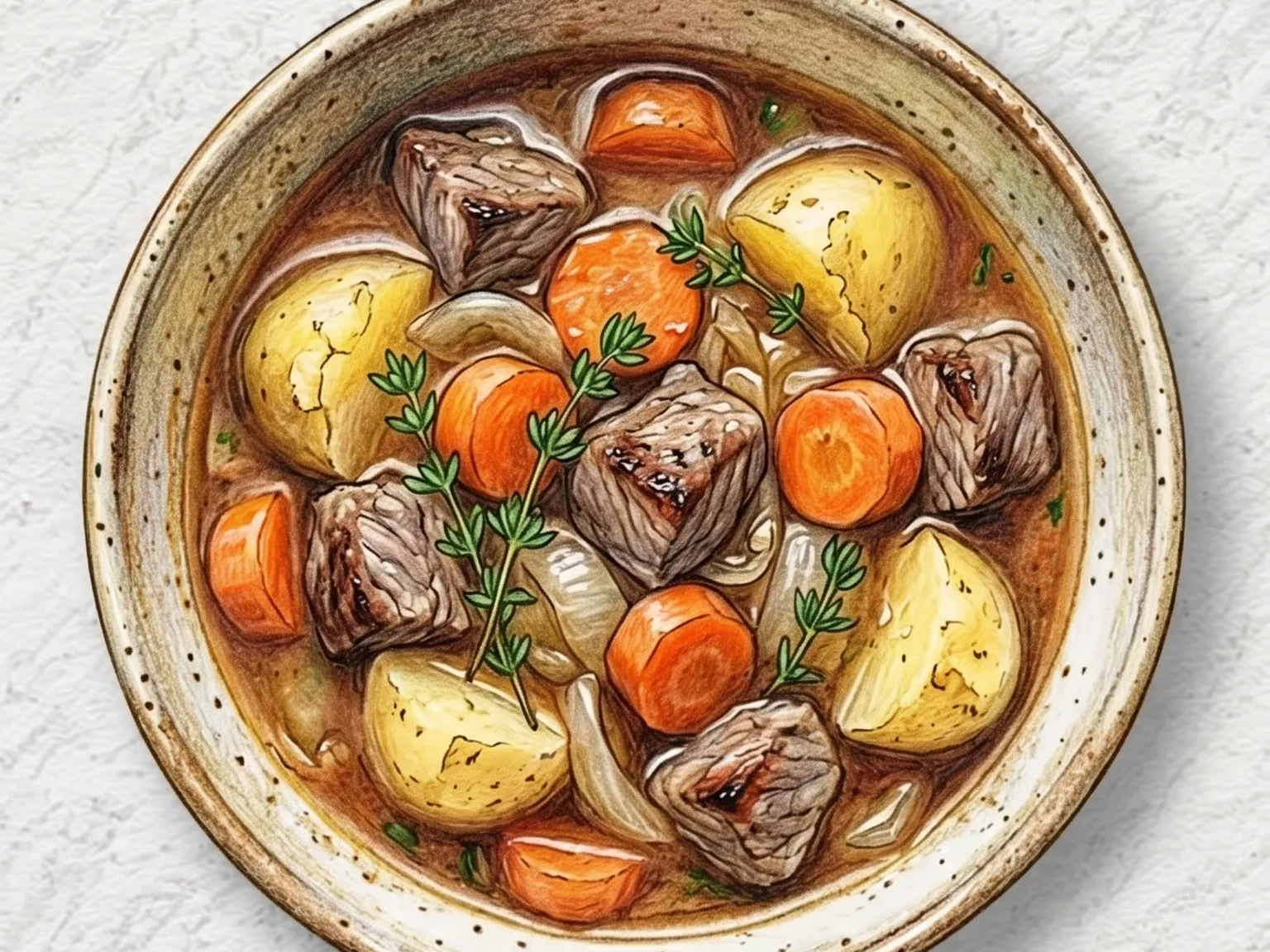
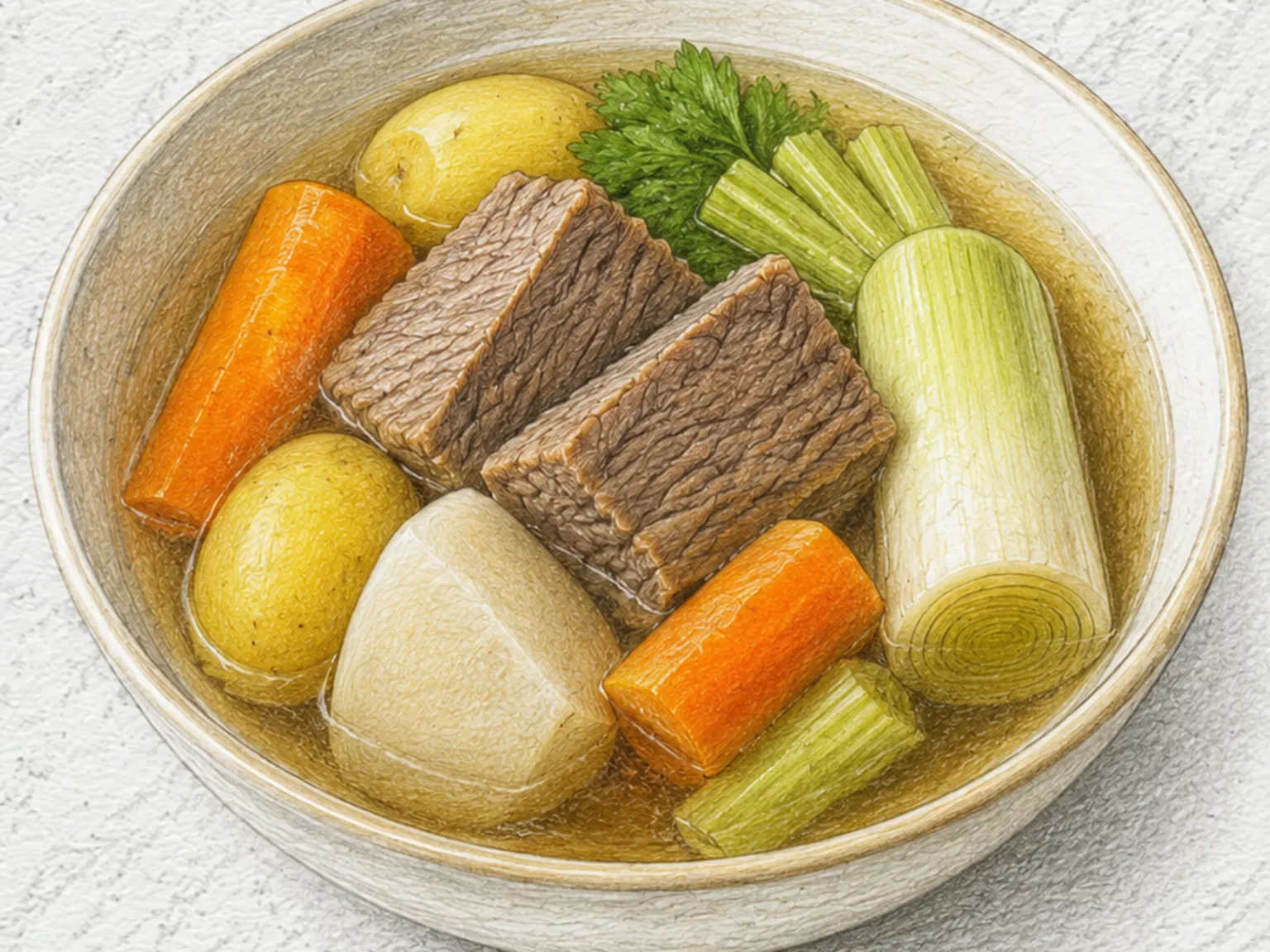
Irish stew is a traditional dish where chunks of lamb shoulder are slowly simmered with potatoes, onion, and carrot in beef stock seasoned with nothing more than thyme, salt, and pepper. Browning the lamb lightly and sauteing the onion and carrot first builds a foundation of Maillard flavor and natural sweetness in the broth. Adding potatoes and stock, then cooking on low heat for at least ninety minutes allows the connective tissue in the lamb to break down into tenderness, while some of the potato pieces dissolve into the liquid and thicken it naturally. The restraint in seasoning is the point - with only thyme as an aromatic, the deep flavors of the lamb and root vegetables define the stew entirely on their own.

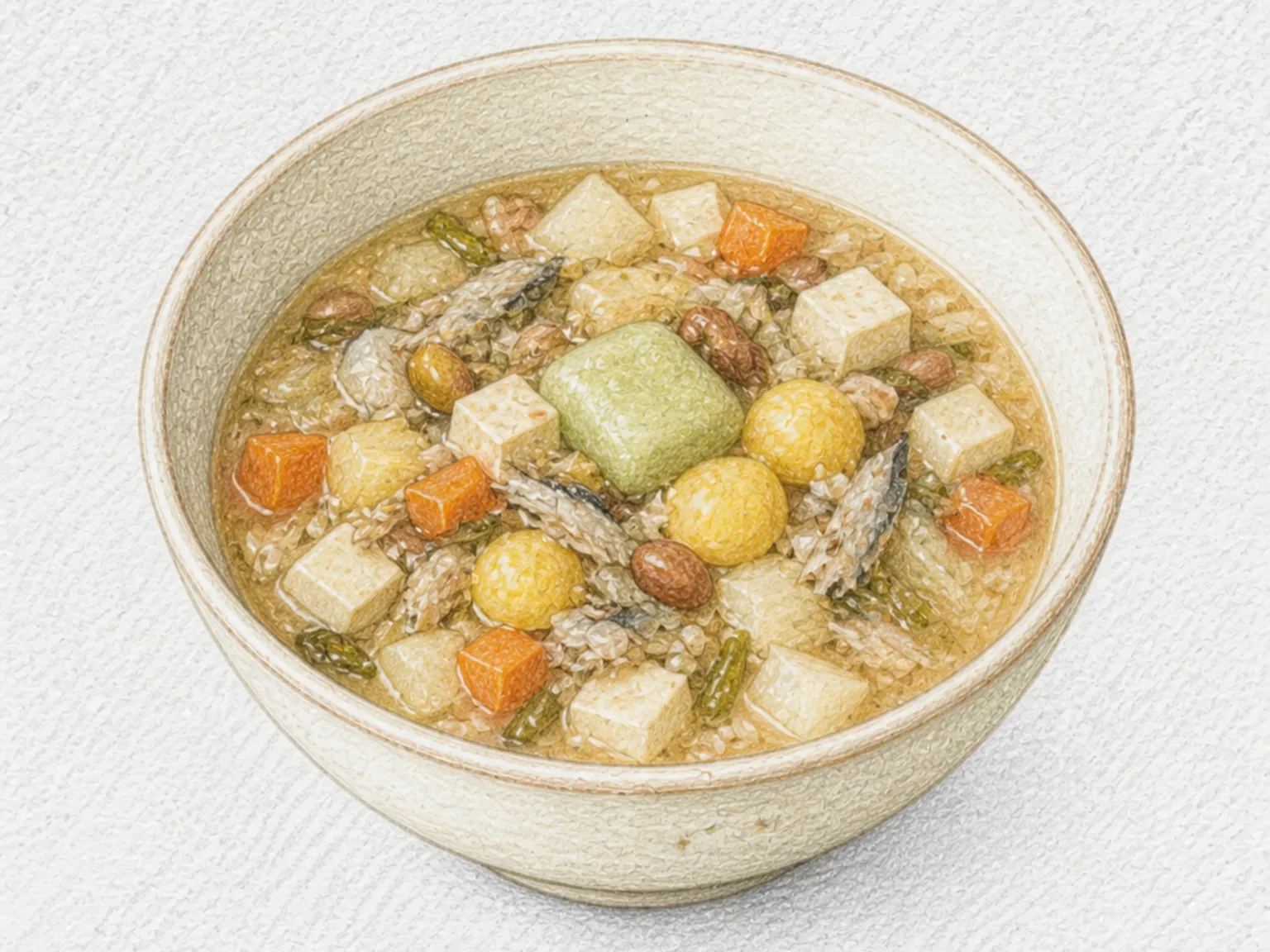
Gamjaguk (Potato Doenjang Anchovy Soup)
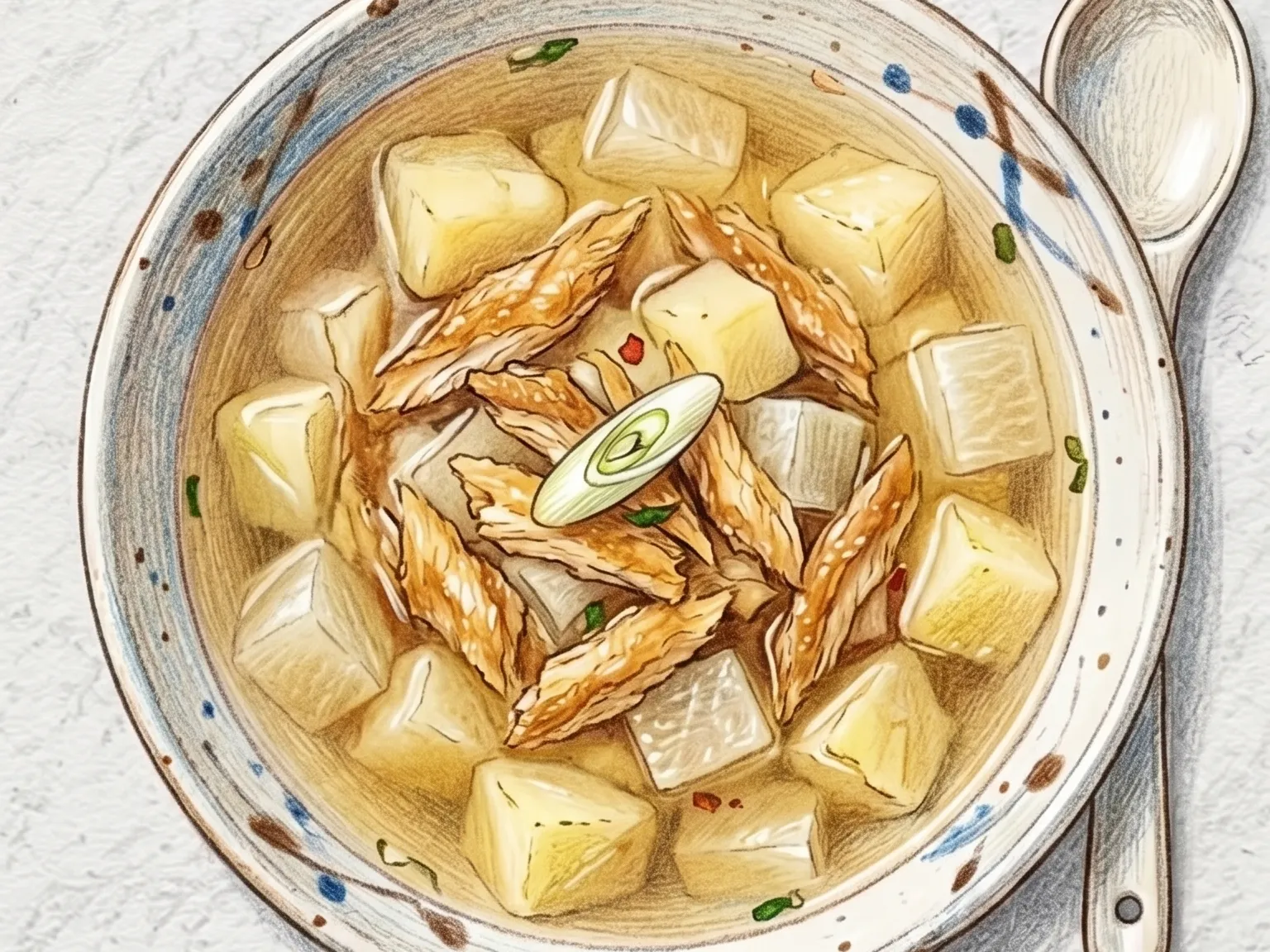
Gamjaguk is a clear, mild Korean soup built on a foundation of anchovy stock with potatoes as the main ingredient, seasoned with either doenjang or plain salt. As the potatoes cook through, they release starch gradually into the broth, giving it a subtle body that makes each spoonful feel substantial without turning the liquid cloudy. When doenjang is used, the fermented paste contributes a layered, earthy savoriness that wraps around the gentle sweetness of the potato. Seasoning with salt alone lets the potato's natural, unadorned flavor stand at the center without competition. Garlic and green onion are added as the aromatic base, providing a mild, savory fragrance that keeps the broth from tasting flat. A handful of zucchini slices added midway through cooking introduces a soft, yielding texture and a touch of pale green color. The potatoes need to be pulled from heat at the point when a chopstick slides through without resistance, because overcooking breaks them apart and muddies the broth. With only a few ingredients required, this soup comes together quickly even when the refrigerator is nearly empty, which is part of why it appears on Korean tables more consistently than almost any other soup.

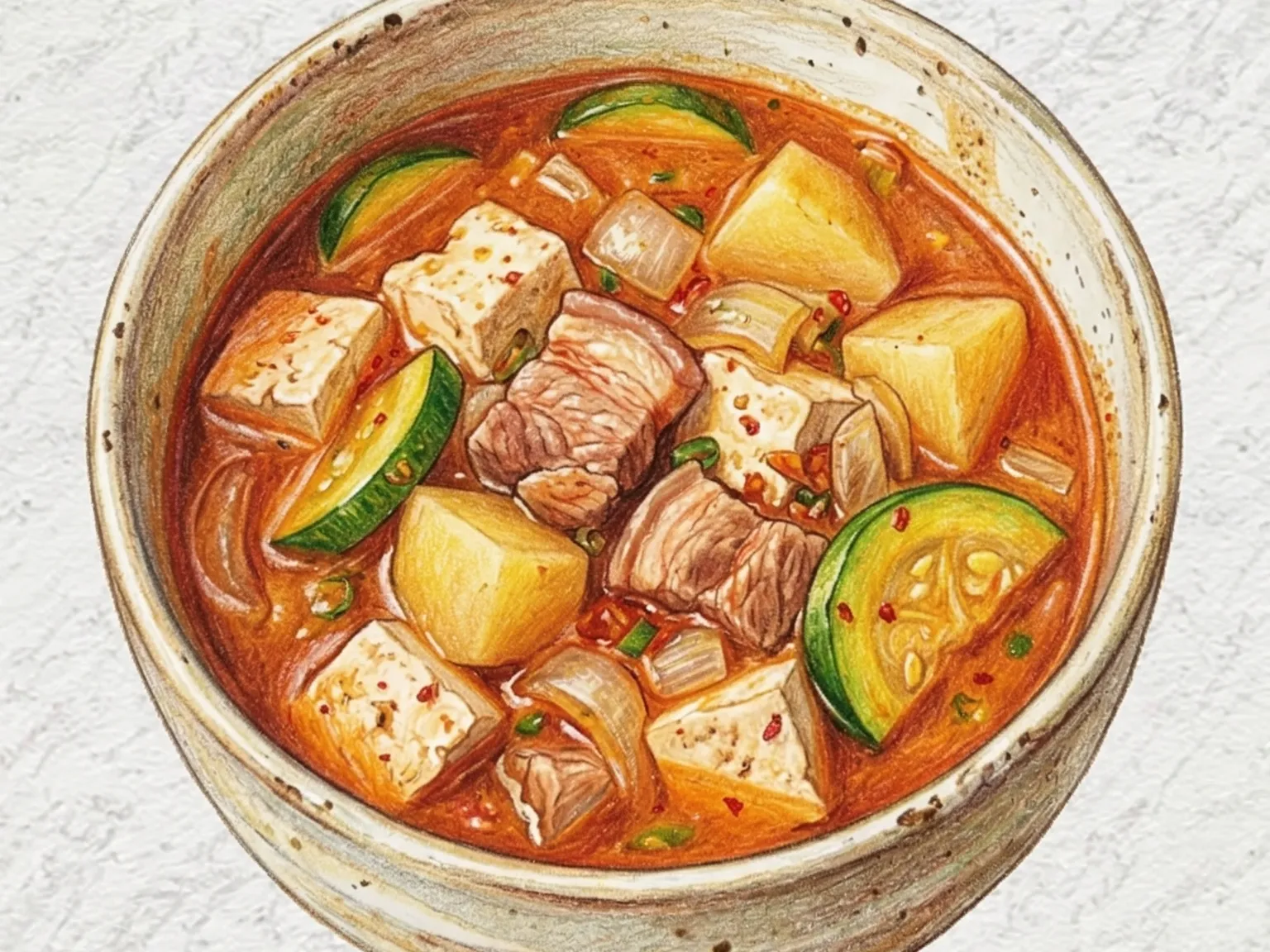
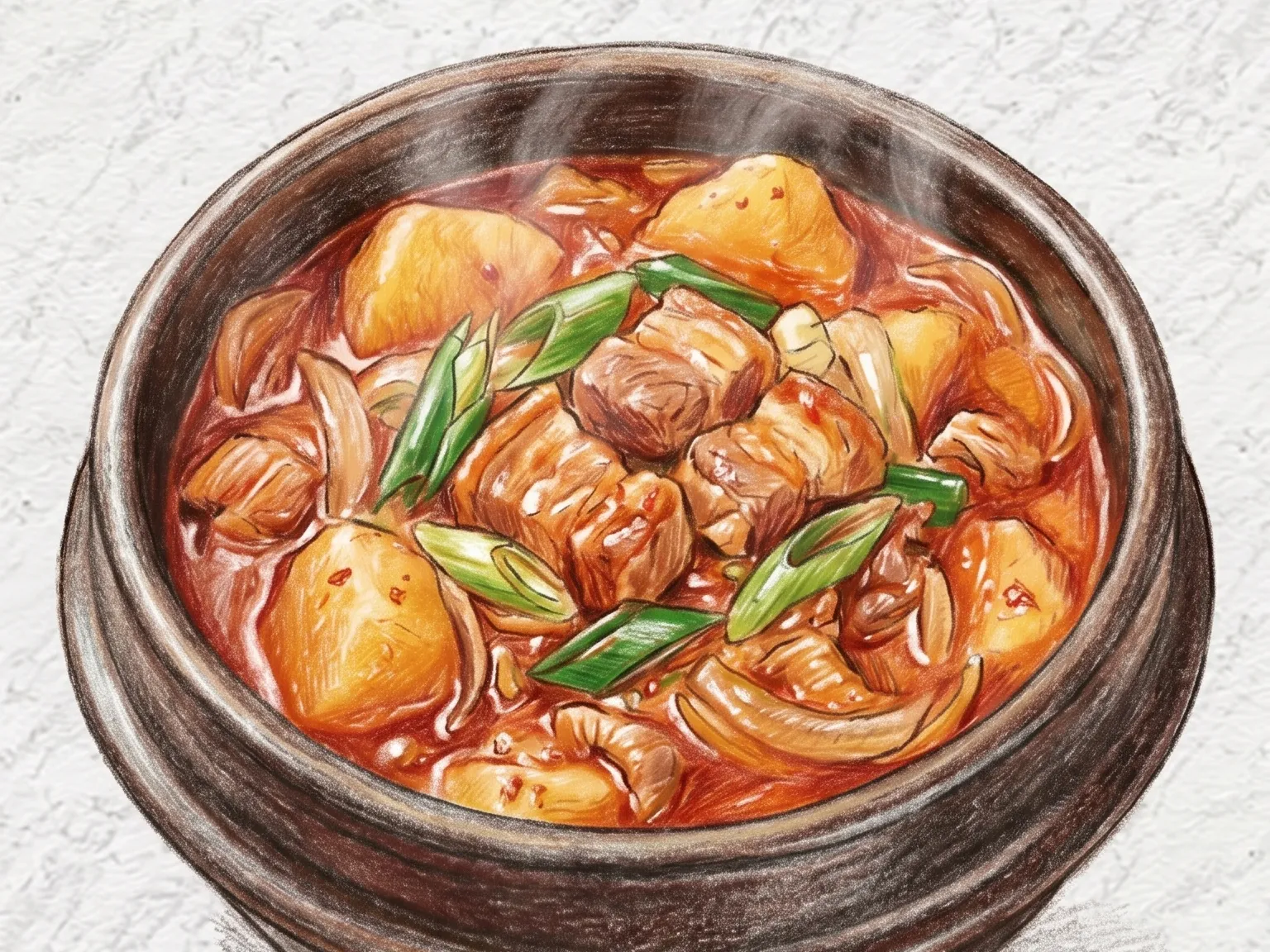
Korean Pork Rib Perilla Leaf Stew
Pork back ribs and perilla leaves come together in this full-flavored, chili-seasoned jjigae. The ribs are simmered first to render a rich, collagen-heavy broth, and then potatoes and onion are added to give the liquid body and natural sweetness. Gochugaru and soup soy sauce establish the spicy base. Fresh perilla leaves are added just before the heat is turned off so their herbal fragrance stays intact, since prolonged boiling drives the aroma away. A touch of ginger keeps the pork flavor clean while the collagen-rich broth from the ribs provides substantial body. Picking the meat off the bone at the table is part of the experience, making this a natural fit for late autumn meals or as a communal drinking accompaniment.

Corned Beef Hash
Corned beef hash is an American brunch dish that pan-fries diced potatoes and shredded corned beef until crispy, then tops them with a fried egg. Parboiling the potatoes for five minutes softens the inside while setting up a starchier surface that crisps better in the pan. Cooking the potatoes in butter and oil until golden before adding onion and then the corned beef builds layers of texture. Minimizing how often the hash is flipped allows a crust to form on the bottom, which is the signature of a well-made hash. The salty depth of corned beef combines with the starchy richness of potato, and breaking the egg yolk over the top ties everything together.

Corn Chowder
Corn chowder is a classic American cream soup that layers smoky bacon fat, sweet corn, and tender potato into a rich, warming bowl. Bacon is rendered until crispy and set aside, and the fat left in the pot is used to sweat onion and garlic, building a smoky, savory foundation. A small amount of flour stirred in before the stock thickens the base slightly, preventing the finished soup from being too thin. Diced potato simmers for fifteen minutes until tender, then corn kernels go in for five more minutes of gentle cooking. Blending only half the soup with an immersion blender and stirring it back in creates the ideal chowder texture: part creamy, part chunky, with intact corn kernels and potato pieces throughout. Heavy cream is added at the very end and brought just to a simmer - boiling it vigorously risks curdling. The corn's natural sweetness meets the cream's richness for a comforting, rounded flavor, finished with crispy bacon bits and chopped parsley. Fresh corn cut from the cob in season delivers noticeably better sweetness and texture than frozen or canned.

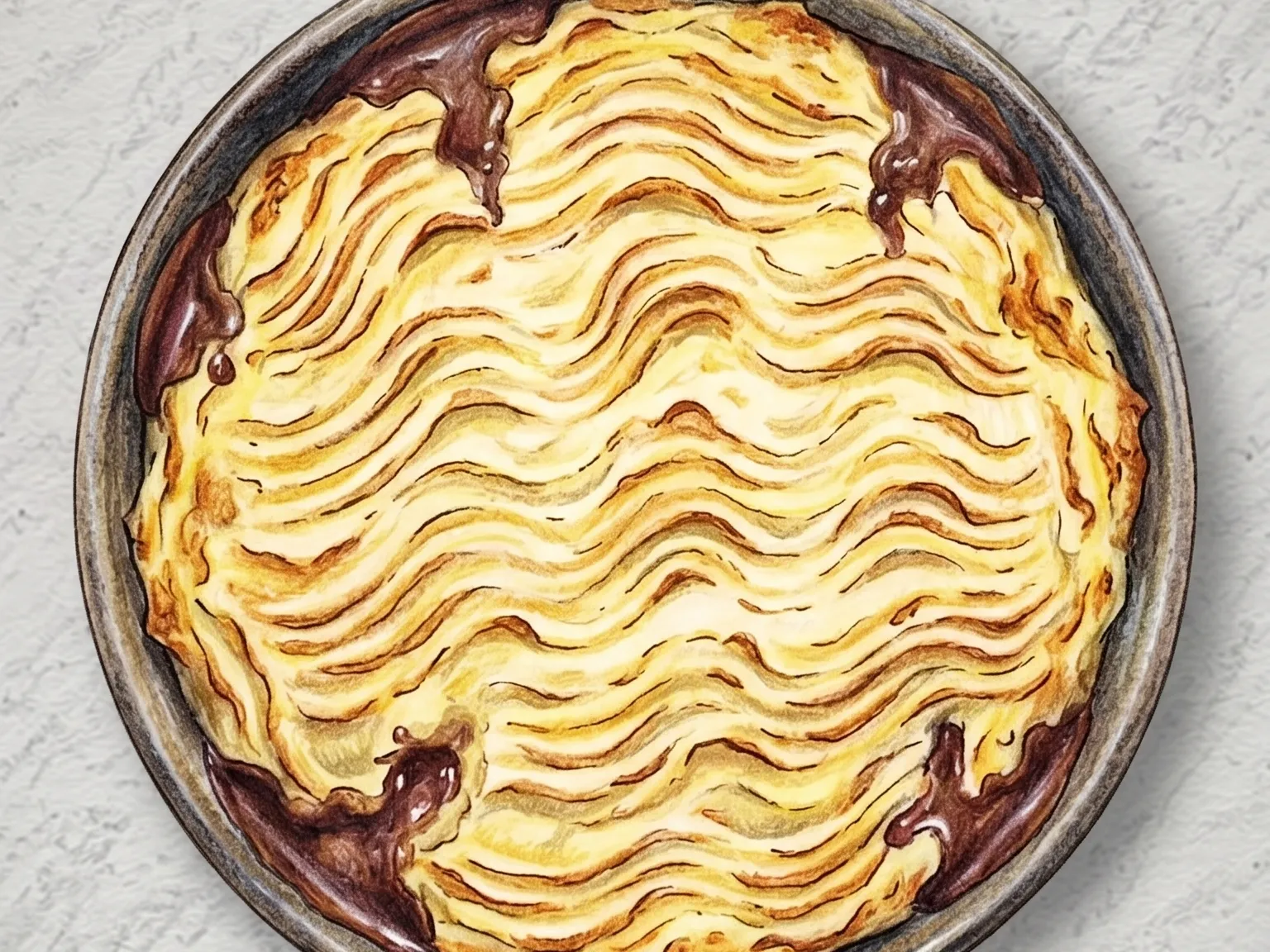
Fish Pie
Fish pie is a staple of British home cooking, particularly during the colder months. Chunks of cod, salmon, and smoked haddock are folded into a cream sauce made with milk, butter, parsley, and a touch of English mustard, then topped with a thick layer of mashed potatoes and baked until the surface turns golden and slightly crisp. The combination of fresh and smoked fish creates layers of flavor - the cod contributes clean, mild sweetness, the salmon adds richness, and the smoked haddock provides a saline, smoky depth that permeates the sauce. Peeled prawns and halved boiled eggs are common additions that make the filling more substantial. In the oven, the sauce bubbles up around the edges of the potato crust, and the first scoop through the golden top reveals the creamy seafood filling beneath. It is a complete meal requiring nothing more than a side of steamed greens.

Korean Kkaennip Gamja Bokkeum (Perilla Potato Stir-fry)
High heat and a well-preheated pan are the keys to achieving the distinct texture of these stir-fried potato matchsticks. Before cooking, soaking the cut potatoes in cold water is a critical step to remove surface starch, ensuring the pieces stay separate and do not stick to the pan. Once thoroughly dried to prevent oil splattering, the potatoes are tossed quickly until the edges become translucent while the centers retain a subtle firmness. Overcooking results in a mushy consistency that lacks the intended character of the dish. Pouring the soy sauce around the perimeter of the pan allows it to caramelize against the hot surface before it is incorporated into the vegetables, adding a layer of savory complexity. Fresh perilla leaves should be tossed in just before the heat is turned off to preserve their bright green color and herbal fragrance. A final drizzle of perilla oil complements the leaves with its toasted scent, and a sprinkle of sesame seeds provides a light crunch. Sliced Cheongyang chilies can be included during the initial sautéing for a gentle heat. This combination pairs the carbohydrates of potatoes with the vitamin K and calcium found in perilla leaves, creating a nutritionally rounded side dish that tastes even better the next day after the flavors have settled.

Korean Wild Chive Soybean Paste Soup
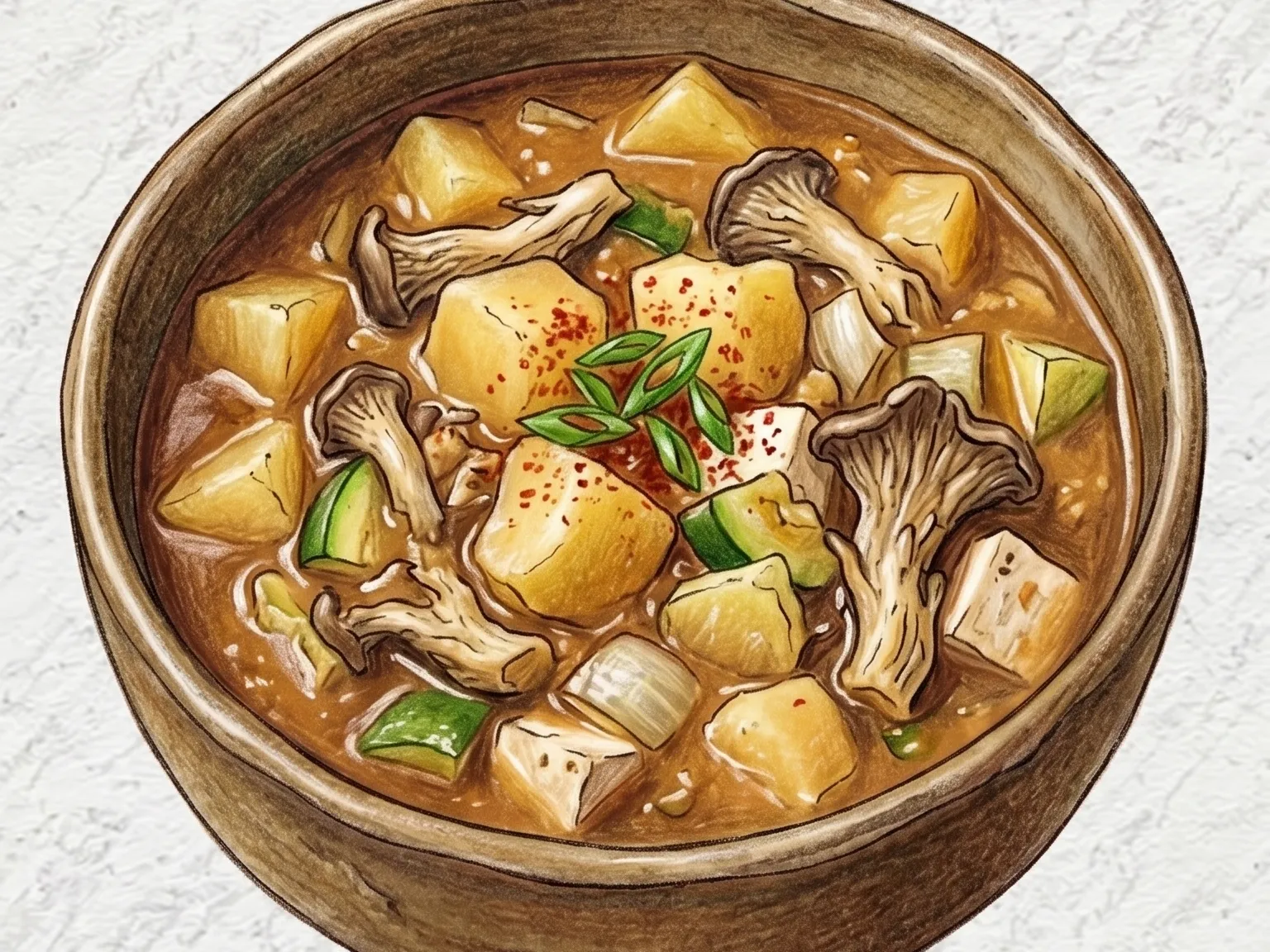
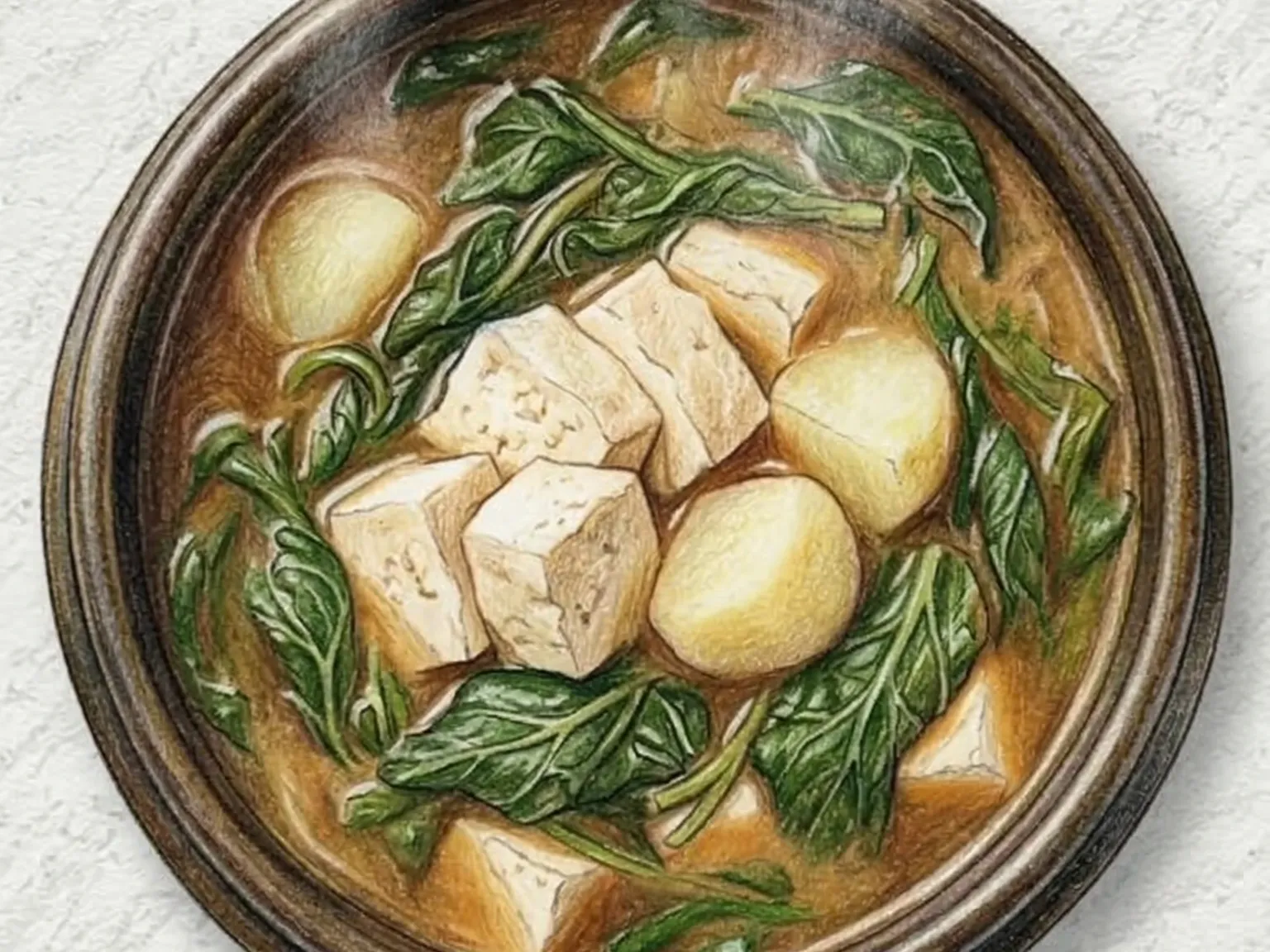
Dallae doenjang-guk is a springtime Korean soybean paste soup that showcases wild chives, a seasonal ingredient valued for its sharp, garlicky bite and short availability window. The anchovy-kelp stock is first simmered with potato and onion to build body and sweetness, then doenjang is dissolved in and tofu added for a soft, tender contrast against the broth. Wild chives go in only during the final minute of cooking, because their pungent aroma dissipates rapidly under sustained heat; cooking them too long makes them indistinguishable from ordinary green onion in both flavor and appearance. The bulb end of each chive stalk carries a stronger bite than the leaves, so mincing the bulbs finely distributes their flavor more evenly through the broth. A half teaspoon of gochugaru tints the soup a faint red that visually matches the chive's natural heat. Because dallae is in season for only a brief window, setting a few raw stalks aside to place at the table as a garnish amplifies the fresh spring character of the dish.

Korean Black Bean Noodles
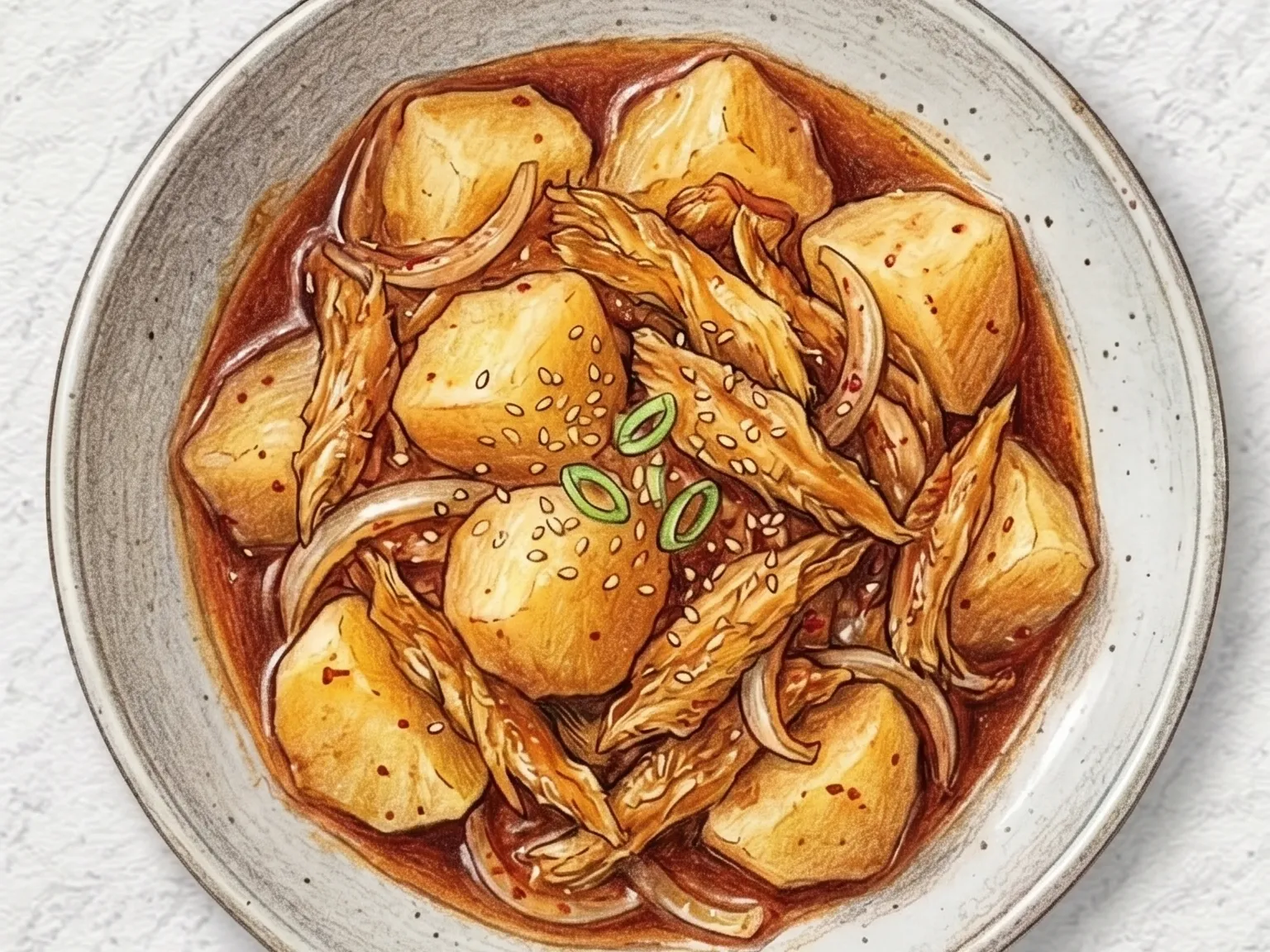
Jjajangmyeon is Korea's most iconic Chinese-Korean noodle dish, featuring thick, chewy wheat noodles buried under a glossy black sauce built from chunjang, a fermented black bean paste. Frying the paste in a generous amount of oil is the foundational step: the raw, slightly bitter edge of the chunjang burns off and transforms into a mellow, toasty sweetness that forms the soul of the dish. Diced pork belly, onion, potato, and zucchini are stirred into the oil-fried paste and cooked until soft, contributing natural sweetness and body to the sauce. A starch slurry thickens the sauce to a dense, velvety consistency that clings to every strand of noodle without pooling at the bottom of the bowl. Shredded raw cucumber piled on top offers a cool, crisp contrast to the warm, sticky sauce. In Korean daily life, jjajangmyeon carries cultural weight well beyond its ingredients: it is the instinctive order on moving day, graduation day, and military send-off gatherings.

Gado-Gado Salad (Indonesian Peanut Sauce Veggie Plate)
Gado-gado salad is an Indonesian composed dish that brings together blanched cabbage, bean sprouts, boiled potato wedges, pan-seared firm tofu, and halved soft-boiled eggs on a single plate, then finishes them with a thick, glossy peanut sauce. The sauce combines peanut butter, lime juice, and soy sauce into a base that layers nuttiness over a sharp, salty-sour foundation, lifting the mild flavors of every vegetable and the tofu in a single pour. Each vegetable is blanched separately and pulled from the water at a different moment: cabbage stays crisp, while bean sprouts are allowed to soften just slightly, so the finished plate holds distinct textures rather than a uniform mush. The tofu must be pressed or patted completely dry before it goes into the pan; residual moisture prevents proper browning and causes the cubes to crumble when tossed with the sauce. If the peanut sauce thickens as it sits, a tablespoon of warm water at a time is all it takes to bring it back to a pourable, coating consistency that drapes over the vegetables rather than clumping on top.

Korean Beef Brisket & Water Parsley Chili Stew
This spicy stew simmers marbled beef brisket and water parsley in a gochujang-based broth built from beef stock, chili paste, and gochugaru. The brisket's fat renders into the broth as it cooks, adding body and a rich savoriness that rounds out the chili heat. Water parsley loses its fragrance quickly over high heat, so it should be added in the final thirty seconds or placed directly in the bowl before serving to preserve its herbal brightness. Potato chunks and firm tofu soak up the red broth and make the stew substantial, while generous minced garlic gives the spicy finish a clean, defined edge.

Korean Young Napa Soft Tofu Stew
Eolgari-sundubu-doenjang-jjigae is a gentle Korean stew that pairs soft tofu with young napa cabbage (eolgari baechu) in a kelp stock base seasoned with doenjang and a small measure of gochujang. The doenjang brings fermented soybean depth to the broth, while the gochujang adds a measured spiciness that stays mild rather than sharp -- the two pastes work together to produce a broth that is simultaneously savory, slightly sweet, and lightly spiced. Potato and onion are added early to contribute their natural sugars, and the potato softens gradually into the liquid, lending slight body to the stock. Soft tofu should be spooned in gently rather than stirred, as it breaks apart easily -- rocking the pot from side to side distributes it without tearing the curds into pieces. Once in the stew, the soft tofu slowly releases some of its moisture and takes on the broth around it, spreading a silky, almost cream-like texture throughout the liquid. Young napa cabbage provides a light crunch that contrasts with the velvet texture of the tofu and the smoothness of the broth. A finishing addition of minced garlic and a drop of perilla oil deepens the savory fragrance just before serving. The stew is mild enough to work as a morning meal and substantial enough to stand as a light dinner.

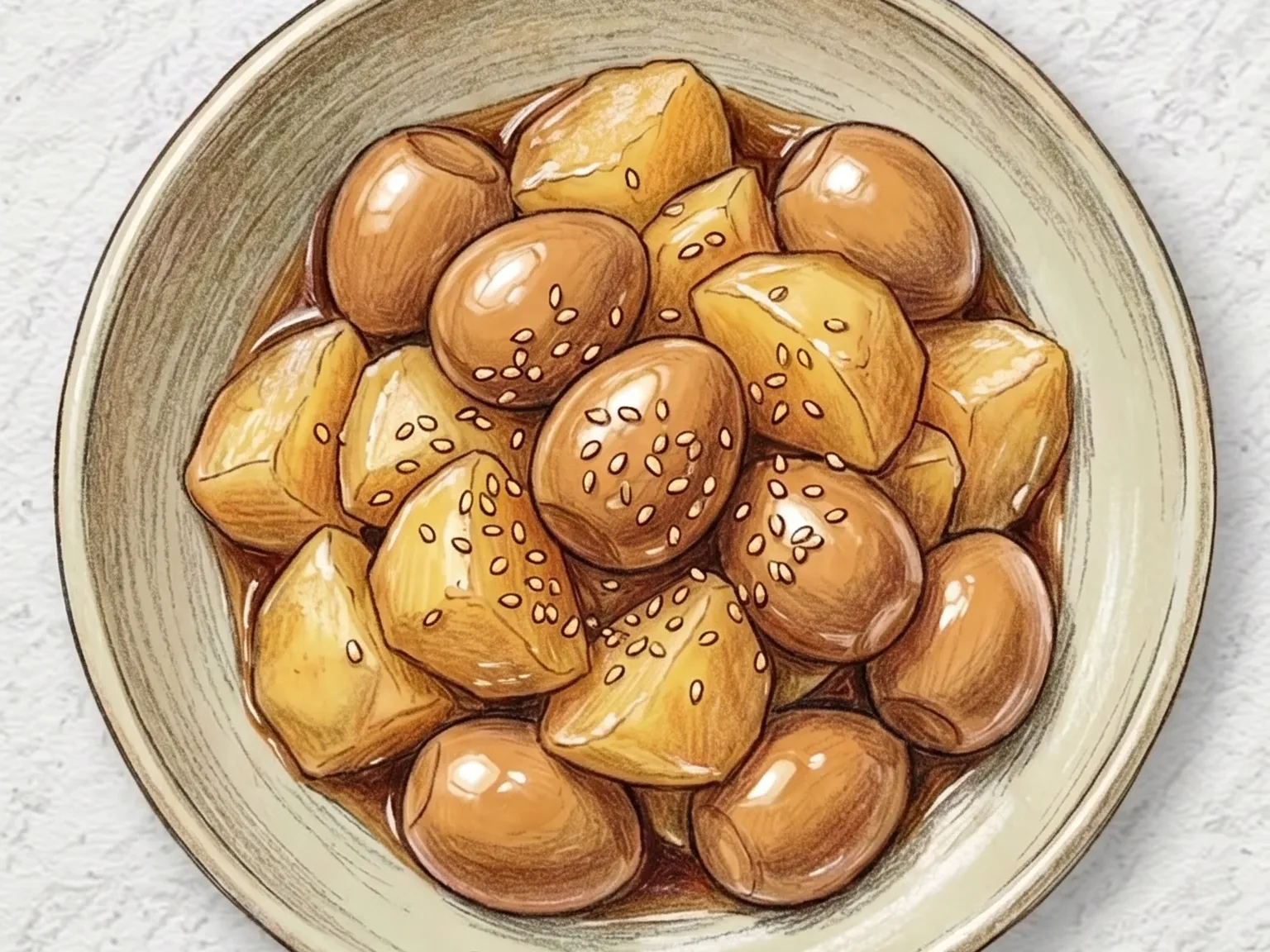
Korean Braised Potatoes and Quail Eggs
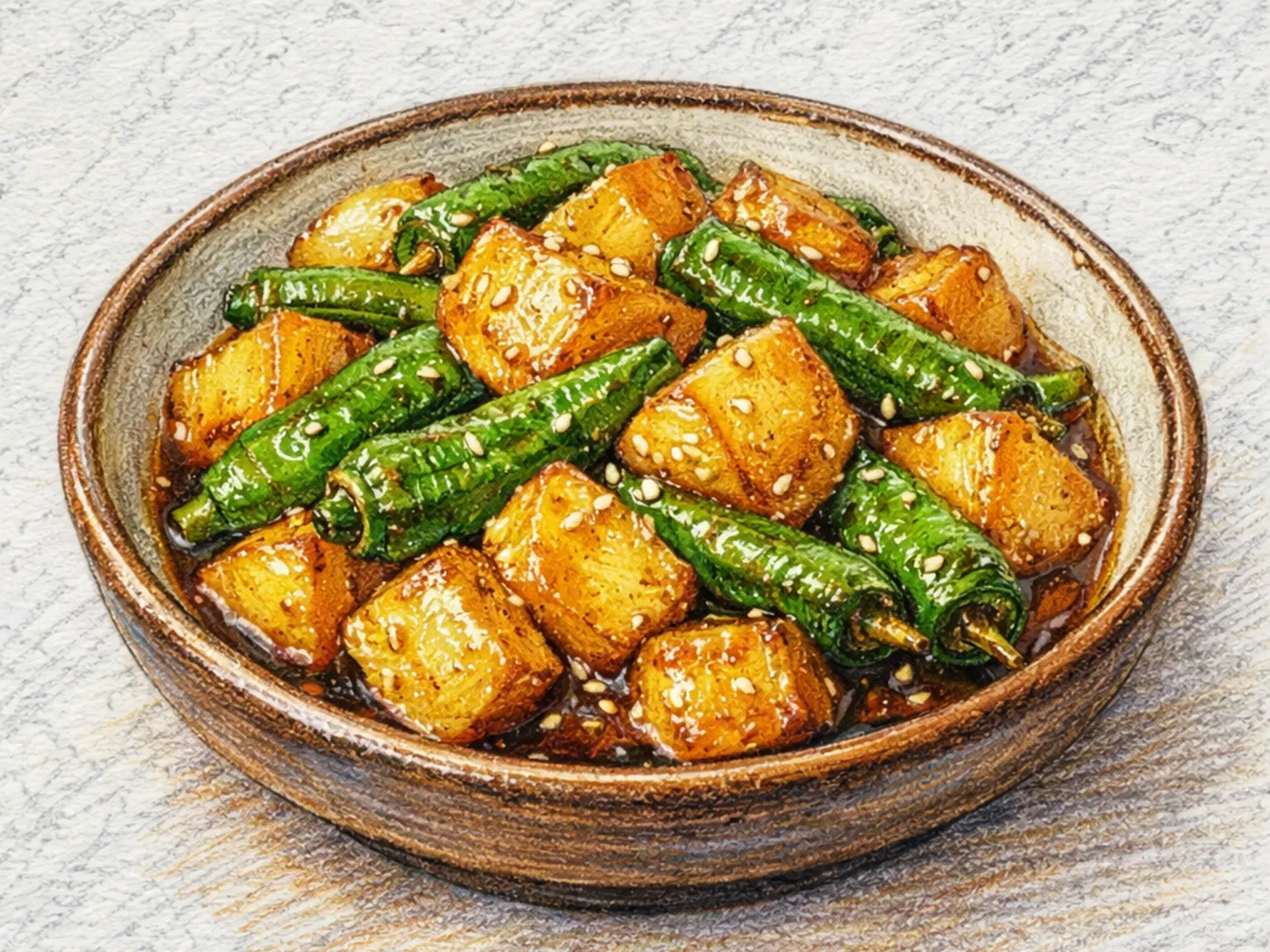
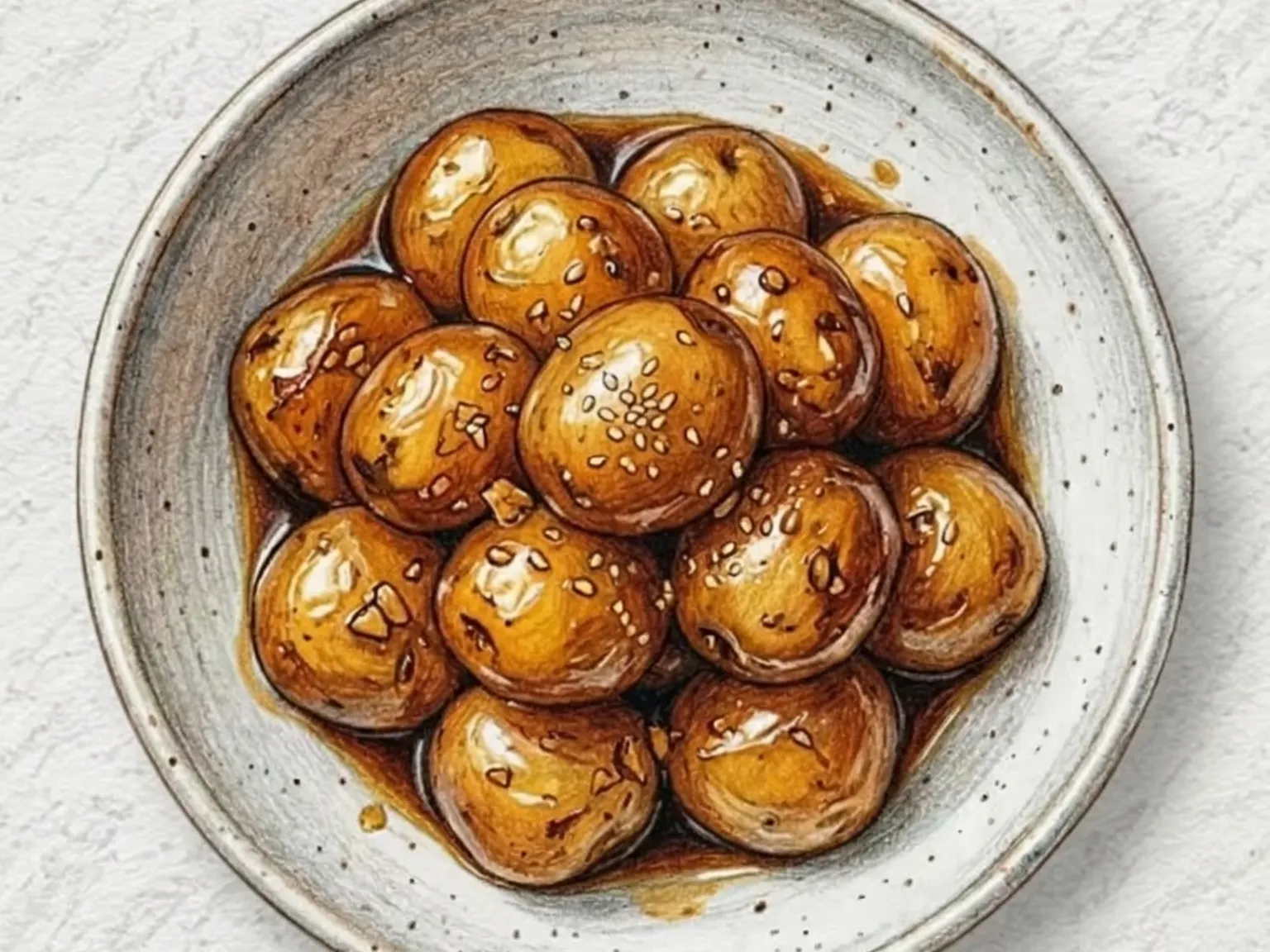
Gamja-mechu-rial-jorim is a Korean braised side dish of potatoes and hard-boiled quail eggs cooked together in a soy-based seasoning. What makes this banchan interesting is the way the two main ingredients absorb flavor differently: quail eggs, with their smooth, porous surface, drink in the soy liquid and turn a deep brown throughout the long simmer, while potato pieces soak up the sauce while simultaneously releasing starch that thickens the glaze. Oligosaccharide syrup adds natural shine and a gentle sweetness, and the combination of sesame seeds and sesame oil provides a nutty finish that rounds out the savory, sticky sauce. The result is a banchan that hits several textural notes at once -- firm quail eggs, yielding potato, and a reduced sauce that coats every surface. It has been a mainstay of Korean children's lunchboxes for decades, practical to prepare in large batches and flavorful enough to eat with plain white rice day after day.

Patatas Bravas (Spanish Crispy Potatoes with Spicy Tomato Sauce)
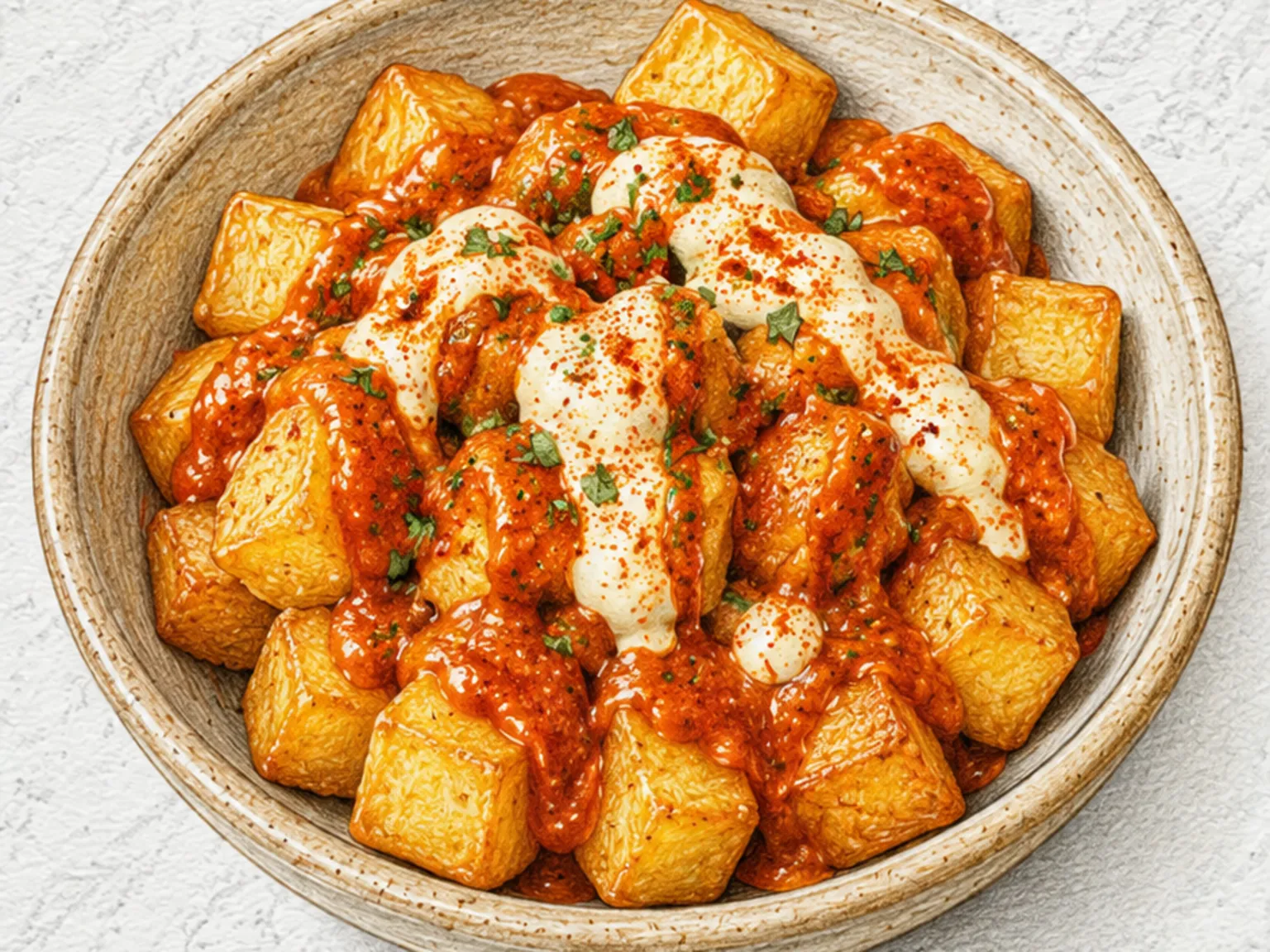
Patatas Bravas is one of Spain's most iconic tapas, served in nearly every bar alongside beer or wine. Potatoes are cut into rough chunks, parboiled in salted water to activate surface starch, then fried twice at high temperature to achieve a crispy shell encasing a fluffy interior. The bravas sauce is built by blooming garlic and smoked paprika in olive oil before adding tomato puree and simmering until reduced - the smokiness of the paprika and the direct heat of chili flakes create a layered spiciness. Some regions serve a garlic aioli alongside the bravas sauce, allowing diners to alternate between the sharp tomato heat and the cooling richness of the emulsified garlic cream.

Pulpo a la Gallega (Galician Boiled Octopus with Smoked Paprika)
Pulpo a la Gallega is a signature dish from Spain's Galicia region in which whole octopus is gently simmered, sliced into thick rounds, and served over boiled potatoes with a finish of olive oil, smoked paprika, and coarse sea salt. Dipping the octopus in and out of boiling water two to three times before simmering curls the tentacles into shape and helps achieve an even cook. After thirty-five to forty minutes at a low simmer followed by a ten-minute rest in the hot water, the octopus reaches a texture that is tender yet retains a satisfying bite. Smoked paprika lays a subtle smokiness over the clean marine flavor, and high-quality finishing olive oil ties every element together. The ingredient list is minimal, which means the quality of each component directly determines the result.

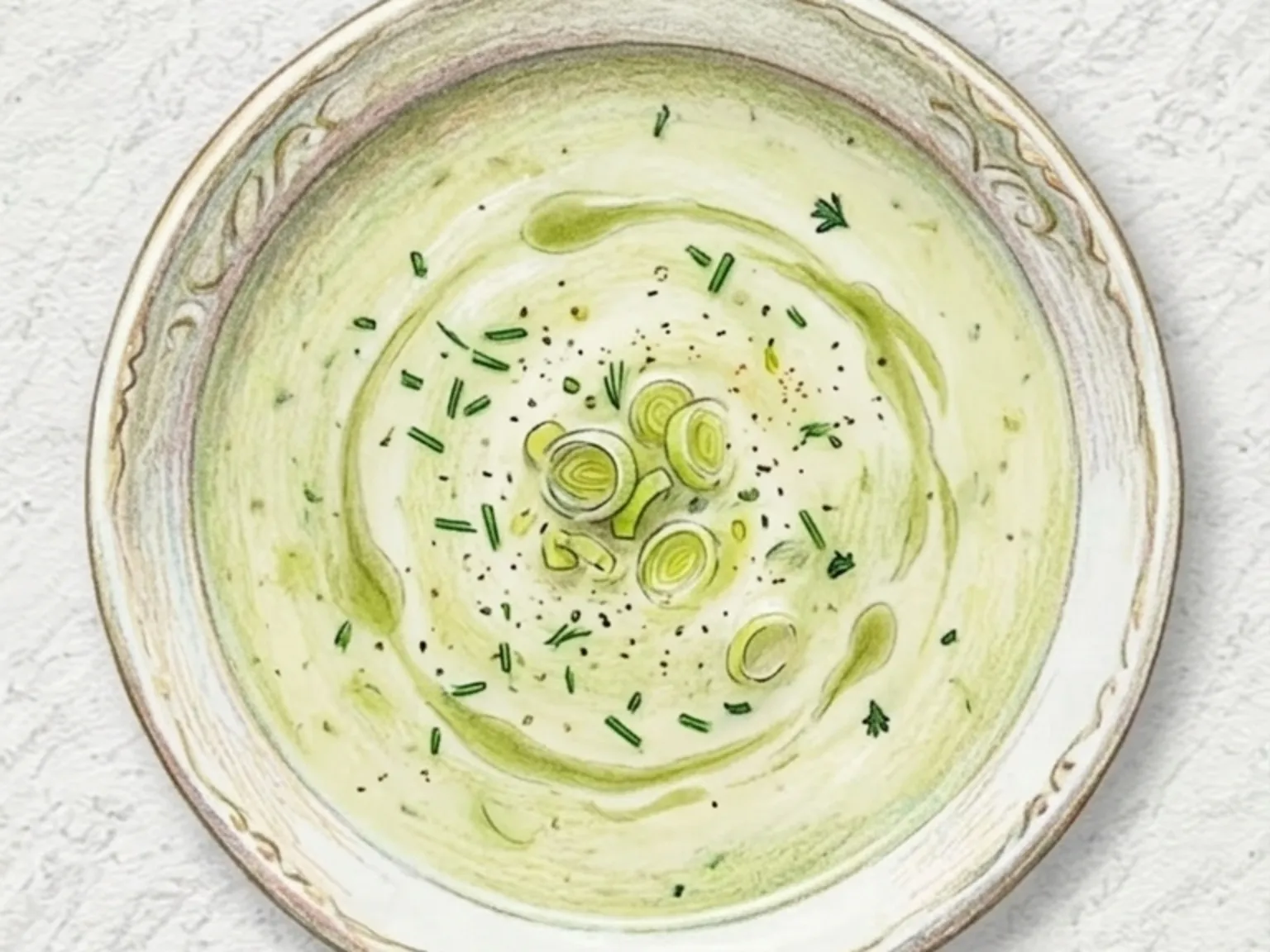
Cullen Skink Recipe (Scottish Smoked Haddock Chowder)
Cullen skink is a creamy smoked fish soup from the northeastern Scottish fishing village of Cullen, traditionally made with smoked haddock, potato, and milk rather than cream or thickening flour. The fish is gently poached in milk with a bay leaf over low heat for eight minutes until the liquid is deeply infused with smoke, then removed and flaked. The starch-laden milk is strained and reserved. Butter-softened onions go into the pot first to draw out their sweetness, followed by diced potato and the infused milk. As the potato cooks through, its natural starch thickens the soup into a silky, spoonable chowder without any added cream. The reserved fish goes back in along with cracked black pepper and chopped parsley for a final three-minute simmer that brings smoke, potato, and herb into one cohesive flavor. Because salt levels in smoked fish vary considerably between producers, seasoning should always be adjusted at the very end after tasting. Served with dark rye bread or soda bread, one bowl makes a satisfying main course on its own.

Dauphinoise Potatoes (Creamy Garlic Potato Gratin)
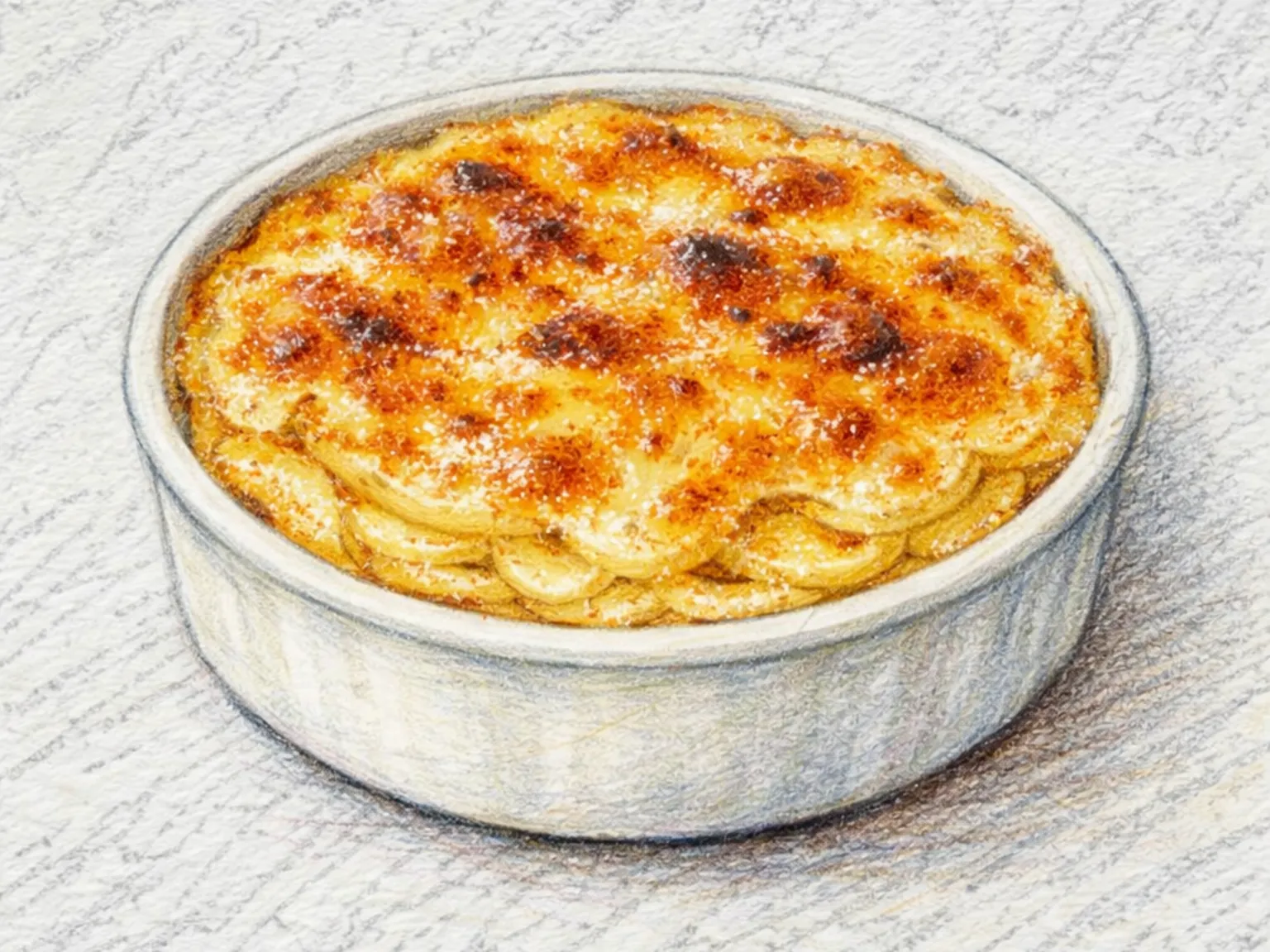
Dauphinoise potatoes are a French gratin made by layering uniformly thin potato slices - cut to two millimeters - in a buttered baking dish, with a warm mixture of heavy cream, milk, minced garlic, and salt poured between each layer. Rinsing and drying the sliced potatoes removes excess surface starch for a cleaner result. Grated Gruyère cheese goes on top before the dish bakes at 170 degrees Celsius for fifty-five to sixty minutes, during which the potatoes absorb the cream and turn meltingly tender beneath a golden crust. Resting the gratin for ten minutes after baking lets the layers firm up enough to hold their shape when sliced. Keeping the potato thickness consistent ensures every slice cooks at the same rate.