Charim

2686 Korean & World Recipes

2686+ Korean recipes, clean and organized. Ingredients to instructions, all at a glance.

Recipes with potatoes

24 recipes

Buy potatoes
Aloo Paratha (Punjabi Spiced Potato Stuffed Flatbread)
AsianMedium

Aloo Paratha (Punjabi Spiced Potato Stuffed Flatbread)

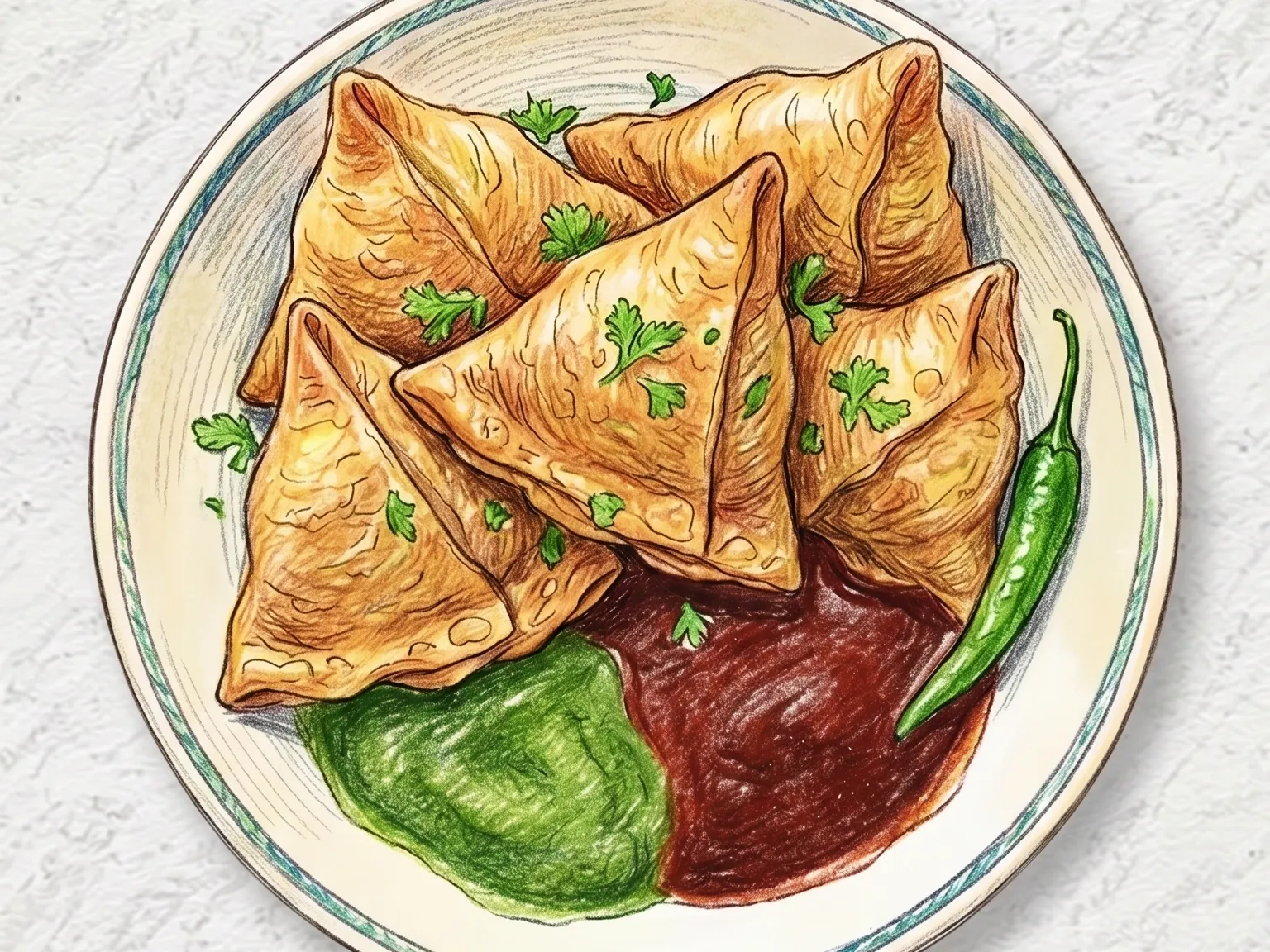
Aloo paratha is a cornerstone of Punjabi breakfast culture - pulled hot off the tawa and served with a knob of butter melting on top, thick yogurt, and tangy mango pickle on the side. The technique involves wrapping spiced mashed potato inside a whole wheat dough ball, then rolling the stuffed parcel flat on a floured surface without letting the filling puncture through. The spice mix includes garam masala, finely chopped green chili, fresh coriander leaves, and minced ginger, giving the filling a warmth that builds as you eat. On a dry, very hot griddle, the paratha develops golden brown patches on each side when oil or ghee is brushed over the surface, and the steam trapped inside from the potato pushes the dough layers apart slightly, creating a flaky interior texture. The more generous the filling, the better the flavor, but it also raises the risk of tearing - draining the mashed potato of excess moisture and calibrating the filling-to-dough ratio is where the skill lies. Street vendors in Delhi and Amritsar stack them high on charcoal-heated tawas, selling them wrapped in newspaper to morning commuters.

🏠 Everyday🍱 Lunchbox
Prep 25minCook 15min2 servings
Korean Stir-fried Potato and Shrimp
Side dishesMedium

Korean Stir-fried Potato and Shrimp

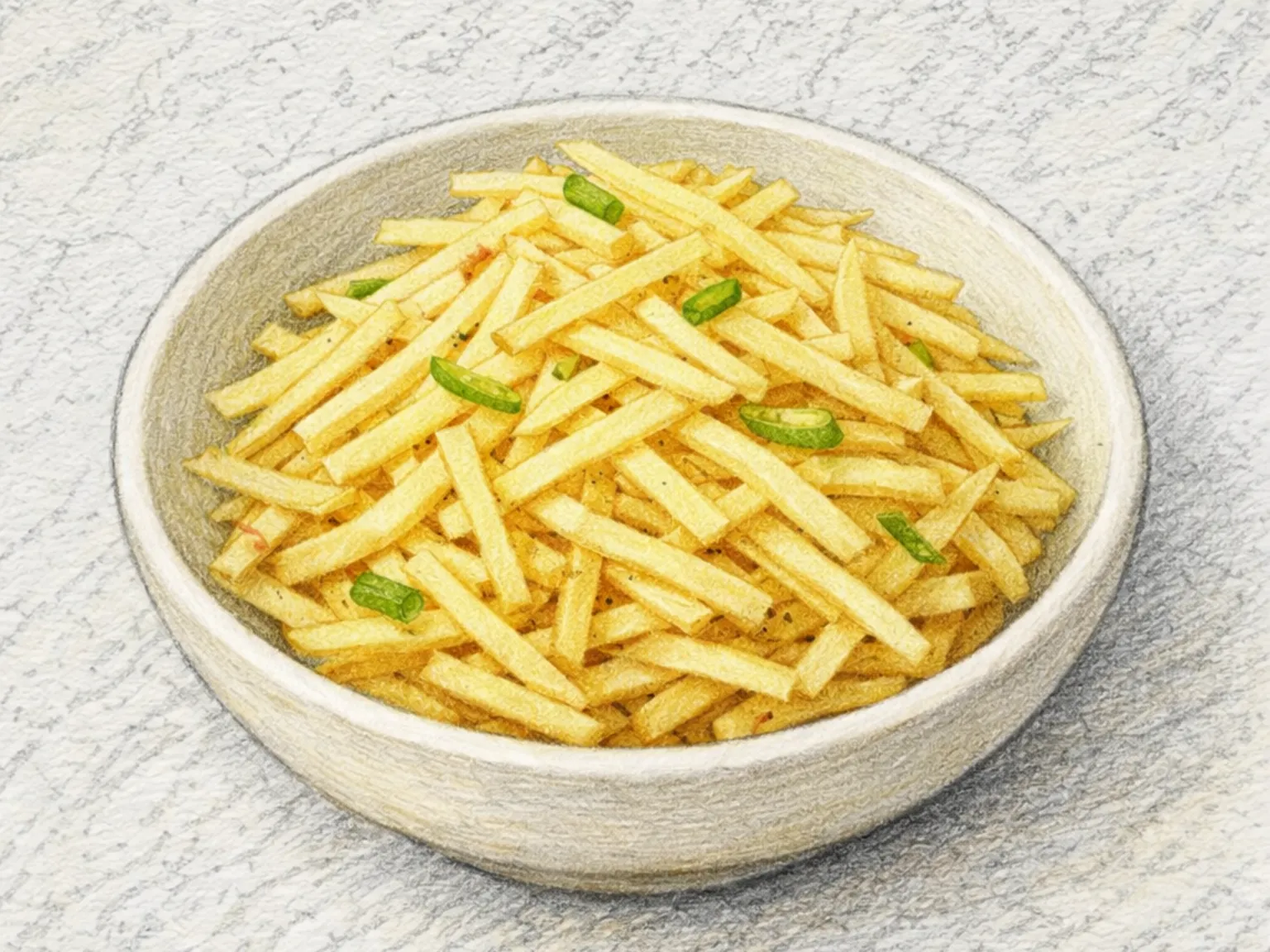
Gamja-saeu-bokkeum pairs julienned potatoes with shell-on medium shrimp in a clean, garlic-forward stir-fry. The potatoes are soaked in cold water first to remove surface starch, as skipping this step leads to clumping in the pan and a starchy, heavy texture. Garlic sizzles in oil to build an aromatic base before the shrimp go in, cooking until half-done so their natural sweetness transfers to the potato strips when the two are combined. Seasoned with nothing more than salt, pepper, and a finish of sesame oil, this banchan lets the contrast between the potato's floury bite and the shrimp's springy snap carry the dish. Thin slices of Cheongyang chili pepper can be added for a clean, sharp heat that makes the stir-fry even more compatible as a rice side dish. The combination of orange shrimp, pale yellow potato, and green chili also gives the finished plate a natural visual balance.

🏠 Everyday🍱 Lunchbox
Prep 15minCook 10min4 servings
Korean Braised Beltfish with Potatoes
Stir-fryMedium

Korean Braised Beltfish with Potatoes

Galchi-gamja-jorim is a Korean braise of ribbonfish and potatoes cooked together in a soy-based sauce seasoned with gochugaru, garlic, and onion. Ribbonfish has naturally oily, tender flesh that holds together well during braising, and as the fat renders into the liquid it builds a deep seafood umami that defines the dish. The potatoes absorb this concentrated broth as they cook, becoming floury and well-seasoned all the way through rather than just on the surface. Onion breaks down and dissolves into the sauce as it reduces, contributing sweetness that balances the salt and spice. The heat level is adjustable: standard gochugaru gives color and mild warmth, while adding cheongyang chili peppers sharpens the spice. The dish is best served when the sauce has reduced to a thick, glossy consistency that clings to each piece. A spoonful of that sauce over plain rice rounds out the meal. Sliced Korean radish added to the pot introduces a clean, slightly peppery sweetness to the broth.

🏠 Everyday
Prep 18minCook 22min2 servings
Korean Black Bean Noodles
Street foodMedium

Korean Black Bean Noodles

Bunsik-style jjajangmyeon starts with frying chunjang in oil long enough to mellow its raw bitterness and remove any off notes before adding any other ingredients. Ground pork, onion, zucchini, and potato go in together and are stir-fried until fragrant, then water is added and the mixture simmers until the potato softens. A starch slurry is stirred in gradually to bring the sauce to the right consistency. The chunjang's deep salinity and the slowly cooked onion's natural sweetness form the backbone of the sauce, while the potato partially breaks down during simmering and lends body without any additional thickeners. The starch-finished sauce clings heavily to the chewy wheat noodles so every strand carries a dense, rounded hit of flavor. Rinsing the noodles briefly in cold water right after boiling tightens their texture and keeps them from going soft when mixed.

🧒 Kid-Friendly🌙 Late Night
Prep 20minCook 20min2 servings
Korean Potato Hand-Torn Dough Soup
SoupsMedium

Korean Potato Hand-Torn Dough Soup

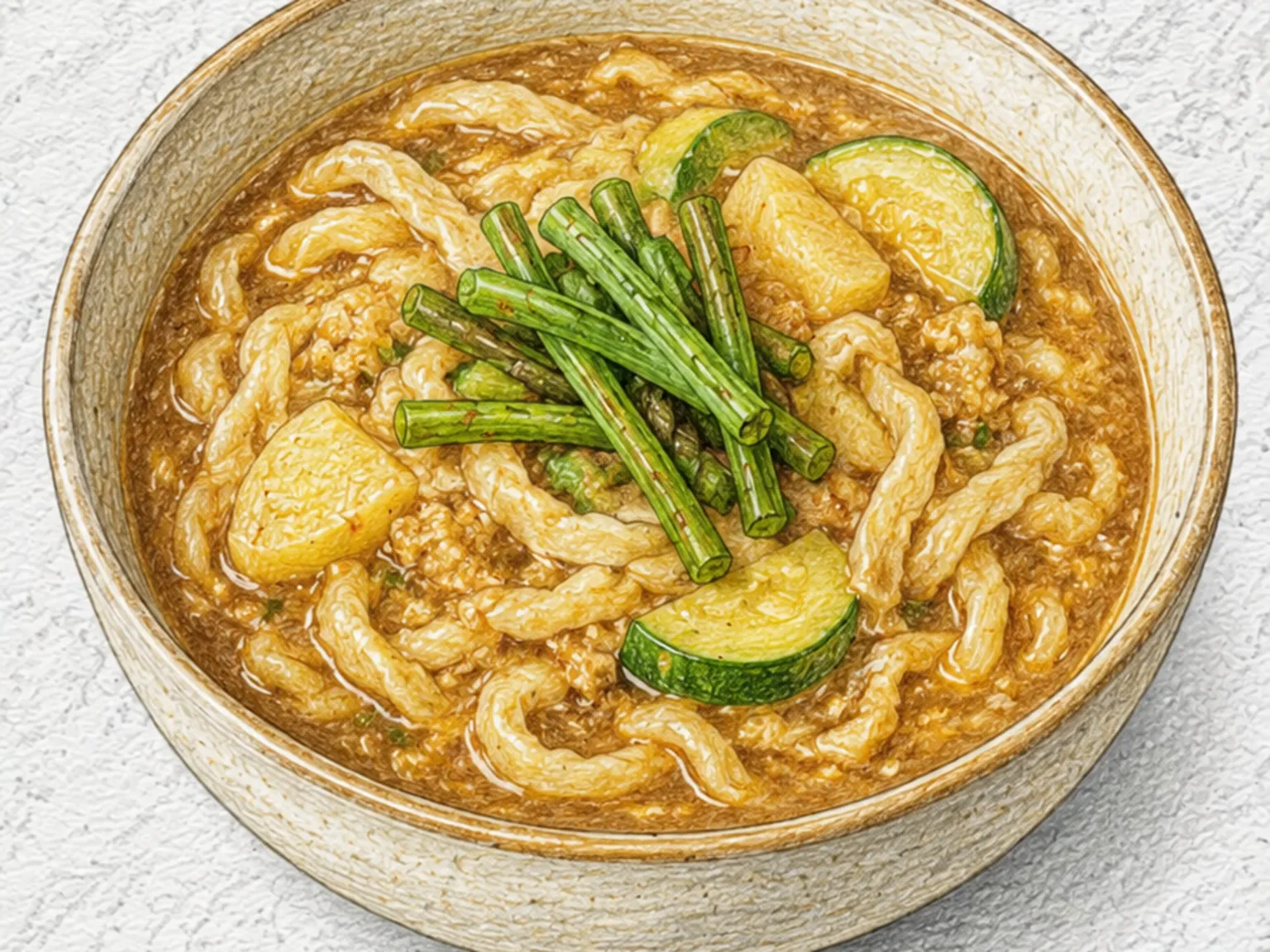
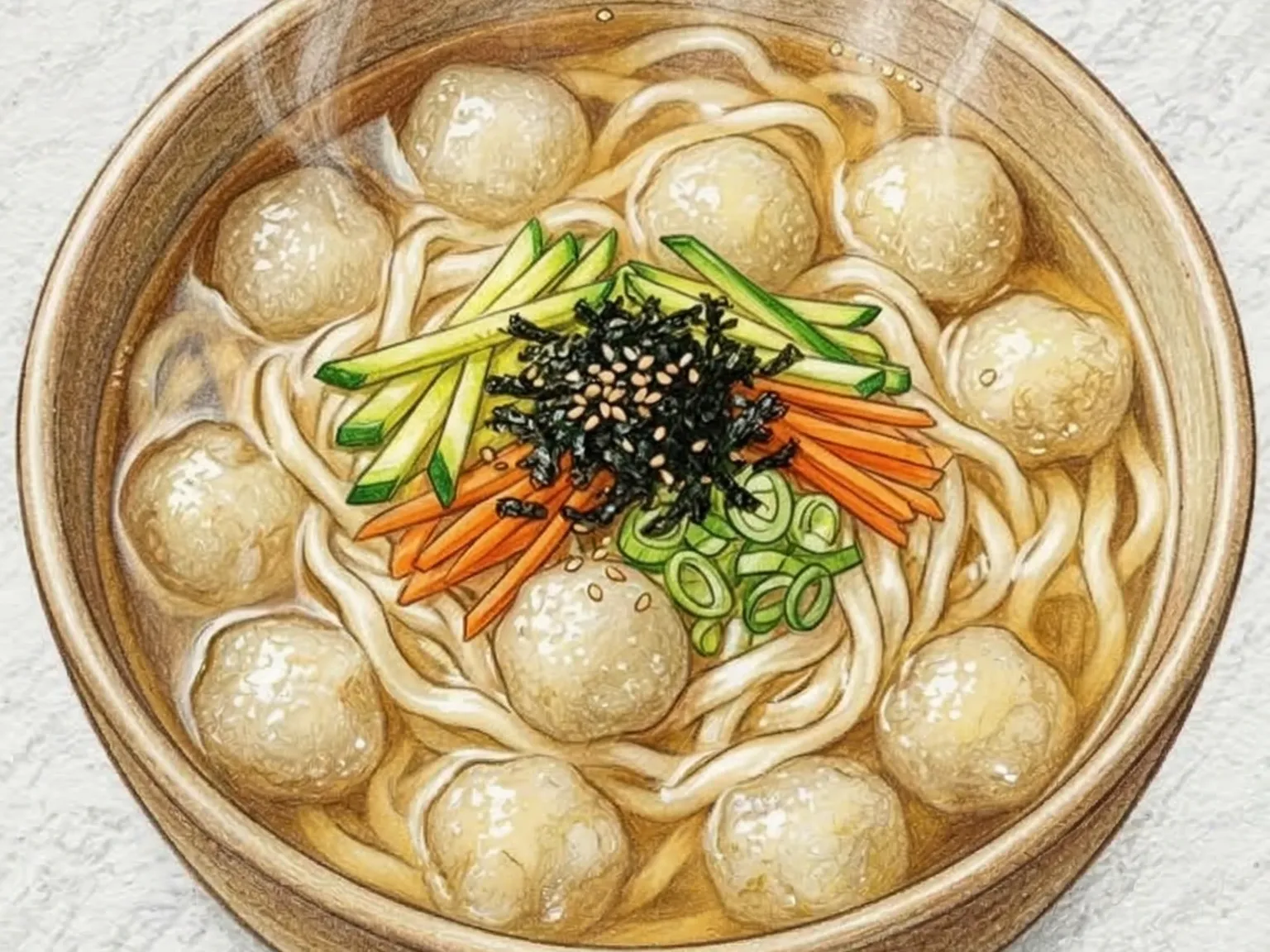
Gamja sujebi-guk is a Korean hand-torn dough soup in which pieces of wheat dough are pinched off and dropped into a simmering anchovy and kelp broth alongside potato and zucchini. The dough must be kneaded until it reaches the soft, elastic consistency of an earlobe - mixing to that point develops enough gluten to make the dough extensible and pliable, so that when pinched off it stretches thin rather than tearing in thick clumps. Resting the dough in the refrigerator for at least thirty minutes relaxes the gluten and makes it even more cooperative during tearing. When the dough is pulled apart, the technique matters: pressing the edges thin between the thumbs before tearing creates an irregular piece that is thick in the center and thin at the edges, so a single piece offers both the chewy resistance of the thick core and the delicate, almost noodle-like texture of the thin perimeter in the same bite. As the potatoes cook through and begin to soften, they release starch directly into the broth, building a naturally thickened, slightly viscous body without any roux or added thickener. Zucchini contributes mild sweetness and a soft texture that contrasts with the dense dough pieces. Soup soy sauce provides seasoning while keeping the broth's color clear and pale. Sliced green onion and cheongyang chili stirred in toward the end add depth and a gentle heat. A shower of roasted seaweed flakes on top finishes the bowl with a nutty, oceanic note.

🏠 Everyday
Prep 20minCook 25min4 servings
Korean Spicy Braised Chicken
StewsMedium

Korean Spicy Braised Chicken

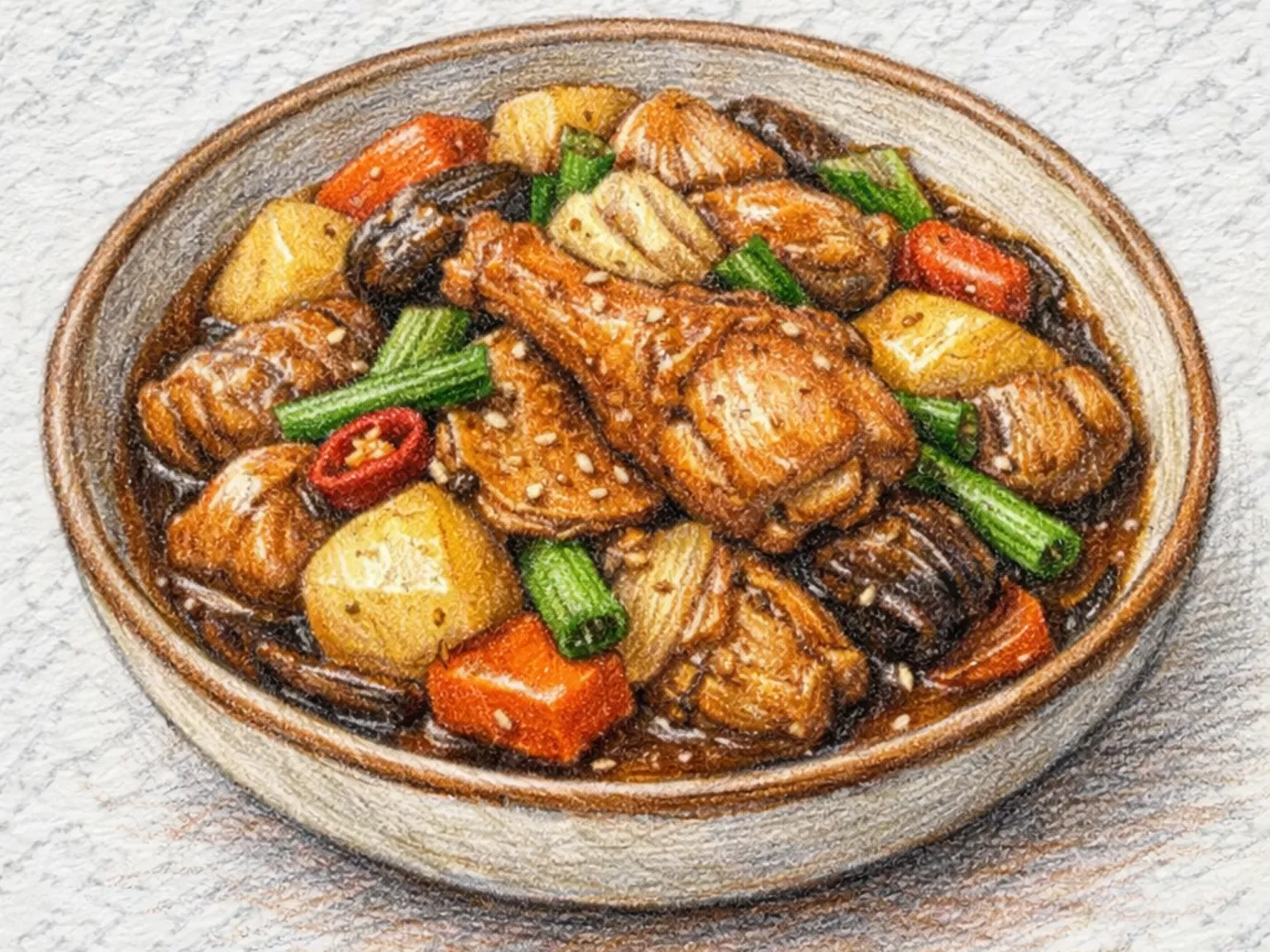
Dakdoritang is a Korean braised chicken dish where bone-in pieces are simmered with potato, carrot, and onion in a sauce built from gochujang, gochugaru, soy sauce, garlic, and sugar. As the chicken cooks, it releases juices into the sauce that blend with the gochujang to create a thick, glossy braising liquid that coats every surface it touches. The potato breaks down gradually over the cooking time, adding starch that thickens the sauce further without any additional effort. Carrot and onion absorb the braising liquid and take on its full flavor, making them as central to the meal as the chicken itself. Sugar moderates the sharp heat of the chilies into a warm, rounded spice that lingers rather than burns. A finishing touch of sesame oil and sliced green onion added just before serving adds a nutty fragrance and fresh brightness that lifts the richness of the braise.

🍺 Bar Snacks🏠 Everyday
Prep 20minCook 40min4 servings
Korean Soy Braised Chicken
SteamedMedium

Korean Soy Braised Chicken

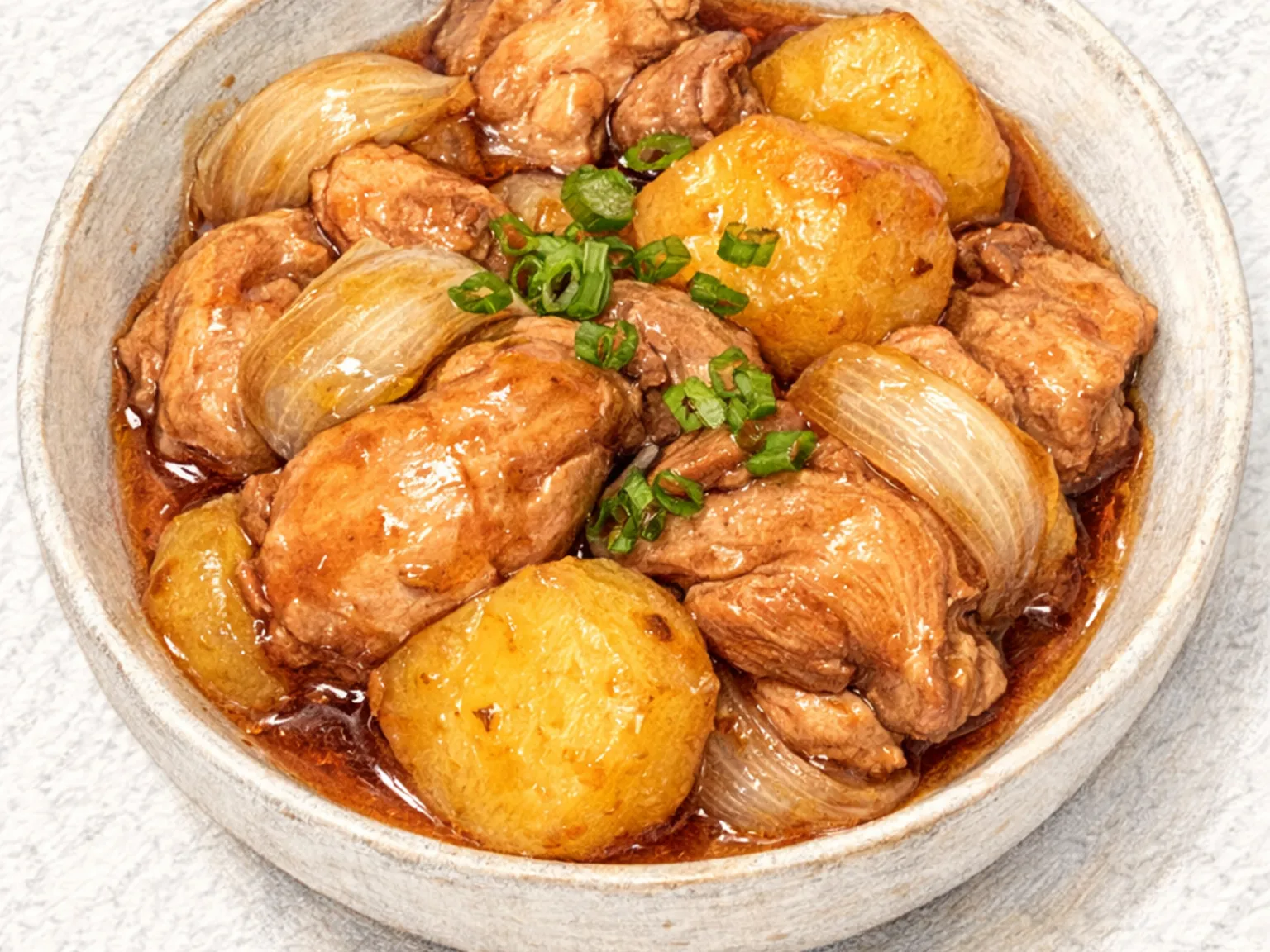
Dak-jjim is bone-in chicken braised with potato, carrot, and onion in a sauce of soy sauce, sugar, and garlic. Juices released from the bones meld with the soy seasoning to form a glossy, concentrated gravy, and the vegetables absorb this liquid so they are seasoned all the way through. Sugar tempers the saltiness of the soy into a clear sweet-salty balance that coats every piece. Cooking with the lid on over medium heat first, then removing the lid to reduce the sauce, is what creates the glossy coating that defines a well-made dak-jjim. Served in a hot stone pot at the center of the table, it is one of the most familiar home-cooked dishes in Korean cuisine, well-suited for a shared family meal.

🎉 Special Occasion
Prep 20minCook 40min4 servings
Korean Knife-cut Noodle Soup
NoodlesMedium

Korean Knife-cut Noodle Soup

Kalguksu is a Korean noodle soup made with hand-cut wheat noodles simmered in anchovy-kelp broth. The noodles are rolled flat and sliced with a knife, giving them a rough surface that absorbs broth and a satisfying chew distinct from machine-made pasta. Sliced potato, half-moon zucchini, and onion go into the pot, with the potato releasing starch that naturally thickens the broth as it cooks. Seasoning stays minimal - soup soy sauce, salt, minced garlic, and green onion added at the end - so the clean, savory depth of the stock comes through clearly. The dish is traditionally associated with rainy days in Korea, and adding clams turns it into a popular seafood variation.

🏠 Everyday
Prep 15minCook 25min2 servings
Tuna Potato Salad (Japanese Creamy Tuna and Potato Mix)
SaladsEasy

Tuna Potato Salad (Japanese Creamy Tuna and Potato Mix)

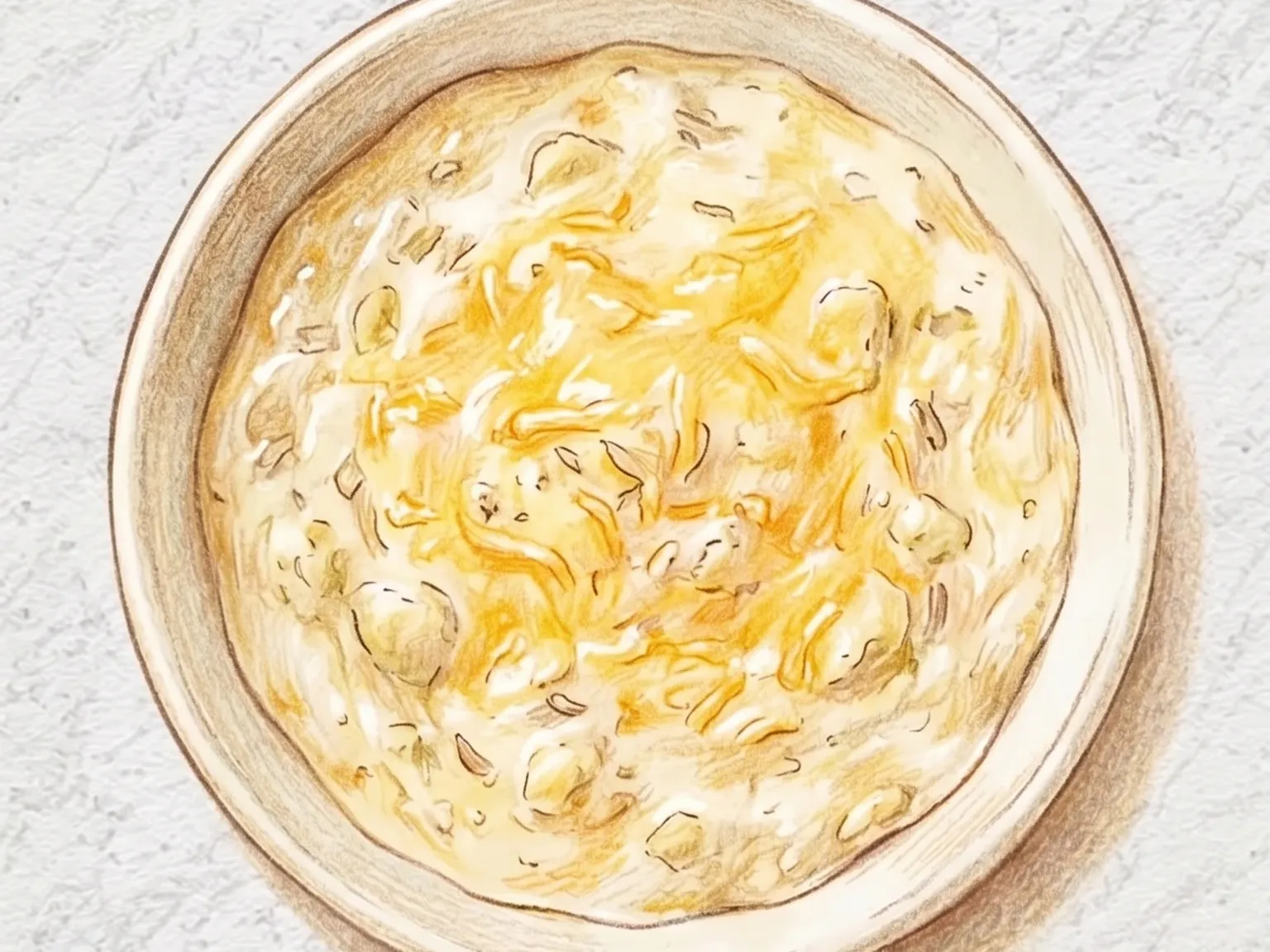
Tuna potato salad mashes boiled potatoes while still hot, then folds in drained canned tuna, salt-pressed cucumber, carrot, and onion with mayonnaise and whole grain mustard. Mashing the potatoes warm keeps the starch active, which bonds more effectively with the mayonnaise for a creamier result - but over-mashing turns the texture gluey, so leaving some chunks is ideal. Salting the chopped vegetables for five minutes and squeezing out the released moisture is essential to prevent a watery salad. The tuna must also be drained thoroughly in a strainer to keep the flavor clean. Whole grain mustard adds a peppery sharpness that cuts through the richness of the mayonnaise, and a twenty-minute chill in the refrigerator lets all the flavors meld evenly.

🥗 Light & Healthy🍱 Lunchbox
Prep 18minCook 20min4 servings
Bubble and Squeak (Pan-Fried Mashed Potato and Cabbage Cake)
WesternEasy

Bubble and Squeak (Pan-Fried Mashed Potato and Cabbage Cake)

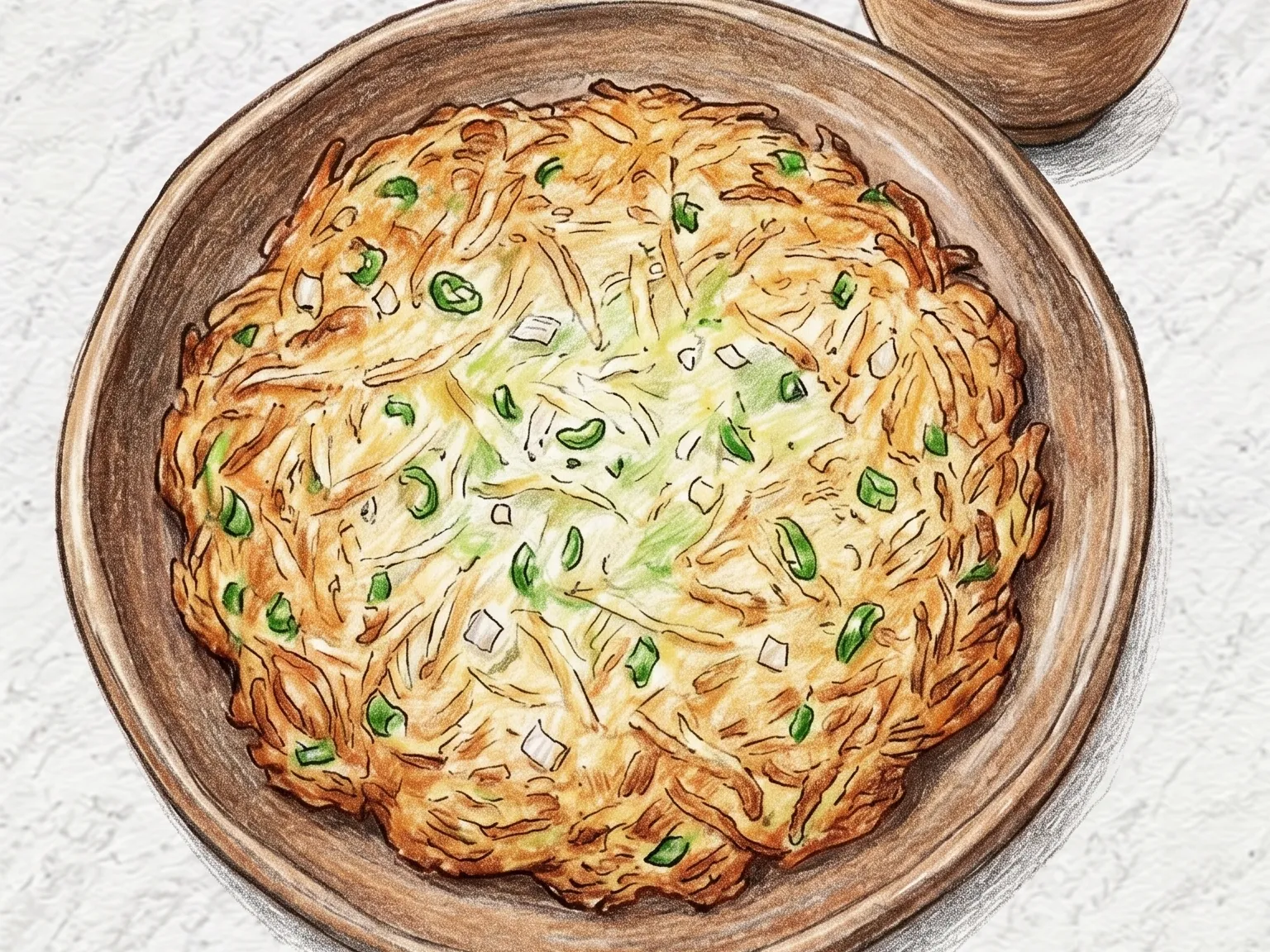
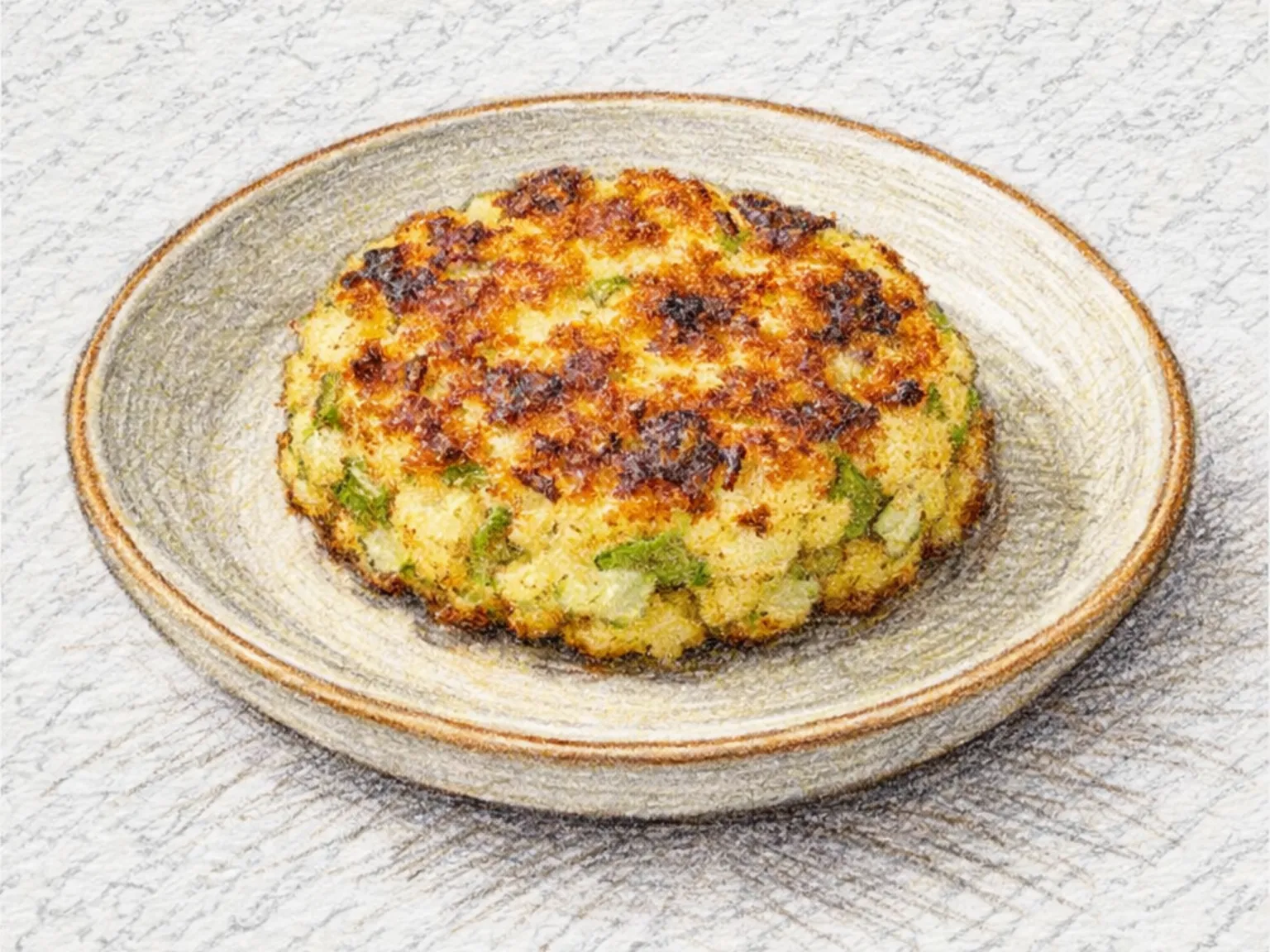
Bubble and squeak is a traditional British household dish made by combining mashed boiled potatoes with blanched, chopped cabbage, pressing the mixture flat in a well-oiled hot pan, and frying each side until a deep golden-brown crust forms across the entire surface. The name refers to the noise the dish makes during cooking - moisture from the cabbage hits the hot fat and sends up bubbles and a squeaking hiss. Frying diced onion in butter until soft and lightly caramelized before folding it into the potato-cabbage mixture adds a quiet sweetness that elevates the otherwise modest base ingredients considerably. Pressing the mixture firmly and evenly with a spatula throughout cooking is what creates the crust, and holding back the urge to move or flip it prematurely is the main technique. If the potatoes are particularly wet, a tablespoon or two of plain flour helps the mixture bind and hold its shape in the pan. The dish has been a fixture of British home cooking for generations, rooted in the tradition of using leftover Sunday roast vegetables the following day, and is commonly topped with a fried egg to make a complete one-plate meal.

🏠 Everyday🍱 Lunchbox
Prep 15minCook 20min2 servings
Aloo Tikki Chaat (Indian Fried Potato Patty Street Snack)
AsianEasy

Aloo Tikki Chaat (Indian Fried Potato Patty Street Snack)

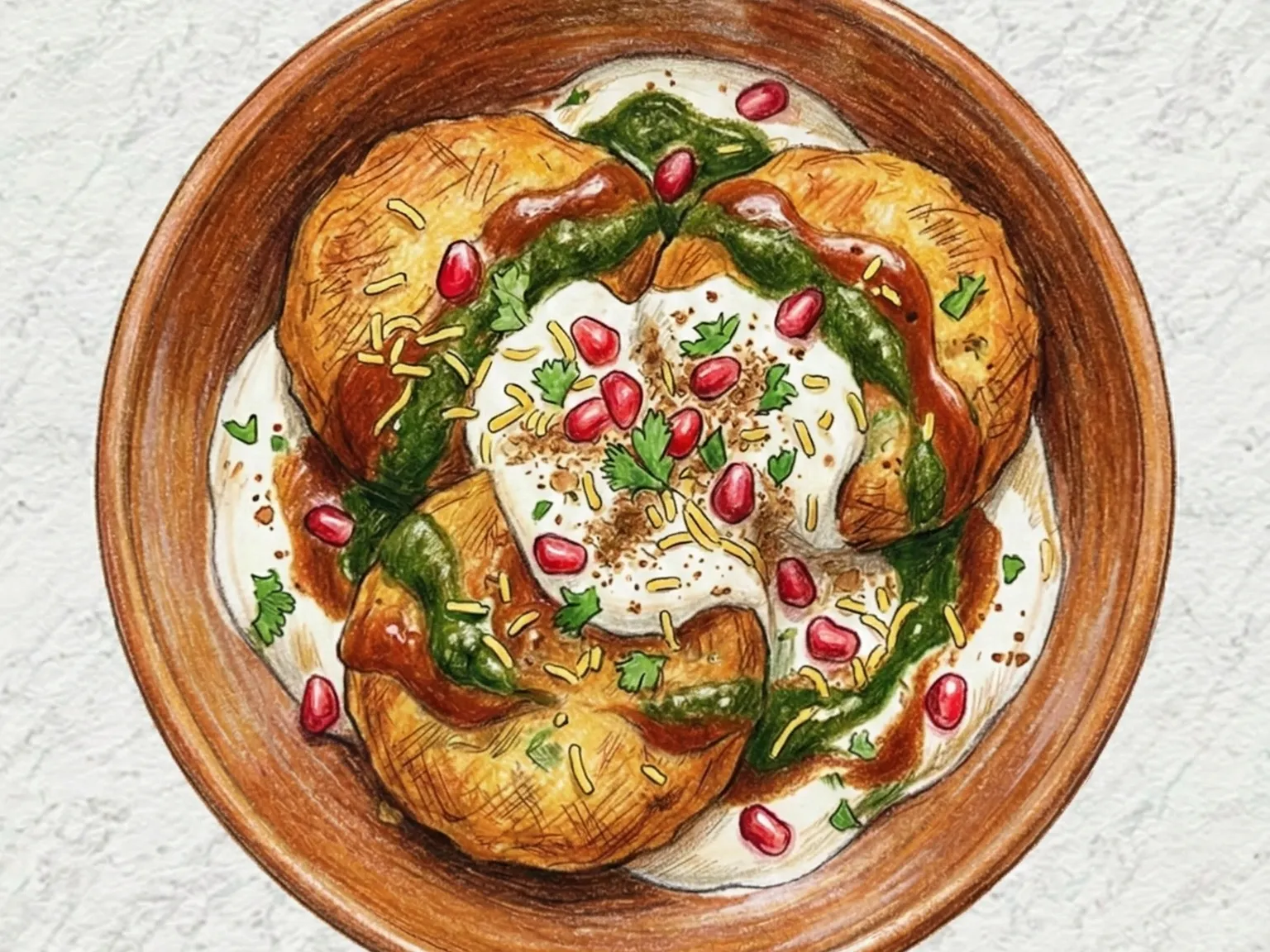
Aloo tikki chaat is one of India's most structurally layered street foods, originating from the chaat stalls of Uttar Pradesh and now found across the subcontinent. The foundation is a shallow-fried mashed potato patty: the exterior forms a deep golden crust, the interior stays soft. The real complexity arrives after frying, when cold whisked yogurt, sweet tamarind chutney, sharp green mint chutney, raw diced onion, and a dusting of chaat masala are piled onto the hot tikki at once. The temperature contrast is stark - warm and crunchy underneath, cold and creamy on top - and the chutneys deliver sweet, sour, and herbal in the same bite. The crust softens quickly under the sauces, so this must be assembled and eaten without delay.

🧒 Kid-Friendly
Prep 20minCook 15min2 servings
Korean Potato Salad (Creamy Mashed Potato Ham Cucumber)
Side dishesEasy

Korean Potato Salad (Creamy Mashed Potato Ham Cucumber)

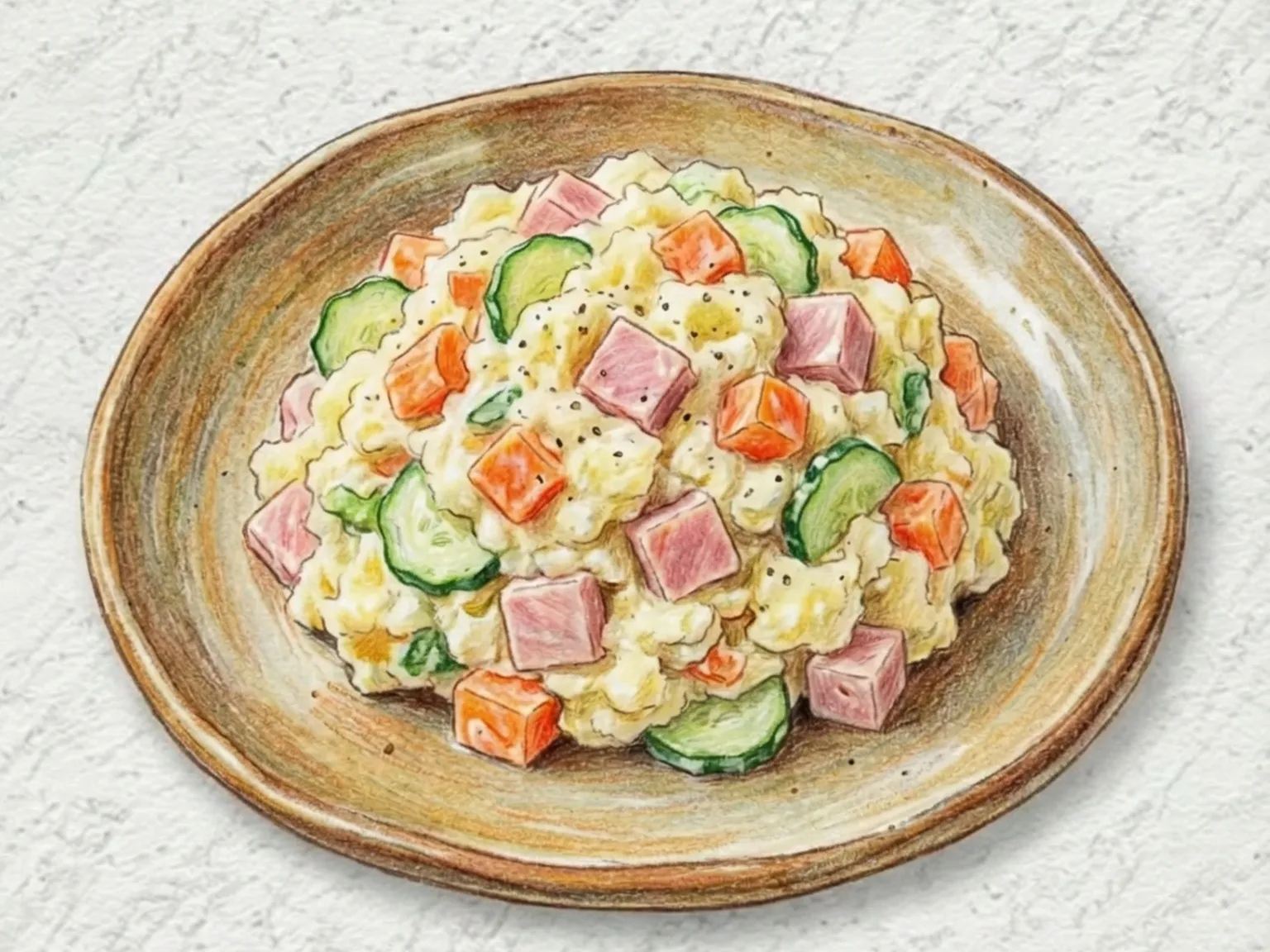
Korean potato salad arrived through Japan's yoshoku tradition but developed its own distinct identity in Korean home kitchens. Potatoes are boiled until tender and mashed while still hot, but not to a perfectly smooth consistency - leaving some lumps gives the salad a dual texture of creamy mashed potato and soft, intact chunks that hold together when eaten. Diced ham is pan-seared briefly to render out excess fat before being incorporated, preventing the finished salad from becoming greasy. Cucumber is salted and squeezed to remove water, which keeps the salad from turning watery as it sits. Boiled carrot is mixed in for color and a mild sweetness. The dressing is mayonnaise adjusted with sugar and salt, resulting in a distinctly sweet-creamy profile that is noticeably different from Western versions of the dish. Chilling the assembled salad for at least one hour before serving allows the seasoning to equalize throughout the mixture, improving the flavor considerably compared to eating it straight away. The salad is served as a banchan alongside rice, and it is also commonly spread inside sandwiches.

🏠 Everyday🍱 Lunchbox
Prep 20minCook 15min4 servings
Korean Spicy Gochujang Potatoes
Stir-fryEasy

Korean Spicy Gochujang Potatoes

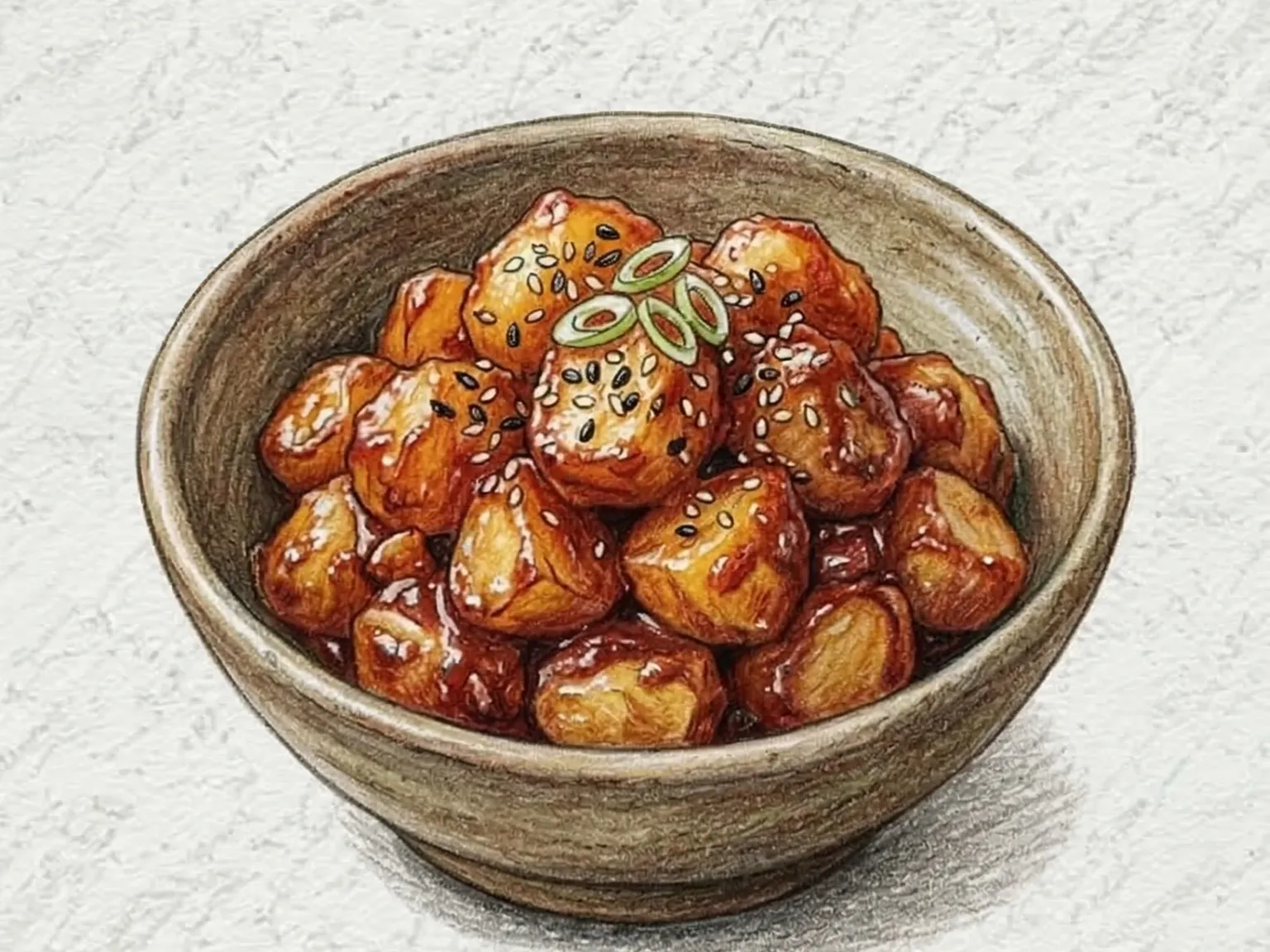
Gamja gochujang bokkeum is a simple Korean banchan of cubed potatoes stir-fried and simmered in a gochujang-based sauce until each piece is coated in a glossy, spicy-sweet glaze. Soaking the potatoes in cold water before cooking draws out excess starch, which prevents sticking and allows the sauce to adhere evenly across the surface rather than pooling at the bottom of the pan. The balance of gochujang heat and sugar sweetness is the flavor backbone, and the sauce is considered ready when it has reduced enough to form a shiny film on the potatoes - a visual cue that means the sugars have caramelized slightly and the flavors have concentrated. Because the sauce contains no additional liquid, it clings deeply to each cube rather than sitting separately, delivering full seasoning in every bite. This is a reliable everyday banchan that takes around twenty-five minutes with pantry staples and appeals to a wide range of palates, including children who find the sweetness more prominent than the heat.

🏠 Everyday🌙 Late Night
Prep 10minCook 15min2 servings
Korean Tornado Potato (Spiral-Cut Deep-Fried Whole Potato Skewer)
Street foodMedium

Korean Tornado Potato (Spiral-Cut Deep-Fried Whole Potato Skewer)

Tornado potato is a Korean street snack made by spiral-cutting a whole potato on a skewer, stretching it into a continuous helix, and deep-frying at 170 degrees Celsius until golden. The key to an unbroken spiral is rotating the potato slowly and evenly while cutting so each pass of the knife connects to the last. Soaking the cut potato in salted water for five minutes pulls out surface starch, which results in a noticeably crispier exterior after frying. The thin outer edges of the stretched spiral fry up chip-like and crunchy, while the thicker central section retains a fluffy, starchy interior. This contrast of textures on a single skewer is what makes the format appealing beyond the novelty. Seasoning should be applied immediately after frying while the surface is still hot and slightly oily, since the coating adheres poorly once the potato cools. Cheese powder, paprika, and salt are the standard options, but buldak seasoning or herb blends are popular variations. Keeping the potato firmly secured on the skewer and working flat on a cutting board makes the spiral-cutting step significantly easier for first-timers.

🧒 Kid-Friendly
Prep 15minCook 10min2 servings
Korean Wild Chive Clam Chili Stew
StewsMedium

Korean Wild Chive Clam Chili Stew

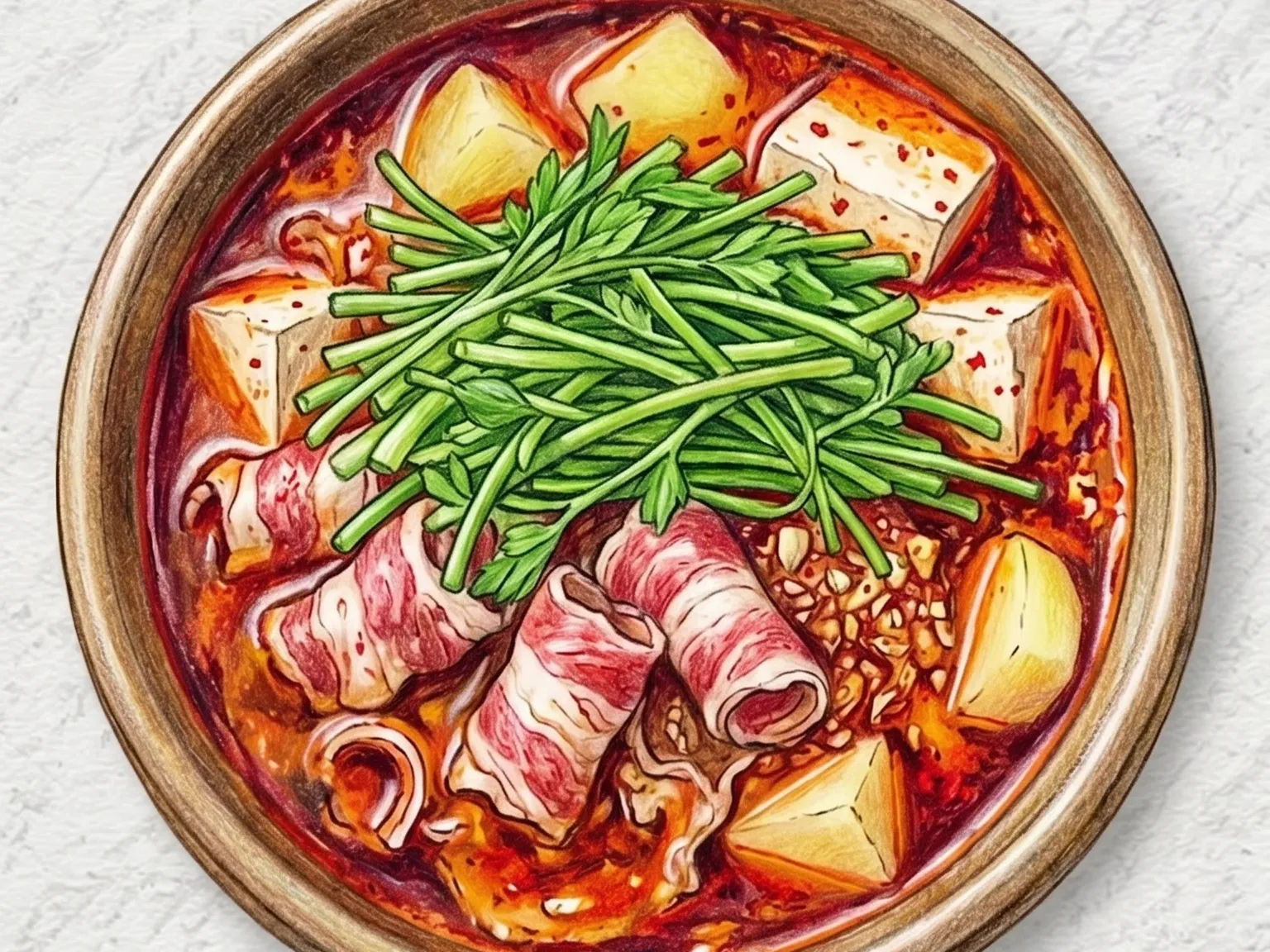
Dalrae bajirak gochujang-jjigae is a spring stew that brings together wild chives and short-neck clams in a gochujang-spiked anchovy broth. When the clams are added to the simmering stock and begin to open, they release a concentrated brine that deepens the base flavor considerably. Gochujang folds in a fermented heat that runs through the whole bowl. Dalrae, a wild allium that grows in Korean fields from late February through April, goes in near the very end of cooking; its sharp, garlic-like scent stays intact that way and cuts through any marine fishiness. Potato pieces absorb the spicy broth as they cook and give the stew weight, while tofu provides a soft counterpoint to the heat. Before cooking, soaking the clams in salted water for thirty minutes purges any sand so the broth stays clean. The combination of early-spring dalrae with clams makes this a recipe with a narrow seasonal window.

🏠 Everyday
Prep 18minCook 22min4 servings
Korean Braised Chicken with Radish
SteamedMedium

Korean Braised Chicken with Radish

This braise combines bone-in chicken pieces with Korean radish and potato in a soy-and-gochugaru sauce. The radish absorbs both the chicken stock and the spiced seasoning, turning amber on the outside while going translucent within. Potato edges break down during the long simmer, thickening the sauce into a sticky glaze. Gochugaru and black pepper build a layered heat that soy sauce and sugar round off, so the dish is assertively spicy without being harsh. Reducing the liquid until it barely coats the bottom concentrates all the flavors onto the surface of each piece.

🎉 Special Occasion🍱 Lunchbox
Prep 18minCook 40min4 servings
Korean Knife-Cut Noodles and Dough Flake Soup
NoodlesMedium

Korean Knife-Cut Noodles and Dough Flake Soup

Kaljebi is a Korean home-style soup that cooks knife-cut noodles and hand-torn dough flakes together in a single pot of anchovy-kelp broth. Sliced potato goes in first, releasing starch that thickens the broth to a gentle, savory body without any additive. The dough flakes are pinched thin and dropped in well ahead of the knife-cut noodles - because they need more time to cook through - so both elements finish together. Every spoonful holds two distinct textures: the broad, pillowy sheets of sujebi alongside the chewy strands of kalguksu. Zucchini and green onion round out the flavor, and a light hand with soup soy sauce keeps the bowl clear and clean-tasting rather than heavy. This is weekday cooking at its most practical, requiring only a handful of pantry staples.

🏠 Everyday
Prep 20minCook 25min2 servings
Caldo Verde (Portuguese Potato Soup with Kale and Sausage)
WesternEasy

Caldo Verde (Portuguese Potato Soup with Kale and Sausage)

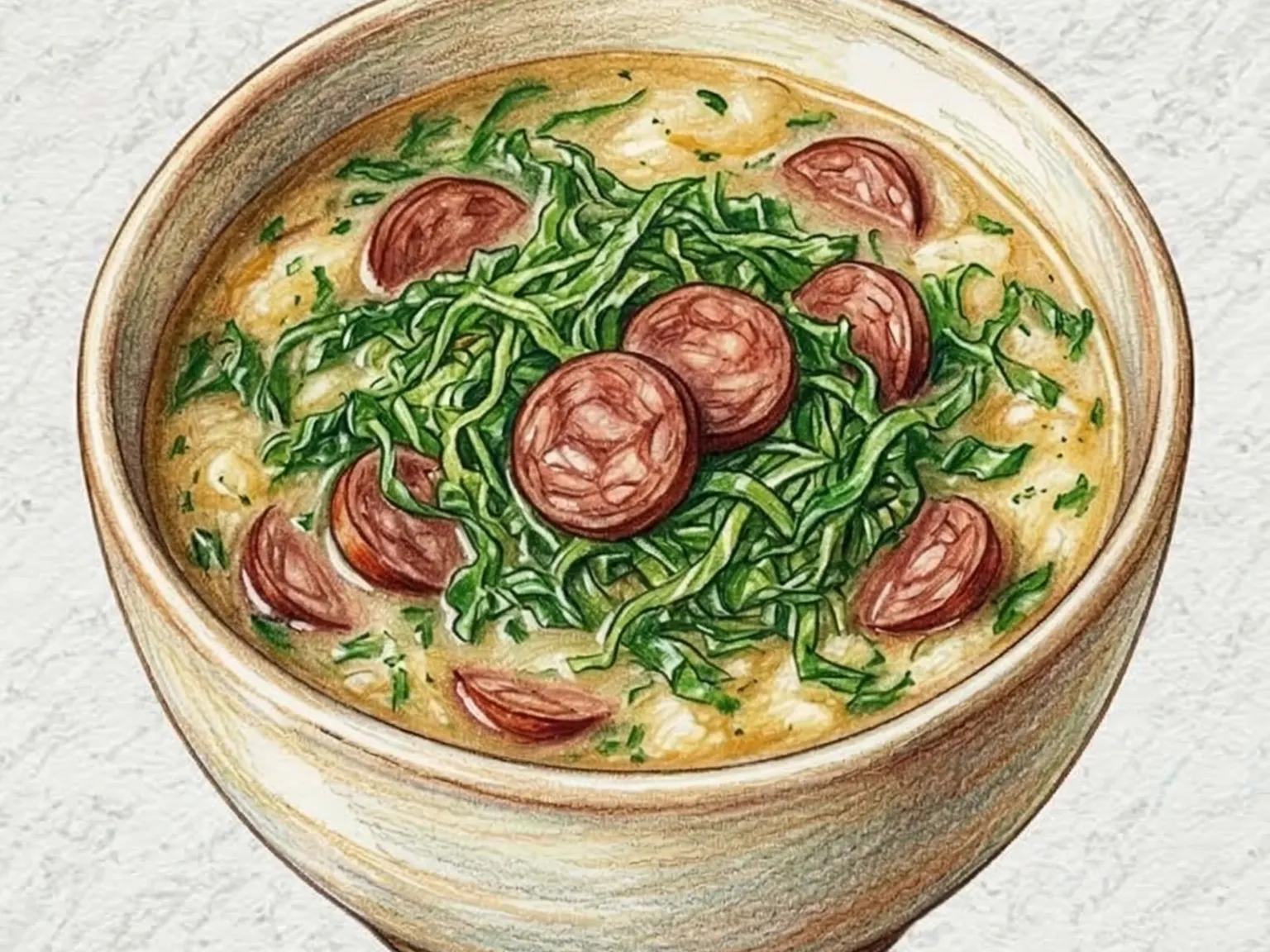
Caldo verde is Portugal's most emblematic soup, originating in the Minho region of the north and eaten across the country at festivals, family tables, and everyday meals. A base of potatoes and onion is simmered in water until the potatoes fall completely apart, then blended smooth so the natural starch thickens the soup without any added cream, flour, or roux. The result is a velvety texture built entirely from vegetables and water. Sliced smoked chourico or linguica is added next, and as the sausage heats through its rendered fat and smoky salt diffuse through the broth, adding depth and richness that a plain potato soup cannot offer. Collard greens or kale are cut into the thinnest possible ribbons and cooked for only the final eight minutes, which keeps the color vivid green and the texture slightly resistant to the bite. Overcooking dulls the color to olive and turns the leaves soft and stringy. A drizzle of olive oil over each bowl and thick slices of broa, a dense Portuguese cornbread, alongside the soup allow the broth to soak into the crumb and complete what is otherwise a simple but deeply satisfying meal.

🏠 Everyday🎉 Special Occasion
Prep 15minCook 35min4 servings
Chicken Curry
AsianEasy

Chicken Curry

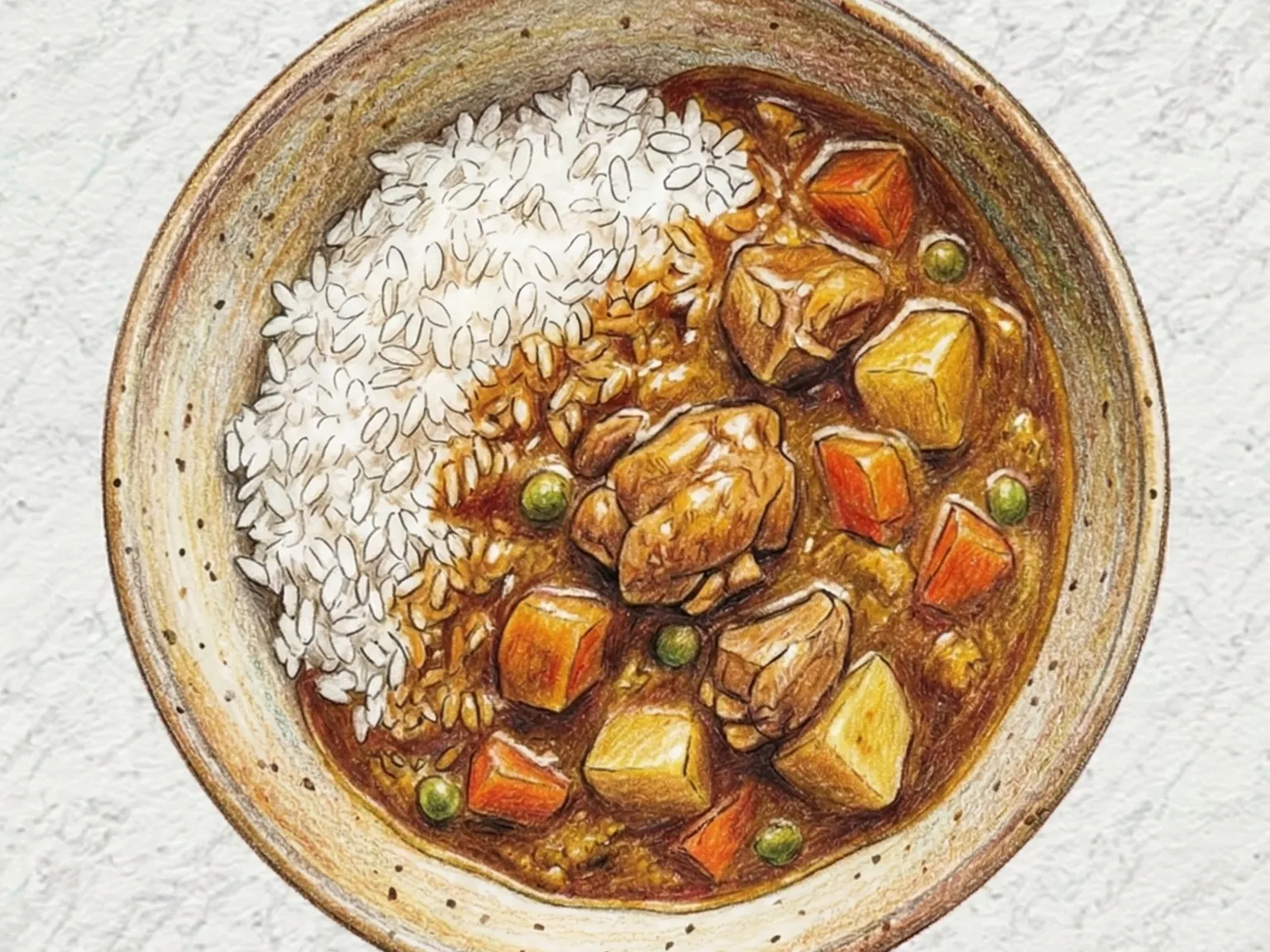
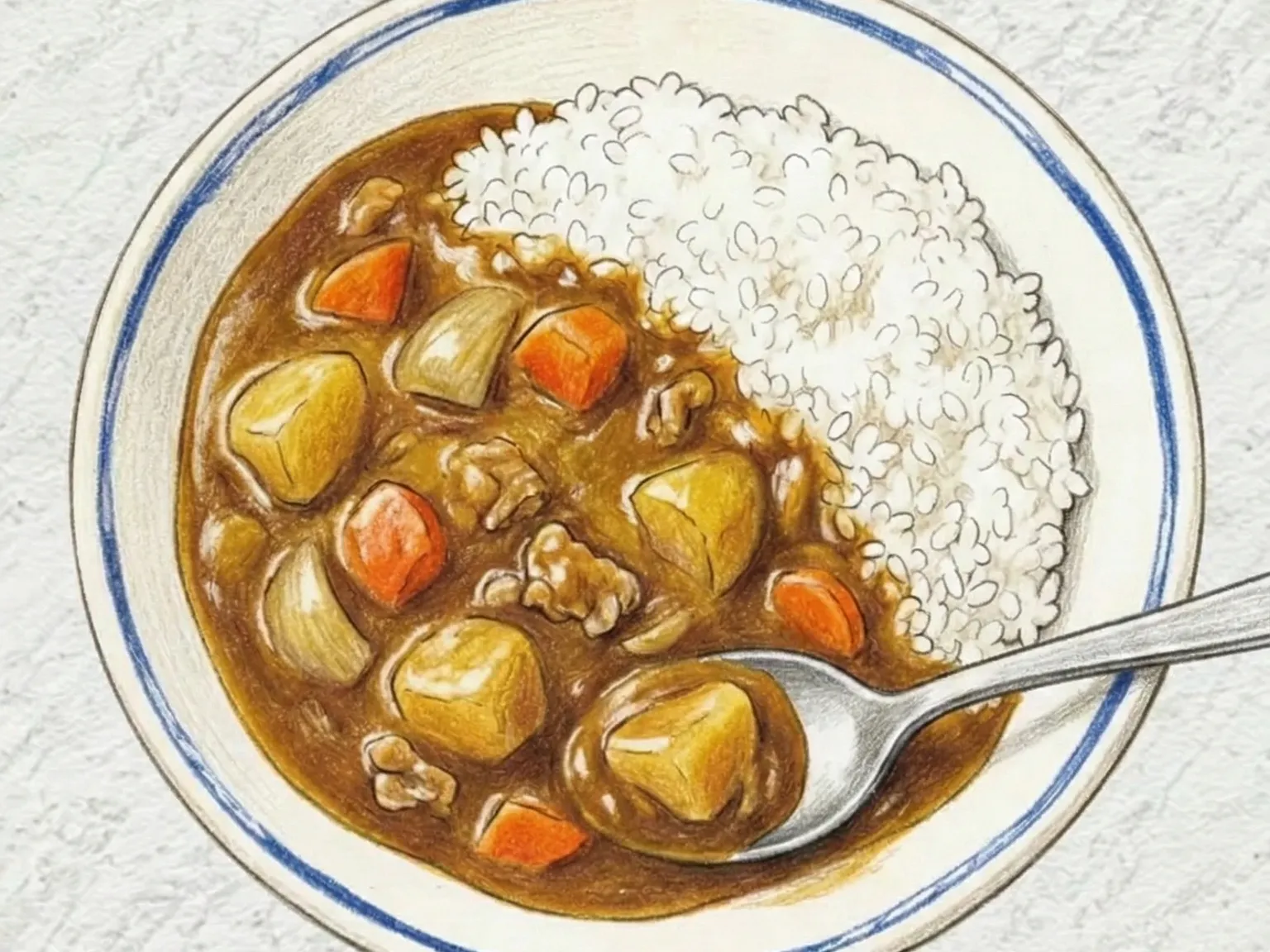
Chicken curry is one of the world's most universal dishes, adapted as it traveled from the Indian subcontinent through Japan and into Korea, each culture reshaping it to local taste. The Japanese-style version uses a flour-and-butter roux for a thick, mild sauce, while Indian preparations build complexity by browning onions deeply and layering whole and ground spices with tomato. Chicken, potato, carrot, and onion simmer together until the vegetables release their starch and sweetness into the sauce, creating a velvety body. The essential pleasure is spooning the curry over steamed rice and watching it seep between the grains. Leftover curry reheated the next day tastes notably deeper - the Japanese call this nikkame no curry (second-day curry) and many prefer it to the fresh pot, as the spice compounds have had time to meld and the starches further thicken the sauce. Despite the simplicity of its core ingredients, the virtually limitless variation in spice blending is what makes this dish endlessly compelling across cultures.

🏠 Everyday
Prep 15minCook 35min4 servings
Korean Potato and Sausage Stir-Fry
Stir-fryEasy

Korean Potato and Sausage Stir-Fry

Gamja sausage bokkeum pairs thinly sliced potatoes with bite-sized sausage pieces, stir-fried in a sauce of soy sauce, ketchup, and a touch of sugar. The sausage renders just enough fat to coat the potatoes in a savory glaze, while the ketchup adds a mild sweetness that children especially enjoy. It comes together in under 30 minutes and works well as a lunchbox staple or a quick weeknight side. The combination of starchy potatoes and smoky sausage makes it universally crowd-pleasing.

🏠 Everyday🍱 Lunchbox
Prep 10minCook 15min2 servings
Korean Perilla Seed and Potato Stew
StewsEasy

Korean Perilla Seed and Potato Stew

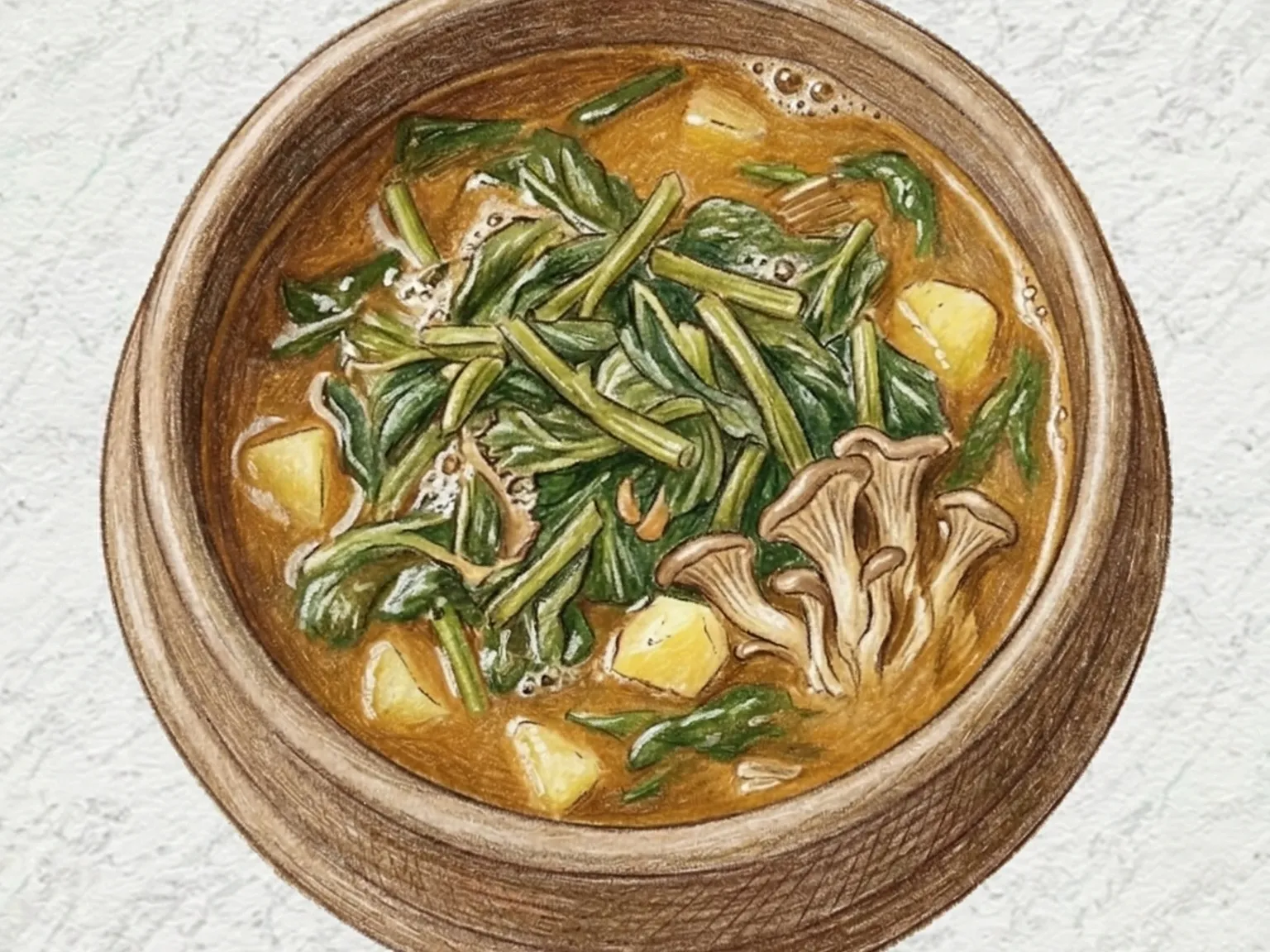
Deulkkae gamja jjigae is a potato stew enriched with ground perilla seeds, which give the broth a distinctly nutty thickness reminiscent of a light porridge. Potato wedges and sliced zucchini simmer in anchovy stock until the potatoes begin to soften and partially break down, naturally thickening the liquid. A generous amount of perilla seed powder stirred in near the end creates the signature creamy, toasty quality that defines this dish. Seasoned simply with soup soy sauce and garlic, it demonstrates how a short list of humble pantry ingredients can produce a deeply satisfying, filling bowl without any meat.

🏠 Everyday
Prep 10minCook 20min2 servings
Korean Dakbong Gochujang Jorim (Gochujang-Braised Chicken Drumettes)
SteamedMedium

Korean Dakbong Gochujang Jorim (Gochujang-Braised Chicken Drumettes)

Dakbong gochujang jorim is chicken drumettes braised with potato in a sauce made from gochujang, soy sauce, chili flakes, and oligosaccharide syrup. The meat surrounding the small bones turns dense and pleasantly chewy as it simmers, holding onto the thick, reduced sauce at every surface. Potato pieces soften in the braising liquid until starchy and tender throughout, absorbing the chili-soy base from the outside in. The oligosaccharide syrup wraps the gochujang heat in a shiny glaze that keeps you reaching for another piece. A stalk of green onion stirred in at the very end adds a sharp, pungent aroma that lifts the finished dish.

🎉 Special Occasion🍱 Lunchbox
Prep 15minCook 35min4 servings
Korean Perilla Seed Kalguksu
NoodlesEasy

Korean Perilla Seed Kalguksu

Perilla kalguksu is a Korean noodle soup where ground perilla seeds give the broth a distinctly nutty, creamy quality. Potatoes are simmered first to release starch, naturally thickening the liquid before the noodles go in. Onion and garlic add mild sweetness, and soup soy sauce seasons the bowl without darkening the color. The perilla powder is stirred in near the end of cooking to preserve its fragrance.

🥗 Light & Healthy🏠 Everyday
Prep 10minCook 18min2 servings
Chicken Pot Pie
WesternMedium

Chicken Pot Pie

Chicken pot pie fills a butter pie crust with a mixture of cooked chicken, carrots, potatoes, and peas bound in a thick, creamy roux-based sauce, then bakes until the top crust turns golden and the filling visibly bubbles at the edges. The roux begins with butter and flour cooked together over medium heat until the raw flour smell disappears, at which point chicken broth and heavy cream are whisked in gradually to form a smooth, rich sauce that coats every piece of filling without clumping. Pre-boiling the carrots and potatoes is important because the oven time alone is not sufficient to cook dense root vegetables through, while peas are stirred in at the final moment to keep their bright green color and slight resistance when bitten. Brushing the top crust with beaten egg before it goes into the oven produces the characteristic glossy, deeply golden surface that distinguishes a well-made pot pie. After 35 minutes at 200 degrees Celsius, the filling should be audibly bubbling and the crust should be firm enough to hold its shape when the pie is cut. Breaking through the flaky top layer with a spoon releases the thick cream sauce and a cloud of steam carrying the aroma of braised chicken and cooked vegetables.

🎉 Special Occasion
Prep 30minCook 50min4 servings