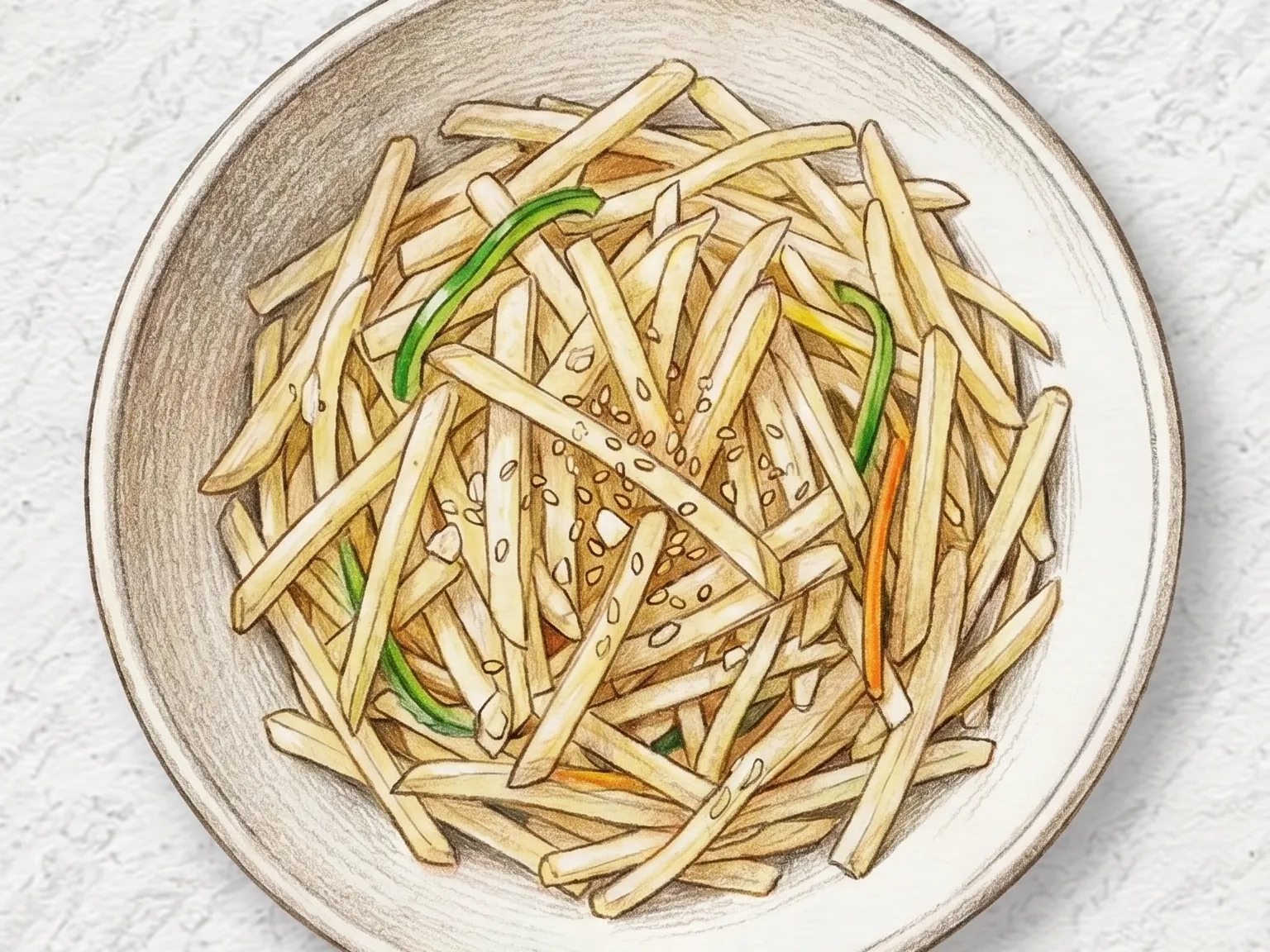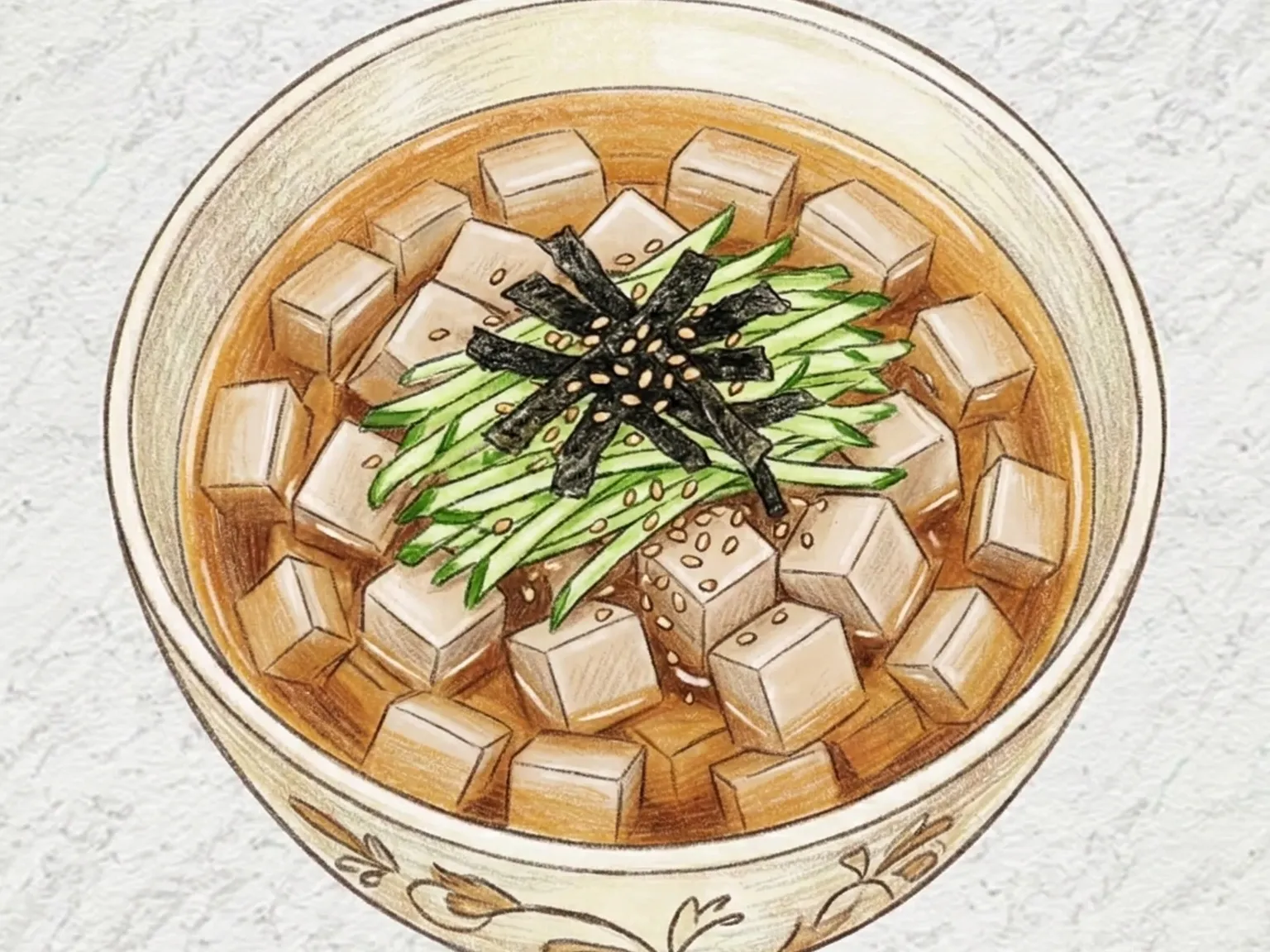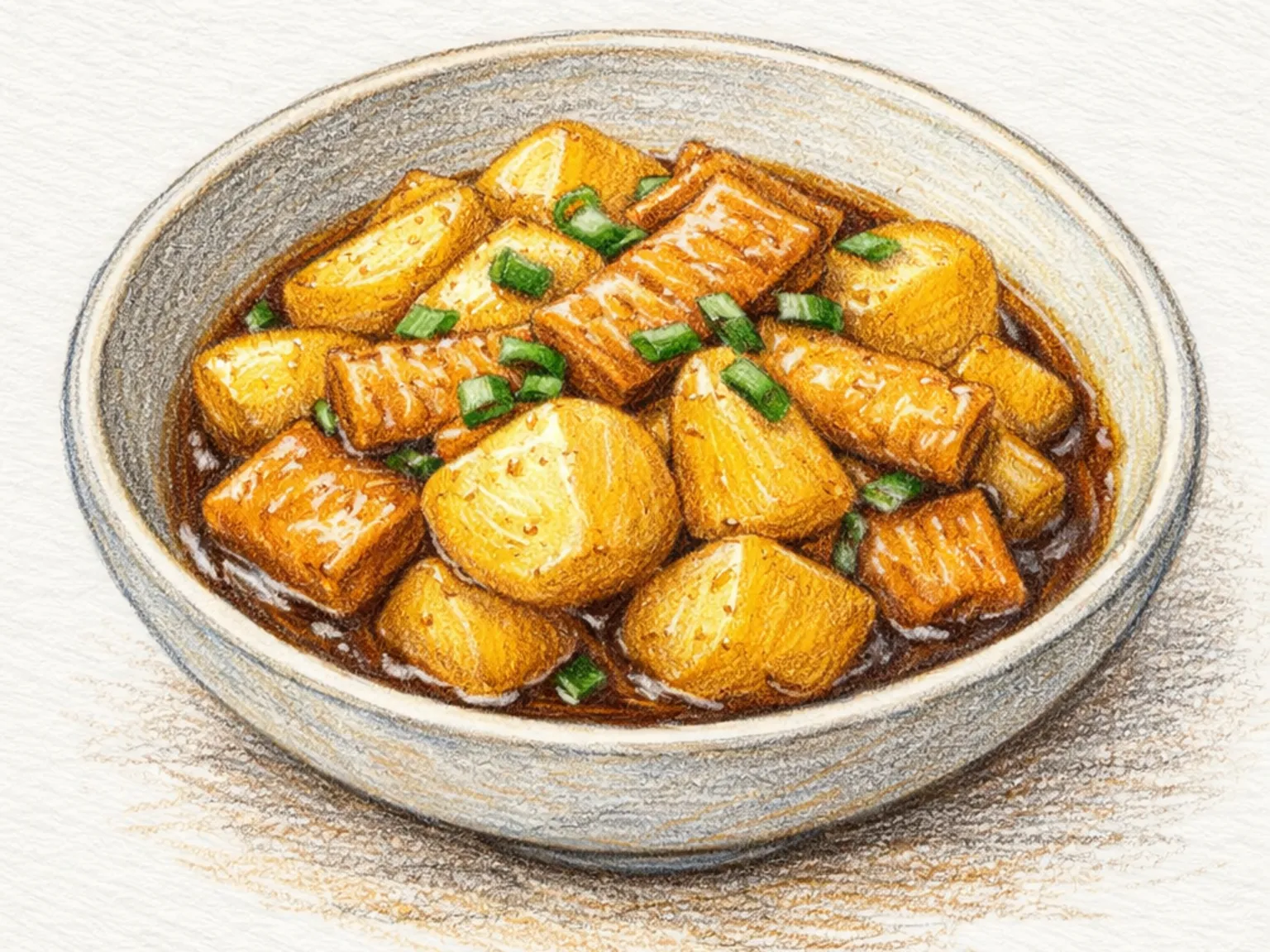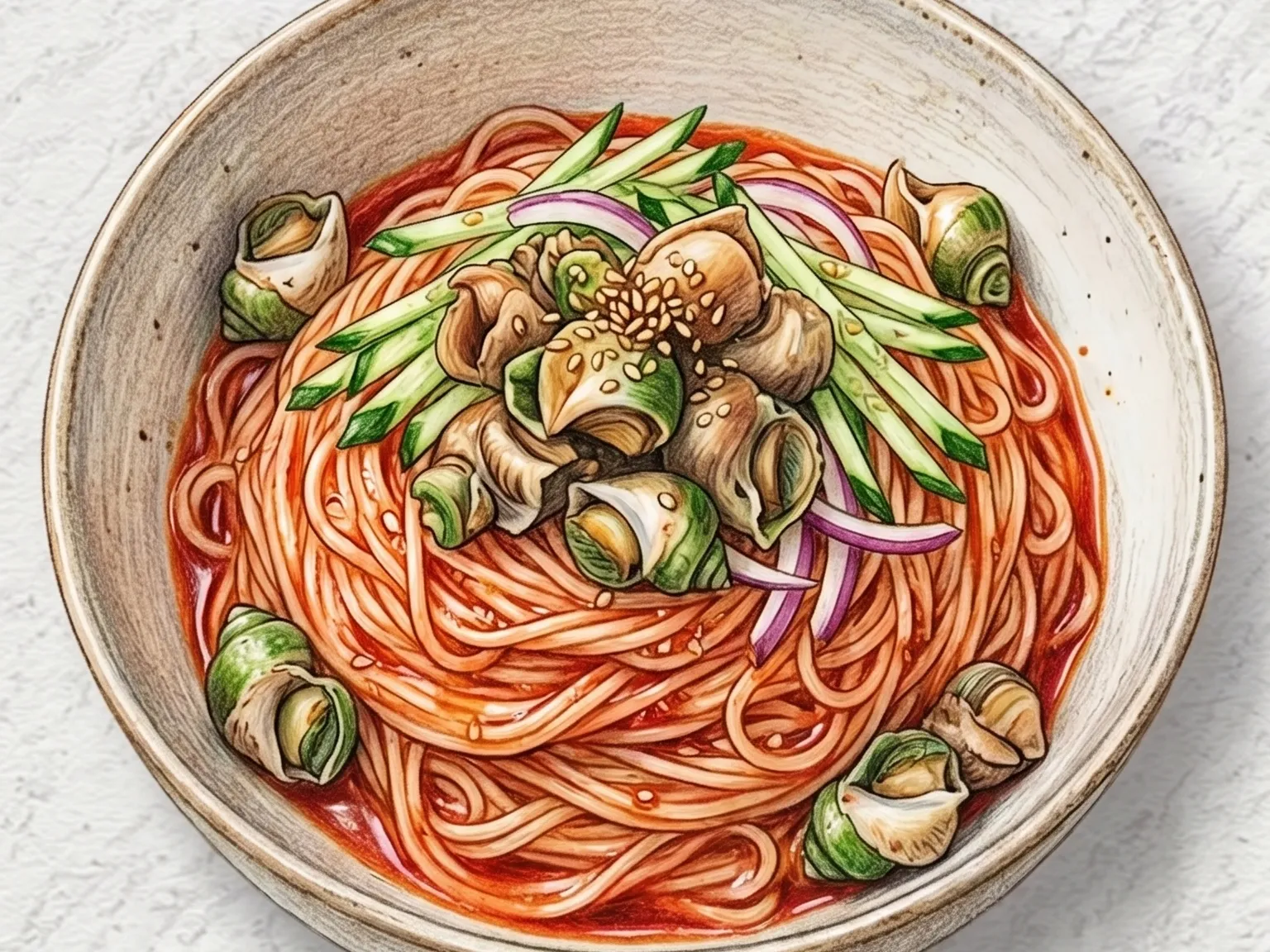
Korean Spicy Pork Stir-fry
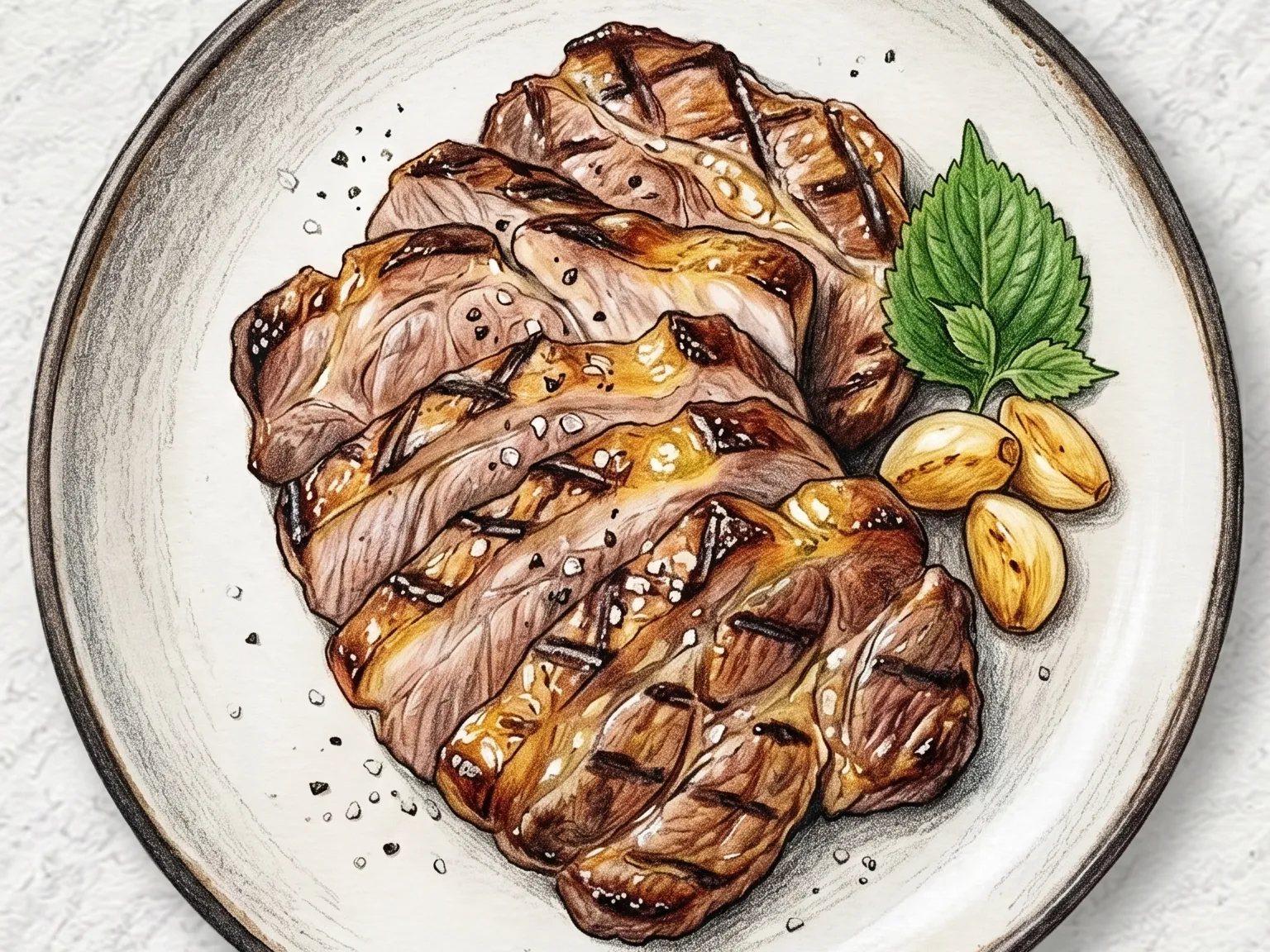
Jeyuk-bokkeum is a Korean spicy pork stir-fry where sliced pork is marinated in gochujang, soy sauce, sugar, and garlic, then wok-tossed with vegetables over high heat. The marinade sinks into the meat, combining chili heat with caramelized sweetness, while onions and scallions release moisture that balances the bold seasoning. Quick cooking at high temperature lets the pork develop a lightly charred exterior that adds another layer of flavor. It is commonly served over rice as a donbap or wrapped in lettuce leaves.

Korean Grilled Patty Skewers
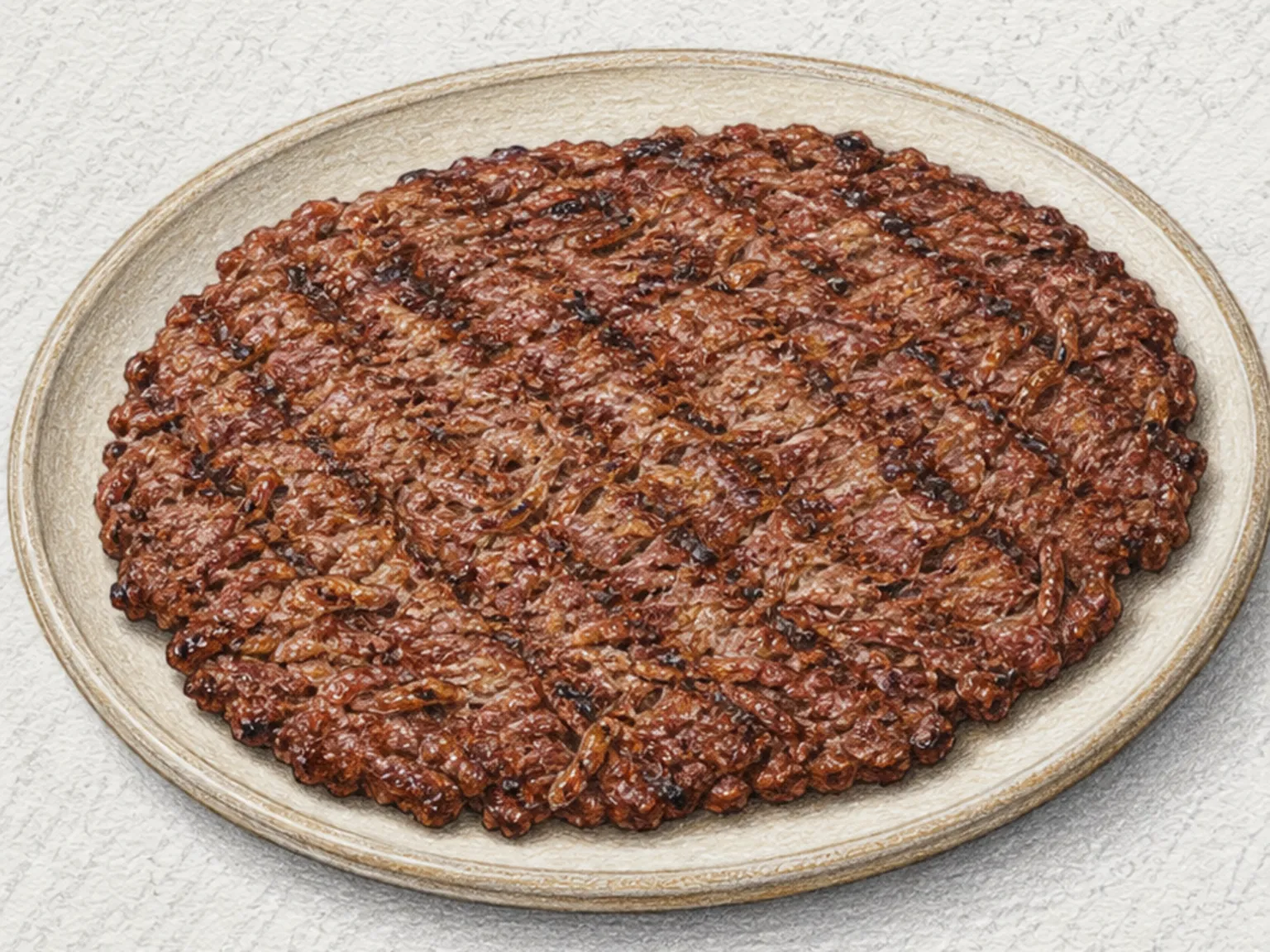
Tteokgalbi-kkochi are skewered patties made from a thoroughly kneaded mixture of ground beef, ground pork, soy sauce, sugar, garlic, and sesame oil, shaped into ovals and threaded onto wooden skewers before grilling. A small amount of starch mixed into the meat and at least three full minutes of kneading are what give the mixture enough tackiness to stay firmly anchored to the skewer throughout cooking; skip either step and the patties slide or crack apart on the grill. Moistening your hands with water while shaping prevents the mixture from sticking and helps produce smooth, even ovals. Grilling over medium heat first develops a golden Maillard crust on both sides, then lowering the heat and continuing to cook allows the interior to reach the center without the outside drying out, concentrating the meaty flavor at the core. A thin brushing of soy-and-corn-syrup glaze applied just before flipping and again right before removing from the heat builds a glossy, sweet-salty lacquer on the exterior. Served alongside tteokbokki sauce or ketchup, the skewers carry the unmistakable energy of Korean street food stalls.

Korean Gochujang Grilled Chicken Legs
Gochujang dak-dari-gui is a Korean pan-grilled chicken dish in which bone-in leg quarters are marinated in a sauce of gochujang, soy sauce, oligosaccharide syrup, minced garlic, mirin, and sesame oil before being cooked in a skillet. The use of oligosaccharide syrup rather than plain sugar is deliberate - it has a lower sweetness level but higher viscosity, which helps the marinade adhere to the chicken's surface and caramelizes more slowly without burning, making it easier to develop a proper glaze. Starting the chicken skin-side down over medium heat is the foundation of the dish: pressing the skin gently against the pan renders the subcutaneous fat gradually, producing a crisp surface layer. Without sufficient rendering time, the skin stays soft and slick even when coated with the sauce later. Flipping and covering with a lid traps steam inside the pan, which drives heat into the thickest part of the meat and ensures it cooks through evenly without the outside drying out. When the lid comes off and the sauce reduces, the evaporating water concentrates the marinade's flavors and causes it to begin clinging to the meat in a thick, glossy layer. The final two minutes on high heat are the transformation point of the dish: the residual sugars in the marinade caramelize rapidly in the intense heat, and the spicy fermented depth of the gochujang, the sweetness of the syrup, and the salinity of the soy compress into a lacquered, shining glaze. Marinating in the refrigerator for at least one hour, and ideally overnight, reduces any gamey odor from the chicken and allows the seasoning to work its way deep into the muscle fibers, so that when the meat is cooked it tastes seasoned from the inside.

Korean Beef Radish Soup (Sesame Oil Braised Beef and Daikon)
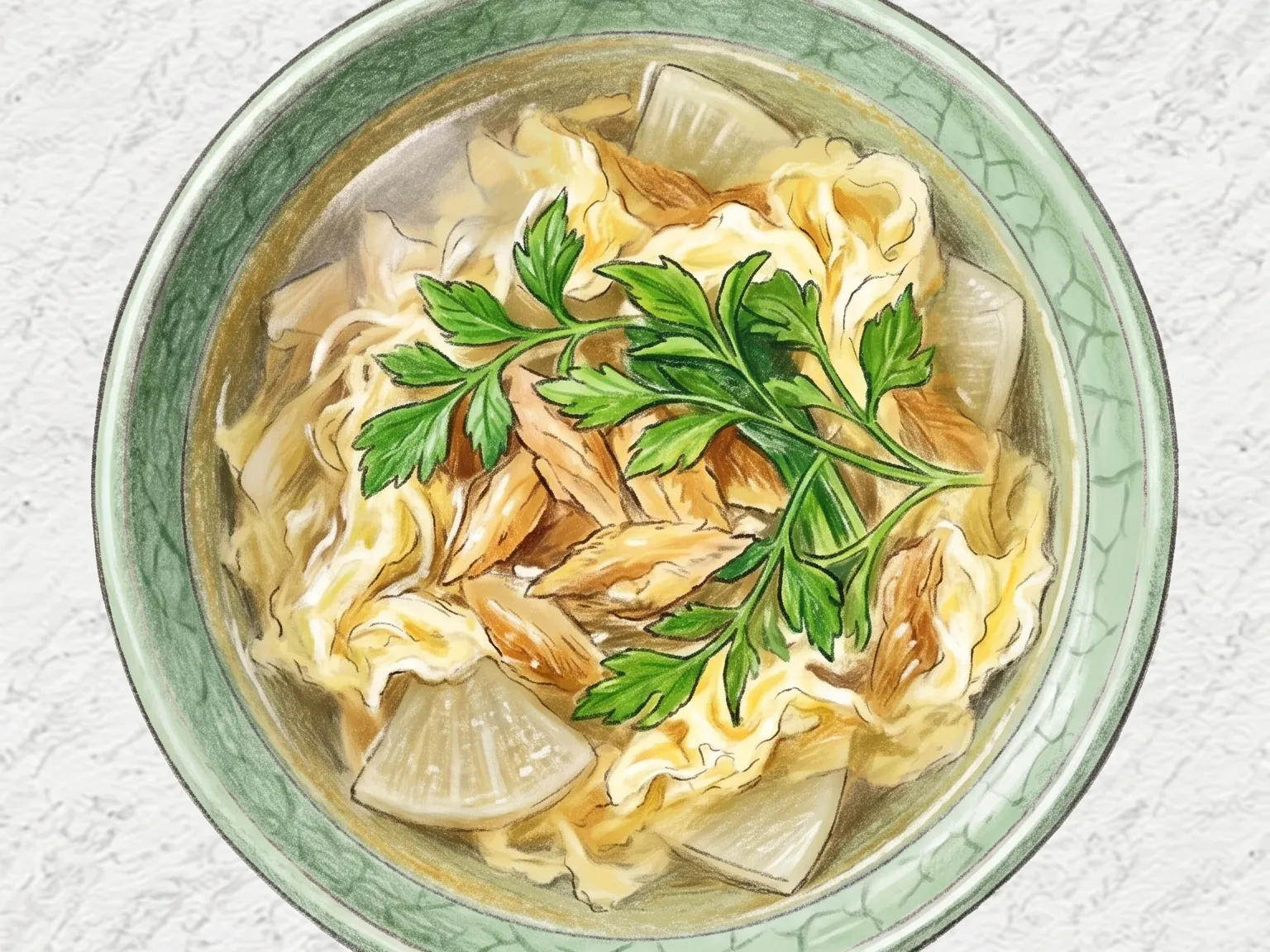
Sogogi muguk is one of the most frequently cooked soups in Korean households, built from just two main ingredients: beef and daikon radish. Thin-cut beef is stir-fried in sesame oil until lightly browned, then thick radish slices go into the pot before water is added. As the soup comes to a boil and then settles into a steady simmer, the radish transforms: its initial sharpness mellows into a clean sweetness that balances the beef's depth, and its starch clouds the broth just enough to give it body. Soup soy sauce provides the seasoning, tinting the liquid a pale amber while pushing umami forward over saltiness. Minced garlic added near the end lends a quiet heat that sits behind the main flavors rather than competing with them. The radish, when properly cooked, should yield easily to a spoon yet still hold a hint of structure at its center. This soup also serves as the foundational broth for tteokguk on Lunar New Year, and Koreans reach for it instinctively when the weather turns cold or the body needs warming.

Korean Steamed Beef with Radish Greens
Mucheong sogogi jjim is a Korean braised beef dish where short rib meat is marinated in Korean pear juice and soy sauce, then slow-cooked with blanched radish greens and onion. The pear juice tenderizes the beef and lends a subtle fruit sweetness that deepens over the long braise. Radish greens are added near the end to preserve their earthy aroma and slight chew, bringing a rustic contrast to the soft meat. Ginger juice keeps the flavor clean, and sesame oil ties everything together with a toasted finish. The sauce reduces to a concentrated glaze meant to be spooned over rice.

Korean Soft Tofu Noodle Soup
Sundubu guksu is a Korean noodle soup made by simmering silken tofu in anchovy-based broth with knife-cut wheat noodles. As the soft tofu breaks apart during cooking, it naturally thickens the broth into a creamy consistency without any dairy. The combination of anchovy umami and mild tofu keeps the flavor clean yet full. Total cooking time is around 25 minutes, and the recipe requires minimal seasoning. It is one of the simpler Korean noodle soups to prepare at home.

Korean Braised Tofu in Spicy Sauce
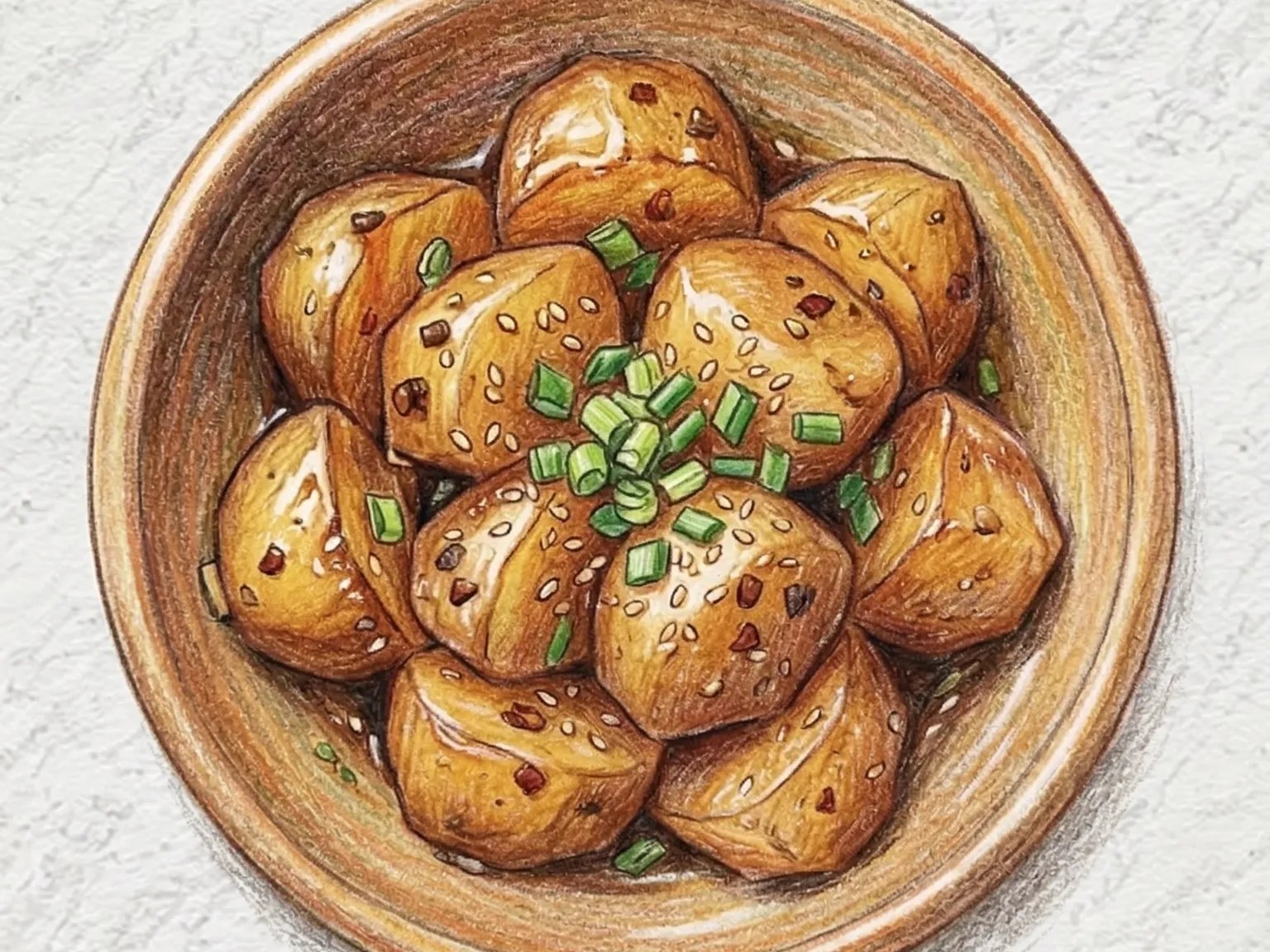
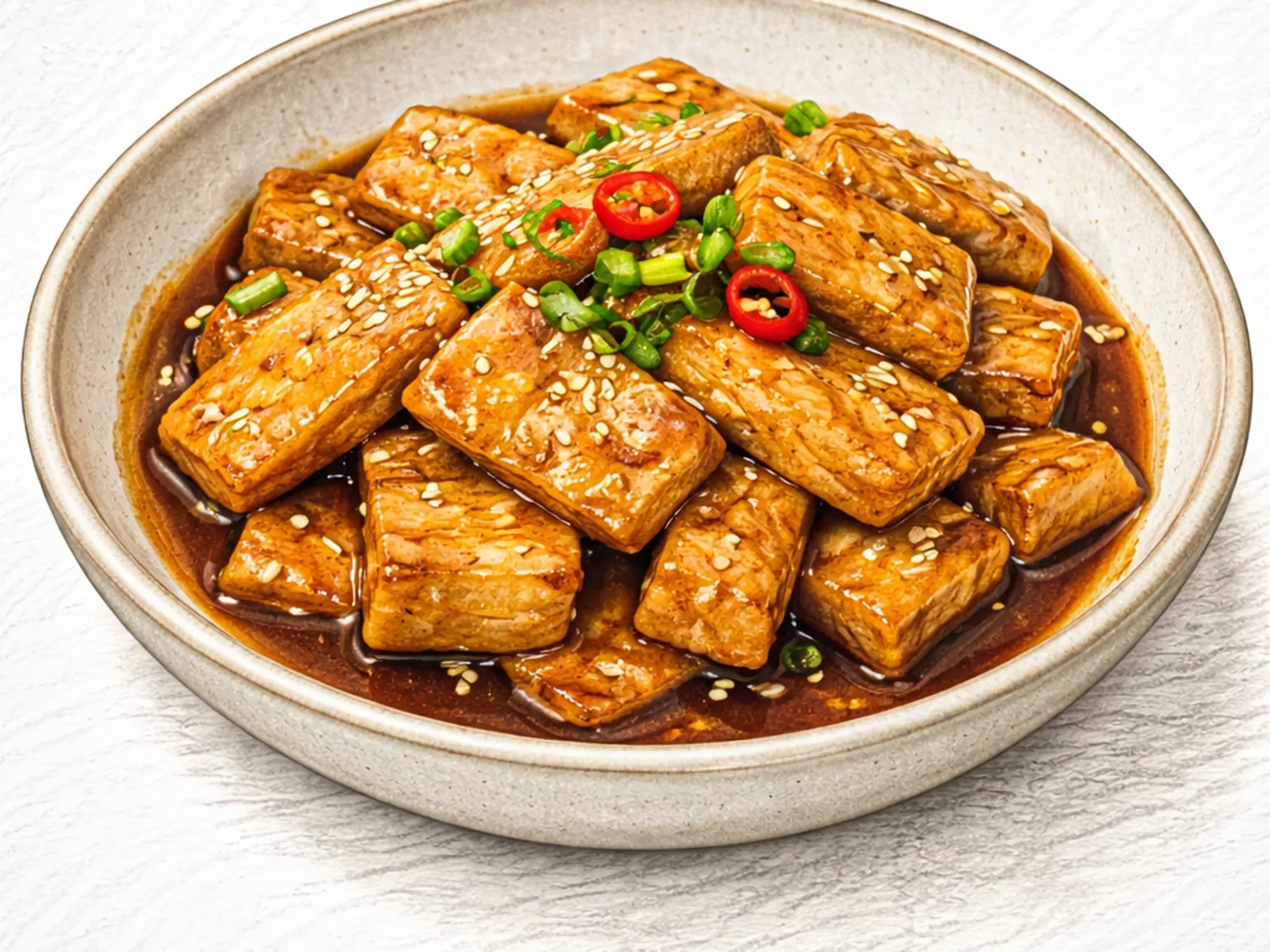
Dubu-jorim is one of the most reliably prepared tofu dishes in Korean home cooking, made from ingredients that are almost always on hand, yet the sequence of steps makes a significant difference to the result. Before the tofu ever touches the braising sauce, it must be fried in a dry pan until each face develops a thin, golden crust. That crust serves two purposes simultaneously: it keeps the tofu slabs intact as the sauce reduces around them, and it acts as a permeable layer through which the seasoning gradually penetrates toward the center during braising. The sauce - soy sauce, gochugaru, minced garlic, sugar, and water - simmers around the tofu for eight to ten minutes until it has reduced by roughly half and thickened into a glossy, spicy-sweet glaze that coats the exterior in a dark, caramelized layer. The finished tofu has three distinct zones in every slice: the outermost layer where the sauce has caramelized and taken on a slightly chewy quality, a middle band where the seasoning has fully soaked in, and a white, creamy center that provides a bland, soft contrast to the intensely flavored exterior. All three zones are present in a single bite, which is what makes this dish more texturally interesting than a standard braise. Korean home cooks typically double the recipe and refrigerate half for weekday meals, where the flavors deepen further after a night in the cold.

Korean Oyster Rice (Winter Pot Rice with Plump Oysters)
Gul-bap is a pot rice dish built around plump winter oysters, which are placed on top of the nearly-finished rice during the final resting stage rather than added at the beginning of cooking. This timing is deliberate. Oysters introduced too early shrink, toughen, and lose their sweetness to the surrounding liquid. Cooked only by residual steam, they remain tender, full-sized, and briny-sweet. Julienned Korean radish lines the bottom of the pot, serving two purposes: it keeps the rice from scorching, and it releases its own moisture and mild natural sweetness into the grains as they cook. The result is rice that is subtly enriched without any additional seasoning beyond the ingredients themselves. The dish is served alongside a dipping sauce of soy sauce, sesame oil, gochugaru, and chopped green onion. Mixed into the bowl, the sauce ties the clean oceanic flavor of the oysters to the savory, nutty dressing in a way that makes the whole thing hard to stop eating. The oysters should be cleaned gently with coarse salt and rinsed quickly to preserve their natural sweetness.

Korean Spicy Webfoot Octopus Stir-Fry
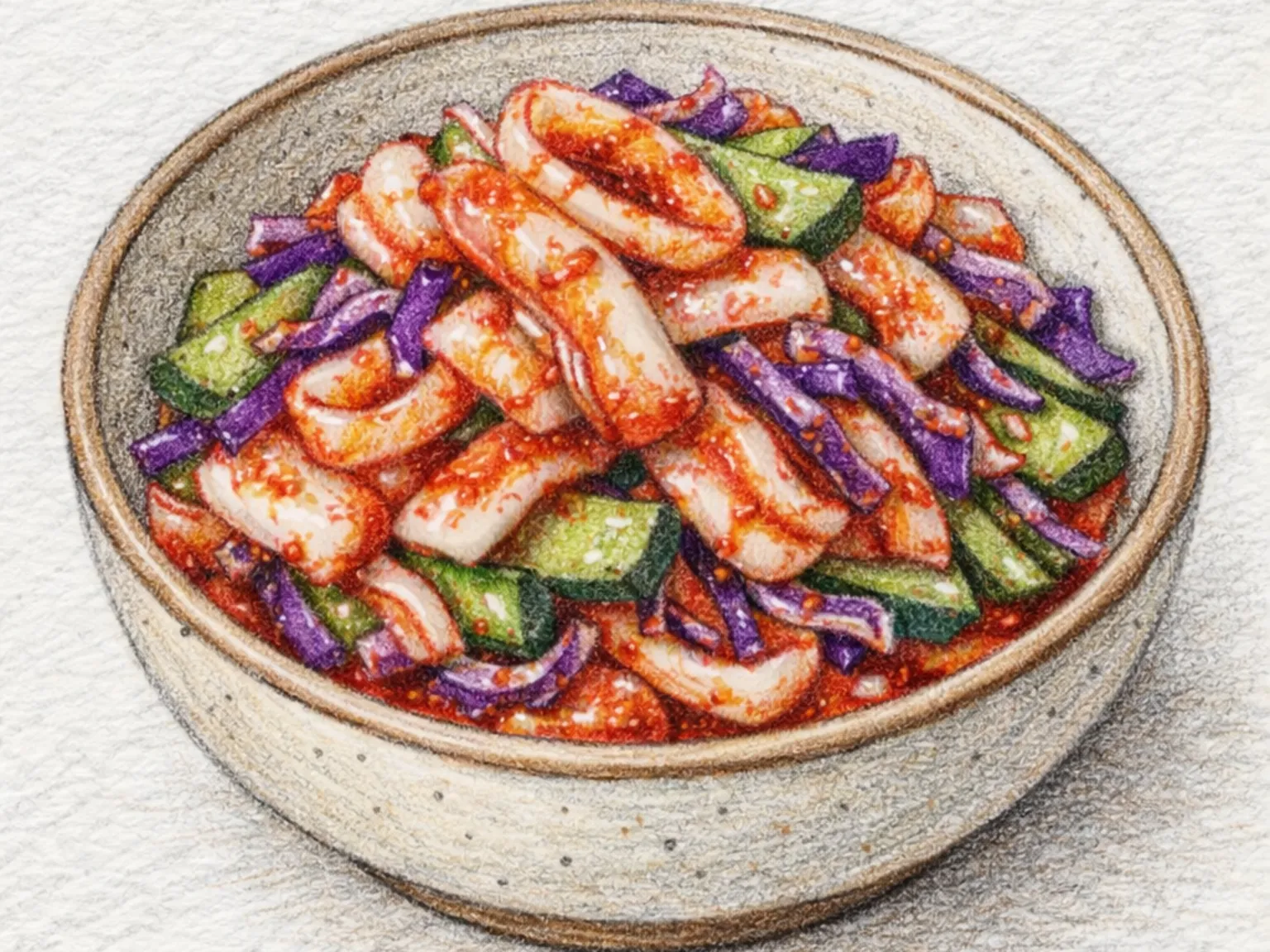
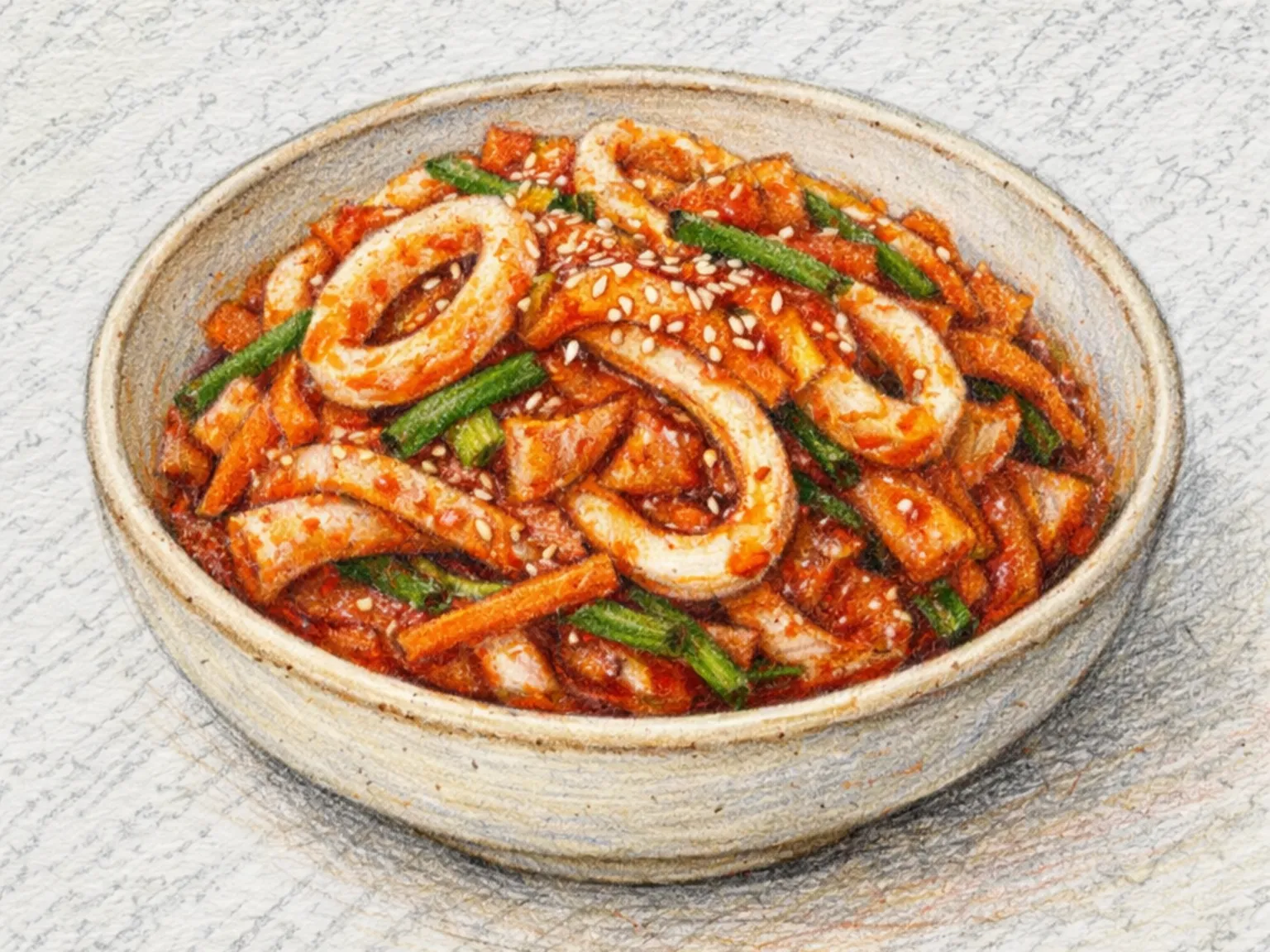
Jjukkumi-bokkeum is a Korean seafood stir-fry made by tossing cleaned small webfoot octopus with vegetables in a bold gochujang and gochugaru sauce over very high heat. Cleaning the octopus properly is essential: the innards inside the head must be removed and the body scrubbed with coarse salt to strip the slippery surface coating. The octopus is marinated ahead in a sauce of gochujang, red pepper flakes, soy sauce, sugar, minced garlic, and sesame oil, allowing the seasoning to penetrate before the heat hits. Onion and scallion go into the hot oiled pan first to develop their sweetness, then the marinated octopus is added and stir-fried on maximum heat for no more than two minutes. Keeping the cooking time short is non-negotiable: jjukkumi turns rubbery and tough if it stays over heat too long, and a chewy, springy texture is what separates a well-made version from an overcooked one. The intense heat of gochujang and coarsely ground red pepper defines the character of the dish, while the natural sweetness of onion and scallion rounds the sharp edges of the spice. Spring jjukkumi caught when the roe sacs are full adds a burst of texture when bitten into, which is why the spring season version is considered especially worth seeking out. The dish pairs naturally with steamed rice or as a drinking snack alongside soju.

Korean Tuna Kimchi Gimbap
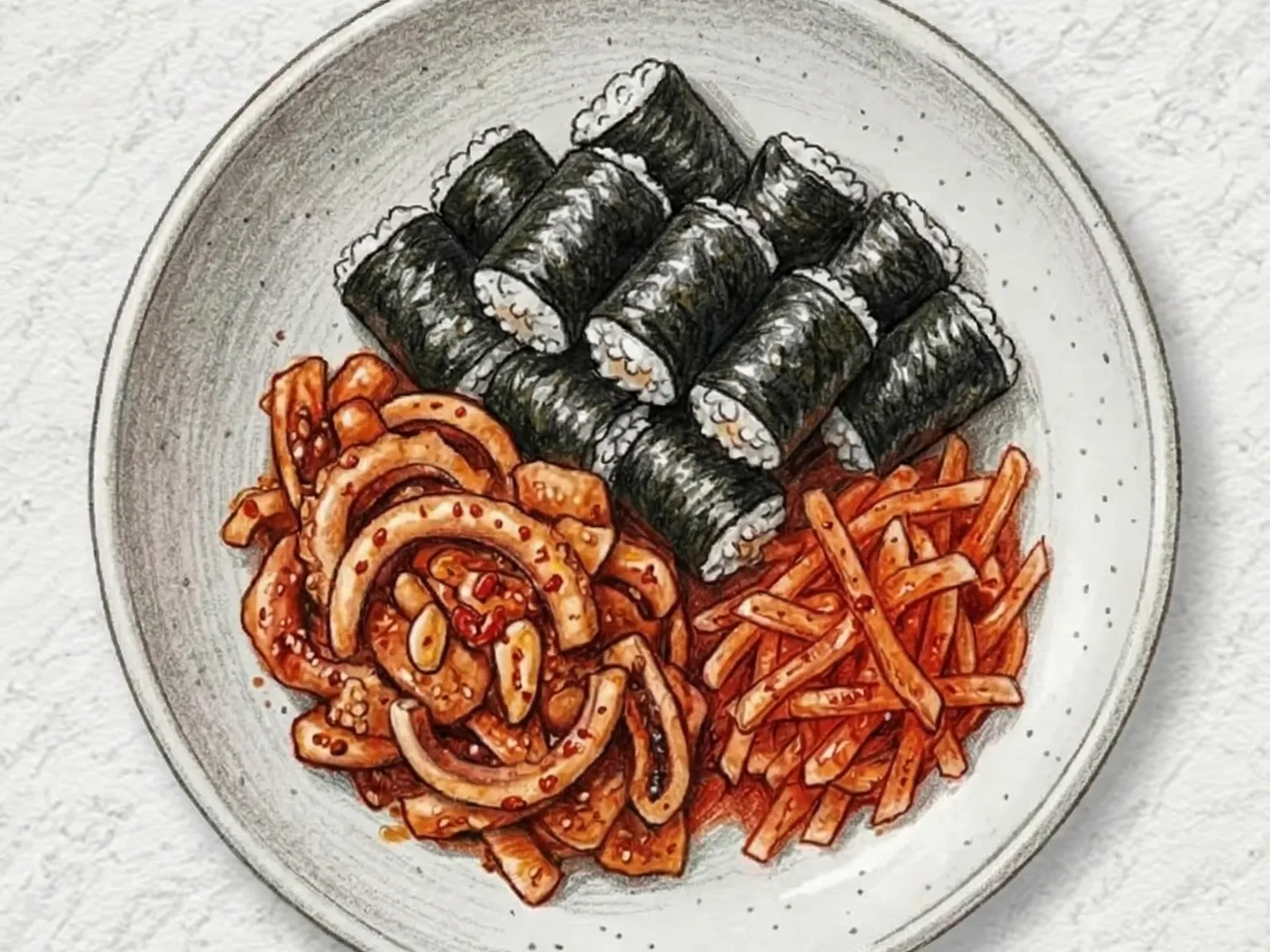
Tuna-kimchi gimbap rolls together drained canned tuna, stir-fried kimchi, and mayonnaise inside seasoned rice and roasted seaweed sheets. Stir-frying the kimchi for two minutes drives off excess liquid and concentrates its fermented tang into a deeper, more savory flavor. Perilla leaves layered directly on the rice add a herbal, slightly minty fragrance that offsets the richness of the tuna-mayo filling. A light brush of sesame oil on the finished roll preserves the seaweed's crispness while adding a final nutty aroma to every slice. Matching tuna and cooked kimchi in a one-to-one ratio keeps the salt and umami in balance, and adding just enough mayonnaise to bind the filling prevents the rice from turning soggy during rolling.

Korean Gochujang Grilled Pork Ribs
Gochujang dwaeji-galbi-gui is a Korean grilled pork rib dish that starts by soaking the ribs in cold water for thirty minutes to remove blood, followed by at least one hour in a marinade of gochujang, soy sauce, sugar, Asian pear juice, garlic, sesame oil, cooking wine, and black pepper. The pear juice works on two levels: its natural enzymes break down the muscle fibers to tenderize the meat, and its fructose provides a clean sweetness that tempers the fermented heat of gochujang. Because the marinade carries a high concentration of sugar, it catches and burns quickly on a hot surface. Each side is grilled four to five minutes over medium heat before the flame is reduced to finish the interior without incinerating the glaze. After cooking, resting the ribs for three minutes off the heat allows the juices to redistribute inward, so that when the pieces are sliced, every cut reveals a moist, tender interior beneath the deeply caramelized, glossy crust that is the hallmark of the dish.

Korean Beef Bean Sprout Soup
Sogogi sukju-guk is a quick Korean soup where seared beef and crisp mung bean sprouts come together in a clear, invigorating broth. The beef brisket is first stir-fried in sesame oil to render its fat and deepen its flavor, then water is added and brought to a rolling boil. Bean sprouts enter the pot only in the final minutes so they retain their signature crunch - the plump heads snap between the teeth while the slender tails wilt just enough to release moisture that lightens and clarifies the broth. The contrast between the beefy richness and the sprouts' clean, almost grassy freshness keeps the soup feeling bright rather than heavy. Soup soy sauce and a spoonful of minced garlic round out the seasoning without masking the main ingredients. Because bean sprouts lose their texture quickly once overcooked, the soup is best ladled into bowls the moment it is done. Koreans often spoon it over steamed rice for a fast, satisfying meal that feels both nourishing and easy on the stomach.

Korean Steamed Octopus (Whole Salted Radish Broth)
Muneo-jjim is a Korean steamed whole octopus dish prepared by scrubbing the octopus vigorously with coarse salt to remove slime and any off-odor, then cooking it in a pot layered with radish and green onion. Submerging the head end first and lifting it in and out of the boiling water two or three times causes the tentacles to curl inward naturally, resulting in an attractive presentation before the full cook begins. Simmering for about fifteen minutes and then resting off the heat with the lid on produces a texture that is springy and chewy without turning tough. The radish adds mild sweetness to the water while green onion draws out any fishiness, so the resulting broth carries a clean, subtle depth of its own. Once cooked, the octopus is sliced on the diagonal into manageable pieces and served with a simple dipping sauce of sesame oil mixed with salt. That combination lets the octopus's natural ocean flavor and nuttiness come through without interference. The dish works equally well as a drinking accompaniment or an everyday banchan, and the technique scales from a small arm to a full-sized octopus without adjustment.

Wonton Noodle Soup
Wonton noodle soup is a Cantonese classic that pairs thin egg noodles with shrimp-and-pork wontons in a clear pork bone broth. The broth is deliberately kept light and clean, relying on long simmering rather than heavy seasoning for its flavor. Each wonton has a thin wrapper that barely conceals a filling with noticeable shrimp texture. The egg noodles are springy and slightly alkaline, a hallmark of Hong Kong-style noodle making. Wrapping wontons from scratch adds about 30 minutes of prep, though pre-made wontons shorten the process significantly.

Korean Crumbled Tofu Stir-fry
Dubu seoboro - crumbled tofu stir-fry - is a Korean banchan that transforms a block of tofu into something resembling a dry, granular scramble. The tofu is crumbled by hand into rough, irregular pieces rather than diced, creating a range of textures from large curds to fine crumbs that hold seasoning differently. Squeezed thoroughly in a cloth to remove as much moisture as possible, it then goes into a hot pan with diced carrot, onion, and zucchini. The key technique is cooking on high heat without stirring too often, allowing the tofu crumbles to develop lightly golden edges before soy sauce and sesame oil go in at the end. The result is a fluffy, granulated side dish that soaks into rice like a savory topping - satisfying without being rich. Popular in Korean daycare and school lunches because it delivers plant protein in a form that children eat willingly, and it travels cleanly in lunchboxes without leaking. The ingredient cost is low and the cooking time short, which makes it one of the first recipes to reach for when the refrigerator is running low on banchan.

Korean Oyster Porridge (Savory Briny Rice Porridge)
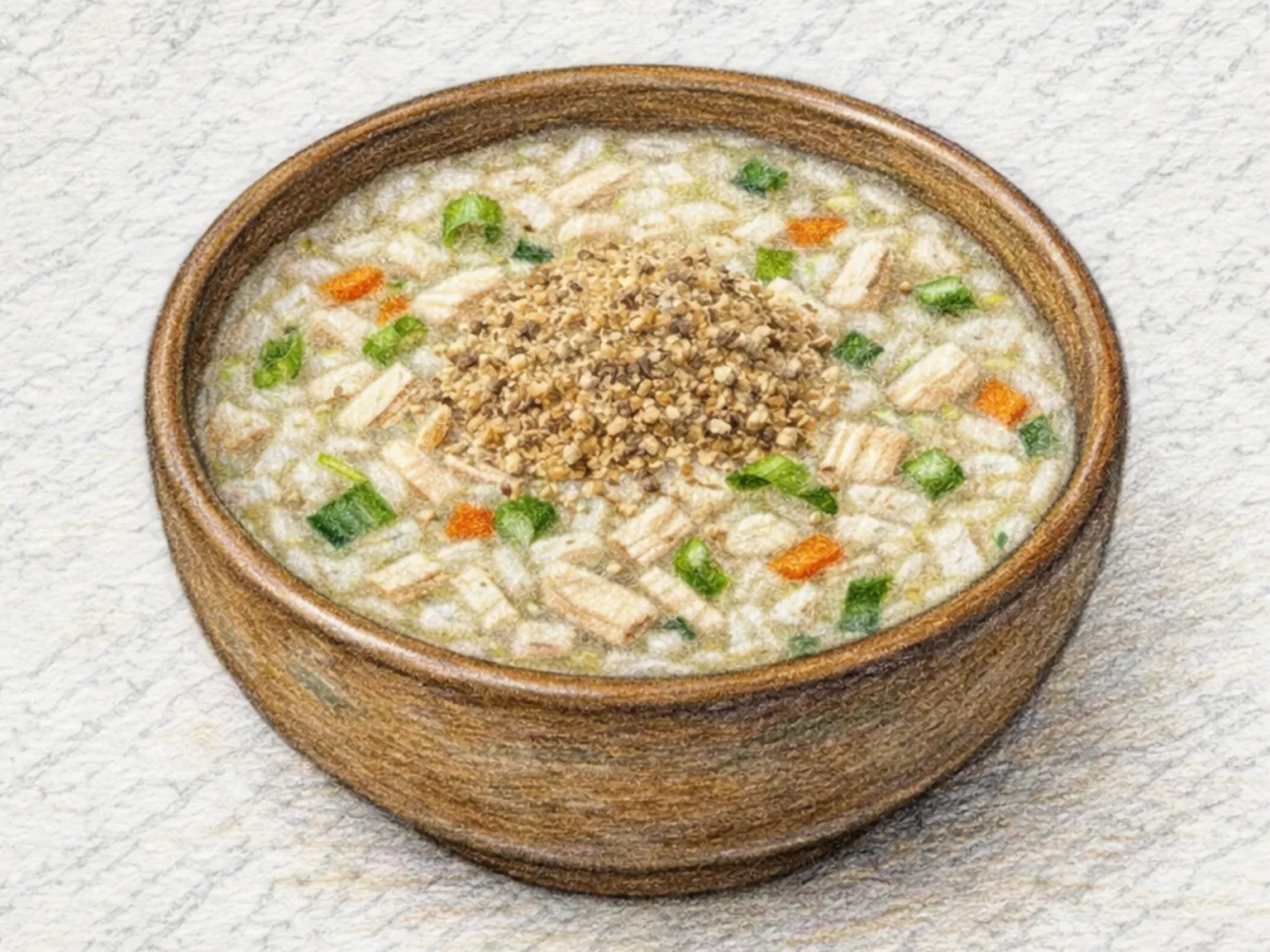
Guljuk is a Korean oyster porridge made by first sauteing soaked rice in sesame oil until the grains turn slightly translucent at the edges, then adding water or light kelp stock and simmering over gentle heat for thirty minutes or more until the rice breaks down into a thick, cohesive porridge. Finely diced radish is added partway through and cooks until tender, contributing a quiet, natural sweetness to the broth. The oysters go in only during the final seven minutes of cooking, a timing that is non-negotiable: added too early, they turn rubbery and lose their sea-fresh flavor entirely. Kept brief, they emerge plump and tender with a clean oceanic brine at the center of each one. Soup soy sauce seasons the porridge without staining it dark, keeping the bowl pale and clear so the natural aroma of the shellfish can come through undisguised. A small pour of ginger juice can be stirred in to temper any fishiness if needed. Protein-rich and easy on the stomach, the porridge is a natural fit for winter mornings, recovery meals, and any occasion when the body needs something warming without the weight of a full meal.

Korean Kimchi Pork Stir-fry
Kimchi jeyuk bokkeum is a Korean stir-fry of pork shoulder seasoned with gochujang, gochugaru, and soy sauce, then cooked over high heat together with well-fermented aged kimchi. The kimchi's deep sourness from lactic acid fermentation cuts through the pork fat and tempers its richness while simultaneously amplifying the chili heat of the paste, making the overall flavor more intense than either ingredient achieves alone. Searing the pork first against a dry hot pan builds caramelized edges that add depth to the final dish, and adding the kimchi and onion afterward lets the combined liquid reduce into a concentrated glaze that coats everything in the pan. The more aged the kimchi, the more it functions as both seasoning and acid, which means less soy sauce is needed without losing complexity. Scallion and sesame oil finish the dish cleanly, and wrapping portions in fresh lettuce leaves gives the heat somewhere to go, softening each bite considerably.

Korean Vegetable Bibim Mandu
Yachae-bibim-mandu combines pan-fried or air-fried dumplings with raw shredded cabbage, lettuce, and cucumber, all tossed in a tangy-spicy dressing of gochujang, vinegar, sugar, and sesame oil. Soaking the vegetables briefly in cold water and draining them well ensures maximum crispness, and tossing half the sauce with the greens first lets the seasoning penetrate evenly. The hot dumplings are placed on top just before serving so their fried shells stay intact against the moisture underneath. Drizzling the remaining sauce over everything ties the dish together with layers of crunch from the wrapper, snap from the vegetables, and a bright, vinegar-lifted heat from the dressing.

Korean Spicy Marinated Mackerel Grill
Godeungeo yangnyeom-gui is Korean spicy marinated mackerel, made by coating thick fish pieces in a paste of gochujang, soy sauce, sugar, minced garlic, ginger juice, and sesame oil, resting them for thirty minutes or longer, then grilling over medium heat with repeated turning. The mackerel's subcutaneous fat melts as the fish cooks, feeding the caramelization of the sugars in the marinade and forming a glossy, deep-red crust across the skin and flesh. Ginger juice pulls double duty: it neutralizes the raw fishy odor and introduces a subtle freshness that sits beneath the fermented heat of the gochujang. Because the fat content is high, a strong flame causes the marinade to scorch quickly, so steady medium heat and patient turning are essential for an even char. A wedge of lemon served alongside cuts through the rendered fat and sharpens the overall flavor.

Korean Burdock Root Soup (Earthy Burdock and Beef Clear Broth)
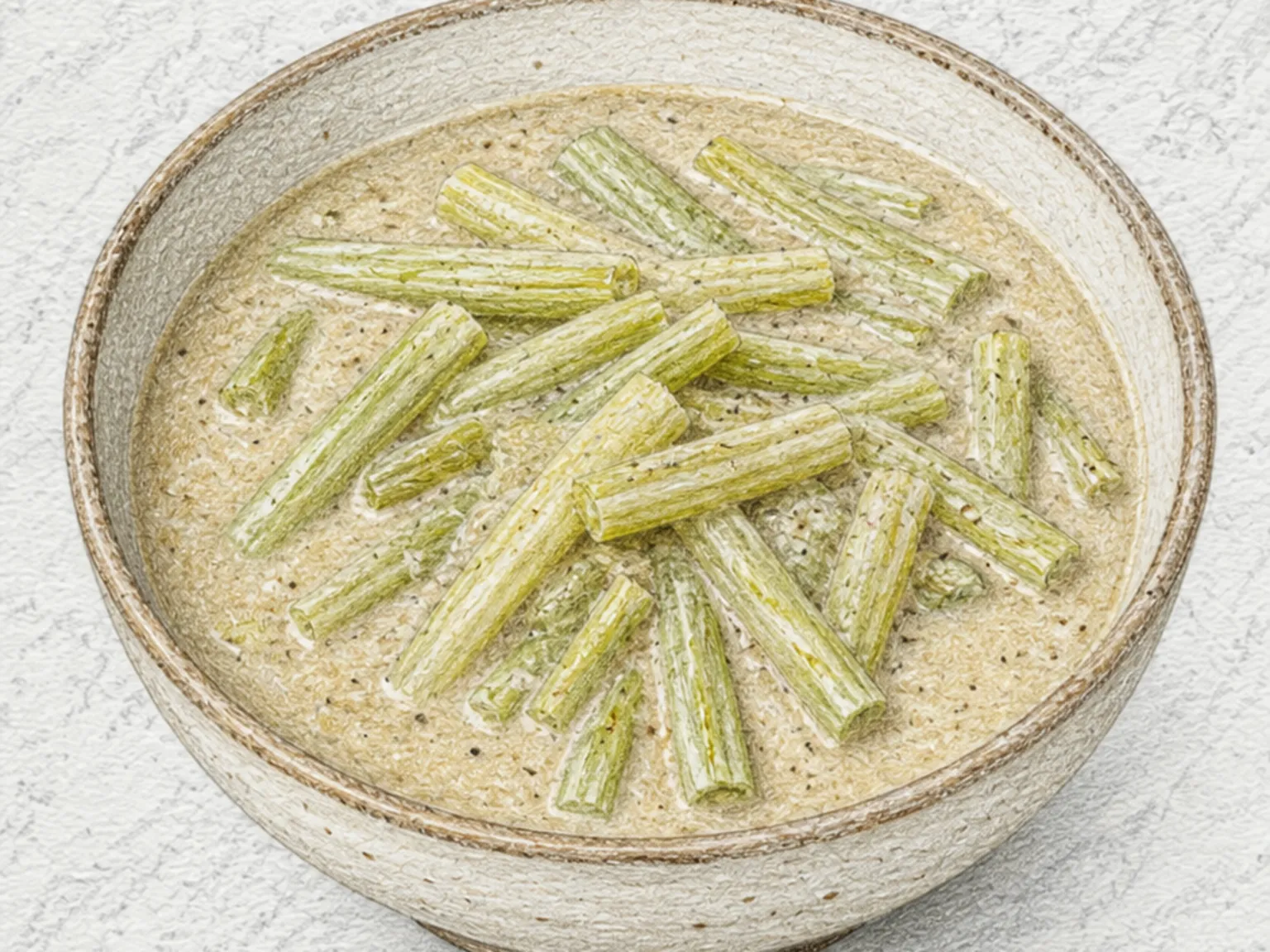
Ueong-guk is a clear Korean soup that highlights the earthy, almost nutty character of burdock root. Julienned burdock is first stir-fried in sesame oil with thinly sliced beef until the root's raw edge mellows and a toasted aroma rises from the pan. Water is then added and the pot brought to a simmer, during which the burdock's tough fibers gradually soften while maintaining enough structure to provide a pleasant chew. The broth takes on a light brown tint from the initial stir-fry, carrying the sesame and caramelized burdock flavors through to the last spoonful. Soup soy sauce seasons the liquid with umami rather than straight salt, and minced garlic stirred in near the end adds a quiet warmth. Burdock is naturally high in dietary fiber, giving this soup a reputation as a digestive-friendly choice. The root is at its best from autumn through winter, when its sugars concentrate underground, and the soup's understated flavor makes it an easy complement to a multi-dish Korean meal.

Korean Anchovy & Shishito Braise
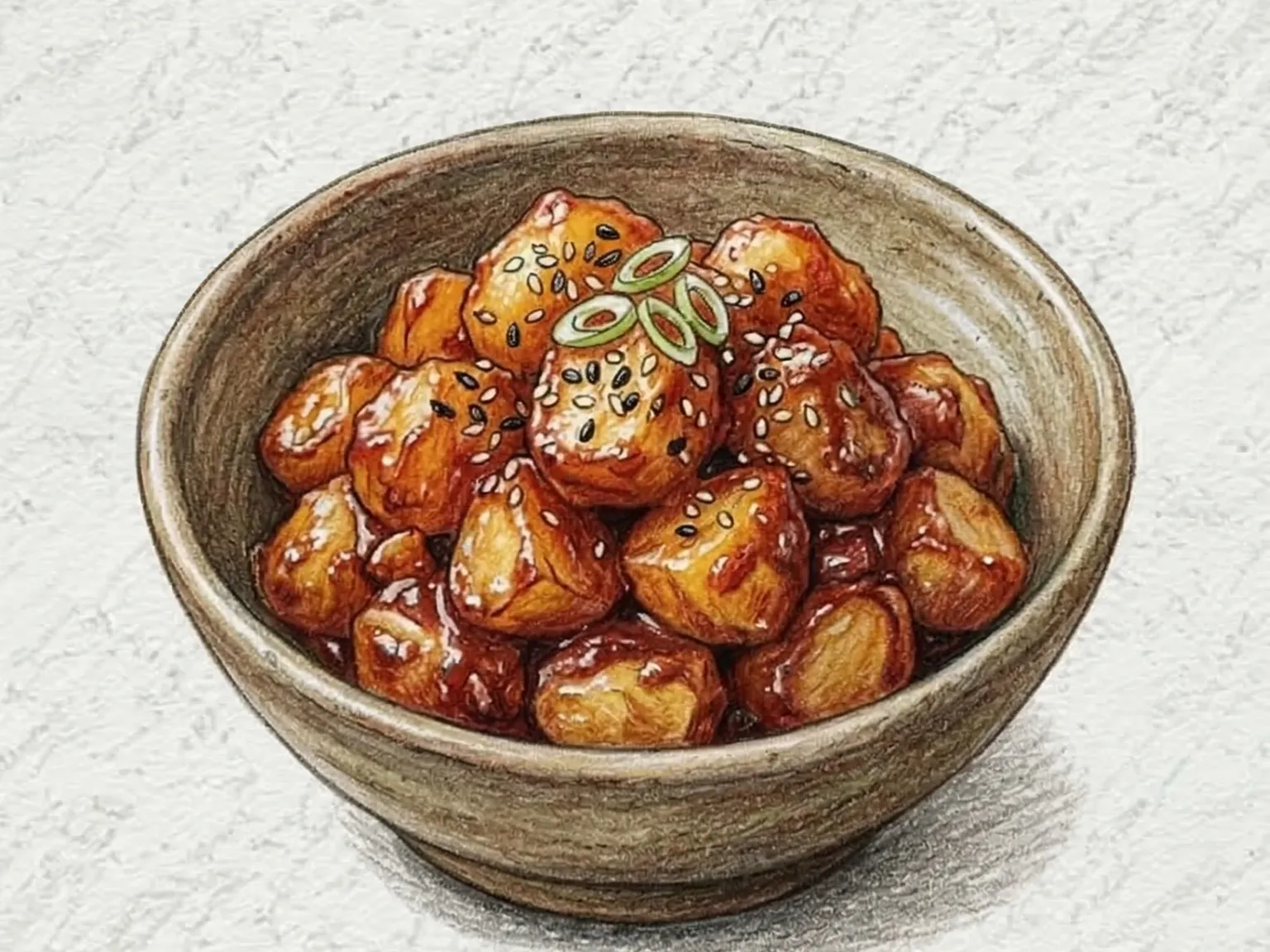
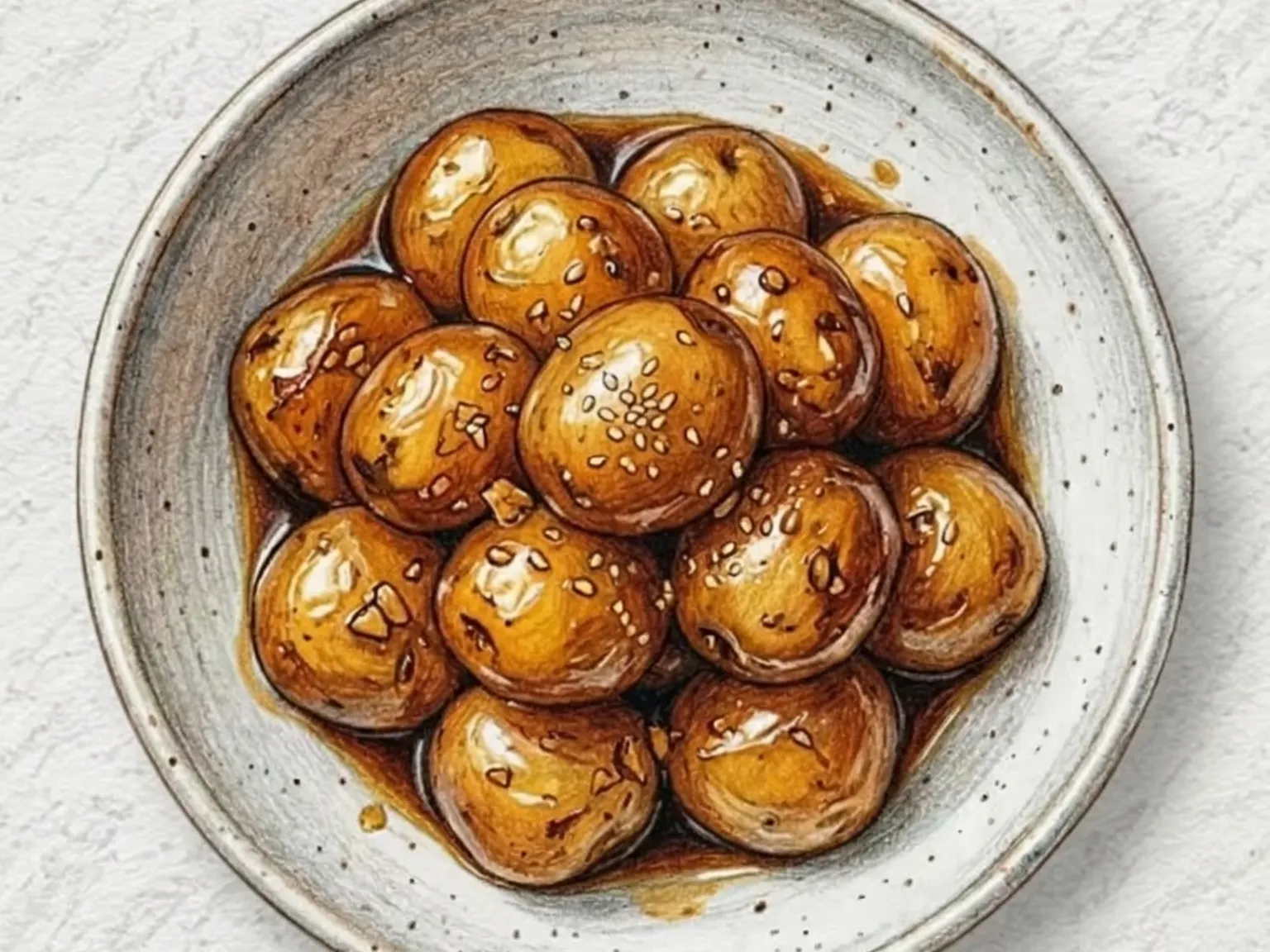
Myeolchi kkwari jorim is a Korean side dish of dry-toasted small anchovies and shishito peppers glazed in a sweet soy sauce with corn syrup and cooking wine. Toasting the anchovies first drives off any fishy smell and brings out their nuttiness, while the peppers are stir-fried in oil to release a mild, lingering heat. The glaze coats everything in a shiny, sweet-salty finish, and sesame oil with sesame seeds add a final toasted aroma. This banchan tastes even better the next day after the sauce has fully settled in, making it one of the most reliable lunchbox staples in Korean home cooking.

Korean Spicy Beef Soup Noodles
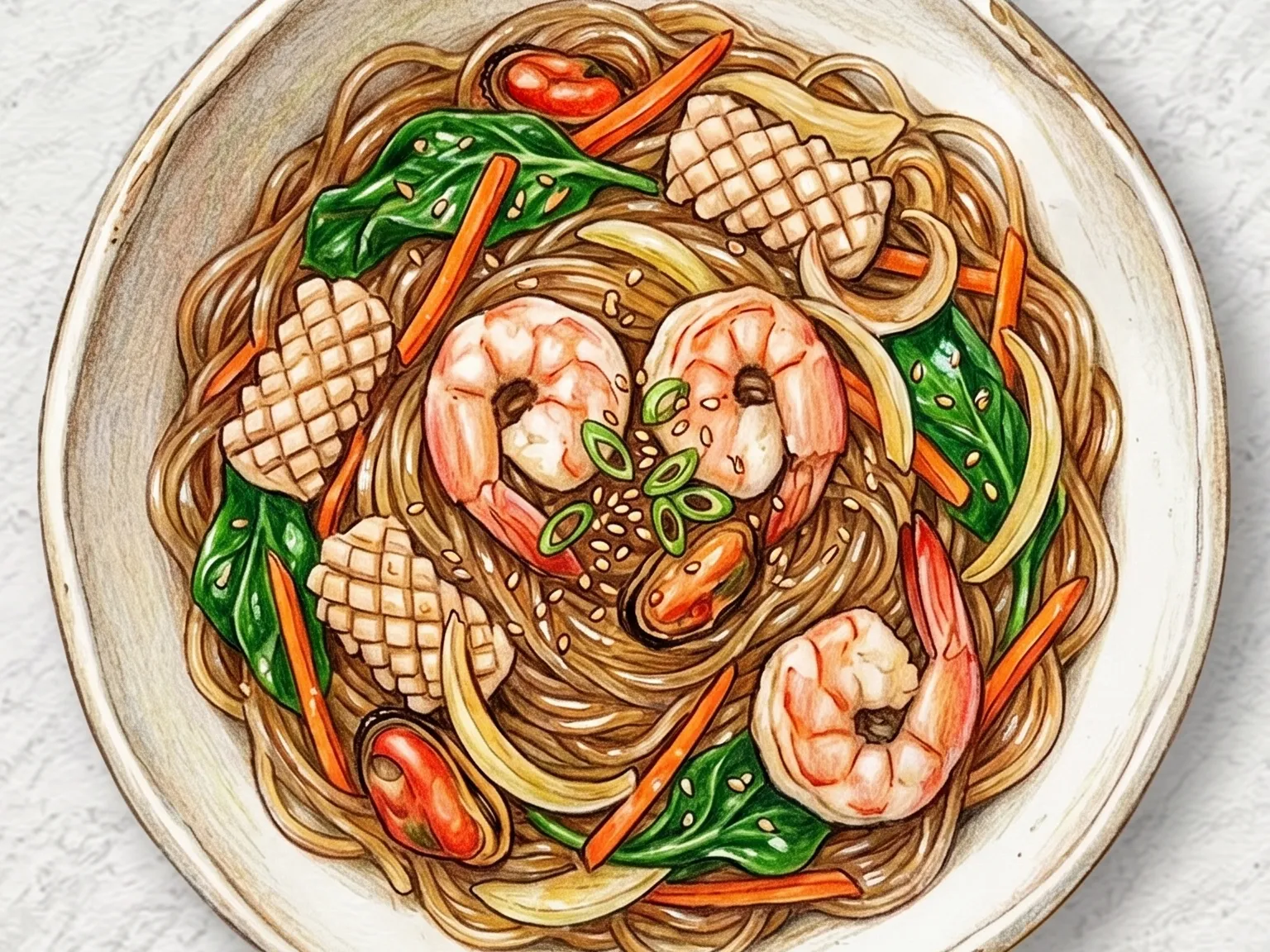
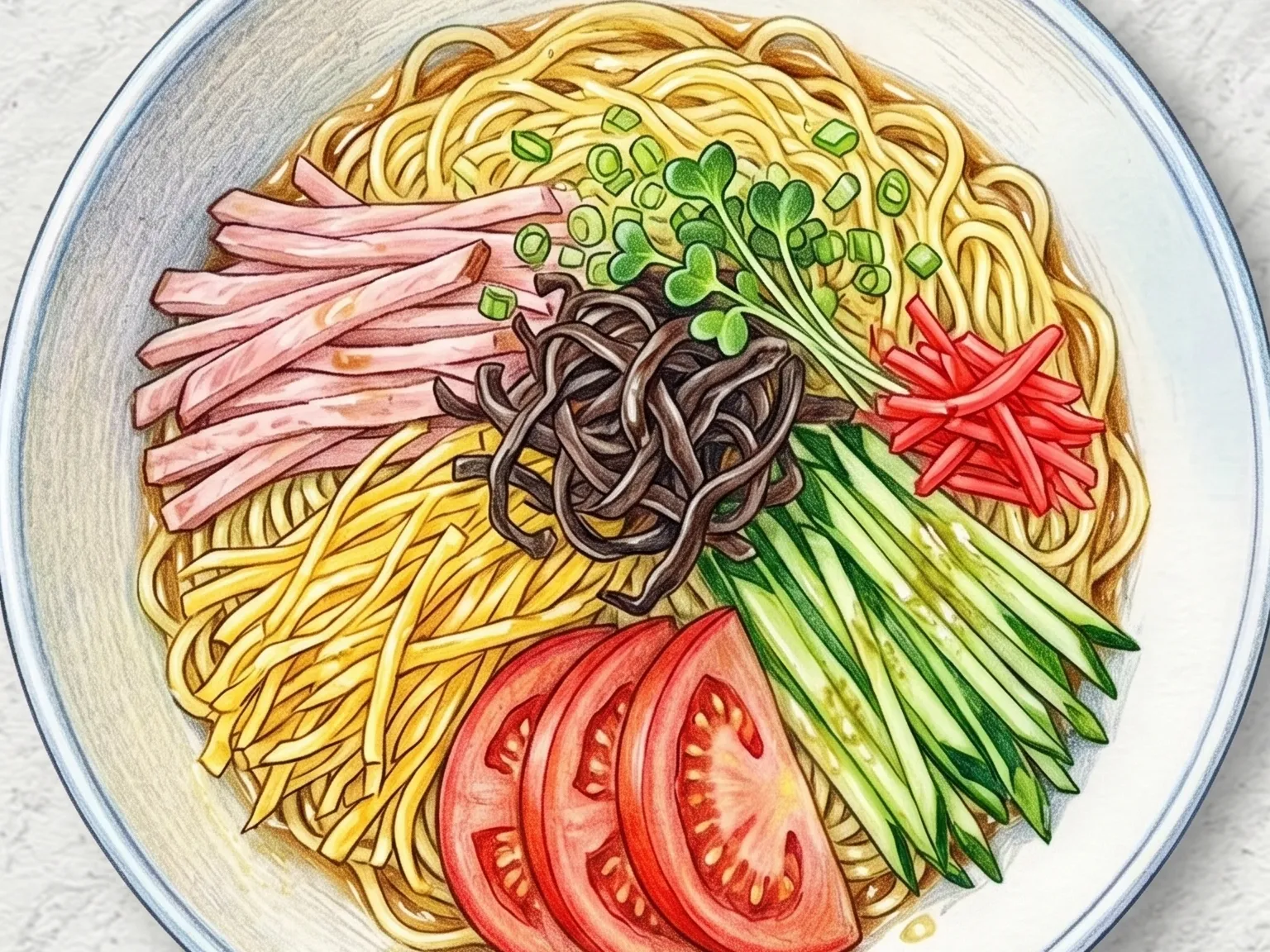
Yukgaejang guksu starts with a deep broth made by simmering beef brisket until the liquid turns rich and full-bodied. The meat is shredded along the grain and returned to the pot alongside fernbrake, bean sprouts, and green onion that have been seasoned with gochugaru, sesame oil, and garlic before a brief stir-fry. This pre-seasoning step lets the chili heat dissolve into the oil, producing a rounded spiciness rather than raw powder burn. Korean soup soy sauce adjusts the salt level without clouding the broth's color. Thin wheat somyeon noodles are boiled separately and added at the end so they absorb the broth without turning mushy. Swapping in glass noodles changes the texture to a chewier, more slippery bite that holds onto the soup longer.

Korean Seasoned Fatsia Shoots
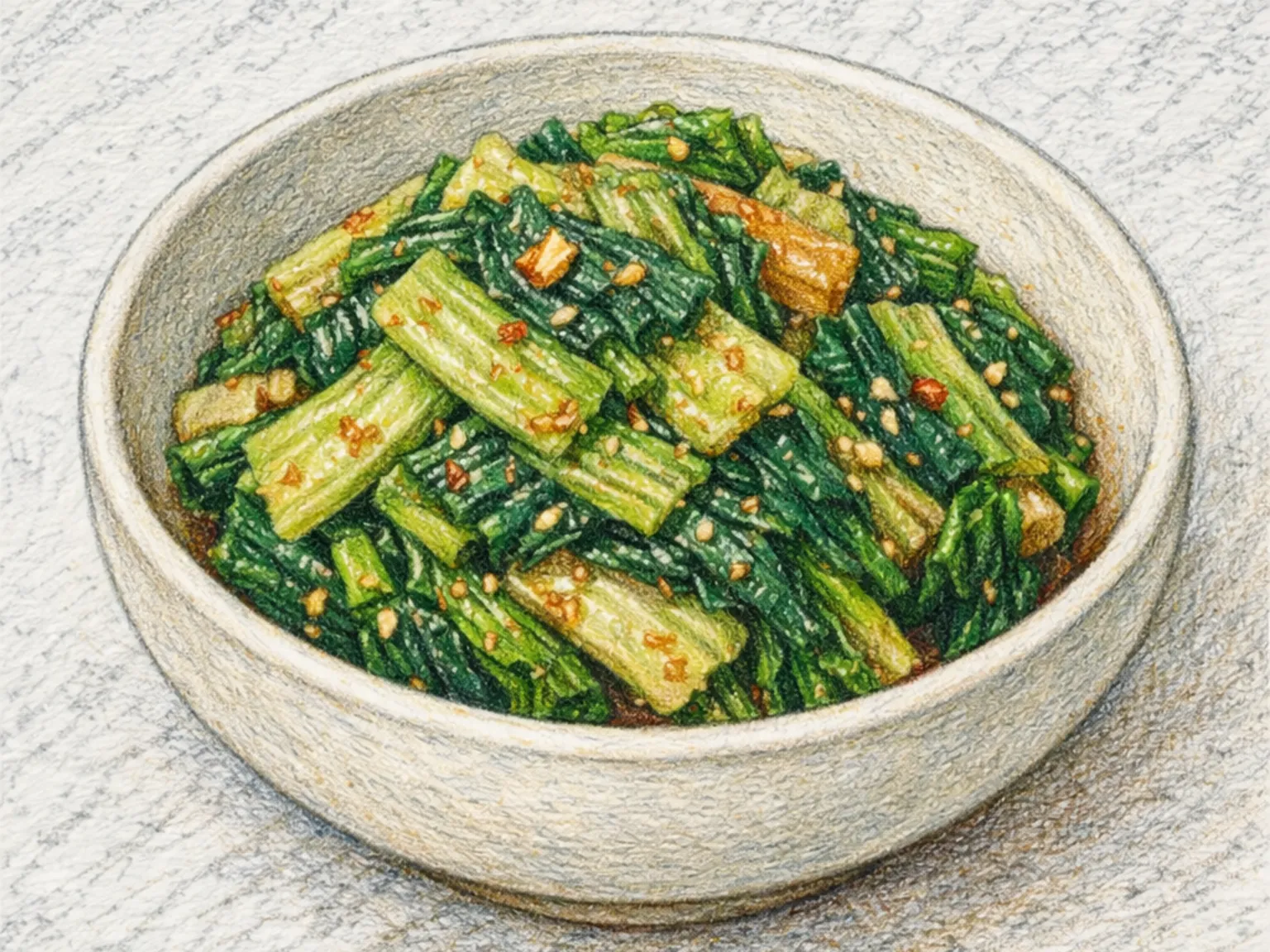
Dureup, the young shoots of aralia elata, emerge for barely three weeks each April from thorny stalks, ranking among the most prized of Korea's spring mountain vegetables. Each shoot carries a distinctive piney, slightly resinous fragrance that cannot be found in any other Korean namul. Blanching the shoots in salted water for exactly 40 seconds softens the fibrous base of the stalk while preserving the volatile aromatic oils concentrated at the leaf tips. The traditional dressing is cho-gochujang, a vinegared chili paste whose acidity and sweetness provide a flavor framework without overwhelming the shoots' natural bitterness. In Korean folk medicine, dureup has long been associated with blood sugar regulation, which contributes to the premium it commands at spring markets. The fragrance fades rapidly after harvest, so the shoots are best eaten the same day they are picked, and even refrigerated storage should not extend beyond one day.

Korean Egg Fried Rice (Quick Wok-Tossed Grain Bowl)
Gyeran-bokkeumbap is the most fundamental Korean fried rice, built from two beaten eggs and one bowl of cooked rice and finished in under ten minutes. The eggs go into a smoking-hot oiled pan, and the rice is added the moment they are half-set, then tossed rapidly so every grain picks up an individual egg coating that makes the rice fluffy and lightly glossy rather than clumped. Cold leftover rice performs best because its lower moisture lets the grains separate cleanly during stir-frying, but freshly cooked rice spread out and briefly cooled reduces sticking enough to be workable. A thin line of soy sauce poured along the rim of the pan caramelizes on contact and carries a trace of smokiness through the rice. A finishing drizzle of sesame oil and a scattering of sliced green onion add a toasty fragrance that completes this simple but satisfying base. The ratio of egg to rice is sturdy enough that a handful of kimchi, diced ham, or refrigerator scraps can be stirred in without changing the essential character of the dish.