Charim

2686 Korean & World Recipes

2686+ Korean recipes, clean and organized. Ingredients to instructions, all at a glance.

Recipes with sesame oil

24 recipes

Buy sesame oil
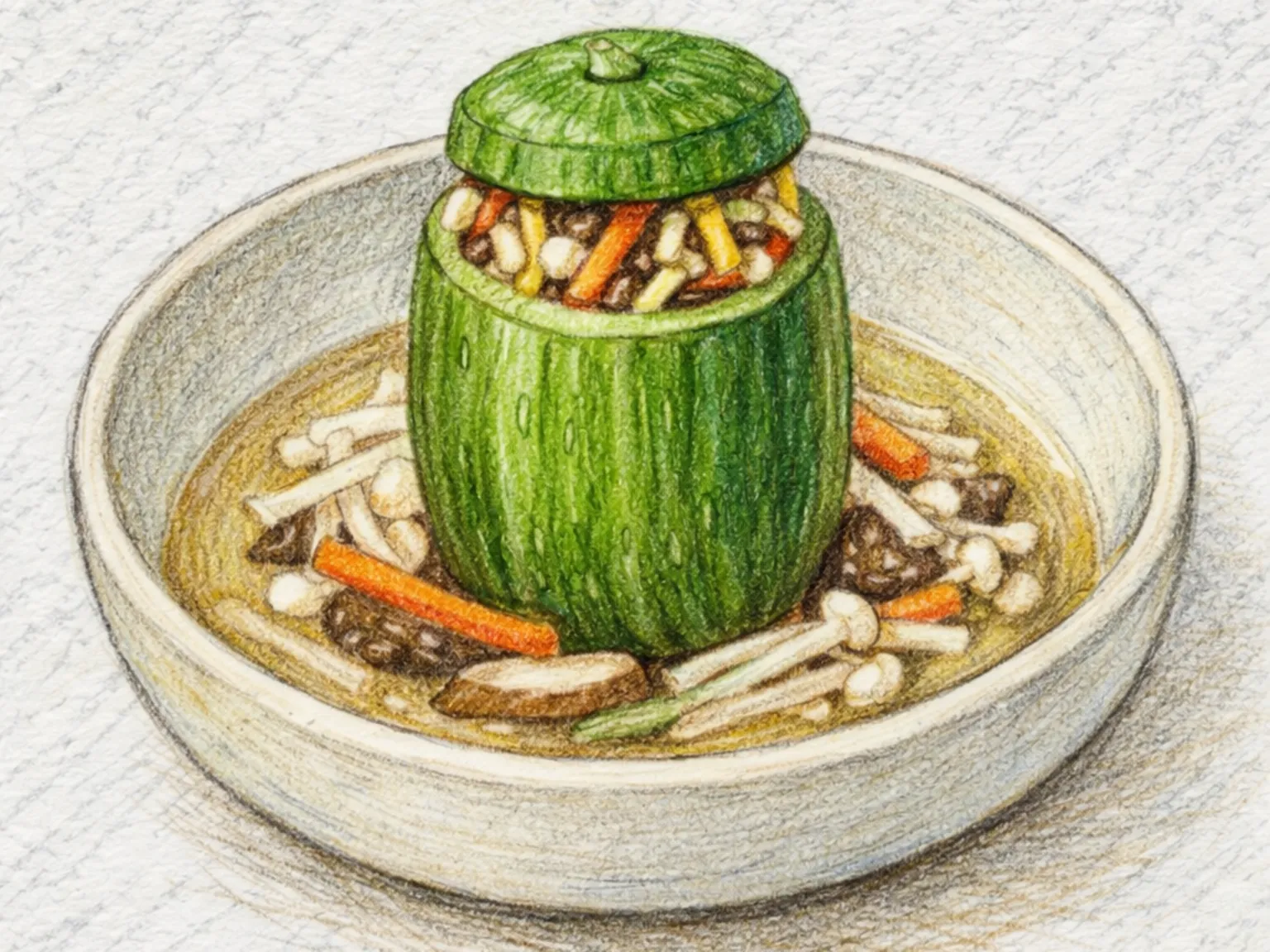
Korean Stuffed Steamed Zucchini
SteamedMedium

Korean Stuffed Steamed Zucchini

Hobakseon is a Korean royal court dish of zucchini hollowed out and stuffed with a filling of ground beef, mashed tofu, and chopped shiitake mushroom seasoned with soy sauce and sesame oil. Steaming allows the beef juices to permeate the filling while the zucchini shell stays intact and turns tender. The mild, slightly sweet flavor of the zucchini contrasts with the savory, meaty stuffing inside, and the textural gap between the yielding vegetable exterior and the firmer filling is one of the dish's defining characteristics. Proper preparation of the filling is important: the tofu must be wrapped in a cloth and pressed until most of the moisture is squeezed out, or the stuffing will become watery during steaming. The shiitake mushrooms should likewise be stir-fried briefly beforehand to cook off their liquid. A garnish of thin egg strips adds a second color against the pale green shell. Its refined appearance and gentle flavors make it a fitting choice for holiday tables and formal occasions.

🎉 Special Occasion
Prep 30minCook 18min4 servings
Korean Gangwon-Style Soy Bulgogi
Stir-fryEasy

Korean Gangwon-Style Soy Bulgogi

Gangwon-style soy bulgogi represents a regional variation of the traditional Korean grilled beef dish specifically associated with the Gangwon Province. Unlike the bulgogi styles commonly found in the Seoul metropolitan area, which often lean heavily into sweet and fruit-driven marinades, this version prioritizes the clean and savory profile of soy sauce. The preparation begins by marinating thinly sliced beef in a mixture composed of soy sauce, sugar, minced garlic, and toasted sesame oil, along with the addition of fresh pear juice. The inclusion of pear juice serves a dual purpose in the recipe. The natural enzymes within the juice work to tenderize the muscle fibers of the beef, while its sugars provide a subtle and restrained sweetness that complements the salty foundation of the soy sauce without becoming the dominant flavor. When the meat is ready, it is cooked in a preheated pan over high heat. Sliced shiitake mushrooms and onions are added to the pan during this stage, allowing them to absorb the liquid marinade as they soften. This process integrates the flavors of the vegetables with the primary taste of the beef. Maintaining a high temperature is a critical step in the cooking process to ensure that moisture evaporates rapidly. This prevents the dish from taking on the texture of a braised stew and instead produces a slight char and a smoky quality on the edges of the meat. Just before the heat is turned off, diagonally sliced green onions are tossed into the pan. They are cooked only until they begin to wilt, preserving a bright and sharp contrast that balances the finished dish. The result is a soy-focused flavor profile that is clear and direct. Because it avoids being overly aggressive or excessively sweet, this bulgogi serves as a consistent accompaniment for steamed rice that remains palatable through frequent consumption.

🏠 Everyday🌙 Late Night
Prep 15minCook 12min2 servings
Korean Fish Cake Fried Rice
RiceEasy

Korean Fish Cake Fried Rice

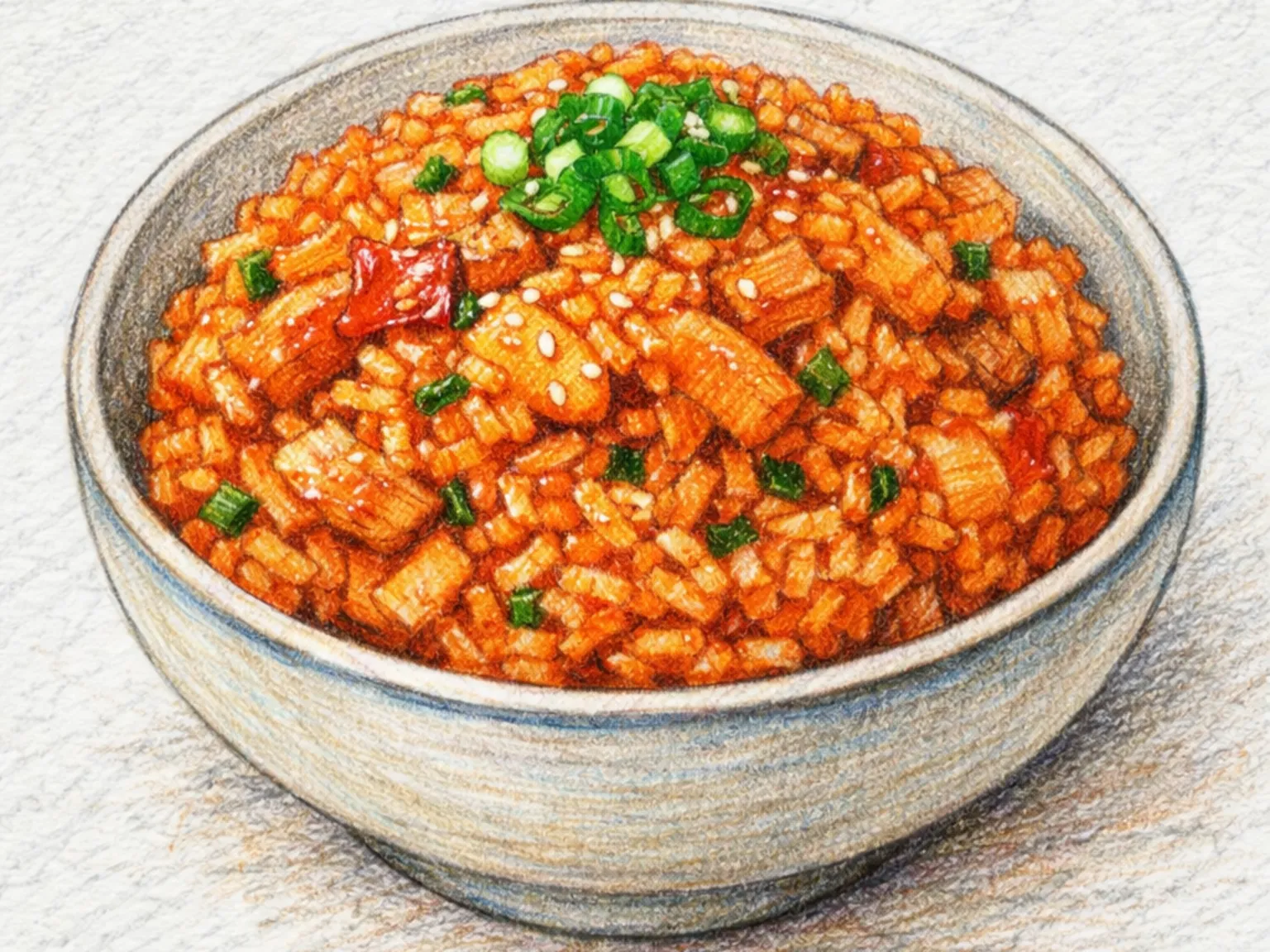
Eomuk bokkeumbap is a Korean fried rice built around diced fish cake, carrot, egg, and soy sauce -- a dish that earns its place precisely because it comes together in under ten minutes from pantry basics. The fish cake develops a lightly crisped exterior when stir-fried in hot oil, and as it cooks, its mild, briny savoriness infuses every grain of rice it comes into contact with. Egg is scrambled on one side of the pan before being folded through, adding a layer of richness without complicating the overall flavor. Soy sauce seasons the rice throughout while a drizzle of sesame oil at the very end coats the finished dish with a glossy, nutty finish. Chopped green onion tossed in just before plating provides a fresh, aromatic contrast to the savory base. The saltiness can be dialed up or down easily by adjusting the soy sauce, and a scatter of toasted sesame seeds or crumbled dried seaweed over the top adds both flavor and visual appeal. The dish requires nothing more than leftover rice and a few pieces of fish cake, making it one of the most reliable quick-meal options in the Korean home kitchen, practical for a rushed lunch or a light after-school snack for children.

🏠 Everyday🍱 Lunchbox
Prep 10minCook 10min2 servings
Korean Herb Mushroom Pot Rice
RiceMedium

Korean Herb Mushroom Pot Rice

Chamnamul beoseot sotbap is a Korean pot rice cooked with fragrant chamnamul herbs, oyster mushrooms, and shiitake mushrooms in kelp stock. The chamnamul infuses the rice with a fresh, slightly herbaceous scent, while the two types of mushroom contribute contrasting textures and layers of umami. Oyster mushrooms are soft and springy, while shiitake mushrooms are firmer with a deeper, woodsy character. Served with a soy-sesame dipping sauce drizzled over the top and mixed in, every spoonful carries a balanced salty, nutty finish. Even without any meat, the mushroom depth and herbal brightness make each bowl feel substantial. The nurungji crust that forms at the bottom of the pot adds a toasty crunch that is one of the small rewards of cooking rice this way, and scraping it into hot water makes a simple, satisfying nurungji tea to close the meal.

🏠 Everyday
Prep 20minCook 30min4 servings
Korean Dried Pollock Potato Soup
SoupsEasy

Korean Dried Pollock Potato Soup

Hwangtae-gamja-guk is a clear Korean soup built around dried pollock strips that have been wind-dried and then sauteed in sesame oil before any liquid is added. That initial stir-fry step is what separates this soup from simpler broth dishes: the heat releases a toasty, nutty fragrance from the pollock that permeates the entire pot and melds with the anchovy-kelp stock poured in afterward. Potato slices simmer alongside radish, and as they soften their edges gradually break down, giving the broth a mild, natural body without the use of starch or thickener. Radish contributes a clean, cooling sweetness that tempers the concentrated umami of the dried pollock. Soup soy sauce and minced garlic handle the seasoning, keeping the flavor profile clear and uncluttered. The pollock itself stays pleasantly chewy even after prolonged simmering, providing a protein-rich bite that makes the bowl genuinely filling. This soup is a fixture on Korean breakfast tables, valued for its ability to settle the stomach and restore energy.

🏠 Everyday
Prep 15minCook 30min4 servings
Korean Steamed Abalone (Whole Shell Soy Sesame)
SteamedMedium

Korean Steamed Abalone (Whole Shell Soy Sesame)

Jeonbok-jjim is Korean steamed abalone prepared by scrubbing each shell clean, scoring the flesh to promote even cooking, and steaming with green onion and ginger for ten to twelve minutes. The scored cuts allow heat to penetrate the thickest parts of the meat, preserving the abalone's signature texture that is simultaneously chewy and tender. During steaming, the inky innards melt into the condensed liquid and deepen its briny, mineral flavor. Any remaining innards can be set aside for porridge or dipping sauce. Seasoning is deliberately restrained - a light drizzle of soy sauce, rice wine, and sesame oil applied just before serving is all that is needed to frame the abalone's oceanic aroma without obscuring it. The dish has long been associated with formal dining, ancestral rites, and holiday celebrations, where its premium standing among Korean seafood commands attention at the table.

🎉 Special Occasion
Prep 20minCook 18min2 servings
Korean Braised Beef and Shishito Rice
RiceEasy

Korean Braised Beef and Shishito Rice

Beef is soaked in cold water for 30 minutes to draw out the blood, then placed in a pot with soy sauce, sugar, cooking wine, and whole garlic cloves. It is first brought to a high boil to cook off any off-flavors, then reduced to a medium-low simmer and left uncovered for twenty minutes so the liquid reduces into a glossy, salty-sweet braising sauce. Shishito peppers are added whole for the final six minutes, contributing gentle heat and a slight crunch that contrasts with the soft beef. Once cooked, the beef is torn along the grain by hand rather than cut, which opens the fibers so the braising liquid soaks in more deeply. A few drops of sesame oil stirred through at the end add gloss and a faint nuttiness. Stored in an airtight container with the remaining sauce, the jangjorim deepens considerably after a day or two of refrigeration as the beef continues to absorb the seasoning. Piled generously over a bowl of warm rice and mixed together, the concentrated soy-beef flavor spreads through every grain and makes the bowl satisfying in a way that richer dishes rarely manage.

🏠 Everyday🍱 Lunchbox
Prep 15minCook 30min2 servings
Korean Perilla Seed Porridge
RiceEasy

Korean Perilla Seed Porridge

Deulkkae juk is a traditional Korean porridge made by blending toasted perilla seeds into a smooth liquid and simmering it with soaked rice. Toasting the seeds beforehand unlocks a deep, earthy nuttiness that defines every spoonful of the finished porridge. The rice is first stir-fried briefly in sesame oil, then the perilla liquid is poured in and the mixture is stirred over low heat until the starch from the rice and the natural oils from the seeds combine into a thick, creamy consistency. Salt is the only seasoning needed - the perilla carries enough flavor on its own to make the bowl complete. The porridge is easy to digest and coats the stomach gently, making it suitable as a morning meal or a restorative dish during illness. In Korean tradition, deulkkae juk has long served as a warming winter food, valued for its ability to nourish without burdening the body.

🥗 Light & Healthy🏠 Everyday
Prep 10minCook 30min2 servings
Korean Lotus Root & Duck Chili Stir-fry
Stir-fryMedium

Korean Lotus Root & Duck Chili Stir-fry

Yeongeun-ori-gochu-bokkeum stir-fries lotus root separately first to lock in its crunch, then combines it with rendered smoked duck and cheongyang chili in a spicy-sweet finish. The duck is cooked on medium-high heat to draw out excess fat, and a sauce of soy sauce, gochujang, and oligosaccharide syrup is built in the pan. The cheongyang chili's direct heat cuts through the smokiness and richness of the duck, while the returned lotus root absorbs the sauce and retains its firm bite. Three distinct flavors - smoky duck, sharp chili heat, and nutty lotus root - remain clearly defined in each bite.

🏠 Everyday🍱 Lunchbox
Prep 20minCook 14min4 servings
Cold Ramen Salad
NoodlesMedium

Cold Ramen Salad

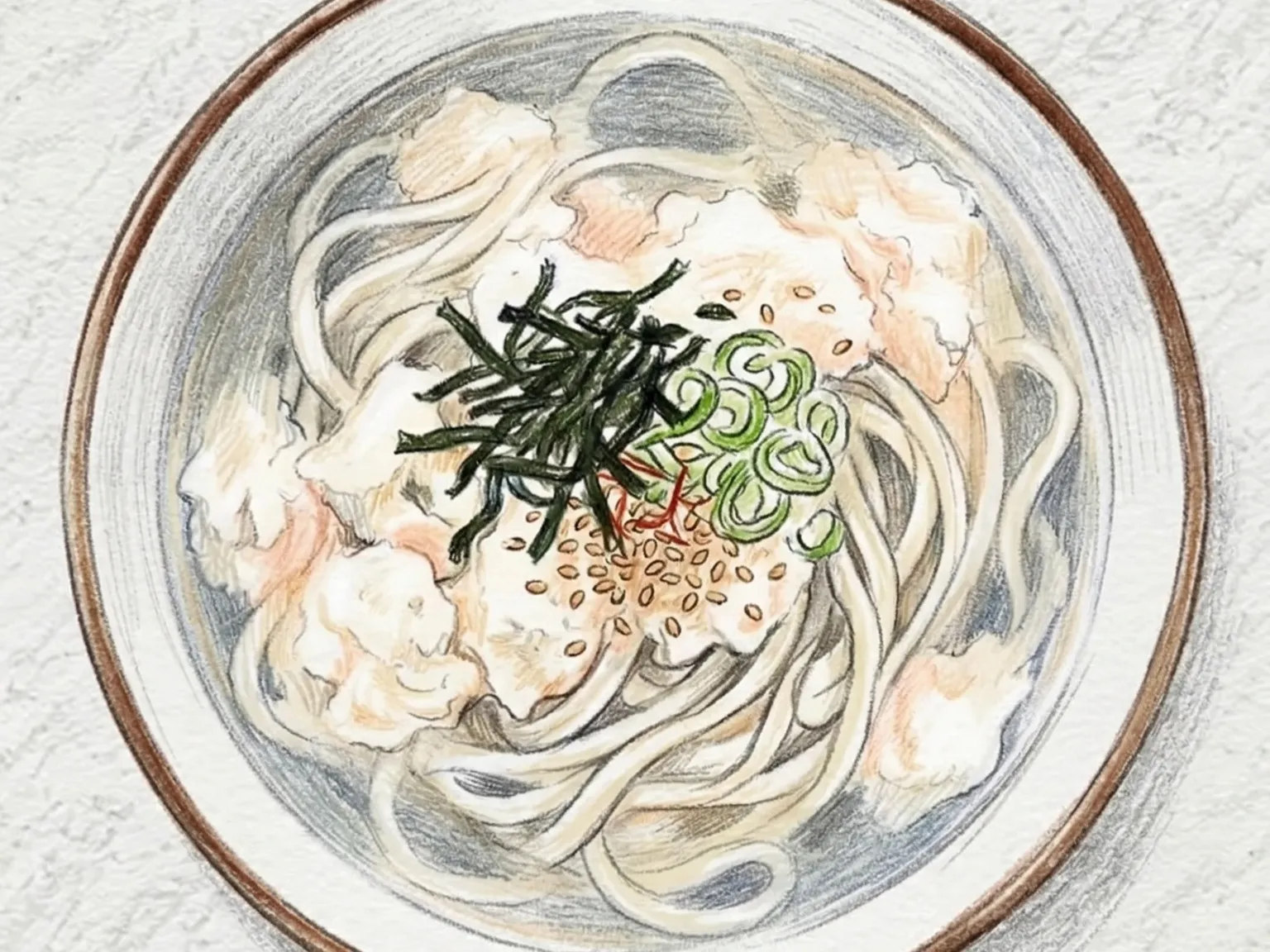
Hiyashi chuka is a Japanese chilled noodle dish where ramen noodles cooked and thoroughly cooled in ice water are topped with colorful shredded garnishes and drizzled with a tangy soy-vinegar dressing. The dressing of soy sauce, rice vinegar, sugar, and sesame oil combines salt, sharpness, and sweetness; because it is poured over rather than used as a broth, the individual character of each topping stays distinct. The noodles must be chilled in ice water after boiling to achieve the firm, springy texture that holds up against the dressing without going limp, and tossing them lightly with sesame oil prevents clumping before plating. Thin strips of egg crepe, ham, cucumber, and tomato arranged by color create a visually striking presentation, and each chopstickful delivers several contrasting textures at once. In Japan this dish is a summer fixture, and at home it is a practical way to use leftover ingredients. A variation whisks mayonnaise into the dressing, which softens the acidity and adds a creamy body to the sauce.

🎉 Special Occasion🌙 Late Night
Prep 20minCook 10min2 servings
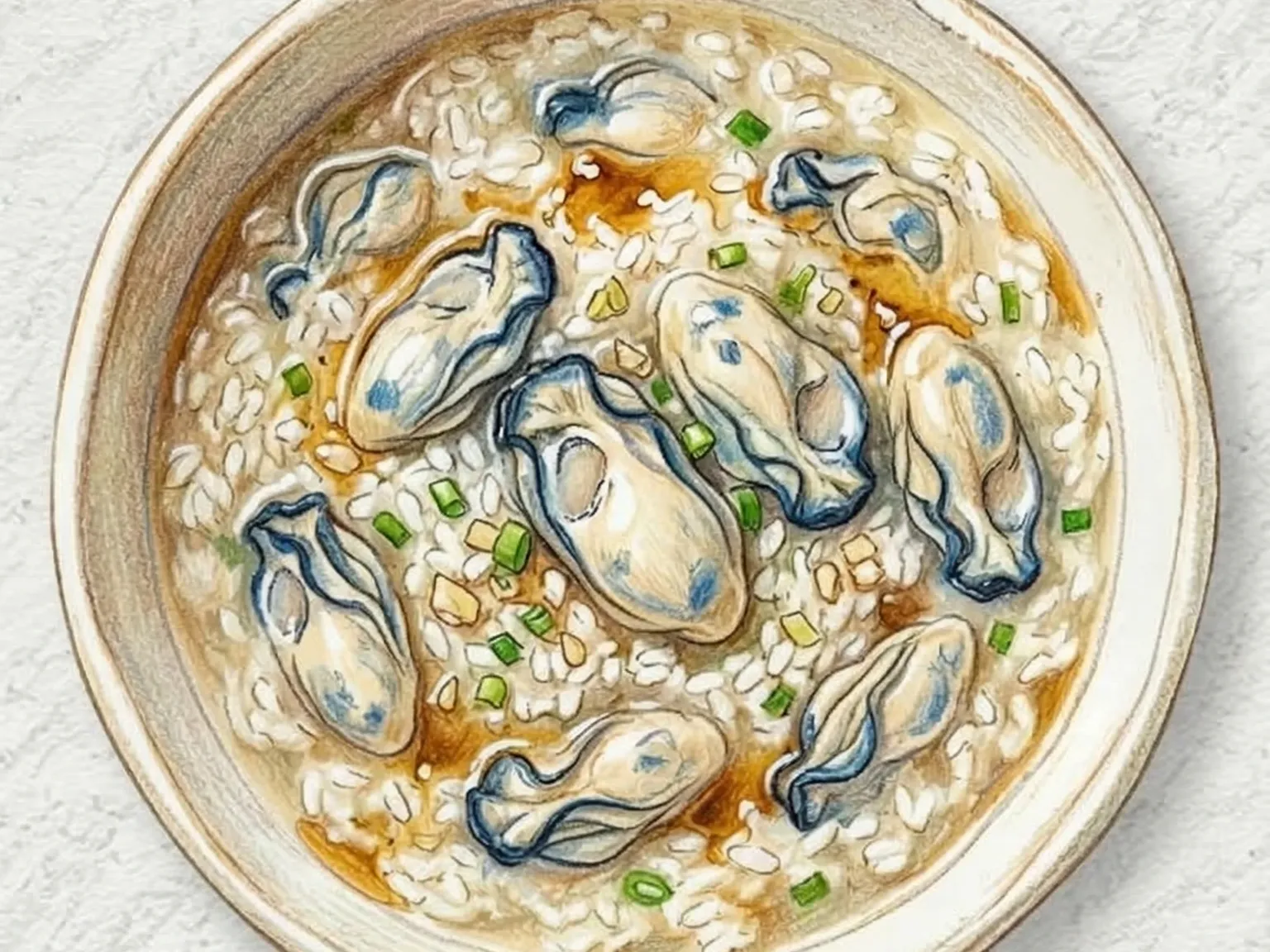
Korean Seaweed and Oyster Soup
SoupsEasy

Korean Seaweed and Oyster Soup

Maesaengi-gul-guk is a light winter soup pairing two peak-season ingredients, capsosiphon seaweed and fresh oysters, that together produce a broth with an intense marine character neither delivers alone. Julienned radish and garlic are sauteed in sesame oil first to coax out sweetness, then water is added and brought to a boil before the oysters go in for three minutes. The oysters release their brininess into the stock, building the flavor base without any additional seasoning beyond soup soy sauce and a pinch of salt. The seaweed is added last and simmered for only two minutes, just long enough for it to soften while retaining its silky texture and faint oceanic scent. Both ingredients are best from November through February, so the soup is at its peak during those winter months. Because the oysters contribute significant salt on their own, seasoning should be done gradually at the end to avoid oversalting. The soup is warming and easy to digest, making it a natural fit for recovery meals and winter breakfasts.

🏠 Everyday
Prep 15minCook 12min2 servings
Korean Chive Salad with Doenjang Dressing
Side dishesEasy

Korean Chive Salad with Doenjang Dressing

Garlic chives -- buchu -- carry a sharper, more pungent bite than Western chives, and this banchan keeps them raw to preserve every bit of that intensity. Chives are cut into short segments, rinsed in cold water to crisp up the cell walls, then tossed for no more than twenty seconds in a dressing of doenjang, vinegar, and gochugaru. Going beyond that window draws out moisture from the leaves, leaving the whole dish limp and waterlogged before it even reaches the table. The fermented paste locks onto the flat surface of each blade, releasing a salty, umami-heavy punch with every bite. Vinegar cuts through the richness of the doenjang with a light acidity that keeps the finish clean, and the gochugaru adds a dry, lingering heat. Best assembled minutes before serving and eaten alongside a bowl of rice.

🏠 Everyday🍱 Lunchbox
Prep 8minCook 2min2 servings
Korean Young Radish Pork Stir-fry
Stir-fryMedium

Korean Young Radish Pork Stir-fry

Yeolmu-dwaejigogi-bokkeum is a spicy Korean stir-fry of pork shoulder marinated in gochujang, gochugaru, and soy sauce, cooked together with young radish greens (yeolmu). The pork is seared first over high heat for four minutes, then the greens are added on medium heat for another four minutes - just long enough to wilt without losing their fresh bite. The gochujang heat contrasts with the crisp, slightly grassy stems of the yeolmu, and sesame oil ties the flavors together at the end. It is a seasonal dish best made when young radish greens are in peak supply during summer.

🏠 Everyday🍱 Lunchbox
Prep 16minCook 14min4 servings
Korean Water Parsley, Clam & Garlic Stir-fry
Stir-fryMedium

Korean Water Parsley, Clam & Garlic Stir-fry

Minari-bajirak-maneul-bokkeum starts by slowly toasting garlic slices in oil over low heat until they turn golden and mellow, coaxing out a sweet, nutty fragrance that becomes the aromatic backbone of the entire dish. As the garlic cooks gently, its sharp pungency fades and the infused oil absorbs its full flavor. Clam meat goes in next with a splash of rice wine and cooks for just about 90 seconds at higher heat, long enough to eliminate any fishiness while keeping the flesh plump and springy. Water parsley stems are added with a measure of soup soy sauce and, if desired, sliced red chili, and their crunch is preserved by not overcooking. The delicate parsley leaves join only in the final 20 seconds before the heat is turned off so they barely wilt, contributing their distinctive grassy aroma without losing it entirely to the heat. A few drops of sesame oil finish the dish. The result brings together three distinct textures and flavors in a single pan: the sweet depth of the toasted garlic oil, the clean ocean salinity of the clams, and the fresh herbal brightness of the minari.

🏠 Everyday🍱 Lunchbox
Prep 20minCook 9min2 servings
Korean Lotus Root Yuzu Salad
Side dishesEasy

Korean Lotus Root Yuzu Salad

Blanched lotus root slices are dressed in a bright mixture of yuzu marmalade, rice vinegar, sesame oil, and a pinch of sugar. The citrusy yuzu lifts the otherwise neutral lotus root with floral tartness, while the 3 mm thick rounds keep a satisfying crunch even after boiling. Sesame seeds and oil round out the finish with a warm, nutty note. This banchan works especially well alongside richer main dishes, cutting through heaviness with its clean acidity.

🏠 Everyday🍱 Lunchbox
Prep 14minCook 6min4 servings
Mung Bean Jelly Apple Chojang Salad
SaladsEasy

Mung Bean Jelly Apple Chojang Salad

Cheongpomuk apple chojang salad combines blanched mung bean jelly sticks with crisp apple and cucumber, dressed in a chojang sauce of gochujang, vinegar, and green plum syrup. Blanching the jelly for only twenty seconds in boiling water removes the surface sliminess that fresh mung bean jelly develops while preserving the soft, slippery texture that defines it. Rinsing immediately in cold water and draining well prevents the chojang from becoming watery and losing its spicy-sour punch. The chojang layers spicy gochujang heat with the sweet-tart acidity of vinegar and plum syrup, lifting the otherwise neutral flavor of the jelly into something brighter. Shredded red cabbage adds a vivid color contrast and a slight bitterness that balances the sweetness. Roasted seaweed flakes contribute a briny crunch. Sesame oil and ground sesame seeds finish the bowl with a nutty note, keeping the dish light and oil-free. Any unused blanched cheongpomuk should be stored submerged in cold water to prevent the surface from drying out and becoming tough before serving.

🥗 Light & Healthy Quick
Prep 18minCook 2min4 servings
Korean Rice Ball (Sesame Rice Balls with Tuna Mayo Filling)
Street foodEasy

Korean Rice Ball (Sesame Rice Balls with Tuna Mayo Filling)

Jumeokbap are Korean rice balls made by seasoning warm cooked rice with sesame oil, salt, and sesame seeds, packing a tuna-mayonnaise filling with finely diced carrot and cucumber into the center, and shaping everything into compact rounds using plastic wrap. Sesame oil coats each grain and lends a nutty fragrance while helping the rice hold together without falling apart. Inside, the salty tuna and creamy mayonnaise blend together while the carrot and cucumber provide short, crunchy breaks in each bite. Shaping through plastic wrap keeps hands clean, produces a consistent size, and makes it practical to assemble in large batches. No reheating is required, and the rice balls hold well at room temperature, which makes them a natural fit for packed lunches, picnics, and outdoor gatherings.

🍱 Lunchbox🌙 Late Night
Prep 15min2 servings
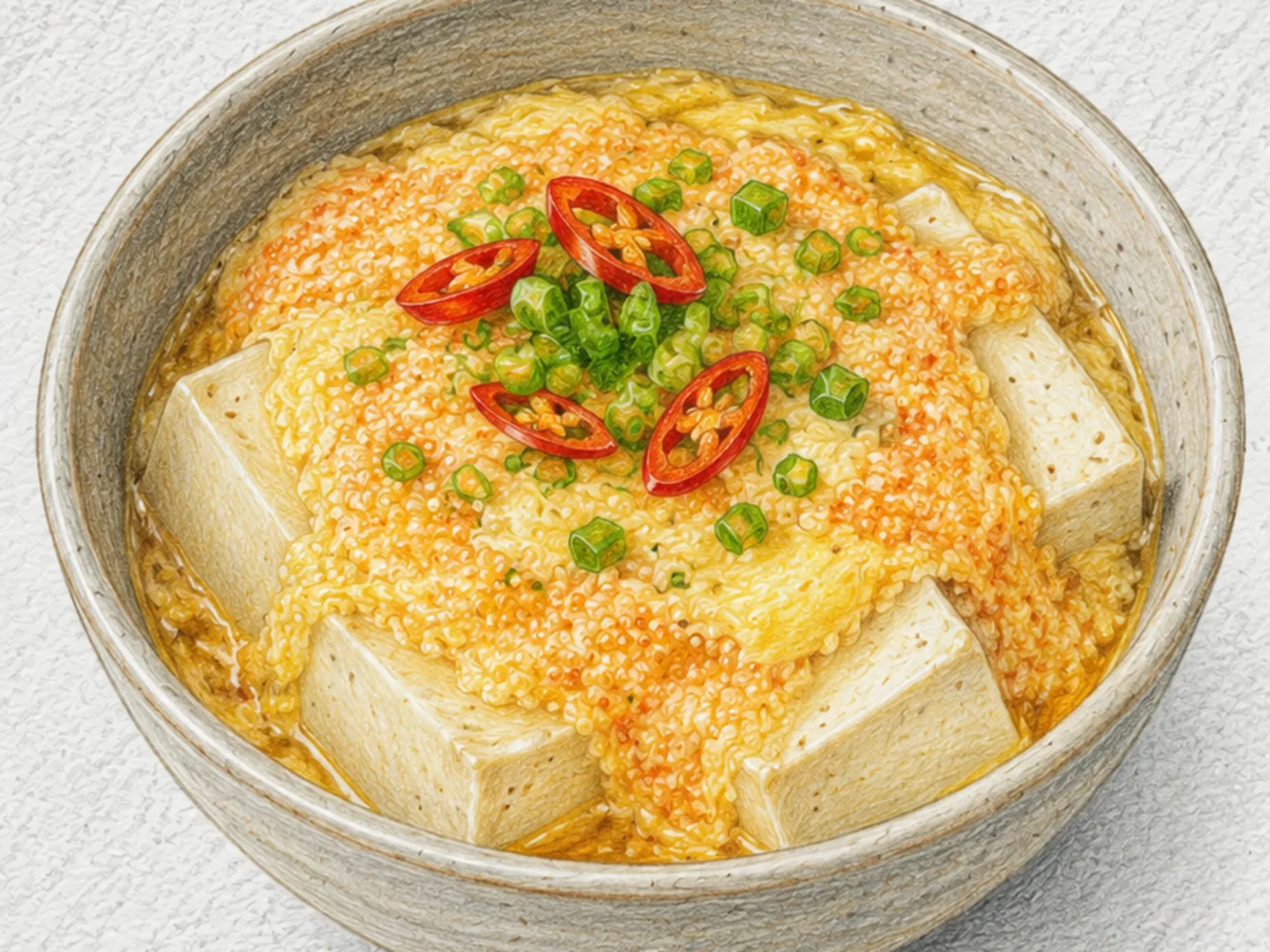
Korean Steamed Tofu with Pollock Roe
SteamedEasy

Korean Steamed Tofu with Pollock Roe

Myeongran dubu jjim is a Korean steamed tofu dish topped with a sauce of pollock roe mixed with egg and garlic. As the roe heats through, its tiny granules pop with a briny, savory burst against the silky tofu underneath. The egg binds the sauce into a soft set that melds with the warm tofu, and a light seasoning of soup soy sauce keeps the overall saltiness in check given the roe's own salinity. Red chili and green onion add color and a touch of freshness on top. Cooked without oil in about ten minutes, this is a clean, high-protein banchan that comes together with minimal effort.

🥗 Light & Healthy
Prep 12minCook 15min2 servings
Korean Water Parsley Beef Stir-Fry
Stir-fryEasy

Korean Water Parsley Beef Stir-Fry

Minari-sogogi-bokkeum pairs thinly sliced beef - briefly marinated in soy sauce - with water parsley, finishing the stir-fry with sesame oil. The beef provides a savory foundation, while minari's distinctive herbal sharpness cuts through the richness, leaving a clean aftertaste. Because water parsley wilts rapidly, it is added in the final moments and tossed for only a few seconds to preserve both its crunch and fragrance. The seasoning is deliberately minimal - just soy sauce, garlic, and sesame oil - letting the contrast between the two main ingredients speak for itself.

🏠 Everyday🌙 Late Night
Prep 10minCook 10min2 servings
Korean Beef Gimbap (Soy-Marinated Beef Seaweed Rice Roll)
Street foodMedium

Korean Beef Gimbap (Soy-Marinated Beef Seaweed Rice Roll)

Sogogi-gimbap is a Korean seaweed rice roll featuring beef marinated in soy sauce and sugar, then stir-fried. The sweet-savory beef is rolled alongside sesame-seasoned rice, blanched spinach, sauteed carrots, and thin egg omelet strips inside a sheet of gim. The soy marinade from the beef seeps slightly into the rice, distributing flavor evenly through each cross-section slice. Thinly cut against the grain, the beef stays tender when bitten, while the spinach and carrot provide crisp texture and vegetable sweetness to balance the richness.

🍱 Lunchbox
Prep 20minCook 15min2 servings
Korean Beef & Lettuce Cabbage Stir-fry
Stir-fryMedium

Korean Beef & Lettuce Cabbage Stir-fry

Ssamchu soegogi-bokkeum stir-fries soy-and-pear-juice-marinated beef over high heat, then folds in ssamchu (Korean leafy cabbage) just long enough to barely wilt. Pear juice tenderizes the beef and lends a subtle sweetness, while soy sauce, garlic, and sesame oil form a glossy glaze as they hit the hot pan. The ssamchu stems go in a minute before the leaves and Cheongyang chili, preserving a mix of crunchy and soft textures in the finished dish. A final drizzle of sesame oil off the heat locks in the fragrance, making this a lightly spicy beef-and-greens stir-fry with clear, clean flavors.

🏠 Everyday🌙 Late Night
Prep 18minCook 12min4 servings
Korean Spicy Chicken Soup Noodles
NoodlesMedium

Korean Spicy Chicken Soup Noodles

This spicy Korean noodle soup is built on dakgaejang, a chicken version of the classic beef yukgaejang. Whole chicken is poached until tender, the meat hand-shredded along the grain, then returned to the pot and simmered again with gochugaru, garlic, sesame oil, and sliced scallion. The resulting broth is vivid red and assertively spicy, yet the clean chicken stock underneath keeps the heat from turning harsh or muddy. Bean sprouts added just before serving retain their crunch and provide a cool, crisp contrast to the fiery liquid. Both thin somyeon and medium-thickness noodles work well, soaking up the spiced broth without dissolving too quickly. Swirling in a beaten egg softens the broth and adds a silkier body; adding cooked rice turns the bowl into a complete, filling meal. The combination of protein, capsaicin-driven warmth, and the mild diaphoretic effect of chili makes this a go-to remedy for hangovers and chills alike.

🎉 Special Occasion
Prep 20minCook 40min2 servings
Korean Mushroom Seaweed Soup
SoupsEasy

Korean Mushroom Seaweed Soup

Rehydrated seaweed and two kinds of mushrooms - oyster and shiitake - are stir-fried in sesame oil first, before any water is added, so their flavors concentrate in the fat rather than leaching out into the broth. Water is added after that initial fry and the soup simmers for twenty minutes until the seaweed softens completely and releases a gentle oceanic character into the liquid. Without any meat-based stock, the umami comes entirely from the mushrooms and the natural glutamates in the seaweed, which is enough to give the broth genuine depth. The sesame oil blooms through the whole pot. Seasoned with soup soy sauce and salt at the end, the finished soup has a calm, layered flavor with soft seaweed and slightly chewy mushrooms providing contrasting textures in each bowl.

🏠 Everyday
Prep 15minCook 30min4 servings
Korean Mixed Vegetable Stir-Fry
Stir-fryEasy

Korean Mixed Vegetable Stir-Fry

Yachae-twigim-bokkeum is a straightforward Korean stir-fry of mixed vegetables - carrot, onion, bell pepper, and shiitake mushroom - seasoned with oyster sauce and sesame oil. Firmer vegetables go into the hot pan first, with softer ones added later so each retains its crunch. The oyster sauce provides a thin layer of umami and the sesame oil a nutty finish, but the light seasoning lets the natural sweetness and flavor of the vegetables come through. It is a low-fat, fast-cooking dish that works as an everyday side when time is short.

🏠 Everyday🌙 Late Night
Prep 10minCook 8min2 servings