Chamchi Mayo Deopbap (Korean Tuna Mayo Rice Bowl Recipe)
Chamchi mayo deopbap is a no-cook Korean rice bowl where drained canned tuna is tossed with mayonnaise and spooned over warm rice, then finished with soy sauce, sesame oil, and crumbled dried seaweed. The warmth of the rice softens the mayo coat so it clings to every grain rather than pooling at the base. Crumbled seaweed provides a layer of crunch alongside its salt. Nothing needs cooking - just mixing and assembling - which makes this one of the fastest meals to put together, ready in under five minutes on days when standing at the stove feels unappealing. Soy sauce deepens the salt past what the tuna alone provides, and sesame oil keeps the bowl from tasting flat. Canned tuna and mayonnaise are staples in most Korean kitchens, making this a genuinely practical fallback meal.

Korean Octopus Chogochujang Buckwheat Noodles
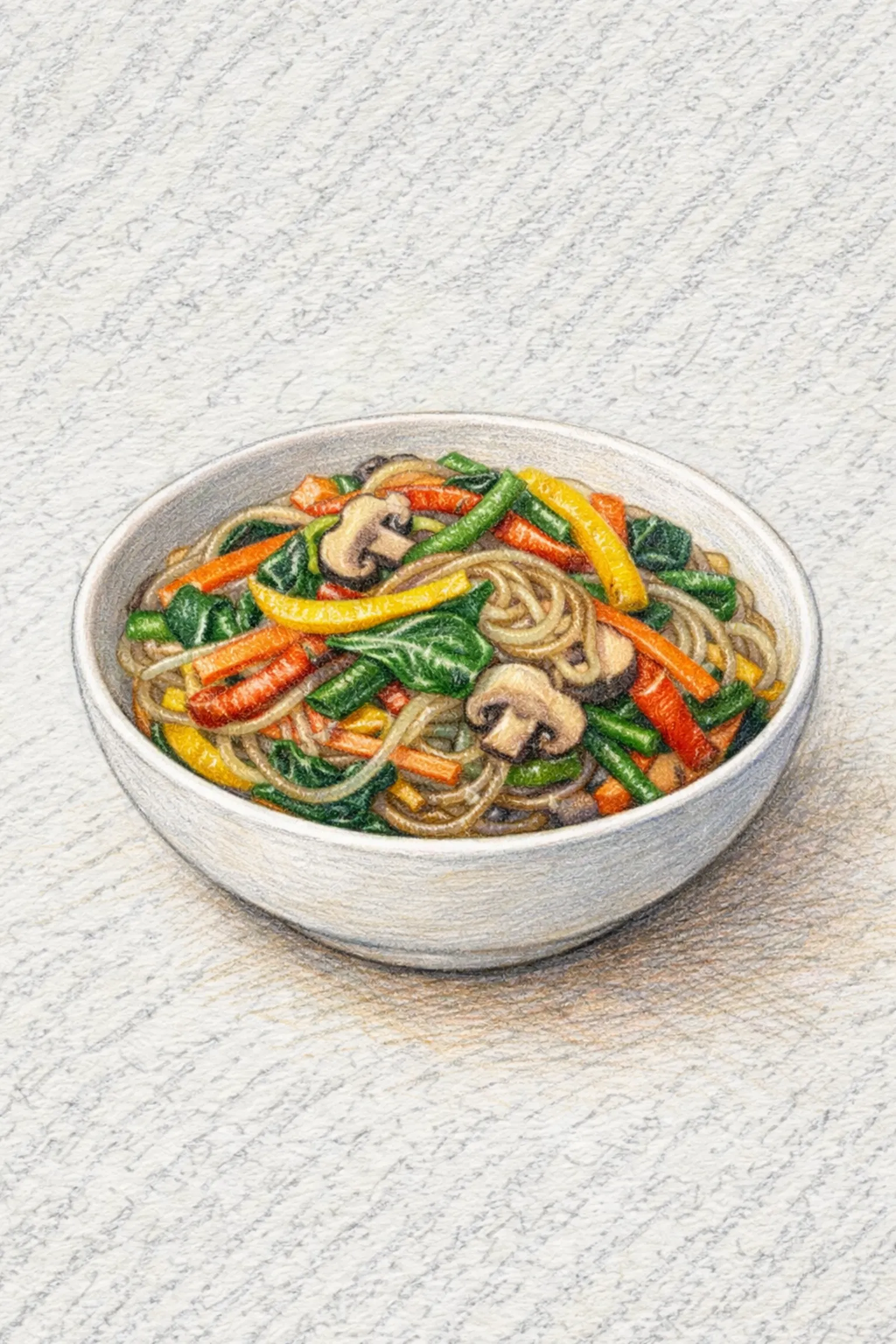
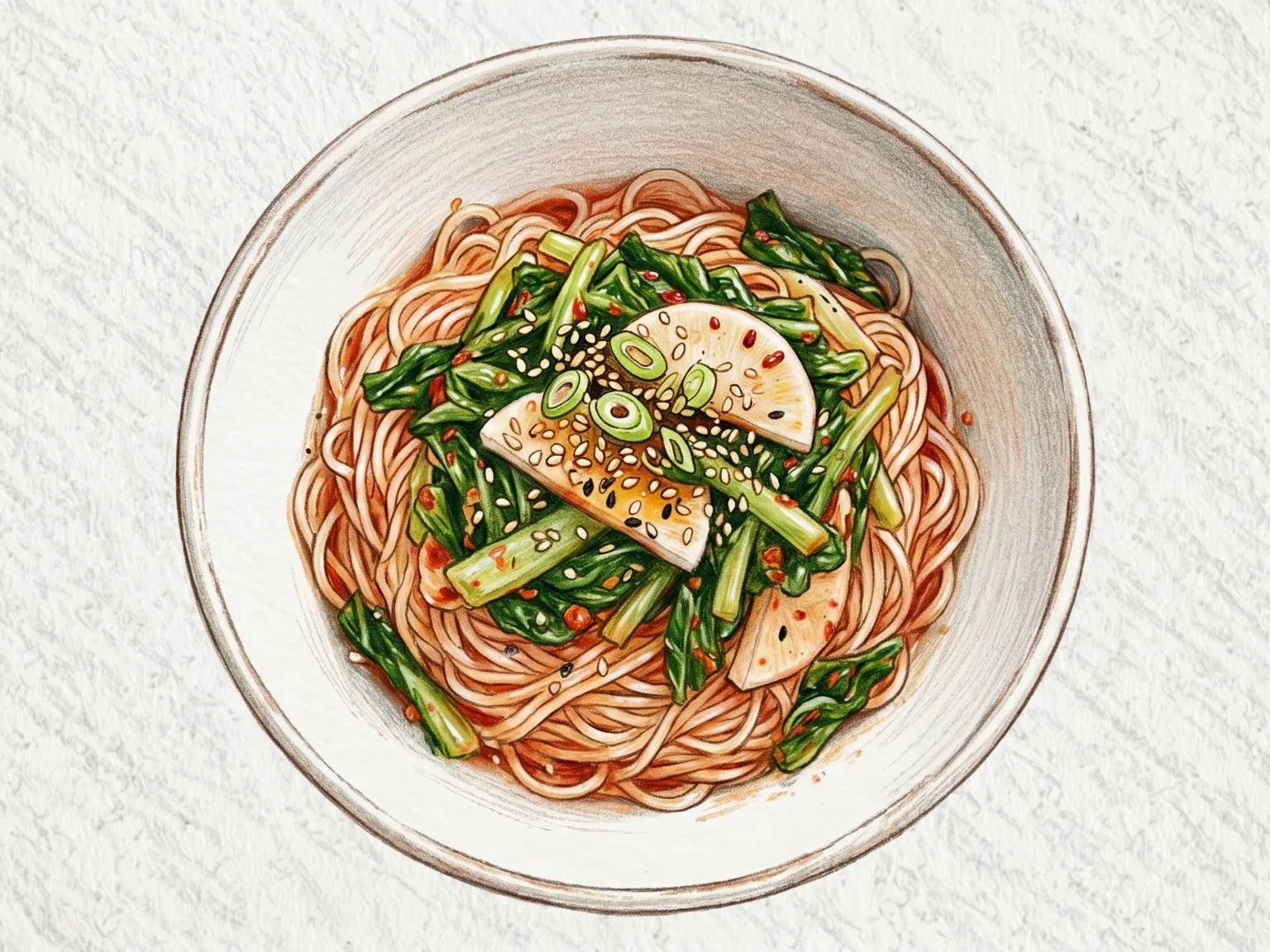
Muneo chogochujang memilmyeon is a Korean cold noodle dish featuring thinly sliced boiled octopus on chilled buckwheat noodles, dressed in chogochujang - a sauce made by combining gochujang with vinegar, sugar, garlic, and sesame oil. Patting the octopus dry after boiling helps the sauce adhere to each slice, and cooking the buckwheat noodles thirty seconds under the package time prevents them from breaking during the cold water rinse. The sweet-sour tang of the chogochujang complements the mild, clean flavor of the octopus without overpowering it. Shredded cabbage and perilla leaves contribute crunch and herbal fragrance, while a finishing sprinkle of sesame seeds adds nuttiness that ties the cold noodles and seafood together.

Korean Soy Braised Quail Eggs
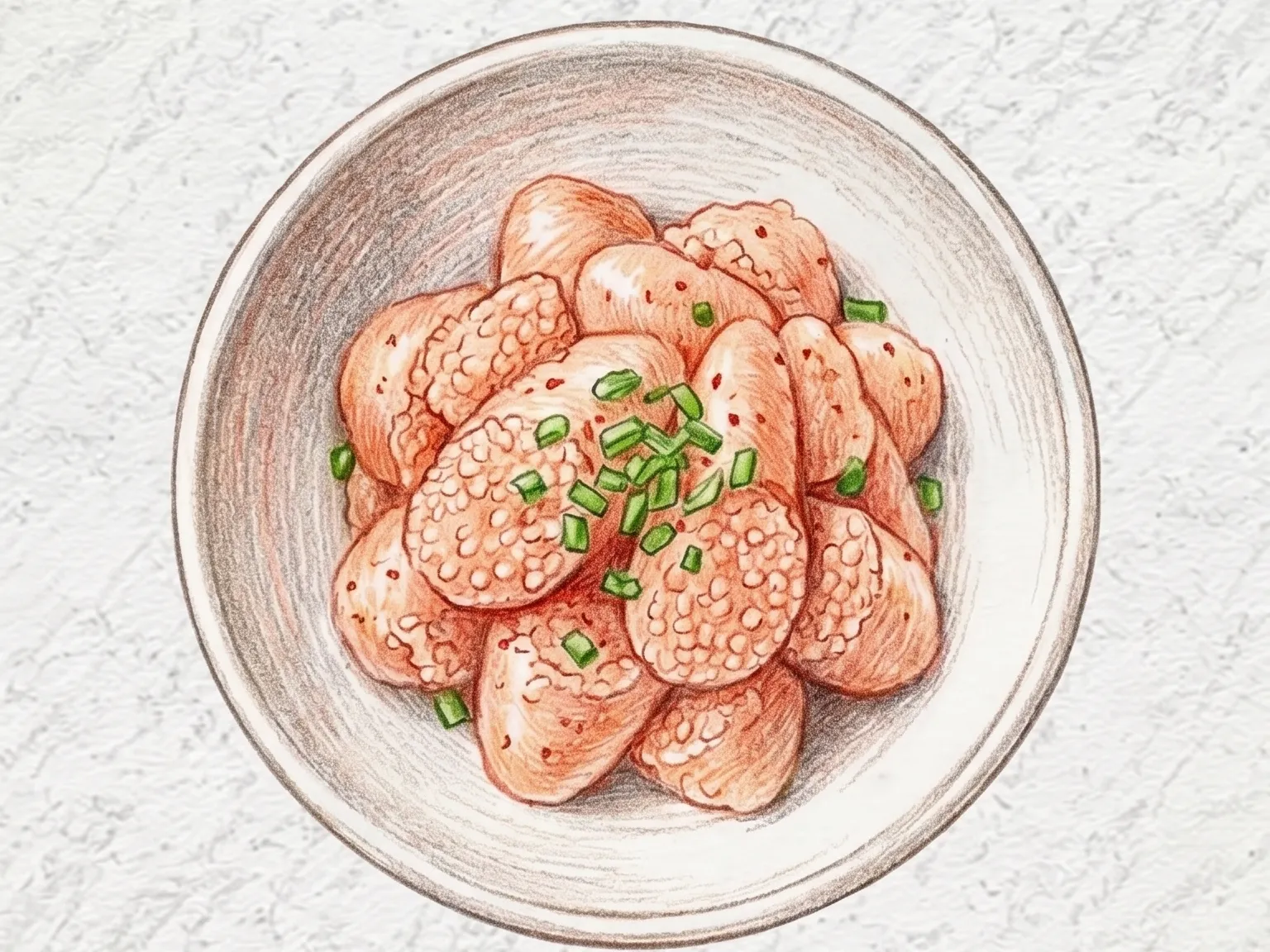
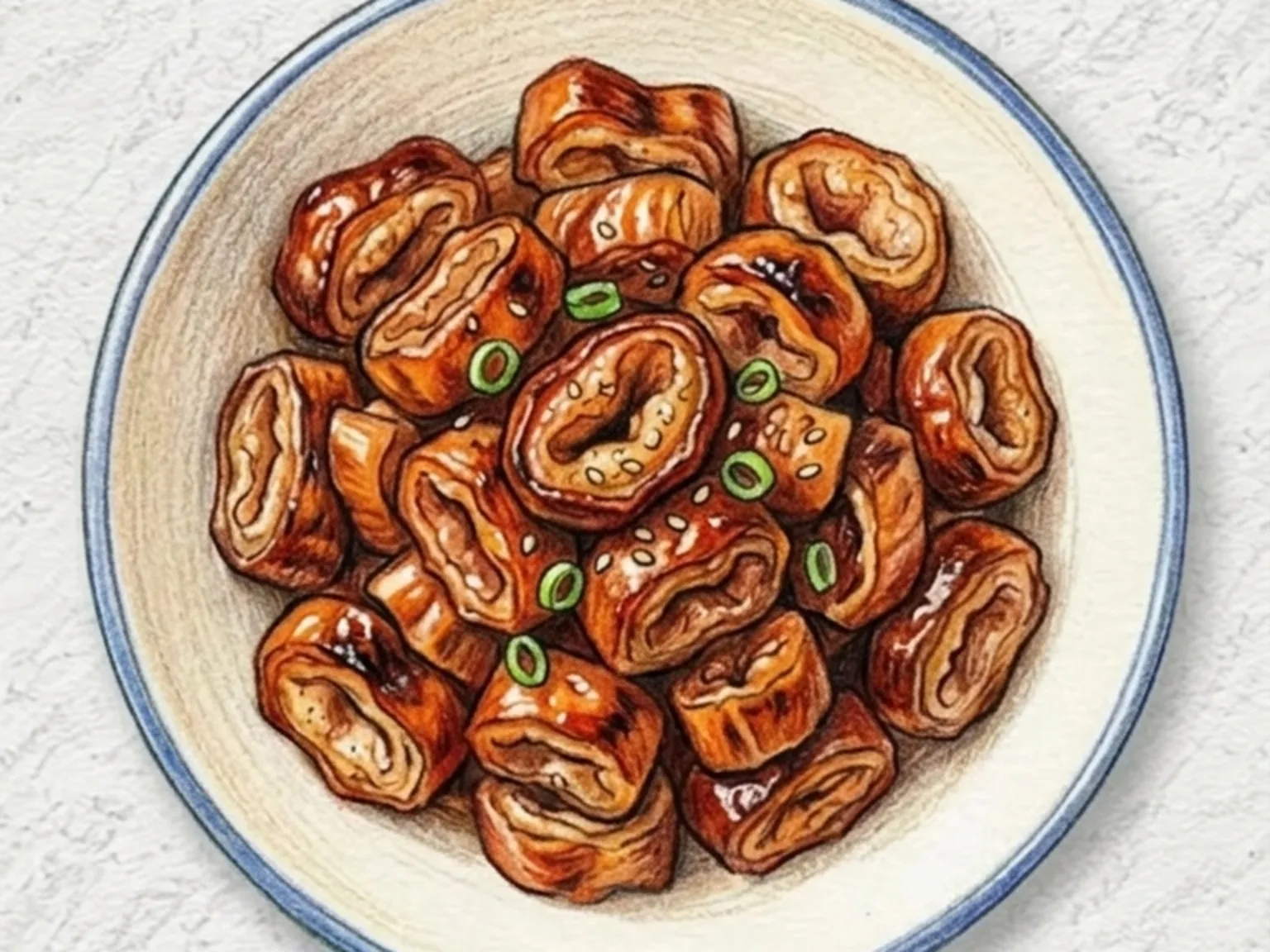
Al-jorim - soy-braised quail eggs - is one of Korea's most universal banchan, appearing in school cafeteria trays, packed office lunchboxes, and home refrigerators as a reliable standby. The dish belongs to the broader Korean jorim tradition of simmering proteins low and slow in a sweetened soy-based liquid until the glaze seeps through to the center. Peeled quail eggs go into a pan with soy sauce, water, sugar, cooking wine, and minced garlic, then simmer over medium-low heat for ten minutes. Turning the eggs occasionally is essential - it ensures the soy stain reaches every surface evenly rather than leaving pale patches. The liquid starts thin and gradually reduces as the eggs cook, concentrating into a sticky, glossy glaze that clings to the surface in the final two to three minutes over higher heat. The outside takes on a deep chestnut brown while the yolk inside stays vivid yellow. A sliced cheongyang chili added near the end introduces a low, slow heat that keeps the sweet-salty profile from becoming monotonous. Sesame oil and toasted sesame seeds scattered over the finished eggs add a nutty note against the soy base. Left overnight in the refrigerator, the seasoning penetrates further and the flavor deepens, making this one of the few banchan that genuinely improves after a day.

Gyeran-guk (Egg Drop Anchovy Broth Soup)
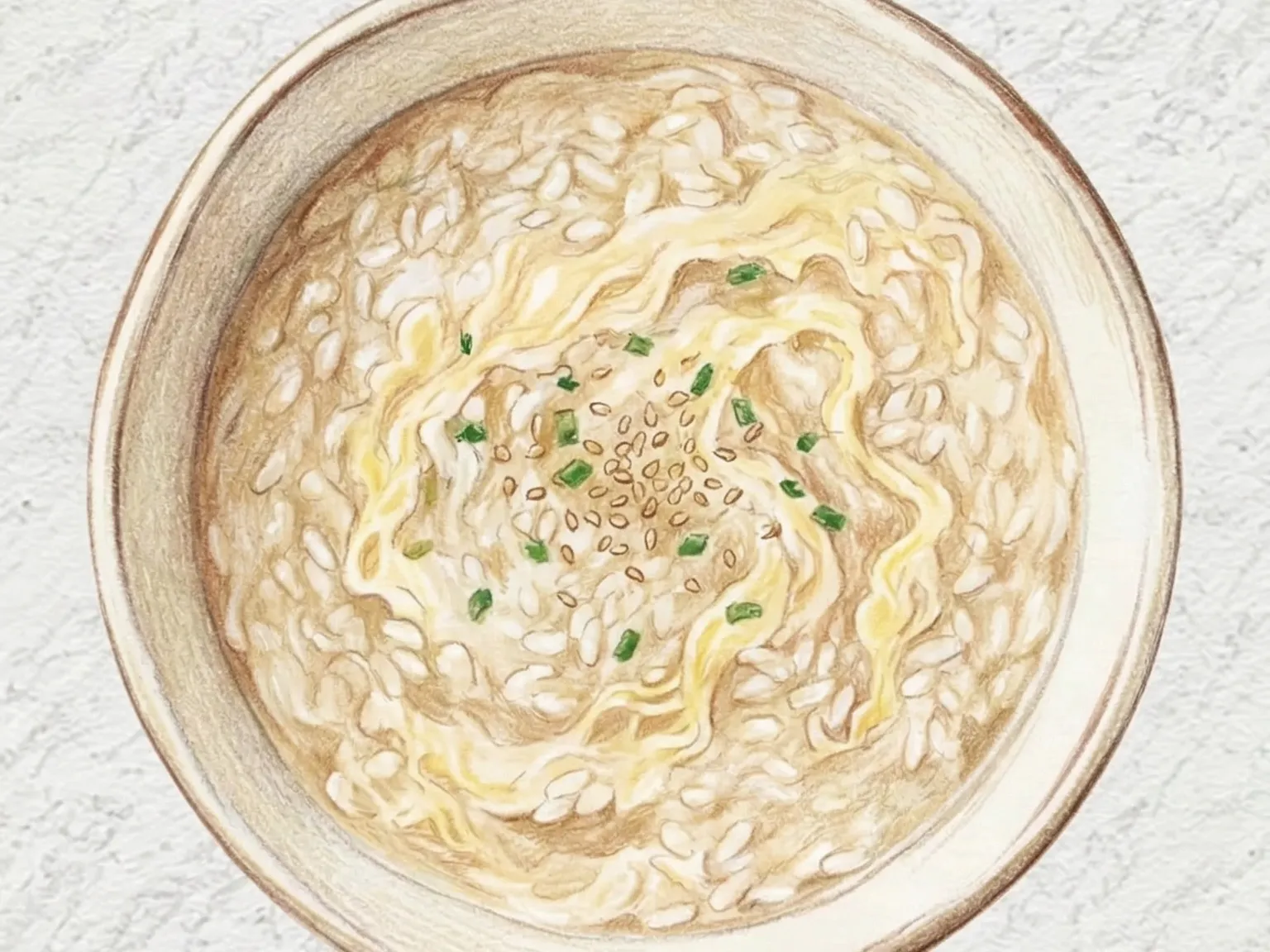
Gyeran-guk is Korea's most accessible comfort soup: a clear, golden broth seasoned with soy sauce and garlic into which a beaten egg is drizzled in a thin stream. When the egg hits the rolling boil, it sets almost instantly into delicate, flower-like ribbons that drift through the liquid in pale yellow sheets. Sliced green onion and a drop of sesame oil added at the end bring a gentle fragrance that lifts the otherwise clean, mild broth. The result is soothing and restorative, mild enough for a sick day yet substantial enough to anchor a full meal of rice and side dishes. Its near-universal appeal on Korean dinner tables comes partly from the fact that nearly every household keeps eggs, soy sauce, and garlic on hand, making it the soup most likely to appear with no planning at all. From start to finish the bowl is ready in under ten minutes.

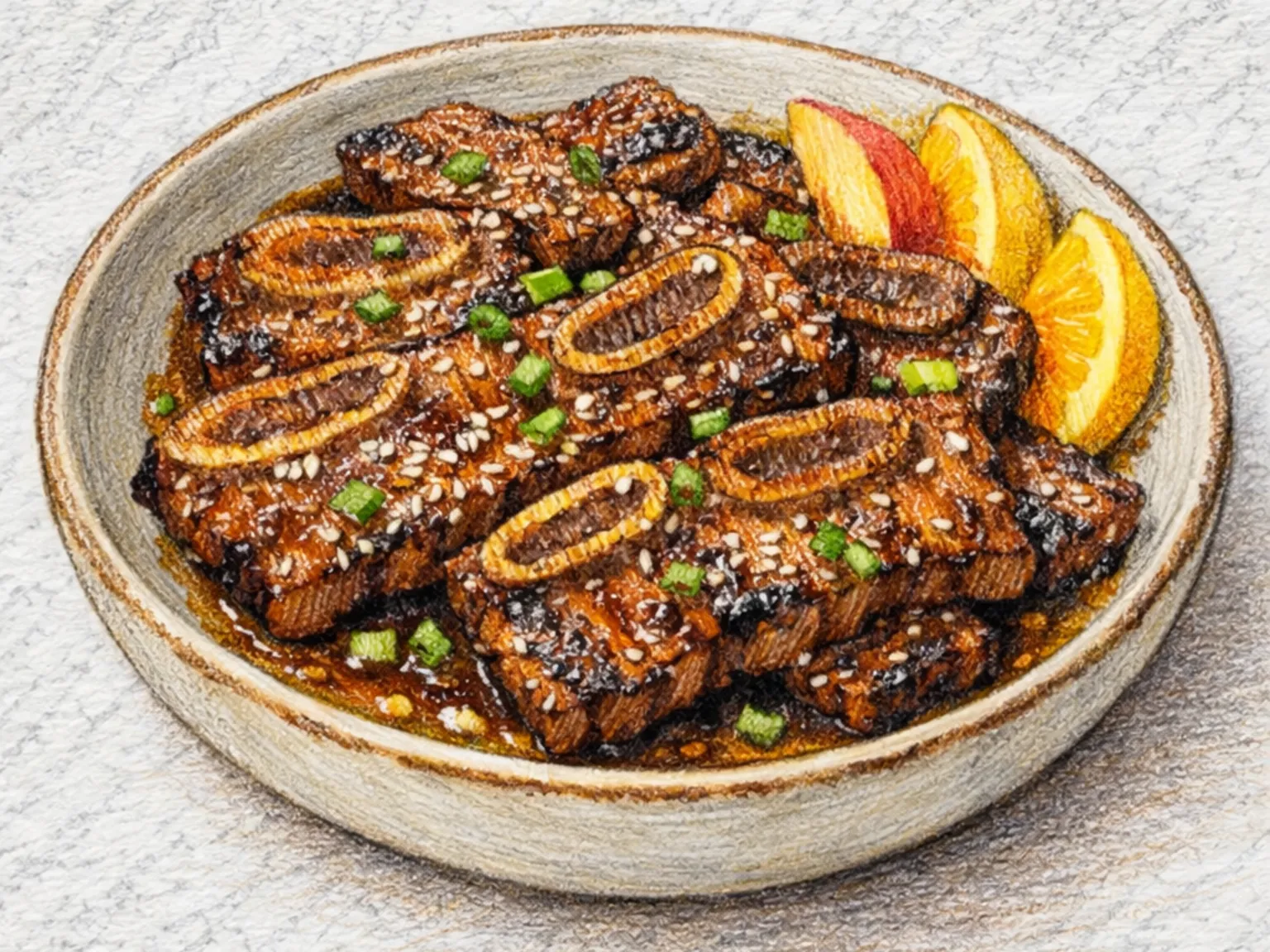
Korean Braised Beef Short Ribs with Kabocha
Danhobak-sogalbi-jjim is beef short ribs marinated in Korean pear juice, then braised with kabocha squash, radish, carrot, and onion in a soy-based sauce until deeply flavored. Pear juice works into the meat during marination, softening the muscle fibers and leaving a background fruit sweetness that comes through in the finished braise. Kabocha edges break down during cooking, releasing starchy flesh into the sauce and thickening it without any added starch. Radish and carrot spend the full braise in the soy sauce and absorb it thoroughly, becoming nearly as satisfying as the ribs themselves. A drizzle of sesame oil just before serving lifts the fragrance of the whole dish. This is a centerpiece preparation in Korean holiday and birthday cooking.

Korean Seasoned Mung Bean Jelly Salad
Cheongpo muk - mung bean jelly - is made by dissolving starch in water, boiling it until thick, then leaving it to set into a translucent, firm block. It has appeared in Joseon-era palace banquet records as a traditional food. The jelly is blanched briefly, cut into matchstick strips, and tossed with julienned cucumber and carrot. A dressing of soy sauce, vinegar, and sugar gives a clean, sharp edge. The jelly itself is nearly flavorless, functioning as a cool, slippery carrier for the seasoning. The crunch of the vegetables contrasts with the smooth jelly, and the vinegar keeps the whole dish light. Gentle tossing is essential to avoid breaking the blocks apart. Served well-chilled, this is a classic Korean summer banchan.

Korean Bulgogi Jjolmyeon (Marinated Beef on Chewy Spicy Noodles)
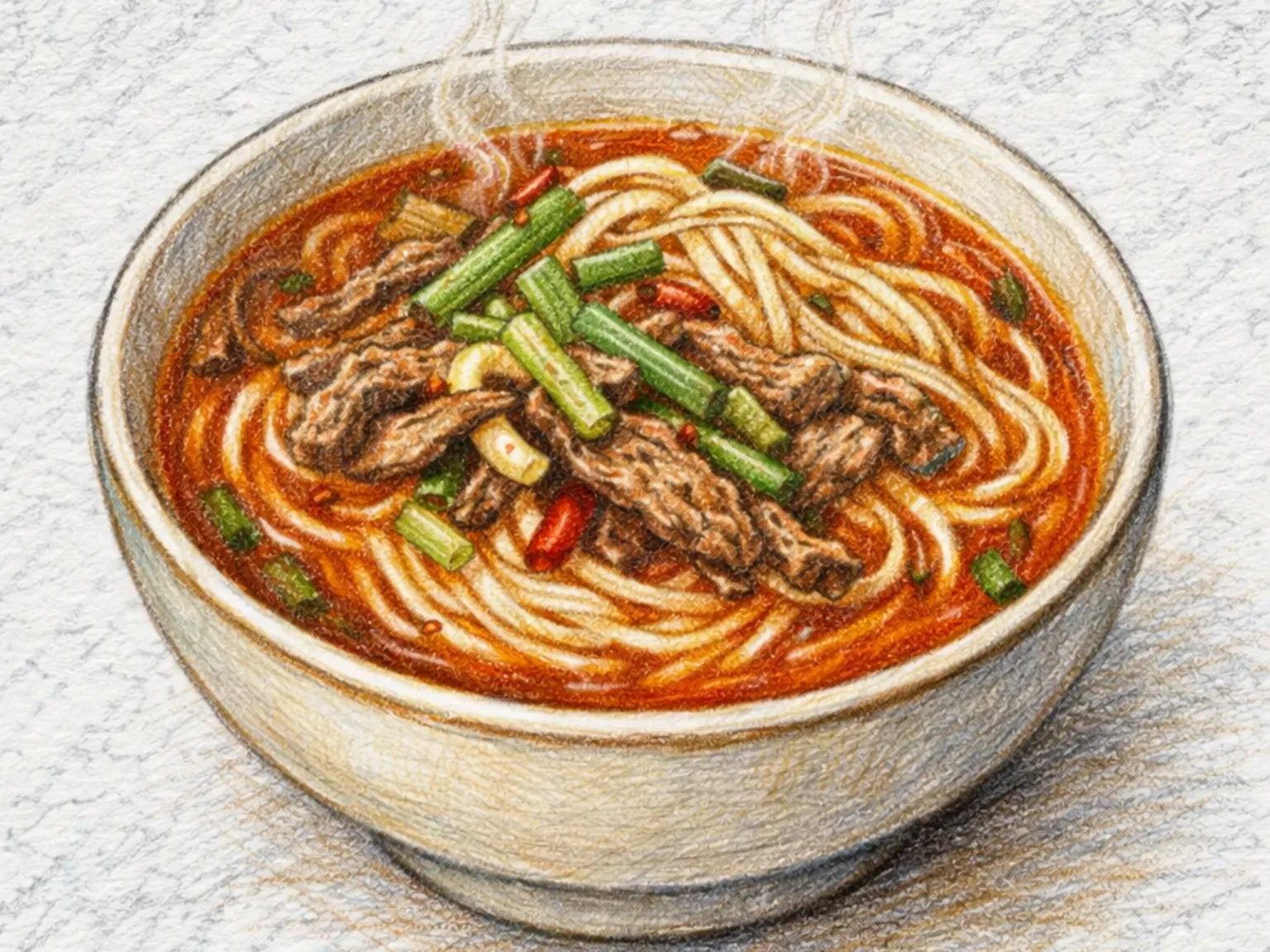
Thinly sliced beef marinated in soy sauce, sugar, and sesame oil sits atop a bed of noodles characterized by a dense, chewy structure. Jjolmyeon provides a firm texture that resists the teeth, offering a different physical experience compared to standard noodles. The accompanying sauce, created with gochujang, soy sauce, and vinegar, introduces spicy and acidic elements that balance the sweetness of the meat. To maintain tenderness, the beef requires rapid cooking over high heat, which prevents the thin slices from drying out or becoming tough. Shredded cabbage and carrots provide layers of crispness, while a soft-boiled egg helps temper the heat from the chili paste. Serving the ingredients in separate sections keeps the textures distinct and allows for mixing just before consumption. Rinsing the cooked noodles in cold water increases their characteristic firmness, creating a clear contrast with the texture of the stir-fried beef. Adding extra sesame seeds enhances the nutty scent, and incorporating spicy peppers increases the heat level.

Naengi Doenjang Mushroom Salad
Naengi is blanched for about thirty seconds in boiling water to remove its raw grassy edge while keeping the earthy, faintly sweet spring aroma that makes it distinctive. Oyster mushrooms go onto a dry, well-heated pan with no oil, pressed gently as they cook, so the moisture evaporates and the surfaces caramelize to a light golden color, concentrating their savory depth. The dressing is made by dissolving doenjang in yuja marmalade, rice vinegar, and sesame oil, producing a layered flavor that is nutty and fermented at the base with a bright citrus lift. Baby greens spread across the plate as a soft, neutral bed, and halved cherry tomatoes add bursts of juice that cut through the weight of the fermented paste. A few drops of sesame oil and toasted sesame seeds add a roasted, nutty finish, and minced garlic folded into the dressing contributes a quiet warmth that ties the individual flavors together without dominating. Using freshly foraged naengi in early spring gives the salad a vivid seasonal character that dried or stored greens cannot replicate.

Korean Seasoned Dried Squid Strips
Jinmichae-muchim tosses dried shredded squid directly in a spicy-sweet sauce with no cooking involved. The no-heat approach is what separates it from stir-fried jinmichae: without heat, the strands retain their characteristic jerky-like chew instead of softening. The sauce combines gochujang, gochugaru, and oligosaccharide syrup for the sweet-and-spicy base, with one tablespoon of mayonnaise added as the defining detail. The emulsified fat in the mayo coats each strand, preventing the rough, slightly scratchy texture that plain-dressed dry squid can have on the palate. After mixing, a ten-minute rest is necessary for the squid to absorb the seasoning evenly, so the flavor reaches all the way through each piece rather than sitting only on the surface. Because the finished dish contains virtually no liquid, it holds up well in lunchboxes without bleeding into neighboring banchan, and it keeps for several days refrigerated. Heat level adjusts simply by scaling gochugaru up or down, and the whole process from prep to finished dish takes about fifteen minutes.

Korean Roasted Seasoned Seaweed
Gim-gui is Korea's roasted seaweed side dish, prepared by brushing thin sheets of dried laver with a light coat of sesame oil, sprinkling fine salt over the surface, and toasting each side for no more than ten to fifteen seconds over low heat. The brief exposure to heat intensifies the sesame oil's nutty aroma while the seaweed's oceanic flavor concentrates into something deeper and more savory, and the result is a paper-thin, shatteringly crisp sheet that crumbles at the slightest pressure. The saltiness makes plain steamed rice deeply satisfying, which is why gim-gui is one of the most reliably consumed items in a Korean banchan spread. Timing is the single most demanding skill: seaweed moves from perfectly roasted to scorched within seconds, so the sheets must come off the heat the moment their color shifts from a deep, dark green to a lighter, almost translucent emerald. Too much oil causes the seaweed to absorb the fat and turn soft, so a minimal coating brushed with a pastry brush rather than poured on is strongly preferred. Roasted in batches and stored in an airtight container, properly made gim-gui retains its crunch for several days and works as a rice companion, lunchbox addition, or plain snack eaten on its own.

Korean Stir-Fried Octopus Fried Rice
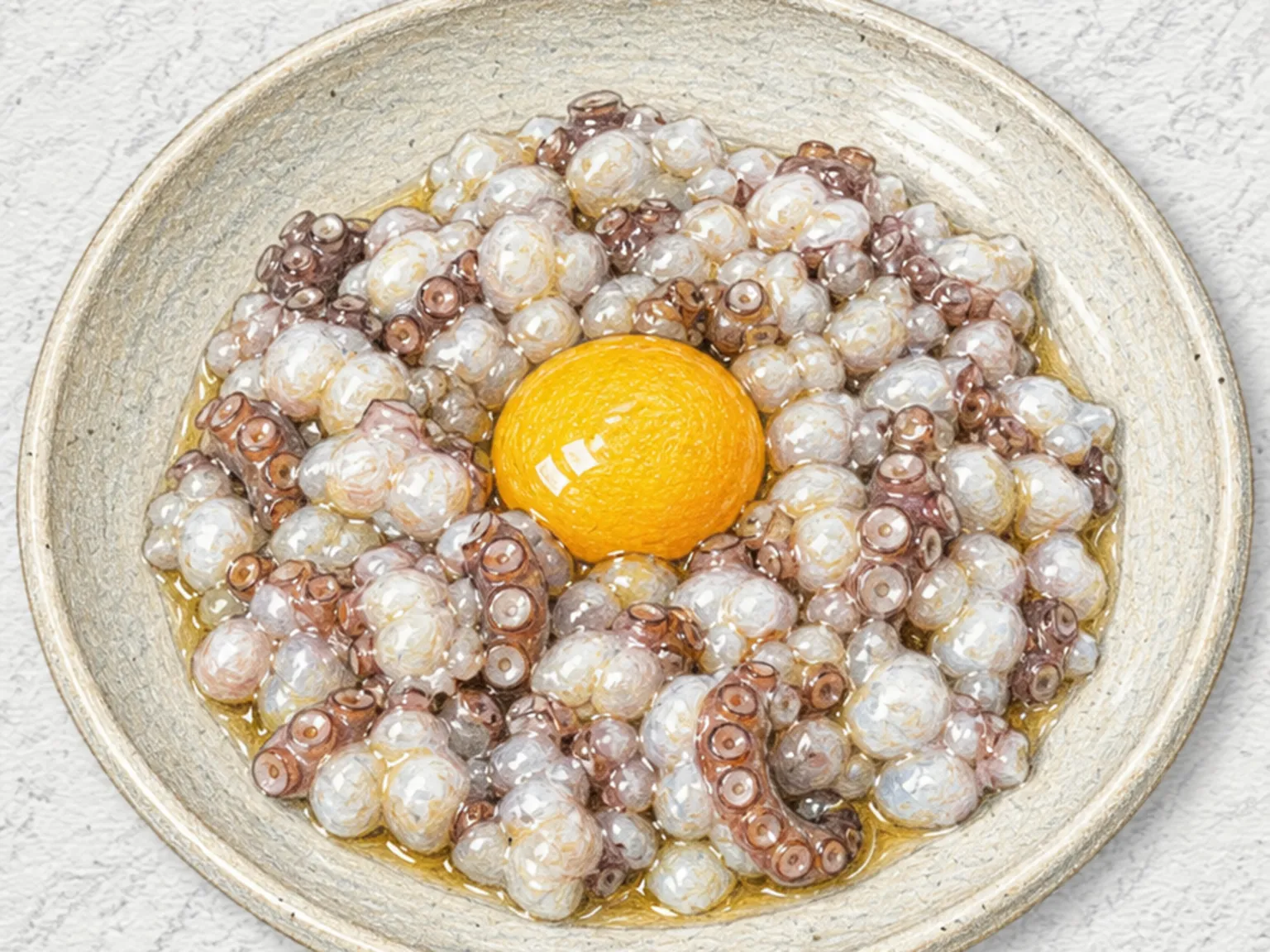
Baby octopus is tossed with rice over high heat in a gochujang-and-red-pepper-flake sauce for a bold, spicy fried rice. The sauce coats each grain with a deep red glaze, and the octopus adds a springy, chewy bite throughout. Cleaning the octopus with flour before rinsing removes any sliminess, and a fast cook on high heat keeps the tentacles from toughening. Green onion and sesame oil go in at the very end for a fragrant finish.

Korean Grilled Pork Neck (Salt-Seasoned Fatty Neck Cut BBQ)
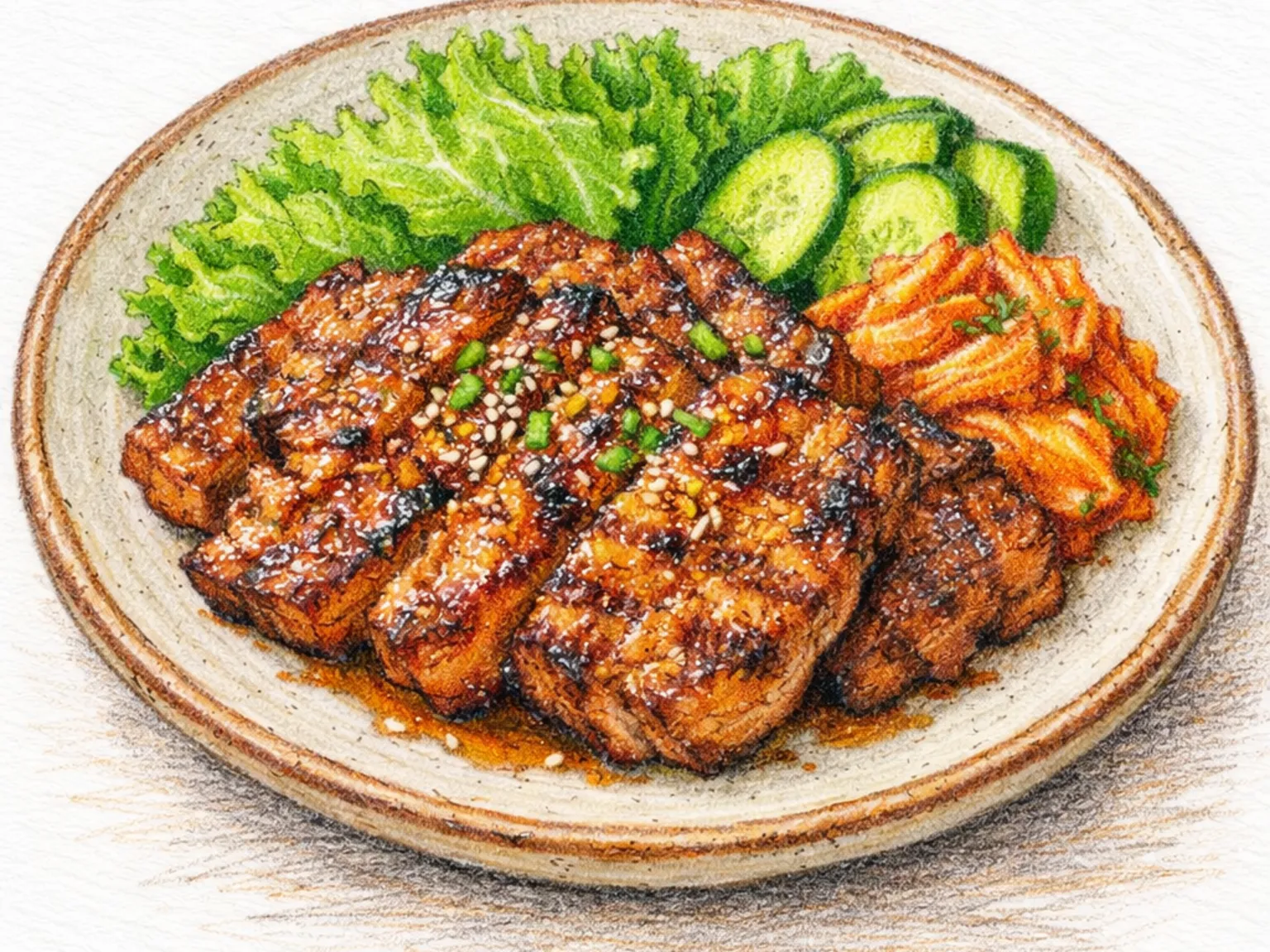
Dwaeji-moksal-gui is Korean salt-grilled pork neck sliced one centimeter thick and seasoned with nothing more than coarse salt and black pepper before being laid on a blazing grill. The neck cut is laced with fine intramuscular fat that renders quickly over high heat, basting the meat from within and producing a rich, clean pork flavor that needs no marinade to taste complete. Cuts with roughly a seven-to-three fat-to-lean ratio give the best results, where fat and juice remain in balance through the cooking. Each side must sear for under two minutes over maximum heat to build a dark, caramelized crust while the center stays moist. Flipping repeatedly drops the surface temperature and produces a gray, steamed result rather than the charred exterior that defines the dish. The standard way to eat moksal-gui is in a ssam: a leaf of lettuce loaded with a roasted garlic clove, a smear of ssamjang, and a slice of the grilled meat, folded and eaten in a single bite.

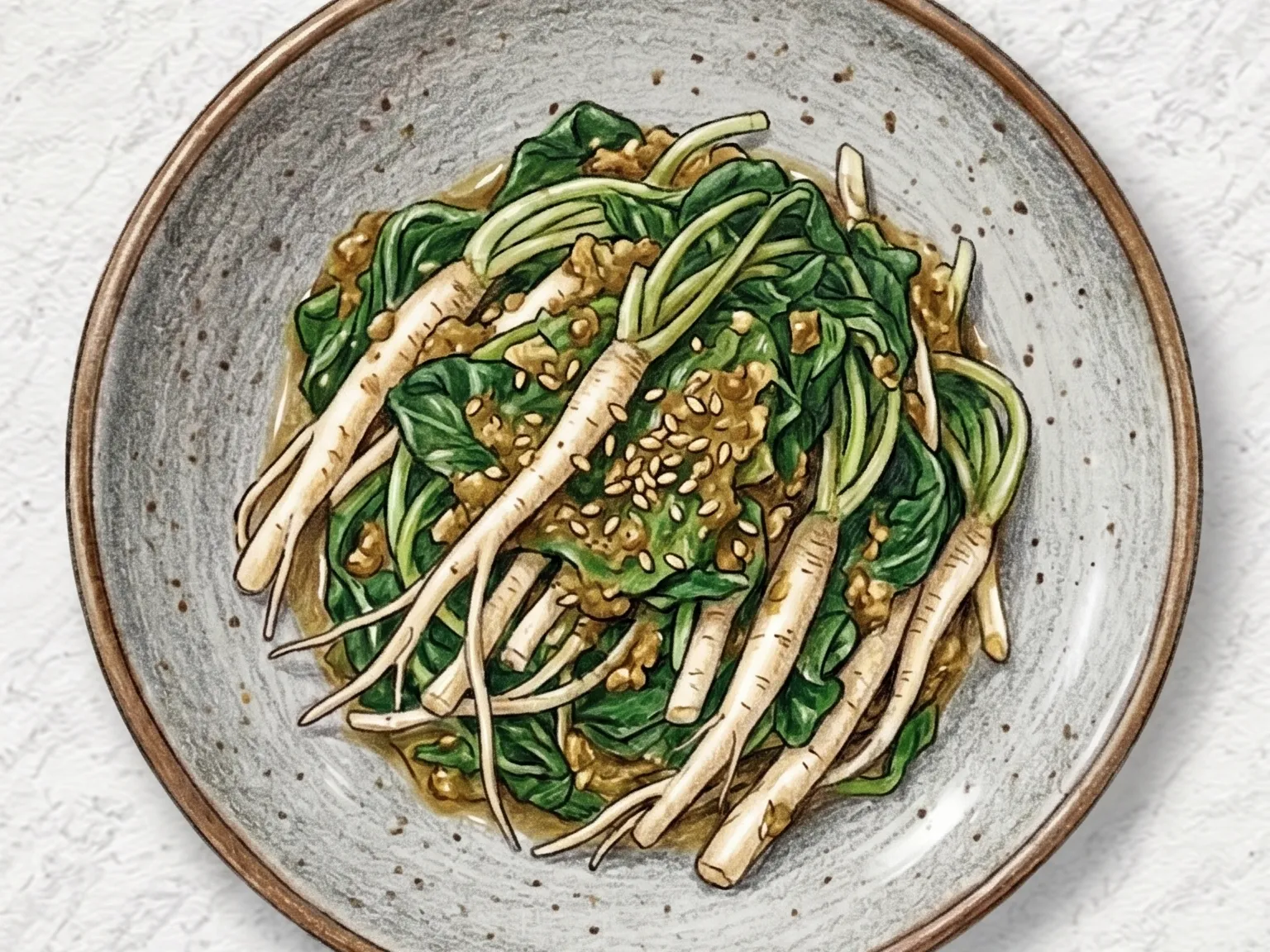
Korean Garlic Scape Salad
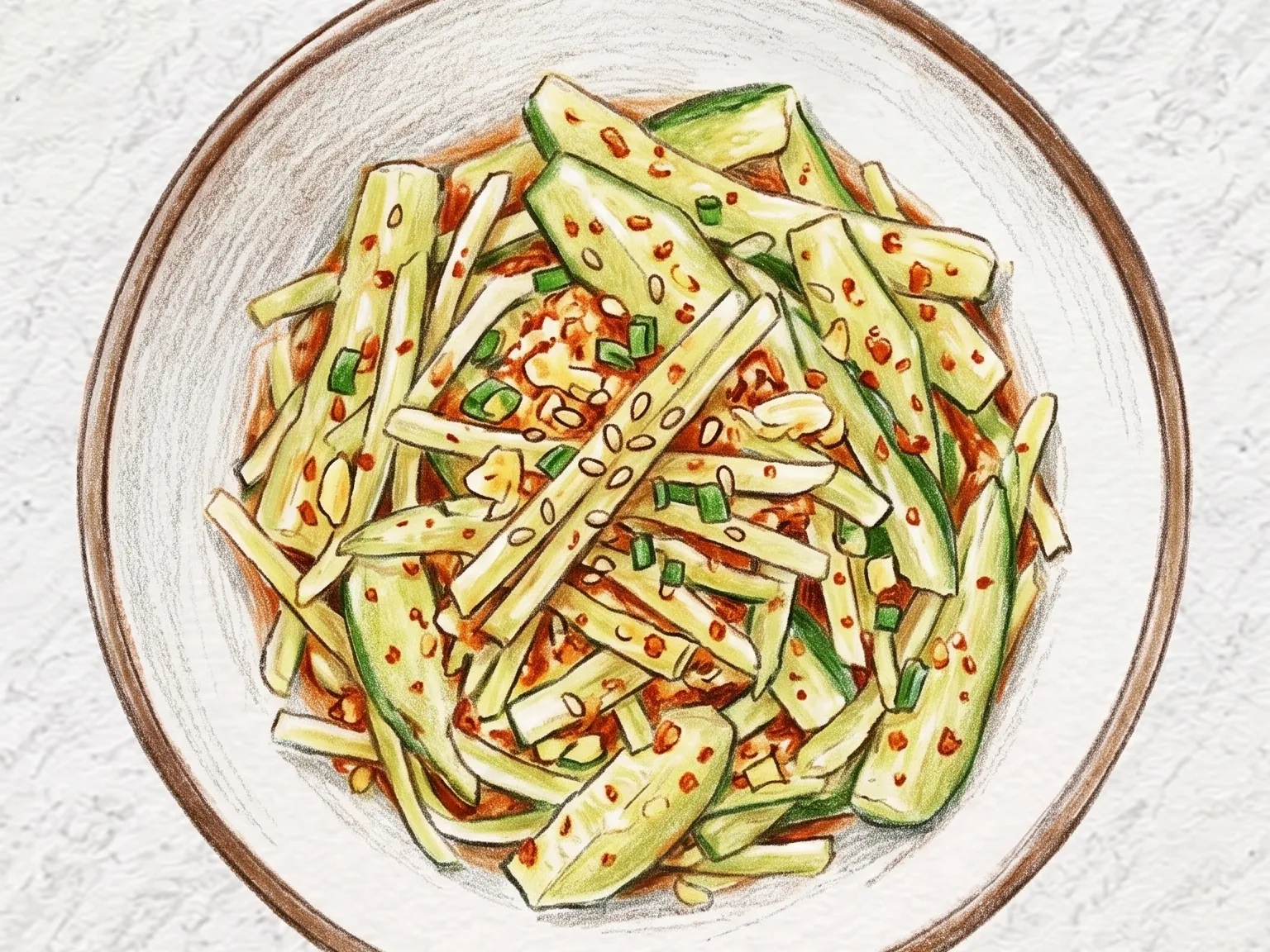
Maneuljong-muchim dresses briefly blanched garlic scapes in a cold gochujang and vinegar dressing, setting it apart from maneuljjong-bokkeum, which uses a soy-based sauce and relies on direct heat in a pan. The names maneuljong and maneuljjong describe the same part of the garlic plant, the slender flowering stalk that emerges in spring, but the two terms divide along regional dialect lines: speakers in Seoul and Gyeonggi province tend to say maneuljong while those in other parts of the country often use maneuljjong. Blanching must be kept well under thirty seconds to lock in the bright green color and crisp snap; beyond one minute the scapes soften and the color dulls noticeably. The gochujang dressing hits sweet, sour, and spicy in equal measure, and the vinegar component plays off the scapes' grassy, pungent aroma in a way that reads as distinctly springlike on the palate. Peak availability runs from April through May, when garlic plants push up their stalks before the heads are harvested, and vendors at traditional markets sell them bundled by the handful. Because no oil is involved and the sauce is relatively light, this preparation is considerably lower in calories than the stir-fried version, which is part of why it appears frequently in everyday Korean meal sets as a reliable, refreshing side.

Korean Tuna Mini Gimbap (Addictive Bite-Sized Tuna Mayo Seaweed Rolls)
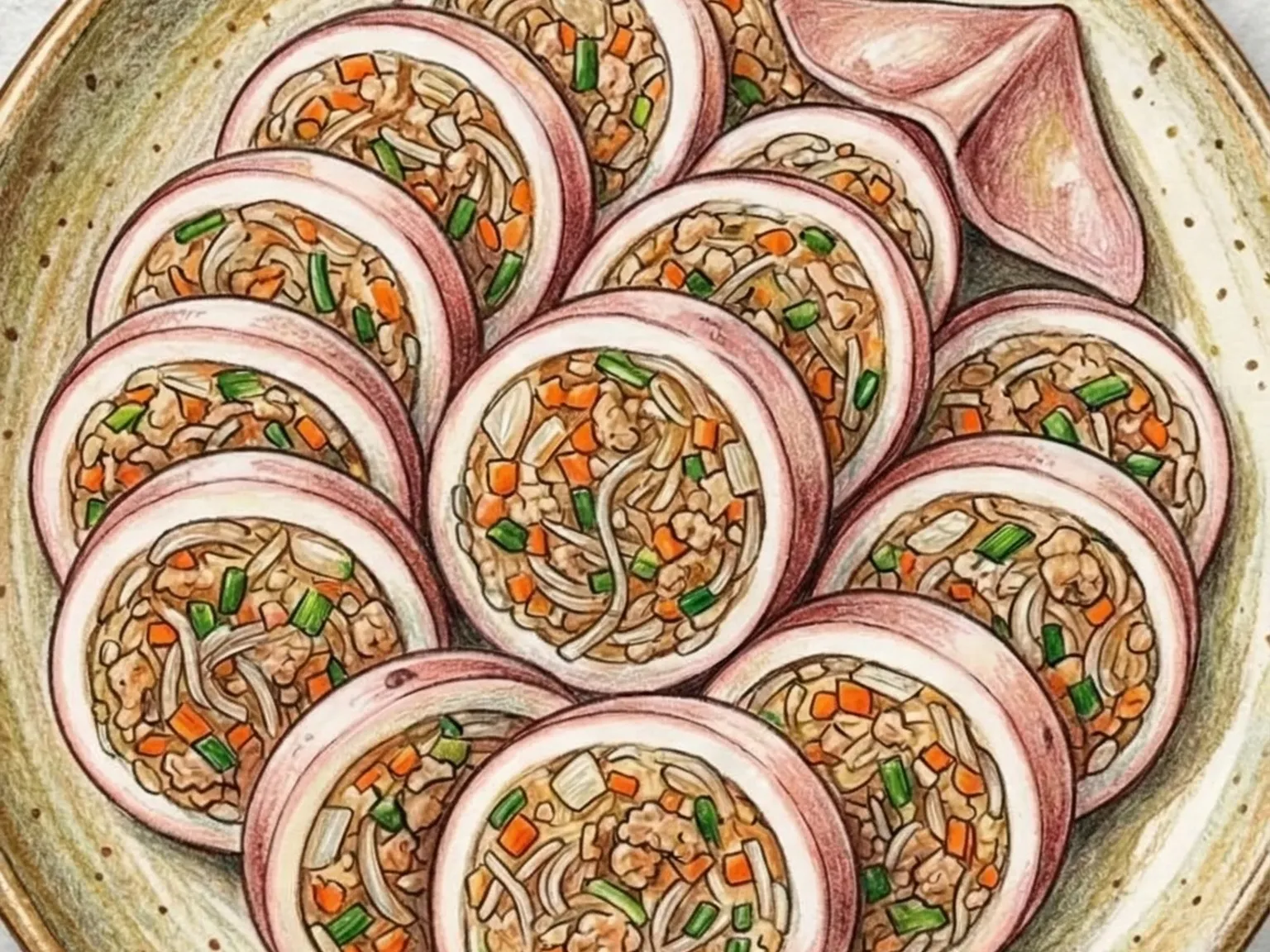
Tuna mayak gimbap are bite-sized rolls made by cutting seaweed sheets in half, spreading a thin layer of sesame-oil-seasoned rice, and filling with tuna-mayo, pickled radish, sauteed carrot, and blanched spinach. Draining the canned tuna thoroughly before mixing with mayonnaise prevents sogginess while keeping the filling creamy. The pickled radish provides a sharp crunch that cleanses the palate between each piece, and the lightly sauteed carrot brings a touch of natural sweetness. Their miniature size ensures every ingredient registers in a single bite, delivering a compact burst of balanced flavor.

Korean Braised Pork with Garlic Chives
Pork shoulder is steamed with garlic chives in a seasoning of soy sauce, gochugaru, and cooking wine. The shoulder cut has fat distributed evenly through the muscle, so it stays moist during steaming and pulls apart naturally along the grain rather than turning dry or stringy. Garlic chives are piled generously over the pork before the lid goes on; as they steam they release moisture and a sweet, garlicky aroma that seeps down into the meat. Soy sauce penetrates deeply through the slow steam, and gochugaru gives the finished dish its red color and moderate heat. A finish of sesame oil and black pepper adds nuttiness and a sharp edge. The combination of savory depth and mild spice makes it a natural partner for plain steamed rice.

Korean Seasoned Sea Grapes Salad
Kkosiraegi-muchim is a tangy, low-calorie banchan made from kkosiraegi, a red algae seaweed whose thin, noodle-like strands snap with a distinctive crunch that no other seaweed can replicate. Blanching must not exceed twenty seconds, as anything longer collapses the characteristic texture, so a timer is essential. The seaweed goes straight from the boiling water into cold water to stop the heat and lock in elasticity. The dressing brings together gochugaru, soup soy sauce, vinegar, maesil-cheong, garlic, and sesame oil; the green plum extract layering in a fruity acidity that lifts the dish beyond simple sour-spicy flavoring. Julienned cucumber threaded through the seaweed strands provides a crisp, garden counterpoint to the oceanic depth. At roughly 72 kilocalories per serving with high dietary fiber content, this banchan appears frequently in Korean diet meal plans because it satisfies without adding much to the calorie count. Eating it promptly after seasoning prevents the cucumber from releasing water and diluting the dressing. Served cold in summer, it doubles as a refreshing side that pairs well with grilled meat or plain rice.

Korean Seasoned Salted Shrimp
Saeujeot-muchim seasons 70 grams of salted shrimp with chili flakes, minced garlic, chopped green onion, a pinch of sugar, and sesame oil to create an intensely savory condiment-style banchan. The shrimp are already heavily salted during fermentation, so no additional salt is needed - the sugar merely rounds off the sharp edges of the brininess. Larger shrimp pieces are snipped with scissors to ensure an even texture in every spoonful. A small amount placed on a bowl of steamed rice spreads a deep wave of umami across the palate, far disproportionate to the quantity used. It also pairs well with warm steamed tofu, where the bland creaminess of the tofu absorbs and softens the concentrated saltiness of the shrimp.

Korean Soy Sauce Stir-Fried Mushrooms
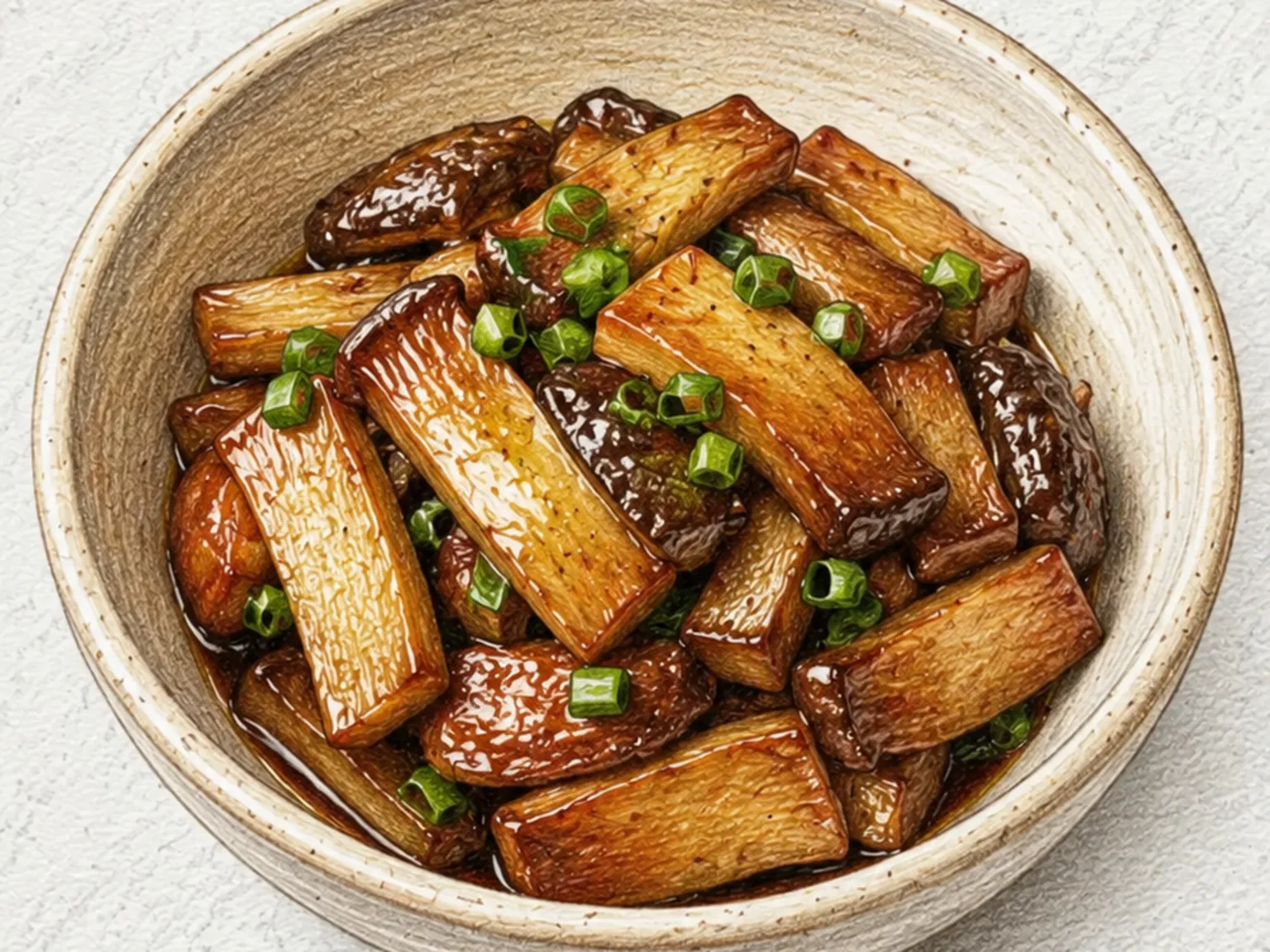
King oyster mushrooms are torn by hand rather than cut, opening up a fibrous surface that absorbs seasoning more readily than a knife-cut edge. Shiitake caps are sliced thin after removing their stems. Both go into a dry, screaming-hot pan first - no oil - to drive off surface moisture until the edges of the king oyster pieces take on light char and a firm, meat-like chew develops. Perilla oil goes in at that point, followed by soy sauce poured along the rim of the pan where the heat is most intense, which caramelizes it instantly and coats every piece in a dark, lacquered glaze. No sugar is added - the soy sauce reduction provides the sweetness. A drizzle of sesame oil off heat and a scatter of scallion finish the dish. Concentrated, deeply savory, and ready in under ten minutes.

Korean Ojingeo Ssamjang Bibim Myeon (Squid Ssamjang Mixed Noodles)
Ojingeo ssamjang bibim myeon is a Korean mixed noodle dish combining blanched squid rings with medium wheat noodles in a ssamjang-based sauce spiked with chili flakes, vinegar, and syrup. The squid is blanched for only forty seconds to keep it springy rather than chewy, and the noodles are rinsed under cold water while gently rubbing to remove surface starch. The dressing merges the fermented depth of ssamjang with the heat of gochugaru and the brightness of vinegar, creating a layered flavor that is salty, spicy, and tangy at once. Resting the sauce for about ten minutes before tossing softens the heavy note of ssamjang. Julienned perilla leaves on top add an herbal fragrance, and sesame seeds finish the dish with nuttiness. The recipe yields four generous servings.

Korean Blue Crab Porridge
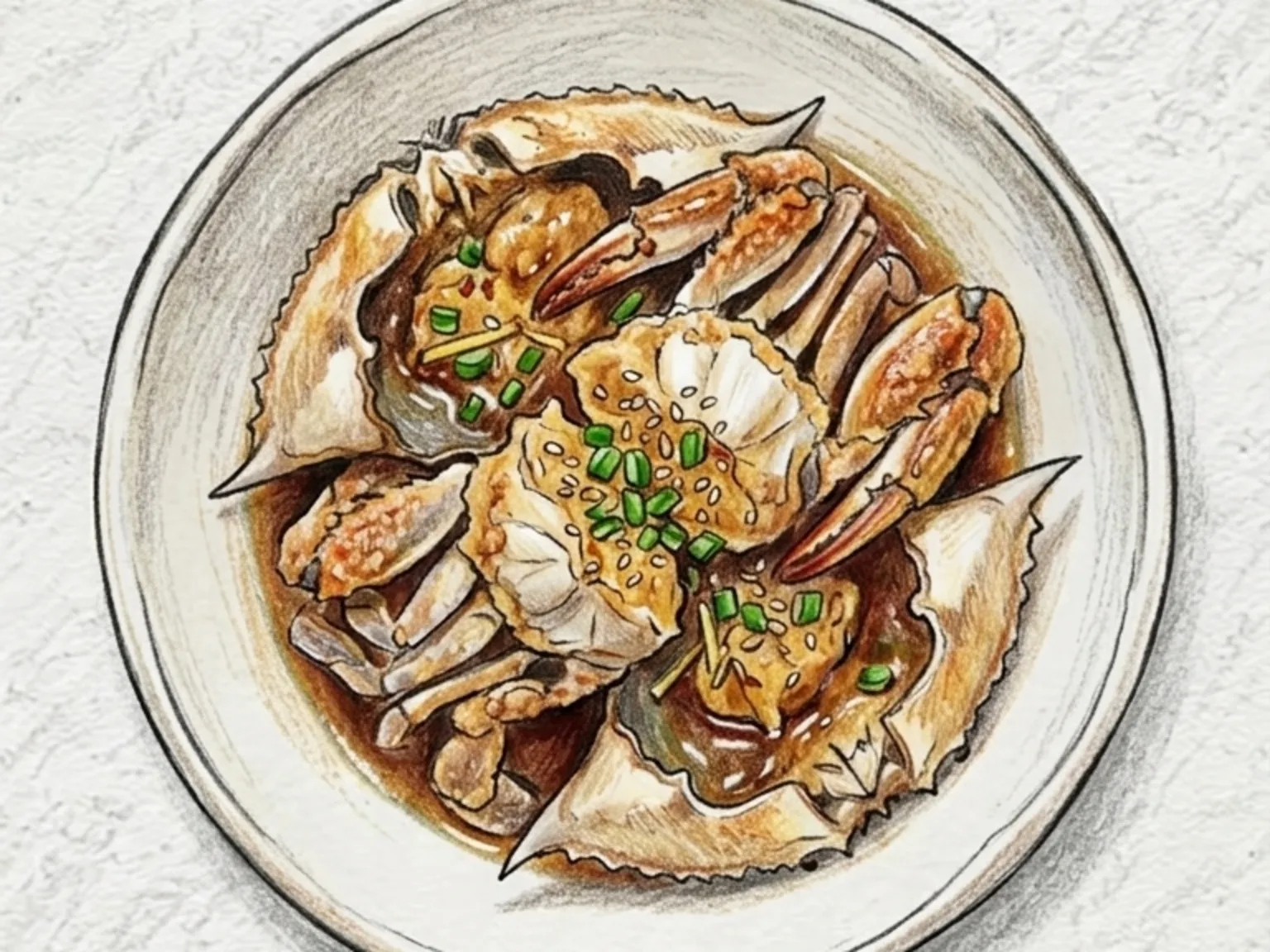
Kkotge-juk is a rice porridge built on a deeply flavored blue crab stock that forms the base of everything. The crab is placed in cold water and boiled for twelve minutes, during which the proteins and natural sugars from the shell and body dissolve into the liquid and create a broth that is naturally rich and faintly sweet without any additional seasoning. The cooked crab is lifted out and the meat is carefully picked from the legs and body and set aside. In the same pot, sesame oil is added and the soaked rice is toasted in it for two to three minutes, which coats the grains in a thin layer of oil that prevents them from sticking to the bottom during the long simmer and adds a gentle nutty aroma to the finished porridge. The crab stock is poured back in and the porridge cooks over medium-low heat for fifteen to twenty minutes, stirred regularly, until the grains soften and break down into the smooth, thick consistency that characterizes well-made juk. Once the porridge thickens, diced onion, zucchini, carrot, and minced garlic go in for ten more minutes, and the reserved crab meat is added only at the end so it cooks through the residual heat and stays tender rather than turning rubbery. Seasoned simply with soup soy sauce and salt, the finished bowl delivers clean, gentle ocean flavor with nothing overpowering the natural sweetness of the crab.

Korean Ssamjang Hwe Deopbap
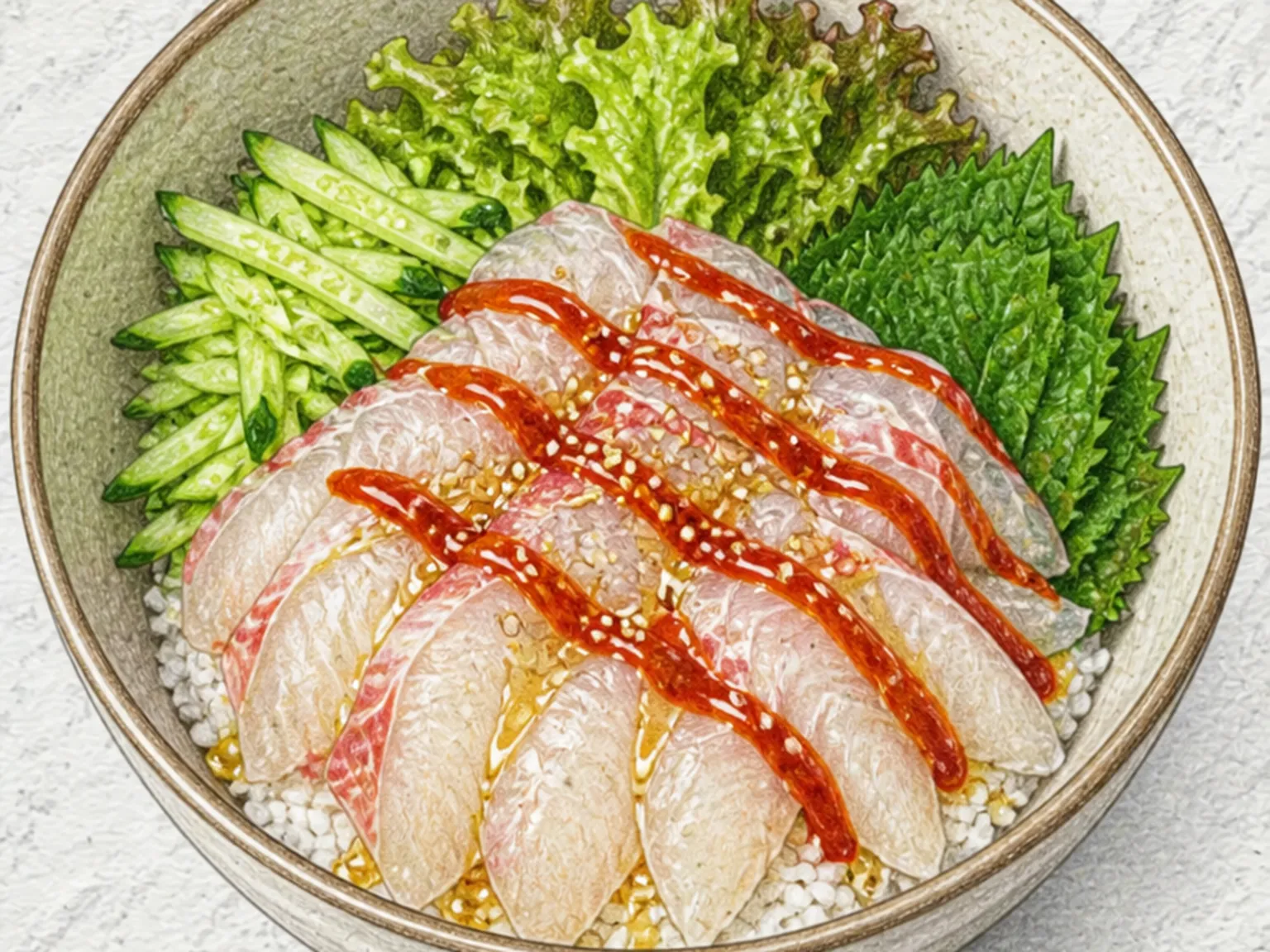
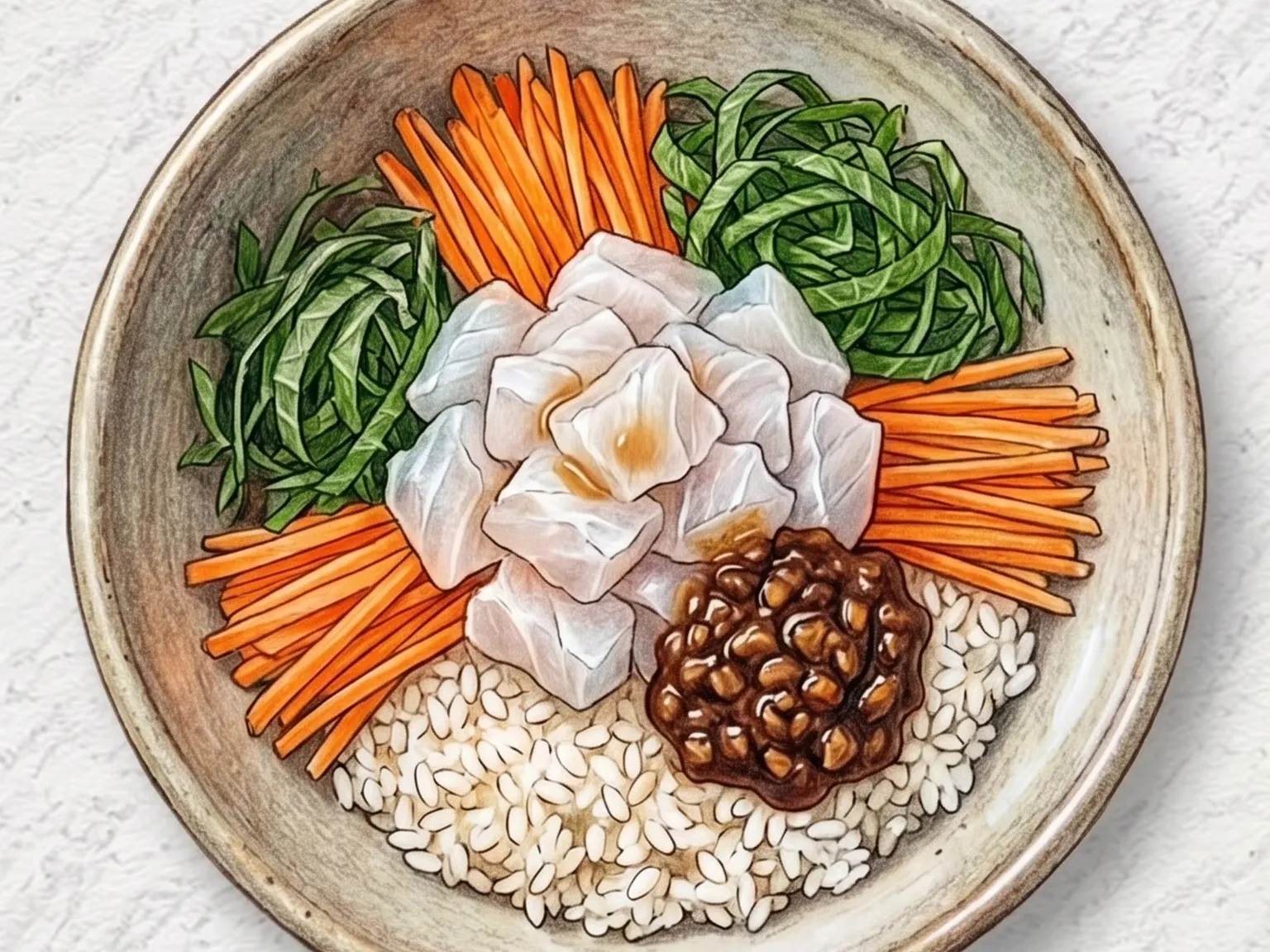
This variation on hoe-deopbap replaces the standard cho-gochujang with a dressing of ssamjang mixed with vinegar and sesame oil, shifting the dominant flavor away from sweet heat and toward fermented bean depth. The doenjang component in ssamjang works against the rawness of the fish rather than masking it with chili, producing a rounded, earthy complexity that deepens with each bite. Vinegar cuts through ssamjang's thick, pungent weight and introduces a clean acidity that keeps the overall flavor from feeling heavy. Flounder sashimi is cut into bite-sized pieces and kept refrigerated, while the rice is served at room temperature so the two elements neither clash nor blend into an indistinct warmth. Julienned carrot and perilla leaves provide a crisp, juicy resistance that contrasts directly with the chewy elasticity of the fish. Dressing the vegetables in advance draws out moisture that would soften the rice, so all the components are placed in the bowl separately and tossed together only at the moment of eating to preserve every texture.

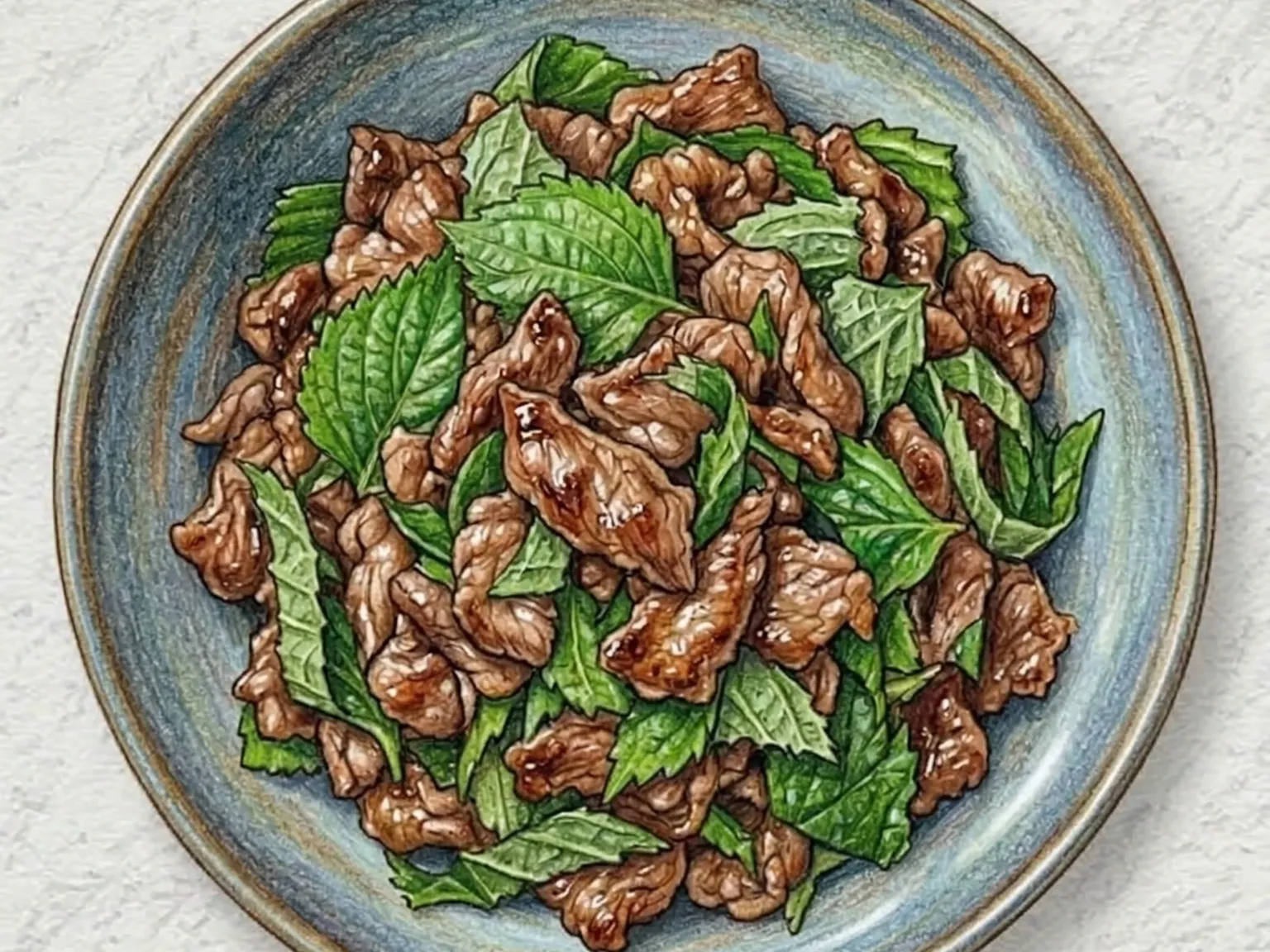
Korean Soy Sauce Bulgogi (Soy-Pear Marinated Thinly Sliced Beef)
Ganjang bulgogi is one of Korea's most enduring home-cooked main dishes, built around thinly sliced beef marinated in soy sauce, pear juice, sugar, garlic, and sesame oil. Pear juice acts as a natural tenderizer while adding a subtle sweetness that offsets the salt-forward depth of the soy. Onion, carrot, and green onion are stir-fried together with the beef over high heat, developing caramelized edges while keeping the center moist. Slicing the beef thin is essential: the short cooking time only penetrates marinade fully into thin cuts, and the pan must be properly preheated before the meat goes in to seal the juices. The soy-based seasoning is milder and less assertive than gochujang-marinated bulgogi, making it broadly appealing across ages and a consistent presence on both everyday dinner tables and guest menus.

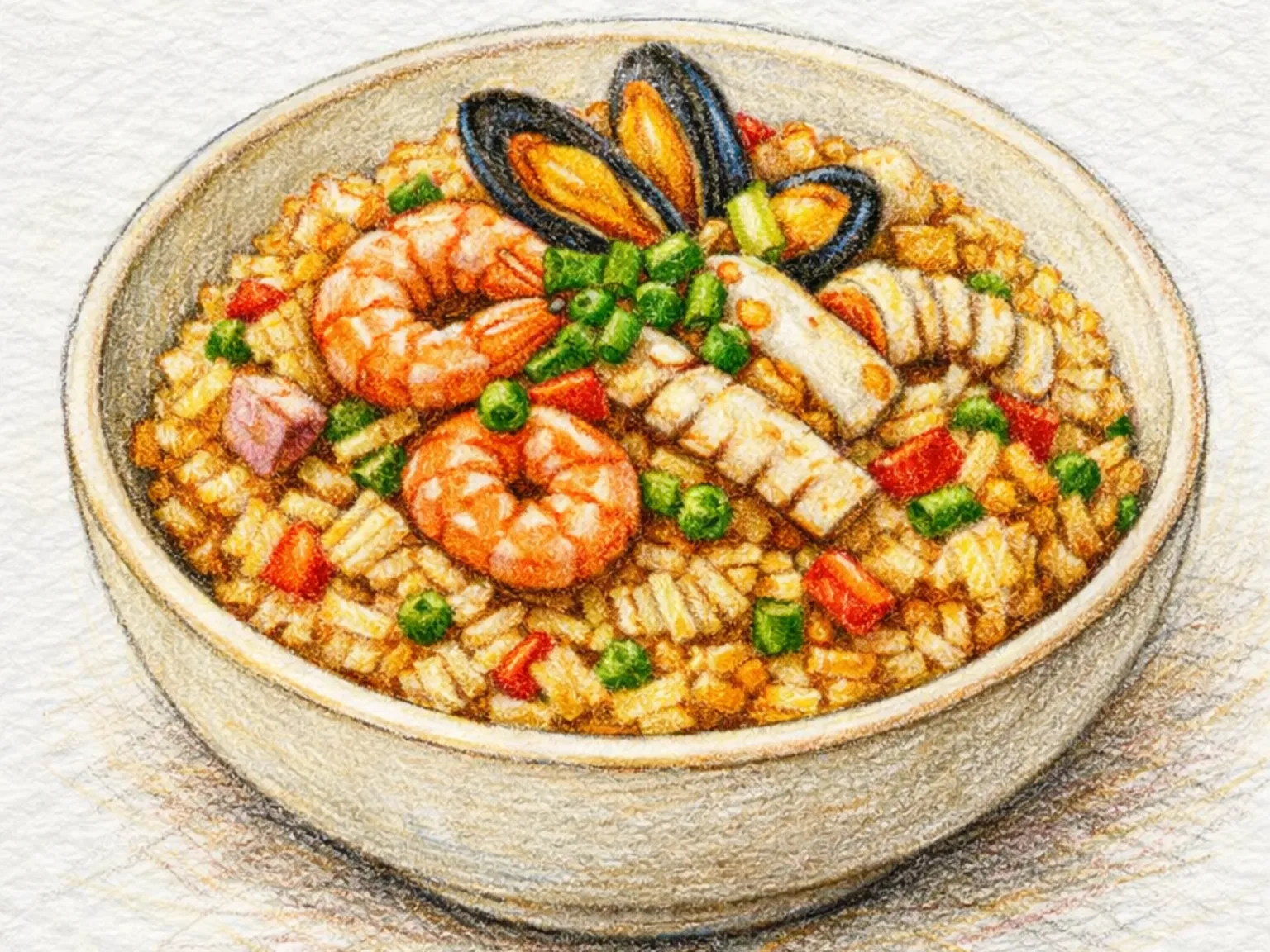
Korean Mussel Rice (Winter Pot Rice in Mussel Broth)
Cooking rice in a pot using the concentrated liquid from boiled mussels allows each grain to absorb the essence of the sea directly. Instead of simply serving seafood on top of plain white rice, this method uses the broth as the primary cooking medium to build a layered taste from the inside out. A thick layer of julienned radish lines the bottom of the pot, creating a physical barrier that prevents the rice from sticking while releasing a natural sweetness that balances the salty character of the shellfish. To maintain a tender texture, the mussel meat goes into the pot only after the heat is turned off, letting the remaining steam warm the protein without making it tough or rubbery. At the table, a mixture of soy sauce, sesame oil, and red chili flakes provides a sharp contrast to the savory base, allowing for personal adjustment of heat and saltiness. A handful of fresh water parsley added as a final touch introduces a bright, herbal quality that cleanses the palate. The resulting meal is satisfying enough to stand alone without additional soups, offering a high concentration of iron and omega 3 fatty acids in a single bowl.

Korean Garlic-Grilled Skirt Steak
Anchangsal is the inner skirt cut from the diaphragm muscle, yielding roughly a kilogram per animal, which explains why Korean grill restaurants price it as a premium item. The grain runs coarse, marbling is tight within the thick muscle fibers, and the beefy flavor is intense - more so than well-known cuts like galbi or samgyeopsal. Marinating for too long or with aggressive seasoning buries those qualities. A short soak in soy sauce, sesame oil, minced garlic, and black pepper is enough. On a charcoal grill, thin slices cook in under a minute per side. The right doneness shows as caramelized edges with a slight char while the center stays pink - at that point the fat has rendered into the grain and the full flavor of the cut is present. Whole garlic cloves grilled alongside undergo a different transformation: about ten minutes of high heat takes away the sharpness and turns them sweet and soft. The standard way to eat it is wrapped in lettuce with ssamjang and a roasted garlic clove folded in together.