Korean Chicken Breast Perilla Porridge
Dakgaesal deulkkae juk is a traditional style of Korean porridge that utilizes shredded chicken breast alongside finely chopped onions and carrots as its primary components. The preparation begins by stir-frying these ingredients together, after which they are simmered slowly with a combination of soaked rice and chicken stock. As the cooking process nears its conclusion, perilla seed powder is incorporated into the pot. This specific ingredient dissolves thoroughly into the liquid to produce a final texture that is notably thick and creamy. The aroma produced by the perilla seeds is deeply nutty and serves as the most prominent characteristic of the dish. While sesame seeds are known for a sharp and roasted quality, perilla seeds offer a flavor that is more round and carries an herbaceous nuttiness. This gives the porridge a unique profile that is common in Korean cuisine. The inclusion of shredded chicken breast provides a source of lean protein that does not feel heavy, ensuring the meal remains nourishing and simple for the body to digest. Because of these qualities, this porridge is often used as a recovery meal for individuals after they have finished exercising or for anyone whose energy levels feel low. It also serves as a functional choice when a gentle meal is required for a sensitive stomach. Adjusting the final result is possible by increasing the quantity of perilla powder, which results in a more intense fragrance and an even thicker consistency for people seeking a richer bowl.

Korean Stir-fried Fish Cake with Vegetables
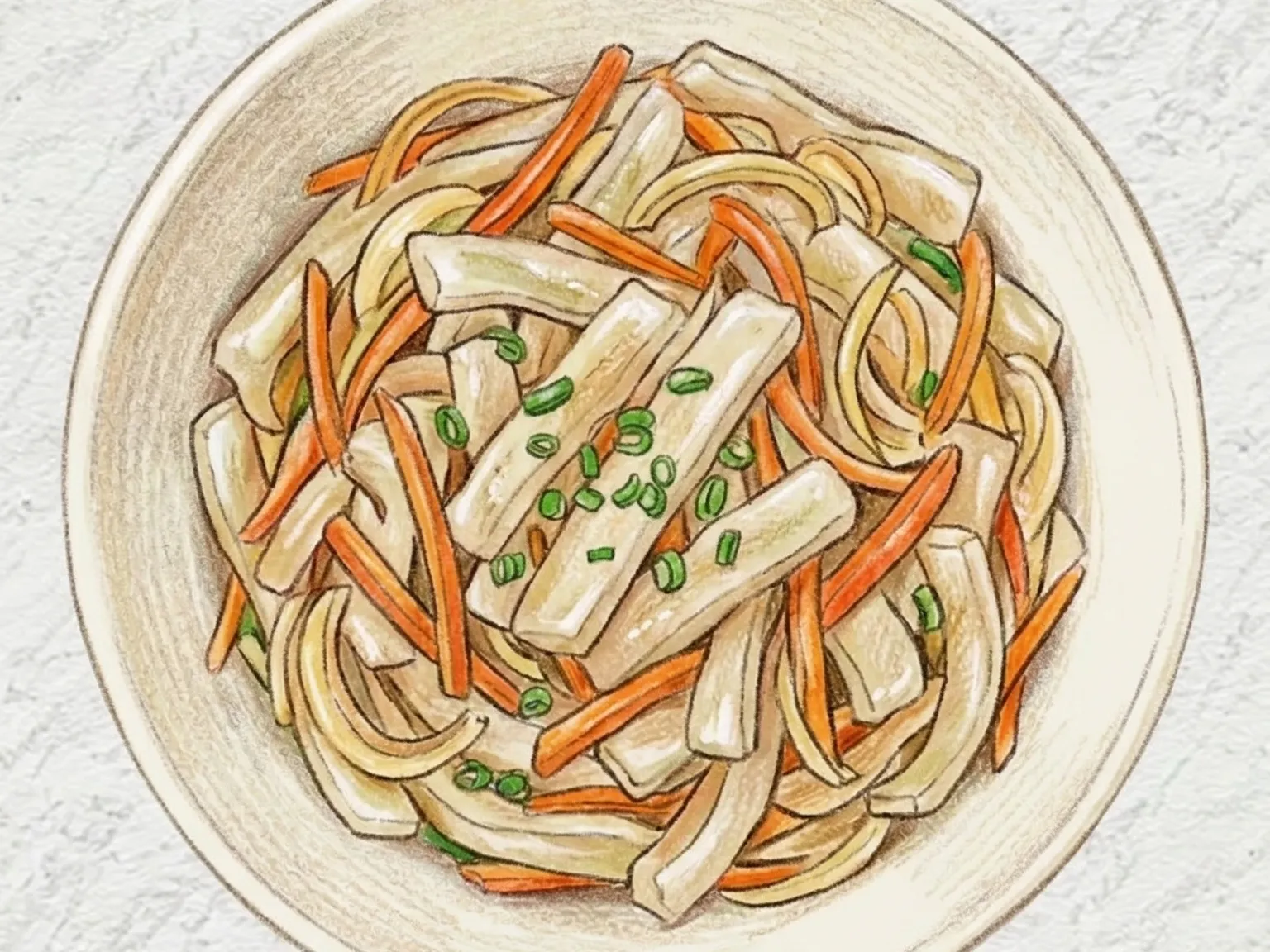
Eomuk-yachae-bokkeum is a Korean stir-fry that brings together fish cake sheets with onion, carrot, and green bell pepper in a soy-based glaze. Square eomuk is cut into bite-sized rectangles without any further preparation, and the vegetables are sliced to roughly matching dimensions so everything cooks through at the same rate. The textural contrast between the chewy fish cake and the crisp-tender vegetables is the defining quality of this dish - both elements are present in each chopstickful, preventing either from becoming monotonous. Soy sauce and oligosaccharide syrup form the base glaze, producing a glossy, lightly sweet and salty coating that clings evenly to each piece. Sesame oil and toasted sesame seeds stirred in at the end add a nutty finish. Adding a sliced cheongyang chili during the stir-fry introduces a sharp heat that prevents the overall flavor from reading as too sweet. The entire dish comes together in under ten minutes from prep to plate, making it a reliable candidate for packed lunches and weeknight tables that need a quick, universally liked side dish.

Korean Meat Mandu (Pork and Beef Dumplings with Tofu Filling)
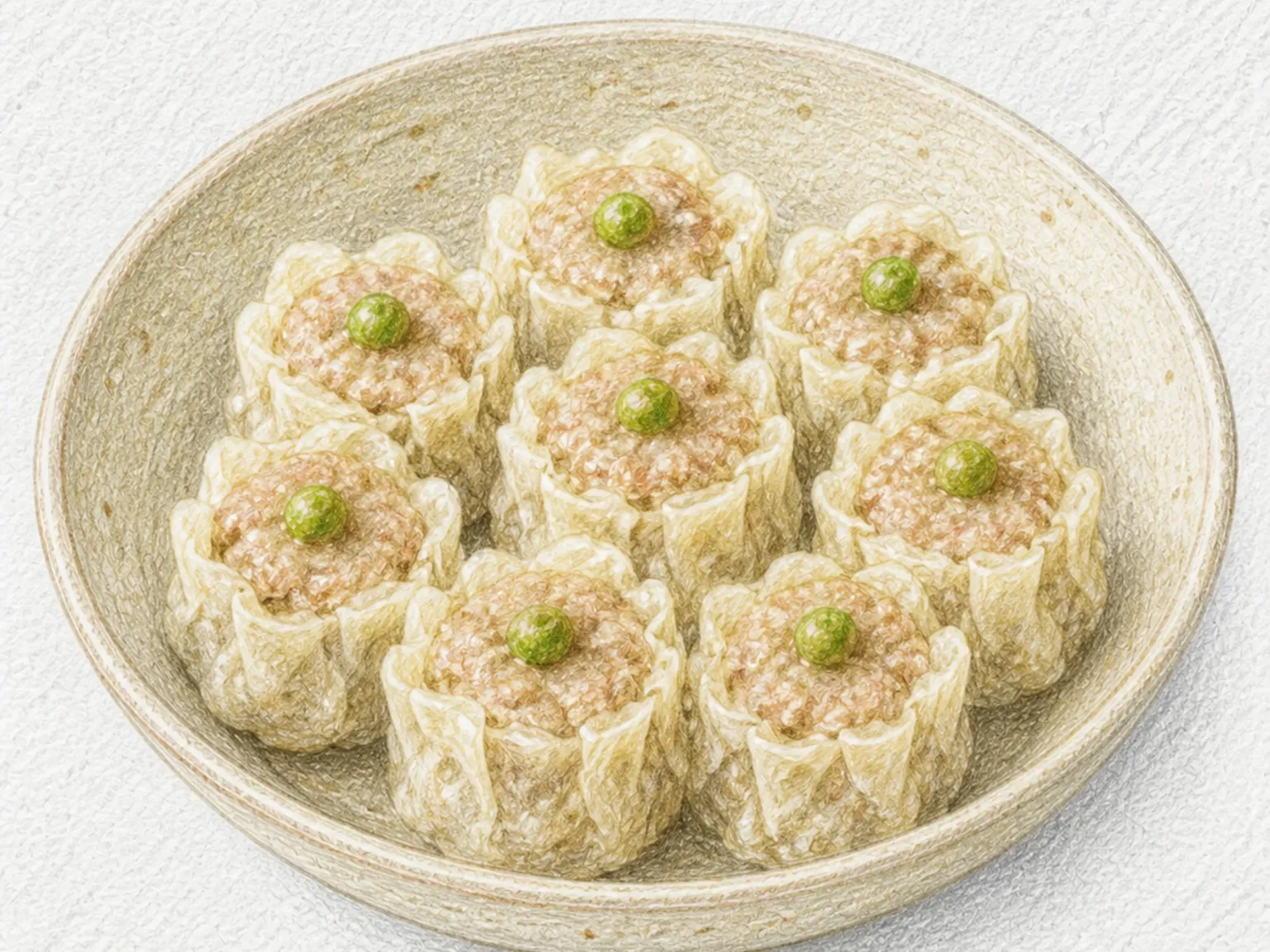
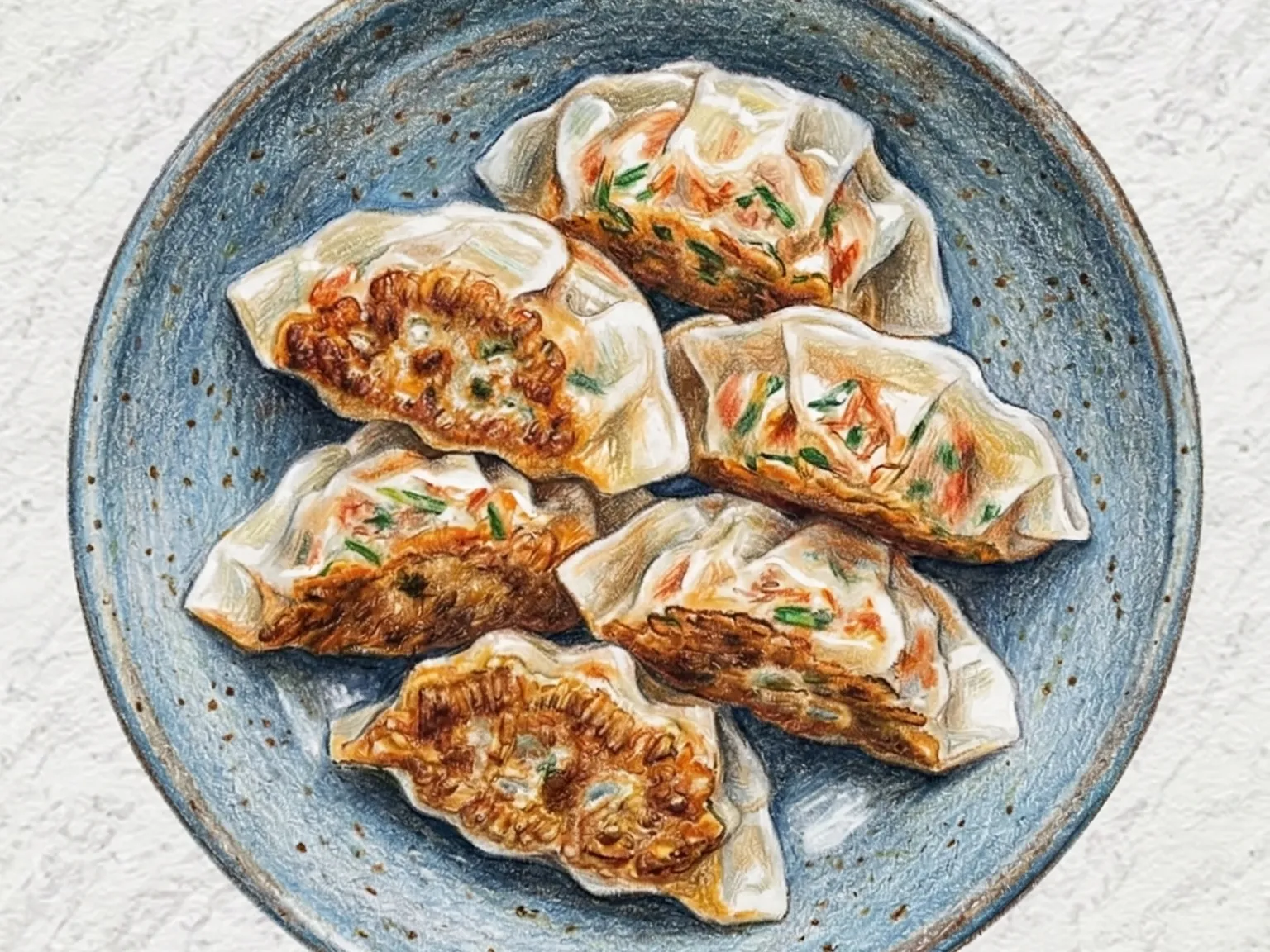
Gogi-mandu is a Korean meat dumpling filled with ground pork, ground beef, squeezed tofu, onion, scallion, and garlic, seasoned with soy sauce and sesame oil. Kneading the filling in a single direction develops myosin bonds in the meat proteins, giving the mixture a sticky consistency that helps it hold together and retain moisture during cooking. The pork contributes fat and a mild sweetness, the beef adds a deeper, more savory flavor, and the tofu, wrung dry before mixing, softens the overall texture and prevents the filling from becoming too dense. These dumplings can be steamed in a basket for a clean, light result, or cooked using the steam-then-fry method: a splash of water in a covered pan brings them through with heat, then the lid is removed and the bottoms are crisped directly on the pan surface, producing a golden, crunchy base that contrasts with the soft filling above.

Korean Grilled Spicy Chicken Ribs
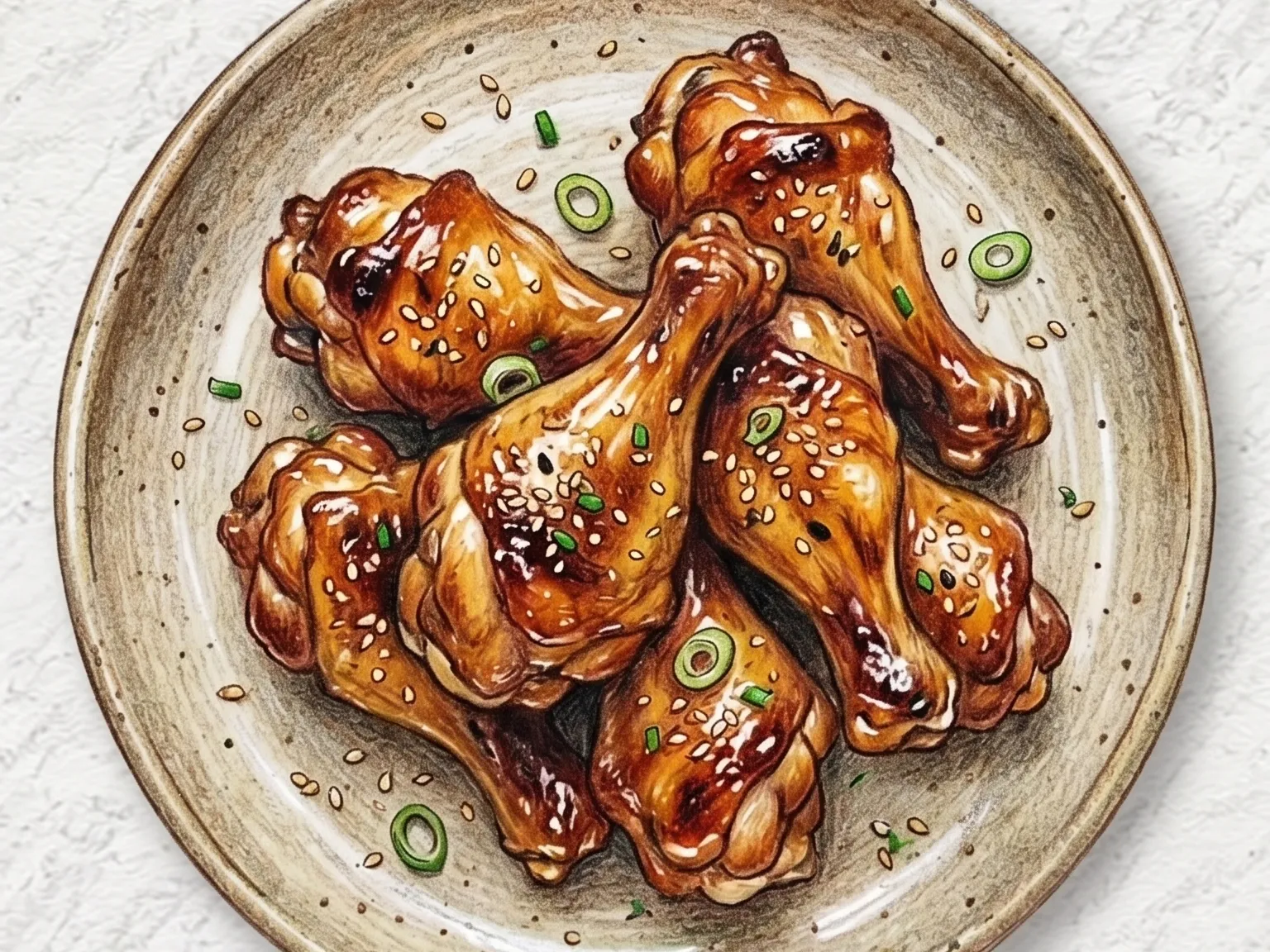
Dakgalbi-gui is the original Chuncheon-style grilled chicken dish, where bone-in thigh and leg pieces marinate in a crimson paste of gochujang, soy sauce, sugar, garlic, sesame oil, and ginger before cooking directly over an open flame or on a very hot pan. Unlike the more widely known iron-plate dakgalbi stir-fried with vegetables, this grilled version focuses solely on the meat to maximize char and smoky flavor on the surface. Deboned thigh meat spread flat exposes more surface area to both the marinade and the heat, concentrating flavor throughout, and a minimum two-hour rest in the marinade ensures the spice penetrates deep into the flesh. The gochujang caramelizes at high temperatures, forming edges that are simultaneously spicy, sweet, and faintly bitter from the char.

Korean Dried Pollack Egg Soup
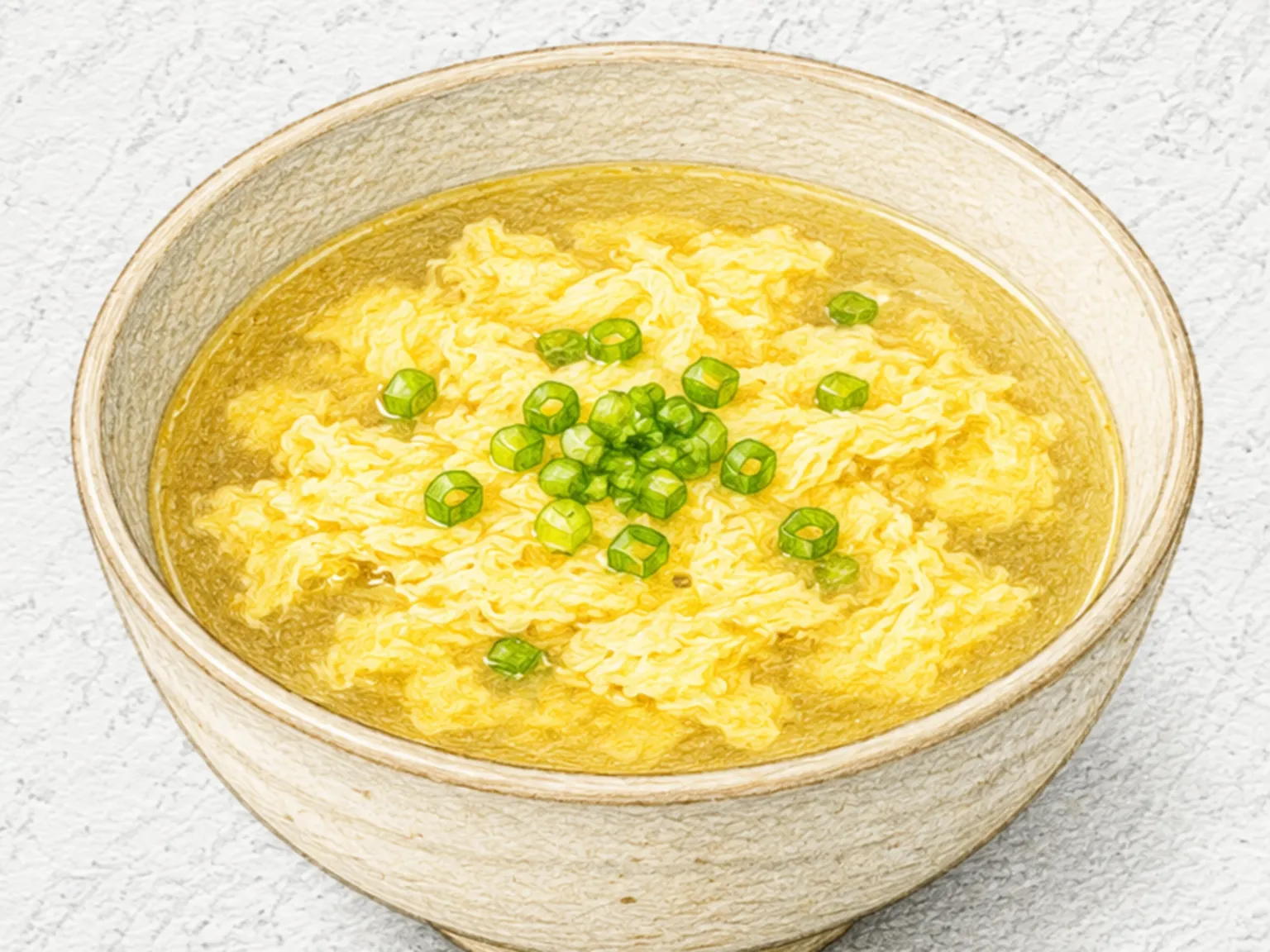
Hwangtae-gyeran-guk is a Korean clear soup that pairs dried pollock with silken egg threads in the same bowl. Toasting the pollock strips in sesame oil at the start is what gives the broth its foundation: the oil absorbs the nutty, roasted fragrance and carries it throughout the liquid as it simmers. Radish and green onion add a clean sweetness and mild sharpness, and once the broth is seasoned with soup soy sauce and garlic, beaten egg is streamed in slowly to form wispy, floating ribbons. The chewy pollock and the soft egg offer a changing texture from one spoonful to the next. Hwangtae is produced on outdoor racks in the Gangwon-do mountains through a winter-long cycle of freezing and thawing that breaks down the protein into a more digestible form and increases the amino acid content. In Korean households this soup appears at both the breakfast table and the post-drinking recovery meal, favored because the protein-rich pollock is gentle on a tired stomach and the whole pot comes together in under twenty minutes.

Korean Braised Eggplant with Pork
Gaji dwaejigogi jorim is a Korean braised dish of eggplant and pork shoulder simmered in a soy sauce and gochugaru seasoning base. The pork slowly renders its fat into the eggplant as they cook together, giving the vegetable a rich, meaty depth. Cooking wine mellows the pork and removes any gamey notes, while the soy and garlic combination builds deep, layered flavor throughout the braise. Briefly stir-frying the eggplant in oil before braising coats the surface and helps it hold its shape while drawing the seasoning inward more effectively. A final drizzle of sesame oil finishes the dish with a nutty fragrance, and this recipe is at its best in summer when eggplants are in peak season with thin, tender skins.

Korean Acorn Jelly Somyeon
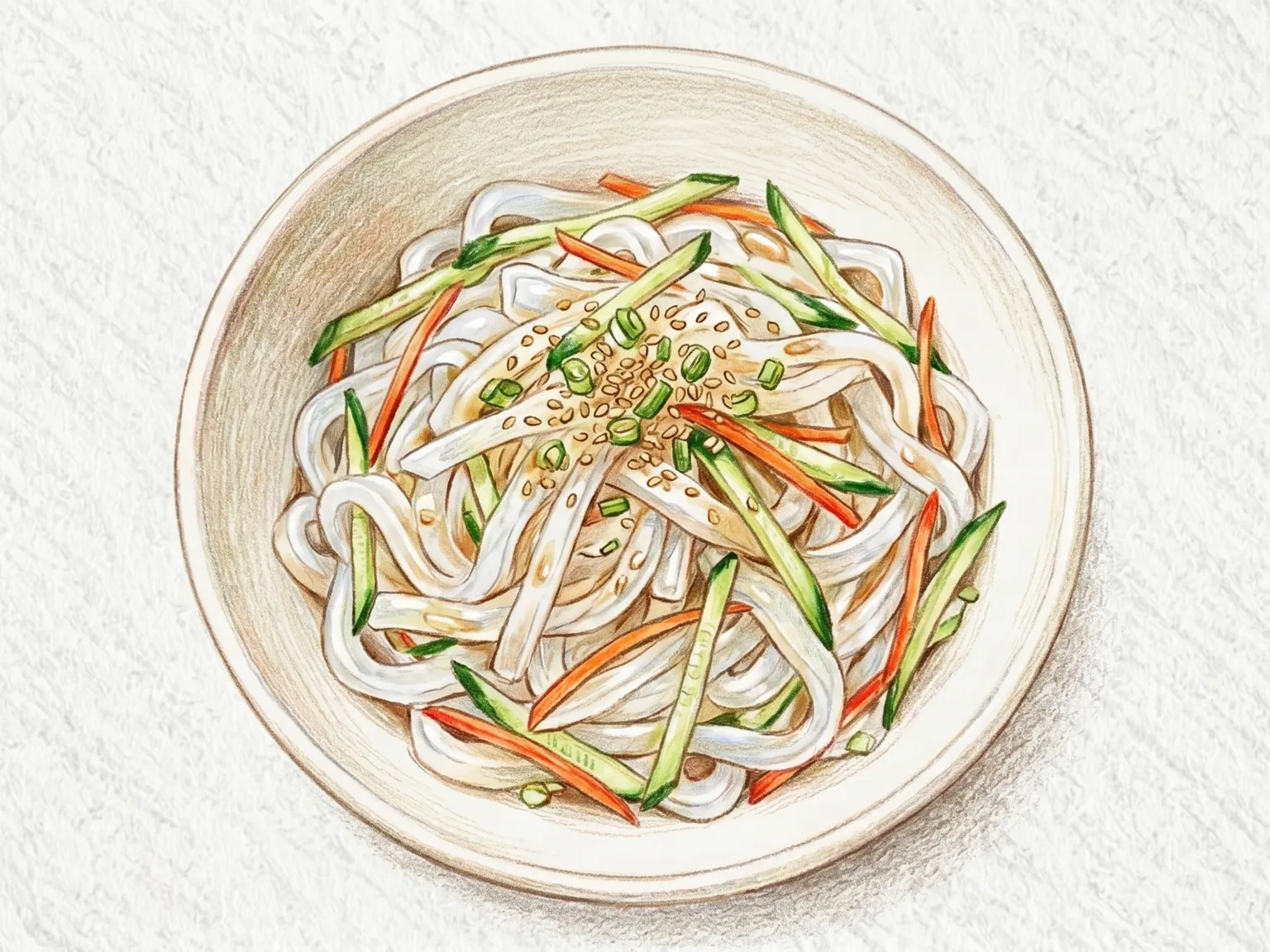
Dotorimuk chae somyeon is a chilled Korean noodle dish that combines boiled somyeon and sliced acorn jelly in cold dongchimi radish water kimchi broth. The acorn jelly has a soft, slippery texture that contrasts with the fine, springy strands of the wheat noodles, and the fermented tang of the dongchimi broth wraps everything in a clean, refreshing acidity. Julienned cucumber adds crunch and a cool freshness, while a piece of kimchi contributes a spicy-savory accent. Refrigerating the acorn jelly or briefly soaking it in ice water beforehand keeps it firmer so it holds its shape when tossed with the noodles. A light drizzle of sesame oil and a scatter of sesame seeds bring a nutty warmth that plays well against the cold broth, making this a genuinely appetite-reviving meal for hot summer days.

Laphet Thoke (Burmese s signature salad)
Laphet thoke is Myanmar's signature salad, built entirely around fermented tea leaves whose tannic bitterness and concentrated umami form the flavor foundation from which everything else is assembled. The leaves undergo a long fermentation that softens their rawness, coaxing out a layered sourness and complex savory depth that explains why laphet holds a ceremonial significance in Burmese food culture beyond its role as an everyday dish. Shredded cabbage provides a neutral, crunchy base, while chopped tomato adds juicy acidity that lightens the tea leaves' intensity and keeps the salad from feeling heavy. Roasted peanuts contribute a nutty richness, and fried garlic chips deliver a salty, crispy element that introduces textural contrast in every bite. The essential technique is dressing the tea leaves first with lime juice, sesame oil, and chili flakes, allowing the seasoning to soak fully into the leaves before the vegetables and nuts are folded in, so the bold flavors distribute evenly throughout the bowl rather than pooling at the bottom.

Xiaolongbao (Shanghai Pork Soup Dumplings)
Xiaolongbao are Shanghai-style soup dumplings in which a thin wheat wrapper encloses both a pork filling and a measure of hot broth. The liquid inside starts as a firm pork aspic - gelatinized stock cut into small pieces and mixed with seasoned ground pork. When steamed in bamboo baskets, the gelatin melts back into soup, pressurizing the wrapper from within. The dough is rolled thin enough to be almost translucent yet strong enough to hold the liquid without tearing. Eating them properly requires care: each dumpling is lifted onto a spoon, a small hole is bitten in the skin, and the broth is sipped before the filling is consumed. A dipping sauce of black vinegar and shredded ginger accompanies each basket.

Korean Seasoned Salted Pollock Stomach
Changnanjeot, salt-fermented pollock stomach, belongs to Korea's jeotgal tradition, where seafood organs are packed in coarse salt and left to ferment for months until deep umami develops throughout. The stomach lining has a firm, slightly rubbery chew that sets it apart from softer jeotgal like salted shrimp; the longer it is chewed, the more the fermented savoriness emerges from beneath the saltiness. Drained of excess brine and dressed with gochugaru, garlic, scallion, and sugar, it becomes a high-concentration condiment banchan. A thumbnail-sized piece placed on plain rice delivers a burst of fermented marine salt and chili heat that carries an entire spoonful. Stored in the refrigerator, it keeps its character for more than two weeks, making it a practical staple side dish to prepare in advance.

Korean Spicy Dakgalbi Rice Bowl
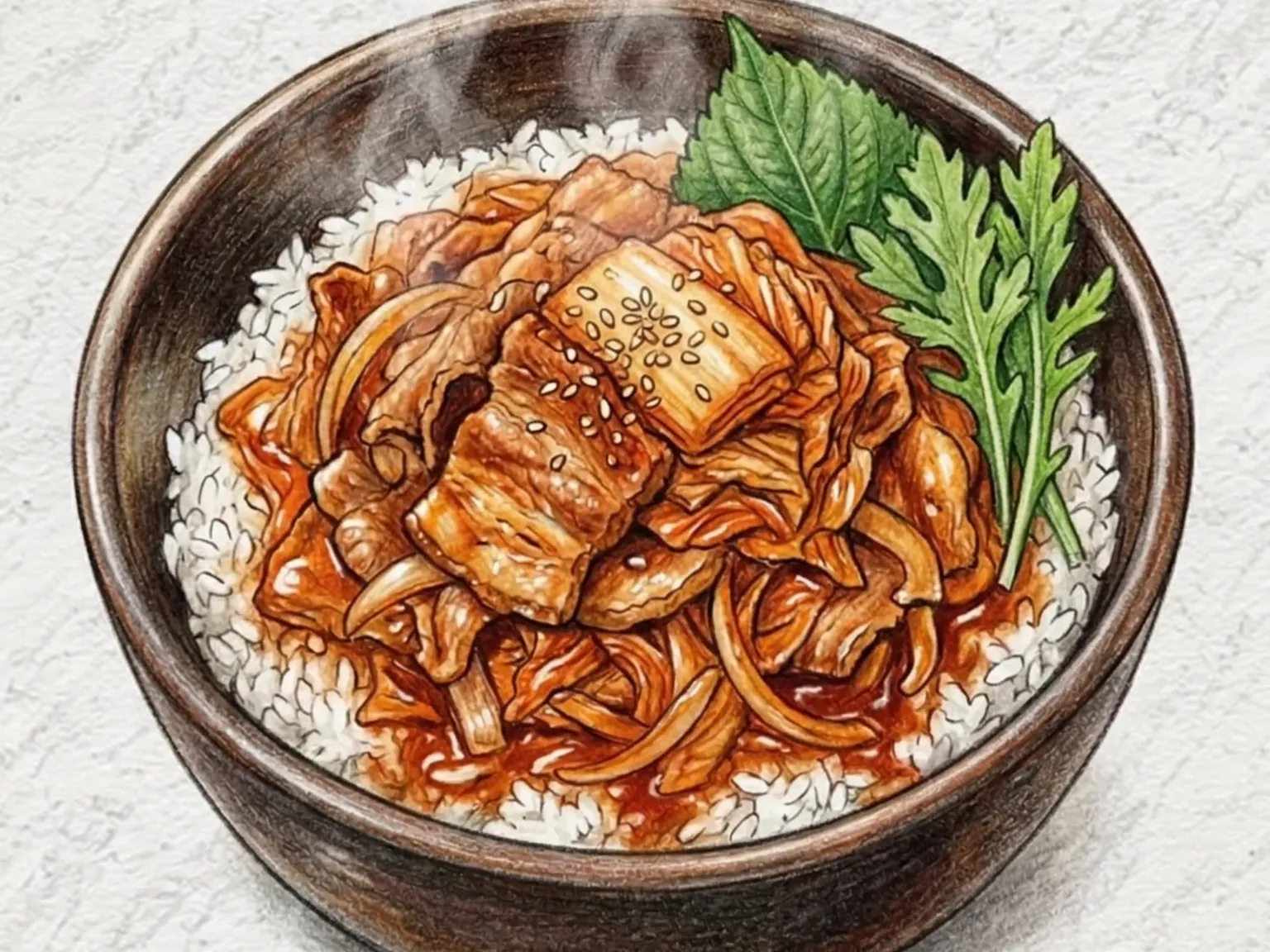
Dakgalbi deopbap serves the core flavors of Chuncheon's famous spicy chicken in a single rice bowl. Boneless chicken thigh is stir-fried alongside cabbage, onion, and green onion in a gochujang-based marinade balanced with sugar and a splash of soy sauce. The chicken is cooked over high heat throughout -- this creates a caramelized crust on the meat's surface and keeps the vegetables at a slight crunch rather than softening them completely. Sesame oil is added off the heat as a final step, contributing a toasty fragrance that rounds out the bold seasoning without overpowering it. At traditional dakgalbi restaurants in Chuncheon, the meal ends with fried rice made by mixing cooked rice directly into the residual sauce left on the hot iron plate -- this bowl captures that same moment in a format that can be made at home without a cast-iron griddle. The dish requires no banchan; the seasoned protein and vegetables together with the rice form a self-contained meal.

Korean Gaji Dwaejigogi Bokkeum (Eggplant Pork Stir-fry)
Gaji-dwaejigogi-bokkeum is a Korean stir-fry of eggplant and thinly sliced pork seasoned with garlic and fresh chili. The eggplant absorbs oil and sauce as it cooks, turning silky and melding seamlessly with the pork. Garlic infuses the dish with an intense aroma while the chili adds a clean, sharp heat throughout. Heat management is the key technique: cooking over medium or low heat draws too much moisture from the eggplant and turns the stir-fry into a braise, so keeping the flame high from the start is what gives the eggplant a lightly seared exterior. A combination of soy sauce and gochujang balances salt and spice, and a final drizzle of sesame oil rounds out the flavor with a nutty finish. It is especially flavorful in summer when eggplant is at its seasonal peak, and it is substantial enough to serve over rice as a complete meal.

Korean Gullim Mandu (Round Dumplings)
Gullim-mandu is a Korean dumpling made without wrappers. The filling of ground pork, pressed tofu, garlic chives, onion, and soaked glass noodles is kneaded firmly until cohesive enough to be rolled into balls by hand. Each ball is then coated in potato starch or cornstarch, rolled until the surface is evenly covered, and placed in a steamer. As steam penetrates the starch coating, it sets into a translucent, chewy skin that is far thinner than standard dumpling wrappers yet carries a distinct springy resistance when bitten through. A second coat of starch before steaming produces a thicker shell with a more pronounced chew. Inside, the pork juices mingle with the sharp fragrance of garlic chives while the glass noodles contribute a soft, yielding bite. The traditional accompaniment is a dipping sauce of soy sauce, rice vinegar, sesame oil, and minced cheongyang chili. Gullim-mandu can also be dropped into tteok-guk or mandu-guk, where the starch on the exterior gradually dissolves into the broth and thickens it lightly over time.

Korean Garlic-Grilled Chicken Gizzards
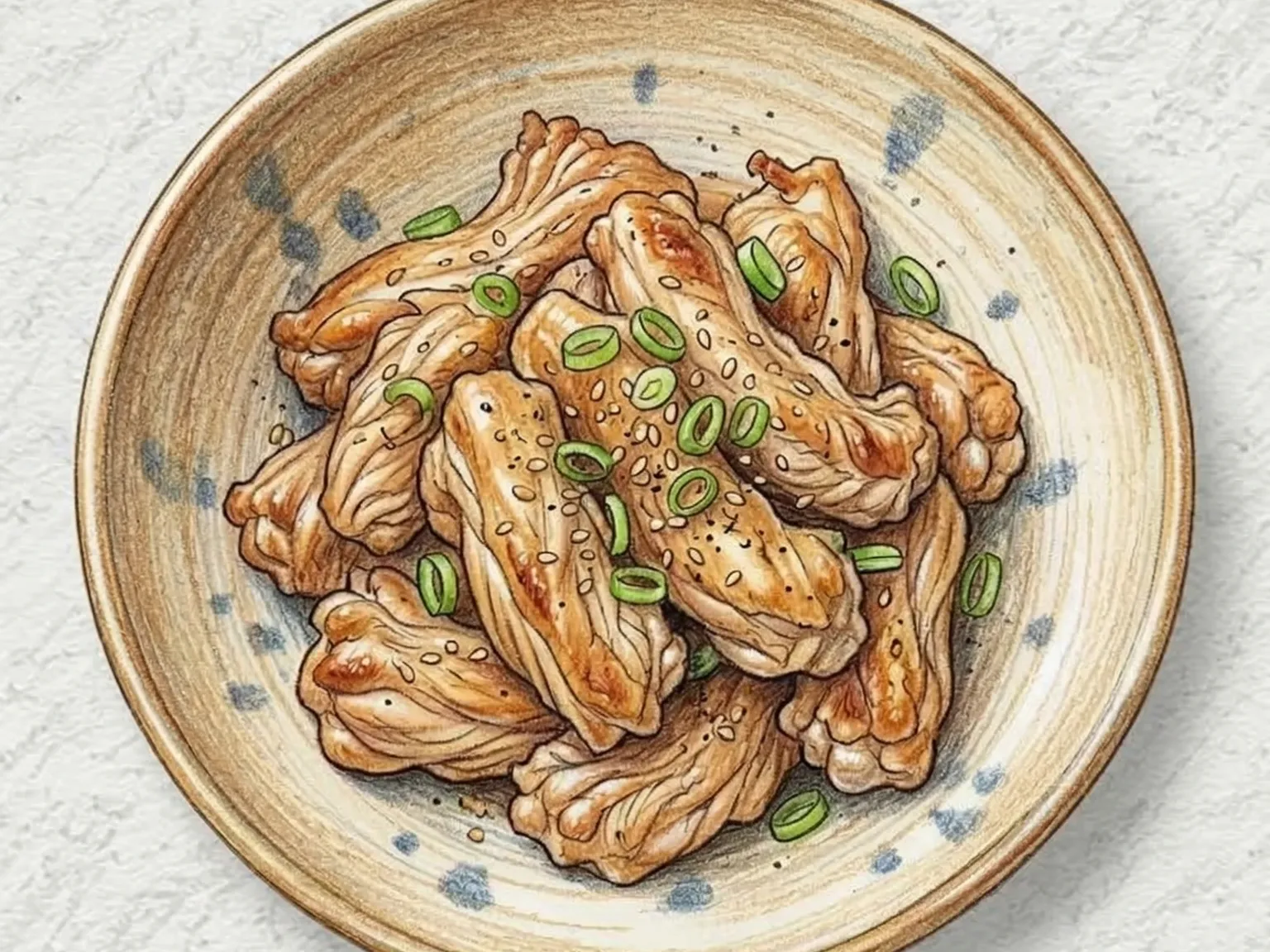
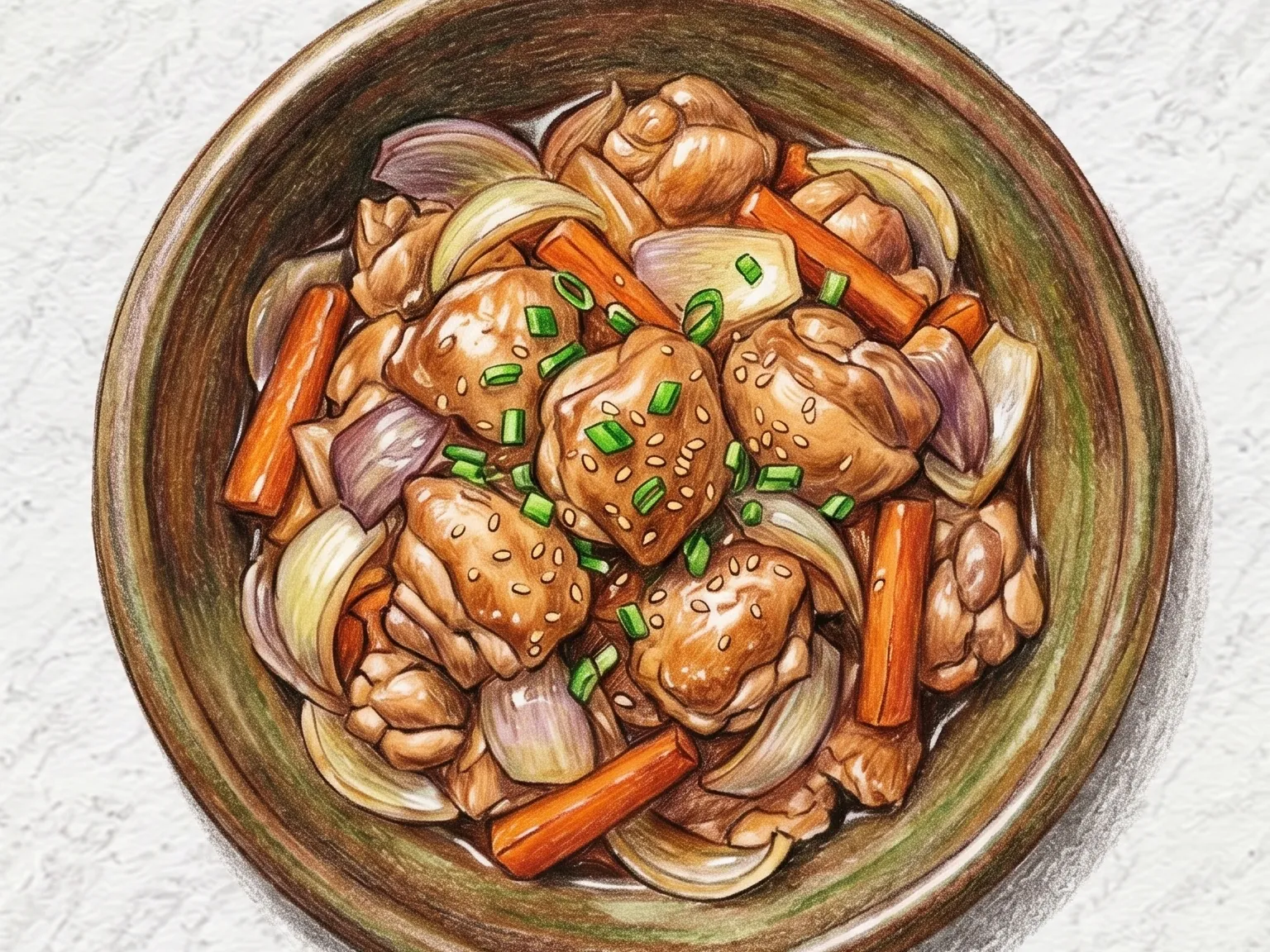
Dakttongjip-maneul-gui is a Korean dish of chicken gizzards grilled and stir-fried over high heat with whole garlic cloves and cheongyang chili peppers. Gizzards are dense, pure-muscle organs with a firm, satisfying chew that sets them apart from other chicken cuts. Scoring them deeply before cooking opens the compact tissue so heat penetrates evenly and seasoning reaches the interior; a ten-minute soak in cooking wine beforehand removes any off-odor and lets the flavors absorb. Whole garlic cloves cooked alongside the gizzards undergo a visible transformation - the exterior caramelizes to a golden brown while the inside softens and turns almost creamy, converting raw sharpness into a rounded, sweet depth. The seasoning stays deliberately minimal - only salt and black pepper - so the natural flavor of the gizzards remains the focus, with cheongyang chilies providing a brief, clean heat that punctuates each bite without overwhelming the palate. The dish works equally well as an anju with drinks or as a savory side with steamed rice.

Korean Dried Pollock Radish Soup
Hwangtae-muguk is an everyday Korean soup made with dried pollock strips and radish in a clean, clear broth. The pollock is first sautéed in sesame oil to coax out its characteristically nutty, savory fragrance, then water is added and the radish simmers until soft and sweet. Soup soy sauce and minced garlic provide the only additional seasoning, keeping the flavor profile transparent enough to let the pollock's concentrated umami and the radish's natural sweetness take center stage. The simplicity of the ingredient list belies the depth of the resulting broth, which tastes fuller than the sum of its parts. It is among the most frequently cooked soups in Korean homes, appearing on breakfast tables and as a reliable remedy on mornings after heavy meals. The pollock's tender, delicate flesh holds together well in the clear broth.

Korean Braised Eggplant in Seasoned Soy Sauce
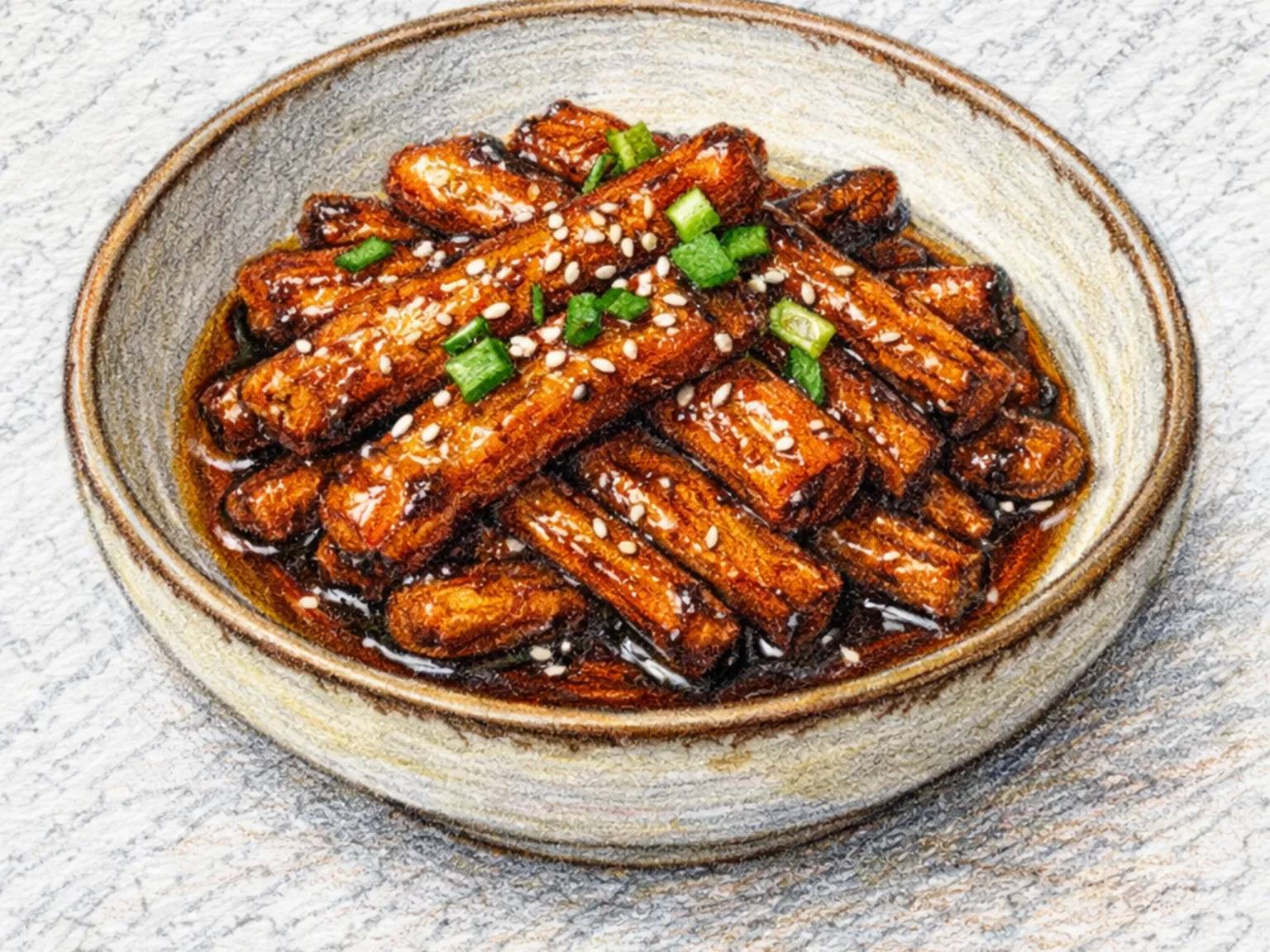
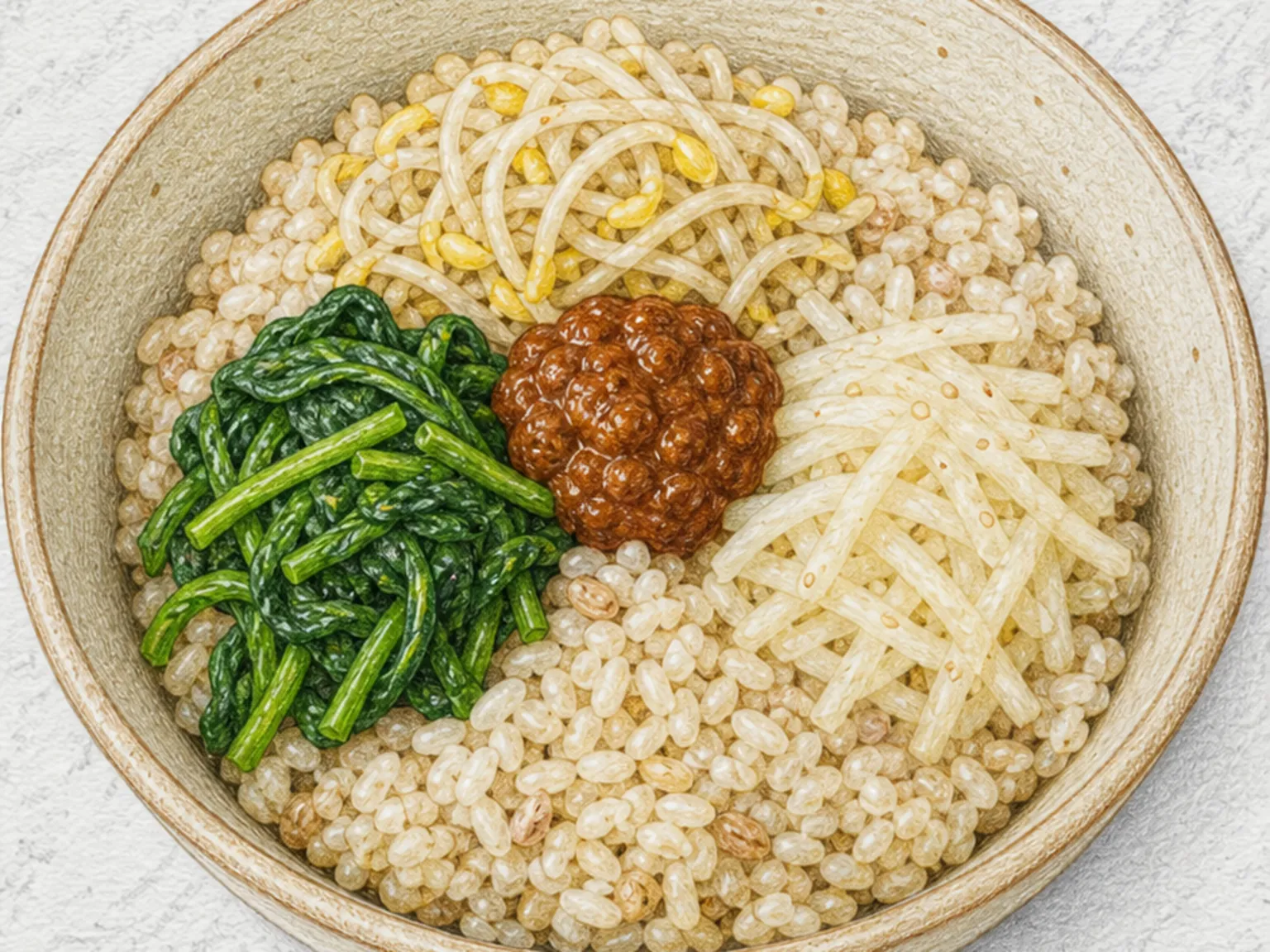
Gaji yangnyeom jorim is a Korean braised eggplant side dish made with soy sauce, gochugaru, garlic, and sesame oil. Briefly sauteing the eggplant in oil before adding the braising liquid is important: pre-cooking the surface prevents the eggplant from releasing too much water into the sauce, which keeps the seasoning concentrated and helps it penetrate evenly. A small amount of sugar or plum extract is added to the sauce, giving the finished dish its characteristic glossy sheen. Scallions are stirred in only after the heat is off to preserve their color and texture. The result is a compact, salty-spicy banchan with a deep lacquered surface on each piece. Keeping a batch in the refrigerator means it is available as a side dish for three or more days, and the leftover braising liquid works well as seasoning in bibimbap.

Korean Gamtae Sesame Oil Somyeon
Gamtae chamgireum somyeon is a Korean cold noodle dish where boiled thin wheat noodles are dressed with sesame oil and soy sauce, then covered with a generous layer of gamtae seaweed. Gamtae is a type of fine seaweed closer to green laver than to the roasted sheets most commonly associated with Korean cuisine, and its oceanic fragrance is considerably more intense and raw-edged than standard gim. The moment gamtae is placed over the noodles, a strong marine aroma rises that defines every subsequent bite. The dressing itself is deliberately minimal: sesame oil provides a heavy, toasted nuttiness and soy sauce contributes a salty, savory base, and together they carry the dish without competing with the seaweed's character. A measured amount of minced garlic adds a sharp, pungent undercurrent that gives the straightforward flavors a point of direction. Rinsing the noodles thoroughly in cold water after boiling removes excess surface starch, which is essential to prevent clumping and to allow the dressing to coat each strand individually rather than pooling at the bottom. The result is a clean, focused dish where ocean fragrance and nuttiness do all the work.

Water Parsley & Beef Salad
Beef marinated in soy sauce and pear juice is seared over high heat just long enough to develop a caramelized, deeply savory crust on the outside while the interior stays moist and tender. The cooked bulgogi is laid over a bed of fragrant minari and crisp lettuce, so each forkful carries both the warm, rich meat and the cool, crunchy vegetables. Thinly sliced red onion soaked in cold water to tame its bite then scattered through the bowl melds smoothly with the sweet-savory marinade coating the beef. A light toss of the remaining sesame oil from the pan coats the greens with a round, nutty aroma, and toasted sesame seeds sprinkled generously over the top complete the plate. Minari wilts quickly and loses its herbal fragrance once it is dressed, so it should only be combined with the other ingredients moments before the dish reaches the table. The warm meat against the cold greens creates a temperature contrast that makes each bite more dynamic. A spoonful of ssamjang dressing or a splash of yuzu vinegar can shift the flavor profile when variety is wanted.

Yangchunmian (Shanghai Clear Soy Broth Noodle Soup)
Yangchunmian is one of the most stripped-down noodle soups in Chinese cuisine, where a clear soy-seasoned broth and fresh wheat noodles are the entire focus. Chicken stock forms the base, seasoned with light soy sauce, a drizzle of sesame oil, and a dusting of white pepper. Chopped scallions float on top and blanched bok choy sits alongside the noodles - there is no meat, no elaborate garnish, nothing to distract from the broth itself. The critical finishing touch is a spoonful of scallion oil ladled over the surface, spreading an aromatic warmth across each bite. It has been a staple breakfast in Shanghai for generations.

Korean Seasoned Green Seaweed
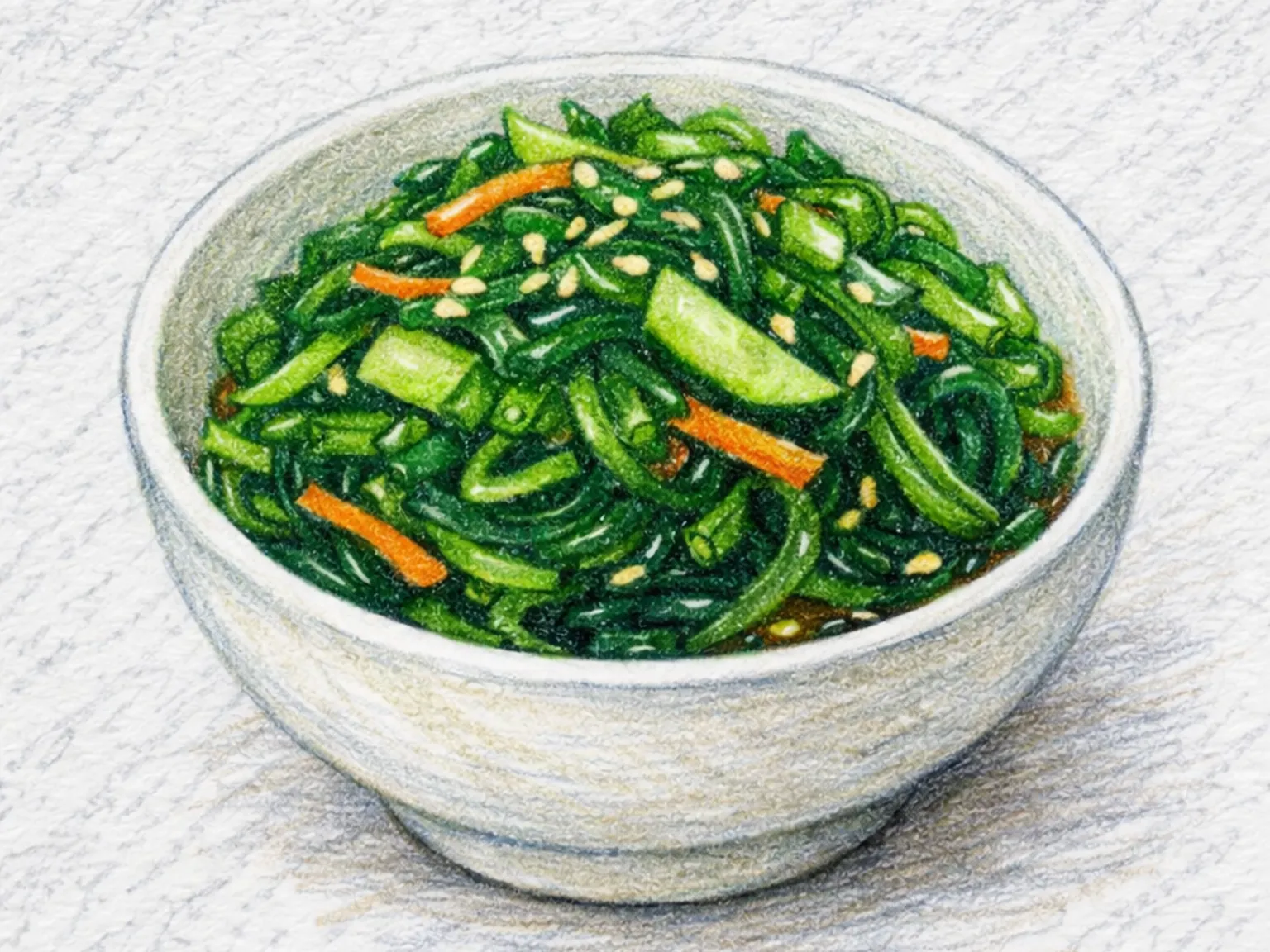
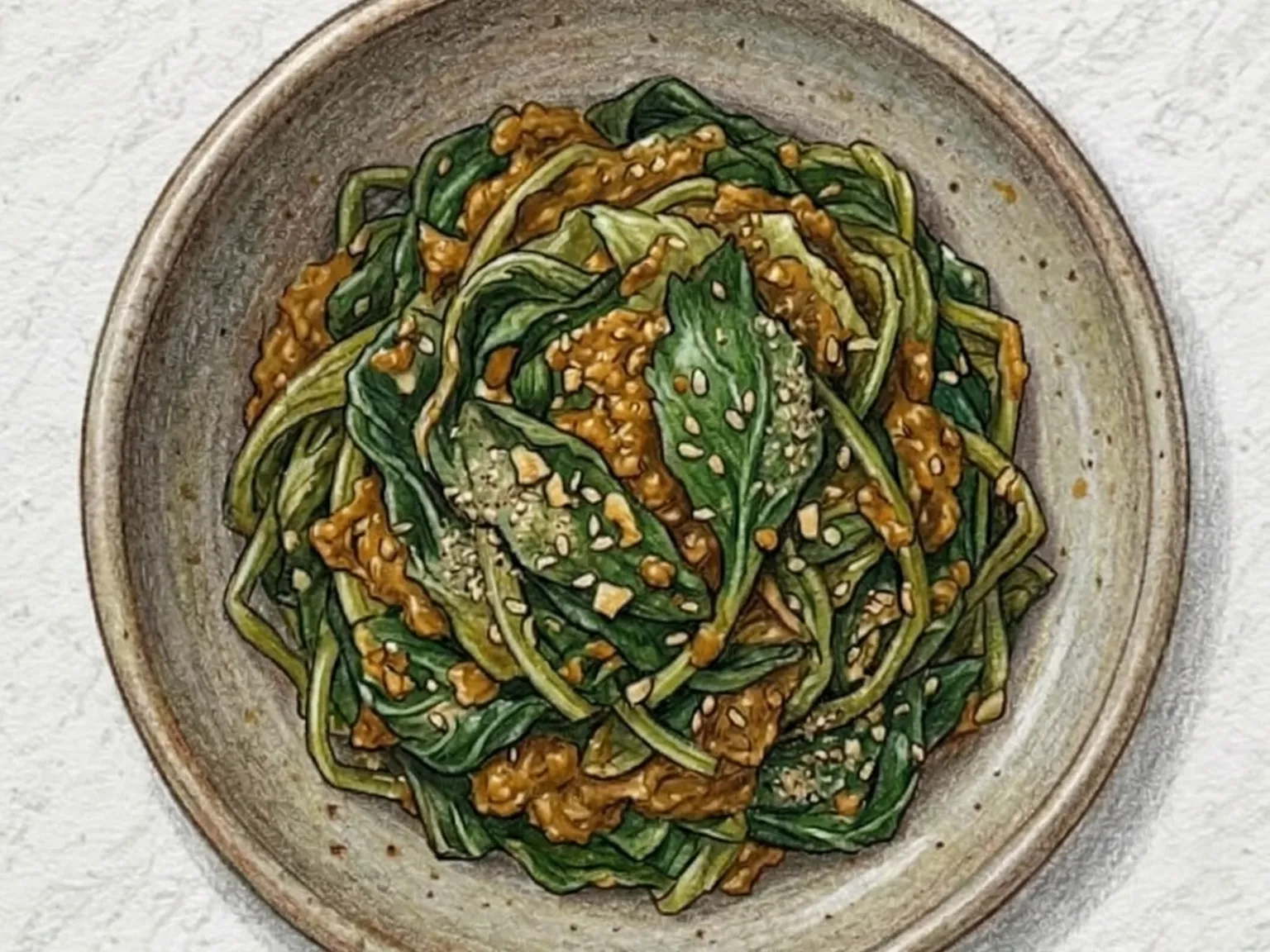
Cheonggak is a branching green seaweed harvested from the tidal flats of Korea's southern coast, recognizable by its dense, tree-like fronds and a sharp, concentrated oceanic smell. Blanching it in boiling water for exactly ten seconds brightens the color to a vivid green and preserves the cartilage-like crunch that defines the texture. Even a few seconds beyond that and the seaweed begins to collapse, so a timer is worth setting. After blanching, it is rinsed in cold water, squeezed firmly to remove moisture, and cut to finger lengths. The dressing uses vinegar as its leading ingredient alongside soy sauce, gochugaru, minced garlic, and sugar - the acidity of the vinegar dispels the sharp brininess of the seaweed and gives the finished dish a clean, refreshing quality. The seasoned cheonggak must be served immediately; within a few hours the seaweed releases liquid and the texture deteriorates beyond recovery. It appears in coastal markets across Jeollanam-do from midwinter through early spring and is absent from shelves the rest of the year.

Korean Chicken Rice Porridge
Dakjuk is a Korean chicken rice porridge built from a straightforward foundation: a whole chicken breast poached in water until tender, then shredded along the grain and returned to the broth with soaked short-grain rice. The rice and minced garlic are first sauteed briefly in sesame oil so each grain takes on a faint nuttiness before the stock is added, which carries through into the finished porridge. As the rice simmers and slowly breaks down over twenty-five or more minutes of regular stirring, it releases starch that thickens the liquid into a smooth, flowing consistency without turning gluey. The chicken adds lean protein without weighing the dish down, and the garlic mellows from sharp to a quiet warmth. Sliced green onion scattered on top provides a fresh, grassy contrast to the mild, savory base. Dakjuk has been a household staple in Korea for generations, reached for when the body needs recovery, when the stomach asks for something gentle, or when a warm and undemanding breakfast is simply the right start to the morning.

Korean Spicy Gochujang Potatoes
Gamja gochujang bokkeum is a simple Korean banchan of cubed potatoes stir-fried and simmered in a gochujang-based sauce until each piece is coated in a glossy, spicy-sweet glaze. Soaking the potatoes in cold water before cooking draws out excess starch, which prevents sticking and allows the sauce to adhere evenly across the surface rather than pooling at the bottom of the pan. The balance of gochujang heat and sugar sweetness is the flavor backbone, and the sauce is considered ready when it has reduced enough to form a shiny film on the potatoes - a visual cue that means the sugars have caramelized slightly and the flavors have concentrated. Because the sauce contains no additional liquid, it clings deeply to each cube rather than sitting separately, delivering full seasoning in every bite. This is a reliable everyday banchan that takes around twenty-five minutes with pantry staples and appeals to a wide range of palates, including children who find the sweetness more prominent than the heat.

Korean Steamed Mandu (Pork and Tofu Dumplings Steamed in Half-Moon Shape)
Jjin mandu are Korean steamed dumplings filled with a mixture of ground pork, thoroughly squeezed tofu, soaked glass noodles, garlic chives, and onion, seasoned with soy sauce and sesame oil, then folded into crescent shapes and steamed for 12 to 15 minutes. The steaming method sets these apart from pan-fried or boiled dumplings in a fundamental way: no oil is added, so the wrapper stays moist and clings to the filling rather than crisping, and the filling's own flavors come through without the richness that frying introduces. Removing as much moisture as possible from the tofu before mixing it in is one of the most important steps - tofu that has not been squeezed dry will release liquid during steaming and make the filling watery and the wrapper soggy. Once the moisture is gone, the tofu blends into the pork and gives the filling a softer, more yielding texture than ground meat alone. Garlic chives provide a pungent, grassy bite that naturally cuts through the fat in the pork, while the glass noodles add a slippery, chewy element that contrasts with the tender meat. At the end of steaming, the wrappers turn translucent and the filling becomes just visible through the dough - a reliable sign that the dumplings are fully cooked. A dipping sauce of soy sauce, rice vinegar, and red chili flakes provides acidity and heat that lifts the mild, clean flavor of the filling.

Korean Salt-Grilled Pork (Pork Belly and Neck BBQ)
Doejigogi-gui is Korea's salt-grilled pork, made by seasoning thick-cut pork belly or pork neck with nothing but coarse salt and grilling over charcoal or on a cast iron pan. Because no marinade masks the flavor, the quality of the pork itself determines the outcome, and thick-cut belly requires patient cooking over medium heat so the fat layers render fully before the exterior chars -- rushing over high flame leaves the fat chewy and greasy rather than crisp. Blotting excess rendered fat from the pan with paper towels during cooking keeps the meat grilling rather than deep-frying and preserves the smoky char that defines the dish. Garlic slices cooked on the same pan alongside the pork add a mellow roasted note. The classic accompaniments -- sesame oil and salt for dipping, fresh lettuce or perilla leaves for wrapping, a dab of doenjang, and a sliver of cheongyang chili -- create the complete Korean barbecue experience, where a bite of rich pork, crunchy greens, and pungent condiments come together in one mouthful.