Vietnamese Mi Quang (Turmeric Noodles with Pork and Shrimp)
Mi quang is a noodle dish from the Quang Nam province in central Vietnam, built on wide, turmeric-tinted rice noodles dressed with pork, shrimp, and a deliberately small amount of intensely concentrated broth. The defining characteristic of the dish is that ratio. Where most noodle soups are meant to be submerged, mi quang uses just enough broth to moisten the noodles, making it closer to a dressed noodle than a soup bowl. Pork is marinated in fish sauce and turmeric before cooking, which simultaneously tints the meat yellow and saturates it with fermented savory depth. Simmering it briefly with chicken stock draws out a small volume of broth with a concentrated, meaty intensity that would taste overwhelmingly strong on its own but calibrates perfectly when distributed across a full serving of noodles. Shrimp are kept separate and cooked quickly by sautéing or grilling rather than simmering, which keeps them springy rather than soft. The noodles are cooked, rinsed under cold water so they do not stick, and placed in a bowl before the meat, shrimp, and broth go on top. Bean sprouts add a raw crunch that contrasts directly with the soft noodles, while crushed roasted peanuts contribute a dry, nutty texture that absorbs some of the broth. A squeeze of lime at the end sharpens the entire flavor profile and balances the richness.
Shrimp Alfredo Pasta
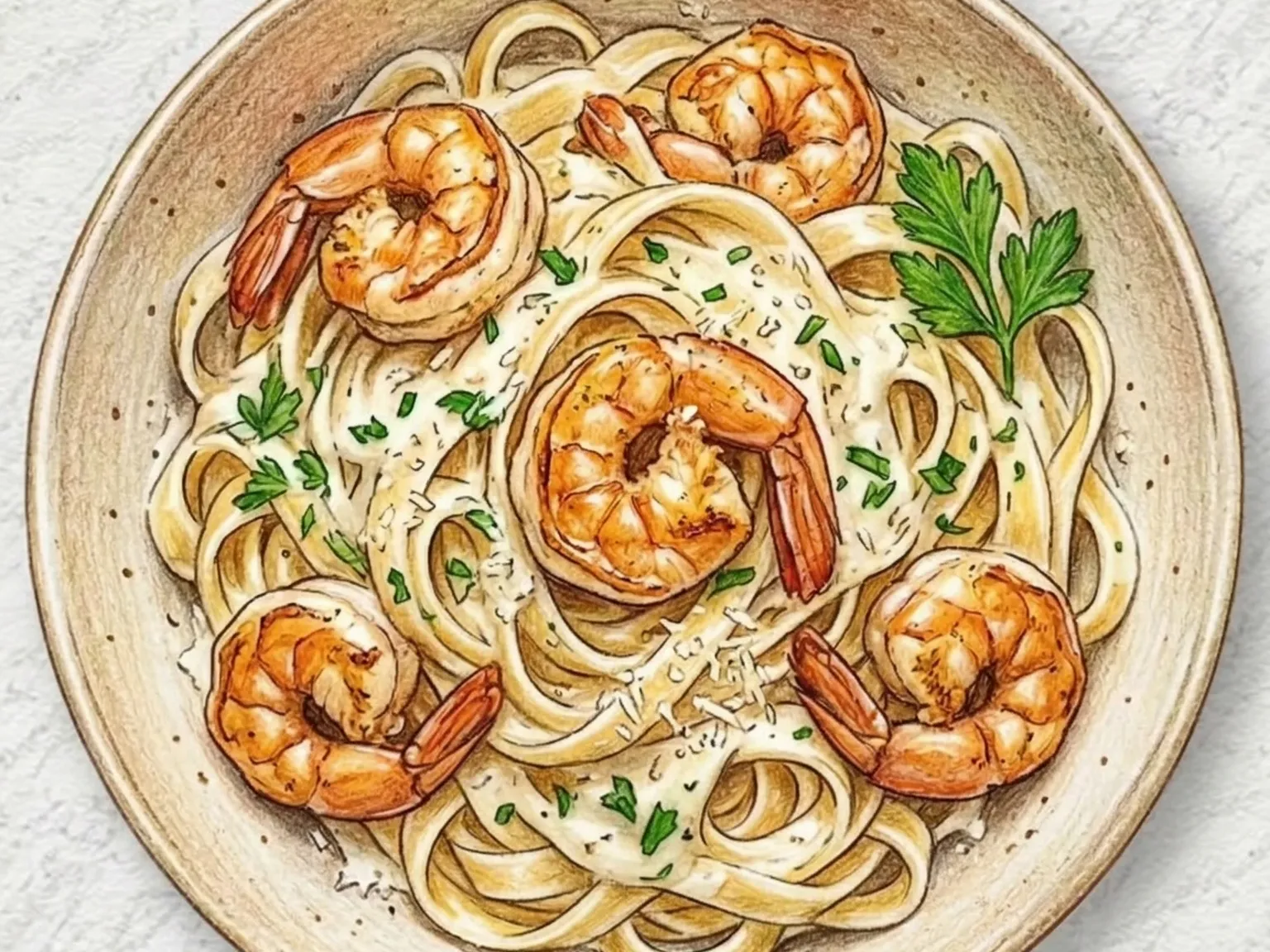
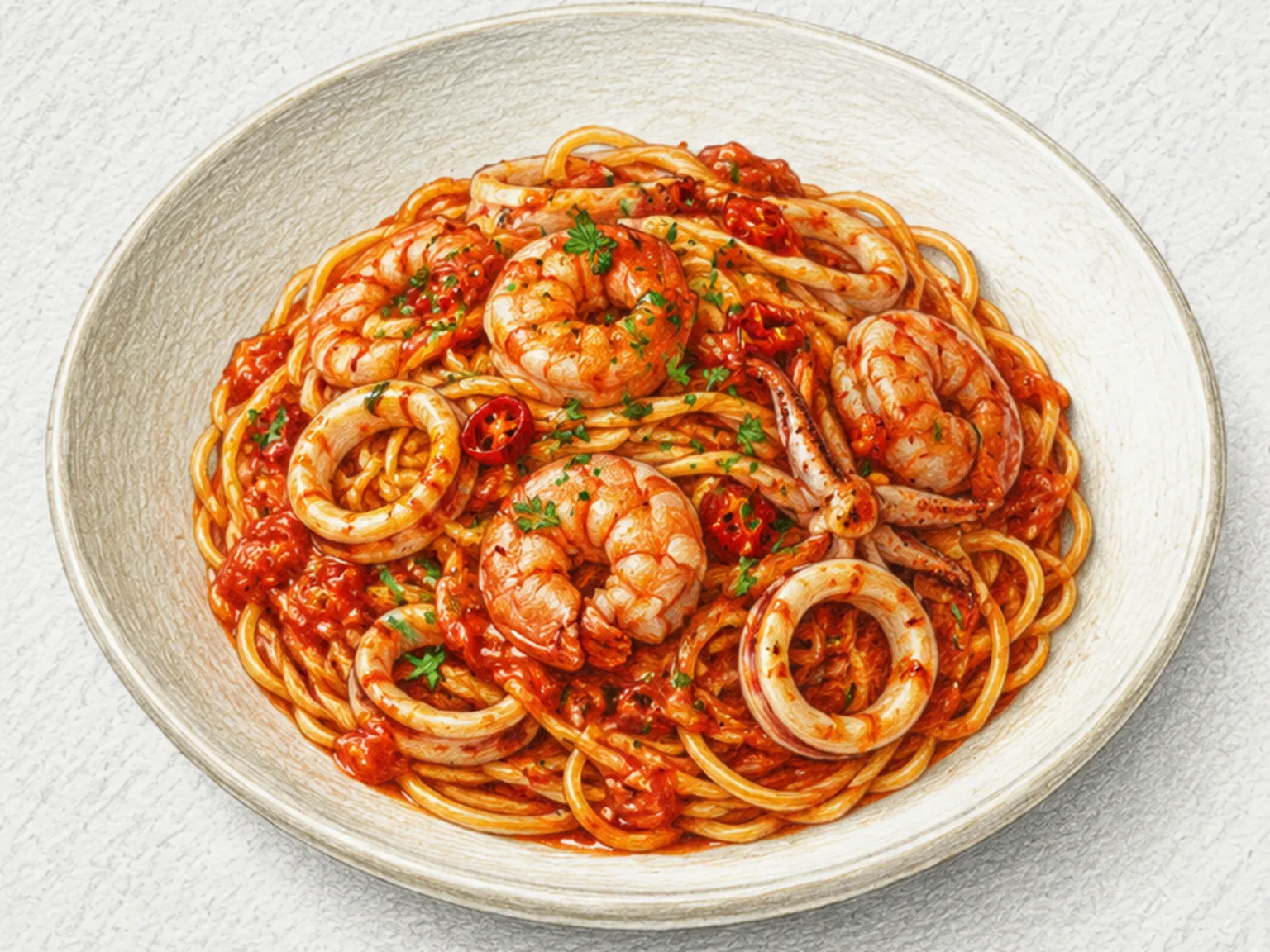
Shrimp Alfredo pasta pairs fettuccine with a cream sauce built from butter, garlic, heavy cream, and grated Parmesan. The shrimp are seared quickly in butter on both sides to develop a light caramelized crust while keeping the interior moist, then set aside and returned to the pan only at the end. Adding the cheese off direct heat is critical - high temperature causes the fat and protein in Parmesan to separate, turning the sauce grainy instead of smooth. Starchy pasta water stirred into the cream acts as an emulsifier, helping the sauce cling to each strand rather than pooling at the bottom of the bowl. The shrimp's natural sweetness provides a clean counterpoint to the dense richness of cream and aged cheese.
Japanese-Style Chili Shrimp (Ebi Chili)
Ebi chili was created in the 1970s when Chen Kenmin, a Sichuan-born chef working in Tokyo, adapted the fiery Sichuan prawn stir-fry with doubanjiang to suit Japanese palates. The original Sichuan preparation leads with doubanjiang's raw, aggressive heat, but Chen softened that edge by adding ketchup, beaten egg, and chicken stock, transforming a sharp regional dish into the glossy, gently spiced sauce that became a Japanese staple. Shrimp are lightly coated in cornstarch and flash-passed through hot oil to form a thin shell on the outside. That shell absorbs the sauce during the final toss while protecting the shrimp's firm, springy interior. Minced garlic, ginger, and scallion are fried in oil first to build a deep aromatic base, then doubanjiang is toasted in the same oil until its raw pungency mellows and the oil takes on a deep red color. Ketchup and sugar go in next, followed by chicken stock, and the sauce is reduced until it coats a spoon. The beaten egg stirred in last gives the finished sauce a slightly creamy, silky body. Ebi chili is one of the most recognized items on Japanese teishoku restaurant menus, typically served as a set meal with steamed rice, miso soup, and a small side salad. It is equally common in home kitchens and bento boxes, occupying the kind of everyday familiarity that few other Chinese-inspired dishes have achieved in Japan.
Korean Lotus Root Shrimp Pot Rice
This pot rice pairs shrimp with lotus root, creating a contrast between the bouncy shellfish and the crunchy root vegetable. Shiitake mushroom deepens the umami layer, and garlic weaves a steady aroma throughout. Light soy sauce seasons the rice just enough to let the natural flavors of each ingredient come through. A drizzle of sesame oil at the end gives the grains a glossy sheen and nutty finish. When the lid comes off, the red of the shrimp against the white lotus root cross-sections makes for a striking presentation.
Korean Stir-Fried Shrimp (Garlic Butter Soy Glazed Shrimp)
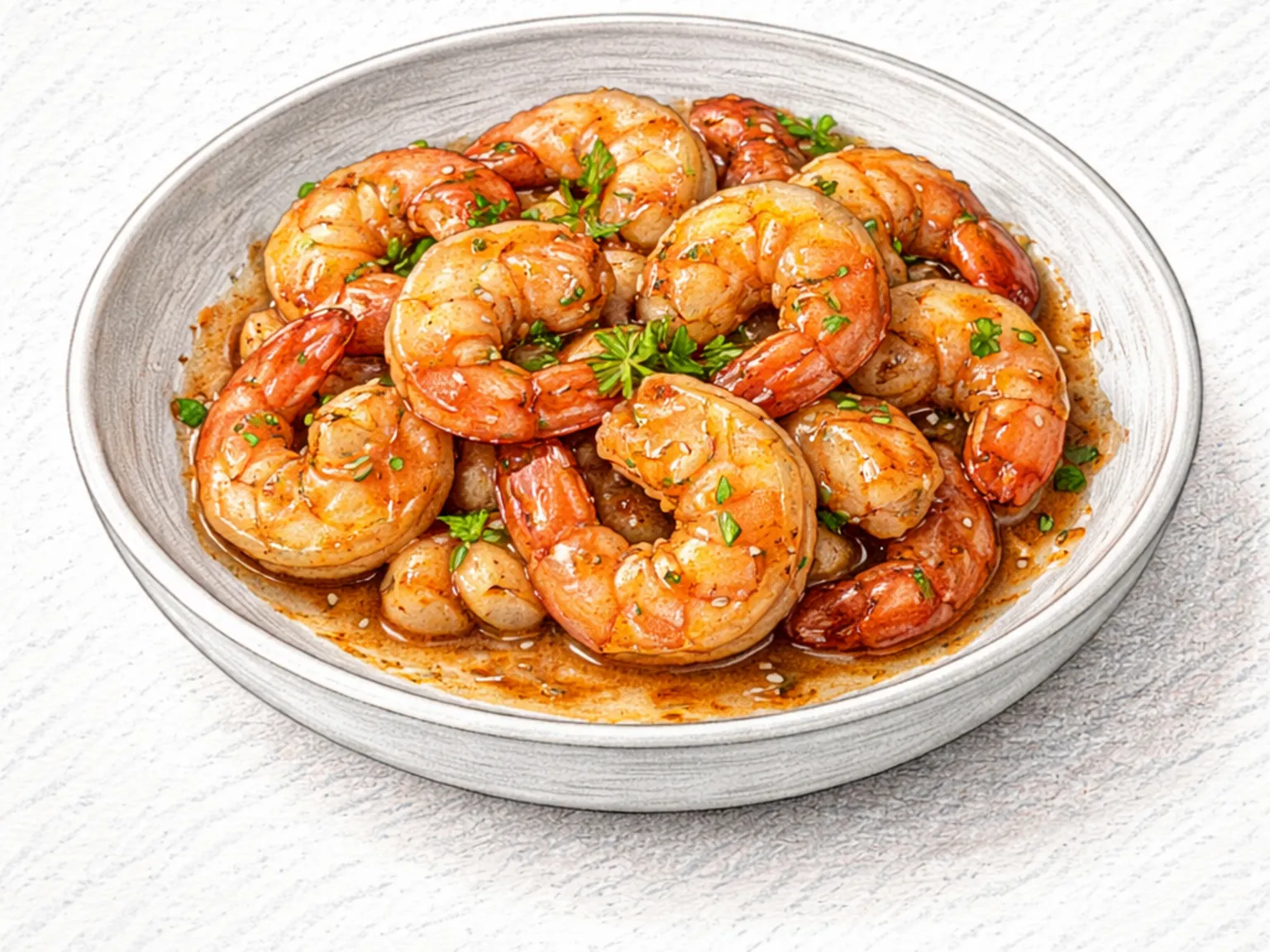
Saeu-bokkeum is a Korean shrimp stir-fry cooked in melted butter with garlic, then seasoned with soy sauce, sugar, and black pepper. The shrimp are peeled and deveined, patted dry, and cooked only until they turn pink -- a matter of minutes. Butter and garlic form the aromatic base, while soy sauce and a small amount of sugar build a savory-sweet glaze that coats each shrimp without a separate sauce. Green onion scattered on top adds a fresh bite to finish.
Pad Thai
Pad thai is Thailand's most widely recognized stir-fried noodle dish, centered on a sauce made from tamarind paste, fish sauce, and sugar that balances sweet, sour, and salty flavors in every bite. The proportion of these three ingredients is what determines the character of the final dish, and adjusting them even slightly shifts the balance noticeably. Dried rice noodles soak in lukewarm water for twenty minutes until they are pliable but still firm enough to hold up under high heat without becoming mushy. Firm tofu is pan-fried first until golden on all sides, establishing a nutty, textured base, then shrimp are added and pushed to the side as soon as they turn pink. The eggs are scrambled in the cleared center of the pan rather than mixed in with everything else, which allows them to set into thin, irregular sheets that distribute evenly through the noodles when tossed. Adding the soaked noodles and sauce over high heat and tossing quickly causes the noodles to absorb the sauce rapidly, developing a glossy, amber-toned coating. Bean sprouts stirred in at the very end keep their crunch, coarsely ground peanuts provide a roasted, brittle texture, and a squeeze of fresh lime just before eating introduces a bright acidity that sharpens the whole dish.
Shrimp and Grits
Shrimp and grits layers creamy, cheese-enriched grits beneath sauteed shrimp cooked in rendered bacon fat. The grits are whisked gradually into a mixture of boiling water and milk, then stirred frequently over low heat for about fifteen minutes until they reach a smooth, porridge-like consistency. Cheddar cheese and butter folded in at the end add richness and a slight tang. Bacon is rendered until crisp first, and its fat becomes the cooking medium for the shrimp, transferring smoky, salty depth into each piece. Paprika dusted over the shrimp before cooking contributes warm color and a mild earthy note. The shrimp should be pulled from the heat the moment they turn opaque - even a minute too long makes them rubbery.
Japanese Shrimp with Mayo
Ebi mayo was invented by Hong Kong-born chef Chou Yuanji while working in Japan, fusing Cantonese prawn cookery with the rich creaminess of Japanese mayonnaise. Shrimp are coated in cornstarch and deep-fried until the shell crackles, then tossed in a sauce of mayonnaise, condensed milk, and lemon juice. The condensed milk tempers the mayo's tang and adds a gentle sweetness. Japanese Kewpie mayonnaise, made with egg yolks only rather than whole eggs, is denser and more umami-rich than Western varieties, and this difference is what gives ebi mayo sauce its distinctive body. The crispy starch coating absorbs the thick sauce on the surface while the shrimp beneath stays springy, creating a two-layered texture -- creamy on first contact, then bouncy when the teeth reach the center. Ebi mayo is a staple of izakaya menus and Chinese restaurants in Japan, and has crossed into convenience-store bento boxes and onigiri fillings as one of the country's most ubiquitous fusion flavors.
Korean Lotus Root and Shrimp Stir-fry
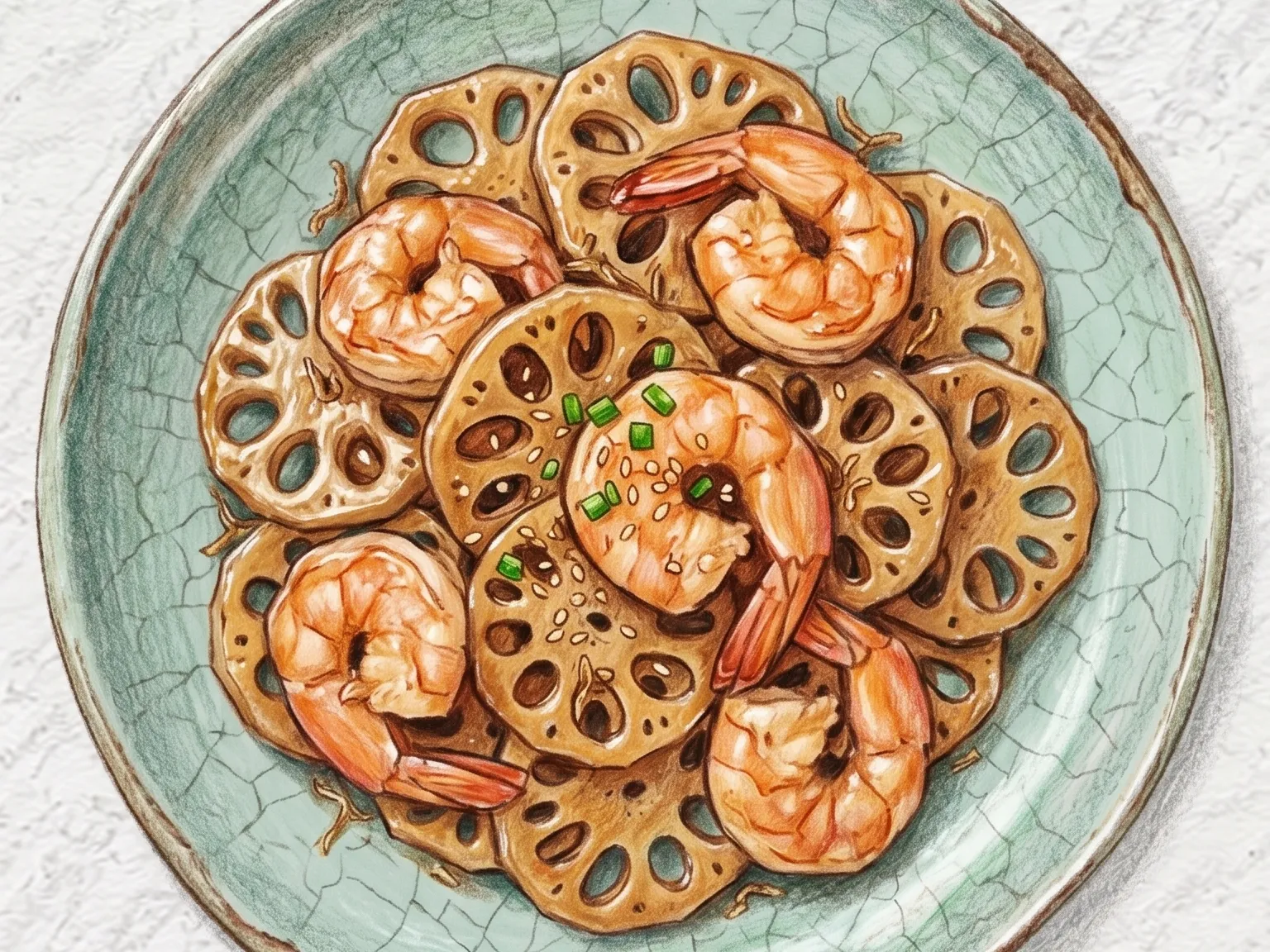
Yeongeun-saeu-bokkeum stir-fries vinegar-soaked lotus root and cleaned shrimp in a soy sauce and oligosaccharide glaze. The lotus root goes in the pan first for two minutes to start cooking, then shrimp are added and the soy-syrup seasoning goes in over high heat to build a glossy coating. The crunchy, starchy bite of the lotus root contrasts with the bouncy firmness of the shrimp in each mouthful, while the soy and syrup provide a simple salty-sweet balance. Finished with sesame oil, the dish holds its texture well even after cooling, making it well-suited for packed lunches.
Pancit Palabok (Filipino Rice Noodles with Annatto Shrimp Sauce)
Pancit palabok is a Filipino celebratory noodle dish built on thin rice noodles blanketed in an orange-hued shrimp sauce. The sauce draws its color from annatto powder, which also contributes a faint earthy sweetness, and its savory backbone from shrimp-shell stock simmered with fish sauce. Boiled egg halves and a squeeze of lime are the traditional garnish, cutting through the richness with acidity. Fried garlic, sliced scallions, and crushed chicharron scattered on top add texture contrast and bring multiple layers of flavor to a single serving. At Filipino birthday parties and holiday gatherings, palabok is presented on a large platter and shared family-style, making it one of the most recognizable celebration dishes in the cuisine.
Shrimp Boil
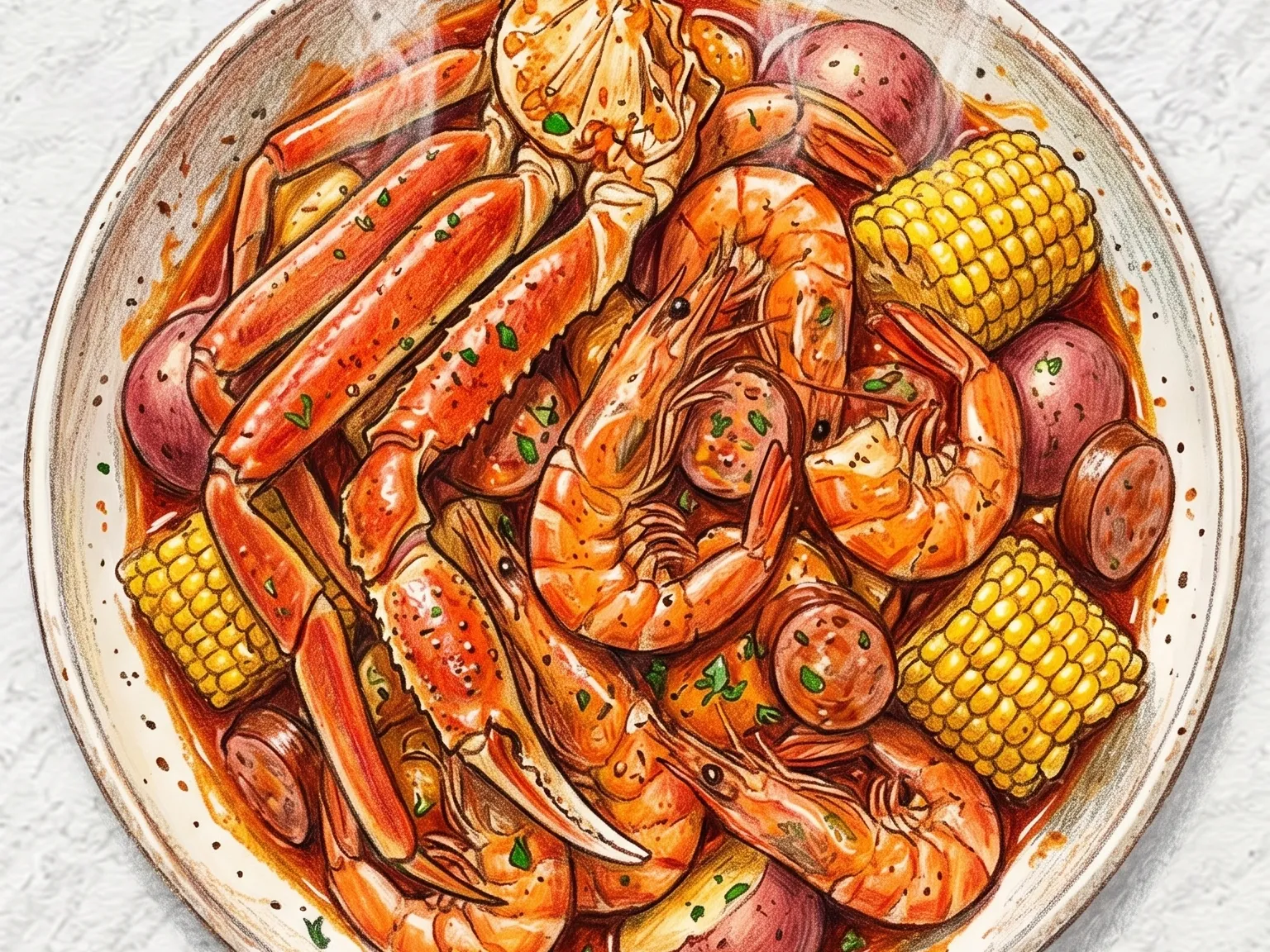
Shrimp boil is a Southern American one-pot dish where ingredients are added to seasoned boiling water in stages according to their cooking time. Potatoes go in first and cook for about ten minutes, followed by corn on the cob and smoked sausage for another seven minutes, and shrimp last for just two to three minutes. This staggered approach ensures every component reaches the table properly cooked - potatoes tender, corn sweet and snappy, sausage heated through, and shrimp firm rather than rubbery. The drained pile is tossed with melted butter and fresh lemon juice, which adds richness and acidity on top of the paprika-seasoned broth. Traditionally served poured out onto newspaper for communal eating by hand.
Vietnamese Fresh Spring Rolls
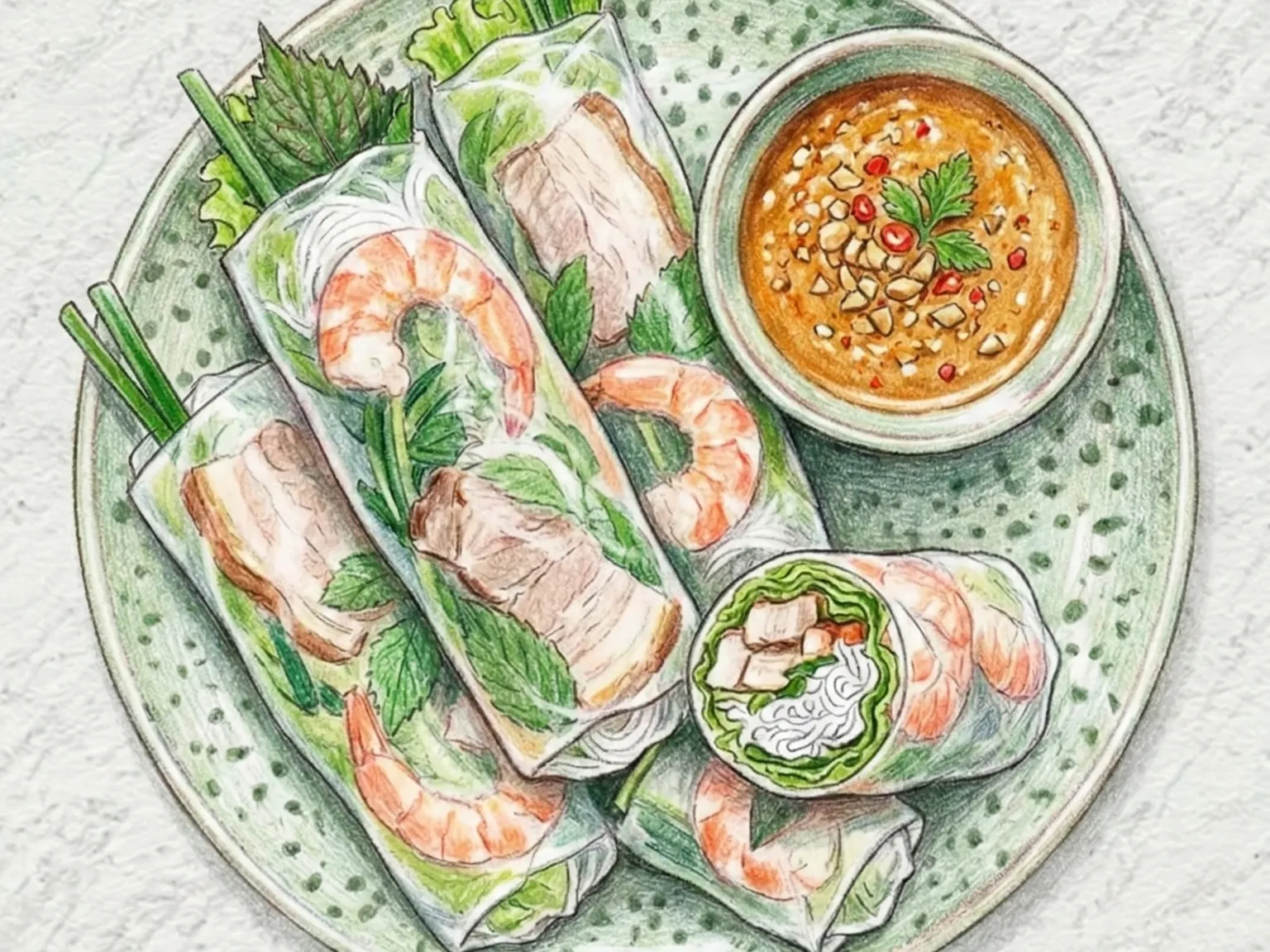
Goi cuon, Vietnamese fresh spring rolls, are an uncooked hand-assembled dish from southern Vietnam. A sheet of rice paper softened in water serves as the wrapper for poached shrimp, sliced pork, rice vermicelli, lettuce, mint, cilantro, and garlic chives, all rolled tightly into a compact cylinder. Because the wrapper is translucent, the pink shrimp and bright herbs are visible through the exterior before the first bite, and that visual layer is part of the appeal. Two dipping sauces are standard: a thick peanut-hoisin blend whose richness suits the fatty pork, and nuoc cham, a light bright mixture of fish sauce, lime juice, sugar, and chili that works against the springy shrimp. Inside each roll, four distinct textures come together - the chewy rice paper, slippery vermicelli, firm shrimp, and leafy herbs - and none of them would work the same way if cooked. The dish requires no heat source to prepare, yet the balance of protein, starch, and fresh aromatics makes it nutritionally complete as a light meal. In Ho Chi Minh City, fresh spring rolls are sold from street carts alongside more elaborate restaurant preparations, and serving them at home means assembling at the table together, a format that brings a communal rhythm to the meal that plated dishes do not.
Mixed Seafood and Vegetable Stir-fry
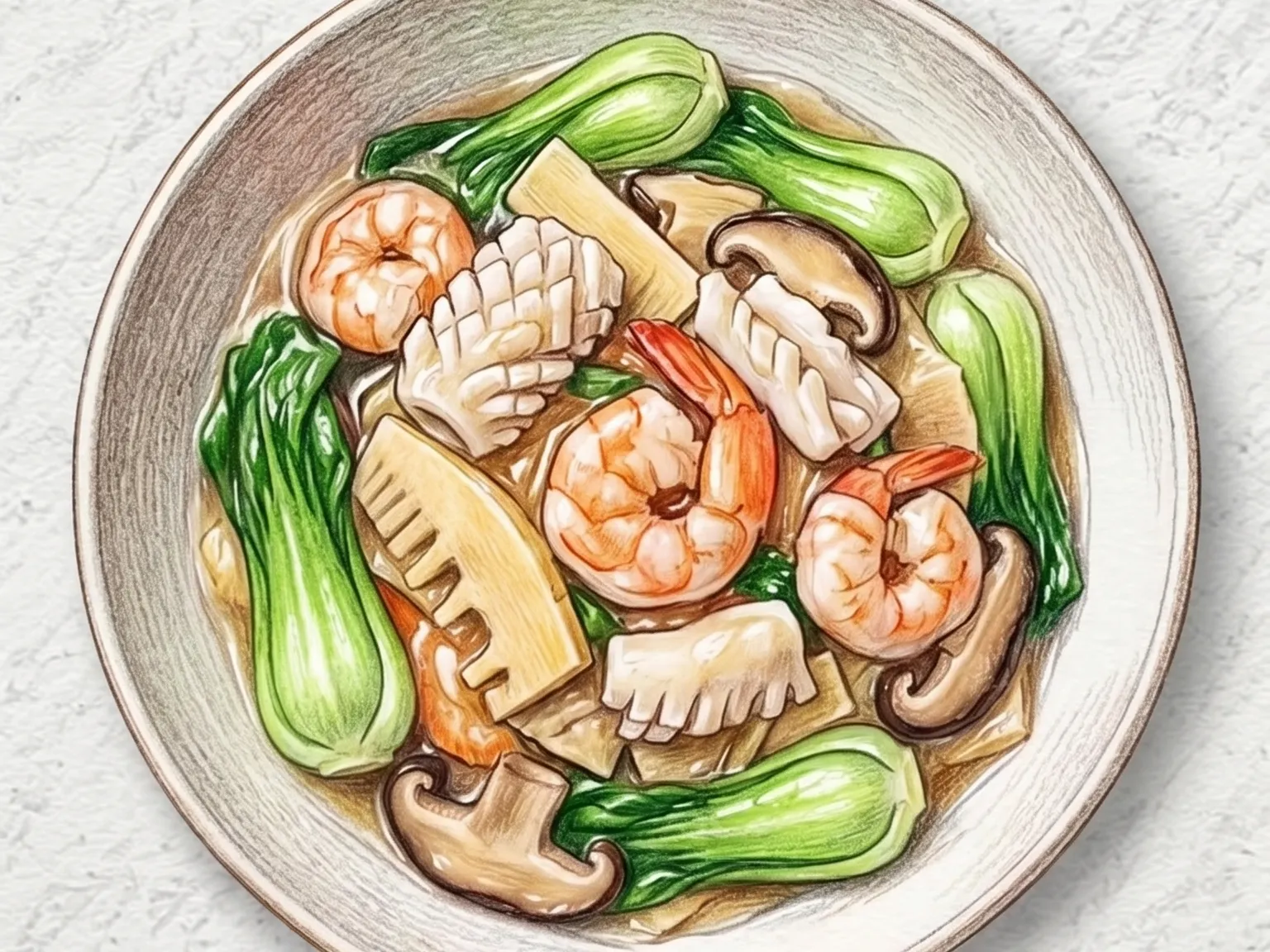
Yusanseul is a Korean-Chinese stir-fry of shrimp, squid, bamboo shoots, shiitake mushrooms, and bok choy, finished with a light cornstarch sauce. The seafood is seared quickly over high heat to maintain a springy bite, while chicken stock and oyster sauce build a clean umami backbone. A starch slurry binds everything in a silky, translucent glaze that clings to each ingredient without heaviness. Bamboo shoots and bok choy retain their crunch, giving the dish textural contrast that makes it well-suited for a special occasion table.
Singapore Rice Noodles (Curry-Spiced Stir-Fried Vermicelli with Shrimp)
Singapore rice noodles are a Cantonese-style stir-fry of thin rice vermicelli tossed with curry powder, shrimp, and mixed vegetables over high heat. The curry powder is bloomed in hot oil at the edge of the wok to unlock its full aroma before being mixed into the noodles. Soy sauce adds seasoning depth, and bean sprouts go in during the last thirty seconds to keep their crunch. Soaking the vermicelli for only eight minutes prevents the noodles from breaking apart during stir-frying.
Shrimp Etouffee
Shrimp etouffee starts with a blonde roux - butter and flour stirred continuously over medium heat until the mixture turns light brown and smells faintly of toasted nuts. The Cajun trinity of diced onion, celery, and bell pepper is added directly to the roux, where the vegetables release moisture that loosens the paste and contributes sweetness. Chicken stock and paprika transform the mixture into a thick, velvety sauce with warm color and gentle spice. The shrimp go in during the final four minutes of cooking so they absorb the sauce's flavor without overcooking. Darkening the roux beyond light brown risks bitterness that overpowers the delicate shrimp. The finished dish is spooned over steamed rice, which absorbs the rich sauce.
Cantonese Har Gow Dumplings
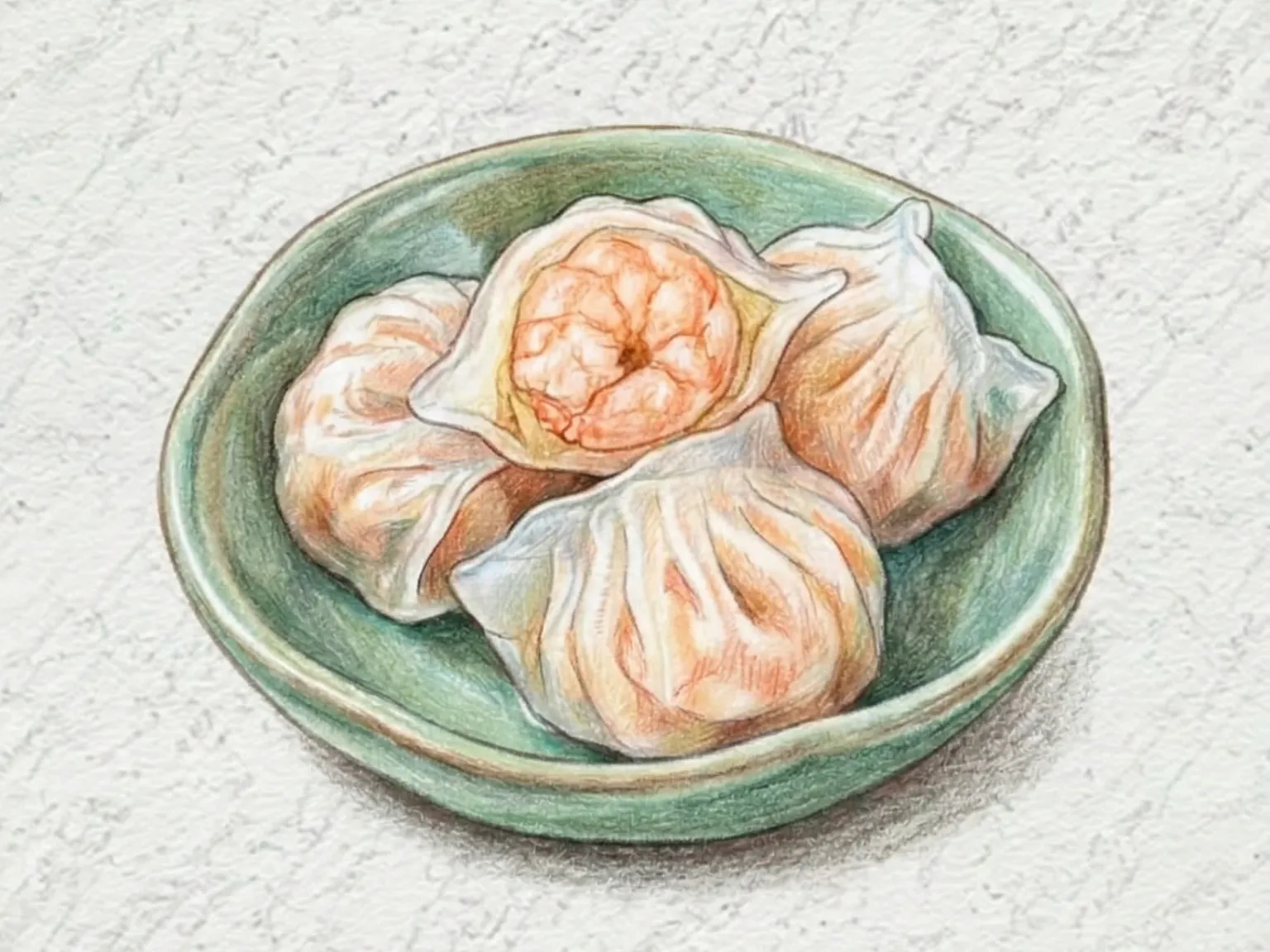
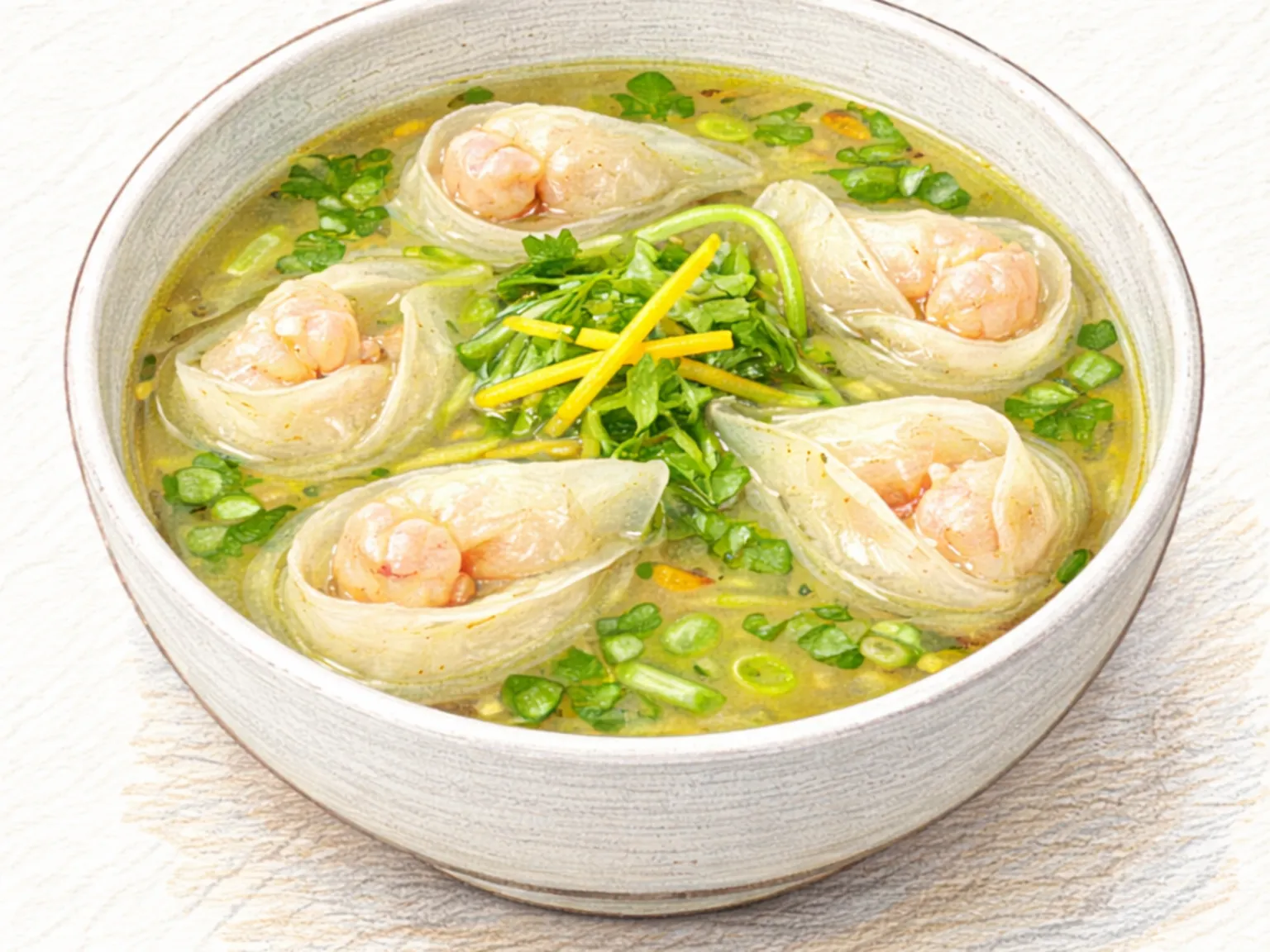
Har gow is the benchmark dumpling of Cantonese dim sum, and the translucent wrapper is what sets it apart from every other variety. Wheat starch and tapioca starch are mixed with boiling water, which instantly gelatinizes the starches and produces a pliable, springy dough with a silky chew that ordinary wheat flour simply cannot replicate. A small amount of oil kneaded in ensures the dough stays smooth and workable as you roll. The shrimp filling is deliberately chopped rather than minced fine, so each bite delivers a firm, snappy texture instead of a paste. Finely diced bamboo shoots add a subtle crunch that breaks the monotony. Seasoning is intentionally restrained, sesame oil, salt, and white pepper only, to let the natural sweetness of the shrimp carry the flavor. The dough firms up quickly as it cools, so the only practical approach is to work in small batches. Six to seven minutes over high steam is all it takes for the wrappers to turn glassy and the pink shrimp to show through. At a Hong Kong yum cha table, har gow is invariably among the first baskets ordered.
Snow Crab Boiling Seafood
A Southern American-style seafood boil featuring snow crab and seafood in spicy Cajun sauce.
Hokkien Mee (Prawn Broth Stir-Fried Noodles)
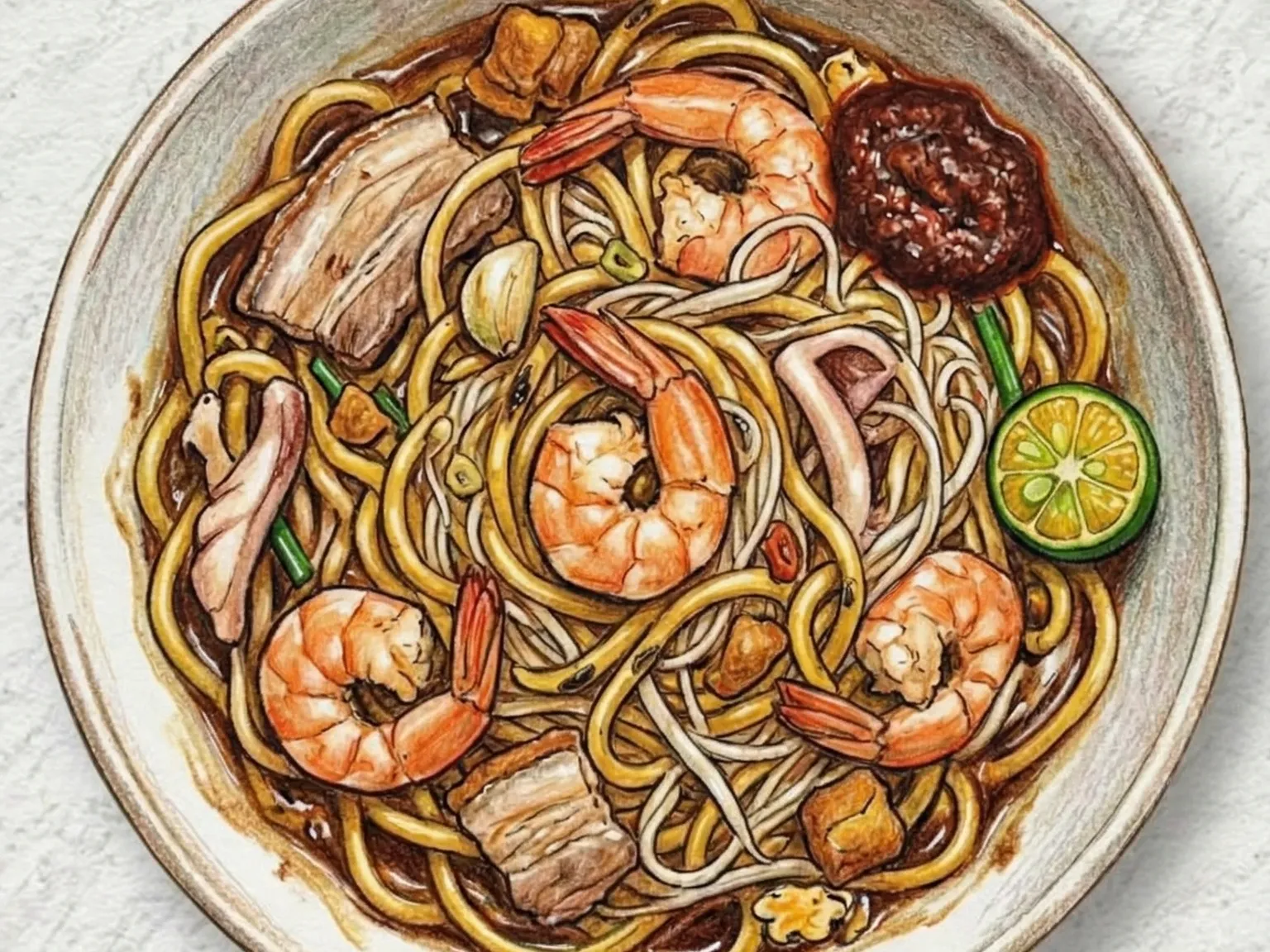
Hokkien mee is a Singaporean stir-fried noodle dish that uses two types of noodles, yellow egg noodles and thin rice vermicelli, cooked together in rich prawn stock. The stock, made by roasting shrimp heads and shells until deeply fragrant, is what separates this dish from ordinary stir-fried noodles. High wok heat is non-negotiable; insufficient heat leaves excess moisture and mutes the flavors. Shrimp and squid are seared quickly over maximum flame to avoid overcooking, then both noodle types are tossed in and drenched with the prawn stock and soy sauce, cooking until the liquid is nearly absorbed into the strands. Bean sprouts go in for the final thirty seconds to preserve their snap. A squeeze of lime just before eating brings acidity that lifts the rich, marine-heavy flavors.
Hokkien Prawn Mee (Spicy Prawn Noodle Soup)
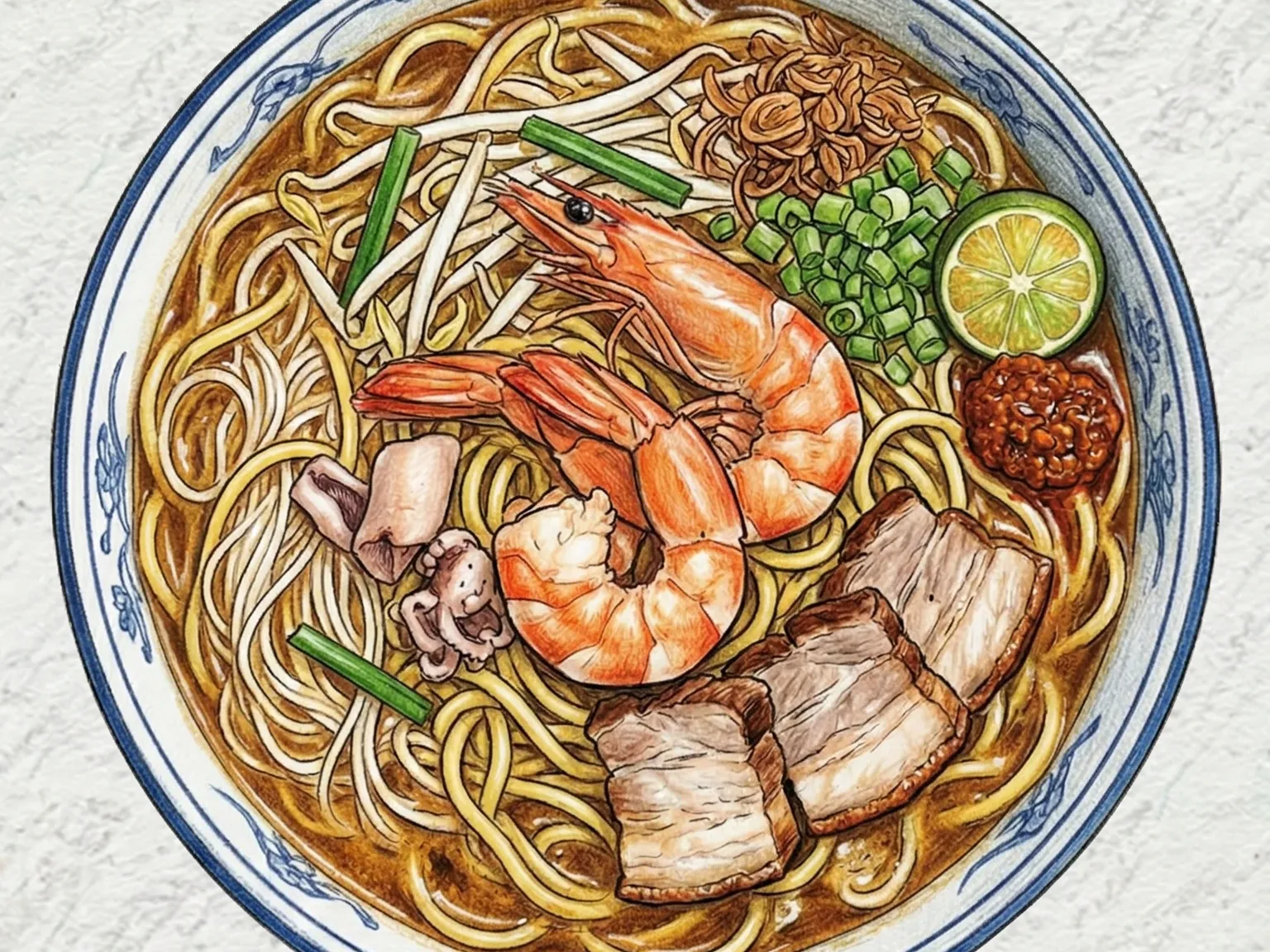
Hokkien prawn mee is one of the defining noodle dishes of Singapore's hawker culture, built on a dual stock of roasted shrimp shells and slow-simmered pork bones. The shrimp are broken down into shells and meat before cooking begins - the shells are fried in oil with garlic until deeply browned and fragrant, and this step alone sets the ceiling of flavor the final broth can reach. Pork stock is added to the pan and the combined liquid simmers for twenty minutes before being strained, producing a broth that appears almost clear but carries a concentrated marine and pork depth. Egg noodles and the reserved shrimp meat are cooked directly in this strained liquid, and fish sauce is stirred in to reinforce the ocean character. A spoonful of sambal chili paste rests on the surface and gradually dissolves into the soup as the bowl is eaten, intensifying with each sip. Chopped scallion adds a fresh green note against the rich, amber broth.
Hu Tieu Nam Vang (Vietnamese Pork & Shrimp Noodle Soup)
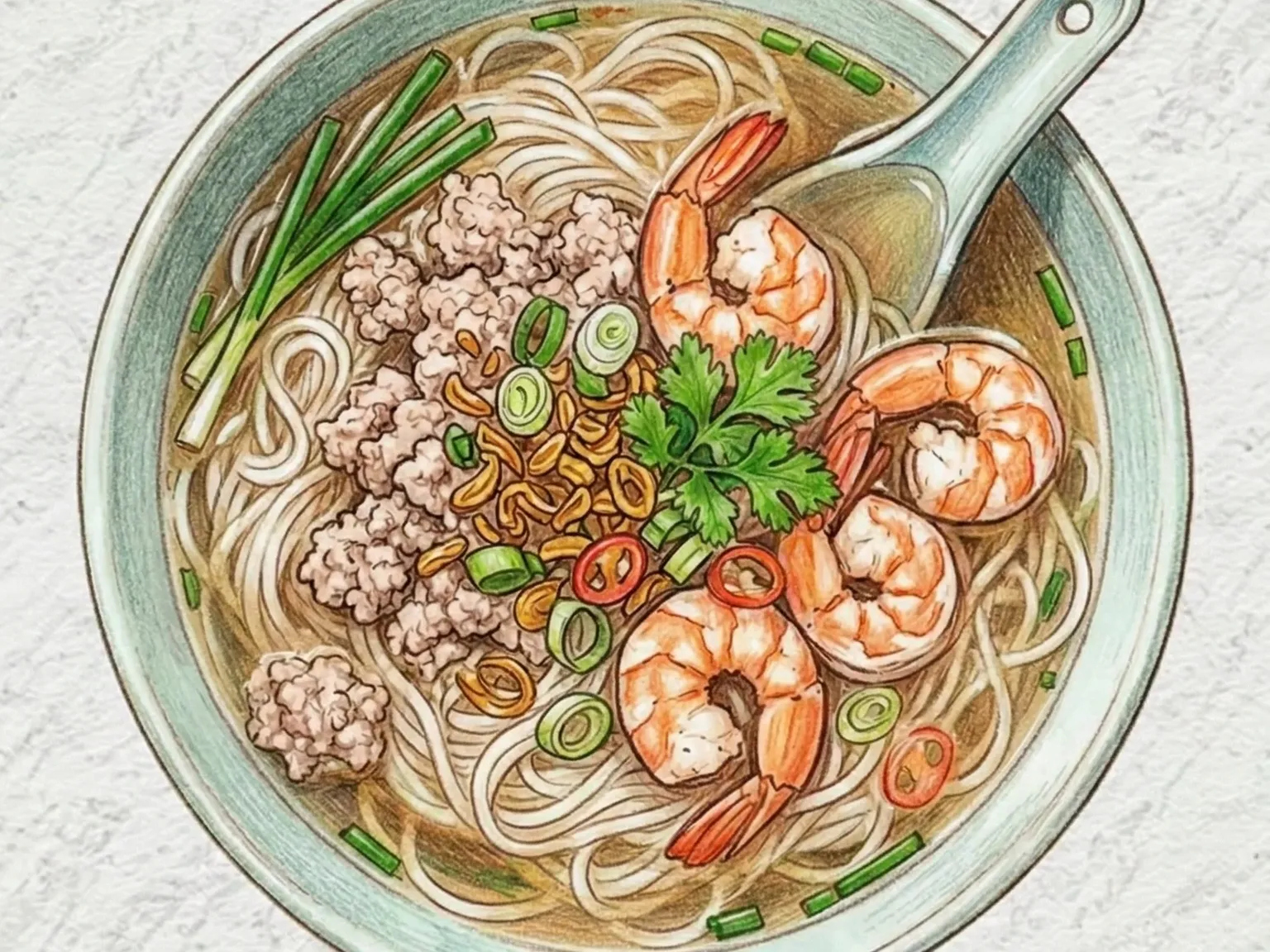
Hu tieu nam vang is a clear-broth rice noodle soup from southern Vietnam, originating in the Cambodian immigrant communities of Phnom Penh and now thoroughly embedded in Saigon street food culture. Pork bones are simmered at low heat for an extended time while the surface is skimmed repeatedly to keep the broth transparent and clean-tasting. Fish sauce and a measured amount of sugar season the broth with a savory-sweet balance that is distinctively southern Vietnamese. Ground pork is pan-fried with garlic until the moisture cooks off and the meat turns crumbly and lightly browned, creating a textured topping that contrasts with the silky broth. Whole shrimp are blanched for one minute only, enough to set the flesh without turning them rubbery. Rice noodles go into the bowl first, raw bean sprouts are piled on top, and boiling broth is ladled over, wilting the outer layers of the sprouts while leaving their cores crisp. A spoonful of garlic-infused oil floated on the surface releases fragrance with each sip and deepens the overall aroma. Green onion and black pepper finish the bowl simply, and the long-cooked broth does the work of pulling every element together. Lime wedges and fresh chilies on the side let each diner adjust acidity and heat to their own preference.
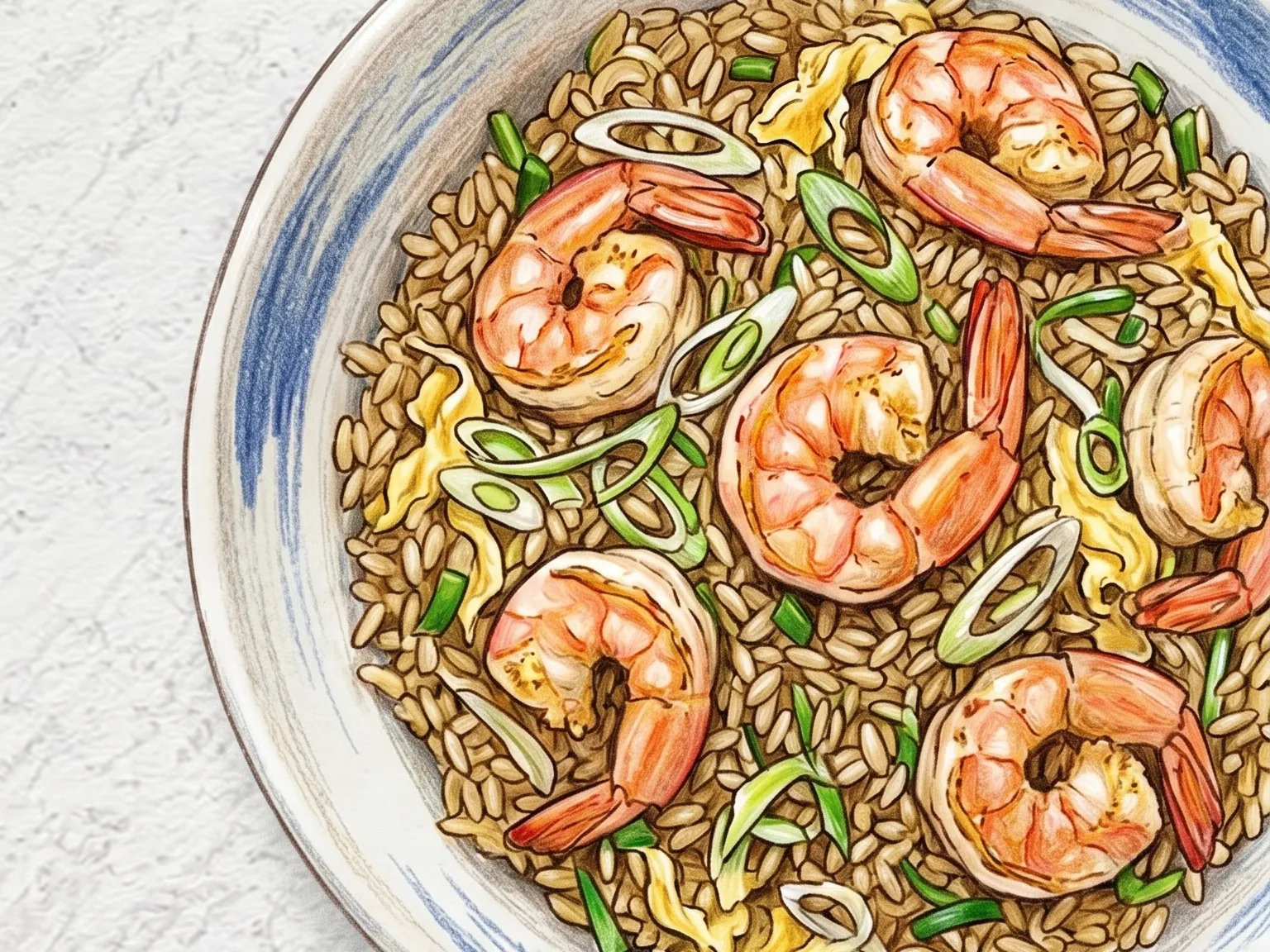
Thai Fried Rice
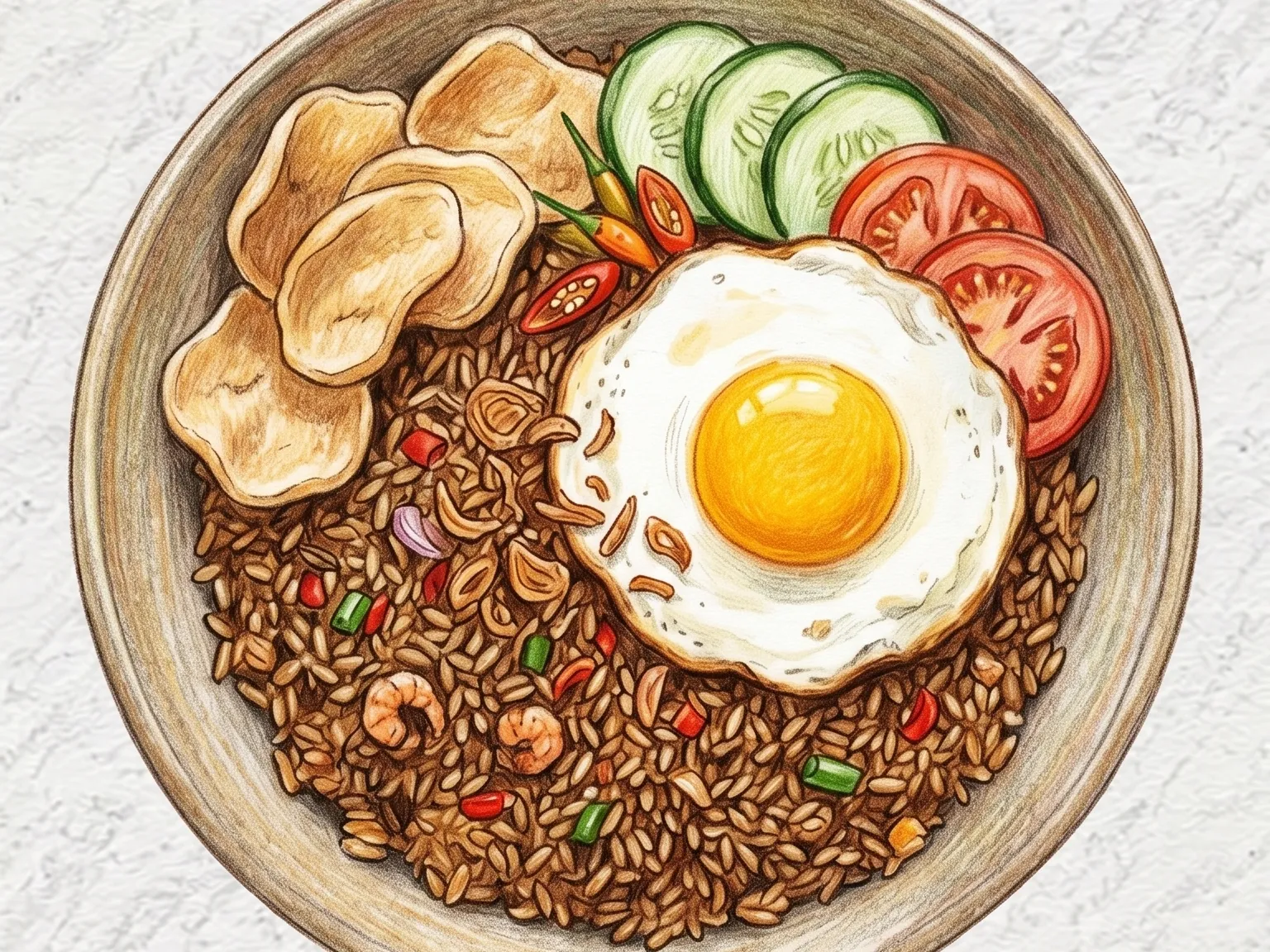
Khao pad is Thailand's definitive fried rice, and the entire dish depends on one preparatory decision made the day before: using cold, day-old rice rather than freshly cooked grains. Freshly steamed rice retains too much moisture and clumps together in the wok, steaming rather than frying and resulting in a heavy, gummy texture. Cold rice separates easily under the heat, allowing the individual grains to coat in oil and achieve the distinct, lightly chewy texture that defines good khao pad. The wok is heated until it smokes before garlic goes in, building a fragrant base in seconds. Eggs are scrambled into large, soft curds alongside the garlic before the rice is added and tossed vigorously with fish sauce, soy sauce, and a small pinch of sugar, which rounds the saltiness into something rounder and more complex. The most important quality that separates a superior khao pad from a mediocre version is wok hei: the faint, smoky breath that comes from sustained contact between the ingredients and a very hot wok surface. A plate of khao pad is always accompanied by a lime wedge, sliced cucumber, and chopped scallion. In its simplest form it needs no protein, but shrimp, chicken, or crab are common and equally traditional additions.
Pineapple Shrimp Khao Pad
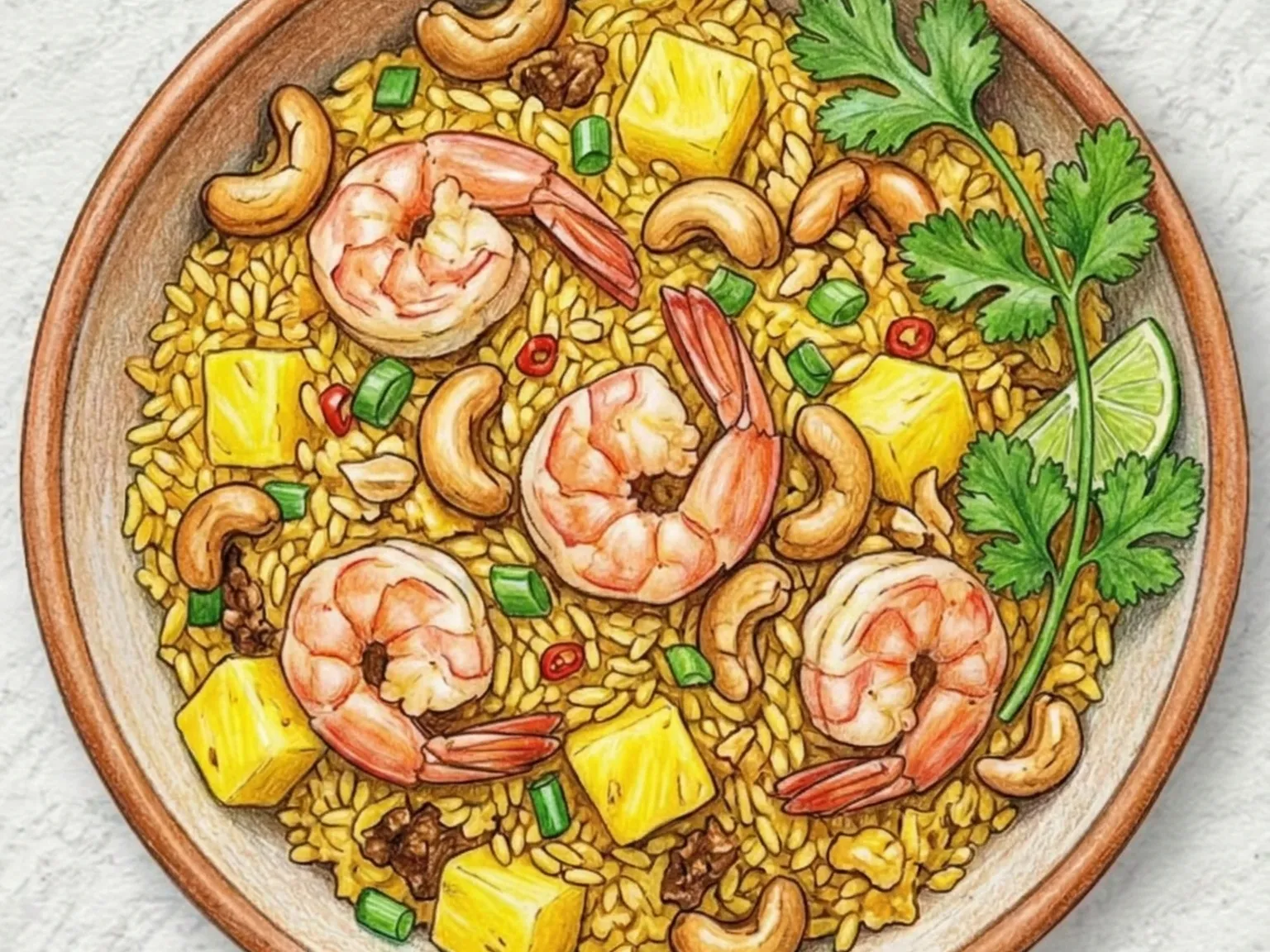
Pineapple shrimp khao pad is a Thai fried rice served inside a hollowed-out pineapple half, which functions both as a vessel and as a flavoring agent as residual juice from the fruit walls seeps gradually into the rice during service. Shrimp are cooked first in a very hot wok with minimal time, just long enough to firm up and curl before they are set aside, preventing the rubbery texture that results from overcooking in the subsequent stir-fry steps. Garlic goes into the oil next, quickly followed by day-old jasmine rice, which is broken up and tossed at high heat. Using rice that has dried out in the refrigerator overnight is important: fresh rice carries too much moisture and steams rather than fries, resulting in clumping. Egg is pushed through a cleared space in the center, scrambled lightly, then folded into the rice before it fully sets. Diced fresh pineapple is added at the very end and tossed only briefly so that it retains some structure while releasing enough juice to flavor the rice with its characteristic tart sweetness, which plays against the salty depth of fish sauce. Curry powder tints the grains a pale yellow and contributes a warm, earthy undertone that keeps the dish from reading as purely sweet. Roasted cashew nuts add crunch throughout, and scattered raisins provide small concentrated hits of sweetness. The assembled rice is mounded into the pineapple shell and brought to the table, often served with a wedge of lime on the side.
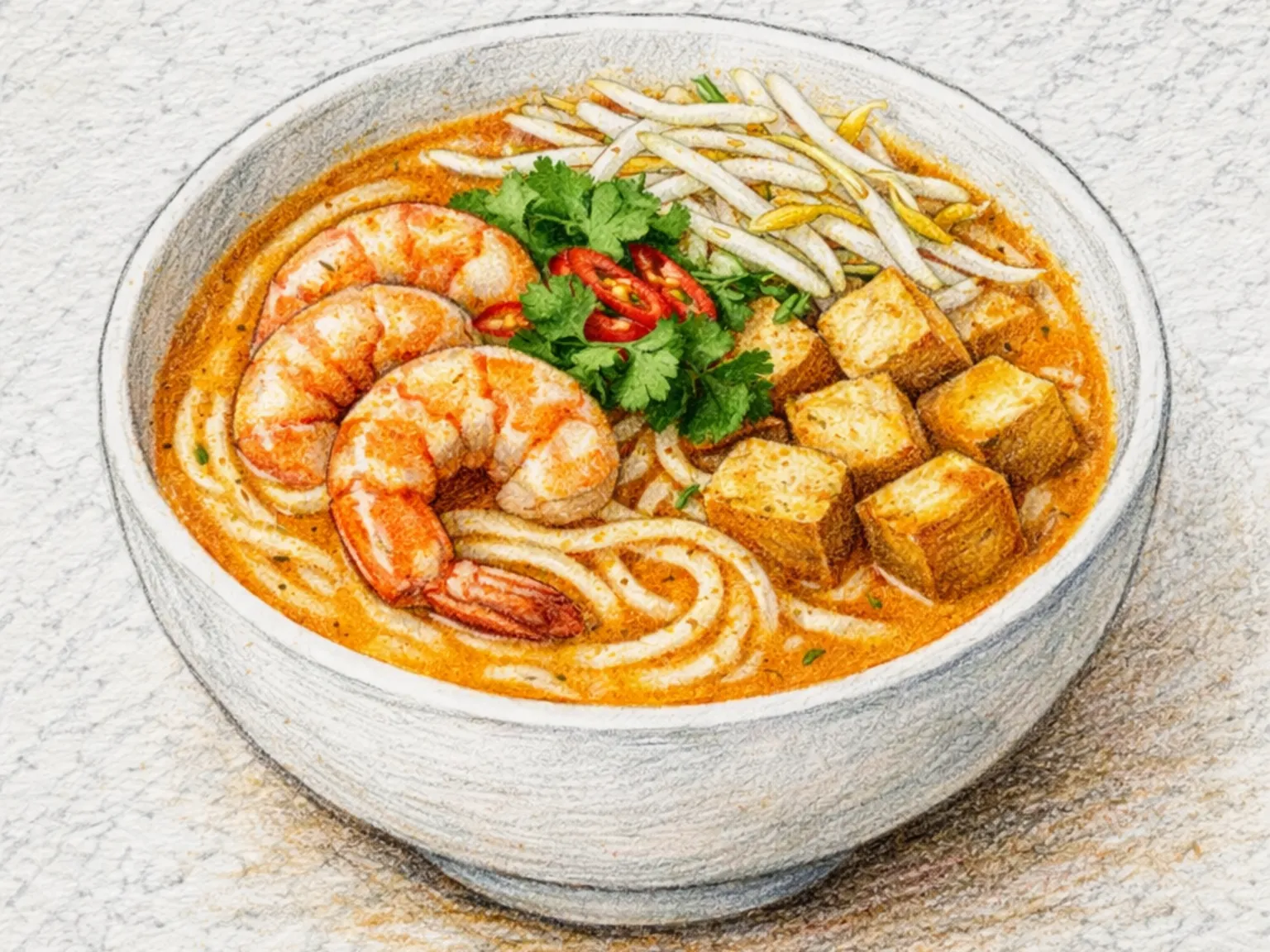
Coconut Shrimp Laksa (Spiced Coconut Broth Noodle Soup with Shrimp)
Coconut shrimp laksa is a Southeast Asian noodle soup built on a broth of coconut milk, spice paste, and chicken stock that manages to be simultaneously rich, spicy, and aromatic. The laksa paste - a pounded blend of lemongrass, galangal, turmeric, dried shrimp, dried chilies, and shrimp paste - is fried in oil until deeply fragrant before coconut milk and stock are poured in. The resulting broth is thick and creamy with visible pools of chili oil floating on the surface. Shrimp are cooked shell-on in the broth to extract maximum flavor, then peeled and placed back on top. Rice noodles form the base of each bowl, topped with bean sprouts, halved hard-boiled egg, and cubes of fried tofu puff that soak up the broth like sponges. A squeeze of lime and a drizzle of fish sauce finish the bowl, adding acid and salt that sharpen the richness of the coconut. In Singapore and Malaysia, laksa is eaten from early morning through late night, served at hawker stalls that often specialize in this single dish.
Mee Bandung (Malaysian Johor Shrimp Tomato Gravy Noodles)
Mee bandung is a noodle dish from Johor in southern Malaysia, built around a thick, rust-colored gravy made from shrimp, tomato paste, and chili paste. The sauce has a distinctive character - simultaneously sweet, spicy, and briny - that sets it apart from the brothier noodle soups common elsewhere in the country. Yellow wheat noodles sit in the gravy rather than float in it, and the topping of whole shrimp, hard-boiled egg, and sliced scallions rounds out the bowl. The gravy clings to each strand of noodle, landing somewhere between a soup and a stir-fry in consistency. It is a night market staple in Johor Bahru and across southern Malaysia, rarely found outside that region.