Charim

2686 Korean & World Recipes

2686+ Korean recipes, clean and organized. Ingredients to instructions, all at a glance.

Recipes with soup soy sauce

24 recipes

Buy soup soy sauce
Korean Seasoned Napa Cabbage Namul
Side dishesEasy

Korean Seasoned Napa Cabbage Namul

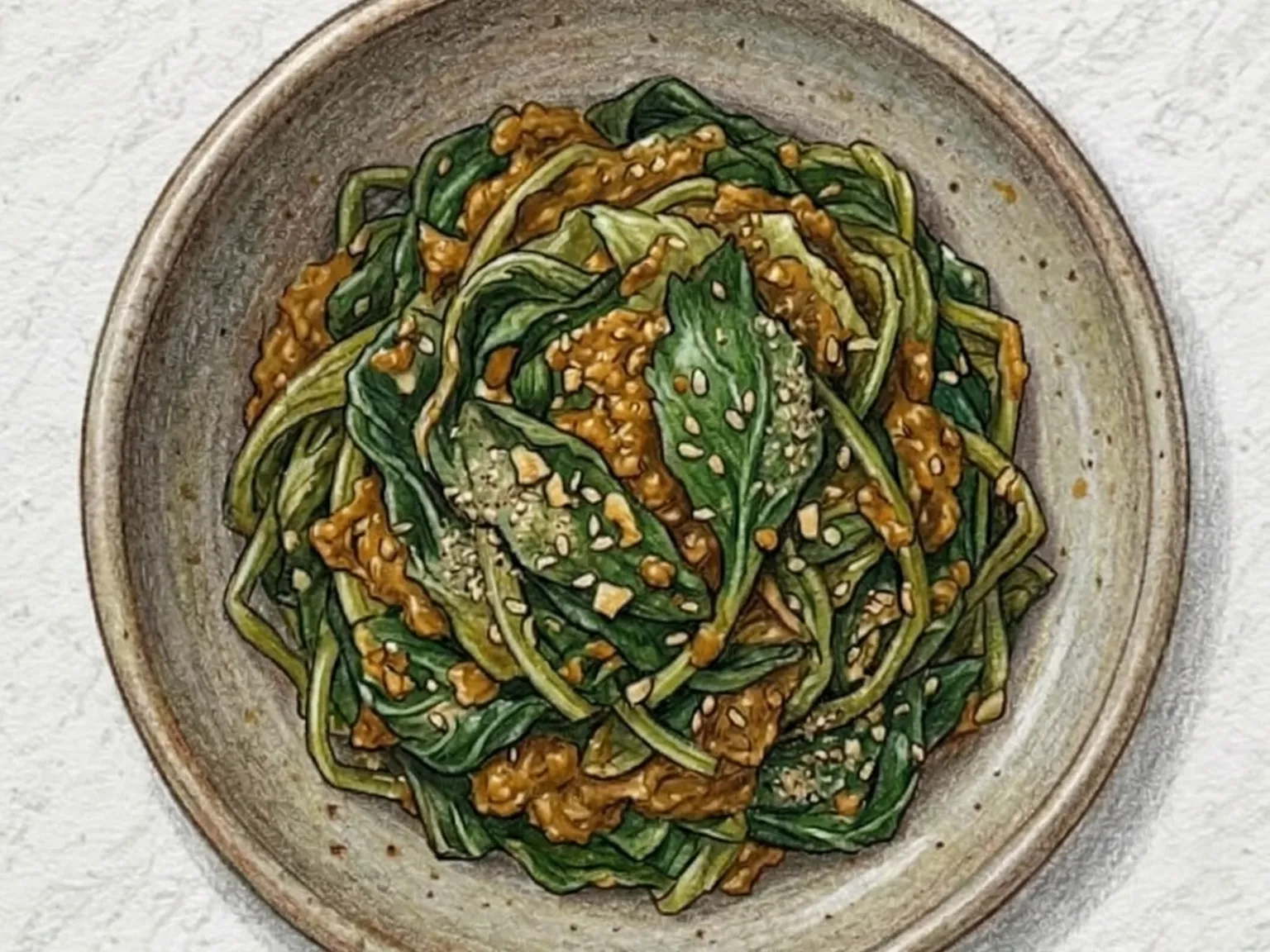
Boiled napa cabbage dressed with doenjang and perilla, a banchan passed through generations of Korean home cooks. The cabbage boils for two minutes so the leaves go fully soft while the white stems keep a slight bite, then it is rinsed, squeezed dry, and cut. Perilla oil takes the place of sesame oil and gives the dressing a distinctly herbal character. Perilla powder added at the end thickens the seasoning into a coating that clings to each strand. This quiet banchan pairs well with clear soups and plain steamed rice.

🏠 Everyday🍱 Lunchbox
Prep 10minCook 5min4 servings
Korean Mushroom Soft Tofu Porridge
RiceEasy

Korean Mushroom Soft Tofu Porridge

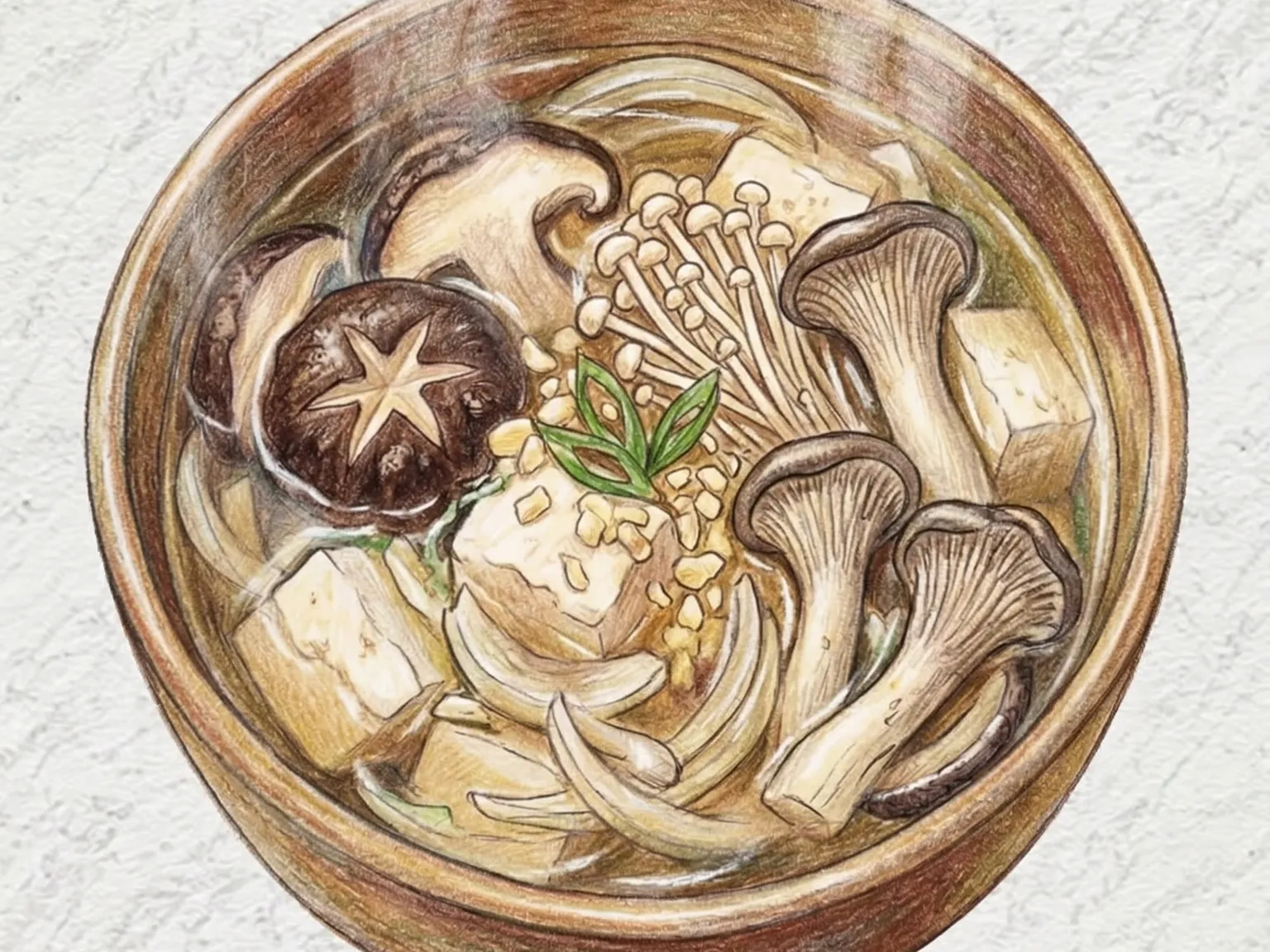
Shiitake mushrooms and sliced onion are sauteed in perilla oil until their edges soften and the oil takes on a faint herbal fragrance, then soaked rice and kelp stock go into the same pot. The mixture simmers until the grains break down into a smooth, cohesive porridge. At that point, the heat is lowered and spoonfuls of silken tofu are dropped in without stirring - preserving the soft, pillowy clusters that give the bowl its characteristic texture variation. Kelp stock brings a clean, moderate umami that anchors the dish without heaviness, and perilla oil contributes a slightly bitter, grass-like finish that differentiates this porridge from sesame-based versions. Soup soy sauce provides the seasoning, and chopped scallion goes on last. The result is gentle enough for a sensitive stomach yet complete enough to serve as a full meal.

🥗 Light & Healthy🏠 Everyday
Prep 12minCook 20min2 servings
Korean Oyster Water Parsley Stir-fry
Stir-fryEasy

Korean Oyster Water Parsley Stir-fry

Gul-minari-bokkeum is a quick stir-fry of plump raw oysters and fragrant water parsley (minari) seasoned with gochugaru and light soy sauce over high heat. The oysters cook only until they just firm around the edges, retaining their briny interior juices while contracting slightly, and the minari stays crisp with its herbal freshness intact. The salty, sweet umami of the oysters meets the clean grassy quality of the minari, and the two flavors balance without either overpowering the other. Winter is the prime season for this dish, when cold-water oysters reach peak plumpness and flavor. Cooking the oysters too long drives out their moisture and makes them rubbery, so the stir-fry must stay brief.

🍺 Bar Snacks🏠 Everyday
Prep 15minCook 8min2 servings
Korean Egg Drop Soup for Anju
DrinksEasy

Korean Egg Drop Soup for Anju

Gyeran-tang is a light Korean egg drop soup seasoned with soup soy sauce and minced garlic in a clear broth. Beaten eggs are poured in a thin stream along chopsticks held just above the surface of the boiling liquid, breaking the flow into fine threads that set almost instantly into soft, silky ribbons. The garlic contributes a quiet background savoriness without dominating, and a pinch of black pepper adds a dry, peppery warmth that offsets the mildness of the egg. Sliced green onion scattered on top just before serving releases a fresh, grassy fragrance as it meets the steam. The soup comes together in under fifteen minutes and requires no special ingredients, making it a practical choice for breakfast or as a gentle restorative when a plain, comforting bowl is needed.

🍺 Bar Snacks Quick
Prep 5minCook 10min2 servings
Korean Clam and Water Parsley Soup
SoupsMedium

Korean Clam and Water Parsley Soup

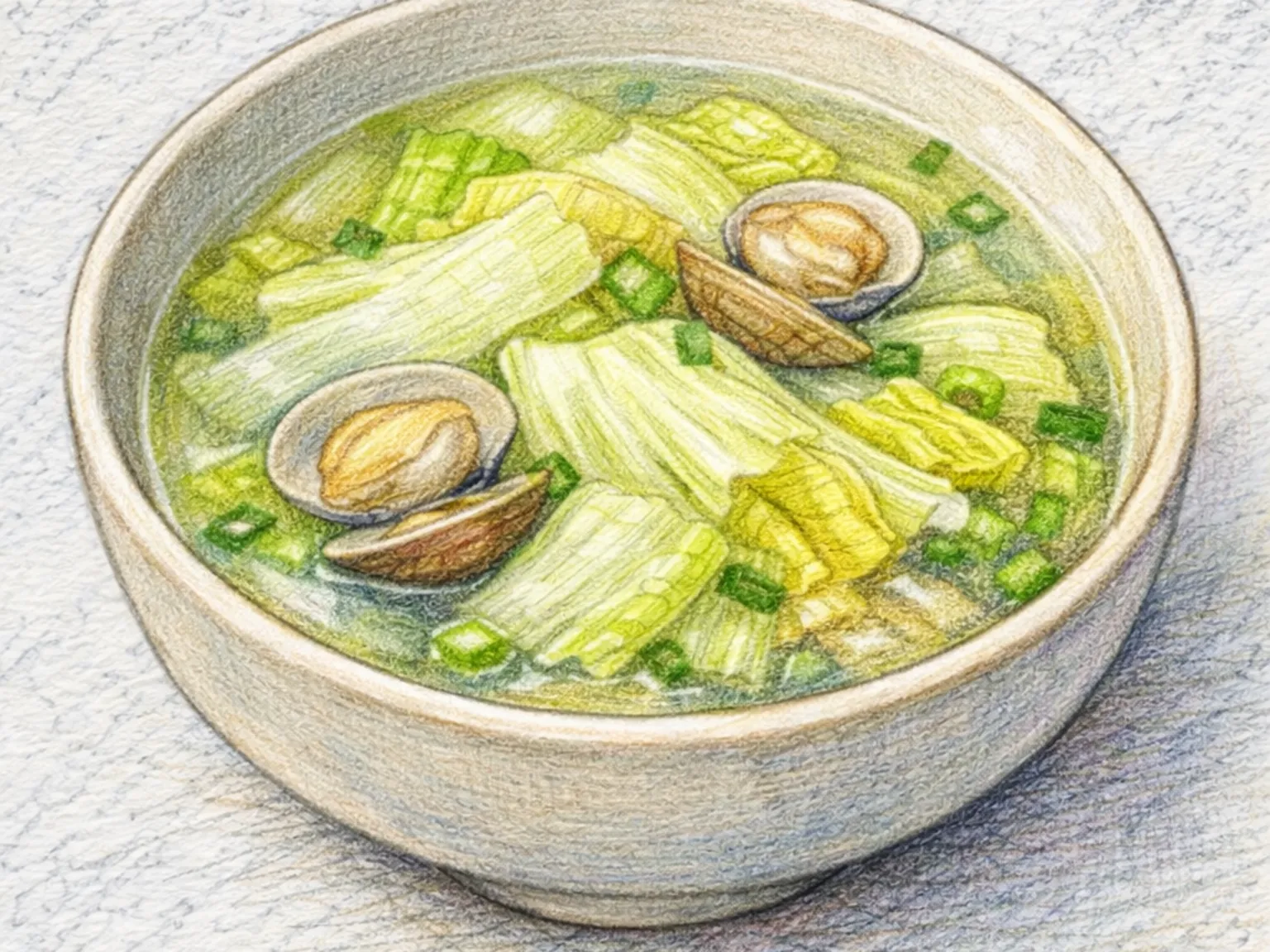
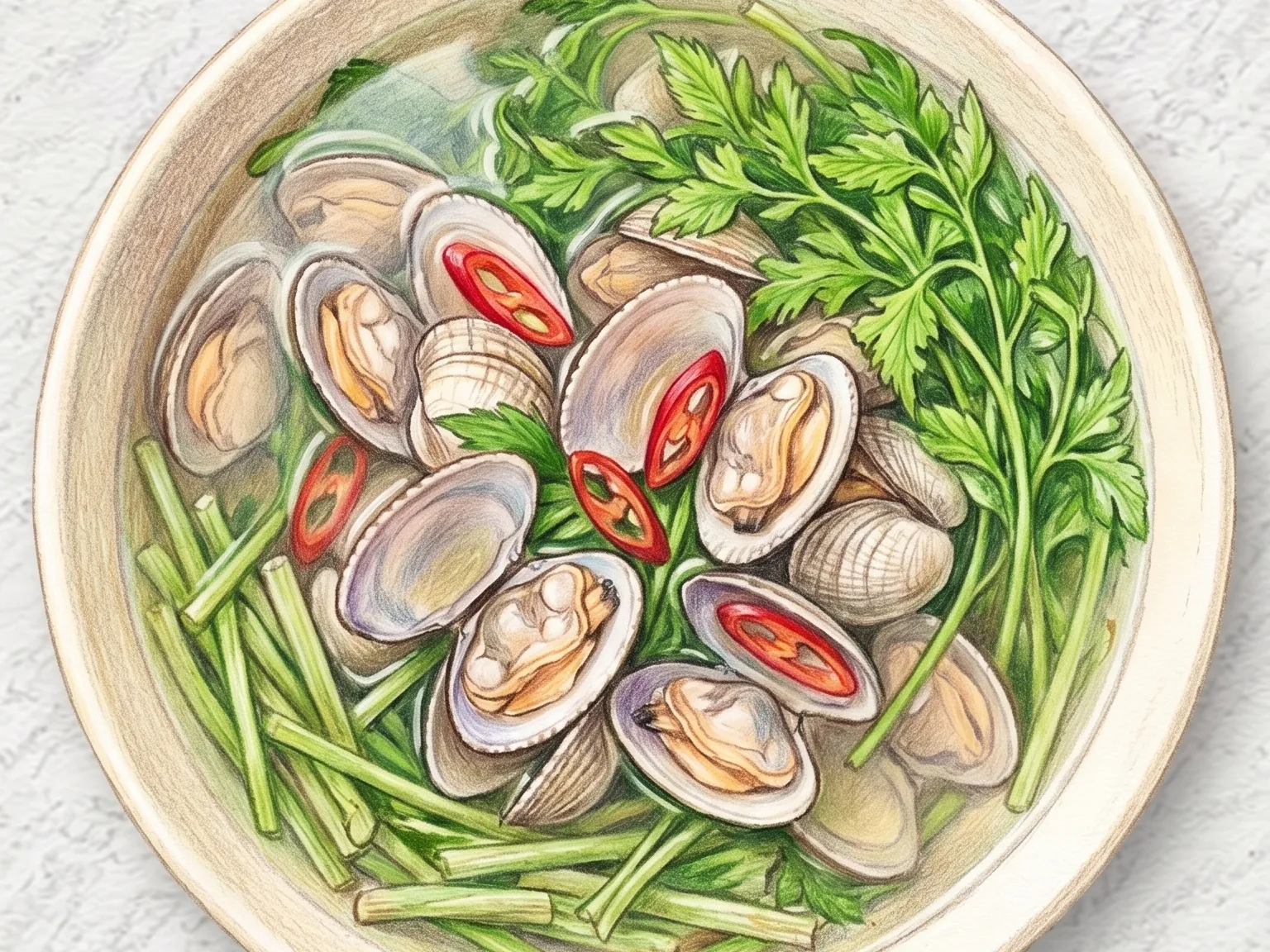
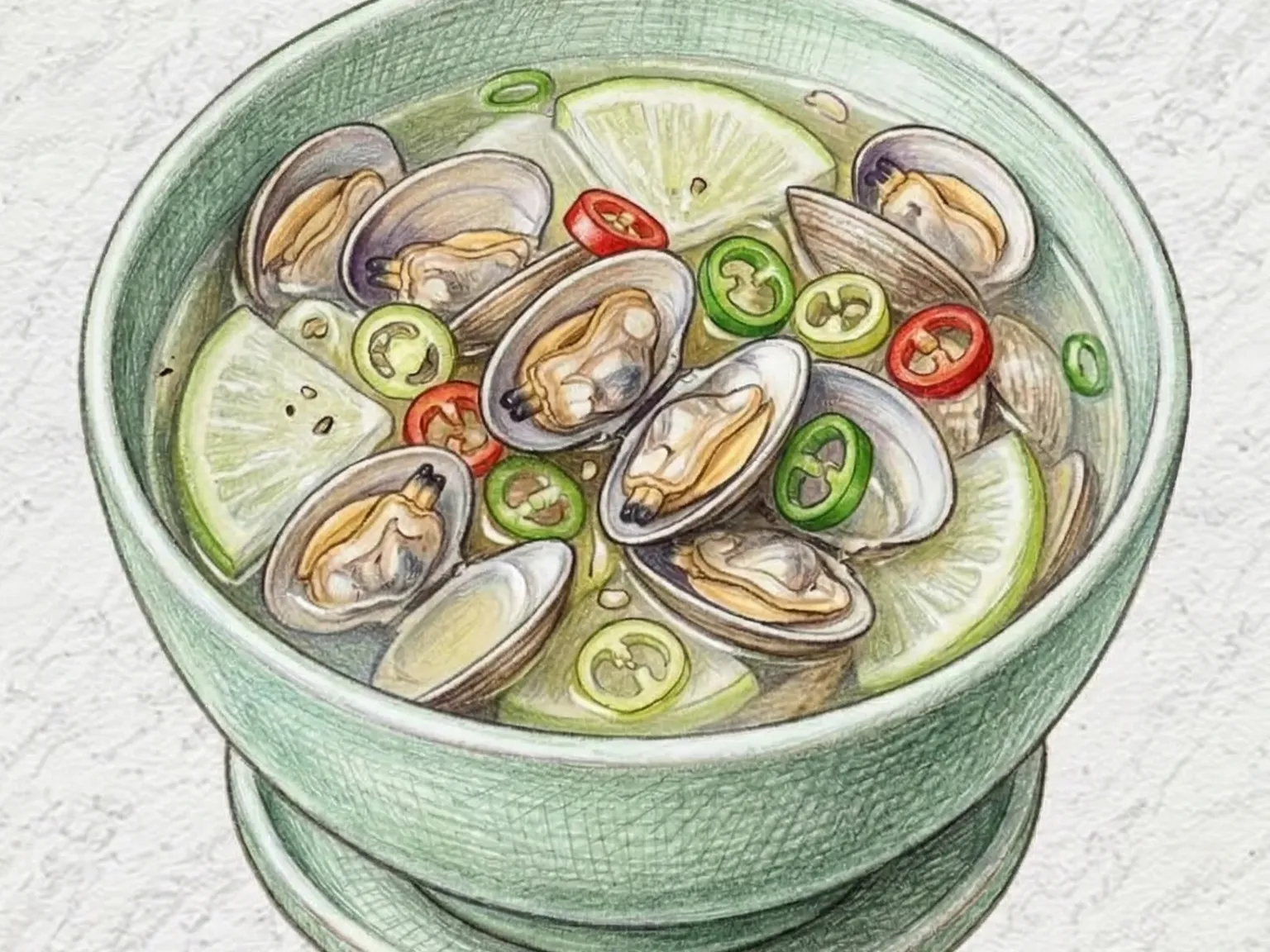
Bajirak minari tang is a clear Korean soup that pairs the marine umami of manila clams with the distinctive herbaceous character of minari, the water parsley native to Korean marshes and riverbanks. Starting the clams in cold water and raising the heat gradually is essential for this soup: the slow temperature increase coaxes maximum flavor from the shells into the liquid rather than seizing them shut before their juices release. Once the clams open, a splash of rice wine goes in to drive off any trace of fishiness, and the broth is seasoned simply with soup soy sauce and minced garlic, keeping the profile clean and uncluttered. Minari demands a two-stage addition that is non-negotiable: the thicker stems go into the pot three minutes before the soup is done to soften slightly while retaining their satisfying crunch, and the more delicate leaves enter in the final minute just before heat is turned off to preserve their vivid green color and the sharp, grassy fragrance that makes minari unmistakable. Adding the leaves any earlier causes them to lose that fragrance entirely and yellow to a dull, unappetizing shade, making this timing the single most important technique in the recipe. Diagonally sliced red chili floating in the clear liquid adds visual brightness to the pale broth without altering its flavor significantly. The interplay between the clams' salty, oceanic depth and minari's cool, herbal distinctiveness is a study in contrast: each component amplifies the other, and together they build a broth of surprising complexity and depth without any anchovy, kelp, or prepared stock of any kind.

🏠 Everyday
Prep 25minCook 15min4 servings
Korean White Kimchi Tofu Stew
StewsEasy

Korean White Kimchi Tofu Stew

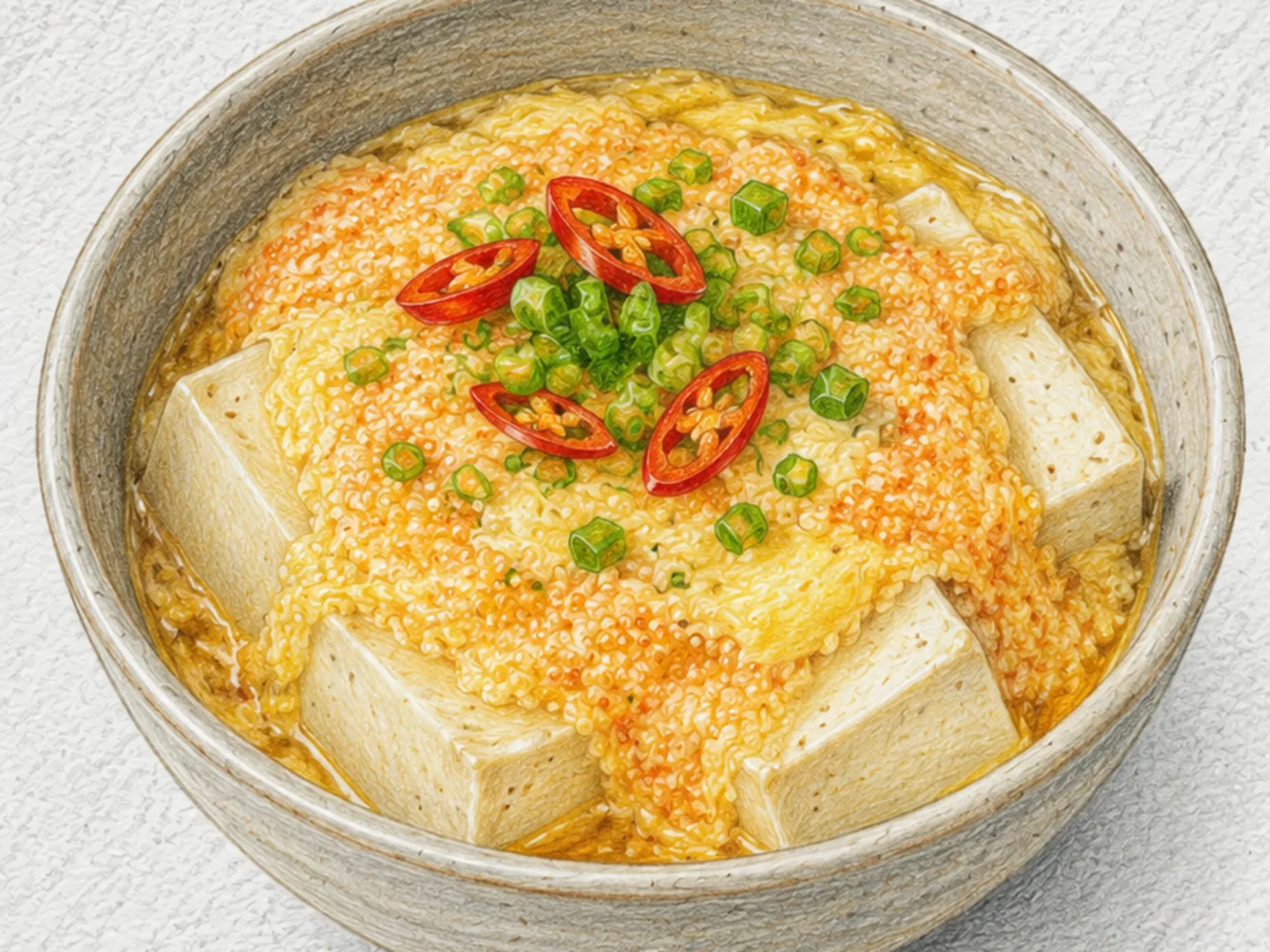
Baek kimchi dubu jjigae is a mild Korean stew where the gentle tang of white kimchi takes the place of regular red kimchi as the flavor anchor. Anchovy-kelp stock forms the umami foundation, and finely chopped white kimchi is added so its lactic fermentation acidity gradually dissolves into the broth, creating a refreshingly clean and clear flavor that diverges sharply from the bold heat of standard kimchi jjigae or the earthy weight of doenjang jjigae. Thick tofu slabs are added after the broth comes to a full boil so the blocks hold together rather than crumbling, and enoki mushrooms go in during the final two minutes to preserve their delicate texture. Guk-ganjang adjusts the salinity carefully, since the white kimchi itself already carries a noticeable saltiness from the brining process. Adding a sliced cheongyang chili introduces a measured spicy note into the otherwise gentle broth without overwhelming its clean character. Unlike the intense, opaque red broth of standard kimchi jjigae, this version stays transparent, lightly tart, and nearly fat-free, making it noticeably easy on the stomach. White kimchi is fermented without gochugaru, preserving all the lactic sourness while eliminating the heat and pigment, which makes it particularly well suited as a braising base for delicate ingredients like tofu and enoki.

🏠 Everyday
Prep 8minCook 15min2 servings
Korean Steamed Tofu with Spinach
SteamedEasy

Korean Steamed Tofu with Spinach

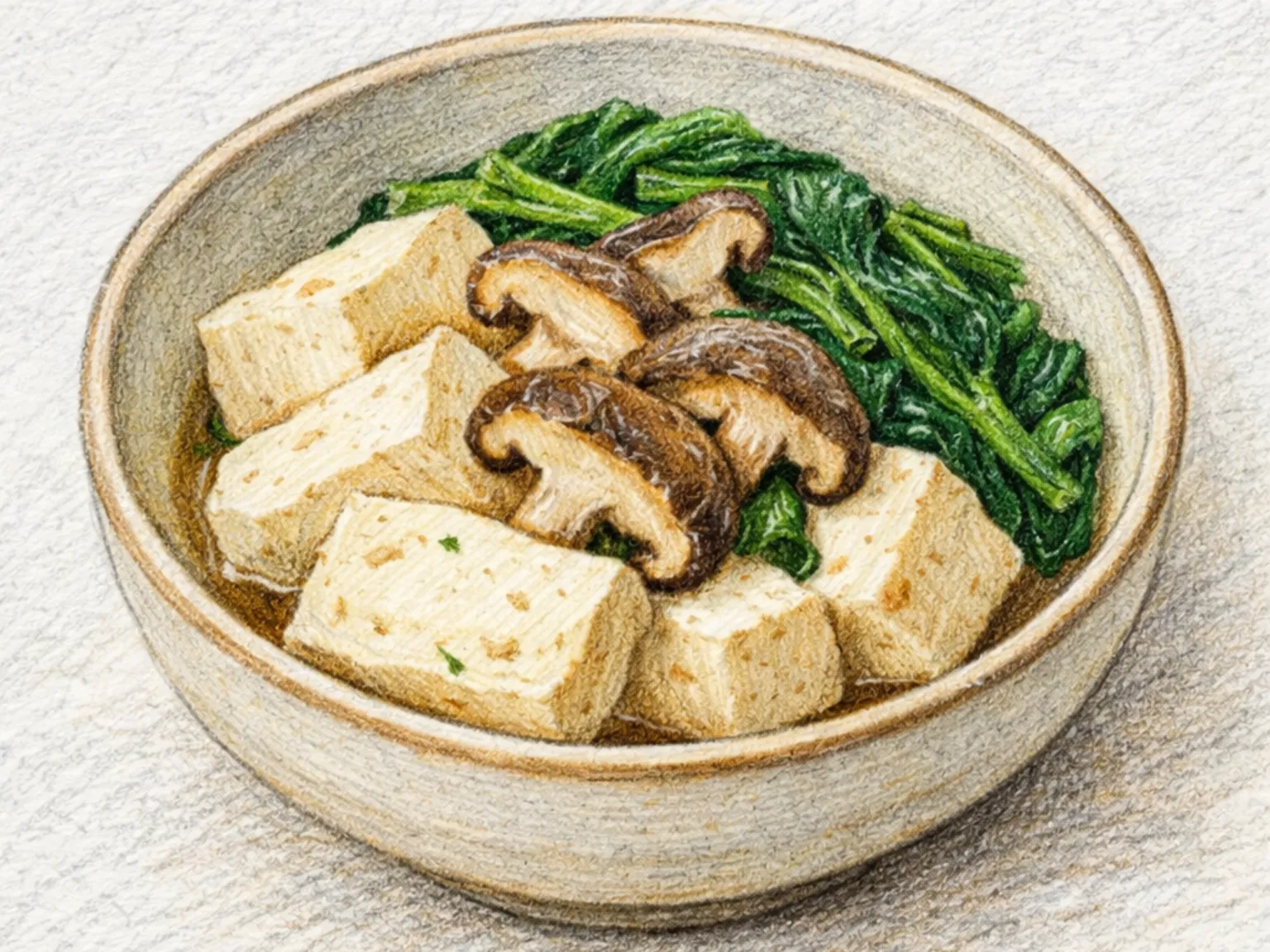
Sigeumchi dubu jjim is a Korean steamed side dish of firm tofu, spinach, and shiitake mushrooms seasoned with soy sauce and soup soy sauce, then covered and cooked over gentle heat until everything is just done. Pressing the tofu firmly between layers of kitchen paper to remove excess moisture is a necessary first step; water left in the tofu dilutes the seasoning and turns the cooking liquid murky. When the spinach and mushrooms are arranged alongside the tofu and the seasoning is spooned over everything before the lid goes on, the steam released by the vegetables cooks the dish evenly without any added water. Shiitake mushrooms bring a concentrated umami that gives unexpected depth to what is otherwise a very simple soy-based seasoning. A drizzle of perilla oil and a scattering of sesame seeds at the end add a distinctly nutty, aromatic finish that lifts the entire dish. Low in calories and rich in plant protein, it fits naturally into a light weeknight dinner as a side dish that is as nourishing as it is unfussy.

🍱 Lunchbox
Prep 12minCook 18min2 servings
Korean Clam Kalguksu (Hand-Cut Noodles in Clam Broth)
NoodlesMedium

Korean Clam Kalguksu (Hand-Cut Noodles in Clam Broth)

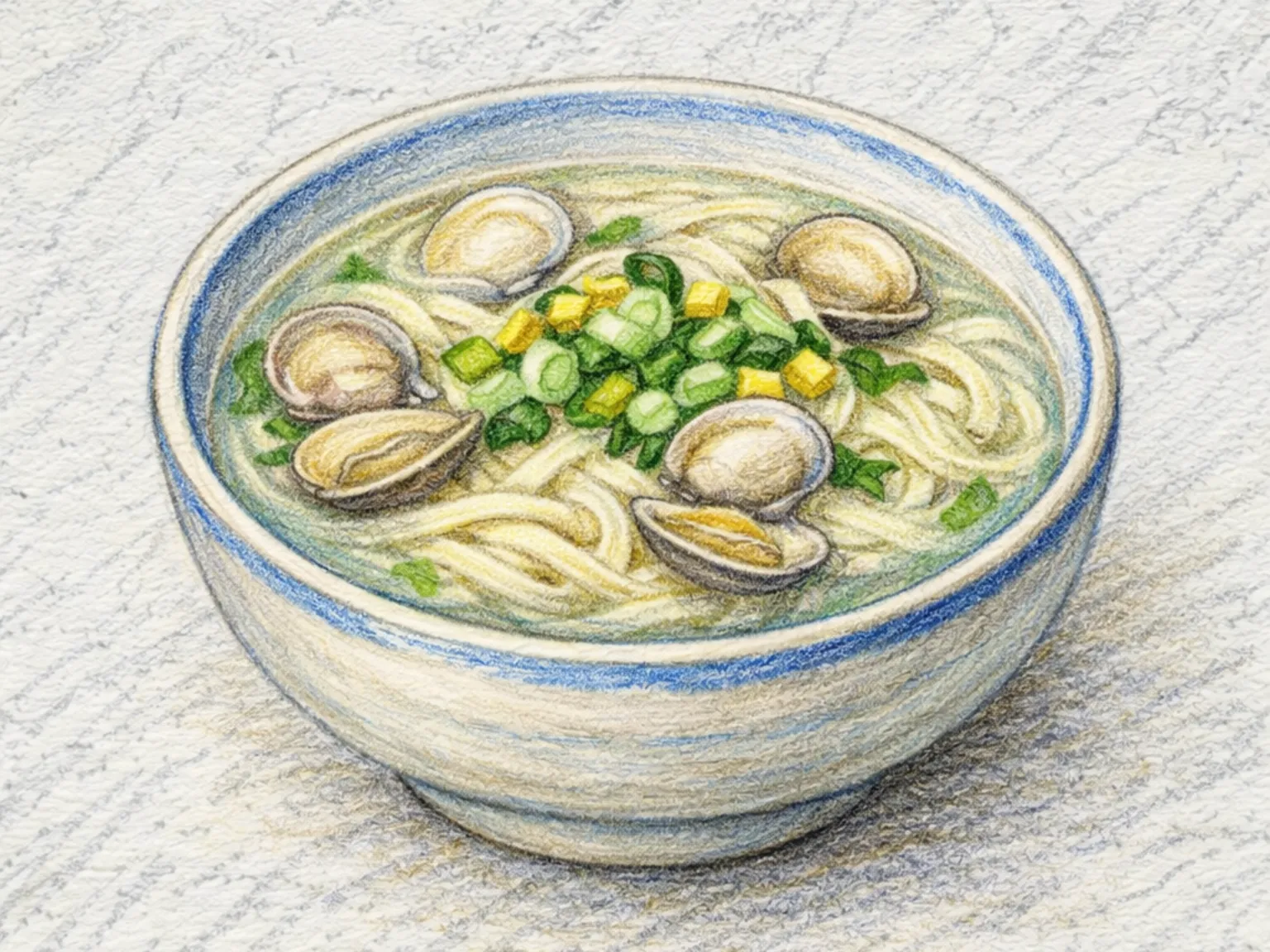
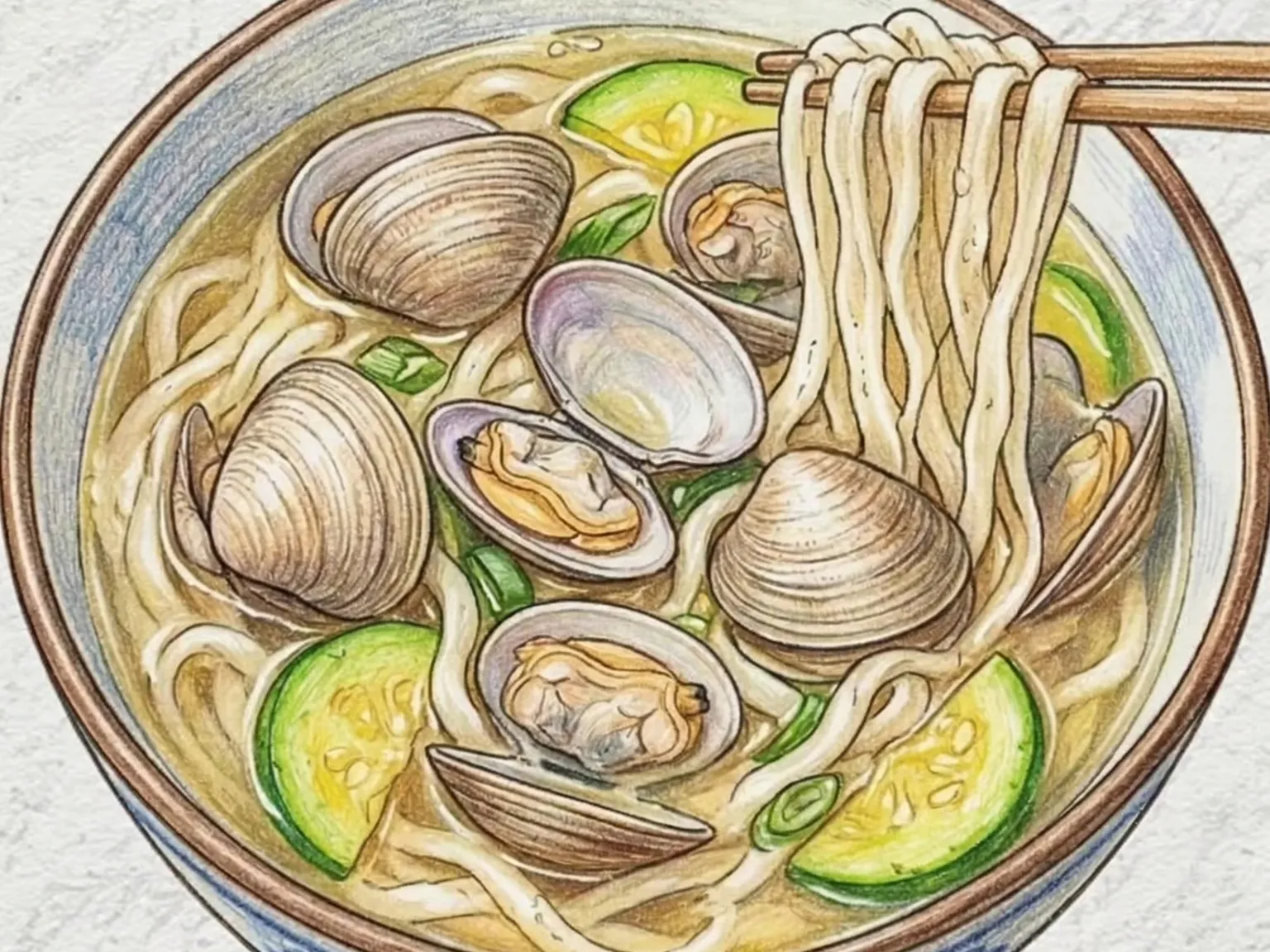
Baekhap kalguksu is a Korean knife-cut noodle soup in which the broth is derived entirely from hard clams rather than the more standard anchovy base. Purged clams are placed in cold water and brought to a boil; once the shells open, the clams are lifted out and the broth is strained through cheesecloth to remove any residual sand or shell fragments. Thinly sliced daikon radish and Korean zucchini cook in the strained broth for five minutes, contributing vegetal sweetness. The hand-cut noodles go in next and are boiled for six to seven minutes until they turn translucent; starch released from the noodles thickens the broth naturally into a lightly viscous, silky consistency without any additional thickener. Once the noodles are cooked, the reserved clam meat returns to the pot, and the soup is seasoned with minced garlic and guk-ganjang. Onion added with the vegetables deepens the broth's sweetness further. Because clam liquor rather than dried anchovy forms the base, the soup carries a distinctly marine, mineral character that permeates every strand of noodle, setting baekhap kalguksu apart from all other regional kalguksu variations. Along the coastal areas of South Chungcheong and Jeolla Provinces, this style of noodle soup has been a local specialty for generations, best in the seasons when clams are most abundant.

🎉 Special Occasion
Prep 20minCook 25min2 servings
Korean Stir-Fried Leafy Greens
Side dishesEasy

Korean Stir-Fried Leafy Greens

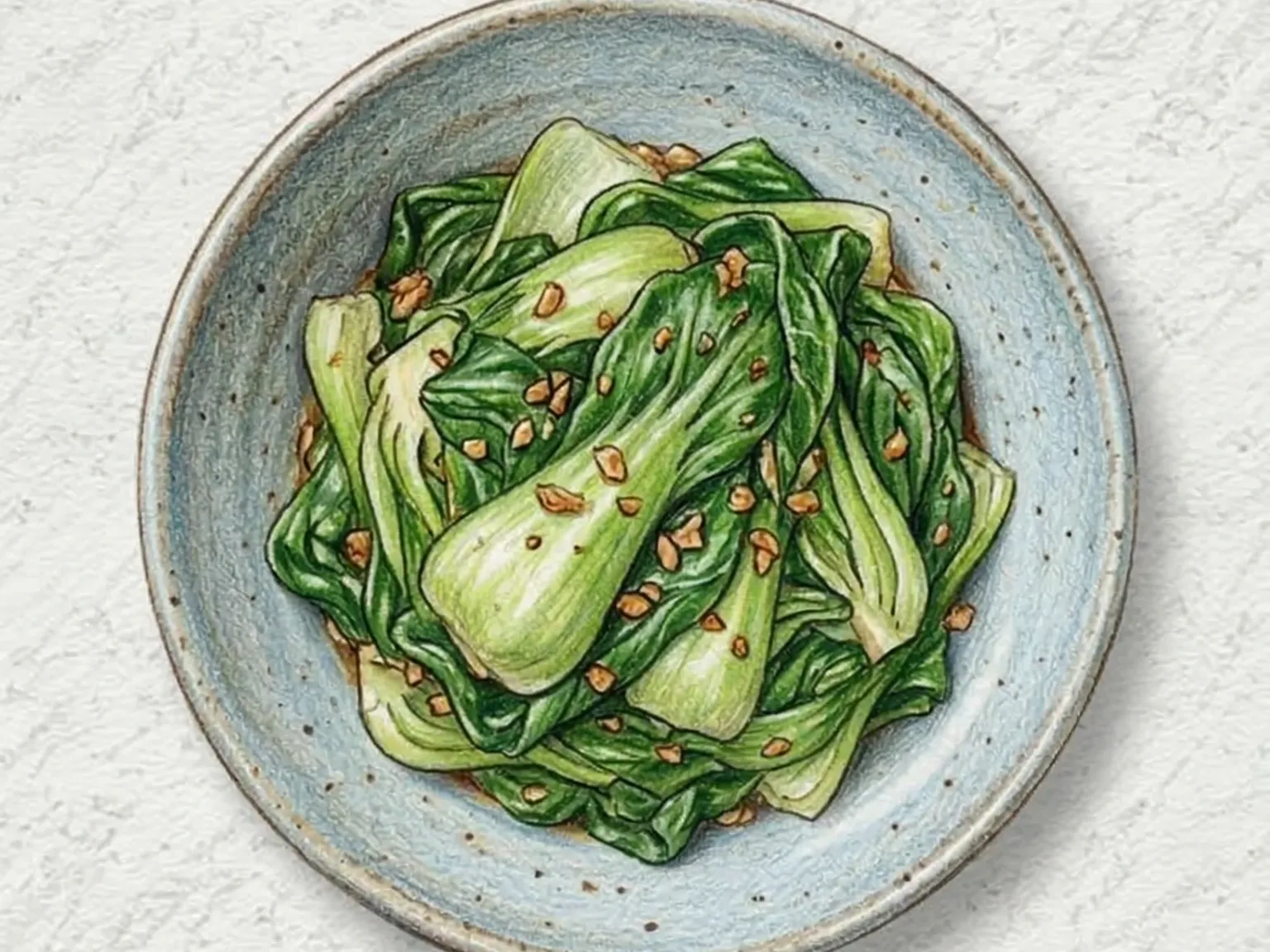
Baby bok choy stir-fry takes five minutes from board to table. Removing all surface moisture before the greens go in is the single most important step - wet leaves steam instead of sear, and the texture turns limp. Garlic sautés over low heat for twenty seconds to mellow its bite, then the pan goes to high and the greens follow. Soup soy sauce and salt season without adding liquid, and sesame oil off the heat gives a light gloss. The high heat catches the leaf edges with just a touch of char, which adds depth without bitterness. This mild, clean-tasting side suits nearly any Korean main course and holds its bright green color well on the table.

🏠 Everyday🍱 Lunchbox
Prep 8minCook 5min2 servings
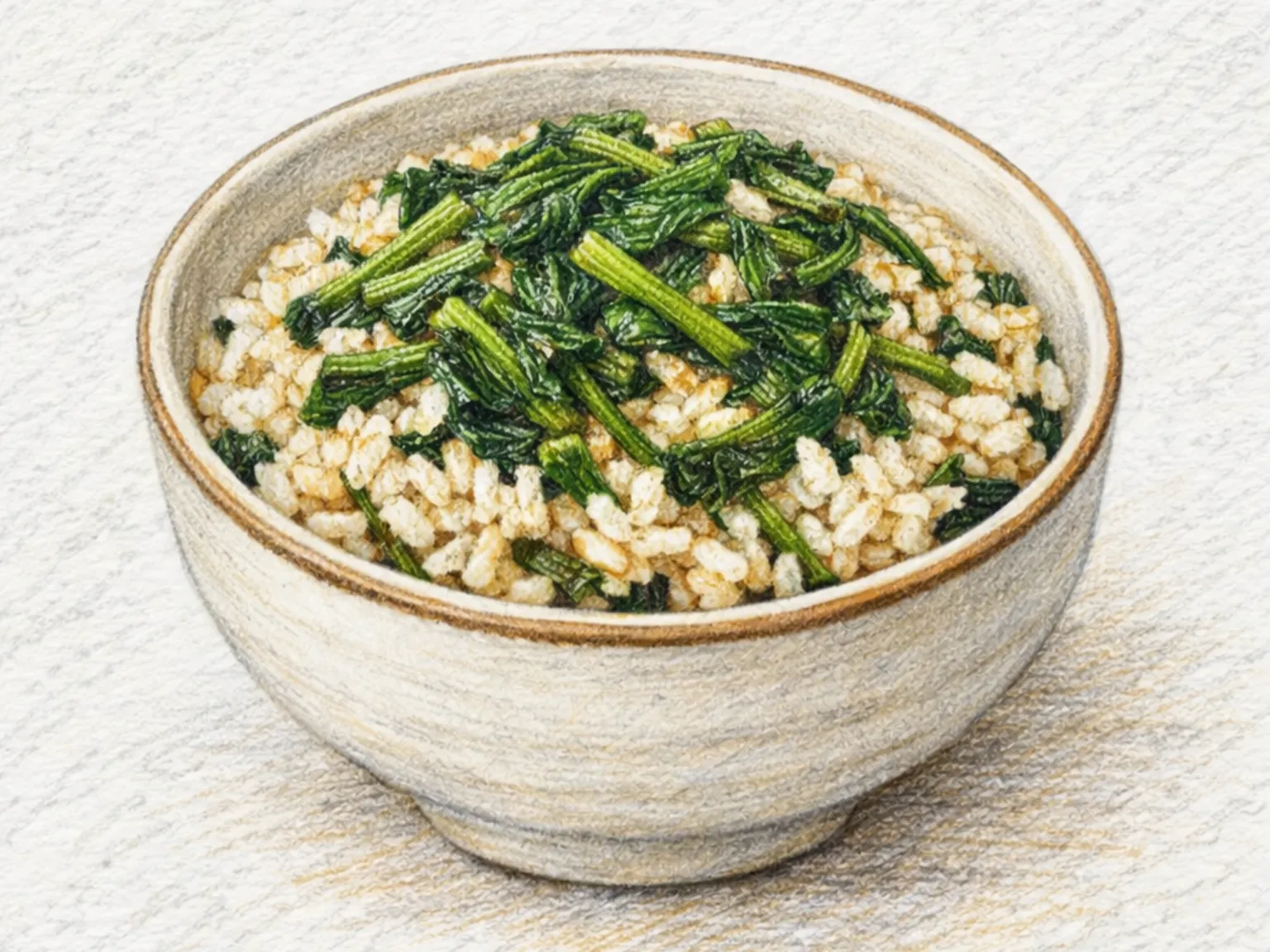
Korean Chwinamul Pot Rice
RiceEasy

Korean Chwinamul Pot Rice

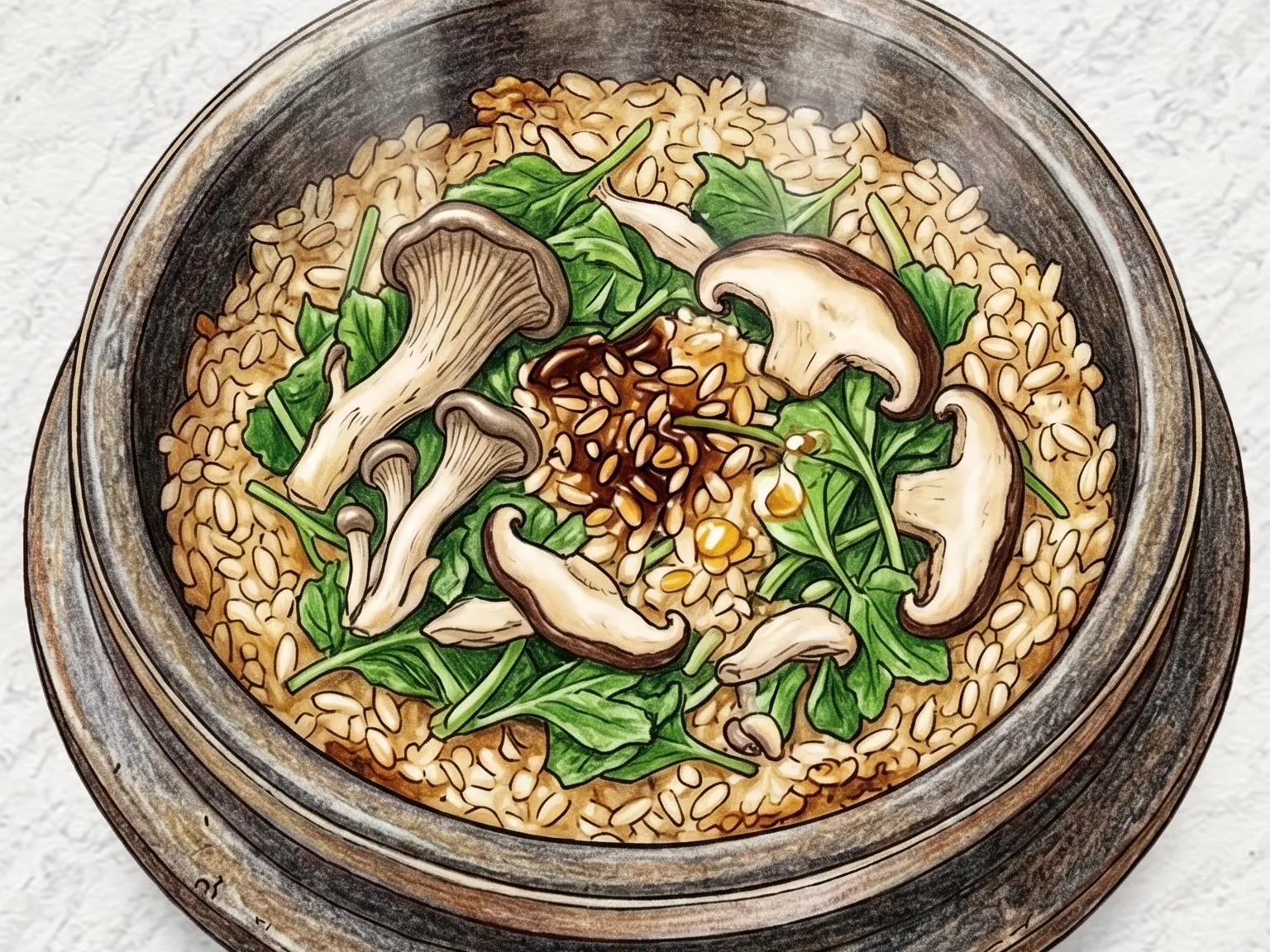
Chwinamul sotbap is a Korean pot rice made by layering lightly seasoned wild chwinamul greens over soaked rice and cooking everything together in kelp stock until done. The greens release their distinctively herbal, faintly bitter fragrance directly into the rice as it steams, filling the room with an earthy mountain scent when the lid is lifted. Mixed at the table with a soy-sesame sauce, the initial bitterness softens into a pleasant background that makes each spoonful layered and grounding. It is best prepared in spring when chwinamul is freshly picked, offering the sharpest aroma and the most tender stems. Dried chwinamul, soaked and squeezed before use, extends the recipe across all four seasons, though the fresh version carries a vitality and brightness that dried leaves cannot fully replicate.

🏠 Everyday
Prep 15minCook 25min2 servings
Korean Seaweed Stem & Shrimp Stir-fry
Stir-fryEasy

Korean Seaweed Stem & Shrimp Stir-fry

Miyeokjulgi-deulkkae-saeu-bokkeum combines desalted seaweed stems and medium shrimp, stir-fried in perilla oil and finished with a generous coating of perilla seed powder. The seaweed stems are soaked in cold water for ten minutes to draw out excess salt, then cut into five-centimeter pieces that retain a distinctive chewy-crunchy bite throughout cooking - a textural contrast that keeps each forkful interesting against the springy shrimp. Onion and garlic are sauteed first to establish a sweet aromatic base, the shrimp are added until they turn pink, and then the seaweed stems join the pan for a quick toss over high heat. Soup soy sauce provides the only seasoning, keeping the flavor profile clean and allowing the two main ingredients to come forward. Perilla powder goes in immediately after the heat is off so its nutty, slightly grassy aroma stays fully intact through serving. The combination of perilla's earthy nuttiness and the seaweed's oceanic minerality gives this simple banchan a layered depth that reads distinctly Korean.

🥗 Light & Healthy🏠 Everyday
Prep 18minCook 10min4 servings
Korean Spring Cabbage Soybean Paste Soup
SoupsEasy

Korean Spring Cabbage Soybean Paste Soup

Bomdong doenjang-guk is a seasonal Korean home soup made by simmering spring cabbage and doenjang in rice-rinsing water, which adds a subtle starchy body to the broth and softens the saltiness of the paste. The thicker cabbage stems go in first to soften properly while retaining some bite, and the tender leaves are added at the end to hold their natural sweetness and color. Tofu, a pinch of red chili flakes, and green onion round out the bowl with depth and mild heat. A drop of sesame oil just before serving adds a nutty finishing aroma. Spring cabbage has a high water content and turns mushy quickly, so the leaves should be added less than two minutes before turning off the heat.

🏠 Everyday
Prep 15minCook 20min4 servings
Korean White Chili Clam Stew
StewsEasy

Korean White Chili Clam Stew

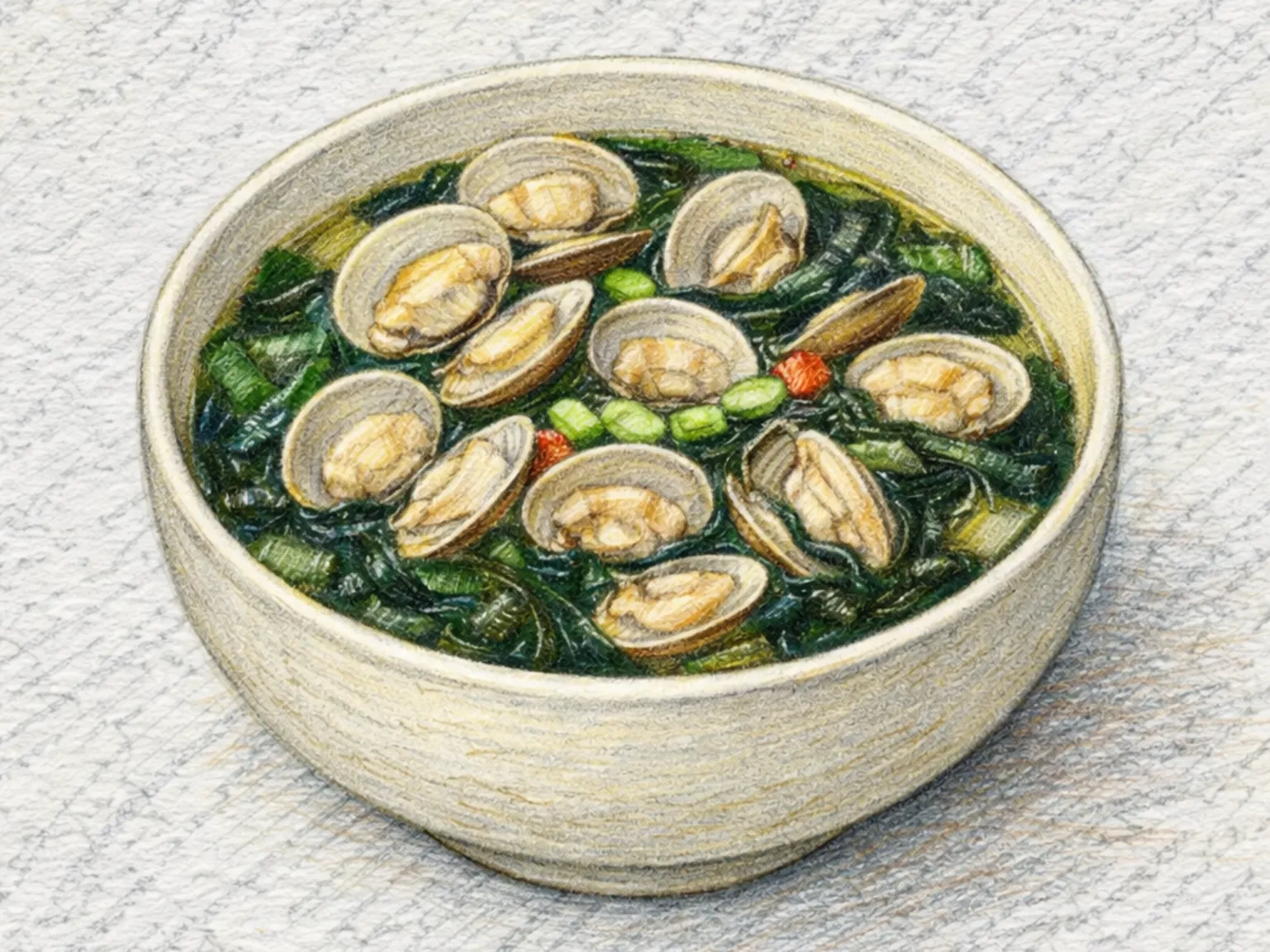
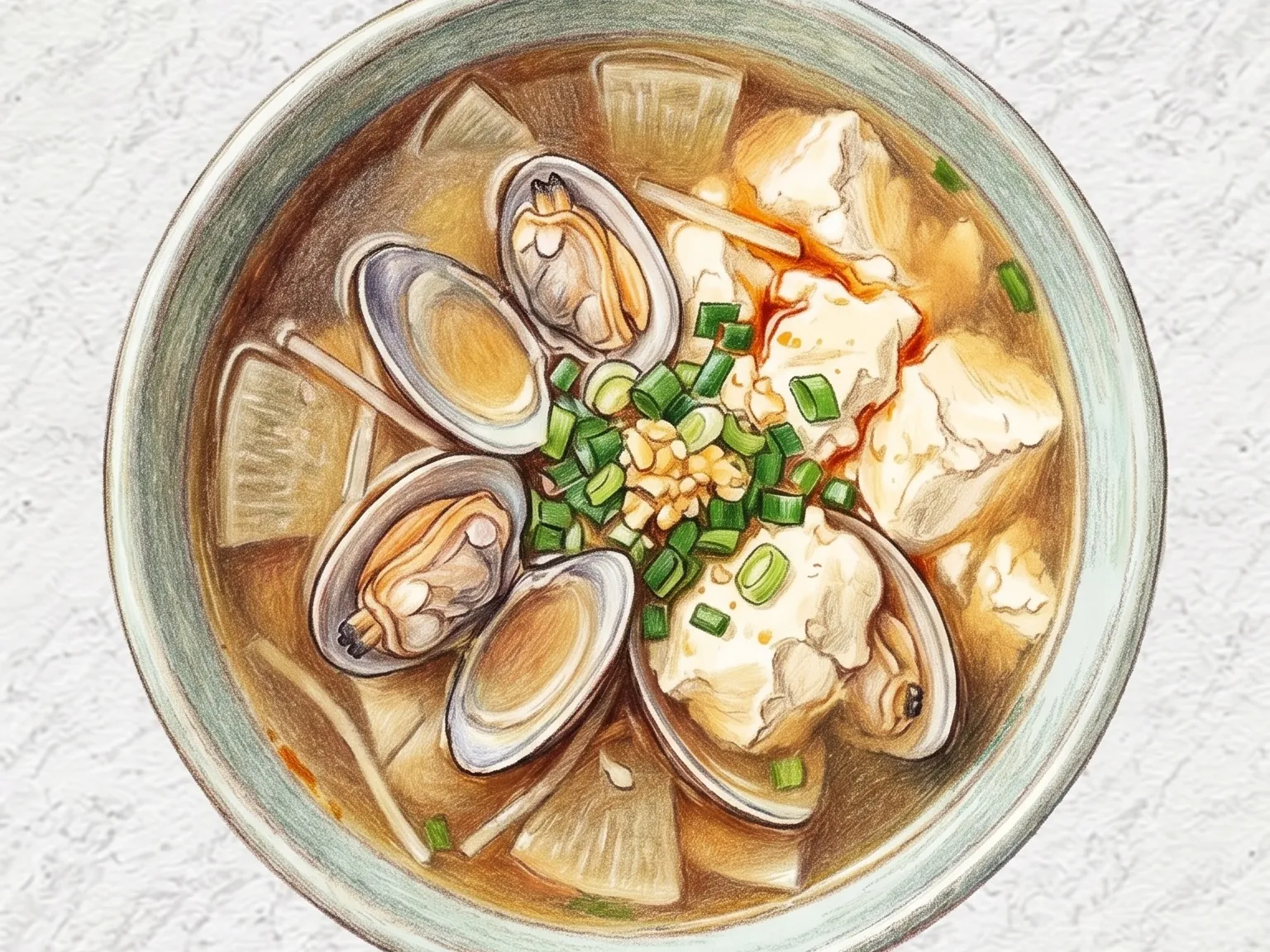
Baekgochu bajirak jjigae is a clear Korean clam stew where manila clams and daikon radish supply all the broth depth without any additional stock. Starting from cold water is essential: the gradual temperature rise draws the clams open slowly, pulling their briny, mineral-rich juices into the liquid and producing a more fully flavored broth than a quick boil would allow. The clams are purged first in salted water to remove all traces of sand, then placed in the cold pot together with cut daikon. As the water reaches a boil, the clams open and release their liquor into the surrounding liquid; any that remain closed after full boiling are discarded. Seasoning stays measured with minced garlic and guk-ganjang, while diagonally sliced red chili and cheongyang chili add both visual warmth and layered heat to the otherwise clear broth. Scallion is added only at the final moment to preserve its freshness and fragrance. The daikon contributes a cool, gentle sweetness that balances the clams natural salinity and fuses with the shellfish stock to build a broth of surprising complexity. The stew requires no anchovy, no kelp, and no premade stock: clams and radish alone generate the kind of depth that usually takes considerably more effort to achieve.

🥗 Light & Healthy
Prep 15minCook 14min2 servings
Korean Braised Radish Greens
SteamedMedium

Korean Braised Radish Greens

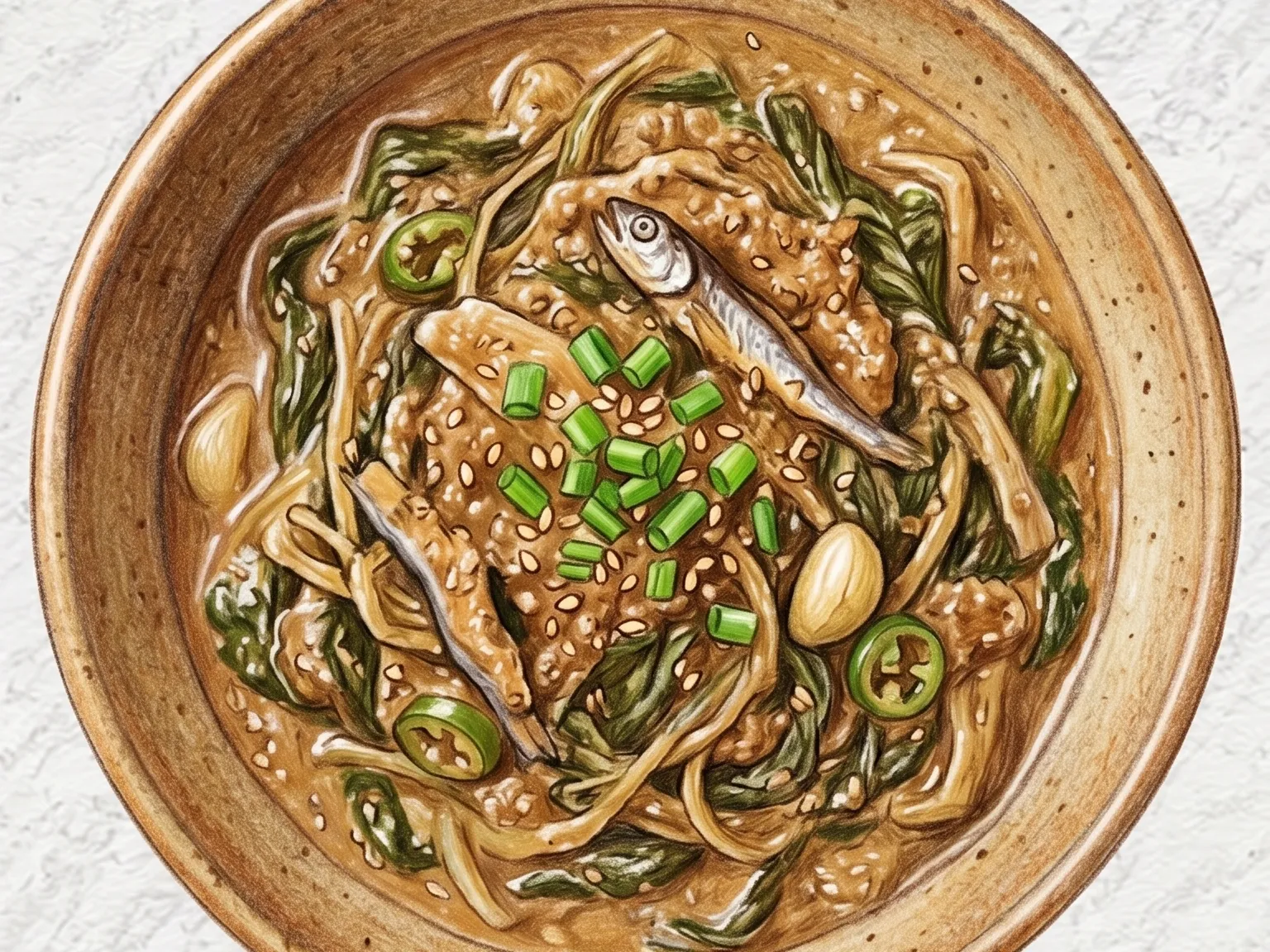
Siraegi jjim is a traditional Korean side dish of blanched dried radish greens braised with soybean paste, ground perilla seeds, and soup soy sauce in anchovy stock. The greens are first seasoned by hand, then stir-fried in perilla oil to develop aroma before the stock is poured in. Simmering melds the salty depth of doenjang with the creamy nuttiness of perilla into every fiber of the greens. Adding the perilla powder in the final stage rather than at the start prevents a chalky, starchy texture and keeps its fragrance intact. Blanching the greens thoroughly first is important because the tough fibers need time to soften, and squeezing out the water after blanching allows the seasoning to penetrate evenly. Though made from humble ingredients, the combination of fermented paste and roasted seeds produces an earthy richness that suits any season.

🍱 Lunchbox
Prep 20minCook 25min2 servings
Korean Manila Clam Knife-Cut Noodle Soup
NoodlesEasy

Korean Manila Clam Knife-Cut Noodle Soup

Bajirak kalguksu is a prominent Korean noodle dish that consists of wheat noodles prepared by hand and cooked in a broth made from manila clams. The process begins with the preparation of the clams, which are soaked in cold water for at least one hour. This purging stage is necessary to ensure that the clams expel any internal sand or debris before they are boiled. Once cleaned, the clams are placed in fresh water and boiled until their shells open fully. The shells are then discarded, and the resulting stock is strained through a fine cloth to remove every remaining particle of grit. This meticulous straining produces a clear broth where the natural oceanic flavor of the clams remains the primary focus. The salinity of this base is mineral and clean, which distinguishes it from the flavor profile of dashi made with dried and concentrated anchovies. Sliced Korean zucchini and scallions are added to the strained broth and allowed to simmer for five minutes. These vegetables contribute a mild sweetness that helps to soften the natural saltiness of the clam extract. When the hand-cut noodles are added to the boiling liquid, they release starch as they cook. This starch gradually transforms the consistency of the broth, making it slightly thick and viscous so that it adheres to the individual noodle strands. This specific change in texture is what separates kalguksu from other varieties of Korean noodle soup. The noodles are boiled for six to seven minutes until they become translucent, after which the reserved clam meat is returned to the pot. Seasoning with soup soy sauce is performed with caution because the clam stock already contains a high level of natural salinity. Adding an excessive amount of soy sauce can easily mask the delicate marine qualities that define the dish. The overall concentration of the broth is a direct result of the quantity of clams used and the length of the simmering process. If a more assertive flavor profile is preferred, the number of clams used in the initial stage should be increased rather than adding more external seasoning.

🏠 Everyday
Prep 35minCook 20min2 servings
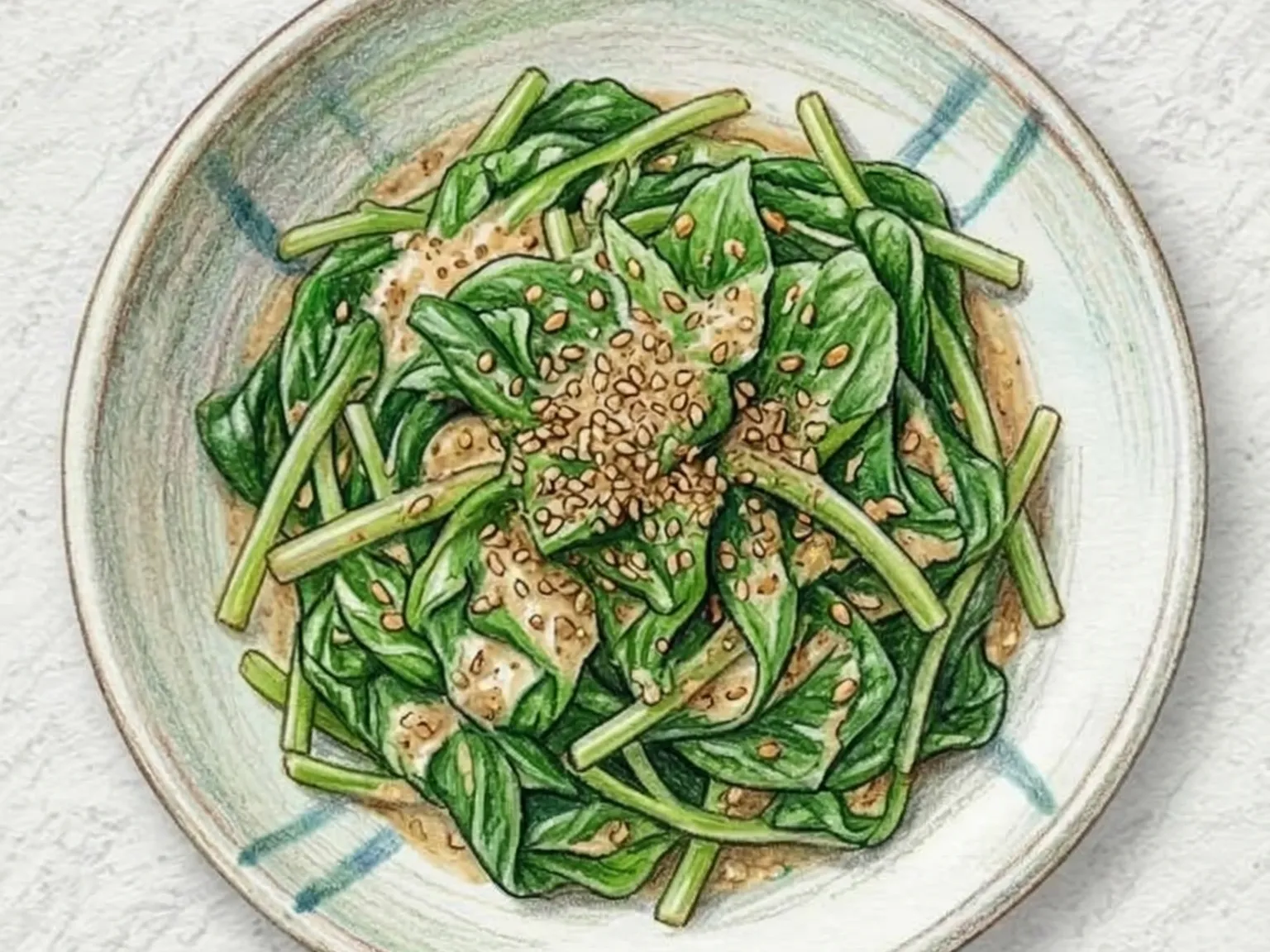
Korean Seasoned Bok Choy Namul
Side dishesEasy

Korean Seasoned Bok Choy Namul

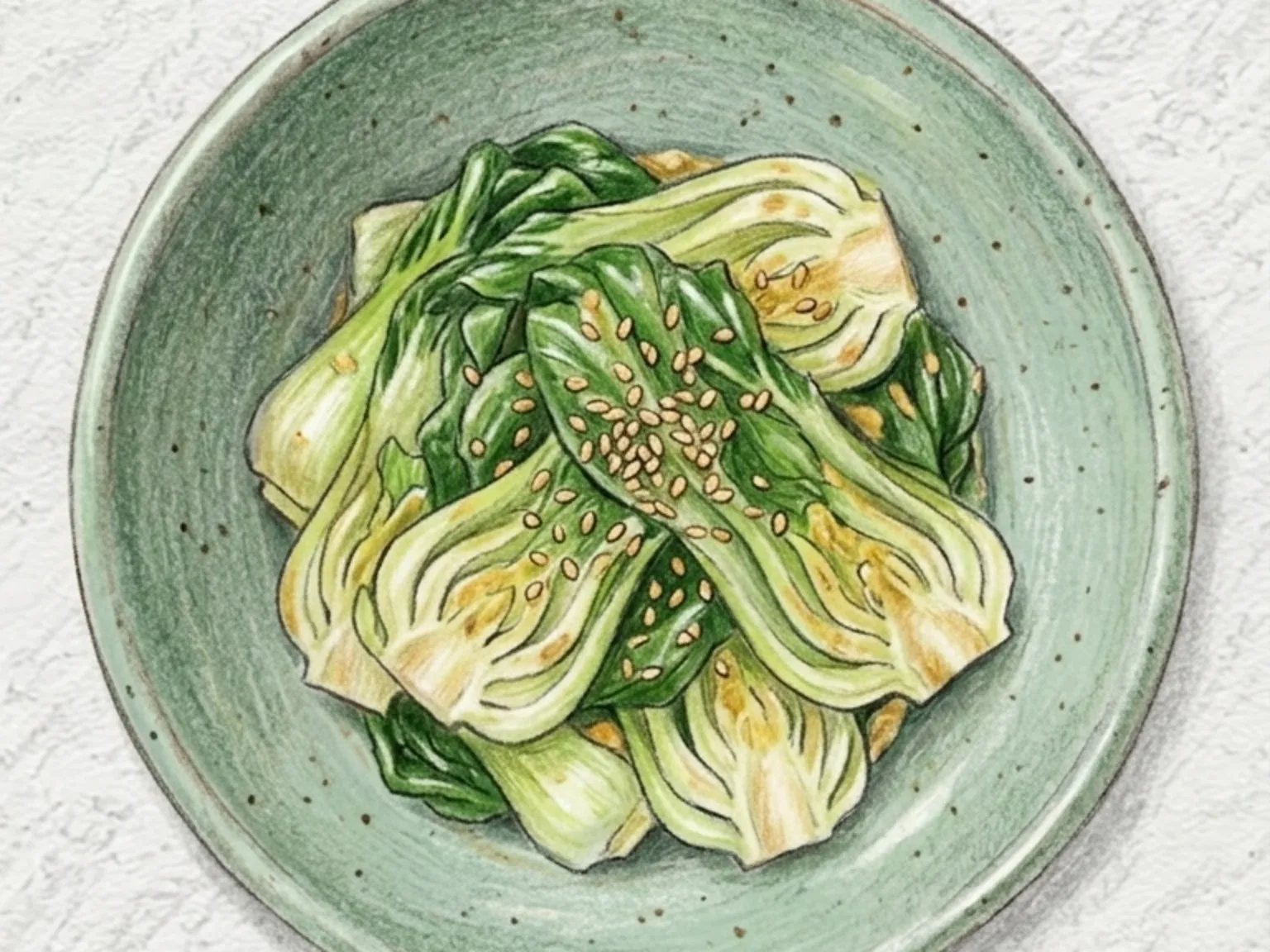
Unlike high-heat stir-fried bok choy with oyster sauce, this namul follows Korea's traditional blanch-and-dress method. One minute in boiling water wilts the leaves fully while keeping the pale stalks firm enough to provide a mild crunch. The greens are squeezed dry, cut into short lengths, and rubbed by hand with a mixture of doenjang, soup soy sauce, and minced garlic, working the seasoning into every piece rather than just tossing. The fermented soybean paste adds a deeply savory, slightly earthy quality that transforms the mild vegetable into something with real character. Sesame oil gives the finished dish a glossy coating and a nutty fragrance, and sesame seeds scattered on top add a final textural contrast against the soft leaves.

🏠 Everyday🍱 Lunchbox
Prep 8minCook 4min2 servings
Korean Chicken Breast Perilla Porridge
RiceEasy

Korean Chicken Breast Perilla Porridge

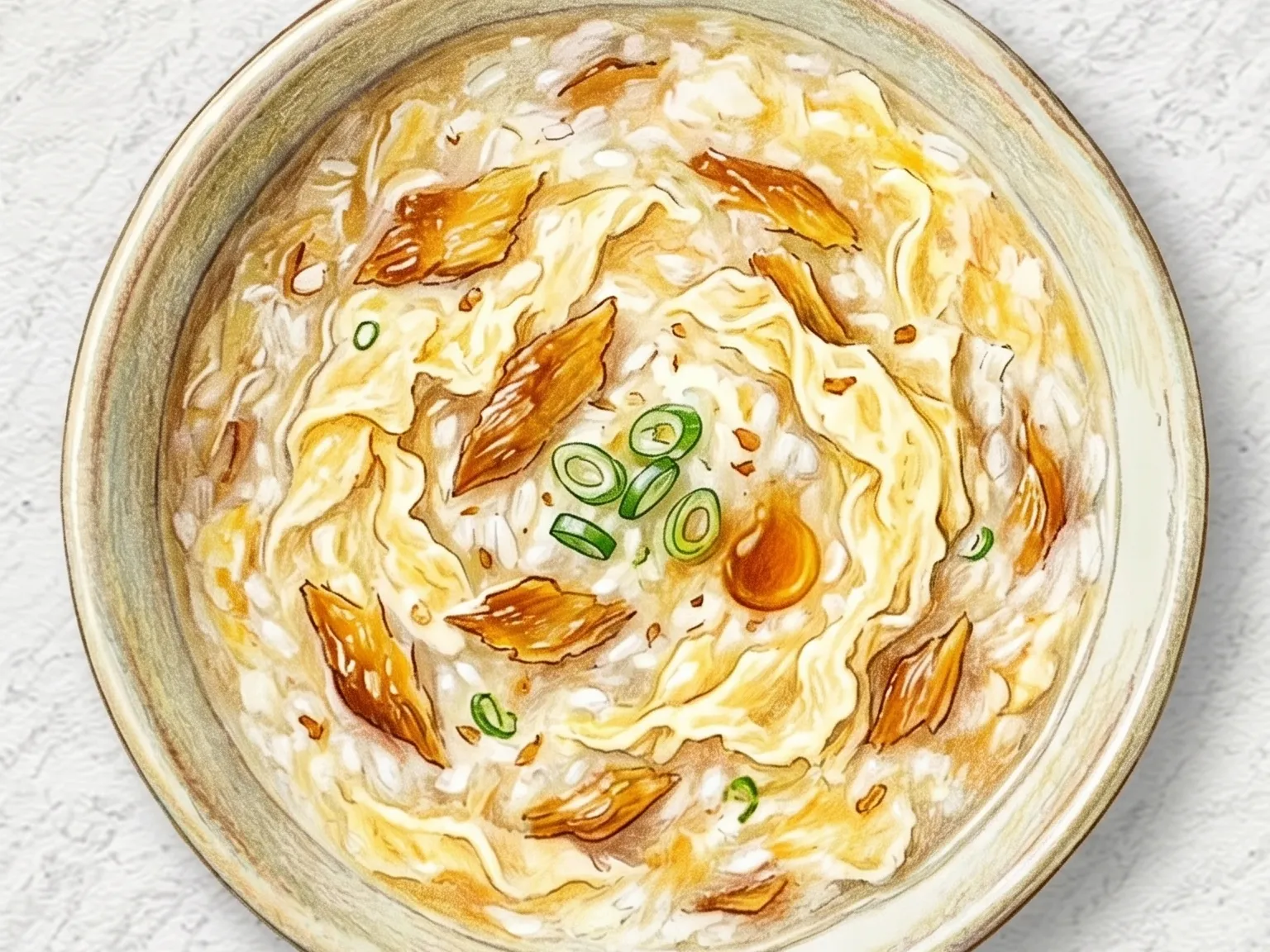
Dakgaesal deulkkae juk is a traditional style of Korean porridge that utilizes shredded chicken breast alongside finely chopped onions and carrots as its primary components. The preparation begins by stir-frying these ingredients together, after which they are simmered slowly with a combination of soaked rice and chicken stock. As the cooking process nears its conclusion, perilla seed powder is incorporated into the pot. This specific ingredient dissolves thoroughly into the liquid to produce a final texture that is notably thick and creamy. The aroma produced by the perilla seeds is deeply nutty and serves as the most prominent characteristic of the dish. While sesame seeds are known for a sharp and roasted quality, perilla seeds offer a flavor that is more round and carries an herbaceous nuttiness. This gives the porridge a unique profile that is common in Korean cuisine. The inclusion of shredded chicken breast provides a source of lean protein that does not feel heavy, ensuring the meal remains nourishing and simple for the body to digest. Because of these qualities, this porridge is often used as a recovery meal for individuals after they have finished exercising or for anyone whose energy levels feel low. It also serves as a functional choice when a gentle meal is required for a sensitive stomach. Adjusting the final result is possible by increasing the quantity of perilla powder, which results in a more intense fragrance and an even thicker consistency for people seeking a richer bowl.

🥗 Light & Healthy🏠 Everyday
Prep 15minCook 25min2 servings
Korean Stir-fried Radish with Perilla Powder
Stir-fryEasy

Korean Stir-fried Radish with Perilla Powder

Mu-deulkkae-bokkeum is a mild Korean side dish of finely julienned radish stir-fried and then simmered with perilla seed powder. Garlic and scallion are sauteed first for aroma, then the radish goes in and cooks under a lid with water and soup soy sauce until translucent and soft. Perilla powder is stirred in at the end, melting into the radish's released moisture to form a creamy, nutty coating. The dish has no heat at all, making it a versatile banchan; winter radish yields a noticeably sweeter result.

🏠 Everyday🍱 Lunchbox
Prep 10minCook 12min2 servings
Korean Chive Clam Soup (Briny Clam Broth with Garlic Chives)
SoupsEasy

Korean Chive Clam Soup (Briny Clam Broth with Garlic Chives)

Purged clams cook with Korean radish to produce a refreshing, clean broth, then garlic chives and cheongyang chili go in near the end for fragrance and heat. Simmering the radish alone for five minutes first establishes a mild sweetness in the base that balances the natural salinity of the clam liquor. The chives are added only after the heat is cut, preserving their vivid color and grassy scent. Any clam that does not open during cooking is removed before serving. Because the clam broth itself carries substantial umami, seasoning should be kept light with just a pinch of salt or a small measure of gukganjang.

🏠 Everyday
Prep 20minCook 15min2 servings
Korean Hard Clam Radish Stew
StewsMedium

Korean Hard Clam Radish Stew

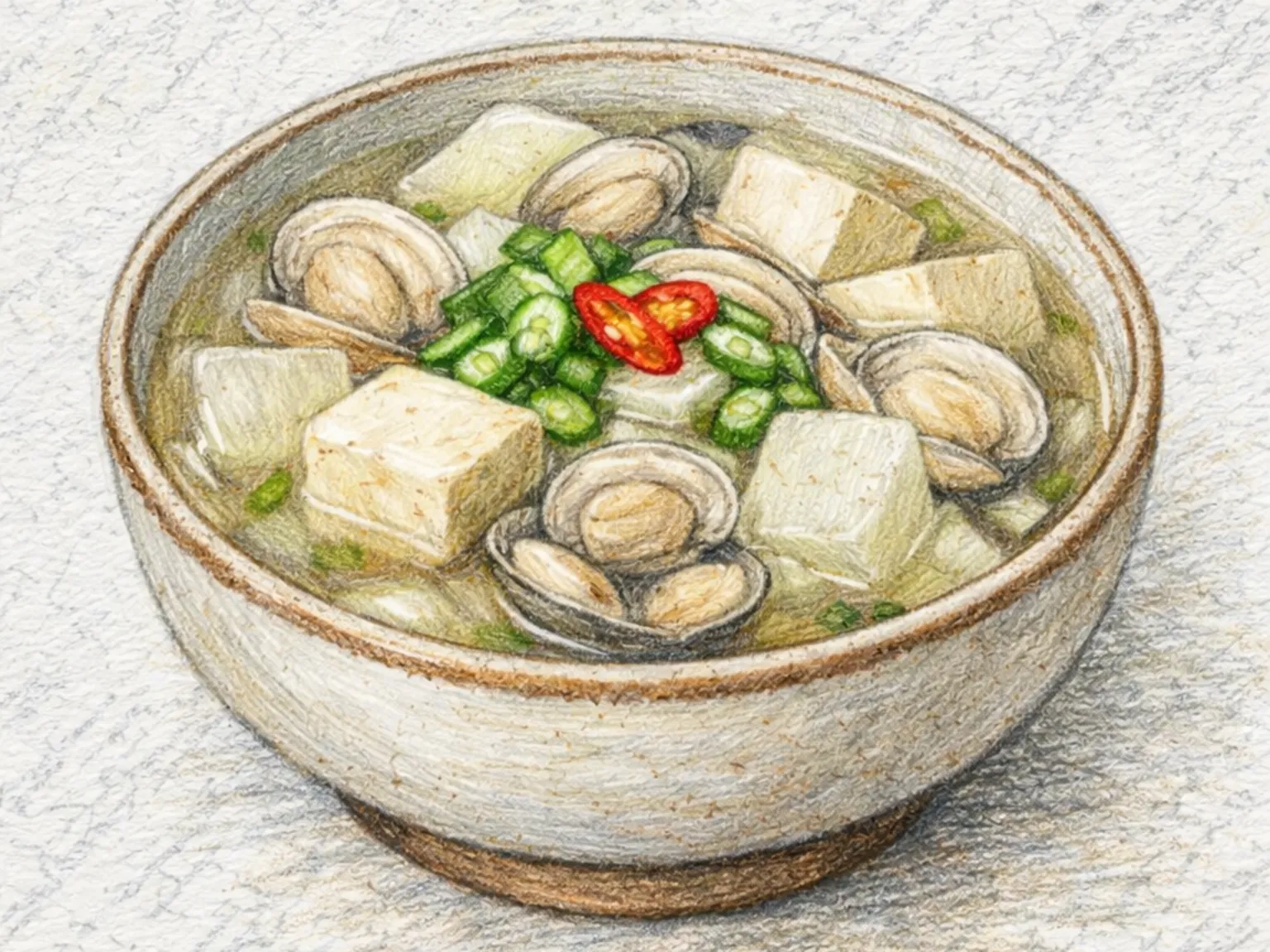
Sweet radish broth meets briny hard clams in this clean, deeply flavored Korean stew that needs no stock -- just clams, radish, and 35 minutes. The radish goes into the pot first and boils for ten minutes to release its natural sweetness, building the foundation of the broth before the clams are added. Once the clams open, their concentrated marine flavor layers over the radish sweetness, creating a broth that is simultaneously clean and complex. Seasoning is kept minimal with soup soy sauce, and minced garlic is added only after the clams open so it cooks through without remaining sharp and raw. Thick-cut firm tofu absorbs the surrounding broth, acting as a sponge for the clam umami. Diagonally sliced cheongyang and red chilies go in last, contributing a mild heat and visual contrast to the pale liquid. Any clams that fail to open must be removed immediately to keep the broth free of grit. The stew demonstrates how two primary ingredients, clams and radish, can produce a layered, satisfying broth without anchovy or kelp stock. The cool, lingering aftertaste of the clams is a hallmark of this particular combination.

🏠 Everyday🎉 Special Occasion
Prep 20minCook 25min4 servings
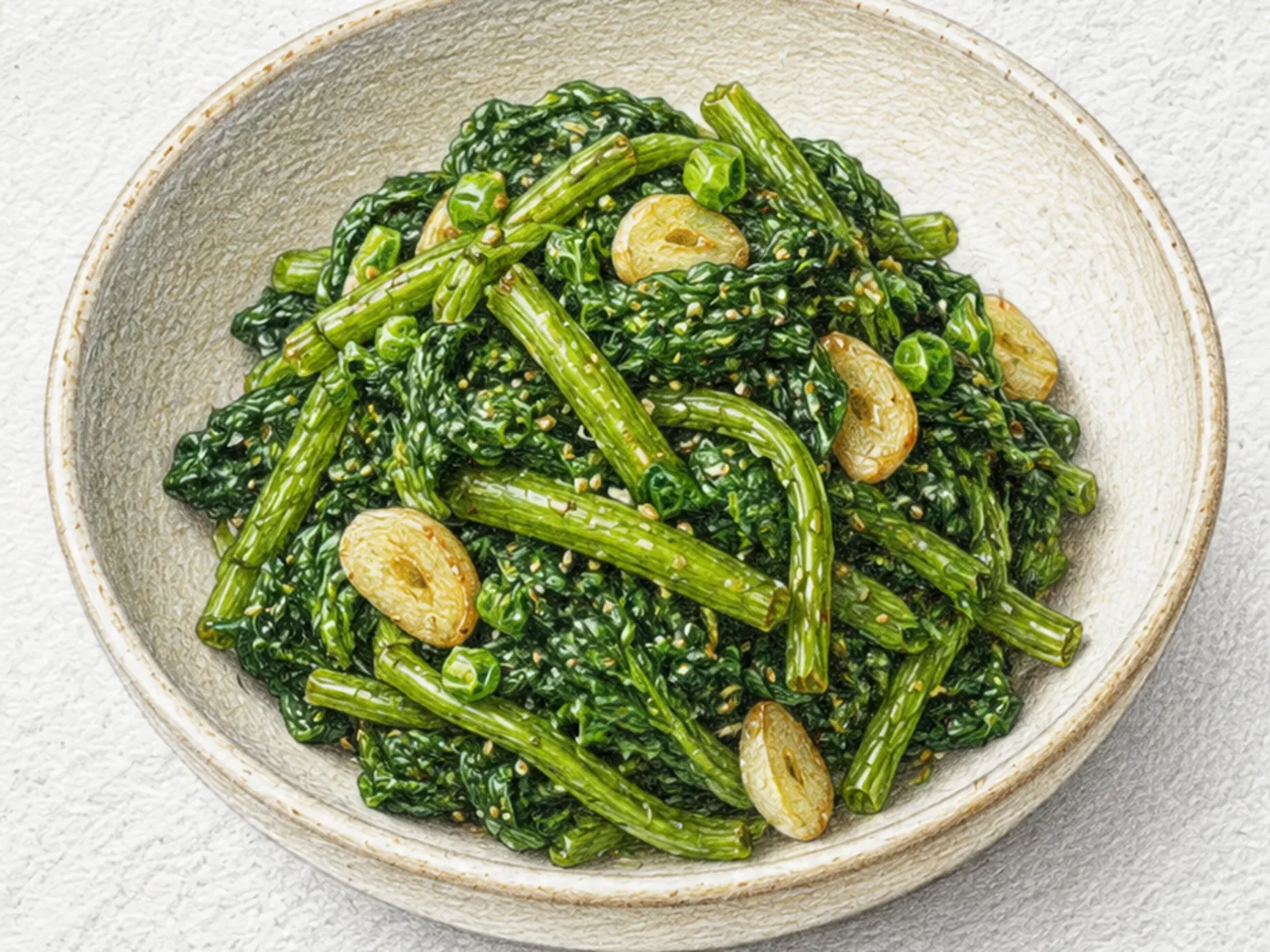
Korean Taro Stem Perilla Steam
SteamedMedium

Korean Taro Stem Perilla Steam

Torandae deulkkae jjim is a rustic Korean dish of boiled taro stems braised with soup soy sauce and ground perilla seeds. The stems are first stir-fried in perilla oil to drive off any lingering sharpness, then simmered covered until their fibers soften and absorb the seasoning. Ground perilla added near the end thickens the liquid into a creamy consistency and fills the dish with a roasted, nutty aroma. Green onion provides a fresh finish. Though fully plant-based and made from simple pantry staples, the combination of perilla and soy produces an earthy depth that makes a satisfying accompaniment to a bowl of rice.

🎉 Special Occasion🍱 Lunchbox
Prep 20minCook 35min4 servings
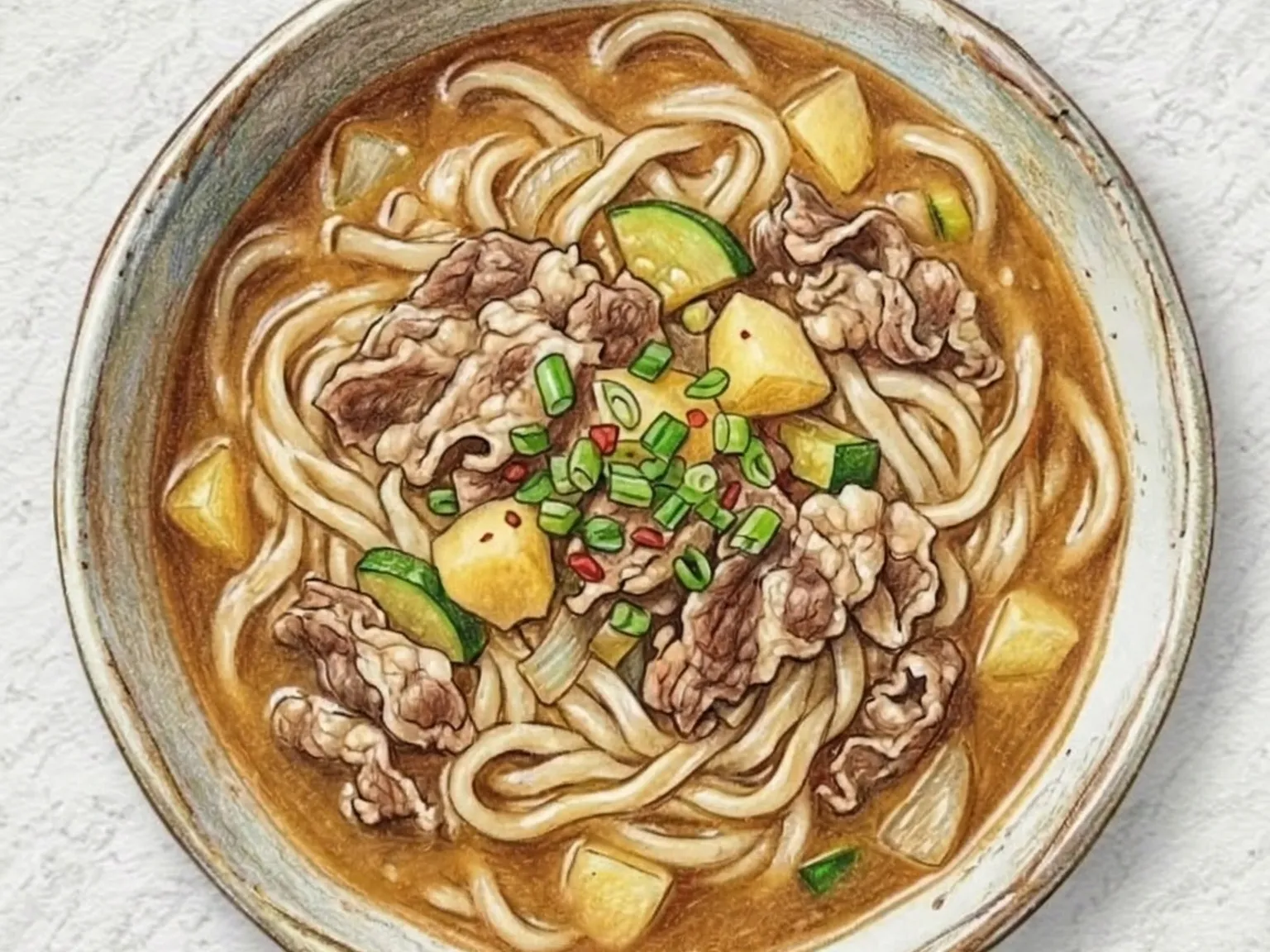
Korean Beef Brisket Soybean Paste Noodles
NoodlesMedium

Korean Beef Brisket Soybean Paste Noodles

Chadol doenjang kalguksu is a Korean noodle soup made by simmering thin slices of beef brisket in a soybean paste broth and adding hand-cut wheat noodles to finish the bowl. The doenjang gives the broth a fermented, earthy depth, and the marbled fat from the brisket slowly renders into the simmering liquid, adding body and a gentle richness that rounds out each spoonful. Kalguksu noodles are rolled thin by hand and cut with a knife, so they are naturally uneven in thickness. Thicker sections retain a satisfying chew while thinner edges go silky and absorb the broth more readily, which means a single bowl contains multiple textures without any deliberate effort. Zucchini, potato, and onion are added early and cook down into the broth, contributing natural sweetness that tempers the saltiness of the doenjang. Minced garlic and sliced scallion stirred in near the end lift the aroma and add a fresh, sharp note at the finish. Because doenjang concentrates as the broth reduces, starting with more water than seems necessary is a practical safeguard against the soup becoming too salty before the noodles are cooked through. Serving the noodles immediately after cooking prevents them from absorbing too much liquid and going soft.

🏠 Everyday
Prep 15minCook 20min2 servings
Korean Chwinamul with Doenjang
Side dishesEasy

Korean Chwinamul with Doenjang

This banchan brings together chwinamul, a foraged spring green with a pronounced bitter edge, and doenjang, Korea's pungent fermented soybean paste, producing a side dish where two assertive flavors push against each other and settle into something deeper than either alone. The greens are blanched for two minutes, squeezed firmly to remove excess water, and cut to an even length before seasoning. Doenjang, soup soy sauce, minced garlic, sesame oil, and perilla powder are added and worked in by hand, pressing the thick paste into the porous leaf tissue so that the salty, fermented depth clings to every strand and the seasoning does not slide off during plating. The natural bitterness of the chwinamul does not disappear under the doenjang but transforms instead, losing its sharpness and becoming layered and rounded. Letting the dressed greens rest for five minutes before serving allows the seasoning to penetrate fully, which sharpens and deepens the overall flavor in a way that is noticeable even from the first resting period. In winter months, dried chwinamul soaked overnight in cold water is used instead of fresh; the texture is softer and less fibrous but the compatibility with doenjang holds completely.

🏠 Everyday🍱 Lunchbox
Prep 18minCook 7min4 servings
Korean Dureup Pot Rice (Spring Angelica Shoot Pot Rice)
RiceMedium

Korean Dureup Pot Rice (Spring Angelica Shoot Pot Rice)

Durup sotbap is a Korean spring pot rice centered on dureup, the young shoots of the Aralia elata tree that appear for only a few weeks between late March and late April. During this narrow season, the shoots carry a pleasantly bitter, faintly woodsy flavor that is unlike any other vegetable used in Korean cooking, and sotbap is one of the most direct ways to taste that character. The rice cooks in kelp stock rather than plain water, giving every grain a subtle umami base, with soup soy sauce and garlic seasoning from within the pot. Blanching the dureup requires restraint: twenty to thirty seconds in boiling water is enough to soften the fibrous ends and mellow the sharpness slightly, while keeping the bright green color intact and the slender stems with just enough resistance. Blanching longer dulls both the color and the flavor. The shoots are placed over the nearly finished rice just before the pot rests with its lid sealed for ten minutes. During that resting period the steam carries the herbal fragrance of the dureup into every grain of rice. The lid must not be opened during this time, as releasing the steam interrupts even cooking. Served with a soy-sesame dipping sauce mixed through the rice, the nuttiness of the oil wraps around the bitterness of the shoots, and the combination captures something specifically tied to early spring in the Korean mountains.

🏠 Everyday
Prep 15minCook 30min2 servings