Korean Shepherd's Purse Tofu Stir-fry
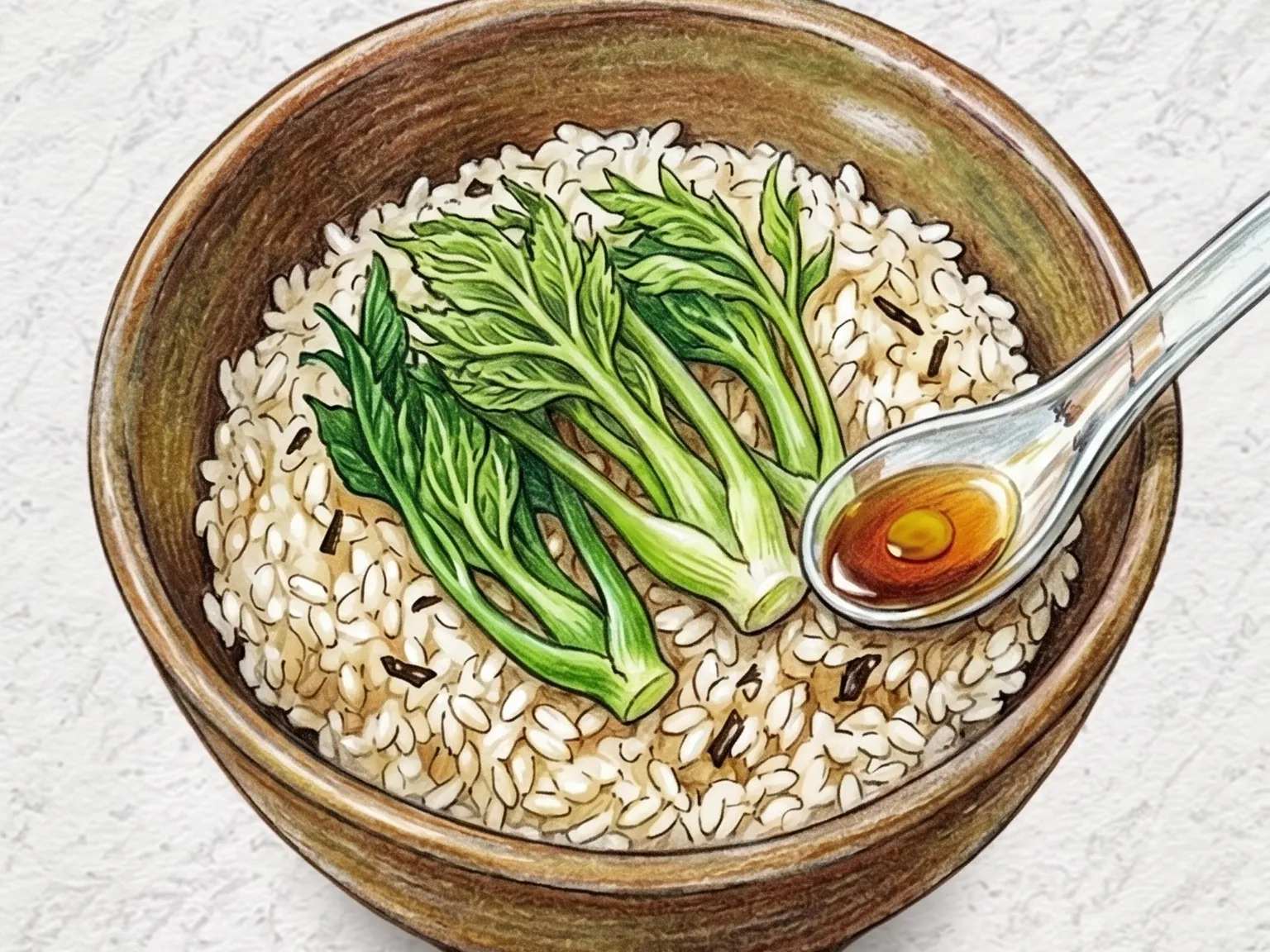
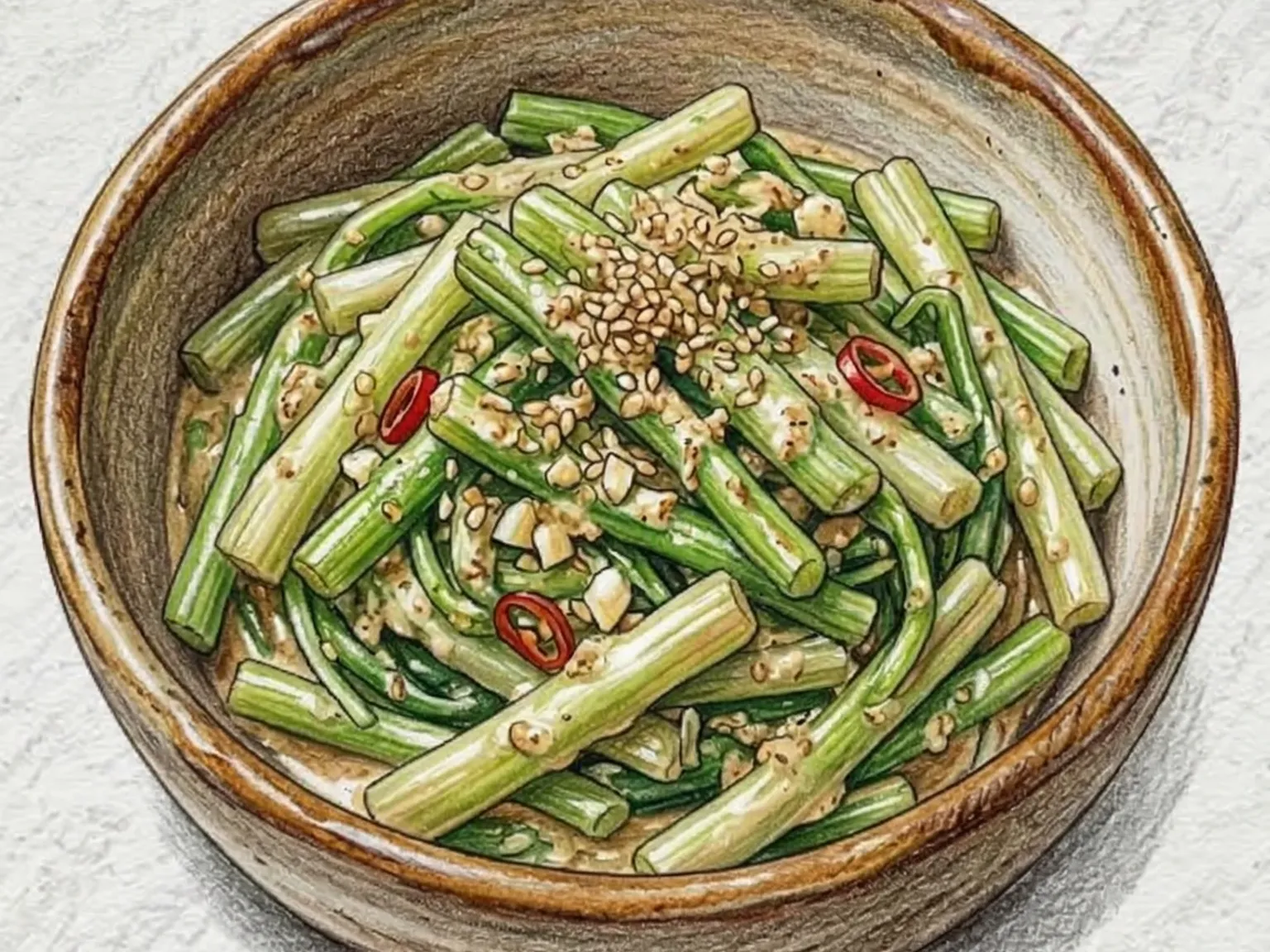
Naengi-dubu-bokkeum is a spring-seasonal Korean stir-fry that pairs shepherd's purse - a wild herb with a distinctive earthy bitterness - with cubed firm tofu in perilla oil and soy sauce. The tofu is pan-seared until golden to build a crust, then set aside while onion and garlic cook in the same pan before soy sauces go in. The tofu returns along with the cleaned, trimmed shepherd's purse, which needs only two minutes of gentle tossing to wilt without losing its herbal bite. A final drizzle of perilla oil and a pinch of toasted sesame seeds layer nuttiness over the herb's green, slightly bitter fragrance.

Korean Garlic Chive Egg Soup
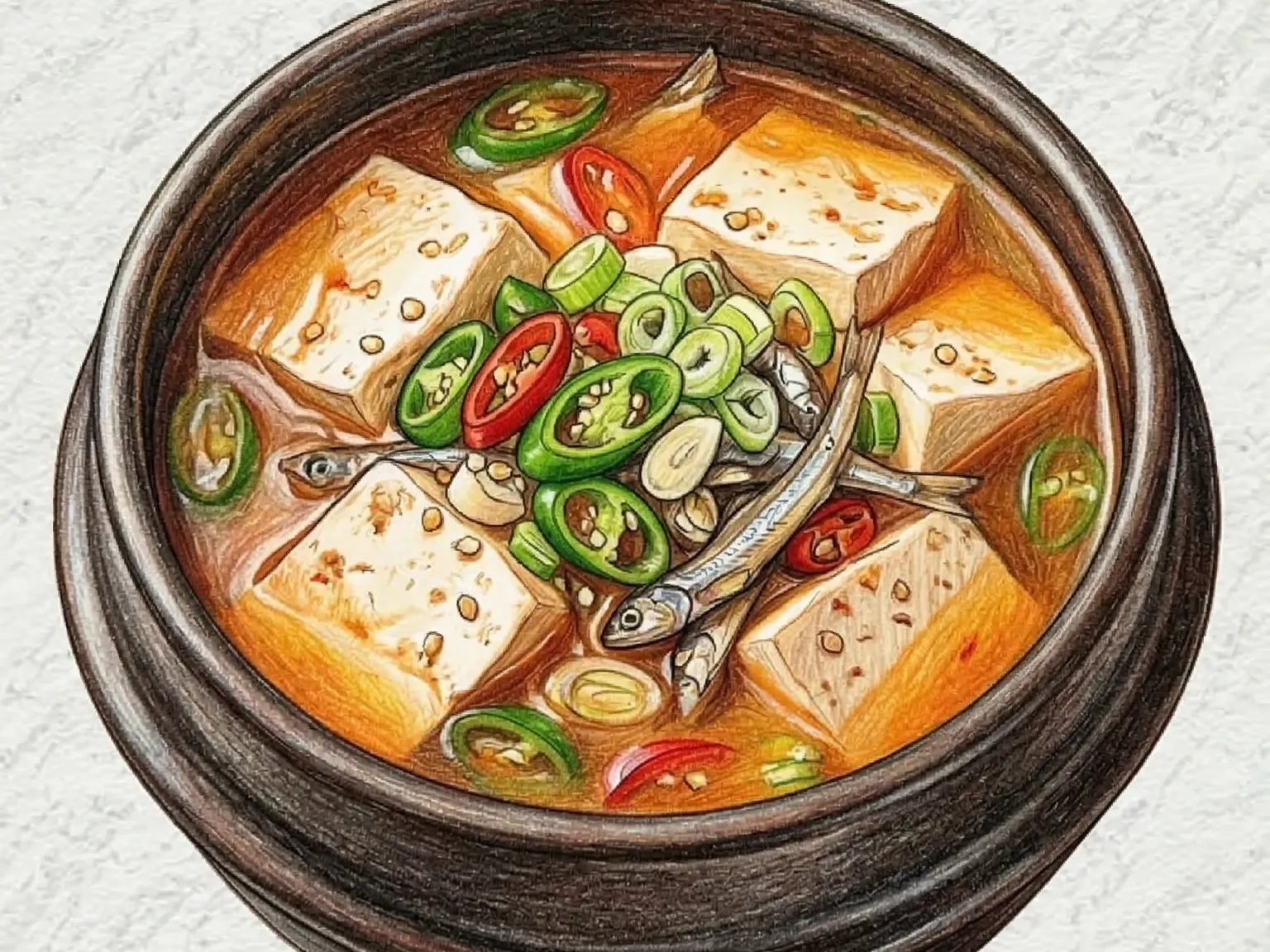
This simple home-style soup combines garlic chives, egg, and tofu in a light broth seasoned with soup soy sauce and garlic. Tofu cubes go in first to warm through for two minutes, then beaten egg is poured in a slow, circular stream and left undisturbed for thirty seconds to form silky ribbons. Chives and sesame oil are added in the final half-minute so their aroma stays vivid in the finished bowl. Because the ingredient list is short, cutting the tofu into even cubes and managing the heat carefully are what separate a polished result from a cloudy one. Pouring the egg too forcefully or stirring immediately breaks up the ribbons and muddies the broth.

Korean Bajirak Miyeok Jjigae (Clam Seaweed Stew)
Bajirak miyeok jjigae is a Korean stew combining manila clams and soaked seaweed, layering shellfish umami with the mineral depth of sea vegetables. Clams start in cold water with radish, which adds a cool sweetness to the broth that balances the clams' natural saltiness as the temperature climbs. Once the shells open, rice wine removes any briny off-notes, and the stew is seasoned with soup soy sauce and minced garlic. The seaweed, soaked and cut into bite-sized pieces, must enter the pot only in the last five minutes; longer cooking turns it tough and unpleasantly slippery. Diagonally sliced scallion added at the end releases a fresh aroma across the surface of the stew. The iodine-rich character of the seaweed and the briny depth of the clams belong to the same marine category yet occupy different flavor registers, producing a broth with compound depth. Any clams that remain closed after cooking must be removed to prevent grit from contaminating the finished stew.

Korean Braised Napa Outer Leaves
Ugeoji-jjim is a Korean braised dish of blanched napa cabbage outer leaves cooked gently with doenjang, perilla oil, and garlic under a covered lid. The fibrous leaves absorb the fermented soybean paste deeply as they soften, while perilla oil lays a nutty base throughout the dish. Soup soy sauce adjusts the seasoning so the doenjang's saltiness and the natural sweetness of the greens find a clean balance. Mixed into a bowl of steamed rice, this humble banchan delivers a surprisingly deep, earthy flavor that belies its simplicity.

Korean Warm Brisket Parsley Noodles
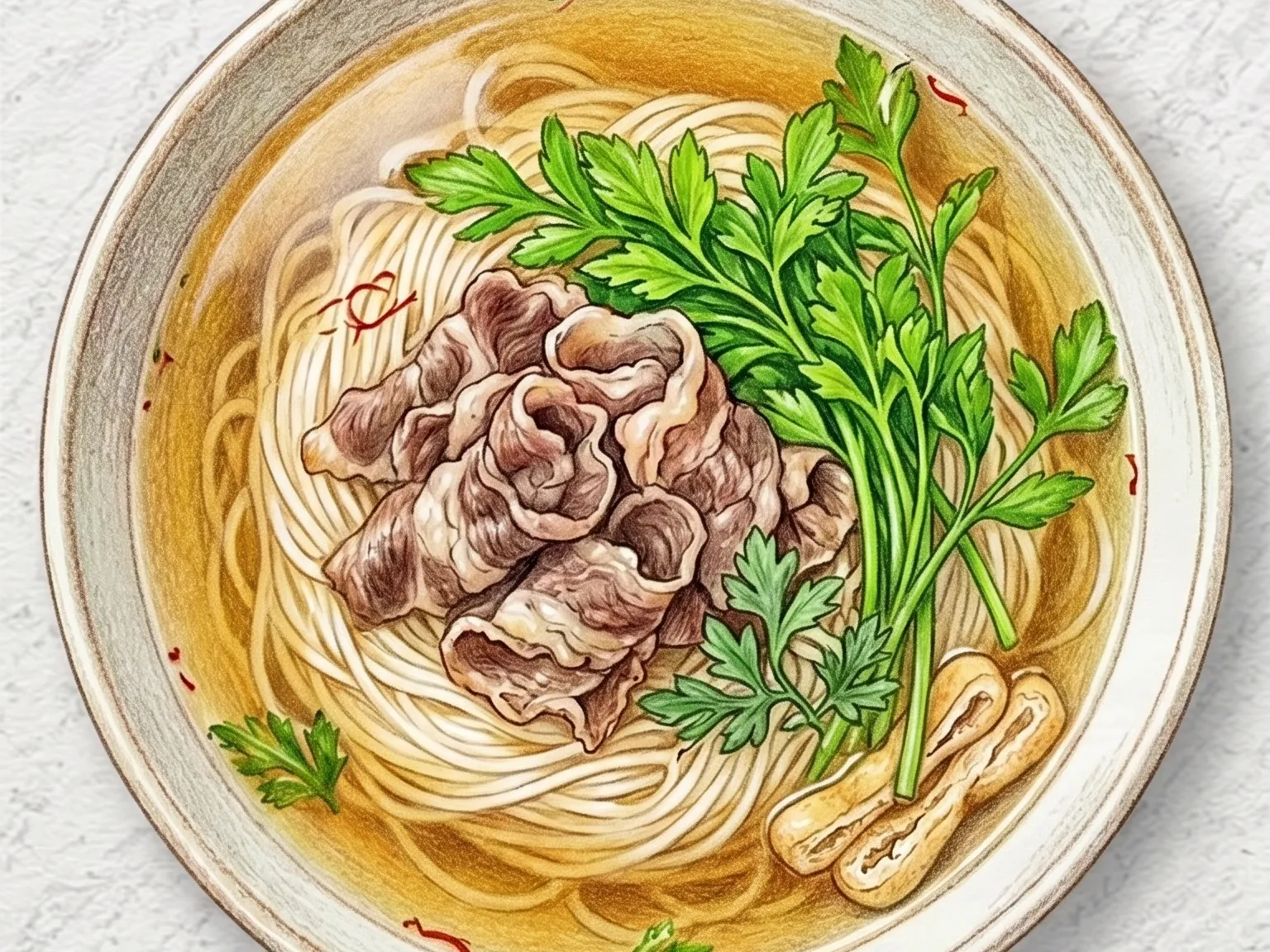
Thin somyeon noodles rest in a warm broth seasoned only with gukganjang, topped with sliced brisket and fresh minari. When the brisket meets the hot broth, the fat melts out and adds a mild, savory depth to the liquid, while the minari's clean, herbal bite cuts through any richness and keeps the aftertaste light. The noodles are fine enough to carry broth with every slurp without becoming heavy. Seasoning with gukganjang alone keeps the flavor profile transparent, letting the character of each ingredient register separately rather than blending into a heavy sauce. Blanching the brisket briefly in plain boiling water before adding it to the broth is an optional step that reduces excess fat and produces an even cleaner soup. Crown daisy or fried tofu pouches can be added to vary the texture and taste. On a cool day, this understated noodle soup provides lasting warmth without the weight of a richer broth.

Korean Chwinamul with Perilla Powder
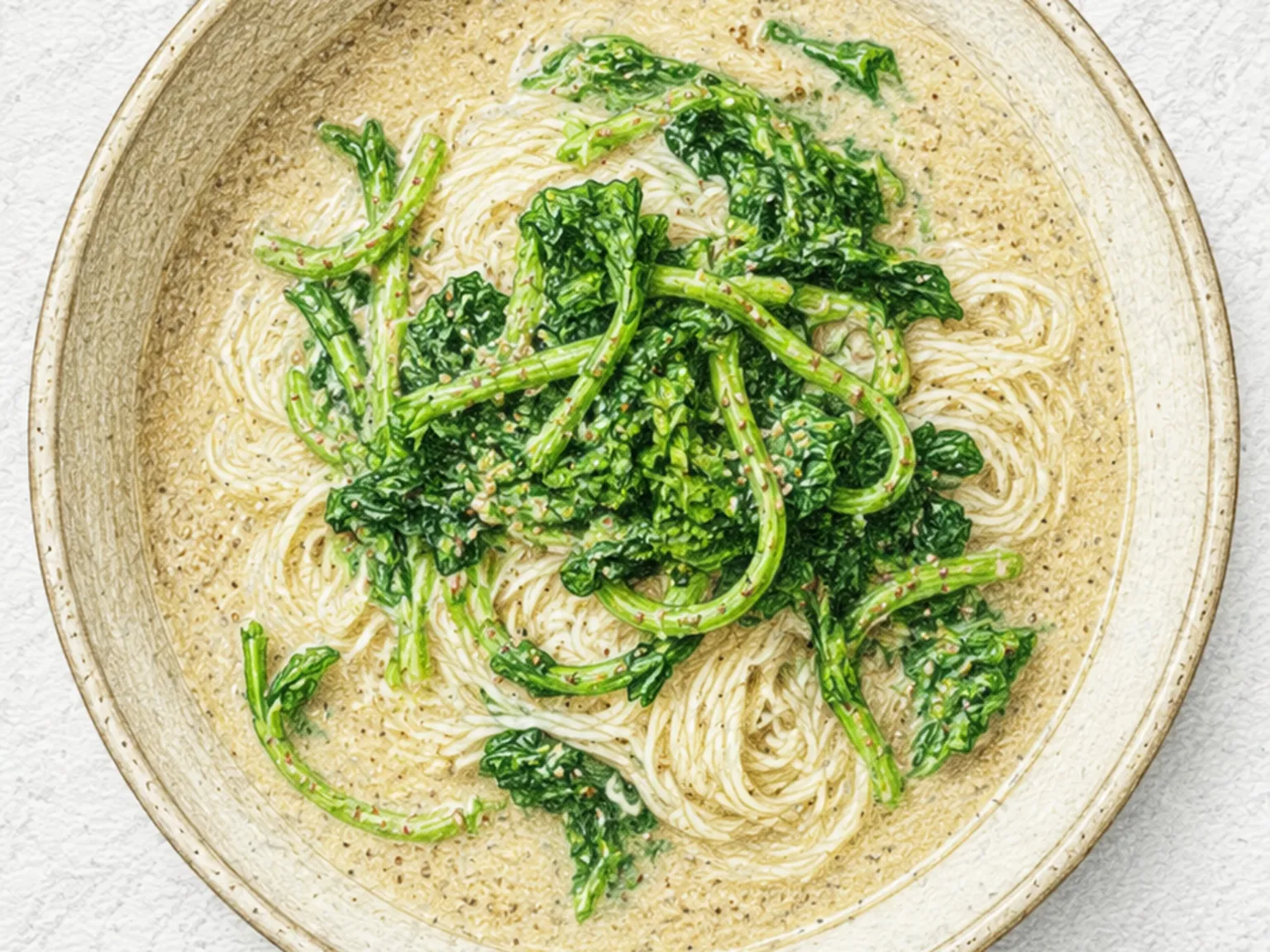
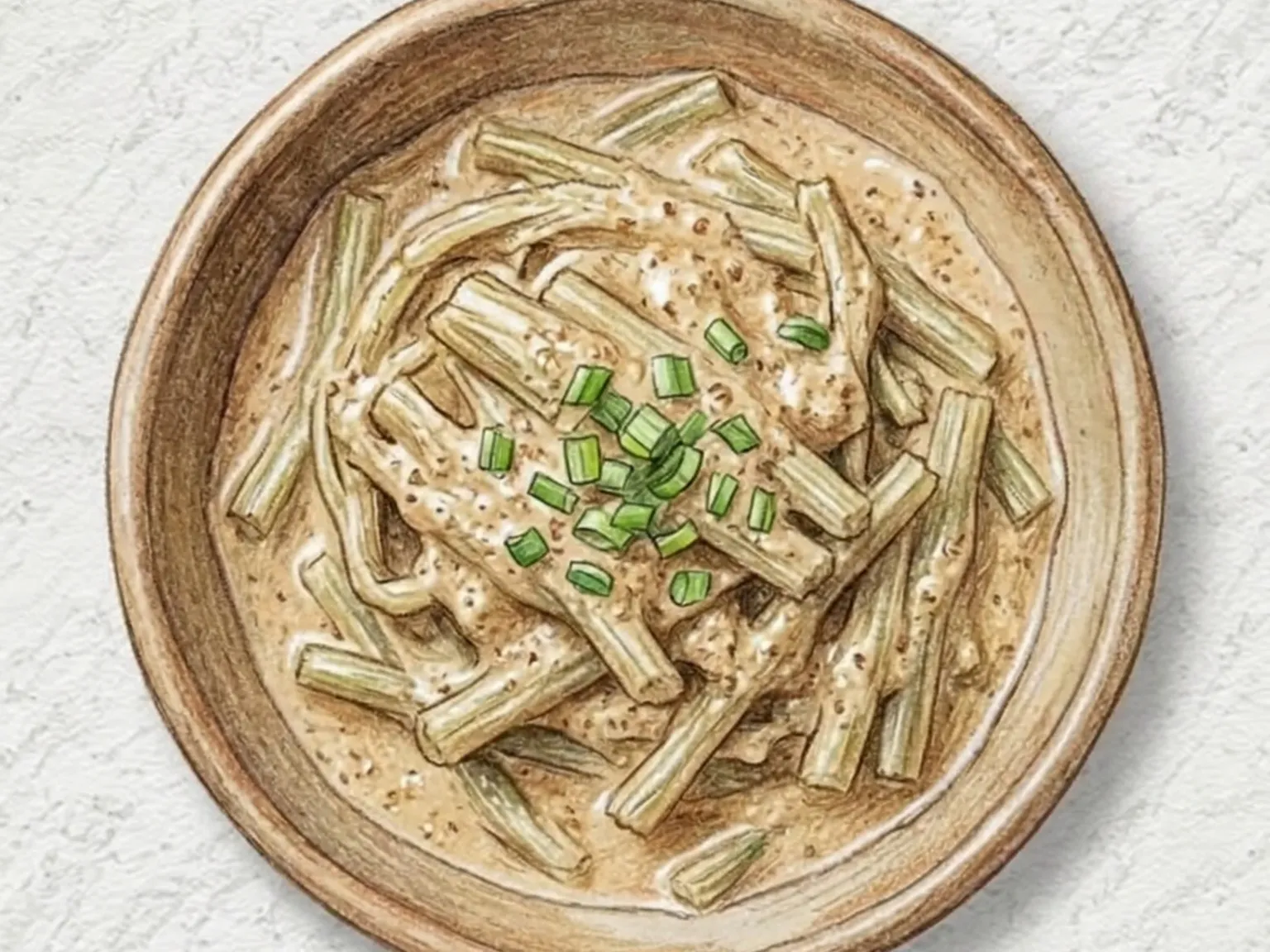
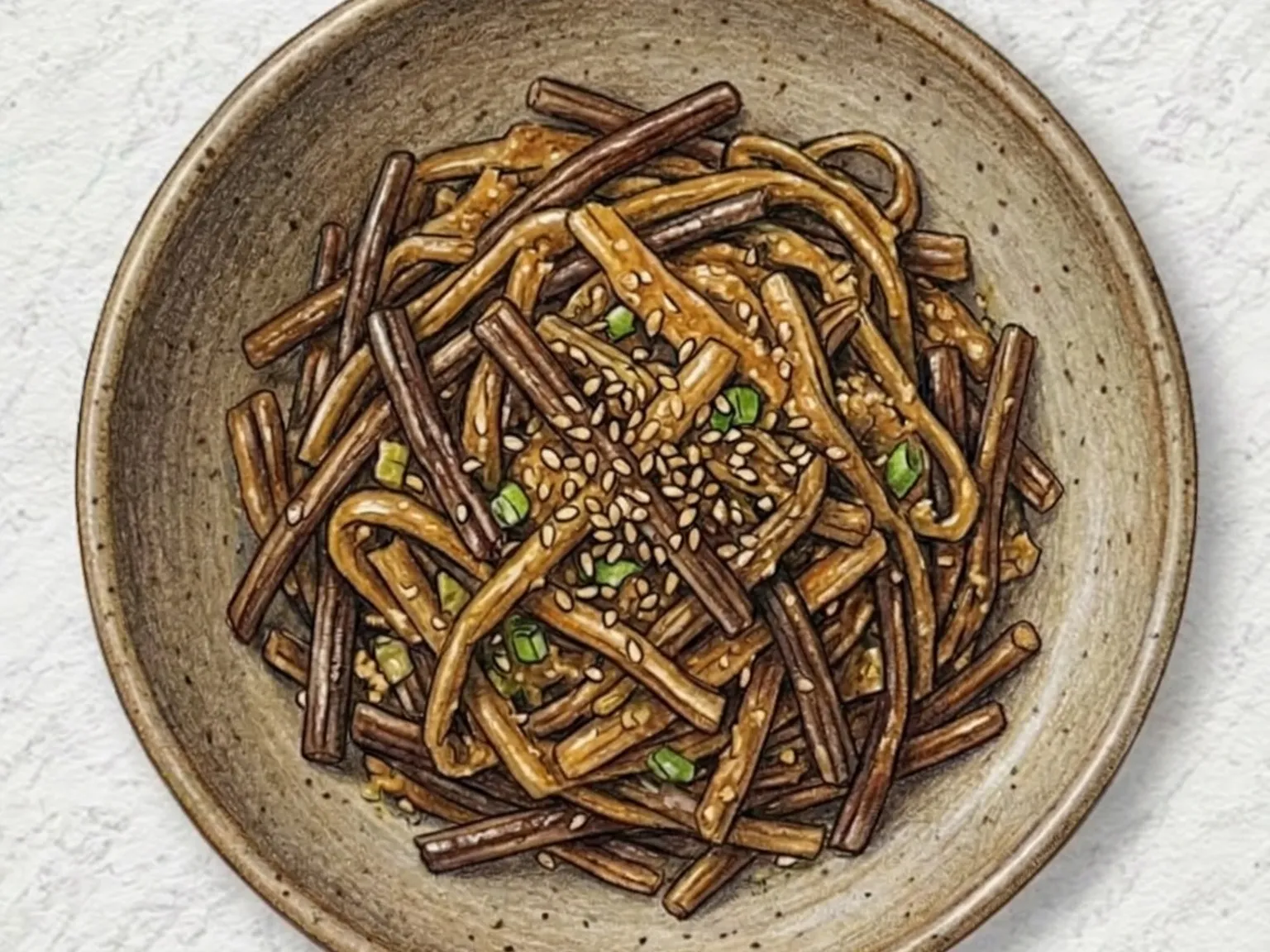
Where the doenjang version of chwinamul leans on fermented soybean depth, this preparation wraps the greens in a perilla seed coating that is mild, nutty, and warm rather than assertive. After blanching, the chwinamul is seasoned with a base of soup soy sauce, garlic, and green onion, then sauteed briefly in perilla oil to amplify the seed character before any liquid is added. Water is stirred in for a light braise that softens the stems fully. The critical step comes off the heat: reducing the flame before adding perilla powder is essential, because adding the powder while the pan is still hot causes the seed oils to separate, leaving a gritty, uneven coating rather than the smooth, pale paste that should coat every strand. When done correctly, the finished dish has a silky, enrobing texture that clings to the greens and releases the full fragrance of the perilla seed in each mouthful. The chwinamul aromatics remain distinct throughout, but the perilla shifts their overall character from sharp and herbal toward something rounder and more comforting.

Korean Pork Soup with Rice
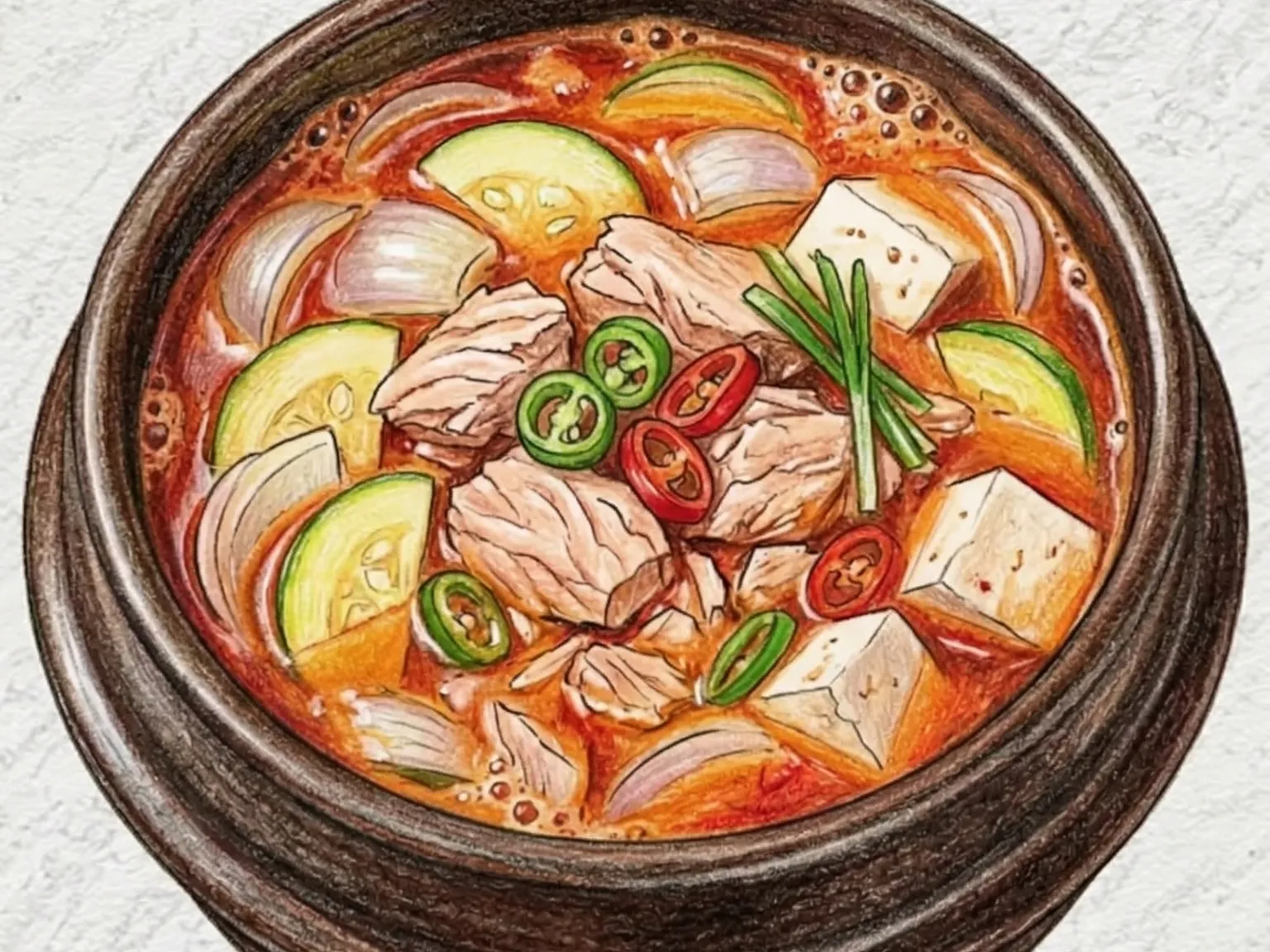
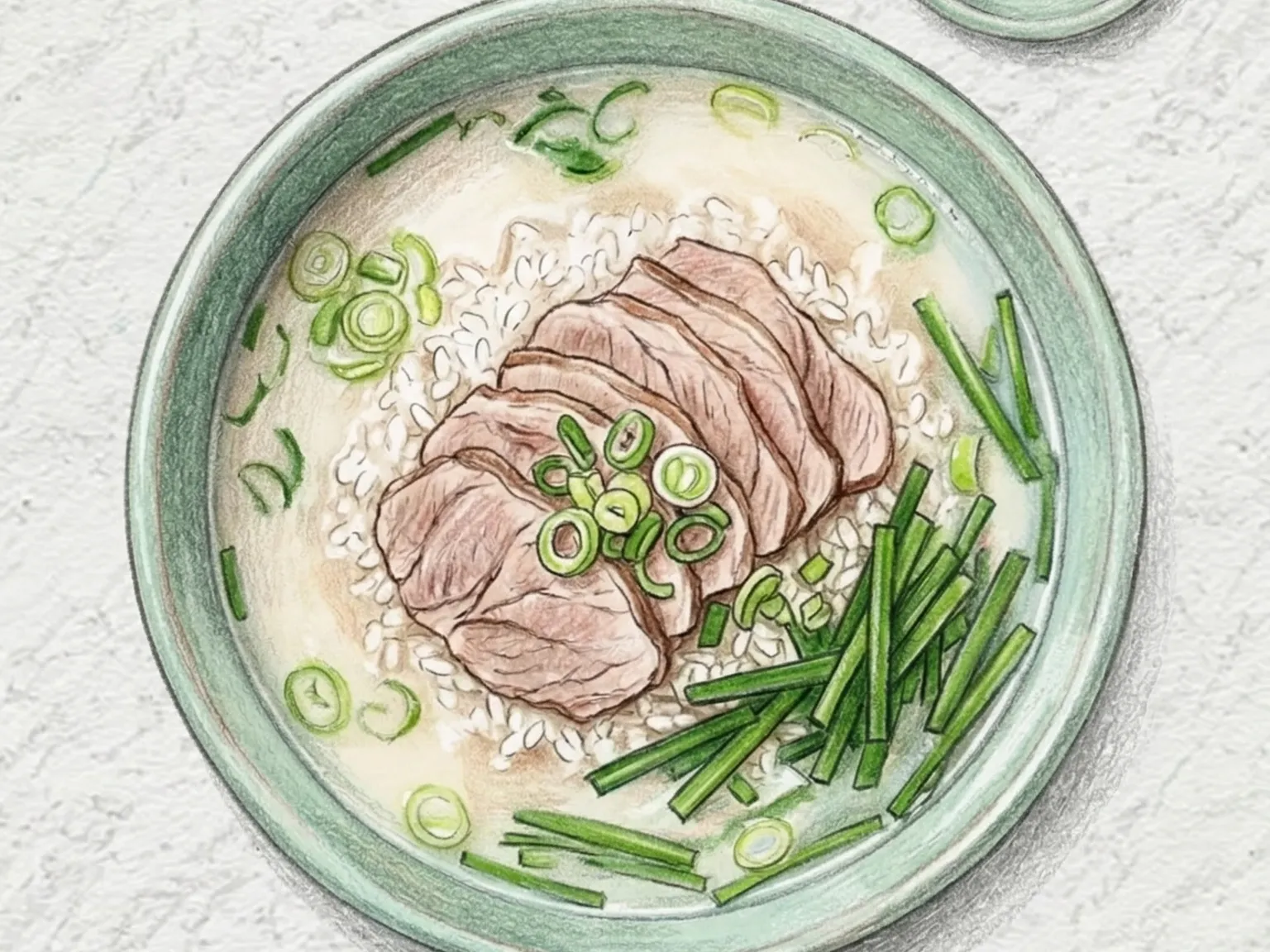
Dwaeji gukbap is Busan's definitive pork and rice soup, constructed around a broth that simmers pork shoulder or neck in a bone stock base for well over an hour, until the liquid becomes pale, rich, and deeply flavored. The pork is always blanched in plain water first and the water discarded, removing blood and impurities that would cloud the broth or introduce an off-flavor. After blanching, the meat transfers to the main pot where it cooks long and low until the muscle fibers loosen and the collagen begins to dissolve into the liquid, adding a gentle body that coats the inside of the bowl. That collagen-thickened base absorbs the mineral depth of the simmered bones beneath it, building a broth that cannot be rushed or replicated quickly. The cooked pork is sliced thin across the grain, arranged over a bowl of steamed rice, and doused with a generous pour of the boiling broth, which soaks into the rice and makes each spoonful carry the flavor of both. Sliced green onion and garlic chives piled on top add a fresh, grassy brightness that cuts through the richness. Fermented shrimp paste and minced fresh chili sit on the side for each diner to season individually - a ritual that is specific to this dish. In Busan, gukbap shops that have kept the same stockpot simmering for decades are treated with the same reverence as landmarks.

Korean Oi Dubu Bokkeum (Cucumber Tofu Stir-fry)
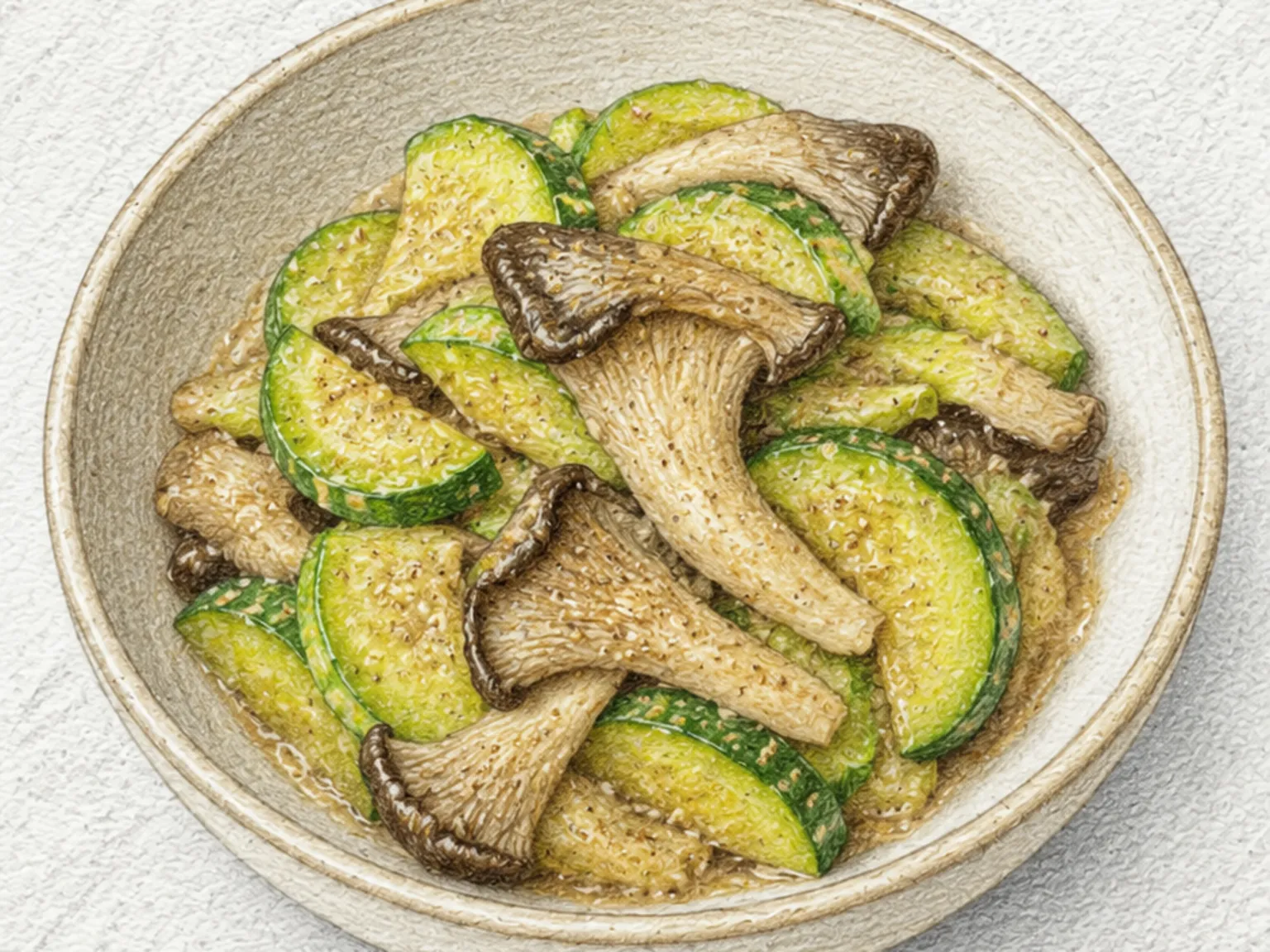
Oi-dubu-bokkeum stir-fries half-moon cucumber slices and cubed firm tofu with soup soy sauce, garlic, and a light touch of Korean chili flakes. The tofu is pan-fried to golden first to prevent crumbling, then set aside while garlic and onion build flavor in the same pan. Cucumber goes in for just 90 seconds - long enough to warm through but short enough to stay crisp and juicy. The tofu returns for a final toss with sesame oil, creating a dish defined by the contrast between cool, crunchy cucumber and warm, soft tofu under a clean soy-based seasoning.

Korean Buchu Honghap Guk (Chive Mussel Soup)
Debearded mussels are simmered with radish in water to draw out a briny, full-bodied stock, with rice wine added early to neutralize any fishy off-notes while keeping the oceanic depth intact. Soup soy sauce and garlic season the broth through the middle of cooking, and Korean chives plus black pepper go in at the very end so their fresh fragrance carries through to the bowl. Cooking uncovered lets off-flavors escape with the steam. Any mussel that stays closed after five minutes of simmering must be removed. Starting the radish alongside the mussels from the beginning allows its natural sweetness to dissolve into the stock and support the briny umami from below.

Korean Perilla Mushroom Hot Pot
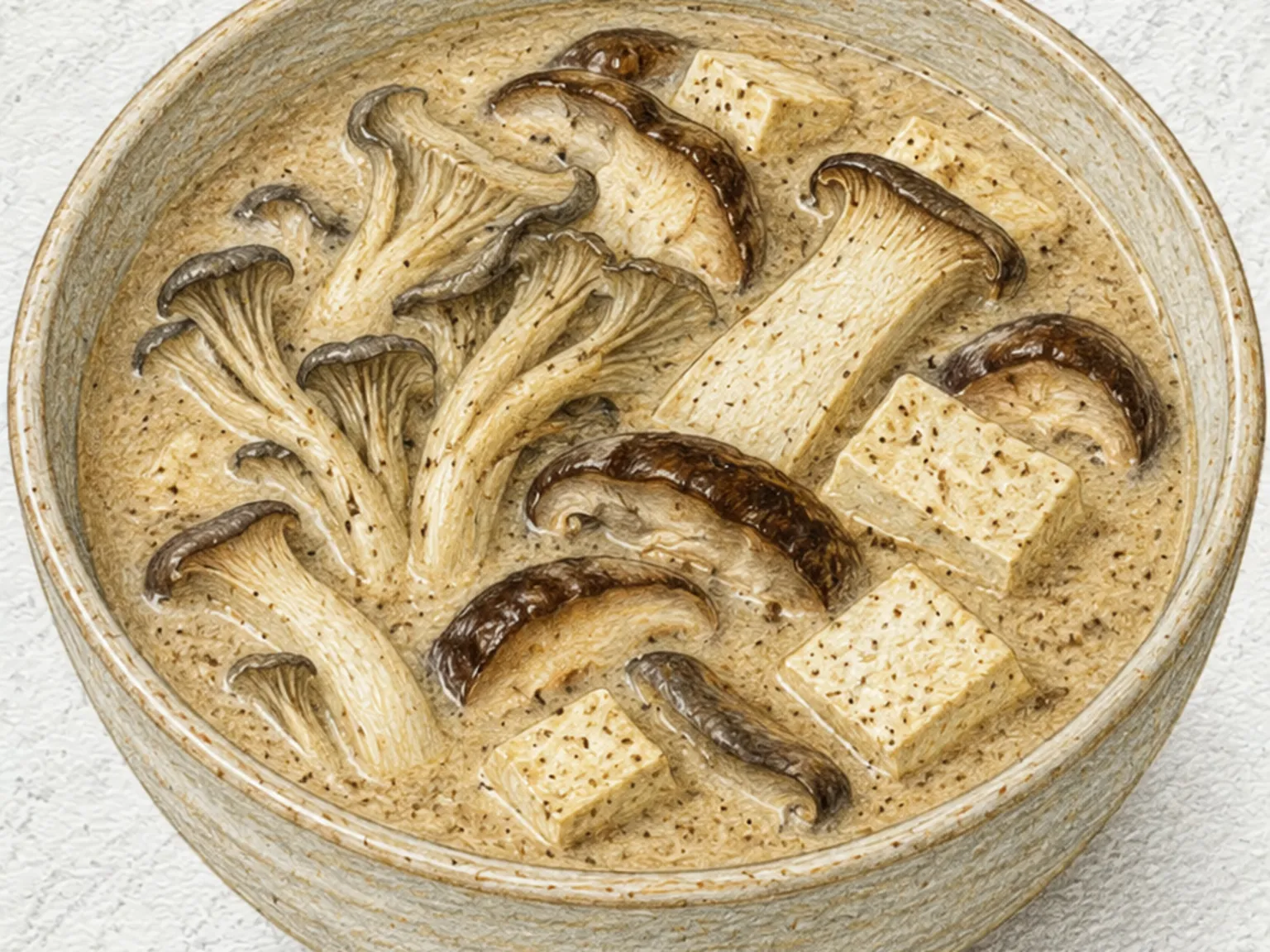
Deulkkae beoseot jeongol is a vegetable hot pot centered on three types of mushrooms - shiitake, oyster, and enoki - along with tofu and bok choy simmered in a light vegetable stock. Ground perilla seeds are stirred directly into the broth, releasing a nutty aroma and building a gentle thickness that coats each mushroom and leaf with every spoonful. The pot is seasoned with soup soy sauce and garlic for a clean, grounded flavor that lets the mushrooms carry the dish without competing additions. Substantial enough to satisfy without any meat.

Korean Chicken Janchi Guksu
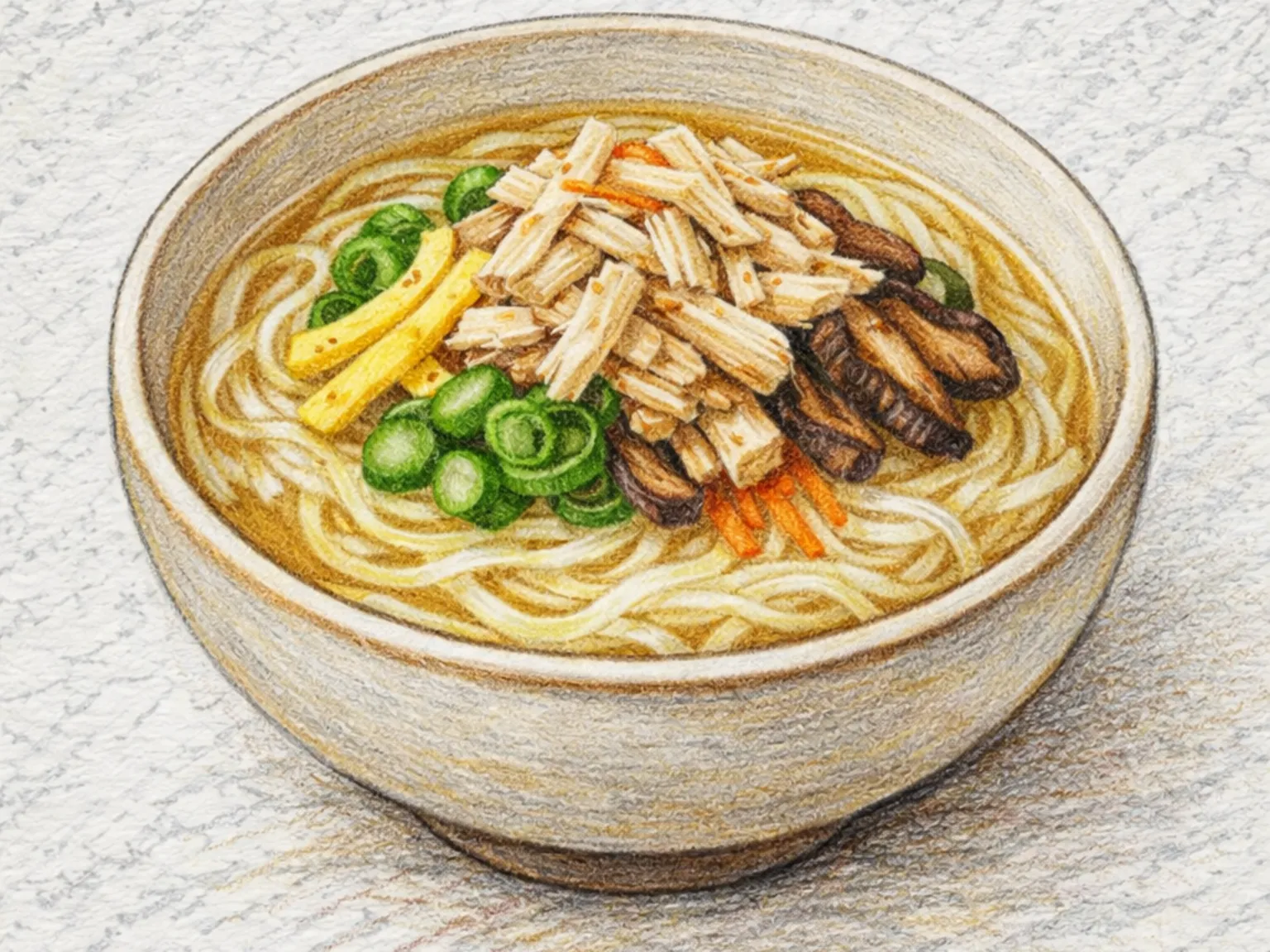
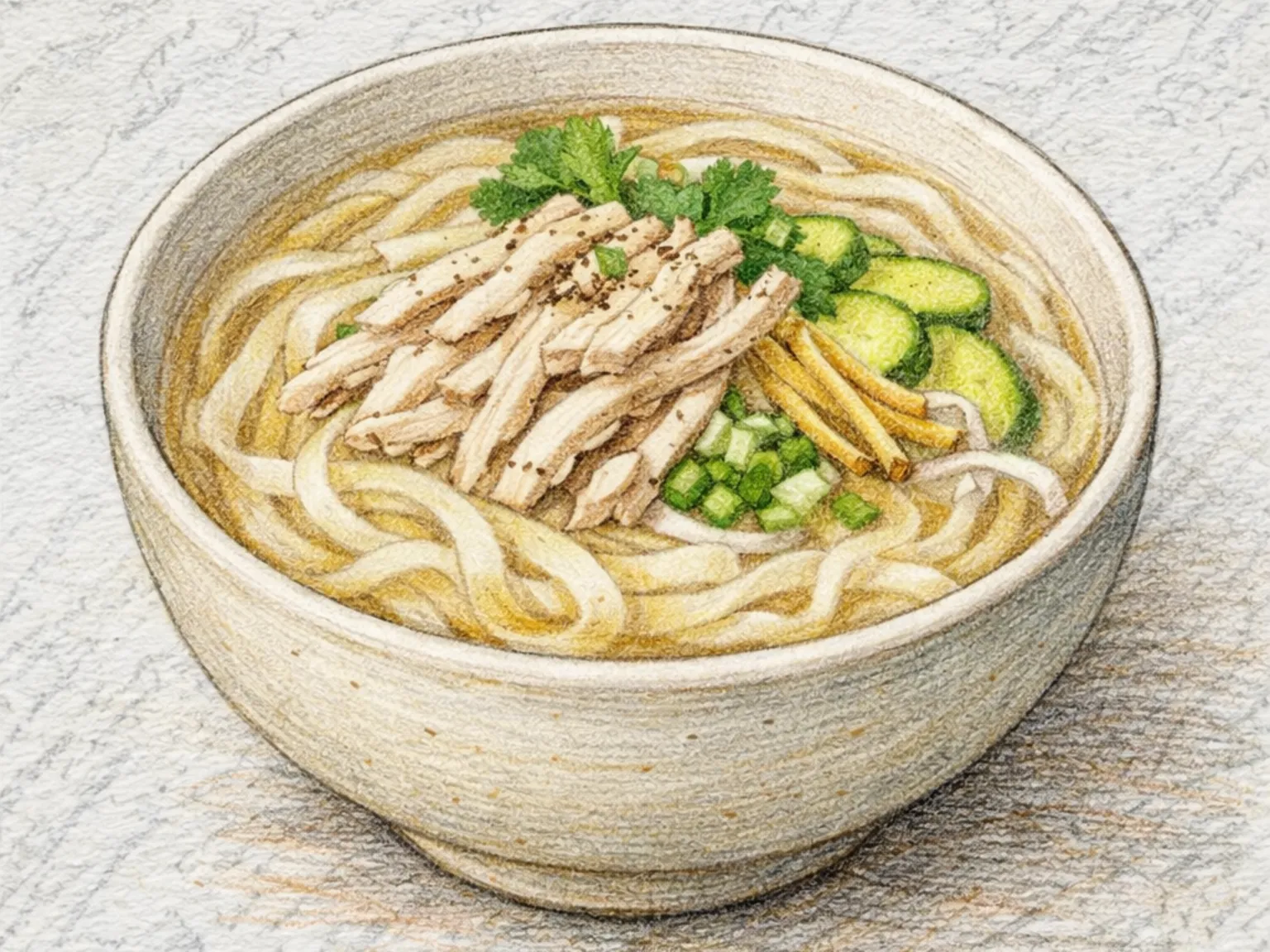
Korean janchi guksu topped with poached chicken breast. Thin wheat noodles are placed in a clear anchovy-kelp broth and finished with generous shreds of chicken that has been simmered and pulled apart along the grain. The chicken adds lean protein that makes each bowl more substantial than the classic version while keeping the broth light and clean. Julienned zucchini, crumbled dried seaweed, and thin egg-crepe strips add color and textural variety, and a small dish of soy-based seasoning sauce on the side lets diners adjust the saltiness to their preference. The noodles are boiled separately and rinsed in cold water to lock in their springiness before being placed in the hot broth just before serving, so they stay firm rather than turning soft. Because the recipe scales up without difficulty, it is a reliable choice for celebratory gatherings and large groups where a warm noodle dish is needed.

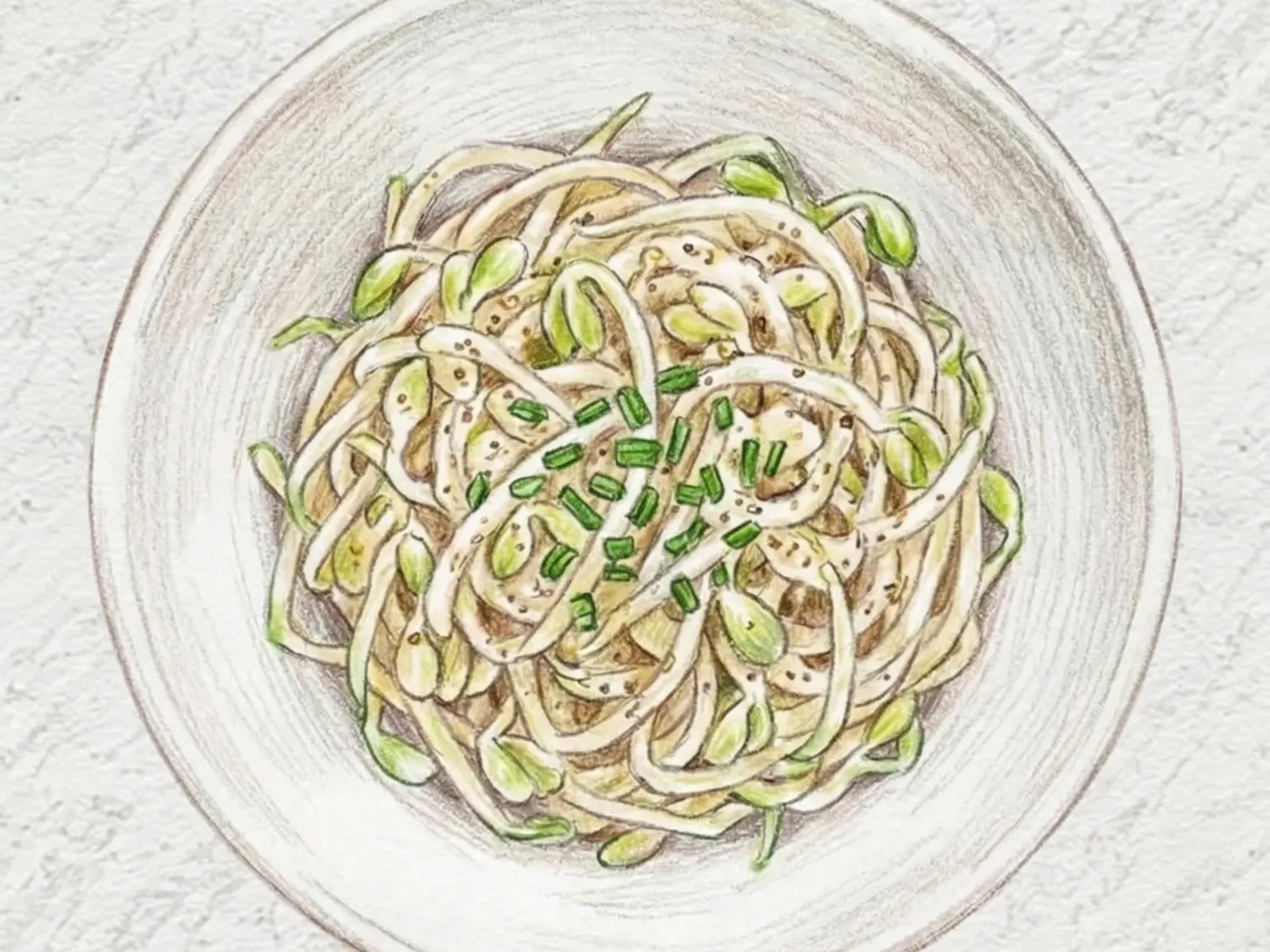
Korean Perilla Soybean Sprout Namul
Kongnamul, soybean sprouts, are among the most consumed vegetables in Korea, and this perilla-dressed version adds a nutty, full-bodied depth that the plain sesame oil variety lacks. The sprouts are steamed with the lid sealed for five minutes, which drives off the raw bean smell while keeping the heads firm and crunchy. Tossed with perilla powder, soup soy sauce, garlic, and sesame oil while still warm, the powder absorbs the moisture and dissolves into a pale coating that makes each sprout feel creamy on the tongue. Chopped scallion contributes a sharp, grassy contrast that balances the richness, and resting the finished dish for five minutes before serving lets the seasoning penetrate evenly so the flavor comes together more completely.

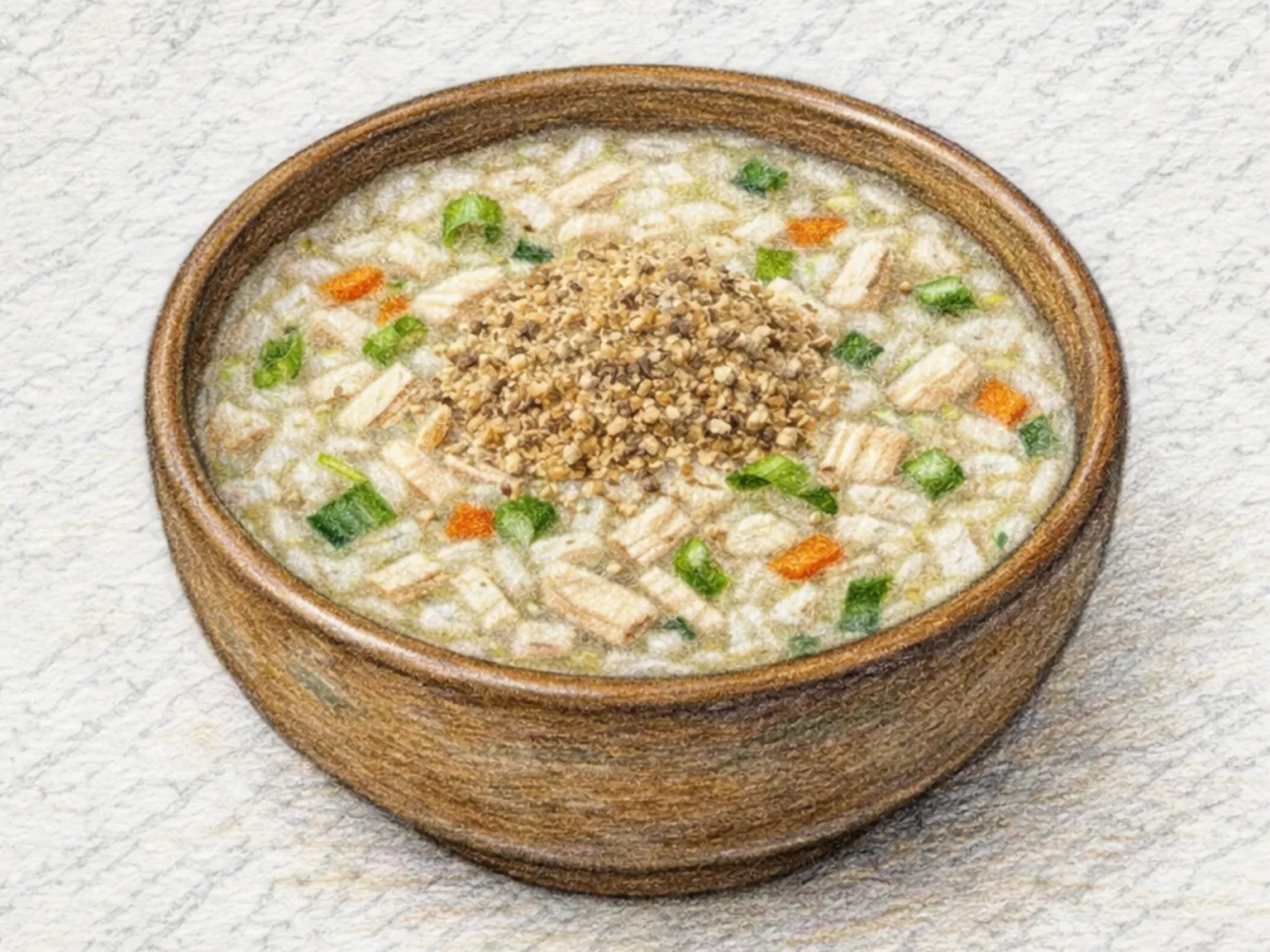
Korean Oyster Porridge (Savory Briny Rice Porridge)
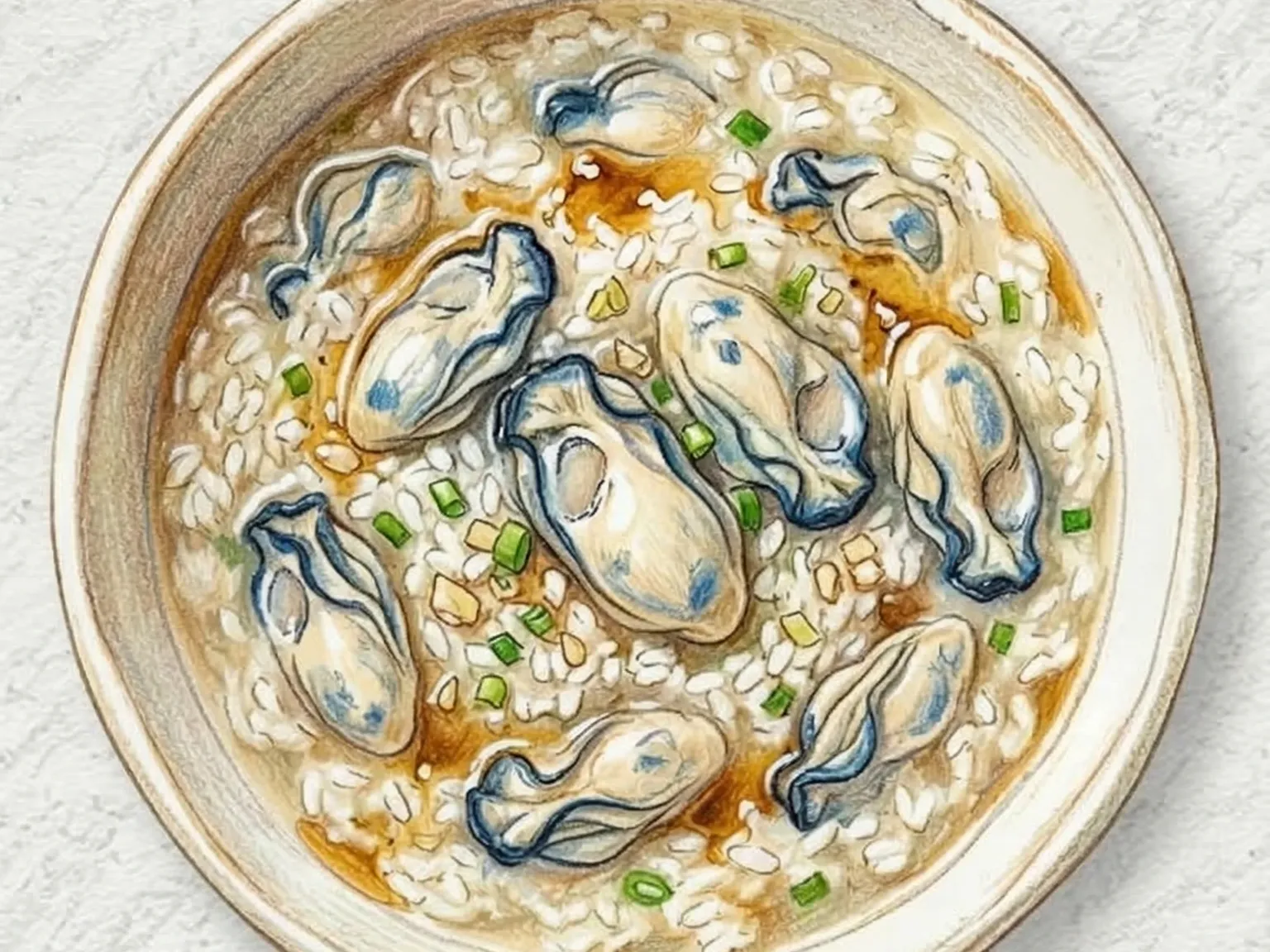
Guljuk is a Korean oyster porridge made by first sauteing soaked rice in sesame oil until the grains turn slightly translucent at the edges, then adding water or light kelp stock and simmering over gentle heat for thirty minutes or more until the rice breaks down into a thick, cohesive porridge. Finely diced radish is added partway through and cooks until tender, contributing a quiet, natural sweetness to the broth. The oysters go in only during the final seven minutes of cooking, a timing that is non-negotiable: added too early, they turn rubbery and lose their sea-fresh flavor entirely. Kept brief, they emerge plump and tender with a clean oceanic brine at the center of each one. Soup soy sauce seasons the porridge without staining it dark, keeping the bowl pale and clear so the natural aroma of the shellfish can come through undisguised. A small pour of ginger juice can be stirred in to temper any fishiness if needed. Protein-rich and easy on the stomach, the porridge is a natural fit for winter mornings, recovery meals, and any occasion when the body needs something warming without the weight of a full meal.

Korean Stir-fried Radish Greens with Perilla
Siraegi deulkkae-bokkeum is a Korean stir-fry of pre-boiled dried radish greens seasoned with soup soy sauce and garlic, then cooked in perilla oil and finished with generous perilla powder. The greens are first tossed in the seasoning to let the flavors penetrate, stir-fried for three minutes, then simmered briefly with water and perilla powder until a thick, nutty sauce coats every strand. Green onion added at the end provides a fresh aromatic lift. Compared to the doenjang-based siraegi jorim, this version leans lighter and more distinctly nutty from the perilla.

Bugeoguk (Korean Dried Pollack Hangover Soup)
Bugeoguk is one of the most recognized hangover soups in Korea: a clear, restorative broth of dried pollock strips stir-fried in sesame oil, then simmered with tofu and beaten egg. The sesame oil step is non-negotiable; skipping it leaves the broth flat and one-dimensional. Skimming foam during the initial boil produces a noticeably cleaner stock. Substituting hwangtae, the freeze-dried variety, yields a softer texture and a deeper savory note, favored at breakfast for its mild, restorative quality.

Korean Beoseot Jjigae (Mushroom Stew)
Oyster, shiitake, and enoki mushrooms are simmered in kelp-infused water for a light, clean stew. Soup soy sauce and minced garlic season the broth without overwhelming the mushrooms' own flavor. Tofu and sliced onion add body and gentle sweetness. Because the three mushroom varieties differ in texture and intensity, each spoonful offers a different combination. The broth is completely oil-free, making this a warming and easy-to-digest meal.

Korean Chicken Knife-Cut Noodle Soup
A whole chicken is simmered with green onion, garlic, and ginger until the broth turns opaque, deeply savory, and rich with collagen, then hand-cut wheat noodles are cooked directly in that liquid. Boiling the noodles in the broth rather than separately is the defining technique: the starch they release naturally thickens the soup into a silky, coating consistency, and the noodles themselves absorb the concentrated chicken flavor at every surface. Shredded chicken, pulled apart along the grain, goes on top just before serving. Potato and zucchini are added during the final minutes for their gentle sweetness and soft texture. A generous amount of ground black pepper stirred in or sprinkled on top sharpens the chicken aroma and adds a mild warmth that the broth on its own does not carry. Unlike ramyeon or rice noodle dishes, dak-kalguksu has no complex seasoning beyond salt, pepper, and the depth built from the chicken itself, making it one of the most comforting and straightforward noodle soups in Korean home cooking.

Korean Garlic Sesame Broccoli Muchim
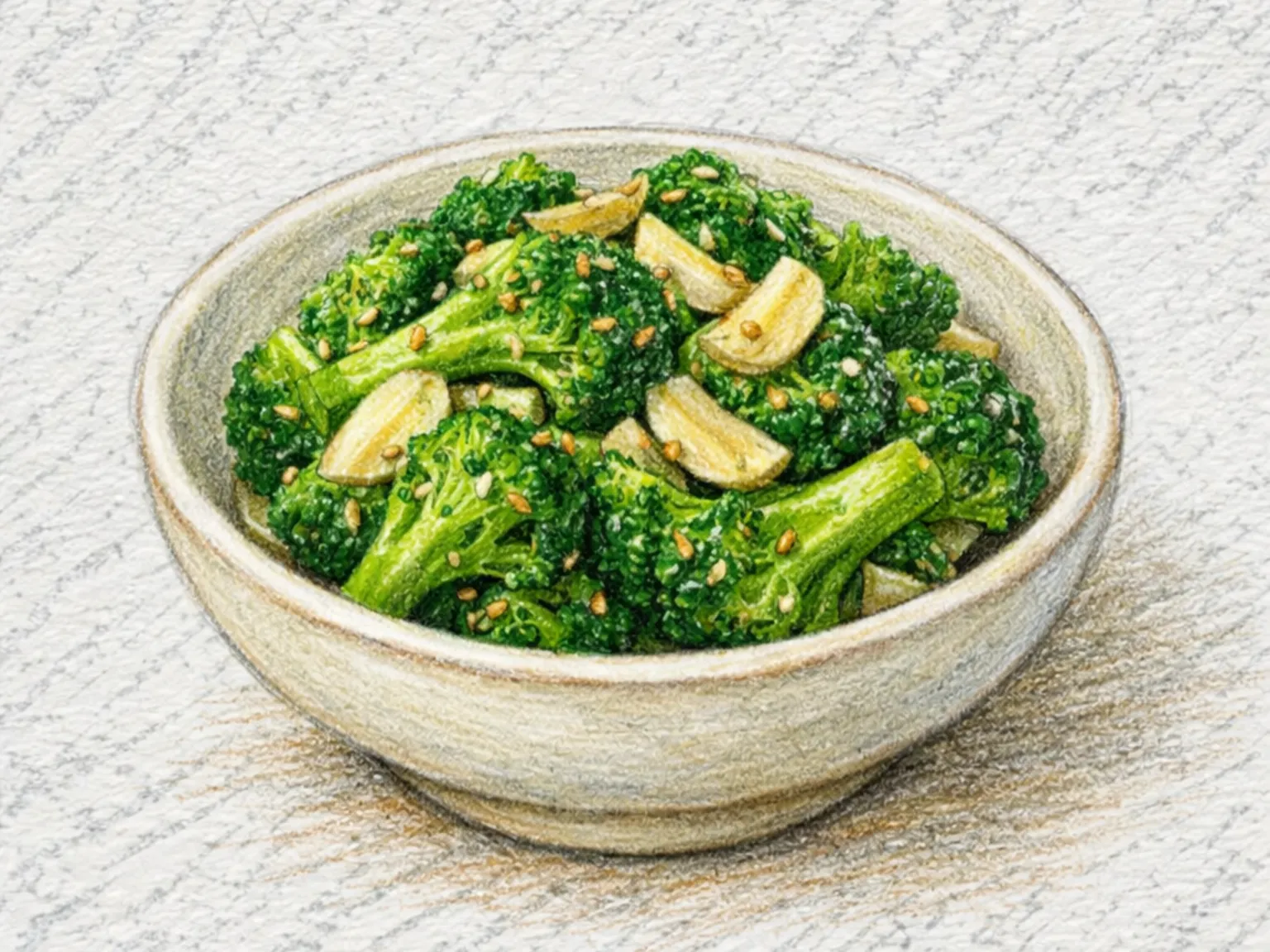
Garlic broccoli muchim is a modern Korean namul that became a household staple as broccoli grew widely available in Korean supermarkets from the early 2000s. The technique is straightforward: blanch florets and peeled, thinly sliced stems in well-salted boiling water for ninety seconds, then immediately transfer them to ice water to stop the cooking. The cold shock locks in the vivid green color and preserves a firm, crisp bite that distinguishes a properly made namul from one that is soft and dull. Peeling the stems and cutting them thin ensures the entire head of broccoli is used rather than discarding the lower portion. The dressing is deliberately minimal: soup soy sauce, minced garlic, sesame oil, and toasted sesame seeds. Keeping the seasoning light allows the broccoli's mild, slightly bitter flavor to come through clearly, with the garlic adding an aromatic sharpness that sits on top rather than overwhelming the vegetable. A final toss brings everything together into a clean, satisfying side dish that is ready in five minutes and keeps well in the refrigerator for two days.

Korean Egg Porridge (Silky Sesame-Scented Rice Porridge)
Gyeran juk is a mild, gentle rice porridge that starts by stir-frying soaked rice in sesame oil before any liquid is added, a step that coats the starch granules in oil to prevent the finished porridge from clumping and works the sesame fragrance evenly into every grain. Water is added and the pot simmers on low heat for twenty minutes with frequent stirring, breaking down the grains gradually until they dissolve into a smooth, cohesive base. Constant stirring on low heat is what prevents the rice from scorching on the bottom and what creates the uniformly silky texture that defines a well-made juk. Beaten egg is drizzled in at the very end in a thin stream and folded gently for just one minute, creating soft, ribbony layers of cooked egg throughout the porridge without allowing them to toughen. Soup soy sauce and salt provide restrained seasoning that stays behind the sesame fragrance rather than overpowering it, and sliced green onion scattered on top adds a fresh note over the warm nuttiness beneath. This is the kind of bowl that asks nothing of the stomach, which makes it the standard choice after illness, on mornings when appetite is low, or whenever a light and restorative meal is needed.

Korean Braised Dried Radish Greens
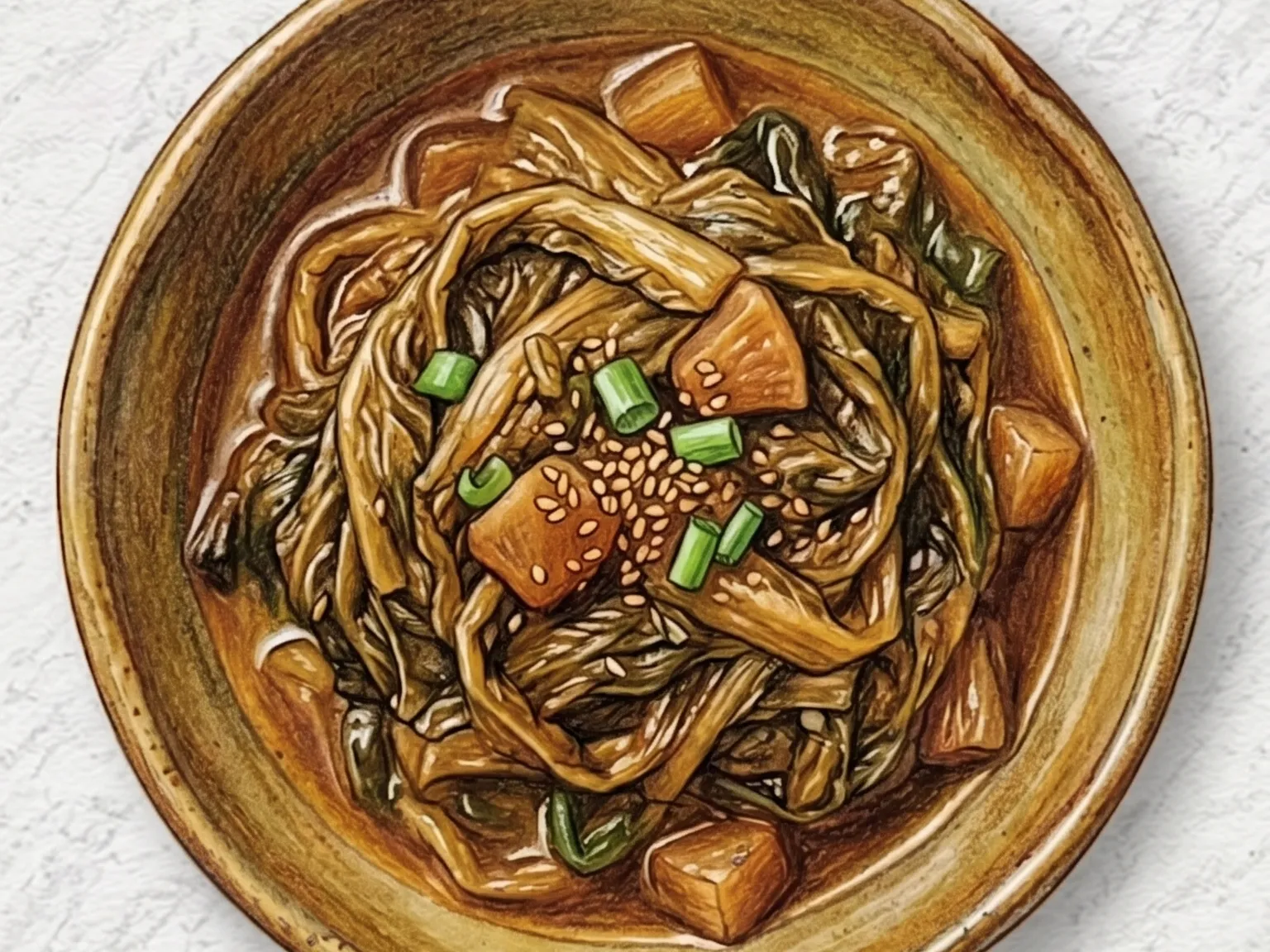
Siraegi jorim is a traditional Korean braise of boiled dried radish greens seasoned with doenjang, soup soy sauce, and garlic, then simmered in perilla oil and water over low heat for twenty minutes. The doenjang slowly permeates the tough, fibrous greens, infusing them with deep fermented soybean flavor while the perilla oil adds a smooth richness. The longer the dish simmers, the more pronounced the earthy, malty depth becomes. Scallion stirred in at the end brightens the otherwise dense, savory profile of this slow-cooked banchan.

Korean Freshwater Crab Spicy Soup
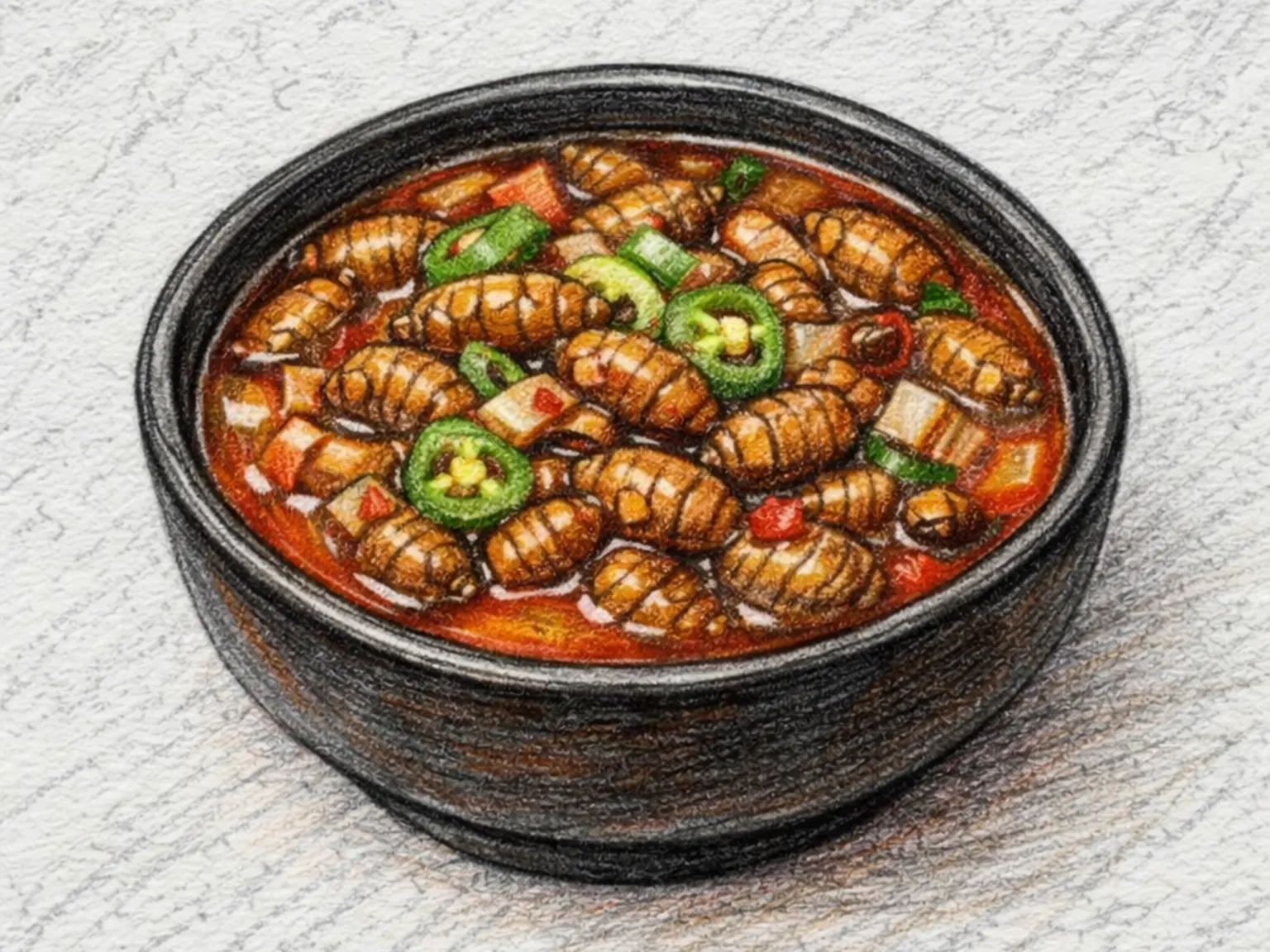
Freshwater crabs are halved, thoroughly cleaned, and simmered in a stock built from radish and doenjang that draws out their intense, briny umami over forty minutes of steady cooking. Gochugaru and cheongyang chili build up layers of fiery heat, while zucchini and radish contribute natural sweetness that tempers the spice. Pressing the soybean paste through a strainer before adding it keeps the broth smooth and clear rather than grainy, and the result is a bold, aromatic stew deeply rooted in Korean regional tradition.

Korean Mild Puffer Fish Stew
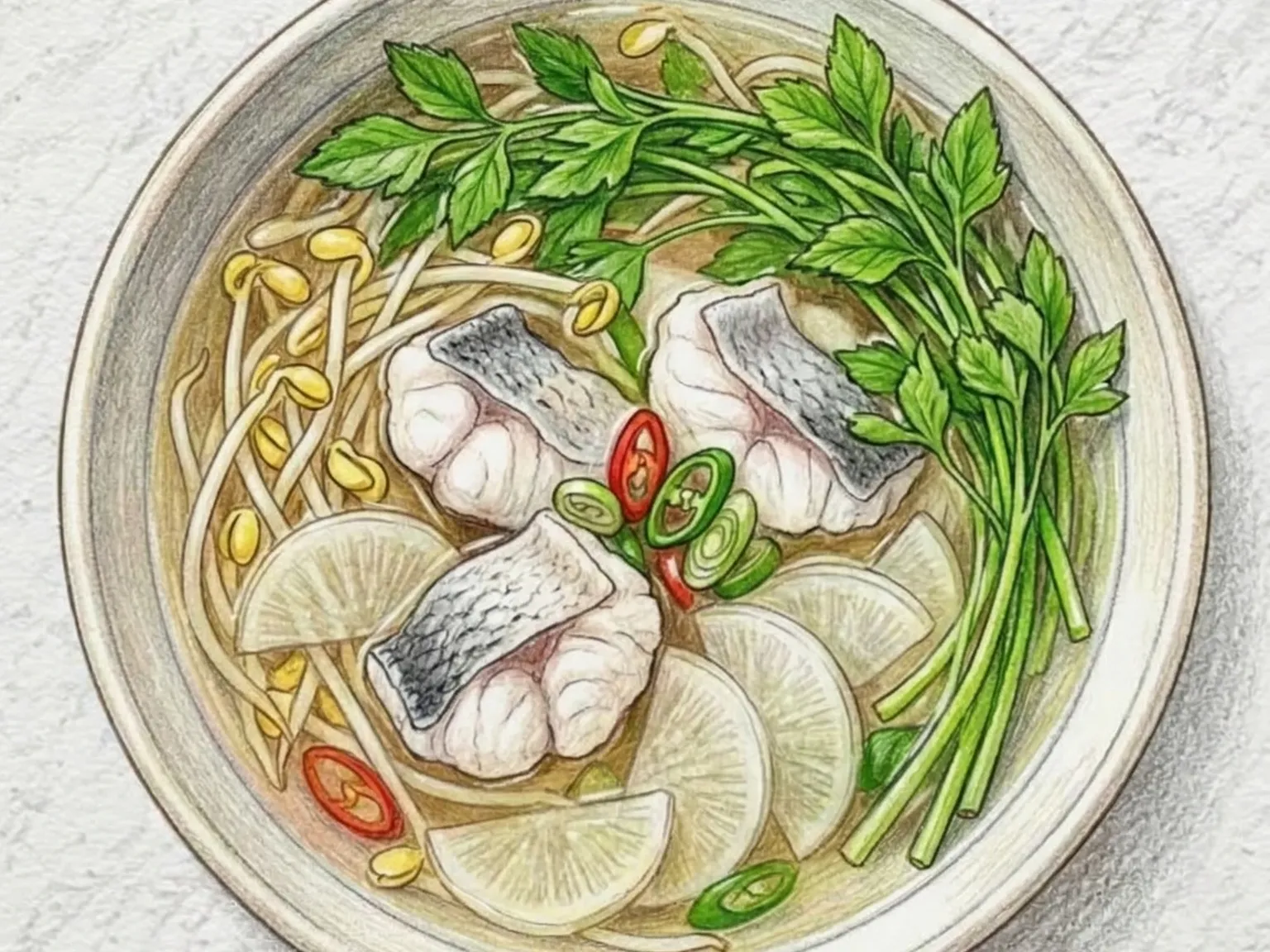
Bok-jiri-jjigae is a clear-broth stew built around puffer fish fillet simmered with Korean radish, bean sprouts, and water dropwort, seasoned lightly with soup soy sauce and salt. The dish relies entirely on the natural flavors of its core ingredients rather than heavy seasoning, so the quality of the puffer fish is the defining factor. Cooking the fish with its skin releases collagen into the broth, giving the liquid a subtle viscosity and sheen that plain fish stock cannot replicate. Radish goes in first and simmers until it turns translucent and releases its gentle sweetness into the base, while bean sprouts are added later to retain their characteristic crunch. Water dropwort and green onion go in last, their herbal fragrance layering over the clear, cooling broth just before serving. Depending on availability, different cuts can be incorporated alongside the fillet: the liver, roe sac, and skin each contribute distinct notes to the broth and change its character considerably. Beyond its role as an everyday meal, bok-jiri-jjigae has a long-standing reputation as a hangover remedy, prized for its restorative, cooling effect after a night of drinking. Soup soy sauce should be added gradually so the broth stays light and the natural flavor of the fish remains prominent. A sliced cheongyang chili added just before the end introduces sharp heat without muddying the clarity of the stock, and a block of soft tofu added alongside provides extra body and a smooth texture that absorbs the surrounding broth.

Korean Warm Perilla Mushroom Rice Noodles
Deulkkae beoseot on ssalguksu is a warm Korean noodle soup built on kelp stock simmered with oyster and shiitake mushrooms, then enriched with ground perilla seeds into a creamy, opaque broth. Rice noodles are smoother and more slippery than wheat varieties, sliding through the rich liquid with ease, while the mushrooms provide a firm, chewy counterpoint. Adding the perilla powder at the very end preserves its roasted, nutty fragrance on the surface of each spoonful rather than cooking it off. Soup soy sauce seasons the broth cleanly without the heaviness of fermented soybean paste. Using dried shiitake mushrooms instead of fresh ones and soaking them in cold water first draws out a concentrated mushroom stock that deepens the base significantly. Substituting king oyster mushrooms cut into thick rounds for oyster mushrooms adds more substantial chew. The dish contains no wheat and suits gluten-free diets. It is particularly fitting on cold days as a light but warming meal.

Korean Seasoned Swiss Chard Namul
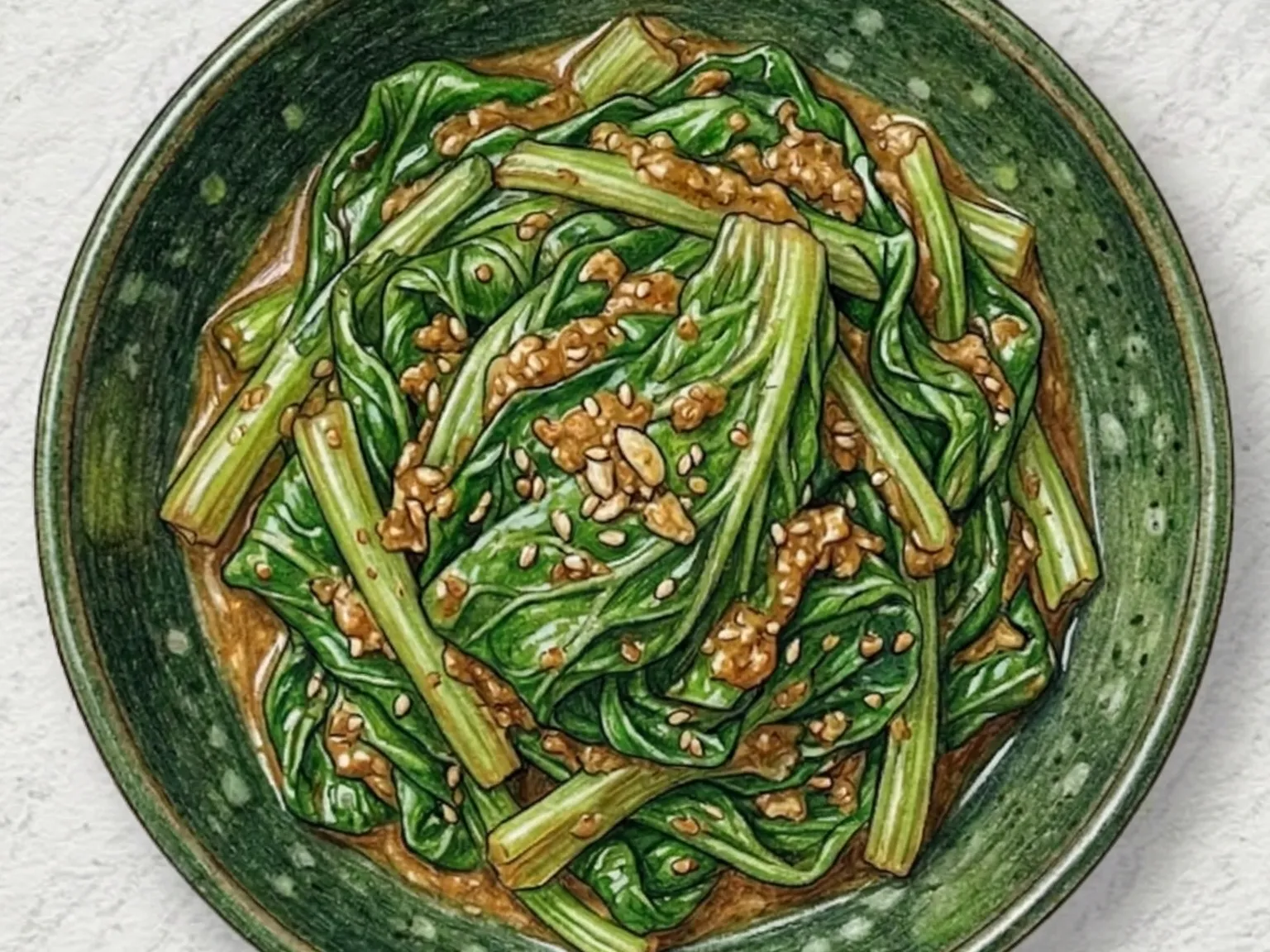
Geundae namul muchim is a seasoned vegetable banchan made from Swiss chard, a leafy green that has been used in Korean doenjang soup and namul for generations. Because the stems are substantially thicker than the leaves, blanching them together results in overcooked leaves by the time the stems are ready, so they are handled separately: stems go into boiling water for thirty seconds first, then the leaves follow for another thirty. After blanching, squeezing the greens thoroughly by hand is important because excess moisture dilutes the seasoning and prevents it from clinging to the greens. The blanched chard is hand-dressed with doenjang, soup soy sauce, minced garlic, and perilla oil, working the paste into the greens so that the fermented paste's earthy, savory depth merges with chard's faintly bitter, mineral character in the way that defines traditional Korean namul. Perilla powder added last thickens the dressing into a coating that clings without adding liquid and contributes a layer of nutty, roasted fragrance. Chard's thicker, denser leaf structure holds up far better than spinach after dressing, which makes this namul a reliable make-ahead banchan that does not collapse or release water when left to sit.