🏠 Everyday Recipes
Simple home-cooked meals for any day
1705 recipes. Page 24 of 72
These are the meals you can cook day after day without getting tired of them. Doenjang jjigae, rolled omelet, spicy pork stir-fry - the kind of home-cooked dishes that fill an ordinary day with comfort.
The beauty of everyday cooking is that it relies on common ingredients already in your fridge. No exotic items, no complicated techniques - just straightforward recipes for satisfying home meals.
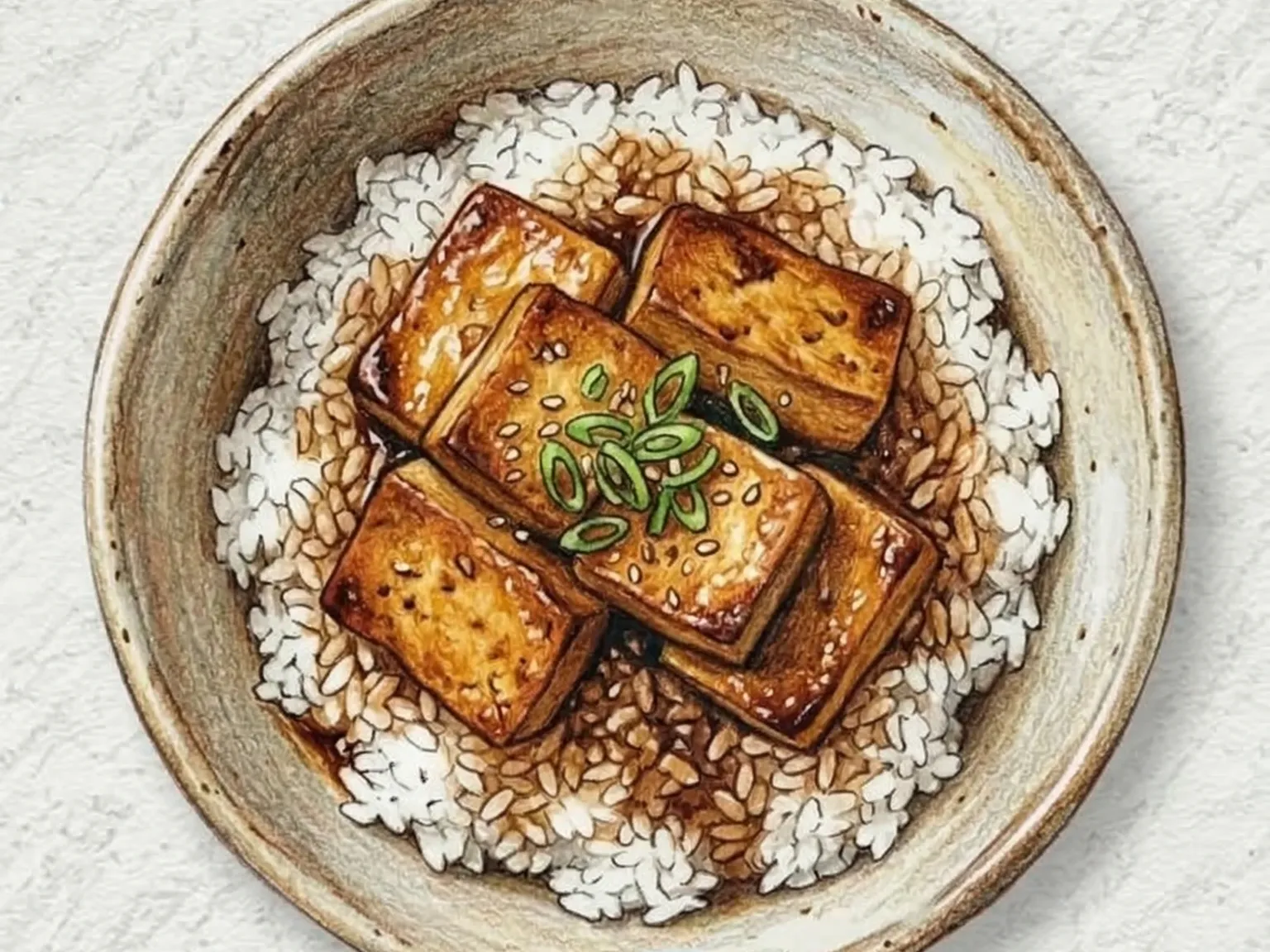
Korean Braised Tofu Rice Bowl
Dubu jorim deopbap places soy-braised tofu over a bowl of hot steamed rice, using the reduced braising glaze as the primary seasoning for the entire dish. Firm tofu is sliced into rectangles, patted dry to remove surface moisture, and pan-fried over high heat until a dense golden crust forms on both sides. This crust is essential - without it, the tofu absorbs the braising sauce too quickly and falls apart. With it, the exterior holds its structure while the interior slowly soaks up the seasoning from the inside out. The braising sauce is built from soy sauce, sugar, minced garlic, and a small amount of water. Sliced onion cooks alongside the tofu in the sauce, softening and dissolving into the liquid to contribute sweetness as the sauce reduces to a sticky, mahogany-colored glaze. Cheongyang chili, sliced on the bias, introduces a sharp clean heat that cuts through the sweetness of the sauce. Green onion goes in last, just before plating, to keep its fragrance intact. The finished sauce is spooned over the rice along with the tofu, where it seeps into each grain and ensures that flavor remains consistent from the first bite to the last. The dish stands on its own without additional side dishes and provides a practical source of plant protein for vegetarian meals.
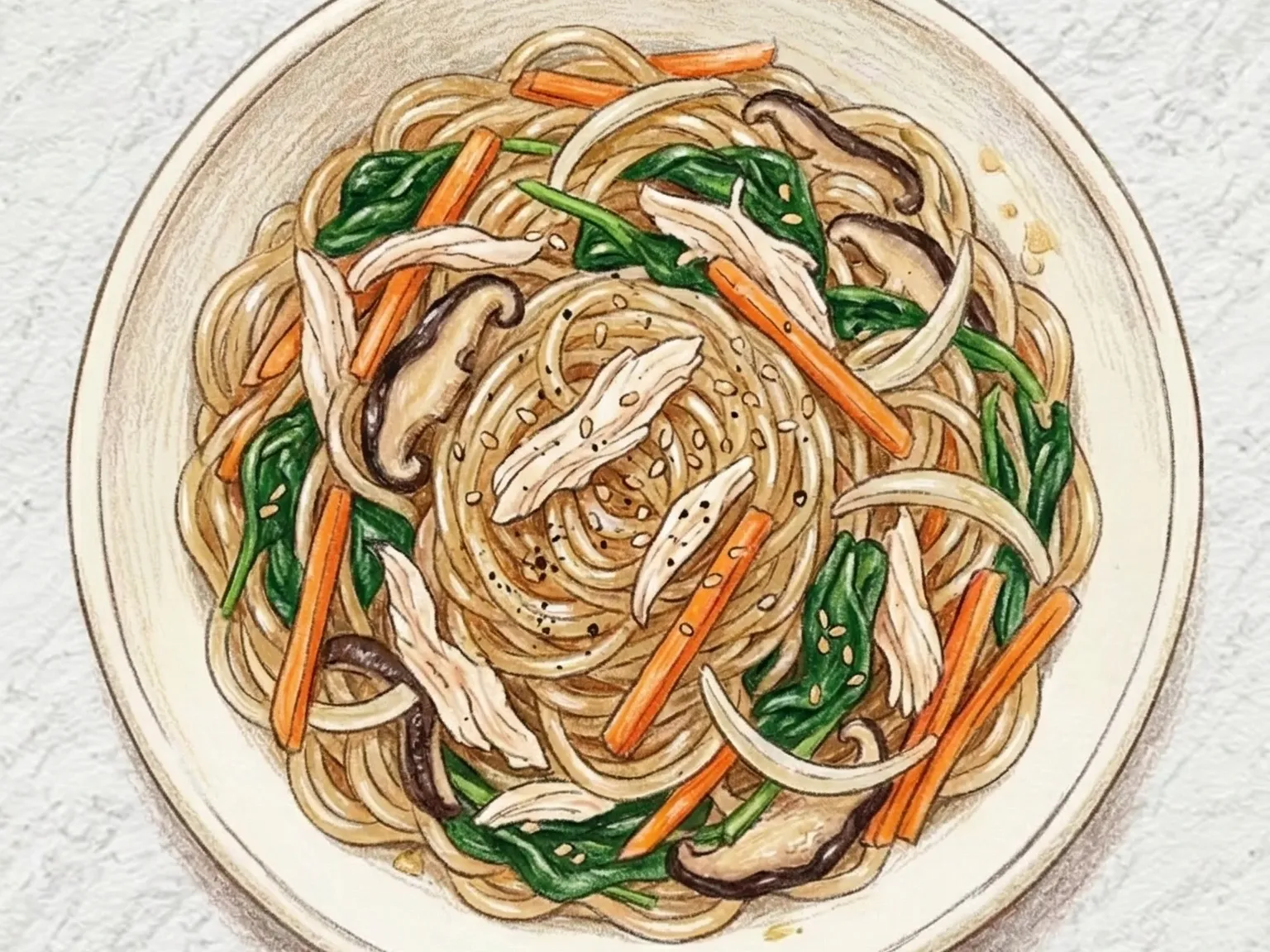
Korean Chicken Japchae (Glass Noodles with Chicken Breast and Vegetables)
Dak-japchae is a lighter variation of Korean glass noodle stir-fry made with chicken breast instead of the traditional beef. Using chicken keeps the dish lean and clean in flavor, allowing the noodles and vegetables to come through more clearly. Spinach, carrot, shiitake mushroom, and onion each contribute a distinct texture and color, building multiple layers of taste within a single plate. Soy sauce and sugar establish the sweet-salty backbone of the seasoning, and sesame oil coats the chewy glass noodles with a nutty richness that ties the dish together. Cooking the vegetables and chicken separately prevents excess moisture from pooling in the pan, and boiling the glass noodles ahead of time and draining them well ensures the seasoning distributes evenly. Lower in calories than pork or beef japchae, this version provides satisfying fullness without heaviness.
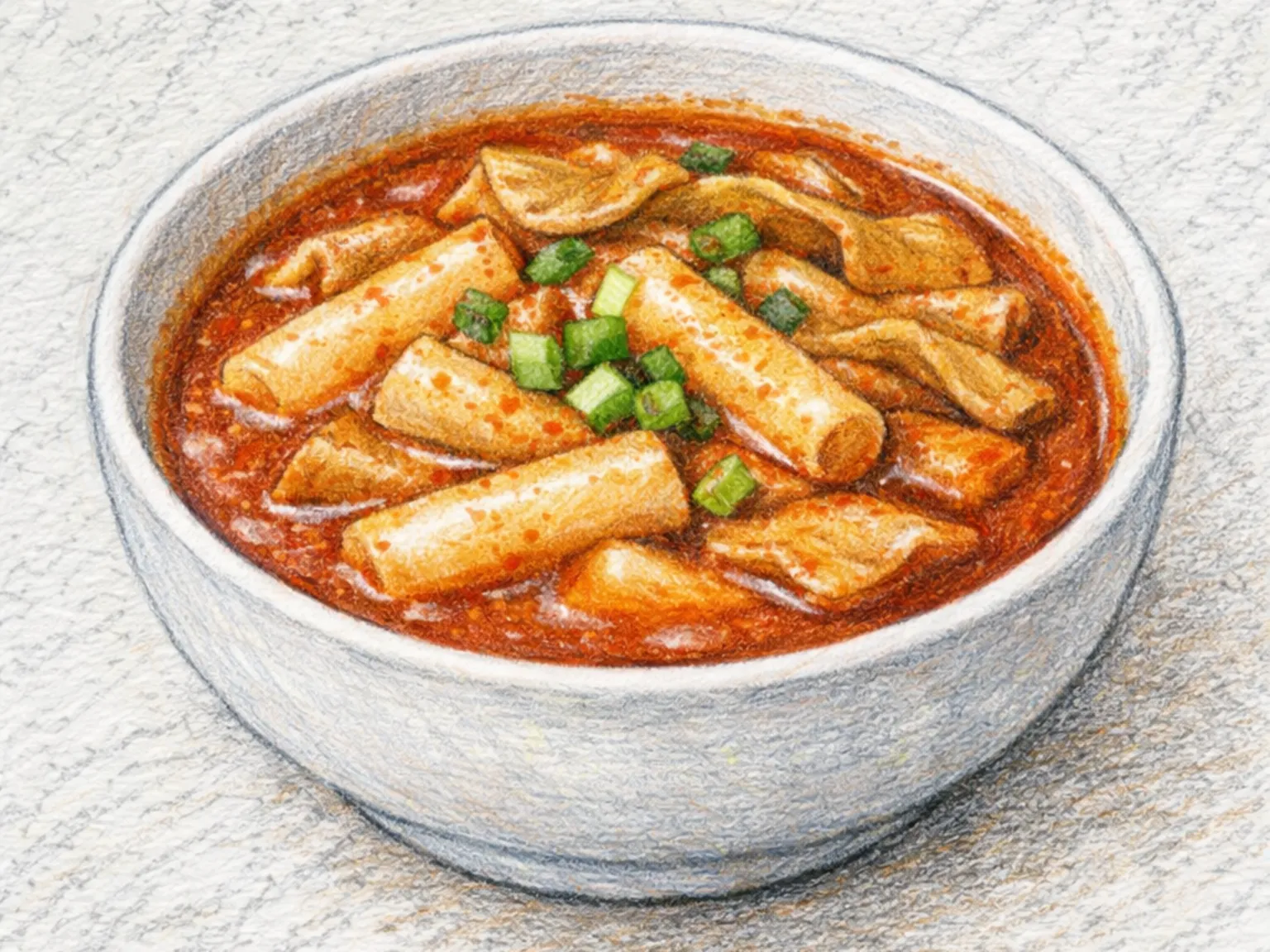
Korean Soupy Tteokbokki (Rice Cakes in Spicy Gochujang Broth)
Gukmul-tteokbokki is a soup-forward version of tteokbokki in which cylindrical rice cakes and fish cakes are simmered in a kelp-anchovy broth seasoned with gochujang, gochugaru, soy sauce, and sugar. Unlike dry or stir-fried versions, the generous broth saturates each rice cake from the outside in, while the fish cakes release their own savory juices into the liquid as they cook, building the stock to a richer baseline. Eight to ten minutes of medium-heat simmering leaves the exterior of each rice cake soft and yielding while the core stays chewy. Scallions go in at the end to cut through the heat with a bright, grassy note. The broth left over after the rice cakes and fish cakes are gone is widely regarded as the most prized part of the dish: regulars stir in a bowl of rice or drop in ramyeon noodles to make sure none of it goes to waste.
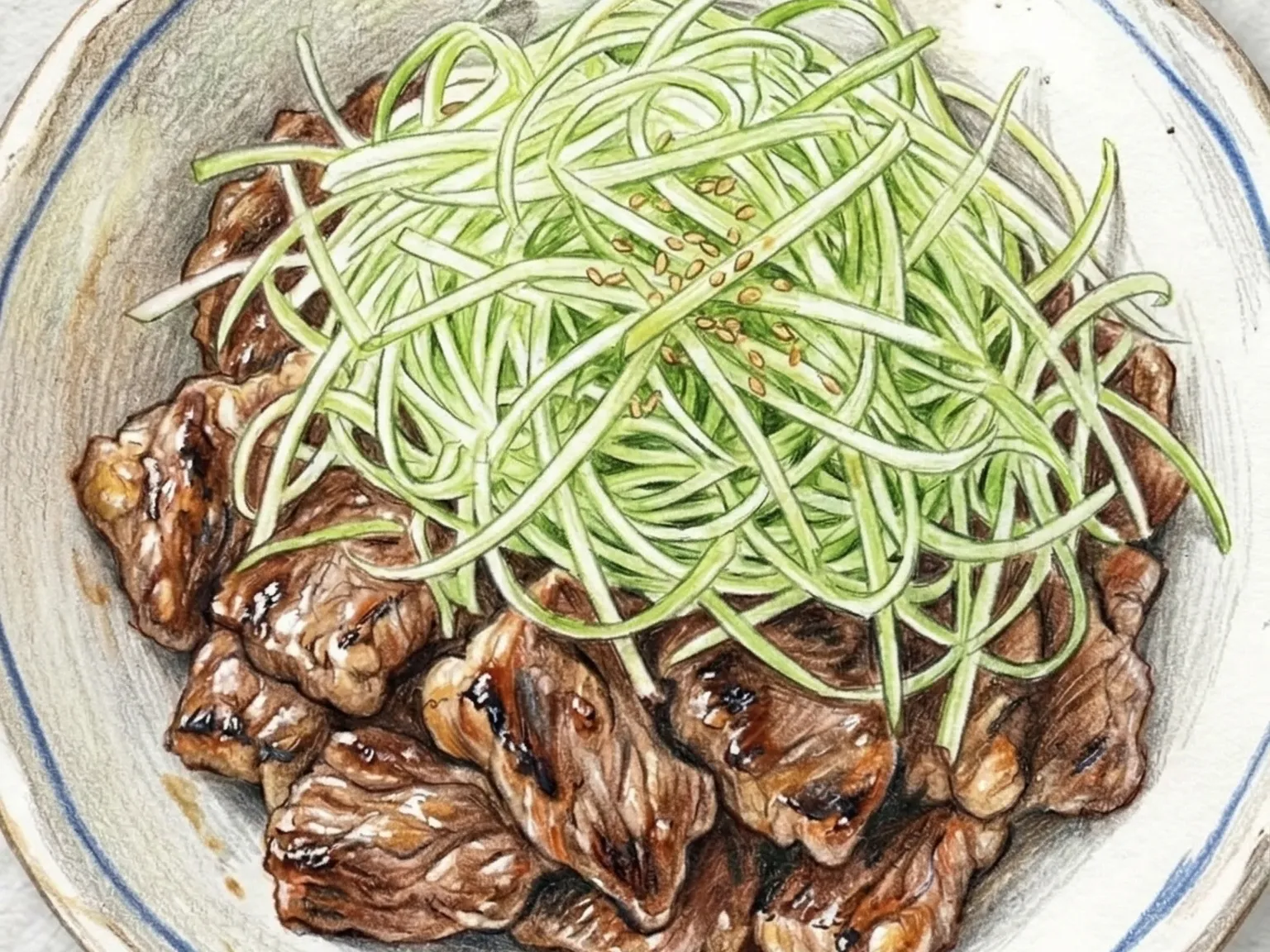
Korean Grilled Beef Short Ribs with Scallions
Galbisal-pachae-gui is a Korean grilled beef dish featuring short rib finger meat marinated in dark soy sauce, sugar, sesame oil, and garlic for at least one hour, then seared over high heat and served under a pile of cold-dressed shredded green onion. Rib finger meat sits between the rib bones and carries a well-balanced ratio of fat to lean, which allows the soy marinade to penetrate the fat layers and produce a deep, lingering savory flavor when exposed to direct heat. High heat causes the edges of the marinated meat to char quickly, creating a brief overlap of caramelized sweetness and smoke that defines the overall aroma of the dish. The shredded green onion is soaked in cold water until the sharp raw pungency fades and the cell walls firm up, then lightly tossed with sesame oil and toasted sesame to complement rather than compete with the heavy soy note of the beef. When a piece of hot seared meat and a tangle of cold scallion are eaten together, the contrast between the temperature, the rich beef fat, and the clean, sharp allium flavor creates a layered experience that cannot be replicated by eating either component alone. This dish is often made for home gatherings centered on table grilling, and the visual contrast of dark caramelized beef against the white-green scallion mound makes it striking as a shared centerpiece.
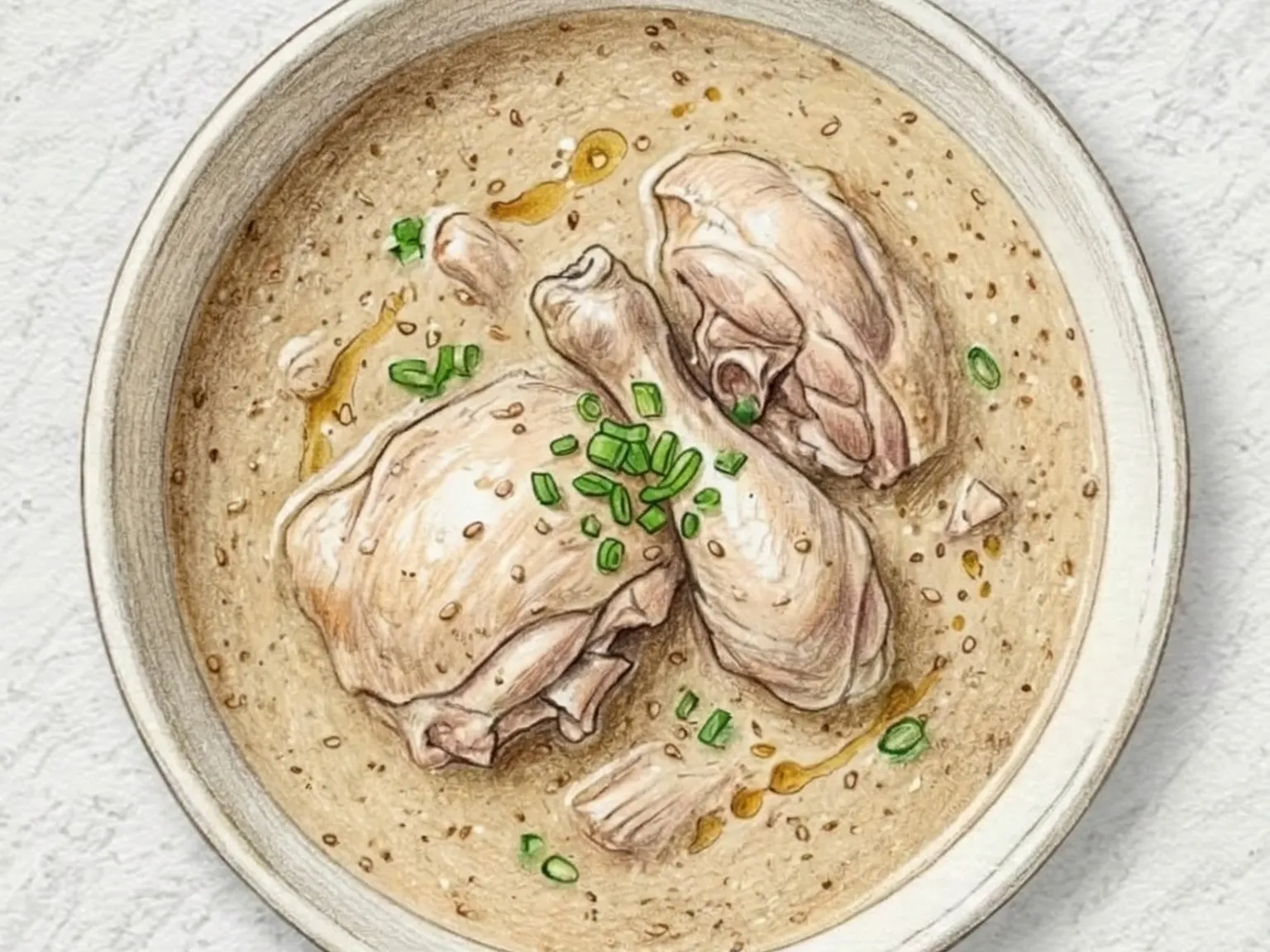
Deulkkae Samgye-guk (Korean Perilla Chicken Soup)
Deulkkae samgye-guk is a perilla-enriched Korean chicken soup also searched in Korean as 삼계국. It delivers the warming, restorative depth of samgyetang with a simpler preparation: no glutinous rice to stuff, no ginseng required, just chicken pieces and perilla seed powder. The chicken is cut into large pieces and placed in cold water from the start, then simmered for forty minutes so the collagen and flavor compounds dissolve gradually into the broth, turning it milky and full-bodied. Perilla powder must be pre-dissolved in a small cup of water before being stirred in because adding it dry causes it to clump. Ten more minutes of gentle simmering allows its oils to emulsify fully into the chicken stock, creating a broth with a smooth, nutty coating on every sip. Seasoning with only soup soy sauce and salt lets the natural savoriness of the chicken and the distinctive fragrance of perilla come through without distraction. Rich in the omega-3 fatty acids of perilla seed and the protein of chicken, this soup is eaten as a restorative meal during hot summers and whenever energy levels drop.
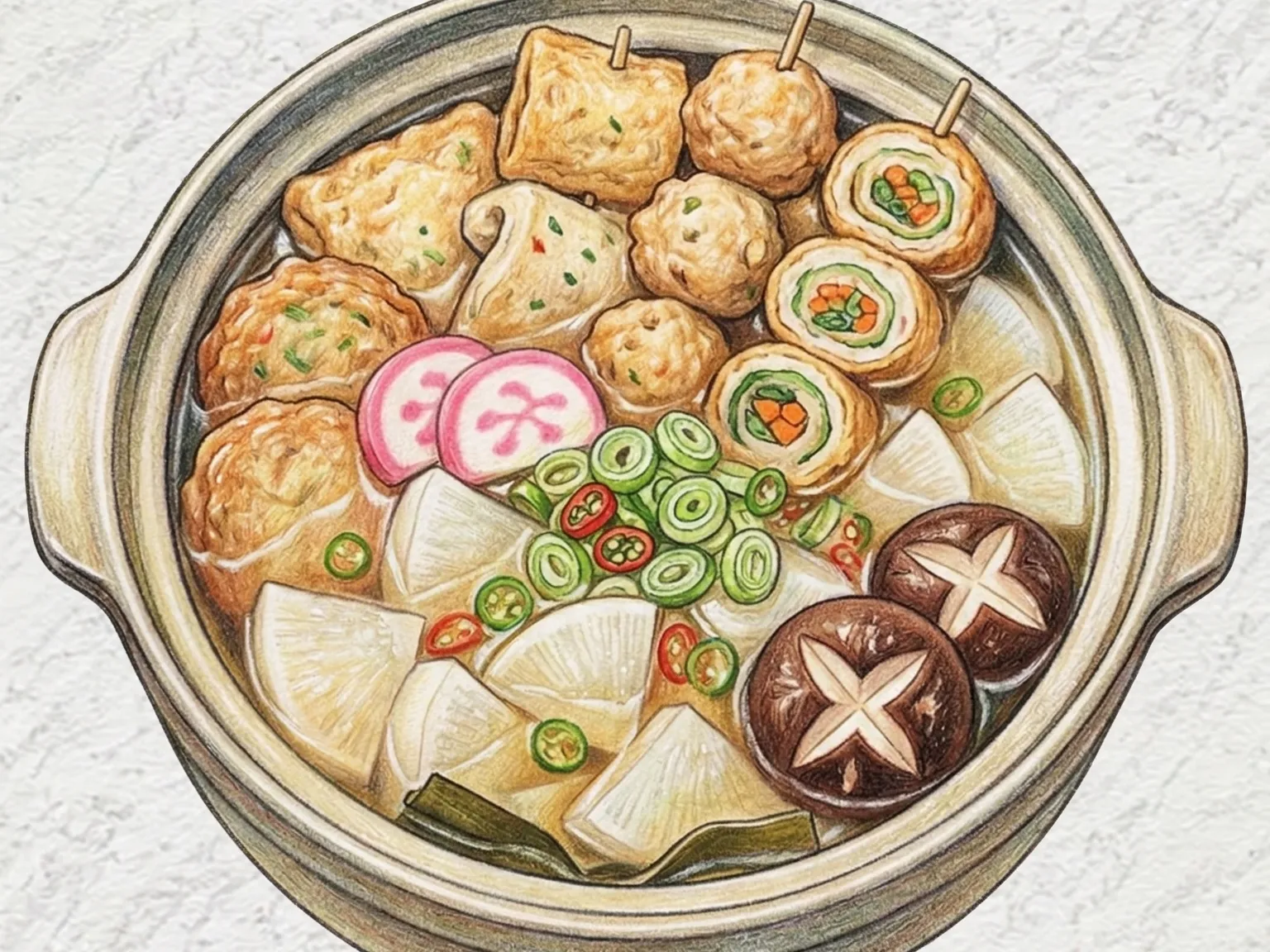
Korean Fish Cake Hot Pot (Skewered Fish Cakes in Clear Broth)
Eomuk jeongol is a Korean fish cake hot pot simmered in a clear broth built on dried kelp and anchovy stock. Large pieces of Korean radish cook alongside the fish cakes, releasing their natural sweetness into the liquid and keeping the broth light and refreshing as it reduces. Shiitake mushrooms add earthy umami depth, and using soup soy sauce alone for seasoning keeps the understated savory character of the fish cakes front and center. Cheongyang chili brings a sharp heat, and sliced green onion layers in a gentle sweetness as it softens in the bubbling pot. Fish cakes that spend more time in the broth turn silky and absorb the surrounding flavors, growing more flavorful with each passing minute. Using several shapes and thicknesses of fish cake side by side gives the pot different textures that makes eating it more interesting. The hot pot captures the warmth of street-stall eomuk-tang and brings it to the dinner table as a shared dish on cold days.
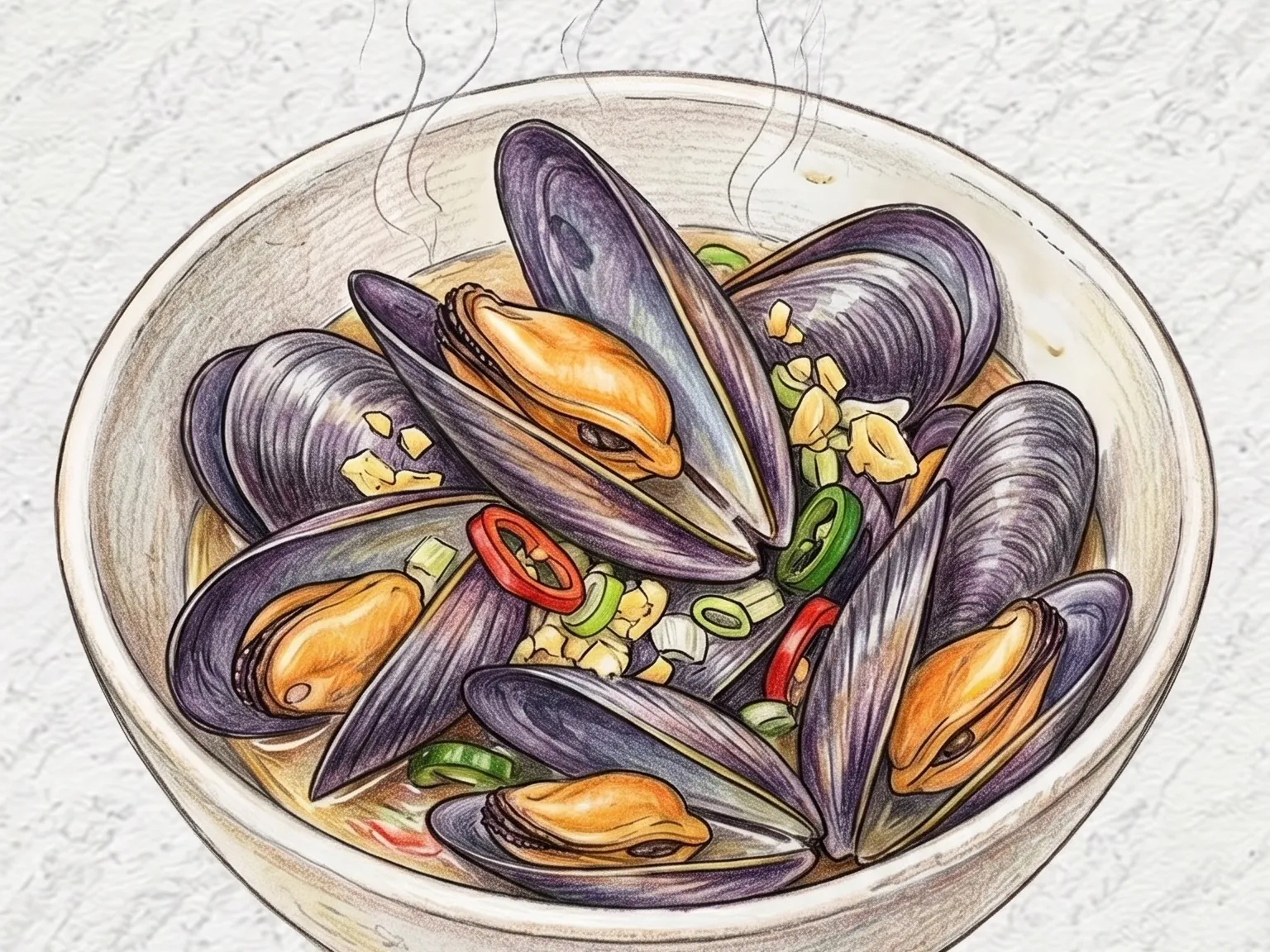
Korean Steamed Mussels (Mussels Steamed in Rice Wine Broth)
Honghap-jjim is Korean steamed mussels cooked in a combination of rice wine and garlic, with green onion and cheongyang chili peppers added near the end to layer in fragrance and heat. The mussels steam open in under five minutes over high heat, releasing their briny, oceanic juices into the wine-garlic liquid pooling at the bottom of the pot. This self-generated broth is one of the dish's great pleasures, deeply flavored without the addition of stock or seasoning paste. The cheongyang chili delivers a clean, direct heat that does not muddy the mussels' freshness; instead, its capsaicin sharpens the perception of the seafood's brine, making the flavor more vivid on the palate. Total cooking time runs under ten minutes, and the only real preparation is debearding and scrubbing the shells, which means the dish can move from cold pantry to hot table with minimal effort. Watching the lid come off to reveal the fully opened shells rising from a cloud of fragrant steam is part of the experience, making this as visually satisfying as it is easy. Leftover broth, if any remains, is exceptional as a base for kalguksu or instant ramen.
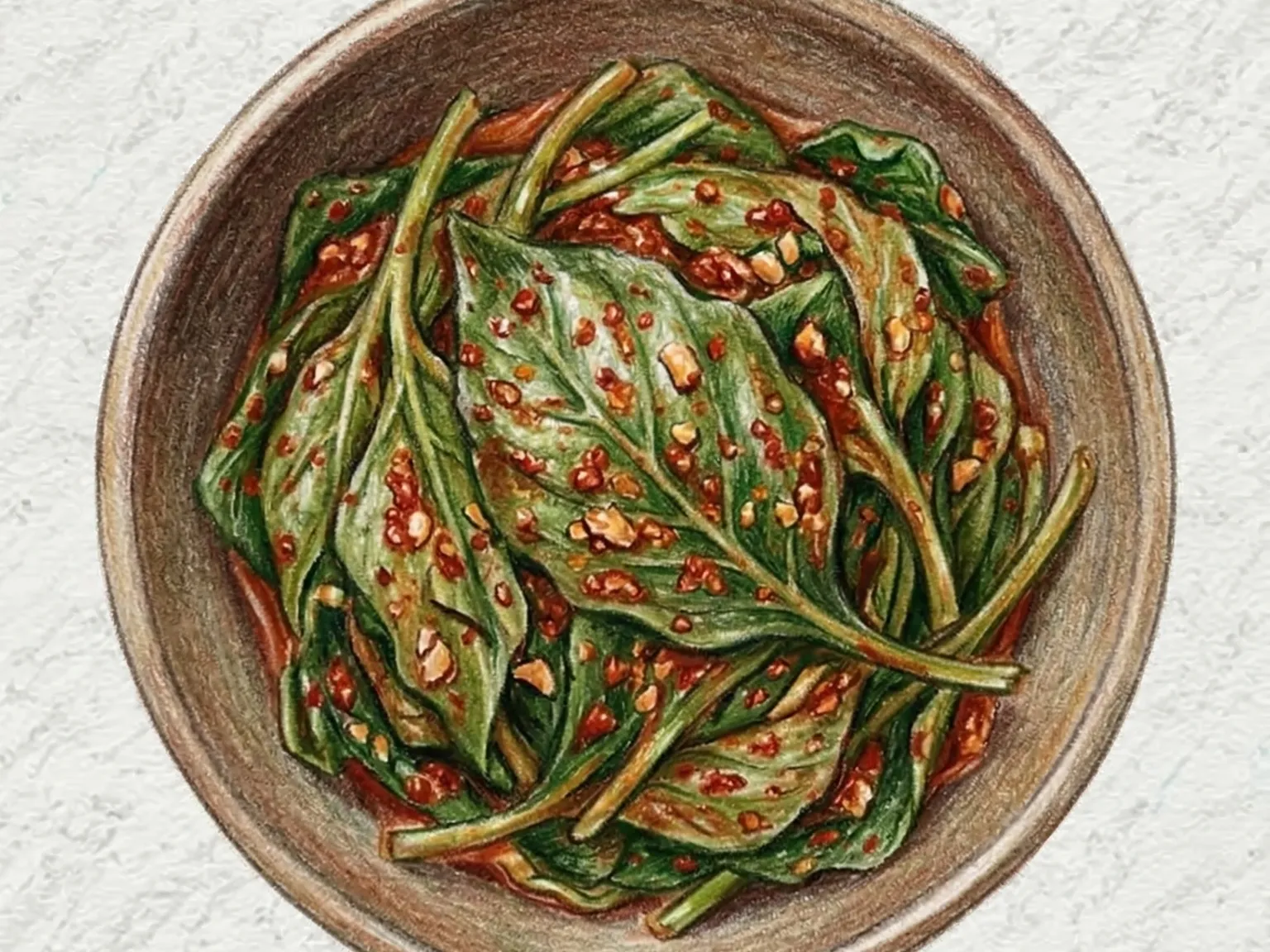
Korean Pepper Leaf Kimchi
Gochuip kimchi is a seasonal Korean kimchi made from pepper leaves, prepared during late spring to summer when the leaves are available. Blanching is the essential first step. Fresh pepper leaves contain compounds that produce a raw bitterness, and simply seasoning them without pre-cooking leaves an unpleasant edge. A brief blanch of about 30 seconds collapses the cell structure, removing bitterness while dramatically reducing the volume of the leaves. The softened leaves also accept the seasoning more evenly across their surfaces. Glutinous rice paste added to the gochugaru, anchovy fish sauce, and garlic mixture thickens the coating so it adheres uniformly to each leaf and supports lactic acid fermentation even within the short one-day curing window. The herbaceous quality in pepper leaves survives fermentation, remaining as an undercurrent beneath the spicy coating and producing a green, herb-like character that distinguishes this kimchi from napa cabbage or young radish varieties.
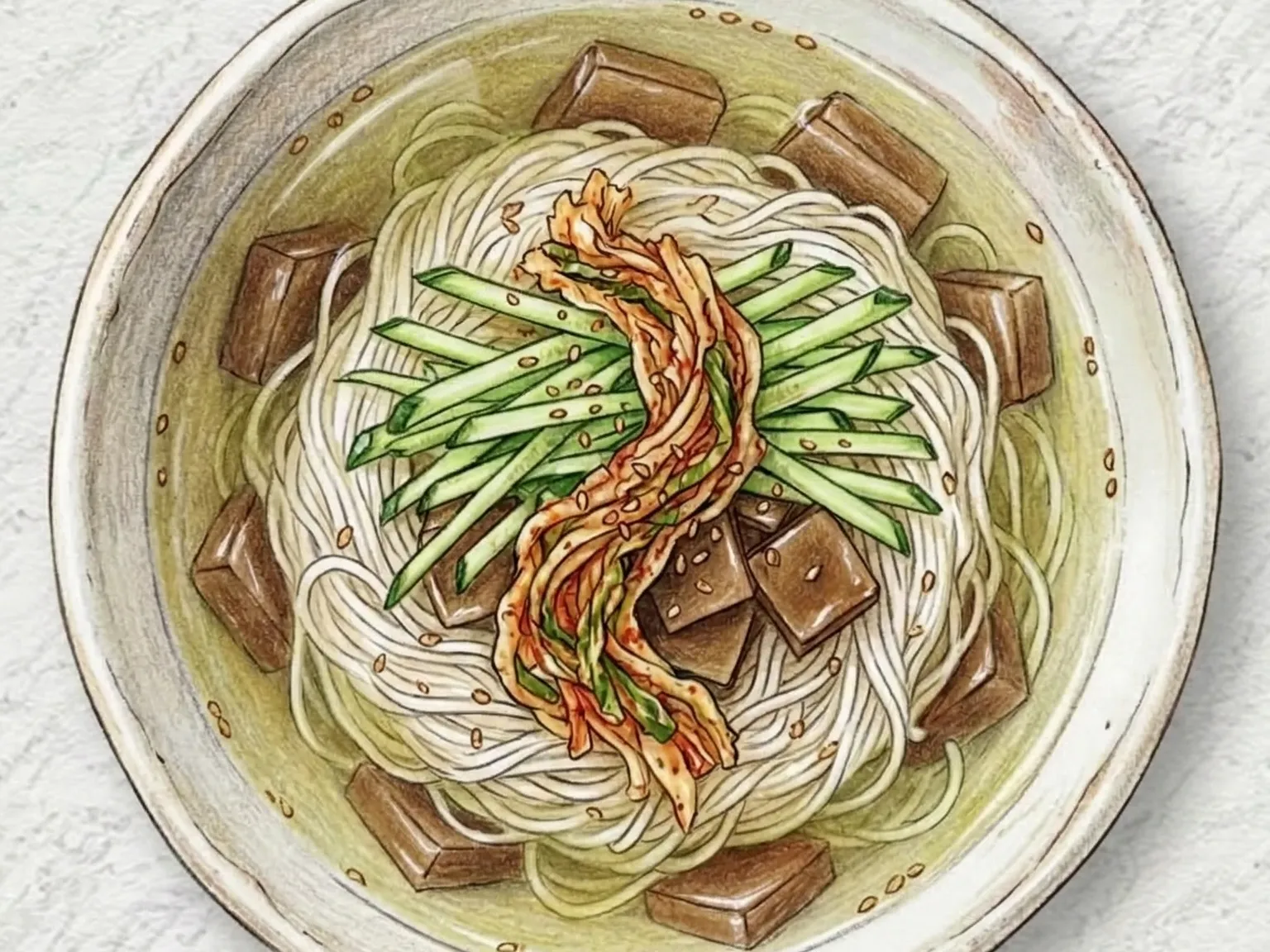
Korean Acorn Jelly Somyeon
Dotorimuk chae somyeon is a chilled Korean noodle dish that combines boiled somyeon and sliced acorn jelly in cold dongchimi radish water kimchi broth. The acorn jelly has a soft, slippery texture that contrasts with the fine, springy strands of the wheat noodles, and the fermented tang of the dongchimi broth wraps everything in a clean, refreshing acidity. Julienned cucumber adds crunch and a cool freshness, while a piece of kimchi contributes a spicy-savory accent. Refrigerating the acorn jelly or briefly soaking it in ice water beforehand keeps it firmer so it holds its shape when tossed with the noodles. A light drizzle of sesame oil and a scatter of sesame seeds bring a nutty warmth that plays well against the cold broth, making this a genuinely appetite-reviving meal for hot summer days.
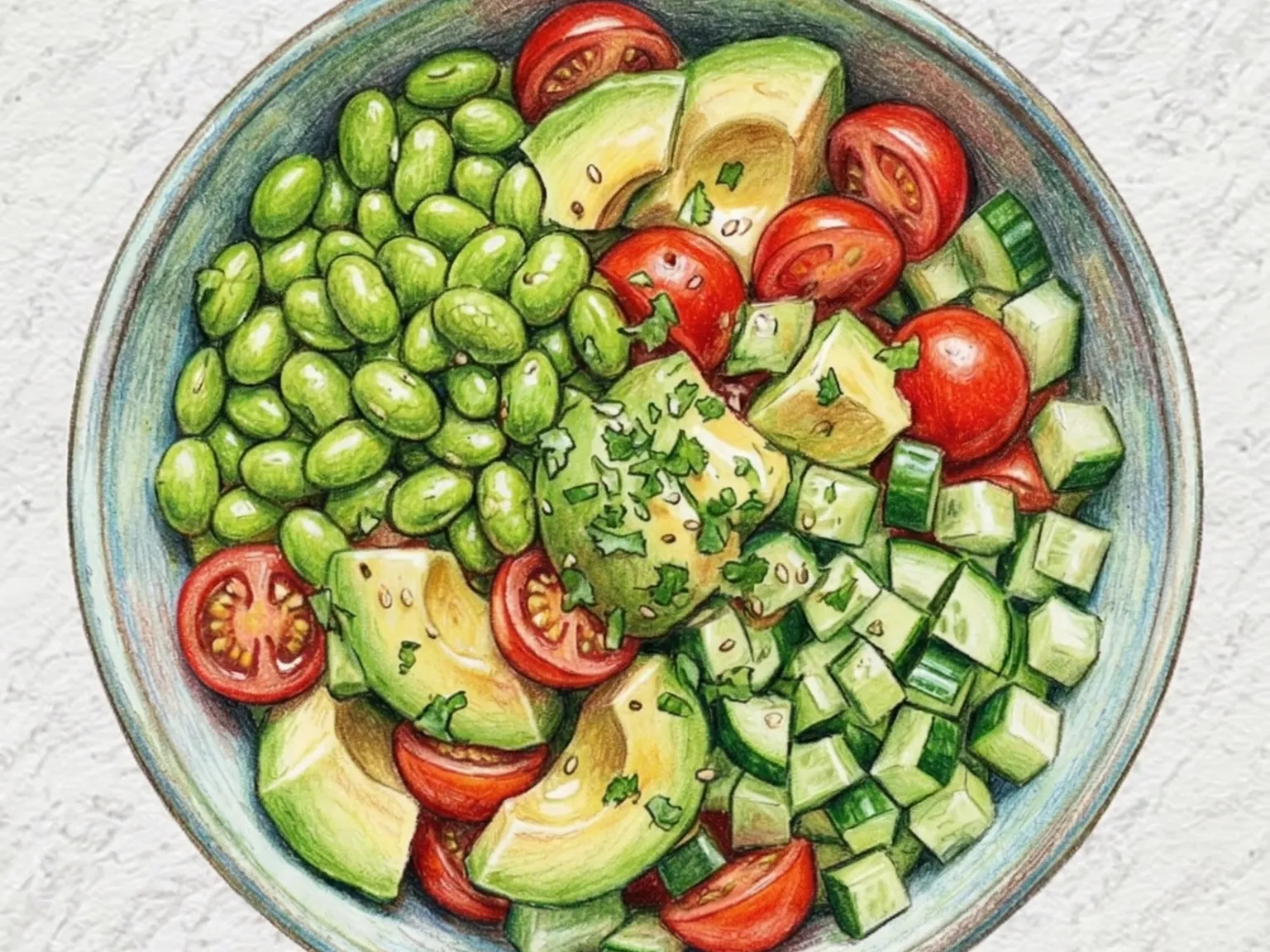
Edamame Avocado Salad
Edamame avocado salad brings together two ingredients with contrasting textures: shelled edamame, which snaps with a firm, slightly starchy bite, and ripe avocado cut into generous chunks that are smooth and buttery. The dressing is a soy-lime combination with a small pour of sesame oil - the lime cuts through the fat in the avocado, the soy adds umami depth, and the sesame oil contributes a roasted, nutty backdrop that pulls the Asian flavor profile together. Thin-sliced cucumber and halved cherry tomatoes fill out the bowl with crunch and bright acidity, keeping the whole thing fresh rather than heavy. Beyond boiling the edamame, no cooking is required: the avocado goes in raw, the dressing is whisked together in under a minute, and the whole salad is assembled cold. Total time from start to table is under 15 minutes, making it a practical option for quick lunches or side dishes.

French Toast
French toast soaks thick bread slices in a mixture of beaten eggs, milk, sugar, vanilla extract, and cinnamon until both sides absorb the custard evenly. The soaked bread is then cooked in melted butter over medium-low heat until each side turns golden brown and lightly caramelized on the surface while staying soft and moist inside. Slightly stale bread works better than fresh because its drier crumb absorbs more of the egg mixture without falling apart. Warm cinnamon and vanilla fragrance fills the kitchen during cooking. A drizzle of maple syrup and a dusting of powdered sugar finish the dish, and adding whipped cream or fresh fruit elevates it further.
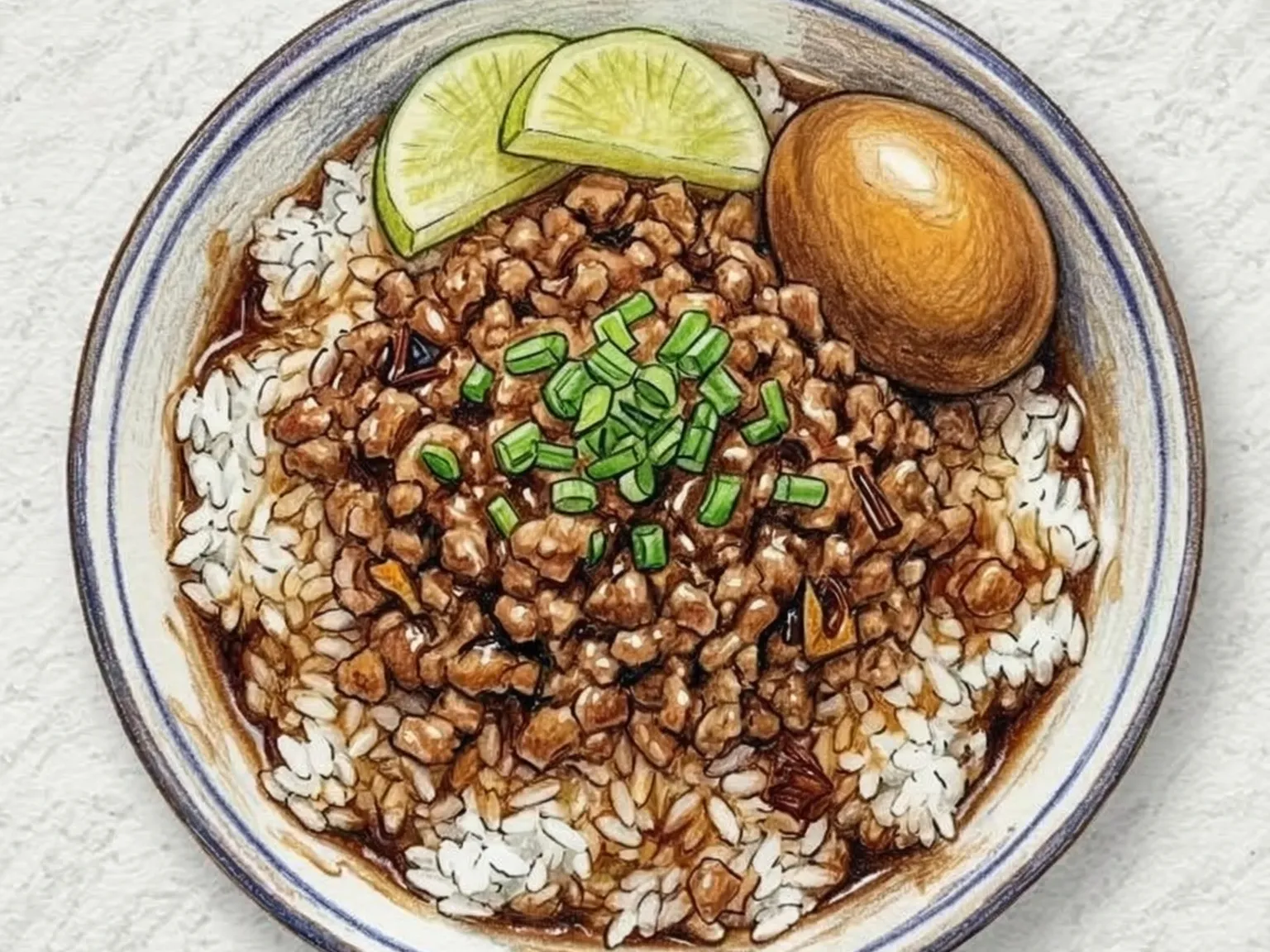
Lu Rou Fan (Taiwanese Braised Pork Belly Rice Bowl)
Lu rou fan is Taiwan's most deeply embedded comfort food, a bowl of steamed white rice topped with minced pork that has been braised low and slow in soy sauce, rice wine, and five-spice powder until the fat renders completely and the cooking liquid reduces into a thick, glossy sauce. Star anise and cinnamon permeate the meat during the long simmer, contributing a warm, aromatic layer that is present but never sharp enough to dominate. Sold from roadside stalls and neighborhood restaurants across Taiwan at all hours and at minimal cost, it is both an everyday staple and a dish people return to throughout their lives. Pickled daikon served alongside cuts through the richness of the braising sauce with its crunch and acidity, providing the contrast that makes the combination more satisfying than either element alone. A soy-braised egg with a jammy yolk adds another textured component, and a small bunch of blanched greens rounds out the bowl with something light and clean. The braising liquid deepens significantly with time, so simmering for at least thirty minutes over gentle heat is what separates a properly developed lu rou fan from a rushed version.
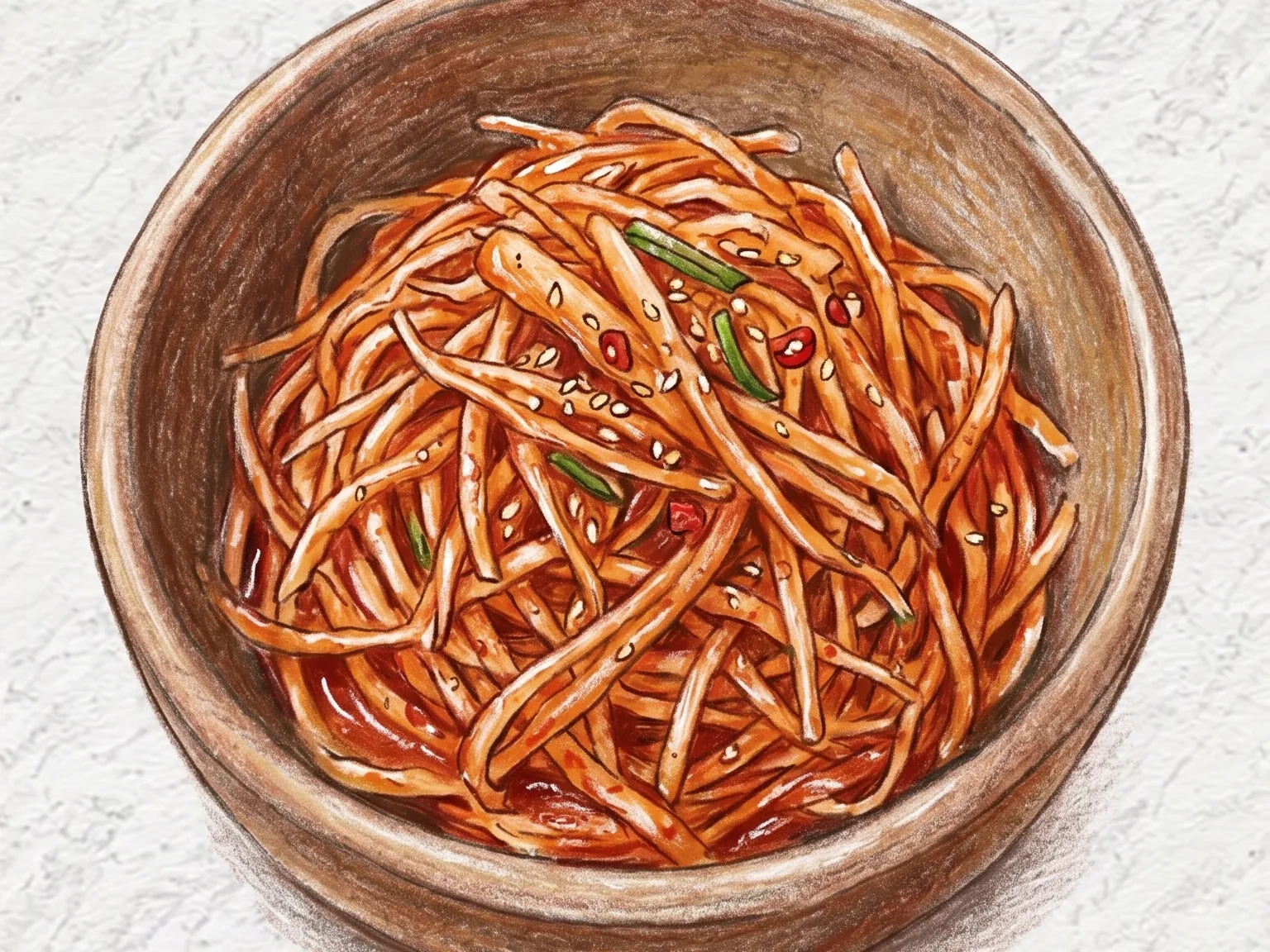
Korean Seasoned Bellflower Root
Doraji -- balloon flower root -- has been used in Korean cooking since the Goryeo dynasty, valued as both a medicinal herb and a staple namul ingredient. Unlike doraji-bokkeum, which stir-fries the root with gochujang and heat, this cold muchim preserves the characteristic firm, snappy crunch that makes doraji distinctive. The roots are shredded along the grain into thin strips, then vigorously rubbed with salt to draw out the saponins responsible for their sharp bitterness, and rinsed multiple times until the water runs clear. A seasoning of gochujang, vinegar, sugar, and sesame oil works into each fibrous strand, layering sweet, sour, and spicy notes over the residual earthiness of the root. This banchan appears on both Chuseok and Seollal holiday tables as one of the five-color namul, where the white of the doraji root represents the metal element in the five-phase system. Because the root holds its crunch well, this dish can be prepared ahead of time without losing texture, making it a practical choice for large gatherings.
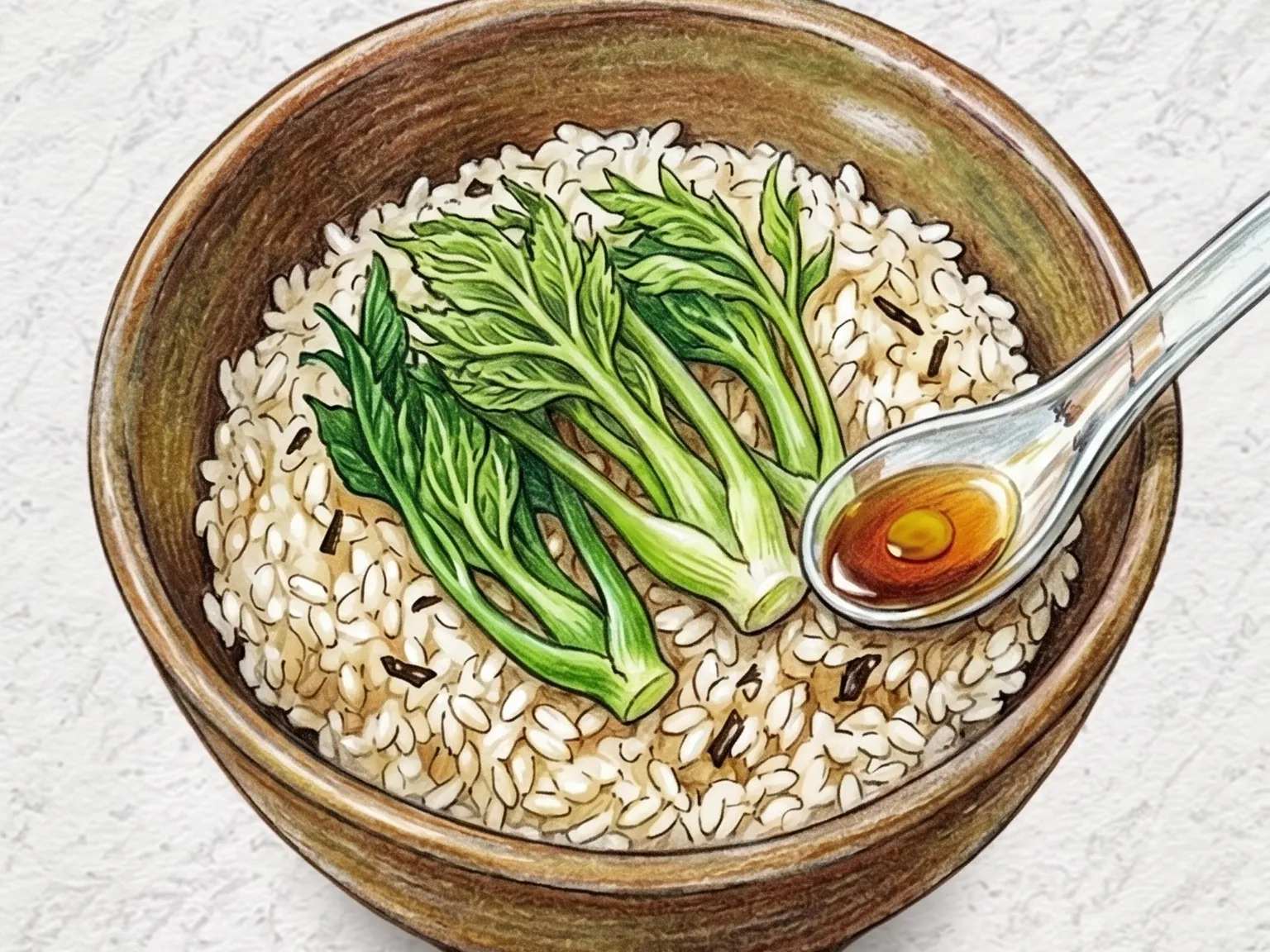
Korean Dureup Pot Rice (Spring Angelica Shoot Pot Rice)
Durup sotbap is a Korean spring pot rice centered on dureup, the young shoots of the Aralia elata tree that appear for only a few weeks between late March and late April. During this narrow season, the shoots carry a pleasantly bitter, faintly woodsy flavor that is unlike any other vegetable used in Korean cooking, and sotbap is one of the most direct ways to taste that character. The rice cooks in kelp stock rather than plain water, giving every grain a subtle umami base, with soup soy sauce and garlic seasoning from within the pot. Blanching the dureup requires restraint: twenty to thirty seconds in boiling water is enough to soften the fibrous ends and mellow the sharpness slightly, while keeping the bright green color intact and the slender stems with just enough resistance. Blanching longer dulls both the color and the flavor. The shoots are placed over the nearly finished rice just before the pot rests with its lid sealed for ten minutes. During that resting period the steam carries the herbal fragrance of the dureup into every grain of rice. The lid must not be opened during this time, as releasing the steam interrupts even cooking. Served with a soy-sesame dipping sauce mixed through the rice, the nuttiness of the oil wraps around the bitterness of the shoots, and the combination captures something specifically tied to early spring in the Korean mountains.
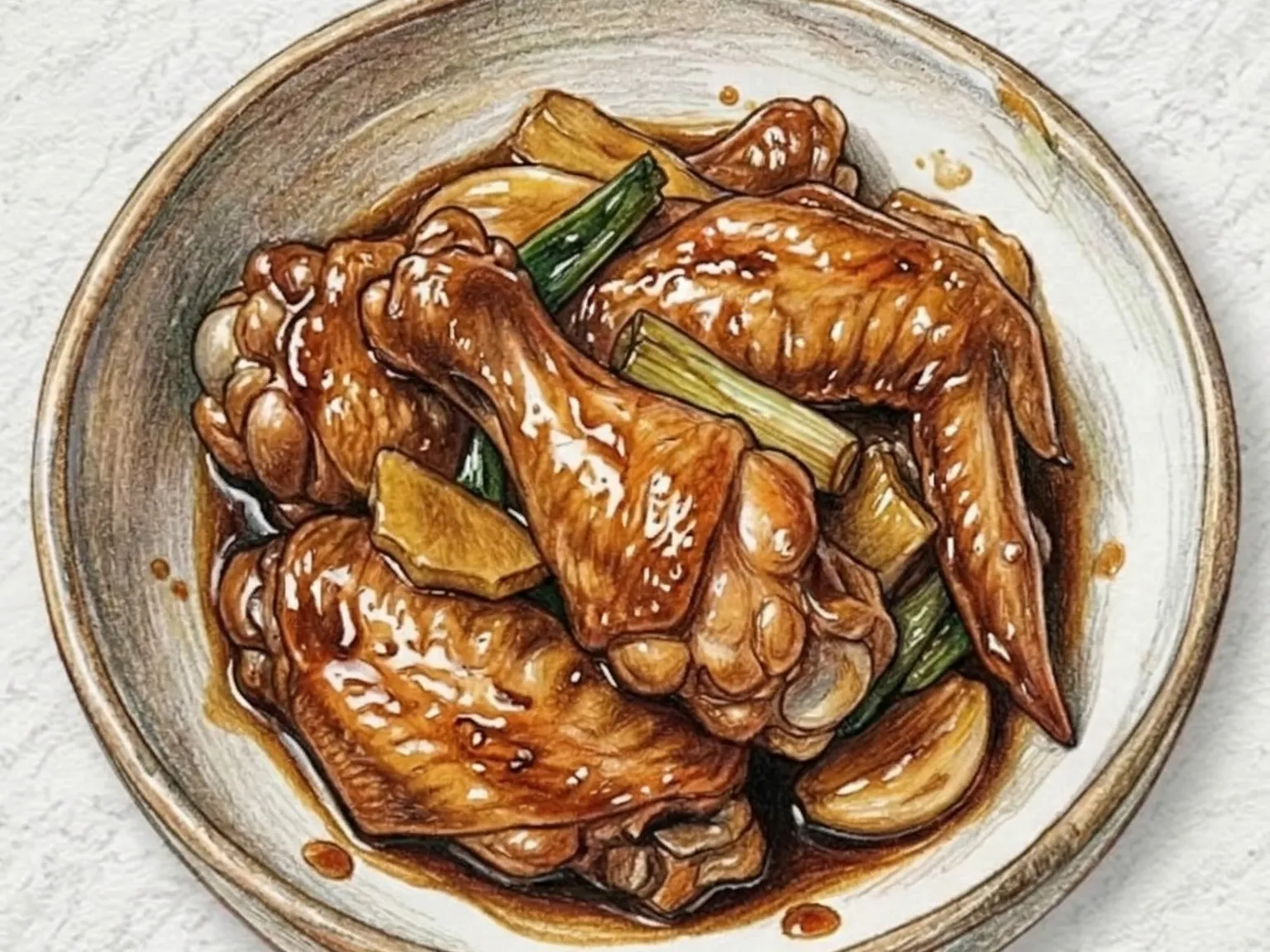
Korean Soy Braised Chicken Wings
Dak-nalgae-ganjang-jorim is a Korean braised chicken wings dish slow-cooked in a seasoning mixture of soy sauce, sugar, garlic, and ginger over medium-low heat until the sauce reduces to a thick, sticky glaze. The thin skin on the wings absorbs the braising liquid as it reduces, developing a glossy brown coating that clings to each piece. Cartilage near the joints softens progressively the longer the wings cook, shifting from a firm snap to a yielding, almost gelatinous texture. Green onion is added early to neutralize any off-flavors from the chicken, while ginger contributes a subtle warmth that rounds out the overall aroma. The braising liquid is allowed to reduce almost completely so the last traces of sauce concentrate into a dense, caramelized coating rather than a loose broth. Eating the wings by hand, pulling the meat from the bone, is part of the appeal, and this hands-on quality makes the dish a regular presence on Korean drinking tables alongside beer or soju.
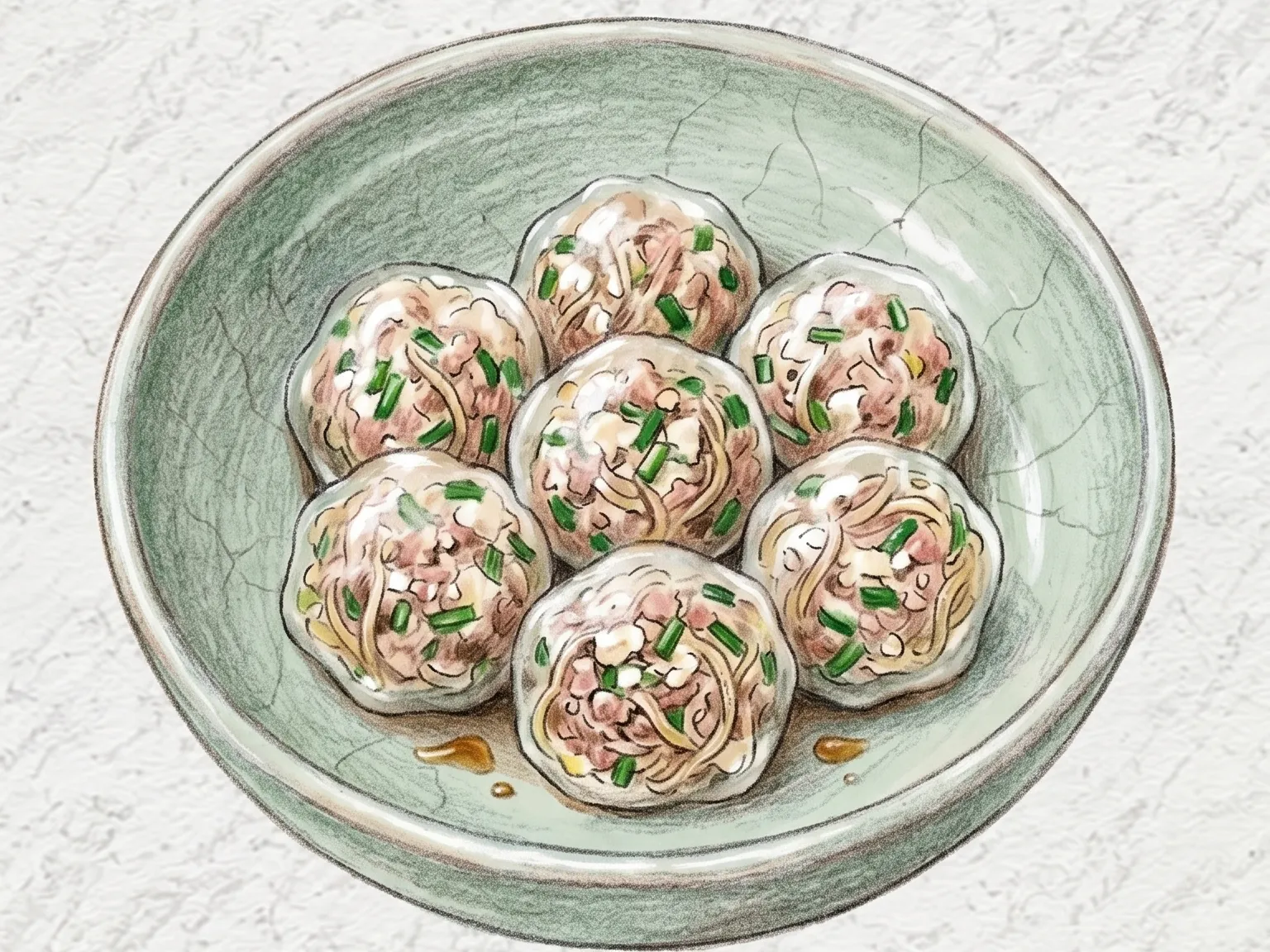
Korean Gullim Mandu (Round Dumplings)
Gullim-mandu is a Korean dumpling made without wrappers. The filling of ground pork, pressed tofu, garlic chives, onion, and soaked glass noodles is kneaded firmly until cohesive enough to be rolled into balls by hand. Each ball is then coated in potato starch or cornstarch, rolled until the surface is evenly covered, and placed in a steamer. As steam penetrates the starch coating, it sets into a translucent, chewy skin that is far thinner than standard dumpling wrappers yet carries a distinct springy resistance when bitten through. A second coat of starch before steaming produces a thicker shell with a more pronounced chew. Inside, the pork juices mingle with the sharp fragrance of garlic chives while the glass noodles contribute a soft, yielding bite. The traditional accompaniment is a dipping sauce of soy sauce, rice vinegar, sesame oil, and minced cheongyang chili. Gullim-mandu can also be dropped into tteok-guk or mandu-guk, where the starch on the exterior gradually dissolves into the broth and thickens it lightly over time.
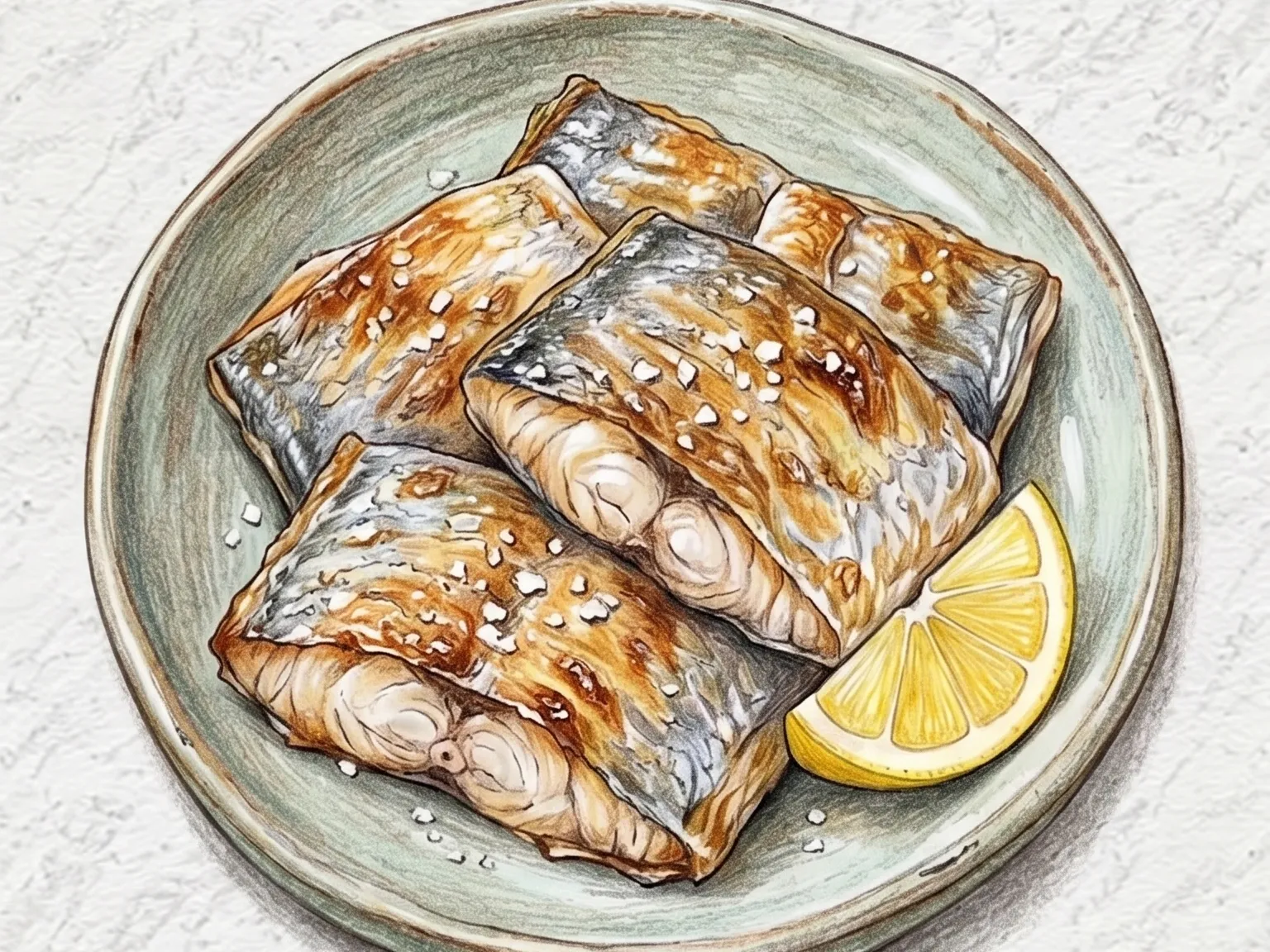
Korean Grilled Beltfish (Galchi-gui)
Galchi-gui is grilled beltfish, salted and pan-fried until the skin crisps and the flesh cooks through. Beltfish has a high fat content relative to most white fish, and as the flesh heats, its own oil migrates toward the skin, crisping the exterior without the need for added cooking oil. That same fat keeps the flesh moist well after the fish leaves the heat. Each steak should be cut to around three centimeters thick. Thinner pieces lose their moisture quickly under high heat, while thicker cuts will burn on the outside before the center reaches temperature. The pan needs to be fully preheated before the fish goes in: a cold or lukewarm surface causes the skin to stick and steam rather than sear. When the pan is hot enough, the skin releases cleanly and turns golden through the Maillard reaction. Coarse salt is the only seasoning in the traditional Jeju preparation, and nothing else is added. A squeeze of lemon at the table cuts the richness of the oily fish with clean acidity, lifting the aftertaste. Beltfish caught in the waters around Jeju in spring are considered the finest, with firmer flesh and a richer flavor than fish from other seasons.

Siraegi Guk (Korean Perilla Radish Greens Soup)
Deulkkae siraegi guk is a rich, nutty Korean soup made by simmering dried radish greens that have been pre-seasoned with doenjang and soup soy sauce in an anchovy broth for at least twenty minutes. Siraegi, which refers to radish leaves that have been dried and then rehydrated before cooking, carries a concentrated earthiness and a fibrous, chewy texture that fresh greens cannot replicate. Massaging the greens with doenjang and garlic before they go into the pot allows the fermented seasoning to penetrate into the fibers over the extended cooking time rather than merely coating the surface. The anchovy broth beneath provides a clean, saline umami that supports the deeper, fermented notes of the doenjang without competing. Perilla powder added in two separate additions dissolves evenly through the broth without clumping, turning the liquid an opaque, milky white and thickening it to a consistency that clings to each spoonful and gives the soup its characteristic weight. Green onion added during the final three minutes of cooking contributes a fresh, sharp aroma that sits lightly on top of the perilla fragrance, completing the layered, hearty character of the soup.
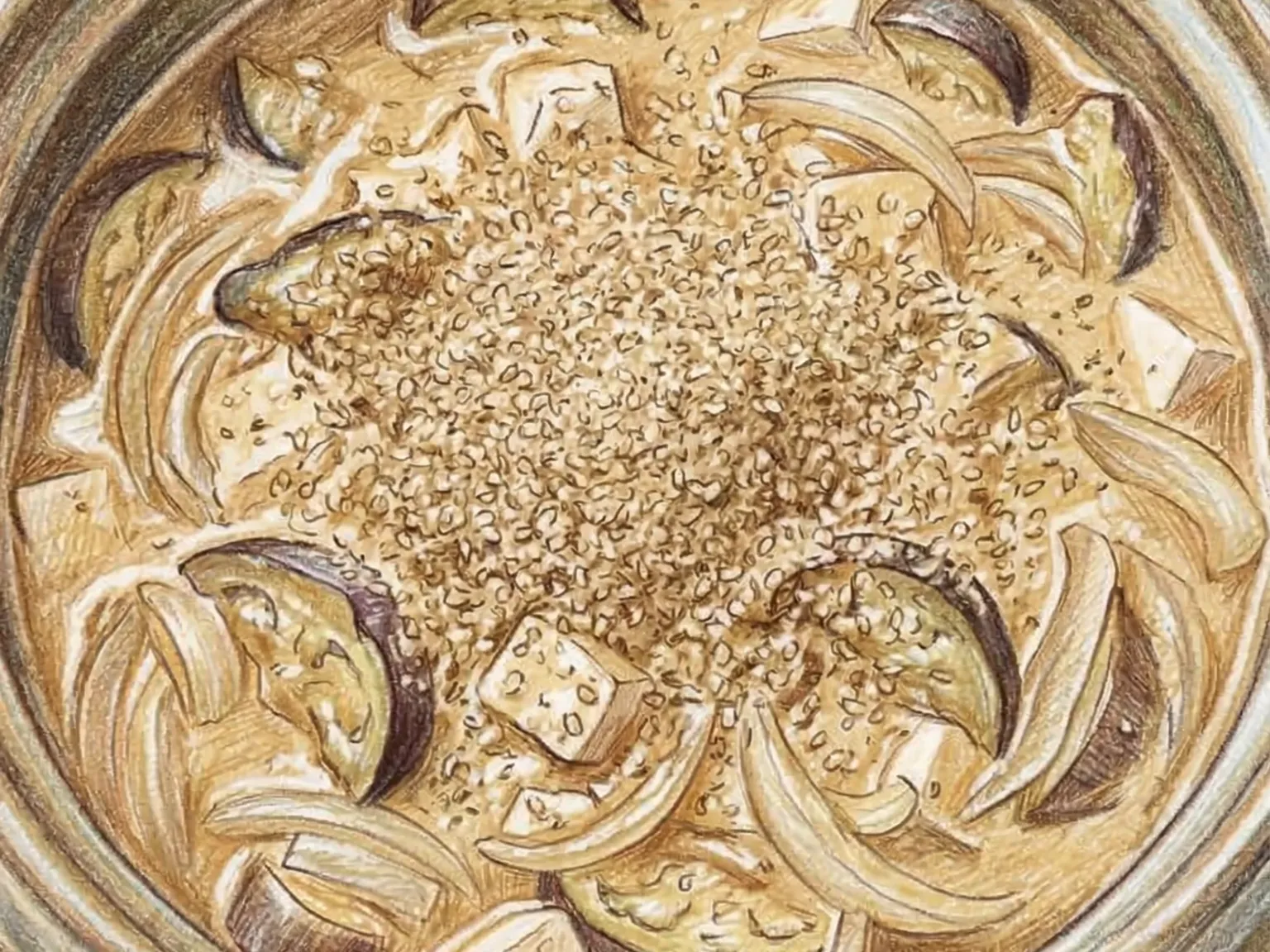
Korean Eggplant, Perilla & Tofu Stew
Gaji deulkkae dubu jjigae is a Korean stew of eggplant and tofu simmered in a broth thickened with ground perilla seeds. Ground perilla stirred into anchovy-kelp stock creates a creamy, nutty liquid as heat activates the oils in the seeds. Eggplant cooks slowly in this broth, breaking down until completely soft and absorbing the surrounding perilla flavor. Dicing the tofu into small cubes increases its surface area and allows the broth to penetrate from more angles. Gochugaru adds a layered warmth to the richness of the perilla, and soup soy sauce provides the salt structure. The textural contrast between the silky, yielding eggplant and the firmer tofu gives the stew a variety that makes each spoonful interesting. Even without meat, the fatty acids in perilla provide enough body and satiety to make this a substantial main-course stew, particularly well suited to vegetarian cooking.
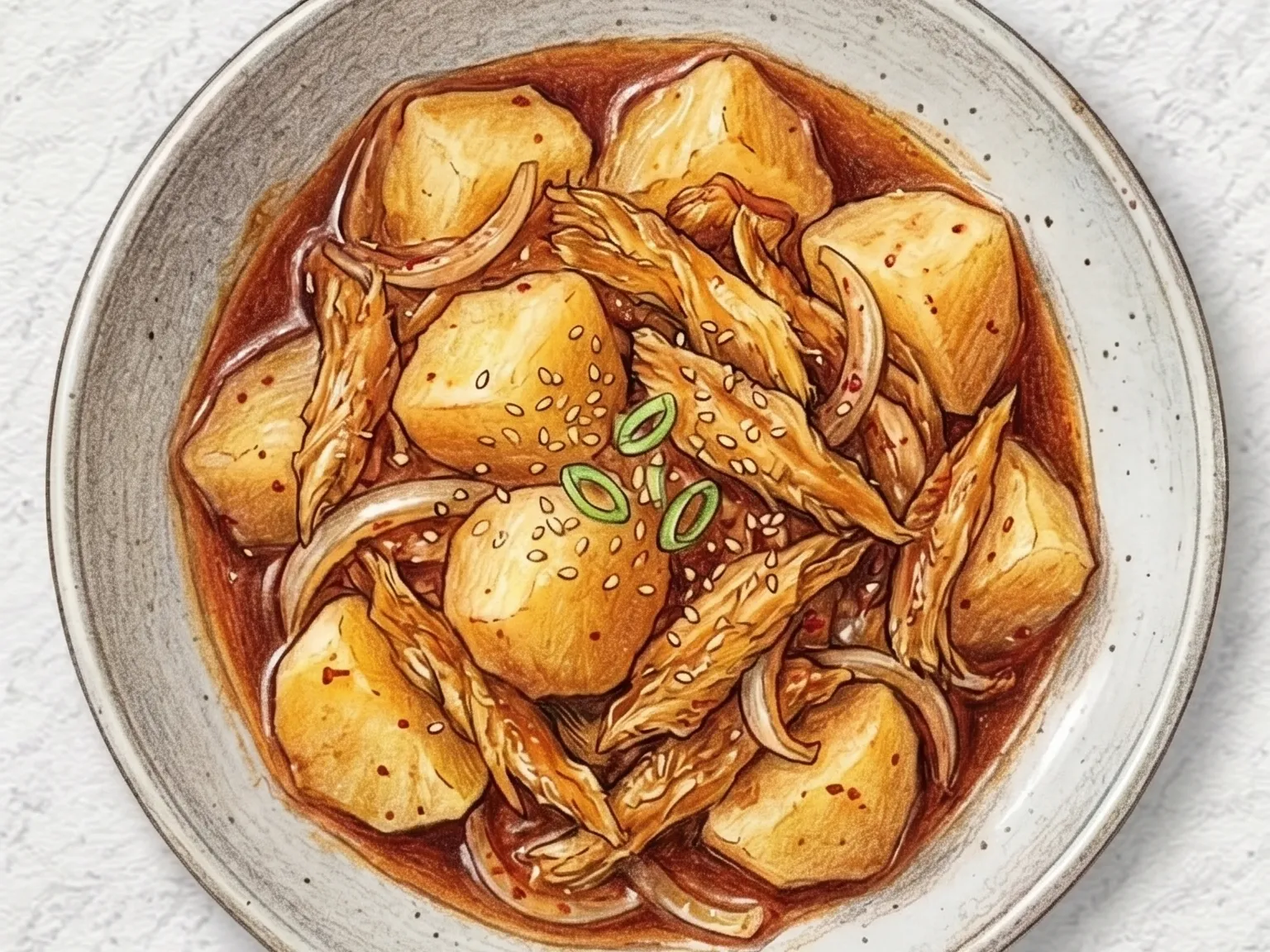
Korean Braised Dried Pollock and Potatoes
Hwangtae gamja jorim is a Korean braised dish of dried pollock strips and potato in a soy sauce seasoning with gochugaru and oligosaccharide syrup. The potatoes are cooked first until partially tender, then briefly soaked pollock strips and sliced onion are added to braise together in the same pan. The pollock absorbs the seasoned braising liquid and turns pleasantly chewy while the potato softens into a floury, starchy texture. Oligosaccharide syrup rounds out the saltiness of the soy sauce with a gentle sweetness, and sesame oil added off the heat finishes everything with a nutty fragrance. Keeping the pollock soak time short is the single most important step for preserving its characteristic texture, and the dish holds well overnight so it works as a packed lunchbox side.
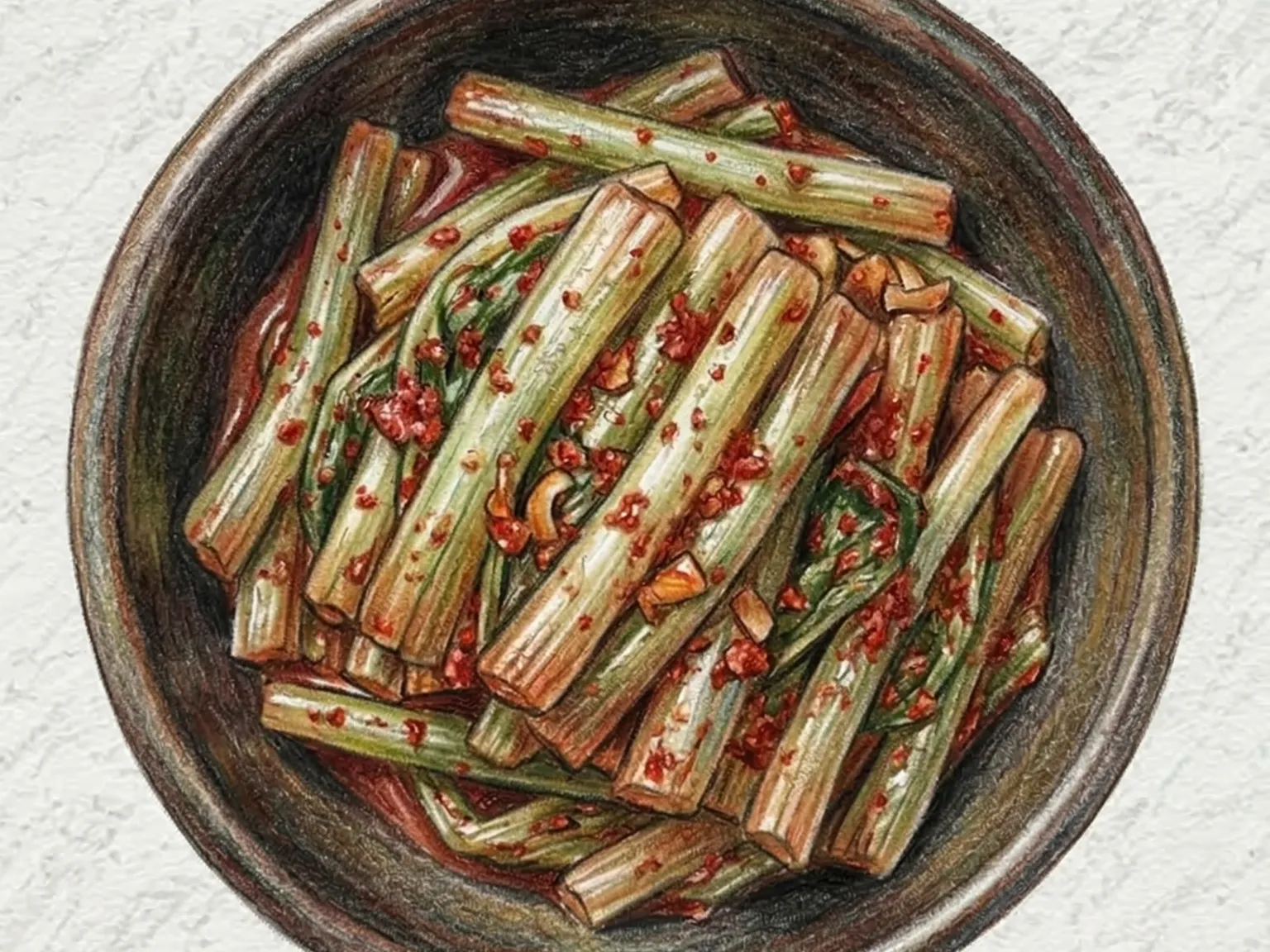
Korean Sweet Potato Stem Kimchi
Goguma julgi kimchi is made from sweet potato stems, prepared by carefully peeling their tough, stringy outer skin to expose the elastic inner fiber, blanching briefly, then seasoning with gochugaru, anchovy fish sauce, minced garlic, and glutinous rice paste before being left to ferment. Once stripped of the outer skin, the stems retain only their springy, chewy core, which gives every bite a bouncy, almost springy resistance that sets this kimchi apart from leafy varieties. As the fermentation progresses, the seasoning works its way deep into the fibrous channels of each stem, building a well-balanced spicy-salty flavor throughout. Scallions bring a fresh herbal note, and onion rounds the sharp edges of the chili seasoning with natural sweetness. The peeling is time-consuming, but the distinctive texture rewards the effort. Made in peak summer when sweet potato stems are freshest, this kimchi is considered a seasonal treat.
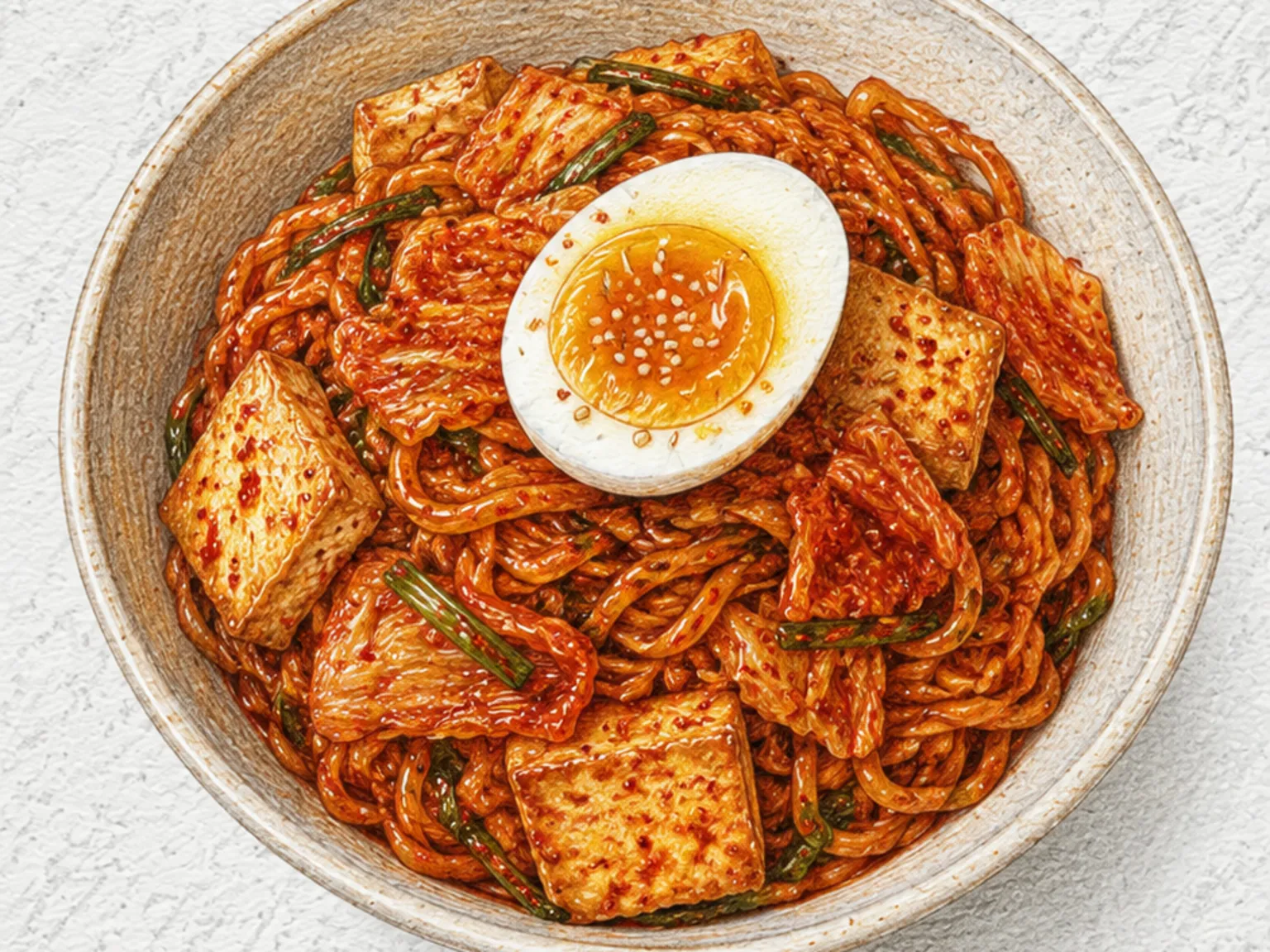
Korean Tofu Kimchi Bibim Myeon
Dubu kimchi bibim myeon is a Korean mixed noodle dish built on two separate preparations that come together in the bowl. Ripe, deeply fermented kimchi is stir-fried in perilla oil over high heat until the sharp acidity rounds out and the umami moves to the foreground, then combined with gochugaru and gochujang to form the spicy dressing that coats every strand of boiled noodles. The tofu requires its own treatment: all surface moisture must be pressed out before the block goes into a dry, screaming-hot pan, which creates a golden, crisp crust outside while the center remains silky, giving the dish a clean textural counterweight against the bold noodles. A halved soft-boiled egg placed on top rounds out the heat when the yolk slowly folds into the dressing, adding a creamy richness that binds the kimchi tang, the chili punch, and the nutty oil into one cohesive sauce.
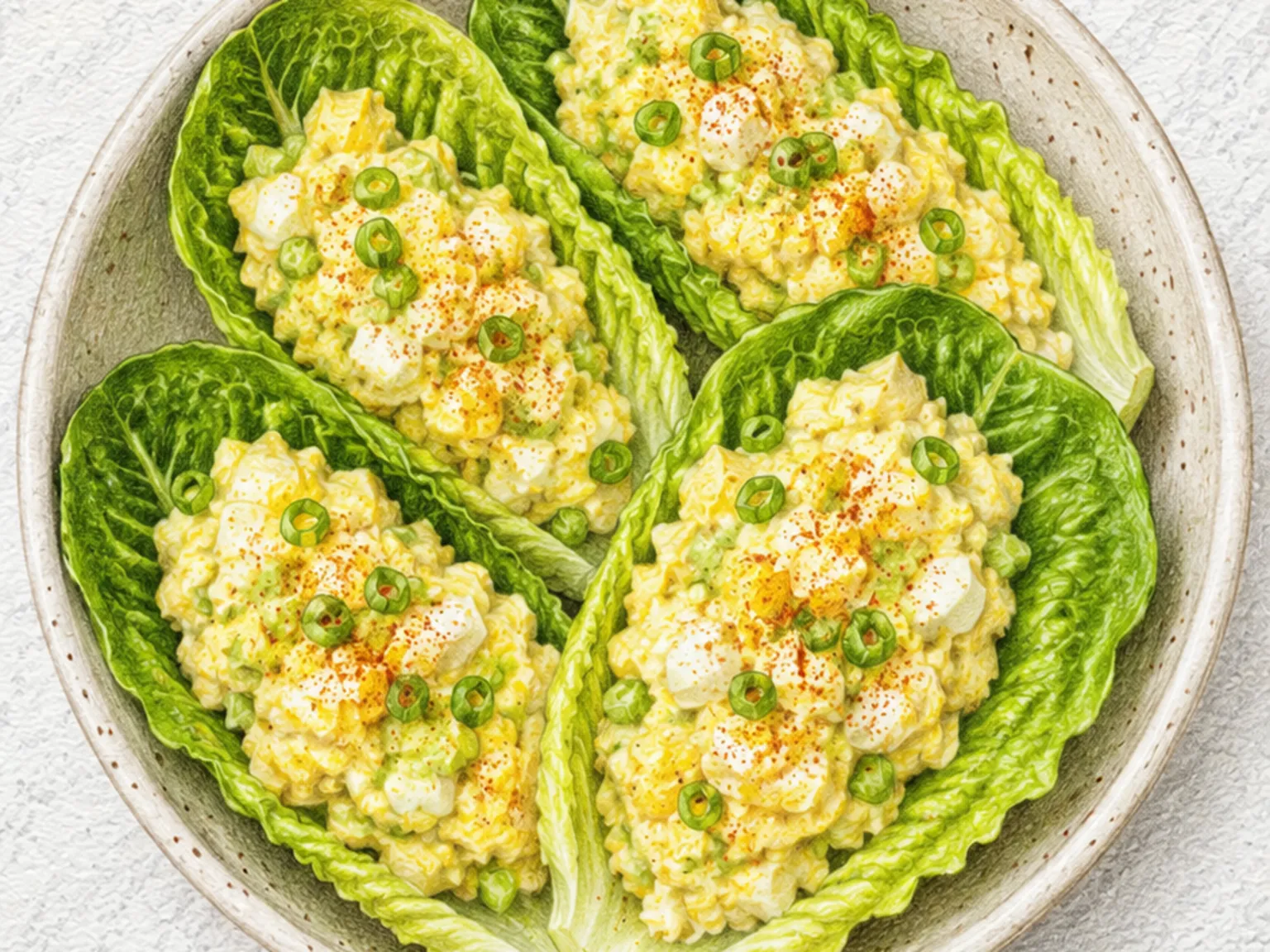
Egg Salad Lettuce Wrap
Hard-boiled eggs are roughly chopped and folded into Greek yogurt with a small amount of mayonnaise, producing a lighter take on classic egg salad. The yogurt stands in for most of the mayonnaise, cutting calories while adding a subtle tang that lifts the richness of the yolks. Crisp romaine leaves replace bread as the wrapper, reducing carbohydrates without sacrificing the satisfying structure of each bite. Diced celery provides textural contrast against the soft filling, and Dijon mustard introduces a mild sharpness that cuts through the egg's richness. A squeeze of lemon juice brightens the entire mixture and keeps the flavor from feeling heavy. Sliced green onion or a dusting of smoked paprika added at the end gives the filling a little color and rounds out the flavor. The dish comes together in under fifteen minutes and holds well in the refrigerator, making it a practical choice for meal prep or a light weekday lunch.
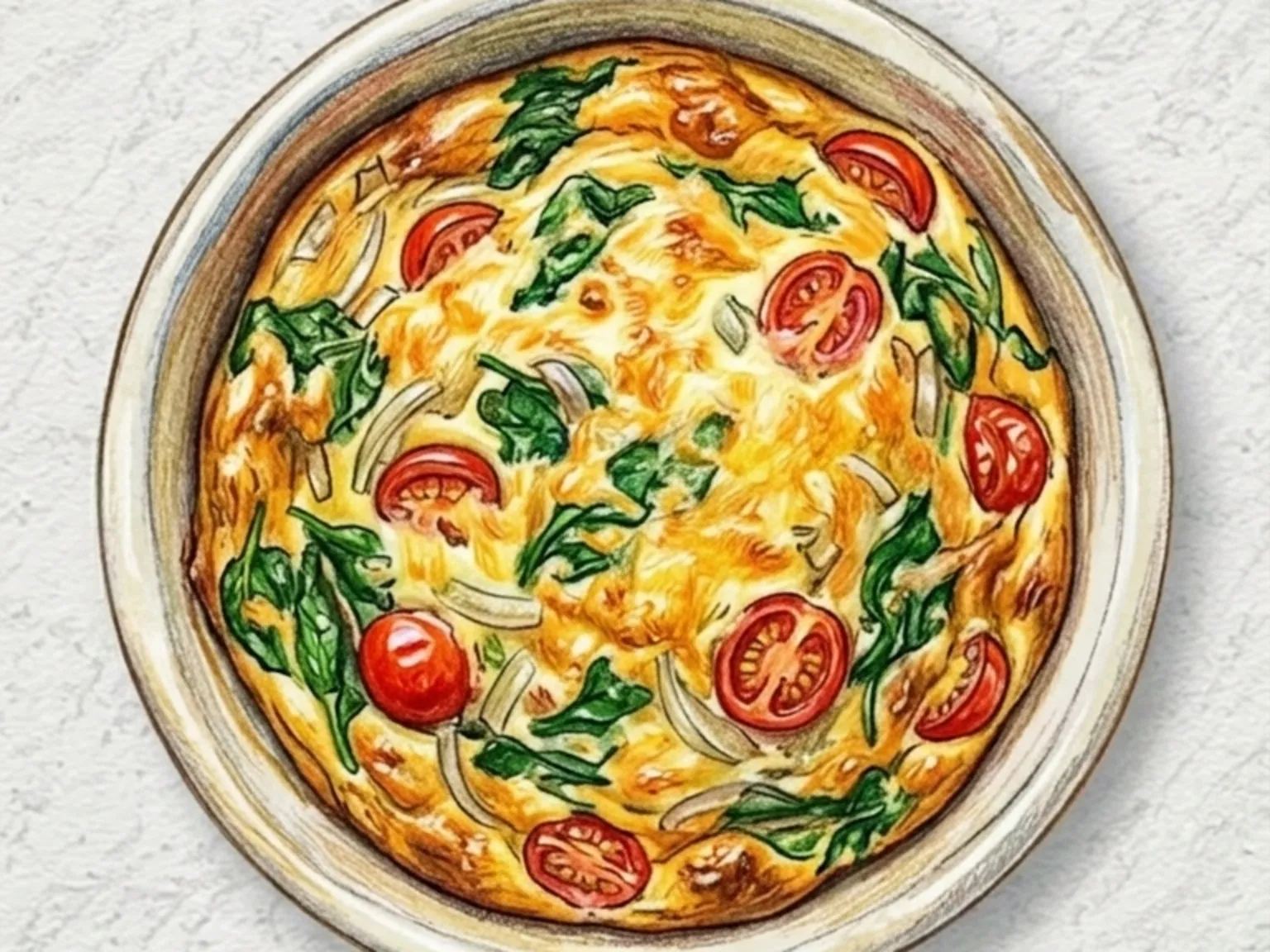
Frittata
Frittata whisks eight eggs with milk and salt, then builds layers of flavor in an oven-safe pan before finishing in the oven. Onion is sautéed in olive oil until soft and translucent, then spinach and halved cherry tomatoes are added and cooked briefly so they release some moisture without turning to mush. The egg mixture is poured over the vegetables and left untouched on medium-low heat until the edges begin to firm and pull away from the sides of the pan. Grated cheddar cheese is scattered across the top before the pan goes into a 190-degree oven for ten minutes, during which the frittata puffs up and cooks through evenly from edge to center. The finished frittata is done when a gentle press at the center springs back with light resistance. Over-whisking the eggs before cooking traps too many air bubbles, which collapse in the oven and leave the surface cratered and uneven, so a slow, deliberate stir produces a better result. Smoked salmon, sliced sausage, or leftover roasted vegetables all work as additions without disrupting the basic structure. Cold leftovers tucked into a sandwich the next morning taste just as good as the freshly made version.