🎉 Special Occasion Recipes
Impressive dishes for guests and special occasions
929 recipes. Page 15 of 39
When guests are coming, the menu needs a little extra care. This tag features impressive dishes suited for entertaining - galbi-jjim, japchae, and bulgogi for a Korean spread, or pasta and steak for a Western-style course.
The key to stress-free hosting is choosing recipes that allow advance preparation. Do the heavy lifting the day before, then finish plating when guests arrive. That way, you can relax and enjoy the meal together.
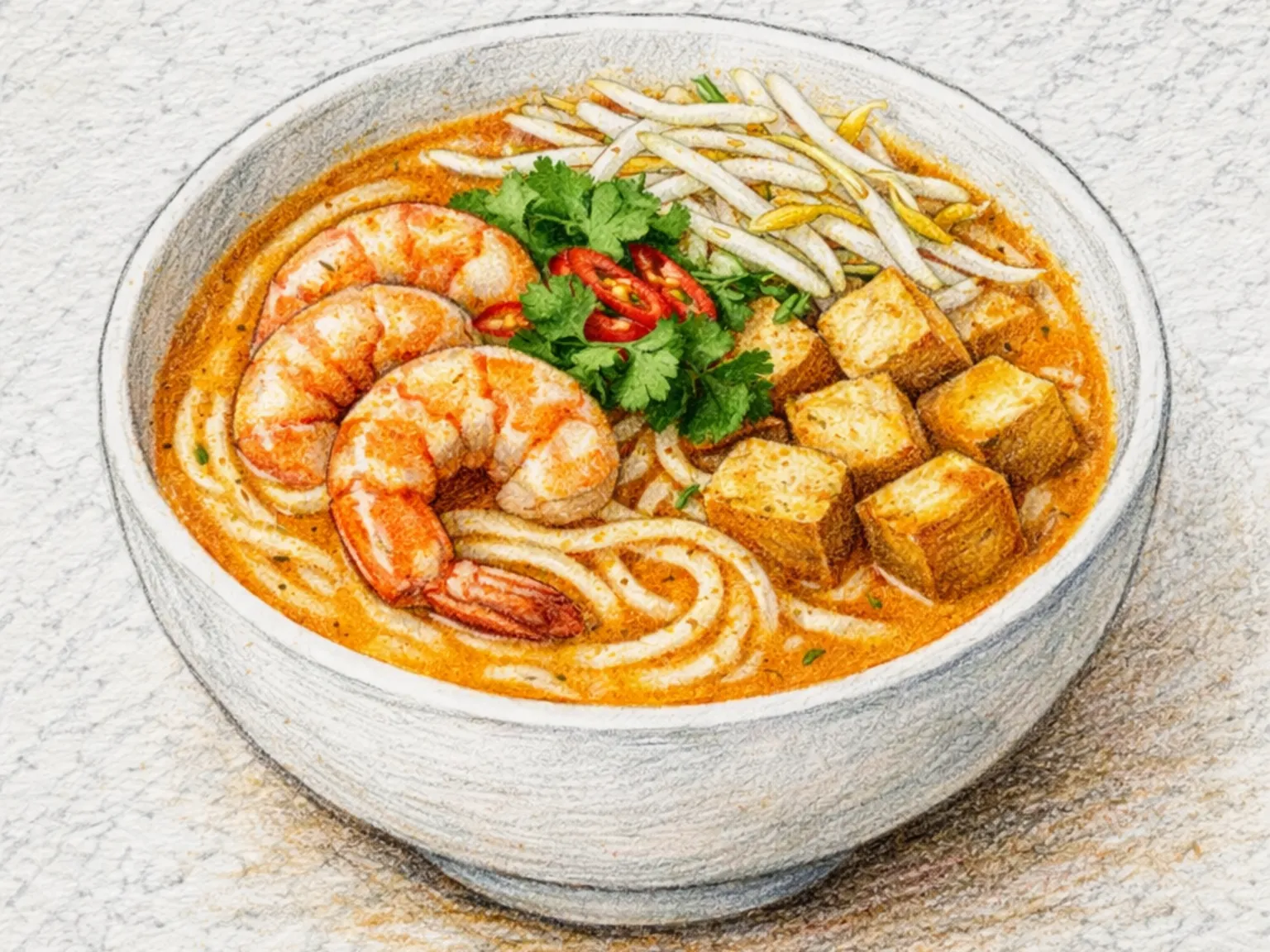
Singaporean Spicy Noodle Soup
Laksa is a spicy coconut curry noodle soup from Singapore and Malaysia, assembled from a laksa paste of lemongrass, galangal, dried shrimp paste, and chili that is stir-fried in oil until deeply fragrant and the raw aroma of the shrimp paste cooks off. Coconut milk and shrimp stock are added to build the thick, aromatic broth that defines the dish, and fish sauce seasons it to a savory depth. Shrimp and fried tofu puffs simmer briefly in the completed broth, long enough to heat through but not so long that the shrimp toughens. Rice vermicelli, softened in hot water until pliable, goes into each bowl, and the broth is ladled over generously. Bean sprouts, halved soft-boiled eggs, and a wedge of lime are arranged on top - the lime is squeezed in at the table to cut the coconut richness with bright acidity. Store-bought laksa paste is a practical shortcut that produces a solid result, but homemade paste, with its layers of fresh lemongrass, galangal, fried shallots, and fermented shrimp, delivers a noticeably more complex and fragrant broth. Full-fat coconut milk is essential - reduced-fat versions thin out the broth and undercut the characteristic creaminess that sets laksa apart. A well-reduced shrimp stock intensifies the umami of the base considerably.
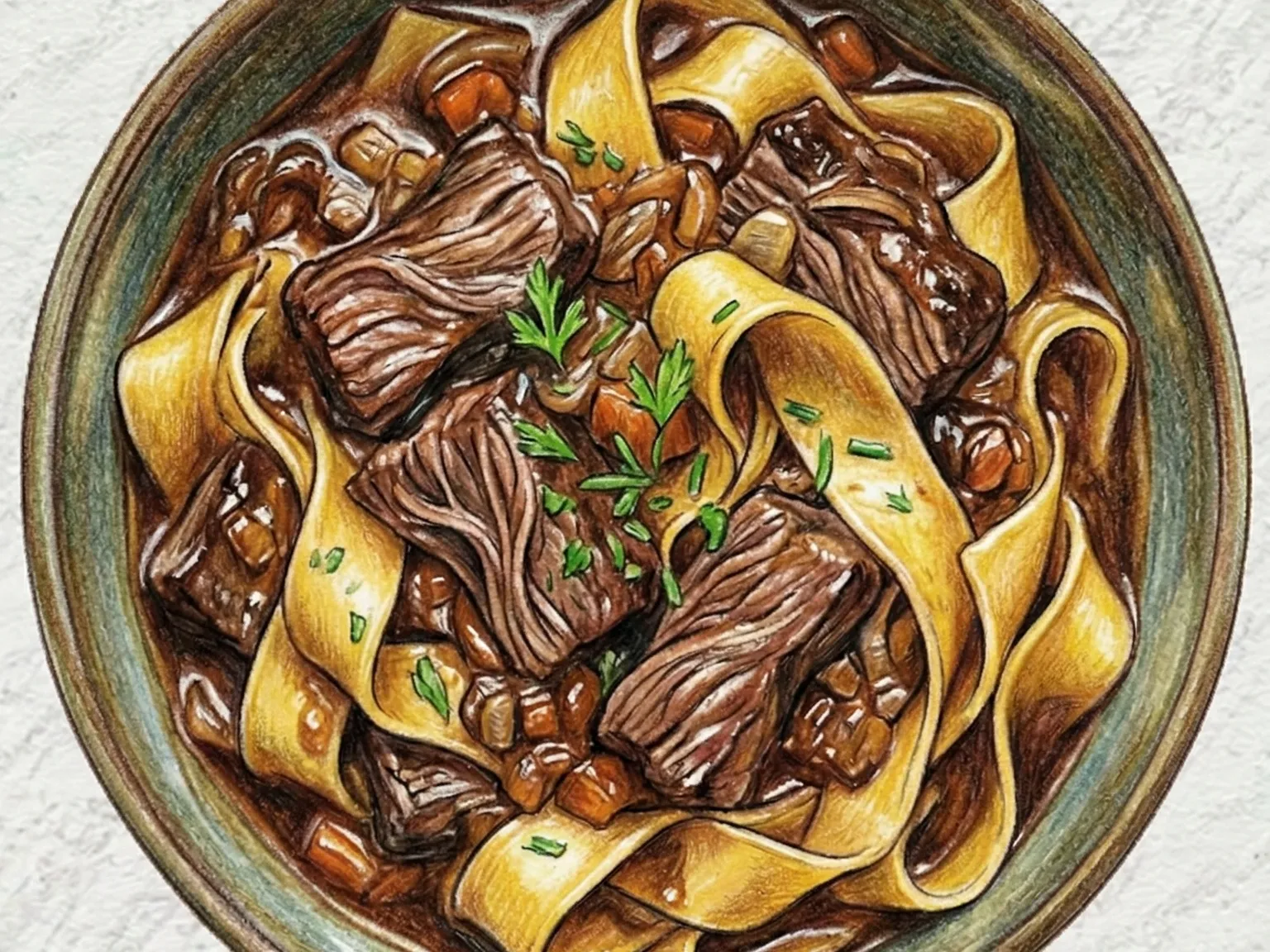
Soy Galbi Ragu Pappardelle
Soy galbi ragu pappardelle starts with short rib seared hard on both sides, then braised low and slow with aromatics, red wine, and soy sauce for ninety minutes until the meat pulls apart into thick shreds. The extended braise renders out the collagen in the short rib, building a sauce with a genuinely silky, gelatinous body that clings to wide pappardelle ribbons. A soffritto of onion, carrot, and celery forms the sweet foundation; canned whole tomatoes and tomato paste add body and acidity. Soy sauce replaces plain salt and contributes fermented depth that sets this apart from standard Bolognese - the difference is noticeable. Red wine adds tannin and fruit complexity. Grated Parmigiano-Reggiano finishes the bowl. Most of the ninety-minute cook time is hands-off braising.
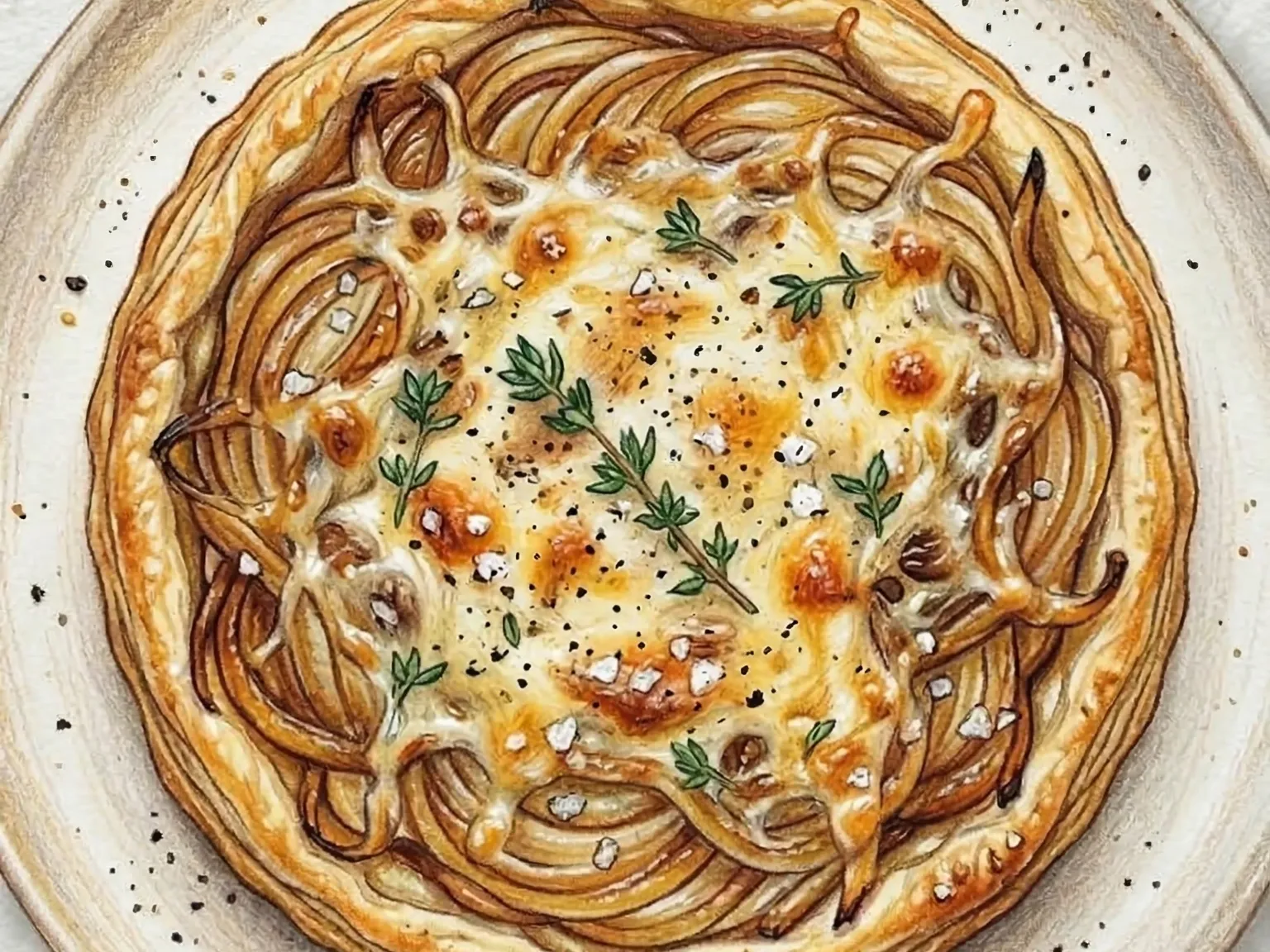
French Onion Tart
The preparation of a French onion tart begins with slicing onions and cooking them in butter using a low heat setting for more than twenty minutes. During this extended cooking duration, the onions collapse into a dark amber mixture, ensuring that their natural sweetness is fully concentrated while the sharp bite associated with raw onions is completely eliminated. Once the onions have reached this state, they are spread in an even layer over a tart shell that has already undergone blind baking to maintain its texture. A custard liquid made from a combination of eggs, heavy cream, and thyme is poured over the onions. Grated Gruyere cheese is then scattered across the top surface before the tart is transferred to an oven preheated to 190 degrees Celsius. The baking process continues until the internal filling has set into a firm consistency and the cheese layer has transformed into a browned, salty crust. The flavor of the caramelized onions is the most prominent characteristic of the dish, providing a sweetness that builds on the palate with each bite. Thyme is used to contribute a distinct herbal note, which functions to offset the richness of the dairy components and prevent the tart from becoming cloying. The addition of Gruyere cheese brings a nutty and salty element that balances the sweet and savory aspects of the tart. This specific dish is known for holding its quality well when served at room temperature, which makes it a versatile choice for inclusion in brunch menus, sequences of wine pairings, or meals eaten outdoors.
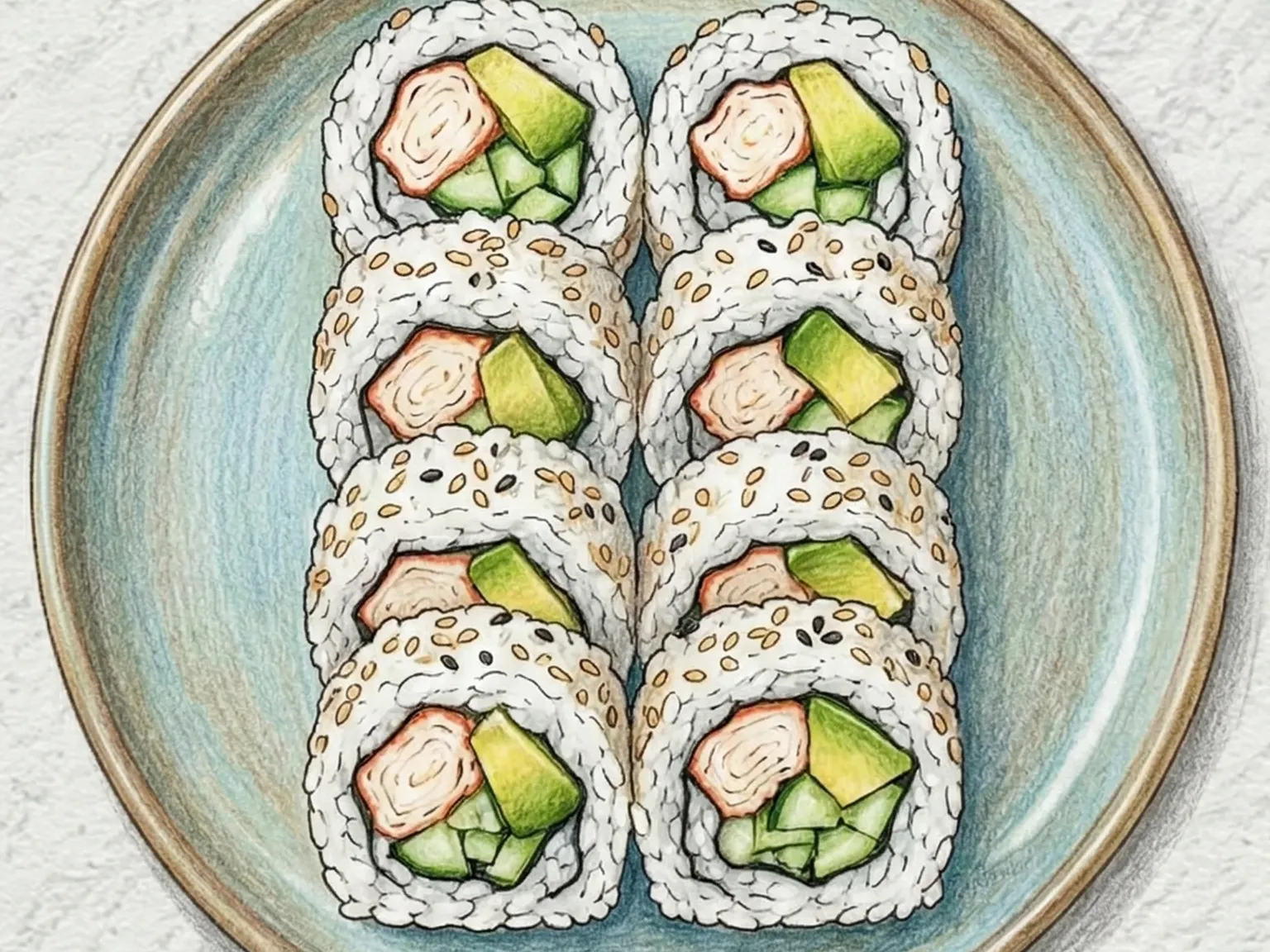
California Roll
The California roll was developed in the early 1970s, most likely by Japanese chefs working in Vancouver or Los Angeles who needed to make sushi approachable for North American diners unfamiliar with raw fish. The inside-out construction - rice on the outside, nori hidden within - was a deliberate inversion designed to conceal the dark seaweed that Western eaters initially found off-putting. Imitation crab (surimi), ripe avocado, and cucumber form the filling, delivering a mild, creamy, and crunchy combination that requires no acquired taste to appreciate. The rice is seasoned with vinegar, sugar, and salt, then rolled so the grains hold together without being compacted into a dense cylinder. Tobiko or sesame seeds pressed into the outer rice layer add visual appeal and a subtle pop of texture with each bite. Though dismissed by sushi traditionalists, the California roll served as a gateway that brought millions of Westerners into Japanese cuisine and laid the foundation for the global sushi market. Today it remains the single most ordered sushi roll in North America.
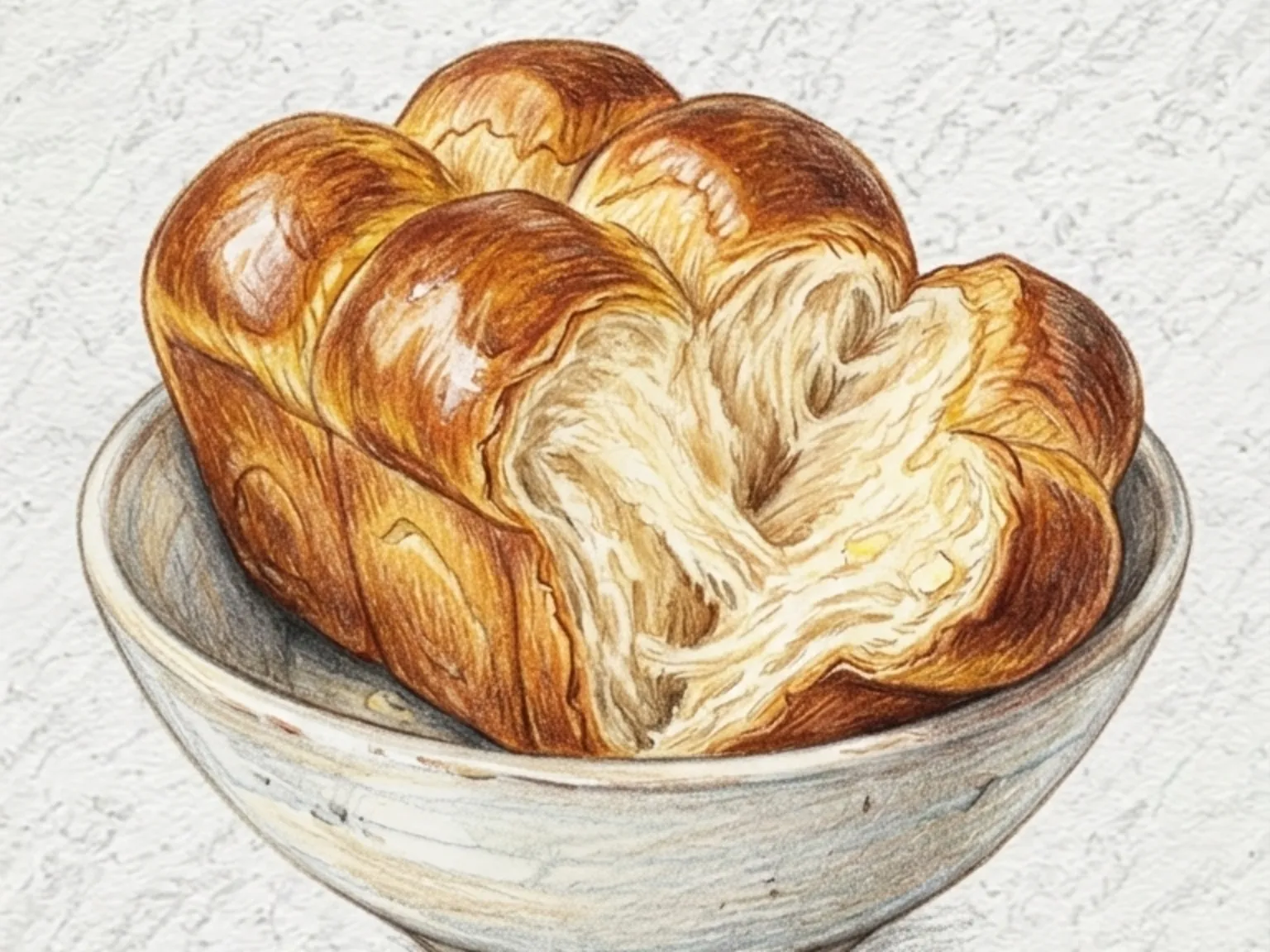
Brioche Loaf
Brioche loaf is a French enriched bread defined by a high ratio of eggs and butter to flour. Softened butter is added in stages during kneading, small amounts at a time, until the fat is fully absorbed and the gluten has developed enough for the dough to stretch into a thin, nearly translucent sheet without tearing. The extended mixing time and the cold retard during overnight proofing give the final crumb its extraordinarily fine structure. Baked in a loaf pan, brioche comes out with a deep golden crust that is thin and slightly brittle, enclosing an interior that tears into long, cotton-soft strands. The butter flavor runs through every layer, so the bread is rich enough to eat on its own without any spread. Once sliced and lightly toasted, the contrast between the crisp outer face and the soft, moist center becomes more pronounced. Brioche absorbs custard quickly and holds its shape under heat, which makes it a preferred base for French toast and bread pudding.
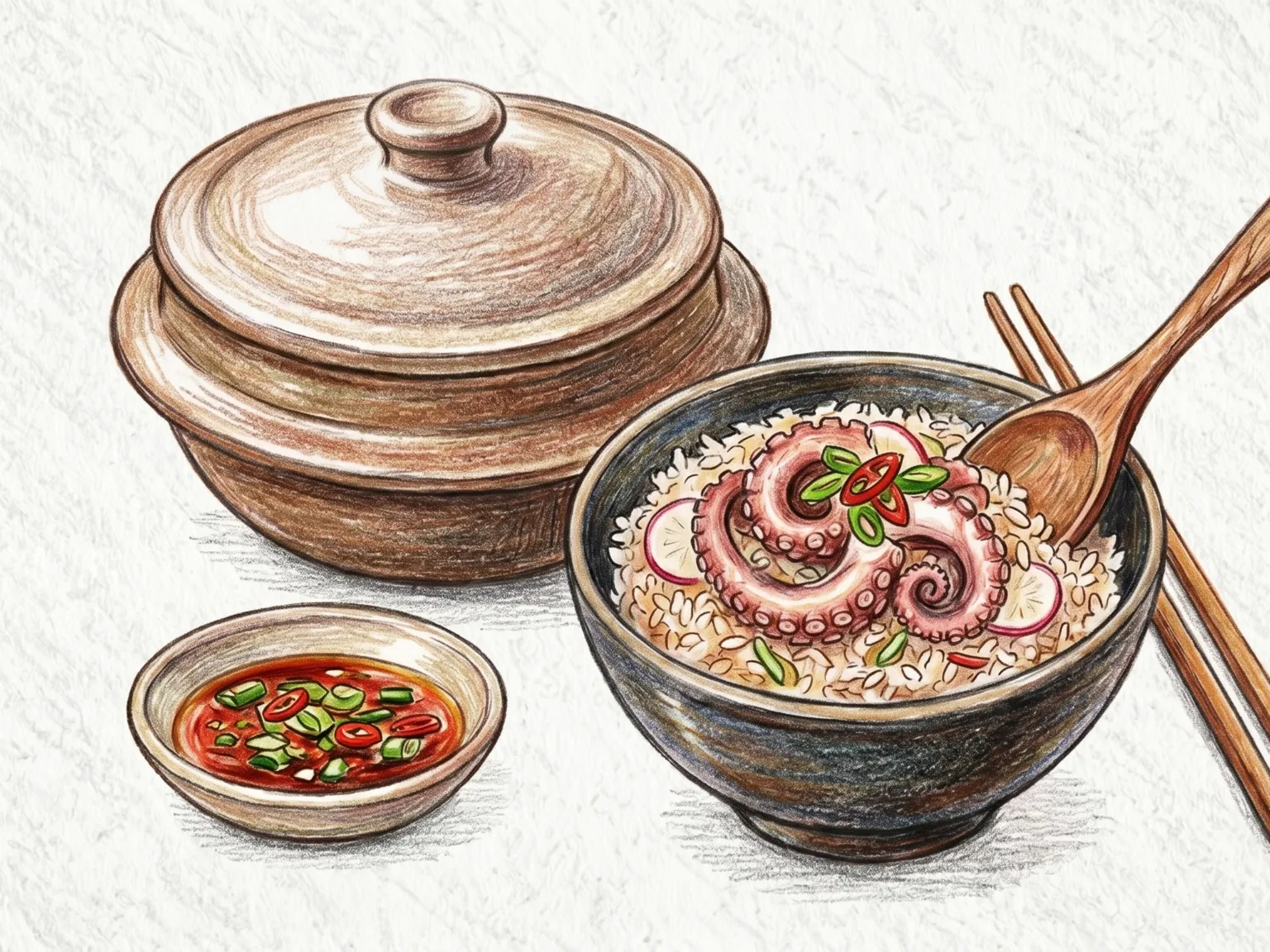
Korean Octopus Pot Rice (Chewy Octopus Ocean-Scented Grain Pot)
Muneo sotbap is a seafood pot rice dish in which chewy octopus tentacles are placed on top of uncooked rice and steamed together in a heavy pot so that the briny, oceanic aroma penetrates every grain as it cooks. Thin radish slices lining the bottom of the pot serve two purposes: they prevent the rice from sticking and transfer their natural sweetness into the grains during cooking. Simmering the octopus alongside radish also helps tenderize the meat. The pot starts over high heat to bring it to a boil, then the flame drops to low for a slow, gentle cook that keeps the octopus from turning rubbery. Resting the pot undisturbed after cooking allows the heat to distribute evenly throughout the rice. A dipping sauce of soy sauce, sesame oil, cheongyang chili, and sliced green onion is mixed in at the table, adding a spicy, clean finish. Scraping the crisp nurungji crust from the bottom of the pot is one of the distinct pleasures of this dish.
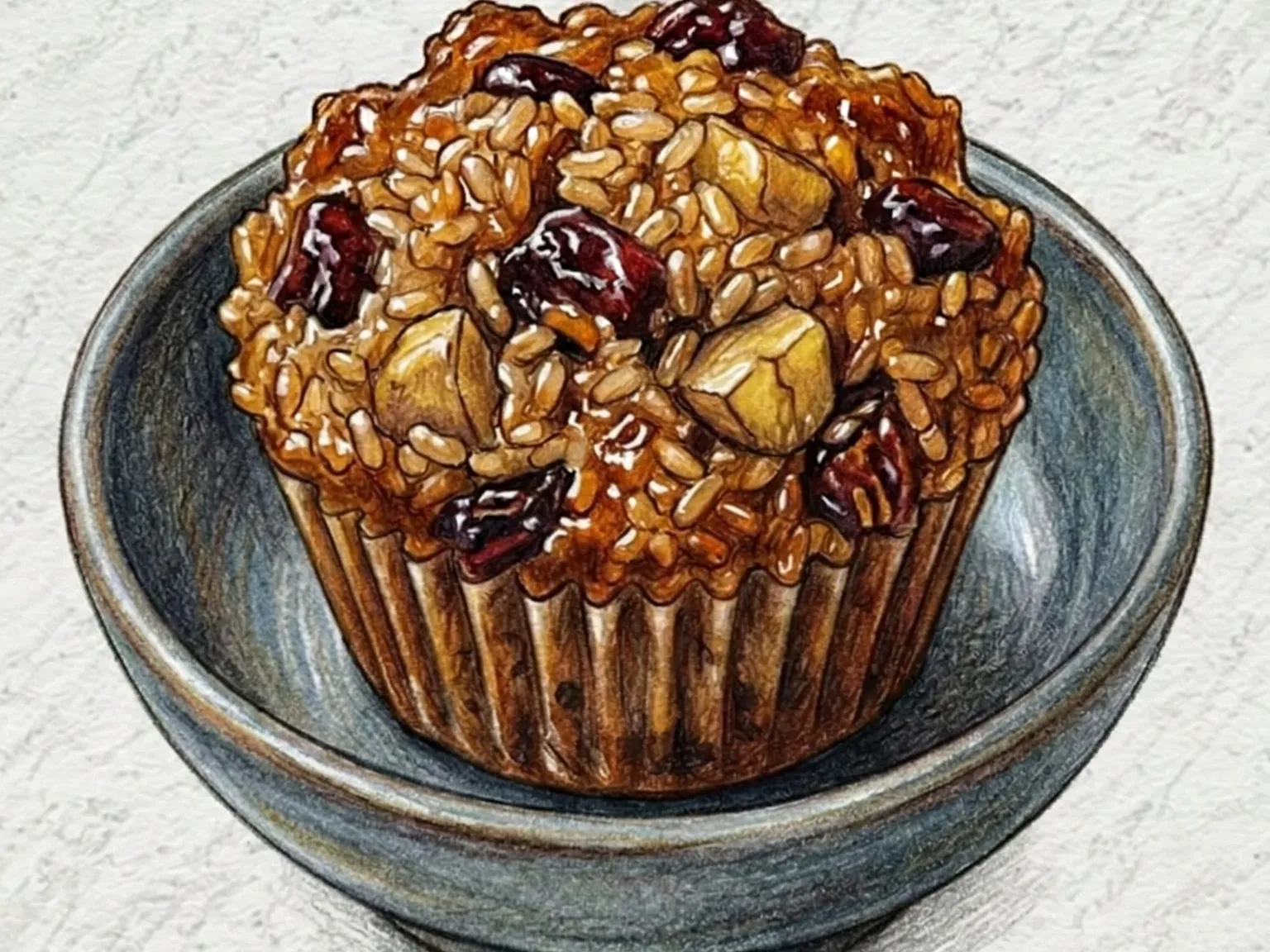
Sweet Rice Honey Muffins
Yakbap muffins bake soaked glutinous rice that has been marinated for 20 minutes in a seasoning of soy sauce, dark brown sugar, honey, and sesame oil, then portioned into muffin cups with sliced jujubes and diced chestnuts before going into a 180-degree oven. The soy sauce provides a savory depth that folds into the brown sugar and honey to produce the dark, caramel-like sweetness that distinguishes traditional yakbap, while sesame oil amplifies the grain aroma throughout. Jujubes are sliced thin so their juices seep between the rice grains during baking, and the chestnut cubes provide a starchy, crumbly resistance against the sticky glutinous rice. Pine nuts placed on top release their oils as they roast, filling the oven with a nutty fragrance that deepens as the muffins brown. A 10-minute rest after removing them from the oven allows the residual heat to distribute evenly, so the glutinous rice firms into a clean shape that separates easily from the mold. The recipe reinterprets traditional yakshik as individual servings suited to a modern table.
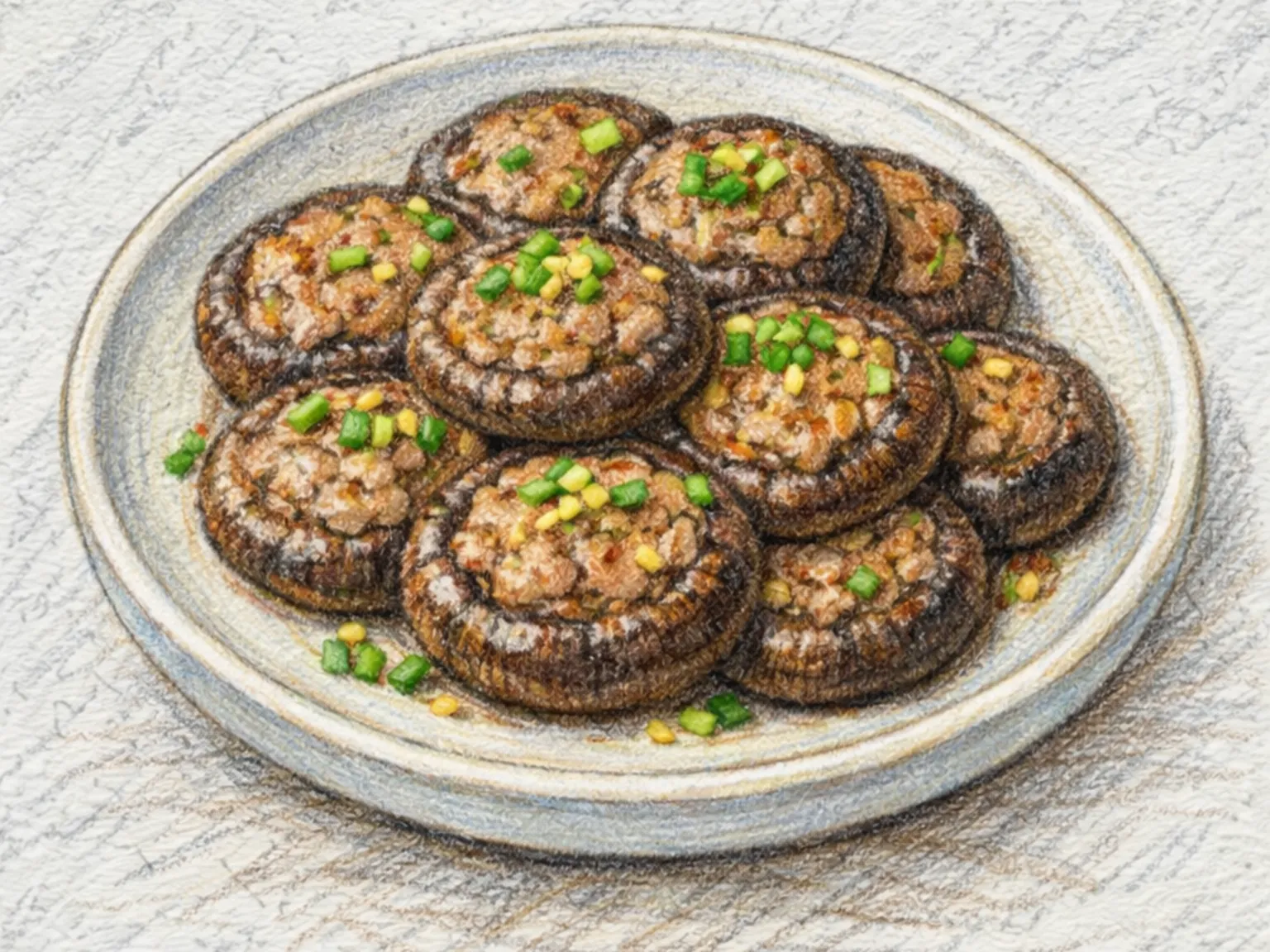
Korean Stuffed Shiitake Jeon
Pyogo-jeon is a Korean holiday dish of fresh shiitake mushroom caps stuffed with seasoned ground pork, coated in flour and egg batter, and pan-fried until golden. After removing the stems, the inner surface of each cap is dusted with flour-this thin starch layer acts as glue that prevents the meat filling from separating during cooking. Placing the meat side down first allows the filling to set from the heat before flipping, so the stuffed mushroom holds its shape throughout. Three to four minutes per side over medium heat is enough to turn the egg coating golden-brown while cooking the pork through completely. The shiitake's deep, earthy umami merges with the pork juices inside the sealed egg shell, delivering a concentrated savory bite.
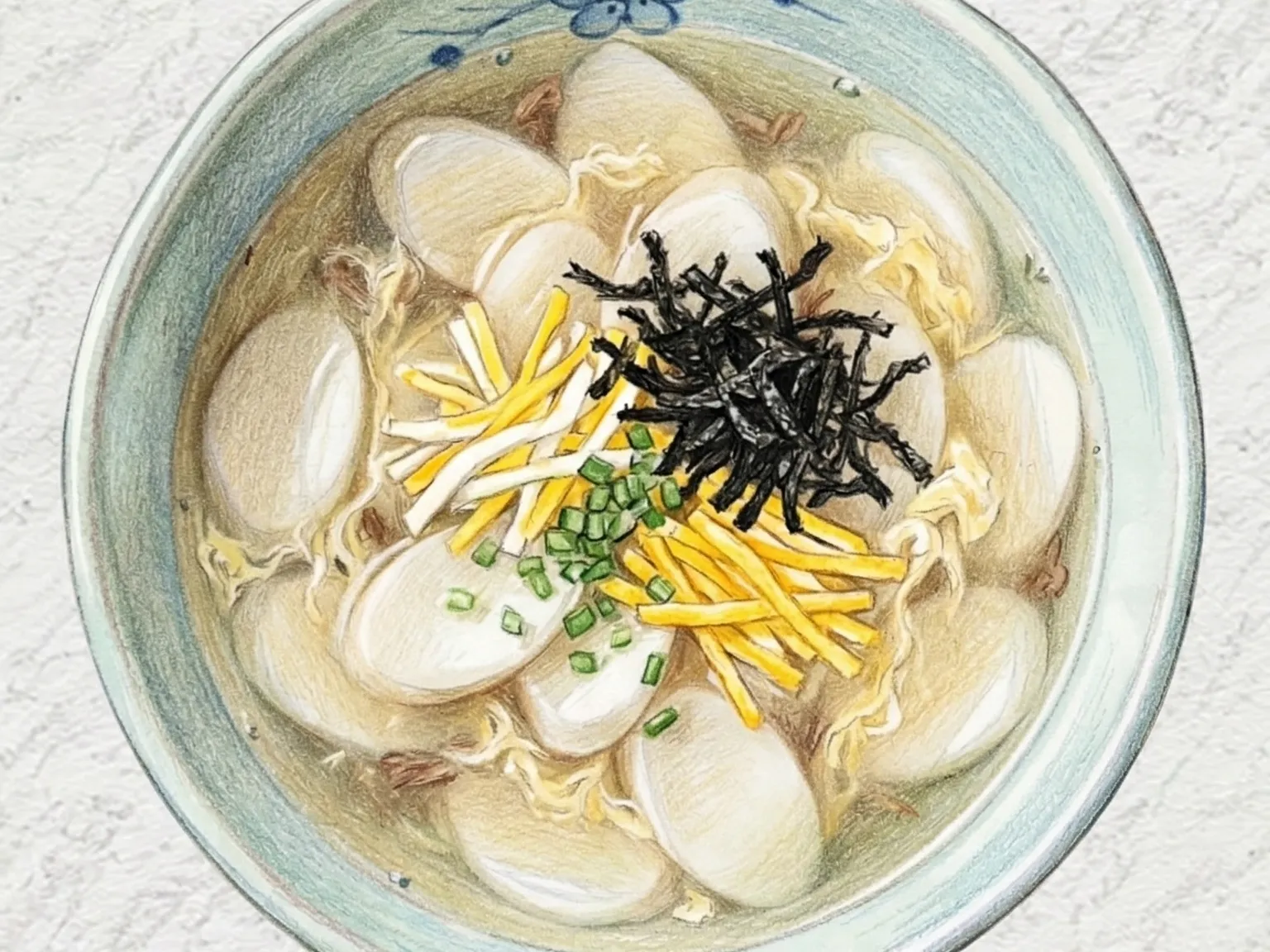
Korean Rice Cake Soup (New Year Sliced Rice Cake Beef Broth)
Tteokguk is the soup that marks the Korean New Year - eating a bowl is said to add one year to your age, and no Lunar New Year table is complete without it. Thinly sliced oval rice cakes made from garaetteok, a long cylindrical rice cake, are dropped into a clear beef broth that has been carefully skimmed of fat until it gleams. In the hot liquid, the rice cake surfaces soften just enough to release a faint starch that gives the broth the barest hint of body, while the interiors hold a dense, satisfying chew. The broth itself is kept deliberately simple - brisket simmered low and slow, seasoned only with soup soy sauce and salt - so that the rice cakes and their subtle sweetness remain the focus. Beaten egg swirled into the boiling soup forms wispy threads that add a delicate texture, and strips of egg garnish, crushed seaweed, and sometimes sliced scallion complete the bowl. Despite its apparent simplicity, tteokguk carries deep cultural weight: the white color of the rice cakes symbolizes purity and a fresh start, and the round shape of the slices represents coins and wishes for prosperity.
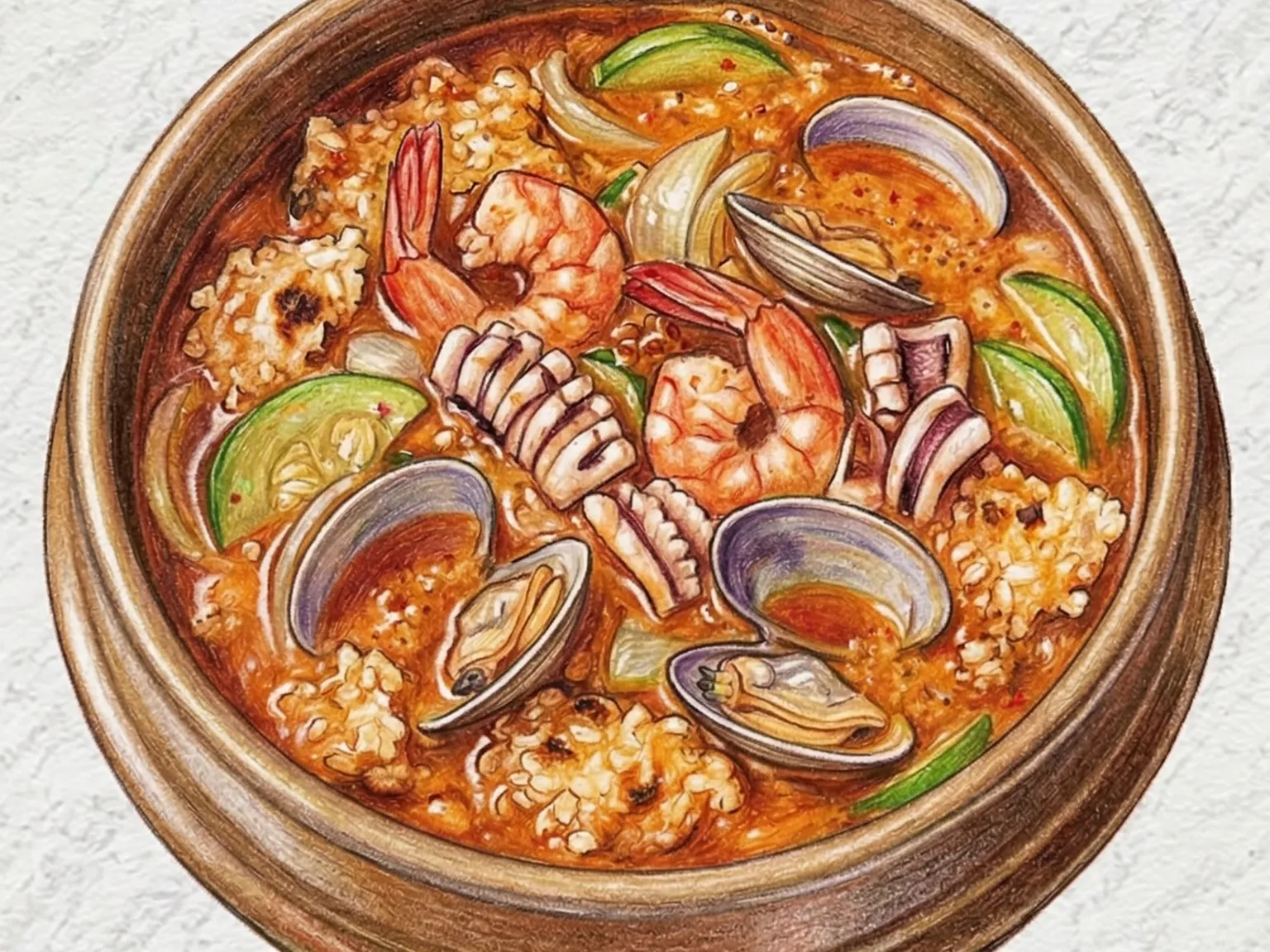
Korean Scorched Rice Seafood Stew
Nurungji haemul jjigae is a seafood stew built around scorched rice, anchovy-kelp stock, squid, shrimp, and clams. The nurungji starts out as a hard, dried slab and enters the broth intact. As the stew heats and the seafood begins to release its juices, the scorched rice gradually softens and expands, thickening the broth and contributing a toasty, nutty quality that plain rice or noodles cannot replicate. Squid holds its springy texture best when not overcooked, so it goes in later. Shrimp turns opaque and firm in a matter of minutes. Clams are added while still closed and are done when the shells open and the meat loosens from its hinge. The combined liquid from all three seafood forms a broth that is briny, sweet, and clean in the way that multiple shellfish together often produce. Zucchini and onion add mild sweetness and soften the overall character of the stew. Gochugaru brings moderate heat and the red color typical of many Korean jjigae. The stew reaches its best texture when the nurungji has fully softened at the edges but still retains some chew at the center. At that point the broth is thick and the flavors are fully integrated. Served in a single bowl with the nurungji, seafood, and vegetables together, it functions as a complete meal without needing additional rice.
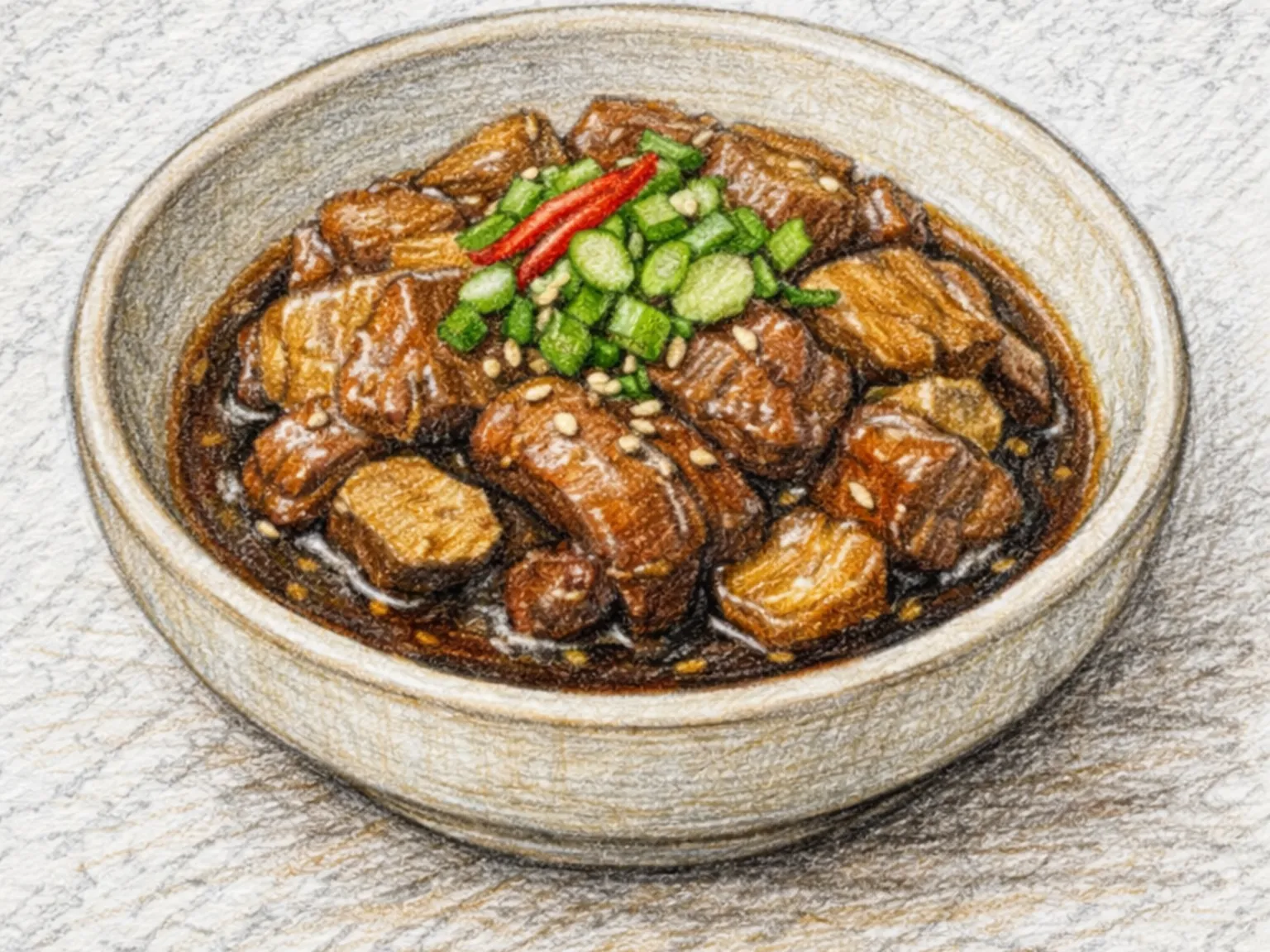
Korean Braised Beef Knee Cartilage
Dogani-jjim is beef knee cartilage slow-braised with soy sauce, cooking wine, garlic, and ginger until the connective tissue turns completely tender and gelatinous. Hours of gentle simmering dissolve the collagen in the cartilage and tendons so each piece becomes jiggly and yielding, while the braising liquid reduces into a broth so rich it firms up like aspic when cooled. Onion and green onion mellow any off-flavors and add a quiet sweetness, and ginger keeps the finish clean. Before cooking, soaking the dogani in cold water for at least one hour to draw out the blood removes much of the gamey smell, and skimming the foam during the first stage of simmering is equally important. Long regarded in Korean traditional medicine and food culture as beneficial for joint health, this braised dish has been prepared since the Joseon period and remains especially popular in winter and among older generations.
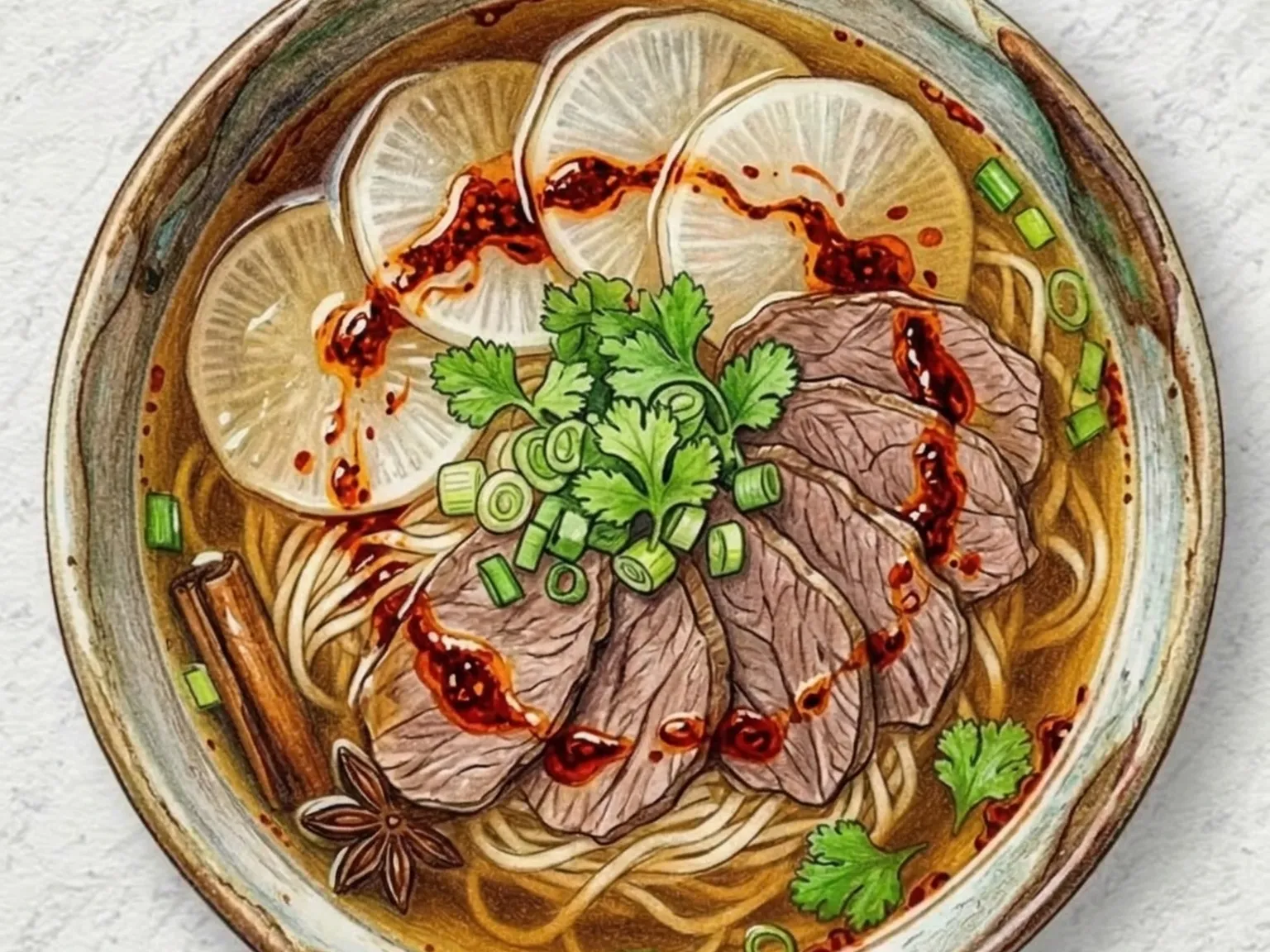
Lanzhou Beef Noodles (Clear Spiced Beef Shank Soup Noodles)
Lanzhou beef noodles are a clear-broth noodle soup originating from Lanzhou in China's Gansu province. Beef shank is soaked in cold water for thirty minutes to draw out blood, blanched, then simmered for two hours with star anise, a cinnamon stick, ginger, and garlic. Diligent skimming during the early stages of simmering is what keeps the broth transparent despite its long cooking time. Daikon radish is added to the strained broth and simmered until translucent, and the seasoning is kept to soy sauce and salt. The cooked beef is sliced thin and arranged over noodles in the bowl, with green onion, cilantro, and a drizzle of chili oil on top. Traditional versions use hand-pulled noodles stretched to order, but store-bought Chinese wheat noodles work as a practical substitute at home. The long cook time yields a broth that is clear yet deeply savory, which is the defining quality of this noodle.
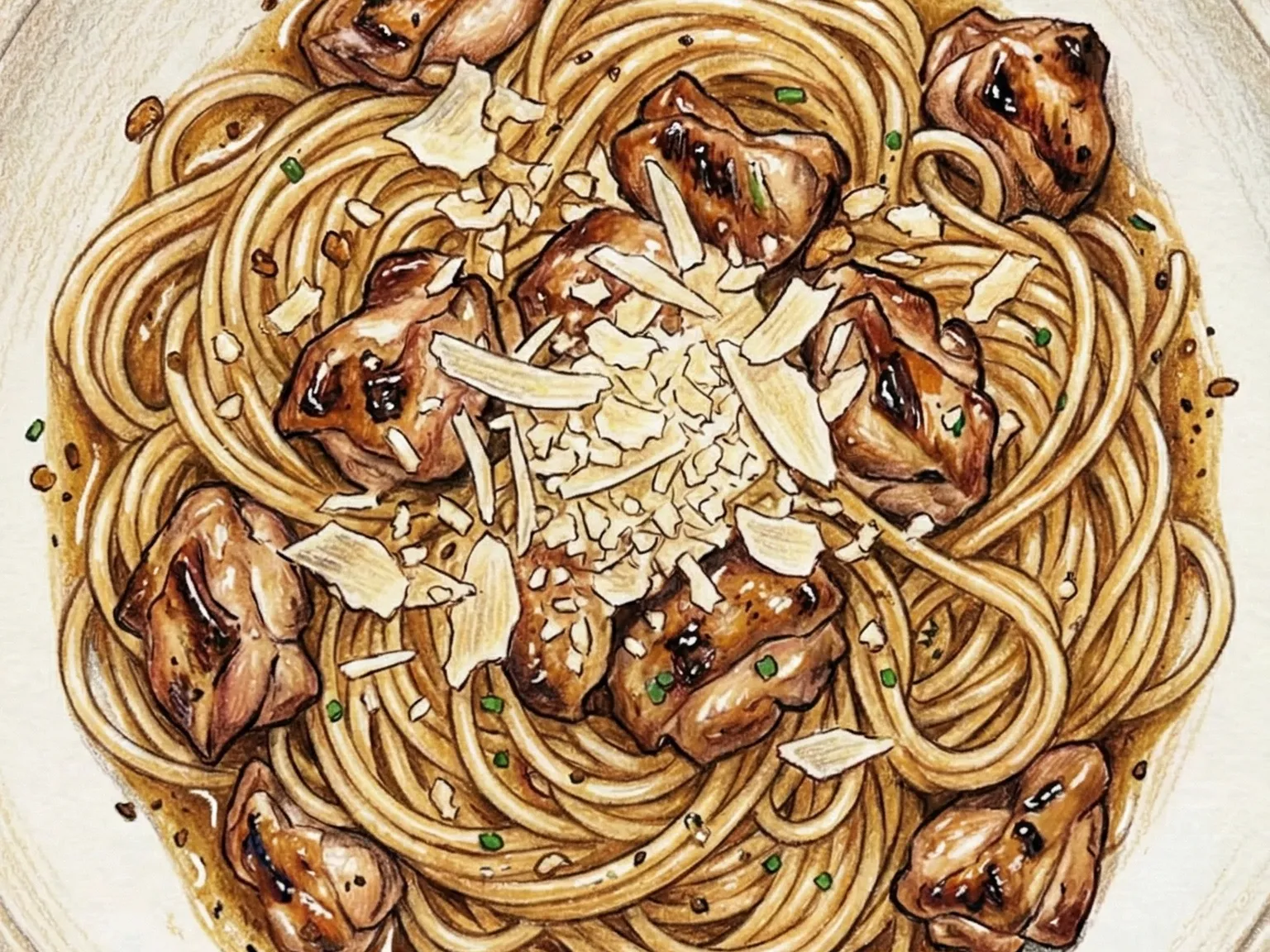
Soy-Garlic Chicken Parmesan Spaghetti
Soy garlic chicken Parmesan spaghetti represents a fusion of culinary traditions, integrating a marinade rooted in Korean flavors with the structural framework of a classic Italian pasta dish. For the protein component, chicken thigh pieces undergo a marination process involving a mixture of soy sauce, finely minced garlic, and honey. During the subsequent cooking phase, these ingredients are pan seared at a high temperature. This heat causes the natural sugars found in both the honey and the soy sauce to undergo caramelization, resulting in the formation of a dark and sticky glaze that coats the exterior of the meat. Garlic serves as a recurring element in the preparation, being used first within the initial marinade and then again when it is sauteed directly into the tomato sauce base. This repetition ensures that a consistent aromatic quality is maintained throughout the various layers of the meal from the start of cooking to the final assembly. The acidity inherent in the tomato sauce introduces a bright fruit character to the profile. This sharpness functions to balance the density of the sweet and salty glaze on the chicken, preventing the richness of the marinade from becoming overwhelming. A generous amount of grated Parmesan cheese is applied over the dish to introduce a nutty and salty depth. This cheese layer acts as a bridge between the Korean seasoning applied to the chicken and the Italian pasta that serves as the foundation of the plate. The choice of chicken thigh is intentional because this specific cut retains its internal moisture even during a hard sear. It remains succulent in a way that chicken breast meat often does not when subjected to similar levels of heat. The final preparation is completed with a garnish of thinly sliced scallions, which provides a clean green finish to the presentation.
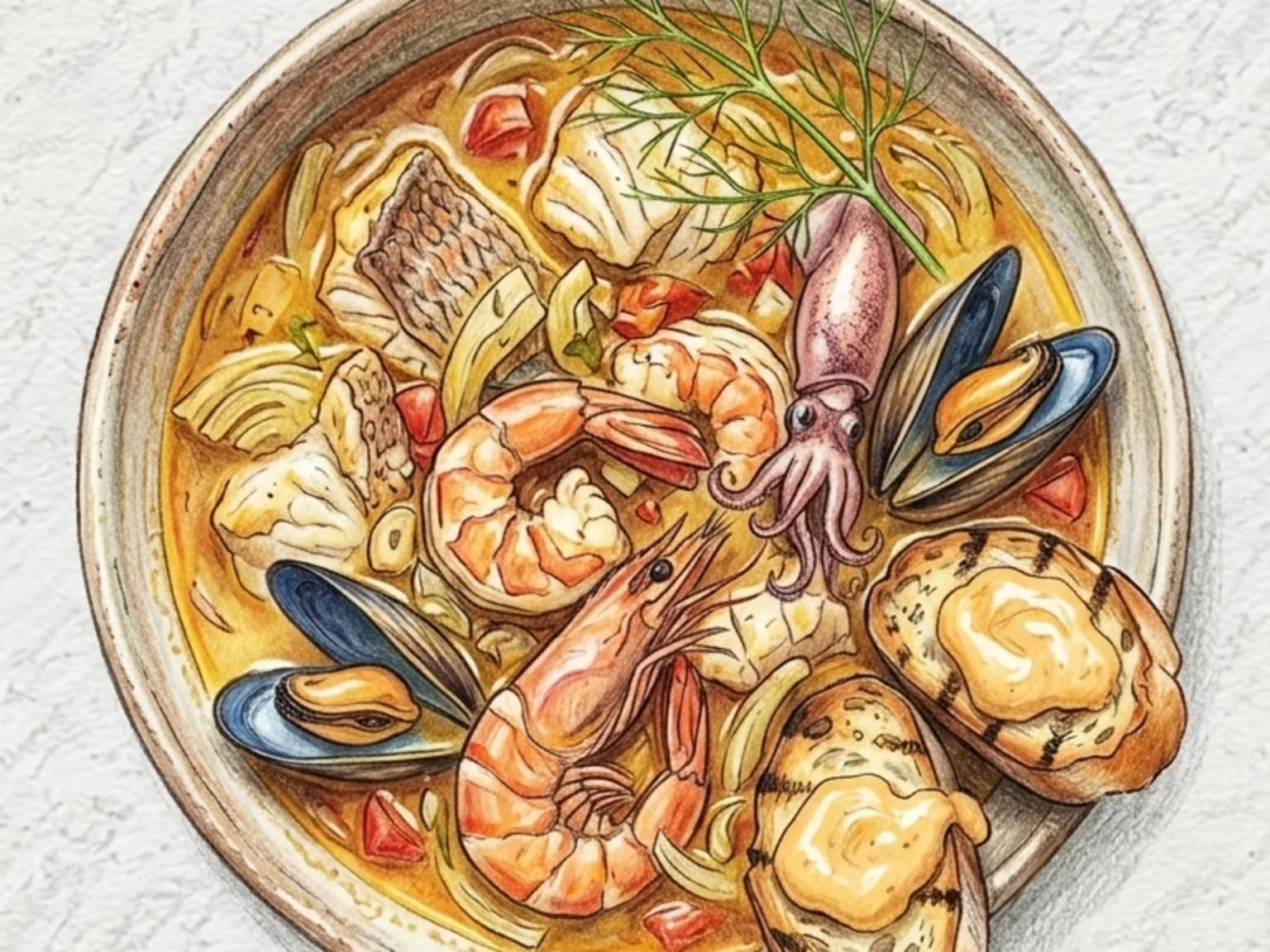
Bouillabaisse (Provencal Saffron Seafood Stew)
Bouillabaisse is a Provencal seafood stew that originated with Marseille fishermen cooking whatever catch remained unsold, distinguished above all by saffron's golden color and subtle floral aroma carried through the broth. Fennel and tomatoes are sauteed in olive oil first to build a fragrant base, then saffron-steeped fish stock is added and brought to a simmer. Firm-fleshed fish such as monkfish or sea bass go in first, with shrimp and mussels added last to protect their texture - overcooked shellfish turns rubbery and loses all elasticity. The broth builds complexity from the successive contributions of each seafood type, with every variety releasing its own distinct character of ocean flavor into the pot. Prolonged simmering concentrates the broth intensely, so once the fish is added, maintaining high heat and finishing quickly is the key to a broth that is rich but still clear and clean. Traditionally, grilled baguette spread with garlicky rouille is dipped into the broth alongside the seafood.
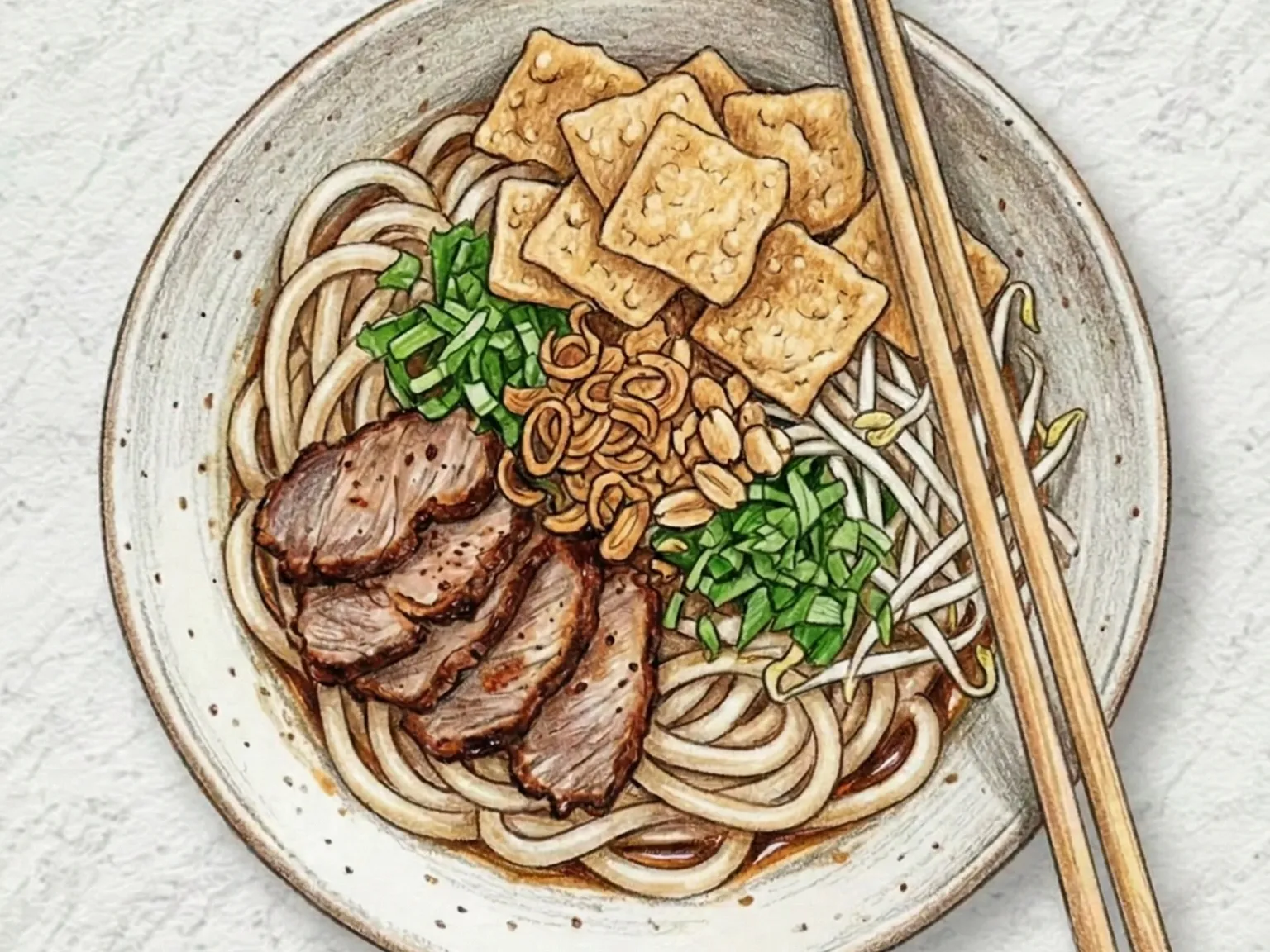
Cao Lau (Hoi An Chewy Rice Noodles with Braised Pork)
Cao lau is a dish with a single origin: Hoi An, a UNESCO-designated port town on Vietnam's central coast. Its defining characteristic is the noodle, which was traditionally prepared using water drawn from a specific ancient Cham well and lye derived from the ash of trees grown on the nearby Cham Islands. The combination of that mineral-rich water and alkaline lye gives the noodles a firm, dense chew and a distinctive amber color that no other Vietnamese noodle shares. Sliced pork braised in soy sauce, five-spice, and sugar until the exterior deepens and caramelizes is the main protein, placed on top of the noodles along with a handful of fresh herbs, crunchy bean sprouts, and torn pieces of fried wonton skin that have been crisped separately. Only a small amount of the pork braising liquid is spooned over the bowl - cao lau is a dry noodle dish, not a soup, and the absence of broth is essential to how the textures work together, each component staying distinct rather than softening in liquid. The flavors encoded in the dish are a record of the trading cultures that moved through Hoi An over several centuries: the soy-based braising sauce reflects Japanese culinary influence, the five-spice points to Chinese cooking traditions, and the abundant fresh herb garnish is unmistakably Vietnamese. The result is a dish whose full identity cannot be separated from its place of origin, making it one of the most geographically specific preparations in Southeast Asian cuisine.
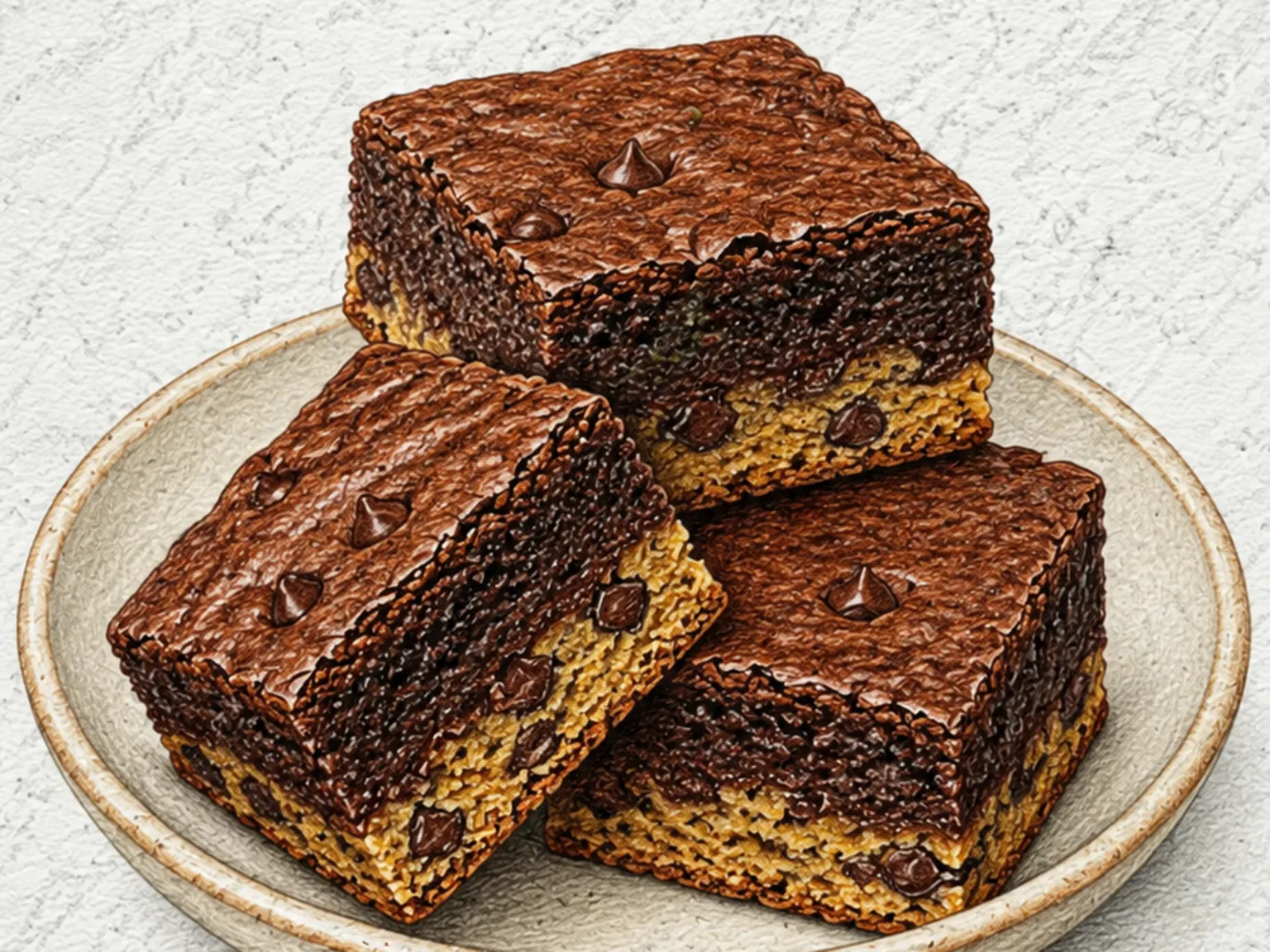
Brownie Cookie Bars (Layered Brownie and Cookie Bar)
Brookie bars combine brownie batter and cookie dough in a single baking pan, stacking the two components so that each cut piece delivers both in one bite. The cookie layer sits at the bottom of the pan and is built on brown sugar and melted butter, which together produce a deep caramel flavor that plain white sugar cannot achieve. At the edges, where the batter is thinnest and heat penetrates fastest, the cookie bakes into a crisp, snapping crust. Toward the center, the same layer stays chewy and slightly underdone, with a pull to the texture that contrasts with the firmer brownie above. The brownie layer uses both cocoa powder and dark chocolate chips, a dual approach that delivers two distinct expressions of chocolate flavor. Cocoa powder spreads its bitter intensity throughout the entire layer, while the chips melt into pockets of concentrated richness that survive as soft inclusions in the finished bar. Where the two layers press against each other during baking, a narrow transition zone forms in which cookie and brownie are partially merged. This interstitial region carries the vanilla-butter warmth of the cookie alongside the bitter darkness of the brownie simultaneously. The bars must cool completely before cutting. Removing them from the pan too soon results in crumbling and smearing that destroys the clean cross-section that makes brookie bars visually satisfying.
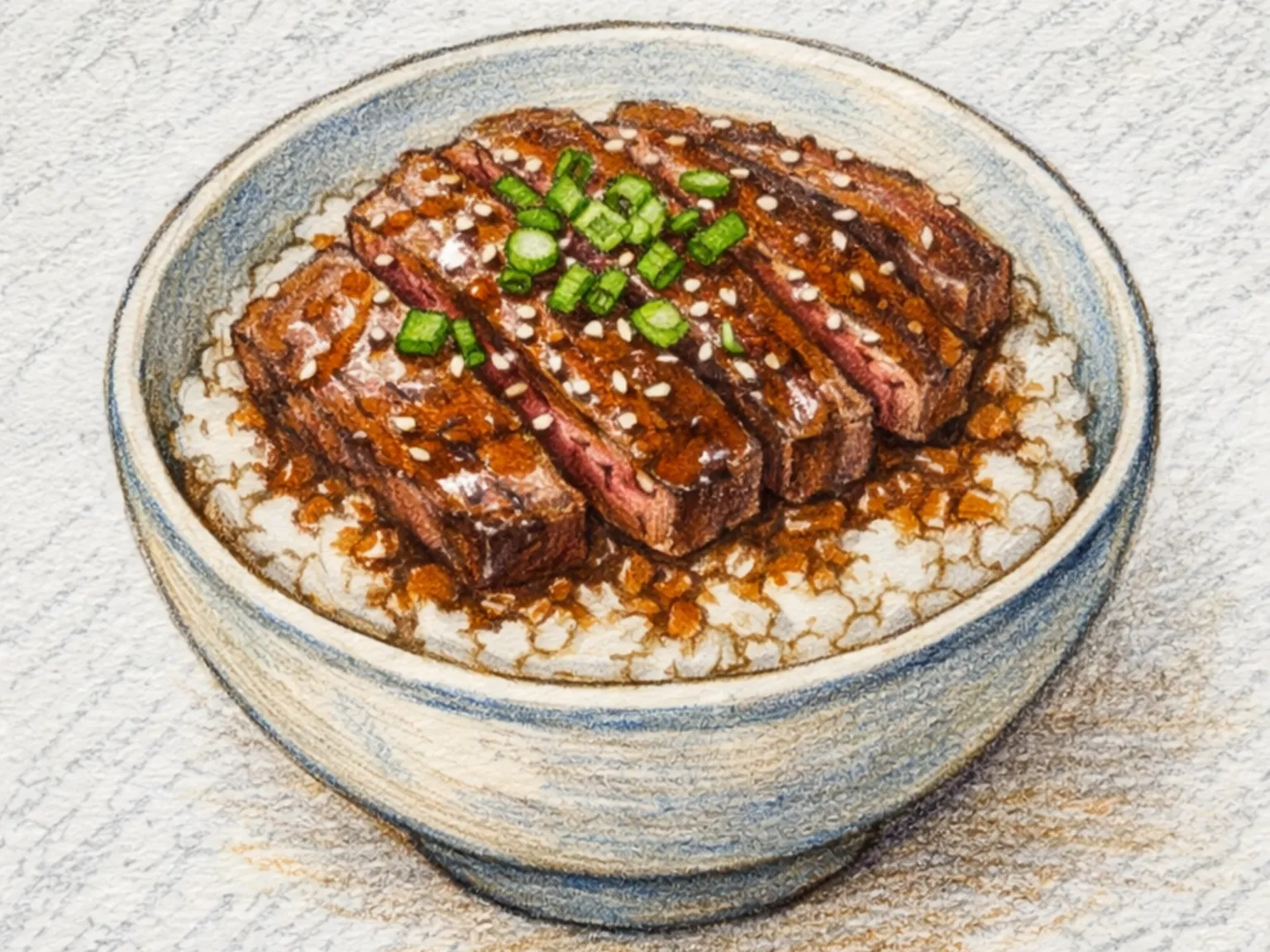
Steak Rice Bowl (Seared Beef with Soy-Garlic Glaze over Rice)
A thick-cut beef steak is seared at high heat until a deep brown crust forms, then sliced and fanned over a bowl of hot rice. A glaze of soy sauce, garlic, and mirin is spooned over the slices, coating them in a glossy, caramelized finish. As the warm rice absorbs the pan juices, each spoonful carries the full weight of the beef's seared flavor. A runny fried egg or a small dab of wasabi on the side balances the richness with creaminess or heat. Controlling resting time and grain texture helps the ingredients cook evenly while keeping the final seasoning balanced.
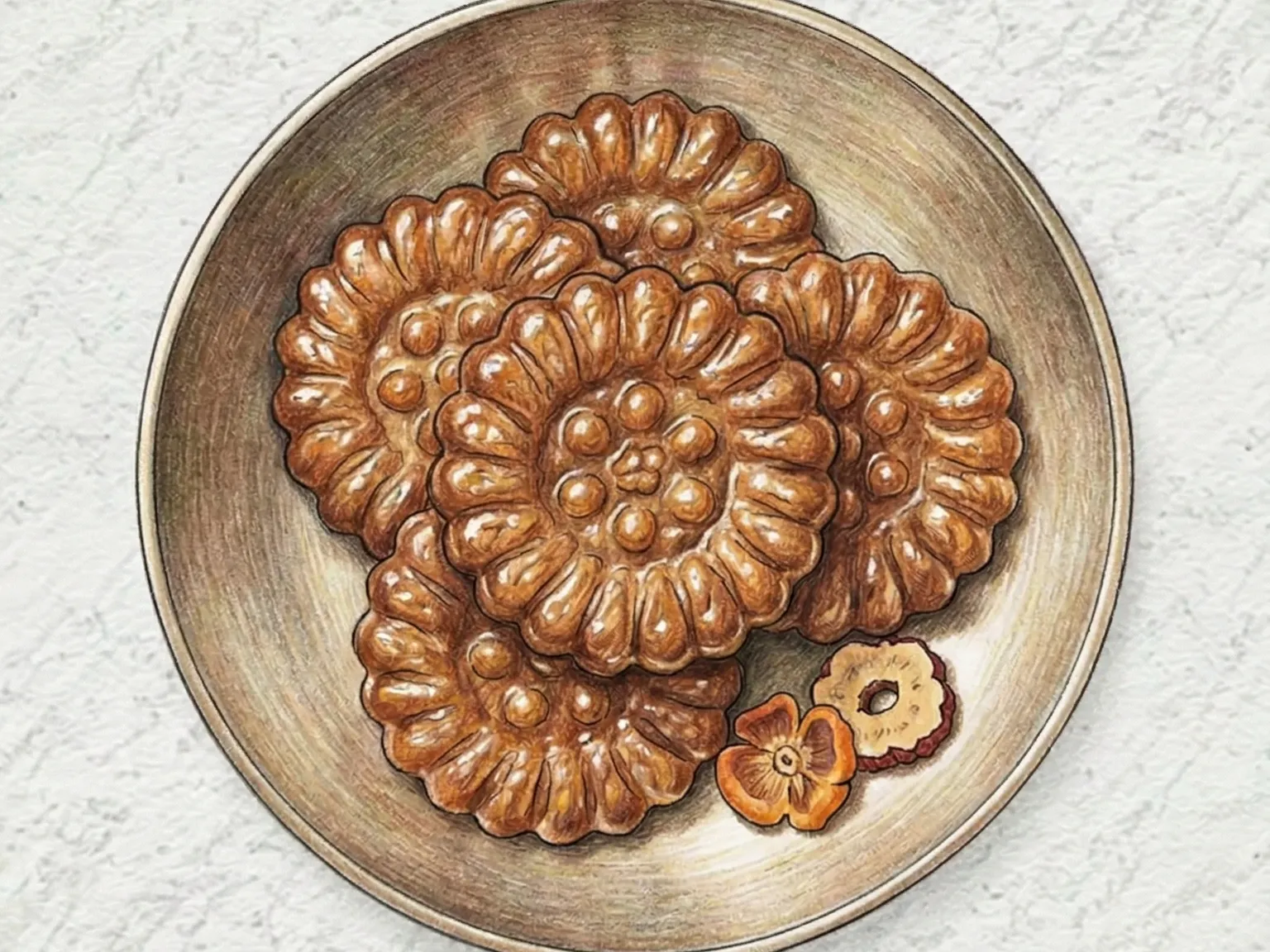
Honey Ginger Pastry (Korean Deep-Fried Layered Wheat Honey Cookie)
Yakgwa is a traditional Korean honey pastry made from wheat flour rubbed with sesame oil, then mixed with rice wine, ginger juice, and rice syrup, folded and rolled repeatedly to build up laminated layers before frying. A two-stage frying method is essential to the texture: first at 140 degrees Celsius to cook the dough through slowly without coloring, then briefly at 170 degrees to develop a golden, crisp exterior over a layered, flaking interior. Soaking the fried pastries in a warm syrup of honey, water, and ground cinnamon for at least two hours allows the sweetness to penetrate deep between the laminated layers, saturating each piece with moist, fragrant honey flavor from edge to center. Ginger juice surfaces gently in the finish, providing just enough warmth to temper the concentrated sweetness and keep the flavor from feeling cloying. The sesame oil rubbed into the dough from the start adds a persistent nutty backbone that ties together the honey, spice, and wheat flavors into the complex, layered profile that defines well-made yakgwa. Pine nuts or jujubes placed as garnish add visual elegance, and the pastry pairs particularly well with Korean teas, where its sweetness finds proper balance.
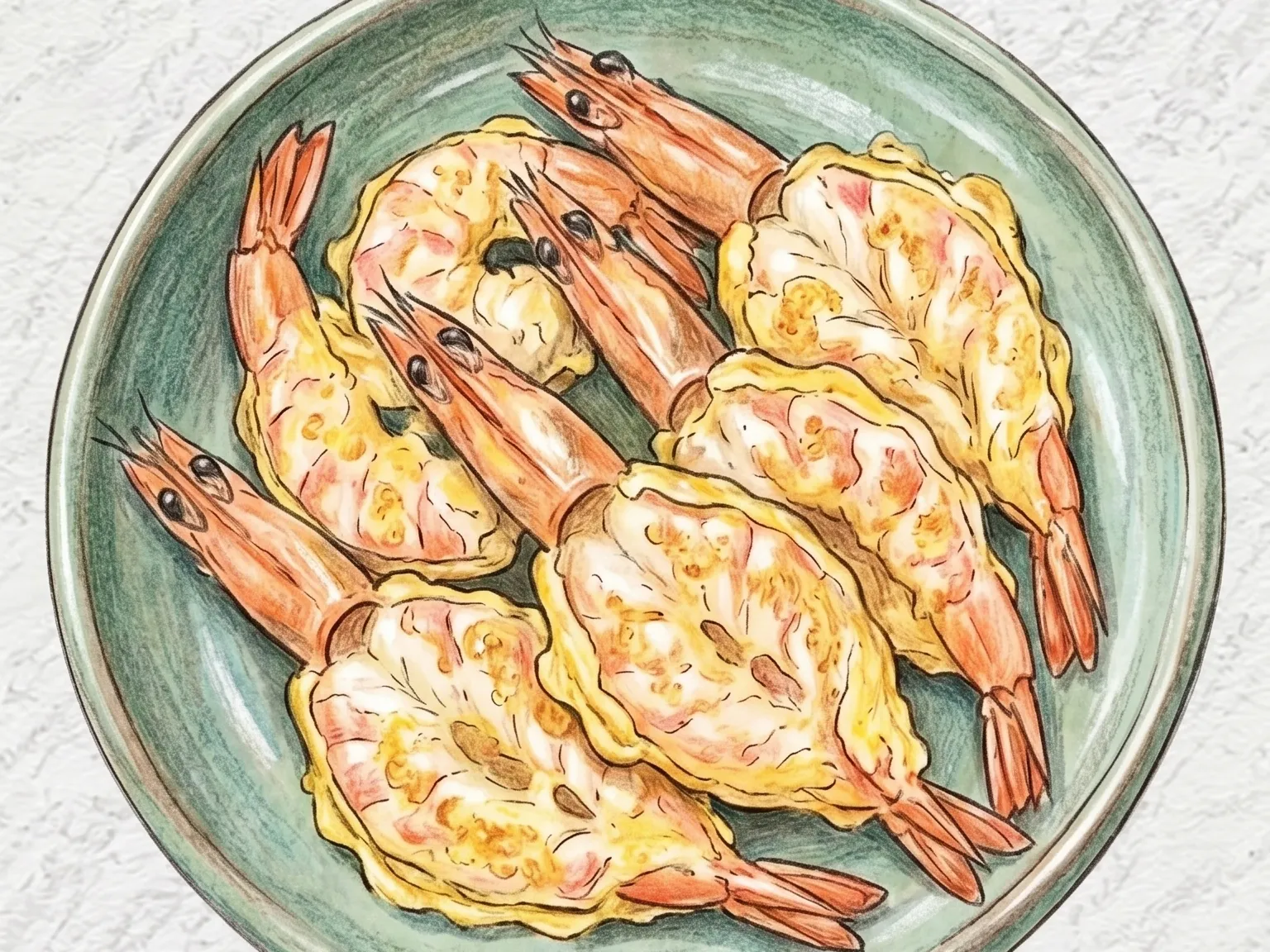
Korean Shrimp Jeon (Egg-Battered Pan-Fried Shrimp Pancake)
Saeu-jeon is a Korean shrimp pancake where peeled, deveined medium shrimp are butterflied, seasoned with salt and pepper, dredged in flour, dipped in beaten egg, and pan-fried for one to two minutes per side over medium heat. Butterflying flattens each shrimp so heat transfers evenly across the surface, and the flour layer between the shrimp and egg acts as adhesive that keeps the coating from sliding off. Shaking excess flour through a sieve before dipping ensures an even egg coat and uniform thickness across every piece, and medium heat is essential-too high and the egg scorches while the shrimp inside stays undercooked. The shrimp should be removed the moment the flesh turns pink; any additional time on the heat contracts the protein and turns the texture tough.
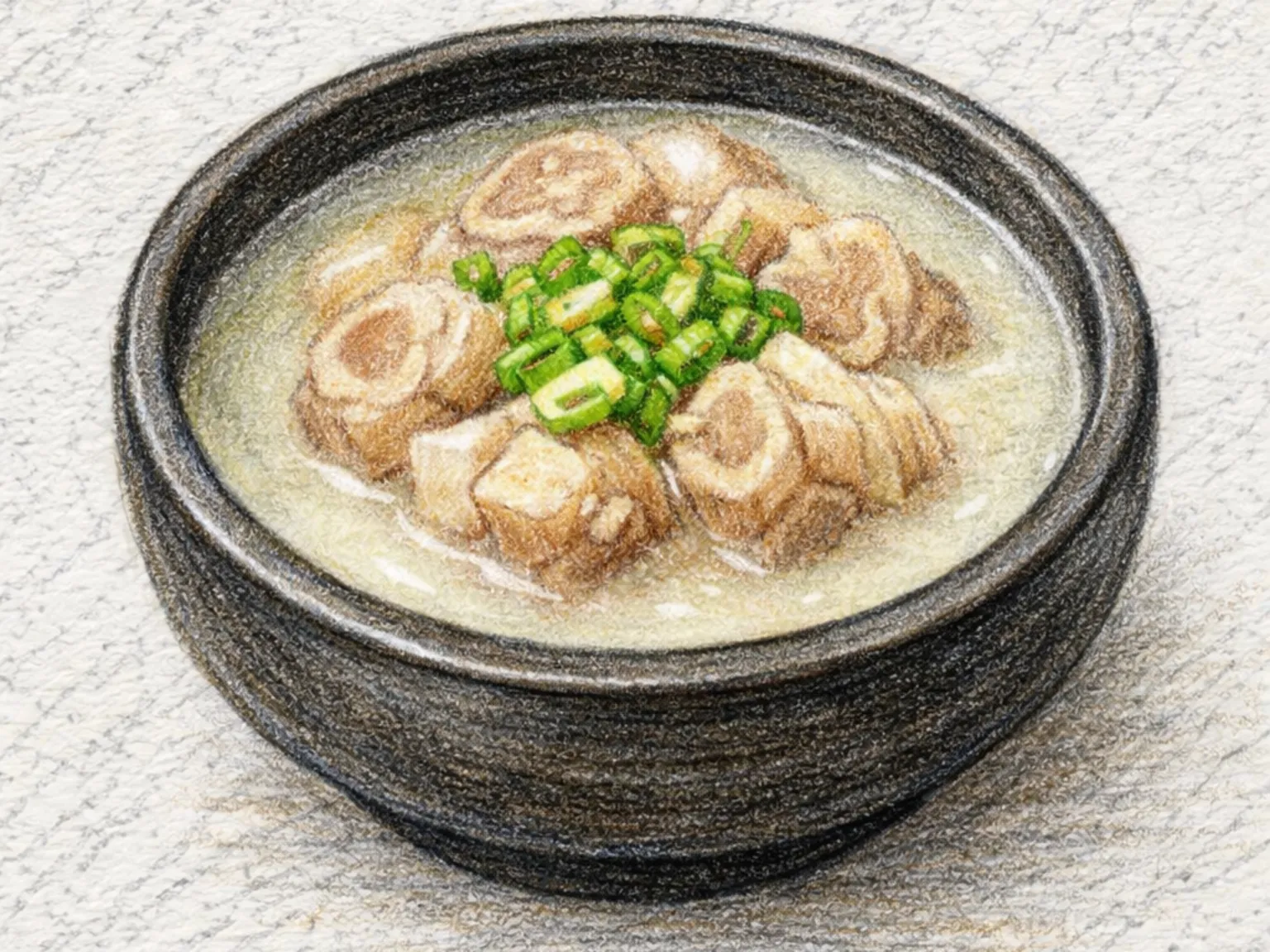
Korean Beef Trotter Soup (Silky Collagen-Rich Slow-Cooked Broth)
Ujok-tang is a slow-cooked Korean soup made from beef trotters, prized for the extraordinary amount of collagen packed into the bones, tendons, and skin of the cut. The trotters are first soaked for hours in cold water to purge blood and any off-flavors, then placed in a deep pot and simmered at a gentle roll for four to six hours. During that time, the collagen gradually dissolves into the cooking liquid, transforming it from plain water into a milky, opaque broth with a viscous body that coats the spoon and sets firm when chilled. Regular skimming of fat and foam throughout the process ensures the final broth tastes clean rather than greasy. The trotter meat itself falls into two distinct textures: the skin and tendons turn gelatinous and springy, offering a bouncy chew, while the small pockets of muscle between the bones are meltingly soft. Traditional seasoning is limited to coarse salt and freshly ground pepper, allowing the broth's natural richness to speak. A dab of hot mustard or a spoonful of salted shrimp paste on the side provides a sharp contrast that keeps each mouthful interesting. Ujok-tang has long been regarded as a restorative food, particularly valued for its supposed benefits to joints and skin.
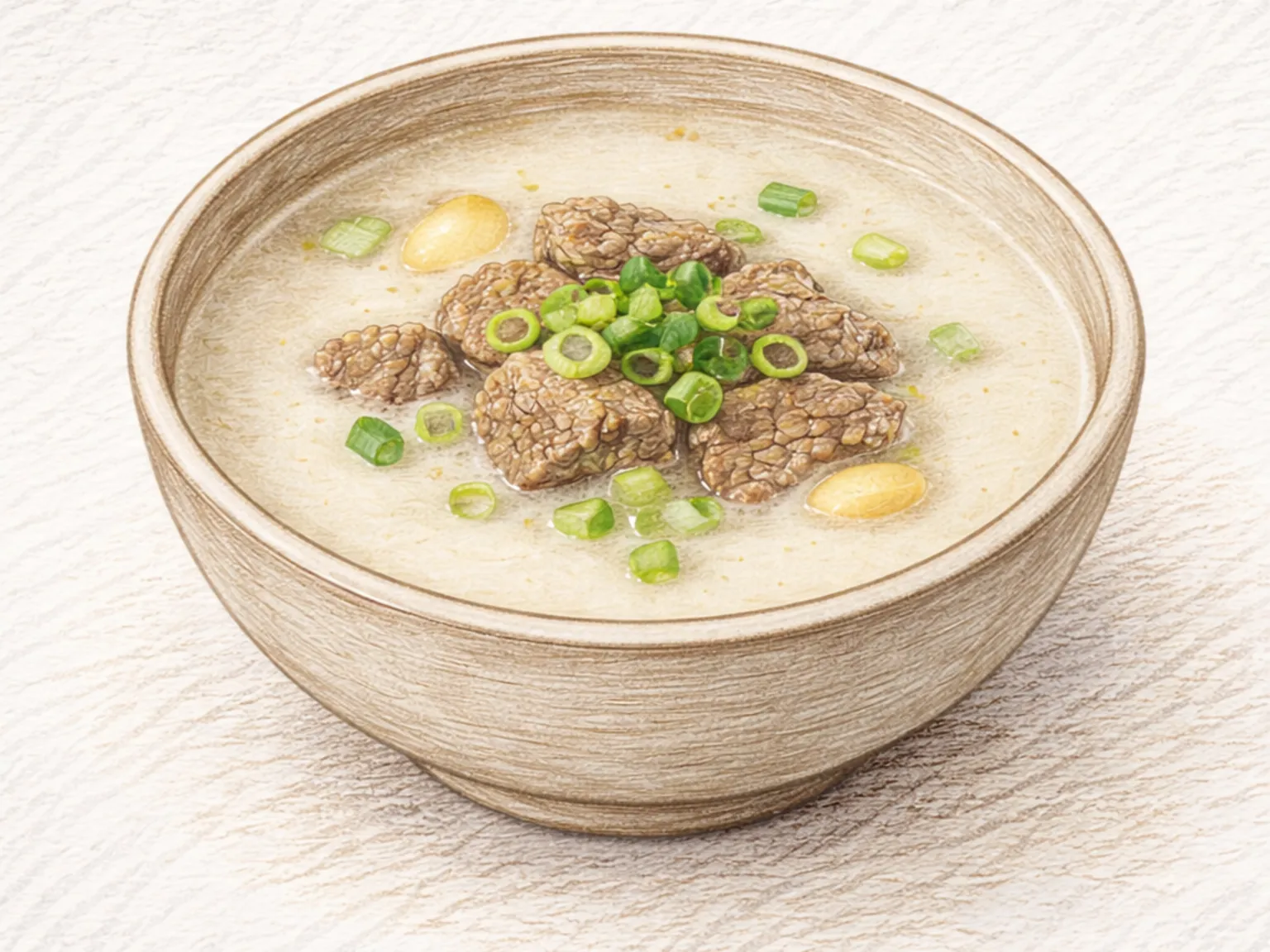
Korean Ox Bone Broth (Milky Collagen-Rich Marrow Soup)
Sagol-guk is a Korean bone broth soup made by simmering beef marrow bones for six hours or longer until the dissolved collagen and marrow turn the liquid a dense, opaque white that looks closer to milk than water. The seasoning is intentionally minimal, limited to green onion, garlic, and salt, because the entire point of the dish is the bone itself and what slow heat extracts from it over time. Before the long simmer begins, the bones are soaked in cold water to draw out the blood and then briefly blanched to remove any remaining impurities that would cloud or bitter the broth. The same bones can be reboiled three or four times, with each successive batch yielding a progressively lighter and cleaner-tasting liquid. The soup is served piping hot alongside rice, with salt and white pepper passed at the table so each person can season according to preference. Alongside seolleongtang and gomtang, sagol-guk forms one of the three pillars of Korea's long bone broth tradition, and its restorative reputation makes it a natural choice on cold days or when the body needs warmth and something uncomplicated.
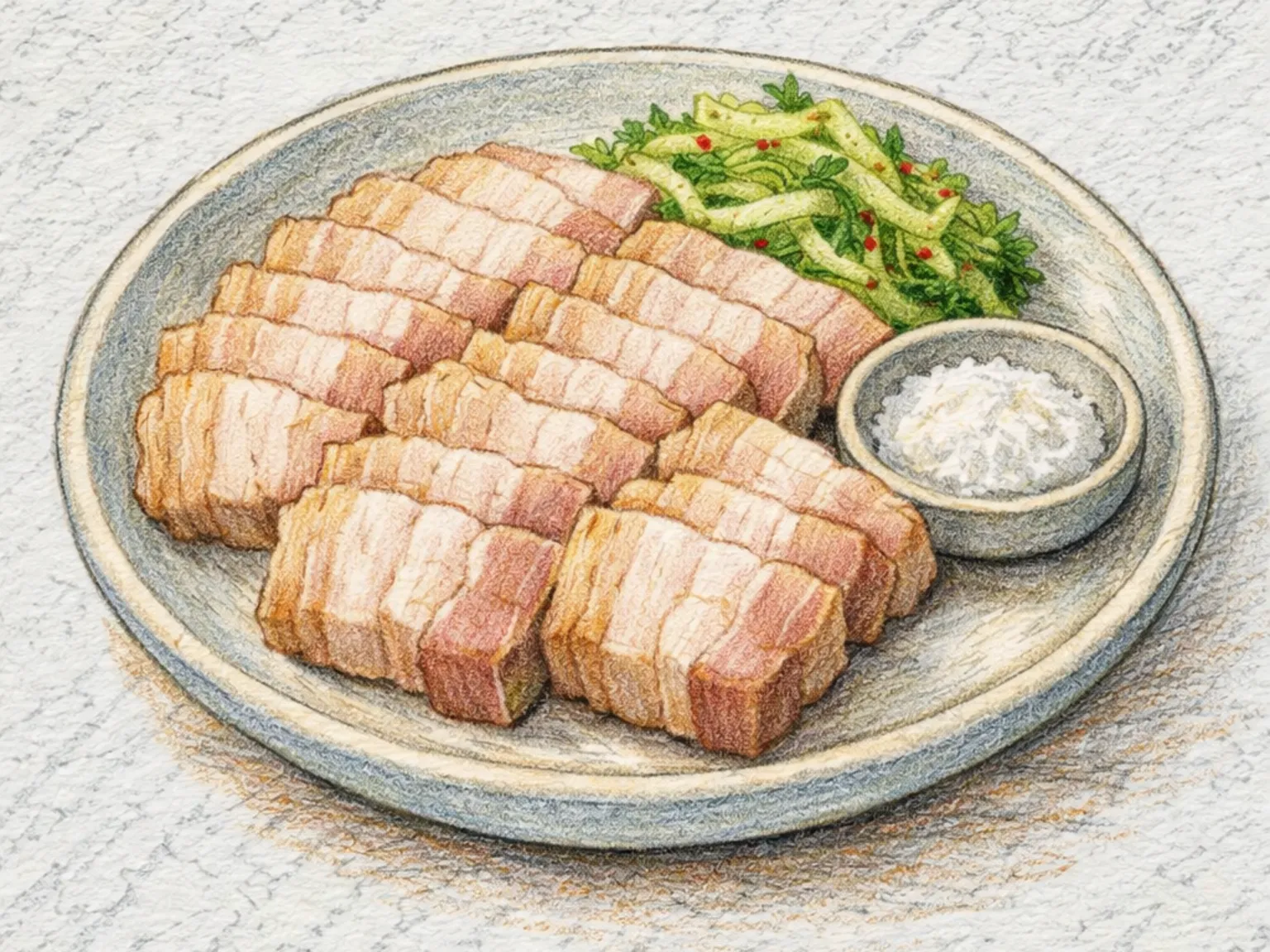
Korean Jeju Style Pork Suyuk
Dombae-suyuk is a Jeju-style boiled pork dish made by simmering skin-on pork belly low and slow with doenjang, green onion, garlic, and ginger. The doenjang in the cooking water draws out the gamey odor specific to pork, leaving the meat clean and mild. A long, gentle boil renders the skin translucent and gives it a gelatinous, bouncy bite, while the interior fat layers become soft enough to melt against the tongue. Sliced thick and laid out at room temperature, each piece offers a layered contrast between the springy rind, the fatty middle, and the lean inner meat. Salted anchovy sauce or fermented shrimp paste served alongside is the traditional accompaniment -- the briny, fermented condiments cut through the richness and define the eating rhythm. The name comes from dombae, the Jeju word for cutting board, referring to the old practice of serving the meat directly sliced on the board.
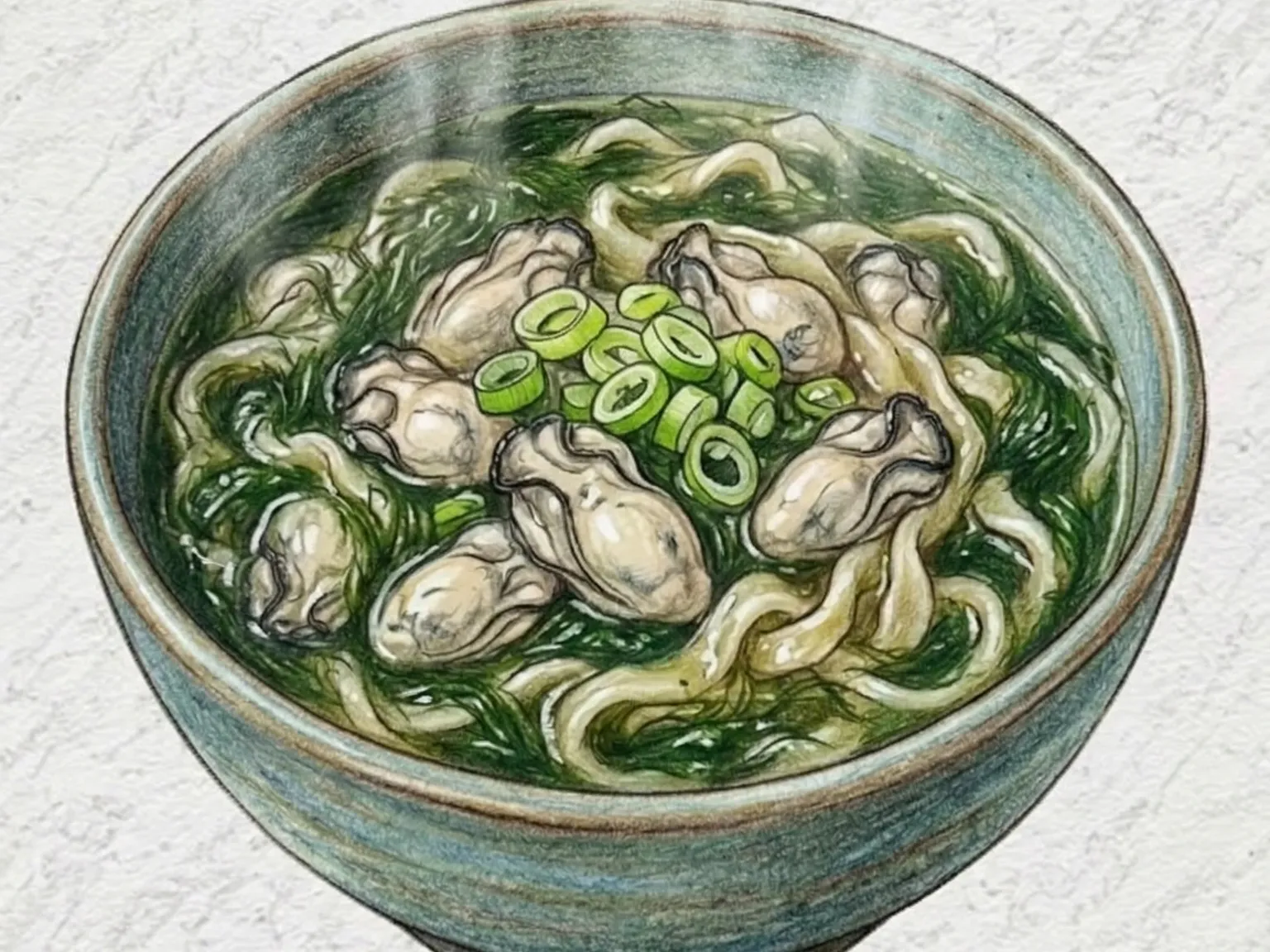
Korean Maesaengi Oyster Kalguksu
Maesaengi oyster kalguksu is a Korean seasonal noodle soup built around maesaengi, a hair-thin dark green seaweed harvested along Korea's southern coast in winter, and freshly shucked oysters. The broth is anchovy-kelp stock seasoned with soup soy sauce, minced garlic, and salt. Timing controls the outcome more than any other variable in this dish. Knife-cut noodles go in first and cook for four to five minutes until nearly done. Oysters follow and need no more than two minutes of heat because the proteins tighten quickly and turn rubbery if pushed further. Maesaengi goes in last, needing under a minute to warm through while keeping its vivid green color and the dense marine aroma that defines the soup. Sliced scallion finishes the bowl. Both maesaengi and oysters are at their fullest flavor between December and February, and making this dish outside that window noticeably diminishes the broth.
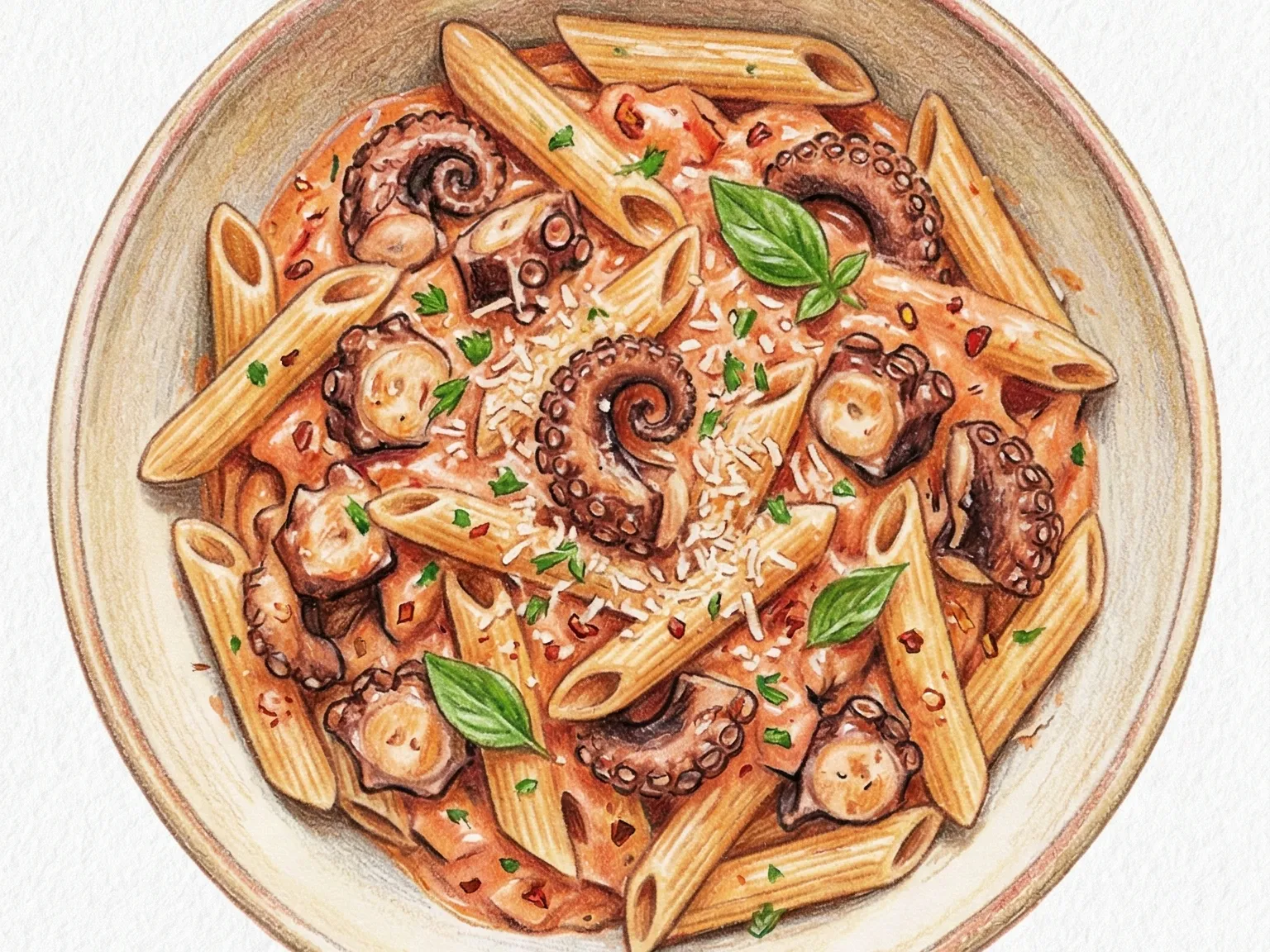
Spicy Octopus Rose Penne (Octopus Penne in Rose Sauce)
Spicy octopus rose penne starts with pre-cooked octopus that is seared in a very hot, dry pan to burn off surface moisture and trigger a Maillard crust on the skin. This step does more than remove water - it eliminates any residual fishiness and builds a firm outer layer that contrasts with the tender interior when you bite through. The rose sauce is built from tomato passata and heavy cream spiked with Korean gochugaru. The chili flakes are bloomed in oil for no more than 20 seconds, enough to coax out heat and color but not long enough to develop bitterness. Butter is added to the finished sauce to encourage emulsification, keeping the cream and tomato components cohesive and allowing the mixture to coat each piece of pasta evenly rather than pooling at the bottom of the pan. Penne holds this sauce particularly well because its tubular shape captures the thick liquid inside each piece, delivering cream and spice simultaneously with every bite. Fresh basil is stirred in off the heat at the very end, its volatile aromatics intact, providing an herbal lift that cuts the heaviness of the cream base. The natural salinity and sweetness of octopus from the sea add a briny depth that cream-only sauces cannot replicate on their own.