🎉 Special Occasion Recipes
Impressive dishes for guests and special occasions
929 recipes. Page 2 of 39
When guests are coming, the menu needs a little extra care. This tag features impressive dishes suited for entertaining - galbi-jjim, japchae, and bulgogi for a Korean spread, or pasta and steak for a Western-style course.
The key to stress-free hosting is choosing recipes that allow advance preparation. Do the heavy lifting the day before, then finish plating when guests arrive. That way, you can relax and enjoy the meal together.
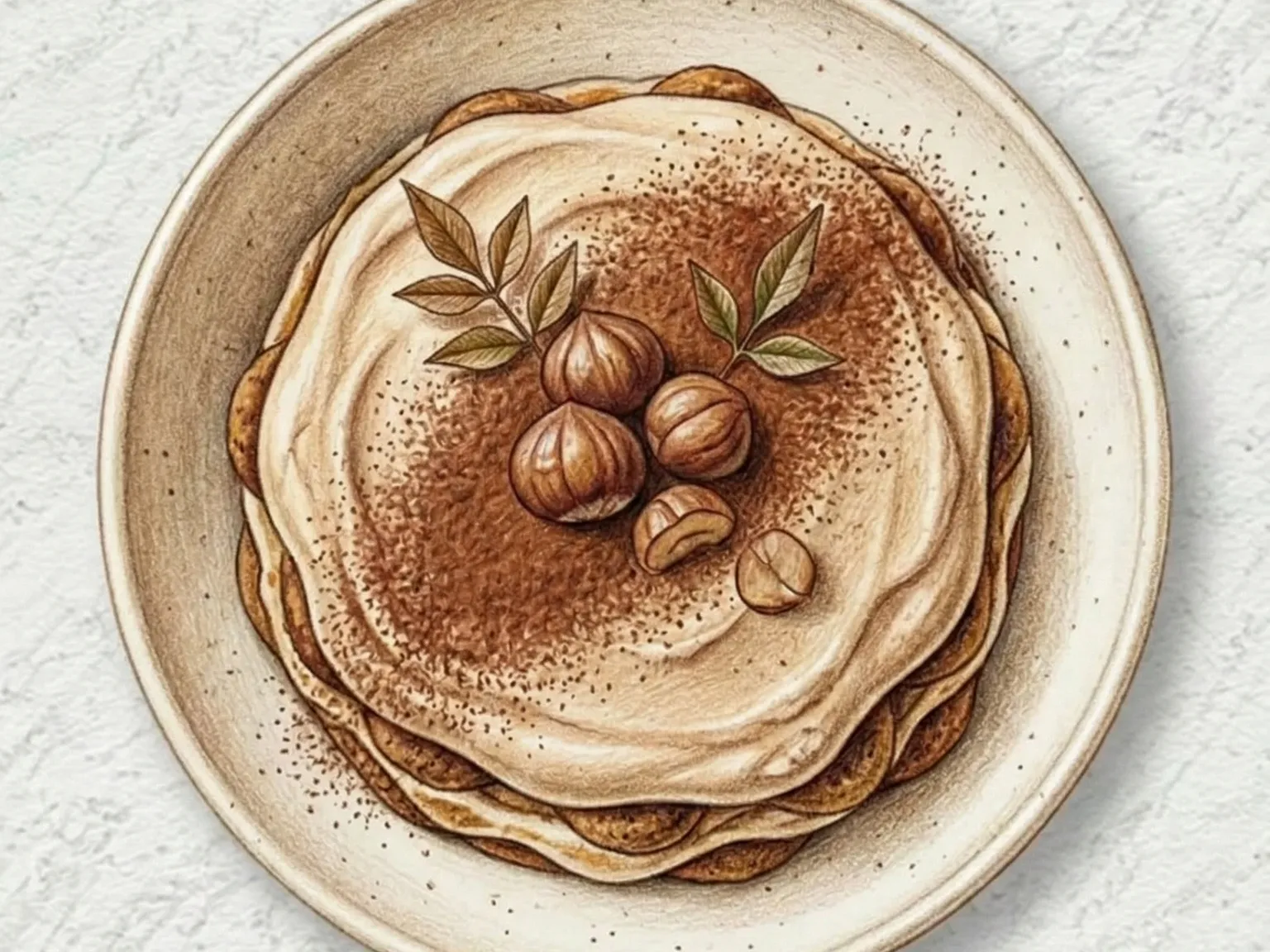
Bam Tiramisu (Chestnut Tiramisu)
Chestnut tiramisu is a variation of the traditional Italian dessert that incorporates chestnut puree into the mascarpone cheese filling. This modification transforms a standard cafe dessert into a preparation specifically associated with the autumn season in Korea. The fundamental elements of the recipe remain consistent with the classic version. It utilizes ladyfinger biscuits that have been soaked in espresso, a filling made of whipped mascarpone and cream, and a final layer of cocoa powder. However, the introduction of chestnut puree alters the profile of the cream. Instead of a simple dairy richness, the mixture takes on an earthy quality. Using a puree made from chestnuts boiled at home, rather than a store-bought paste, helps maintain the natural grain of the nut. This provides the cream with a specific texture that is noticeable in every spoonful. When preparing the ladyfingers, the espresso soak requires a high level of precision. Each biscuit should be dipped for approximately one to two seconds. If the ladyfingers are submerged for a longer duration, they absorb an excessive amount of liquid. This leads to a waterlogged consistency which can cause the structural layers of the dessert to collapse while it sits in the refrigerator. The assembly process follows a predictable sequence. A layer of soaked ladyfingers is placed at the bottom, followed by a layer of the chestnut cream. This pattern is repeated once more before the entire dish is placed in the refrigerator to rest for at least four hours. This period of refrigeration is essential to the final outcome. During these hours, the ladyfingers absorb moisture from both the espresso and the cream layer above them. This process changes the biscuits from a crunchy state to a soft texture similar to cake, which allows for clean slices. Just before the dessert is served, a thin layer of cocoa powder is applied to the top. This adds a bitter element that balances the sweetness of the chestnuts. Preparing the tiramisu in individual glass containers or cups ensures that the portions are easy to manage and allows the different layers of the dessert to be clearly visible from the side.
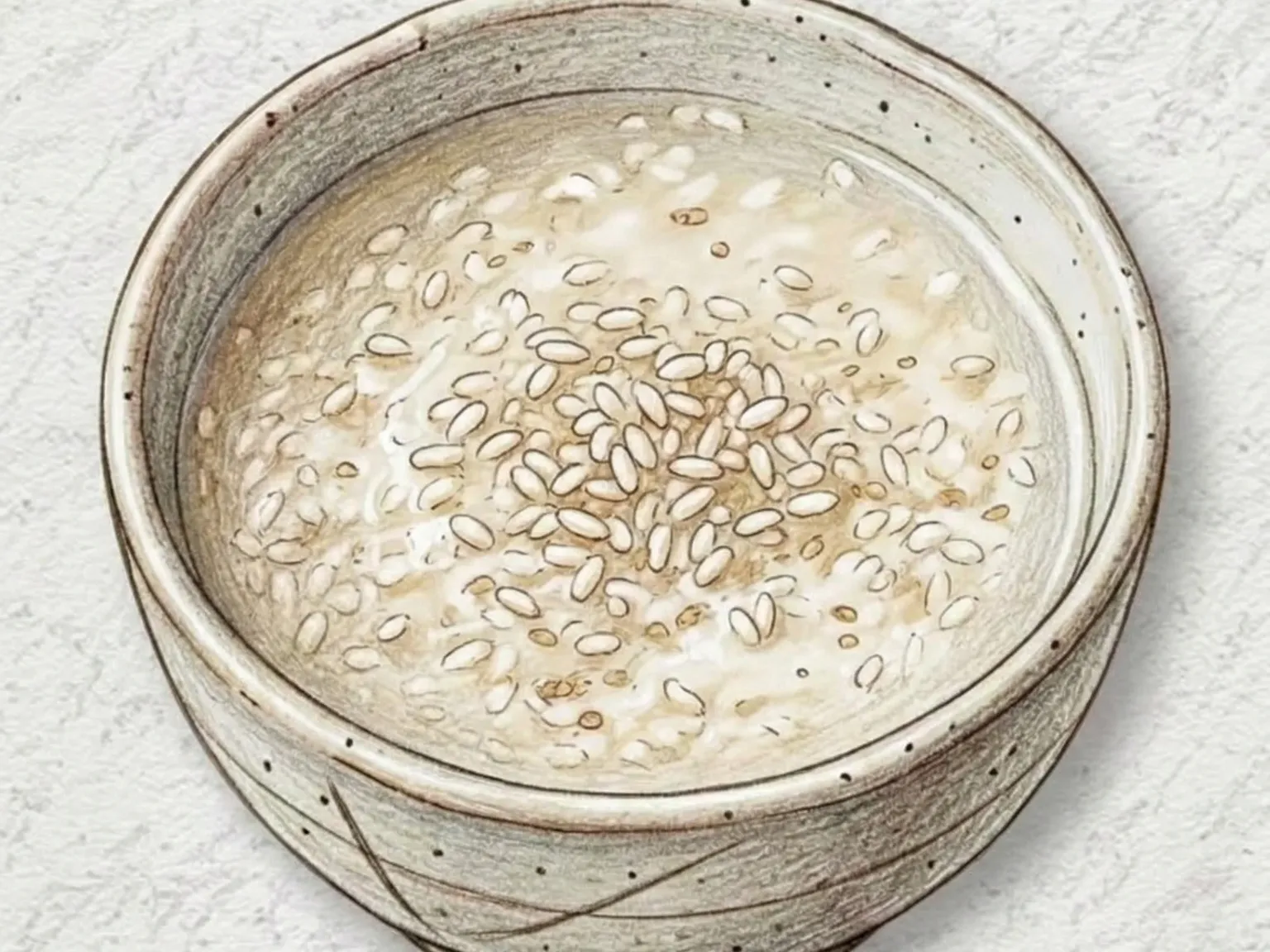
Dongdongju (Korean Unfiltered Fermented Rice Wine)
Dongdongju is a traditional Korean unfiltered rice wine made by steaming short-grain and sweet rice together, then fermenting the cooked grain with nuruk starter and a small amount of dry yeast for seven days. Unlike makgeolli, it passes through a coarse sieve only once, leaving rice grains floating on the surface -- a trait that gives the drink its name and provides a distinctly chewy grain texture with each sip. Stirring the mash twice daily ensures the nuruk breaks down the starches evenly throughout fermentation, and keeping the temperature low after day three prevents the batch from over-fermenting. A pinch of salt added at the finish tempers residual sweetness without flattening the fermented grain character. Home-brewed dongdongju tends to carry a more pronounced rice fragrance and a heavier body than commercial makgeolli, and its flavor shifts noticeably day by day as fermentation continues.
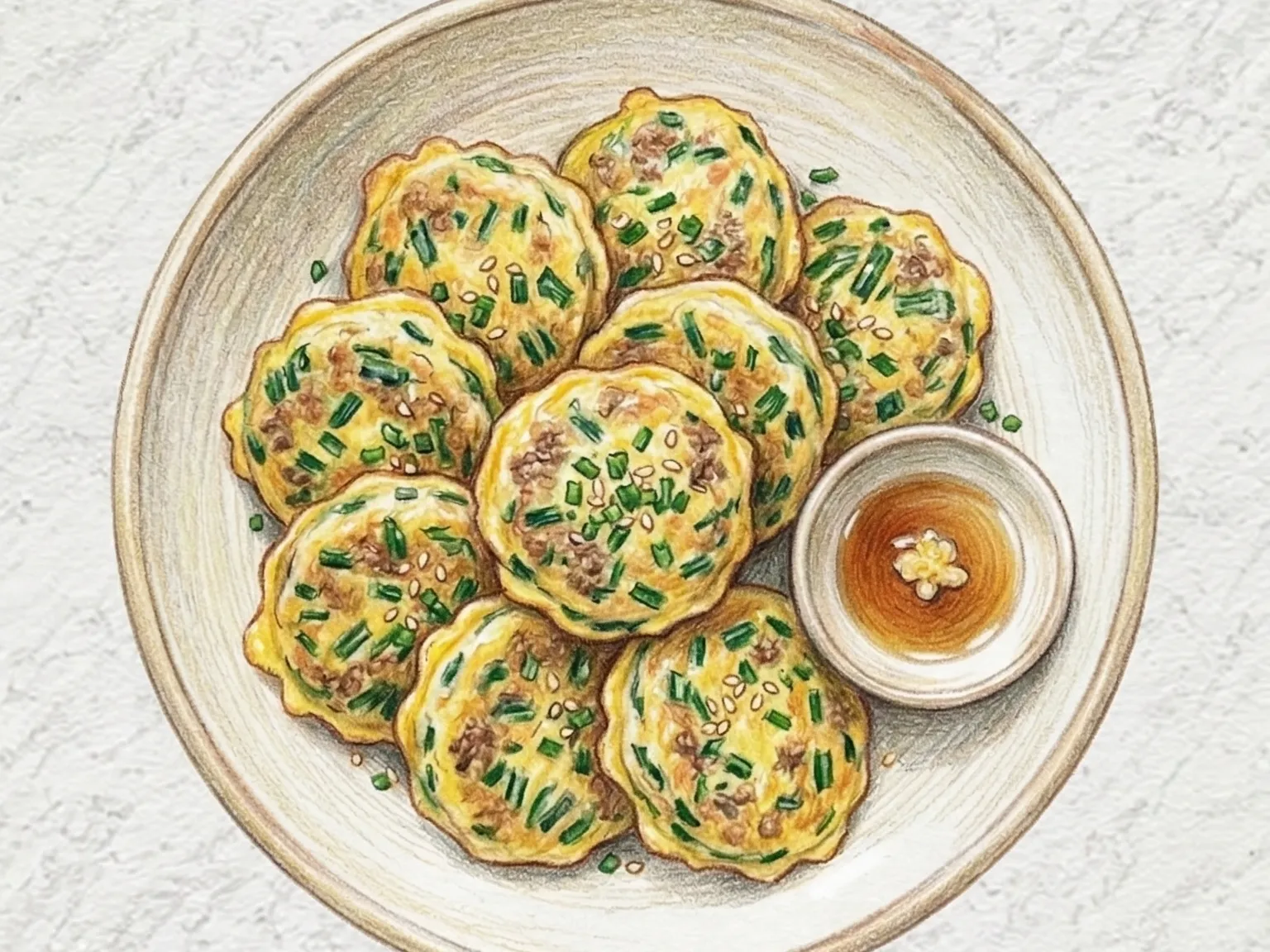
Korean Chive and Beef Jeon
Buchu-soegogi-jeon are Korean chive and beef patties made from ground beef, pressed firm tofu, finely chopped garlic chives, and onion seasoned with soy sauce, garlic, and sesame oil, shaped into small ovals, dipped in beaten egg, and pan-fried for three minutes per side. Squeezing every drop of moisture from the tofu before mixing is the critical step - it prevents the patties from falling apart on the pan while contributing a soft texture that tempers the density of the beef. The egg coating sets into a thin golden crust on the outside, while the interior stays moist and fragrant with seared chive and beef. These are a standard on Korean holiday tables and guest spreads: one-bite sized, easy to pick up, and the soy-garlic-sesame seasoning holds its flavor without degrading as the patties cool.
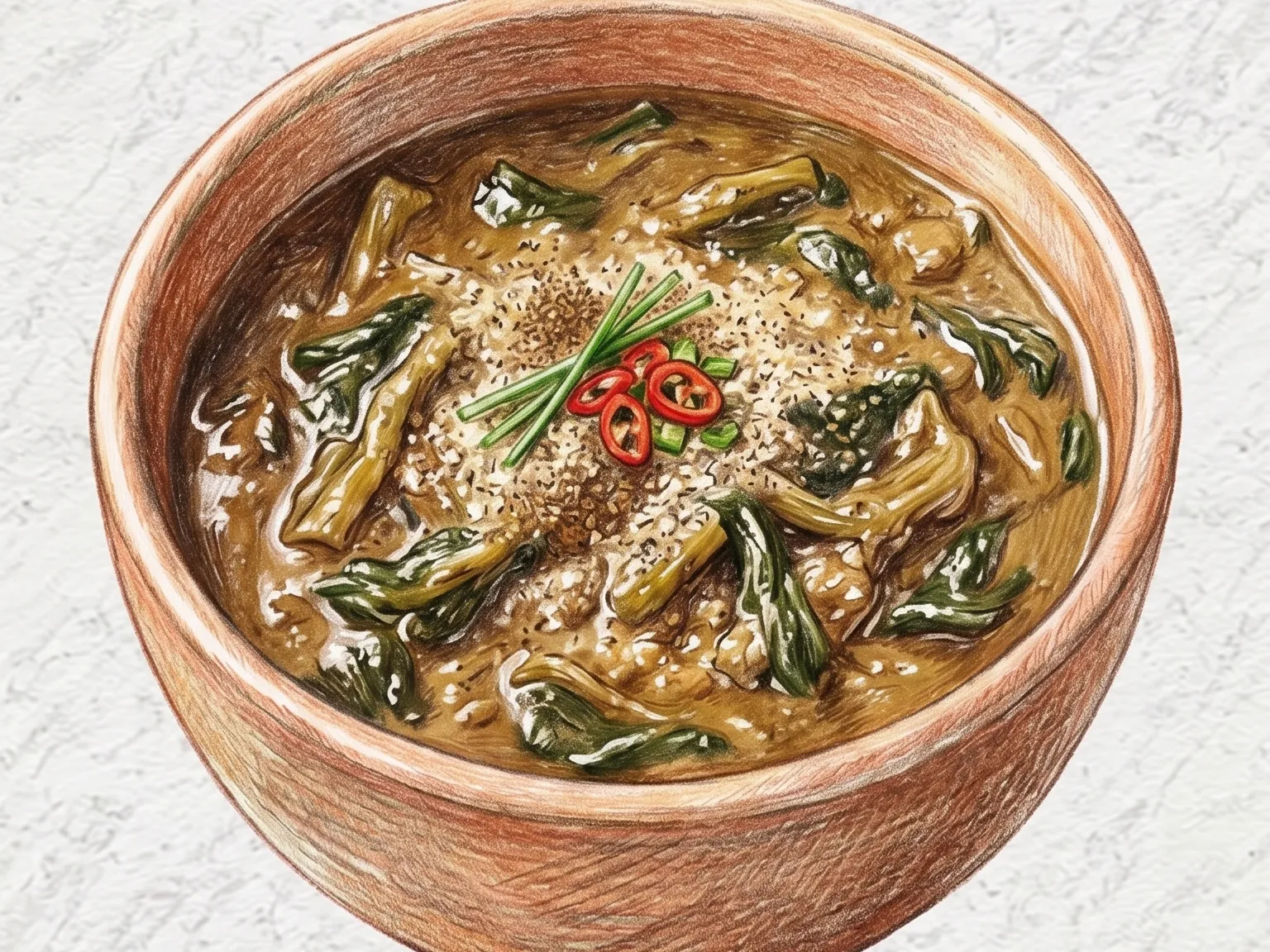
Korean Loach Soup (Blended Loach and Dried Radish Greens Tonic)
Chueo-tang is a southern Korean tonic soup made by blending blanched loach into a smooth puree, straining out bones and skin, then simmering the liquid with doenjang and gochujang for depth. The straining step is what separates a clean, richly flavored broth from a gritty one; every bit of bone and skin must be removed before the long simmer begins. Dried radish greens, siraegi, are added midway and cooked for twenty-five minutes, contributing a fibrous chew that contrasts the velvety broth. Perilla seed powder stirred in near the end thickens the soup to a creamy, pale consistency and layers in a pronounced nutty fragrance that carries through each spoonful. A final pinch of ground sansho pepper leaves a tingling numbness on the tongue that clears any lingering earthiness from the freshwater fish. Loach is high in protein and calcium, and the soup has long been eaten as a summer restorative; a broth that is thick and deeply concentrated is the standard by which a well-made chueo-tang is judged.
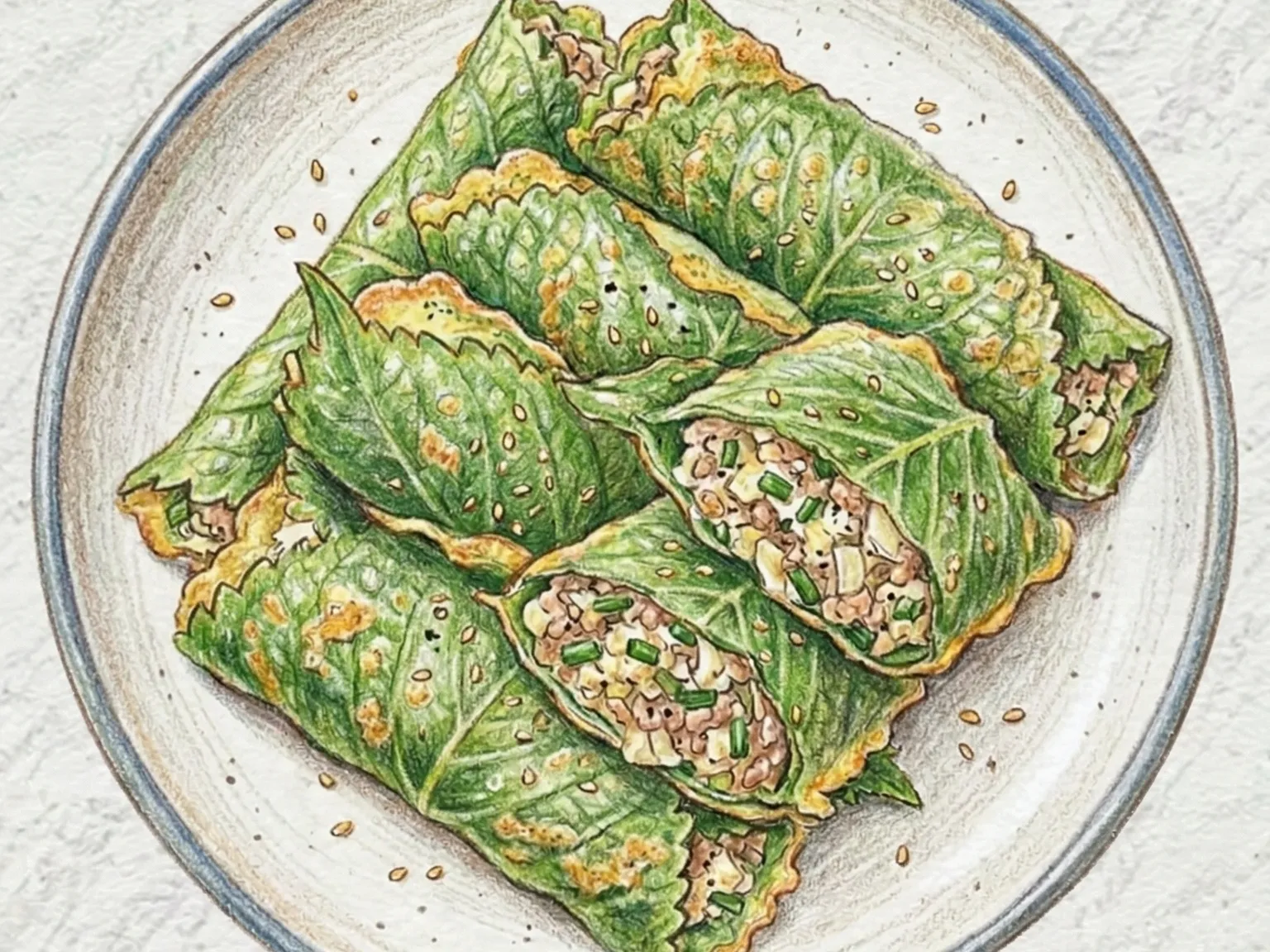
Korean Stuffed Perilla Leaf Pancakes
Kkae-ip-jeon are pan-fried perilla leaf parcels stuffed with a filling of ground pork and firm tofu, coated in flour and egg. The tofu must be squeezed dry in a cloth before mixing; excess moisture causes the filling to spread and stick to the pan. Garlic chives and onion add crunch and fragrance to the mix, and the filling seasoned with soy sauce and black pepper pairs cleanly with the perilla's strong herbal character. Dusting with flour first, then dipping in egg, produces an even coating, and frying covered over medium-low heat for two minutes per side ensures the filling is cooked through to the center. The bite-sized pieces work well as a packed lunch side or as bar food.
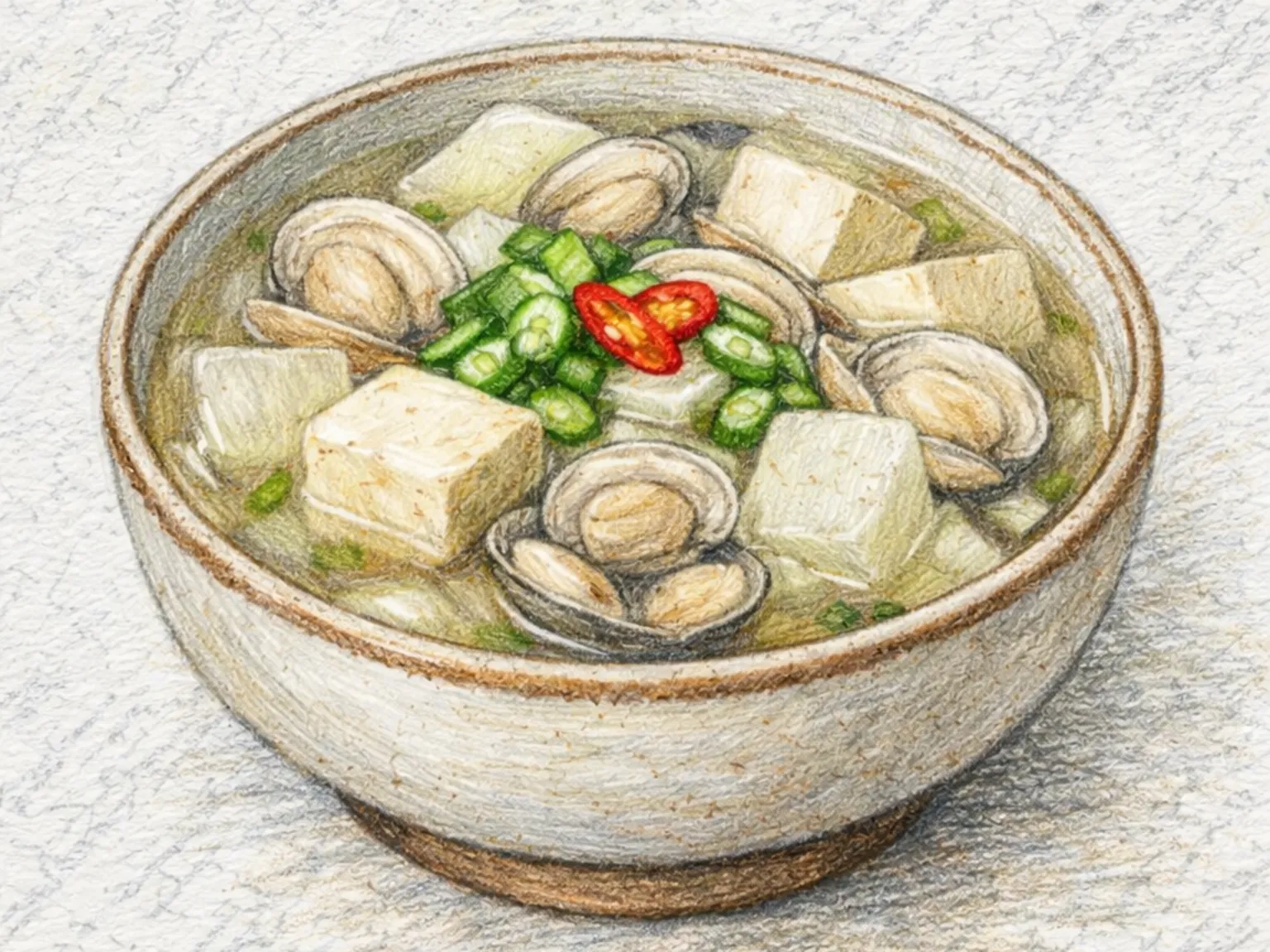
Korean Hard Clam Radish Stew
Sweet radish broth meets briny hard clams in this clean, deeply flavored Korean stew that needs no stock -- just clams, radish, and 35 minutes. The radish goes into the pot first and boils for ten minutes to release its natural sweetness, building the foundation of the broth before the clams are added. Once the clams open, their concentrated marine flavor layers over the radish sweetness, creating a broth that is simultaneously clean and complex. Seasoning is kept minimal with soup soy sauce, and minced garlic is added only after the clams open so it cooks through without remaining sharp and raw. Thick-cut firm tofu absorbs the surrounding broth, acting as a sponge for the clam umami. Diagonally sliced cheongyang and red chilies go in last, contributing a mild heat and visual contrast to the pale liquid. Any clams that fail to open must be removed immediately to keep the broth free of grit. The stew demonstrates how two primary ingredients, clams and radish, can produce a layered, satisfying broth without anchovy or kelp stock. The cool, lingering aftertaste of the clams is a hallmark of this particular combination.
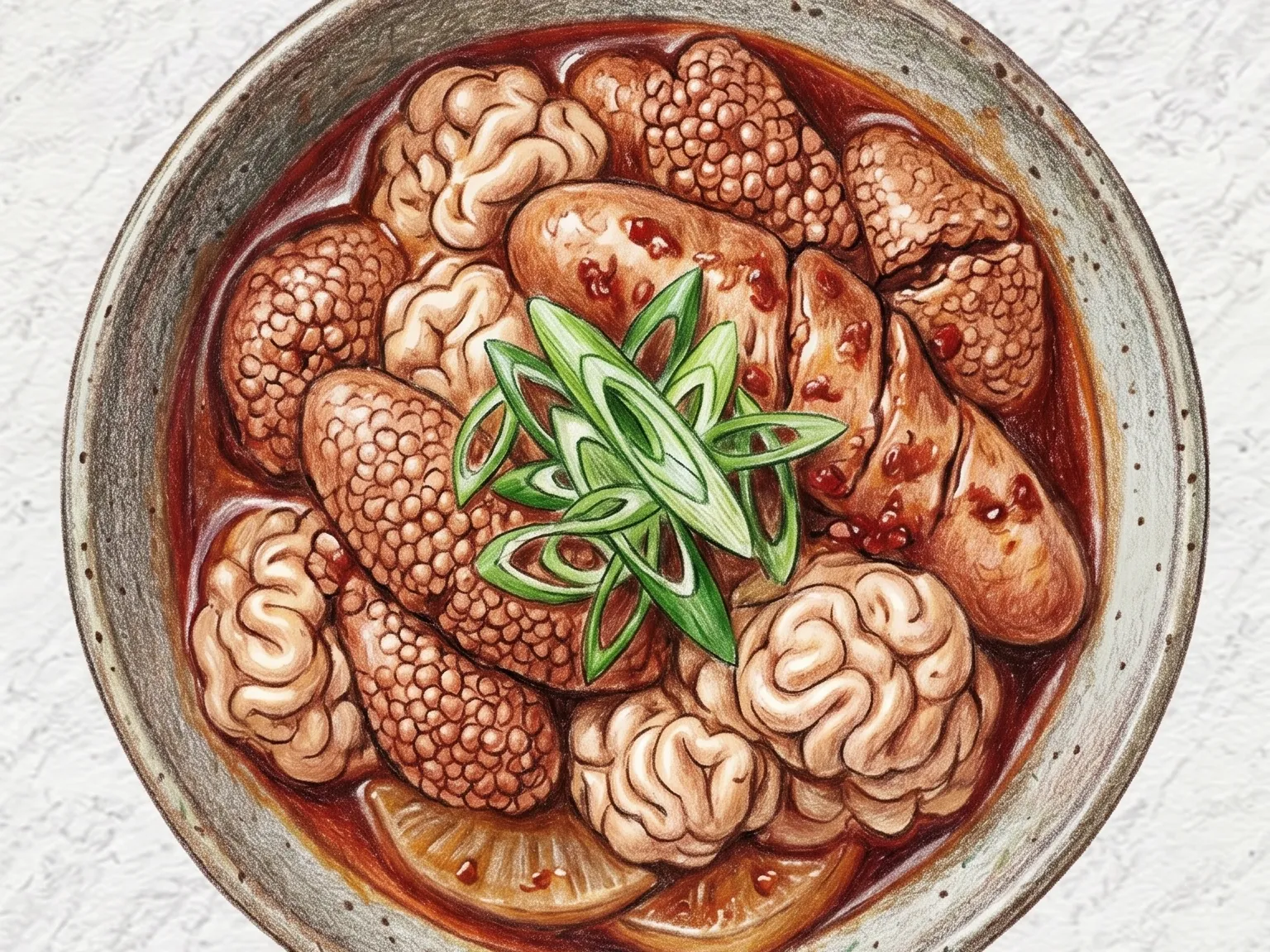
Korean Spicy Fish Roe Braise
Al-jjim is a Korean braised dish built around pollock roe sacs and milt - the parts of the fish that most home cooks discard or that are sold separately at markets near fishing ports. The two components come from the same fish but behave completely differently when cooked. The roe sacs firm up into a dense, granular texture as they heat, each individual egg becoming distinct and slightly resistant to the bite. The milt, by contrast, softens to a custard-like consistency, breaking apart in soft curds that dissolve into the braising sauce. Radish slices line the pot bottom, providing a sweet buffer against the aggressive saltiness of the gochugaru-soy braising liquid and preventing the more delicate milt from burning. The dish cooks at low heat for about fifteen minutes, during which the roe and milt release their marine oils into the sauce, adding an oceanic richness to the spicy, salty base. Green onions or scallions added at the end contribute a fresh, sharp counterpoint that keeps the heavy sauce from becoming monotonous. Al-jjim is a winter specialty in Korea's east coast fishing ports - Pohang, Gangneung, Sokcho - where fresh pollock roe is available during the winter spawning season. Frozen roe can be substituted year-round, but it releases fewer marine oils into the sauce, producing a noticeably less rich broth than the fresh version.
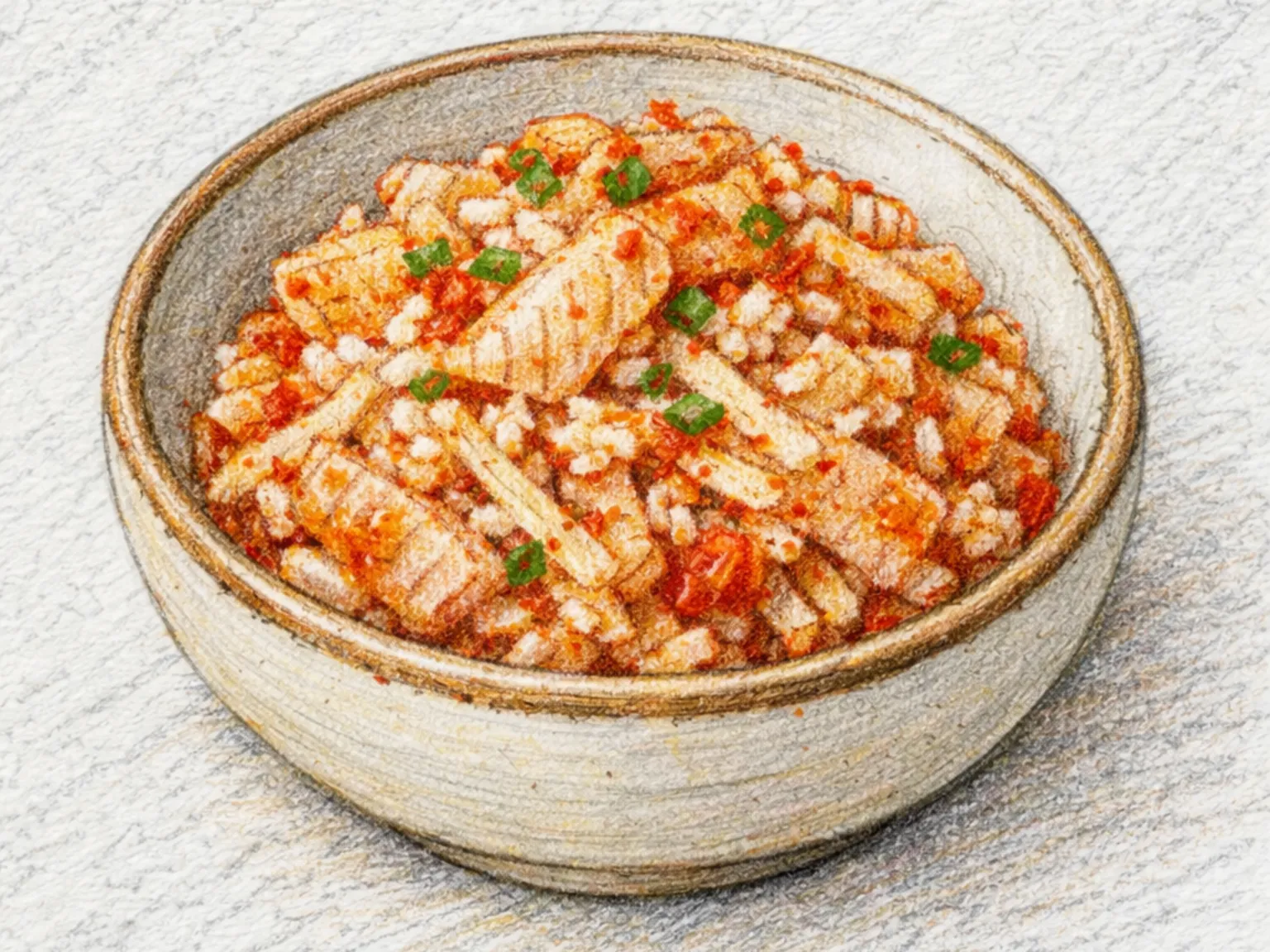
Korean Fermented Flounder Sikhae
Gajami sikhae is a traditional fermented flounder preparation from Korea's East Coast, made by combining salt-cured flounder fillets with julienned radish, cooked glutinous rice, gochugaru, and fish sauce, then sealing the mixture for fermentation at low temperature for a week or more. The glutinous rice starch feeds lactic acid bacteria, producing a mild, rounded acidity that reads quite differently from the sharp, concentrated saltiness of jeotgal. Radish adds moisture and textural contrast. As fermentation progresses, fish proteins break down into deep umami compounds. The resulting sikhae is far less salty than conventional fermented seafood and can be eaten directly over rice. A regional winter banchan associated with Gangwon and Hamgyeong provinces, it grows more sour the longer it ferments.
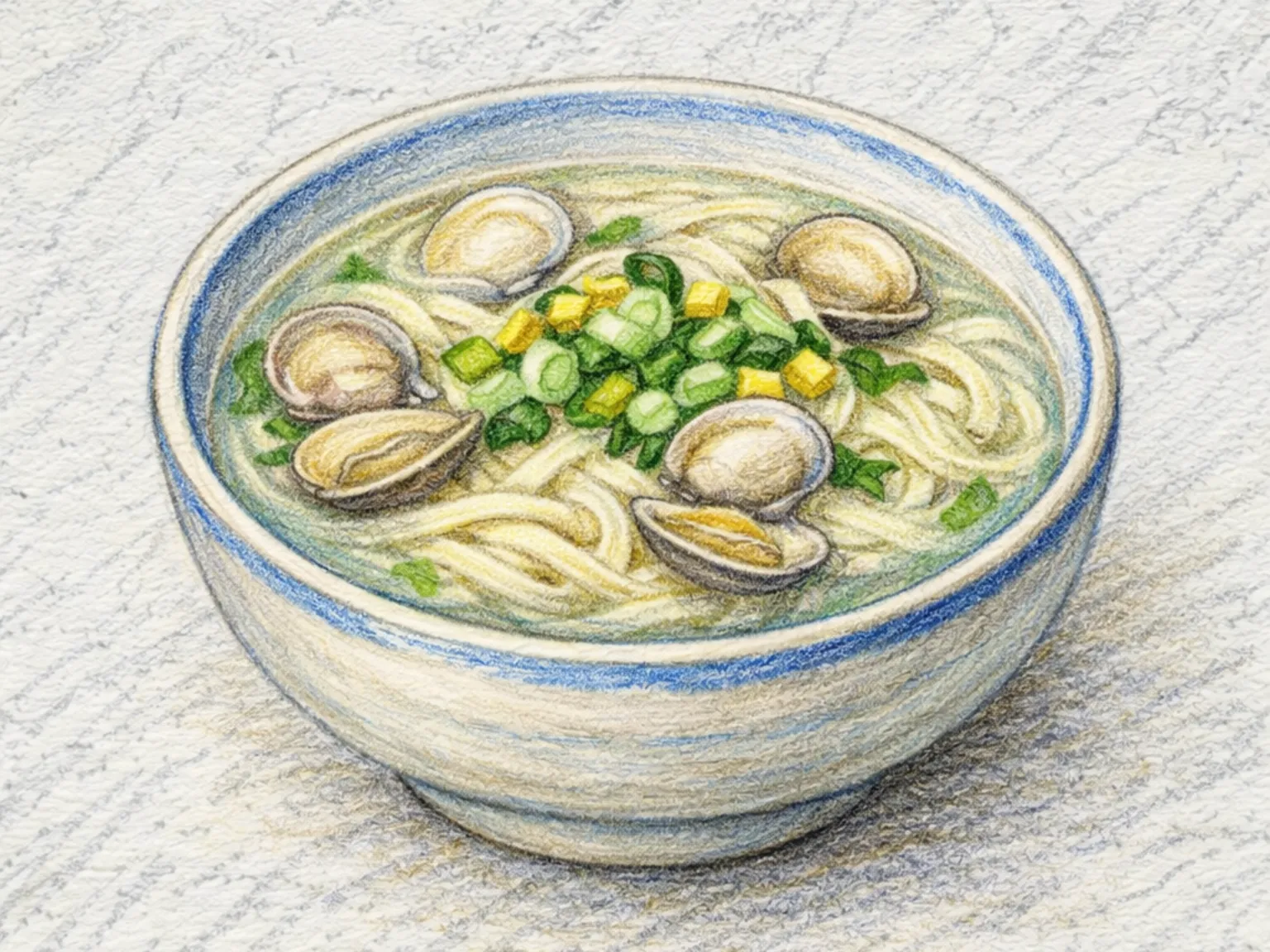
Korean Clam Kalguksu (Hand-Cut Noodles in Clam Broth)
Baekhap kalguksu is a Korean knife-cut noodle soup in which the broth is derived entirely from hard clams rather than the more standard anchovy base. Purged clams are placed in cold water and brought to a boil; once the shells open, the clams are lifted out and the broth is strained through cheesecloth to remove any residual sand or shell fragments. Thinly sliced daikon radish and Korean zucchini cook in the strained broth for five minutes, contributing vegetal sweetness. The hand-cut noodles go in next and are boiled for six to seven minutes until they turn translucent; starch released from the noodles thickens the broth naturally into a lightly viscous, silky consistency without any additional thickener. Once the noodles are cooked, the reserved clam meat returns to the pot, and the soup is seasoned with minced garlic and guk-ganjang. Onion added with the vegetables deepens the broth's sweetness further. Because clam liquor rather than dried anchovy forms the base, the soup carries a distinctly marine, mineral character that permeates every strand of noodle, setting baekhap kalguksu apart from all other regional kalguksu variations. Along the coastal areas of South Chungcheong and Jeolla Provinces, this style of noodle soup has been a local specialty for generations, best in the seasons when clams are most abundant.
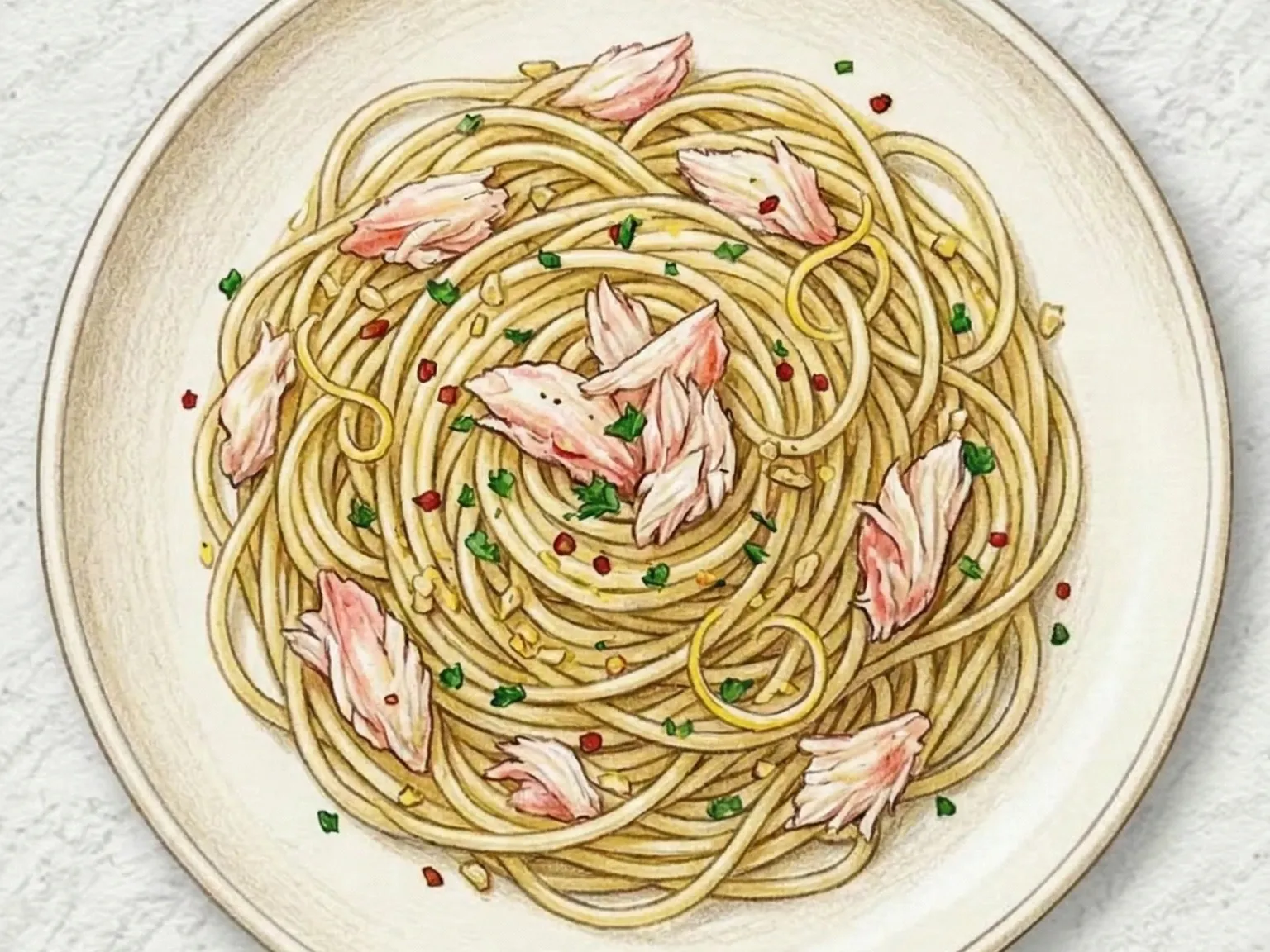
Blue Crab Lemon Garlic Pasta
Blue crab lemon garlic spaghetti starts by slowly warming thinly sliced garlic in olive oil over low heat until fragrant - pale gold, not browned. Crab meat and a splash of rice wine go in next to cook off any raw marine smell before butter is added and stirred until it melts into the oil. Starchy pasta water emulsifies the fat into a thin, glossy sauce that coats each strand of spaghetti evenly without heaviness, carrying a clean, oceanic flavor throughout. Lemon zest and juice are added only after the heat is turned off - adding them while the pan is still hot drives off the volatile citrus aroma before it reaches the plate. Keeping the garlic just short of golden, pale and softened rather than browned, is what separates a clean, nutty depth from an acrid bitterness that would overpower the crab. Fresh crab meat, picked directly from a live blue crab, delivers a noticeably sweeter flavor than thawed frozen product and is worth the extra effort when in season.
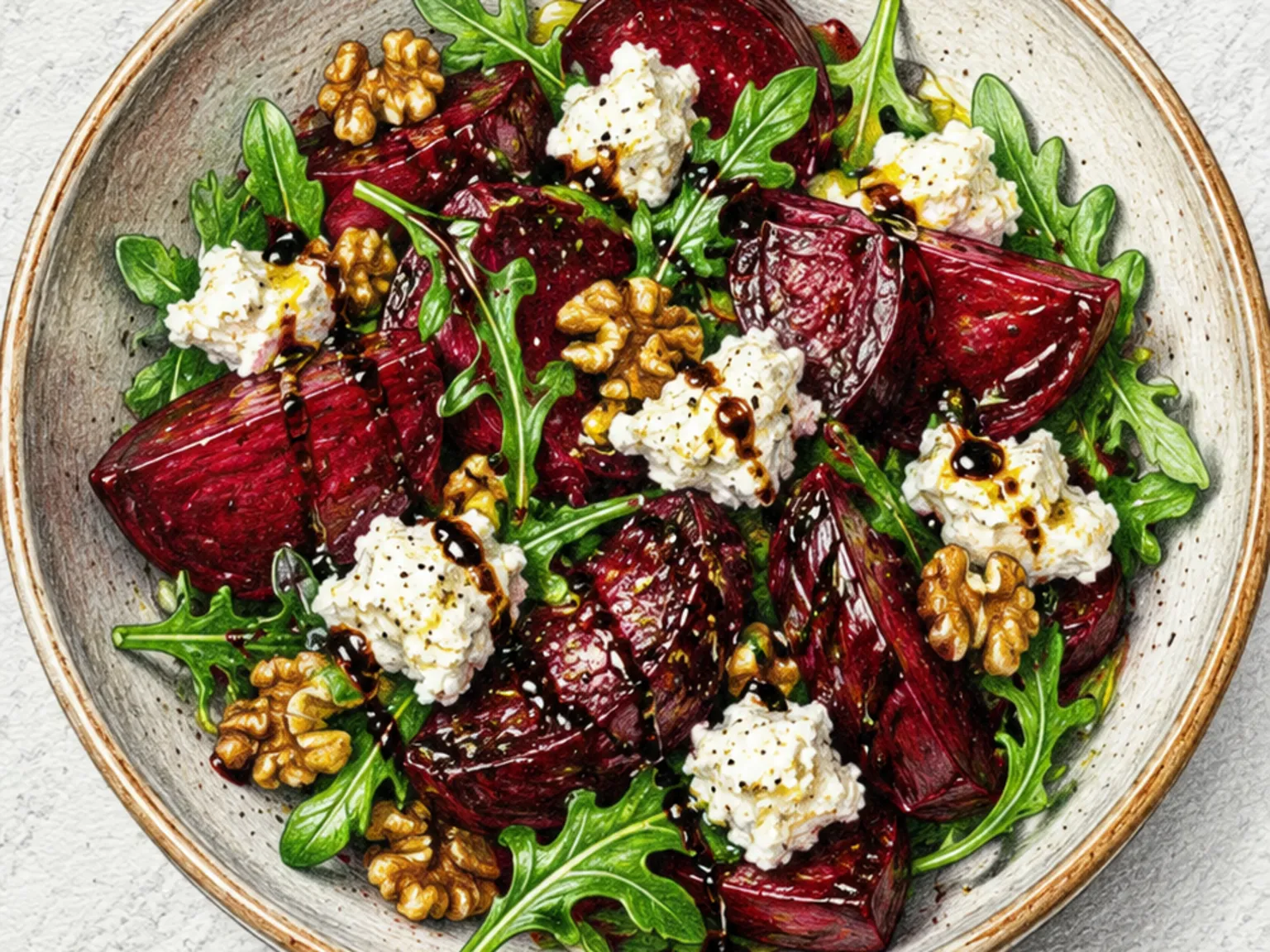
Beet and Goat Cheese Salad
Beet and goat cheese salad begins with whole beets wrapped in foil and roasted at 200°C for forty-five to sixty minutes, long enough for their raw, earthy undertone to convert almost entirely into a concentrated, caramel-adjacent sweetness. Peeling the skins while the beets are still warm requires only the pressure of a paper towel - they slip off cleanly - and slicing them before they cool preserves the vivid crimson-purple cross-section that makes the dish visually striking. Crumbled goat cheese placed on the warm slices softens slightly, and its tangy acidity cuts through the dense sweetness of the roasted root rather than competing with it. Walnuts toasted briefly in a dry pan lose much of their raw bitterness, developing a nuttiness that bridges the mineral quality of the beet and the dairy sharpness of the cheese. Balsamic reduction does more than dress the plate: its concentrated sweet-tart intensity ties the separate components into a coherent whole. Arugula underneath the beet slices provides a peppery bitterness that sharpens the contrast against the sweetness, giving the salad a complexity well beyond what its short ingredient list suggests. A simple dressing of extra-virgin olive oil and lemon juice over the greens keeps the balance light and clear.
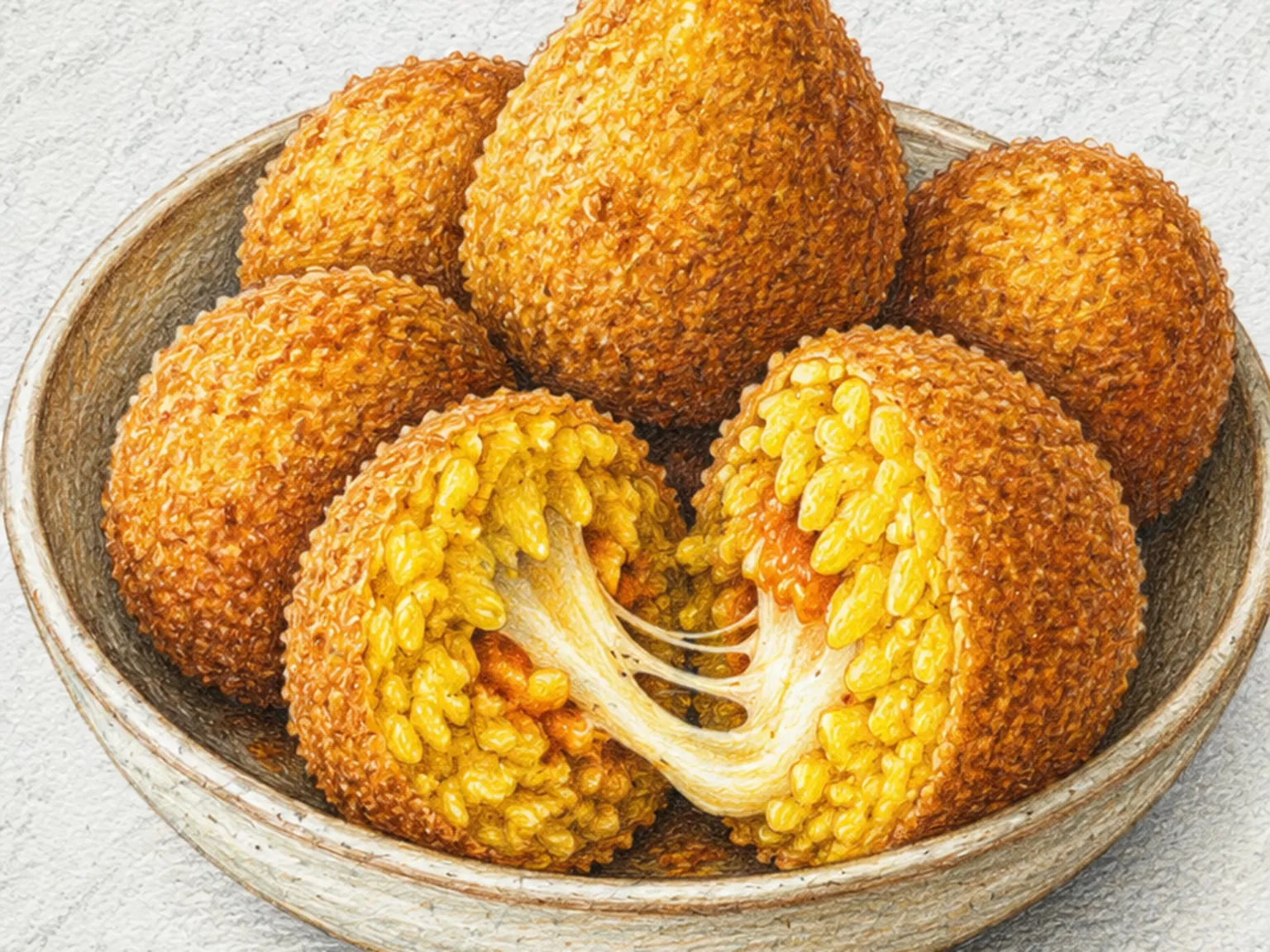
Arancini (Crispy Sicilian Risotto Balls with Melted Cheese)
Arancini - 'little oranges' in Sicilian dialect - trace back to 10th-century Arab-ruled Sicily, where leftover rice was shaped, filled, and fried as portable food for travelers and field workers. Day-old risotto is packed around a core of mozzarella, and sometimes ragu, then coated in sequence: flour, egg wash, fine breadcrumbs. Deep-fried at 180 degrees Celsius until the shell reaches a deep amber. The breadcrumb crust fractures on first bite, revealing a dense, saffron-tinted rice layer, and then the molten center pulls into long strings of melted cheese. Regional disagreement over the correct shape persists: Palermo forms them round, while Catania insists on a pointed cone. At the markets in Catania, vendors stack hundreds in glass cases each morning and sell them still warm from the fryer.
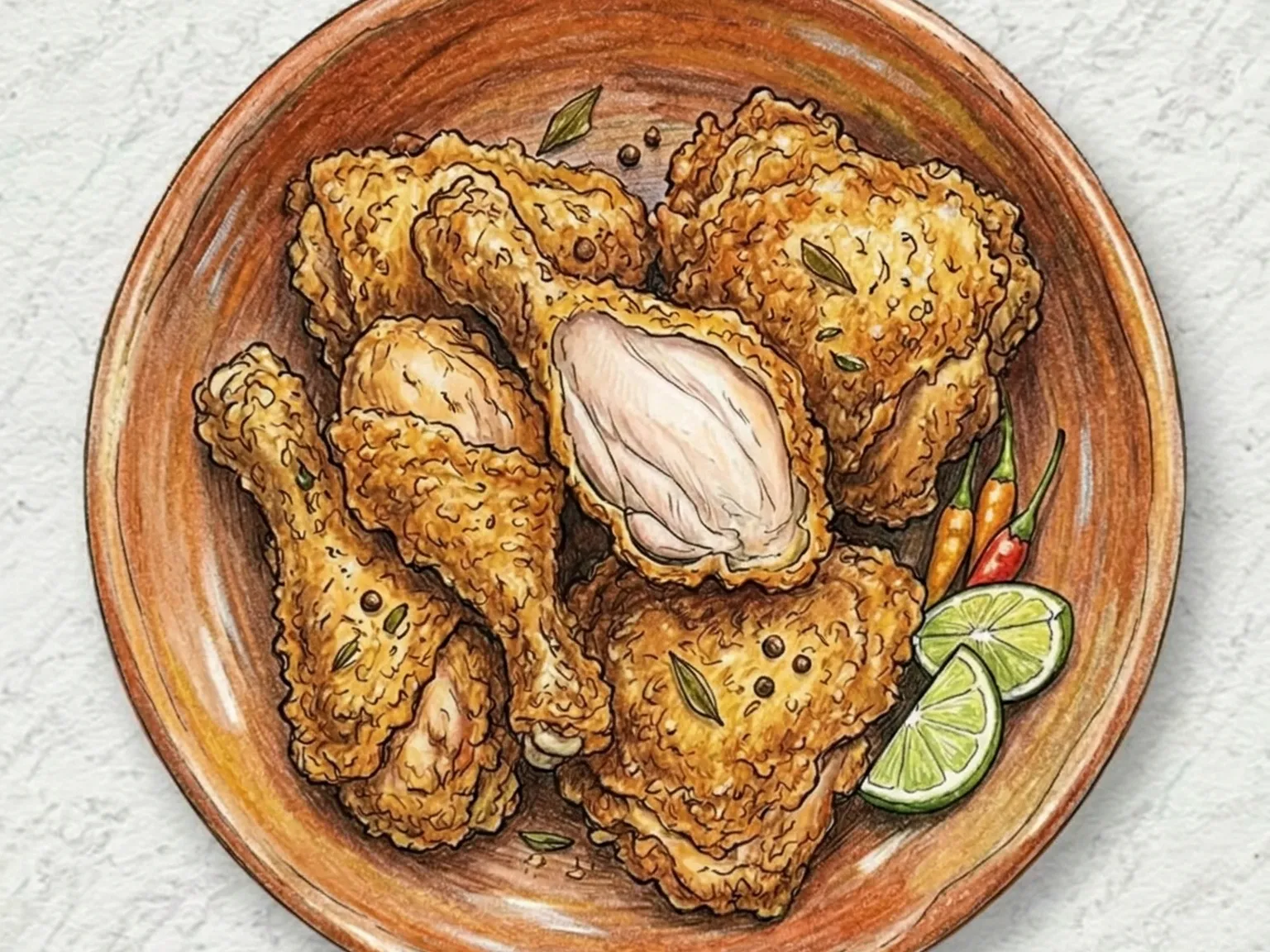
Ayam Goreng (Indonesian Spiced Fried Chicken Without Coating)
Ayam goreng is Indonesia's answer to fried chicken, but the technique diverges sharply from Western versions - there is no flour coating. Instead, chicken pieces are simmered in a paste of garlic, ginger, coriander, turmeric, and coconut milk until the liquid reduces to almost nothing and the spices have permeated the meat to the bone. Only then does the chicken hit hot oil, where the coconut-milk residue on the skin fries into a thin, uneven crust with a deep golden hue. The flavor is aromatic rather than salty, with turmeric's earthiness and coriander's citrus notes layered into every bite. Street stalls across Jakarta and Yogyakarta serve it with sambal, lalapan (raw vegetables), and steamed rice.

Apple Cinnamon Rolls (Soft Yeast Dough with Apple Cinnamon Filling)
Apple cinnamon rolls build on the Scandinavian kanelbulle tradition of enriched yeast dough rolled with spiced brown sugar, adding a layer of fresh apple that transforms the filling from dry to fruity and moist. The dough is softened with butter and milk, then rolled flat, spread with a paste of brown sugar, cinnamon, and softened butter, and scattered with diced apple that has been tossed in lemon juice to prevent browning during baking. Rolling, slicing, and proofing the cut spirals in a buttered pan lets them expand until they press together, creating soft sides where the rolls meet and a slightly caramelized bottom where they contact the pan. During baking, apple pieces release juice that seeps into the surrounding dough layers, forming pockets of moist, cinnamon-scented fruit that a plain cinnamon roll cannot replicate. A cream cheese glaze drizzled while the rolls are hot melts into the crevices between spirals, coating the interior as well as the surface. The quantity of apple matters - too much makes the dough soggy, so a measured amount ensures the fruit contributes moisture without destabilizing the structure. The aroma of butter, cinnamon, and baked apple that fills the kitchen during baking is half the appeal of making these rolls.
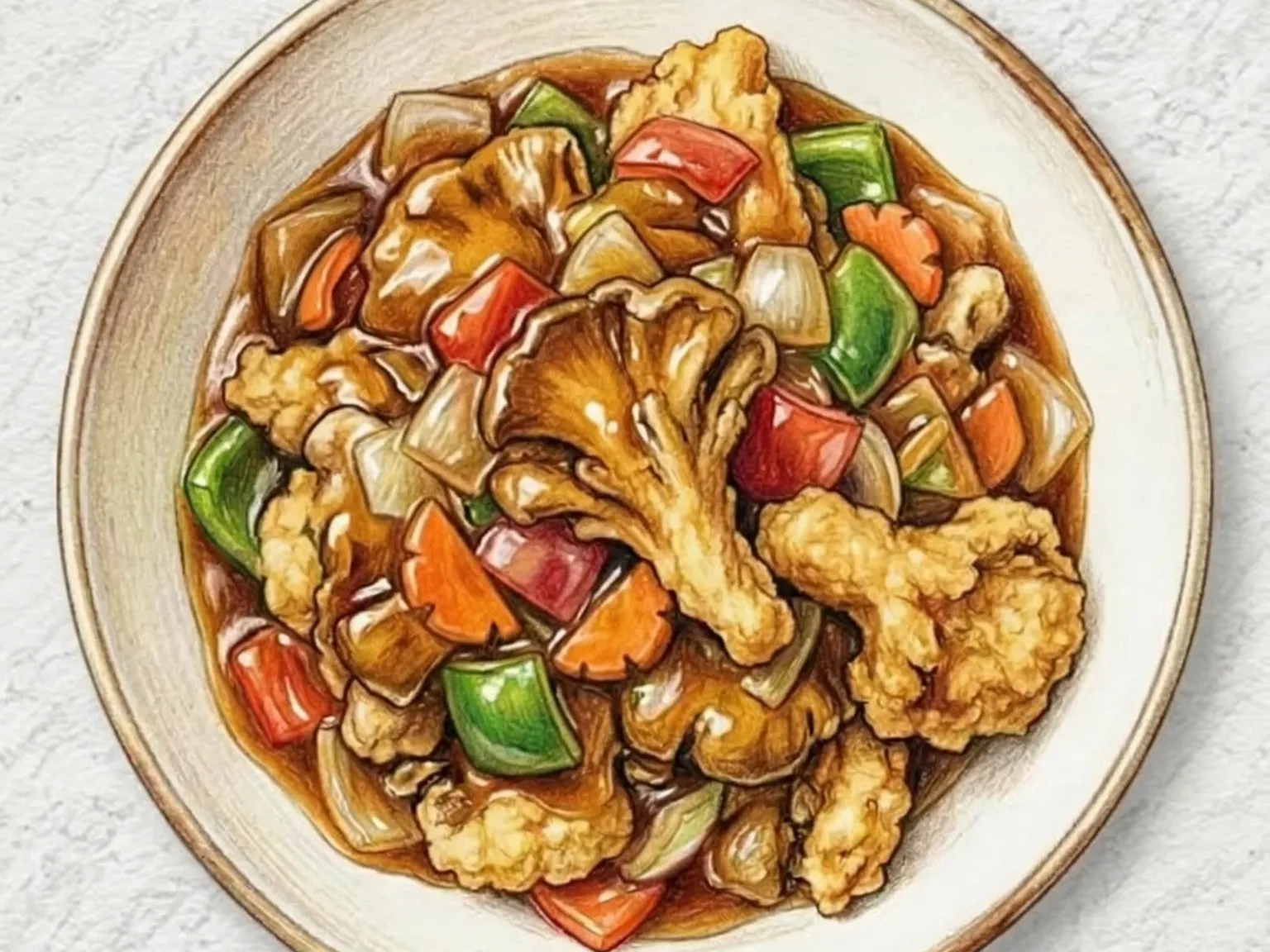
Crispy Mushroom Tangsu (Sweet & Sour)
Double-fried oyster mushrooms with the same two-stage frying technique used for Korean tangsu pork. Oyster mushrooms fully dried of moisture are coated in a potato starch and flour batter, fried at 170°C, rested to release steam, then returned to 180°C for a second fry that locks in a crisp exterior while keeping the interior chewy. A sweet-sour sauce of soy sauce, vinegar, and sugar is simmered with onion, bell pepper, and carrot, then thickened with a starch slurry. Pouring the sauce over the mushrooms in advance softens the crust quickly, so serving the sauce separately and ladling it on at the table preserves the crunch. The technique produces a texture comparable to the pork version without any meat.
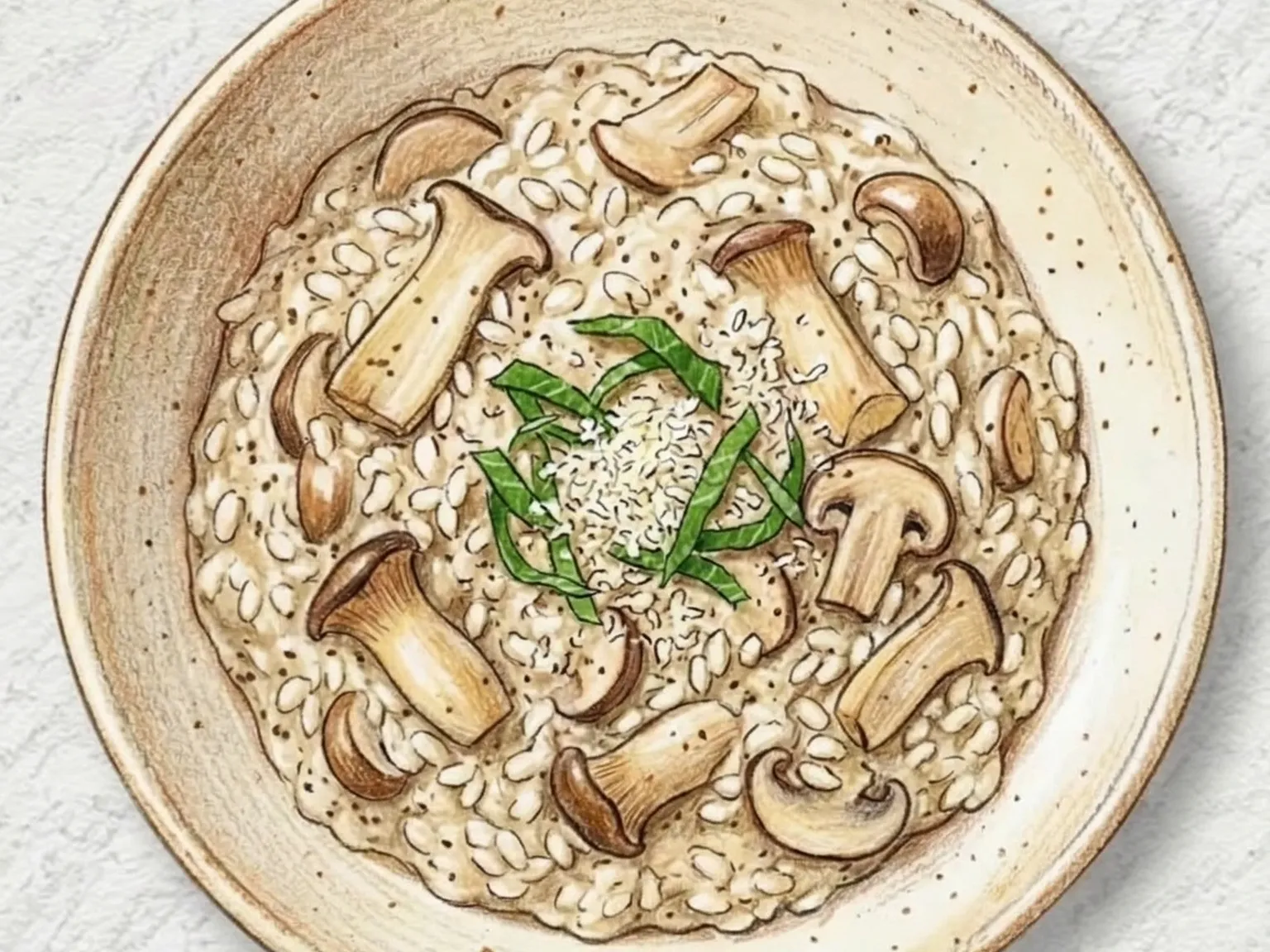
Korean Mushroom Perilla Seed Risotto
King oyster and button mushrooms are sauteed with onion and garlic, then Arborio rice is slowly cooked in warm vegetable stock, one ladle at a time, until the grains release their starch into a creamy consistency. Perilla seed powder and grated Parmesan are folded in at the very end, merging Italian creaminess with the distinctive roasted-nut flavor of Korean perilla. The key is keeping the stock warm throughout so the rice cooks evenly without seizing, and adding perilla powder last to preserve its volatile aroma. Even without meat, the mushrooms provide substantial umami depth and the perilla adds a rich, nutty finish.
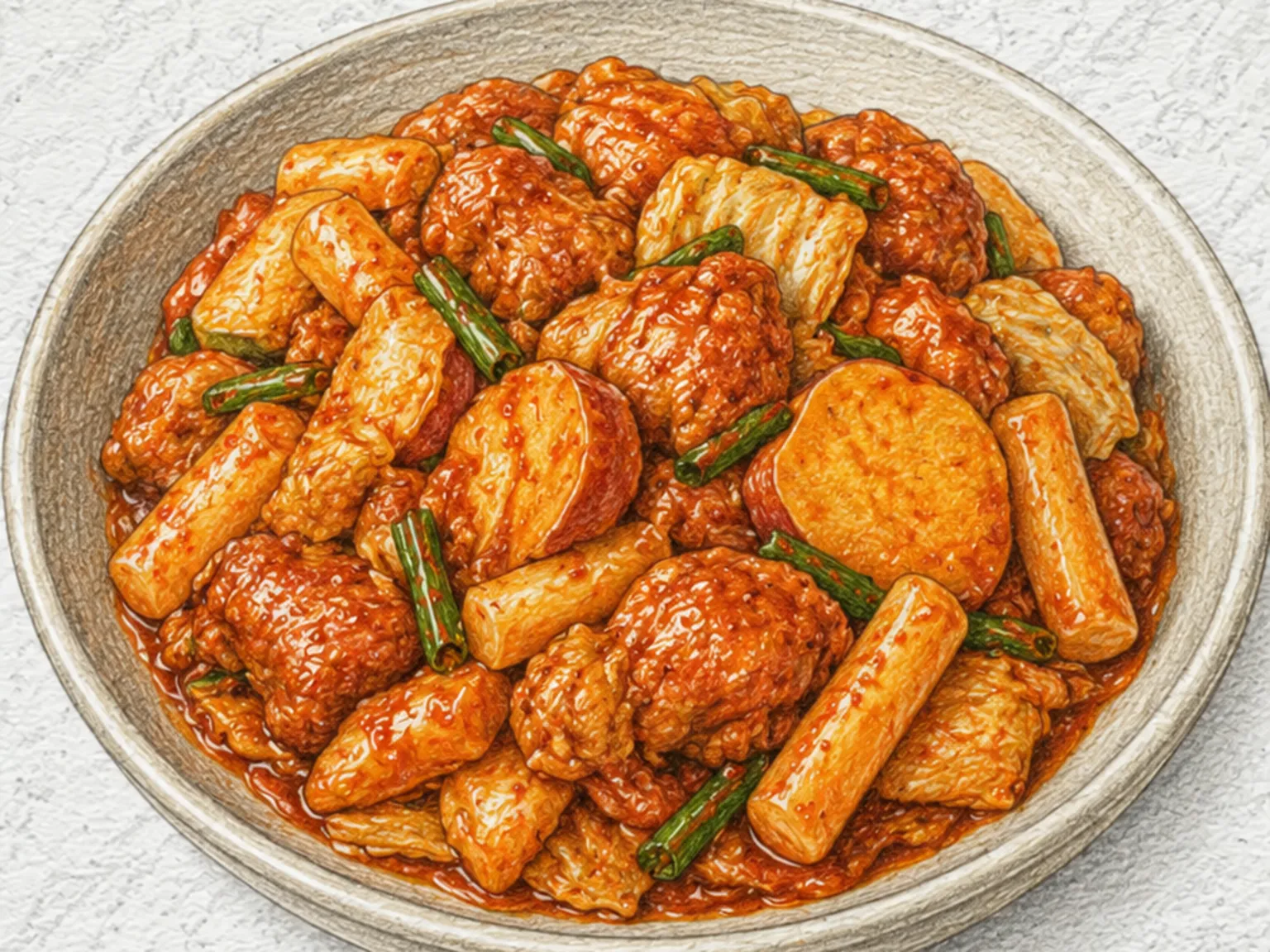
Korean Spicy Chicken Stir-fry
Dakgalbi is a Korean stir-fried chicken dish in which chicken thigh meat is marinated in a sauce of gochujang, chili flakes, soy sauce, sugar, minced garlic, and curry powder, then cooked with cabbage, sweet potato, sliced rice cakes, and green onion on a flat iron griddle or large pan. As the cabbage cooks it releases moisture that blends with the marinade, forming a natural sauce without any added liquid. Sweet potato softens gradually under heat, its natural sugars intensifying and acting as a counterweight to the sharp heat of the chili paste. Rice cakes cling to the sticky sauce on their surfaces, each piece absorbing the seasoning while staying chewy and dense inside. A small measure of curry powder is the defining addition -- it layers aromatic spice depth into the gochujang base, giving dakgalbi its slightly more complex fragrance compared to other Korean spicy stir-fries. The dish originates from Chuncheon in Gangwon Province, where it is served on large communal griddles. Finishing the meal by stir-frying rice in the leftover sauce at the bottom of the pan is a standard practice that turns the residual seasoning into a second course.
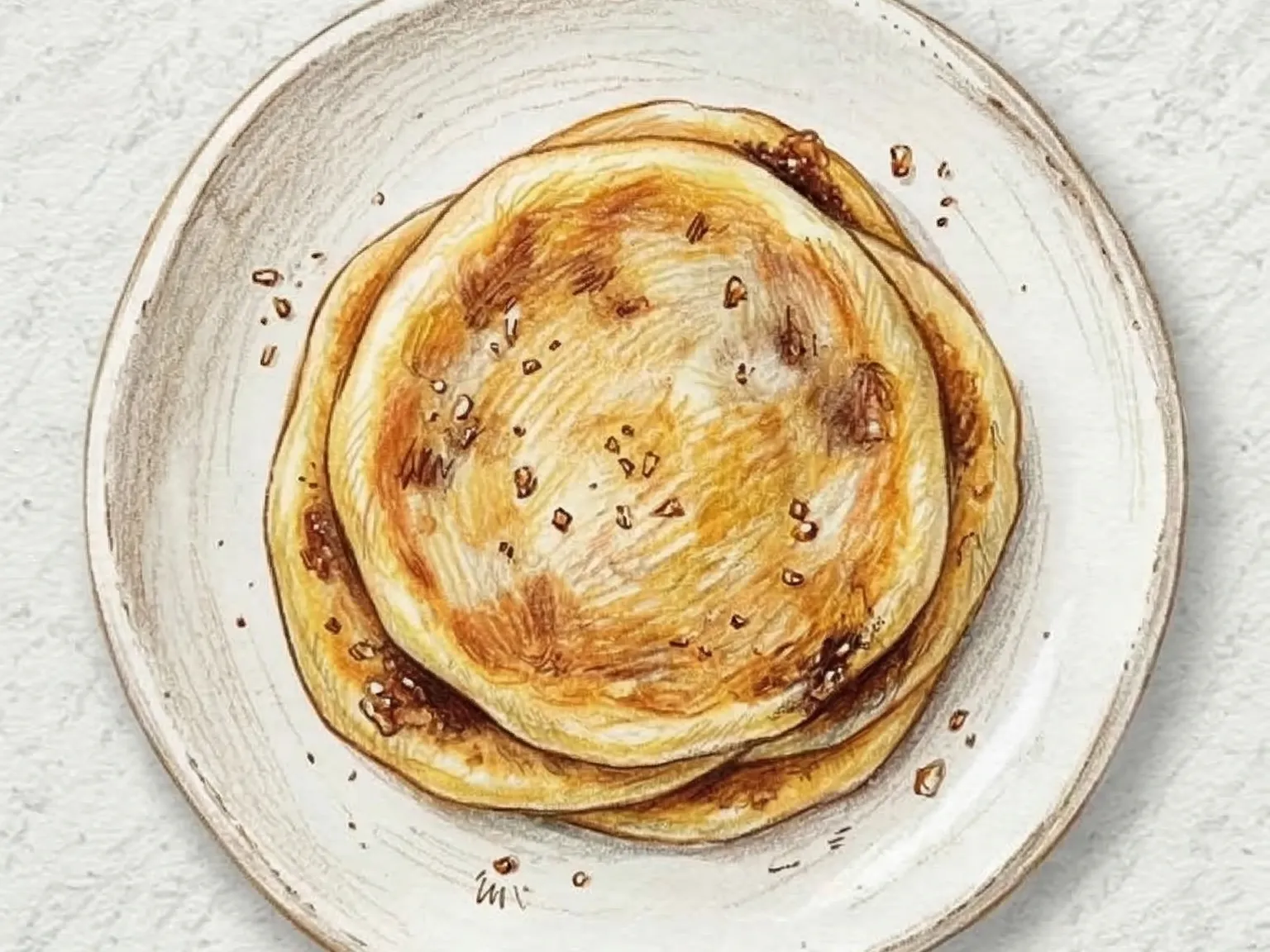
Korean Sweet Pancake (Chewy Yeast Dough with Brown Sugar Cinnamon Filling)
Hotteok is a pan-fried Korean street snack made from yeast-risen dough blended with wheat flour and glutinous rice flour, stuffed with a filling of brown sugar, cinnamon powder, and chopped peanuts. The glutinous rice flour gives the dough a distinctly chewier bite than plain wheat dough, and the brown sugar filling melts into hot syrup during cooking as the dough presses flat against the pan. Flattening the ball with a spatula caramelizes the outer surface to a golden crust while the cinnamon-scented liquid pools inside. A variation called ssiat hotteok incorporates sunflower seeds and mixed grains into the filling, adding a nutty crunch alongside the sweet syrup. Proper fermentation of the dough is critical for a tender, elastic skin; pressing too thin risks the filling leaking onto the pan and burning. Street vendors serve hotteok straight off the griddle in a small paper cup, and the challenge is eating it before the syrup drips out.
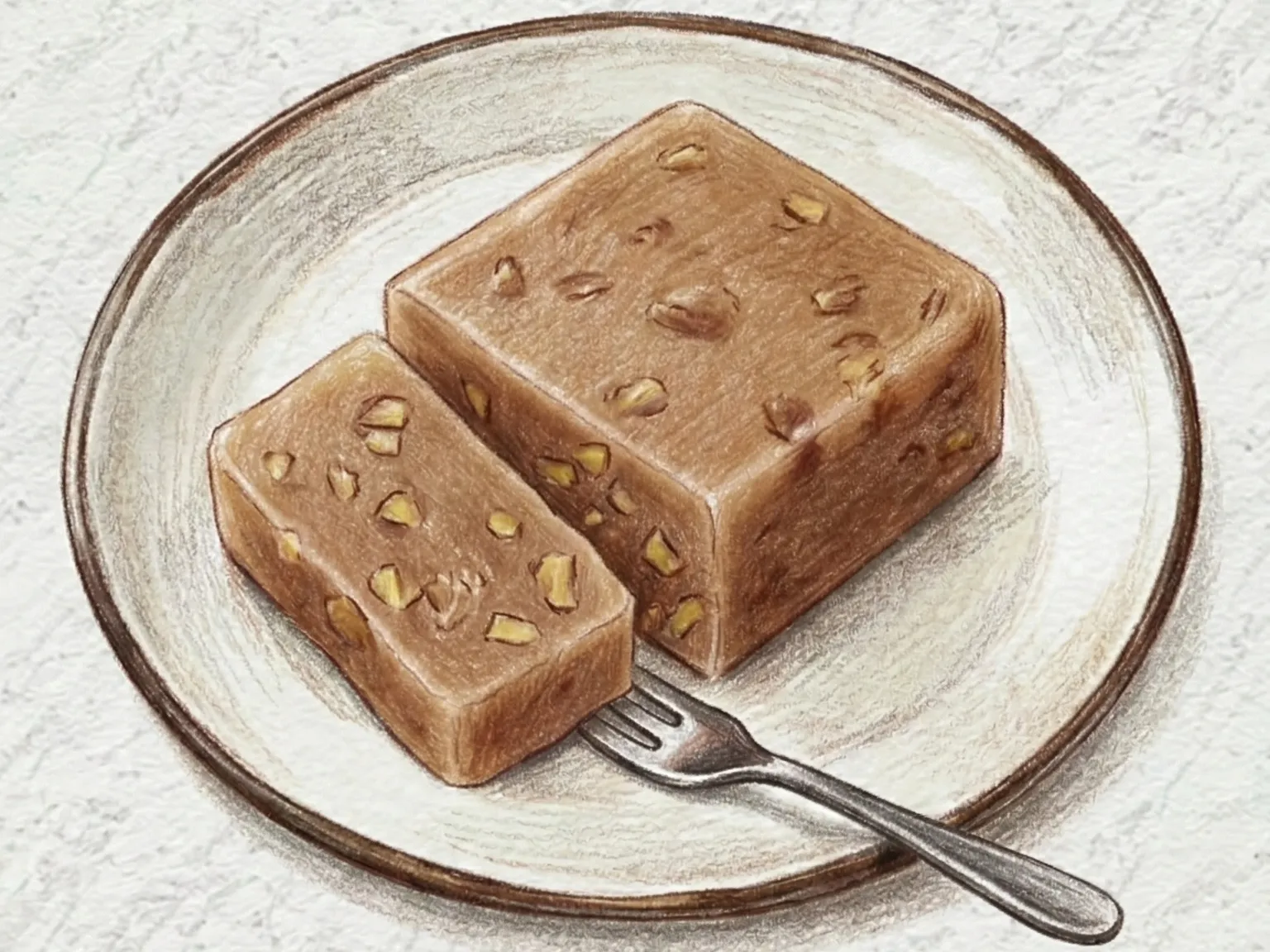
Chestnut Sweet Jelly (Korean Agar-Set Chestnut White Bean Confection)
Bam yanggaeng is built from three components: chestnut puree, white bean paste, and agar powder. Boiled chestnuts are mashed fine and combined with the bean paste, then dissolved agar, sugar, and honey are stirred into the mixture before it is brought to a brief boil. Poured into a mold and left to cool at room temperature, the agar sets the block into firm, clean-slicing slabs - a texture that comes from agar's sharp recrystallization as it cools, which produces a harder and more abrupt snap than gelatin-based confections. The starchy density of chestnuts gives the cross-section a smooth, fine-grained quality that plain bean paste lacks. A small amount of salt is critical: it draws the sweetness into focus rather than muting it. Skimming air bubbles before pouring ensures a flat, even surface. Prepared as a holiday gift in Korean households for generations, the finished block keeps in the refrigerator for about a week without losing texture.
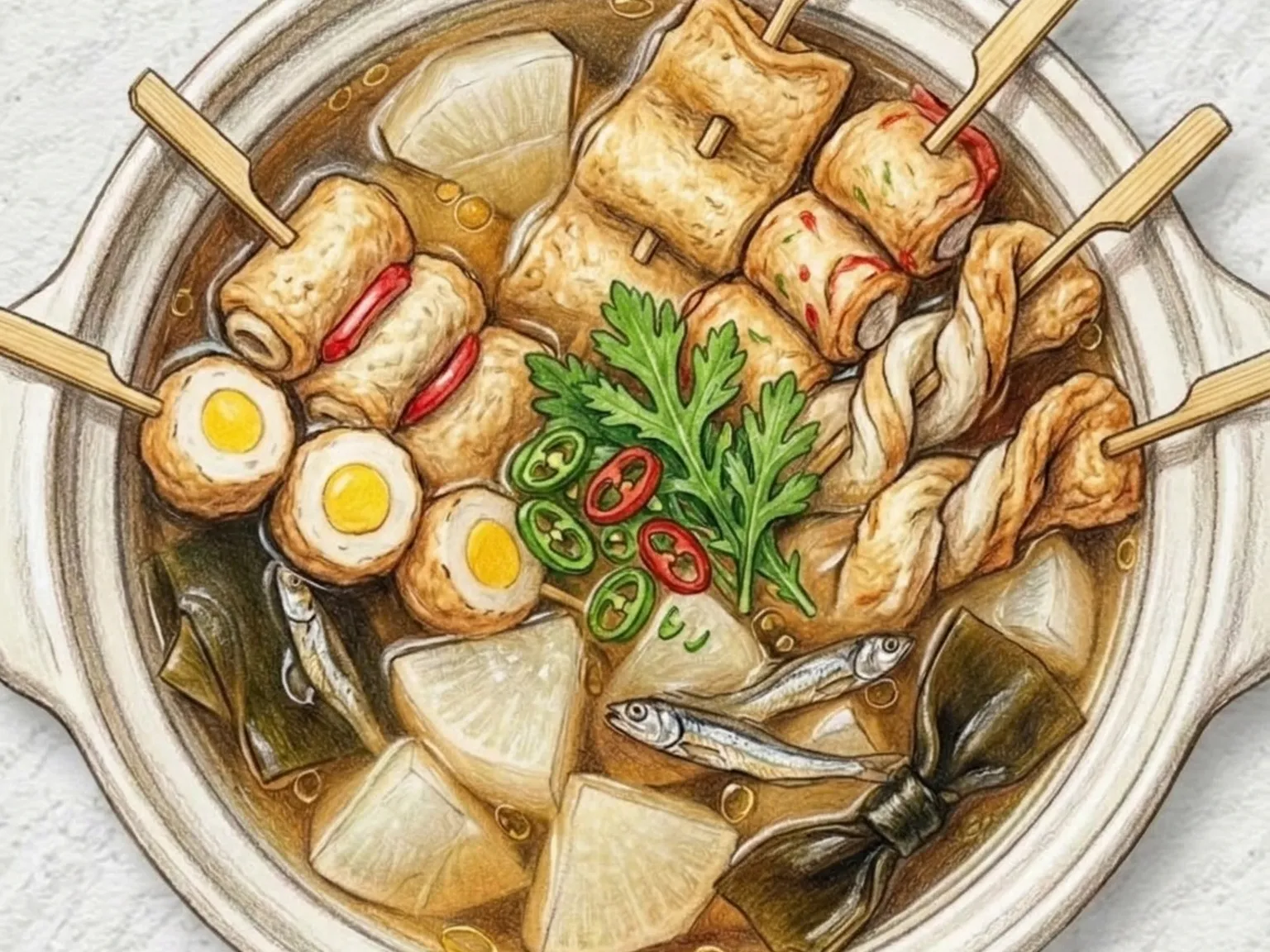
Korean Fish Cake Soup (Clear Anchovy Radish Broth)
Eomuk-tang is a Korean fish cake soup in which skewered fish cakes and thick radish slices simmer in a clear broth built from dried anchovies and kelp. The kelp must be removed the moment the water begins to boil, otherwise it releases a slimy texture that clouds the broth. Cutting the radish thick allows it to slowly release natural sweetness over the long simmer. Rinsing the fish cakes in hot water before adding them washes away surface oil and keeps the broth clear and clean. Soup soy sauce adjusts the seasoning, and green onion and black pepper finish the pot. Adding the radish before the fish cakes ensures it has enough time to fully soften and sweeten the broth, since it takes longer than the eomuk to cook through.
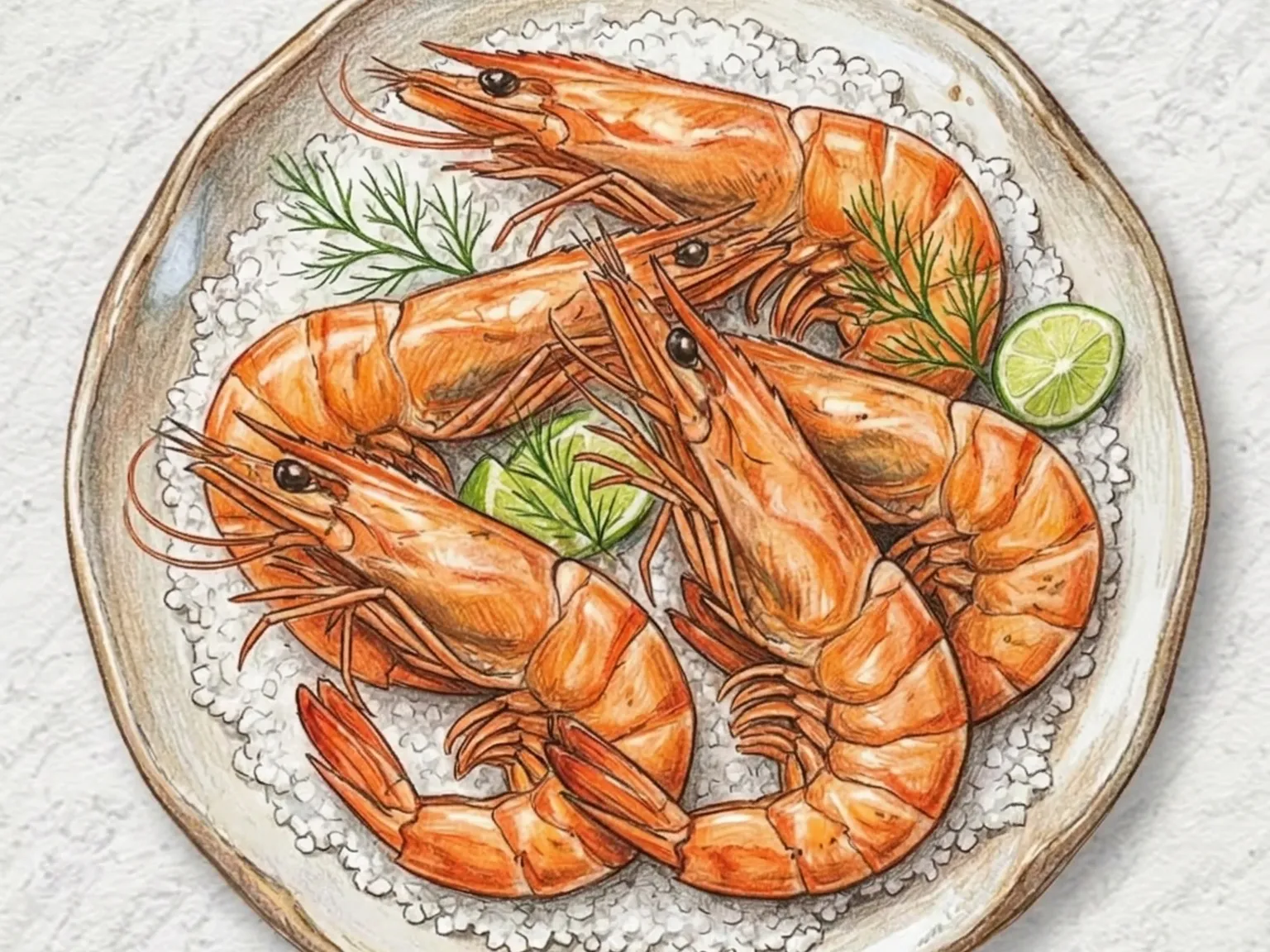
Korean Salt-Grilled King Prawns
Daeha-sogeum-gui is a Korean salt-grilled king prawn preparation where whole shell-on prawns are placed directly on a bed of coarse sea salt and cooked over indirect heat. The salt draws out surface moisture while conducting steady, even heat beneath the shells, so the prawns essentially steam inside their own carapace and keep their flesh springy rather than contracted. Scoring the back with kitchen scissors and removing the intestinal tract before cooking eliminates any off-note from the gut, leaving only the clean, natural sweetness of the prawn. The precise moment to pull them from the heat is when the shells turn a solid bright orange, as any longer drives off the moisture that keeps the flesh tender. A squeeze of fresh lemon adds acidity that sharpens the natural umami without masking it, and the dish works well with no additional seasoning at all.
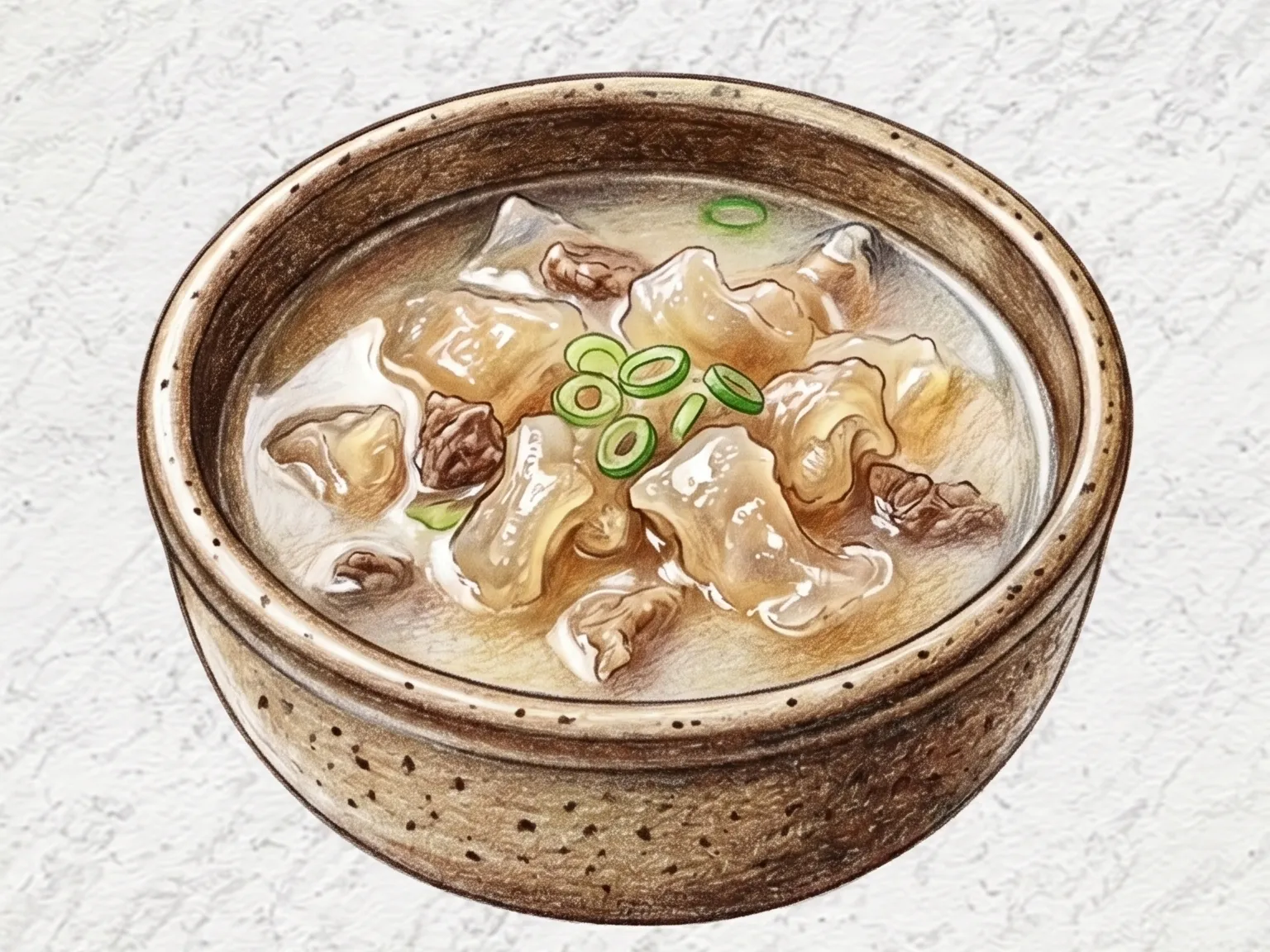
Doganitang Recipe (Dogani Tang, Korean Ox Knee Soup)
Doganitang, also written dogani tang or dogani-tang, is a Korean ox knee cartilage soup simmered for over two and a half hours on low heat. The long cook extracts collagen into a broth that appears clear but coats the lips with a rich gelatin film. Soaking the cartilage in cold water for an hour and blanching for ten minutes before the main cook are non-negotiable steps that draw out blood and impurities which would otherwise cloud the broth and leave an off-taste. The finished soup is seasoned simply with salt, pepper, and scallion so the clean beef flavor and chewy cartilage texture stay at the center.
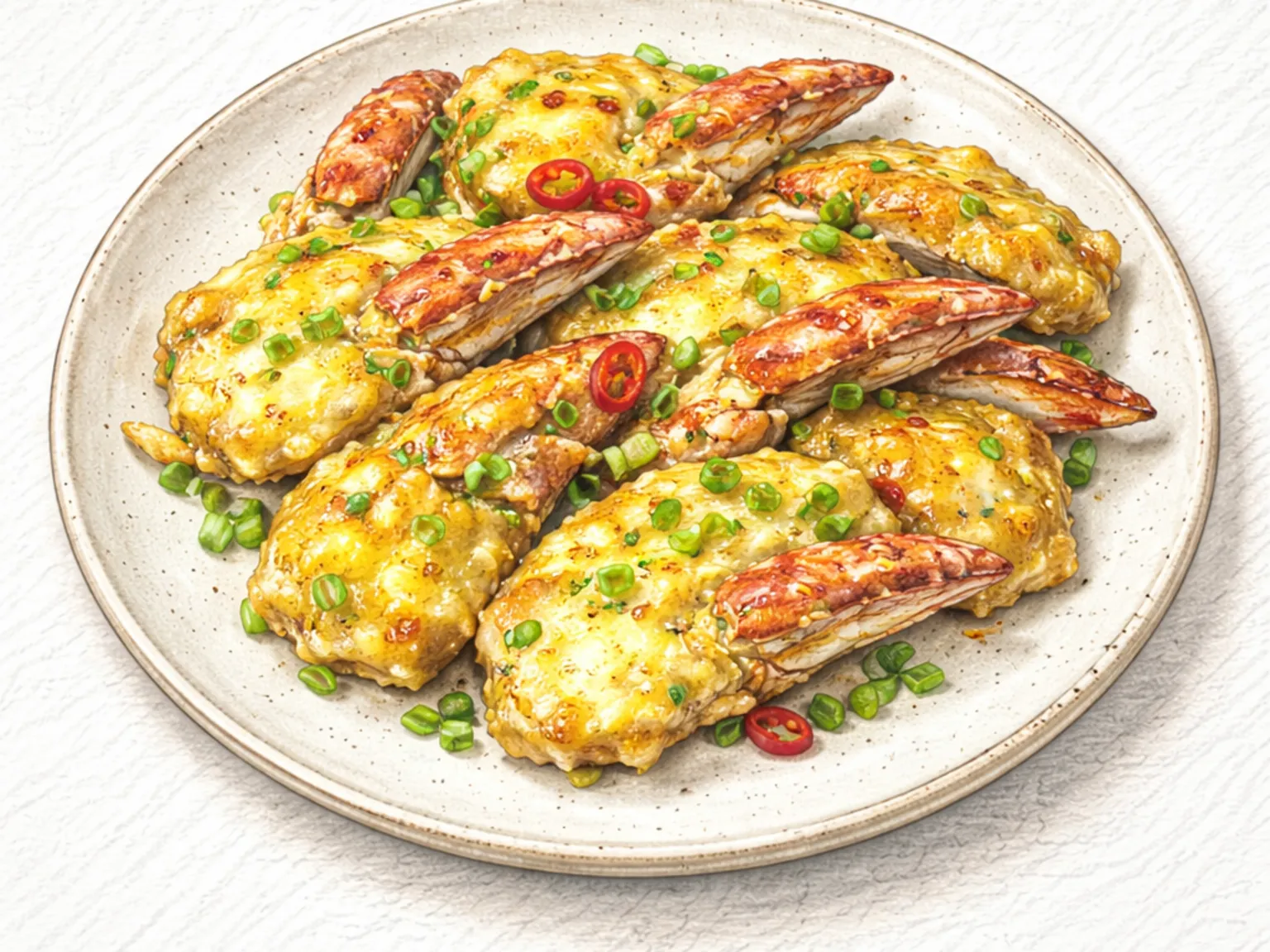
Korean Flower Crab Pancake
Fresh blue crab meat is picked clean, coated in a mixture of all-purpose flour and Korean pancake mix, dipped in beaten egg, and pan-fried until the surface turns golden. The crab's natural sweetness and mild brininess stay intact throughout the process, and minced ginger cuts through any residual fishiness without announcing itself in the finished jeon. Black pepper is added in small amounts - just enough to clean up the aftertaste without competing with the delicate crab. The egg coating holds moisture inside, keeping the meat tender while the outside crisps to a light, golden crust. A generous amount of crab filling in each piece is what makes the texture satisfying.
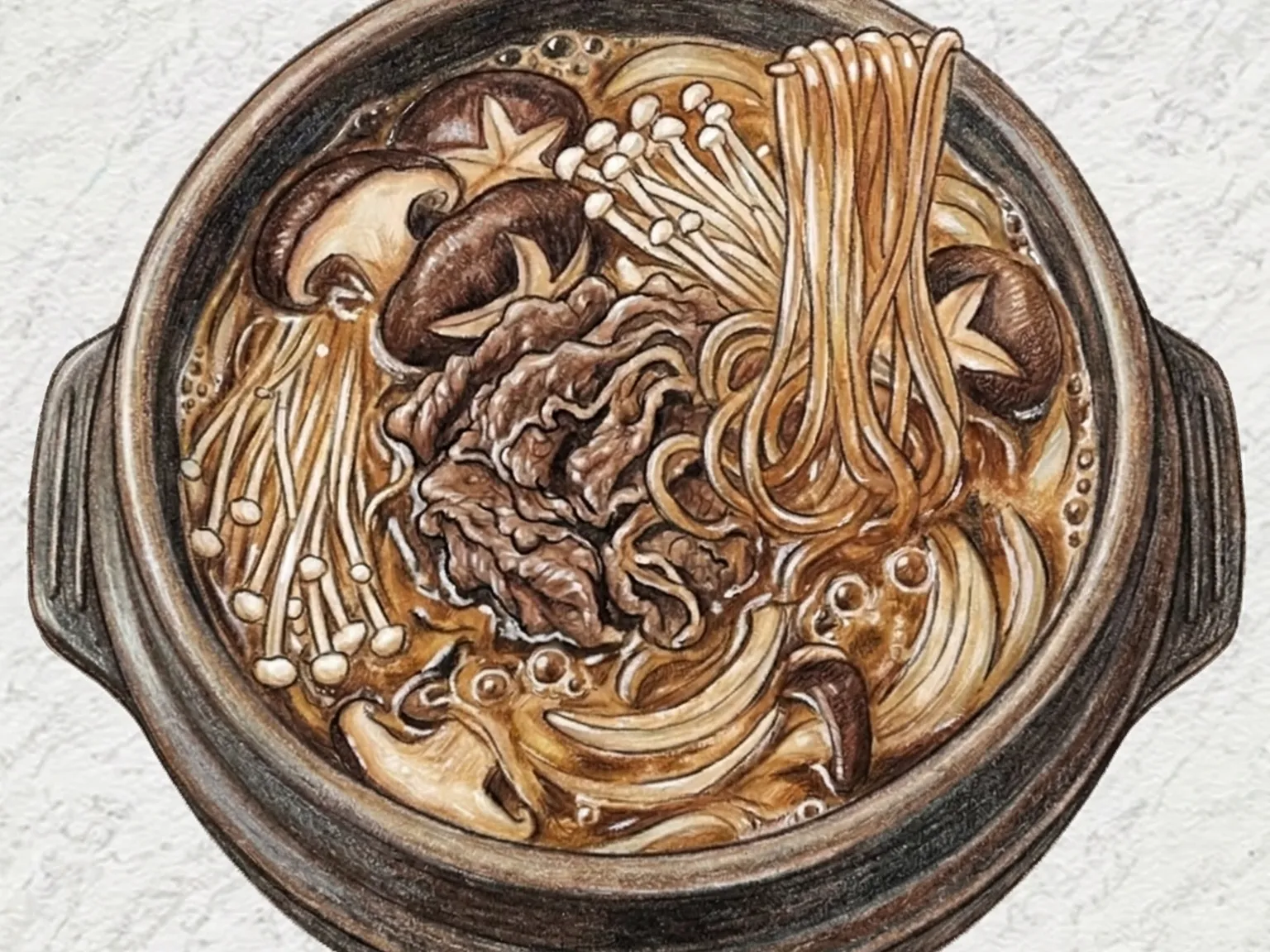
Korean Mushroom Bulgogi Jeongol
Soy sauce-marinated beef and a mix of shiitake and enoki mushrooms simmer together in a generous broth, with the beef's umami and the shiitake's deep, earthy scent building into the stock as the jeongol cooks. Sweet potato noodles absorb that concentrated broth, picking up its full flavor in every chewy strand. Onion's natural sweetness moderates the saltiness of the soy-based stock, and the garlic-infused liquid makes the dish work equally well as a rice accompaniment or a drinking table side. The jeongol is typically left on a portable burner at the table and eaten continuously as it cooks.