🎉 Special Occasion Recipes
Impressive dishes for guests and special occasions
929 recipes. Page 25 of 39
When guests are coming, the menu needs a little extra care. This tag features impressive dishes suited for entertaining - galbi-jjim, japchae, and bulgogi for a Korean spread, or pasta and steak for a Western-style course.
The key to stress-free hosting is choosing recipes that allow advance preparation. Do the heavy lifting the day before, then finish plating when guests arrive. That way, you can relax and enjoy the meal together.
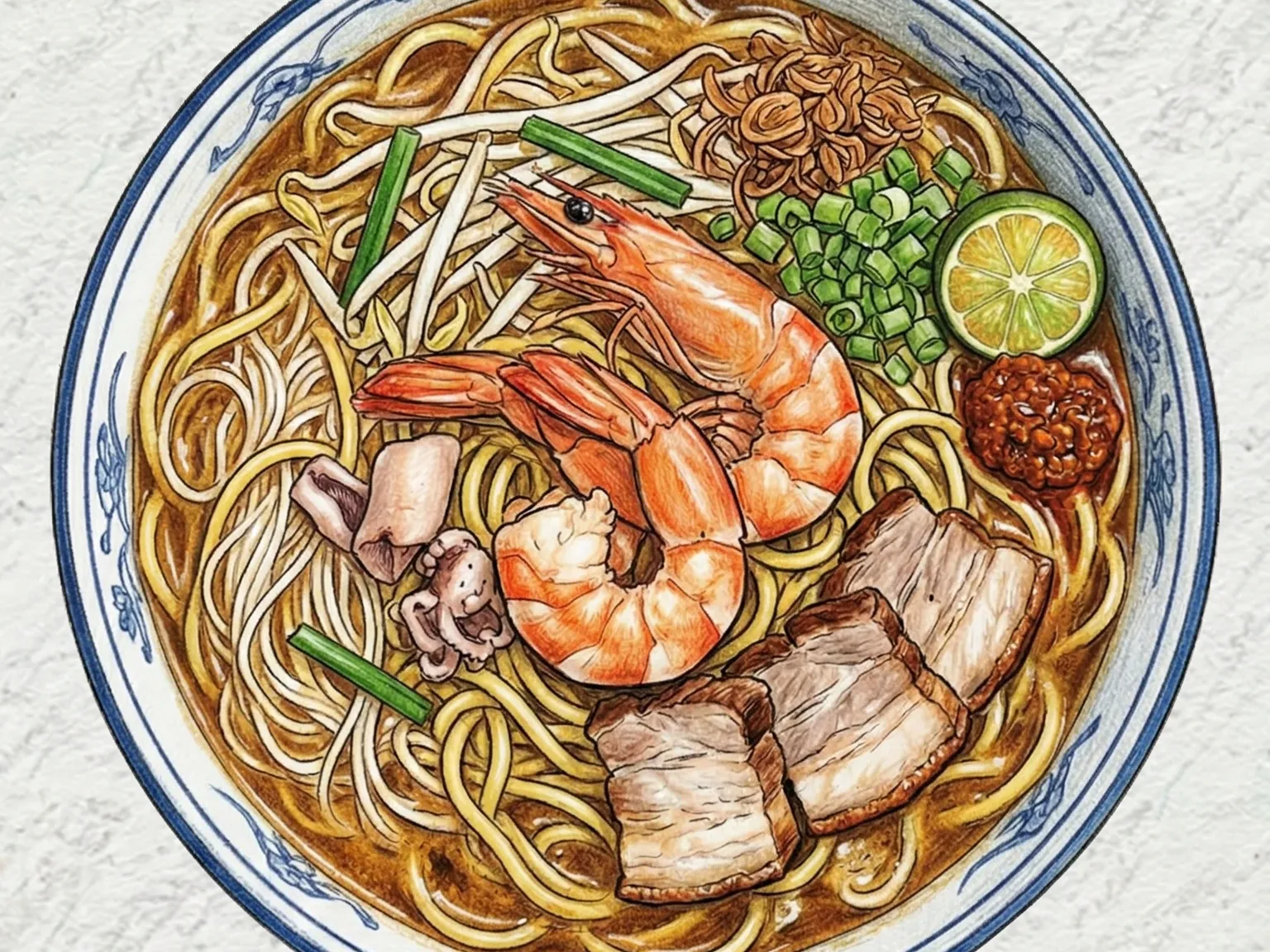
Hokkien Prawn Mee (Spicy Prawn Noodle Soup)
Hokkien prawn mee is one of the defining noodle dishes of Singapore's hawker culture, built on a dual stock of roasted shrimp shells and slow-simmered pork bones. The shrimp are broken down into shells and meat before cooking begins - the shells are fried in oil with garlic until deeply browned and fragrant, and this step alone sets the ceiling of flavor the final broth can reach. Pork stock is added to the pan and the combined liquid simmers for twenty minutes before being strained, producing a broth that appears almost clear but carries a concentrated marine and pork depth. Egg noodles and the reserved shrimp meat are cooked directly in this strained liquid, and fish sauce is stirred in to reinforce the ocean character. A spoonful of sambal chili paste rests on the surface and gradually dissolves into the soup as the bowl is eaten, intensifying with each sip. Chopped scallion adds a fresh green note against the rich, amber broth.
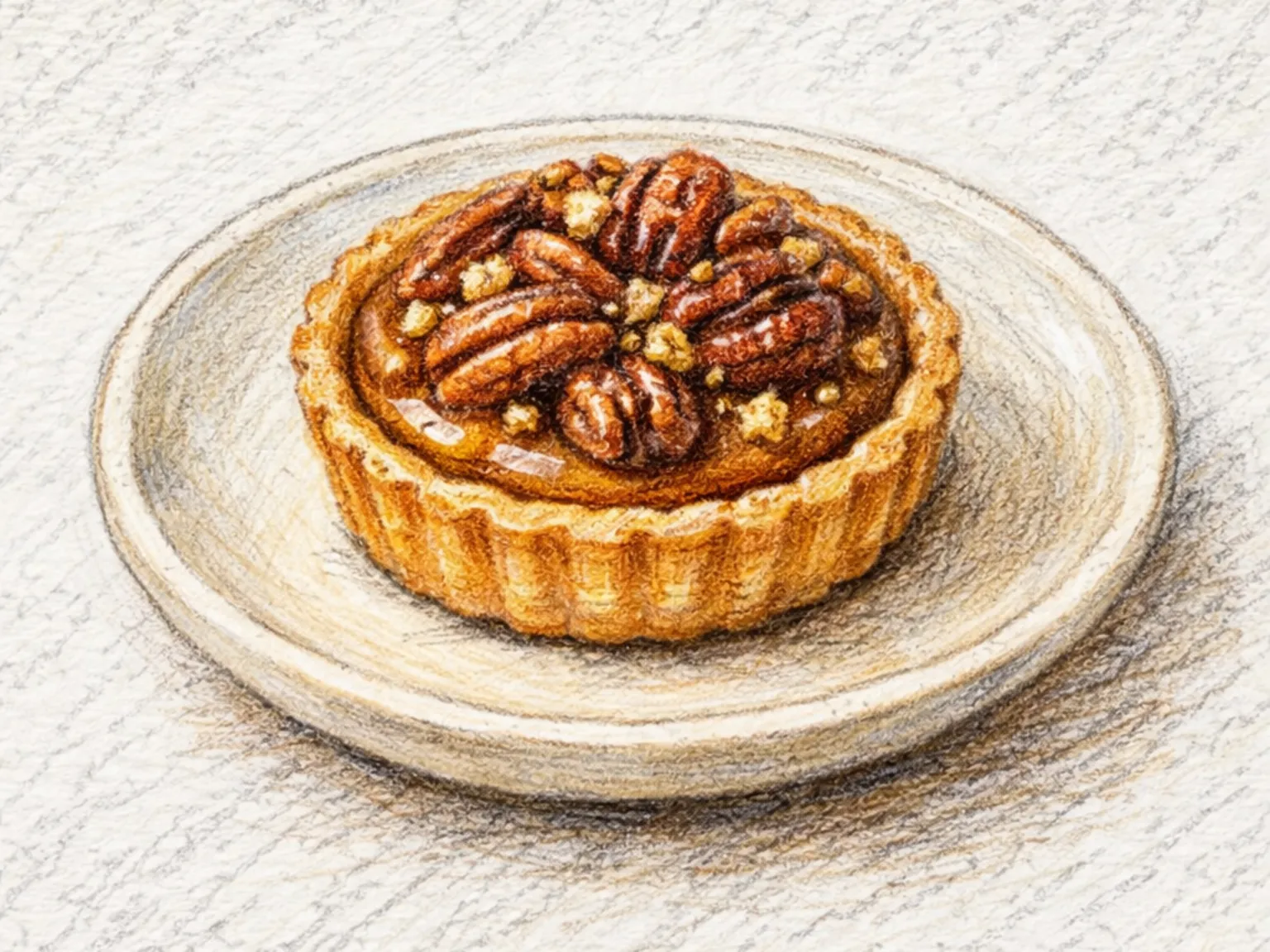
Doenjang Caramel Pecan Tartlets
Doenjang caramel pecan tartlets bring together Korean fermented soybean paste and Western pastry in a dessert that treats doenjang the way salted caramel treats sea salt: as a savory element that sharpens and deepens sweetness. Mini tart shells are filled with toasted pecans and topped with caramel into which a small amount of doenjang has been thoroughly whisked. The fermented paste introduces salty, umami-layered depth beneath the caramel's sweetness, and the result sits noticeably broader and more complex than a standard pecan tart. The caramel must be cooked to a deep amber before the doenjang is added; pulling it too early leaves only sweetness and buries the paste's fermented character. Once poured and cooled, the surface sets into a glassy layer that snaps under a fork, adding a textural payoff before the filling yields. The pecan's buttery, slightly bitter roasted note meets the caramel's bittersweet char and the doenjang's fermented roundness, stacking three distinct kinds of richness into every bite. Well-aged doenjang used in a small quantity concentrates the aroma more than a milder paste, and adding almond flour to the tart shell dough creates a shortbread texture that harmonizes with the pecan.
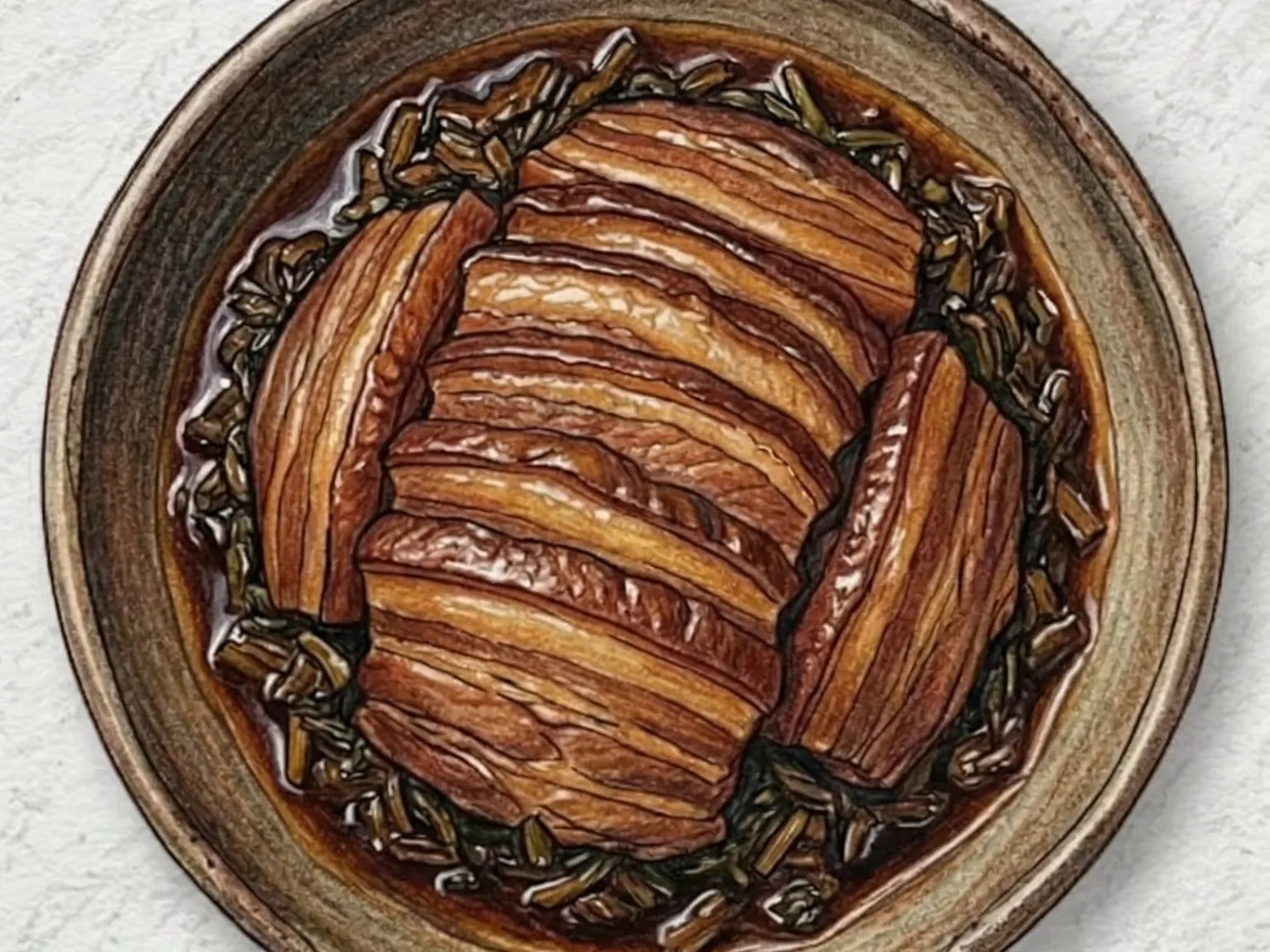
Braised Pork Belly with Preserved Mustard Greens
Meicai kourou is a Hakka Chinese dish of parboiled pork belly that is seared with soy sauce for color, then layered with preserved mustard greens and steamed for over an hour. The prolonged steaming renders the fat translucent and meltingly soft, while the fermented, salty greens infuse the meat with their concentrated flavor. When inverted onto a plate, the neatly stacked slices glisten under the braising sauce. It is a centerpiece dish meant for sharing, with the sauce spooned over steamed rice to capture every layer of richness.
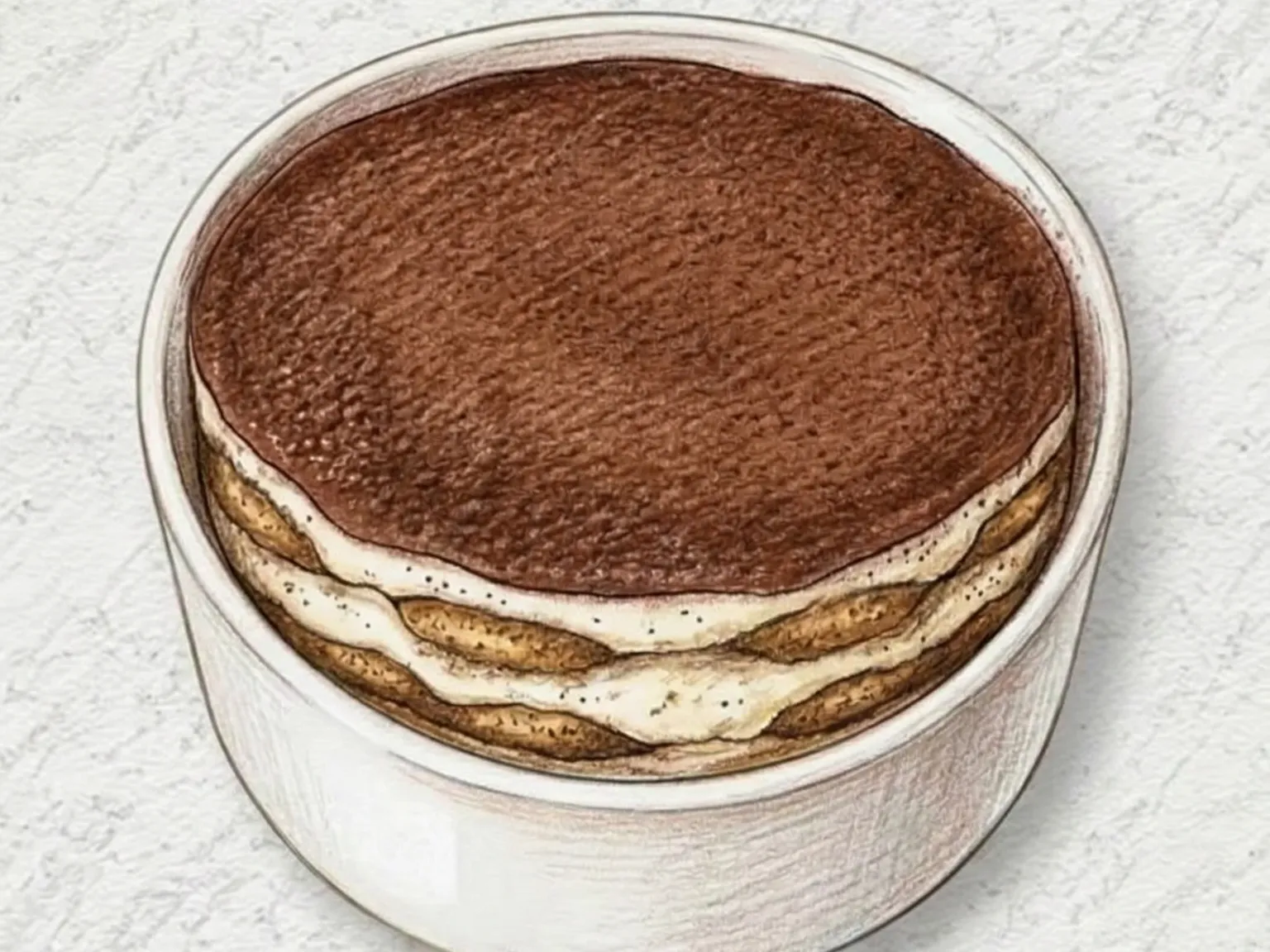
Classic Tiramisu
Classic tiramisu layers ladyfingers briefly soaked in a syrup of cooled espresso and Marsala wine with a cream made from egg yolks whipped with sugar over a bain-marie, then folded with mascarpone and softly whipped heavy cream. Dipping the ladyfingers for only about one second prevents them from absorbing too much liquid and collapsing. Whipping the cream to soft peaks and folding it gently keeps the filling light rather than dense. The bittersweet depth of espresso plays against the rich, buttery smoothness of mascarpone, creating a flavor contrast that develops further with chilling. A minimum of four hours in the refrigerator, ideally overnight, allows the layers to meld into a cohesive, melt-in-the-mouth texture. Cocoa powder dusted generously over the surface just before serving adds a final bitter note.
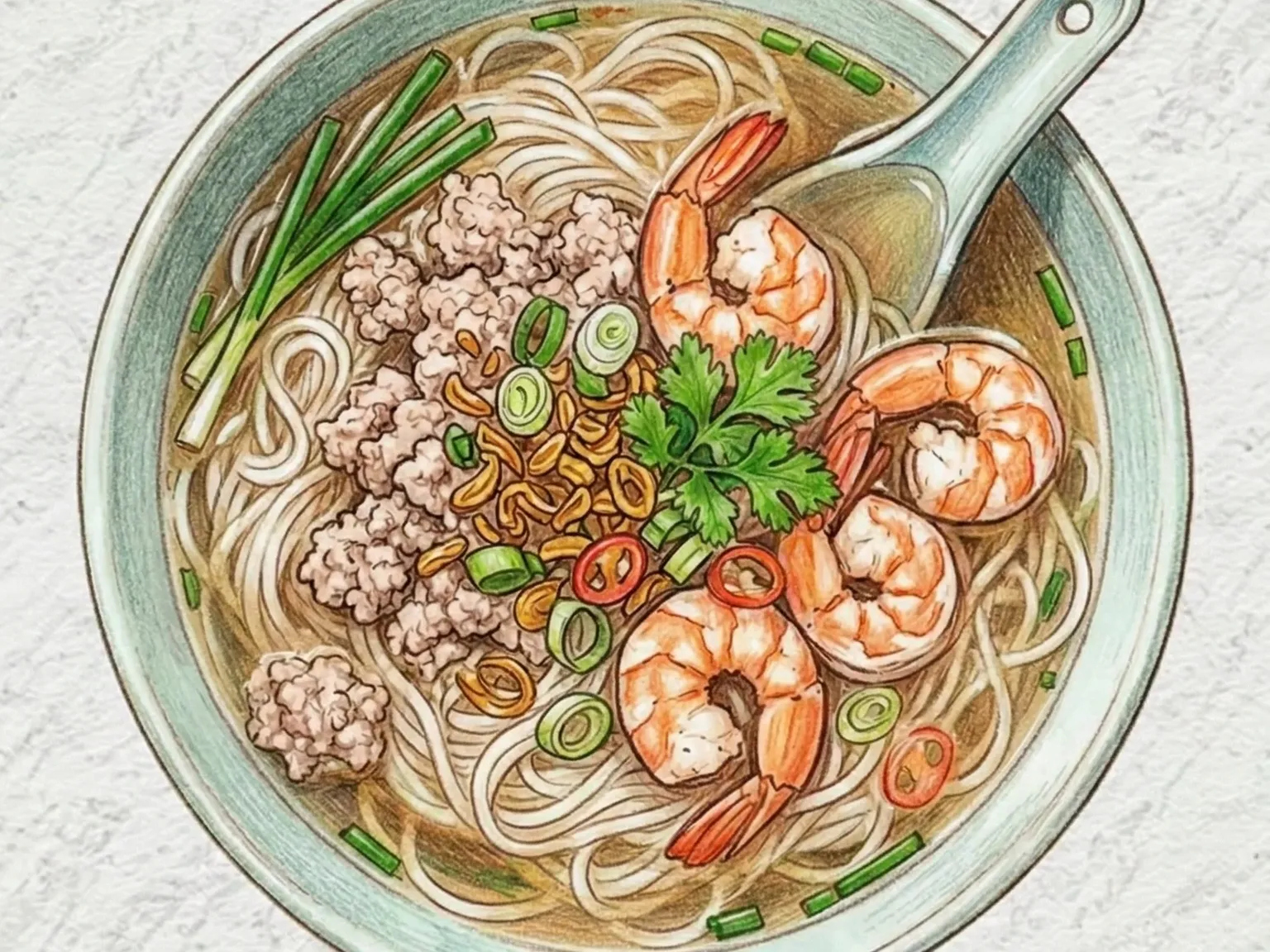
Hu Tieu Nam Vang (Vietnamese Pork & Shrimp Noodle Soup)
Hu tieu nam vang is a clear-broth rice noodle soup from southern Vietnam, originating in the Cambodian immigrant communities of Phnom Penh and now thoroughly embedded in Saigon street food culture. Pork bones are simmered at low heat for an extended time while the surface is skimmed repeatedly to keep the broth transparent and clean-tasting. Fish sauce and a measured amount of sugar season the broth with a savory-sweet balance that is distinctively southern Vietnamese. Ground pork is pan-fried with garlic until the moisture cooks off and the meat turns crumbly and lightly browned, creating a textured topping that contrasts with the silky broth. Whole shrimp are blanched for one minute only, enough to set the flesh without turning them rubbery. Rice noodles go into the bowl first, raw bean sprouts are piled on top, and boiling broth is ladled over, wilting the outer layers of the sprouts while leaving their cores crisp. A spoonful of garlic-infused oil floated on the surface releases fragrance with each sip and deepens the overall aroma. Green onion and black pepper finish the bowl simply, and the long-cooked broth does the work of pulling every element together. Lime wedges and fresh chilies on the side let each diner adjust acidity and heat to their own preference.
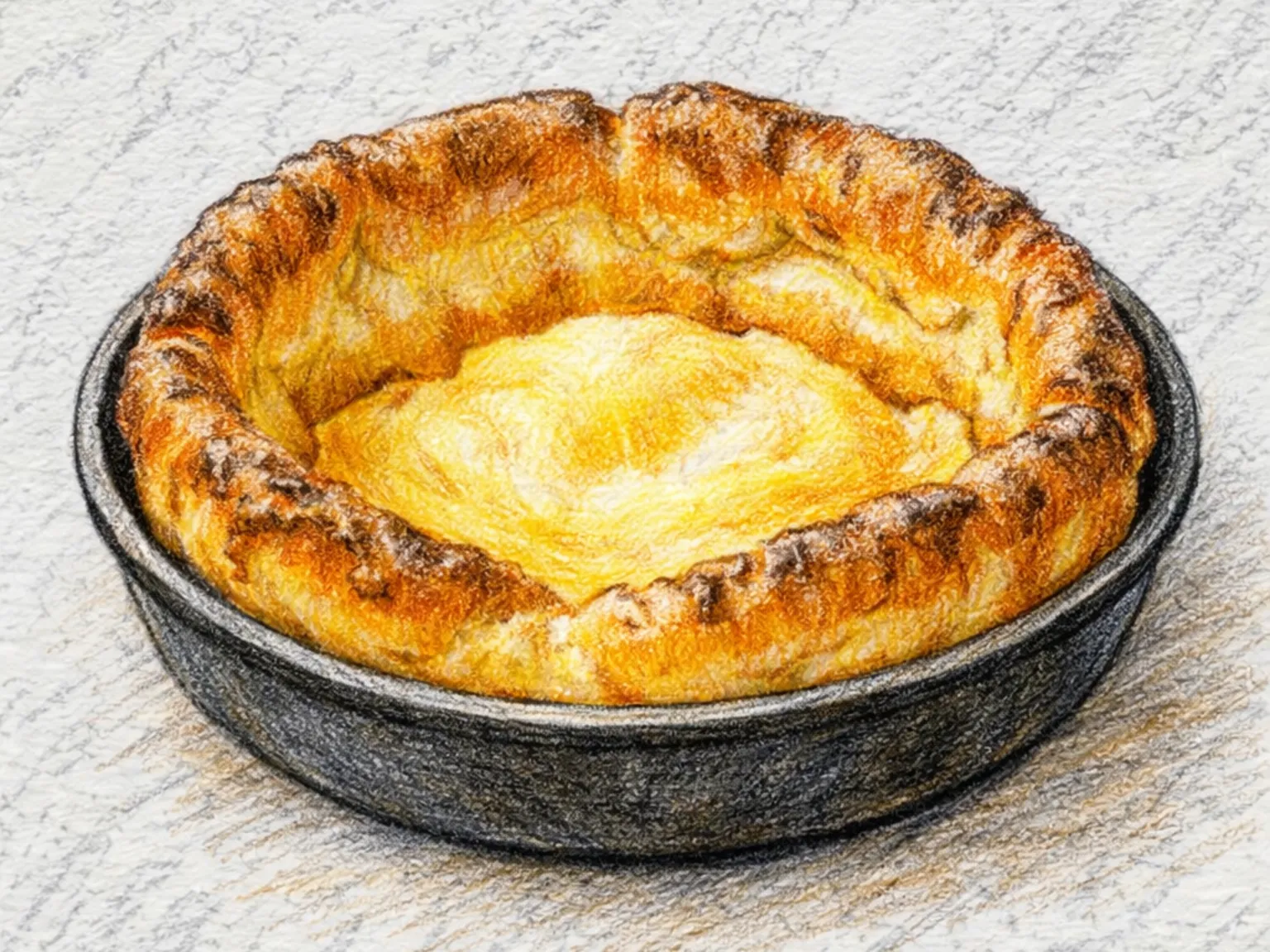
Dutch Baby Pancake
A Dutch baby is a German-American oven-baked pancake made from a thin, loose batter of eggs, flour, milk, and melted butter, poured into a cast iron skillet that has been preheated until it is searing hot. The sudden contact with the hot pan and oven causes the edges to puff dramatically, sometimes rising several inches above the rim and curling inward to form a natural bowl, while the center remains low, custardy, and tender. This contrast between the crisp, golden-brown walls and the soft, eggy base is the whole point of the dish, and the pancake begins deflating the moment it exits the oven, so it needs to go directly to the table while still dramatically puffed. A squeeze of fresh lemon juice over the surface and a heavy dusting of powdered sugar is the classic finishing touch: the bright acidity and the sweetness play directly against the rich, buttery egg base in a way that simple toppings rarely achieve. Fresh berries, sliced stone fruit, or a generous cloud of whipped cream transform it from a simple breakfast into a substantial brunch centerpiece. Getting the skillet genuinely hot -- at least 220 to 230 degrees Celsius before the batter goes in -- is the single most important factor in how high the edges rise. Using eggs at room temperature and letting the mixed batter rest briefly before pouring also contributes to even, dramatic puffing.
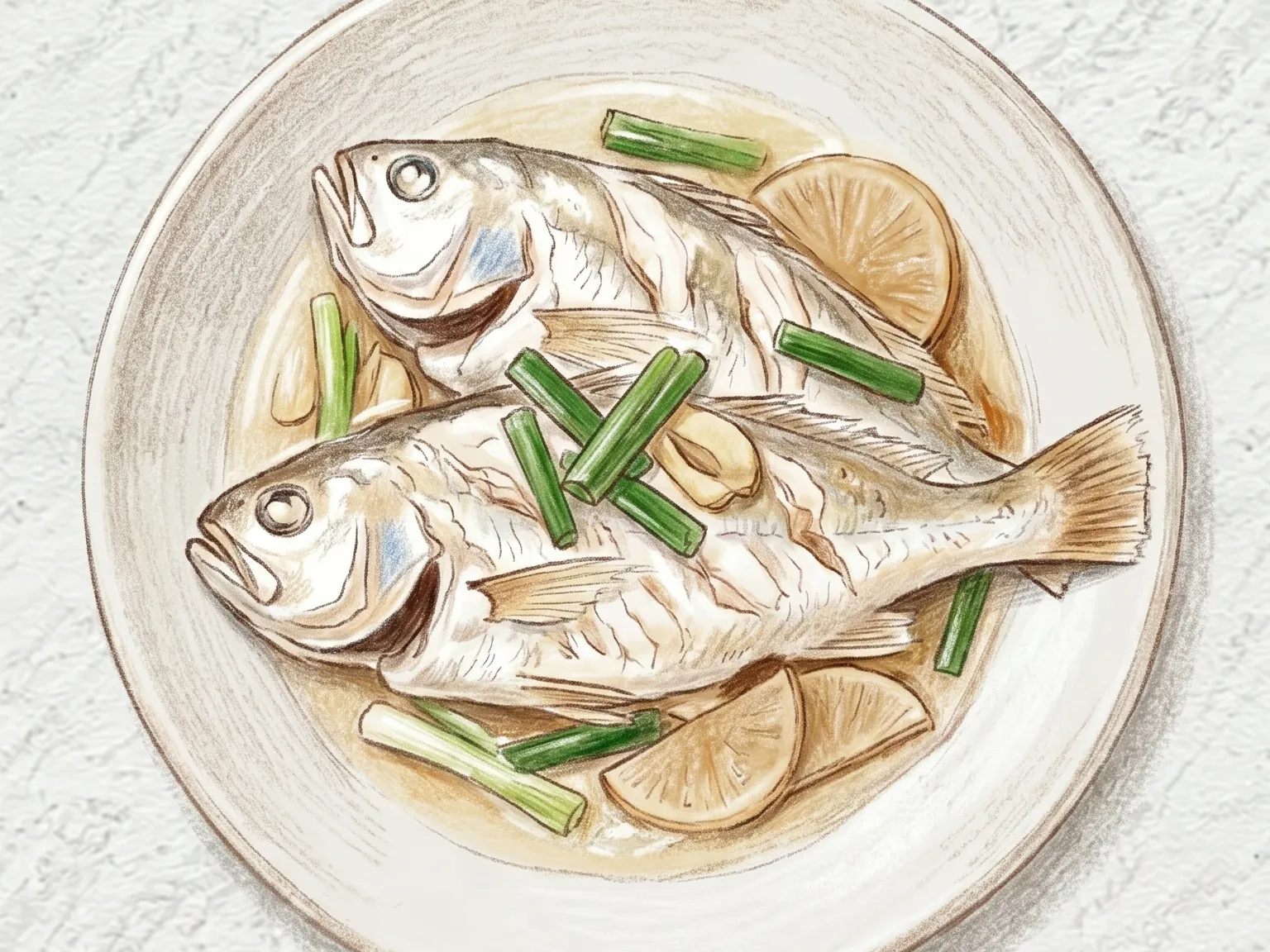
Korean Steamed Croaker (White Fish Radish Soy)
Mineo-jjim is a Korean steamed croaker prepared with Korean radish, green onion, ginger, and rice wine. Croaker is prized among white fish for its fine-grained flesh and mild aroma, and steaming preserves its delicate, moist texture without drying it out. Ginger and rice wine work together to eliminate any trace of fishiness, while the radish releases a gentle sweetness into the broth as it cooks. Seasoned with just a touch of soy sauce at the end, this dish lets the natural flavor of the fish take center stage and is well suited for formal meals.
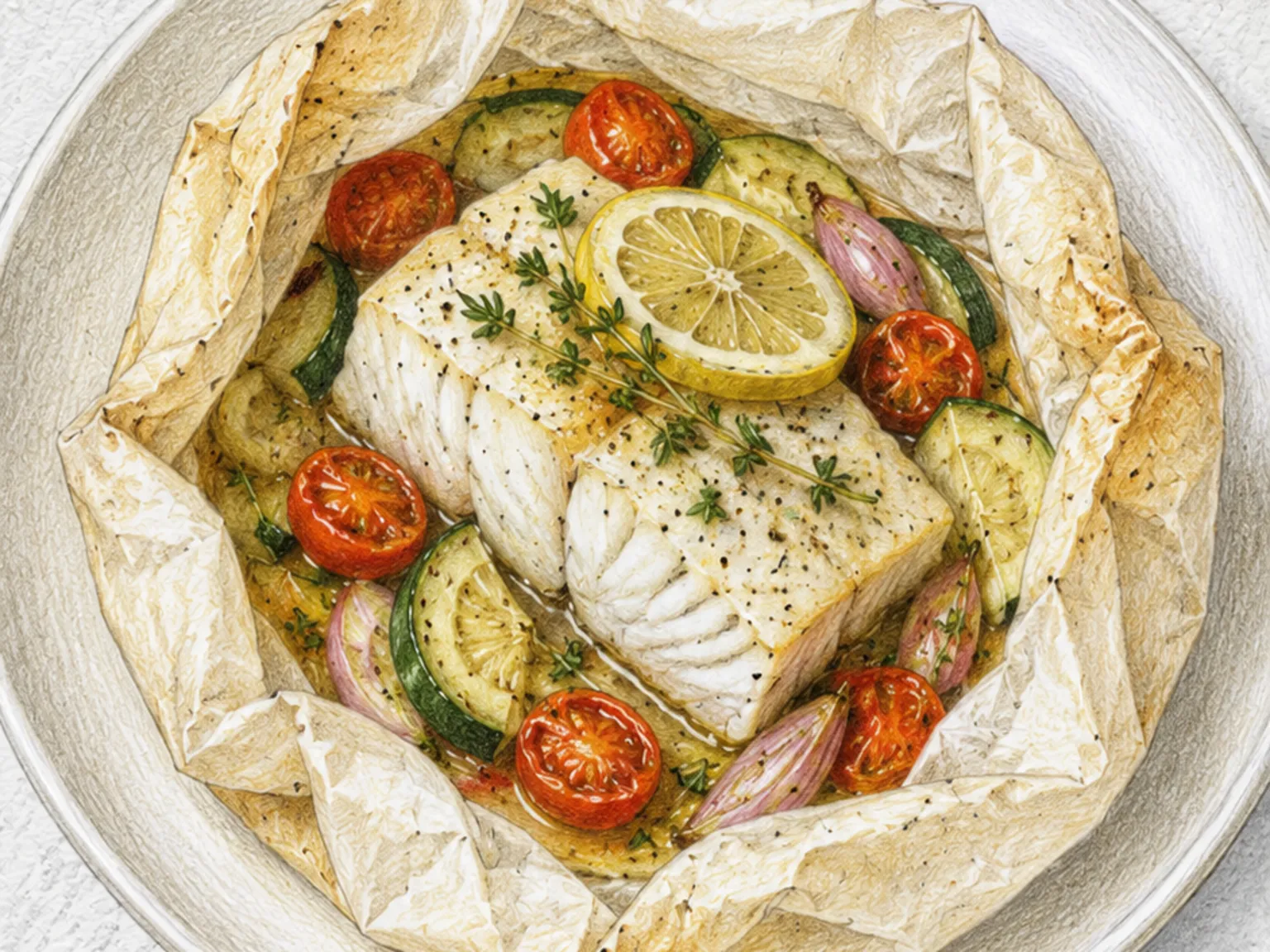
Cod en Papillote (French Parchment-Steamed Cod with Vegetables)
Cod en papillote involves wrapping cod fillets along with several specific ingredients including sliced zucchini, cherry tomatoes, shallots, fresh thyme, and rounds of lemon. These components are drizzled with olive oil and a small amount of dry white wine before being enclosed within a piece of parchment paper that is crimped tightly at the edges to create a secure seal. The prepared parcel is placed into an oven preheated to 200 degrees Celsius and baked for a duration of fifteen to eighteen minutes. This cooking technique relies on the sealed packet to trap steam inside, which cooks the fish with a gentle heat and ensures that the flesh remains moist throughout the entire process. As the white wine and lemon heat up, they produce an aromatic steam that penetrates the mild texture of the cod, providing it with a distinct brightness and a clean overall flavor profile. The addition of thyme introduces a subtle herbal quality that works in conjunction with the natural sweetness released by the vegetables as they soften under the heat. Olive oil serves to integrate the various elements of the dish while contributing a smooth and rich mouthfeel. When the parchment is eventually opened at the dining table, the accumulated aromas are released immediately, which turns the simple act of serving into an integral part of the meal. If parchment paper is unavailable, aluminum foil serves as an effective substitute for creating the necessary seal. Furthermore, the selection of vegetables is flexible and can be adjusted according to the current season, as ingredients such as sliced carrots, asparagus, or spinach can be incorporated as natural alternatives within the wrap.
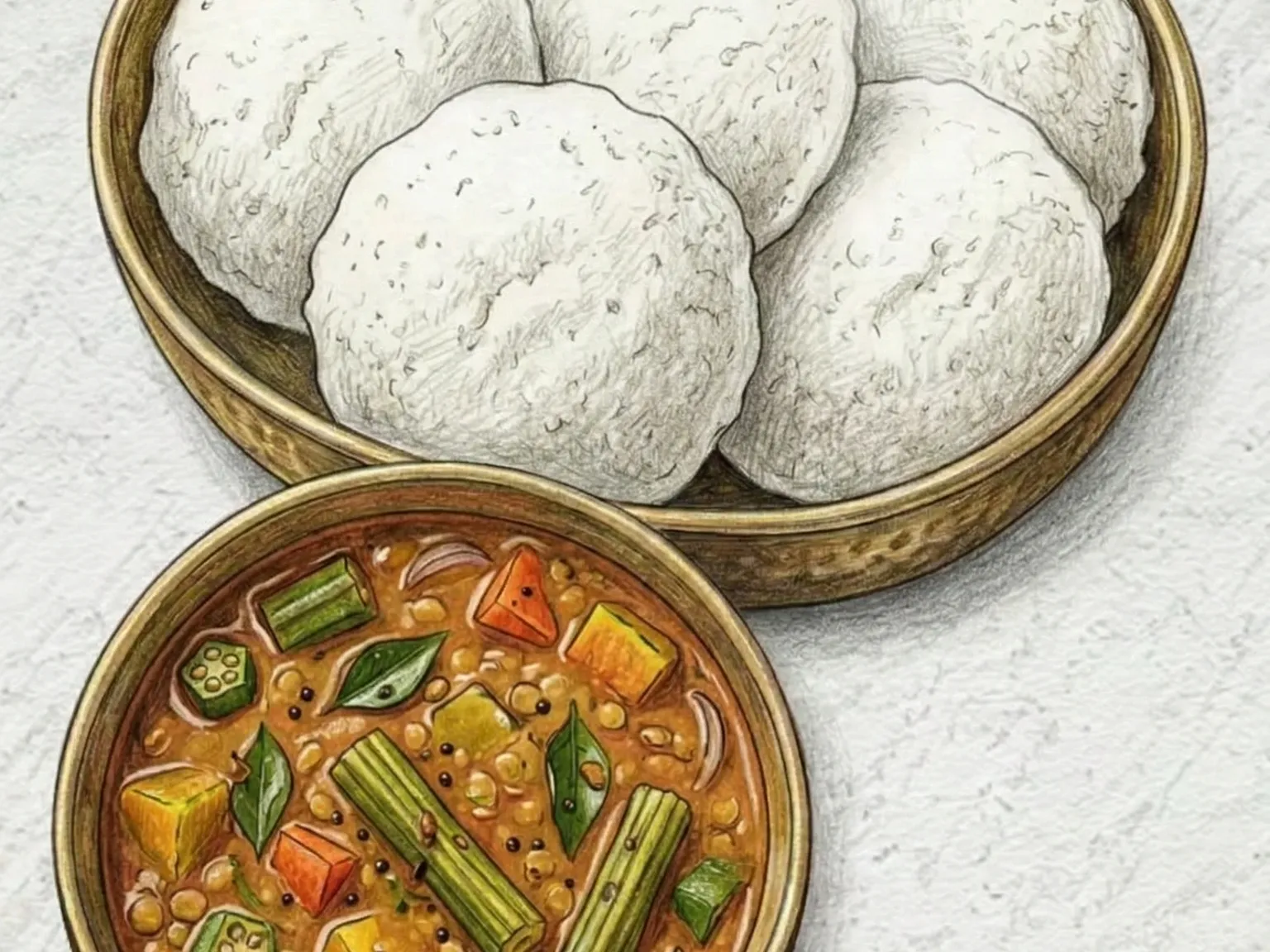
Idli Sambar (Steamed Rice Cakes with Lentil Stew)
Idli sambar is a foundational South Indian breakfast that pairs soft, steamed rice cakes with a deeply spiced lentil and vegetable stew. The idli batter is made by soaking and grinding rice and urad dal separately, then mixing and leaving the combination to ferment overnight; this fermentation is what produces the airy, spongy texture when the batter is poured into molds and steamed for ten to twelve minutes. The resulting discs absorb sauces readily and have a mild, slightly tangy flavor from the fermentation. The sambar starts with toor dal simmered until completely soft and partially mashed to give the broth body, then combined with sauteed onion and tomato along with sambar powder and tamarind water for a ten-minute simmer. Tamarind's pronounced sourness balances the earthiness of the lentils and keeps the broth from tasting heavy, while the spice blend in sambar powder adds a warm background heat without becoming harsh. The final and essential step is tempering: mustard seeds are dropped into very hot oil until they pop and scatter, then the spiced oil is stirred into the finished stew, releasing a nutty, aromatic burst that threads through the whole pot. Dipping or soaking the mild, fluffy idli in the bold, tangy sambar creates the contrast that defines this combination and distinguishes it from eating either component alone. Coconut chutney served alongside adds a cool, creamy counterpoint.
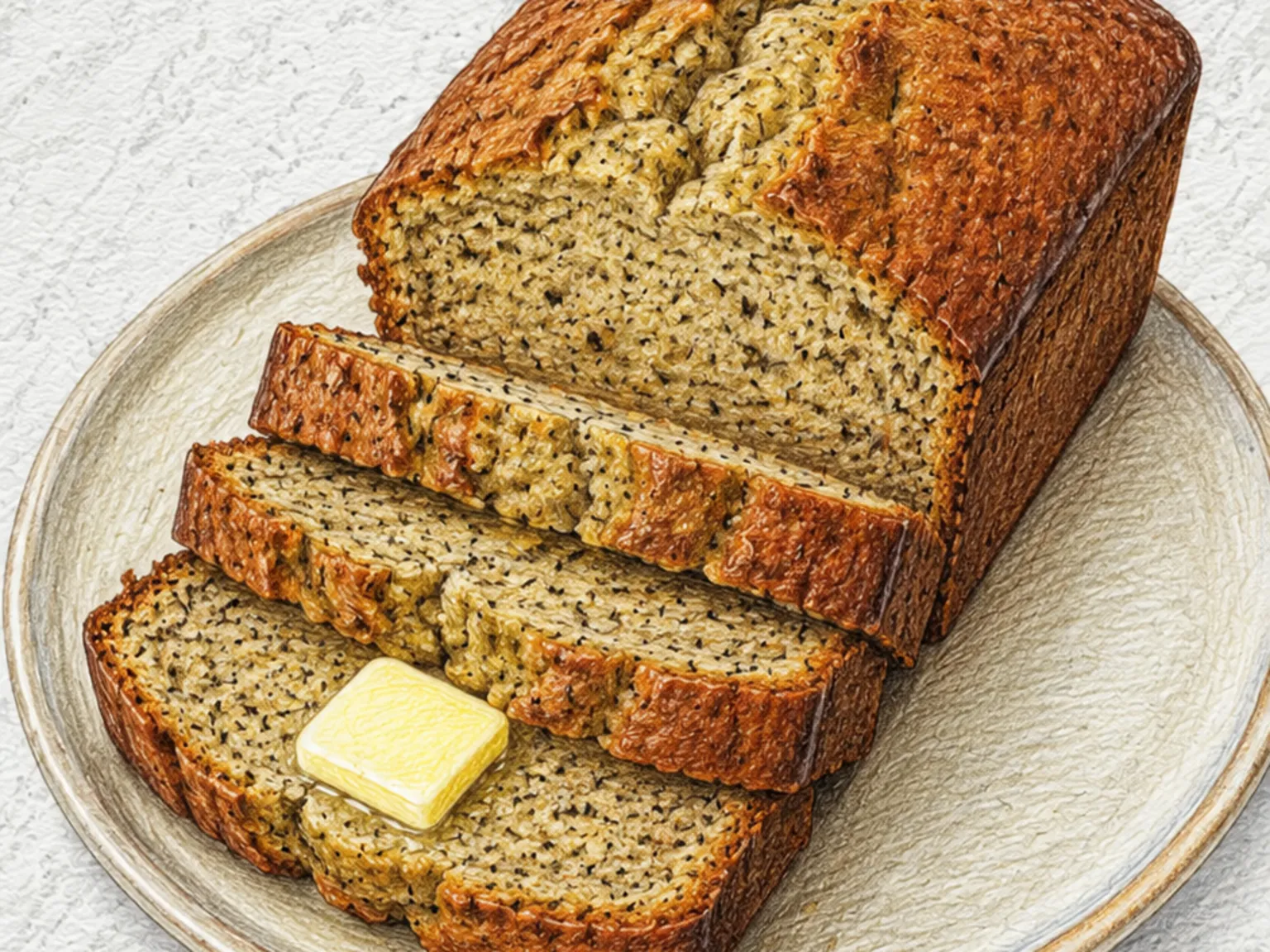
Earl Grey Banana Bread
Overripe bananas and finely ground Earl Grey tea leaves come together in a quick bread that smells of bergamot and caramelized fruit. The tea leaves are ground to a powder and folded directly into the batter, releasing their floral citrus oils throughout the crumb during baking. Ripe bananas provide enough natural sugar to keep the added sweetener modest, while butter and milk ensure the loaf stays moist for days. The top splits open naturally in the oven, revealing the soft interior beneath a lightly crusted surface. Each slice carries a layered aroma where banana warmth meets bergamot brightness, a combination that works because both share citrus-adjacent notes. A pat of butter on a warm slice is all the accompaniment this bread needs.
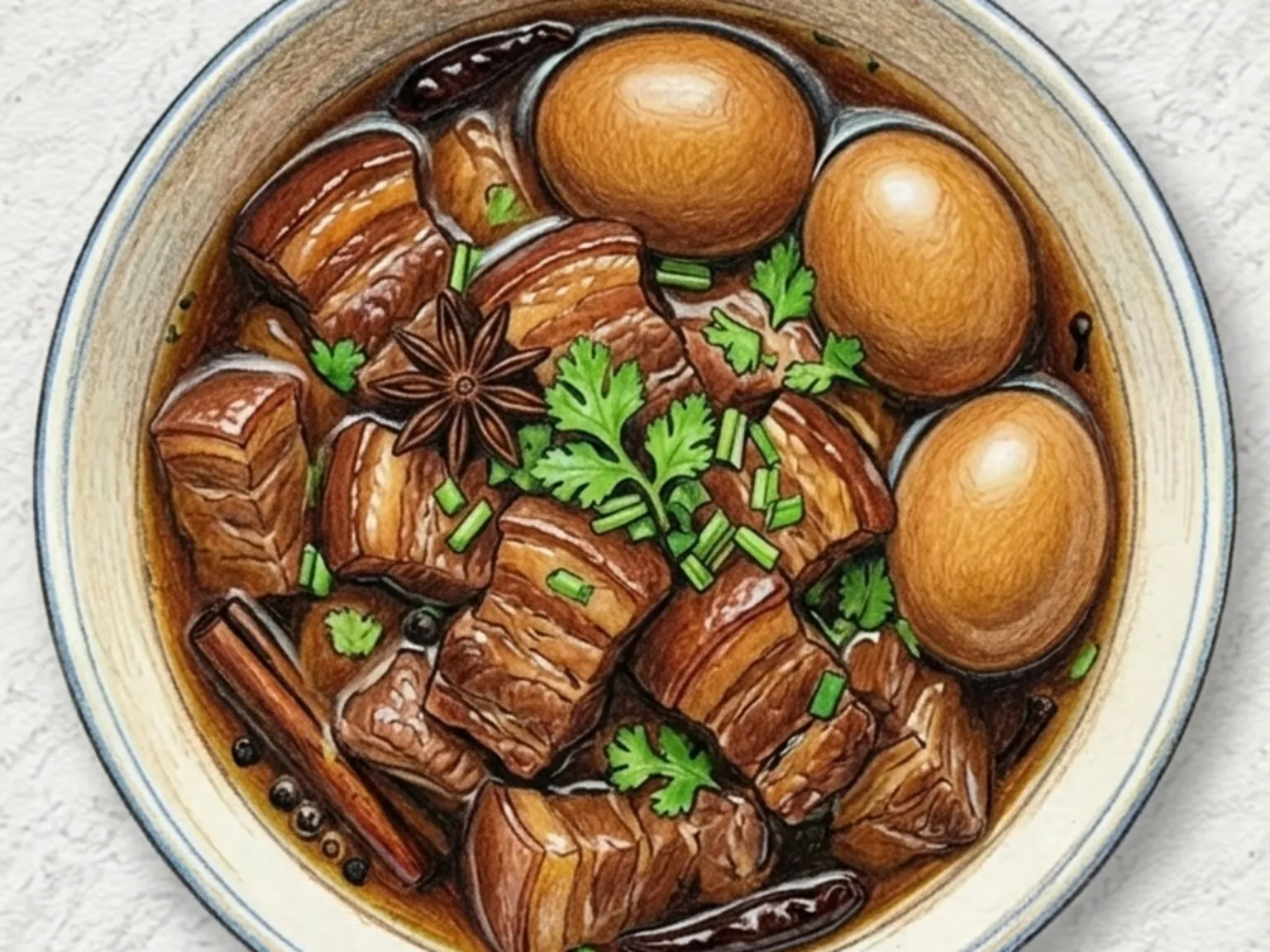
Thai Five-Spice Braised Pork and Eggs
Moo palo is a Thai home-cooked braise of pork belly and soft-boiled eggs simmered slowly in a sauce built from soy sauce, palm sugar, and five-spice powder. The palm sugar goes into a dry pot first, caramelized until it turns a deep amber before the pork is added, which gives the meat a rich lacquered surface rather than a pale stew color. Five-spice powder draws together cinnamon, star anise, clove, fennel seed, and Sichuan pepper into a layered fragrance that permeates the braising liquid from the start, setting moo palo apart from simpler soy-based stews. Peeled eggs submerged in the liquid take on a uniform mahogany tint as they cook, absorbing the seasoning all the way to the yolk over the long simmer. Pork belly or shoulder with a good ratio of fat to lean is the right cut here, as the fat melts into the liquid and keeps the meat from drying out during the extended cooking time. Spooned over a bowl of steamed jasmine rice, the braise delivers a warm, sweet-salty depth punctuated by gentle spice heat, the kind of satisfying everyday meal that is central to Thai home cooking.
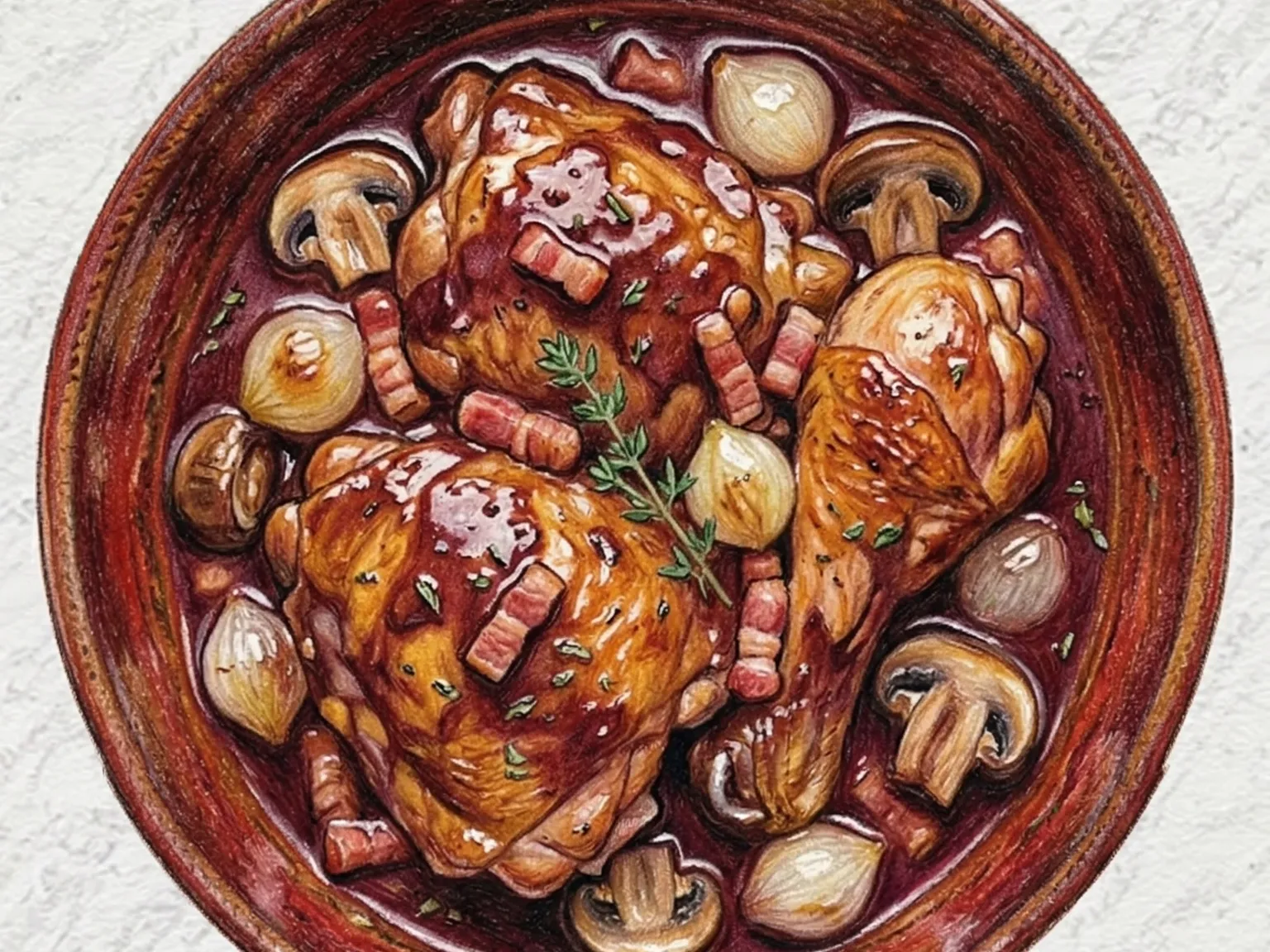
Coq au Vin (French Red Wine Braised Chicken with Mushrooms)
Coq au vin is a French braise in which chicken pieces are cooked slowly in red wine until the flesh is tender enough to pull apart and the braising liquid has reduced into a glossy, deeply flavored sauce. The process begins by browning the chicken in batches over high heat, creating a caramelized crust that seals in juice and deposits flavor into the fond at the bottom of the pan. Bacon lardons, shallots, and garlic are cooked next in the same pan, adding savory, aromatic layers before the wine deglazes the accumulated fond. Chicken stock and a small amount of tomato paste deepen the body of the braise, and forty-five minutes of covered, low simmering allows the wine's tannins and fruit to permeate the meat completely. Mushrooms are added in the final fifteen minutes to prevent them from turning mushy during the long cook. Reducing the sauce after the chicken is removed concentrates it to a consistency that coats the back of a spoon, and whisking in cold butter at the end produces a glossy sheen and a silky mouthfeel. The dish improves significantly if made a day ahead and refrigerated overnight, as the rest allows the wine, meat, and aromatics to integrate more fully. When reheated the following day, the sauce is noticeably richer and more cohesive than it was straight from the pot.
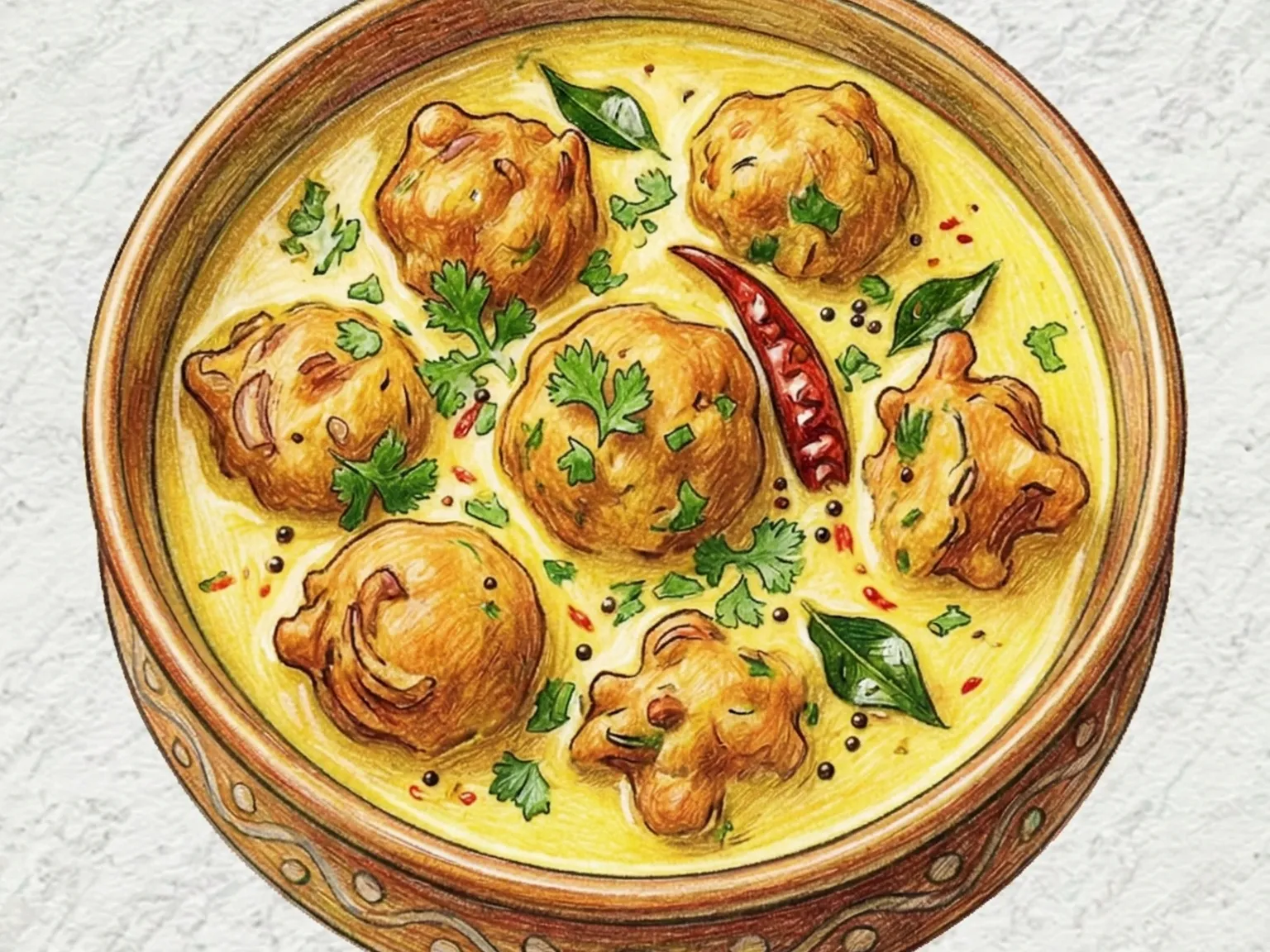
Kadhi Pakora (Yogurt Curry with Fritters)
Kadhi pakora is a yogurt-based curry from North India, especially popular in Punjabi home cooking, where gram flour fritters are simmered in a tangy, spiced yogurt gravy. The pakoras are made by mixing a portion of gram flour with sliced onion, salt, and water into a thick batter, then deep-frying spoonfuls until golden. The remaining gram flour is whisked with yogurt, water, turmeric, and red chili powder to form the kadhi base, which must be stirred constantly in the early stages to prevent the yogurt from splitting. Cumin seeds are bloomed in oil to release their aroma before the kadhi mixture is poured in and simmered gently for twenty minutes, allowing the raw flour taste to cook out completely. Adding the fried pakoras near serving time preserves some of their texture, while longer simmering lets them absorb the gravy and turn soft throughout.
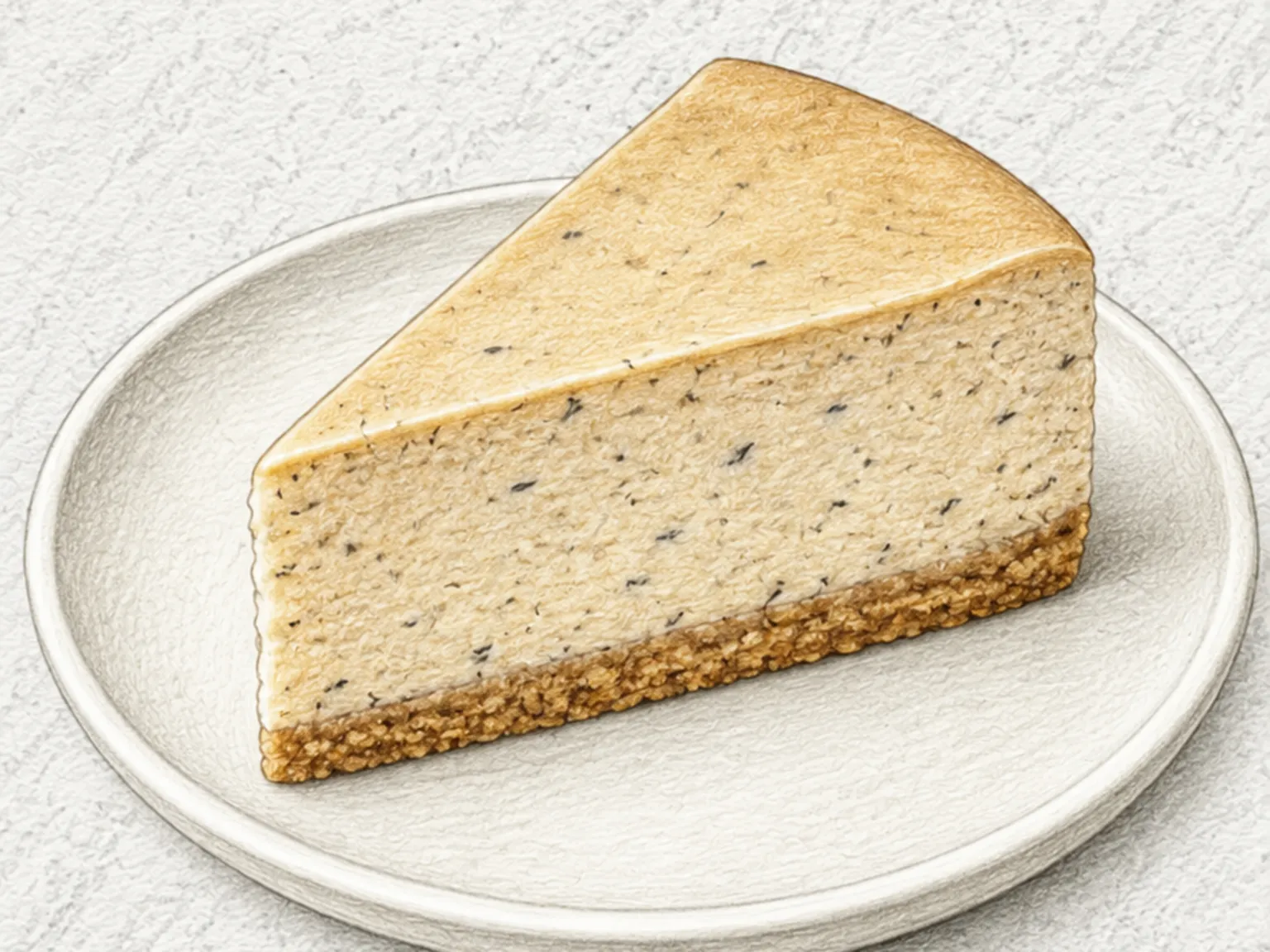
Earl Grey Milk Tea Cheesecake
Earl Grey cheesecake infuses the bergamot-scented fragrance of Earl Grey tea into a classic baked cheesecake. Heavy cream is steeped with tea bags until the bergamot's citrus-floral aroma transfers fully, then mixed into a filling of cream cheese, eggs, and sugar. A crushed digestive biscuit crust provides a sandy, buttery base. The cheesecake bakes slowly at moderate heat until the edges are set but the center still has a gentle wobble, which firms as it cools. The bergamot flavor weaves through the dense cream cheese like a thread of brightness, lifting the richness without overpowering it and creating a milk tea quality that lingers after each bite.
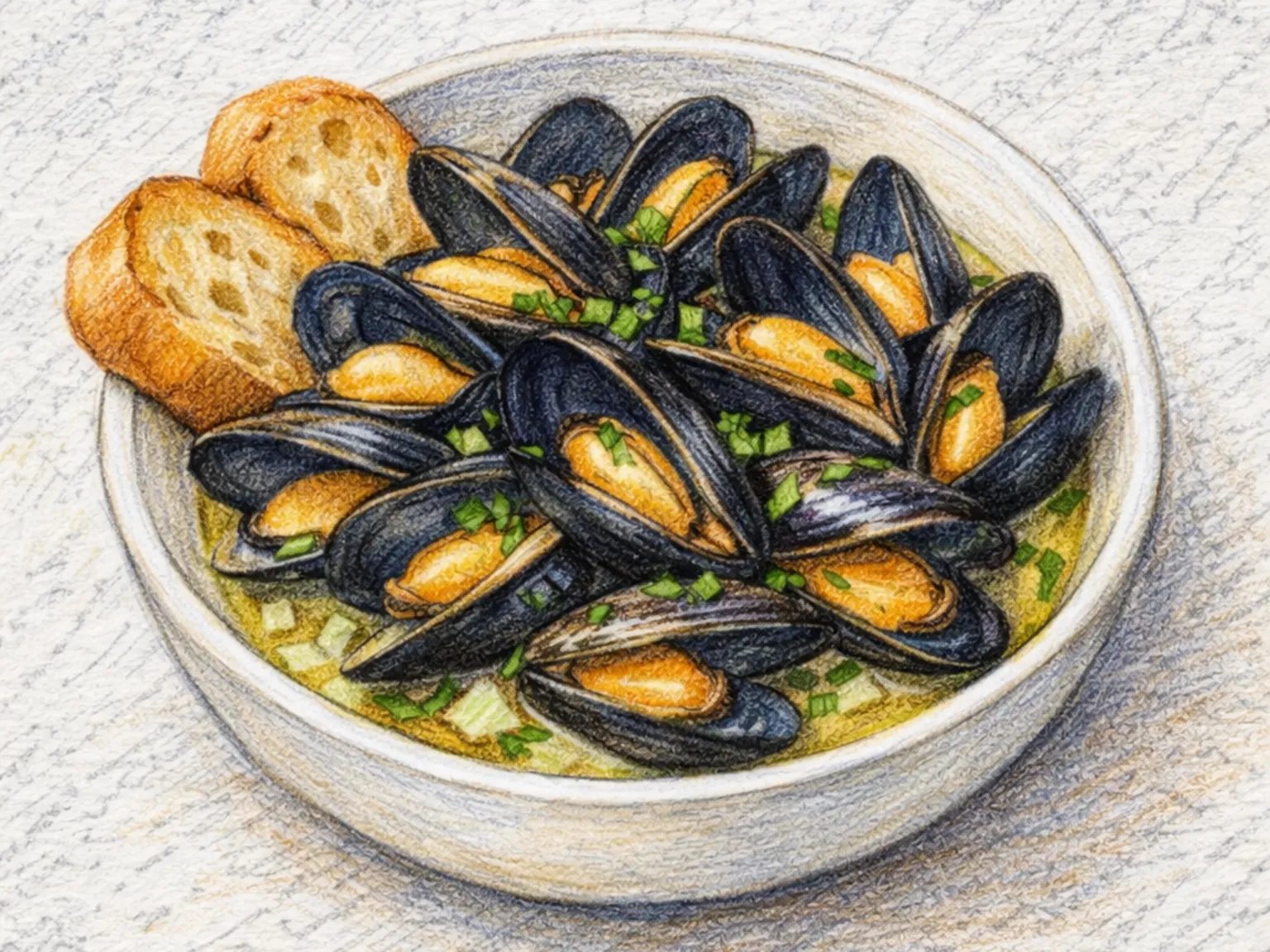
Steamed Mussels Mariniere
Moules mariniere is a classic dish from northern France in which mussels are steamed open in a base of white wine, butter, garlic, and shallot over high heat. As the mussels open, they release their briny cooking liquid into the wine-butter base, and within roughly five minutes that mixture becomes a deeply aromatic broth that is far more complex than the sum of its parts. The brevity of the cooking time is not incidental but essential. Mussels cooked just until they open remain plump and firm, while those left on the heat any longer shrink and turn chewy. The moment the last mussel opens, the heat comes off. Fresh flat-leaf parsley is scattered over the top before serving, adding a clean green note against the richness of the broth. A dry white wine is preferable to one with residual sweetness, because its acidity balances the butter and amplifies the oceanic flavor of the mussels. Finishing with a small knob of cold butter stirred in at the end gives the sauce a glossy sheen and a rounded, velvety finish. The broth that collects at the bottom of the pot is often considered the best part of the dish, traditionally mopped up with torn pieces of crusty baguette.
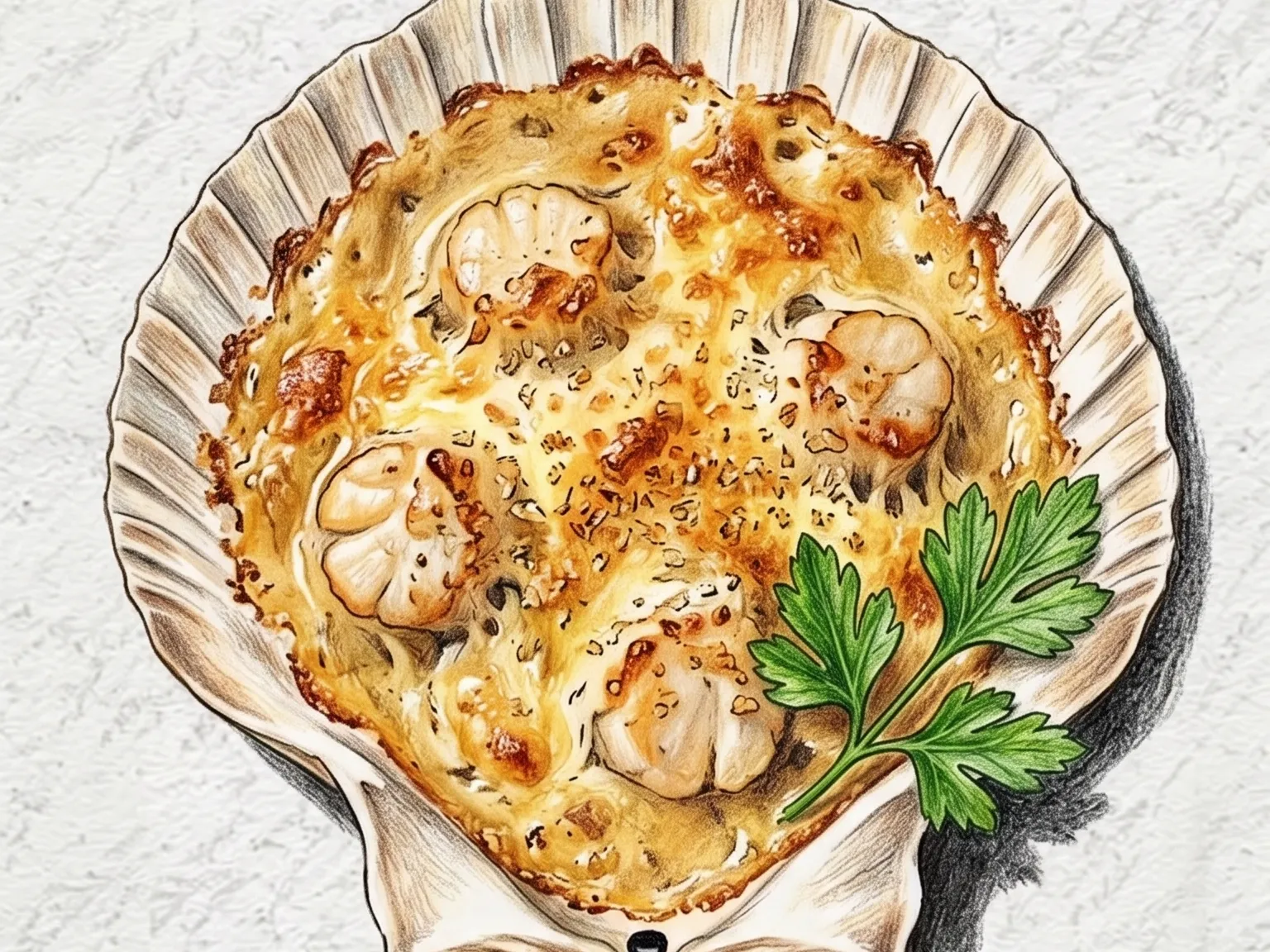
Coquilles Saint-Jacques (French Scallop Gratin with Gruyere)
Coquilles Saint-Jacques is a French scallop gratin that begins with sea scallops seared in foaming butter, then arranged in ramekins or scallop shells under a sauce built from shallot, white wine reduced by half, heavy cream, and fresh lemon juice, topped with grated Gruyere cheese and fine breadcrumbs. Patting the scallops completely dry with paper towels before they hit the pan is the step that determines whether a proper caramelized crust forms or the surface simply steams. Reducing the white wine concentrates its acidity and adds structure to the sauce, and the cream and lemon juice together create something light and cohesive rather than heavy. Six to eight minutes under the broiler at 220 degrees Celsius turns the cheese-and-breadcrumb topping into a golden, crackling crust. The completed dish delivers three distinct textures in each bite -- a crunchy top layer, a rich and silky sauce underneath, and tender, springy scallop flesh at the center. Serving directly in individual ramekins or in scallop shells reproduces the classic restaurant presentation, and a slice of baguette alongside makes it easy to collect every last drop of the sauce.
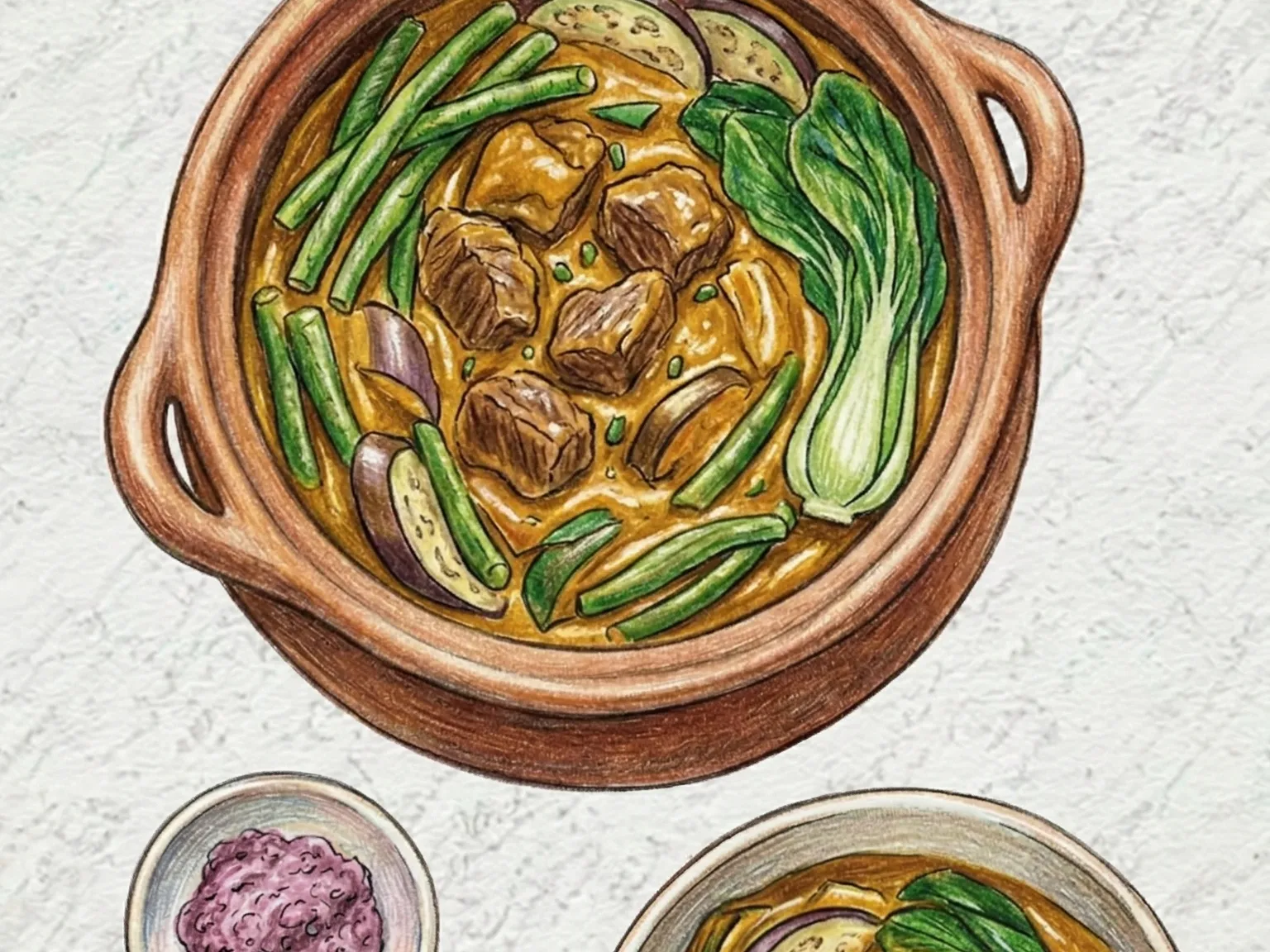
Kare-Kare (Filipino Peanut Oxtail Stew)
Kare-kare is a Filipino celebration stew built around beef shank braised until every strand of connective tissue has melted into gelatin, leaving meat that falls away from the bone at the touch of a spoon. The shank needs a minimum of sixty minutes at a steady simmer for this transformation to happen fully, and the resulting braising liquid becomes the backbone of the sauce. Glutinous rice flour is dry-toasted in a wide pan, stirred constantly until it turns pale gold and smells nutty, then whisked directly into the strained broth where it acts simultaneously as a thickener and a flavoring agent. Peanut butter is dissolved into the broth next, forming a sauce that is rich and creamy without any heaviness, because the toasted rice flour gives body more cleanly than cornstarch ever could. The braised meat goes back in and simmers together with the sauce for fifteen minutes so the flavors merge completely. Eggplant, yardlong beans, and bok choy are added in the final five to seven minutes, long enough to soften but short enough to keep their individual textures. The dish is always served alongside bagoong, a Filipino fermented shrimp paste, whose concentrated salt and pungent funk contrast forcefully with the mild, nutty sauce and elevate every spoonful.
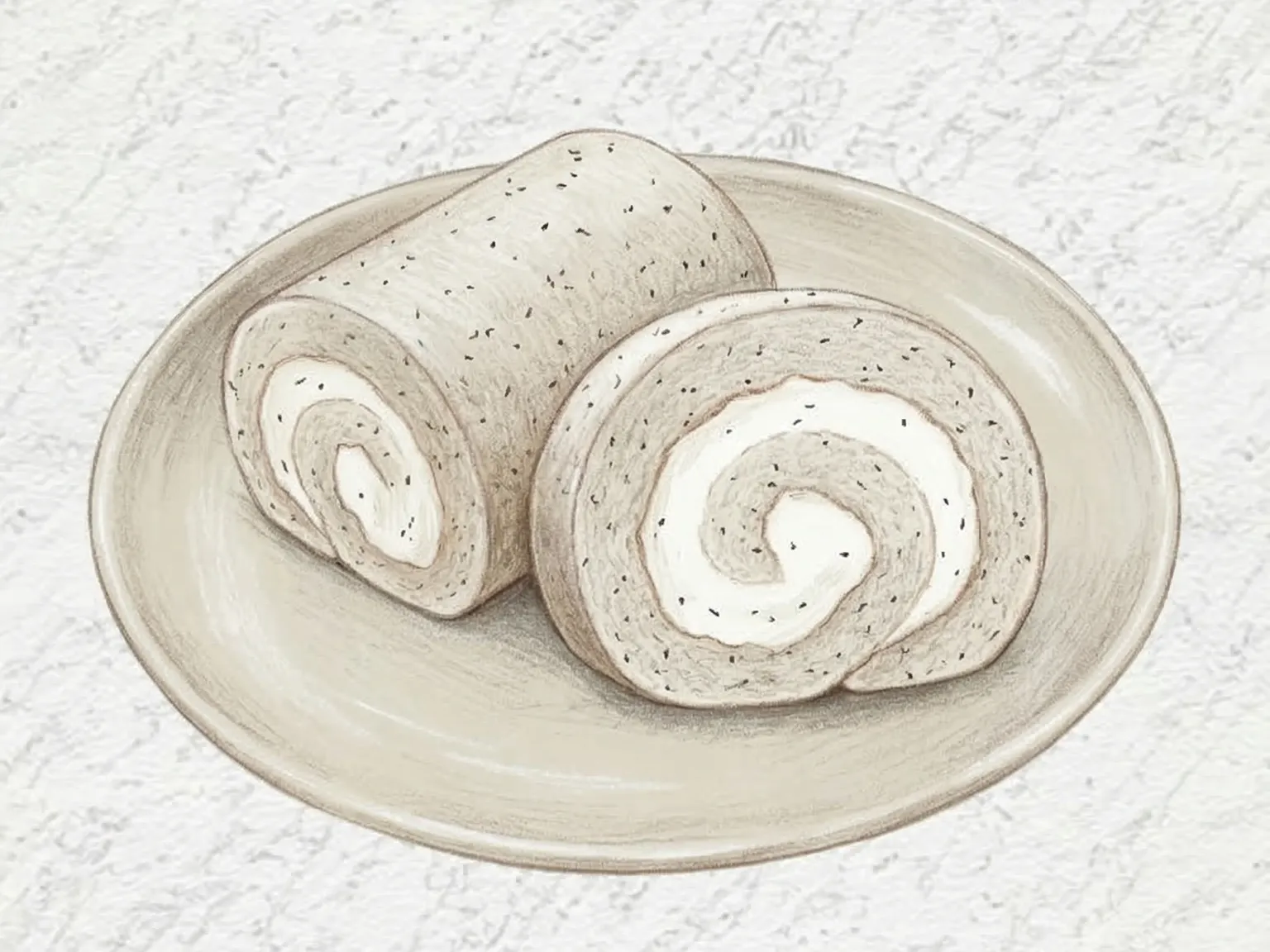
Earl Grey Roll Cake (Tea-Infused Chiffon Cream Roll)
Earl Grey roll cake is a chiffon sponge sheet baked with finely ground tea leaves folded directly into the batter, then spread with lightly sweetened whipped cream and rolled into a tight spiral. The meringue folded into the batter gives the sponge enough structure to hold its shape while rolling without cracking, a balance that depends on not overworking the batter after the egg whites go in. The tea leaf particles embedded throughout the crumb release bergamot fragrance with every bite -- a different quality from flavoring the cream separately, because the heat of baking fixes the aroma into the sponge itself. The cream filling is deliberately understated in sweetness so it supports the tea flavor rather than competing with it, and the fat content keeps the crumb moist even after overnight refrigeration. The cross-section of a sliced roll shows a clean gradient of pale brown sponge against white cream, with the tea flecks visible throughout. Bergamot aroma peaks when the cake is slightly cool rather than cold, making it worth pulling from the refrigerator fifteen minutes before serving.
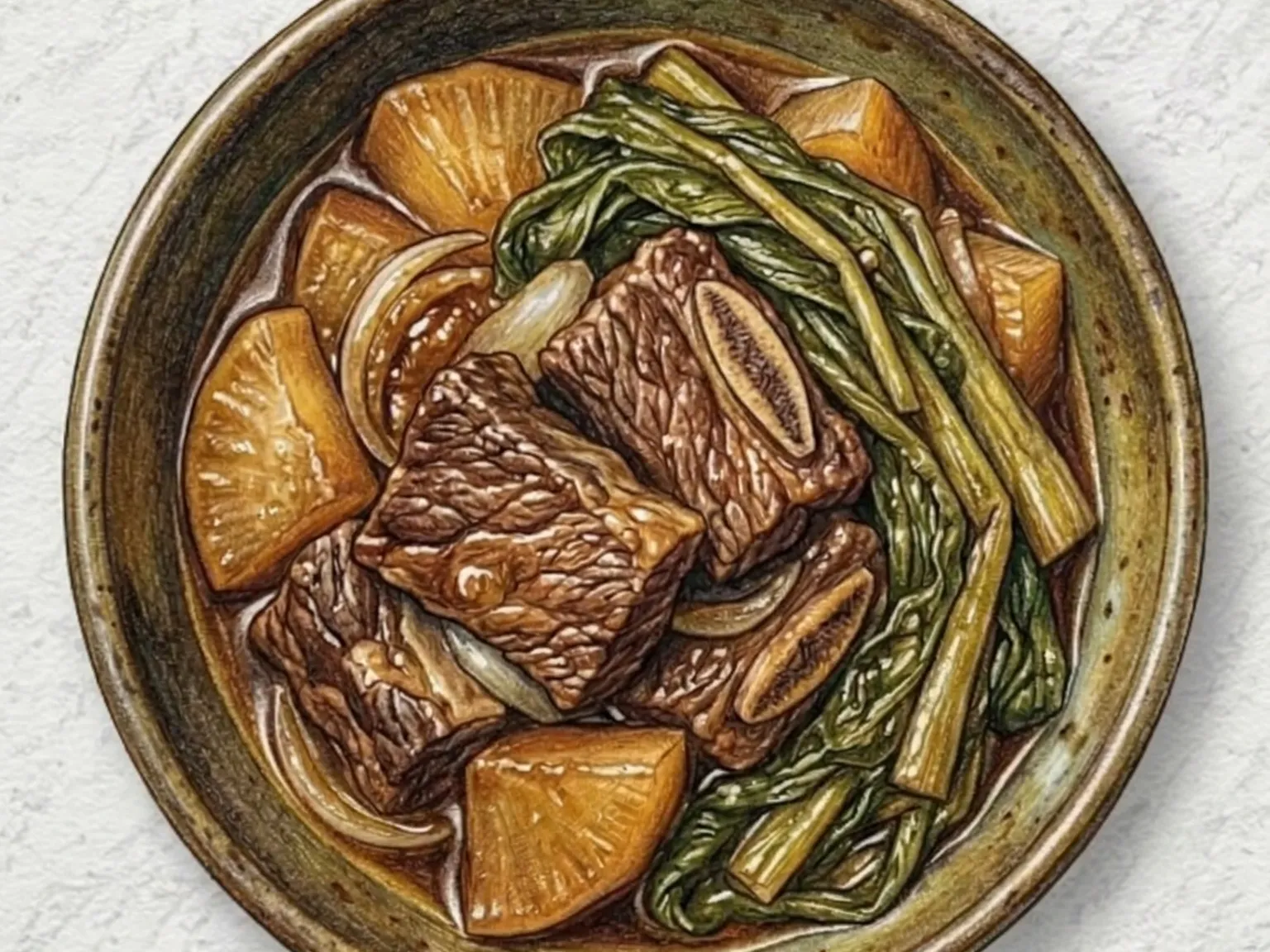
Korean Steamed Beef with Radish Greens
Mucheong sogogi jjim is a Korean braised beef dish where short rib meat is marinated in Korean pear juice and soy sauce, then slow-cooked with blanched radish greens and onion. The pear juice tenderizes the beef and lends a subtle fruit sweetness that deepens over the long braise. Radish greens are added near the end to preserve their earthy aroma and slight chew, bringing a rustic contrast to the soft meat. Ginger juice keeps the flavor clean, and sesame oil ties everything together with a toasted finish. The sauce reduces to a concentrated glaze meant to be spooned over rice.
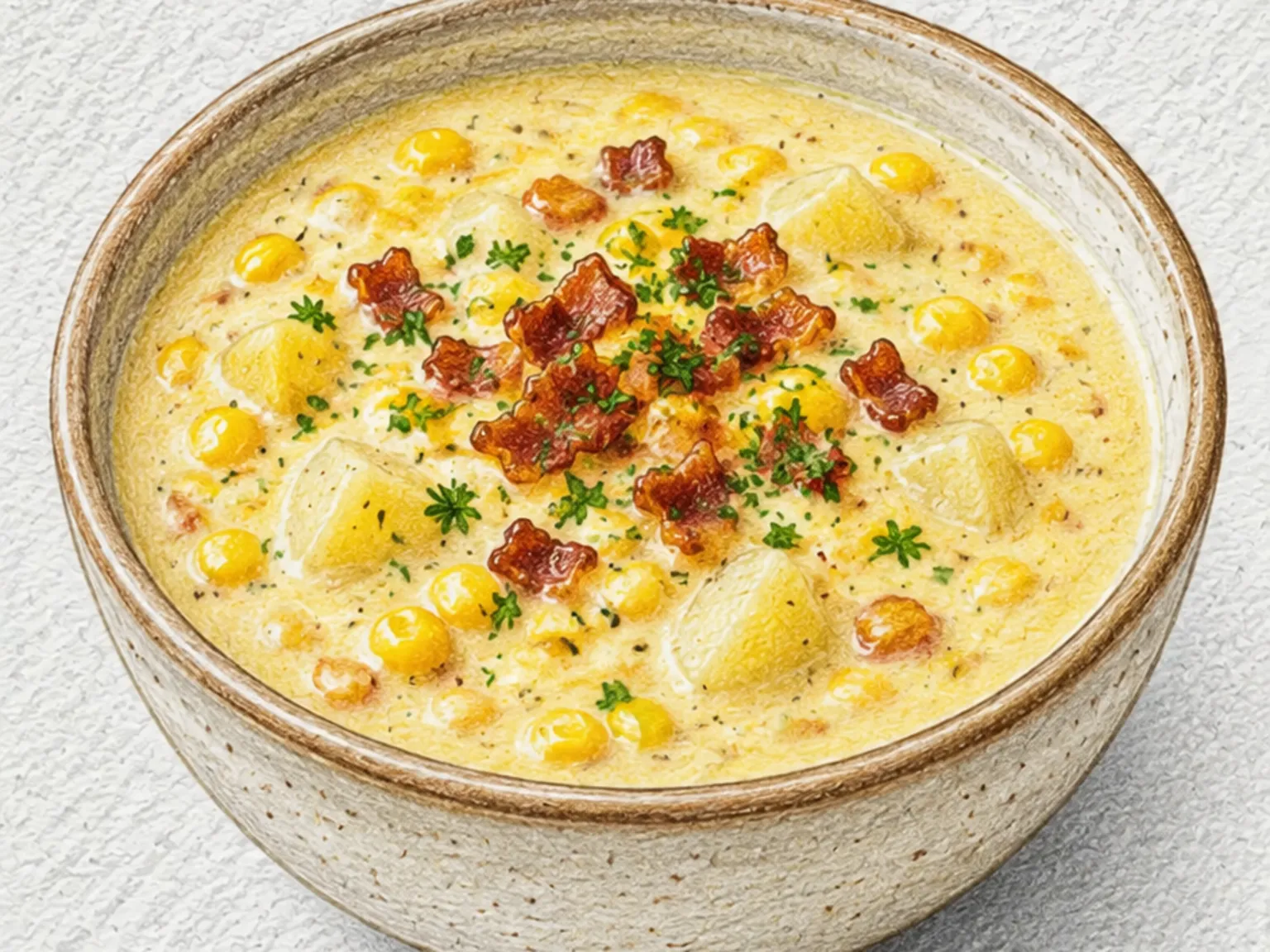
Corn Chowder
Corn chowder is a classic American cream soup that layers smoky bacon fat, sweet corn, and tender potato into a rich, warming bowl. Bacon is rendered until crispy and set aside, and the fat left in the pot is used to sweat onion and garlic, building a smoky, savory foundation. A small amount of flour stirred in before the stock thickens the base slightly, preventing the finished soup from being too thin. Diced potato simmers for fifteen minutes until tender, then corn kernels go in for five more minutes of gentle cooking. Blending only half the soup with an immersion blender and stirring it back in creates the ideal chowder texture: part creamy, part chunky, with intact corn kernels and potato pieces throughout. Heavy cream is added at the very end and brought just to a simmer - boiling it vigorously risks curdling. The corn's natural sweetness meets the cream's richness for a comforting, rounded flavor, finished with crispy bacon bits and chopped parsley. Fresh corn cut from the cob in season delivers noticeably better sweetness and texture than frozen or canned.
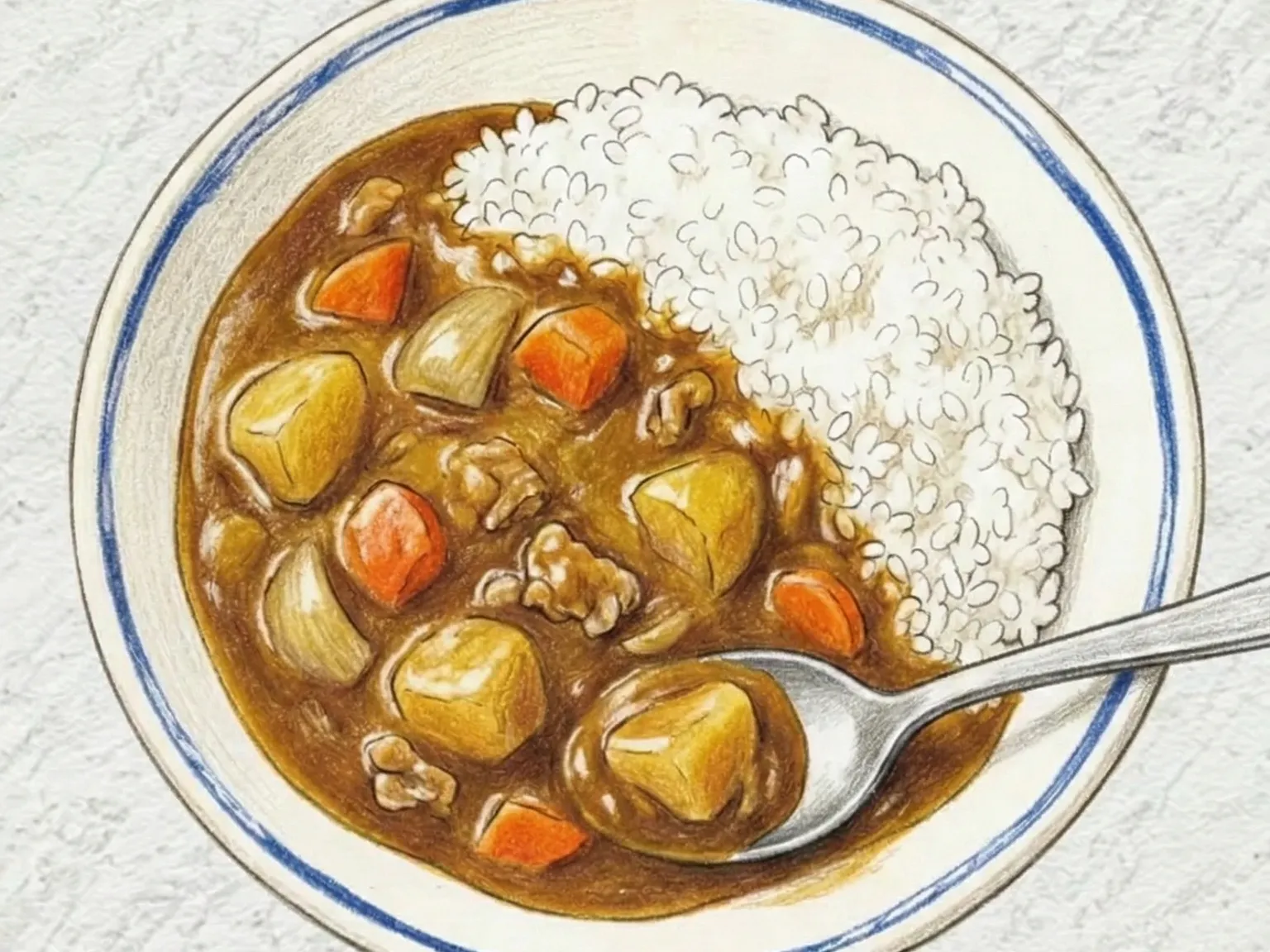
Japanese Curry Rice
Kare raisu is one of the most frequently cooked meals in Japanese households, using commercially prepared curry roux blocks that produce a milder, thicker, and sweeter result than Indian curry. Beef or chicken is cut into bite-sized pieces and stir-fried with onion, potato, and carrot before water is added and the pot simmers until the potatoes turn tender. The heat is lowered and the curry roux blocks are broken in and stirred until fully dissolved; the roux contains flour and fat that thicken the liquid into a glossy, coating sauce. Keeping the heat low after adding the roux is critical because high heat causes the thick sauce to scorch on the bottom. The finished curry deepens in flavor if rested overnight, as the vegetables continue to release their sweetness into the sauce. Unlike Indian curry with its layered spice blends, Japanese curry draws its appeal from the consistent, approachable flavor that a single roux block delivers every time.

Chocolate Eclairs
Eclairs are elongated French pastries built from choux dough, a cooked paste of water, butter, and flour into which eggs are incorporated one at a time until the mixture becomes smooth and glossy. When piped into finger-length strips and baked at high heat, the moisture locked in the dough converts to steam and expands, inflating each strip into a hollow shell with a crisp golden exterior. After cooling completely, vanilla custard cream is piped through a small hole in the base to fill the cavity. The top surface is dipped in a dark chocolate glaze that sets into a thin, shiny coating. Biting through delivers a layered experience: the slight bitterness of the chocolate, the crunch of the choux shell, and the cool smoothness of the custard in quick succession. Because the shell begins absorbing moisture from the cream as soon as it is filled, eclairs are best consumed within a few hours of assembly. Leaving them overnight compromises the texture significantly.
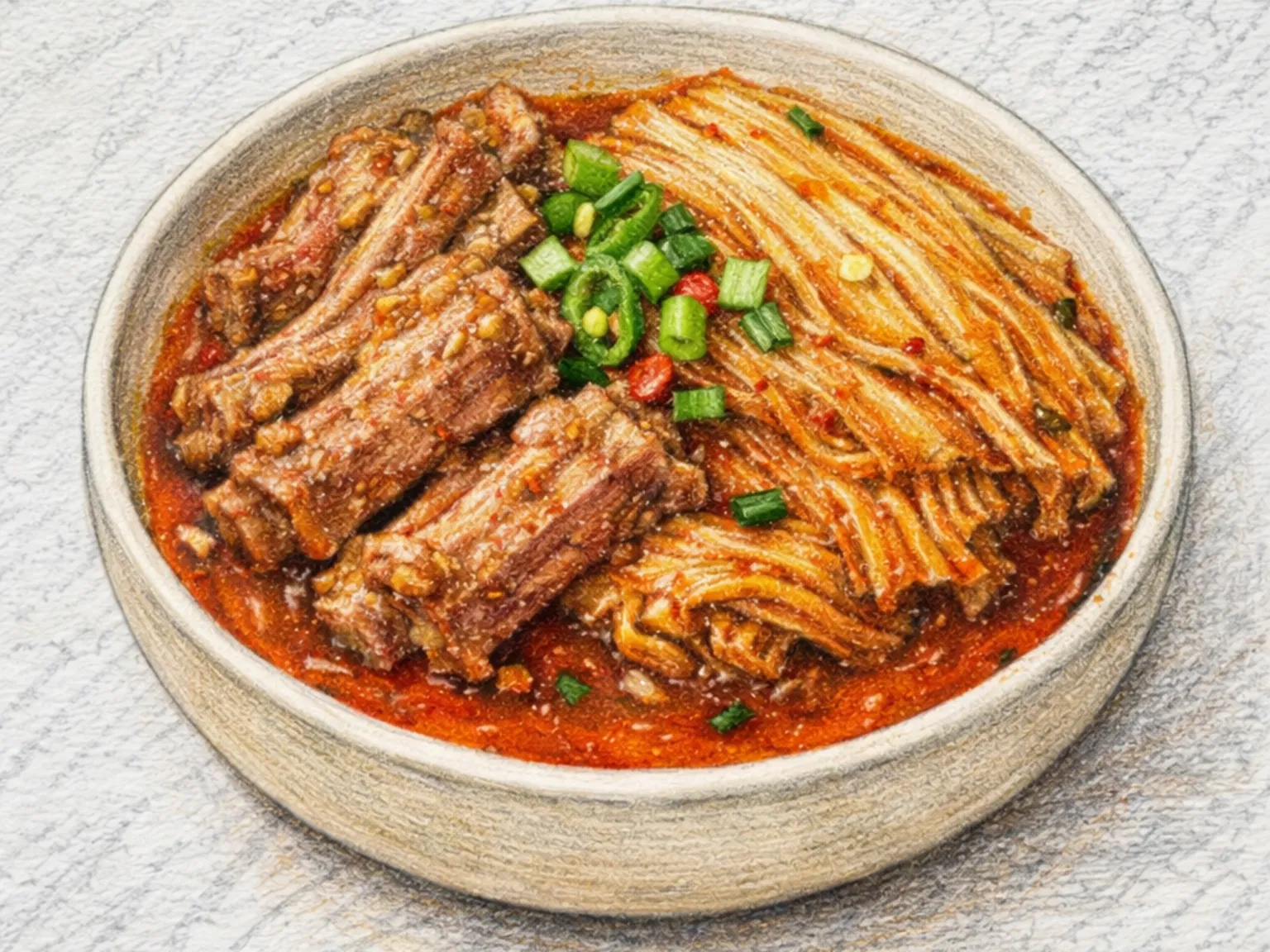
Korean Braised Pork Back Ribs with Aged Kimchi
Mukeunji deunggalbi jjim is a Korean braise of pork back ribs and well-aged kimchi simmered low and slow in a sauce built from gochugaru, gochujang, and soy sauce. The bones release a rich, collagen-heavy stock as they cook, and the deep fermented tang of kimchi aged for a year or more layers a complex acidity onto that savory foundation. Reducing the braising liquid down to roughly one-third of its original volume concentrates the flavors into a thick, lacquered glaze that coats every rib. The kimchi fibers soften through the long cook but its sharp, pungent character remains present to the final bite. By the time the dish is ready, the meat pulls cleanly from the bone with minimal effort. Served with steamed rice, it makes a filling and warming meal, and the older and more deeply fermented the kimchi, the richer and more complex the finished result.
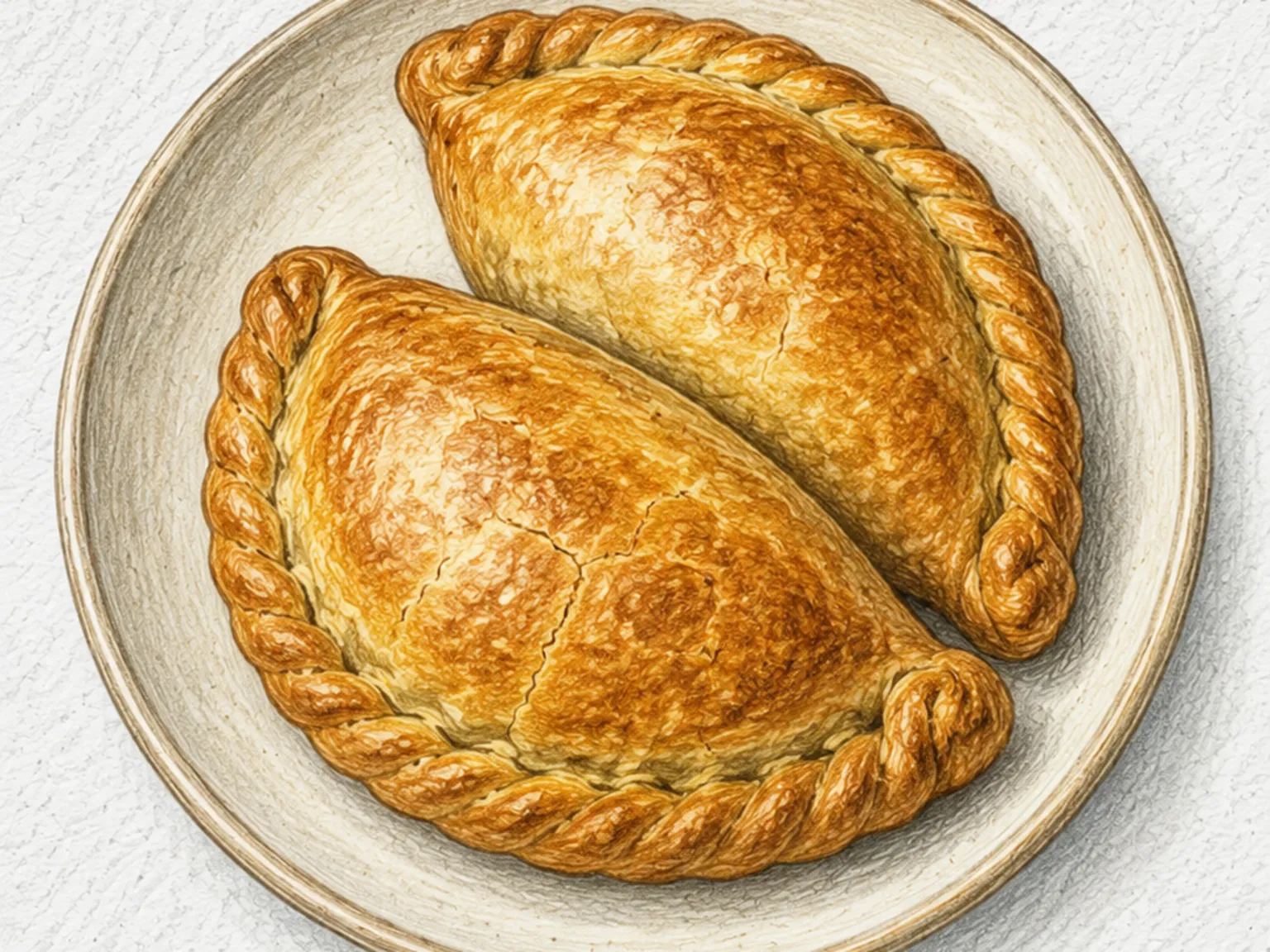
Cornish Pasty (British Hand Pie with Beef and Root Vegetables)
Cornish pasty is a traditional British hand pie from Cornwall, made by sealing raw diced beef, potatoes, rutabaga, and onion inside a sturdy pastry of flour, butter, salt, and water. The filling is not pre-cooked before sealing, so the meat and vegetables steam inside the crust during baking. Their juices collect and concentrate inside the sealed shell, forming a rich, savory interior gravy that makes the pasty deeply satisfying without any additional sauce. Crimping the edges tightly is essential to contain this liquid during the forty-to-forty-five-minute bake at 200 degrees Celsius. Cutting the filling into pieces no larger than about one centimeter ensures everything cooks evenly through. An egg wash brushed over the surface before baking develops a glossy, amber crust. The pasty originated as a practical working meal for Cornish tin miners, who held the pastry by its thick crimped edge to avoid contaminating the food with dirty hands, then discarded that portion when finished.