🎉 Special Occasion Recipes
Impressive dishes for guests and special occasions
929 recipes. Page 27 of 39
When guests are coming, the menu needs a little extra care. This tag features impressive dishes suited for entertaining - galbi-jjim, japchae, and bulgogi for a Korean spread, or pasta and steak for a Western-style course.
The key to stress-free hosting is choosing recipes that allow advance preparation. Do the heavy lifting the day before, then finish plating when guests arrive. That way, you can relax and enjoy the meal together.
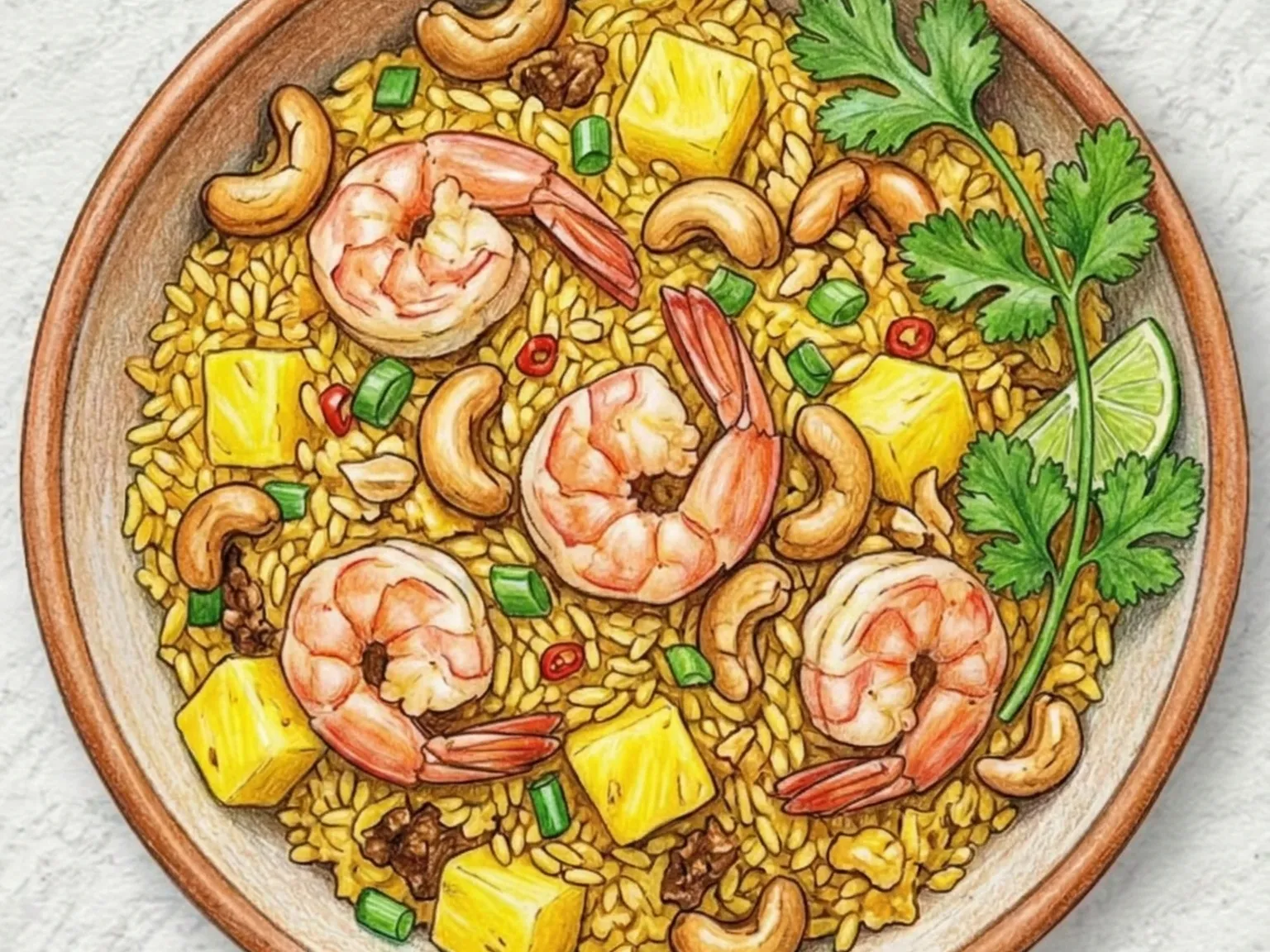
Pineapple Shrimp Khao Pad
Pineapple shrimp khao pad is a Thai fried rice served inside a hollowed-out pineapple half, which functions both as a vessel and as a flavoring agent as residual juice from the fruit walls seeps gradually into the rice during service. Shrimp are cooked first in a very hot wok with minimal time, just long enough to firm up and curl before they are set aside, preventing the rubbery texture that results from overcooking in the subsequent stir-fry steps. Garlic goes into the oil next, quickly followed by day-old jasmine rice, which is broken up and tossed at high heat. Using rice that has dried out in the refrigerator overnight is important: fresh rice carries too much moisture and steams rather than fries, resulting in clumping. Egg is pushed through a cleared space in the center, scrambled lightly, then folded into the rice before it fully sets. Diced fresh pineapple is added at the very end and tossed only briefly so that it retains some structure while releasing enough juice to flavor the rice with its characteristic tart sweetness, which plays against the salty depth of fish sauce. Curry powder tints the grains a pale yellow and contributes a warm, earthy undertone that keeps the dish from reading as purely sweet. Roasted cashew nuts add crunch throughout, and scattered raisins provide small concentrated hits of sweetness. The assembled rice is mounded into the pineapple shell and brought to the table, often served with a wedge of lime on the side.
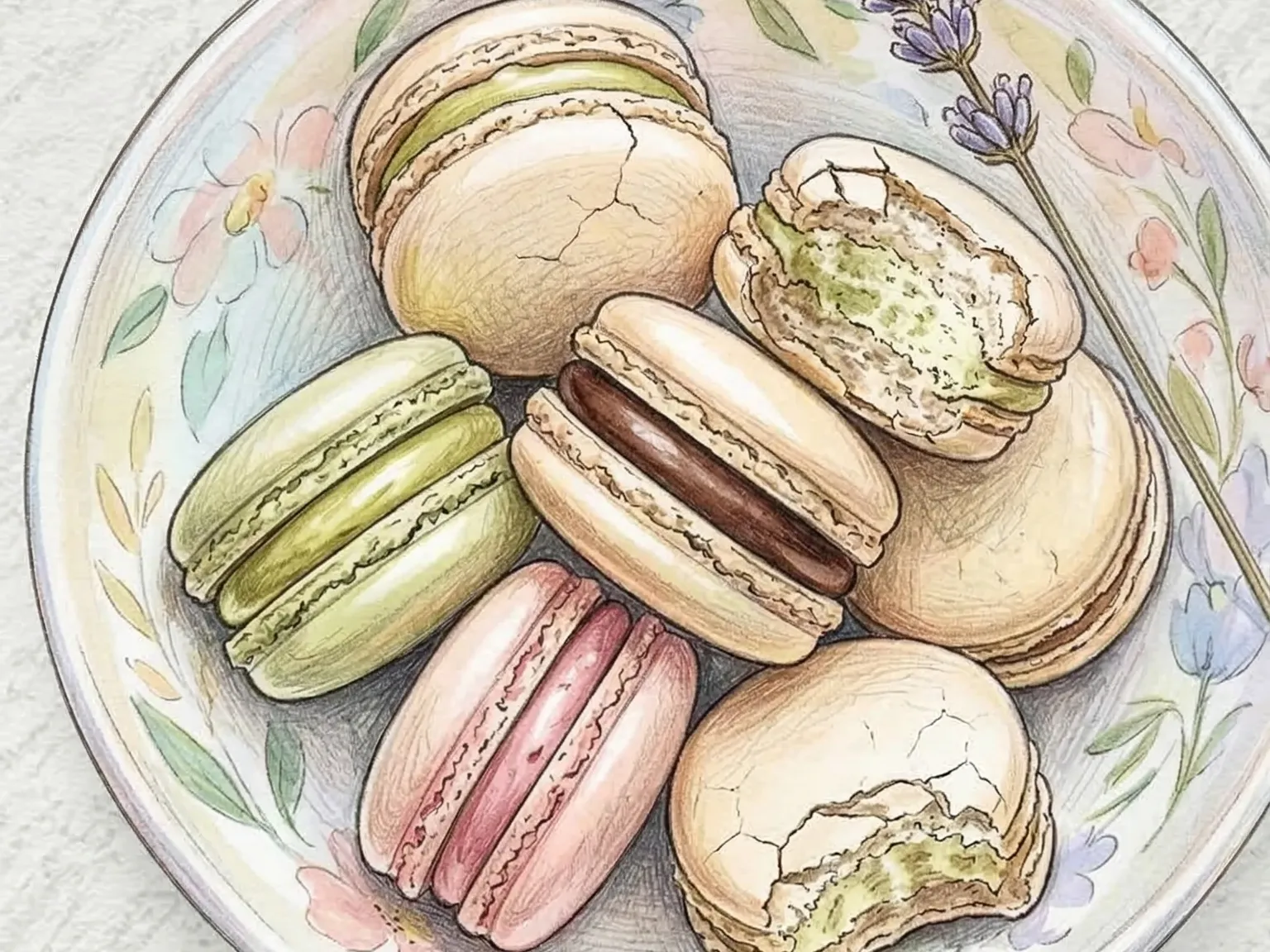
French Macarons
French macarons are small, round almond meringue sandwich cookies that demand precision at every single step of the process. The shells are made from finely ground almond flour, powdered sugar, and a meringue base, mixed using a technique called macaronage, which means folding the batter until it flows slowly off the spatula like lava and forms a smooth, glossy ribbon when piped. A properly baked macaron has a smooth domed top, a ruffled ring called the foot at its base, and a thin crisp shell that gives way to a chewy, lightly moist interior. The filling between the shells, whether buttercream, ganache, or fruit curd, carries the primary flavor of each variety. Classic options include vanilla and pistachio, while modern interpretations extend to raspberry, salted caramel, yuzu, and matcha. After assembly, macarons must rest in the refrigerator for at least twelve hours, during which moisture from the filling gradually softens the shells into a unified, melt-in-the-mouth texture that is impossible to achieve straight out of the oven. In Parisian patisseries, the quality of a single macaron shell is considered a reliable indicator of the entire shop's technical standard.
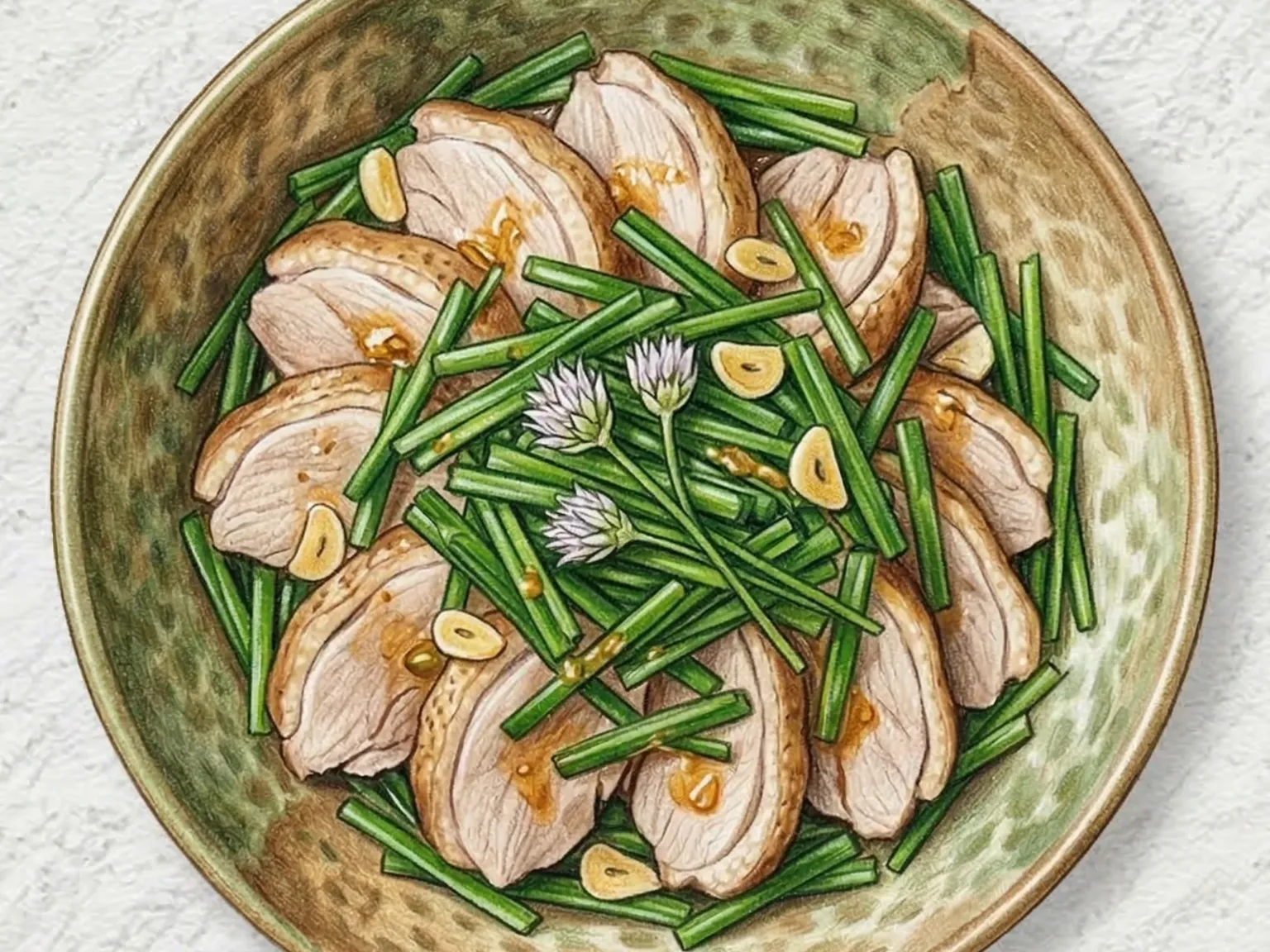
Korean Steamed Duck with Chives
Ori-buchu-jjim is a Korean braised duck dish where duck meat is marinated in soy sauce, cooking wine, garlic, and black pepper, then placed over a layer of sliced onion with water added and the lid on. Over thirty minutes of steady heat, the fat rendered from the duck is skimmed away periodically, which removes the gamey heaviness and keeps the final result clean on the palate. Fresh garlic chives go in only at the end, wilting just enough to soften while releasing their sharp, green fragrance into the pot. That herbal sharpness is precisely what balances the deep, fatty richness of duck. As the liquid reduces near the end of cooking, the soy-based marinade thickens and clings to the surface of each piece, glazing the meat with concentrated seasoning. Duck has long been regarded in Korean food culture as a restorative ingredient, and this preparation honors that reputation by delivering full flavor while skimming away the excess fat. It is a main course suited to summer tables when the body needs replenishment.
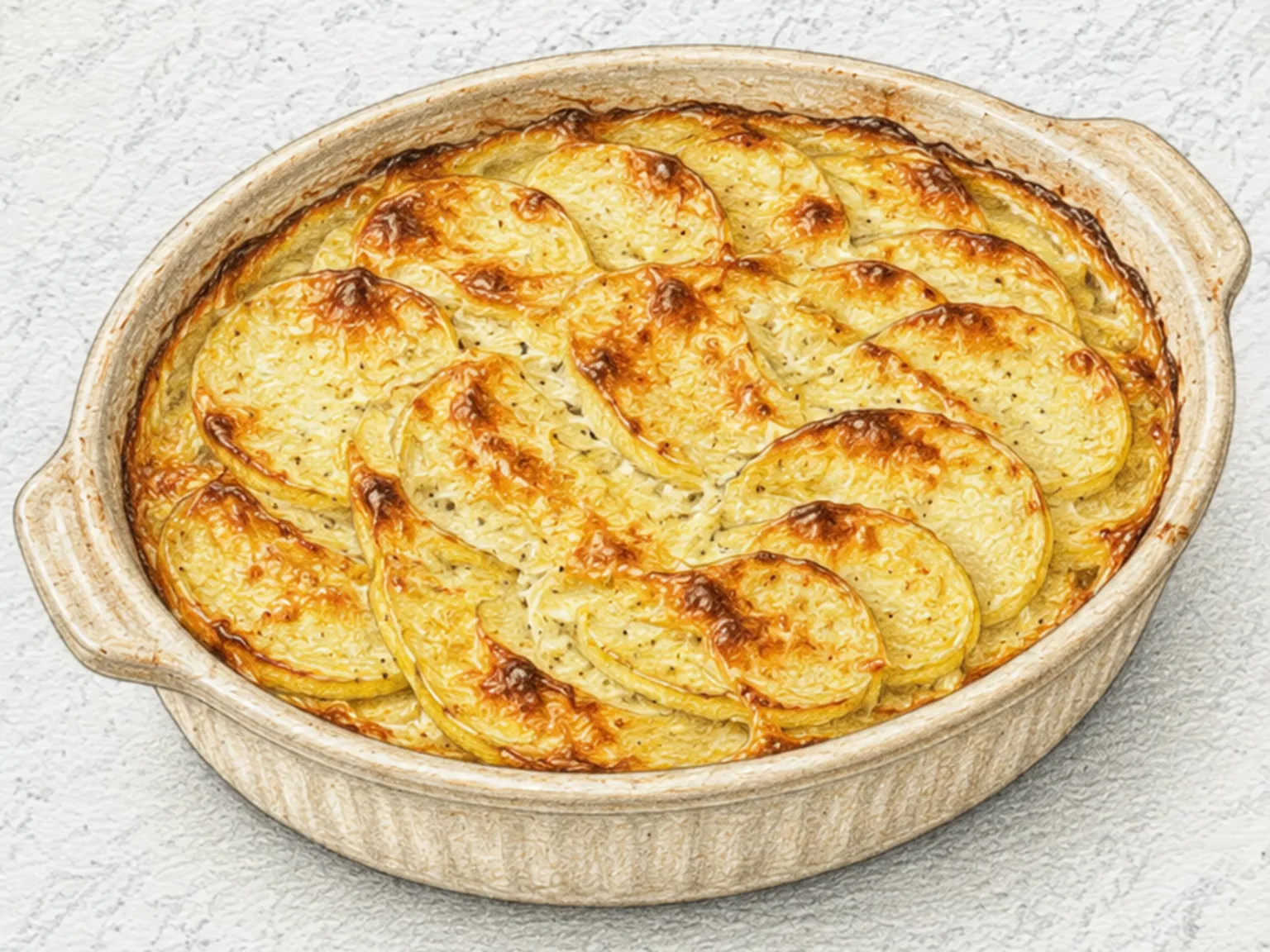
Dauphinoise Potatoes (Creamy Garlic Potato Gratin)
Dauphinoise potatoes are a French gratin made by layering uniformly thin potato slices - cut to two millimeters - in a buttered baking dish, with a warm mixture of heavy cream, milk, minced garlic, and salt poured between each layer. Rinsing and drying the sliced potatoes removes excess surface starch for a cleaner result. Grated Gruyère cheese goes on top before the dish bakes at 170 degrees Celsius for fifty-five to sixty minutes, during which the potatoes absorb the cream and turn meltingly tender beneath a golden crust. Resting the gratin for ten minutes after baking lets the layers firm up enough to hold their shape when sliced. Keeping the potato thickness consistent ensures every slice cooks at the same rate.
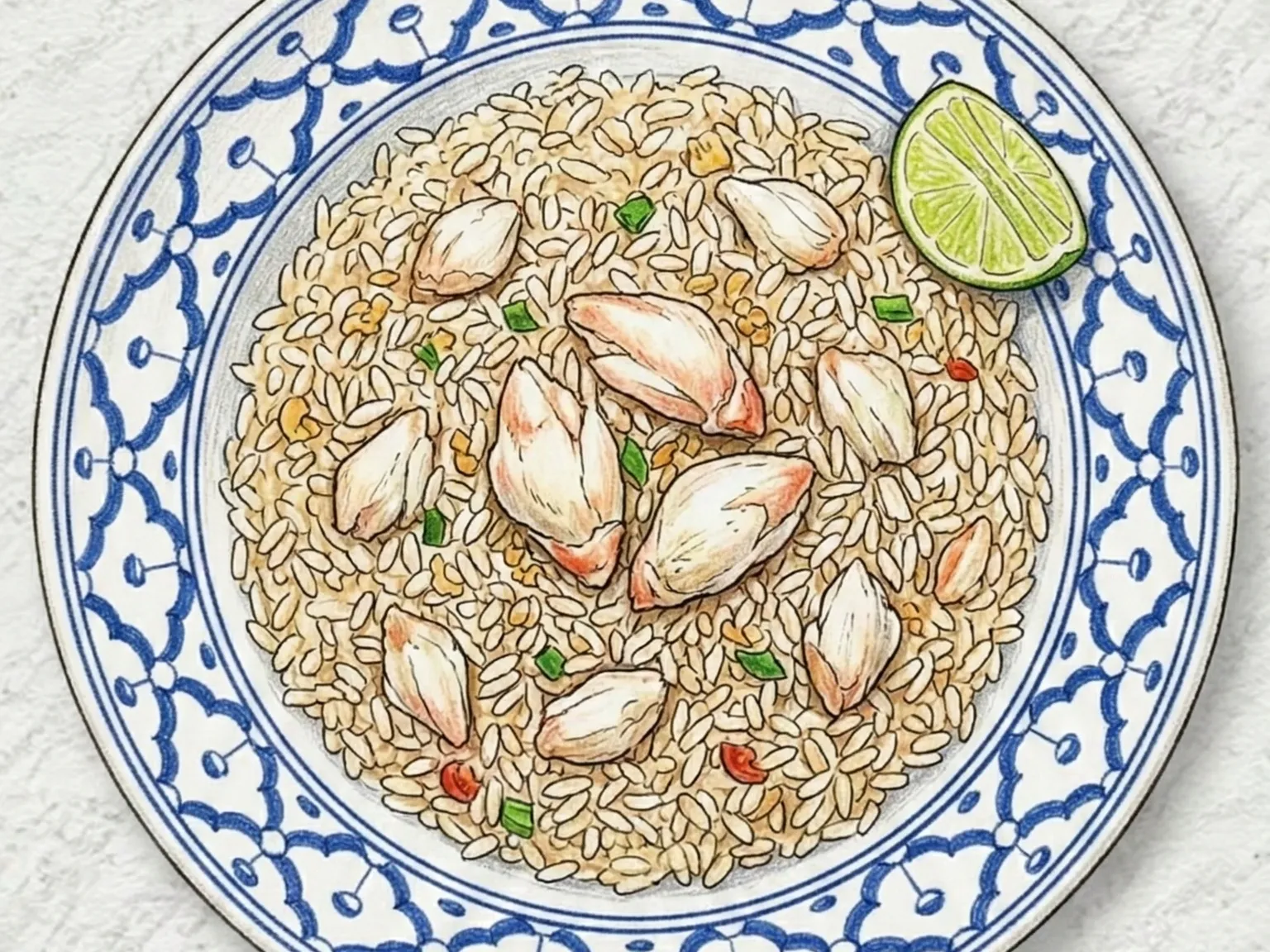
Thai Crab Fried Rice (Khao Pad Pu)
Khao pad pu is a Thai crab fried rice built on the premise that the sweetness of fresh crab meat carries the entire dish. The wok must reach smoking heat before minced garlic goes in and fries for ten seconds. Beaten egg follows and is scrambled into large, loose curds before cold jasmine rice is added and tossed rapidly to prevent sticking. Cold rice works here because its lower moisture content allows every grain to stay separate and pick up a direct scorch from the wok surface. Fish sauce and a small measure of soy sauce season the rice, and white pepper ground over the top adds a subtle, lingering heat. Lump crab meat goes in thirty seconds before the heat is cut and is stirred only gently, just enough to warm through without breaking the pieces down or toughening the texture. Prolonged heat would shrink the crab and strip out its sweetness entirely. The finished rice is plated and finished with a generous squeeze of lime, then garnished with spring onion, sliced cucumber, and fresh coriander. The salted umami of the fish sauce, the brightness of the lime, and the delicate sweetness of the crab come together cleanly on one plate.
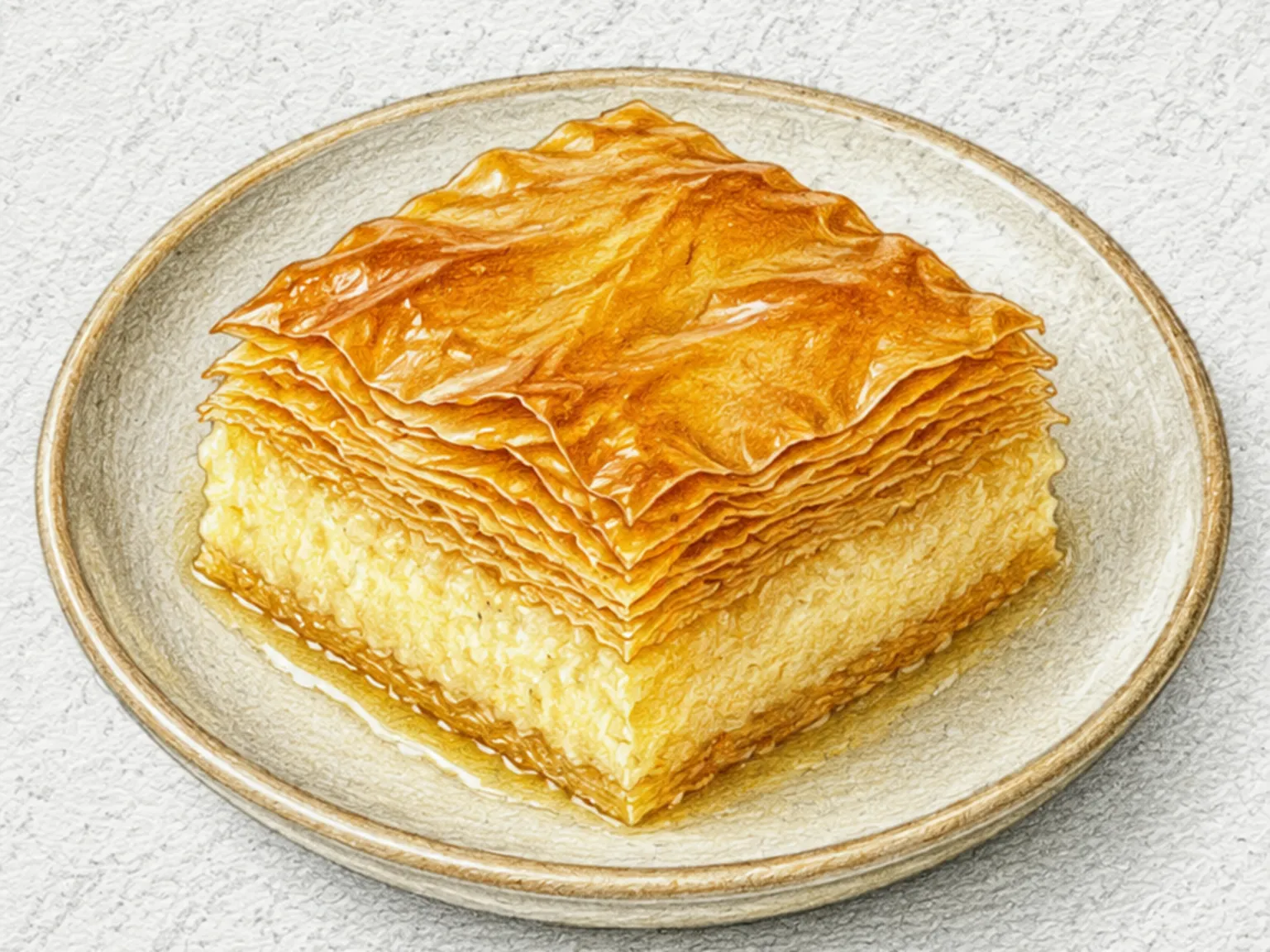
Greek Custard Phyllo Pie (Crispy Filo & Semolina Custard)
Galaktoboureko is a beloved Greek pastry in which sheets of butter-brushed phyllo dough are layered around a thick semolina custard, baked until golden, and then drenched in cold lemon syrup while still hot from the oven. Every sheet of phyllo must be brushed with melted butter before stacking, a labor-intensive process that creates dozens of paper-thin layers capable of shattering at the touch of a fork. The custard is cooked on the stovetop by whisking semolina into hot milk in a slow, steady stream until the mixture thickens into a smooth but faintly grainy cream. Unlike flour-based pastry creams, semolina custard retains a subtle granular texture that gives the filling a distinct character. Egg yolks and whole eggs are both incorporated, adding richness and a custardy softness, and vanilla deepens the flavor further. Pouring cold syrup over the pastry while it comes scorching from the oven causes rapid absorption: the liquid rushes between the phyllo layers and saturates the custard without turning the top surface soft and soggy. The temperature contrast between hot pastry and cold syrup is the exact mechanism that preserves the crisp exterior. Adding cinnamon or orange zest to the custard before filling introduces a fragrant complexity that offsets the sweetness of the syrup. The pastry tastes noticeably different eaten warm versus at room temperature, offering two distinct textural and aromatic experiences from the same preparation.
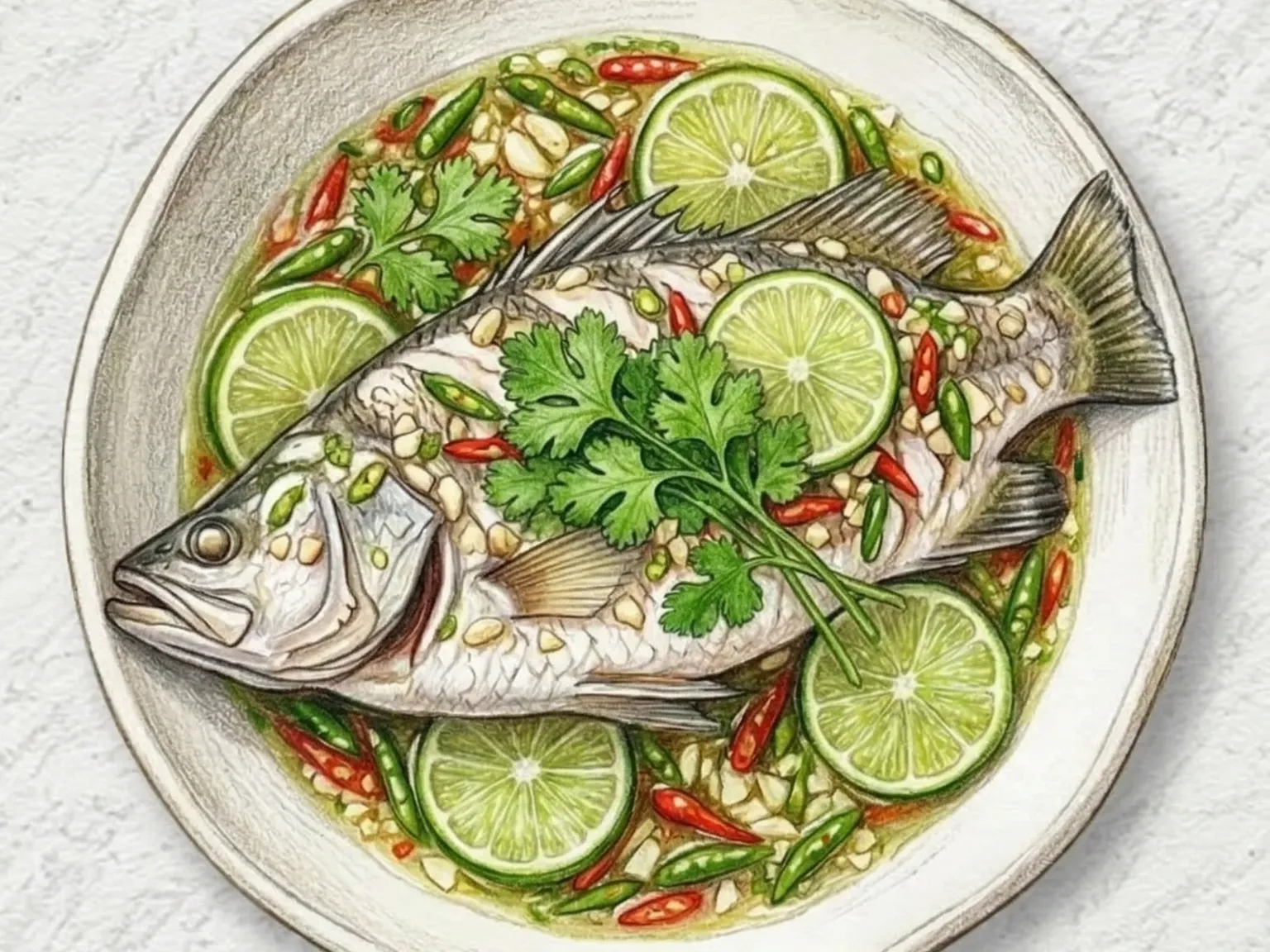
Thai Steamed Lime Fish (Whole Fish Chili Fish Sauce)
Pla neung manao is a Thai steamed fish dish where a whole white fish is steamed until just cooked through, then drenched in a raw sauce of fresh lime juice, fish sauce, crushed garlic, and minced Thai chili. The sharp acidity of the lime and the salty depth of fish sauce meet directly, producing a dressing that is simultaneously bright and savory without either element overwhelming the other. The minced chili brings a direct, stinging heat that cuts through the mild fish flesh. Because the sauce is poured over raw rather than cooked, the lime and garlic aromas remain fully intact and undiminished by heat. Steaming the fish for a couple of minutes after the sauce is added allows the flavors to penetrate through the scored skin and into the flesh. A generous heap of fresh cilantro on top delivers the final aromatic layer that defines the dish. Served alongside jasmine rice or glutinous rice, the sauce soaks into the grains and ties everything together into a cohesive plate.
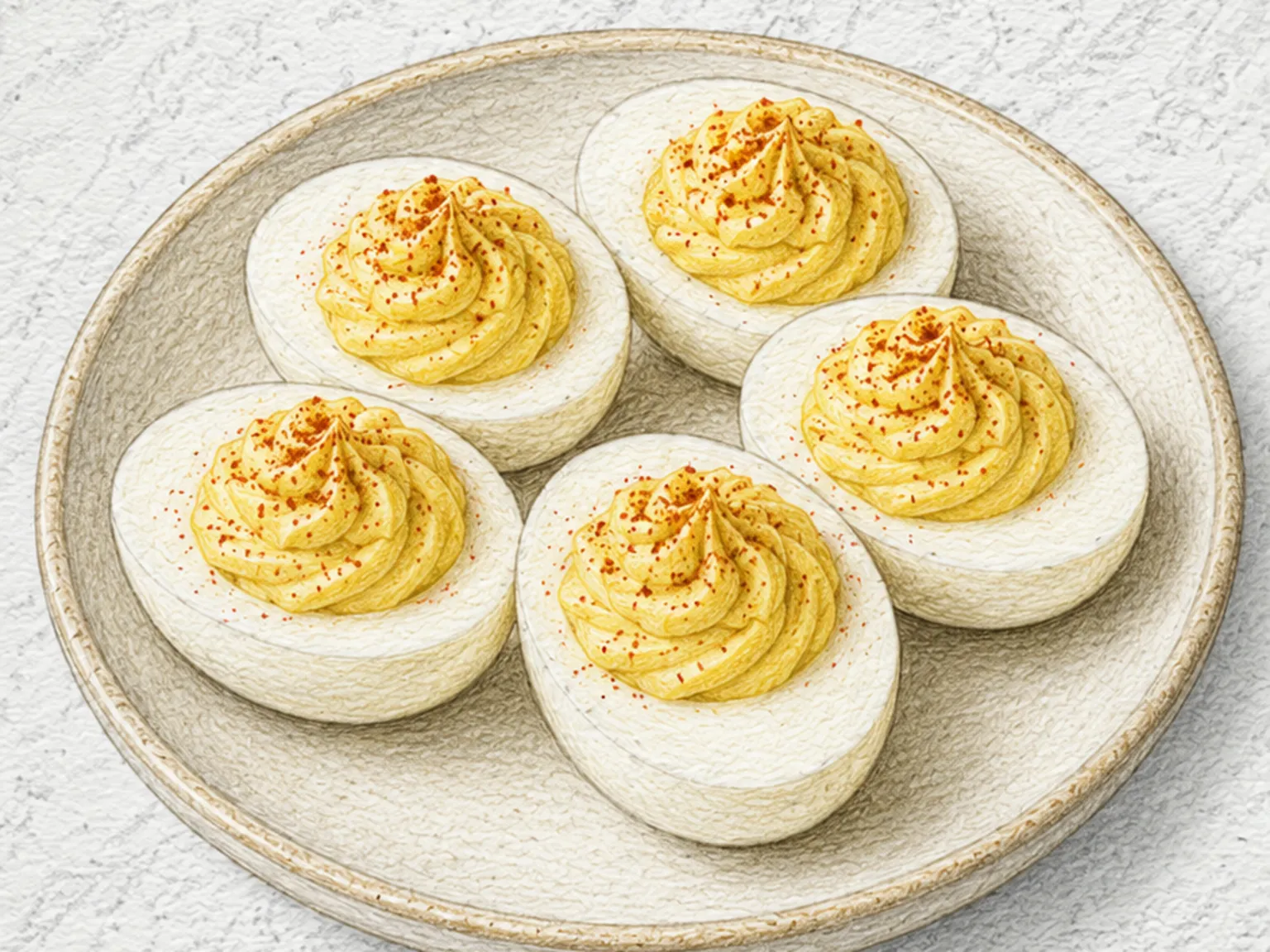
Deviled Eggs
Deviled eggs are a classic American appetizer made by hard-boiling eggs for ten minutes from a cold water start, then transferring them immediately to an ice bath to cool completely before peeling and halving. Full cooling prevents the yolk from developing a gray-green ring around its edge and allows the shell to separate cleanly, producing smooth, even white halves that serve as natural vessels for the filling. The yolks are mashed thoroughly with mayonnaise, Dijon mustard, lemon juice, salt, and black pepper until the mixture is completely smooth and uniform in texture. The mustard's sharp bite and the lemon juice's acidity cut through the fatty richness of the yolk, lifting the overall flavor and giving each bite a creamy yet bright quality that prevents the filling from feeling heavy. If the mixture is too stiff, a small addition of mayonnaise loosens it to a pipeable consistency; a piping bag with a star tip produces the cleanest, most defined presentation. A light dusting of smoked or sweet paprika over the top adds a faint warmth and creates a vivid red-and-white color contrast against the pale egg white base, completing the visual as well as the flavor.
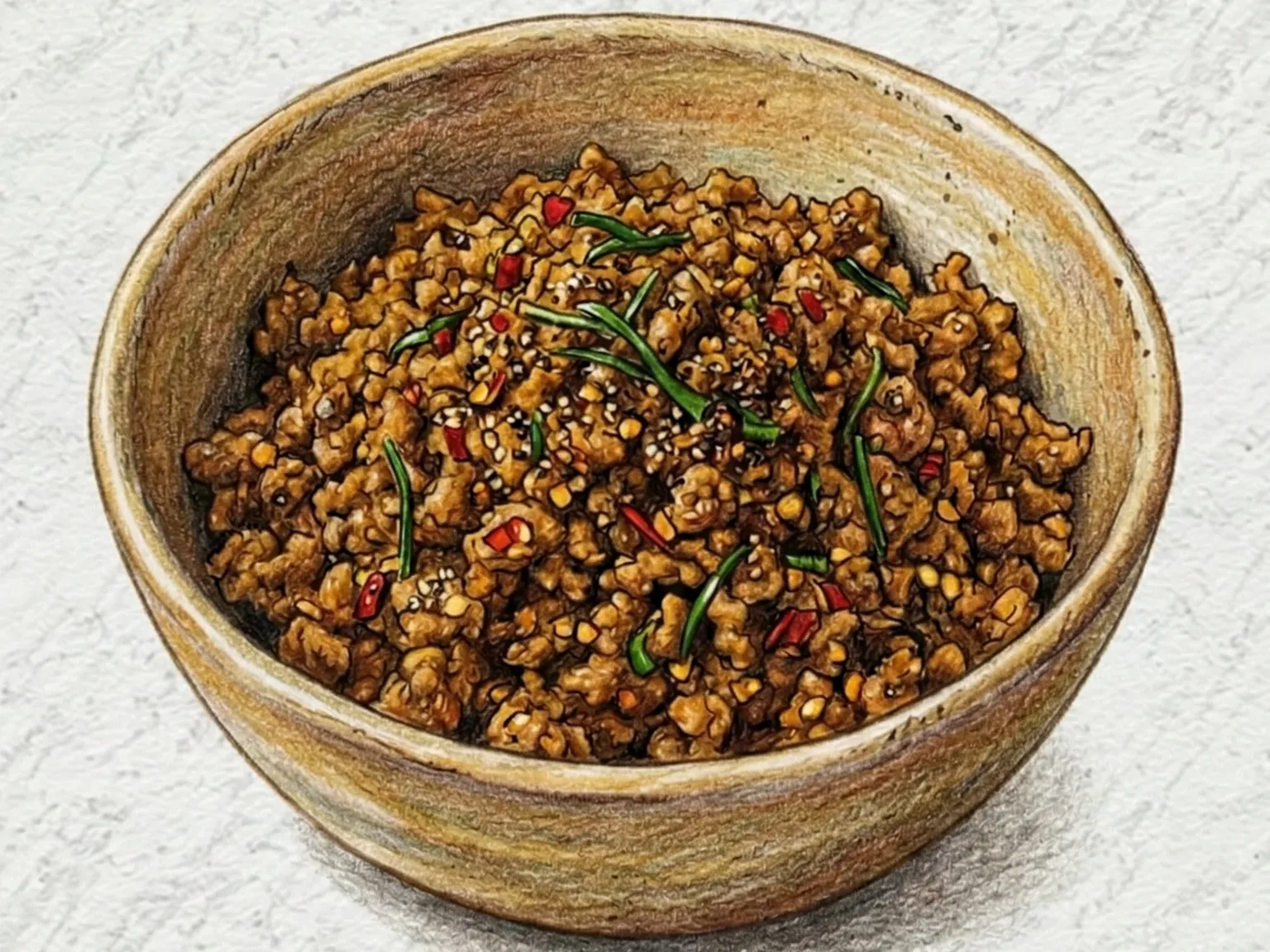
Khua Kling (Southern Thai Dry-Fried Spiced Minced Pork Curry)
Khua kling is the dry-fried curry that defines the cooking of southern Thailand, built around minced meat stir-fried with an intense red curry paste until every trace of liquid has been cooked away. The paste goes into a dry, preheated pan first, and it fries in its own aromatic oils until the raw edge is gone and the kitchen fills with its fragrance. Ground pork is then added and the cook stirs without pause, working the meat against the hot surface and driving off all moisture until each grain of meat is separate, dry, and coated in a concentrated layer of spice. Fish sauce brings salt, a small measure of sugar tempers the raw heat, and finely shredded kaffir lime leaves push a bright citrus fragrance through the heavy chili and shrimp paste base. Extra sliced red chilies are standard in the southern version, and the heat level here far exceeds what most central Thai dishes offer. There is no sauce at all in the finished dish: the texture is crumbly and almost granular, which is precisely the point. A single spoonful carries enough concentrated flavor to carry several bites of plain steamed rice. The dish is best served immediately off the heat, while the aromatics are still vivid and the meat still steaming.
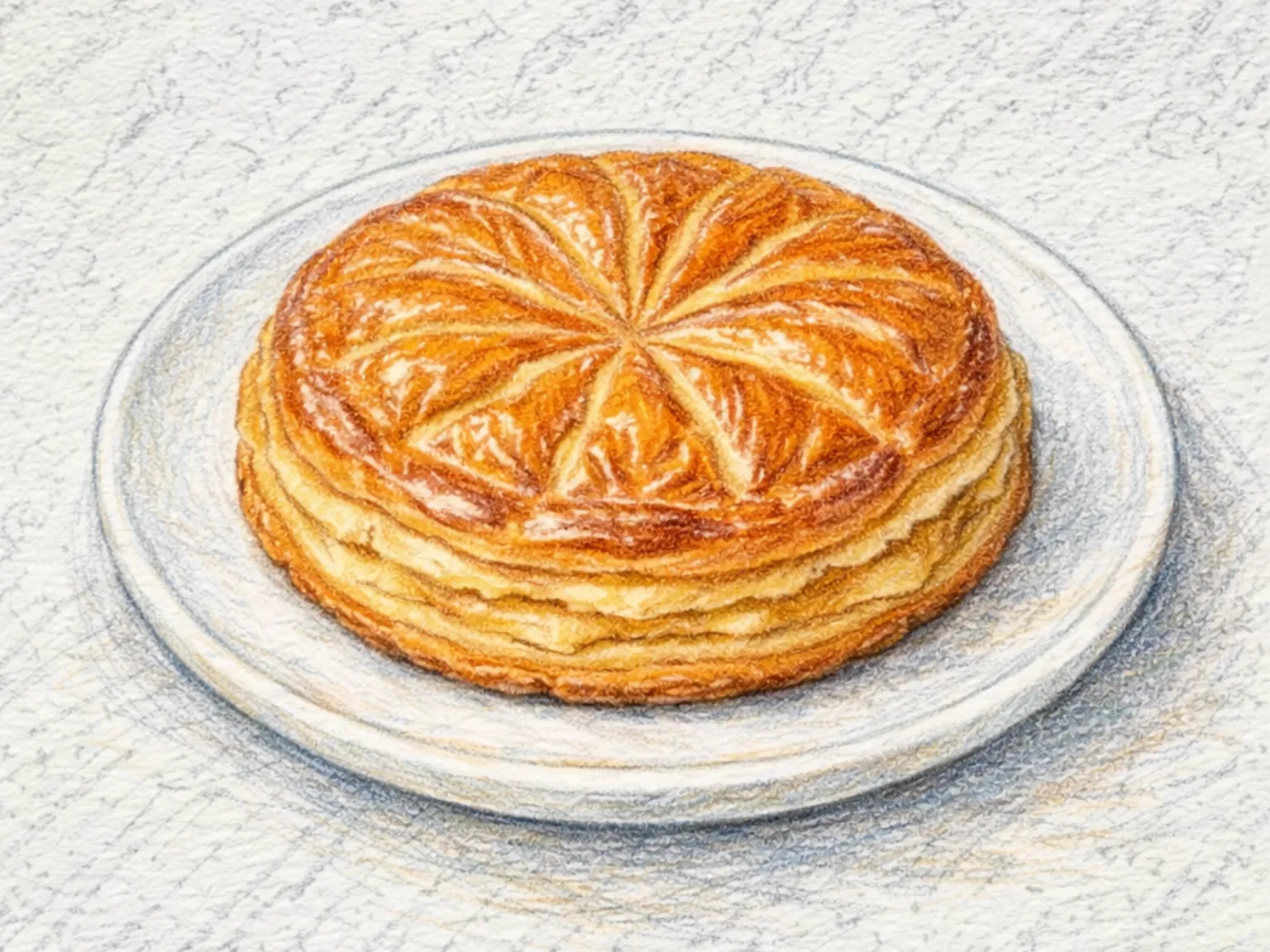
Galette des Rois (Puff Pastry Almond Frangipane Pie)
Galette des rois is the traditional French pie eaten during Epiphany in January, made from two rounds of puff pastry enclosing a filling of almond frangipane cream. Puff pastry is built from hundreds of alternating layers of dough and butter that have been folded and rolled repeatedly. In the oven, the moisture inside the butter converts to steam and forces the layers apart, causing the dough to expand dramatically and set into a structure of thin, translucent sheets stacked one on top of the other. When the baked galette is cut, those layers are visible in cross-section, and the pastry shatters into golden flakes with any pressure - the defining textural characteristic of well-made puff pastry. The frangipane filling is made from butter, eggs, sugar, and ground almonds whisked together into a smooth cream. It bakes into something dense and moist, with the almond flavor concentrated and deepened by the heat in a way that raw almond paste cannot replicate. Before baking, a small porcelain figurine called a feve is pressed into the frangipane and sealed inside. Whoever receives the slice containing the feve is crowned king or queen for the day with a paper crown that typically comes with the galette from the bakery. The top of the pastry is scored with a sharp knife in decorative patterns of leaves, spirals, or geometric designs, and brushed with an egg wash that caramelizes in the oven to produce a lacquered golden surface with the scored lines standing out in relief. In France, bakeries sell galette des rois throughout January, and sharing one with family or colleagues is a significant social ritual at the start of the new year.
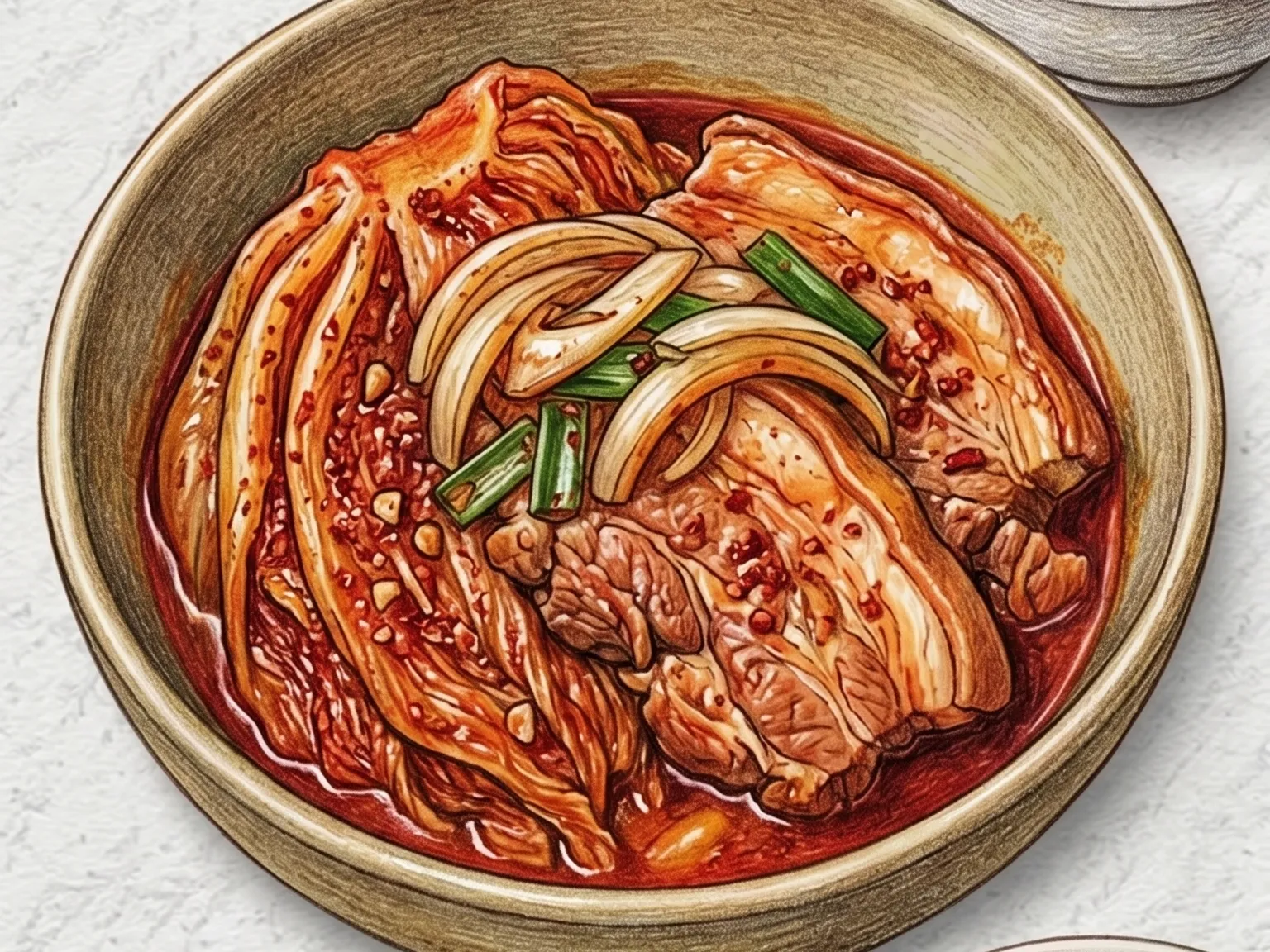
Korean Braised Pork Kimchi
Pork kimchi jjim is a slow Korean braise where pork shoulder and well-aged kimchi are layered alternately in a pot with gochugaru, soup soy sauce, and minced garlic, then cooked at a low simmer for over fifty minutes. The kimchi's sharp, pungent fermented acidity gradually softens over the long cook but does not disappear; instead, it transforms into a complex, deep flavor that saturates the pork rather than overwhelming it. Pork shoulder is the preferred cut because its layered fat and muscle does not dry out over extended cooking and the rendered fat continuously bastes the braising liquid, enriching it throughout the process. Onion and green onion supply a natural sweetness that moderates the acidity and spice and prevents the dish from tipping into one-dimensional sharpness. Reducing the braise until only a small amount of sauce remains is important for flavor concentration, and lifting the lid periodically to turn the ingredients ensures that the top layers absorb the liquid as thoroughly as the bottom. The pork is done when it pulls apart with chopsticks with almost no resistance. Served over steamed rice with the remaining sauce spooned generously over the top, the soy and kimchi juices soak into the grain and make for a deeply satisfying and complete meal. Refrigerated leftovers eaten the following day taste noticeably better: the acidity stabilizes further overnight and the flavors integrate more fully.
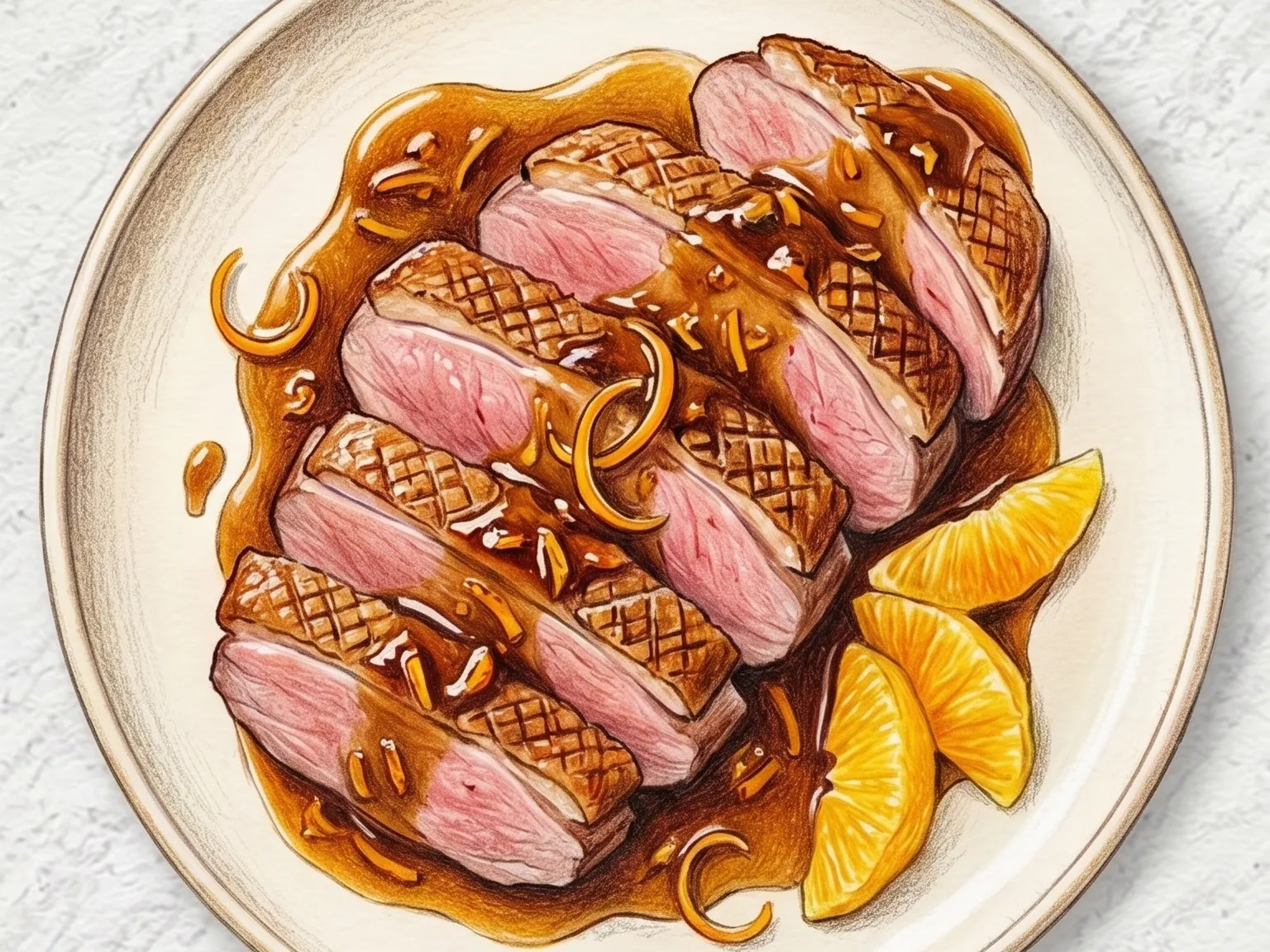
Duck a l'Orange
Duck a l'orange is a French classic built on the contrast between shatteringly crisp duck skin and a glossy, bittersweet orange sauce. The skin of the duck breast is scored in a crosshatch pattern and seasoned with salt and pepper, then placed skin-side down in a cold pan before any heat is applied. Starting from cold is the key: as the pan warms gradually to medium-low, the thick layer of subcutaneous fat renders out slowly and evenly, leaving the skin golden and crackling rather than greasy. After flipping and cooking for two to three more minutes, the breast is removed to rest while the sauce is assembled in the same pan. Excess fat is poured off, then sugar and red wine vinegar are cooked together into a dark caramel. Orange juice and zest go in next, and the liquid reduces by half into a glossy sauce with concentrated citrus intensity. A tablespoon of cold butter swirled in at the very end smooths out the acidity and gives the sauce a sheen. Over-reducing the sauce draws out bitterness from the zest, so pulling the pan off heat at the right moment is critical. The rested breast is sliced on the bias and arranged on the plate, with the sauce spooned over and alongside.
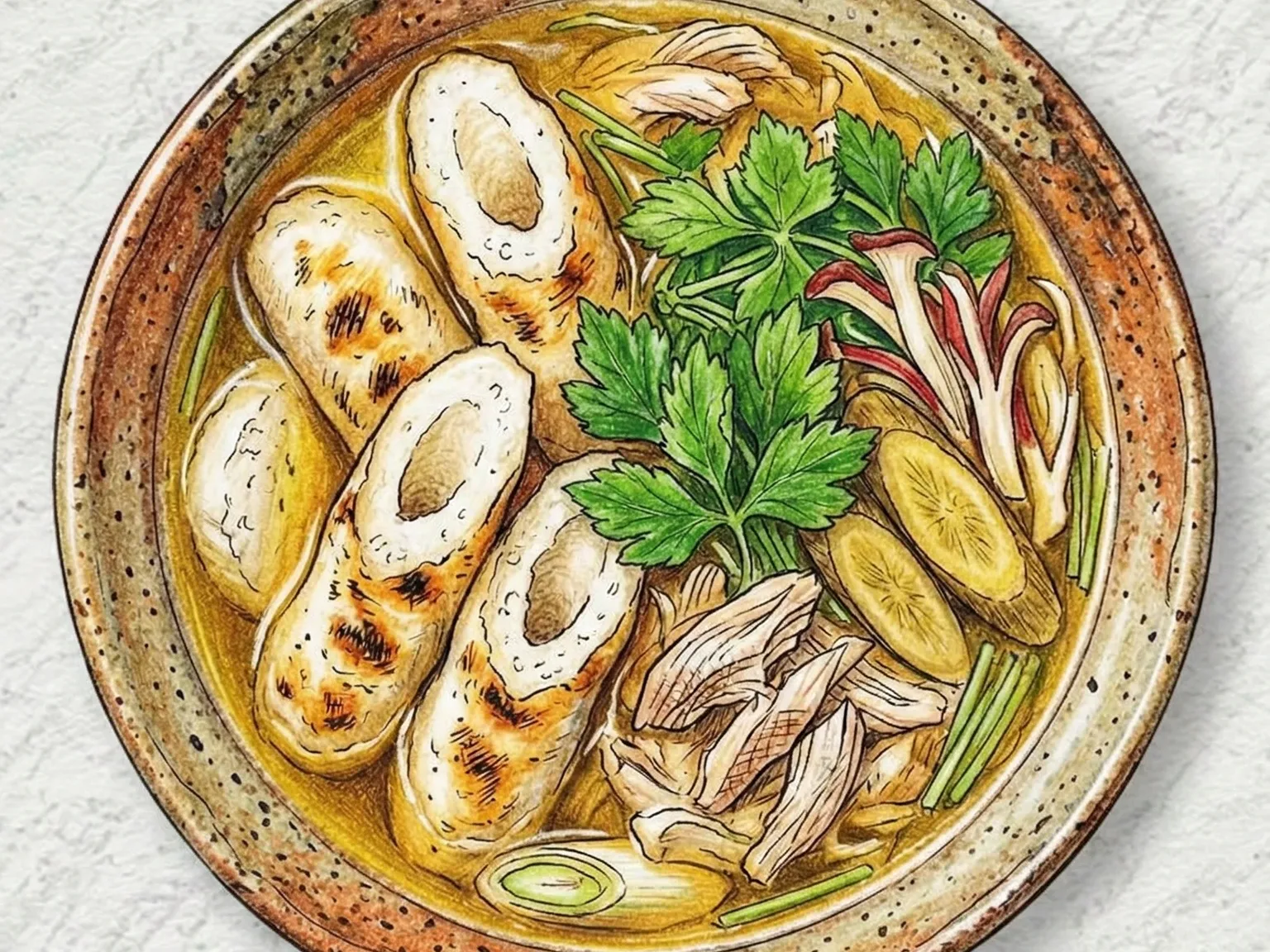
Kiritanpo Nabe (Akita-Style Grilled Rice Stick Hot Pot)
Kiritanpo nabe is a rustic hot pot from Akita Prefecture in northern Japan, built around grilled mashed-rice sticks simmered in chicken broth. Freshly cooked rice is pounded in a mortar until partially smooth and sticky, then wrapped around cedar skewers and toasted over charcoal until the surface develops a light char and a faint smokiness. The broth begins with bone-in chicken thighs cooked until the stock is rich and clear, seasoned simply with soy sauce and mirin, then loaded with burdock root, scallions, mushrooms, and Japanese parsley. The kiritanpo sticks are cut into segments and added to the simmering pot, where they absorb the rich broth and soften into a chewy, dumpling-like texture while still holding their cylindrical shape. Akita's harsh mountain winters gave this dish its purpose as a calorie-dense, warming meal built entirely from locally available ingredients. The faint smokiness from the charcoal grilling carries through into the finished broth, and this subtle background note is what distinguishes kiritanpo nabe from similar rice-cake hot pots made elsewhere in Japan.
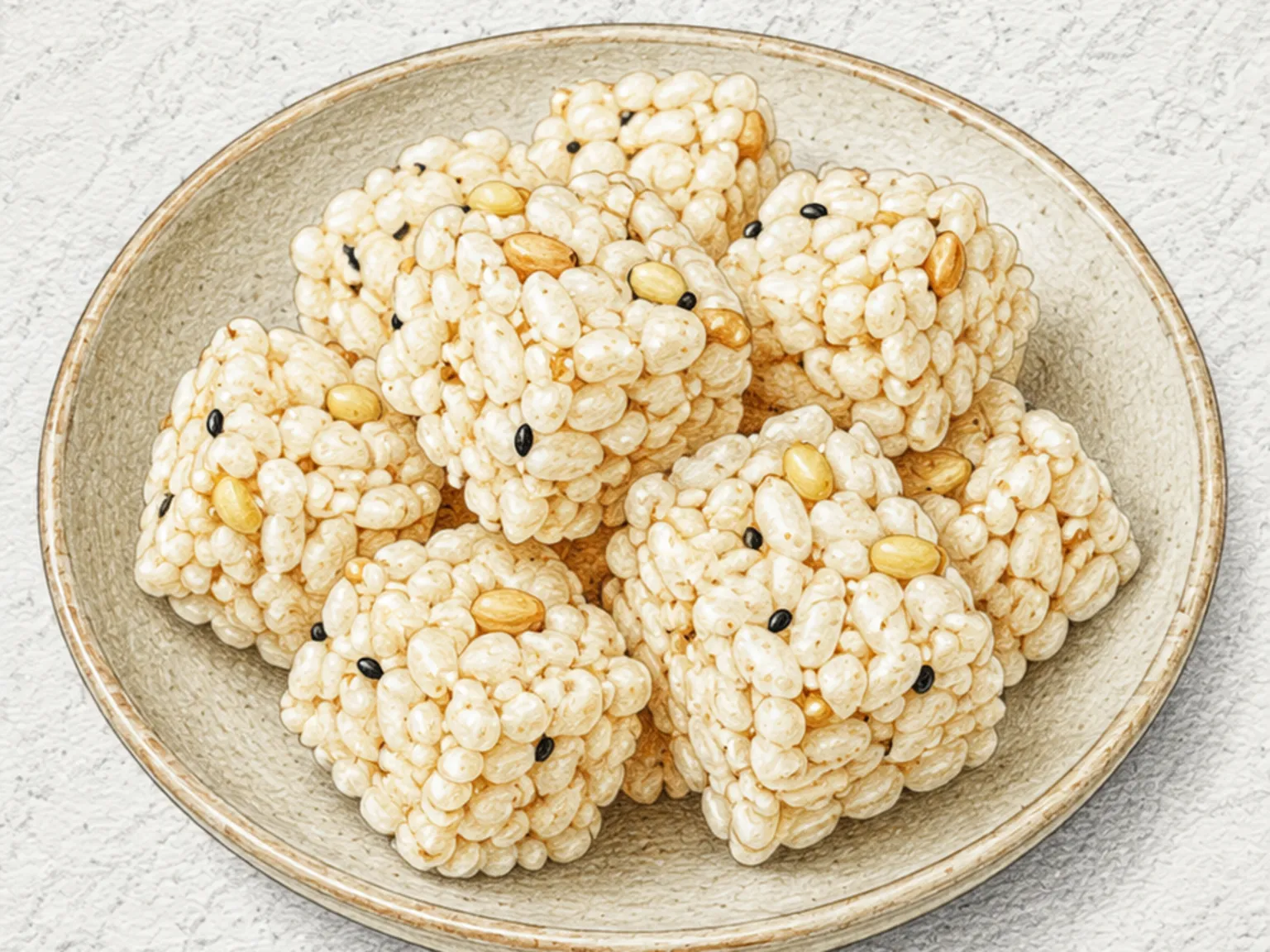
Korean Rice Puff Confection
Gangjeong is a traditional Korean confection made from puffed glutinous rice bound together with warm grain syrup and pressed into molds to set. The production begins with glutinous rice that is soaked, steamed, dried thoroughly, and then deep-fried until each grain expands into a white, airy puff. The timing of the next step matters: the puffs must be turned through the hot grain syrup quickly, before the syrup cools, so that the coating bonds everything together evenly without sogginess. As the syrup cools, it hardens into a structure that feels solid when pressed but shatters cleanly under the teeth, then dissolves into a gentle sweetness on the tongue. The grain syrup is mild and naturally caramel-like, not aggressively sweet, so the toasted, nutty character of the puffed rice remains the dominant flavor. Black sesame seeds, pine nuts, or peanuts folded in before pressing add layers of nuttiness and a pleasant variation in texture. Brightly colored versions dyed with food coloring are a traditional fixture on Korean holiday tables. An oven-drying method that skips the deep frying step exists for those who want to reduce oil use, though the texture differs slightly. Stored in an airtight container away from humidity, gangjeong keeps its crunch for several days.
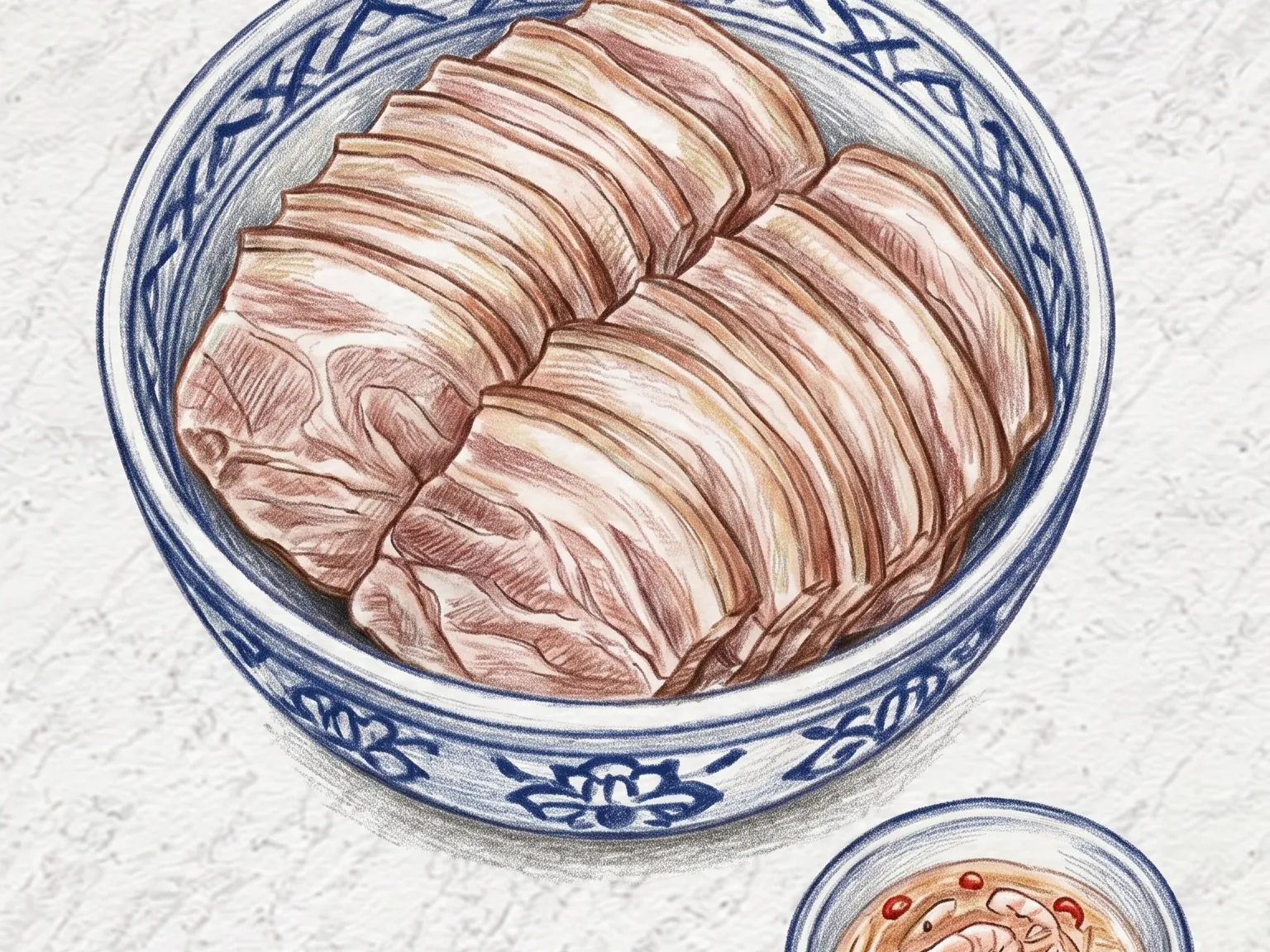
Korean Pressed Boiled Pork Slices
Pyeonyuk is a Korean chilled pork dish made by boiling pork shank with garlic, ginger, green onion, whole peppercorns, and salt for nearly an hour, then wrapping the meat tightly and refrigerating it until firm. The aromatics in the cooking water neutralize off-flavors from the pork, and the salt seasons the meat evenly throughout during the long simmer. Slicing after thorough chilling produces neat, thin pieces with a uniform grain, and the cold temperature sharpens the meat's clean, lean flavor in a way that serving it warm cannot replicate. Traditionally served with salted shrimp or anchovy paste for dipping, pyeonyuk is a staple on Korean holiday tables and a common appetizer when hosting guests. Wrapping the pork tightly while it is still hot is essential so that the shape sets as it cools, and refrigerating for at least two hours before slicing prevents the meat from crumbling under the knife.
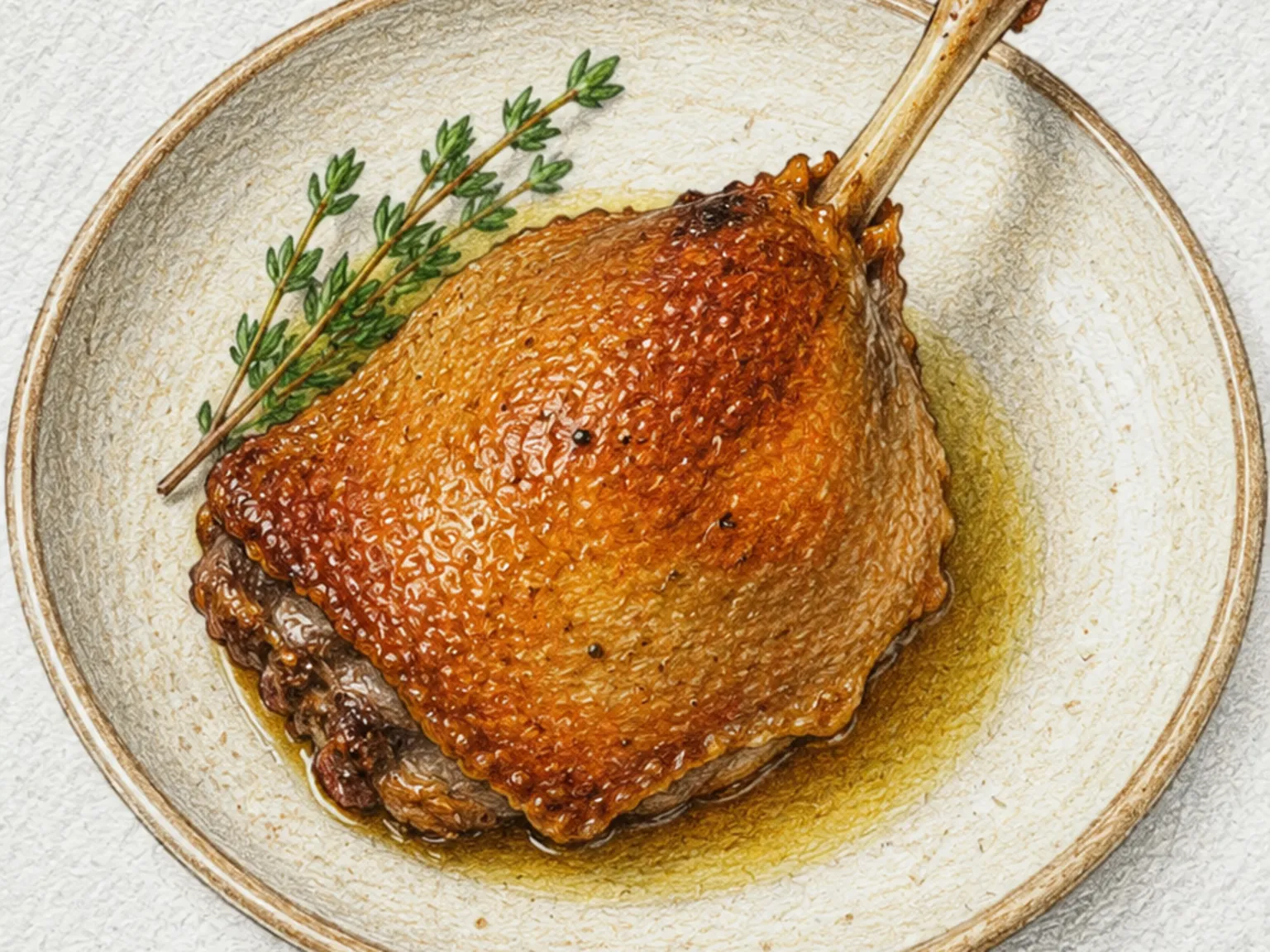
Duck Confit
Duck confit is a traditional French preservation dish that begins with rubbing duck legs in coarse salt, fresh thyme, garlic, and cracked black pepper, then leaving them to cure in the refrigerator for twelve hours. This salting stage draws moisture out of the meat through osmosis and allows the aromatic compounds from the thyme and garlic to begin working their way into the flesh. After rinsing the salt off completely and drying the legs thoroughly, they are submerged in duck fat held at a steady 90 degrees Celsius and left there for three hours. The extended low-temperature cooking is the defining technique of confit: the gentle heat gradually dissolves the collagen in the connective tissue, converting it to gelatin without tightening the muscle fibers, which is what produces meat tender enough to pull apart with no resistance. This result is impossible to achieve by cooking at higher temperatures. The cooked legs can be stored submerged in their fat in the refrigerator for several weeks, which explains why confit was invented as a preservation method in the era before refrigeration. When ready to eat, the legs are lifted from the fat and placed skin-side down in a hot pan for a final sear that renders the skin into a crackling, shattering shell. The contrast between that crisp exterior and the yielding interior - silky, rich, and deeply savory from the curing and slow cooking - is what makes duck confit one of the most satisfying preparations in the French culinary tradition. The leftover duck fat is a prized cooking medium and adds exceptional depth when used for roasting or frying potatoes.
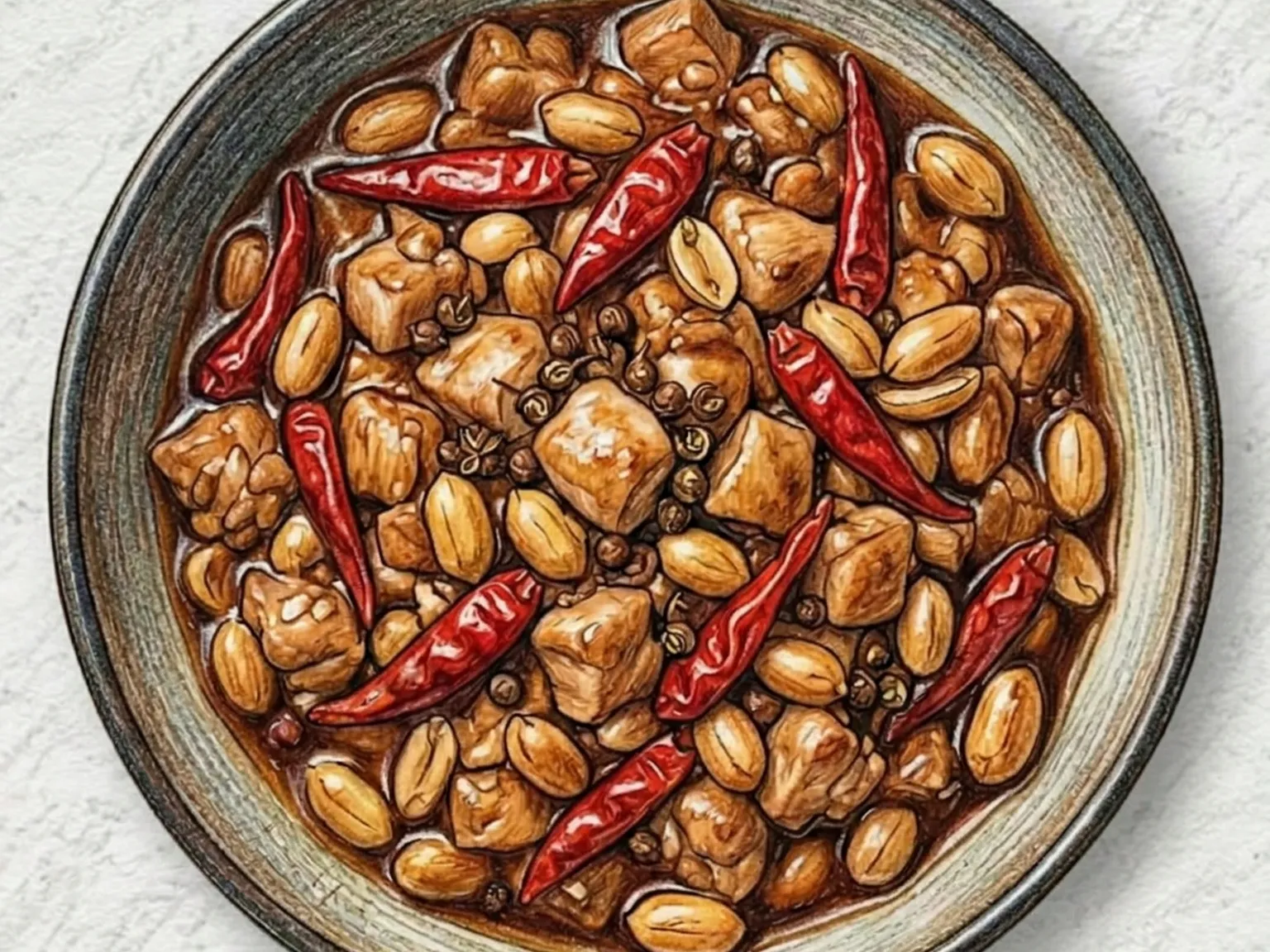
Kung Pao Chicken
Kung pao chicken is one of the defining dishes of Sichuan cuisine, built around diced chicken, roasted peanuts, and dried chilies in a sauce that hits spicy, sweet, sour, and numbing at the same time. The chicken is cut into small cubes and given a brief marinade of soy sauce and cornstarch, which seals moisture in and creates a light coating that takes on color quickly in a screaming-hot wok. Dried red chilies and Sichuan peppercorns are fried in oil as the very first step, pulling their heat and the distinctive mala tingling sensation into the fat before anything else goes in. This flavored oil becomes the foundation the entire dish is built on. Soy sauce, black vinegar, and sugar are added at the end and reduced into a glossy glaze that coats every surface. Roasted peanuts go in last so they stay crunchy, and chopped scallion brings a clean, fresh finish. The interplay of sharp chili heat, tongue-numbing peppercorn, tangy vinegar, and toasty peanut in a single bite is what carries this dish beyond Sichuan into kitchens worldwide.
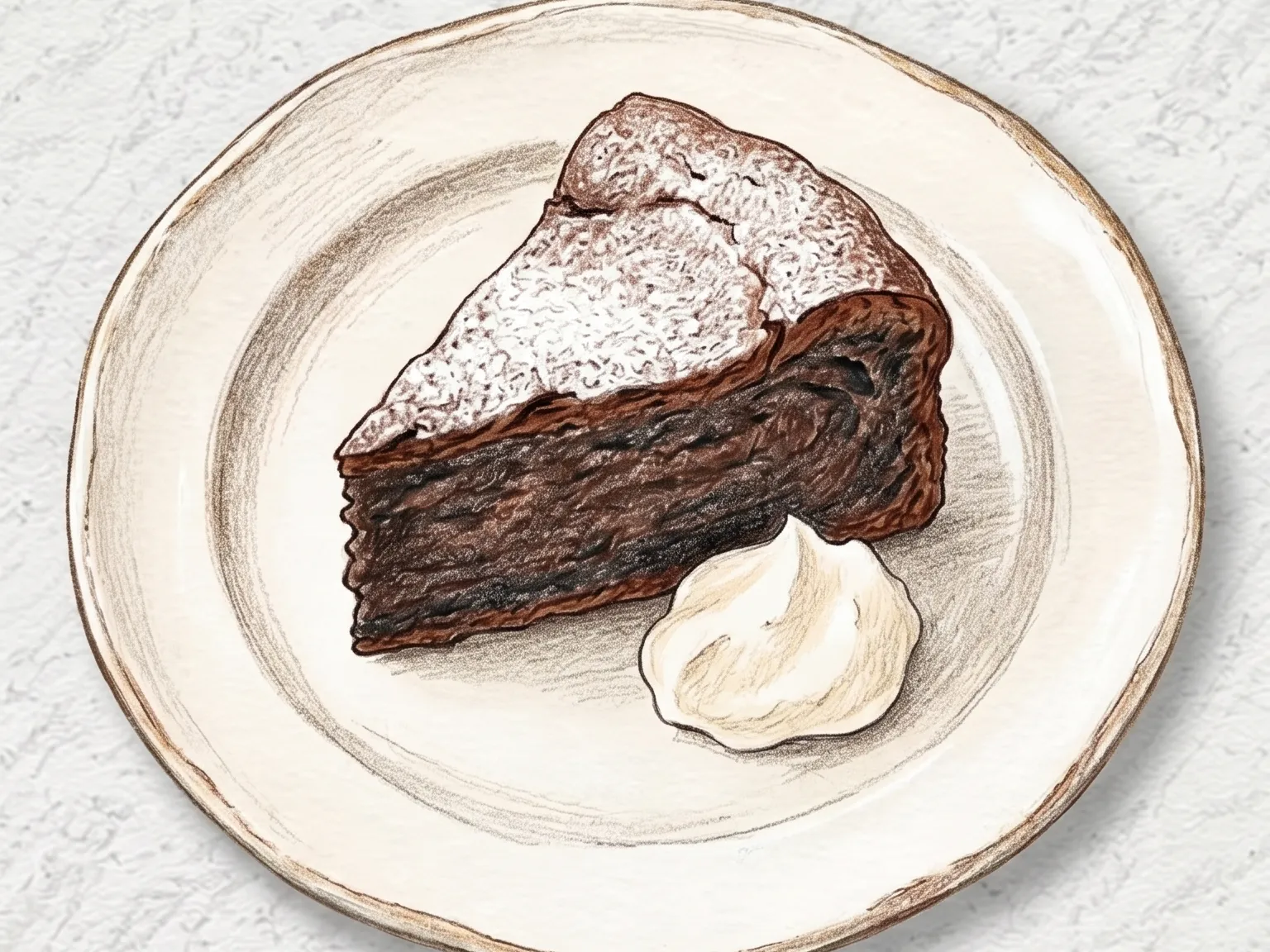
Gateau au Chocolat (Rich Flourless Chocolate Cake)
Gateau au chocolat is a French-style chocolate cake built on an unusually high ratio of dark chocolate and butter relative to flour. Many versions use only a trace of flour or none at all, so the structure depends almost entirely on eggs and melted chocolate rather than on gluten development. Whipping the egg whites separately into a glossy meringue and folding them into the batter introduces just enough trapped air to prevent the result from feeling dense and leaden; the finished cake is simultaneously rich and melt-on-the-tongue light. Straight from the oven the center appears underset, but as the cake cools fully on a rack the interior firms to a fudge-like consistency and a thin, crackly shell forms across the top. Sliced, it reveals an intensely dark cross-section that looks as concentrated as it tastes. A fine dusting of powdered sugar provides visual contrast against the dark surface, and a generous spoonful of lightly whipped, unsweetened cream tempers the bittersweet intensity. The cake actually improves if left overnight: moisture redistributes evenly through the crumb and the chocolate flavor deepens noticeably, making it an ideal candidate for baking a full day ahead of birthdays or dinner gatherings where a reliable, make-ahead dessert is needed.
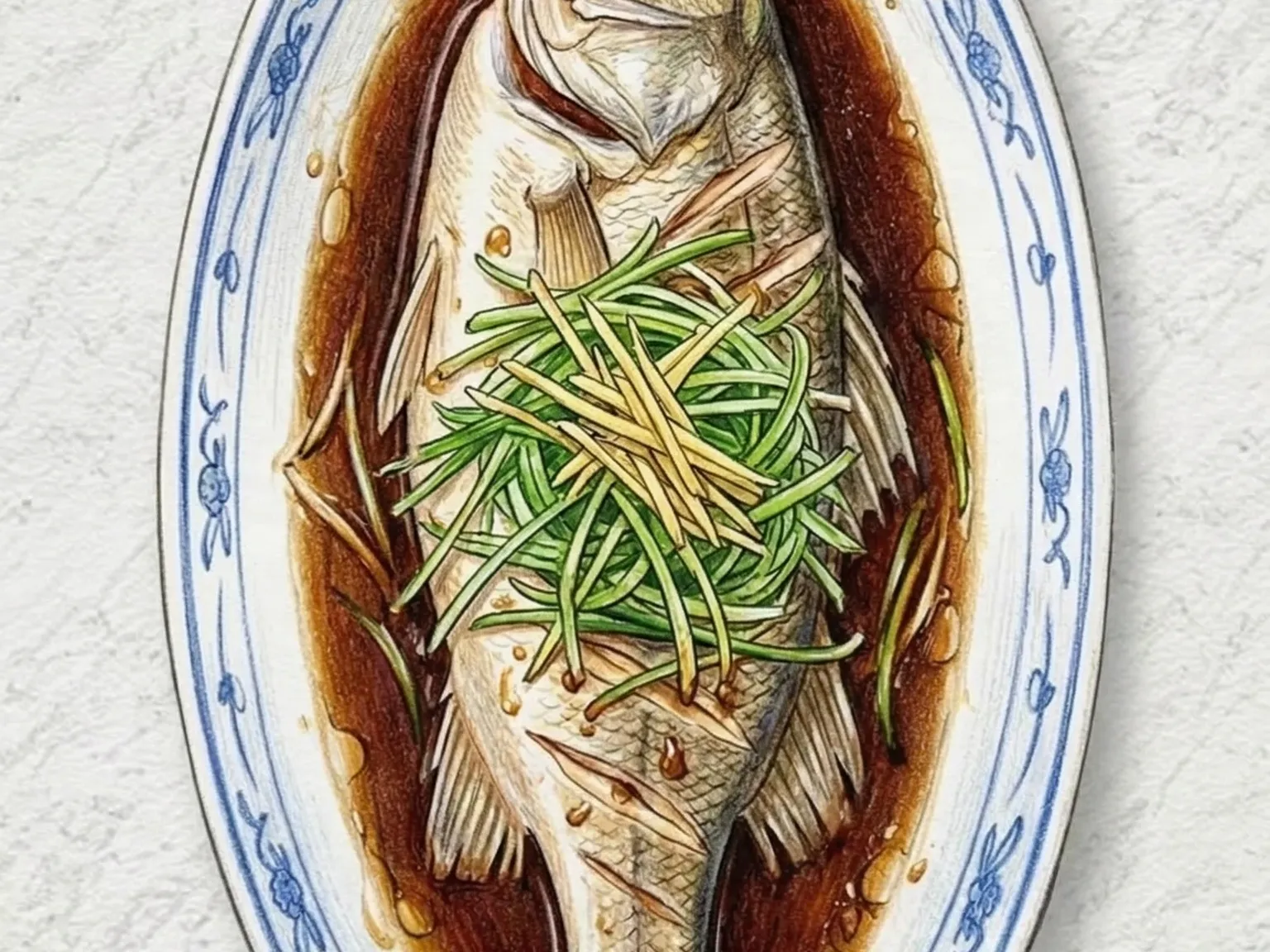
Cantonese Steamed Seabass
Qingzheng seabass is a Cantonese steamed fish preparation in which a whole seabass is scored, rubbed with julienned ginger and rice wine, then cooked over high heat in a steamer for ten to twelve minutes. Once the fish comes off the steam, a restrained dressing of soy sauce and sugar is poured evenly over the flesh, a generous pile of shredded scallions is laid on top, and smoking-hot oil is drizzled over everything. The oil hits the cold scallions with an audible sizzle and instantly volatilizes their aromatic compounds, filling the kitchen with a concentrated burst of allium fragrance that coats the entire dish. The steamed flesh stays moist with its natural flake intact, and the light soy dressing is calibrated so that the seabass's own clean, delicate flavor remains the centerpiece rather than being buried under seasoning. The finishing pour of hot oil simultaneously cooks the scallions and disperses their fragrance, a technique central to Cantonese cooking. The dish embodies the Cantonese philosophy that the quality of the ingredient, not the intensity of the seasoning, defines the outcome.
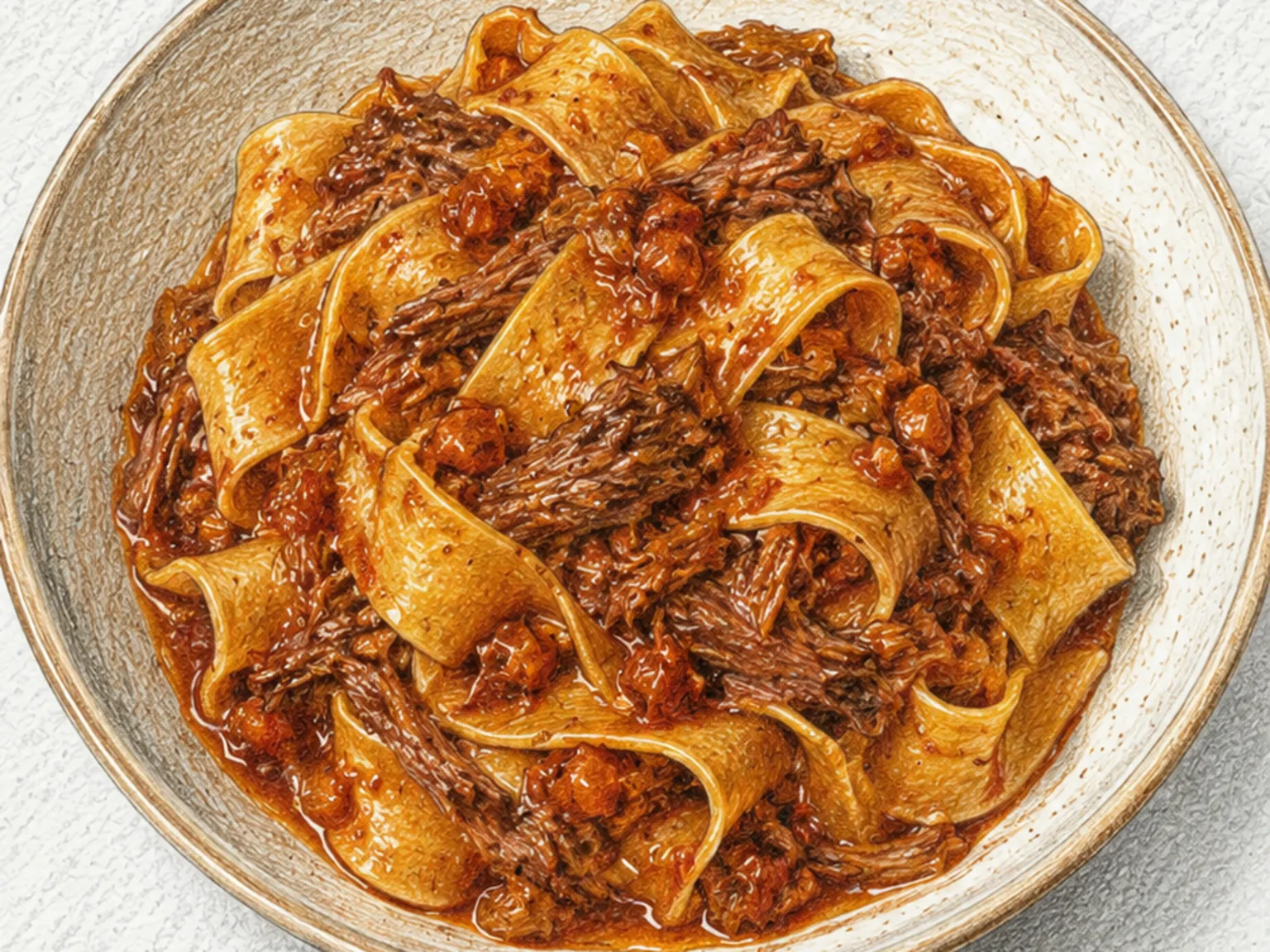
Duck Ragu Pappardelle (Braised Duck Pasta)
Duck ragu pappardelle is an Italian braised pasta that begins with a hard sear of seasoned duck legs in olive oil until the skin turns a deep, mahogany brown. The fond left on the pan base is the backbone of the sauce, so the sear must be thorough. Onion, carrot, and celery go into the same pan and cook for eight minutes until soft and faintly sweet. Garlic and tomato paste follow, stirred over heat until the paste darkens slightly, then red wine goes in to deglaze every browned bit before reducing by half. The duck returns to the pot with chicken stock and bay leaf for a slow ninety-minute braise at the lowest simmer, until the meat pulls from the bone with no resistance. Shredded duck meat goes back into the sauce, which cooks down another ten minutes to reach a coating consistency. Broad pappardelle is boiled two minutes short of al dente and tossed in the ragu for a final minute so the wide noodles fully absorb the rich, meaty sauce. The ragu deepens noticeably after resting overnight.
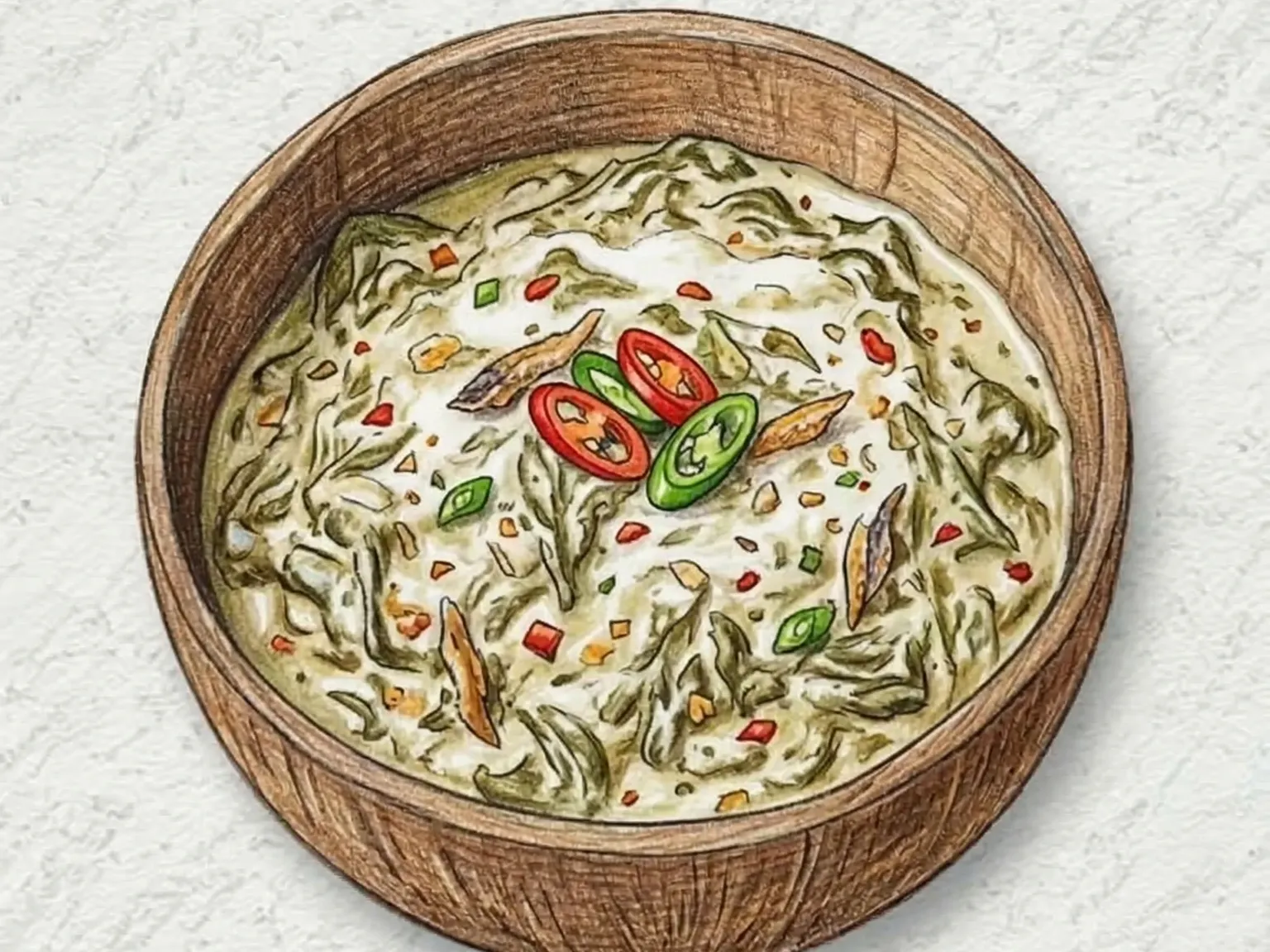
Laing (Filipino Bicol Dried Taro Leaf Coconut Milk Stew)
Laing is a traditional dish from the Bicol region of the Philippines, made by slowly simmering dried taro leaves in coconut milk with chili, garlic, ginger, and shrimp paste. The leaves must be fully dried rather than fresh - fresh taro leaves contain calcium oxalate crystals that cause an intense itching sensation in the mouth and throat. Once the aromatics are sauteed in coconut milk, the dried leaves are layered in and the pot is left uncovered to reduce. A critical rule in traditional preparation is to never stir the pot; stirring releases the irritants from the leaves into the liquid. As the coconut milk reduces over low heat, it concentrates into a thick, oily sauce that clings to the softened leaves. Shrimp paste contributes a deep, funky salinity, while fresh or dried chilies bring the heat that Bicolano cuisine is known for. The result is rich, spicy, and intensely savory - meant to be eaten in modest spoonfuls alongside a generous mound of steamed rice.
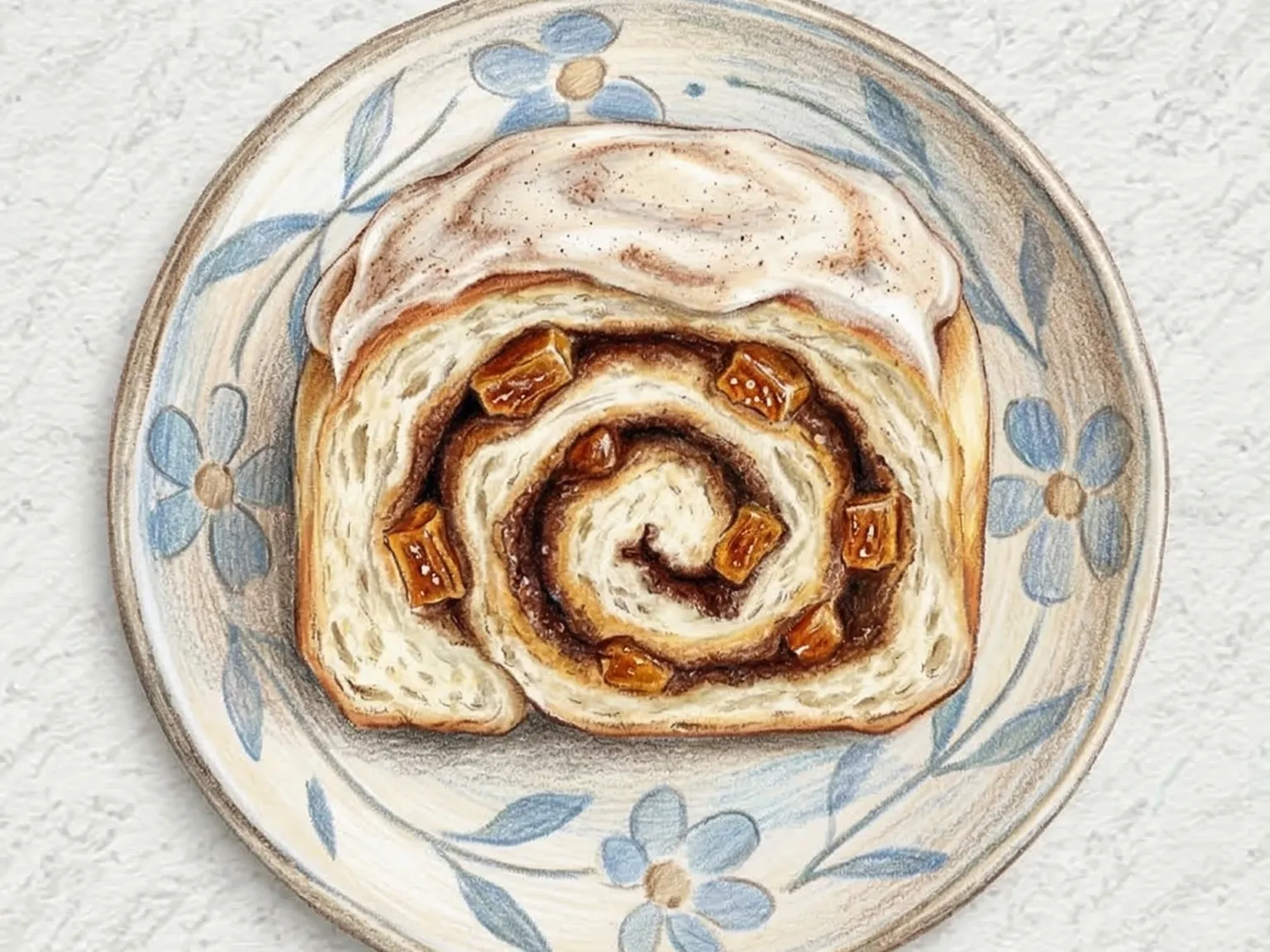
Dried Persimmon Cinnamon Rolls
This cinnamon roll replaces the usual brown sugar and raisin filling with finely chopped gotgam, Korean sun-dried persimmon. The dough is enriched with butter to a level close to brioche, fermented until well risen, and rolled thin before an even layer of cinnamon sugar and diced persimmon is spread across the surface. The dough is then rolled tightly from one end, cut into portions of uniform thickness, and baked until golden. Gotgam develops its character through the drying process: moisture loss concentrates the sugars until the fruit carries a depth of sweetness that fresh persimmon does not, with an edge of caramelization that reads more like dried fig or date than fresh fruit. That concentrated sweetness placed against cinnamon's warm, assertive spice produces a flavor pairing that calls to mind sujeonggwa, the traditional Korean cinnamon-persimmon punch. Slicing a baked roll reveals the persimmon distributed in a spiral through the layers, and each torn strip delivers pockets of soft, dense fruit. Overbaking dries the persimmon out, so timing matters. A cream cheese glaze spread over the warm rolls introduces acidity that cuts through the sweetness cleanly. The buttery, yeasty fragrance of the fermented dough, the natural depth of the gotgam, and the spice of the cinnamon occupy distinct layers in each bite.
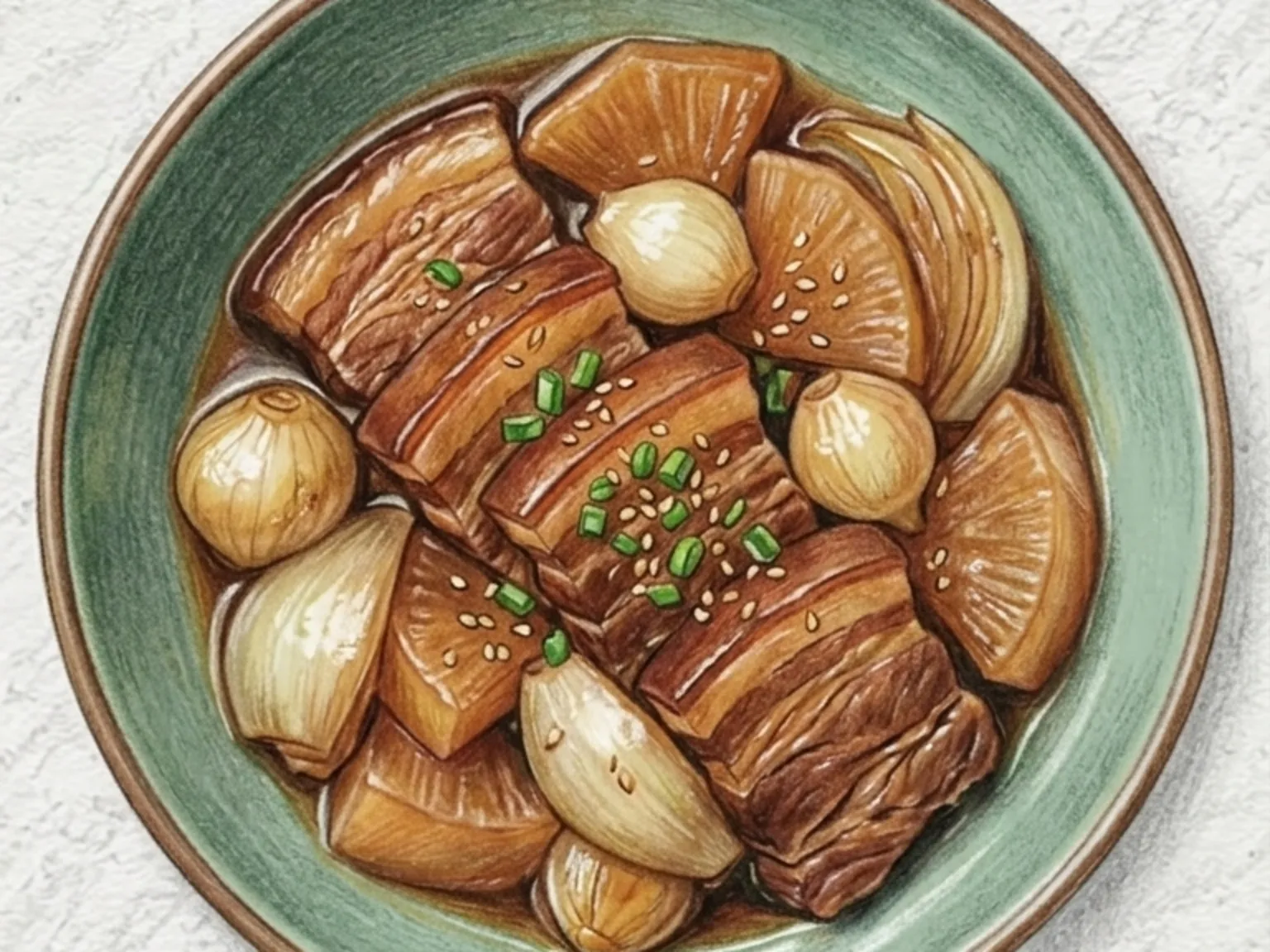
Korean Samgyeopsal Ganjang Jorim (Soy-Braised Pork Belly)
Samgyeopsal ganjang jorim is a Korean soy-braised pork belly dish where blanched pork belly is simmered with radish and onion in a soy sauce base for over forty-five minutes. Blanching first removes impurities and excess fat, leaving a clean-tasting braise. The long simmer allows soy sauce to penetrate the layered pork, building a deep flavor that is savory without being greasy. Radish chunks absorb the pork-enriched liquid and develop a richness of their own, while oligosaccharide syrup lends a natural sheen. Cooling and reheating concentrates the seasoning further, making this a strong choice for gatherings or holiday meals.
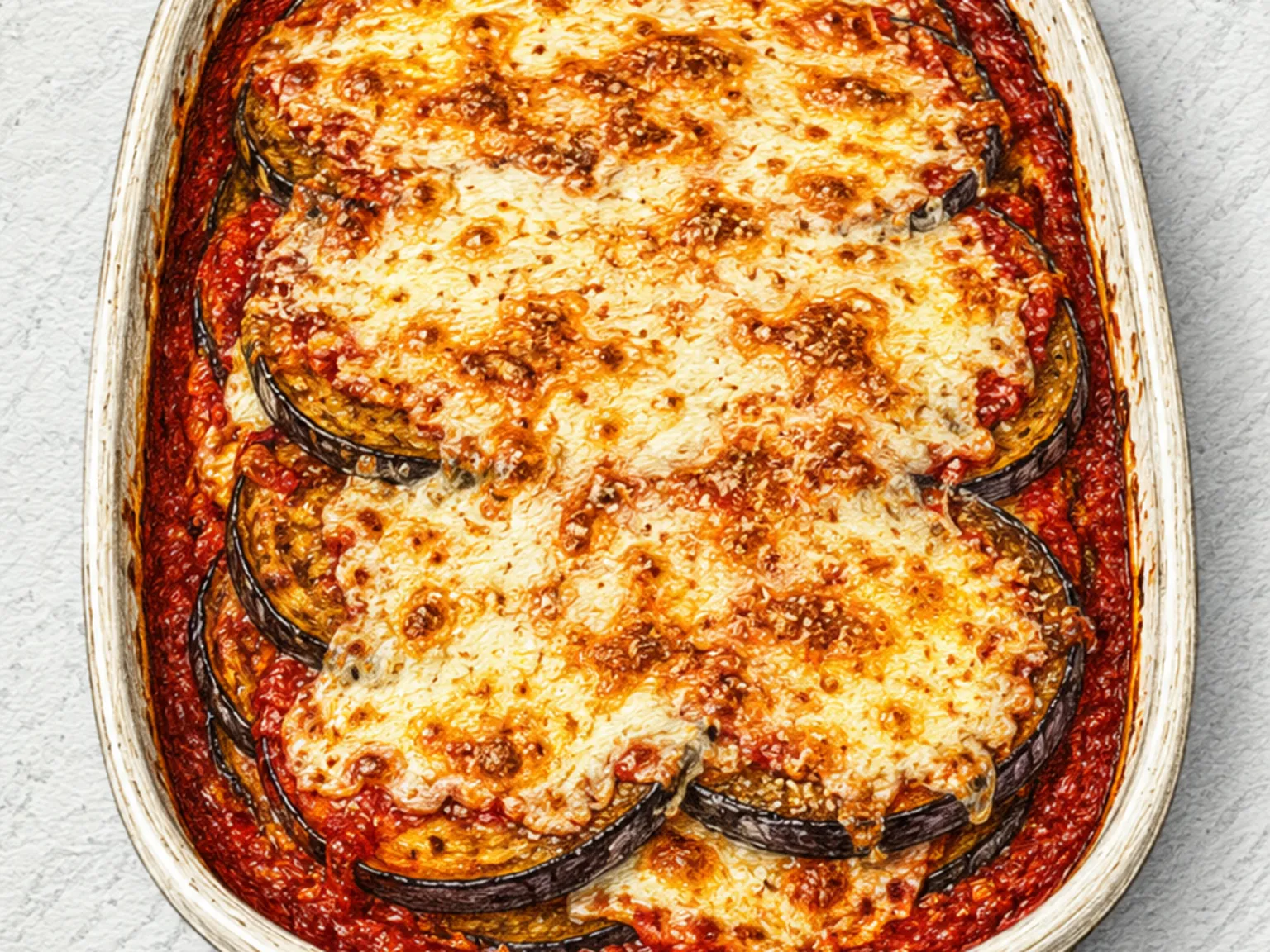
Eggplant Parmesan
Eggplant Parmesan starts by salting one-centimeter-thick rounds of eggplant and leaving them for ten minutes so that bitterness and excess moisture draw out before cooking. Each slice is then patted dry, dredged through flour, dipped in beaten egg, and pressed into breadcrumbs before pan-frying in olive oil until the coating turns golden and crisp on both sides. In a baking dish, layers of tomato sauce, fried eggplant, torn mozzarella, and grated Parmesan are stacked twice in succession, then baked at 200 degrees Celsius for twenty minutes until the cheese has melted, bubbled up, and browned at the edges. The eggplant contributes a dense, meaty softness that holds the weight of the sauce and cheese above it. The tomato's bright acidity cuts through the richness of two cheeses, and the sharp, granular edge of Parmesan sharpens each layer where the milder mozzarella melts smoothly. Over-saucing is the main hazard: too much tomato makes the layers collapse and turns the eggplant waterlogged, so measuring the sauce with a restrained hand protects both texture and structure. Assembling the dish a day ahead and refrigerating before baking lets the flavors develop further, producing a noticeably richer result the following day.