Side dishes Recipes
186 recipes. Page 4 of 8
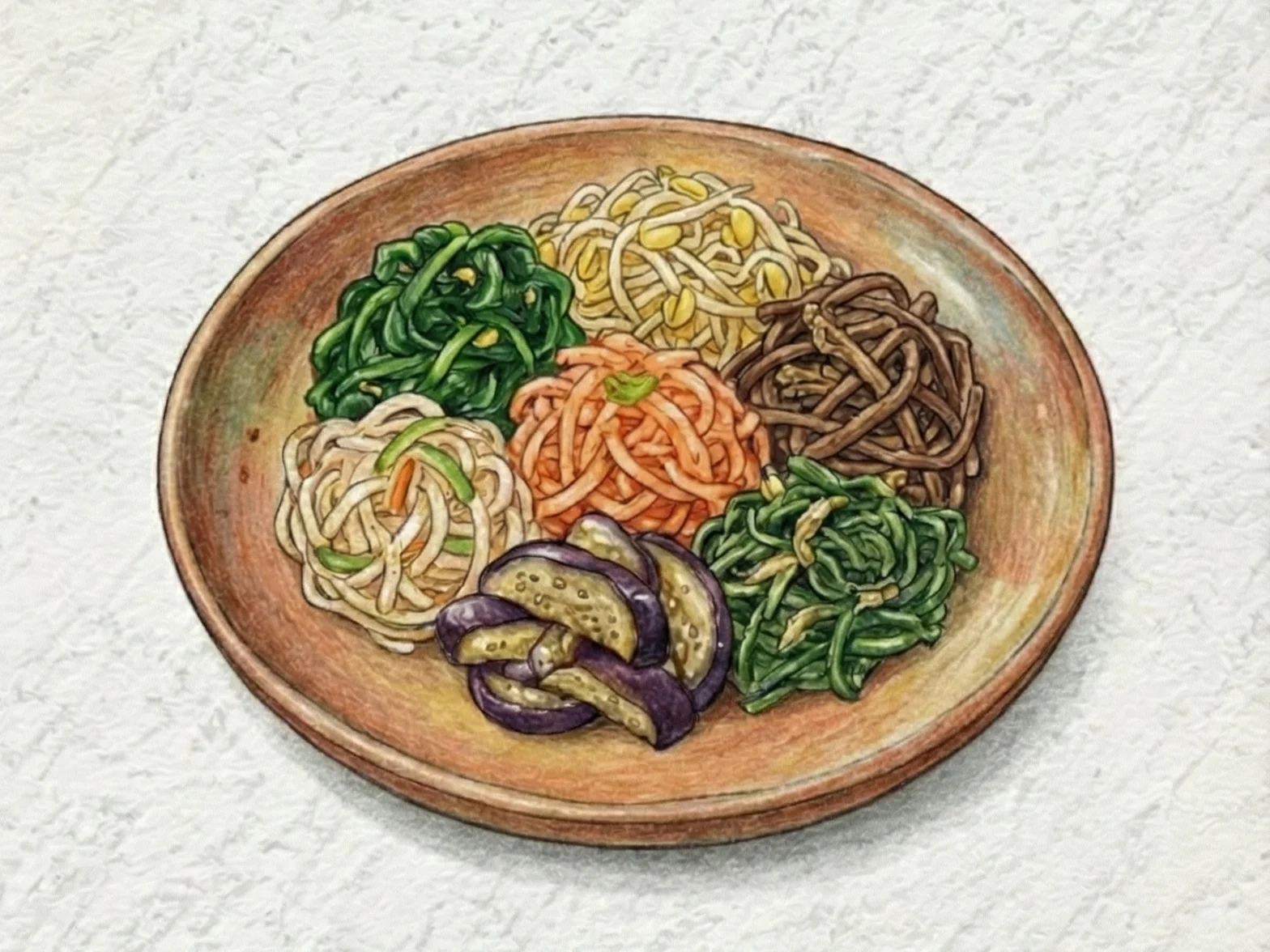
Side dishes (banchan) are the heart of Korean dining culture. A typical meal features multiple small plates - seasoned vegetables (namul), braised dishes (jorim), pickled items, and salted seafood. Classics like spinach namul, bean sprout salad, and stir-fried anchovies can be prepared in advance and enjoyed over several days.
Great banchan balances seasoning with the natural flavor of each ingredient. Sesame oil, perilla oil, soy sauce, and fermented pastes work together to pack deep flavor into every small serving.
Korean Seasoned Chili Leaves
Gochuip-muchim is a seasoned namul made from chili pepper leaves harvested after the peppers themselves have been picked, rooted in the Korean rural practice of using every part of what the kitchen garden produces rather than discarding what is left behind after the main harvest. August and September mark the narrow window when the leaves are at their most tender and aromatic; after this period they become tougher and their fragrance fades. Blanched for one minute in boiling water to reduce bitterness, squeezed firmly dry, and then dressed with soy sauce, gochugaru, minced garlic, sesame oil, and sesame seeds, tossed until each leaf is evenly coated. The slightly bitter, herbaceous quality of the leaves does not cook out completely in blanching - it persists and intersects with the gochugaru's heat in a way that distinguishes this namul from any ordinary leafy green banchan. Because the thin leaves absorb seasoning almost immediately, the namul is fully flavored from the moment it is tossed and needs no resting period. Eaten alongside warm rice, the bitterness and spice settle against the neutral starch in a combination that is quiet but consistently satisfying.
Korean Spicy Gochujang Dried Squid Stir-Fry
Jinmichae, shredded dried squid, is a Korean pantry staple valued for its chewy texture and the umami that builds and intensifies the longer you chew. This preparation coats the strands in a gochujang glaze, making it one of the most reliably present banchan in Korean households. Briefly soaking the dried squid in water before squeezing it dry softens the tough fibers and opens them to absorb the sauce more evenly. The sauce of gochujang, gochugaru, rice syrup, soy sauce, and garlic is stir-fried first over low heat to mellow the raw chili sharpness, then the squid is tossed through quickly over the same heat. Sesame oil and toasted sesame seeds are added off the heat, coating the strands in a sweet, spicy glaze that keeps well at room temperature for several days.
Seasoned Korean Wild Lettuce
Godeulppaegi muchim is a seasonal Korean side dish prepared with Ixeris dentata, a plant characterized by its thin, slender leaves. This botanical species belongs to the daisy family and has been traditionally foraged across the Korean peninsula for many generations. It serves as a versatile ingredient, often appearing on the dining table as a fermented kimchi or as a freshly seasoned vegetable dish known as banchan. The plant is recognized for a distinct and sharp bitter profile that is significantly more intense than the bitterness typically found in standard garden salad greens. Properly handling this inherent bitterness is the most important technical aspect of preparing the dish correctly. The leaves and stems undergo a brief blanching process in boiling water for a duration of approximately one to two minutes. Following this heat treatment, they are moved immediately to a cold water bath where they remain submerged for a minimum of thirty minutes. If the soaking duration is reduced or omitted entirely, the resulting dish will retain a level of bitterness that cannot be masked or balanced by any amount of additional seasoning. After the soaking period is complete, the greens are squeezed firmly by hand to remove excess moisture and then combined with a bold seasoning base. This dressing consists of a mixture of gochujang, gochugaru, vinegar, sugar, minced garlic, and toasted sesame oil. This specific combination provides a sharp acidity and spicy heat that coats the processed greens. The flavors are intended to complement the lingering bitterness of the plant instead of removing it, which creates a complex and layered taste profile that persists throughout the meal. This side dish is typically available from the beginning of spring through the early weeks of summer. During these months, the plant is a common sight in traditional rural markets located throughout South Gyeongsang and North Jeolla provinces. Individuals who value a strong and assertive flavor profile consider this preparation to be a highly valued seasonal specialty within Korean cuisine.
Korean Braised Mackerel in Spicy Sauce
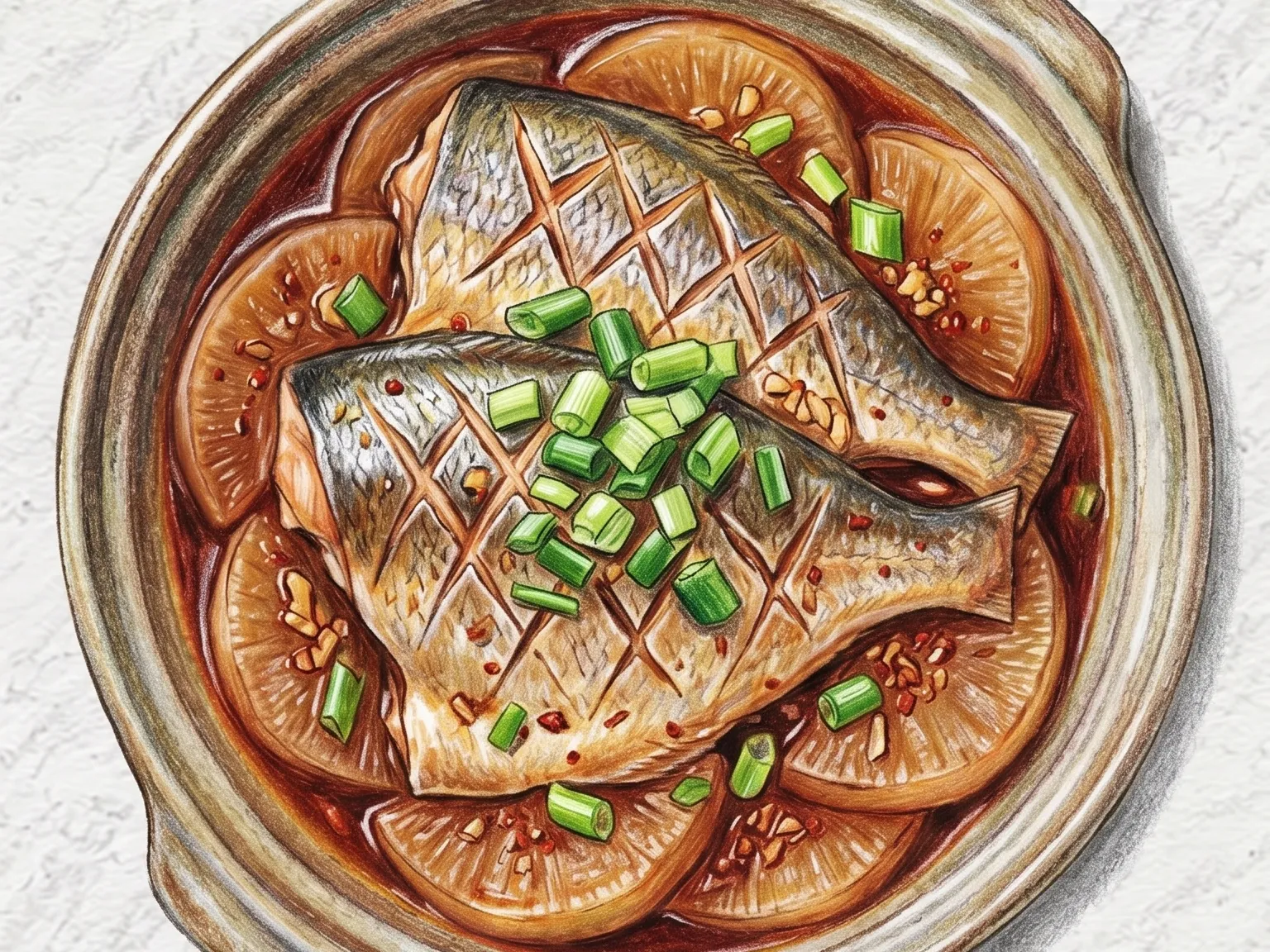
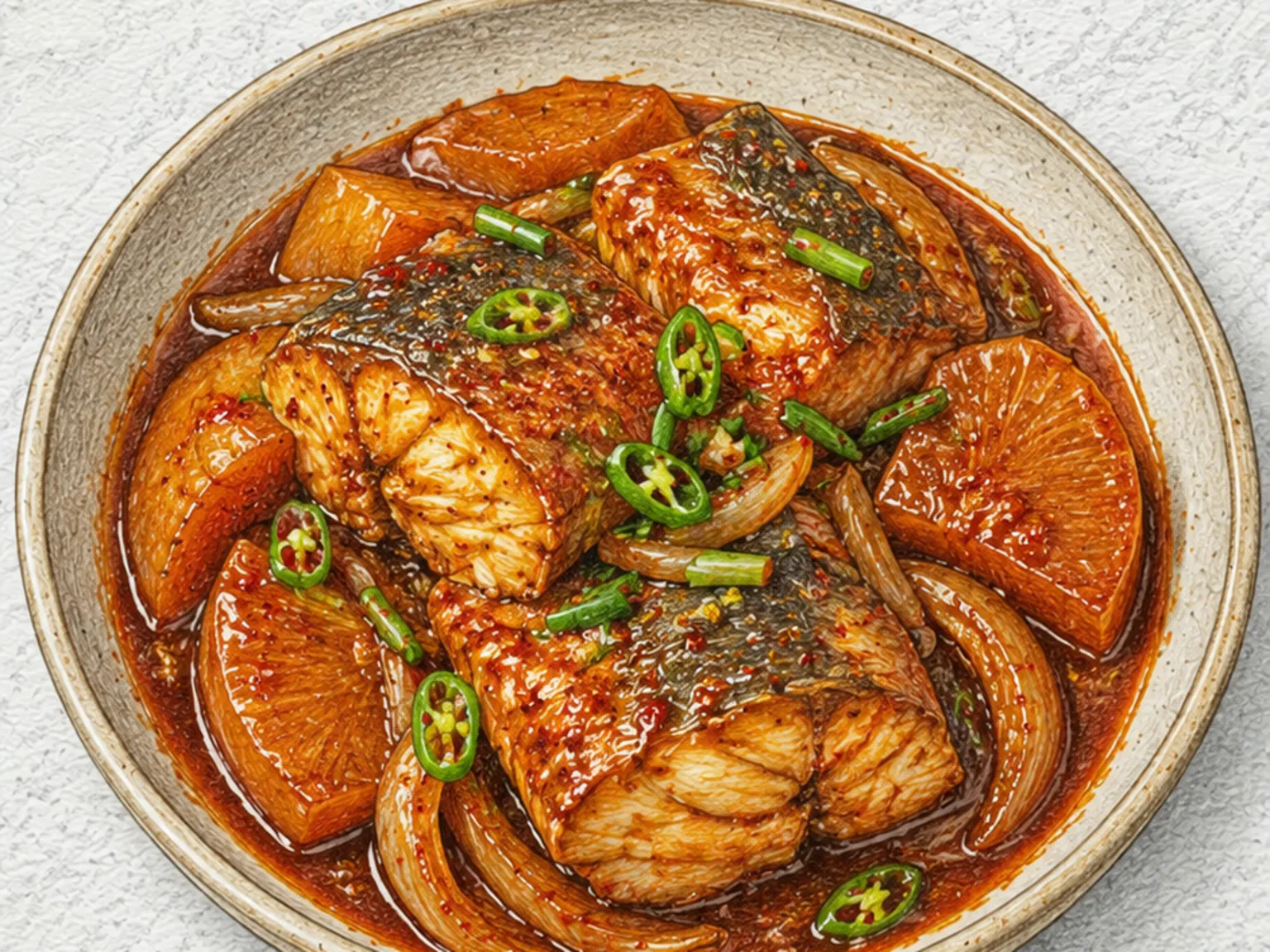
Godeungeo-jorim is one of the most frequently cooked fish banchan in Korean homes, pairing mackerel's assertive flavor with a spicy braising sauce that demands steamed rice. Mackerel is cut into steaks and salted for ten minutes to draw out fishy odors, then arranged over thick radish slices that line the pot bottom. The radish serves dual duty: preventing the fish from sticking and releasing its natural sweetness into the braising liquid below. A sauce of gochugaru, gochujang, soy sauce, garlic, ginger, and sugar is spooned over, and the pot simmers covered for twenty minutes. During this time the seasoning penetrates the flesh while the radish absorbs enough sauce to rival the fish itself as the most satisfying component of the dish. Green onion added in the final minutes lifts the heavy spice with a fresh sharpness.
Korean Stir-Fried Sweet Potato Stems
Goguma julgi - sweet potato stems - are the above-ground vines of the sweet potato plant, a byproduct that Korean cooks transform into a summer namul rather than discarding. The most labor-intensive step is peeling each stem by hand, pinching the outer skin with a fingernail and pulling it away to reveal the tender core beneath. After blanching for two minutes and rinsing in cold water, the stems are stir-fried in perilla oil with garlic and seasoned with soup soy sauce. Perilla powder stirred in at the end thickens the remaining liquid into a nutty glaze. In season during summer, the stems are harvested from sweet potato fields before the tubers themselves are dug up.
Korean Seasoned Thistle Greens
Gondeure is a wild thistle (Cirsium setidens) that grows in the alpine highlands around Jeongseon and Taebaek in Gangwon-do. In this mountainous region, where rice was historically scarce, gondeure was mixed into the cooking pot to stretch the grain and fill the table. Boiled gondeure dressed with soy sauce, garlic, and perilla oil carries a fragrance that blends mugwort-like herbal sharpness with a forest-floor earthiness rarely found in other vegetables. The stems are noticeably tougher than the leaves, so blanching them separately for longer, or chopping them finely, produces a more even texture throughout the dish. The namul is a capable side dish on its own, but gondeure is most famous when cooked directly into rice in a pot, a preparation called gondeure-bap. At the table, the cooked greens and rice are mixed with a dipping sauce of soy, perilla oil, and ground perilla seeds, drawing the herb's fragrance through every grain. The ratio of perilla oil to garlic varies from one Gangwon-do kitchen to the next, and dried gondeure is kept year-round so the dish is never limited to a single season.
Korean Soy Braised Konjac
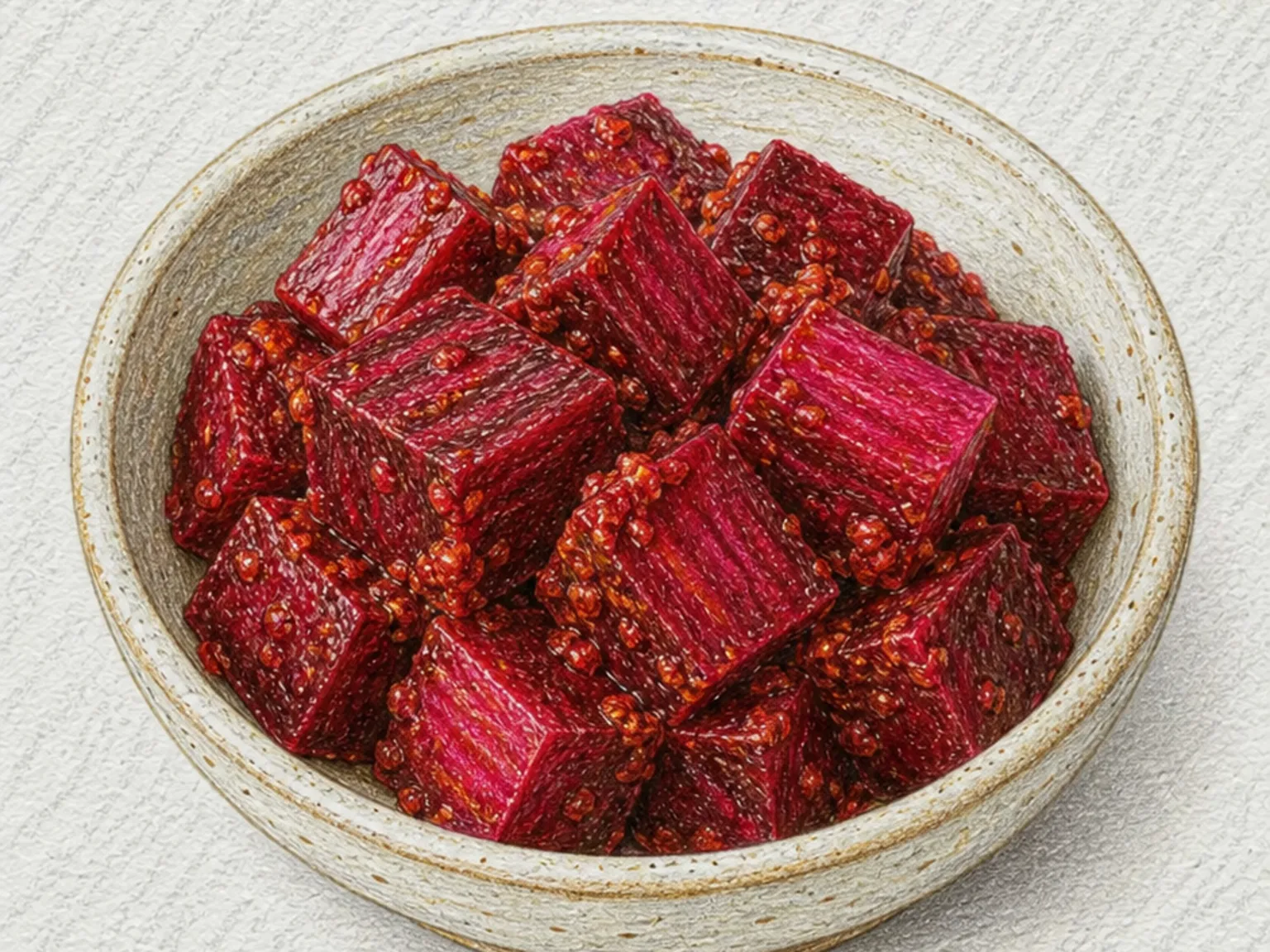
Gonnyak-jorim is a braised konjac banchan seasoned with soy sauce, rice syrup, gochugaru, and garlic, valued mainly for its satisfying chew and near-zero calorie count. Konjac carries a faint lime-water odor from its processing, and blanching it in boiling water for two minutes removes that smell before any seasoning is applied. Draining thoroughly and then dry-toasting the pieces in a pan without oil evaporates residual moisture from the surface, creating a drier exterior that the sauce can actually grip. Scoring the konjac in a crosshatch pattern before cooking solves its fundamental flavor problem: the dense, non-porous texture resists absorption, but the scored grooves pool the sauce and hold it in place so the coating sticks. Rice syrup in the sauce builds a glossy, slightly sticky finish as the liquid reduces. The finished pieces are sweet, salty, and faintly spicy with a firm, springy bite that makes them one of the more filling low-calorie side dishes in Korean cuisine.
Korean Seasoned Bracken Fern
Gosari, the Korean name for bracken fern, is one of the oldest foraged vegetables in Korean cooking, with consumption records tracing back to the Three Kingdoms period. It is a mandatory component of bibimbap and a required dish on jesa, the ancestral rite table set for ceremonies honoring the dead. Dried gosari must soak overnight in cold water and then boil until the tough, wiry fibers relax into a distinctively springy, almost elastic chew that no fresh vegetable can replicate. The rehydrated fern is stir-fried in perilla oil with minced garlic until fragrant, then a small amount of soup soy sauce and water goes in and the pan is covered to let the liquid absorb and the fern braise briefly. This short braising step is what rounds the flavor and ensures the seasoning penetrates the fibrous strands rather than sitting only on the surface. Perilla oil is the traditional fat of choice rather than sesame oil because its green, herbal quality pairs more naturally with the woodsy, forest-floor flavor of gosari, amplifying rather than competing with it. Large batches are typically made during Chuseok or Seollal and eaten over several days, as the flavor improves and deepens as the dish sits.
Korean Fernbrake Namul with Doenjang
This doenjang variation of gosari namul diverges from the standard soy-sauce-forward version by using fermented soybean paste as the primary seasoning, producing a banchan with noticeably more depth and a pronounced fermented character. Rehydrated and boiled bracken fern is first stir-fried in perilla oil to develop a light, nutty base, then doenjang and soup soy sauce are added along with a small splash of water for a five-minute braise over medium-low heat. The water prevents the paste from scorching and allows it to distribute evenly through the fibrous strands, so every piece of fern absorbs the full flavor. The porous texture of bracken draws in the funky, savory paste more readily than firmer vegetables, which is why this combination works particularly well. Perilla powder stirred in at the end thickens the remaining liquid into a dense, creamy coating around each strand of fern. Richer and more layered than its soy-sauce counterpart, this namul delivers deep flavor when mixed into steamed rice, with the fermented paste and toasted perilla building on each other across every bite.
Korean Pickled Celtuce Stems
Gungchae is the dried stem of celtuce (Lactuca sativa var. asparagina), known in Chinese as wosun, and in Korea it carries the name meaning palace vegetable, reflecting its historical association with royal court cuisine. When rehydrated from its dried state, the stems regain a firm, almost cartilaginous crunch that is the defining quality of the ingredient and the entire reason to use it. Packed into sterilized glass jars, the stems are covered with a boiling brine of soy sauce, vinegar, sugar, and water poured in while still hot, which drives the seasoning into the outer layers while preserving the interior snap. The pickle is edible after a single day, but three days is when the balance of tangy, salty, and sweet flavors reaches its peak. Served alongside grilled meats or rich main dishes, the crisp texture and bright acidity cut through heaviness and refresh the palate between bites, making it a natural companion to oily or heavily seasoned Korean mains.
Korean Rolled Omelette (Layered Vegetable Egg Roll)
Gyeran-mari - Korean rolled omelette - is a staple of Korean lunchboxes and dinner tables, a dish every Korean home cook masters early. Finely diced carrot, onion, and scallion are mixed into beaten eggs and poured in a thin stream across a lightly oiled rectangular pan. When the egg layer is half-set, it is rolled from one side to the other, then more egg mixture is poured beside the roll and the process repeats three to four times, building concentric yellow layers visible when sliced. Air trapped between the thin sheets gives the omelette its characteristic pillowy softness. Temperature control is critical - too hot and the egg browns; too cool and the layers will not bond. After cooking, wrapping the roll in a bamboo mat or kitchen towel for two minutes sets its shape into a clean cylinder. Found in school cafeterias, picnic bento boxes, and family dinners across Korea.
Korean Mixed Seaweed Salad
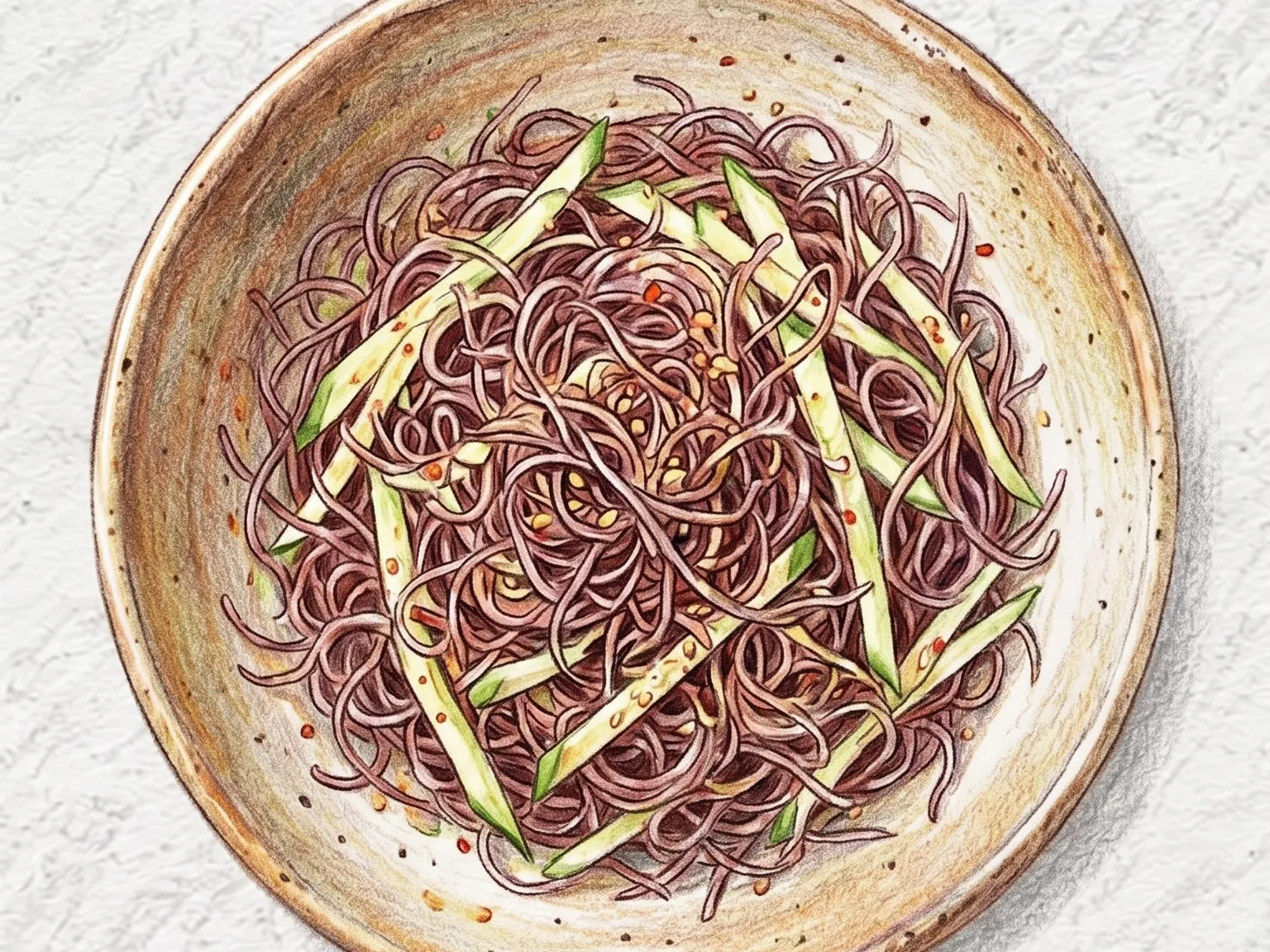
Haecho-muchim gathers several types of ocean seaweed - often including miyeok julgi (seaweed stems), tot (sea mustard), parae (green laver), and kkosiraegi - into one bowl and dresses them in cho-gochujang, a tangy-sweet sauce made by blending gochujang with vinegar and sugar. Each strand and leaf brings a different texture: some chewy, some slippery, some with a gentle pop. The seaweed is blanched for no longer than twenty seconds to preserve that textural variety - longer cooking turns everything uniformly soft. Squeezing out all residual water before dressing is critical, otherwise the sauce dilutes into a watery puddle. Julienned cucumber threaded through the seaweed adds a crisp, garden-fresh counterpoint to the briny marine flavors. Served chilled, this low-calorie banchan is especially welcome in hot weather.
Korean Stir-fried Zucchini
Hobak-bokkeum is one of the quickest and most fundamental banchan in the Korean home-cooking repertoire. Thinly sliced Korean zucchini, known as aehobak, is salted for five minutes to draw out moisture before cooking. Skipping this step floods the pan during stir-frying and produces a steamed rather than properly stir-fried result. Seasoning with saeujeot, fermented salted shrimp paste, instead of plain salt brings a deeper marine umami that cannot be replicated by sodium alone, and the high salinity of the paste means additional salt is rarely needed. High heat and a short cooking time allow the surface of each slice to lightly caramelize, building a toasty, nutty aroma while the interior cooks through without turning watery or soft. Garlic goes into the oil first to bloom its fragrance before the zucchini follows, layering flavor from the base. Green onion added in the final seconds of cooking preserves its aromatic edge rather than wilting away. A drizzle of sesame oil and a scatter of toasted sesame seeds at the end produces a clean, simply flavored side dish with a lasting nutty finish. When aehobak is already in the refrigerator, the whole dish can be on the table within five minutes.
Korean Zucchini Namul (Sesame-Dressed Bibimbap Topping)
Hobak namul is julienned zucchini stir-fried with sesame oil and garlic, a foundational Korean side dish that appears as one of the five-color toppings essential to bibimbap. Though it resembles hobak-bokkeum at a glance, the difference comes down to how the vegetable is cut: namul requires thin julienne strips rather than half-moons, which allows the strands to nestle between rice grains when the bowl is mixed rather than sitting on top in clumps. Salting the raw zucchini and squeezing out moisture thoroughly is the most important step in the process; any water left behind causes the vegetable to release steam in the pan and turn soggy, and will make the rice in a bibimbap bowl gummy. Seasoning is intentionally minimal, relying on salt and sesame oil alone, with garlic gently cooked first to build an aromatic base without burning. Three minutes over medium heat is all the cooking time needed, and the finished strands hold their shape without releasing additional liquid even after they cool, which makes this namul a reliable choice for packed lunches where texture must survive time away from the stove. Because it is stir-fried rather than dressed raw, it also stays dry at room temperature, making it a common fixture on ceremonial tables set for ancestral rites or holiday meals. The light green color of the cooked zucchini provides visual contrast on a plate.
Korean Zucchini Pancakes (Egg-Battered Pan-Fried Slices)
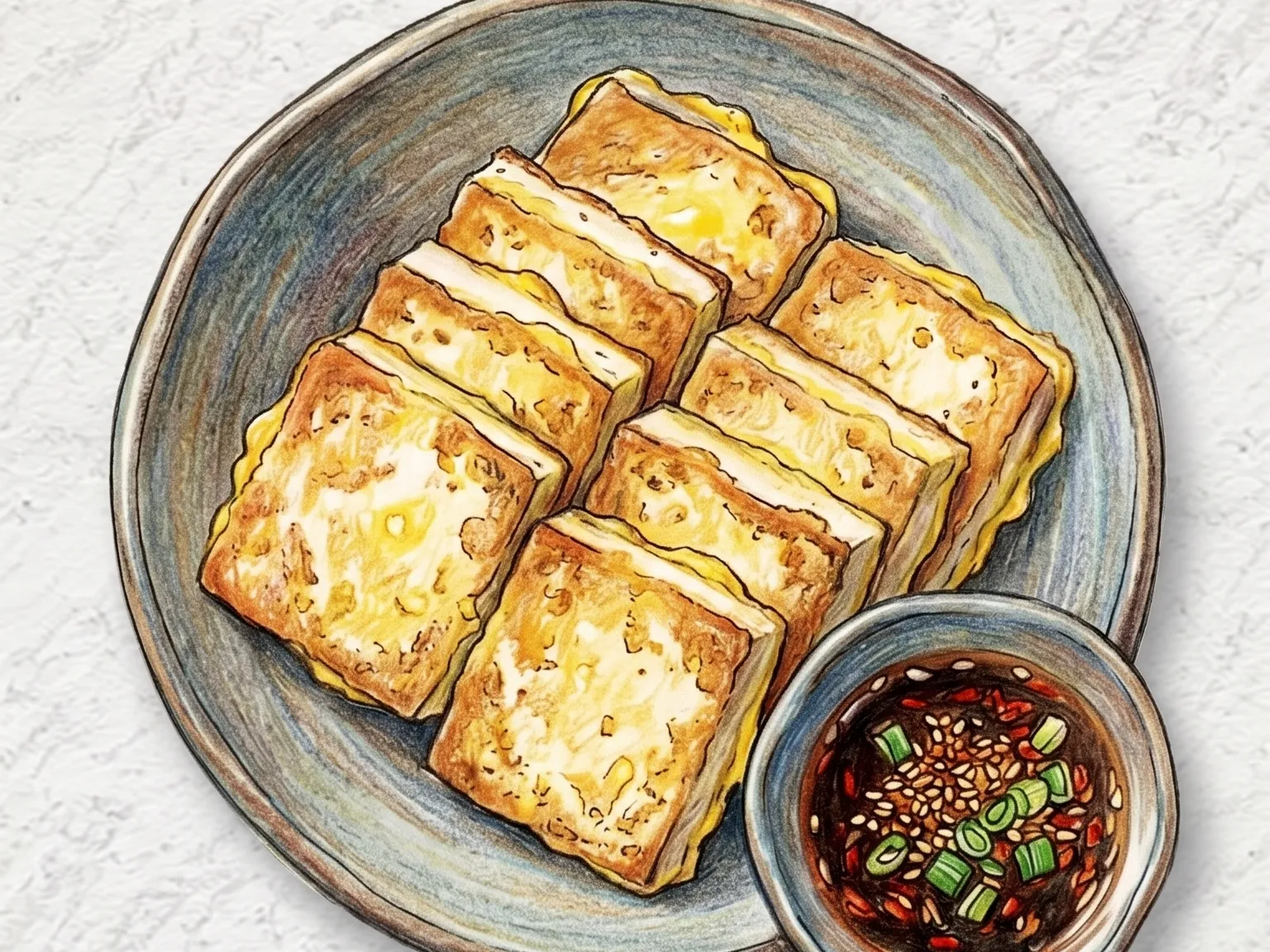
Hobak-jeon is a Korean pan-fried zucchini pancake made by dredging thin slices in flour then coating them in beaten egg before cooking in oil. The technique is the foundational jeon method used across Korean cuisine: a dry flour coat first to help the egg adhere, then the egg layer that fries into a golden, slightly spongy crust. Cutting the zucchini to an even 0.5 cm thickness matters for consistent cooking, and salting the slices briefly then patting them dry ensures the flour sticks uniformly. Low heat is important: a gentle pan allows the egg coating to set gradually and turn evenly golden while the zucchini inside softens and becomes almost creamy. High heat sets the egg too fast and leaves the interior undercooked. Dipped in cho-ganjang, a simple mix of soy sauce and vinegar, the acidity provides contrast to the oiliness of the fried coating. During Chuseok and Seollal, households prepare assorted stacks of jeon for the ritual offering table and subsequent family meal, and hobak-jeon is reliably present among them. With only zucchini, flour, eggs, and salt required, this is one of the most straightforward Korean recipes to attempt.
Braised Dried Pollock (Hwangtae-po Jorim)
Hwangtae-po jorim is a Korean braised side dish made from hwangtae, the air-dried pollock produced in the Gangwon-do mountains where bitter winter cold freezes and thaws the fish dozens of times across the season. Each freeze-thaw cycle breaks down the protein structure and opens up a sponge-like network of pores throughout the flesh. When braised in a ganjang-gochujang sauce, those pores draw the seasoning deep inside, so every bite carries the savory-sweet glaze all the way through rather than just coating the surface. Rehydrating the dried pollock for no more than three minutes preserves the chewy, springy bite; soaking it longer collapses the structure and leaves it soft and crumbly. Oligosaccharide syrup reduces into a glossy finish that coats each piece, and sesame oil goes in only after the heat is off to keep its fragrance intact. Refrigerated, the dish holds for more than a week, making it a practical addition to meal-prep banchan rotations.
Korean Seasoned Dried Pollock Strips
Hwangtaechae-muchim dresses shredded dried pollock strips in a no-cook gochujang sauce - sharing the same core ingredient as hwangtae-po jorim but taking a completely different approach. While the braised version simmers the strips in liquid for a moist finish, this muchim keeps them closer to their original dry state, preserving a chewy, almost jerky-like bite. If the strips are too stiff, a light mist of water followed by a two-minute rest softens them just enough without losing that chew. The dressing combines gochujang, gochugaru, oligosaccharide syrup, and vinegar into a sweet-sour-spicy trio that earns this dish its bap-doduk (rice thief) reputation. A small addition of mayonnaise coats the surfaces with a thin fat layer, preventing the rough texture that dried fish can have. Start to finish, this banchan takes under fifteen minutes.
Korean Soy-braised Beef (Tender Shredded Brisket in Soy Glaze)
Jangjorim is the soy-braised beef that lives semi-permanently in Korean refrigerators - a make-ahead banchan with a shelf life of roughly two weeks. Beef eye round (hongdukkasal) is the traditional cut because its uniform grain and low fat content allow clean shredding along the fibers, producing the signature stringy texture. The process is unhurried: thirty minutes of soaking to draw out blood, forty minutes of simmering with whole garlic and peppercorns, then shredding and returning to the pot with soy sauce and sugar for another twenty minutes. Hard-boiled eggs and shishito peppers added in the final stage absorb the dark soy broth - the eggs turn mahogany and the peppers contribute a gentle heat to the sauce. Swapping in quail eggs makes each piece lunchbox-sized. Flavor deepens noticeably after a day of refrigeration as the seasoning penetrates fully.
Jayeom Seasoned Bean Sprouts
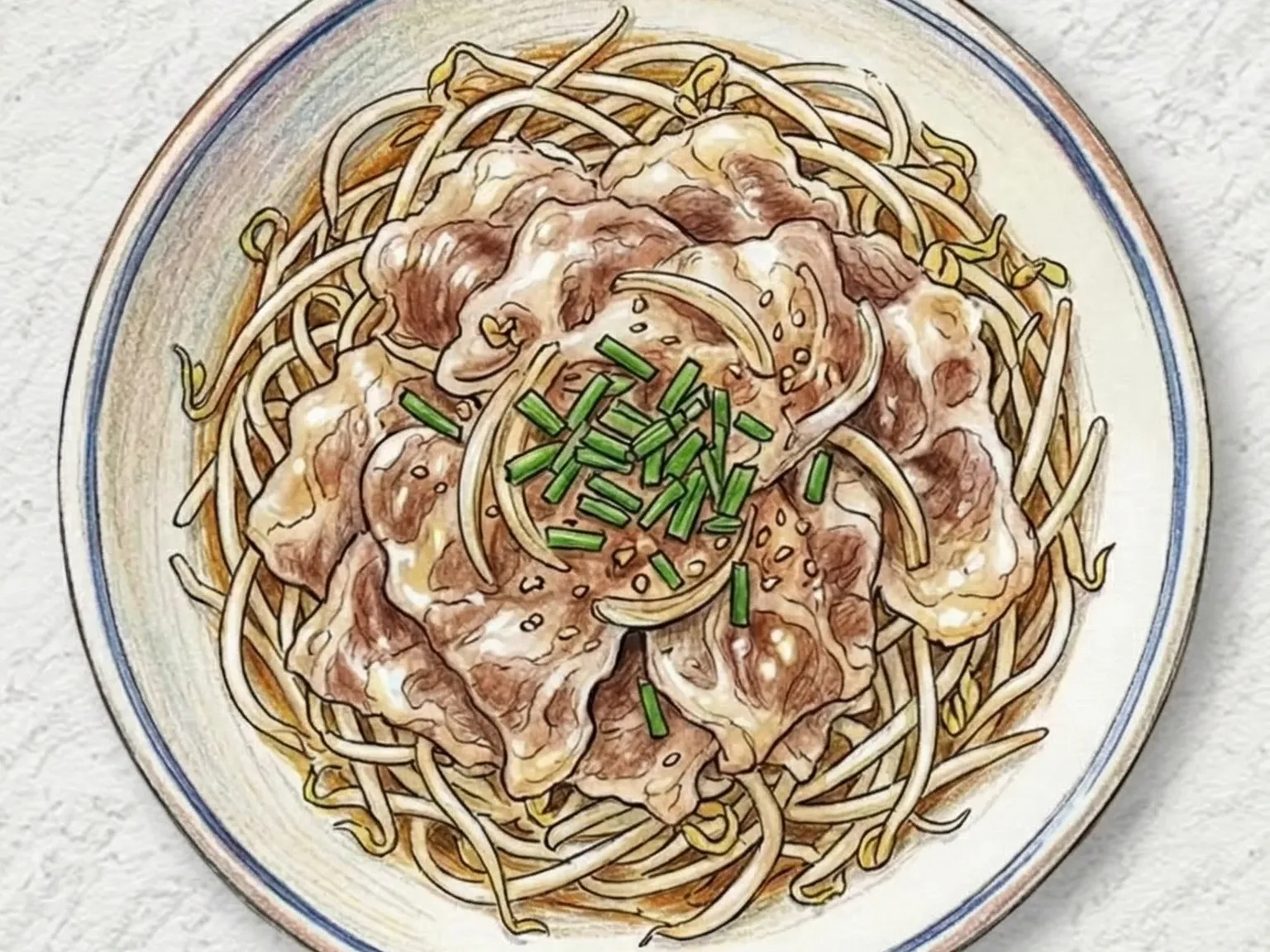
Clean bean sprout salad highlighting the deep flavor of traditional Jayeom salt.
Korean Butter Soy Stir-fried Dried Squid
Butter-soy jinmichae-bokkeum stir-fries dried shredded squid (jinmichae) in melted butter with soy sauce and oligosaccharide syrup, making a banchan that is rich, salty-sweet, and distinctly different from the standard gochujang-dressed version. The butter's milk fat coats each strand of squid and creates a noticeably smoother mouthfeel than oil-based preparations. The sequence matters: garlic goes into the melted butter first and cooks for just twenty seconds to bloom its aroma without burning, then the soy sauce and syrup go in to form the glaze base, and only then does the jinmichae enter the pan. The entire stir-fry window is no more than two to three minutes - squid proteins contract and toughen quickly at high heat, so extended cooking ruins the texture. Half a tablespoon of gochugaru is enough to add gentle warmth and a reddish tint without overriding the butter's character. This banchan works in children's lunchboxes and holds up equally well as a beer snack.
Korean Seasoned Dried Squid Strips
Jinmichae-muchim tosses dried shredded squid directly in a spicy-sweet sauce with no cooking involved. The no-heat approach is what separates it from stir-fried jinmichae: without heat, the strands retain their characteristic jerky-like chew instead of softening. The sauce combines gochujang, gochugaru, and oligosaccharide syrup for the sweet-and-spicy base, with one tablespoon of mayonnaise added as the defining detail. The emulsified fat in the mayo coats each strand, preventing the rough, slightly scratchy texture that plain-dressed dry squid can have on the palate. After mixing, a ten-minute rest is necessary for the squid to absorb the seasoning evenly, so the flavor reaches all the way through each piece rather than sitting only on the surface. Because the finished dish contains virtually no liquid, it holds up well in lunchboxes without bleeding into neighboring banchan, and it keeps for several days refrigerated. Heat level adjusts simply by scaling gochugaru up or down, and the whole process from prep to finished dish takes about fifteen minutes.
Korean Green Onion Salad (Doenjang-Dressed Grilled Meat Side)
Jjokpa-muchim dresses thin, tender Korean chives in doenjang and gochujang, functioning as a supporting banchan that almost invariably accompanies grilled samgyeopsal or pan-roasted fish. Jjokpa is milder and naturally sweeter than regular green onion, which is what makes it suitable for eating raw: the gentle sharpness cuts through the fat of grilled pork without overwhelming the palate. The fermented, earthy depth of doenjang and the spicy kick of gochujang layer over the chive's natural pungency, building complex flavor from three uncomplicated ingredients. The essential rule is to dress the chives immediately before serving, because the salt in both pastes begins drawing moisture from the jjokpa within minutes, collapsing the crisp snap that defines the dish. Cut to four-centimeter lengths and gently tumbled in the sauce, the preparation takes under five minutes. Spring jjokpa is the most tender and sweet of the year, making it the best season to make this banchan. A few drops of sesame oil folded in at the end add a toasty fragrance, and a pinch of minced garlic sharpens the overall aroma. Perilla oil can substitute for sesame oil and delivers a deeper, more distinctive nuttiness.
Korean Stir-Fried Bamboo Shoots
Juksun-bokkeum is a soy-seasoned stir-fry of bamboo shoots, a banchan closely tied to spring, when fresh juksun appears briefly in Korean markets from April through May, primarily from Damyang in Jeollanam-do. Fresh shoots carry oxalic acid, which must be neutralized by boiling them in rice-rinsing water for at least thirty minutes; skipping this step leaves a harsh, bitter aftertaste. Canned or vacuum-packed shoots, available year-round, need a thorough rinse under running water to remove the metallic tinned flavor before cooking. Julienned bamboo shoots are stir-fried with carrot and onion over high heat for a short, controlled burst. Prolonged cooking draws out moisture and turns the shoots rubbery, so timing is crucial. The seasoning is deliberately understated: soy sauce, a pinch of sugar, minced garlic, and a finishing drizzle of sesame oil produce a subtly sweet, nutty dish that lets the natural crunch of the shoots come through. Bamboo shoots are rich in dietary fiber and notably low in calories, making this banchan a filling choice for those watching their intake.
Korean Stir-Fried Kimchi (Caramelized Aged Kimchi Banchan)
Kimchi-bokkeum is the default way Korean households use kimchi that has fermented past its fresh prime and developed a sharp lactic acidity that makes it too sour to eat on its own. Stir-frying over heat fundamentally transforms that sourness, cooking it down into something mellower, sweeter, and more rounded. Onion goes in first and cooks until translucent, building a sweet foundation before the kimchi and garlic join the pan. Maintaining medium heat is the key to driving off moisture gradually and building the thick, concentrated sauce that distinguishes well-made kimchi-bokkeum from a watery stir-fry. A small addition of gochugaru deepens the color and reinforces the chili heat, while a pinch of sugar balances the fermented sourness without making the dish sweet. A tablespoon of kimchi brine stirred in near the end amplifies the umami contributed by the lactobacillus cultures in the kimchi itself. Adding sliced pork belly or canned tuna to the pan along with the kimchi increases the protein and gives the dish more substance. The finished banchan is versatile enough to serve straight alongside rice, fold into fried rice, or pile on top of ramyeon.