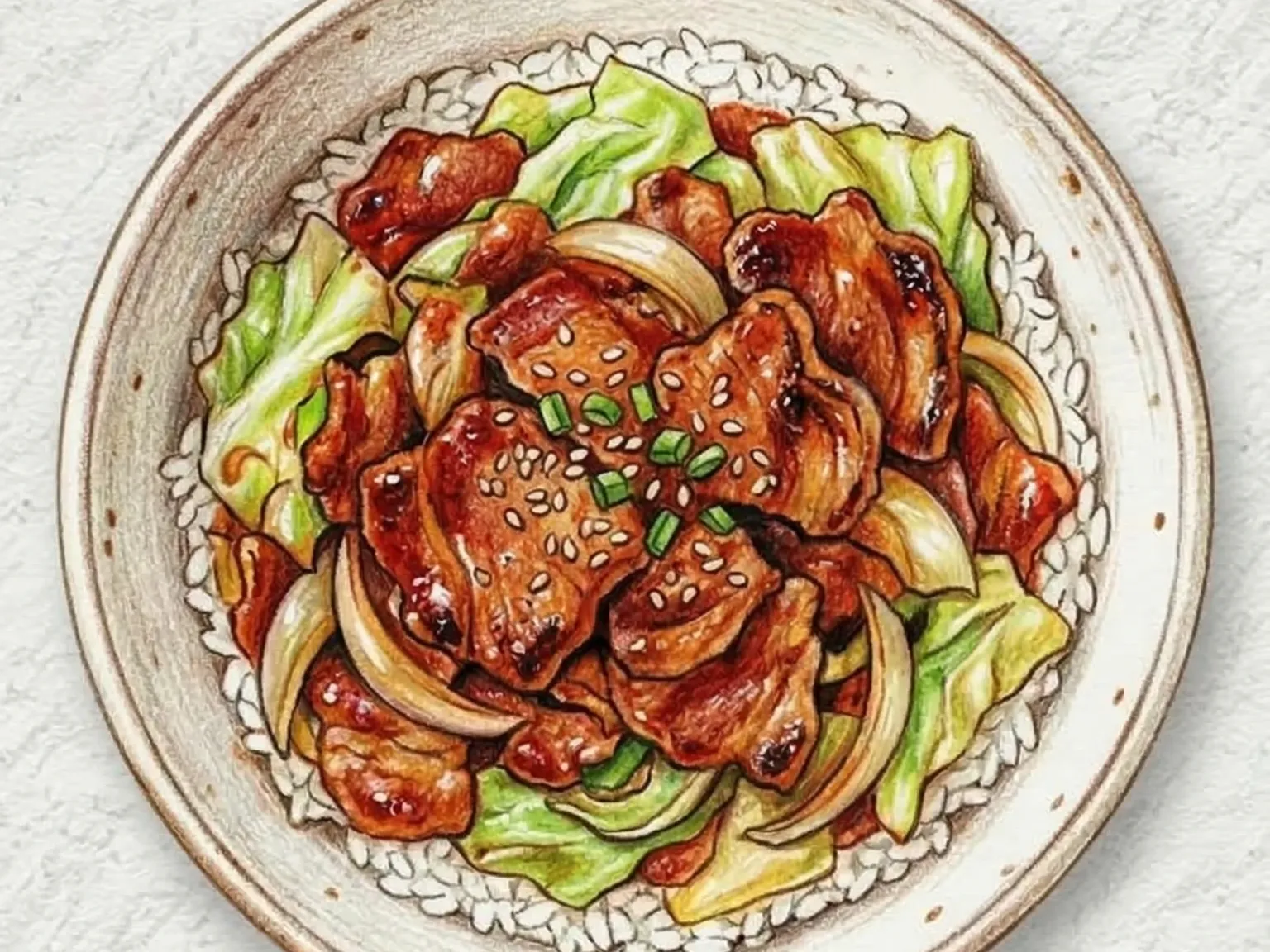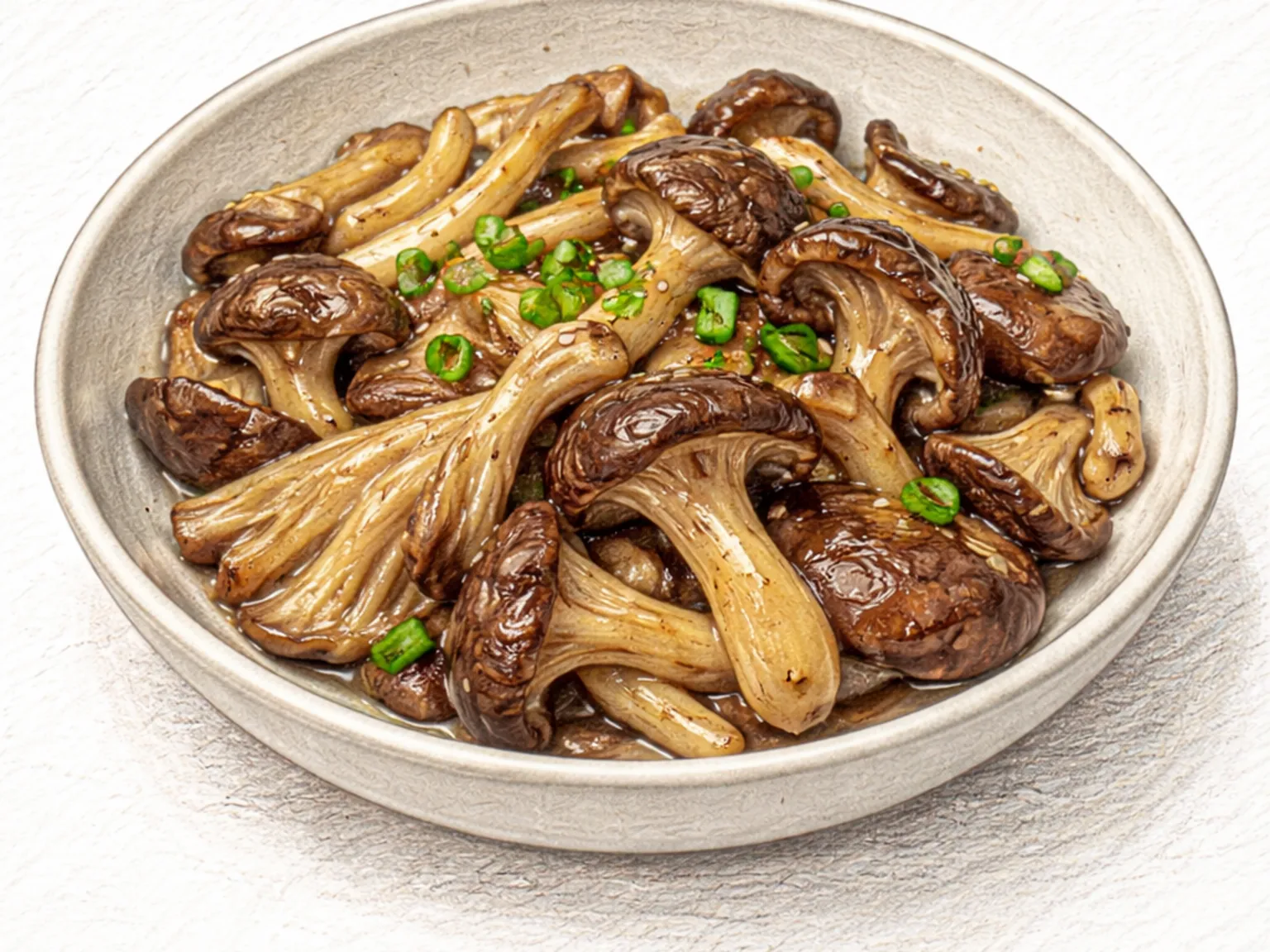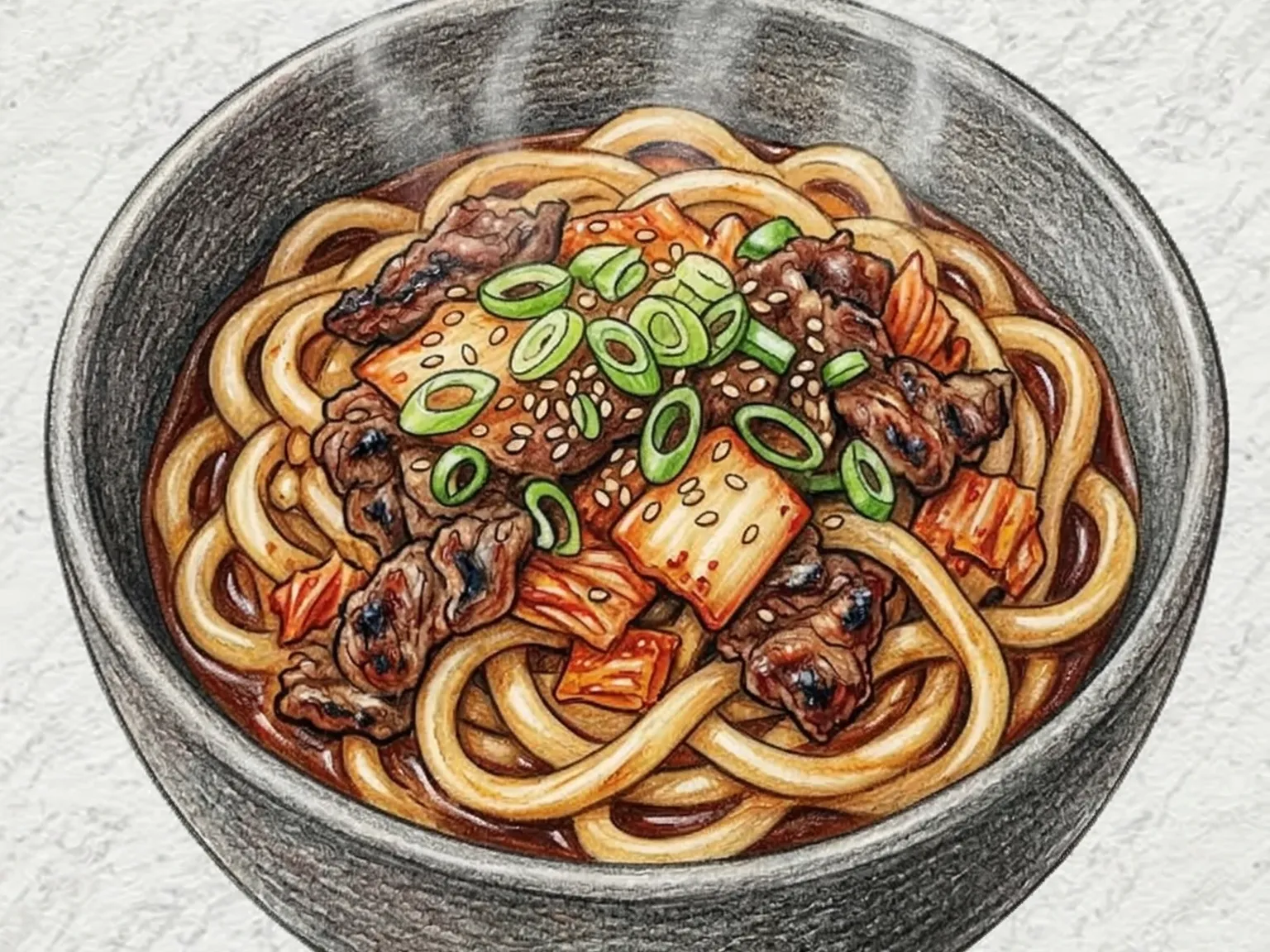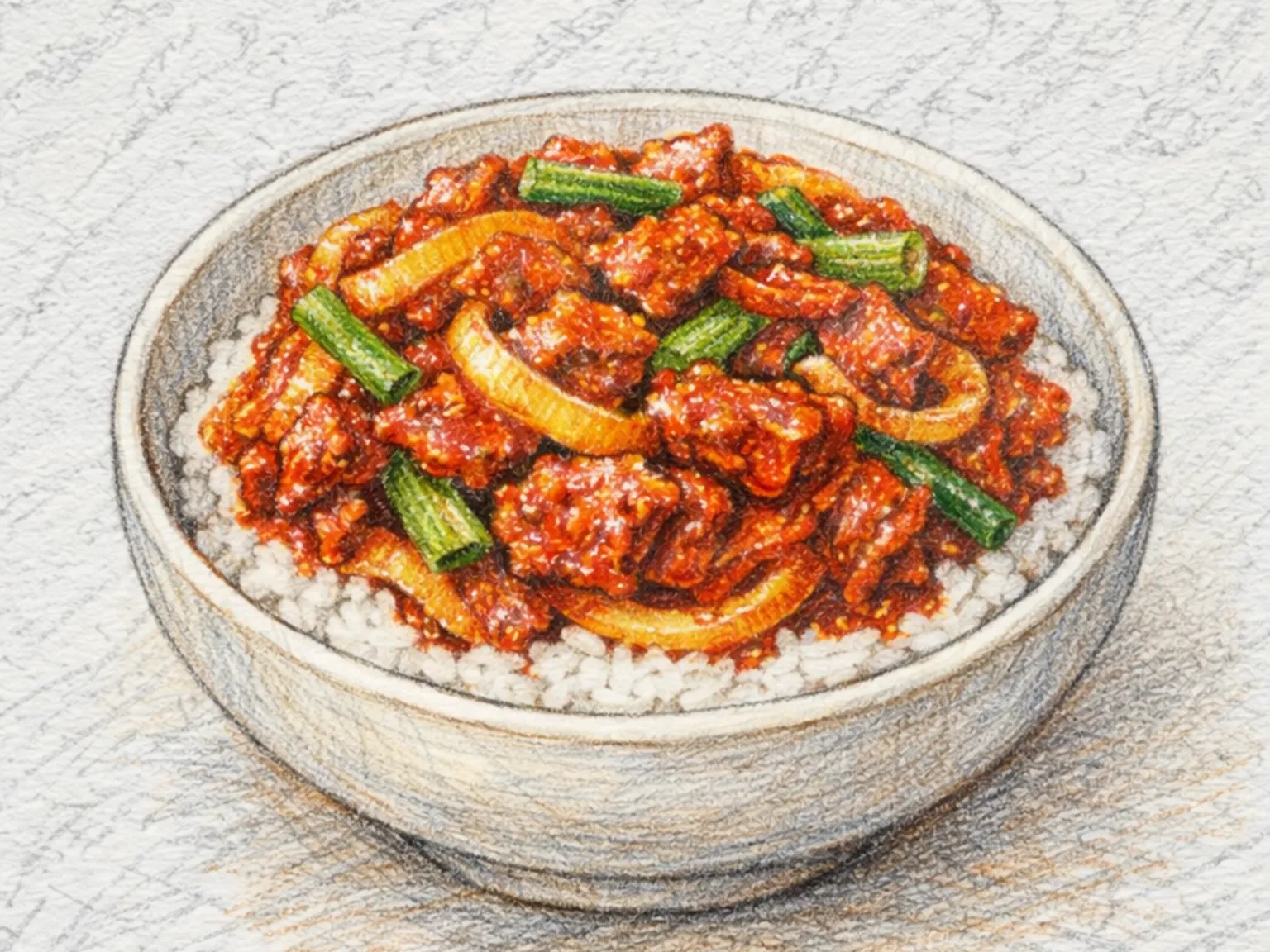
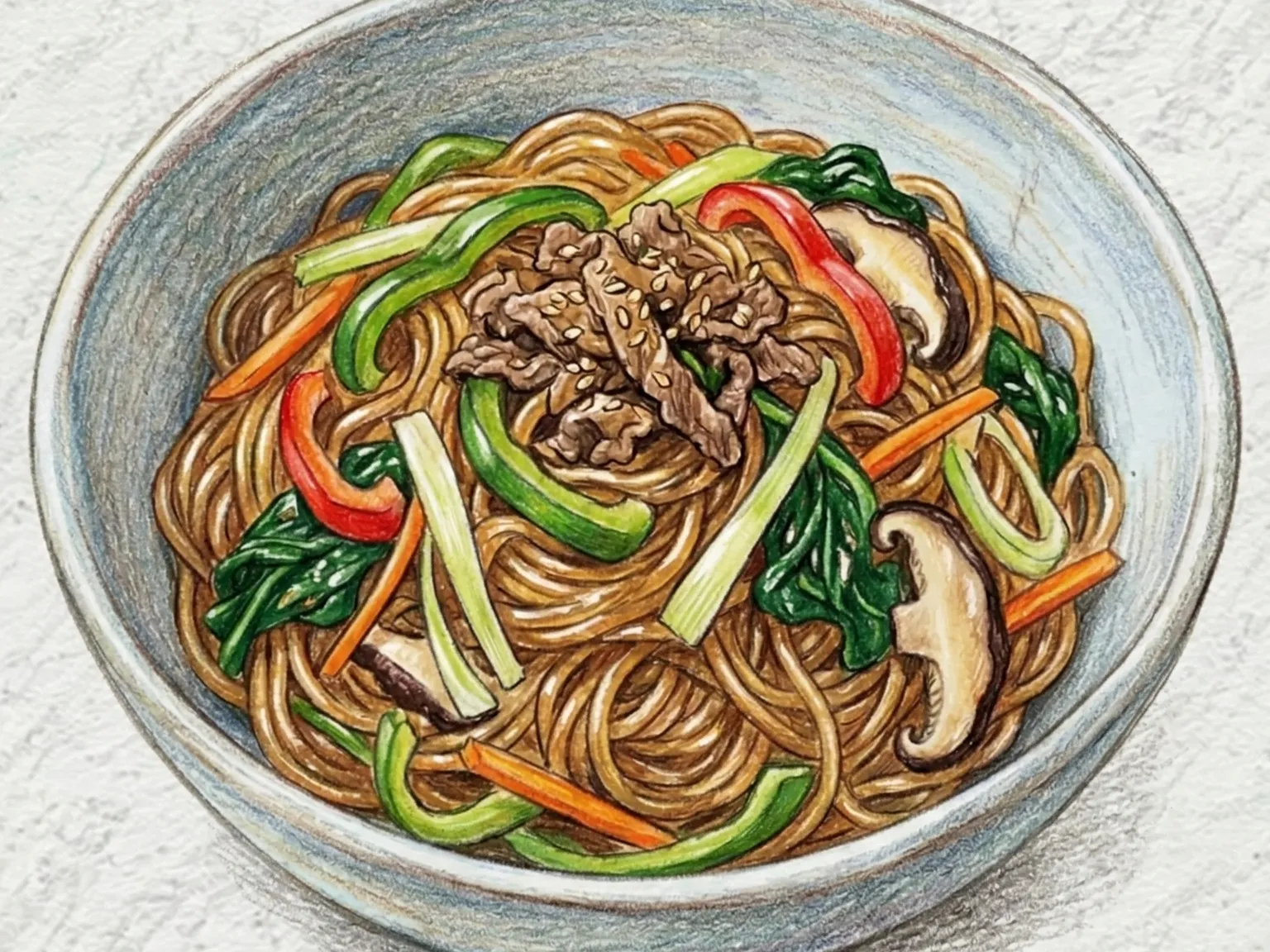
Stir-fry
Stir-fry

Stir-fry Recipes

189 recipes. Page 3 of 8

Stir-frying is one of the most common cooking methods in Korean home kitchens. Classics like spicy pork stir-fry (jeyuk-bokkeum), squid stir-fry, and japchae showcase the range of flavors - from fiery gochujang-based sauces to sweet soy glazes.

Cooking over high heat for a short time keeps ingredients crisp and vivid. With a few staple sauces like gochujang, soy sauce, and oyster sauce, the possibilities are endless - and dinner is on the table in minutes.

Korean Bellflower Root & Eggplant Soy Stir-fry
Stir-fry Medium

Korean Bellflower Root & Eggplant Soy Stir-fry

Deodeok gaji ganjang bokkeum is a Korean vegetable stir-fry that brings together deodeok root and eggplant in a soy-based seasoning sauce. The two main ingredients offer a clear textural contrast: deodeok has a firm, fibrous chew that resists the heat and holds its structure throughout cooking, while eggplant softens and collapses into a silky, yielding mass as it cooks. A dressing of soy sauce, sesame oil, and minced garlic ties the two together, tempering the slightly earthy, mildly bitter quality of the deodeok while drawing out the natural sweetness latent in both vegetables. The order in which the ingredients go into the pan matters. Eggplant absorbs oil readily and needs more time to soften properly, so it goes in first. Adding deodeok too early would leave it overdone by the time the eggplant reaches the right texture. The fermented umami of soy sauce and the glutamates naturally present in both vegetables layer together to produce depth in the finished dish without any meat. If the deodeok tastes particularly bitter, soaking the peeled pieces in lightly salted water for ten minutes before cooking draws out a significant portion of the bitterness. Salting the eggplant and letting it sit briefly before cooking removes excess moisture, reducing the amount of oil it absorbs and producing a cleaner, firmer texture in the finished stir-fry. The dish can be served directly over hot rice or presented as a standalone banchan. Like most soy-seasoned vegetable preparations, the flavors deepen and mellow overnight in the refrigerator, making leftovers worth keeping.

🏠 Everyday 🍱 Lunchbox
Prep 20min Cook 14min 4 servings
Korean Bellflower Root & Beef Stir-fry
Stir-fry Medium

Korean Bellflower Root & Beef Stir-fry

Deodeok-sogogi-gochujang-bokkeum is a Korean stir-fried side dish of pounded bellflower root and thinly sliced bulgogi-cut beef cooked together in a bold gochujang sauce. Beating the root with a mallet breaks up its dense fibers, increases its surface area, and allows the spicy paste to penetrate deeply, resulting in a texture that is simultaneously crisp and chewy after cooking. The fermented heat of gochujang and the saltiness of soy sauce work together to amplify the meaty richness of the beef, and the thick sauce binds the root and meat into a cohesive whole. Adding sesame oil and toasted sesame seeds at the end layers in a nutty, aromatic finish. Deodeok's faint natural bitterness and herbal fragrance survive the cooking process and create a complexity that distinguishes this dish from standard gochujang stir-fries. It is a boldly flavored side dish that pairs insistently with plain steamed rice.

🏠 Everyday 🌙 Late Night
Prep 20min Cook 12min 2 servings
Korean Deulkkae Aehobak Beoseot Bokkeum (Perilla Zucchini Mushroom Stir-fry)
Stir-fry Easy

Korean Deulkkae Aehobak Beoseot Bokkeum (Perilla Zucchini Mushroom Stir-fry)

Deulkkae-aehobak-beoseot-bokkeum is a Korean stir-fry of zucchini and oyster mushrooms finished with ground perilla seeds. The perilla powder is added toward the end of cooking, where it combines with the moisture released from the vegetables to form a thick, nutty coating that clings to each piece. Oyster mushroom brings natural umami and a slightly fibrous chew, while the zucchini contributes its gentle sweetness and keeps the dish from drying out. No strong spices or fermented pastes are needed - the toasted, herbal fragrance of the perilla seeds carries the flavor from start to finish. The result is a moist, mild side dish that demonstrates how a single aromatic ingredient can add significant depth to a simple vegetable stir-fry.

🏠 Everyday 🍱 Lunchbox
Prep 16min Cook 12min 4 servings
Korean Doenjang Braised Tofu
Stir-fry Easy

Korean Doenjang Braised Tofu

Doenjang-dubu-jorim is a braised tofu banchan in which tofu slices are simmered in a broth of fermented soybean paste, water, and aromatics until the liquid reduces and the seasoning permeates the tofu throughout. Doenjang is a Korean fermented soybean paste with a deeply savory, earthy character distinct from Japanese miso, and its slow penetration into the porous interior of the tofu produces a richness that simple soy-seasoned tofu does not achieve. Zucchini and onion are added to the same pot, and their natural sweetness tempers the salt of the paste, giving the final braise a more balanced flavor. The tofu is braised until its surface firms slightly, which helps it hold its shape while the interior stays soft and fully seasoned. Any remaining braising liquid is well-seasoned and pairs naturally with a bowl of rice. It is an economical banchan that requires minimal preparation and stores in the refrigerator for several days.

🏠 Everyday 🍱 Lunchbox
Prep 10min Cook 15min 2 servings
Korean Braised Tofu and Mushrooms
Stir-fry Easy

Korean Braised Tofu and Mushrooms

Dubu-beoseot-jorim is a Korean braised side dish of firm tofu and oyster mushrooms simmered in a soy-based sauce until the liquid reduces to a glossy, clinging coat. The tofu is pan-fried first in a lightly oiled skillet to form a firm outer crust before braising begins, which allows it to absorb the seasoned liquid without crumbling or losing its structure during cooking. The result is a cube with a slightly firmer exterior and a soft, custardy interior that holds together through each bite. Oyster mushrooms, torn along their natural grain rather than cut, contribute a pleasantly chewy texture and release their inherent umami into the braising liquid as they cook, adding depth without the need for separate stock. The sauce requires only soy sauce, water, garlic, gochugaru, and sesame oil, making this a straightforward braise that rewards careful heat management over elaborate preparation. When the sauce has reduced to just a small pool at the bottom of the pan, the dish is ready, well-seasoned enough to serve alongside plain rice or pack into a lunchbox.

🏠 Everyday 🍱 Lunchbox
Prep 15min Cook 18min 3 servings
Korean Tofu and Kimchi Stir-Fry
Stir-fry Easy

Korean Tofu and Kimchi Stir-Fry

Dubu-kimchi-bokkeum is a Korean home-cooking classic that pairs pan-fried tofu with well-fermented napa cabbage kimchi in a quick stir-fry. The tofu is browned first on both sides until a thin crust forms, which keeps the pieces intact during the subsequent frying and gives each bite a firm exterior against the softer interior. A small amount of pork belly, rendered first, contributes fat that mellows the sharp acidity of the kimchi and acts as a flavor bridge between the two main components. The contrast between the mild, slightly nutty tofu and the tangy, spicy kimchi is the defining dynamic of the dish: neither dominates, and each makes the other taste more distinct. Deeply fermented kimchi, aged past the fresh stage, works best here because the stir-fry heat drives off the raw sourness and amplifies the underlying umami. Sesame oil and toasted sesame seeds are scattered over the finished dish, adding a nutty fragrance that rounds out the heat. Served as a snack with drinks or as a side over steamed rice, it occupies a reliable place on the Korean home table.

🏠 Everyday 🌙 Late Night
Prep 10min Cook 15min 2 servings
Korean Tofu and Vegetable Stir-Fry
Stir-fry Easy

Korean Tofu and Vegetable Stir-Fry

Dubu-yachae-bokkeum is a Korean stir-fry of pan-fried tofu with carrots, onions, and bell peppers in a light soy-based sauce. Before anything else, the tofu has to be pressed to expel excess moisture, then pan-fried on both sides until a firm golden crust develops, which keeps the pieces from breaking apart when they go back into the wok with the vegetables. Because the vegetables cook at different rates, they are added in sequence to preserve each one's texture. The seasoning of soy sauce, sesame oil, minced garlic, and a small amount of sugar sits on the lighter side, letting the natural sweetness and fragrance of the vegetables come through without being masked. Gochugaru or a spoonful of gochujang can be incorporated for a spicier variation. Sesame seeds and a final drizzle of sesame oil finish the dish with a nutty fragrance that ties all the elements together. The combination of plant protein from the tofu and dietary fiber from the vegetables makes it both nutritious and satisfying, and it is commonly packed into Korean lunch boxes.

🏠 Everyday 🌙 Late Night
Prep 10min Cook 15min 2 servings
Korean Spicy Pork Duruchigi
Stir-fry Easy

Korean Spicy Pork Duruchigi

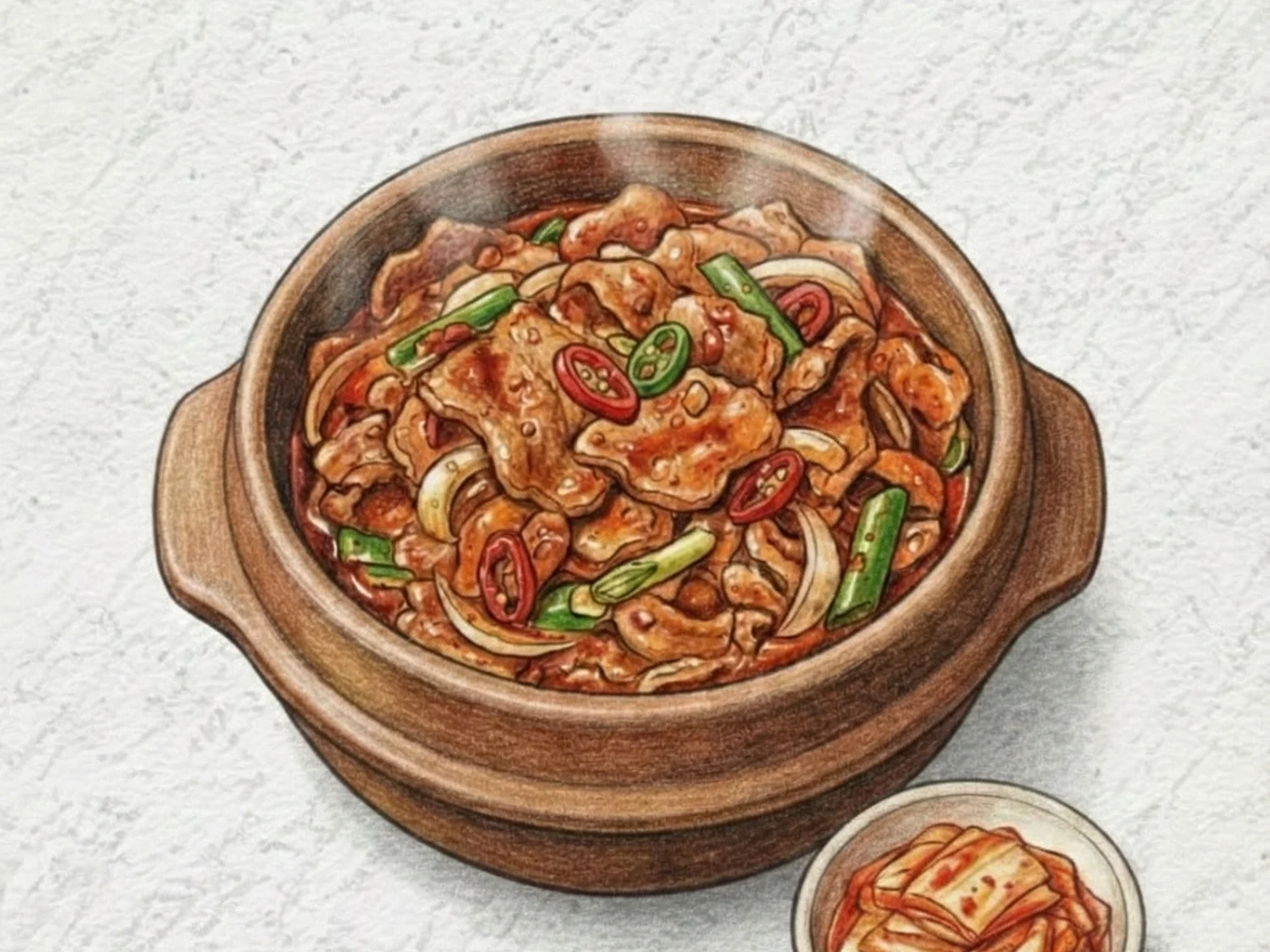
Duruchigi is a Korean spicy pork stir-fry made by flash-cooking sliced pork shoulder with onions and scallions in a gochujang-based sauce over high heat. Pork shoulder has a balanced ratio of fat to lean meat, which prevents it from drying out even at the high temperatures required for a proper stir-fry. The intense heat chars the edges of the meat slightly and introduces a smoky wok flavor that deepens the dish beyond what the seasoning alone provides. Gochujang contributes fermented chili heat and a savory, slightly sweet undertone, while added sugar reinforces that sweetness, and scallions provide a sharp, clean finish in the back of the palate. Cooking the onion first to soften before adding the meat controls the amount of liquid released and keeps the sauce from becoming watery. Duruchigi works as a straightforward rice side dish, wrapped in lettuce leaves, or as the protein base for fried rice with the leftovers. It ranks among the most dependable everyday pork dishes in Korean restaurants and home kitchens, and also sees regular use as a late-night snack or drinking table side.

🏠 Everyday 🍱 Lunchbox
Prep 15min Cook 12min 2 servings
Korean Soy-Braised Pork and Potatoes
Stir-fry Medium

Korean Soy-Braised Pork and Potatoes

Dwaejigogi-gamja-jorim is a Korean braised side dish of pork shoulder and potatoes simmered together in a soy-based seasoning until the liquid reduces to a thick glaze. The pork is browned first in a hot pot to develop a seared surface, then water, soy sauce, sugar, garlic, and gochugaru are added and the whole pot is brought to a simmer. As the liquid reduces, the pork releases its fat and juices into the broth, enriching the sauce. The potatoes cook through in this liquid, drawing in the seasoning and emerging with a glossy, salty-sweet coating on the outside and a fluffy, starchy interior. Onion softens and releases its natural sweetness during cooking, moderating the saltiness of the soy base. The dish is finished when the liquid has reduced to just enough to coat the ingredients. Served with rice, the potatoes and braising liquid together function almost as a sauce. Protein and starch cooked together in a single pot make this a practical, satisfying meal.

🏠 Everyday 🍱 Lunchbox
Prep 15min Cook 35min 4 servings
Korean Pork and Kimchi Stir-Fry
Stir-fry Easy

Korean Pork and Kimchi Stir-Fry

Dwaejigogi kimchi bokkeum is a stir-fry of pork and well-aged napa cabbage kimchi and one of the most common home-cooked dishes in Korean households. The sharp, deep acidity of the fermented kimchi meets the fat in the pork, and the longer the two cook together, the more they absorb each other and change in character. A handful of Korean chili flakes is added to intensify the color and build a second layer of heat on top of the kimchi. The dish asks for no special technique and appears on the set-meal menu of nearly every Korean restaurant as a result. The quality of the kimchi makes a noticeable difference: kimchi that has been aging in the refrigerator for several weeks produces a far richer stir-fry than freshly made kimchi.

🏠 Everyday 🌙 Late Night
Prep 10min Cook 15min 2 servings
Korean Stir-fried Fish Cake with Vegetables
Stir-fry Easy

Korean Stir-fried Fish Cake with Vegetables

Eomuk-yachae-bokkeum is a Korean stir-fry that brings together fish cake sheets with onion, carrot, and green bell pepper in a soy-based glaze. Square eomuk is cut into bite-sized rectangles without any further preparation, and the vegetables are sliced to roughly matching dimensions so everything cooks through at the same rate. The textural contrast between the chewy fish cake and the crisp-tender vegetables is the defining quality of this dish - both elements are present in each chopstickful, preventing either from becoming monotonous. Soy sauce and oligosaccharide syrup form the base glaze, producing a glossy, lightly sweet and salty coating that clings evenly to each piece. Sesame oil and toasted sesame seeds stirred in at the end add a nutty finish. Adding a sliced cheongyang chili during the stir-fry introduces a sharp heat that prevents the overall flavor from reading as too sweet. The entire dish comes together in under ten minutes from prep to plate, making it a reliable candidate for packed lunches and weeknight tables that need a quick, universally liked side dish.

🏠 Everyday 🍱 Lunchbox
Prep 10min Cook 8min 2 servings
Korean Braised Flounder with Radish
Stir-fry Easy

Korean Braised Flounder with Radish

Gajami-jorim is a Korean braised flounder dish where the fish is gently simmered with Korean radish in a soy sauce and chili flake broth. The delicate flounder flesh absorbs the seasoning deeply while careful low-heat cooking prevents it from breaking apart. Radish serves a dual purpose in the dish: it draws out and neutralizes the fishy odor while contributing a clean, refreshing sweetness that adds depth to the braising liquid. Spooning the reduced sauce over rice makes it a complete, standalone meal without the need for additional side dishes. Because flounder fillets are thin, the braising time is short, and the heat should be turned off once the liquid has reduced by at least half to keep the flesh moist and tender.

🏠 Everyday 🍱 Lunchbox
Prep 15min Cook 25min 2 servings
Korean Gaji Dwaejigogi Bokkeum (Eggplant Pork Stir-fry)
Stir-fry Medium

Korean Gaji Dwaejigogi Bokkeum (Eggplant Pork Stir-fry)

Gaji-dwaejigogi-bokkeum is a Korean stir-fry of eggplant and thinly sliced pork seasoned with garlic and fresh chili. The eggplant absorbs oil and sauce as it cooks, turning silky and melding seamlessly with the pork. Garlic infuses the dish with an intense aroma while the chili adds a clean, sharp heat throughout. Heat management is the key technique: cooking over medium or low heat draws too much moisture from the eggplant and turns the stir-fry into a braise, so keeping the flame high from the start is what gives the eggplant a lightly seared exterior. A combination of soy sauce and gochujang balances salt and spice, and a final drizzle of sesame oil rounds out the flavor with a nutty finish. It is especially flavorful in summer when eggplant is at its seasonal peak, and it is substantial enough to serve over rice as a complete meal.

🏠 Everyday 🍱 Lunchbox
Prep 14min Cook 11min 2 servings
Korean Soy Braised Eggplant
Stir-fry Easy

Korean Soy Braised Eggplant

Gaji-jorim is a Korean braised eggplant dish where the eggplant is simmered in a soy sauce-based seasoning until the flesh becomes thoroughly tender and saturated with flavor throughout. Eggplant has a sponge-like cellular structure that draws in liquid as it cooks, and the longer it simmers in the seasoning, the deeper the sweet-salty flavor penetrates into each piece. The sauce reduces as the eggplant cooks, concentrating around the flesh rather than pooling at the bottom of the pan, which means every bite carries the full seasoning. A finishing drizzle of sesame oil and a scattering of sesame seeds add a nutty aroma that rounds out the savory base. Despite using only eggplant as the main ingredient, the slow braising process concentrates the flavors into a compelling side dish that makes plain rice easy to eat in quantity. The seasoning adheres to the eggplant even after cooling, making it a practical addition to a packed lunch as well as a fresh rice accompaniment.

🏠 Everyday 🍱 Lunchbox
Prep 10min Cook 12min 2 servings
Korean Braised Beltfish with Potatoes
Stir-fry Medium

Korean Braised Beltfish with Potatoes

Galchi-gamja-jorim is a Korean braise of ribbonfish and potatoes cooked together in a soy-based sauce seasoned with gochugaru, garlic, and onion. Ribbonfish has naturally oily, tender flesh that holds together well during braising, and as the fat renders into the liquid it builds a deep seafood umami that defines the dish. The potatoes absorb this concentrated broth as they cook, becoming floury and well-seasoned all the way through rather than just on the surface. Onion breaks down and dissolves into the sauce as it reduces, contributing sweetness that balances the salt and spice. The heat level is adjustable: standard gochugaru gives color and mild warmth, while adding cheongyang chili peppers sharpens the spice. The dish is best served when the sauce has reduced to a thick, glossy consistency that clings to each piece. A spoonful of that sauce over plain rice rounds out the meal. Sliced Korean radish added to the pot introduces a clean, slightly peppery sweetness to the broth.

🏠 Everyday 🍱 Lunchbox
Prep 18min Cook 22min 2 servings
Korean Jeju-style Braised Hairtail
Stir-fry Hard

Korean Jeju-style Braised Hairtail

Galchi-jorim-jeju is a regional specialty of Jeju Island in which thick-cut hairtail is braised with radish and potato in a bold, deeply seasoned chili sauce. Unlike mainland versions, the Jeju style uses considerably more sauce and cooking liquid, producing a result that sits closer to a jjigae than to a dry braise, and it is common to eat the leftover sauce mixed into plain rice. Radish provides a cooling, clean sweetness that tempers the intensity of the chili and brings balance to the overall flavor, while potato absorbs the sauce and thickens the liquid naturally as it cooks. Jeju silver hairtail is prized for its thick, fatty flesh, which holds together without falling apart during the long braise and absorbs the pungent, layered sauce deeply into each piece. The result is a dish that is simultaneously fiery, savory, and faintly sweet.

🏠 Everyday 🎉 Special Occasion
Prep 20min Cook 30min 4 servings
Korean Spicy Braised Hairtail
Stir-fry Medium

Korean Spicy Braised Hairtail

Galchi-yangnyeom-jorim is a Korean braised hairtail made by simmering sectioned cutlassfish and radish in a spicy-sweet sauce of gochugaru, soy sauce, and minced garlic. The seasoning penetrates the hairtail flesh as it cooks, suppressing any lingering fishiness while developing a layered, concentrated umami. Radish pieces are laid on the bottom of the pot first so they cook through completely and absorb the braising liquid, turning sweet and tender in a way that contrasts with the flaky fish above. Finishing with the lid off allows the sauce to reduce until it clings to the fish surface in a glossy, tight glaze. Fresh hairtail holds its shape better under heat, so the flesh can be lifted with chopsticks intact, while older fish tends to break apart during cooking. Adding Cheongyang chili increases the sharp heat, and a thin slice of fresh ginger worked into the sauce at the start removes any remaining fishiness before braising begins.

🏠 Everyday 🍱 Lunchbox
Prep 15min Cook 22min 2 servings
Korean Stir-fried Potato Strips
Stir-fry Easy

Korean Stir-fried Potato Strips

Gamja-bokkeum is a fundamental Korean side dish made by stir-frying julienned potatoes until they are just tender with a remaining crunch, and it belongs on almost any Korean table regardless of what else is being served. Soaking the julienned potatoes in cold water for five to ten minutes removes the surface starch that would otherwise cause the pieces to stick together in the pan and clump into a mass. The drained potatoes go into an oiled pan over medium heat with garlic, which provides a gentle aromatic backdrop without competing with the potato's mild natural flavor, and salt is the only seasoning needed to let that flavor come through. The key to the right texture is restraint: the potatoes are ready when they have turned translucent and the edges have picked up a faint golden color, and cooking past that point makes them soft rather than crisp. A finishing drizzle of sesame oil and a scattering of sesame seeds add a warm nuttiness that elevates the simple seasoning into a complete flavor. Thinly sliced cheongyang chili added during cooking produces a spicier variation, and a small amount of bell pepper or carrot adds color without changing the character of the dish. It is the kind of banchan that disappears from the table quickly despite its simplicity.

🏠 Everyday 🍱 Lunchbox
Prep 12min Cook 10min 2 servings
Korean Spicy Gochujang Potatoes
Stir-fry Easy

Korean Spicy Gochujang Potatoes

Gamja gochujang bokkeum is a simple Korean banchan of cubed potatoes stir-fried and simmered in a gochujang-based sauce until each piece is coated in a glossy, spicy-sweet glaze. Soaking the potatoes in cold water before cooking draws out excess starch, which prevents sticking and allows the sauce to adhere evenly across the surface rather than pooling at the bottom of the pan. The balance of gochujang heat and sugar sweetness is the flavor backbone, and the sauce is considered ready when it has reduced enough to form a shiny film on the potatoes - a visual cue that means the sugars have caramelized slightly and the flavors have concentrated. Because the sauce contains no additional liquid, it clings deeply to each cube rather than sitting separately, delivering full seasoning in every bite. This is a reliable everyday banchan that takes around twenty-five minutes with pantry staples and appeals to a wide range of palates, including children who find the sweetness more prominent than the heat.

🏠 Everyday 🌙 Late Night
Prep 10min Cook 15min 2 servings
Korean Potato and Sausage Stir-Fry
Stir-fry Easy

Korean Potato and Sausage Stir-Fry

Gamja sausage bokkeum pairs thinly sliced potatoes with bite-sized sausage pieces, stir-fried in a sauce of soy sauce, ketchup, and a touch of sugar. The sausage renders just enough fat to coat the potatoes in a savory glaze, while the ketchup adds a mild sweetness that children especially enjoy. It comes together in under 30 minutes and works well as a lunchbox staple or a quick weeknight side. The combination of starchy potatoes and smoky sausage makes it universally crowd-pleasing.

🏠 Everyday 🍱 Lunchbox
Prep 10min Cook 15min 2 servings
Korean Stir-fried Seaweed and Anchovies
Stir-fry Easy

Korean Stir-fried Seaweed and Anchovies

Gamtae myeolchi bokkeum is a crispy Korean banchan that combines small dried anchovies with gamtae seaweed and sliced almonds in a soy-syrup glaze. Gamtae is a green seaweed harvested along parts of Korea's southern coast, milder and less bitter than common sea lettuce, with a gentle oceanic fragrance that complements rather than overpowers the anchovies. The first step is toasting the anchovies in a dry pan without oil until they turn slightly golden and fragrant; this drives off moisture and mellows their fishy edge. The soy and oligosaccharide syrup glaze is added next, coating each anchovy in a glossy, lightly sweet-savory layer. Oligosaccharide syrup is preferred over honey or corn syrup because it is less viscous, which keeps the anchovies separated rather than clumped. Almond slices are stirred in to provide a larger, firmer crunch that contrasts with the tiny anchovies and adds a mild nutty sweetness. Gamtae is added only in the final seconds - ten seconds over heat is enough to warm it and release its aroma, and longer exposure will turn it yellow and dull. Once everything is cooled completely before sealing in an airtight container, the banchan holds its crunch for one to two weeks, making it an ideal make-ahead dish for weekly meal prep. The anchovies provide calcium and the gamtae contributes marine minerals, giving the dish a nutritional balance that matches its flavor.

🏠 Everyday 🍱 Lunchbox
Prep 8min Cook 7min 4 servings
Korean Gangwon-Style Soy Bulgogi
Stir-fry Easy

Korean Gangwon-Style Soy Bulgogi

Gangwon-style soy bulgogi represents a regional variation of the traditional Korean grilled beef dish specifically associated with the Gangwon Province. Unlike the bulgogi styles commonly found in the Seoul metropolitan area, which often lean heavily into sweet and fruit-driven marinades, this version prioritizes the clean and savory profile of soy sauce. The preparation begins by marinating thinly sliced beef in a mixture composed of soy sauce, sugar, minced garlic, and toasted sesame oil, along with the addition of fresh pear juice. The inclusion of pear juice serves a dual purpose in the recipe. The natural enzymes within the juice work to tenderize the muscle fibers of the beef, while its sugars provide a subtle and restrained sweetness that complements the salty foundation of the soy sauce without becoming the dominant flavor. When the meat is ready, it is cooked in a preheated pan over high heat. Sliced shiitake mushrooms and onions are added to the pan during this stage, allowing them to absorb the liquid marinade as they soften. This process integrates the flavors of the vegetables with the primary taste of the beef. Maintaining a high temperature is a critical step in the cooking process to ensure that moisture evaporates rapidly. This prevents the dish from taking on the texture of a braised stew and instead produces a slight char and a smoky quality on the edges of the meat. Just before the heat is turned off, diagonally sliced green onions are tossed into the pan. They are cooked only until they begin to wilt, preserving a bright and sharp contrast that balances the finished dish. The result is a soy-focused flavor profile that is clear and direct. Because it avoids being overly aggressive or excessively sweet, this bulgogi serves as a consistent accompaniment for steamed rice that remains palatable through frequent consumption.

🏠 Everyday 🌙 Late Night
Prep 15min Cook 12min 2 servings
Korean Soy Sauce Bulgogi (Soy-Pear Marinated Thinly Sliced Beef)
Stir-fry Easy

Korean Soy Sauce Bulgogi (Soy-Pear Marinated Thinly Sliced Beef)

Ganjang bulgogi is one of Korea's most enduring home-cooked main dishes, built around thinly sliced beef marinated in soy sauce, pear juice, sugar, garlic, and sesame oil. Pear juice acts as a natural tenderizer while adding a subtle sweetness that offsets the salt-forward depth of the soy. Onion, carrot, and green onion are stir-fried together with the beef over high heat, developing caramelized edges while keeping the center moist. Slicing the beef thin is essential: the short cooking time only penetrates marinade fully into thin cuts, and the pan must be properly preheated before the meat goes in to seal the juices. The soy-based seasoning is milder and less assertive than gochujang-marinated bulgogi, making it broadly appealing across ages and a consistent presence on both everyday dinner tables and guest menus.

🏠 Everyday 🎉 Special Occasion
Prep 18min Cook 10min 4 servings
Korean Seoul-style Soy Bulgogi
Stir-fry Easy

Korean Seoul-style Soy Bulgogi

Seoul-style soy bulgogi marinates thin-sliced beef in a straightforward combination of soy sauce, pear juice, garlic, sesame oil, and a measured amount of sugar, producing a clean sweet-savory flavor without the heavy spicing of regional variations. Pear juice serves two functions simultaneously: the natural enzymes in fresh pear tenderize the muscle fibers while the fruit's mild sweetness rounds out the saltiness of the soy sauce. Onion and green onion are stir-fried together with the meat so their sugars caramelize slightly into the sauce. Cooking on a fully preheated pan over high heat is essential because the meat needs to sear quickly rather than steam in its own released liquid. If the pan is not hot enough when the beef goes in, the moisture from both the meat and the marinade creates a braising effect that dulls both the smoky wok flavor and the final texture. Apple juice is an acceptable substitute for pear juice when pear is unavailable and produces a similar tenderizing result. Because the seasoning holds up well even after cooling, Seoul-style soy bulgogi is a reliable lunchbox side dish.

🏠 Everyday 🍱 Lunchbox
Prep 18min Cook 10min 2 servings