Stir-fry

Stir-fry Recipes

310 recipes. Page 4 of 13

Stir-frying is one of the most common cooking methods in Korean home kitchens. Classics like spicy pork stir-fry (jeyuk-bokkeum), squid stir-fry, and japchae showcase the range of flavors - from fiery gochujang-based sauces to sweet soy glazes.

Stir-fry
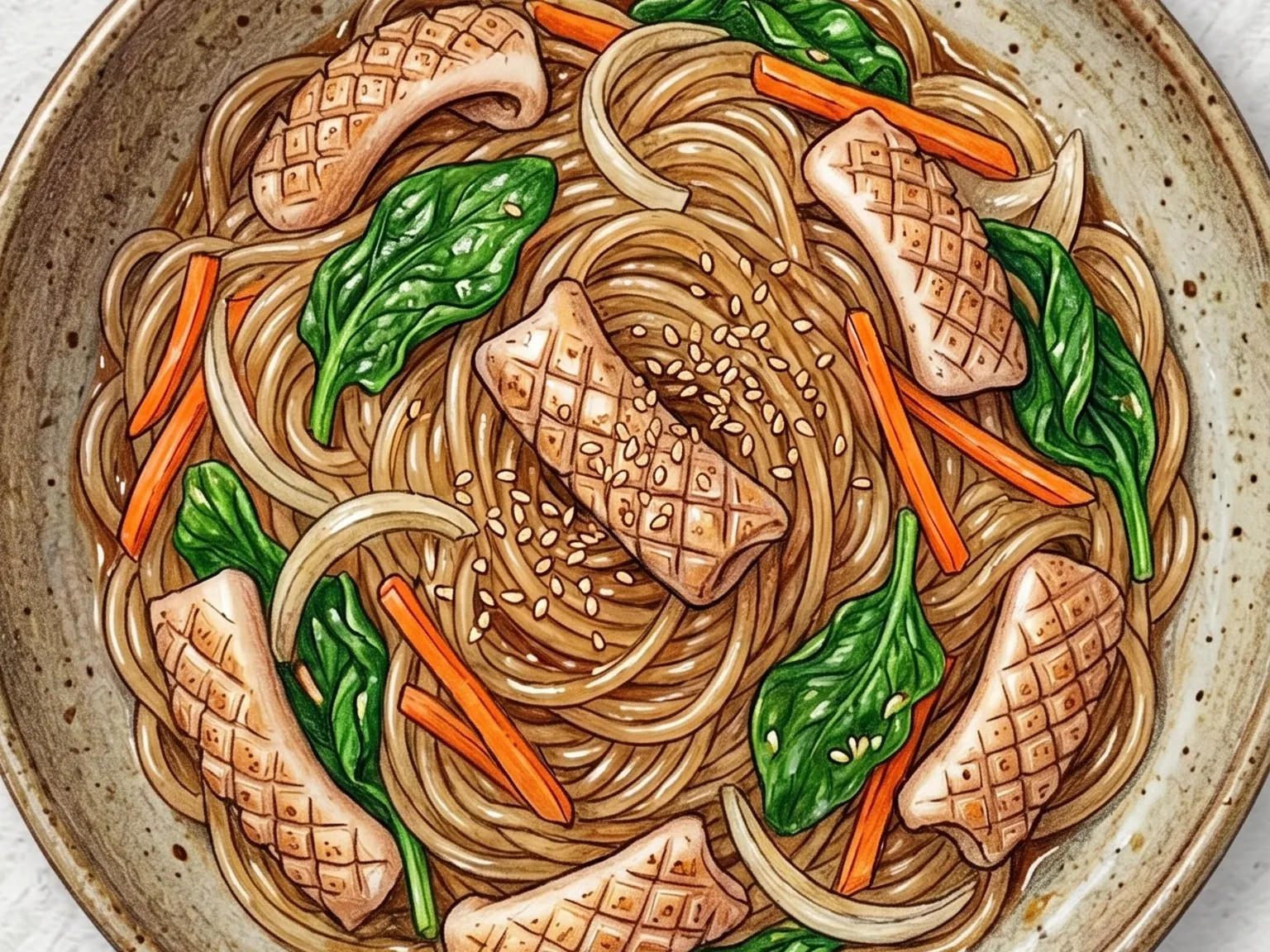
Korean Squid Glass Noodle Stir-Fry
Noodles Medium

Korean Squid Glass Noodle Stir-Fry

Ojingeo japchae is a seafood variation of the Korean glass noodle stir-fry that replaces the traditional beef with squid, combining chewy dangmyeon with spinach, carrot, and onion in a soy-sugar sauce. Peeling the squid and scoring the inner surface in a crosshatch pattern before slicing allows the seasoning to reach the full surface area and softens the otherwise tough texture when cooked. Stir-frying the squid with garlic for a short time only is essential, as prolonged heat causes it to turn rubbery and push moisture out into the pan. The glass noodles should be boiled for no more than six minutes to preserve their elastic, springy bite and prevent them from clumping and falling apart during the stir-fry. Spinach is blanched separately and squeezed firmly dry before being added so that excess water does not make the whole dish soggy. The sweet-salty base of soy sauce and sugar is finished with sesame oil and toasted sesame seeds, whose nutty fragrance ties together the oceanic umami of the squid, the resilient chew of the noodles, and the crisp texture of the vegetables into one cohesive plate.

🏠 Everyday 🍱 Lunchbox
Prep 20min Cook 15min 2 servings
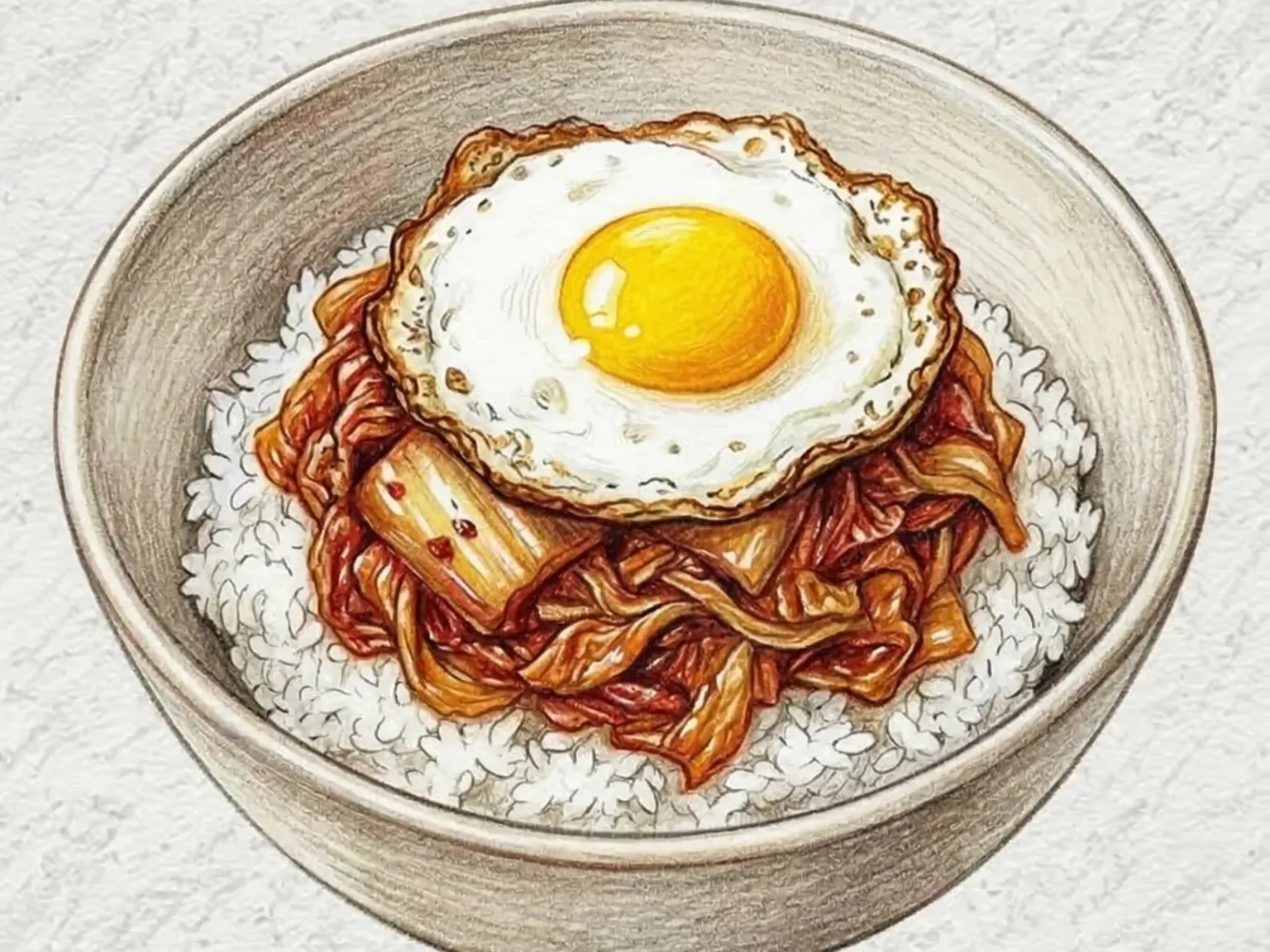
Korean Kimchi Fried Rice (Kimchi Bokkeumbap)
Rice Easy

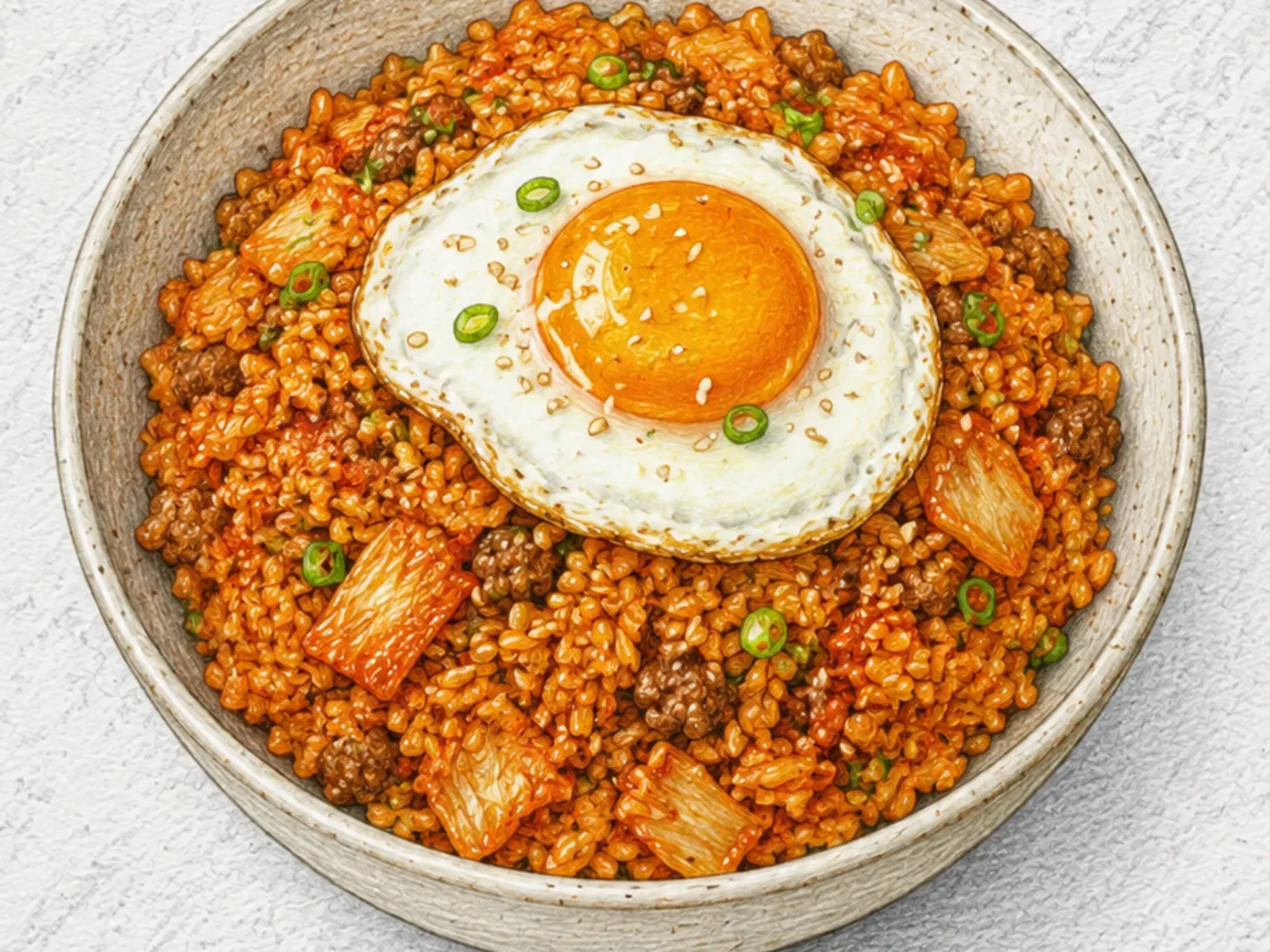
Korean Kimchi Fried Rice (Kimchi Bokkeumbap)

Finely chopped aged kimchi is stir-fried together with ground pork until the fermentation tang of the kimchi and the fat rendered from the pork combine into a deep, layered umami base. Kimchi juice is added to the pan along with gochujang and a measured touch of sugar, glazing the rice in a spicy-sweet coating. High heat throughout the stir-fry is what keeps each grain separate and lightly crisp rather than soft and clumped; the pan also needs to be fully heated before the ingredients go in, or the rice will stick. A soft-fried egg placed on top lets the runny yolk temper the heat when it is broken and mixed in, and using well-fermented, deeply soured kimchi noticeably shifts the depth of the flavor. Adding spam or canned tuna are equally common household variations, and the dish adapts readily to whatever is available. A drizzle of sesame oil just before serving lifts a toasty, nutty fragrance over the finished bowl.

🏠 Everyday 🍱 Lunchbox
Prep 10min Cook 10min 2 servings
Bo Luc Lac (Vietnamese Shaking Beef Sirloin Wok Stir-Fry)
Stir-fry Medium

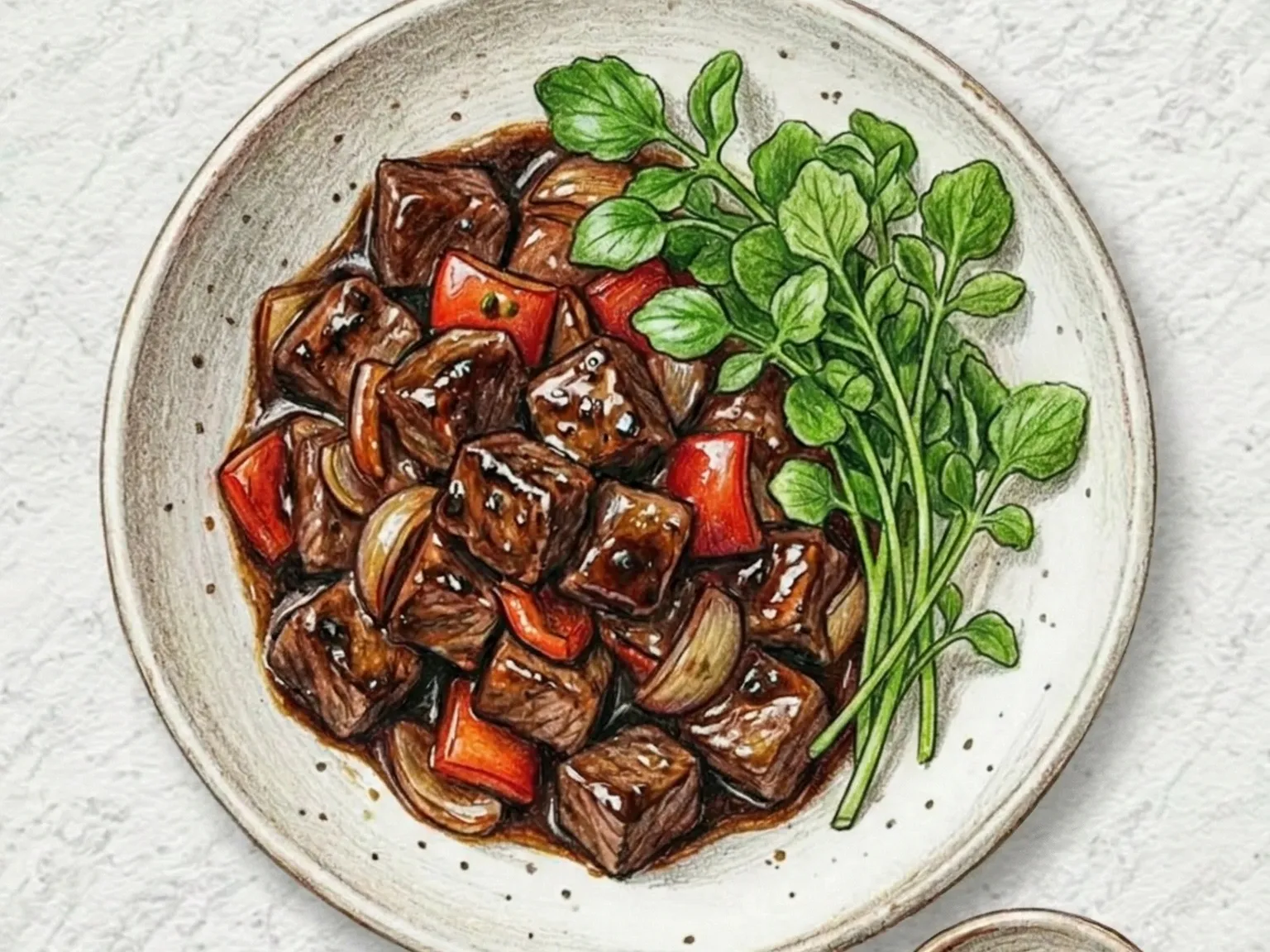
Bo Luc Lac (Vietnamese Shaking Beef Sirloin Wok Stir-Fry)

Bo luc lac takes its name from the shaking motion that defines how the dish is cooked. Cubed beef tenderloin or sirloin, marinated in soy sauce, oyster sauce, garlic, and sugar, goes into a wok heated to the point of smoking. The cook shakes the wok vigorously to toss the cubes through the oil, searing each face in seconds while the tossing motion keeps steam from building up and stewing the meat. The result is a dark, caramelized crust on the outside while the center stays pink and rare. The dish emerged from Vietnamese-French fusion cooking in colonial Saigon, when Western beef cuts became available and Vietnamese cooks applied their own techniques to them. The beef is plated over watercress dressed with lime juice and cracked black pepper; the sharpness of the watercress and the acidity of the lime cut through the rich, soy-glazed exterior. A dipping sauce of salt, pepper, and lime juice accompanies the plate. The contrast between the charred, deeply savory meat and the cool raw greens beneath has kept this one of Saigon's most recognizable dishes for decades.

🎉 Special Occasion
Prep 25min Cook 10min 2 servings
Thai Drunken Noodles
Noodles Medium

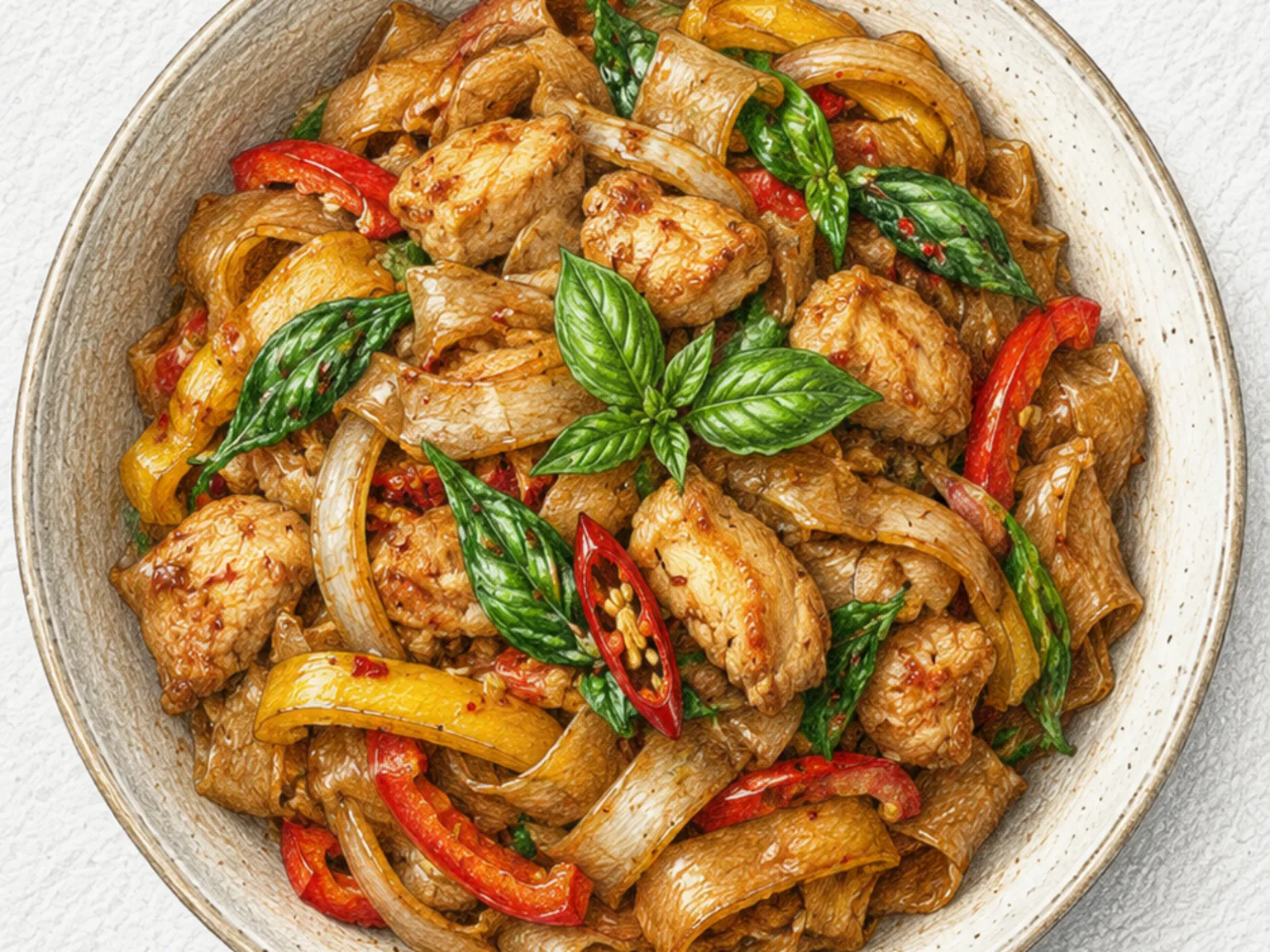
Thai Drunken Noodles

Pad kee mao, or drunken noodles, is a Thai stir-fried noodle dish where wide rice noodles are wok-tossed with chicken, garlic, fresh chili, and Thai basil over very high heat. The noodles are soaked briefly in lukewarm water until pliable but not soft. Garlic and chili go into the smoking-hot wok first to release their aroma, followed by sliced chicken thigh. Onion and bell pepper are added next and stir-fried quickly to keep them crisp. Fish sauce delivers briny umami while dark soy sauce darkens the noodles and adds a subtle sweetness. Thai basil is folded in only after the heat is turned off, so its anise-like fragrance stays intact rather than cooking away. Maintaining intense wok heat throughout is critical - too low and the noodles steam instead of sear.

🎉 Special Occasion 🌙 Late Night
Prep 15min Cook 12min 2 servings
Korean Bunsik Kimchi Bokkeumbap (Kimchi Fried Rice)
Rice Easy

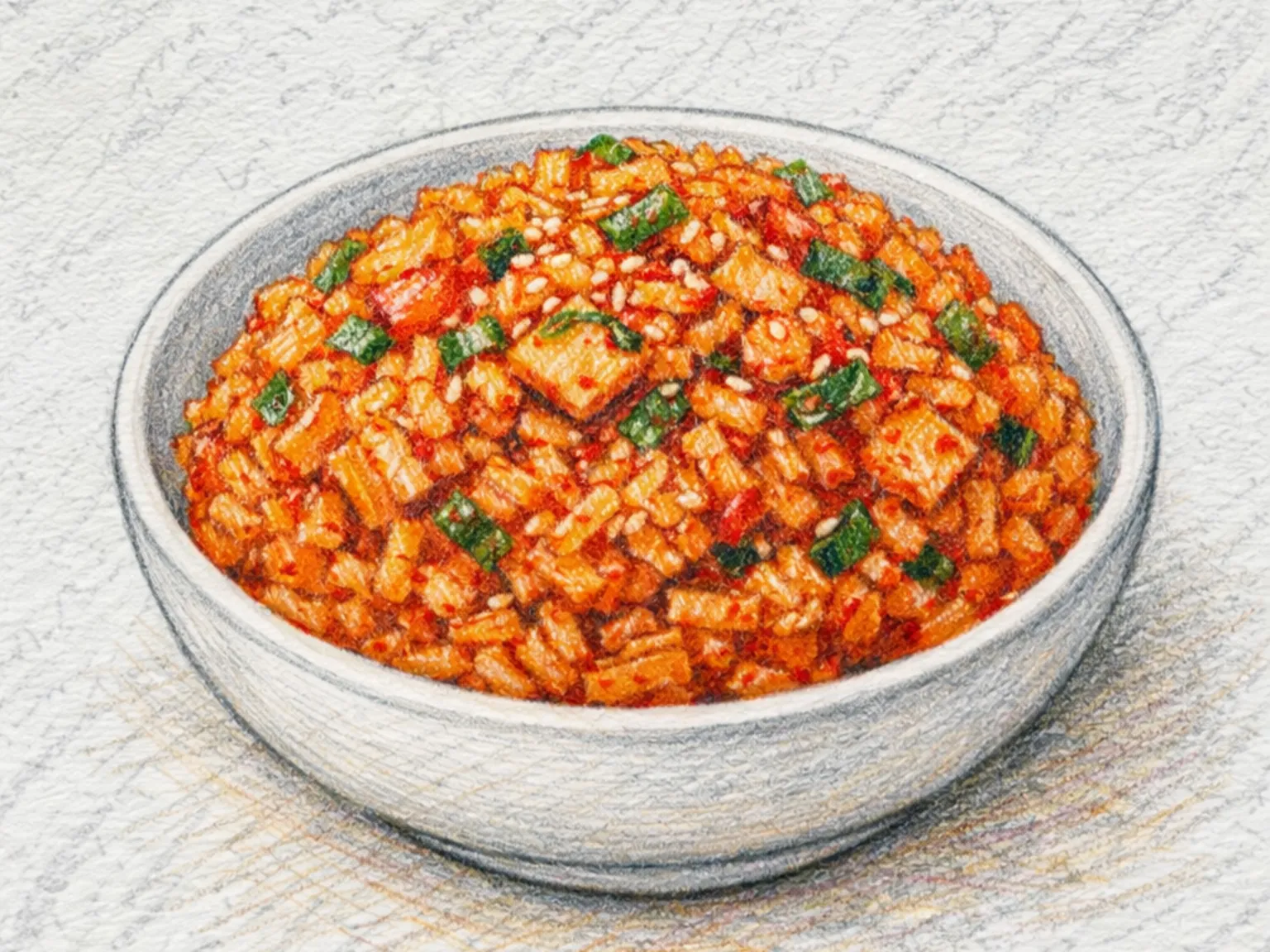
Korean Bunsik Kimchi Bokkeumbap (Kimchi Fried Rice)

Bunsik-style kimchi fried rice starts by making scallion oil from green onions, then stir-frying well-fermented kimchi to drive off moisture before seasoning with gochujang and soy sauce and tossing in day-old rice. The scallion oil lays a nutty base across the rice, and the aged kimchi's sharp acidity layers with the gochujang's heat to build depth. Cold leftover rice fries without turning mushy, keeping individual grains distinct, and the dish is topped with seaweed flakes and a runny fried egg. A small amount of sugar can be added if the kimchi's sourness is overpowering.

🧒 Kid-Friendly 🌙 Late Night
Prep 10min Cook 15min 2 servings
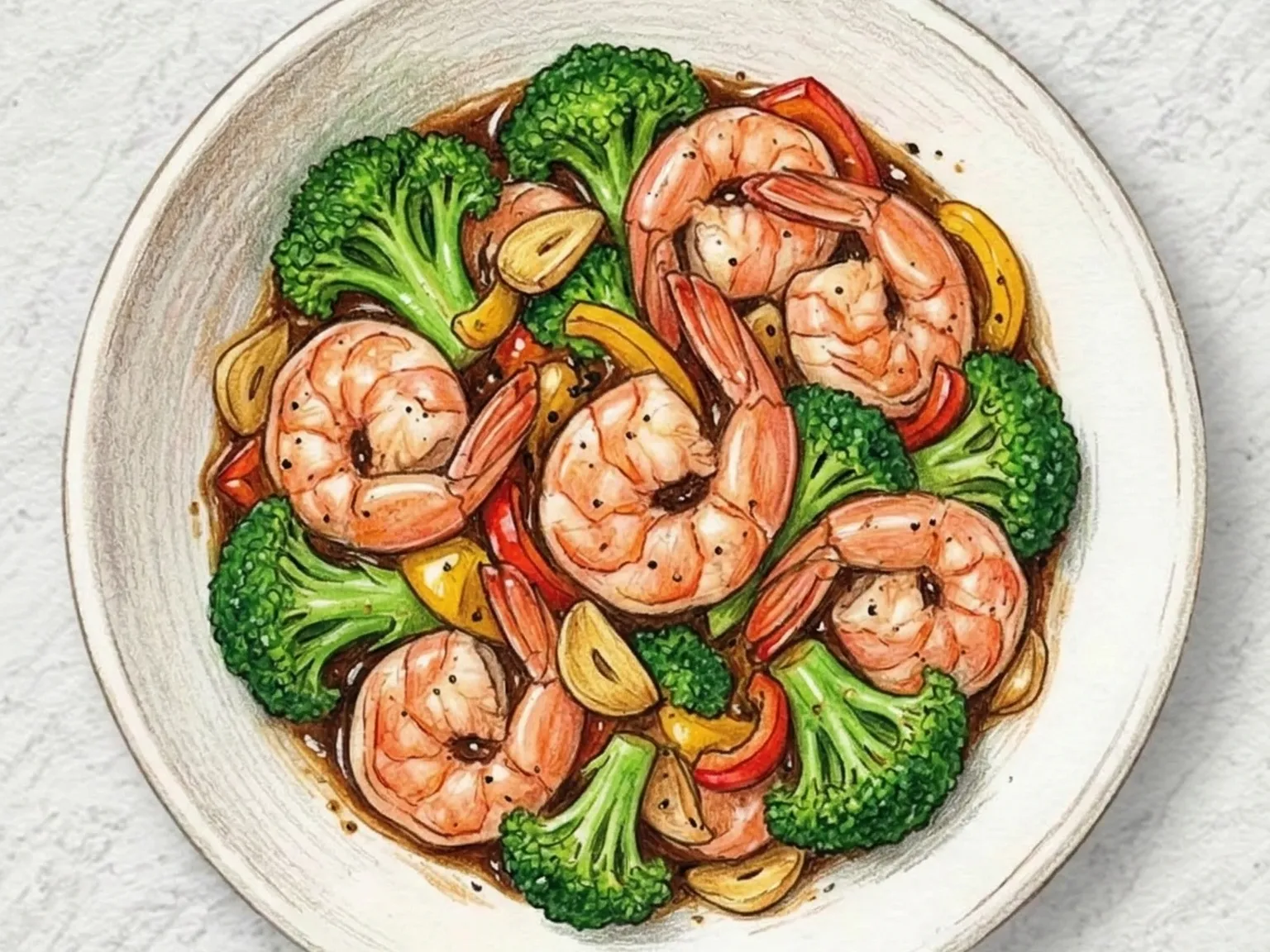
Korean Beurokolli Saeu Bokkeum (Broccoli Shrimp Stir-fry)
Stir-fry Easy

Korean Beurokolli Saeu Bokkeum (Broccoli Shrimp Stir-fry)

Broccoli saeu bokkeum pairs quickly seared shrimp with briefly blanched broccoli and bell pepper in a soy and oyster sauce coating. Two hundred twenty grams medium shrimp is peeled, deveined, and dried before being seasoned for 5 minutes with 1 tablespoon cooking wine and 0.25 teaspoon black pepper. One hundred eighty grams broccoli is cut into bite-size florets, boiled for only 40 seconds, transferred directly to cold water, and drained thoroughly. Seventy grams bell pepper is cut close to the size of the shrimp, and 5 garlic cloves are sliced thinly. One tablespoon cooking oil is heated over medium, and the garlic cooks for 30 seconds until its edges turn pale gold. The heat is raised before the shrimp is stir-fried for 1 minute 30 seconds to 2 minutes. As soon as the outside turns pink, the bell pepper is added for 1 minute. The broccoli, 1 tablespoon soy sauce, and 1 tablespoon oyster sauce then go in together. A quick 1 minute 30 second toss over high heat is enough for the sauce to coat the ingredients and the shrimp to finish cooking. The short blanch followed by careful draining keeps broccoli water from thinning the sauce in the final stage.

🥗 Light & Healthy 🏠 Everyday
Prep 10min Cook 10min 2 servings
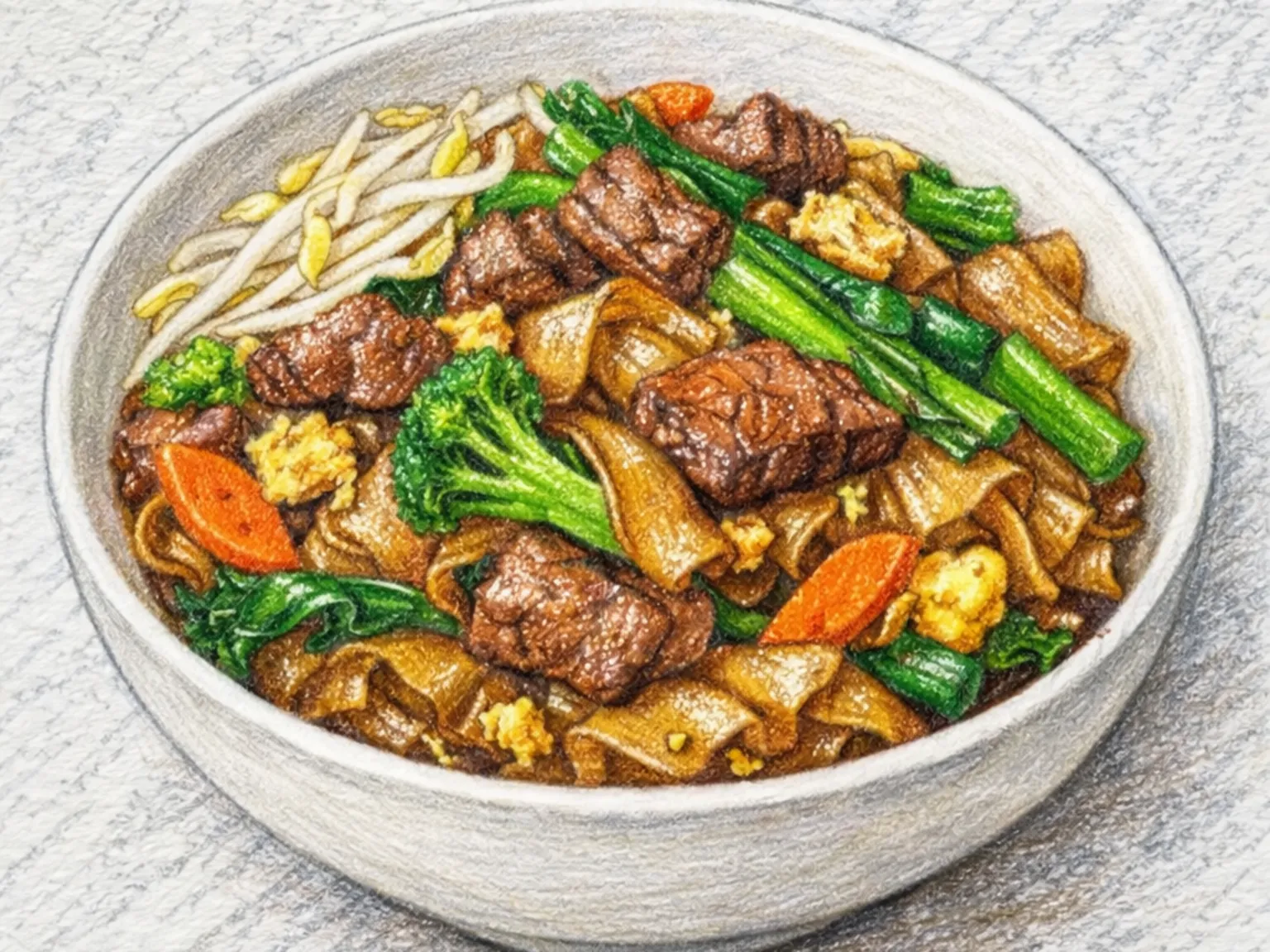
Thai Soy Sauce Noodles (Wide Rice Noodles with Beef and Chinese Broccoli)
Noodles Medium

Thai Soy Sauce Noodles (Wide Rice Noodles with Beef and Chinese Broccoli)

Pad see ew is a Thai stir-fried noodle dish built around wide rice noodles, beef, Chinese broccoli, and egg, all tossed in a sauce of soy sauce, oyster sauce, and dark sugar. The central technique is wok hei through extreme heat. Without a properly scorching pan, the sauce pools at the bottom rather than adhering to the noodles, and caramelization never happens. Beef goes into the hot pan first to develop a seared surface before anything else is added. Gai lan and cracked eggs follow, the eggs scrambled loose in the same pan, then the soaked noodles and the pre-mixed sauce go in together and the whole thing is tossed hard and fast. During those few seconds of high contact heat, the sauce binds to the noodle surface and develops a slightly charred, smoky-sweet aroma that is the defining character of the dish. The thick stems of Chinese broccoli keep a satisfying crunch and introduce a mild bitterness that cuts the sweetness of the sauce. Egg fragments distributed throughout the noodles add pockets of soft, creamy texture. The finished noodles are deeply stained, and every strand carries the sauce.

🎉 Special Occasion 🌙 Late Night
Prep 15min Cook 15min 2 servings
Korean Kimchi Rice Bowl (Stir-Fried Aged Kimchi over Steamed Rice)
Rice Easy

Korean Kimchi Rice Bowl (Stir-Fried Aged Kimchi over Steamed Rice)

Stir-frying aged kimchi in a hot pan drives off moisture and triggers caramelization, mellowing the sharpness into a deeper, sweeter intensity that raw kimchi cannot replicate. Cooking the kimchi over medium-high heat for five to seven minutes transforms its texture from wet and tangy to slightly charred and richly savory. A splash of soy sauce and a drizzle of sesame oil finish the seasoning with a salty, nutty note. Spooned over a bowl of steamed rice and topped with a single sunny-side-up egg, the dish is deceptively simple in construction. Using well-fermented kimchi like mukeunji introduces complex layers of lactic sourness and umami depth that more than compensate for the minimal ingredient list. Adding thin slices of pork shoulder or a can of tuna to the pan alongside the kimchi turns it into a more substantial meal with added protein. The whole dish comes together in under fifteen minutes, making it the first choice Korean rice bowl when the pantry is almost bare.

⚡ Quick 🏠 Everyday
Prep 5min Cook 10min 1 servings
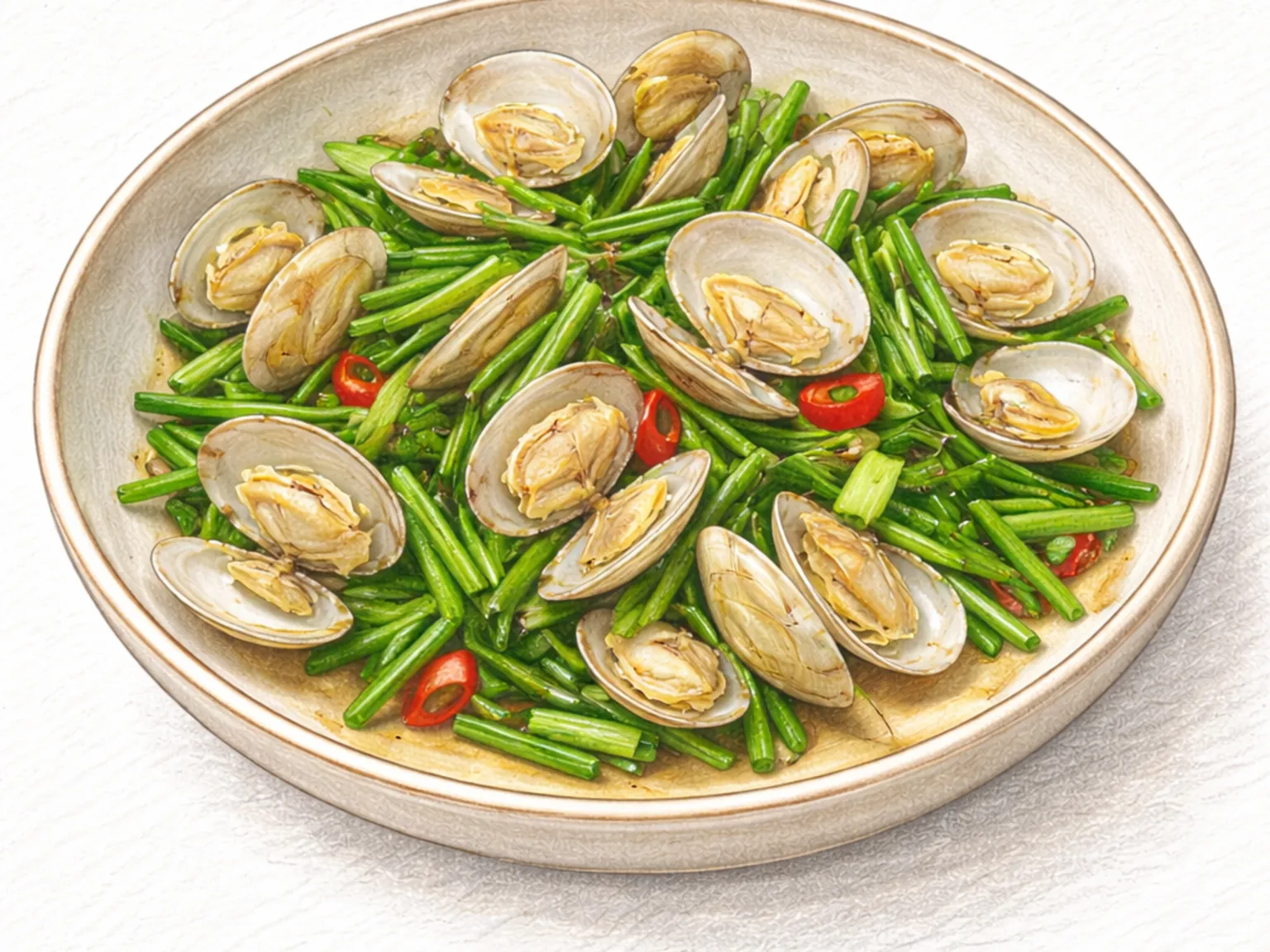
Korean Garlic Chive & Clam Stir-fry
Stir-fry Medium

Korean Garlic Chive & Clam Stir-fry

Buchu baekhap bokkeum steams purged clams under a lid with rice wine, reduces their released liquid with soy and oyster sauce, and adds garlic chives only for the final 40 seconds. Five hundred grams clams is soaked in 3 percent salt water for 20 minutes, then the shells are scrubbed together under running water. One hundred twenty grams garlic chives is cut into 5 cm lengths. Five garlic cloves are sliced, and 1 red chili is seeded and cut into rounds. One tablespoon neutral oil is heated over medium before the garlic and chili cook for 40 seconds. The clams and 1 tablespoon rice wine are added, the lid is closed, and the pan stays over medium-high heat for 2 minutes. Once the shells open, 1 tablespoon soy sauce and 1 teaspoon oyster sauce go in for a 1-minute stir-fry over high heat, reducing the clam liquid slightly. Any shell that remains closed is removed and discarded. The chives are then tossed over high heat for only 40 seconds before the burner is switched off. One teaspoon sesame oil completes the pan. Steaming the clams before adding the chives makes their doneness visible and keeps the brief cooking time of the greens separate from the shellfish stage.

🍺 Bar Snacks 🏠 Everyday
Prep 18min Cook 9min 2 servings
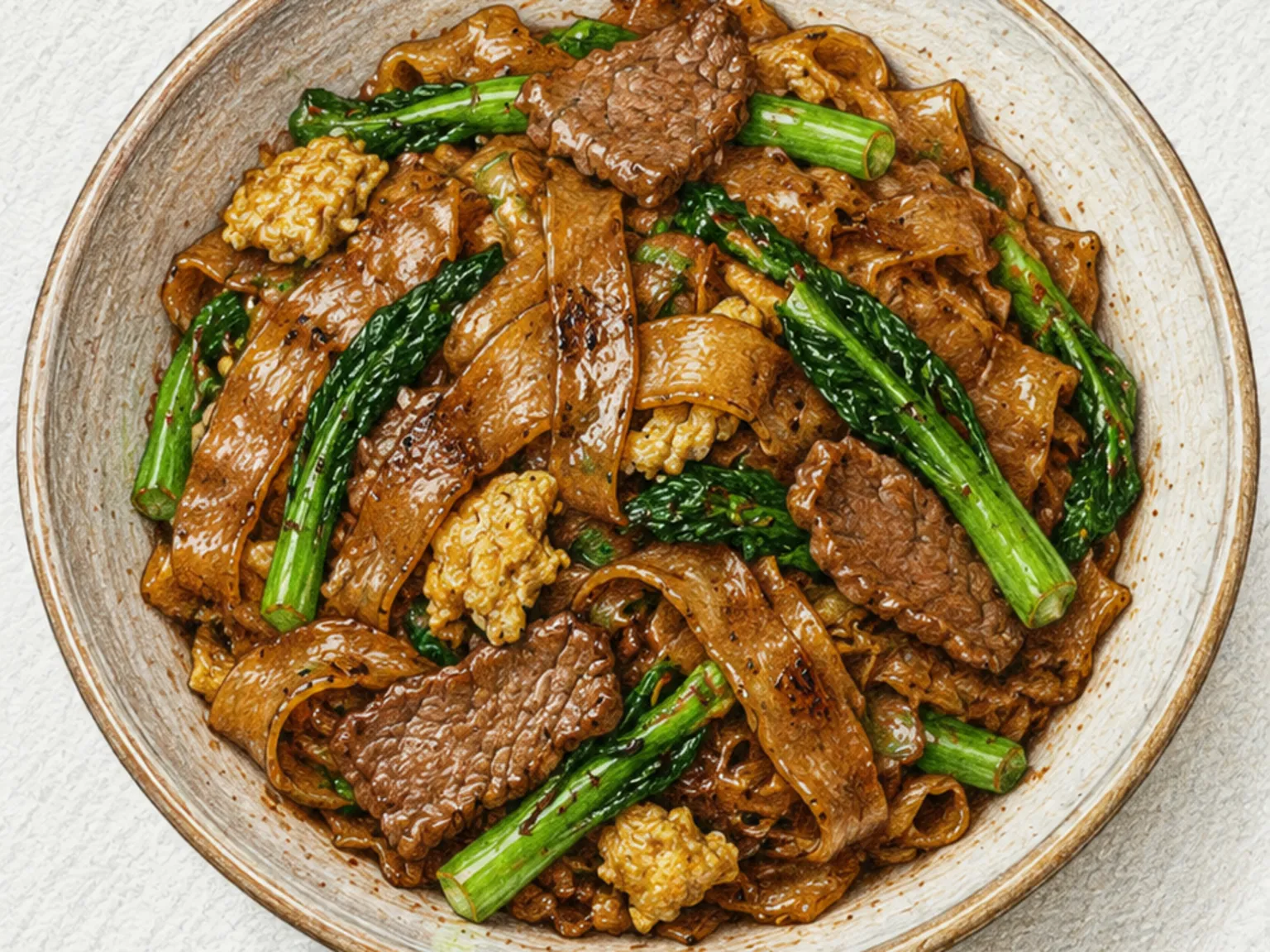
Beef Pad See Ew (Thai Wok-Fried Wide Rice Noodles in Dark Soy)
Noodles Easy

Beef Pad See Ew (Thai Wok-Fried Wide Rice Noodles in Dark Soy)

Beef pad see ew is a Thai wok-fried noodle dish built around wide rice noodles and dark soy sauce. The name translates to 'fried with soy sauce,' and broad, silky noodles are stained deep brown by dark soy, balanced with light soy and oyster sauce for a sweet-savory glaze. Thinly sliced beef is seared first in a blazing wok, then noodles go in to absorb the sauce and char slightly against the hot metal. Chinese broccoli or kale adds crunch from its stems and softness from its leaves. The defining element is wok hei - the smoky flavor that only comes from letting noodles sit against the wok until they pick up toasted spots.

🏠 Everyday 🌙 Late Night
Prep 15min Cook 10min 2 servings
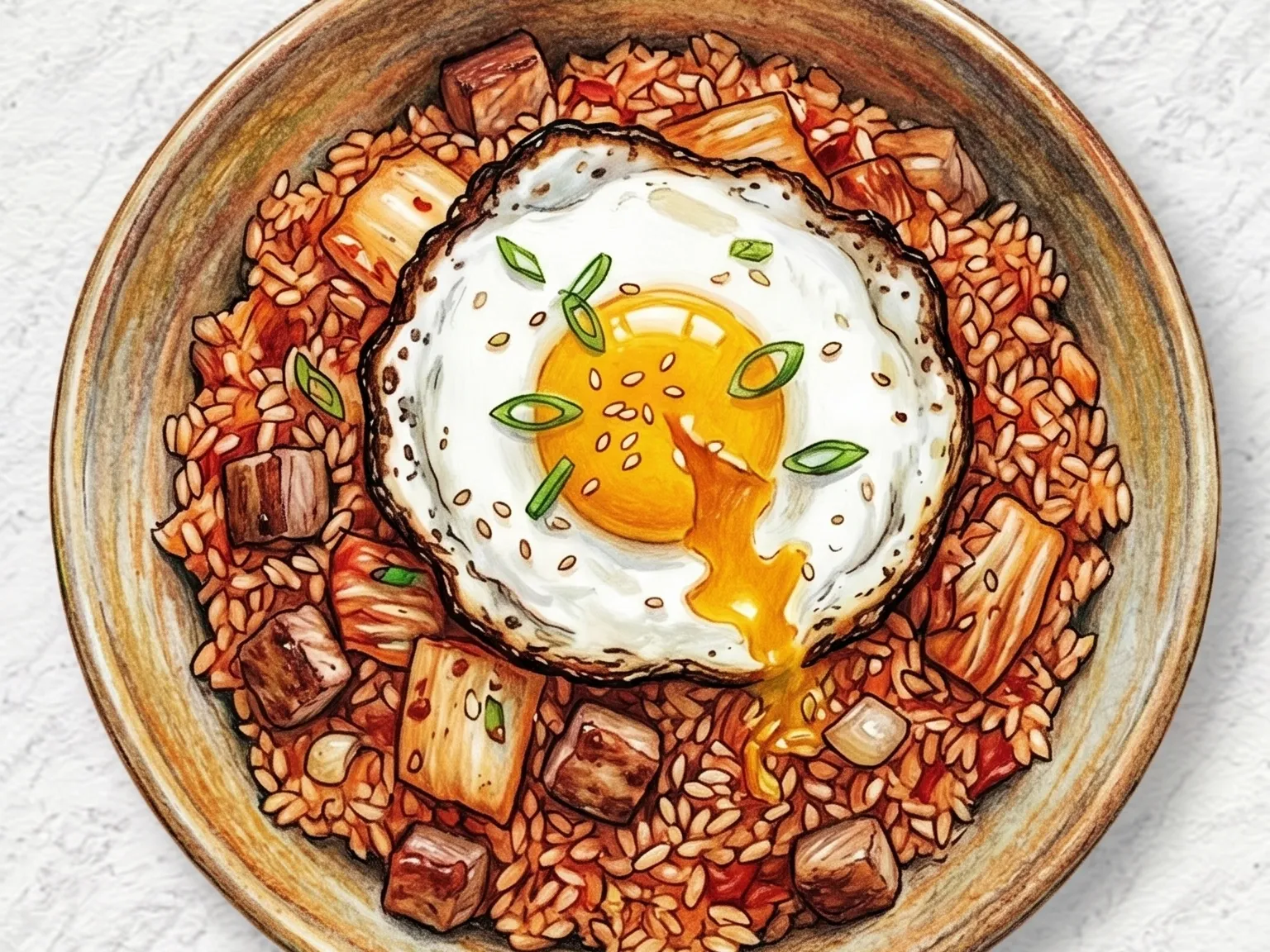
Korean Pork Belly Kimchi Fried Rice
Rice Easy

Korean Pork Belly Kimchi Fried Rice

Pork belly is diced small and rendered in a hot pan until golden, producing enough fat to cook the entire dish without additional oil. Aged kimchi and onion go into that rendered fat, where the kimchi's sharp tang softens into the pork's richness. Gochujang and soy sauce season the rice as it joins the pan, and aggressive high-heat stir-frying keeps each grain distinct rather than clumpy. Day-old cold rice works best because its lower moisture content yields a drier, crispier result, and a fried egg on top provides a creamy counterpoint when the yolk breaks.

🏠 Everyday 🍱 Lunchbox
Prep 15min Cook 12min 2 servings
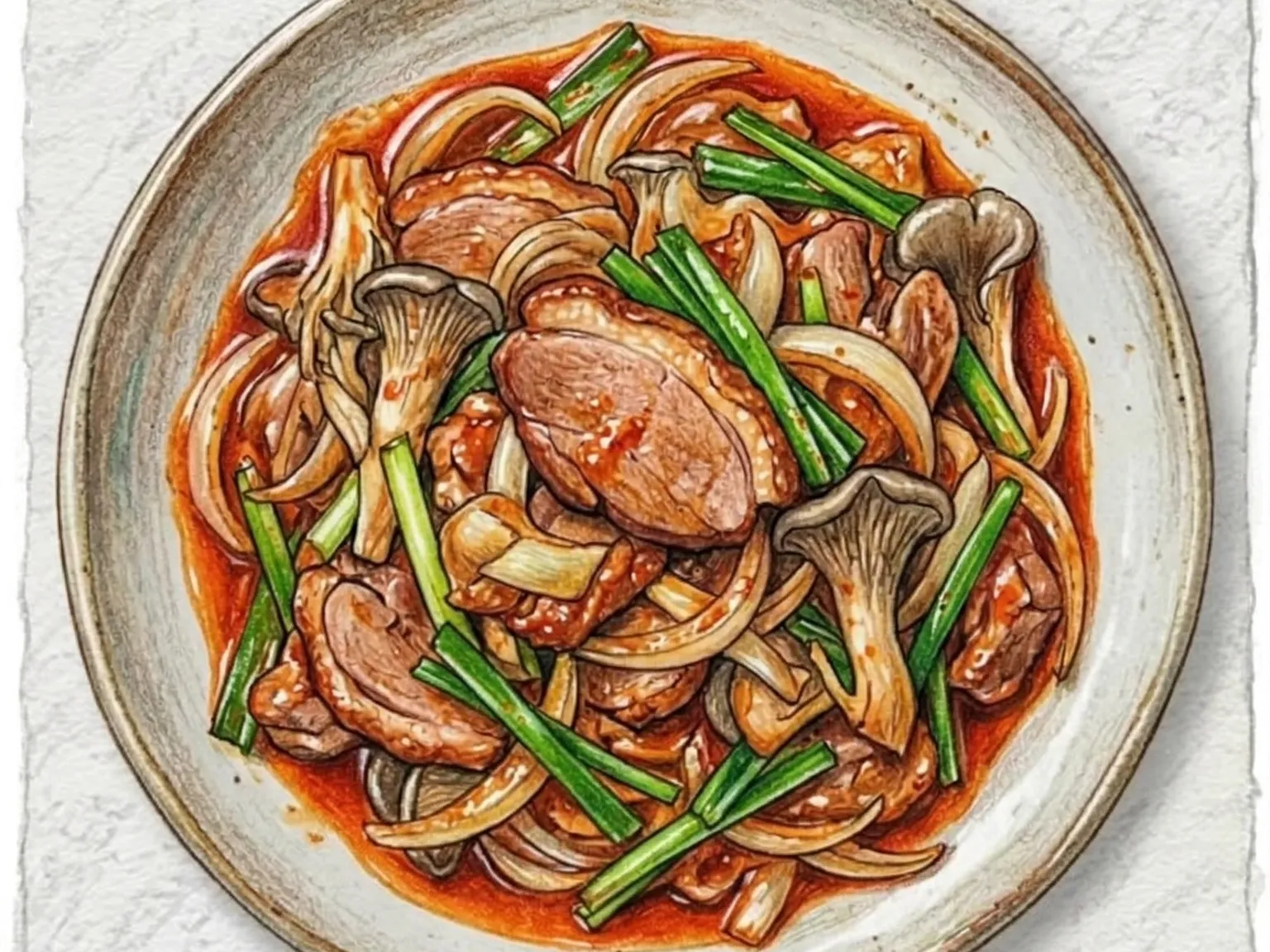
Korean Garlic Chive Duck Stir-fry
Stir-fry Medium

Korean Garlic Chive Duck Stir-fry

Sliced smoked duck is cooked first to render its fat, and that rendered fat becomes the cooking medium for onion, oyster mushrooms, and a gochujang-based sauce. Because the duck releases enough oil on its own, additional cooking fat is barely needed, and the smoky flavor carried in the rendered fat transfers directly into the vegetables. The gochujang and oligosaccharide syrup create a sweet-spicy glaze that counterbalances the richness of the duck, while garlic chives are tossed in only during the final minute over high heat so they keep their vivid green color and bright herbal finish. Perilla oil drizzled after the flame is off adds a final aromatic layer that elevates the entire plate. If the duck releases more fat than desired, pouring off all but one tablespoon keeps the dish cleaner without sacrificing flavor. This dish pairs naturally with soju or makgeolli, and any leftovers fold well into fried rice the next day.

🍺 Bar Snacks 🏠 Everyday
Prep 15min Cook 14min 4 servings
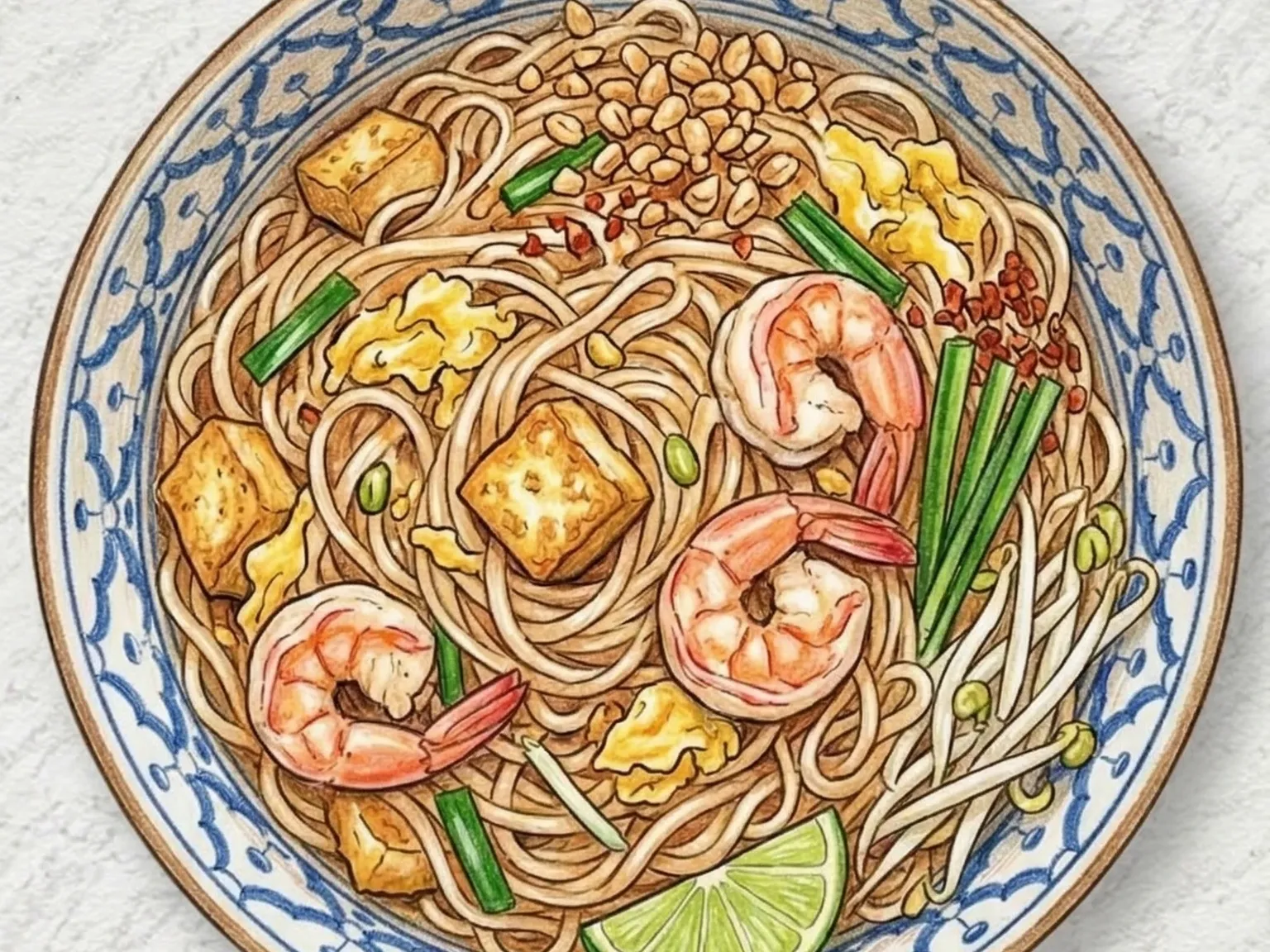
Pad Thai
Noodles Medium

Pad Thai

Pad thai is Thailand's most widely recognized stir-fried noodle dish, centered on a sauce made from tamarind paste, fish sauce, and sugar that balances sweet, sour, and salty flavors in every bite. The proportion of these three ingredients is what determines the character of the final dish, and adjusting them even slightly shifts the balance noticeably. Dried rice noodles soak in lukewarm water for twenty minutes until they are pliable but still firm enough to hold up under high heat without becoming mushy. Firm tofu is pan-fried first until golden on all sides, establishing a nutty, textured base, then shrimp are added and pushed to the side as soon as they turn pink. The eggs are scrambled in the cleared center of the pan rather than mixed in with everything else, which allows them to set into thin, irregular sheets that distribute evenly through the noodles when tossed. Adding the soaked noodles and sauce over high heat and tossing quickly causes the noodles to absorb the sauce rapidly, developing a glossy, amber-toned coating. Bean sprouts stirred in at the very end keep their crunch, coarsely ground peanuts provide a roasted, brittle texture, and a squeeze of fresh lime just before eating introduces a bright acidity that sharpens the whole dish.

🎉 Special Occasion 🏠 Everyday
Prep 20min Cook 15min 2 servings
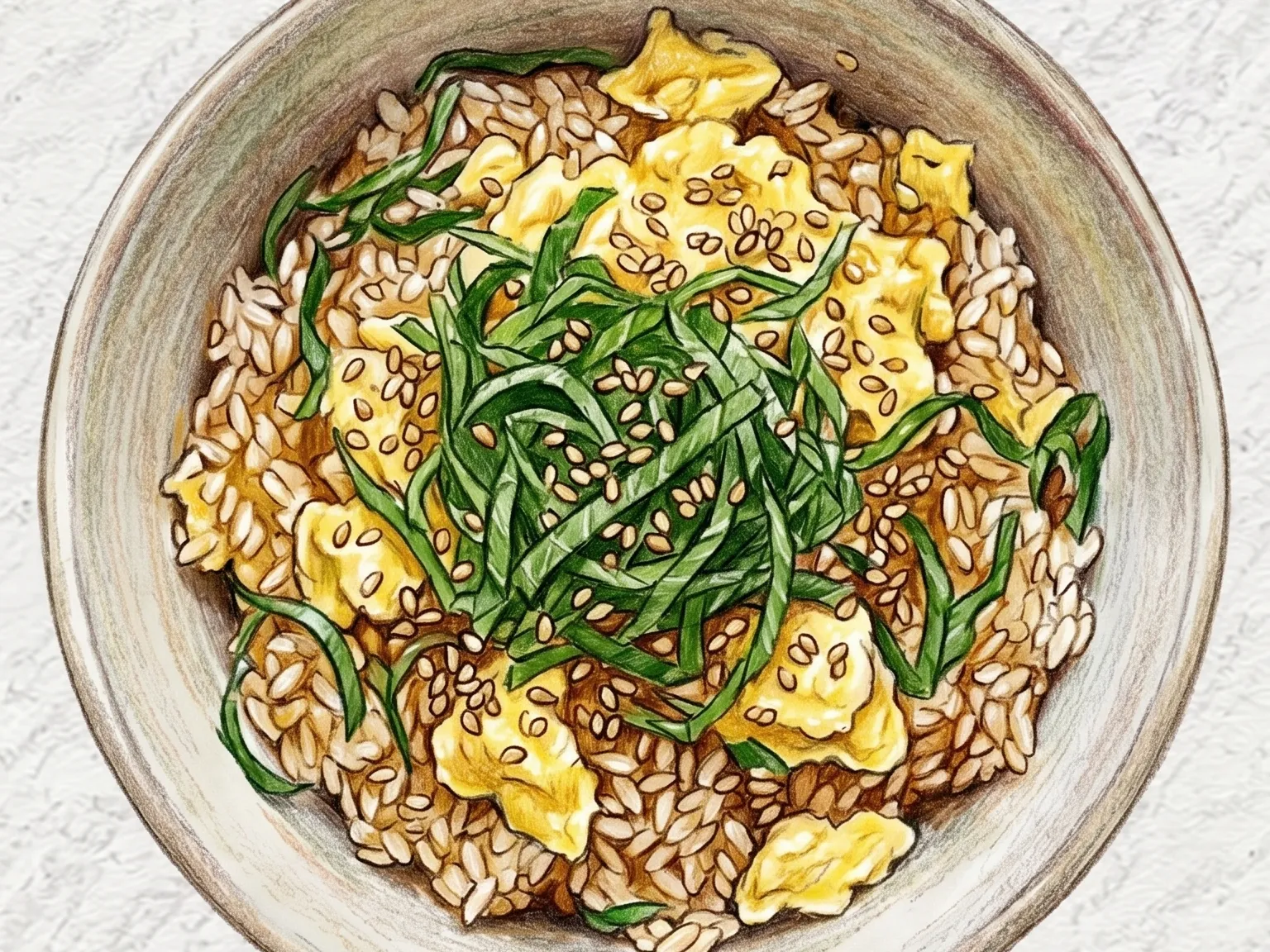
Korean Kkaennip Deulgireum Gyeran Bap (Perilla Egg Rice)
Rice Easy

Korean Kkaennip Deulgireum Gyeran Bap (Perilla Egg Rice)

Kkaennip-deulgireum-gyeran-bap is a simple one-bowl rice dish built on three main flavors: the deep roasted-nut aroma of perilla oil, the herb-like fragrance of fresh perilla leaves, and the richness of soft scrambled eggs. The eggs are cooked low and slow in butter, set aside, and then rice is stir-fried briefly in perilla oil over moderate heat. Perilla oil has a low smoke point, so high heat rapidly destroys its distinctive aroma. Soy sauce drizzled along the hot rim of the pan picks up a faint caramel char as it hits the surface, adding depth beyond straightforward saltiness. The scrambled eggs and the rice are folded together with thinly sliced perilla leaves off the heat, because the leaves lose their volatile oils quickly when exposed to sustained warmth. Finishing with a generous amount of whole sesame seeds adds a repeated crunch and further layers of nuttiness through every bite. With ingredients this minimal, the quality of the perilla oil and the freshness of the leaves determine the final result.

🏠 Everyday ⚡ Quick
Prep 10min Cook 12min 2 servings
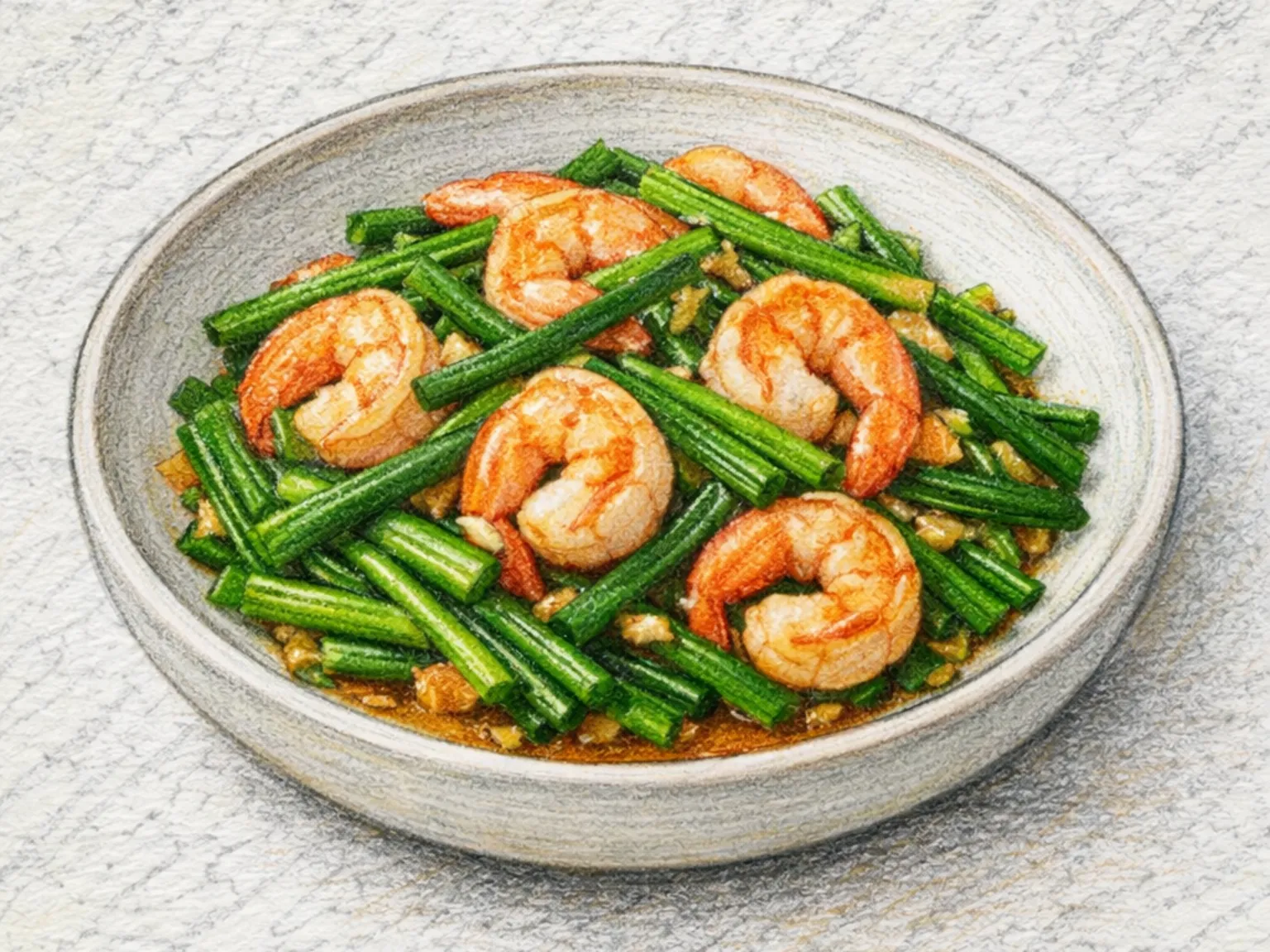
Korean Stir-fried Chives and Shrimp
Stir-fry Easy

Korean Stir-fried Chives and Shrimp

Deveined shrimp are dried thoroughly and seared over high heat until their shells turn pink, then tossed briefly with garlic chives for a stir-fry that takes under ten minutes from cutting board to plate. Removing every trace of surface moisture before the shrimp hit the pan is the single most important step; residual water generates steam and turns the sear into a braise, leaving the shrimp pale and soft instead of lightly caramelized. Sliced garlic goes into the oil first to build an aromatic base that clings to every ingredient. One tablespoon of soy sauce paired with a teaspoon of oyster sauce amplifies the natural seafood umami without tipping the dish into excessive saltiness, and black pepper sharpens the finish. The chives must go in last and cook for no more than sixty seconds; any longer and they lose their vivid color and turn stringy. At 220 calories with 26 grams of protein per serving, this dish fills the role of a satisfying yet light side that pairs well with steamed rice or slides neatly into a packed lunch.

🏠 Everyday 🍱 Lunchbox
Prep 12min Cook 8min 2 servings
Pad Woon Sen (Thai Stir-Fried Glass Noodles with Shrimp and Egg)
Noodles Easy

Pad Woon Sen (Thai Stir-Fried Glass Noodles with Shrimp and Egg)

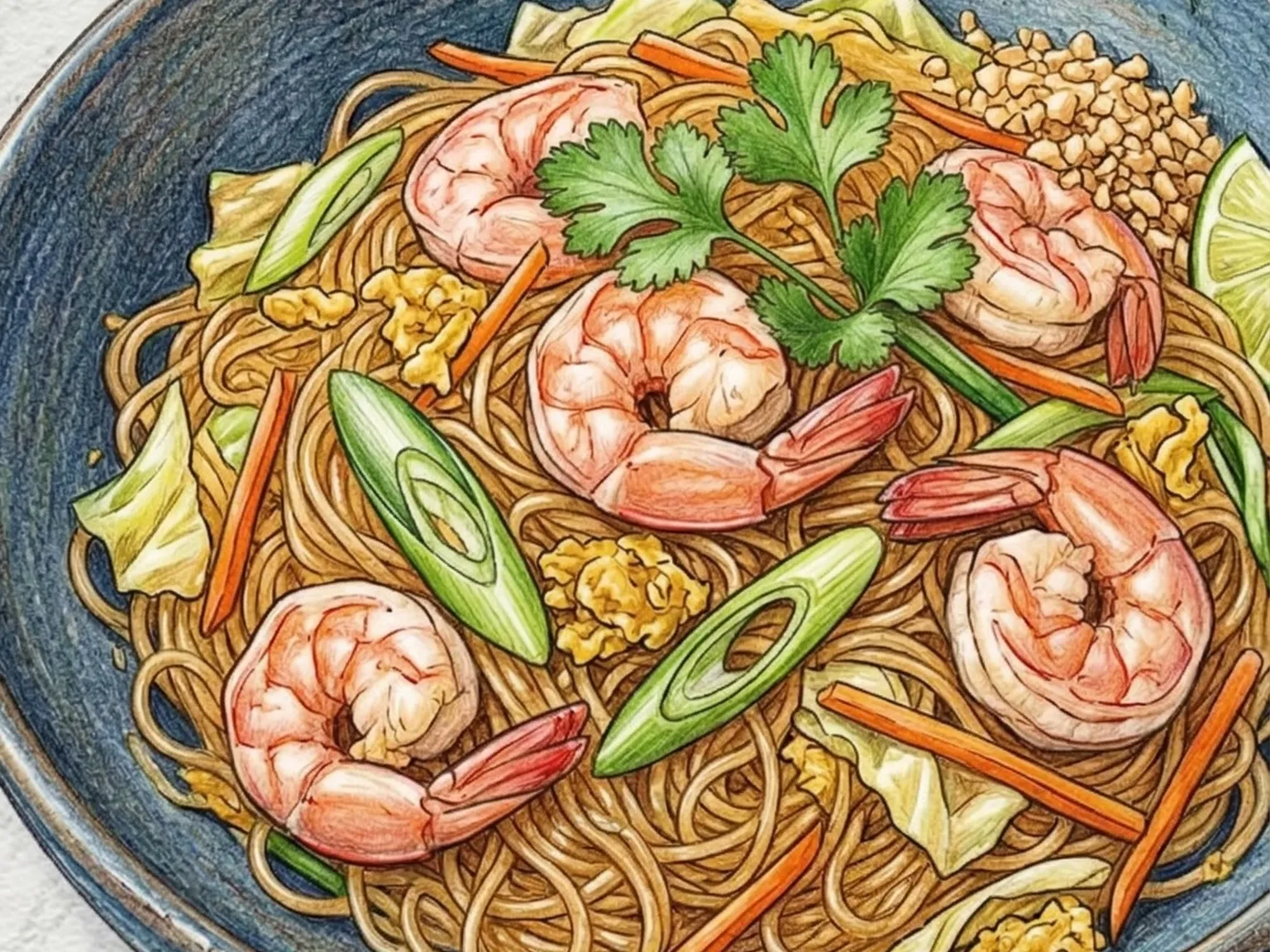
Pad woon sen is a Thai stir-fried glass noodle dish that comes together in minutes. The noodles, made from mung bean starch, turn translucent when soaked and have a springy, slippery texture that absorbs sauce without becoming mushy. Shrimp is cooked first until just pink, then vegetables - typically cabbage and carrot - are tossed in over high heat to keep their crunch. Eggs are scrambled to one side of the wok and folded into the noodles along with soy sauce and oyster sauce. The seasoning is deliberately simple, allowing the natural sweetness of the shrimp and the clean bite of the vegetables to come through.

🏠 Everyday 🌙 Late Night
Prep 15min Cook 12min 2 servings
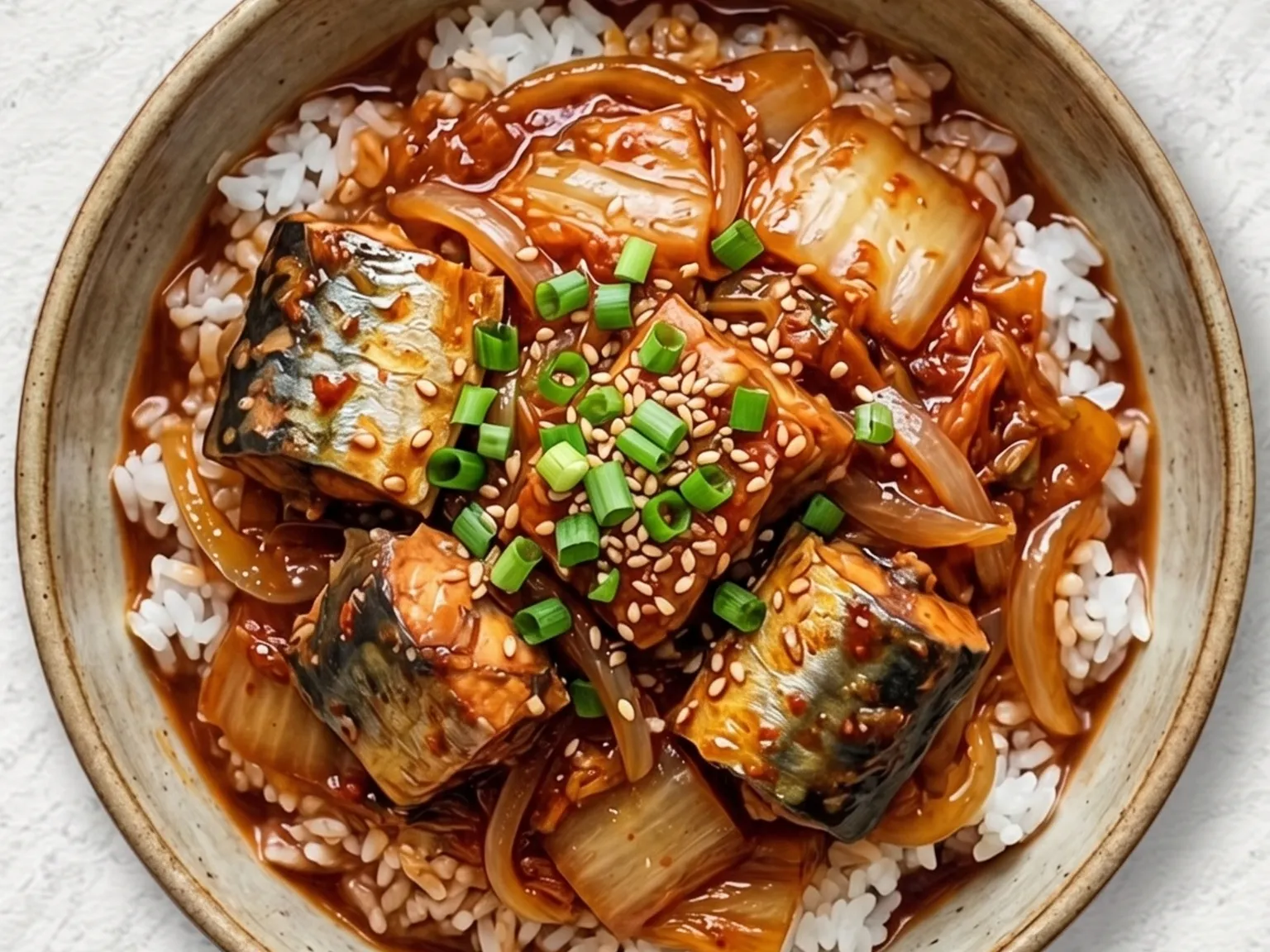
Korean Saury Kimchi Rice Bowl
Rice Easy

Korean Saury Kimchi Rice Bowl

Canned mackerel pike (kkongchi) is stir-fried with aged kimchi and sliced onion, using a couple spoonfuls of the can liquid to deepen the sauce's umami. The kimchi cooks down for three minutes first to drive off excess moisture and tame its sourness, then the fish is broken into generous chunks - keeping them large preserves a pleasant flaky texture. Chili flakes, soy sauce, and sugar simmer together for four minutes into a thick, clinging glaze that soaks into the rice below. Topped with fresh scallion, this is a pantry-friendly rice bowl that transforms humble canned fish into something deeply flavorful.

🏠 Everyday ⚡ Quick
Prep 12min Cook 18min 2 servings
Korean Busan-Style Stir-fried Fish Cake
Stir-fry Easy

Korean Busan-Style Stir-fried Fish Cake

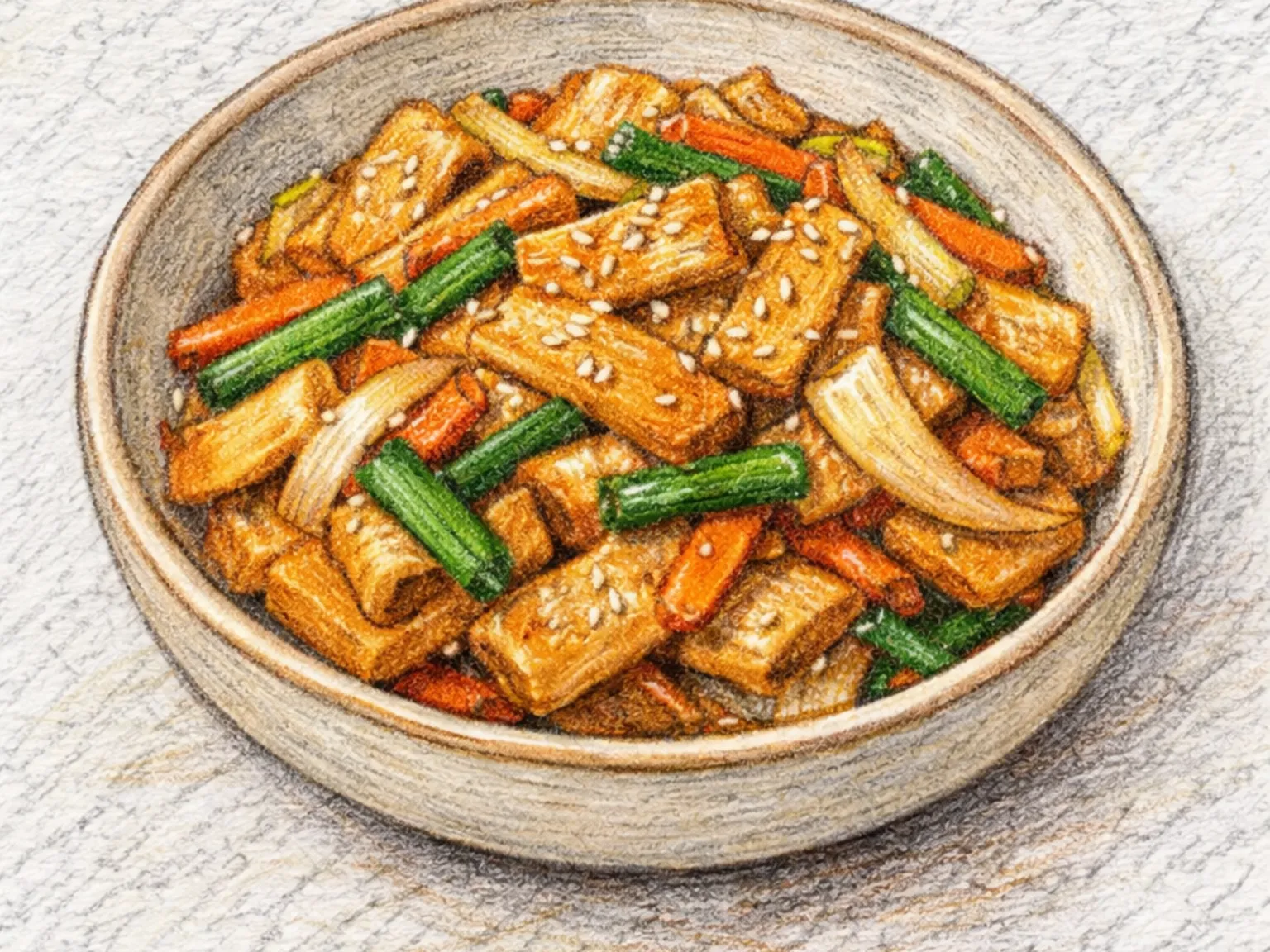
Busan-style stir-fried fish cake begins with a step that separates it from rushed versions: square fish cake sheets are blanched for twenty seconds in boiling water to remove the residual processing oil from manufacturing. Skipping this produces a flat, industrial greasiness in the finished dish that no amount of seasoning corrects. Oil goes into a hot pan, minced garlic is fried briefly until fragrant, and julienned onion and carrot are added next and cooked for two minutes until their natural sugars begin to release. The blanched fish cake strips go in, followed by soy sauce and oligosaccharide syrup. As the soy sauce hits the hot pan surface, it reduces almost instantly into a thin, glossy glaze that coats every surface; the oligosaccharide syrup caramelizes in the residual heat, building a sweet-salty layer underneath. High heat and a total cook time of three minutes or less is essential - fish cake left on the stove beyond that loses its moisture and turns rubbery. Diagonally sliced green onion goes in at the very end, added off the heat to preserve its fresh bite. A scatter of sesame seeds finishes the dish. Because the flavors are stable at room temperature and do not deteriorate as the dish cools, it is a reliable and practical side dish for packed lunches.

🏠 Everyday 🍱 Lunchbox
Prep 12min Cook 10min 4 servings
Pancit Bihon (Filipino Stir-Fried Rice Vermicelli with Chicken)
Noodles Easy

Pancit Bihon (Filipino Stir-Fried Rice Vermicelli with Chicken)

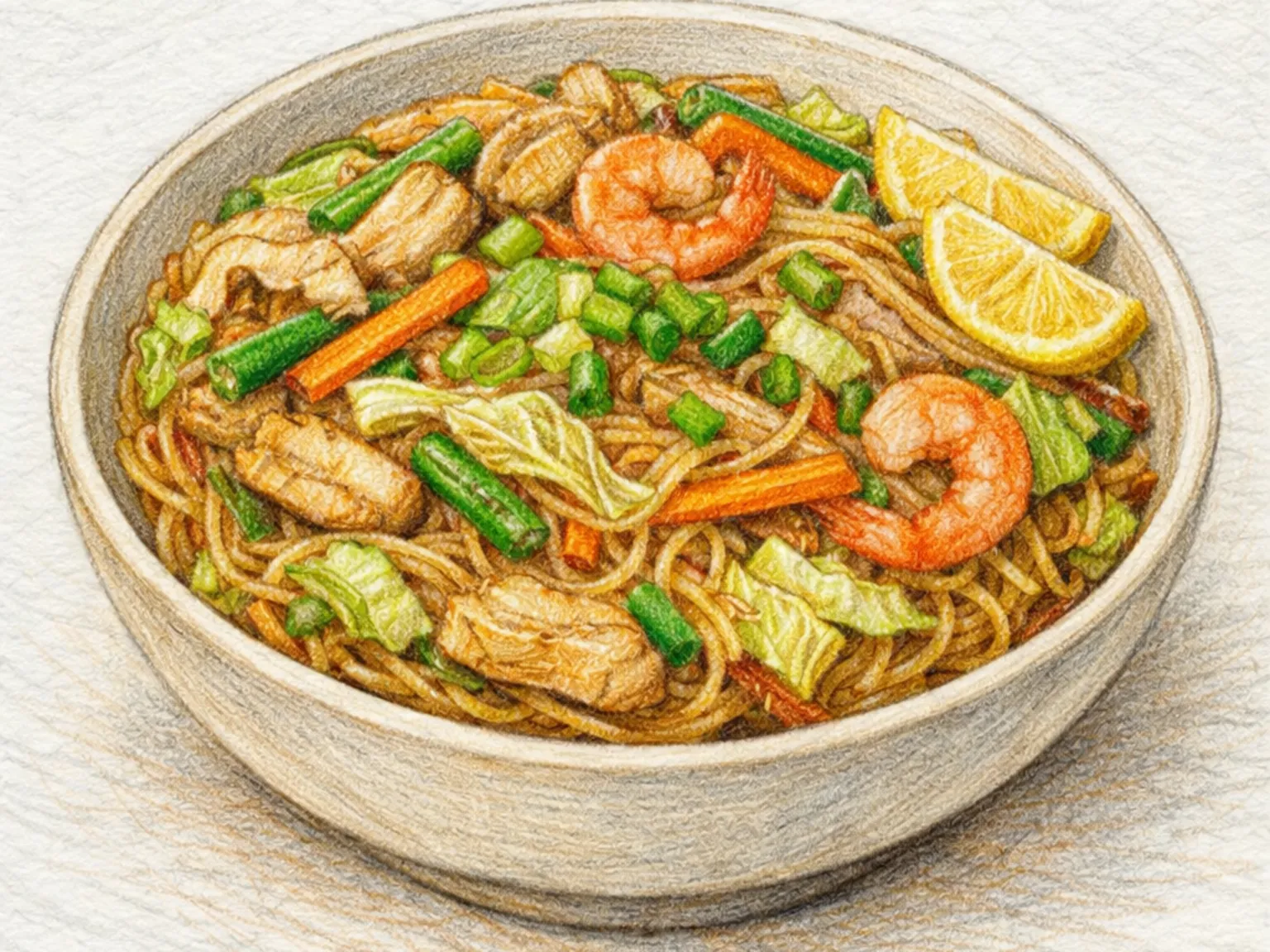
Pancit bihon is the most widely eaten noodle dish in the Philippines, made with thin rice vermicelli stir-fried with meat, vegetables, and a savory soy-fish sauce seasoning. It holds a special place in Filipino culture as a celebration dish - no birthday party is complete without a large platter, symbolizing long life and good fortune. The technique involves boiling chicken to create a broth, then using that broth to cook the noodles in the wok so every strand absorbs savory depth. Shredded cabbage and julienned carrots provide crunch, while a squeeze of calamansi brightens the dish with a tart, floral acidity.

🏠 Everyday 🎉 Special Occasion
Prep 20min Cook 20min 4 servings
Diet Konjac Fried Rice
Rice Easy

Diet Konjac Fried Rice

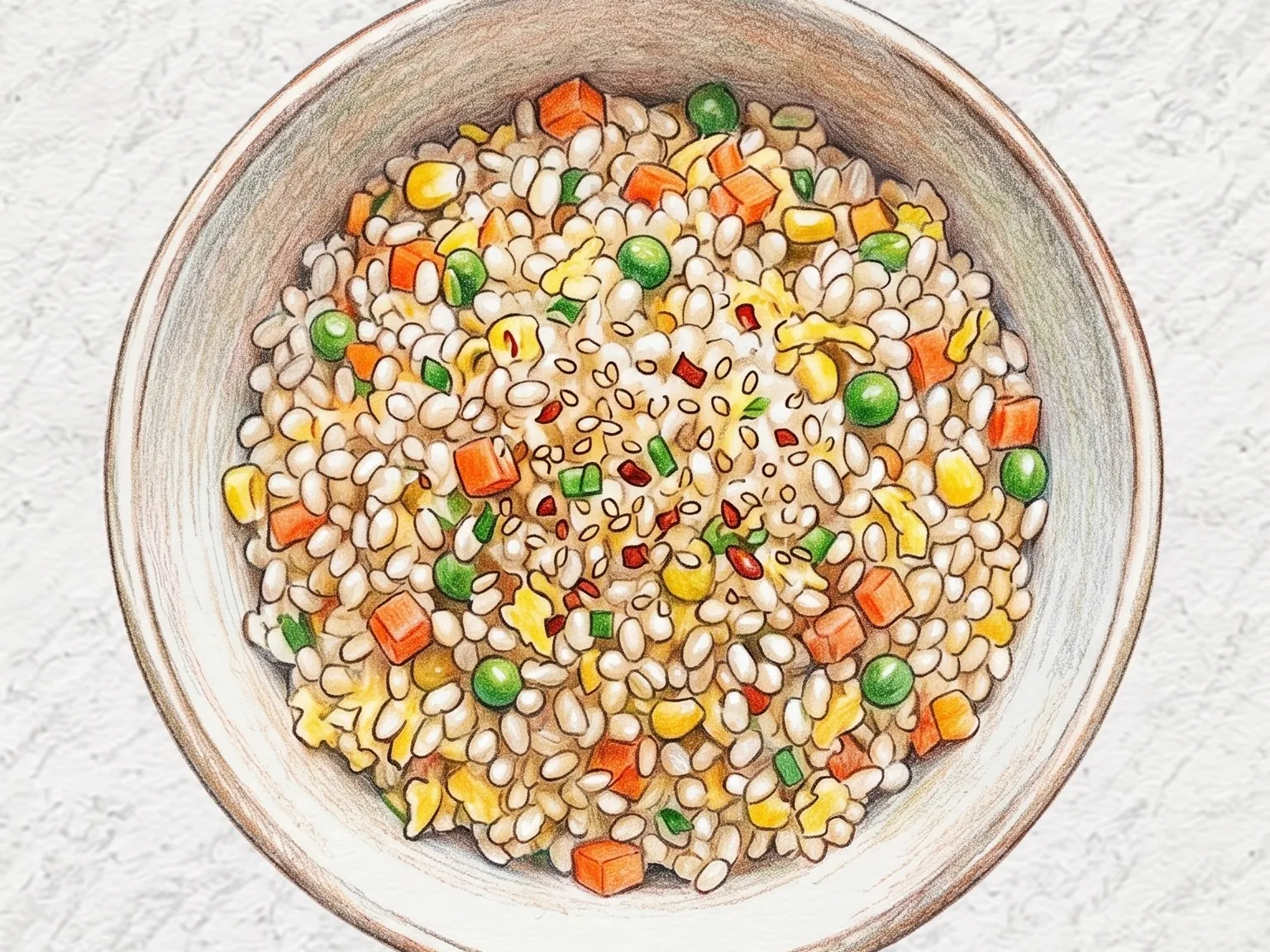
Diet Konjac Fried Rice is a low-calorie alternative to traditional fried rice, featuring chicken breast, eggs, and vegetables. The key step involves rinsing the konjac rice and dry-frying it in a pan without oil. This technique evaporates excess moisture and transforms the wet grains into a firm, chewy texture. To overcome the bland flavor of konjac, the dish uses a small combination of soy sauce and oyster sauce seasoned along the edges of the pan. Chopped green onions and carrots are sautéed in oil before adding chicken breast. Pushing these ingredients to one side to scramble the eggs separately keeps the eggs tender instead of rubbery. Finishing with a pinch of black pepper completes the savory profile. For longer satiety, cooking the konjac grains mixed with regular rice in a one-to-one ratio is recommended.

🔥 Trending Now ⚡ Quick
Prep 10min Cook 15min 2 servings
Korean Busan-Style Soy Fish Cake Stir-Fry
Stir-fry Easy

Korean Busan-Style Soy Fish Cake Stir-Fry

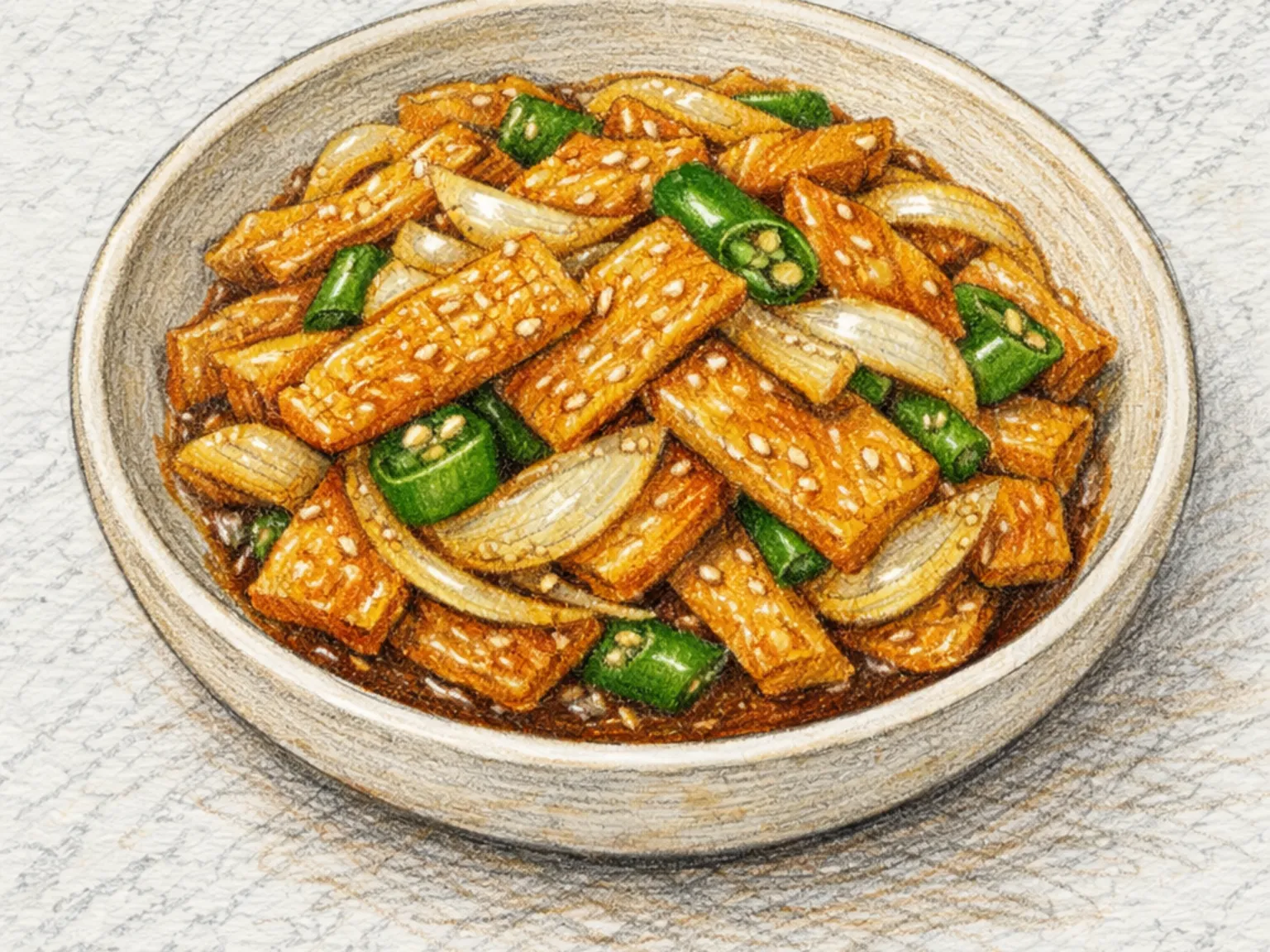
For this Busan-style soy fish cake stir-fry, cut 300 g fish cake lengthwise into strips about 0.5 cm wide. If the surface feels excessively oily, blanch the strips for only 10 seconds and drain them thoroughly so the sauce can cling. Slice 100 g onion and one cheongyang chili to a similar width; pieces that are much thinner can scorch before the fish cake browns. In a small bowl, dissolve 1 teaspoon sugar in 2 tablespoons soy sauce, 1 tablespoon cooking wine, and 1 teaspoon minced garlic. Heat 1 tablespoon cooking oil in a wide pan over high heat, then stir-fry the onion for 1 minute until its edges turn translucent. Add the fish cake and cook for 2 minutes, moving the strips enough to give their surfaces light color. Pour in the prepared sauce, lower the heat to medium, and toss for 30 seconds so every strip receives an even coating. Add the sliced chili for the final minute. Stop when almost no sauce remains on the bottom of the pan, then turn off the heat and scatter 1 teaspoon sesame seeds over the fish cake. The finished coating should cling to the strips rather than pool beneath them, with the chili added late enough to retain its sharp aroma.

🏠 Everyday 🍱 Lunchbox
Prep 10min Cook 12min 4 servings
Pancit Canton (Filipino Stir-Fried Egg Noodles with Chicken and Vegetables)
Noodles Easy

Pancit Canton (Filipino Stir-Fried Egg Noodles with Chicken and Vegetables)

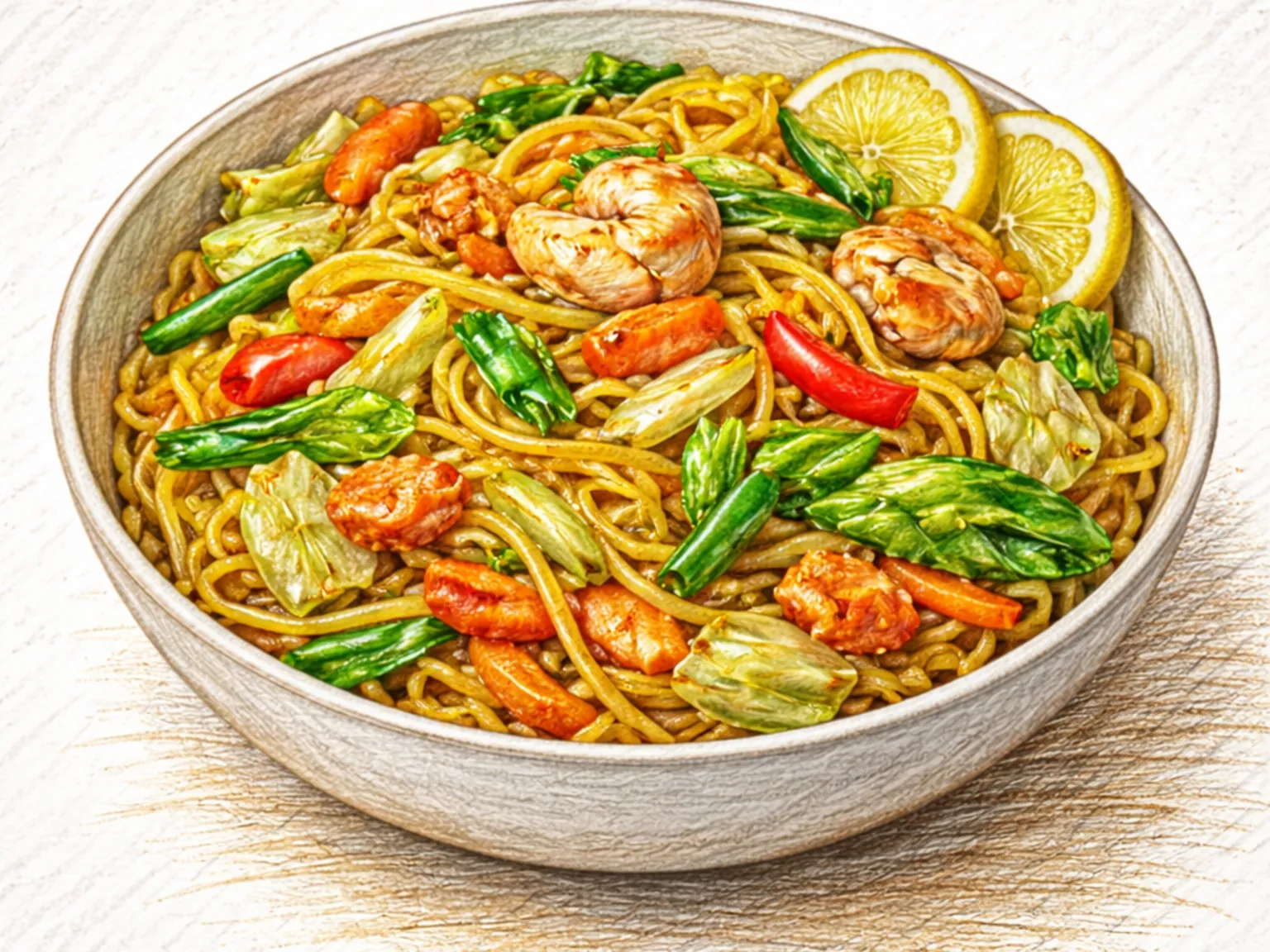
Pancit canton is a Filipino stir-fried egg noodle dish cooked with chicken, carrot, and cabbage in a soy sauce and oyster sauce base. The salty depth of soy sauce and the savory richness of oyster sauce permeate the noodles evenly, and a squeeze of fresh lemon at the end cuts through the oil to leave a clean, bright finish. The noodles are parboiled to roughly seventy percent doneness so they finish cooking in the wok while absorbing the sauce, retaining their springy texture rather than turning soft. Chicken thigh is stir-fried first to render its fat and release its juices into the pan, and that rendered fat then carries the carrot and cabbage through a quick, high-heat toss that preserves their crunch. Small additions of broth or water allow the noodles to absorb the sauce gradually, but too much liquid tips the dish toward soupy rather than stir-fried, so the volume must be controlled carefully. Lemon juice is added only after removing the pan from heat, because its volatile citrus aroma dissipates almost instantly on contact with a hot surface. In the Philippines, long noodles symbolize longevity and a full life, making pancit canton a fixture at birthdays and holiday celebrations.

🎉 Special Occasion 🌙 Late Night
Prep 15min Cook 15min 2 servings
Korean Garlic Scape and Pork Rice Bowl
Rice Easy

Korean Garlic Scape and Pork Rice Bowl

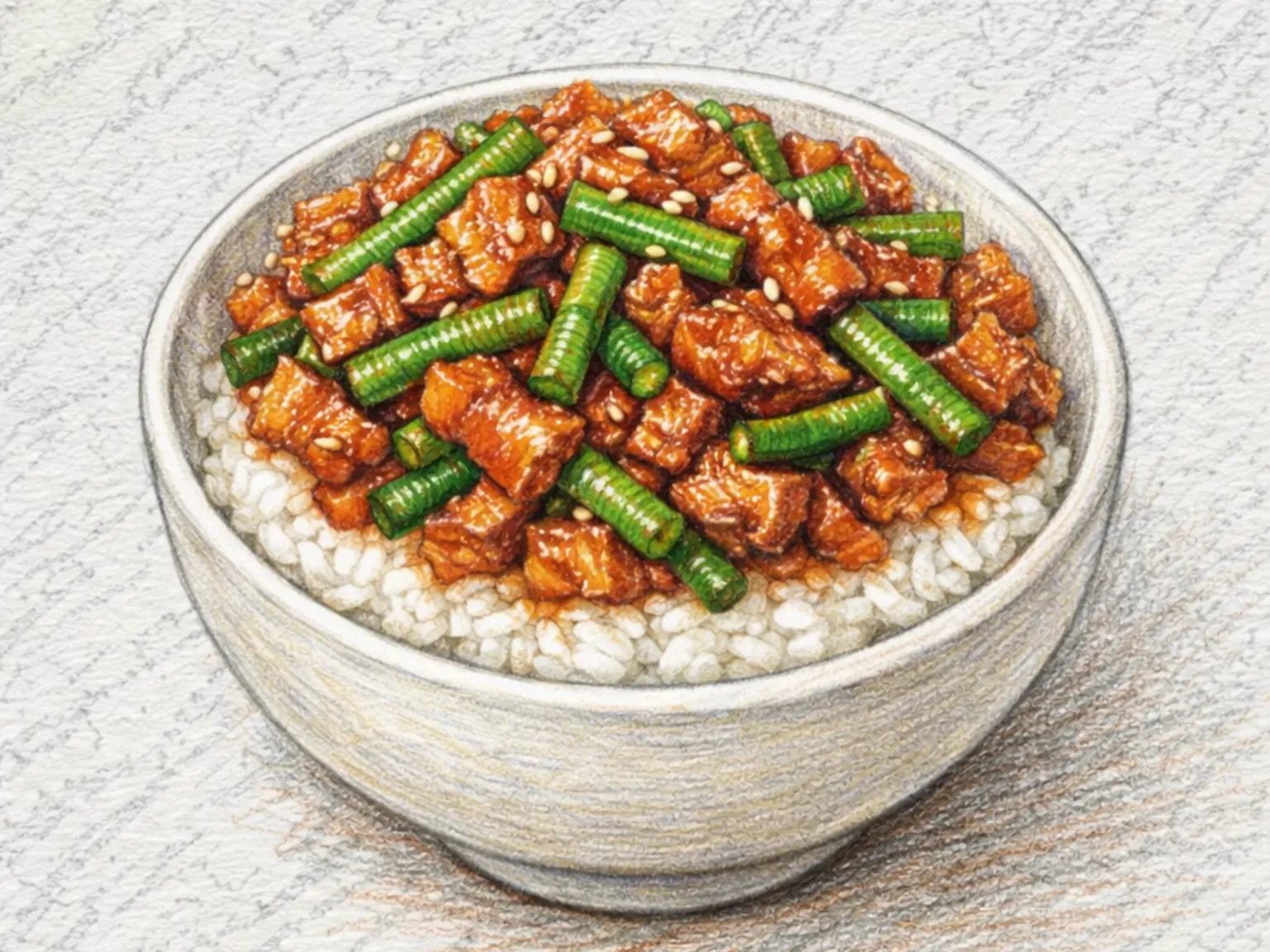
Crunchy garlic scapes and thinly sliced pork shoulder are stir-fried together in a gochujang-based glaze and piled over steamed rice. The scapes keep their distinctive pungent bite even after cooking, and their fibrous texture holds up against the heat in a way that most vegetables do not, balancing the richness of the pork fat throughout the dish. A quick toss over high heat caramelizes the gochujang and sugar into a glossy, lacquer-like coating that clings to both the meat and the scapes while preserving their snap. Slicing the pork thin ensures it cooks through in the same short window without drying out, and finishing with sliced green onion and a drizzle of sesame oil lifts the overall aroma. Spring-harvested garlic scapes are especially tender and clean-tasting, making this a seasonal favorite worth timing carefully. Fresh pork loses less juice than frozen, which matters when the total cooking time is under five minutes.

🏠 Everyday ⚡ Quick
Prep 10min Cook 10min 2 servings
Buta-ae (Octopus and Eggplant Miso Stir-Fry)
Stir-fry Easy

Buta-ae (Octopus and Eggplant Miso Stir-Fry)

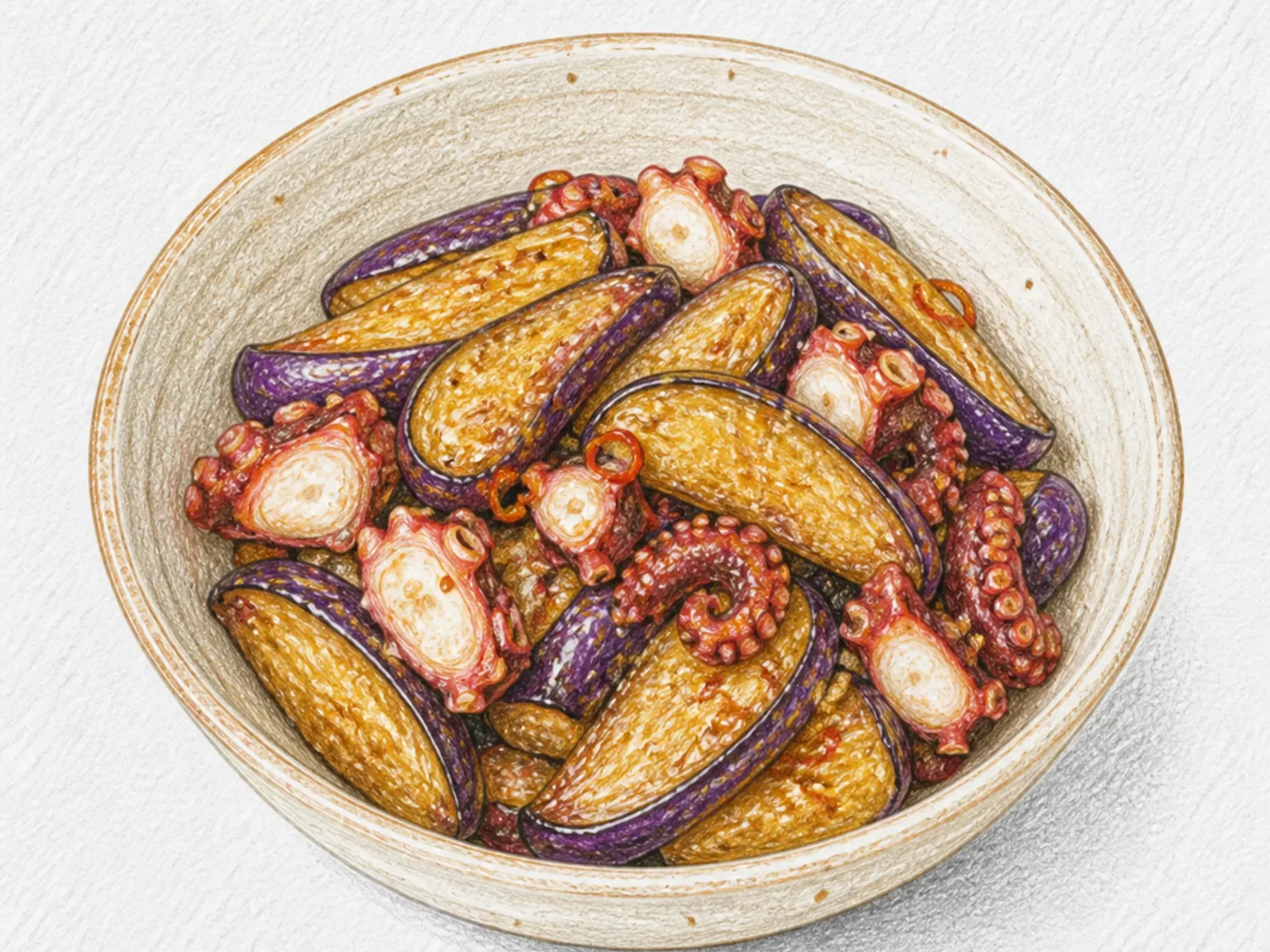
Buta-ae is a sweet and lightly spicy miso stir-fry of boiled octopus and eggplant from the Amakusa area of Kumamoto Prefecture. Three medium eggplants are halved lengthwise and cut diagonally about 5 mm thick. Two salt-boiled octopus legs are cut into bite-size chunks. The eggplant goes into the oiled pan first and cooks until the surface is coated and the flesh begins to soften. The octopus is added only for a brief stir-fry so its firm texture remains. Miso, mirin, and sugar are mixed beforehand, then folded quickly through the hot ingredients with optional sliced chili. The dish is finished as soon as the thick seasoning coats the eggplant and octopus evenly. Despite the word for pork in its name, the dish arose when octopus from Amakusa Bay replaced pork, which was once scarce in the region. It is served with rice, with shochu, or cooled in a lunch box.

🏠 Everyday 🍱 Lunchbox
Prep 15min Cook 12min 4 servings

About Stir-fry

Cooking over high heat for a short time keeps ingredients crisp and vivid. With a few staple sauces like gochujang, soy sauce, and oyster sauce, the possibilities are endless - and dinner is on the table in minutes.