Grilled Recipes
175 recipes. Page 2 of 8
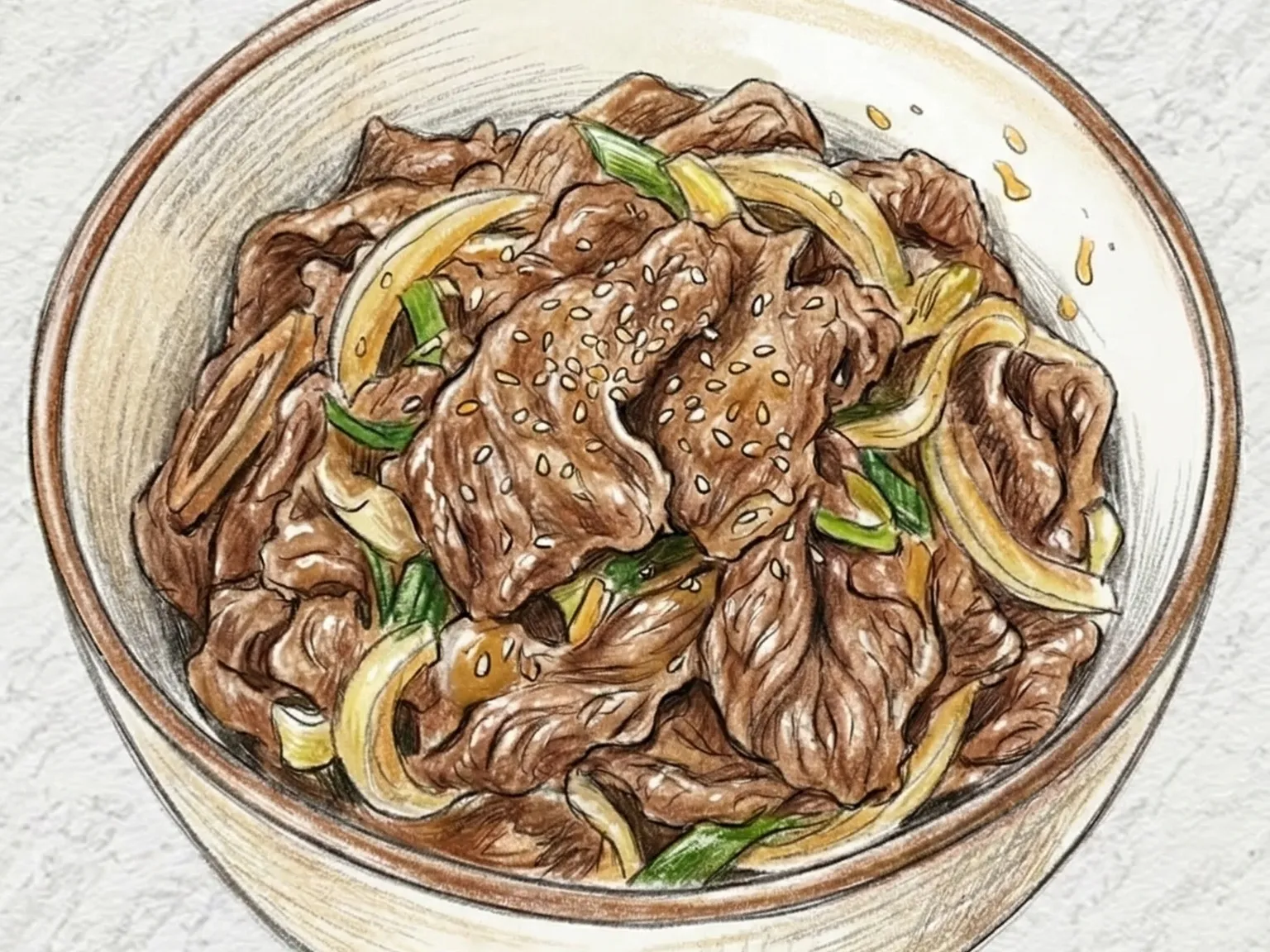
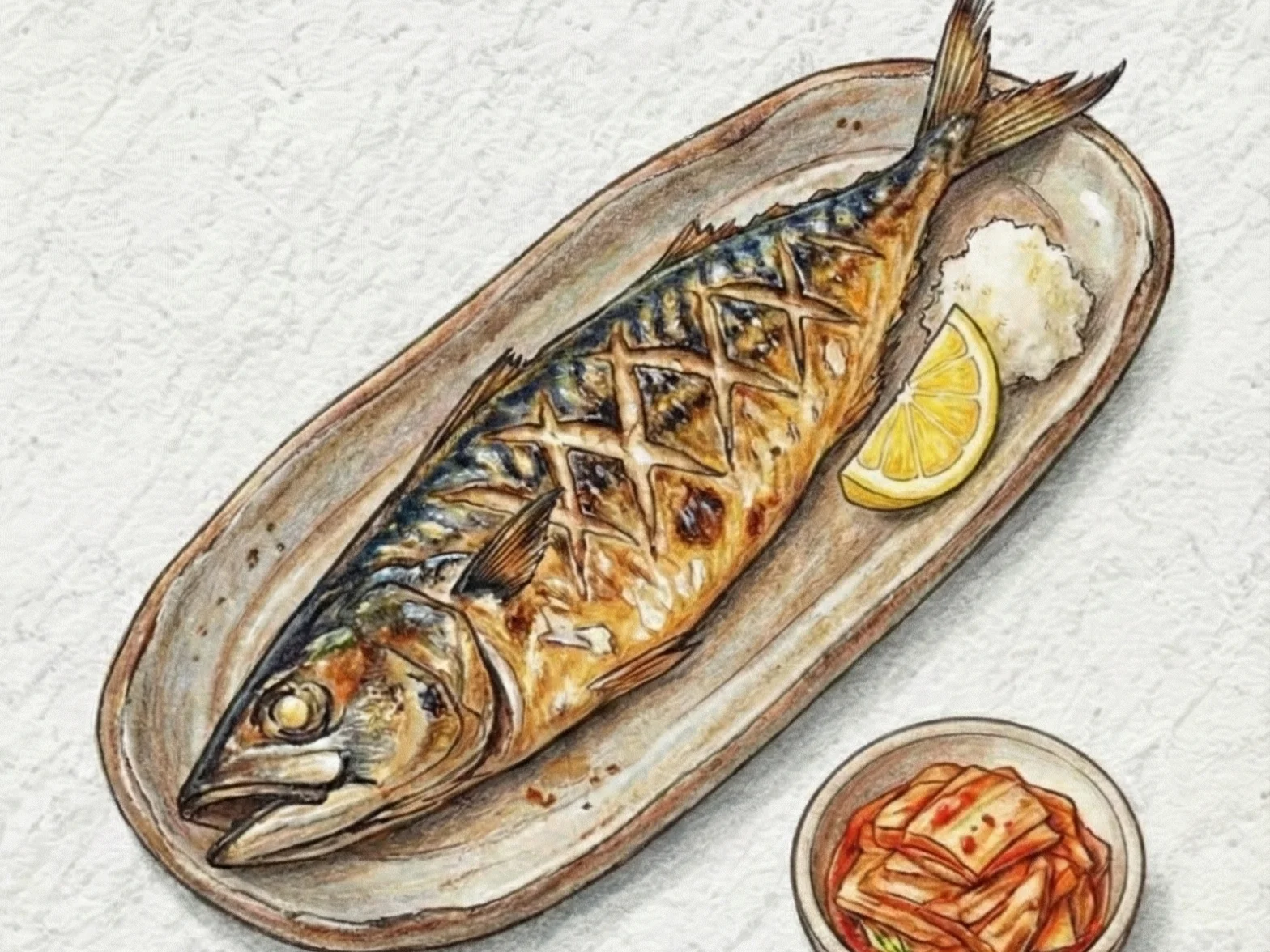
Grilling is central to Korean cuisine. From marinated bulgogi to sizzling samgyeopsal (pork belly) and crispy grilled mackerel, these dishes deliver bold, smoky flavors that are hard to resist. Whether cooked over charcoal or on a stovetop grill pan, the caramelized crust is what makes Korean grilled dishes special.
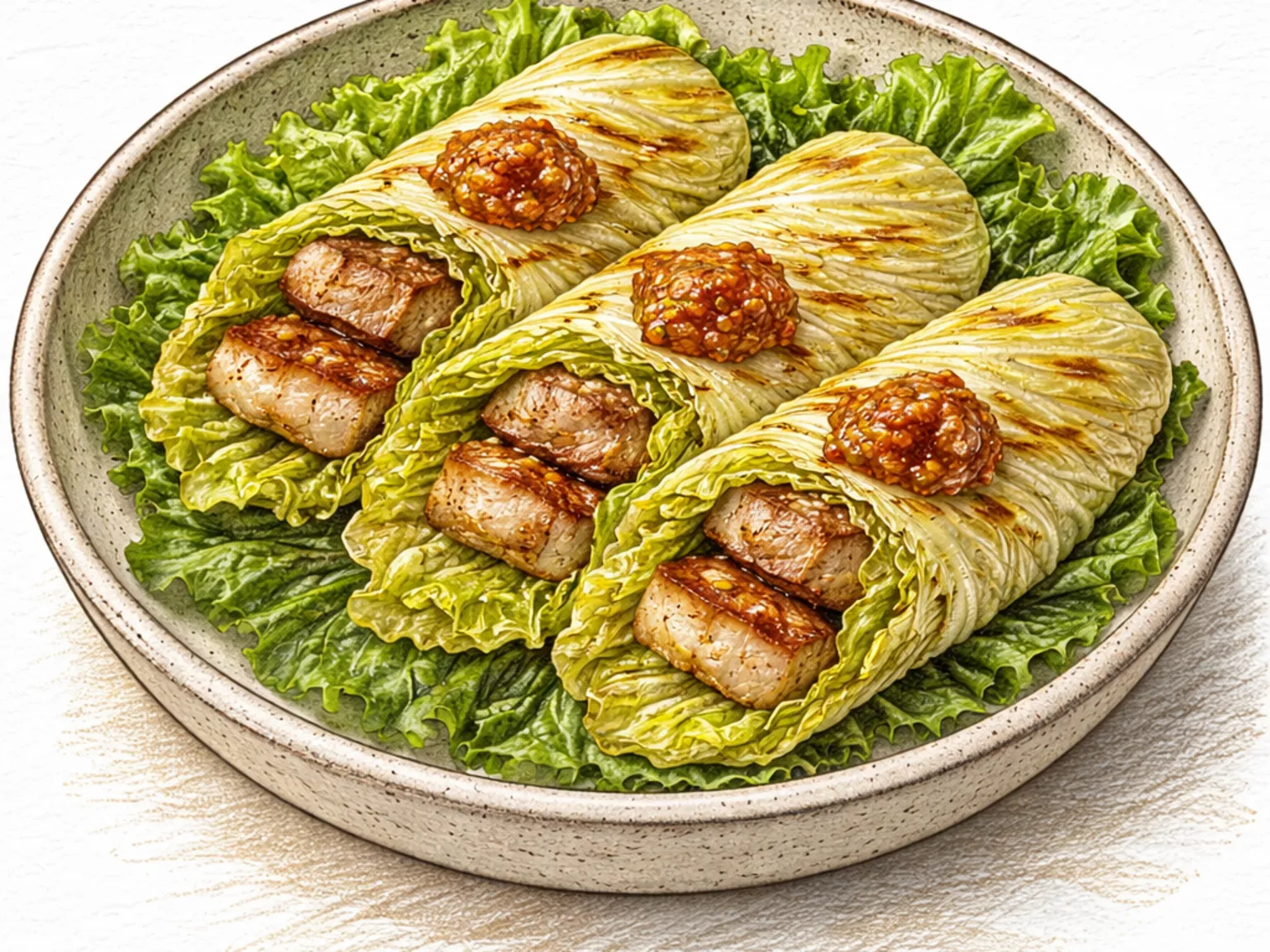
Marinated versions use soy sauce or gochujang-based glazes, while salt-grilled preparations highlight the natural flavor of the ingredients. Wrap a piece in fresh lettuce with a dab of ssamjang for the full experience.
Korean Daegu Doenjang Gui (Doenjang-Grilled Cod)
Daegu doenjang gui is a Korean grilled cod dish where fillets are coated with a paste of doenjang, minced garlic, and sesame oil, then cooked until the paste forms a thin, concentrated crust over the fish. Cod is mild-flavored white fish that accepts the deep, fermented soybean character of doenjang without conflict -- the seasoning defines the fish rather than overpowering it. As the paste dries slightly against the heat, a dark crust seals the surface while the flesh underneath stays moist and flakes cleanly. Controlling the amount of doenjang is critical because the paste can easily oversalt the delicate fish if applied too heavily. Serving with sliced green onion or perilla leaves provides a fresh, herbal counterpoint to the earthy, savory paste.
Korean Salt-Grilled King Prawns
Daeha-sogeum-gui is a Korean salt-grilled king prawn preparation where whole shell-on prawns are placed directly on a bed of coarse sea salt and cooked over indirect heat. The salt draws out surface moisture while conducting steady, even heat beneath the shells, so the prawns essentially steam inside their own carapace and keep their flesh springy rather than contracted. Scoring the back with kitchen scissors and removing the intestinal tract before cooking eliminates any off-note from the gut, leaving only the clean, natural sweetness of the prawn. The precise moment to pull them from the heat is when the shells turn a solid bright orange, as any longer drives off the moisture that keeps the flesh tender. A squeeze of fresh lemon adds acidity that sharpens the natural umami without masking it, and the dish works well with no additional seasoning at all.
Korean Salt-Grilled Green Onion
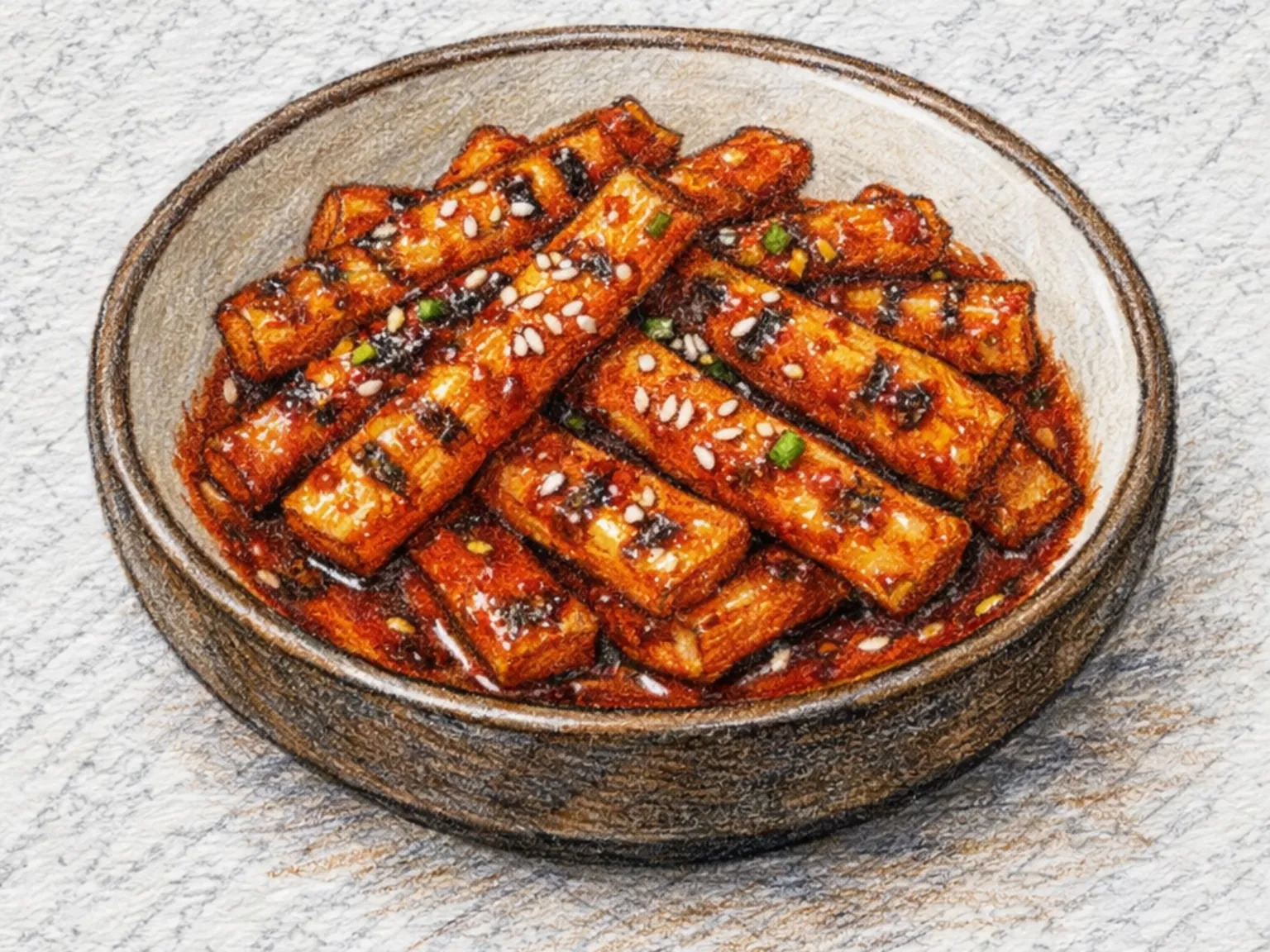
Daepa-sogeum-gui is a Korean grilled vegetable dish made from the white sections of large green onions cut into 7-8 cm lengths, brushed with olive oil, dusted with coarse salt, and seared over high heat. The outer layers take on a slight char that produces a light smokiness, while the dense interior converts starch to sugar under the intense heat, turning remarkably sweet. Only the white parts are used because the green tops burn before they cook through, and holding each piece flat against the grill for two to three minutes per side ensures the center reaches the right texture. After grilling, a drizzle of sesame oil, a scattering of sesame seeds, and a small grating of lemon zest layer nuttiness and citrus brightness over the caramelized base. The result demonstrates how a single vegetable, treated simply and grilled hot, can produce a layered, deeply satisfying flavor.
Oven-Roasted Chicken Drumsticks
Dak-dari oven-gui is a Korean oven-roasted chicken drumstick dish where the legs marinate for at least thirty minutes in a mixture of soy sauce, minced garlic, olive oil, and a dried herb blend before going into a 200-degree-Celsius oven. Bringing the drumsticks to room temperature before roasting closes the temperature gap between the surface and the bone, ensuring the meat cooks through evenly rather than having a cooked exterior with an underdone center. Flipping the pieces once at the halfway point promotes uniform browning on both sides and prevents the exposed skin from drying out. Raising the oven temperature to 220 degrees for the final ten minutes drives caramelization in the sugar-containing soy marinade, which produces a thin, lacquered crust on the skin. The salty depth of soy sauce, the mild fat of olive oil, and the fragrance of the herb blend combine with the rendered chicken fat to form a coating that is both deeply savory and aromatic. Marinating overnight in the refrigerator allows the soy and garlic to penetrate further into the meat, resulting in more pronounced flavor all the way to the bone.
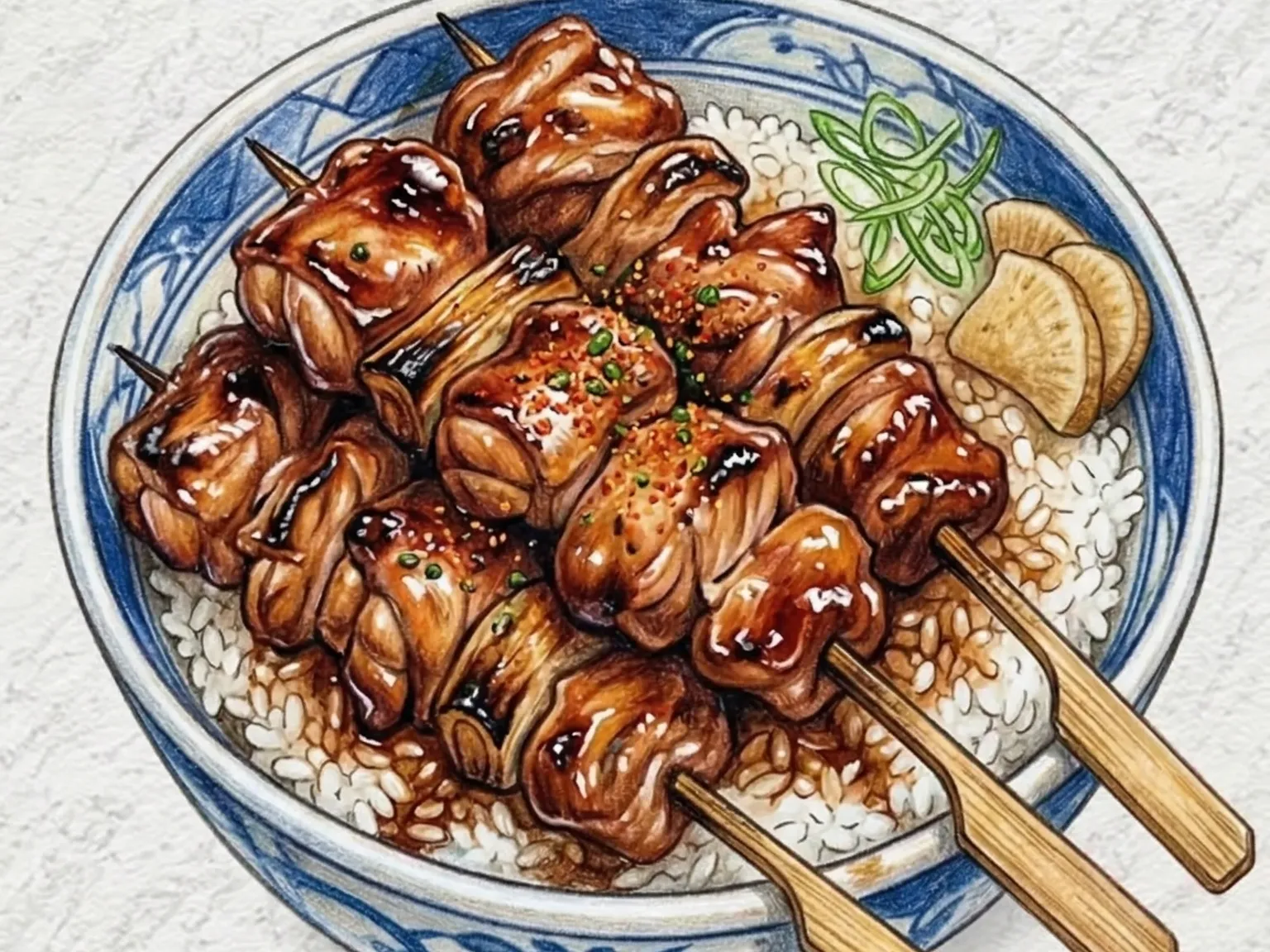
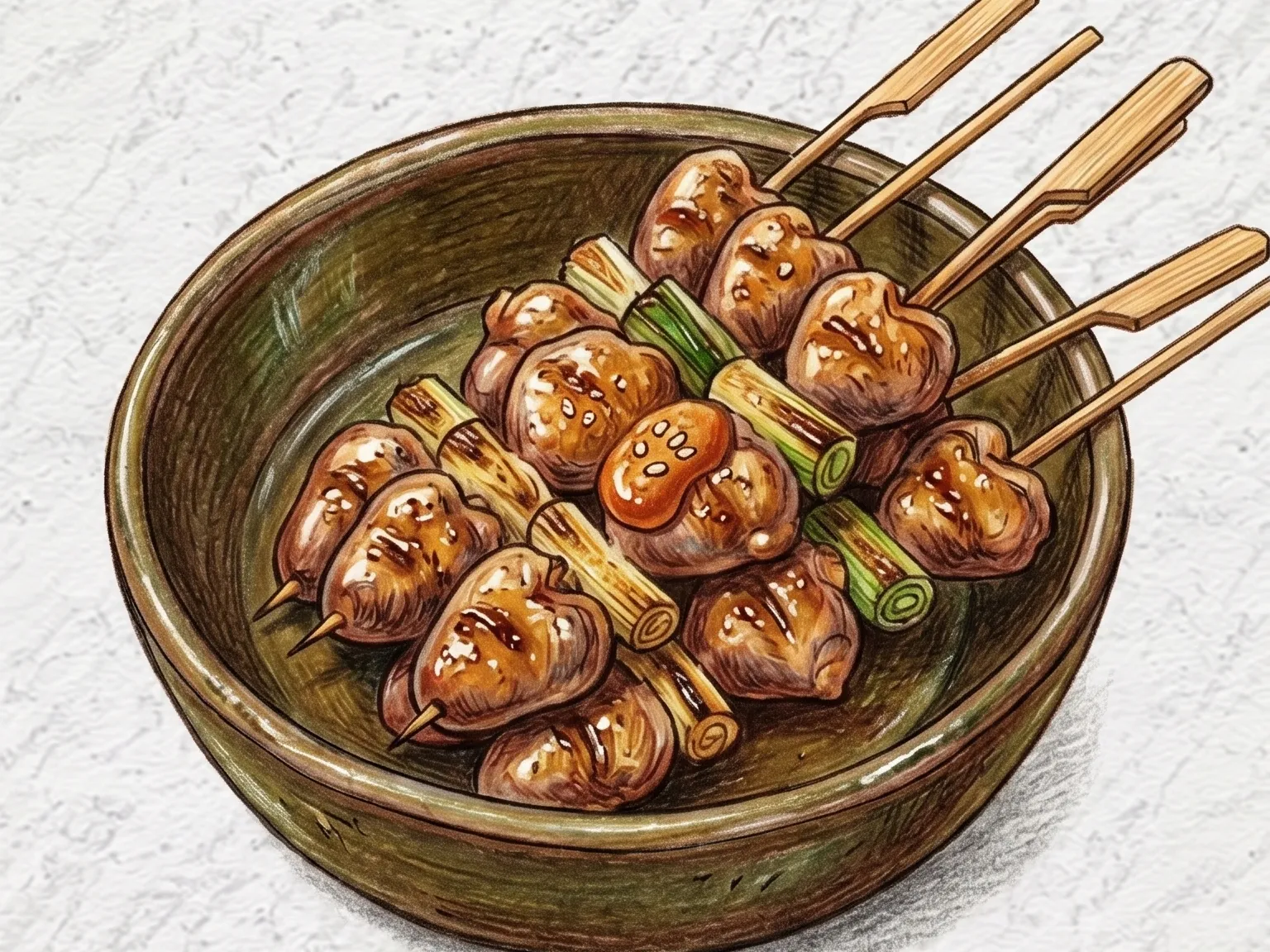
Korean Grilled Chicken Skewers
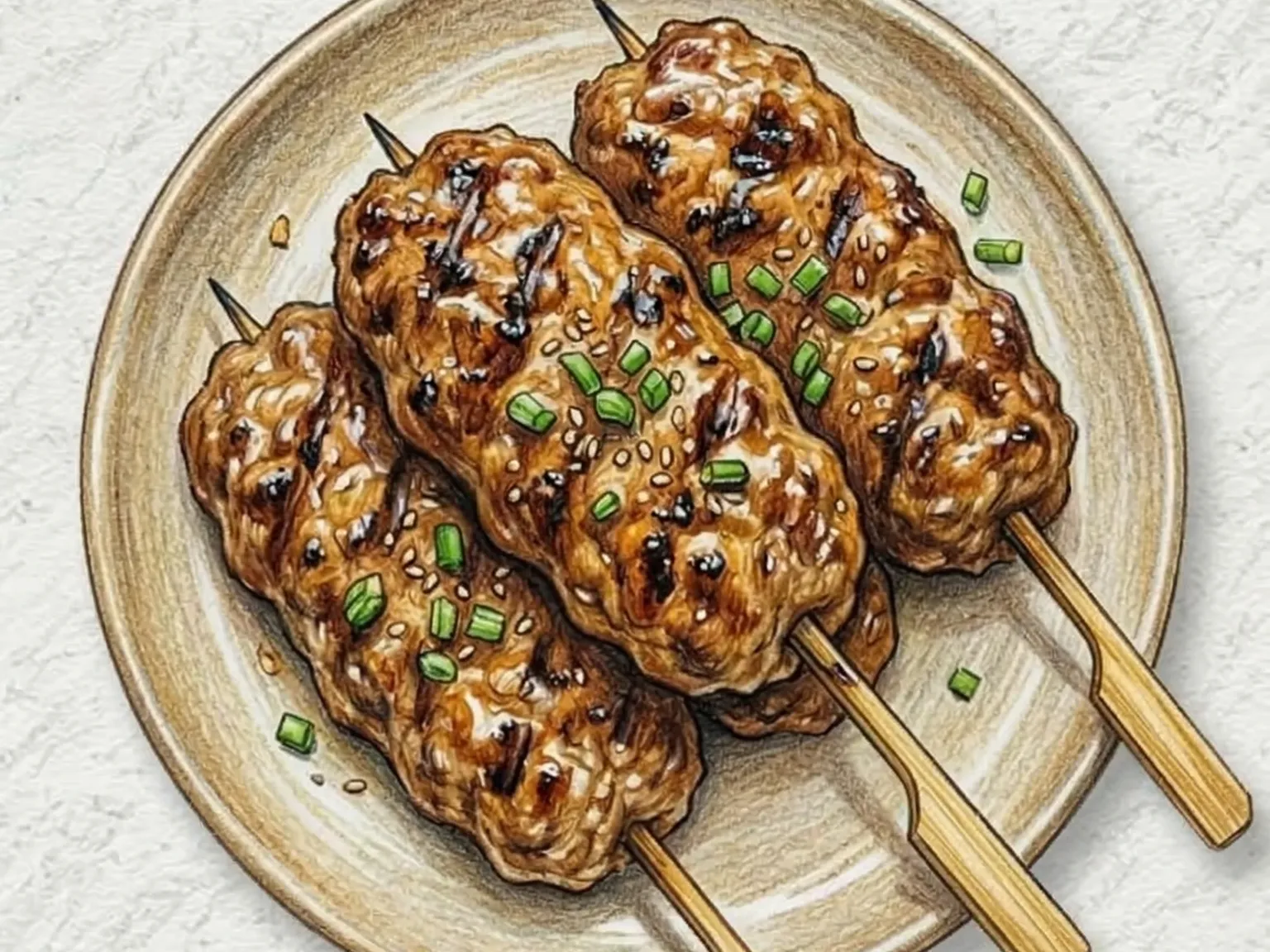
Dak-kkochi-gui is a Korean grilled chicken skewer built on the flavors of street-stall cooking, made by threading bite-sized chicken breast or thigh onto bamboo sticks and painting them with a sauce of gochujang, soy sauce, honey, and minced garlic. Thigh meat is the better choice because its higher fat content keeps each piece juicy over direct heat, while breast will dry out quickly. Applying the glaze in two or three separate coats rather than all at once builds a thick, sticky, caramelized surface. Cutting the chicken into uniform cubes ensures even cooking, and alternating pieces with slices of green onion or bell pepper adds moisture and prevents the meat from tightening up. Turning the skewers frequently over medium heat keeps the sugars in the sauce from scorching while the surface develops an even, deep char. The same result comes out well in an air fryer at 200 degrees Celsius for twelve to fourteen minutes. Gochujang's fermented heat against the sweetness of honey and the smell of searing meat is the unmistakable signature of Korean pojangmacha.
Korean Grilled Chicken Neck Meat
Dak-moksal-gui is a grilled Korean chicken neck dish seasoned with soy sauce, cooking wine, minced garlic, and sesame oil, then seared quickly over high heat. Chicken neck contains streaks of intramuscular fat that give it a chewy, savory richness unlike the lean dryness of breast meat -- a quality prized among those who know the cut. Spreading the pieces flat on the pan surface creates maximum contact and promotes rapid browning through the Maillard reaction, and flipping within two minutes per side preserves the juices that would otherwise be lost with extended heat. Sliced green onion scattered at the finish adds a fresh, pungent layer on top of the sweet-salty soy base, and coarsely cracked black pepper sharpens the aftertaste. The dish works equally well as a rice side or a beer accompaniment.
Korean Soy Glazed Chicken Wings
Dakbong-ganjang-gui is a Korean soy-glazed chicken wings dish where the wings marinate in a mixture of dark soy sauce, cooking wine, honey, minced garlic, and ginger for at least an hour so the seasoning works its way to the bone. The collagen concentrated around the wing bones melts during the long cook, creating a sticky, gelatinous quality beneath the skin that gives these smaller cuts a more satisfying chew than larger pieces. The sugars in the soy-honey glaze caramelize under heat and build a glossy, dark-brown coating that thickens with each basting. Basting once or twice mid-cook layers the glaze, and finishing at higher heat for the last few minutes crisps the surface while leaving the interior moist and tender. The contrast between the glazed exterior and the yielding meat beneath is the defining quality of the dish. A drizzle of sesame oil and a scatter of toasted sesame seeds over the finished wings add a roasted nuttiness that deepens the savory-sweet profile and signal that the dish is complete.
Korean Grilled Chicken Drumsticks
Dakdari-gui is a Korean grilled chicken drumstick marinated for at least two hours in soy sauce, gochujang, honey, garlic, and ginger juice, then cooked on a pan or grill until the skin is deeply browned and the meat pulls from the bone. Starting skin-side down over medium heat renders the subcutaneous fat slowly, producing a crackling-crisp skin; too high a flame chars the sugar in the marinade before the fat has time to melt. Once the skin turns golden and rigid, flip the drumstick and cover the pan to let steam finish the interior quickly without drying the meat. Drumsticks tolerate longer cooking times better than breast meat because of their higher fat and connective tissue content, and the flavor peaks when the leg bone separates cleanly from the muscle. The layered marinade -- gochujang's fermented heat, honey's sweetness, and ginger's sharp warmth -- balances the richness of the rendered chicken fat rather than fighting it. A scatter of sesame seeds over the finished drumsticks adds a final nutty note on top of the caramelized crust.
Korean Grilled Spicy Chicken Ribs
Dakgalbi-gui is the original Chuncheon-style grilled chicken dish, where bone-in thigh and leg pieces marinate in a crimson paste of gochujang, soy sauce, sugar, garlic, sesame oil, and ginger before cooking directly over an open flame or on a very hot pan. Unlike the more widely known iron-plate dakgalbi stir-fried with vegetables, this grilled version focuses solely on the meat to maximize char and smoky flavor on the surface. Deboned thigh meat spread flat exposes more surface area to both the marinade and the heat, concentrating flavor throughout, and a minimum two-hour rest in the marinade ensures the spice penetrates deep into the flesh. The gochujang caramelizes at high temperatures, forming edges that are simultaneously spicy, sweet, and faintly bitter from the char.
Korean Assorted Grilled Chicken
Dakgogi-gui-modeum is a Korean assorted chicken grill that brings breast, thigh, and wing pieces together on a single plate, each cut seasoned differently: salt for the breast, gochujang paste for the thigh, and soy-based glaze for the wings. Because each cut carries a different ratio of fat to muscle, cooking times must be calibrated individually rather than treating all three the same. Breast meat loses moisture quickly and needs the shortest time over heat, while wings benefit from longer cooking to render the fat under the skin. The salt-seasoned breast keeps its clean, mild flavor front and center; the gochujang thigh delivers fermented heat and a char at the edges; the soy-glazed wing balances sweet against salty in each sticky bite. Serving all three together lets diners compare three distinct outcomes from the same bird, making the role of seasoning and cut easy to taste side by side rather than just understand in theory.
Korean Soy-Glazed Chicken Wings
Daknalgae-ganjang-gui is a Korean soy-glazed chicken wing dish coated in a sauce of soy sauce, oligosaccharide syrup, minced garlic, ginger powder, and a splash of vinegar, then baked in an oven or air fryer. The vinegar softens the saltiness of the soy while cutting through the richness of the chicken skin. The oligosaccharide syrup thickens under heat into a glossy, clinging glaze that coats each wing evenly. Scoring the joints before cooking allows the marinade to seep into the inner crevices and promotes even heat distribution so the meat near the bone cooks through completely. A finish of sesame oil and toasted sesame seeds rounds out the savory soy glaze with a warm, nutty aroma. When using an air fryer, baking at 180 degrees Celsius for twenty minutes and then flipping for five more produces a satisfyingly crisp skin without drying out the meat.
Korean Chili Grilled Wings
Daknalgae-gochugaru-gui is a Korean chili-crusted chicken wing dish tossed in a coarse mixture of gochugaru, soy sauce, cooking wine, oligosaccharide syrup, minced garlic, and ginger powder, then grilled or pan-fried until the surface crisps. Unlike smooth gochujang, the coarse gochugaru particles cling to the chicken skin and crisp up during cooking, forming a textured, spicy crust on the surface, while the oligosaccharide syrup melts and binds those flakes firmly to the skin. The cooking wine neutralizes any gamey odor from the chicken and, as the alcohol evaporates, carries the garlic and ginger aromatics across the surface. A final blast of high heat lightly singes the chili flakes, adding a smoky dimension to the heat. Black pepper scattered over the top introduces another layer of sharpness that makes the overall heat more complex. Marinating the wings for at least thirty minutes before cooking allows the seasoning to penetrate the meat, yielding a deeper flavor once grilled. An air fryer at 200 degrees Celsius for 18 to 20 minutes produces an even crispier result than pan grilling.
Korean Garlic-Grilled Chicken Gizzards
Dakttongjip-maneul-gui is a Korean dish of chicken gizzards grilled and stir-fried over high heat with whole garlic cloves and cheongyang chili peppers. Gizzards are dense, pure-muscle organs with a firm, satisfying chew that sets them apart from other chicken cuts. Scoring them deeply before cooking opens the compact tissue so heat penetrates evenly and seasoning reaches the interior; a ten-minute soak in cooking wine beforehand removes any off-odor and lets the flavors absorb. Whole garlic cloves cooked alongside the gizzards undergo a visible transformation - the exterior caramelizes to a golden brown while the inside softens and turns almost creamy, converting raw sharpness into a rounded, sweet depth. The seasoning stays deliberately minimal - only salt and black pepper - so the natural flavor of the gizzards remains the focus, with cheongyang chilies providing a brief, clean heat that punctuates each bite without overwhelming the palate. The dish works equally well as an anju with drinks or as a savory side with steamed rice.
Korean Soy-Glazed Kabocha Grill
Danhobak-ganjang-gui is a Korean soy-glazed kabocha squash dish where thick half-moon slices are pre-steamed or microwaved until just tender, then pan-grilled with a glaze of soy sauce, corn syrup, minced garlic, and sesame oil. Pre-cooking the squash is essential: it eliminates the need for prolonged grilling, so the glaze can caramelize quickly over high heat without the interior remaining raw. The natural sugars in kabocha meet the salt of the soy sauce to create a pronounced sweet-salty contrast. The corn syrup melts into a shiny, lacquer-like coating on the surface. Sesame oil should be added only after removing from heat to preserve its fragrance, and a scattering of toasted sesame seeds finishes the dish with a crunchy, nutty accent. Kabocha squash skin is fully edible and becomes slightly crisp when grilled, creating a pleasant textural contrast with the soft, sweet interior. Substituting a spoonful of gochujang for part of the soy sauce produces a spicy variation, and minced cheongyang chili added to the glaze layers heat over the sweet-salty profile for a more intense side dish.
Korean Grilled Deodeok Root
Deodeok-gui is a traditional Korean mountain vegetable dish where peeled deodeok roots are pounded flat with a mallet, coated in a paste of gochujang, gochugaru, honey, sesame oil, and garlic, then grilled over high heat. The pounding step is critical: it breaks down the tough fibers so the seasoning absorbs evenly and the root develops a pleasant chewiness instead of remaining stringy. Soaking the peeled deodeok in lightly salted water for about thirty minutes before pounding draws out the sharpest bitterness, leaving only the characteristic mellow, slightly medicinal aroma the root is known for. That bittersweet quality sits in balance between the fermented spice of gochujang and the sweetness of honey. Quick grilling at high temperature chars the glaze just enough to add smokiness while keeping the interior moist; applying the seasoning paste in two stages during grilling builds a thicker, glossier layer on the surface. Toasted sesame seeds scattered on top contribute nuttiness that complements the wild herb's earthy, resinous character.
Korean-Style Sirloin Steak
Deungsim steak-gui is a Korean-style sirloin steak marinated in soy sauce, sesame oil, sugar, minced garlic, and Korean pear juice, then seared on a hot pan or grill until done. Pear juice contains enzymes that break down surface proteins to tenderize the meat, though marinating beyond thirty minutes risks turning the texture mushy, so timing matters. The flavor base departs from Western steak fundamentals - soy sauce and sesame oil define the savory character here, and the sugar caramelizes at high heat into a sweet-salty crust on the exterior. Coarsely cracked black pepper goes on last, adding heat and sharpness that pushes the result toward a midpoint between bulgogi and a conventional grilled steak.
Korean Salt-Grilled Pork (Pork Belly and Neck BBQ)
Doejigogi-gui is Korea's salt-grilled pork, made by seasoning thick-cut pork belly or pork neck with nothing but coarse salt and grilling over charcoal or on a cast iron pan. Because no marinade masks the flavor, the quality of the pork itself determines the outcome, and thick-cut belly requires patient cooking over medium heat so the fat layers render fully before the exterior chars -- rushing over high flame leaves the fat chewy and greasy rather than crisp. Blotting excess rendered fat from the pan with paper towels during cooking keeps the meat grilling rather than deep-frying and preserves the smoky char that defines the dish. Garlic slices cooked on the same pan alongside the pork add a mellow roasted note. The classic accompaniments -- sesame oil and salt for dipping, fresh lettuce or perilla leaves for wrapping, a dab of doenjang, and a sliver of cheongyang chili -- create the complete Korean barbecue experience, where a bite of rich pork, crunchy greens, and pungent condiments come together in one mouthful.
Salt-Grilled Dokdo Shrimp
Luxury Dokdo shrimp salt-grilled to preserve its naturally sweet and rich flavor.
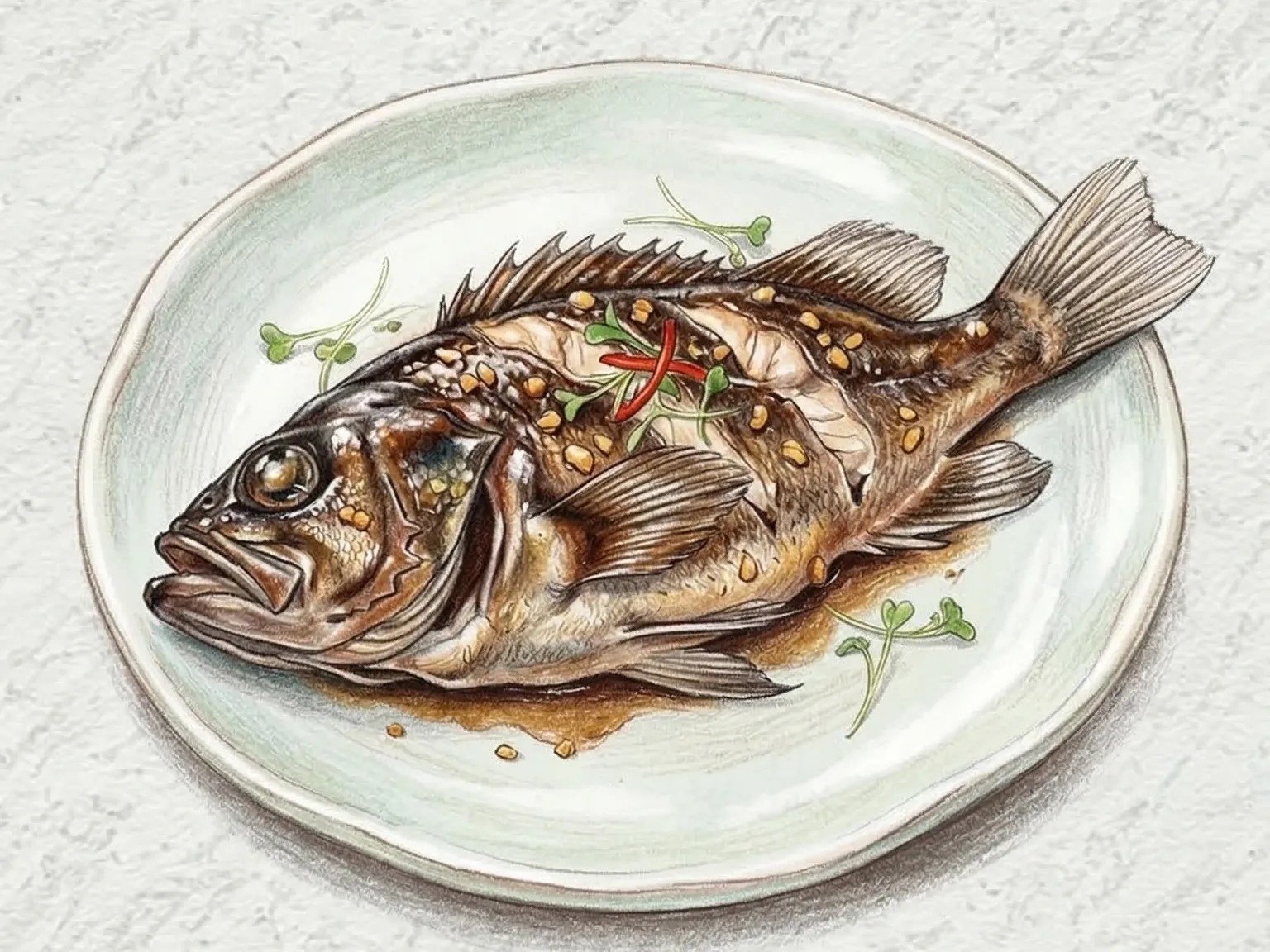
Korean Domi Sogeum Gui (Salt-Grilled Sea Bream)
Domi-sogeum-gui is a Korean pan-grilled sea bream dish where fillets are seasoned with nothing more than coarse salt and black pepper, then cooked skin-side down for the majority of the cooking time. Sea bream sits at a favorable point among white fish varieties, carrying enough natural fat to produce a clean, rounded umami from salt alone without needing additional marinades or sauces. Patting the surface completely dry with paper towels before the fish goes into the pan is essential, as any surface moisture will cause the skin to steam rather than crisp. Placing the fillet skin-side down first and keeping it there for roughly seventy percent of the total cooking time allows the skin to turn crackling and golden while the heat travels up through the flesh from below. A brief flip to finish the flesh side is all that is needed, since overcooking removes moisture from the delicate meat quickly. Minced garlic and chopped scallions placed on top after cooking add a fresh, pungent note, and a squeeze of lemon from the side wedge sharpens the bream's mild, clean sweetness by cutting through any lingering fish aroma.
Korean Pollock Jeon (Egg-Battered Pan-Fried Pollock)
Dongtae-jeon is a Korean pan-fried pollock dish where thin slices of frozen-then-thawed pollock are seasoned with salt, pepper, and cheongju (rice wine), lightly dredged in flour, dipped in beaten egg, and fried in a thin layer of oil. Because frozen pollock releases significant moisture when thawed, pressing it thoroughly with paper towels is a critical step without it, the flour coating will not adhere and the oil will splatter. The flour layer should be thin enough that it barely coats the surface, preserving the fish's mild flavor, and cooking over medium-low heat gives the egg batter time to turn golden while keeping the fish inside soft and flaky. Mixing finely chopped green onion into the egg batter before dipping adds a subtle allium fragrance to the otherwise clean-tasting fish. A staple at Korean ancestral rites and holiday spreads, it is served with soy dipping sauce that draws out the savory, delicate flavor of the pollock.
Korean Tofu Jeon (Golden Egg-Coated Pan-Fried Tofu)
Dubu-jeon is a Korean pan-fried tofu dish and a standard side dish in everyday home cooking as well as a fixture on ancestral rite tables. Firm tofu is sliced to about 1 cm thickness, seasoned with salt and pepper, dusted in a thin layer of flour to help the coating adhere, dipped in beaten egg, then fried on each side in a lightly oiled pan until the exterior turns golden and set. Pressing the tofu before cooking is the most important preparatory step: wrapping the slices in paper towels and placing a heavy object on top for at least fifteen minutes removes enough moisture to prevent the oil from splattering and allows the egg coating to bond tightly to the surface. Three to four uninterrupted minutes per side over medium heat are needed to develop an even golden crust without burning the egg; turning the pieces too often strips the batter away and leaves patches of bare tofu. The fried tofu is mild and nutty on its own, but a dipping sauce of soy sauce mixed with a small amount of vinegar and red pepper flakes adds salt, acidity, and heat that transform the simple base into something more complex. Eaten hot, the egg coating is thin and slightly crisp; as it cools the exterior softens while the interior remains tender.
Korean Aralia Shoot Pork Belly Skewers
Dureup-samgyeop-kkochi-gui is a Korean spring skewer in which blanched aralia shoots (dureup) are wrapped in thin slices of pork belly, threaded onto skewers, glazed with a gochujang-based sauce, and grilled. The aralia shoots must be blanched in lightly salted boiling water for no more than thirty seconds. Longer blanching destroys the firm, slightly snappy bite and drives off the volatile aromatic compounds responsible for dureup's characteristic bitter-herbal fragrance -- the defining quality that makes this a spring seasonal dish. After blanching, the shoots should be thoroughly blotted dry so the pork belly adheres cleanly without slipping. The glaze is made from gochujang, soy sauce, maesil-cheong (plum extract syrup), minced garlic, and sesame oil, and it should be applied in two stages -- once before grilling and once partway through -- to build up a layered, intensely flavored coating. Over the grill, the fat in the pork belly renders and bastes the dureup inside the wrap, while the shoot's clean, slightly astringent bitterness cuts through the pork's richness in a pairing that is complementary rather than competing. The plum extract in the glaze caramelizes under direct heat into a sticky, sweet-tart lacquer, and a finishing scatter of whole sesame seeds adds both visual contrast and a toasted, nutty close. The dish works equally well as a drinking snack or as a main banchan.
Korean Aralia Shoot Jeon (Spring Herb Shoot Pancake)
Durup-jeon is a seasonal Korean pancake made during the brief spring window when aralia shoots are available, wrapped in a thin coating of flour and egg wash to let the vegetable's bitter-herbal fragrance come through without interruption. The shoots are blanched for thirty seconds in vinegared boiling water to tone down their harshness while preserving the crunch of the stems, then patted thoroughly dry before a light dusting of flour ensures the egg coating clings evenly. Cooking over medium-low heat matters here because the egg browns steadily without scorching, giving time for the heat to reach the interior of each stem and soften it fully. Higher heat browns the outside quickly but leaves the inner stem tough and stringy. Dipping the finished pancakes in cho-ganjang, a mixture of soy sauce and vinegar, sharpens the distinctive wild mountain herb character that defines aralia. Because the shoots appear only in early spring, this pancake marks the season at the table in a way no other dish does.
Korean Grilled Pork Cheek
Dwaeji bolsal gui is a Korean grilled pork cheek dish in which the cheek meat is marinated in soy sauce, minced garlic, and ginger for at least 30 minutes before being seared quickly over high heat. The cheek is the muscle used constantly for chewing, which produces an exceptionally fine-grained texture with dense collagen throughout. Slicing through a piece reveals alternating layers of fat and lean, so the richness shifts with each bite. High heat is non-negotiable for this cut. A hot surface triggers the Maillard reaction, building a well-browned crust while the interior stays juicy. Cooking the same cheek over low heat for an extended time breaks down the collagen completely, leaving the meat soft and flabby rather than springy. Grilling sliced onion and green onion in the same pan and layering them with the cooked pork sharpens the overall flavor, the pungent vegetables cutting through the cheek's deep meatiness.