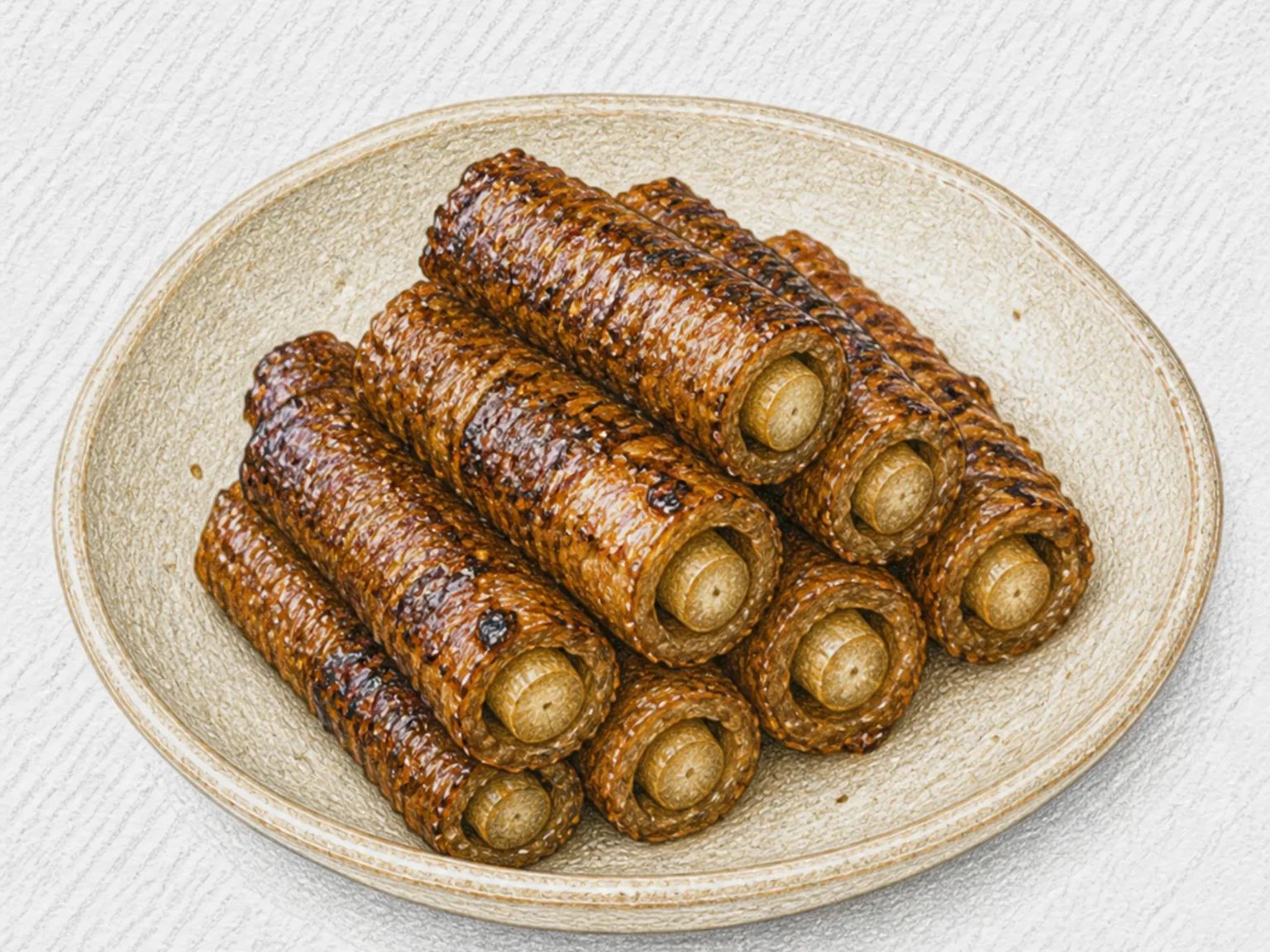
Grilled
Grilled

Grilled Recipes

175 recipes. Page 3 of 8

Grilling is central to Korean cuisine. From marinated bulgogi to sizzling samgyeopsal (pork belly) and crispy grilled mackerel, these dishes deliver bold, smoky flavors that are hard to resist. Whether cooked over charcoal or on a stovetop grill pan, the caramelized crust is what makes Korean grilled dishes special.

Marinated versions use soy sauce or gochujang-based glazes, while salt-grilled preparations highlight the natural flavor of the ingredients. Wrap a piece in fresh lettuce with a dab of ssamjang for the full experience.

Korean Soy-Glazed Pork Back Ribs
Grilled Medium

Korean Soy-Glazed Pork Back Ribs

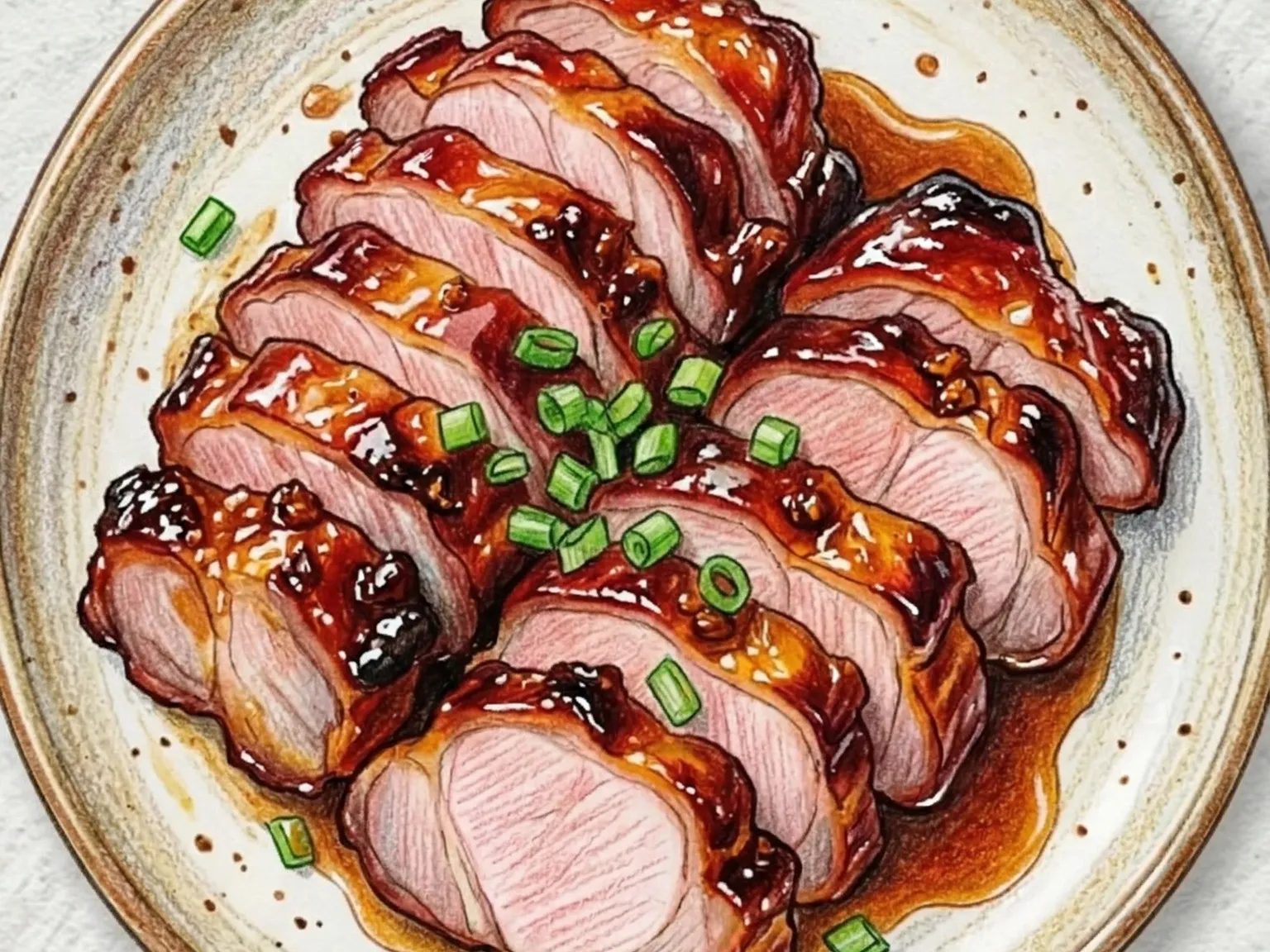
Dwaeji-deunggalbi ganjang-gui is a Korean soy-glazed pork back rib dish where thick cuts attached to the spine bone are coated in a glaze of dark soy sauce, honey, garlic, and ginger juice, then slow-roasted in an oven or grill. The thick meat requires at least two hours of refrigerated marination so the salt from the soy sauce and sweetness from the honey penetrate close to the bone, and during cooking the sugars in the glaze caramelize into a glossy, dark-brown crust. A two-stage cooking method defines the final texture: forty minutes covered at 180 degrees Celsius to cook the meat through completely, then ten minutes uncovered at higher heat to crisp the surface without drying out the interior. Ginger juice is not a replaceable ingredient here - it neutralizes the pork's gamey undertones, and leaving it out throws off the flavor balance noticeably. The ribs are eaten by pulling the meat from between the bones by hand, which makes them well suited as an anju - a drinking side dish - alongside beer or soju.

🍺 Bar Snacks 🎉 Special Occasion
Prep 25min Cook 35min 4 servings
Korean Pork Ribs (Sweet Pear-Marinated BBQ Ribs)
Grilled Medium

Korean Pork Ribs (Sweet Pear-Marinated BBQ Ribs)

Dwaeji-galbi is one of the most recognized Korean barbecue dishes, made with LA-cut pork ribs marinated in a thick sauce of pureed pear, soy sauce, sugar, corn syrup, garlic, and onion. The pear puree serves a dual purpose: it sweetens the marinade naturally while its proteolytic enzymes break down the muscle fibers, allowing the meat to pull away from the bone with minimal resistance. Marinating for four to six hours lets the seasoning penetrate deep into these thick cuts, but extending beyond a full day causes the enzymes to degrade the surface too aggressively, resulting in a mushy texture. Searing over high heat on a charcoal grill until the sugary glaze chars and caramelizes is essential to the dish. The blackened edges where the sugars meet open flame produce the defining sweet-smoky crust that separates galbi from ordinary grilled pork. Eaten wrapped in leafy greens with rice or as a standalone plate, it is a fixture at Korean outdoor grills and social gatherings.

🍺 Bar Snacks 🎉 Special Occasion
Prep 30min Cook 25min 4 servings
Korean Dwaeji Kkeopdegi Gui (Grilled Pork Skin)
Grilled Medium

Korean Dwaeji Kkeopdegi Gui (Grilled Pork Skin)

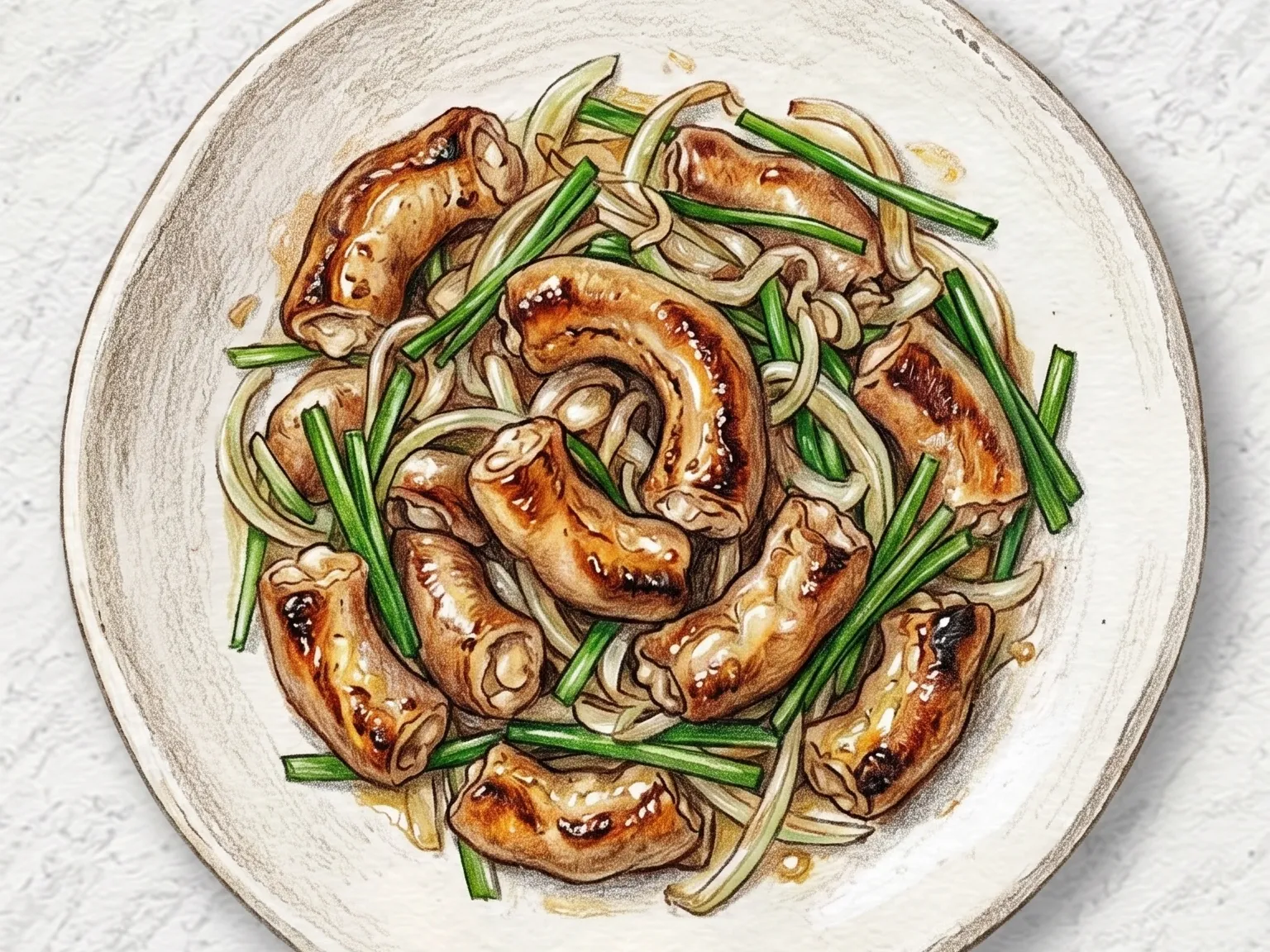
Dwaeji-kkeopdegi-gui is grilled pork skin that has been parboiled to draw out excess fat and eliminate the raw, gamey odor of the skin before it meets the fire. After blanching, the skin is coated in a spicy marinade built on gochujang and gochugaru, reinforced with soy sauce, minced garlic, and sugar to balance heat with savory depth. The skin is almost pure collagen, which makes blanching time critical: too brief and it stays rubbery with an unpleasant resistance, too long and it goes limp, forfeiting the springy chew that defines the dish. As the marinated pieces hit a hot grill or cast iron, the skin contracts and buckles, forming ridges and shallow pockets that trap the glaze. Every bite delivers a concentrated hit of spicy-sweet flavor where the caramelized marinade has pooled in those grooves. The texture offers a satisfying, slightly elastic chew that is unlike any other grilled meat. It is most commonly eaten wrapped in a perilla leaf with ssamjang, or served straightforwardly alongside soju as a classic drinking snack.

🍺 Bar Snacks 🏠 Everyday
Prep 20min Cook 18min 2 servings
Korean Grilled Pork Neck (Salt-Seasoned Fatty Neck Cut BBQ)
Grilled Easy

Korean Grilled Pork Neck (Salt-Seasoned Fatty Neck Cut BBQ)

Dwaeji-moksal-gui is Korean salt-grilled pork neck sliced one centimeter thick and seasoned with nothing more than coarse salt and black pepper before being laid on a blazing grill. The neck cut is laced with fine intramuscular fat that renders quickly over high heat, basting the meat from within and producing a rich, clean pork flavor that needs no marinade to taste complete. Cuts with roughly a seven-to-three fat-to-lean ratio give the best results, where fat and juice remain in balance through the cooking. Each side must sear for under two minutes over maximum heat to build a dark, caramelized crust while the center stays moist. Flipping repeatedly drops the surface temperature and produces a gray, steamed result rather than the charred exterior that defines the dish. The standard way to eat moksal-gui is in a ssam: a leaf of lettuce loaded with a roasted garlic clove, a smear of ssamjang, and a slice of the grilled meat, folded and eaten in a single bite.

🍺 Bar Snacks ⚡ Quick
Prep 15min Cook 14min 2 servings
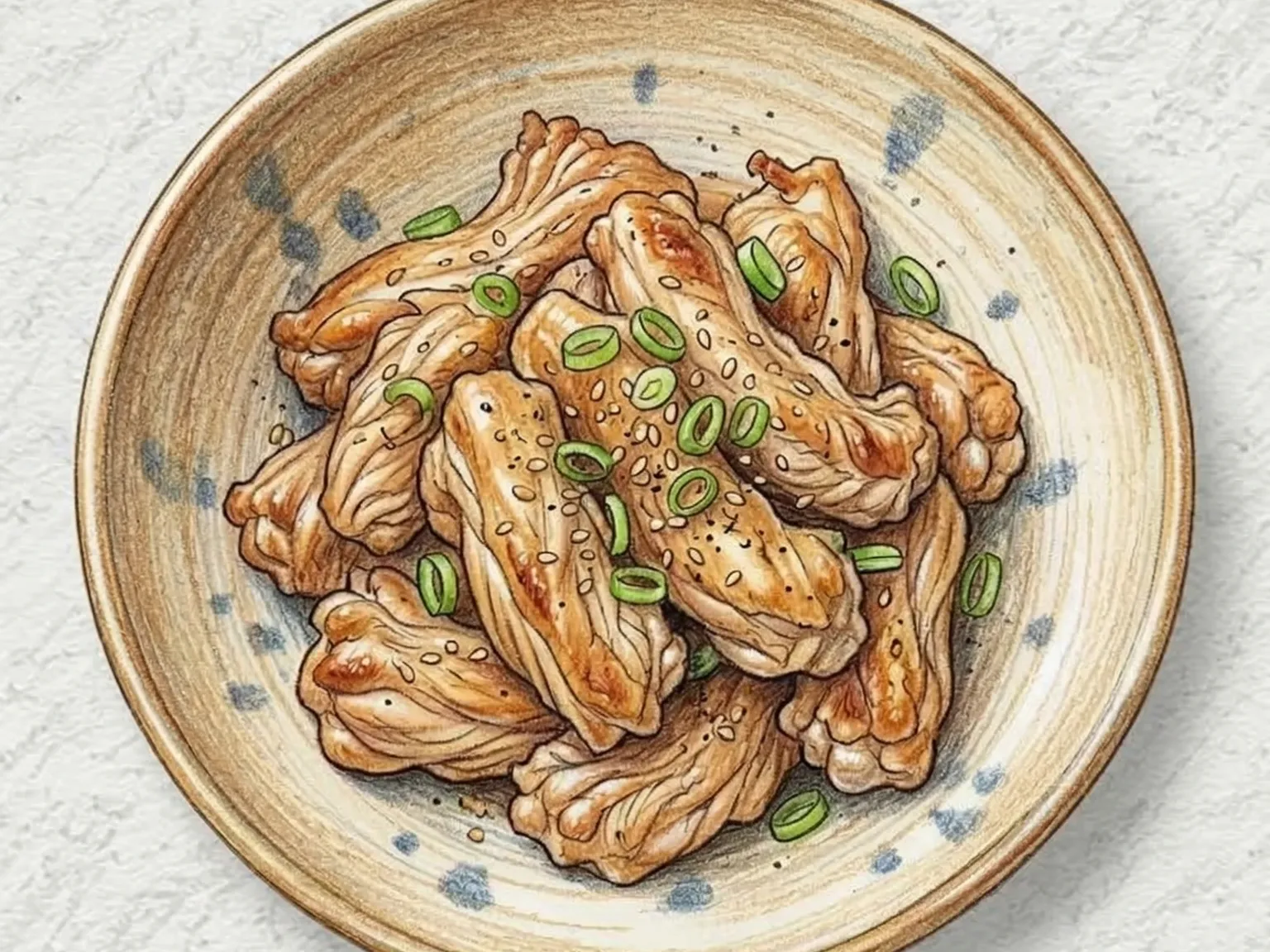
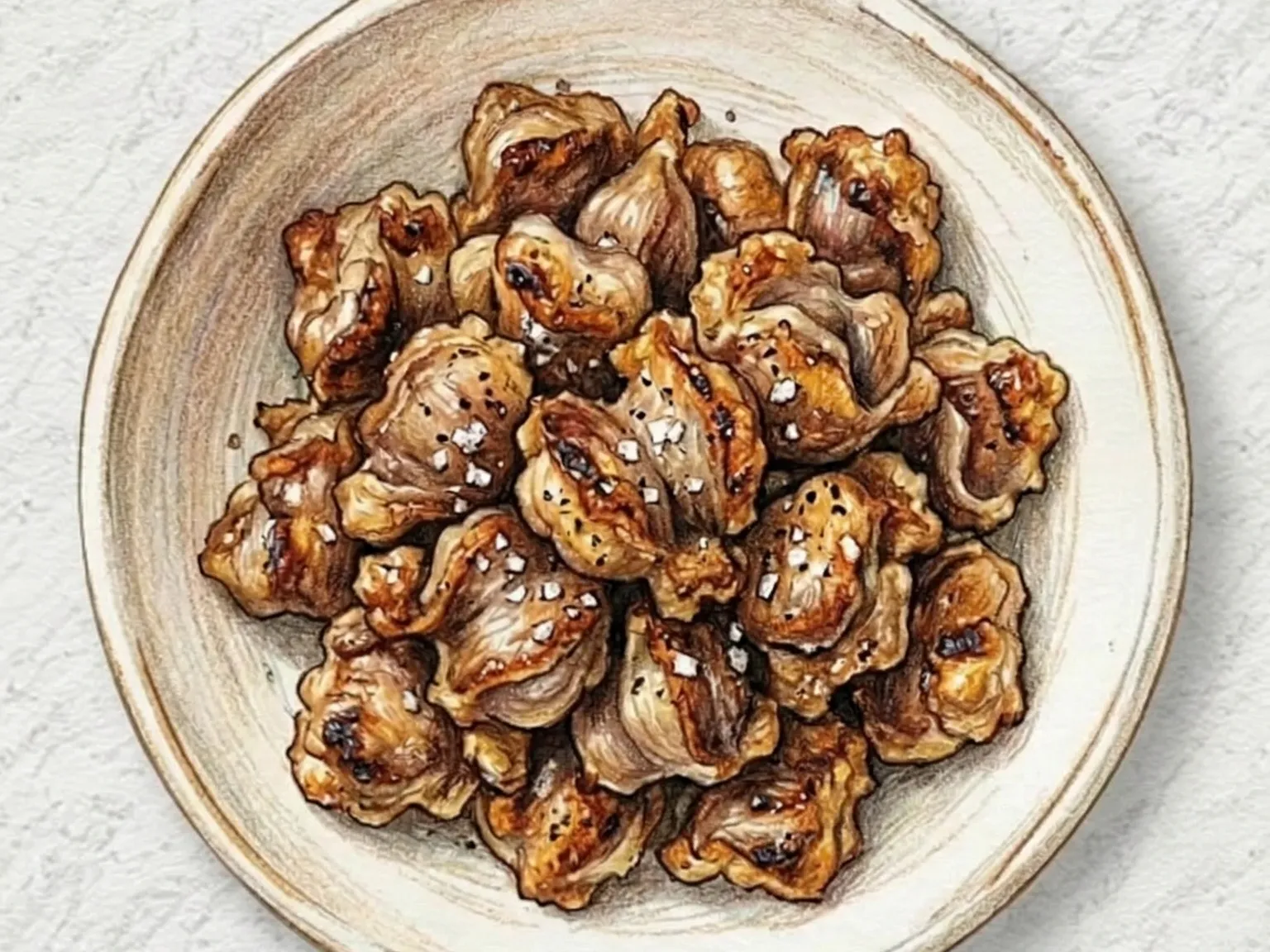
Salt-Grilled Pork Dwitgogi
Grilled Easy

Salt-Grilled Pork Dwitgogi

Chewy and savory grilled pork Dwitgogi, famously kept by butchers for themselves.

🔥 Trending Now ⚡ Quick
Prep 10min Cook 20min 4 servings
Korean Grilled Fish Cake Skewers
Grilled Easy

Korean Grilled Fish Cake Skewers

Eomuk kkochi gui are Korean grilled fish cake skewers, a staple of street food stalls that pair naturally with tteokbokki. Square fish cake sheets are folded in zigzag layers onto wooden skewers, grilled until the surface takes on color, then brushed with a glossy sauce of soy sauce, gochujang, sugar, and minced garlic. Folding the sheets before skewering multiplies the surface area that the sauce can grip and creates layered thickness that turns each bite into a dense, bouncy chew. Dry-grilling without oil first is important: it drives off moisture from the surface so that when the sauce is applied it clings and does not slide off. A second brief pass over heat after glazing caramelizes the sugars into a lacquered sheen and intensifies the savory aroma. Tucking pieces of green onion between the folds adds another layer of flavor -- the onion's moisture steams away as it grills, releasing a sweet, mellow fragrance that gradually infuses the fish cake.

🍺 Bar Snacks 🧒 Kid-Friendly
Prep 15min Cook 12min 4 servings
Korean Euneo Sogeum-gui (Salt-Grilled Sweetfish)
Grilled Medium

Korean Euneo Sogeum-gui (Salt-Grilled Sweetfish)

Euneo-sogeum-gui is a salt-grilled freshwater sweetfish dish where whole fish, intestines left intact, are seasoned only with coarse salt and cooked slowly over charcoal or a wire grill until the skin crisps and chars lightly at the edges. Sweetfish carries a distinctive fresh fragrance comparable to cucumber or watermelon rind, a quality that earned it the name 'fragrant fish' in Japanese, and that delicate aroma would be overwhelmed by any marinade or heavy seasoning, making salt the only appropriate choice. The intestines contain a concentrated bitterness balanced by deep umami, and eating the fish whole, organs included, is the traditional approach rather than an afterthought. Grilling slowly over medium heat while turning the fish at intervals prevents the lean flesh from drying out while allowing the skin to develop an even, crackled crispness. Skewering the fish in a wave-like curve before cooking is the classic presentation that allows fat to render and drip naturally during grilling, basting the skin from the inside. A squeeze of lemon at the table brings acidity that tempers the slight bitterness from the organs and brightens the overall finish. Fish caught and grilled the same day is considered ideal, and smaller individuals tend to carry a purer aroma and a milder bitterness.

🍺 Bar Snacks 🏠 Everyday
Prep 18min Cook 14min 2 servings
Korean Grilled Flounder (Salted Whole Flatfish Pan-Fry)
Grilled Easy

Korean Grilled Flounder (Salted Whole Flatfish Pan-Fry)

Gajami-gui is a Korean grilled flounder preparation in which a whole flat fish is salted for twenty minutes before being pan-fried or grilled over a wire rack until both sides develop an even golden-brown crust. Flounder has thinner flesh and a lower moisture content than most flatfish, which means it carries almost no fishy odor and needs only salt to taste genuinely clean on the palate. Splashing a small measure of rice wine over the fish before cooking neutralizes any remaining off-notes, and pressing the surface completely dry with kitchen paper afterward is what separates a flounder with truly crisp, caramelized skin from one that steams, sticks, and falls apart. Flipping must be done once and decisively with a wide spatula, because the flesh is delicate enough that repeated contact breaks it apart before serving. Resisting the urge to move the fish once it is in the pan is equally important: undisturbed contact with the hot surface is what drives the browning on each side. A garnish of shredded daikon with soy sauce or a sharp chili-soy dipping sauce provides a clean contrast that sharpens the perception of the fish's mild, natural flavor.

🍺 Bar Snacks ⚡ Quick
Prep 10min Cook 12min 2 servings
Korean Grilled Eggplant (Soy Garlic Glazed Charred Eggplant)
Grilled Easy

Korean Grilled Eggplant (Soy Garlic Glazed Charred Eggplant)

Gaji-gui is Korean grilled eggplant, halved lengthwise, scored, and cooked slowly over medium heat until the flesh turns soft and creamy while the skin side holds a slight firmness. Salting the cut surface and resting it for ten minutes before cooking pulls out bitter moisture through osmosis and also reduces how aggressively the eggplant absorbs oil during grilling. The scoring pattern is functional as well as visual, creating channels that allow heat to penetrate into the thick interior so the eggplant cooks through evenly rather than remaining hard at the center while the outside chars. Covering the pan after laying the eggplant cut-side down traps steam and gently cooks the flesh from within. A sauce of soy sauce, sesame oil, Korean chili flakes, minced garlic, and sliced green onion is spooned over the grilled surface while the eggplant is still hot, and the residual heat releases the fragrance of garlic and sesame oil while the liquid seeps into the scored channels and seasons the interior. Toasted sesame seeds scattered over the top add a final layer of nuttiness that gives the otherwise mild eggplant the complexity needed to hold its own as a proper banchan.

🍺 Bar Snacks ⚡ Quick
Prep 10min Cook 10min 2 servings
Korean Grilled Beef Short Ribs with Scallions
Grilled Easy

Korean Grilled Beef Short Ribs with Scallions

Galbisal-pachae-gui is a Korean grilled beef dish featuring short rib finger meat marinated in dark soy sauce, sugar, sesame oil, and garlic for at least one hour, then seared over high heat and served under a pile of cold-dressed shredded green onion. Rib finger meat sits between the rib bones and carries a well-balanced ratio of fat to lean, which allows the soy marinade to penetrate the fat layers and produce a deep, lingering savory flavor when exposed to direct heat. High heat causes the edges of the marinated meat to char quickly, creating a brief overlap of caramelized sweetness and smoke that defines the overall aroma of the dish. The shredded green onion is soaked in cold water until the sharp raw pungency fades and the cell walls firm up, then lightly tossed with sesame oil and toasted sesame to complement rather than compete with the heavy soy note of the beef. When a piece of hot seared meat and a tangle of cold scallion are eaten together, the contrast between the temperature, the rich beef fat, and the clean, sharp allium flavor creates a layered experience that cannot be replicated by eating either component alone. This dish is often made for home gatherings centered on table grilling, and the visual contrast of dark caramelized beef against the white-green scallion mound makes it striking as a shared centerpiece.

🍺 Bar Snacks 🏠 Everyday
Prep 20min Cook 12min 2 servings
Korean Grilled Beltfish (Galchi-gui)
Grilled Easy

Korean Grilled Beltfish (Galchi-gui)

Galchi-gui is grilled beltfish, salted and pan-fried until the skin crisps and the flesh cooks through. Beltfish has a high fat content relative to most white fish, and as the flesh heats, its own oil migrates toward the skin, crisping the exterior without the need for added cooking oil. That same fat keeps the flesh moist well after the fish leaves the heat. Each steak should be cut to around three centimeters thick. Thinner pieces lose their moisture quickly under high heat, while thicker cuts will burn on the outside before the center reaches temperature. The pan needs to be fully preheated before the fish goes in: a cold or lukewarm surface causes the skin to stick and steam rather than sear. When the pan is hot enough, the skin releases cleanly and turns golden through the Maillard reaction. Coarse salt is the only seasoning in the traditional Jeju preparation, and nothing else is added. A squeeze of lemon at the table cuts the richness of the oily fish with clean acidity, lifting the aftertaste. Beltfish caught in the waters around Jeju in spring are considered the finest, with firmer flesh and a richer flavor than fish from other seasons.

🍺 Bar Snacks ⚡ Quick
Prep 10min Cook 15min 2 servings
Korean Grilled Pork Skirt Meat
Grilled Medium

Korean Grilled Pork Skirt Meat

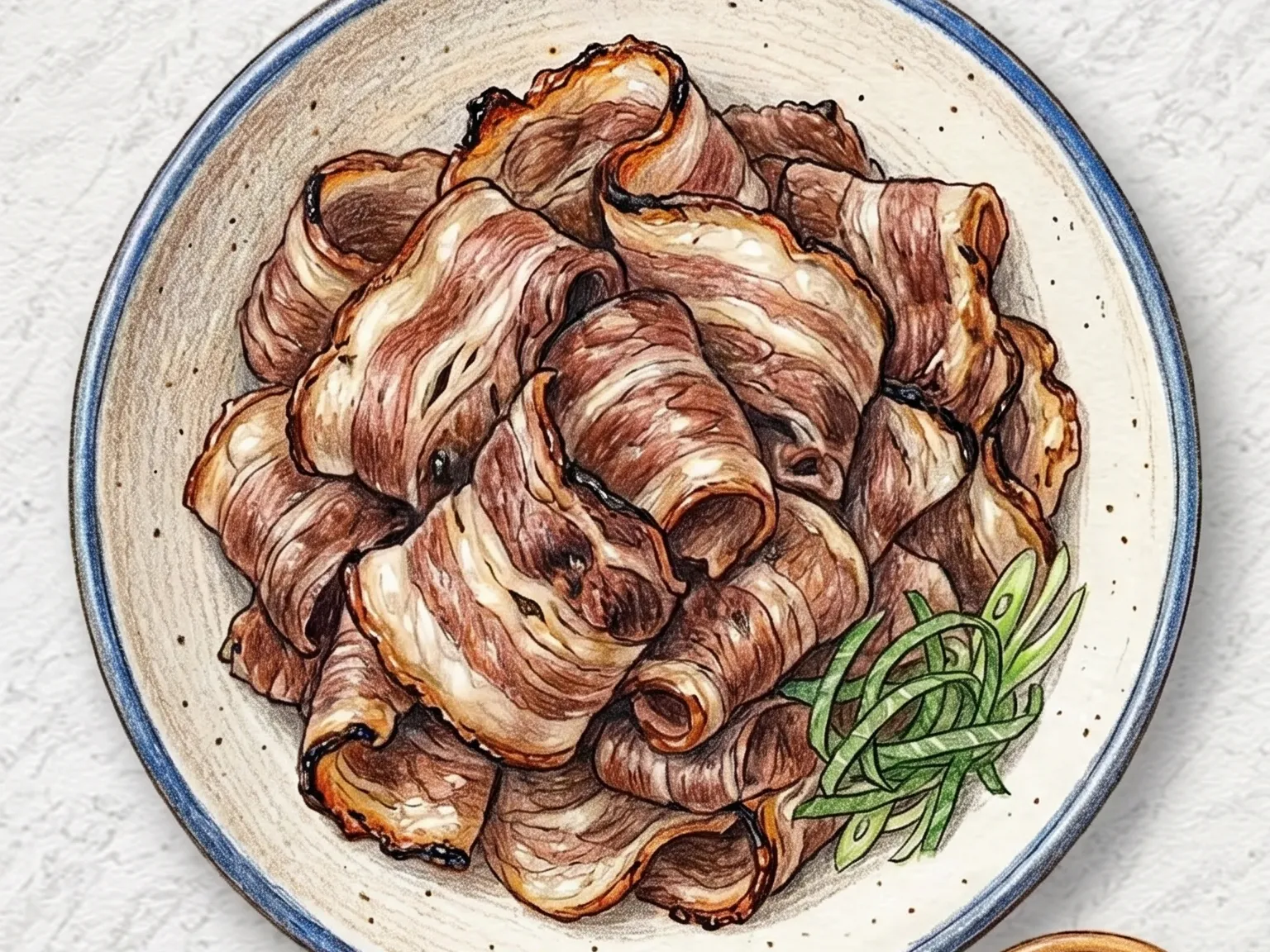
Galmaegisal-gui consists of grilled pork skirt steak harvested from the diaphragm muscle of the pig. This specific cut is recognized in Korean cuisine for its scarcity, as a single animal yields only between 200 and 300 grams of meat. Due to this limited supply, the cut is categorized as a specialty item within Korean barbecue establishments rather than a standard staple. Structurally, the meat resembles beef skirt steak because it features a very pronounced grain. This physical characteristic results in a texture that provides a substantial and firm chew. Additionally, the cut carries a specific fatty aroma that is characteristic of pork yet distinct from other common grilled parts of the animal. Before the meat reaches the heat, it typically receives a light seasoning composed of soy sauce, minced garlic, and cracked black pepper. The cooking process requires a high temperature, using either a bed of natural charcoal or a heavily heated pan to sear the exterior rapidly. Because the slices are relatively thin, the preparation involves keeping each side over the maximum heat source for less than sixty seconds. This timing ensures that the surface undergoes the Maillard reaction to achieve caramelization without drying out the interior. Ideally, the center of the meat remains slightly pink, reaching a medium level of doneness. If the cooking time extends beyond this window, the muscle fibers tend to contract and tighten significantly. Such overcooking removes the springy and resilient texture that defines the quality of this particular cut. When prepared over charcoal, the smoke particles are able to enter the juices of the pork, which produces a complex layer of smokiness. This specific flavor profile is difficult to achieve when using a standard gas or electric heating element. Once removed from the grill, the hot slices are traditionally dipped into a small saucer containing sesame oil and coarse grains of salt. This combination allows the toasted scent of the oil to blend with the smoky residue from the charcoal. For the final step of the meal, the meat is often placed inside a wrap made of fresh perilla or lettuce leaves. The addition of these greens introduces a botanical flavor that balances the inherent richness of the grilled pork.

🍺 Bar Snacks 🏠 Everyday
Prep 20min Cook 12min 2 servings
Korean Julienned Potato Pancake
Grilled Easy

Korean Julienned Potato Pancake

Gamja-chae-jeon is a Korean julienned potato pancake where the potatoes are cut into thin matchsticks rather than grated, producing a texture fundamentally different from the mashed-style gamja-jeon. The intact strands create an open lattice that crisps at every exposed edge while maintaining a firm, slightly resistant bite in the center. Potato starch mixed dry into the julienned potatoes acts as a binder that holds the strands together during frying and flipping without adding moisture that would soften the crust. Adding a small amount of julienned onion contributes sweetness to the flavor, but the onion releases water as it cooks - water that will steam the pancake from underneath instead of letting it fry. Squeezing the onion dry in a kitchen towel before adding it solves this problem. The batter should be no wetter than what the potato's own natural moisture provides after the starch is mixed in, and adding no further liquid keeps the surface from turning soggy. Generous oil in the pan and constant pressing with a spatula over medium heat ensure that the entire underside maintains full contact with the cooking surface, frying the strands to an even, crackling golden crust that holds together cleanly when sliced.

🍺 Bar Snacks 🍱 Lunchbox
Prep 18min Cook 12min 2 servings
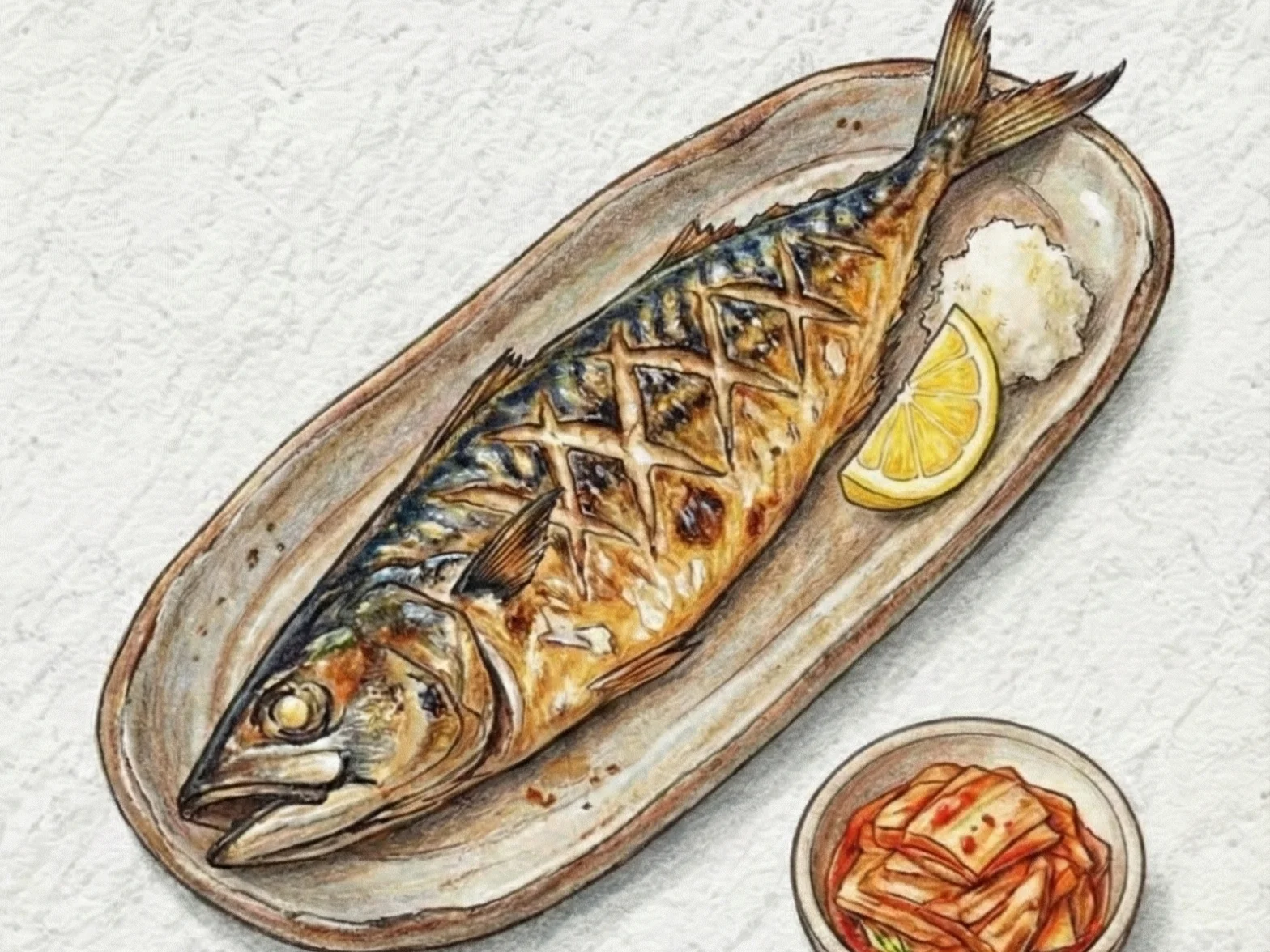
Korean Salted Mackerel Grill
Grilled Easy

Korean Salted Mackerel Grill

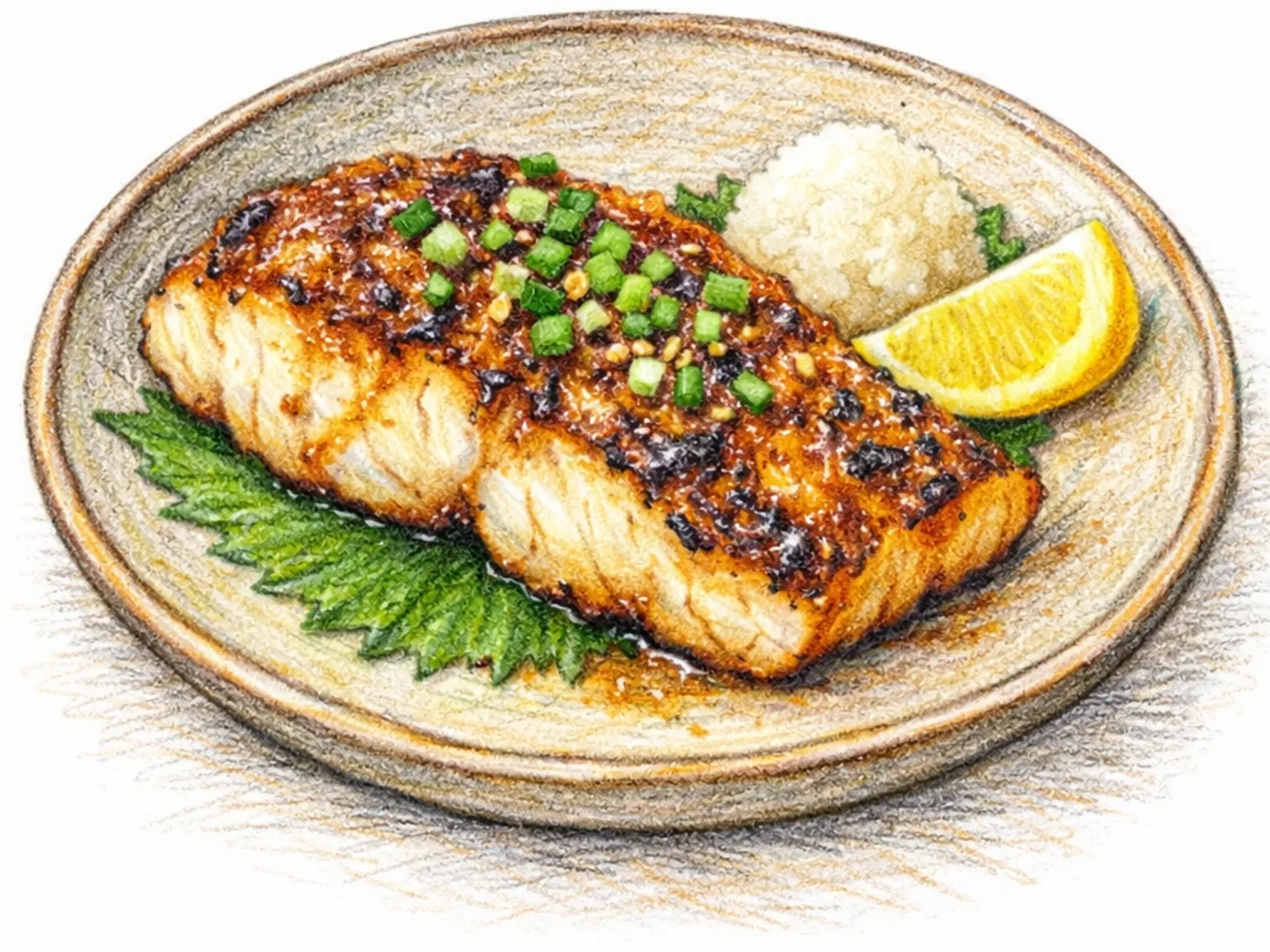
Gan-godeungeo-gui is grilled salt-cured mackerel, one of the most dependable side dishes on a Korean home table. The mackerel is sold already salted at the market, so it goes straight onto heat without any additional seasoning preparation. During the curing process, the salt draws out excess moisture and firms the flesh, which makes the fish easier to handle than fresh mackerel and far less prone to falling apart in the pan. Cooking skin-side down over medium heat for seven minutes allows the fat embedded under the skin to render slowly outward, crisping the skin until it becomes paper-thin and shatters with the first touch of a spoon. Flipping the fish for just four more minutes finishes the flesh through without drying it out. The mackerel's oily richness is substantial enough to carry a bowl of rice on its own, but a wedge of lemon on the side adds a bright acidity that cuts cleanly through the fat, and a small mound of shredded daikon provides a palate-cleansing contrast that removes any lingering fishiness from the aftertaste. Frozen gan-godeungeo should be moved to the refrigerator the night before to thaw slowly, preventing the fish from weeping water all at once when it hits the hot pan.

🍺 Bar Snacks ⚡ Quick
Prep 10min Cook 15min 2 servings
Korean Gangwon-style Potato Pancake
Grilled Medium

Korean Gangwon-style Potato Pancake

Gangwon-gamja-jeon is a traditional potato pancake from the mountainous Gangwon province, made by finely grating potatoes and incorporating the settled starch sediment back into the batter to achieve a uniquely chewy, mochi-like center with crisp edges. After grating, the potato liquid is left to sit until white starch settles at the bottom. The water on top is poured off and the dense starch is folded back in. Skipping this step produces a flat, crumbly pancake instead of the trademark sticky pull. Finely chopped Cheongyang chili peppers add a clean, sharp heat that cuts through the potato's natural sweetness, while minced onion reinforces that sweetness without adding excess moisture. The batter must be spread thin in a generously oiled pan and cooked patiently until the edges darken to deep golden brown. Rushing the process leaves the interior gummy and causes the pancake to fall apart when flipped. Even when the batter still looks soft and undercooked on top, waiting until the underside is fully set is what makes the flip clean. Makgeolli is the traditional pairing.

🍺 Bar Snacks 🏠 Everyday
Prep 15min Cook 14min 2 servings
Korean Grilled Soy-Marinated Blue Crab
Grilled Medium

Korean Grilled Soy-Marinated Blue Crab

Ganjang-gejang-gui is a Korean grilled blue crab dish where the crab is halved, marinated in soy sauce with garlic, ginger juice, and sesame oil, then cooked on a grill or in an oven until the shell chars and the meat absorbs the salty-sweet seasoning. The key flavor element is the crab's hepatopancreas inside the top shell, which solidifies under heat into a thick, intensely savory paste that acts as a built-in sauce when eaten with the leg and body meat. The sugars in the soy marinade caramelize over high heat, forming a glossy glaze across the shell surface, and a final brush of sesame oil before serving adds a toasted nuttiness over the briny crab flavor. Marinating time matters considerably: a minimum of thirty minutes allows the soy to penetrate the surface, but refrigerating the crab for one to two hours gives the seasoning time to reach the interior flesh, producing noticeably deeper flavor. Placing the grilled crab over a bowl of rice and mixing the shell's concentrated juices and tomalley into the grains makes a complete meal without any additional side dishes.

🍺 Bar Snacks 🥗 Light & Healthy
Prep 20min Cook 15min 2 servings
Korean Gapojingeo Beoteo Maneul Gui (Butter Garlic Cuttlefish Grill)
Grilled Easy

Korean Gapojingeo Beoteo Maneul Gui (Butter Garlic Cuttlefish Grill)

Gapojingeo beoteo-maneul-gui is butter-garlic grilled cuttlefish in which the thick body of the cuttlefish is scored in a crosshatch pattern and cooked in a pan with foaming butter and minced garlic. Cuttlefish flesh is substantially thicker and denser than regular squid, which means scoring is not optional for even cooking. Without it, the outside would overcook before heat reaches the center. The cuts also create channels that the melted butter and garlic flow into as the cuttlefish sears, infusing each section with concentrated fat and aromatics rather than just coating the surface. The timing of when to add the cuttlefish matters. The butter should be on medium heat and just beginning to foam at the edges when the cuttlefish goes in. At that temperature, the garlic releases its fragrance into the oil without burning, and the cuttlefish develops a golden crust before it has time to toughen. Two minutes per side is typically enough. The crosshatch pattern spreads open as the flesh cooks, and the surface takes on a lightly charred color that signals the Maillard reaction has done its work. Leaving it longer makes the flesh rubbery. A squeeze of lemon juice at the end cuts the richness of the butter and lifts the whole dish with a clean, acidic finish.

🍺 Bar Snacks ⚡ Quick
Prep 15min Cook 12min 2 servings
Korean Gapojingeo Yangnyeom Gui (Spicy Grilled Cuttlefish)
Grilled Medium

Korean Gapojingeo Yangnyeom Gui (Spicy Grilled Cuttlefish)

Gapojingeo-yangnyeom-gui is spicy grilled cuttlefish prepared by scoring the body in a deep crosshatch pattern and coating it with a glaze of gochujang, Korean chili flakes, soy sauce, oligosaccharide syrup, and garlic. The deep scoring is critical for the thick cuttlefish body: it allows the marinade to penetrate the flesh fully and causes the scored sections to curl open under high heat, creating a flower-like shape that maximizes surface contact with the glaze. When gochujang's heat and the syrup's sticky sweetness hit high heat together, they caramelize into a glossy, deep-red coating that clings to the cuttlefish, while sesame oil folded into the marinade adds a toasted undertone beneath the spice. Chunky-cut onion and green onion grilled alongside release moisture that evaporates into sweetness, naturally tempering the intensity of the chili glaze without diluting the marinade's savory depth. Patting the cuttlefish completely dry before marinating ensures the glaze adheres evenly rather than sliding off, and keeping the cooking time short over high heat prevents the flesh from turning tough and rubbery.

🍺 Bar Snacks 🏠 Everyday
Prep 20min Cook 10min 2 servings
Korean Soy-Glazed Grilled Rice Cakes
Grilled Easy

Korean Soy-Glazed Grilled Rice Cakes

Garaetteok-ganjang-gui is a Korean soy-glazed grilled rice cake dish where cylindrical garaetteok is sliced on the diagonal, pan-fried until the cut surfaces blister and brown, then coated in a reduced sauce of soy sauce, rice syrup, and butter. Briefly dipping the rice cakes in boiling water for thirty seconds before grilling softens their outer layer so the glaze absorbs evenly, and the pan-frying then produces a dual texture of crunchy shell and stretchy, chewy interior. A one-to-one ratio of soy sauce to rice syrup, reduced over medium heat until thick and viscous, gives the surface a lacquered sheen, and stirring a knob of butter in off the heat adds a creamy richness that rounds out the soy's saltiness without overwhelming it. A finishing scatter of crumbled seaweed and ground sesame introduces oceanic and nutty notes that elevate this from a plain grilled rice cake to a finished snack. A small spoonful of gochujang stirred into the glaze produces a spicy version, and a slice of cheese melted over the top just before serving gives it a Western-influenced character that works surprisingly well against the chewy rice cake base.

🍺 Bar Snacks 🧒 Kid-Friendly
Prep 10min Cook 10min 2 servings
Korean Grilled Scallops (Butter Garlic Shell-On Scallop Grill)
Grilled Easy

Korean Grilled Scallops (Butter Garlic Shell-On Scallop Grill)

Garibi-gui is a Korean grilled scallop dish where shell-on scallops are placed directly on the grill until they pop open, then topped with butter and minced garlic that sizzle and melt into the adductor muscle. The scallop's deep natural sweetness melds with the richness of melted butter and the sharp warmth of garlic, a combination that produces a layered flavor far more compelling than the ingredient count suggests. A cap of mozzarella cheese added for the final two to three minutes creates a stretchy, golden layer over the plump flesh, but restraint is key: covering only about half the scallop prevents the cheese from overwhelming the clean marine sweetness beneath it. Over charcoal, the shell acts as a natural vessel that channels smoky heat directly into the meat, adding a dimension that a gas burner or stovetop simply cannot replicate. A squeeze of fresh lemon juice just before serving cuts through the butter's richness and lifts the brine. Placing a single prawn alongside the scallop for the final minutes of cooking doubles the seafood sweetness and makes the dish even more compelling as an anju, the Korean term for food eaten alongside alcohol.

🍺 Bar Snacks ⚡ Quick
Prep 15min Cook 10min 2 servings
Korean Roasted Seasoned Seaweed
Grilled Easy

Korean Roasted Seasoned Seaweed

Gim-gui is Korea's roasted seaweed side dish, prepared by brushing thin sheets of dried laver with a light coat of sesame oil, sprinkling fine salt over the surface, and toasting each side for no more than ten to fifteen seconds over low heat. The brief exposure to heat intensifies the sesame oil's nutty aroma while the seaweed's oceanic flavor concentrates into something deeper and more savory, and the result is a paper-thin, shatteringly crisp sheet that crumbles at the slightest pressure. The saltiness makes plain steamed rice deeply satisfying, which is why gim-gui is one of the most reliably consumed items in a Korean banchan spread. Timing is the single most demanding skill: seaweed moves from perfectly roasted to scorched within seconds, so the sheets must come off the heat the moment their color shifts from a deep, dark green to a lighter, almost translucent emerald. Too much oil causes the seaweed to absorb the fat and turn soft, so a minimal coating brushed with a pastry brush rather than poured on is strongly preferred. Roasted in batches and stored in an airtight container, properly made gim-gui retains its crunch for several days and works as a rice companion, lunchbox addition, or plain snack eaten on its own.

🍺 Bar Snacks 🏠 Everyday
Prep 5min Cook 5min 4 servings
Korean Stuffed Chili Pepper Pancake
Grilled Medium

Korean Stuffed Chili Pepper Pancake

Gochu-jeon is a Korean holiday pancake made by splitting mild green chili peppers in half lengthwise, removing the seeds, and stuffing them with a filling of ground pork, pressed tofu, and minced garlic that is seasoned before being spooned in. The mixture is then coated in flour and egg before being pan-fried until golden on both sides. The pepper's gentle heat wraps around the pork's savory richness and the tofu's silky interior, creating a layered contrast of flavor and texture in every bite. Squeezing all moisture out of the tofu in a cloth is essential; any remaining water causes the oil to splatter and the filling to fall apart during frying. Using cucumber peppers or shishito peppers instead of regular green chilies eliminates nearly all spiciness for those with lower heat tolerance, and filling each pepper to about seventy percent capacity prevents the shell from bursting as the filling expands with heat. This jeon has a fixed place on Seollal and Chuseok ancestral tables and everyday holiday spreads alike, and it tastes best served immediately while still hot, alongside a soy-vinegar dipping sauce that sharpens the meat filling's umami and complements the pepper's fresh aroma.

🍺 Bar Snacks 🎉 Special Occasion
Prep 25min Cook 15min 4 servings
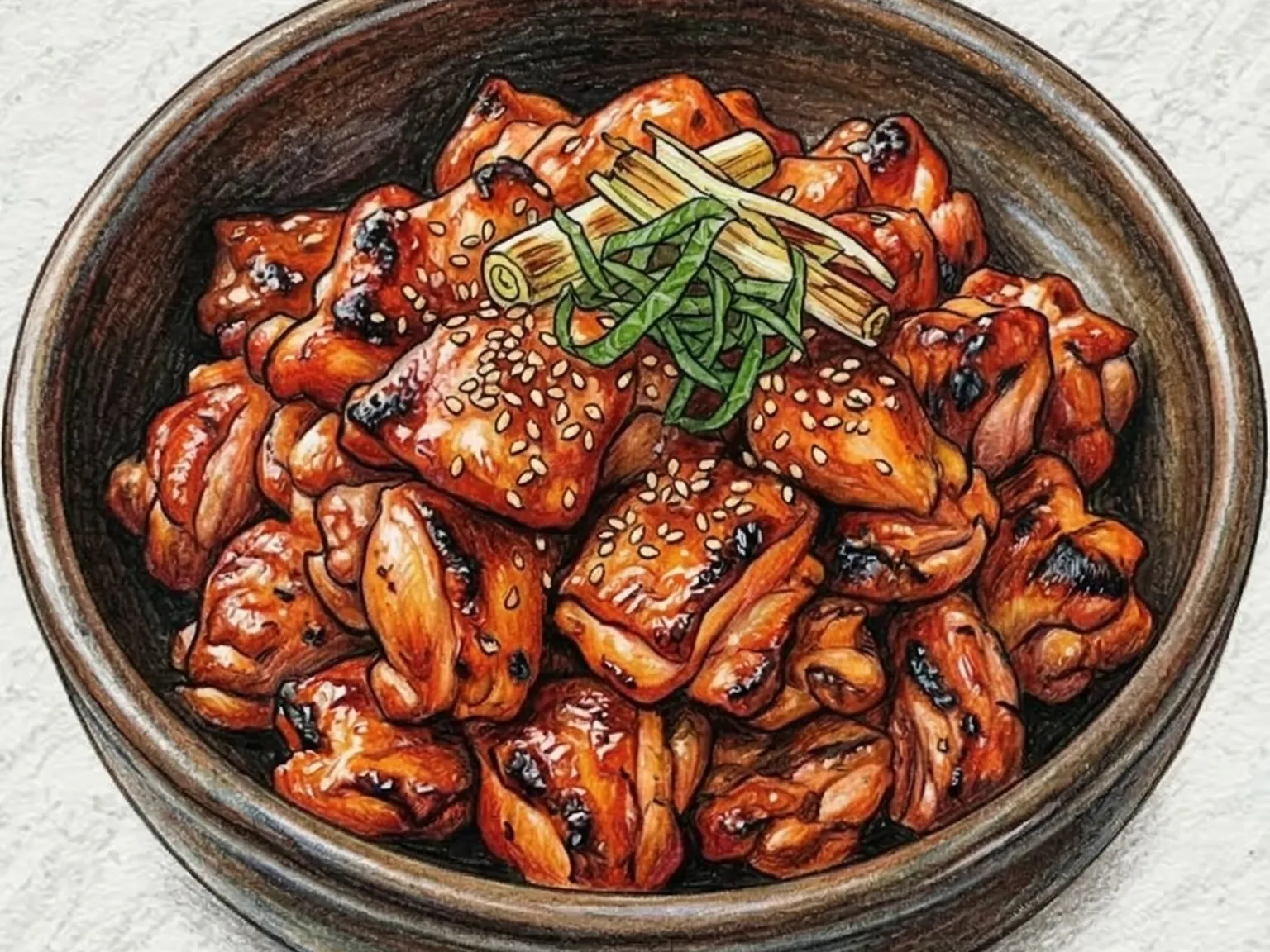
Korean Gochujang Grilled Chicken Legs
Grilled Medium

Korean Gochujang Grilled Chicken Legs

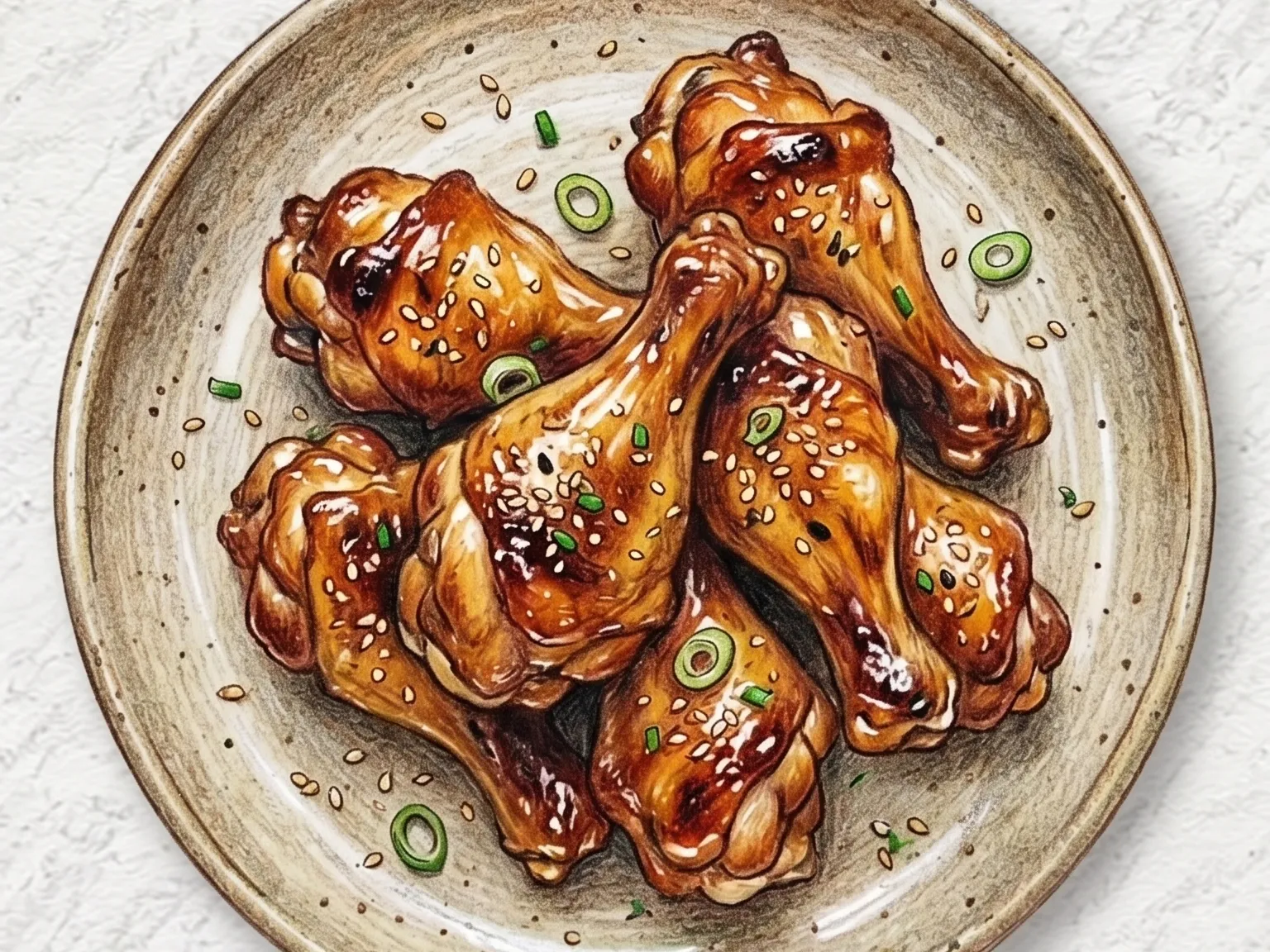
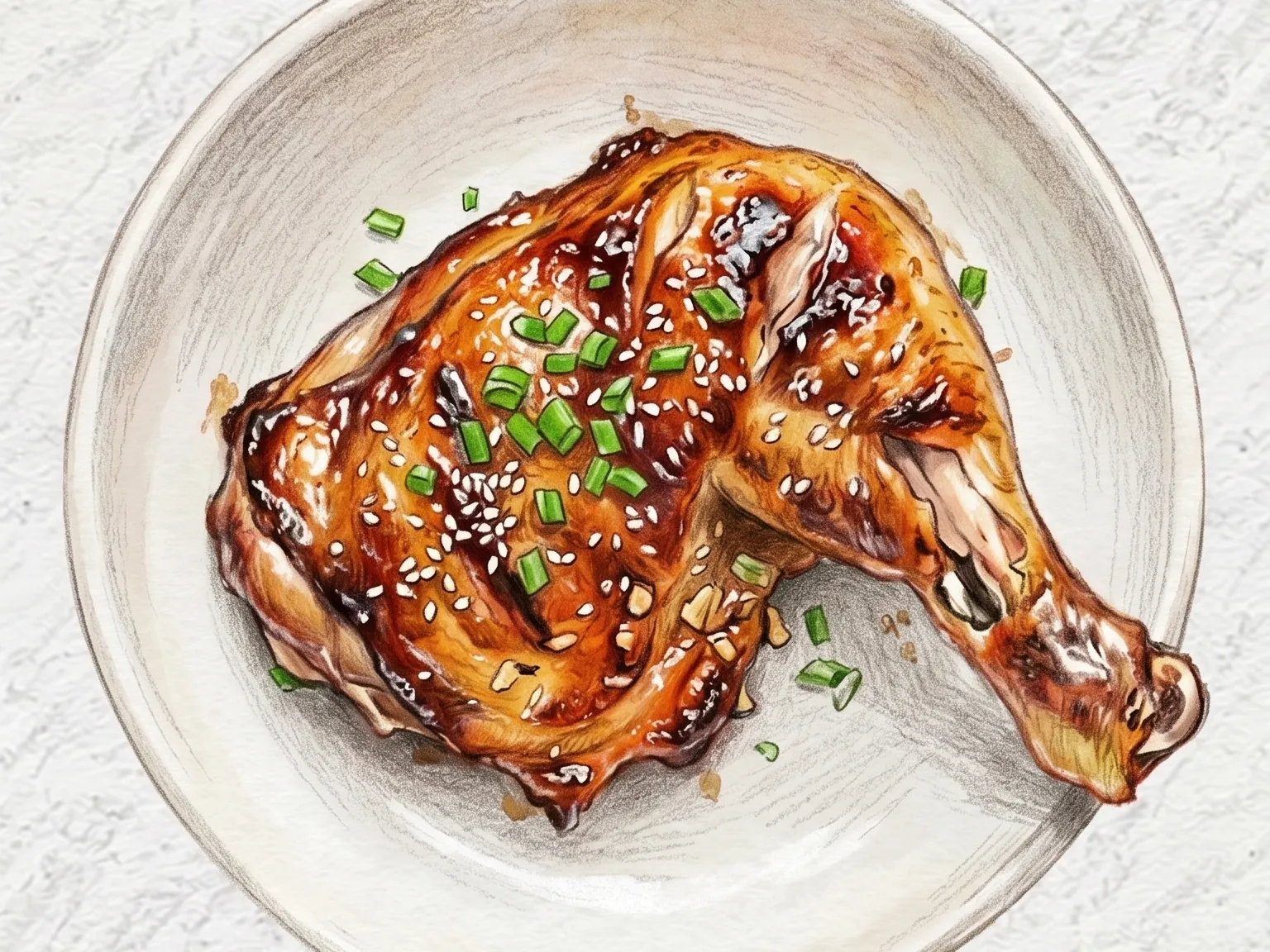
Gochujang dak-dari-gui is a Korean pan-grilled chicken dish in which bone-in leg quarters are marinated in a sauce of gochujang, soy sauce, oligosaccharide syrup, minced garlic, mirin, and sesame oil before being cooked in a skillet. The use of oligosaccharide syrup rather than plain sugar is deliberate - it has a lower sweetness level but higher viscosity, which helps the marinade adhere to the chicken's surface and caramelizes more slowly without burning, making it easier to develop a proper glaze. Starting the chicken skin-side down over medium heat is the foundation of the dish: pressing the skin gently against the pan renders the subcutaneous fat gradually, producing a crisp surface layer. Without sufficient rendering time, the skin stays soft and slick even when coated with the sauce later. Flipping and covering with a lid traps steam inside the pan, which drives heat into the thickest part of the meat and ensures it cooks through evenly without the outside drying out. When the lid comes off and the sauce reduces, the evaporating water concentrates the marinade's flavors and causes it to begin clinging to the meat in a thick, glossy layer. The final two minutes on high heat are the transformation point of the dish: the residual sugars in the marinade caramelize rapidly in the intense heat, and the spicy fermented depth of the gochujang, the sweetness of the syrup, and the salinity of the soy compress into a lacquered, shining glaze. Marinating in the refrigerator for at least one hour, and ideally overnight, reduces any gamey odor from the chicken and allows the seasoning to work its way deep into the muscle fibers, so that when the meat is cooked it tastes seasoned from the inside.

🍺 Bar Snacks
Prep 20min Cook 30min 4 servings
Korean Gochujang Grilled Pork Ribs
Grilled Hard

Korean Gochujang Grilled Pork Ribs

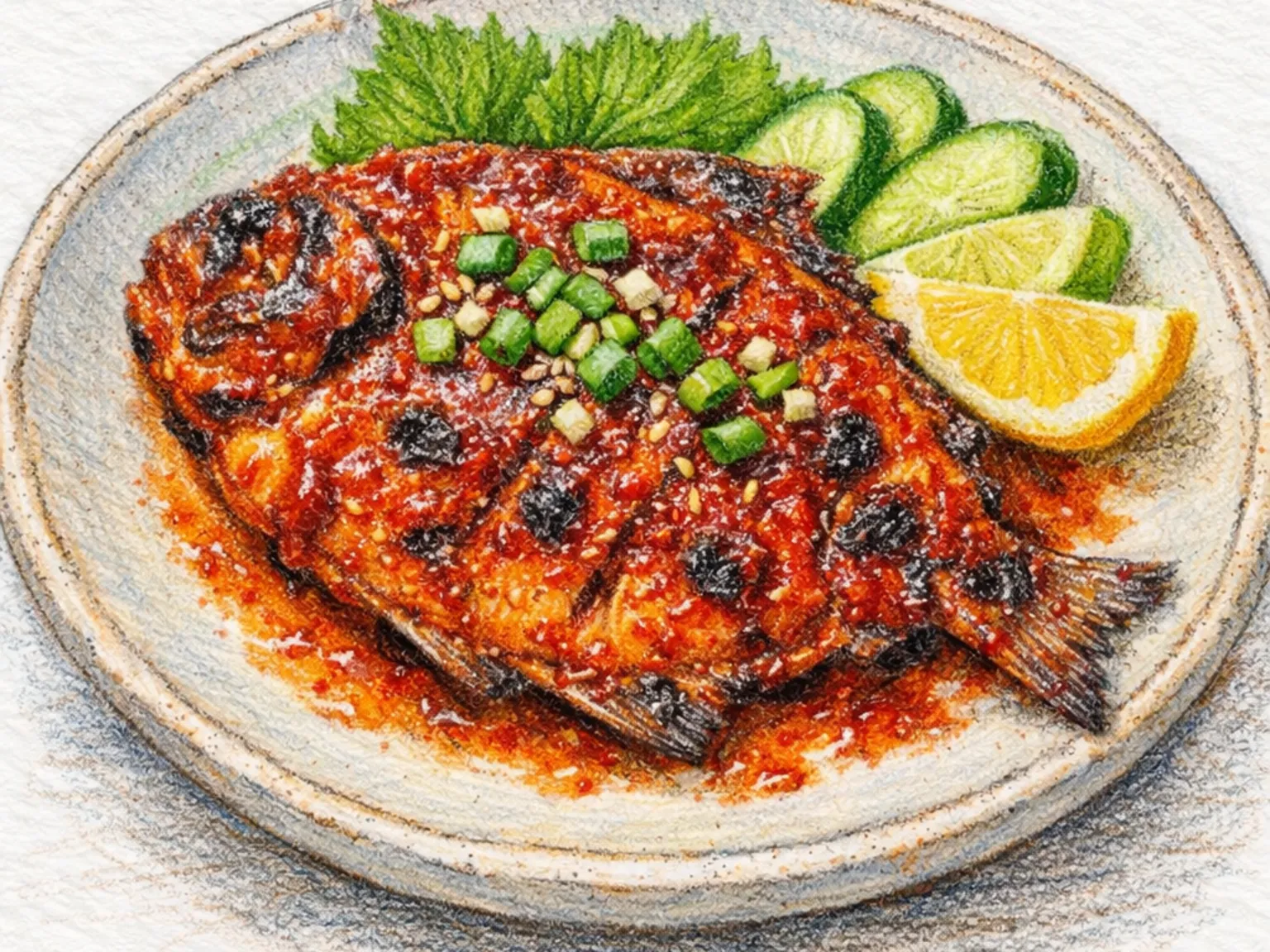
Gochujang dwaeji-galbi-gui is a Korean grilled pork rib dish that starts by soaking the ribs in cold water for thirty minutes to remove blood, followed by at least one hour in a marinade of gochujang, soy sauce, sugar, Asian pear juice, garlic, sesame oil, cooking wine, and black pepper. The pear juice works on two levels: its natural enzymes break down the muscle fibers to tenderize the meat, and its fructose provides a clean sweetness that tempers the fermented heat of gochujang. Because the marinade carries a high concentration of sugar, it catches and burns quickly on a hot surface. Each side is grilled four to five minutes over medium heat before the flame is reduced to finish the interior without incinerating the glaze. After cooking, resting the ribs for three minutes off the heat allows the juices to redistribute inward, so that when the pieces are sliced, every cut reveals a moist, tender interior beneath the deeply caramelized, glossy crust that is the hallmark of the dish.

🎉 Special Occasion 🍺 Bar Snacks
Prep 30min Cook 25min 4 servings