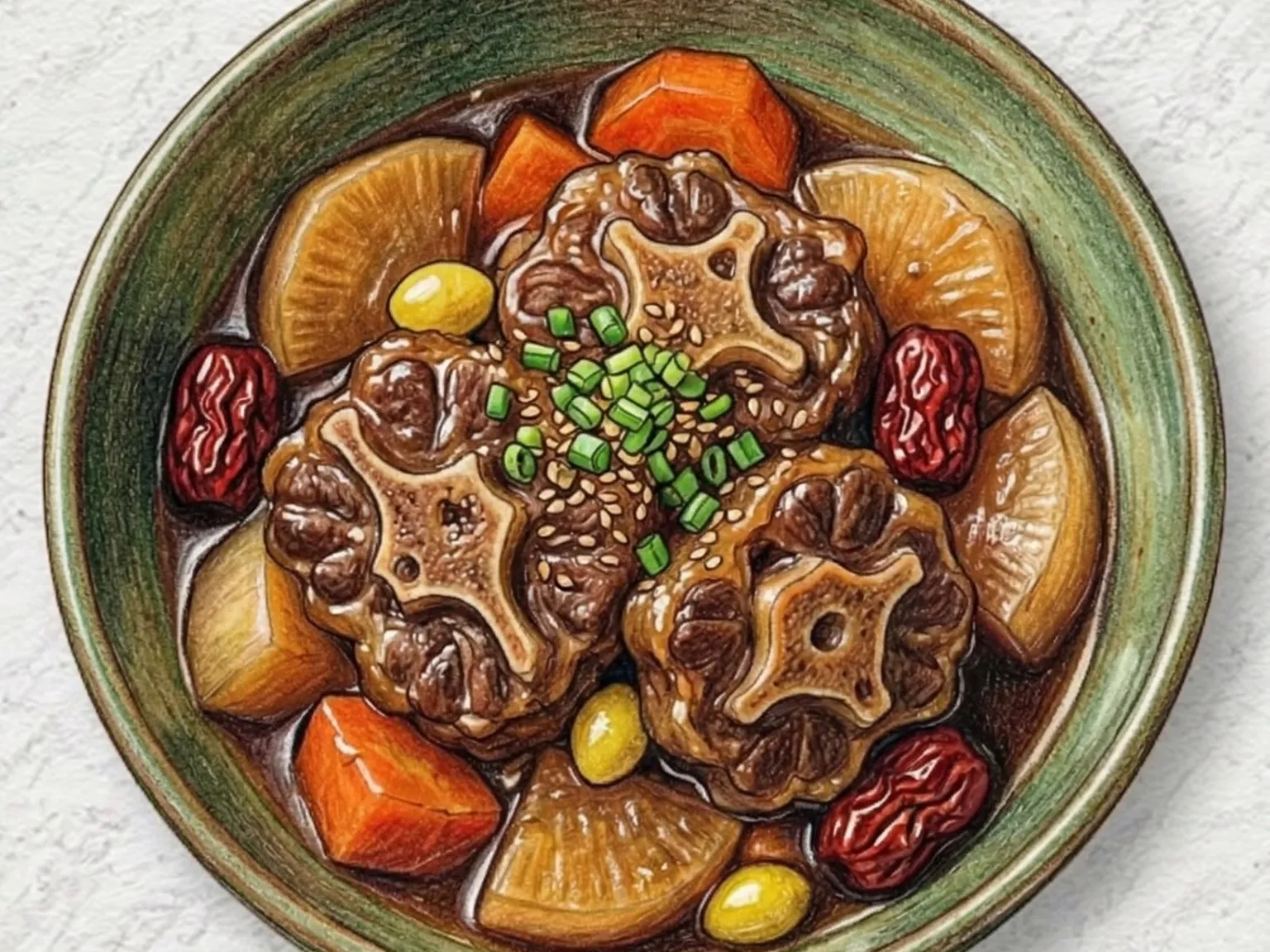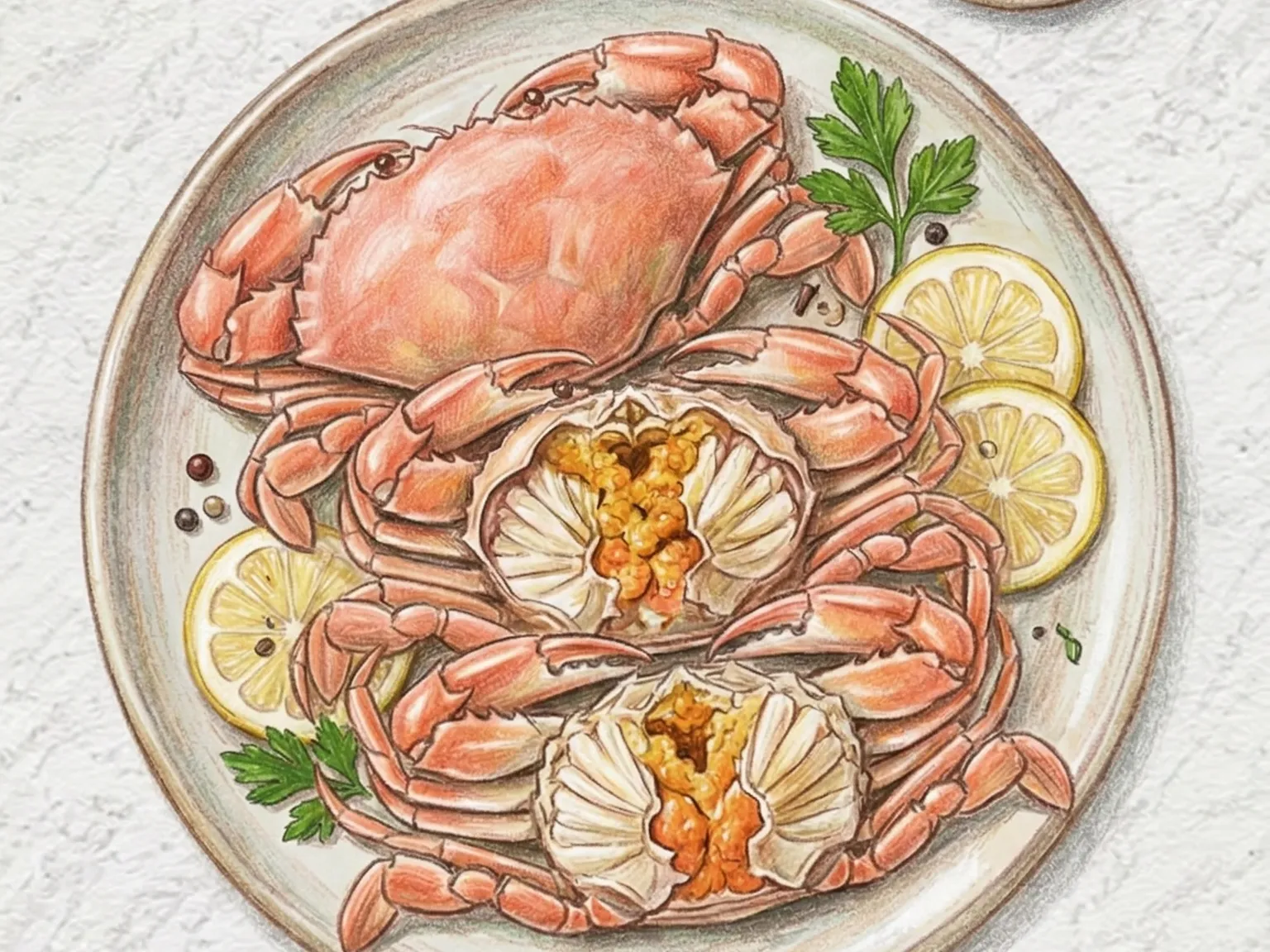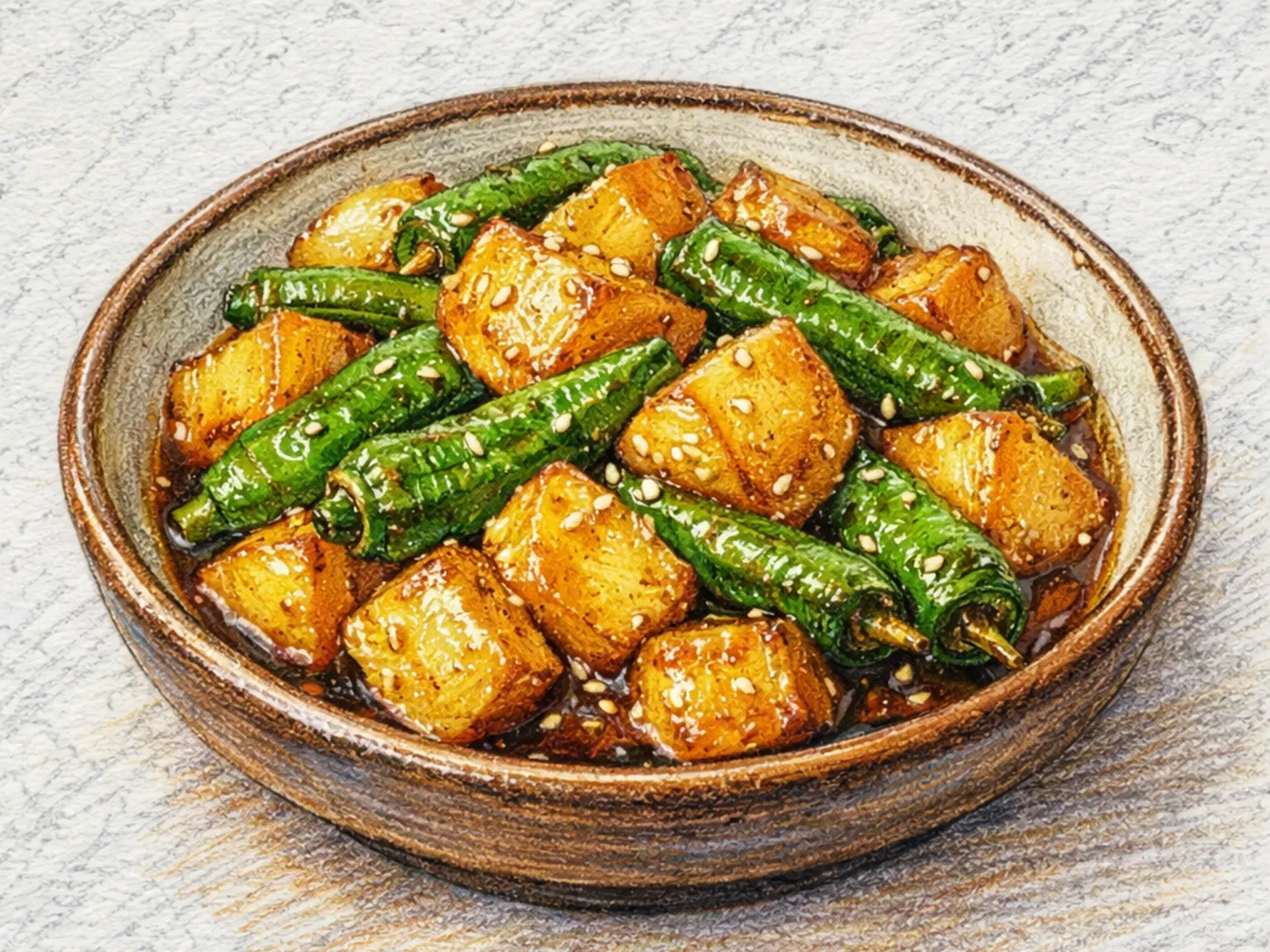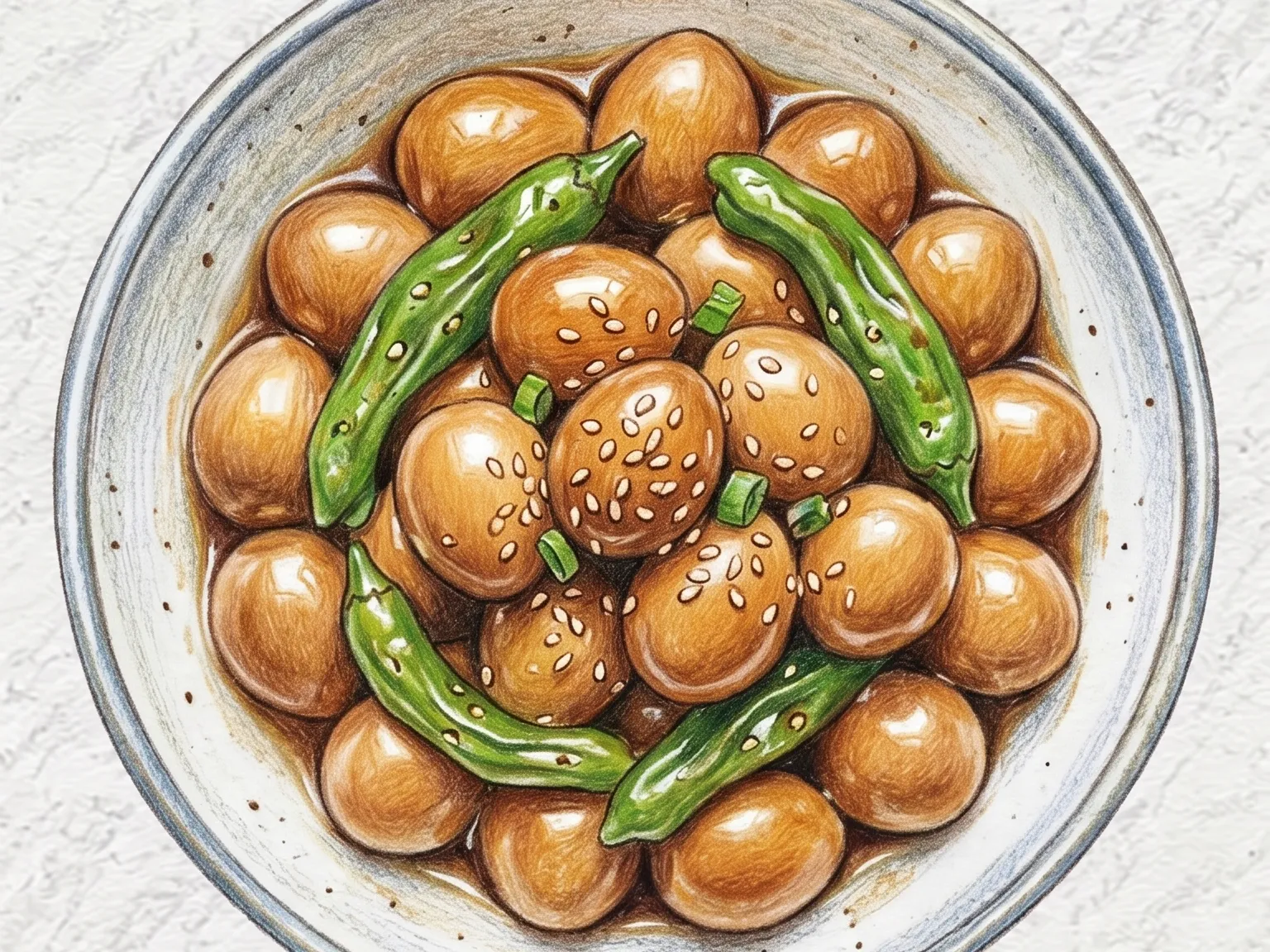
Steamed
Steamed

Steamed Recipes

151 recipes. Page 5 of 7

Jjim refers to Korean braised and steamed dishes cooked low and slow with rich seasoning. Galbi-jjim (braised short ribs), jjimdak (braised chicken), and haemul-jjim (spicy seafood) are holiday favorites, but they make impressive meals any day of the week.

Slow cooking allows the meat to become melt-in-your-mouth tender while the sauce penetrates every layer. A base of soy sauce, sugar, garlic, and sesame oil is all you need to build the signature sweet-savory glaze.

Korean Braised Pork with Garlic Scapes
Steamed Easy

Korean Braised Pork with Garlic Scapes

Maneuljjong dwaejigogi-jorim is a Korean braise of pork and garlic scapes in a gochujang, soy sauce, and gochugaru seasoning. The pork releases its juices into the sauce as it cooks, building a concentrated braising liquid that the garlic scapes absorb while retaining their characteristic crunch. Gochujang's deep warmth layers with soy sauce's umami into a compound seasoning, and the garlic scapes' mild pungency cuts through any heaviness from the pork fat. Mixed over rice, the sauce, meat, and vegetables come together into a filling, well-rounded meal.

🍱 Lunchbox 🏠 Everyday
Prep 15min Cook 25min 2 servings
Korean Garlic Scape Anchovy Braise
Steamed Easy

Korean Garlic Scape Anchovy Braise

Maneuljjong-myeolchi-jorim is a Korean pantry side dish of garlic scapes and small dried anchovies glazed in soy sauce, oligosaccharide syrup, and sesame oil. The anchovies are coated evenly as the seasoning heats around them, building a sweet-salty shell that deepens into nuttiness with each bite. Garlic scapes are cut into short pieces and stir-fried directly in the sauce without blanching, which keeps them snappy rather than soft. Oligosaccharide syrup holds its shine and moisture longer than plain sugar, and sesame oil is added only at the very end to preserve its aroma. The finished dish keeps for well over a week under refrigeration, making it a reliable weekly batch cook. It travels well in lunchboxes, and spooned over hot white rice the glaze soaks into the grains and brings the whole bowl together.

🏠 Everyday 🎉 Special Occasion
Prep 15min Cook 18min 4 servings
Korean Soy-Braised Quail Eggs
Steamed Easy

Korean Soy-Braised Quail Eggs

Mechurial-jangjorim is a Korean soy-braised quail egg dish simmered slowly with garlic cloves and shishito peppers in a seasoned soy sauce base. As the eggs steep in the braising liquid, the soy works its way through the egg white and gradually into the yolk, staining the exterior a deep mahogany brown and seasoning the interior evenly throughout. The braising liquid is built from a measured ratio of water, soy sauce, sugar, and cooking wine to keep the saltiness in check and the glaze balanced. Whole garlic cloves soften gently in the liquid and release a mellow, savory depth that enriches the overall flavor without sharpness. Shishito peppers are added partway through rather than at the start so they retain some snap and their mild green aroma, preventing them from going completely soft. The liquid is reduced until just a small amount remains, coating each egg in a glossy, concentrated glaze. Each egg is a single self-contained bite, which makes this banchan a staple in lunchboxes and a popular snack for children, and it remains one of the most recognizable everyday Korean side dishes.

🏠 Everyday 🎉 Special Occasion
Prep 20min Cook 25min 4 servings
Braised Pork Belly with Preserved Mustard Greens
Steamed Hard

Braised Pork Belly with Preserved Mustard Greens

Meicai kourou is a Hakka Chinese dish of parboiled pork belly that is seared with soy sauce for color, then layered with preserved mustard greens and steamed for over an hour. The prolonged steaming renders the fat translucent and meltingly soft, while the fermented, salty greens infuse the meat with their concentrated flavor. When inverted onto a plate, the neatly stacked slices glisten under the braising sauce. It is a centerpiece dish meant for sharing, with the sauce spooned over steamed rice to capture every layer of richness.

🎉 Special Occasion
Prep 35min Cook 90min 4 servings
Korean Steamed Croaker (White Fish Radish Soy)
Steamed Medium

Korean Steamed Croaker (White Fish Radish Soy)

Mineo-jjim is a Korean steamed croaker prepared with Korean radish, green onion, ginger, and rice wine. Croaker is prized among white fish for its fine-grained flesh and mild aroma, and steaming preserves its delicate, moist texture without drying it out. Ginger and rice wine work together to eliminate any trace of fishiness, while the radish releases a gentle sweetness into the broth as it cooks. Seasoned with just a touch of soy sauce at the end, this dish lets the natural flavor of the fish take center stage and is well suited for formal meals.

🎉 Special Occasion
Prep 20min Cook 30min 4 servings
Thai Five-Spice Braised Pork and Eggs
Steamed Medium

Thai Five-Spice Braised Pork and Eggs

Moo palo is a Thai home-cooked braise of pork belly and soft-boiled eggs simmered slowly in a sauce built from soy sauce, palm sugar, and five-spice powder. The palm sugar goes into a dry pot first, caramelized until it turns a deep amber before the pork is added, which gives the meat a rich lacquered surface rather than a pale stew color. Five-spice powder draws together cinnamon, star anise, clove, fennel seed, and Sichuan pepper into a layered fragrance that permeates the braising liquid from the start, setting moo palo apart from simpler soy-based stews. Peeled eggs submerged in the liquid take on a uniform mahogany tint as they cook, absorbing the seasoning all the way to the yolk over the long simmer. Pork belly or shoulder with a good ratio of fat to lean is the right cut here, as the fat melts into the liquid and keeps the meat from drying out during the extended cooking time. Spooned over a bowl of steamed jasmine rice, the braise delivers a warm, sweet-salty depth punctuated by gentle spice heat, the kind of satisfying everyday meal that is central to Thai home cooking.

🎉 Special Occasion
Prep 20min Cook 70min 4 servings
Steamed Mussels Mariniere
Steamed Easy

Steamed Mussels Mariniere

Moules mariniere is a classic dish from northern France in which mussels are steamed open in a base of white wine, butter, garlic, and shallot over high heat. As the mussels open, they release their briny cooking liquid into the wine-butter base, and within roughly five minutes that mixture becomes a deeply aromatic broth that is far more complex than the sum of its parts. The brevity of the cooking time is not incidental but essential. Mussels cooked just until they open remain plump and firm, while those left on the heat any longer shrink and turn chewy. The moment the last mussel opens, the heat comes off. Fresh flat-leaf parsley is scattered over the top before serving, adding a clean green note against the richness of the broth. A dry white wine is preferable to one with residual sweetness, because its acidity balances the butter and amplifies the oceanic flavor of the mussels. Finishing with a small knob of cold butter stirred in at the end gives the sauce a glossy sheen and a rounded, velvety finish. The broth that collects at the bottom of the pot is often considered the best part of the dish, traditionally mopped up with torn pieces of crusty baguette.

🍺 Bar Snacks 🎉 Special Occasion
Prep 15min Cook 10min 2 servings
Braised Korean Radish (Soy Garlic Slow-Cooked Side)
Steamed Easy

Braised Korean Radish (Soy Garlic Slow-Cooked Side)

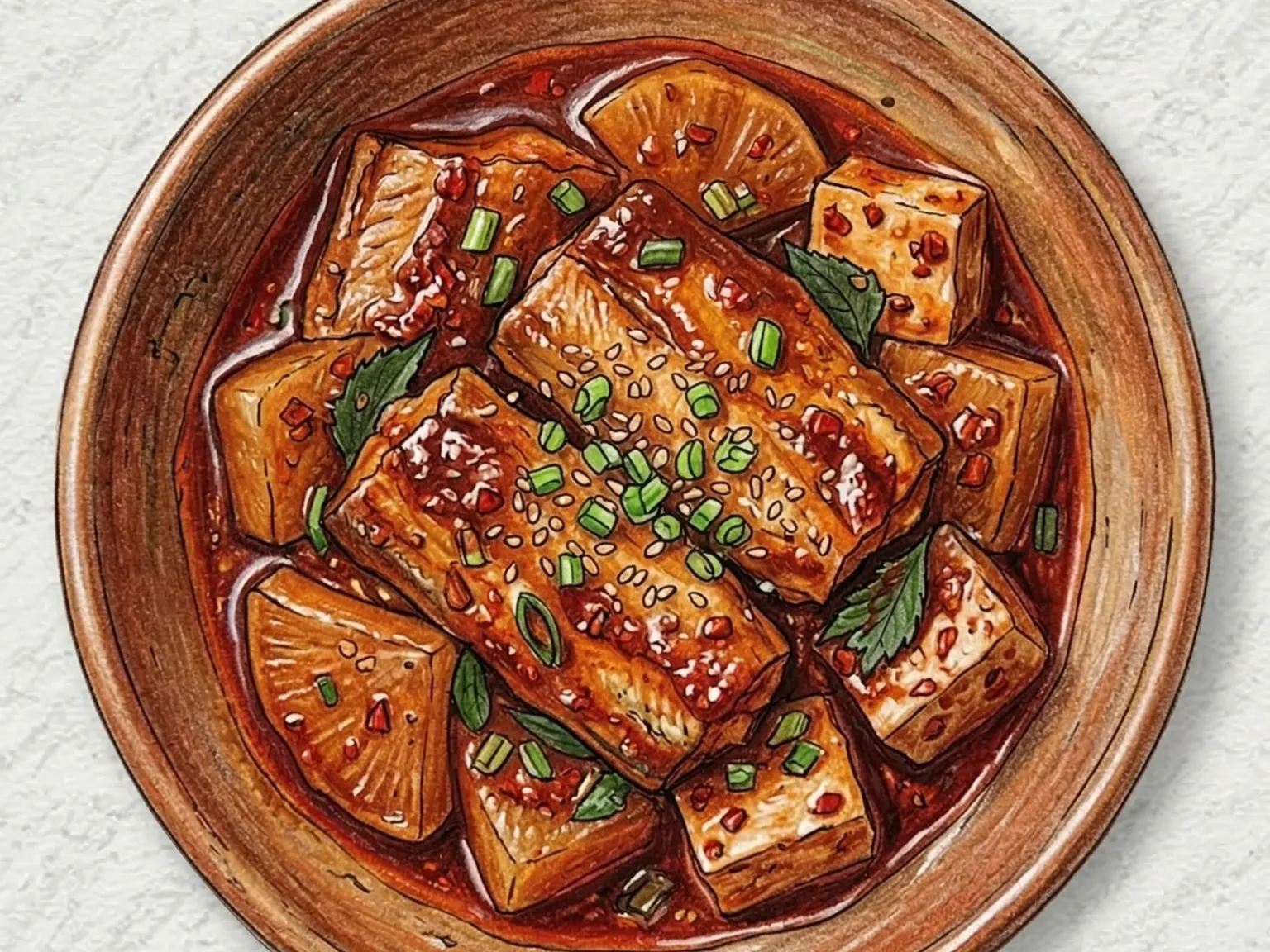
Mu-jjim is a Korean braised radish dish where thick-cut Korean radish is simmered slowly in a covered pot with soy sauce, sugar, and garlic. The radish absorbs the seasoned liquid as it cooks, turning translucent from edge to center and developing a natural sweetness that balances the saltiness of the soy base. A drizzle of sesame oil at the end adds a nutty fragrance, and a single sliced green chili contributes a mild kick to the finish. Despite the short ingredient list, this banchan pairs naturally with rice at any meal and holds up well as a make-ahead side throughout all seasons. Keeping the heat at medium or below for at least twenty minutes allows the radish to soften fully and take in the seasoning without becoming mushy.

🏠 Everyday 🍱 Lunchbox
Prep 12min Cook 30min 2 servings
Korean Steamed Beef with Radish Greens
Steamed Hard

Korean Steamed Beef with Radish Greens

Mucheong sogogi jjim is a Korean braised beef dish where short rib meat is marinated in Korean pear juice and soy sauce, then slow-cooked with blanched radish greens and onion. The pear juice tenderizes the beef and lends a subtle fruit sweetness that deepens over the long braise. Radish greens are added near the end to preserve their earthy aroma and slight chew, bringing a rustic contrast to the soft meat. Ginger juice keeps the flavor clean, and sesame oil ties everything together with a toasted finish. The sauce reduces to a concentrated glaze meant to be spooned over rice.

🎉 Special Occasion
Prep 25min Cook 70min 4 servings
Korean Braised Pork Back Ribs with Aged Kimchi
Steamed Medium

Korean Braised Pork Back Ribs with Aged Kimchi

Mukeunji deunggalbi jjim is a Korean braise of pork back ribs and well-aged kimchi simmered low and slow in a sauce built from gochugaru, gochujang, and soy sauce. The bones release a rich, collagen-heavy stock as they cook, and the deep fermented tang of kimchi aged for a year or more layers a complex acidity onto that savory foundation. Reducing the braising liquid down to roughly one-third of its original volume concentrates the flavors into a thick, lacquered glaze that coats every rib. The kimchi fibers soften through the long cook but its sharp, pungent character remains present to the final bite. By the time the dish is ready, the meat pulls cleanly from the bone with minimal effort. Served with steamed rice, it makes a filling and warming meal, and the older and more deeply fermented the kimchi, the richer and more complex the finished result.

🏠 Everyday 🎉 Special Occasion
Prep 25min Cook 70min 4 servings
Korean Braised Beef with Dried Radish
Steamed Medium

Korean Braised Beef with Dried Radish

Mumallaengi sogogi jorim is a Korean soy-braised side dish of rehydrated dried radish strips and lean beef round, cooked down until the sauce just barely covers the ingredients. Drying concentrates the radish's natural sugars and umami, and once soaked and braised the strips become chewy and deeply flavored in a way fresh radish cannot replicate. Before soaking, a quick rinse removes any dust or impurities from the drying process, and twenty minutes or more in cold water restores just enough elasticity for a satisfying texture after cooking. Thin-sliced beef is pre-seasoned with cooking wine to neutralize any off-smell, then added to the pan so it cooks cleanly and without a heavy aroma. Oligosaccharide syrup adds a gentle sheen and sweetness to the soy base without making the dish cloying. Toasted sesame seeds scattered over the top finish the dish with a nutty fragrance. Like most Korean braised side dishes, this one improves after a night in the refrigerator as the seasoning continues to penetrate, making it a practical and reliable choice for lunchboxes and weekday meal preparation that can be made ahead and eaten across several days.

🏠 Everyday 🎉 Special Occasion
Prep 25min Cook 45min 4 servings
Korean Steamed Octopus (Whole Salted Radish Broth)
Steamed Medium

Korean Steamed Octopus (Whole Salted Radish Broth)

Muneo-jjim is a Korean steamed whole octopus dish prepared by scrubbing the octopus vigorously with coarse salt to remove slime and any off-odor, then cooking it in a pot layered with radish and green onion. Submerging the head end first and lifting it in and out of the boiling water two or three times causes the tentacles to curl inward naturally, resulting in an attractive presentation before the full cook begins. Simmering for about fifteen minutes and then resting off the heat with the lid on produces a texture that is springy and chewy without turning tough. The radish adds mild sweetness to the water while green onion draws out any fishiness, so the resulting broth carries a clean, subtle depth of its own. Once cooked, the octopus is sliced on the diagonal into manageable pieces and served with a simple dipping sauce of sesame oil mixed with salt. That combination lets the octopus's natural ocean flavor and nuttiness come through without interference. The dish works equally well as a drinking accompaniment or an everyday banchan, and the technique scales from a small arm to a full-sized octopus without adjustment.

🍺 Bar Snacks 🎉 Special Occasion
Prep 20min Cook 25min 4 servings
Korean Anchovy & Shishito Braise
Steamed Easy

Korean Anchovy & Shishito Braise

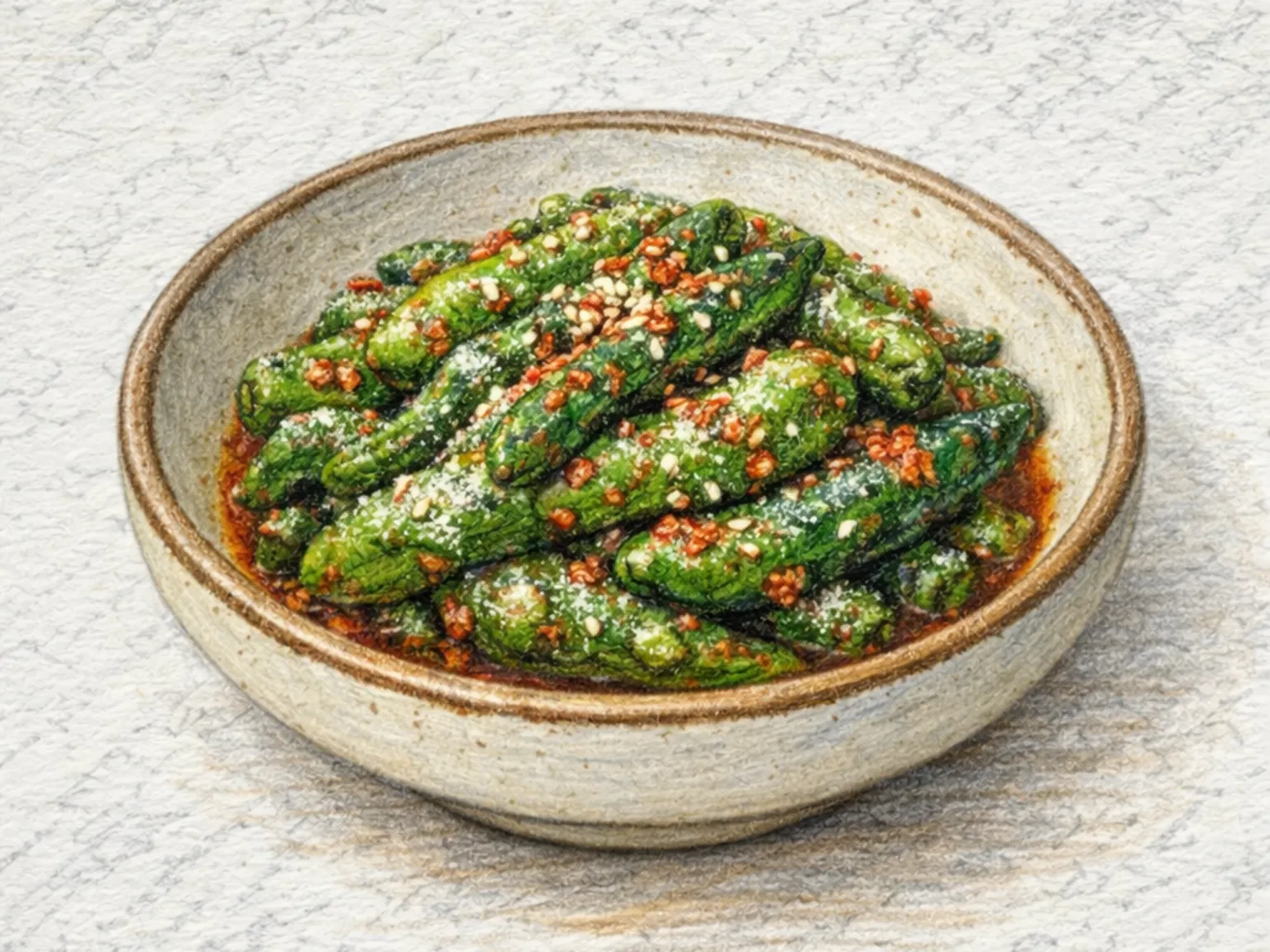
Myeolchi kkwari jorim is a Korean side dish of dry-toasted small anchovies and shishito peppers glazed in a sweet soy sauce with corn syrup and cooking wine. Toasting the anchovies first drives off any fishy smell and brings out their nuttiness, while the peppers are stir-fried in oil to release a mild, lingering heat. The glaze coats everything in a shiny, sweet-salty finish, and sesame oil with sesame seeds add a final toasted aroma. This banchan tastes even better the next day after the sauce has fully settled in, making it one of the most reliable lunchbox staples in Korean home cooking.

🏠 Everyday 🎉 Special Occasion
Prep 10min Cook 12min 4 servings
Korean Steamed Tofu with Pollock Roe
Steamed Easy

Korean Steamed Tofu with Pollock Roe

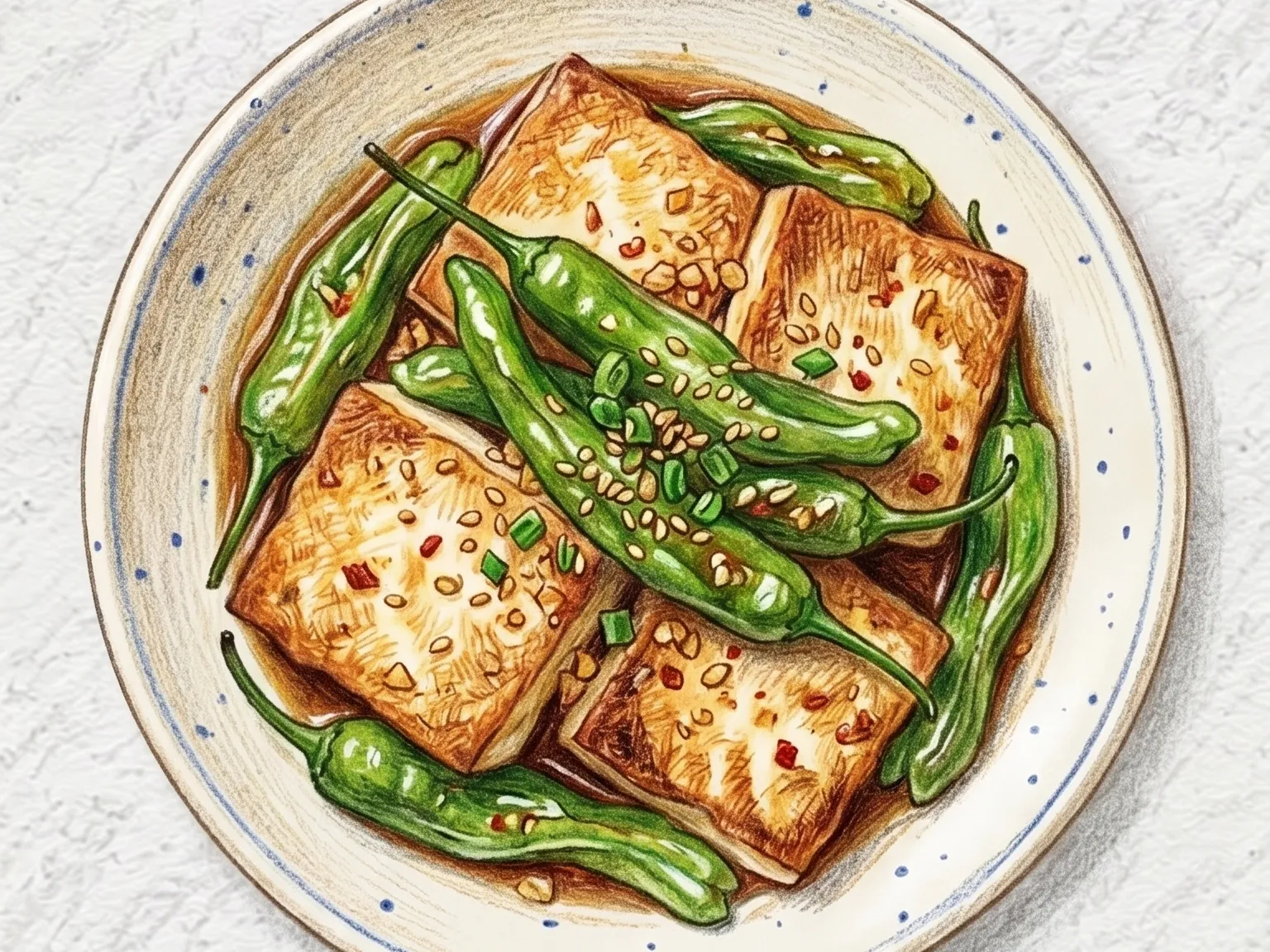
Myeongran dubu jjim is a Korean steamed tofu dish topped with a sauce of pollock roe mixed with egg and garlic. As the roe heats through, its tiny granules pop with a briny, savory burst against the silky tofu underneath. The egg binds the sauce into a soft set that melds with the warm tofu, and a light seasoning of soup soy sauce keeps the overall saltiness in check given the roe's own salinity. Red chili and green onion add color and a touch of freshness on top. Cooked without oil in about ten minutes, this is a clean, high-protein banchan that comes together with minimal effort.

🥗 Light & Healthy 🏠 Everyday
Prep 12min Cook 15min 2 servings
Korean Stuffed Steamed Cucumber
Steamed Medium

Korean Stuffed Steamed Cucumber

Oiseon is a traditional Korean court-style dish in which cucumber sections are hollowed out, stuffed with a filling of ground chicken, crumbled tofu, and finely julienned carrot, then steamed until the filling is just cooked through. The filling is seasoned only with soy sauce, garlic, and sesame oil, keeping it savory and lightly fragrant without competing with the clean flavor of the cucumber itself. Each piece delivers two distinct textures at once: the crisp, cool resistance of the cucumber shell against the soft, moist filling packed inside. Steaming rather than frying or sauteing preserves the cucumber's fresh green aroma and keeps the dish entirely oil-free, letting the natural character of each ingredient come forward without interference. The dish can be served warm directly from the steamer or chilled, at which point the flavors settle into a precise, refreshing clarity that works well in warmer seasons. A small dipping sauce of mustard sauce or light vinegar soy sauce sharpens the profile further. The careful preparation and restrained seasoning make oiseon appropriate for formal Korean table settings and guest entertaining, representing the kind of cooking where technique and balance speak louder than bold flavors.

🎉 Special Occasion 🏠 Everyday
Prep 30min Cook 15min 4 servings
Korean Spicy Steamed Squid
Steamed Medium

Korean Spicy Steamed Squid

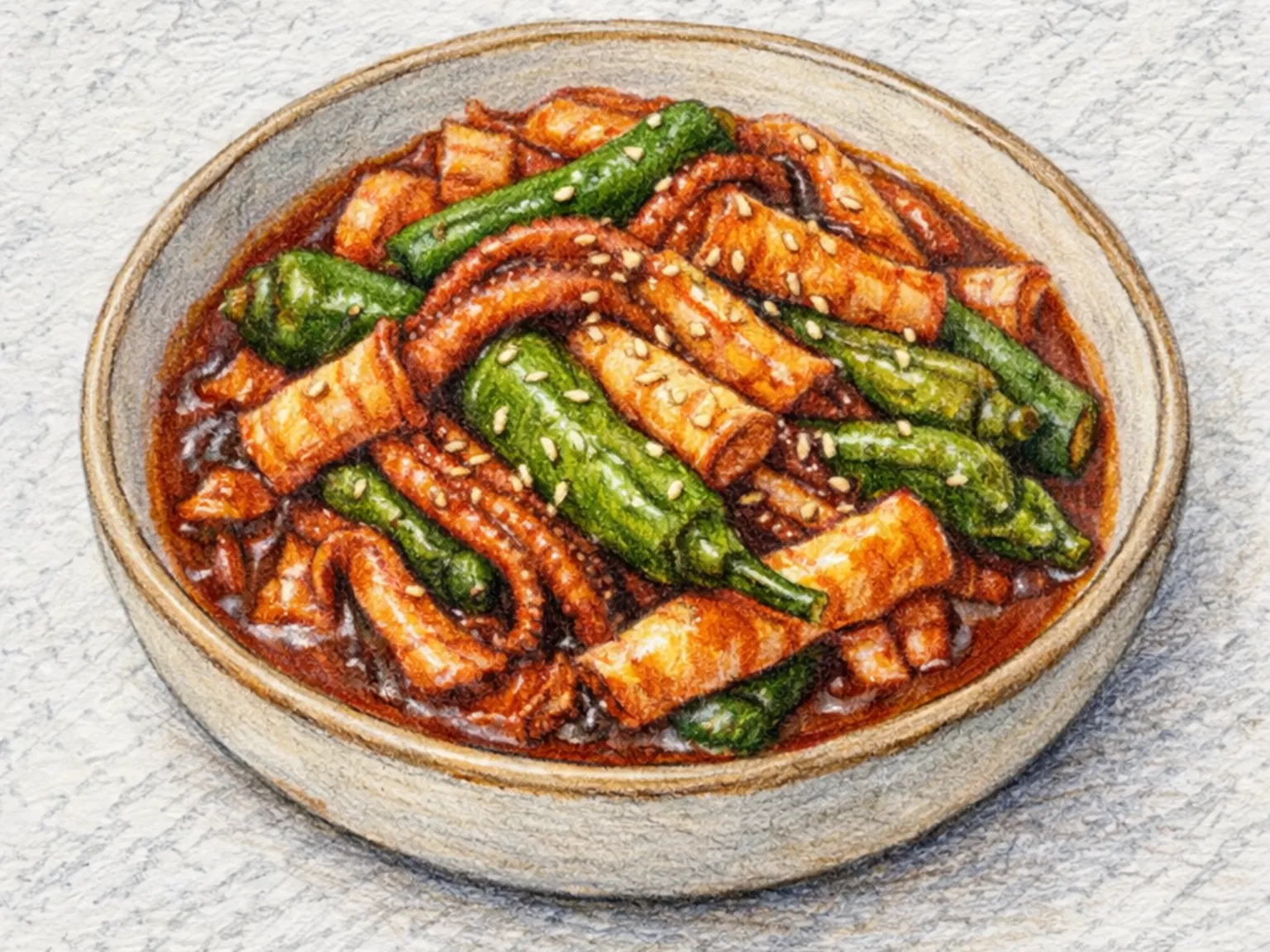
Ojingeo-jjim is a Korean spicy steamed squid dish cooked with onion and green onion in a sauce of gochugaru, gochujang, and soy sauce. The key is keeping the total cooking time to around ten minutes, starting on high heat and finishing on medium, so the squid stays chewy rather than turning rubbery. Gochujang provides a thick, coating heat while the chili flakes add a sharper spiciness on top. One final toss at the end ensures every piece is evenly glazed with the red sauce. This quick-cooking dish works equally well as a banchan alongside rice or as an accompaniment to drinks.

🍺 Bar Snacks 🏠 Everyday
Prep 18min Cook 12min 2 servings
Korean Braised Squid with Radish
Steamed Medium

Korean Braised Squid with Radish

Ojingeo mu jorim is a Korean braised dish where radish is cooked first in a soy-based liquid until fully softened, then squid is added and the whole pot is reduced in a spiced sauce of gochugaru and gochujang. Giving the radish time to cook alone is the structural key to this dish: as it slowly absorbs the liquid and breaks down, it releases its natural sweetness into the broth, which merges with the salt and gentle umami of soy sauce to build the braising liquid into something more complex than its ingredients suggest. When the spice paste goes in, the resulting flavor sits at the intersection of heat and coolness - the particular sensation of Korean chili that stings without overwhelming. The single most important technique in this recipe is the timing of the squid. Squid turns rubbery when overcooked, and the window between tender and tough is narrow, so it is added only in the last five minutes of cooking. That brief time is enough for the squid to absorb the surrounding flavors while holding the springy, snapping bite that makes the dish texturally rewarding. Green onion stirred in at the finish adds a sharp herbal lift. The reduced sauce left in the pan is deliberately left shallow rather than thick, concentrated with the flavors of both the squid and the radish, and it is best used by spooning it over rice and eating everything together.

🏠 Everyday 🎉 Special Occasion
Prep 20min Cook 30min 4 servings
Korean Steamed Stuffed Squid
Steamed Hard

Korean Steamed Stuffed Squid

Ojingeo sundae jjim is a Korean stuffed squid dish from the Gangwon-do region, where whole squid bodies are filled with a mixture of glass noodles, ground pork, onion, carrot, and garlic chives, then steamed. The chewy squid exterior encases a moist, savory stuffing that melds together during cooking. Soy sauce and sesame oil in the filling season it from within, and the squid's own moisture keeps everything from drying out. Slicing the squid after a brief rest reveals clean, attractive cross-sections with the noodles and vegetables visible inside. This dish is a common choice for home gatherings where a visually striking centerpiece is wanted.

🎉 Special Occasion 🍺 Bar Snacks
Prep 25min Cook 20min 3 servings
Braised Squid Sundae in Spicy Sauce
Steamed Easy

Braised Squid Sundae in Spicy Sauce

Squid sundae filled with stuffing, braised in a sweet and spicy sauce for extra depth.

🔥 Trending Now 🏠 Everyday
Prep 10min Cook 15min 2 servings
Korean Steamed Duck with Chives
Steamed Medium

Korean Steamed Duck with Chives

Ori-buchu-jjim is a Korean braised duck dish where duck meat is marinated in soy sauce, cooking wine, garlic, and black pepper, then placed over a layer of sliced onion with water added and the lid on. Over thirty minutes of steady heat, the fat rendered from the duck is skimmed away periodically, which removes the gamey heaviness and keeps the final result clean on the palate. Fresh garlic chives go in only at the end, wilting just enough to soften while releasing their sharp, green fragrance into the pot. That herbal sharpness is precisely what balances the deep, fatty richness of duck. As the liquid reduces near the end of cooking, the soy-based marinade thickens and clings to the surface of each piece, glazing the meat with concentrated seasoning. Duck has long been regarded in Korean food culture as a restorative ingredient, and this preparation honors that reputation by delivering full flavor while skimming away the excess fat. It is a main course suited to summer tables when the body needs replenishment.

🎉 Special Occasion
Prep 20min Cook 45min 4 servings
Thai Steamed Lime Fish (Whole Fish Chili Fish Sauce)
Steamed Medium

Thai Steamed Lime Fish (Whole Fish Chili Fish Sauce)

Pla neung manao is a Thai steamed fish dish where a whole white fish is steamed until just cooked through, then drenched in a raw sauce of fresh lime juice, fish sauce, crushed garlic, and minced Thai chili. The sharp acidity of the lime and the salty depth of fish sauce meet directly, producing a dressing that is simultaneously bright and savory without either element overwhelming the other. The minced chili brings a direct, stinging heat that cuts through the mild fish flesh. Because the sauce is poured over raw rather than cooked, the lime and garlic aromas remain fully intact and undiminished by heat. Steaming the fish for a couple of minutes after the sauce is added allows the flavors to penetrate through the scored skin and into the flesh. A generous heap of fresh cilantro on top delivers the final aromatic layer that defines the dish. Served alongside jasmine rice or glutinous rice, the sauce soaks into the grains and ties everything together into a cohesive plate.

🎉 Special Occasion 🏠 Everyday
Prep 20min Cook 18min 2 servings
Korean Braised Pork Kimchi
Steamed Medium

Korean Braised Pork Kimchi

Pork kimchi jjim is a slow Korean braise where pork shoulder and well-aged kimchi are layered alternately in a pot with gochugaru, soup soy sauce, and minced garlic, then cooked at a low simmer for over fifty minutes. The kimchi's sharp, pungent fermented acidity gradually softens over the long cook but does not disappear; instead, it transforms into a complex, deep flavor that saturates the pork rather than overwhelming it. Pork shoulder is the preferred cut because its layered fat and muscle does not dry out over extended cooking and the rendered fat continuously bastes the braising liquid, enriching it throughout the process. Onion and green onion supply a natural sweetness that moderates the acidity and spice and prevents the dish from tipping into one-dimensional sharpness. Reducing the braise until only a small amount of sauce remains is important for flavor concentration, and lifting the lid periodically to turn the ingredients ensures that the top layers absorb the liquid as thoroughly as the bottom. The pork is done when it pulls apart with chopsticks with almost no resistance. Served over steamed rice with the remaining sauce spooned generously over the top, the soy and kimchi juices soak into the grain and make for a deeply satisfying and complete meal. Refrigerated leftovers eaten the following day taste noticeably better: the acidity stabilizes further overnight and the flavors integrate more fully.

🎉 Special Occasion 🍱 Lunchbox
Prep 20min Cook 70min 4 servings
Korean Pressed Boiled Pork Slices
Steamed Medium

Korean Pressed Boiled Pork Slices

Pyeonyuk is a Korean chilled pork dish made by boiling pork shank with garlic, ginger, green onion, whole peppercorns, and salt for nearly an hour, then wrapping the meat tightly and refrigerating it until firm. The aromatics in the cooking water neutralize off-flavors from the pork, and the salt seasons the meat evenly throughout during the long simmer. Slicing after thorough chilling produces neat, thin pieces with a uniform grain, and the cold temperature sharpens the meat's clean, lean flavor in a way that serving it warm cannot replicate. Traditionally served with salted shrimp or anchovy paste for dipping, pyeonyuk is a staple on Korean holiday tables and a common appetizer when hosting guests. Wrapping the pork tightly while it is still hot is essential so that the shape sets as it cools, and refrigerating for at least two hours before slicing prevents the meat from crumbling under the knife.

🎉 Special Occasion
Prep 20min Cook 70min 4 servings
Cantonese Steamed Seabass
Steamed Medium

Cantonese Steamed Seabass

Qingzheng seabass is a Cantonese steamed fish preparation in which a whole seabass is scored, rubbed with julienned ginger and rice wine, then cooked over high heat in a steamer for ten to twelve minutes. Once the fish comes off the steam, a restrained dressing of soy sauce and sugar is poured evenly over the flesh, a generous pile of shredded scallions is laid on top, and smoking-hot oil is drizzled over everything. The oil hits the cold scallions with an audible sizzle and instantly volatilizes their aromatic compounds, filling the kitchen with a concentrated burst of allium fragrance that coats the entire dish. The steamed flesh stays moist with its natural flake intact, and the light soy dressing is calibrated so that the seabass's own clean, delicate flavor remains the centerpiece rather than being buried under seasoning. The finishing pour of hot oil simultaneously cooks the scallions and disperses their fragrance, a technique central to Cantonese cooking. The dish embodies the Cantonese philosophy that the quality of the ingredient, not the intensity of the seasoning, defines the outcome.

🎉 Special Occasion 🏠 Everyday
Prep 20min Cook 15min 2 servings