Steamed Recipes
151 recipes. Page 4 of 7
Jjim refers to Korean braised and steamed dishes cooked low and slow with rich seasoning. Galbi-jjim (braised short ribs), jjimdak (braised chicken), and haemul-jjim (spicy seafood) are holiday favorites, but they make impressive meals any day of the week.
Slow cooking allows the meat to become melt-in-your-mouth tender while the sauce penetrates every layer. A base of soy sauce, sugar, garlic, and sesame oil is all you need to build the signature sweet-savory glaze.
Korean Braised Gizzard Shad
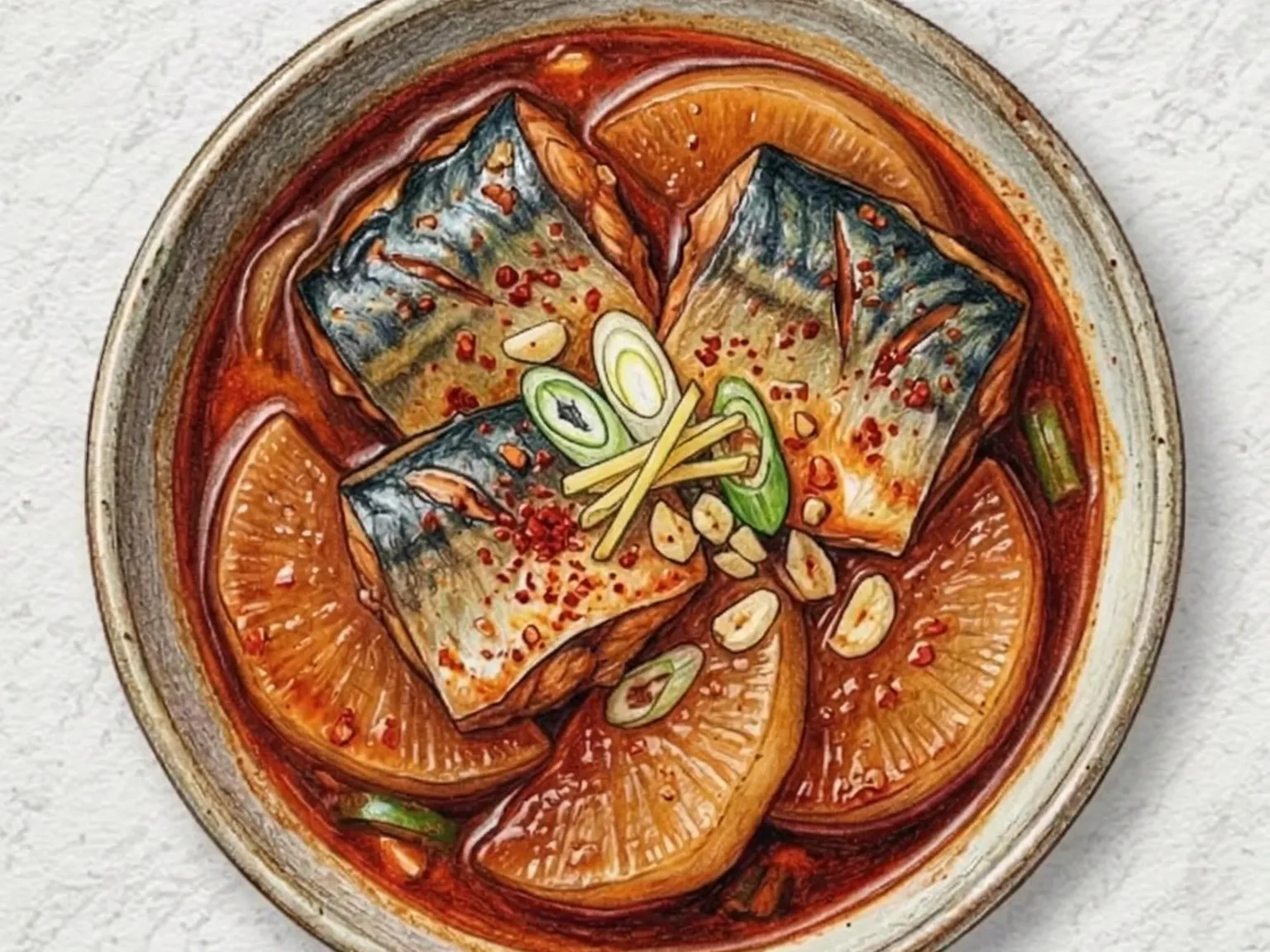
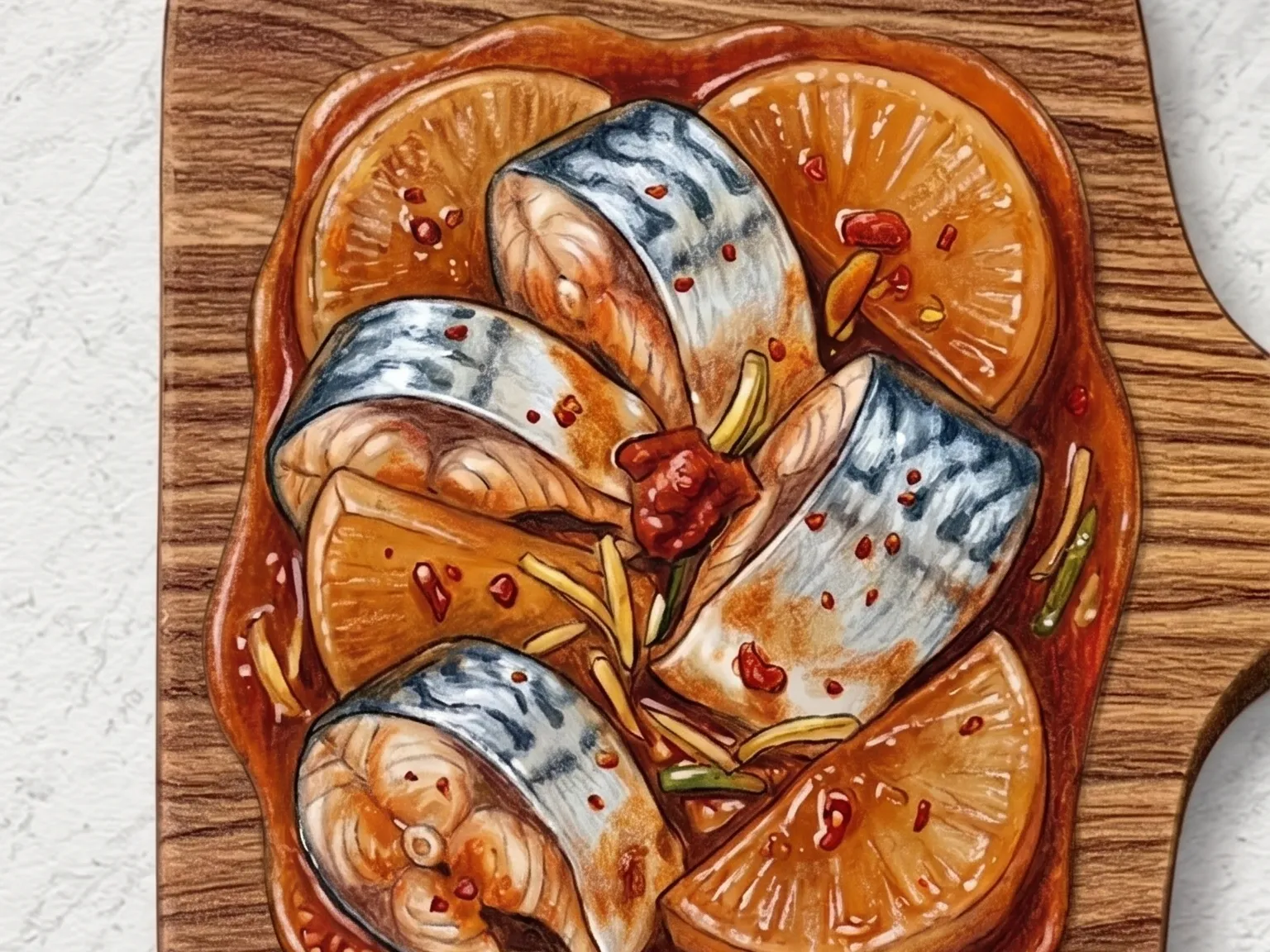
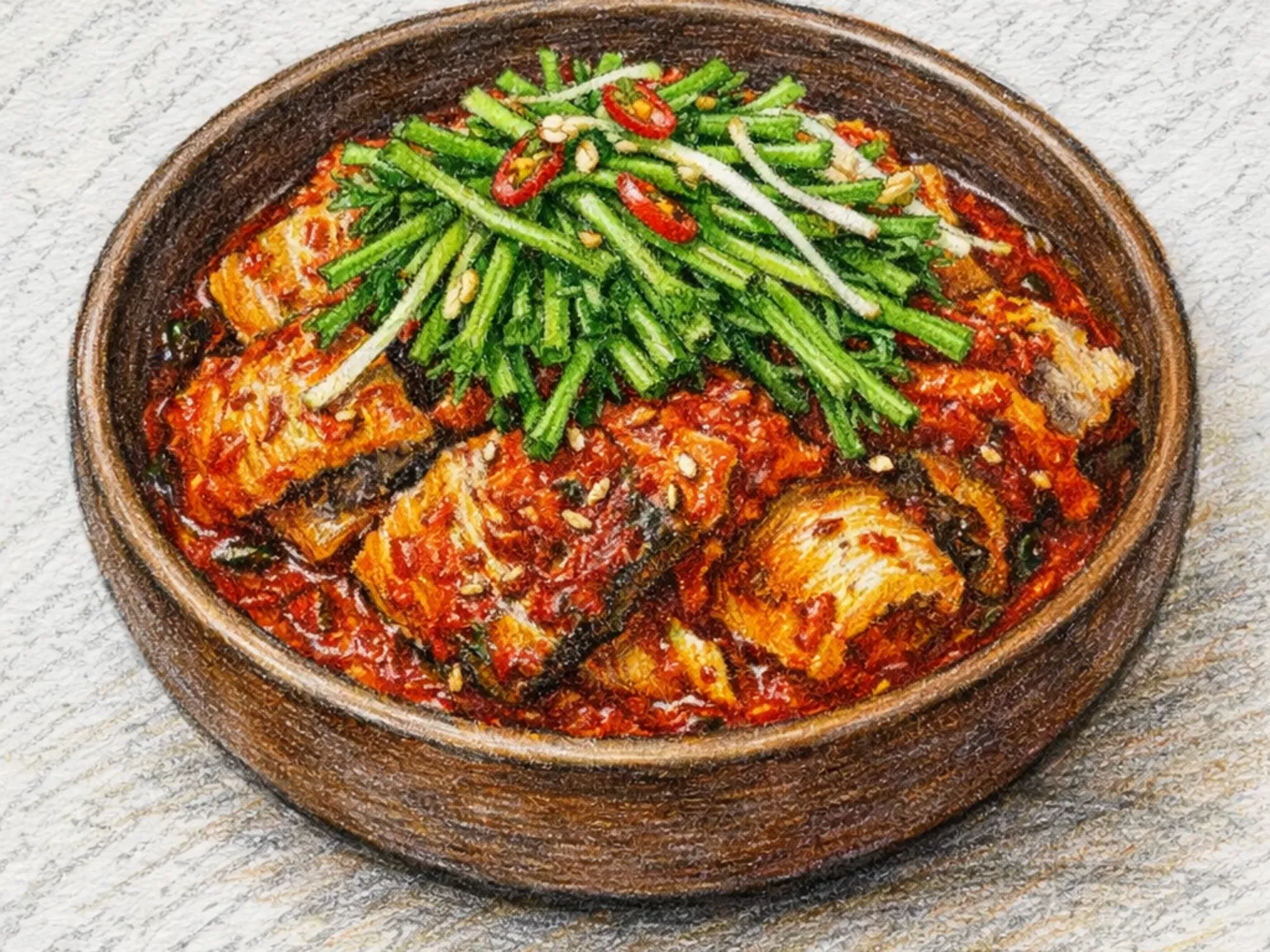
Jeoneo-jjim is a braised gizzard shad dish in which the fish and Korean radish are slowly cooked together in a soy sauce and gochugaru seasoning, making it a dish best suited to autumn when the fish carries its peak fat. Radish slices line the bottom of the pot and serve a dual purpose: they act as a natural buffer that absorbs fishiness rising from the heat, and they soak up the braising liquid as they soften, turning sweet and deeply flavored by the end of cooking. The gizzard shad's characteristic fatty richness pairs well with the bold chili and garlic seasoning, and ginger threads through the entire preparation to neutralize any remaining off-notes and leave the flavor clean. Autumn-caught fish are fattier and remain moist even after extended braising, which makes them far preferable to fish taken at other times of year. Green onion is scattered on top at the finish for fragrance, and the intensified, reduced braising sauce left in the pot is traditionally ladled over steamed rice as a condiment in its own right.
Chinese Soy-Braised Beef Shank
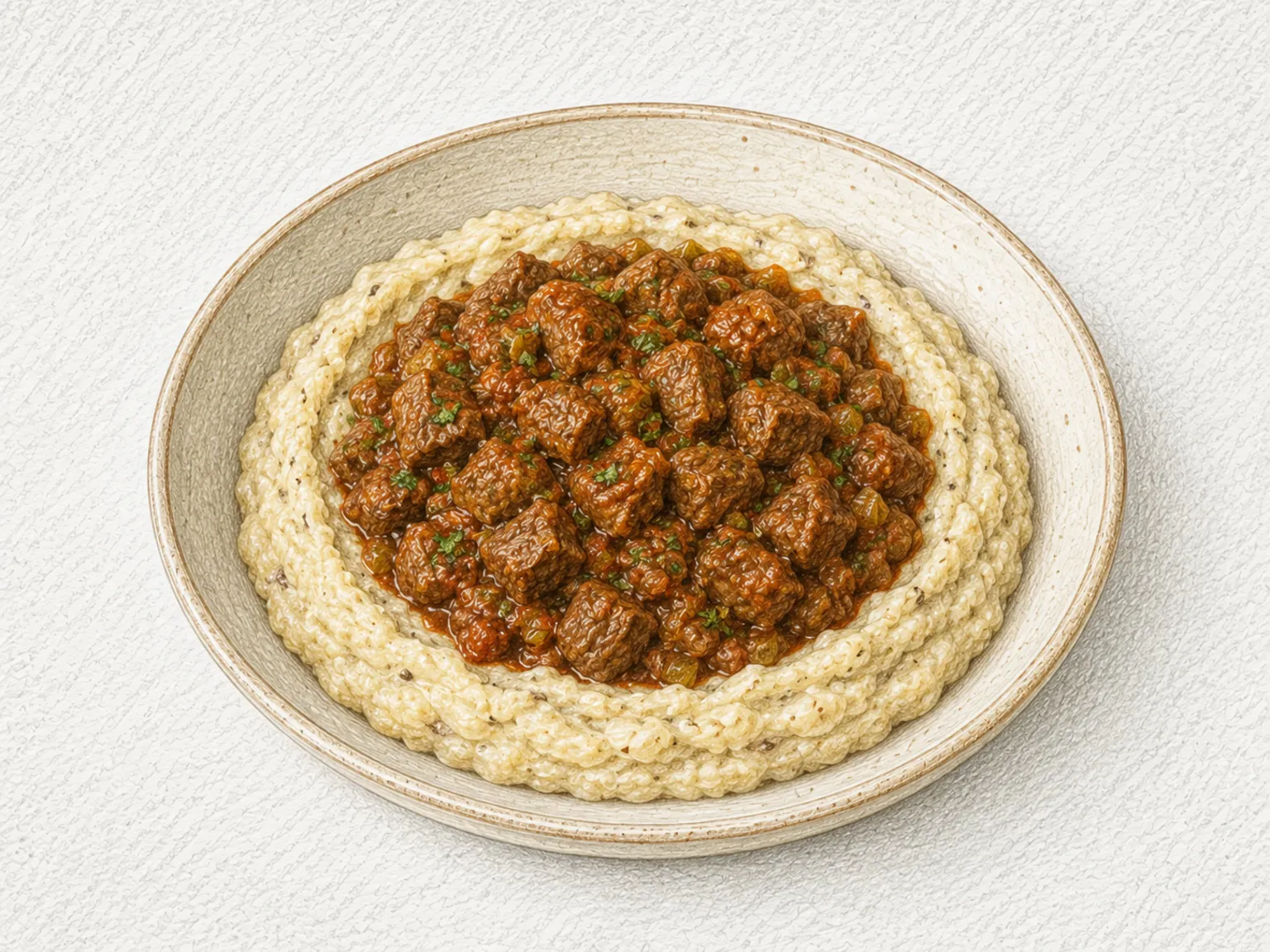
Jiang niu rou is a Chinese soy-braised beef shank simmered for at least ninety minutes with soy sauce, dark soy sauce, star anise, ginger, green onion, and sugar. The long, unhurried braise gradually breaks down the dense connective tissue in the shank while keeping the meat structurally intact, so it can be sliced cleanly across the grain once it has cooled completely. Star anise infuses the fatty cut with its distinctive warm, licorice-edged fragrance, and dark soy sauce deepens the color to a lacquered mahogany while adding a subtle sweetness that rounds out the saltiness. The sweet-savory balance of soy and sugar penetrates all the way through the meat rather than staying on the surface, which means the flavor holds up even when the shank is served cold straight from the refrigerator. The leftover braising liquid retains its full concentration of aromatics and is traditionally repurposed for cooking soy-braised eggs, making it a practical two-for-one preparation.
Korean Spicy Steamed Baby Octopus
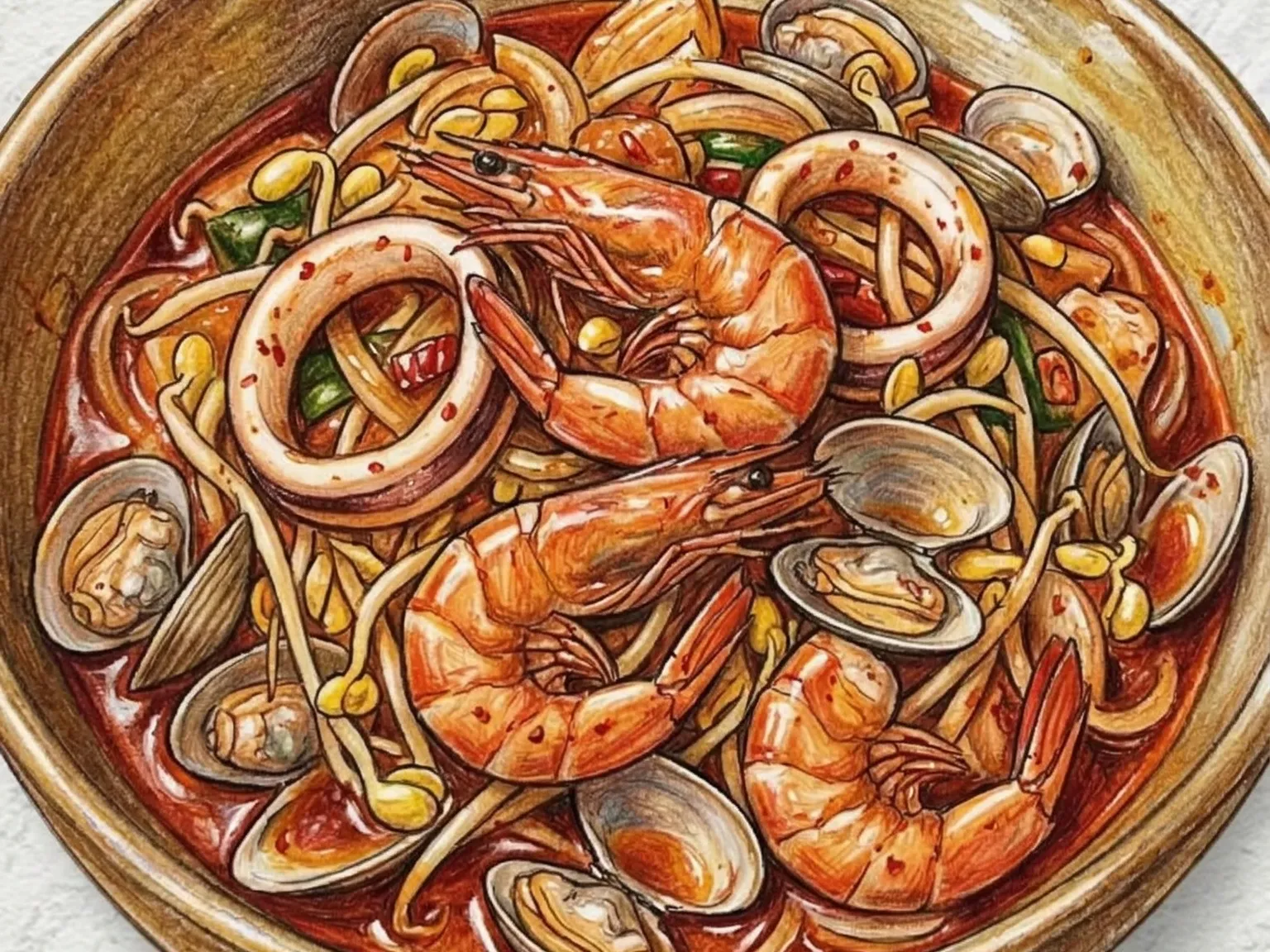
Jjukkumi-jjim is spicy steamed baby octopus marinated for ten minutes in a sauce of gochugaru, gochujang, soy sauce, and minced garlic, then steamed over a bed of cabbage and sliced onion. Baby octopus turns tough very quickly with excess heat, so steaming for roughly ten minutes is essential to keep the texture springy and bouncy. The cabbage absorbs the concentrated spice and provides a mild, slightly sweet contrast to the bold chili seasoning. A drizzle of sesame oil at the finish contributes a warm, nutty aroma that rounds out the heat. The dish is at its best in spring when baby octopus is in season and the ink sacs dissolve into the marinade, adding an extra layer of savory depth. Starting to steam only after the water has reached a full boil ensures the heat surrounds the ingredients evenly, and keeping the lid closed throughout prevents temperature drops that would extend cooking time.
Korean Steamed Clams
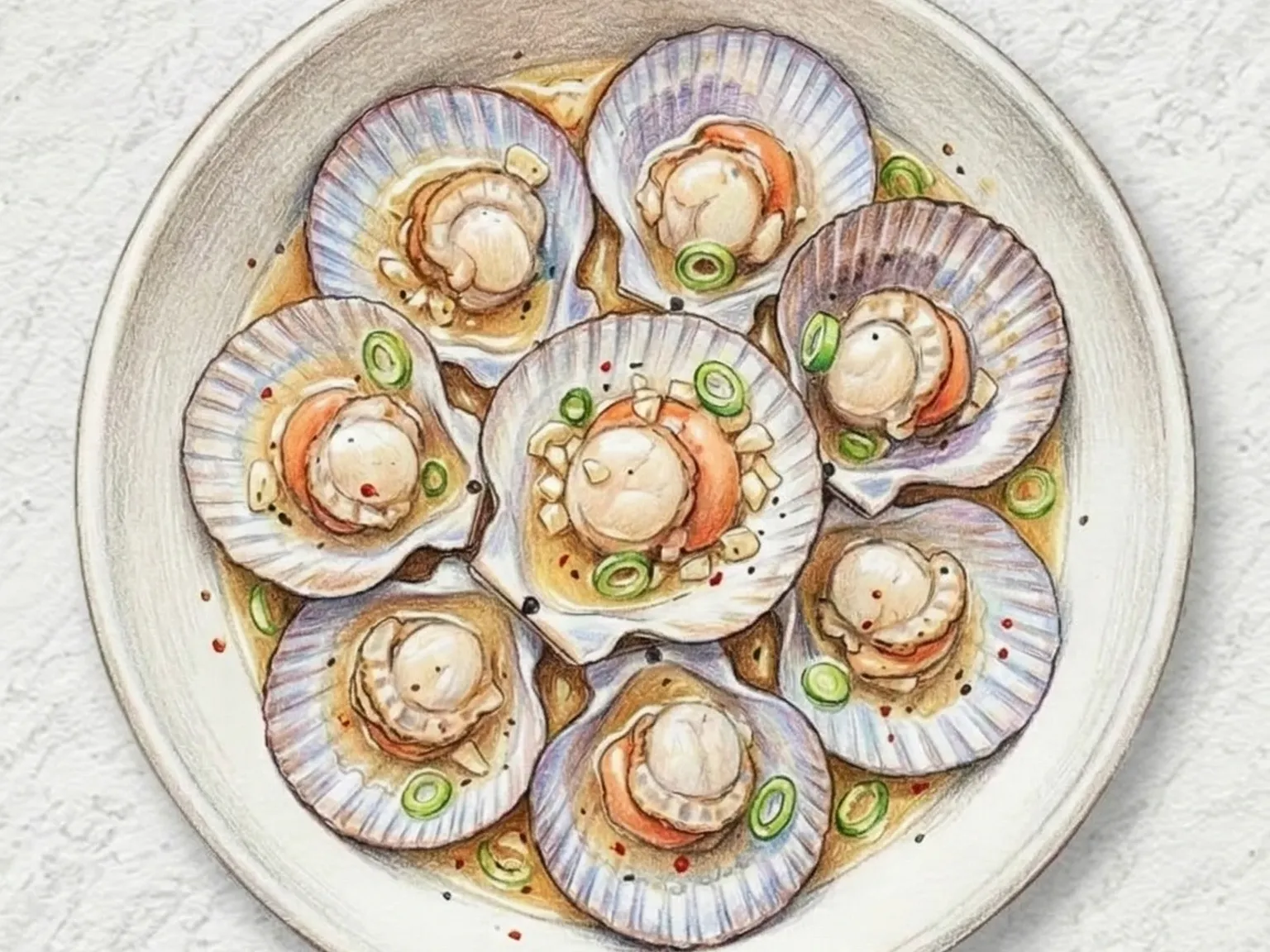
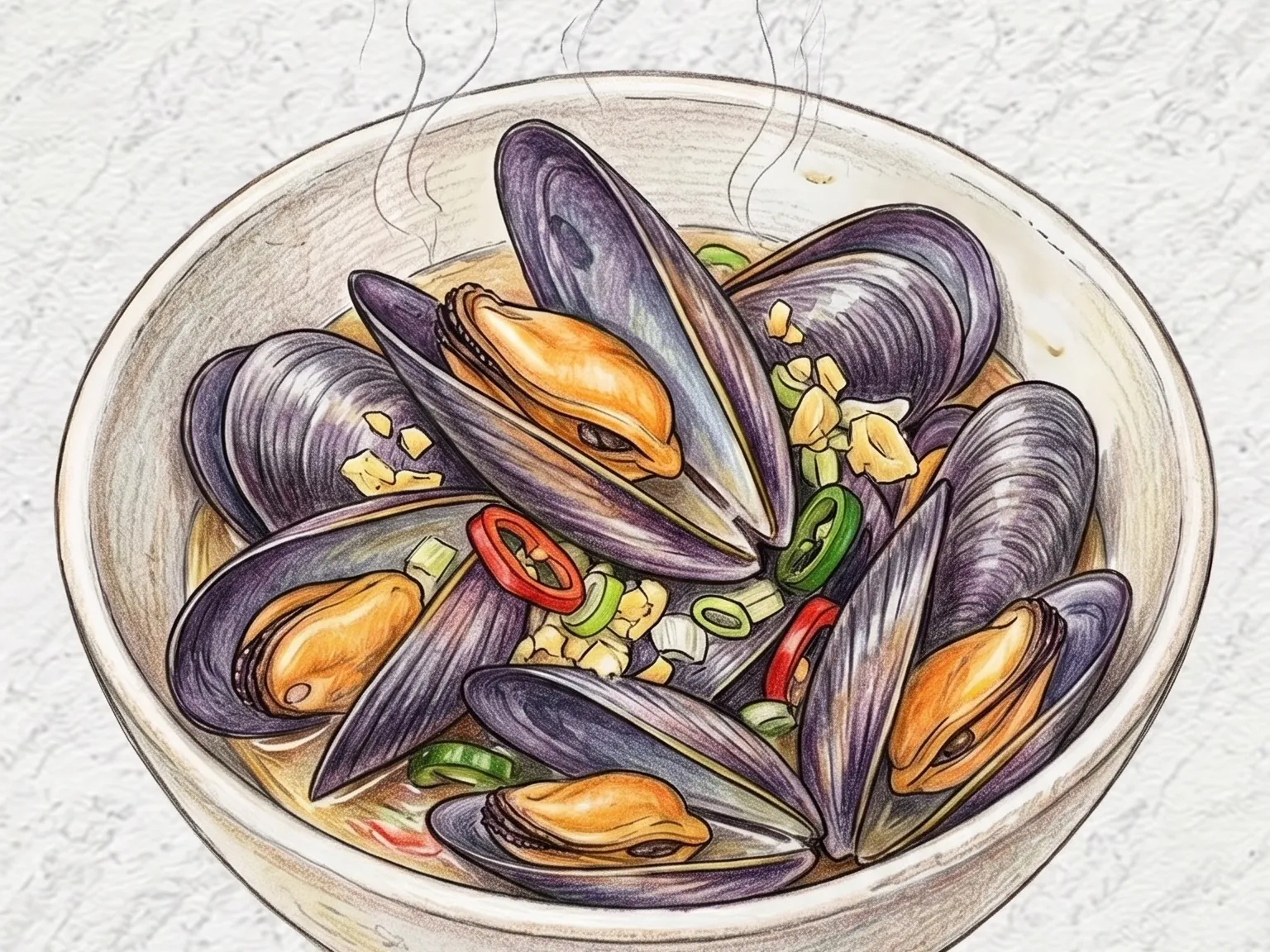
Jogae-jjim is Korean steamed clams cooked with rice wine, garlic, green onion, and cheongyang chili over high heat in a covered pot. Properly purged clams open within minutes and release their natural juices into the pot, creating a clean, intensely savory seafood broth without any added stock. The chili adds a background warmth without overpowering the shellfish, and minimal salt lets the clams' natural salinity and sweetness come through unobstructed. Removing the clams from heat as soon as they open keeps the meat plump and tender rather than chewy and shrunken. The remaining broth is flavorful enough to serve as a base for noodles or porridge, so nothing goes to waste.
Korean Steamed Clams with Rice Wine
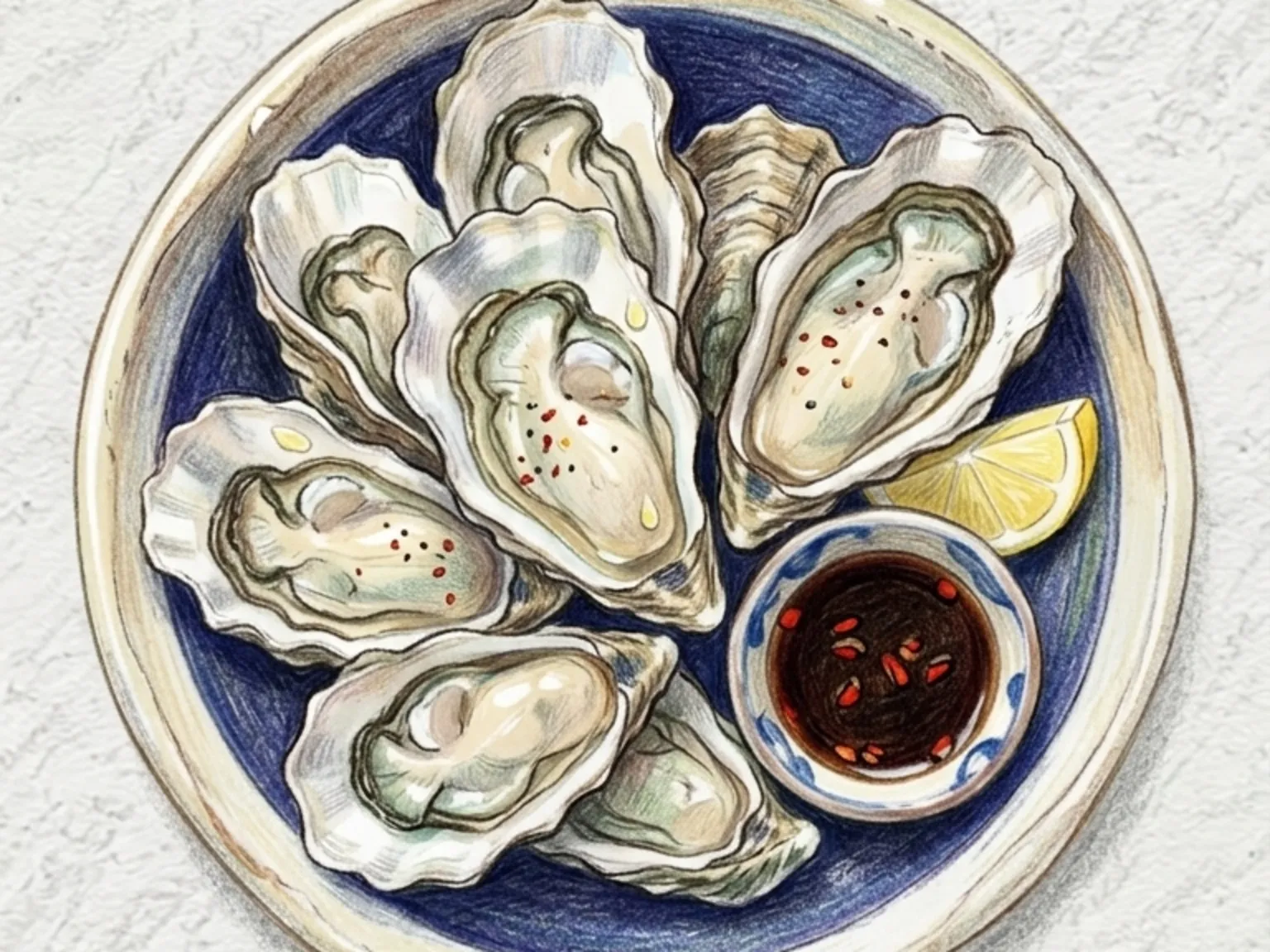
Manila and surf clams are steamed with garlic in rice wine to create this traditional Korean drinking snack. Purging the shellfish in salted water beforehand ensures the resulting broth remains clear and free of grit. Pouring cold rice wine over the shells and sealing the pot allows the alcohol to transform into steam, which strips away any ocean odors while the clams release their natural juices. As the shells open, their concentrated brine forms a natural stock at the bottom of the pot. Dropping a piece of butter into the liquid the moment the first shell cracks open adds a creamy, rounded quality to the salty clam base. Freshly scattered chives provide a grassy contrast to the buttery liquid, maintaining a sense of freshness throughout the dish. Since no additional water or stock is required, the success of the broth relies entirely on the quality of the clams and the thoroughness of the purging process. Lifting the lid at an angle prevents condensation from dripping back onto the clams, which keeps the concentrated seasoning from thinning out. A final squeeze of lemon juice heightens the sweetness of the clam meat and provides a crisp finish to the experience.
Korean Steamed Yellow Croaker
Jogi-jjim is a steamed Korean yellow croaker banchan built around a two-stage cooking method that drives soy sauce, cooking wine, garlic, and ginger deep into the flesh. Scoring the fish on both sides before cooking is essential: the cuts open channels so the marinade reaches the interior rather than sitting on the surface. Half the sauce goes in first, and the fish steams until nearly done; then the remaining sauce and sliced green onion are added for a second round. Cooking wine and ginger together strip away fishiness, leaving the croaker clean and mild on the palate. The flesh is fine-grained and firm enough to pull apart in neat flakes with chopsticks without falling apart. Any sauce that collects in the pan spooned over rice makes the dish a complete meal without needing a separate soup.
Korean Braised Pork Trotters
Jokbal is Korean soy-braised pork trotters slow-cooked for over two hours in a broth of soy sauce, garlic, ginger, onion, green onion, and whole peppercorn. The trotters are blanched first to remove impurities, then simmered gently until the collagen-rich skin turns glossy and the meat becomes fork-tender. The long braise allows the soy seasoning to penetrate deep into the layered skin and meat, creating a rich, savory flavor throughout. Traditionally sliced while still warm for the softest texture, jokbal is served with salted shrimp dipping sauce or ssamjang, wrapped in lettuce leaves - a classic Korean late-night food and drinking accompaniment.
Japanese Braised Pork Belly
Kakuni is a Japanese braised pork belly in which thick slabs are simmered for two hours or more in soy sauce, mirin, sake, and ginger over the lowest possible heat. The fat layers slowly render into the surrounding meat, breaking down collagen until the pork yields completely to the faintest pressure of chopsticks. Mirin adds a mild sweetness that glazes the surface, while ginger neutralizes any gamey notes, keeping the flavor clean despite the extended cooking time. The reduced braising liquid coats each piece in a deep caramel-colored lacquer, which is one of the dish's defining visual qualities. Served over steamed rice with a spoonful of cooking liquid poured over, or paired with a small dab of hot Japanese mustard to contrast the sweet and salty glaze, kakuni is one of the most satisfying expressions of low-and-slow pork cookery.
Korean Steamed Perilla Leaves
Kkaennip-jjim is a Korean banchan made by stacking perilla leaves one by one with a soy sauce, gochugaru, and garlic seasoning between each layer, then gently braising them covered over low heat. As the leaves wilt, they absorb the sauce and release their distinctive herbal aroma, which mingles with the soy's umami into a layered flavor. Sesame oil brushed between the leaves adds a nutty fragrance, while the chili flakes provide a slow-building warmth. Wrapping a spoonful of steamed rice in a single seasoned leaf makes for a complete bite, which is why this dish is considered one of Korea's most reliable everyday side dishes.
Korean Steamed Pacific Saury
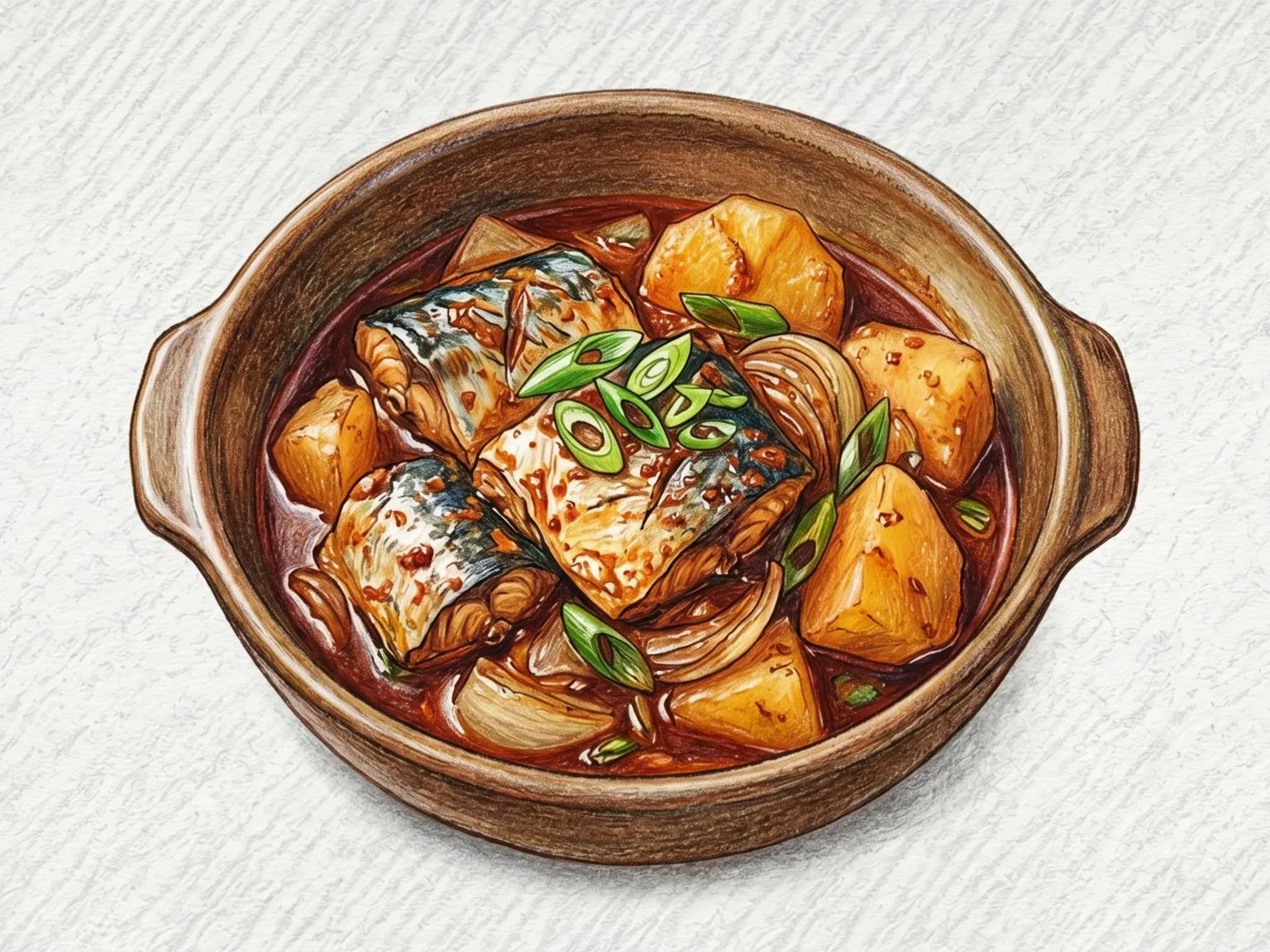
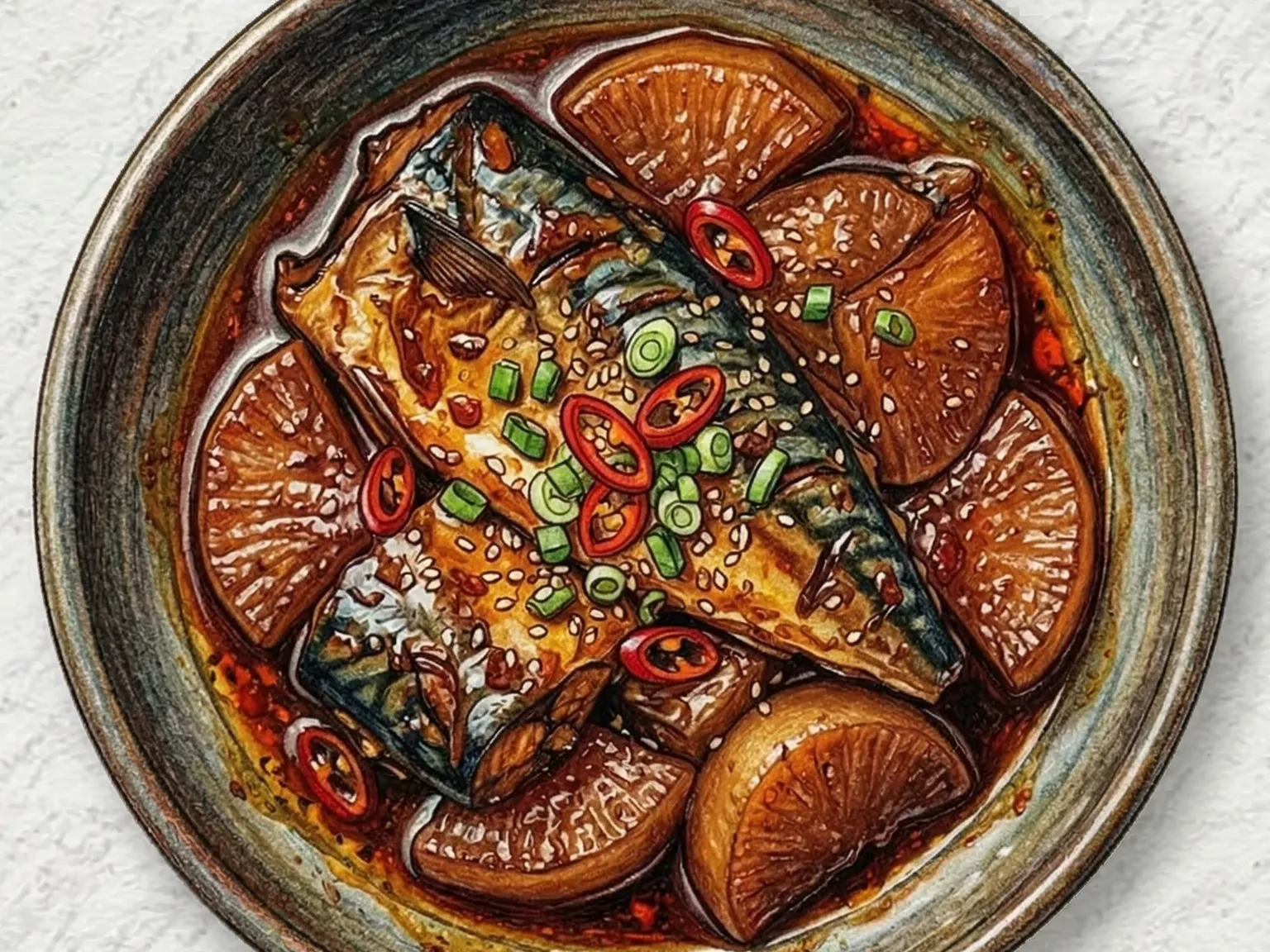
Kkongchi-jjim braises Pacific saury with Korean radish, onion, and green onion in a gochugaru and soy sauce broth until the liquid reduces to a concentrated, deeply spiced glaze. The saury's naturally oily flesh absorbs the bold seasoning without drying out, while the radish softens in the braising liquid and draws out any fishiness that would otherwise distract from the sauce. Garlic and ginger scrub the broth clean, and the chili's penetrating heat opens the appetite in a way that milder seasonings cannot. The remaining sauce, ladled over rice, is what most people eat last and remember longest - a humble fish dish that punches well above its price.
Korean Braised Saury Kimchi
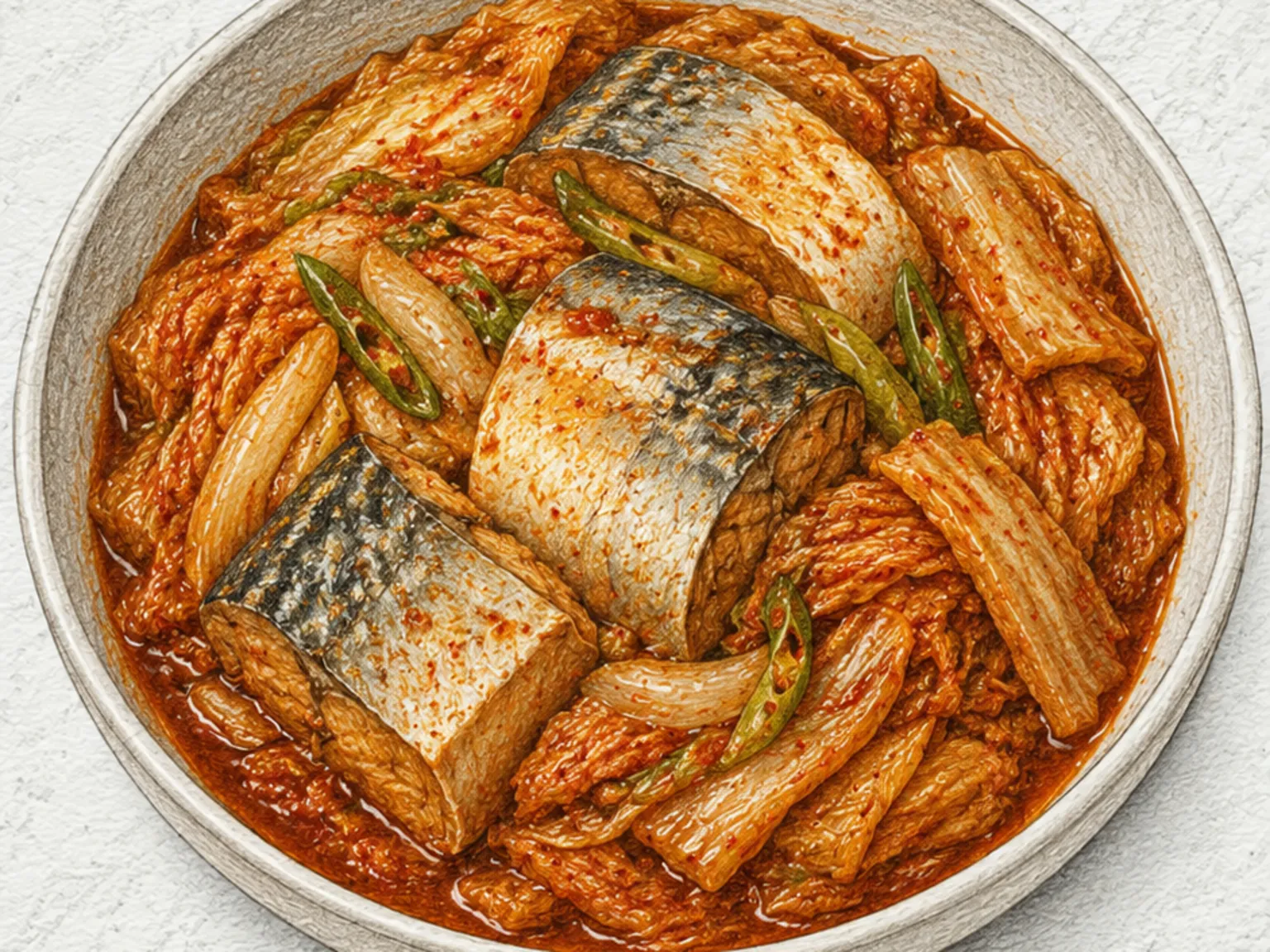
Kkongchi-kimchi-jjim braises canned Pacific saury with well-aged kimchi until the flavors meld into a concentrated, tangy sauce with no additional stock needed. The aged kimchi's deep acidity and fermented complexity dissolve into the saury's natural oils, building a rich, layered broth that tastes far more time-consuming than it is. Tofu added to the pot absorbs the spiced liquid and contributes a soft, yielding contrast to the fish. Green onion and cheongyang chili finish the dish with a sharp kick of heat that cuts through the richness. Using canned fish keeps preparation minimal, while the aged kimchi does the slow-cooking work, delivering a depth of flavor that is difficult to achieve in such little time.
Korean Braised Oxtail (Soy Collagen Radish Braise)
Kkori-jjim is a Korean braised oxtail dish that begins with an extended soak in cold water to purge blood, followed by a preliminary boil to clean the joints before the main braise. The oxtail pieces go into a pot with soy sauce, sugar, minced garlic, ginger, and rice wine and cook low and slow for two hours or longer. The collagen concentrated in the tail joints breaks down gradually over that time, turning the braising liquid thick, glossy, and deeply gelatinous while the meat loosens away from bone without resistance. Korean radish and carrot cook alongside the meat, contributing natural sweetness and becoming saturated with the savory-sweet sauce. Jujubes and ginkgo nuts lend an herbal nuance and a subtle sweetness that distinguishes this dish from simpler braises. When chilled, the sauce sets into a firm jelly that liquefies again on reheating. The dish appears regularly on Korean holiday tables and is considered restorative food, valued for its concentrated beef flavor and the characteristic springy pull of slow-cooked collagen.
Korean Steamed Blue Crab (Whole Shell Aromatics)
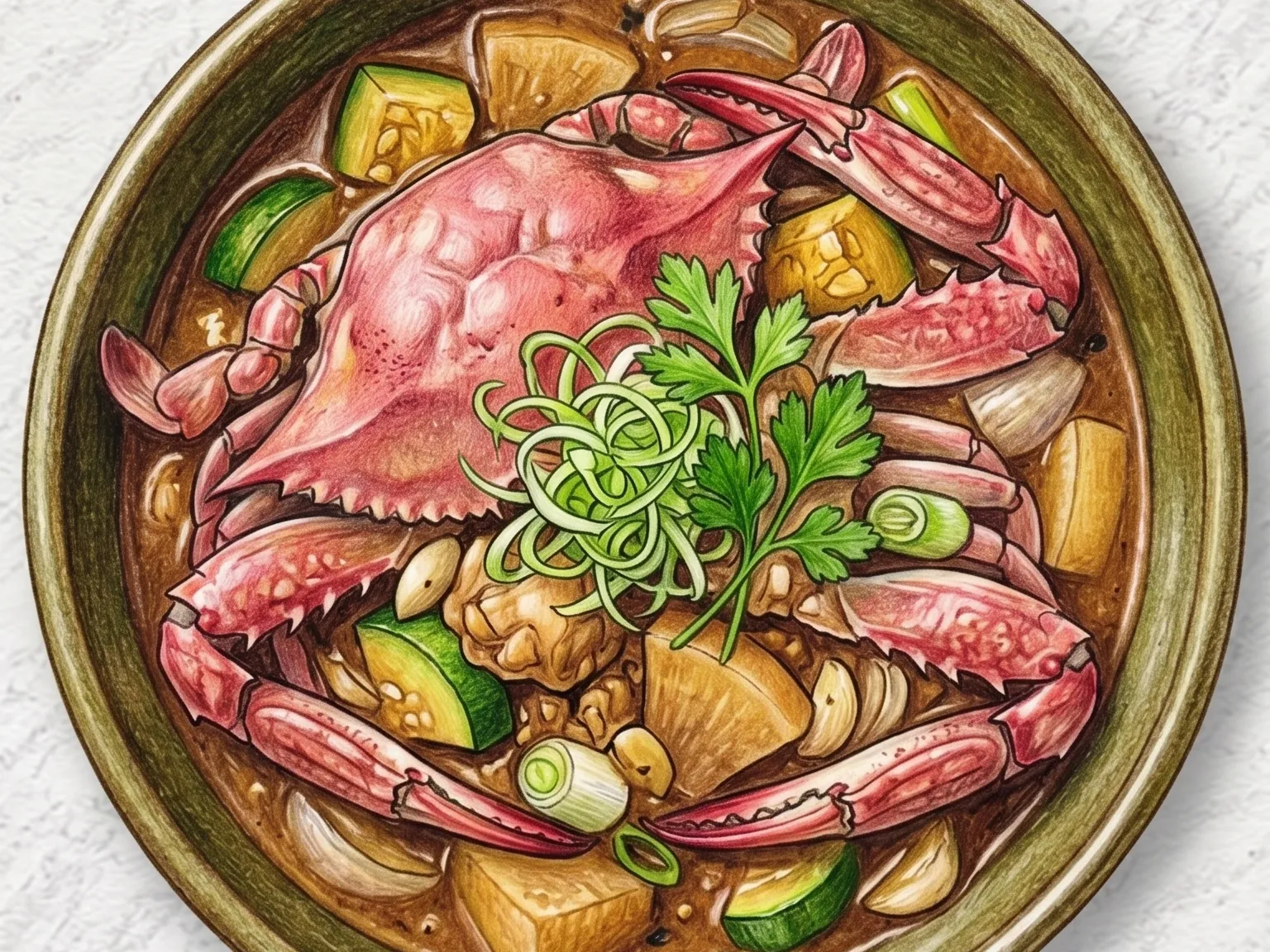
Kkotge-jjim is a Korean steamed blue crab dish cooked whole in a steamer with lightly salted water and aromatic vegetables. Steaming retains the natural juices and sweetness locked inside the shell more effectively than boiling or grilling, so the extracted meat delivers a concentrated, briny flavor with each bite. Dipping the pieces in vinegar soy sauce adds acidity that draws out and sharpens the crab's inherent sweetness, creating a clear contrast against the richness of the flesh. Blue crabs caught during their spring and fall peak seasons arrive heavy with roe and thick with tomalley, which means there is far more to eat beyond the white claw and body meat, and the flavor reaches its fullest depth. Cracking the shells by hand, working through each leg joint, and pulling out the meat is an integral part of how this dish is meant to be eaten. For those without a steamer, a shallow layer of water in a pot with a wire rack set above it works as a straightforward substitute.
Korean Braised Potatoes with Shishito Peppers
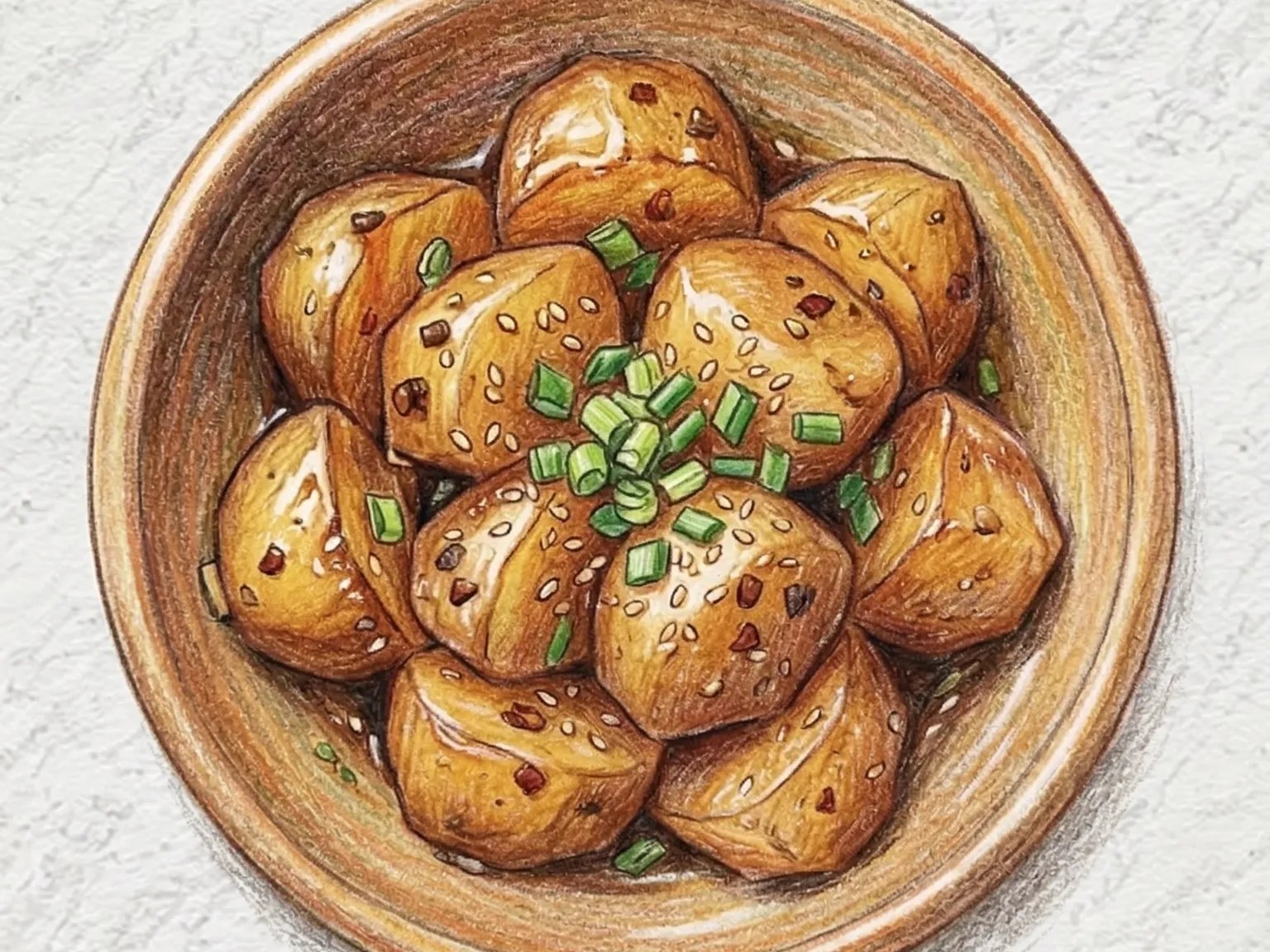
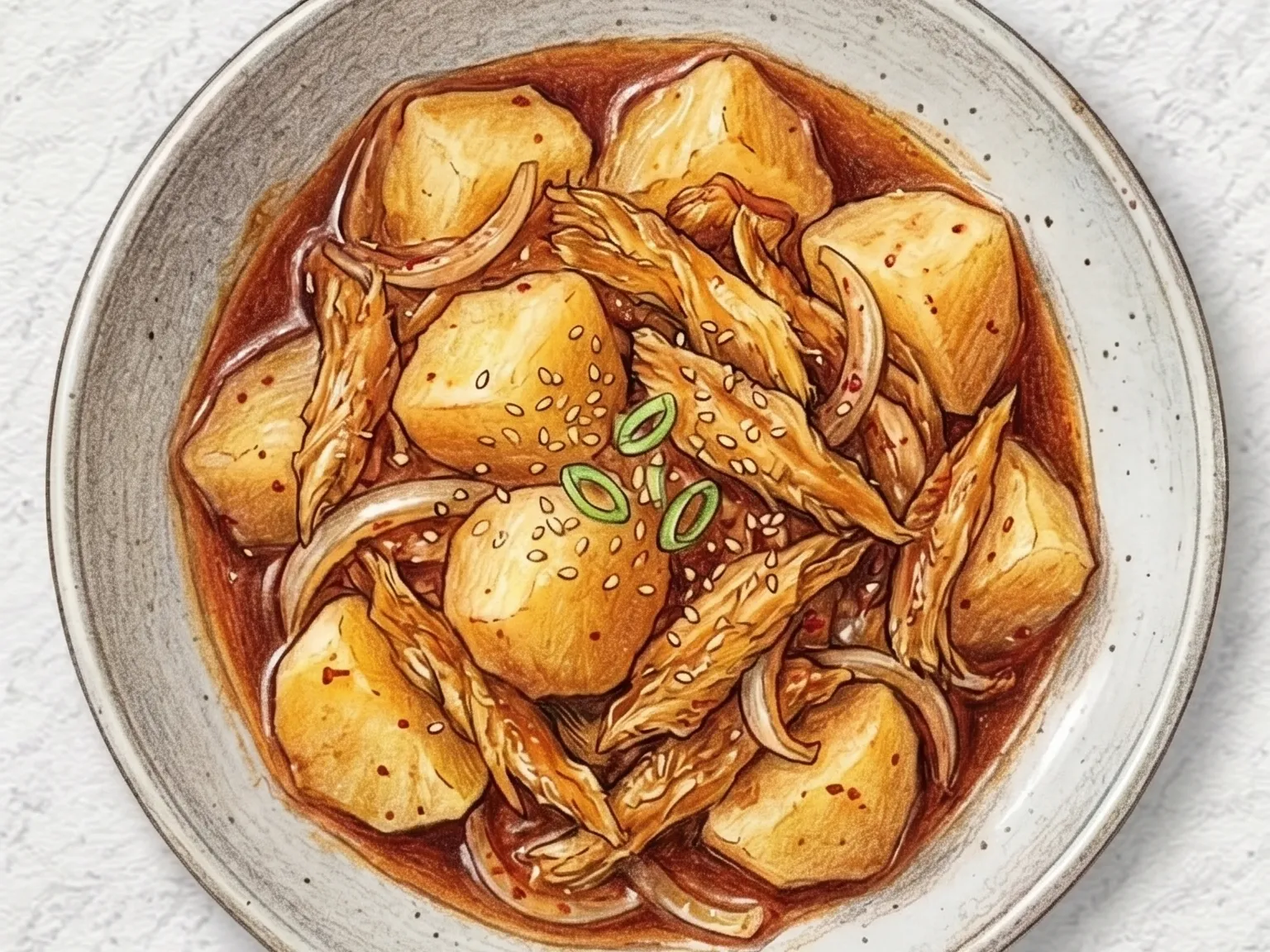
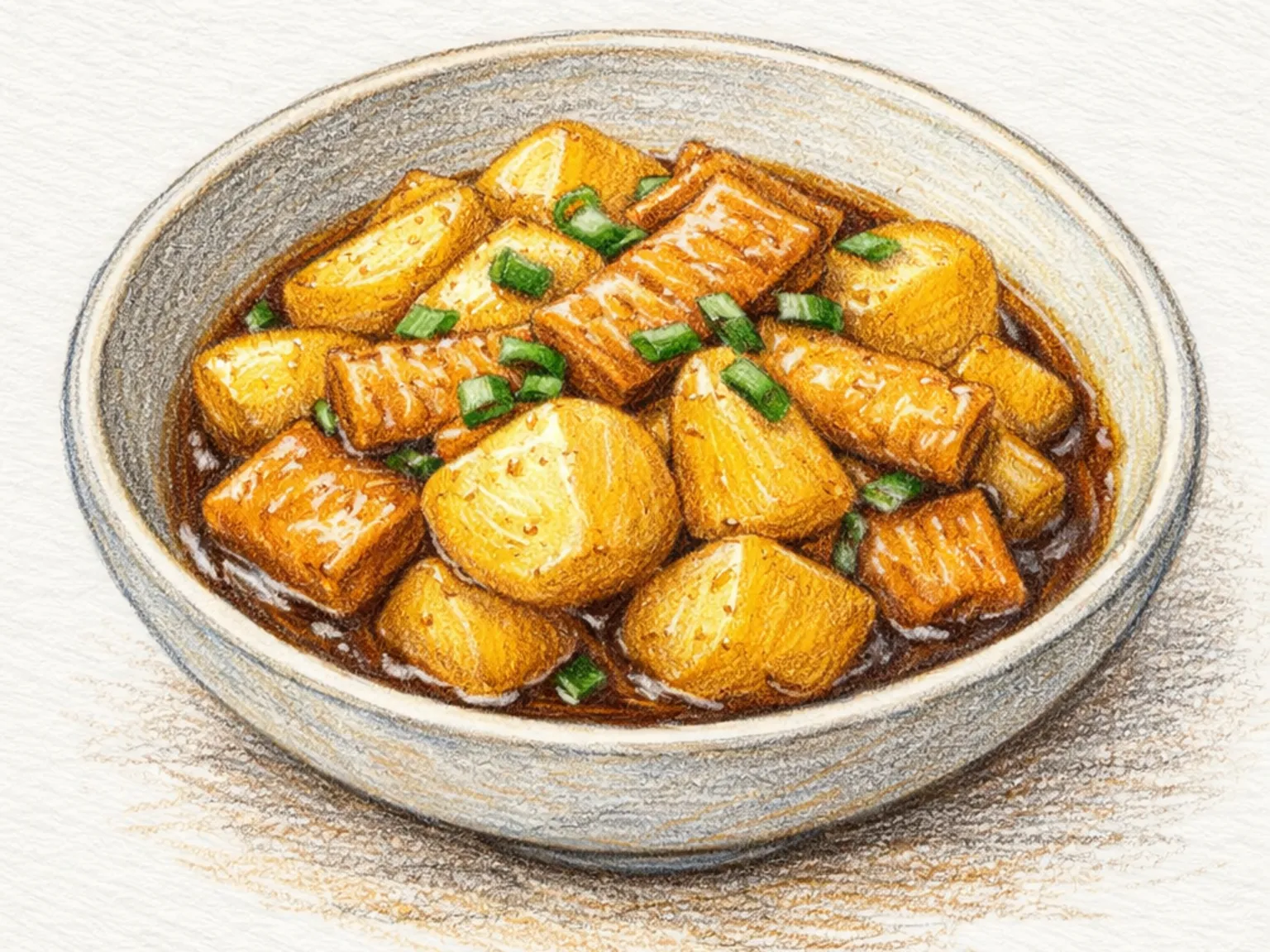
Kkwari-gamja-jorim is a Korean braised side dish of cubed potatoes and shishito peppers cooked down in soy sauce, oligosaccharide syrup, and minced garlic. The potatoes start in a sauce with enough moisture to cook through, and as the liquid reduces, the seasoning thickens into a glossy coating. By the time the pan is nearly dry, the outside of each potato piece has taken on a sweet-salty glaze while the inside stays floury and soft. Shishito peppers, with their wrinkled skins, hold the sauce well and require only brief cooking to stay crisp. A final drizzle of sesame oil and a scatter of sesame seeds add a nutty aroma and a visual finish that signals the dish is done. The heat level stays mild, suitable for children, and the glaze sets firmly enough that the dish travels well in a packed lunch without losing flavor at room temperature.
Korean Braised Quail Eggs and Shishito Peppers
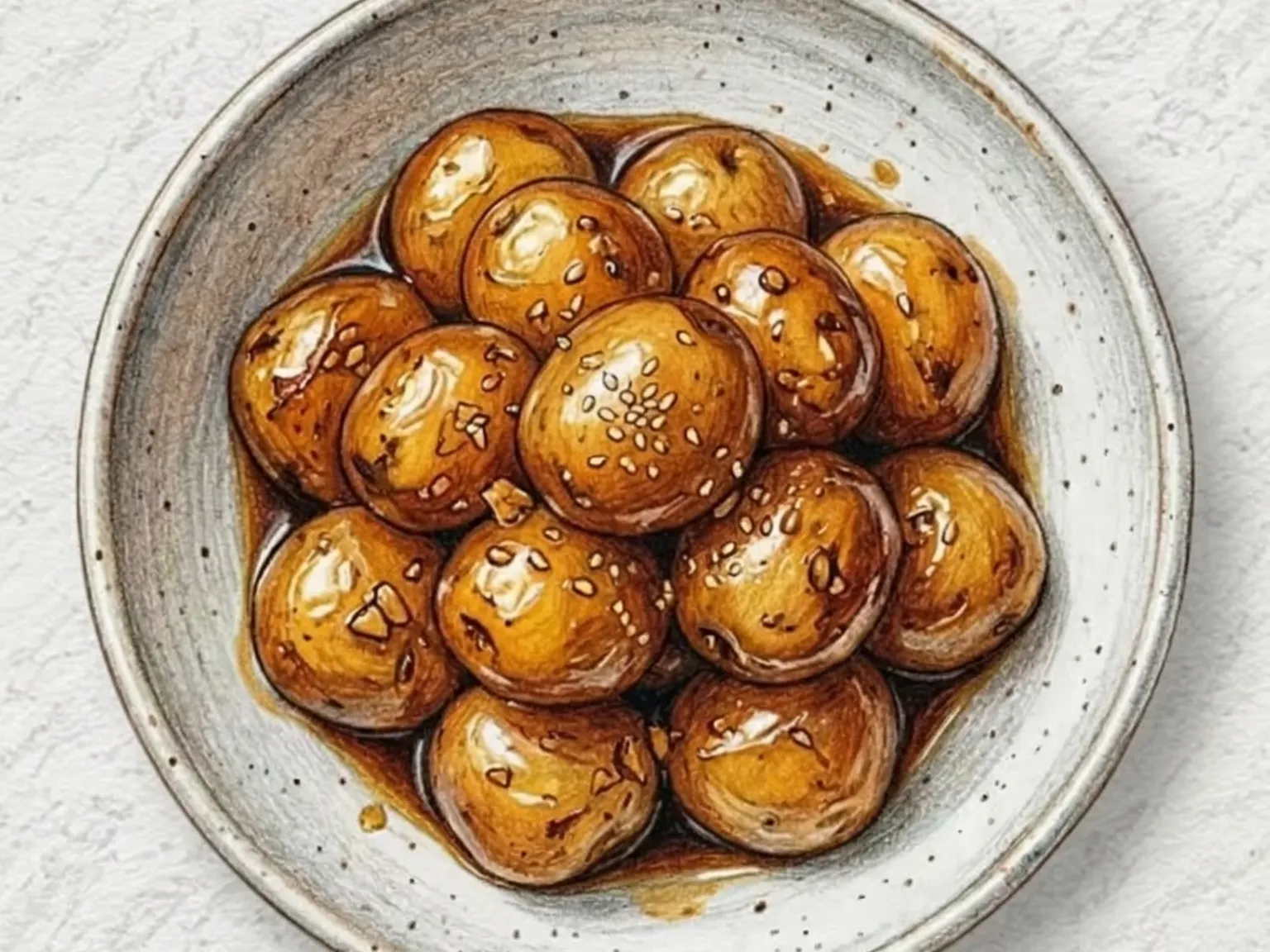
Kkwari-mechurial-jorim is a Korean banchan of boiled quail eggs and shishito peppers braised in soy sauce and oligosaccharide syrup until the glaze turns deeply glossy. The quail eggs absorb the soy-based liquid over the heat, gradually browning on the outside while the seasoning penetrates all the way to the yolk, giving every bite a uniform, savory depth. The peppers hold onto their crunch and mild grassy flavor even after cooking, providing a textural and aromatic contrast to the dense richness of the eggs. Oligosaccharide syrup keeps the glaze shiny and adds a gentle, rounded sweetness that does not overwhelm the soy, and sesame oil stirred in at the end along with whole sesame seeds finishes the dish with a clean, nutty aroma. The braising liquid should be cooked down until almost completely reduced -- that is when the glaze adheres firmly to each piece and stays shiny even as the dish cools. Piercing each shishito with a toothpick before cooking lets the seasoning penetrate the interior and prevents the peppers from bursting. Refrigerated, the flavors deepen overnight and the dish stays good for three to four days, which makes it a practical choice for weekly meal prep and packed lunches alike.
Korean Braised Squid with Shishito Peppers
Kkwari-ojingeo-jorim is a Korean braise of squid and shishito peppers simmered in a gochujang and soy sauce seasoning. The squid retains its chewy bounce while soaking in the bold sauce, and the peppers absorb enough flavor to stand on their own while keeping a slight crunch. Gochujang brings a warm spiciness that combines with soy sauce's depth into a multilayered seasoning, and garlic with ginger neutralizes any seafood odor. As the liquid reduces, it coats each piece in a concentrated glaze that makes this banchan work especially well spooned over a bowl of steamed rice.
Korean Braised Tofu with Shishito Peppers
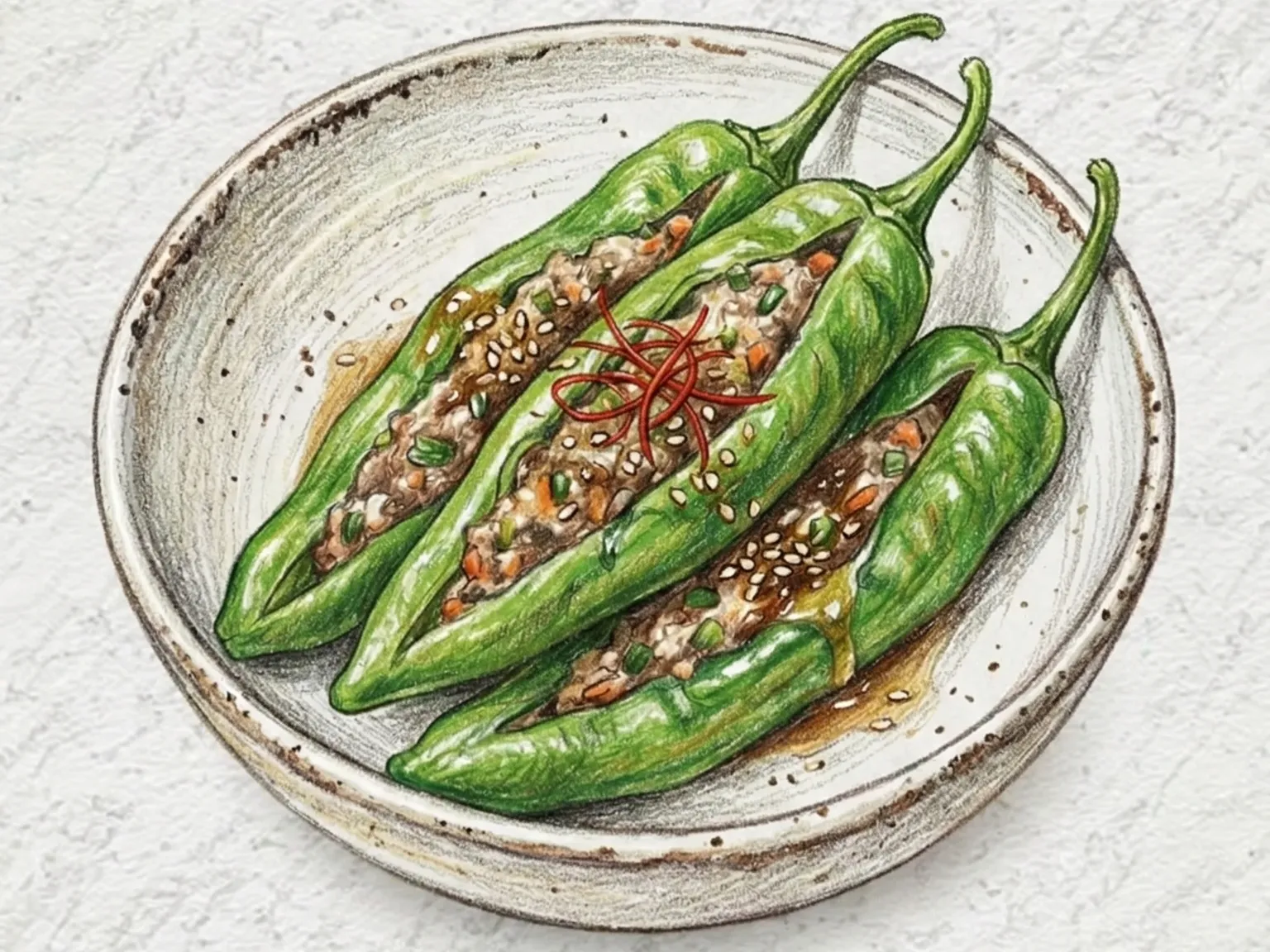
Kkwarigochu-dubu-jorim is a Korean braised dish of pan-fried tofu and shishito peppers in a soy sauce, gochugaru, and garlic seasoning. The tofu is seared first to create a firm, golden crust that contrasts with its soft interior once it finishes braising in the sauce. Shishito peppers absorb just enough liquid to carry the seasoning while adding their own fresh, vegetal note. Soy sauce and sesame oil pull the flavors together into a cohesive, savory whole, making this a satisfying plant-based banchan that holds its own on any table. Mixing the braising sauce into a bowl of rice alongside makes for a simple but rewarding meal.
Korean Spicy Braised Semi-Dried Pollock
Kodari-jjim is a Korean braised dish of semi-dried pollock slow-cooked with radish and onion in a gochugaru and soy sauce seasoning. The drying stage removes moisture from the pollock, firming the flesh so it absorbs the seasoning deeply while holding its shape throughout cooking. Radish tempers the chili heat and contributes a natural sweetness, and a small addition of doenjang adds a savory depth that rounds out the sauce. As the liquid reduces to a thick, clinging glaze, the pollock takes on an intensely spiced quality that makes it a natural companion to steamed rice. Mixing the reduced sauce into hot rice is a well-known Korean habit, since every drop carries concentrated spice and brine.
Steamed Komatsuna and Tofu
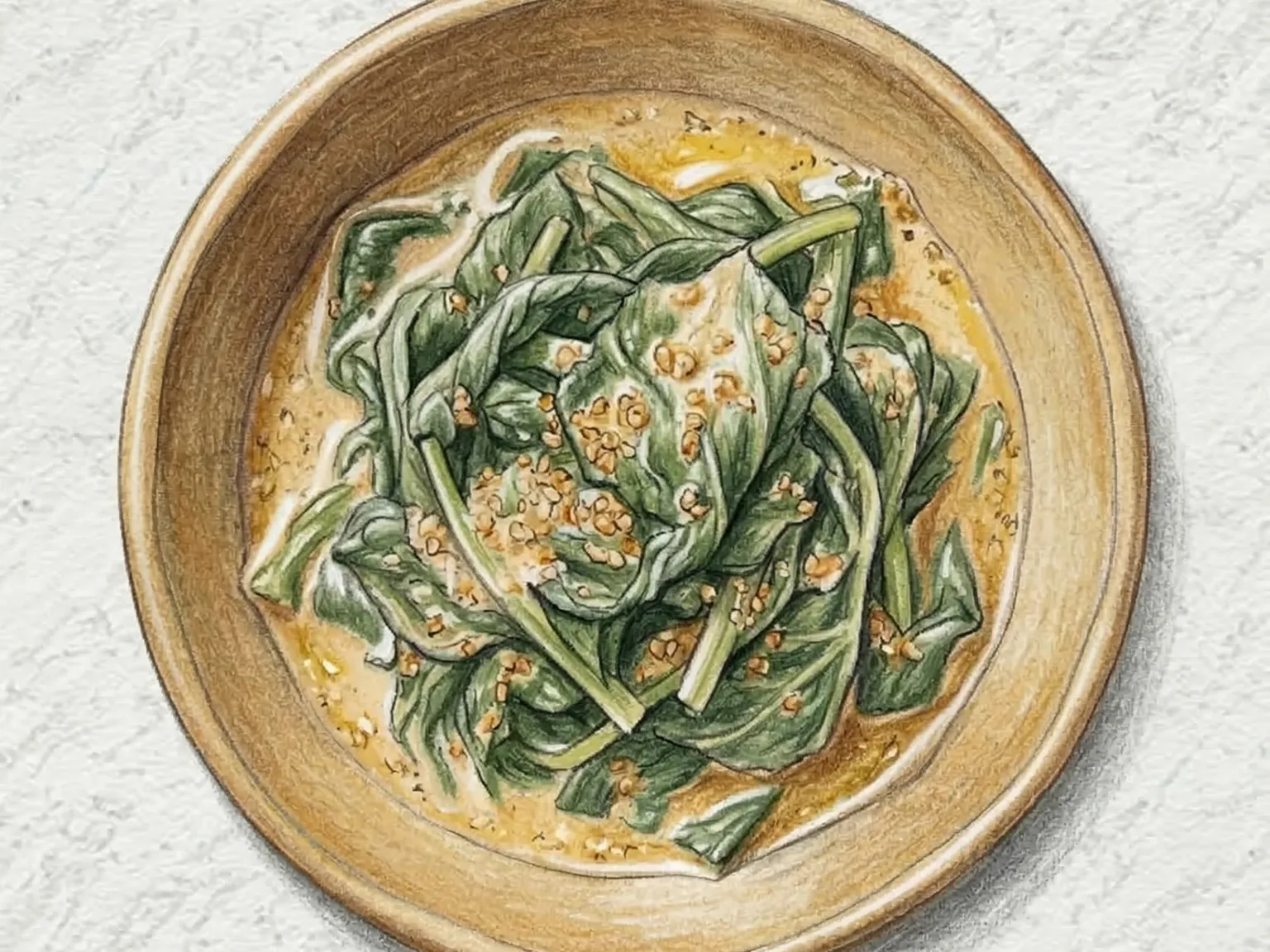
Komatsuna mushi is a Japanese steamed dish of mustard spinach and tofu, finished with a poured dashi-soy sauce. Komatsuna has less bitterness than regular spinach and keeps a firm bite after steaming, which stands in textural contrast to the soft tofu beneath it. The sauce is made from kombu and katsuobushi dashi seasoned with soy sauce and salt alone, so there is nothing artificial in the flavor and each ingredient comes through cleanly. No oil is used anywhere in the preparation, making this one of the lighter dishes in a multi-course Japanese home meal, where it commonly appears alongside several other small plates. A small amount of bonito flakes laid over the tofu at the end adds fragrance and gives the dish a tidy, composed appearance.
Korean Steamed Spicy Pork and Bean Sprouts
Kongbul-jjim is a steamed rather than stir-fried take on the classic spicy pork and bean sprout combination, cooked with a lid on to trap moisture inside the pot. As the bean sprouts release their liquid under the sealed lid, a natural broth forms and carries the gochujang-and-gochugaru seasoning evenly into every piece of pork. The double-layer chili heat is assertive, but the bean sprouts, still holding a light crunch, soften the impact of each bite. Because far less oil is used than in a stir-fry, the seasoning comes through cleaner and more direct. Stirring rice into the remaining broth at the end, or dropping in thin somyeon noodles, makes full use of the deeply flavored liquid at the bottom of the pot. Adding extra garlic builds additional layers of savory depth, and a cut like pork shoulder with some texture stays noticeably more moist through the steaming process than a leaner loin cut.
Korean Soy-Braised Black Beans
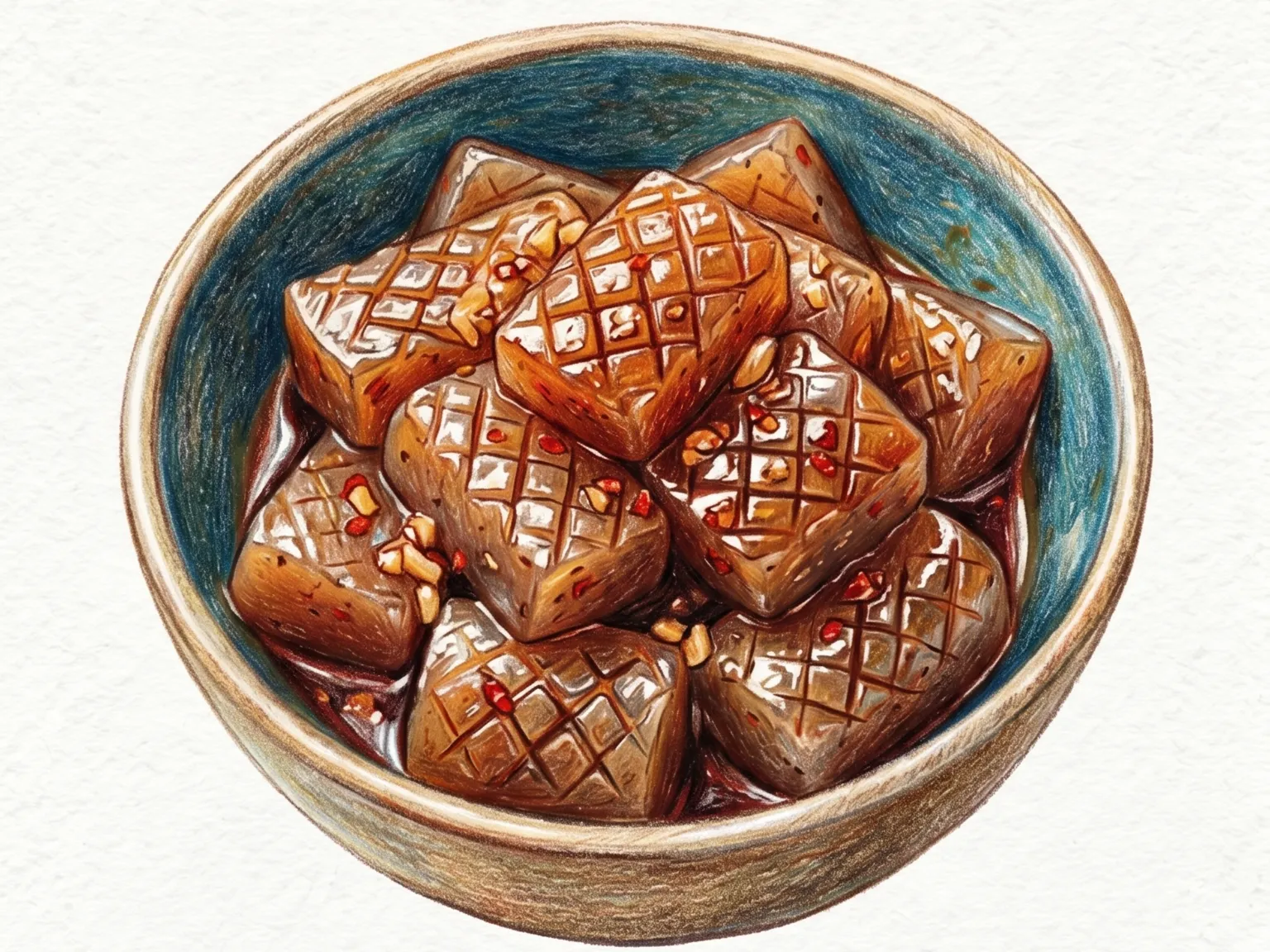
Kongjaban is a traditional Korean side dish of black soybeans slowly braised over low heat in a seasoning liquid of soy sauce, sugar, and corn syrup until the liquid reduces completely and the beans are glossy and lacquered. Starting with enough braising liquid is essential: the beans need time to absorb the seasoning gradually before the moisture evaporates, and rushing the heat causes scorching before the interiors have softened. As the liquid reduces, the sugars caramelize against the exterior of each bean, building the glossy dark coating that makes kongjaban recognizable on any Korean table. The soy sauce and sugar create a sweet-salty interplay that is quietly addictive, and sesame oil added at the very end contributes a nutty aroma that lingers. Soaking the dried beans overnight before boiling ensures a tender interior without losing the structural integrity that prevents them from turning to mush during the braise. Corn syrup keeps the exterior pliable and shiny even after the dish cools and is stored. Refrigerated in a clean container, kongjaban keeps for more than two weeks, which explains why it is one of the most consistently prepared staple side dishes in Korean households.
Korean Steamed Soybean Sprouts
Kongnamul-jjim is a traditional Korean side dish centered on steamed soy bean sprouts. The preparation involves layering fresh bean sprouts with a mixture of red chili flakes, soy sauce, and finely minced garlic before placing them in a pot. A critical aspect of the cooking process is keeping the lid tightly closed from the beginning until the sprouts are fully cooked. This sealed environment creates a build-up of steam that is essential for maintaining the natural crispness of the sprouts while ensuring that the savory and spicy seasoning permeates each individual strand. The resulting flavor profile features a sharp heat from the red pepper that complements the clean and refreshing qualities of the bean sprouts, resulting in a light and clear finish. To finish the dish, a generous drizzle of sesame oil and a handful of sliced scallions are added to provide a fragrant, toasted aroma and a layer of savory depth. Because the primary ingredients are inexpensive and the entire process from preparation to plating takes less than fifteen minutes, this dish serves as a dependable addition to any meal when the table requires an extra side dish on short notice. For a different aromatic profile, perilla oil can be substituted for sesame oil to introduce an earthy and more herbaceous scent. Individuals seeking a more intense level of spice can add sliced Cheongyang chilies during the cooking stage to elevate the heat.
Taiwanese Braised Pork (Five-Spice Belly Rice Bowl)
Lu rou fan is a Taiwanese braised pork rice dish in which minced or coarsely chopped pork belly is simmered long and slow with soy sauce, five-spice powder, and rock sugar. The process starts over high heat to render the fat, then soy sauce and water go in while the rock sugar caramelizes gradually, building a thick, glossy sauce that clings to every piece of meat. The five-spice blend - star anise, cinnamon, clove, Sichuan pepper, and fennel seed - permeates the entire braise with a layered aromatic complexity that separates this dish from a simple soy-braised pork, and achieving the right balance of these spices is the most important variable. Hard-boiled eggs braised alongside the pork absorb the dark sauce through their whites, turning amber-brown and taking on a savory, lightly spiced flavor - this is the traditional accompaniment and an essential part of the complete dish. Ladled generously over hot rice so the sauce seeps between every grain, lu rou fan is one of Taiwan's most beloved night market comfort foods, eaten across all generations.
Korean Steamed Whole Garlic
Maneul-jjim is a Korean steamed whole garlic dish where cloves are slowly braised in soy sauce, oligosaccharide syrup, and sesame oil until completely tender. The raw garlic's sharp bite disappears entirely with heat, transforming into a mellow sweetness with a creamy, almost buttery texture. The syrup creates a glossy coating on each clove, and the sesame oil wraps everything in a nutty fragrance. This banchan works as a side to grilled meats or as a drinking snack, offering all of garlic's depth without any of its usual pungency. Placing a softened clove on a spoonful of rice is the simplest and most satisfying way to enjoy it.