Noodles
Noodles

Noodles Recipes

171 recipes. Page 3 of 8

Korean noodle dishes range from chilled naengmyeon in summer to steaming bowls of kalguksu in winter. Thin somyeon, chewy jjolmyeon, and glass noodles (dangmyeon) each bring a different texture to the table. A simple bibim sauce transforms plain noodles into a flavor-packed meal in minutes.

This collection features traditional Korean noodle recipes alongside Asian-fusion takes, covering both broth-based and tossed preparations.

Fettuccine Alfredo
Noodles Easy

Fettuccine Alfredo

Fettuccine Alfredo is an exercise in simplicity where technique matters more than a long ingredient list. Wide fettuccine noodles are tossed with unsalted butter and finely grated Parmigiano-Reggiano cheese, using starchy pasta water to create a smooth emulsion that clings to every strand. The original Roman recipe contains no cream at all - the silky texture comes from the marriage of melted butter fat, cheese protein, and the starch released by the pasta during cooking. The pan must stay off direct heat while tossing, as excessive temperature breaks the emulsion and turns the sauce grainy and clumped. Speed is essential: the dish should move from pan to plate in under a minute. Generous freshly cracked black pepper provides a sharp counterpoint to the rich, concentrated cheese flavor. Born in Rome in the early twentieth century, this pasta remains one of the most recognizable Italian dishes served worldwide.

🏠 Everyday 🎉 Special Occasion
Prep 10min Cook 15min 2 servings
Korean Potato Ongsimi Kalguksu
Noodles Hard

Korean Potato Ongsimi Kalguksu

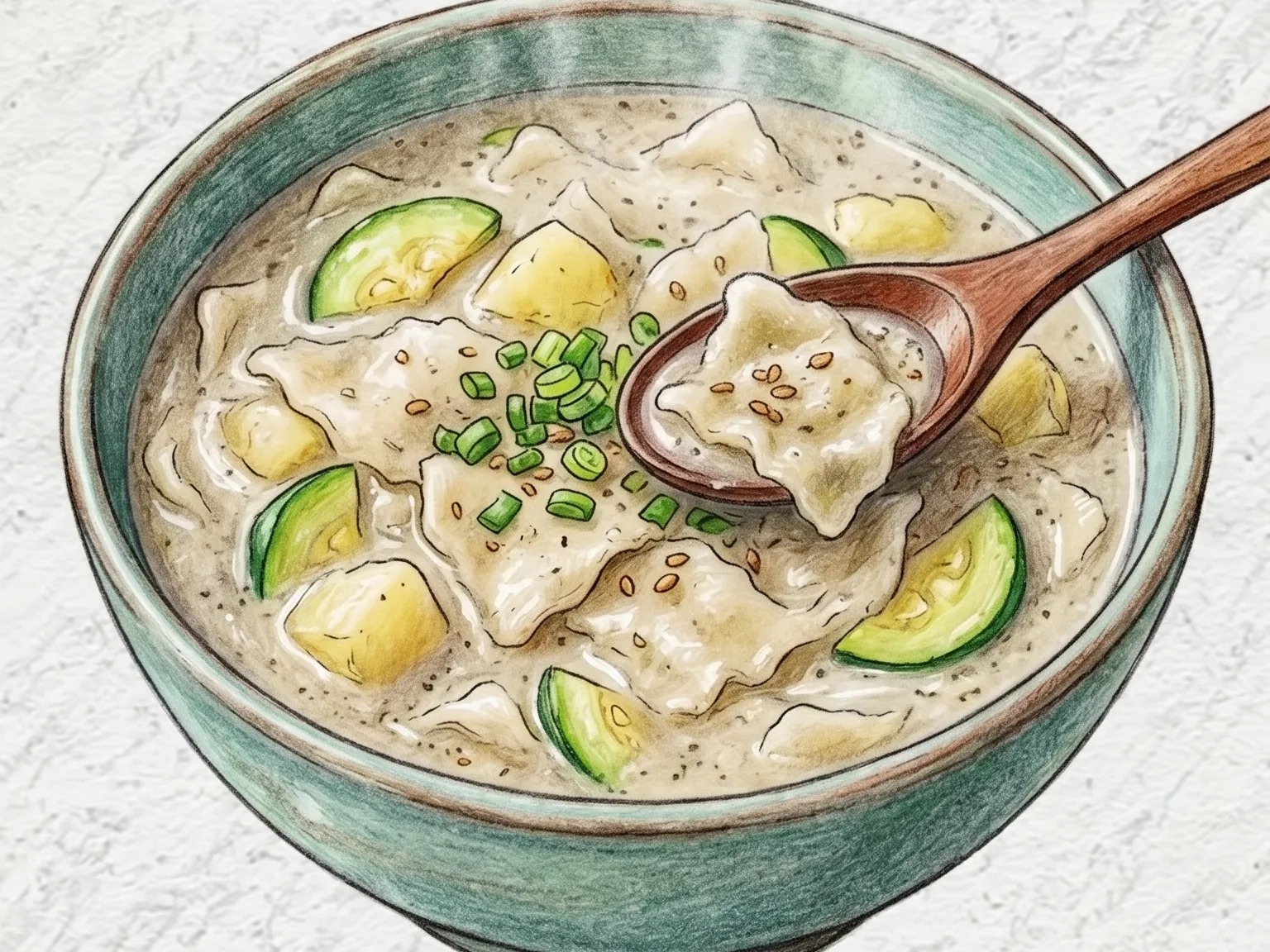
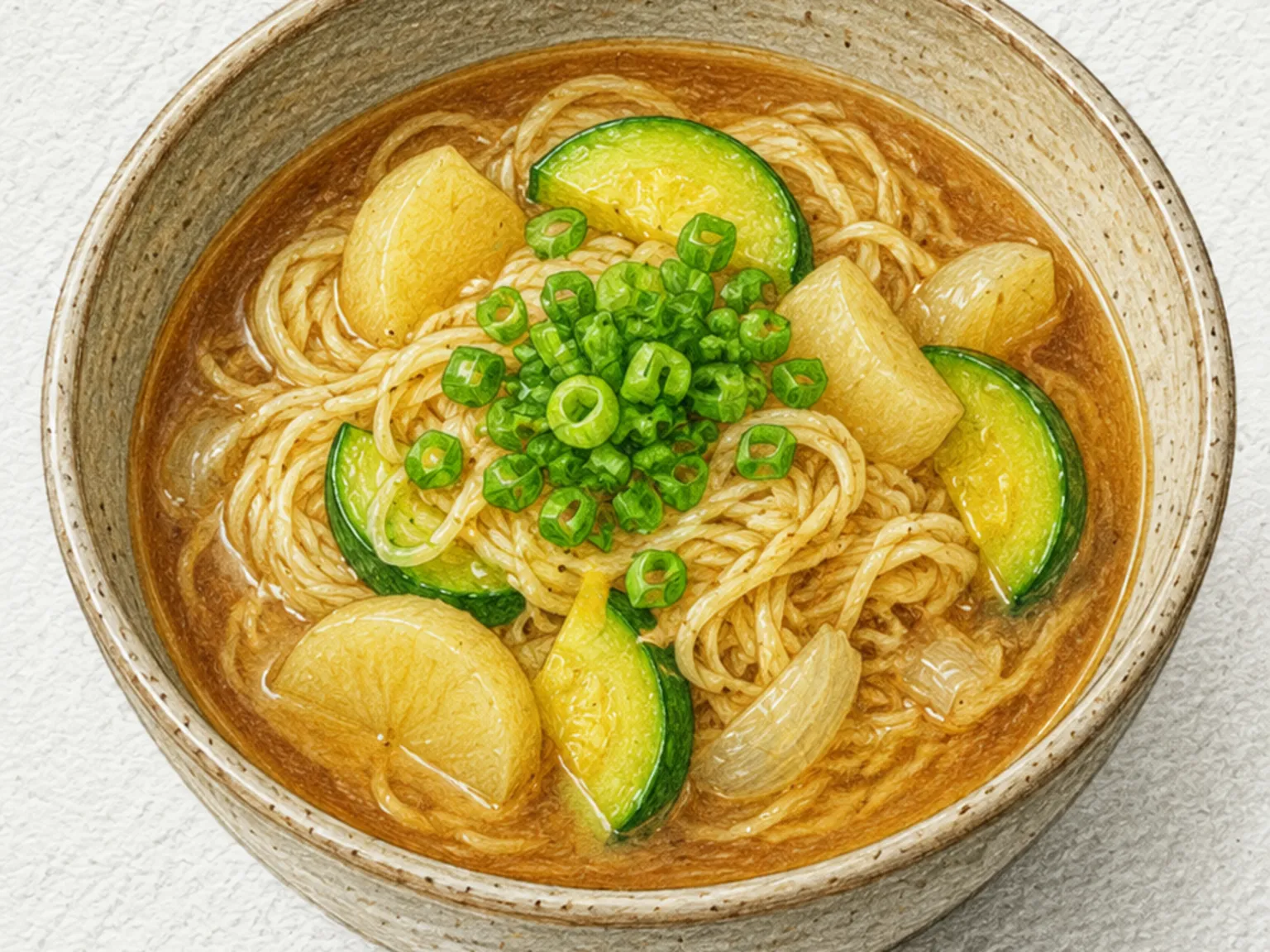
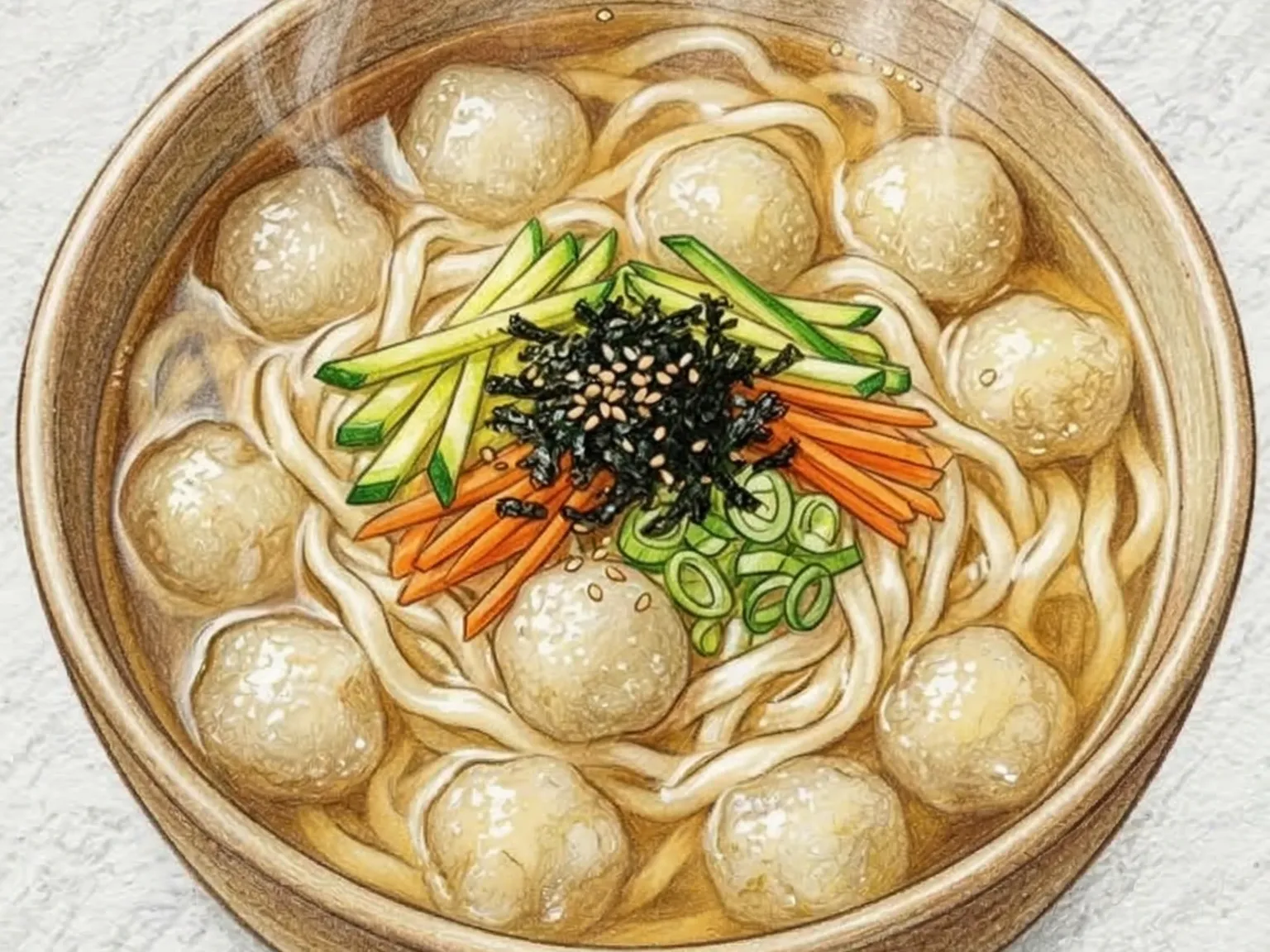
Gamja ongsimi kalguksu is a Gangwon-do regional noodle soup featuring two distinct components in one bowl: knife-cut wheat noodles and small potato dumplings called ongsimi. The dumplings are formed by grating raw potato, squeezing out as much moisture as possible, then binding the pulp with potato starch and rolling the mixture into small round balls. As the ongsimi cook in the simmering anchovy-kelp broth, their exterior firms up and turns translucent while the interior retains the starchy, floury character of cooked potato, creating a double texture in each individual piece. The broth itself is kept light and clean to let the natural potato flavor of the dumplings come through, with thinly sliced zucchini adding a subtle sweetness. Removing excess moisture from the grated potato before shaping is the critical step that determines whether the dumplings hold their form or dissolve into the broth. This dish originates from Gangwon-do's potato farming culture and represents one of the region's most beloved comfort foods.

🎉 Special Occasion 🌙 Late Night
Prep 35min Cook 30min 4 servings
Korean Gamtae Sesame Oil Somyeon
Noodles Easy

Korean Gamtae Sesame Oil Somyeon

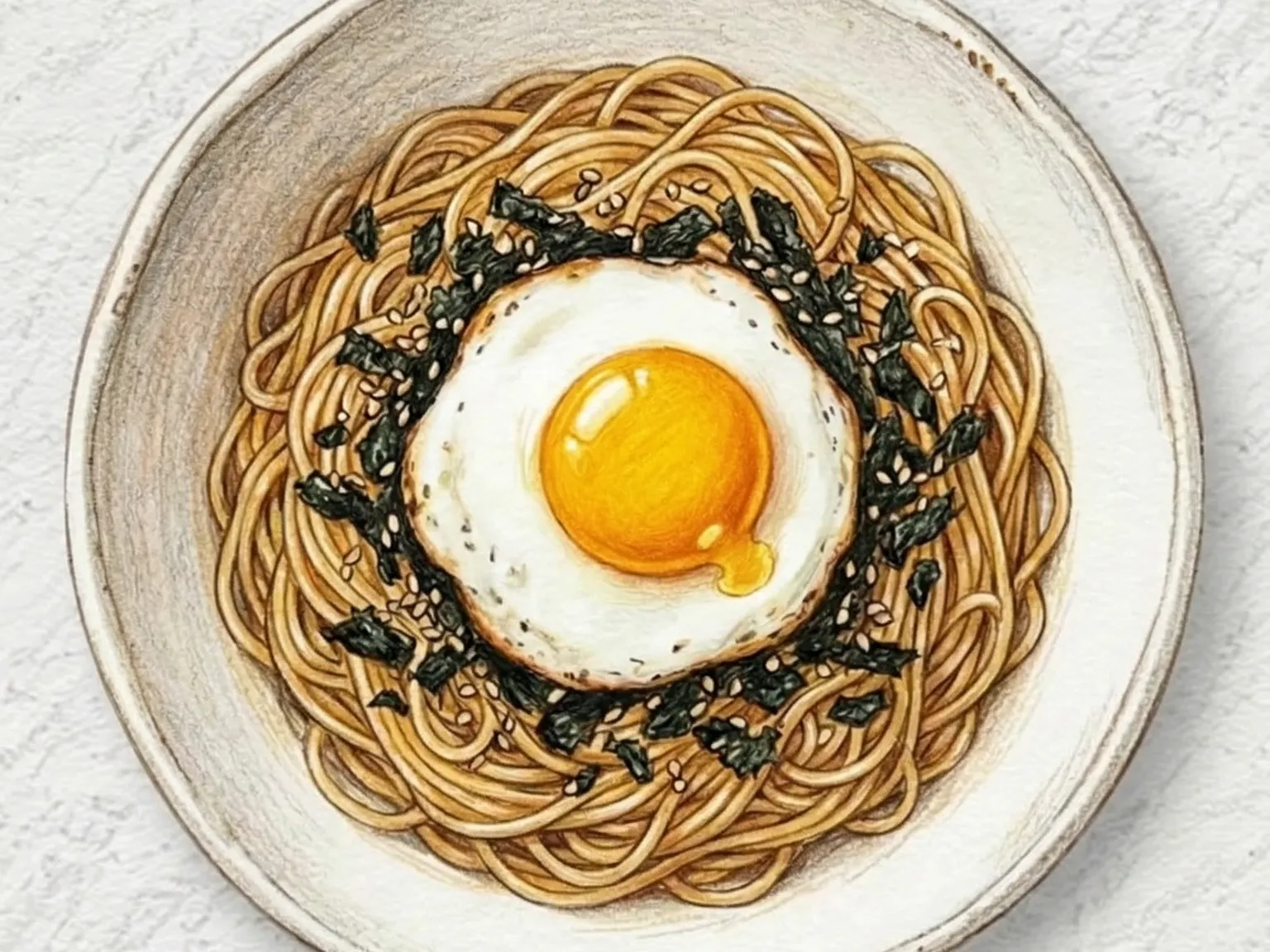
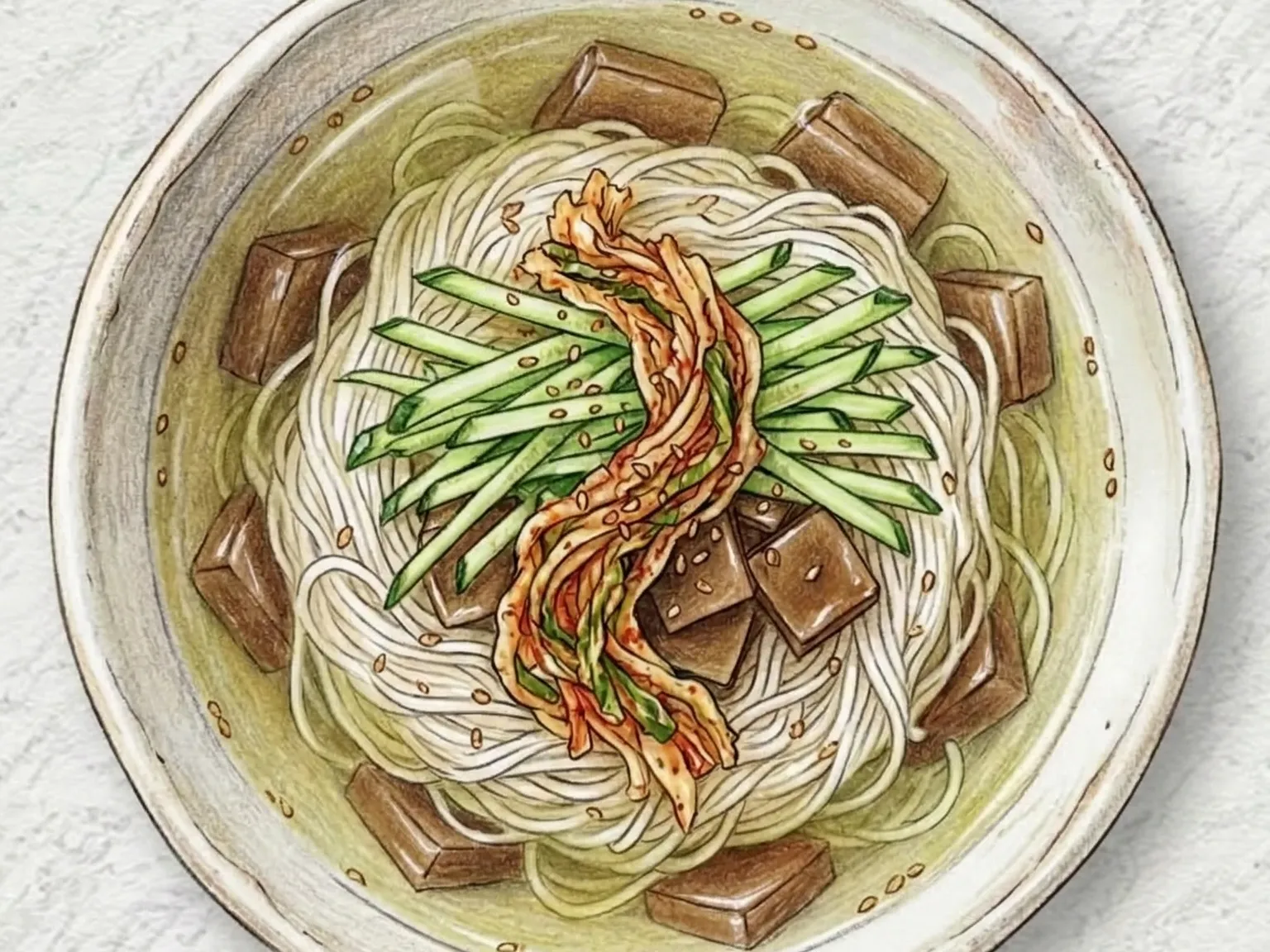
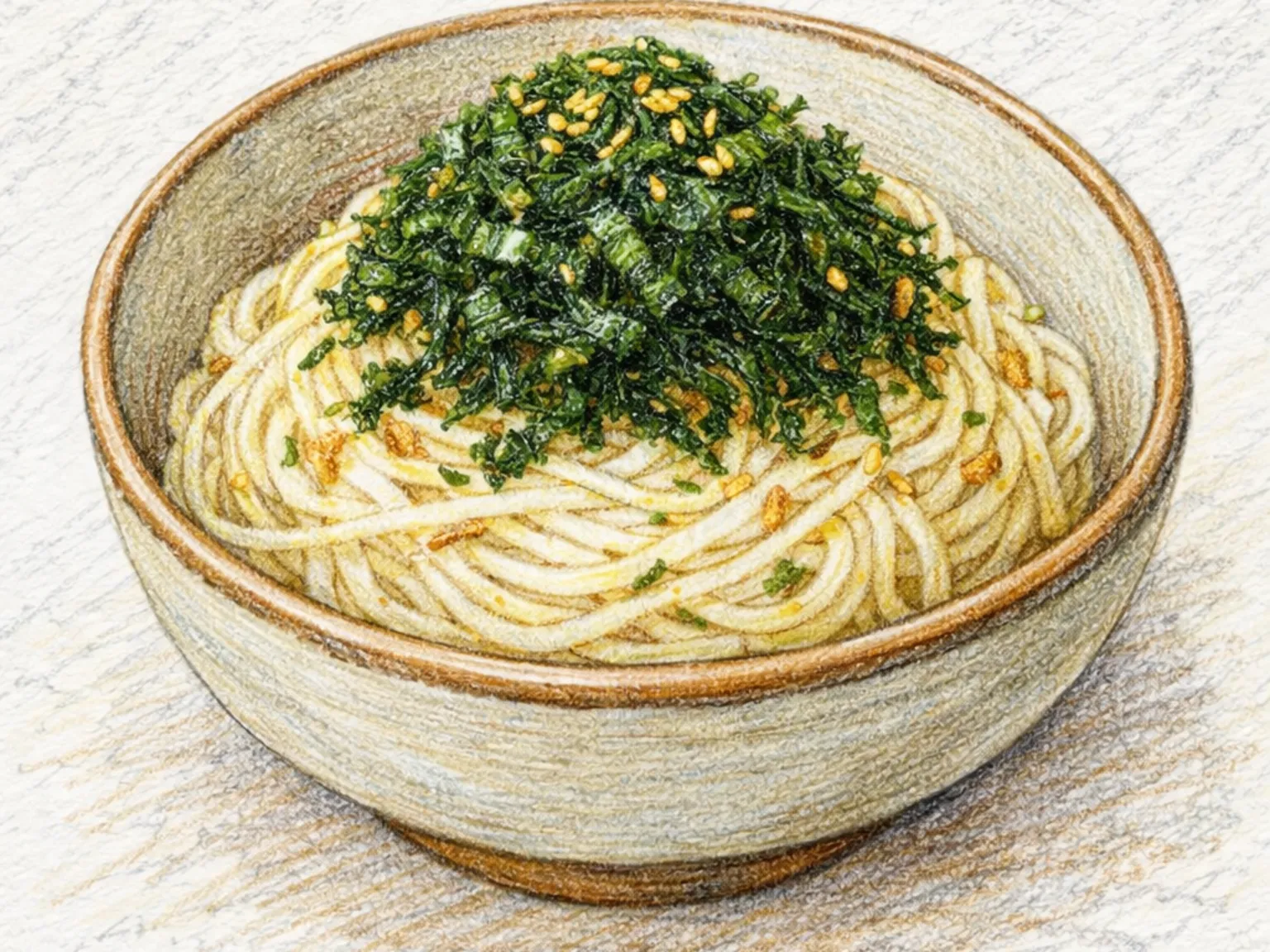
Gamtae chamgireum somyeon is a Korean cold noodle dish where boiled thin wheat noodles are dressed with sesame oil and soy sauce, then covered with a generous layer of gamtae seaweed. Gamtae is a type of fine seaweed closer to green laver than to the roasted sheets most commonly associated with Korean cuisine, and its oceanic fragrance is considerably more intense and raw-edged than standard gim. The moment gamtae is placed over the noodles, a strong marine aroma rises that defines every subsequent bite. The dressing itself is deliberately minimal: sesame oil provides a heavy, toasted nuttiness and soy sauce contributes a salty, savory base, and together they carry the dish without competing with the seaweed's character. A measured amount of minced garlic adds a sharp, pungent undercurrent that gives the straightforward flavors a point of direction. Rinsing the noodles thoroughly in cold water after boiling removes excess surface starch, which is essential to prevent clumping and to allow the dressing to coat each strand individually rather than pooling at the bottom. The result is a clean, focused dish where ocean fragrance and nuttiness do all the work.

🏠 Everyday ⚡ Quick
Prep 10min Cook 12min 2 servings
Gan Jjajangmyeon (Dry-Fried Black Bean Sauce Noodles)
Noodles Medium

Gan Jjajangmyeon (Dry-Fried Black Bean Sauce Noodles)

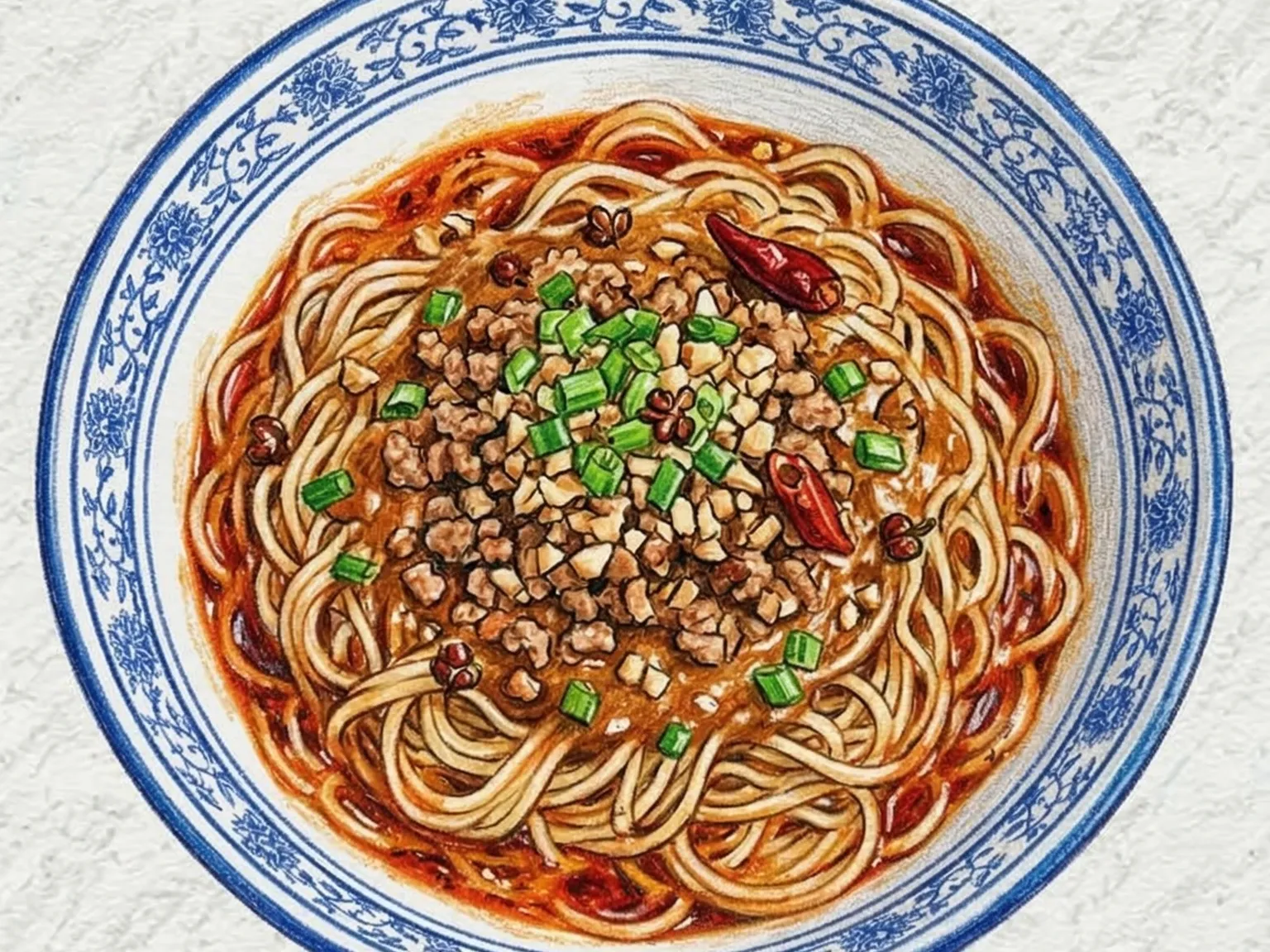
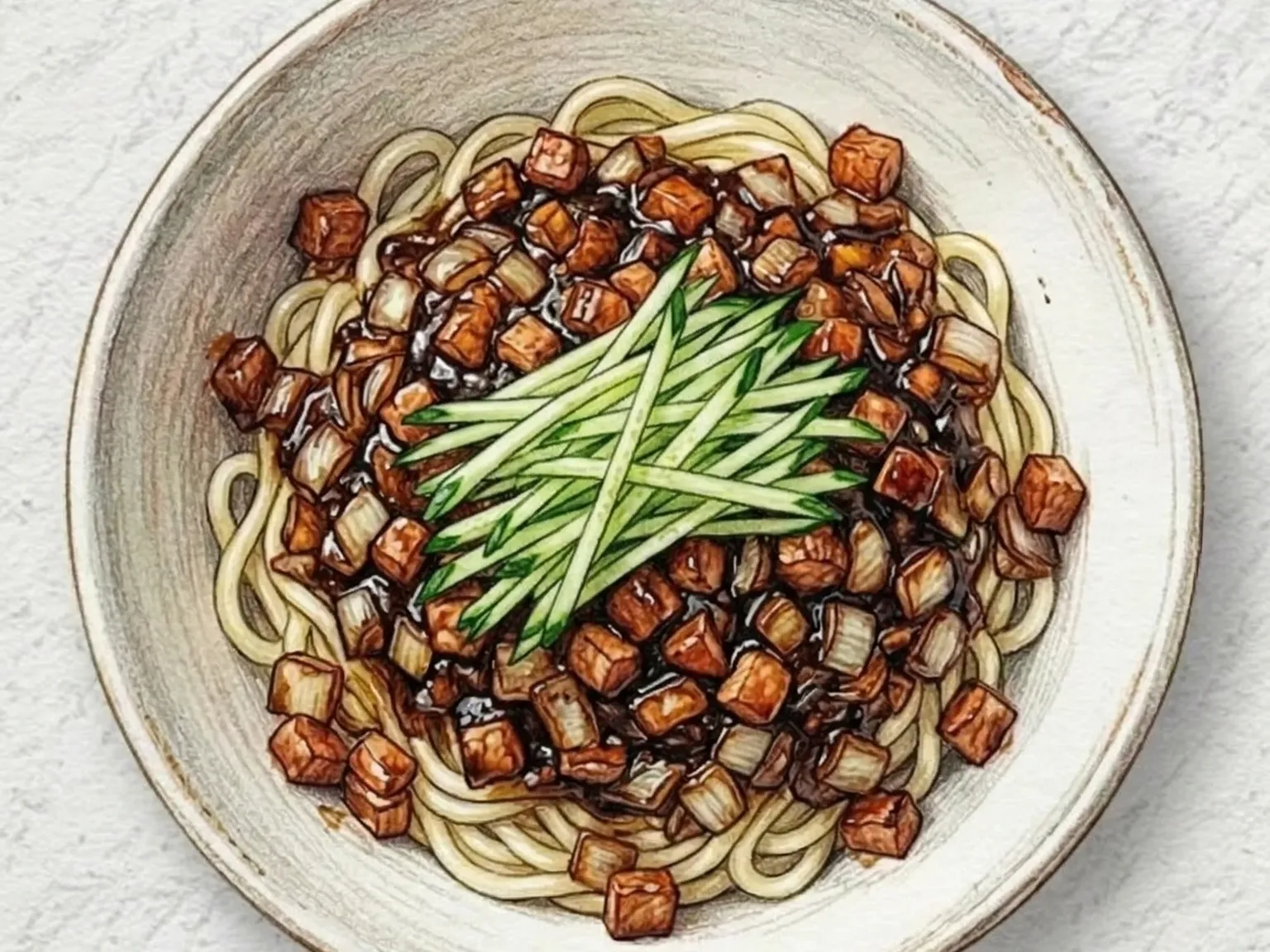
Gan jjajangmyeon is a Korean-Chinese noodle dish built on the character of deeply fried black bean paste. Chunjang is cooked in oil over moderate heat, long enough for the paste to lose its raw bitterness and develop a roasted, almost charred aroma before the other ingredients enter the pan. Ground pork and onion are then added and stir-fried over high heat -- unlike standard jjajangmyeon, no cornstarch slurry is used, so the finished sauce arrives on the noodles in the form of a glossy, oil-carried stir-fry rather than a thick, starchy gravy. The distinction matters to how the sauce interacts with the wheat noodles: without starch to hold the sauce in suspension, the oily coating distributes itself across every strand of noodle as the dish is tossed, producing a different mouthfeel from the standard version. Prolonged cooking caramelizes the natural sugars in the onion, creating a sweetness that offsets the salt and bitterness of the fermented paste. Julienned cucumber served on the side provides a cool, crisp counterpoint to the richness of the oily black bean sauce.

🏠 Everyday 🌙 Late Night
Prep 20min Cook 15min 2 servings
Soy Butter Udon (Pan-Tossed Udon in Caramelized Soy Butter)
Noodles Easy

Soy Butter Udon (Pan-Tossed Udon in Caramelized Soy Butter)

Ganjang butter udon is a quick pan-fried noodle dish that delivers deep, satisfying flavor in roughly ten minutes. Boiled udon noodles go into a pan with melted butter, and as soon as they hit the hot surface the butter releases a toasted, nutty fragrance. Soy sauce added to the pan caramelizes almost immediately against the heat, forming a savory-sweet glaze that coats every strand of the thick, springy noodles. The fat from the butter helps the glaze adhere evenly and rounds out the soy's saltiness with richness. Katsuobushi piled on top at the finish adds a layer of smoky umami that deepens the overall flavor, and an egg yolk placed in the center and stirred through transforms the dish with a creamy, silky texture. It is an ideal solution for a late-night craving or a satisfying solo meal when time is short.

🏠 Everyday 🌙 Late Night
Prep 10min Cook 12min 2 servings
Korean Steamed Kimchi Mushroom Noodles
Noodles Easy

Korean Steamed Kimchi Mushroom Noodles

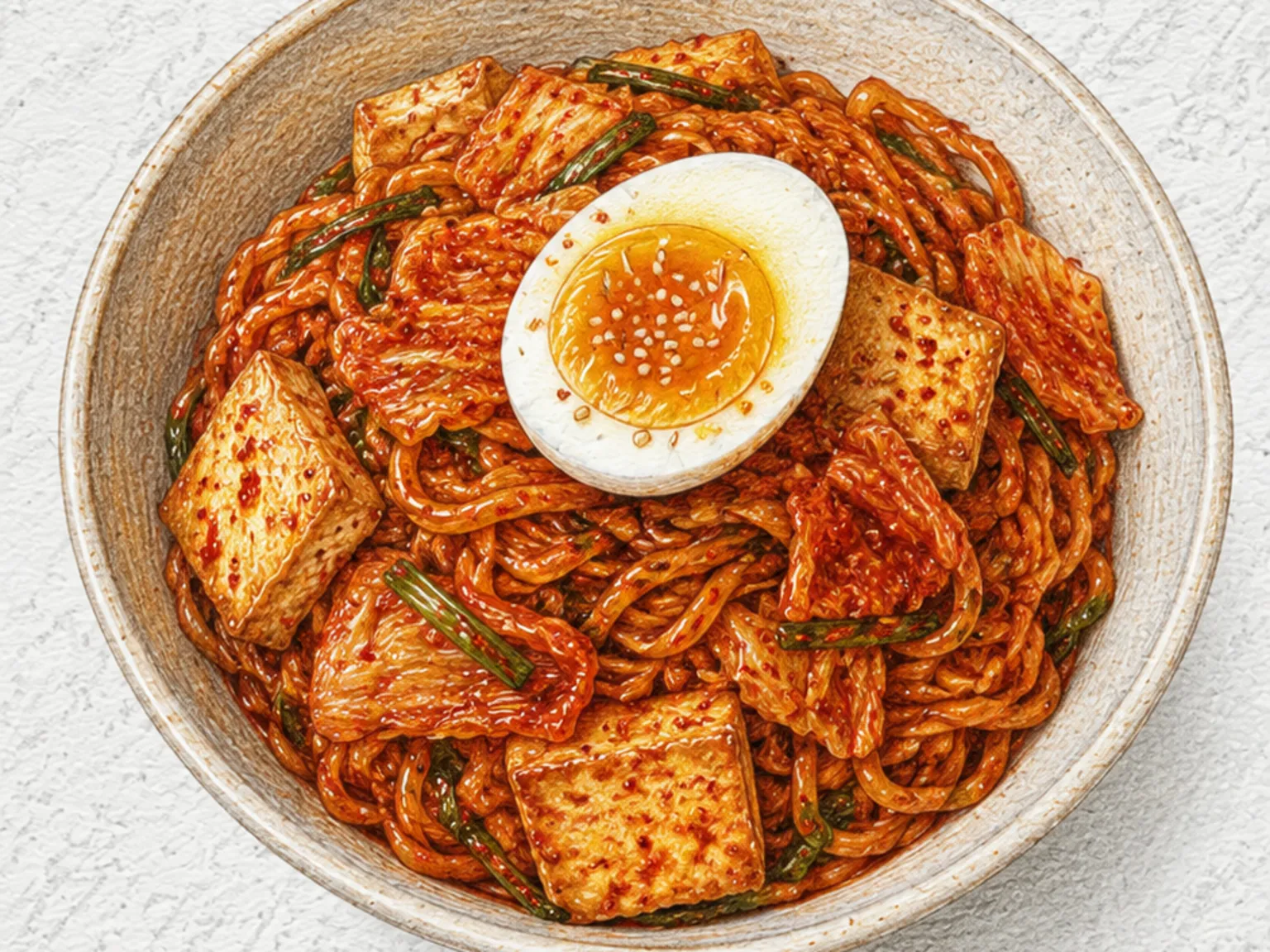
Gimchi beoseot tteumyeon is a steamed noodle dish built on a simple idea: ripe kimchi and oyster mushrooms are spread across the bottom of a pot, raw noodles are laid on top, and the whole thing is sealed with a lid and cooked entirely by steam. No additional water is poured in. The moisture locked inside the fermented kimchi converts to vapor as the pot heats, rising up through the noodles and infusing them from below. The fermented tang and chili seasoning of the kimchi penetrate the noodles in a way that boiling cannot replicate - the flavor is absorbed directly rather than diluted into cooking water. The noodles themselves take on a denser, more elastic chew than their boiled counterparts, because the gentler steam heat allows the starch to set gradually. Oyster mushrooms contribute their own moisture to the enclosed steam environment, extending the cooking vapor, while their fibers soften into a meaty texture with a clean umami note. A drizzle of sesame oil added just before serving releases a nutty aroma that rises above the spicy steam and rounds off the dish. Because everything cooks in one pot and the ingredient list stays short, this recipe shows up frequently as a weeknight dinner with a rewarding depth that belies its simplicity.

🏠 Everyday 🌙 Late Night
Prep 14min Cook 16min 2 servings
Korean-Chinese Chicken Broth Noodles
Noodles Medium

Korean-Chinese Chicken Broth Noodles

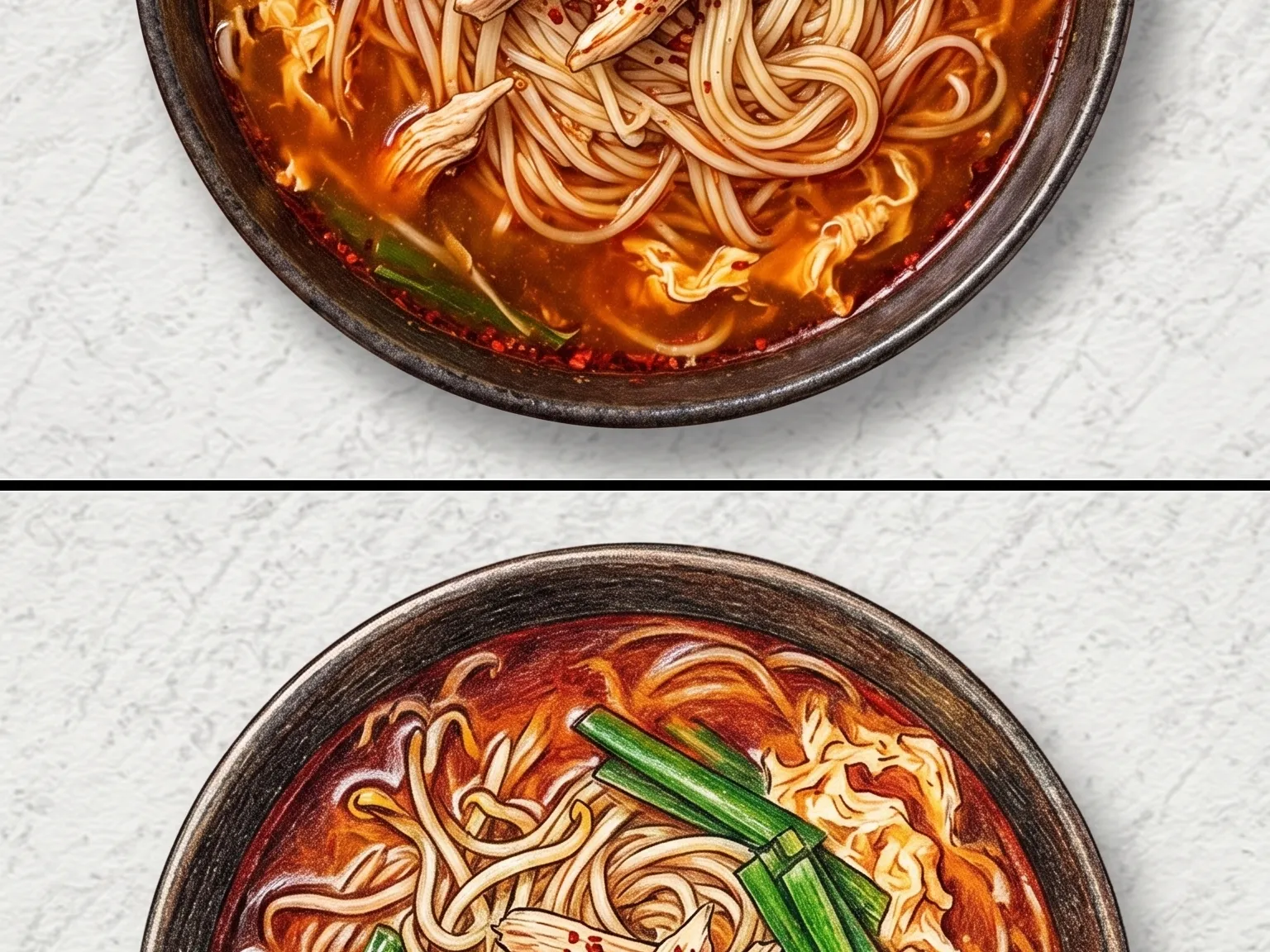
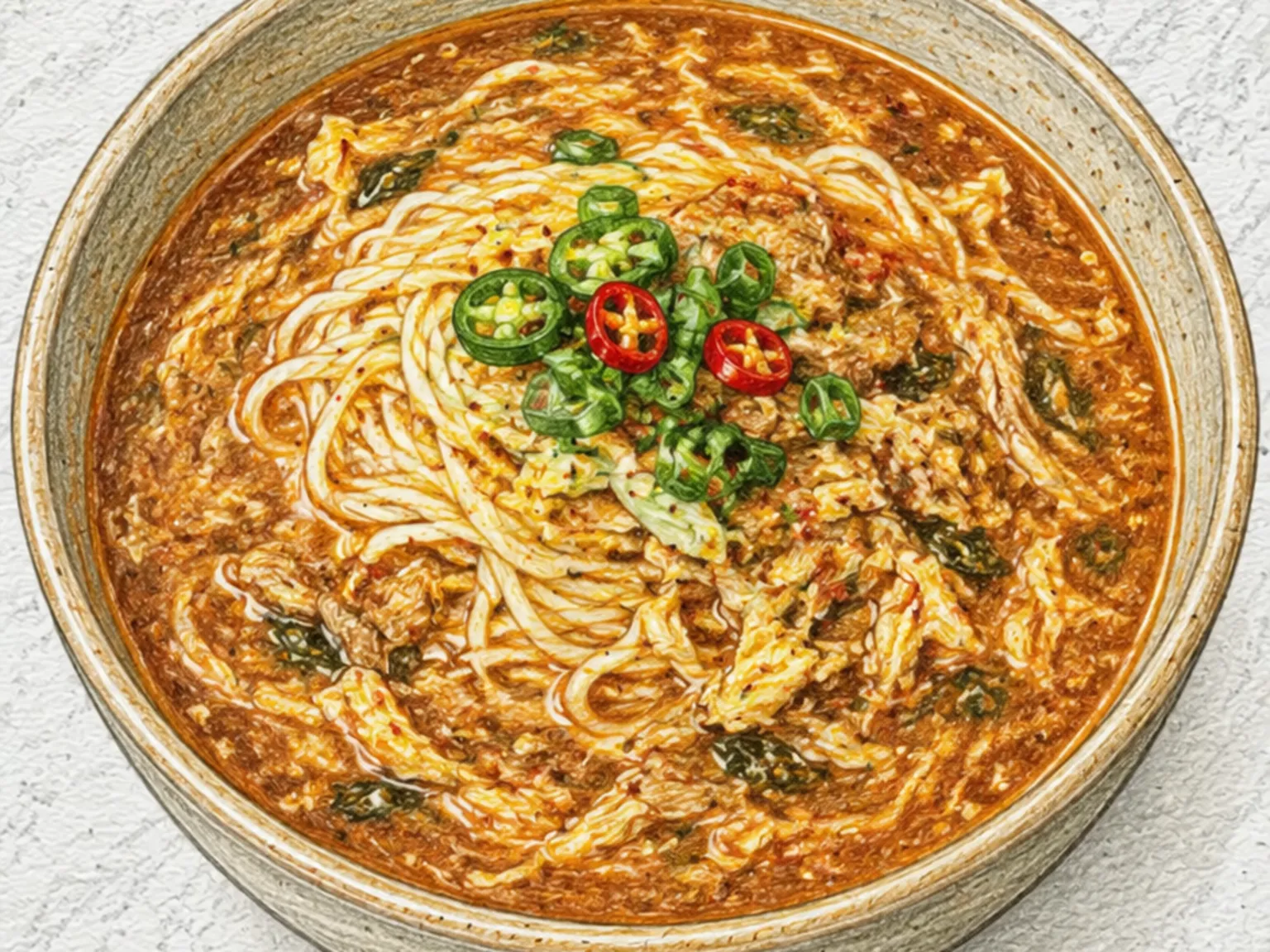
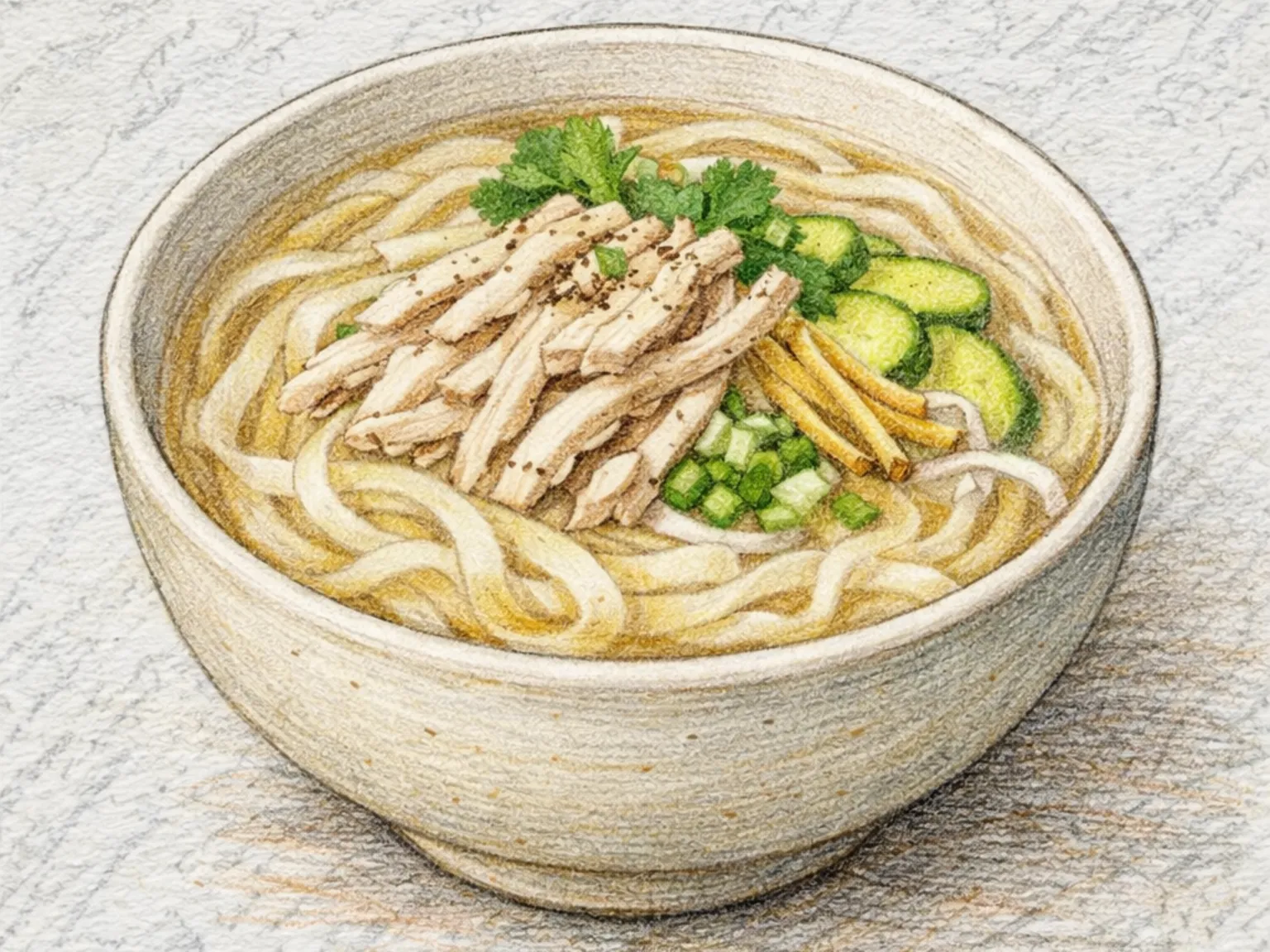
Gis-myeon is a Korean-Chinese noodle soup in which thin wheat noodles are served in a clear, pale chicken broth topped with delicate ribbons of egg that have been poured in a fine stream and cooked into floating wisps. The broth begins with chicken breast simmered in water with aromatics; once the stock is strained and clarified, the cooked chicken is shredded into fine threads and reserved as the main garnish. Beaten egg is drizzled very slowly into the gently boiling stock while stirring in one direction, which produces the characteristic silk-like strands rather than broken scrambled curds. The seasoning is deliberately minimal: only soup soy sauce and salt are used, keeping the broth light, clean, and transparent enough to see the noodles beneath. A small measure of starch slurry stirred in just before serving gives the liquid a subtle viscosity that allows it to cling to each strand of noodle, ensuring flavor in every bite rather than leaving a watery pool at the bottom of the bowl.

🎉 Special Occasion 🏠 Everyday
Prep 15min Cook 20min 2 servings
Korean Chili Oil Seafood Soy Bibim Noodles
Noodles Medium

Korean Chili Oil Seafood Soy Bibim Noodles

Gochu gireum haemul ganjang bibim myeon is a Korean mixed noodle dish where boiled noodles are tossed with shrimp, squid, and a sauce of homemade chili oil, soy sauce, and oyster sauce. Making the chili oil from scratch by pouring hot oil over dried chilies draws out a fragrant, rounded heat with a freshness that store-bought oil lacks. The seafood must be stir-fried quickly over high heat to keep the shrimp bouncy and the squid tender rather than rubbery - any hesitation on the heat results in tough, overcooked shellfish. Oyster sauce bridges the marine flavor of the seafood with the soy base, pushing the dish toward umami depth rather than straight saltiness. Sesame seeds and scallions finish everything with a nutty aroma and a clean green note. The noodles, seafood, and sauce must all be tossed together in one confident motion so that the chili oil coats every ingredient evenly. Avoid overcooking the noodles; they should be slightly firm since they will soften further during tossing.

🍺 Bar Snacks 🌙 Late Night
Prep 15min Cook 12min 2 servings
Gochujang Cream Pasta (Spicy Fermented Chili Cream Sauce)
Noodles Medium

Gochujang Cream Pasta (Spicy Fermented Chili Cream Sauce)

Gochujang cream pasta is a fusion dish that incorporates the fermented heat of Korean red chili paste into an Italian-style cream sauce. Heavy cream forms the base and parmesan provides the sharp, aged umami, while gochujang contributes a slow-building spice and the complex fermented sweetness that sets it apart from using raw chili pepper. Bacon is rendered first to extract enough fat for sauteing the onion and garlic, and that combination of cured pork fat, aromatic vegetables, and fermented paste forms the flavor core of the sauce before any liquid is added. Gochujang should be added at a reduced heat and stirred in gradually rather than dropped in all at once, since the paste can scorch quickly when exposed to a high-temperature pan. A ladleful of starchy pasta water adjusts the consistency and acts as an emulsifier, helping the fat from the cream and bacon stay bound with the aqueous components rather than separating. The result is a glossy, clinging sauce that coats each strand of pasta evenly. The balance between the richness of the cream and the acidity and heat of the fermented paste is what has made this combination popular in Korean home kitchens and casual restaurants alike.

🏠 Everyday 🎉 Special Occasion
Prep 12min Cook 18min 2 servings
Gochujang Vongole Linguine
Noodles Medium

Gochujang Vongole Linguine

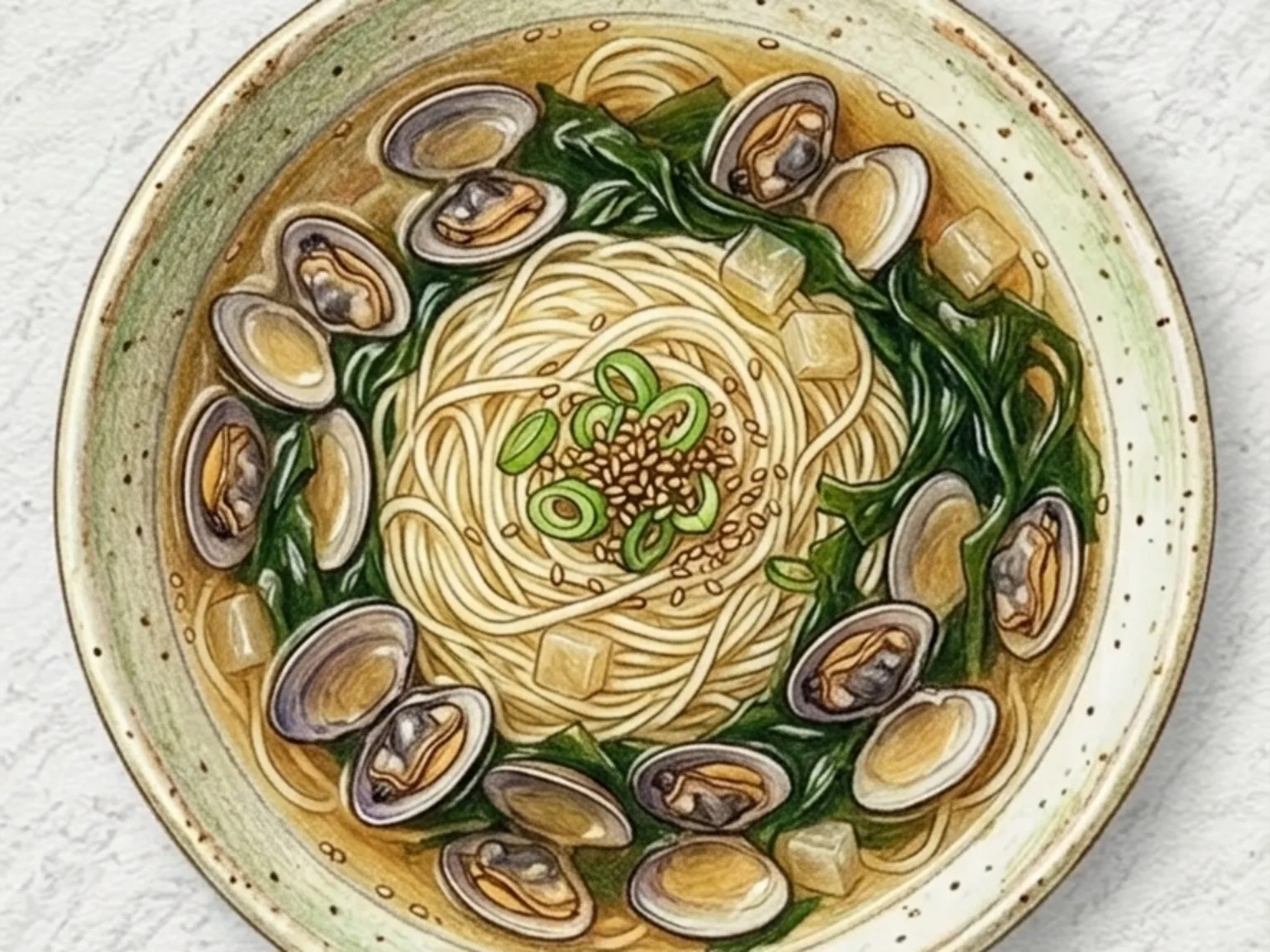
Gochujang vongole linguine brings together the briny liquor of Manila clams and the fermented heat of Korean red chili paste in a single pan. White wine steams the clams open and releases their cooking juices, which form the base of the sauce; dissolving gochujang into that liquid adds a layer of thick, complex spice that standard vongole never carries. Stirring in a knob of butter just before the heat goes off gives the sauce a glossy finish and a smooth coating texture, while parsley and black pepper anchor the flavors at the end. The most important step in the process is slicing garlic as thin as possible and frying it slowly in olive oil until the raw sharpness converts entirely into a sweet, penetrating fragrance that defines the aromatic foundation of the sauce.

🎉 Special Occasion 🏠 Everyday
Prep 20min Cook 15min 2 servings
Korean Pork Noodle Soup (Jeju Milky Pork Bone Broth Noodles)
Noodles Medium

Korean Pork Noodle Soup (Jeju Milky Pork Bone Broth Noodles)

Gogi-guksu is a noodle soup from Jeju Island built on a long-simmered pork bone broth. Hours of boiling coax the collagen and marrow from the bones, turning the liquid milky-white and giving it a rich, full-bodied character that carries deep pork flavor in every spoonful. Green onion and garlic added to the pot during cooking suppress the gamey edge of the bones while rounding the flavor into something cleaner and more balanced. A single spoonful of doenjang stirred in before serving introduces fermented soybean depth that elevates the broth well beyond a simple bone stock. Thin somyeon noodles are cooked separately and rinsed under cold water after draining to wash off excess starch, which keeps them springy and distinct when submerged in the hot broth rather than turning soft and clumpy. In Jeju, sliced pork bossam is traditionally placed on top of the noodles before serving, and the combination of tender boiled pork and the opaque, warming broth makes this one of the most comforting bowls in the island's food tradition.

🎉 Special Occasion 🌙 Late Night
Prep 20min Cook 90min 2 servings
Korean Spicy Whelk Bibim Guksu
Noodles Easy

Korean Spicy Whelk Bibim Guksu

Golbaengi bibim-guksu is a cold mixed noodle dish built around chewy canned whelk tossed in a spicy-tangy sauce, widely enjoyed as a drinking snack in Korea. Gochujang and gochugaru set the heat level, while vinegar and sugar counter with a sharp sweetness, and sesame oil rounds everything out with a nutty finish. Julienned cucumber and onion contribute a crisp crunch that contrasts with the springy whelk and the slippery noodles. The somyeon must be rinsed immediately in ice water after boiling to lock in their firm, bouncy texture before mixing with the sauce. Adding a small splash of the whelk canning liquid into the sauce deepens the umami base, and rinsing the whelk itself under cold water controls the salinity.

🍺 Bar Snacks ⚡ Quick
Prep 18min Cook 7min 2 servings
Korean Beef Bone Broth Thin Noodles
Noodles Easy

Korean Beef Bone Broth Thin Noodles

Gomguk somyeon is a Korean noodle dish that places thin wheat somyeon noodles inside a bowl of deeply extracted beef bone broth, known as gomtang, which has been simmered for many hours until it turns white and opaque. The long cooking process dissolves collagen from the bones into the broth, giving it a heavy, gelatinous body that coats the palate and clings to the thin noodles with each bite. This richness means even a plain bowl without elaborate toppings carries a profound, resonant savoriness. A few slices of boiled beef placed on top add a contrasting texture, soft enough to pull apart along the grain with chopsticks yet firm enough to provide a lean, meaty resistance that the broth alone cannot supply. The seasoning stays deliberately spare, just salt and black pepper, because adding more would interrupt the long, quiet depth that the hours of simmering have built into the stock. Sliced green onion scattered across the surface cuts through the fatty richness with a clean, bright edge, preventing the bowl from feeling one-dimensional.

🌙 Late Night ⚡ Quick
Prep 10min Cook 10min 2 servings
Guilin Rice Noodles (Silky Rice Noodles in Beef Brisket Broth)
Noodles Medium

Guilin Rice Noodles (Silky Rice Noodles in Beef Brisket Broth)

Guilin rice noodles are the signature noodle dish of Guilin in Guangxi, China, built on a clear beef brisket broth that has been simmered until the collagen fully dissolves and the liquid turns deeply savory without becoming heavy. The slender rice noodle strands are smooth and slightly springy, and they absorb the broth as the bowl sits. Soy sauce seasons the soup with a salty, round undertone rather than any sharp edge. Pickled daikon radish is added as a topping for its crisp bite and vinegary tang, which cuts through the richness of the beef broth and resets the palate between mouthfuls. A drizzle of chili oil introduces a warm, slow-building heat that spreads through the soup. Fresh cilantro placed on top at the end adds a bright, citrus-forward herbal fragrance that ties the Southeast Asian-influenced profile of the bowl together. The combination of broth, noodles, and contrasting toppings is what makes Guilin rice noodles a dish people return to repeatedly.

🎉 Special Occasion 🍺 Bar Snacks
Prep 20min Cook 35min 2 servings
Seafood Jajangmyeon (Black Bean Noodles with Squid and Shrimp)
Noodles Medium

Seafood Jajangmyeon (Black Bean Noodles with Squid and Shrimp)

Haemul jajangmyeon replaces the usual pork with squid and shrimp, bringing a marine twist to the classic Korean black bean noodle dish. The chunjang paste is fried in oil until its raw bitterness fades and a caramel-like sweetness emerges, then the seafood releases its juices into the sauce, building a layered umami absent from the standard version. Diced onion, potato, and zucchini soften into the sauce, contributing natural sweetness and body, while a cornstarch slurry thickens everything to a glossy, clinging consistency. The timing of the seafood matters: adding squid and shrimp too early causes them to tighten and turn rubbery, so they should go in during the final minutes of cooking once the vegetables have softened, allowing just enough heat to cook them through while keeping them springy. The chunjang itself requires at least five minutes of frying over medium heat before any other ingredients join the pan; cutting this step short leaves a harsh, bitter note in the finished sauce that no amount of sugar can fully correct. Poured over springy fresh wheat noodles, the dark sauce delivers both the familiar roasted-bean depth and an unmistakable ocean undertone.

🏠 Everyday 🌙 Late Night
Prep 20min Cook 18min 2 servings
Korean Seafood Knife-Cut Noodle Soup
Noodles Medium

Korean Seafood Knife-Cut Noodle Soup

Haemul kalguksu simmers hand-rolled, knife-cut wheat noodles in a broth built from dried kelp, Manila clams, shrimp, and squid. The kelp forms the stock's clean mineral base, and as the clams open during cooking they release a briny liquor that enriches the broth considerably without any additional seasoning. Sliced zucchini adds a mild sweetness while green onion brings a fresh fragrance to the pot, and soup soy sauce with minced garlic rounds out the flavor into something clean and umami-rich without heaviness. Because kalguksu noodles are rolled thin and cut wide by hand, they release some starch into the broth as they cook, giving the soup a subtle natural body. The wide, flat noodles have a distinctive chewy texture and soak up the seafood broth with every bite, so that lifting a chopstick-full of noodle and clam delivers a concentrated taste of the sea in a single mouthful.

🏠 Everyday 🌙 Late Night
Prep 15min Cook 25min 2 servings
Cold Ramen Salad
Noodles Medium

Cold Ramen Salad

Hiyashi chuka is a Japanese chilled noodle dish where ramen noodles cooked and thoroughly cooled in ice water are topped with colorful shredded garnishes and drizzled with a tangy soy-vinegar dressing. The dressing of soy sauce, rice vinegar, sugar, and sesame oil combines salt, sharpness, and sweetness; because it is poured over rather than used as a broth, the individual character of each topping stays distinct. The noodles must be chilled in ice water after boiling to achieve the firm, springy texture that holds up against the dressing without going limp, and tossing them lightly with sesame oil prevents clumping before plating. Thin strips of egg crepe, ham, cucumber, and tomato arranged by color create a visually striking presentation, and each chopstickful delivers several contrasting textures at once. In Japan this dish is a summer fixture, and at home it is a practical way to use leftover ingredients. A variation whisks mayonnaise into the dressing, which softens the acidity and adds a creamy body to the sauce.

🎉 Special Occasion 🌙 Late Night
Prep 20min Cook 10min 2 servings
Korean Raw Fish Cold Noodles
Noodles Medium

Korean Raw Fish Cold Noodles

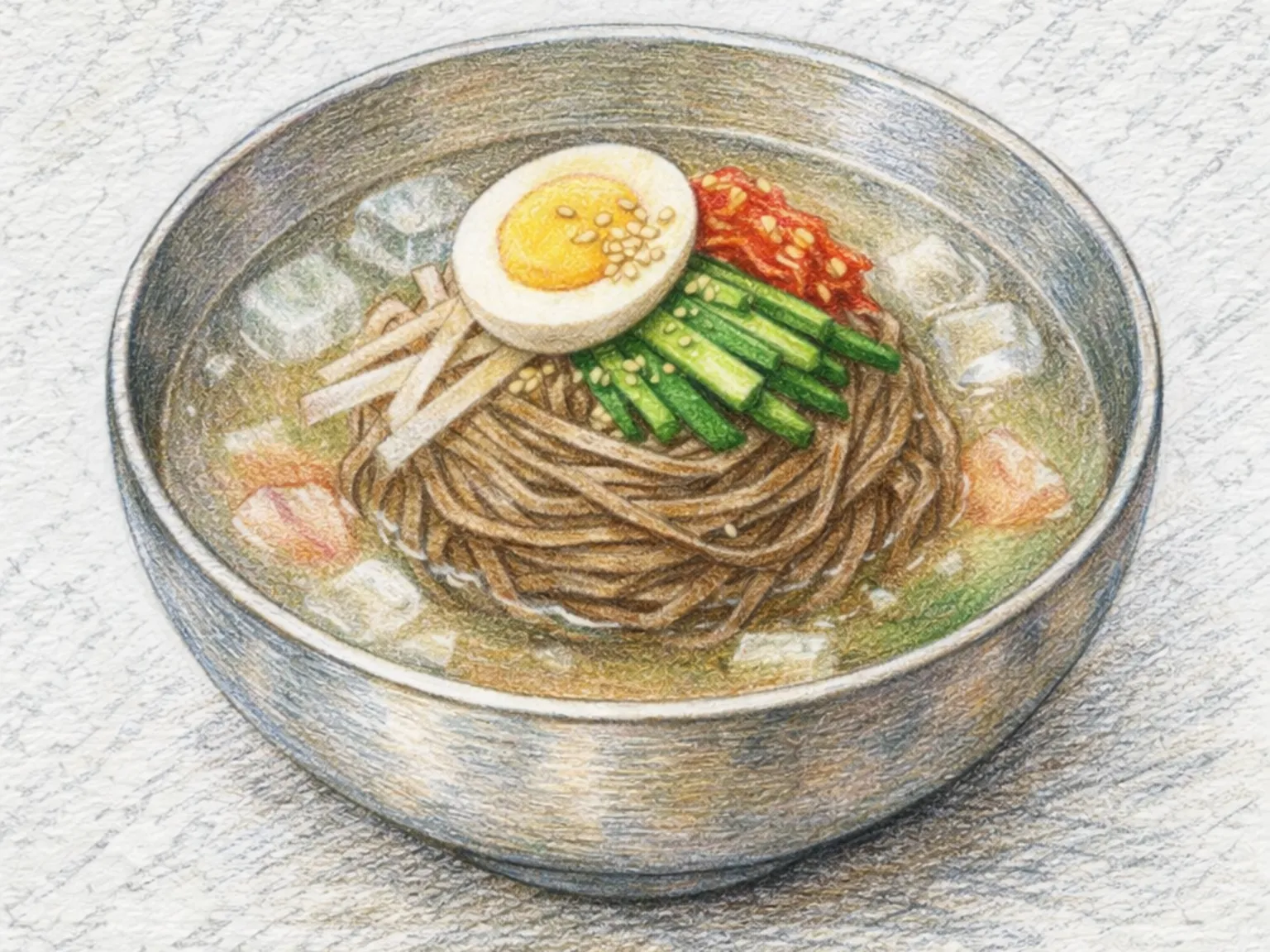
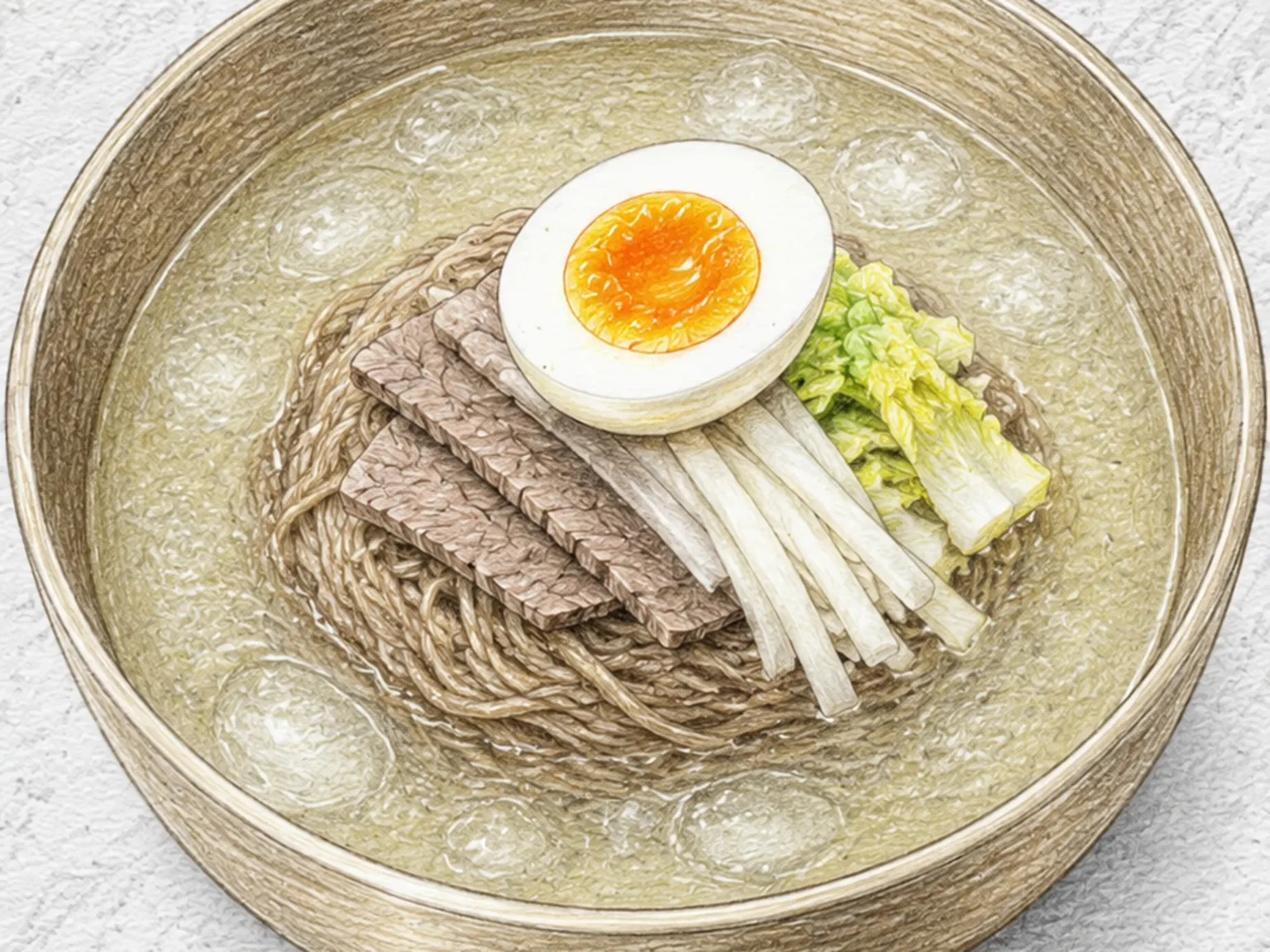
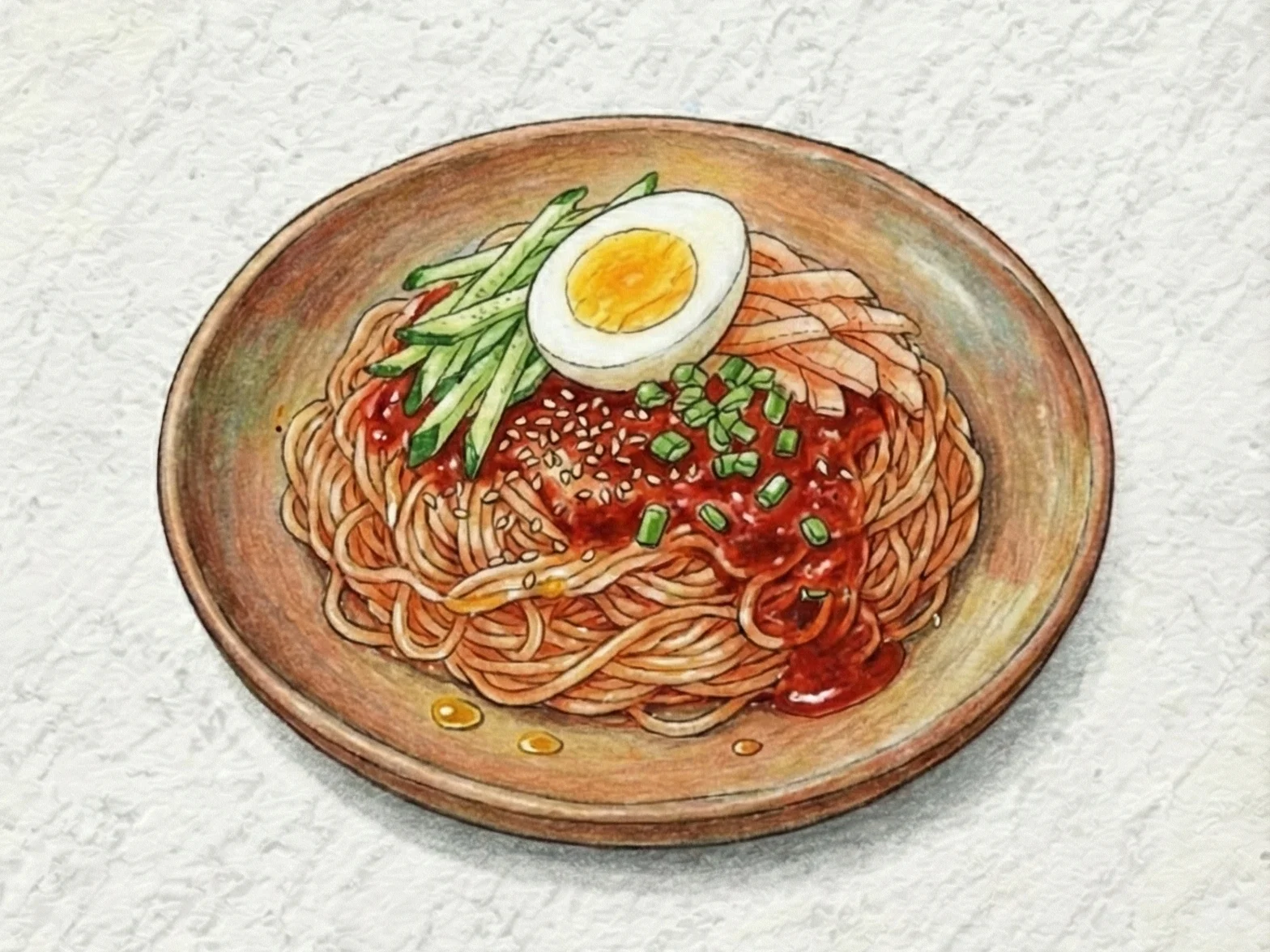
Hoe naengmyeon places slices of fresh white fish sashimi over chewy cold buckwheat noodles and brings everything together with a spicy-sweet sauce. The gochujang-based dressing is built with generous amounts of vinegar and sugar, so the heat arrives alongside a sharp tang that complements the mild, springy texture of the fish rather than overpowering it. The fish should be sliced thin and evenly so that it distributes throughout the noodles when mixed. Shredded cucumber and radish contribute a cool crunch that contrasts with the silky sashimi and the dense chewiness of the noodles beneath. A halved soft-boiled egg and a scattering of sesame seeds finish the bowl. The dish is meant to be mixed vigorously so that every strand of noodle, piece of fish, and strip of vegetable is coated in the vivid red sauce, though eating it piece by piece before mixing lets you taste each component separately. The dish traces its roots to the cold noodle culture of the Sokcho and Hamhung regions in Gangwon Province and is now a popular summer specialty at naengmyeon restaurants and raw fish eateries across the country.

🍺 Bar Snacks 🎉 Special Occasion
Prep 20min Cook 5min 2 servings
Korean Mussel Soup Noodles
Noodles Easy

Korean Mussel Soup Noodles

Honghap tangmyeon is a mussel noodle soup where a generous quantity of mussels is simmered to produce a deeply briny, clear broth that serves as the foundation of the entire dish without the use of prepared stock. The mussels release their concentrated sea flavor directly into the pot, and this self-made broth is what distinguishes the dish from simpler seafood noodle soups. Korean radish is cooked alongside from the start, lending a natural sweetness and a refreshing clarity to the liquid as it breaks down gently. Soup soy sauce and cooking wine adjust the seasoning and temper the salt that the mussels contribute, pulling the flavor into balance. Minced garlic and green onion build an aromatic layer that keeps any fishiness in check, leaving only a clean, deep savoriness in its place. A generous crack of black pepper over the steaming bowl sharpens the marine character of the broth and warms the palate. The noodles should not be overcooked; they need enough bite to hold up against the rich, hot liquid. A few slices of cheongyang chili on top add a brisk heat that makes the broth feel simultaneously cool and fiery, the defining sensation of good Korean seafood soup.

🍺 Bar Snacks 🌙 Late Night
Prep 18min Cook 20min 2 servings
Korean Corbicula Clam Noodle Soup
Noodles Medium

Korean Corbicula Clam Noodle Soup

Jaecheop-guksu is a regional specialty from Hadong in South Gyeongsang Province, built on a clear broth extracted from purged freshwater corbicula clams. The broth carries the clams' concentrated brininess alongside a remarkably clean, light body, seasoned sparingly with soup soy sauce and salt to let the shellfish flavor dominate. A single cheongyang chili simmered in the pot lends a gentle background heat, and scallion with black pepper finishes the aroma. Widely regarded as a hangover remedy, this noodle soup is prized for its ability to settle the stomach with its pure, uncluttered flavor. Along the Seomjin River restaurants of Hadong, jaecheop dishes in various forms are considered the defining taste of the region.

🎉 Special Occasion 🏠 Everyday
Prep 20min Cook 20min 2 servings
Korean Spicy Platter Noodles
Noodles Easy

Korean Spicy Platter Noodles

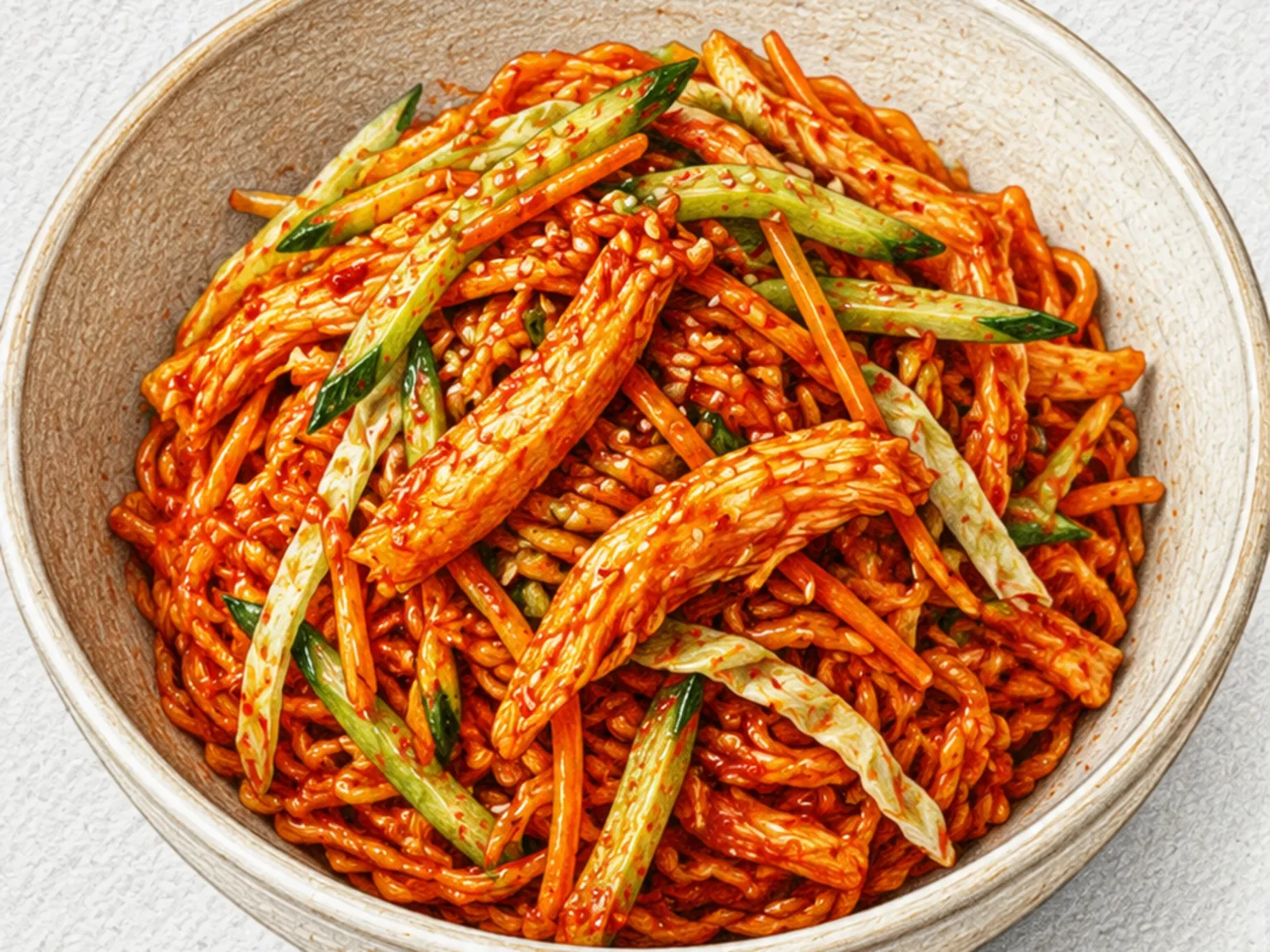
Jaengban-guksu is a large-platter noodle dish where boiled somyeon and a generous pile of fresh, crunchy vegetables are tossed together in a spicy-tangy dressing. Shredded cabbage, julienned cucumber, matchstick carrot, and torn lettuce each contribute distinct textures that contrast with the tender noodles, while the dressing - gochujang blended with vinegar, sugar, and soy sauce - fires through sweet, sour, and spicy notes in quick succession. Sesame oil and toasted sesame seeds weave a nutty warmth through the dish that softens the dressing's sharpness without dulling it. After boiling, the somyeon should be rinsed thoroughly in cold water to wash off excess starch; this step allows the dressing to coat each strand evenly and prevents the noodles from clumping on the tray. Using more vegetables than seems necessary is actually recommended, since they distribute the dressing as the noodles are tossed and add contrast in every forkful. The dish is traditionally served on a single wide tray for communal mixing at the table, making it a natural fit for gatherings and outdoor outings.

🏠 Everyday ⚡ Quick
Prep 18min Cook 10min 2 servings
Korean Banquet Noodles (Thin Noodles in Anchovy Kelp Broth)
Noodles Easy

Korean Banquet Noodles (Thin Noodles in Anchovy Kelp Broth)

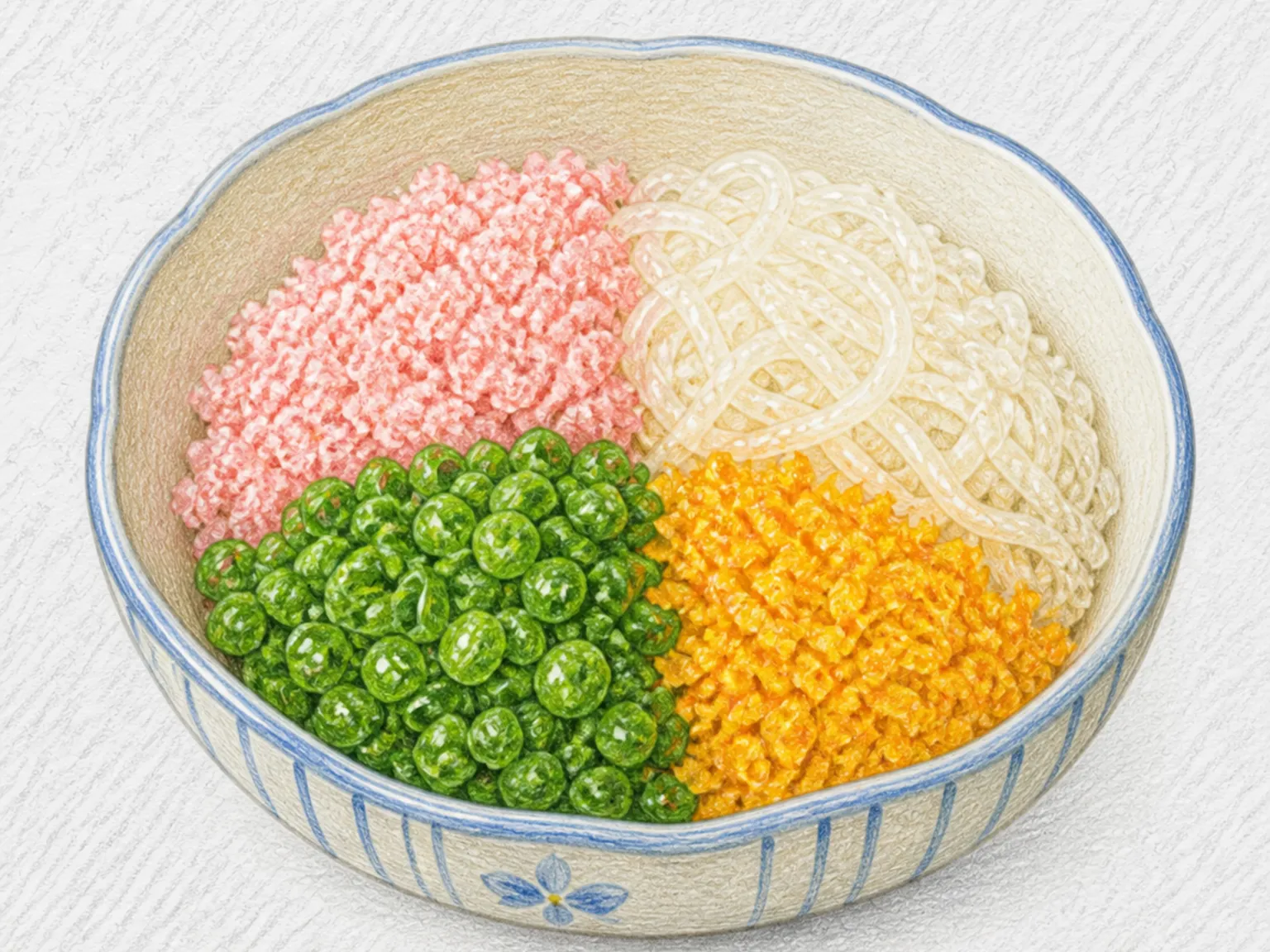
Janchi-guksu is a classic Korean celebration noodle soup with thin wheat noodles served in a clear broth drawn from dried anchovies and kelp. The broth balances the anchovies' deep umami against the kelp's restrained sweetness, with soup soy sauce used for seasoning so the liquid stays transparent and clean rather than cloudy or heavily salted. Julienned zucchini and carrot are stir-fried separately and arranged as garnishes on top, joined by strips of pan-fried egg crepe and crumbled roasted seaweed, giving the bowl its characteristic layered appearance of white, green, yellow, and black. The dish traces back to the custom of serving noodles to guests at weddings, birthdays, and first-birthday celebrations, with the long shape of the noodle carrying a folk belief about longevity that made it a natural fixture at auspicious events. The ingredients are few, but the care taken with the broth determines the character of the bowl - it is a dish that appears simple but rewards proper attention.

🏠 Everyday 🌙 Late Night
Prep 20min Cook 25min 4 servings
Korean Spicy Gangwon Knife-Cut Noodles
Noodles Easy

Korean Spicy Gangwon Knife-Cut Noodles

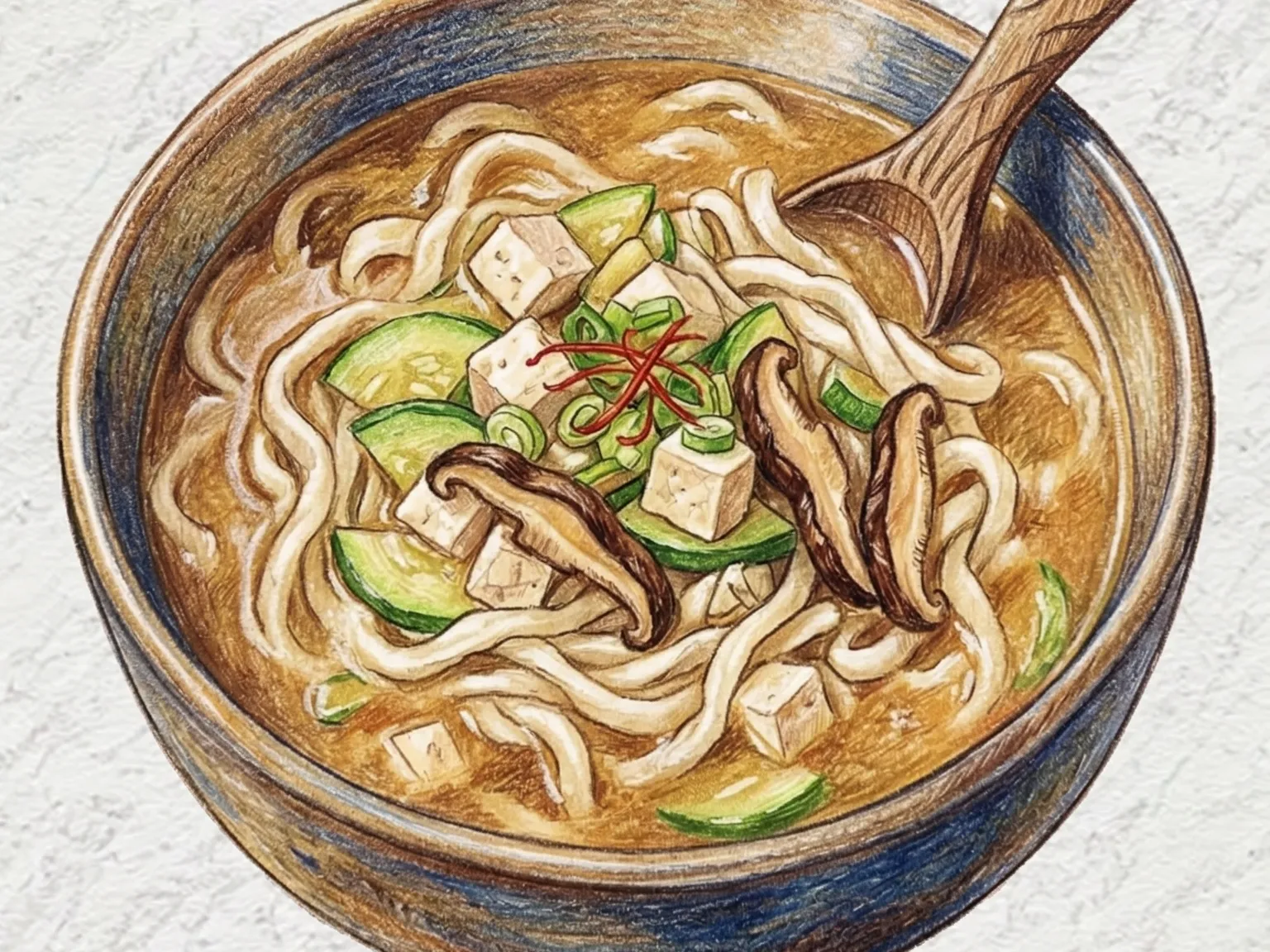
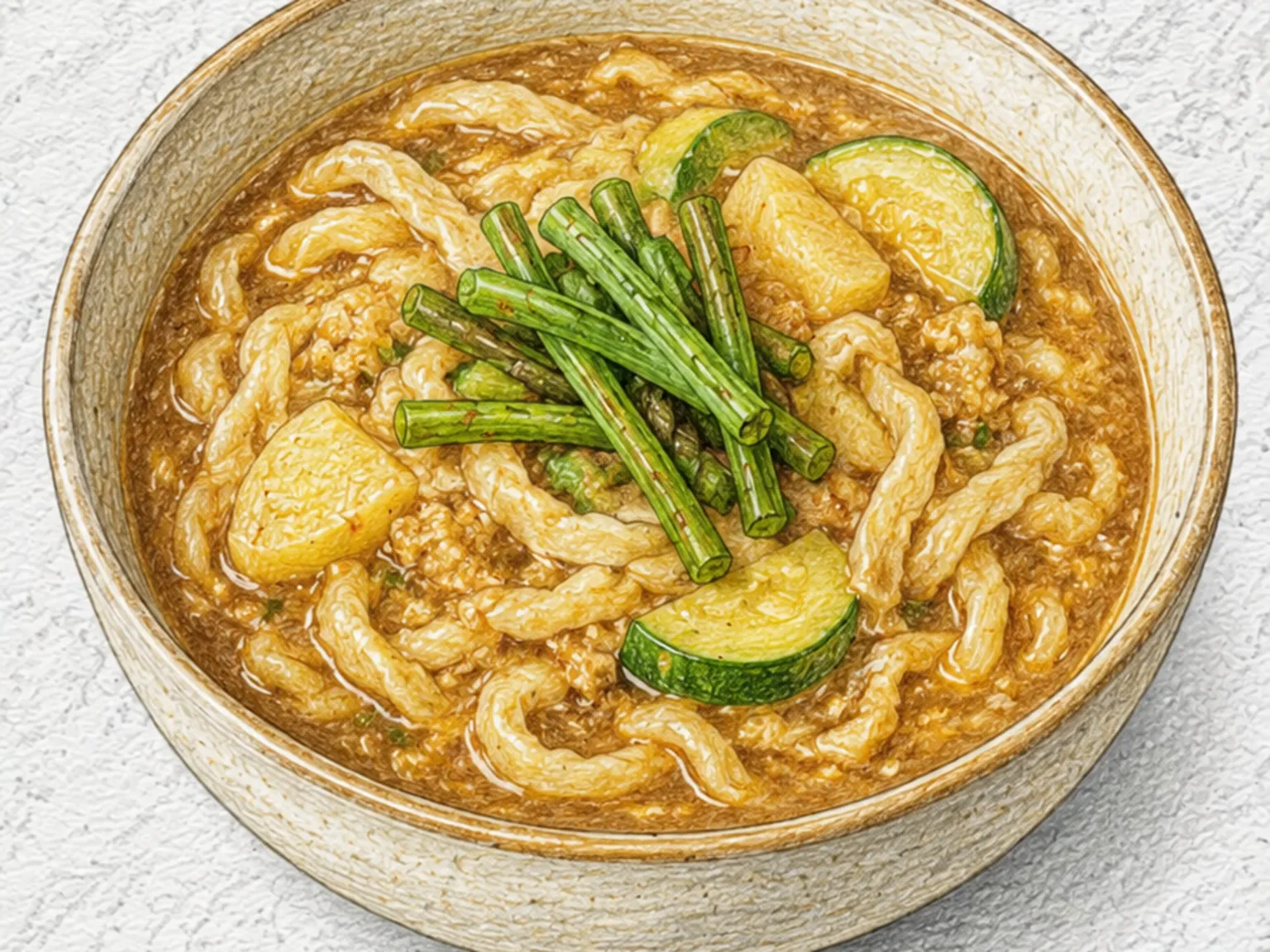
Jang kalguksu is a Gangwon Province style of knife-cut noodle soup defined by dissolving both gochujang and doenjang directly into an anchovy-kelp stock, a combination that sets it apart from standard kalguksu at a fundamental level. The fermented chili paste brings a spicy, rounded sweetness while the soybean paste contributes a dense, earthy richness, and together they build a broth with a complexity that neither ingredient could produce alone. An additional measure of gochugaru piles on a sharper chili heat, giving the soup its signature fiery edge. Potato breaks down as it simmers, naturally thickening the broth without any added starch, while zucchini releases sweetness, and onion and green onion round out the aromatics. Fresh-cut noodles have a smooth exterior and a springy, slightly resistant bite that clings well to the thick, rust-red broth. The dish originates from the mountainous interior of Gangwon Province, where it warmed workers through cold seasons, and the combination of deep umami and lingering heat still makes it one of the most satisfying one-bowl meals in Korean regional cooking.

🏠 Everyday 🌙 Late Night
Prep 15min Cook 20min 2 servings
Japaguri (Two-Pack Instant Noodle Mashup)
Noodles Easy

Japaguri (Two-Pack Instant Noodle Mashup)

Japaguri - also known internationally as ram-don - is a Korean instant noodle mashup that cooks two different packets together in one pot: a black bean sauce variety and a spicy variety. The roasted-bean sweetness of the jjajang seasoning collides directly with the sharp chili heat of the spicy packet, producing a layered flavor that neither product can achieve on its own. Onion and green onion are sauteed in oil first so their natural sugars caramelize slightly and establish a savory-sweet base before the water and noodles go in. Using noticeably less water than either packet recommends is important because both seasoning powders need to be fully absorbed and the finished sauce should cling thickly to every strand. After a film introduced it to international audiences, the dish became shorthand for Korean instant noodle culture and has remained a genuinely popular preparation. Adding premium thinly sliced beef, such as Korean hanwoo, elevates it from a pantry meal to a full dinner.

🌙 Late Night ⚡ Quick
Prep 5min Cook 10min 2 servings