Noodles Recipes
171 recipes. Page 4 of 8
Korean noodle dishes range from chilled naengmyeon in summer to steaming bowls of kalguksu in winter. Thin somyeon, chewy jjolmyeon, and glass noodles (dangmyeon) each bring a different texture to the table. A simple bibim sauce transforms plain noodles into a flavor-packed meal in minutes.
Korean Pine Nut Cold Noodles
Jat naengmyeon serves cold noodles in a milky-white broth made by blending pine nuts finely with cold water. The fat naturally present in the pine nuts emulsifies with the water to create a creamy, dairy-free liquid that carries a rich, deep nuttiness and a gentle, clean sweetness. Shredded cucumber adds a crisp, refreshing bite that lightens the dense broth, and a slice of Korean pear introduces a fruity sweetness that broadens the flavor without competing with the pine nut base. The seasoning is nothing more than salt, which preserves the delicate character of the pine nuts without masking them. Soaking the pine nuts in cold water for thirty minutes before blending produces a smoother consistency and a brighter, more opaque white color in the finished broth.
Korean Spicy Pork Mixed Noodles
Jeyuk bibim-guksu tops cold mixed noodles with stir-fried spicy pork, combining two popular Korean preparations into one bowl. Pork shoulder is marinated in gochujang and gochugaru, then seared quickly so the edges caramelize while the inside stays moist and tender. Shredded cabbage and onion provide a crisp contrast to the sauced pork, and soy sauce with sugar balances the heat with savory sweetness. The temperature contrast between chilled somyeon noodles and hot, sizzling pork creates a distinctive eating experience that is one of the dish's defining pleasures. Keeping the noodles and the pork separate until the moment of serving prevents the somyeon from absorbing moisture and going soft. A final drizzle of sesame oil adds a nutty send-off.
Korean Black Bean Noodles
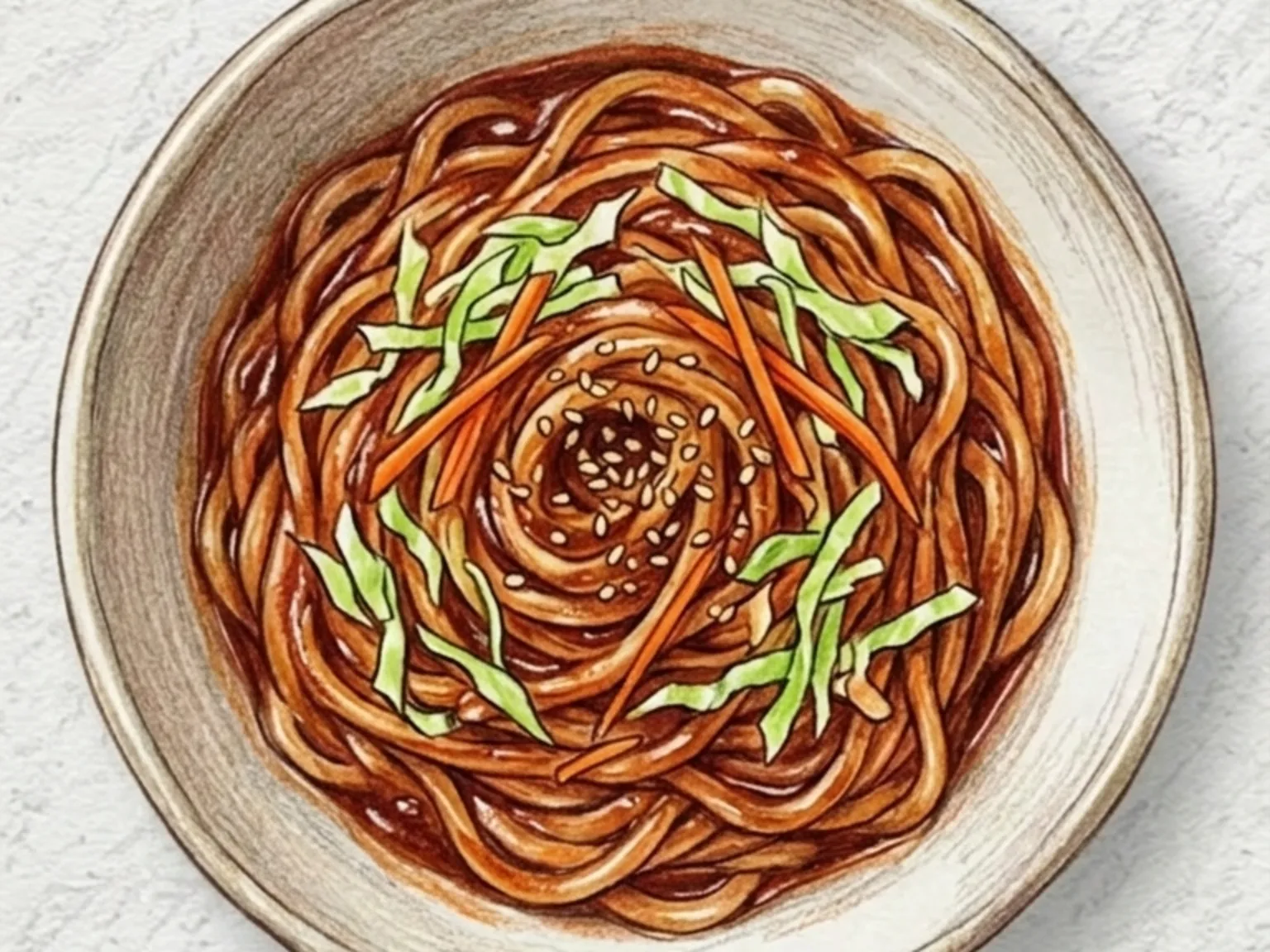
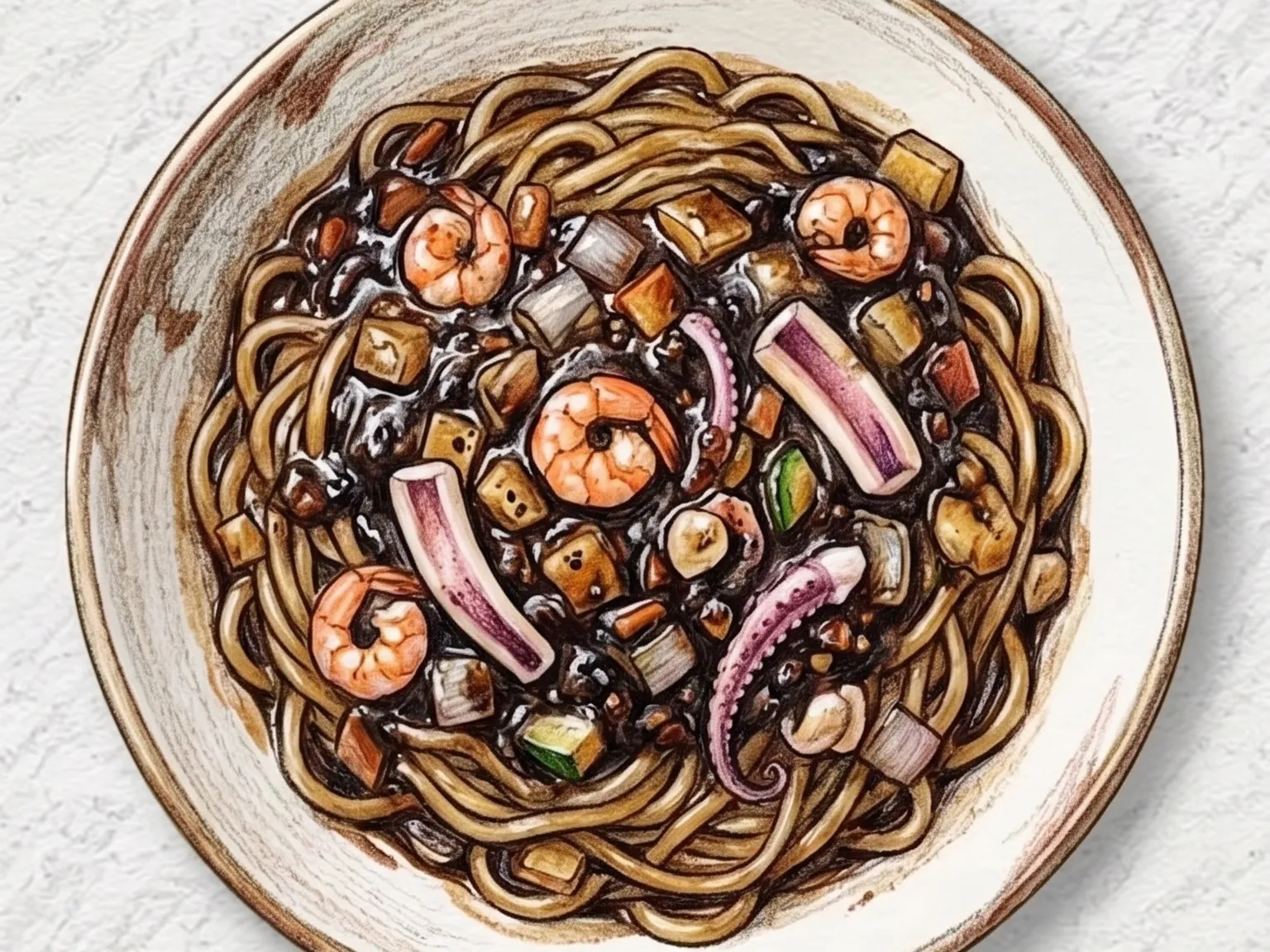
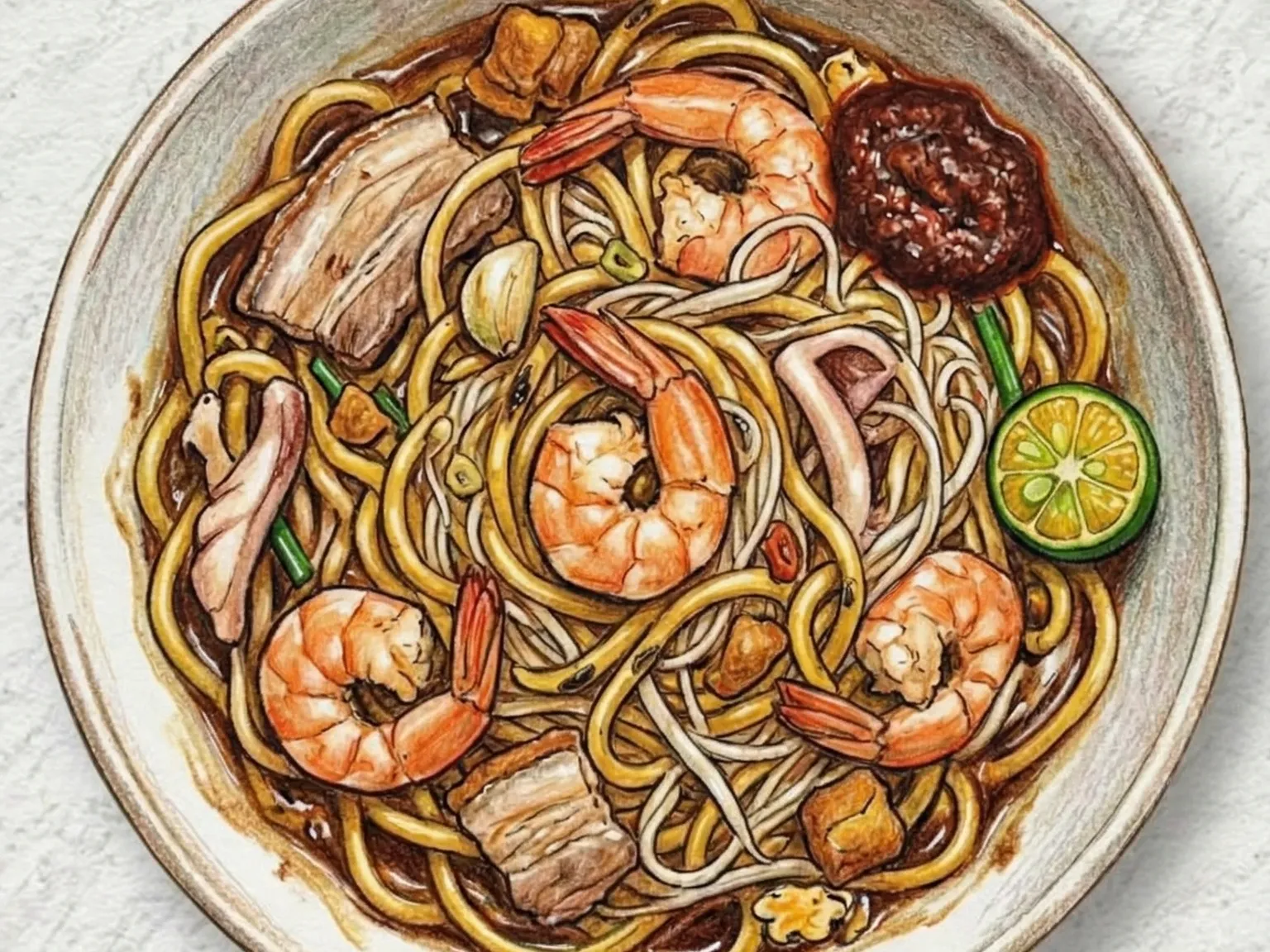
Jjajangmyeon is Korea's most iconic Chinese-Korean noodle dish, featuring thick, chewy wheat noodles buried under a glossy black sauce built from chunjang, a fermented black bean paste. Frying the paste in a generous amount of oil is the foundational step: the raw, slightly bitter edge of the chunjang burns off and transforms into a mellow, toasty sweetness that forms the soul of the dish. Diced pork belly, onion, potato, and zucchini are stirred into the oil-fried paste and cooked until soft, contributing natural sweetness and body to the sauce. A starch slurry thickens the sauce to a dense, velvety consistency that clings to every strand of noodle without pooling at the bottom of the bowl. Shredded raw cucumber piled on top offers a cool, crisp contrast to the warm, sticky sauce. In Korean daily life, jjajangmyeon carries cultural weight well beyond its ingredients: it is the instinctive order on moving day, graduation day, and military send-off gatherings.
Korean Spicy Seafood Noodle Soup
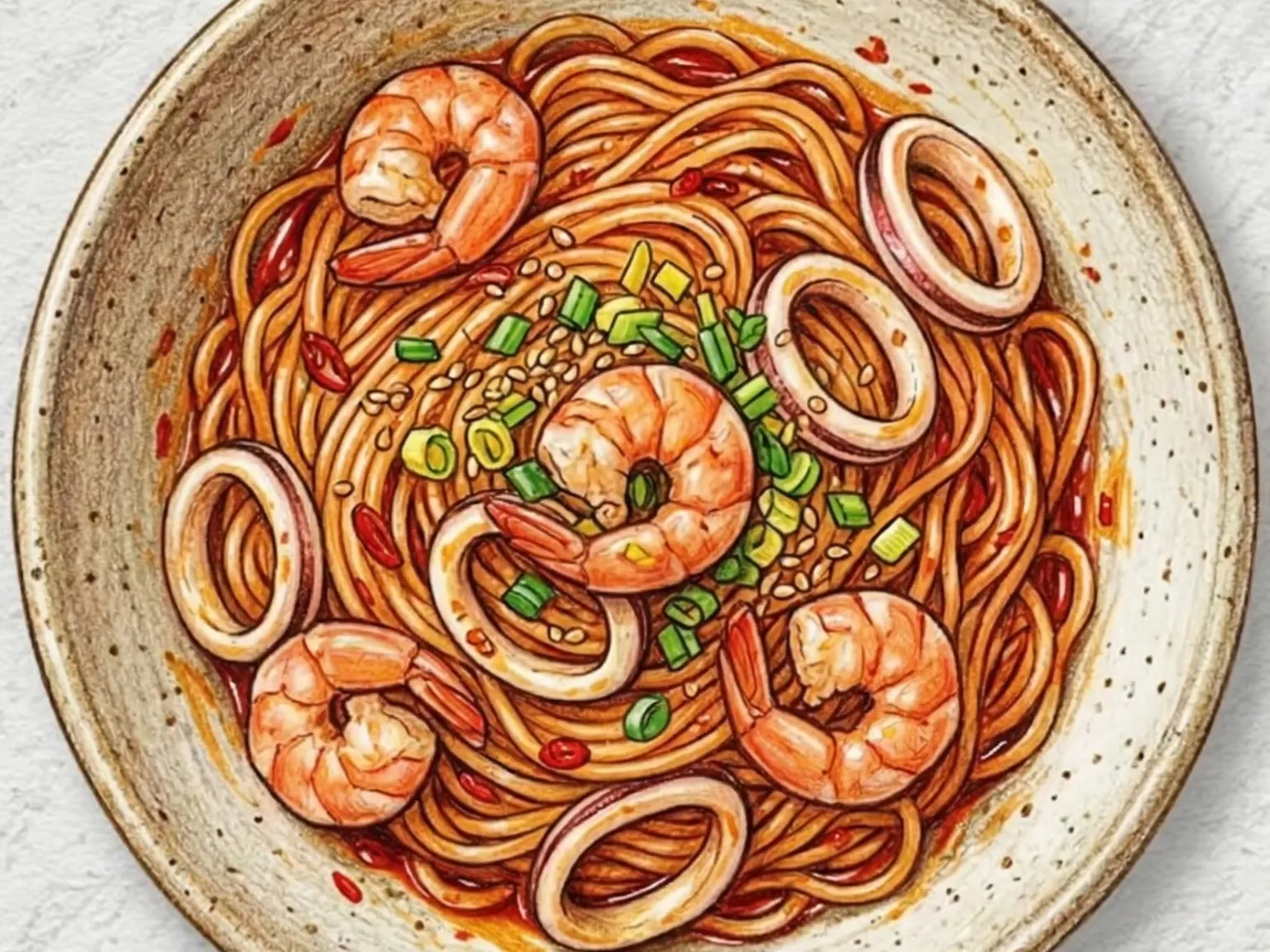
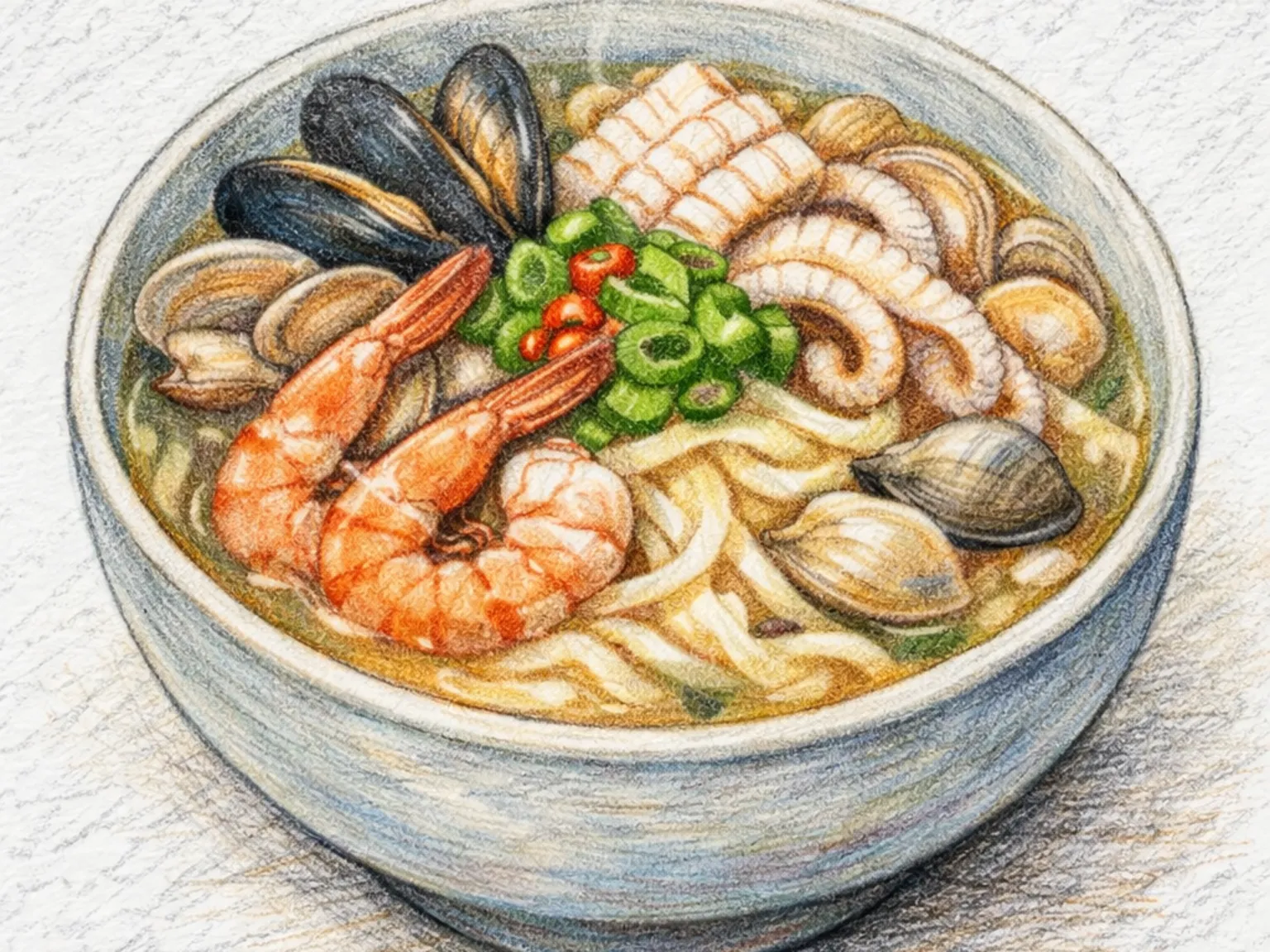
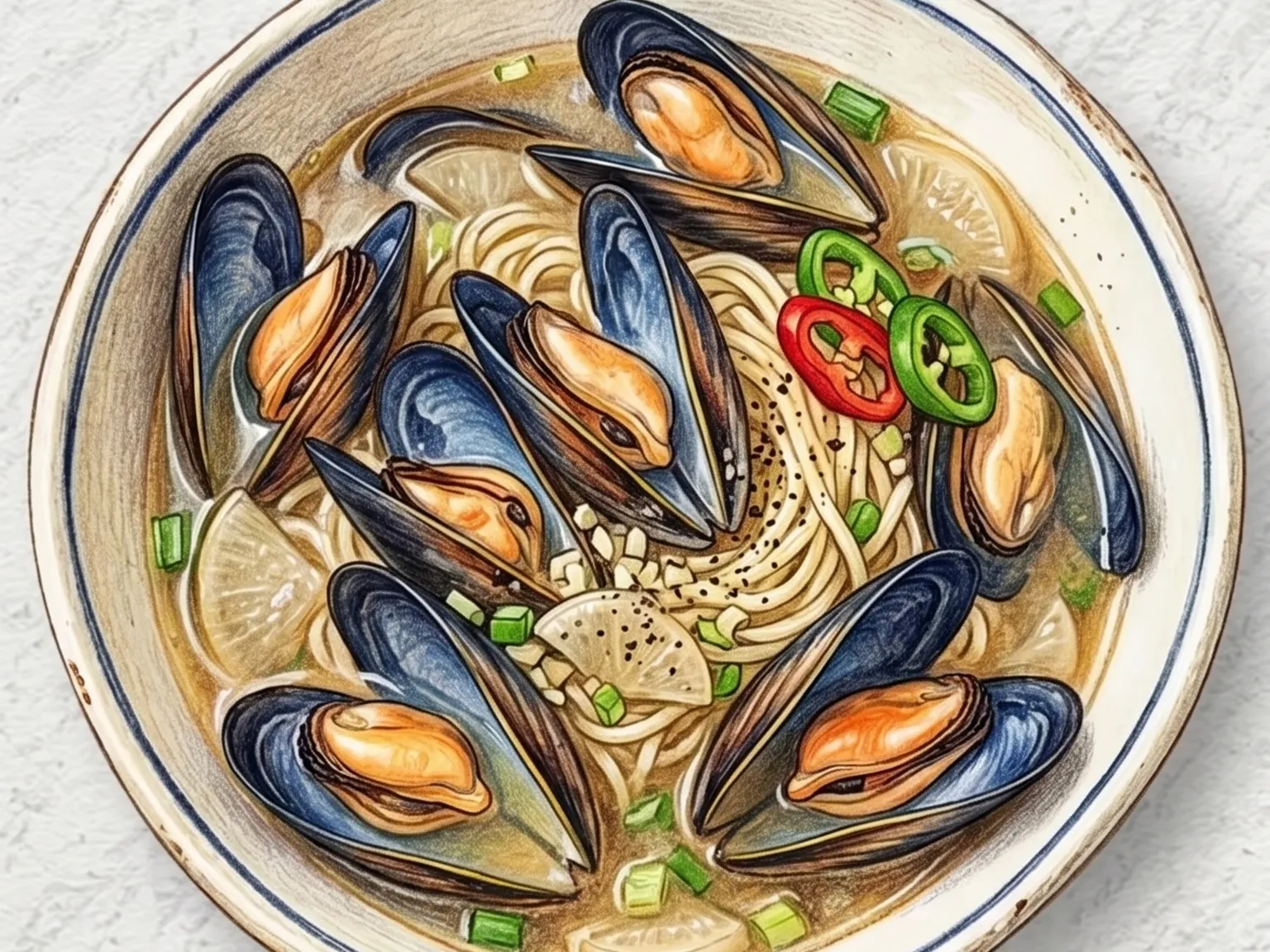
Jjamppong is a Korean-Chinese noodle soup where seafood and vegetables are stir-fried in chili oil at very high heat before broth is added, a sequence that fundamentally shapes the soup. Blooming gochugaru in hot oil instead of adding it directly to liquid extracts fat-soluble compounds that carry a smoky, toasted depth the raw powder cannot contribute. Squid, mussels, and shrimp release their own juices during the fry stage, and those juices dissolve into the chicken stock when the liquid hits the pan. Cabbage and onion caramelize in the residual oil and give off natural sugars that temper the chili heat. Soy sauce binds the seasoning and gives the broth its reddish-brown depth. Springy fresh wheat noodles absorb the concentrated broth, and by the time they reach the table the noodles are already carrying the full flavor of the soup in every strand.
Korean Spicy Chewy Noodles
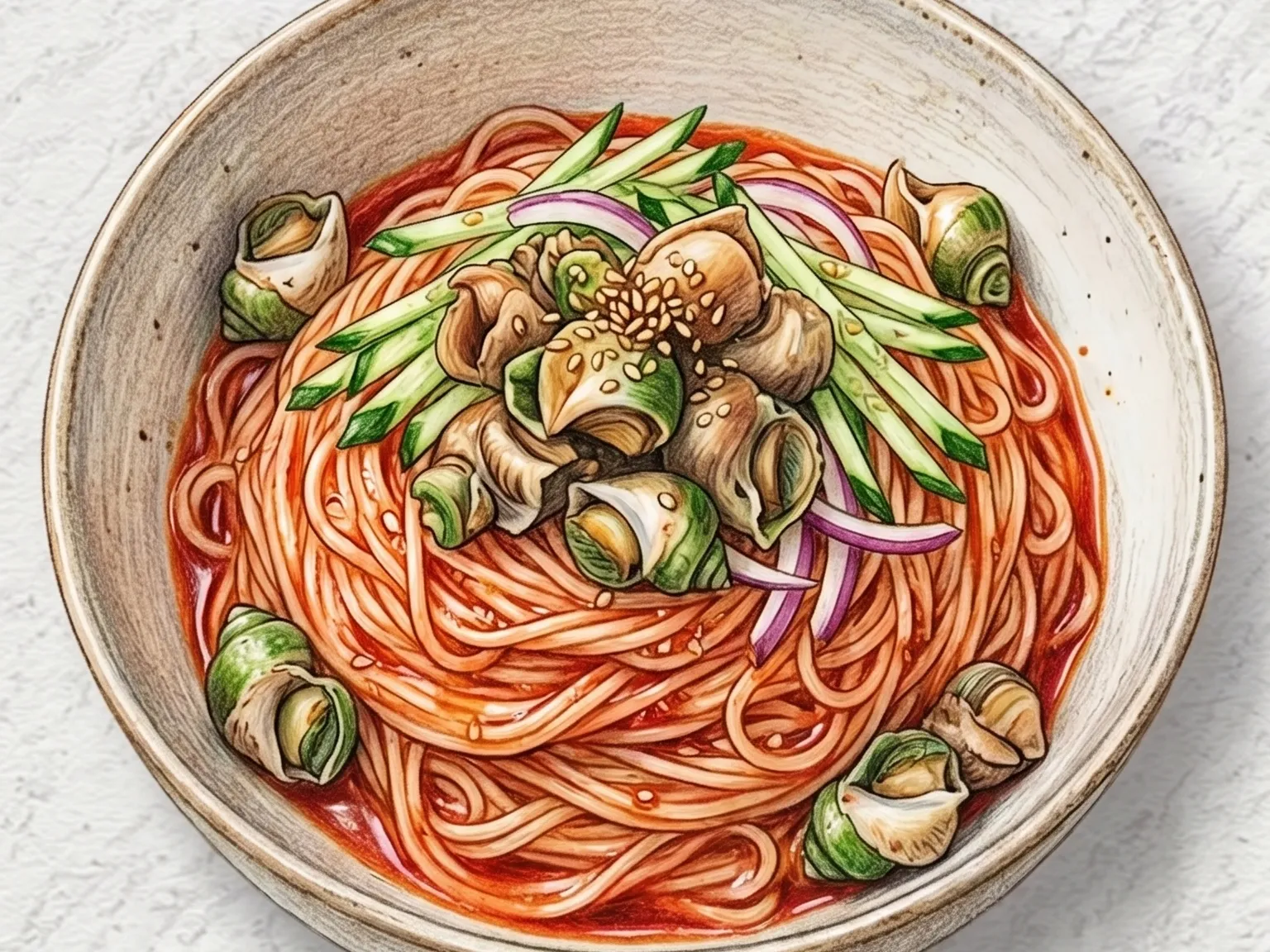
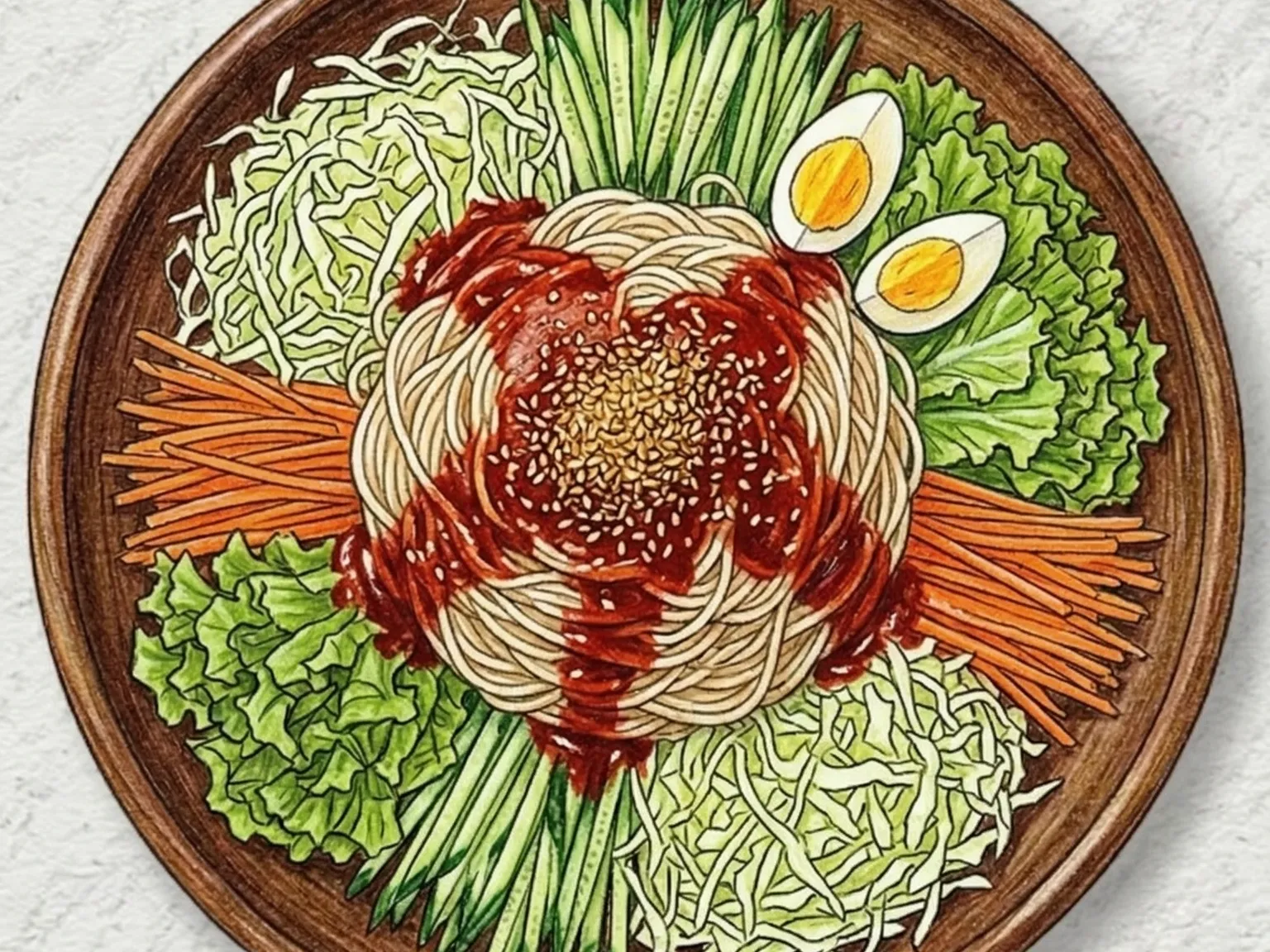
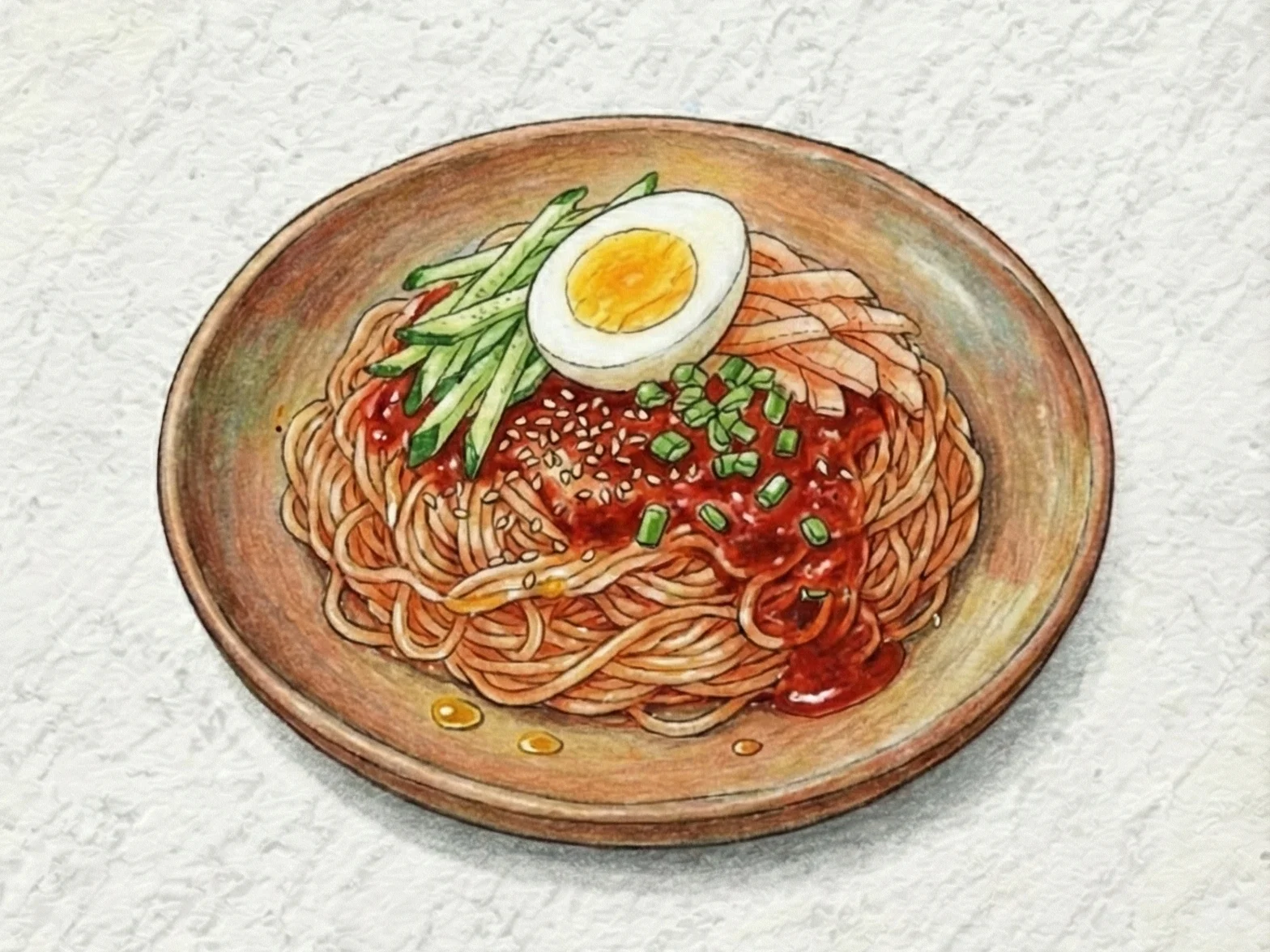
Jjolmyeon is a Korean cold noodle dish built around unusually thick, springy wheat noodles that were accidentally invented at an Incheon noodle factory in the 1970s. The noodles are boiled, rinsed in ice water to firm up their chewy texture, then dressed in a sweet-sour-spicy sauce made from gochujang, vinegar, sugar, soy sauce, and sesame oil. Shredded cabbage and julienned cucumber are chilled separately and piled on top, giving each bite a crisp contrast to the bold sauce. A halved boiled egg adds a creamy counterpoint to the heat. The dish is served cold and eaten after thorough mixing, making it a go-to summer meal and late-night snack across Korea.
Kake Udon (Plain Udon in Clear Dashi Broth)
Kake udon is the most elemental form of Japanese udon: thick, springy wheat noodles served in a clear dashi broth seasoned with soy sauce, mirin, and a small amount of salt. With so few components, the quality of the dashi determines everything about the dish. The broth is built on katsuobushi and dried kelp, producing a flavor that is restrained but unmistakably savory. The noodles must be thick enough to hold their chew and smooth enough to carry broth with each lift of the chopsticks. Toppings are deliberately kept to a minimum, typically sliced kamaboko fish cake and chopped green onion, so the stock and noodle texture remain the focus rather than any single garnish. The noodles should go directly from the pot into hot broth, as they soften quickly and lose their characteristic bounce if left to sit. In the Kansai region, pale usukuchi soy sauce is used to keep the broth nearly transparent, making the visual clarity of the soup another deliberate element of the dish.
Korean Knife-cut Noodle Soup
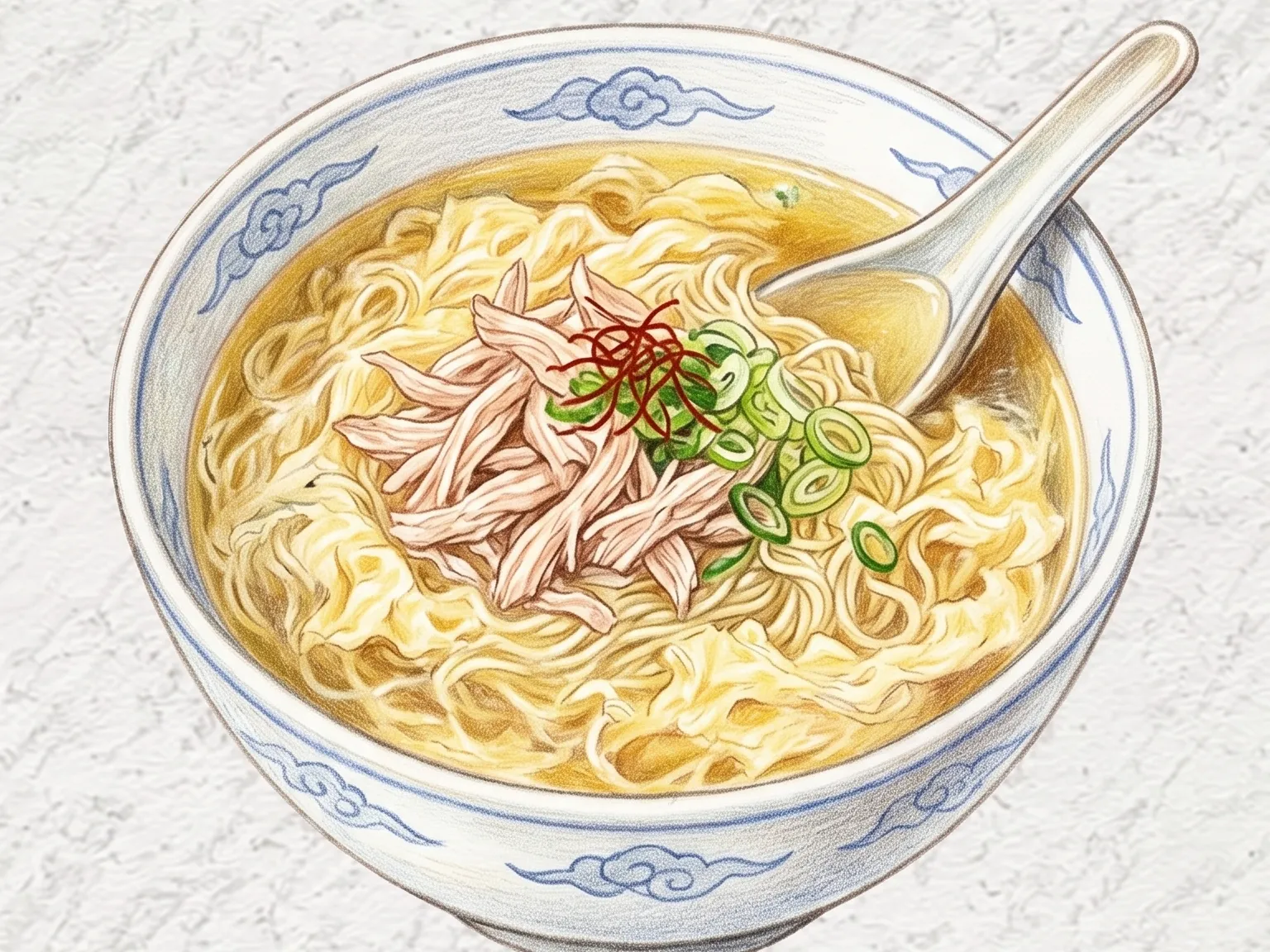
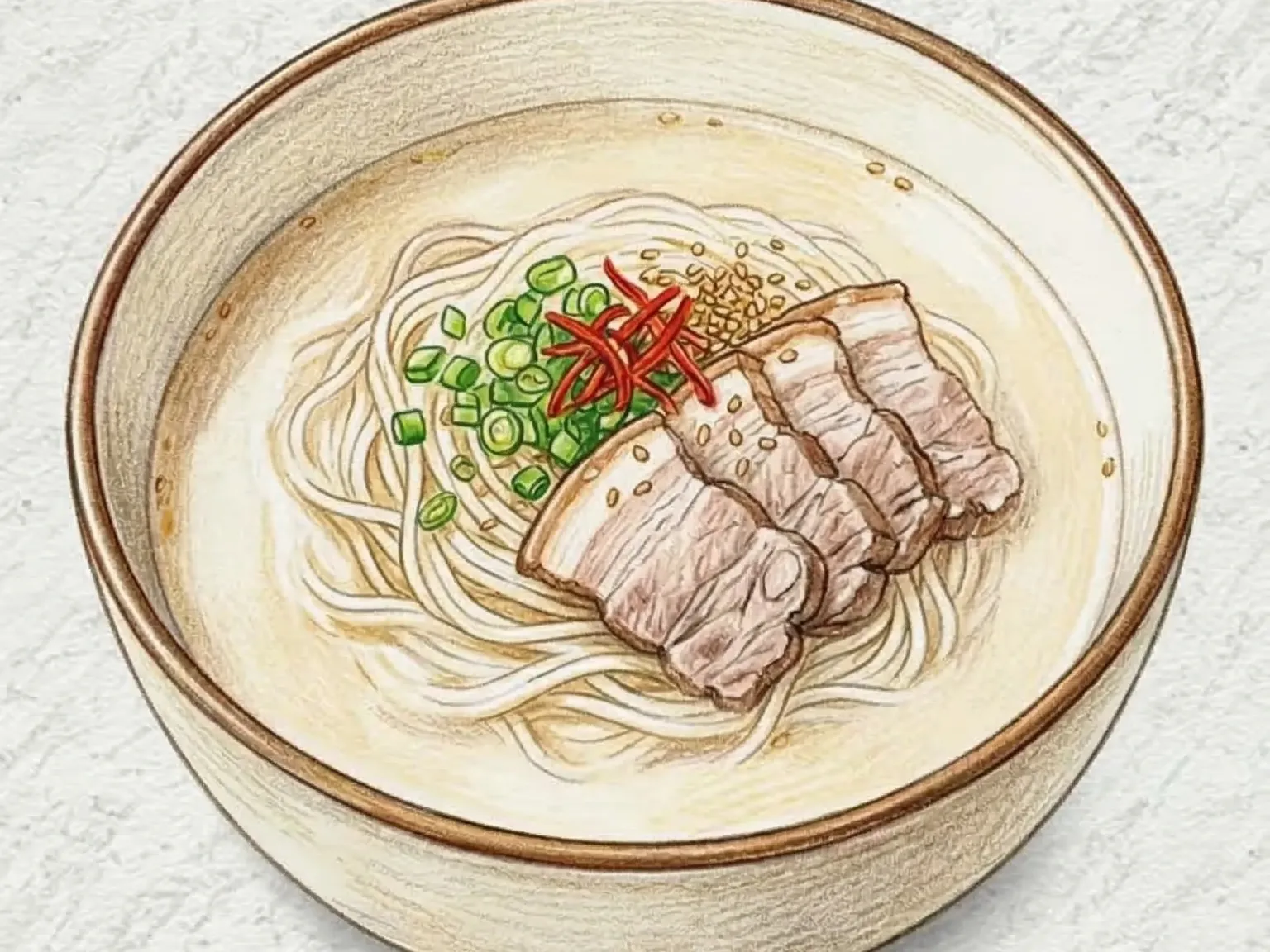
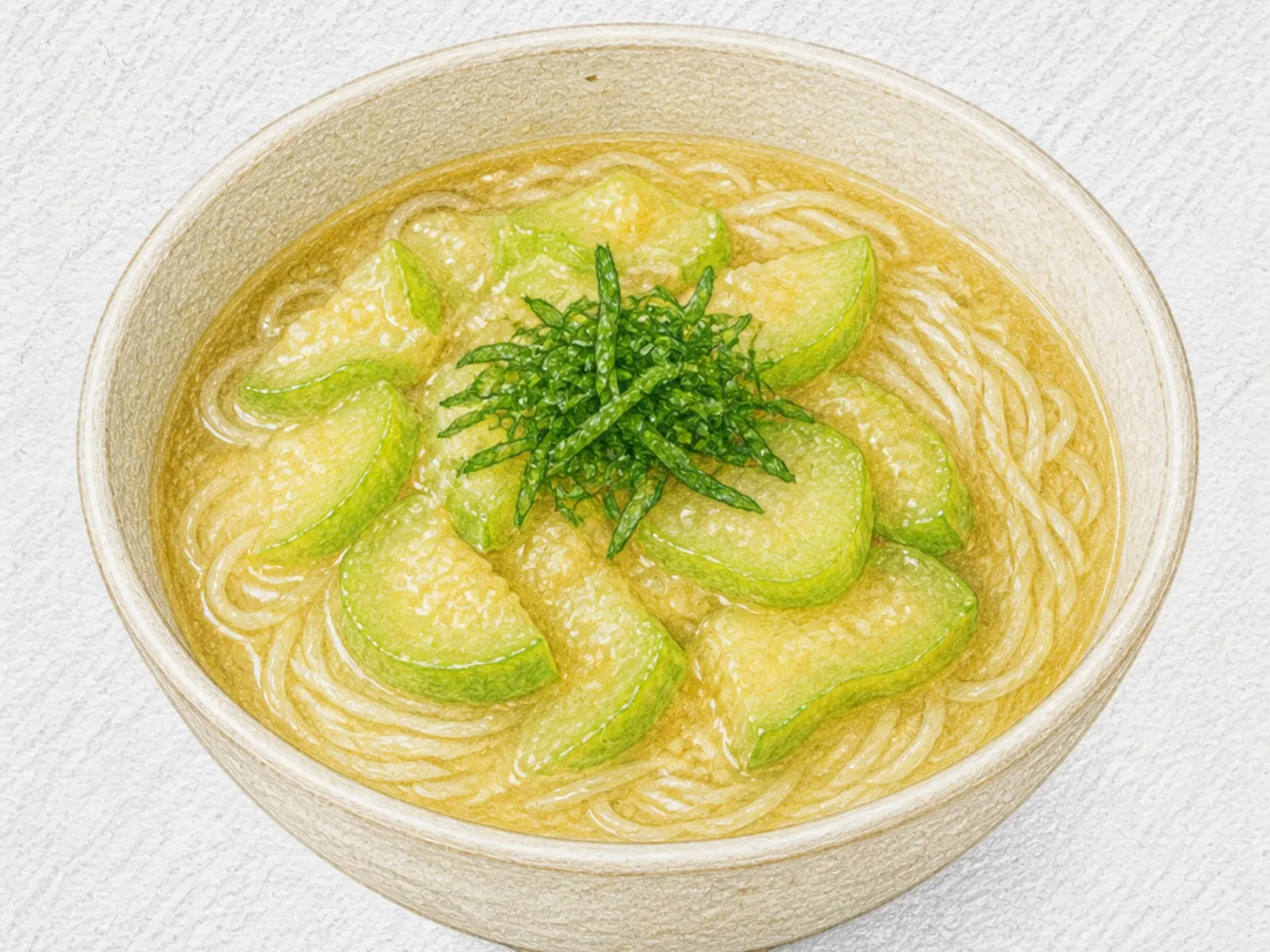
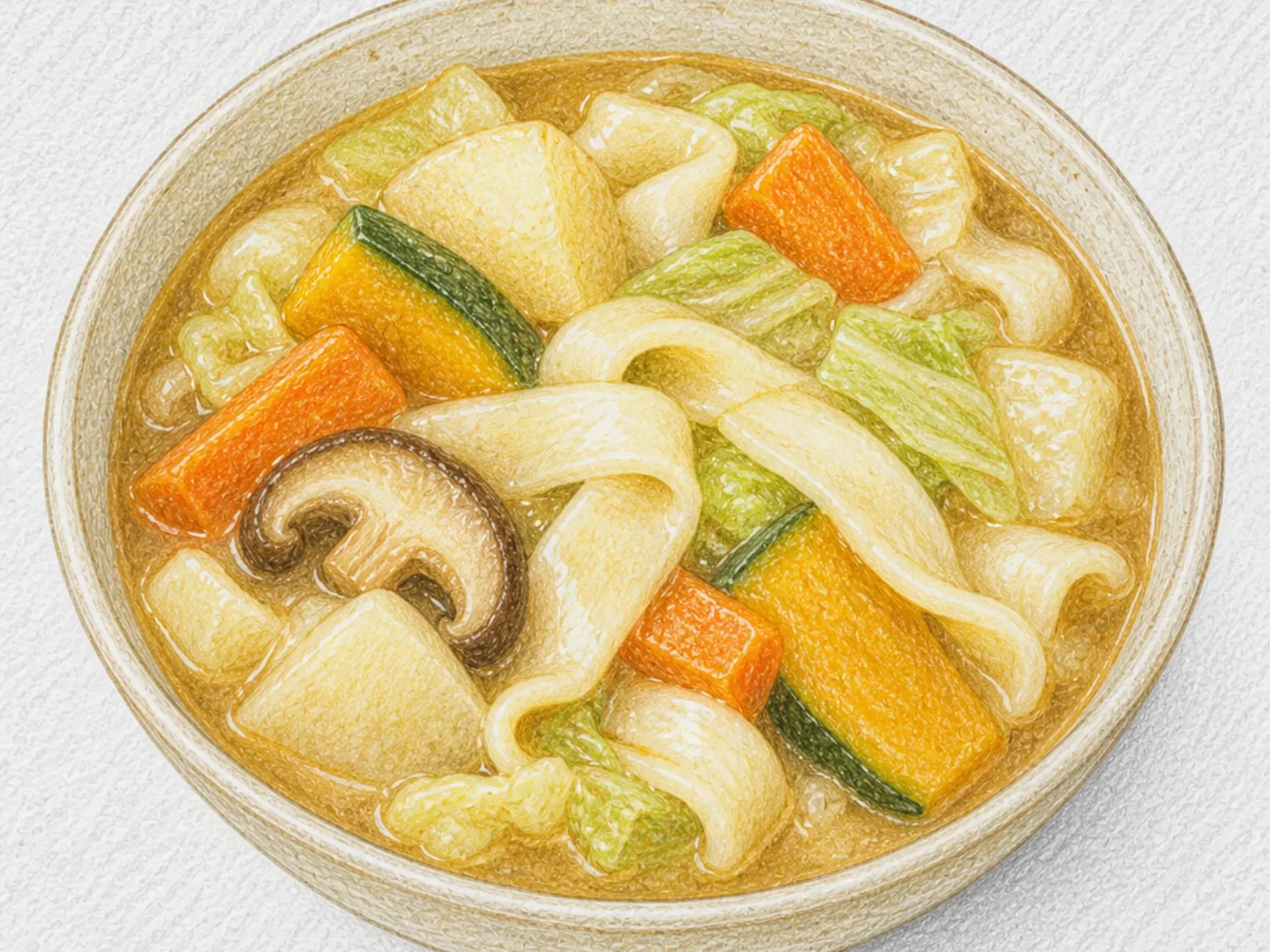
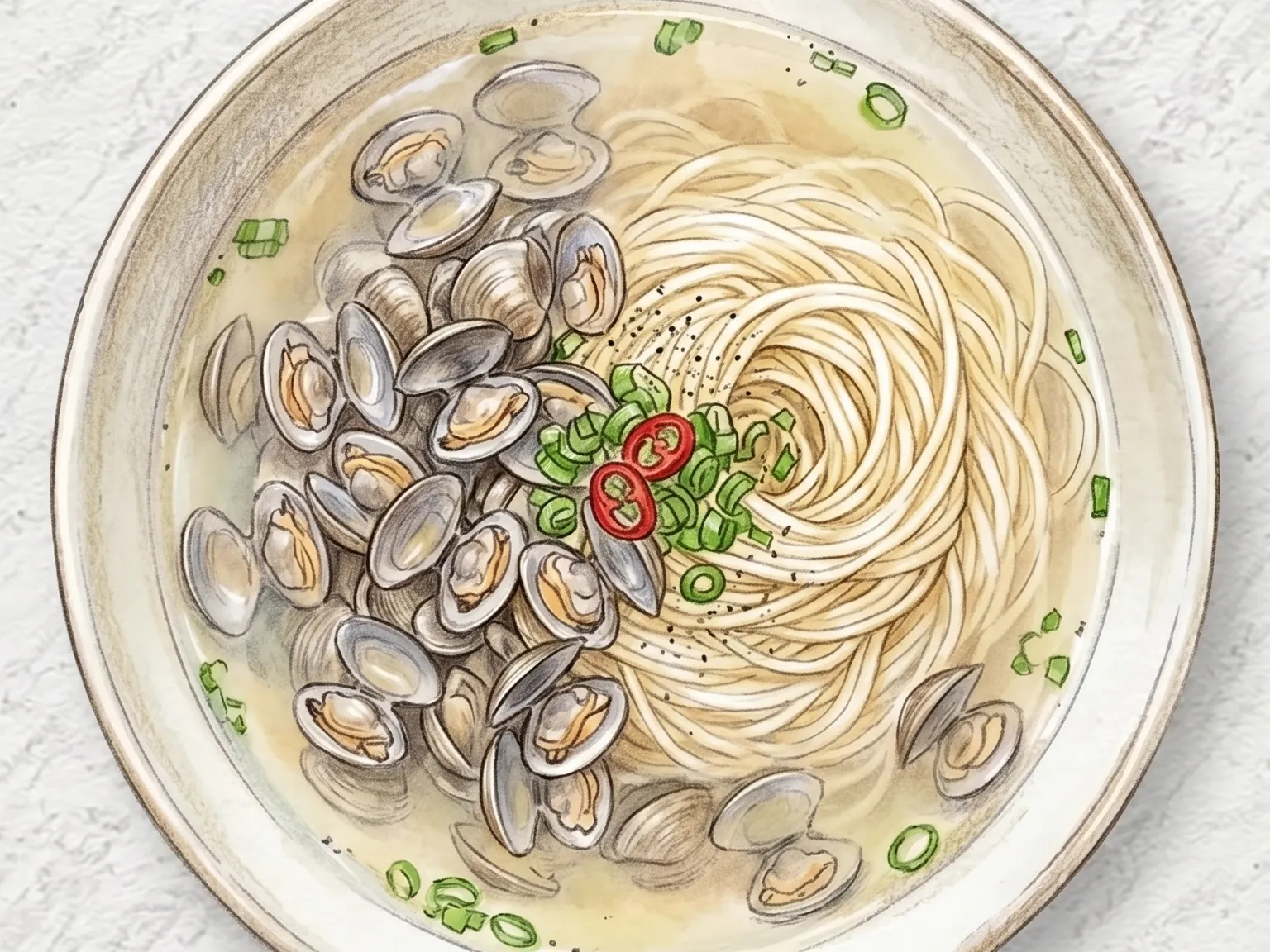
Kalguksu is a Korean noodle soup made with hand-cut wheat noodles simmered in anchovy-kelp broth. The noodles are rolled flat and sliced with a knife, giving them a rough surface that absorbs broth and a satisfying chew distinct from machine-made pasta. Sliced potato, half-moon zucchini, and onion go into the pot, with the potato releasing starch that naturally thickens the broth as it cooks. Seasoning stays minimal - soup soy sauce, salt, minced garlic, and green onion added at the end - so the clean, savory depth of the stock comes through clearly. The dish is traditionally associated with rainy days in Korea, and adding clams turns it into a popular seafood variation.
Korean Knife-Cut Noodles and Dough Flake Soup
Kaljebi is a Korean home-style soup that cooks knife-cut noodles and hand-torn dough flakes together in a single pot of anchovy-kelp broth. Sliced potato goes in first, releasing starch that thickens the broth to a gentle, savory body without any additive. The dough flakes are pinched thin and dropped in well ahead of the knife-cut noodles - because they need more time to cook through - so both elements finish together. Every spoonful holds two distinct textures: the broad, pillowy sheets of sujebi alongside the chewy strands of kalguksu. Zucchini and green onion round out the flavor, and a light hand with soup soy sauce keeps the bowl clear and clean-tasting rather than heavy. This is weekday cooking at its most practical, requiring only a handful of pantry staples.
Northern Thai Coconut Curry Noodles
Khao soi is a coconut curry noodle soup from northern Thailand's Chiang Mai region. Red curry paste is fried in coconut cream until fragrant, then combined with more coconut milk and chicken stock to form a thick, spiced broth. Bone-in chicken thighs simmer in this liquid for about 20 minutes until the meat turns fork-tender. Egg noodles are boiled separately and placed in the bowl, but what sets the dish apart is a handful of the same noodles deep-fried until crisp and scattered on top - the crunch against the soft, soupy noodles below creates a sharp textural contrast. Shallots, cilantro, and a squeeze of lime cut through the richness, while fish sauce and a touch of sugar fine-tune the balance between salty, sweet, and sour.
Korean Kimchi Bulgogi Udon
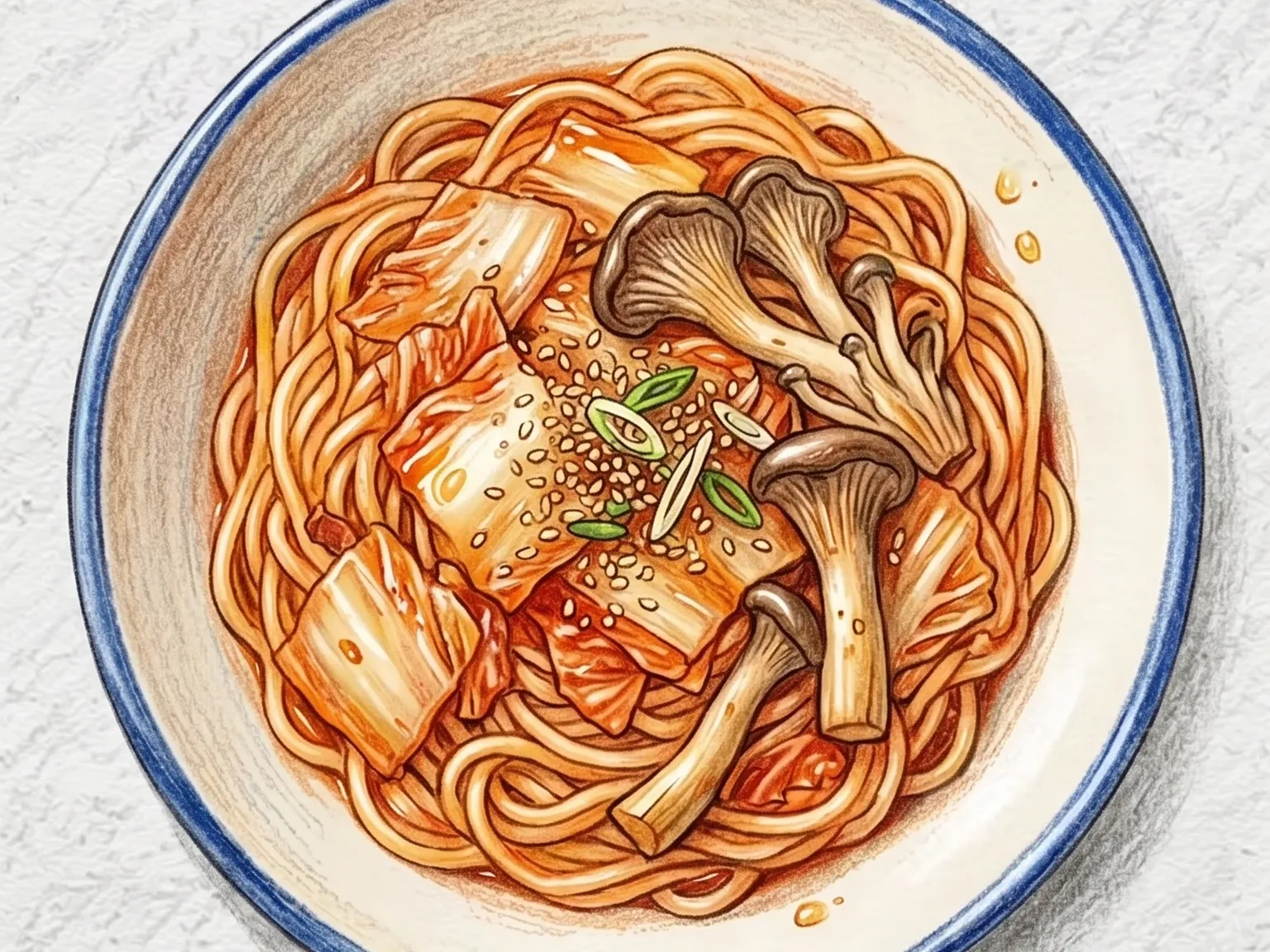
Kimchi bulgogi udon is a Korean stir-fried noodle dish that brings together the sharp acidity of well-fermented kimchi and the sweet, savory depth of thinly sliced bulgogi beef, all coating thick, round udon strands. The beef is seared quickly over high heat to develop browning on the surface before onion and kimchi join the pan and cook until nearly all their moisture evaporates, concentrating both flavor and color. A sauce of soy sauce, gochujang, and sugar goes in next, followed by briefly blanched udon noodles that get tossed on maximum heat for about one minute so every strand absorbs the sauce while retaining a firm bite. The thick cross-section of udon holds bold, clingy sauces better than thinner noodles and creates a satisfying, filling meal without any broth. When kimchi is especially sour, a small addition of sugar or a quick rinse of the kimchi before cooking brings the acidity back into proportion. Finishing with sliced scallion and toasted sesame seeds adds color and a nutty lift that completes the dish.
Kimchi Butter Udon (Tangy Kimchi Stir-Fried in Butter)
Kimchi butter udon is a fusion stir-fried noodle that pairs the tangy, spicy acidity of well-fermented kimchi with the deep richness of butter. The first half of the butter goes into the pan to saute onion and garlic until they release their sweetness, then chopped kimchi is added and stir-fried for two minutes to cook off the moisture, which concentrates the flavor and mellows the sharp sourness. Blanched udon noodles and soy sauce are tossed in over high heat so the seasoning coats every strand evenly, and the remaining butter is added off-heat immediately after, keeping its aroma intact while lending a glossy sheen and fuller depth to the noodles. A soft-cooked egg placed on top breaks into a creamy sauce when stirred in, while seaweed flakes and sliced scallion contribute crunch and a fresh herbal lift. If the kimchi leans salty, reducing the soy sauce to one tablespoon keeps the balance in check. The whole dish, including prep, comes together in about twelve minutes.
Korean Kimchi Soy Milk Tantan Noodles
Kimchi duyu tantan myeon takes the structural logic of Chinese dandan noodles and rebuilds it around Korean pantry ingredients. Garlic and green onion are stir-fried in chili oil first to infuse the fat with fragrance, then ground pork goes in along with doenjang and soy sauce and stays on the heat until it browns and the fermented paste base deepens. Finely chopped kimchi is added and cooked for two more minutes, which softens the raw acidity of the kimchi and melds it into the meat mixture. Unsweetened soy milk is poured in at that point and heated gently, just below a boil, so it blends into a smooth, lightly creamy broth without breaking. The noodles are boiled separately and placed in the bowl before the broth is ladled over. Ground peanuts sprinkled on top at the end contribute a nutty finish, and the amount can be adjusted to thicken the broth to a preferred consistency.
Korean Kimchi Glass Noodle Stir-Fry
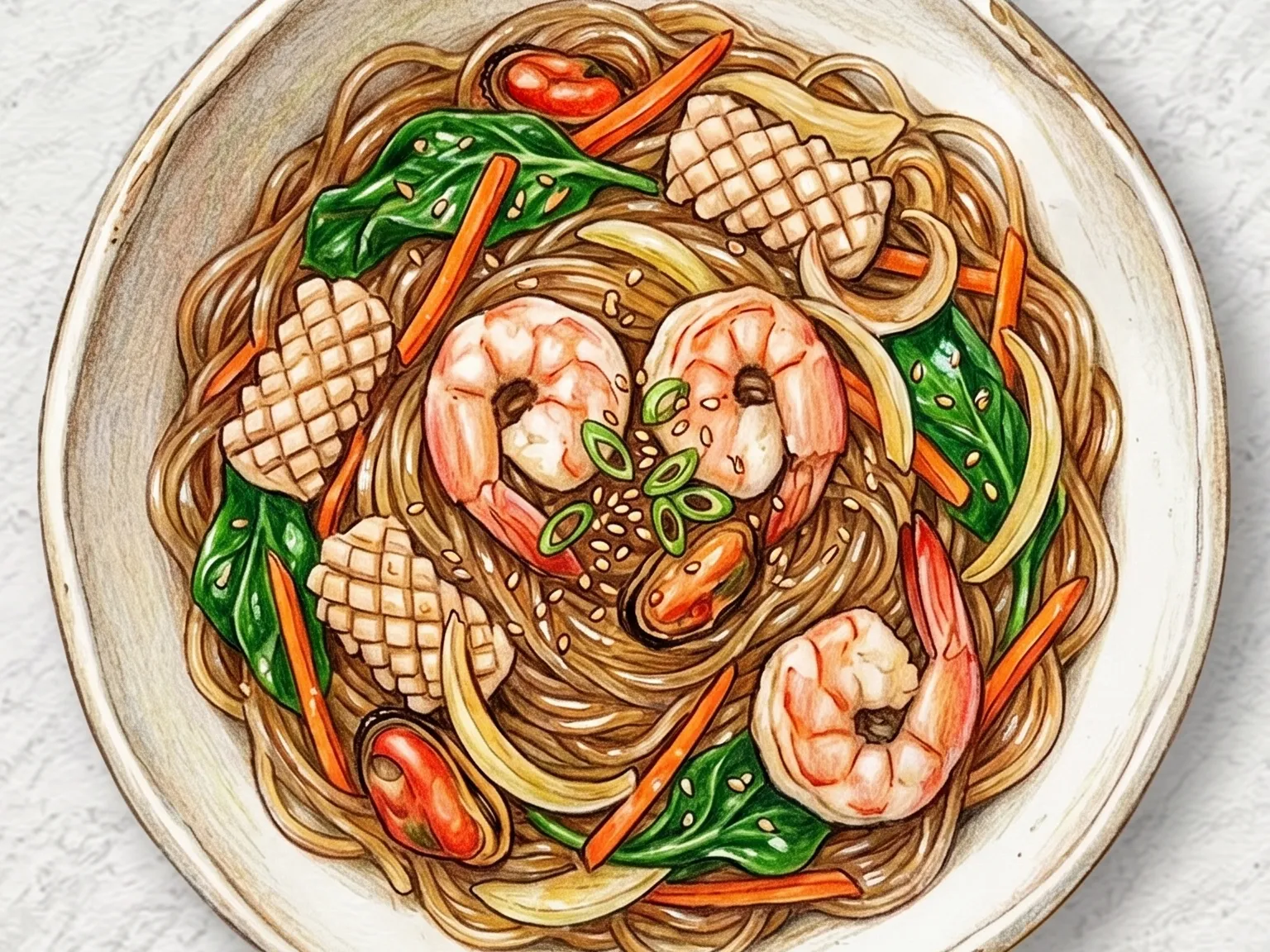
Kimchi japchae is a variation on classic Korean glass noodle stir-fry that replaces the usual assortment of vegetables with well-fermented aged kimchi, giving the dish a bold tangy heat that the original does not have. Glass noodles are boiled, rinsed in cold water to stop the cooking, and pre-seasoned with soy sauce so they absorb flavor before hitting the pan. Pork shoulder goes in first to render its fat and build a savory base in the wok, then the kimchi -- thoroughly squeezed dry -- is added and stir-fried until the sourness concentrates and caramelizes slightly. Removing the kimchi's moisture is a non-negotiable step: excess liquid steams the noodles rather than frying them, causing the noodles to swell and the overall seasoning to turn watery and flat. Sliced onion goes in with the kimchi to contribute a natural sweetness that softens the acidity. Once the aromatics are cooked down, the noodles are tossed in with additional soy sauce and a small amount of sugar if the kimchi is especially sour. The pan comes off the heat before sesame oil is added to preserve its fragrance, and whole sesame seeds finish the dish. The combination of the noodles' chewy elasticity and the kimchi's pungent, fermented character produces a version of japchae that tastes fundamentally different from the traditional preparation.
Kimchi Bean Sprout Miso Ramen
Kimchi kongnamul miso ramen layers three distinct flavors in one bowl: the deep tang of sauteed aged kimchi, the earthy umami of miso paste, and the clean crunch of bean sprouts. Garlic and kimchi are first stir-fried in sesame oil to mellow the kimchi's raw sourness, then chicken stock is added and brought to a boil. Bean sprouts go in and cook for just three minutes to keep their snap. Miso is dissolved separately and stirred in on low heat - boiling it aggressively would strip away its complex fermented aroma. Fresh ramen noodles are cooked in a separate pot, drained, and placed in the bowl before the broth is poured over. A halved soft-boiled egg on top rounds out the bowl with its creamy yolk.
Korean Warm Noodles with Kimchi Dumplings
Kimchi mandu onmyeon is a Korean warm noodle dish that combines kimchi dumplings simmered in anchovy-kelp stock with thin wheat noodles served in the hot broth. The filling of kimchi and pork inside each dumpling gradually releases savory depth into the clean dashi as the dumplings cook, building a broth that feels substantive without requiring heavy seasoning. Soup soy sauce and minced garlic are the only seasoning additions, keeping the overall flavor clear and well-defined. Thin wheat noodles are boiled separately and rinsed under cold water before serving, which prevents the cooking starch from clouding the broth and keeps the noodles smooth and springy in texture rather than swollen and soft. Julienned zucchini added to the broth and a thin stream of beaten egg swirled in just before serving add color and textural variety to the finished bowl. Since the sodium content of kimchi dumplings varies considerably by brand, soup soy sauce should be added in small increments at the end rather than all at once. Overcooking the dumplings causes the wrapper to loosen and the broth to cloud, so once the dumplings float to the surface the noodles should go in and the dish brought together quickly. Gochugaru or sliced cheongyang chili transforms the bowl into a spicier version, and a drop of sesame oil stirred in just before eating rounds out the nuttiness of the broth. Equally suited as a late-night solo meal or a warming bowl on a cold day.
Korean Kimchi Chilled Noodle Soup
Kimchi mari guksu is a cold Korean noodle soup made for hot weather, built on a broth of aged kimchi juice blended with cold water, sugar, and a small amount of vinegar. The broth needs time in the refrigerator to reach a thorough chill before serving - adding ice cubes at the table would dilute the distinctive tangy flavor of the kimchi liquid. Thin somyeon wheat noodles are boiled, then rubbed and rinsed under cold running water to strip off surface starch and stop the cooking. They go into the bowl first, followed by chopped kimchi and julienned cucumber, and the cold broth is poured over everything at the last moment. Because fermentation levels vary between batches of kimchi, the vinegar should be adjusted by small increments until the sour-sweet balance feels right. More aged kimchi produces a richer, more complex broth.
Korean Kimchi Tofu Nabe Udon
Kimchi tofu nabe udon is a Japanese-Korean hybrid hot pot noodle dish built on an anchovy-kelp stock base. Well-fermented kimchi is sauteed in sesame oil for at least two minutes to tame its sharp raw acidity, then the stock goes in along with Korean red chili flakes and soup soy sauce to form the broth. Thick slabs of firm tofu and sliced shiitake mushrooms simmer for four minutes, absorbing the spicy, savory liquid throughout, before thick udon noodles are added for a final two to three minutes. The udon's substantial mass soaks up the surrounding broth, so every bite carries the full flavor of the pot. Because kimchi saltiness varies by brand and age, soy sauce should be added in small amounts at the end rather than all at once. Pressing the tofu dry with a paper towel before it goes in keeps the broth from turning murky. Shredded green onion on top adds fragrance, and leftover broth with added rice makes a satisfying congee-style finish.
Kimchi Stir-Fried Udon (Pork Belly Kimchi Wok-Fried Noodles)
Kimchi udon stir-fry is a Korean-Japanese fusion noodle dish that brings together paper-thin pork belly, aged kimchi, and thick udon noodles over intense, unbroken high heat. The pork belly goes into the pan first, searing until the edges crisp and enough fat renders out to carry the aromatics that follow. Onion and green onion go in next to build fragrance, and kimchi is added last among the aromatics and stir-fried hard until every drop of its moisture has evaporated and the flavor has concentrated into the solids. A sauce of gochujang, soy sauce, and sugar is poured over, and blanched udon noodles are tossed in and moved constantly so the coating reaches every noodle strand. Dropping the heat at any point causes the udon to soften and lose its bounce, so full high heat from start to finish is essential. A spoonful of kimchi juice added mid-cook deepens the umami without making the sauce watery, and a small knob of butter stirred in just before plating rounds the sharp edges of the seasoning. The more fermented and sour the kimchi, the more complex the finished noodle becomes.
Udon with Seasoned Fried Tofu
Kitsune udon is a Japanese noodle soup defined by its topping of sweet-simmered fried tofu pouches floating on a clear, deeply savory dashi broth. The aburaage is blanched first in boiling water to remove the excess oil that would otherwise cloud the broth and repel the seasoning, then braised in a mixture of water, soy sauce, mirin, and sugar for about six minutes until the liquid has been absorbed and the sweetness has penetrated to the center of each pouch. The broth is built separately from a stock of katsuobushi and kombu, seasoned with soy sauce, mirin, and just enough salt to round out the flavor without making it salty. The quality of this broth is the single most important factor in the finished bowl. Frozen udon noodles are warmed in boiling water for about two minutes, just long enough to loosen and heat through without losing their elastic, springy texture, then transferred to the bowl with the broth ladled over. The simmered tofu pouch sits on top, and as you eat, it releases its sweetened liquid gradually into the surrounding broth, shifting the flavor of the soup with each bite. Sliced scallion and a pinch of shichimi togarashi finish the bowl with fresh aroma and gentle heat. The tofu benefits from being prepared a day in advance, as resting overnight deepens the braising flavor throughout.
Kongguksu (Korean Cold Soy Milk Noodles)
Kongguksu is a Korean cold noodle dish in which thin somyeon noodles are served in a chilled broth made entirely from blended soybeans. Cooked white soybeans are peeled as thoroughly as possible to reduce any bitterness, then blended with cold water, sesame seeds, and salt until the mixture is smooth and creamy. The resulting soy broth is refrigerated until genuinely cold before use -- adding ice directly to the bowl would thin it out, so proper chilling in advance is the standard approach. Somyeon noodles are boiled until just cooked through, then rinsed vigorously under cold running water and briefly submerged in ice water to firm up their texture before being placed in the serving bowl. The cold soy broth is poured generously over the noodles, and julienned cucumber is arranged on top for color and crunch. Seasoning is personal: some eat it with salt only, others stir in a small amount of sugar. Straining the broth once through a fine mesh sieve eliminates any remaining gritty bits and gives the finished soup a noticeably silkier mouthfeel. High in plant protein and relatively light on the stomach despite its richness, it is exactly the kind of cold dish that makes summer heat more bearable. Black soybeans blended in alongside white ones deepen both the color and the toasty, nutty flavor.
Singaporean Spicy Noodle Soup
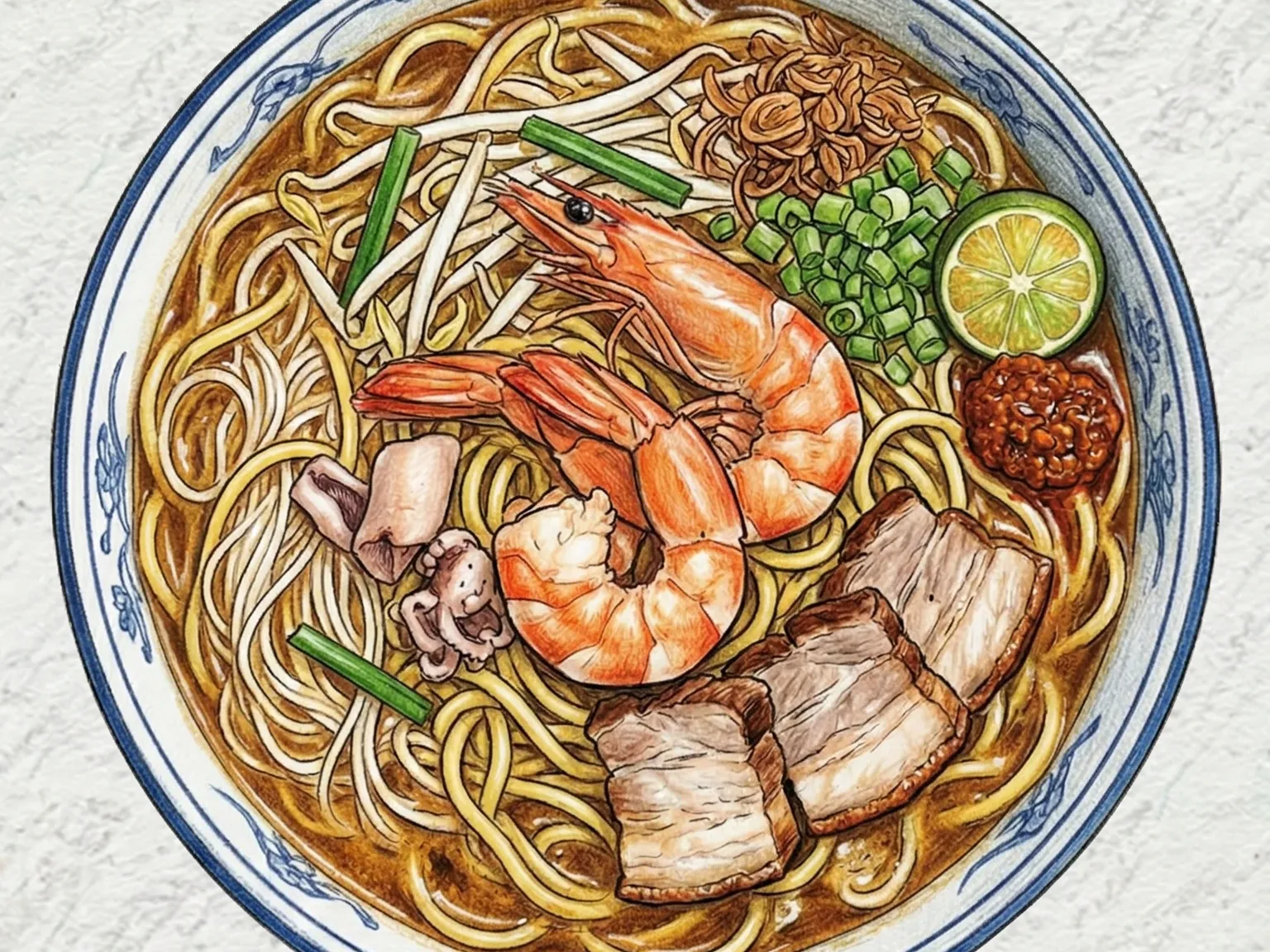
Laksa is a spicy coconut curry noodle soup from Singapore and Malaysia, assembled from a laksa paste of lemongrass, galangal, dried shrimp paste, and chili that is stir-fried in oil until deeply fragrant and the raw aroma of the shrimp paste cooks off. Coconut milk and shrimp stock are added to build the thick, aromatic broth that defines the dish, and fish sauce seasons it to a savory depth. Shrimp and fried tofu puffs simmer briefly in the completed broth, long enough to heat through but not so long that the shrimp toughens. Rice vermicelli, softened in hot water until pliable, goes into each bowl, and the broth is ladled over generously. Bean sprouts, halved soft-boiled eggs, and a wedge of lime are arranged on top - the lime is squeezed in at the table to cut the coconut richness with bright acidity. Store-bought laksa paste is a practical shortcut that produces a solid result, but homemade paste, with its layers of fresh lemongrass, galangal, fried shallots, and fermented shrimp, delivers a noticeably more complex and fragrant broth. Full-fat coconut milk is essential - reduced-fat versions thin out the broth and undercut the characteristic creaminess that sets laksa apart. A well-reduced shrimp stock intensifies the umami of the base considerably.
Lanzhou Beef Noodles (Clear Spiced Beef Shank Soup Noodles)
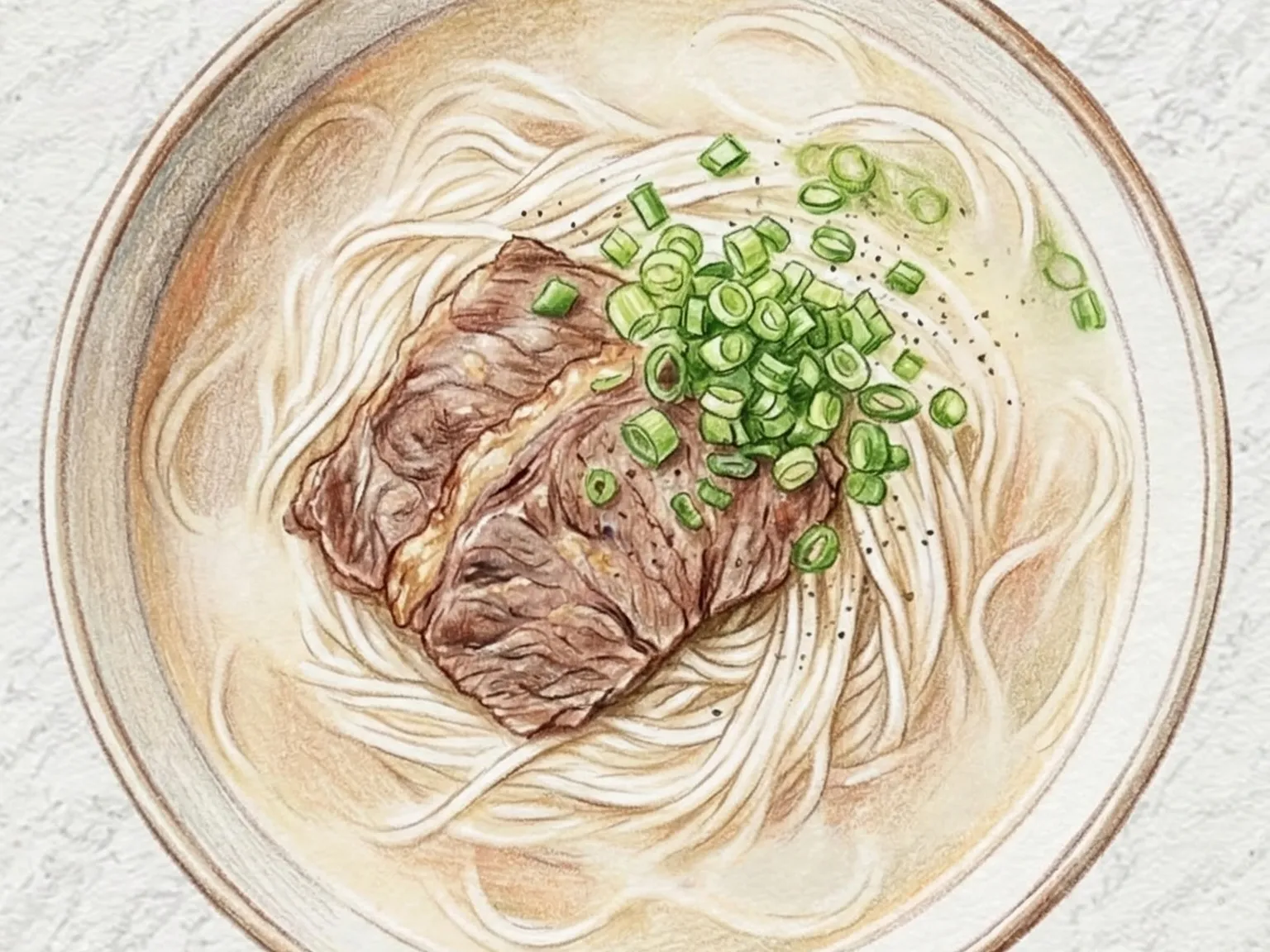
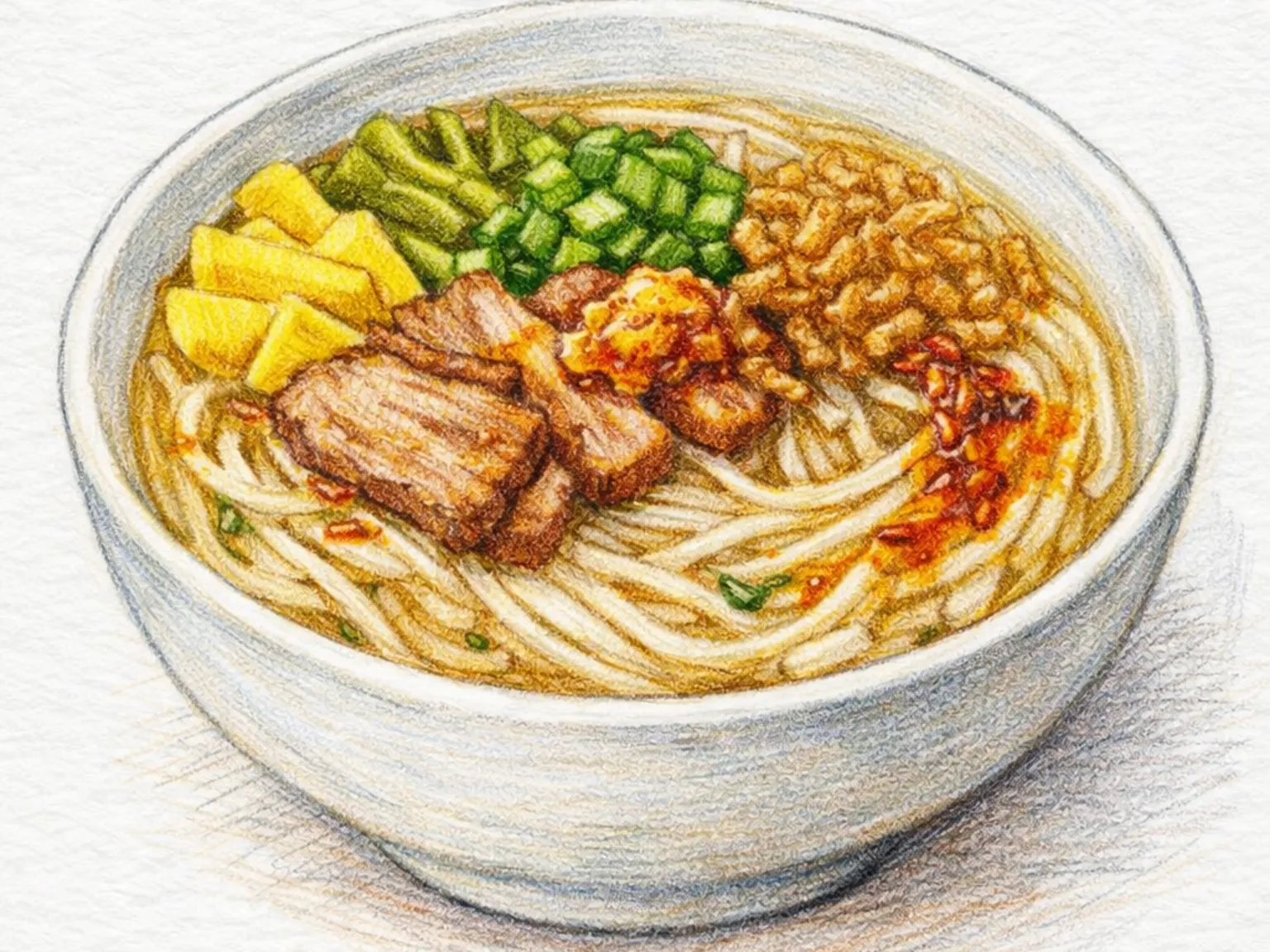
Lanzhou beef noodles are a clear-broth noodle soup originating from Lanzhou in China's Gansu province. Beef shank is soaked in cold water for thirty minutes to draw out blood, blanched, then simmered for two hours with star anise, a cinnamon stick, ginger, and garlic. Diligent skimming during the early stages of simmering is what keeps the broth transparent despite its long cooking time. Daikon radish is added to the strained broth and simmered until translucent, and the seasoning is kept to soy sauce and salt. The cooked beef is sliced thin and arranged over noodles in the bowl, with green onion, cilantro, and a drizzle of chili oil on top. Traditional versions use hand-pulled noodles stretched to order, but store-bought Chinese wheat noodles work as a practical substitute at home. The long cook time yields a broth that is clear yet deeply savory, which is the defining quality of this noodle.
Chinese Lo Mein
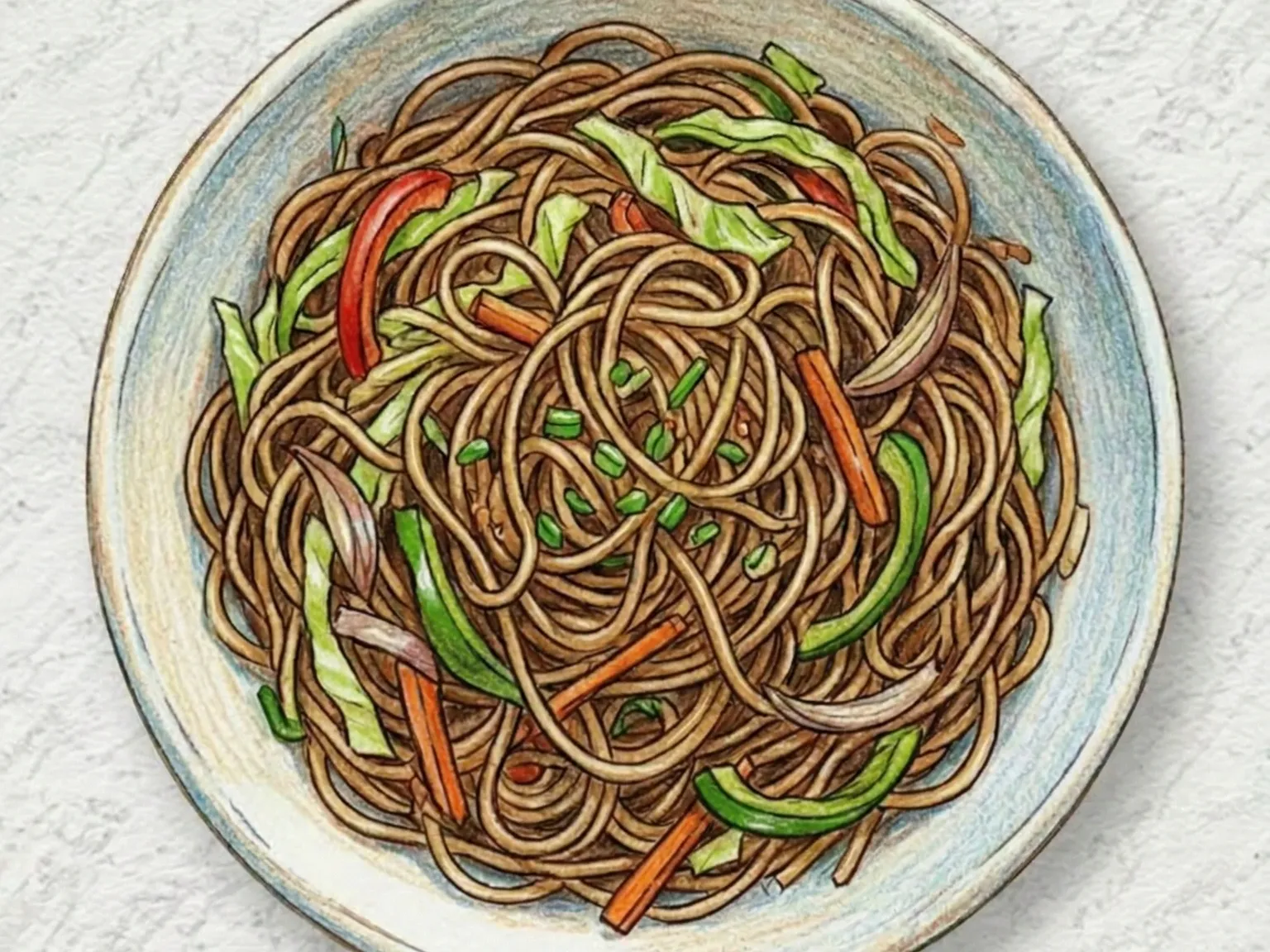
Lo mein is a Chinese noodle dish where boiled noodles are tossed gently with vegetables, protein, and a soy-based sauce, resulting in a soft, glossy finish that sets it apart from the crisper chow mein. The sauce - soy sauce, oyster sauce, and a small amount of sugar - is premixed so it coats evenly during the brief time in the pan. Shrimp is seared first until half-cooked, then broccoli and carrot are stir-fried just until they lose their raw crunch. The warm, drained noodles go in last, and everything is tossed together until the sauce is absorbed and the noodles gleam. The key is restraint: lo mein should stay moist and supple, not charred or dry. The protein can be swapped freely - chicken, beef, or tofu all work with the same sauce and technique.
Korean Maesaengi Oyster Kalguksu
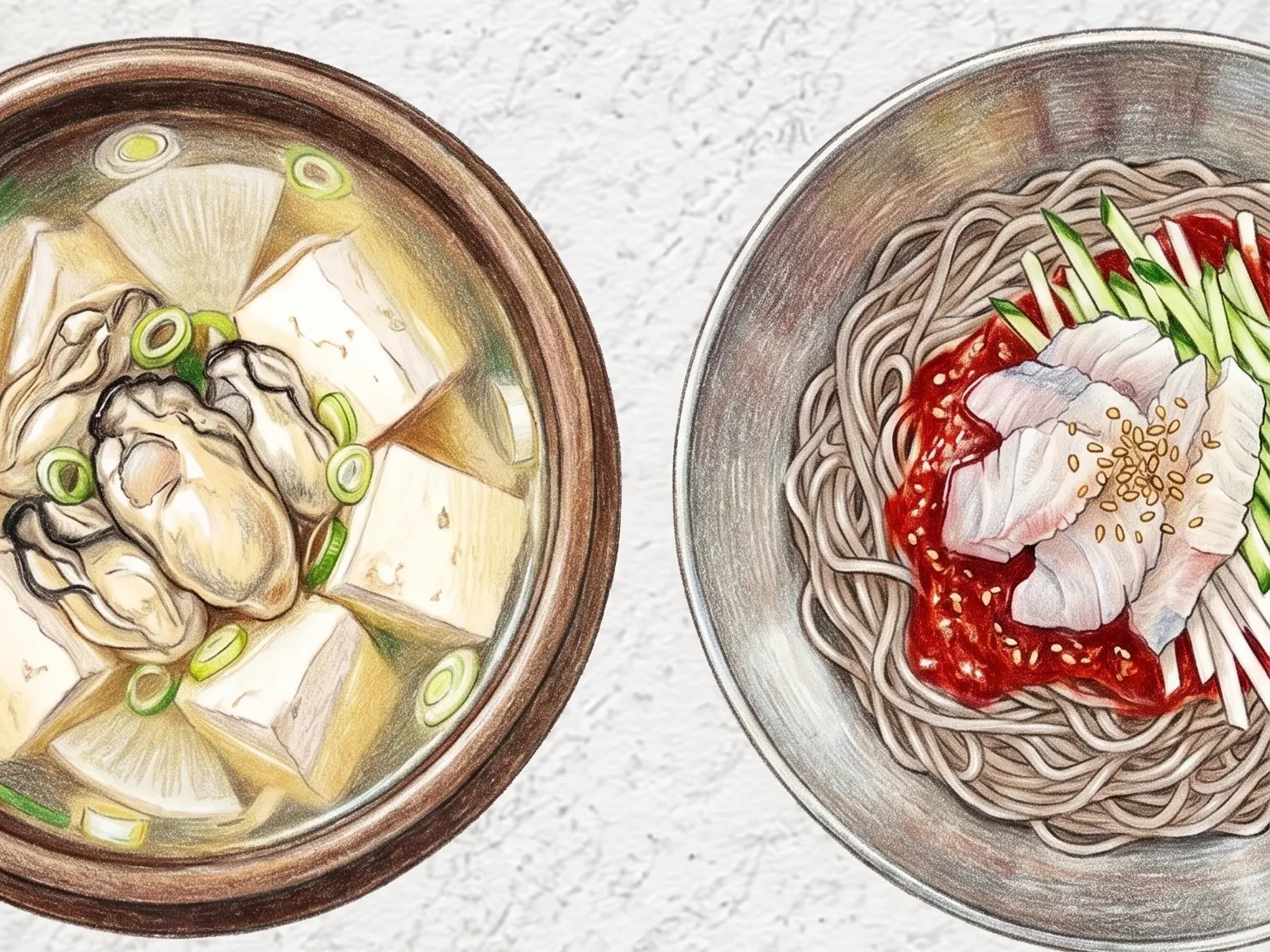
Maesaengi oyster kalguksu is a Korean seasonal noodle soup built around maesaengi, a hair-thin dark green seaweed harvested along Korea's southern coast in winter, and freshly shucked oysters. The broth is anchovy-kelp stock seasoned with soup soy sauce, minced garlic, and salt. Timing controls the outcome more than any other variable in this dish. Knife-cut noodles go in first and cook for four to five minutes until nearly done. Oysters follow and need no more than two minutes of heat because the proteins tighten quickly and turn rubbery if pushed further. Maesaengi goes in last, needing under a minute to warm through while keeping its vivid green color and the dense marine aroma that defines the soup. Sliced scallion finishes the bowl. Both maesaengi and oysters are at their fullest flavor between December and February, and making this dish outside that window noticeably diminishes the broth.
About Noodles
This collection features traditional Korean noodle recipes alongside Asian-fusion takes, covering both broth-based and tossed preparations.