Noodles Recipes
171 recipes. Page 7 of 8
Korean noodle dishes range from chilled naengmyeon in summer to steaming bowls of kalguksu in winter. Thin somyeon, chewy jjolmyeon, and glass noodles (dangmyeon) each bring a different texture to the table. A simple bibim sauce transforms plain noodles into a flavor-packed meal in minutes.
This collection features traditional Korean noodle recipes alongside Asian-fusion takes, covering both broth-based and tossed preparations.
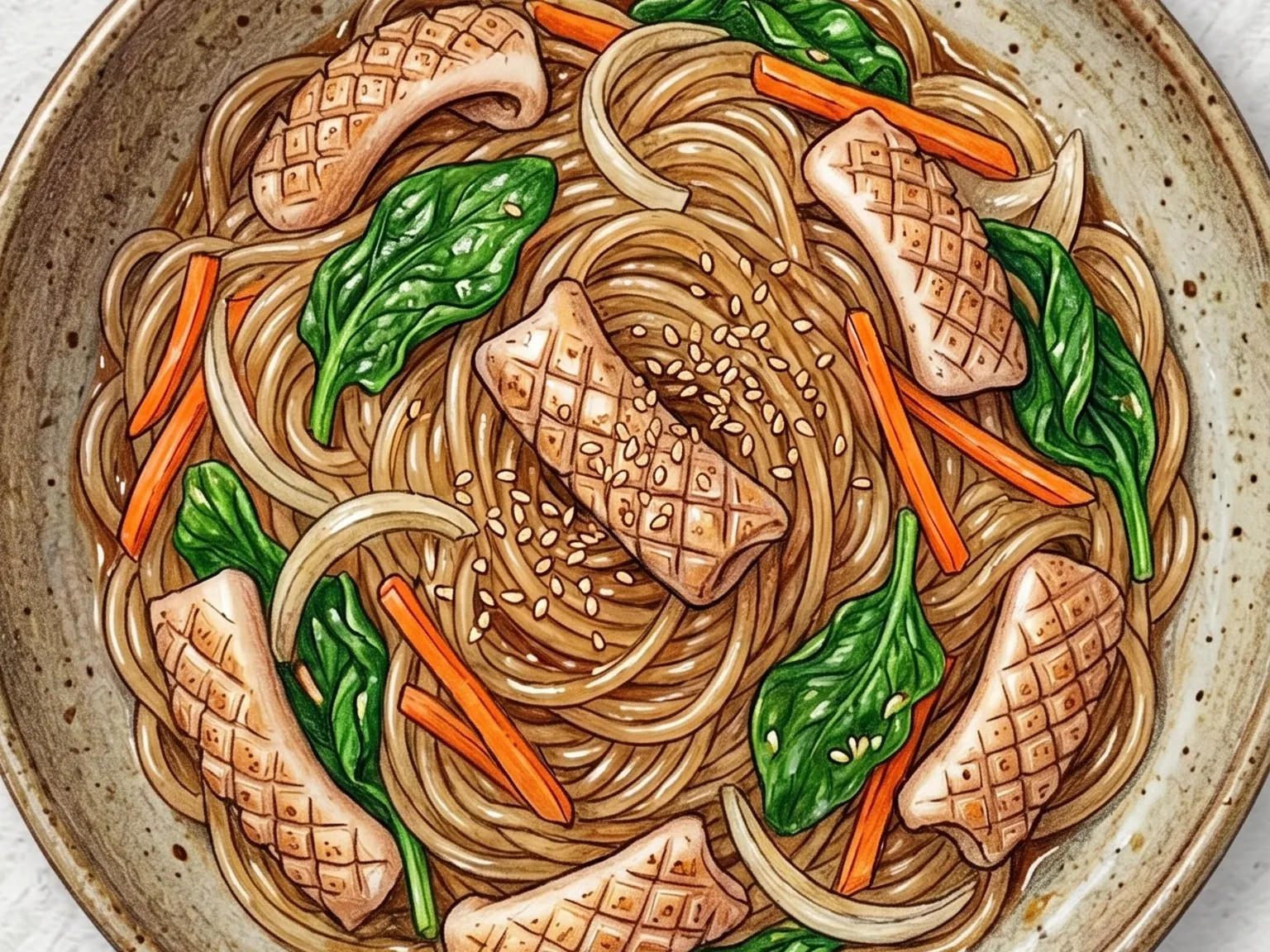
Korean Beef Japchae (Soy-Marinated Beef Glass Noodle Stir-Fry)
Sogogi japchae is a Korean stir-fried noodle dish made with sweet potato glass noodles, soy-marinated beef strips, and an assortment of individually prepared vegetables. Spinach is blanched, carrots and onions are julienned and stir-fried separately, and each component is combined at the end to preserve its distinct color and texture. The noodles are soaked rather than fully boiled, then finished in the pan so they stay chewy instead of mushy. Soy sauce, sugar, and sesame oil form the seasoning base, giving the dish its characteristic sweet-savory balance.
Oriental Soy Protein Noodle Salad
A light and healthy meal featuring low-calorie soy protein noodles with fresh vegetables and oriental dressing.
Spaghetti alle Vongole
Spaghetti alle vongole is an Italian pasta where clams are cooked in olive oil with sliced garlic, chili flakes, and dry white wine until they open and release their briny juices. The spaghetti is boiled one minute short of al dente, then finished in the clam pan with a few tablespoons of starchy pasta water to create an emulsified sauce. Vigorous tossing for about a minute binds the oil and clam liquid into a glossy coating around each strand. Fresh parsley is added at the end for color and herbal freshness.
Spaghetti Carbonara
Carbonara is a Roman pasta built on four core ingredients: guanciale, egg yolks, Pecorino Romano, and black pepper. The guanciale is rendered until crisp, and its fat becomes the base of the sauce. Off the heat, a mixture of yolks and grated cheese is tossed with the hot pasta and starchy cooking water to form a glossy emulsion - no cream involved. The dish takes under 25 minutes from start to finish, though temperature control at the sauce stage is critical to avoid scrambling the eggs.
Korean Ssukgat Perilla Bibim Somyeon
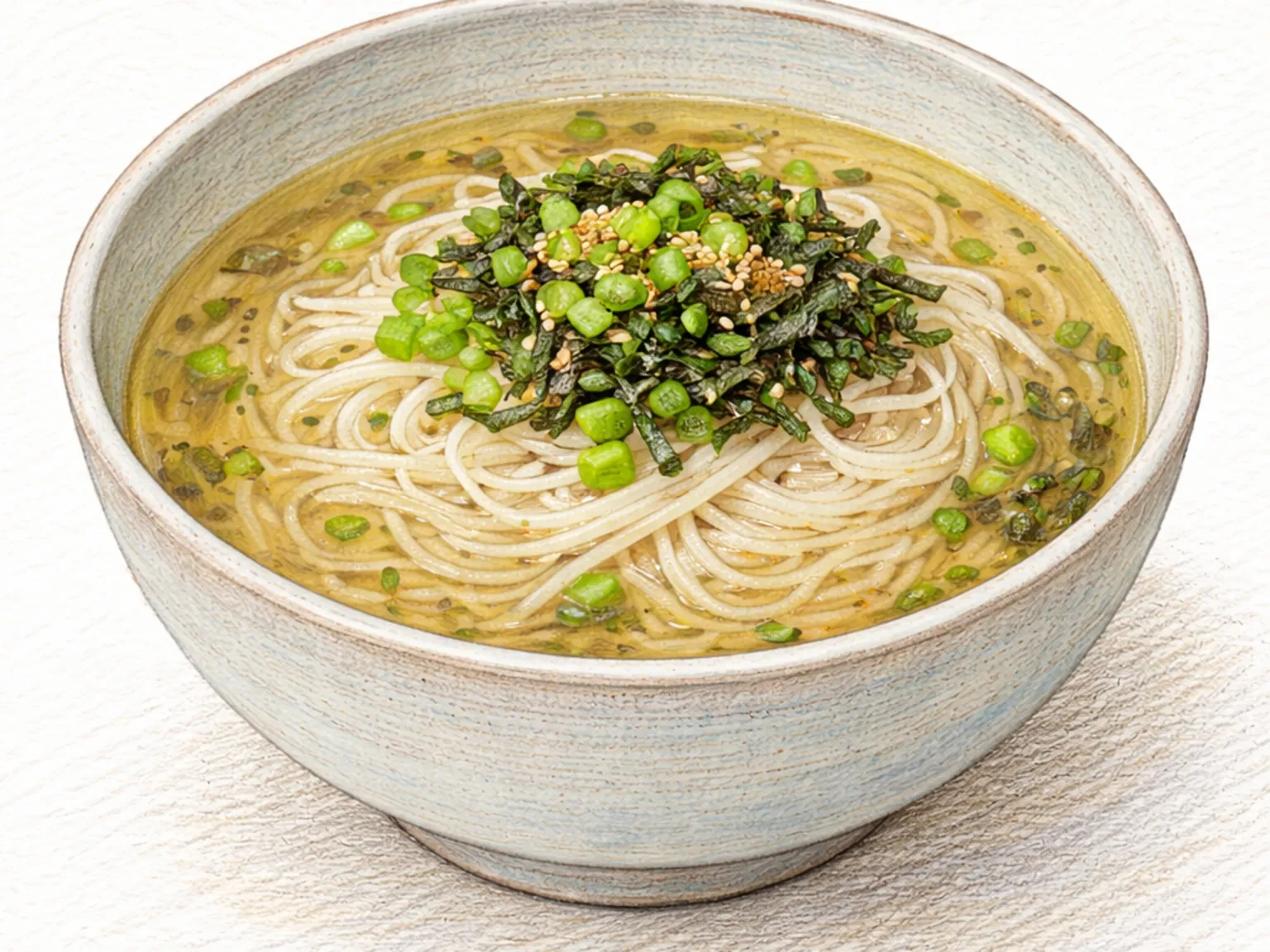
Ground perilla seeds create a nutty foundation for this cold noodle dish, while crown daisy leaves contribute a distinctive herbal bitterness. Thin somyeon noodles serve as the base, tossed in a savory dressing made from soy sauce and freshly ground perilla seeds. Julienned cucumber adds a crisp texture and freshness that contrasts with the soft strands. Preparing the noodles involves boiling and rinsing them multiple times in cold water to build elasticity and remove surface starch. Ensuring the noodles are dry prevents the sauce from thinning out during mixing. Using seeds that are toasted and ground just before serving heightens the aromatic quality of the bowl. The entire preparation takes approximately twenty-five minutes, making it an efficient option for warm weather. It lacks the heat typically associated with spicy noodles, making it approachable for newcomers. Adding chili oil provides a spicy kick for variety, or the dressing can be paired with buckwheat noodles instead. Any remaining sauce functions effectively as a topping for tofu or fresh garden salads.
Suanlafen (Sichuan Hot-and-Sour Sweet Potato Noodle Soup)
Suanlafen is a Sichuan street noodle soup featuring sweet potato glass noodles in a hot-and-sour broth. The broth gets its sharpness from black vinegar and its heat from chili oil and ground Sichuan pepper. Chewy, translucent noodles absorb the broth while maintaining a springy bite. Toppings typically include crushed peanuts, pickled mustard greens, and cilantro. The dish takes roughly 35 minutes to prepare and allows easy adjustment of sourness and spice levels to taste.
Korean Soft Tofu Noodle Soup
Sundubu guksu is a Korean noodle soup made by simmering silken tofu in anchovy-based broth with knife-cut wheat noodles. As the soft tofu breaks apart during cooking, it naturally thickens the broth into a creamy consistency without any dairy. The combination of anchovy umami and mild tofu keeps the flavor clean yet full. Total cooking time is around 25 minutes, and the recipe requires minimal seasoning. It is one of the simpler Korean noodle soups to prepare at home.
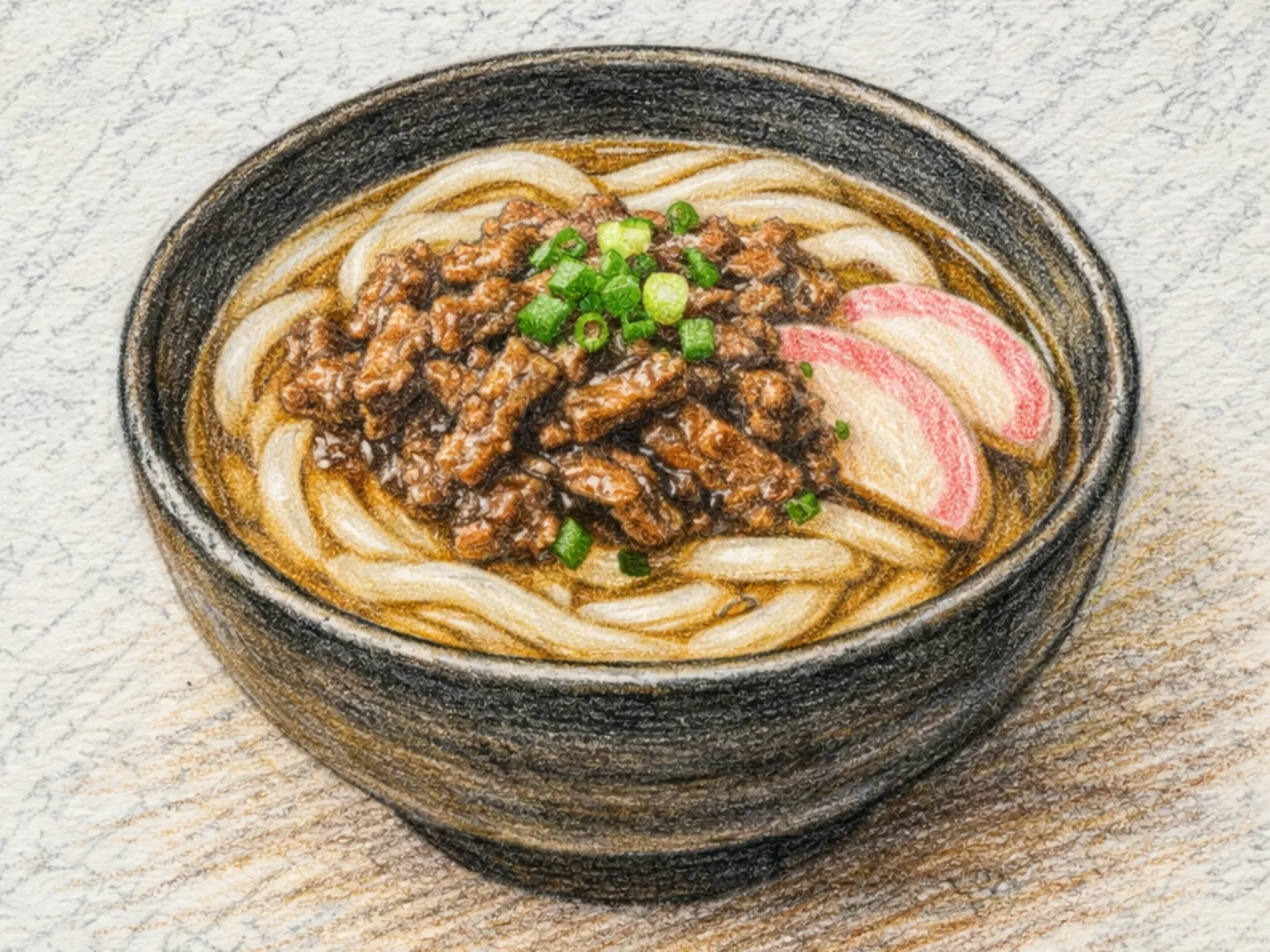
Taiwanese Beef Noodle Soup
Taiwanese beef noodle soup slow-braises beef brisket in a soy-based broth seasoned with doubanjiang, star anise, cinnamon, and Sichuan peppercorns. The minimum 90-minute simmer renders the meat fork-tender while building a deeply layered broth. Thick wheat noodles are served in the finished broth, soaking up its concentrated flavor. Spice level is adjustable by varying the amount of doubanjiang. Common garnishes include pickled mustard greens and blanched bok choy, adding brightness to the rich bowl.
Japanese Dan Dan Ramen (Sesame Cream Broth with Spicy Pork)
Tantanmen is the Japanese adaptation of Sichuan dan dan noodles, served as a ramen with a thick sesame-cream broth. Ground pork is stir-fried with doubanjiang and spooned over the bowl along with chili oil. The sesame base gives the soup a dense, nutty body, while the chili oil adds a slow-building heat. Standard ramen noodles are used, paired with bok choy or scallions. Preparation takes about 45 minutes, with most of the effort going into building the sesame broth and seasoning the pork topping.
Tomato Egg Lamian (Chinese Home-Style Tomato Scrambled Egg Noodle Soup)
Tomato egg lamian is a Chinese home-style noodle soup where ripe tomatoes are sauteed until they break down into a tangy, slightly sweet broth. Soft-scrambled eggs are folded in, adding mild richness. Fresh wheat noodles go directly into the pot, picking up the broth's flavor as they cook. No heavy spices are involved - the dish relies on the natural taste of its few ingredients. It takes about 27 minutes total and is widely eaten across China as an everyday meal.
Tortellini in Brodo (Italian Stuffed Pasta in Clear Meat Broth)
Tortellini in brodo is a traditional soup from Emilia-Romagna in which small stuffed pasta parcels are served in a clear, full-flavored meat broth. The filling typically combines pork, prosciutto, and Parmigiano-Reggiano. The broth - usually made from chicken or beef bones - is simmered long enough to develop deep body while remaining transparent. In Italy, this dish is closely associated with Christmas and holiday meals. Using store-bought tortellini, the recipe can be completed in about 40 minutes.
Truffle Mushroom Tagliatelle
This Italian pasta pairs wide tagliatelle ribbons with a creamy sauce built from sauteed mixed mushrooms, shallot, and garlic. The mushrooms release their liquid during cooking, which concentrates into an umami-rich base before cream is added. A drizzle of truffle oil at the end provides a distinctive earthy aroma without overpowering the dish. Grated Parmigiano-Reggiano is folded in for additional depth. The flat, broad shape of tagliatelle holds the thick sauce effectively. Total cooking time is about 33 minutes.
Dipping Ramen (Japanese Thick Noodles with Concentrated Dipping Broth)
Tsukemen is a Japanese dipping ramen where thick noodles and a concentrated broth are served separately. The broth - typically tonkotsu or seafood-soy based - is reduced to roughly double the intensity of standard ramen soup. Noodles are rinsed in cold water after boiling, which firms their texture and creates a temperature contrast when dipped into the hot broth. Toppings such as chashu pork, soft-boiled egg, and nori are arranged alongside the noodles. The recipe takes about 50 minutes, with most time spent building and reducing the dipping broth.
Korean Tteokbokki Noodles
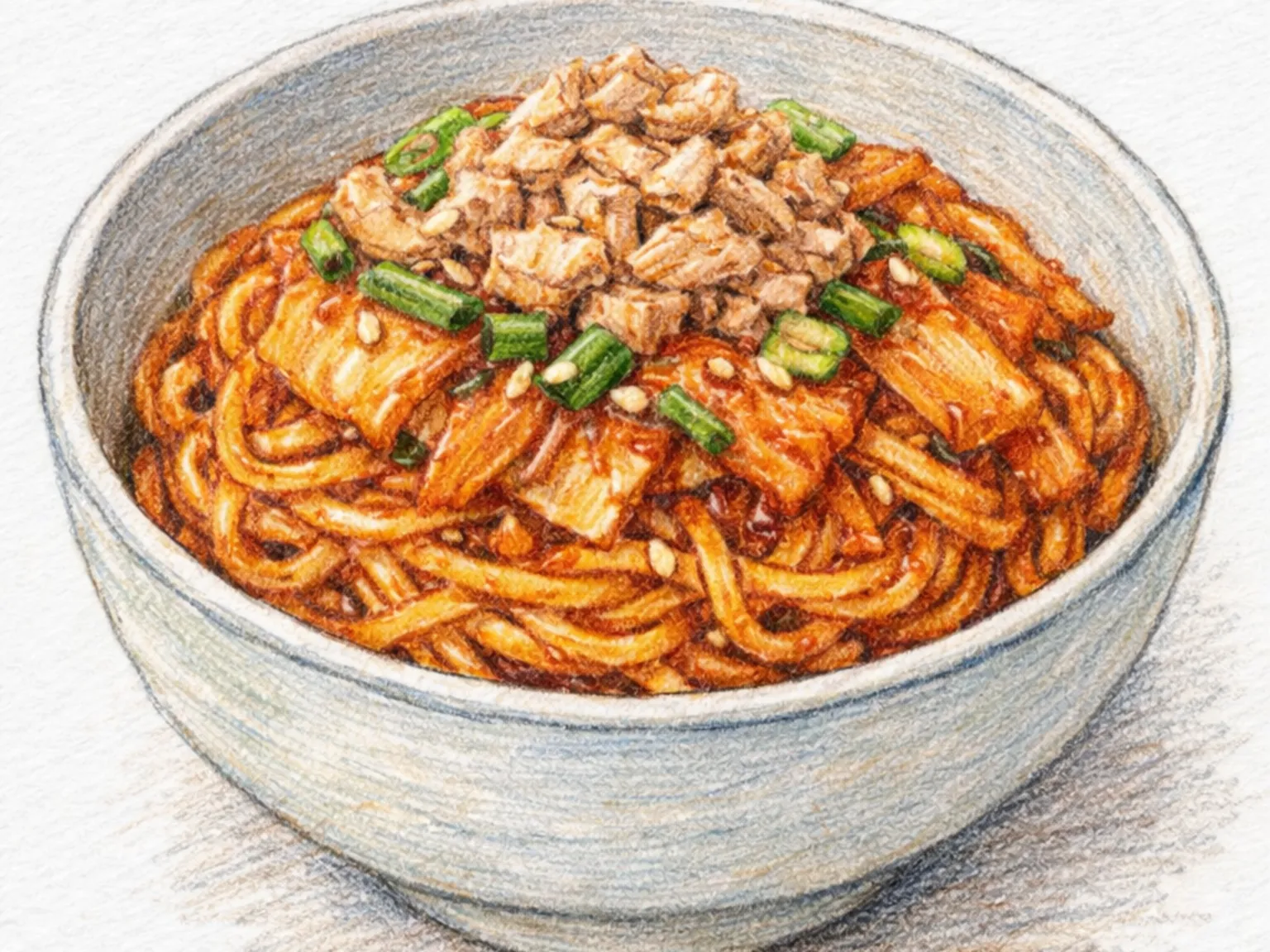
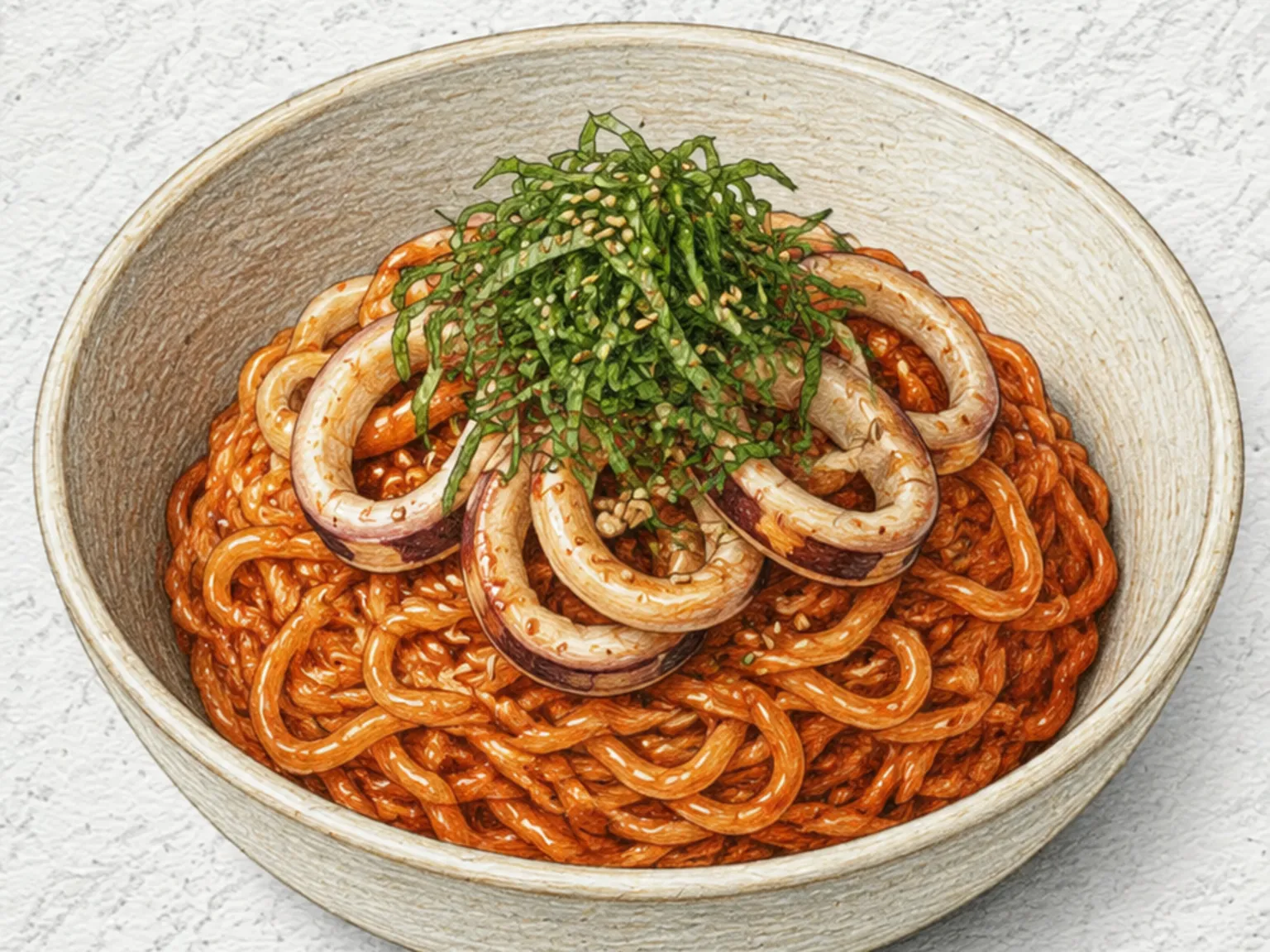
Tteok-bokkeum-myeon stir-fries udon noodles and cylindrical rice cakes together in a gochujang-based sauce that is both spicy and slightly sweet. The two main components offer contrasting textures - stretchy rice cakes and springy noodles - coated in the same thick, red sauce. Fish cake and boiled eggs are common additions. The dish takes about 25 minutes from start to plate, with most of the work being chopping ingredients and stirring everything in a single pan. It is a staple of Korean street-food culture.
Korean Rice Cake Dumpling Noodle Soup
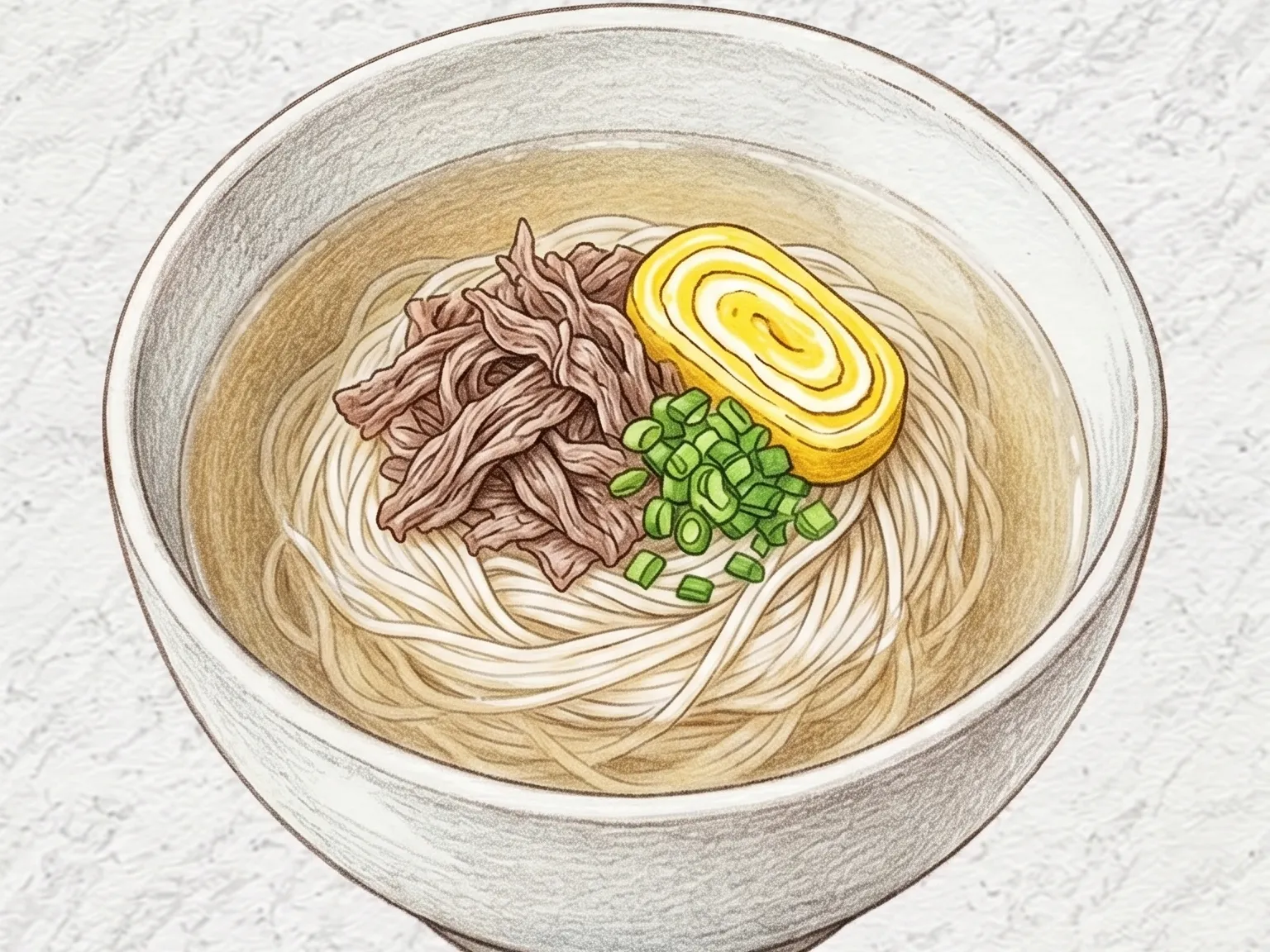
Tteok-mandu-guk-myeon combines sliced rice cakes, dumplings, and thin somyeon noodles in a rich beef bone broth. Each component contributes a different texture - chewy rice cakes, plump filled dumplings, and soft noodles - making the bowl substantial. The broth is typically garnished with egg strips, shredded seaweed, and scallions. This dish merges two traditional Korean soups (tteokguk and manduguk) into a single, filling meal. Using store-bought dumplings and pre-made broth, it can be ready in under 40 minutes.
Korean Tteok and Ramyeon (Instant Ramen with Chewy Rice Cakes)
Tteok-ramyeon is a Korean shortcut dish that adds chewy rice cakes to a pot of instant ramen. The rice cakes absorb the spicy broth as they cook, intensifying the seasoning while providing a bouncy texture that instant noodles alone lack. An egg or a slice of cheese is often cracked in near the end for added richness. The entire dish is ready in about 13 minutes with no knife skills required - just boiling water and timing. It is one of the most common late-night snacks in Korea.
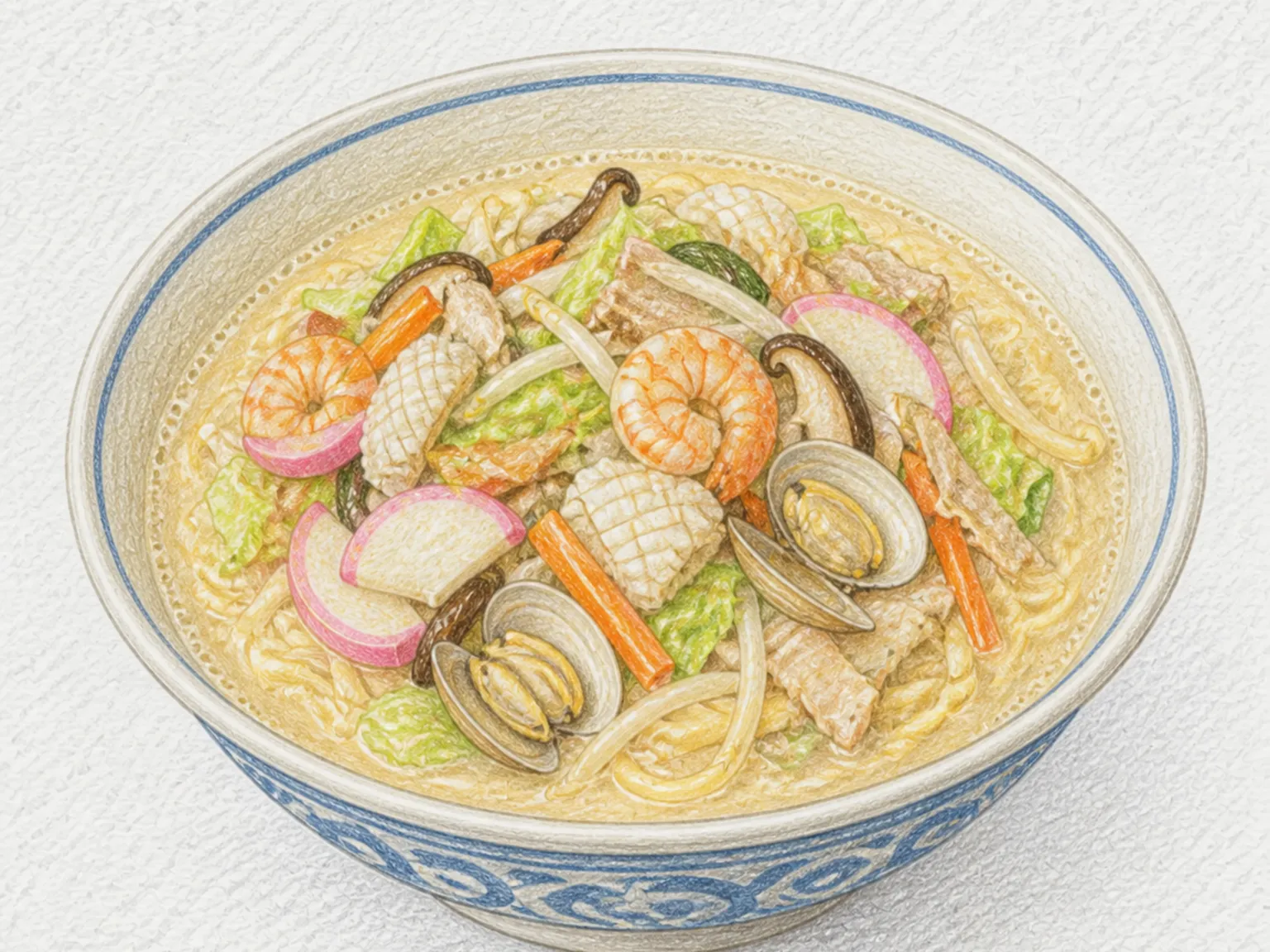
Korean-Chinese Seafood Gravy Noodles
Ulmyeon is a Korean-Chinese noodle dish in which fresh wheat noodles are topped with a thick, white starch-thickened gravy loaded with seafood and vegetables. Shrimp, squid, and other shellfish give the gravy a pronounced umami backbone. Beaten egg is swirled into the sauce toward the end, adding body and soft curds throughout. Unlike jjamppong, the dish carries little to no chili heat. Preparation takes about 40 minutes, and getting the starch slurry to the right consistency is the most important step.
Wonton Noodle Soup
Wonton noodle soup is a Cantonese classic that pairs thin egg noodles with shrimp-and-pork wontons in a clear pork bone broth. The broth is deliberately kept light and clean, relying on long simmering rather than heavy seasoning for its flavor. Each wonton has a thin wrapper that barely conceals a filling with noticeable shrimp texture. The egg noodles are springy and slightly alkaline, a hallmark of Hong Kong-style noodle making. Wrapping wontons from scratch adds about 30 minutes of prep, though pre-made wontons shorten the process significantly.
Japanese Stir-Fried Udon
Yaki udon is a Japanese stir-fried noodle dish where thick udon noodles are tossed in a soy-based sauce over high heat with sliced pork or seafood and vegetables such as cabbage, carrot, and scallion. The high heat gives the noodles lightly charred edges while keeping their chewy center intact. Bonito flakes (katsuobushi) are often scattered on top just before serving, where they wave from the residual heat. The recipe takes about 25 minutes and depends on maintaining strong heat throughout the stir-fry to avoid steaming the noodles.
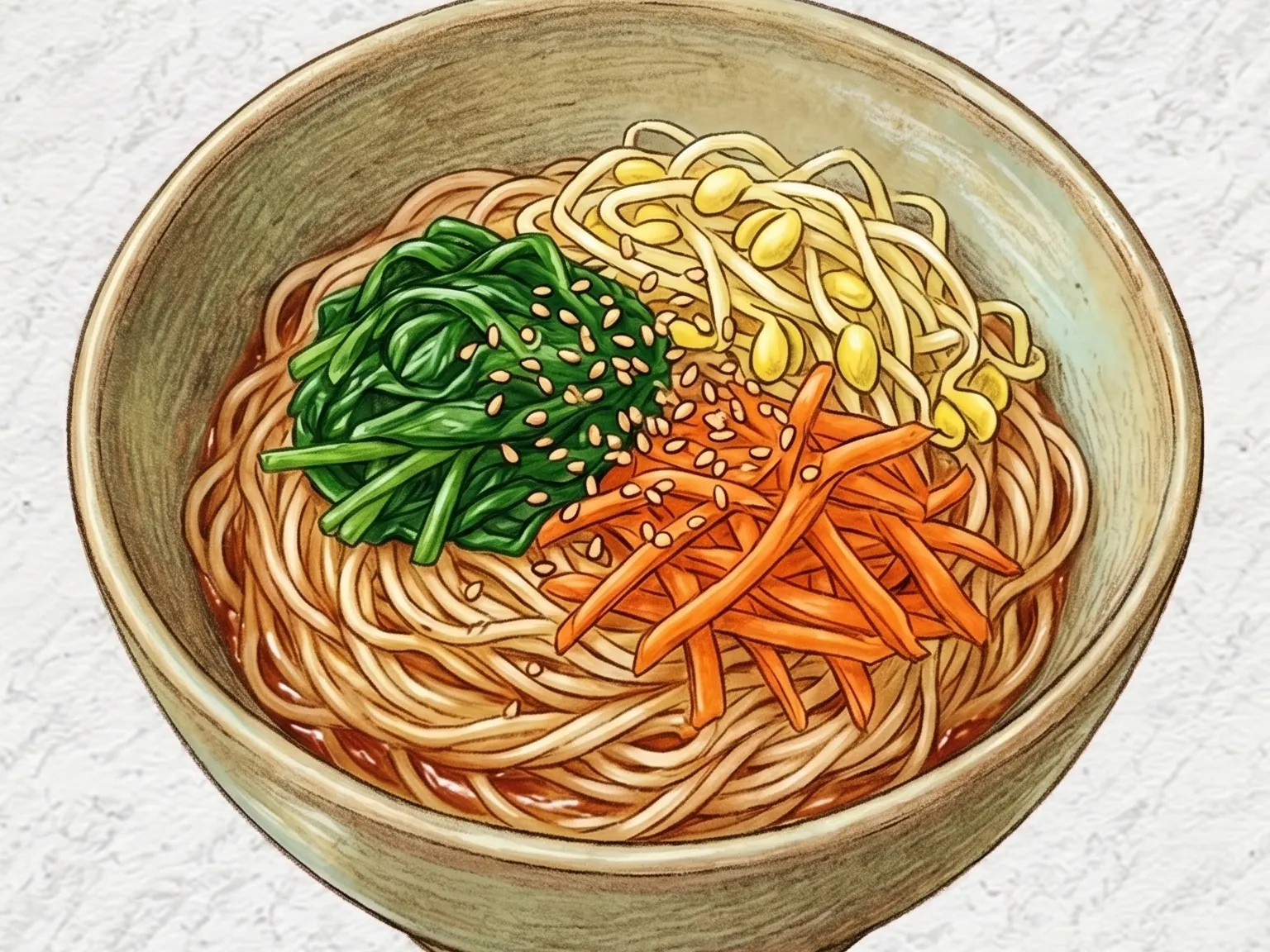
Korean Yeolmu Bibim Guksu
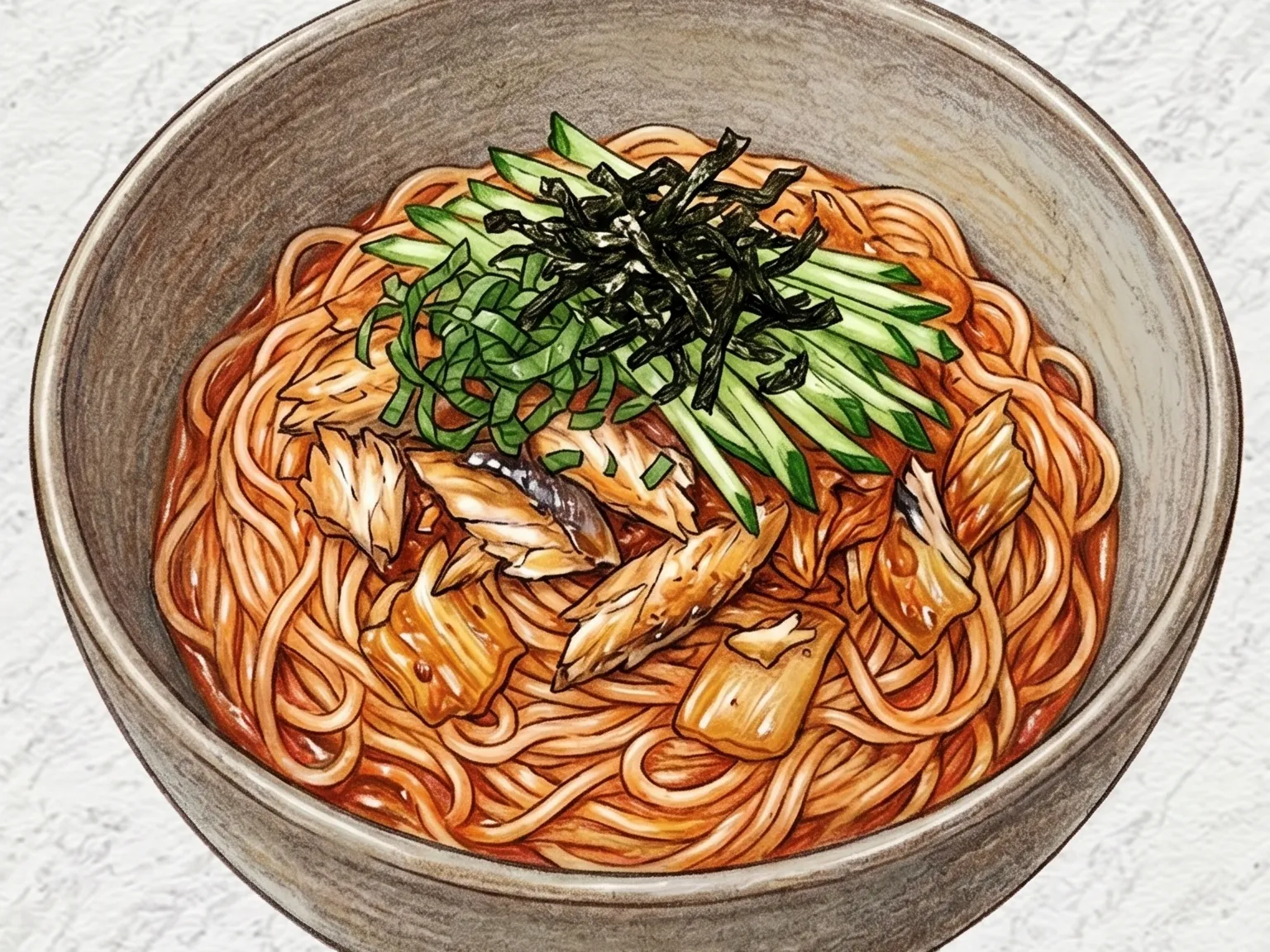
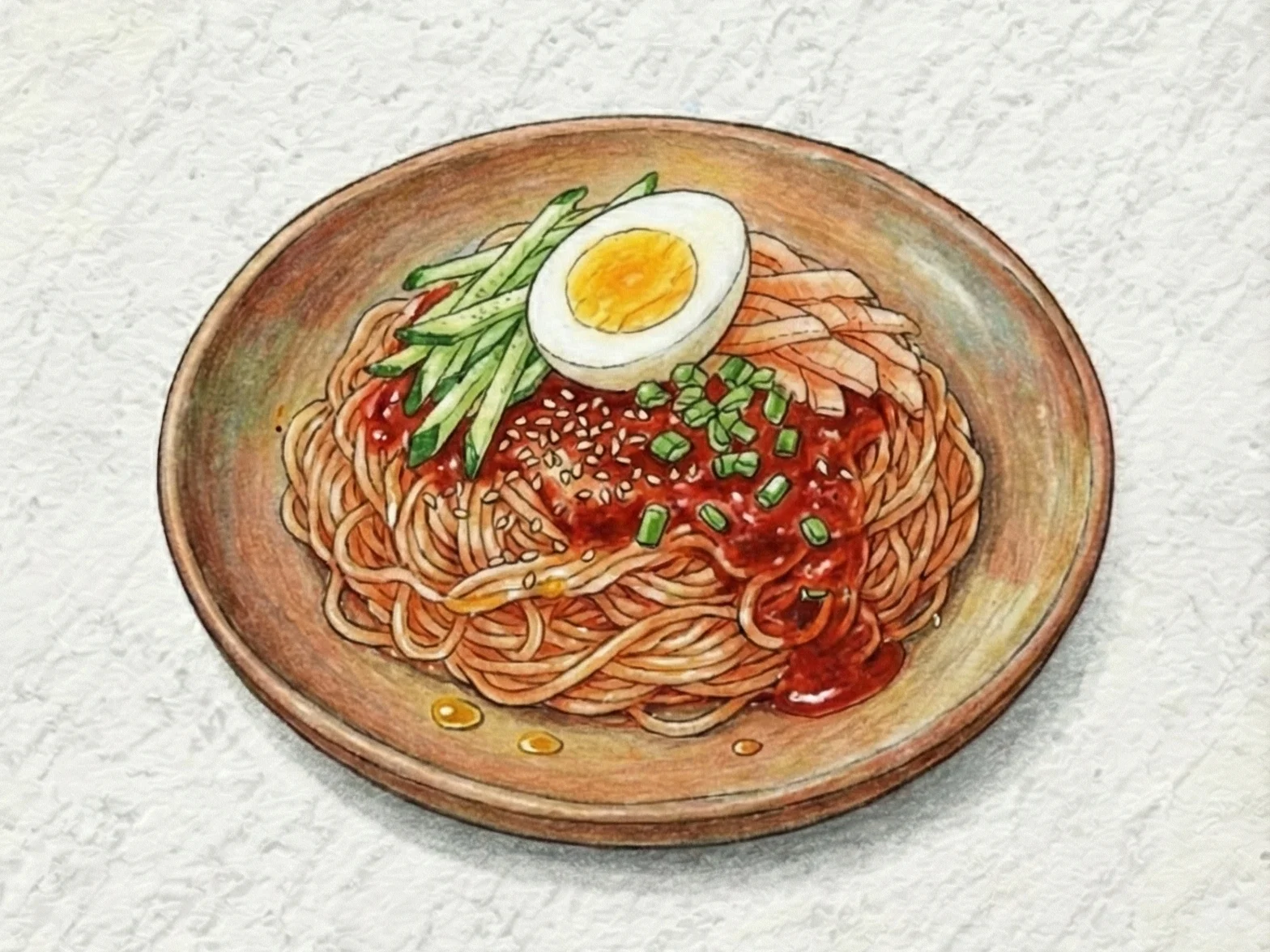
Yeolmu bibim guksu is a Korean mixed noodle dish built around young radish kimchi (yeolmu kimchi). The kimchi provides a crunchy texture and a fermented tanginess that anchors the bowl. Thin somyeon noodles are rinsed in cold water, then tossed with gochugaru or gochujang dressing, sesame oil, and sesame seeds. The heat level stays moderate, letting the kimchi's sourness come through. Total preparation is about 23 minutes, and the recipe requires no cooking beyond boiling the noodles.
Korean Young Radish Cold Noodles
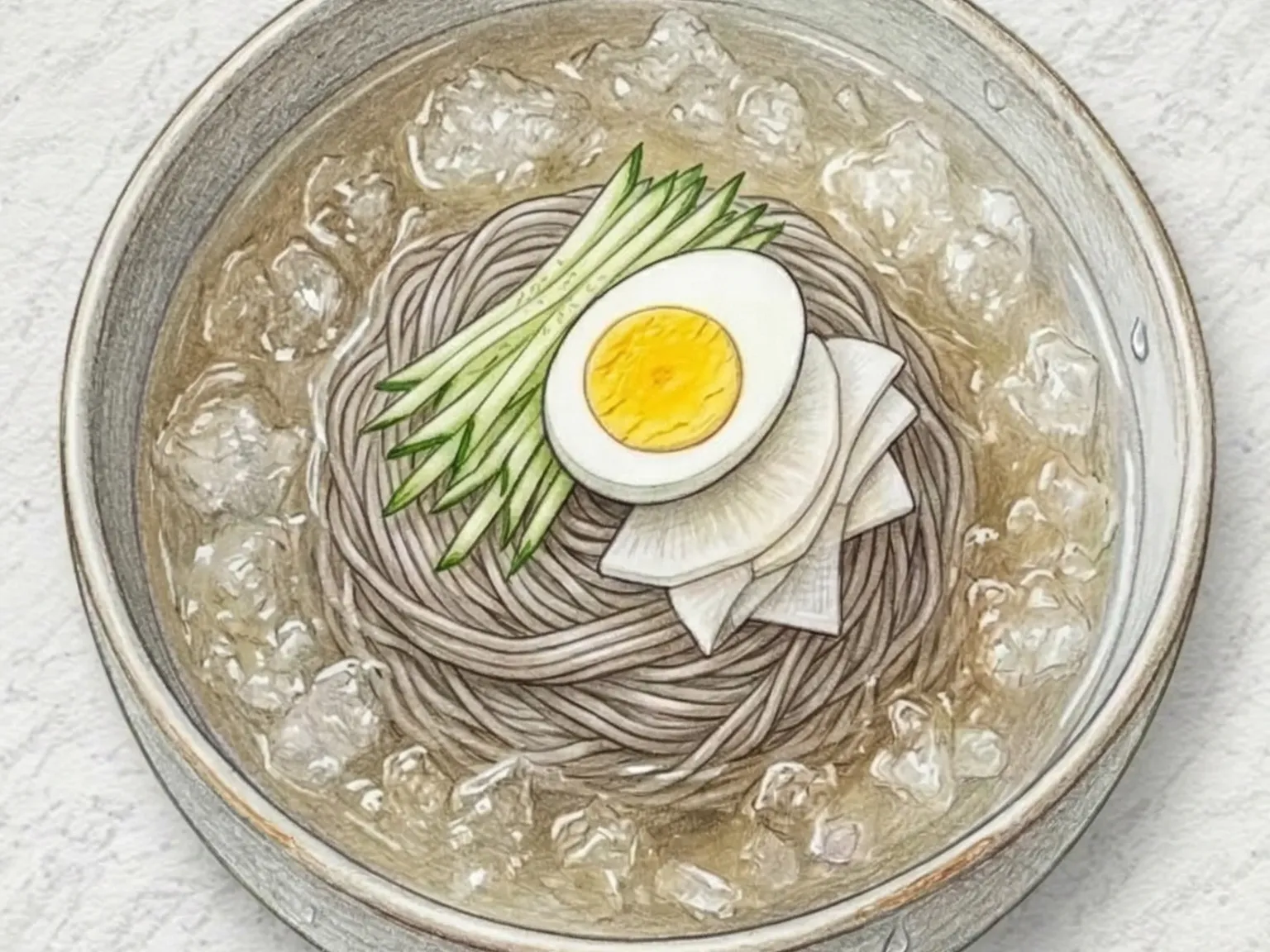
Yeolmu mul guksu is a Korean cold noodle soup where the broth comes directly from yeolmu kimchi liquid mixed with cold water or light stock. The fermented, tangy kimchi brine serves as the soup base, eliminating the need for separate seasoning. Chilled somyeon noodles sit in the broth, topped with crunchy yeolmu kimchi pieces and often a few ice cubes. A halved boiled egg and sesame seeds are standard garnishes. The dish takes about 25 minutes to prepare and is straightforward as long as yeolmu kimchi is available.
Korean Yuja Chicken Cold Somyeon
Yuja chicken naeng somyeon is a Korean cold noodle dish served in a clear chicken-radish broth brightened with yuja (citron) syrup. The broth is chilled before serving, and its combination of mild chicken flavor and floral citrus aroma sets it apart from other cold noodle soups. Shredded poached chicken breast is placed on top of the cold somyeon along with cucumber or cherry tomatoes. The broth is deliberately kept lean, with no heavy oils. If the broth is prepared in advance, the final assembly takes under 30 minutes.
Korean Chilled Udon with Yuzu Soy Sauce
Yuja ganjang naeng udon is a chilled udon dish dressed in a sauce made from yuja (citron) syrup, soy sauce, and tsuyu. The sauce balances bright citrus fragrance with salty depth, and the tsuyu rounds out the umami. Frozen udon noodles are boiled and rinsed in cold water, which keeps them firm and allows the sauce to coat evenly. Bonito flakes, shredded nori, and sesame seeds are common toppings. The entire recipe takes about 19 minutes and requires no advanced technique.
Korean Spicy Beef Soup Noodles
Yukgaejang guksu starts with a deep broth made by simmering beef brisket until the liquid turns rich and full-bodied. The meat is shredded along the grain and returned to the pot alongside fernbrake, bean sprouts, and green onion that have been seasoned with gochugaru, sesame oil, and garlic before a brief stir-fry. This pre-seasoning step lets the chili heat dissolve into the oil, producing a rounded spiciness rather than raw powder burn. Korean soup soy sauce adjusts the salt level without clouding the broth's color. Thin wheat somyeon noodles are boiled separately and added at the end so they absorb the broth without turning mushy. Swapping in glass noodles changes the texture to a chewier, more slippery bite that holds onto the soup longer.