Treacle Tart (British Golden Syrup Breadcrumb Tart)
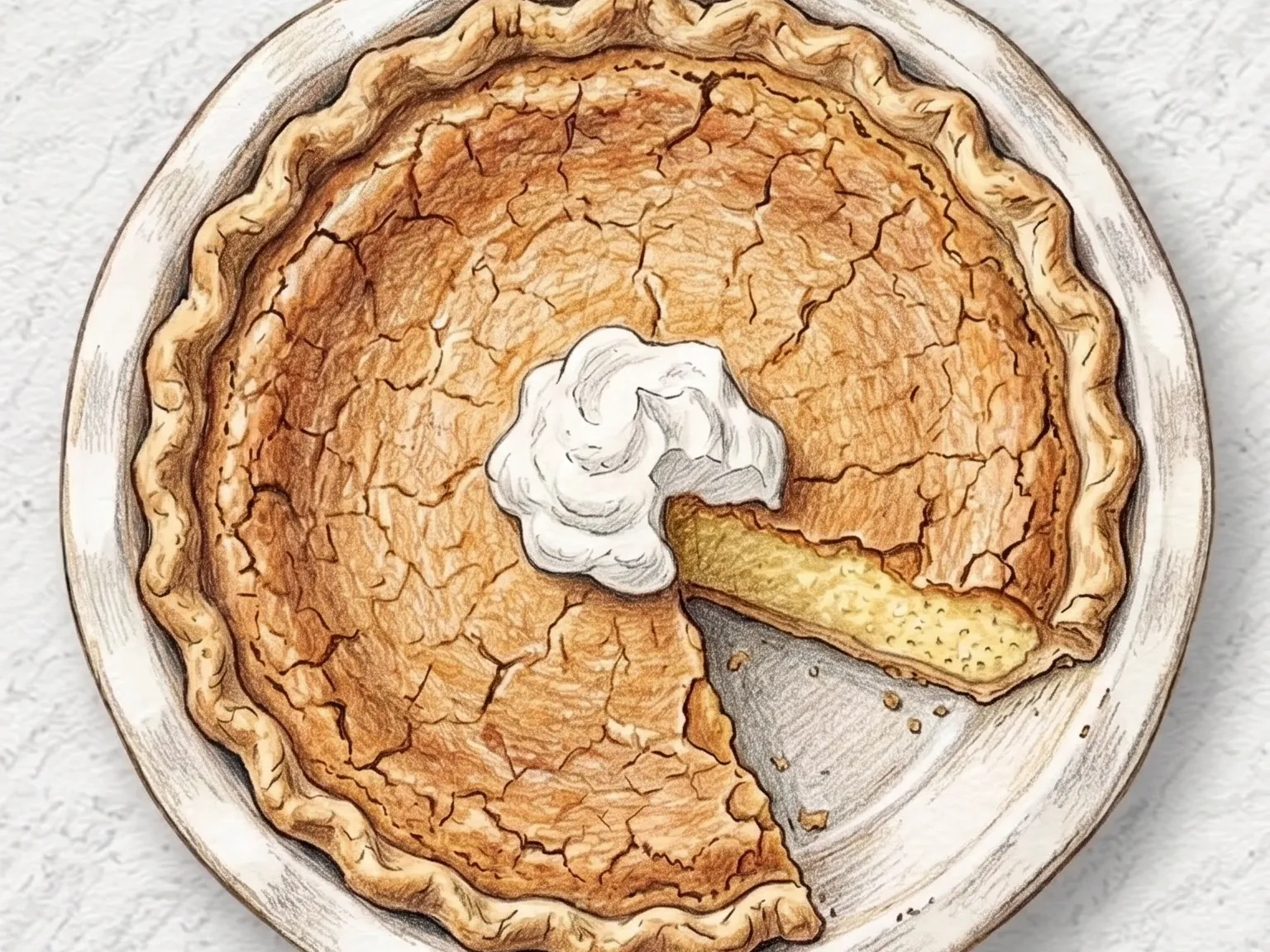
Golden syrup, fresh breadcrumbs, and lemon juice are combined and baked inside a shortcrust pastry shell to create one of Britain's most enduring desserts. The syrup caramelizes gently during baking, developing a deep, toffee-like sweetness, while the breadcrumbs absorb it and give the filling a sticky, dense body. Lemon zest and juice are the essential counterweight - without them, the sweetness would be overwhelming, but their acidity sharpens the syrup into something balanced and compelling. The tart shell benefits from a brief blind bake before filling to keep the base crisp under the wet filling. Breadcrumbs should be coarse rather than fine, preserving a slight texture within the otherwise smooth filling. The tart appears runny when first removed from the oven but firms as it cools, slicing cleanly once at room temperature. An overnight rest allows the flavors to meld and settle, and many consider the tart superior on the second day.

Cornish Pasty (British Hand Pie with Beef and Root Vegetables)
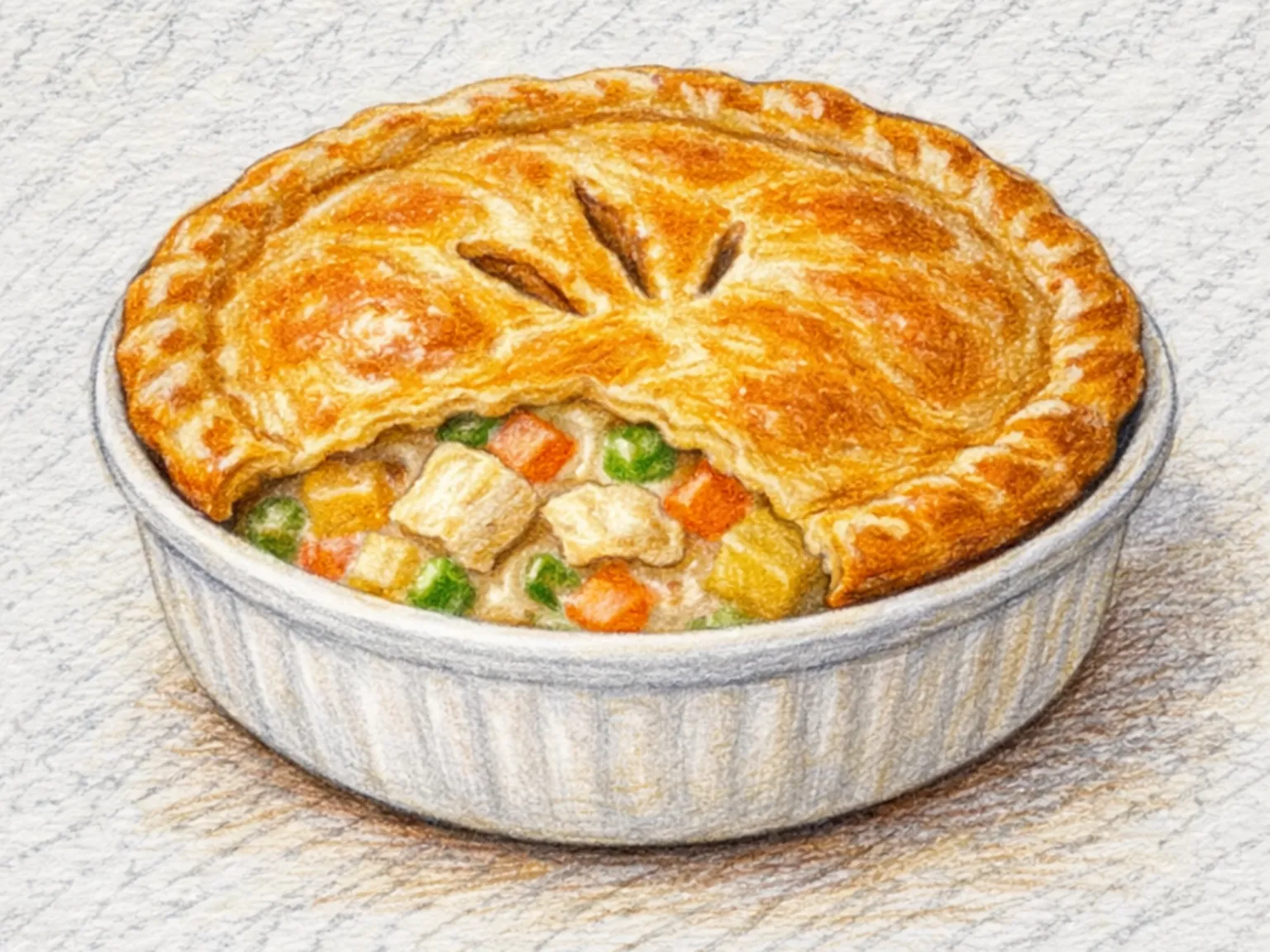
Cornish pasty is a traditional British hand pie from Cornwall, made by sealing raw diced beef, potatoes, rutabaga, and onion inside a sturdy pastry of flour, butter, salt, and water. The filling is not pre-cooked before sealing, so the meat and vegetables steam inside the crust during baking. Their juices collect and concentrate inside the sealed shell, forming a rich, savory interior gravy that makes the pasty deeply satisfying without any additional sauce. Crimping the edges tightly is essential to contain this liquid during the forty-to-forty-five-minute bake at 200 degrees Celsius. Cutting the filling into pieces no larger than about one centimeter ensures everything cooks evenly through. An egg wash brushed over the surface before baking develops a glossy, amber crust. The pasty originated as a practical working meal for Cornish tin miners, who held the pastry by its thick crimped edge to avoid contaminating the food with dirty hands, then discarded that portion when finished.

Financier (Brown Butter Almond Mini Cake)
Financiers are small French cakes built on two key ingredients: browned butter and almond flour. The butter is cooked in a saucepan over medium heat, slowly at first, until the water evaporates and the milk solids settle and caramelize to a hazelnut-brown color, a stage called beurre noisette. This transformation produces a deep, toasty aroma layered with nutty complexity that plain melted butter cannot replicate. The browned butter is then combined with almond flour, powdered sugar, a small measure of cake flour, and egg whites to form a batter that is poured into rectangular molds and baked at around 190 degrees Celsius for 12 minutes. As the financiers bake, their edges deepen to a dark amber and the surface forms a thin, brittle crust, while the interior stays dense and moist because the almond oils and butter fat resist drying out. Their name derives from the gold-bar shape of the traditional mold, which connects them to the financial district of Paris, where they were reputedly created as a practical, suit-friendly snack that bankers could eat at a counter without making a mess. A smear of berry jam or lemon curd on the side sharpens the contrast against the nut-brown richness of the cake.

Victoria Sponge Cake (British Jam and Cream Layered Cake)
Equal weights of butter and sugar are creamed together, then eggs and cake flour are added to produce two round sponge layers that are sandwiched with strawberry jam and whipped cream - the defining structure of this classic British cake. Named after Queen Victoria, the cake is deliberately simple in presentation: no elaborate frosting or tiered decoration, just a dusting of powdered sugar on top. Thorough creaming is essential to a light rise, and room-temperature eggs integrate into the batter without curdling. The jam provides a bright, tart contrast to the buttery sponge, while the whipped cream softens each bite with cool richness. Both layers must cool completely before assembly, as warm sponge melts the cream and causes the filling to slide. Refrigerated, the cake stays moist through the next day, and the jam and cream flavors deepen as they settle into the sponge overnight. It is the standard cake served at British afternoon teas and garden parties.

Korean Butter Soy Grilled King Oyster Mushrooms
Three king oyster mushrooms are quartered lengthwise, scored on the surface, and seared in butter until golden on one side. After flipping, the remaining butter joins a sauce of soy sauce, oligosaccharide syrup, minced garlic, and black pepper, which reduces into a glossy glaze that coats every groove cut into the mushroom flesh. The scoring allows the sweet-salty sauce to penetrate deeper, so each bite releases a concentrated burst of buttery umami. King oyster mushrooms hold their dense, meaty chew even after cooking, making this dish satisfying without any actual meat. A final scattering of scallion and sesame seeds adds freshness and textural contrast.

Fish Pie
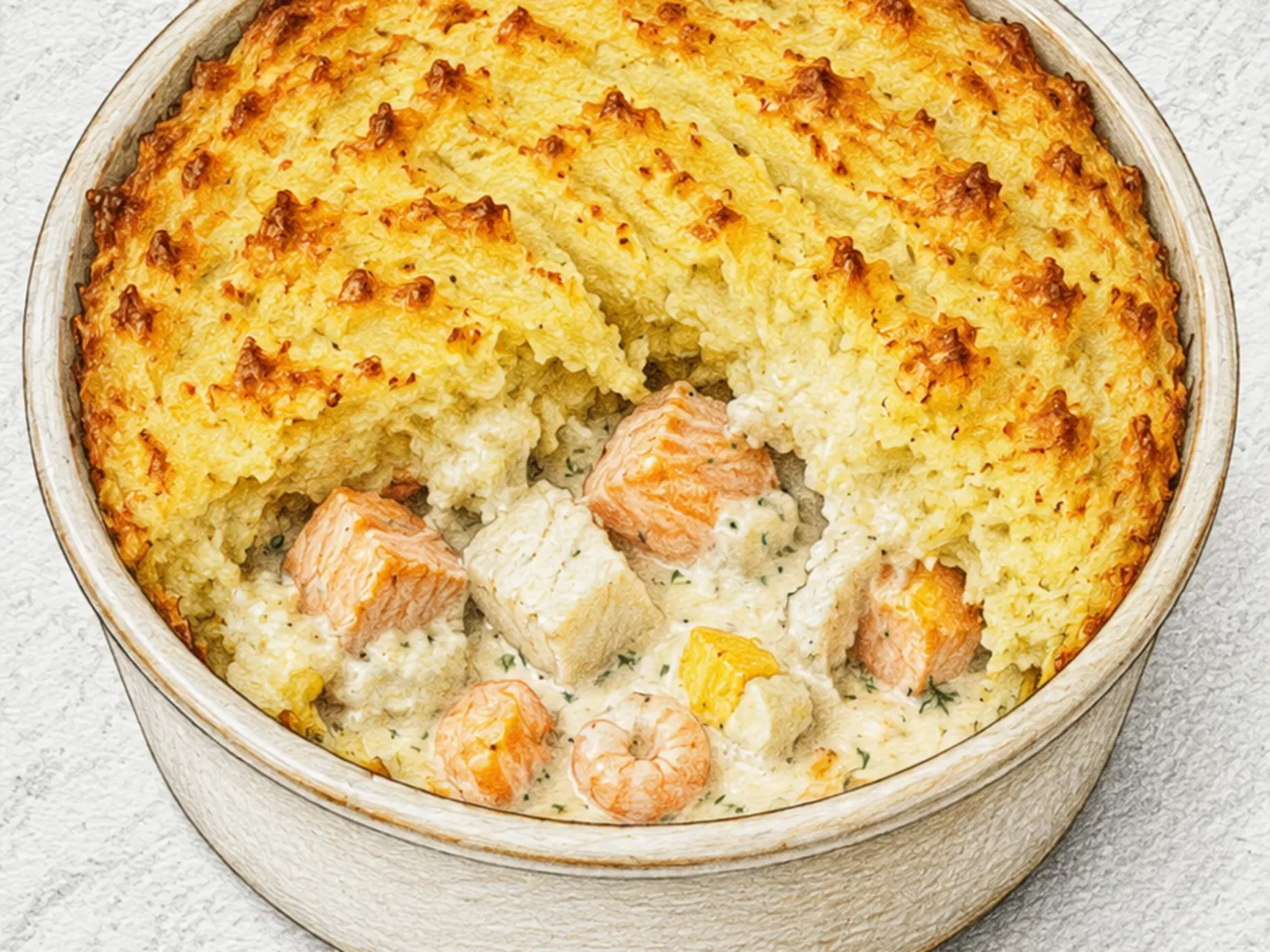
Fish pie is a staple of British home cooking, particularly during the colder months. Chunks of cod, salmon, and smoked haddock are folded into a cream sauce made with milk, butter, parsley, and a touch of English mustard, then topped with a thick layer of mashed potatoes and baked until the surface turns golden and slightly crisp. The combination of fresh and smoked fish creates layers of flavor - the cod contributes clean, mild sweetness, the salmon adds richness, and the smoked haddock provides a saline, smoky depth that permeates the sauce. Peeled prawns and halved boiled eggs are common additions that make the filling more substantial. In the oven, the sauce bubbles up around the edges of the potato crust, and the first scoop through the golden top reveals the creamy seafood filling beneath. It is a complete meal requiring nothing more than a side of steamed greens.

Korean Gapojingeo Beoteo Maneul Gui (Butter Garlic Cuttlefish Grill)
Gapojingeo beoteo-maneul-gui is butter-garlic grilled cuttlefish in which the thick body of the cuttlefish is scored in a crosshatch pattern and cooked in a pan with foaming butter and minced garlic. Cuttlefish flesh is substantially thicker and denser than regular squid, which means scoring is not optional for even cooking. Without it, the outside would overcook before heat reaches the center. The cuts also create channels that the melted butter and garlic flow into as the cuttlefish sears, infusing each section with concentrated fat and aromatics rather than just coating the surface. The timing of when to add the cuttlefish matters. The butter should be on medium heat and just beginning to foam at the edges when the cuttlefish goes in. At that temperature, the garlic releases its fragrance into the oil without burning, and the cuttlefish develops a golden crust before it has time to toughen. Two minutes per side is typically enough. The crosshatch pattern spreads open as the flesh cooks, and the surface takes on a lightly charred color that signals the Maillard reaction has done its work. Leaving it longer makes the flesh rubbery. A squeeze of lemon juice at the end cuts the richness of the butter and lifts the whole dish with a clean, acidic finish.

Chicken Chasseur
Chicken chasseur is a French braised chicken dish where thighs are seared skin-side down until the skin renders crispy and golden, then set aside while button mushrooms, shallots, and garlic are sauteed in the same pan with butter. White wine goes in next to deglaze the fond left on the bottom of the pan, and after the wine reduces by half, tomato puree, chicken stock, and fresh thyme sprigs go in before the seared chicken returns to the pot for a covered braise of twenty-five minutes. The initial searing step is not optional from a flavor standpoint, because the caramelized residue left on the pan, the fond, is the primary source of the sauce's roasted depth. Rushing the sear causes the skin to stick and tear, and results in a paler, thinner-tasting sauce. Mushrooms need to be spread out in a single layer in a hot, wide pan so they brown before their moisture escapes, since crowding them generates steam that leaves them pale and soft rather than giving them the earthy intensity the dish depends on. As the wine reduces, its acidity concentrates and sharpens, which is what makes the sauce bright enough to balance the richness of the braised chicken. Tomato puree adds a quiet, rounded sweetness and deepens the red color of the sauce, while thyme brings an herbal warmth that accumulates slowly over the course of the braise. Removing the lid for the final five minutes allows the sauce to thicken to the right consistency. Mashed potatoes or crusty bread served alongside catch every bit of the sauce.

Mushroom Stroganoff
Mushroom stroganoff slices button mushrooms thickly and browns them in a wide pan over high heat until their moisture evaporates and they develop a deep caramelized color - crowding the pan causes them to steam rather than sear. Onion and garlic are sauteed until soft, then paprika, Dijon mustard, and Worcestershire sauce are stirred in briefly to bloom their flavors. Vegetable stock is added and simmered for five minutes to reduce and concentrate. The sour cream goes in last, off the heat or on very low flame, since high temperatures cause it to curdle and separate. The paprika's smoky warmth and the mustard's sharpness amplify the mushrooms' natural umami, while the sour cream wraps everything in a tangy richness. Served over pasta or rice, it makes a hearty vegetarian main course.

Queen of Puddings (Custard Bread Base with Jam and Meringue)
Queen of puddings is a layered British dessert that begins with a base of breadcrumbs soaked in warm vanilla custard and baked until set. A thin layer of raspberry jam is spread over the surface, introducing a tart brightness that cuts through the richness below. Meringue made from the reserved egg whites is then piled on top and returned to the oven until the peaks turn golden, creating a shell that is crisp on the outside yet marshmallow-soft within. Each spoonful should capture all three layers - the dense, creamy custard base, the sharp fruit jam, and the airy meringue - so that the flavors interact on the palate simultaneously. The recipe wastes nothing: yolks enrich the custard while whites become the meringue, a practical economy that reflects its origins in frugal English country kitchens. Served warm, the custard feels almost like a savory bread pudding dressed in dessert clothing; chilled, the jam asserts itself more prominently, and the meringue firms to a gentle chew.

Shrimp Scampi
Shrimp scampi sautees large shrimp in butter with sliced garlic until just pink, then deglazes the pan with white wine that reduces and emulsifies with the butter into a light, glossy sauce. Cooking the garlic slowly in butter over moderate heat draws out its sweetness without turning it bitter or brown. The shrimp need roughly ninety seconds per side - enough for the exterior to pick up flavor from the garlic butter while the interior stays tender. White wine provides acidity and aromatic complexity as its alcohol cooks off, and a splash of starchy pasta water added when tossing with spaghetti gives the sauce enough body to coat each strand. Lemon juice squeezed in at the end cuts through the butter's richness, and red pepper flakes leave a gentle lingering heat.

Black Sesame Pound Cake (Dense Roasted Sesame Grey-Crumb Cake)
Black sesame pound cake is built on the classic equal-ratio formula of butter, eggs, sugar, and flour, with a generous addition of black sesame paste worked into the batter. The paste shifts the color to a deep grey-brown and fills the kitchen with a roasted, nutty fragrance as the loaf bakes. Only a small amount of baking powder is used, keeping the rise modest and the crumb tight - the result is a dense loaf that still yields softly when bitten, with a texture that holds together cleanly on the fork rather than crumbling apart. Milk regulates the moisture balance, preventing the dense structure from turning stiff or dry at the edges. When sliced, every cross-section shows finely ground sesame particles distributed evenly throughout, visible as tiny dark flecks against the grey crumb. The loaf pairs best with green tea or black coffee, beverages whose bitterness echoes and sharpens the sesame flavor without overwhelming it. Stored in an airtight container at room temperature, it holds its moisture for two to three days and often tastes better on the second day once the sesame has had time to settle fully into the crumb structure.

Chicken Fricassee (French White Wine Cream Braised Chicken)
Chicken fricassee is a French white braise where chicken thighs are lightly seared, just enough to firm the surface without deep browning, then set aside while mushrooms, onion, and garlic are sauteed in butter and dusted with flour to form a roux. Chicken stock is whisked in to dissolve the roux into a smooth base, the chicken returns for a twenty-five-minute covered simmer, and heavy cream is added for a final ten minutes of gentle reduction. The deliberately light sear is what distinguishes fricassee from darker braises; heavy browning would muddy the pale, delicate sauce. Drying the chicken thoroughly before it touches the pan is important: surface moisture causes the pan temperature to drop sharply, making it harder to develop even the modest color the dish calls for. When building the roux, the flour should cook in the butter for an extra minute or two after it is fully absorbed so the raw starch taste cooks out and the roux disperses smoothly when the stock is added. The roux provides body without heaviness, and the cream transforms the broth into a silky coating that clings to the meat. Mushroom earthiness and onion sweetness emerge quietly within the cream. Bread or boiled potatoes are the traditional side, used to soak up the sauce completely.

Korean Potato Cheese Porridge
Gamja-cheese-juk is a creamy Korean rice porridge in which finely diced potato and onion are first sauteed in butter to draw out their natural sweetness before soaked rice and milk are added and the whole pot is brought to a slow simmer. As the potato cooks, its starch releases into the liquid and thickens the porridge from within, producing a smooth, dense base without the need for any thickening agent. Cheddar cheese is stirred in near the end of cooking, contributing salt and richness that eliminates the need for much additional seasoning -- the combination of buttery saute, starchy potato, and melted cheese produces a flavor deep enough to stand without extra condiments. Partially mashing the potato pieces against the side of the pot while the porridge cooks creates an even creamier consistency, and because different cheeses carry varying levels of salt, adding the final seasoning only after the cheese has fully melted prevents over-salting. The porridge is mild, warm, and velvety, suited to children and comforting as a light breakfast or recovery meal on a cold morning.

Chicken and Rice Casserole
Chicken and rice casserole is an American one-dish bake in which seasoned chicken thighs, rinsed rice, sauteed onion and carrot, chicken stock, and heavy cream are layered into a single baking dish and cooked together. Soaking the rice for ten minutes before assembly is a small step that makes a measurable difference: the pre-hydrated grains absorb the cooking liquid more evenly and finish at the same time as the chicken rather than lagging behind. Heavy cream blended into the stock creates a lightly thickened liquid that coats each grain as it swells, producing a rice that stays moist rather than clumping or drying at the edges. Sealing the dish with foil for the first thirty-five minutes traps steam inside, allowing the chicken and rice to cook through together without drying out. The foil comes off for the final ten minutes to let the chicken skin render and crisp. Throughout the bake, fat from the thighs slowly renders and drips down into the rice below, building a savory, roasted depth across the entire dish without any additional sauce. The structure of the recipe accommodates whatever vegetables or herbs are on hand, making it a practical weeknight formula that changes character with each variation.

Korean Fish Roe Rice Bowl
Albap is a casual Korean rice bowl that likely traces its origins to sushi-bar kitchen culture, where flying fish roe - tobiko - was always stocked and cooks needed a quick staff meal. Warm rice is first tossed with sesame oil and a small knob of butter, coating each grain with a glossy, slightly nutty film. The toppings are arranged by section over the rice: bright orange tobiko that bursts between the teeth, stir-fried kimchi whose lactic tartness has deepened into a roasted sour note, diced pickled radish for crunch and sweetness, and a layer of shredded seasoned seaweed. Everything is mixed together at the table, and the warmth of the rice softens the roe just enough that its briny juice seeps into the buttered grains. Sliced scallion scattered on top adds a fresh finish. Flying fish roe freezes well and delivers noticeable texture in small quantities, making this dish well suited to solo cooking, and it has taken on a distinct identity from Japanese ikura or tobiko donburi. With minimal prep and about ten minutes of active work, this bowl packs an unusual range of textures - burst, crunch, crisp, and soft - into a single serving.

Moussaka (Greek Eggplant Lamb Bechamel Bake)
Layers of pan-fried eggplant, cinnamon-scented lamb sauce, and a thick bechamel topping define the structure of this Greek oven-baked casserole. The preparation begins by salting the eggplant slices for thirty minutes to draw out moisture and bitterness, which prevents the vegetable from absorbing excess oil and helps it retain its shape during baking. Inside the meat sauce, ground lamb is simmered with tomatoes and a touch of cinnamon, an addition that tempers the natural gamey scent of the lamb with warm Mediterranean aromatics. To complete the assembly, a layer of bechamel enriched with egg yolks and Parmesan cheese is spread over the top before the dish enters a 180-degree Celsius oven for 40 minutes. The inclusion of egg yolks allows the creamy sauce to set firmly, creating a golden crust that holds the internal components together when the dish is sliced. This structural stability results in clean, visible layers in each serving. Options for customization include replacing or mixing the eggplant with potatoes or zucchini, or substituting the lamb with ground beef. Allowing the moussaka to rest for 15 to 20 minutes after baking ensures the layers settle properly for ideal presentation. Since the flavors intensify when kept in the refrigerator for a day or two, this dish functions well as a make-ahead option for gatherings.

Yuja Saenggang Scone (Yuja Ginger Scone)
Cold butter is rubbed into flour to form coarse crumbs, then yuja marmalade and ginger juice are mixed in to create a dough that bakes into scones with a crumbly, flaky exterior and a moist, tender center. The yuja contributes a bright citrus fragrance that is more aromatic and floral than lemon, pairing naturally with the buttery richness of the scone. Ginger adds a subtle warmth that tempers the sweetness and leaves a clean finish. Minimal handling of the dough preserves the cold butter pockets that generate flaky layers during baking - if the dough warms, it should be returned to the refrigerator immediately. Shaping into rounds and brushing the tops with egg wash produces a golden, glossy crust. These scones are at their best served warm with clotted cream or yuja curd, where the citrus notes in the spread echo those baked into the scone itself. The combination of Korean citrus and British baking tradition makes this a distinctive cross-cultural pastry.

Knafeh (Crispy Shredded Pastry with Cheese)
Shredded kataifi pastry is tossed in melted butter, pressed into a pan, layered with mozzarella cheese, and baked until the strands turn golden and shatteringly crisp. The butter saturates every strand during baking, creating an intensely rich, crunchy base. Between the two layers of pastry, the cheese melts into a stretchy, creamy sheet that pulls apart in long strings when the dessert is cut. A syrup of sugar, water, and lemon juice, poured hot over the hot pastry, sinks into the crunchy layers almost instantly, glazing them with a sweet, barely tart coating that balances the cheese's mild salinity. Crushed pistachios scattered on top add a vivid green contrast and a firm, nutty bite that breaks up the otherwise uniform texture. The interplay of crunchy, stretchy, and syrupy in a single forkful is what makes knafeh distinctive. It must be served immediately; the pastry softens as it sits, and the contrast between crisp and molten fades.

Matcha White Chocolate Brownies
White chocolate melted with butter forms the base of this brownie, and matcha powder folded in at the end gives it a vivid green color and a distinctly bitter tea note. The cocoa butter in the white chocolate is responsible for the dense, fudgy chew that sets these brownies apart from cakey versions, while the matcha's astringency offsets the sweetness so that neither flavor dominates. White chocolate chips added to the batter do not fully melt during baking; they hold their shape partially, creating pockets of concentrated sweetness that punctuate the more restrained matcha base. Baking at 175 degrees Celsius for 22 to 25 minutes, pulling the pan when the center still wobbles slightly, is the key to achieving the chewy interior; the residual heat finishes the set as the brownies cool. Overbaking dries them into crumbly squares and mutes the matcha color. Sifting the matcha powder thoroughly before adding it eliminates the dry clumps that would otherwise appear as bitter spots. Once cooled completely, the brownies cut into clean-edged squares with a glossy top.

Eggs Florentine
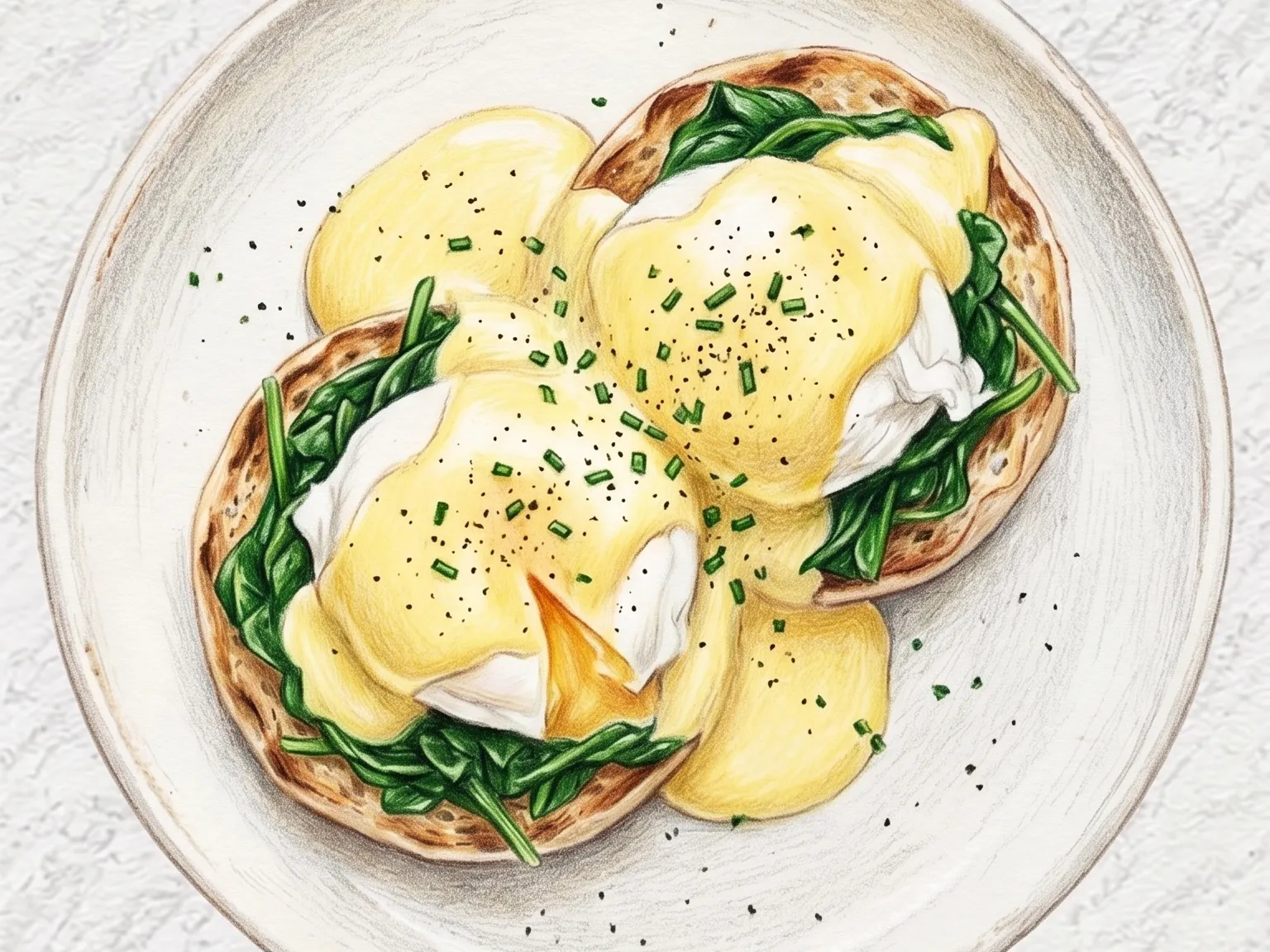
Eggs Florentine swaps the traditional bacon of Eggs Benedict for sauteed spinach, creating a brunch dish that is lighter but still rich with layered flavor. Spinach is wilted in butter for just one to two minutes and squeezed of excess moisture so it does not soak the toasted English muffin underneath. Hollandaise is built by whisking egg yolks with lemon juice over gentle indirect heat, then emulsifying them with slowly drizzled melted butter until the sauce is smooth and thick. Poached eggs cook for about three minutes in barely simmering water until the whites are fully set around a still-runny yolk. Cutting into the yolk sends a golden stream over the spinach and sauce, binding the layers together. Keeping the bain-marie at the right temperature is the critical step in the hollandaise, because too much heat scrambles the yolks before the emulsion forms, while too little leaves the sauce thin and unstable.

Brown Sugar Cinnamon Rolls
Brown sugar replaces white sugar in the filling of these cinnamon rolls, contributing a molasses-like depth that elevates the pastry well beyond the standard version. The yeast dough, enriched with milk, egg, and butter, rises into a soft elastic sheet that rolls easily around the dark sugar and cinnamon mixture. During baking, the brown sugar melts into a sticky caramel layer that clings to every spiraled edge. The rolls emerge darker in color and richer in character, carrying a mineral sweetness that white sugar cannot replicate. Cinnamon warmth penetrates every layer from edge to center without fading at the core. A cream cheese glaze drizzled over the hot rolls immediately after baking introduces a tangy counterpoint that prevents the sweetness from becoming one-dimensional, and the contrast between the warm, dark filling and the cool, pale glaze makes each pull-apart layer worth eating slowly.

Japanese Cotton Cheesecake
Japanese cotton cheesecake pursues a cloud-light, moist texture in place of the dense, heavy richness of a New York-style cheesecake. Cream cheese is melted and blended with egg yolks and milk, then stiffly beaten meringue is folded in three additions to keep as much air in the batter as possible. Baking in a water bath at around 150 degrees Celsius prevents the surface from setting too quickly and allows the interior to cook gently, so the finished cake wobbles when nudged from the pan. A slight collapse after removing from the oven is expected and normal. Resting in the refrigerator overnight redistributes moisture evenly through the crumb, deepening the cheese flavor while adding a silkier texture to each slice. On the palate, the cake dissolves almost weightlessly, releasing a mild tang from the cream cheese and a soft, eggy warmth. Very little flour goes into the batter, which keeps the texture smooth and delicate rather than cakey, making toppings entirely unnecessary.

Pineapple Upside-Down Cake
Brown sugar and butter line the bottom of a cake pan before pineapple rings are arranged in a tight pattern and covered with a vanilla sponge batter. During baking, the sugar and butter melt into a sticky caramel that coats each ring. When the warm cake is inverted onto a plate, the pineapple appears on top in a glossy, amber-glazed arrangement. The fruit's natural acidity cuts through the caramel's sweetness, while the buttery sponge beneath absorbs just enough juice to stay moist without becoming soggy. Running a knife around the edge before flipping ensures a clean release. Patting the pineapple rings dry before placing them in the pan prevents excess moisture from diluting the caramel layer.